
Ford Mustang GT350 H Clone
Description
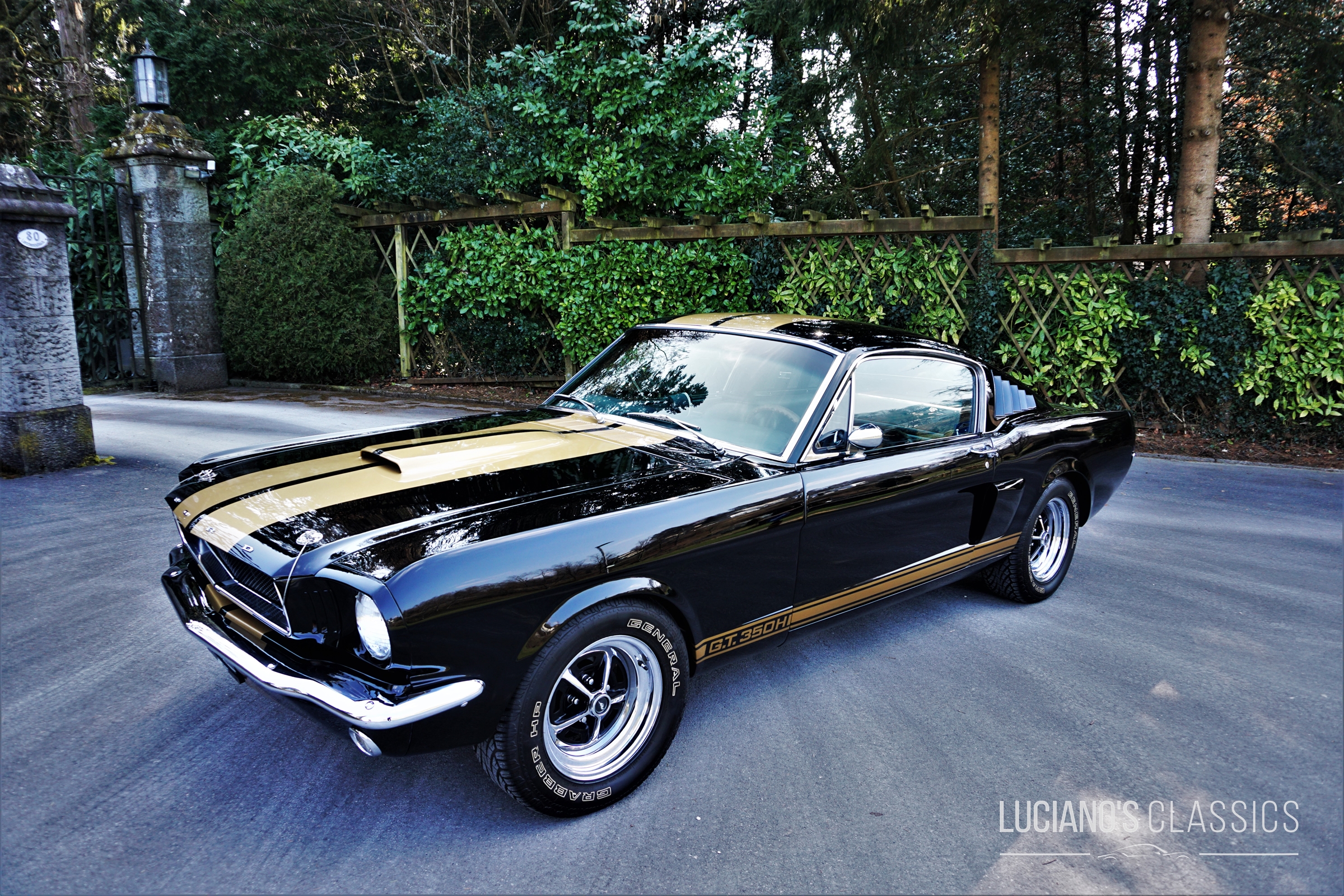
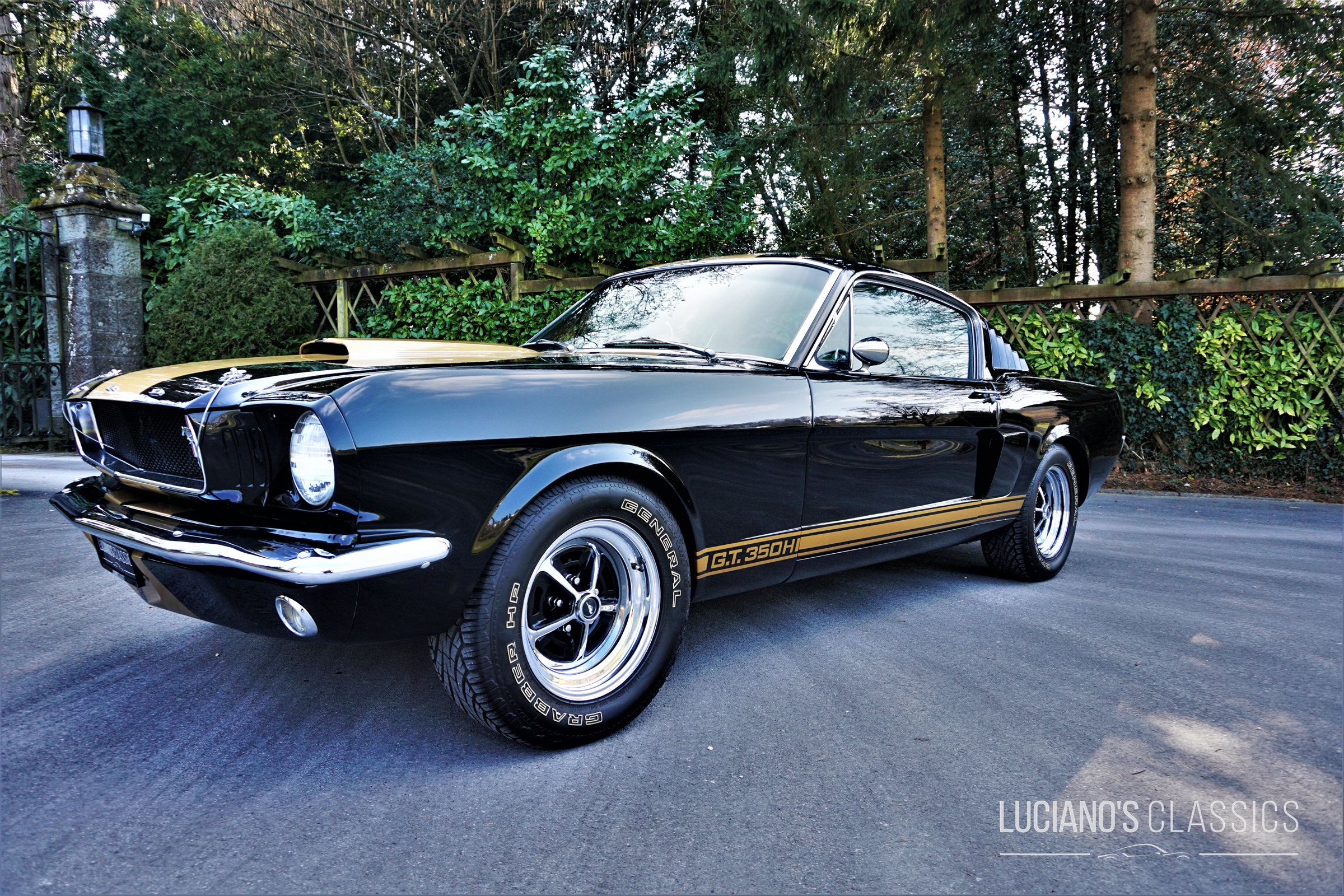
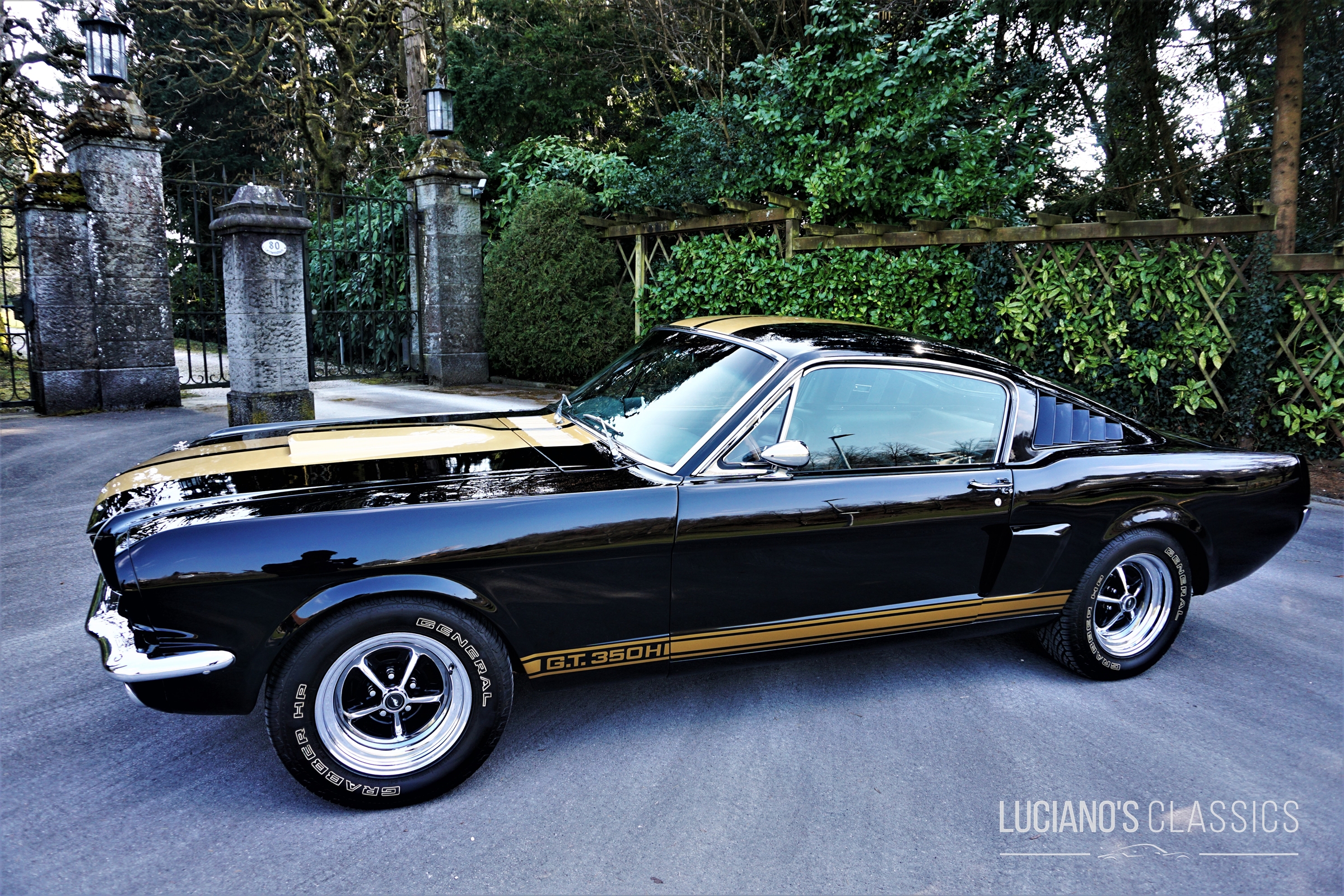
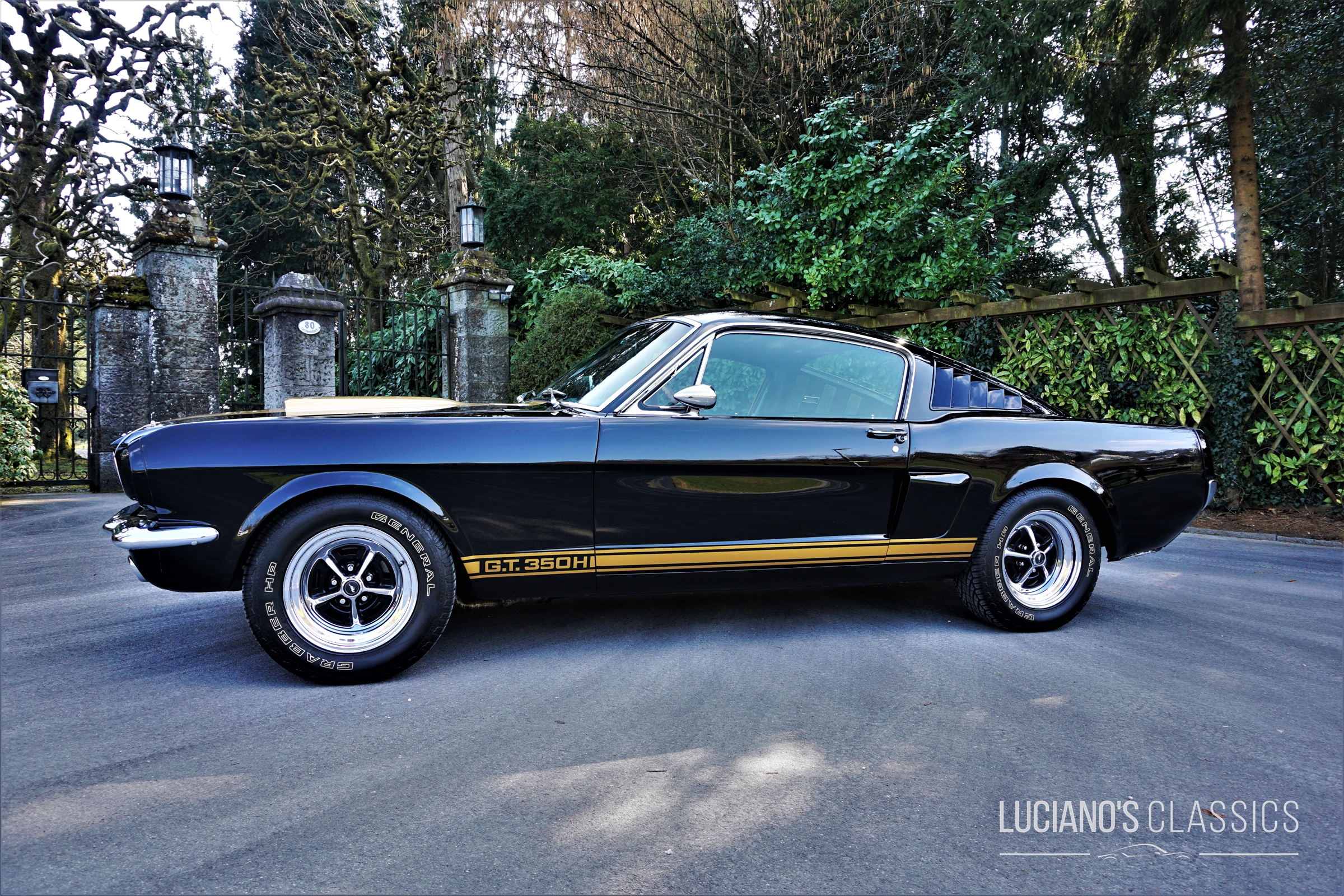
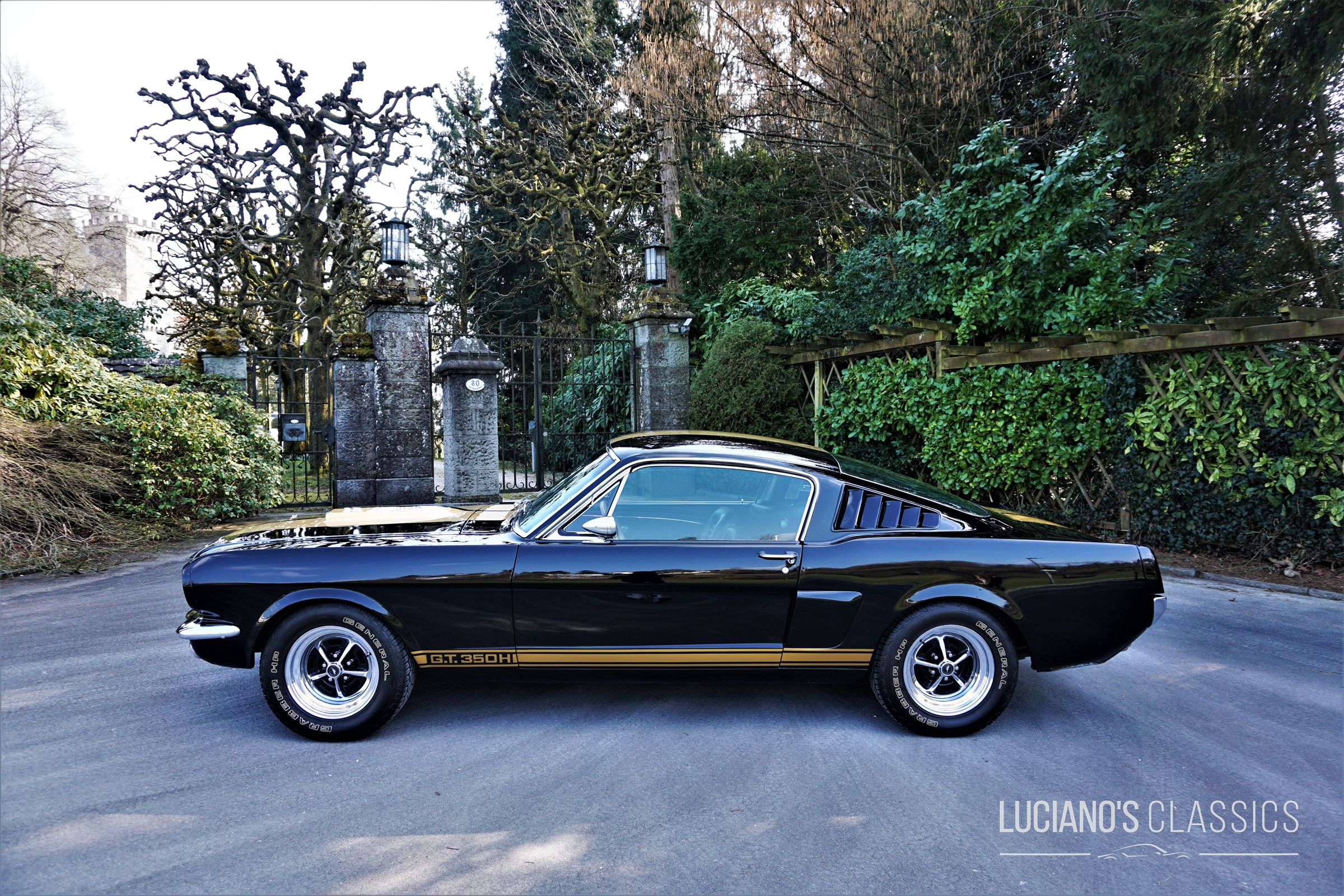
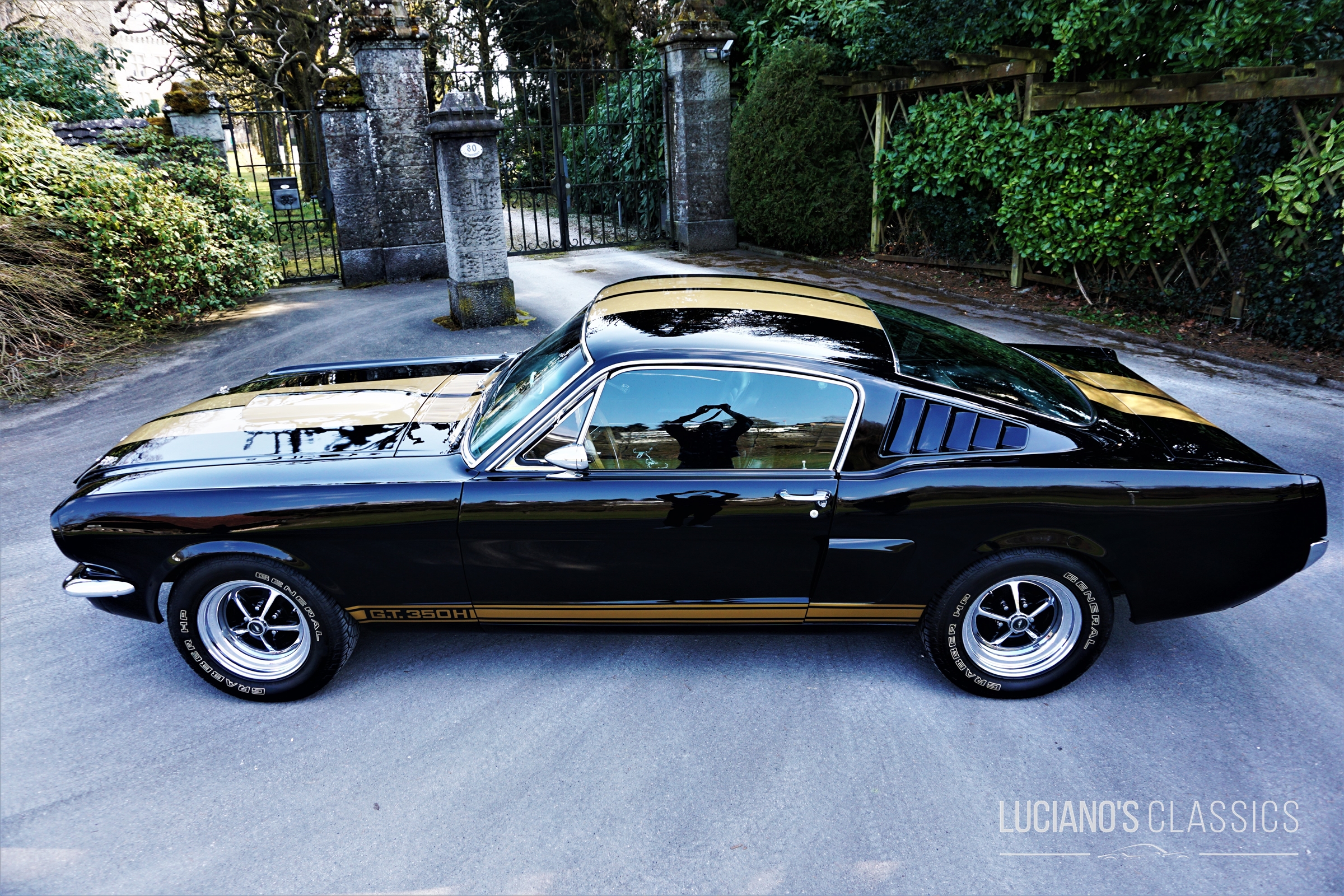
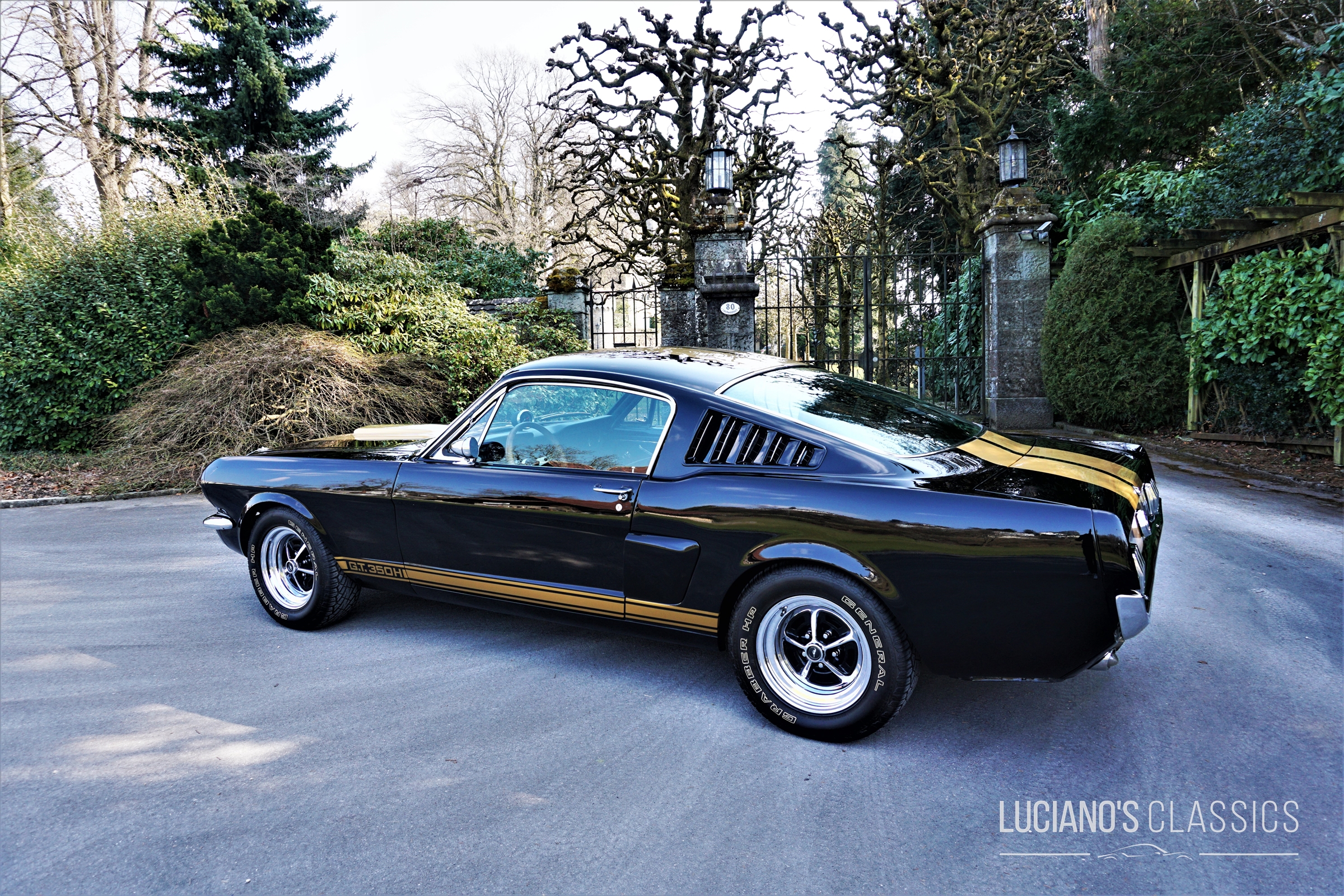
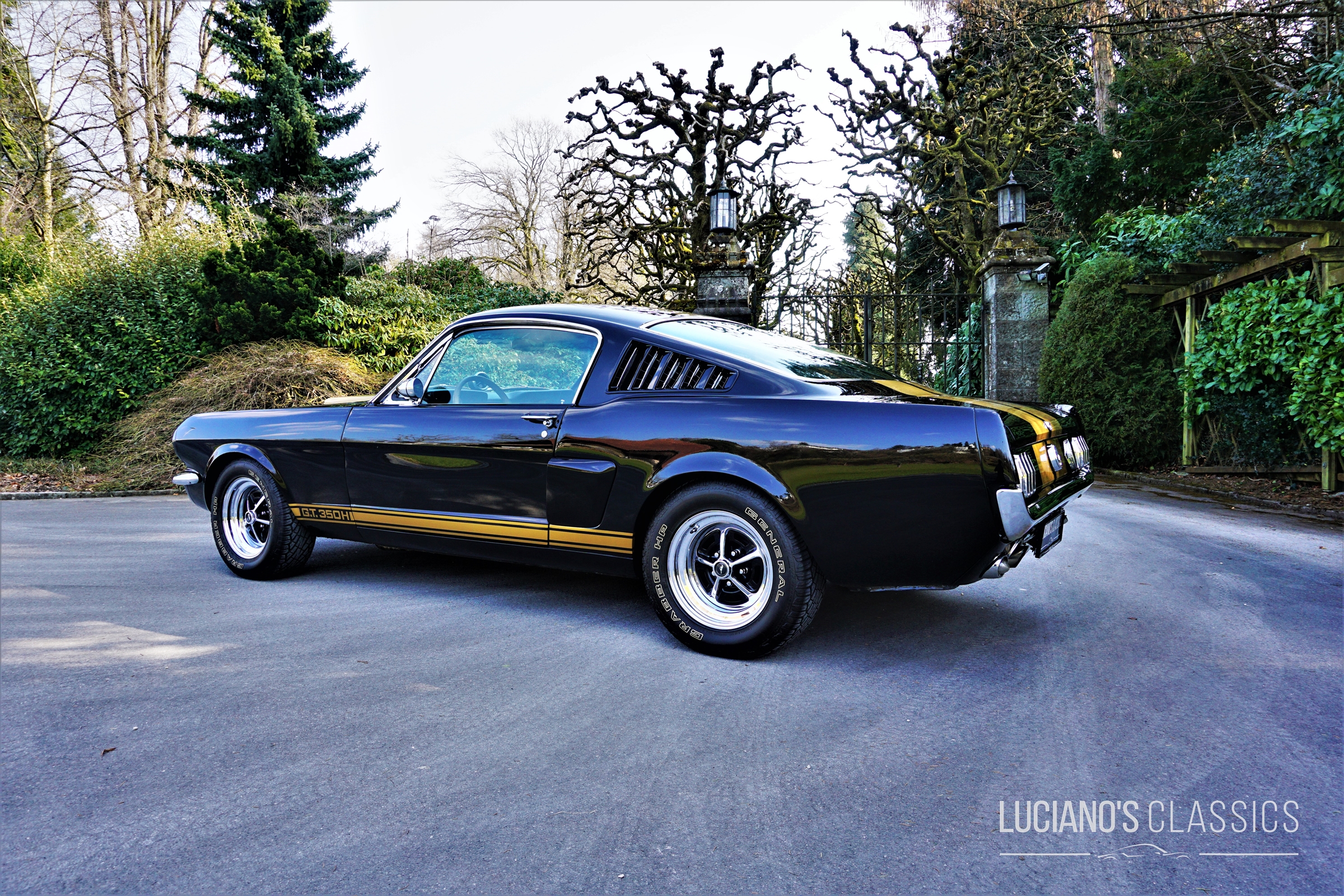
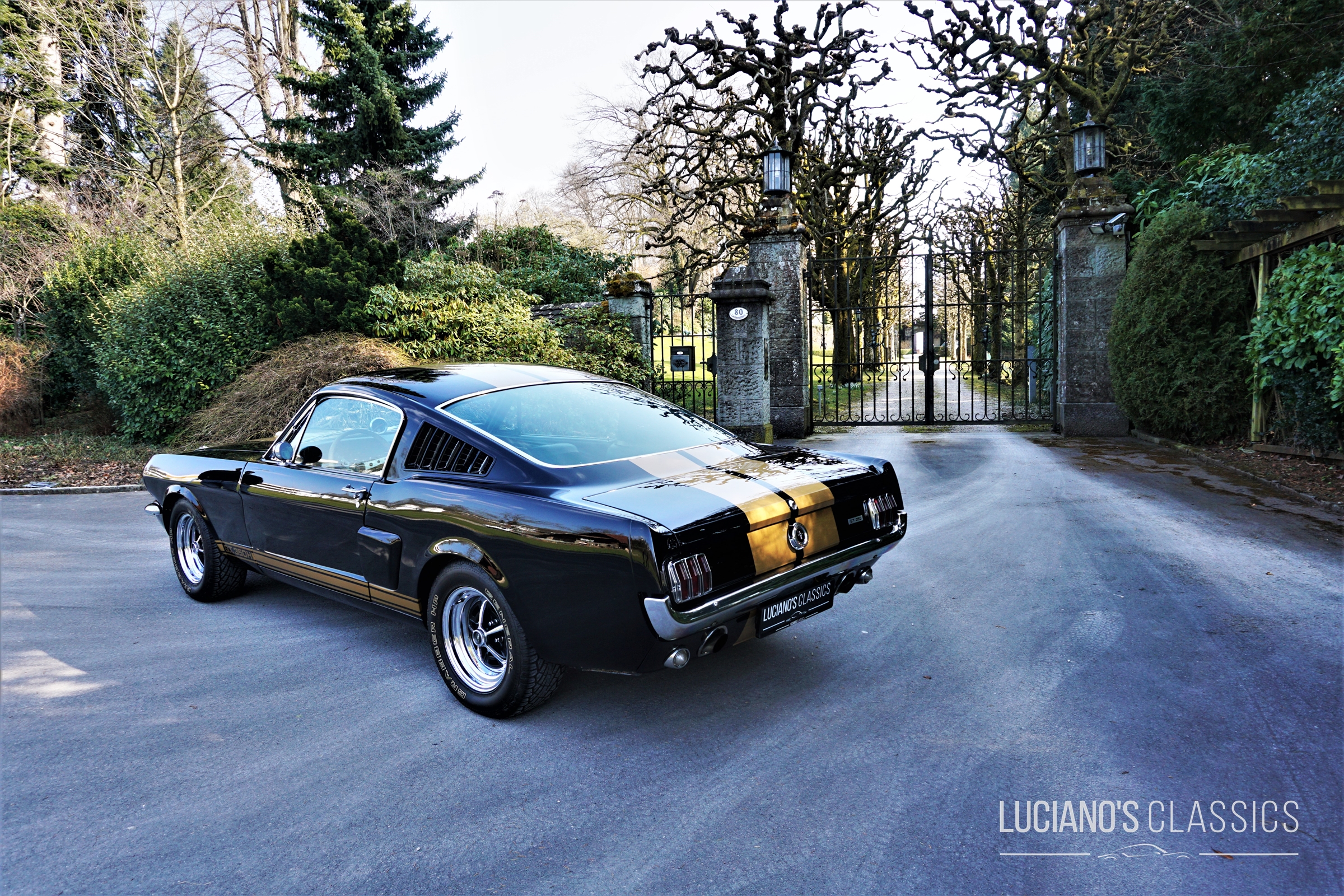
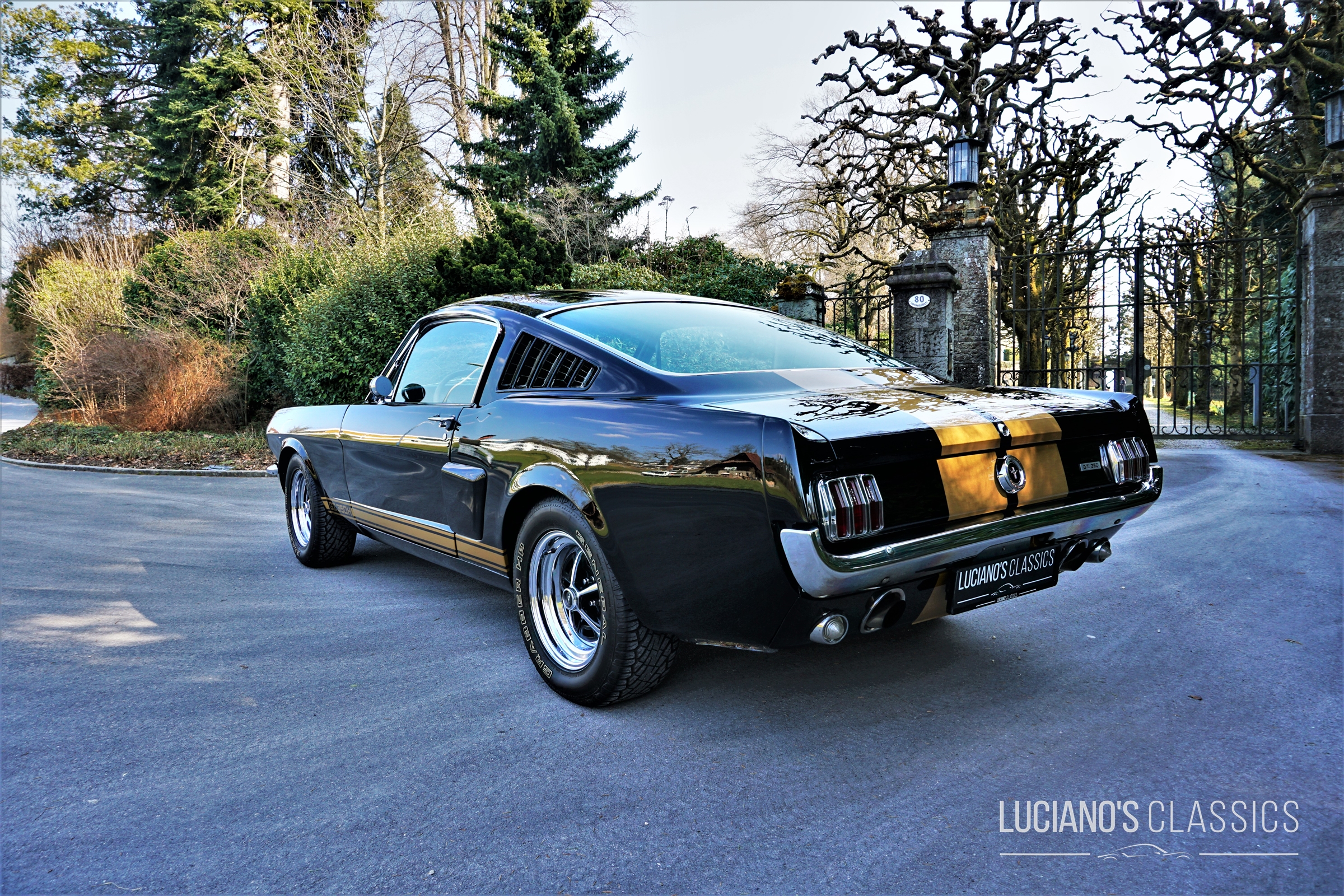
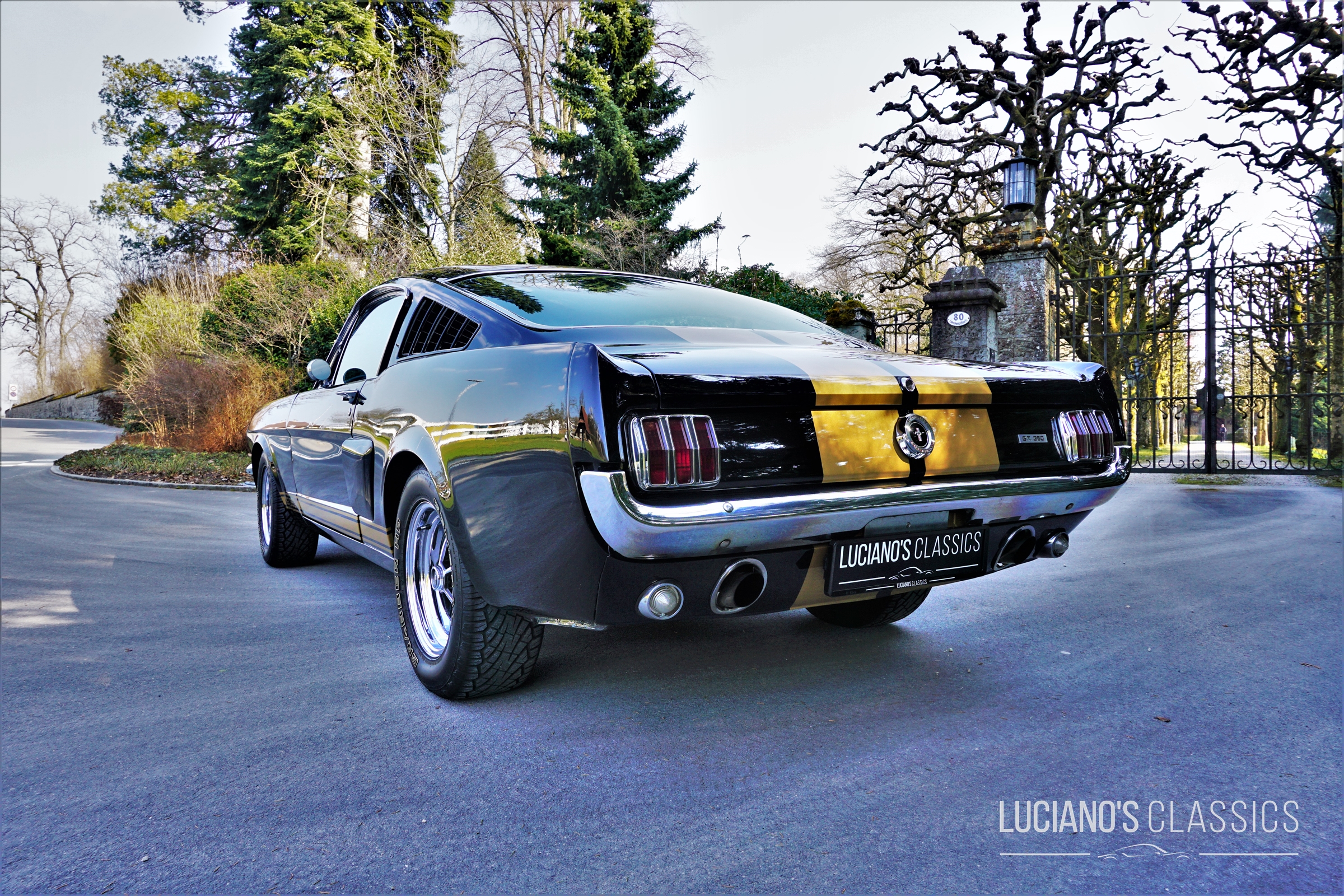
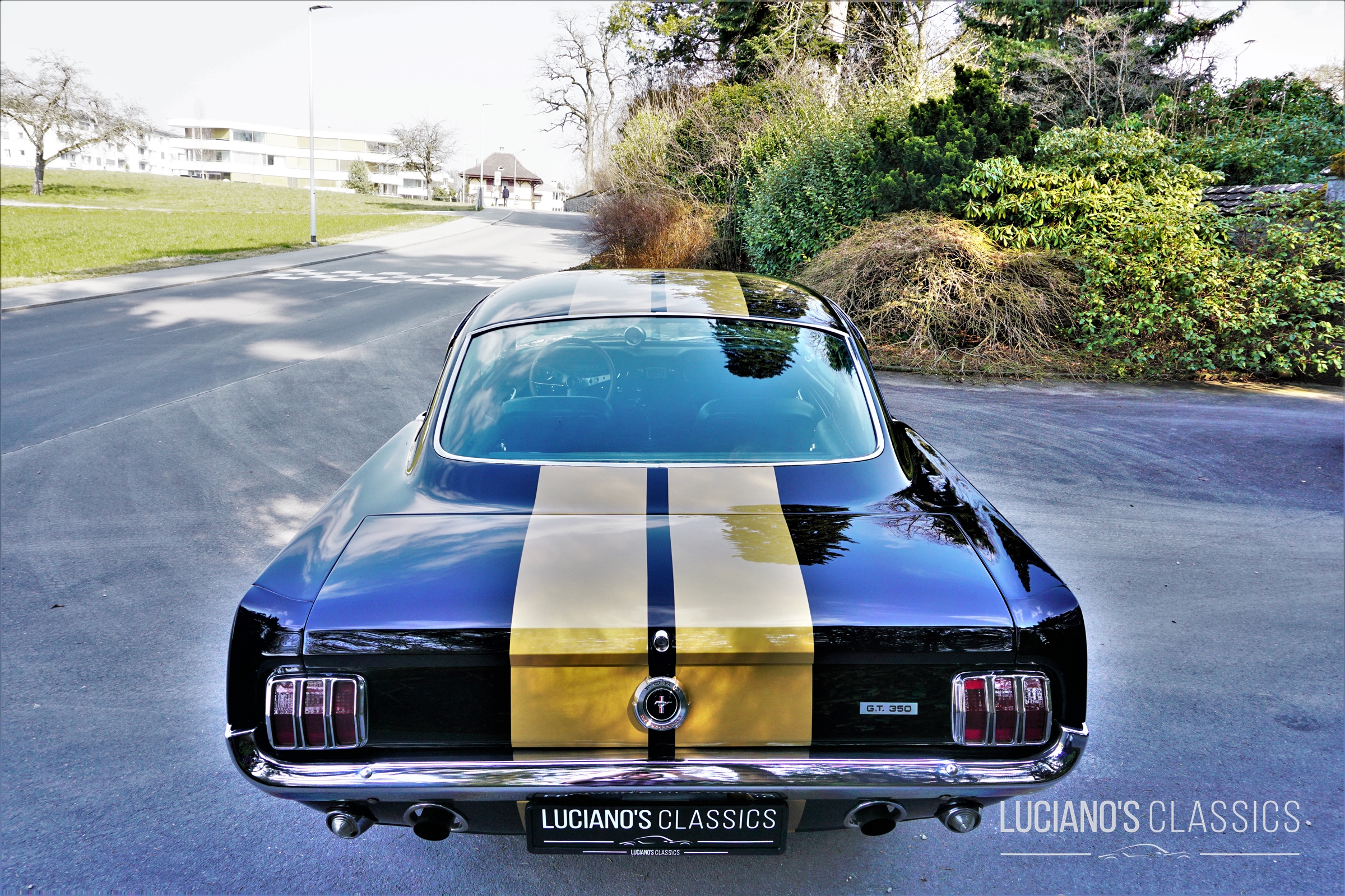
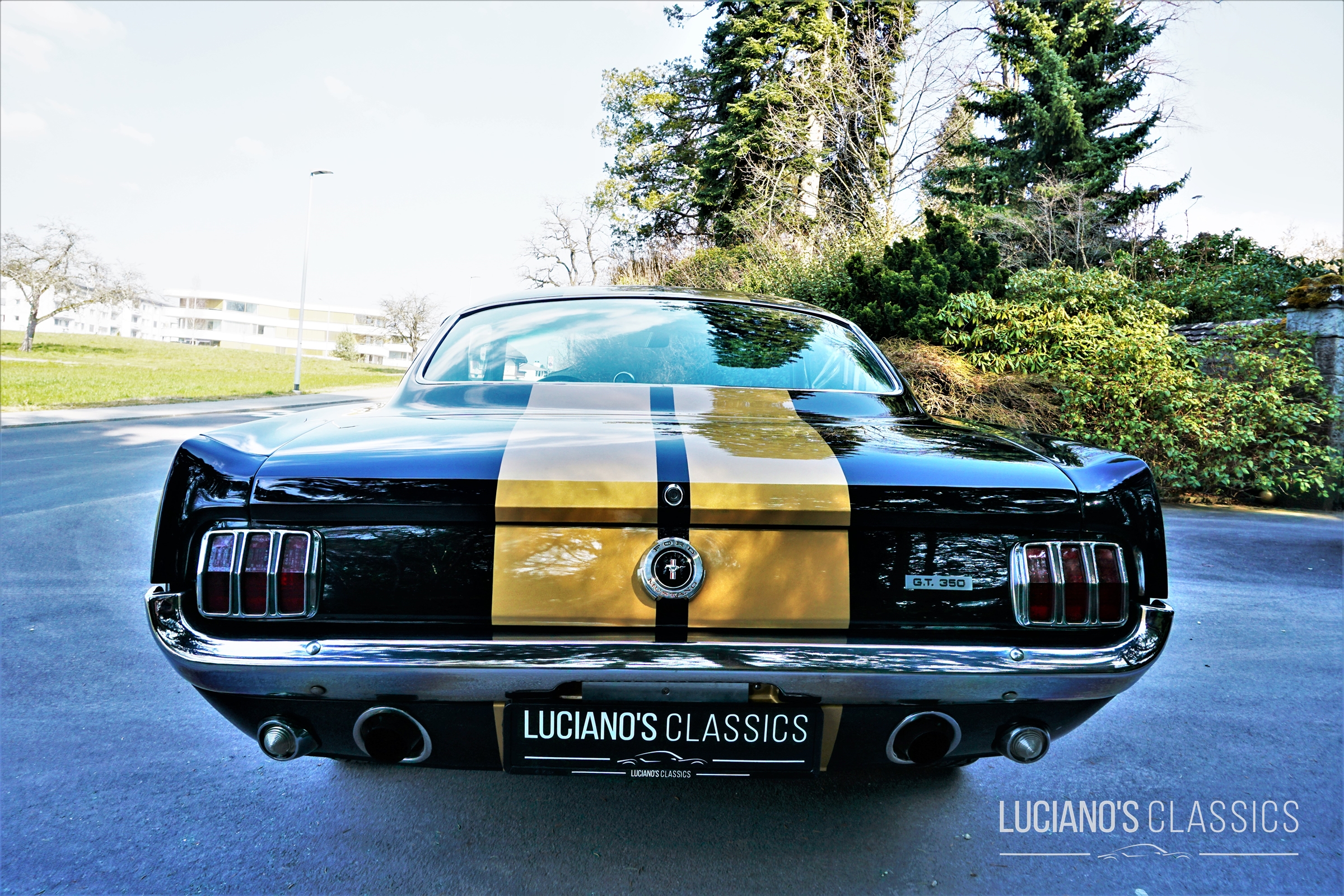
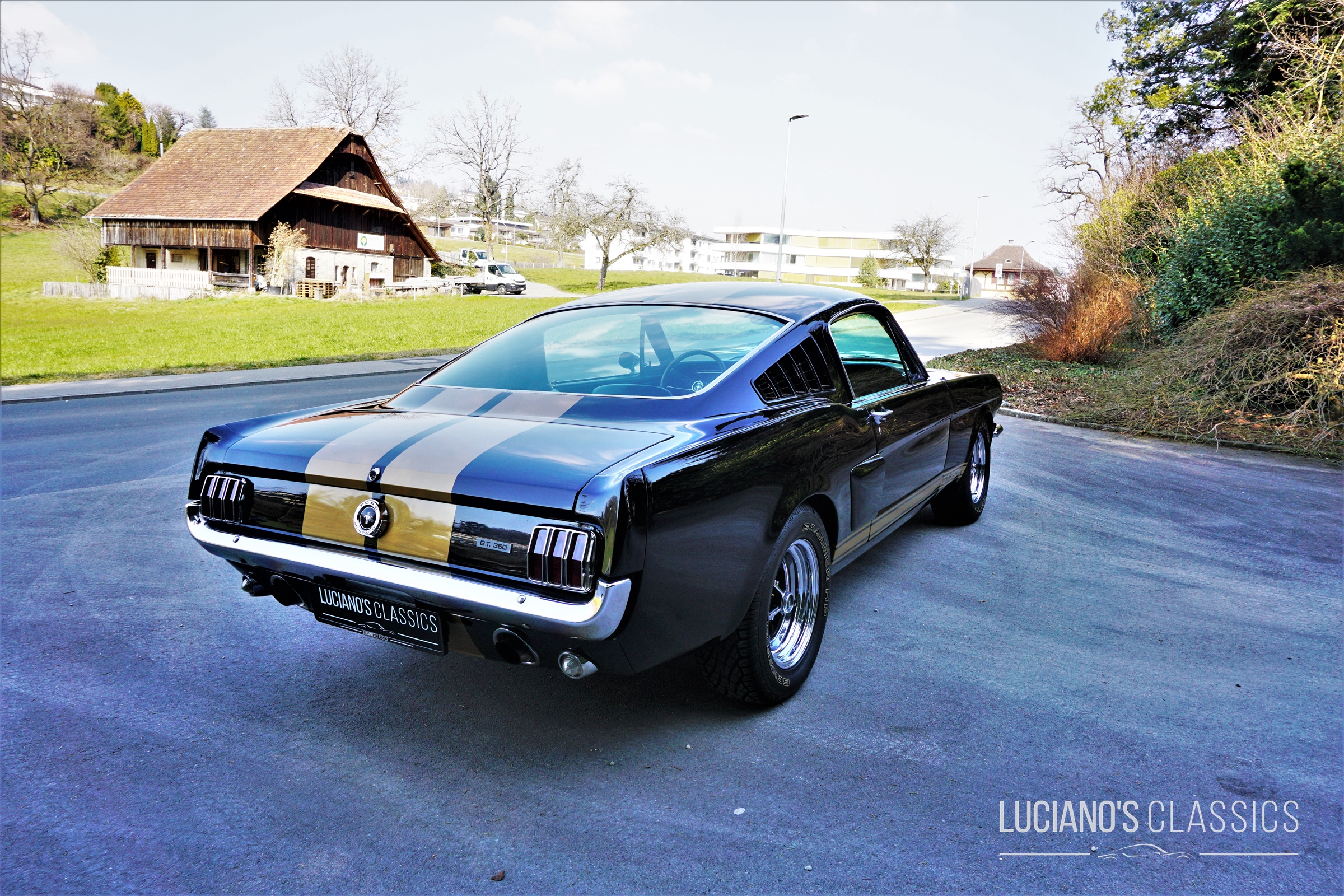
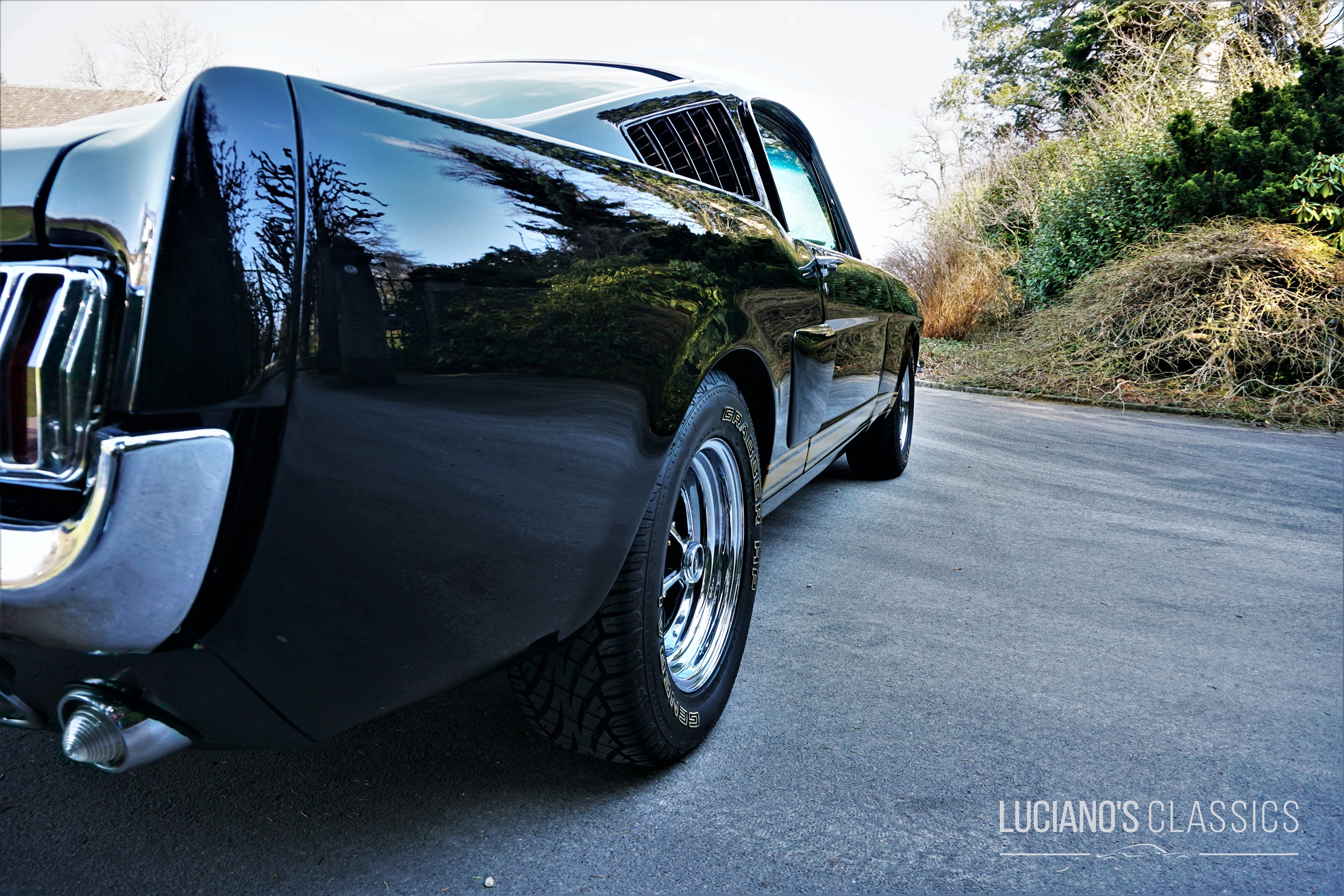
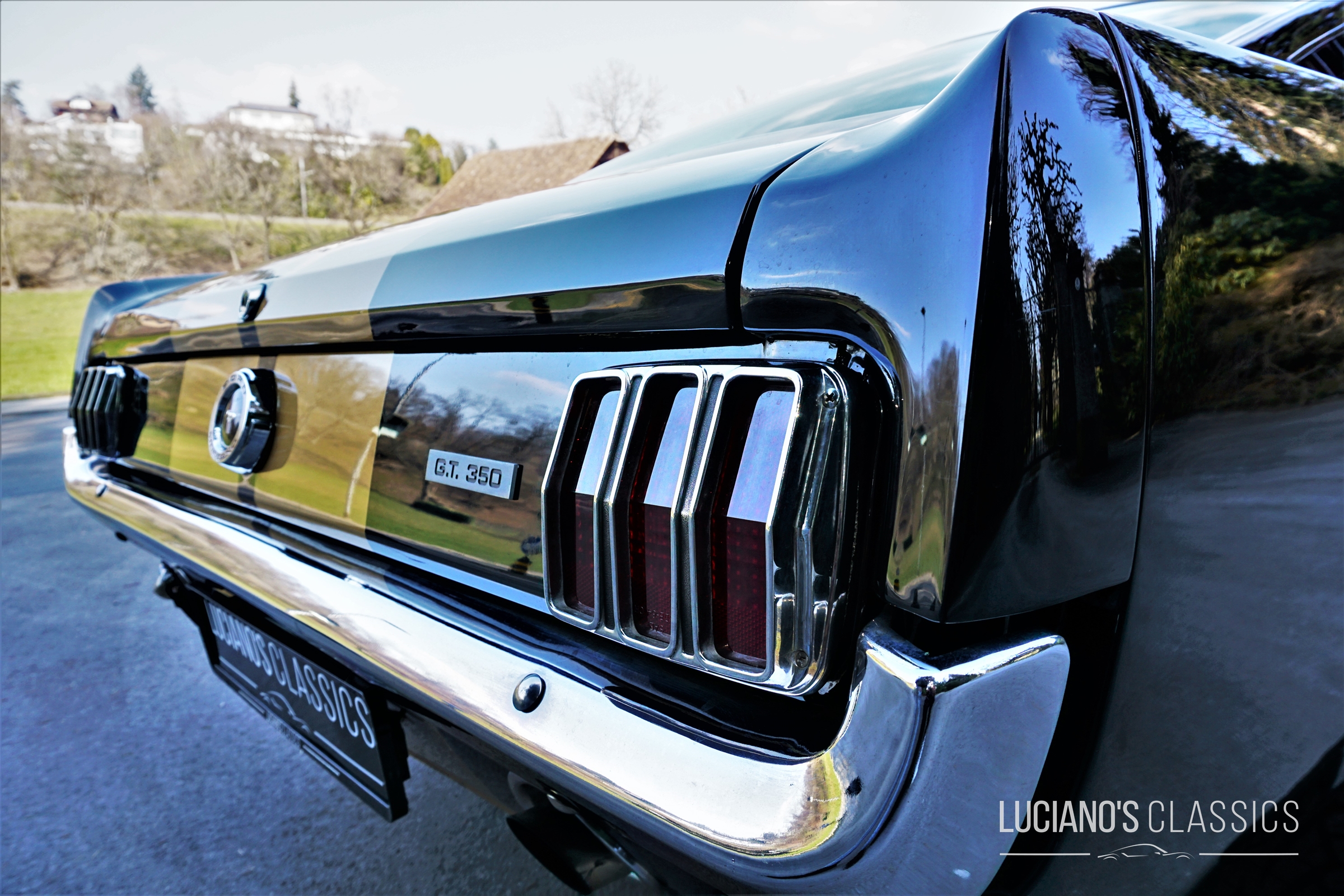
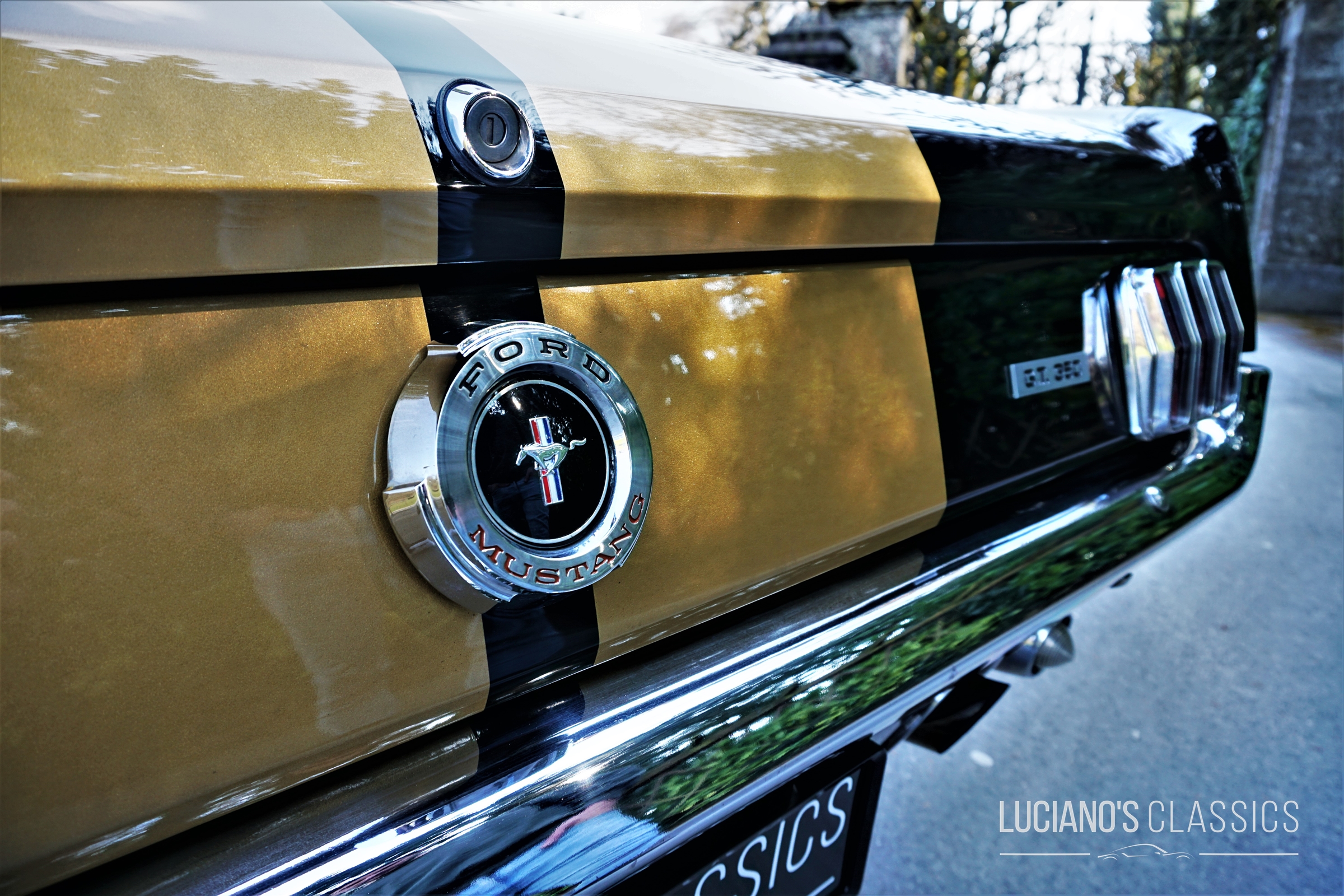
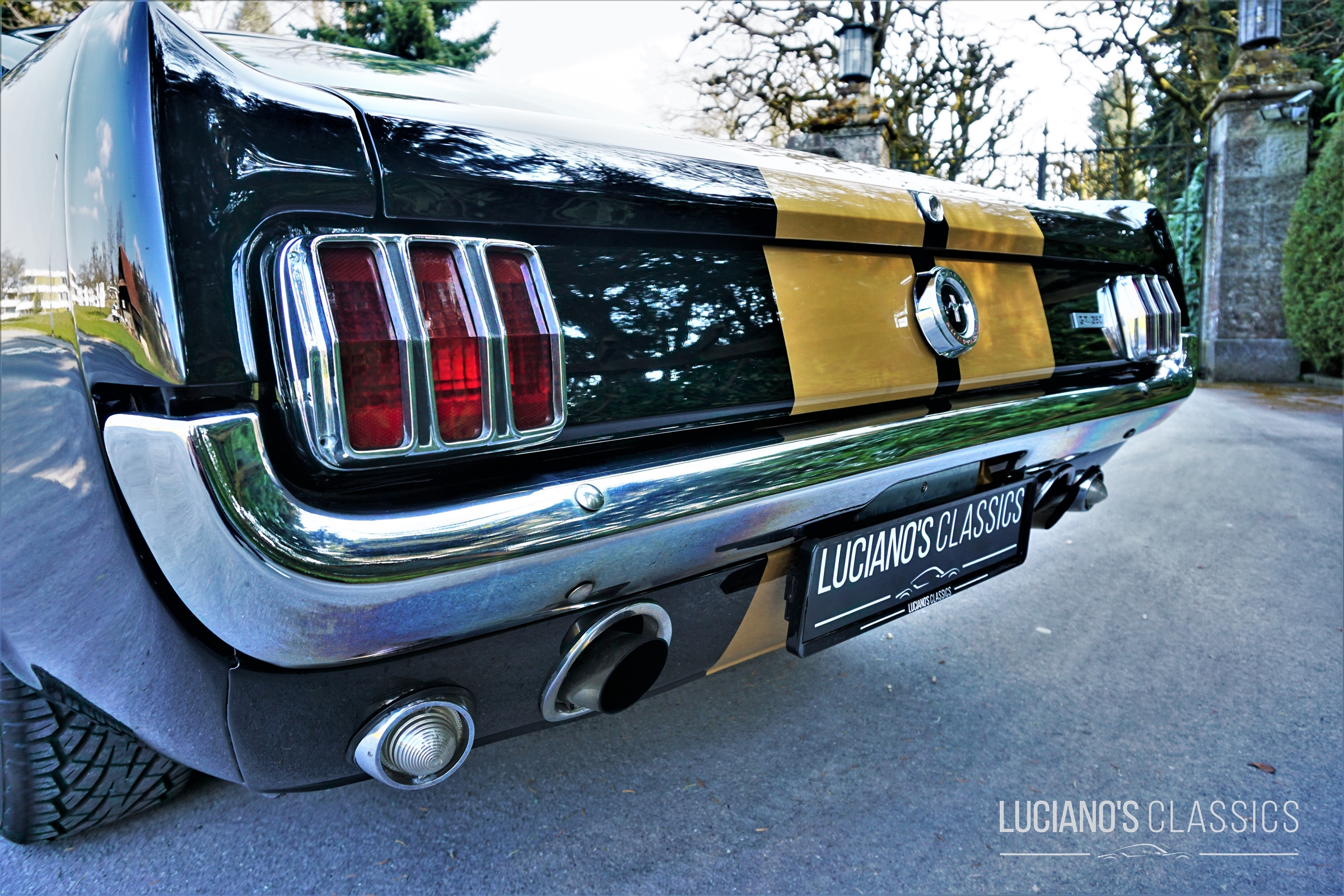
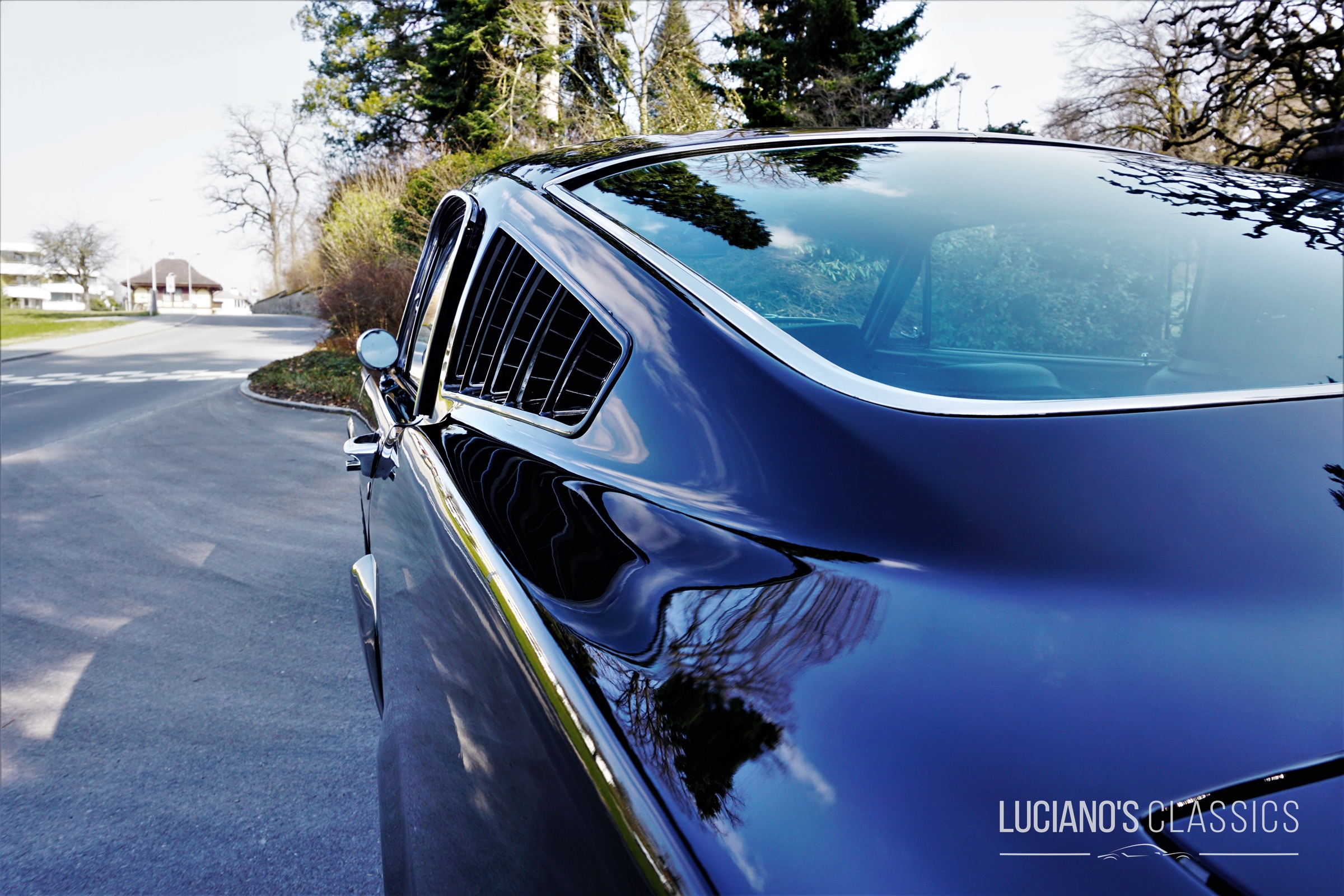
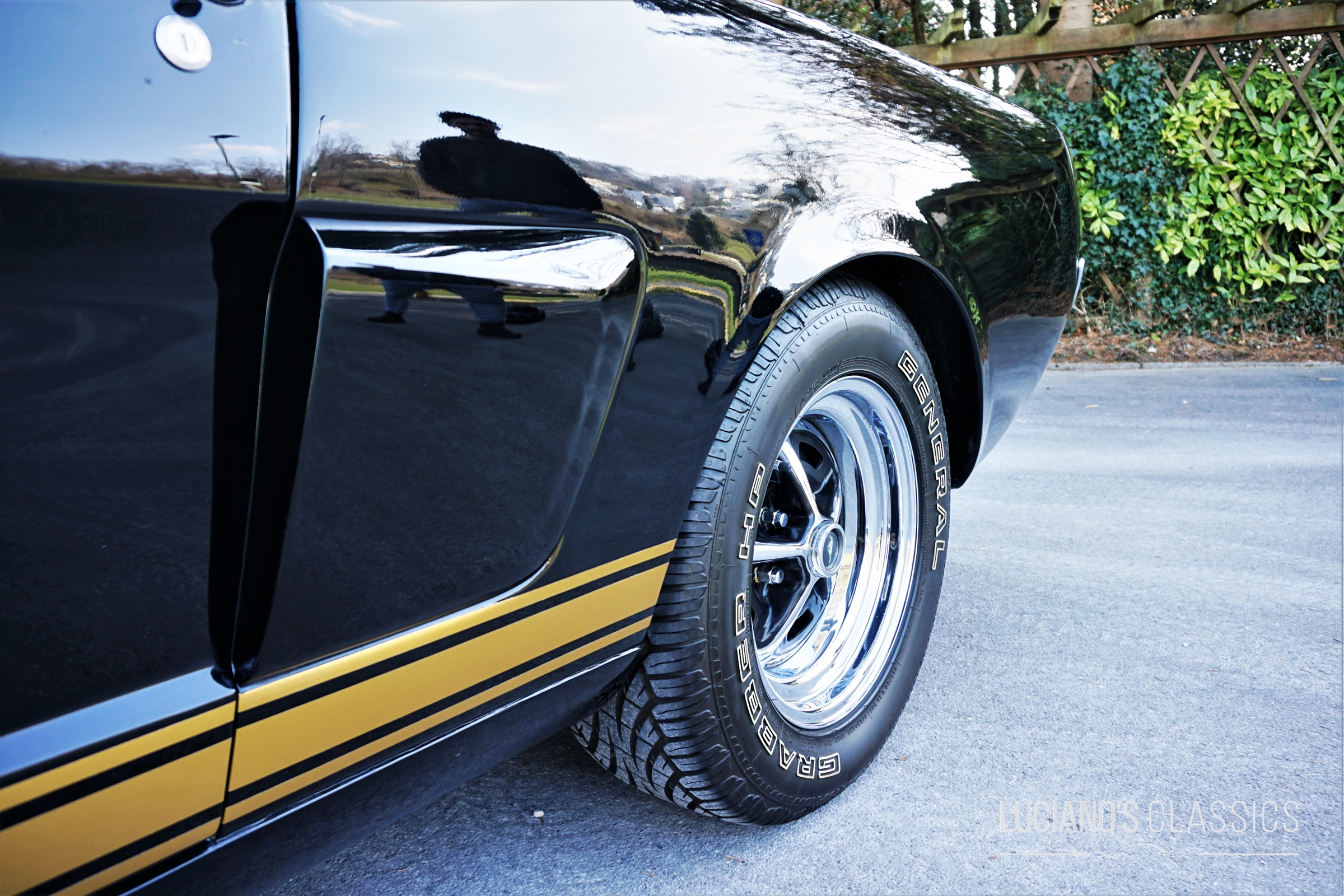
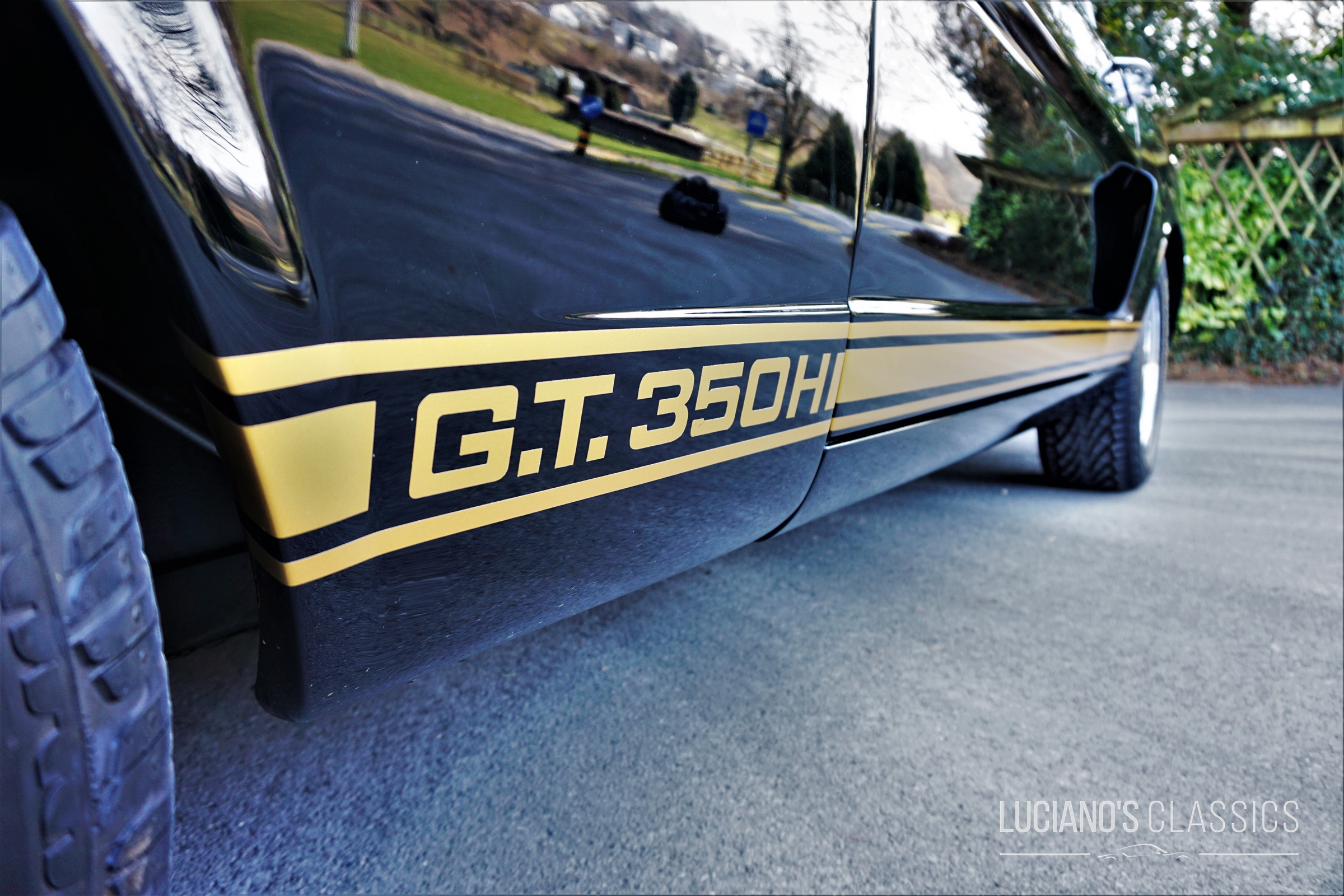
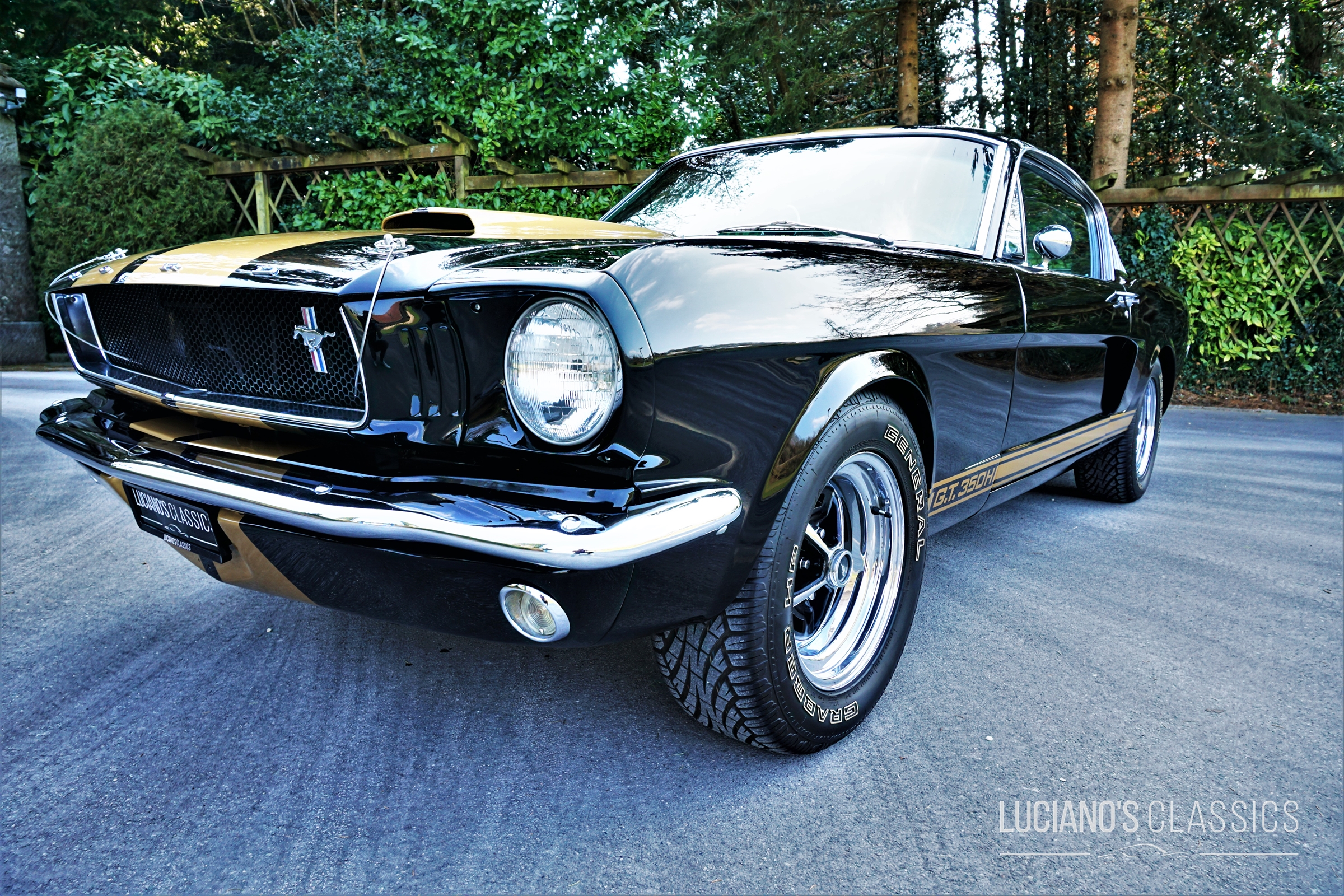
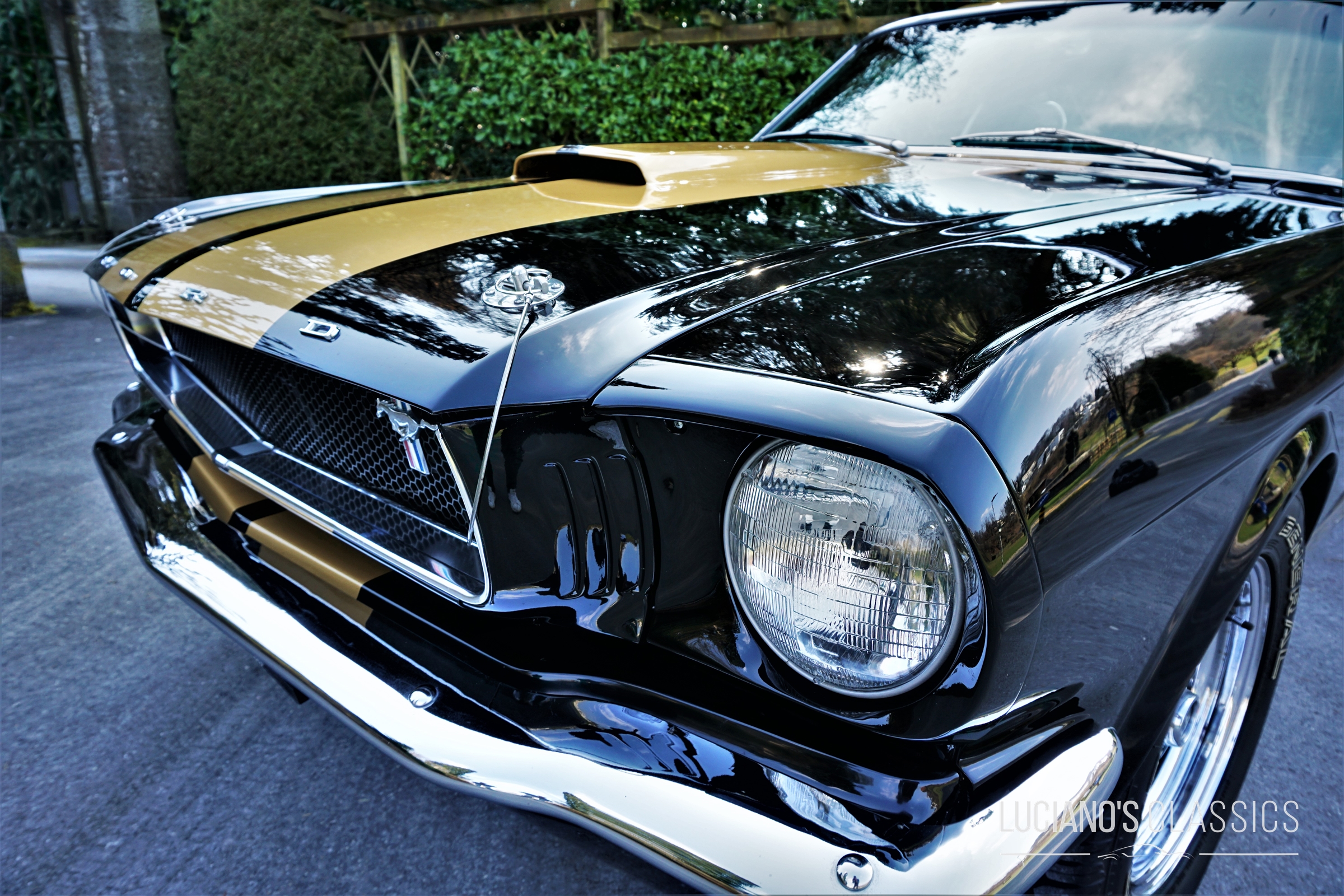
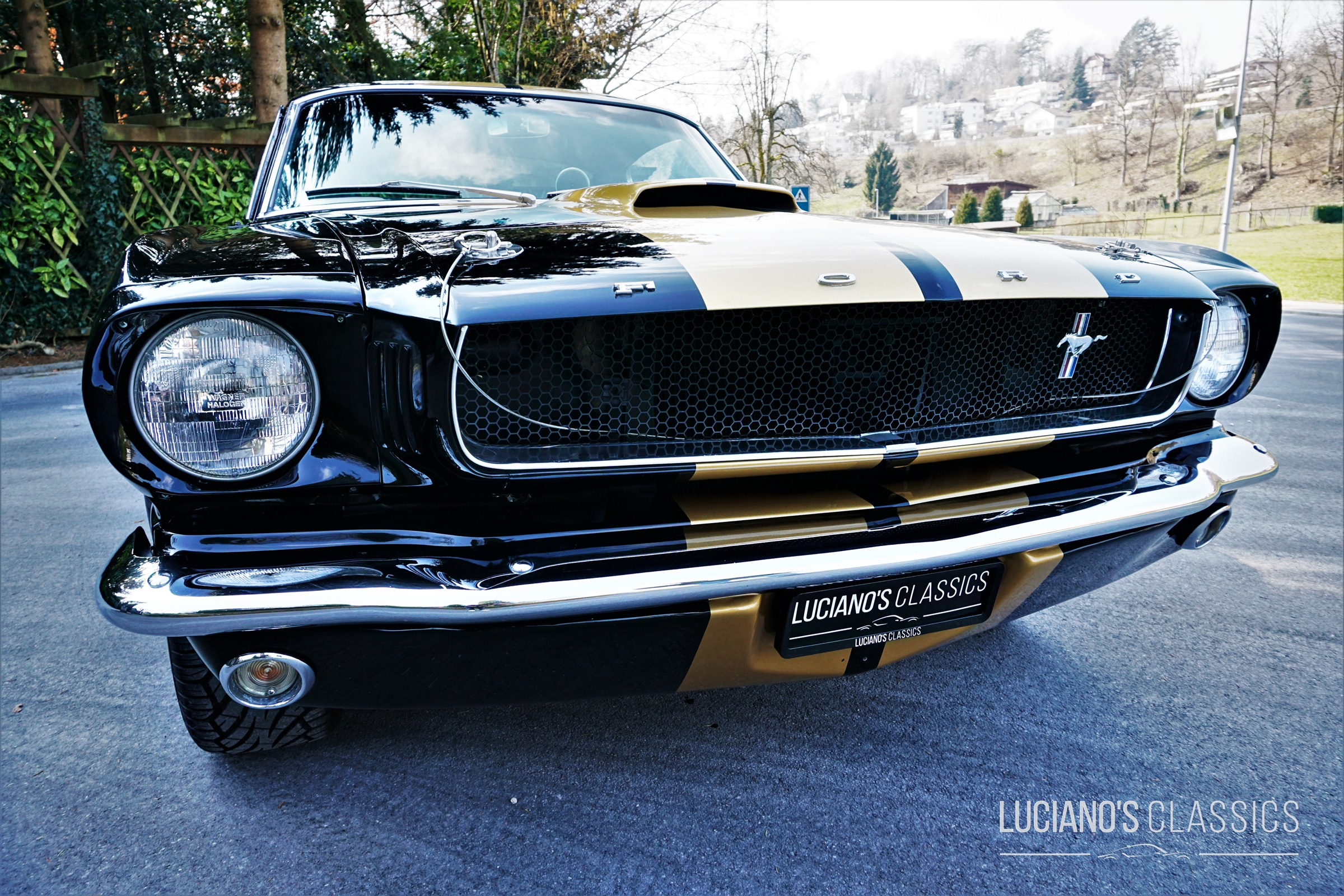
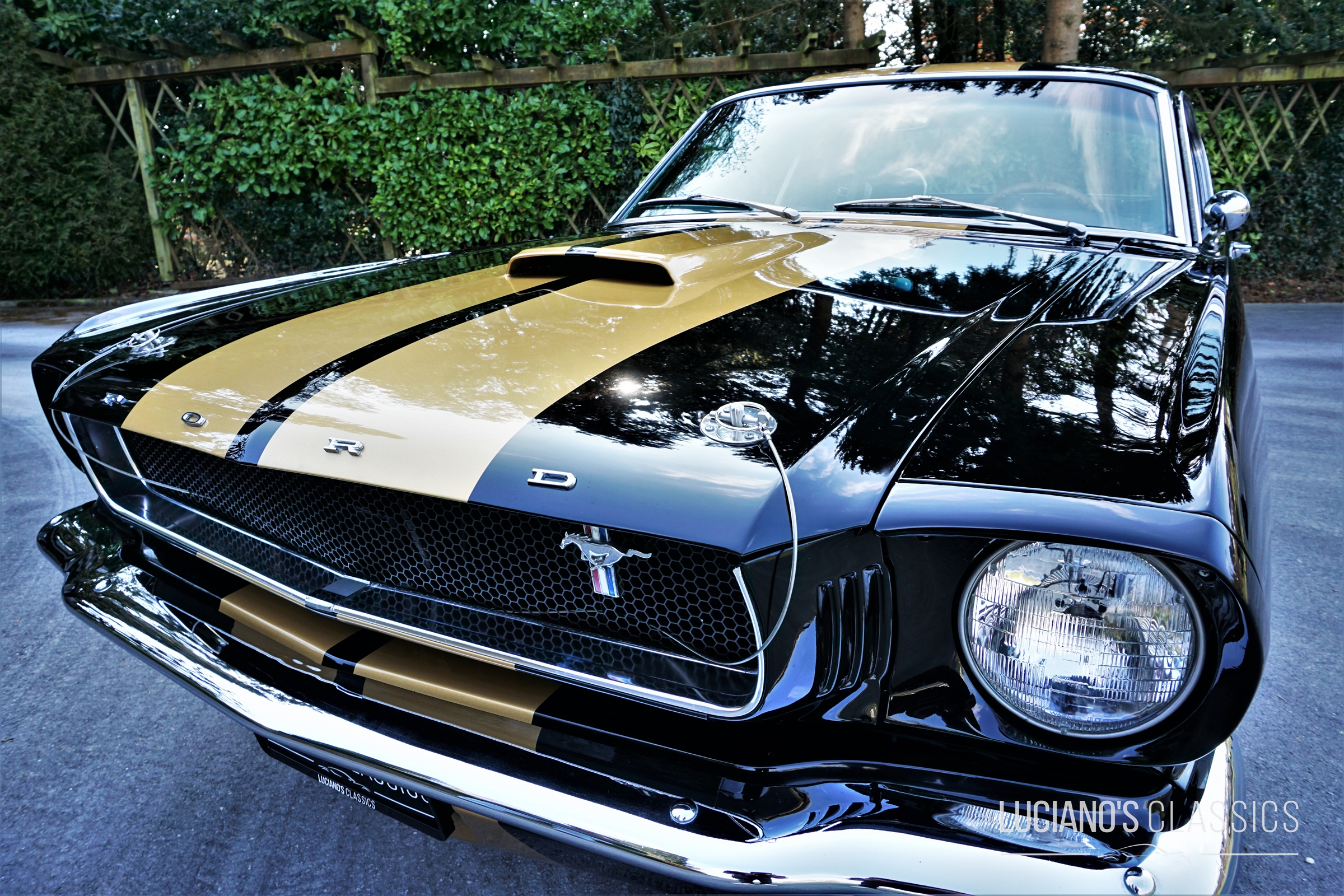
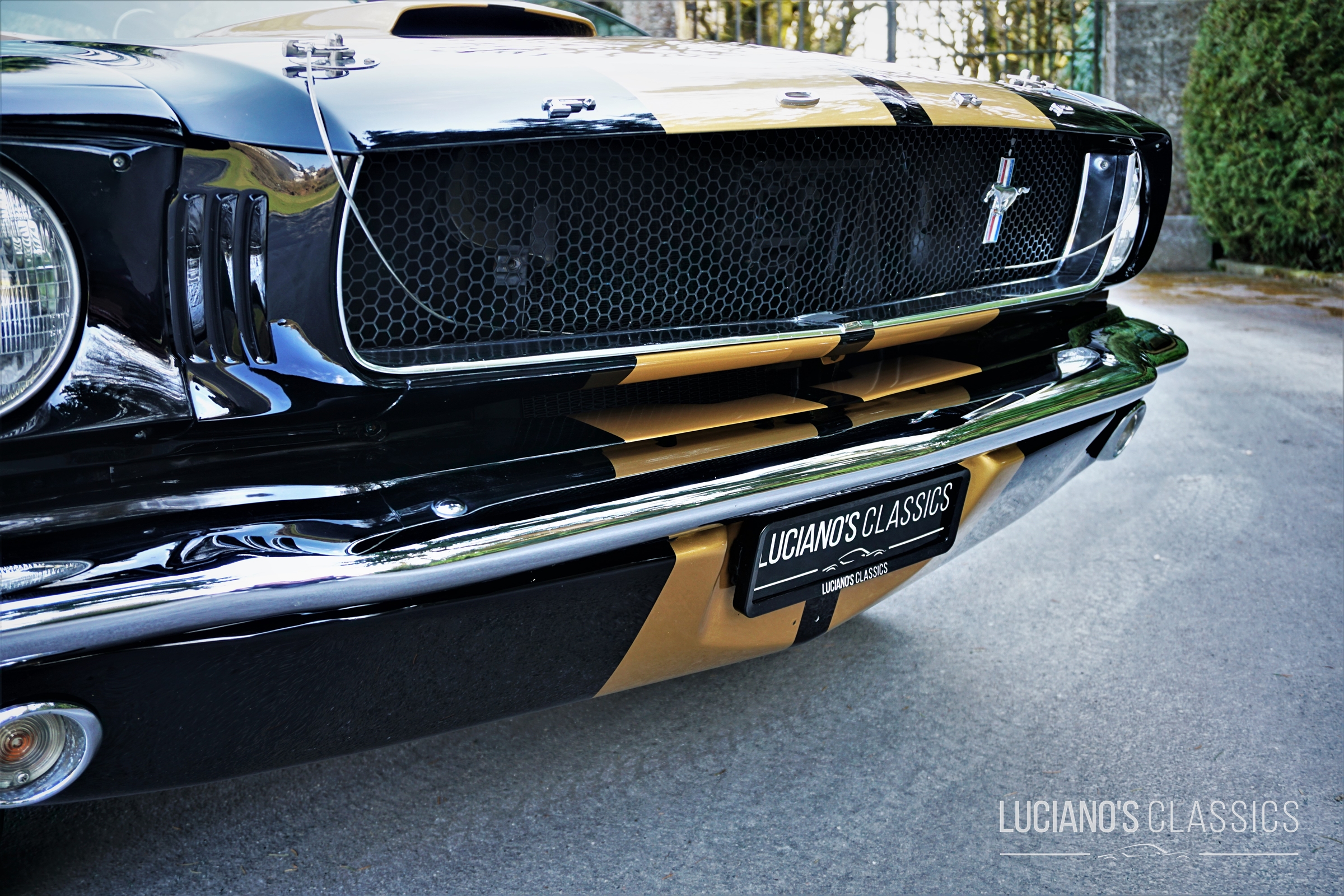
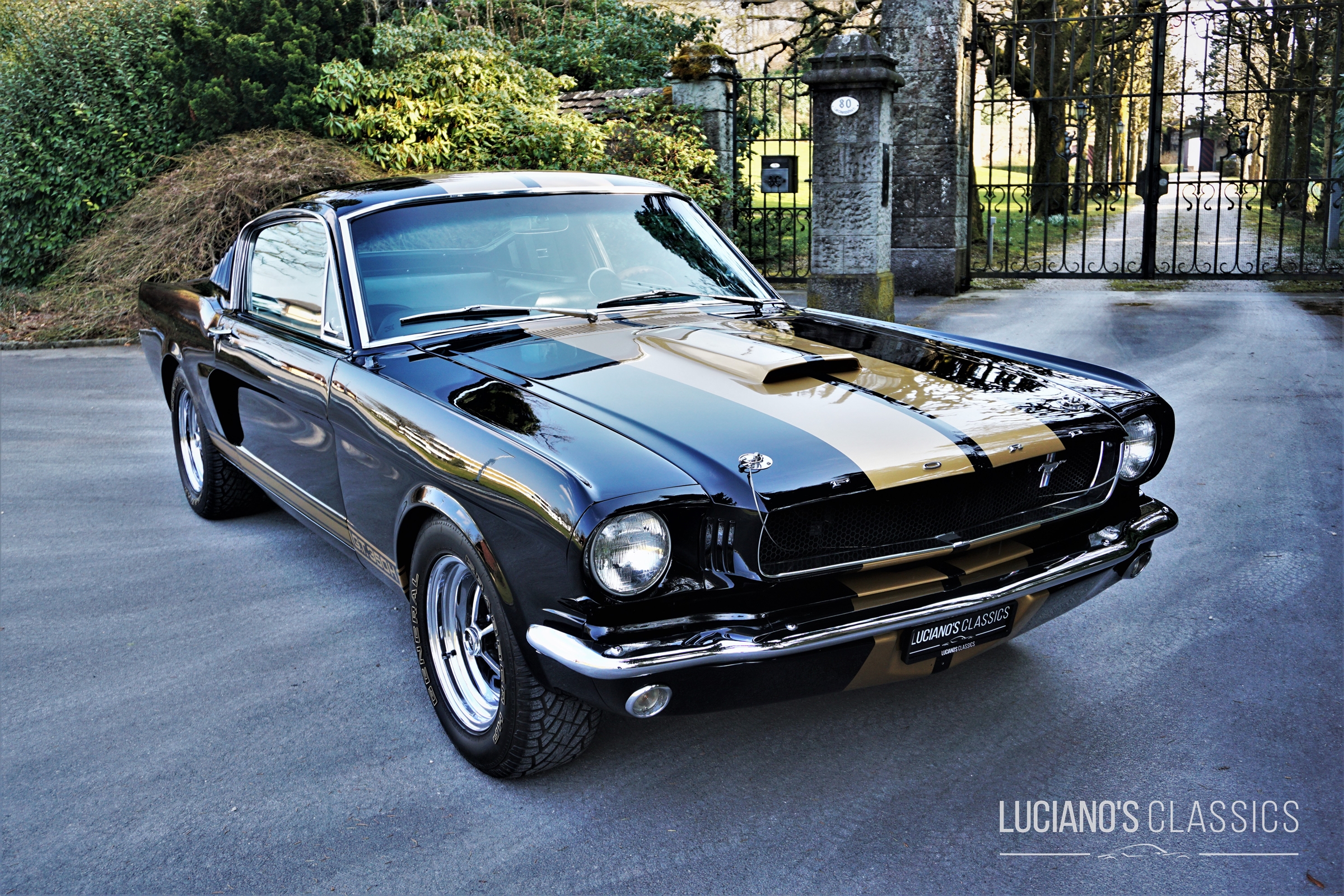
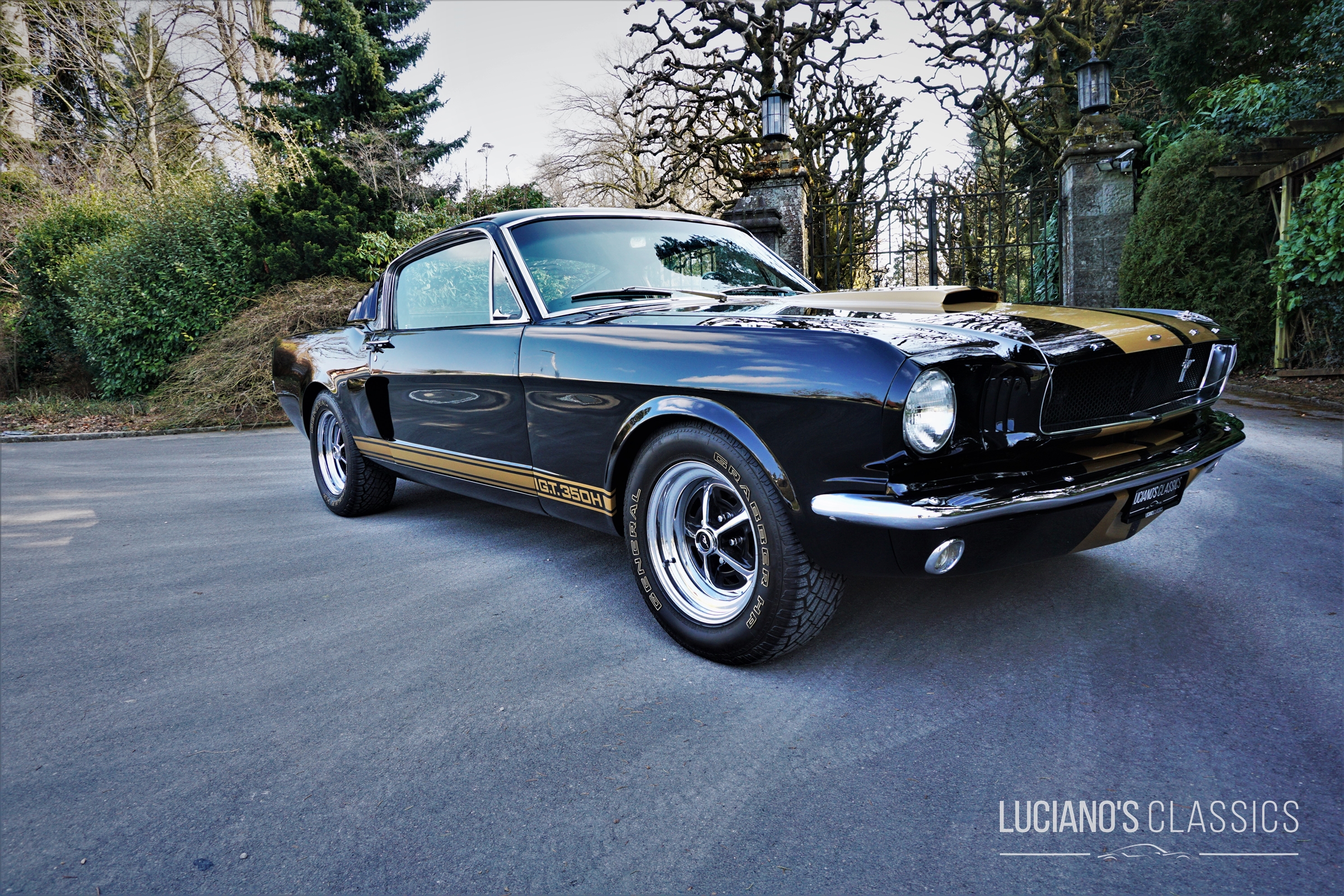
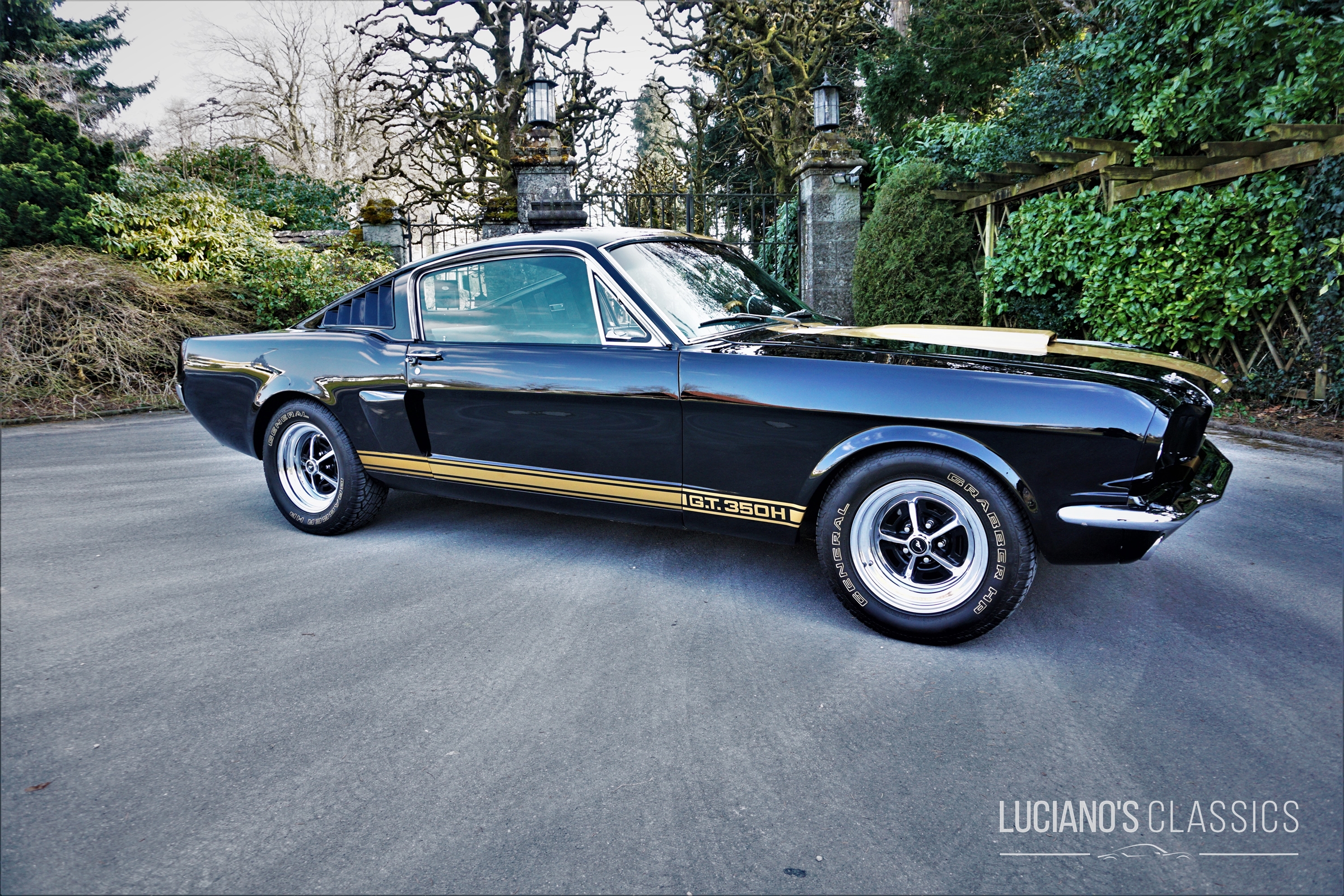
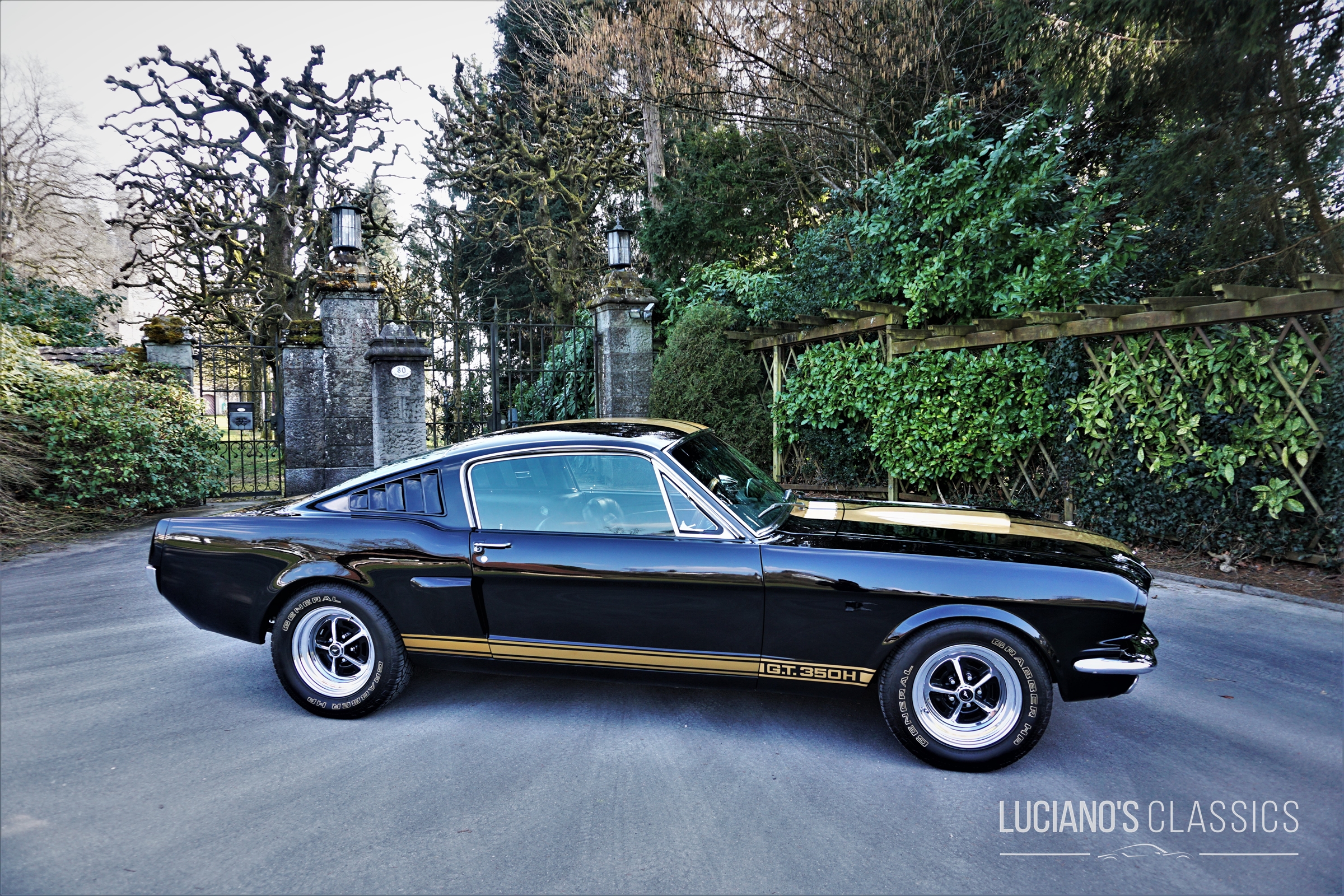
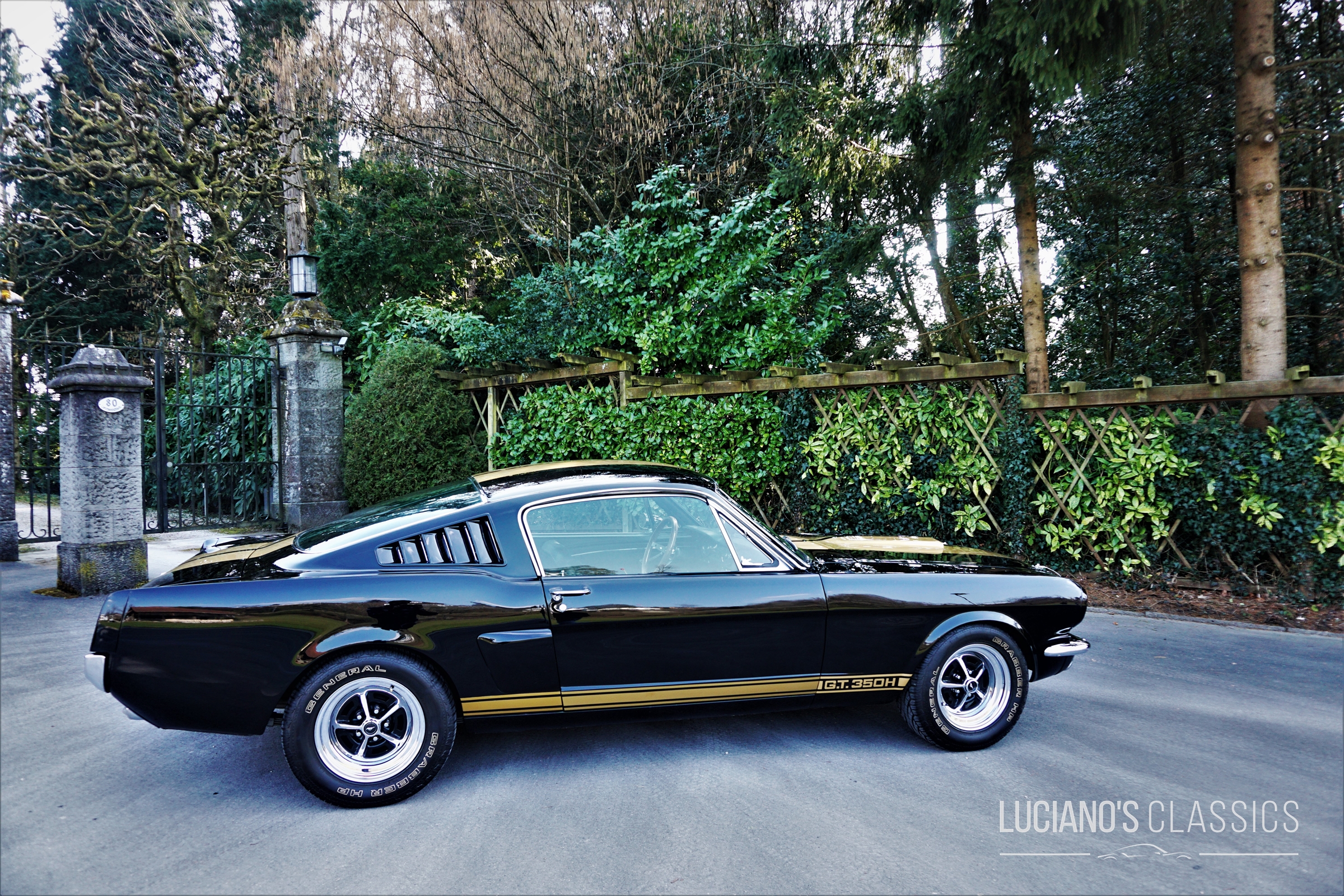
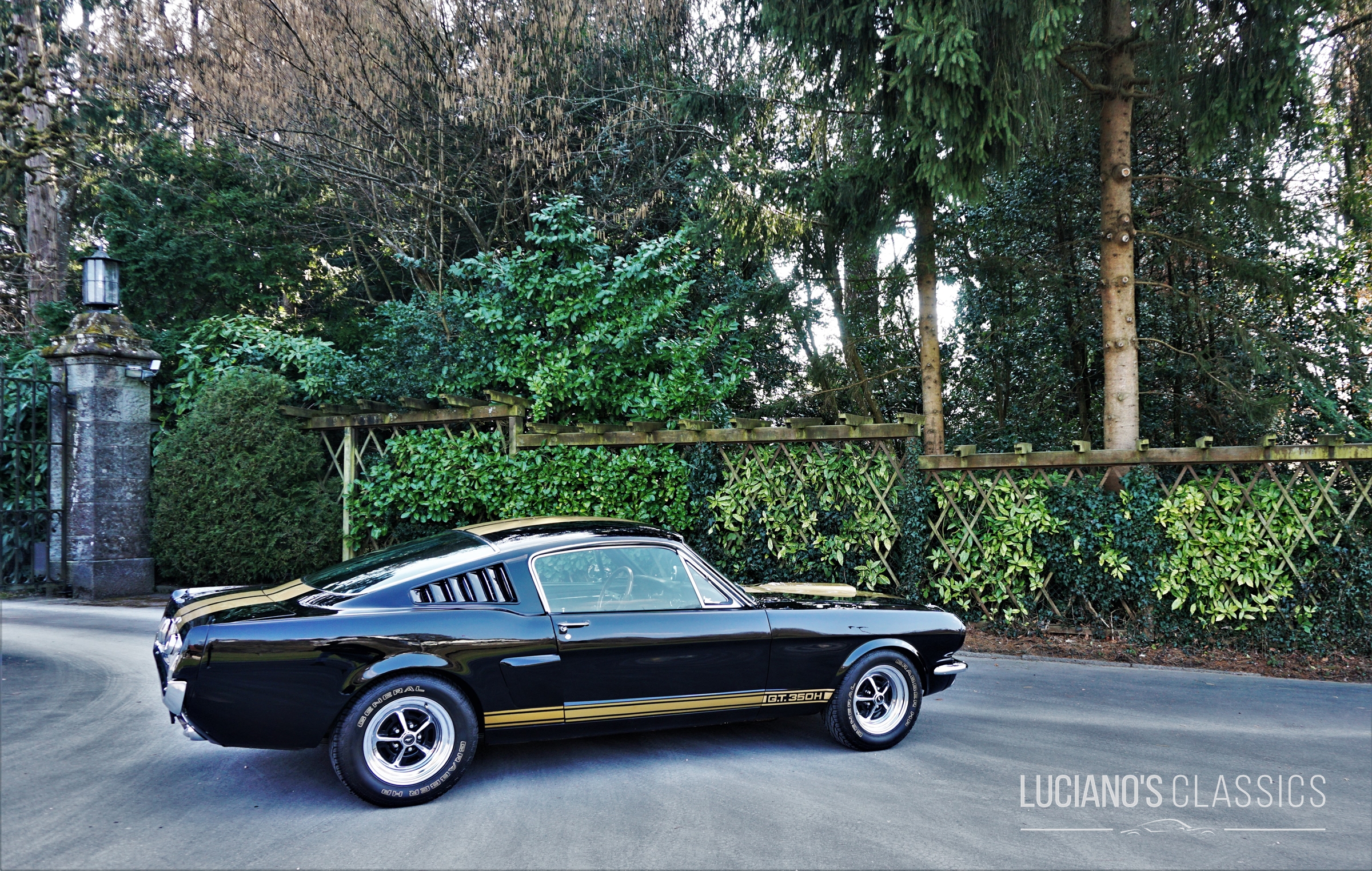
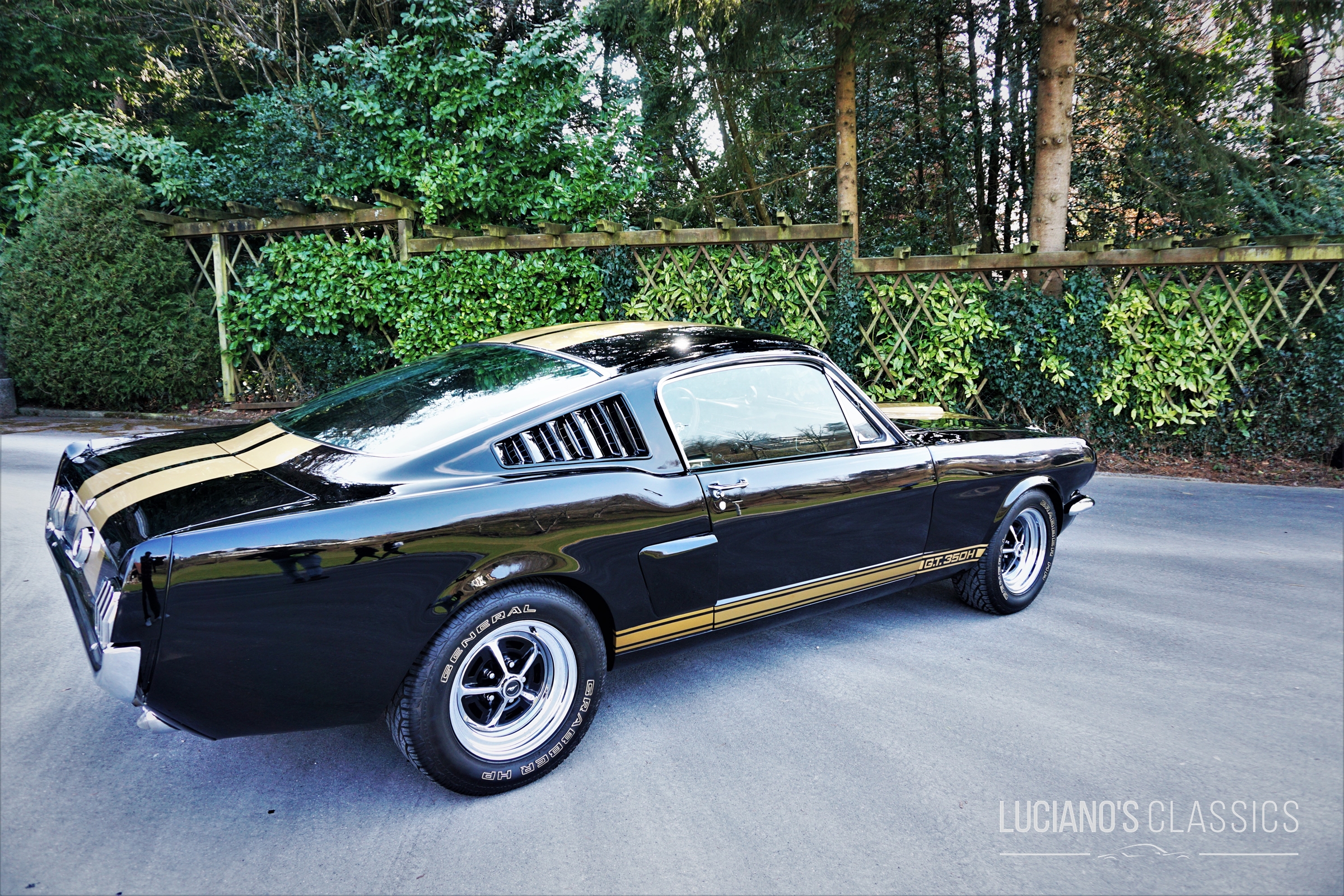
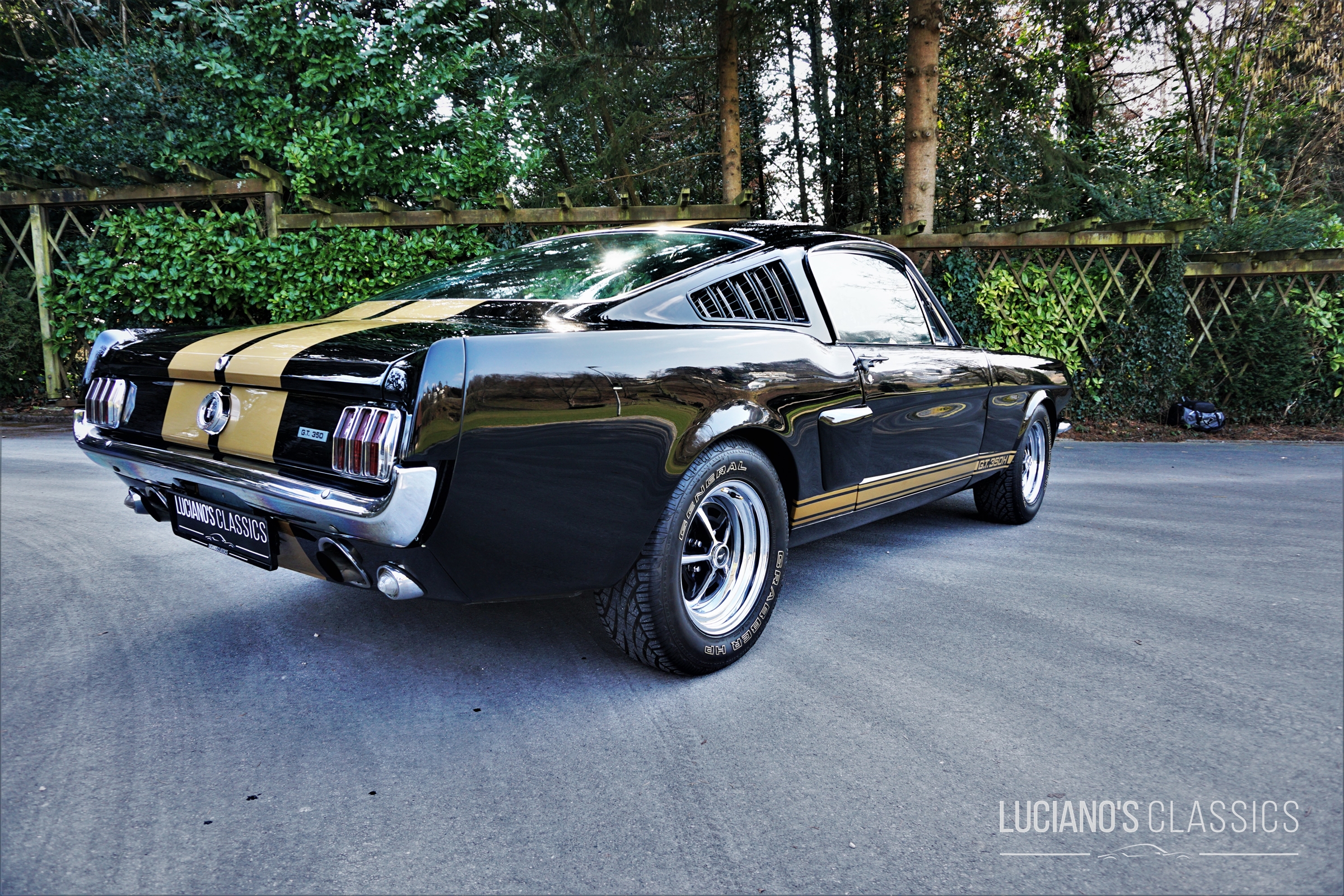
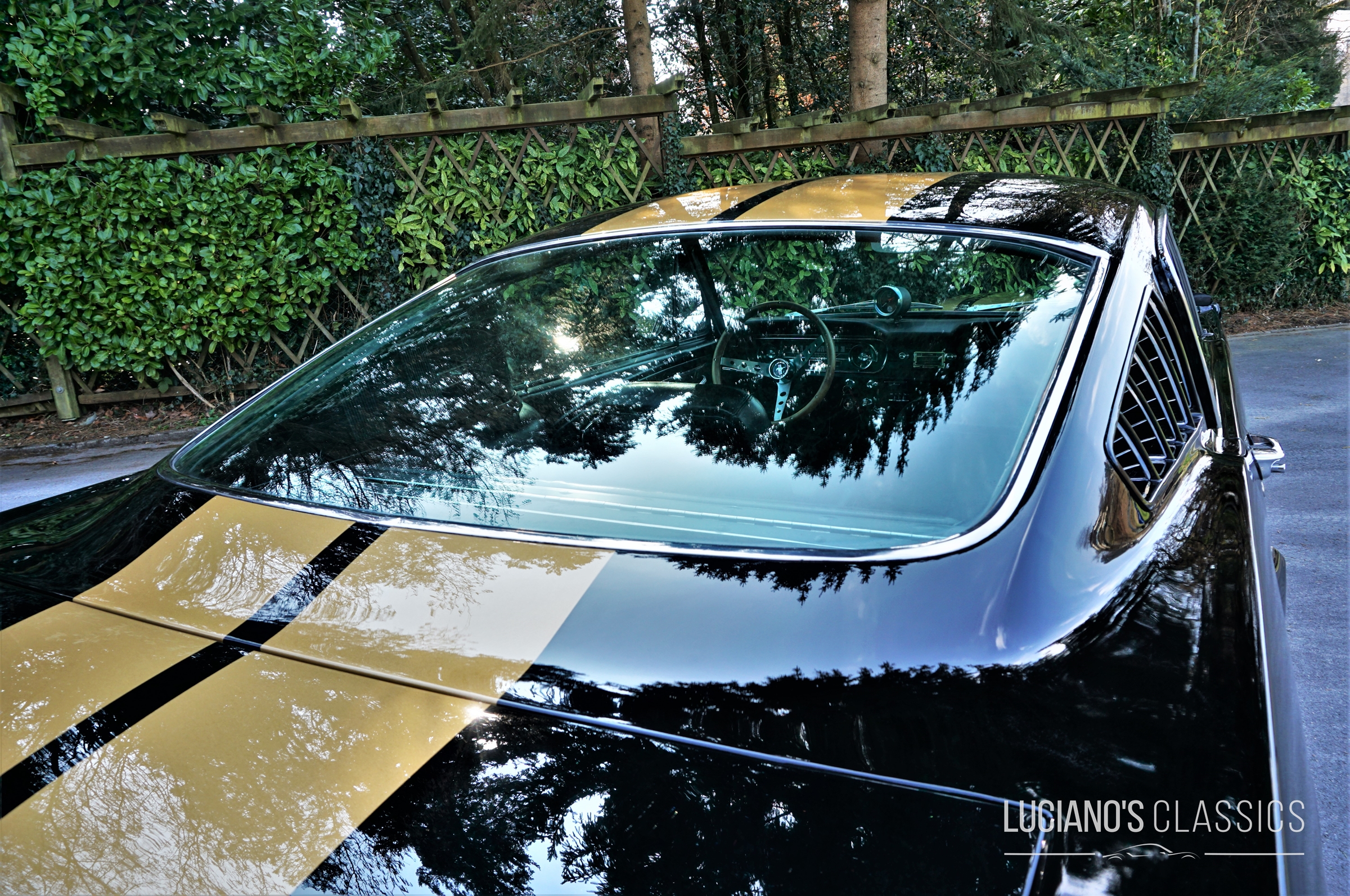
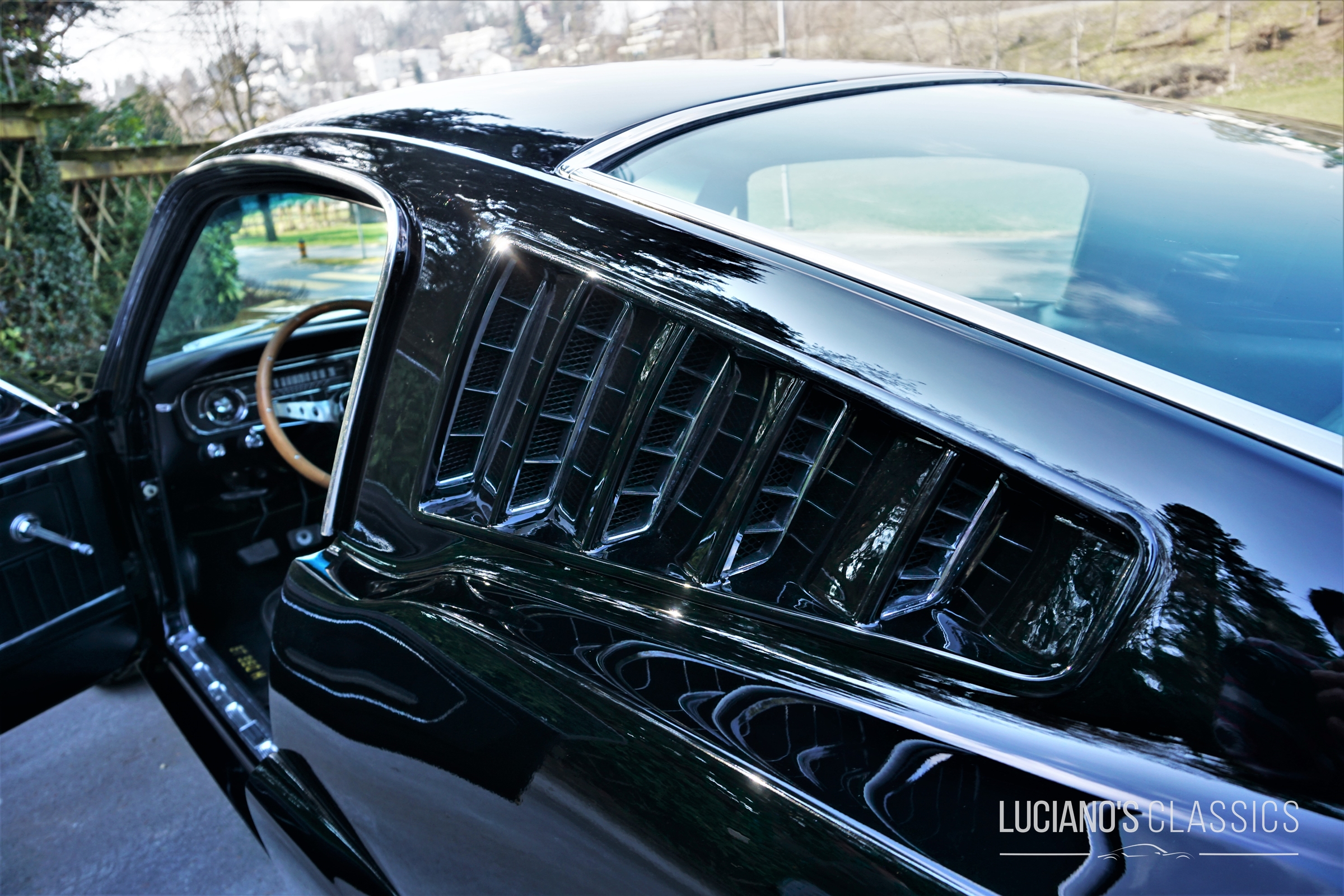
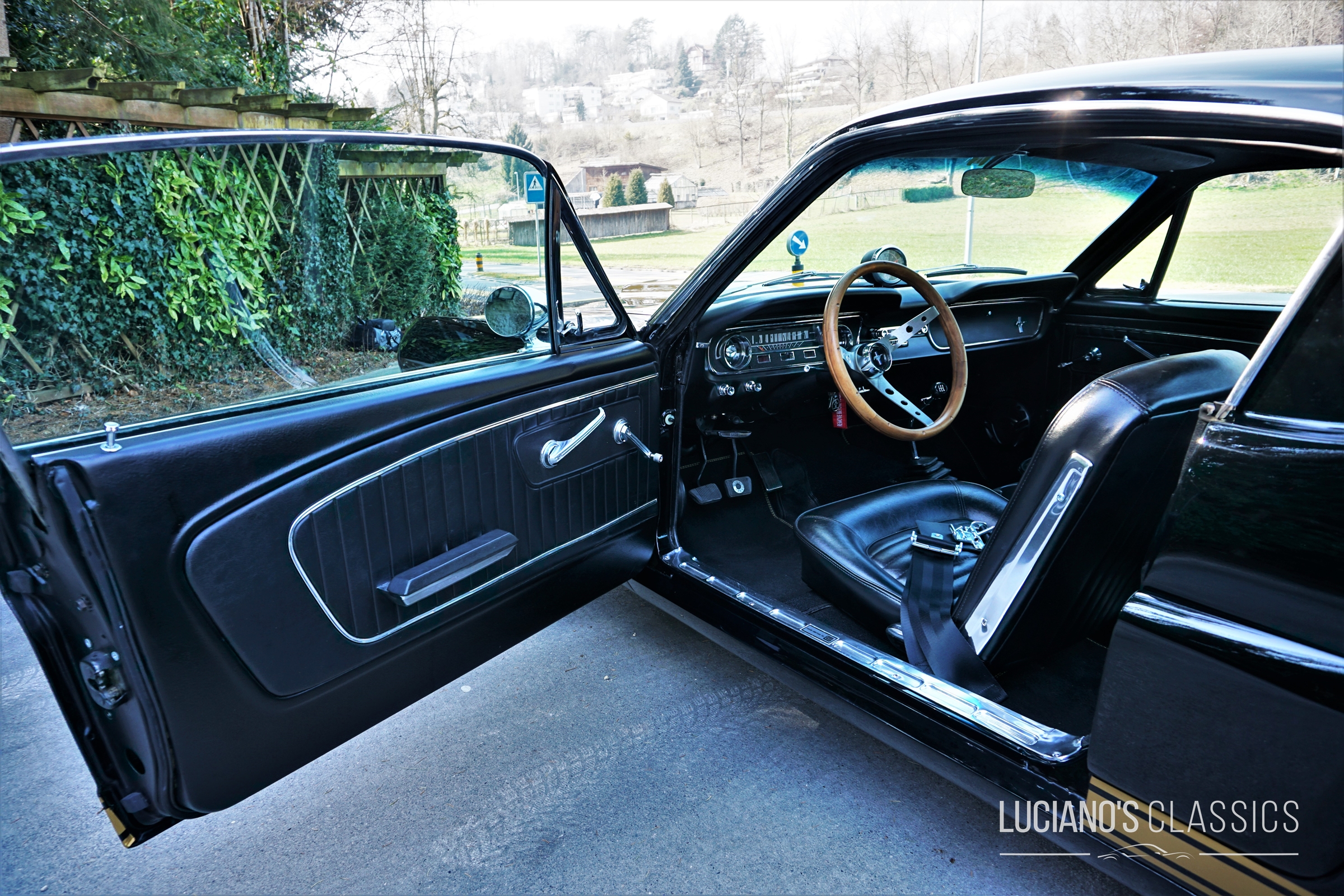
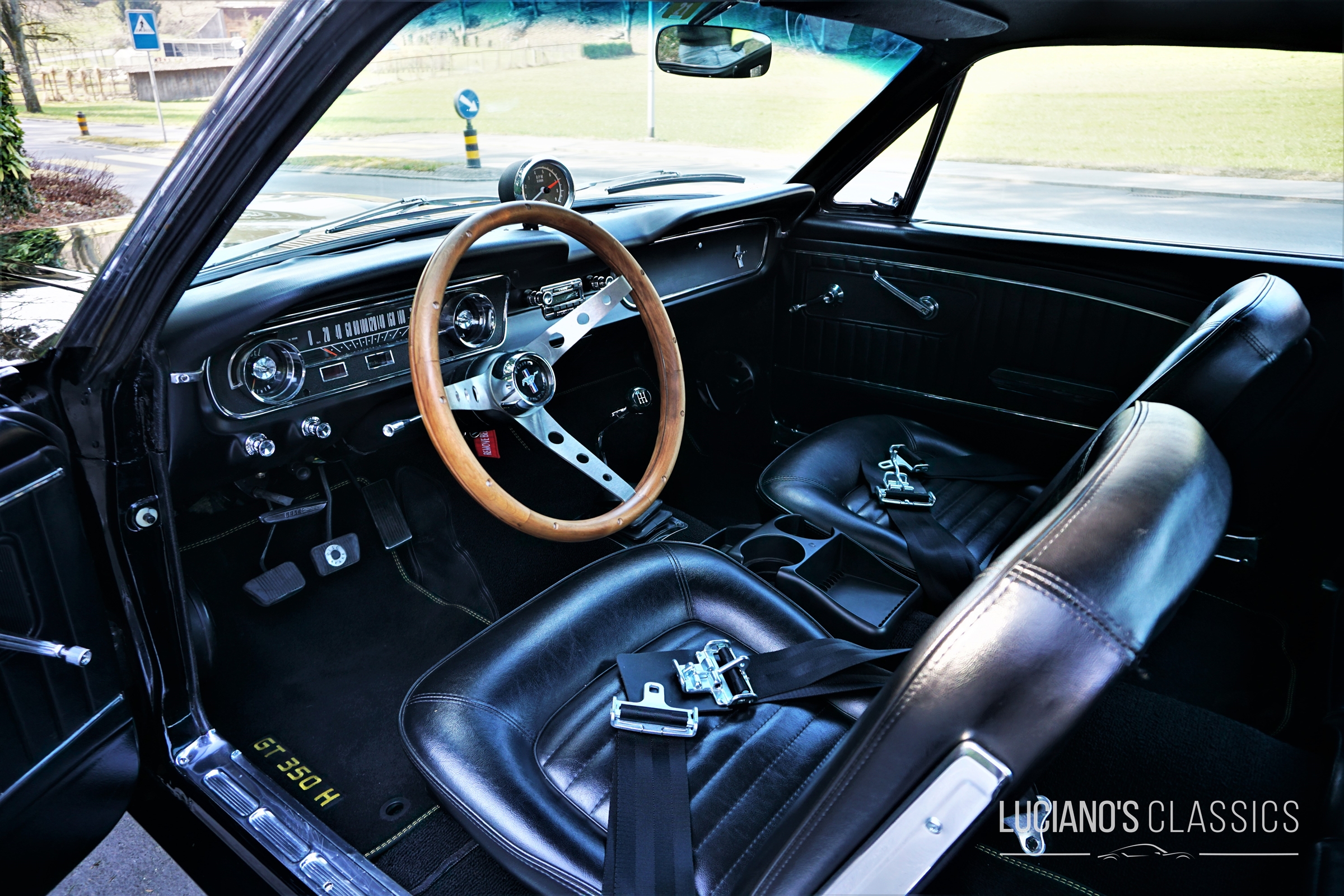
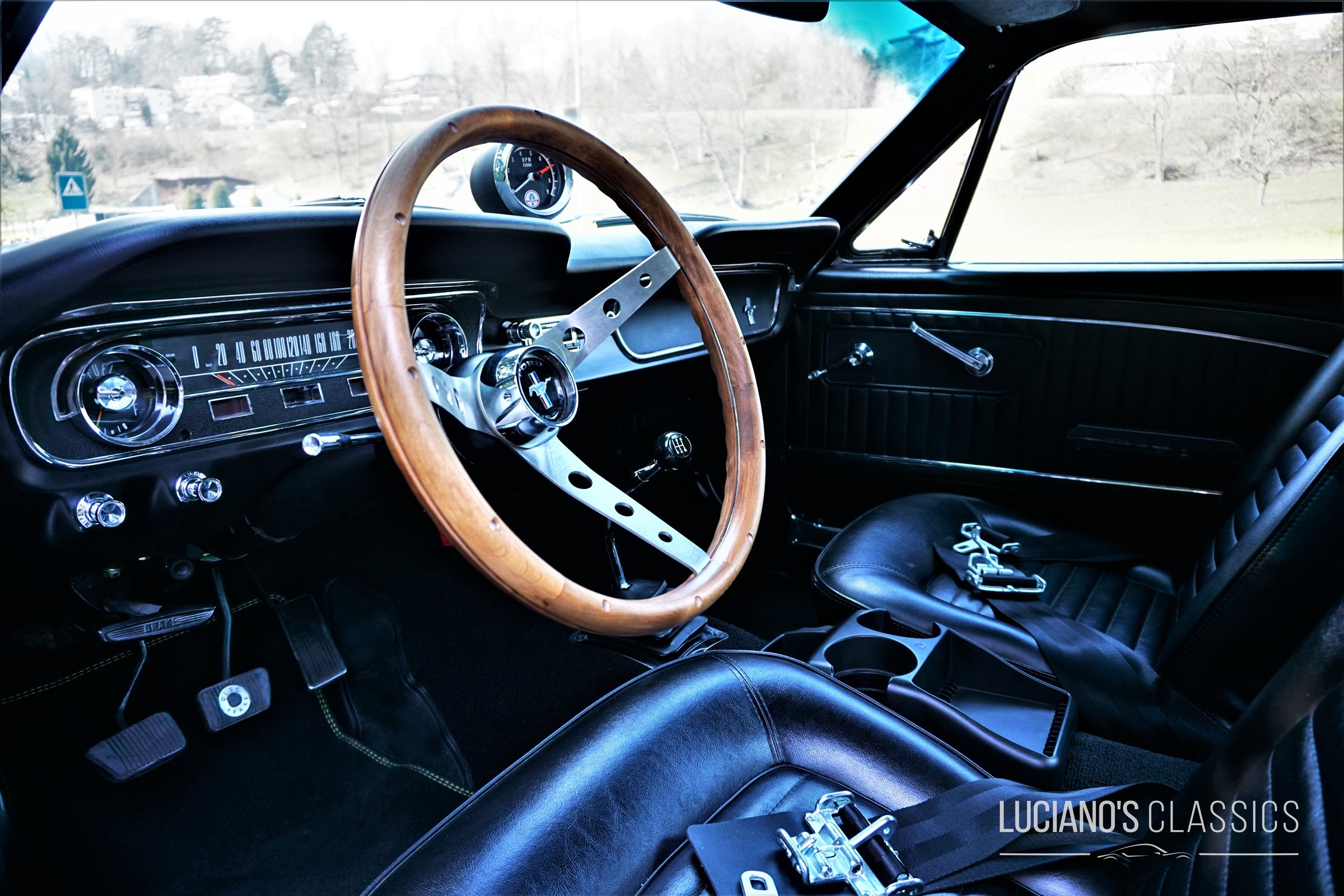
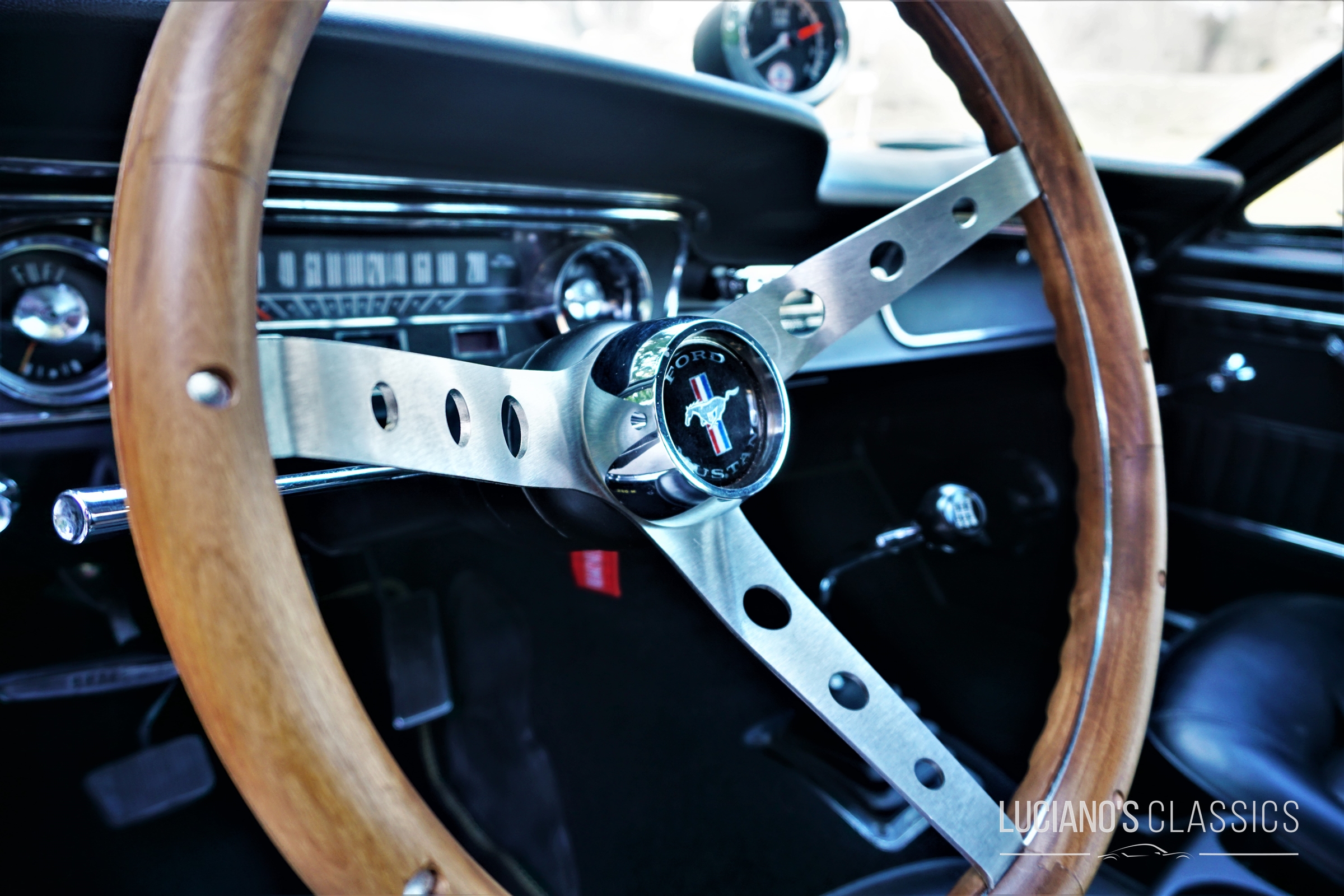
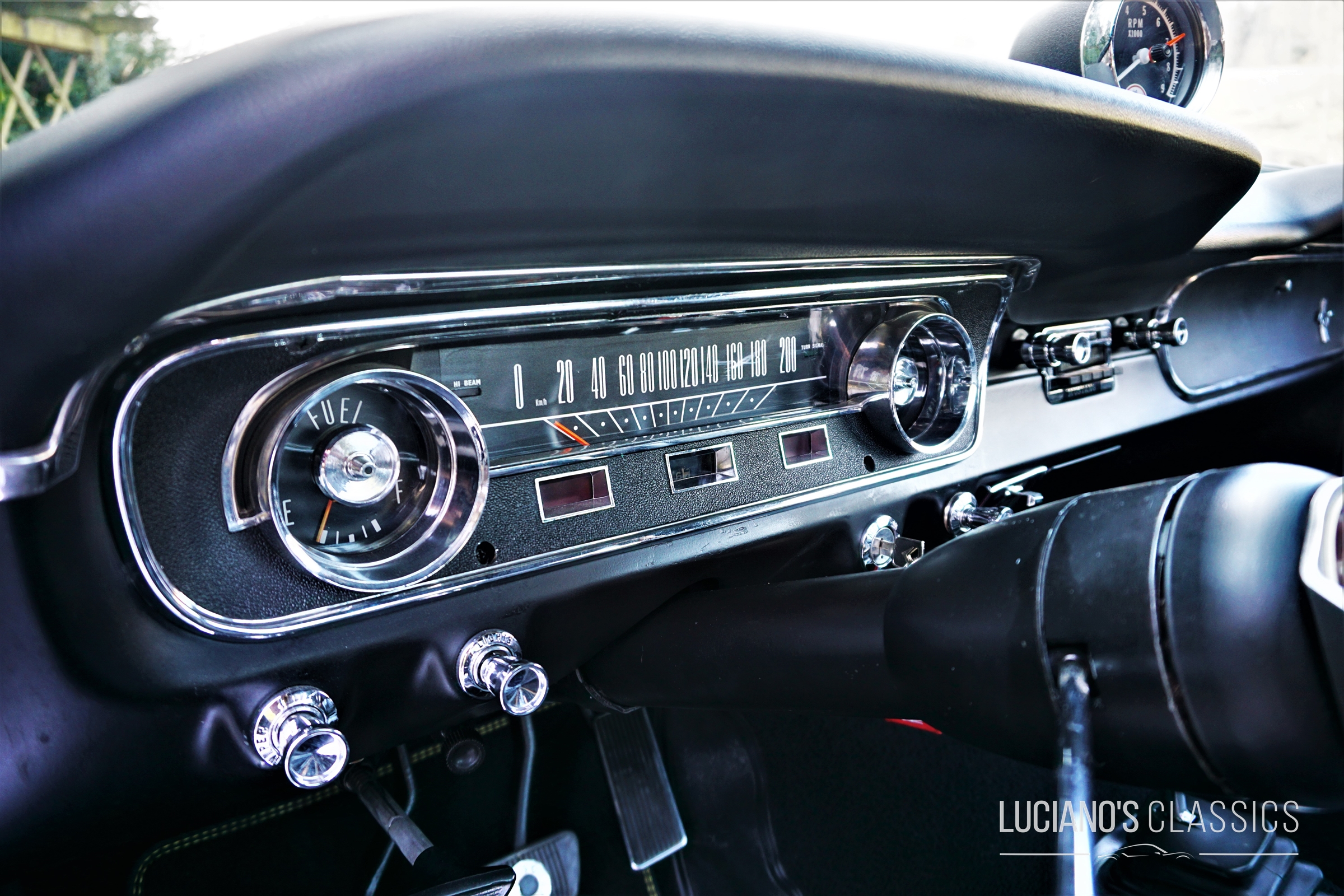
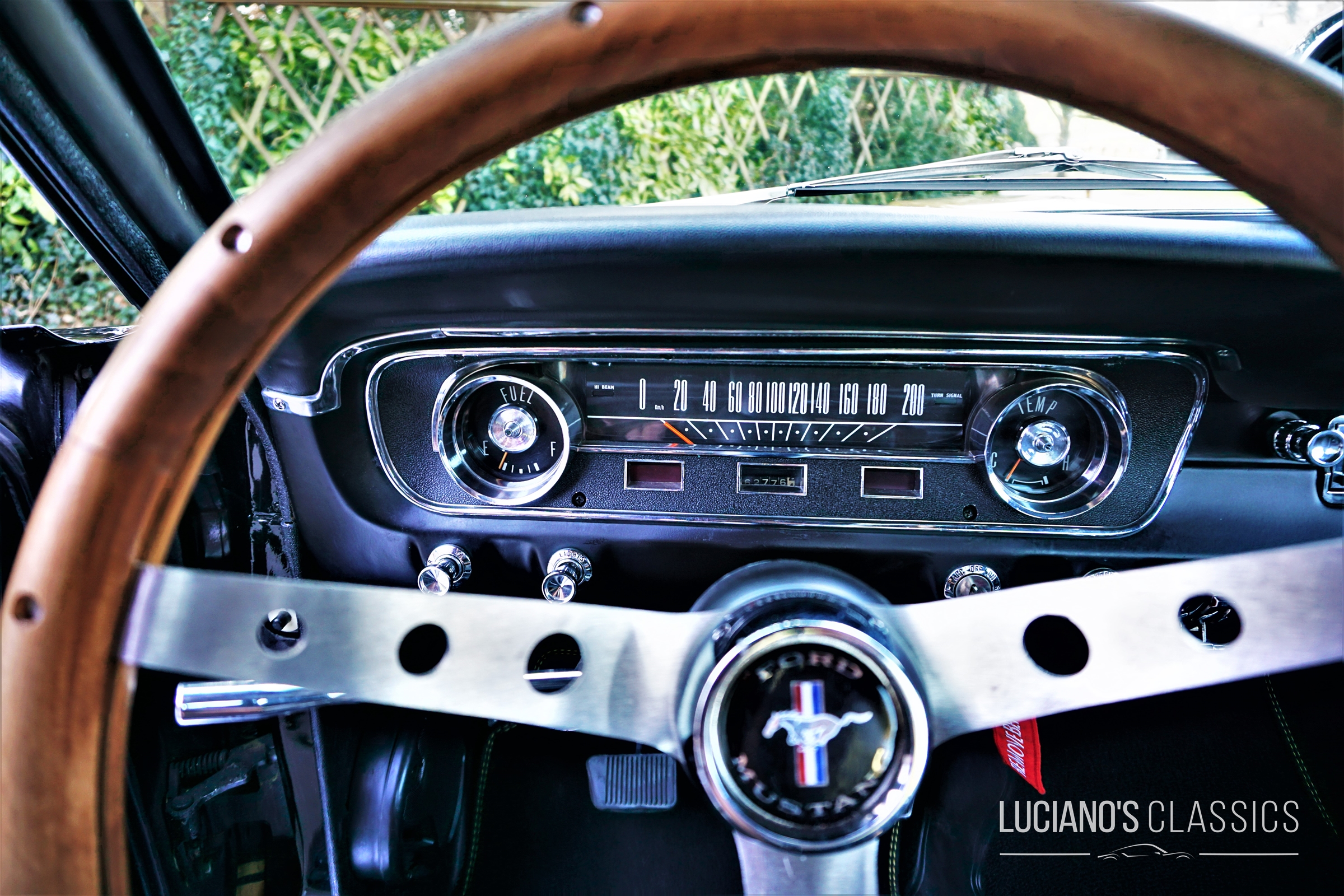
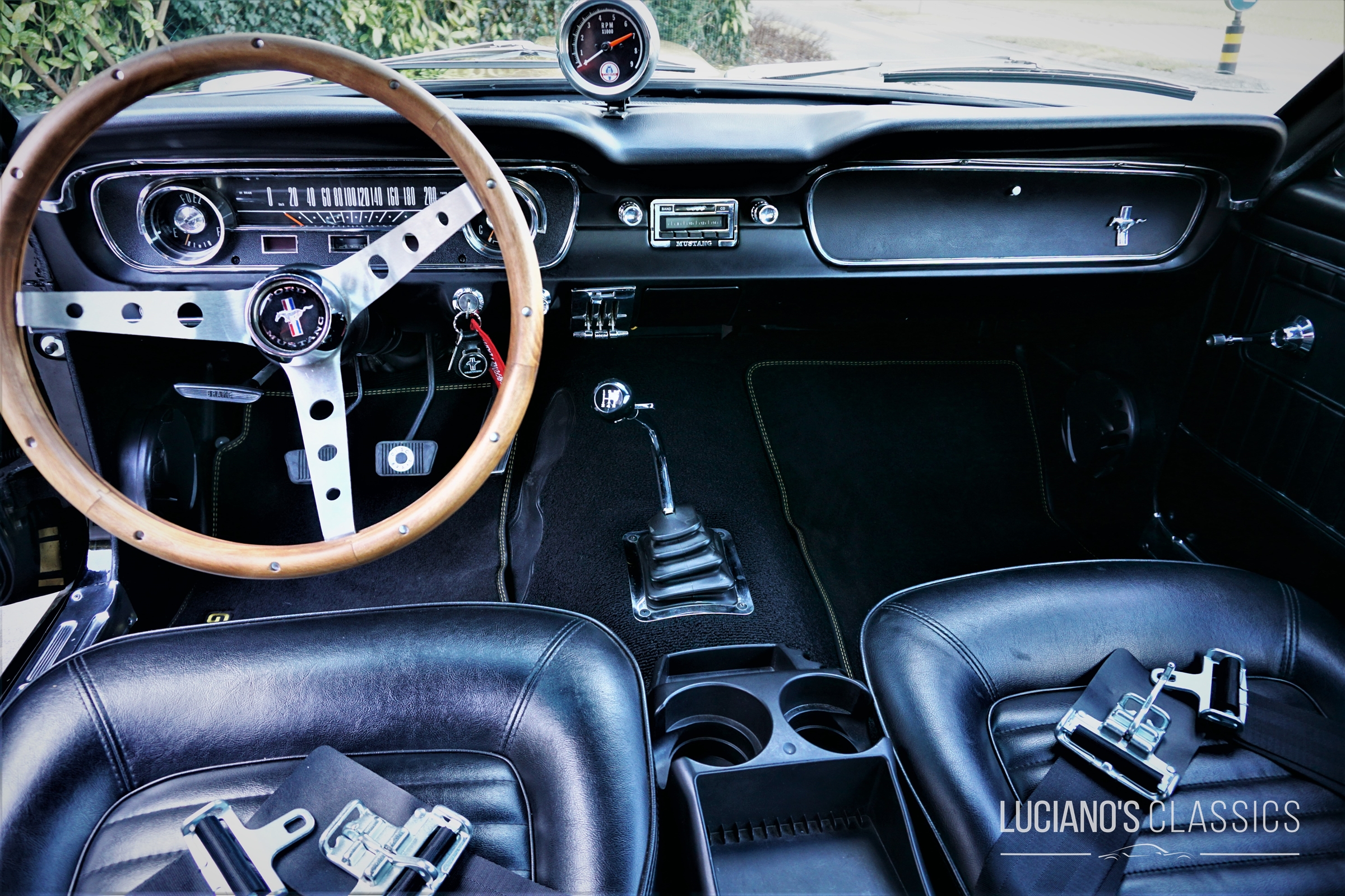
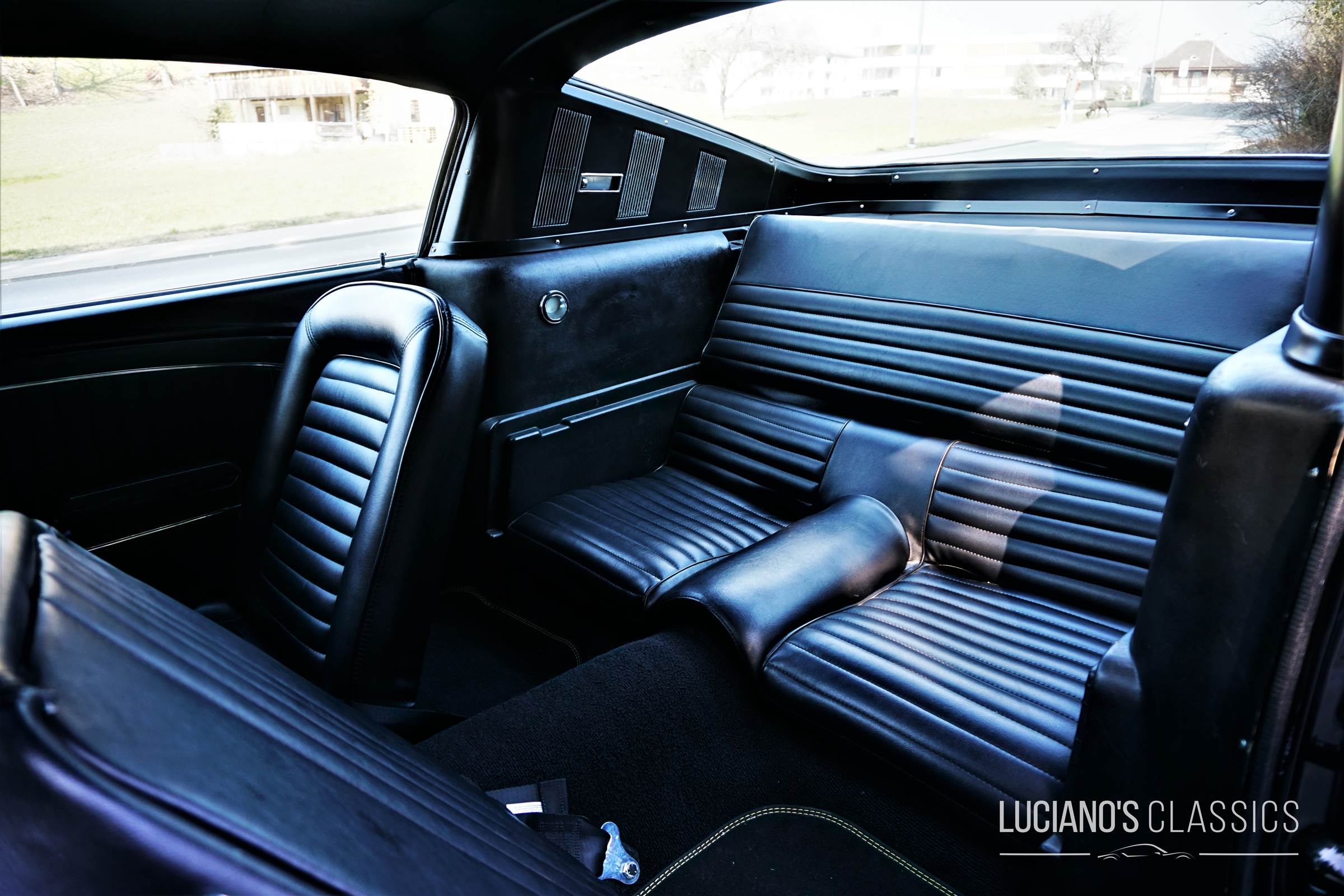
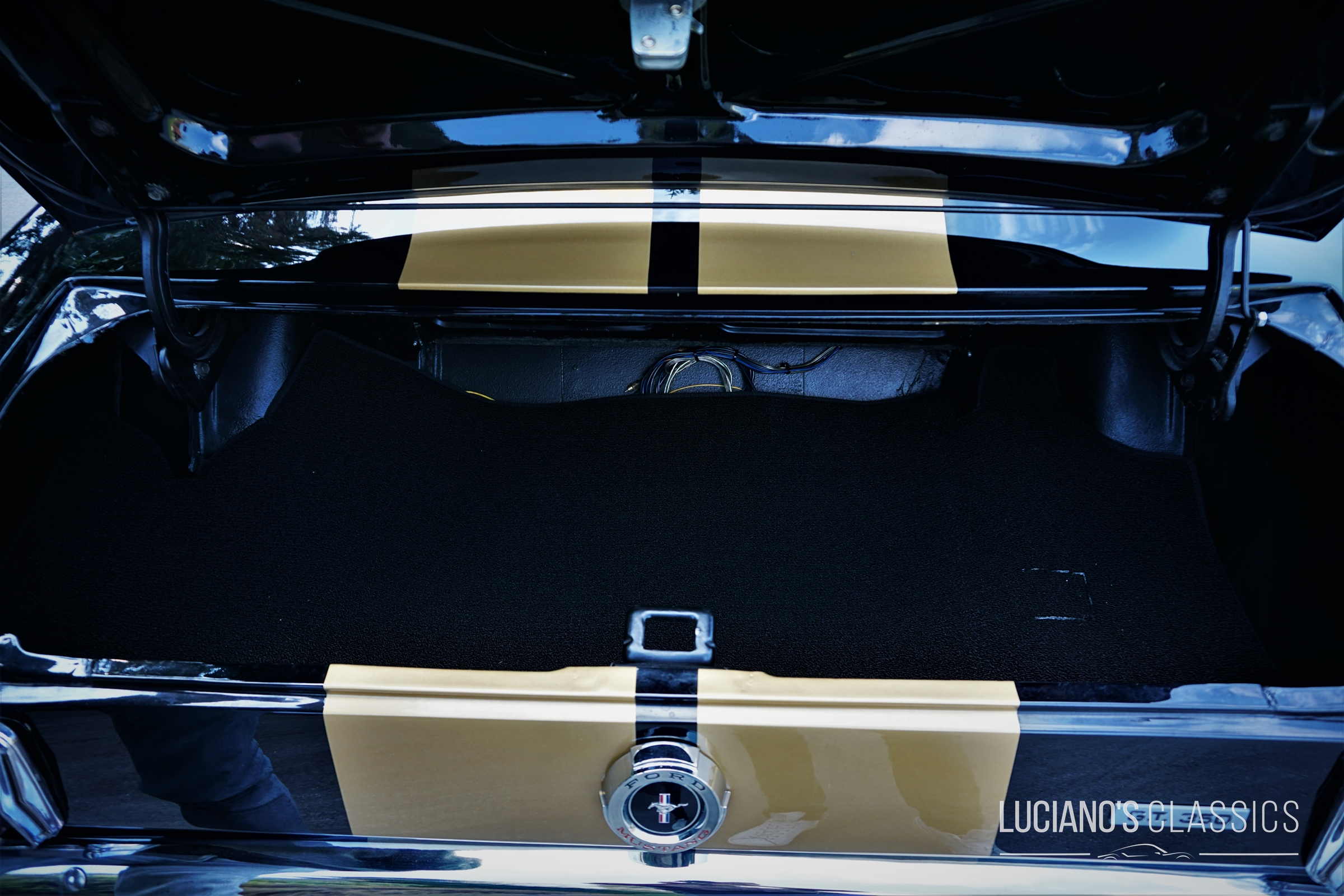
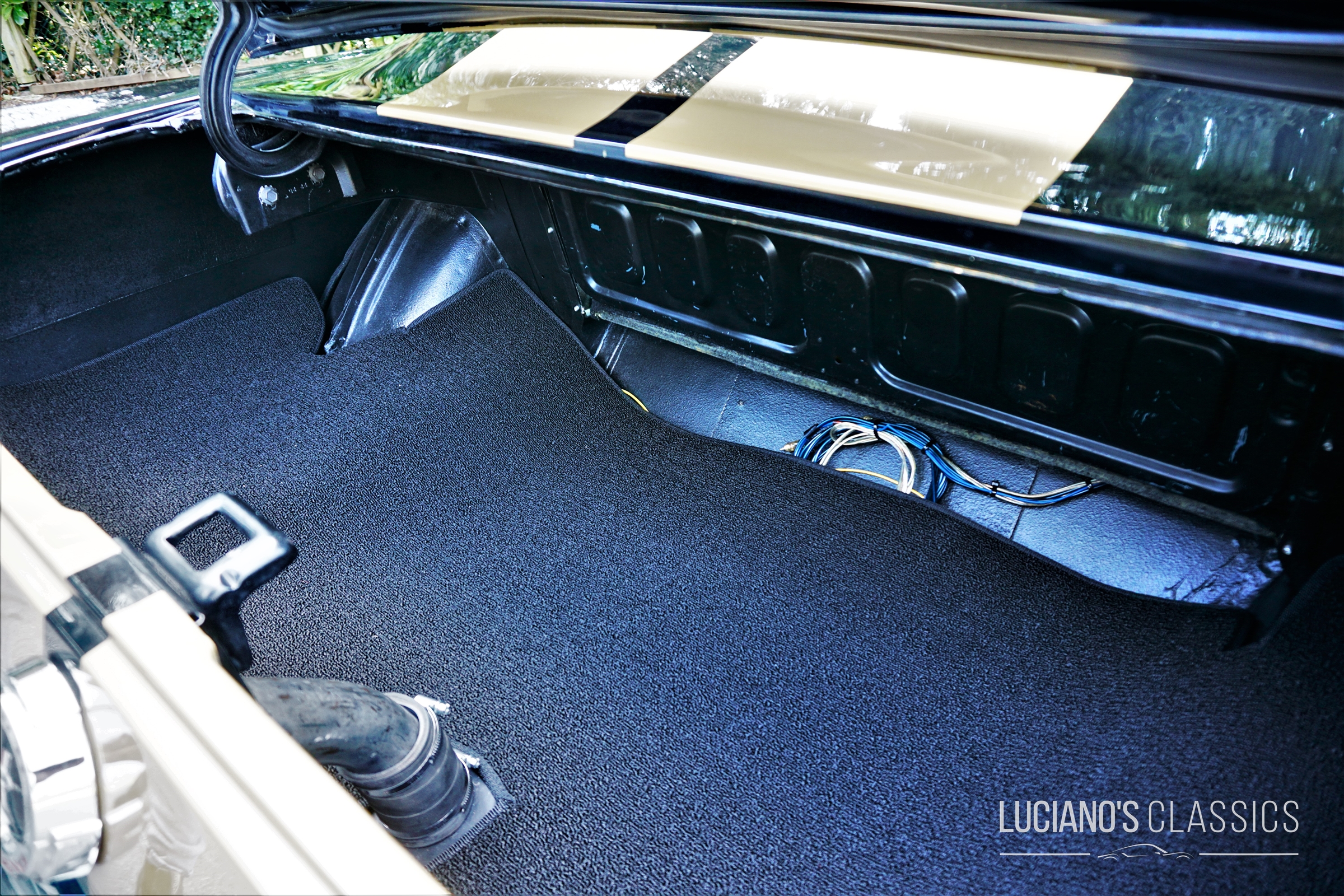
This vehicle is not just a GT350 clone but a replica of the GT350H, which was only built 1,001 times and was specially made for the car rental company Hertz. Instead of white, all H-series vehicles were painted in the car rental company's colors, namely black and gold.
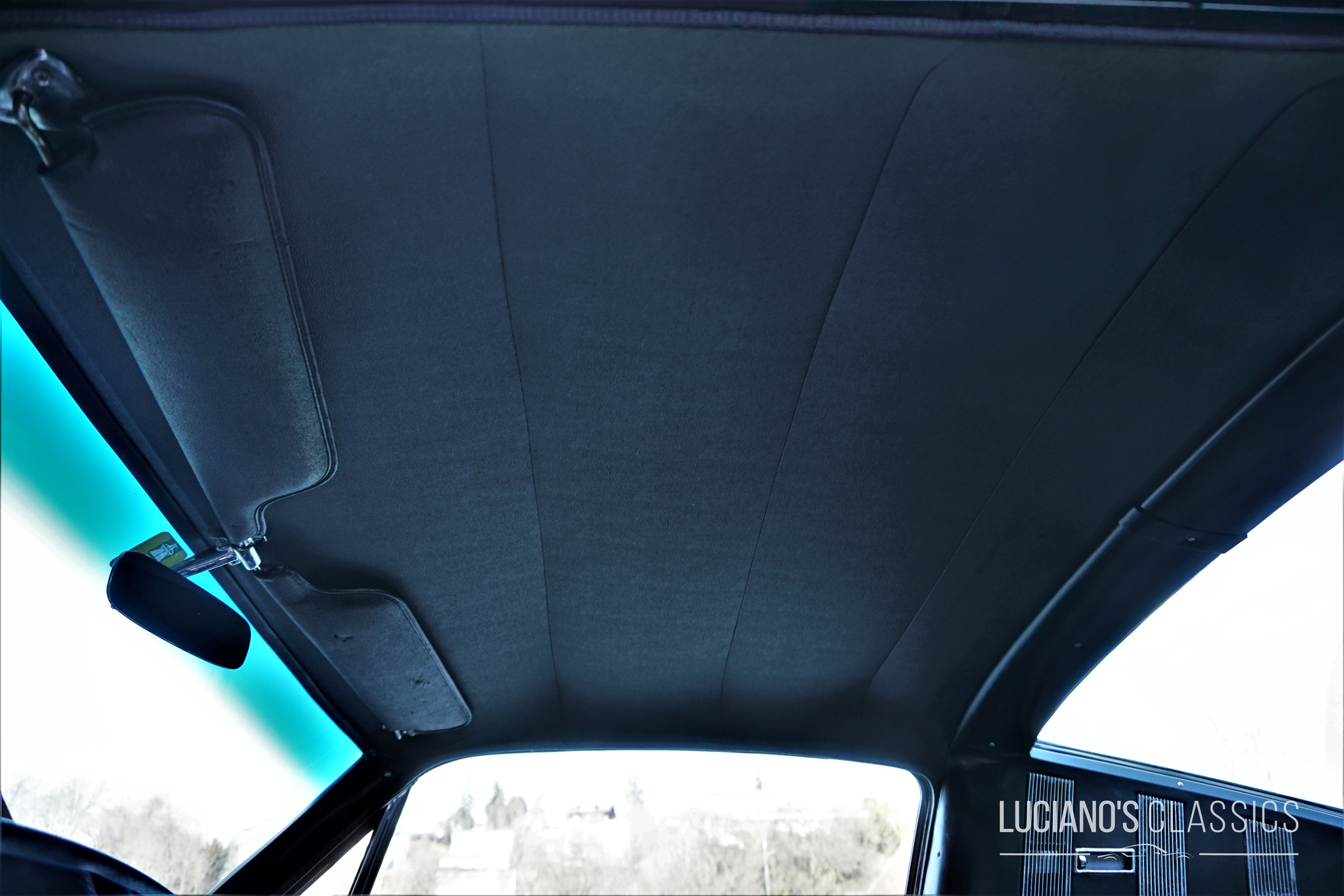
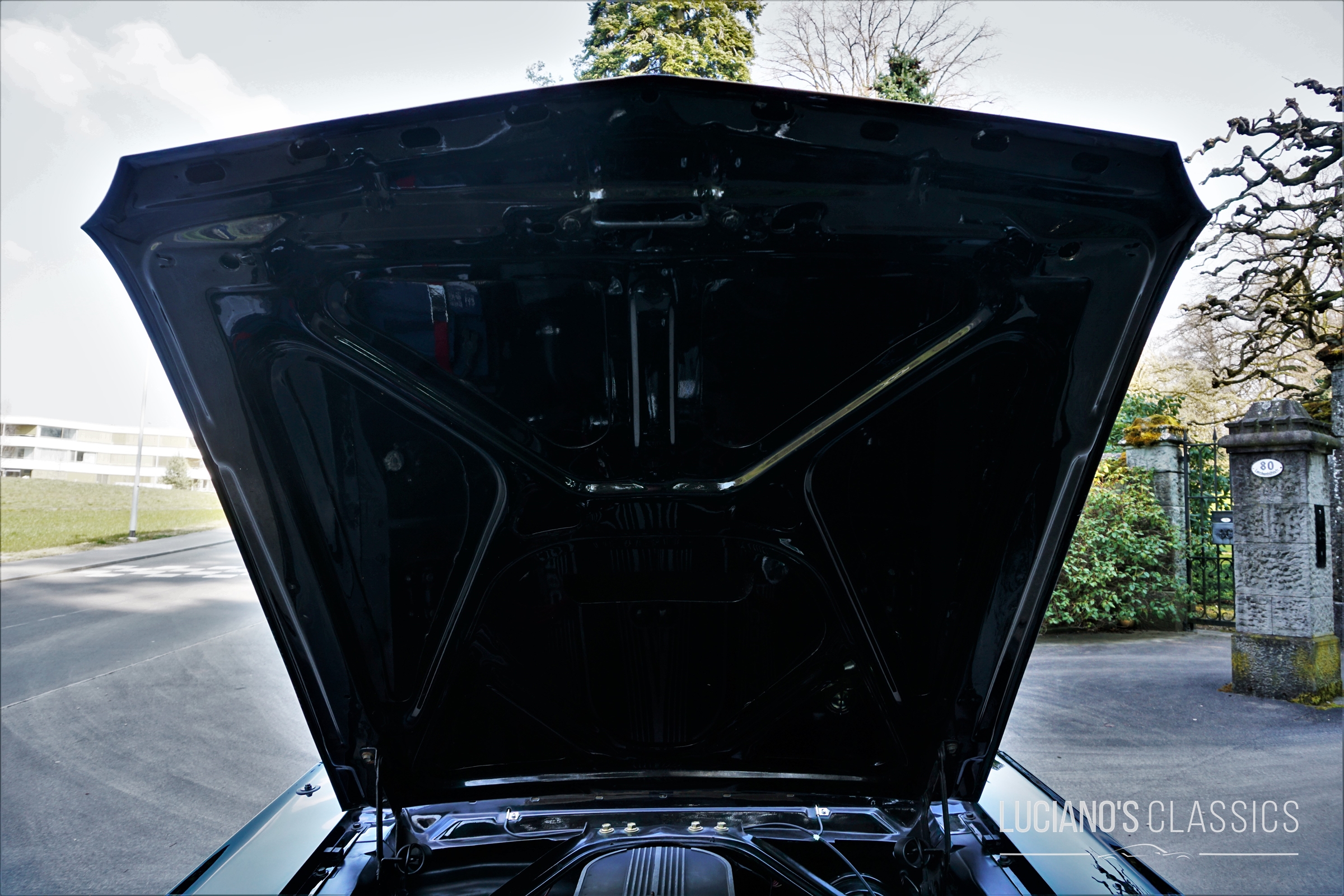
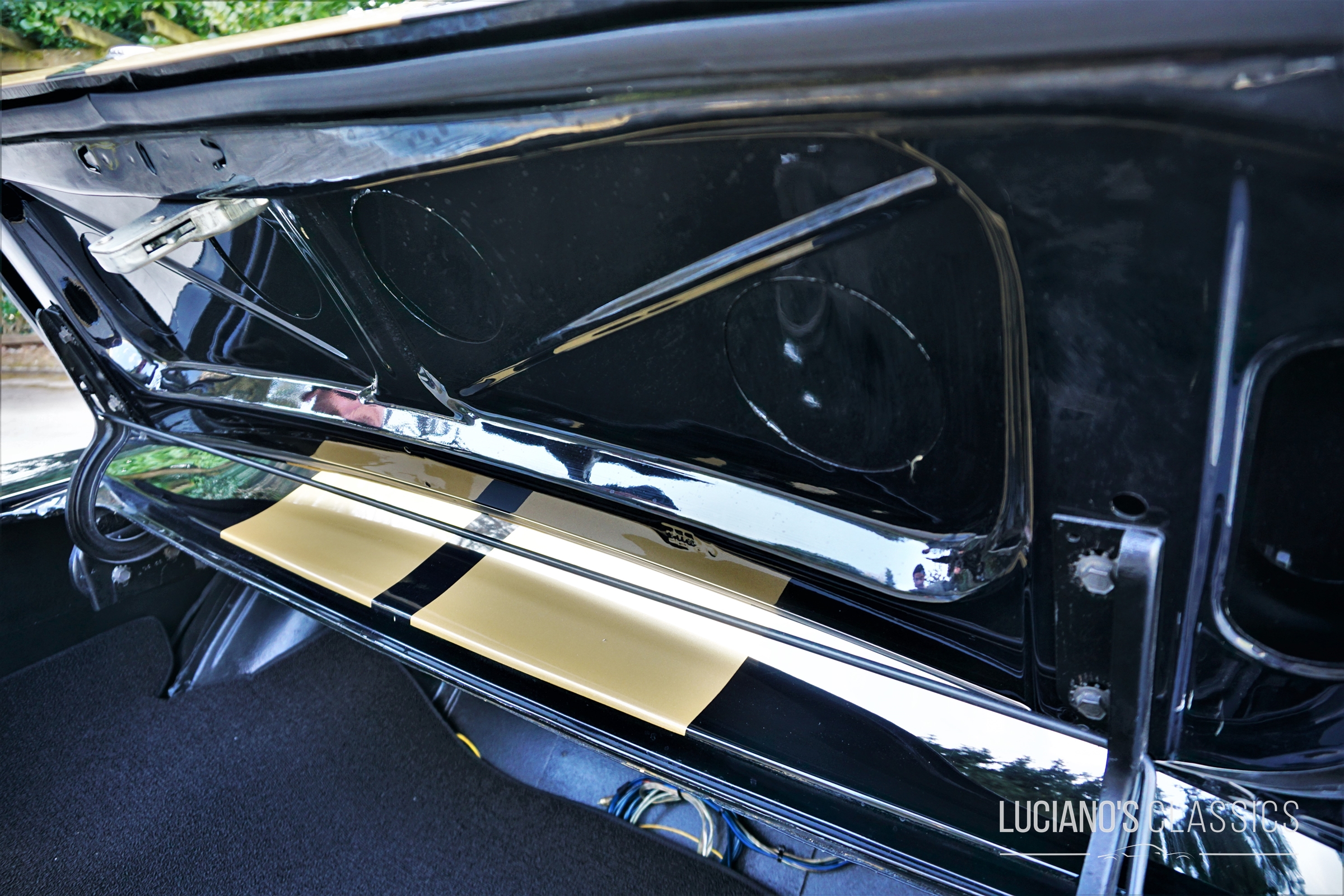
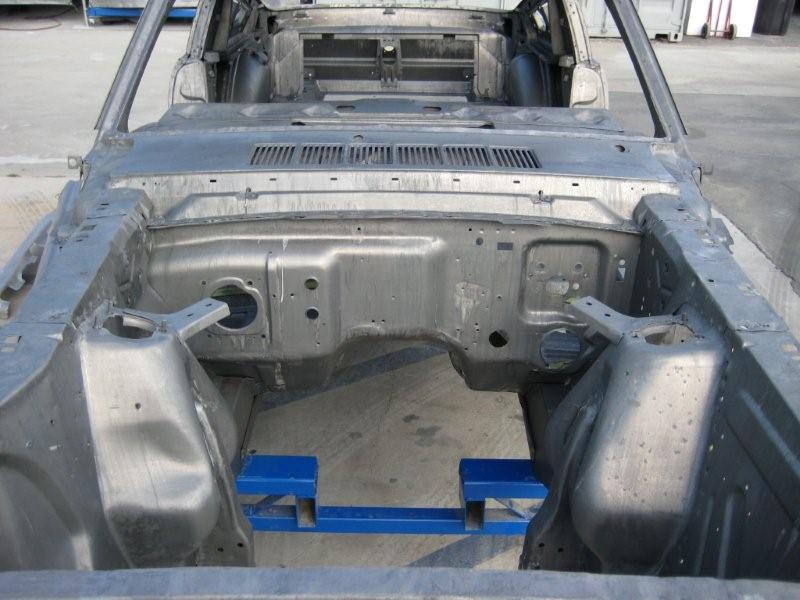
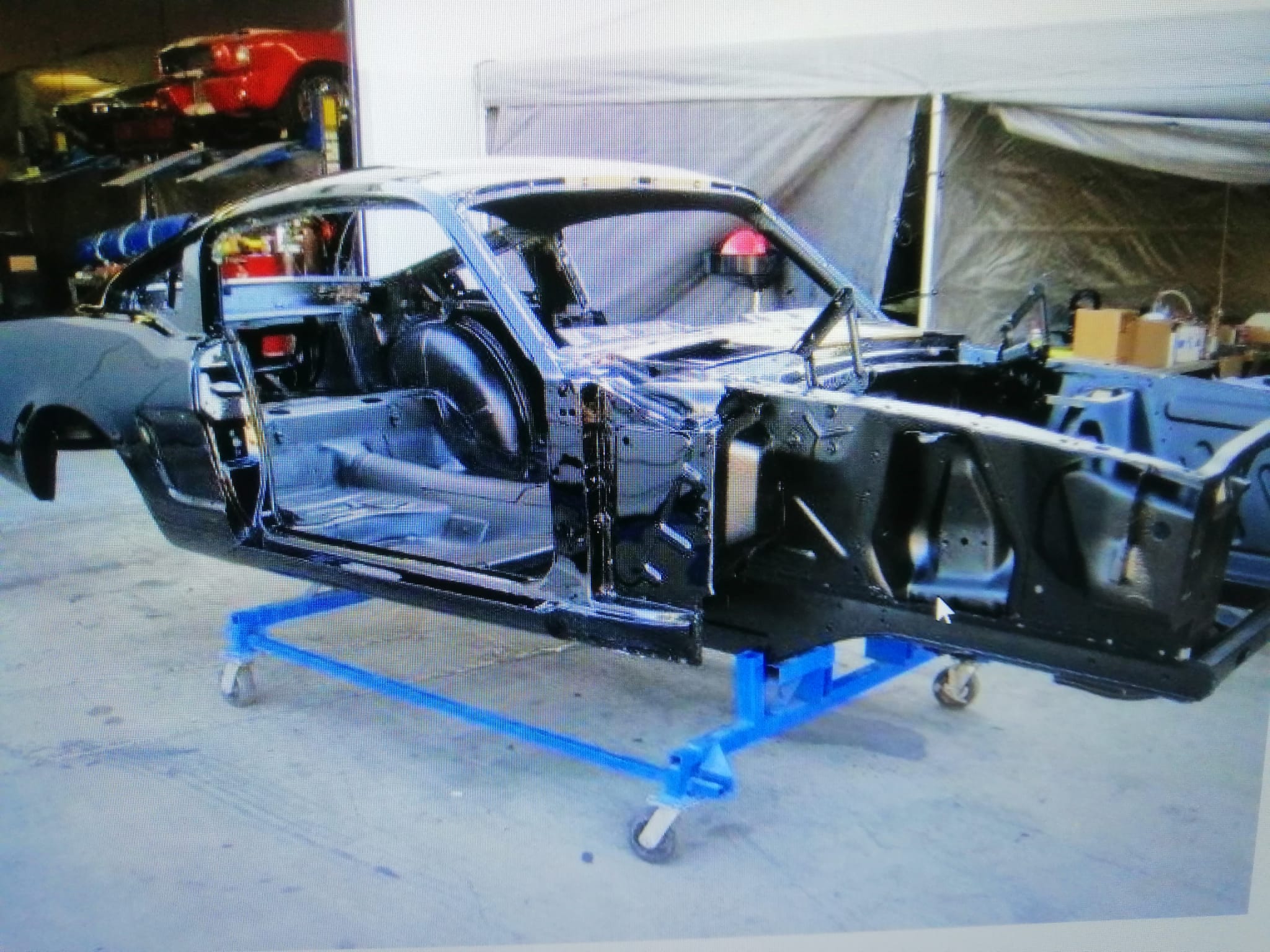
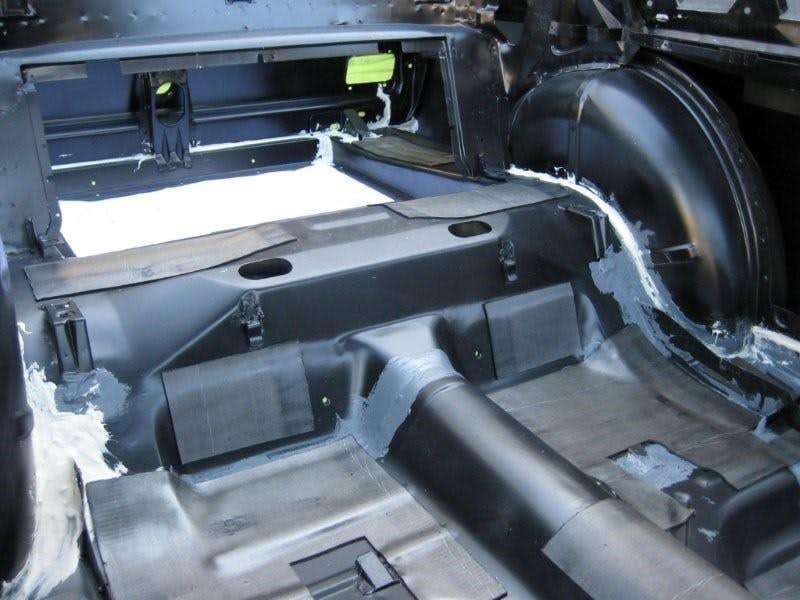
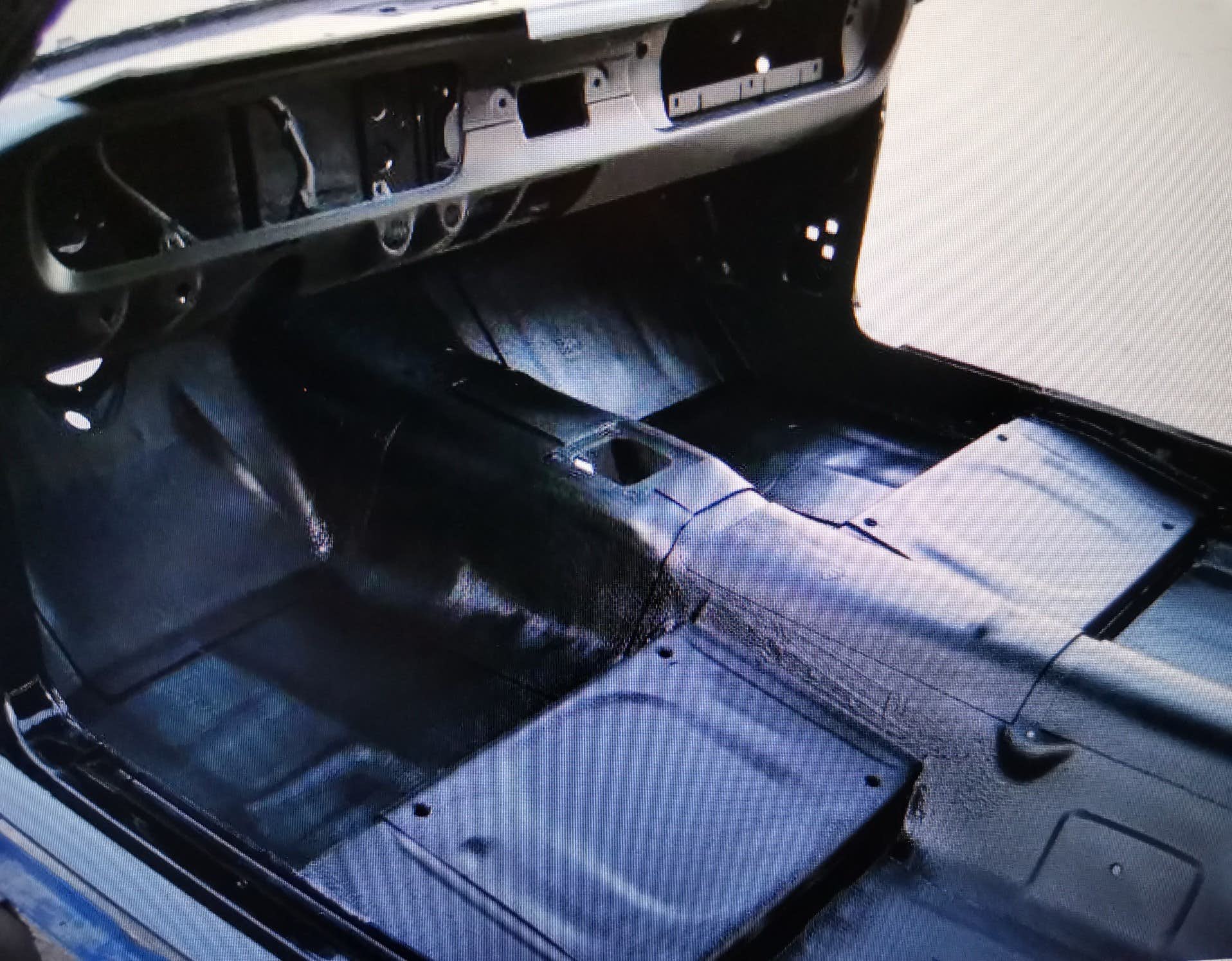
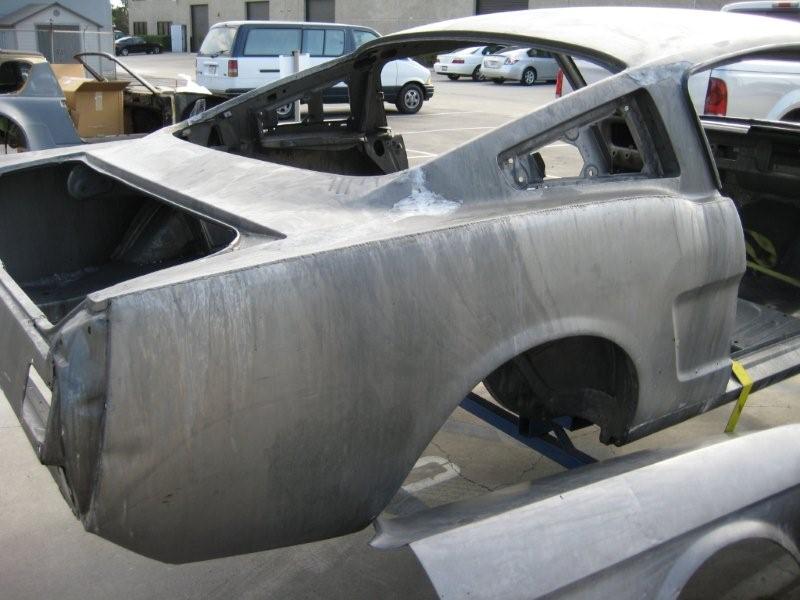
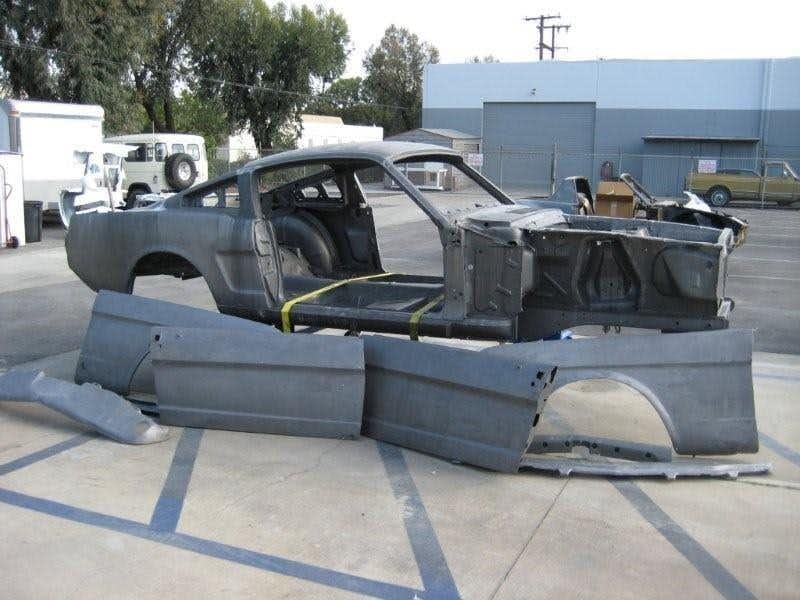
The car was restored in 2009 and 2010 in Costa Mesa, California by a former Shelby mechanic down to the smallest detail and modeled on the 350H from the ground up. It is therefore not just a cheap copy, but a perfect replica.
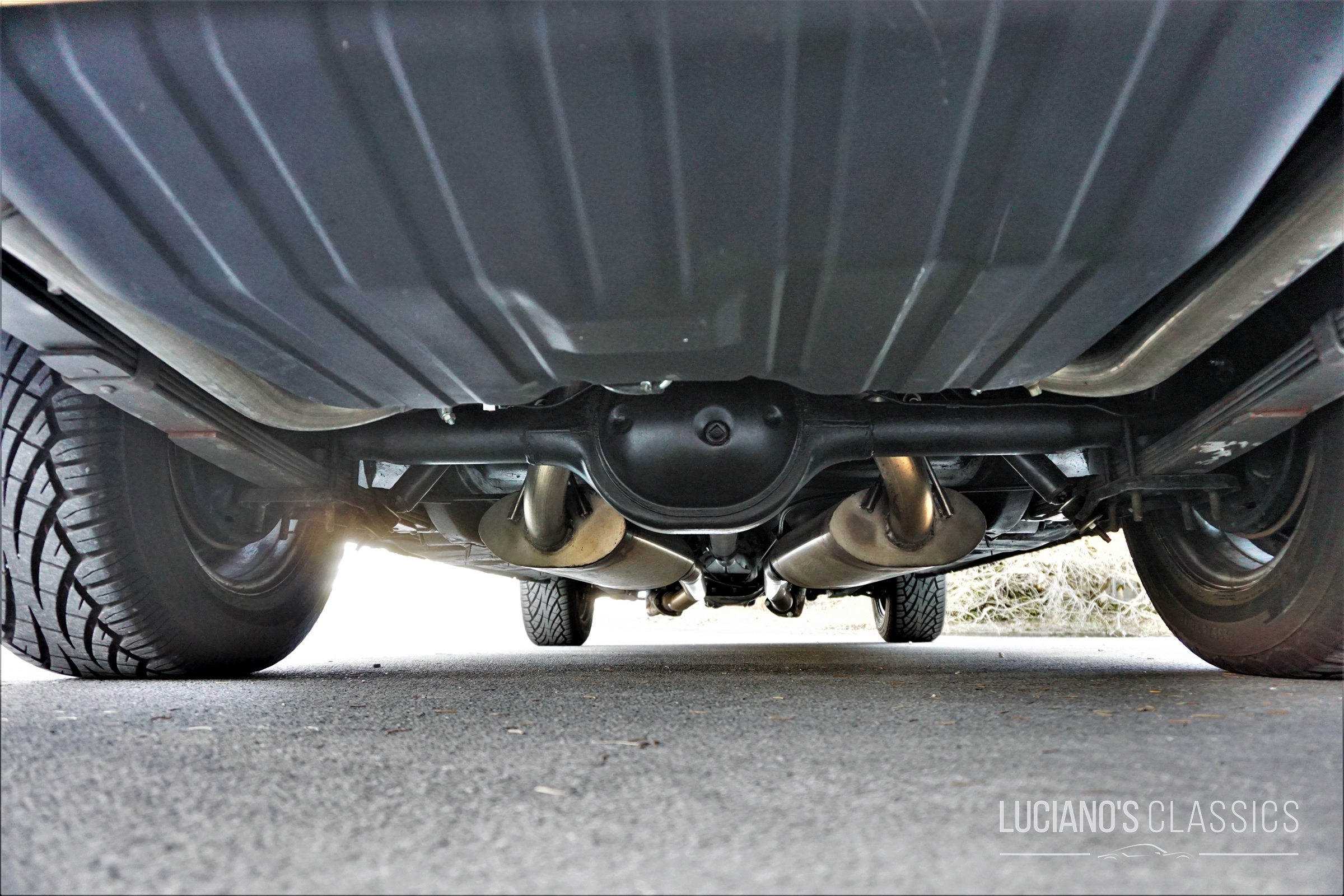
The entire body was bathed in dry ice and stripped of paint so that the car could be perfectly rebuilt as befits a nut & bolt restoration.
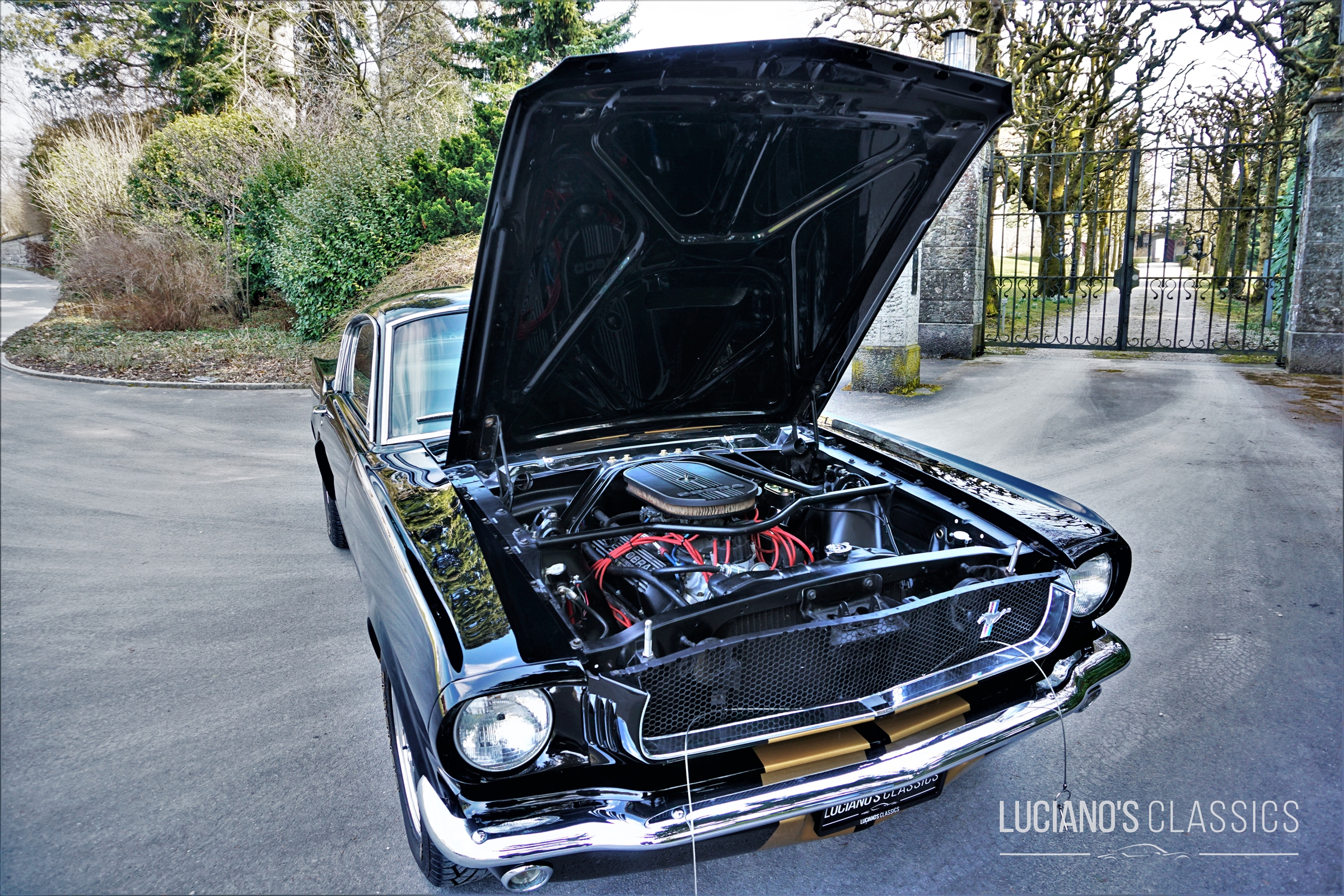
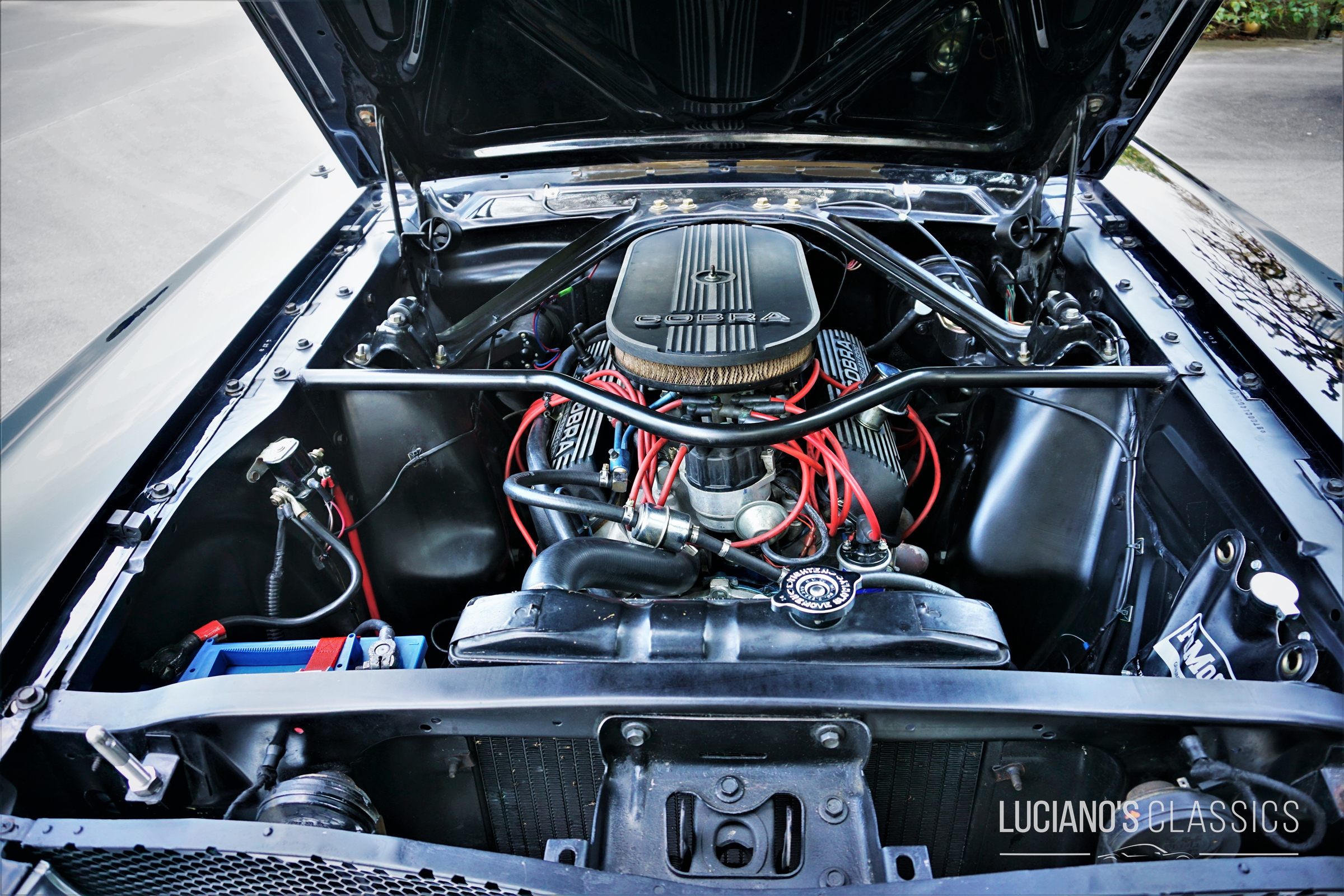
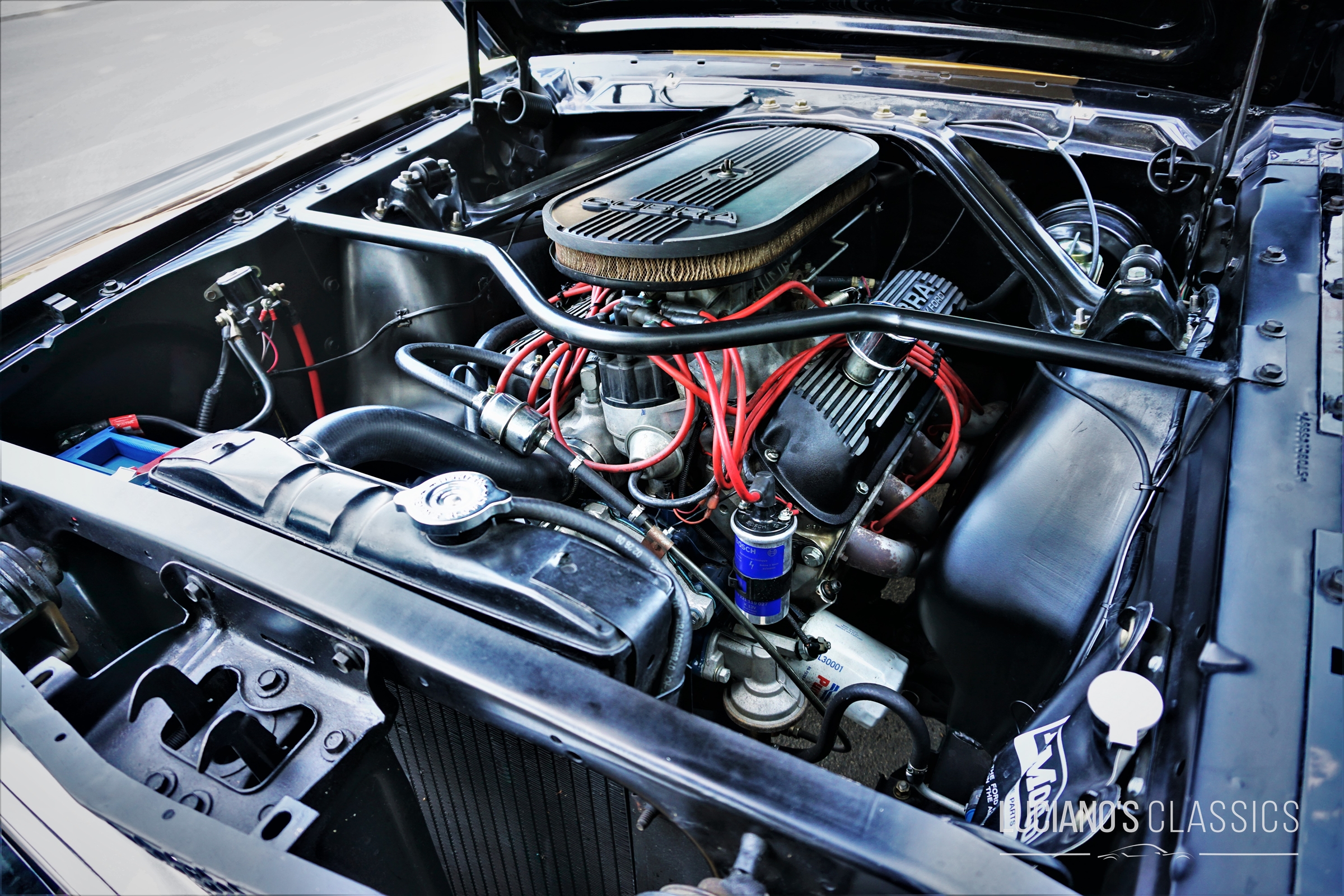
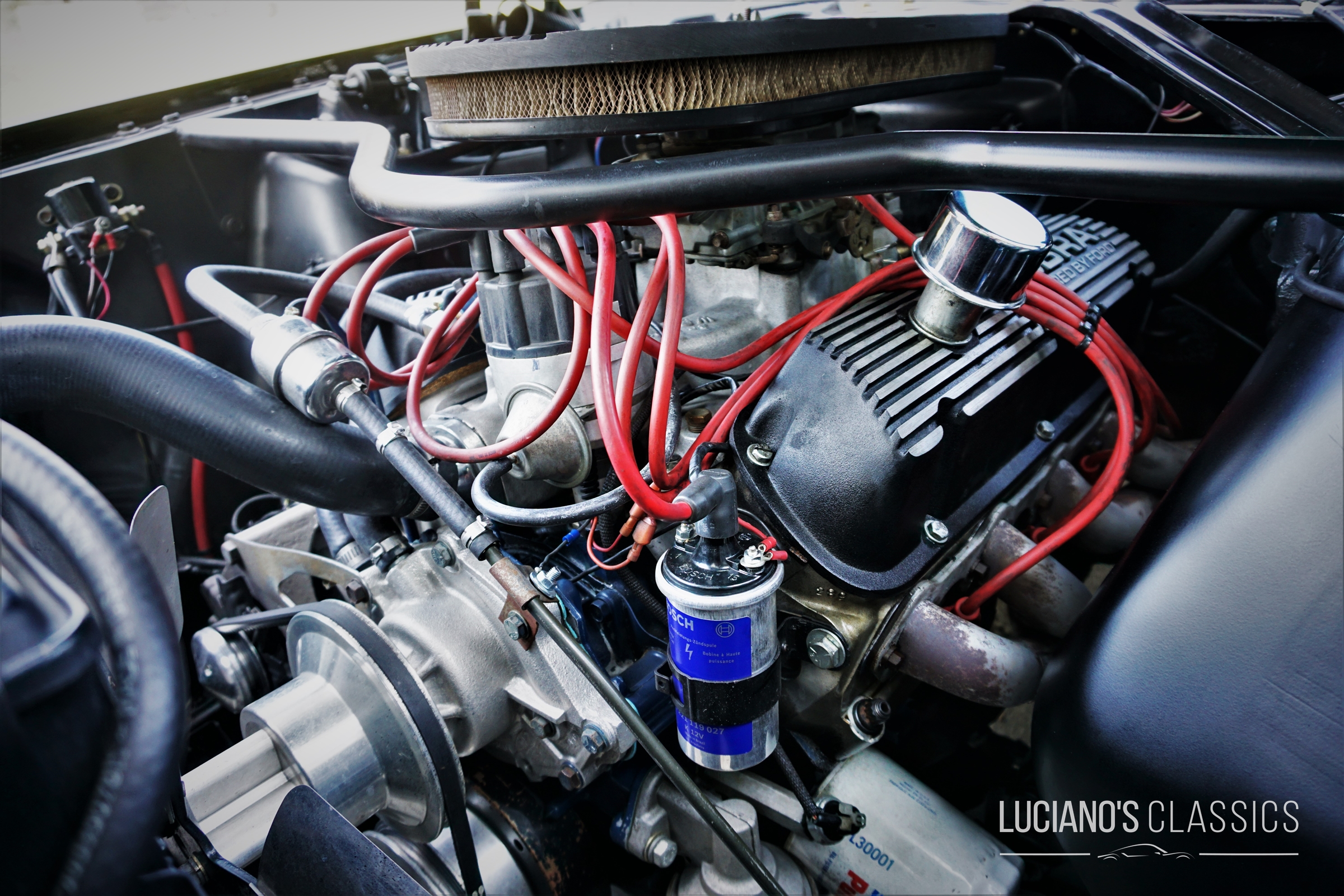
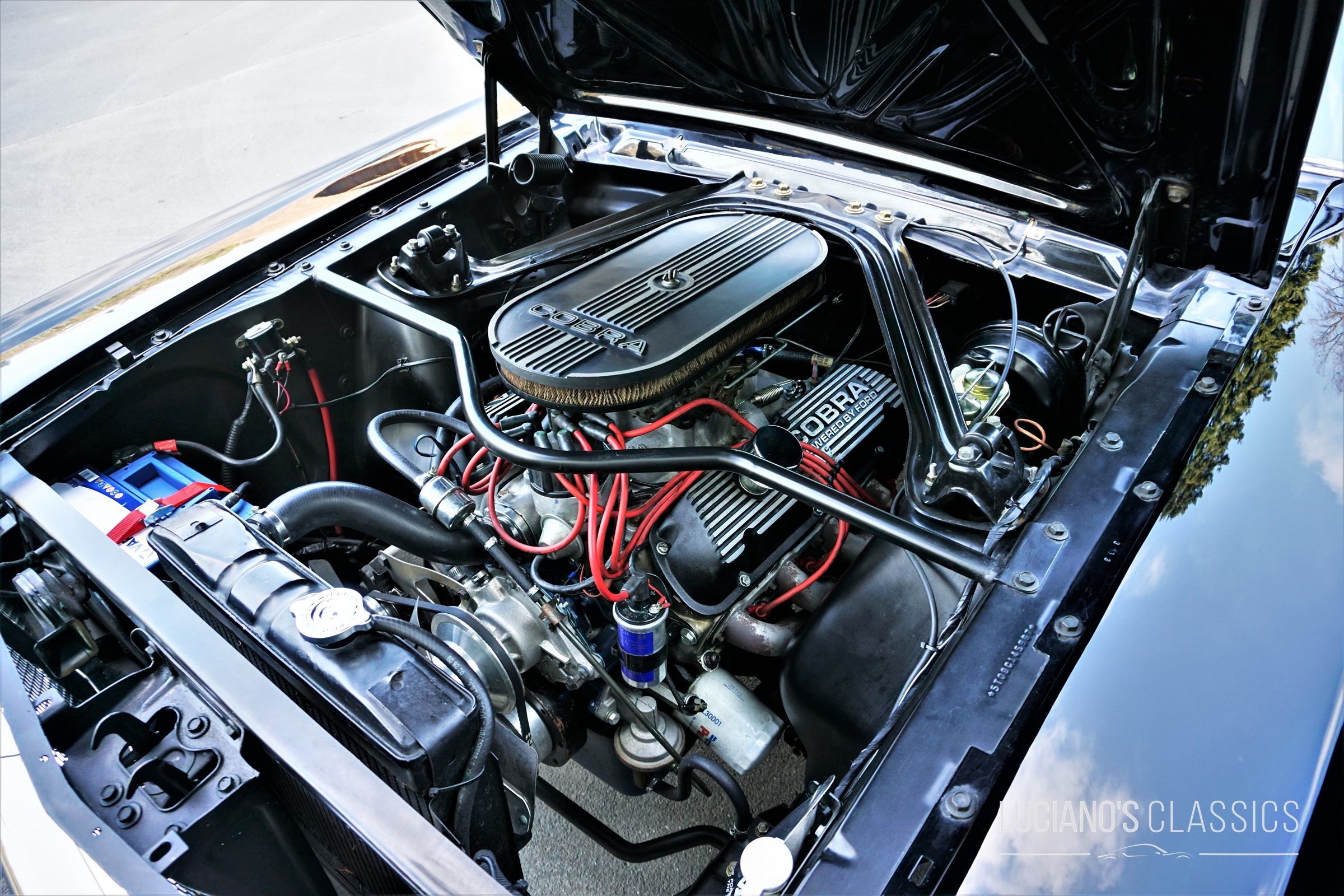
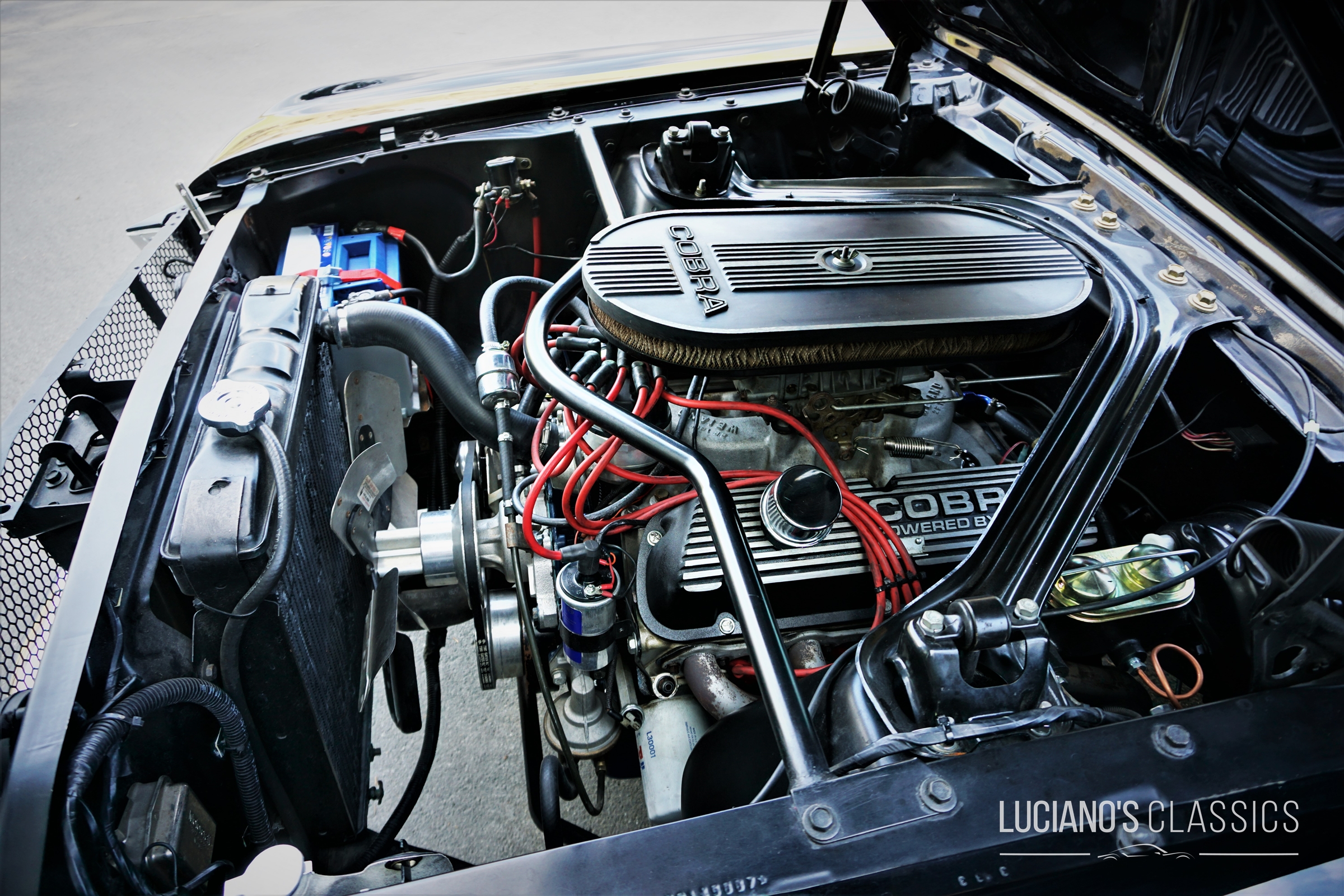
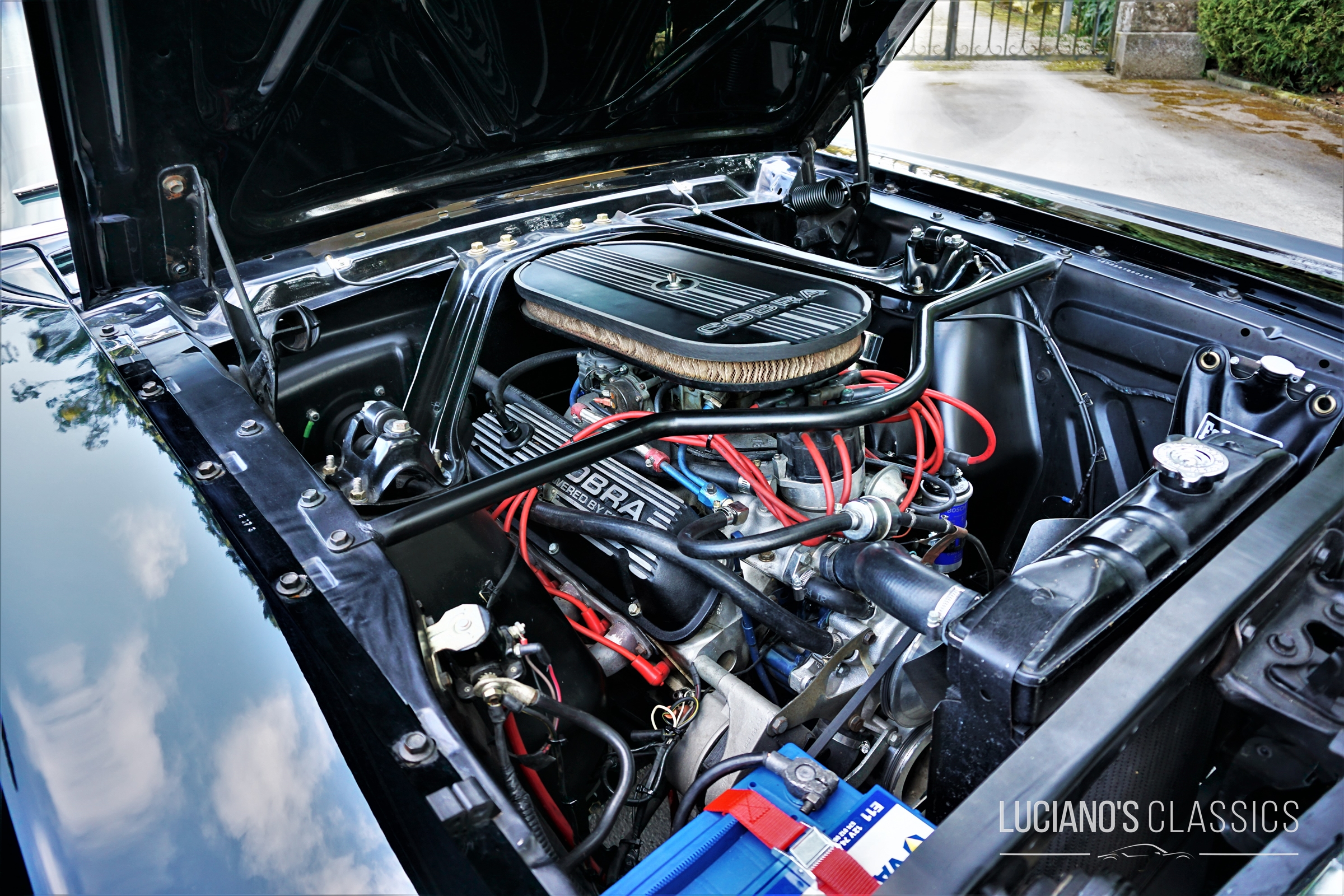
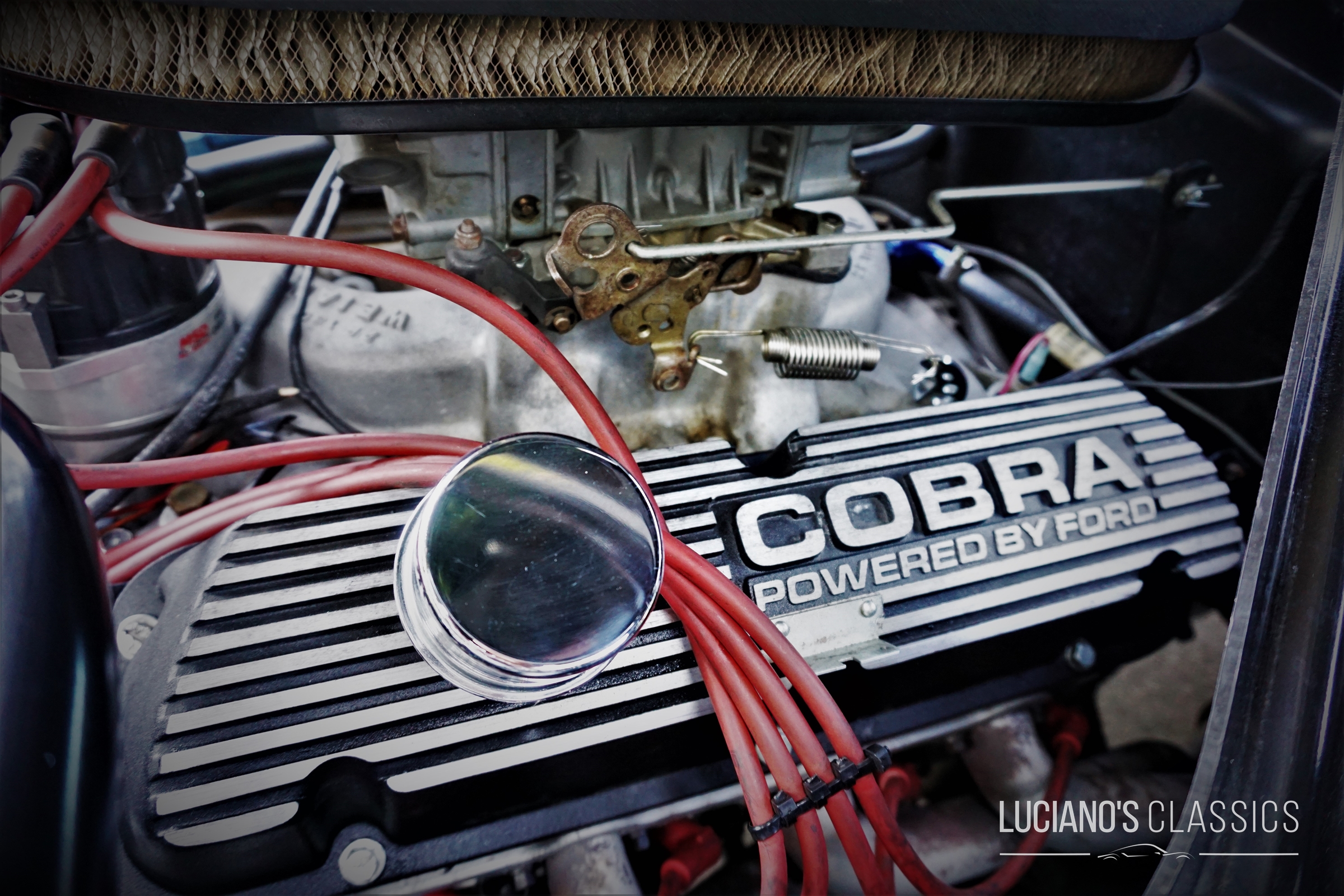
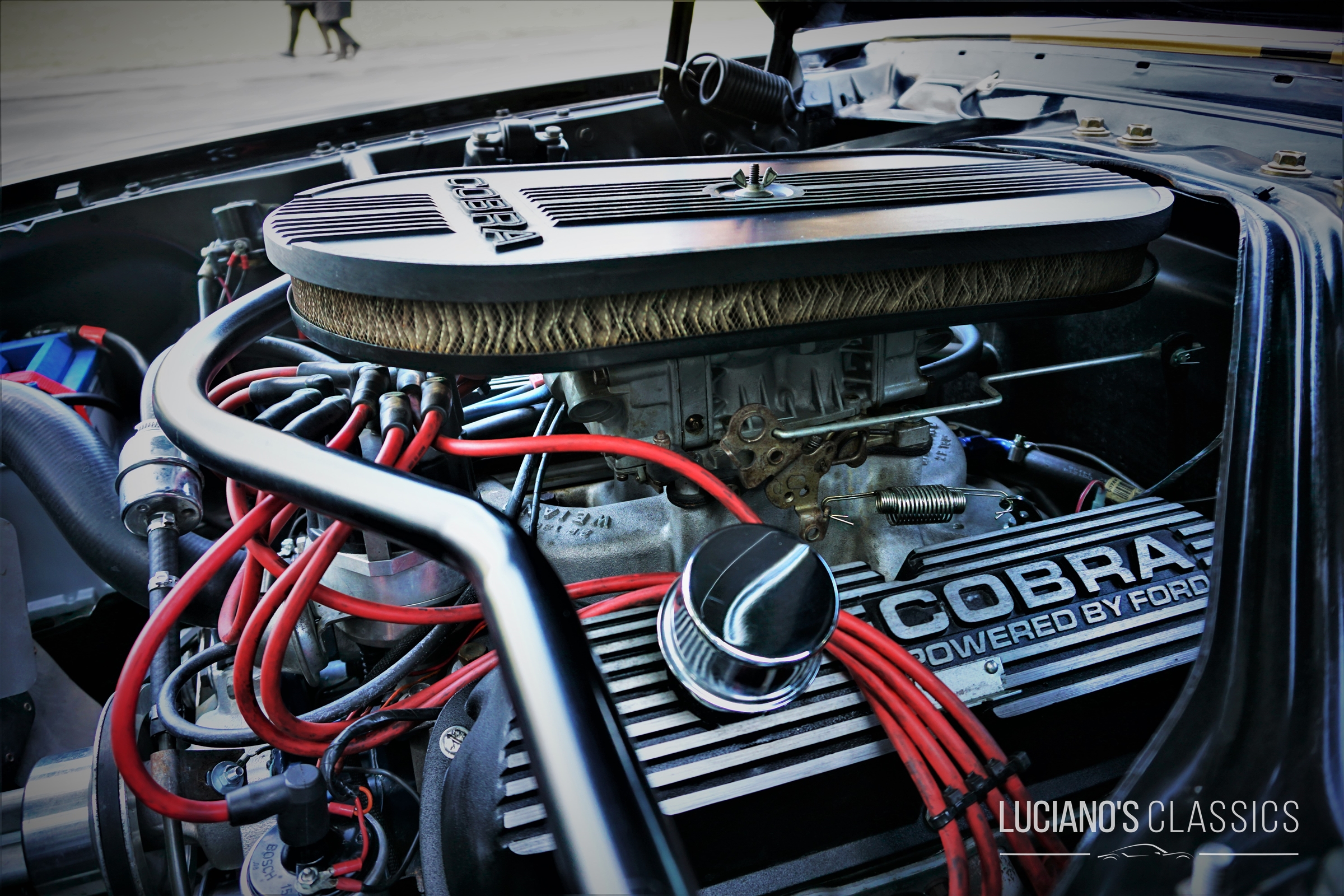
The original 289 V8 was converted to a High Performance Cobra engine according to Shelby standards. For this purpose, it was bored out to 302 ci and blessed with a four-barrel Holley carburetor, a sharp camshaft, new valves, a fan manifold, a stainless steel exhaust system and electronic ignition. The engine delivers between 310 and 320 hp on the test bench. It is shifted with a new 5-speed gearbox.
All the parts required for the restoration did not come from a reproduction company, but from Ford Classics in Dearborn. In 2010, the Shelby was imported to Switzerland and perfected to Swiss standards by Stephan Bollinger in Zurich.
The complete restoration and conversion were documented with pictures and cost over CHF 120,000. The documentation is of course included with the car.
You can find a video about this amazing machine at the bottom of this page.
This vehicle has already been sold.
Model history
At the beginning of the 1960s, market analyses assumed that a large proportion of future new car buyers would be under 30 years old. This generation preferred inexpensive sports cars and because the sporty Thunderbird, which had been offered by Ford since 1955, was getting bigger and more expensive, a new model was needed.
The car is to cost less than 2500 dollars, be less than five meters long, weigh less than 2500 pounds and be able to carry four people in a sporty manner. To minimize costs, the car is to be based on the existing Ford Falcon.
In 1962, a prototype with the name Mustang is ready. The name comes from a legendary US fighter plane, the Mustang P-51. The car was a roadster with a mid-engine and only two seats. Visually, there were hardly any similarities with the later production model.
After just 18 months of planning and design, Ford's River Rouge plant near Dearborn churned out the first Mustangs on March 5, 1964. The car was officially unveiled on April 17 and the rush was enormous. Over 20,000 sales contracts were signed on the first day.
Right from the start, the convertible and coupé body styles were available with different engine versions. A 170-ci six-cylinder engine (2.8 liters) made the start and the V8 was available in sizes 260 with twin carburetors and 289 with quad carburetors as well as the 289 HiPo with a whopping 275 hp. Manual transmission was available with three or four gears and the automatic was available with three gears. Due to a lack of power, the 170 was replaced by a 200 ci six-cylinder in the same year and the 260 ci V8 was completely removed from the range. The V8 was now only offered as a 289cc, but with a choice of 2- or 4-barrel carburetor.
In September 1964, the third model variant, the Fastback, was added to the model series.
The GT350 that served as the model for the vehicle offered here was the work of Caroll Shelby. Sports cars sold particularly well when production-based vehicles dominated the race track at weekends and Shelby was called upon to take advantage of this advertising.
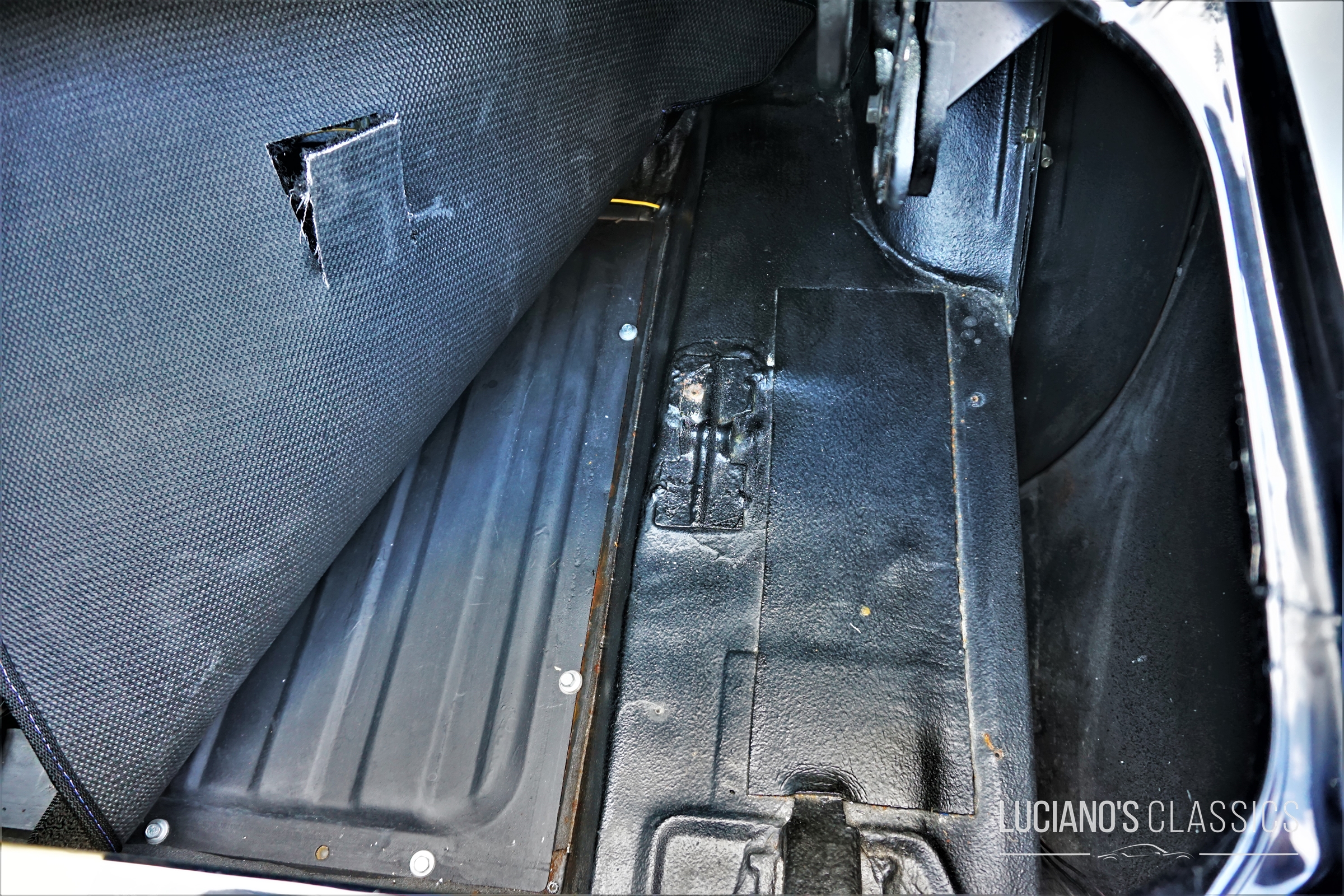
The SCCA regulations required a large-scale production engine for use on the racetrack, and Ford already had a powerful engine in stock with the 4.7-liter V8, known as the K-Code. With little effort, Shelby provided the standard 289cc HiPo with a little more air and thus achieved an output of 306 hp. The Mustang's rigid axle was replaced by the stronger version from the Ford Galaxie, the rear drum brakes were enlarged and disc brakes were fitted at the front. To improve weight distribution, the battery was moved to the trunk, the hood was made of lightweight GRP and weight was reduced all round. The rear seat was useless for racing anyway.
The SCCA regulations required that at least 100 of these modified vehicles be built and Ford was able to deliver a whopping 562 of them in 1965. All were painted white and the so-called Le Mans stripes were available for an extra charge.
Details
- MFK 09.2019
- Perfect condition
- Nut & Bolt Restoration
- 20’000 Km
- Hand switch
- Shelby 350GT Hertz Clone
not what you are looking for?
We will be happy to find your individual dream vehicle.
Simply make a non-binding inquiry and benefit from our network.