
Chevrolet Corvette C3
Description
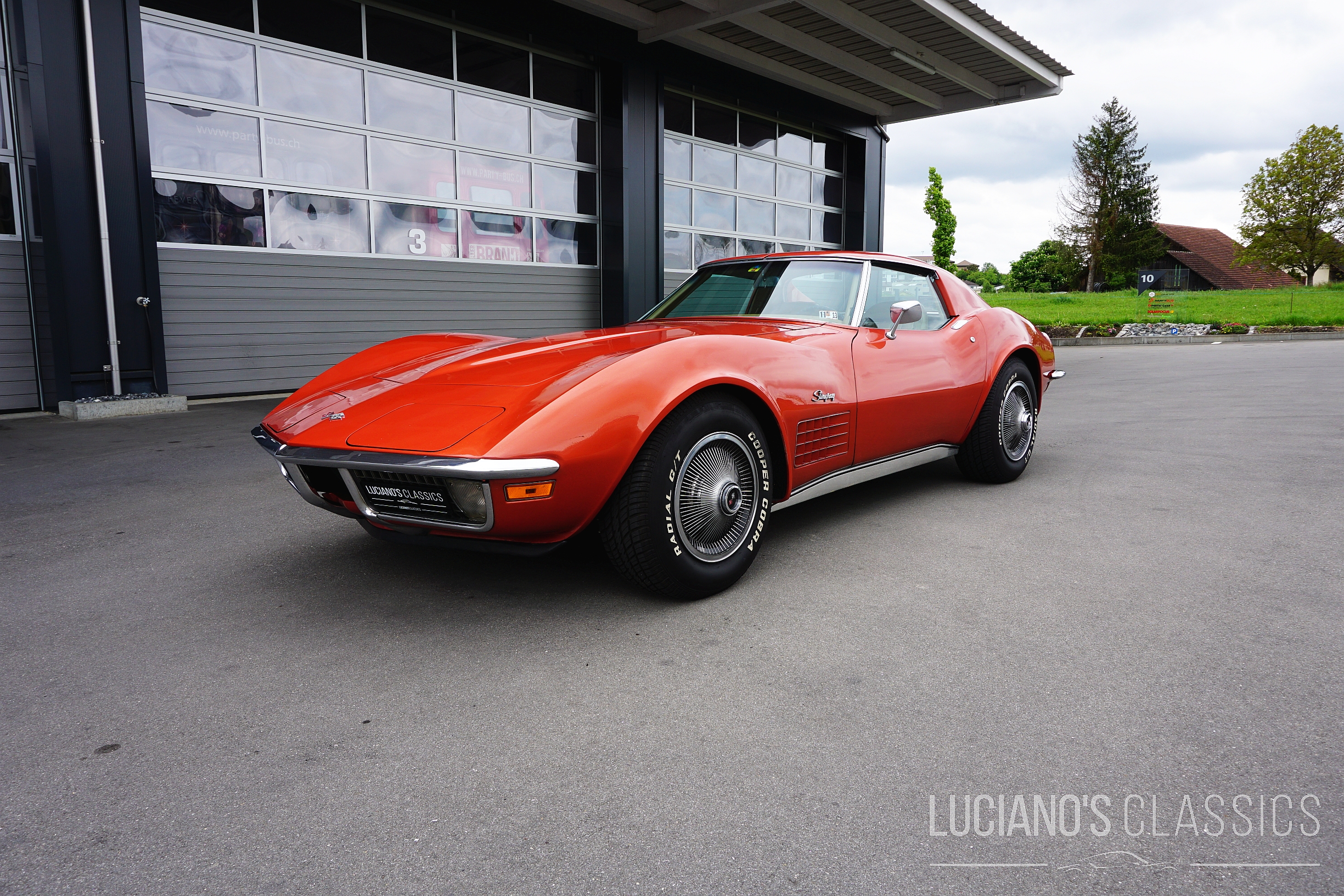
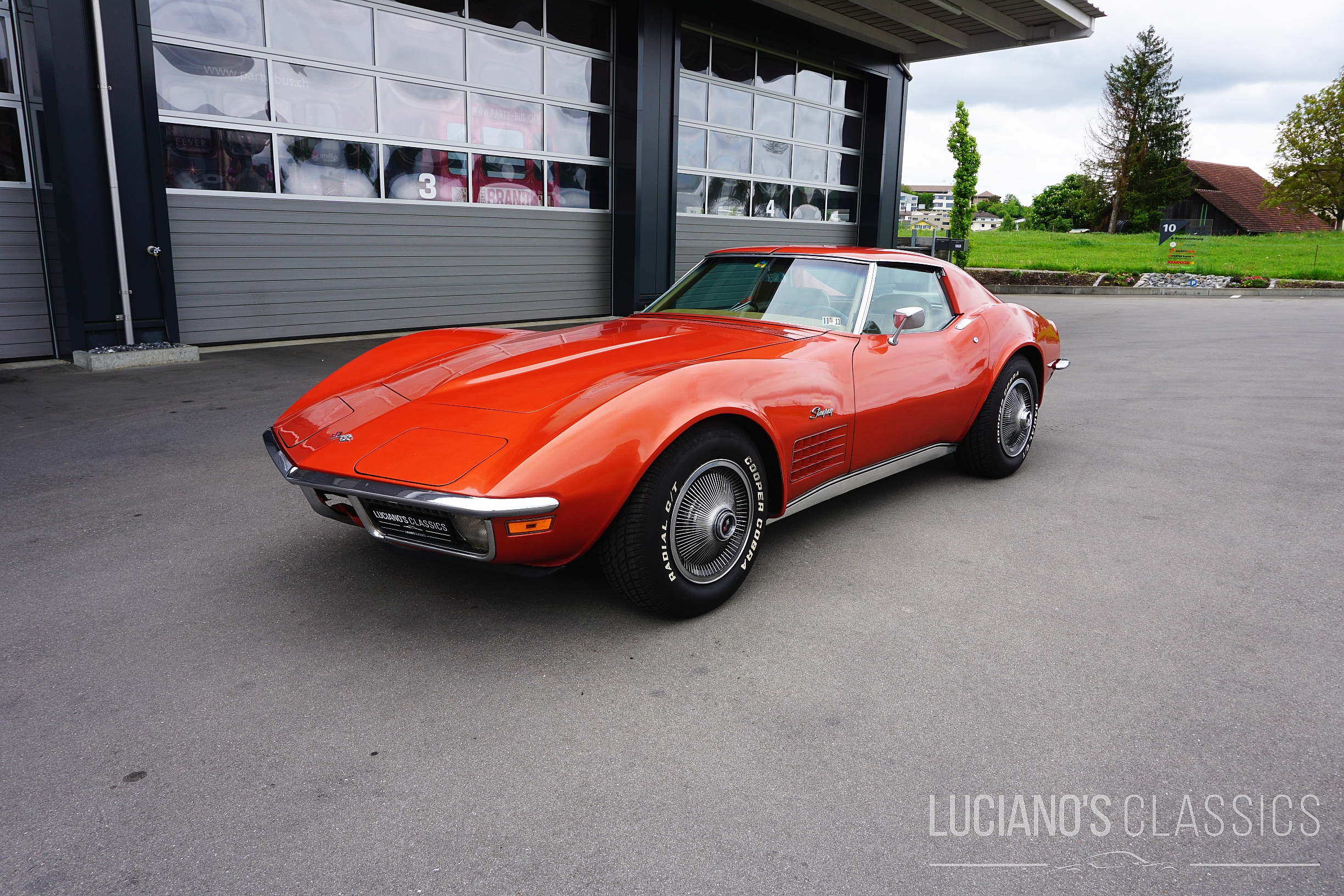
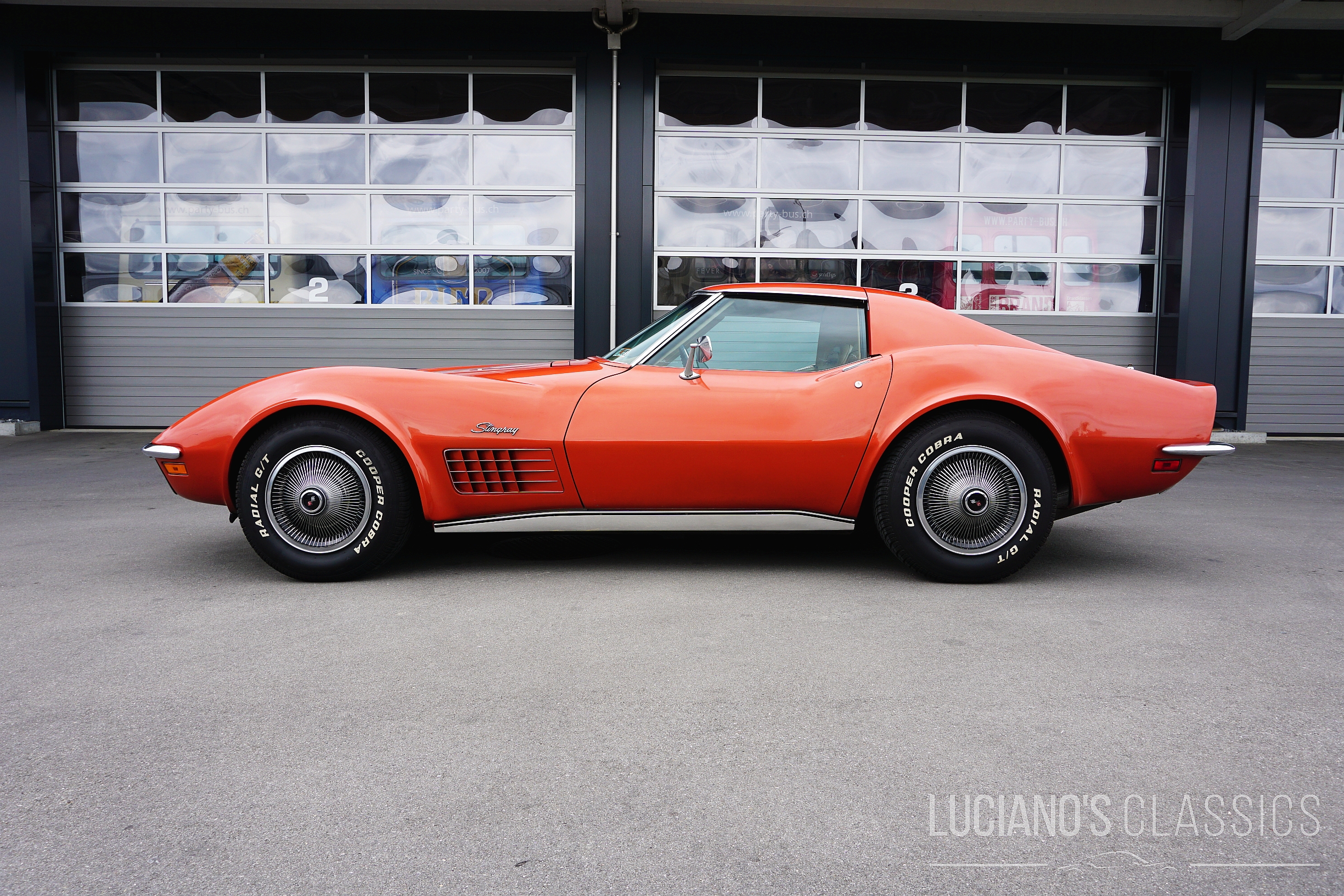
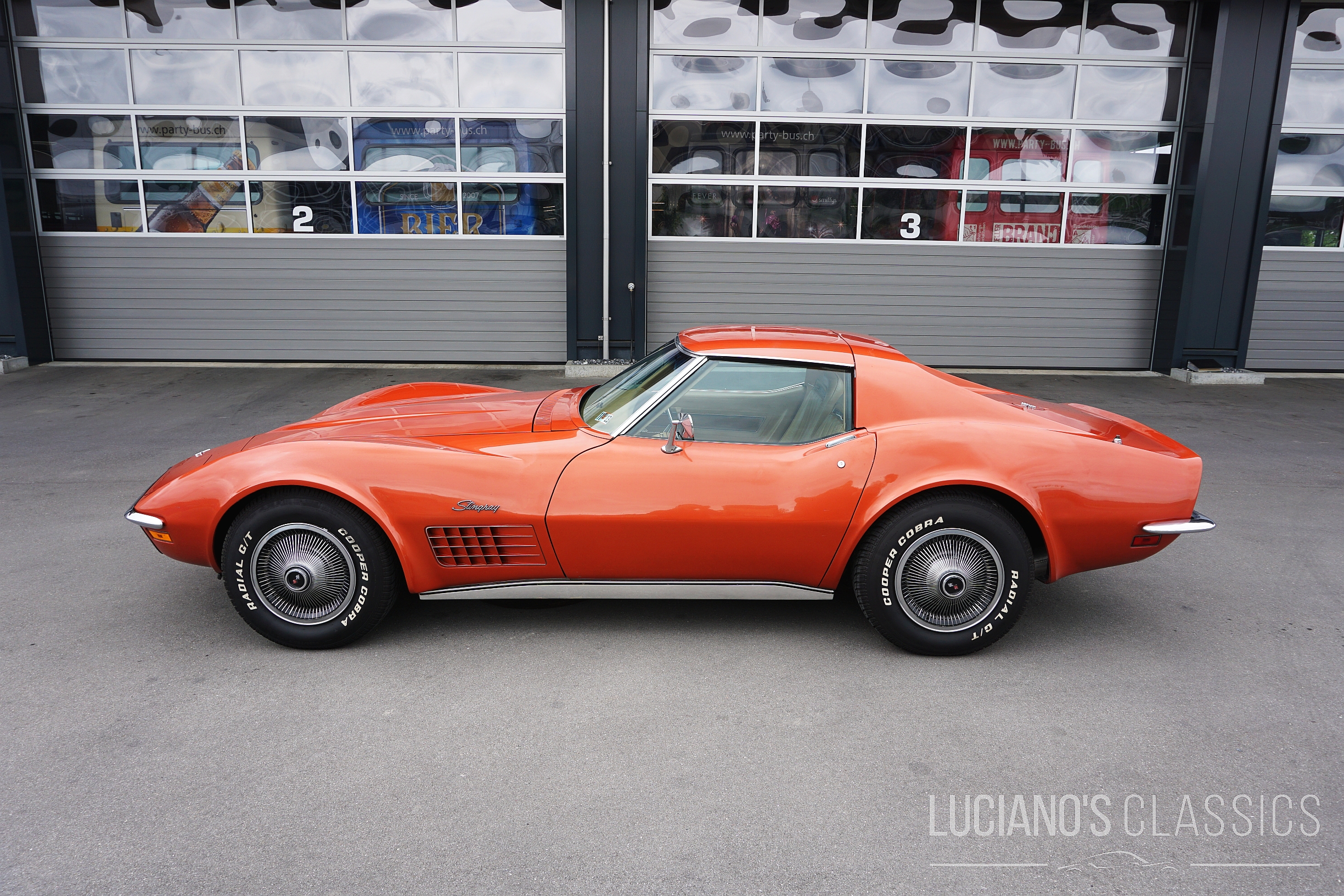
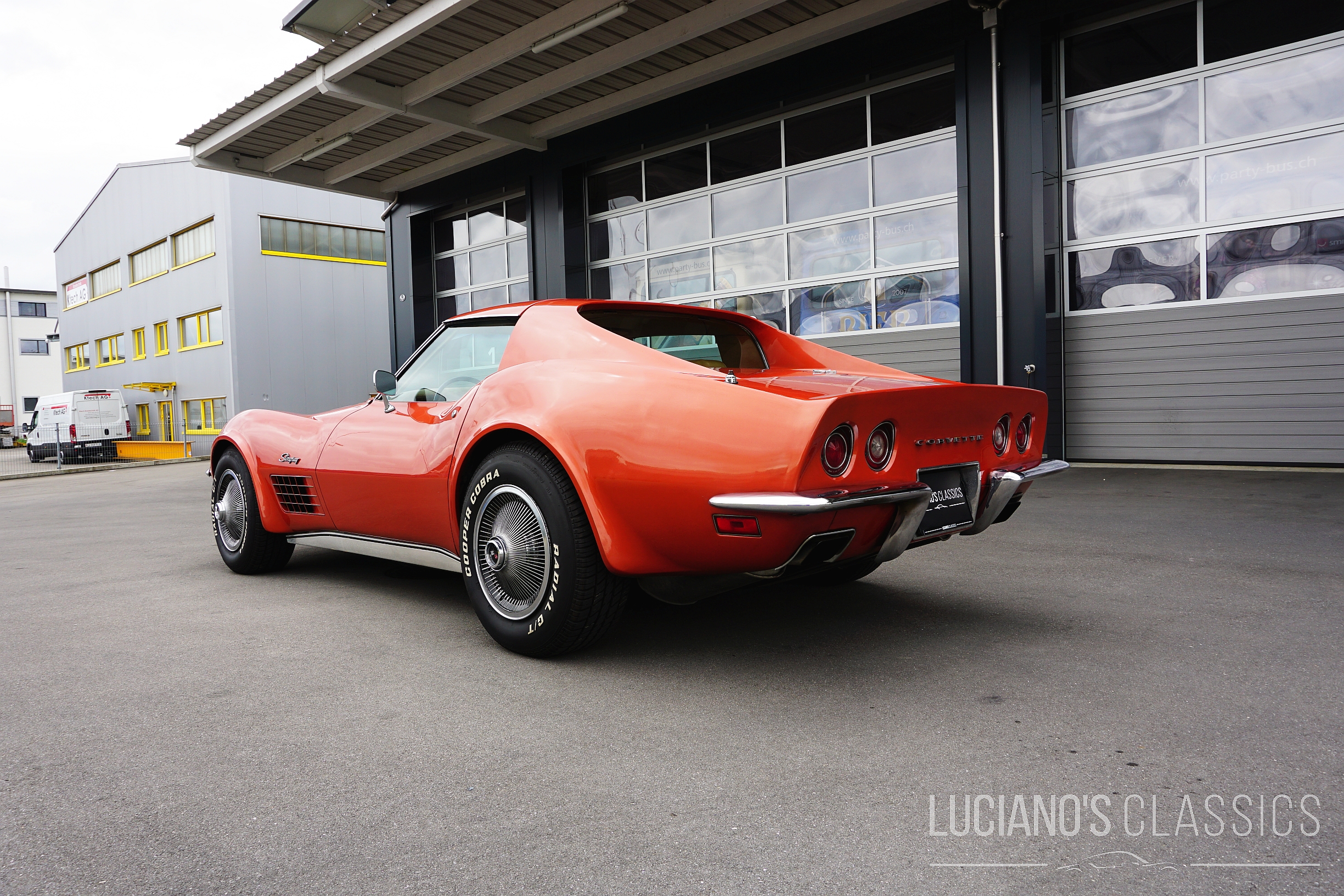
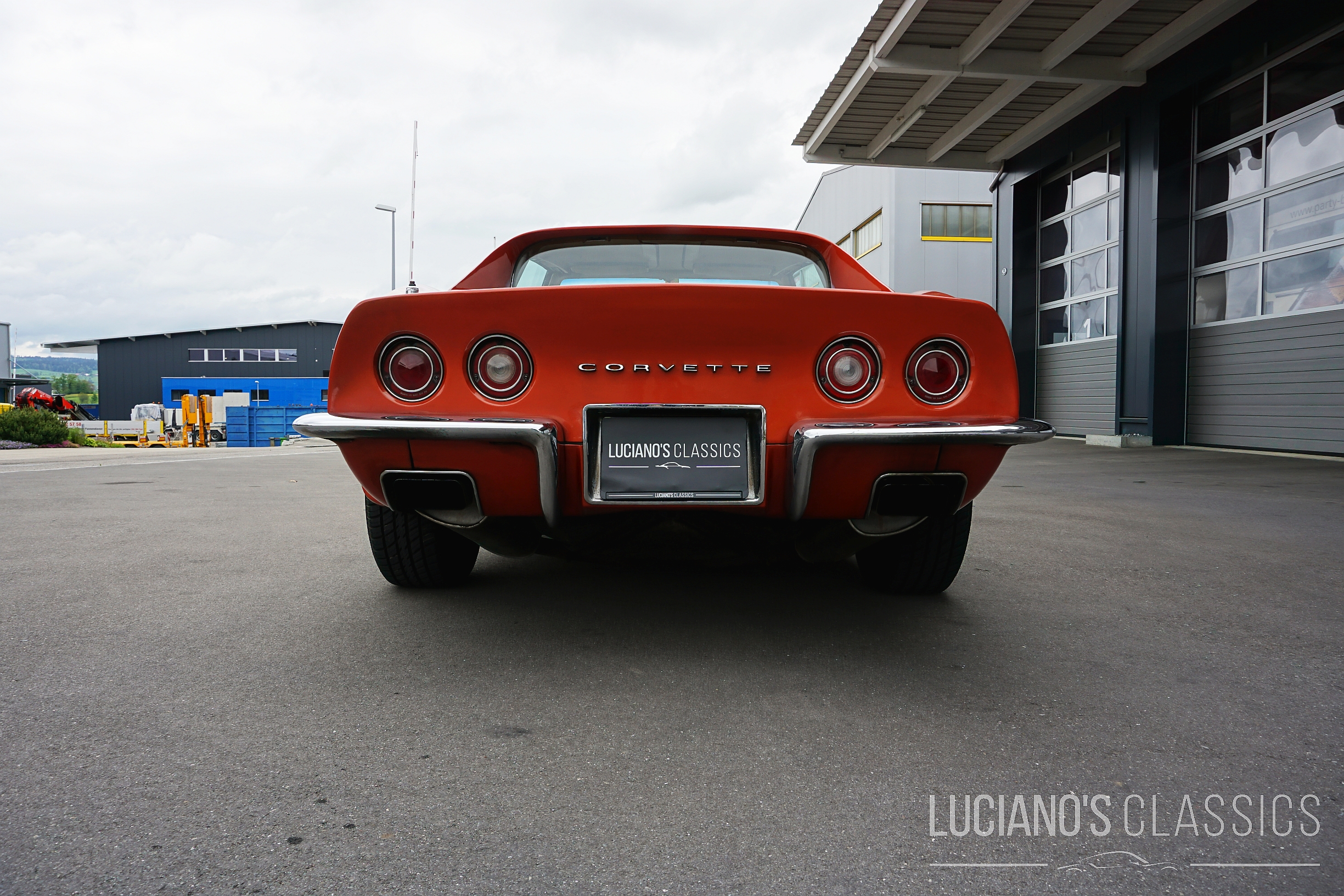
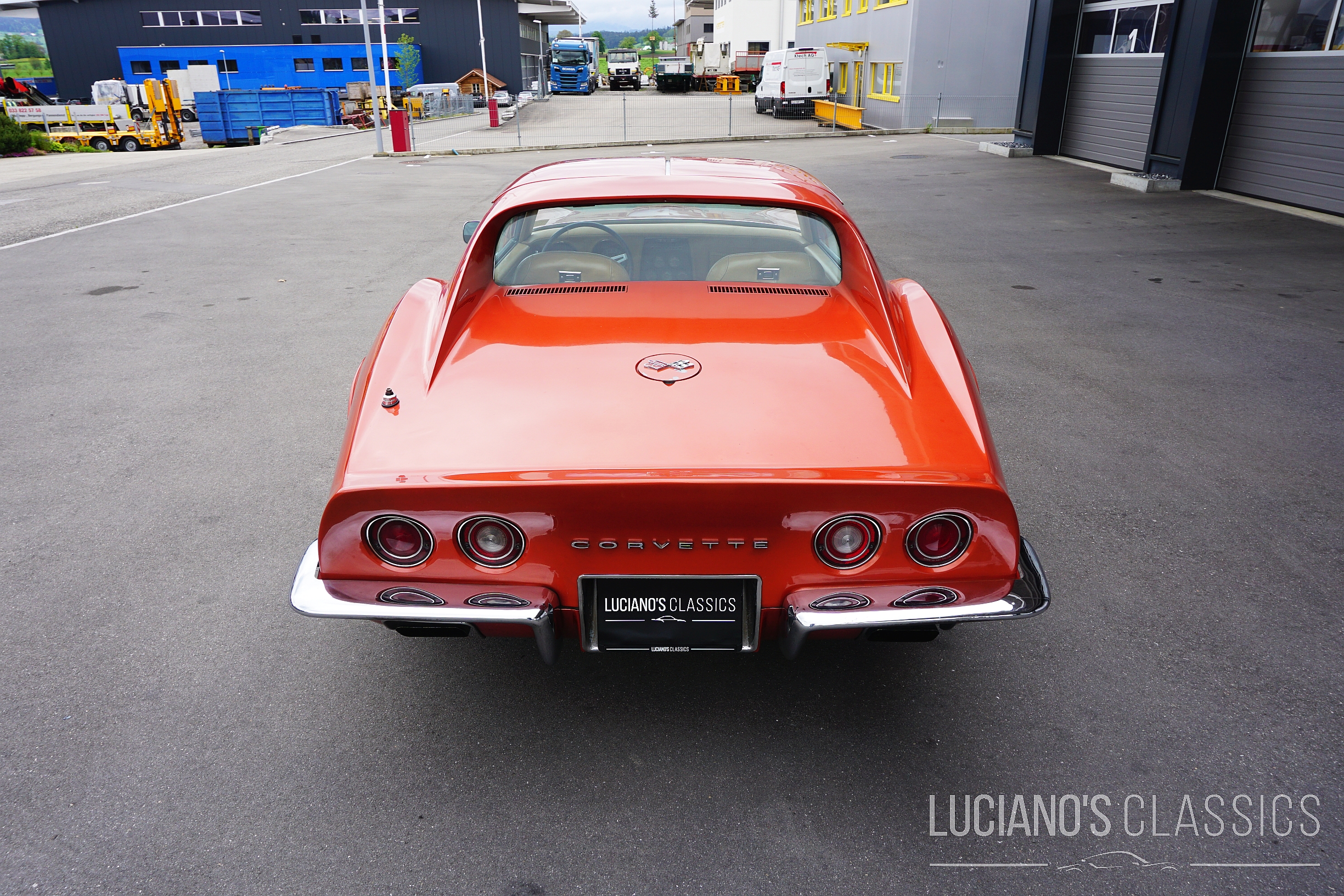
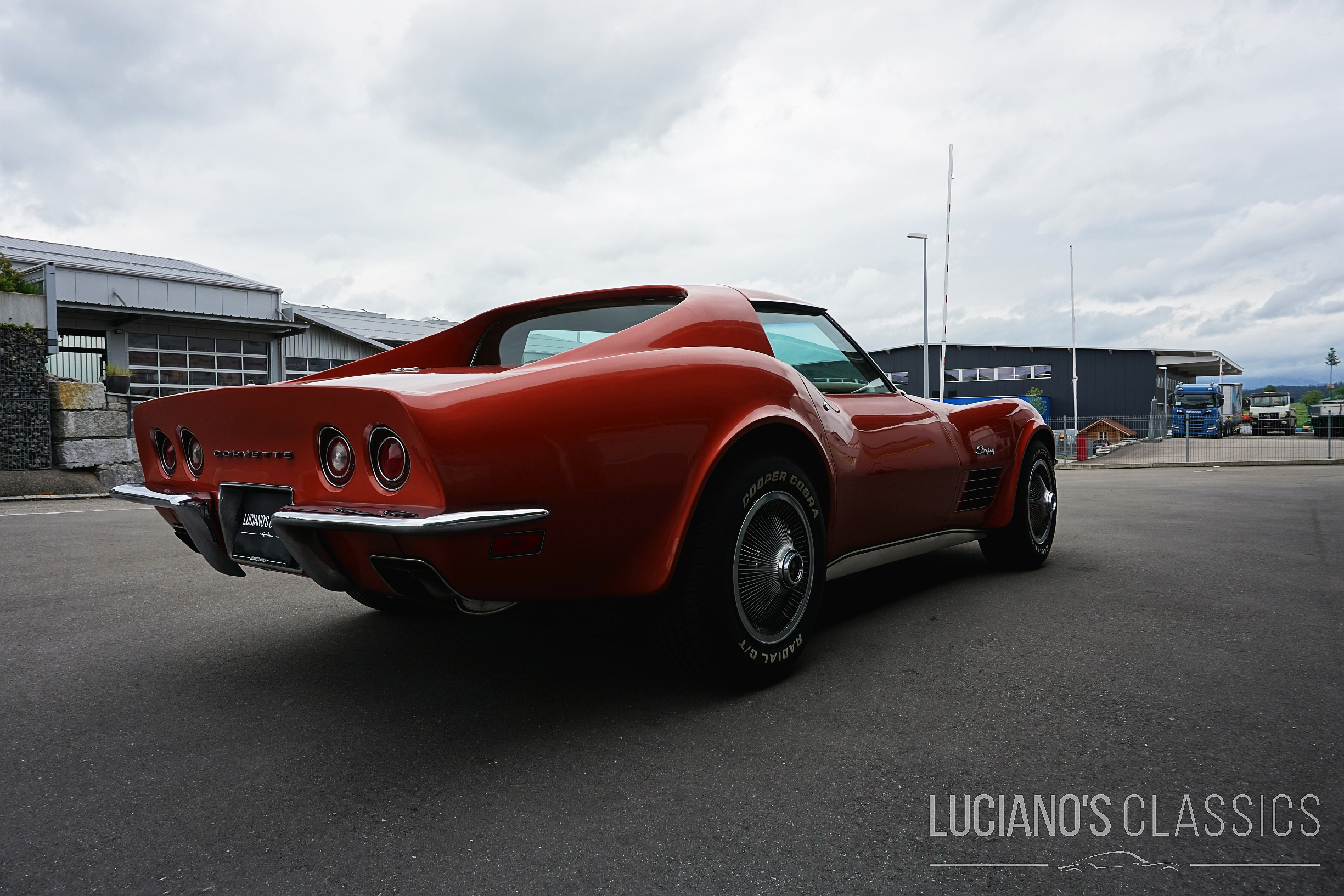
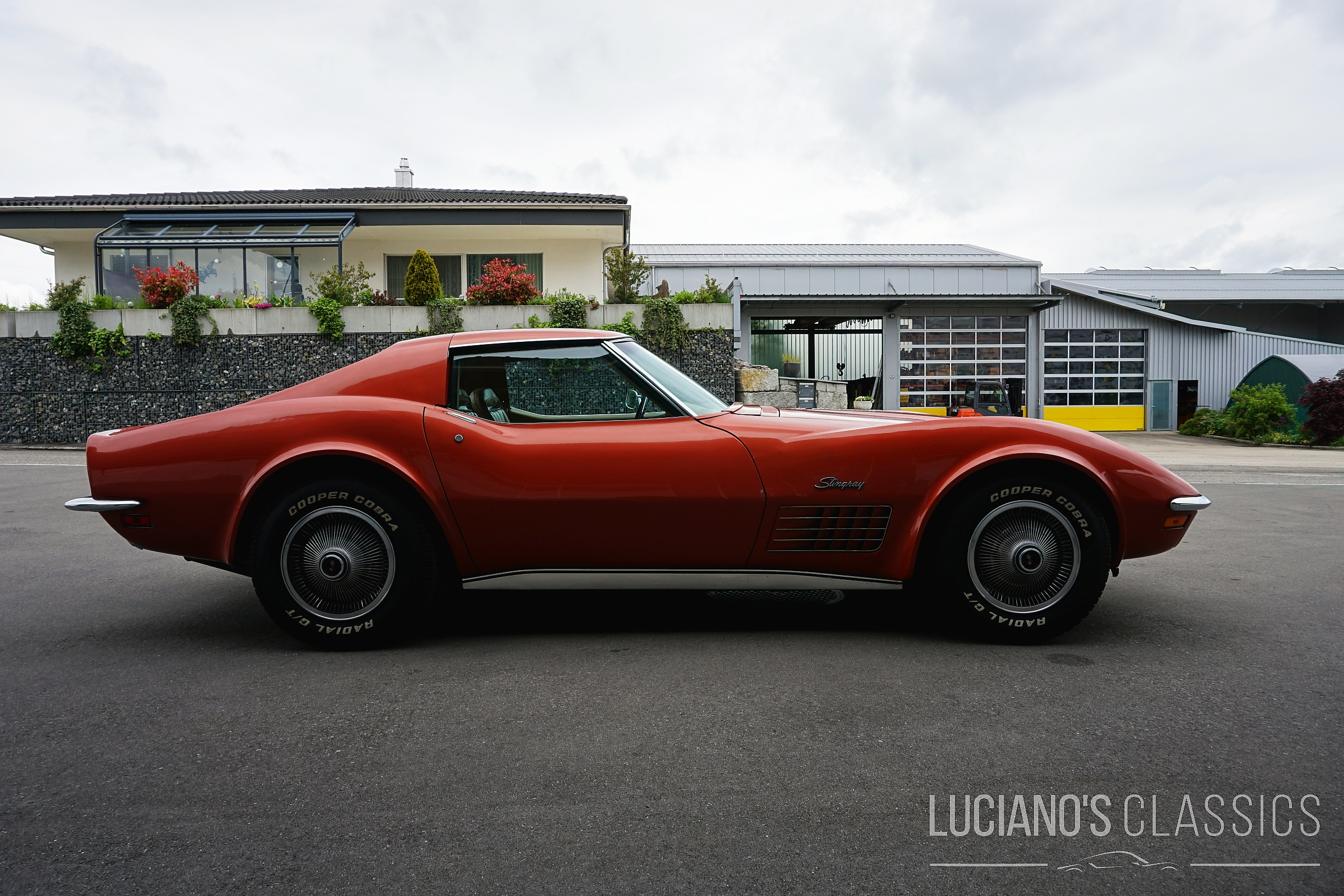
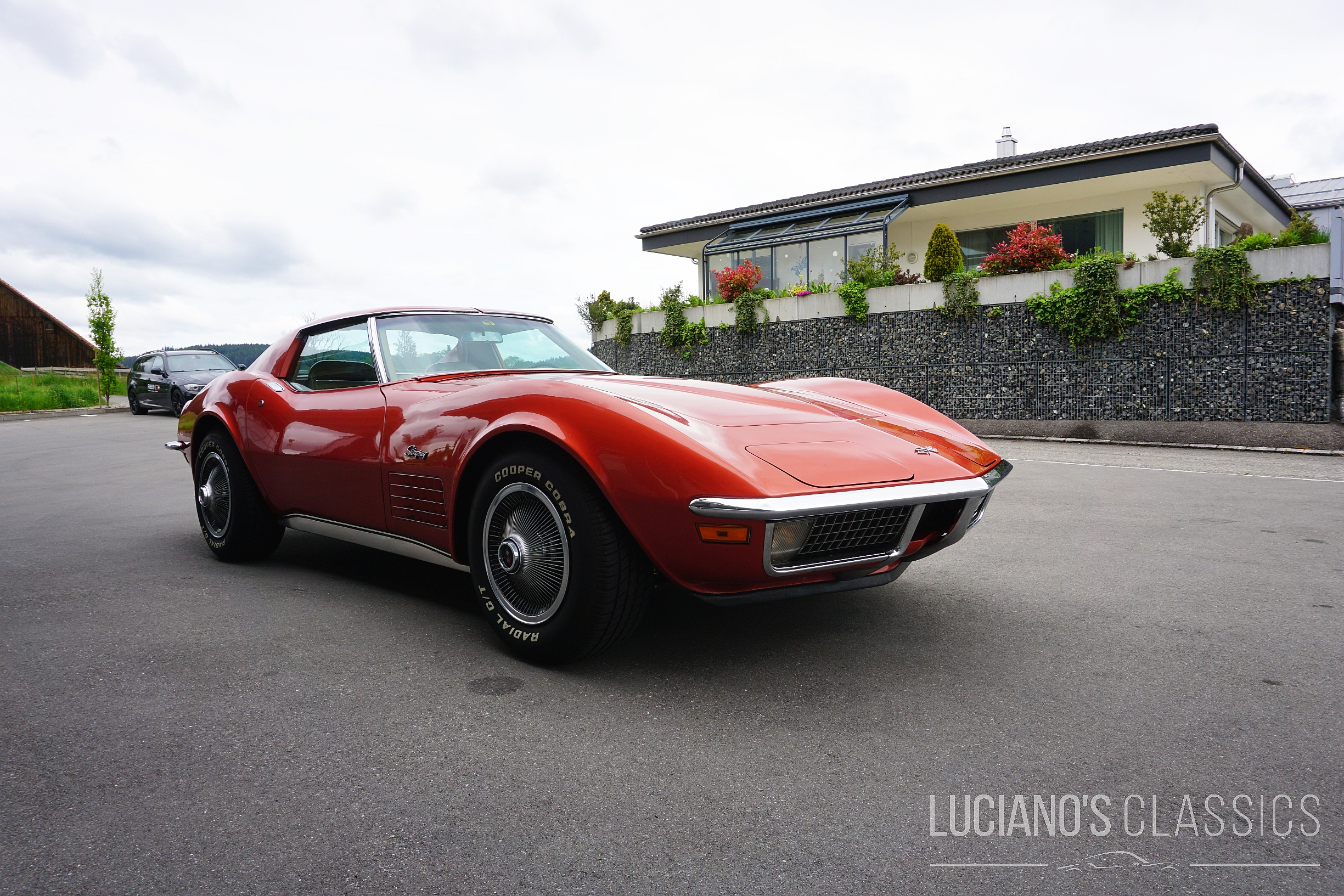
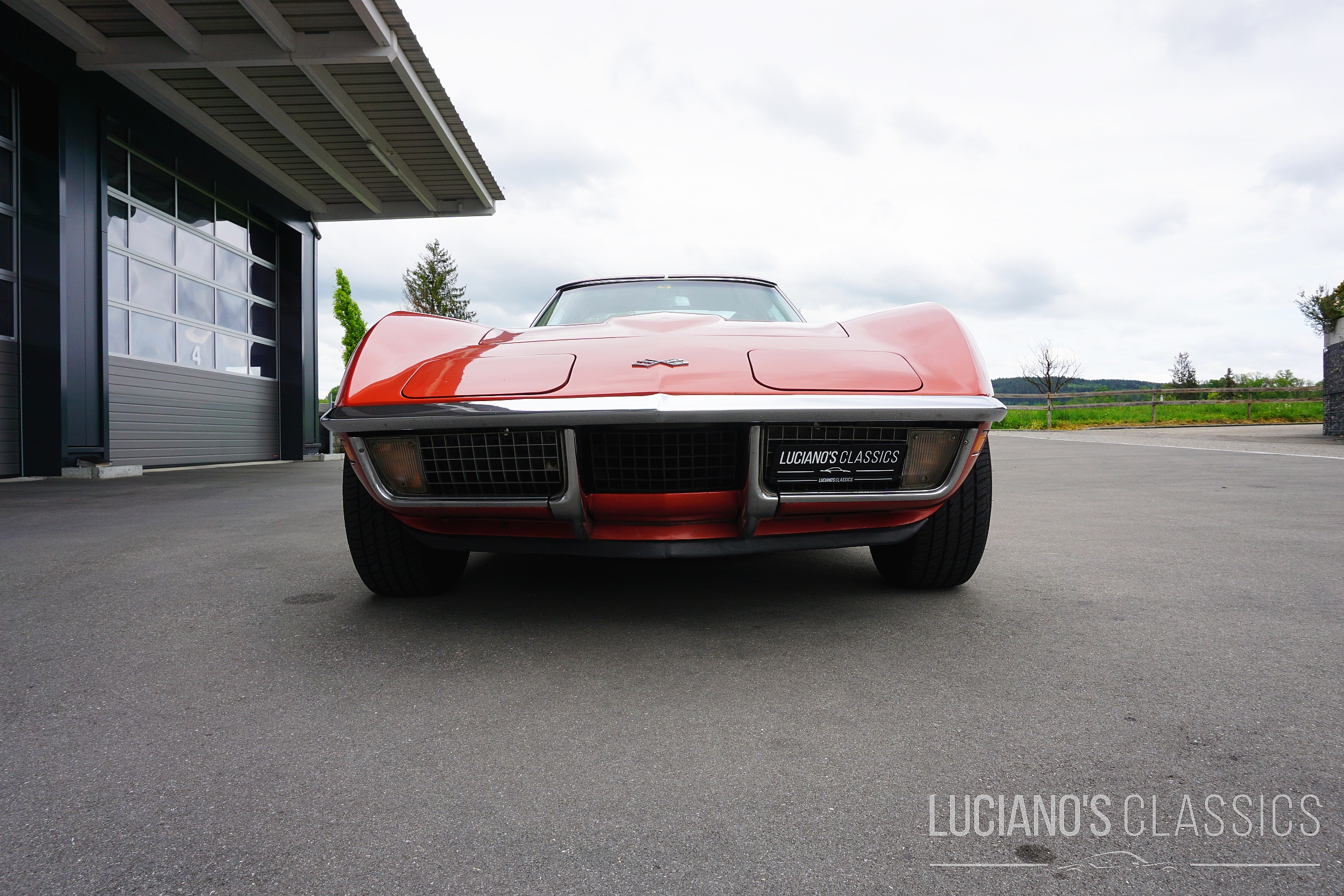
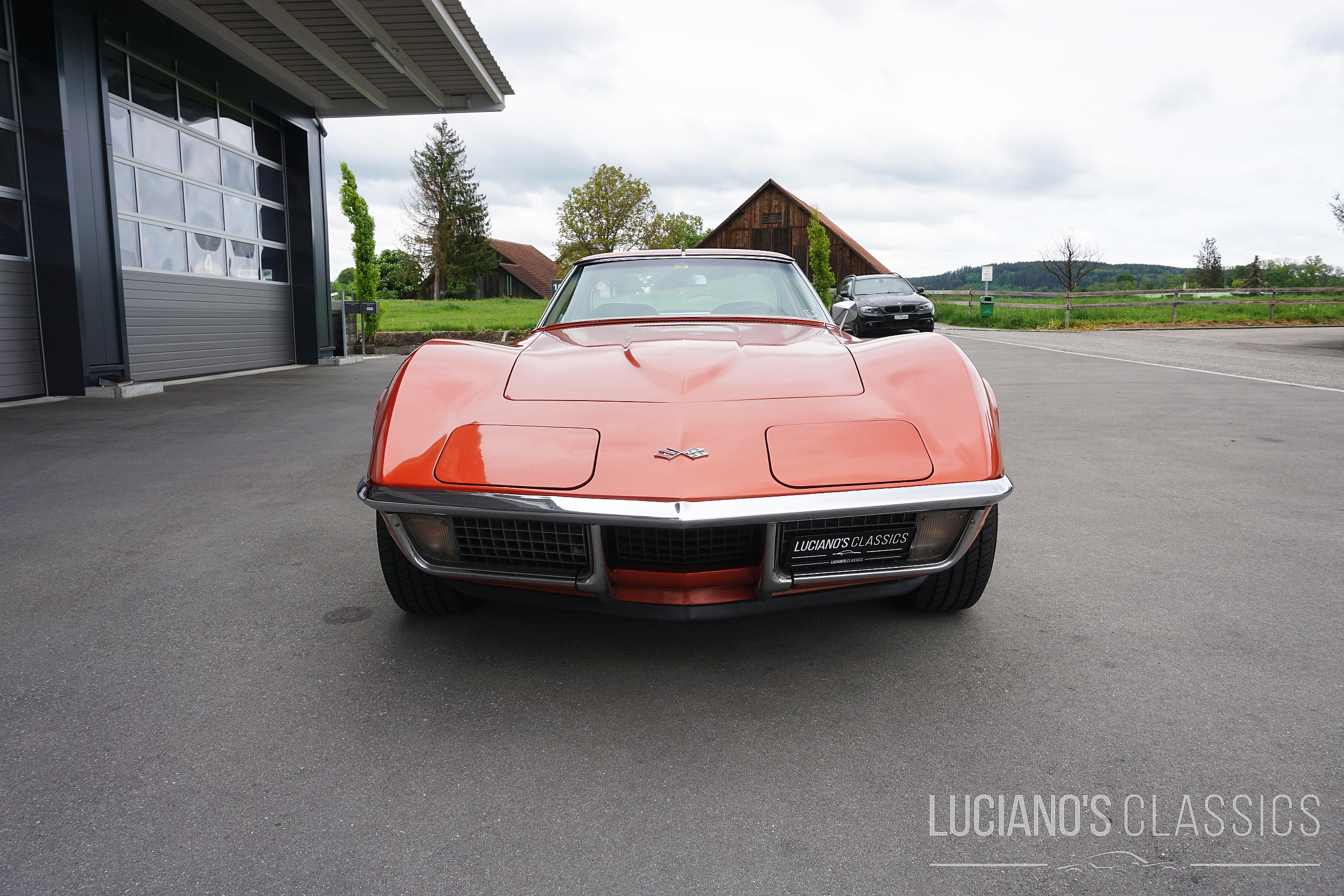
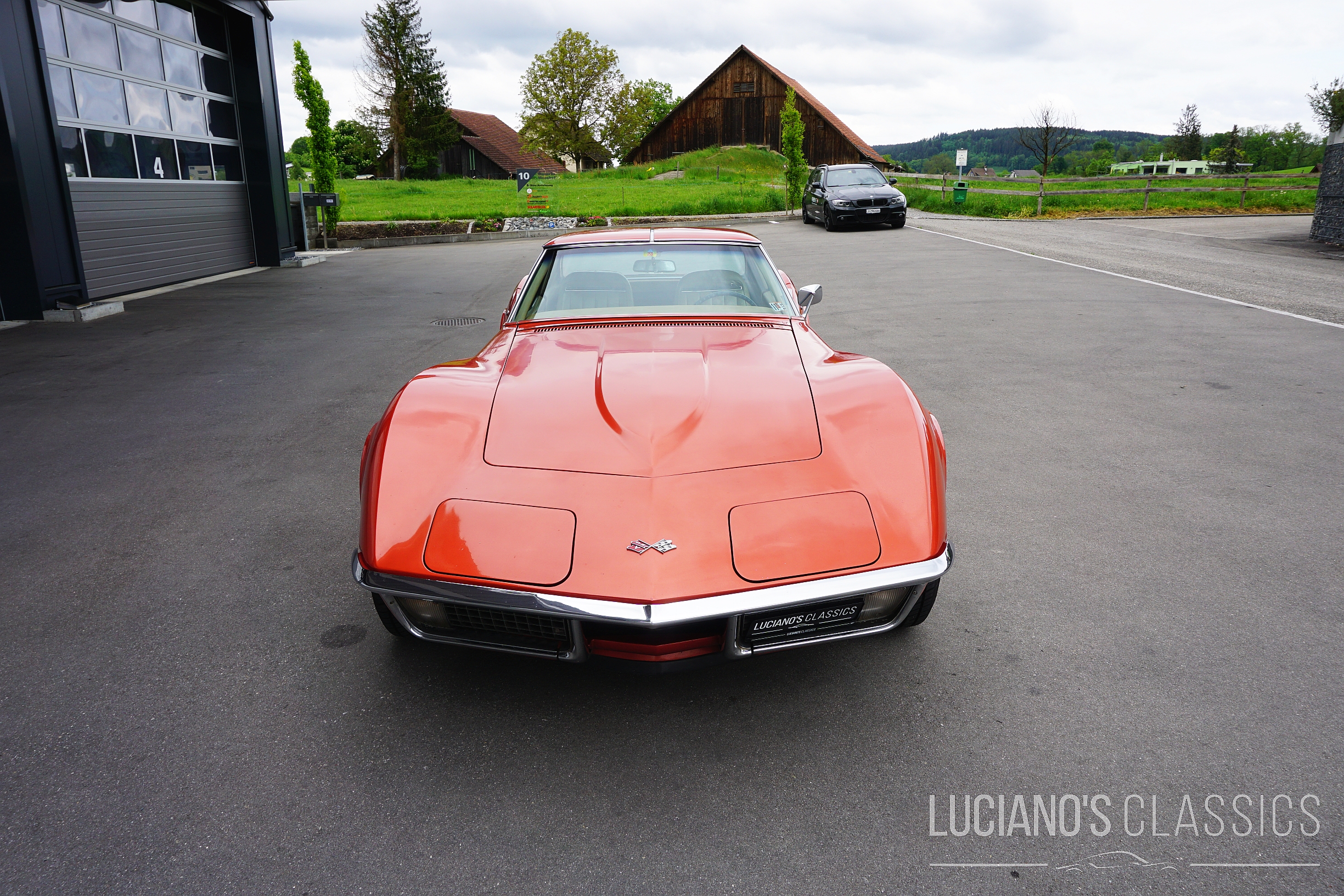
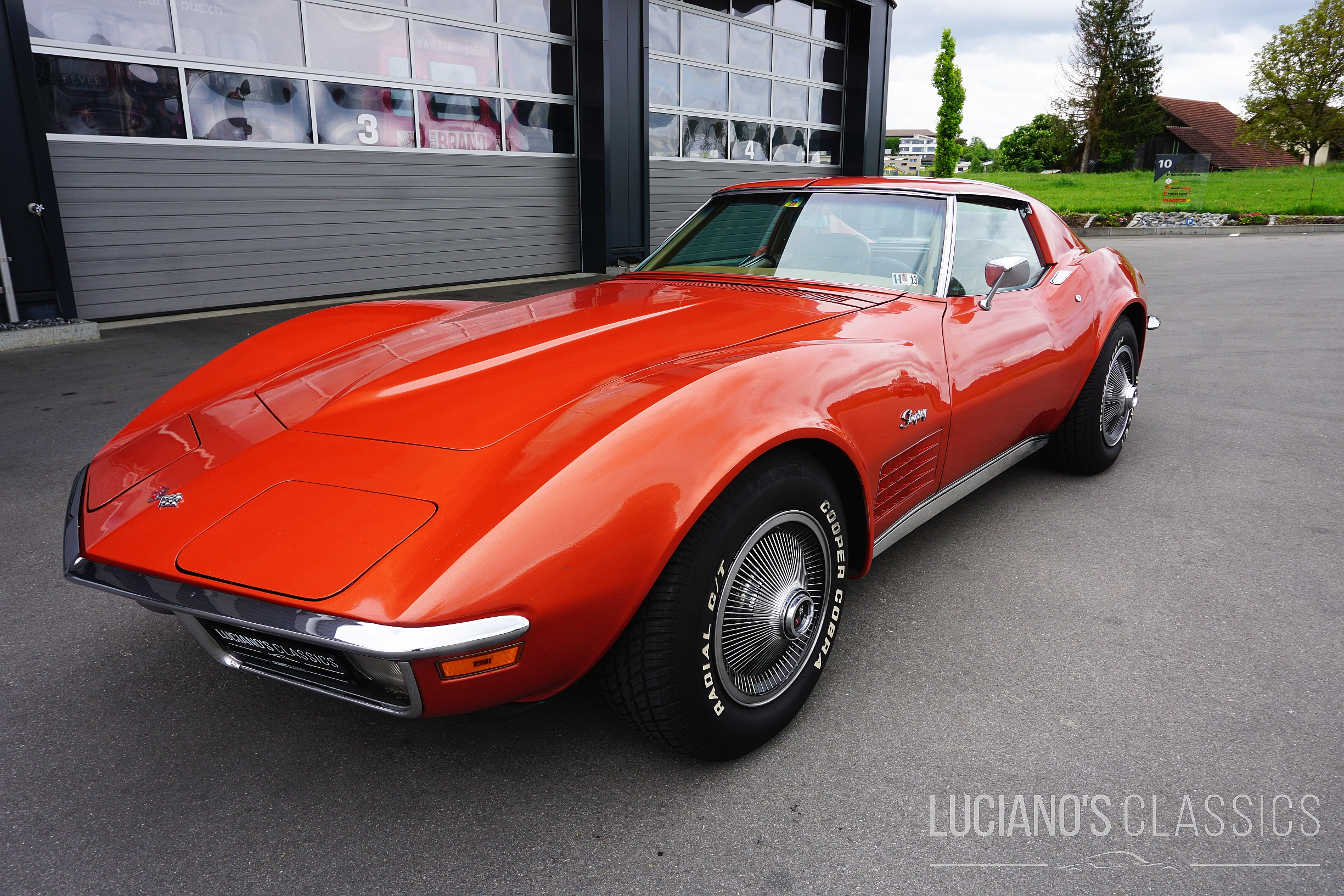
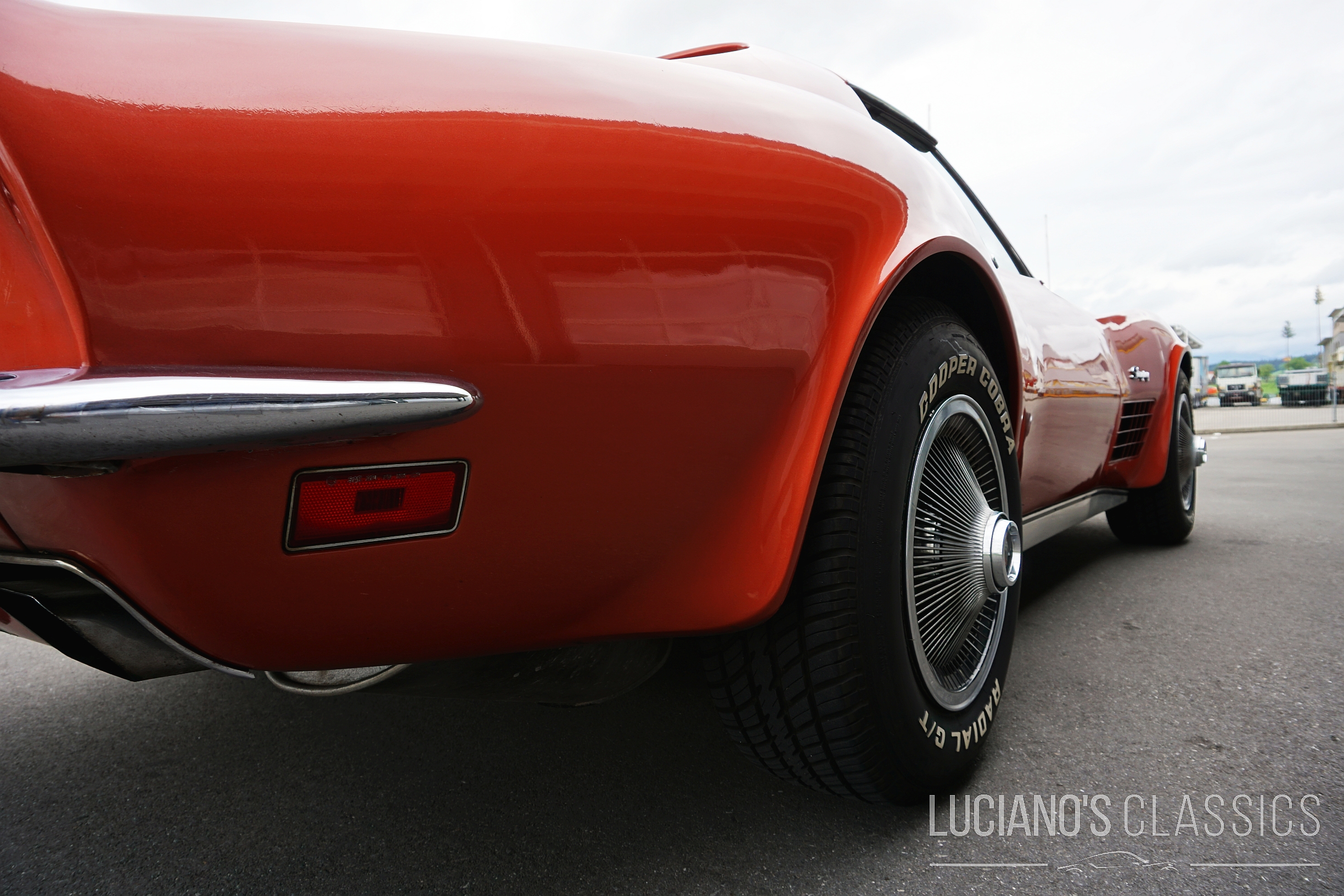
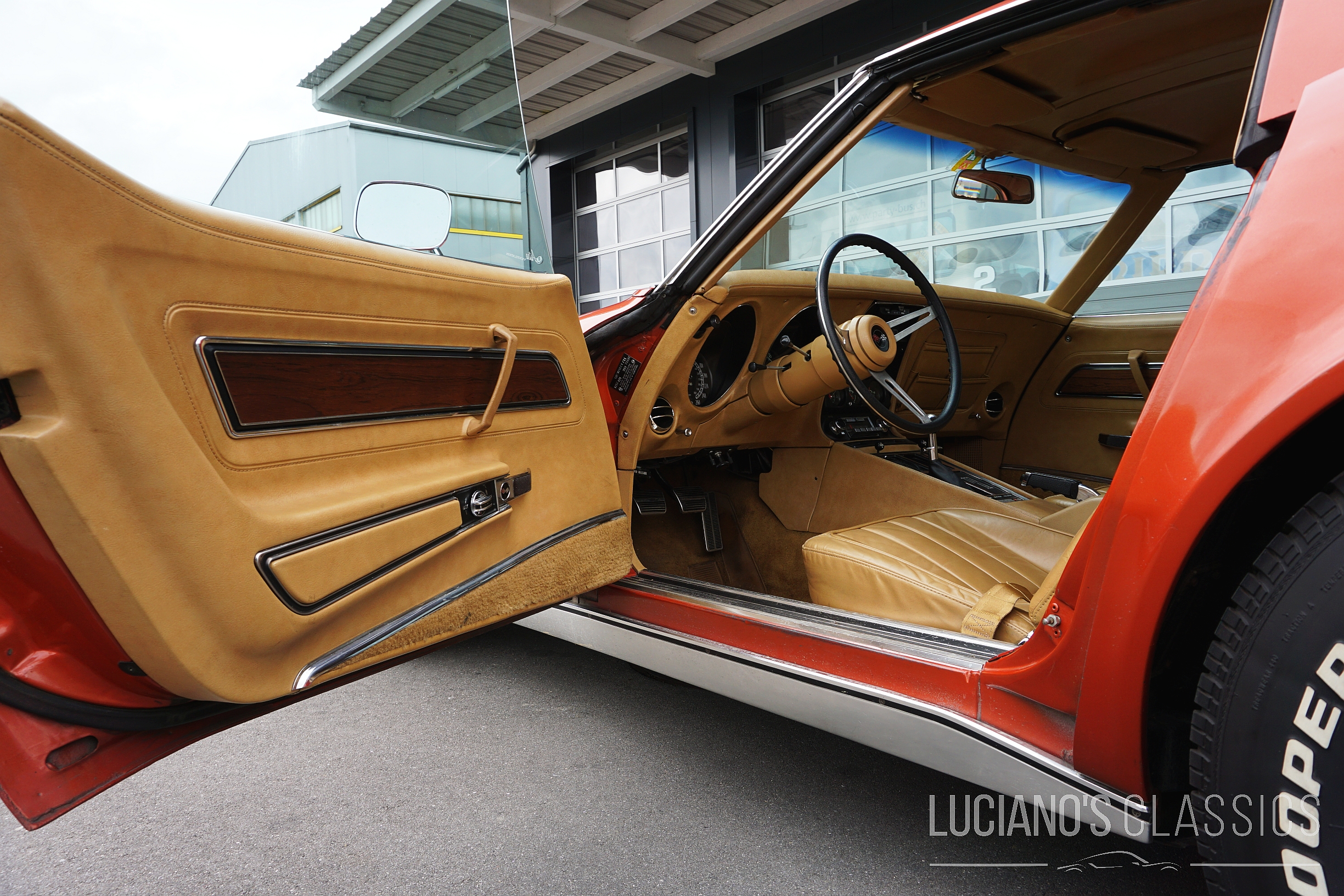
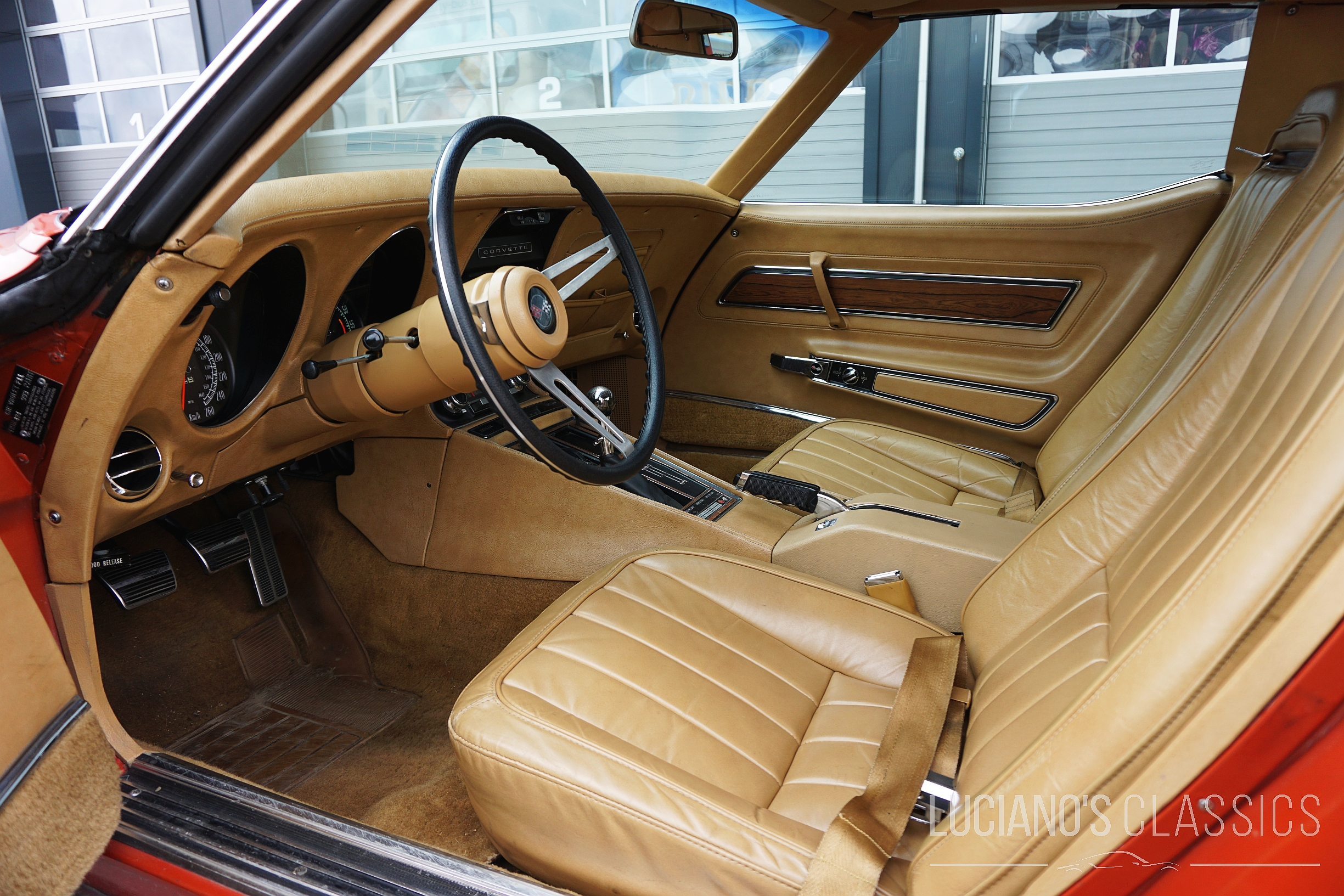
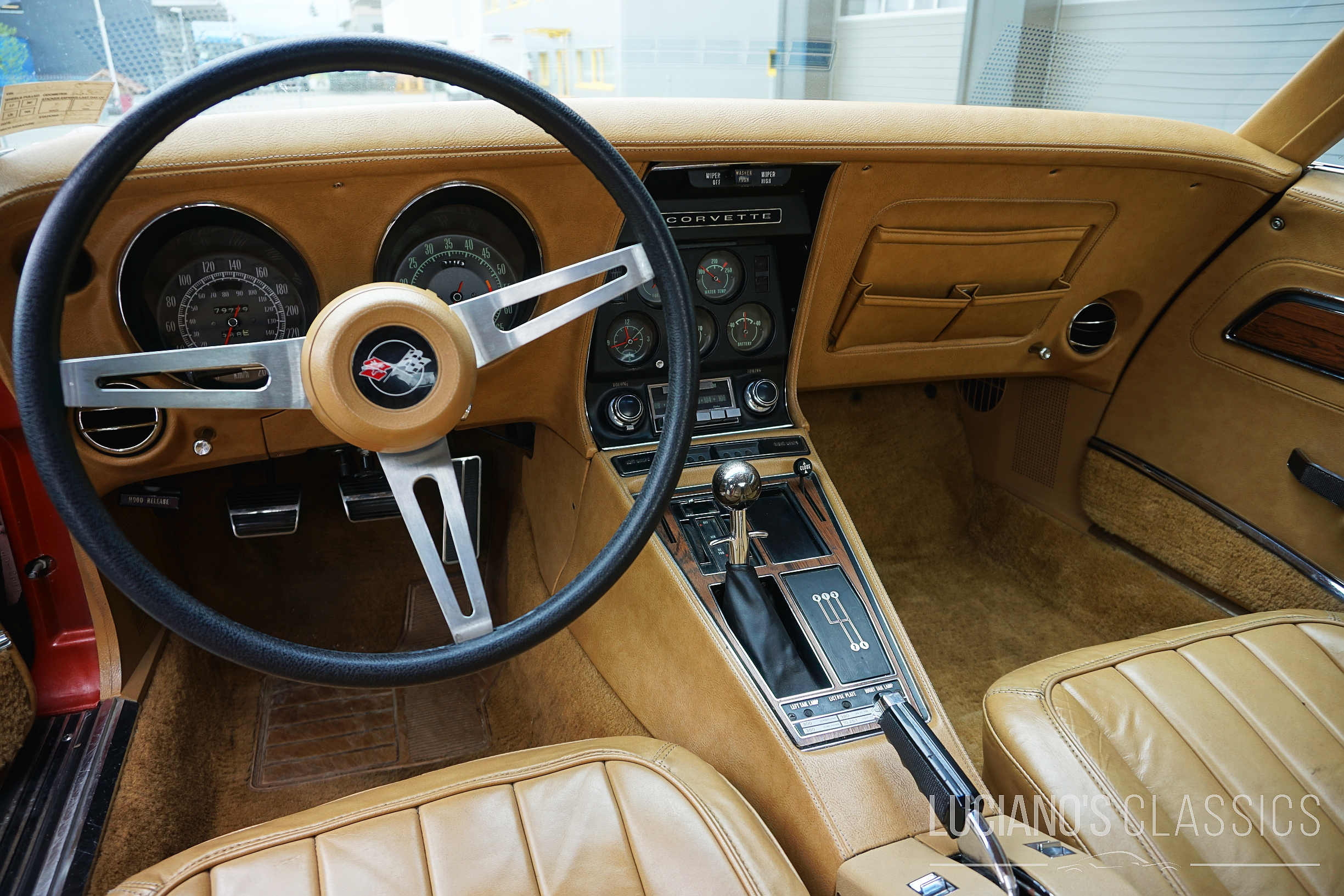
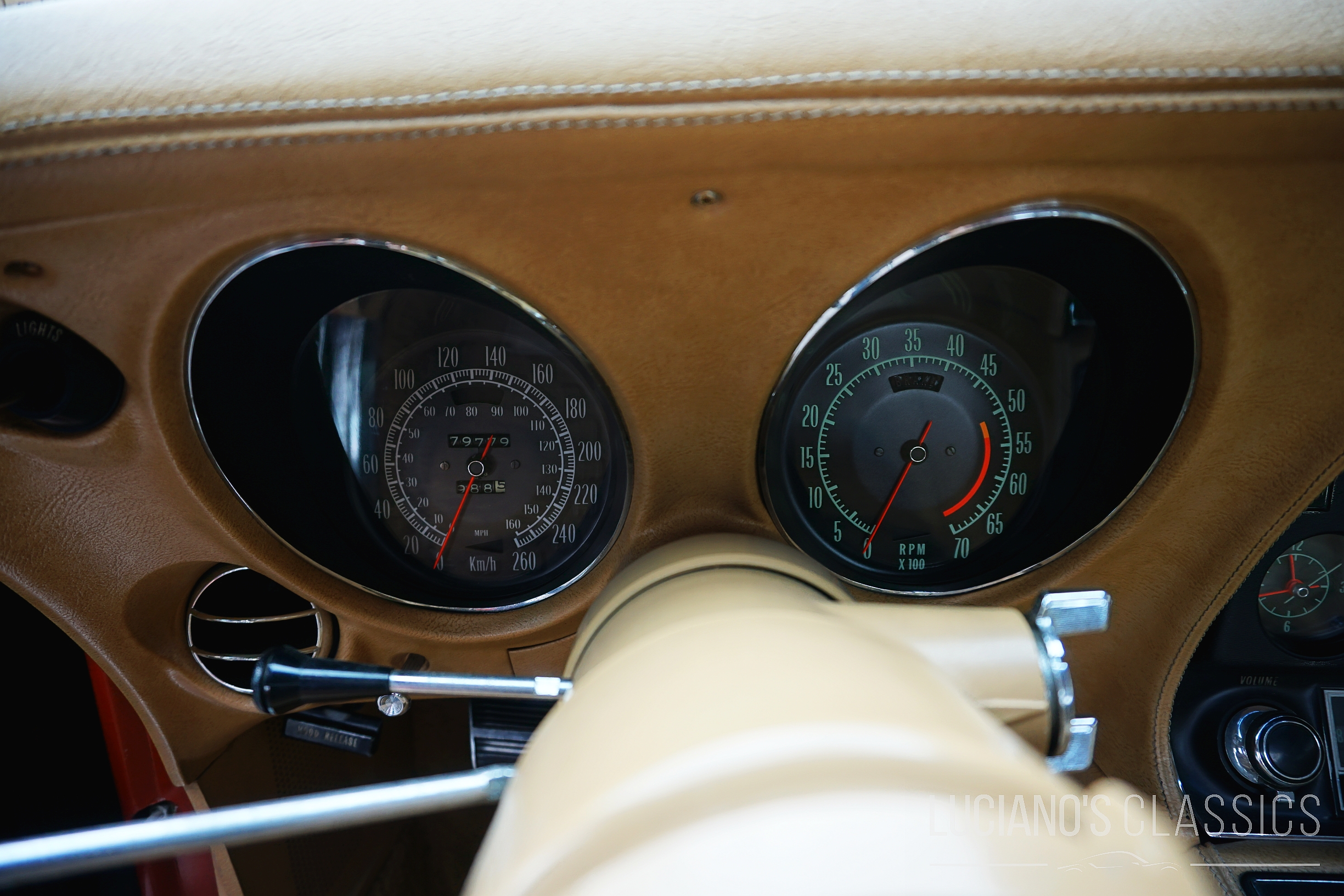
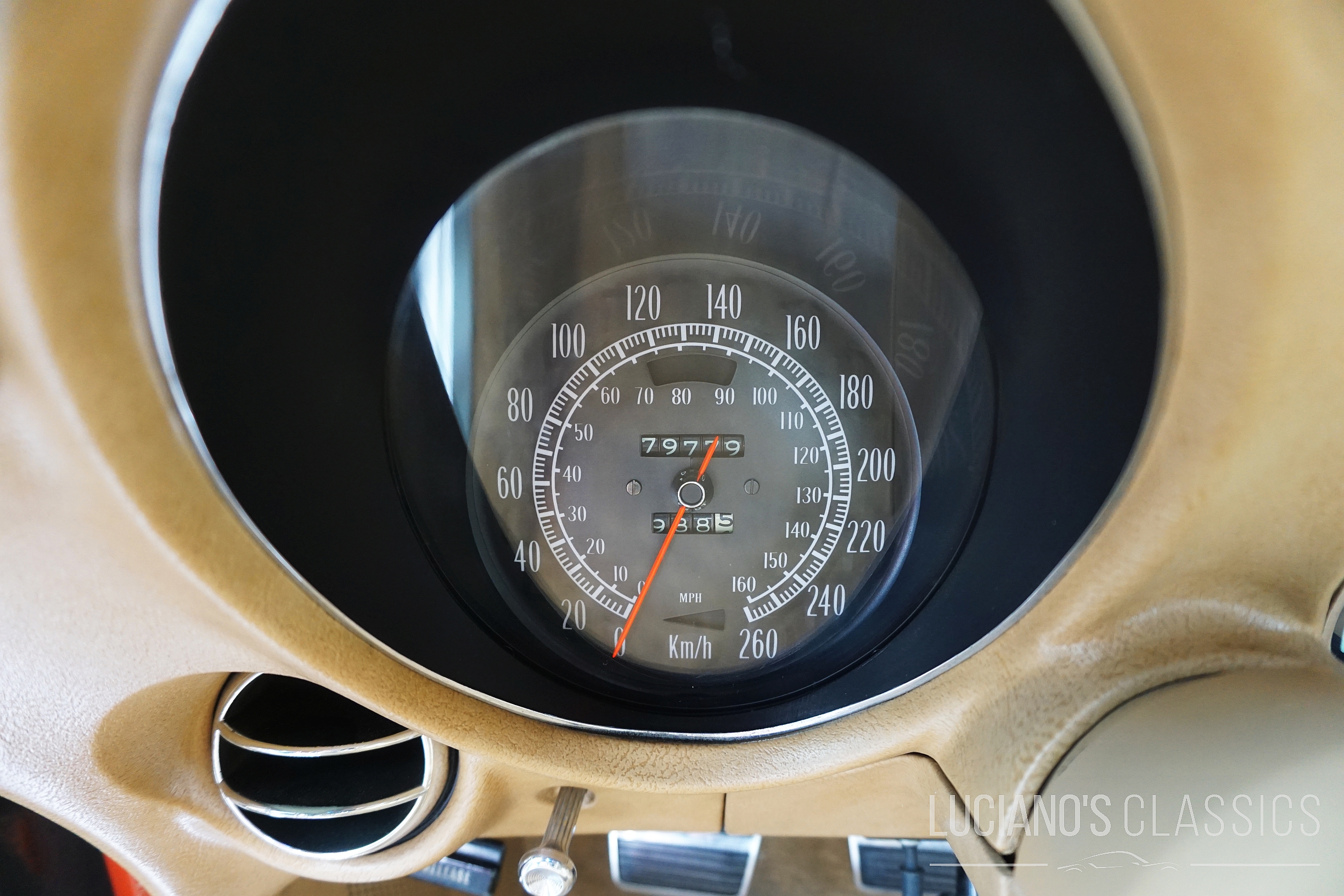
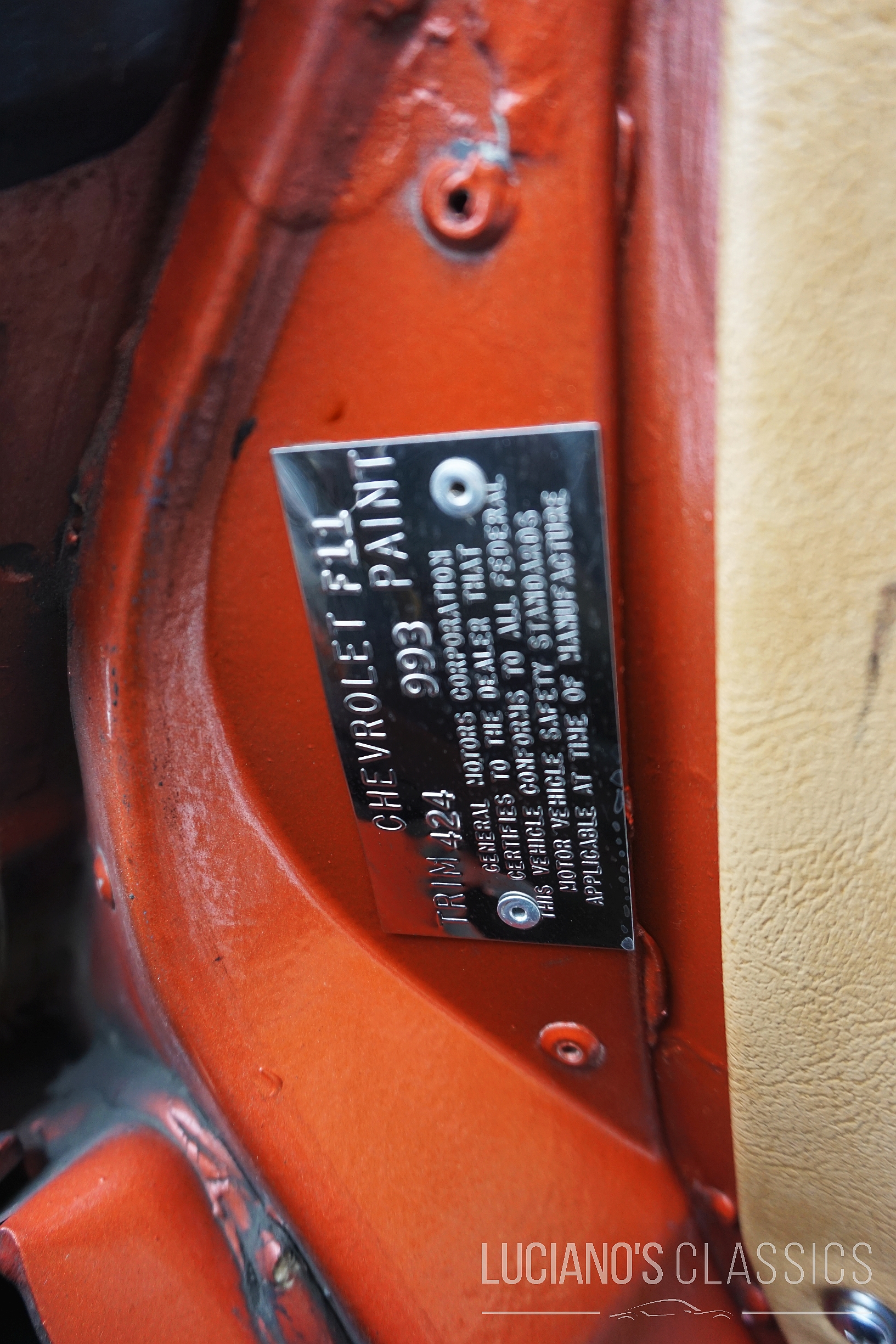
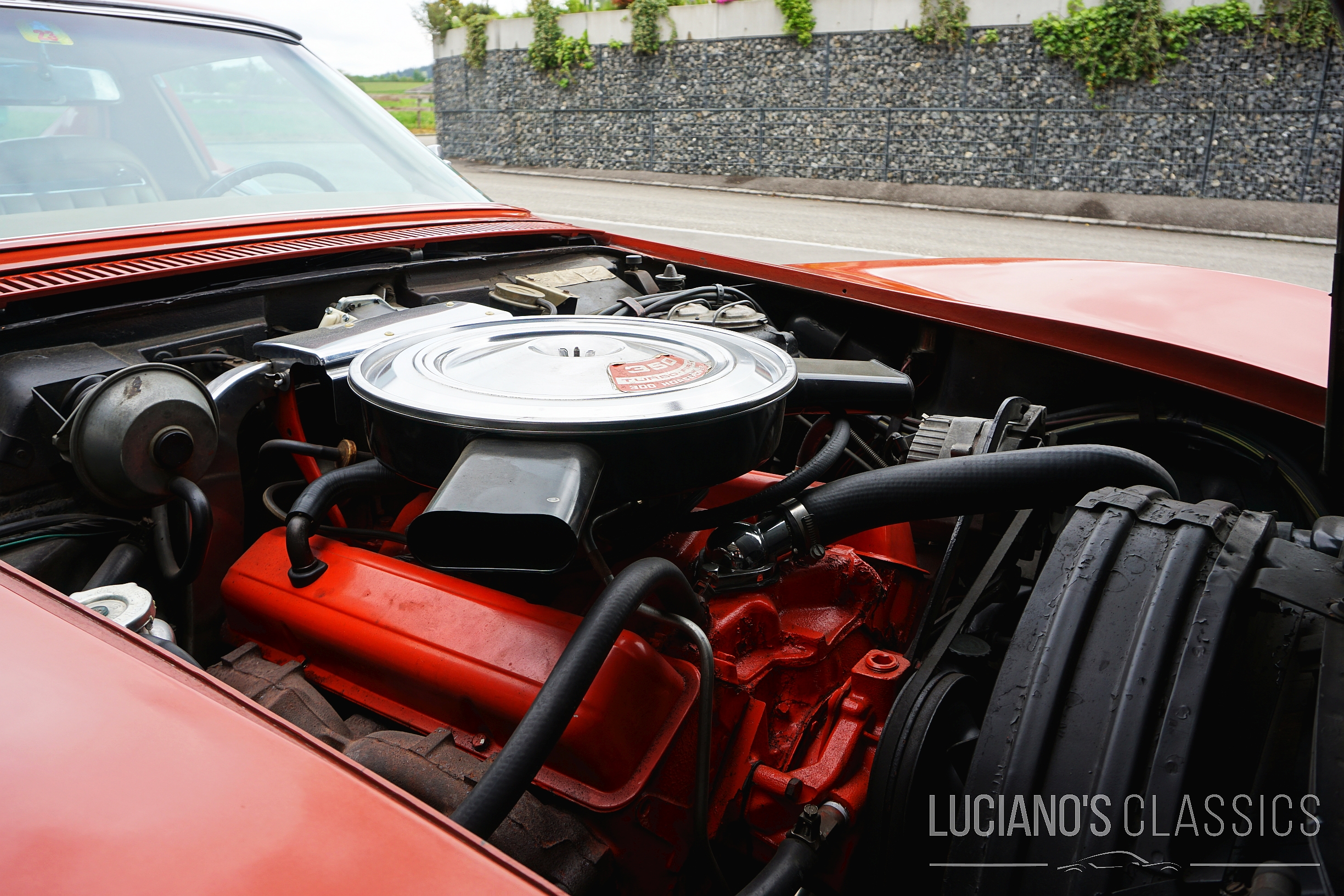
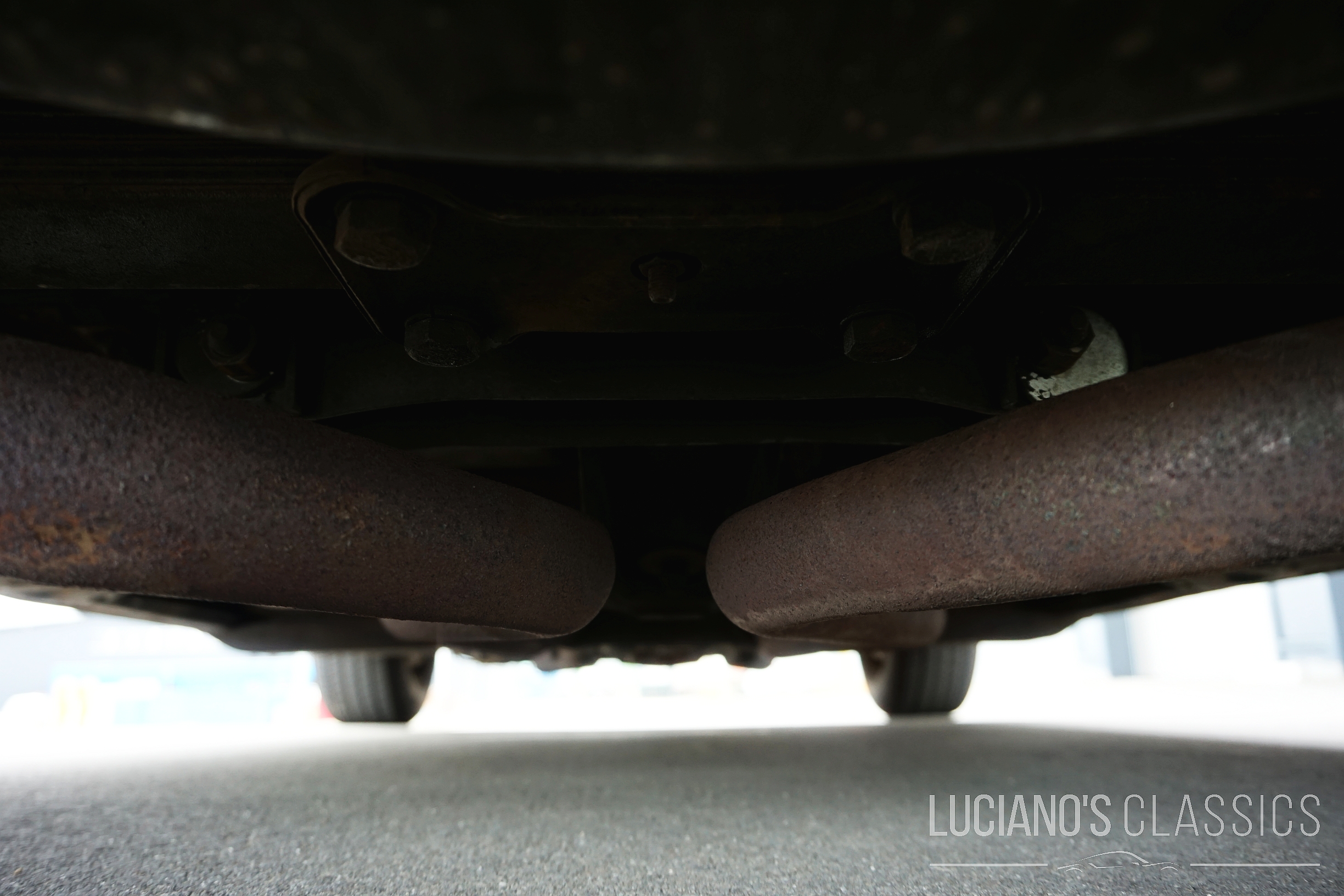
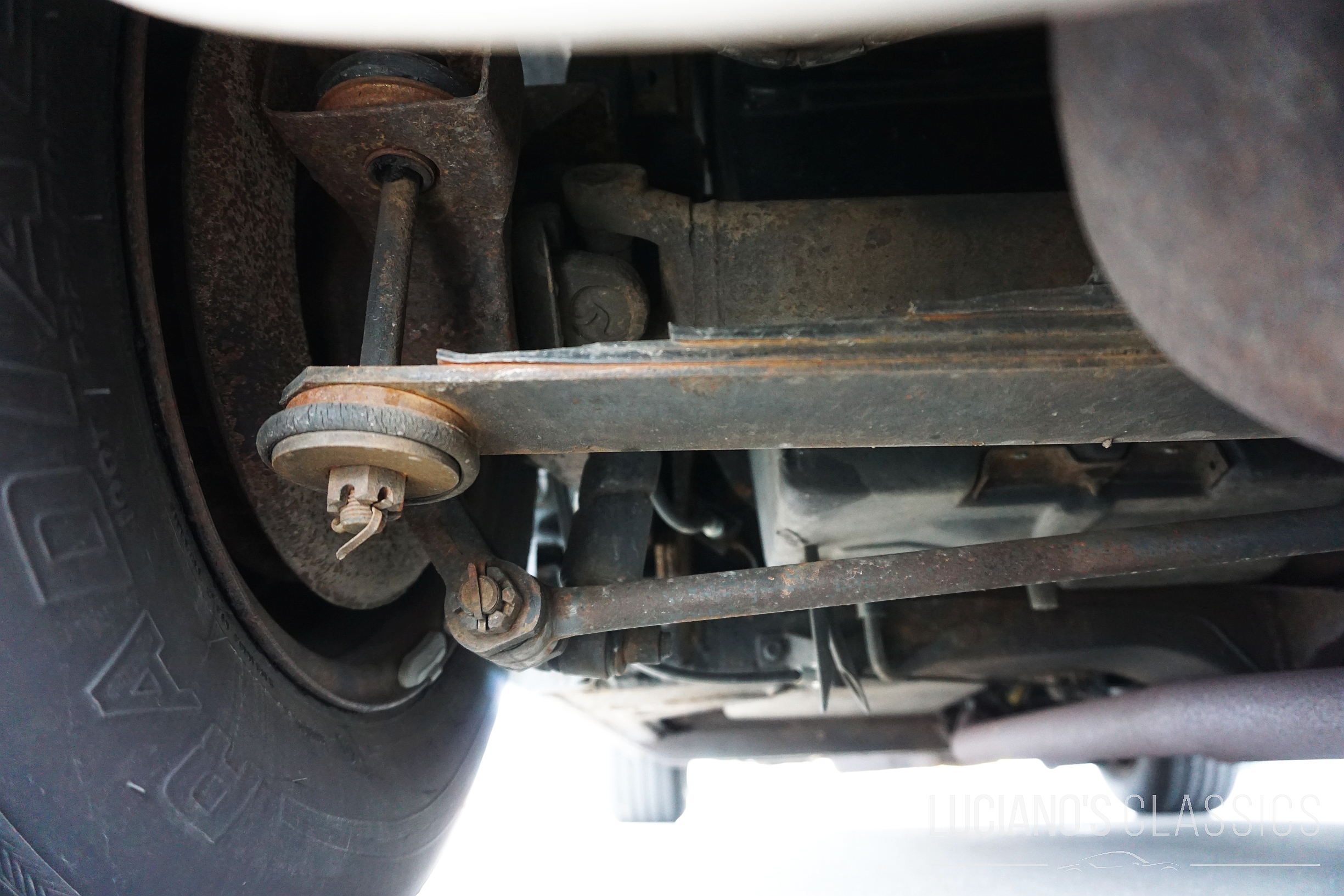
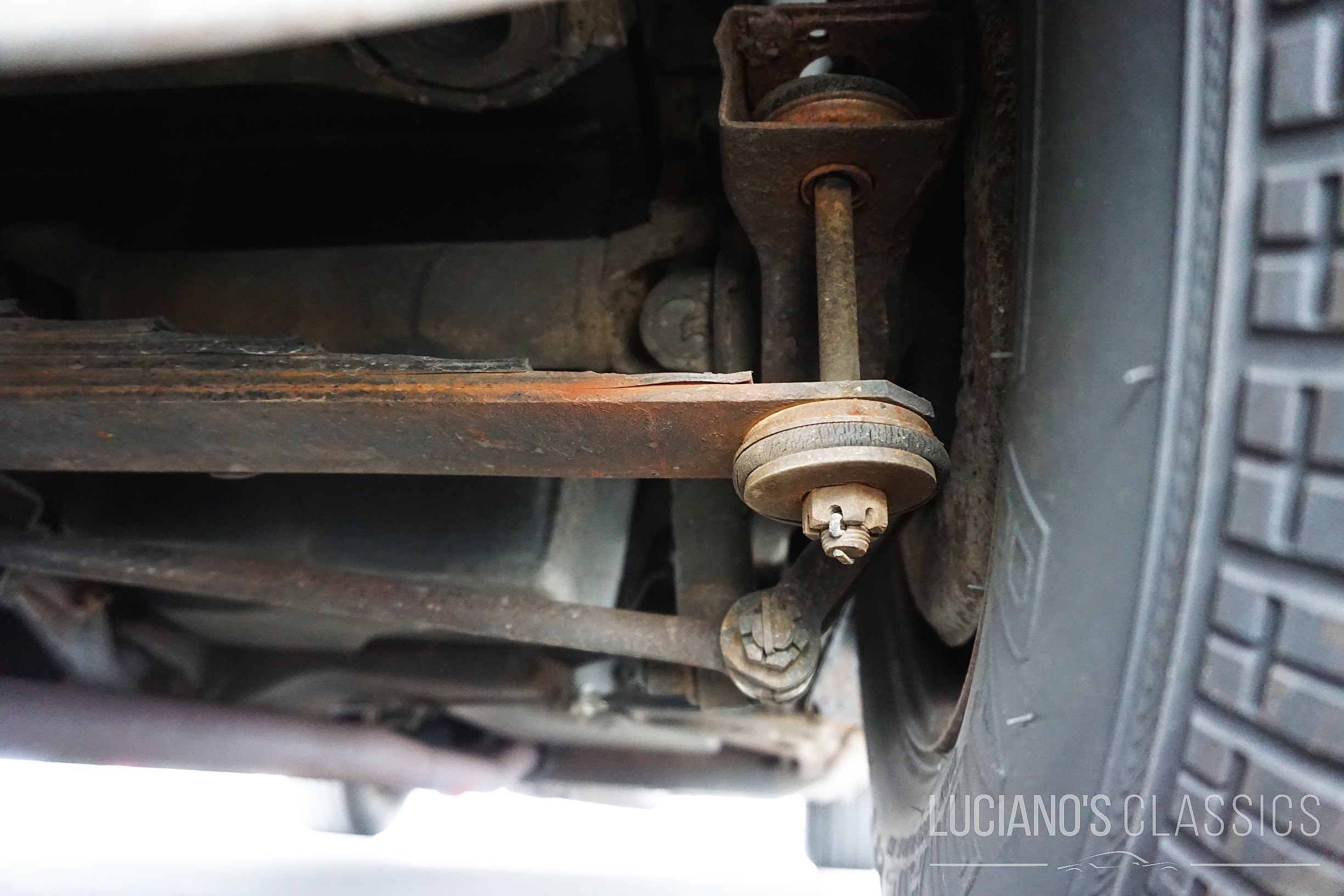
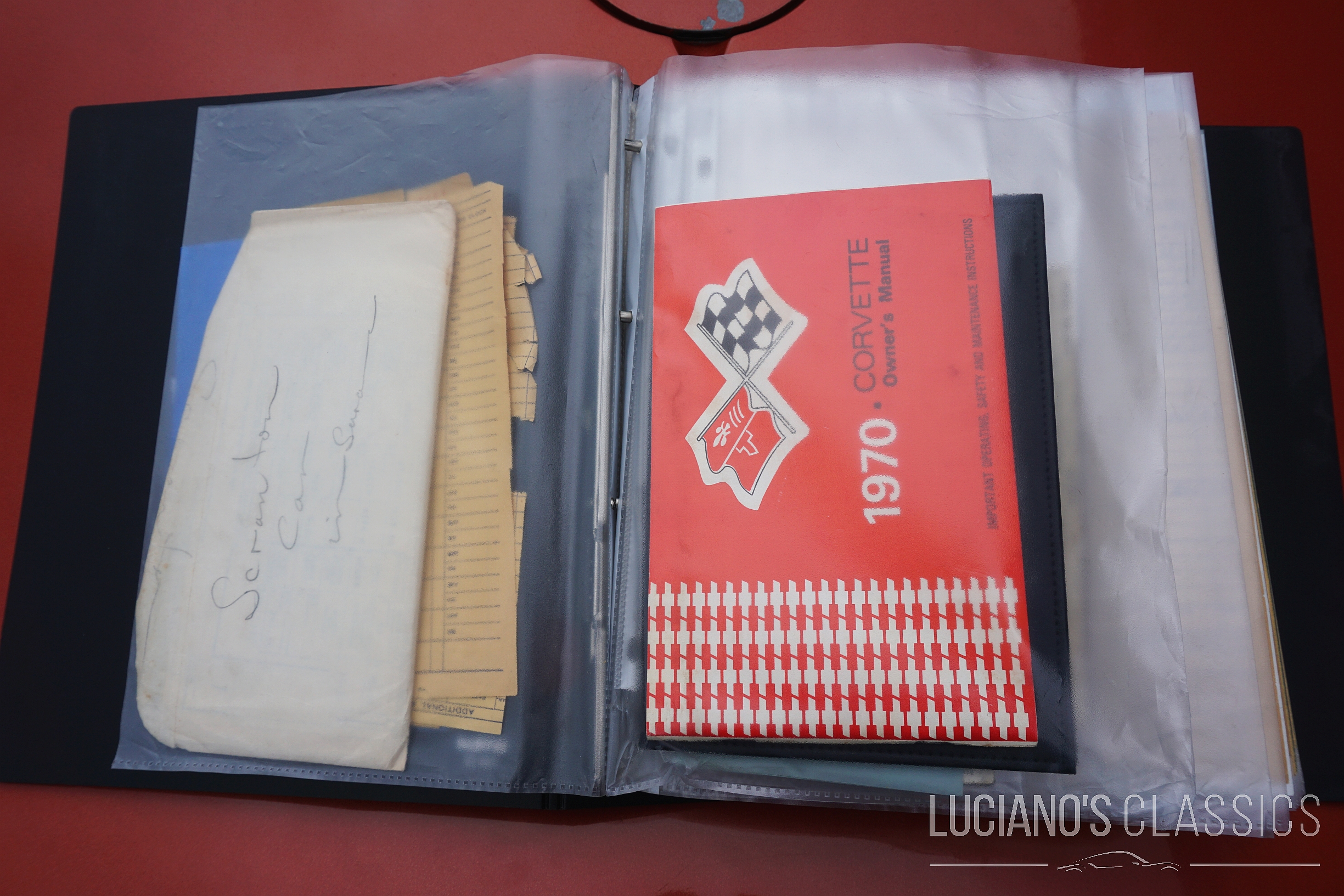
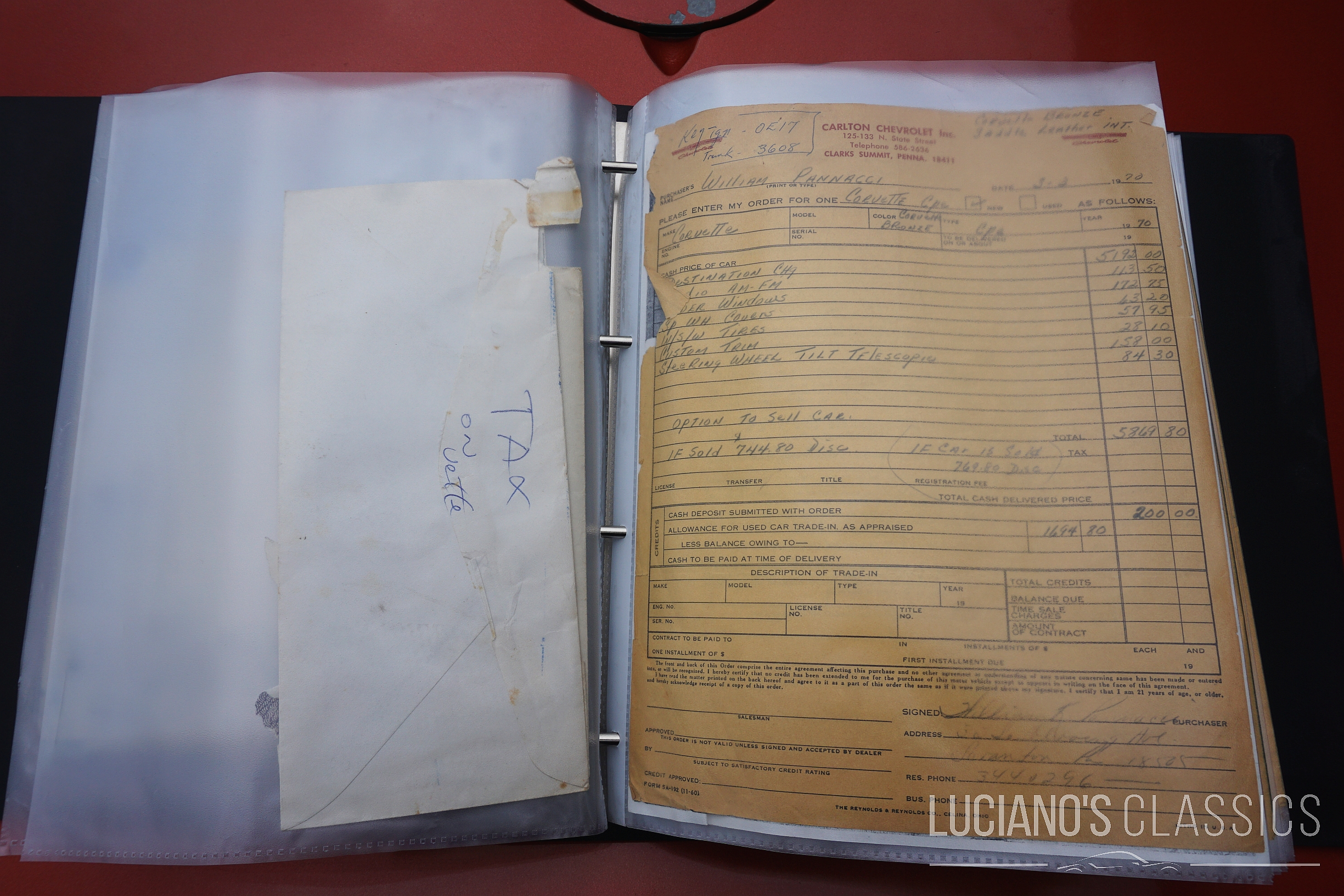
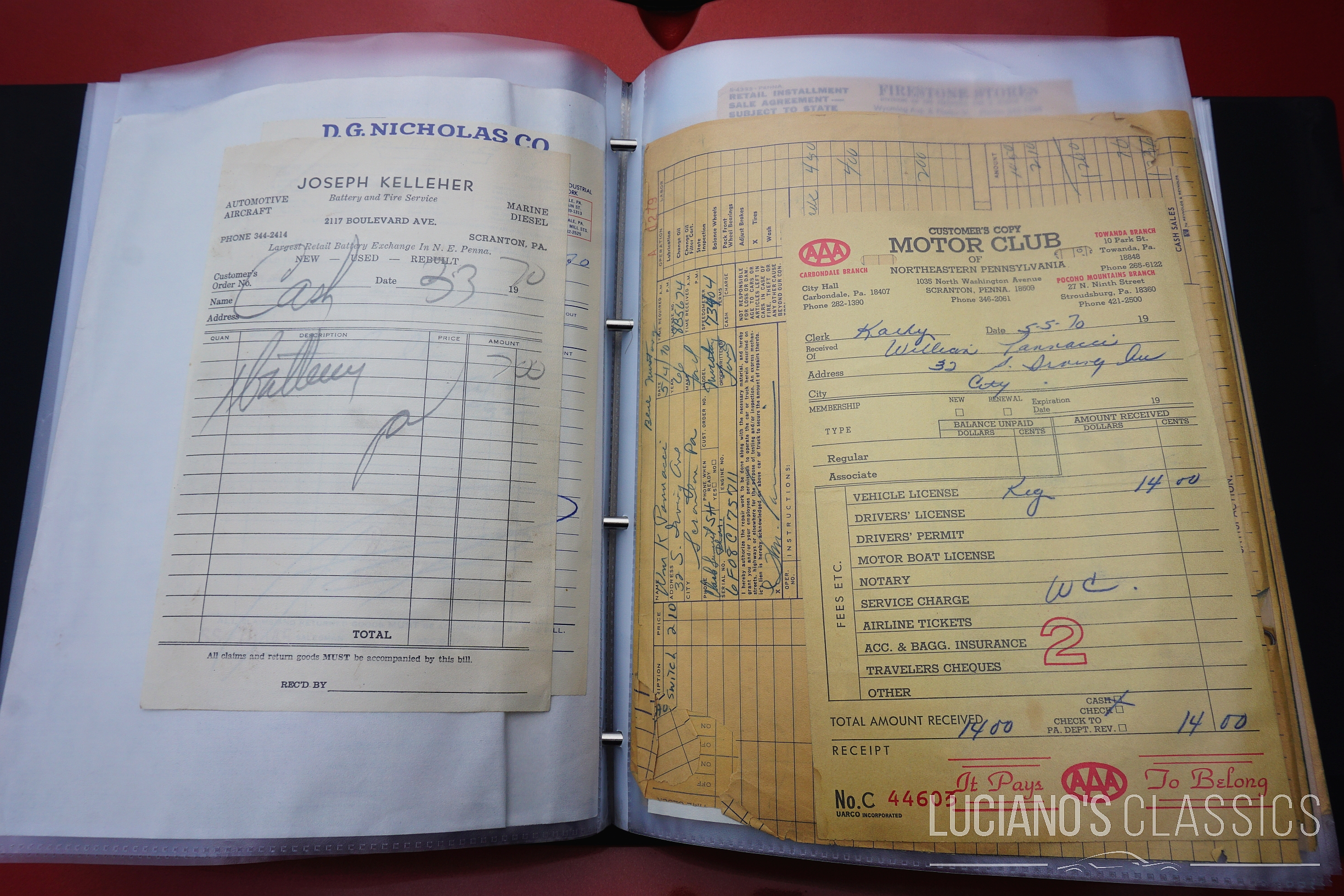
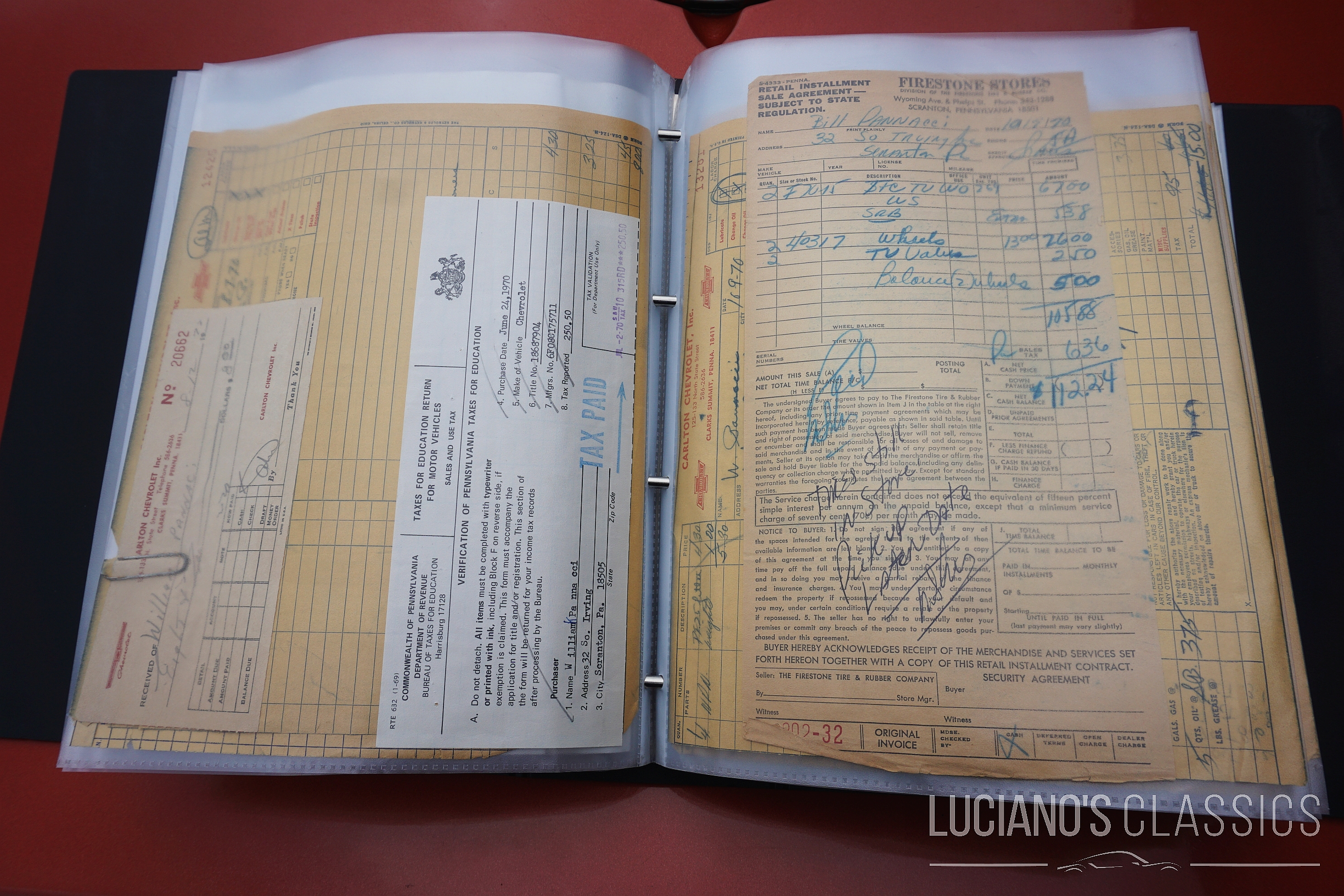
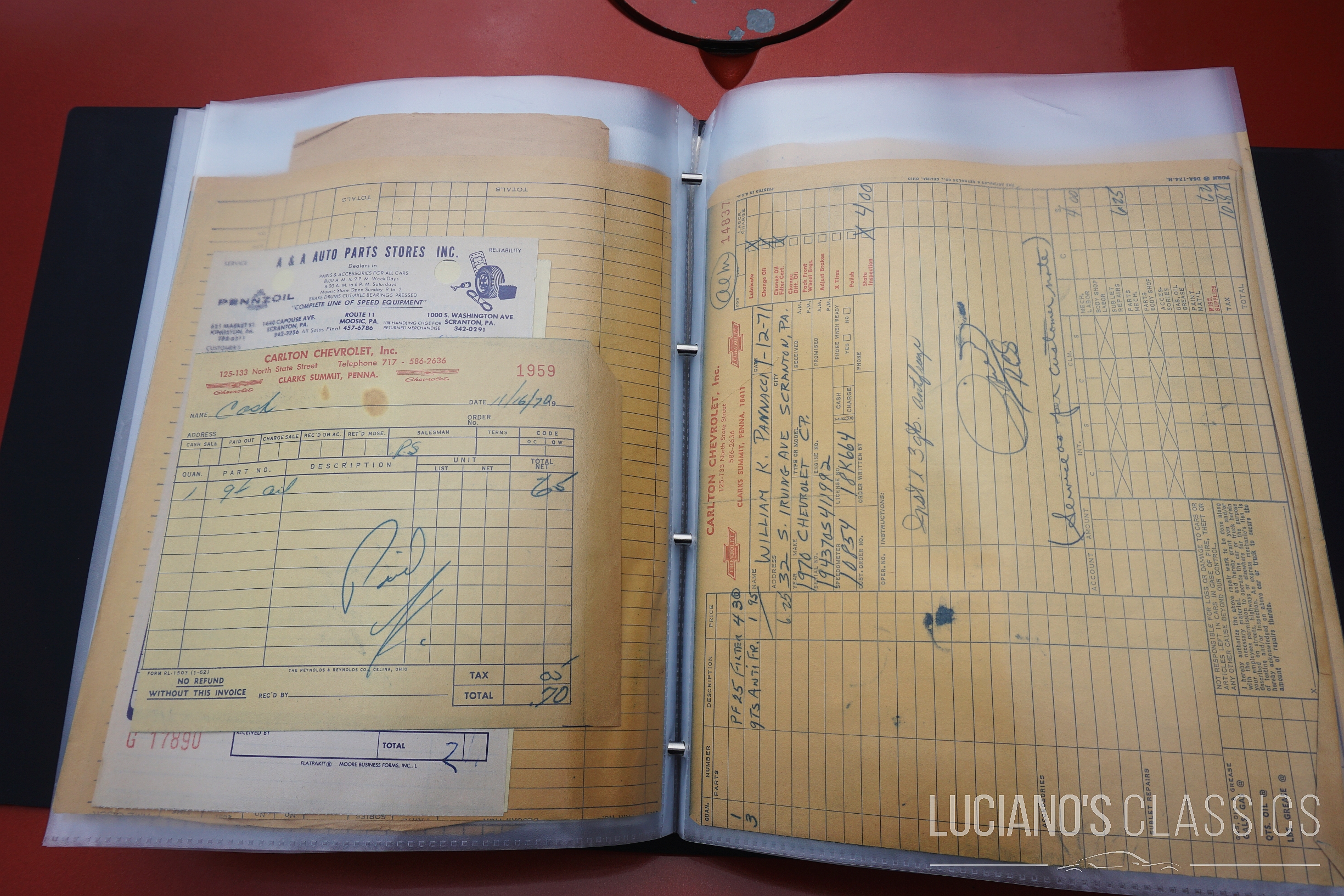
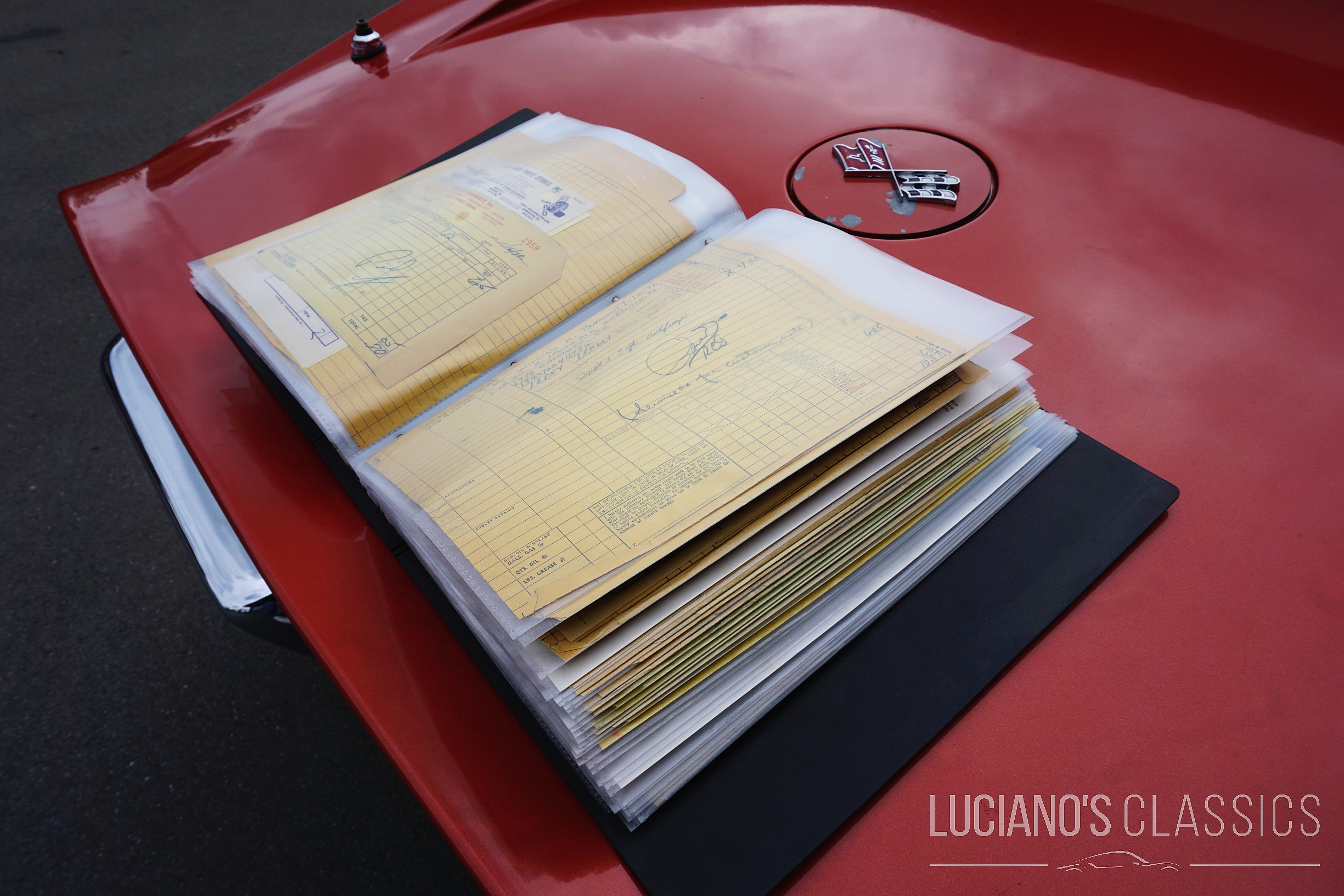
This beautiful C3 in the original colors «993 Corvette Bronze Metallic» and «424 Saddle Leather» left the factory in St. Louis, Missouri in June 1970 and was purchased and registered by the previous owner one month later. The car was driven and properly maintained by the first owner until 2018, as evidenced by the bulging folder of contracts, service invoices and insurance certificates. In the same year, the car was imported to Switzerland by the second and current owner and registered as a veteran without any problems. The mileage is original and traceable.
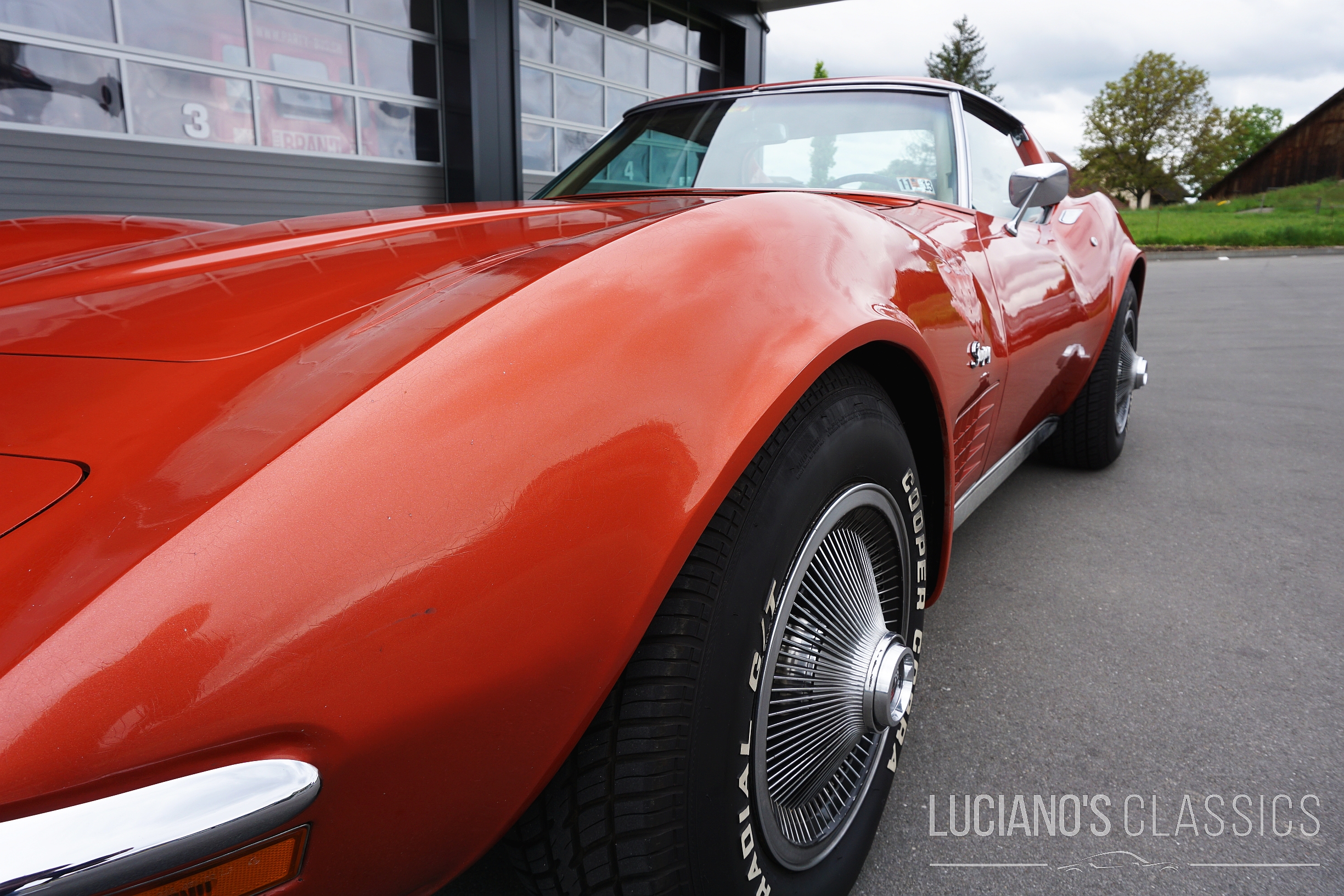
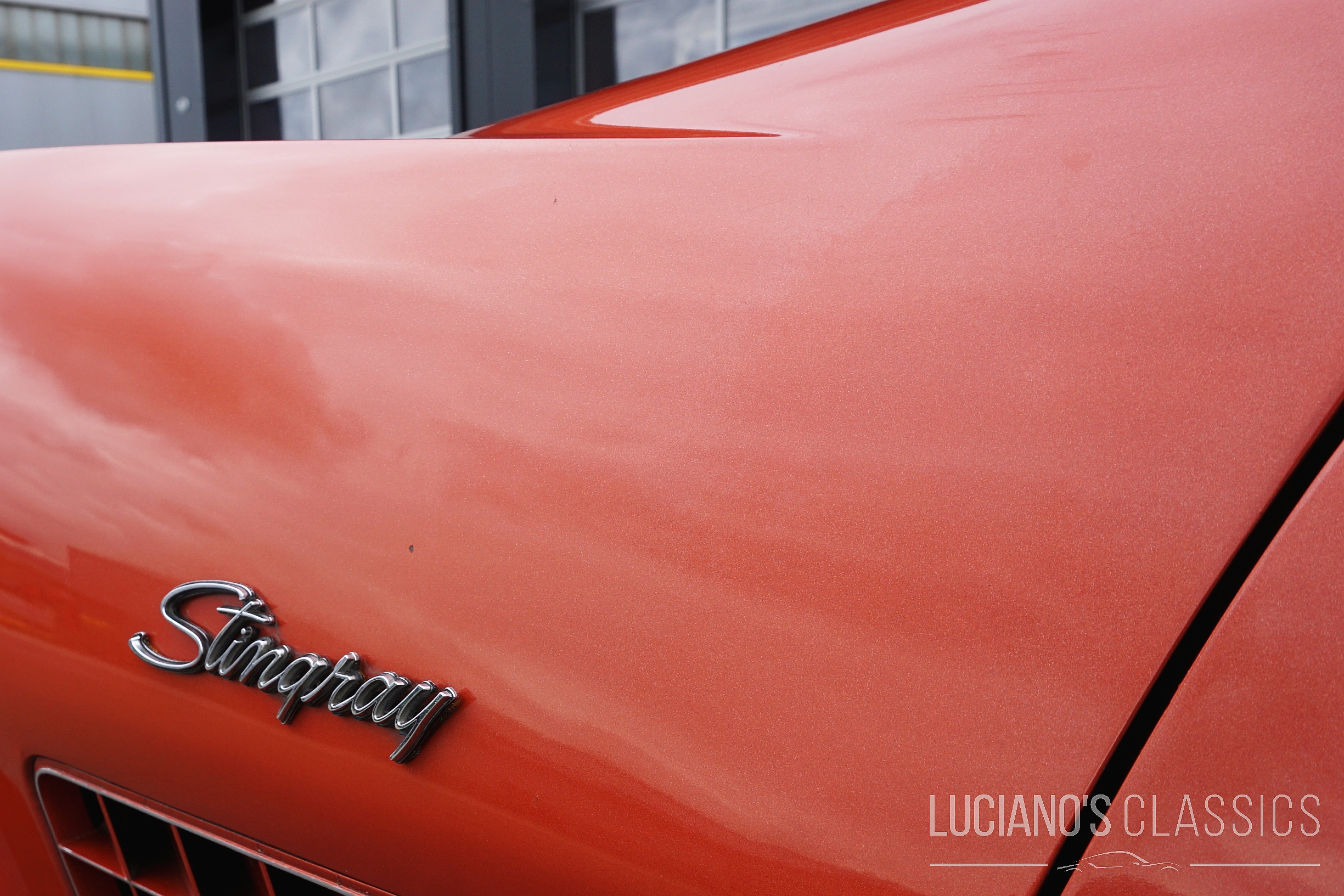
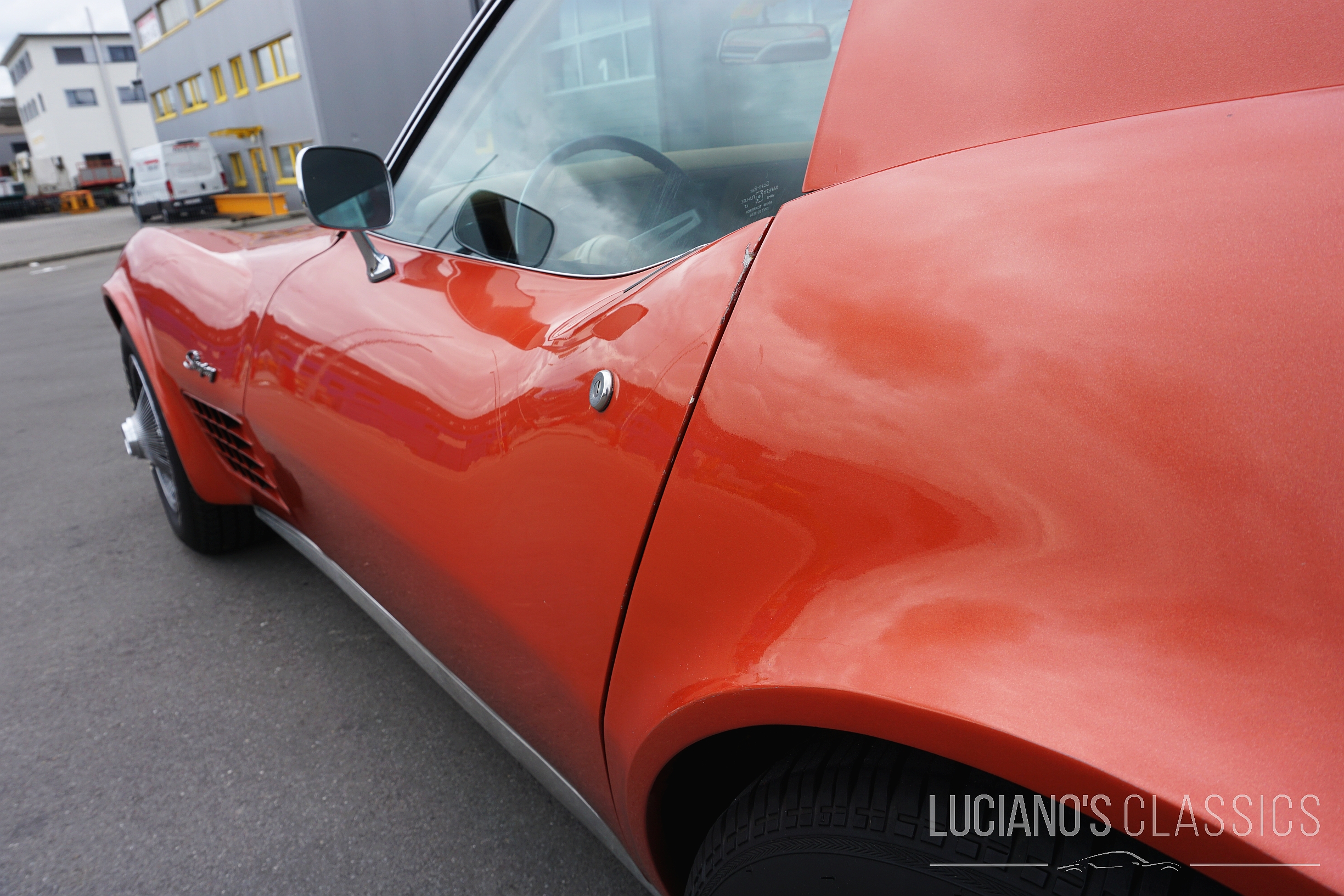
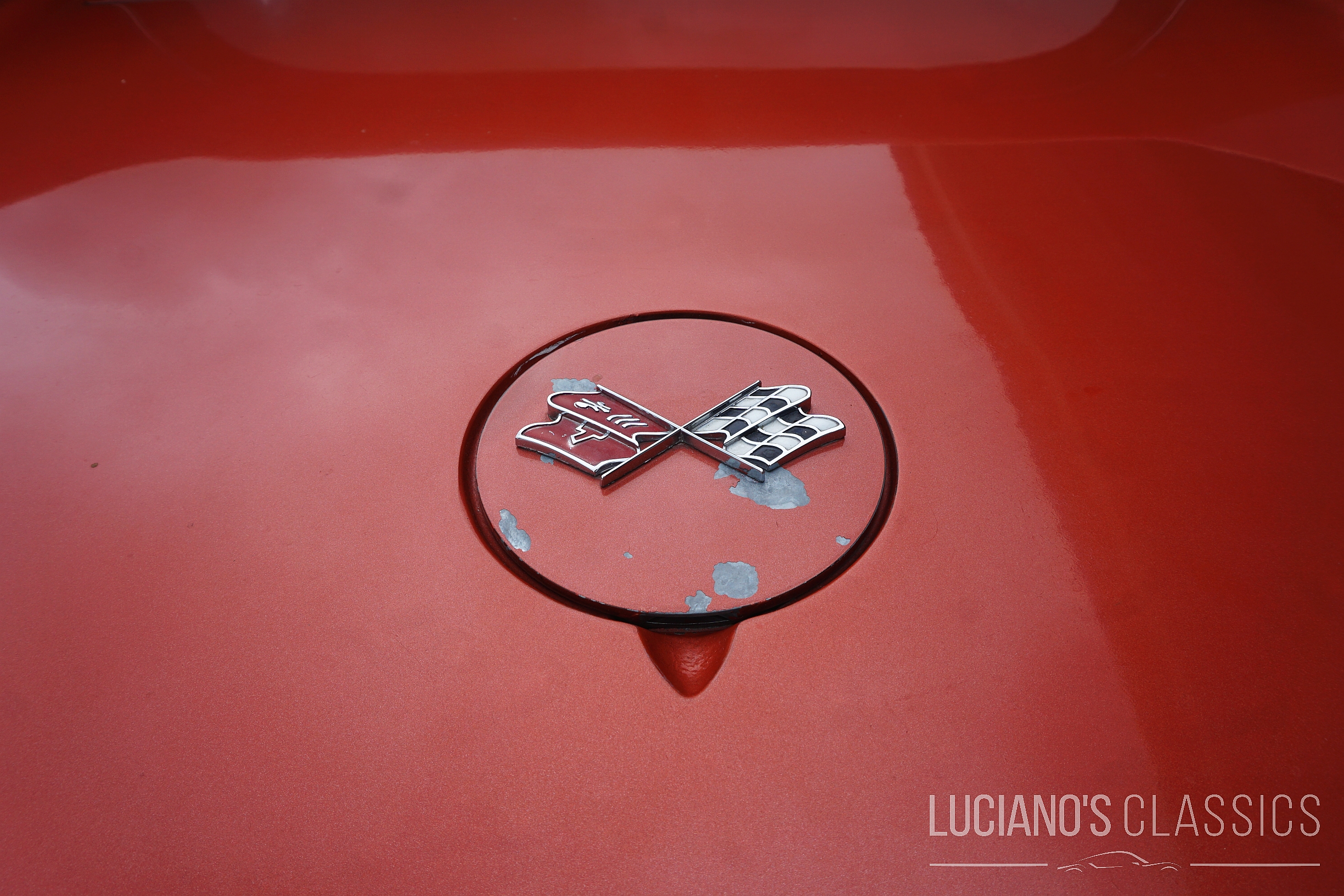
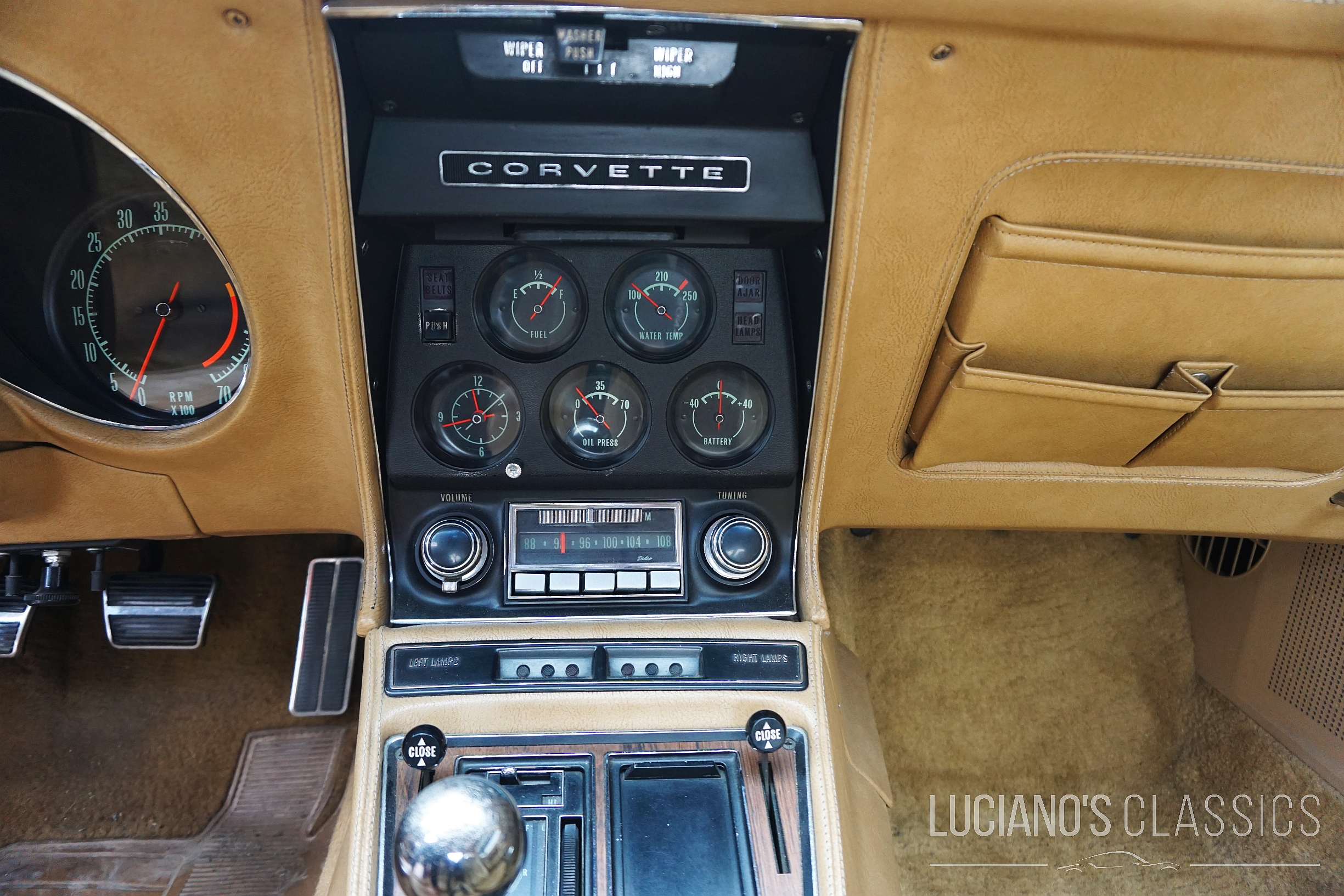
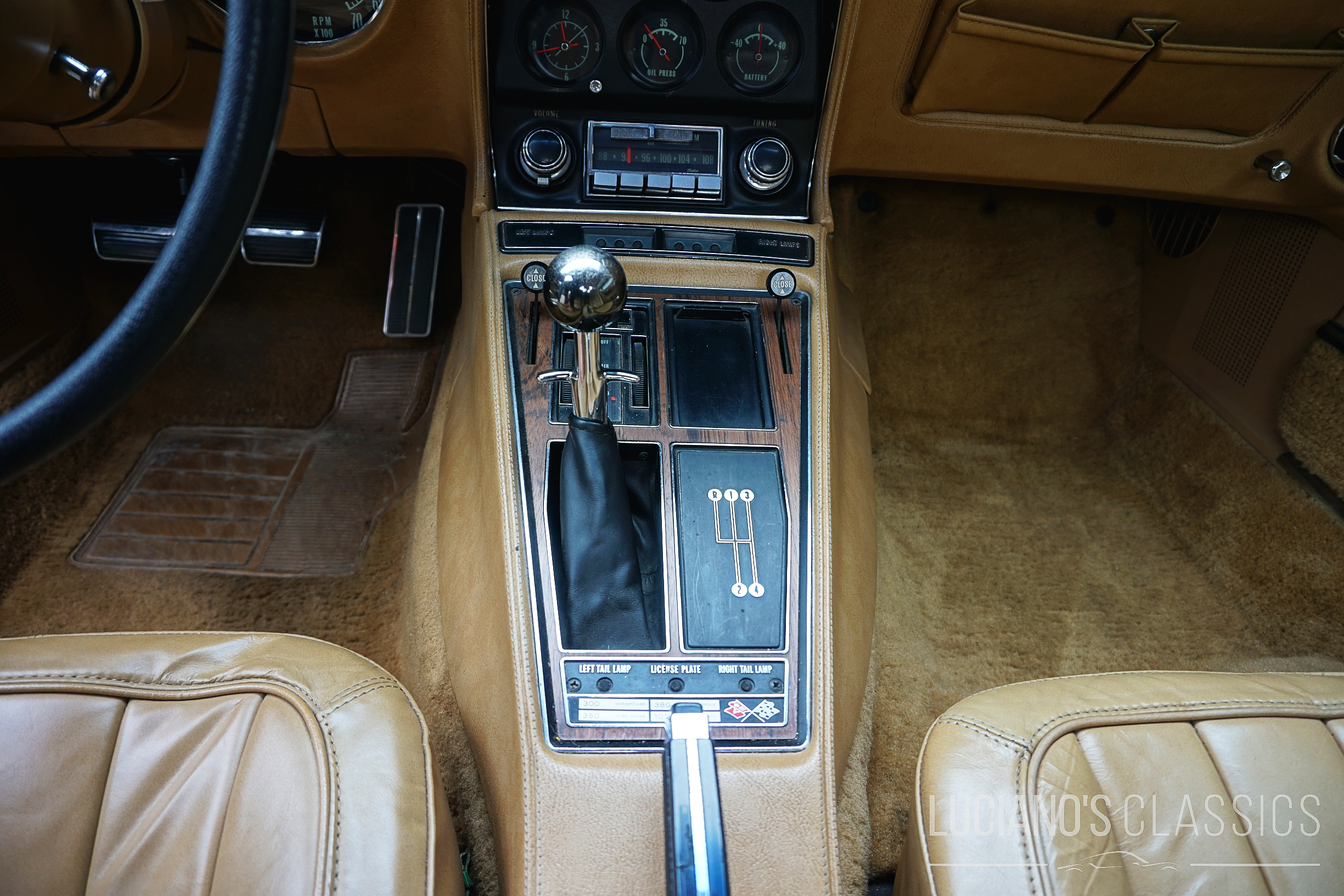
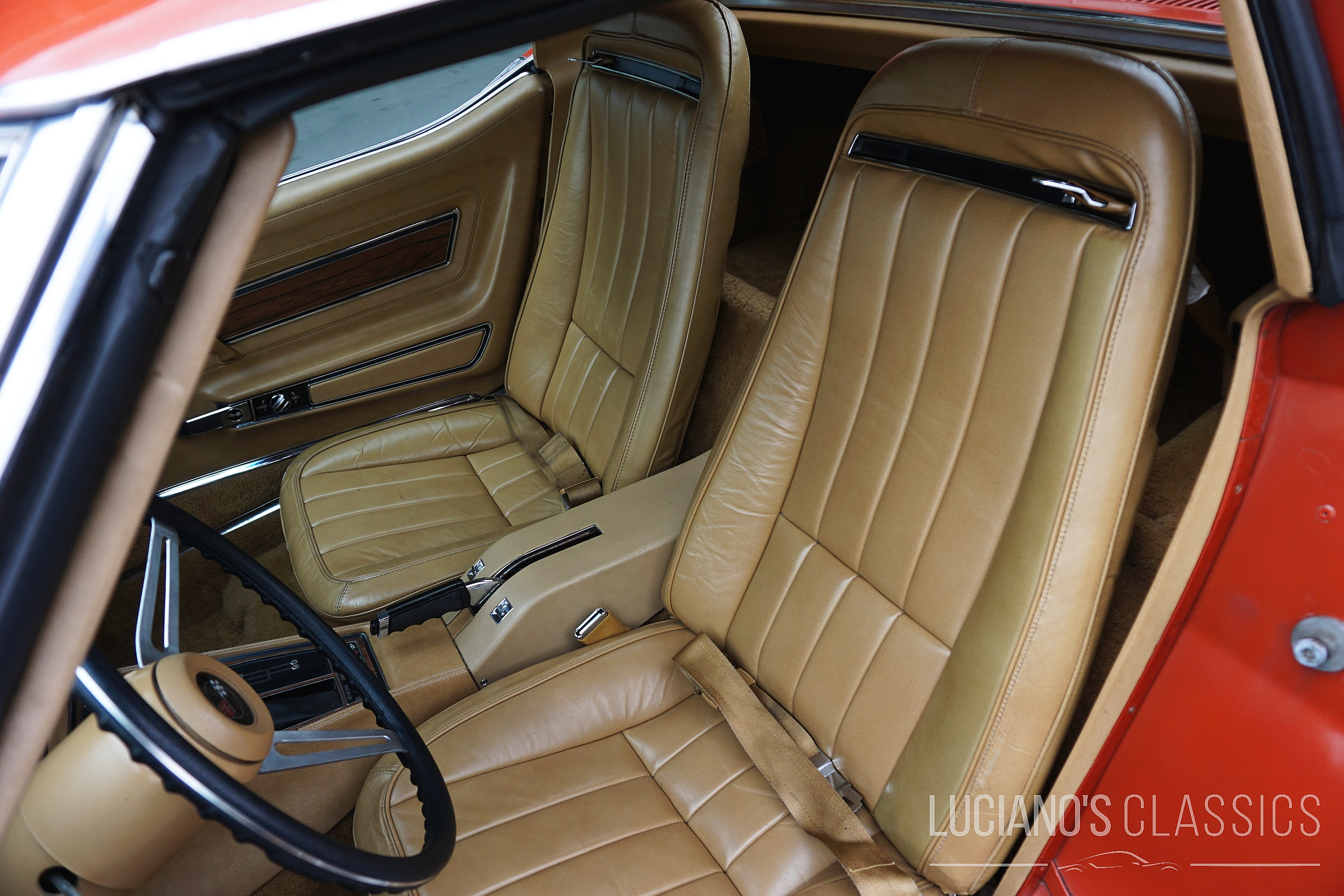
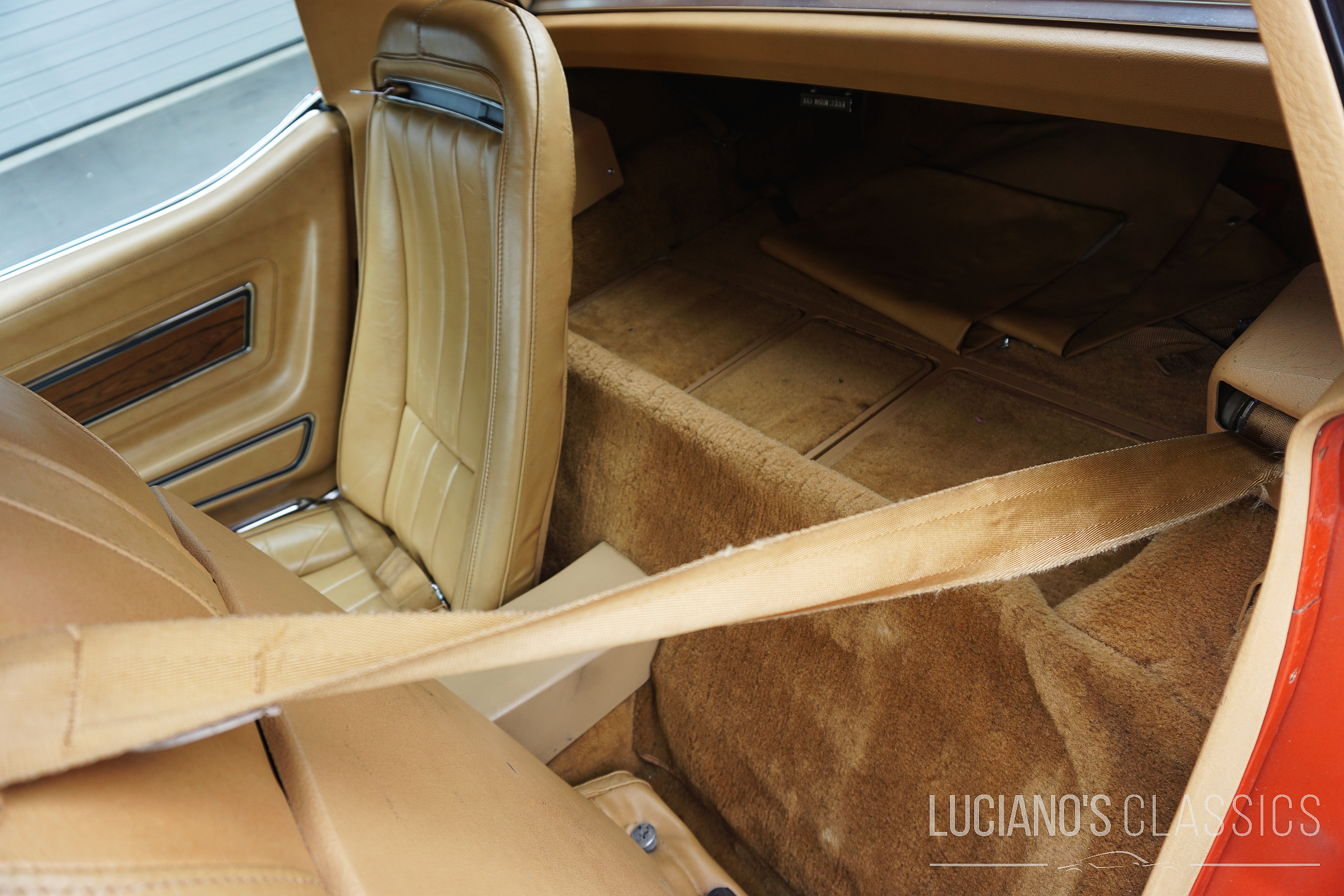
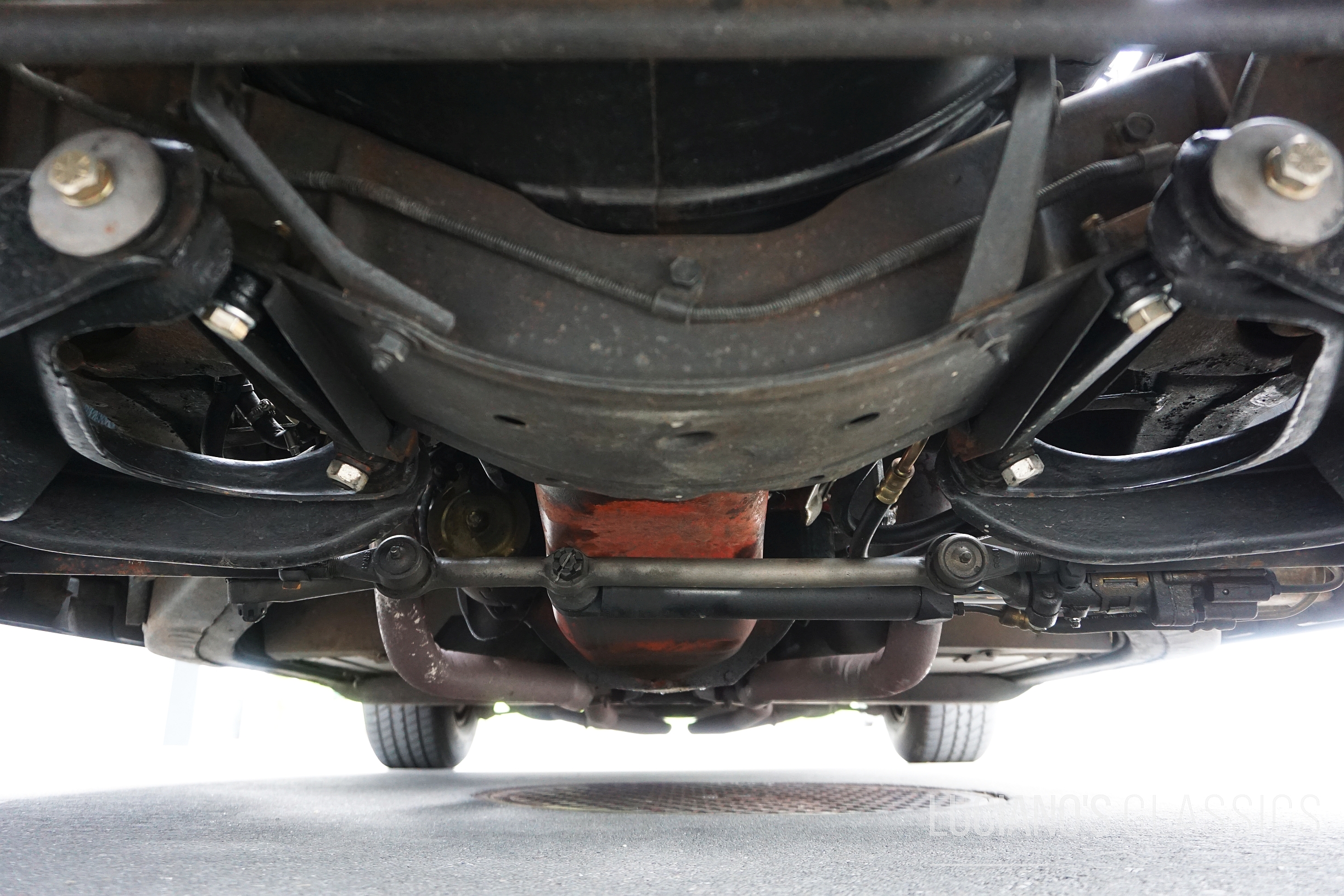
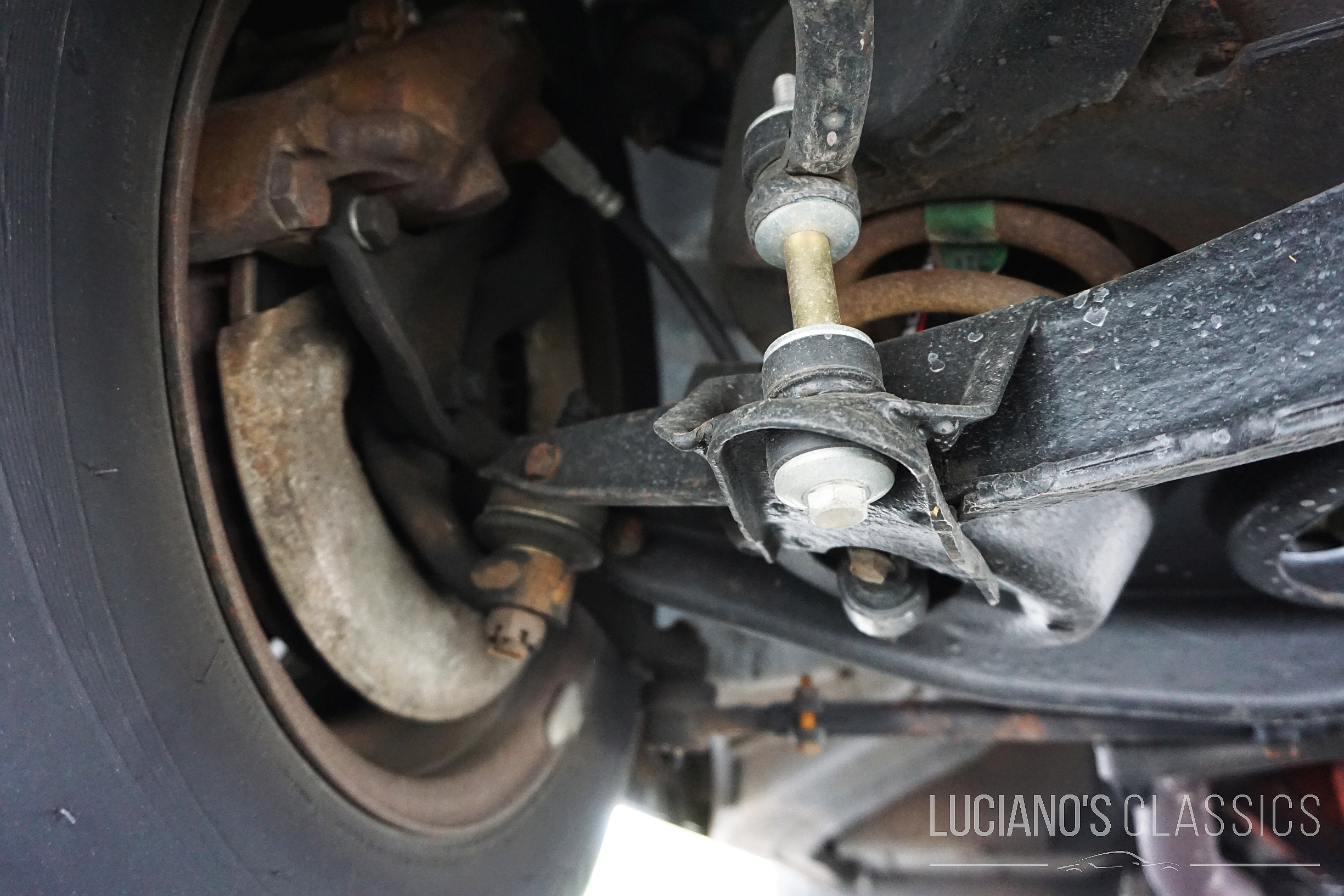
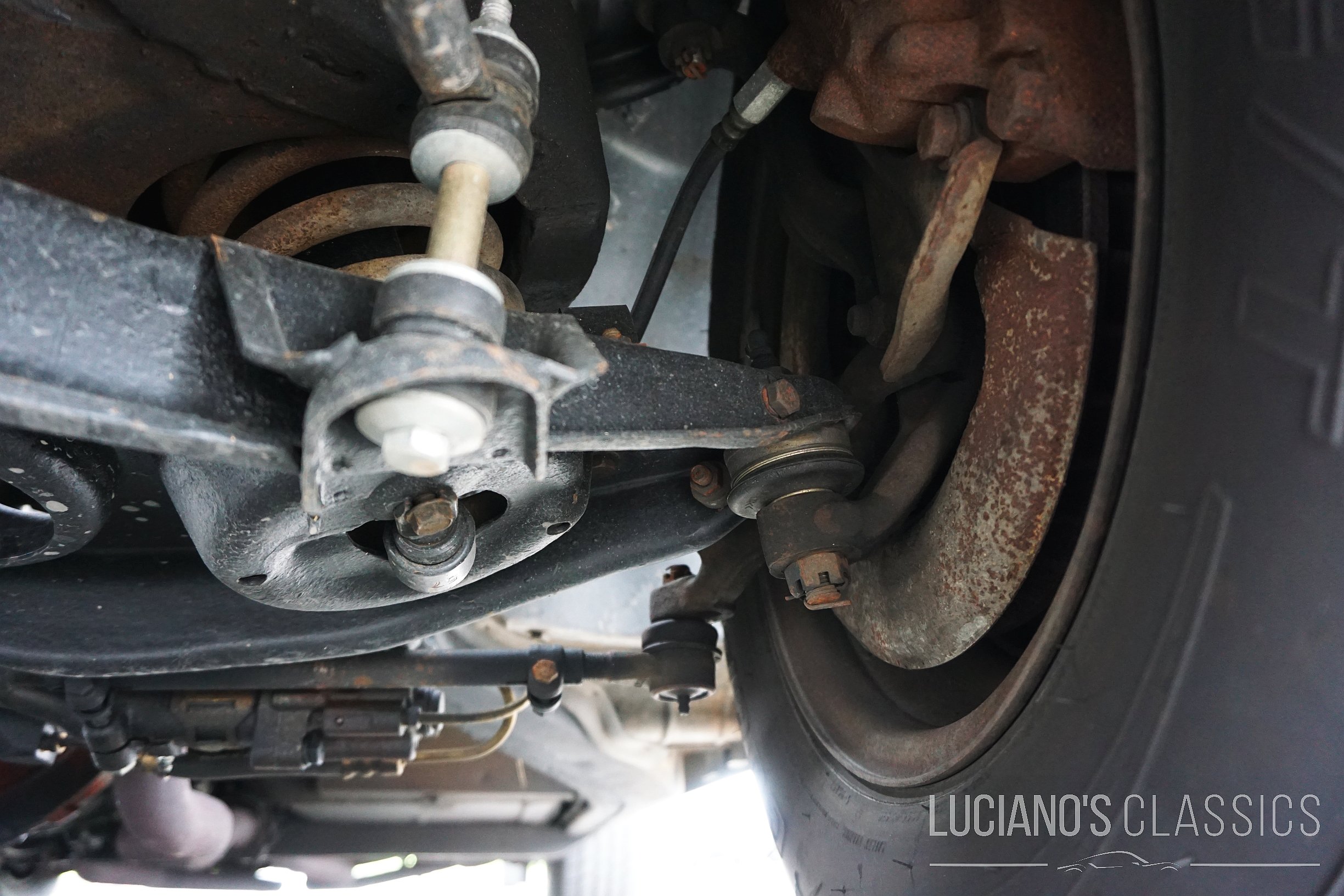
The condition is very well maintained and original - except for the retrofitted power steering and the speedometer disk in km/h. The bronze-colored paint is getting on in years and shows signs of wear in several places. If you want the car to be perfect, you will have to sand it down and repaint it. Inside, however, the Corvette scores points with its excellently maintained leather and original three-point seat belts. Apart from the clock, all the displays work and the car drives and shifts very smoothly.
You can find a video about the Corvette at the bottom of this page.
This vehicle has already been sold.
Model history
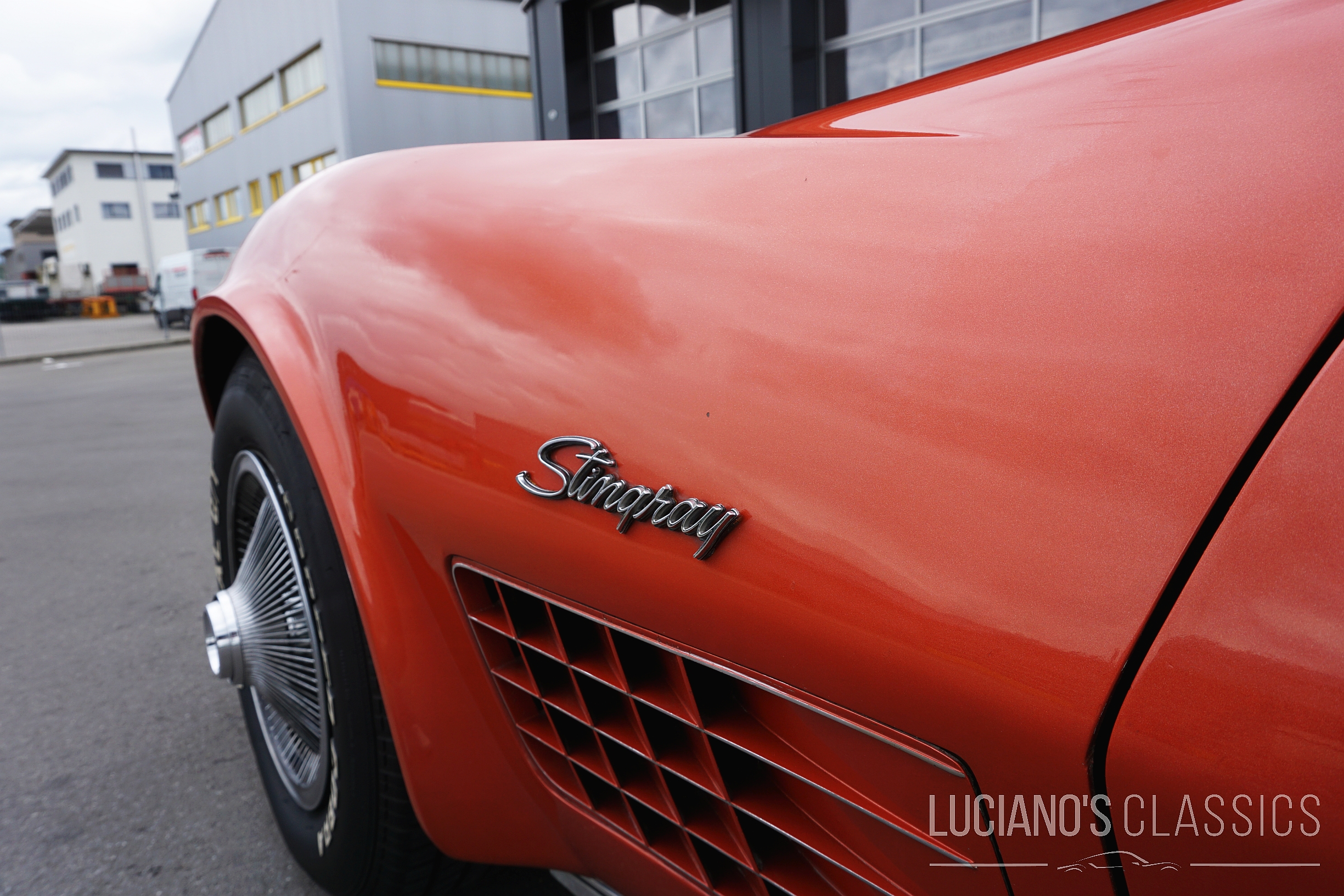
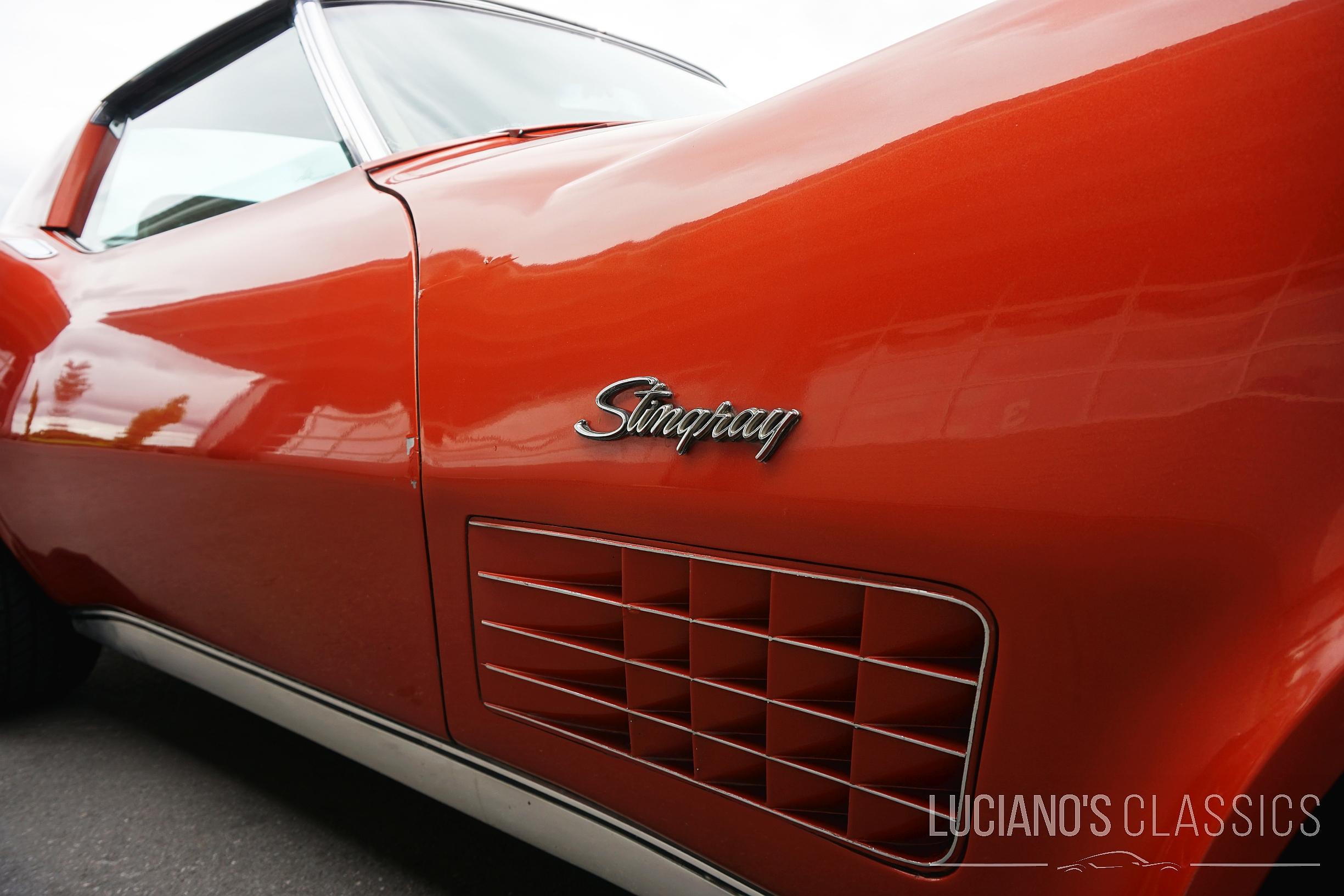
The C3 was introduced in the fall of 1967 and built until the fall of 1982. It was also called the Stingray from 1969 to 1976, which was also shown as lettering on the flanks of the body. The 1968 model year had no Stingray emblems and it is rumored that the team had simply forgotten to order the emblems.
The C3 has been completely redesigned inside and out and, apart from the rear lights, is hardly reminiscent of its predecessor. The engines, however, were more or less taken over from the C2. Due to the striking body design, the C3 went down in automotive history as the „Coke-Bottle Corvette“, as its side profile resembled that of a Coca-Cola bottle. The design is strongly based on the Mako-Shark-II show car concept car, which Corvette design chief Bill Mitchell, Larry Shinoda and Zara Arkus-Duntov had designed two years earlier. In favor of aerodynamics, Mitchell gave the C3 sleeping eyes, which were no longer electrically but pneumatically extended, giving the Corvette C3 a much more solid appearance than its predecessors. The body was 190 mm longer and thus grew to 4.64 meters. The height was 50 mm lower than that of the C2.
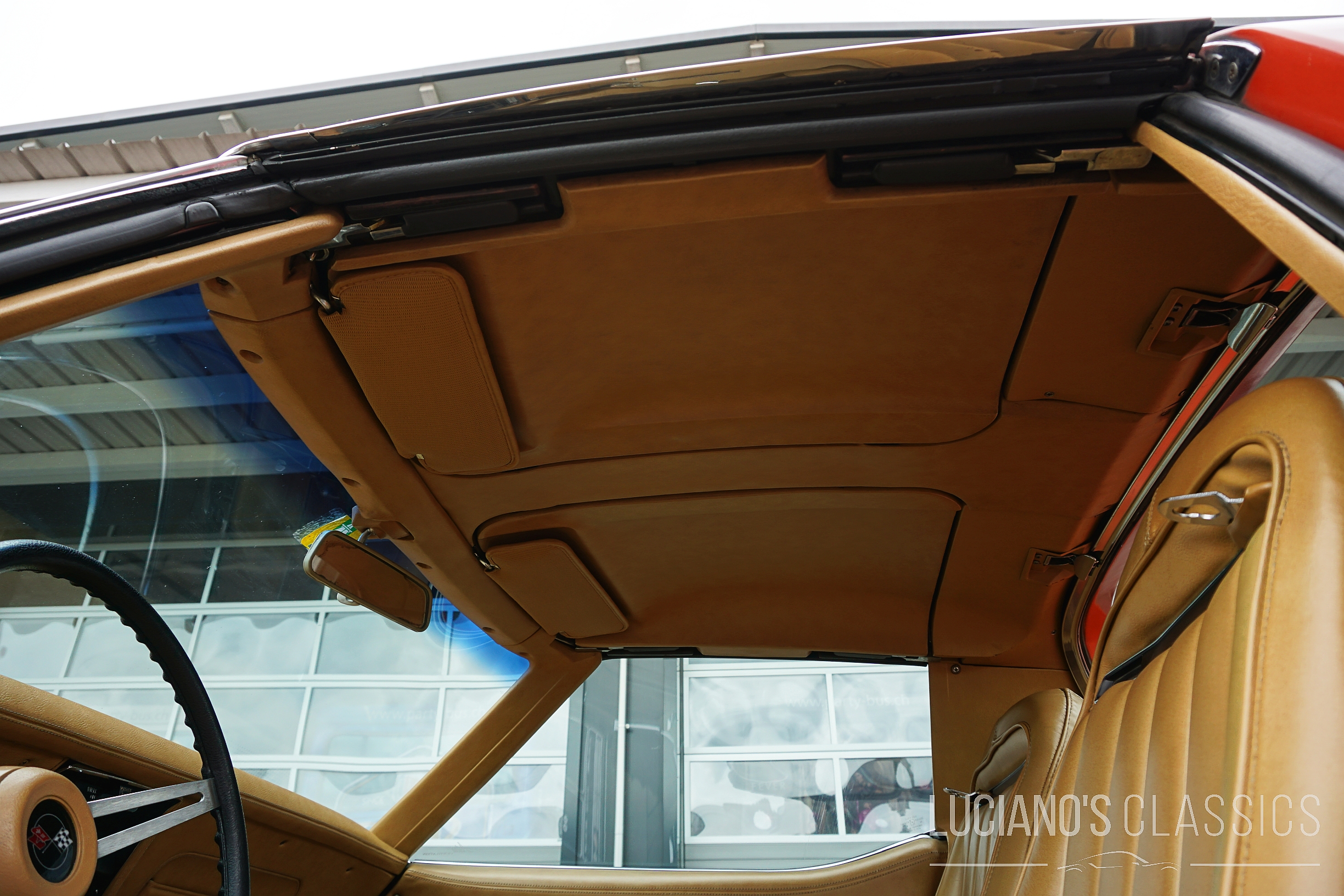
For the first time in the history of the car, the coupes were equipped with two removable roof halves, after the removal of which a central bar remained, also known as the „T-bar roof“ or „T-top“. Even the vertical rear window could be removed from the models in the first five years of production. It remained a styling feature until 1977, and from 1978 the Corvette was given a fastback rear end with a large glass dome behind the B-pillar as part of a major facelift.
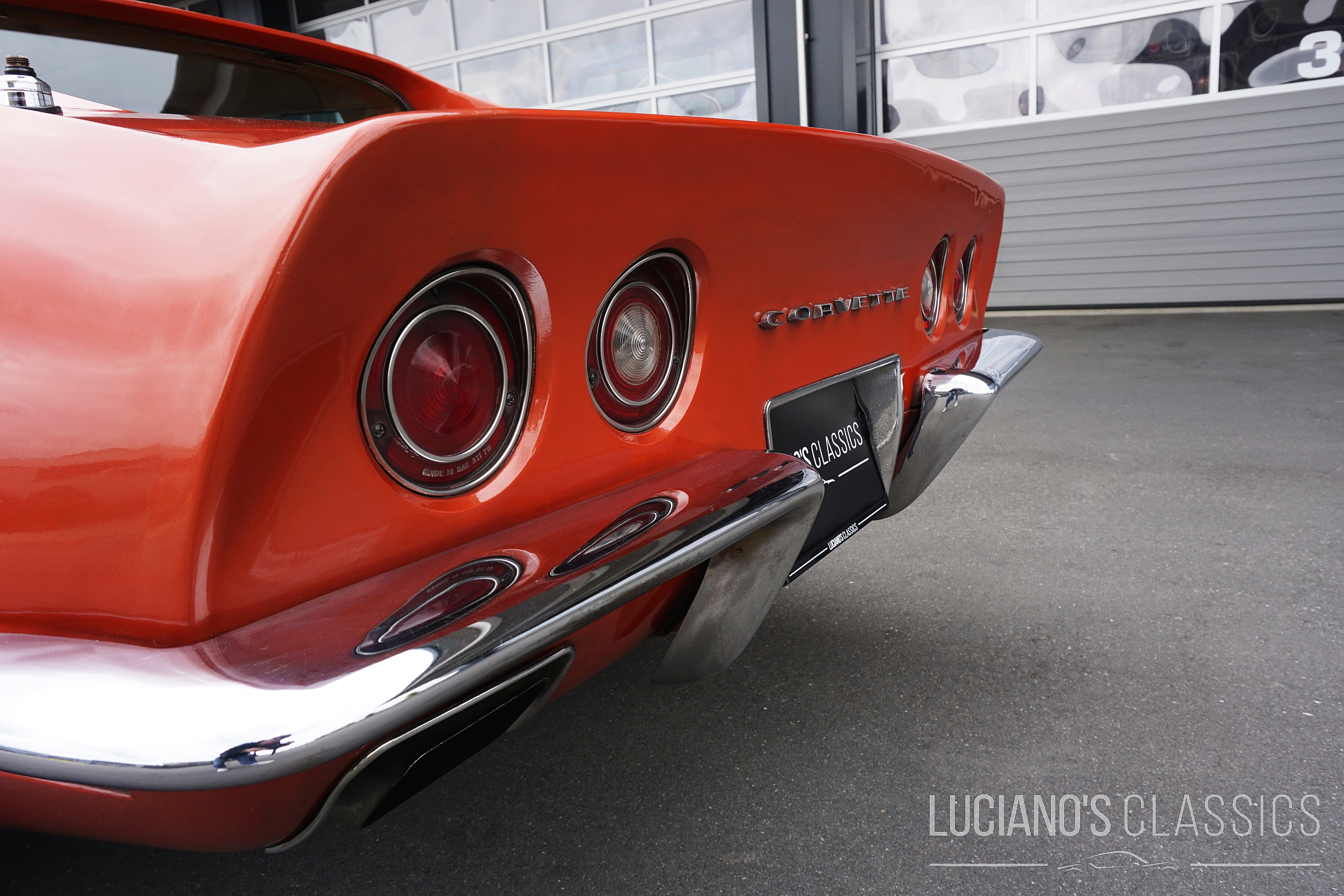
The safety debate in the mid-1970s led to a flurry of changes to the bumpers: The 73 model, for example, wore a mixture of body-colored plastic bumpers at the front and classic chrome specimens at the rear. Due to stricter safety regulations in the USA, the convertible was only offered until the end of 1975, after which it disappeared from the range. Only the Coupé was available until production was discontinued in October 1982.
Details
- 130’000 km
- 1. inv. 10.07.1970
- MFK 07.08.2018 Veteran
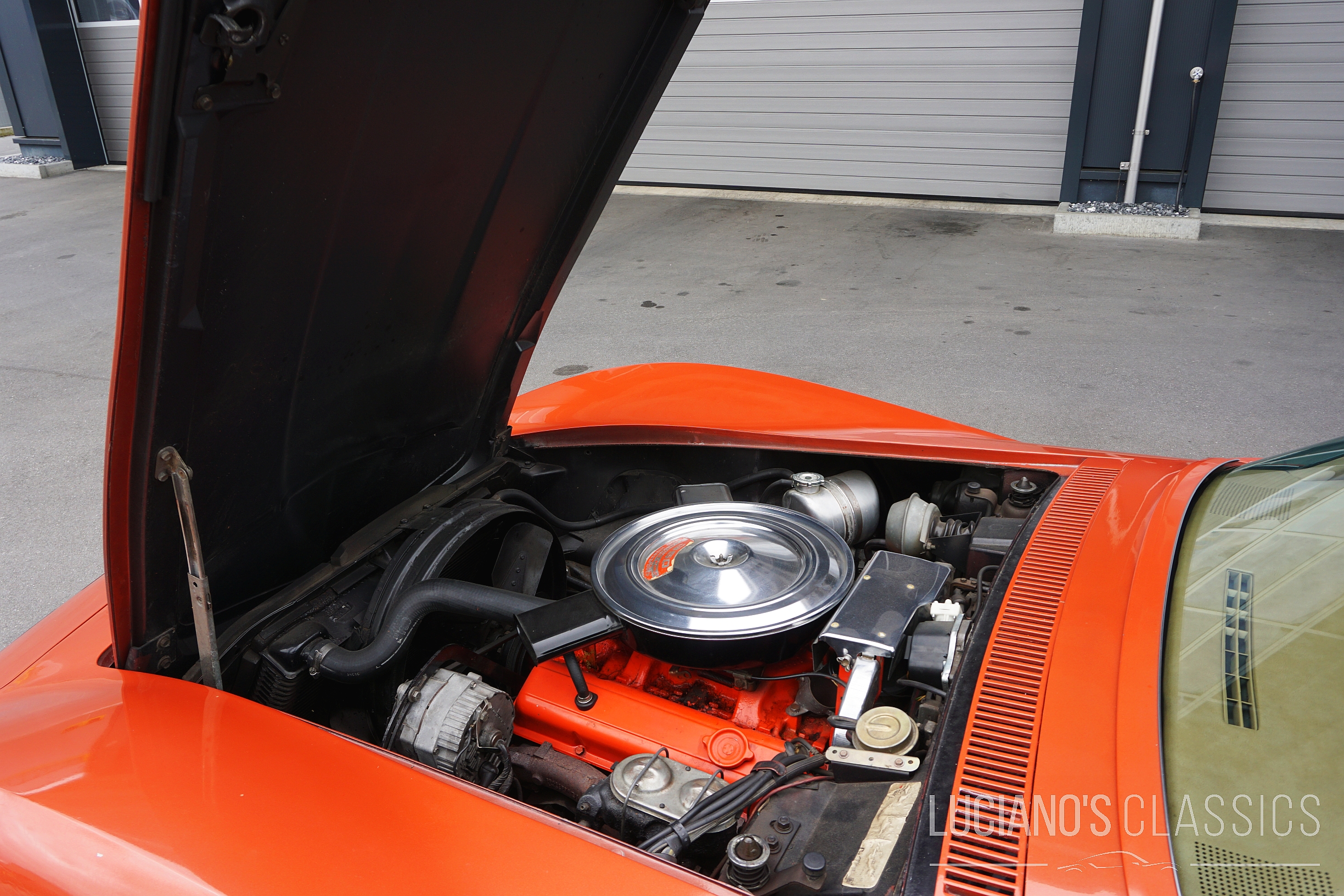
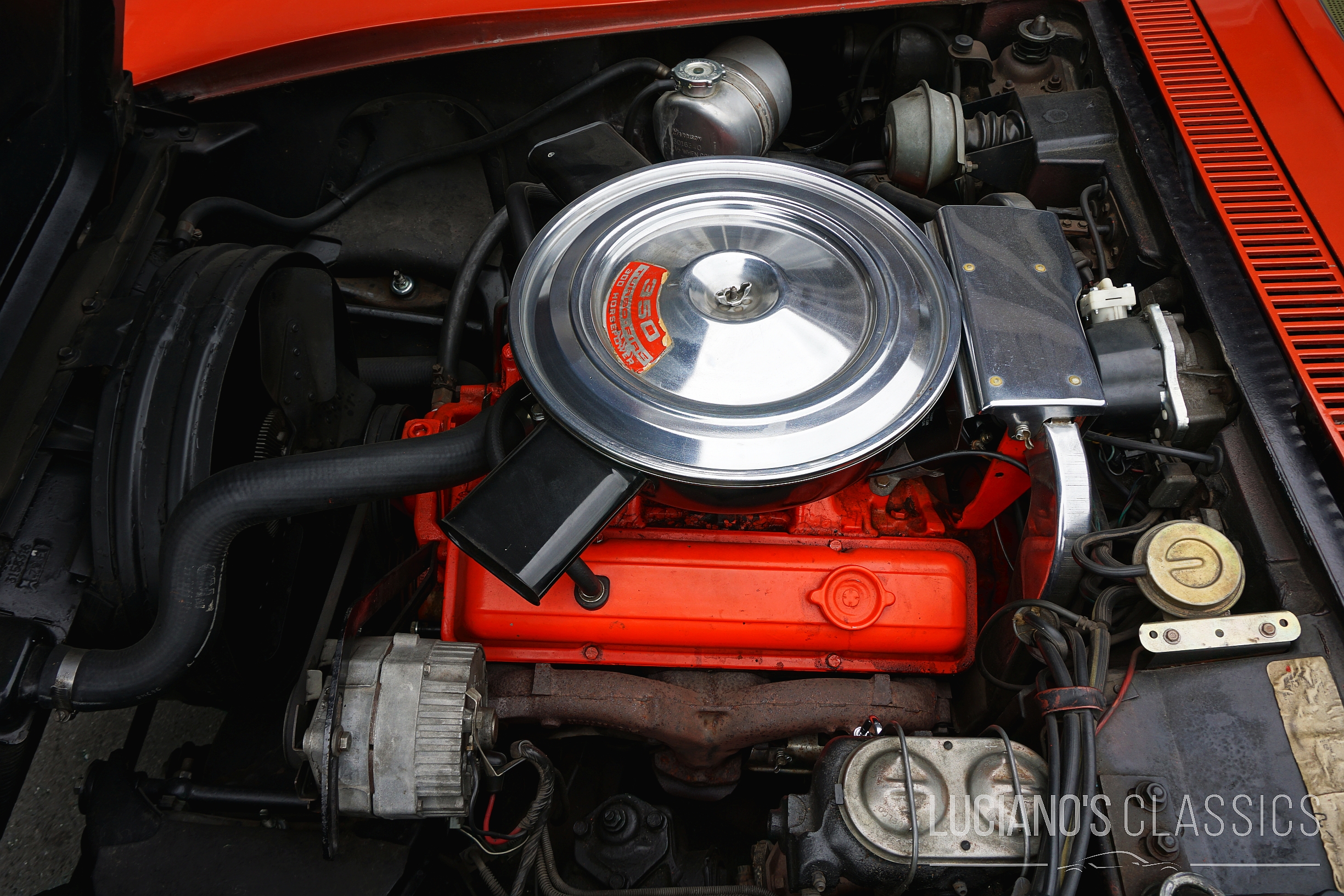
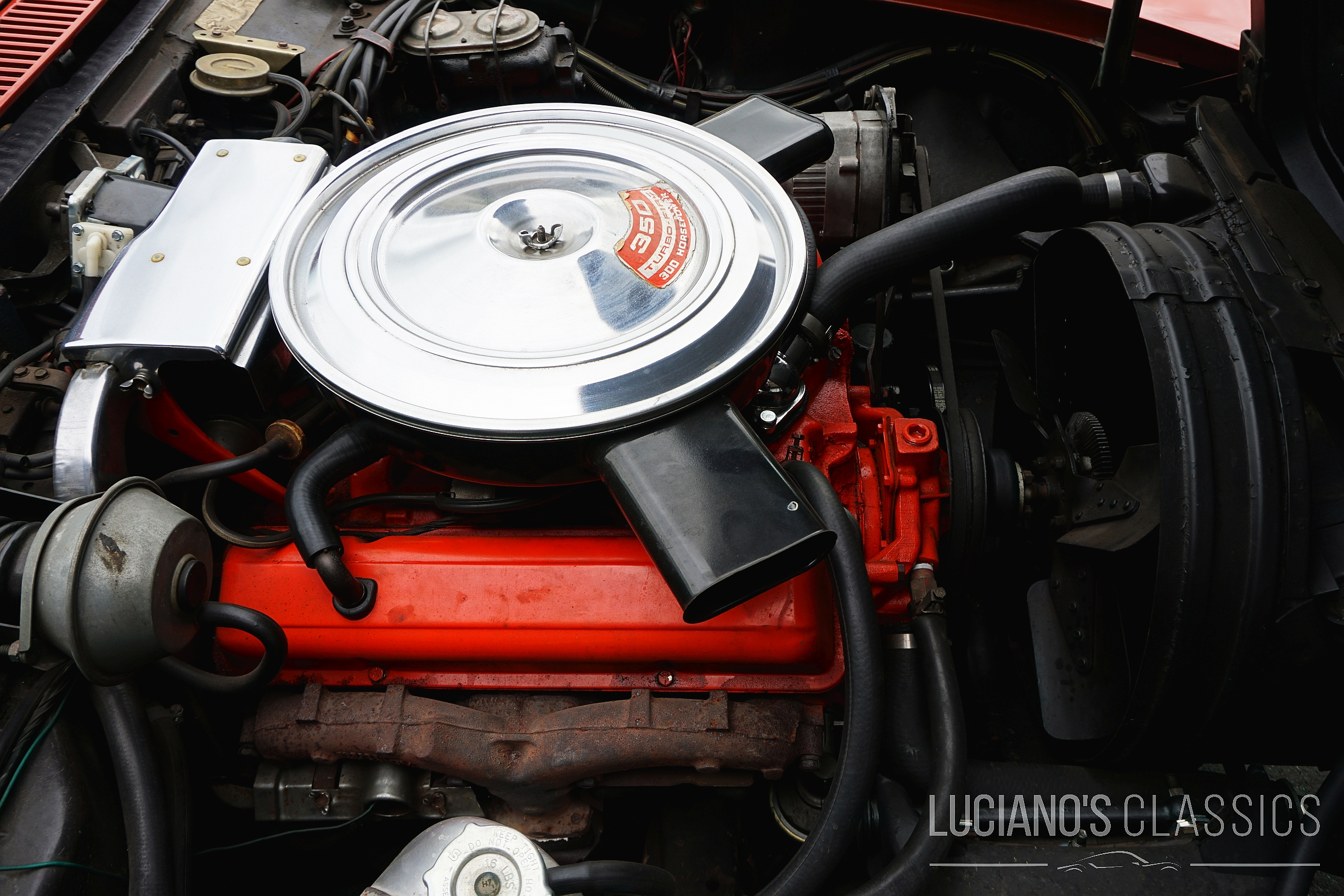
- 5,733 cc V8 engine
- 300 HP
- Type certificate X
- Master number 177,613,540
- Chassis 194 370 S41 199 2
- Unladen weight 1,510 kg
- Payload 190 kg
not what you are looking for?
We will be happy to find your individual dream vehicle.
Simply make a non-binding inquiry and benefit from our network.