
Pontiac Firebird Trans Am
Description
The Pontiac Firebird Trans Am - an icon of masculinity, driven by macho men on and off the screen for generations. The most powerful model in the Firebird range is just as legendary as the «Screaming Chicken» that has adorned its hood since 1973. The story can be found below.
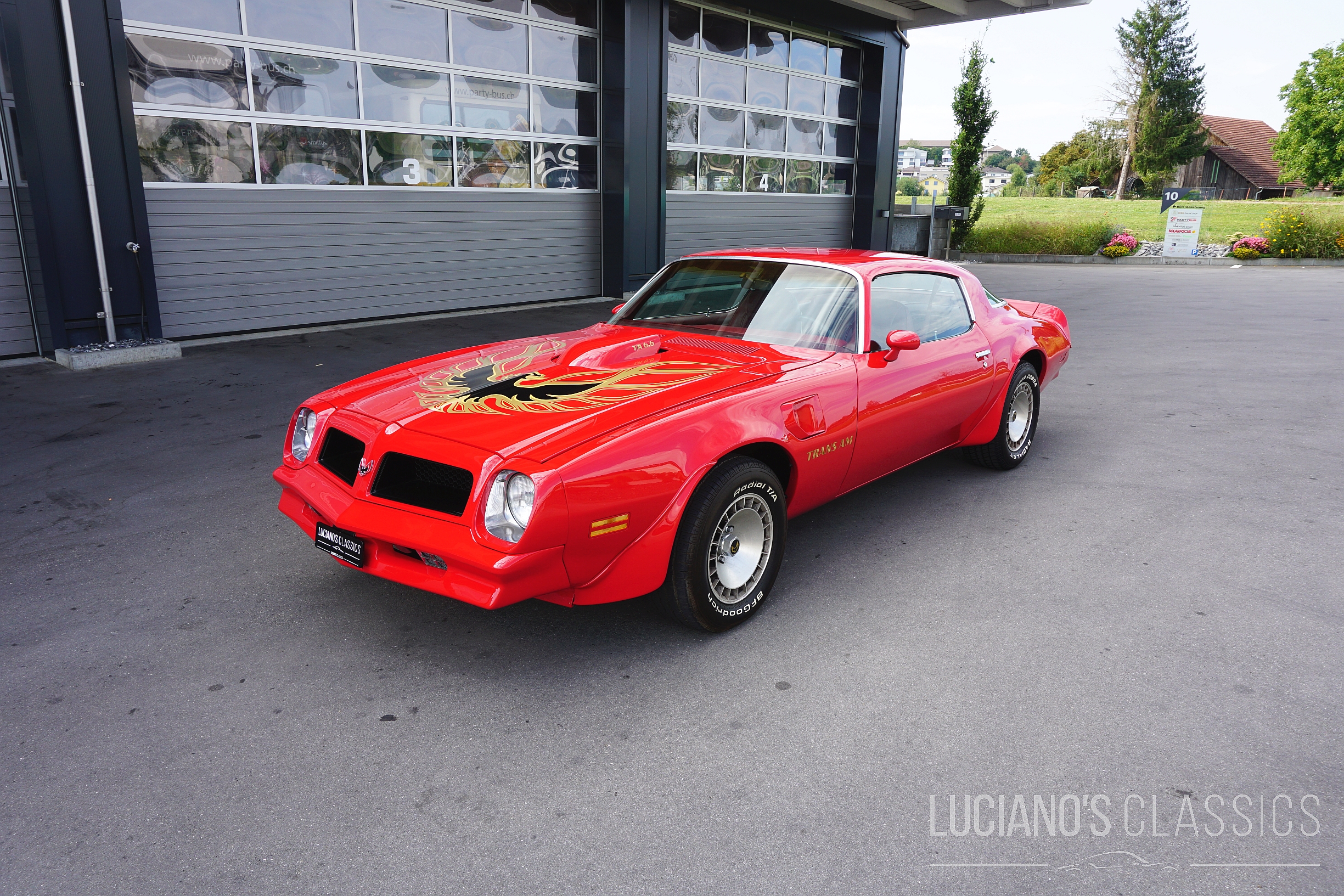
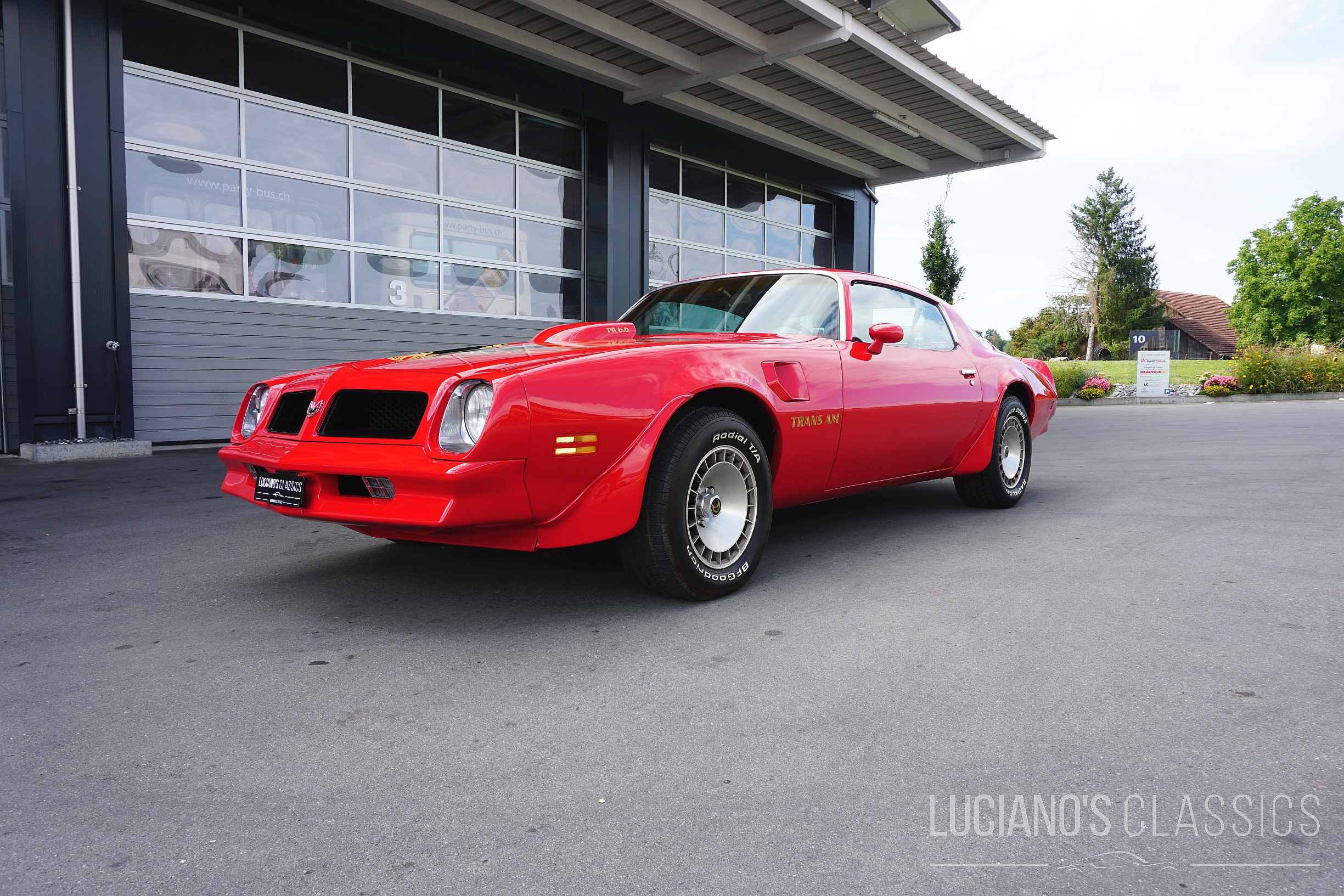
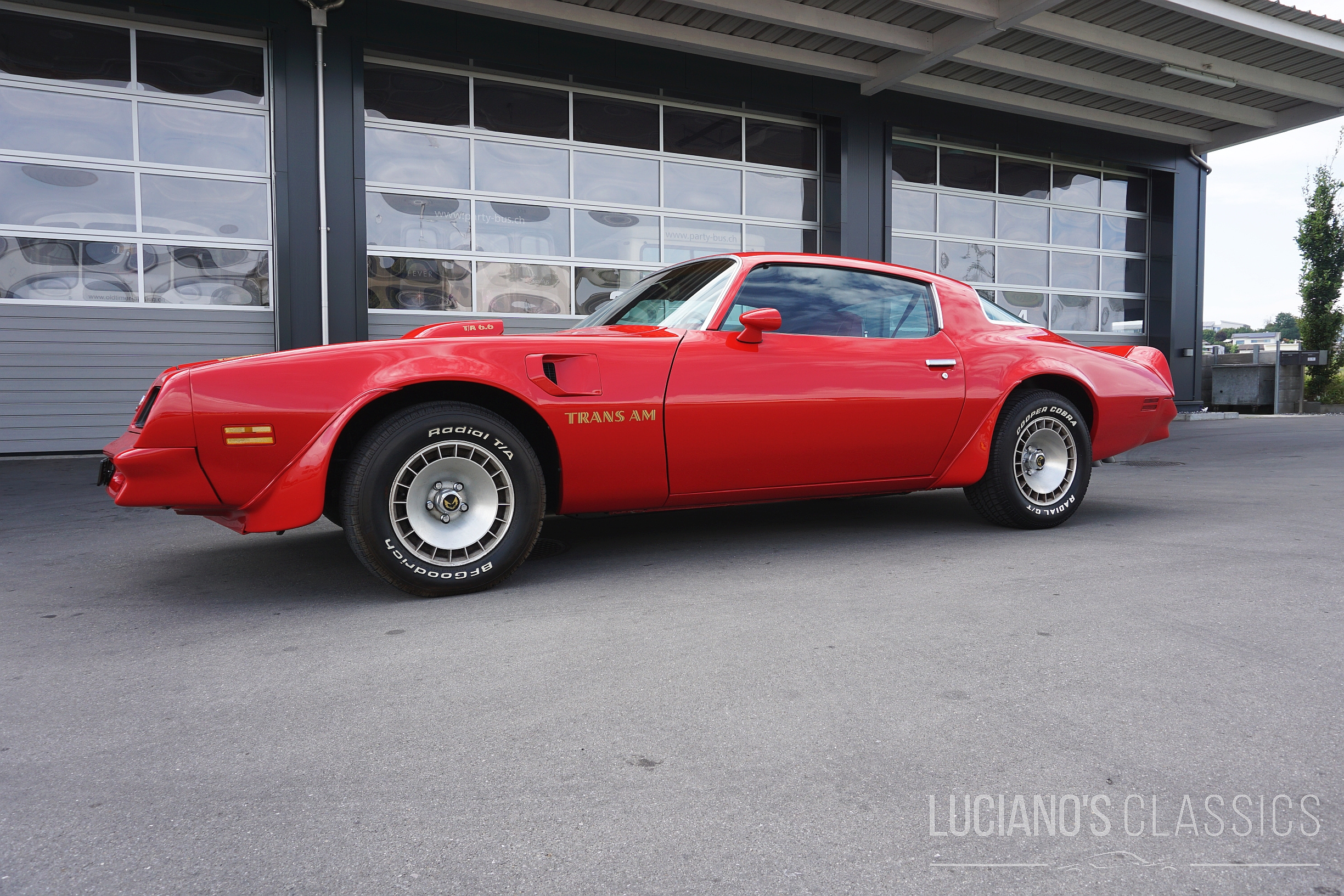
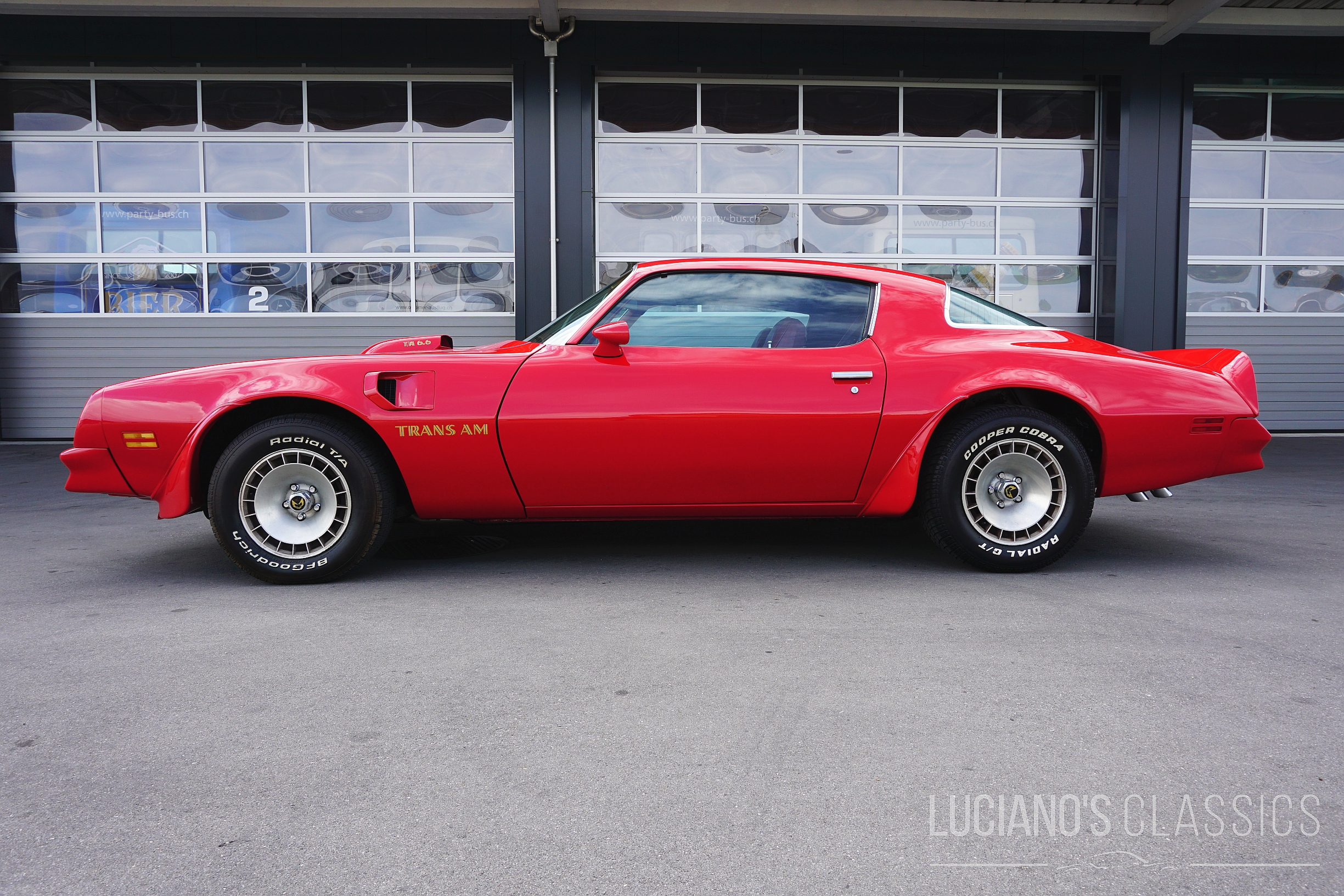
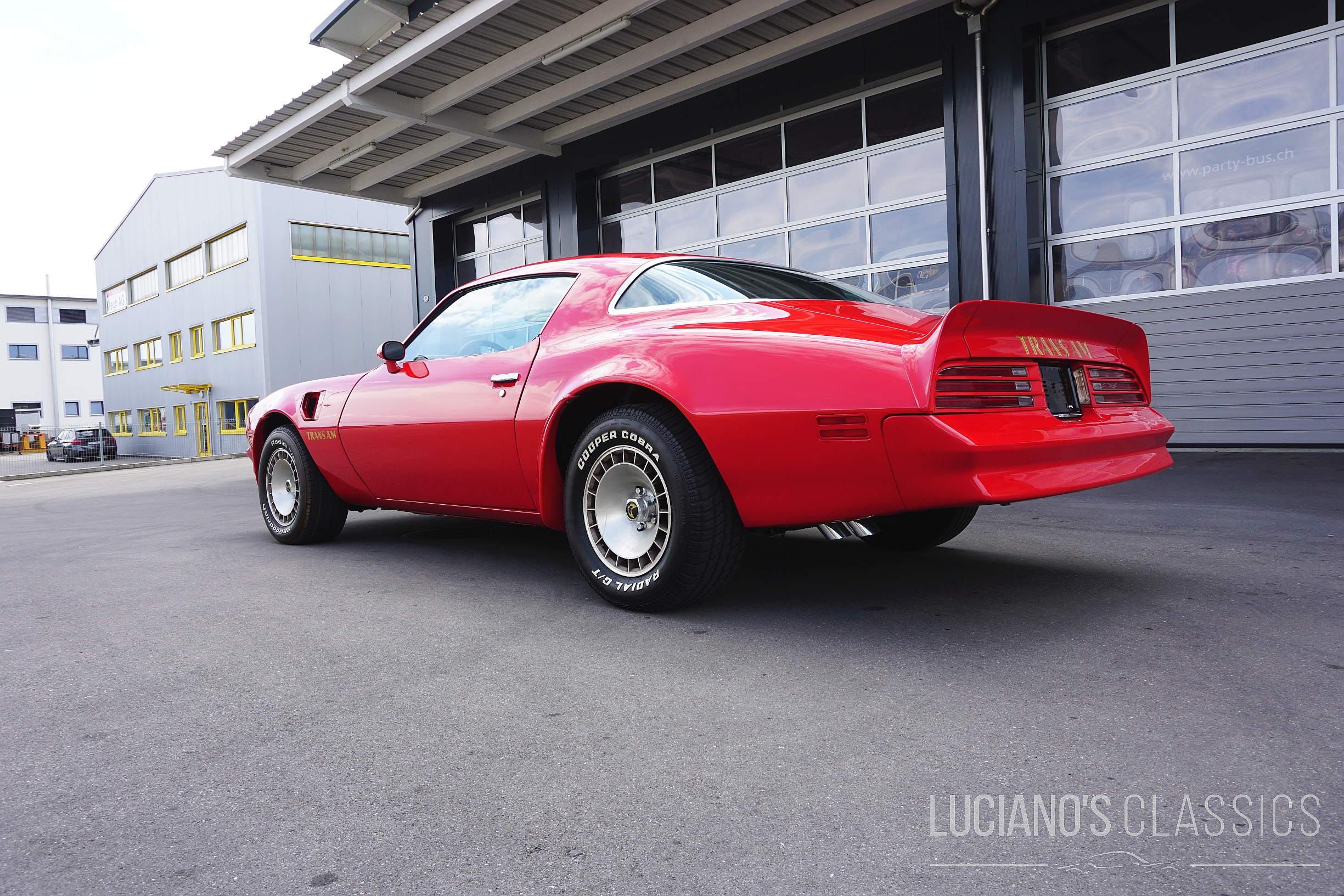
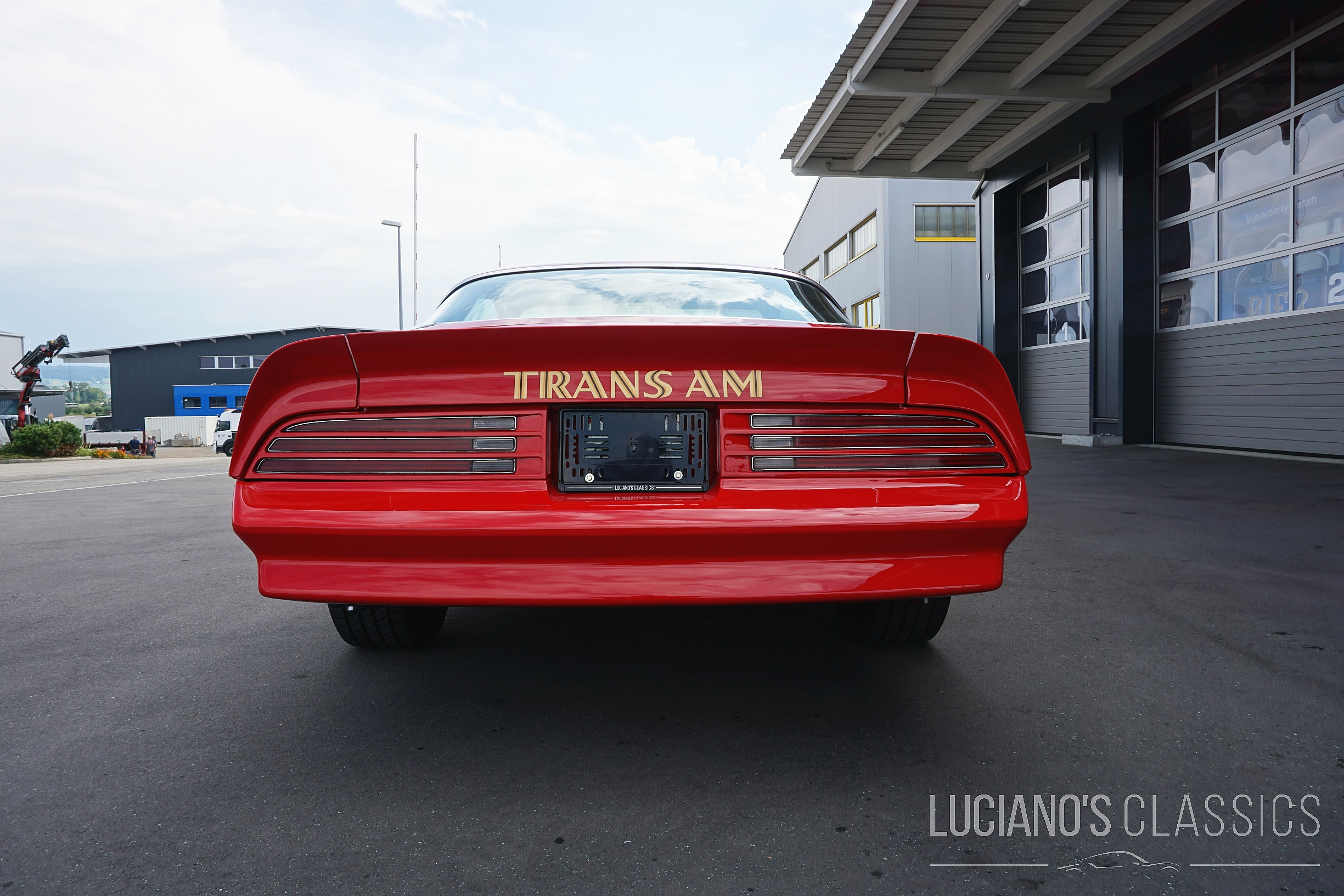
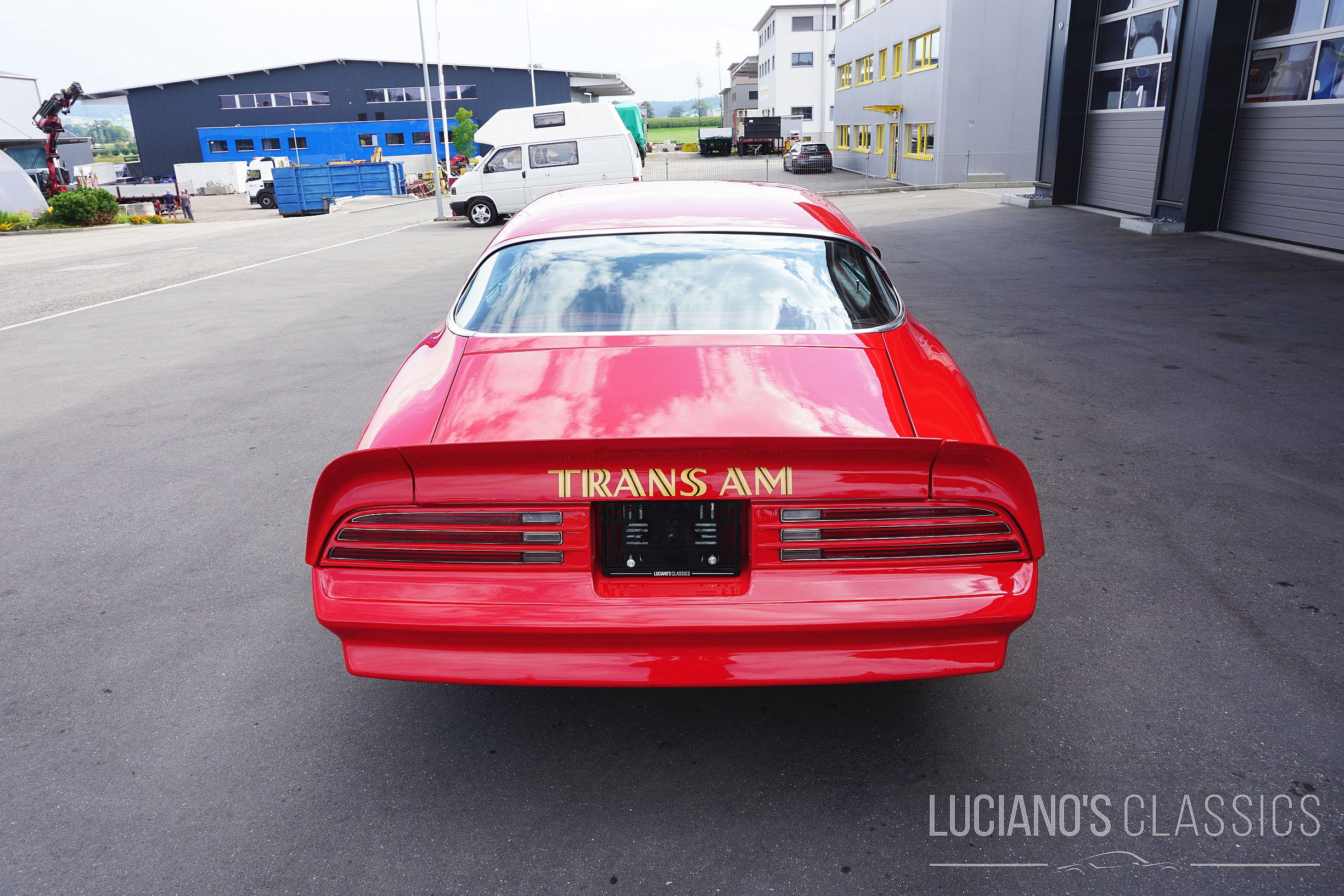
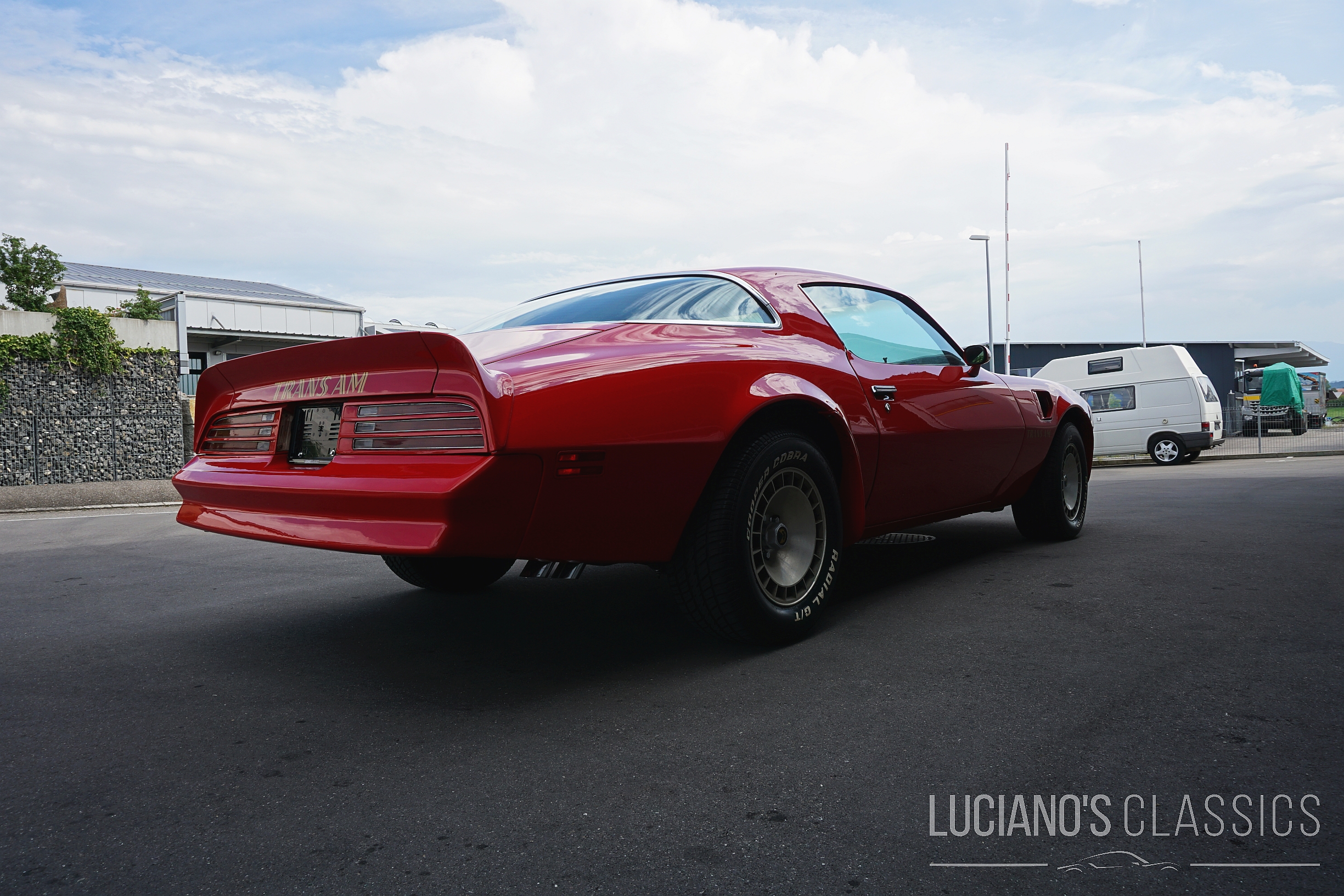
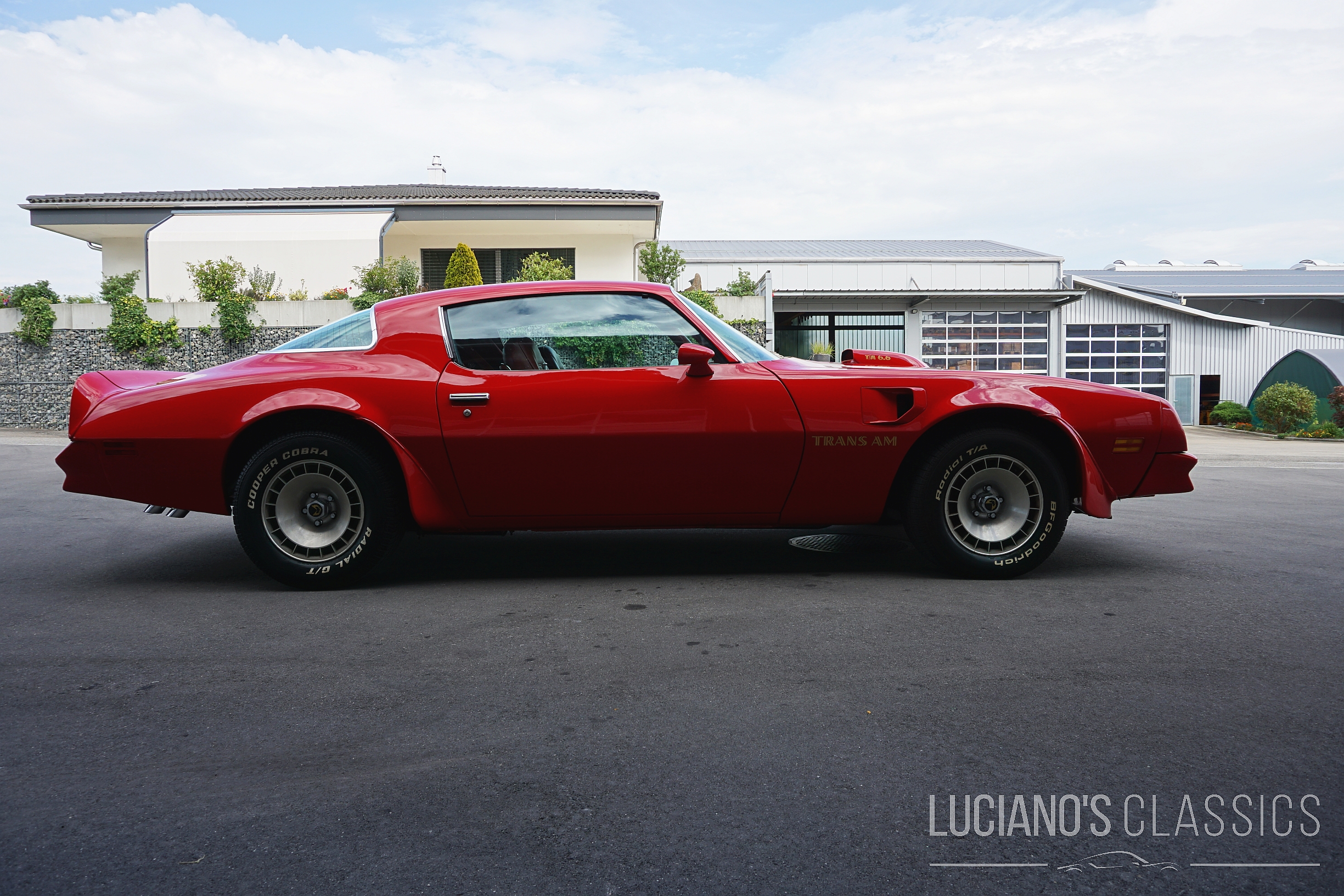
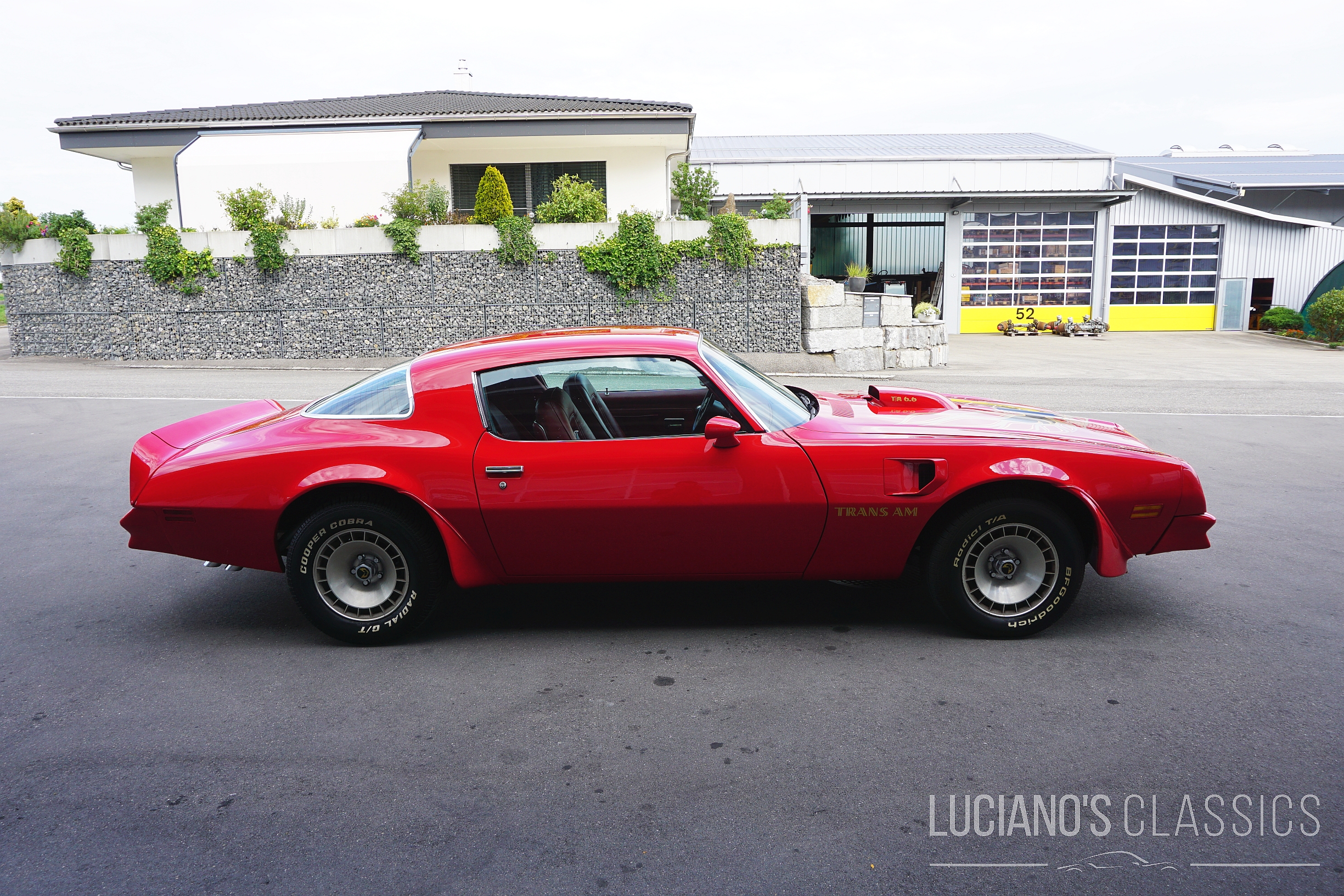
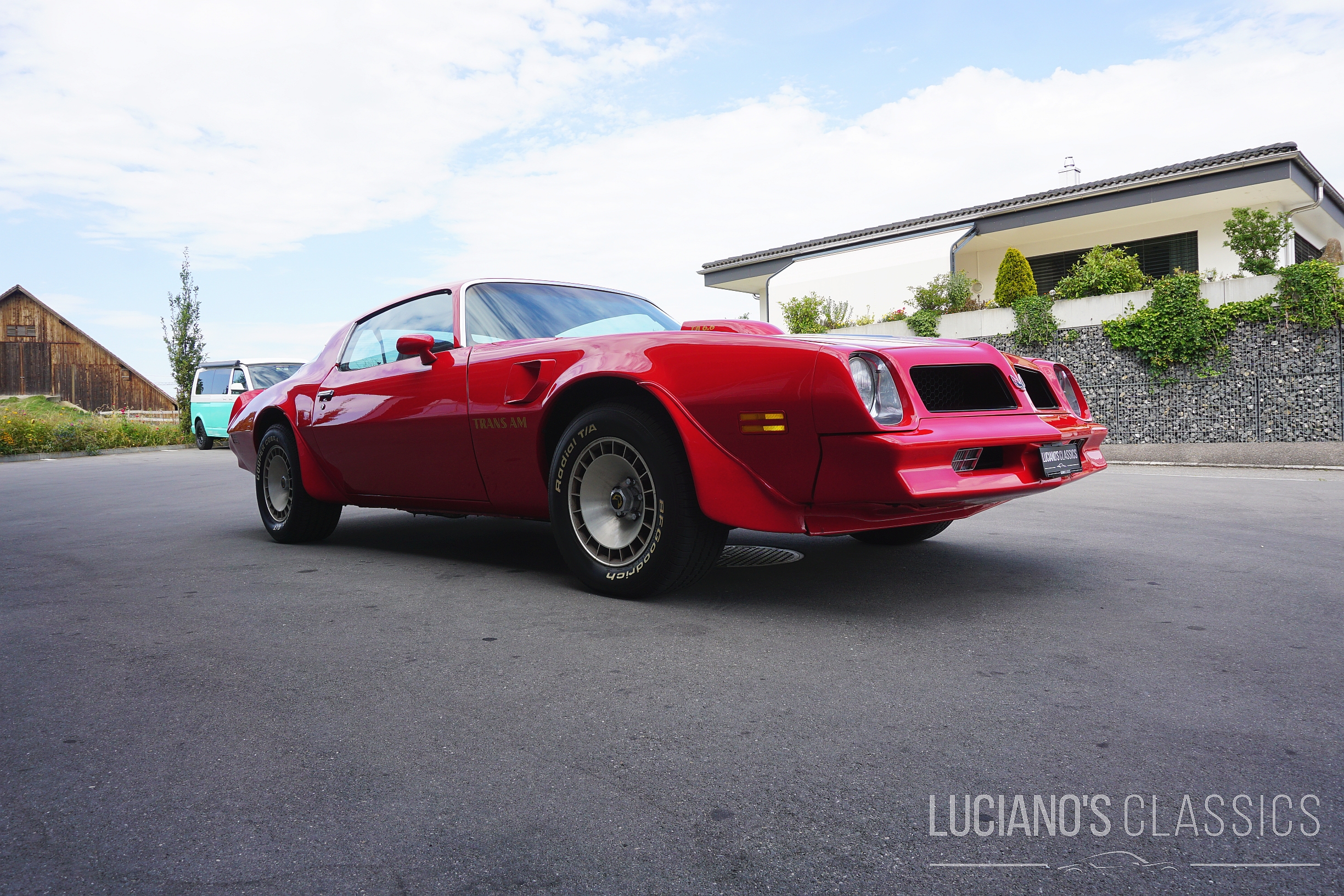
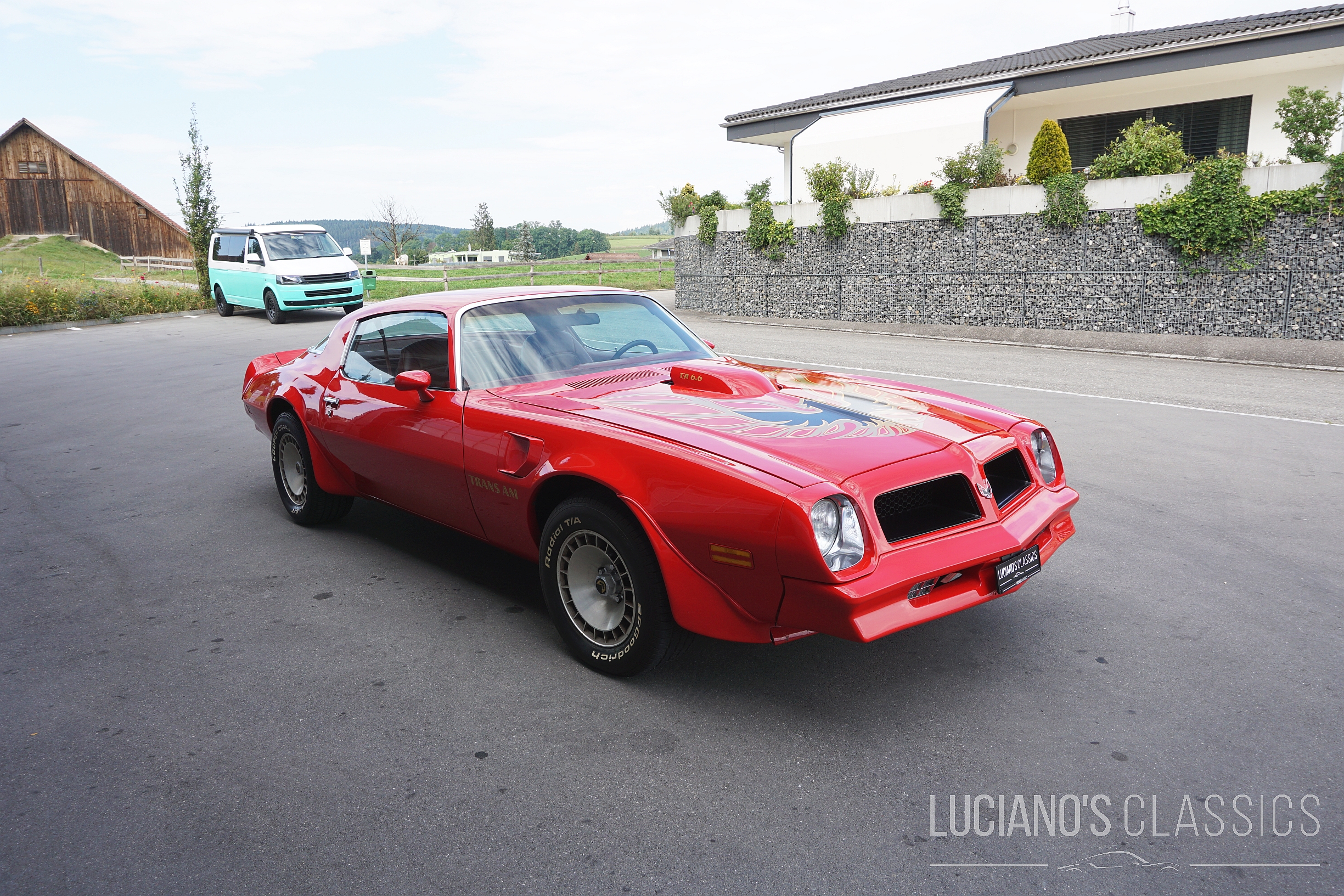
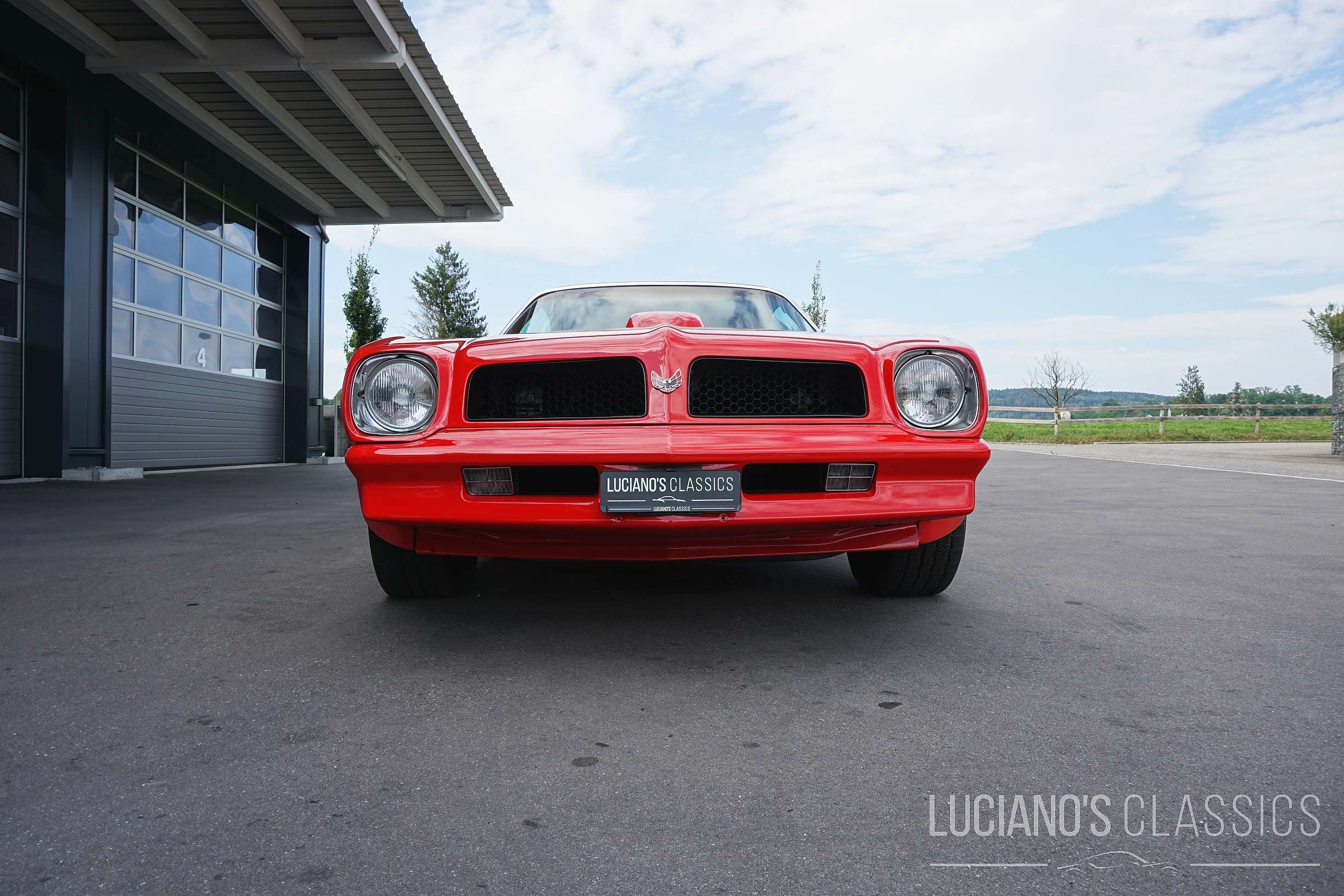
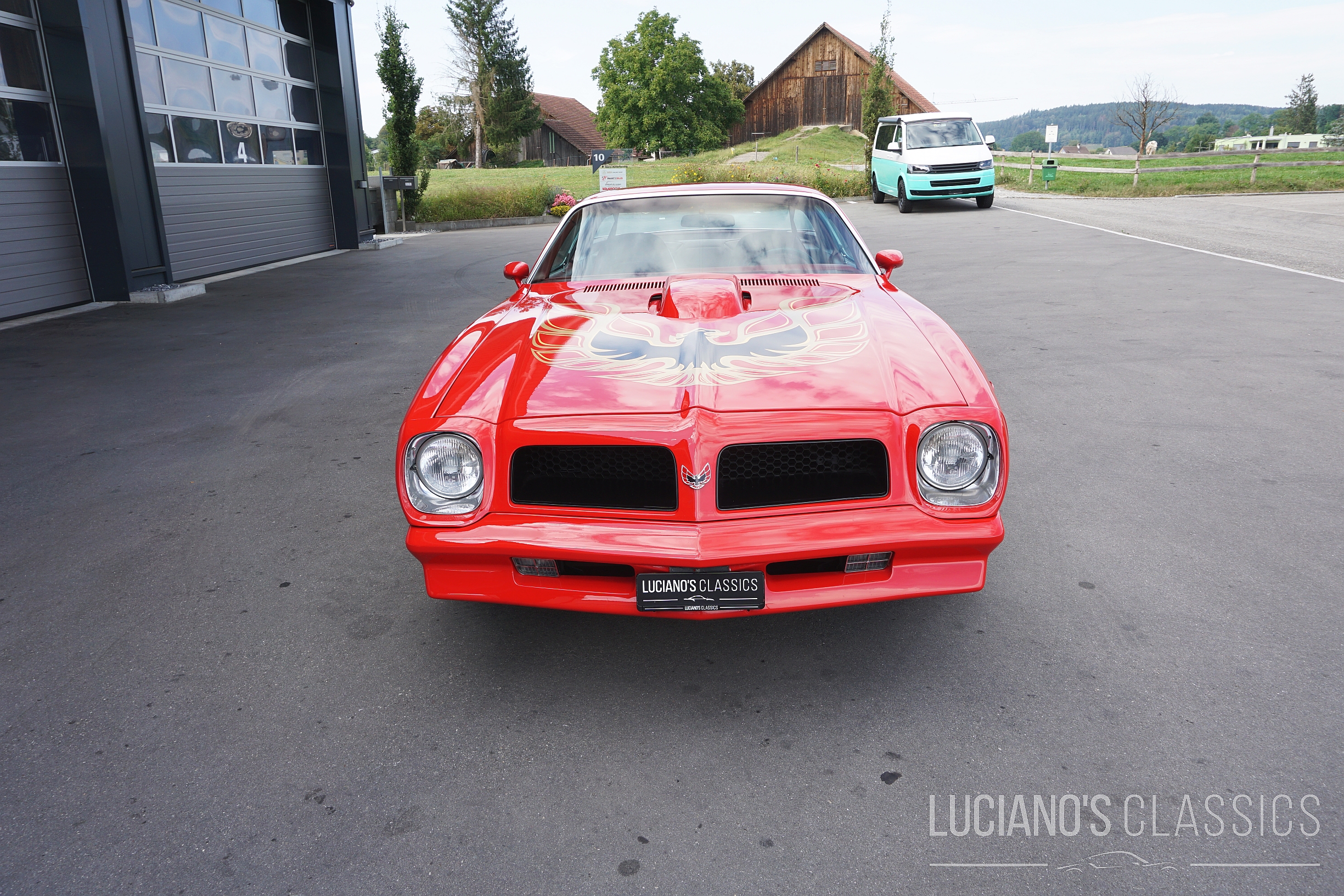
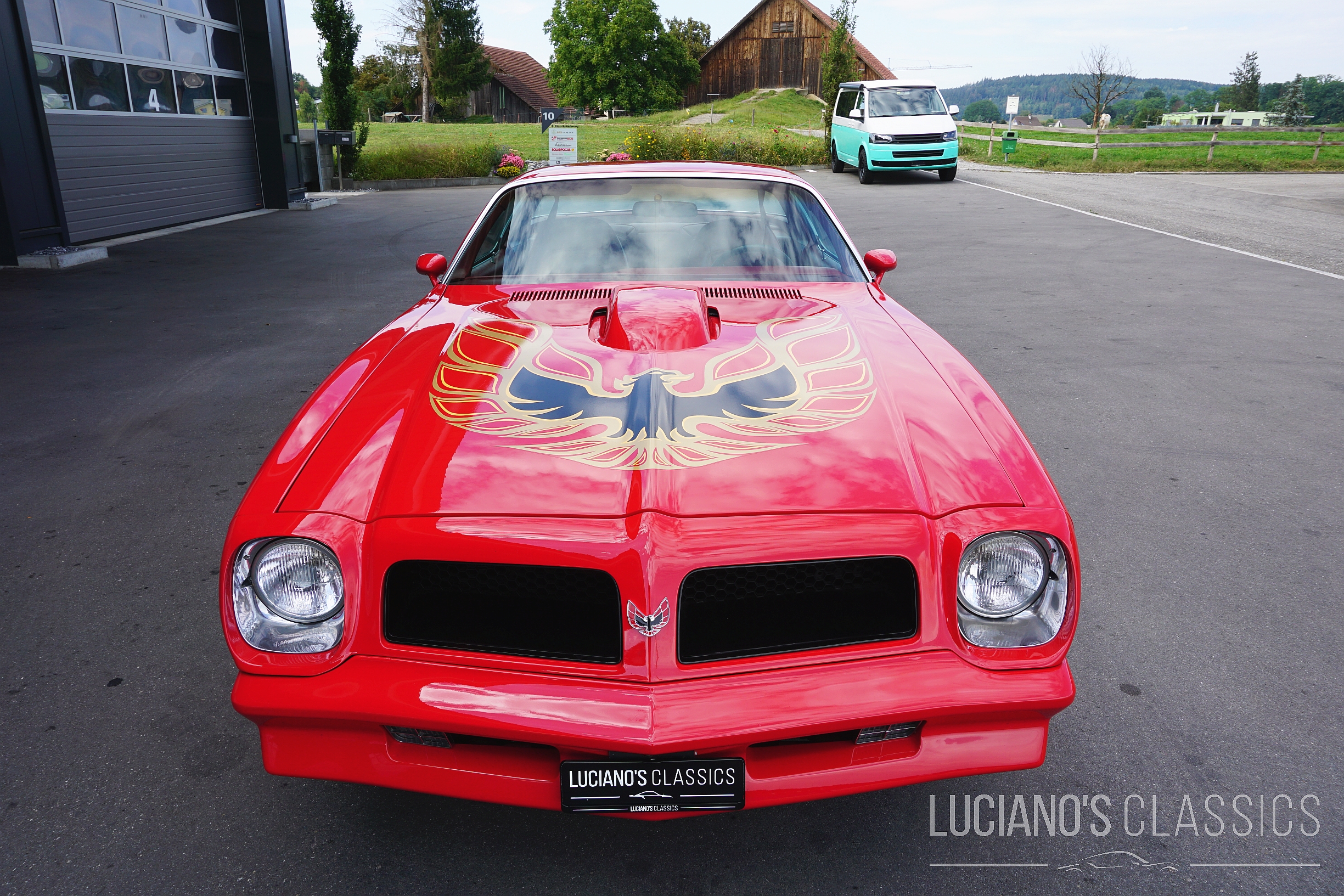
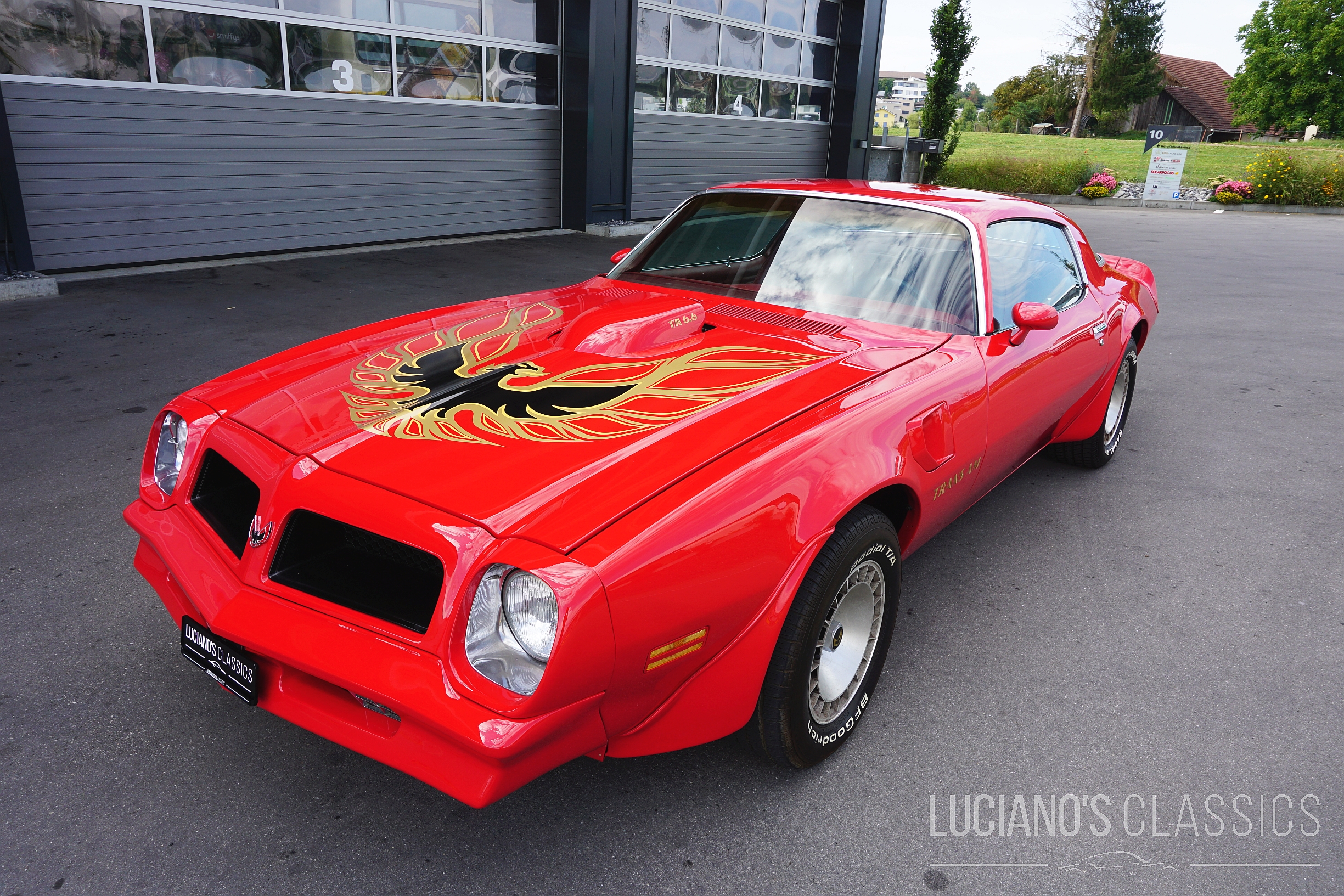
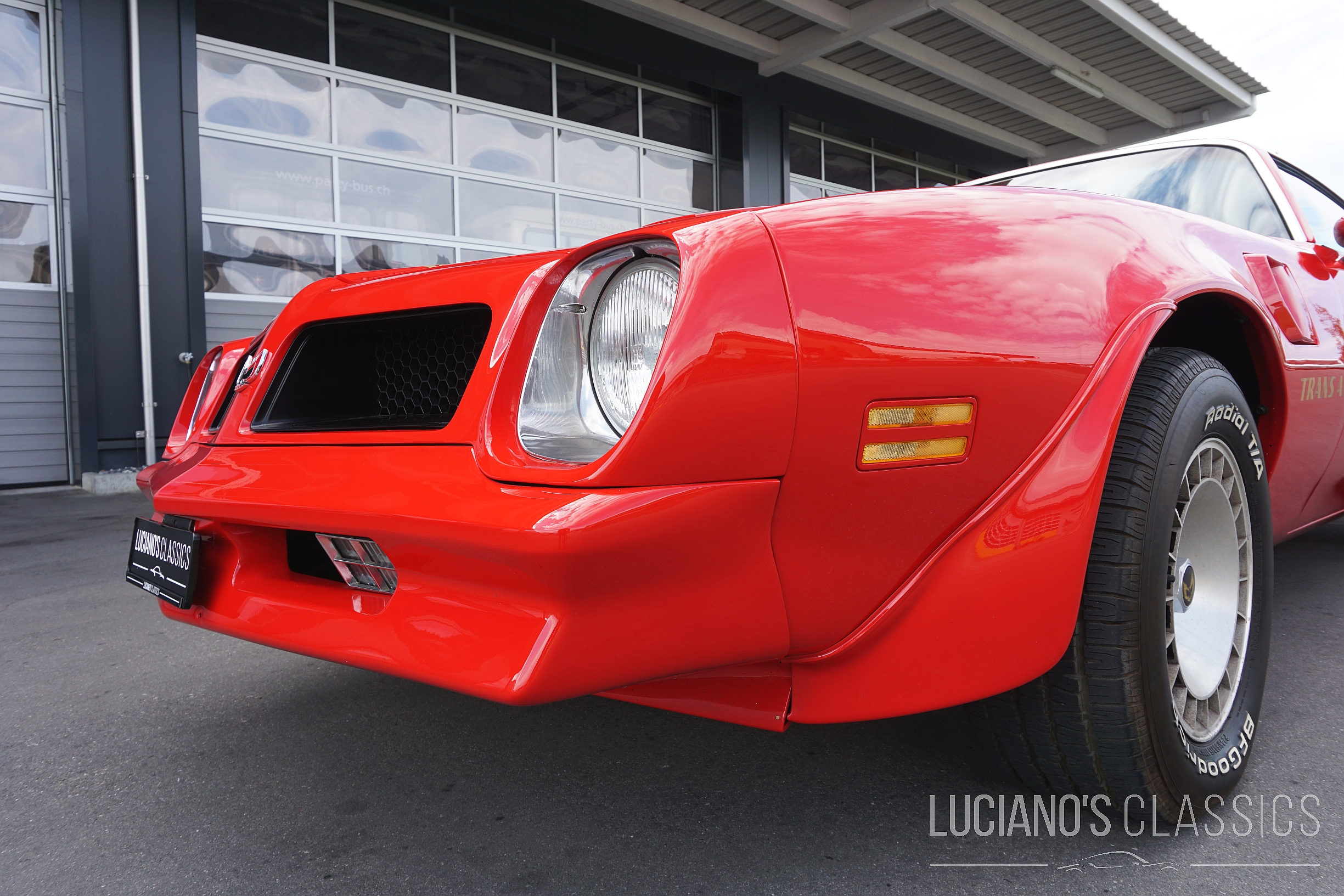
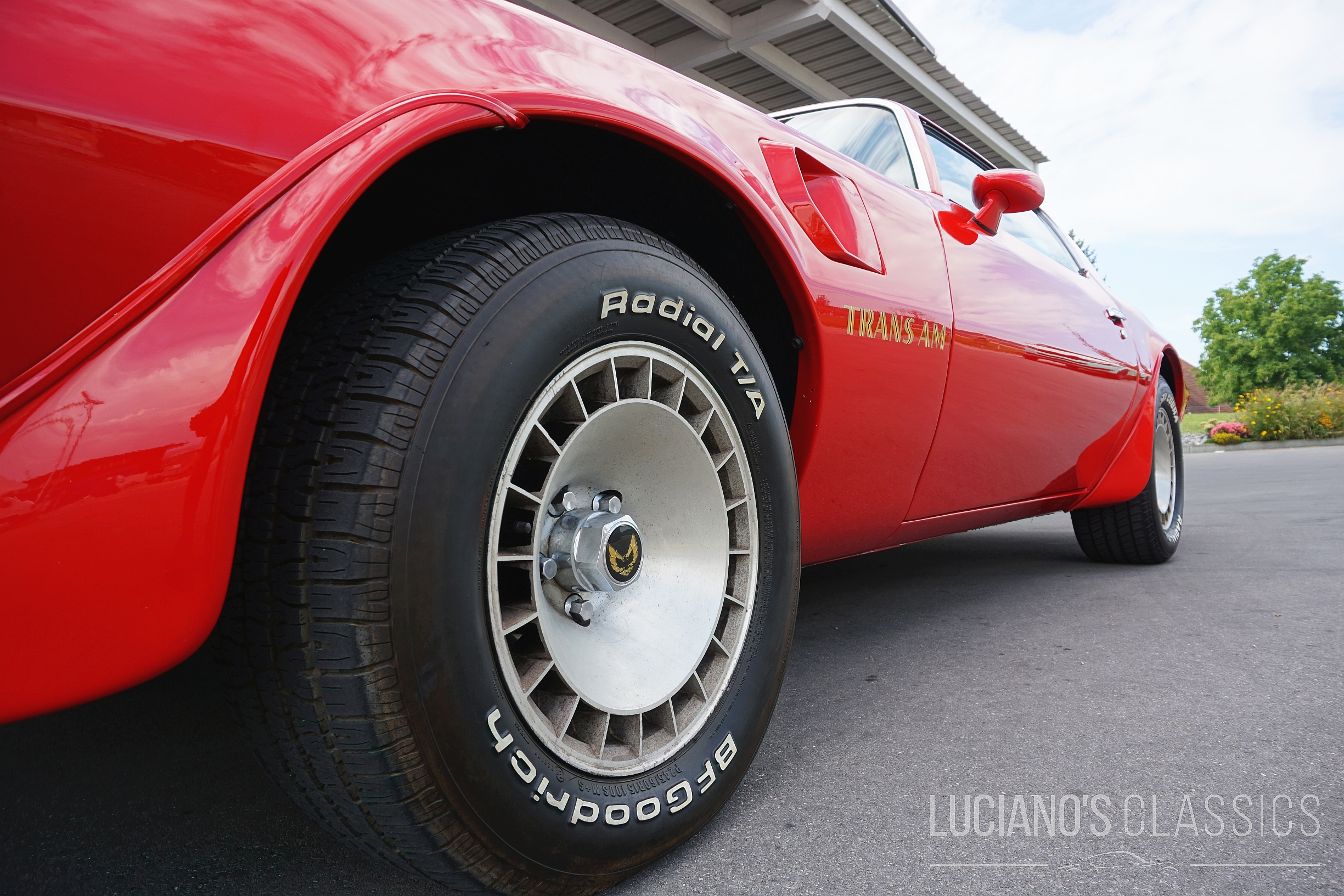
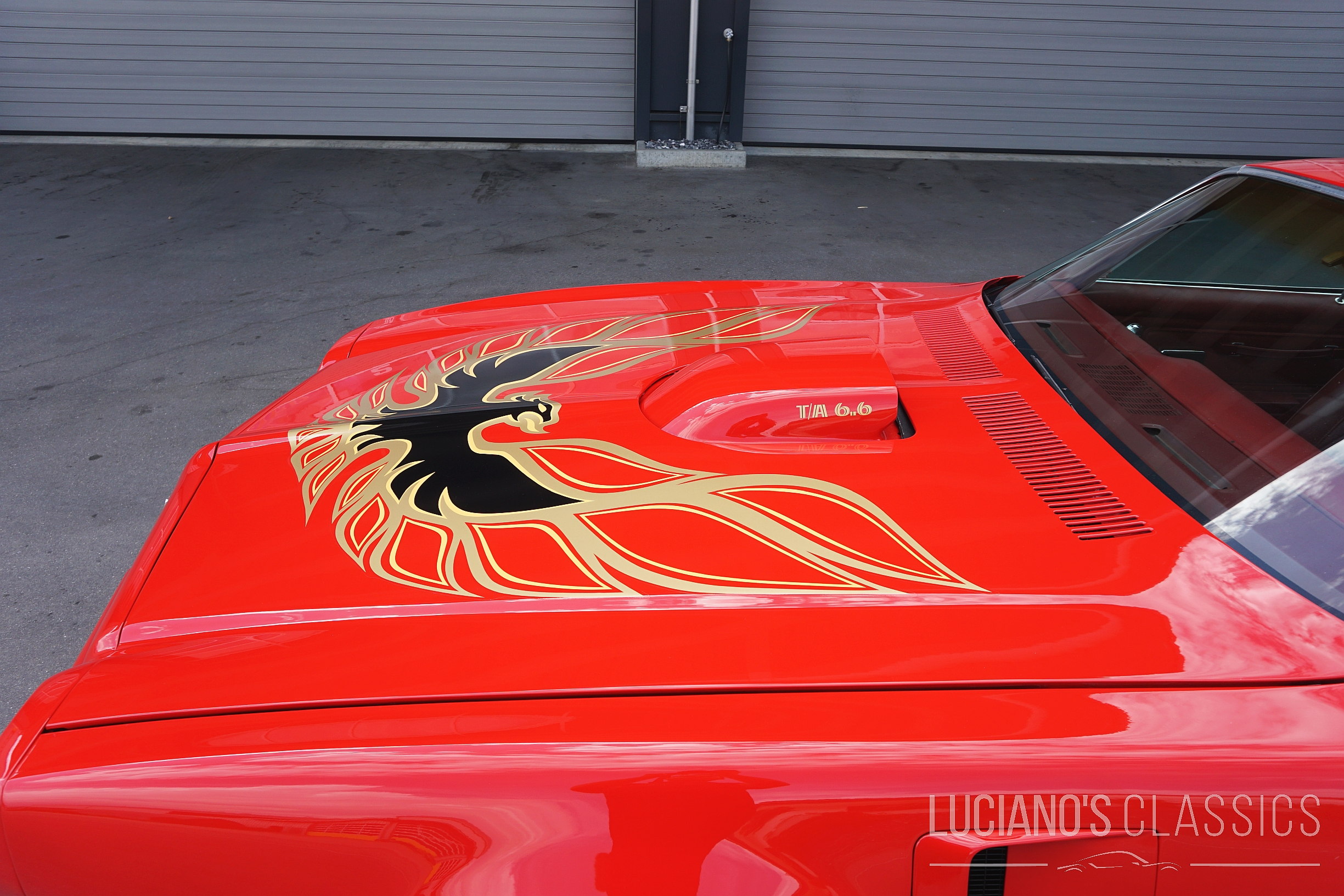
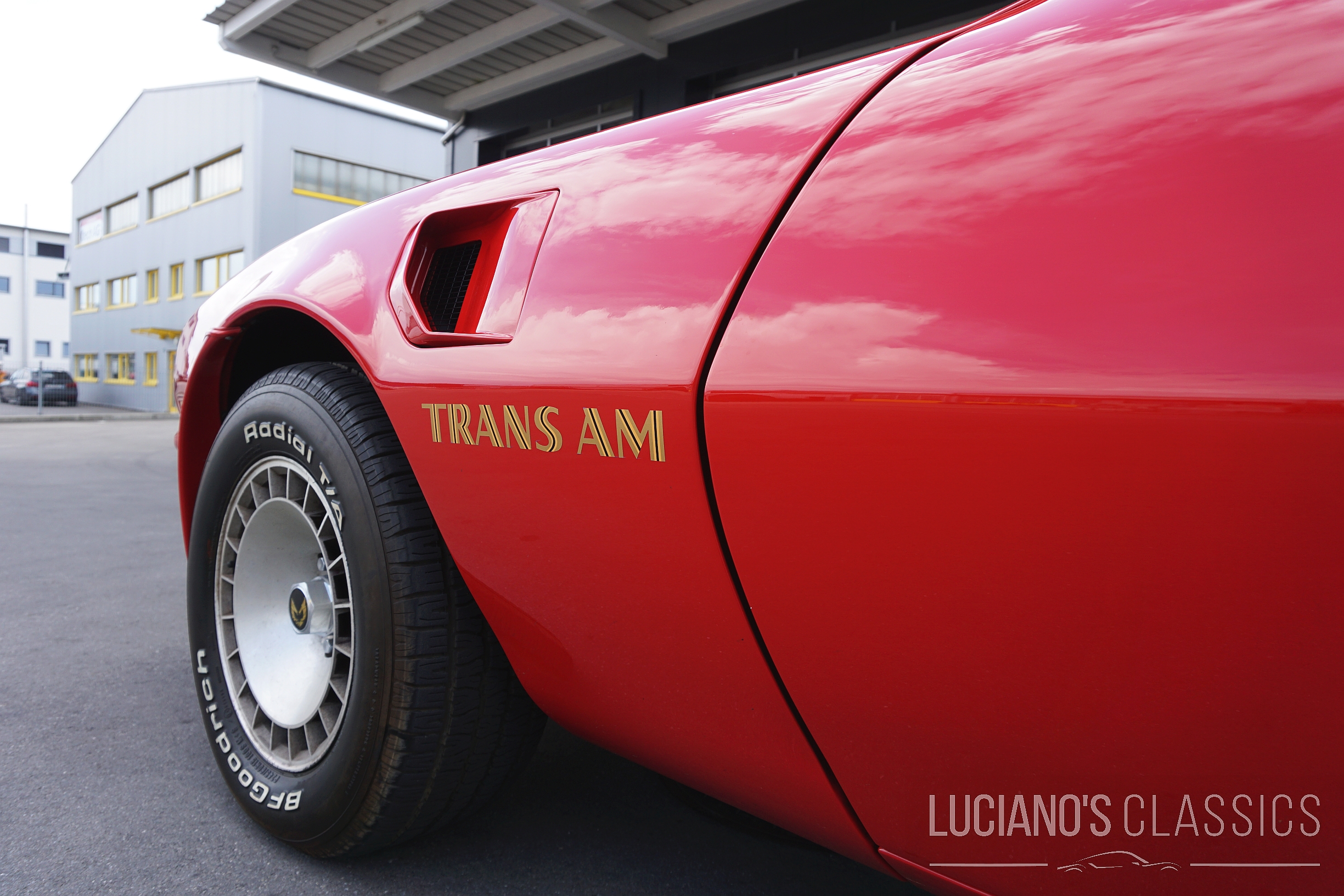
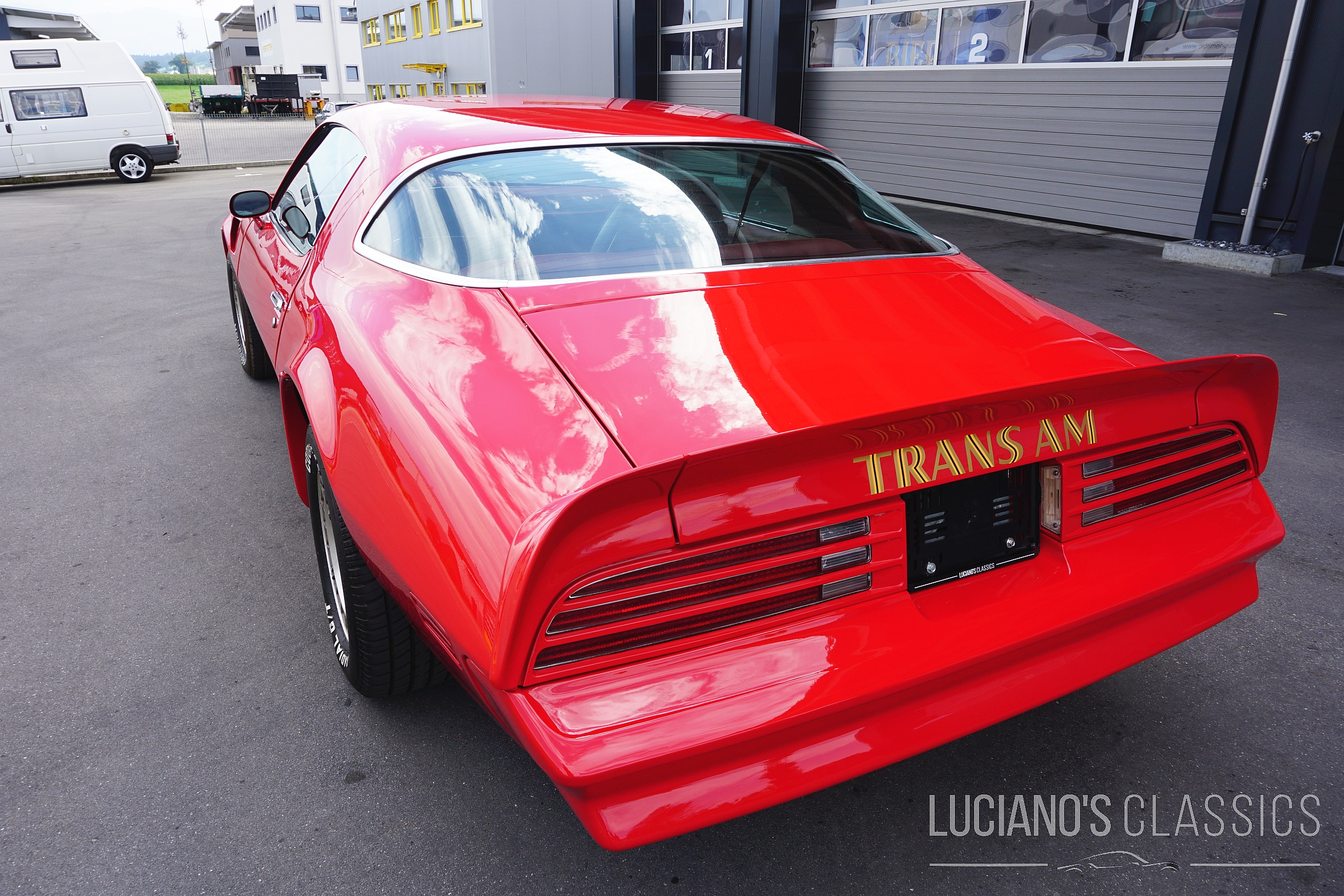
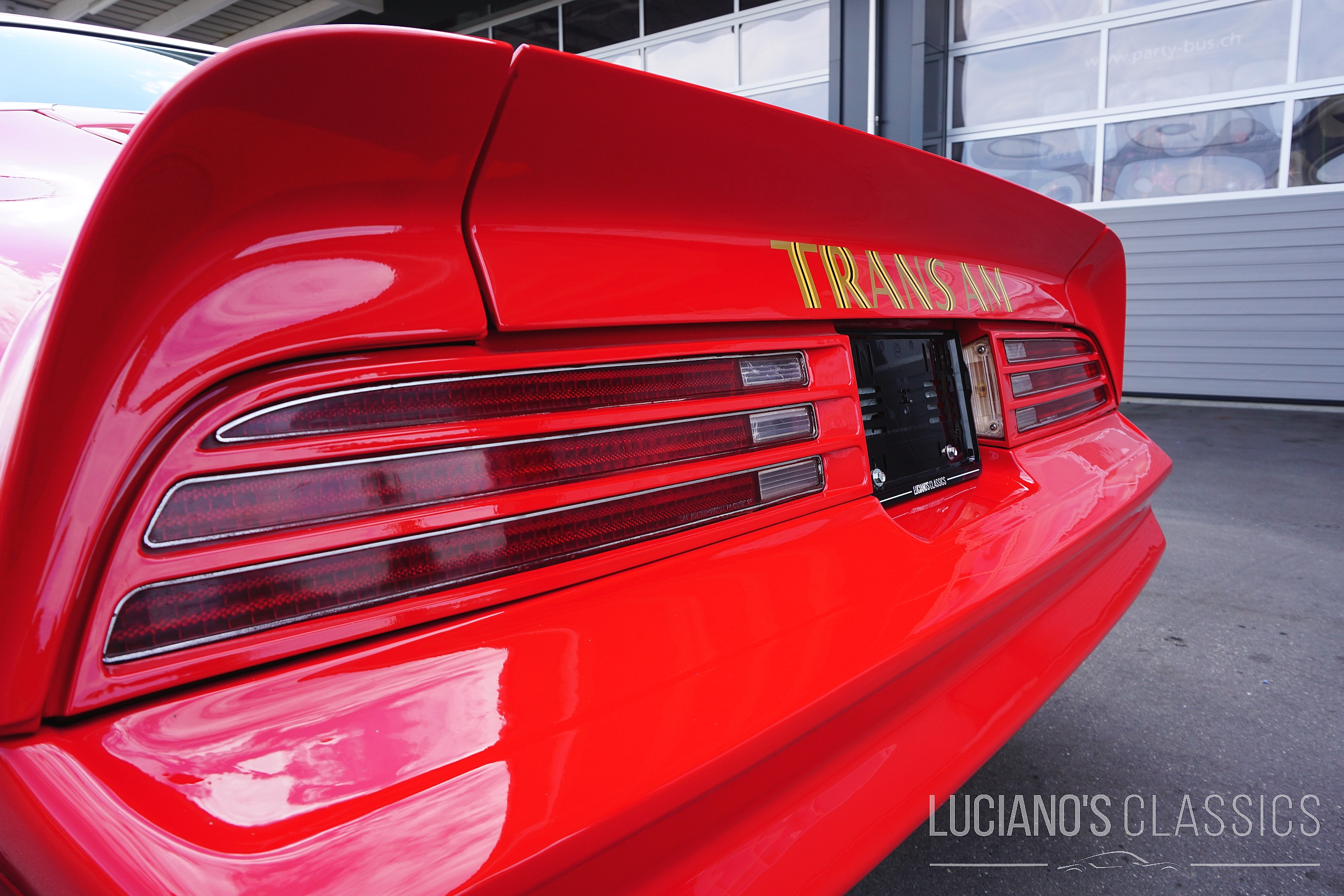
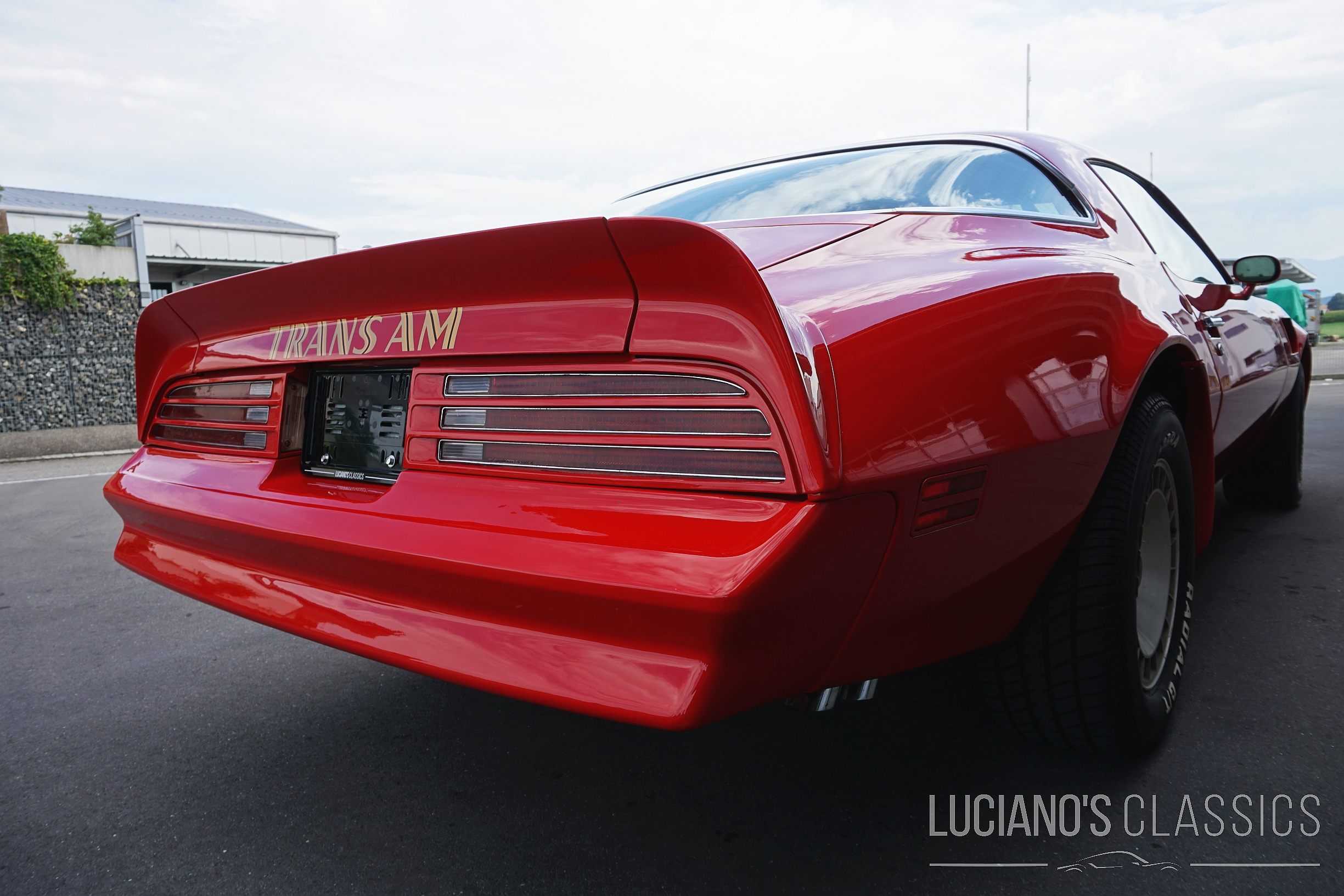
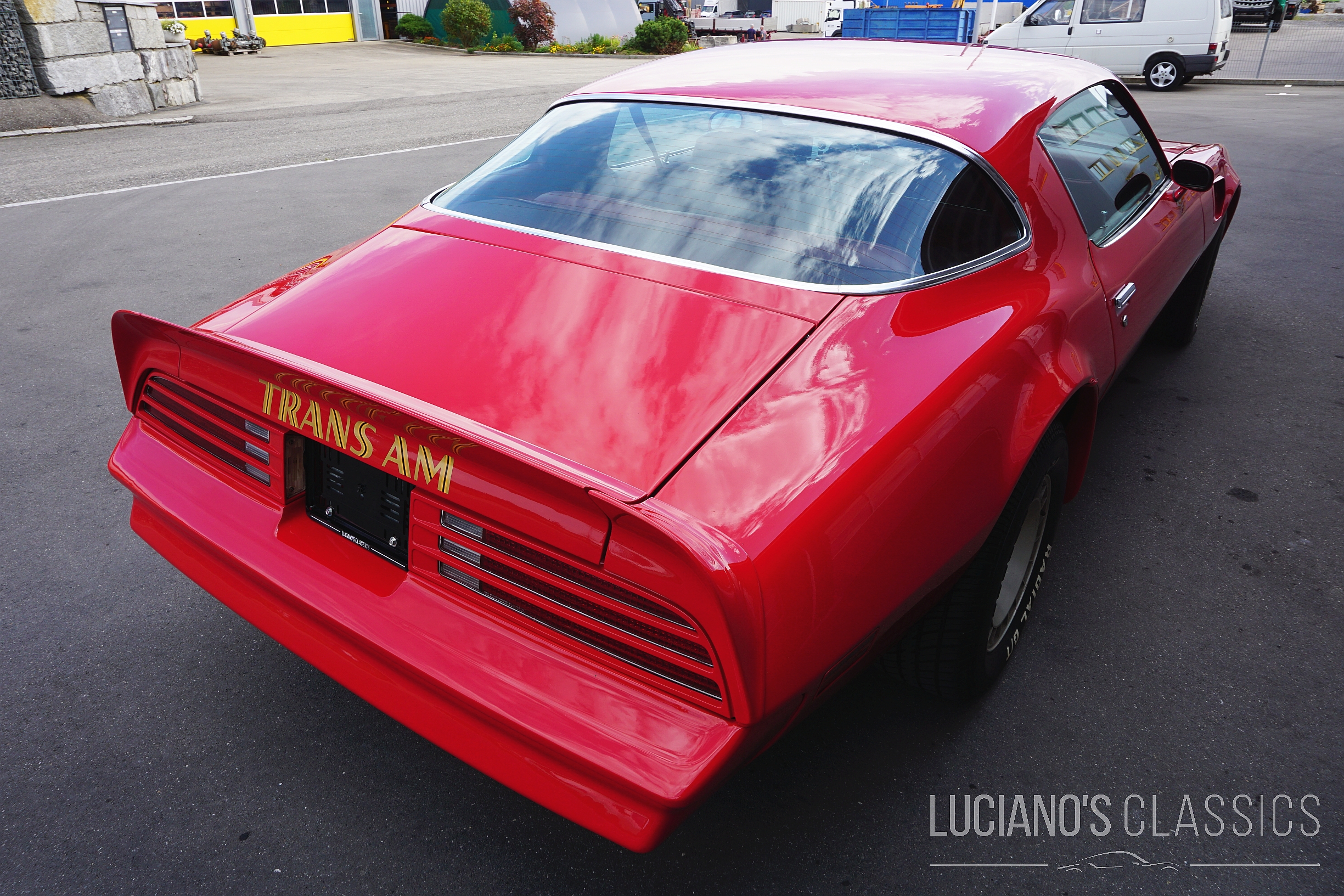
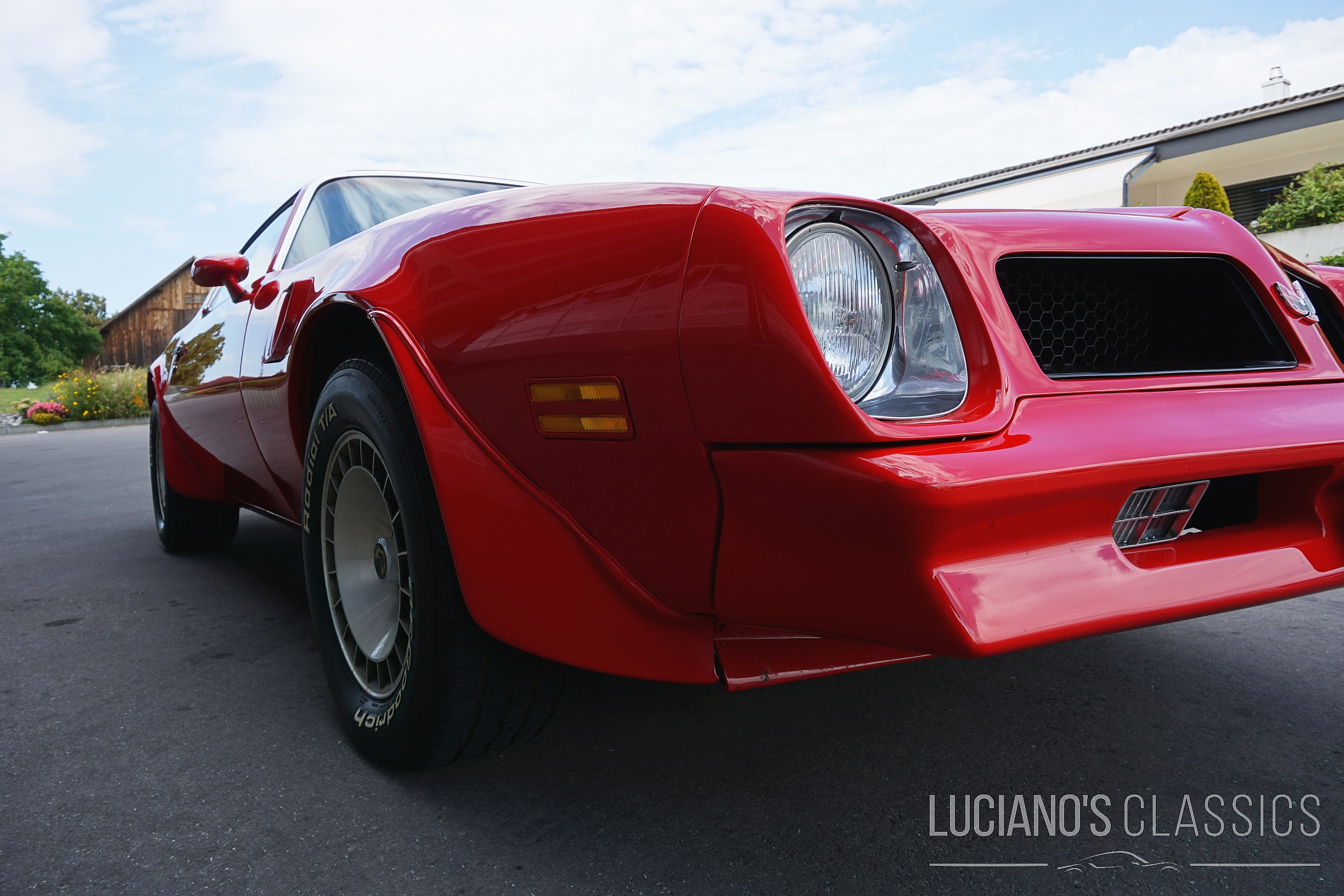
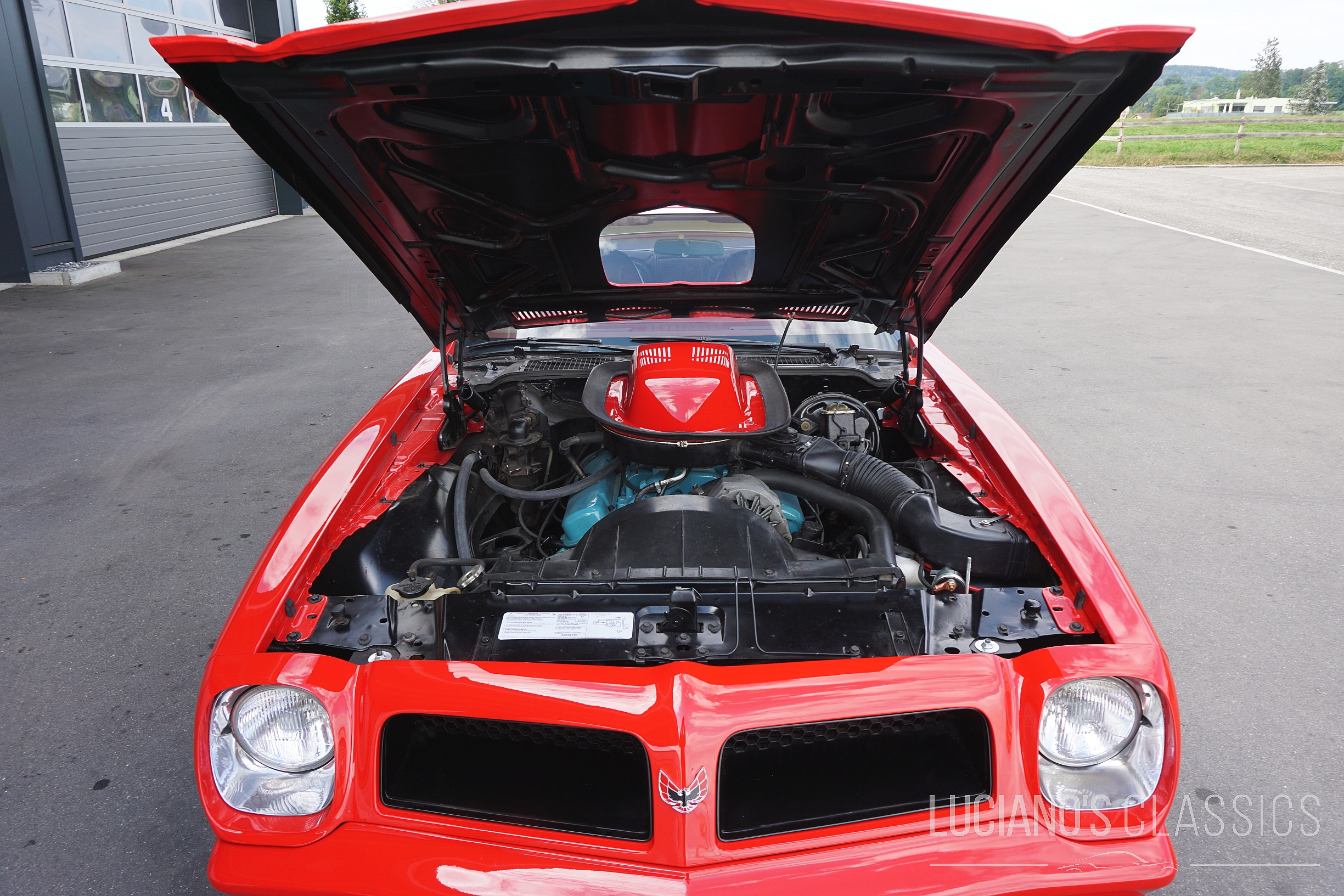
This example is a prime example of a Trans Am. Bright red and of course decorated with the burning bird, the car literally screams for attention. And with success:
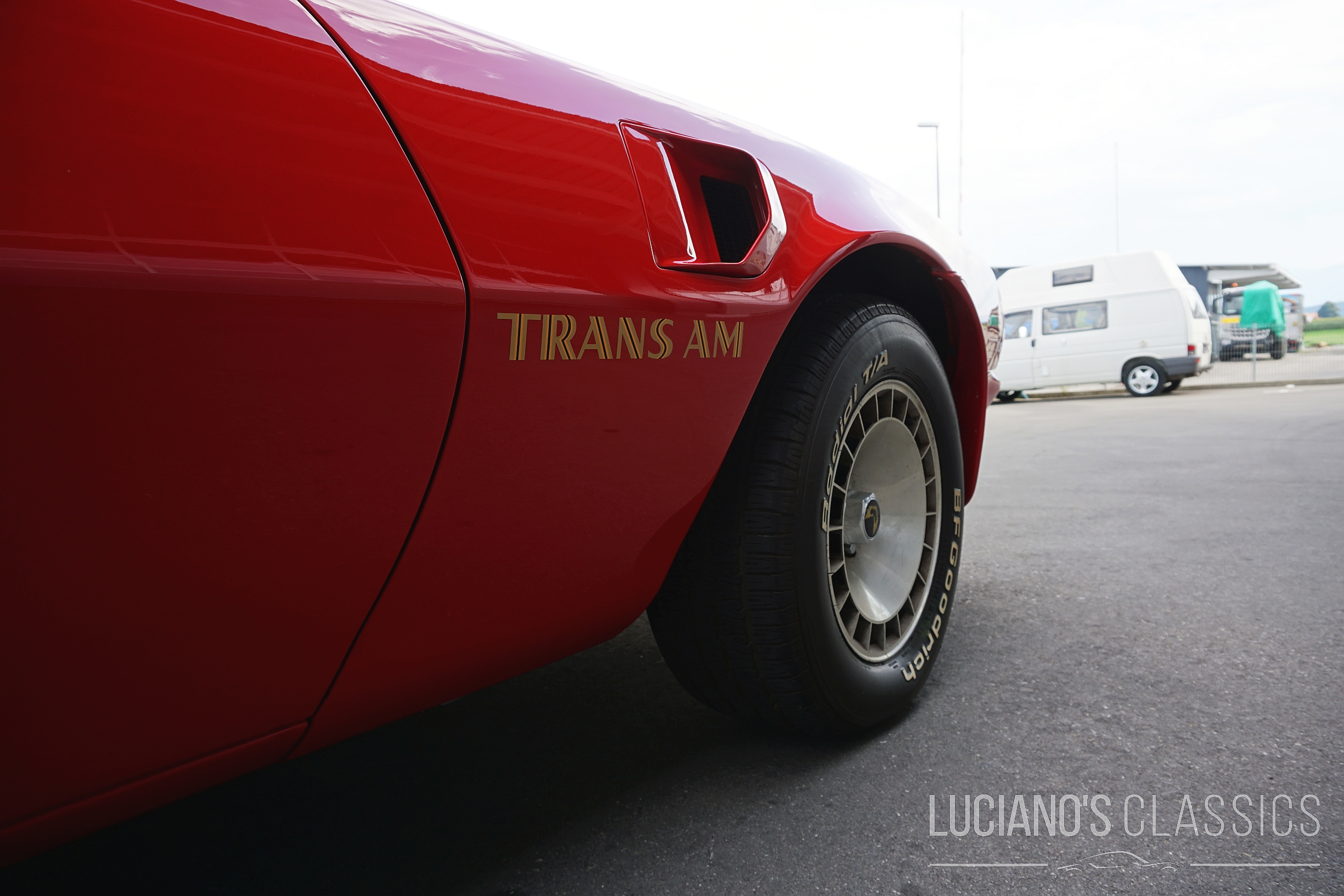
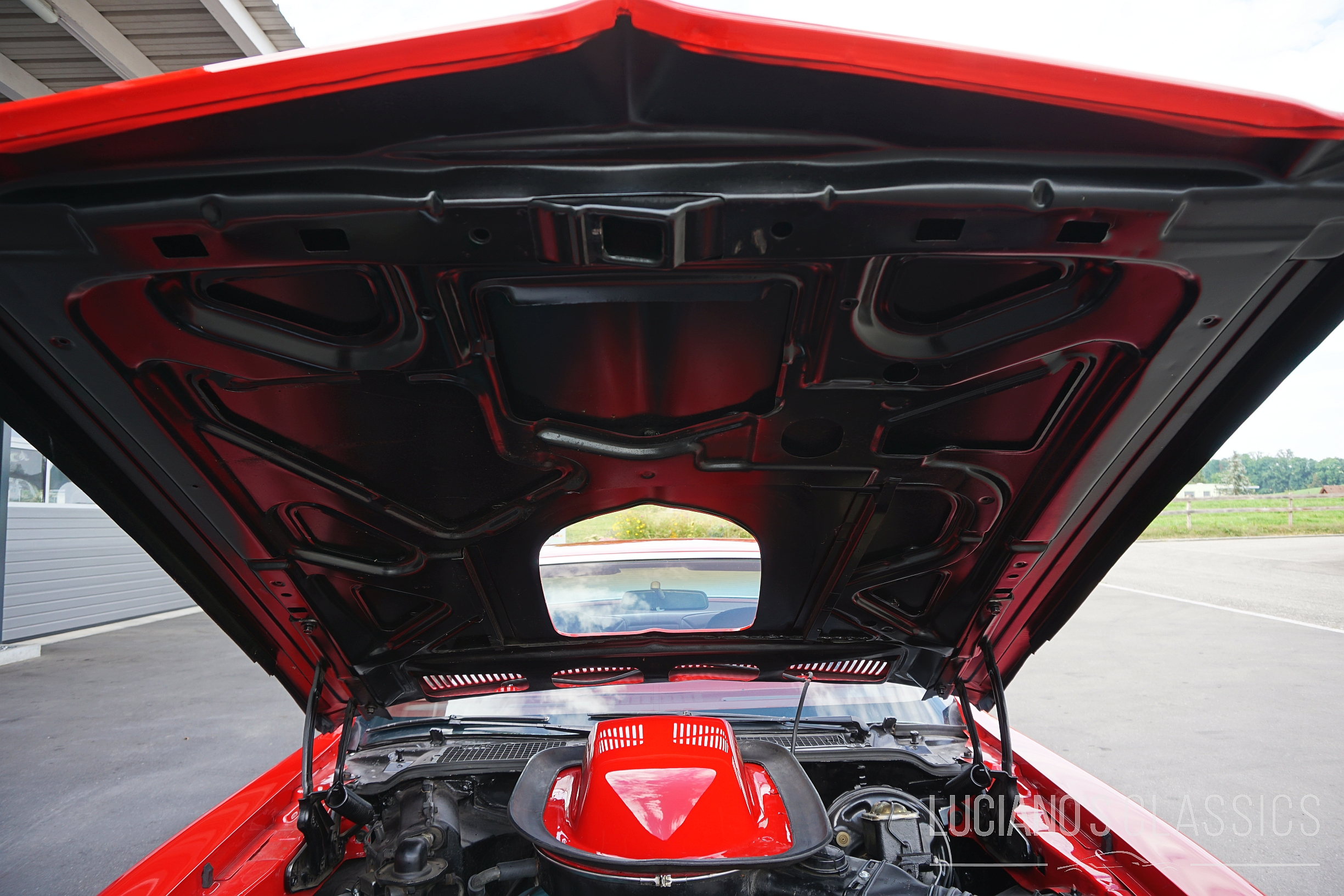
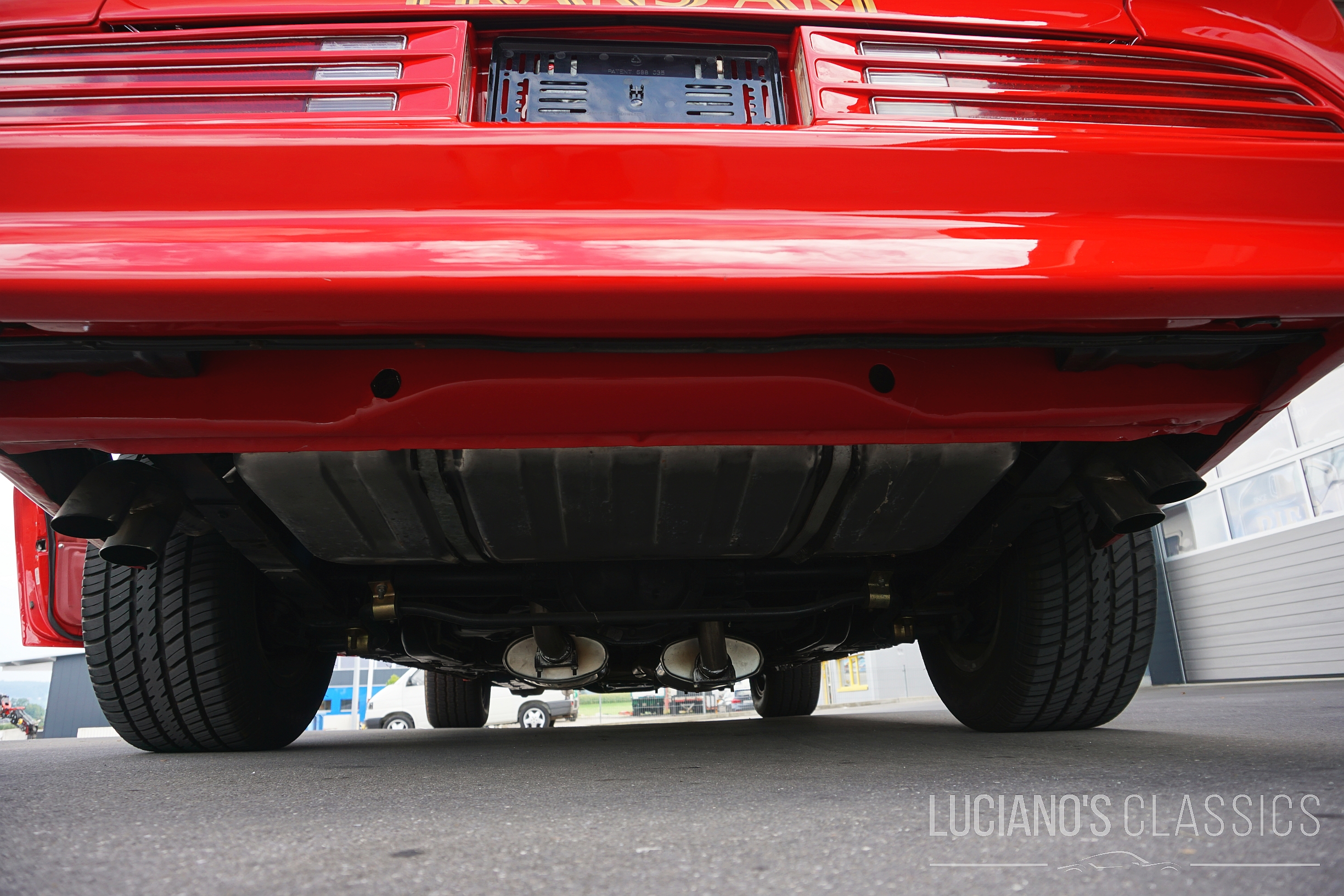
The passer-by hears a thunderous V8 rumble from the four tailpipes from afar and a little later recognizes what it is producing. In the flood of modern, colorless vehicles, a red silhouette appears in the direction of the rutting roar, clearly standing out from the rest of the traffic. He stops and narrows his eyes intently. The loved one holding his hand is already wondering what made the other person stop. A hunch spreads as the noise gets louder and the smiling shake of the head confirms it a little later. The characteristic air scoop and the bird become visible and while she is only thinking it, he says it as soon as the car has passed: «Awesome, a Trans Am.»
Whether you know it or like it doesn't matter, because these things are great fun and a ride in them is cheaper and more efficient than a therapy session. Driving the car is like eating chips in church. Some people are envious, others are annoyed, but everyone would like to try it.
Now to the nitty gritty:
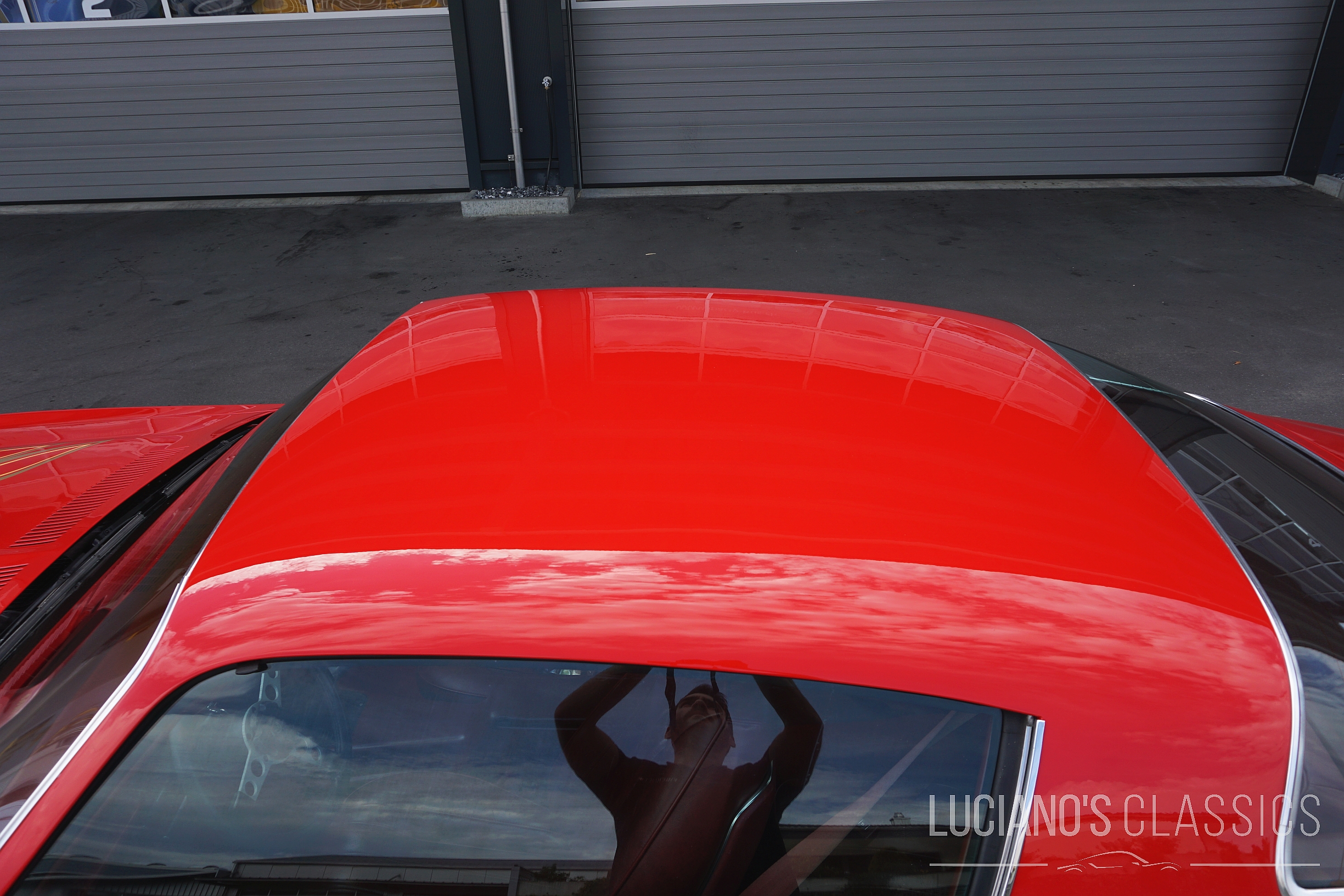
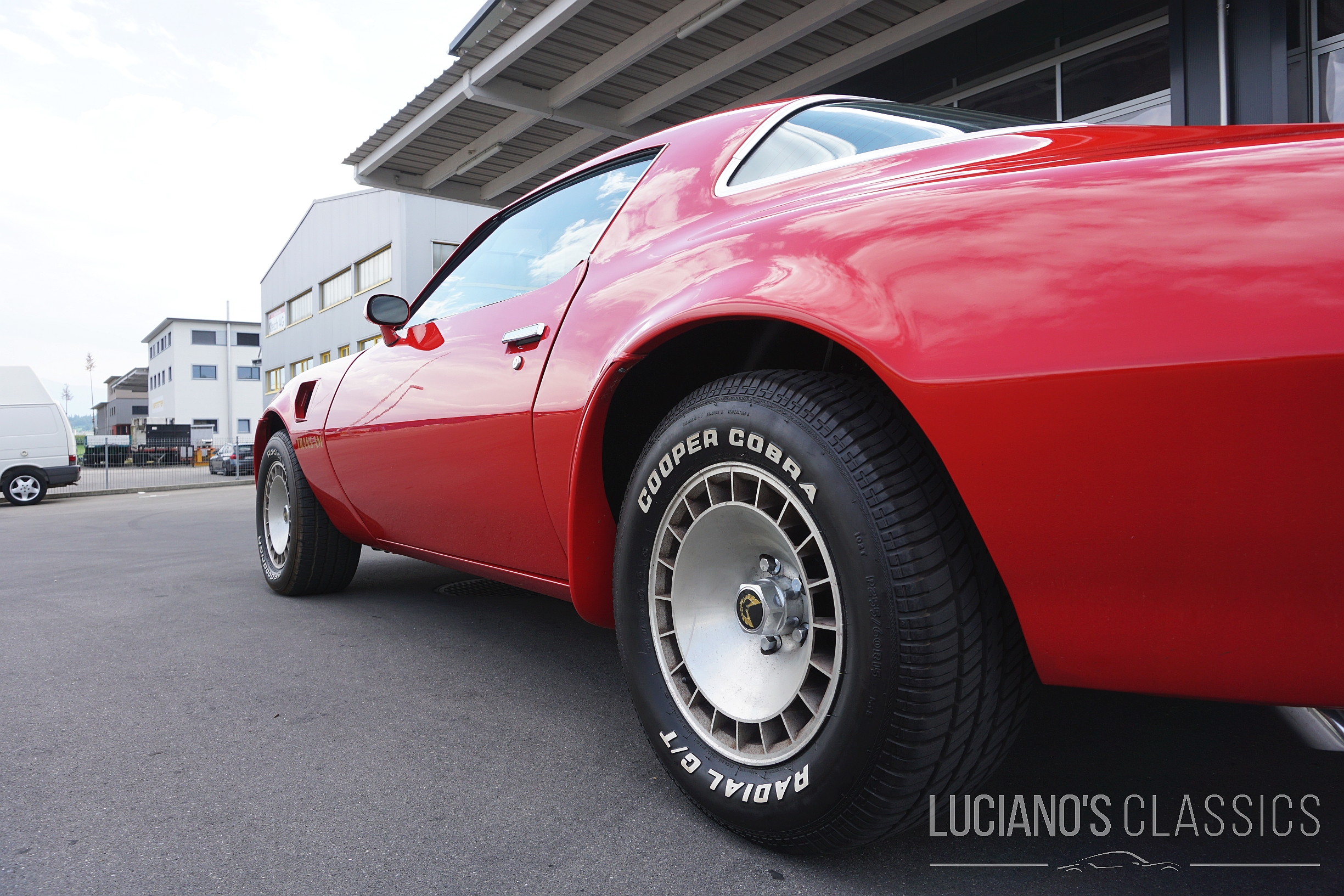
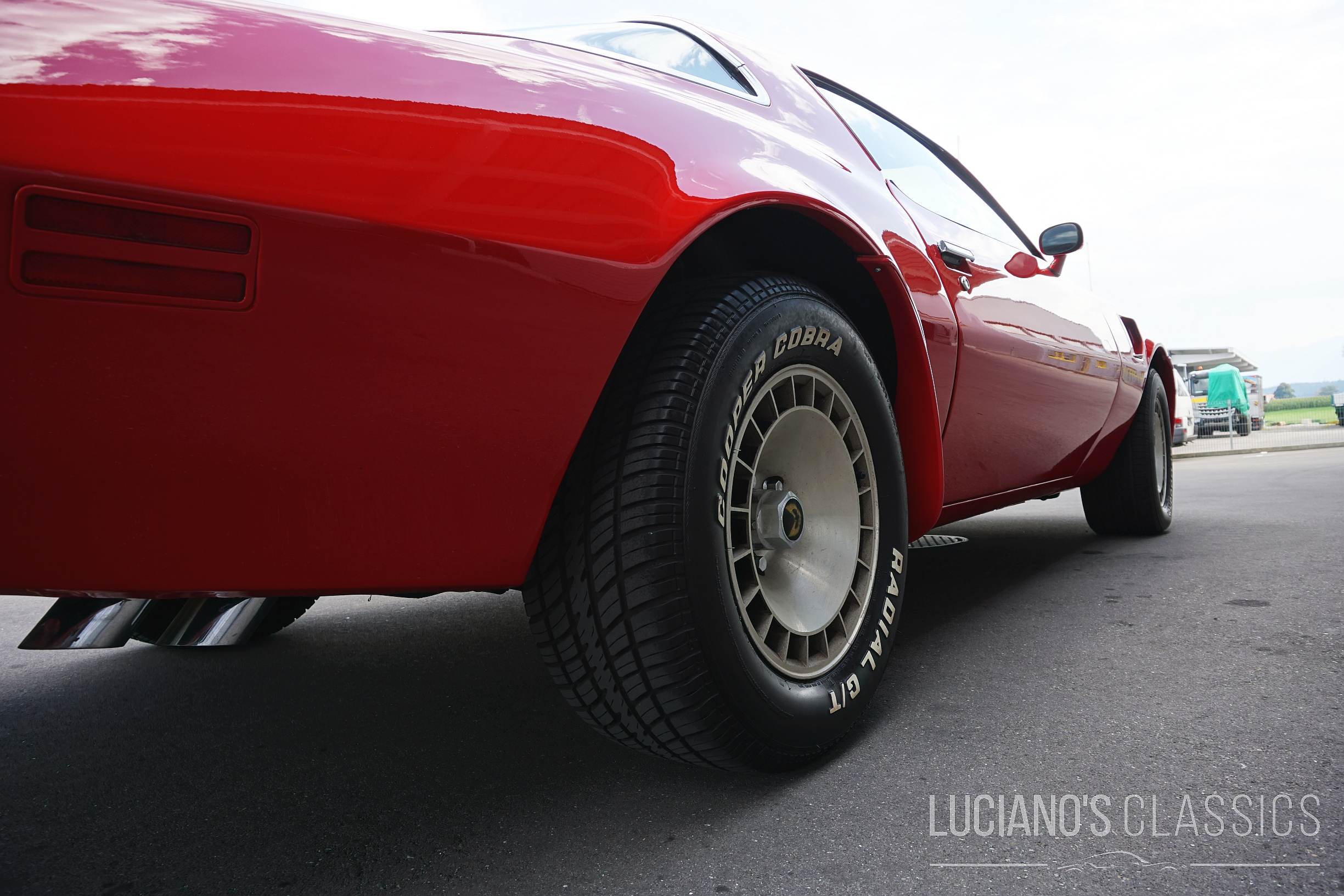
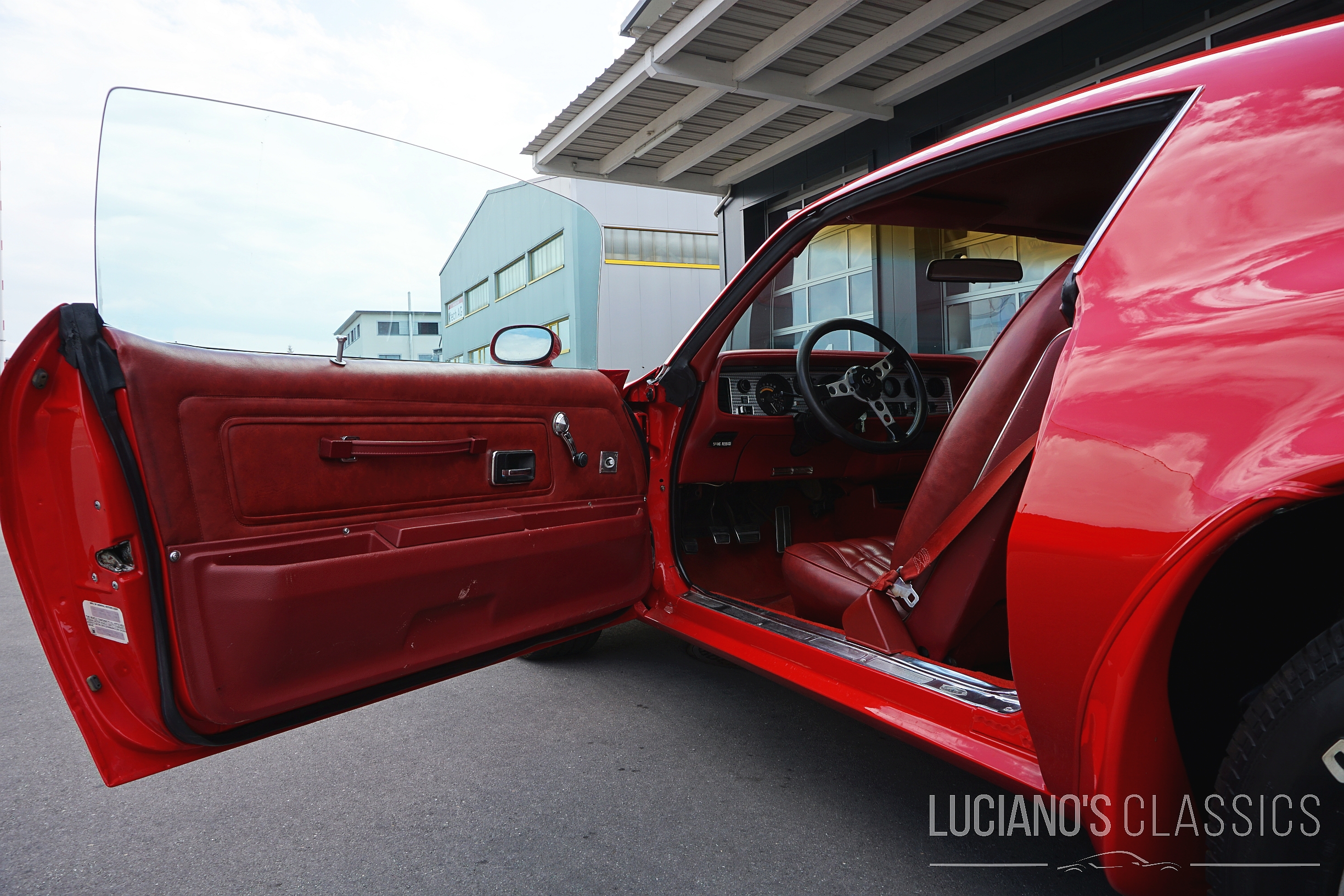
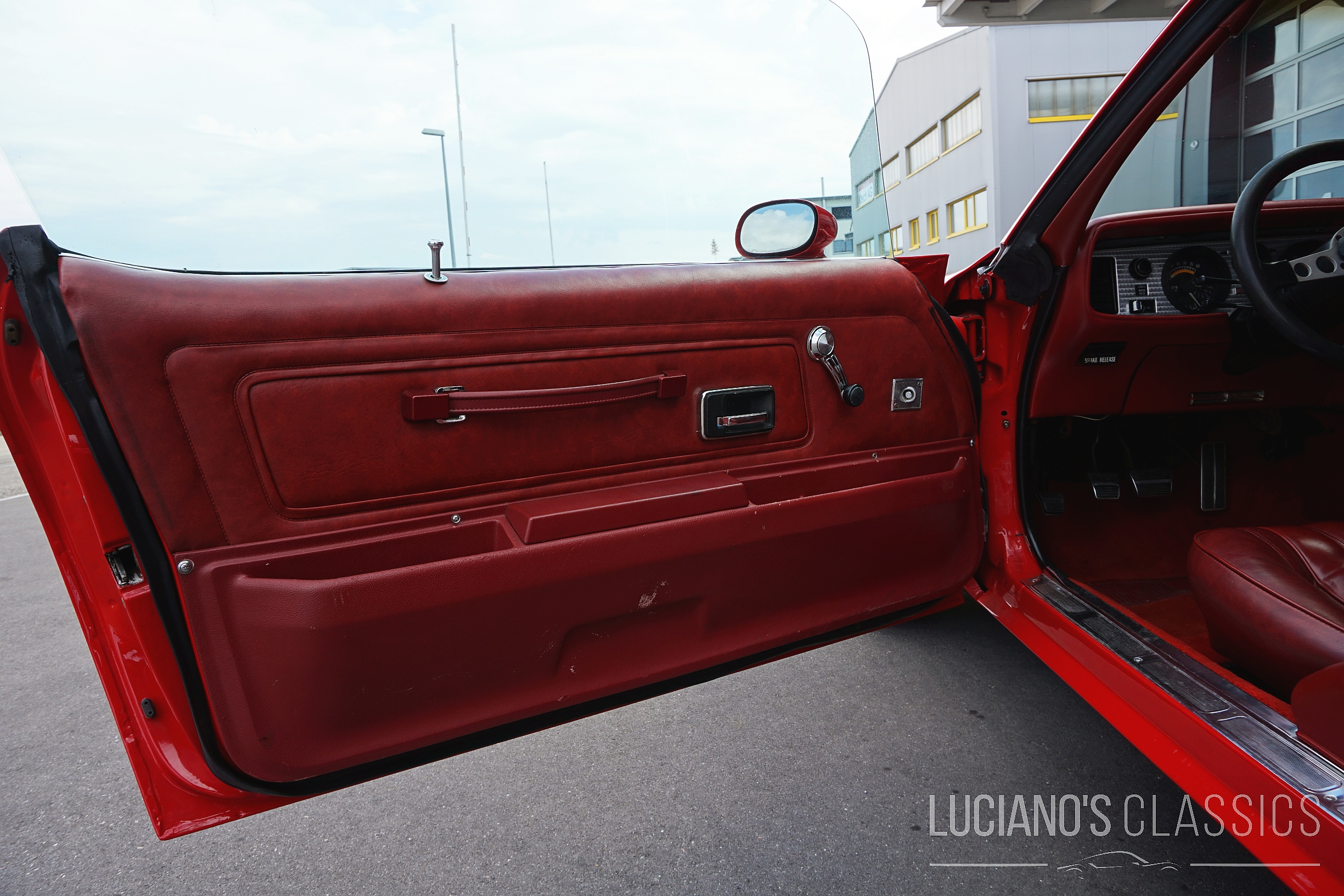
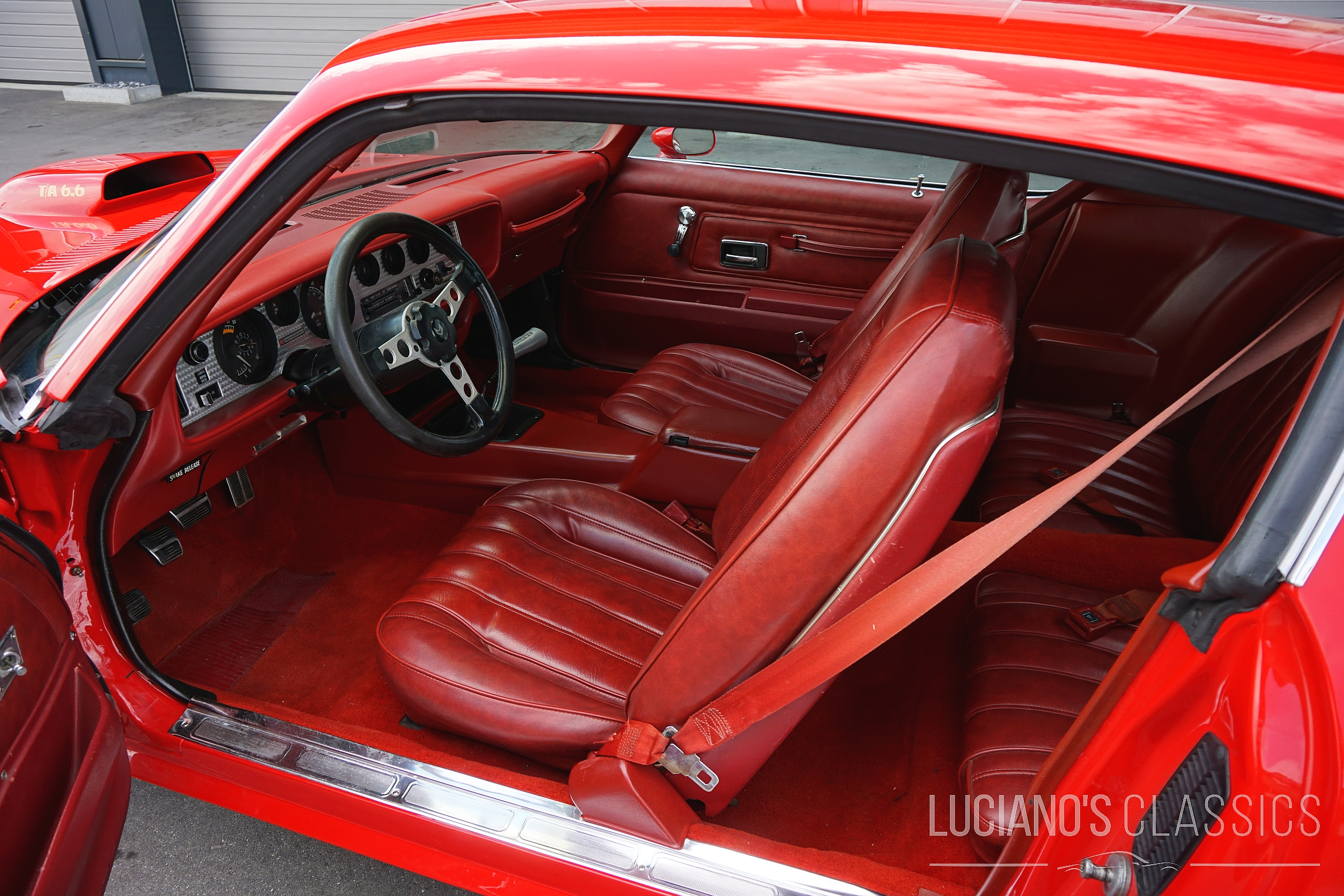
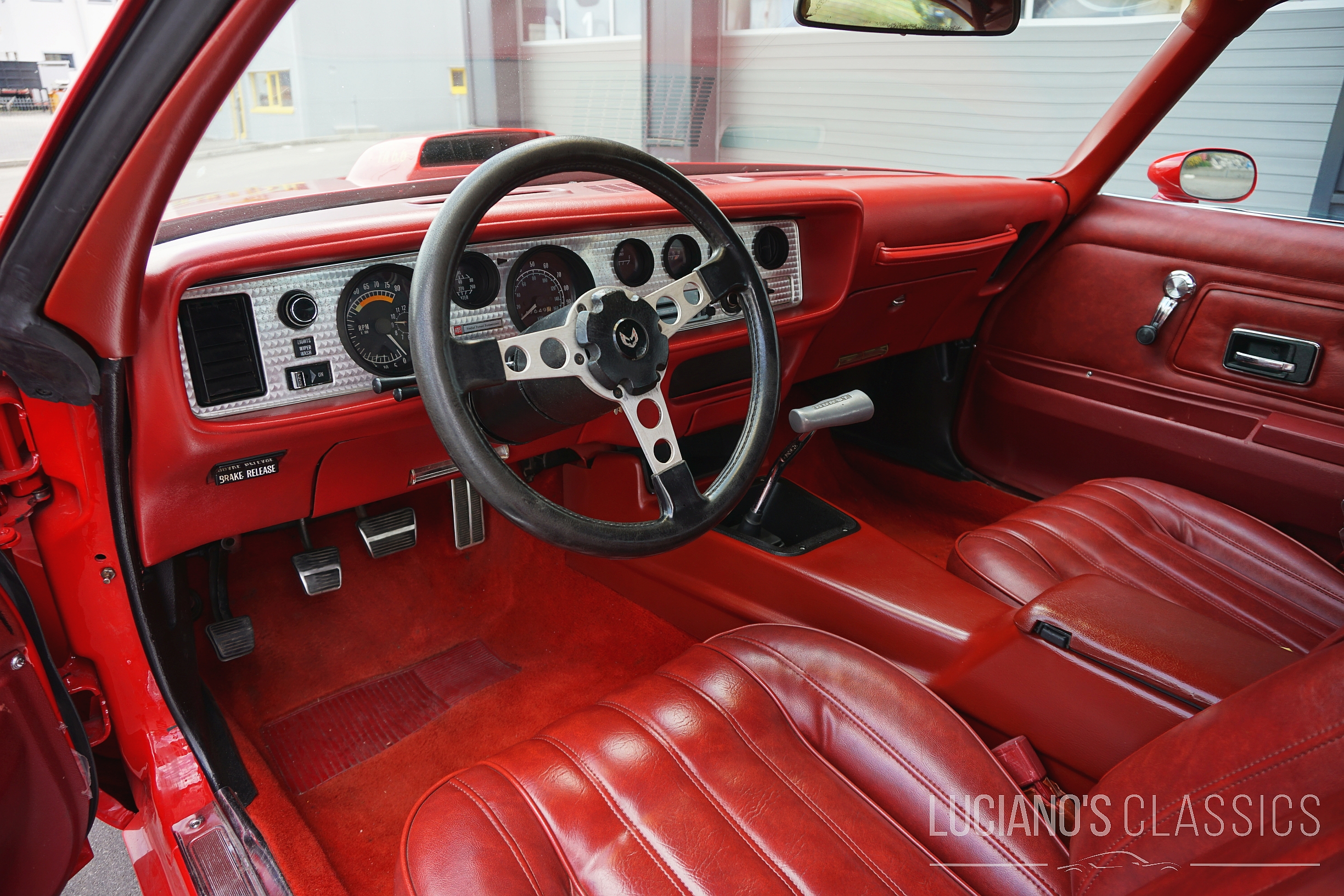
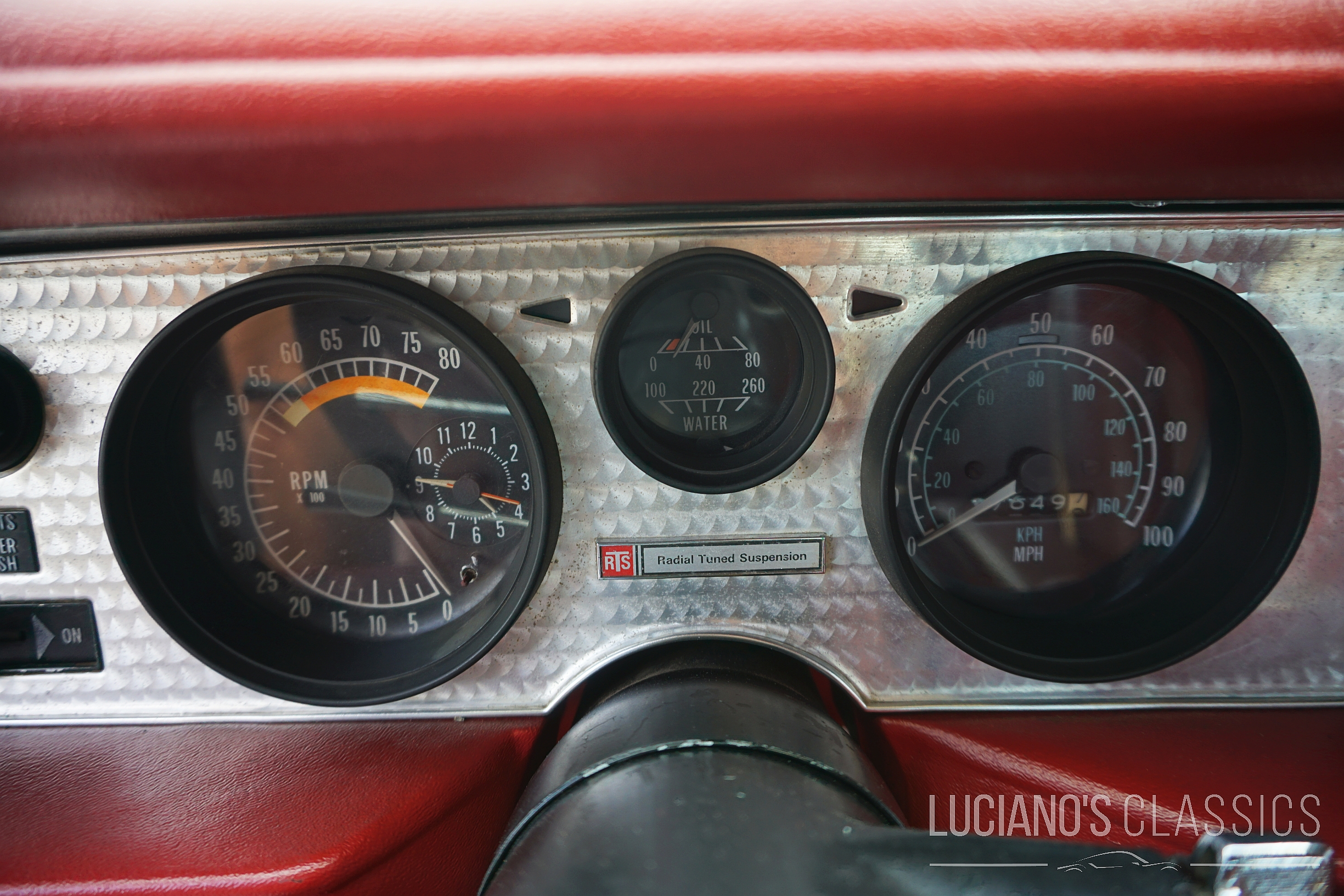
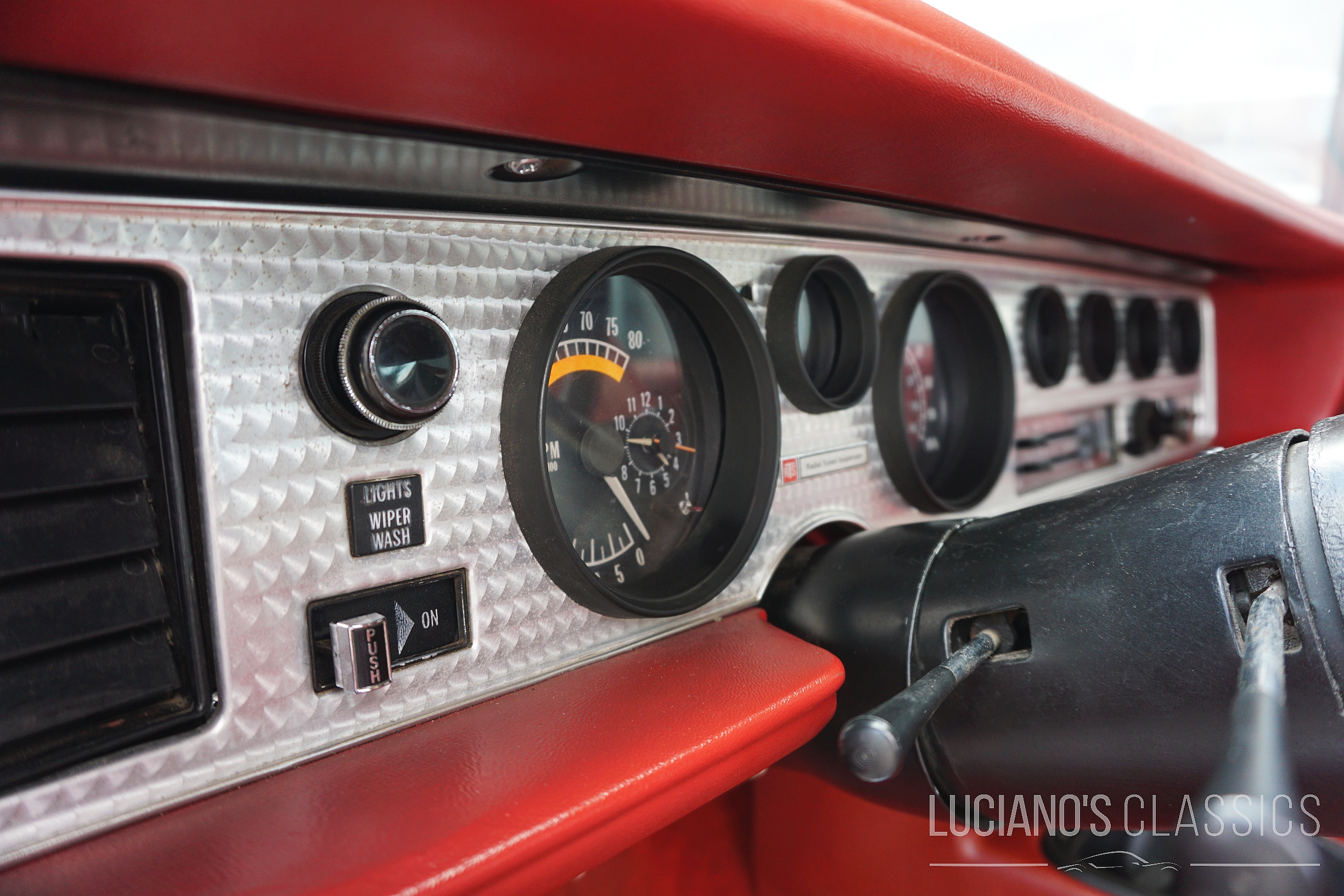
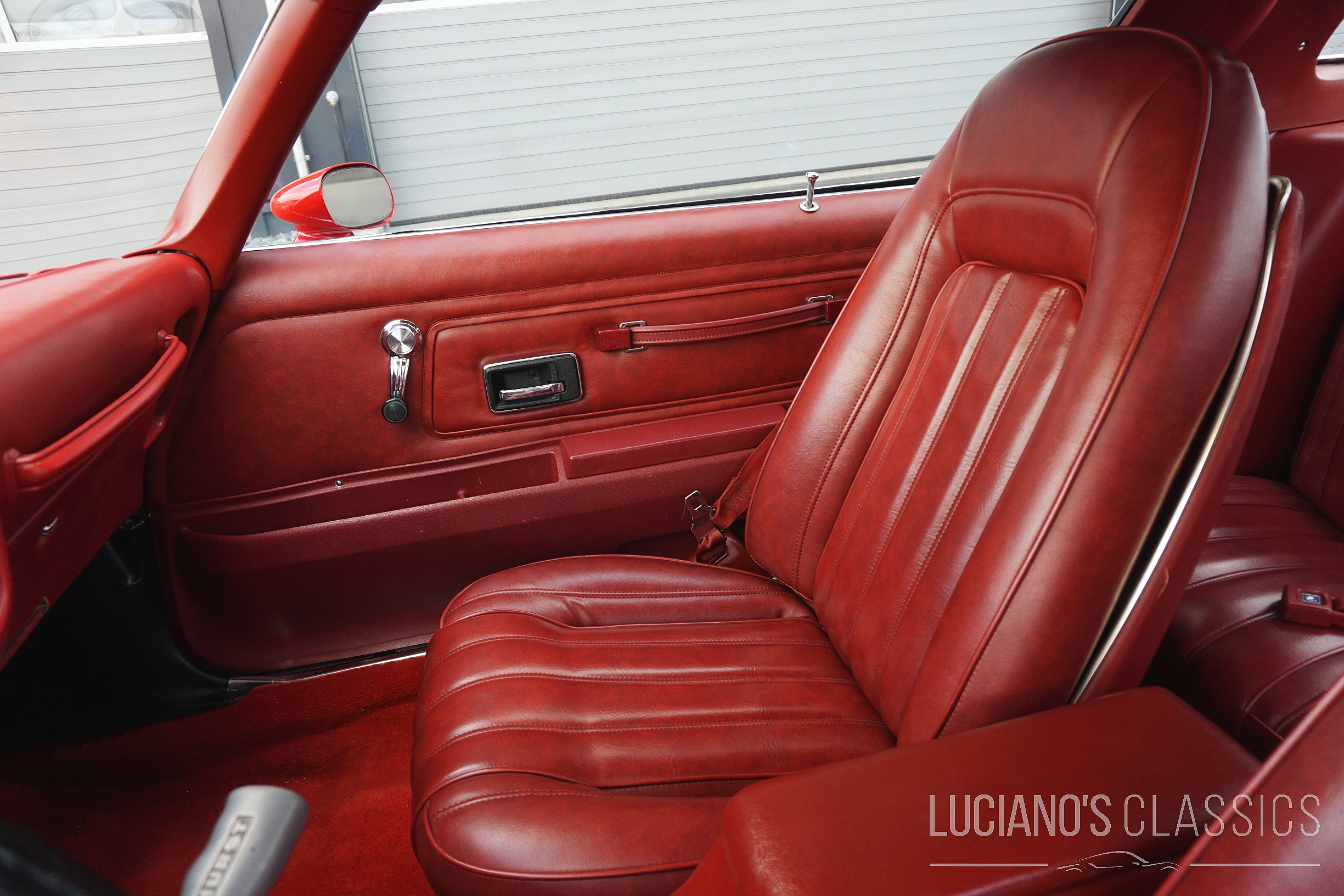
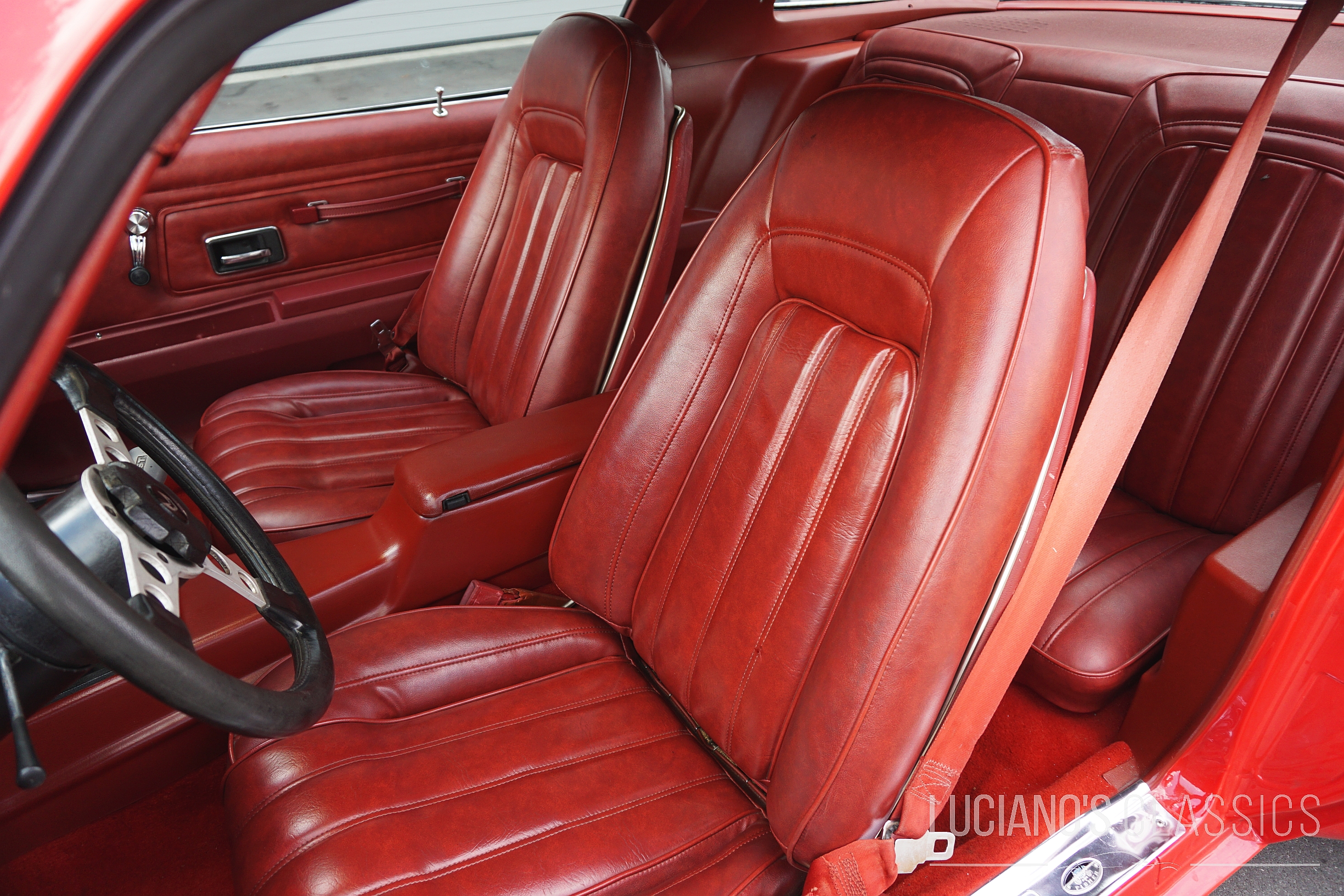
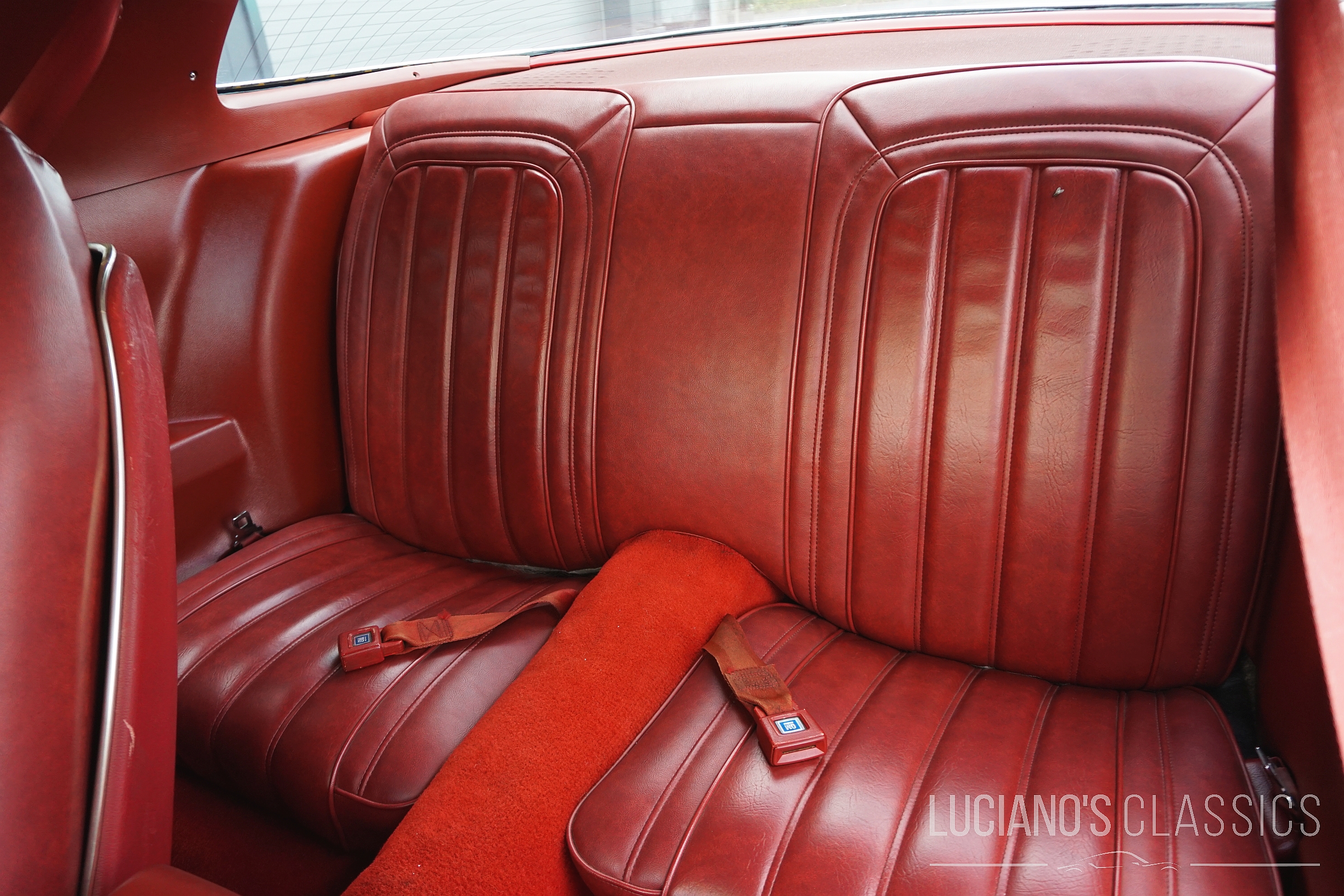
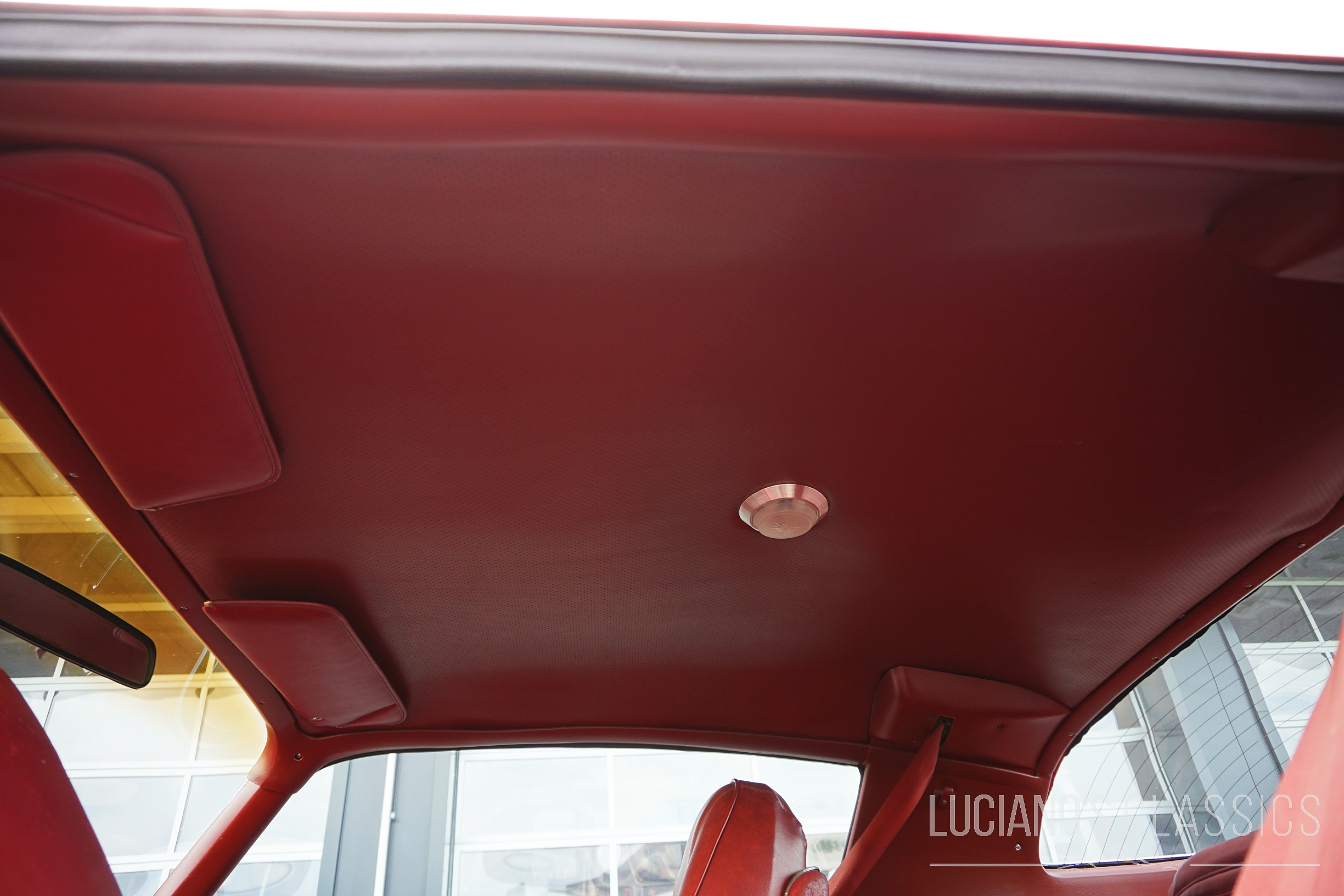
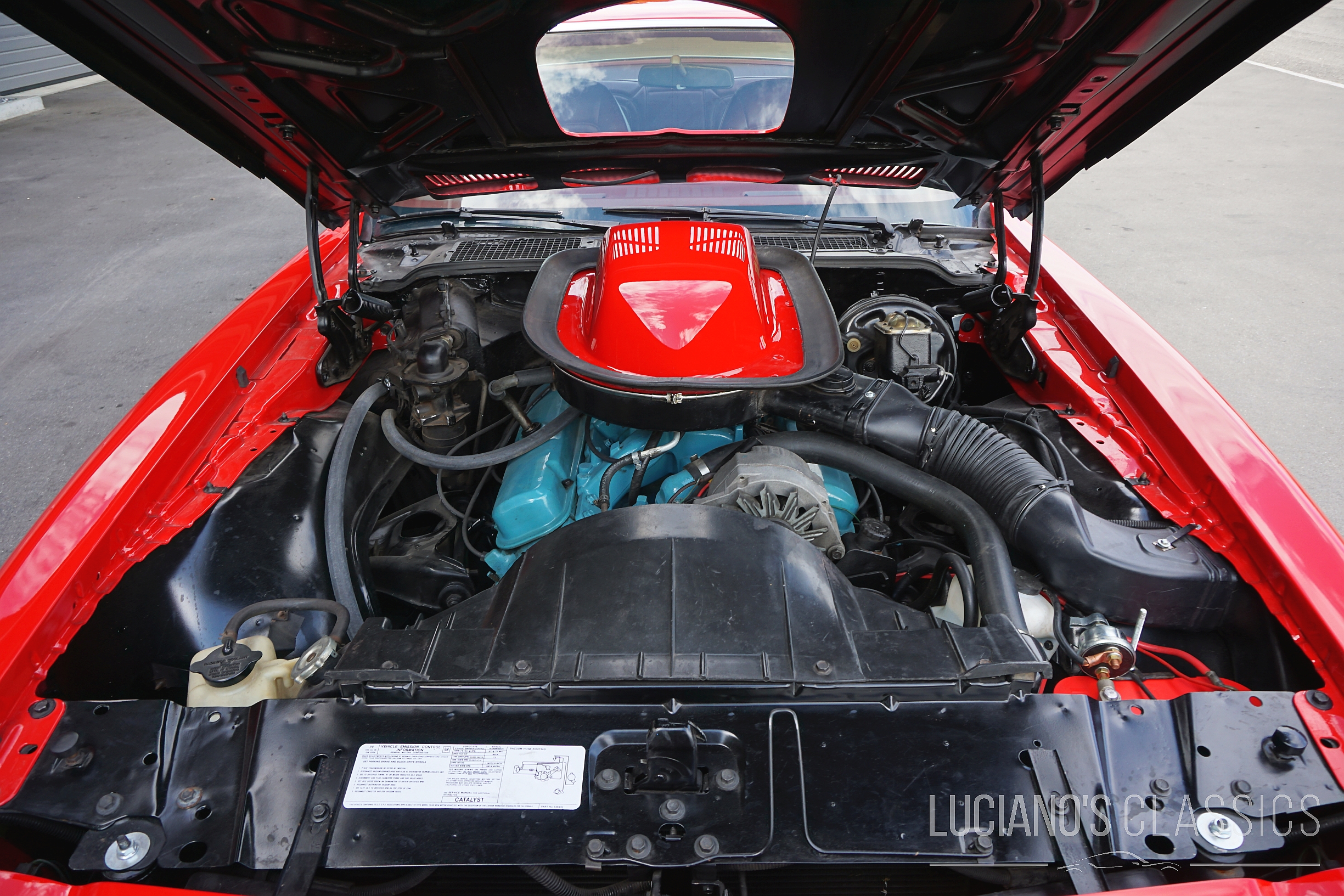
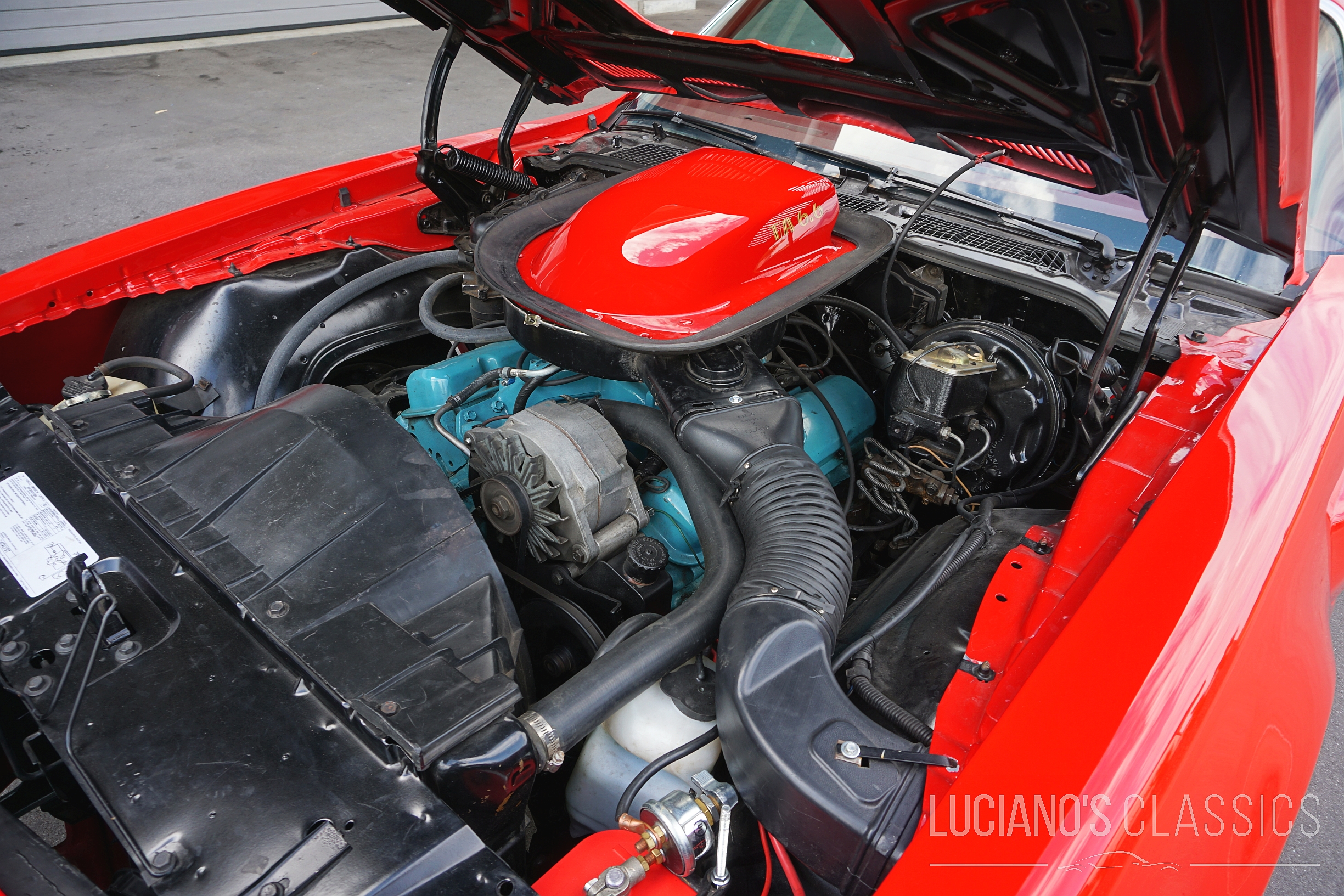
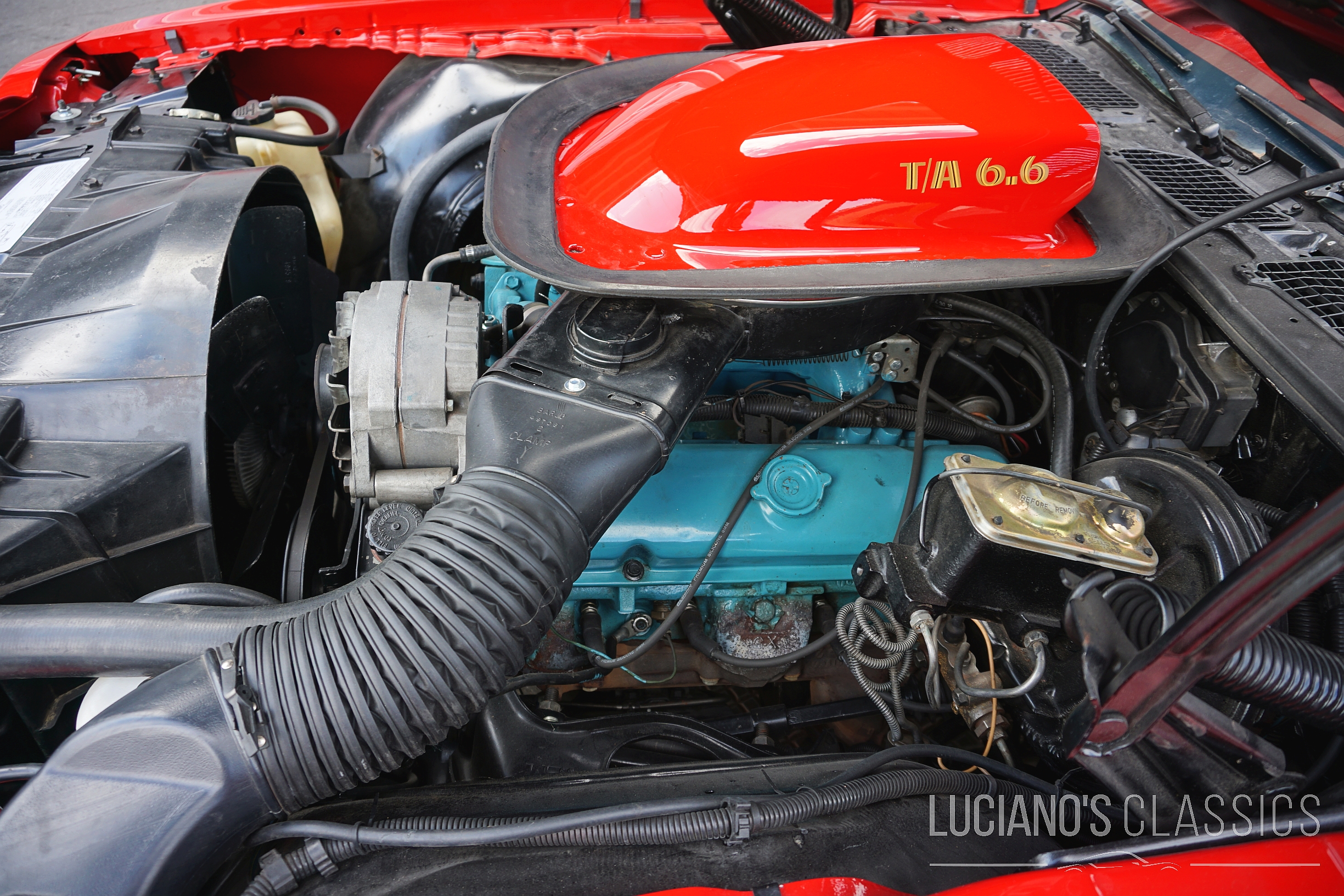
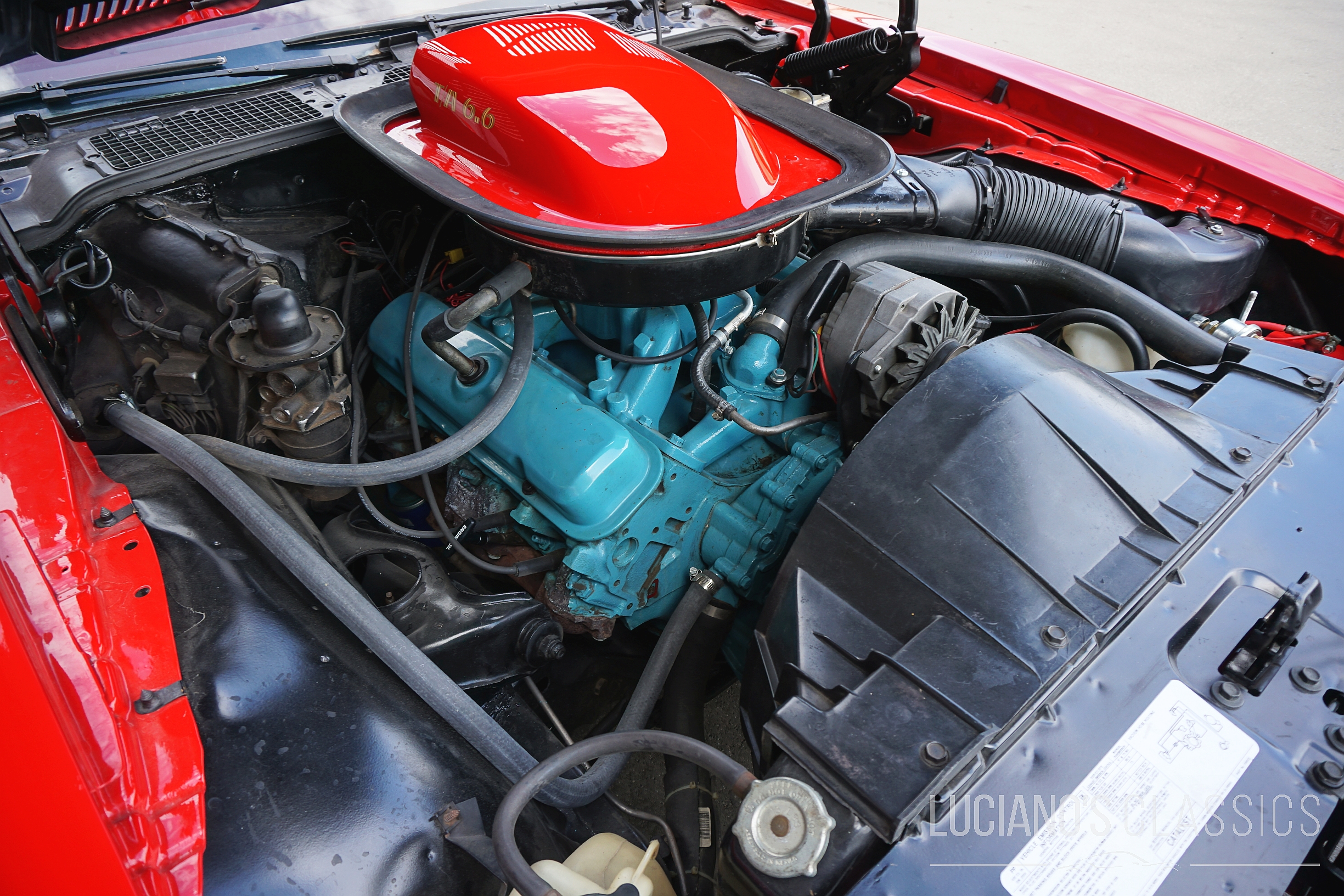
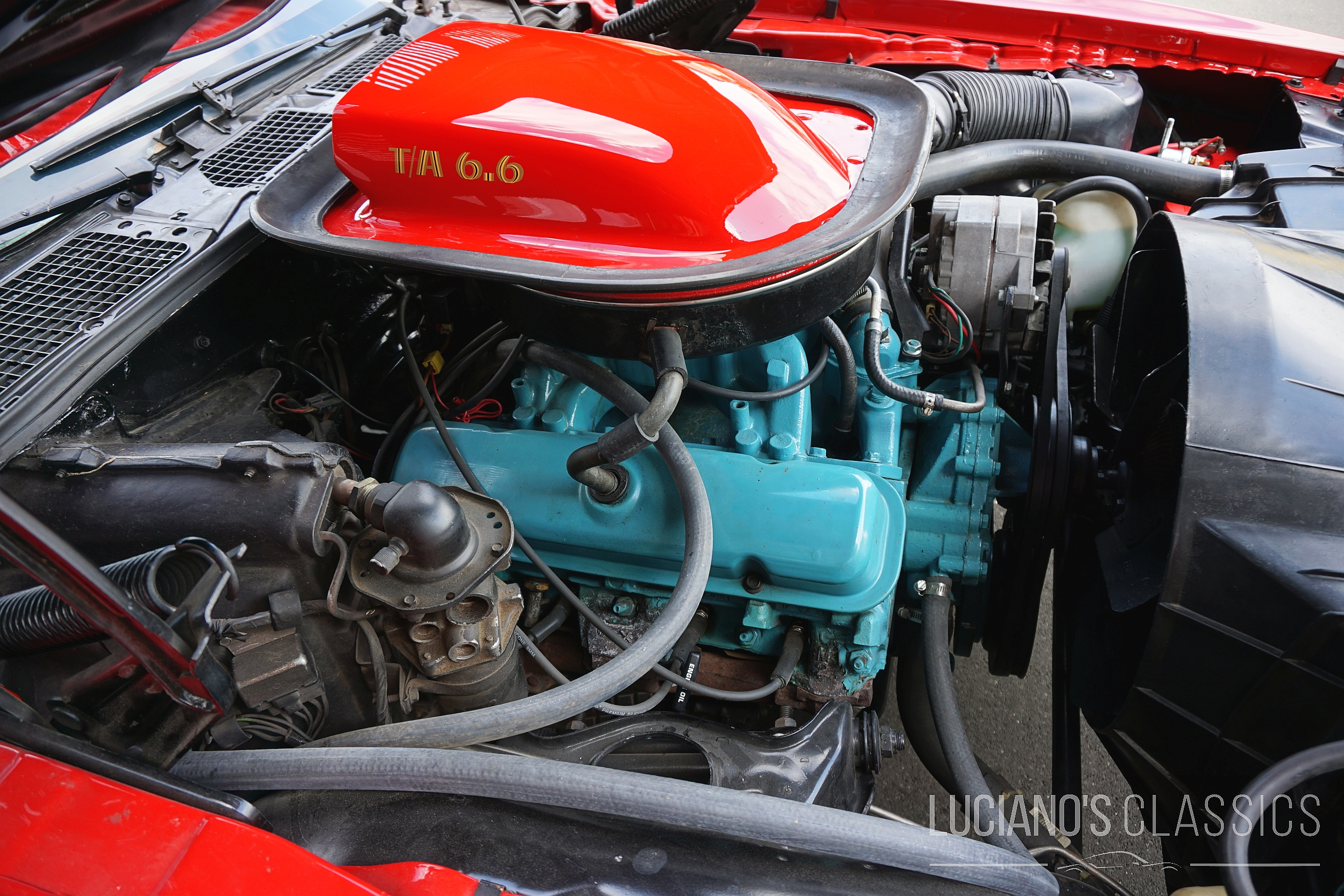
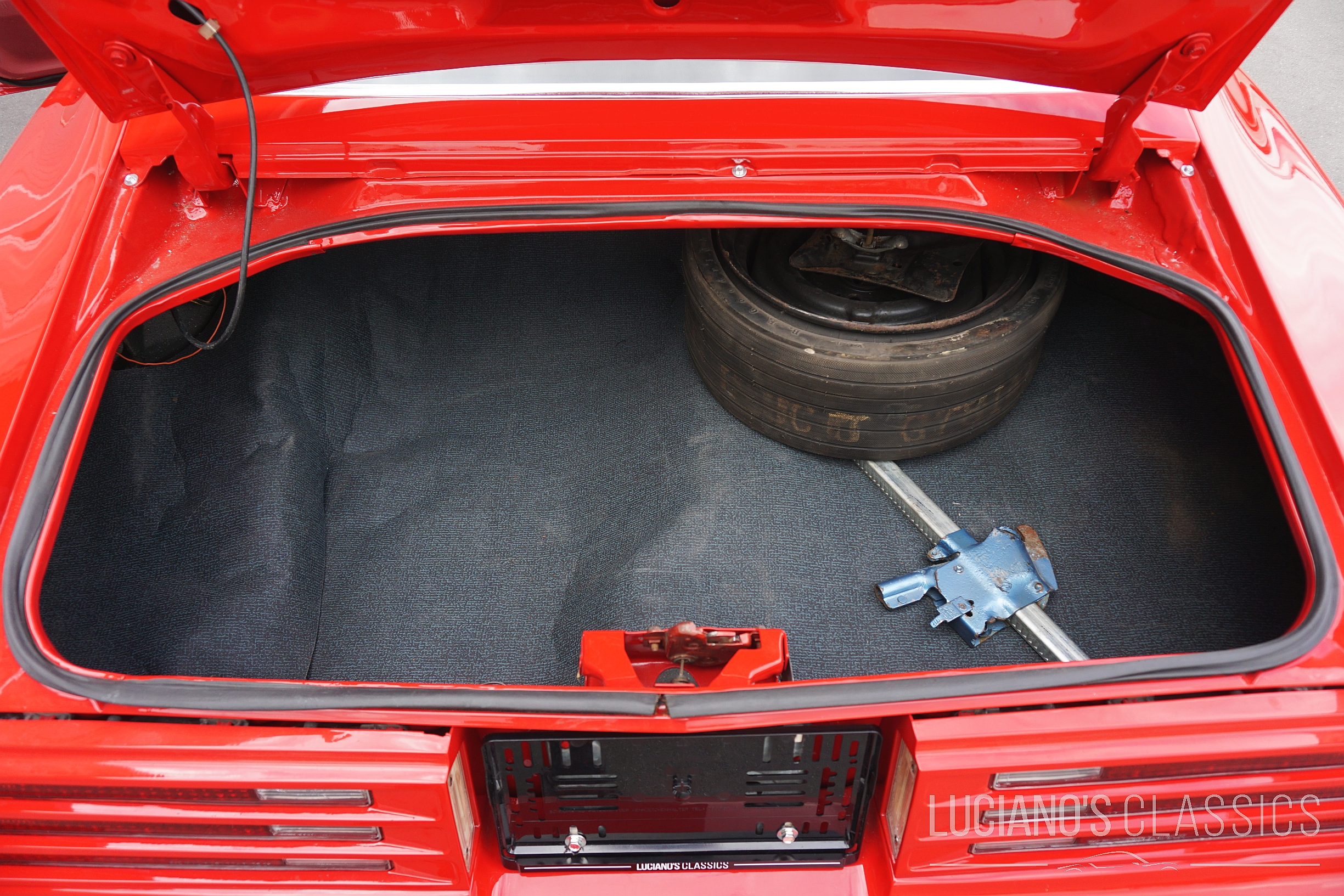
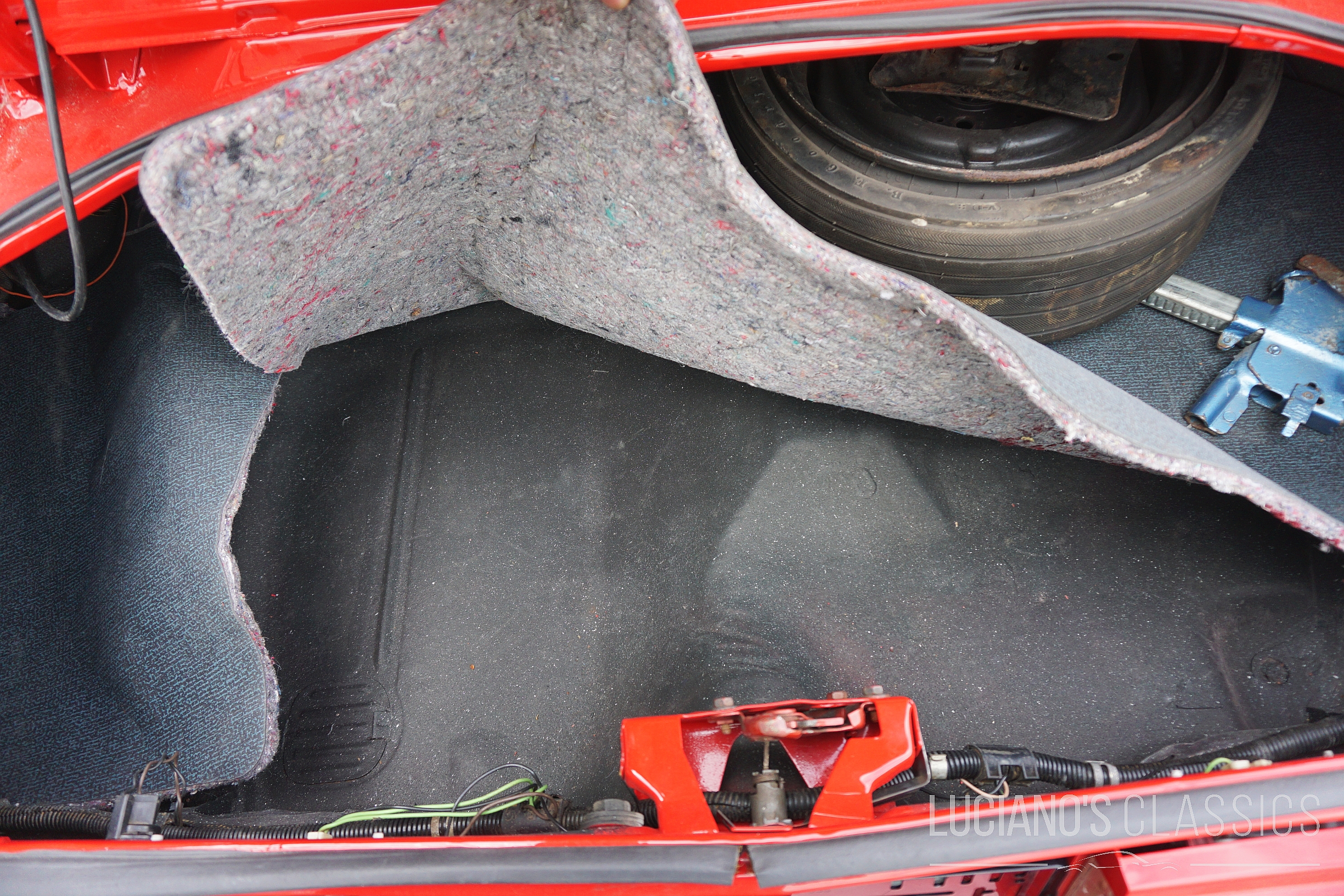
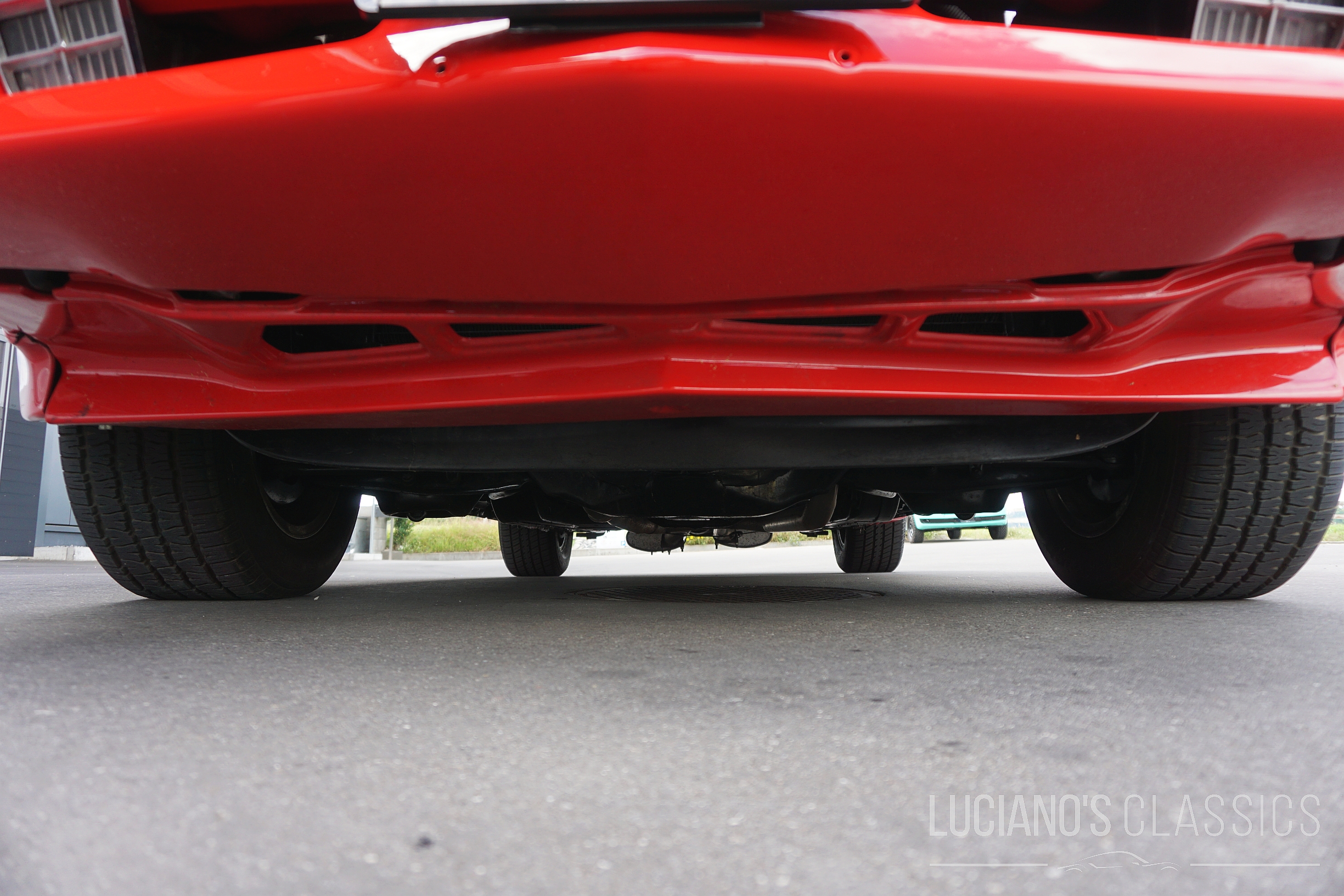
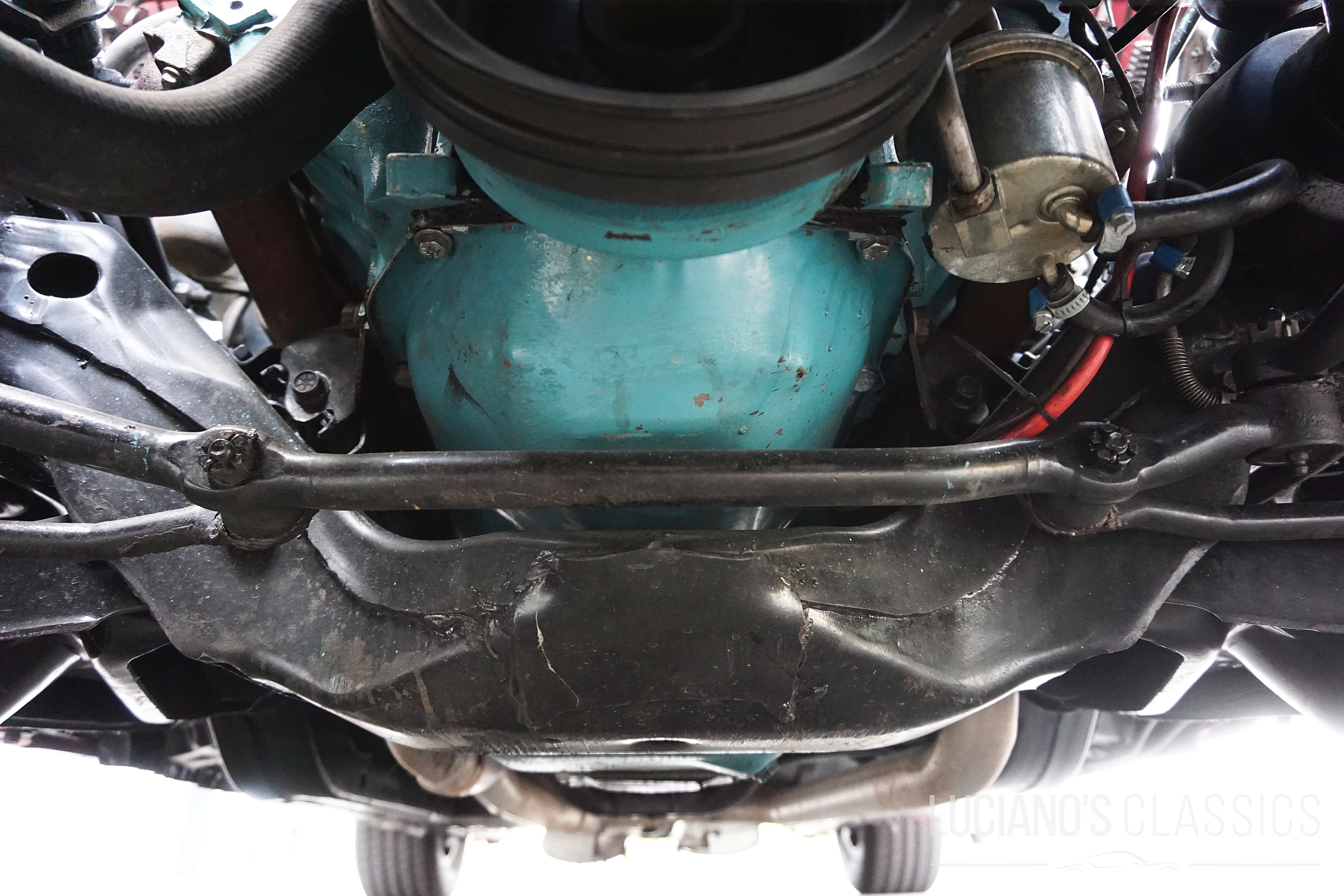
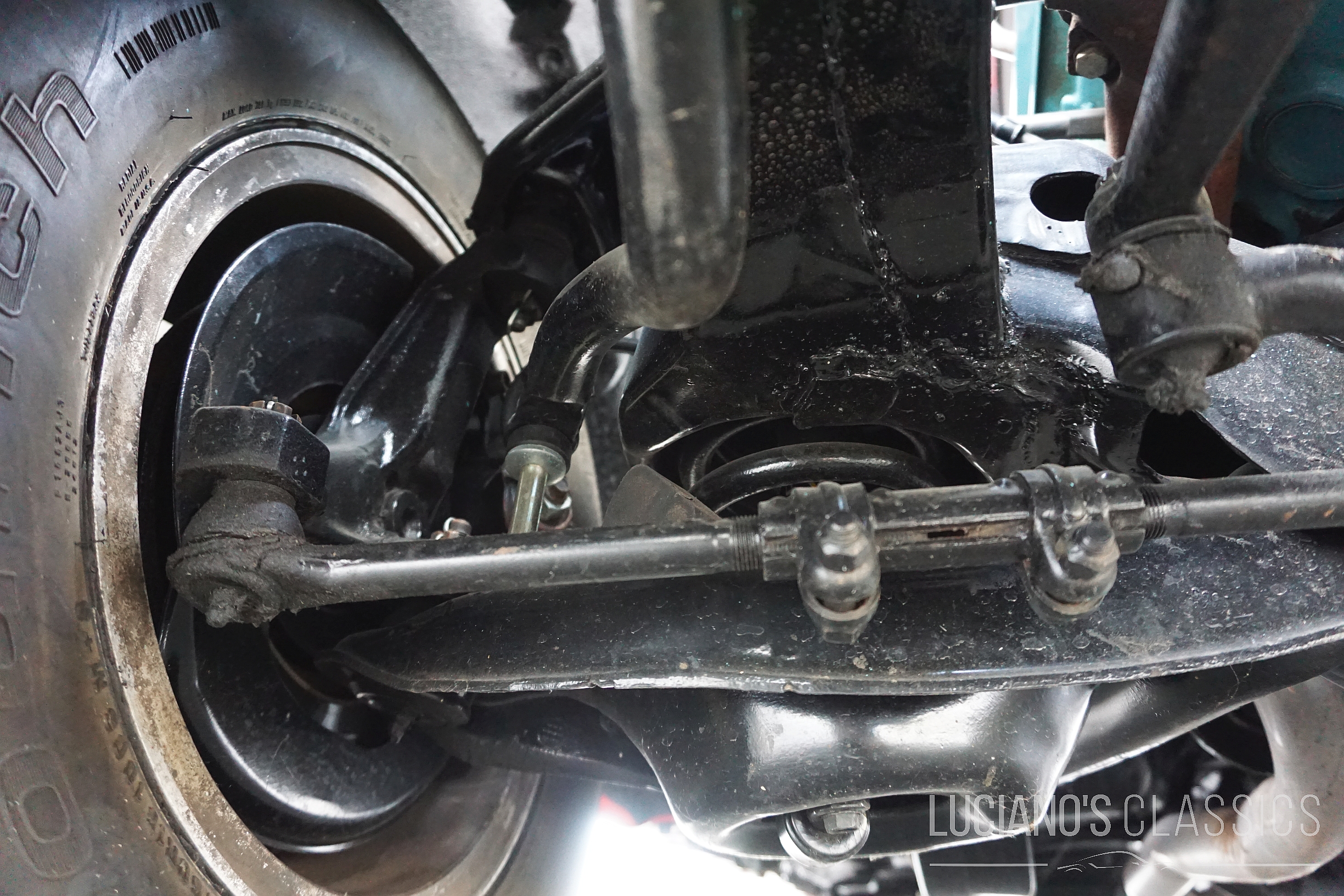
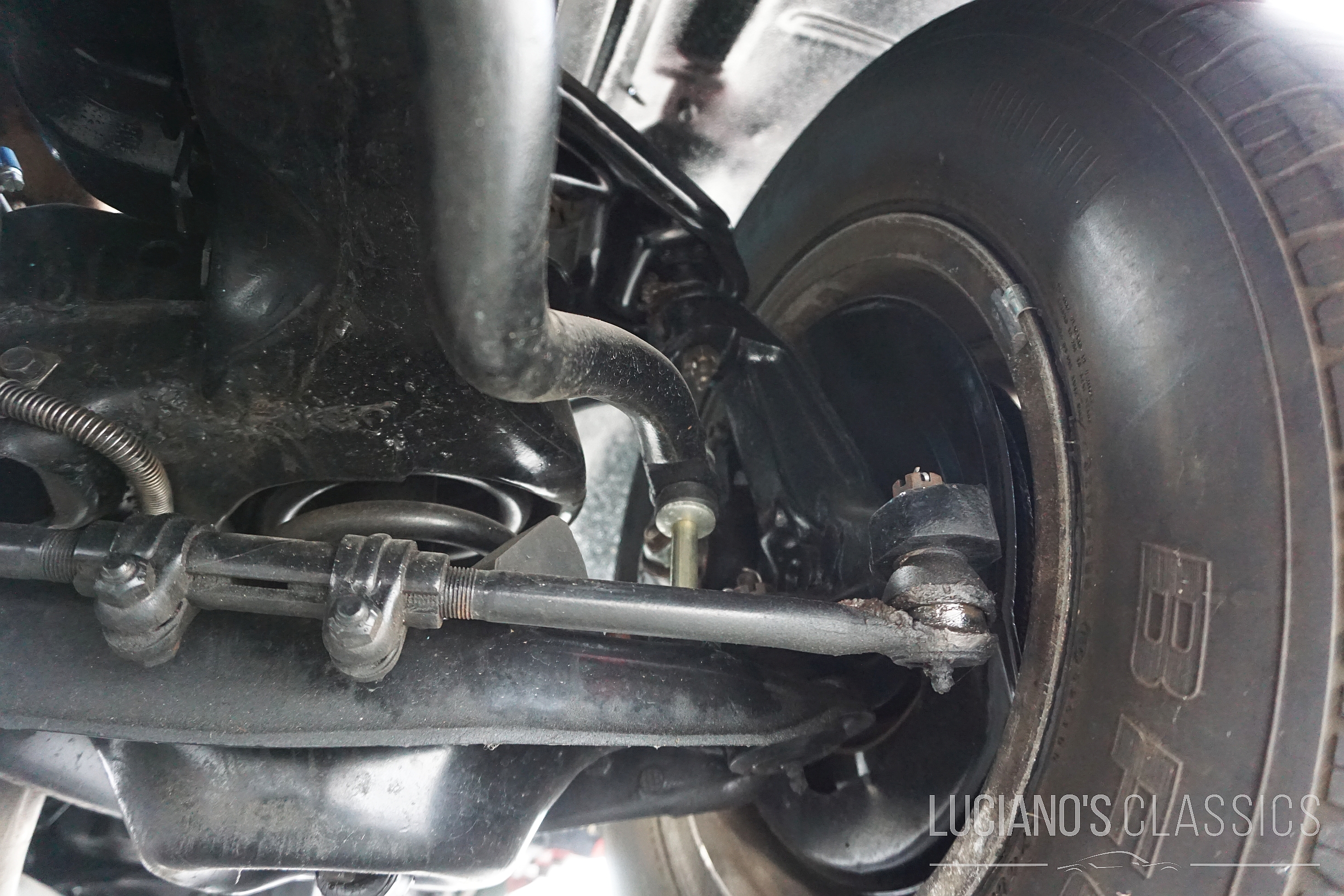
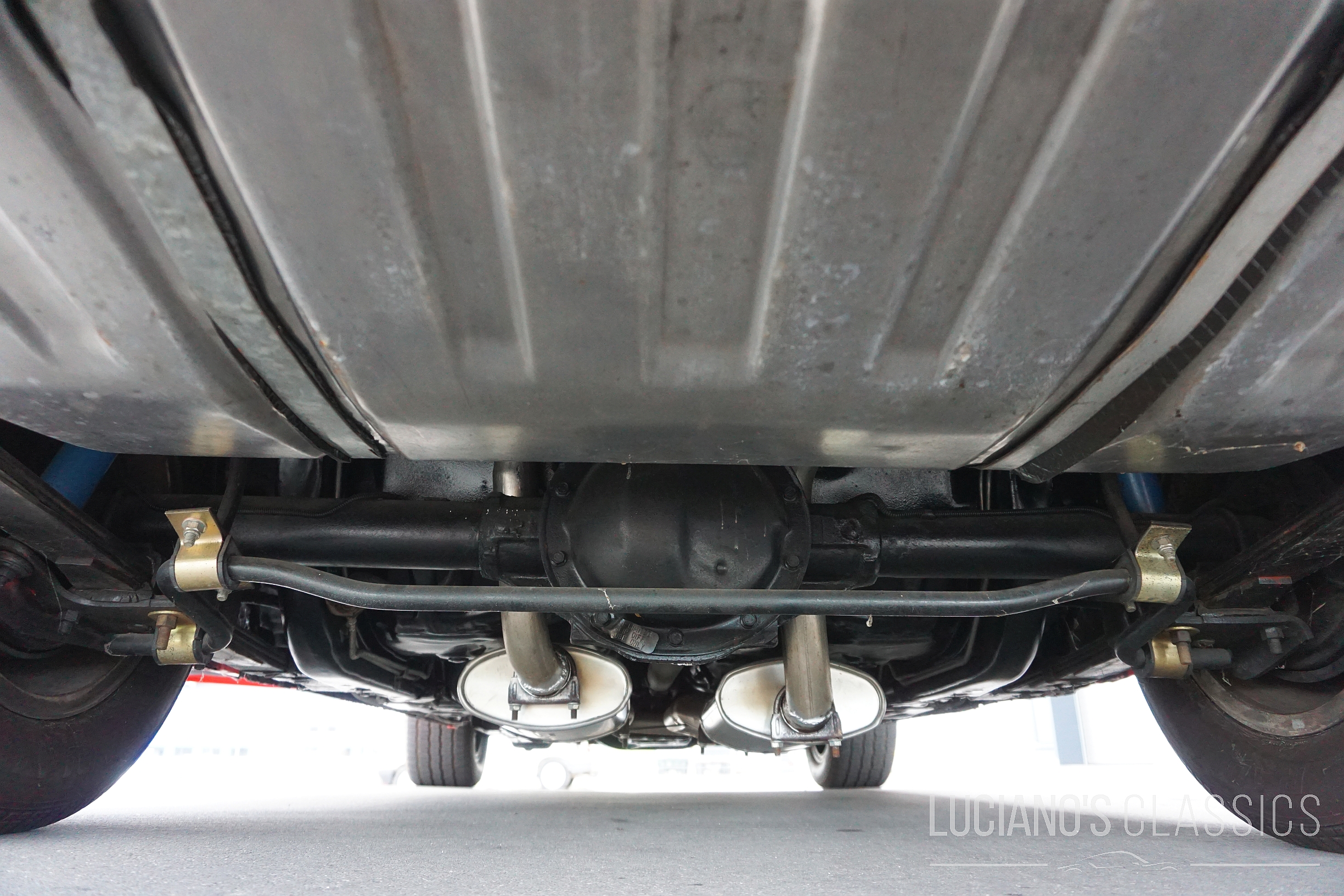
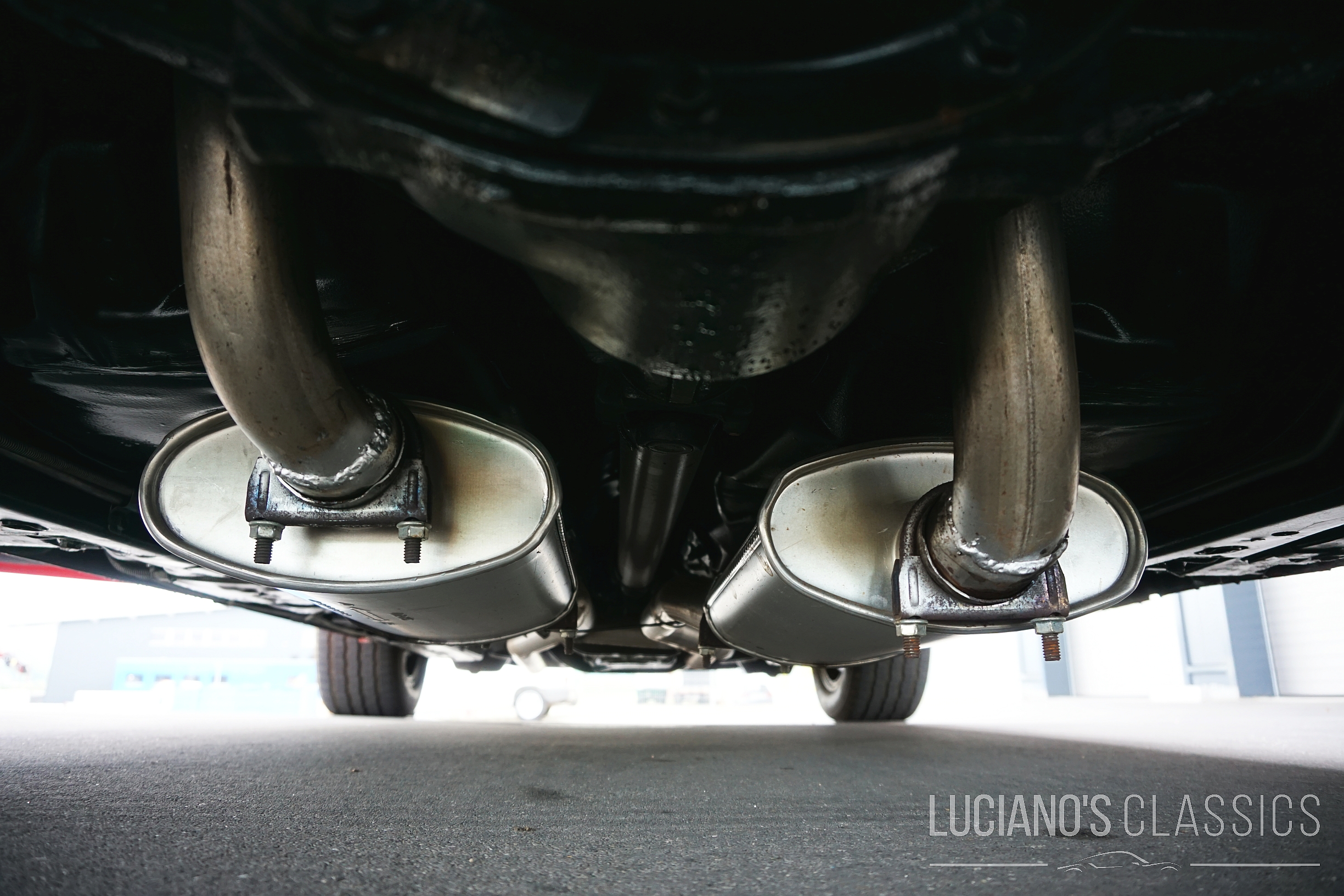
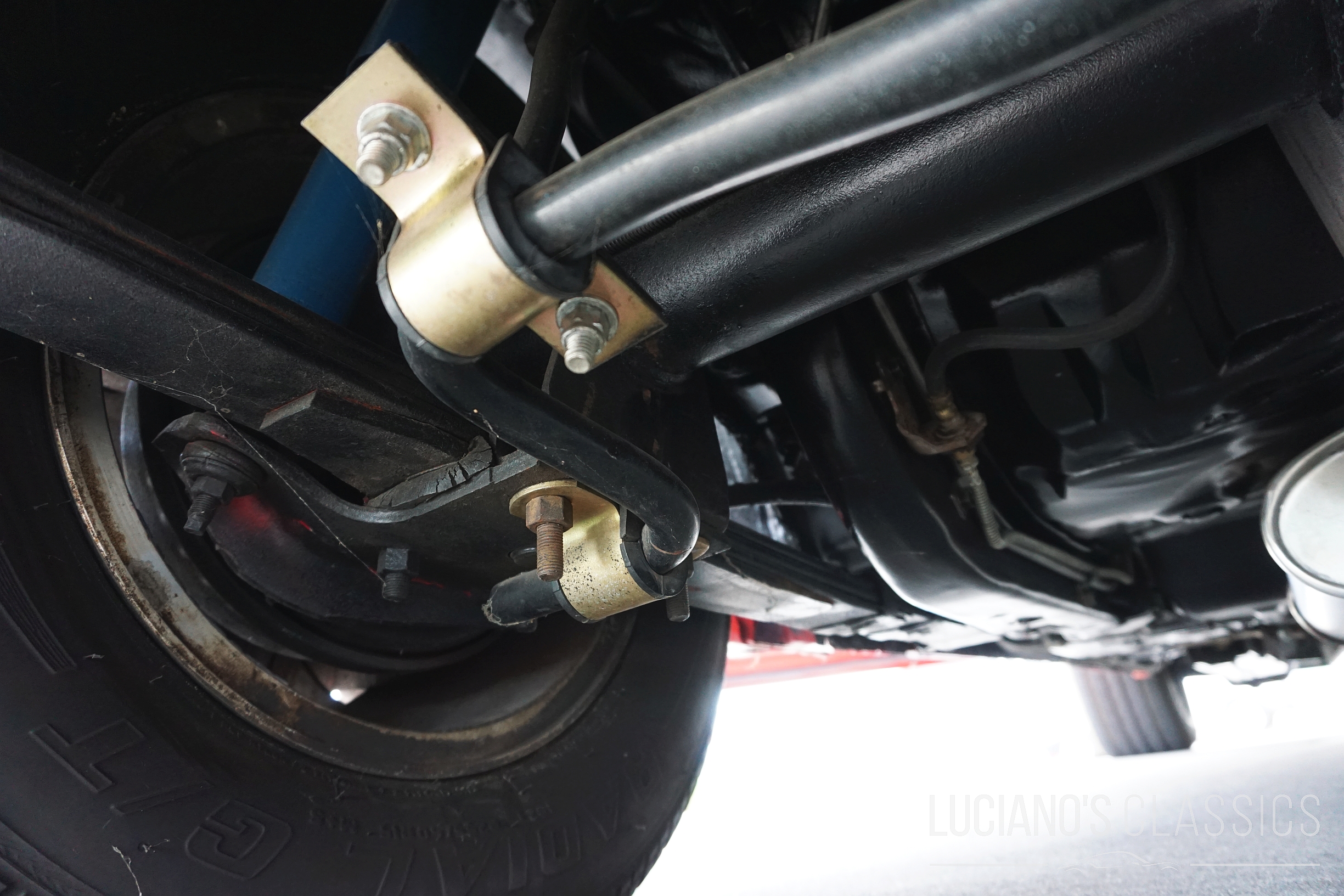
This «76 Trans Am was restored in Switzerland in 2015 and is therefore still in very decent condition today. The bodywork and underbody show only slight signs of wear and the interior is also in good condition. The car was thoroughly checked and the engine freshly tuned for the fresh veteran MFK at the end of September 2023. Because the large-volume V8 was »only" allowed to spit out just under 200 hp ex works, the unit was given a sharp camshaft and the setup was adapted to this all round. The original camshaft is now probably located where the original catalytic converter can be found - it's not on the car, and that's a good thing. The Trans Am now performs significantly better, or rather, as well as it should have done when it was built.
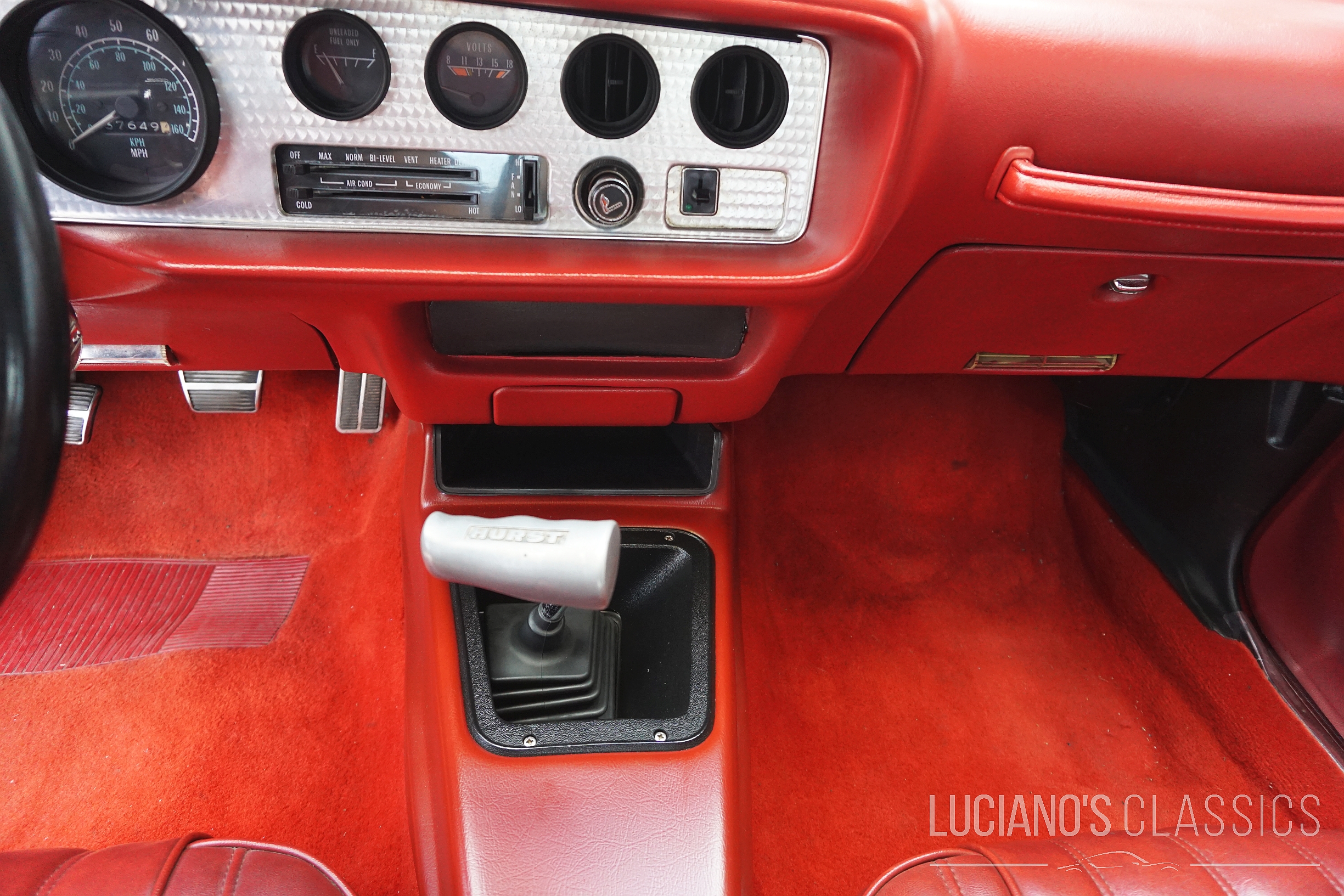
The manual gearshift is pleasantly positioned and the burning beast of a bike rides very comfortably. Leisurely cruising is just as feasible as a burnout, and this classic can even tackle a mountain pass reliably and with unexpected driving dynamics.
You can find a video about the Trans Am at the bottom of this page.
This vehicle has already been sold.
Model history
On February 23, 1967, the Firebird was launched on the market under the direction of John Z. DeLorean. Before it was ready, the car was given various internal code names, of which the name «Banshee» finally prevailed. Pontiac paid 6,000 dollars for the rights to use the name.
Herb Adams, still a resourceful Pontiac engineer at the time, was asked by Pontiac's advanced design engineer William T. Collins Jr. to build a „special kind“ of Firebird. A 303 V8 was planned, but when this was deemed too expensive, the 400 cubic inch engine was chosen.
The name of the car was to be Trans Am, named after the Trans American Cup, which the SCCA (Sports Car Club of America) had been organizing since 1966. In order to be allowed to use the name, Pontiac agreed to pay the SCCA 5 dollars per Trans Am sold. By 1979, the SCCA had received almost 1.3 million dollars thanks to this deal.
Unfortunately, the displacement of the Trans Am was too large to compete in any class of racing, as the displacement of all of the Trans Am's V8 engines was over the SCCA's 5.0-liter limit. Although the car never competed in the championship, the name stuck.
The idea of redesigning the shape of the hood so that it covered a large part of the front and omitted the air scoop came from Pontiac designer Bill Porter. The burning bird, dubbed the «Screaming Chicken» by the press from the outset, was also his brainchild. A young artist named Norm Inouye, who worked in GM's graphics department from 1968 to 1971, was commissioned to draw the bird. Bill Mitchel, the legendary head of design at GM, rejected the bird outright after learning that it was being worked on.
It was only when John Schinella moved to GM's design department to replace Porter and fought once again and with conviction for the bird that it was finally approved by the bosses and went into production. Inouye's design therefore only appeared on the vehicles three years later, in 1973, and met the taste of buyers. The sticker cost an extra 53 dollars and every cent was worth it. «Screaming Chicken» became a legend and is still synonymous with the Trans Am today.
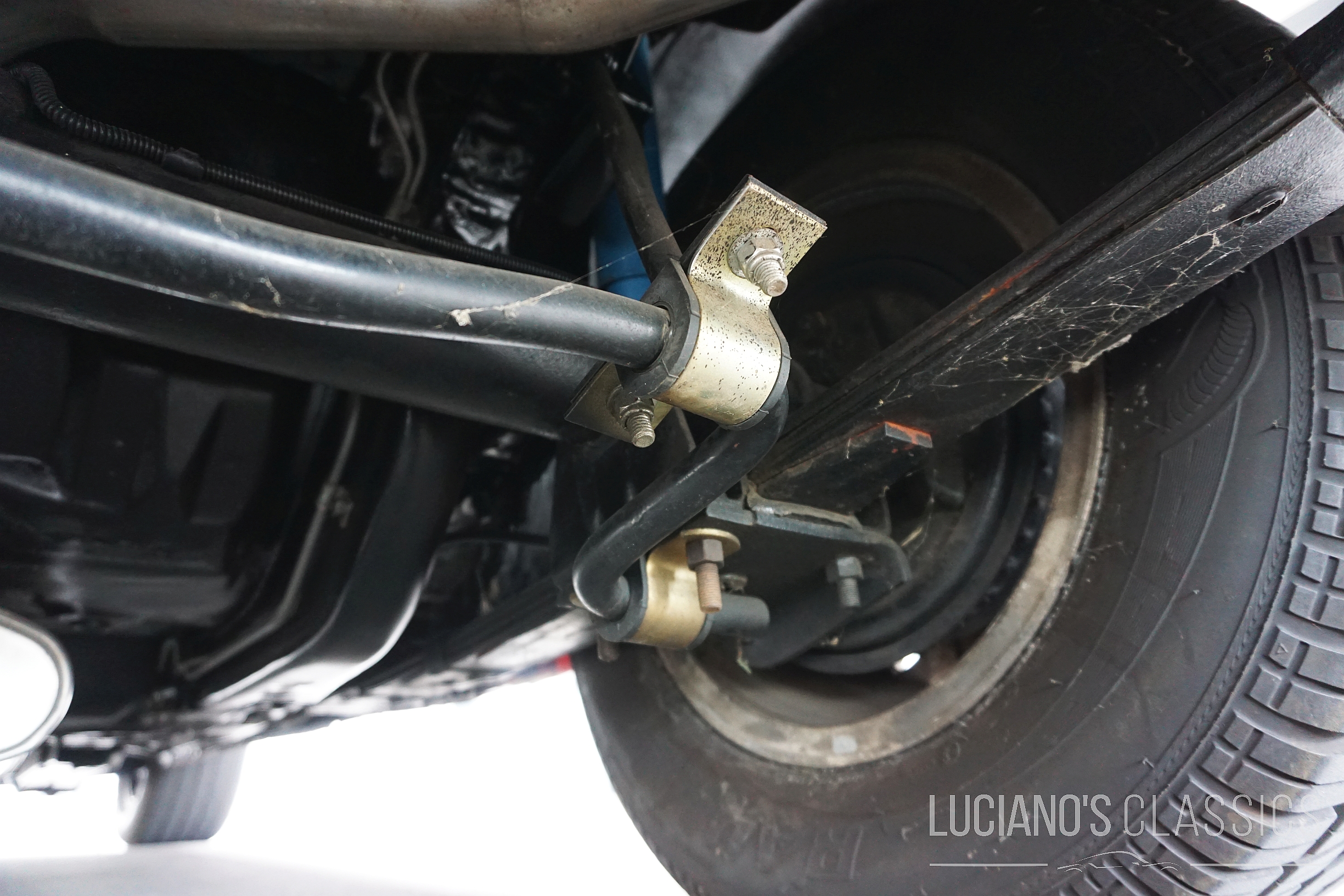
The 1970-1/2 Trans Am was the only model to transition from the first to the second generation. Originally the 1970-1/2 was only supposed to be a decal and spoiler package but the cars ended up getting more updates. Front bumpers, fender flares, rear spoiler and Rally II wheels without trim rings were standard. The Trans Am also received front and rear stabilizers, which significantly improved the handling.
In 1973 the Super Duty 455 was launched, and although it was a road engine combining low emissions and performance, it contained all the necessary high performance parts to convert it for racing, including dry sump lubrication.
From 1974, three engines were available: a 400cc V8 base engine with 225 hp and two optional 455cc engines, including the 290 hp SD. The M20 Muncie four-speed transmission and the M40 Turbo Hydra-Matic were the only transmissions available.
Pontiac quietly discontinued the 455 for the 1975 model year, but brought it back in the middle of the year under the name HO455. This was more of a joke, as the unit only exhaled through a single pipe - one of the reasons why the engine now produced 50 hp less. However, the standard 400 was throttled back to 185 hp and the Super Duty was no longer available.
For the 1976 model year, the 400 V8 with 185 hp remained standard and the 455 was left to its deathbed with a meager 200 hp. Interestingly, despite the meagre performance figures, sales increased dramatically as there was little else in America at the time that even came close to looking like muscle.
Details
- 61’000 km
- 1. inv. 12/13/1976
- Veterans MFK 29.09.2023
- 6,555 cc V8 engine
- approx. 270 hp
- Type certificate X
- Master number 520.082.049
- Chassis 2W8 7Z6 N57 0530
- Unladen weight 1,780 kg
- Payload 280 kg
not what you are looking for?
We will be happy to find your individual dream vehicle.
Simply make a non-binding inquiry and benefit from our network.