
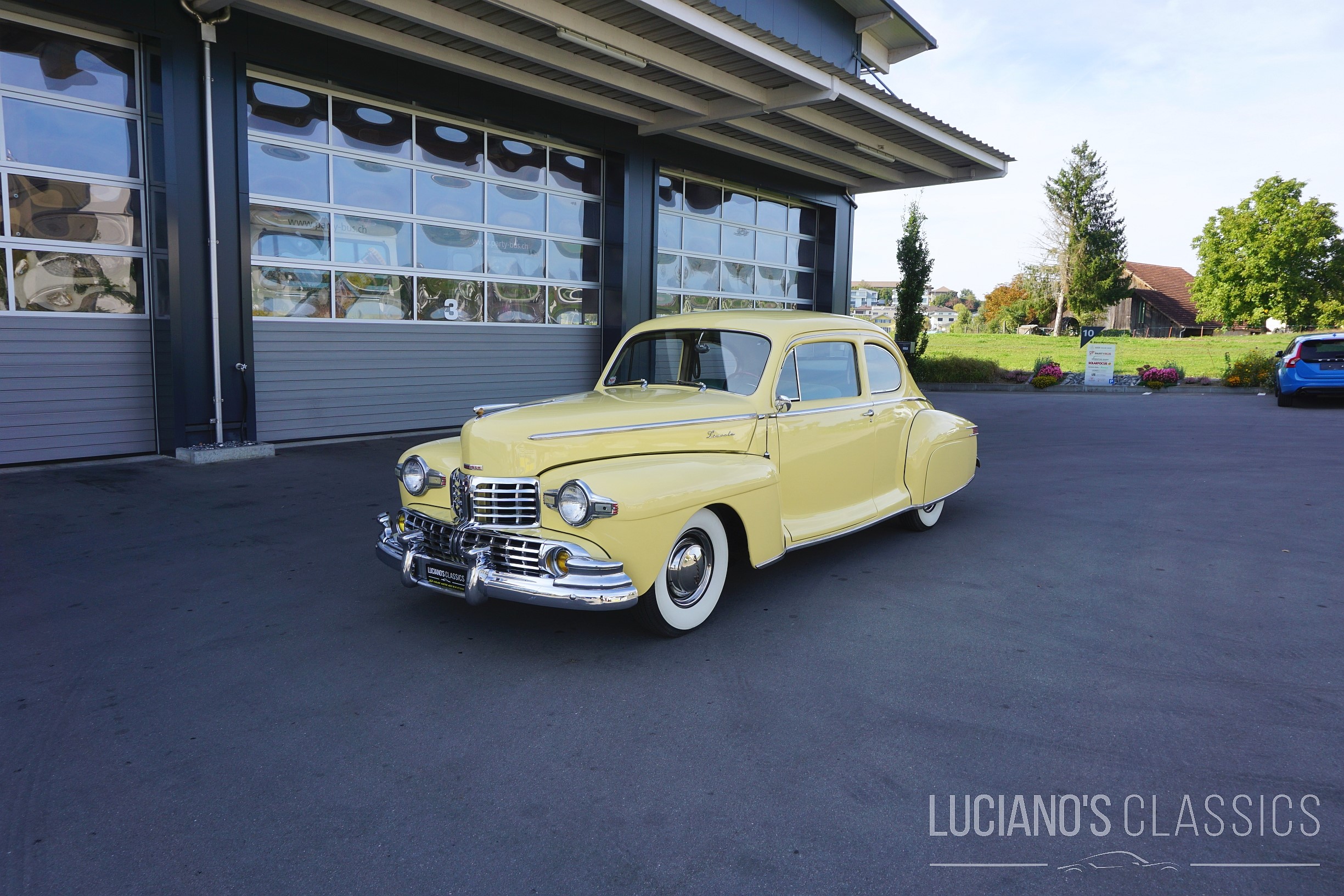
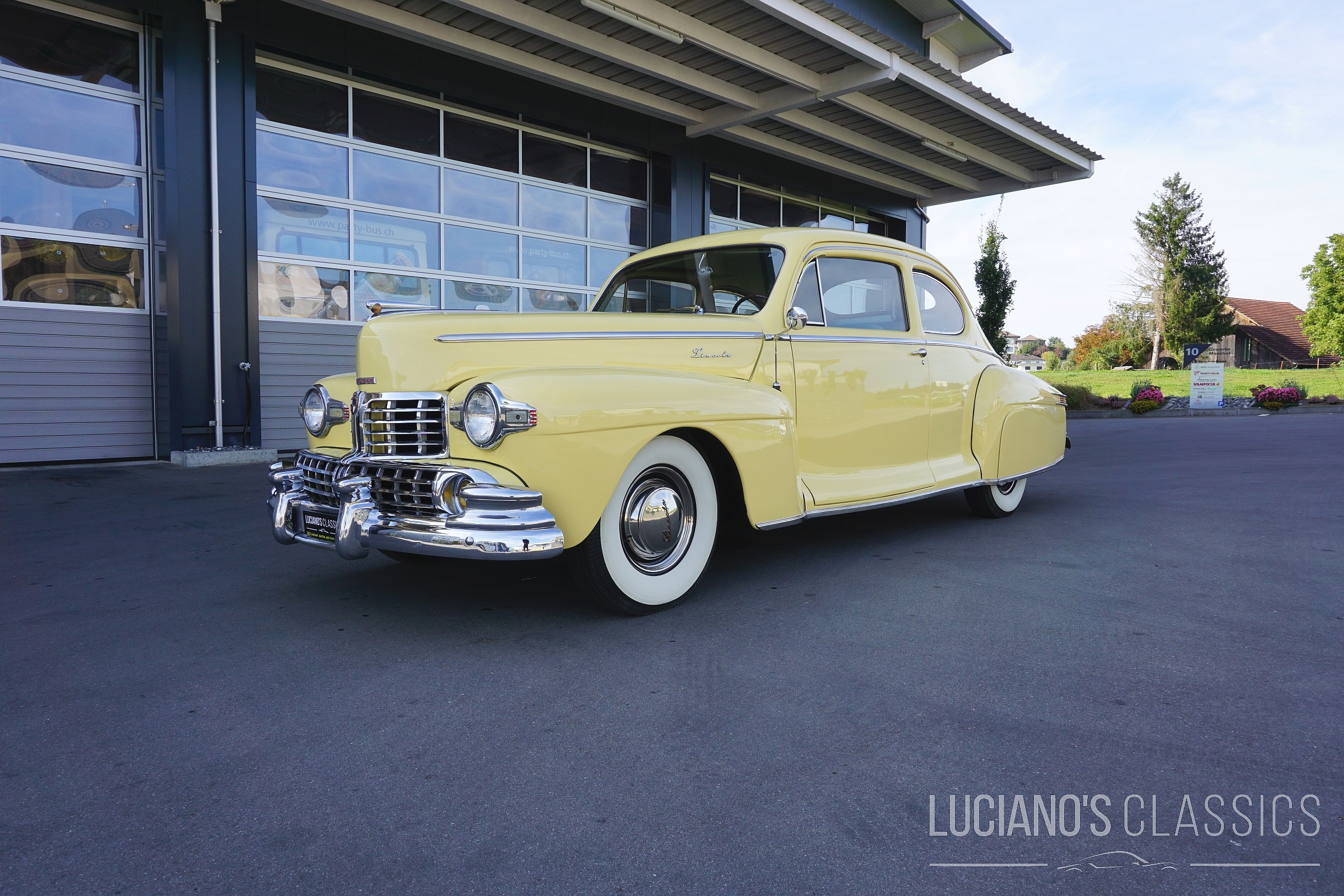
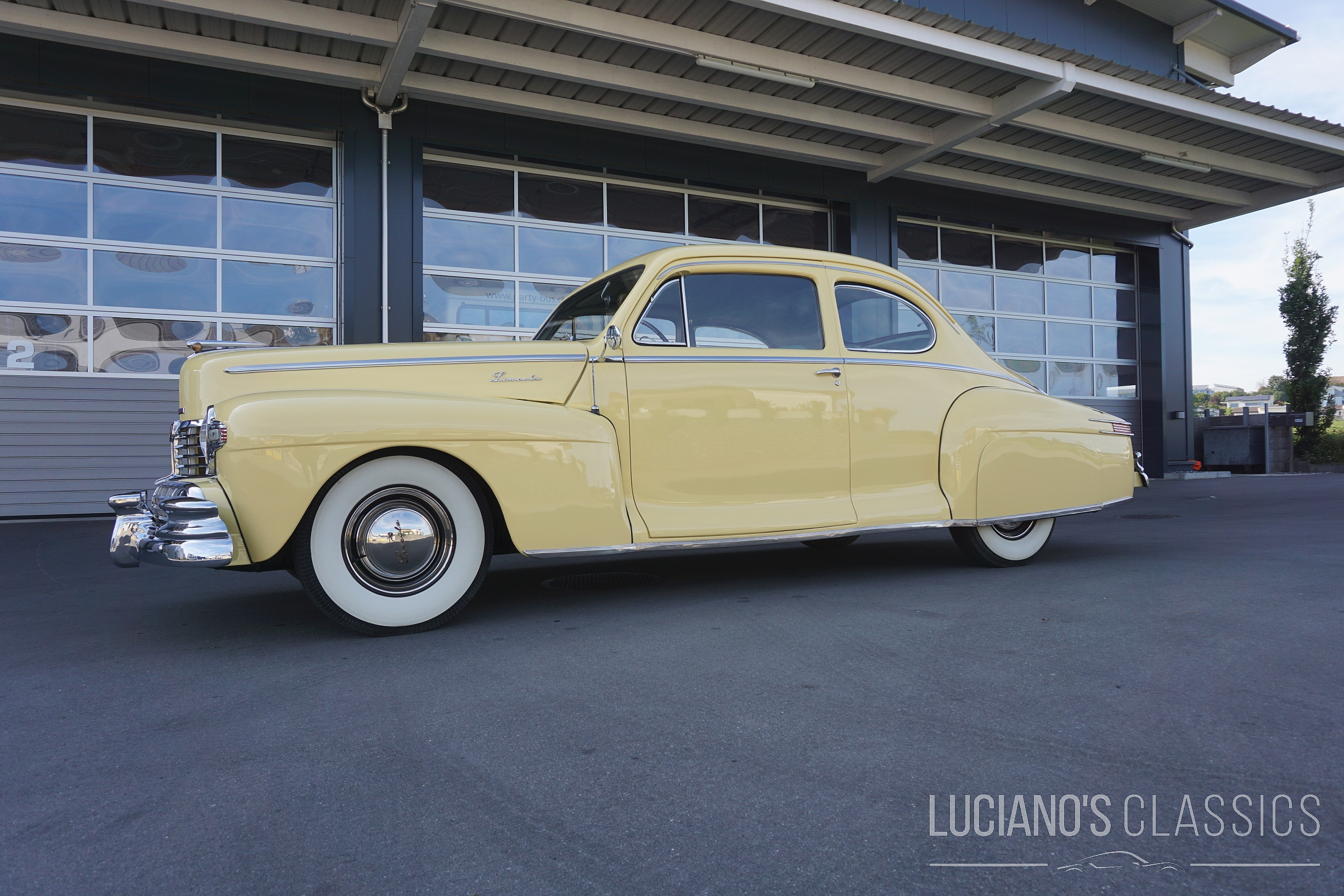
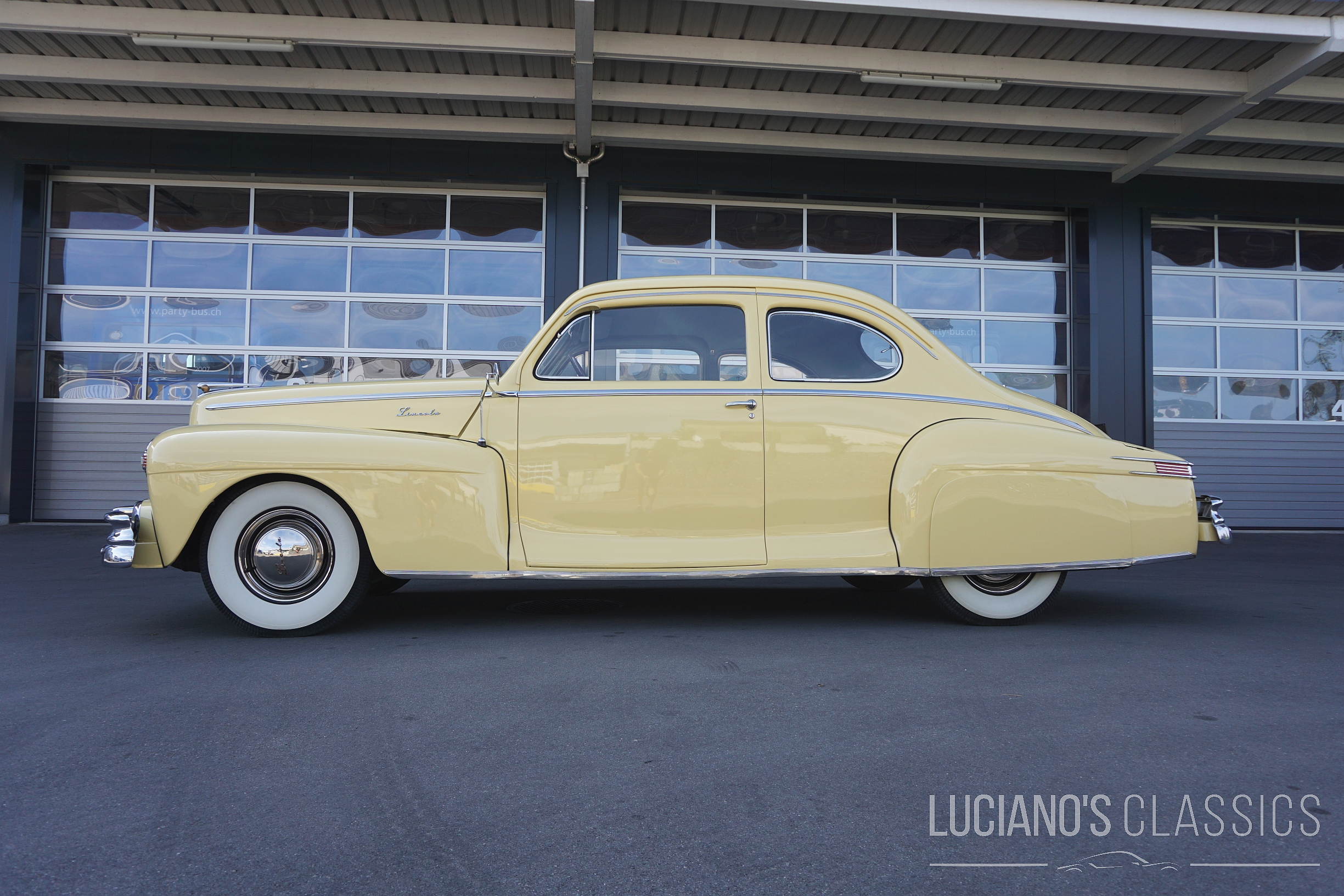
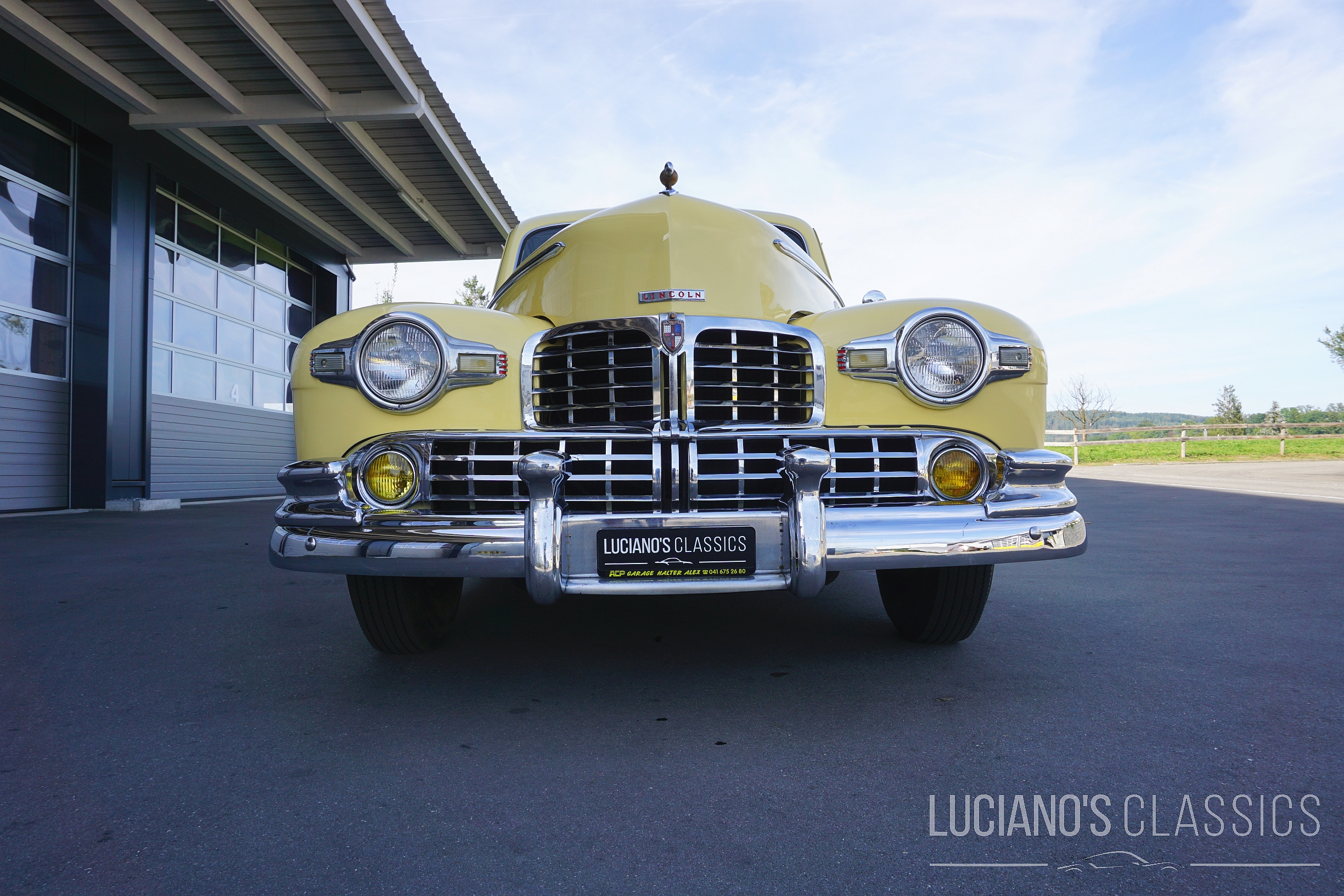
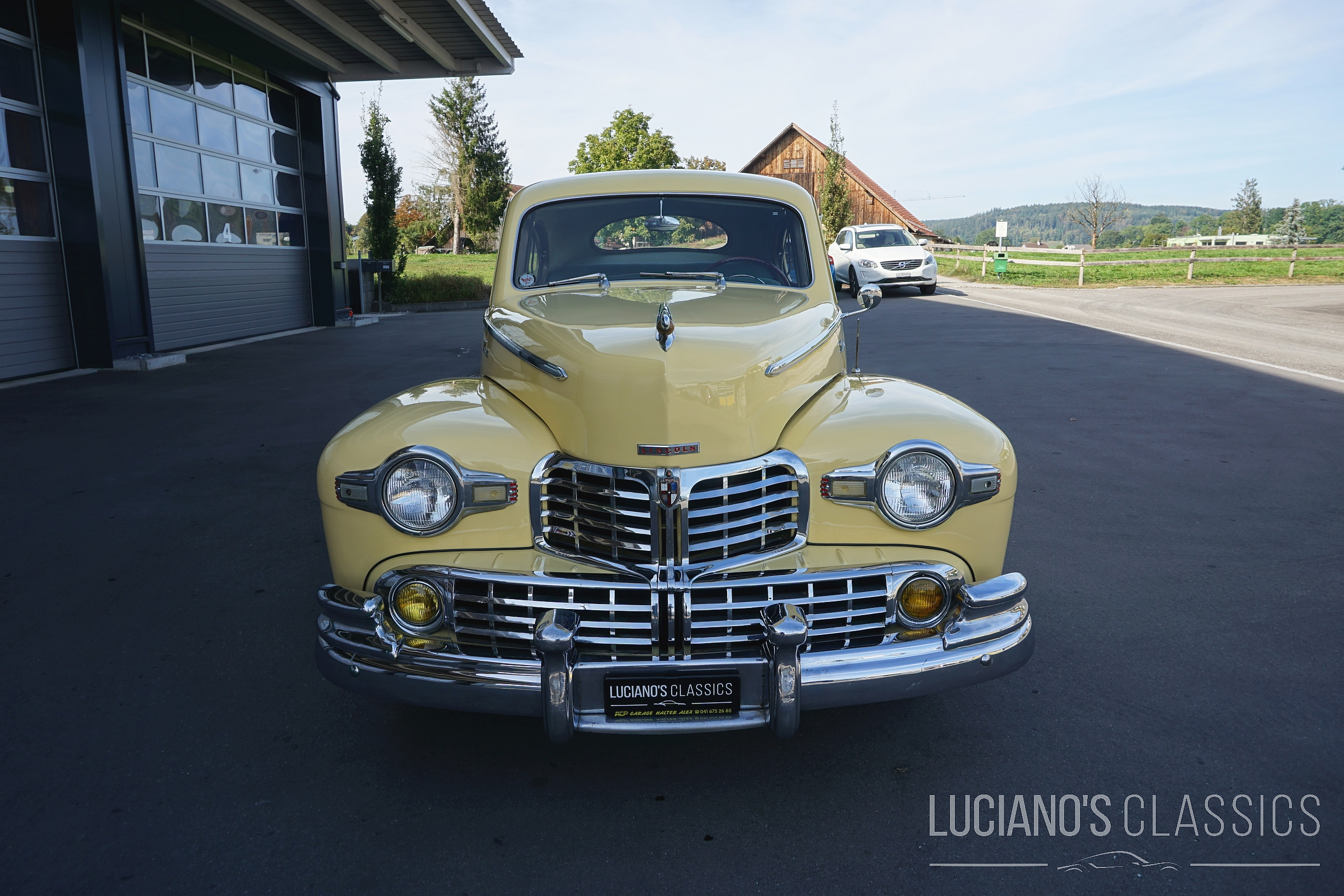
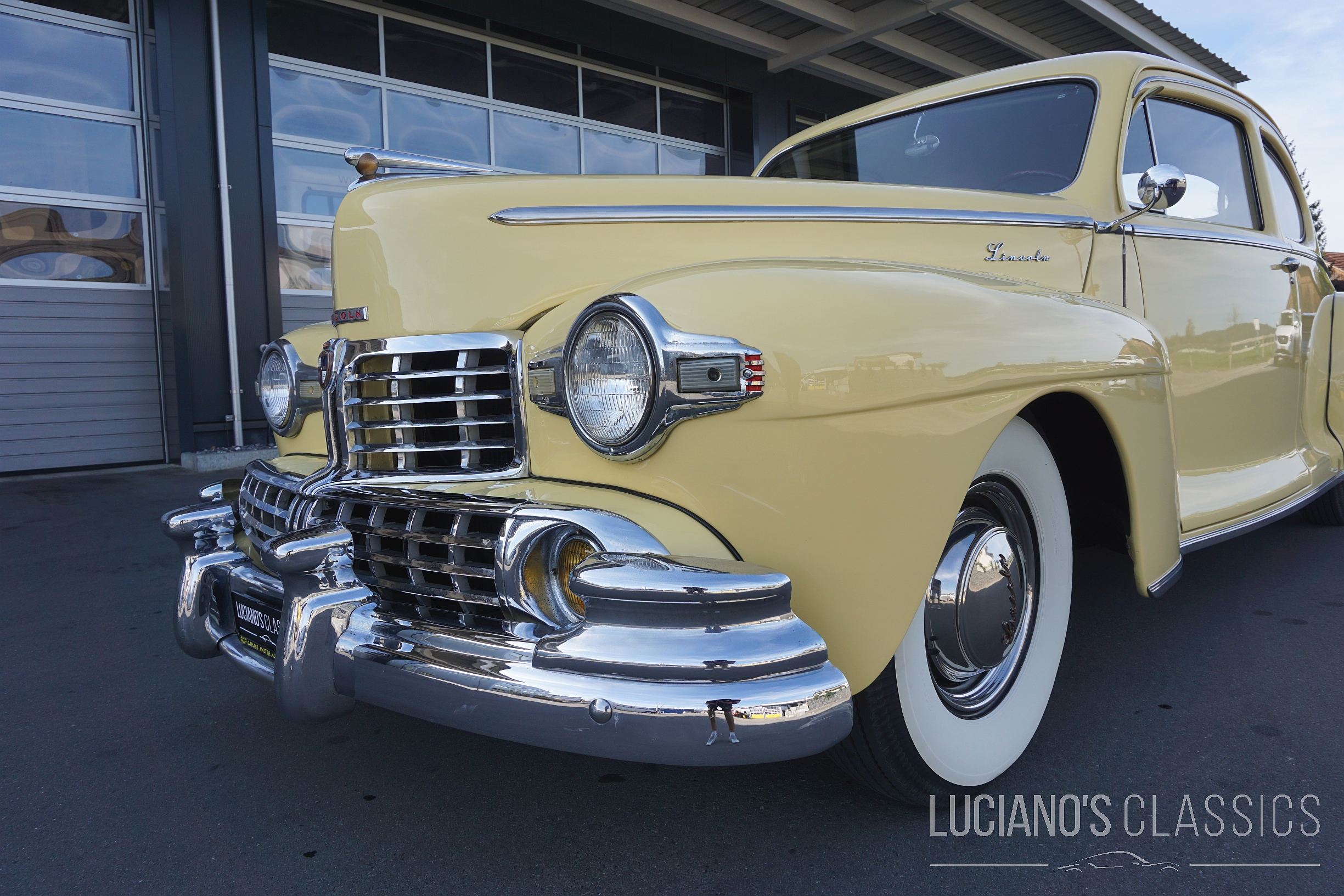
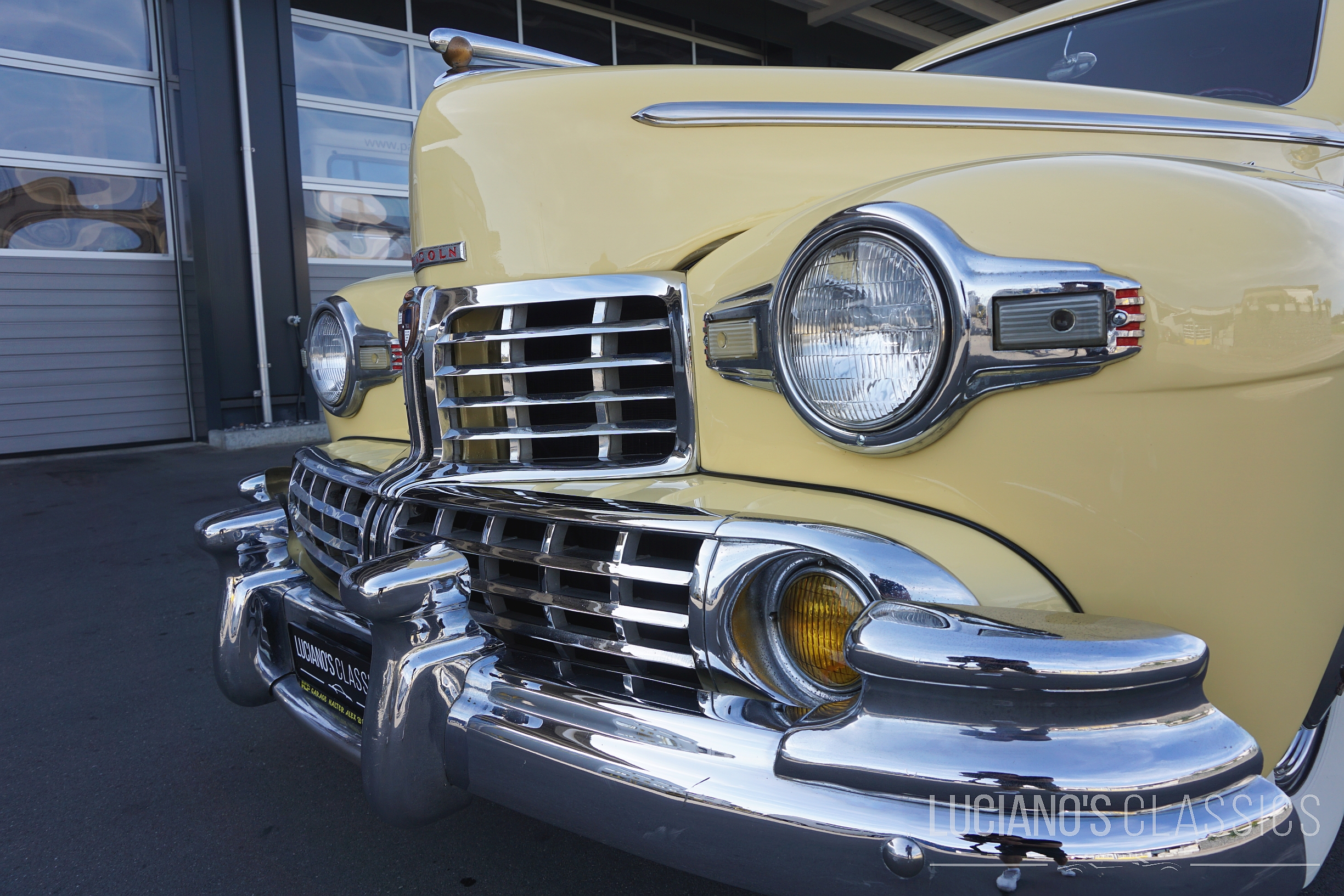
Lincoln Series 76H Club Coupe
Description
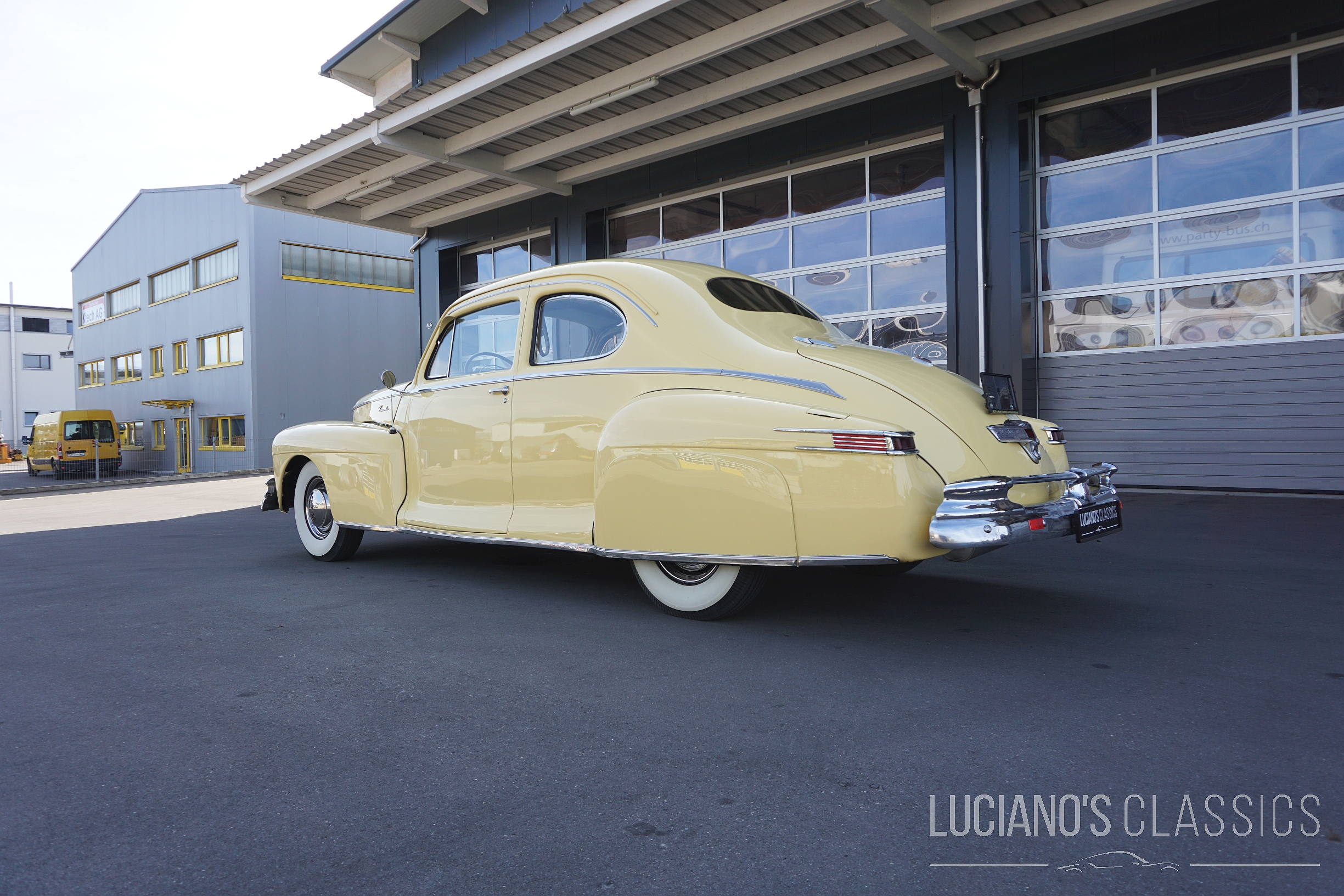
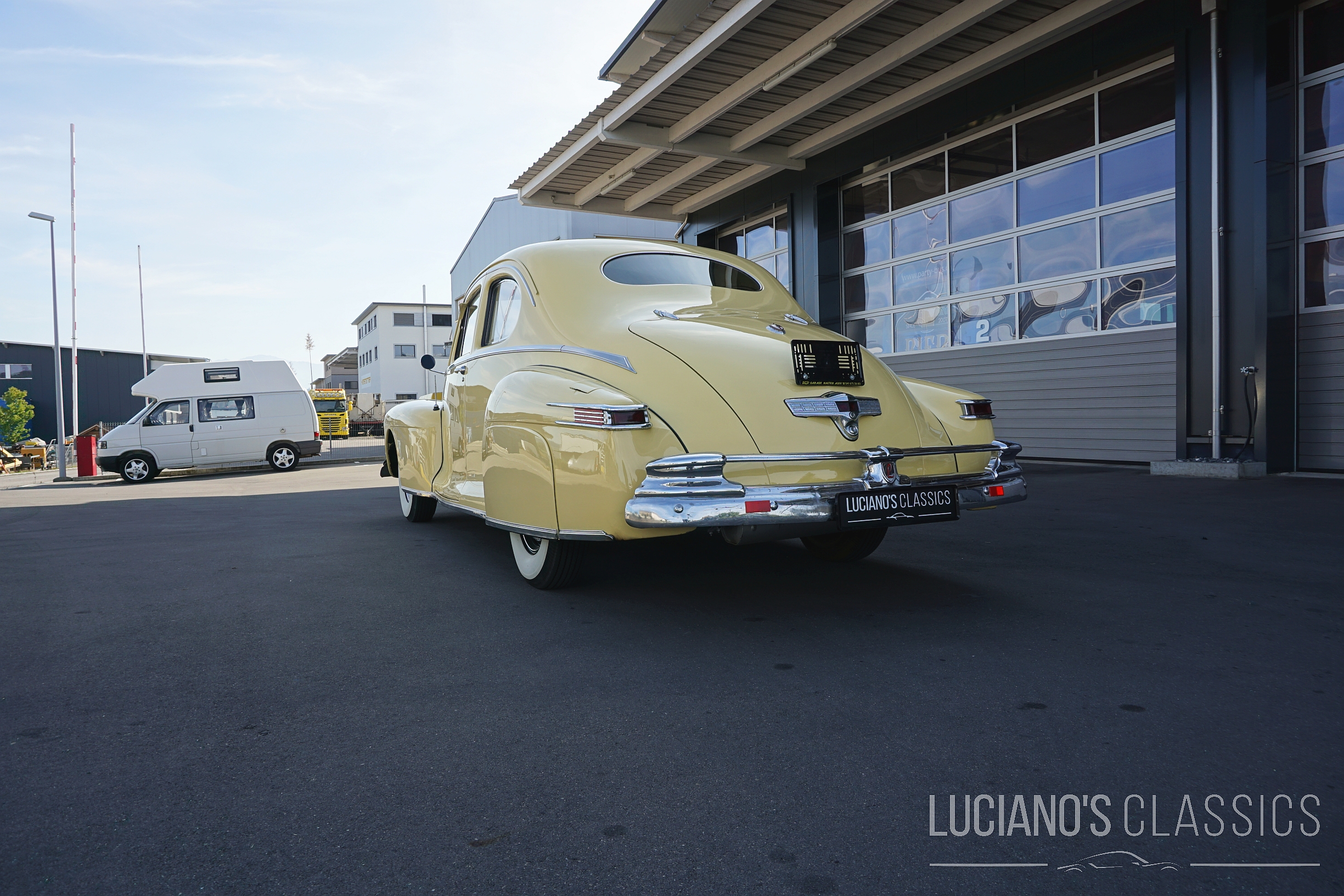
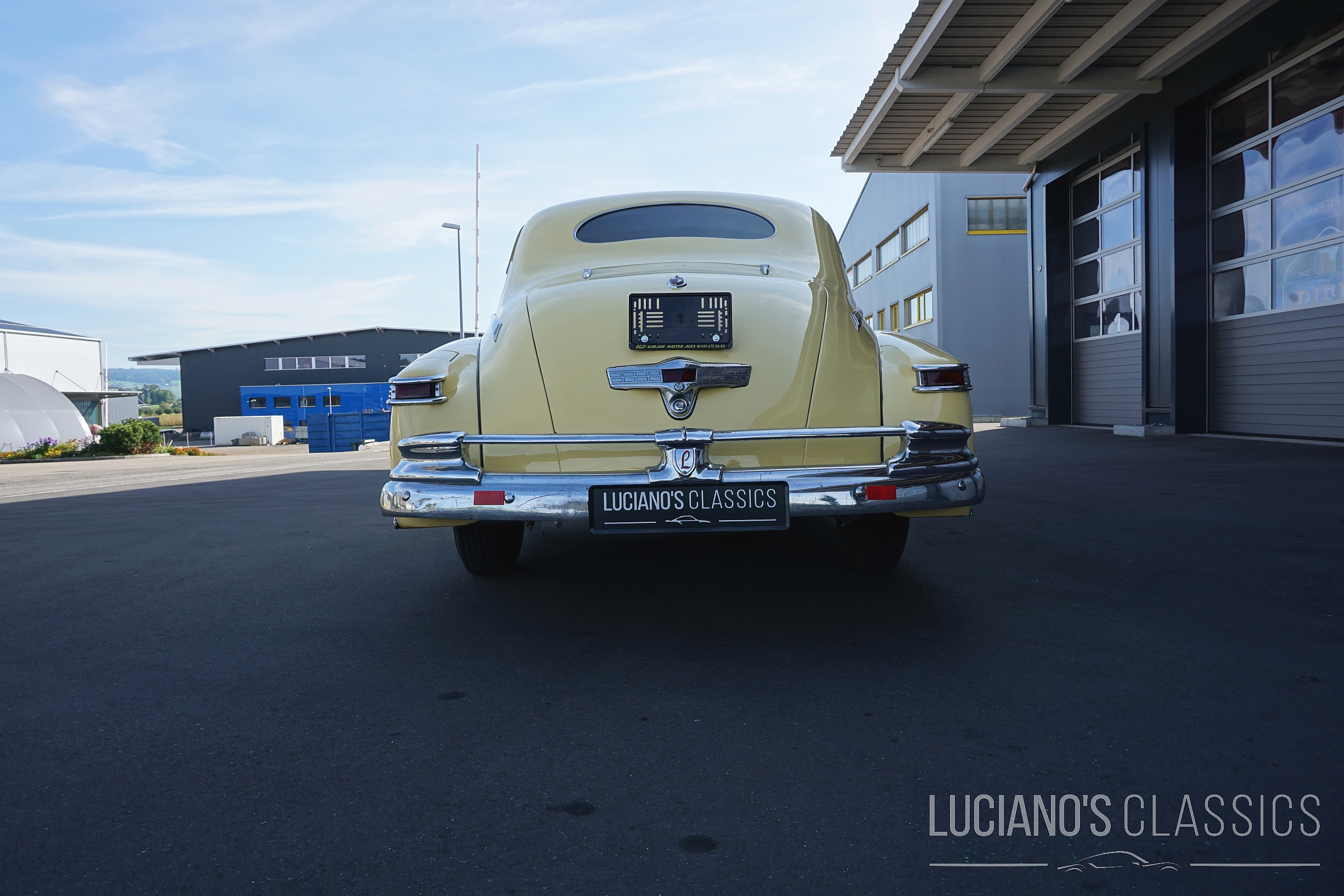
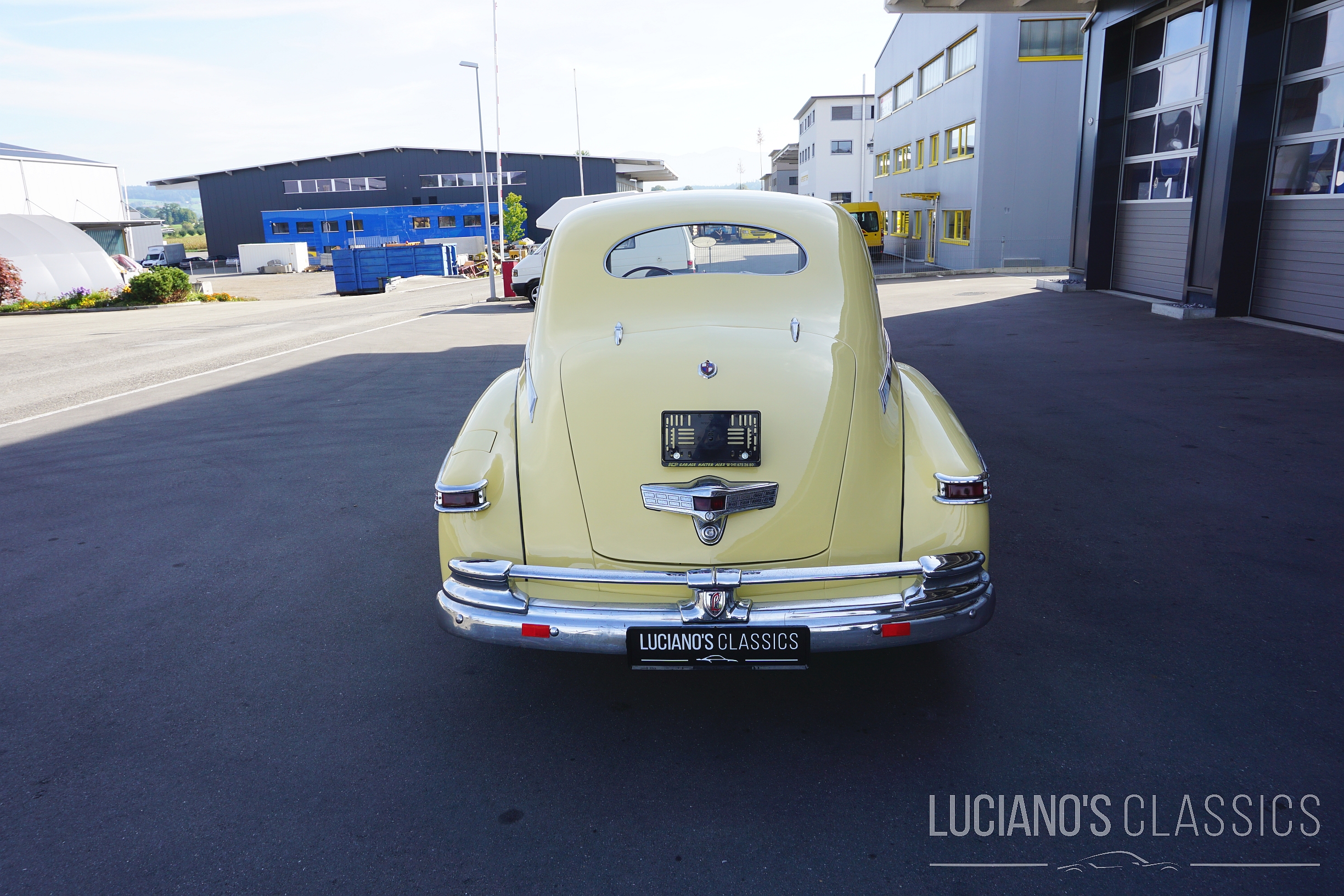
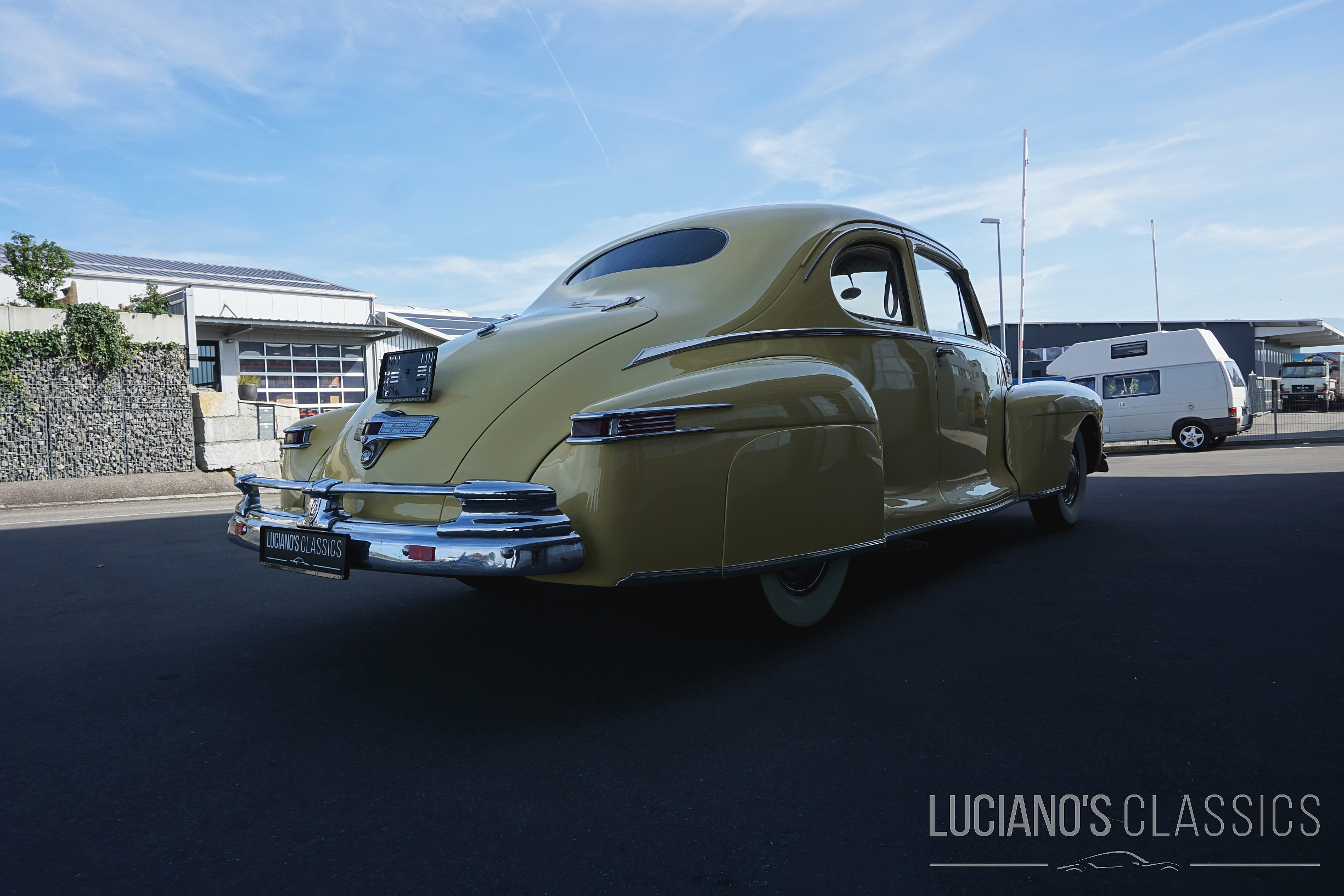
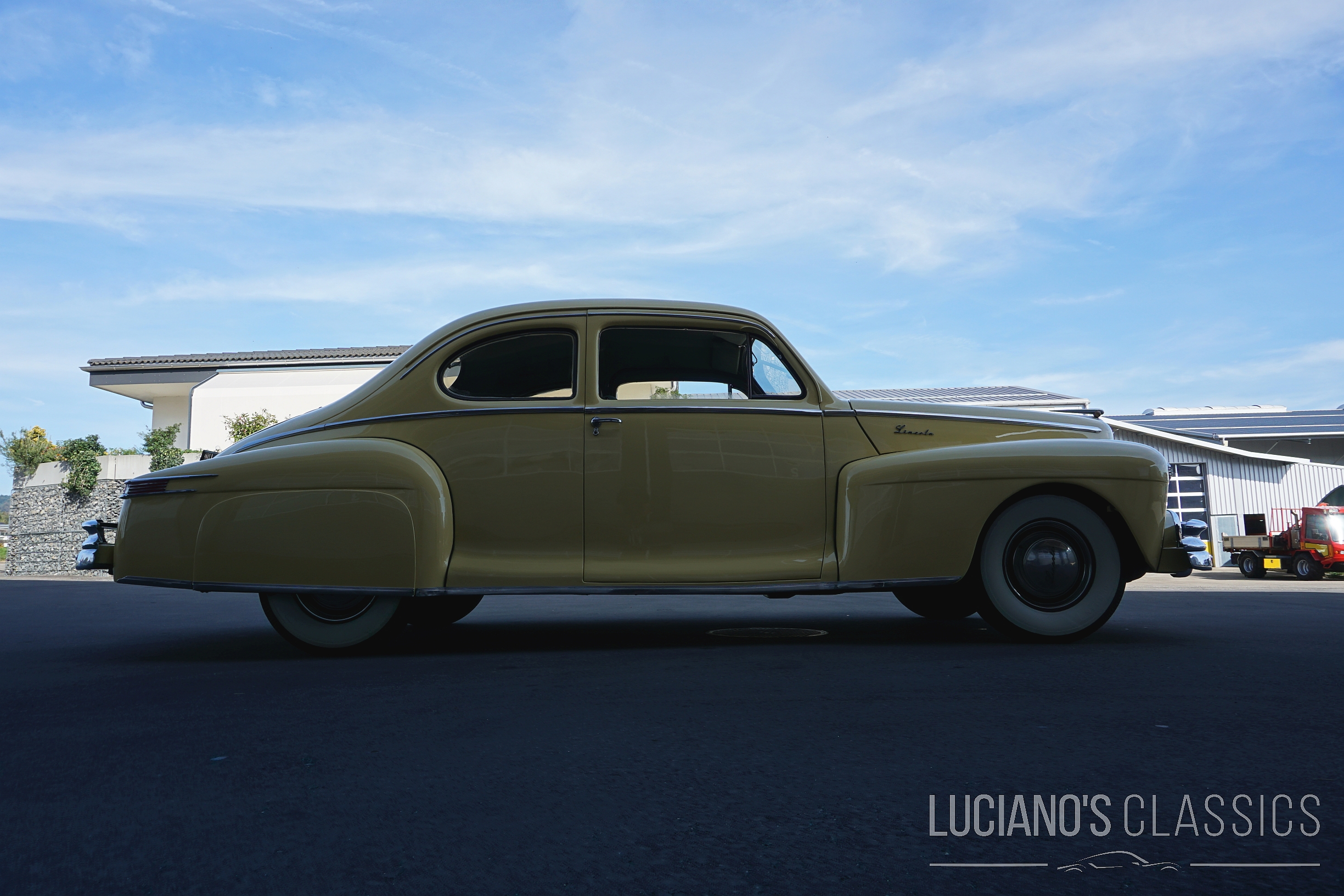
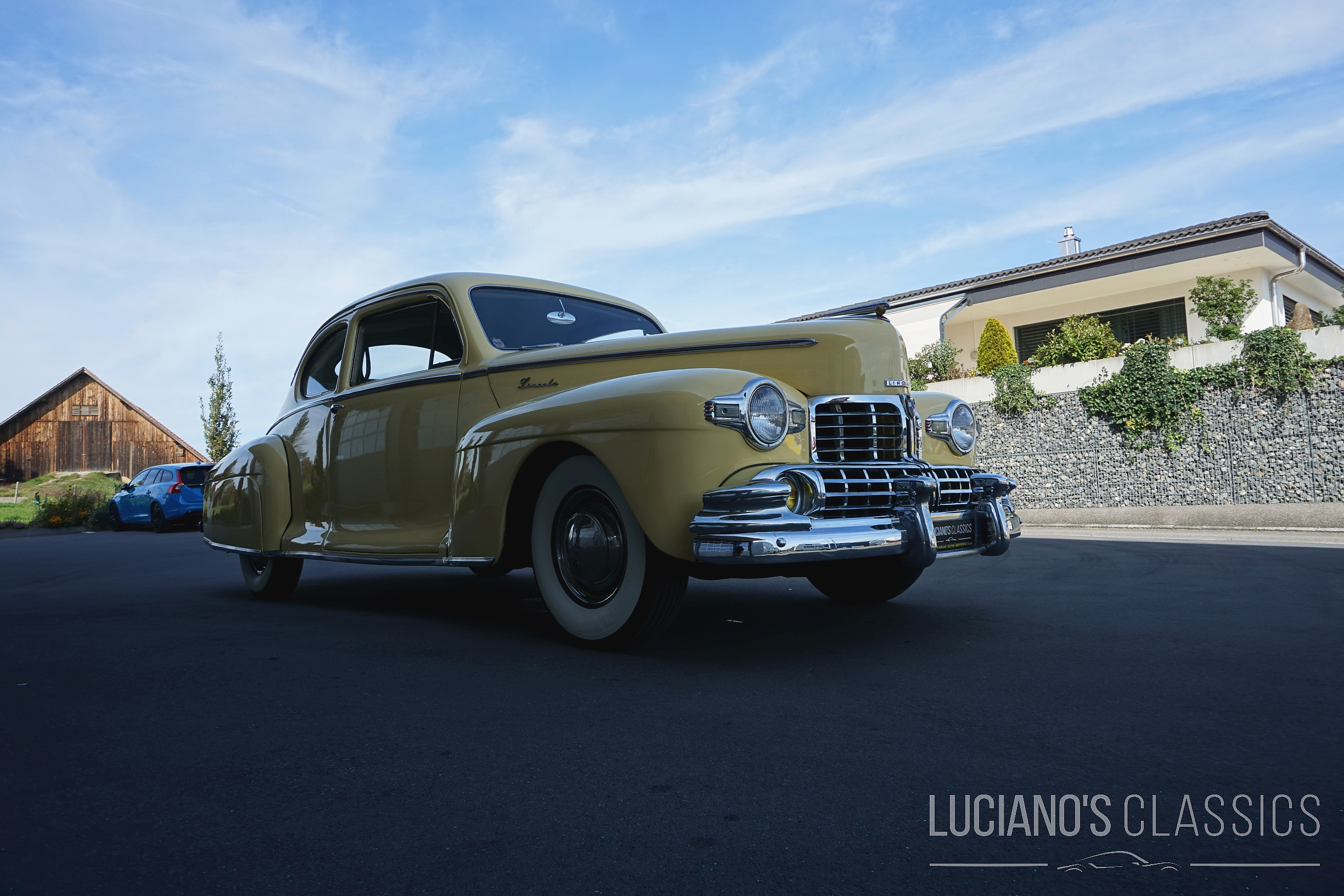
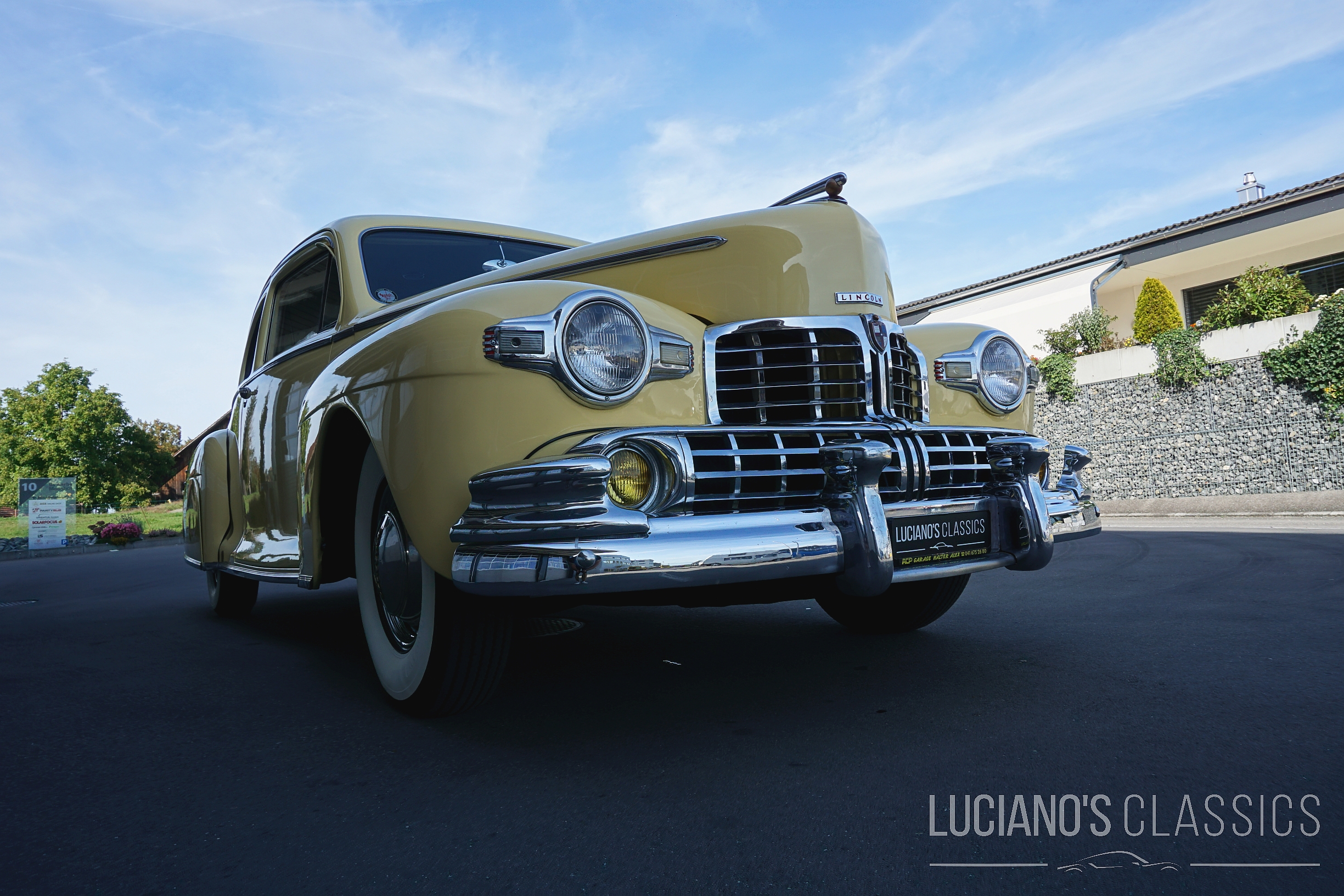
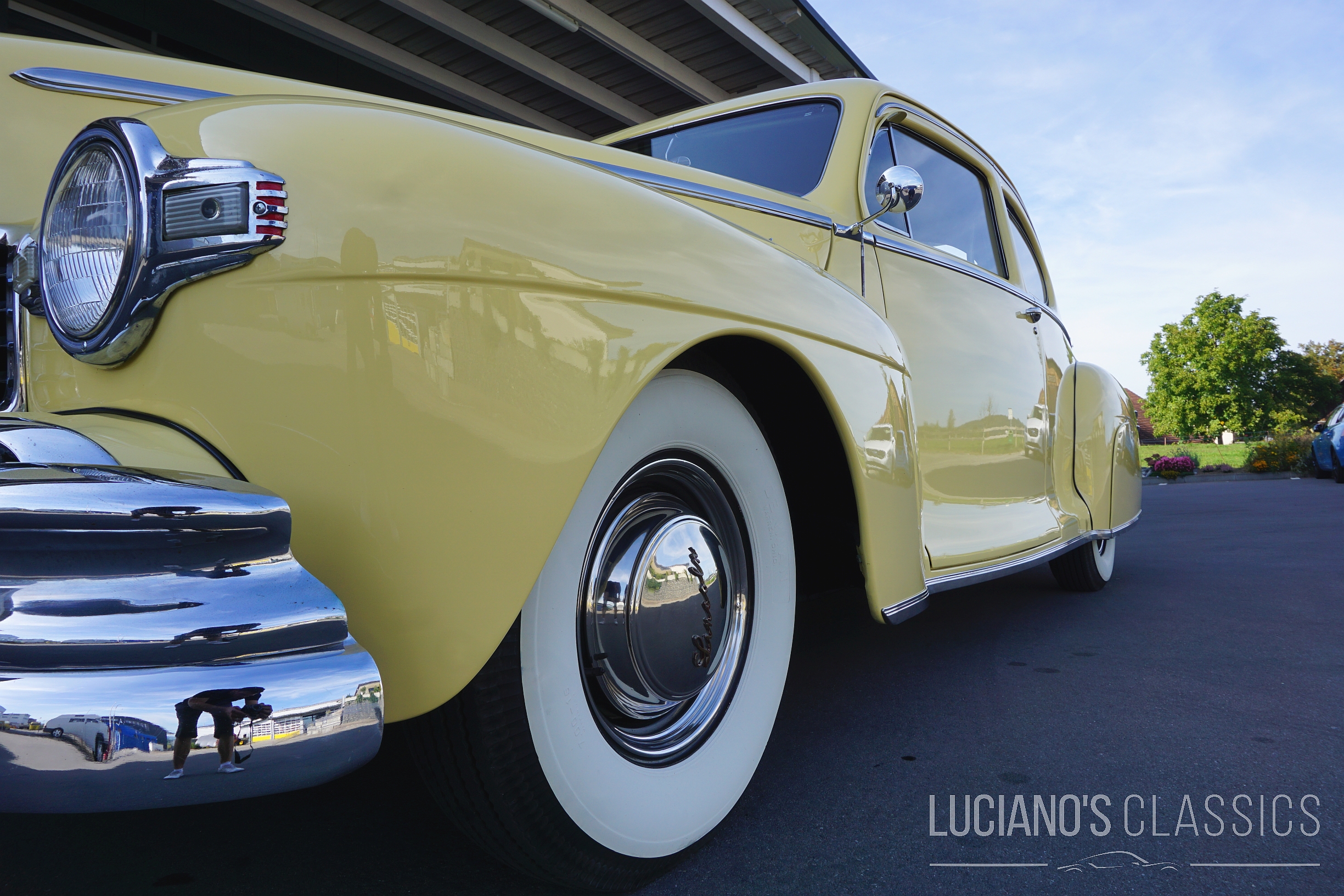
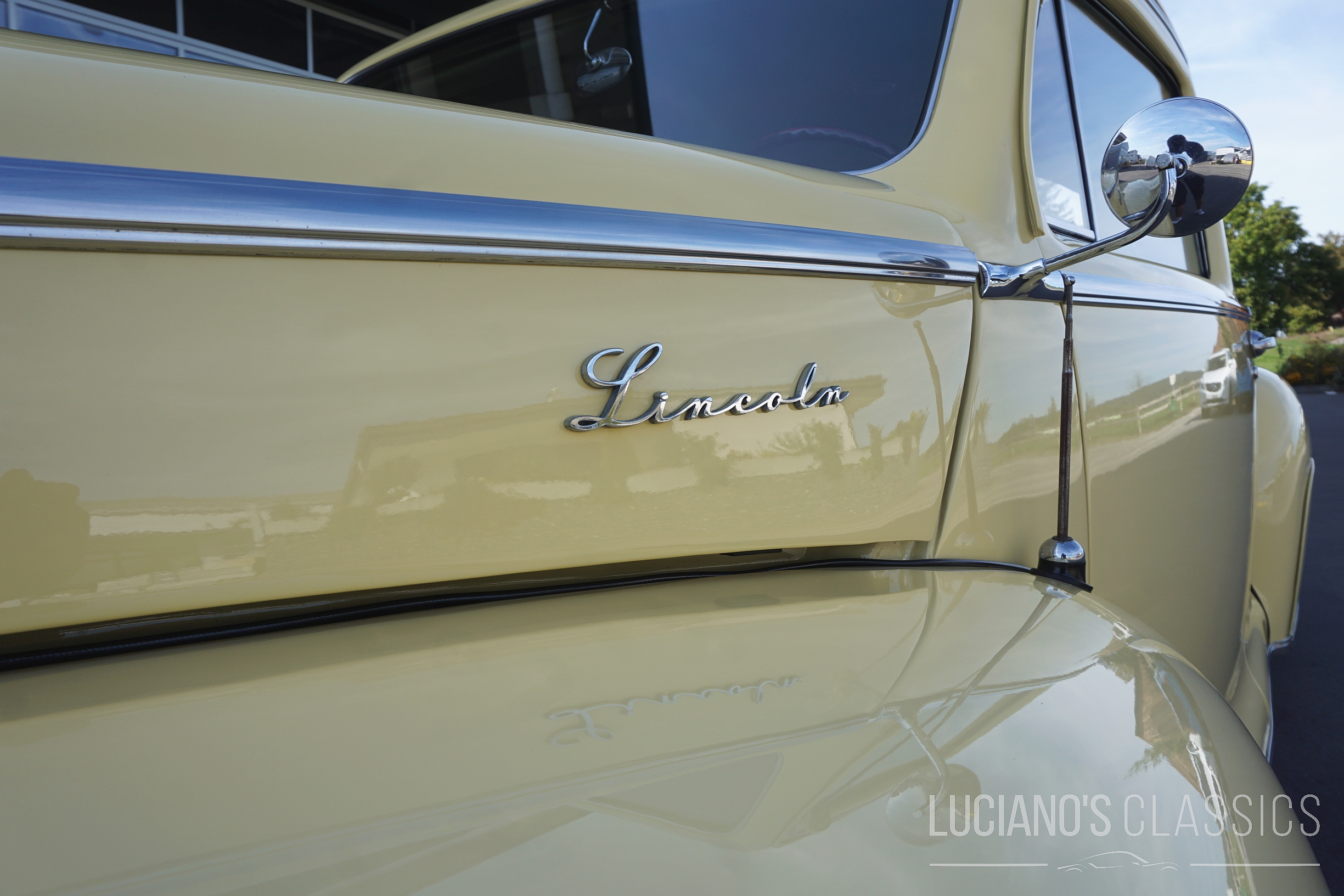
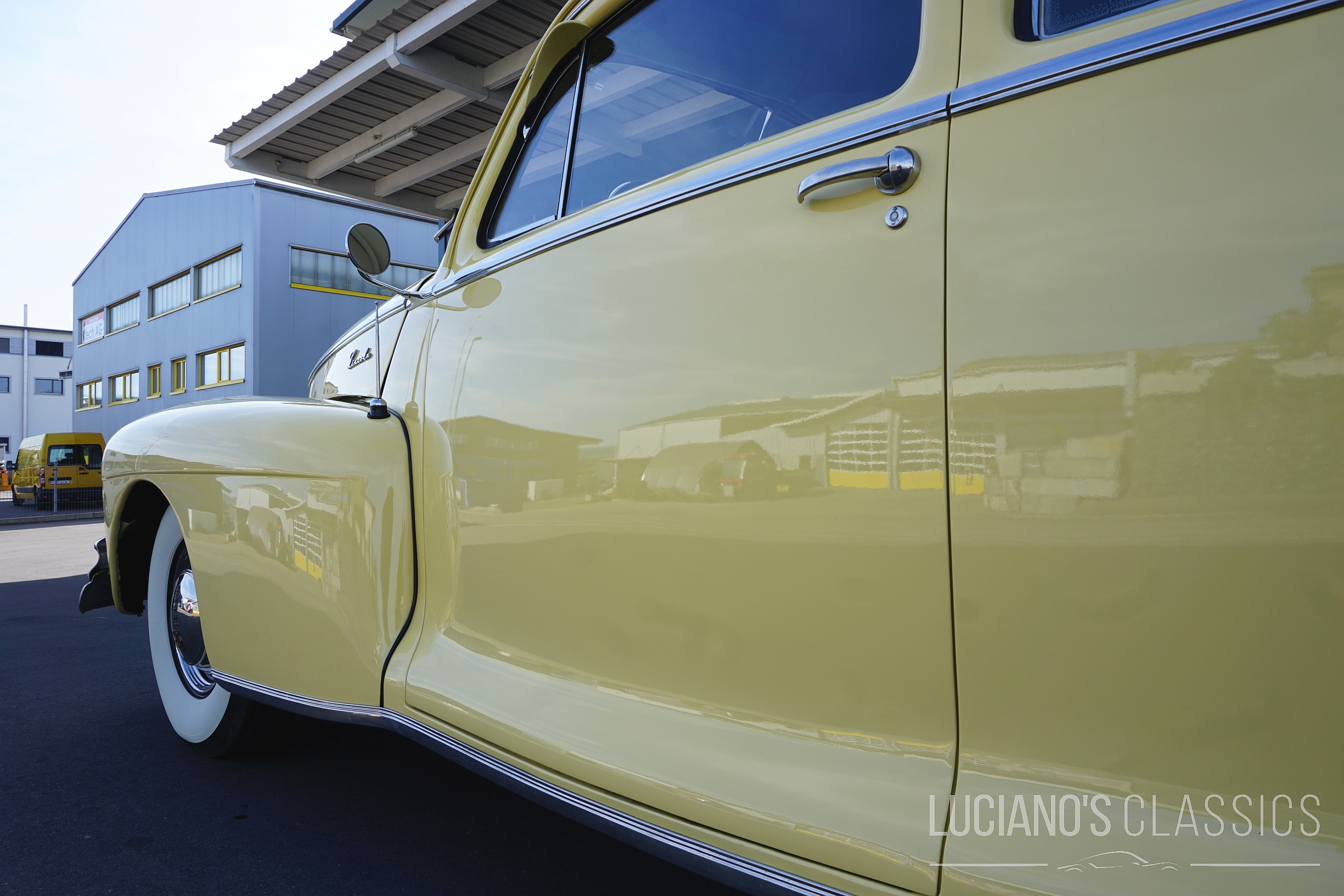
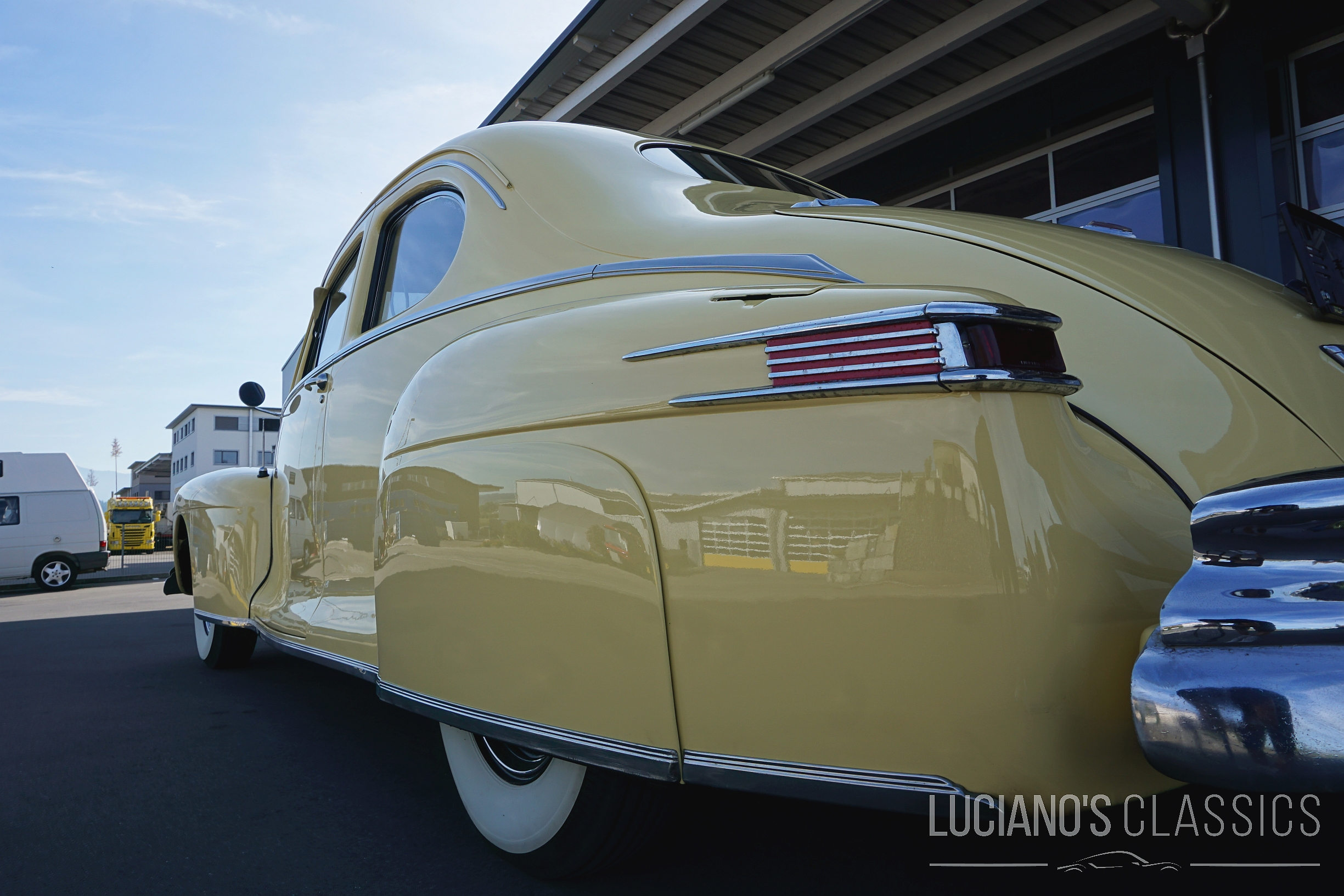
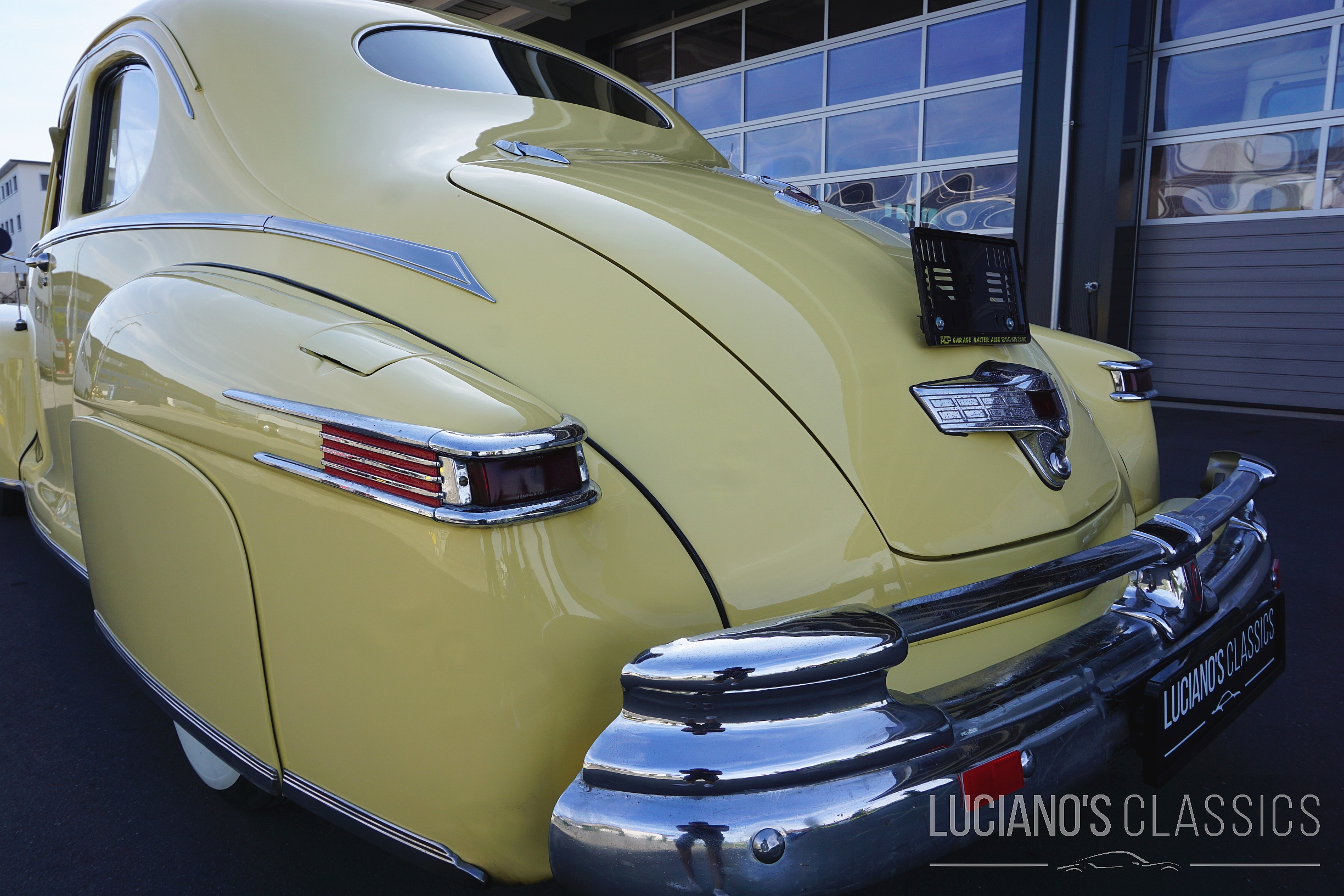
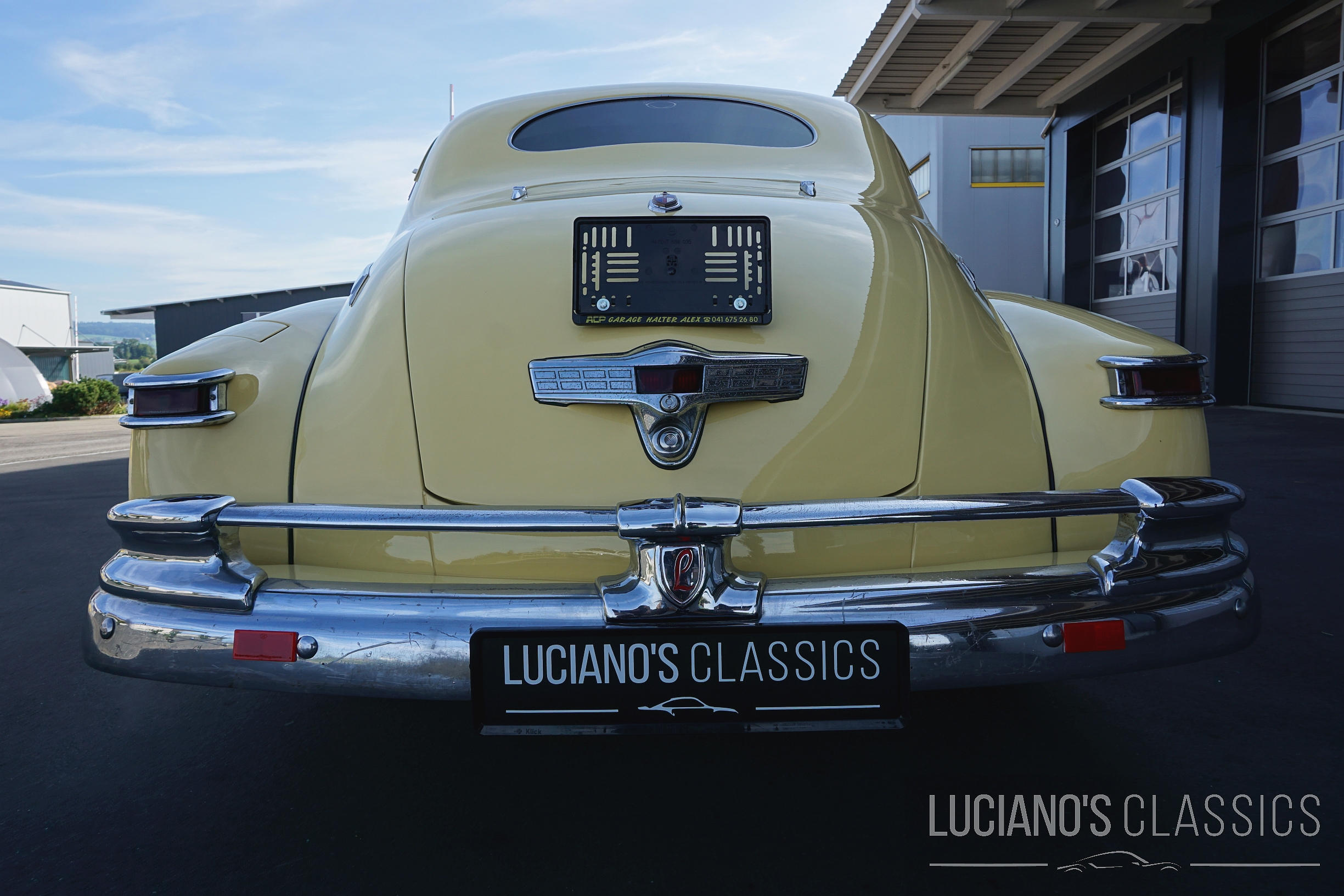
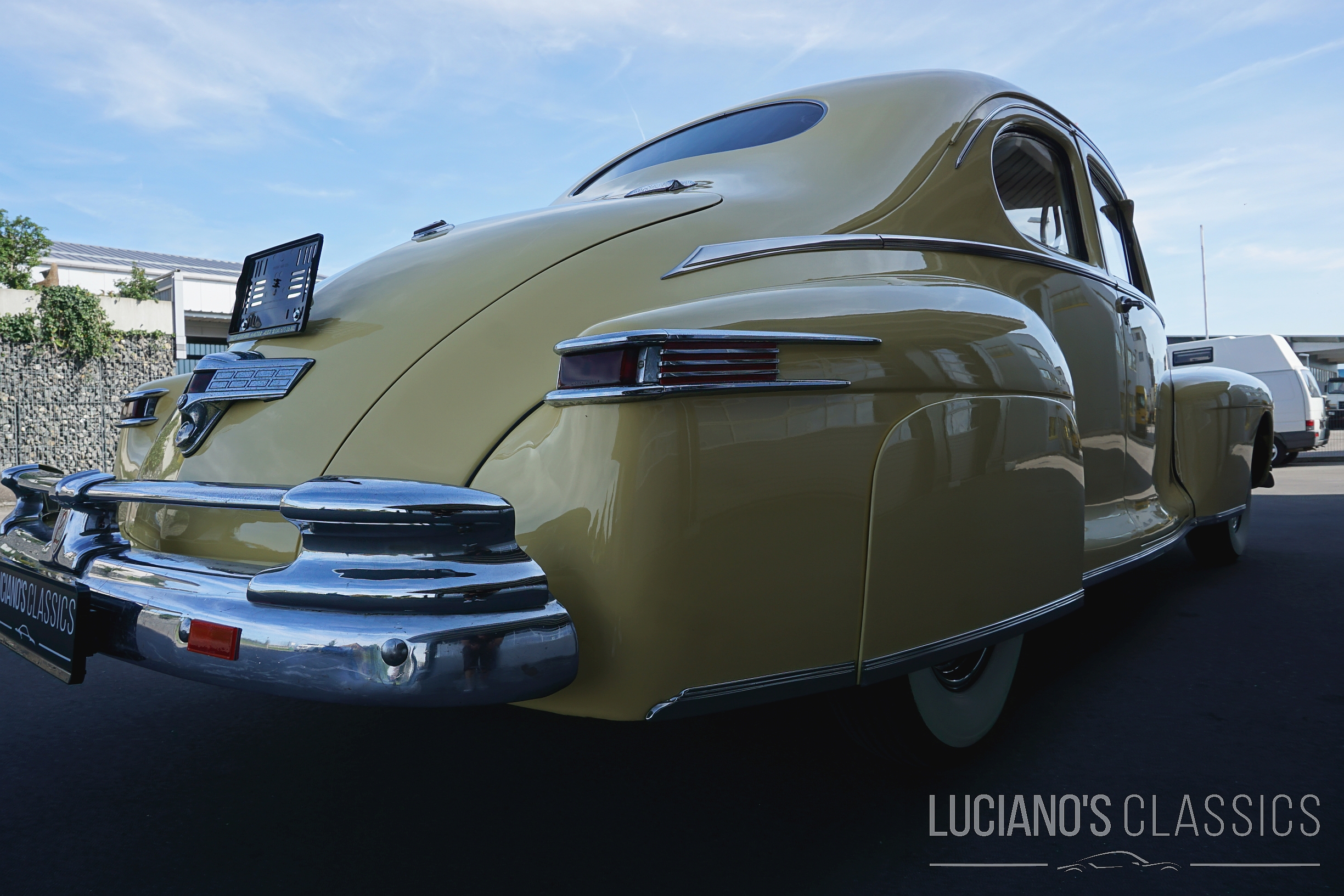
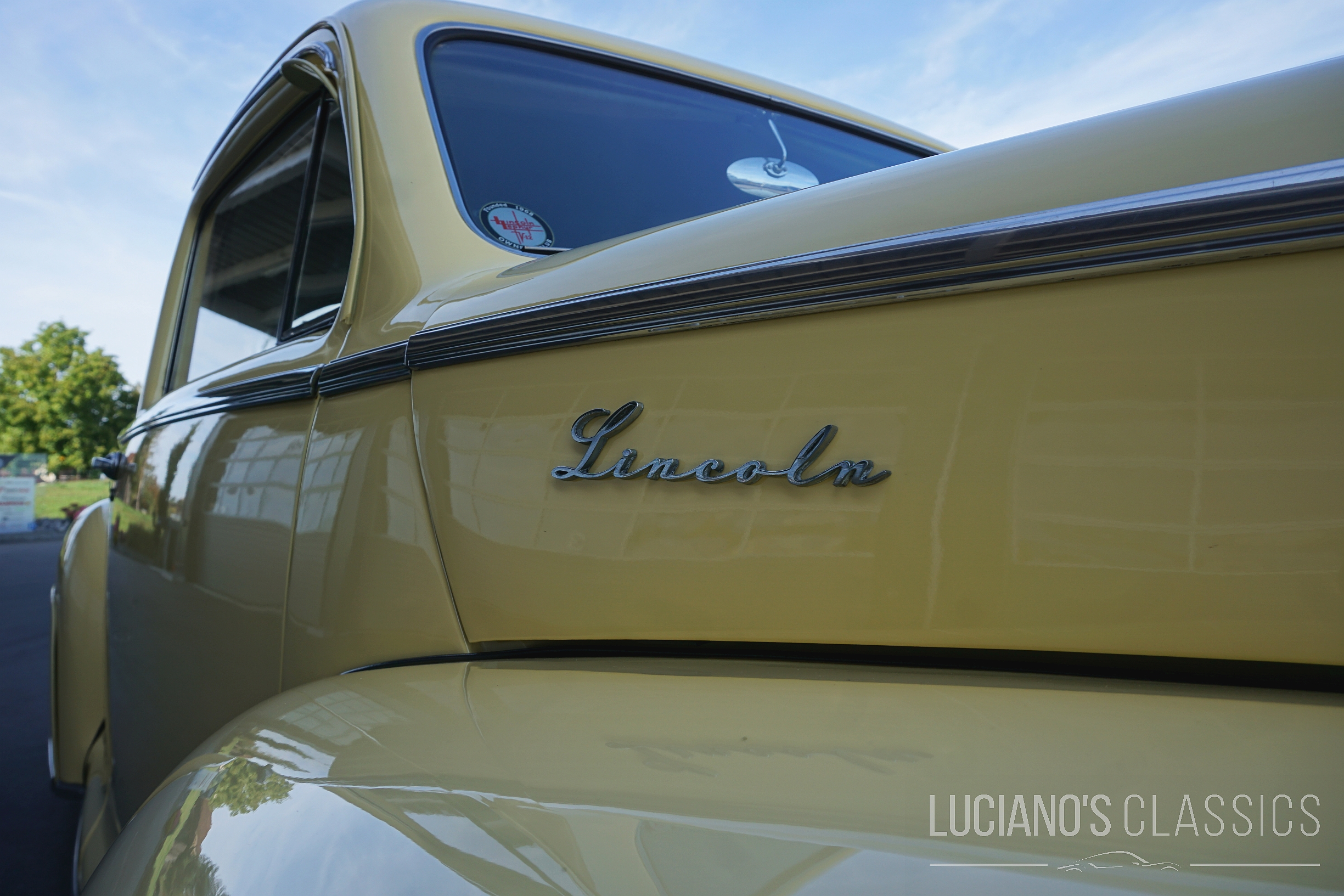
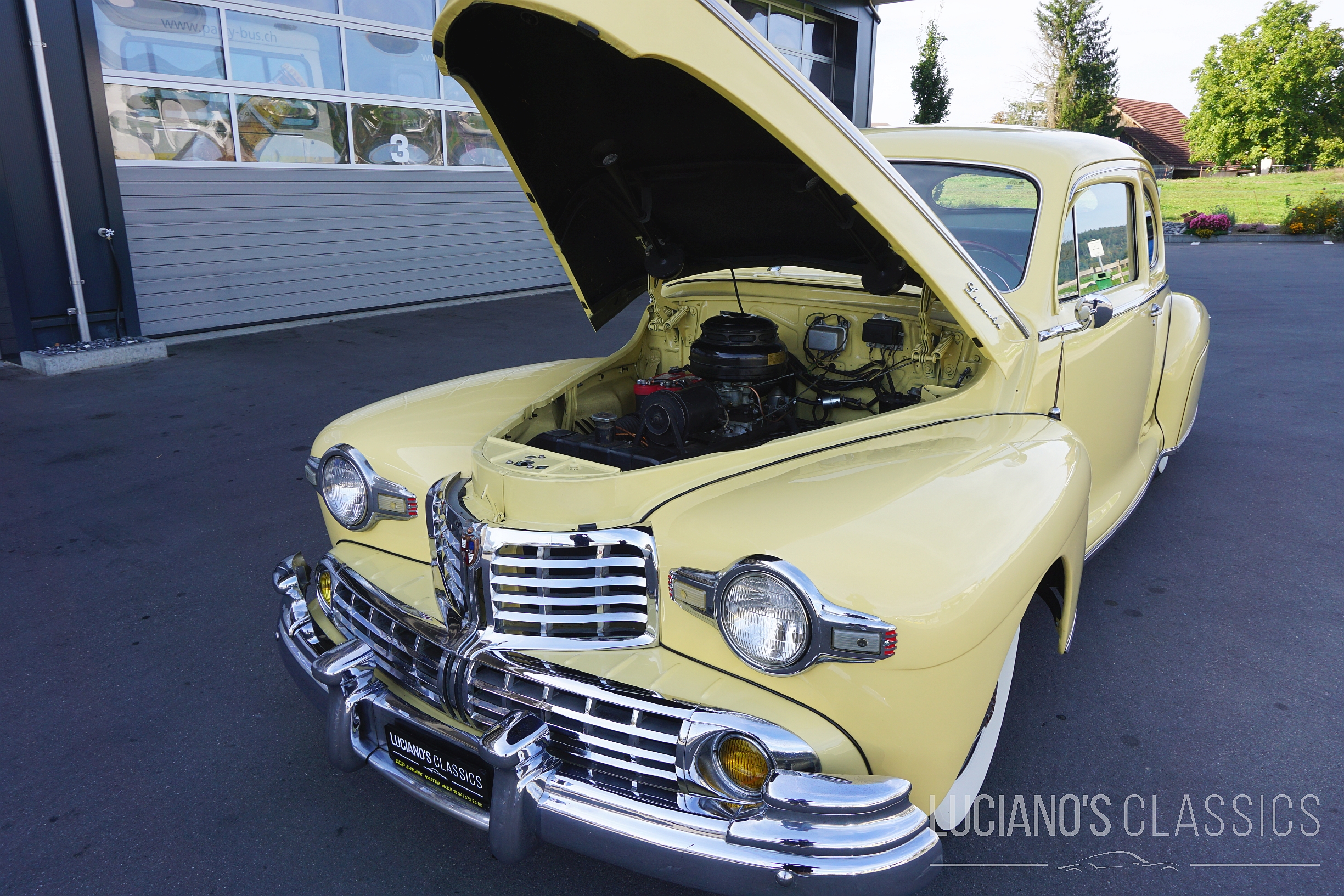
The Lincoln Series 76H is the direct successor to the legendary Lincoln Zephyr. After production was halted during the war years, the name was changed and the Zephyr continued to be built as the Series 76H until 1948.
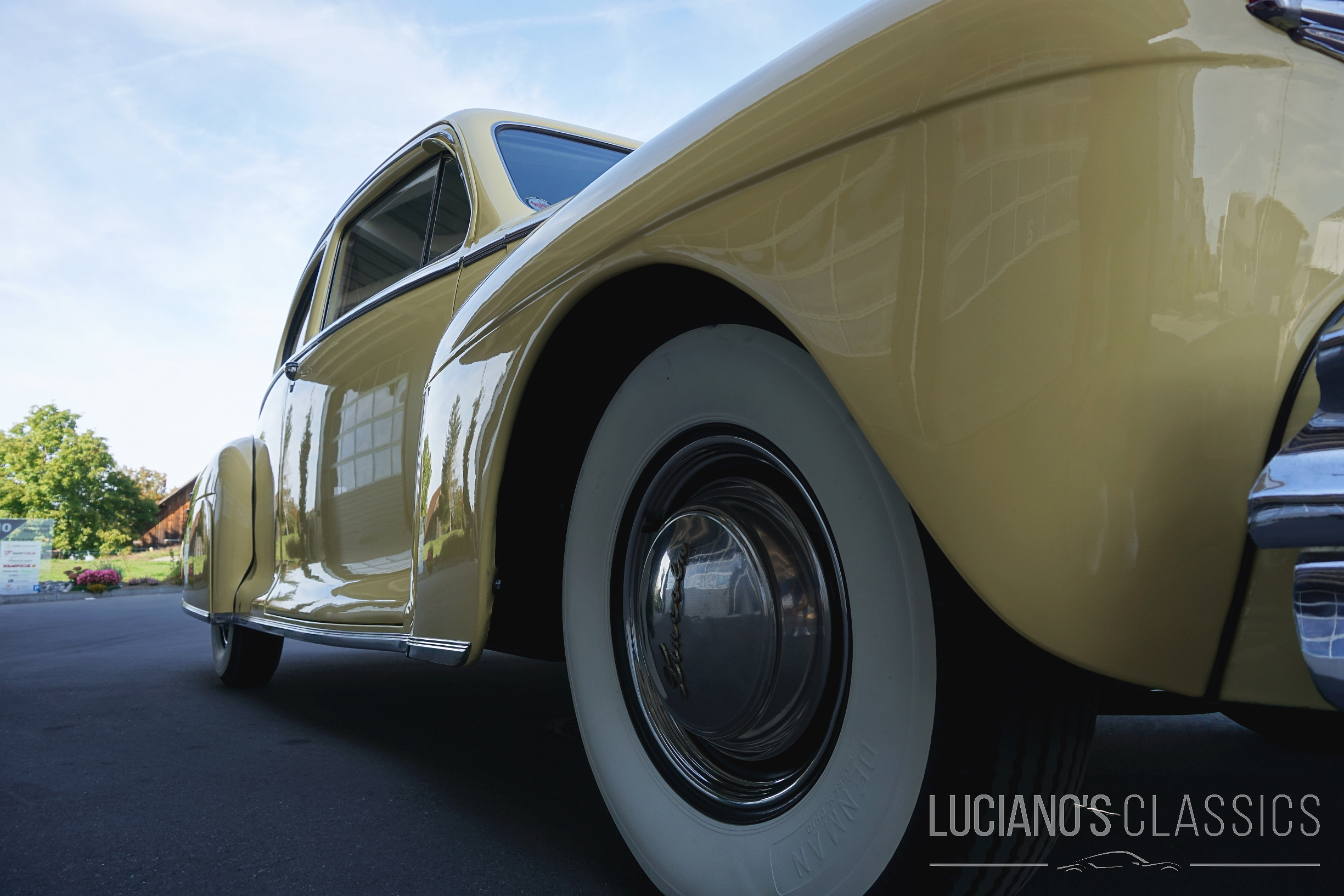
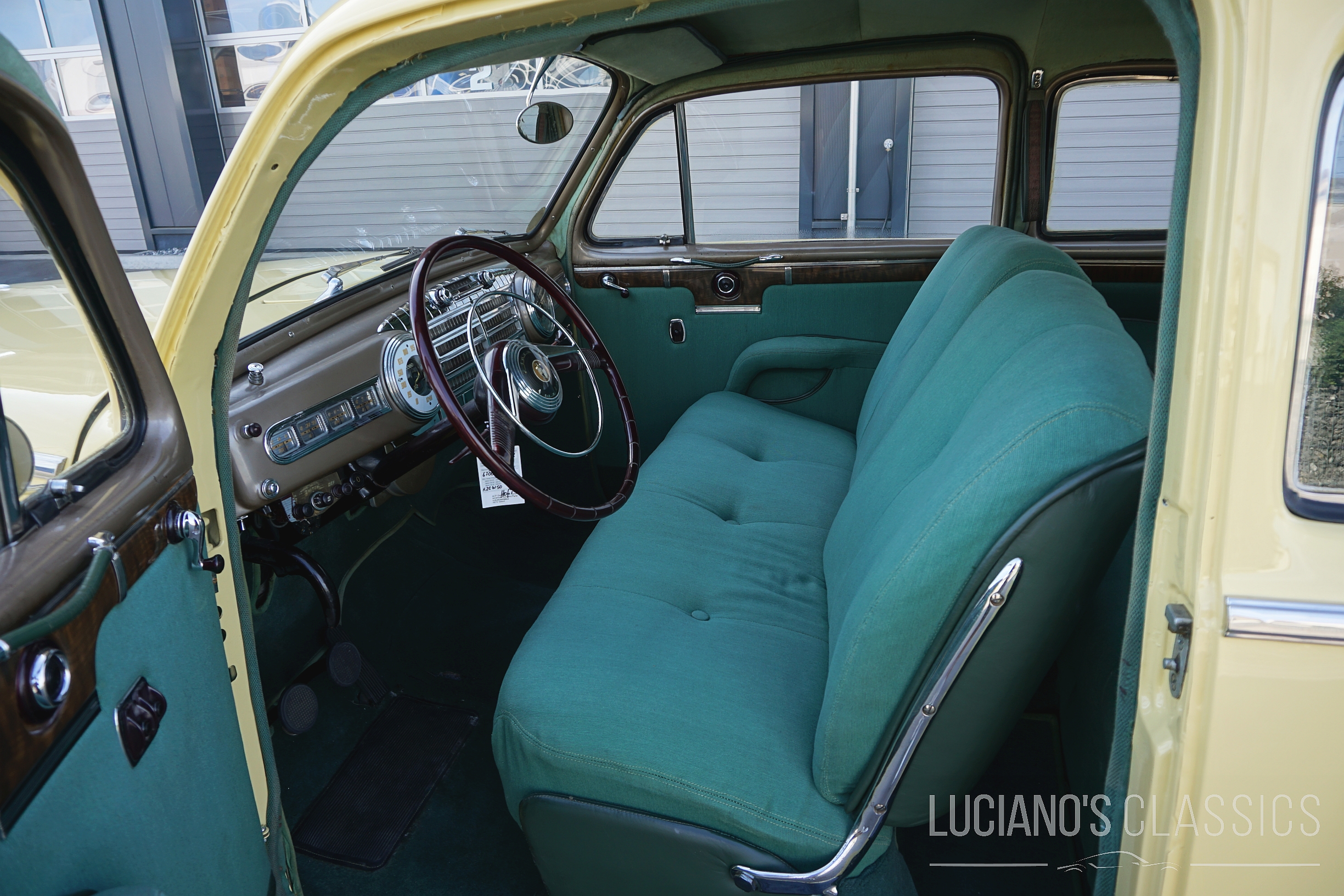
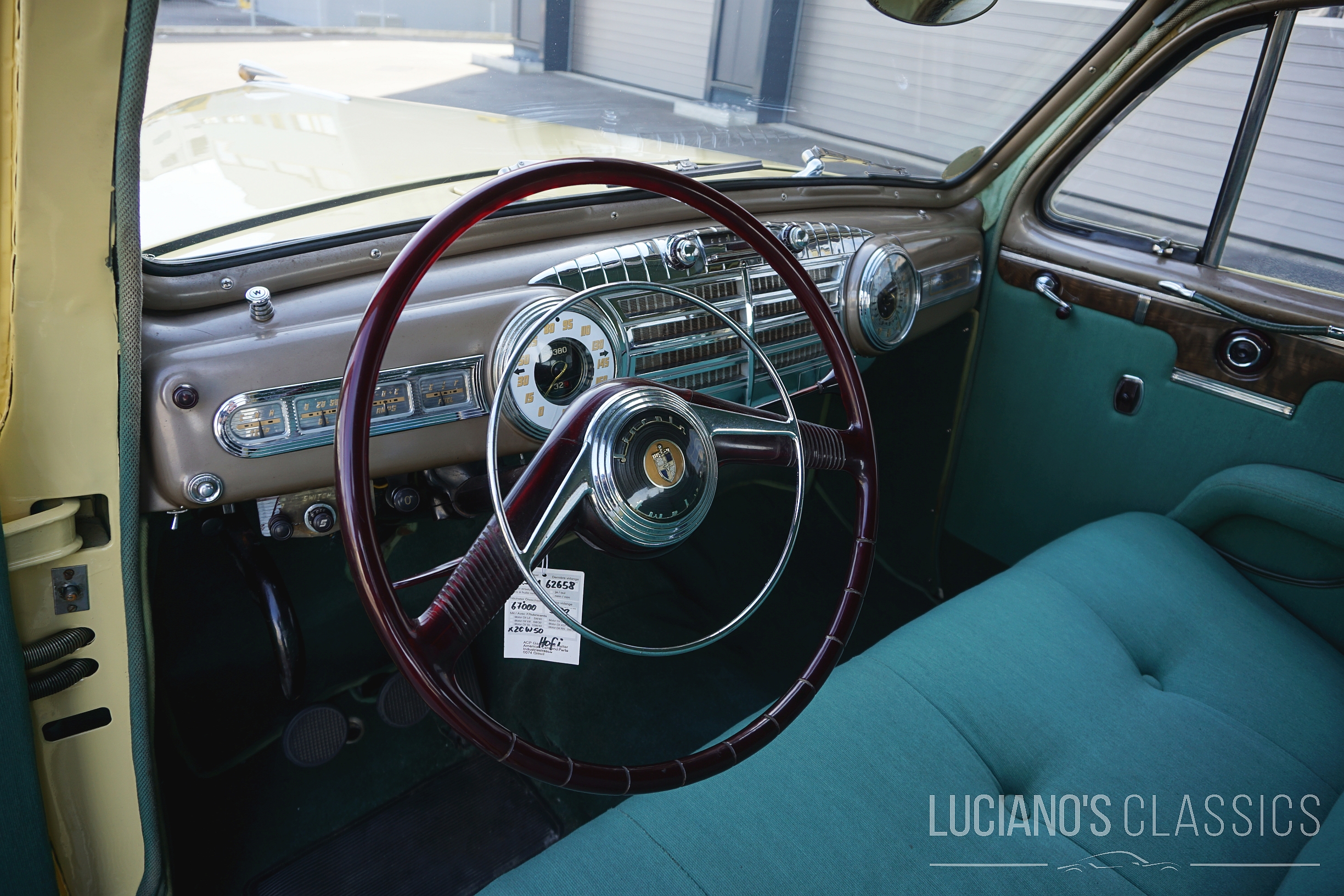
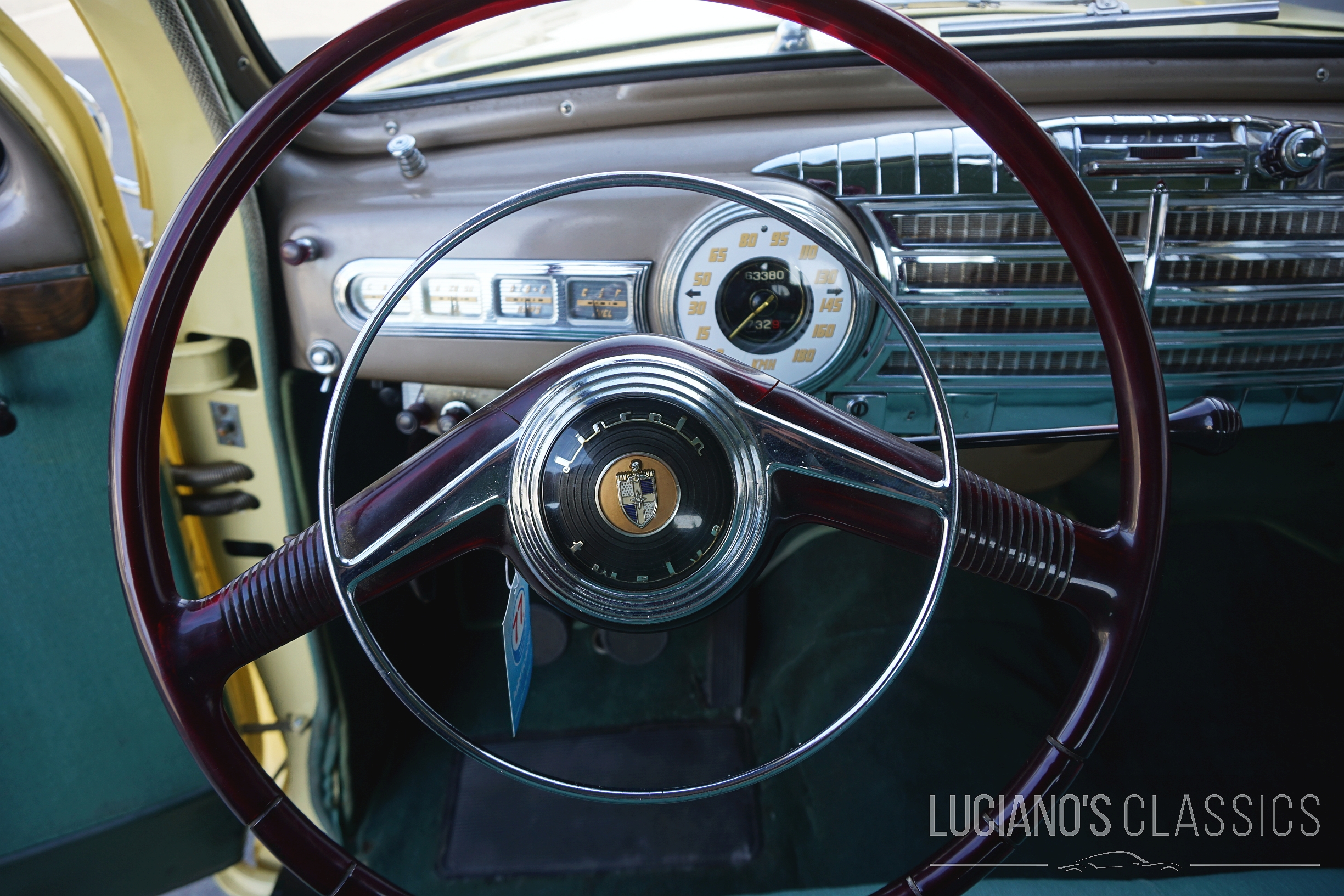
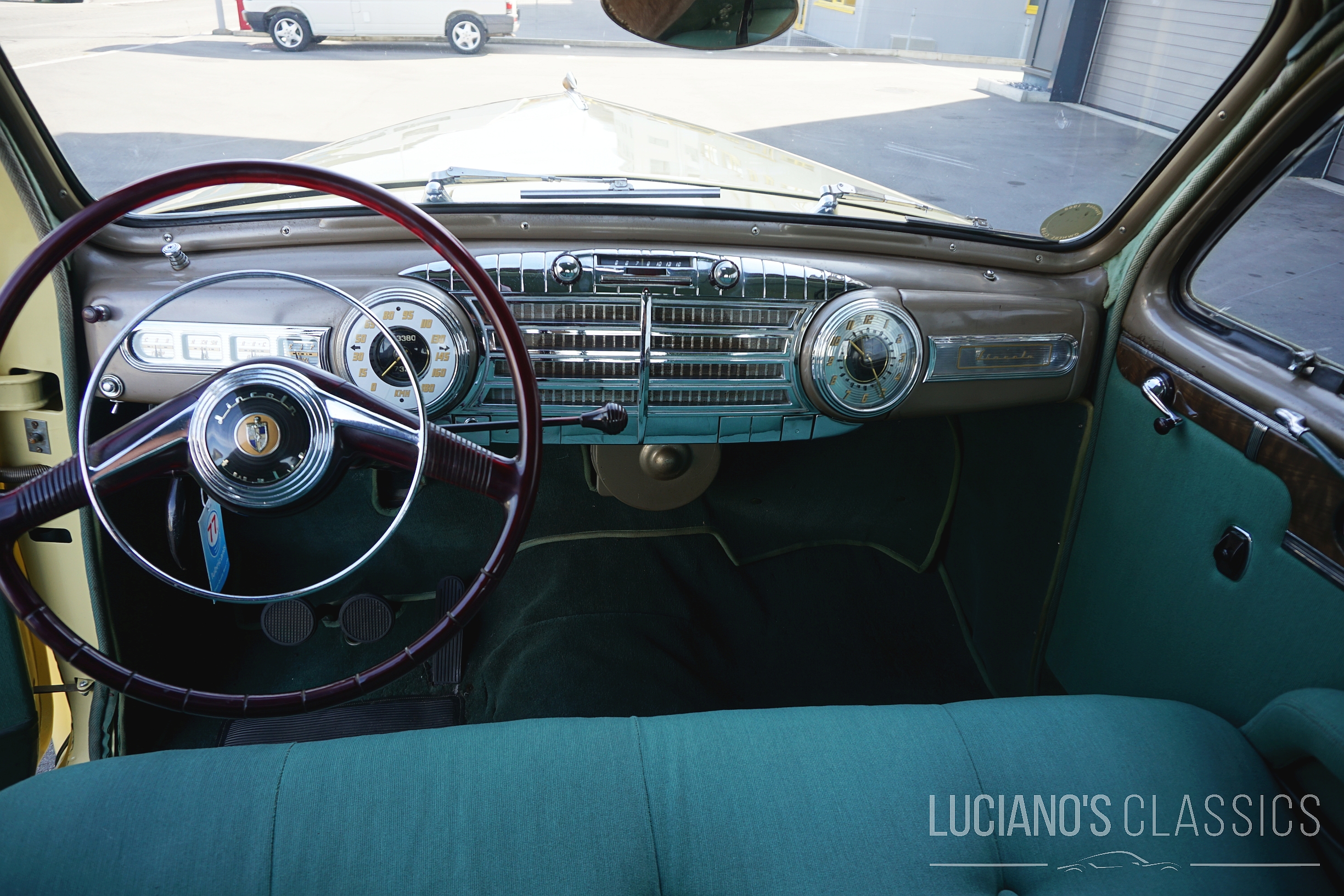
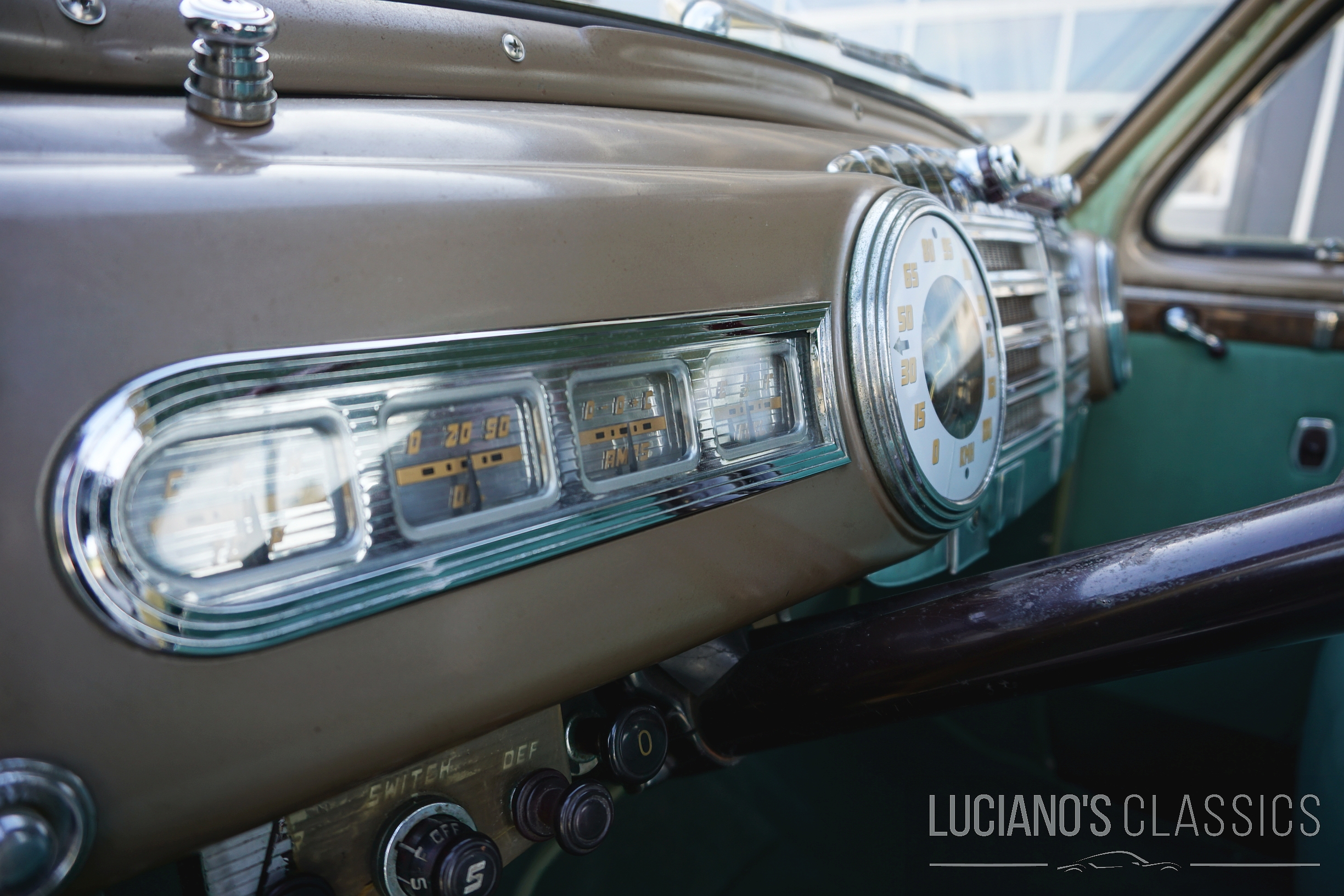
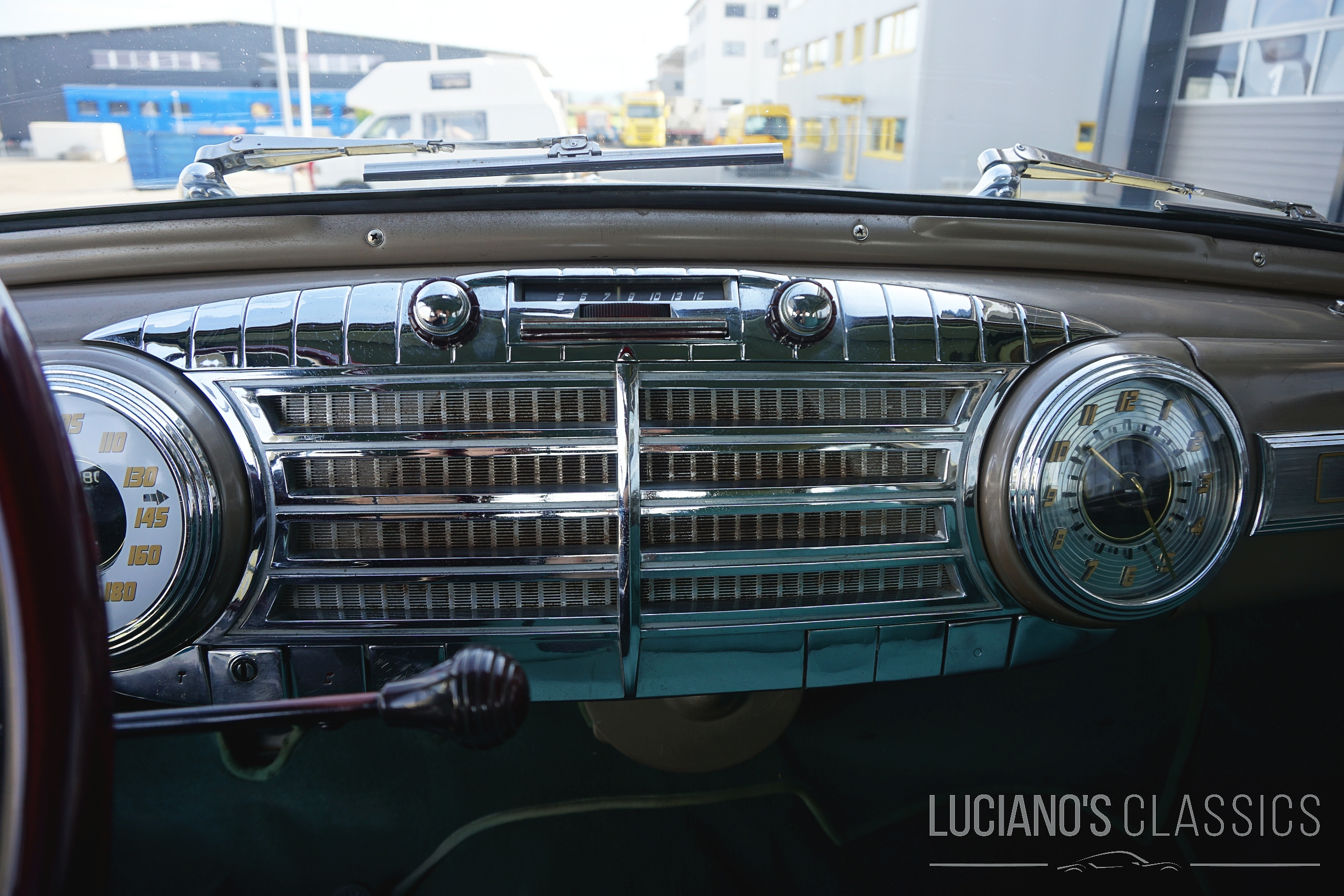
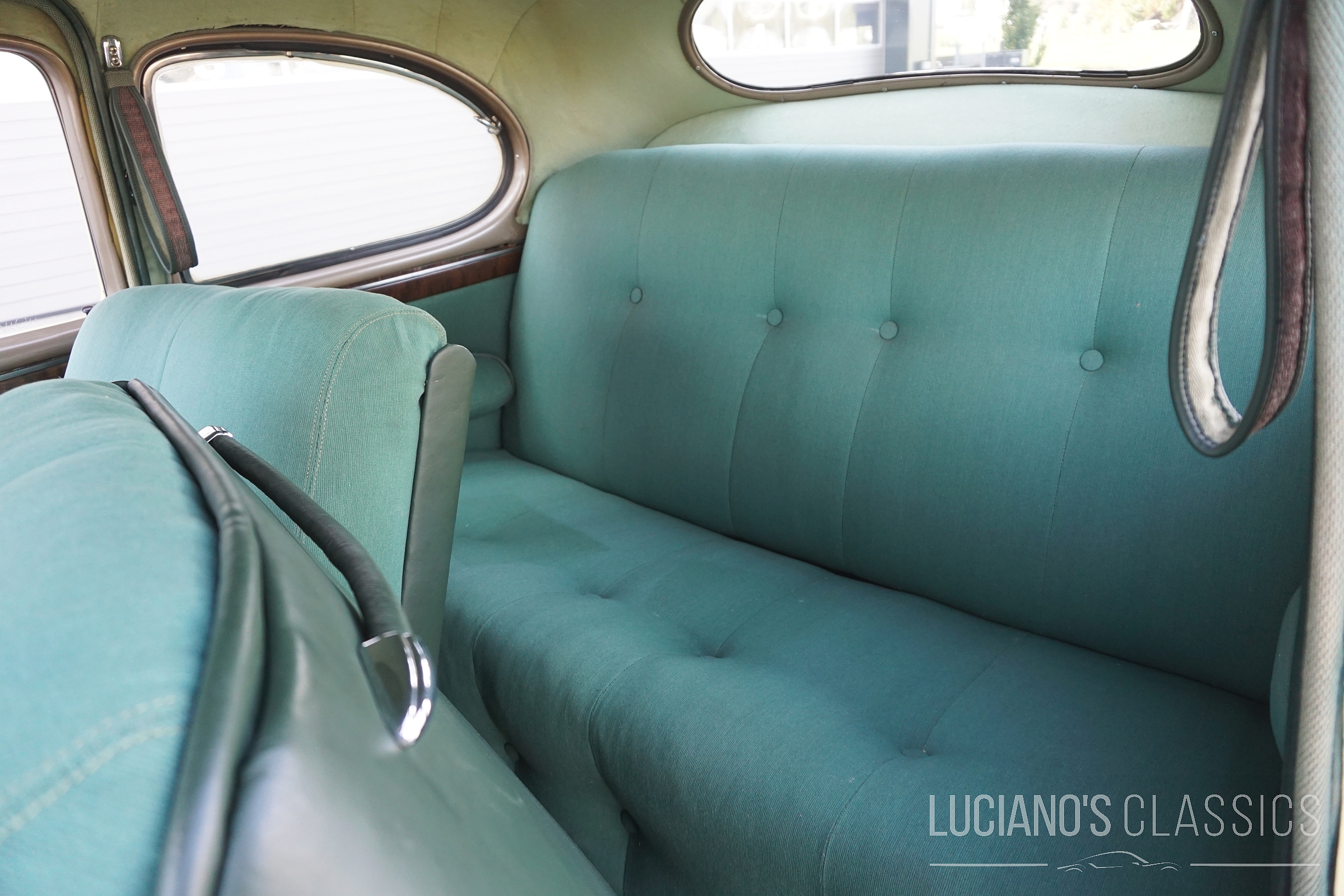
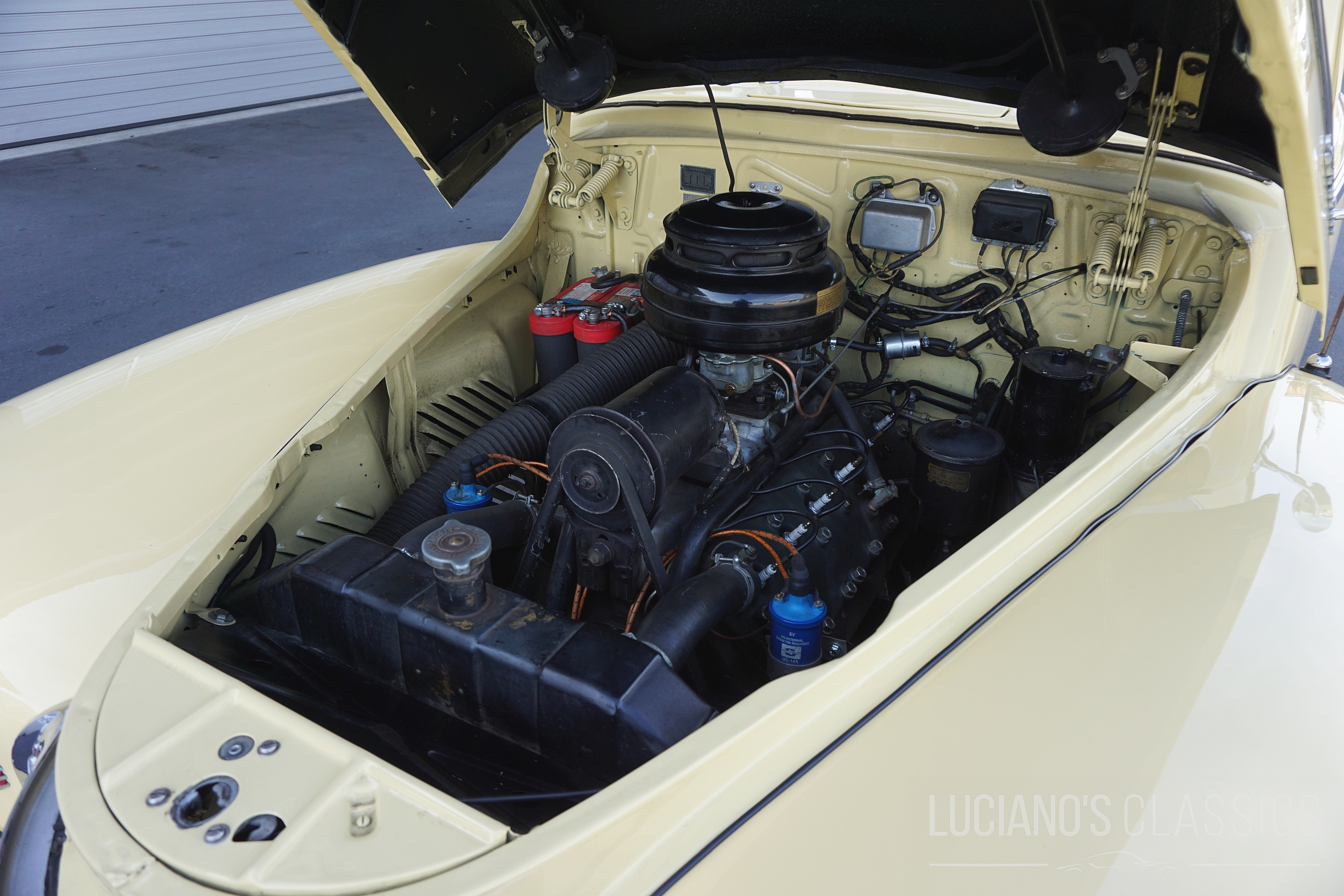
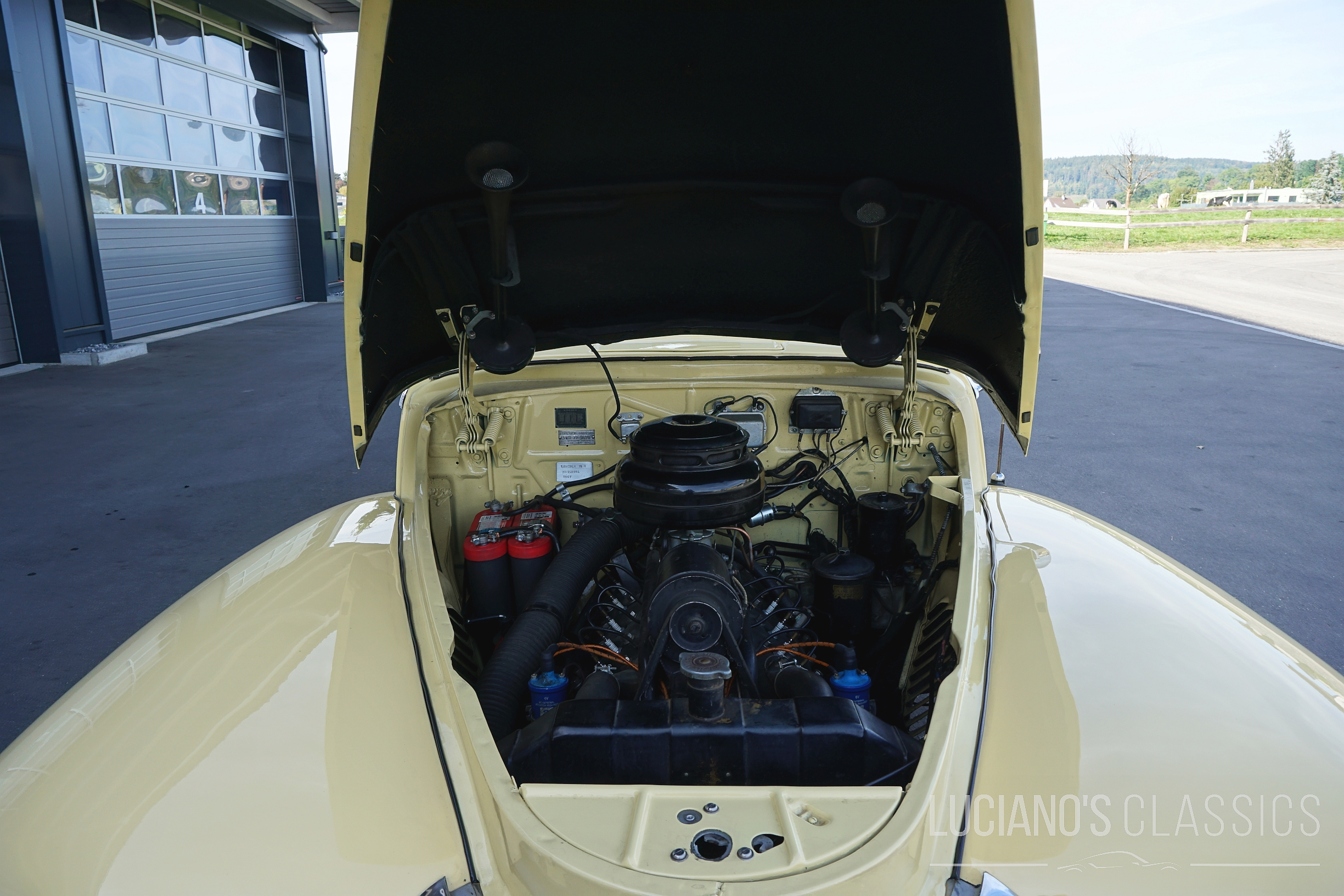
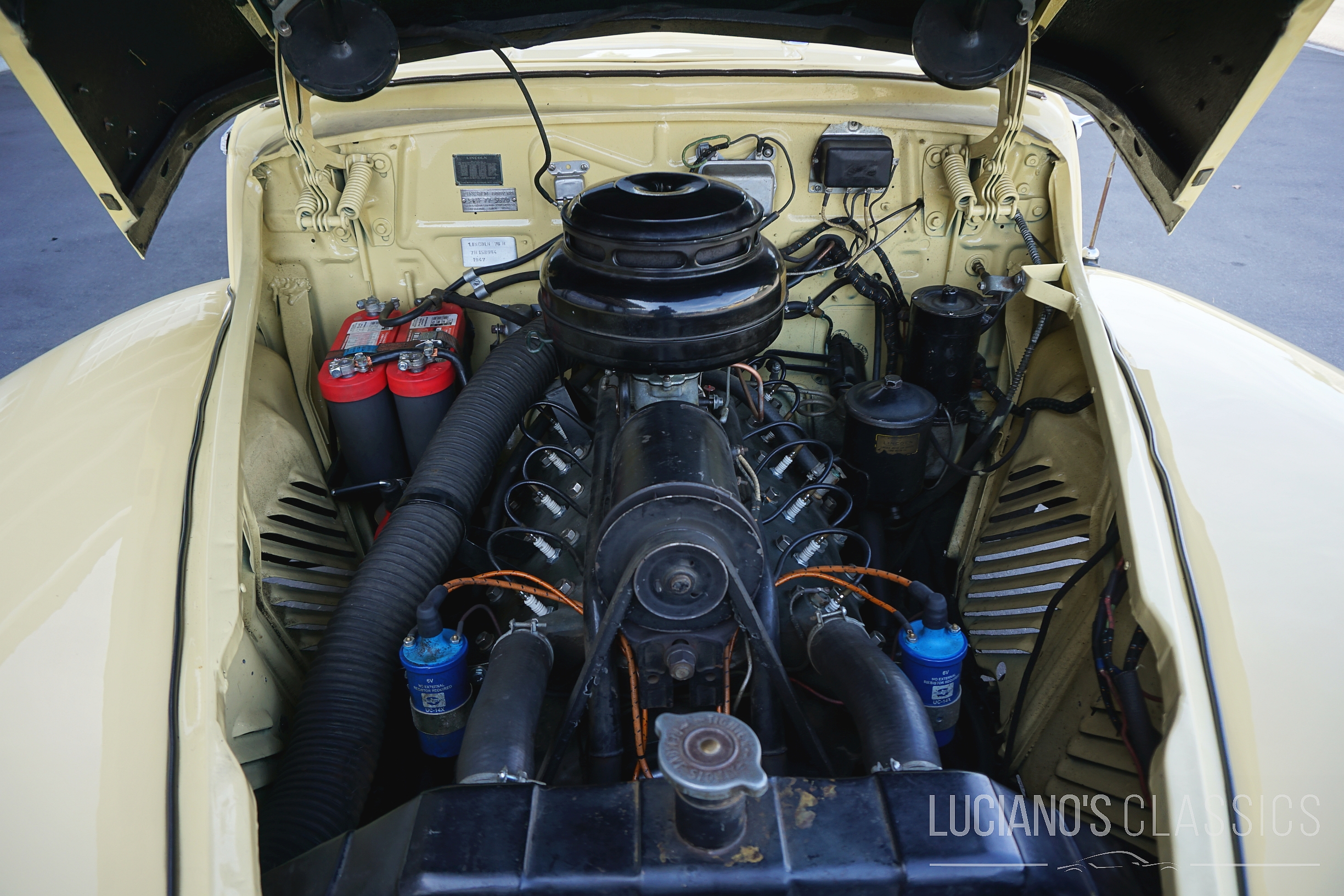
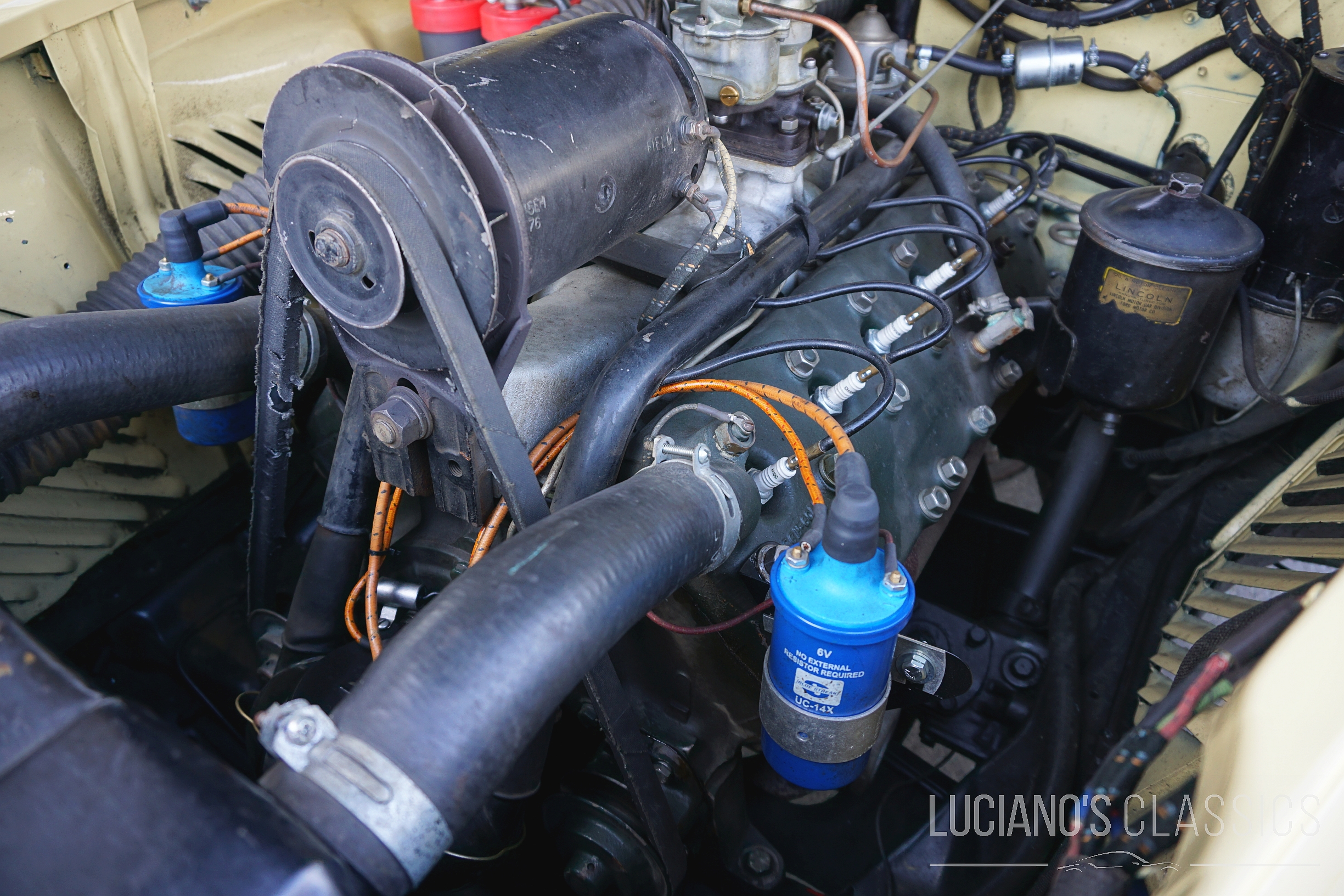
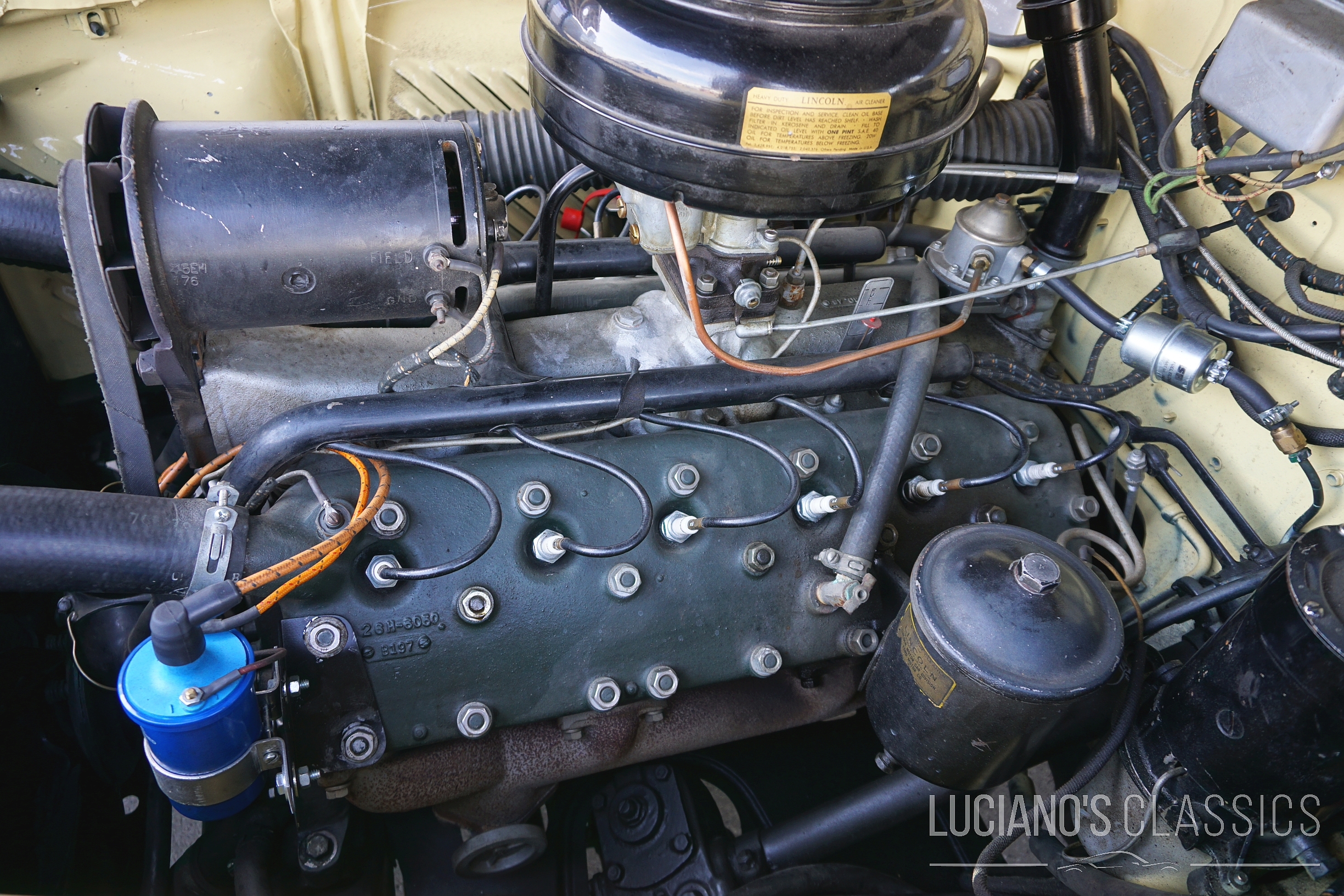
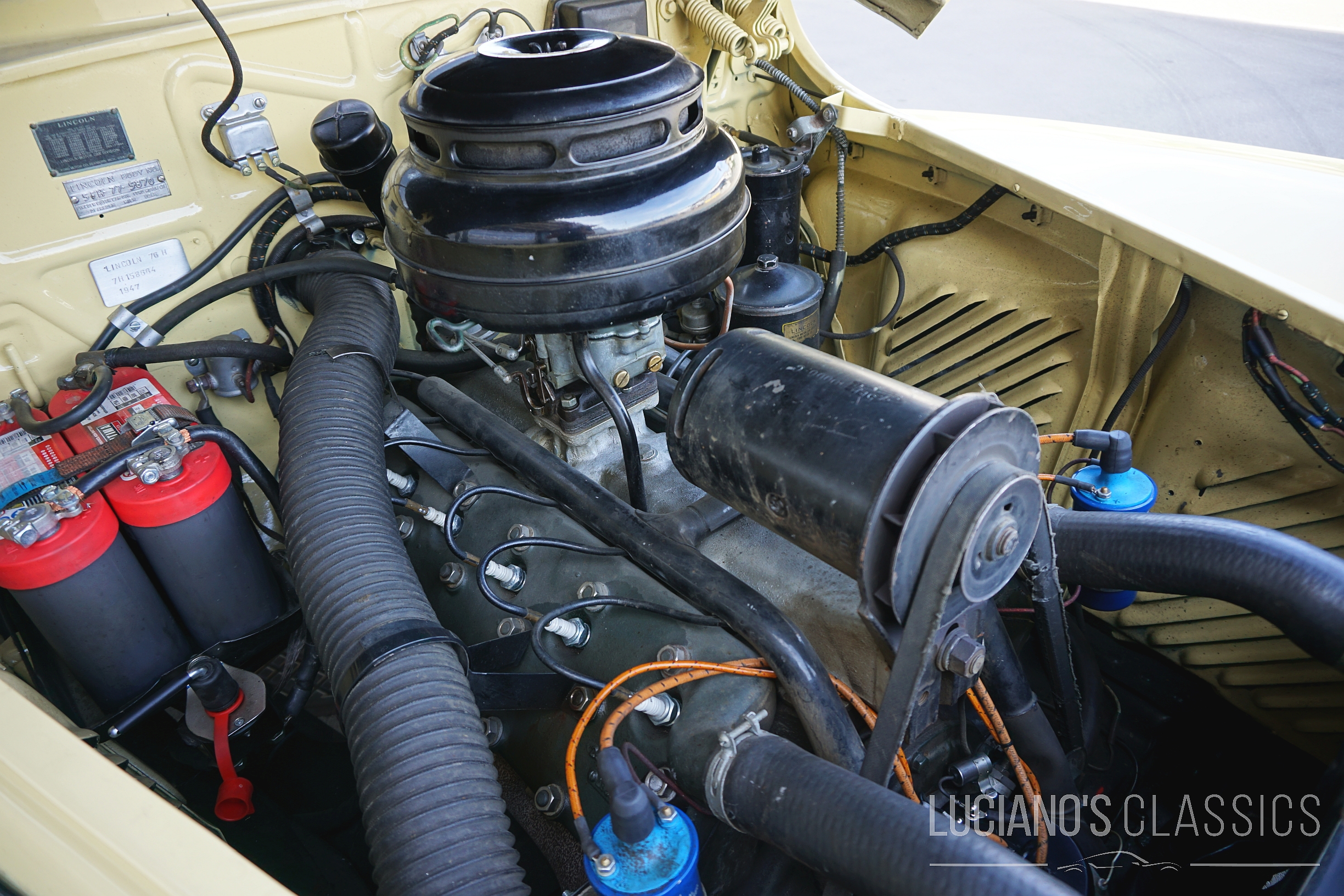
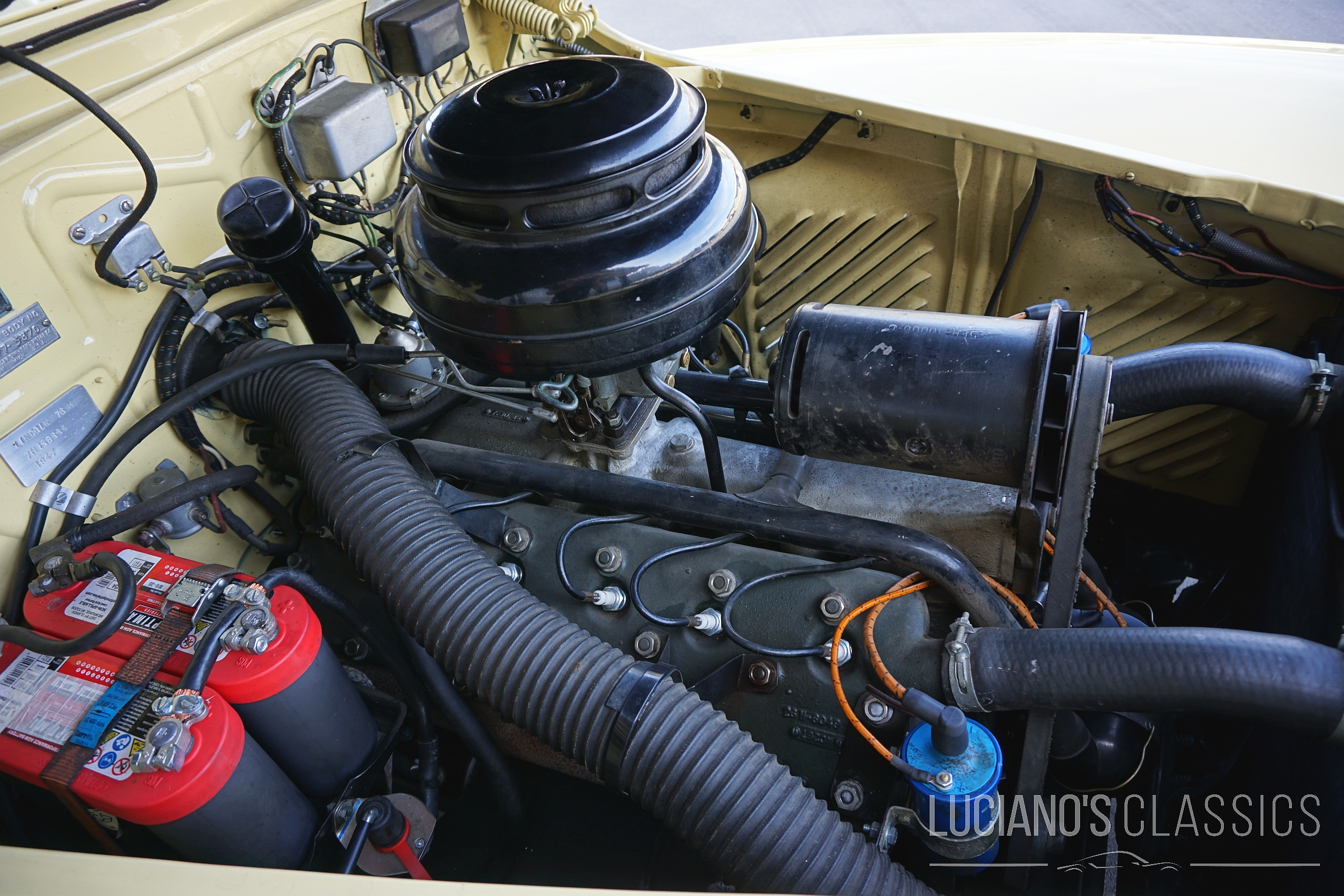
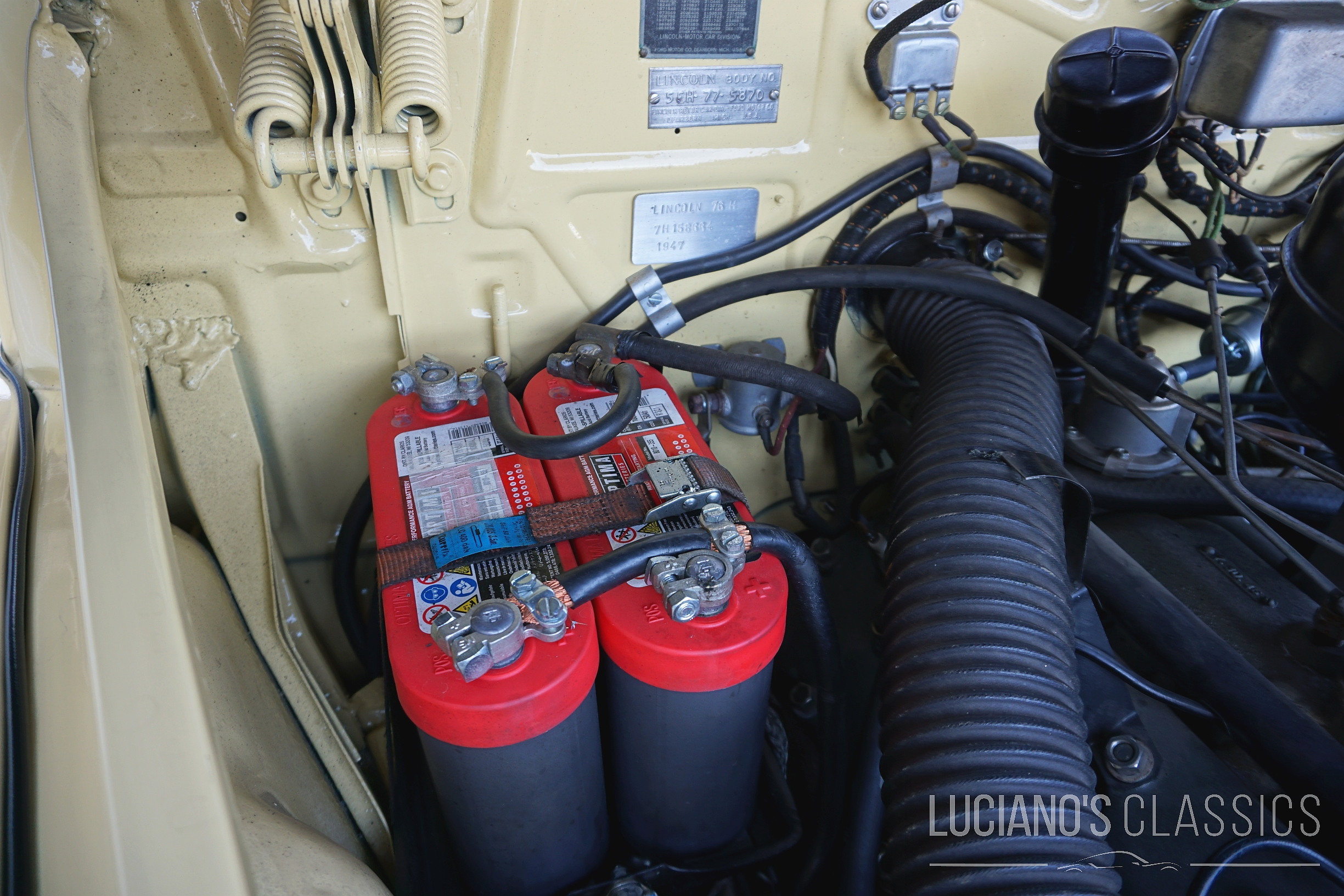
Something very special about this car is the very smooth-running V12 flathead, which is based on the Ford V8. In this case, the gearshift is manual and with overdrive. Despite its respectable age, the car runs perfectly, struts gracefully along country roads and gives both occupants and outsiders pleasure and a short break from everyday modern life.
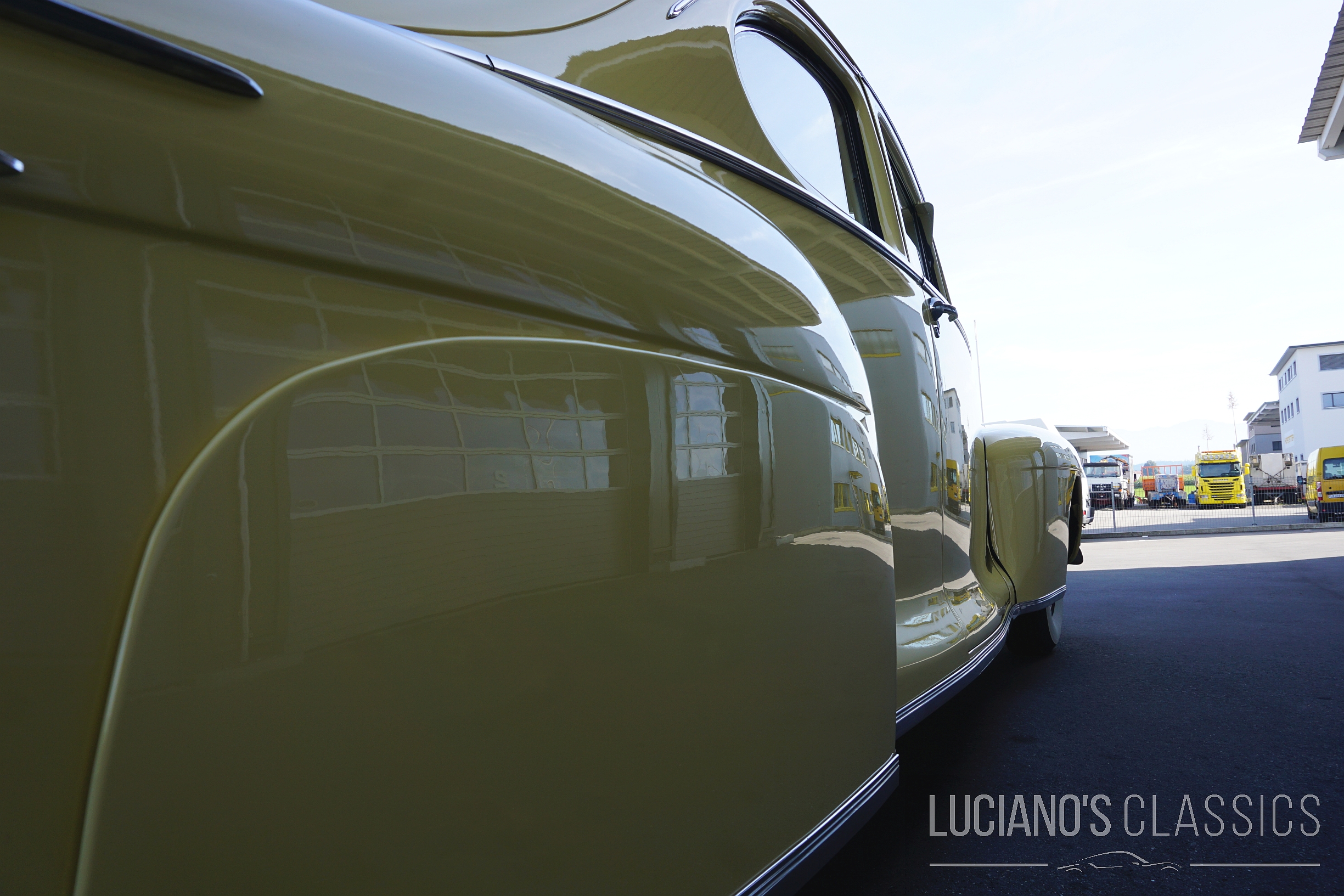
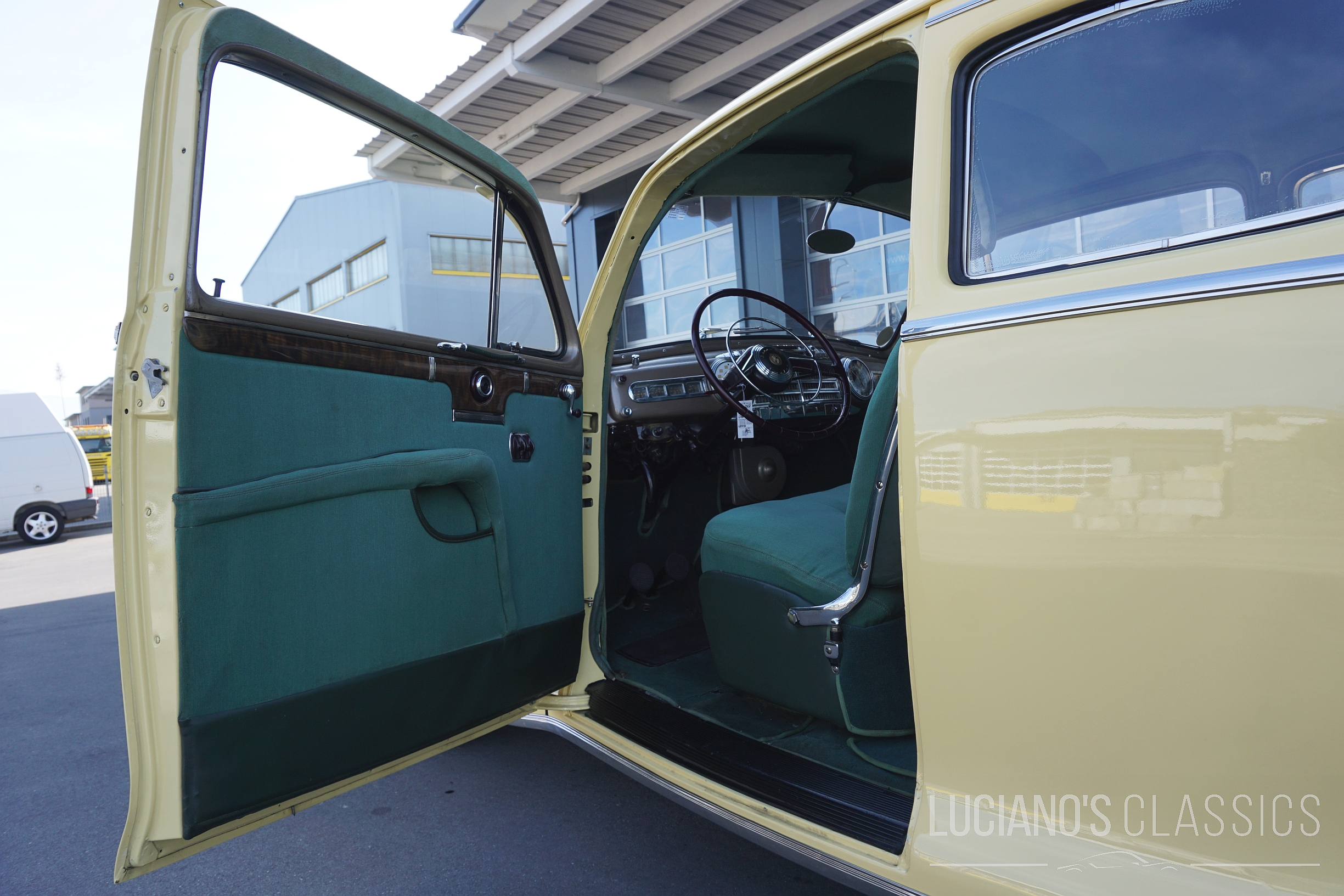
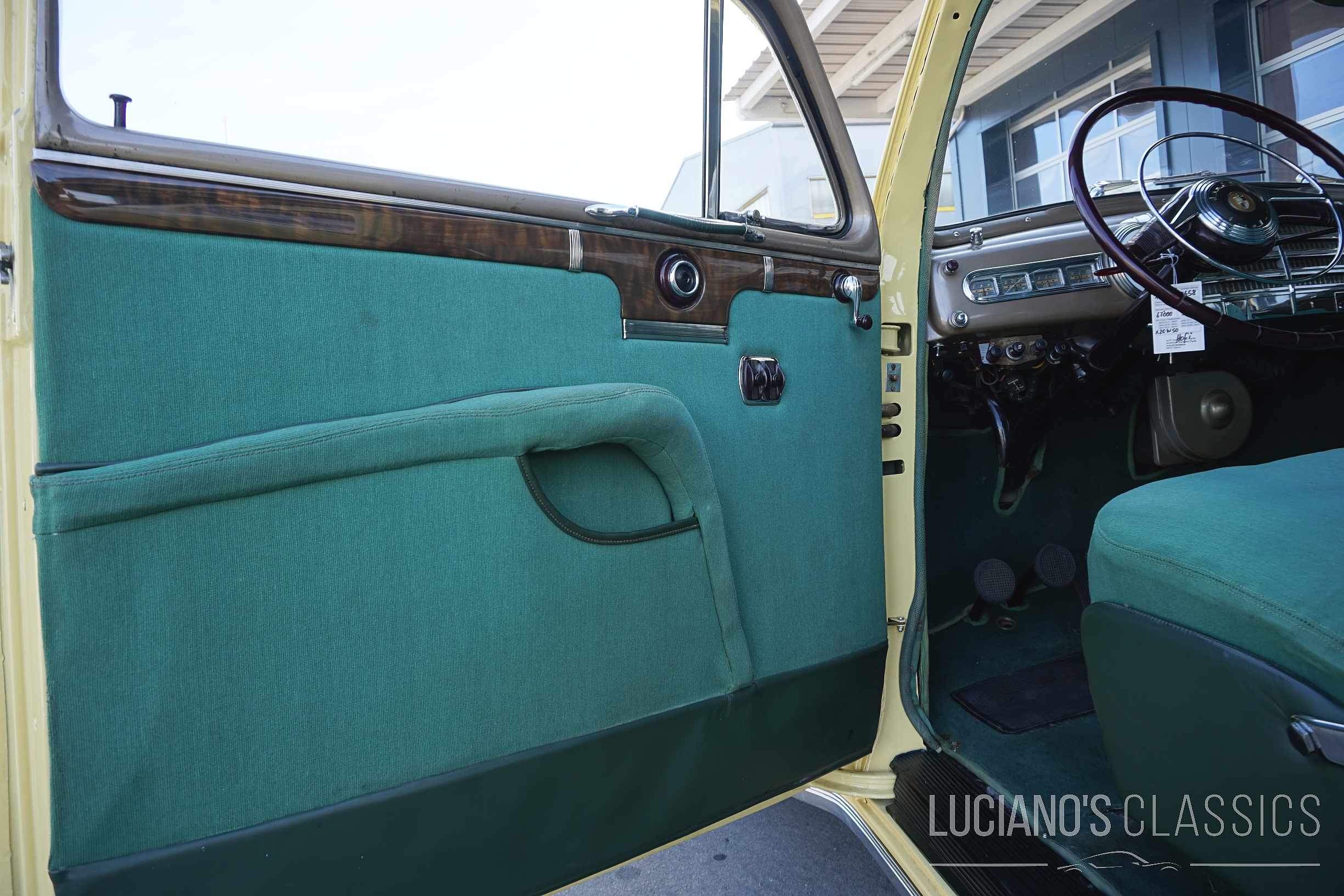
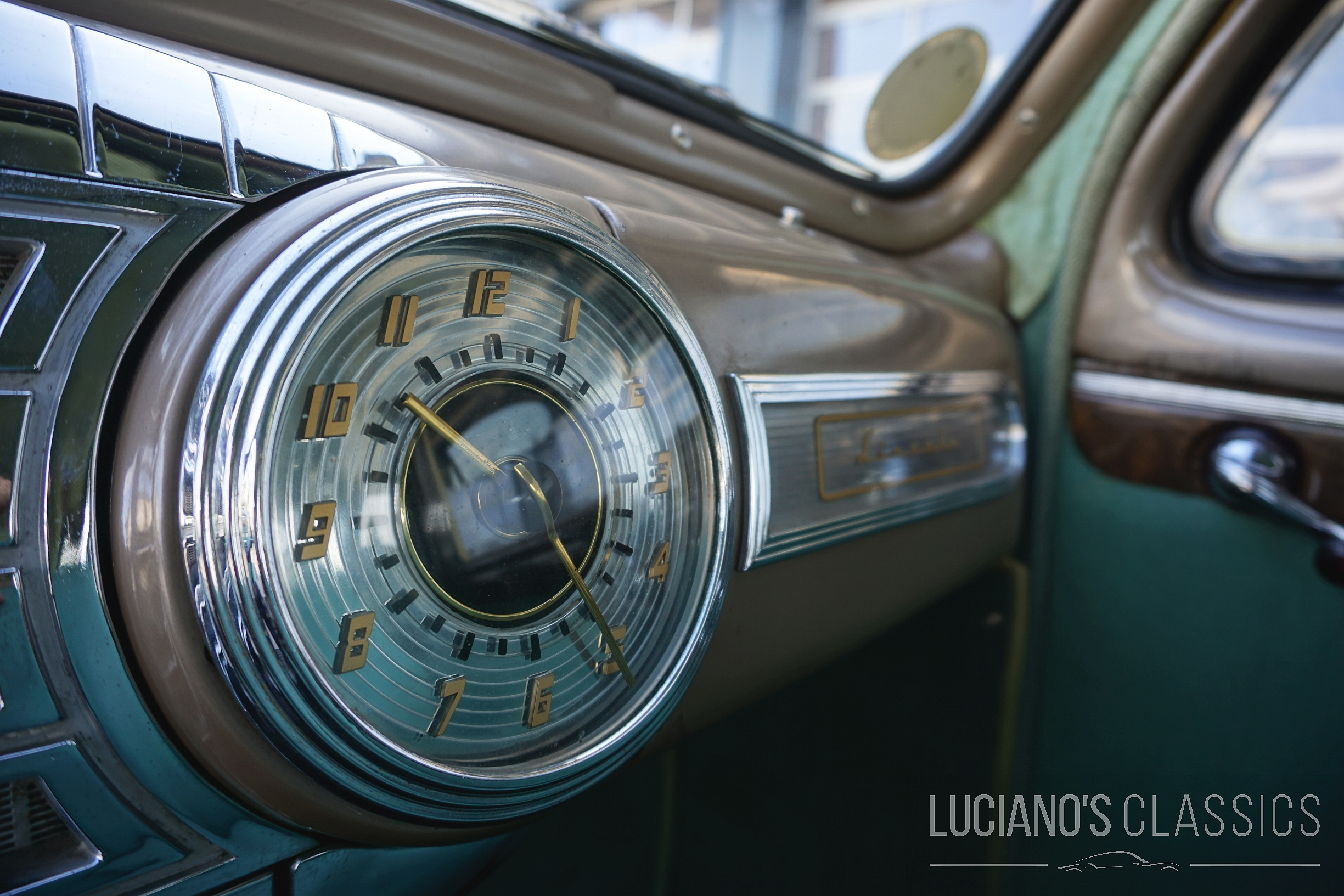
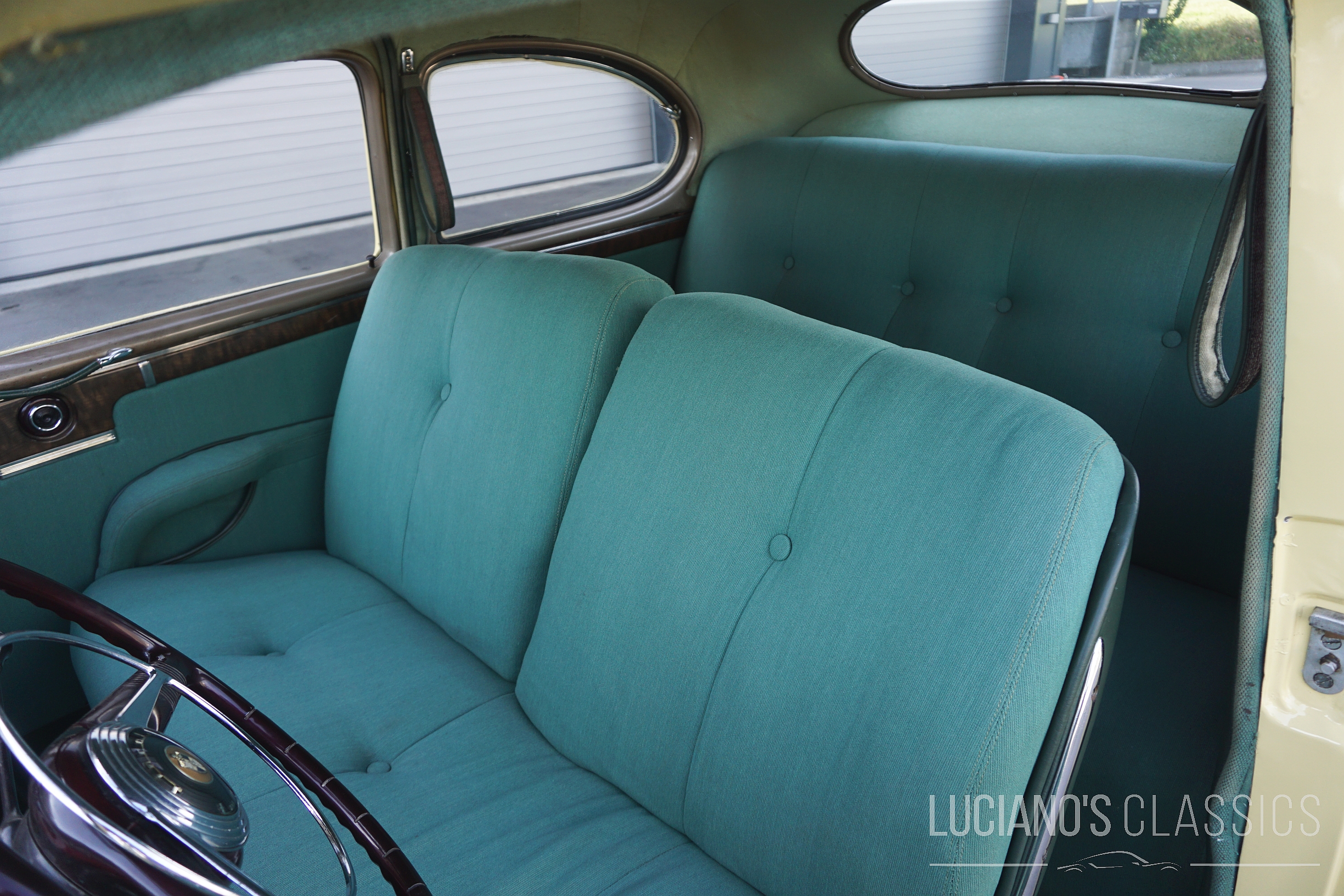
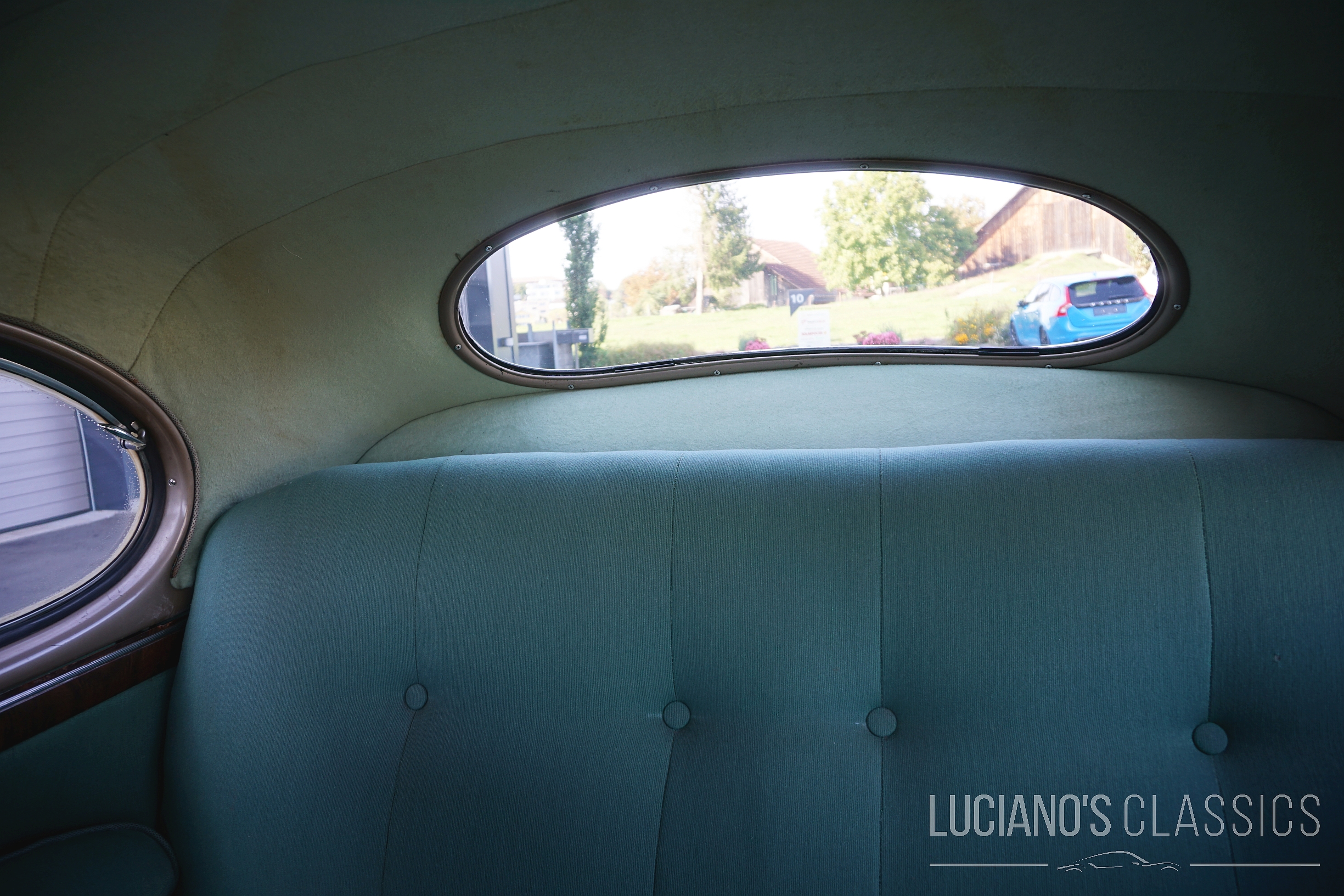
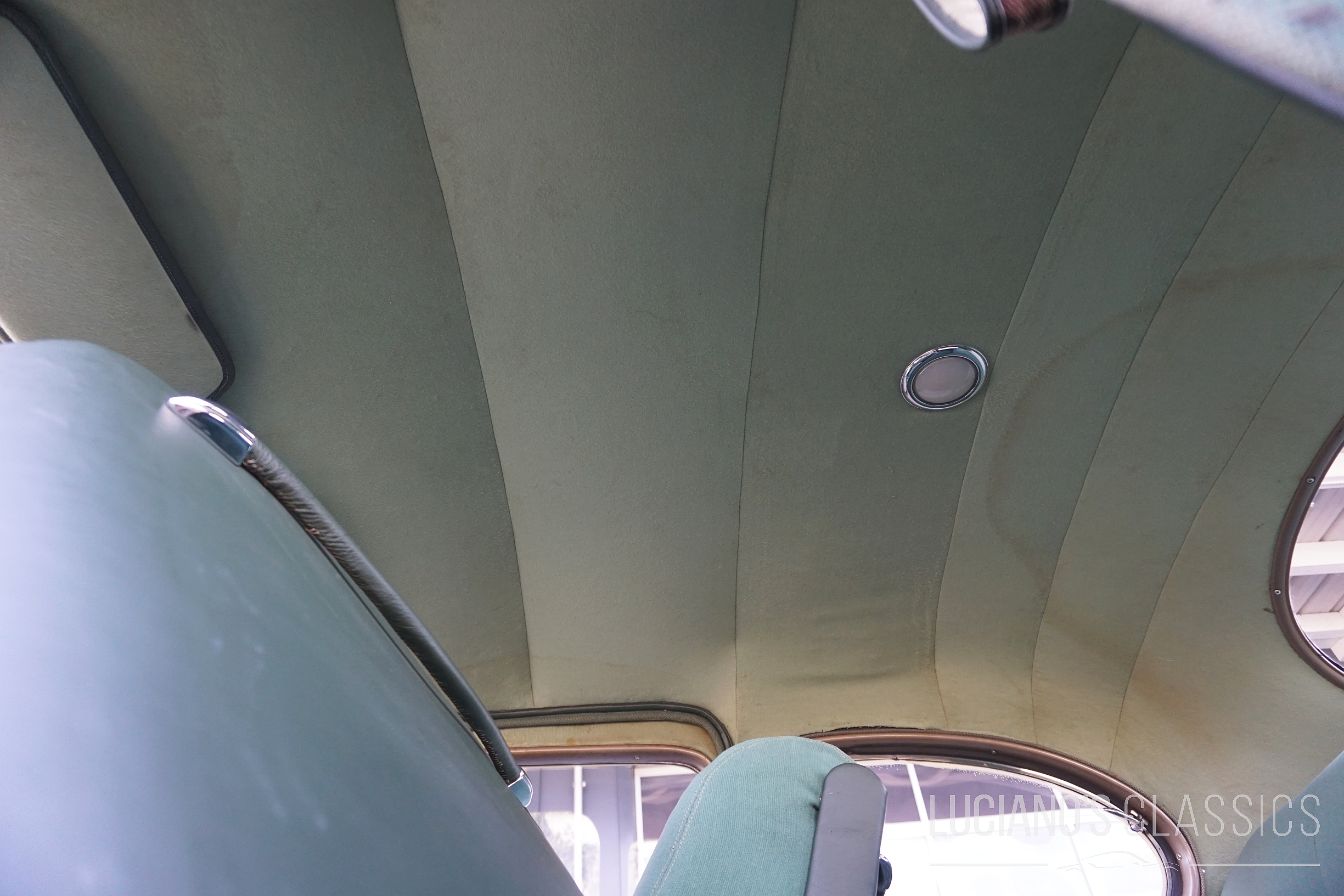
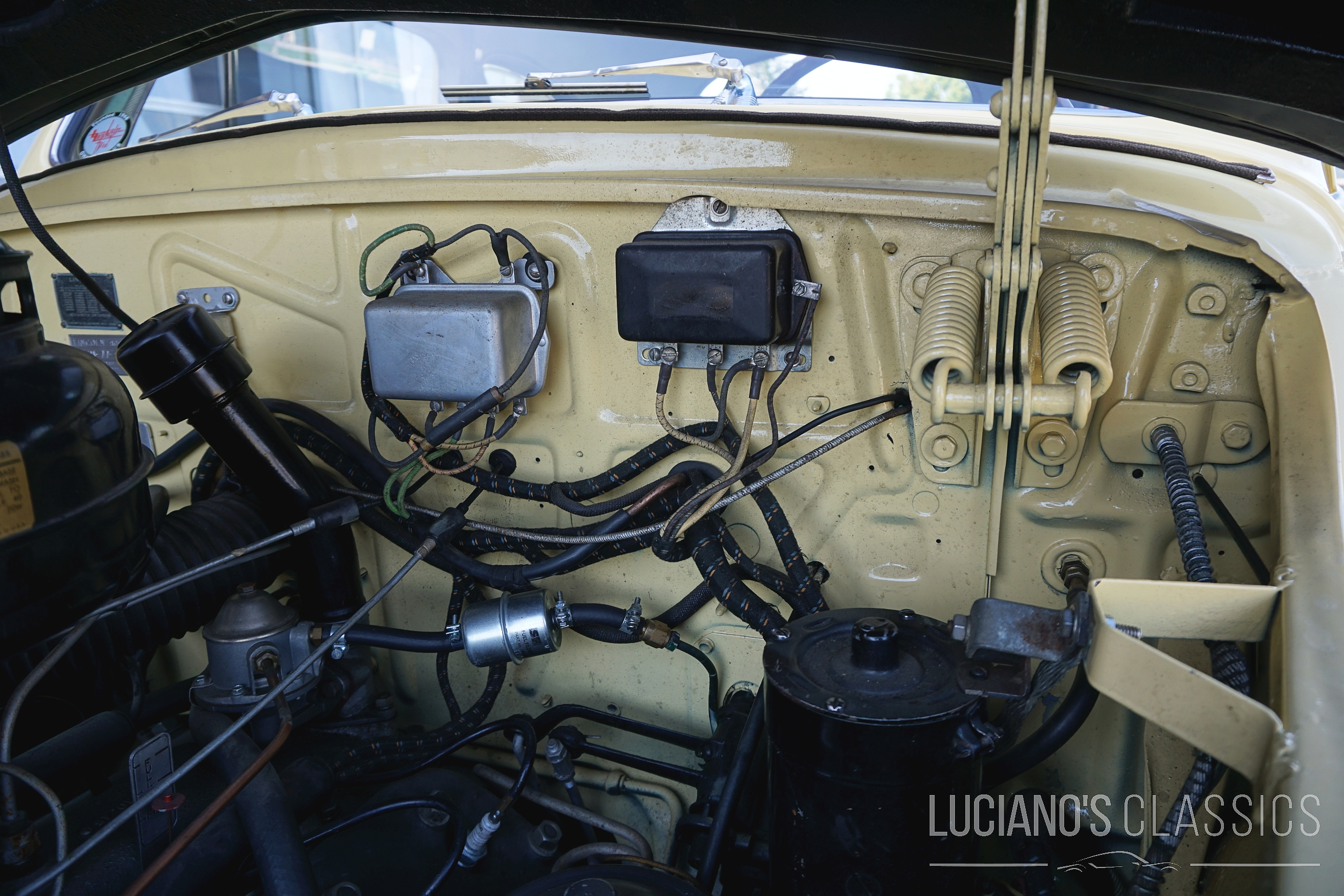
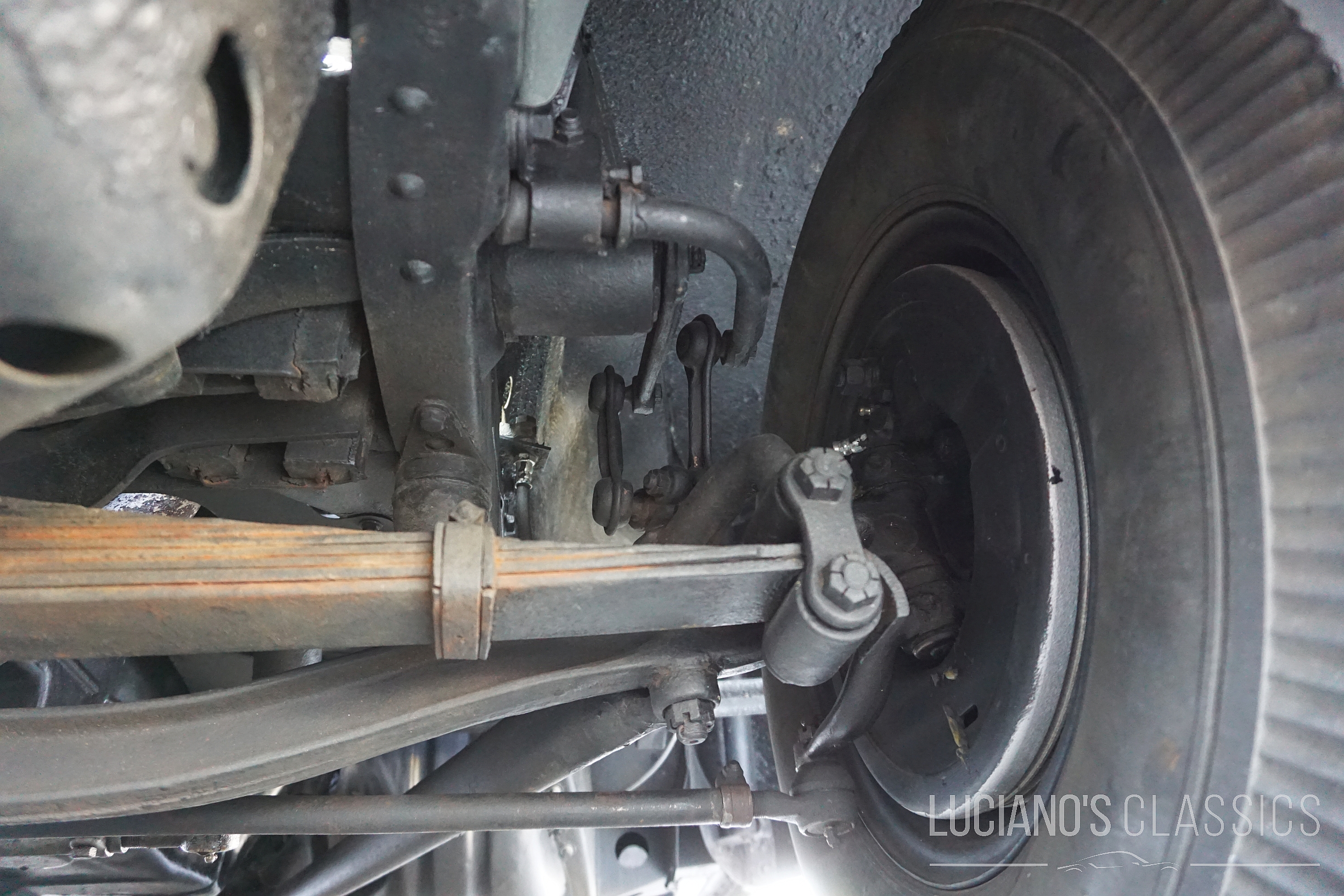
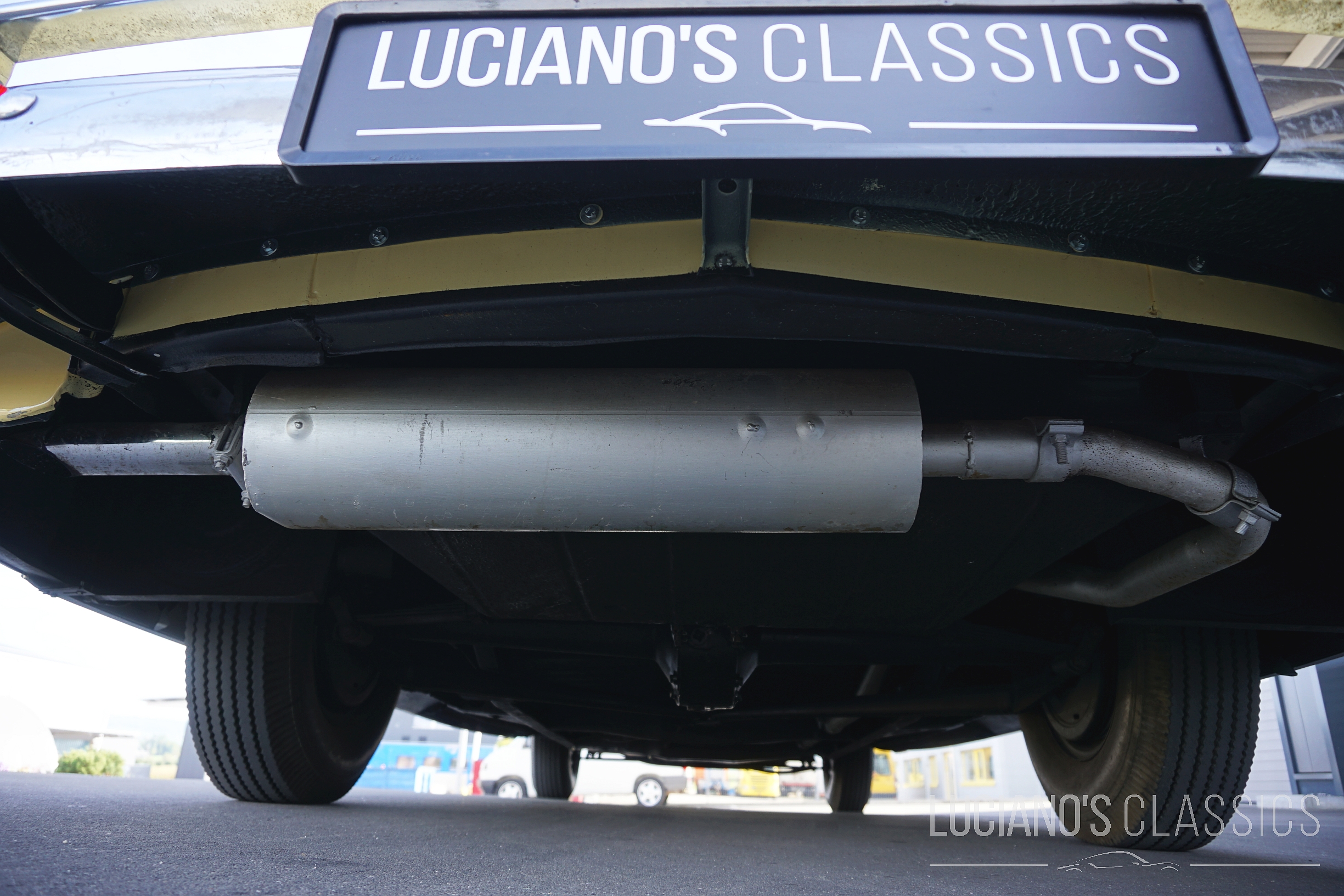
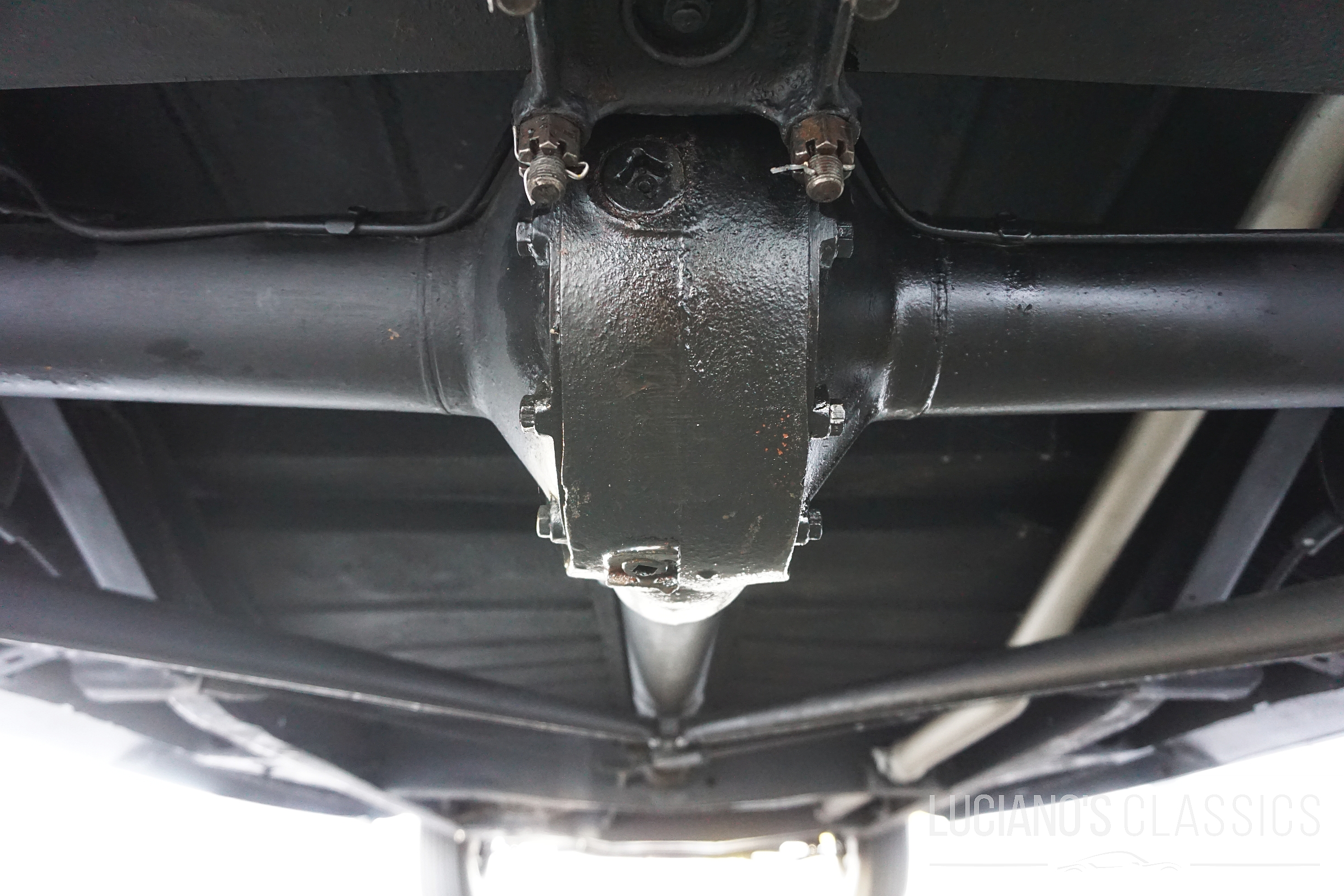
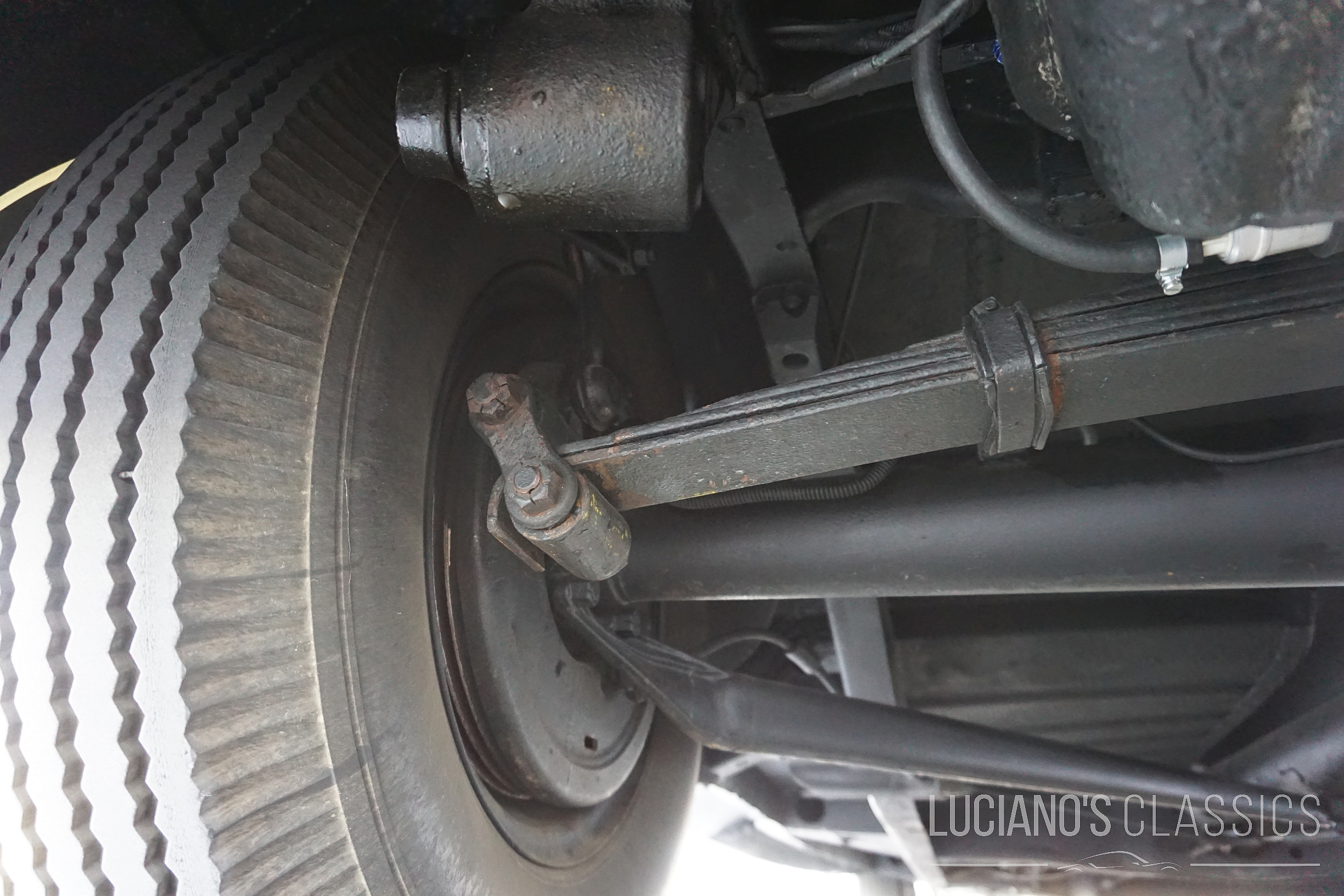
The luxury coupé is surprisingly quiet and very pleasant to drive. The manual gearshift is buttery smooth through the gears and the car feels very harmonious all round. The pretty little car, affectionately nicknamed «Cremeschnittchen» by the owner, was presented as a veteran in 2021 without any problems and is in correspondingly very good condition. The original 6-volt electrics work perfectly apart from the clock and the ignition system and water pumps were recently replaced.
A timeless classic that is an eye-catcher and unrivaled in terms of driving comfort. Get in, cruise and enjoy.
The car is being sold for a customer and a trade-in for an interesting car, even with a surcharge, would be possible.
You can find a video of the Lincoln at the bottom of this page.
Sales price: CHF 65,000
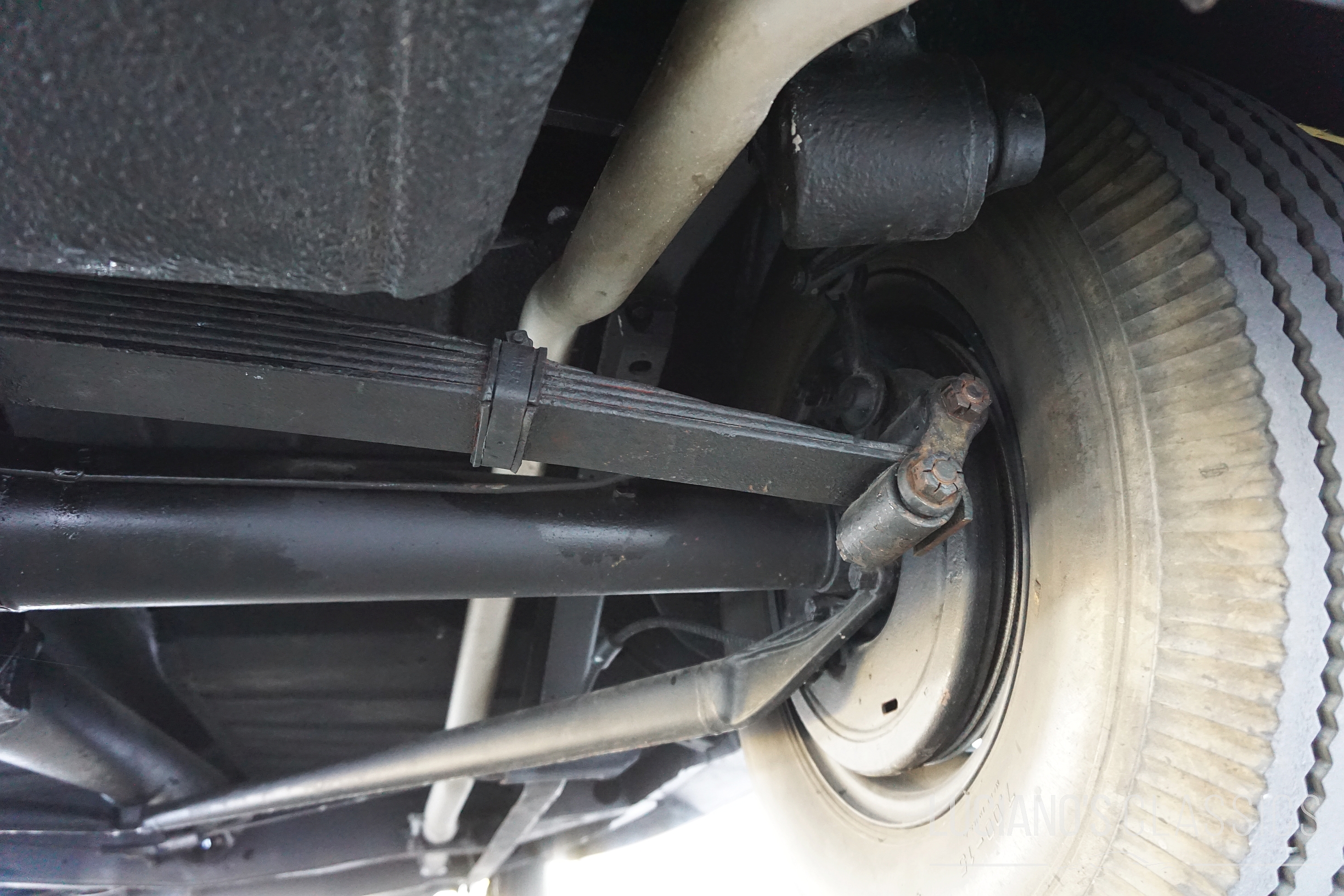
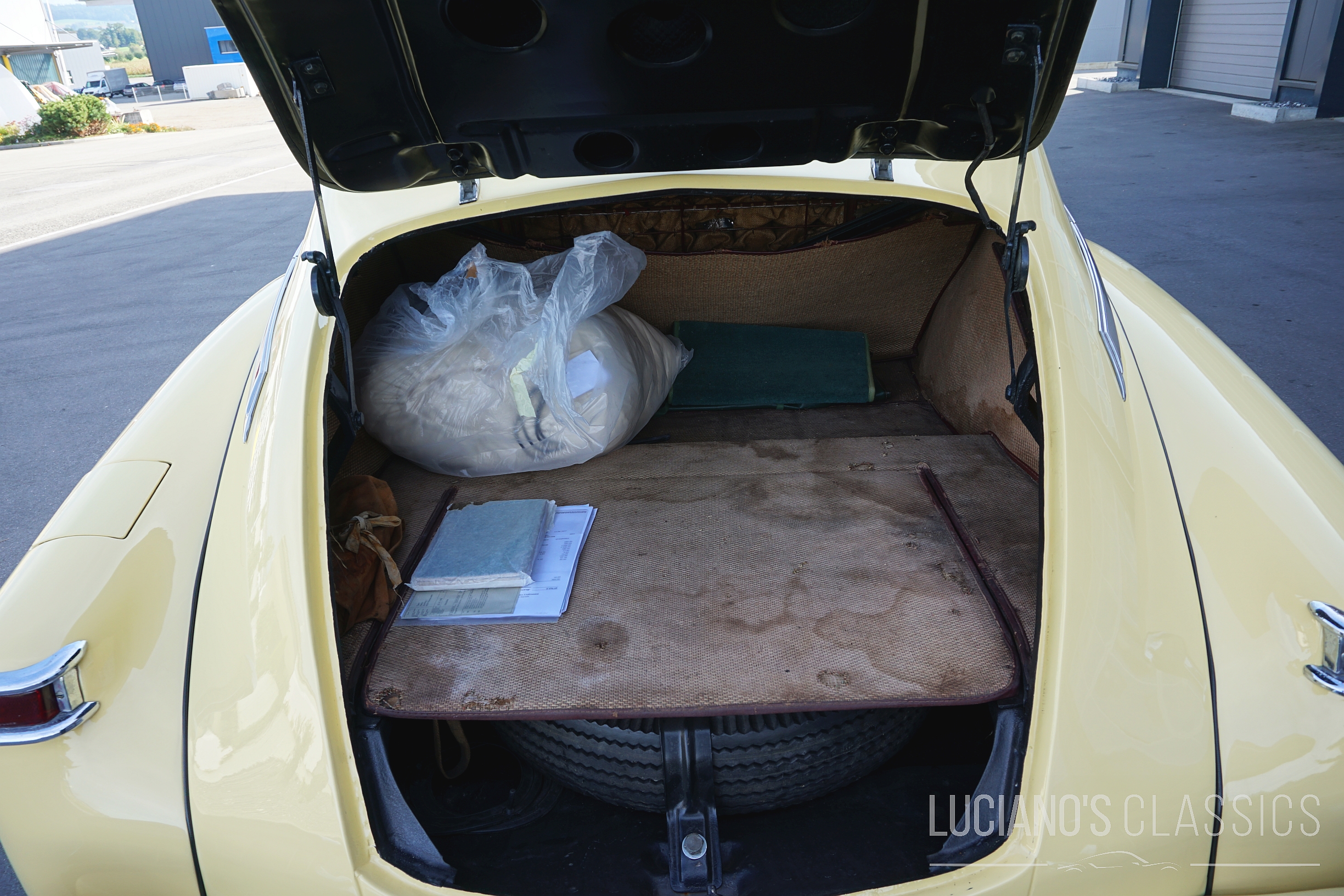
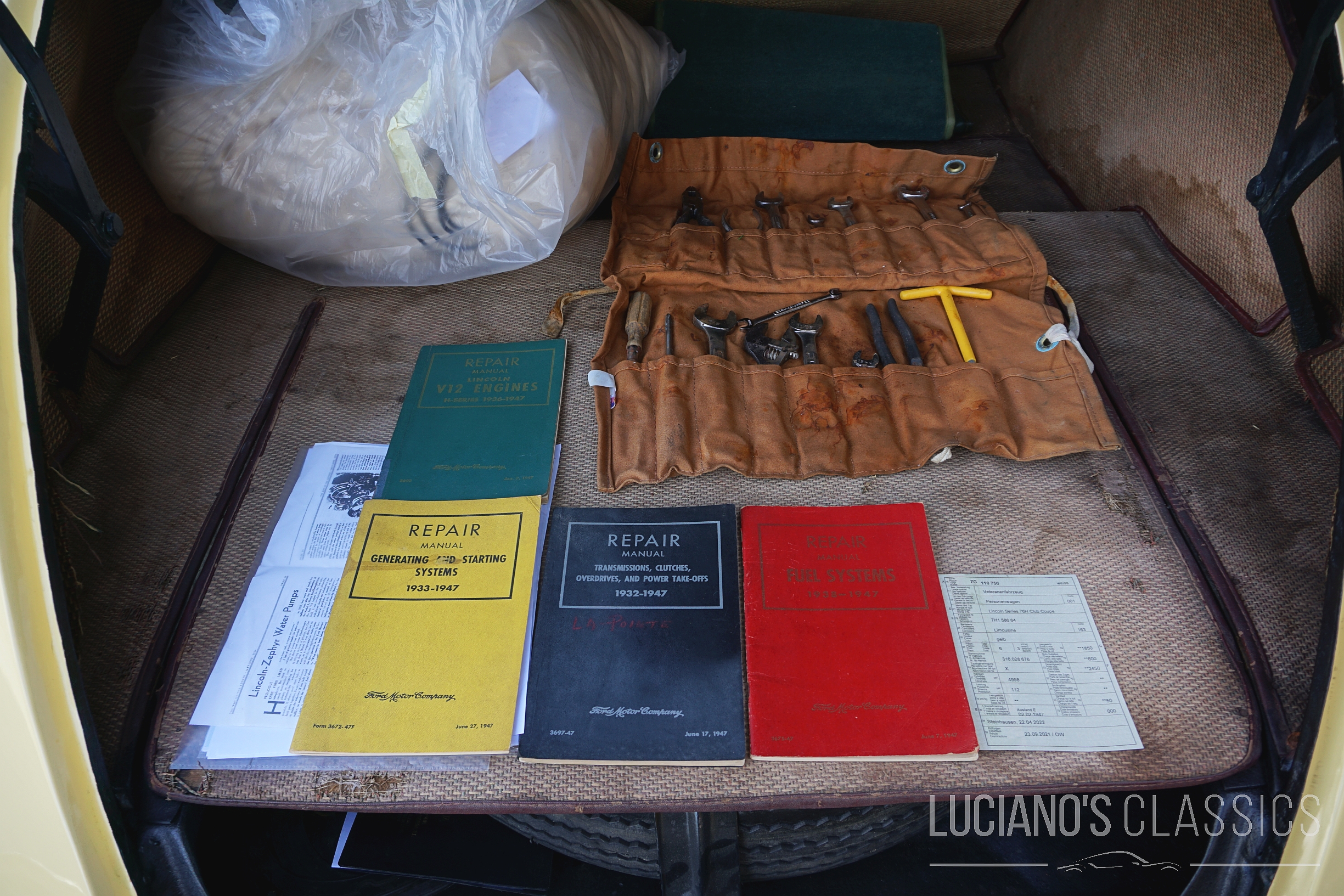
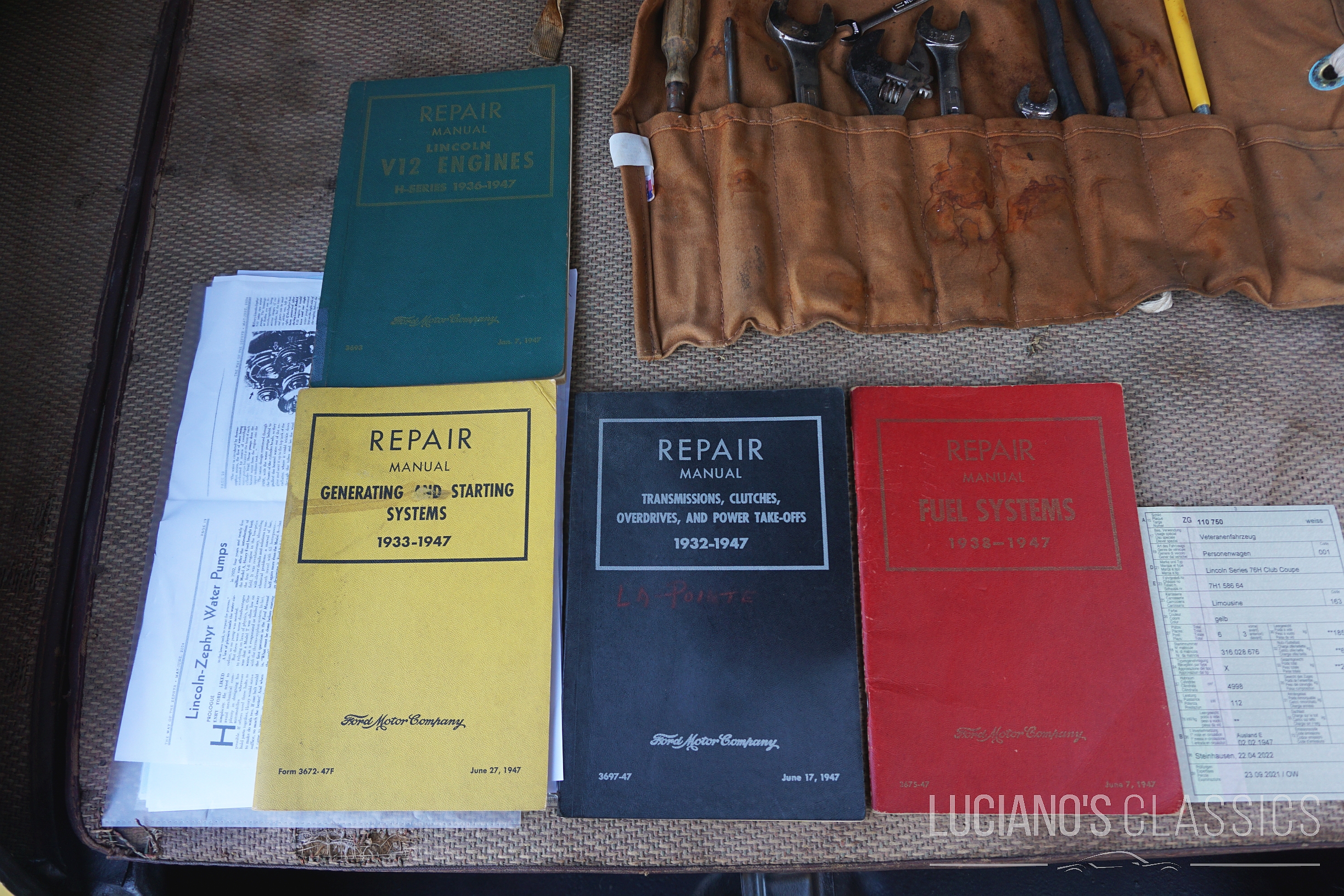
Model history
Henry M. Leland, American patriot and founder and former head of the Cadillac Motor Company, founded the Lincoln Motor Company together with his son Wilfred in 1917 at the age of 74. Named after Abraham Lincoln, the 16th President of the United States of America.
As an industrialist, Lincoln knew the ropes and received an advance of 10 million dollars from the government for his company to start producing aircraft engines (L8 and L12) as quickly as possible. By the end of the First World War, his 6,000 employees had produced around 17,000 engines.
At the end of the war, the advance had not yet been completely paid off and no further engines were needed at the time. The solution: cars.
The production halls were converted for the manufacture of luxury automobiles and the Lincoln Model L, which was launched in 1920, was to be the first to leave the factory. This again required more capital, reportedly 6.5 million dollars. No problem for Leland and within just 3.5 hours the share capital was liquid.
The vehicle was of the highest quality and equipped with a side-valve V8 engine. On the outside, however, the Lelands lagged somewhat behind the competition, which, together with a severe economic crisis and late deliveries, resulted in red figures. Hiring the respected coachbuilder Brunn & Company was supposed to solve the problems, but the sales figures were hardly salvageable.
On February 4, 1922, 3407 vehicles were sold instead of the planned 6000. In the face of fierce opposition from the Lelands, it was then decided to initiate insolvency proceedings and put the company up for sale. Due to its solid basis, the L shows model was built until 1930.
Henry Ford saved the company from insolvency in February 1922 and took it over for 8 million dollars. This was a personal triumph for Ford, as his Henry Ford Company had been restructured by Leland in 1902 as a result of financial difficulties. Ford then had to leave his own company, which was renamed Cadillac Motor Company shortly afterwards.
For a short time, Ford and Leland remained on the management board of the Lincoln Motor Company. When Henry Ford demanded the resignation of Wilfred Leland, they both left the company. Leland and Ford then entered into legal disputes over compensation to former investors and creditors.
The new management sold an impressive 5512 vehicles in the first 10 months after the takeover, i.e. by December 1922. Lincoln developed into a serious competitor in the luxury automobile market segment alongside major suppliers such as Packard, Pierce-Arrow, Peerless and Marmon. Henry Ford's son Edsel Ford played a major role in the brand's success as head of the company. Lincoln did not have its own body shop at this time, which is why it worked with the best coachbuilders in the USA with a keen sense of style and quality.
In his other function as head of the design department (of whose importance he first had to convince his father), Edsel Ford brought Eugene T. „Bob“ Gregorie to Ford as chief designer, who was thus also responsible for Lincoln's production vehicles and designed the first Mercury. Lincoln survived the economic crisis of the 1930s thanks to a reorientation. Edsel Ford had taken a liking to a radical design by John Tjaarda for a fast streamlined car with a rear engine in the upper middle class. Henry Ford did not allow himself to be tempted by such extravagances, but gave Edsel Ford and Gregorie a largely free hand. Although the competition at Chrysler had had bad experiences with market acceptance, Lincoln also opted for a self-supporting body. The car was powered by a V12 engine that had been designed in such a way that as many parts of the Ford V8 as possible could be used.
The result was the Lincoln-Zephyr, positioned below the K series produced at the same time in terms of price and size. The car outshone everything at the 1936 New York Auto Show, mainly due to its modern design, the V12 engine, which was free of teething troubles, and above all a competitive price. Its rivals were not Cadillac or Packard Twelve (that's what the K was for) but Auburn, LaSalle, Buick, Chrysler and Packard One-Twenty. For the Lincoln brand, it was a breakthrough that secured market dominance in the US luxury car segment.
In the years 43 to 45 no vehicles were produced and from 1946 the Zephyr was continued as the 76H series.
Details
- 102,000 km
- 1. inv. 02.02.1947
- Veterans MFK 23.09.2021
- 4,998cc V12 engine
- 153 HP
- Type certificate X
- Master number 316.028.676
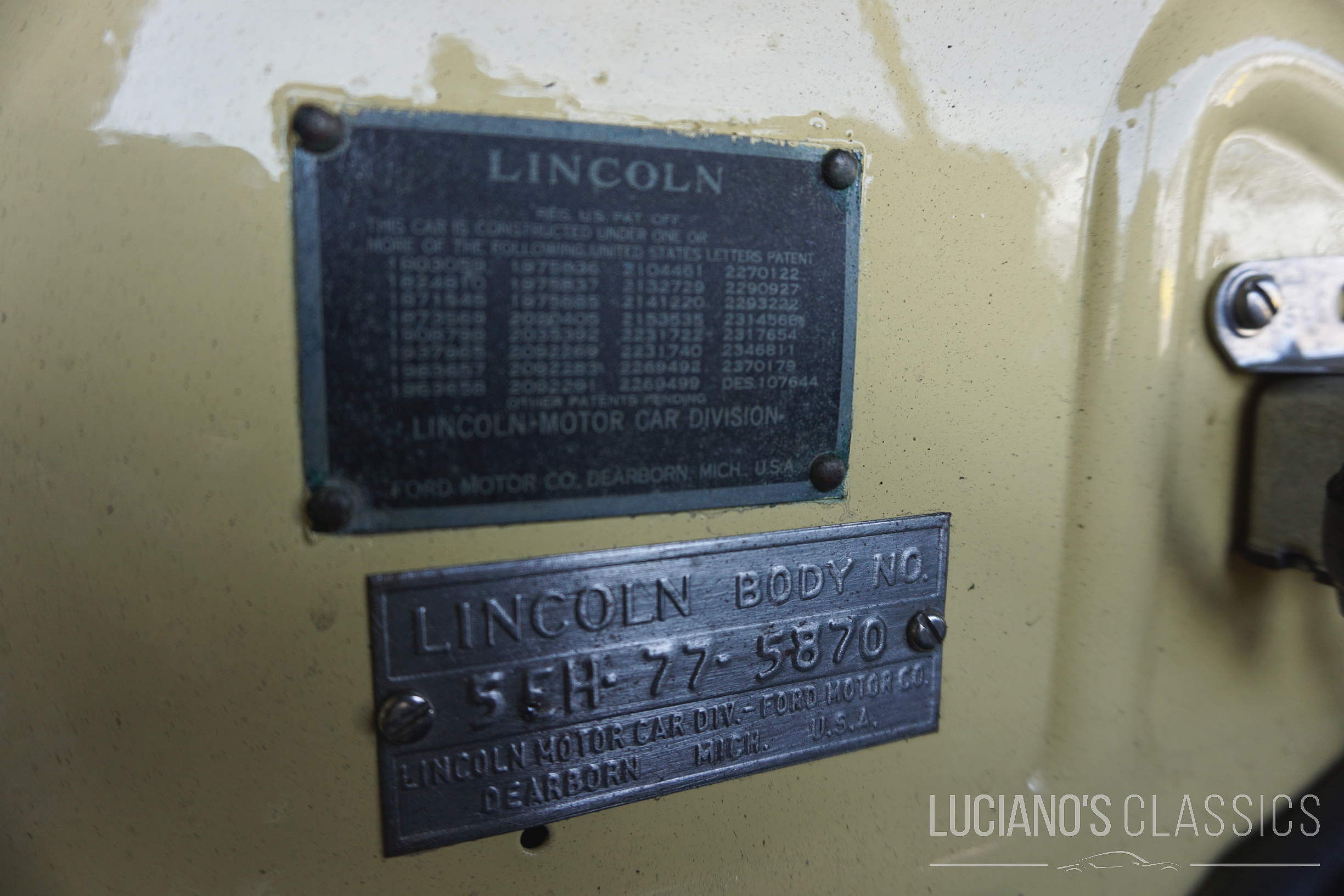
- Chassis 7H1 586 64
- Unladen weight 1,850 kg
- Payload 600 kg
- Fuel consumption: Yes
not what you are looking for?
We will be happy to find your individual dream vehicle.
Simply make a non-binding inquiry and benefit from our network.