
Lincoln Continental
Description
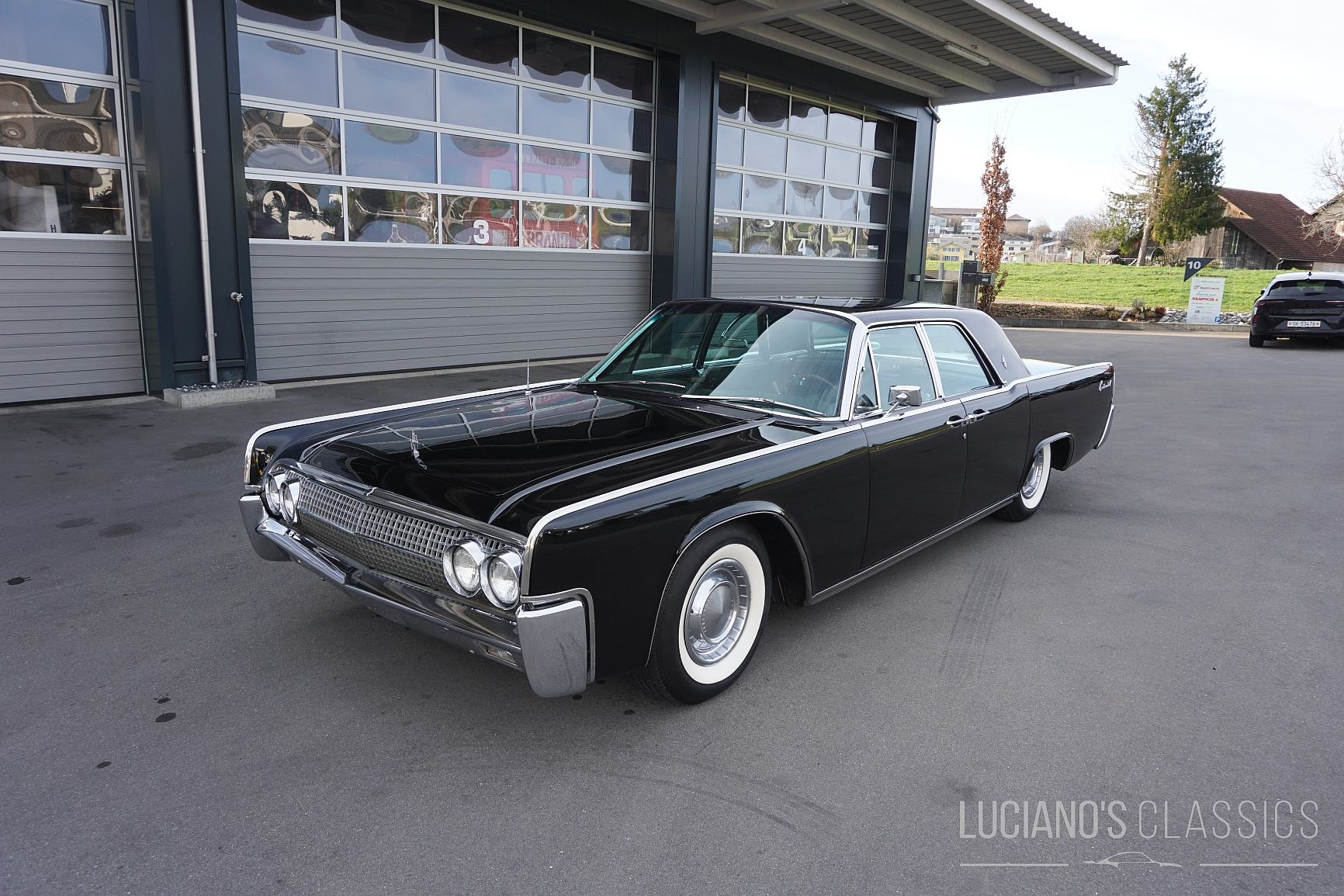
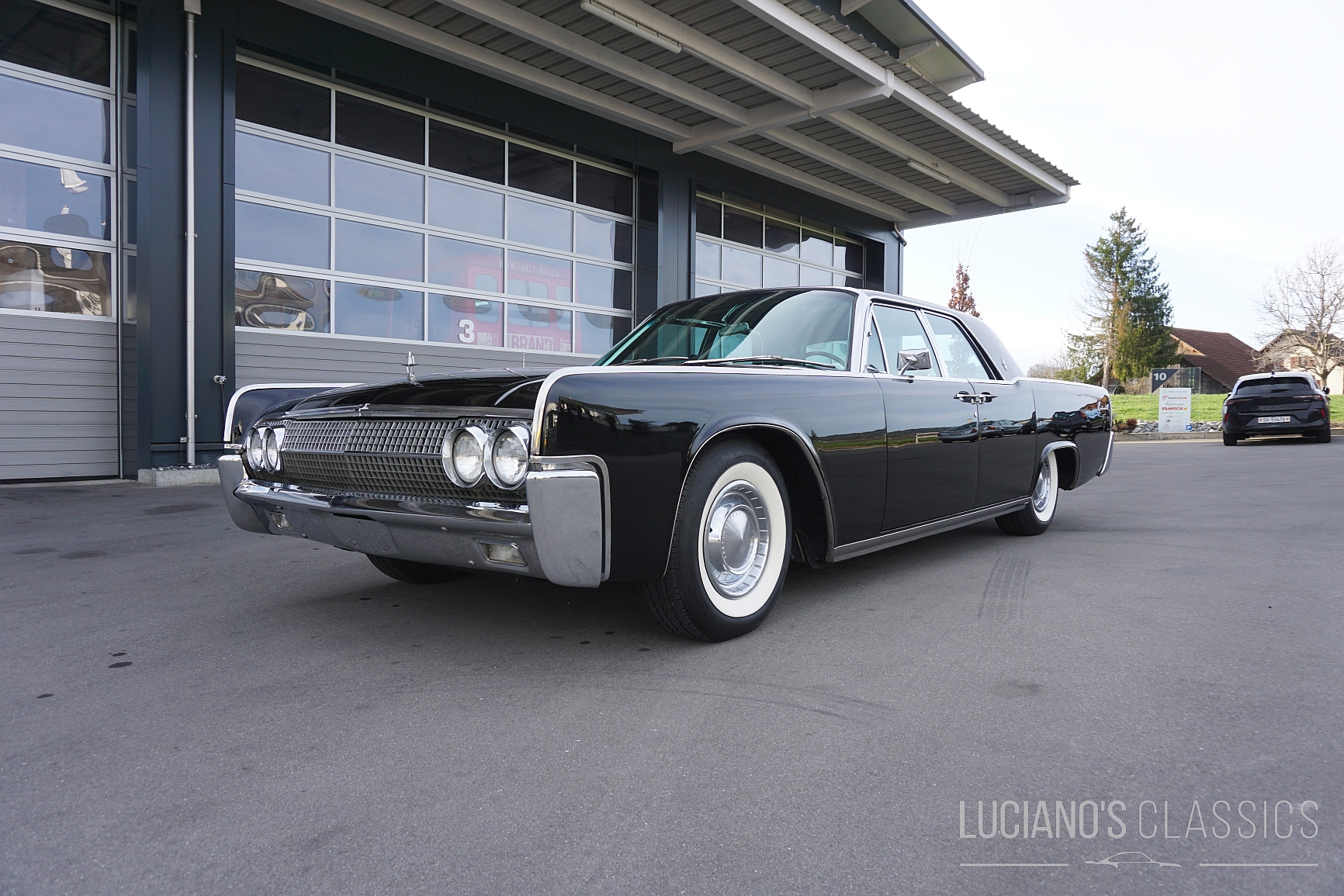
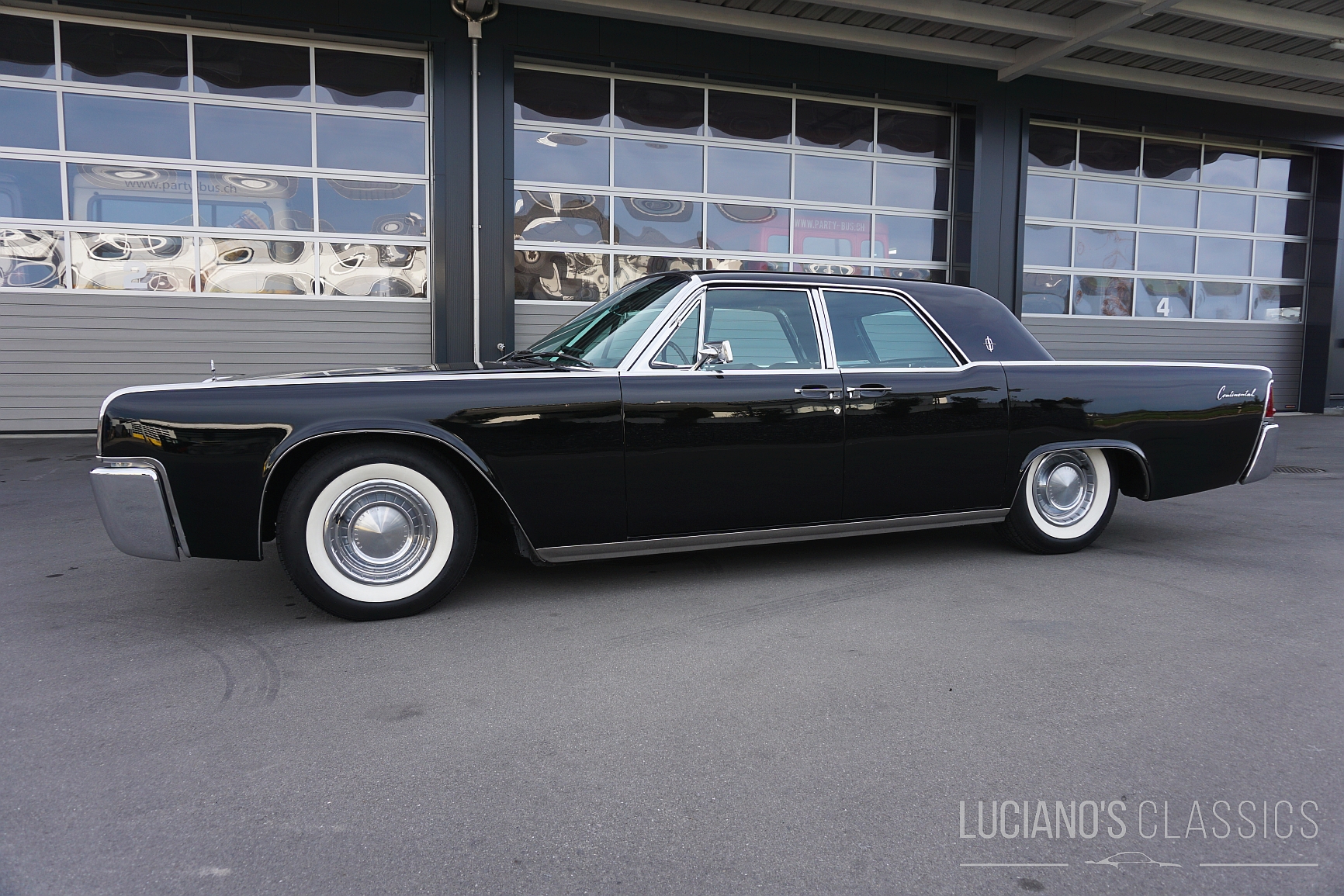
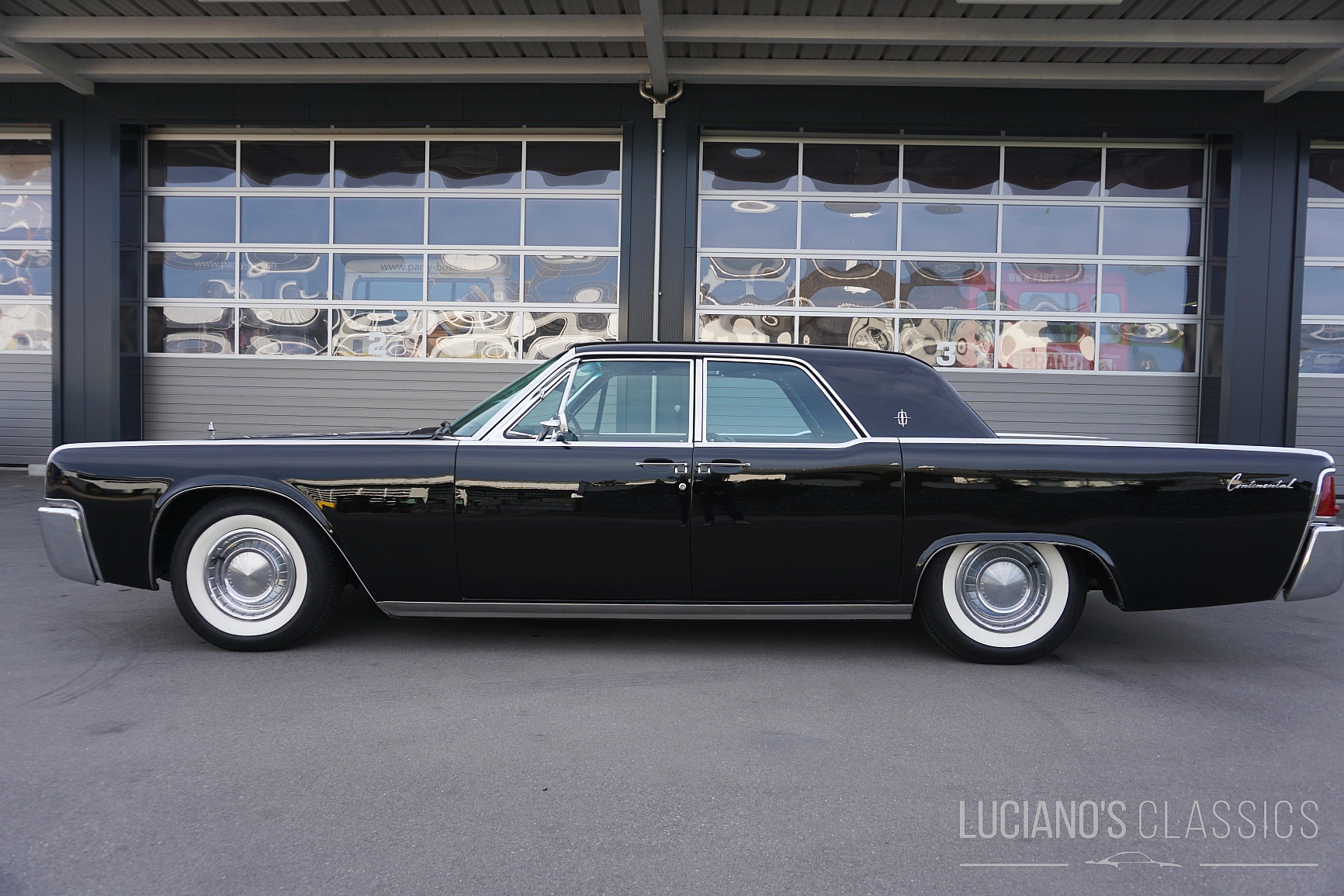
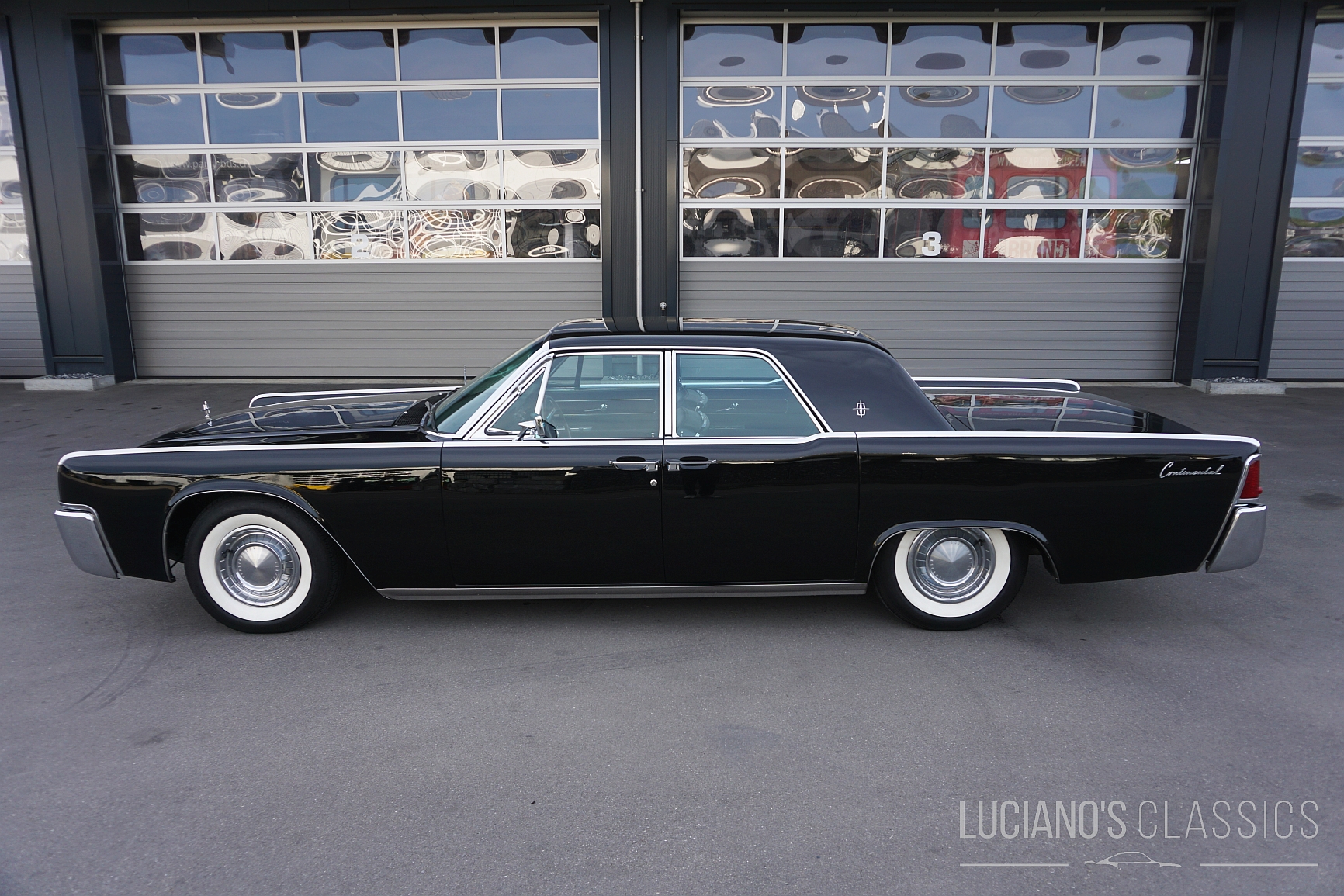
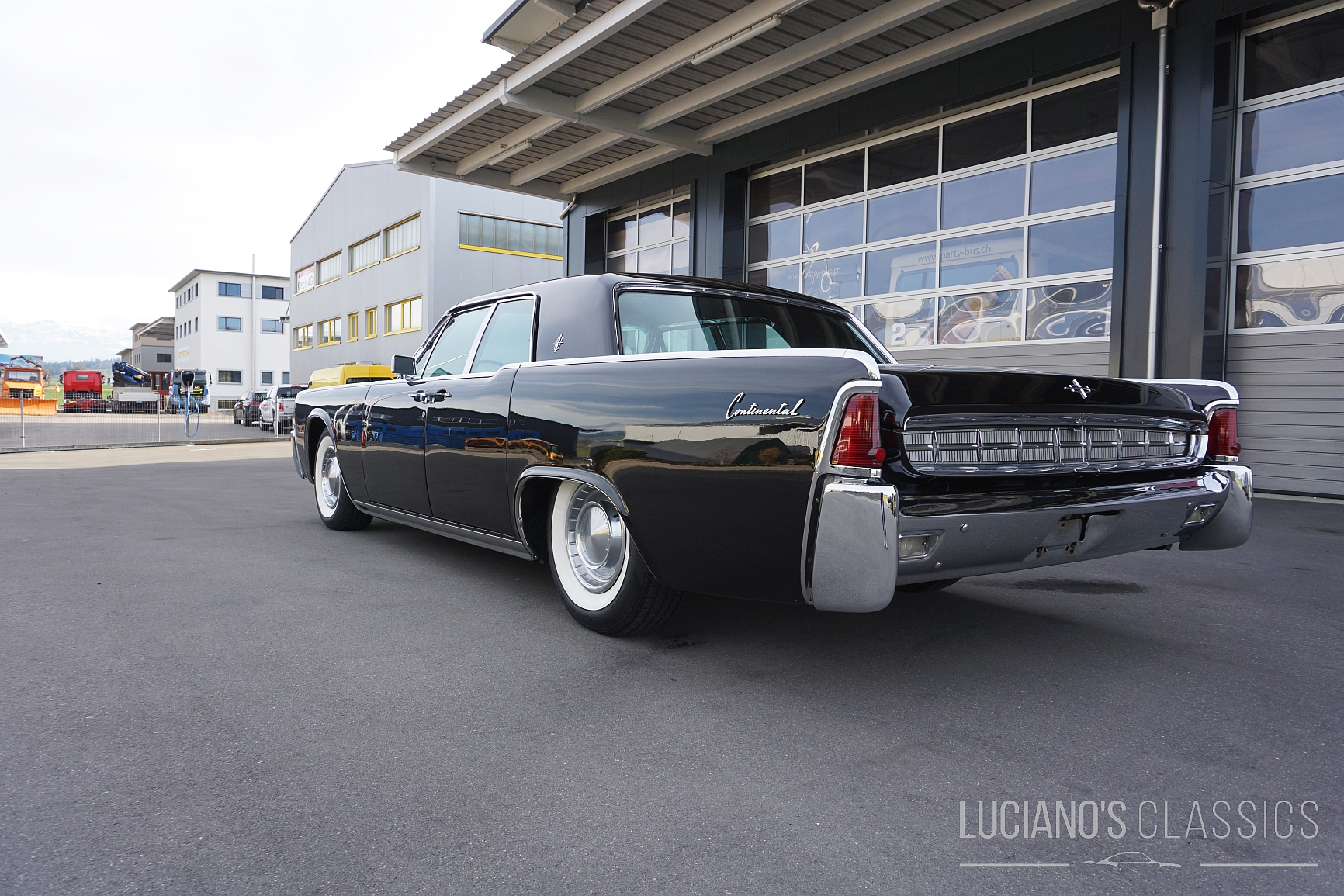
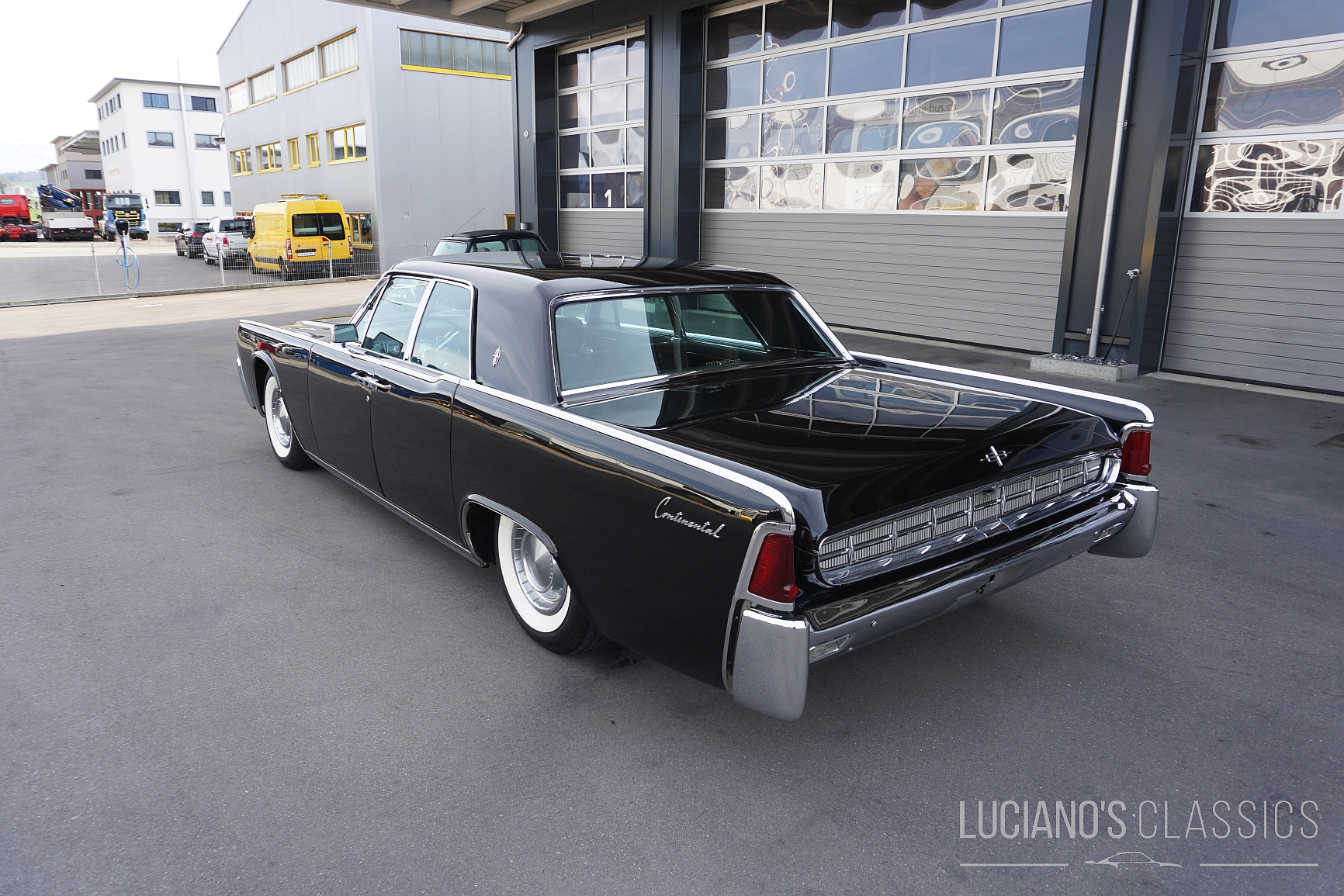
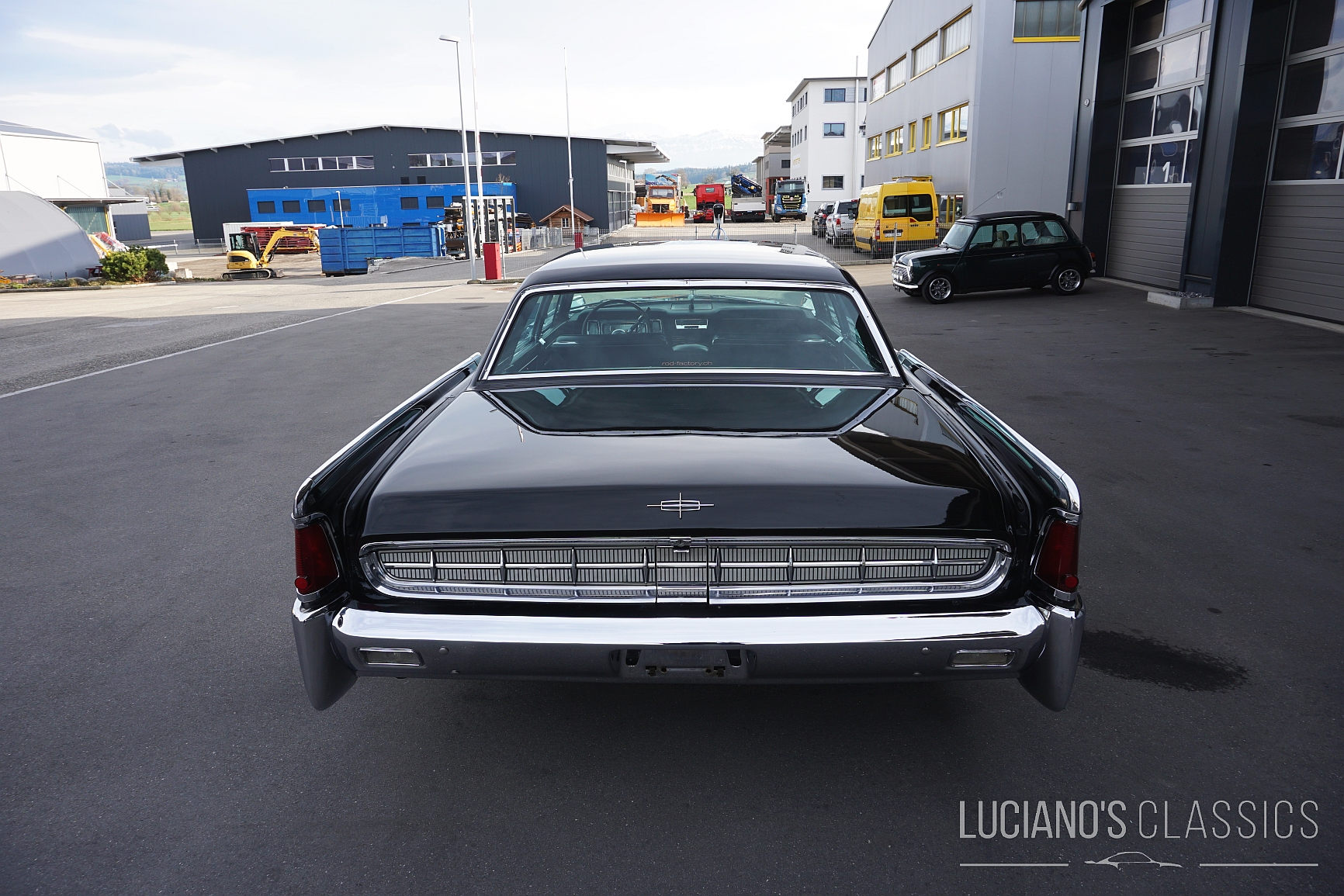
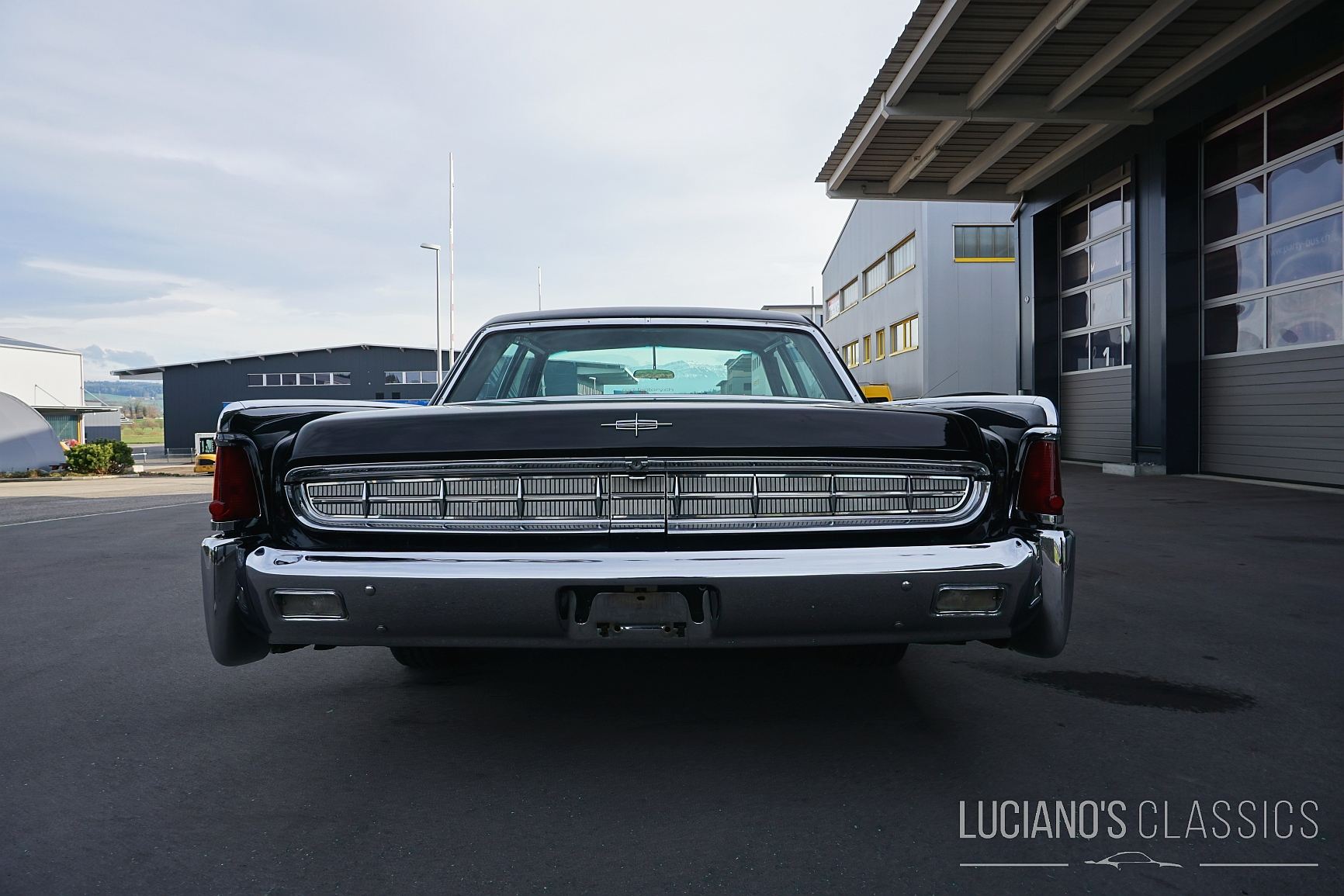
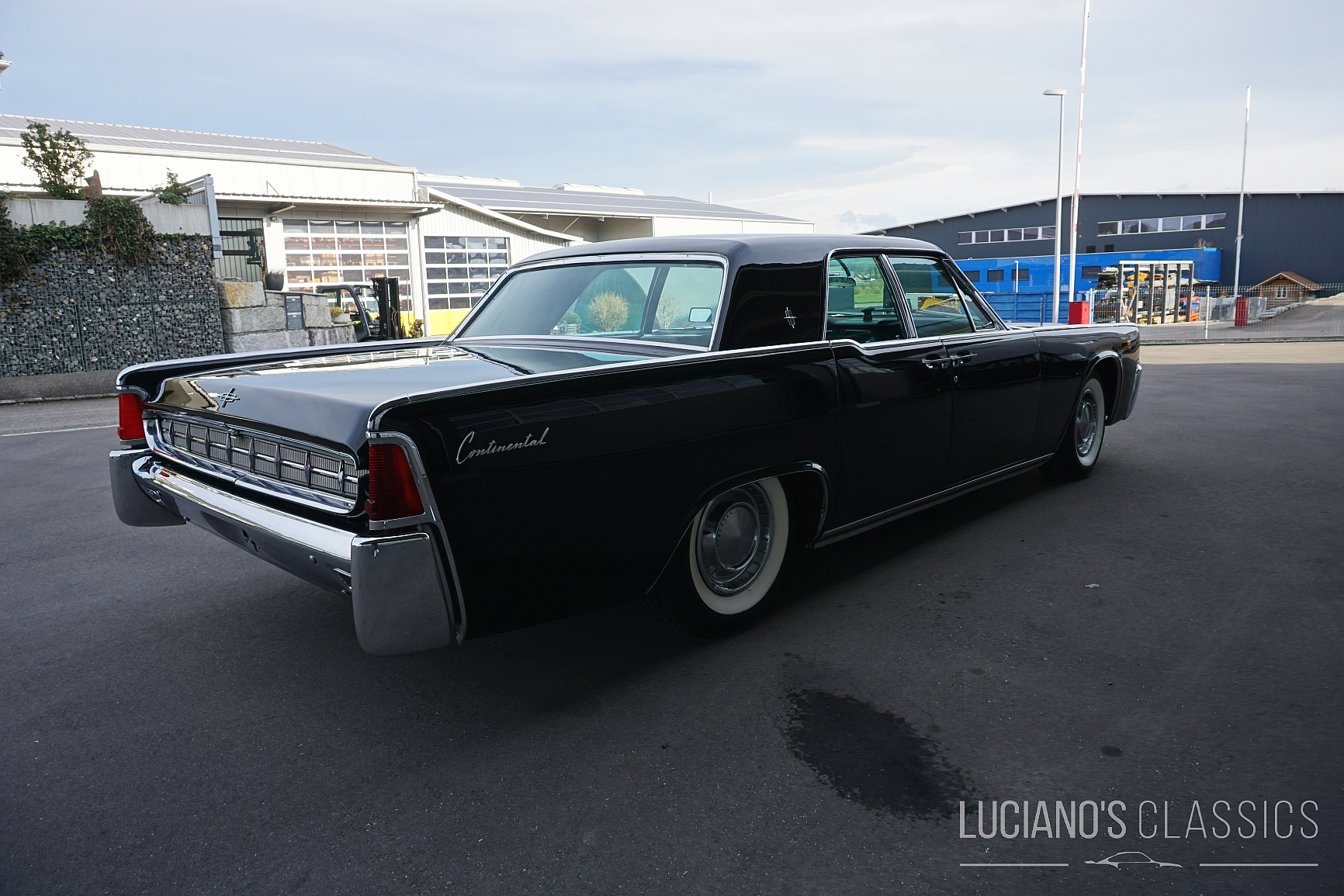
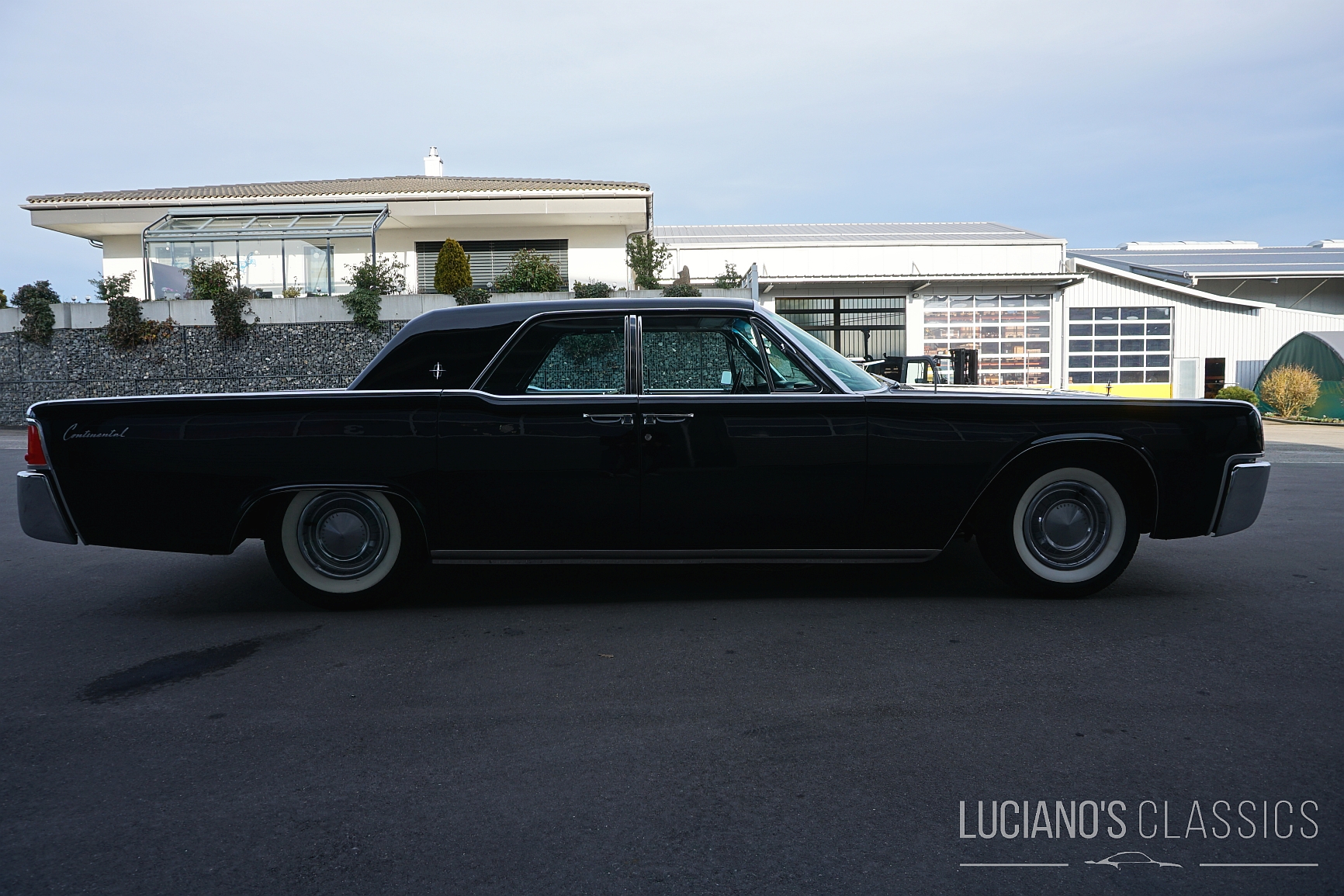
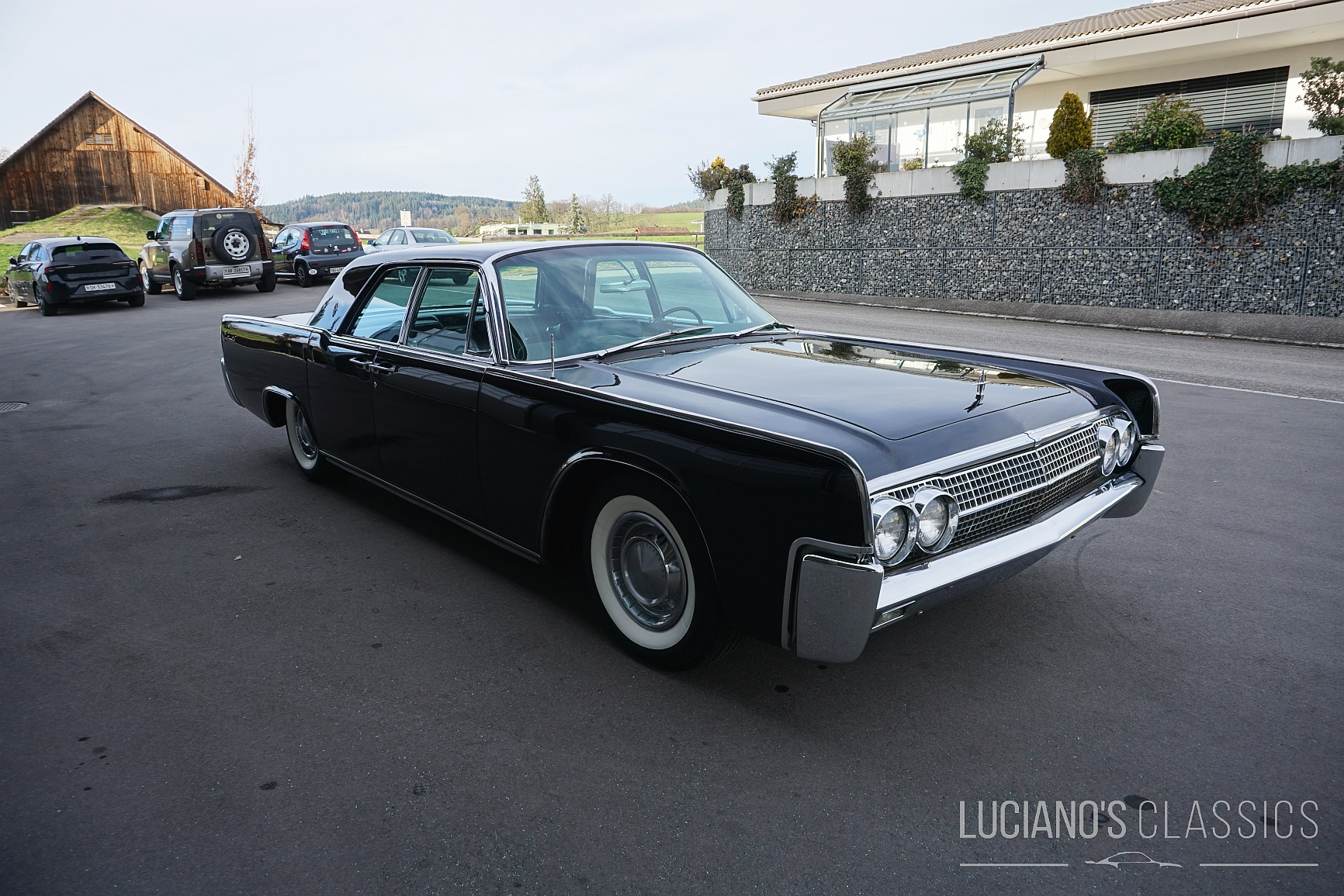
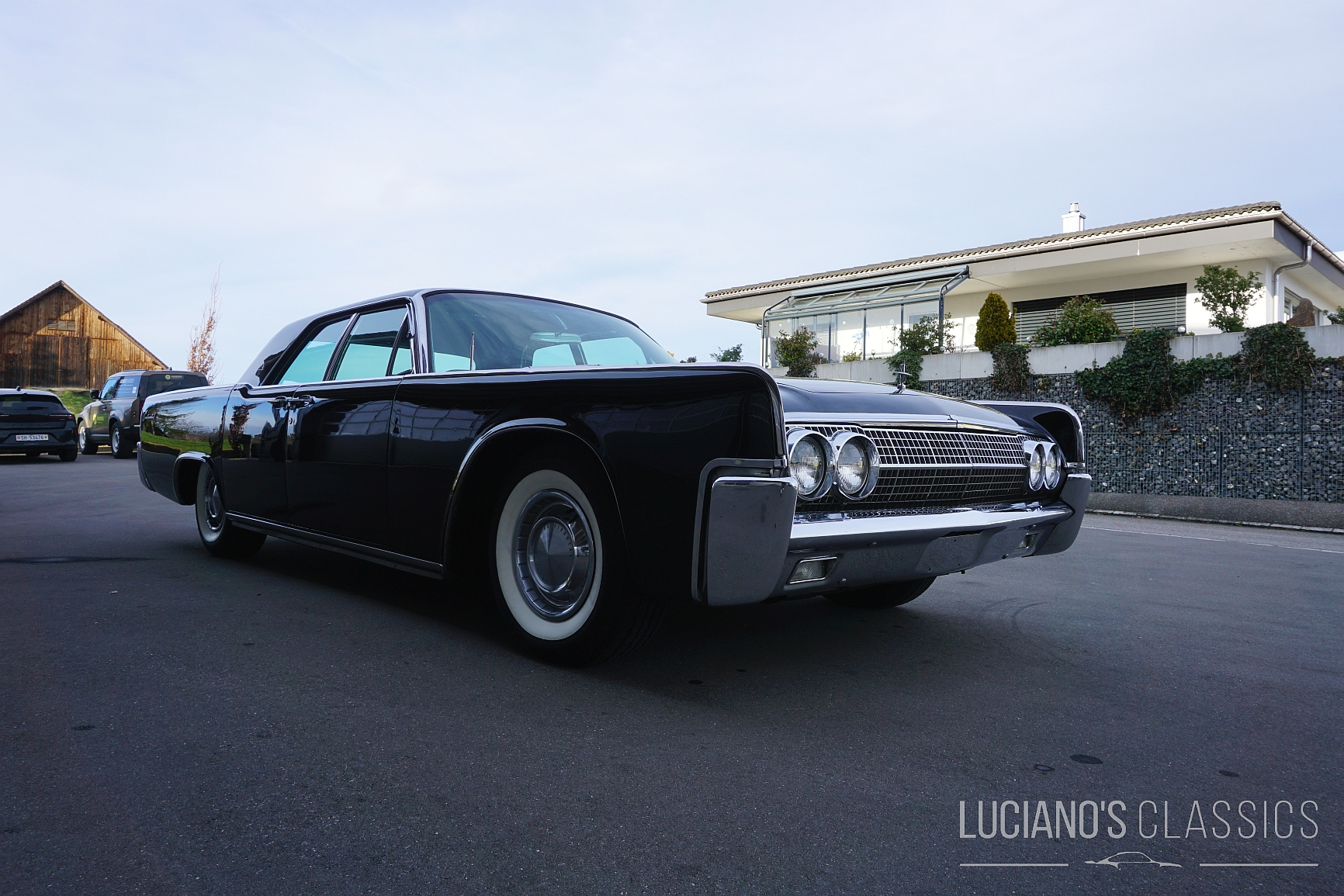
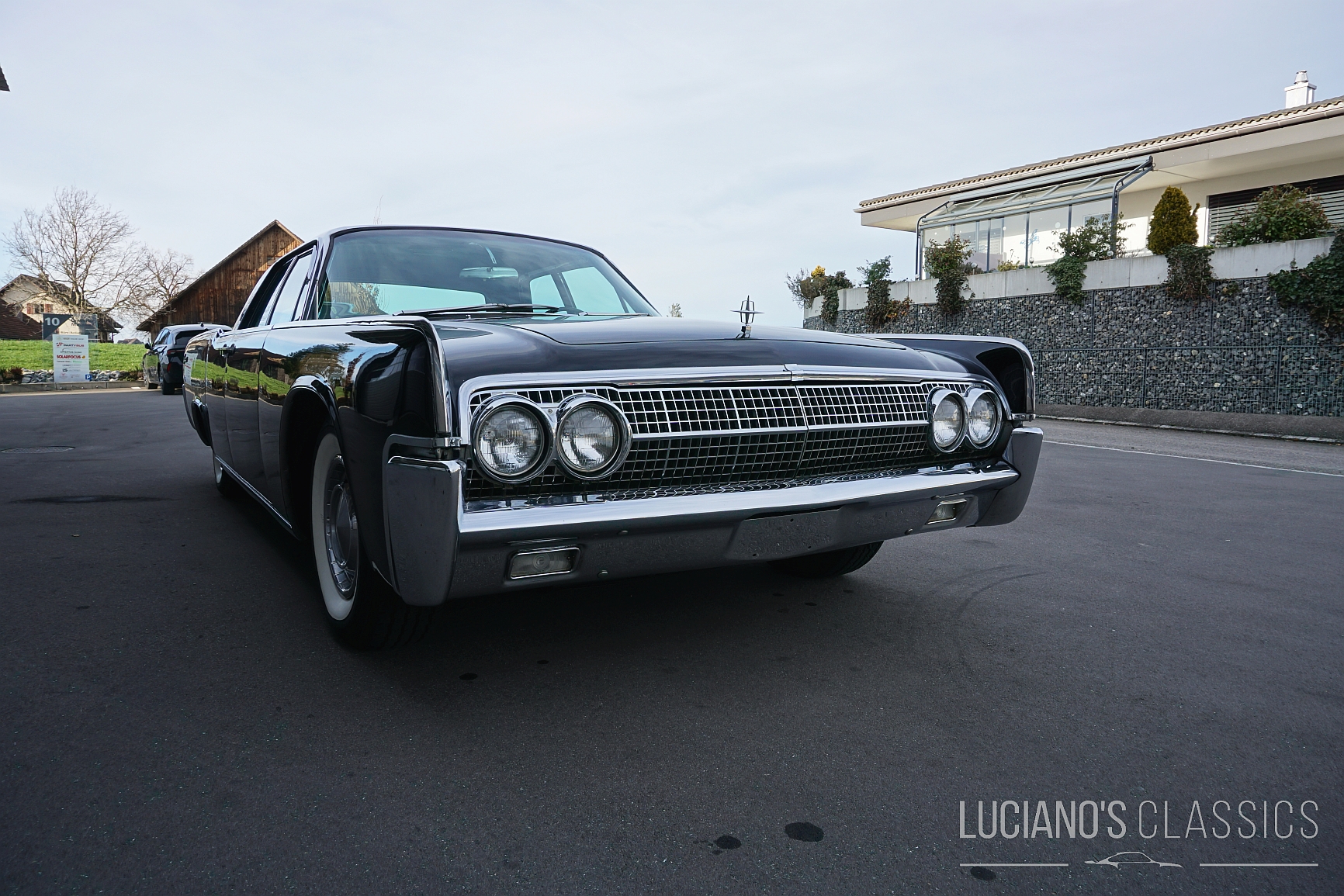
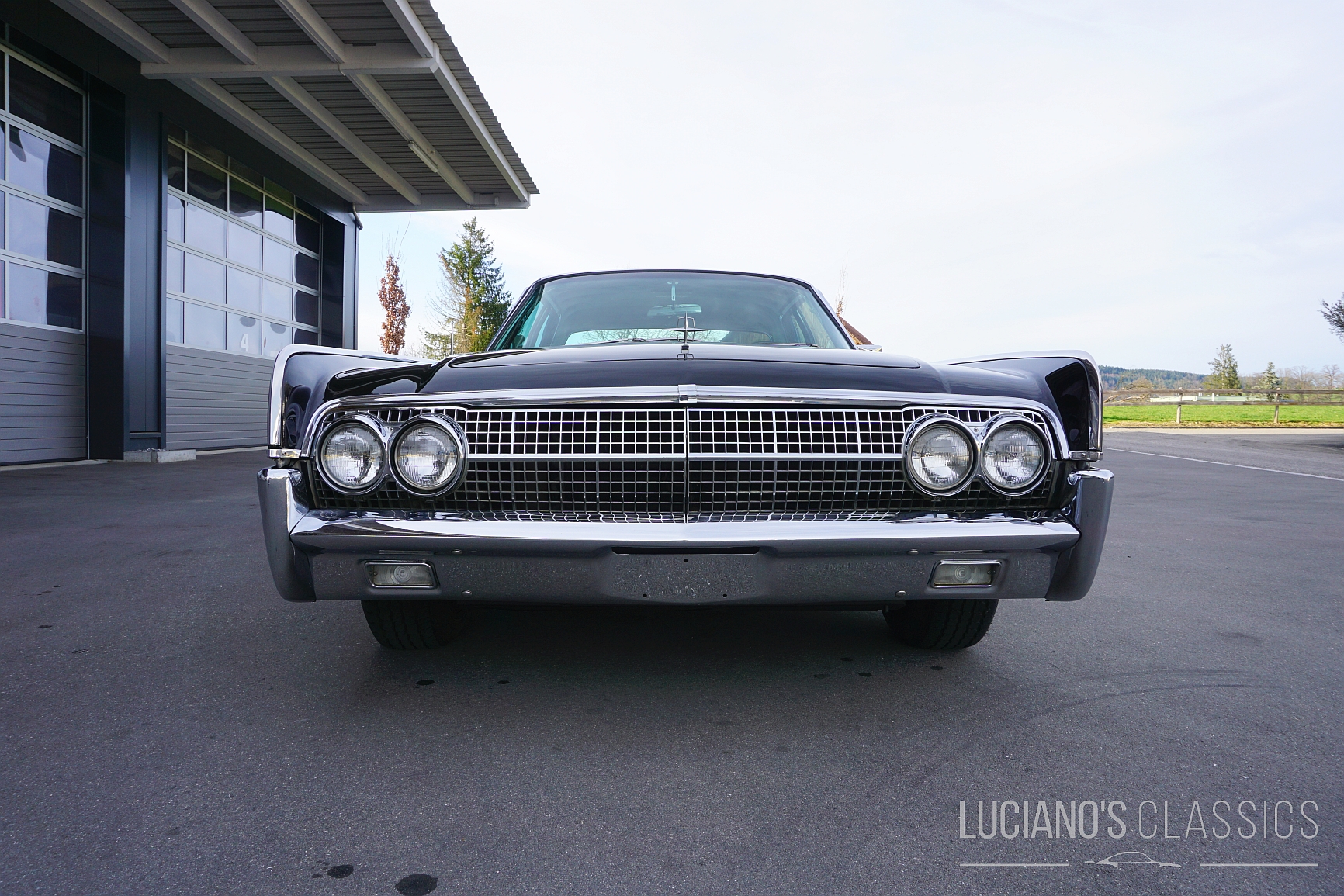
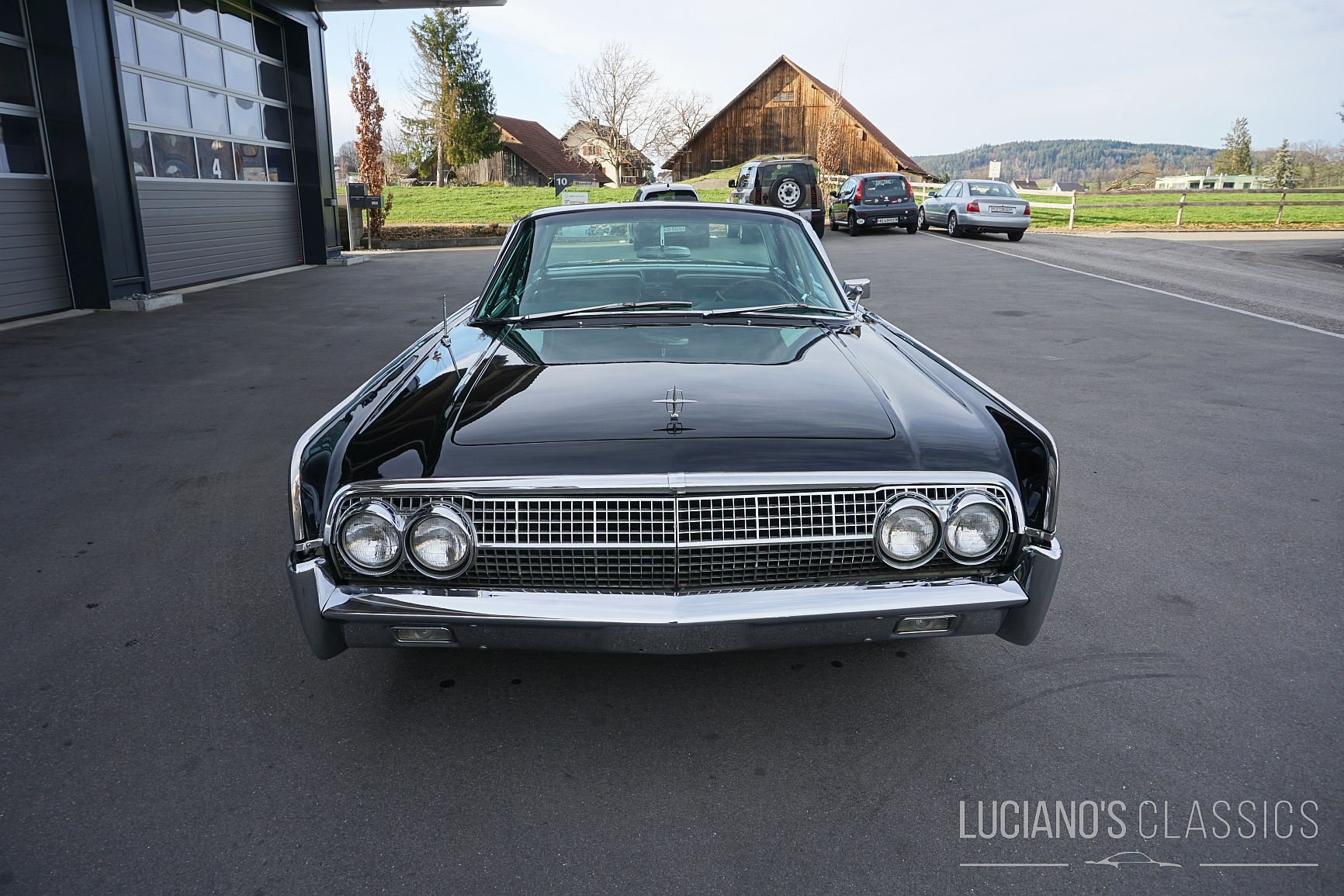
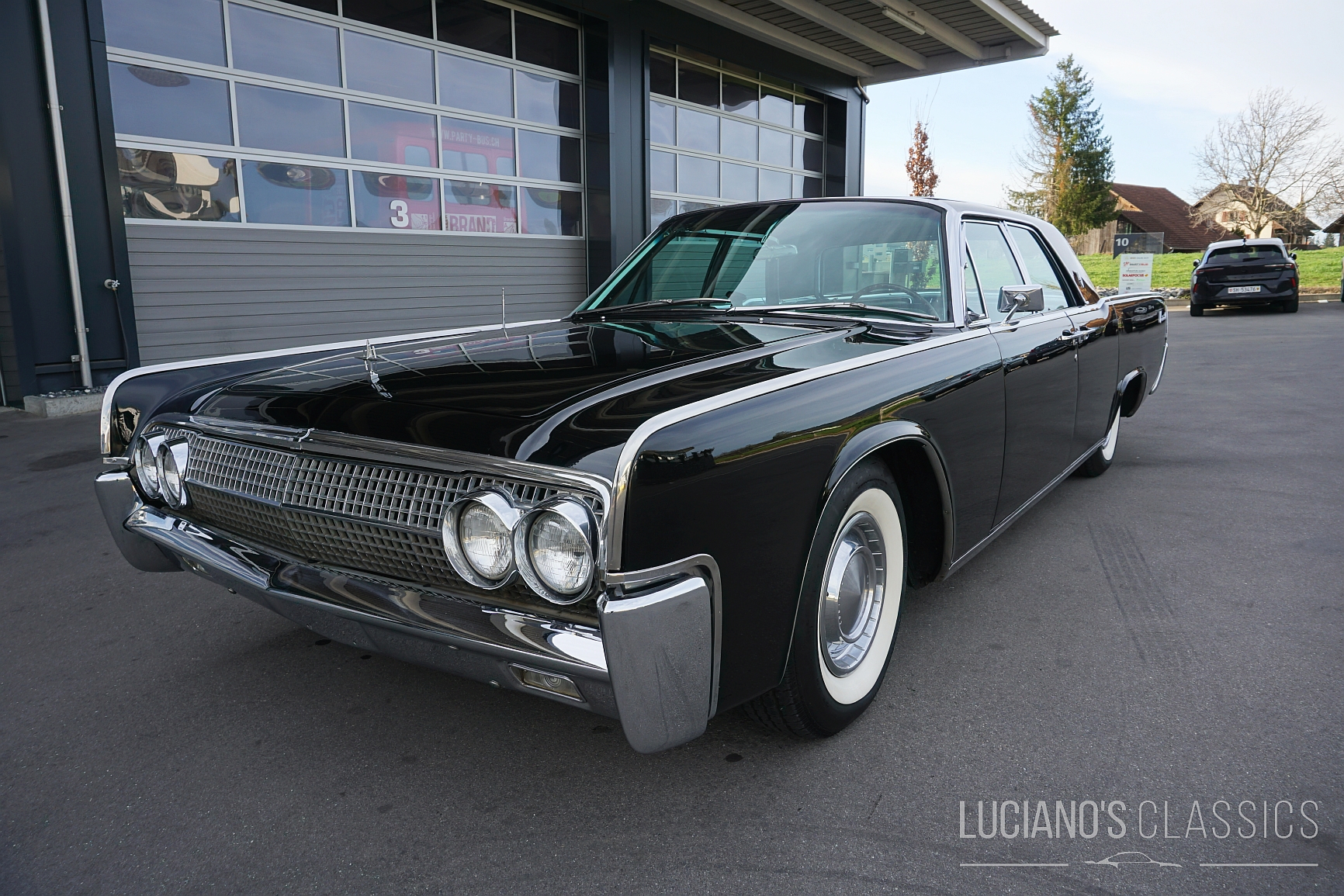
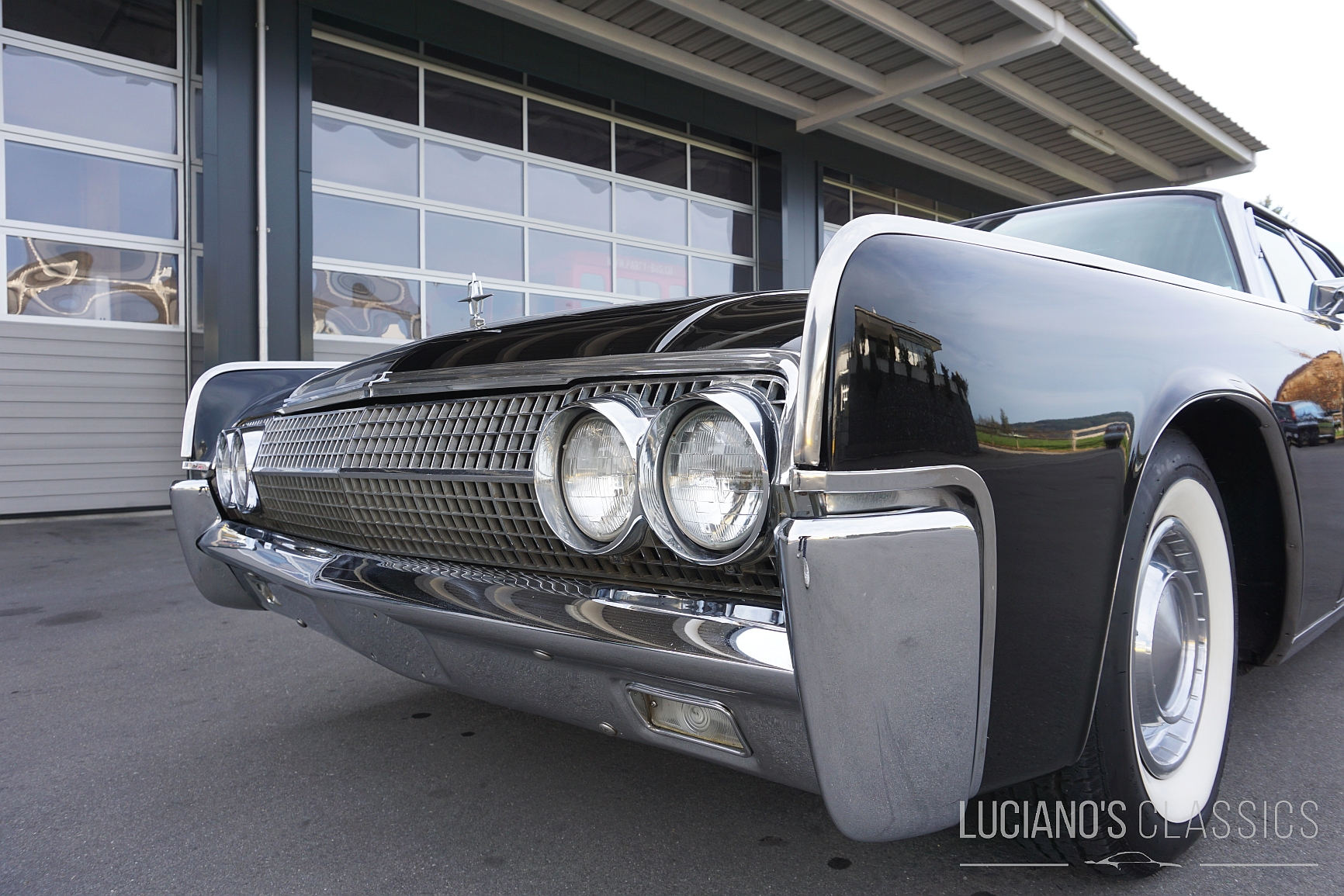
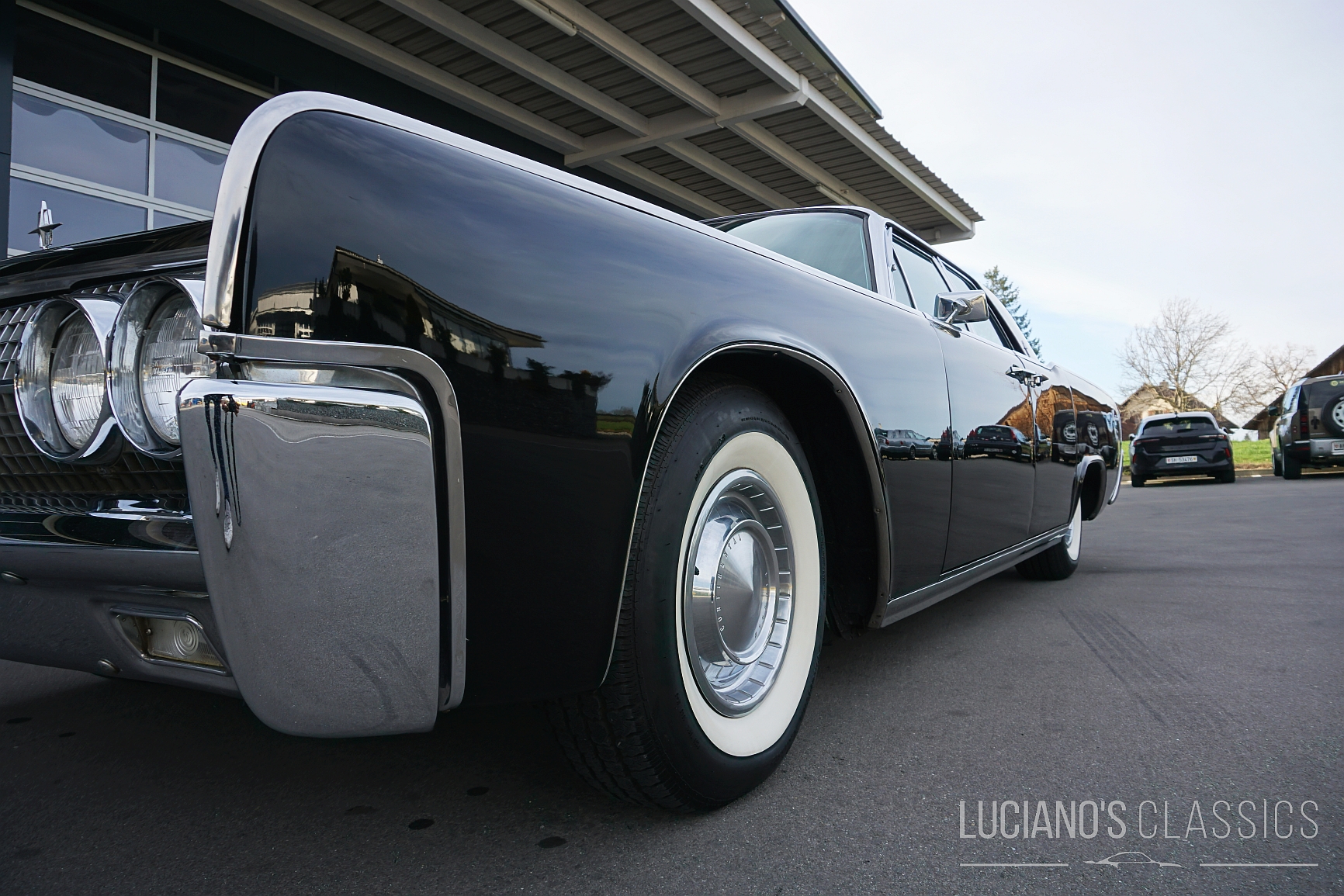
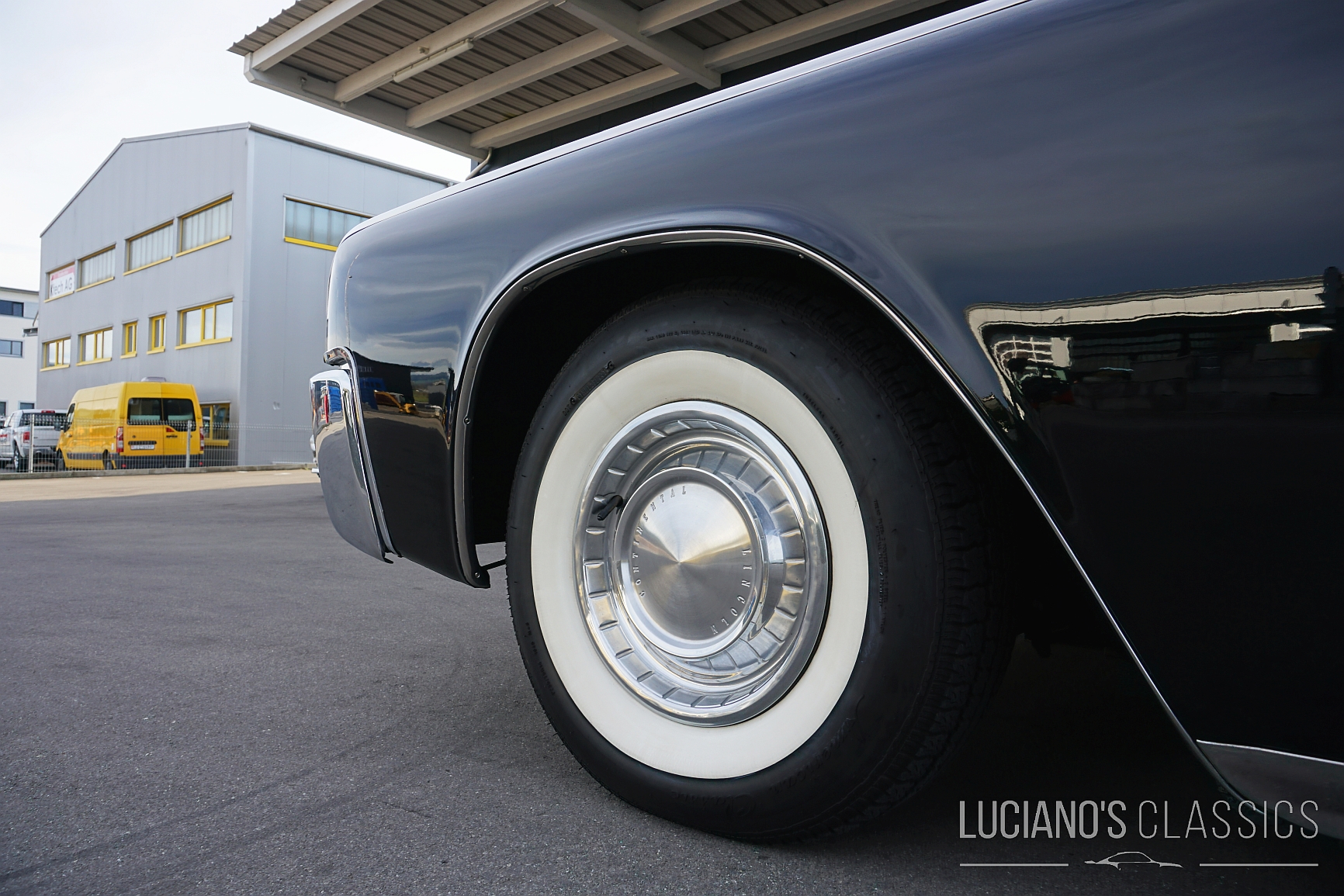
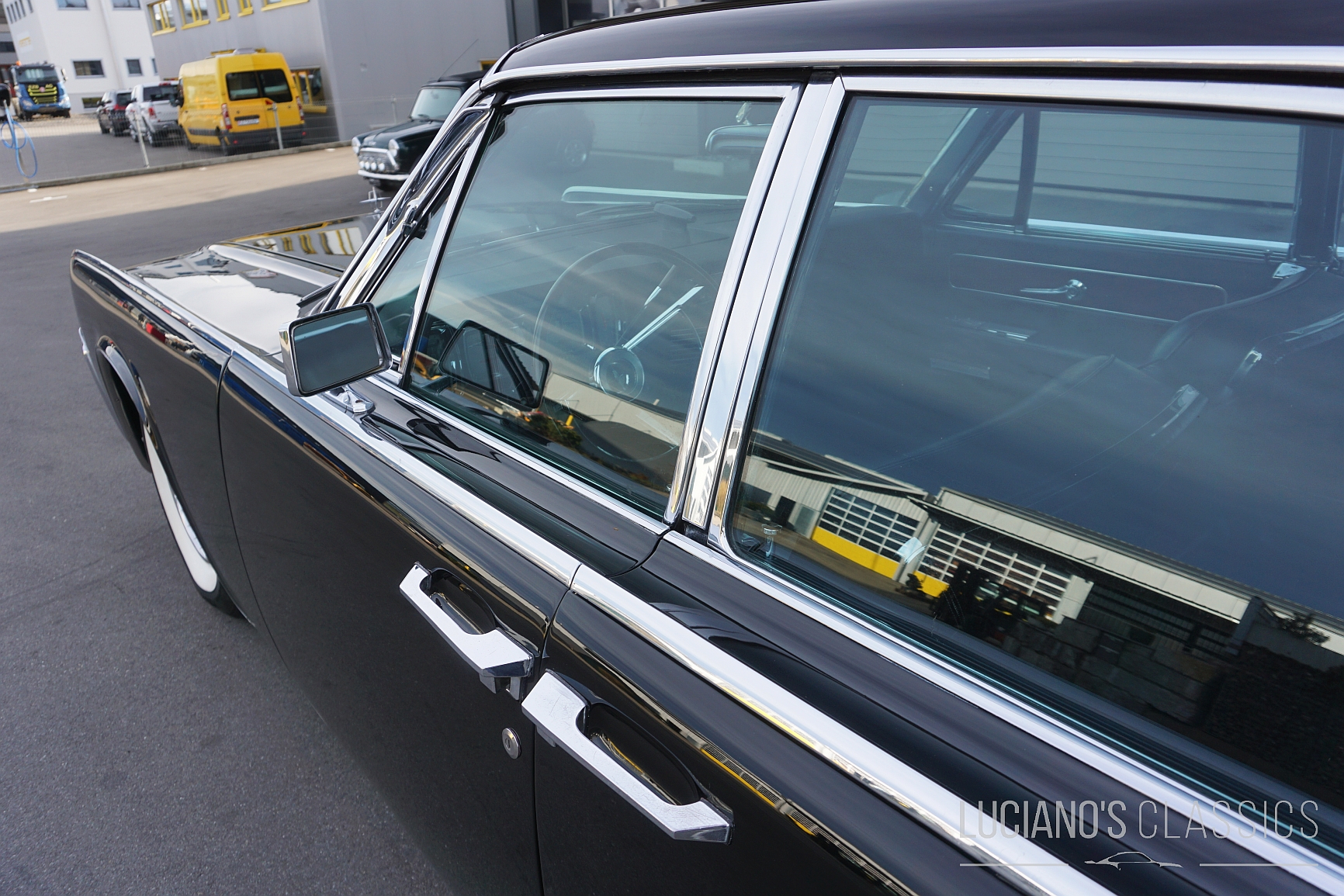
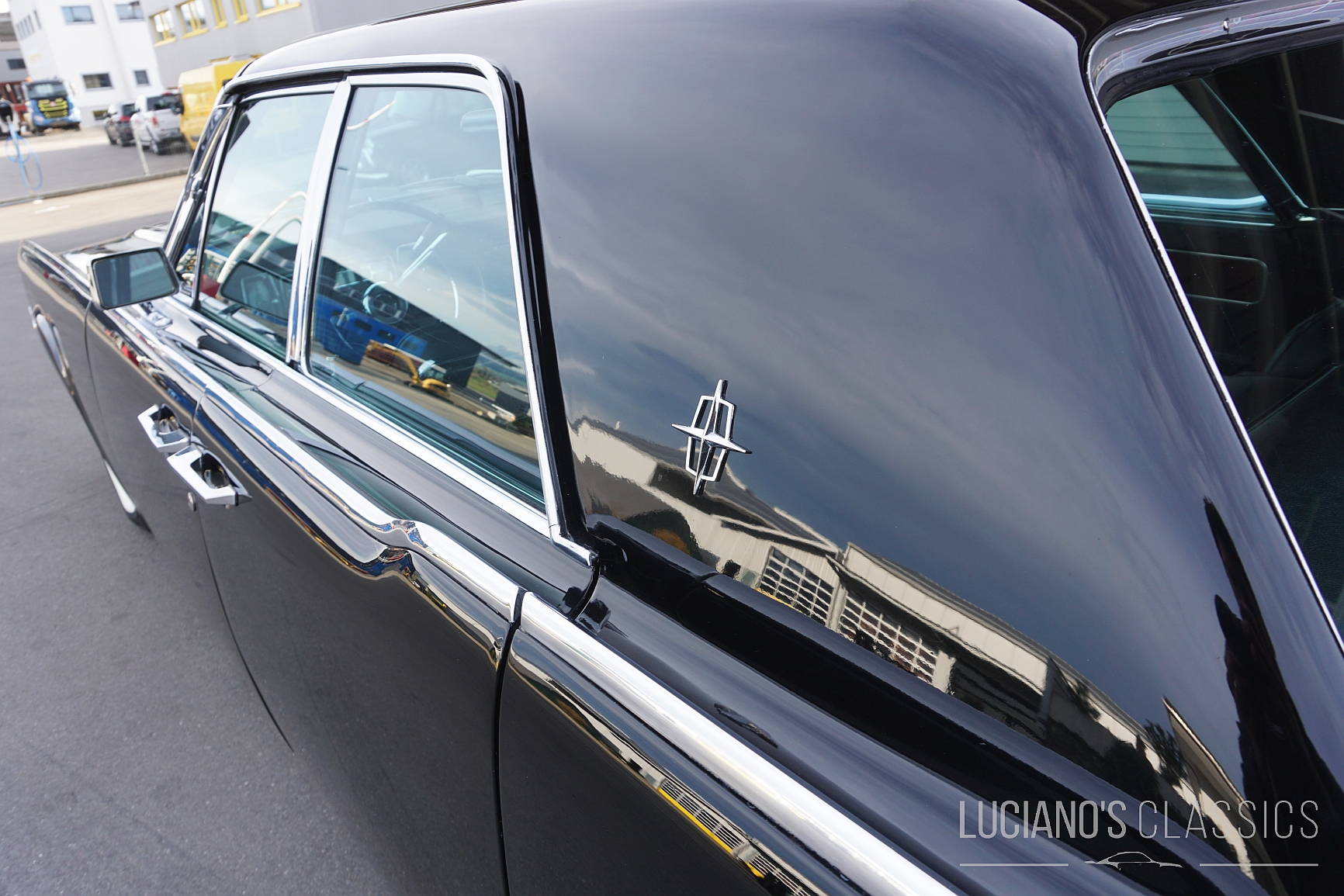
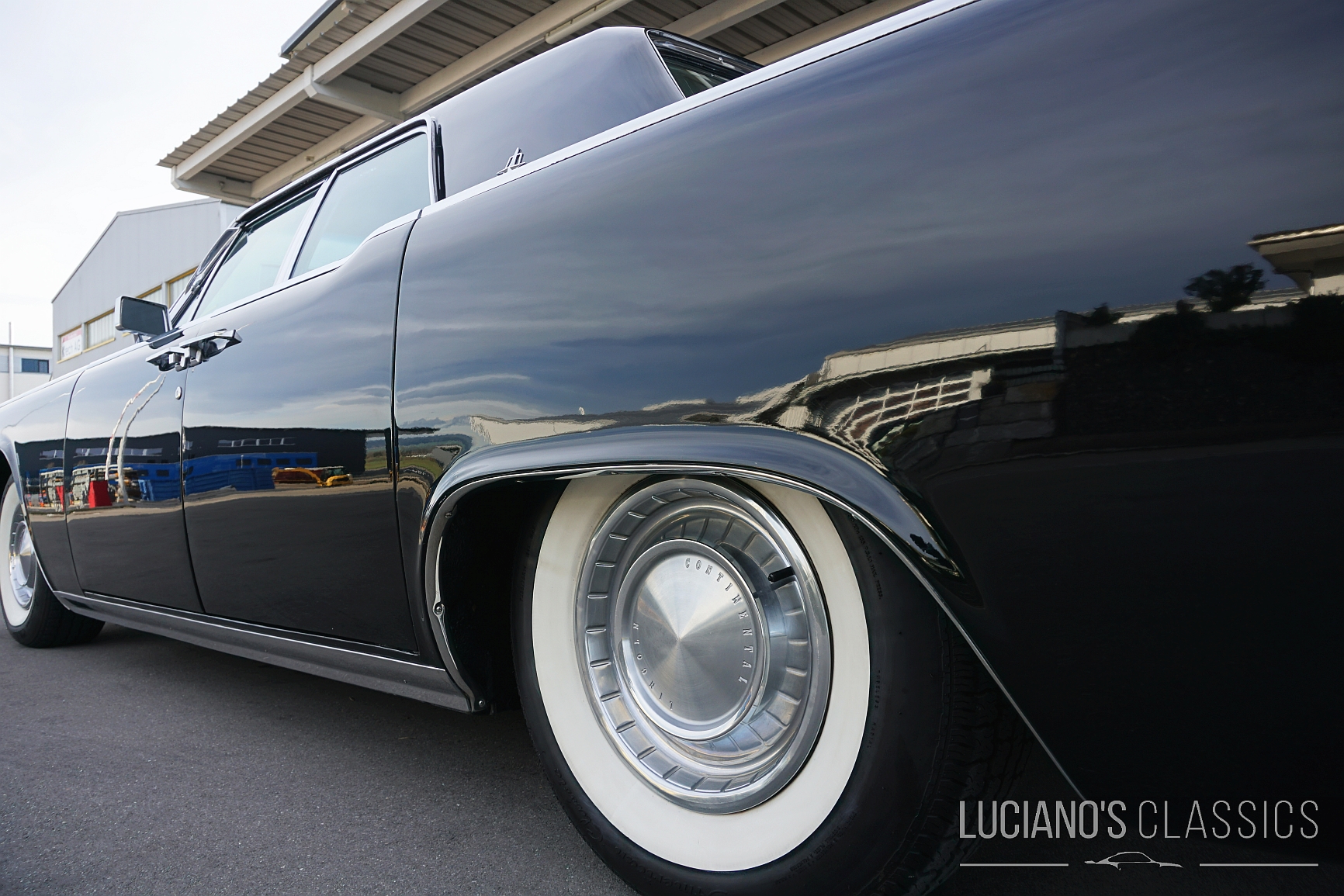
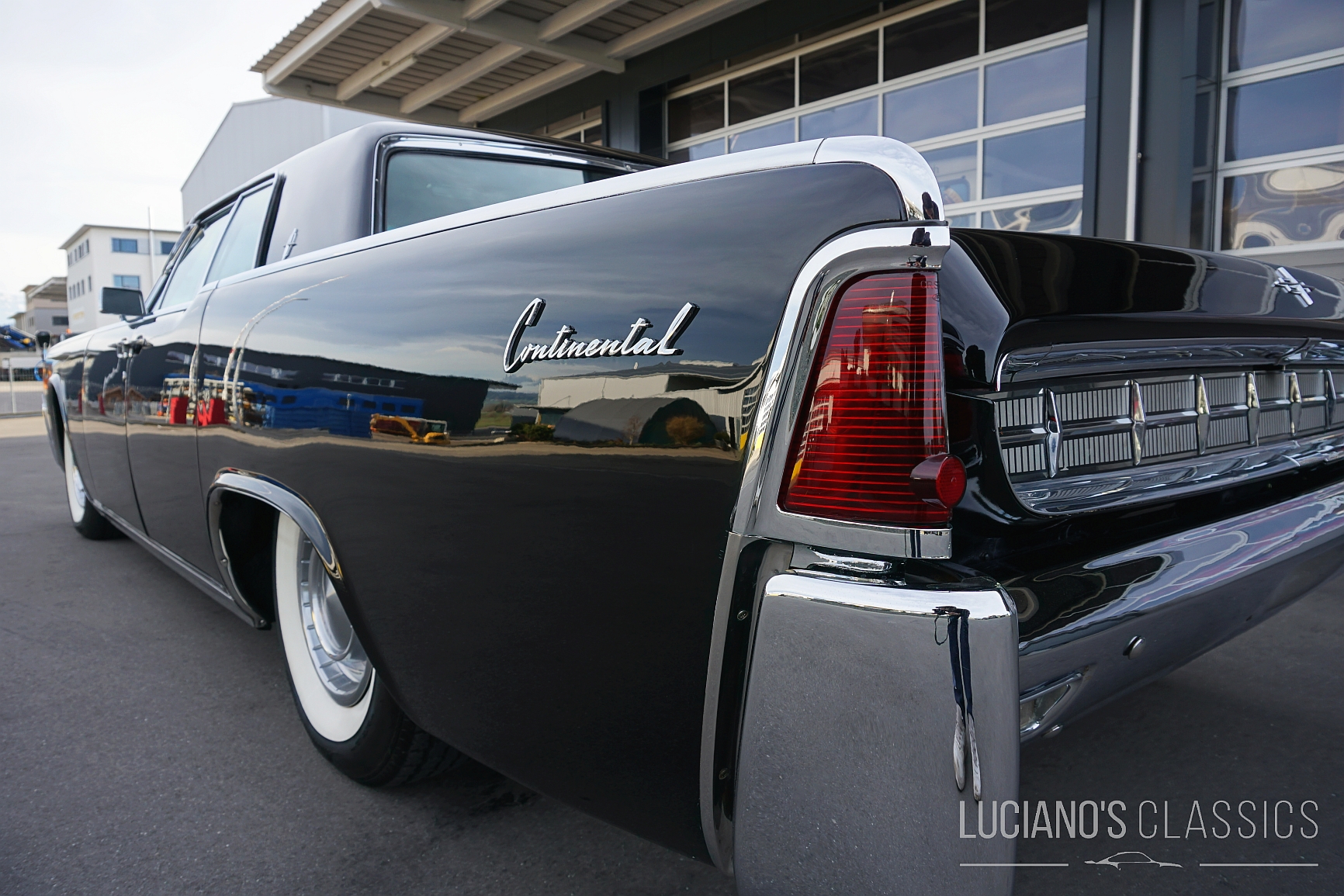
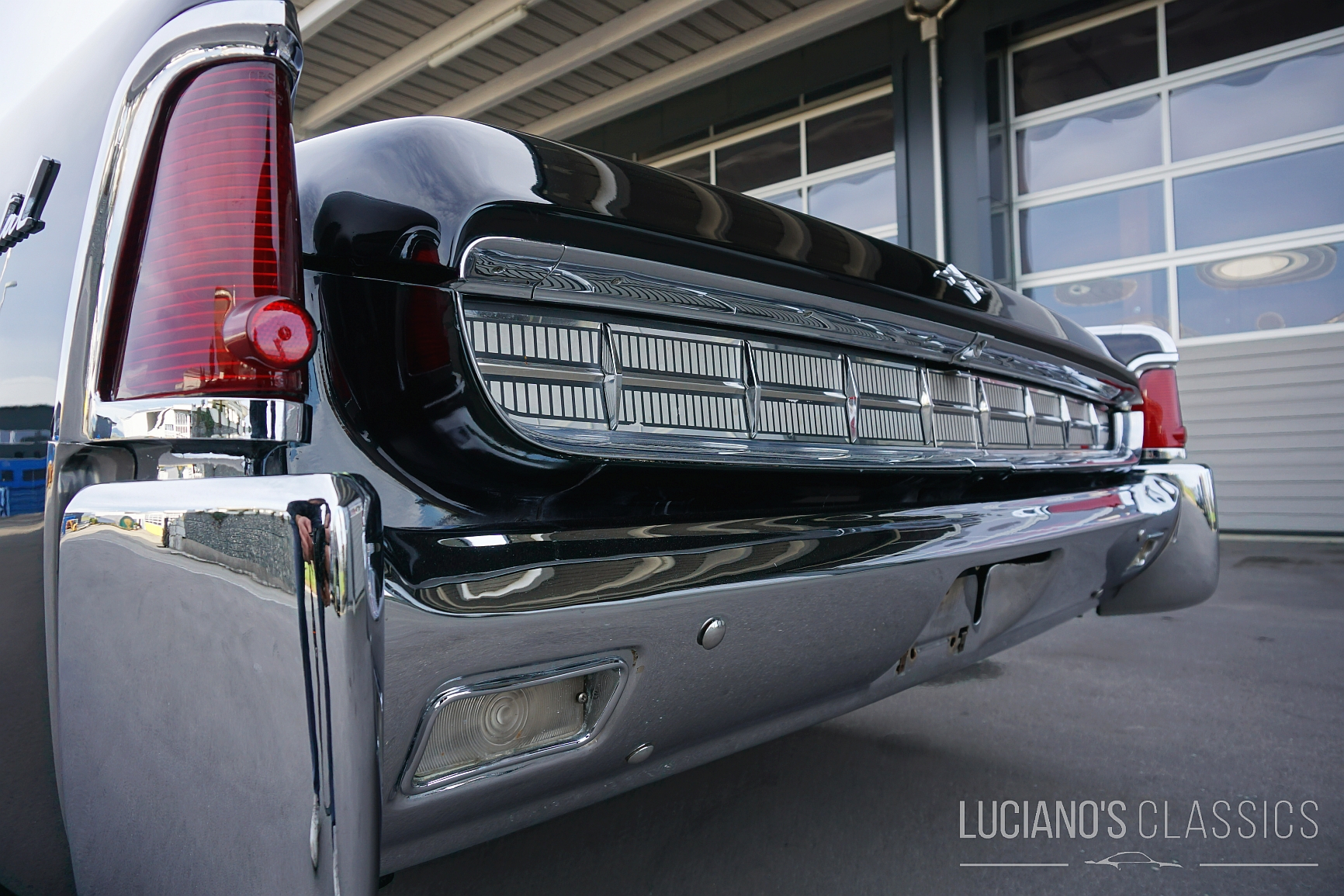
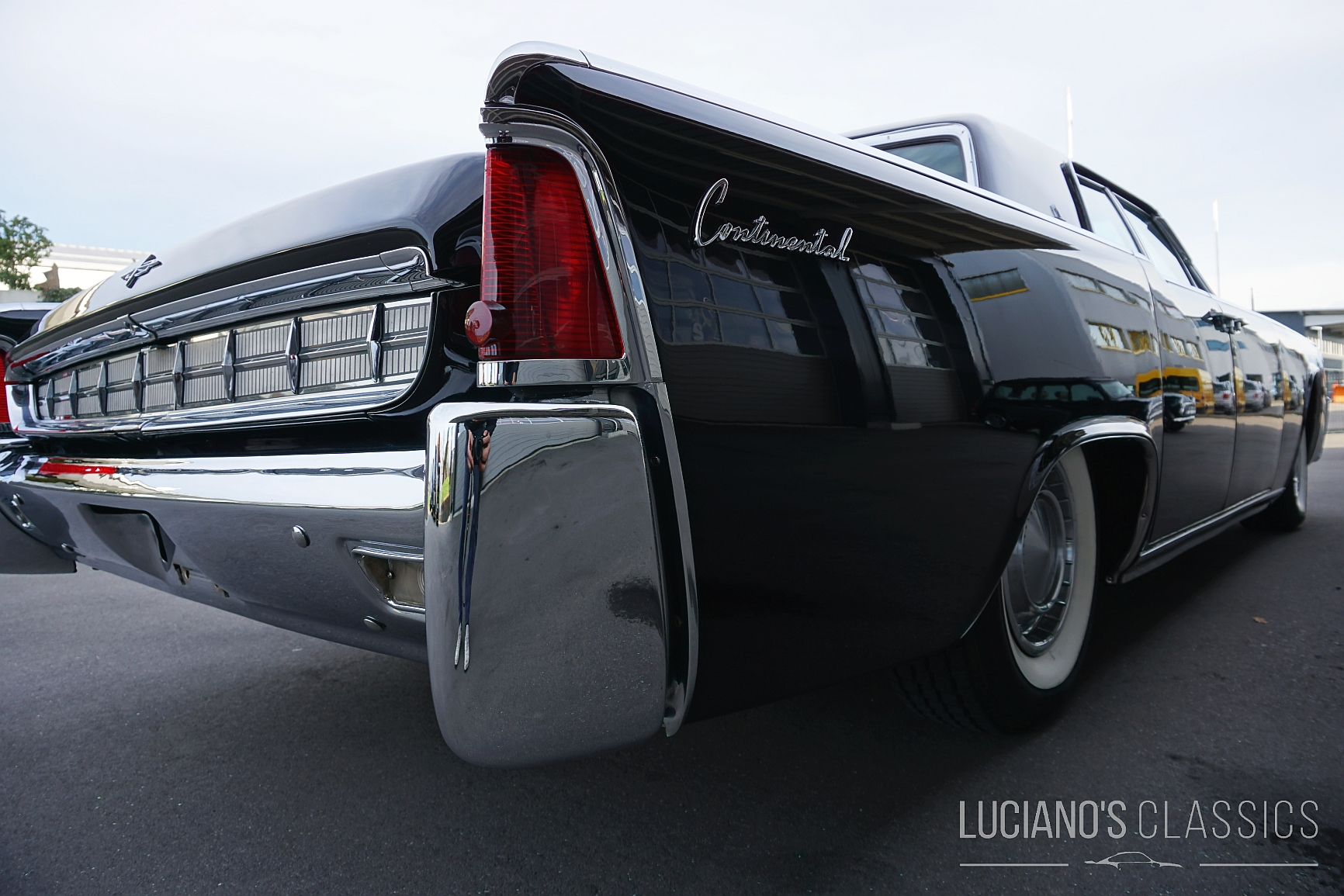
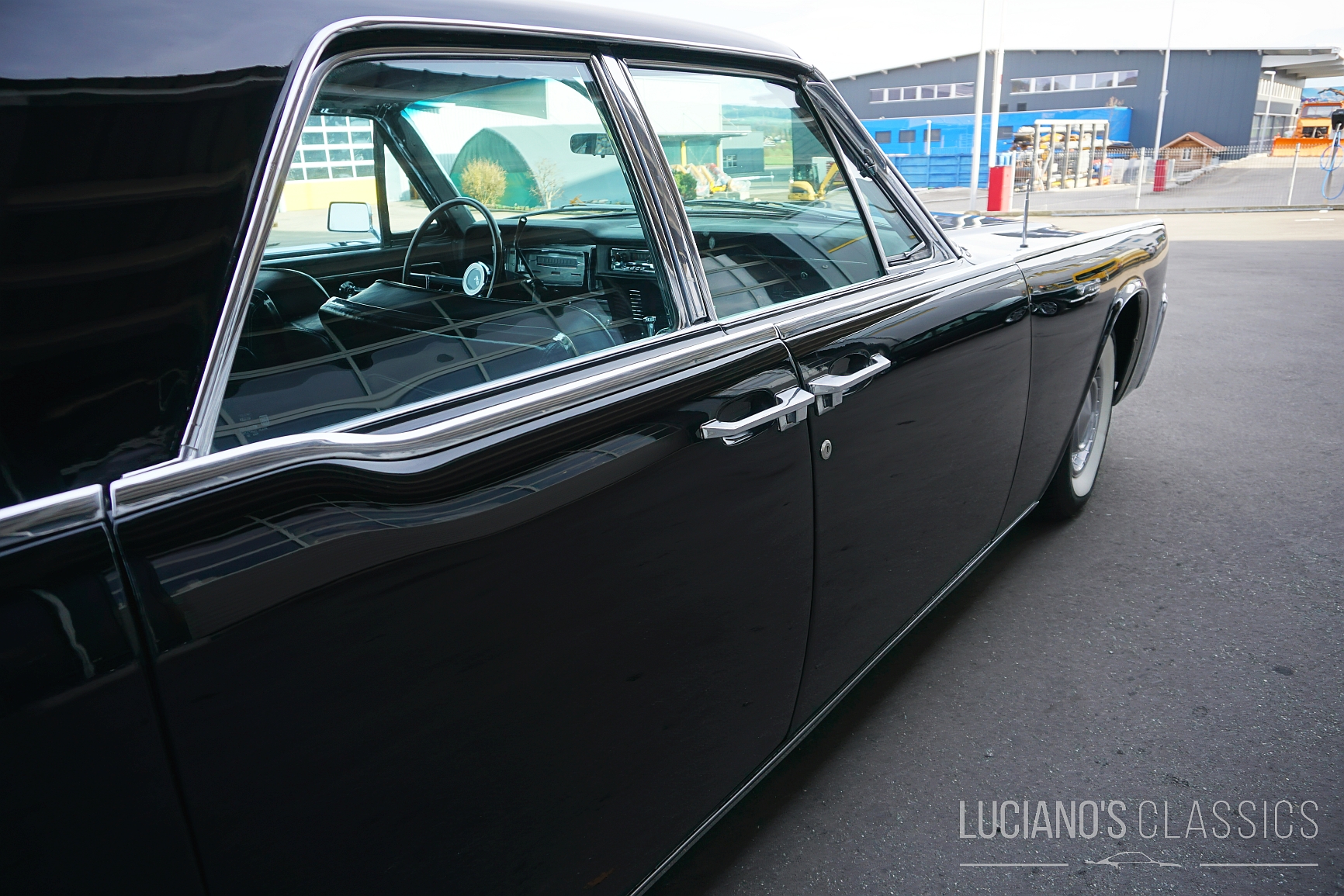
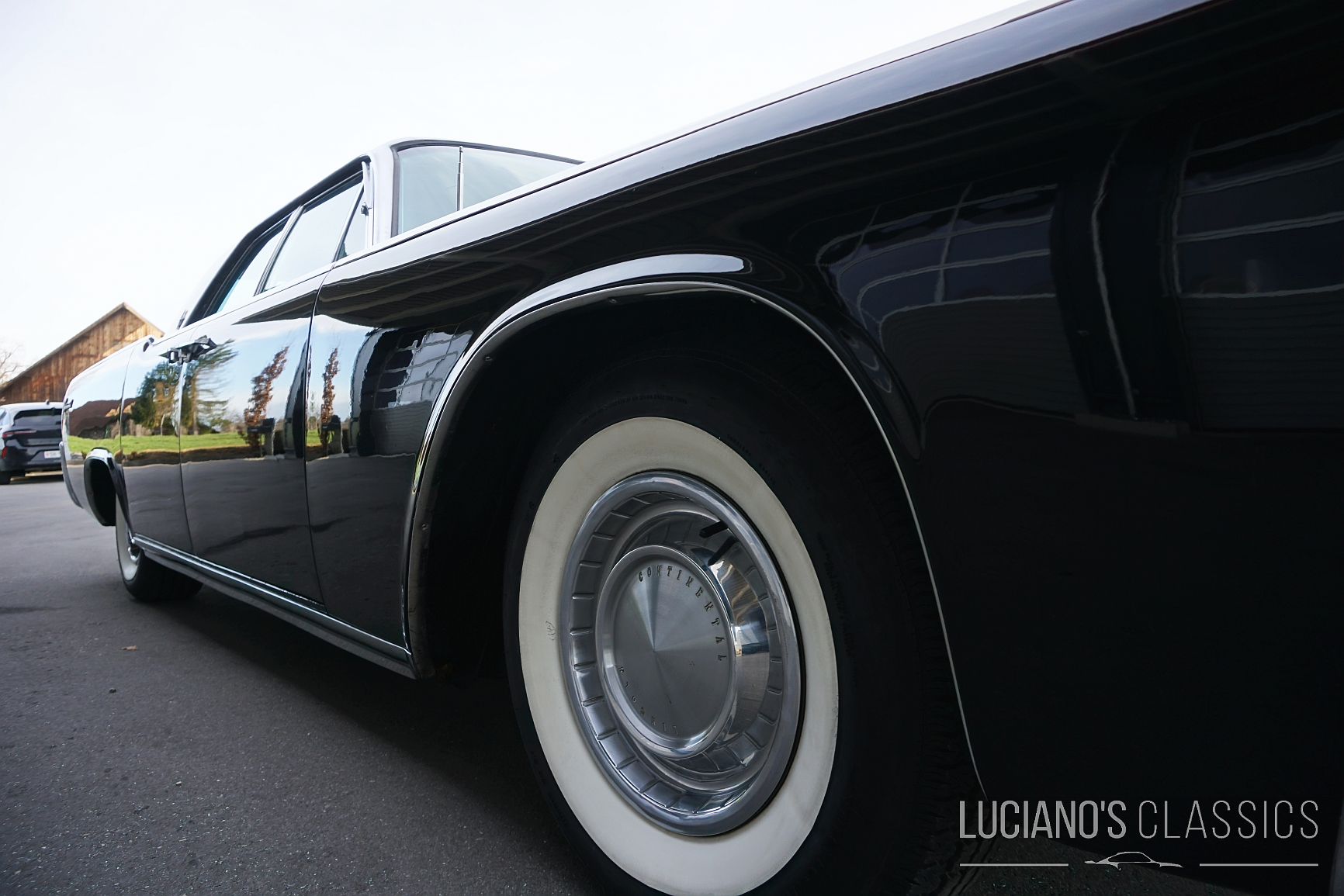
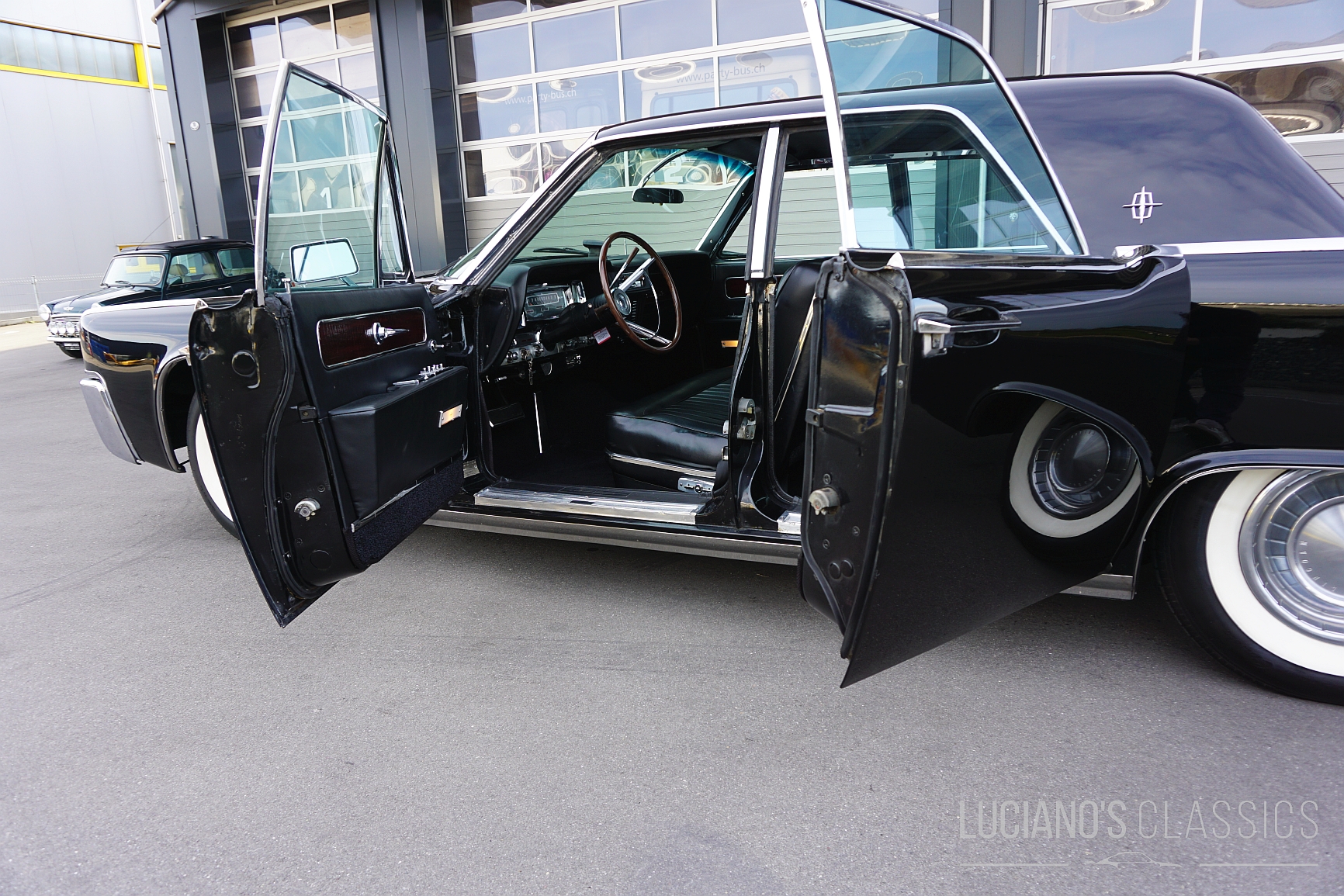
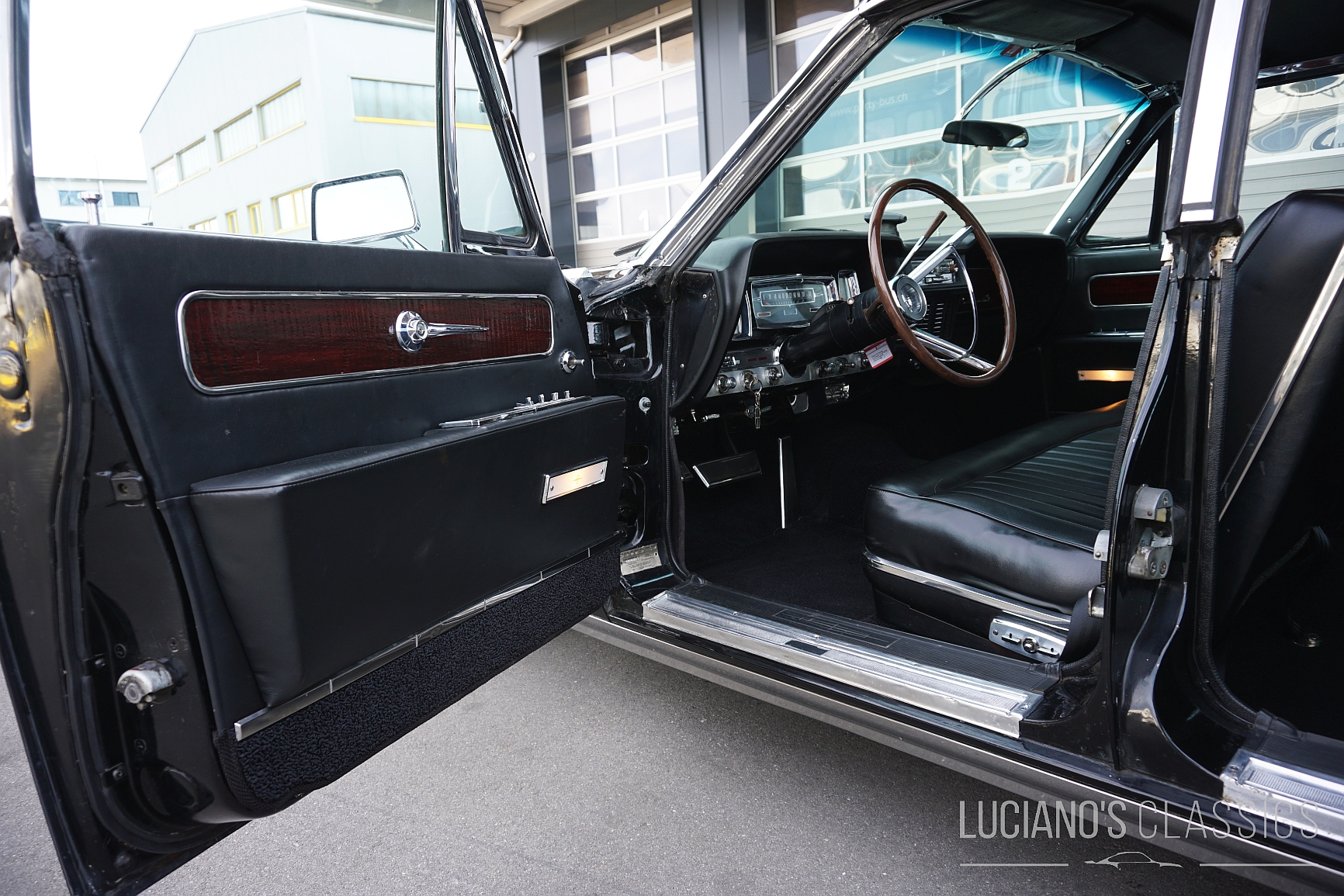
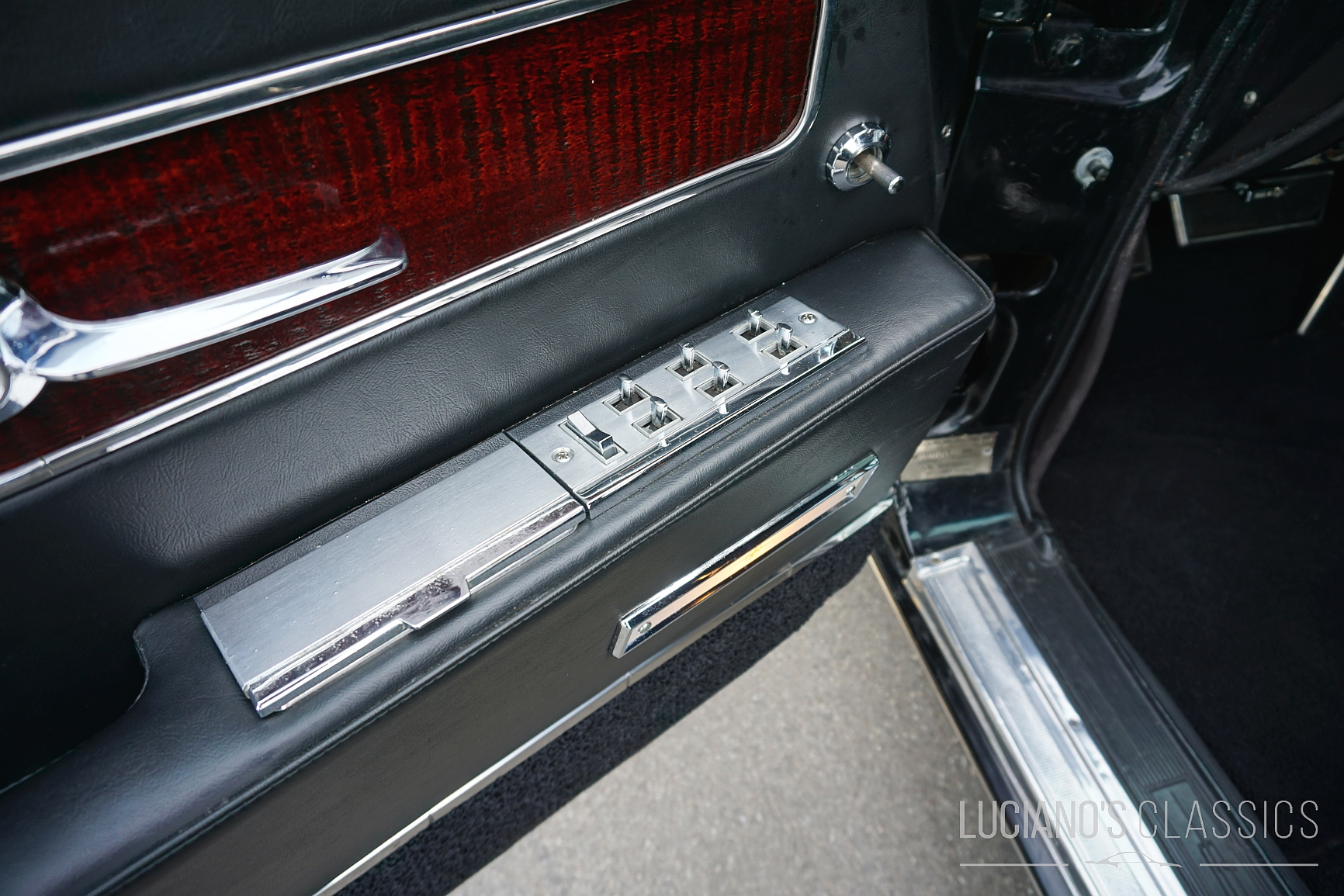
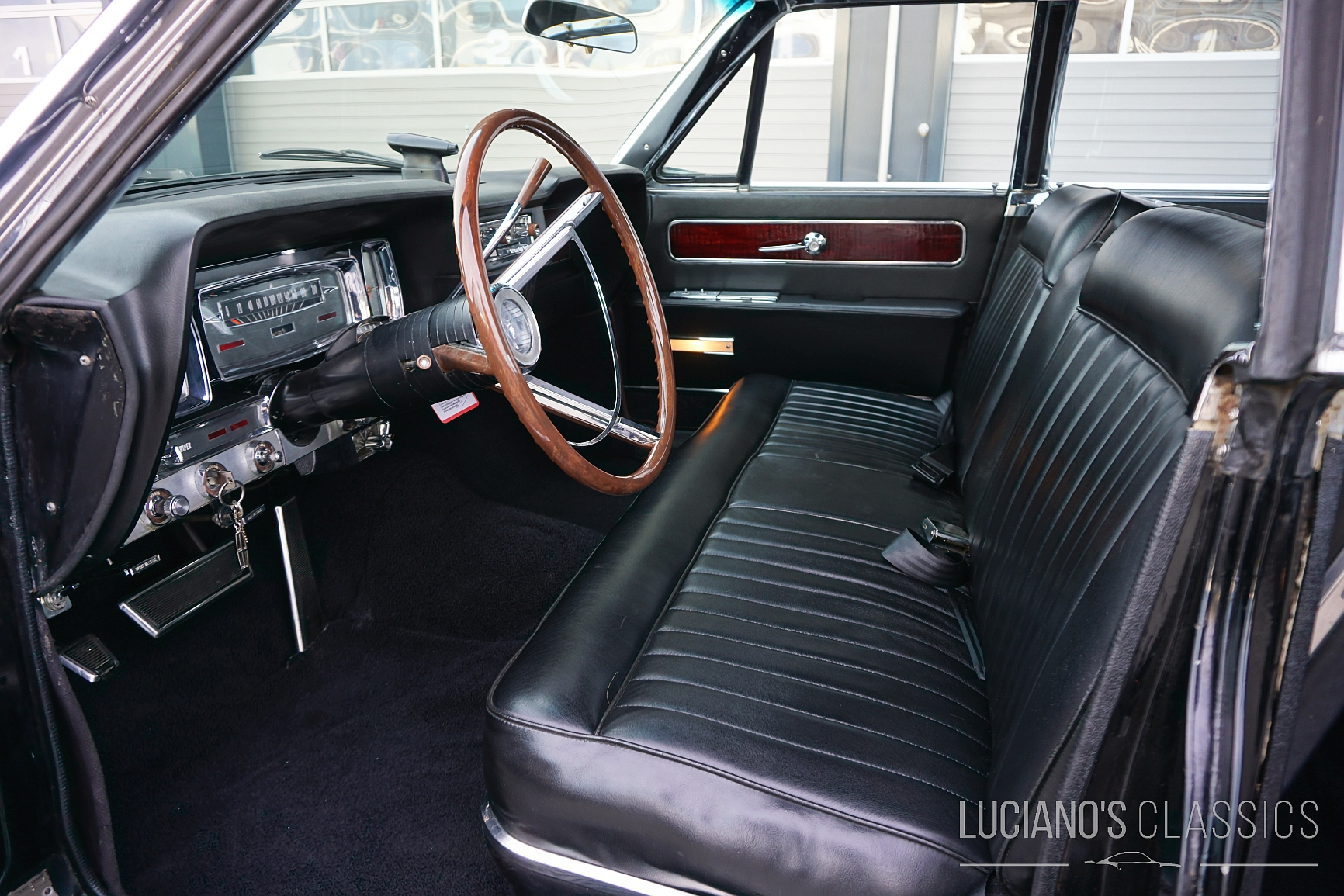
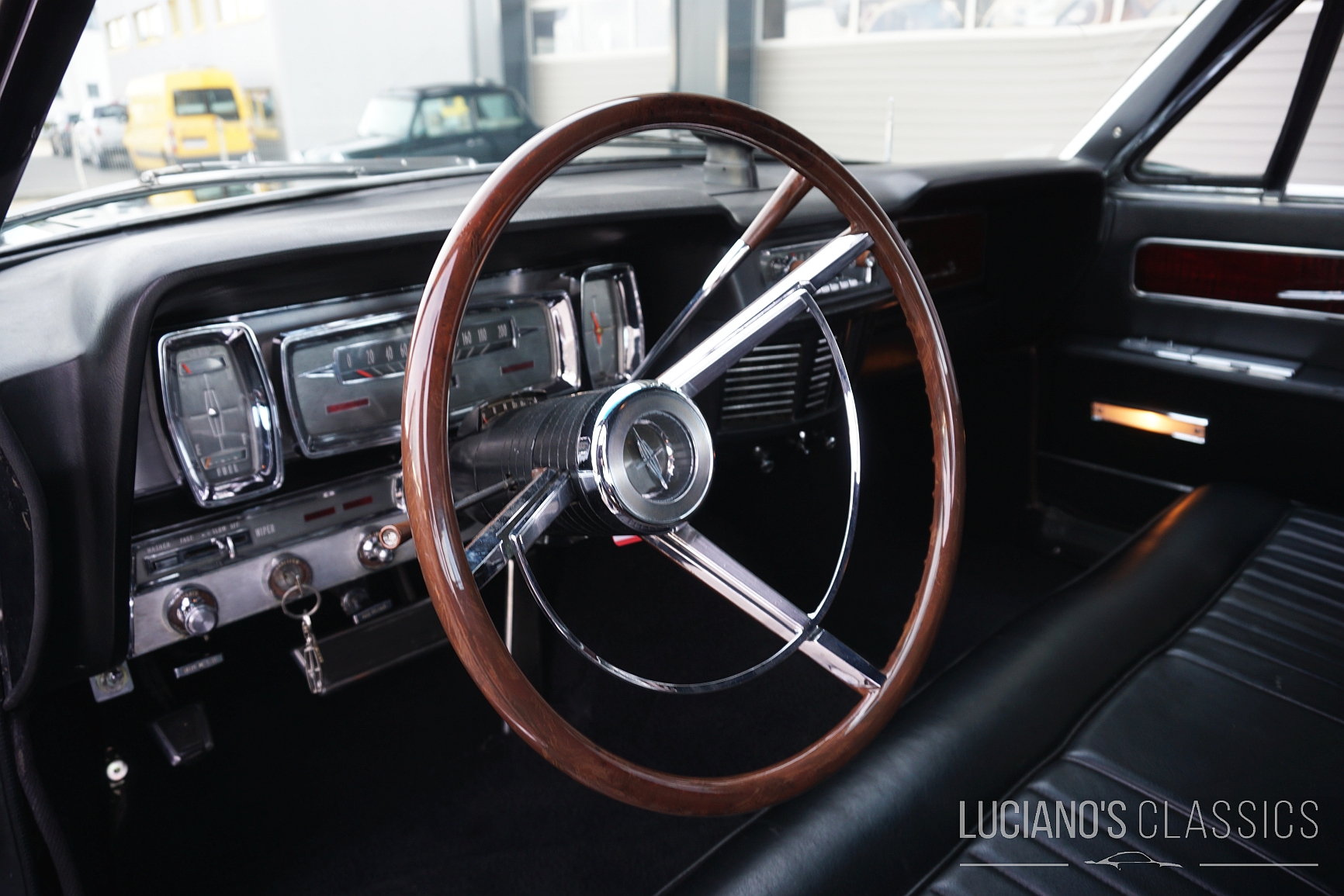
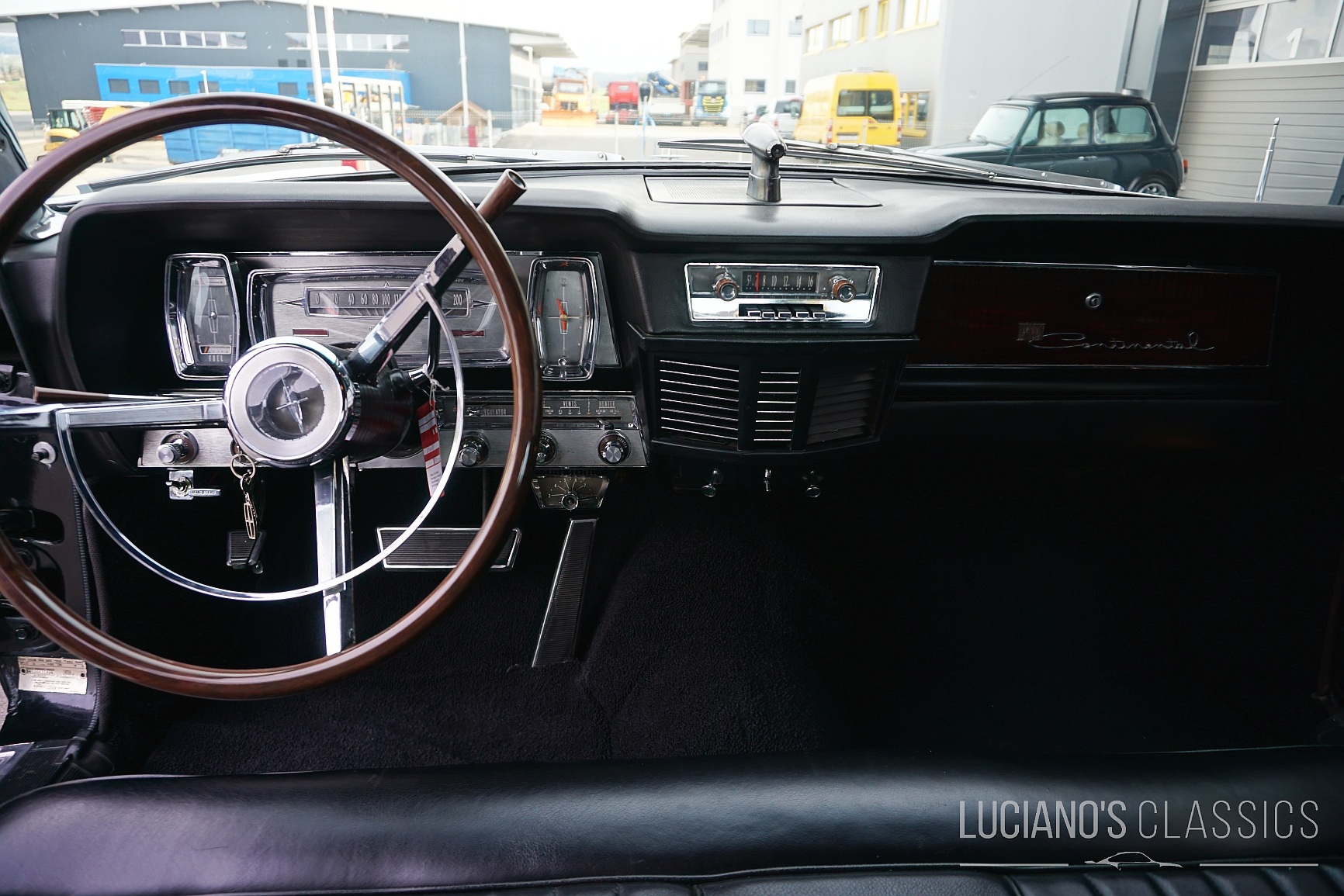
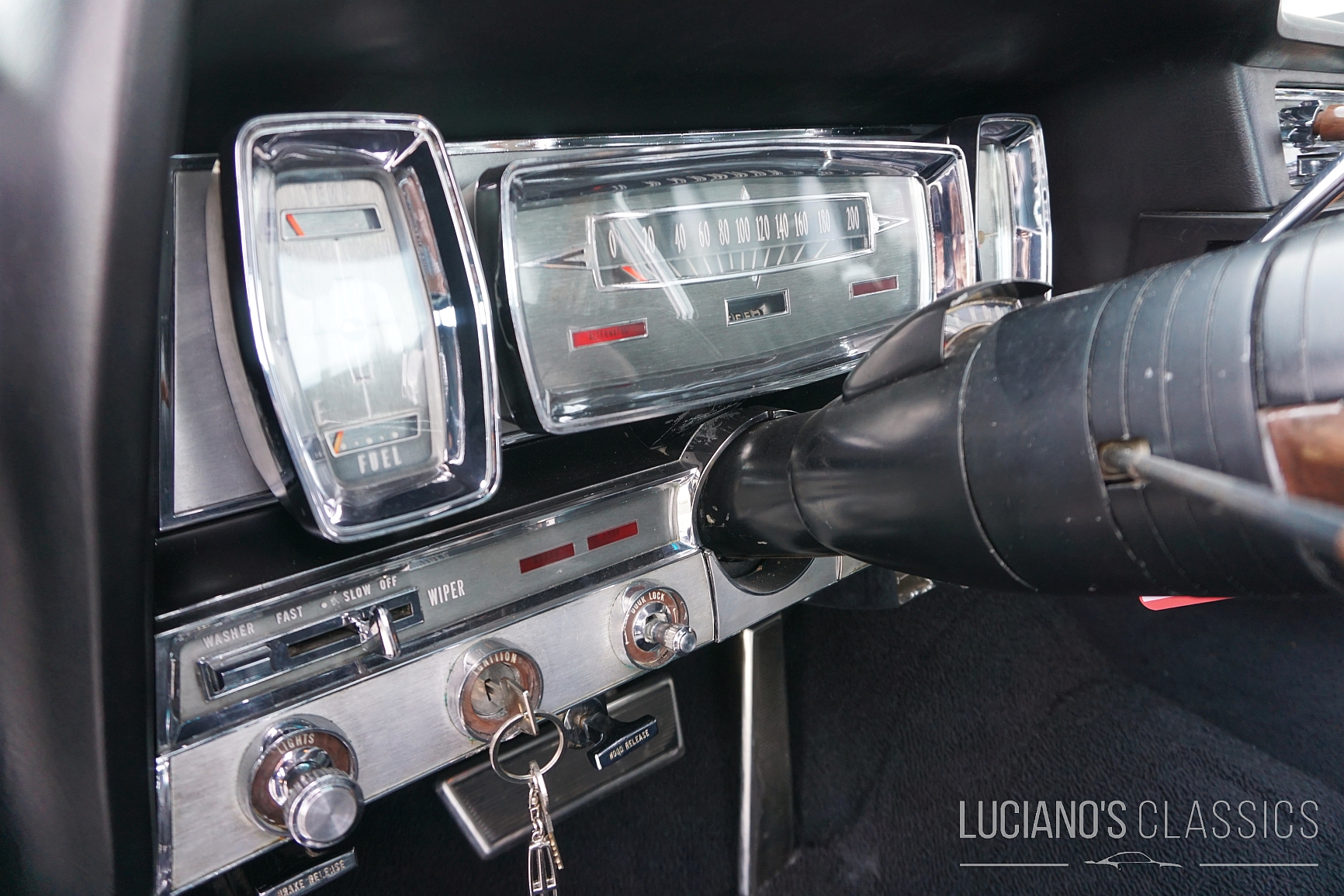
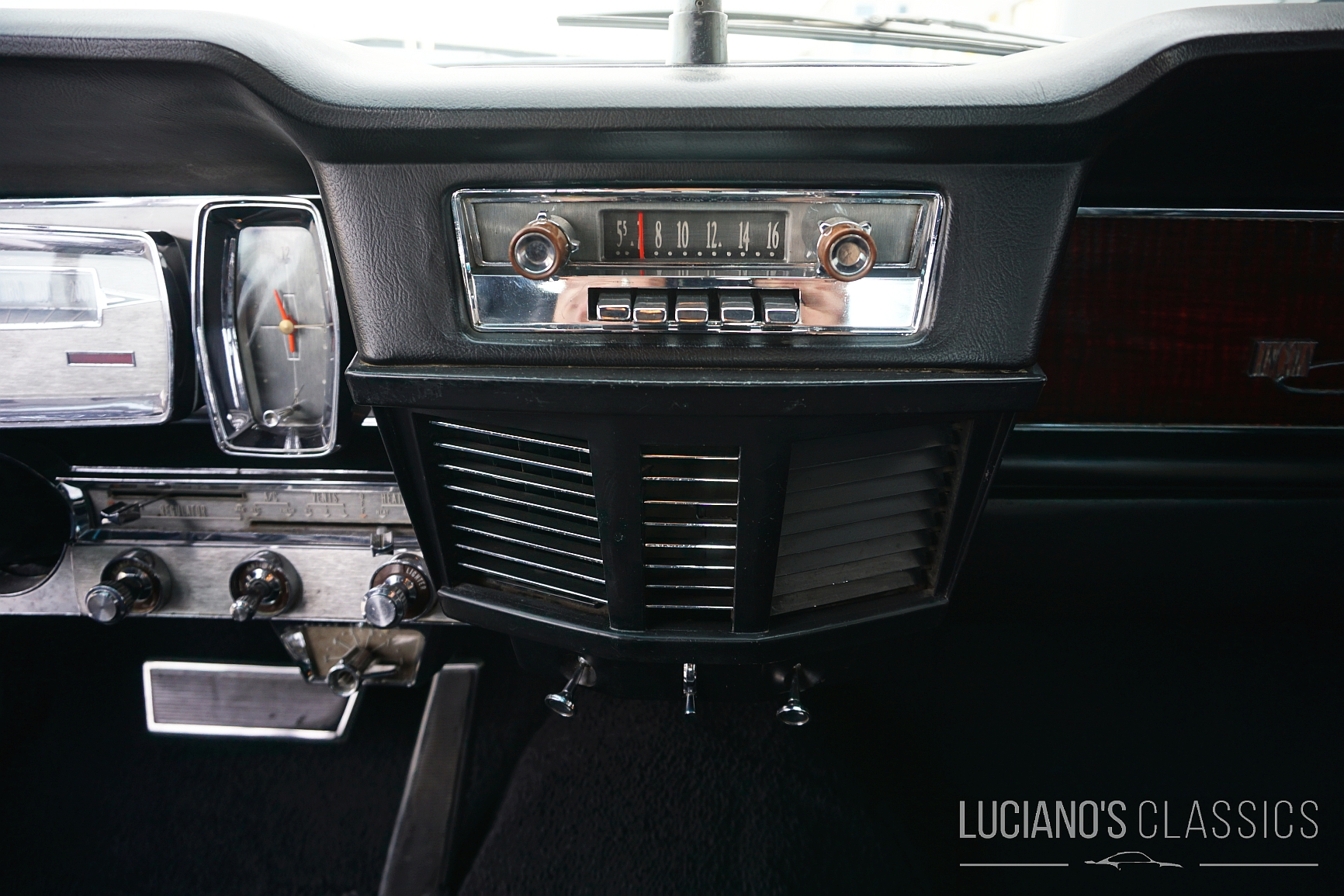
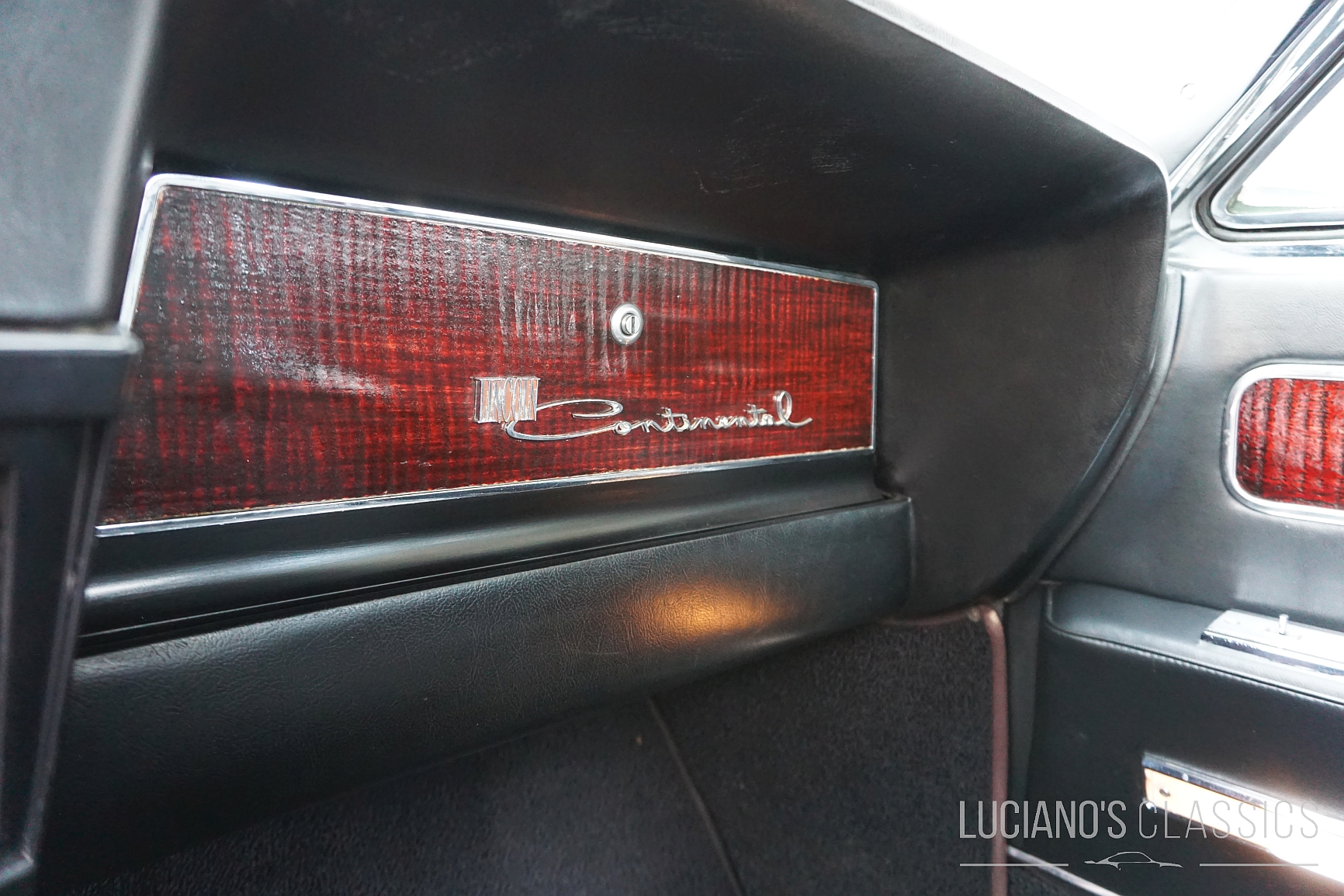
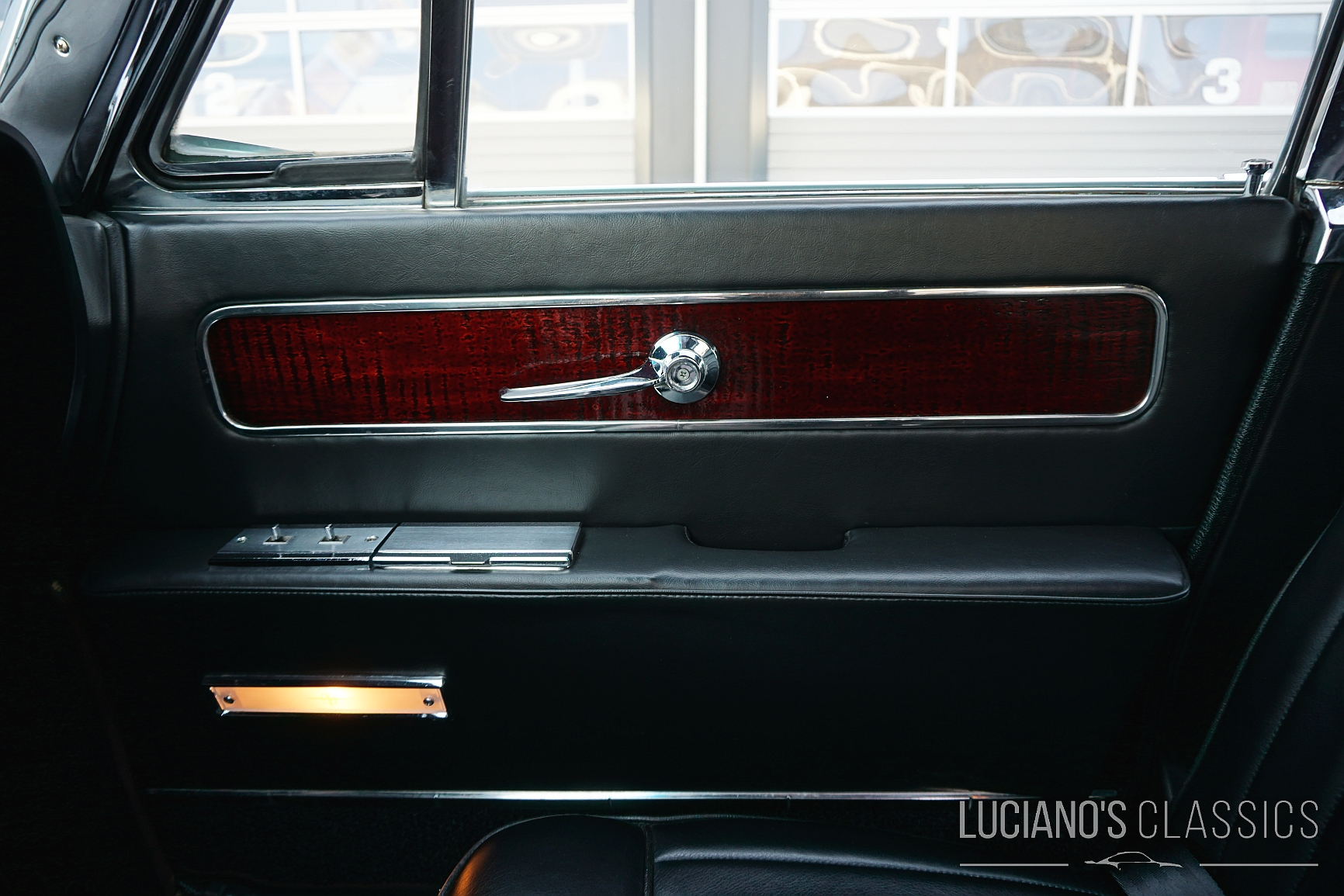
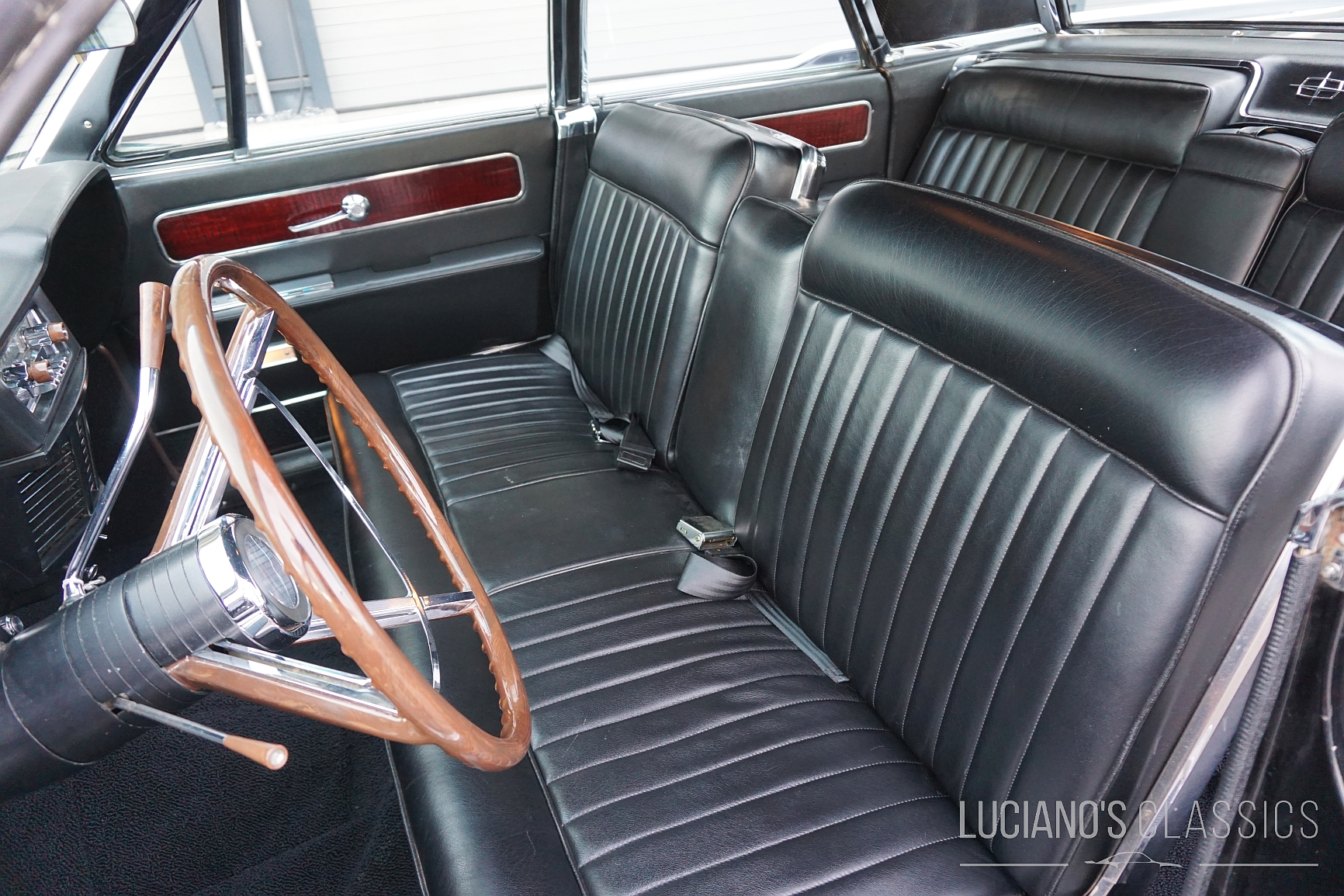
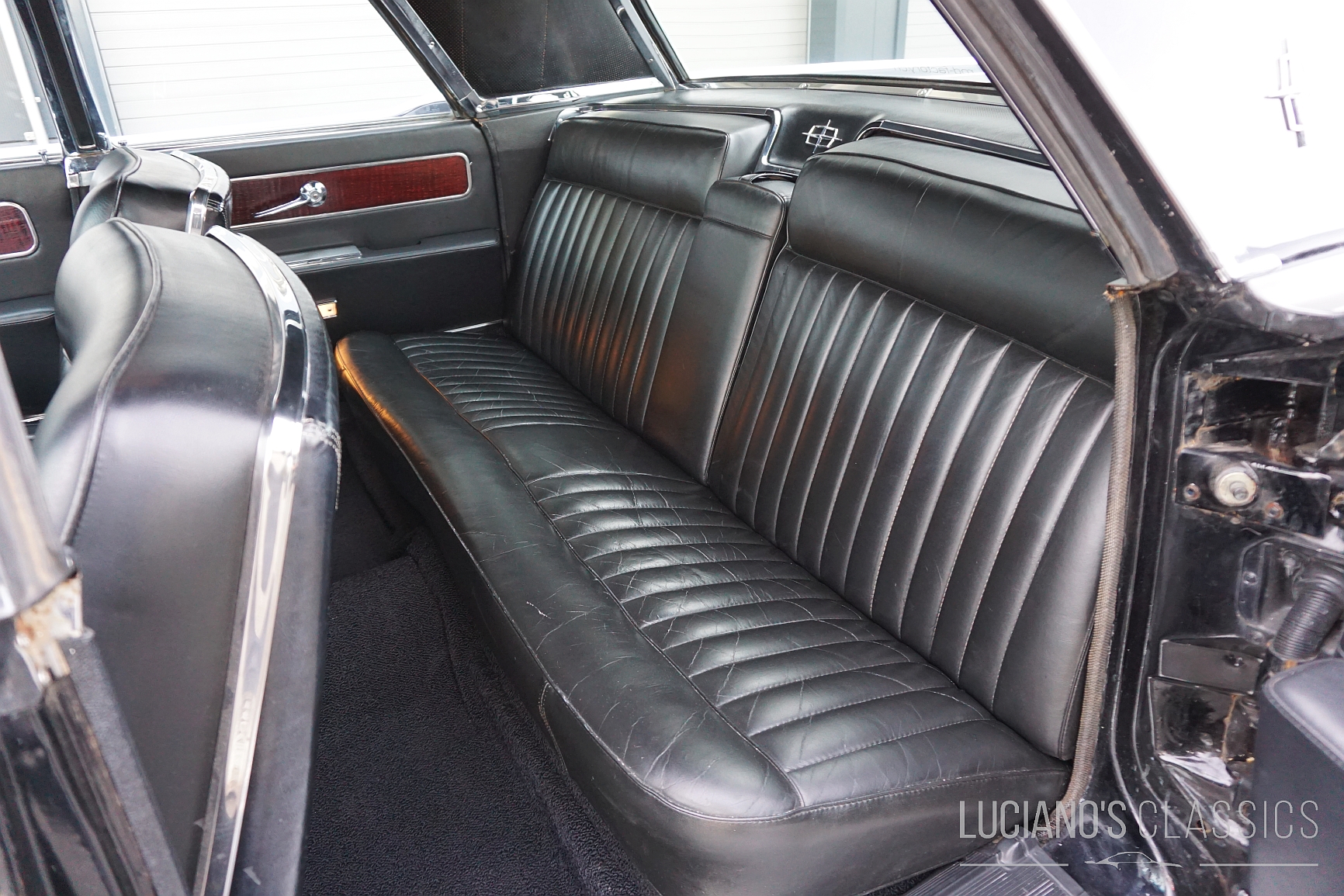
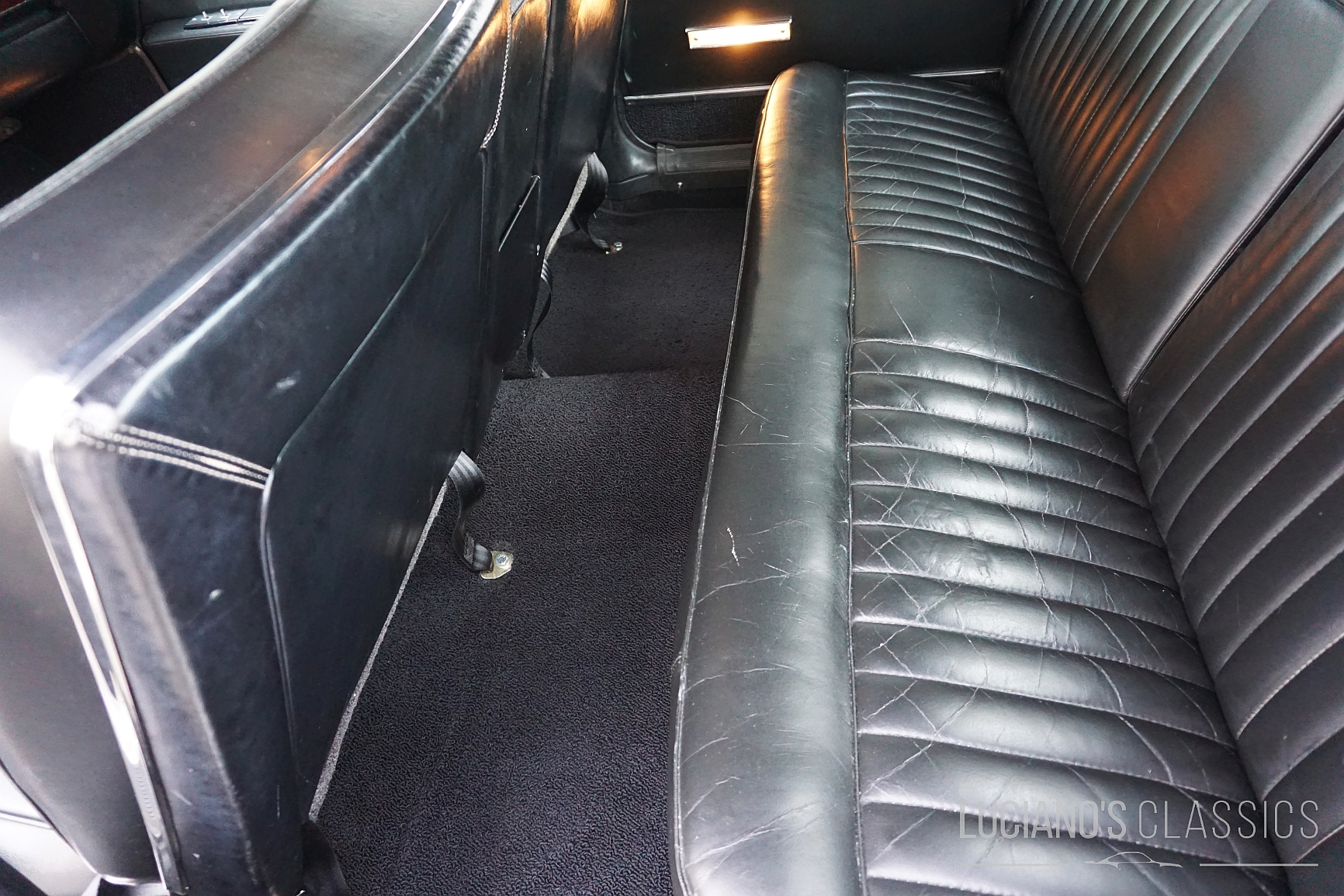
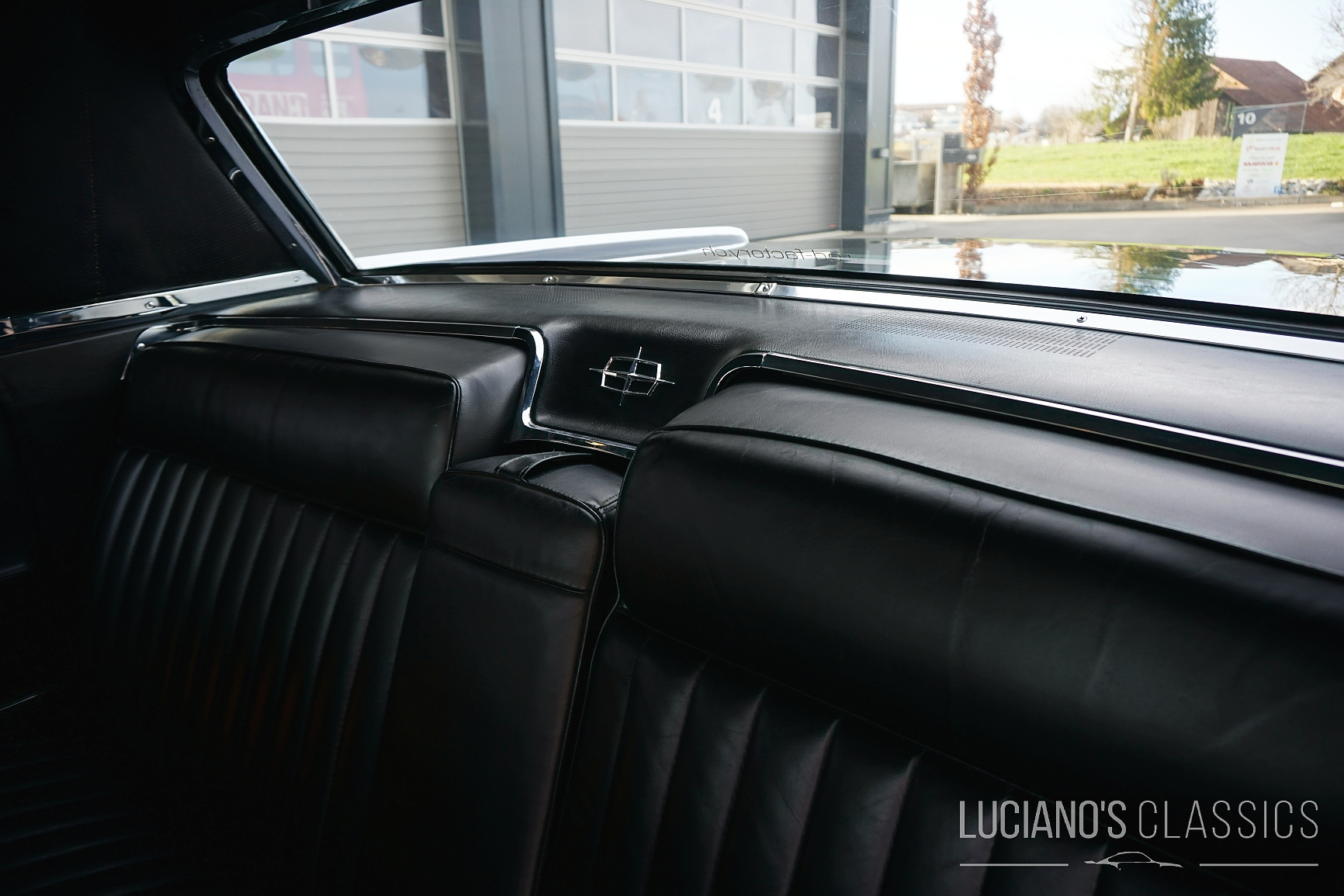
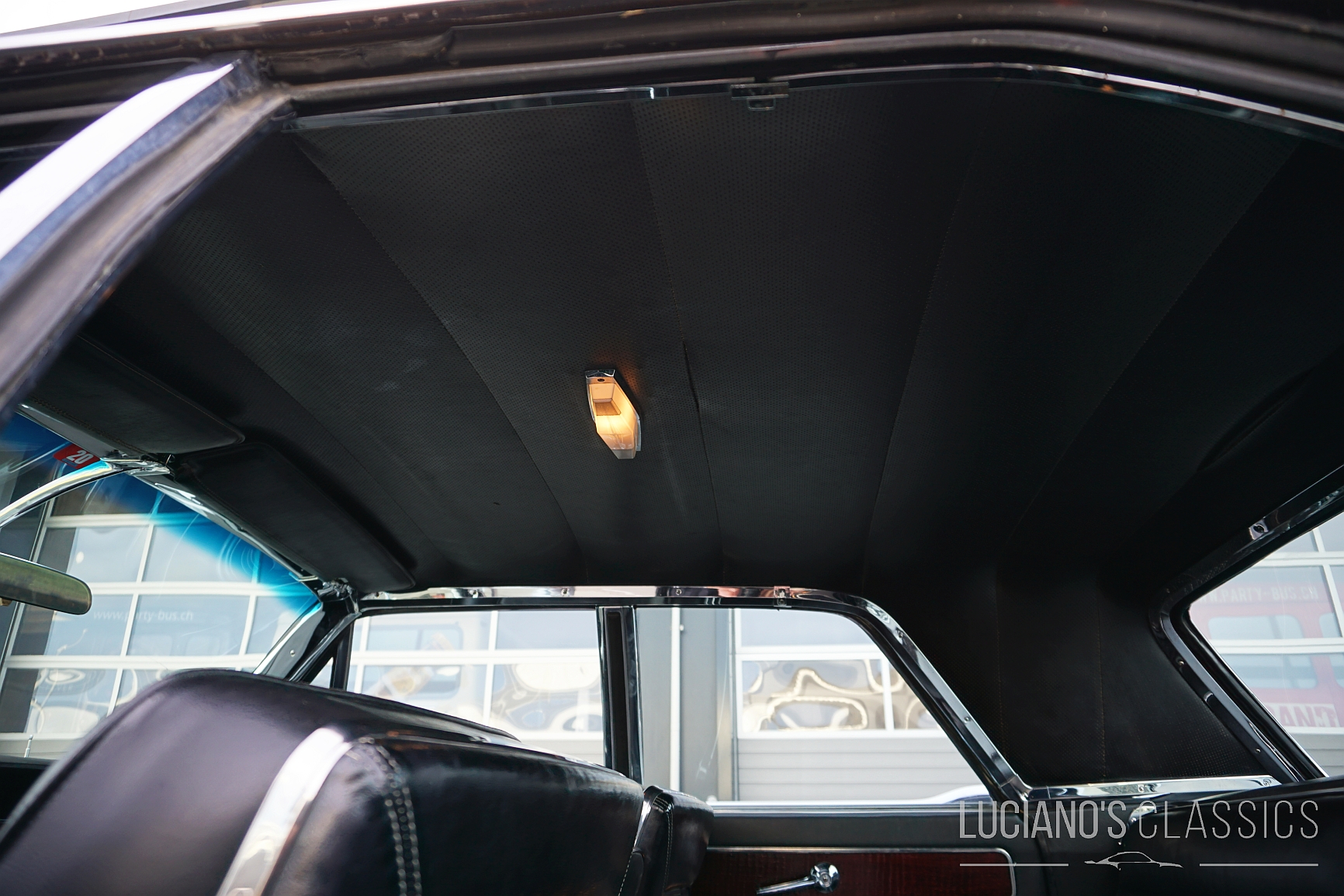
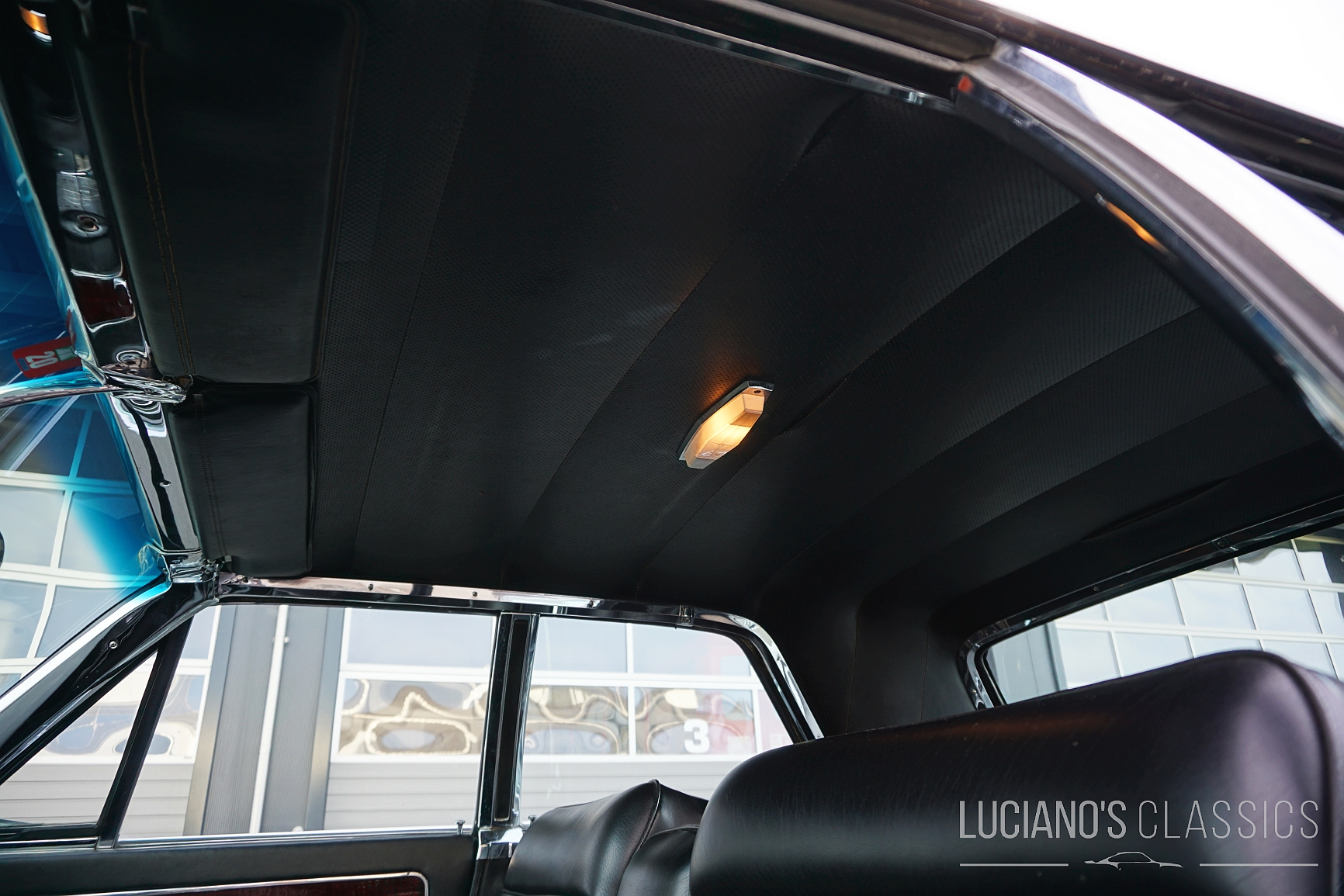
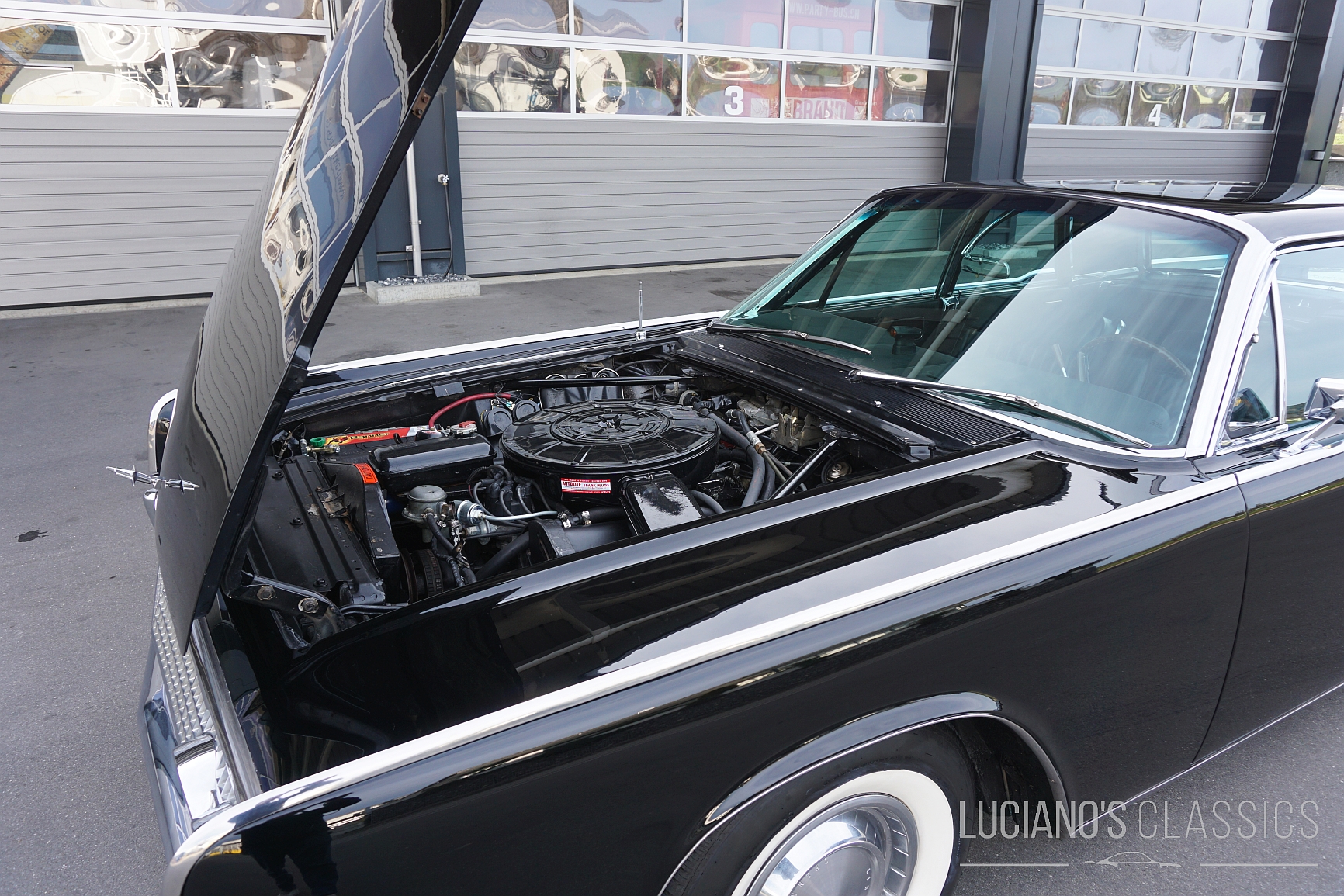
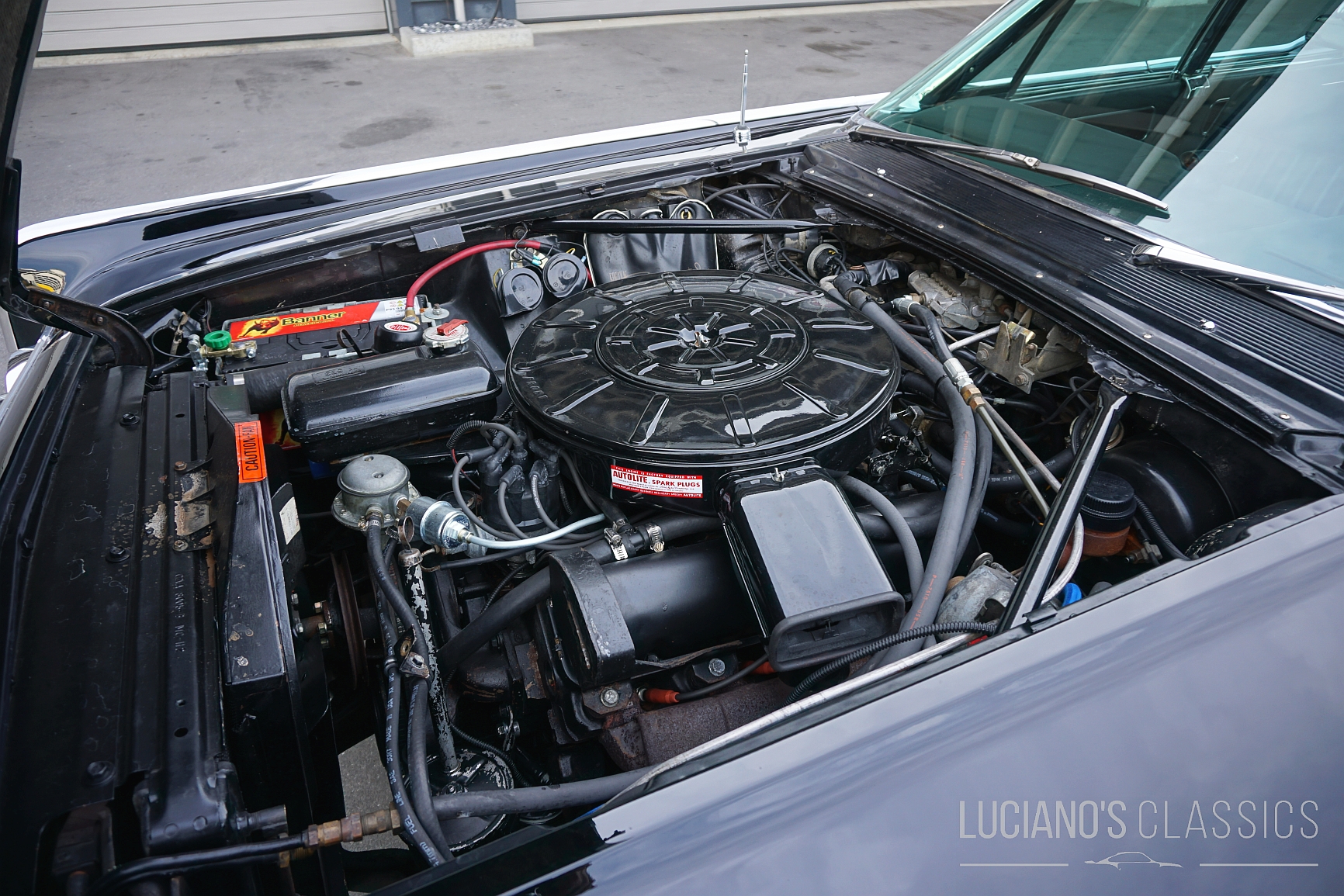
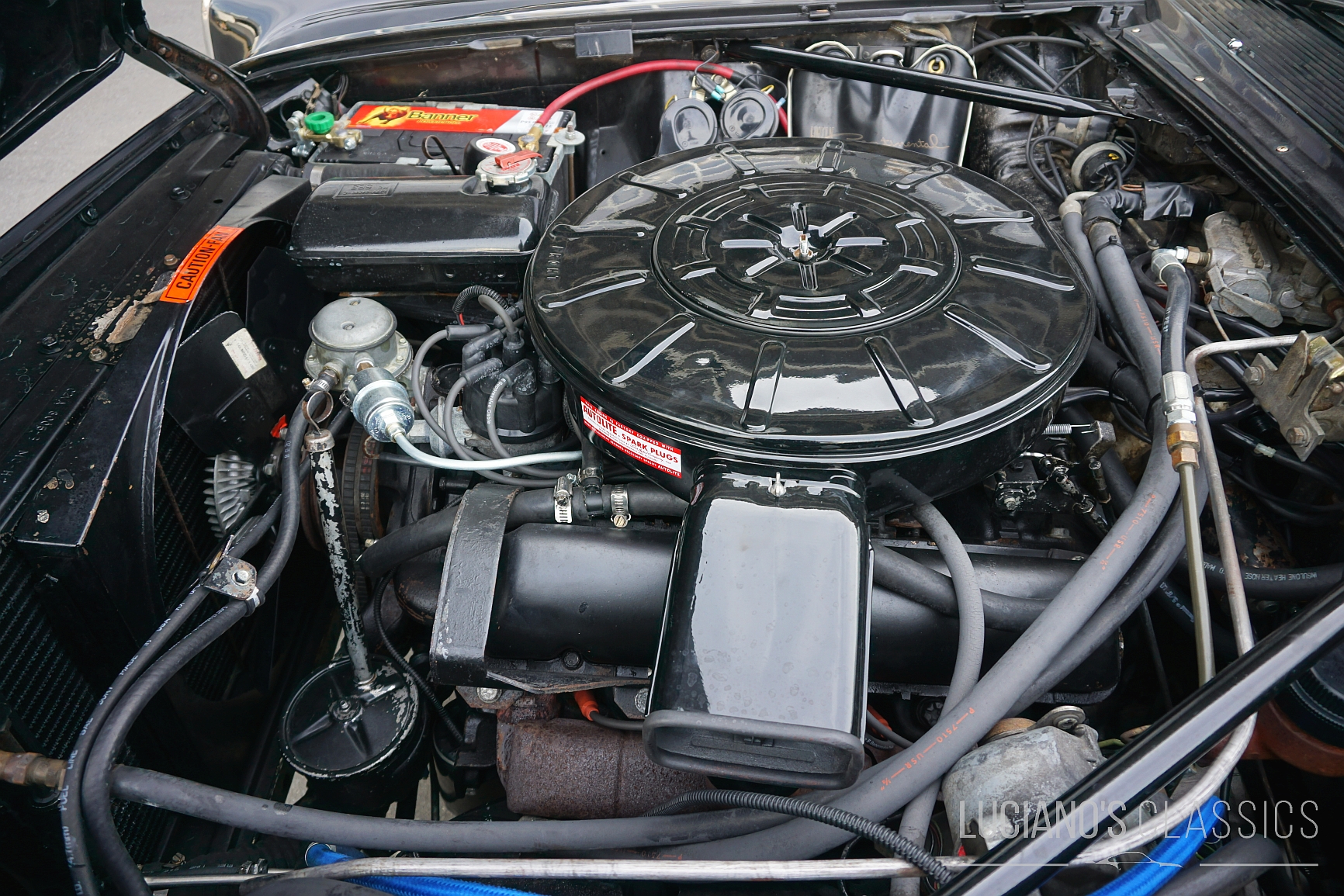
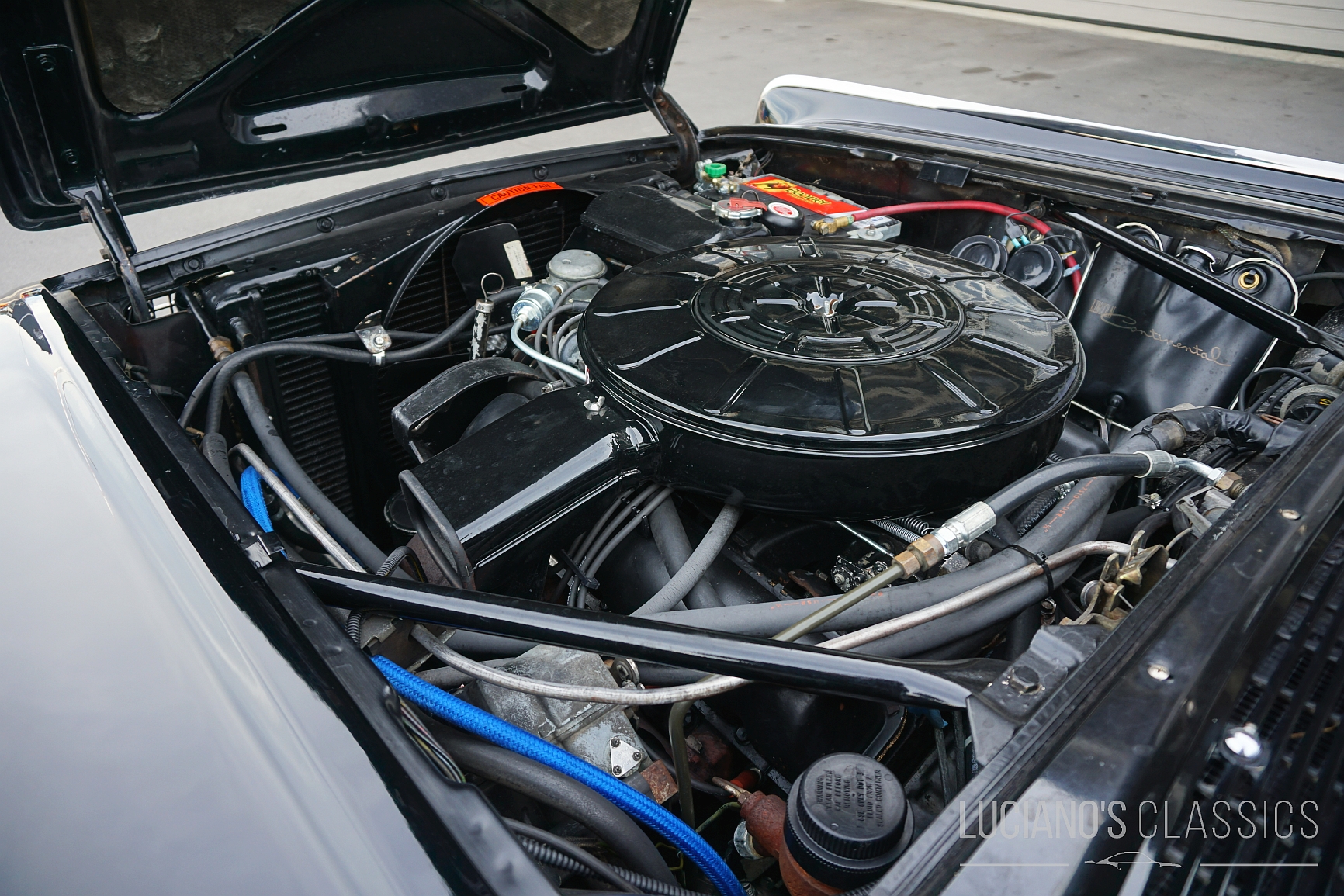
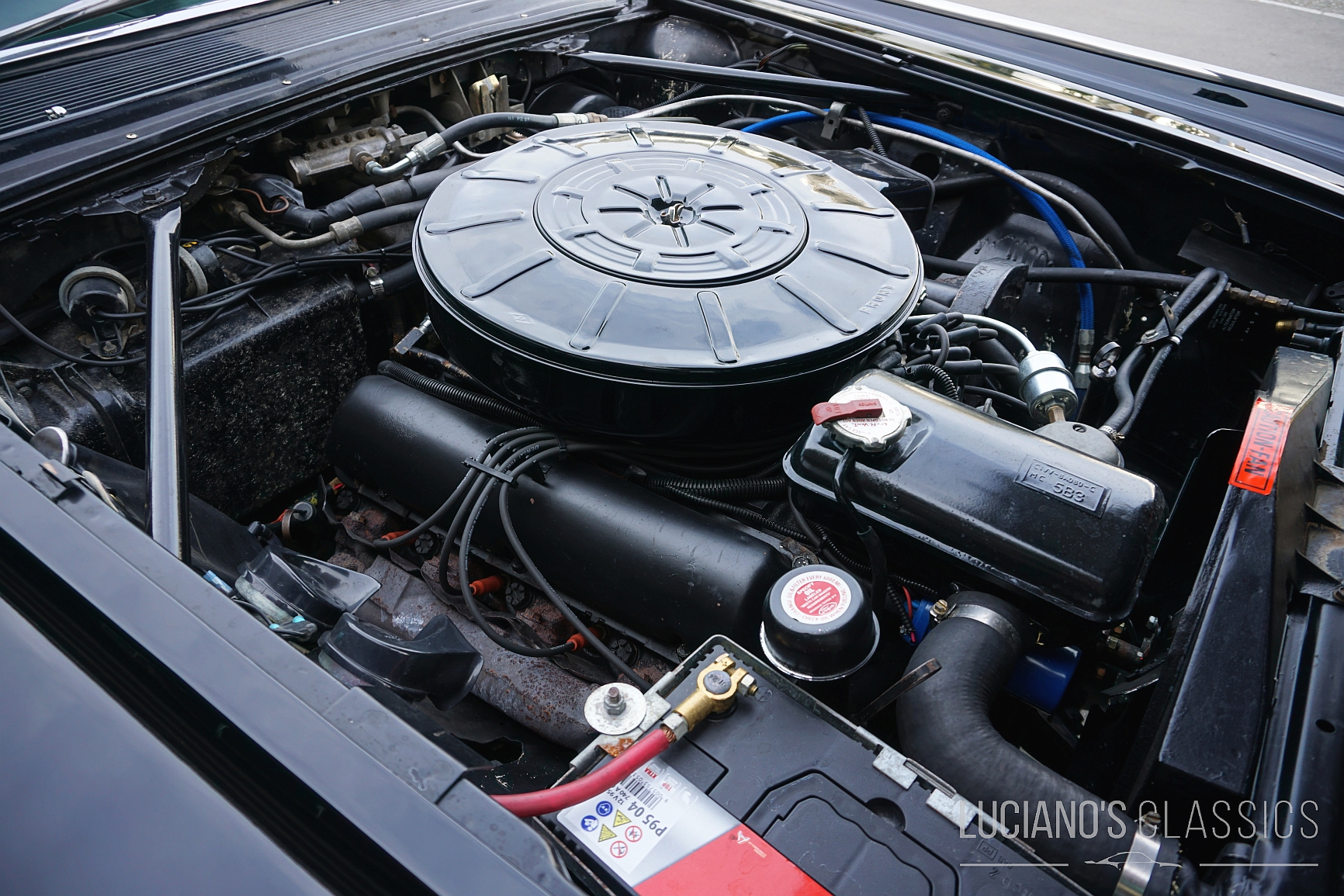
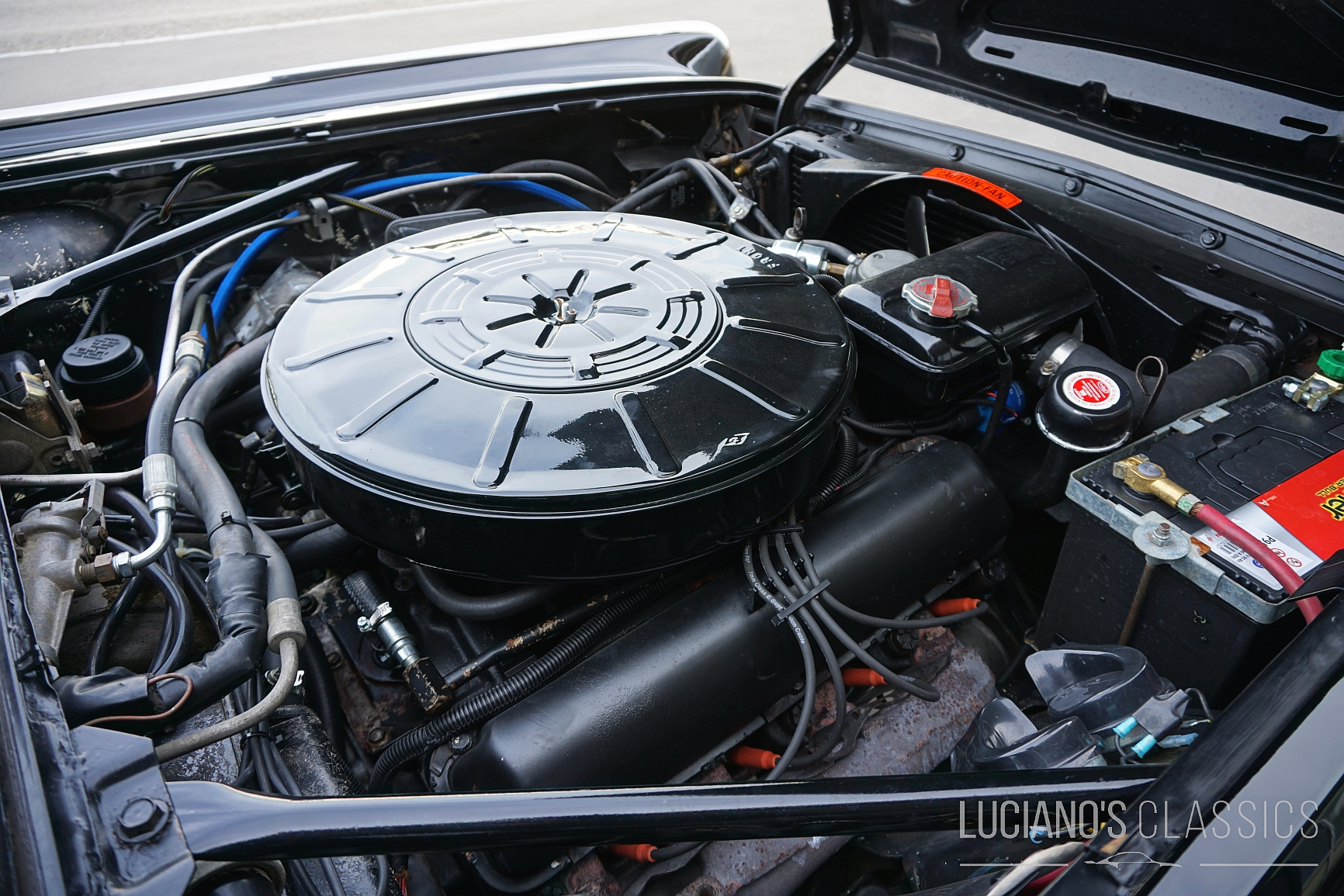
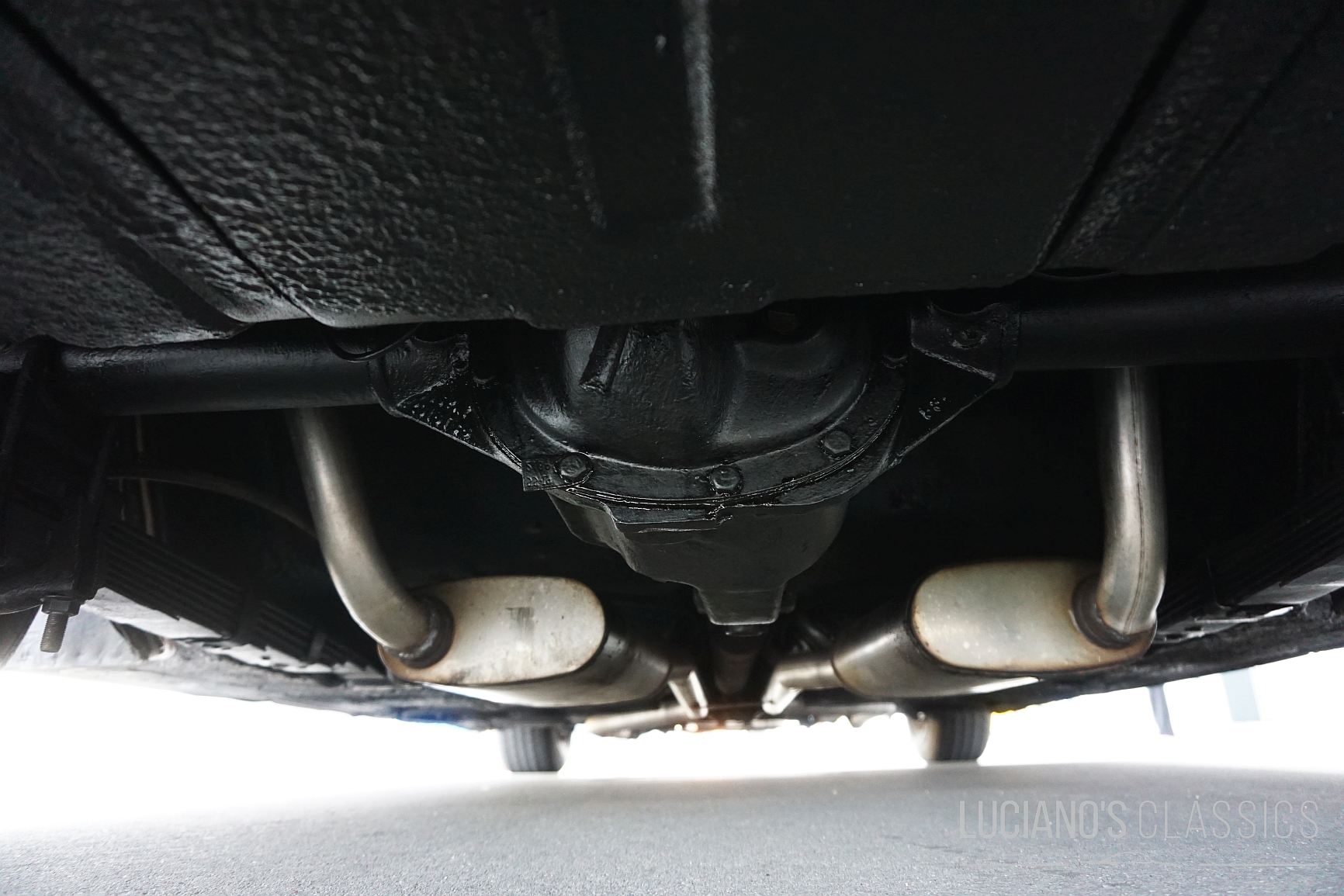
Anyone who was anyone in the States in the sixties treated themselves to the boundless luxury of a Lincoln Continental. In addition to «normal luxury» such as comfortable, electrically adjustable leather seats, wood applications, power steering and brake booster, this Lincoln also featured central locking and automatic dimming headlights. Coupled with timeless Lincoln looks, the 320 hp V8, a beautiful paint finish and the chic new whitewall tires, this car offers everything your heart desires. An elegant cruiser for the whole family - and there's no shortage of luggage in the huge trunk.
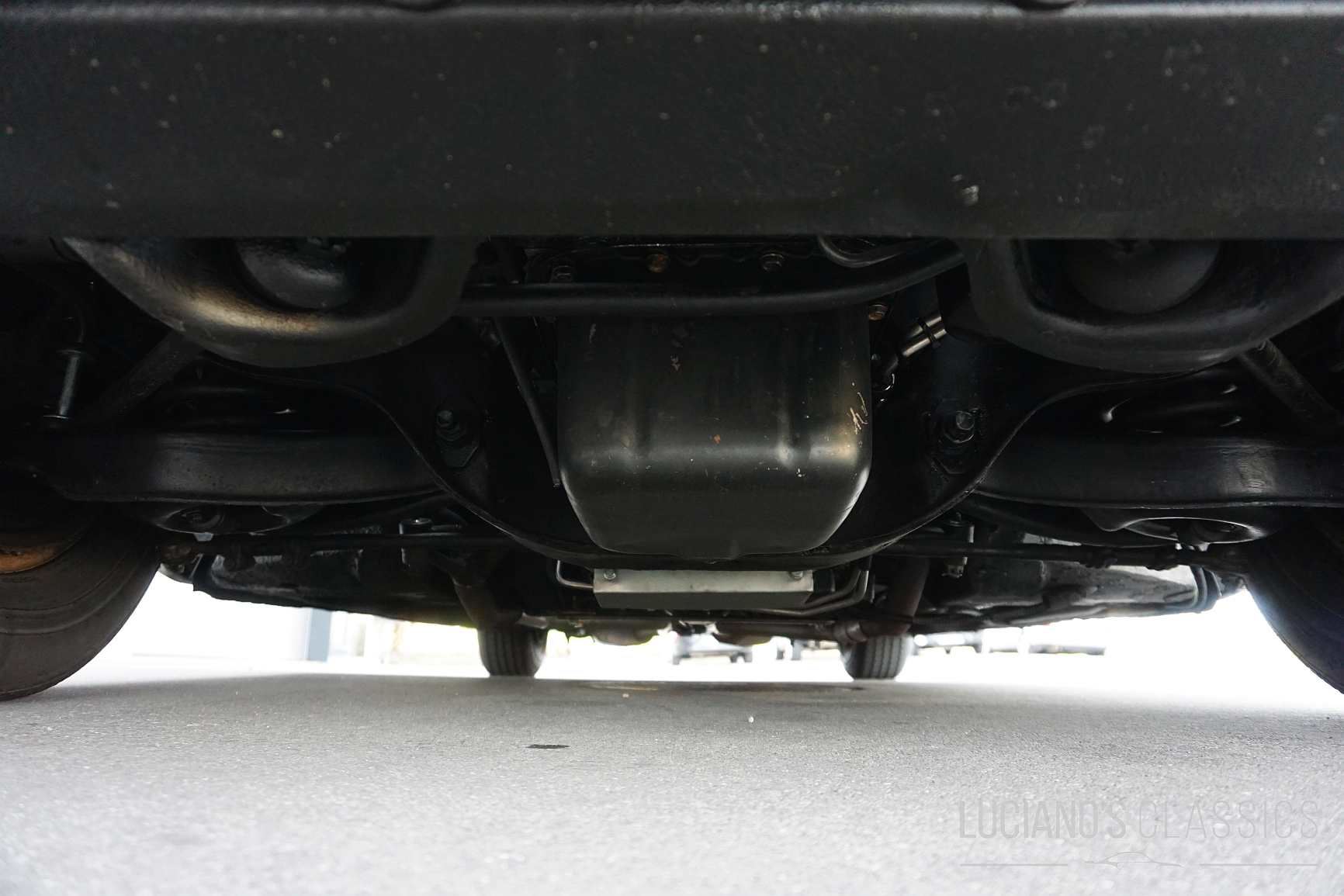
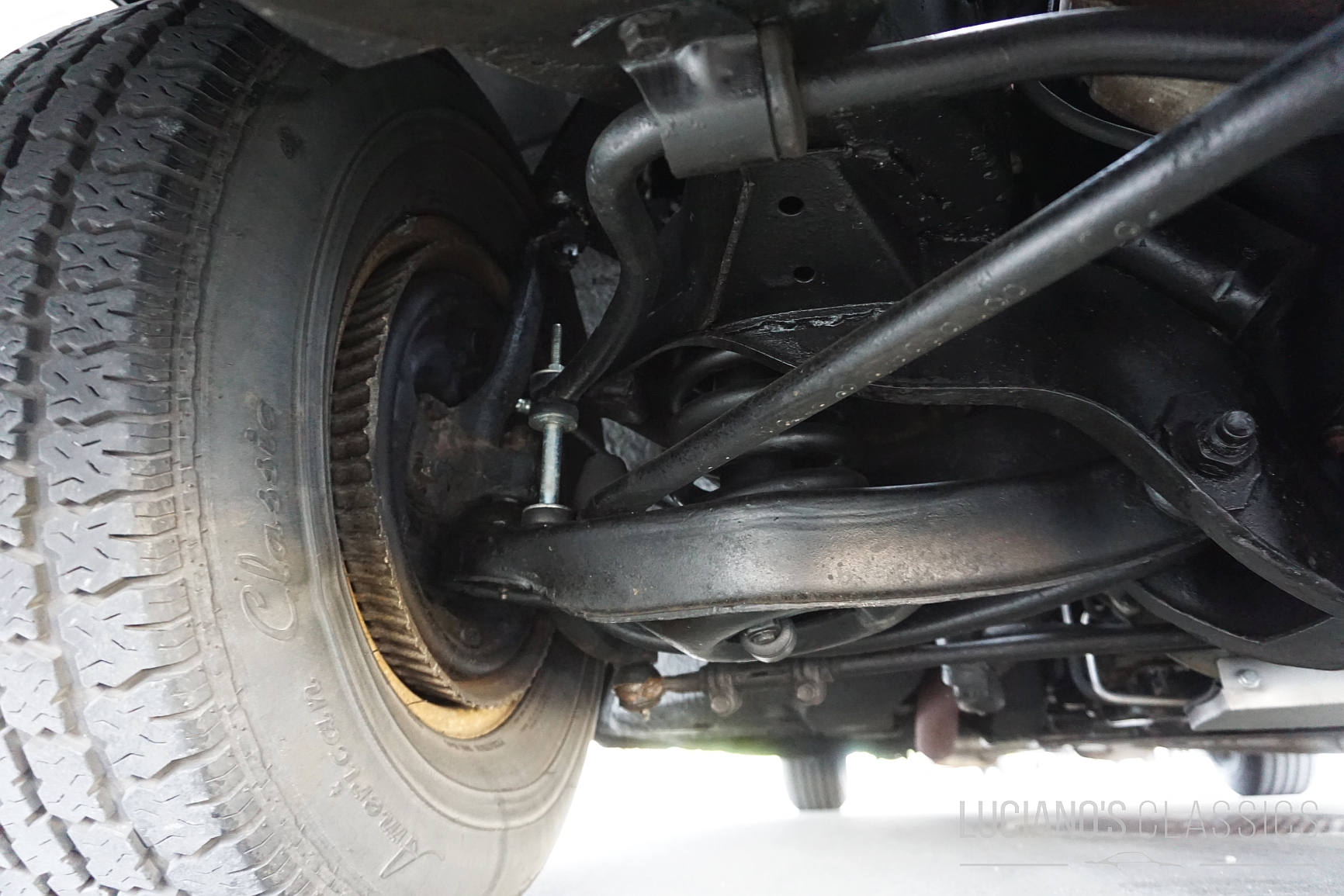
The car has been in Switzerland for a good five years and a great deal has been invested in the machine. The documents and spare parts are so extensive that the trunk cannot hold them. And that with a volume of just under 650 liters - more than the current Skoda Oktavia estate can swallow.
In this limousine, stress, time and fuel costs (fortunately) become less important. And it's even more comfortable than the psychologist's therapy chair.
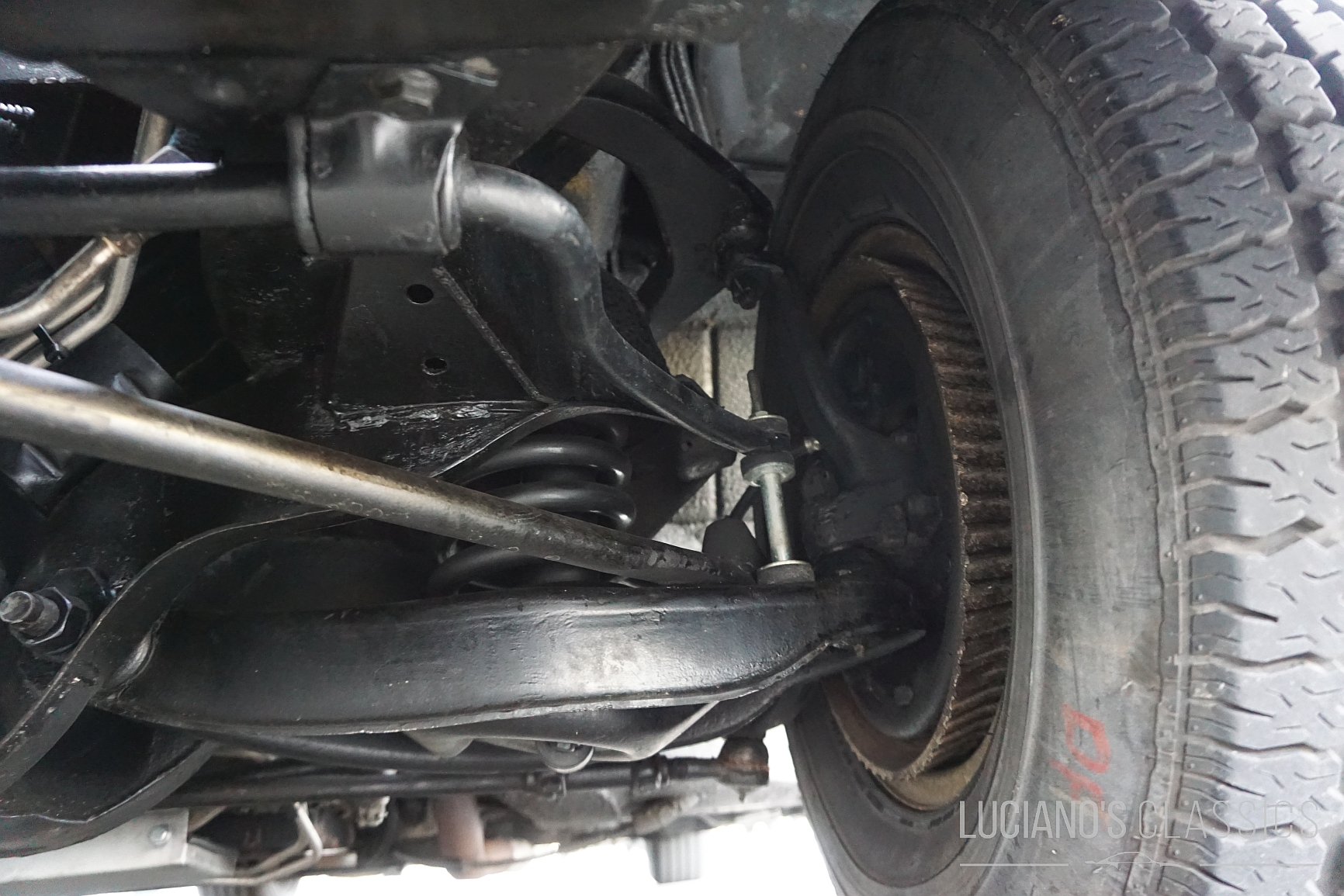
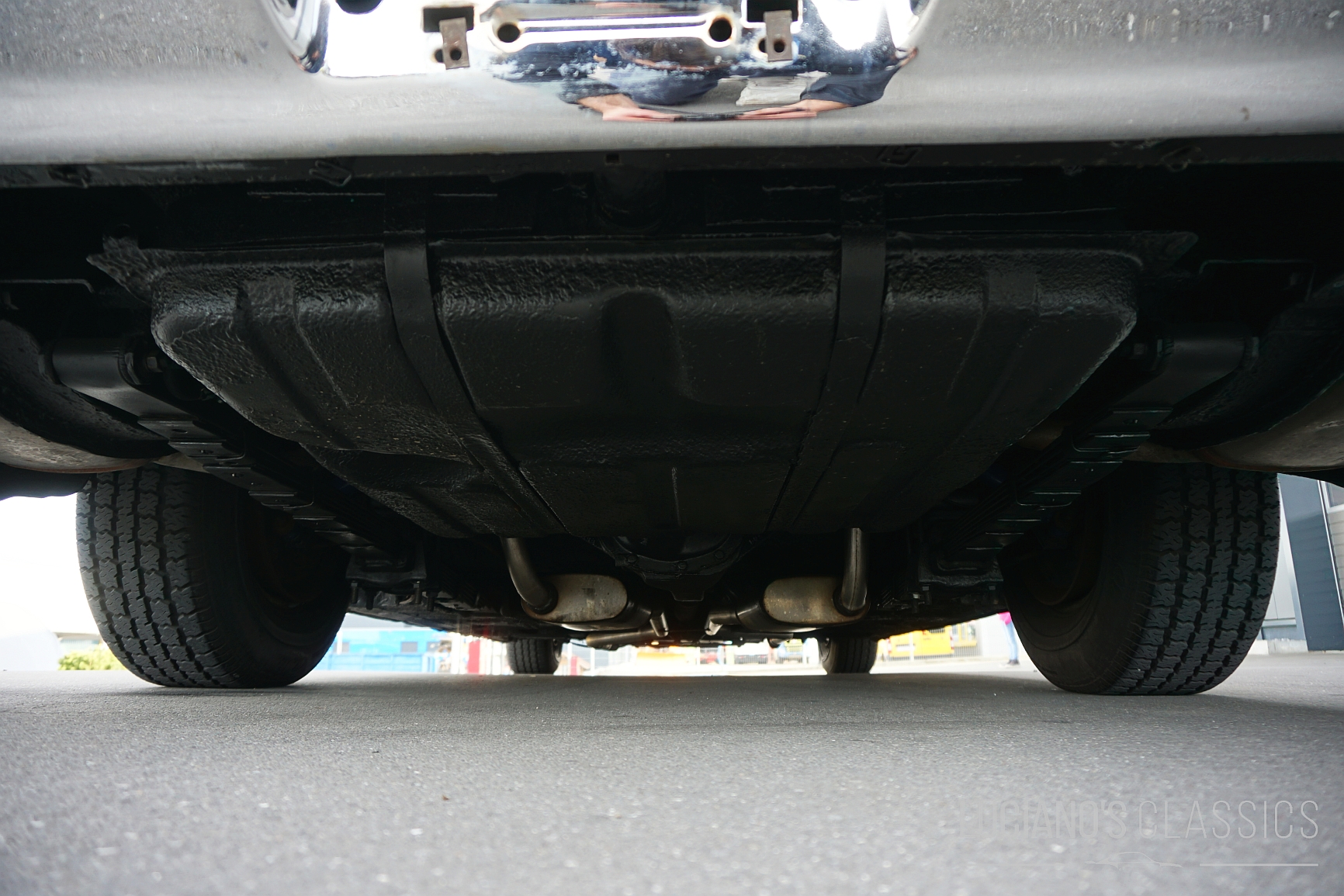
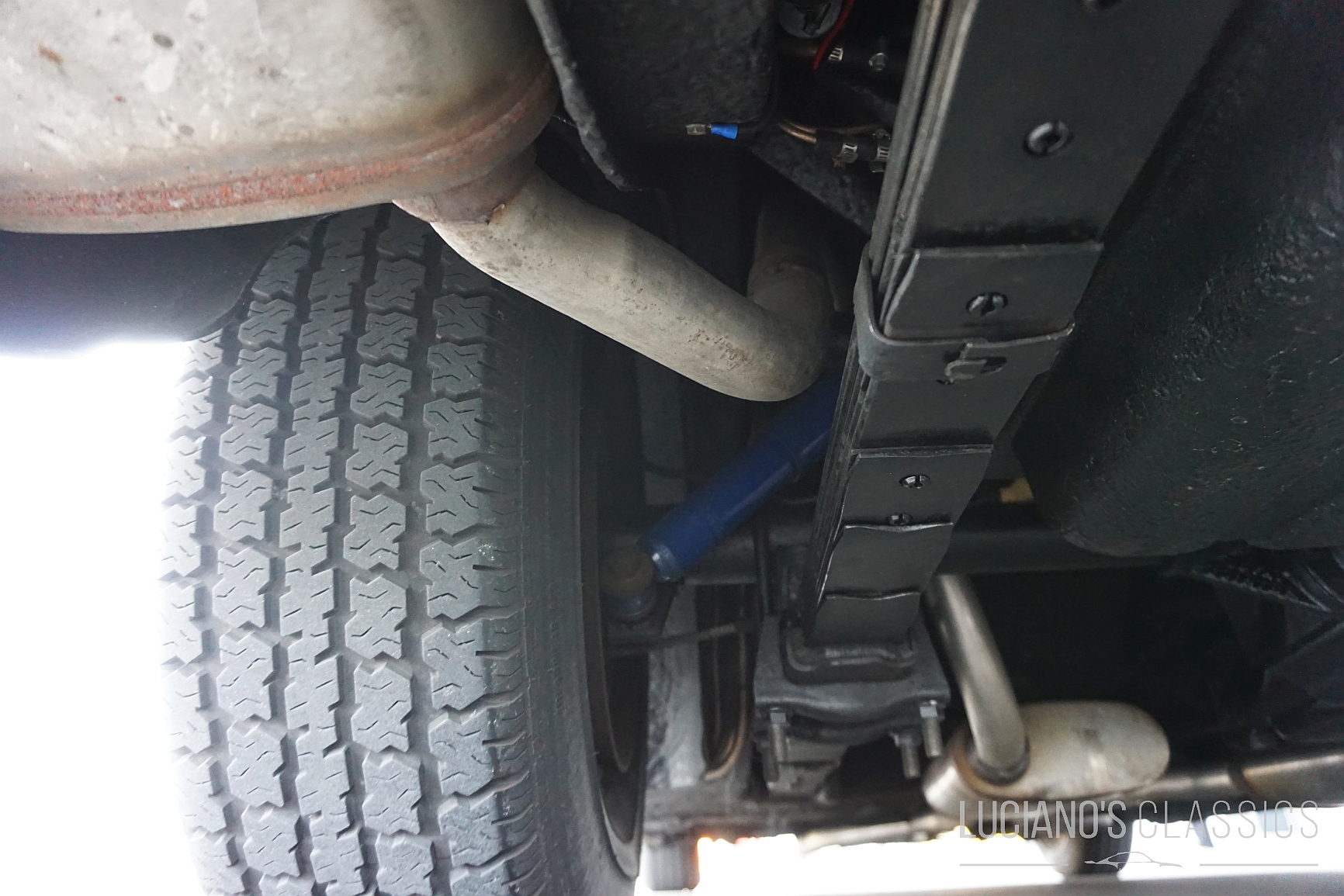
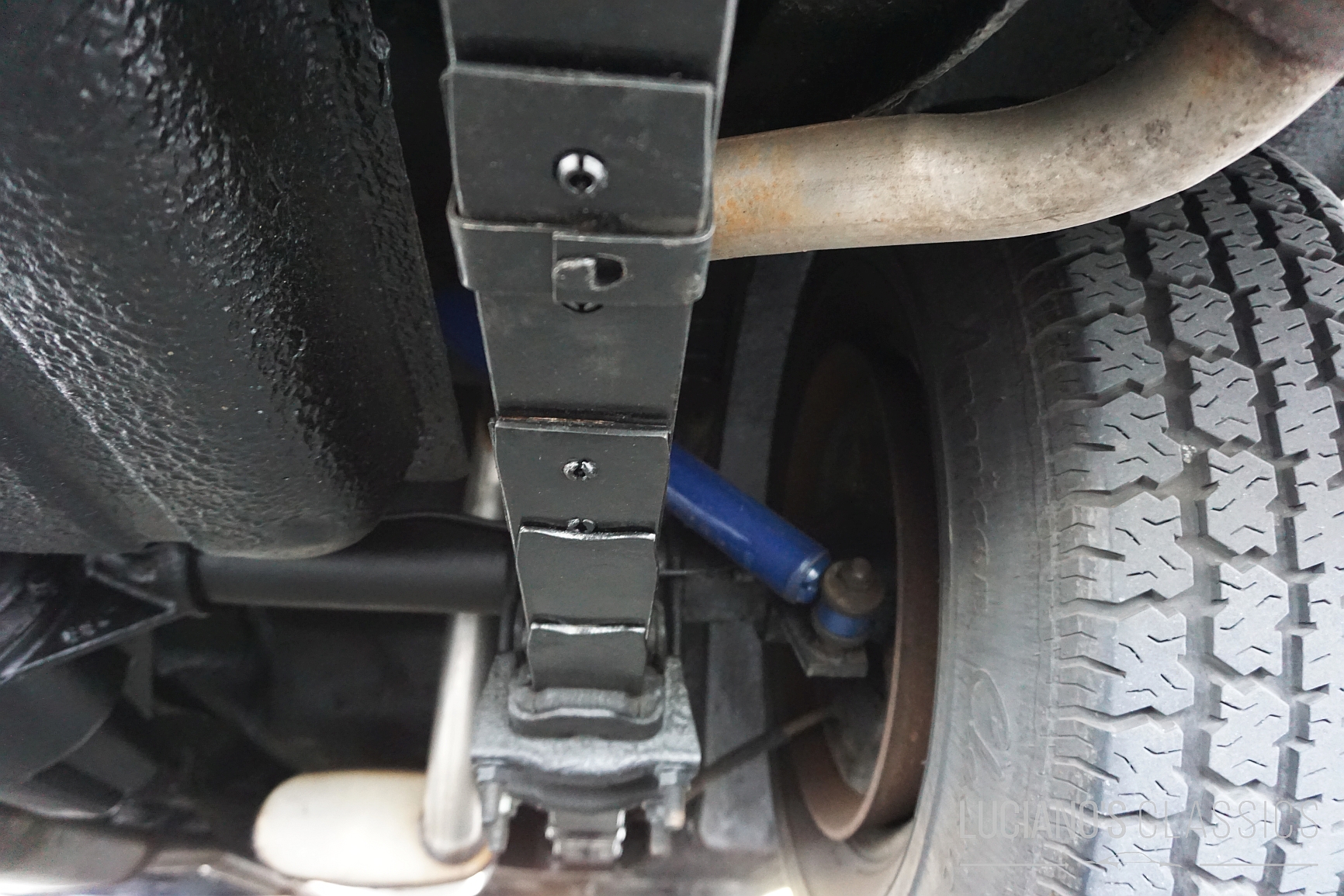
All in all, a very successful sedan that is technically and visually at its best and comes fresh from the service and veteran MFK.
You can find a video about the Continental at the bottom of this page.
This vehicle has already been sold.
Model history
Henry M. Leland worked as a mechanic for the pistol manufacturer Colt and began working on engines around 1870. The engine would later power the first reasonably successful American automobile, the Oldsmobile Dashed Curve, which was built from 1901 onwards. He also brought the same single-cylinder engine to the Henry Ford Company in 1902. However, the two Henrys soon had trouble with each other, Ford left his own company and Leland installed his single-cylinder engine in the car developed by Ford. From then on, the company was called Cadillac.
Cadillac was the best thing to buy in the USA in the early days of the automobile. William C. Durant, who founded the General Motors conglomerate in 1908, was well aware of this. On July 29, 1909, Durant bought Cadillac from Leland for 4.5 million dollars. Leland remained with Cadillac until 1915 and then left his own factory to build aircraft engines for the American army. He raised 10 million dollars and founded a new company: the Lincoln Motor Company.
After the First World War, he switched to the production of luxury automobiles. Success was a long time coming and in 1922 Lincoln was insolvent. Henry Ford came on the scene and offered a measly 5 million dollars for the company, which was worth at least 16 million. A judge ordered Ford to pay 8 million - the contracts were signed on February 4, 1922.
On June 10, 1922, Ford threw Leland and his son Wilfried out of the factory. The Lelands withdrew from the automobile business and Lincoln remained independent until 1940, when the company was finally incorporated into the Ford Motor Company.
Lincoln was always the flagship of Ford, whose boss was now Edsel Ford. A man with a flair for great design, he hired Eugene T. Gregoire, one of the most important designers of the 1930s. Together they developed the Zephyr, which had a streamlined and self-supporting body. A new model was then built on this Zephyr, which Edsel Ford had ordered from Gregoire as a personal one-off for his Florida vacation: the first Continental.
Edsel showed the Continental to his friends and acquaintances and around 430 were then built. The Second World War put an end to production until it was resumed for two years in 1946.
It took until 1952 for the name Continental to reappear. And as an independent brand, even above Lincoln. The first car from this latest Ford subsidiary was presented in 1955. The Continental Mark II was certainly the most unusual vehicle built in the USA at the time. It was not based on any other Ford model and was produced almost entirely by hand, under extreme quality standards for the time. With the Continental, Ford not only wanted to put Cadillac in the shade, but also to put Rolls-Royce in its place.
With a price of 10,000 dollars, the Mark II was actually on a par with the British. Of the 1956/57 model years, 2996 Continental Mark IIs were built, two of which were convertibles. The clientele was exclusive - Frank Sinatra had one, as did Elvis Presley, Nelson Rockefeller and Henry Kissinger.
The Continental Mark III came onto the market in 1958. This was again based on the usual Lincoln models, with better equipment and different roof lines.
With the 1961 model year, there was no longer a sister called Continental, the terms Lincoln and Continental were allowed to belong together again. The vehicle that came onto the market in 1961 as the Lincoln Continental should actually have been the '58 model of the Ford Thunderbird. The design came from Elwood Engel. The car was stretched a little and fitted with two additional doors and one of the greatest automobiles of all time was ready.
You have to see it in the right context. And GM had success with this type of design, which came from Harley Earl - so much success that all other American brands were left behind. Elwood Engel had already wanted to take countermeasures earlier, as expressed in the design for the '58 Thunderbird, but he was initially unable to assert himself.
The new 1961 Lincoln Continental was a really, really big hit. The complete opposite of the GM absurdities, with smooth, generous surfaces and practically chrome-free. In 1959, General Motors was very successful with the biggest, most insane tail fins of all time. They were never higher than on the Cadillac and never wider than on the Chevrolet Impala. The design of the Continental was therefore very daring in those years - and made it a success.
The new Continental simply looked phenomenally good. One of its most important features were the so-called «suicide doors», the rear doors that were hinged at the back. The car was so good that it was kept virtually unchanged until the 1969 model year. Amazing, considering that GM changed the vehicle design completely every two years or so. Lincoln saw a simpler grille in 1962, better front seats and a few detail improvements in 1963, a 7.6-inch longer wheelbase for more rear room in 1964, disc brakes and seat belts as standard in 1965, and a larger engine and new interior in 1966.
Details
- 25’600 miles
- 1. inv. 11/20/1963
- Veterans MFK 08.02.2024
- 7,046 cc V8 engine
- 320 HP
- Type certificate X
- Master number 520.198.726
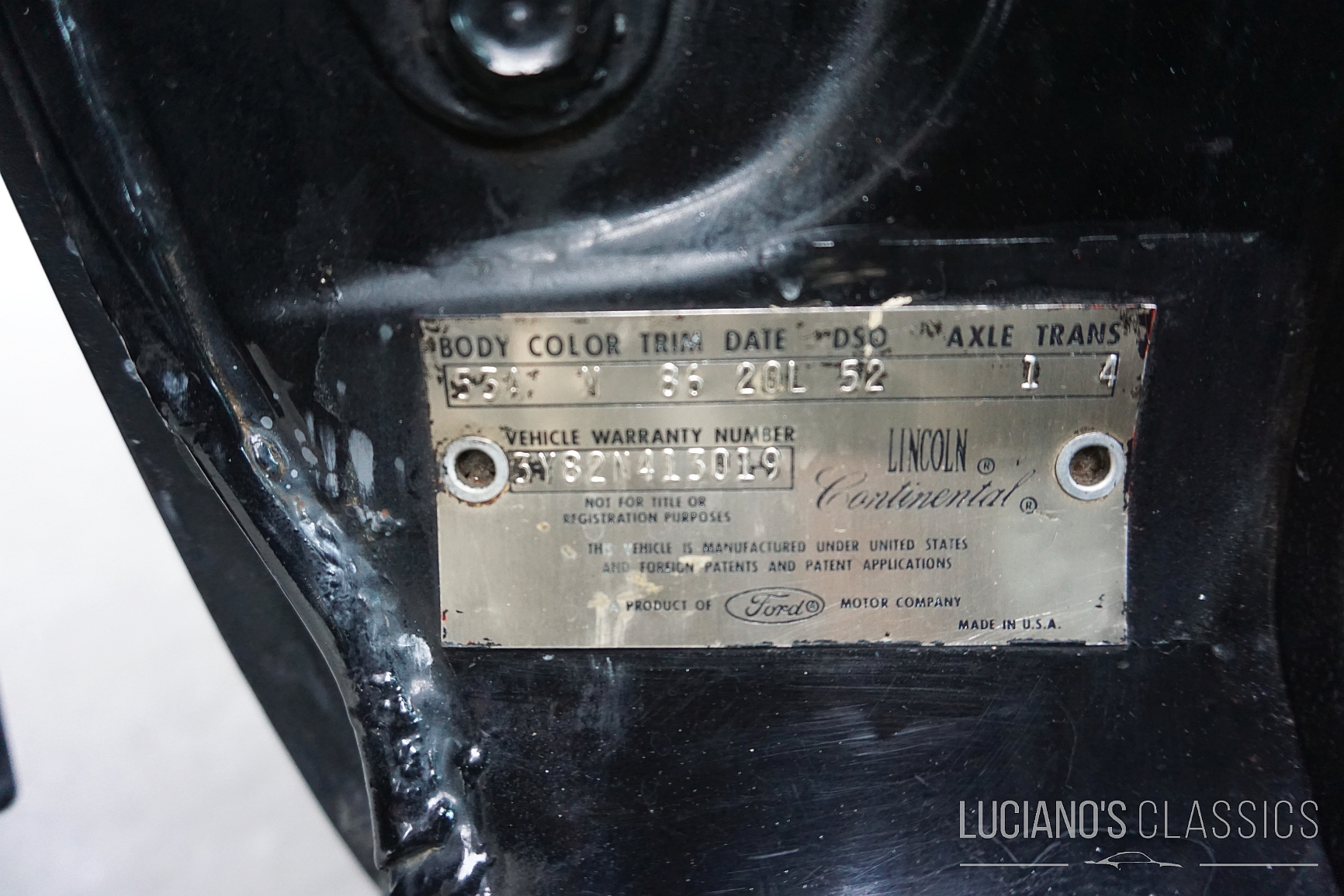
- Chassis 3Y82N413019
- Unladen weight 2,330 kg
- Payload 600 kg
not what you are looking for?
We will be happy to find your individual dream vehicle.
Simply make a non-binding inquiry and benefit from our network.