
Rover Mini British Open
Description
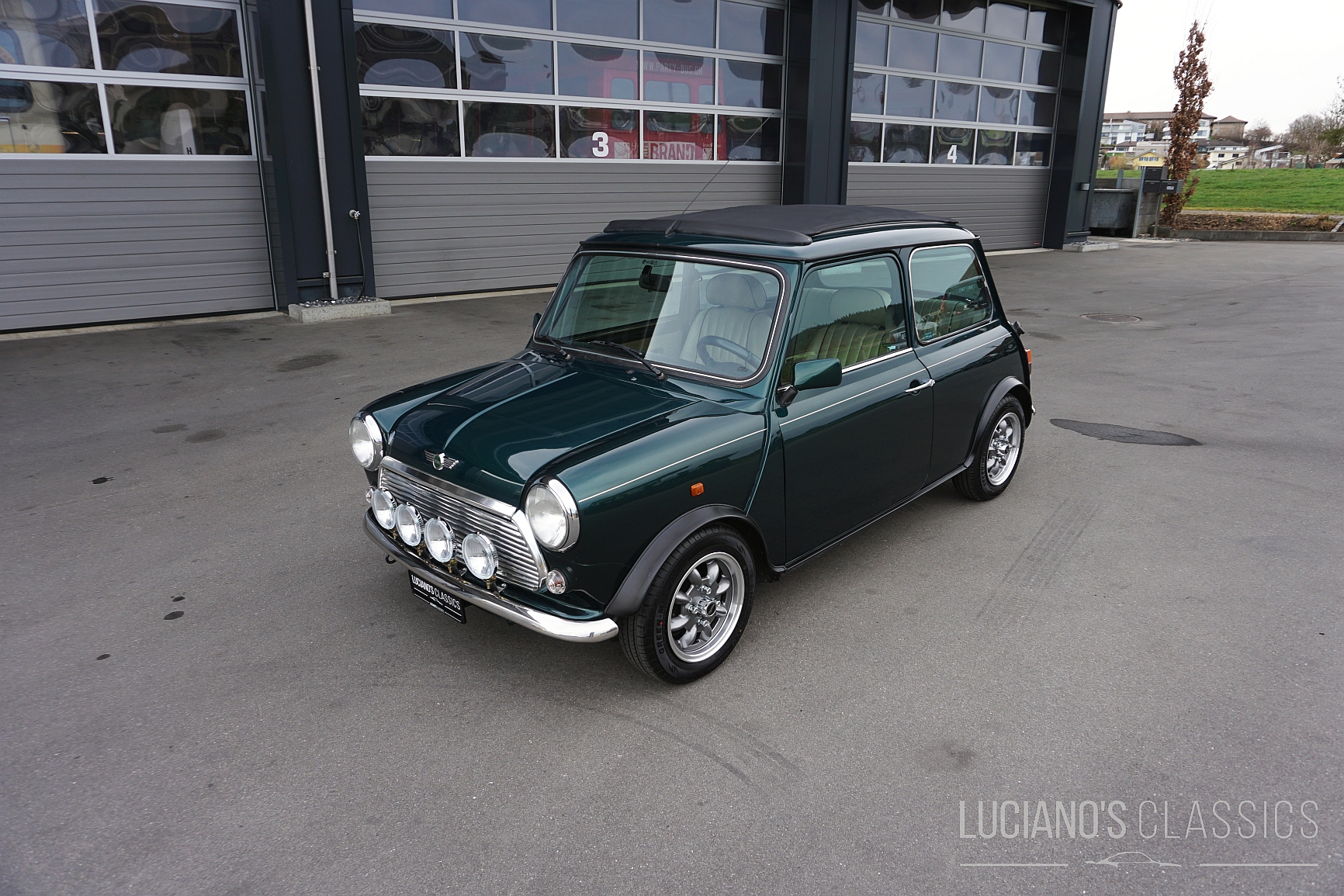
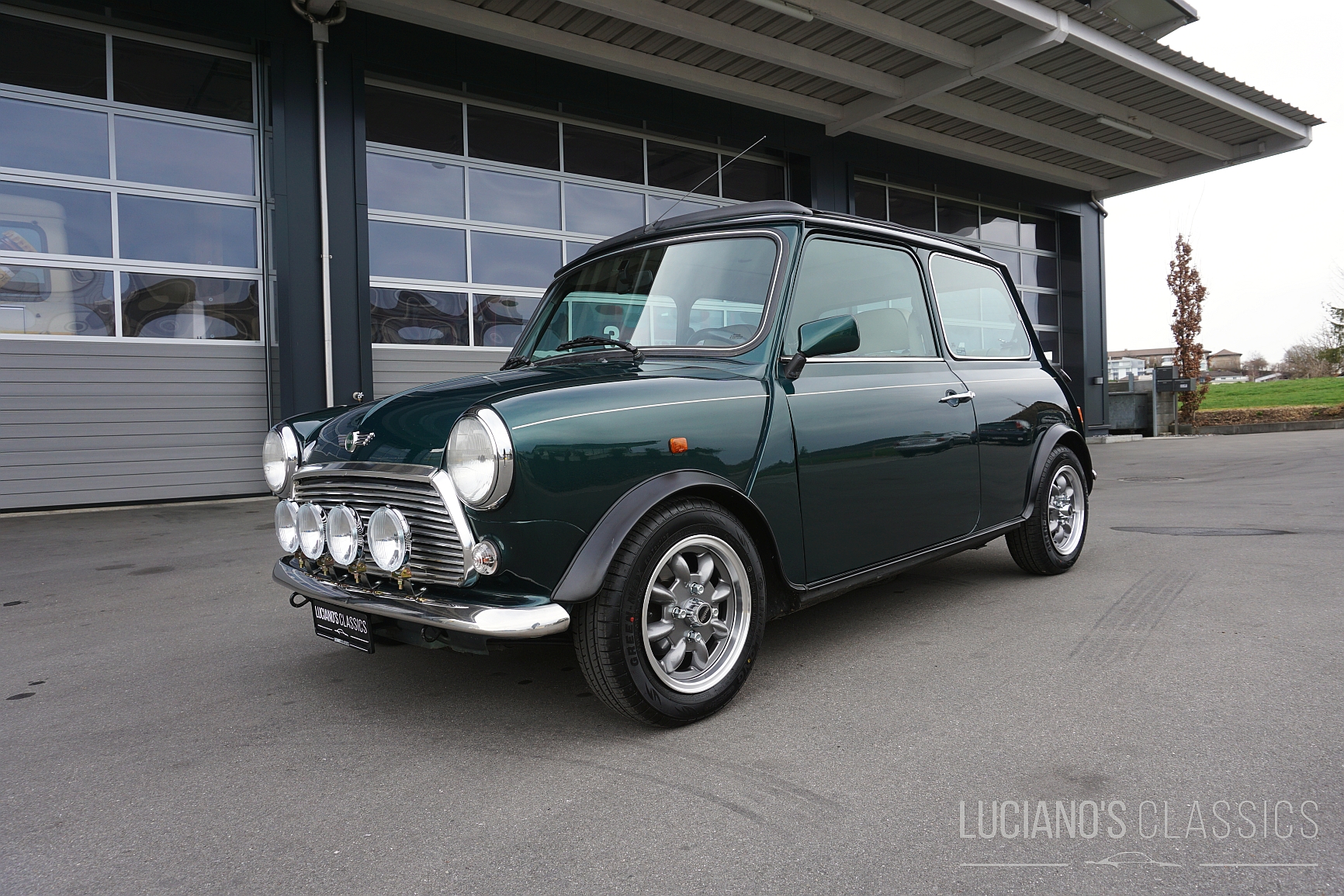
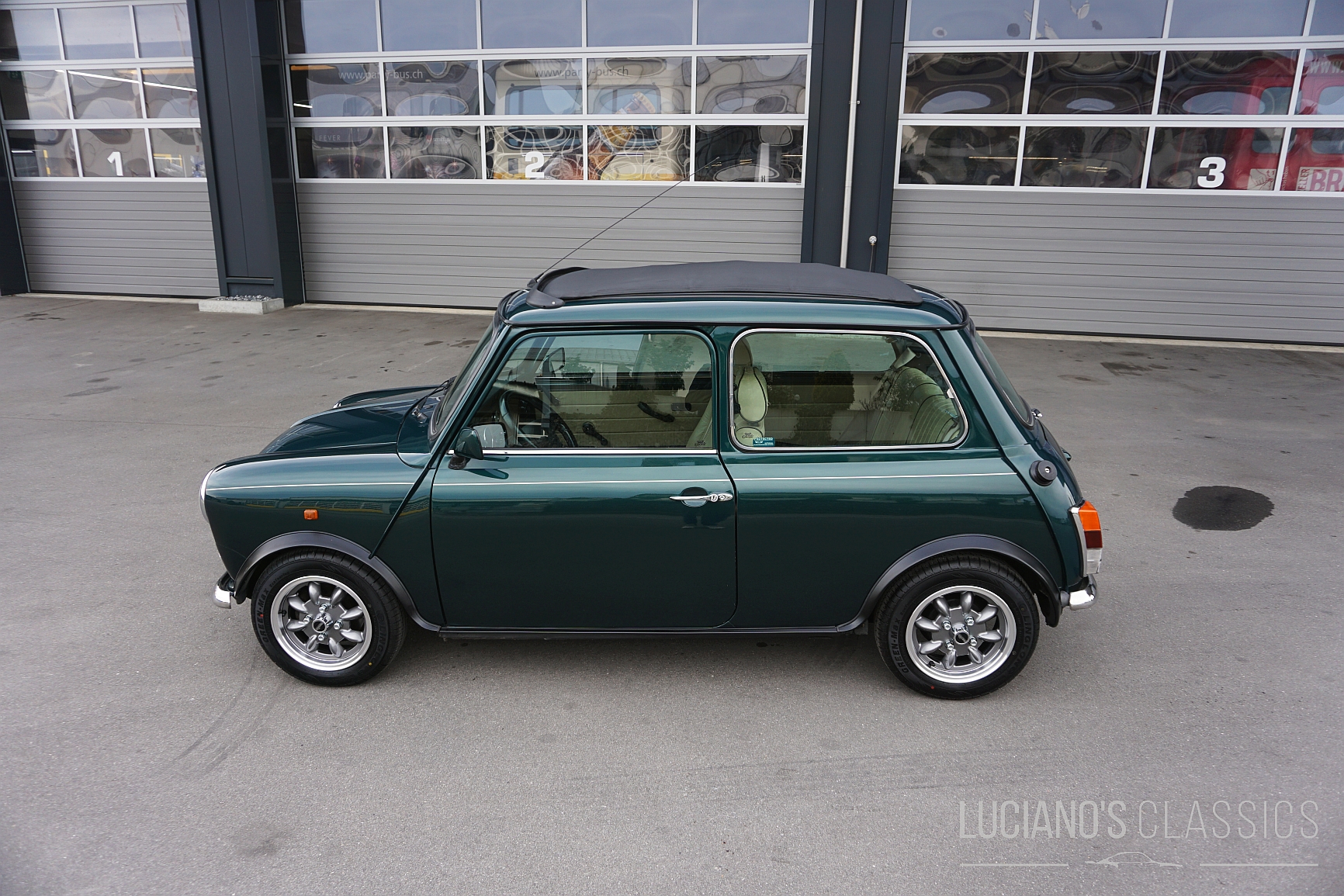
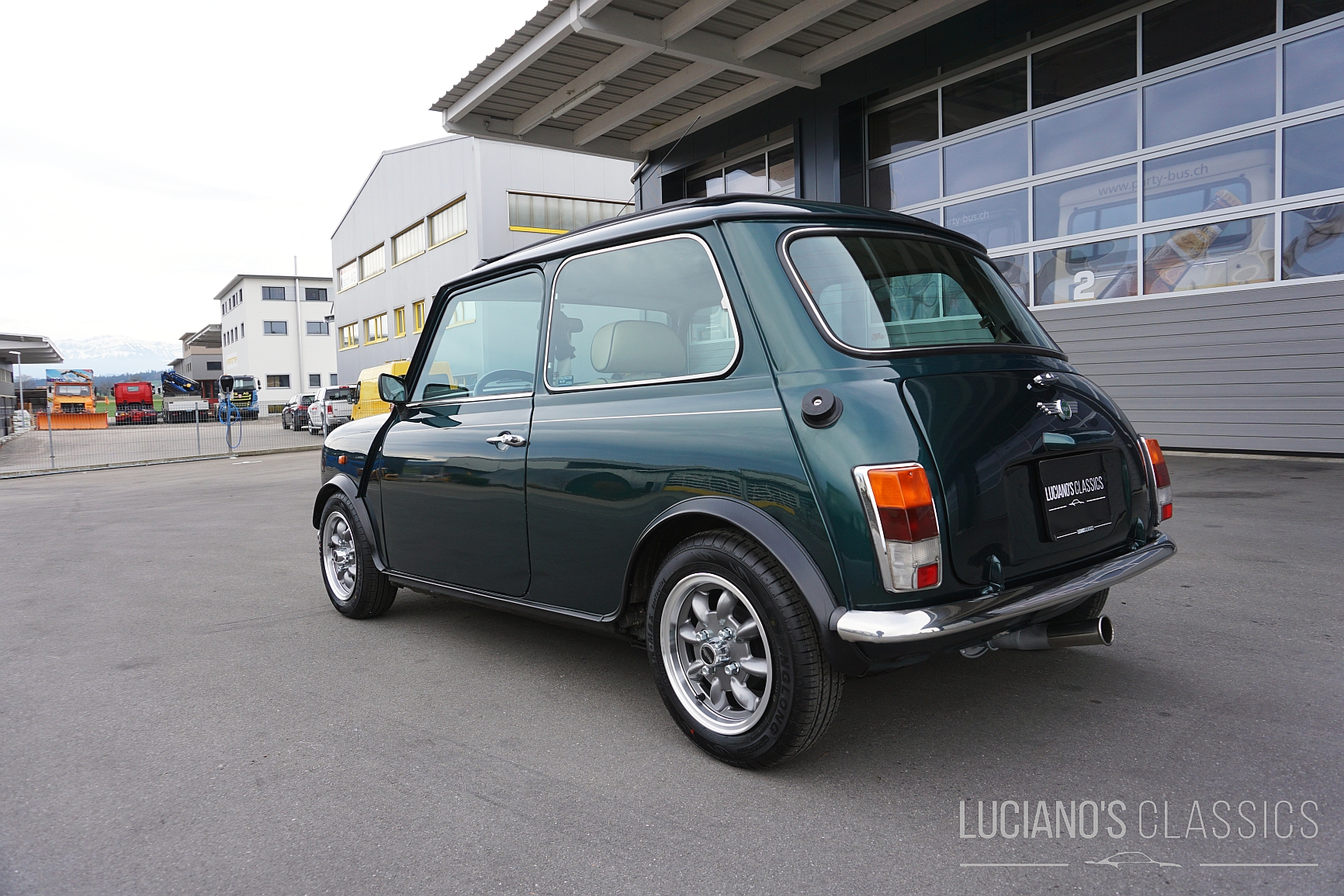
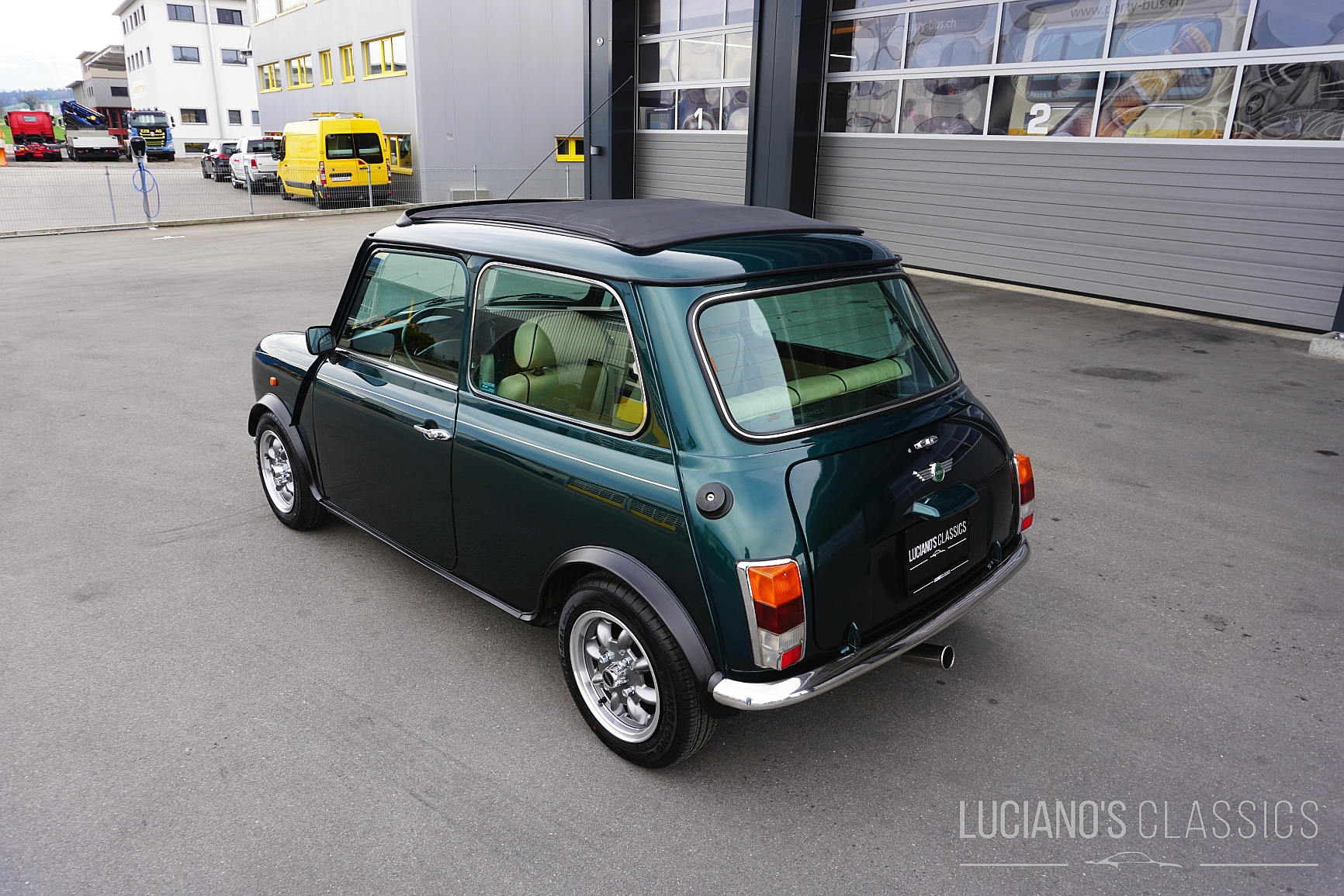
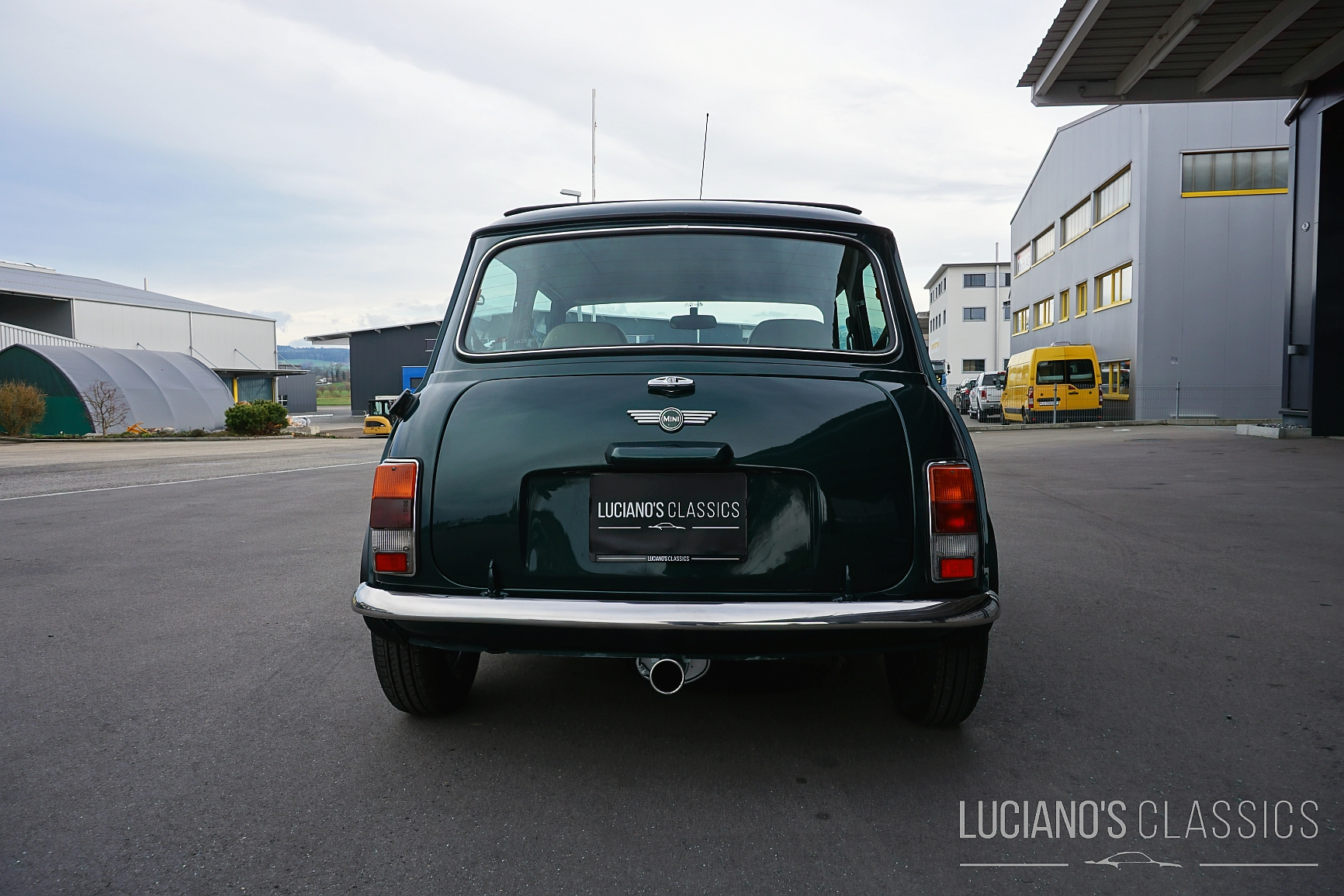
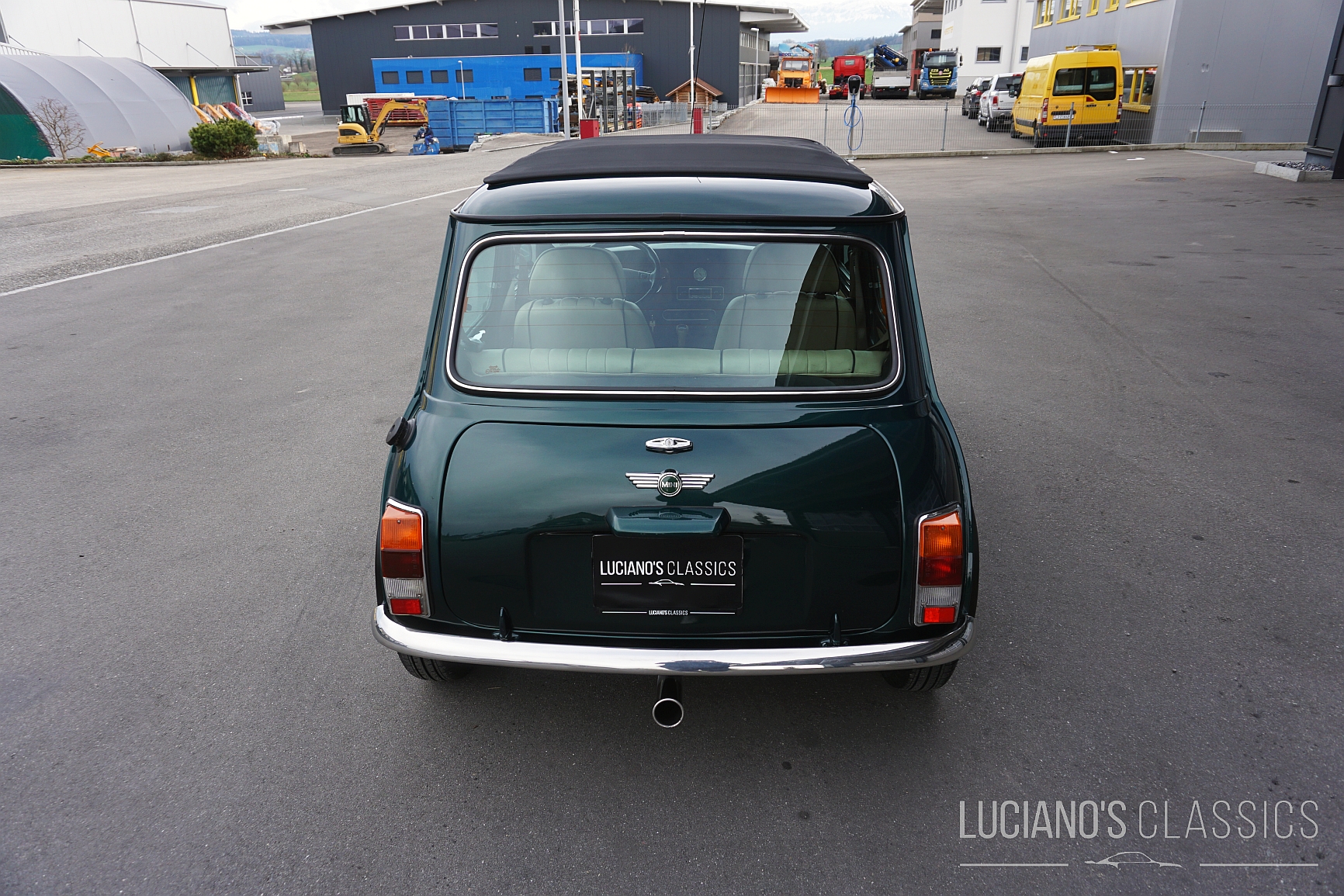
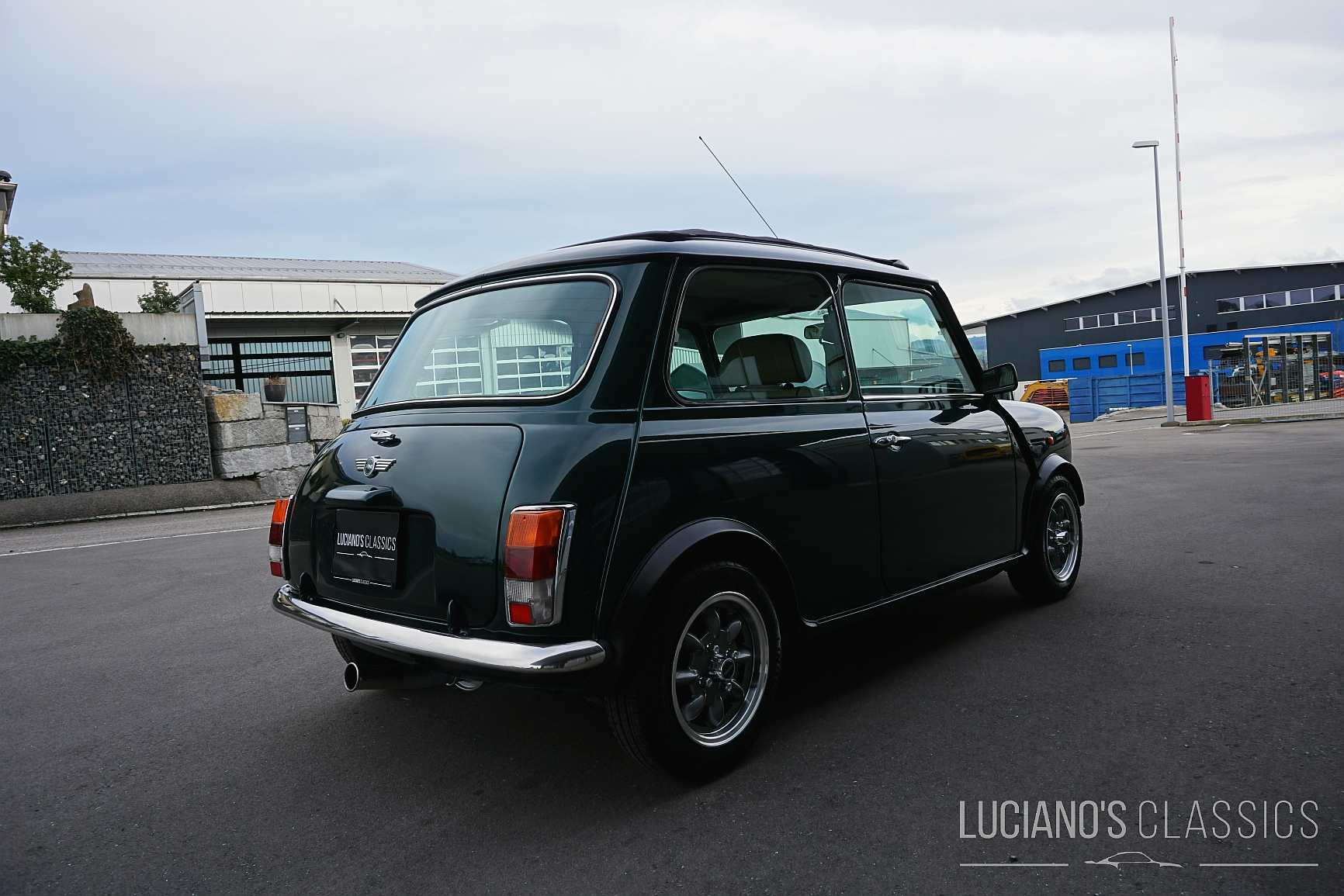
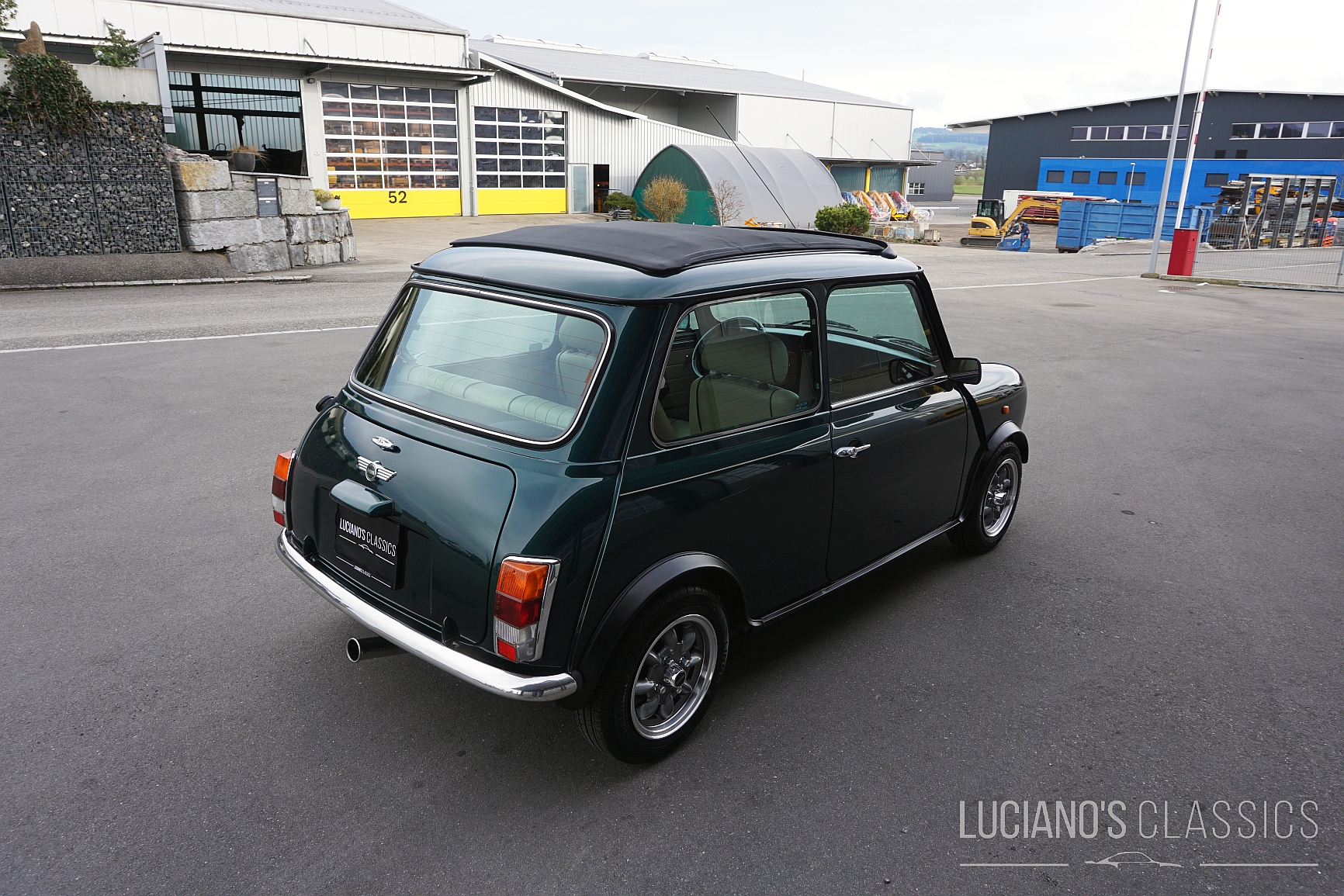
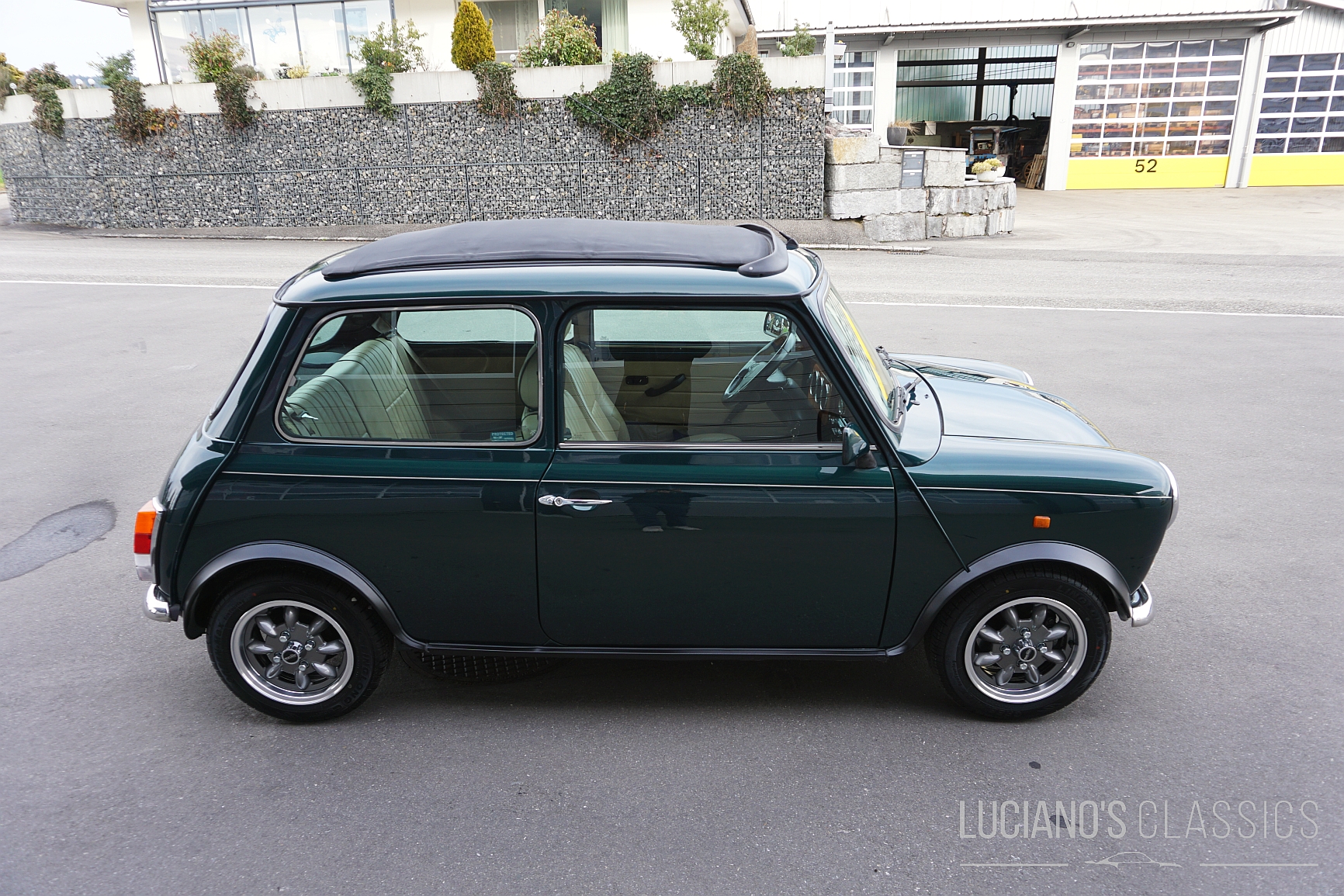
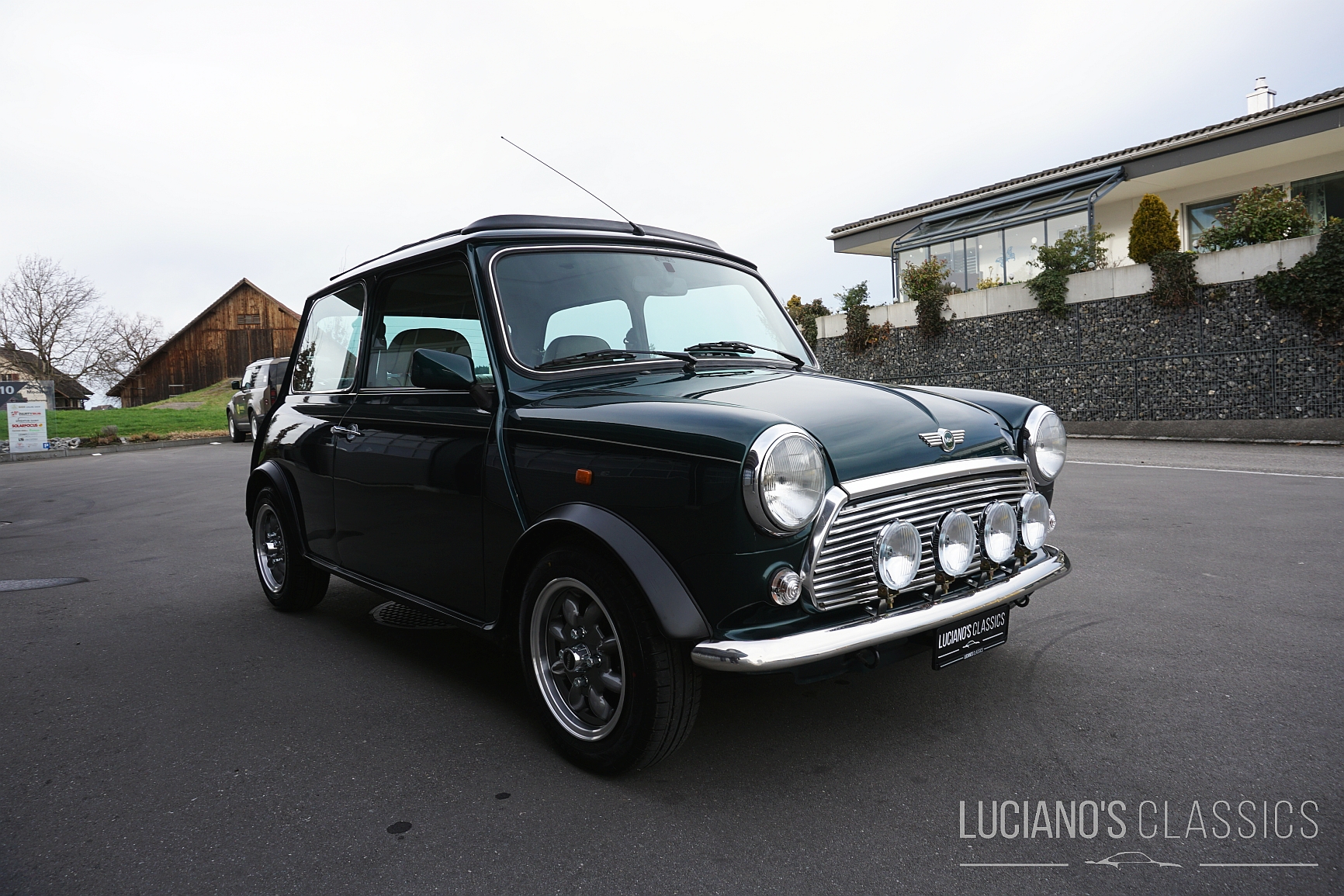
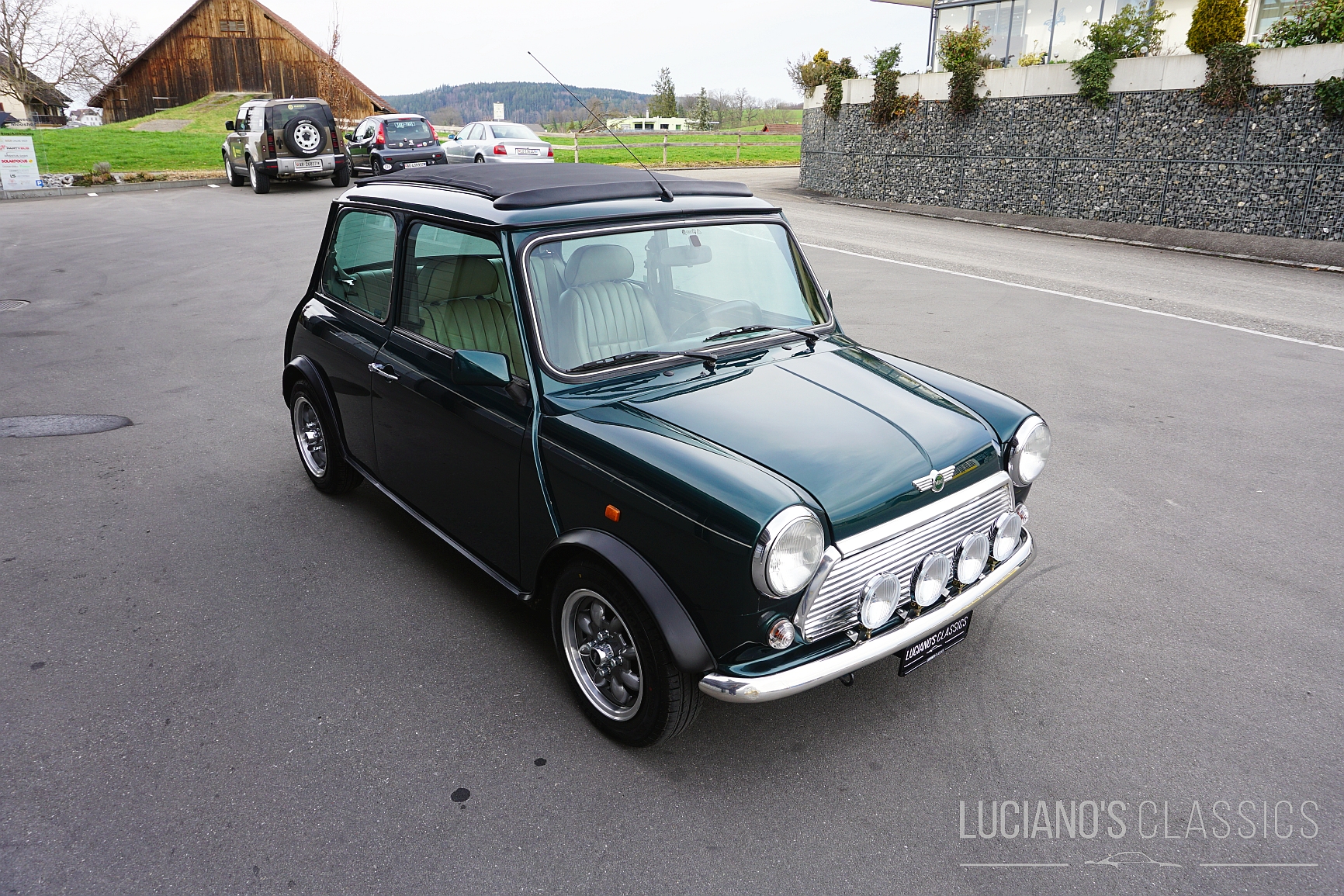
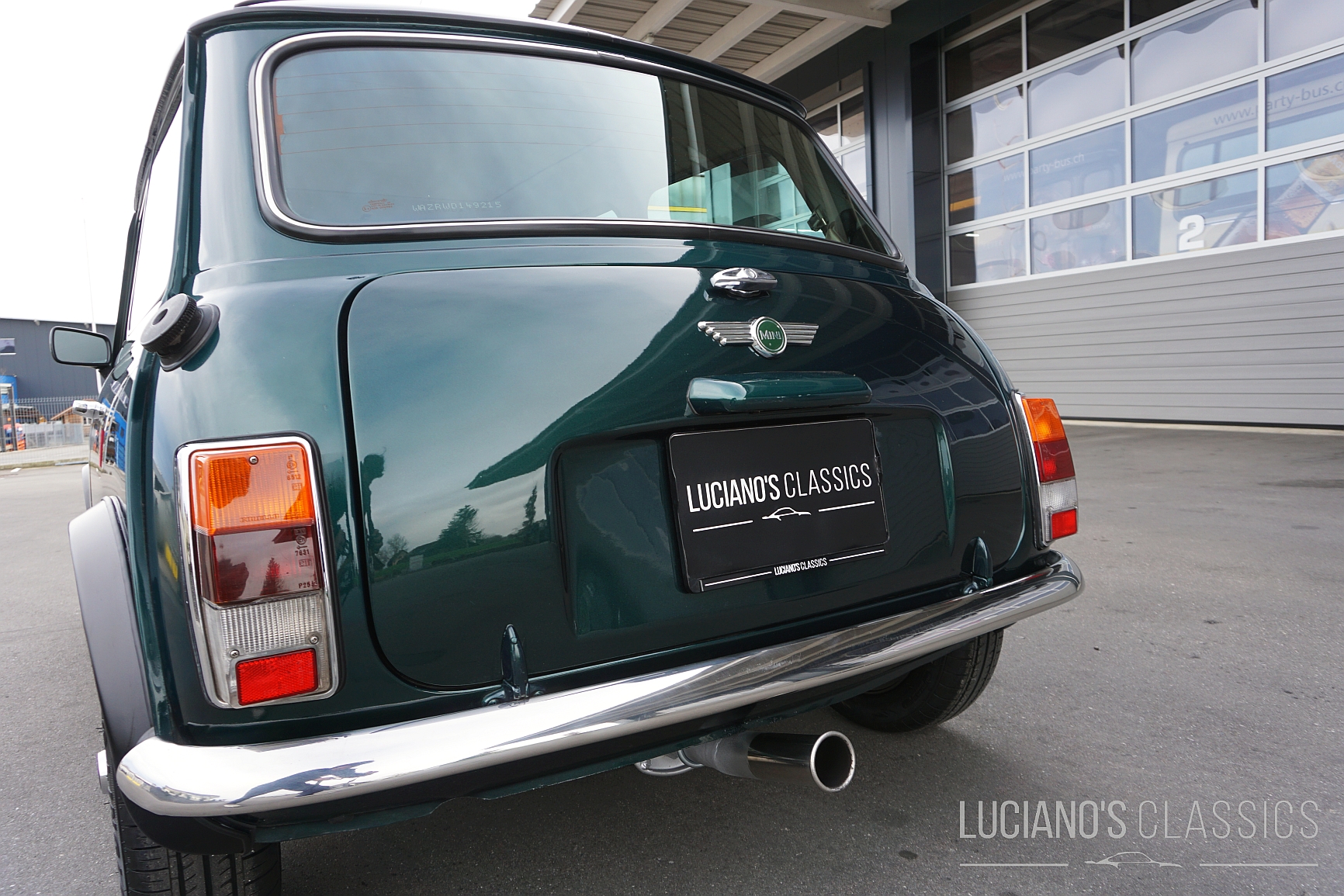
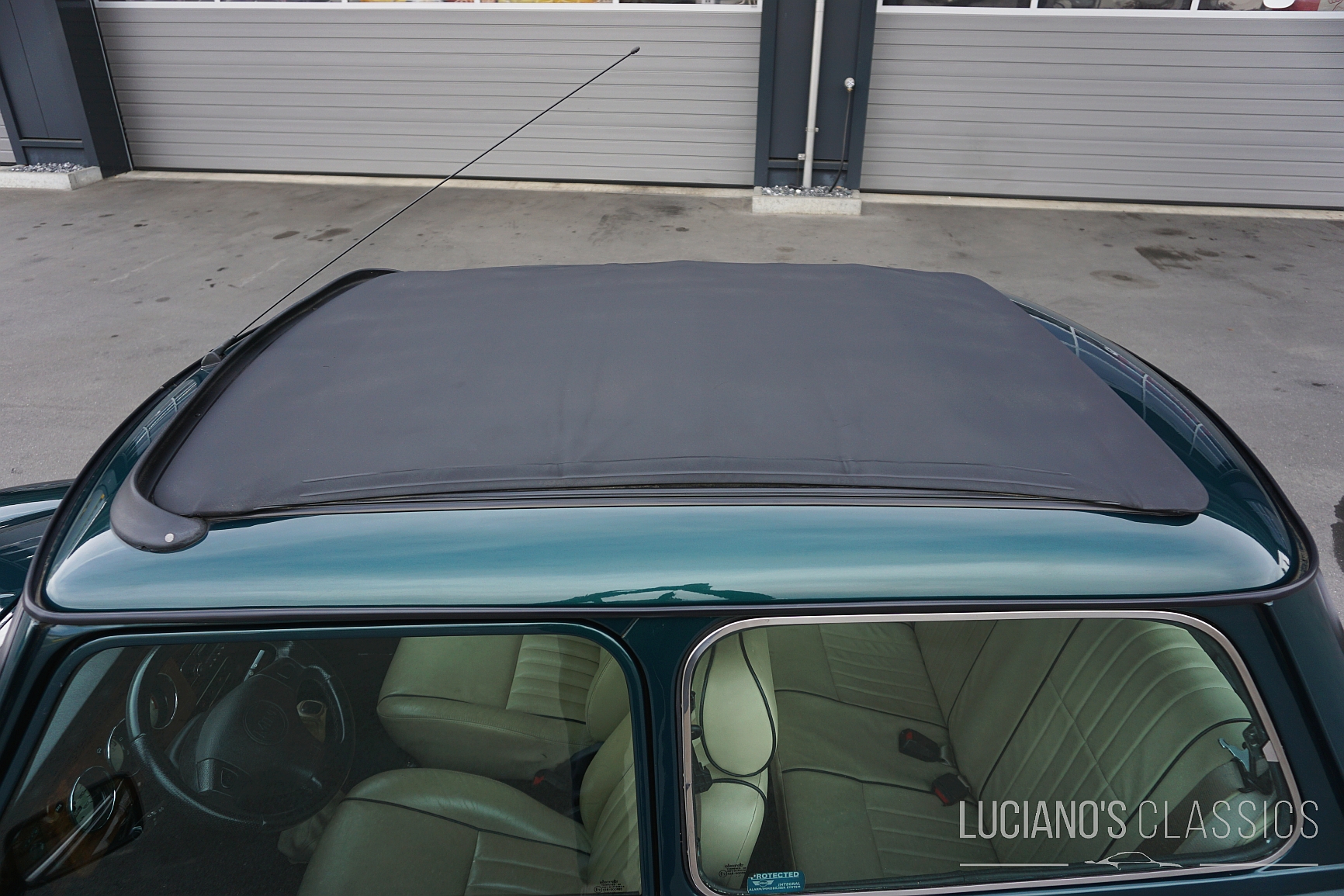
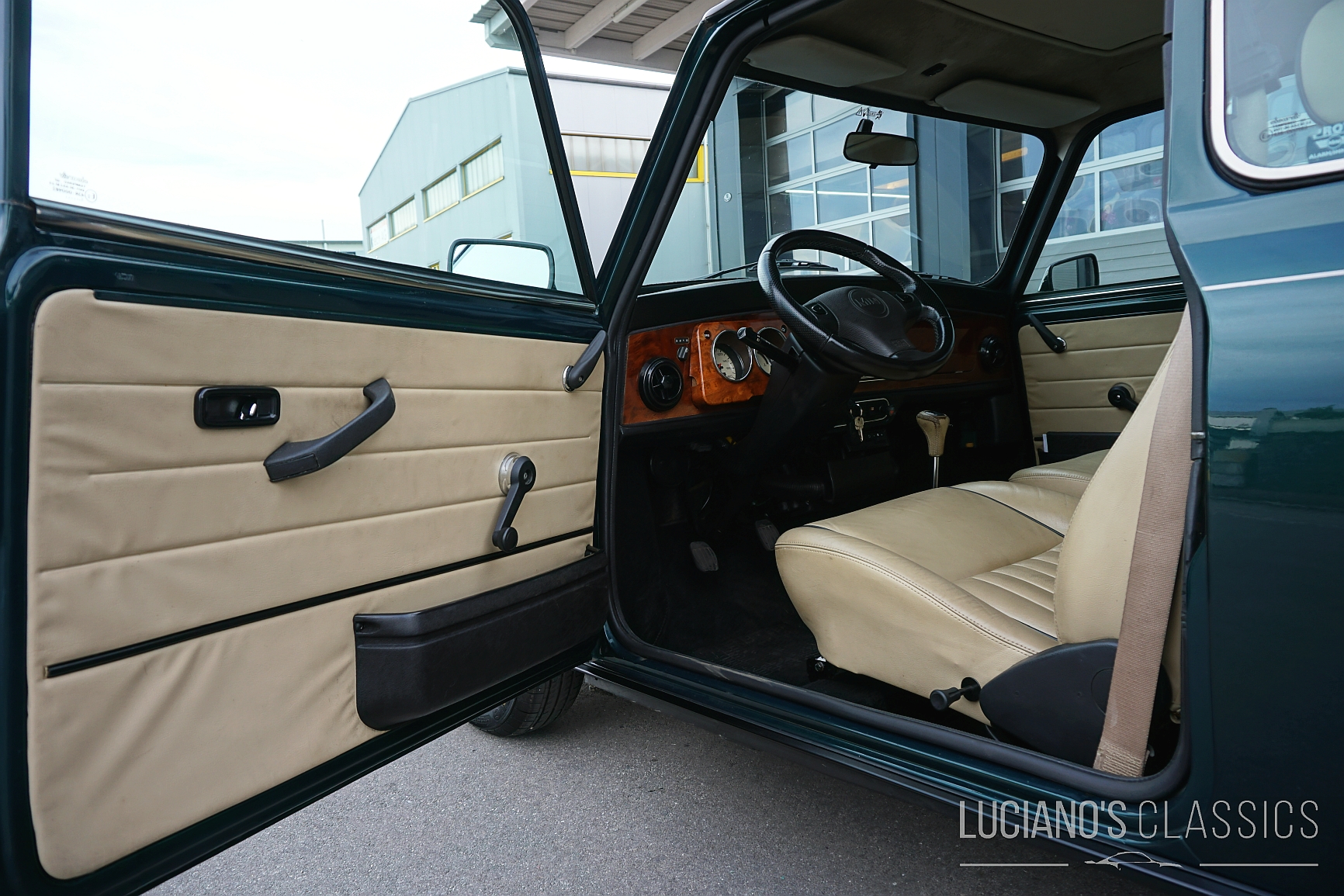
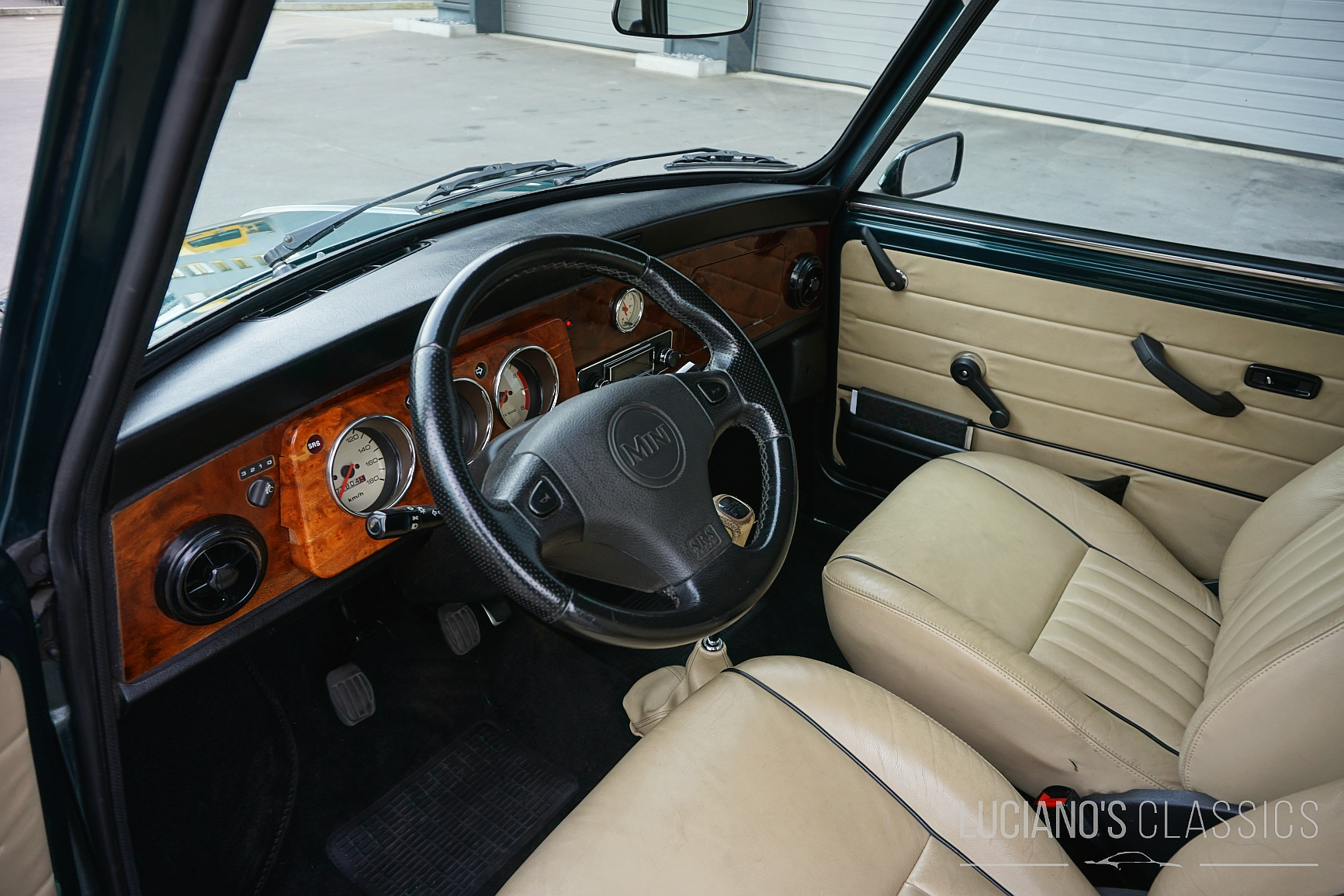
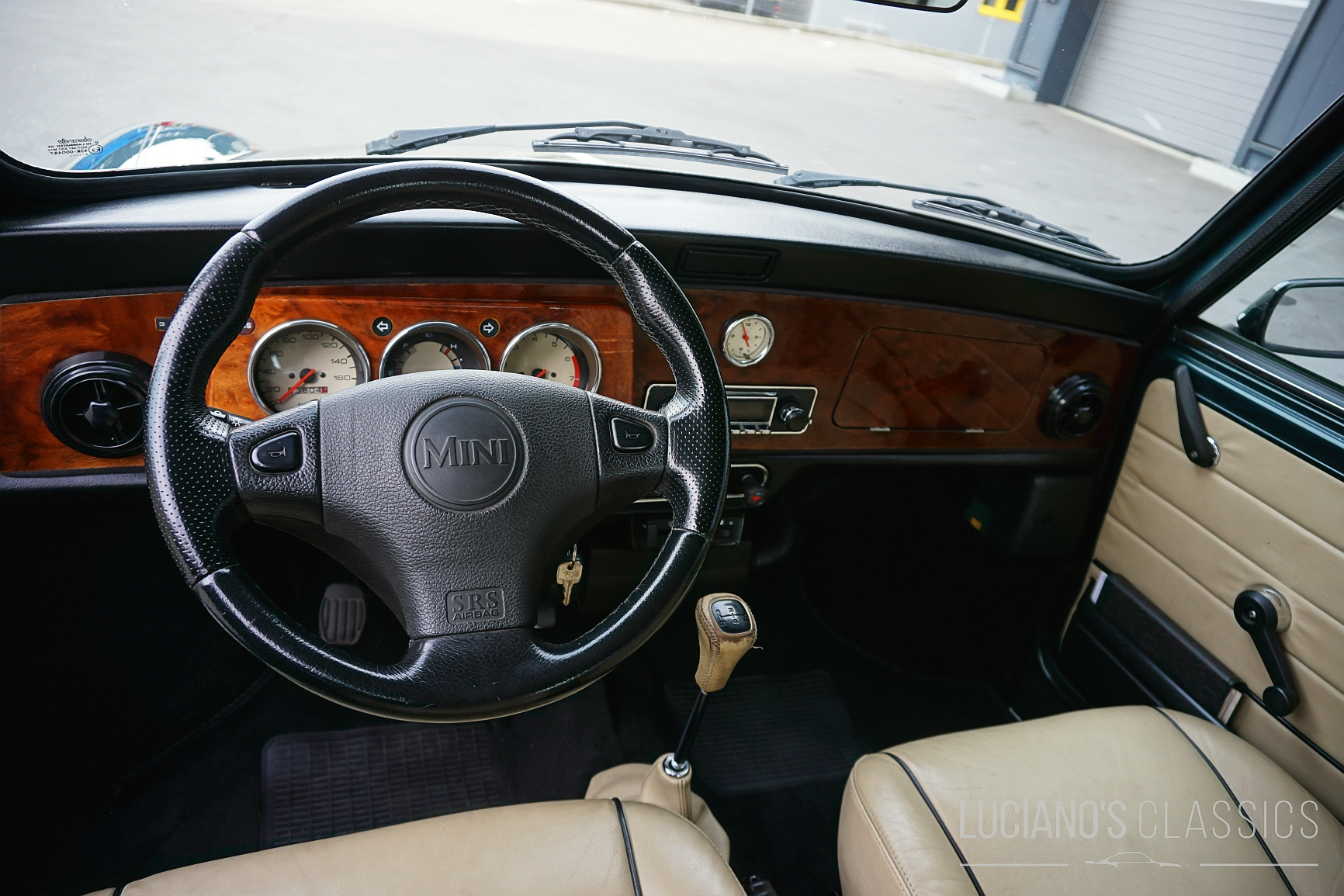
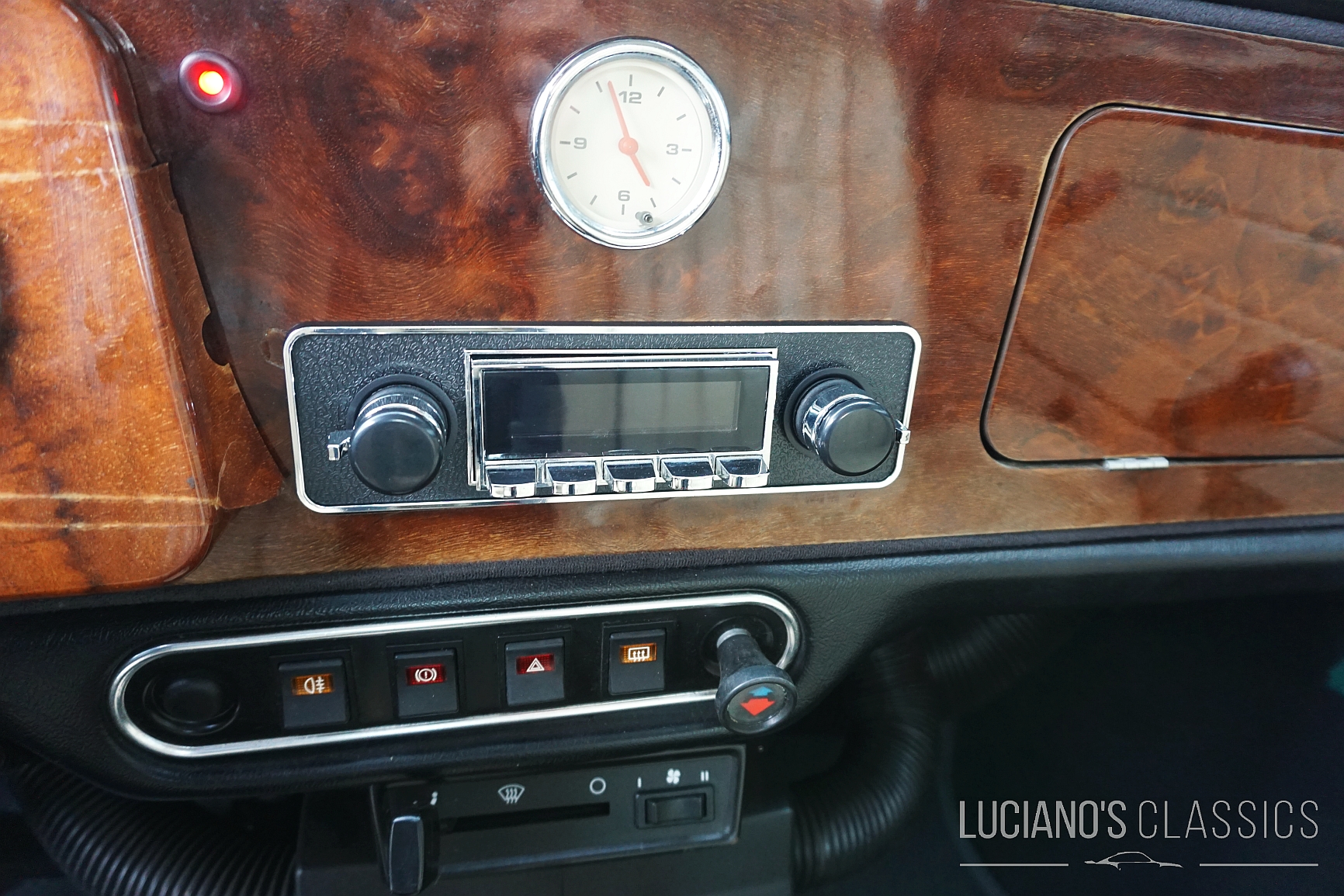
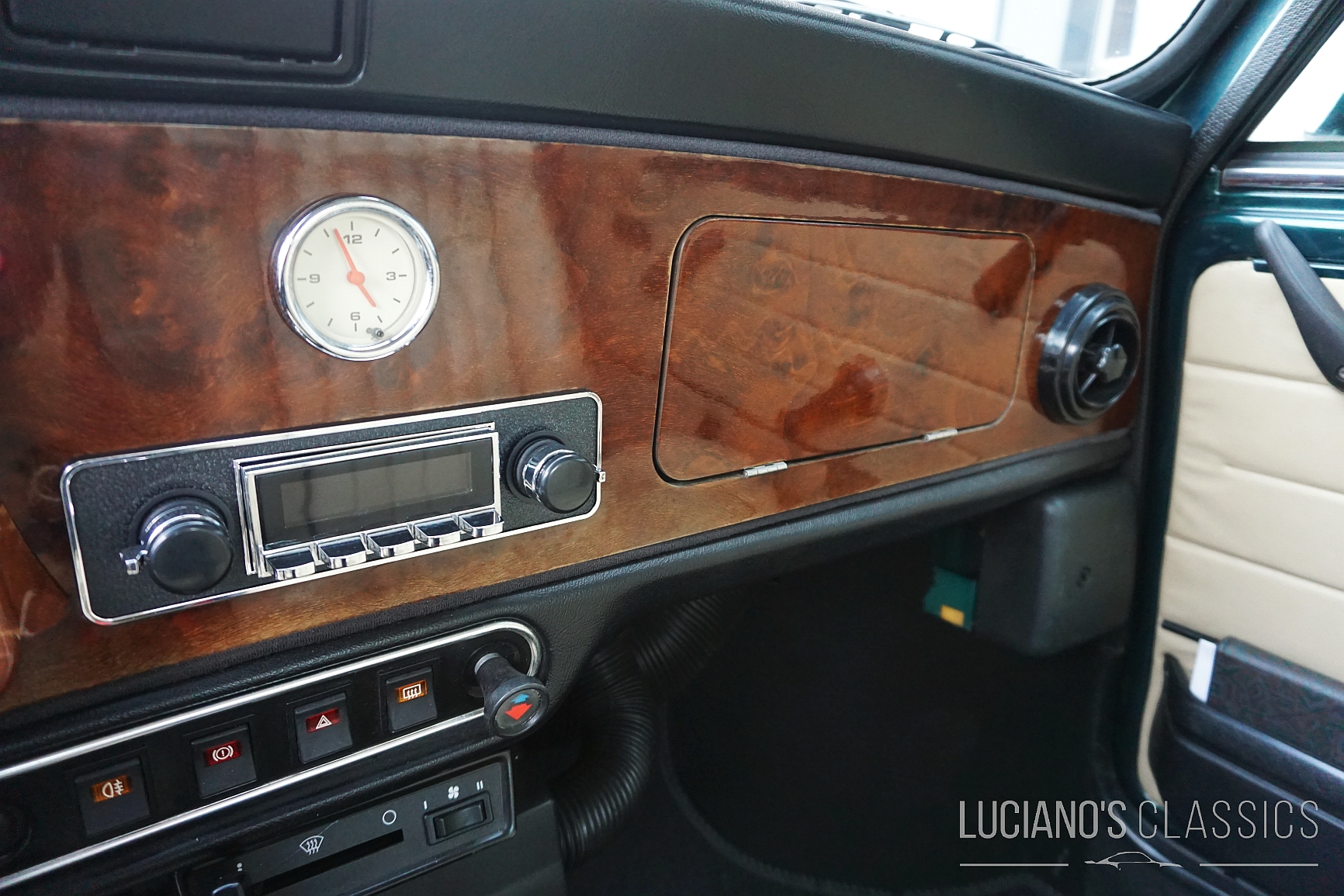
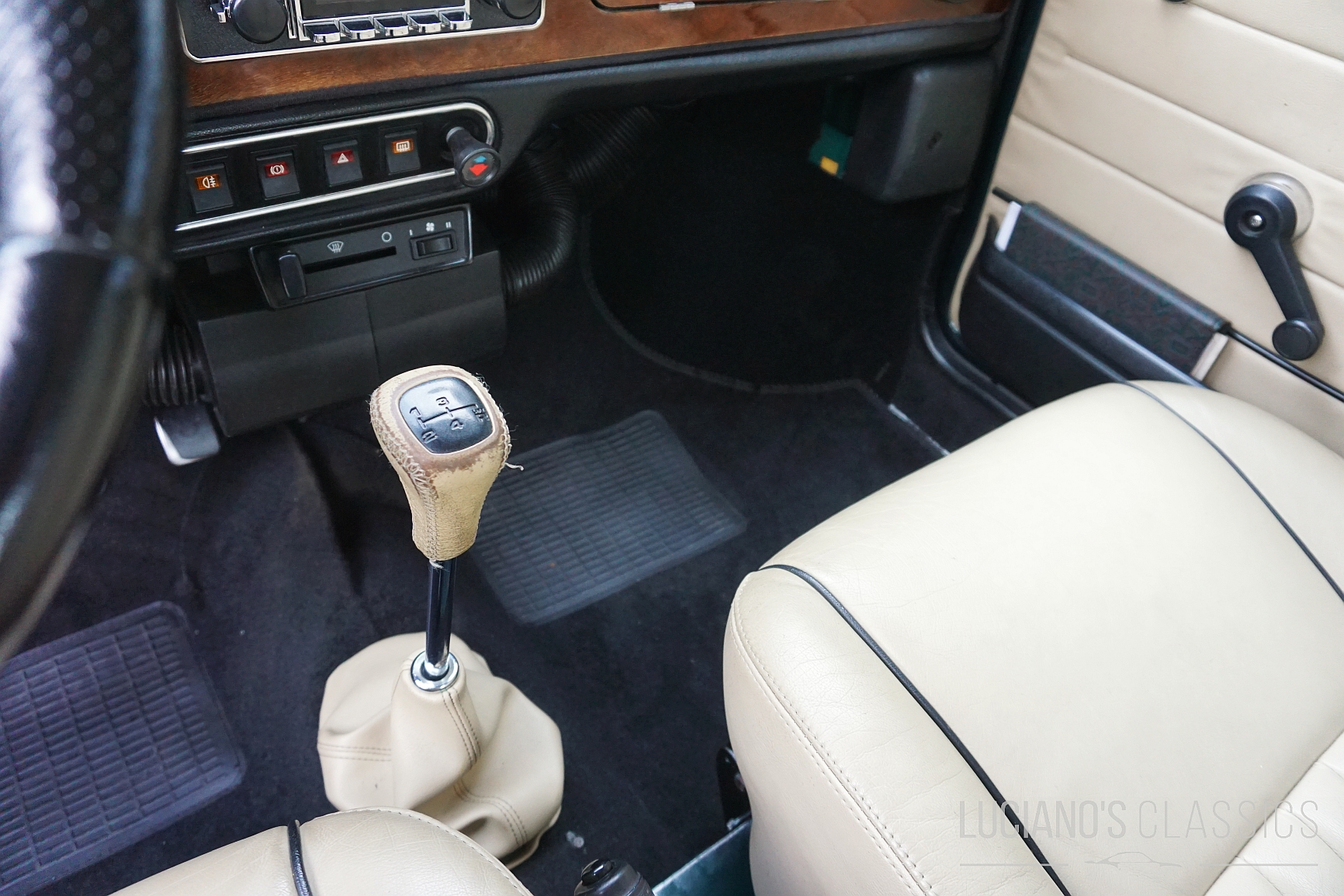
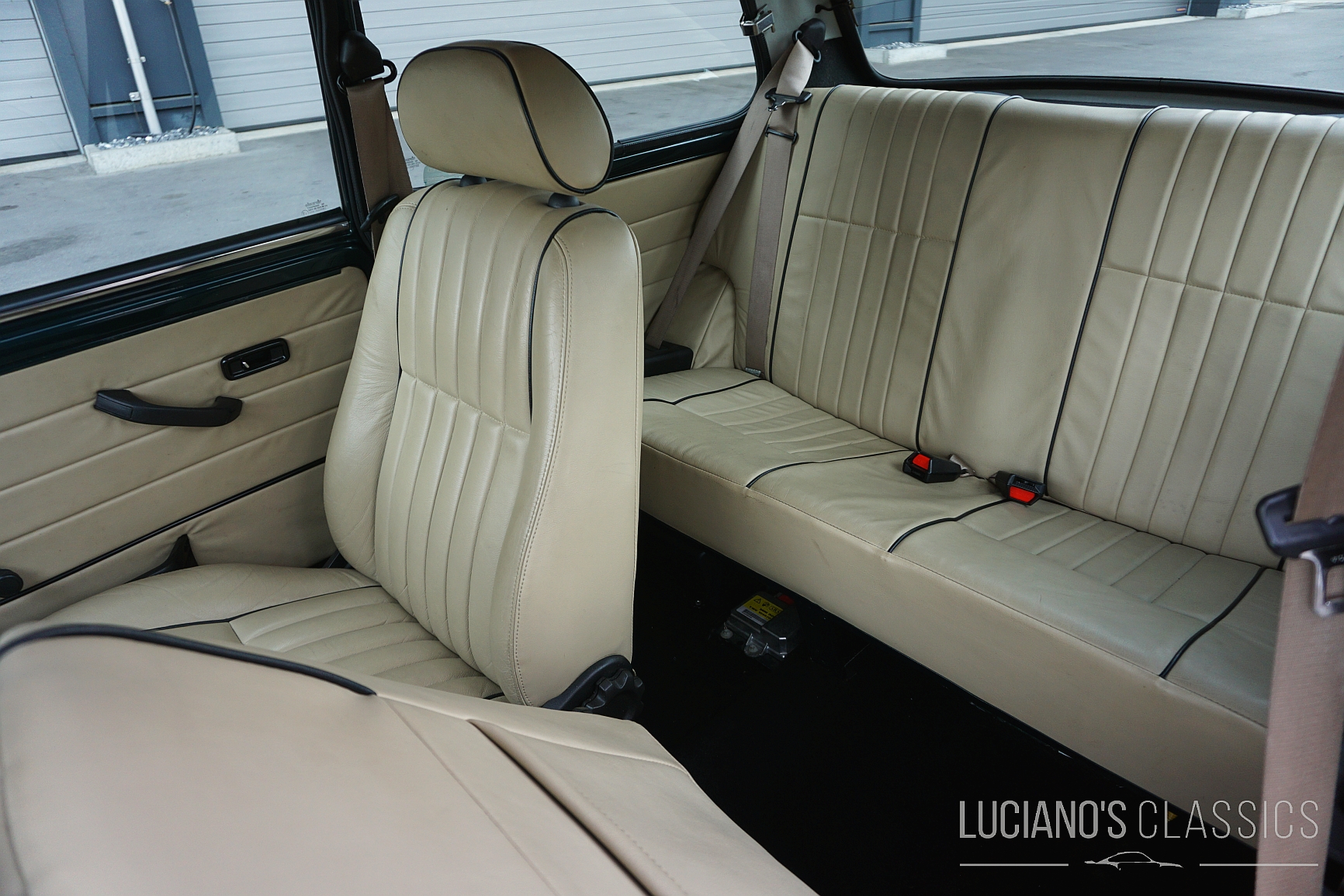
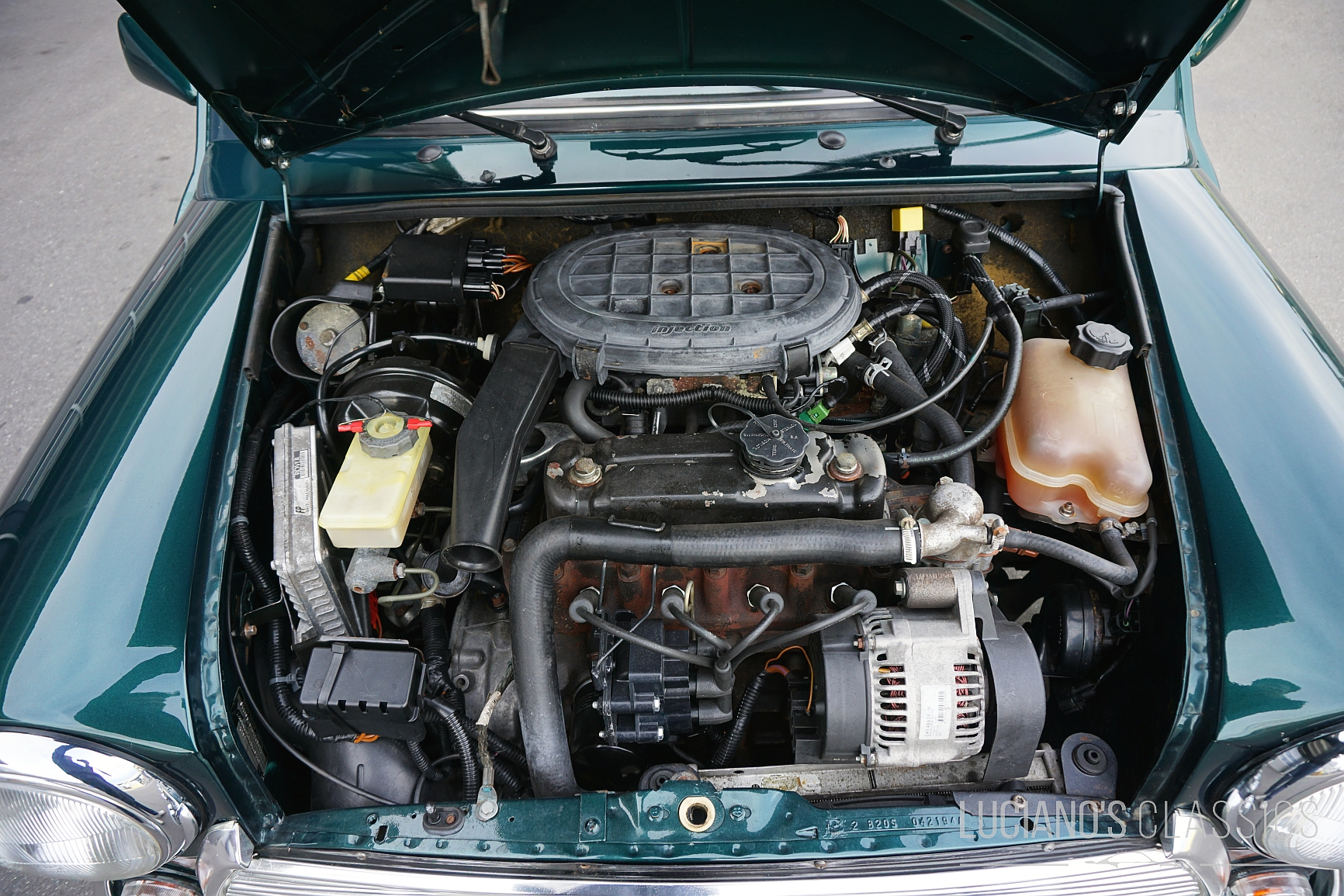
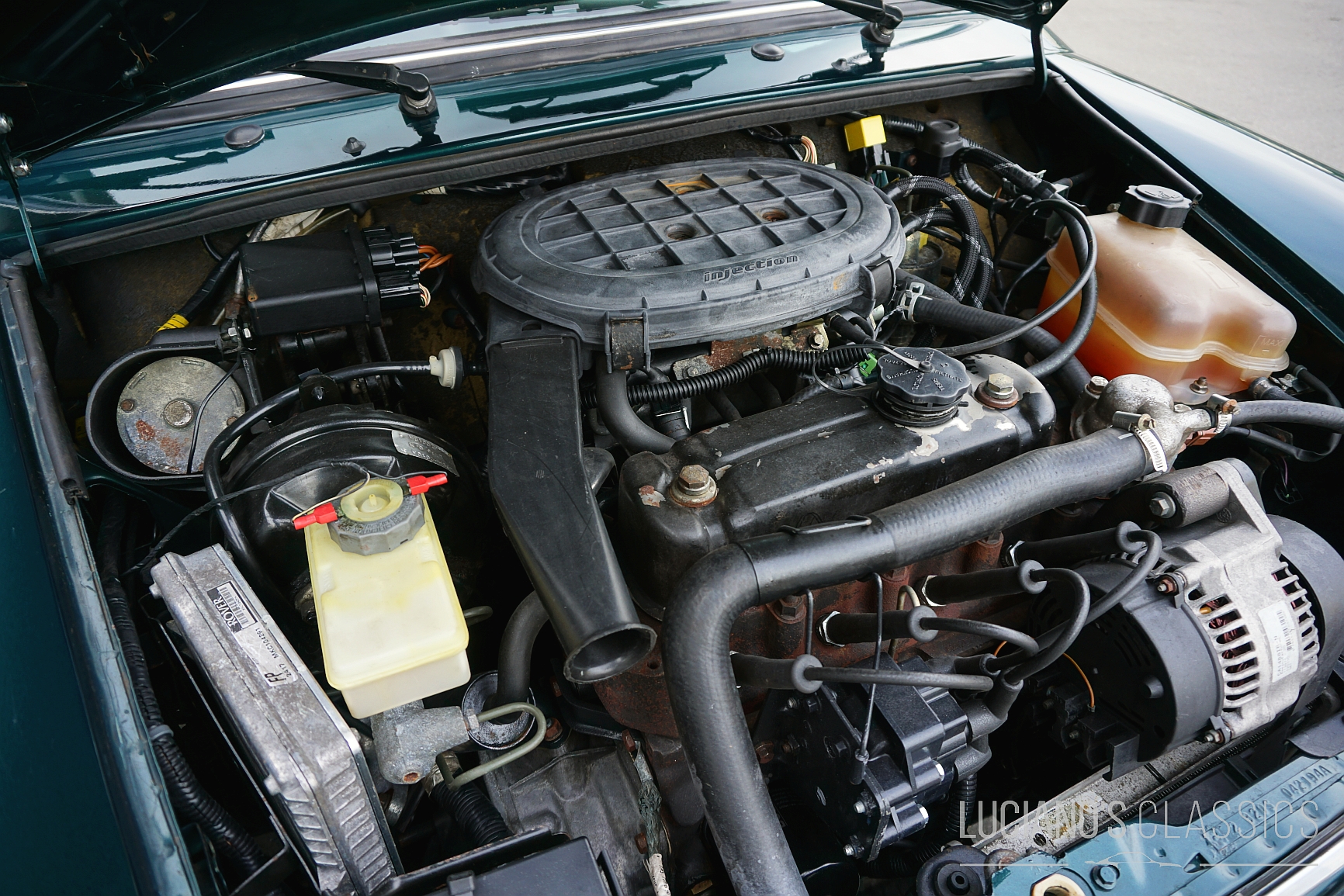
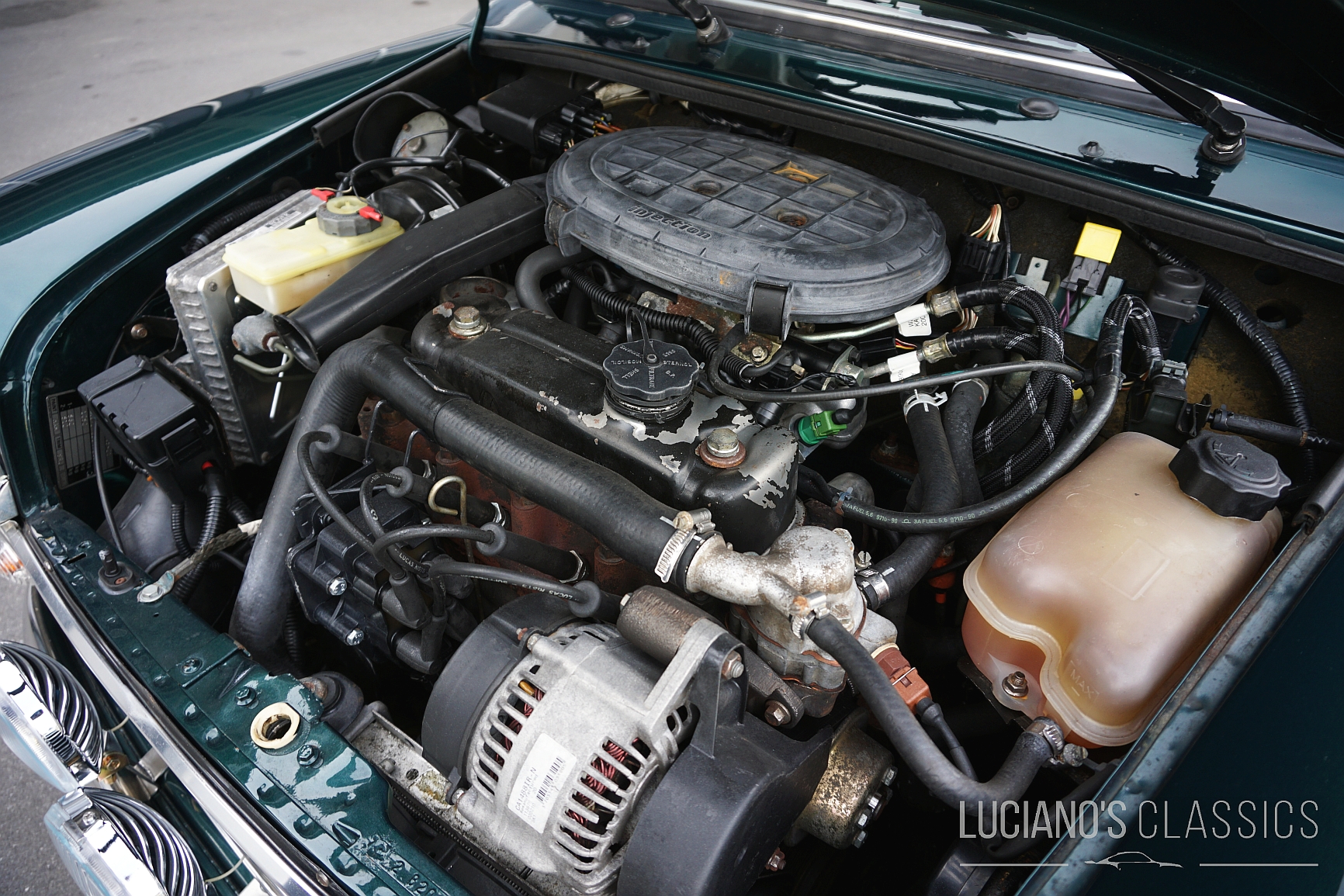
It's small, it's light, it's agile and it's a hell of a lot of fun to chase around the bends. This delicate small car belongs to the seventh and youngest generation of the Classic Mini, and as a youngtimer it also performs just as youthfully on the road. The 1300 MPI engine runs superbly and pulls its almost 800 kilo body forward with ease. The appropriate soundscape comes from a RetroSound radio, the speakers connected to it at the front and rear and the Mini subwoofer under the rear seat.
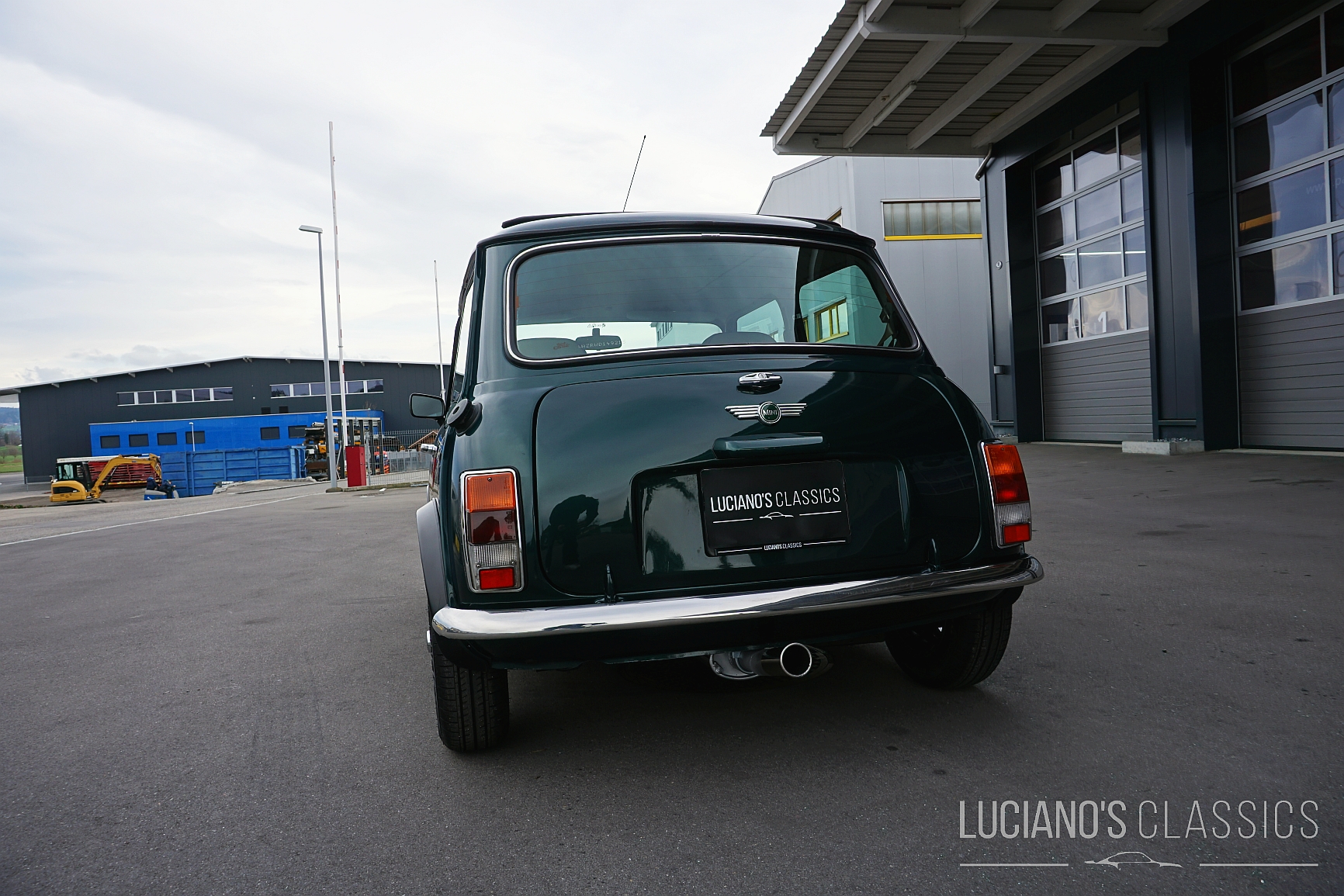
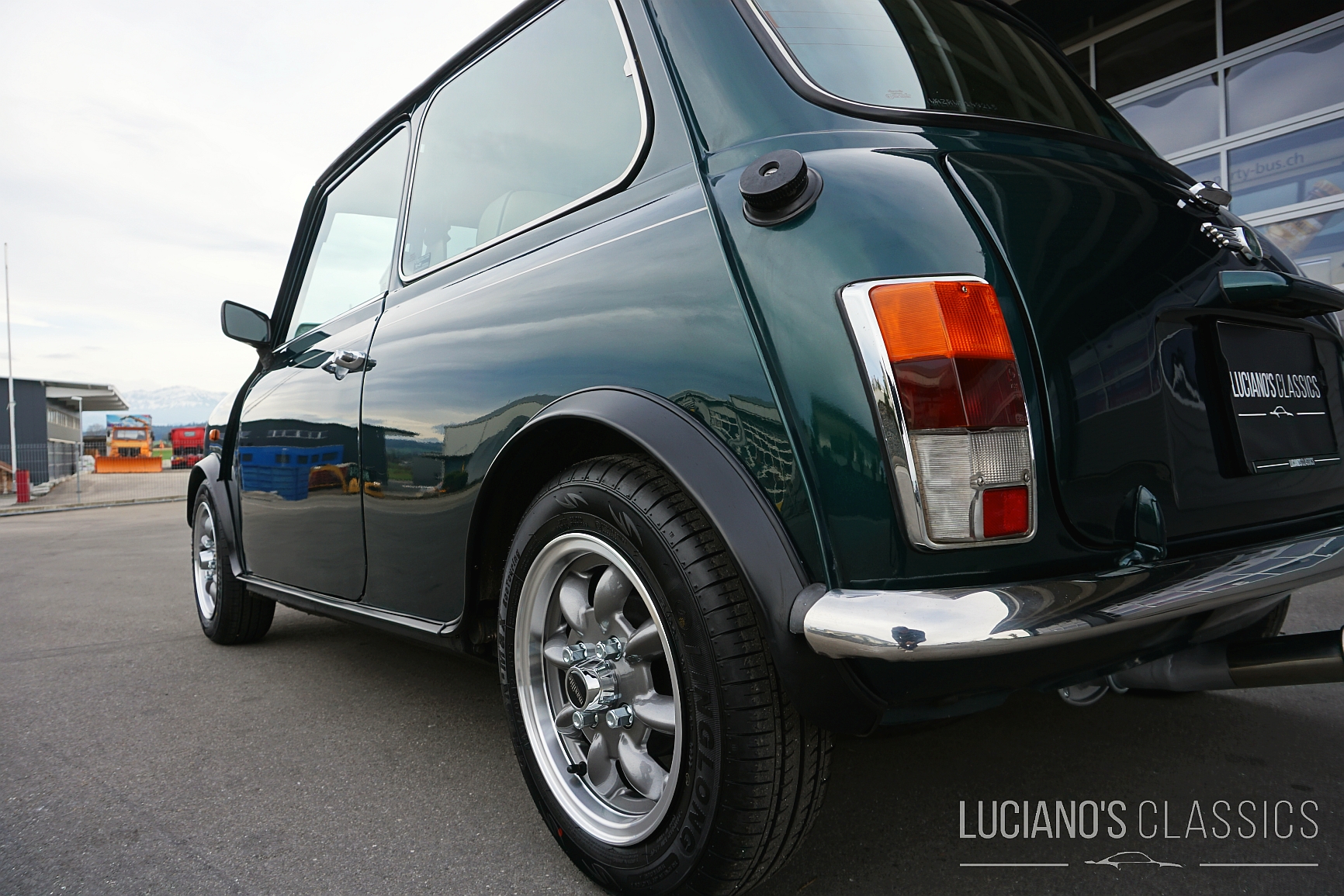
When the accelerator pedal is depressed, the Mini sound system is impressively drowned out by the four-cylinder symphony emanating from the sports exhaust. If you want to be a little more subtle on the road, you are welcome to have the original exhaust fitted.
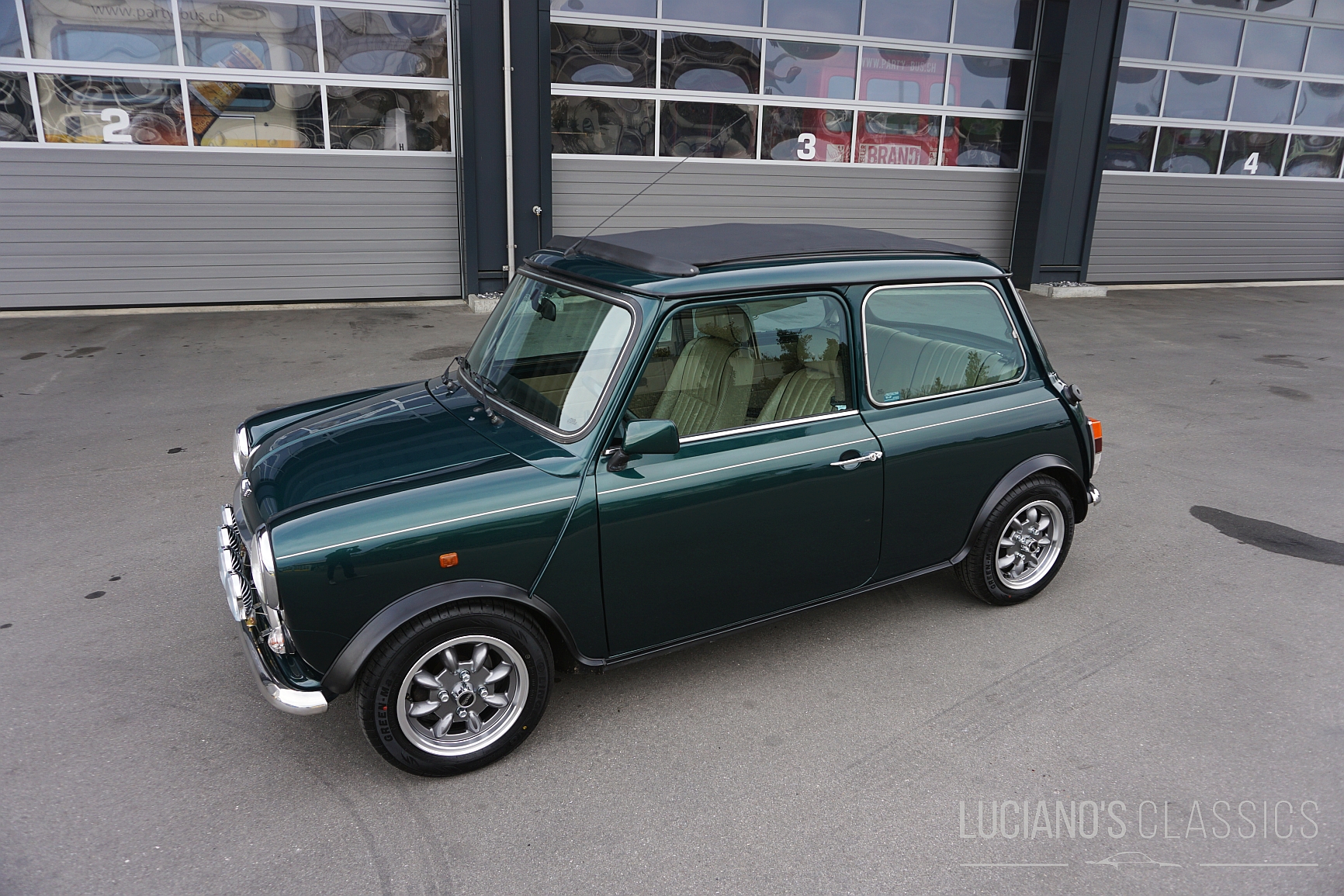
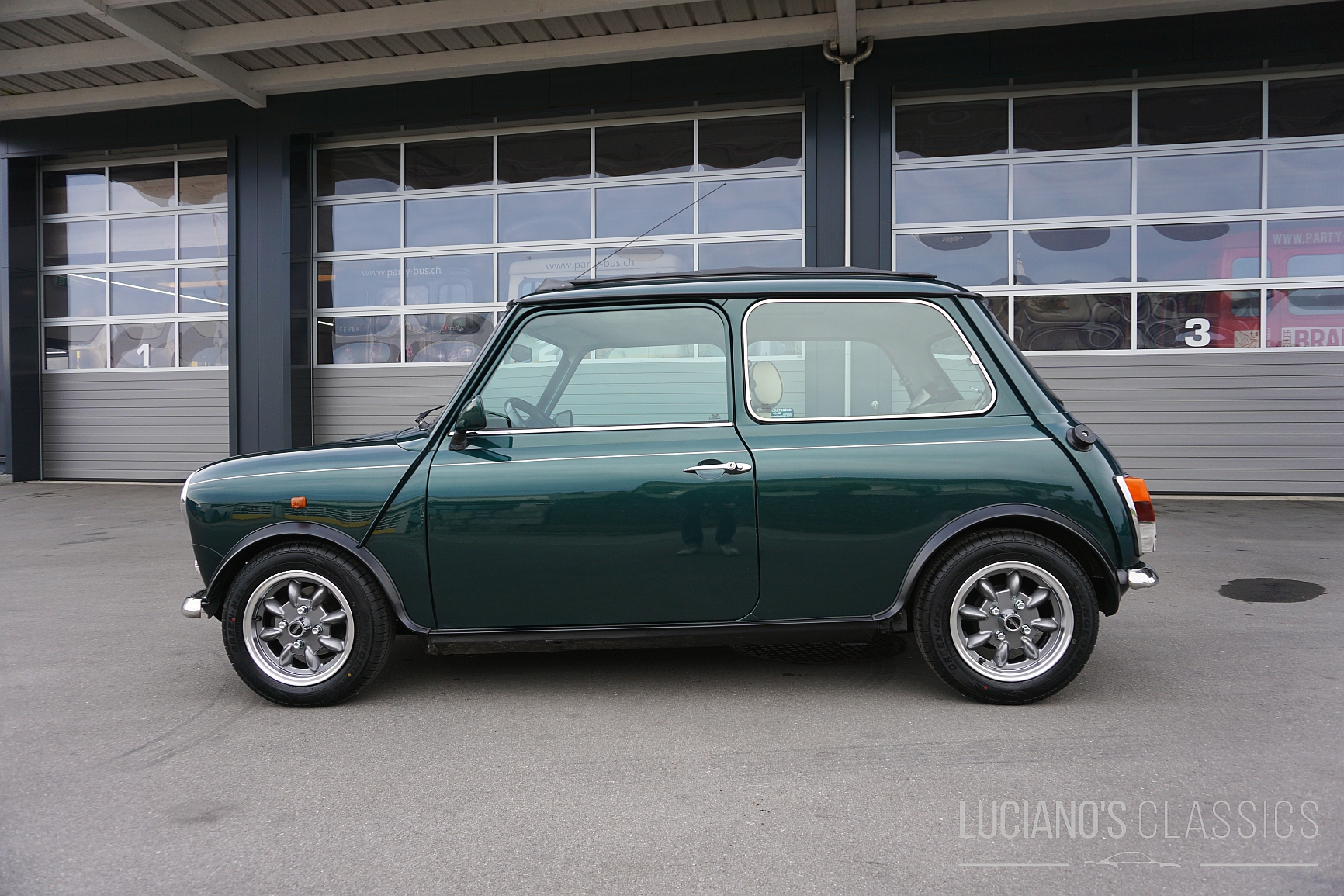
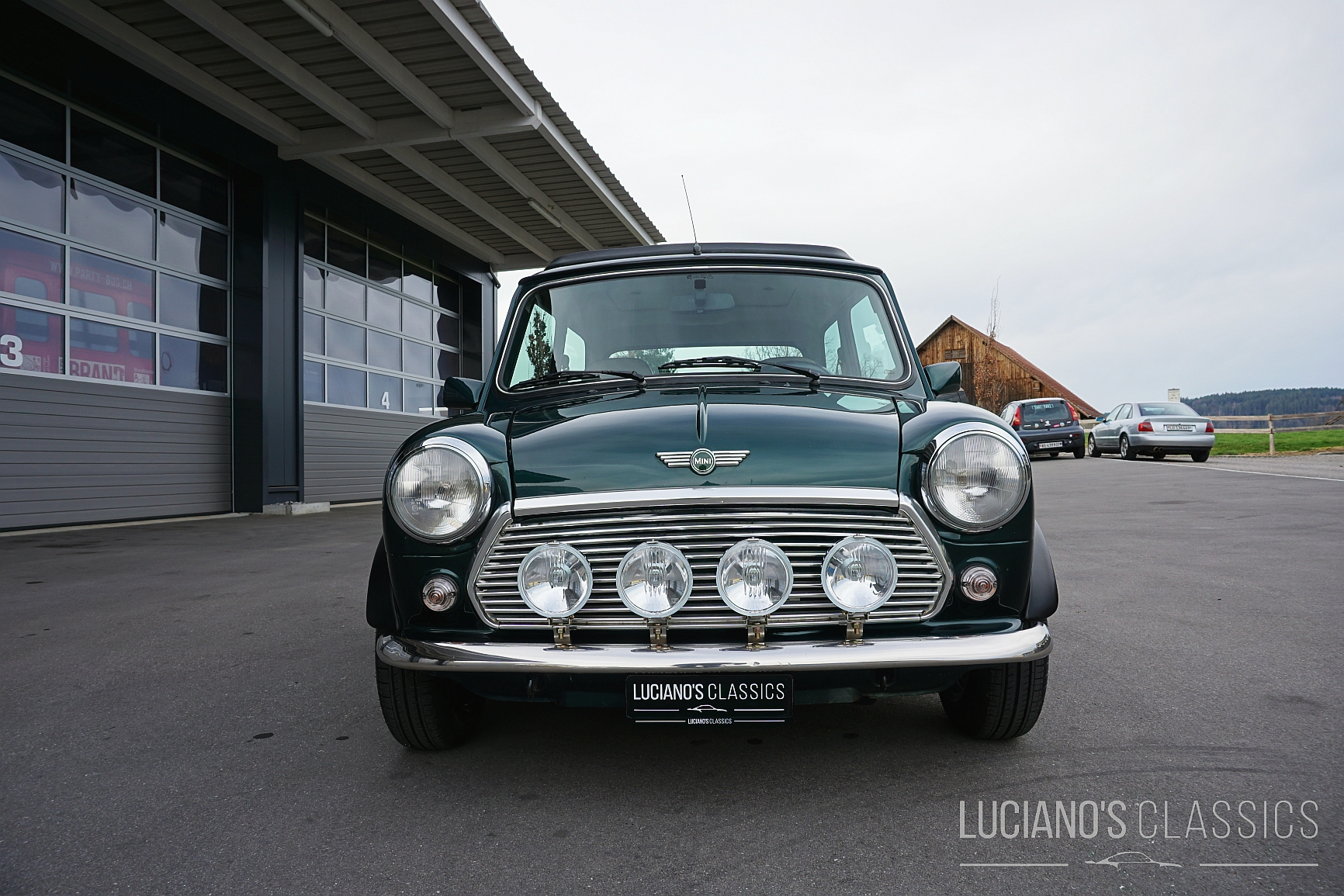
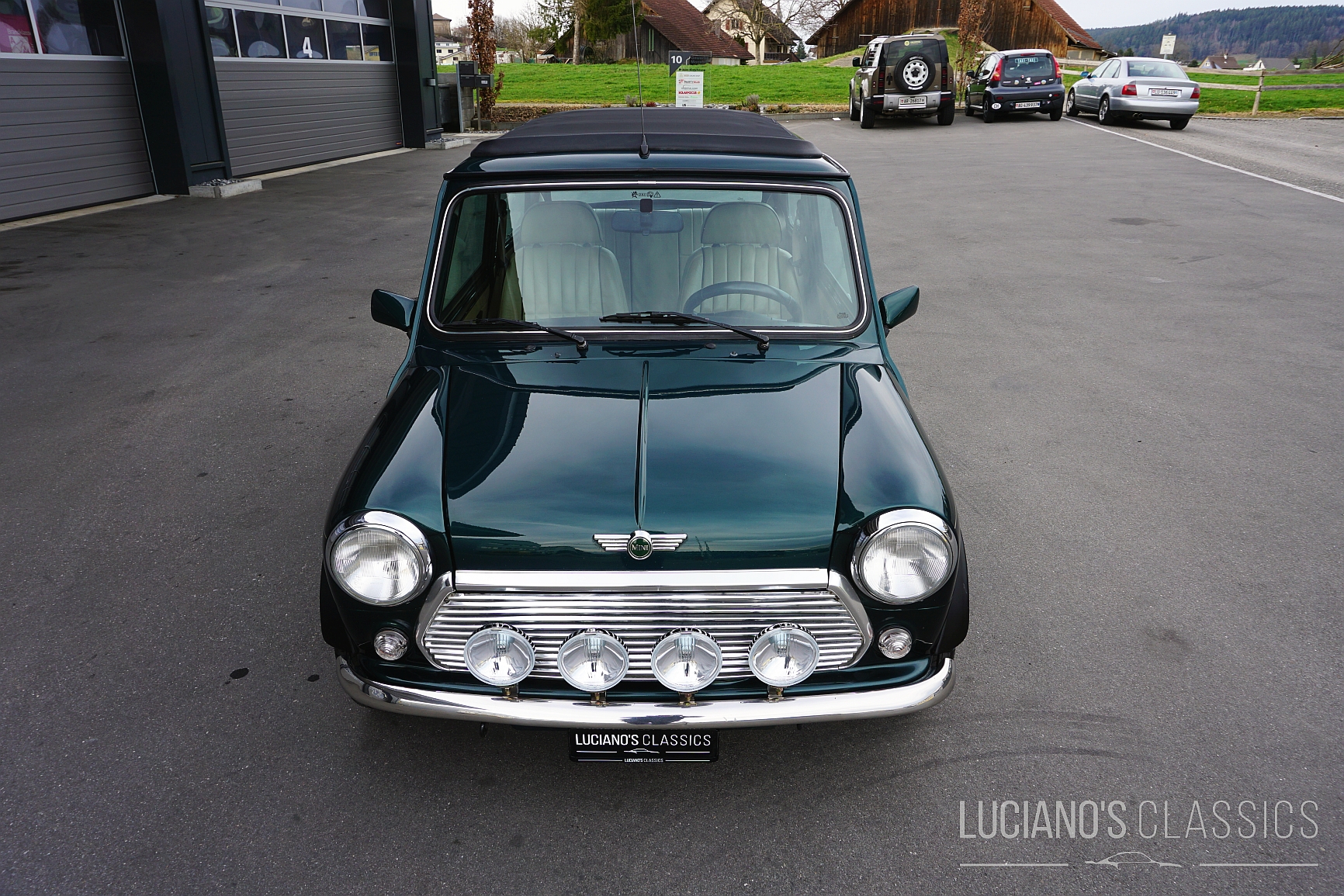
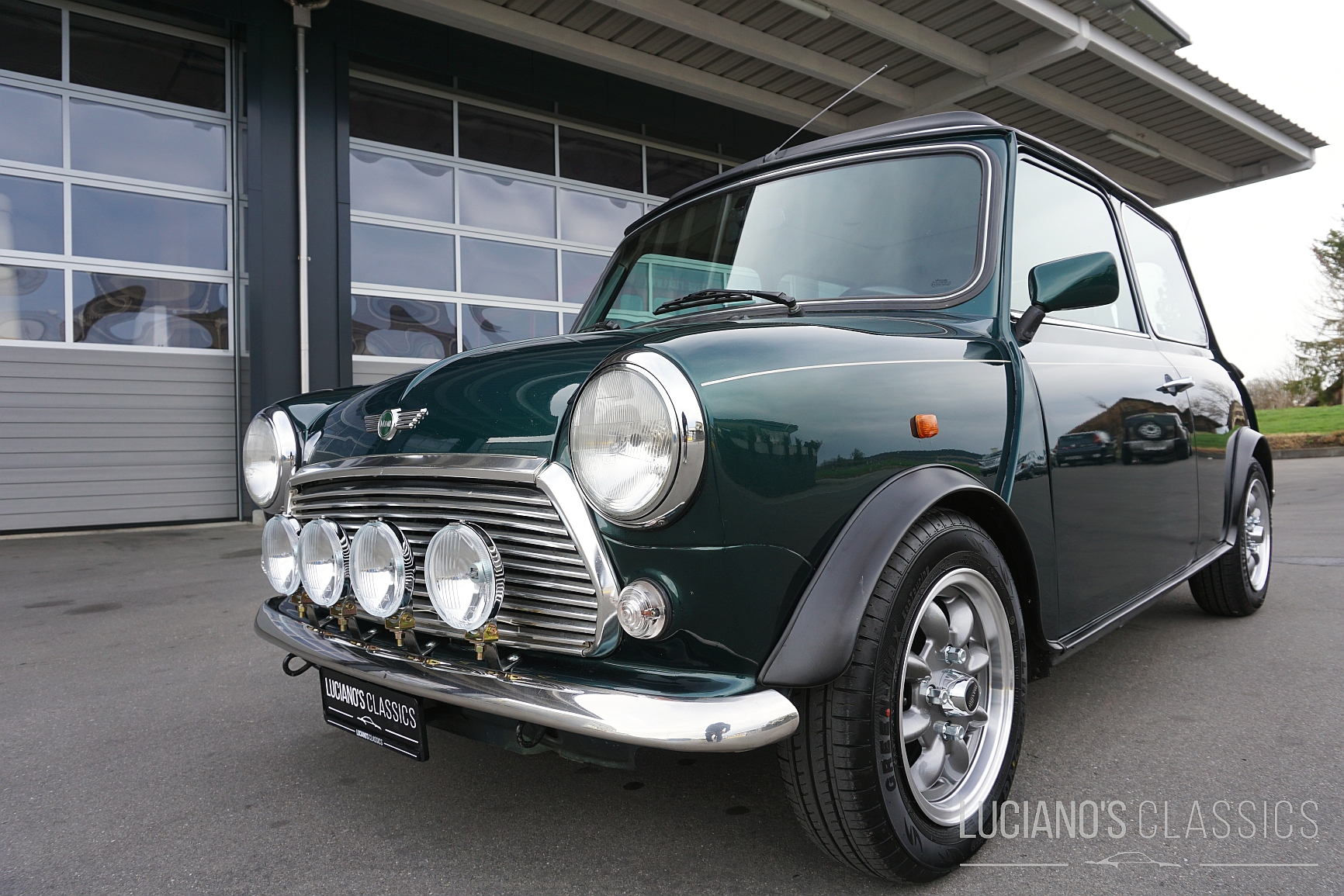
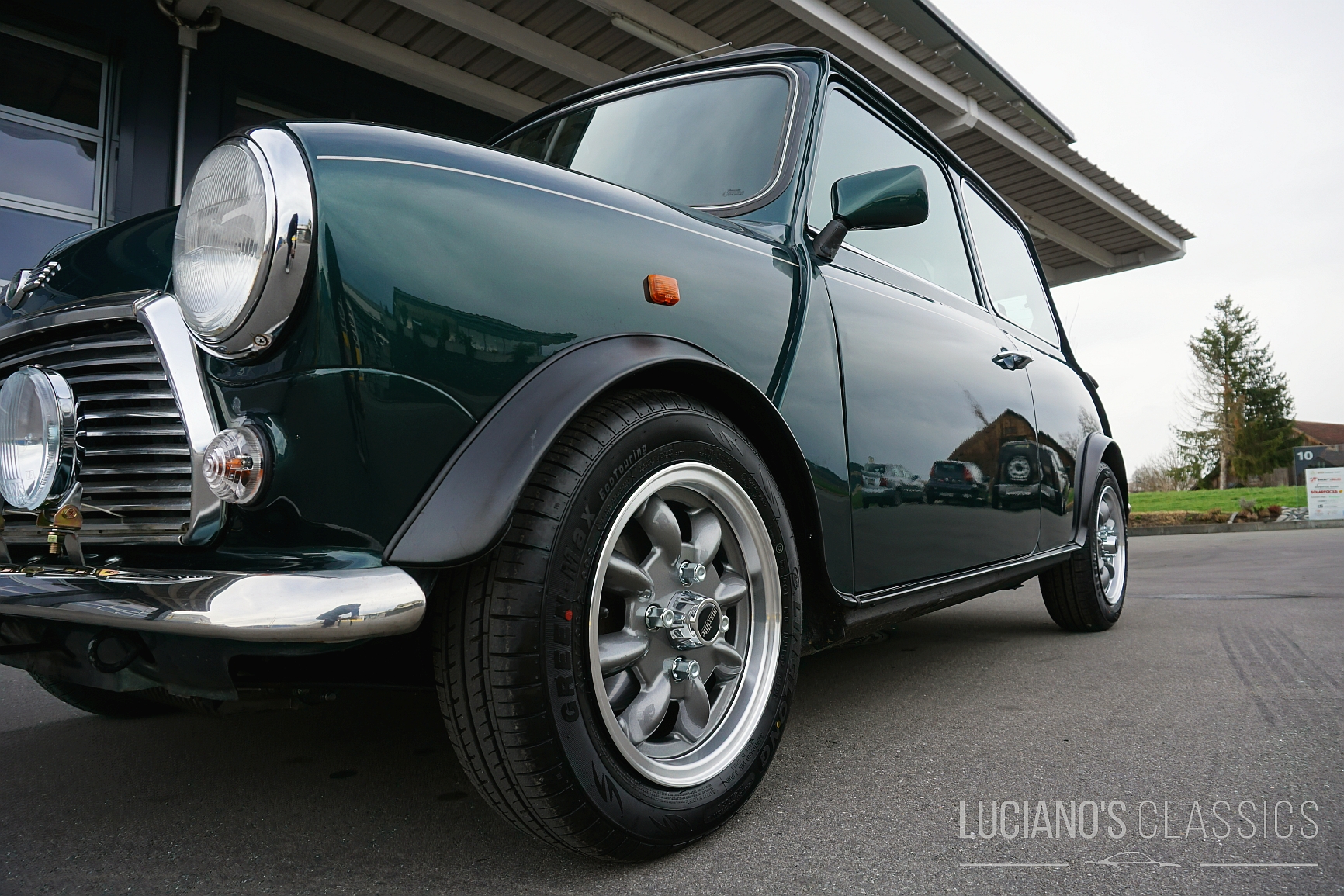
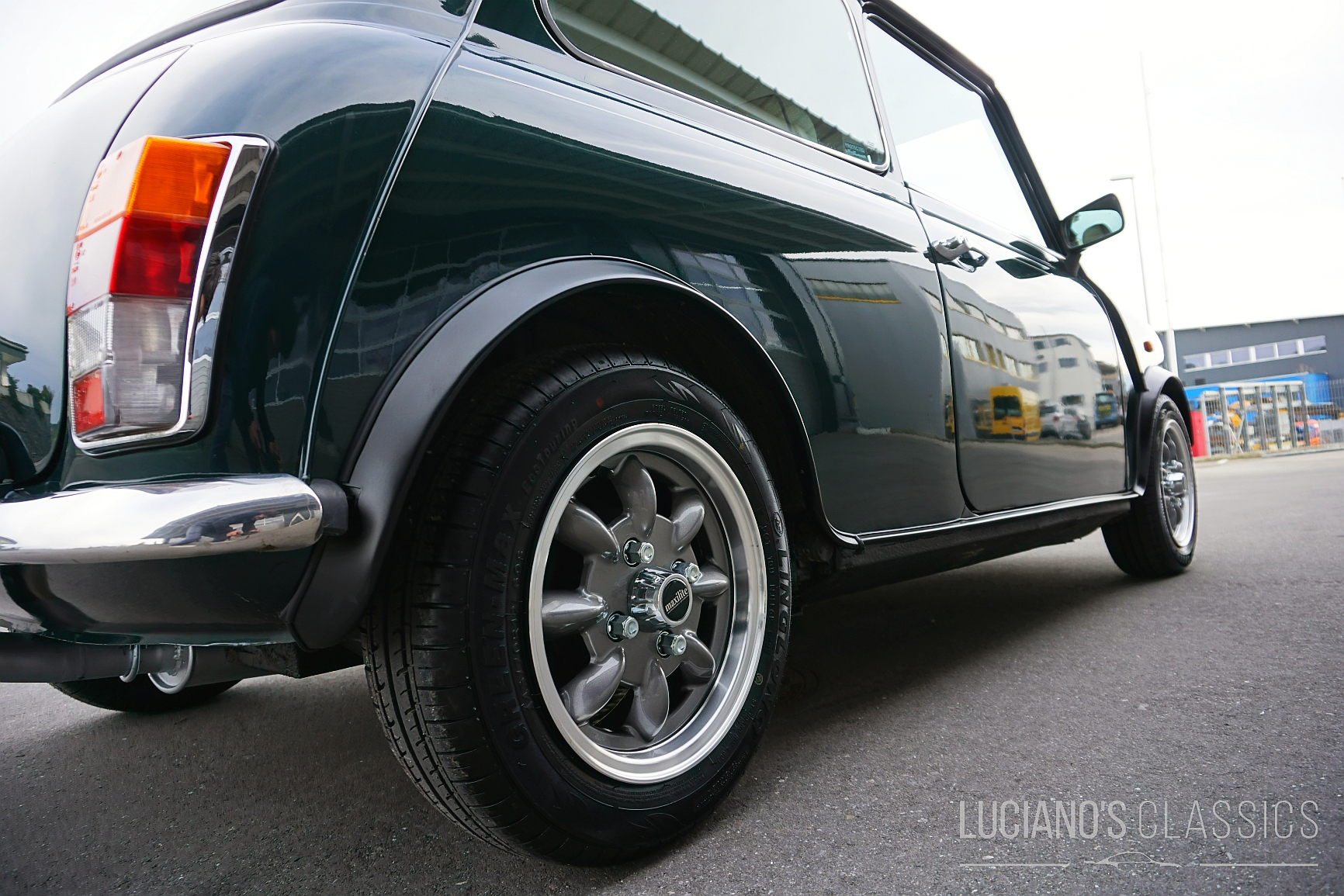
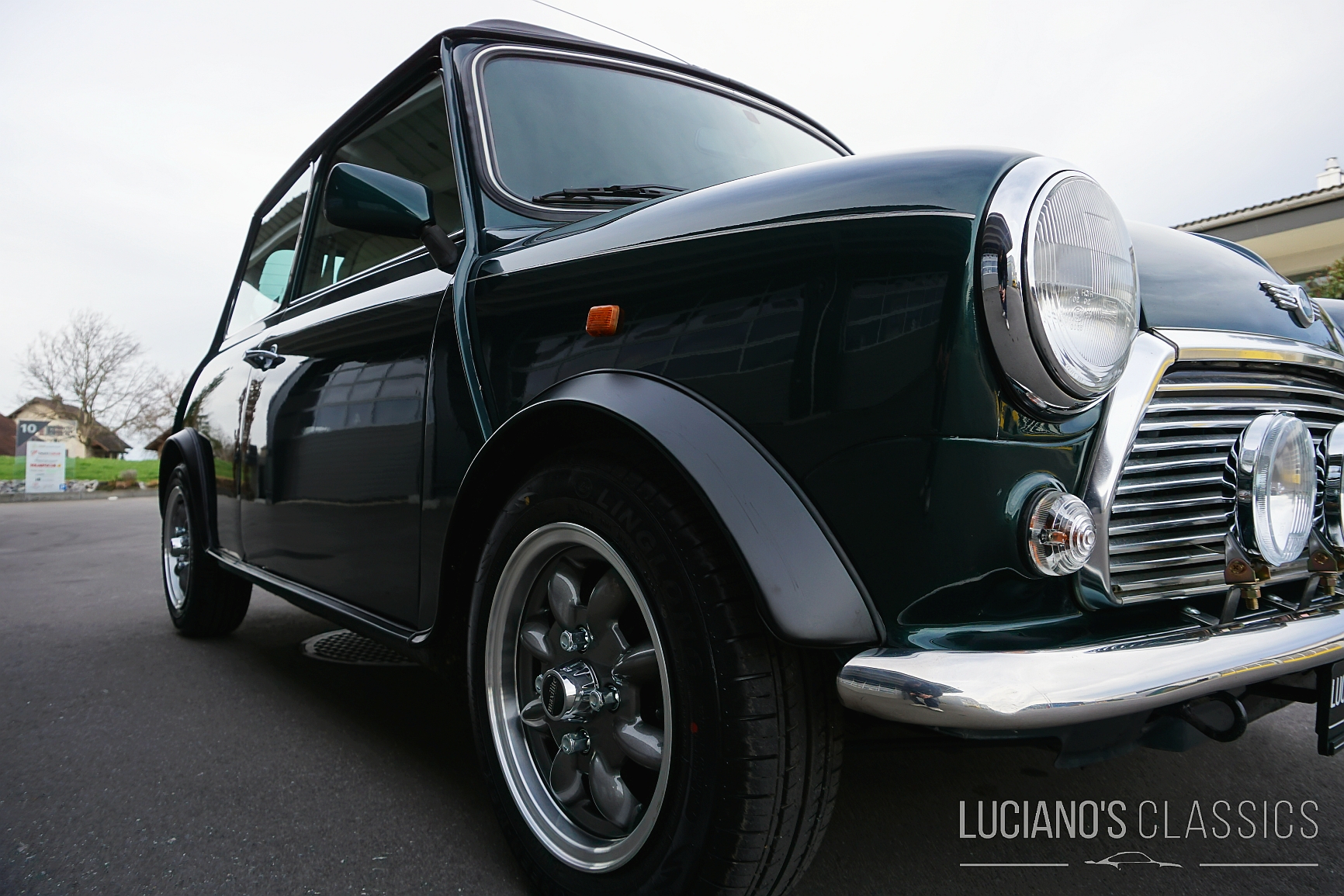
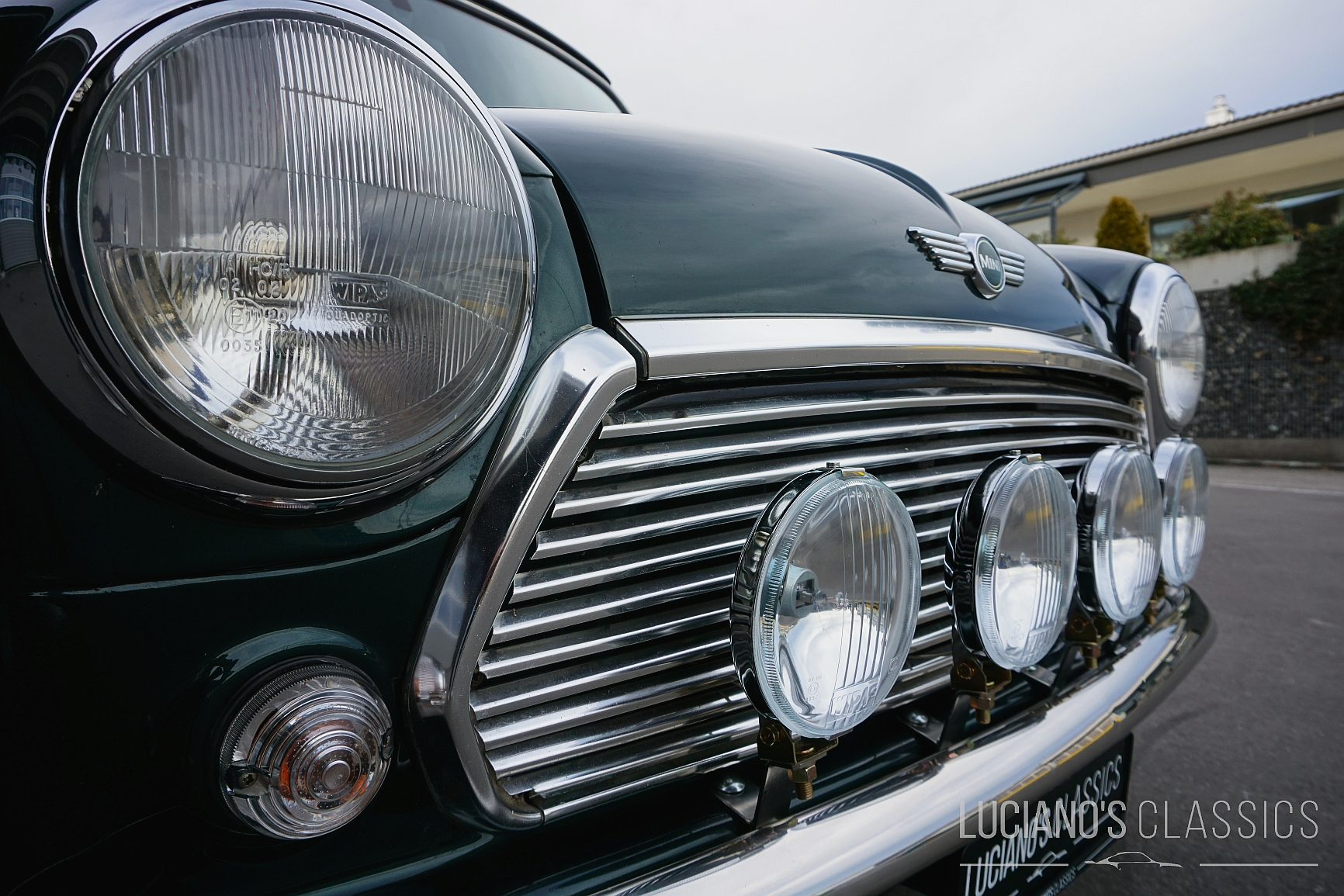
To give the car a sporty look, the original fender flares have been sprayed black and the front has been given the Cooper-typical additional headlights. The car has also been fitted with new Maxilite rims with new tires. The original rims are included with the car.
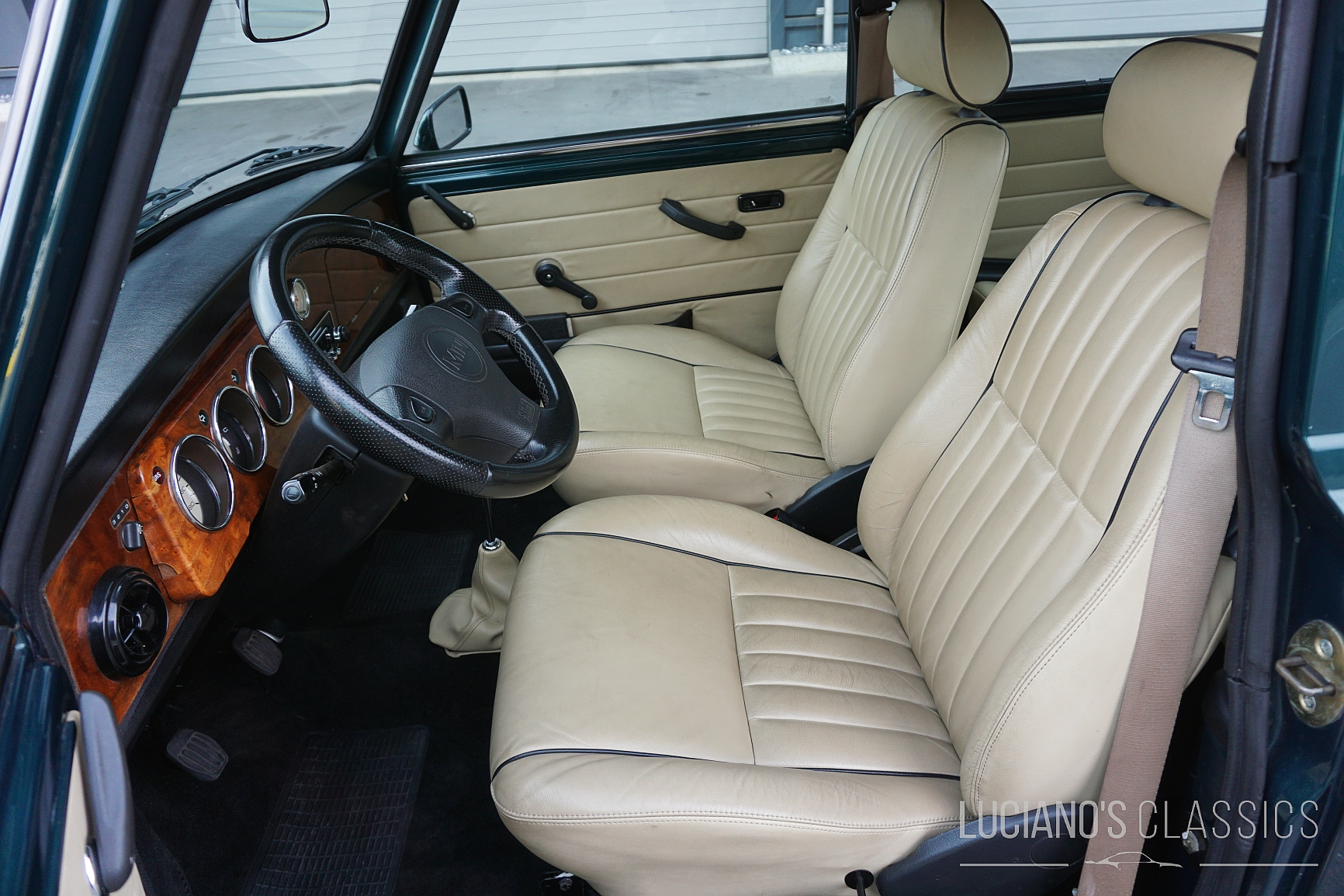
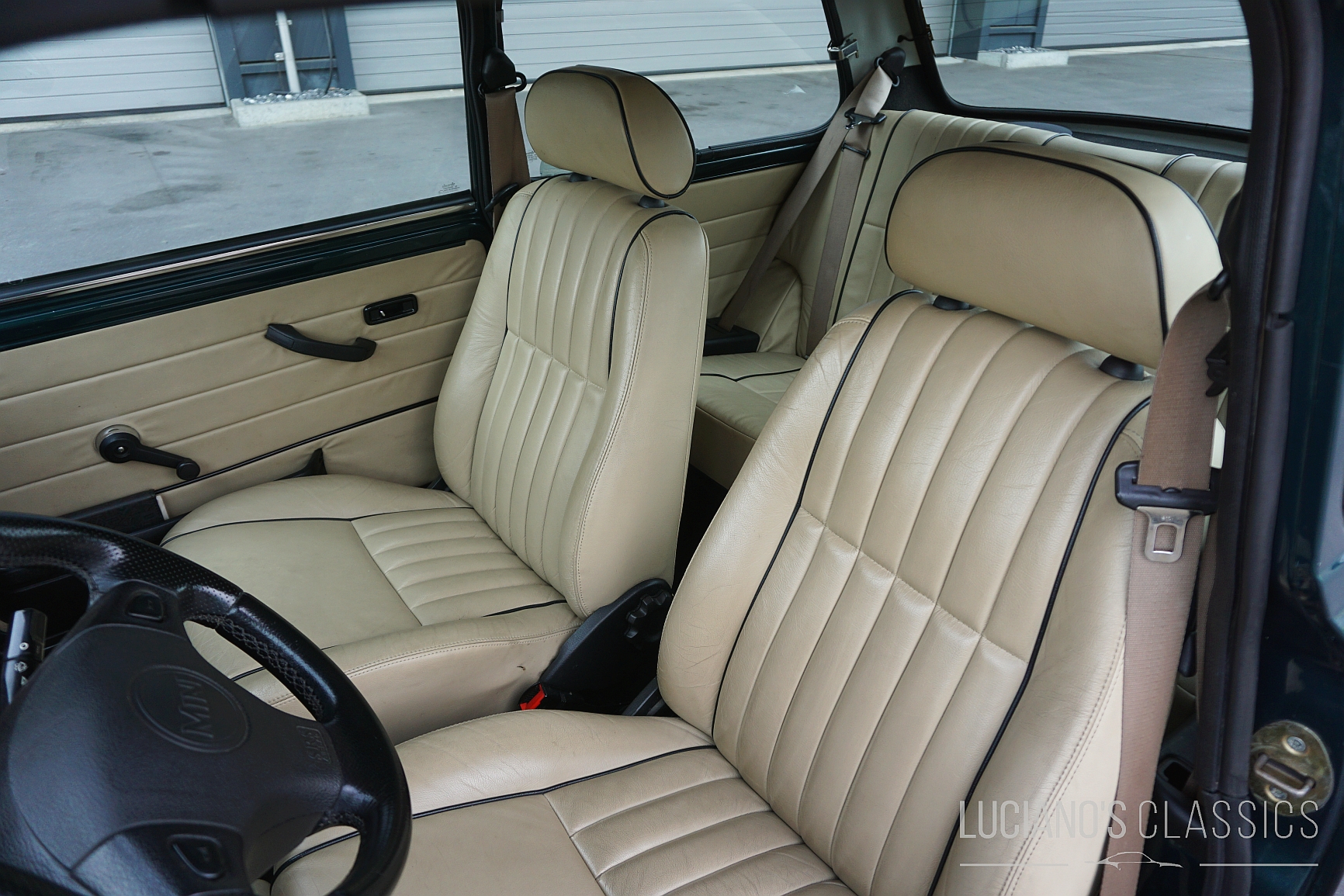
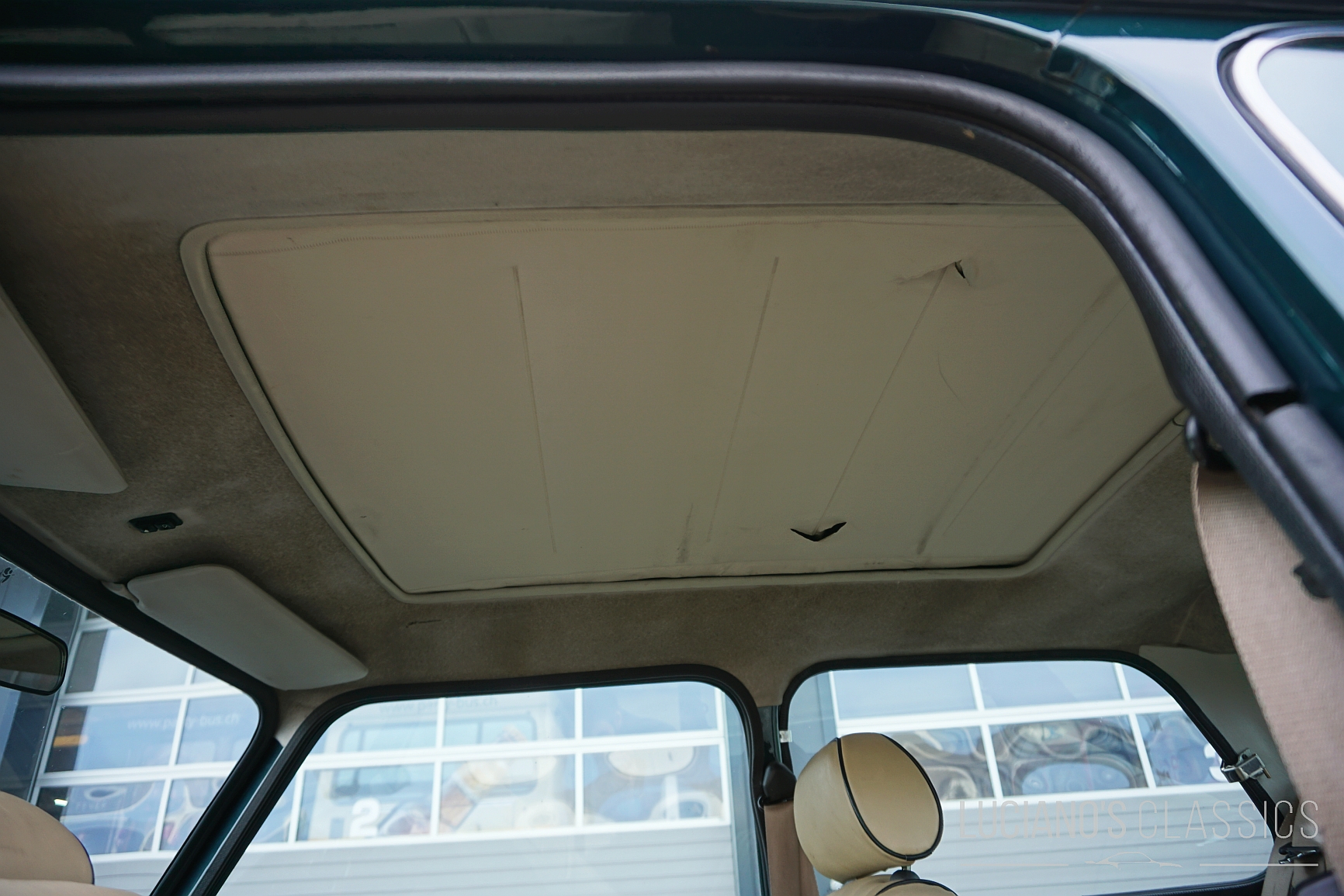
Technically, the Mini works perfectly and thanks to the large seats with headrests, it is also surprisingly comfortable to drive. The underbody is clean and the usual rust problems have already been rectified. The green paintwork is no longer perfect for its age, but suits the little runabout perfectly.
You can find a video of the lively Brit at the bottom of this page.
This vehicle has already been sold.
Model history
In 1956, the Suez crisis dominated fuel prices due to the resulting fuel shortage. In Great Britain, drivers were only given 40 liters of petrol per month and economical small cars were suddenly in high demand.
This vehicle category already existed and the small cars were mostly imported to the UK from Germany. For Leonard Lord, the head of the British Motor Corporation (BMC) at the time, this was anything but pleasing. What's more, he was downright disgusted by the appearance of the «bubble cars».
In order to get a completely new and, above all, British small car as quickly as possible, Lord recruited Sir Alec Issigonis as chief designer, who had already designed the Morris Minor and later moved to the Alvis Car and Engineering Company Ltd.
In 1957, Issigonis met regularly with his friends in a small restaurant to exchange ideas. It was in this restaurant that the first sketches of the classic Mini were drawn on napkins. These sketches showed nothing less than the future of all small cars.
A transversely mounted engine and front-wheel drive were nothing new, but the distribution of all elements was revolutionary. The entire drive took up only 60 centimeters. This was achieved by mounting the engine transversely above the transmission and the radiator next to it in the direction of travel, with the oil pan lubricating both the transmission and the engine. The four wheels were positioned at the outermost corners of the car so that the drive and occupants could benefit from as much space as possible. Thanks to Mr. Alex Moulton, also known for his Hydrolastic or whisky-soda suspension, these were sprung using rubber elements. The interior dimensions were defined very simply: Four armchairs were put together and four people of different sizes were made to sit on them. The fifth person involved measured the height and drew the outline on the floor.
In 1959, the first classic Mini with the model names Austin Seven and Morris Mini Minor rolled off the production line and the model was officially presented at the London Motor Show on August 26, 1959.
The Mini became an icon and for decades, various companies produced the Mini at the Longbridge plant near Oxford and continued to modify it. The British Motor Corporation, later British Leyland and finally Rover, which was taken over by BMW in 1994, including the Mini, Land Rover and MG brands. Little was changed visually until the last classic Mini was produced in 2000. Over 5.3 million MINIs have been produced since 1959.
Details
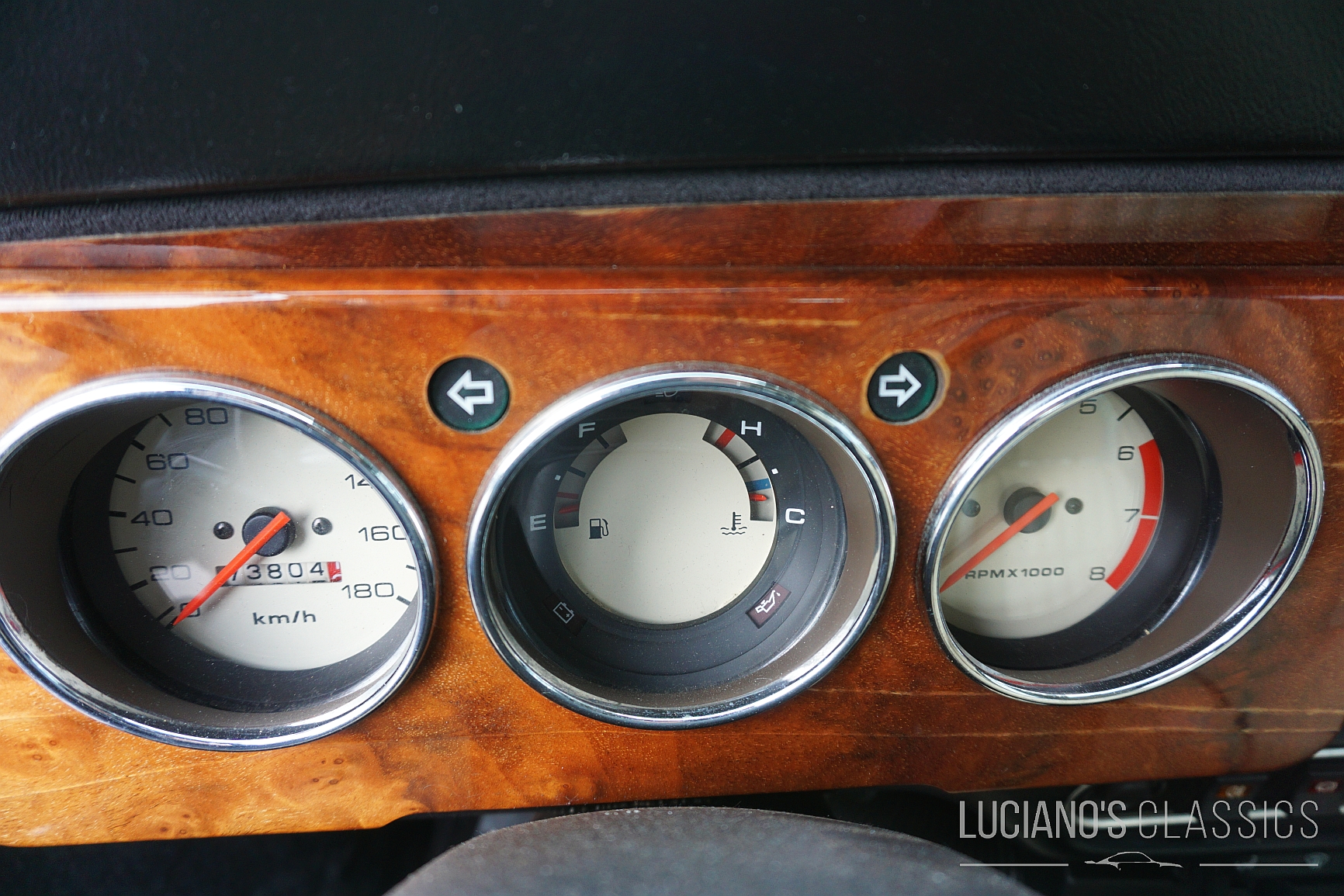
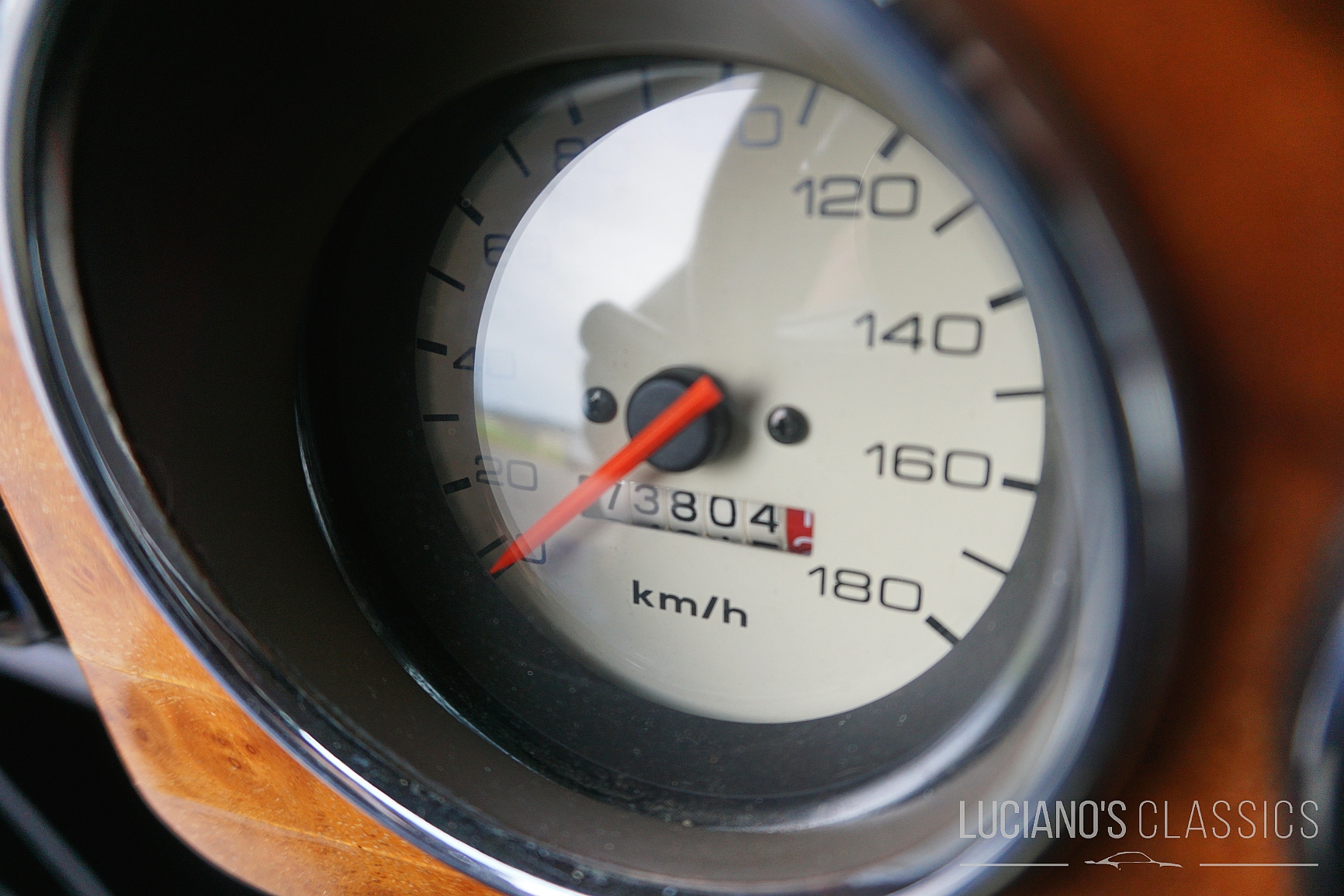
- 73’900 km
- 1. inv. 01.11.1997
- MFK 26.04.2023
- 1,275 cc R4 engine
- 63 HP
- Type certificate 1MN401
- Master number 612.556.910
- Chassis SAX XNW AZR WD14 9215
- Unladen weight 785 kg
- Payload 265 kg
not what you are looking for?
We will be happy to find your individual dream vehicle.
Simply make a non-binding inquiry and benefit from our network.