
VW Beetle 1303 LS Convertible
Description
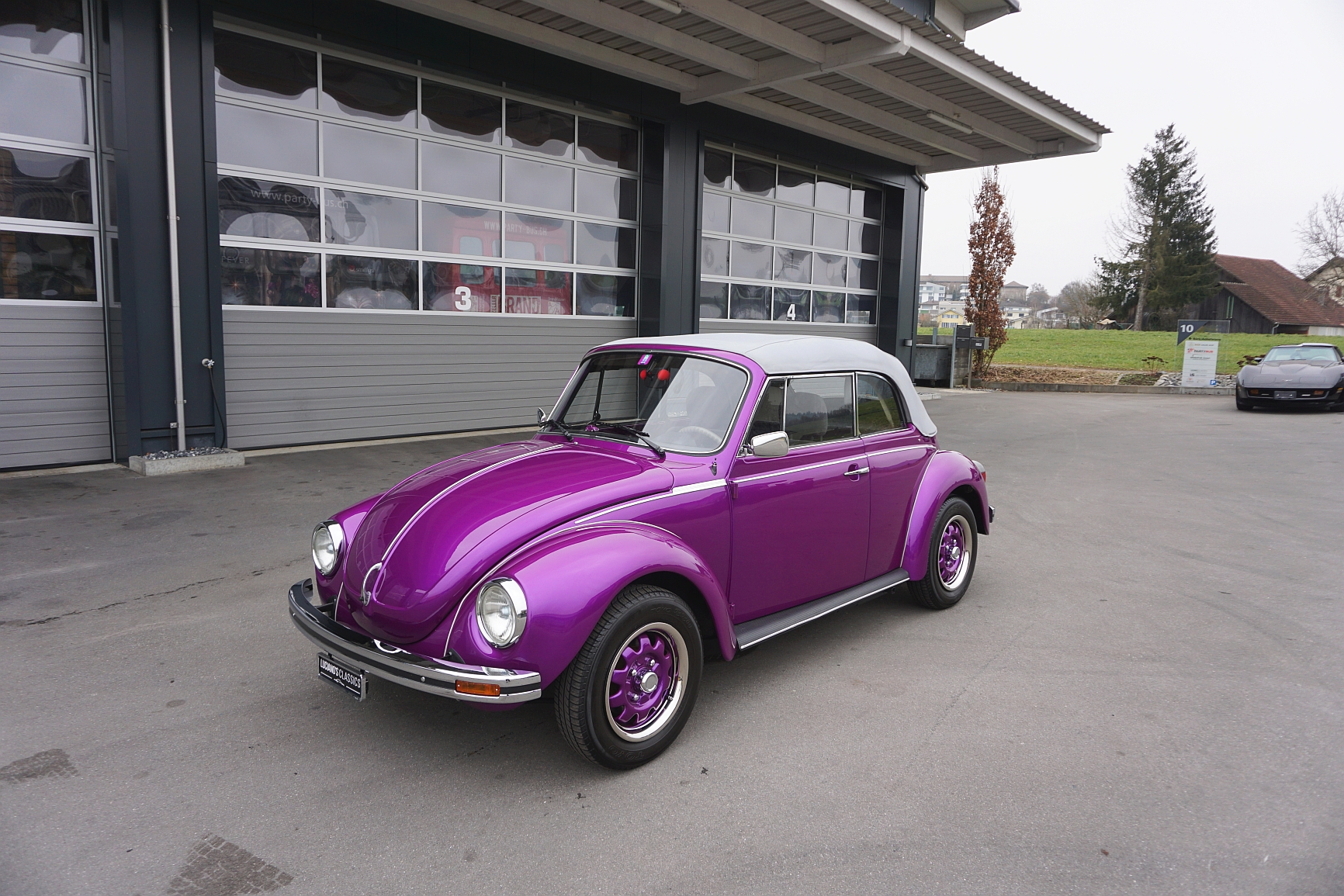
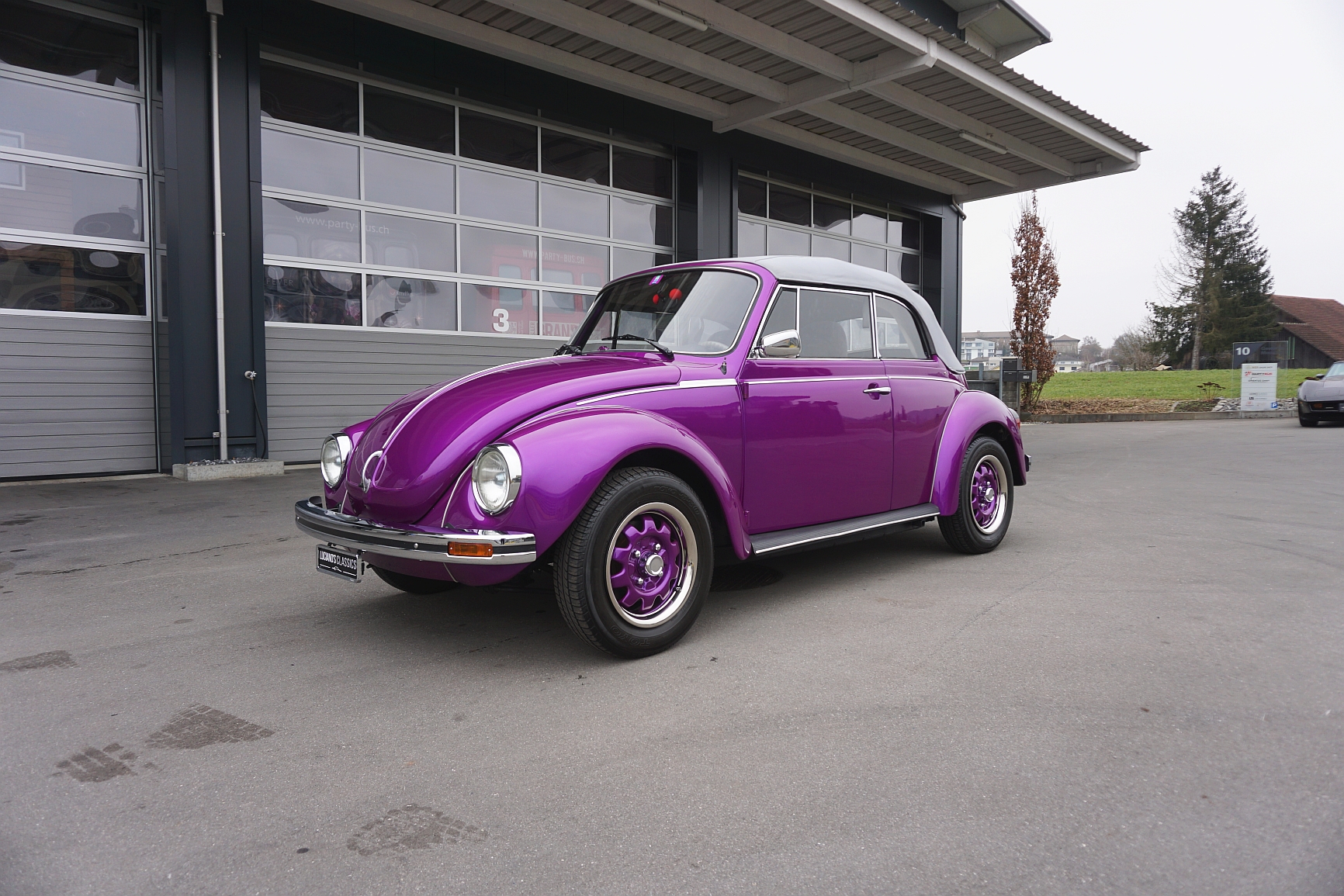
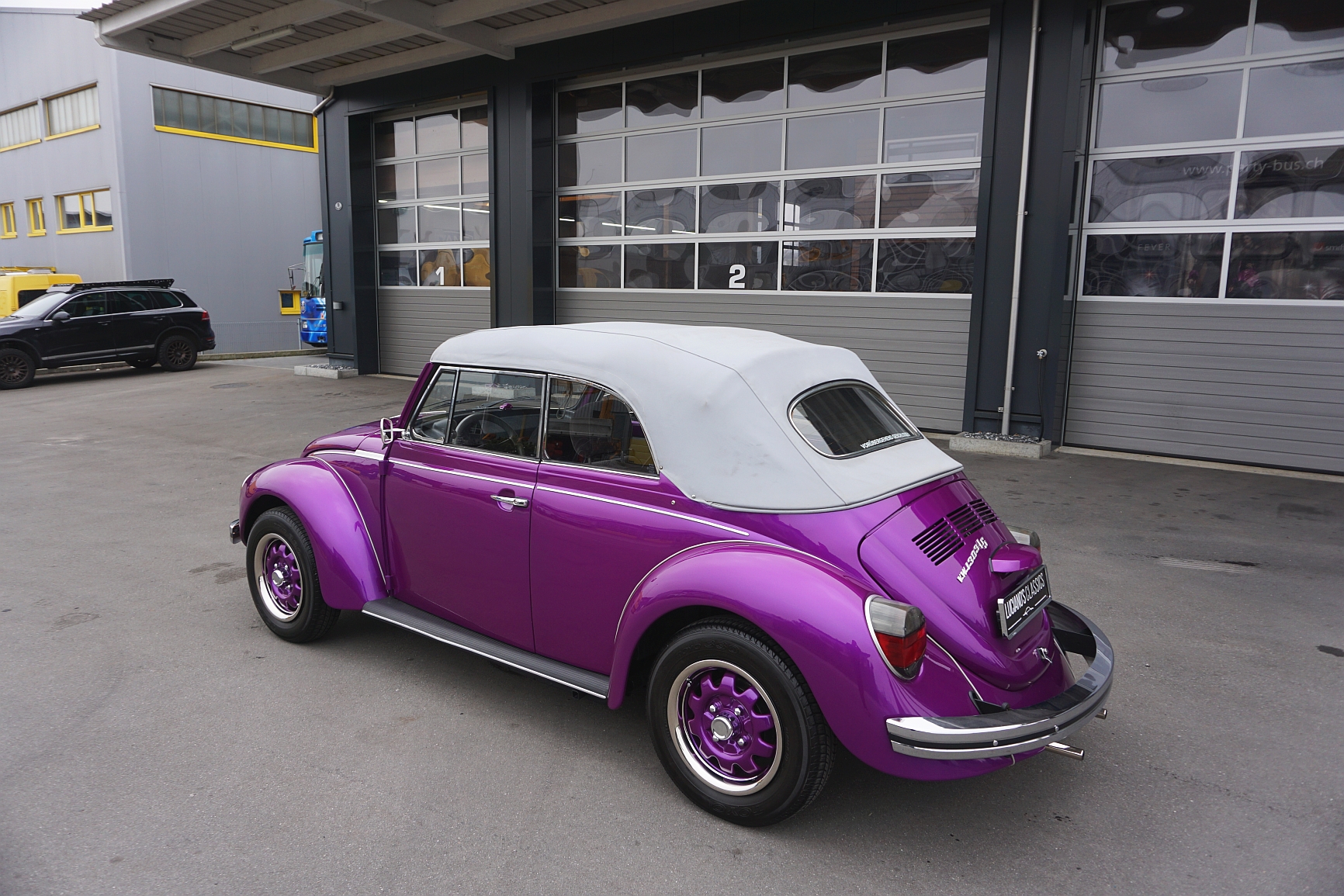
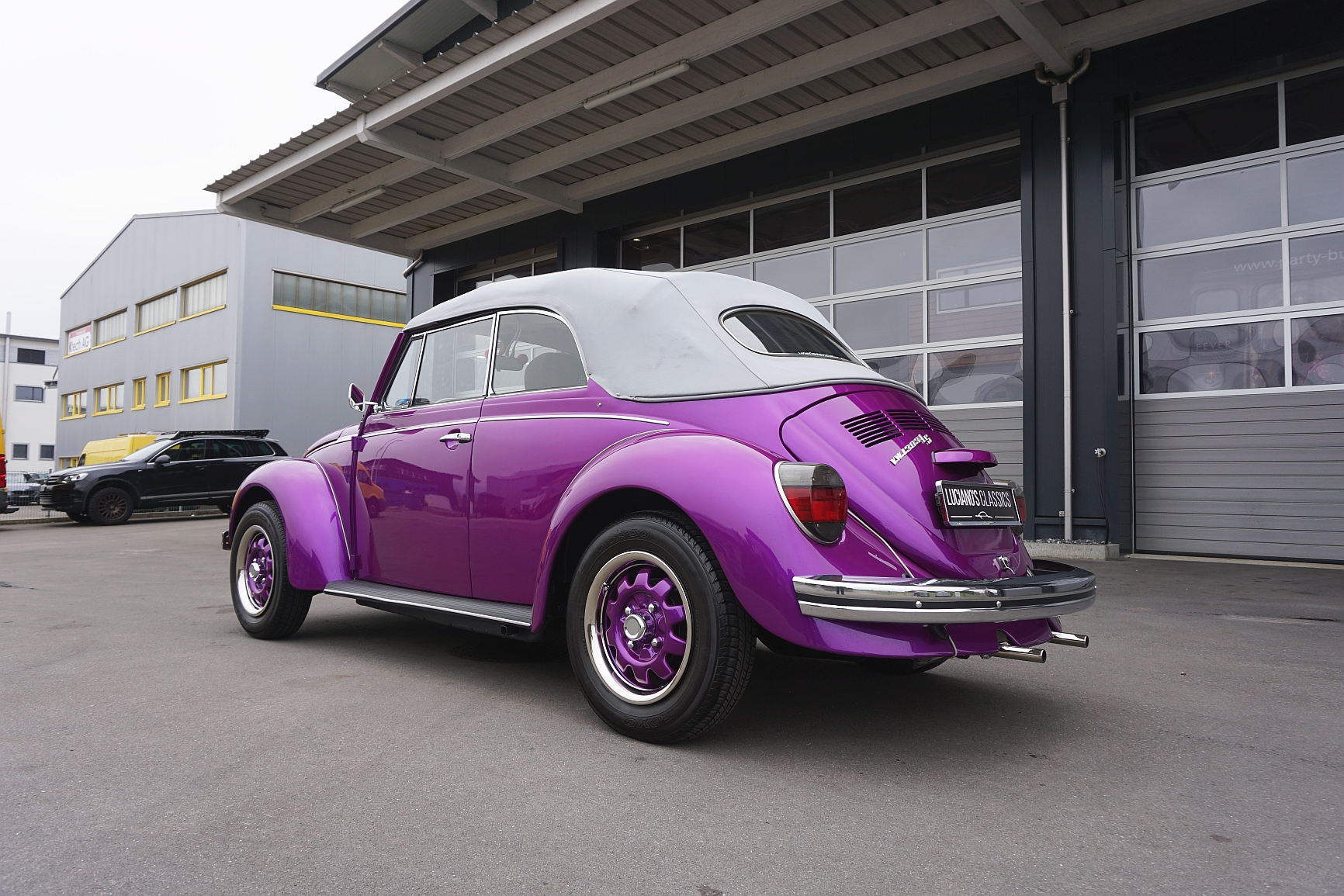
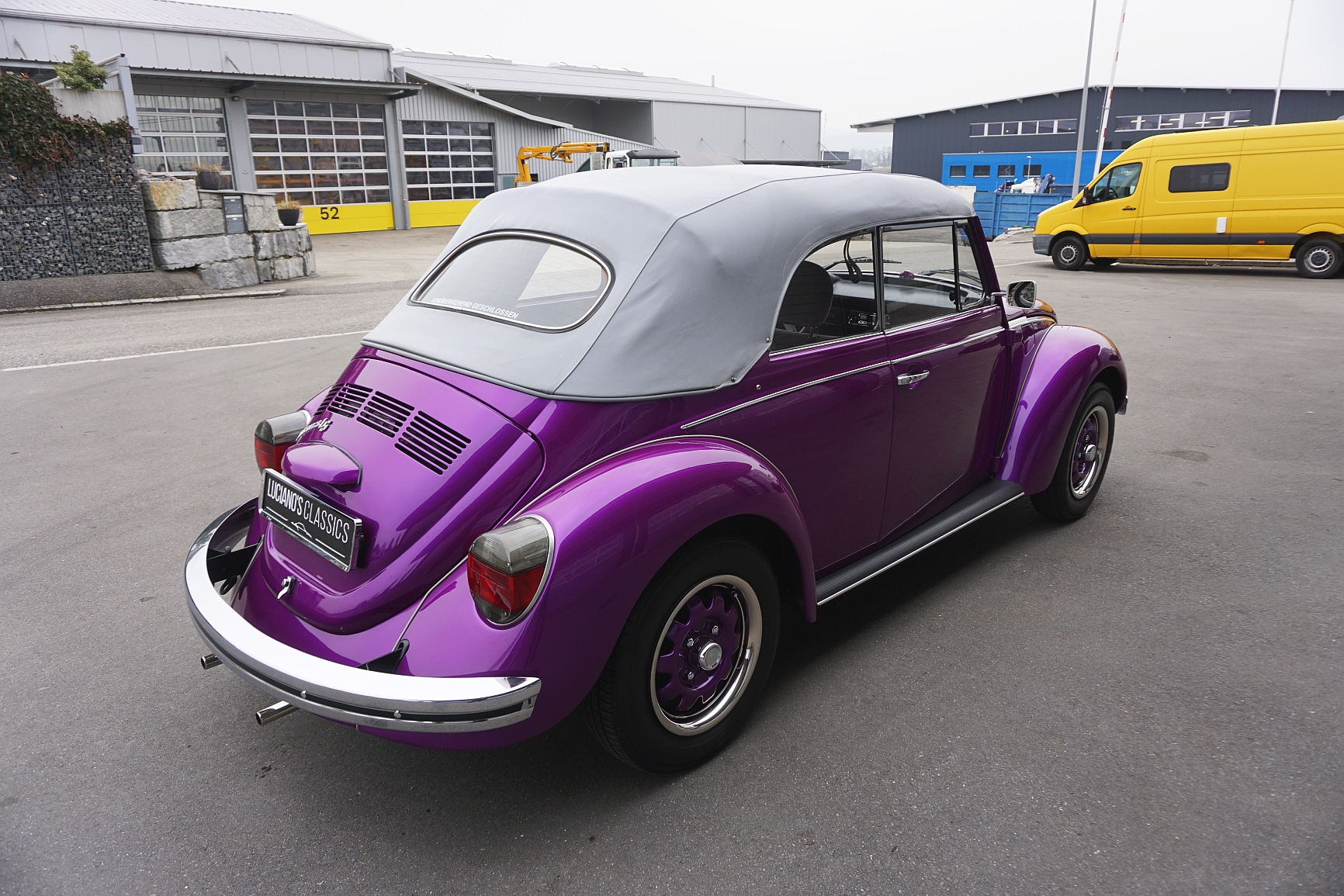
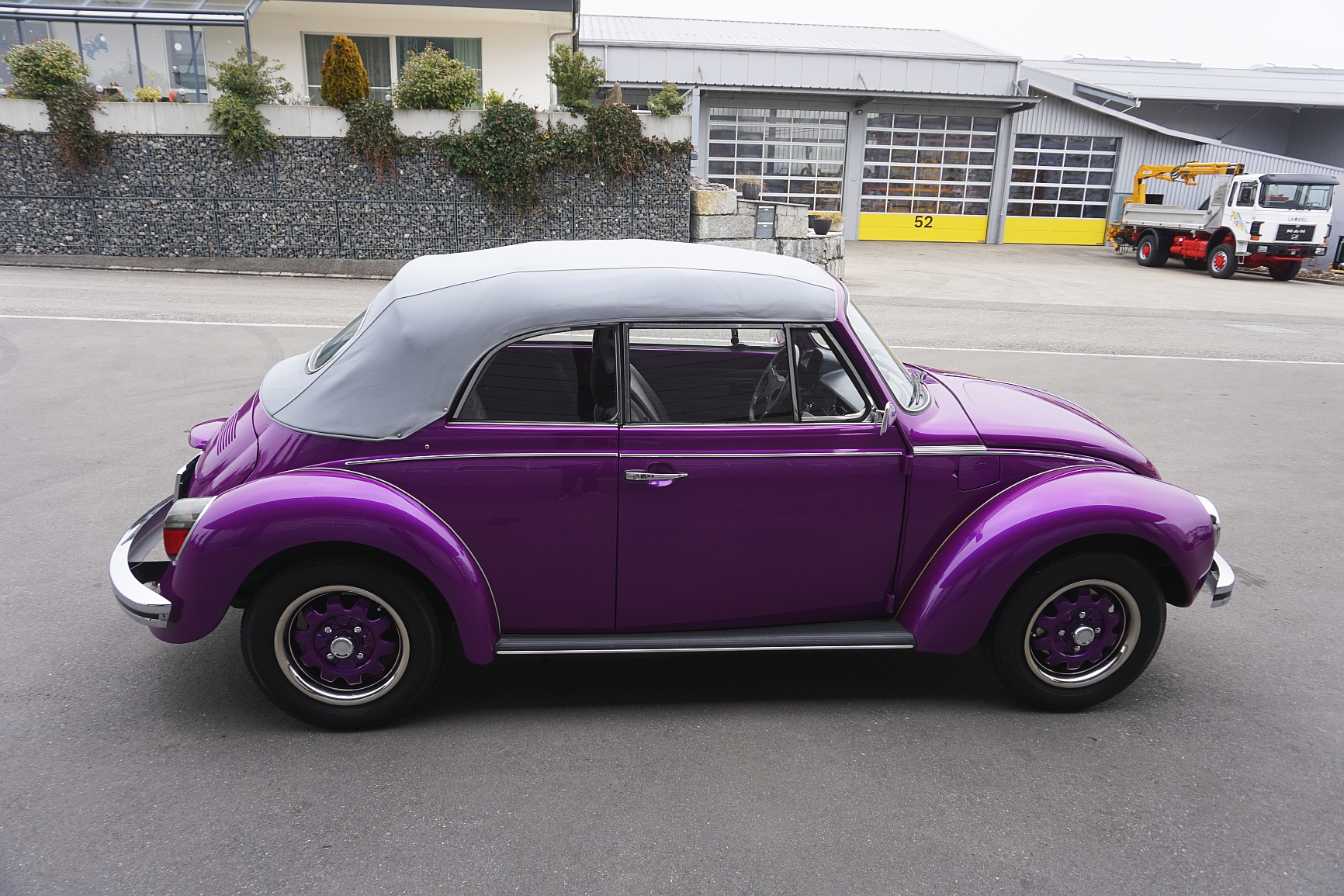
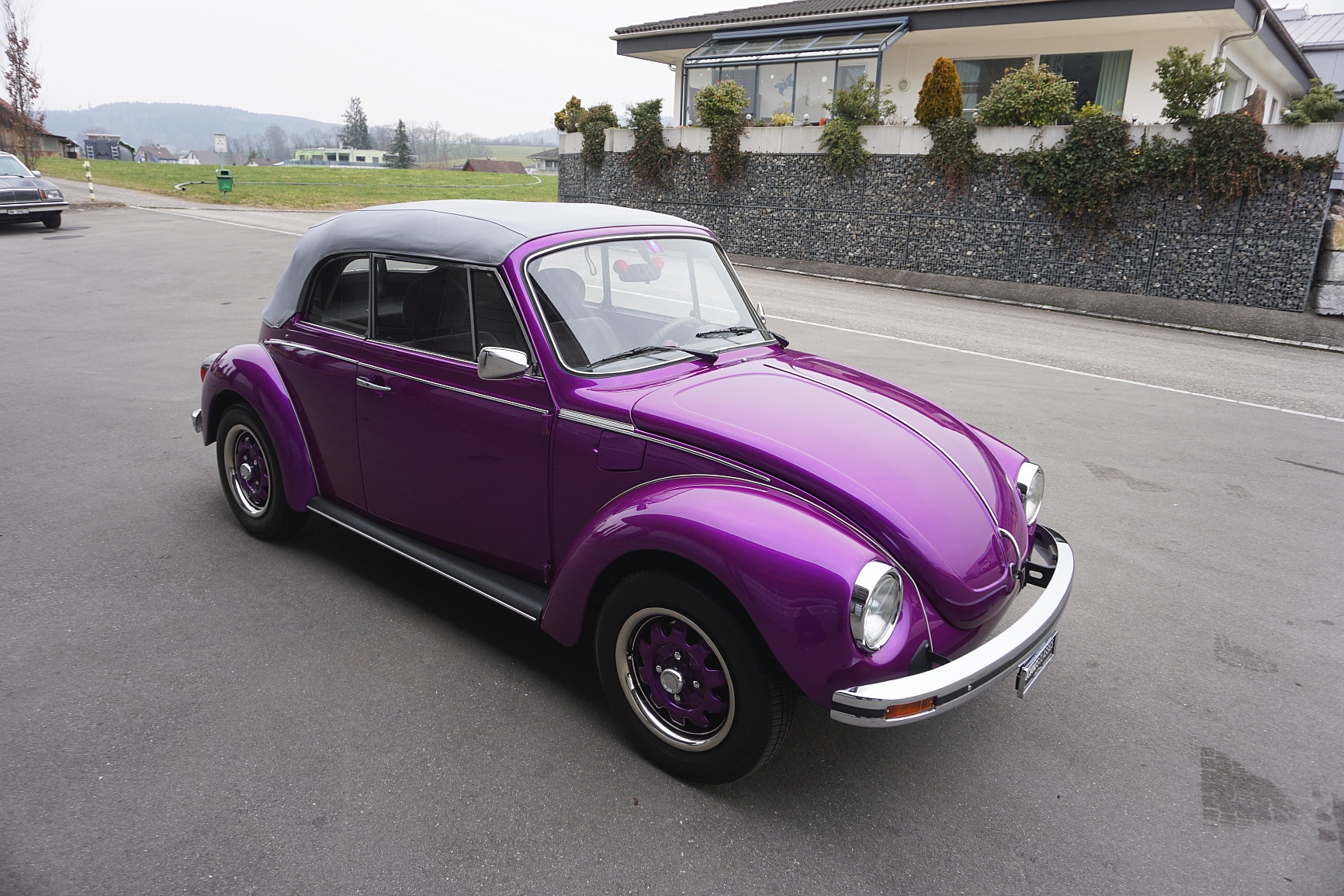
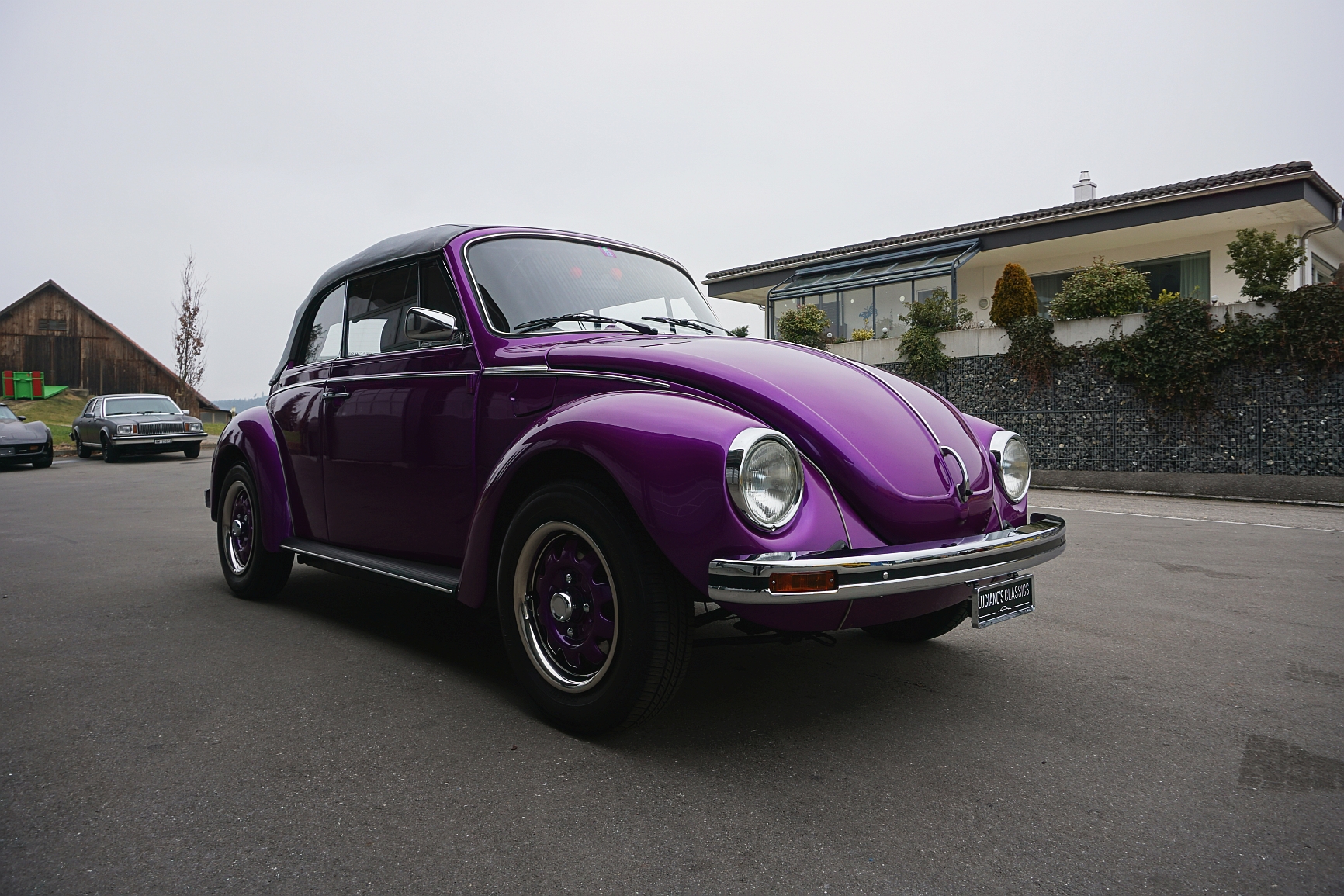
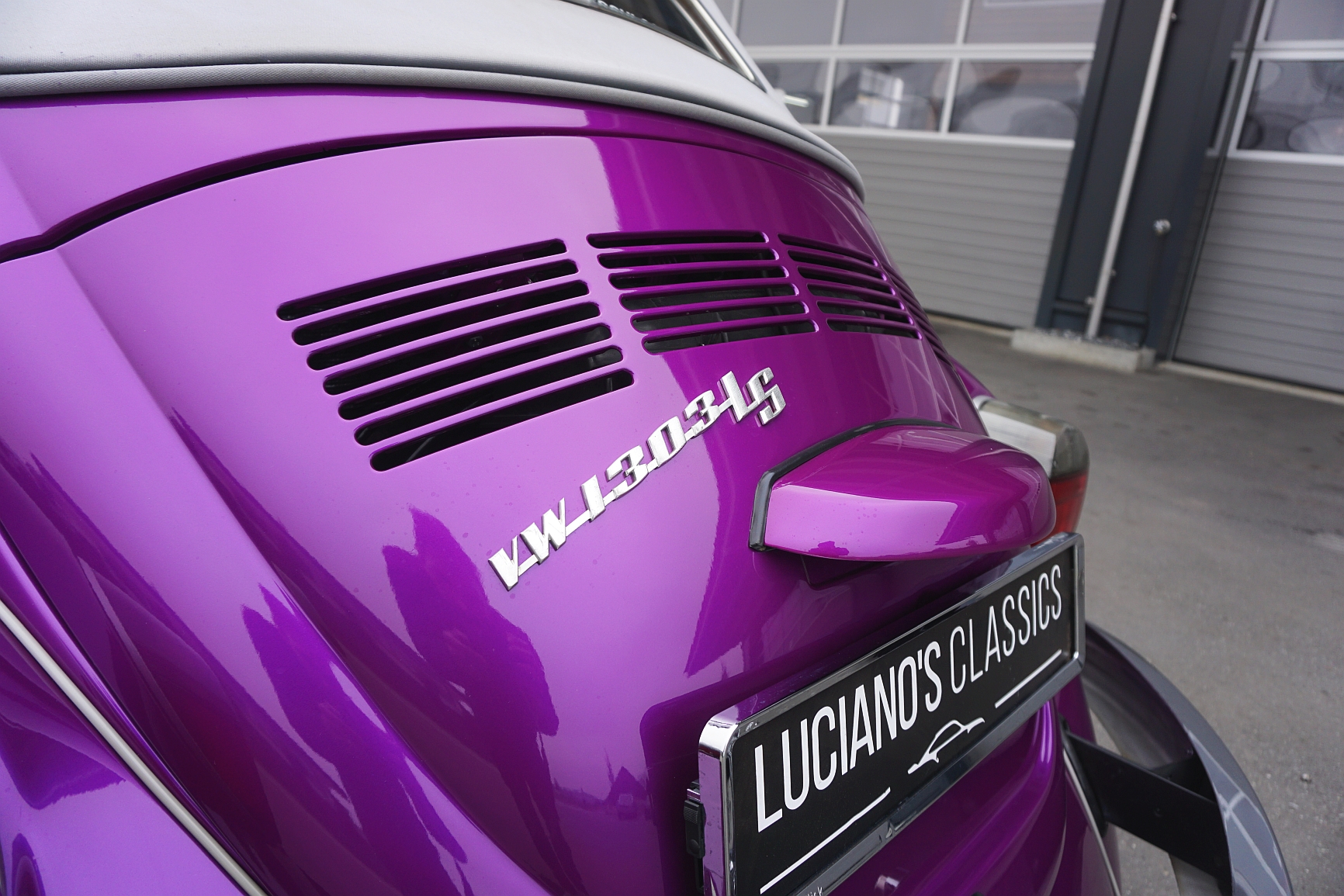
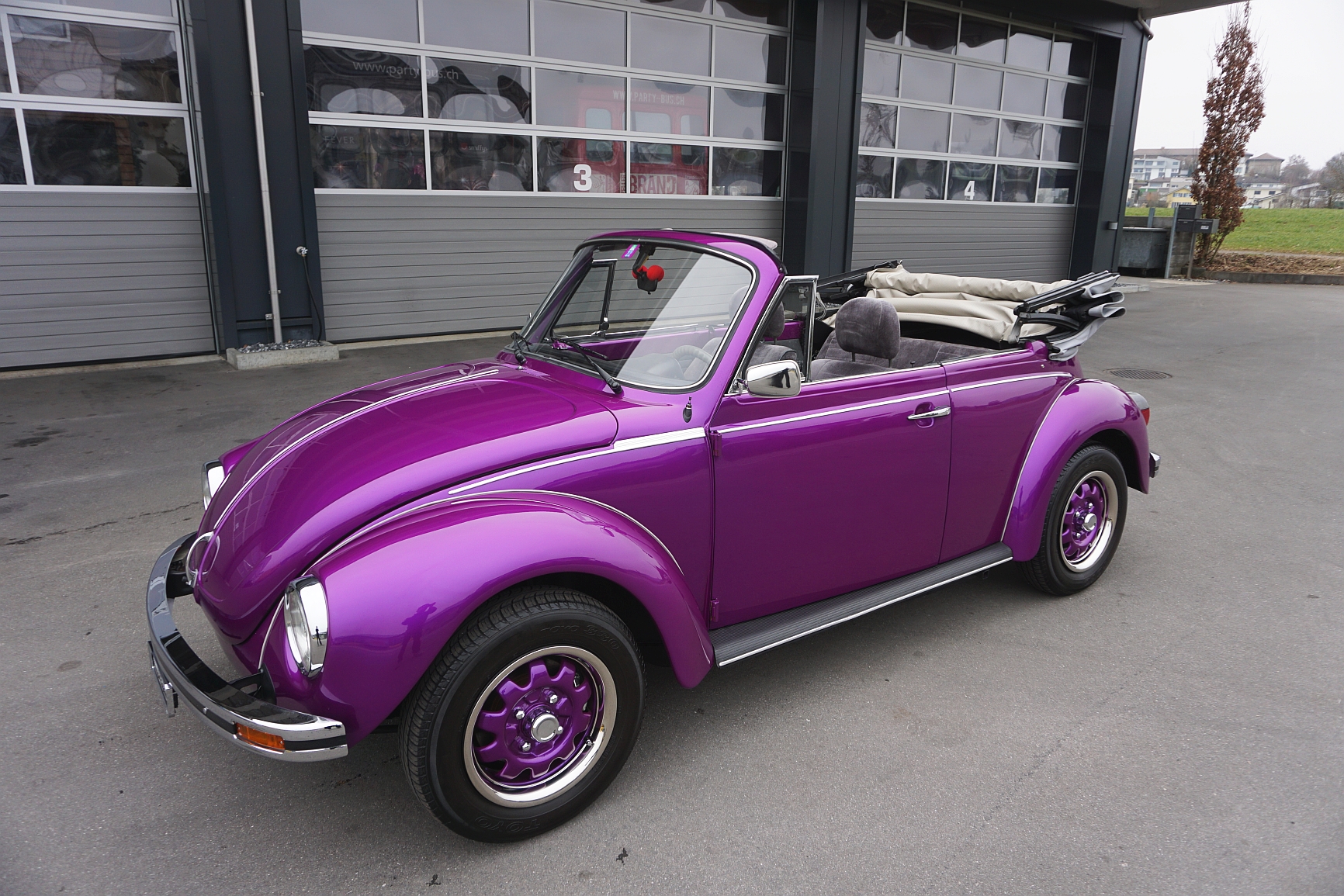
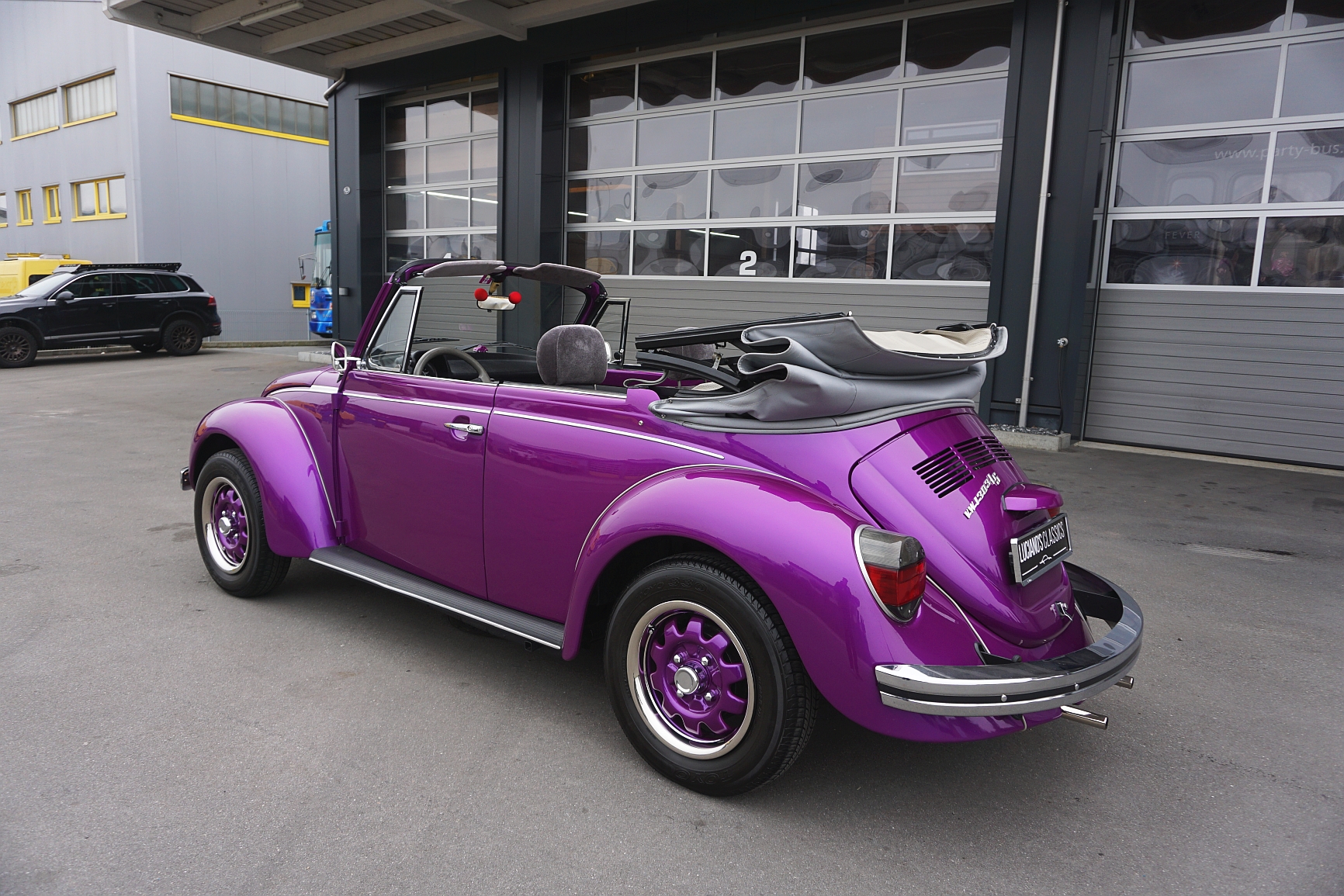
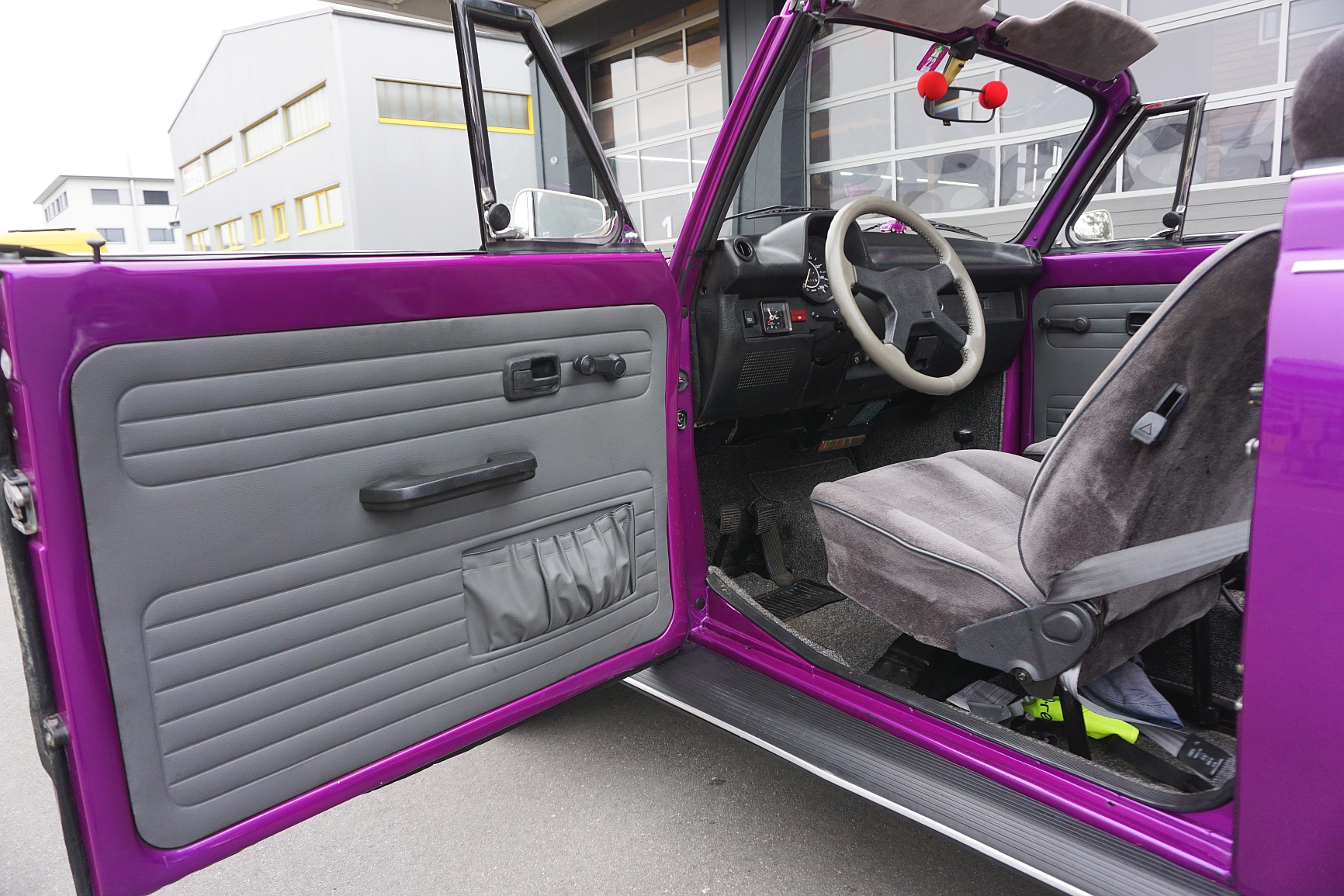
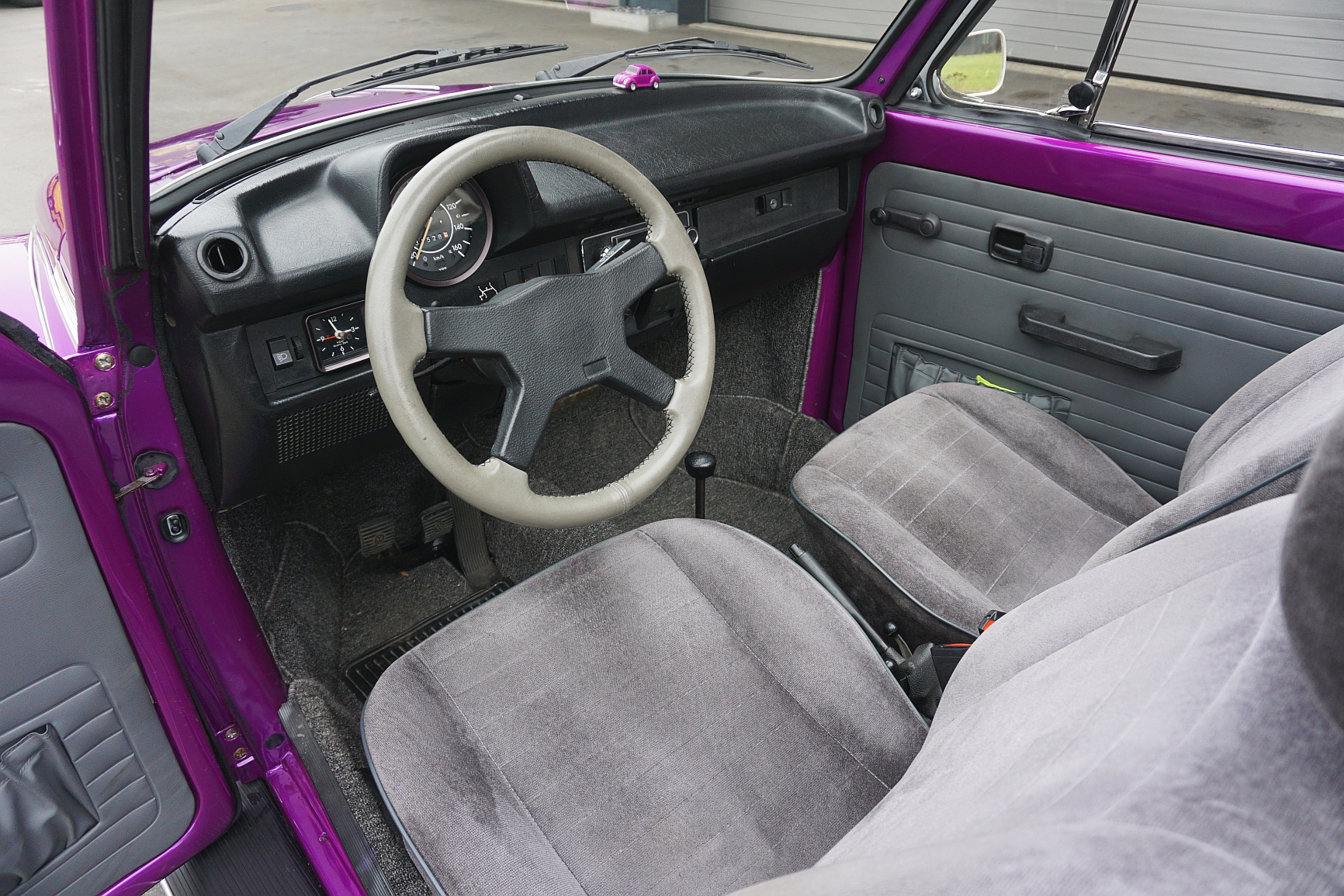
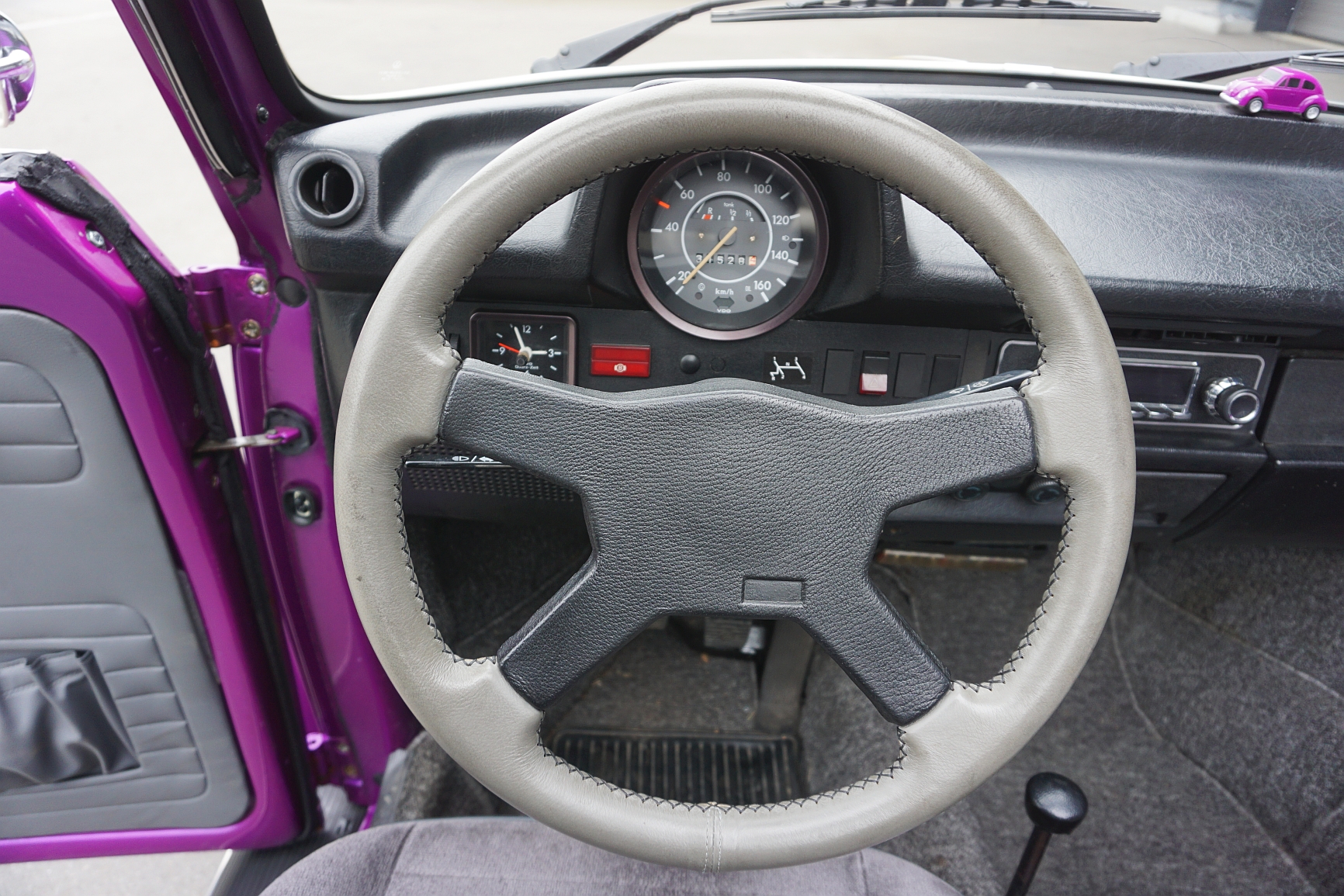
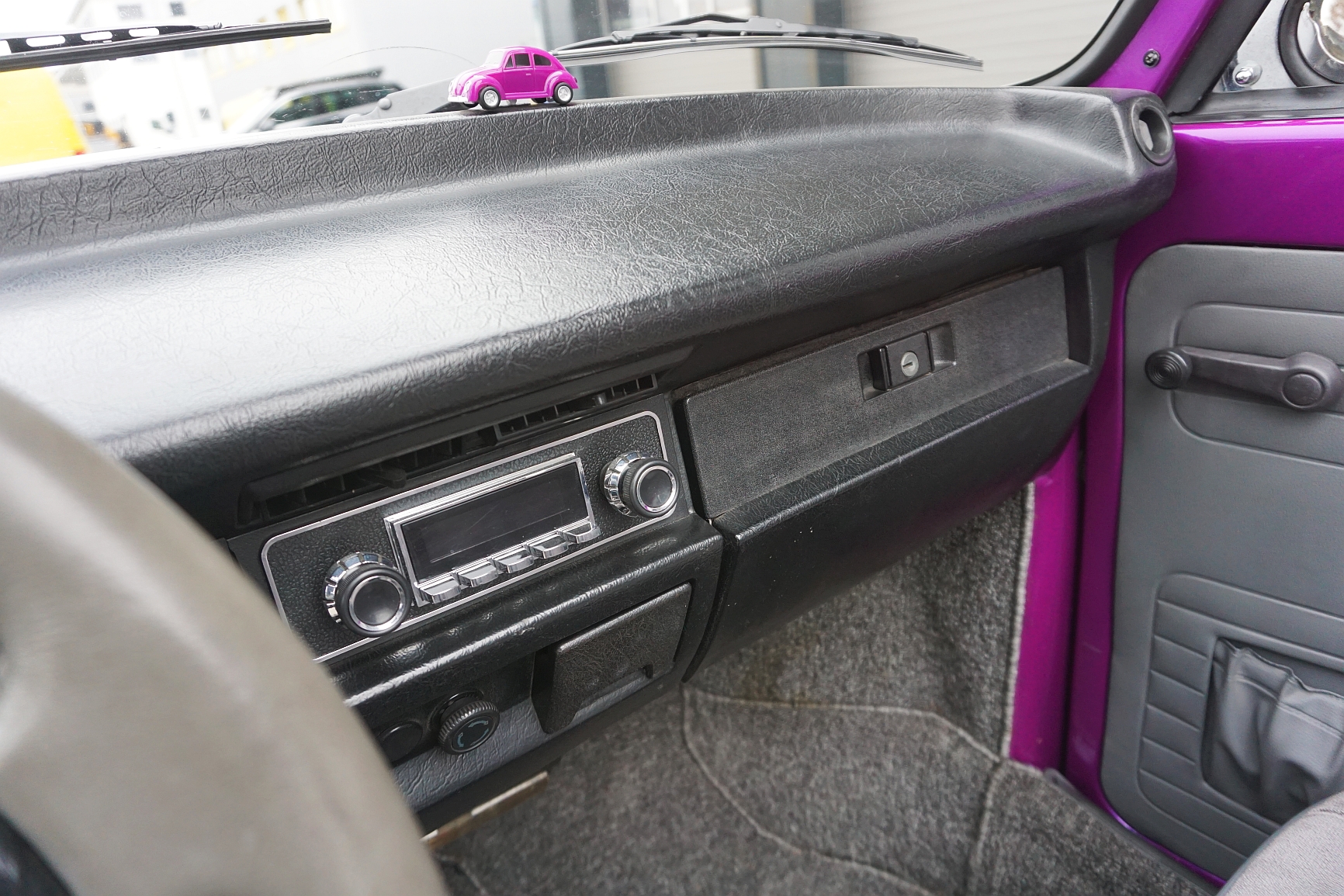
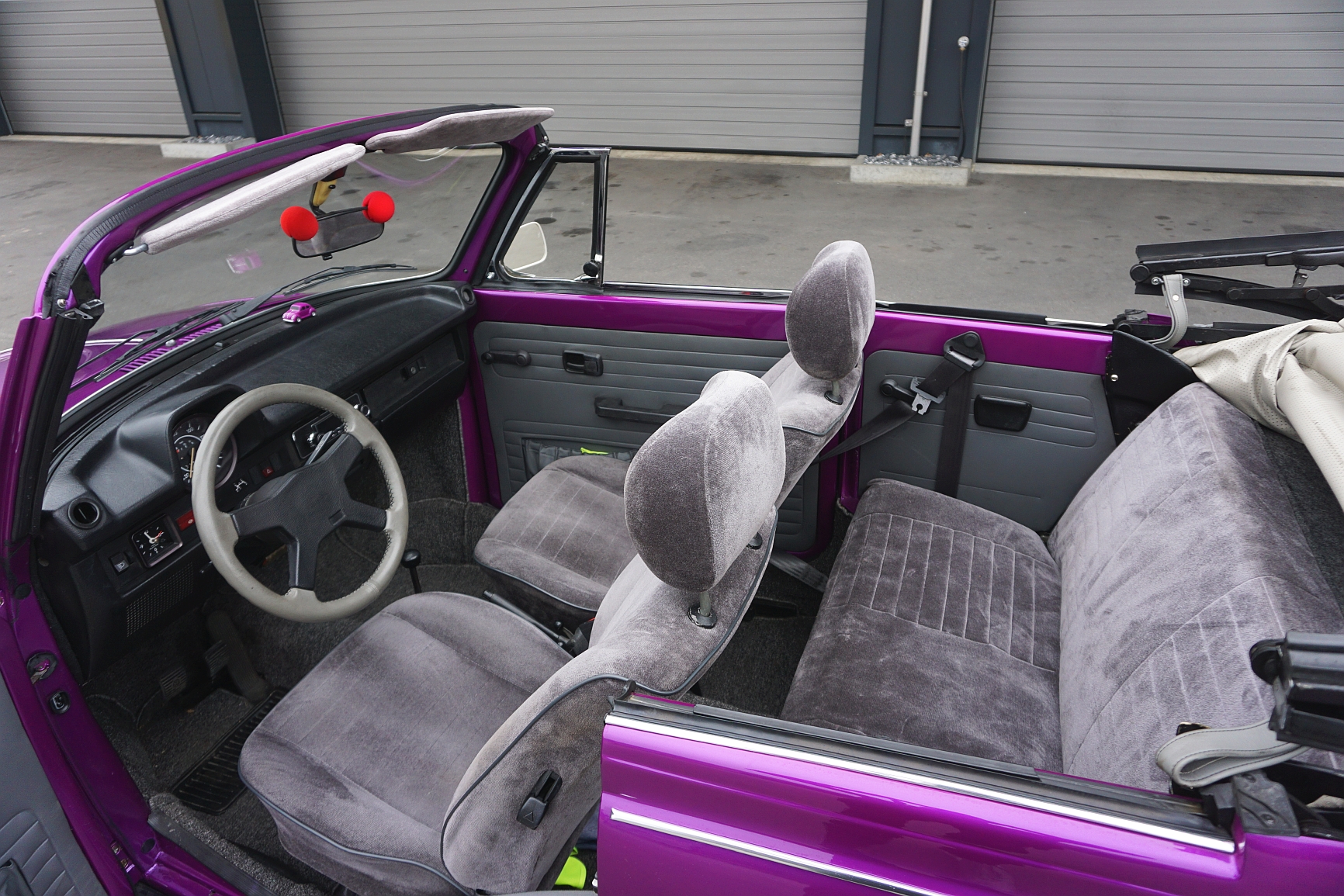
A ride in the 1973 VW Beetle 1303 LS simply puts you in a good mood. It is a lively and popular car with a good supply of fresh air and a dashboard that couldn't be simpler. A pleasant change in the touchscreen age.
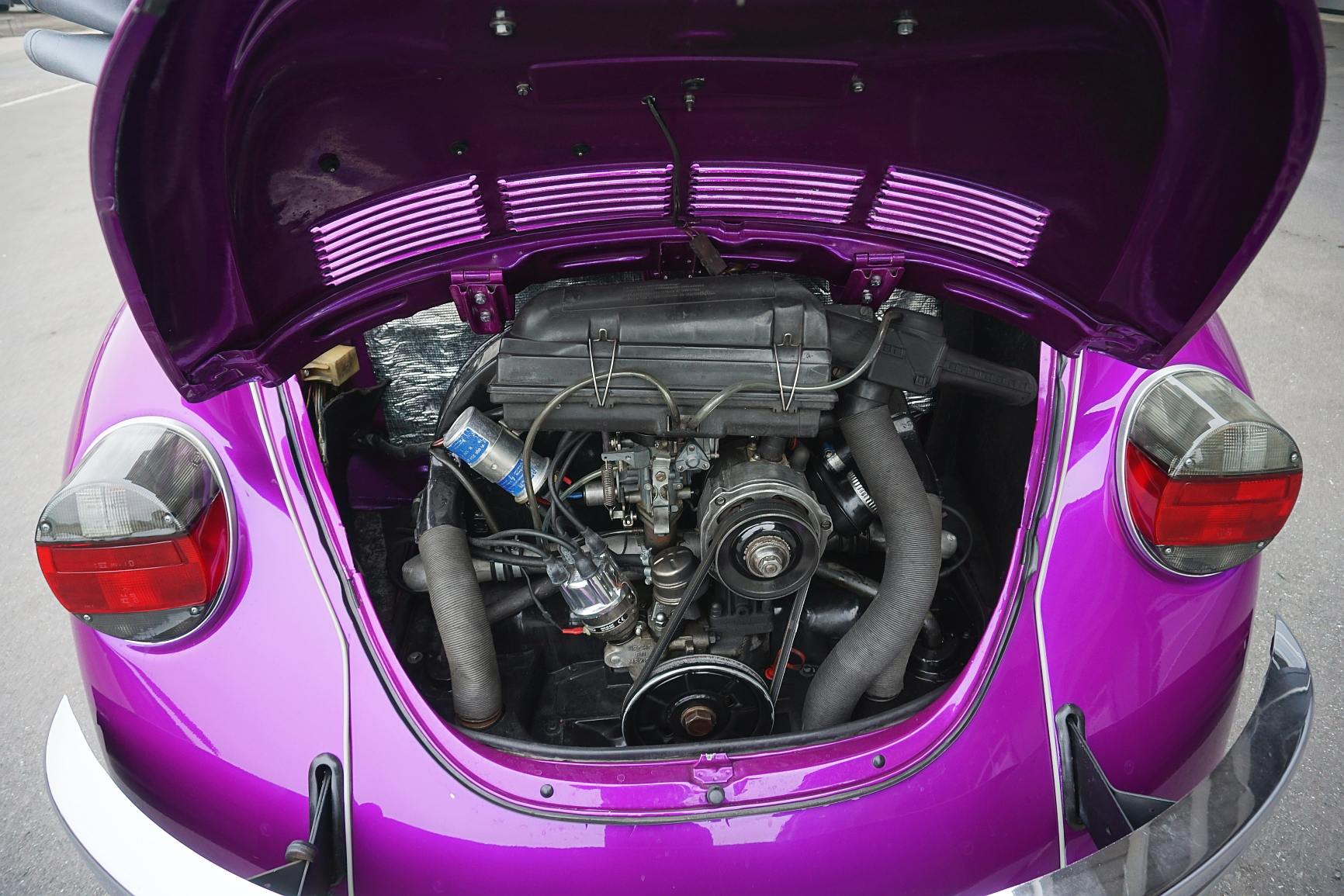
The 1.6-liter boxer engine, which delivers 50 hp, doesn't exactly have the aggressiveness of a racing car, but it purrs along reliably and provides a charming hum. The power is enough to get you to your destination with a smile on your face - fast, but not hectic.
The steering is direct, but feels like it works with the precision of an old sewing machine, and the chassis scores points for its charm rather than sportiness. Just as it should be and as it will always be in the Beetle. After all, it should stand out from the everyday car.
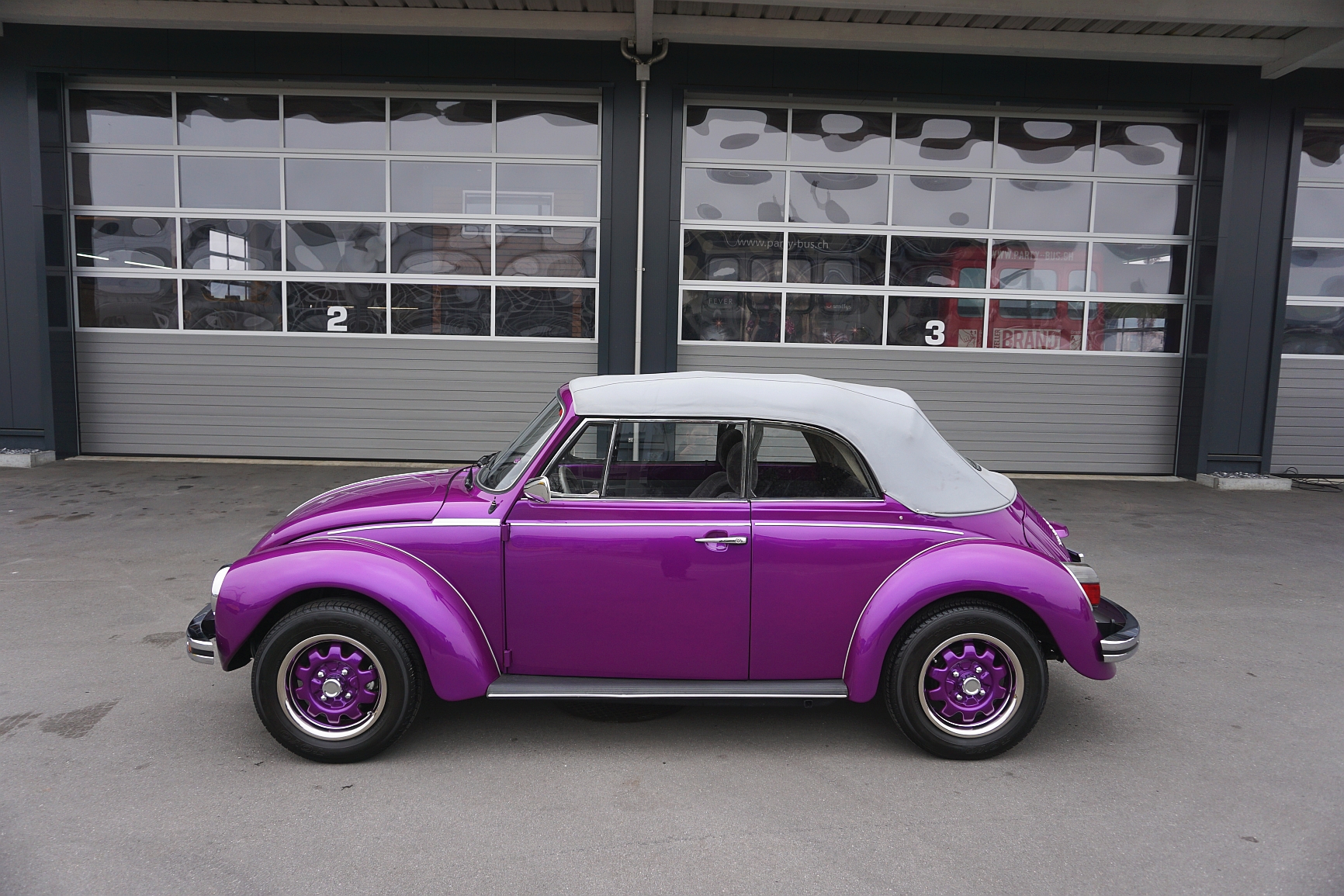
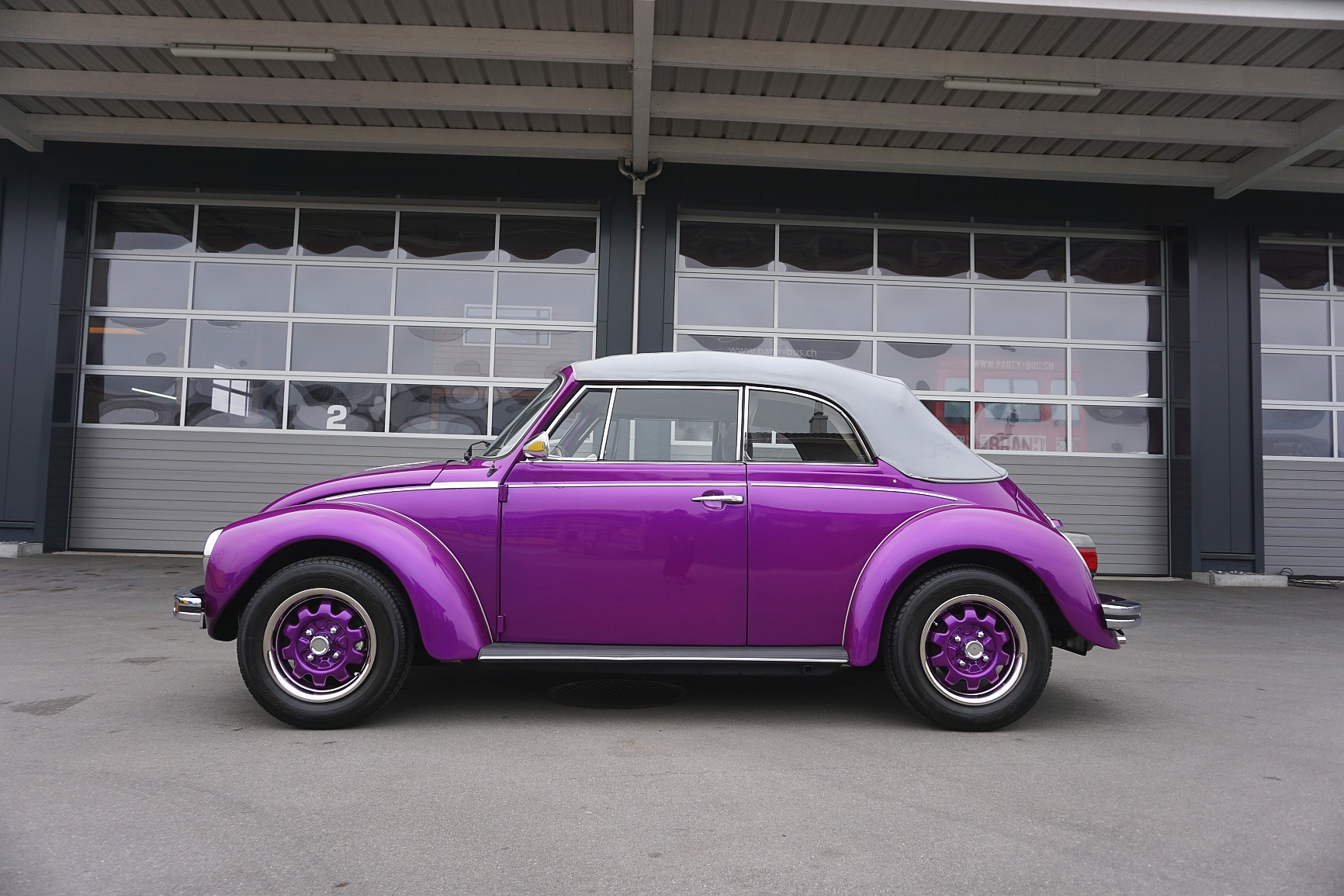
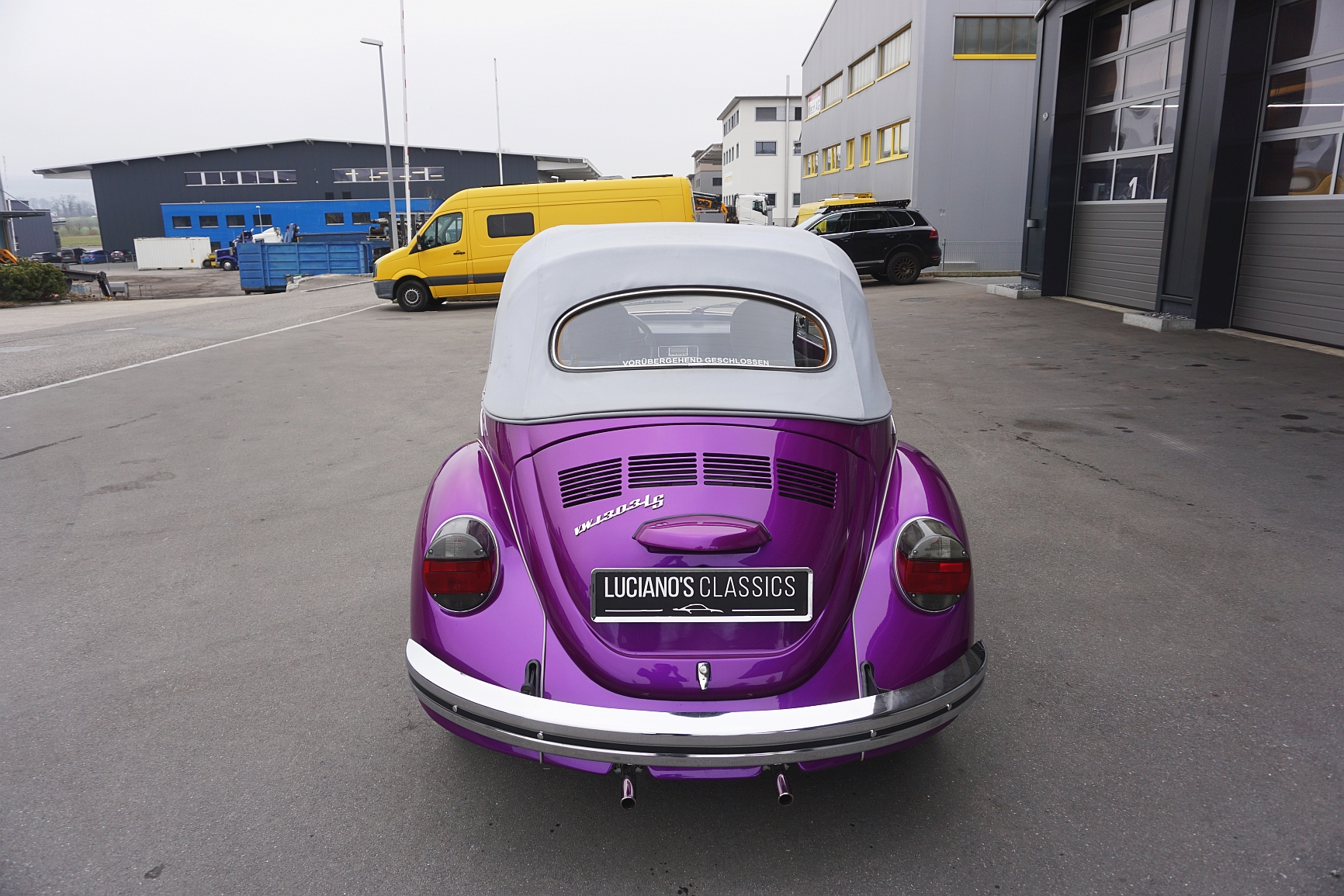
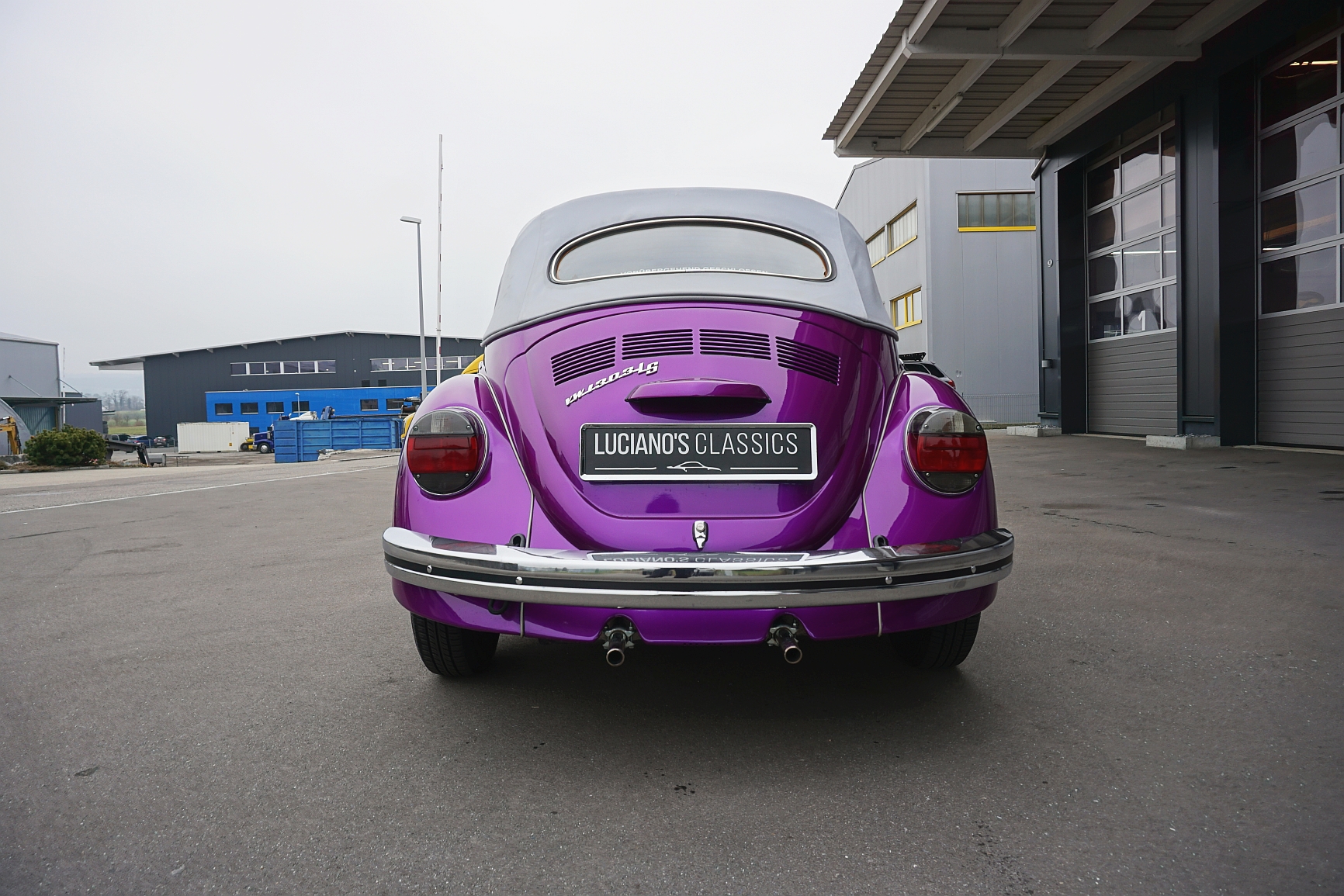
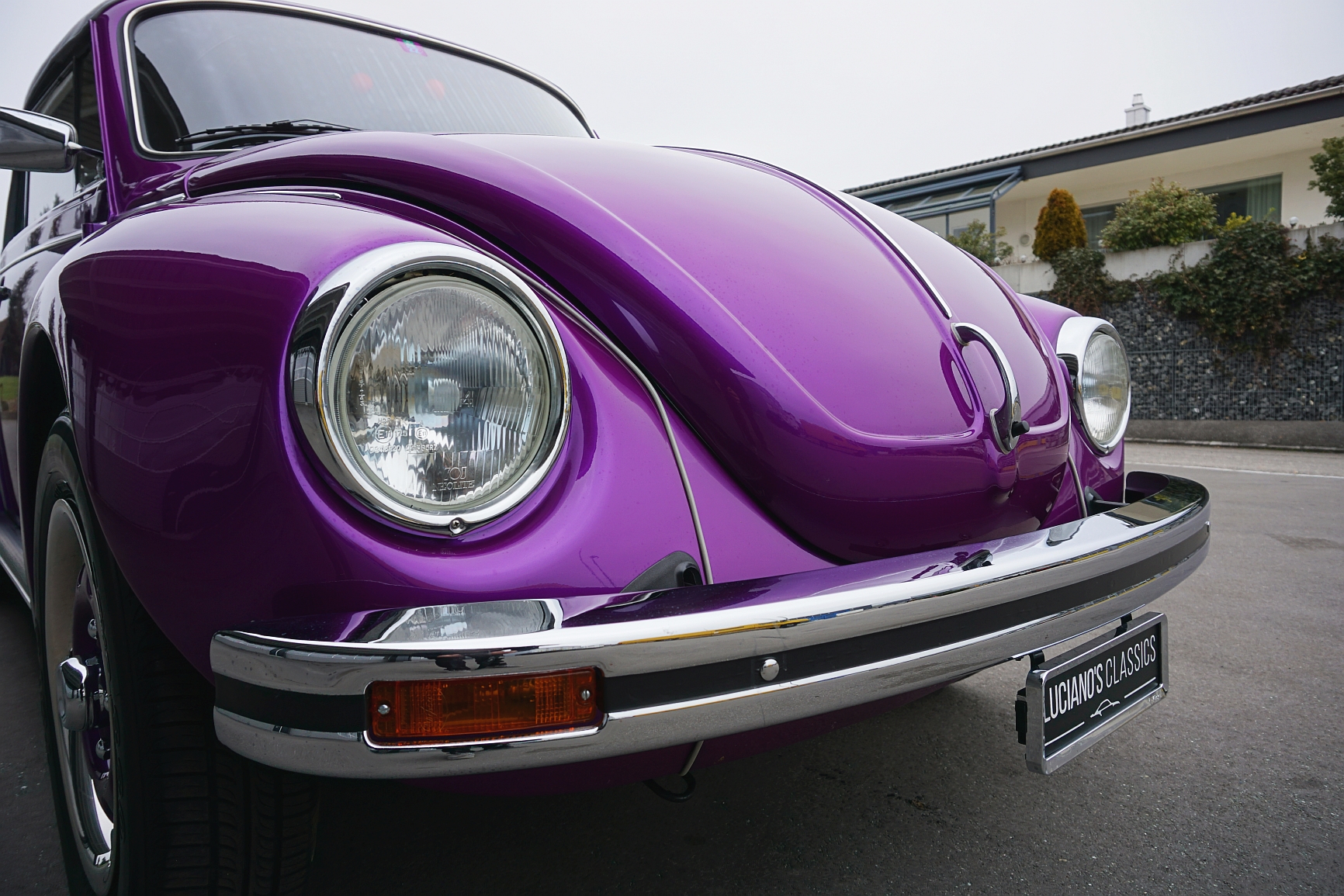
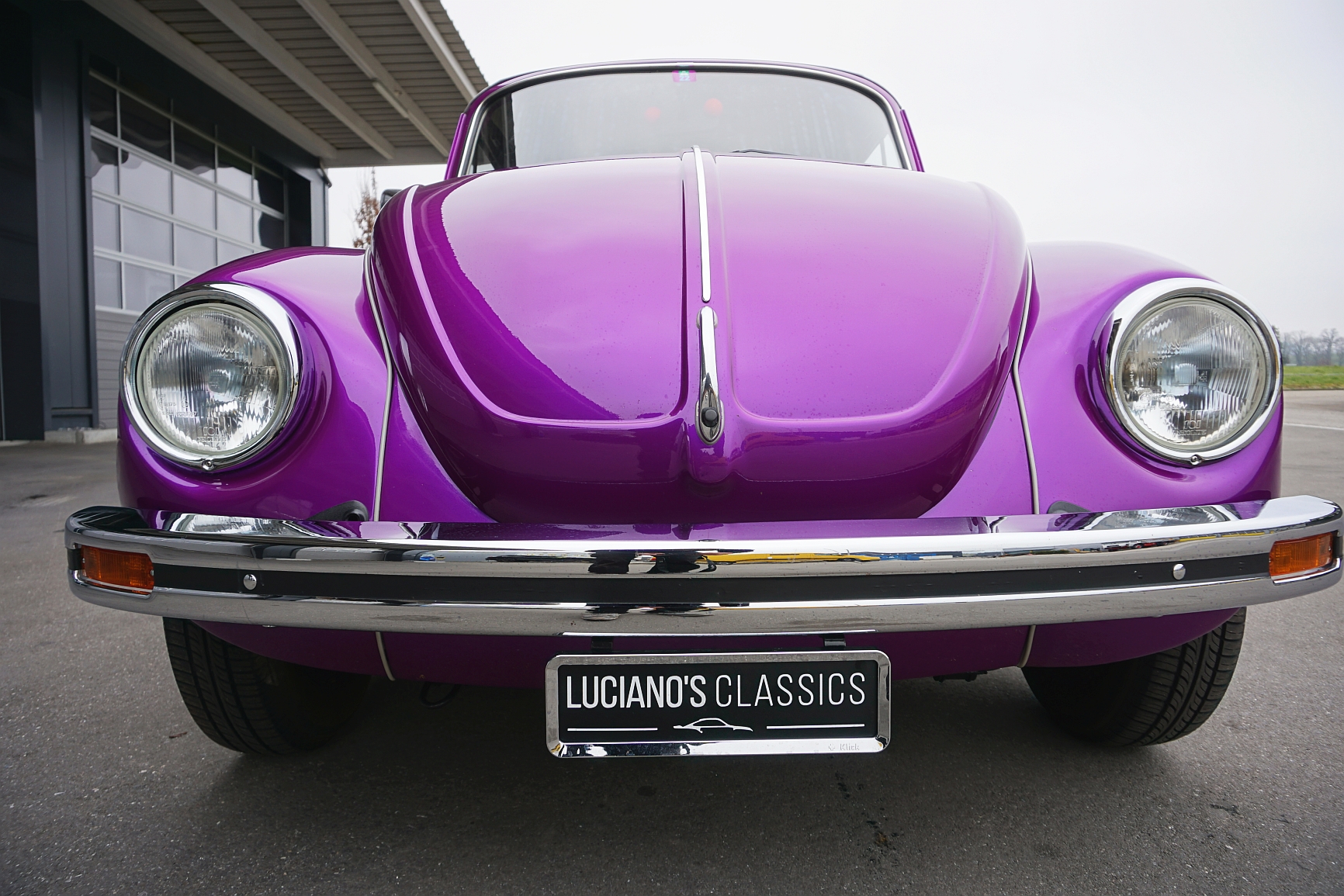
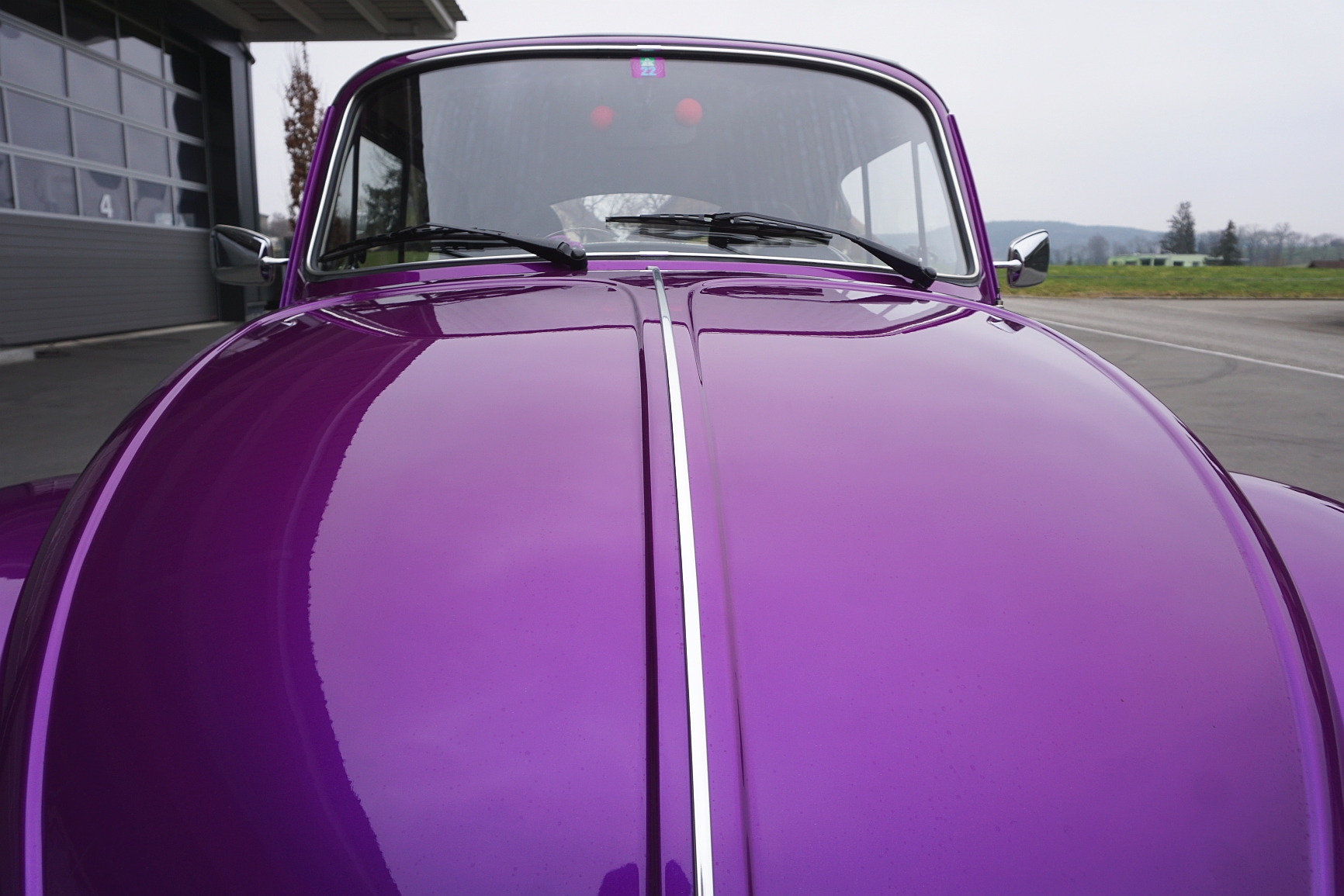
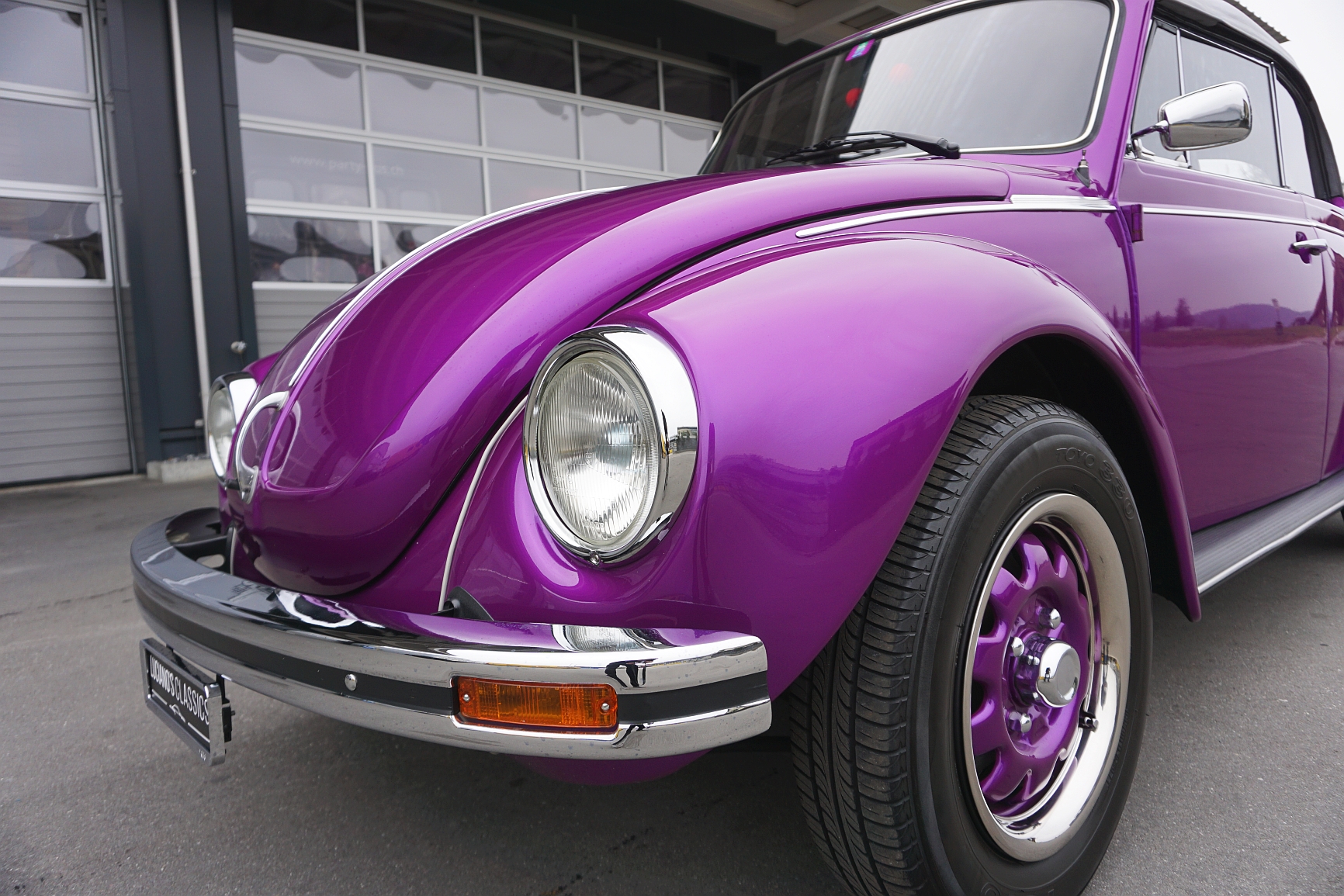
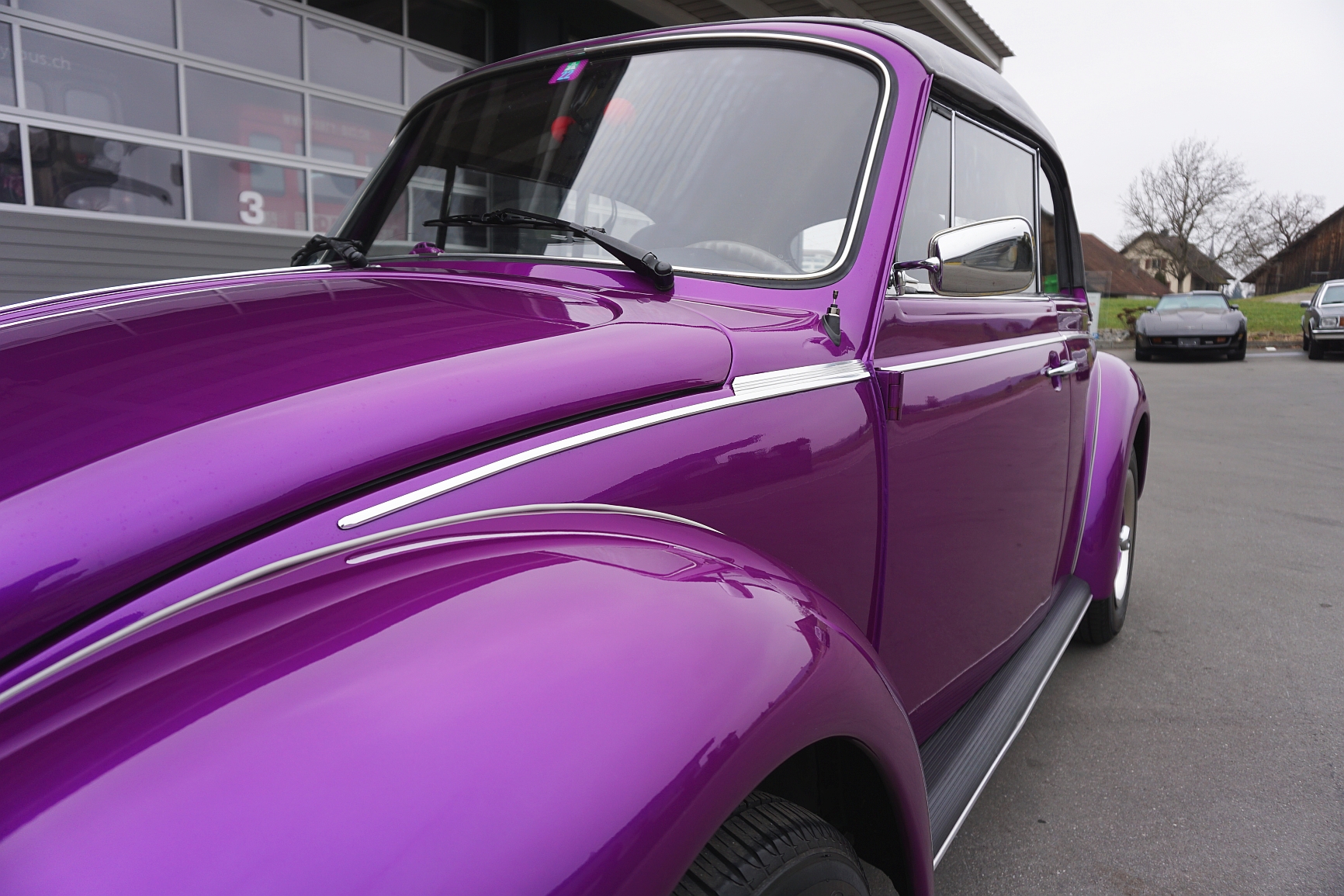
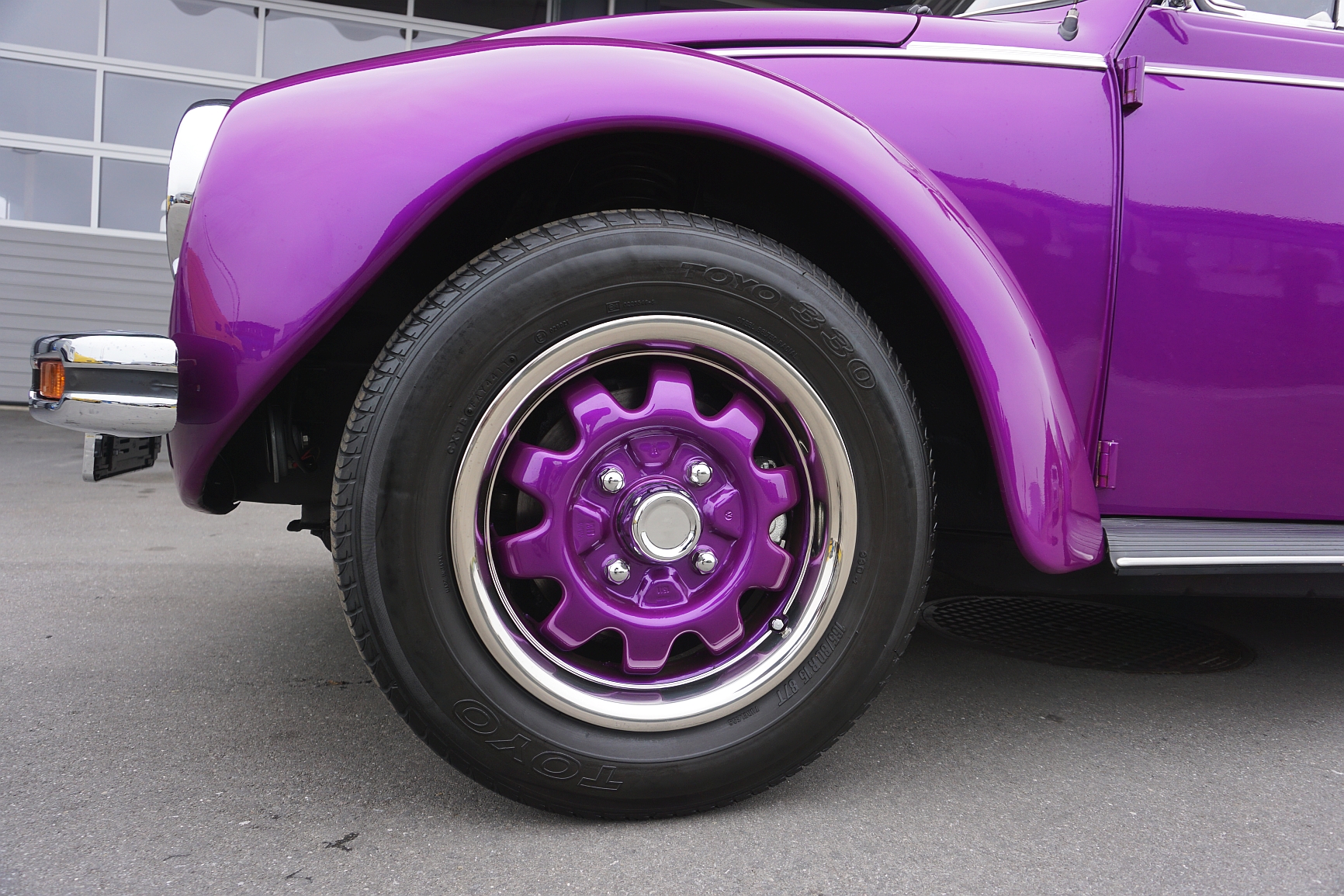
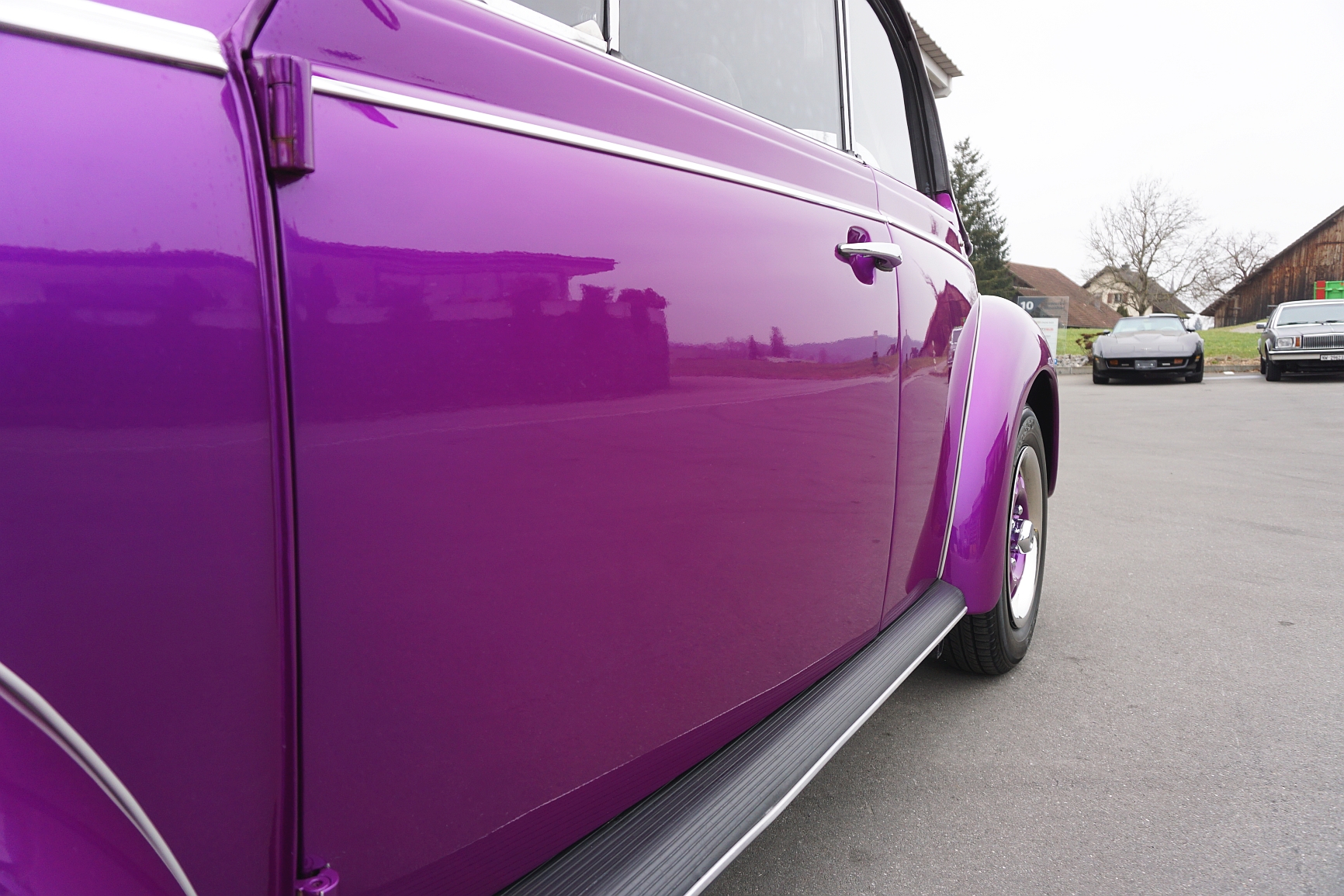
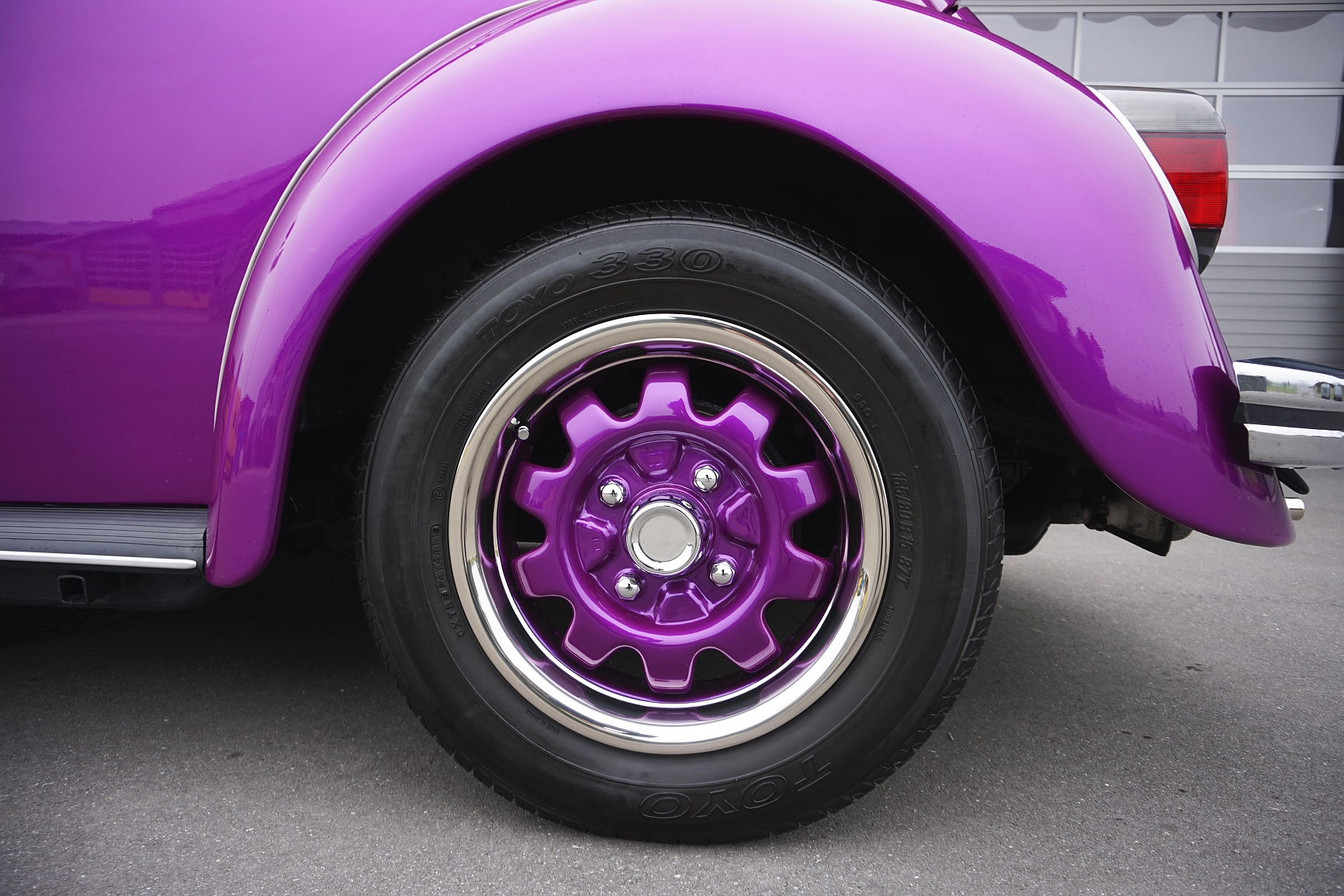
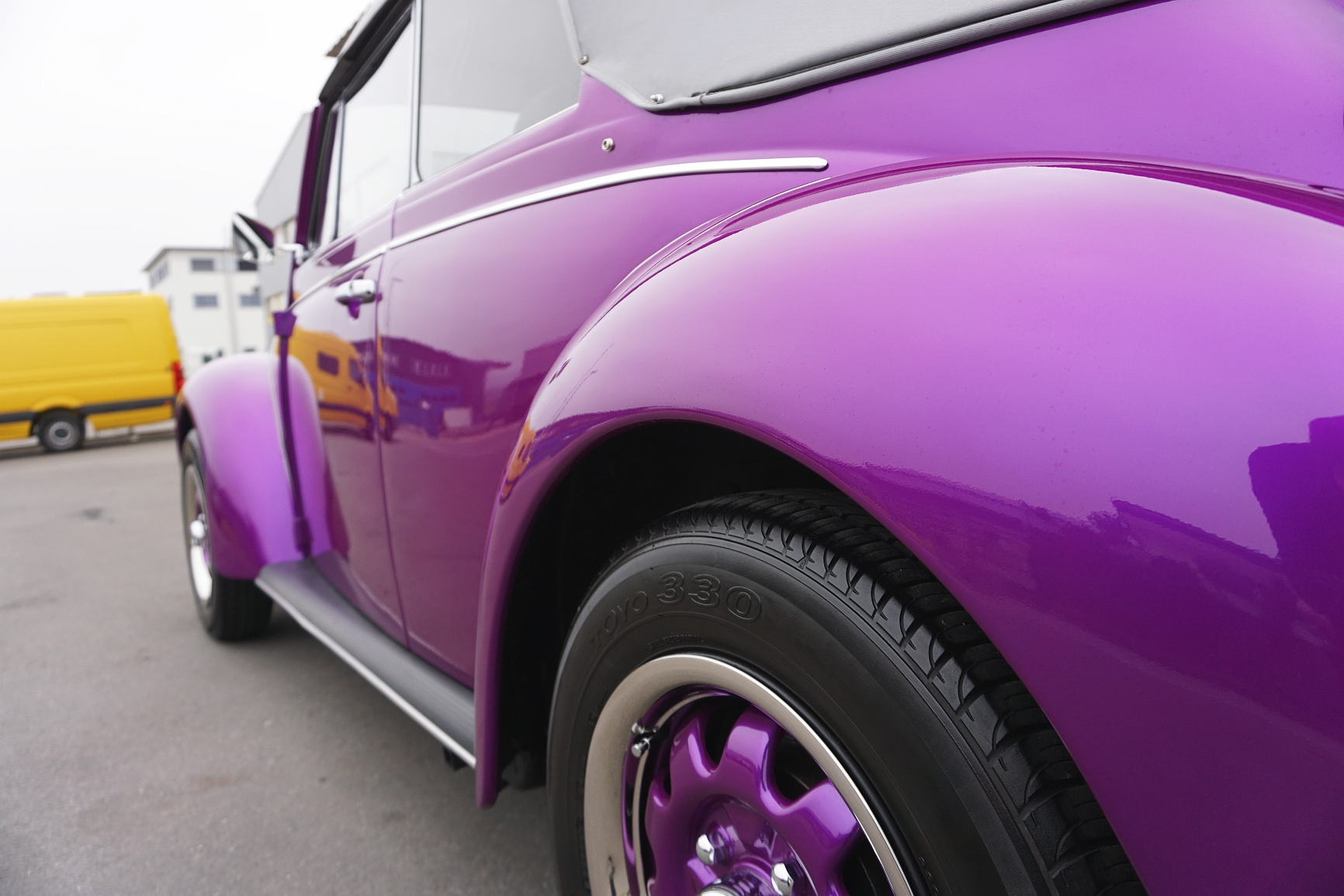
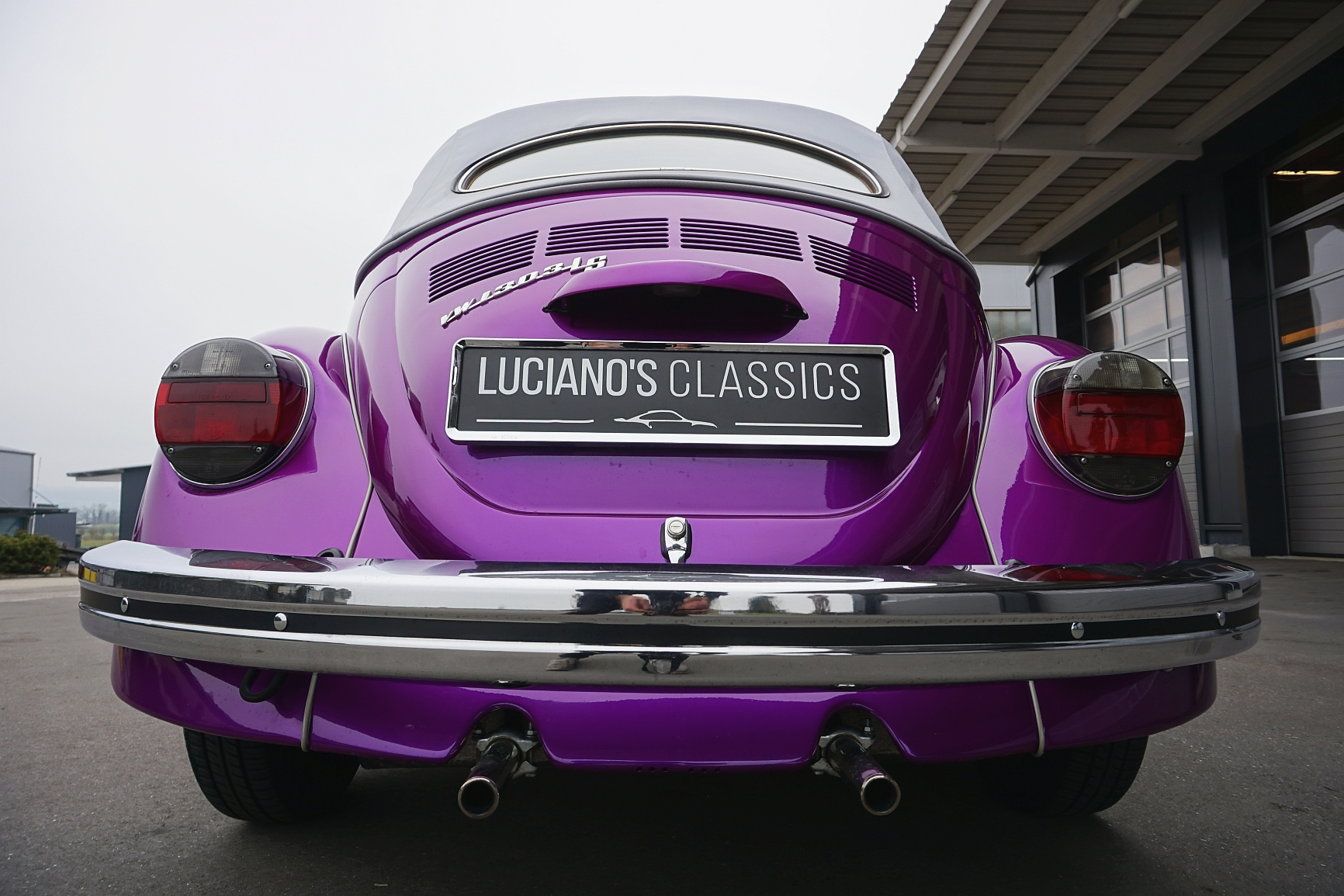
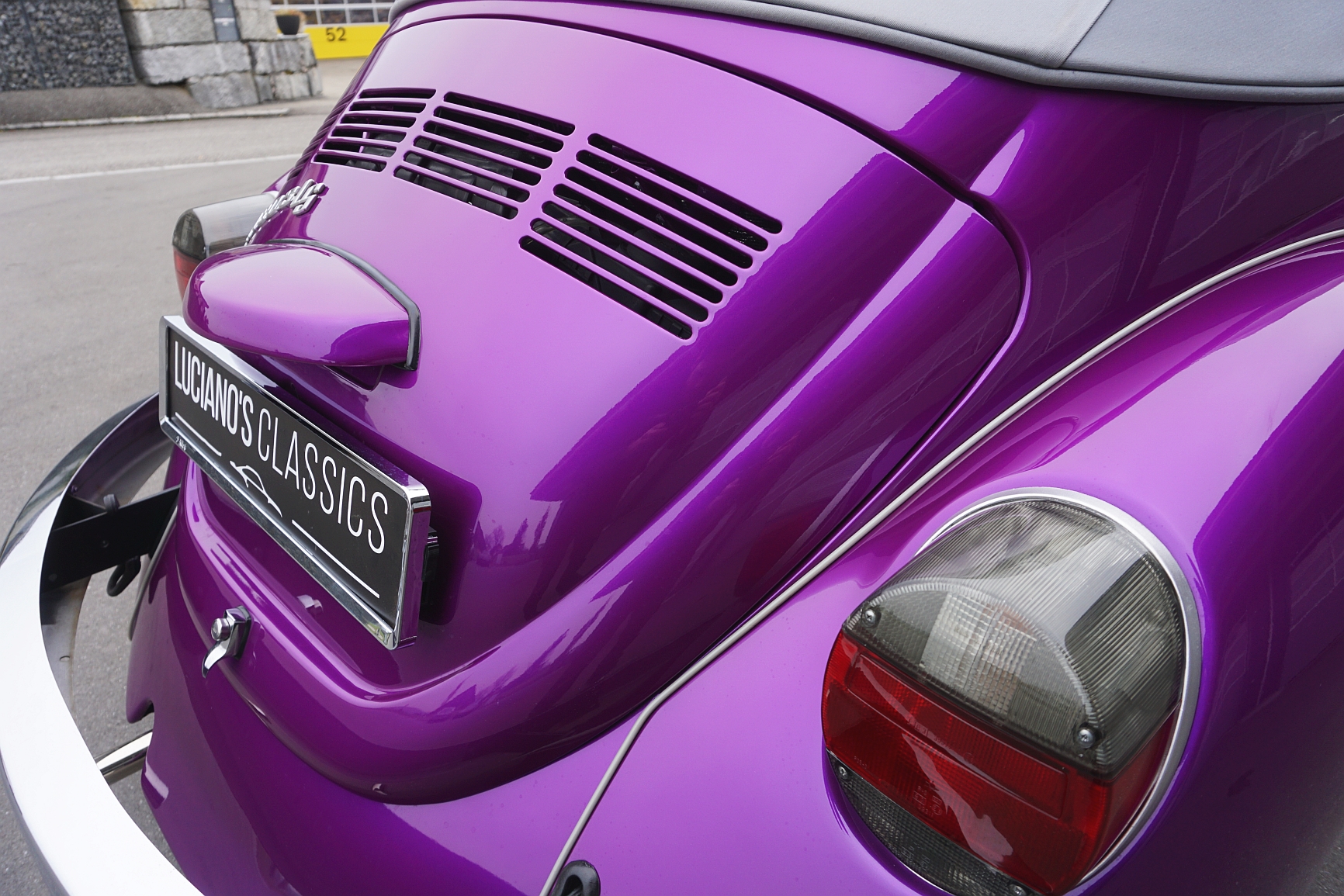
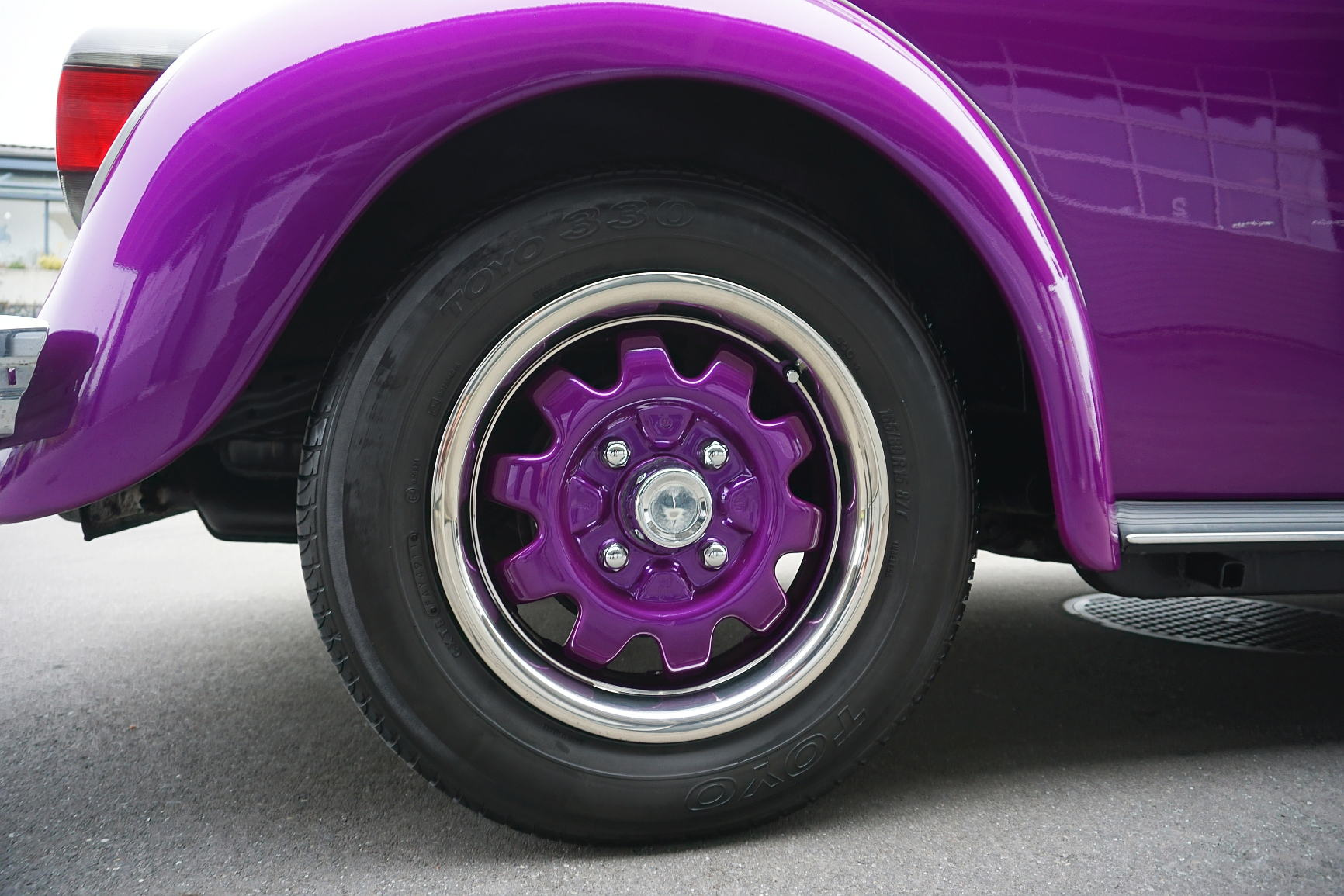
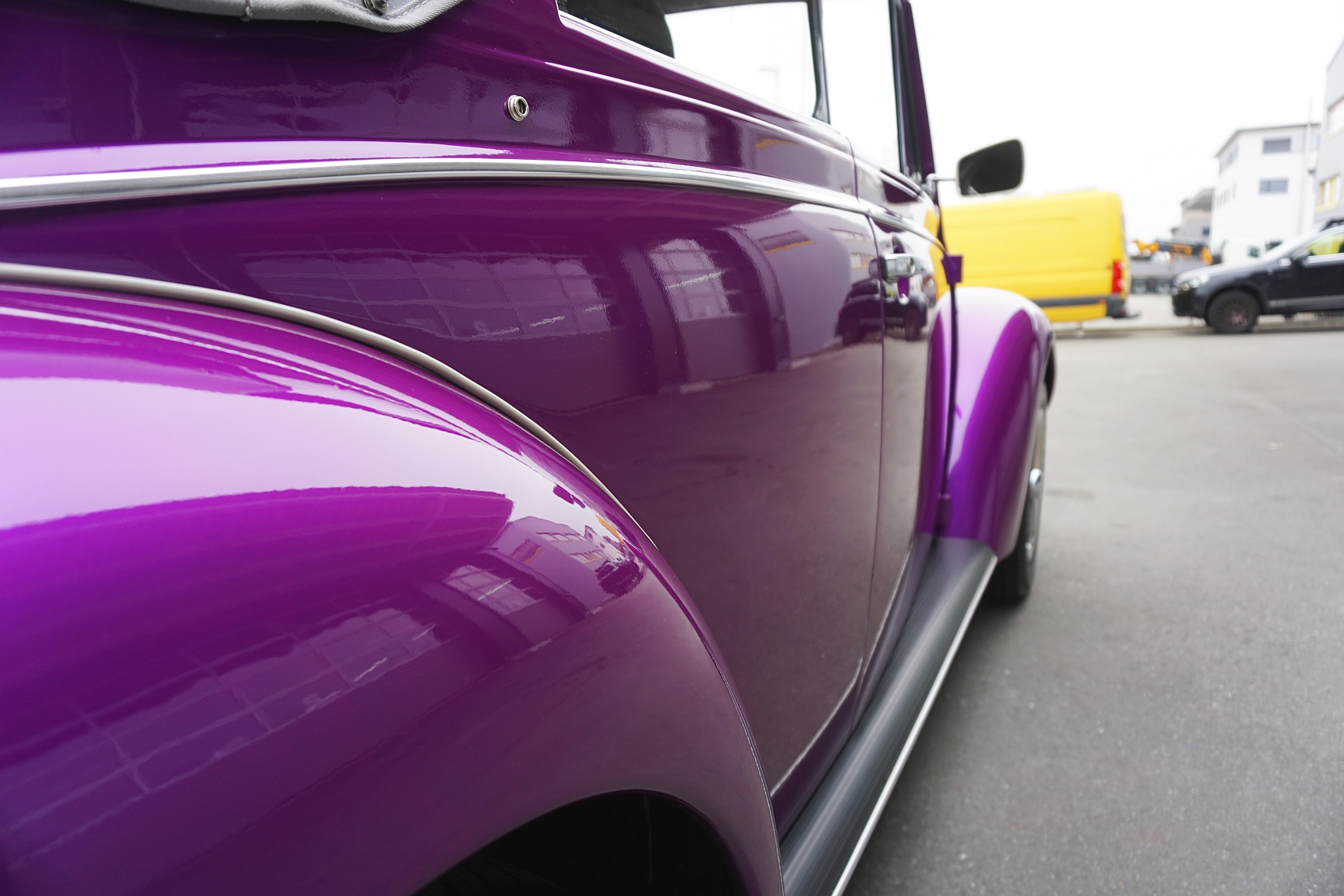
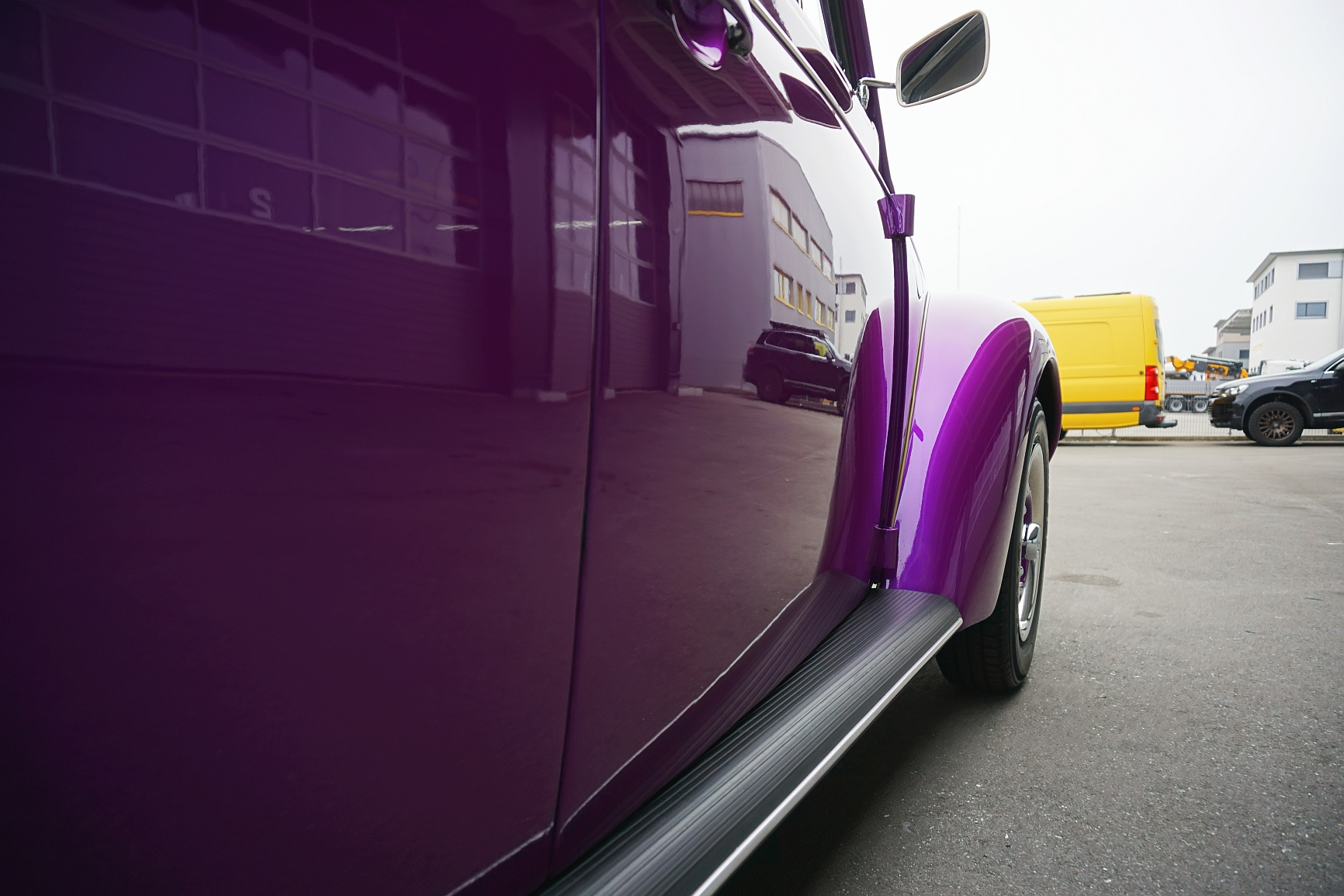
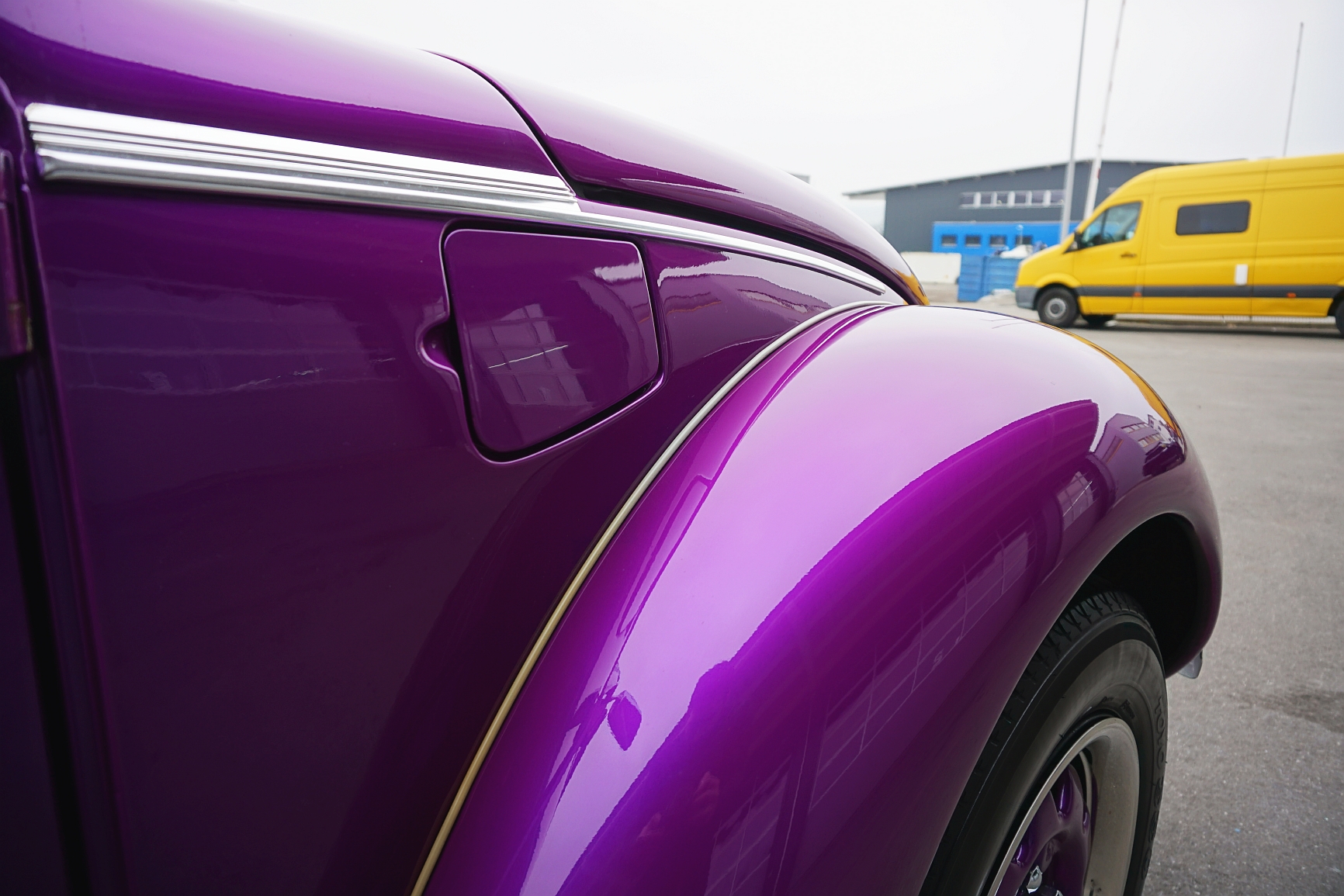
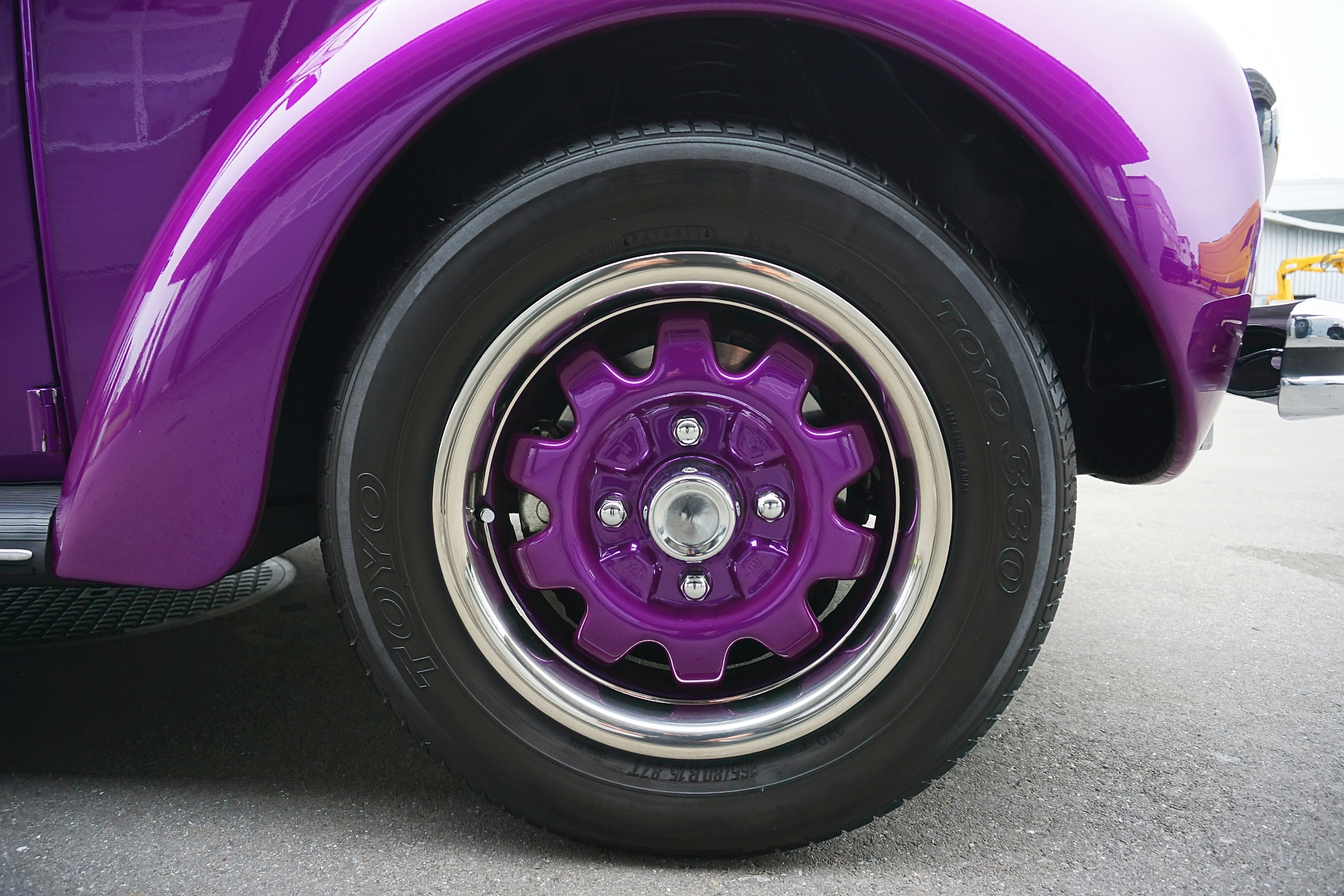
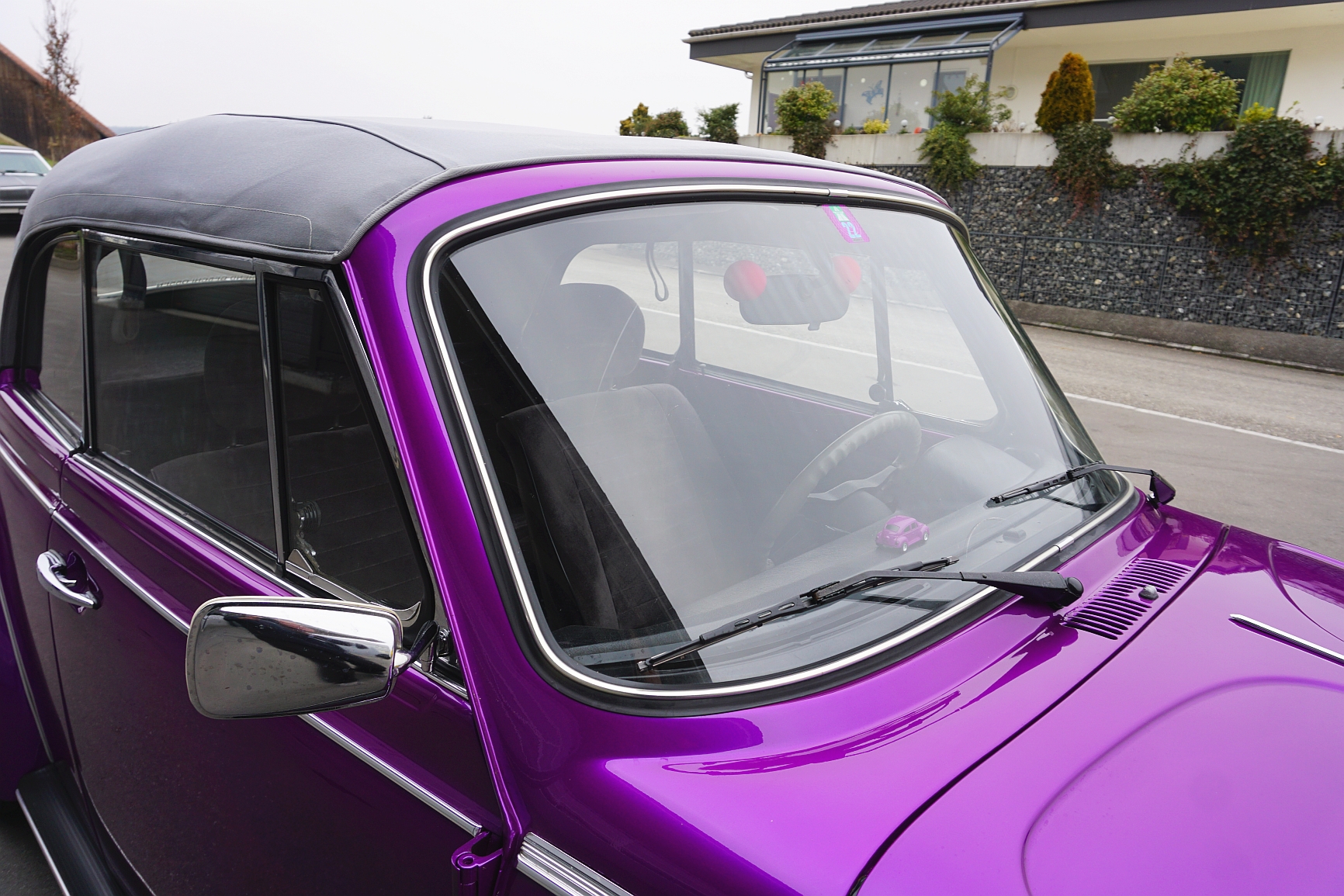
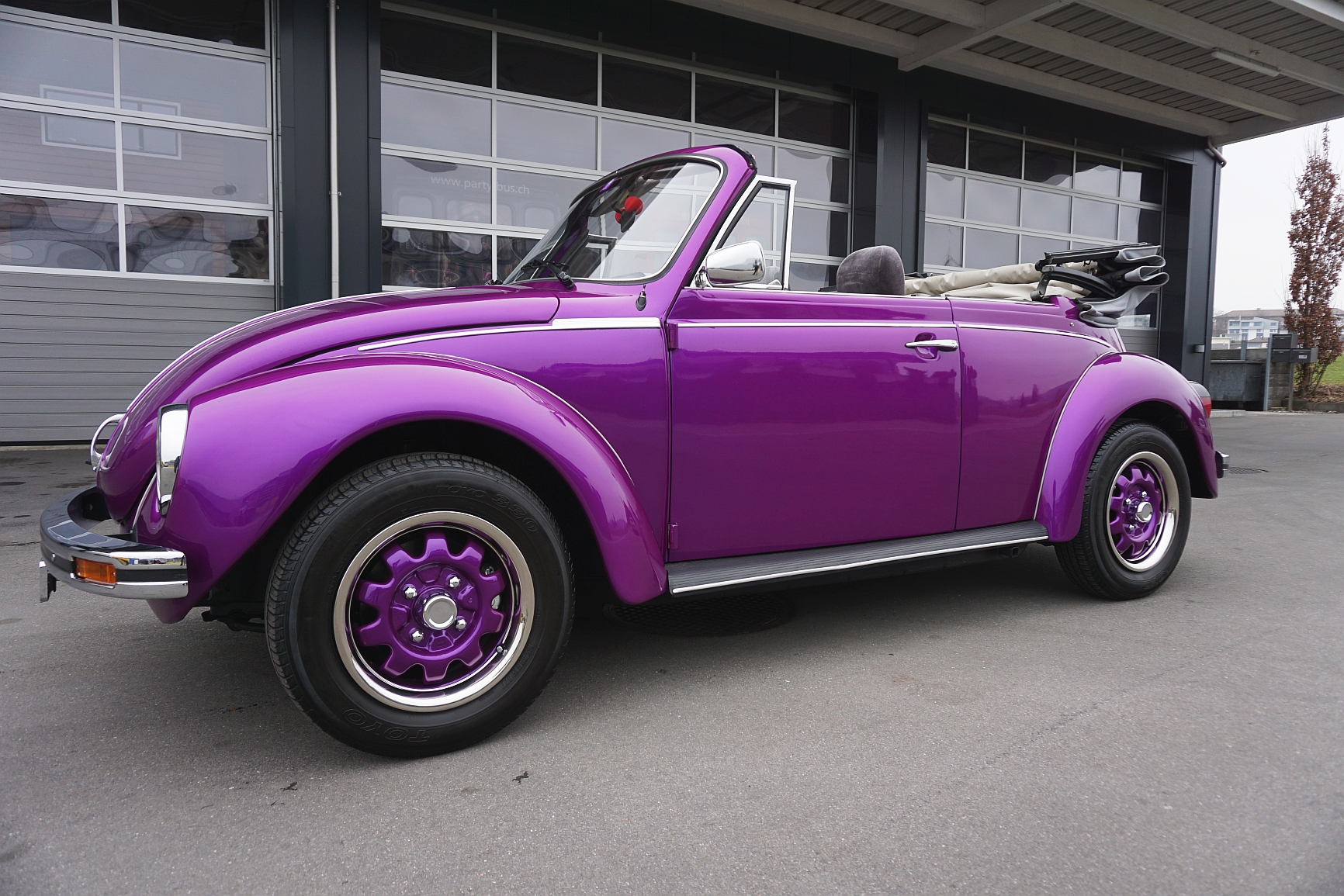
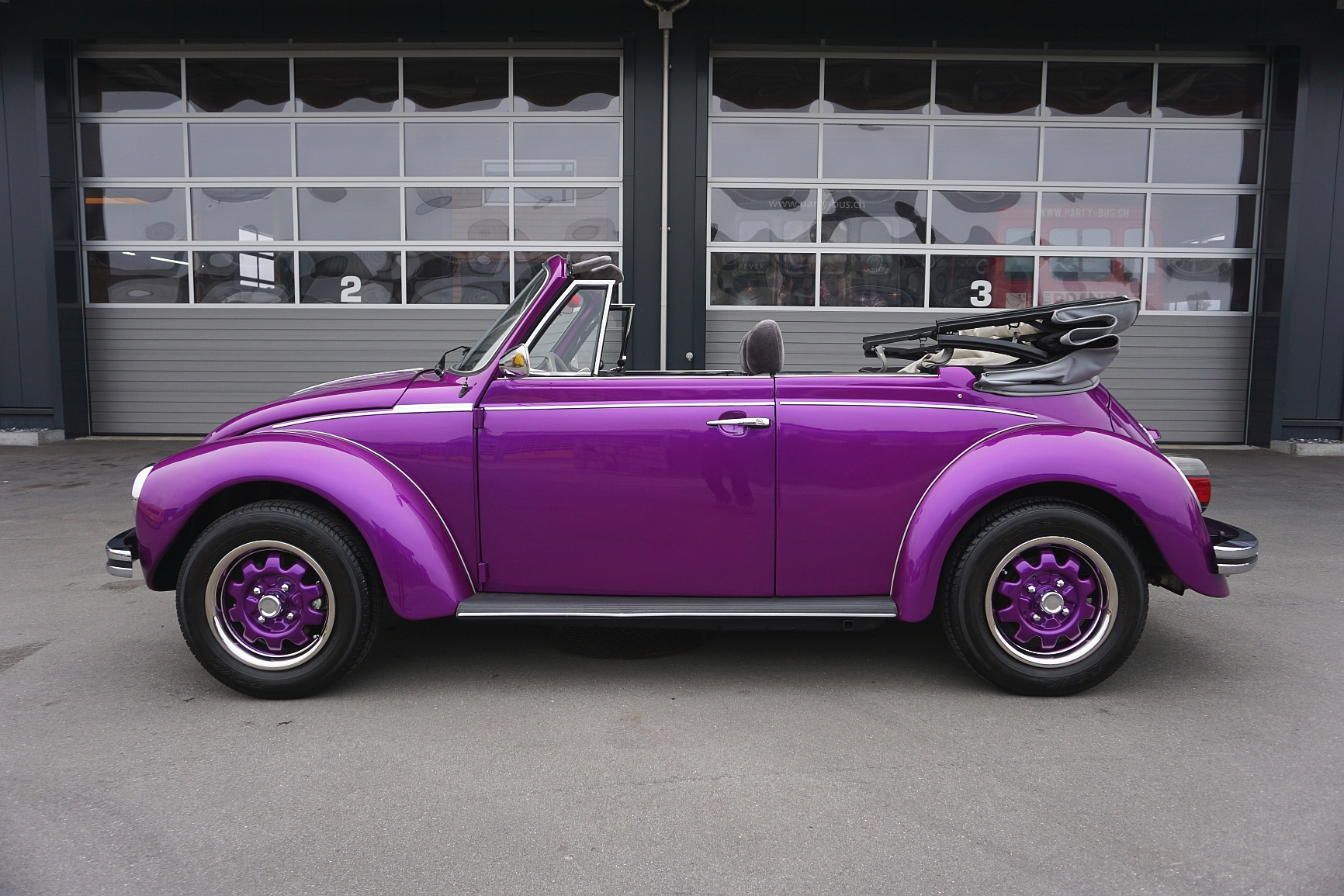
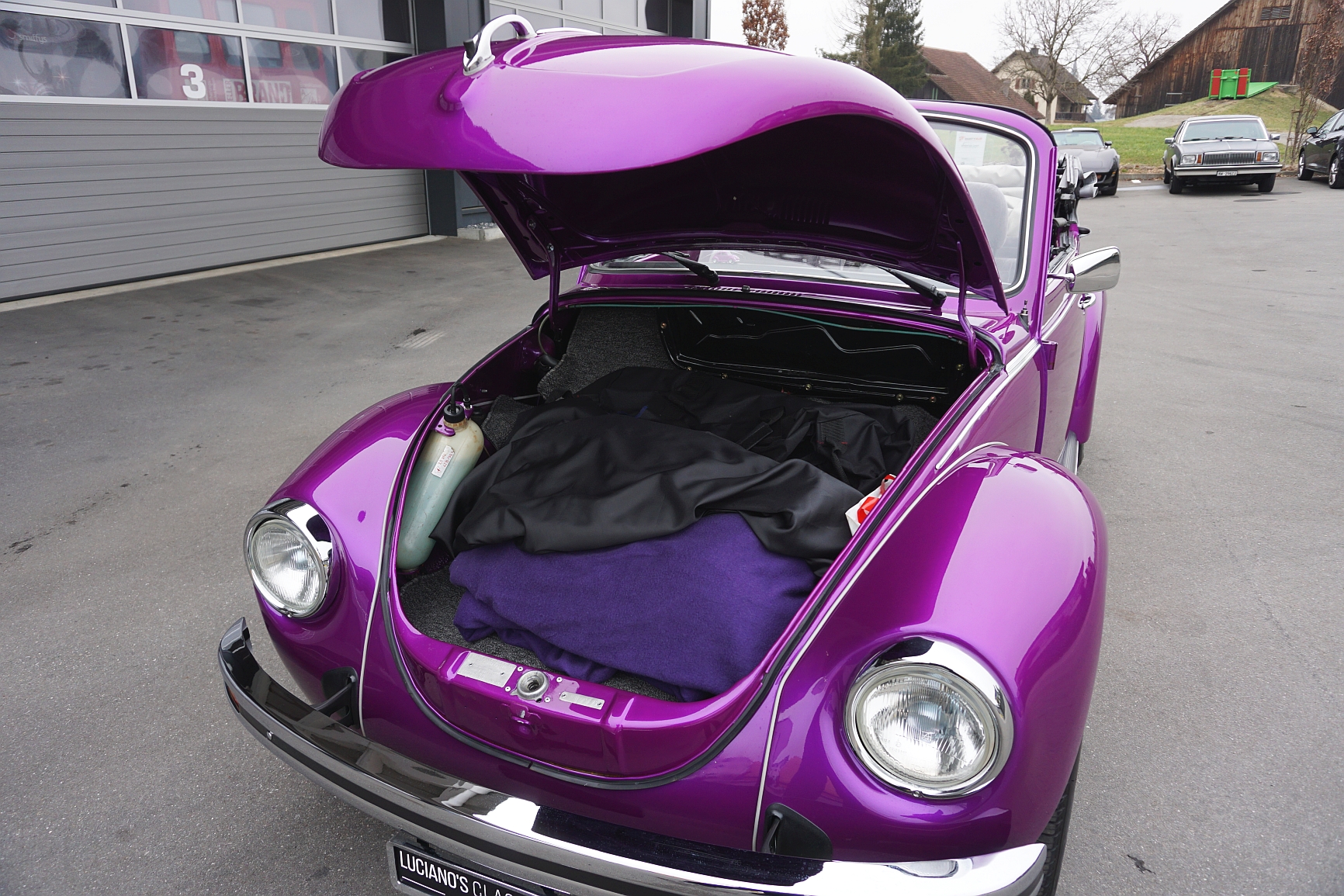
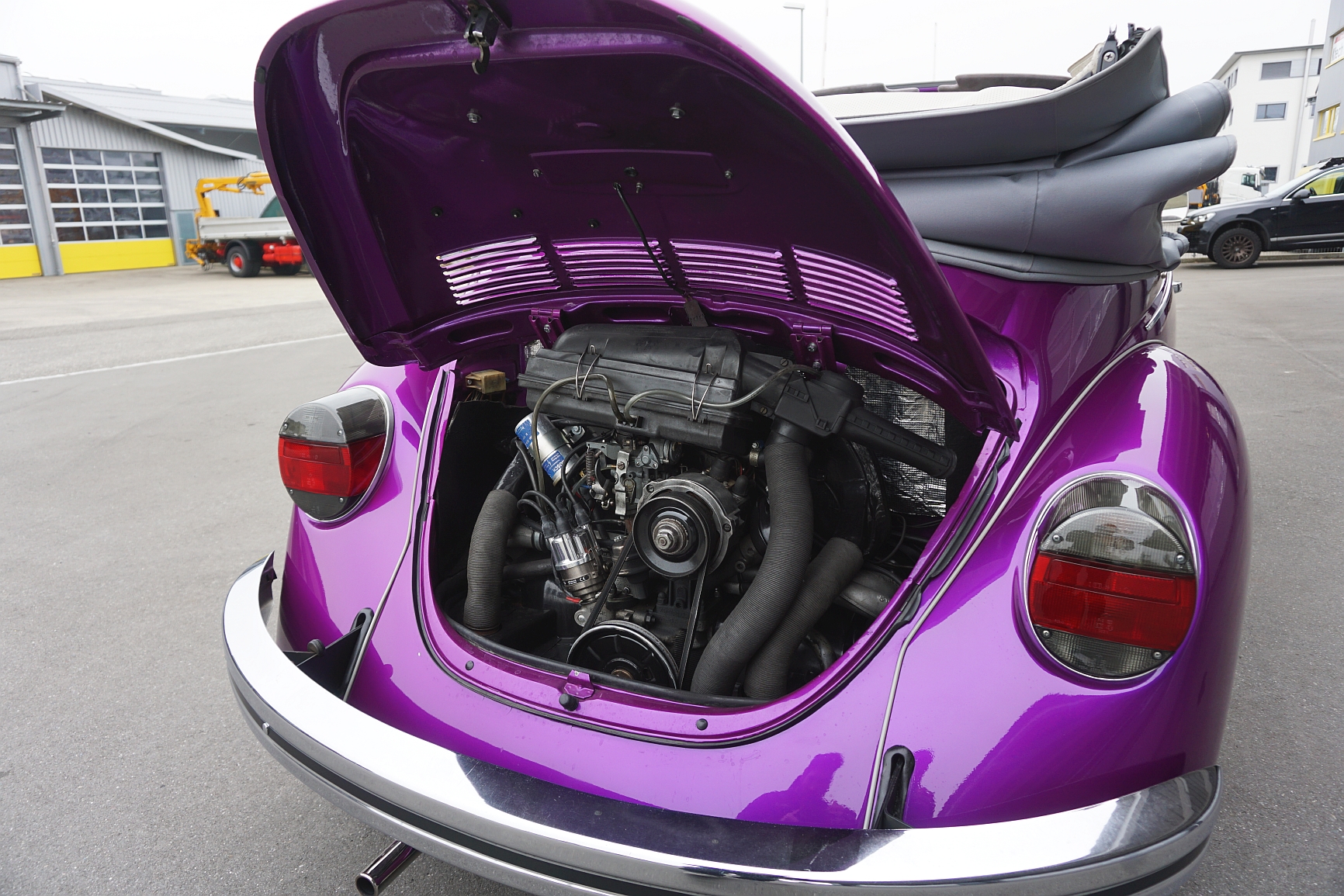
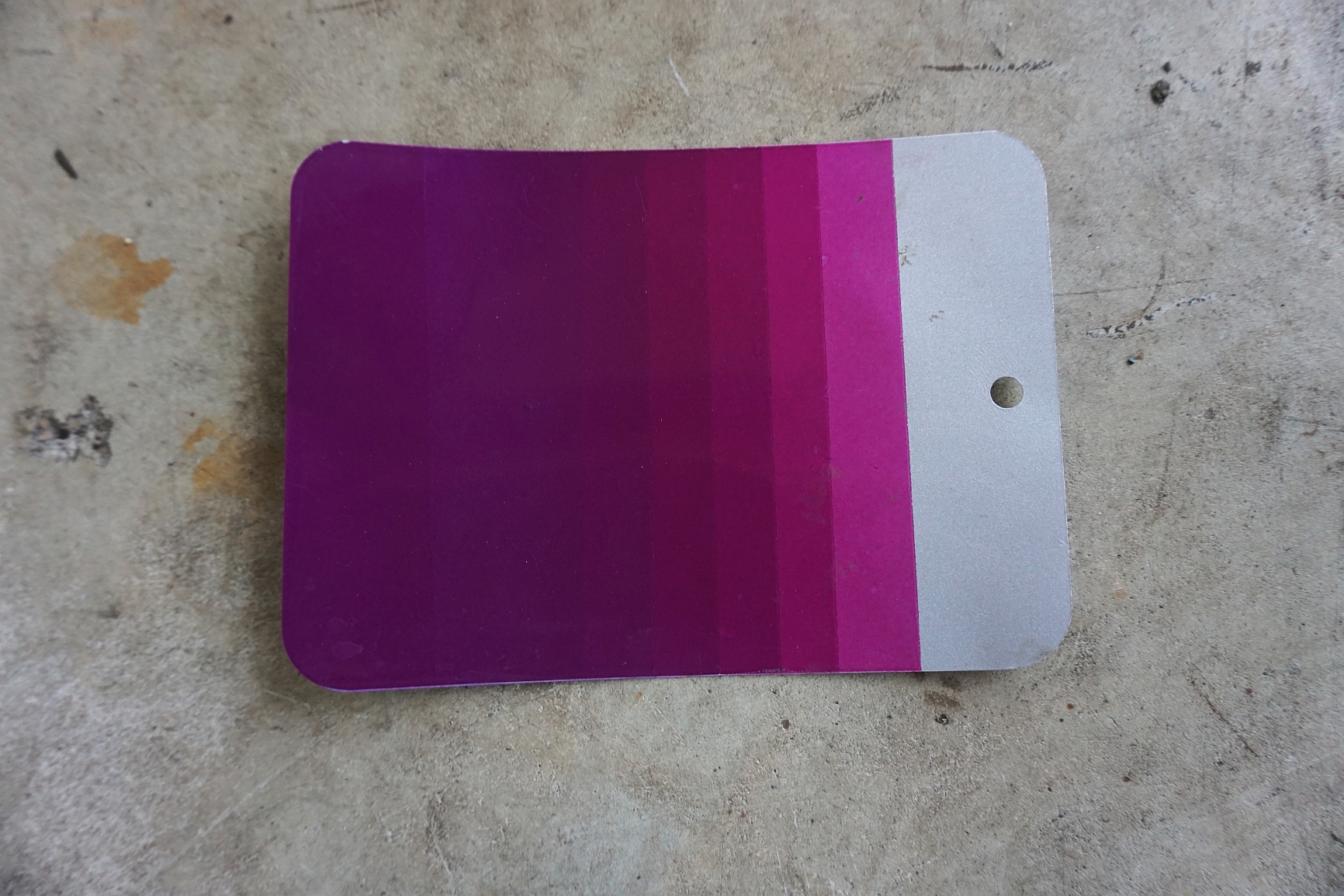
This chic Beetle was completely restored in Switzerland in 2016 and almost 8,500 kilometers ago. As part of the restoration, the body was scraped down to the sheet metal, primed and repainted inside and out. The base color is silver and seven layers of tinted clear coat were applied on top. This gives the color its special depth. The world champion rims were repainted in the same color. Apart from the slightly patinated window frames, which have the soul of the original, all chrome elements have been renewed.
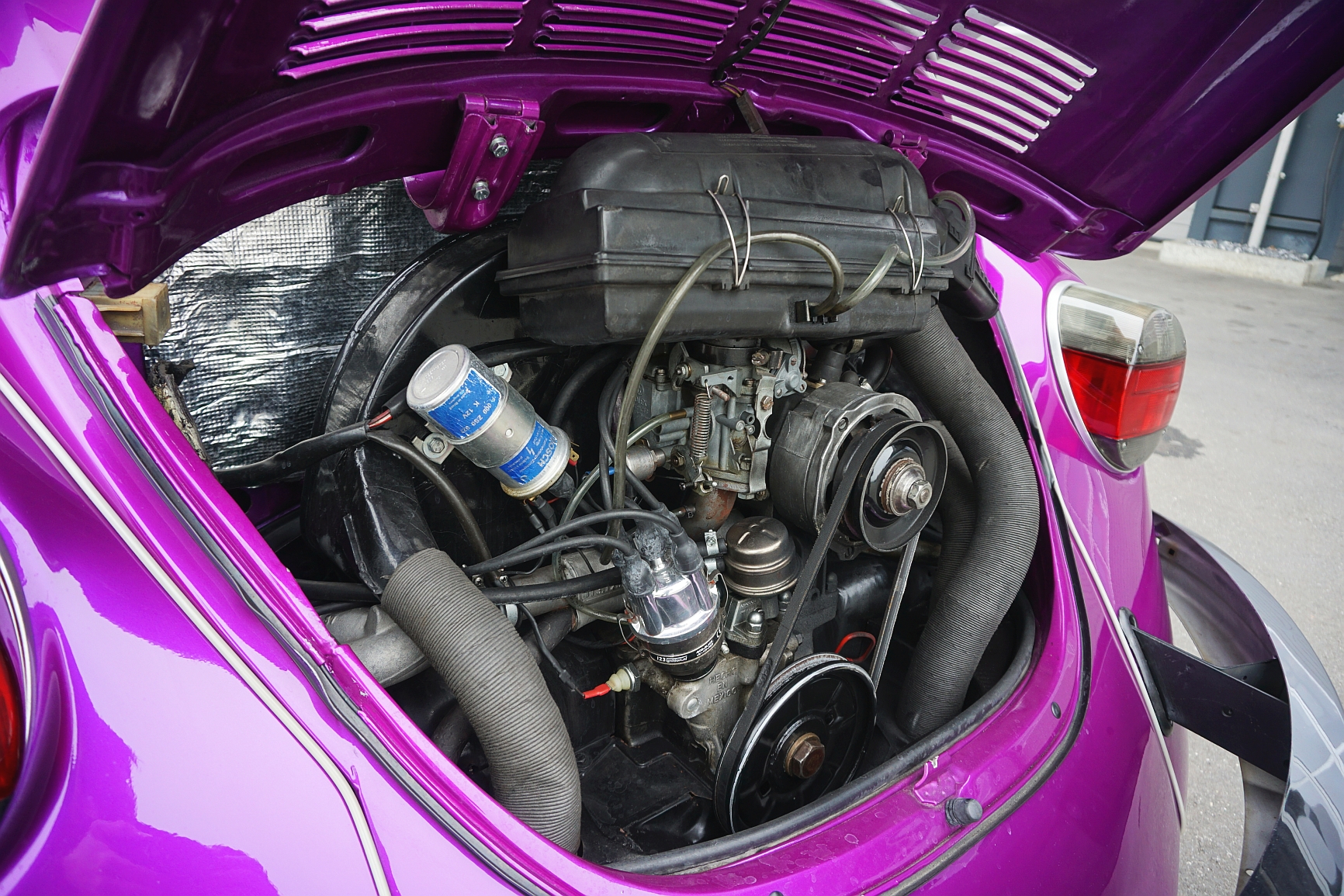
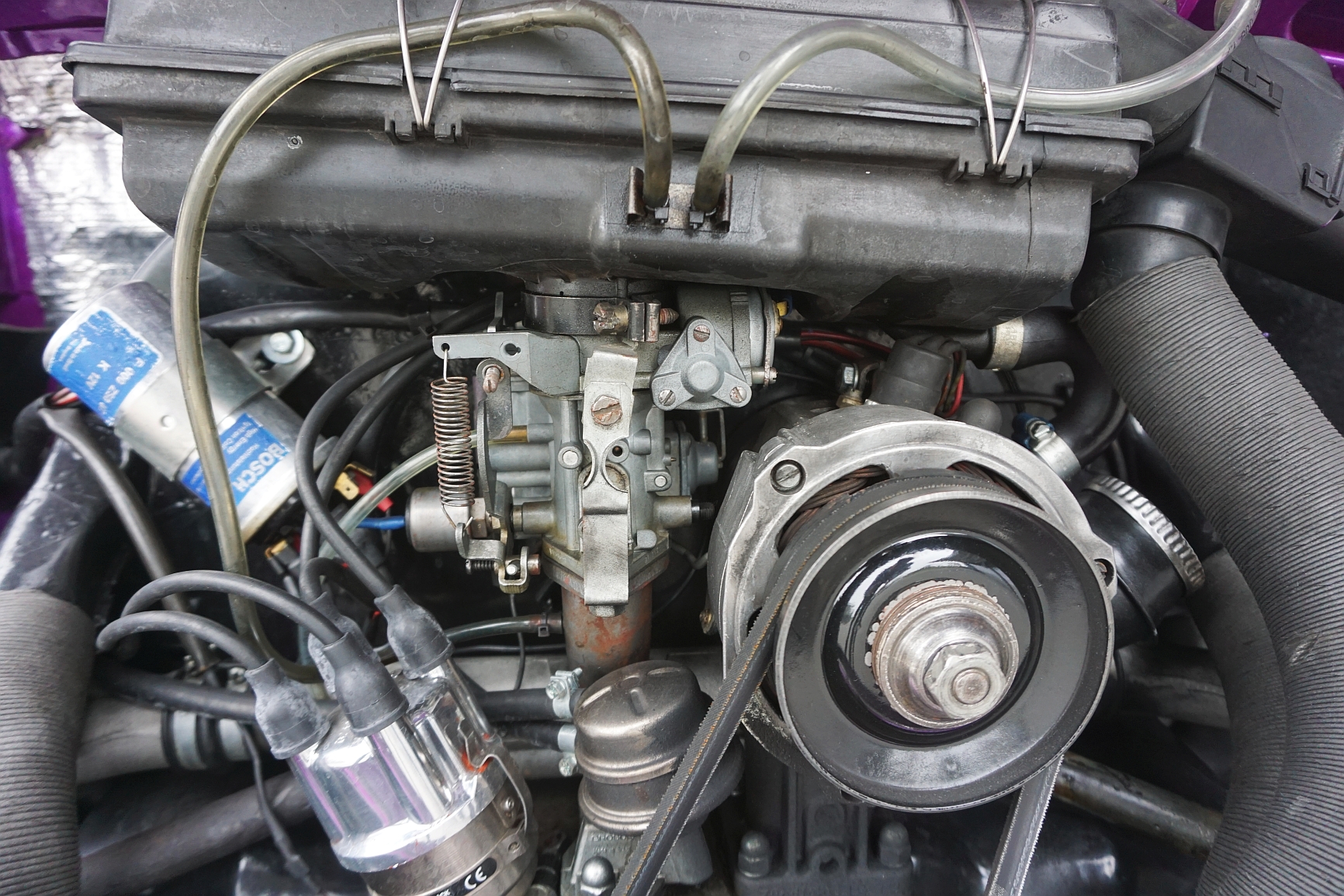
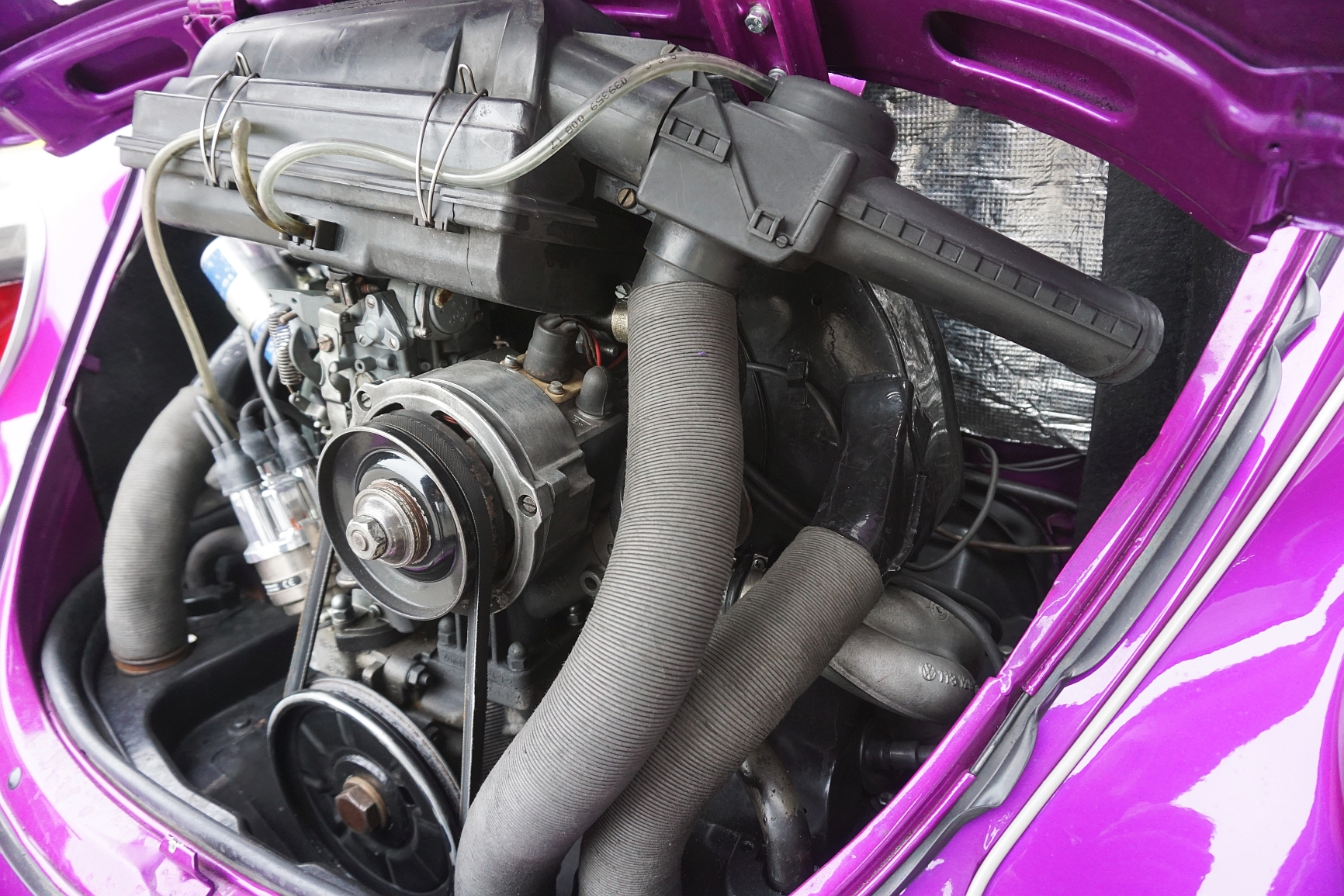
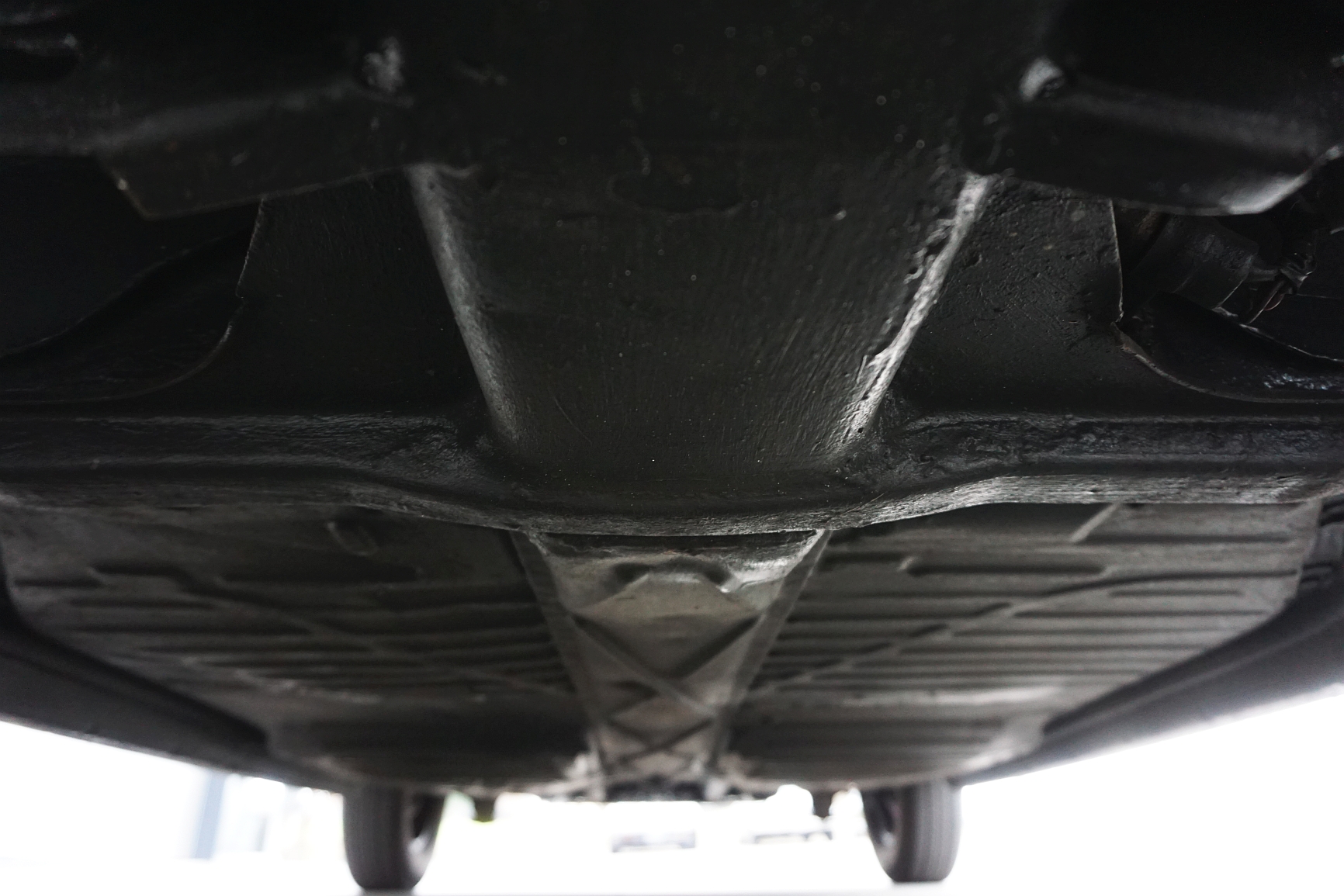
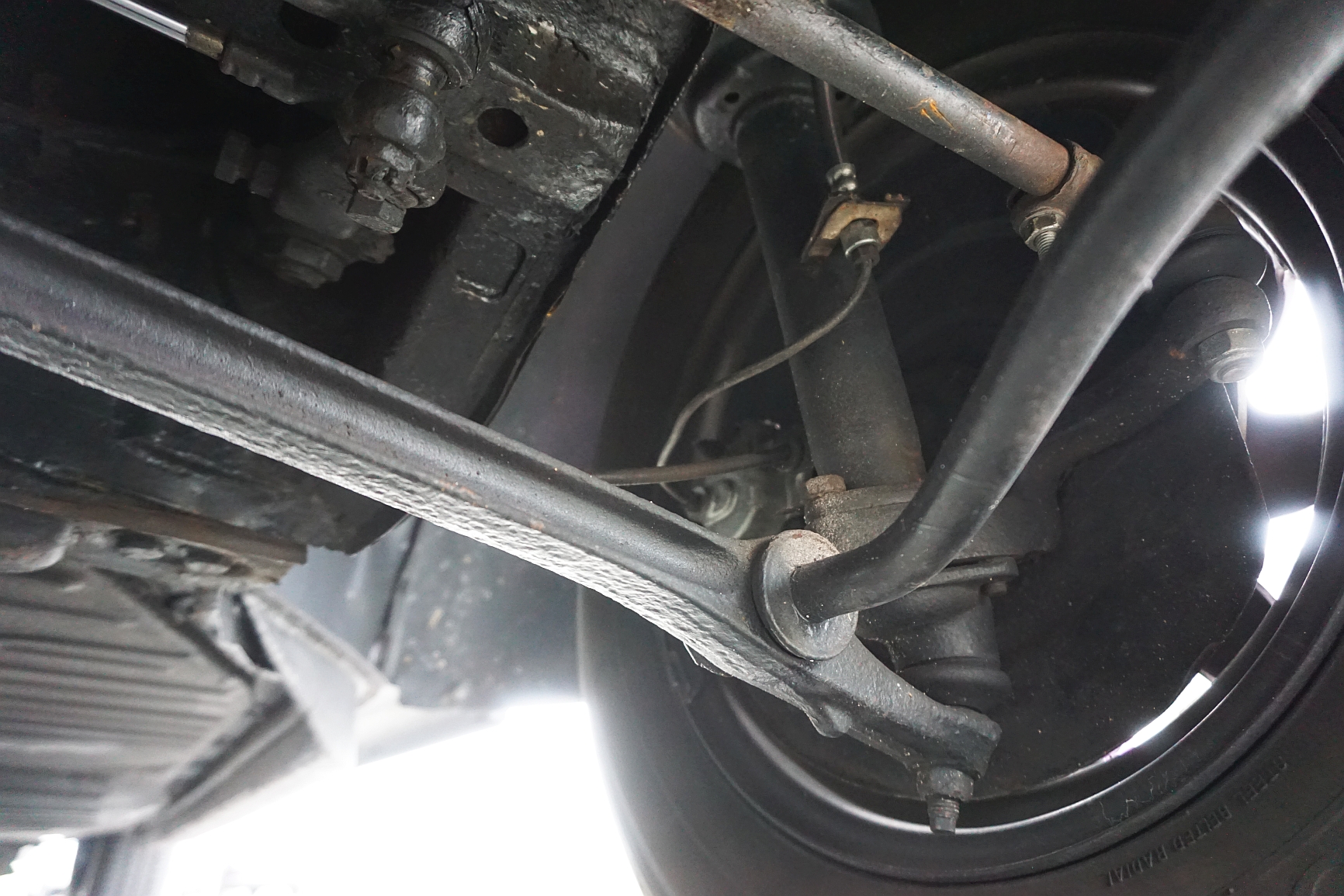
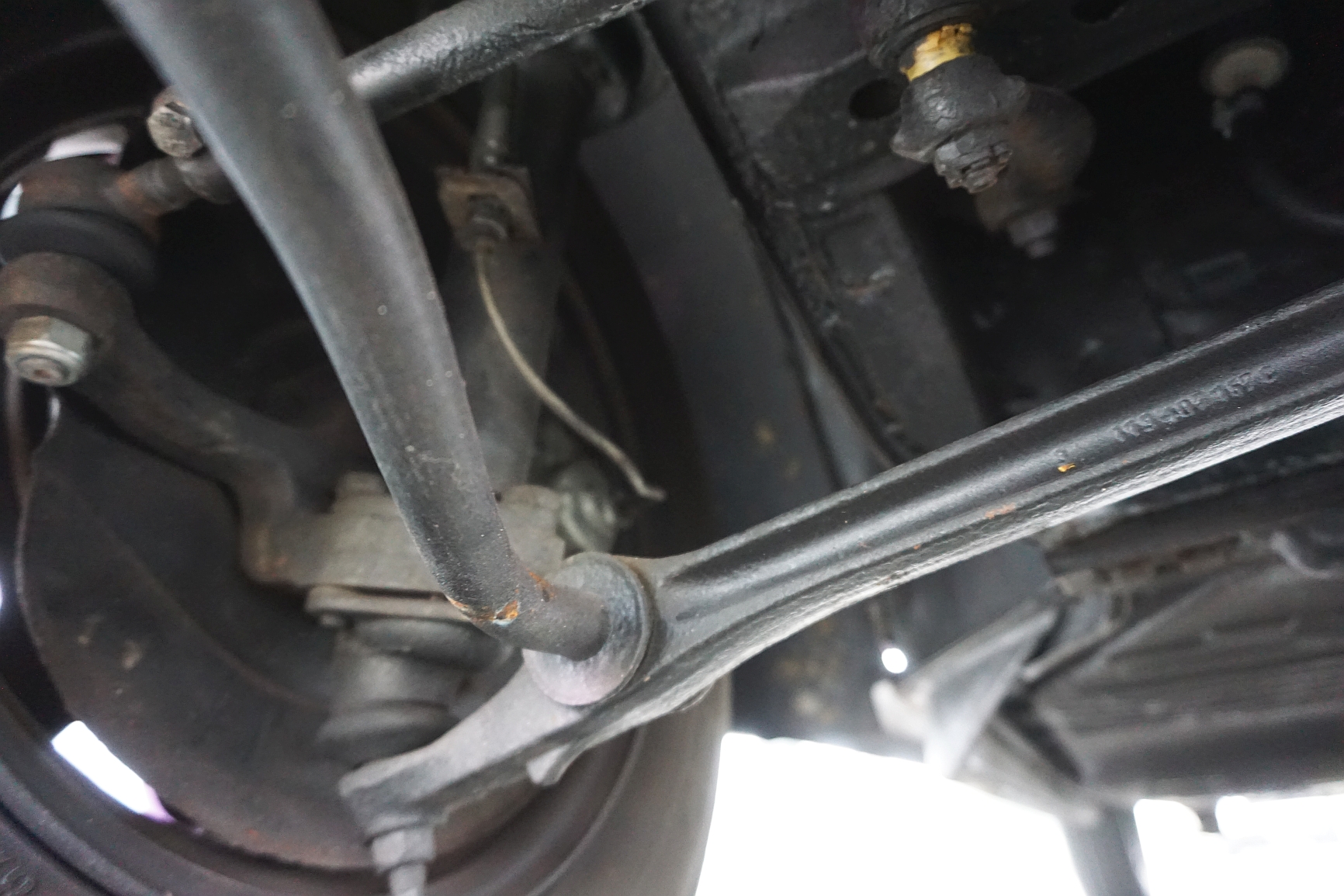
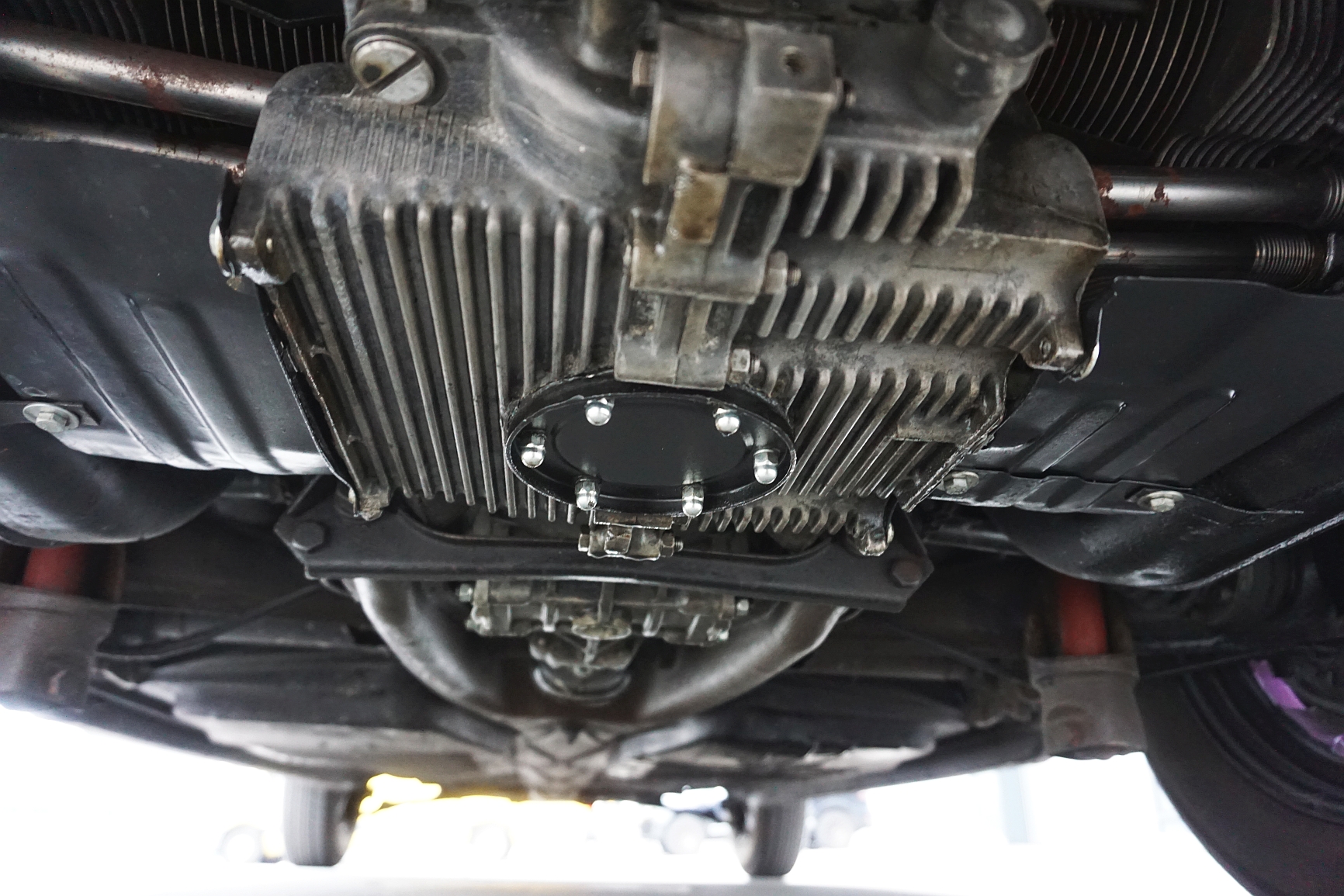
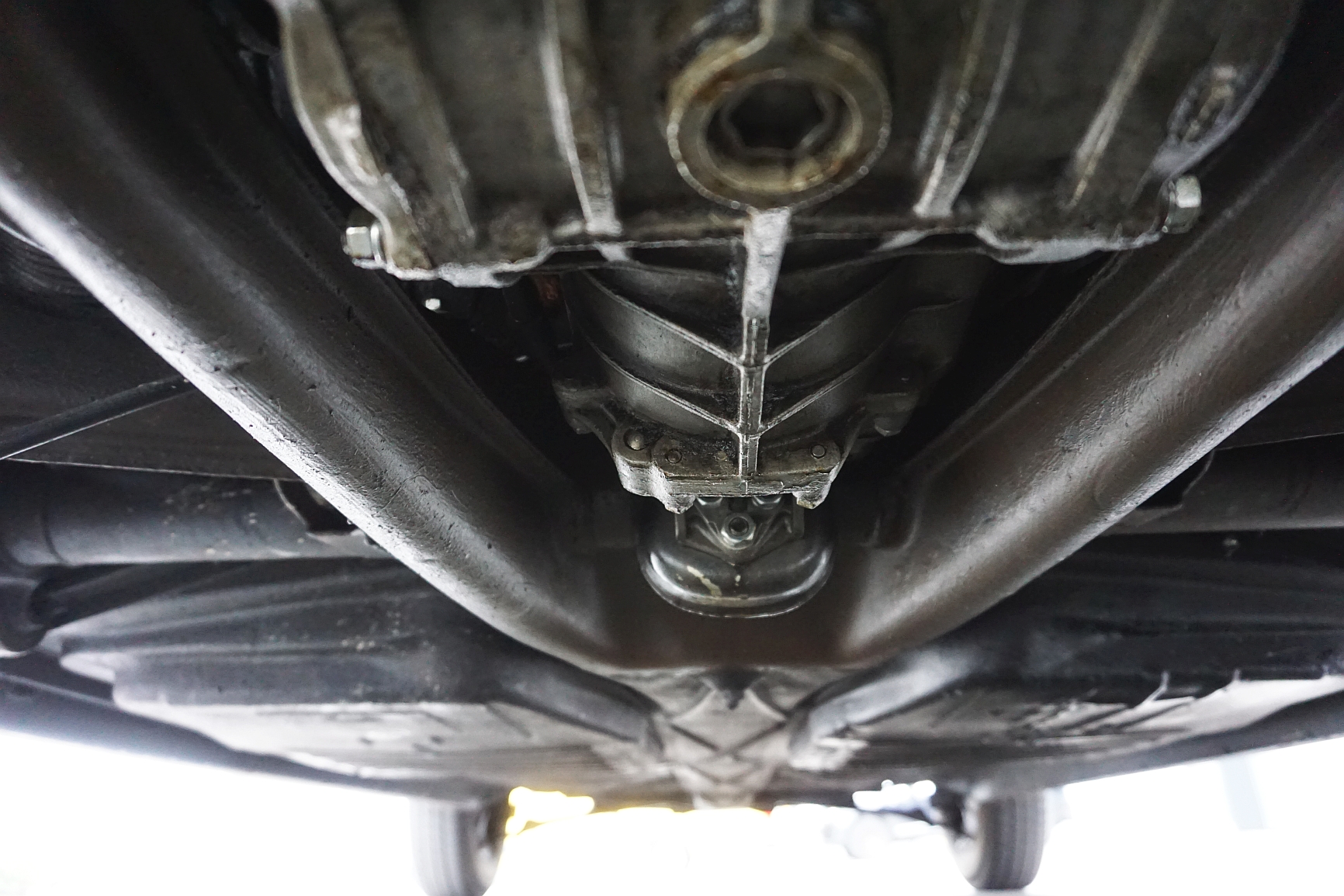
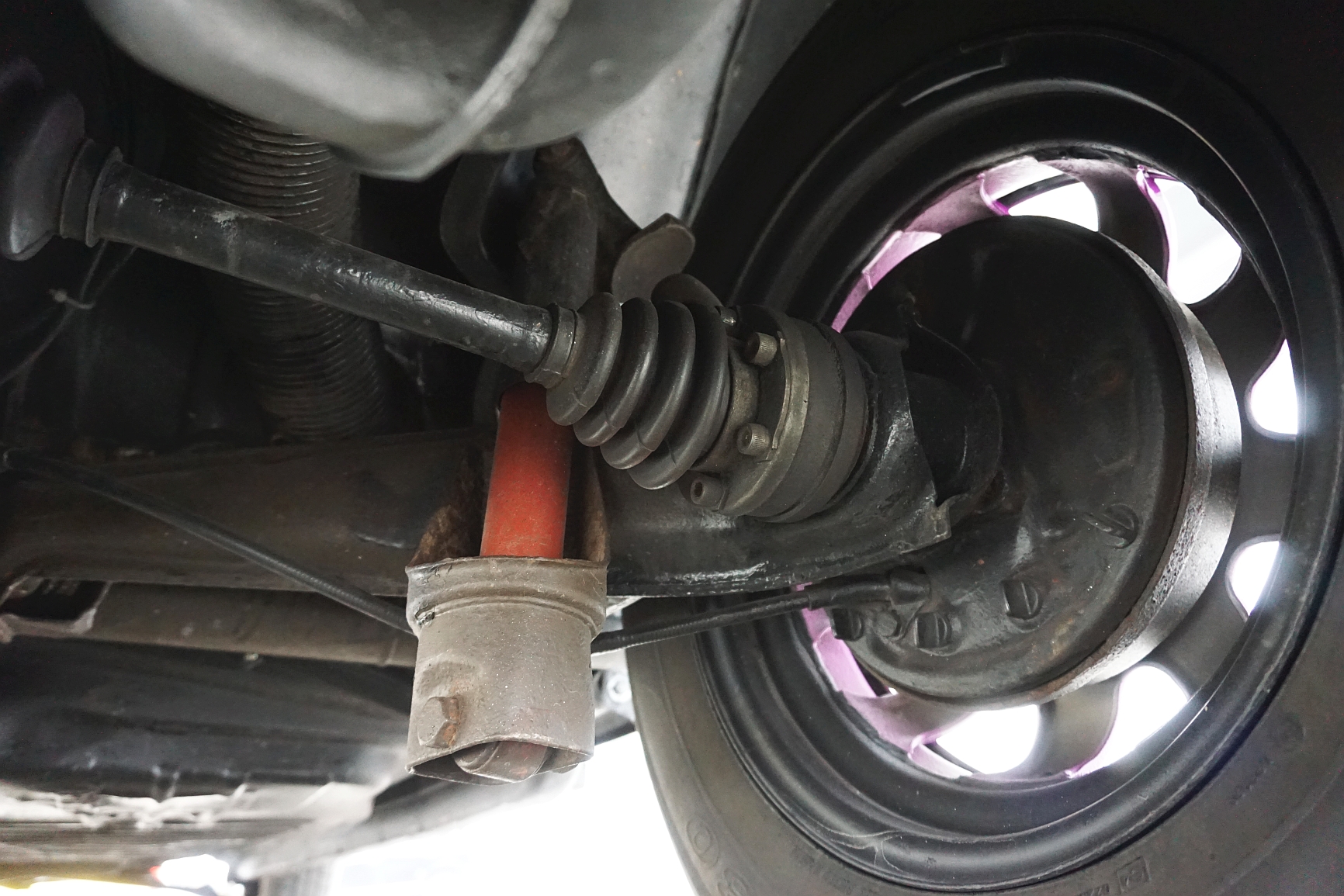
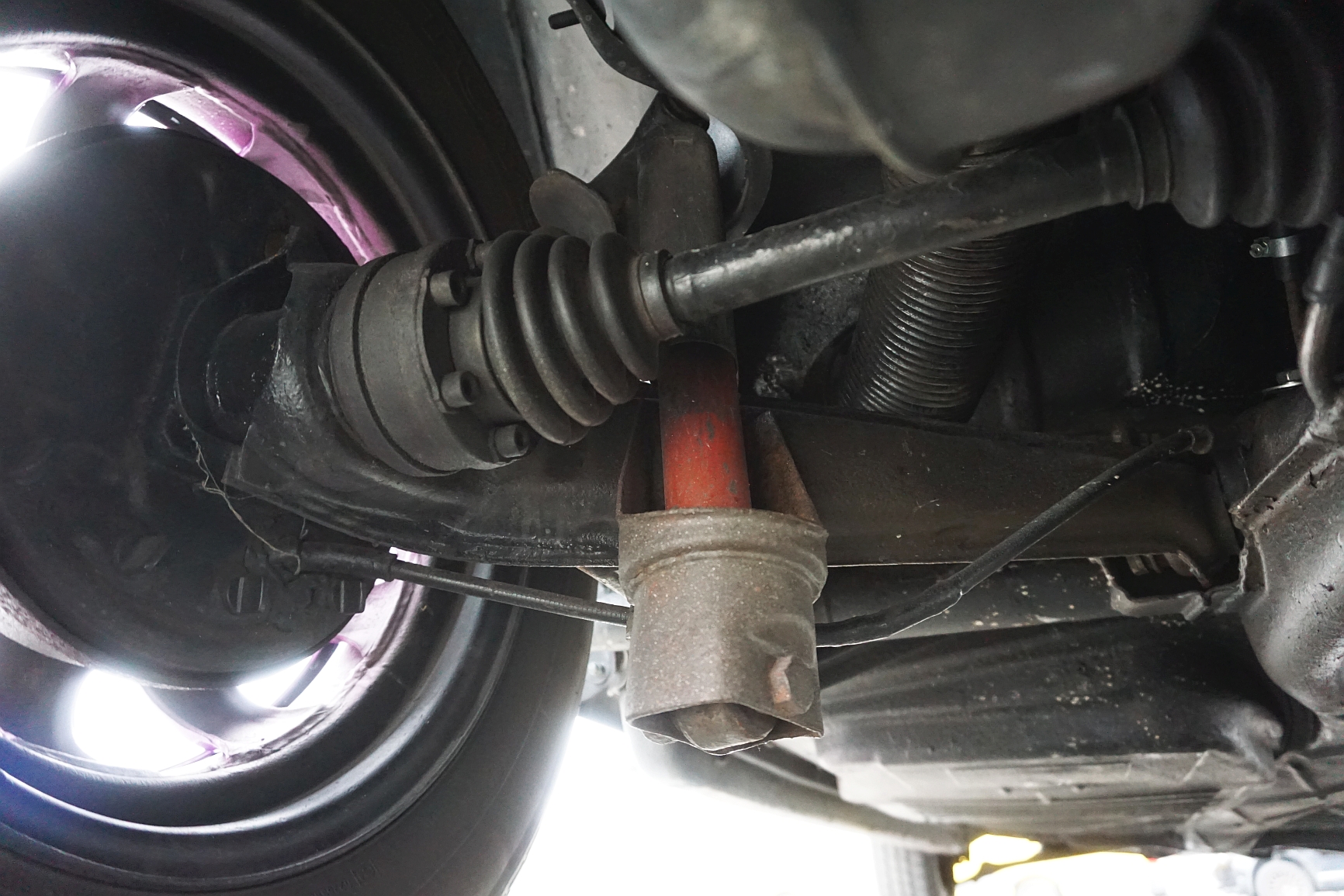
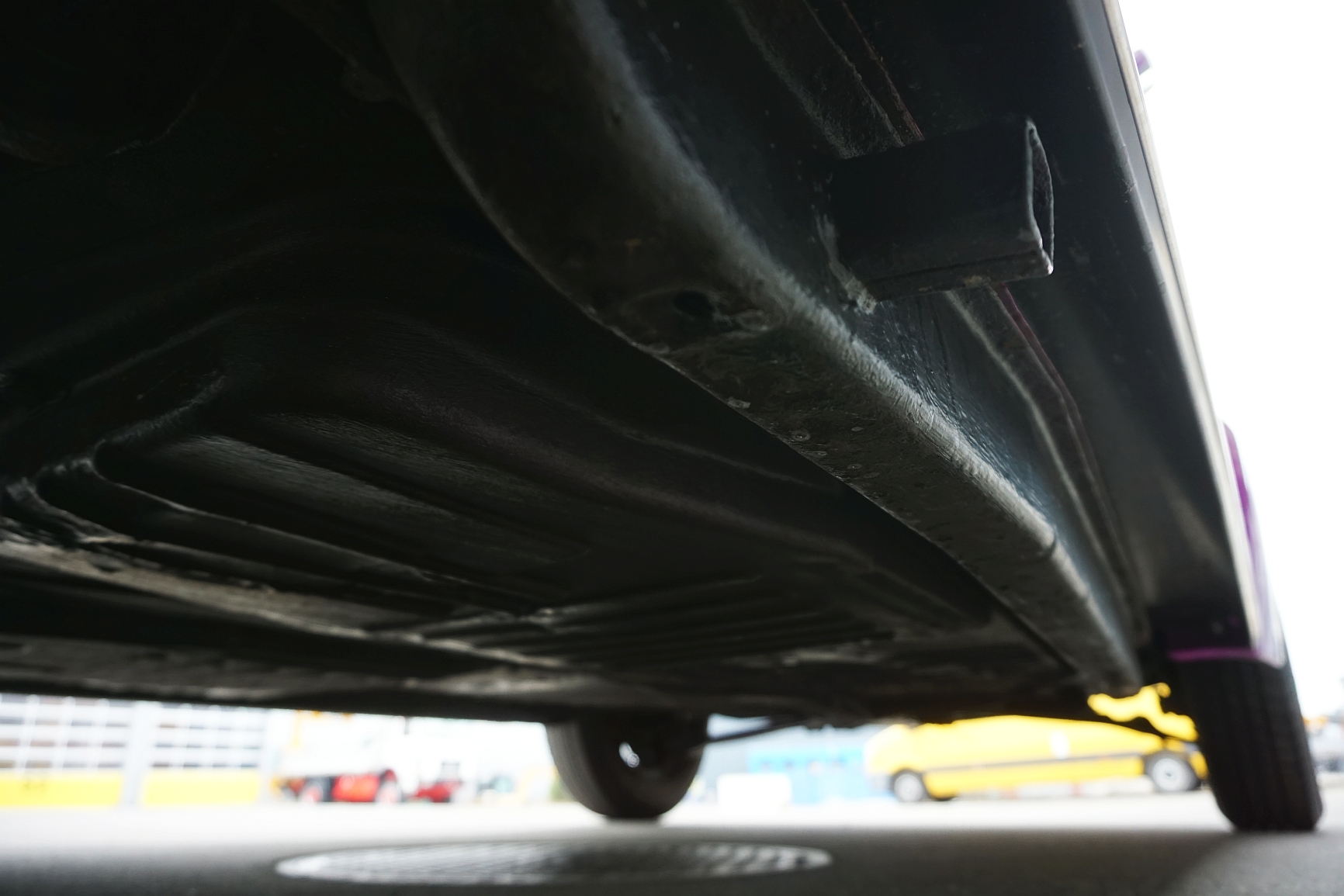
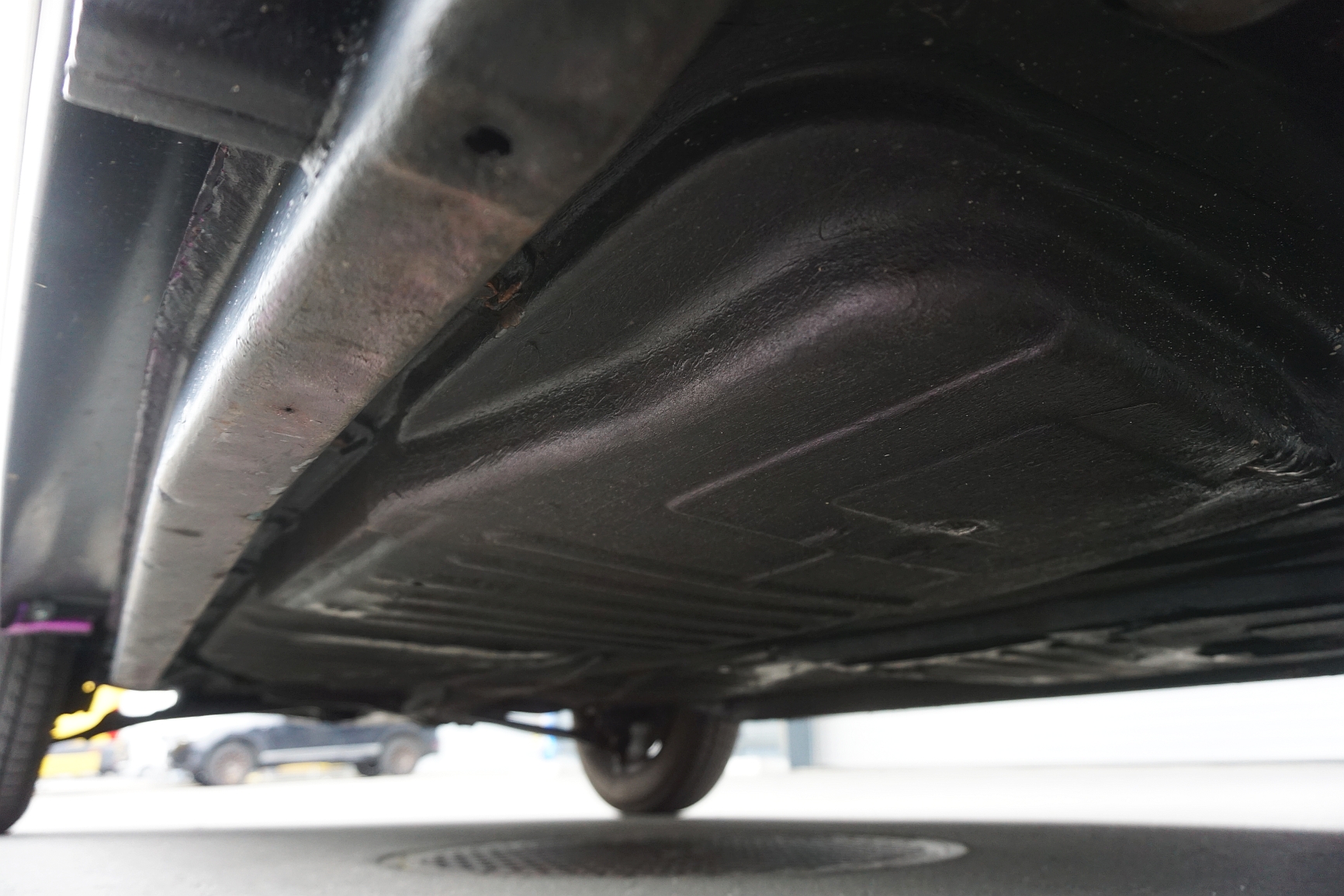
The car was of course cavity-sealed, which is why there is no rust on it today. The engine and gearbox were overhauled and the entire electrical system replaced. The boxer was also fitted with an electronic ignition, which makes the engine work much more efficiently.
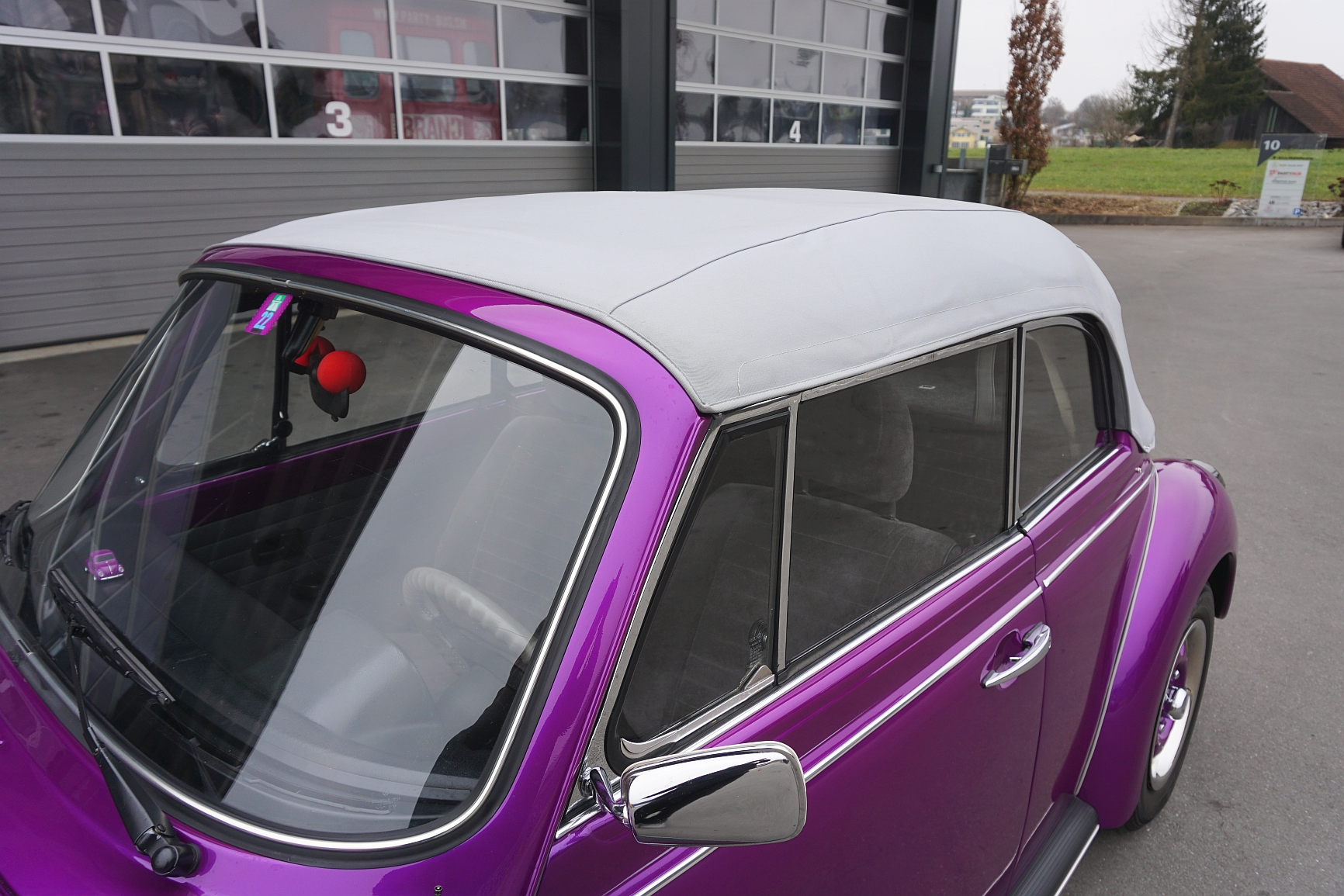
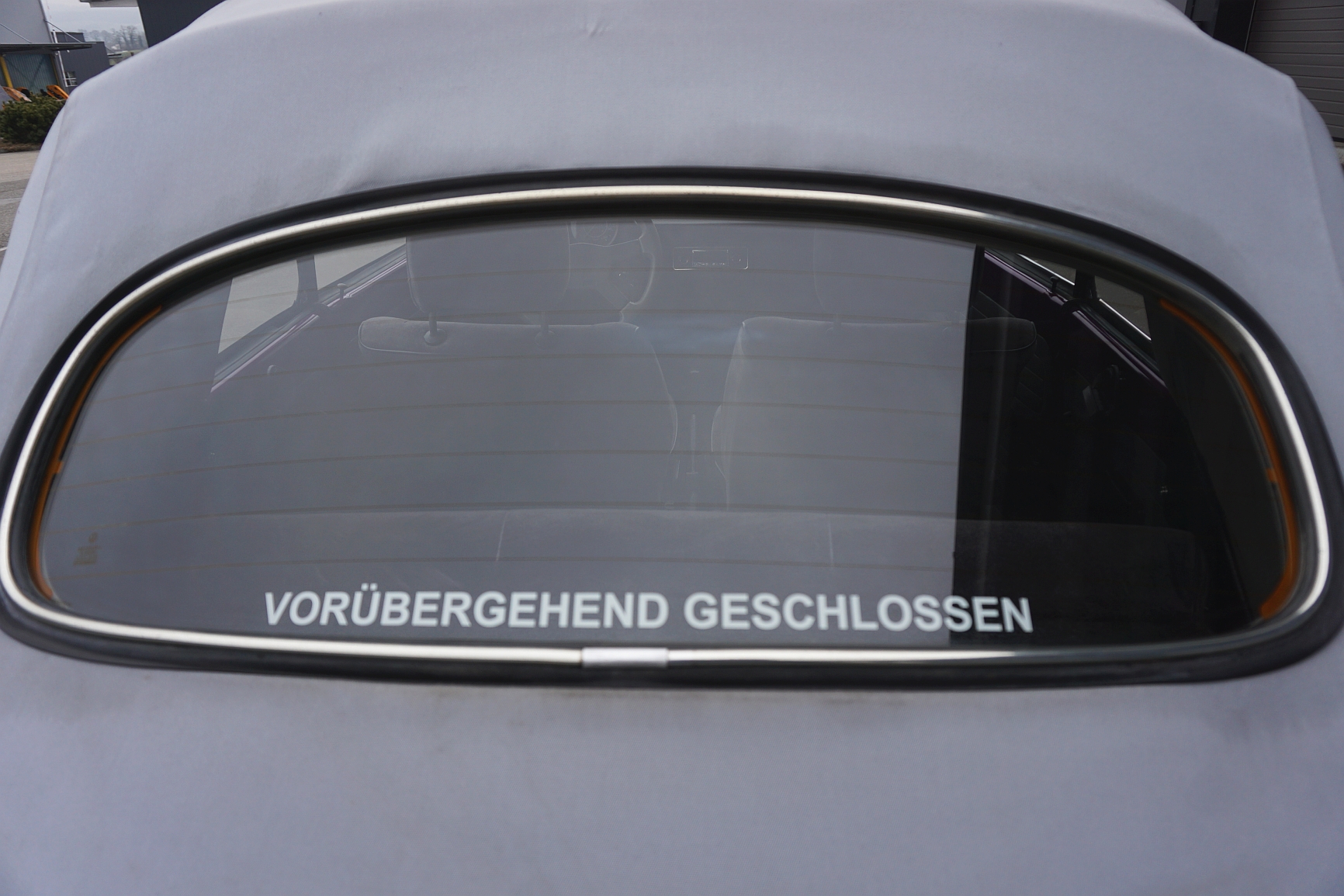
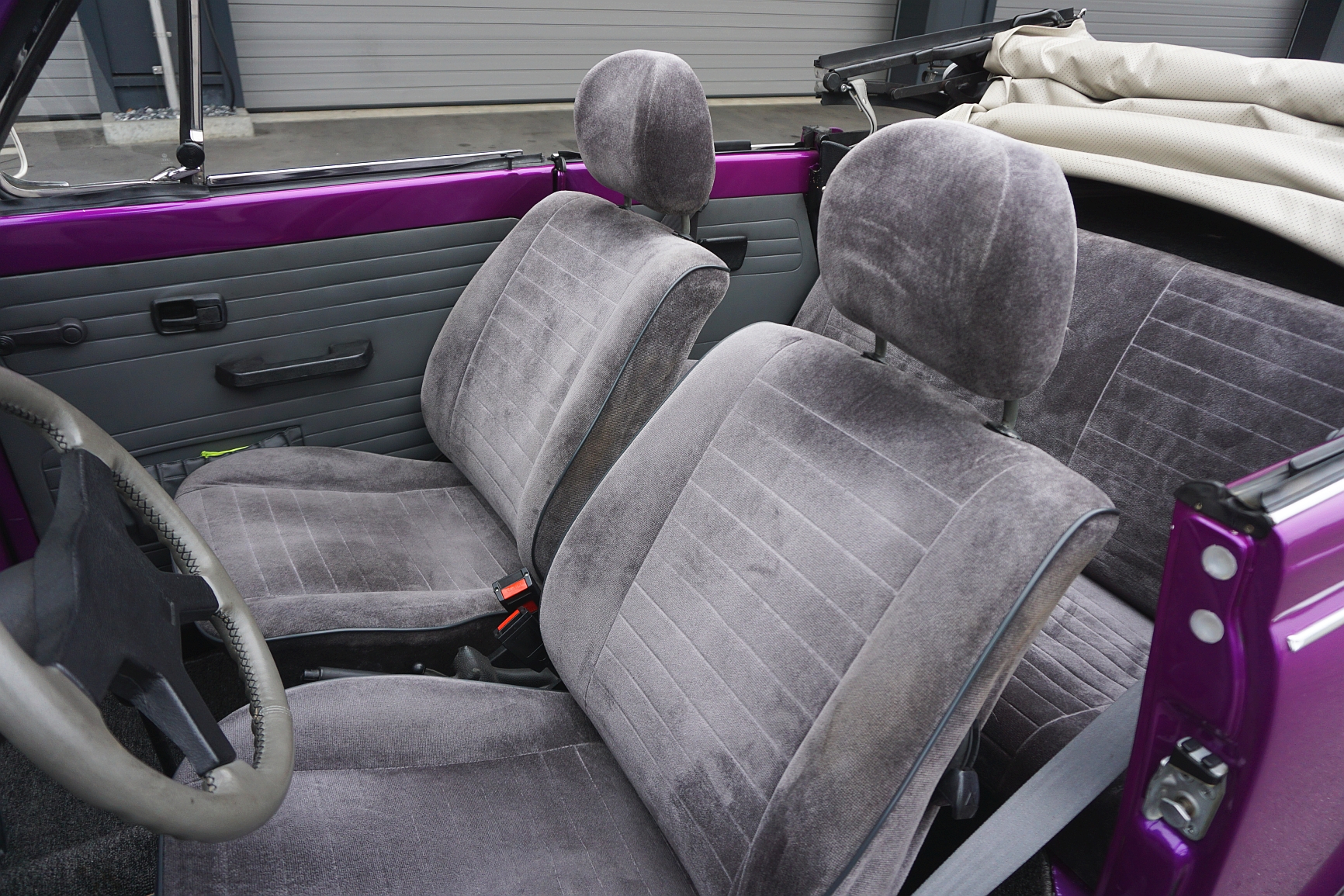
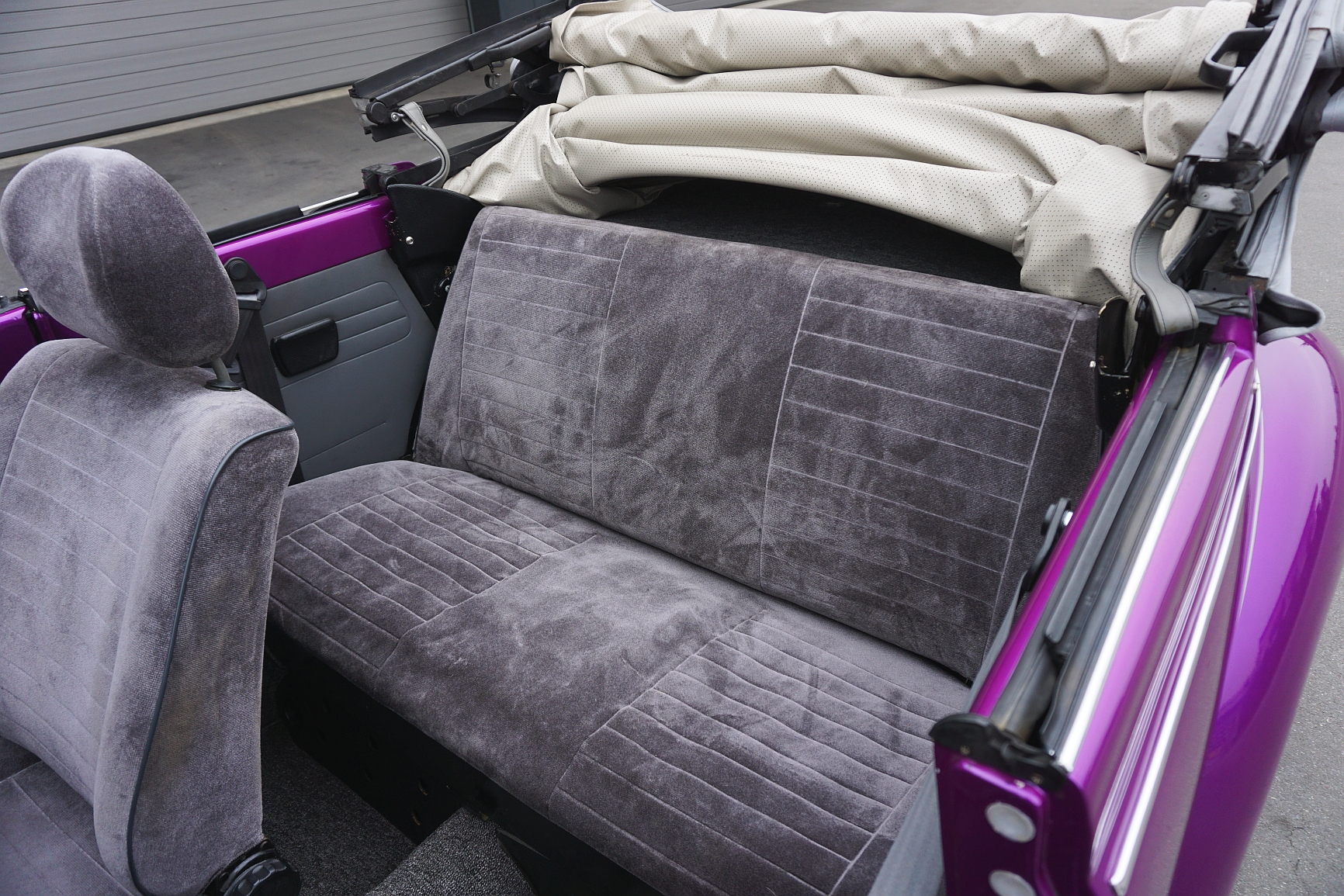
The entire interior was reupholstered and a new, winterized fabric roof was fitted. This consists of 3 layers and is insulated - perfect for warm and cold temperatures, because the Beetle used to be a car that ran all year round.
You can find a video about the beetle at the bottom of this page.
This vehicle has already been sold.
Model history
The history of the Beetle as we know it is well known and began in the dark days of the Third Reich with an „Exposé concerning the construction of a German Volkswagen“, written by designer Ferdinand Porsche. He had already developed a rear-engined vehicle for the Zündapp company in 1931 and then continued to refine his concept for NSU. None of his projects reached the public road, but his plans met with so much interest that the Reich Association of the Automotive Industry signed a contract with Porsche on June 22, 1934. The aim was to develop a Volkswagen - in the truest sense of the word.
In 1935, the first prototype was ready to drive and towards the end of 1936, three test specimens set off on extensive test drives. The vehicles differed significantly from today's popular classic cars, but the round shape and simple design were already there. In February 1937, Adolf Hitler inspected one of the early examples and was impressed. The name he had in mind for it: „KdF-Wagen“. The abbreviations stood for „Strength through Joy“ and this was a motto of the so-called Labor Front, a union of all employee and employer associations enforced by the National Socialists.
In order to provide the people with the «KdF-Wagen» as quickly as possible, the foundation stone for an automobile factory near Fallersleben was laid on May 26, 1938. On this occasion, Ferdinand Porsche showed what could be created from the original Volkswagen model. In addition to the closed saloon, a model with a roll-top roof and a convertible were presented.
The Second World War turned the minds of the people and the car manufacturers in a different direction. Although there was talk of building up to 500,000 Volkswagens a year, only a few hundred civilian vehicles left the new plant during the war years. Instead, the technology was used for military vehicles. Around 60,000 Kübelwagen and Schwimmwagen with Volkswagen engines were used on the front lines.
At the end of the war in 1945, a large part of the factory lay in ruins after bombing raids. A good 17,000 people already lived in the vicinity of the factory and the place became a town called Wolfsburg. Work was resumed at the factory and as early as 1947, some Beetles were exported to the Netherlands. In 1949, the first Beetles reached the USA - the country that gave the German car the name that is so familiar today. ’The Americans called it the Beetle. The name is said to have been used for the first time in 1938 by the New York Times newspaper.
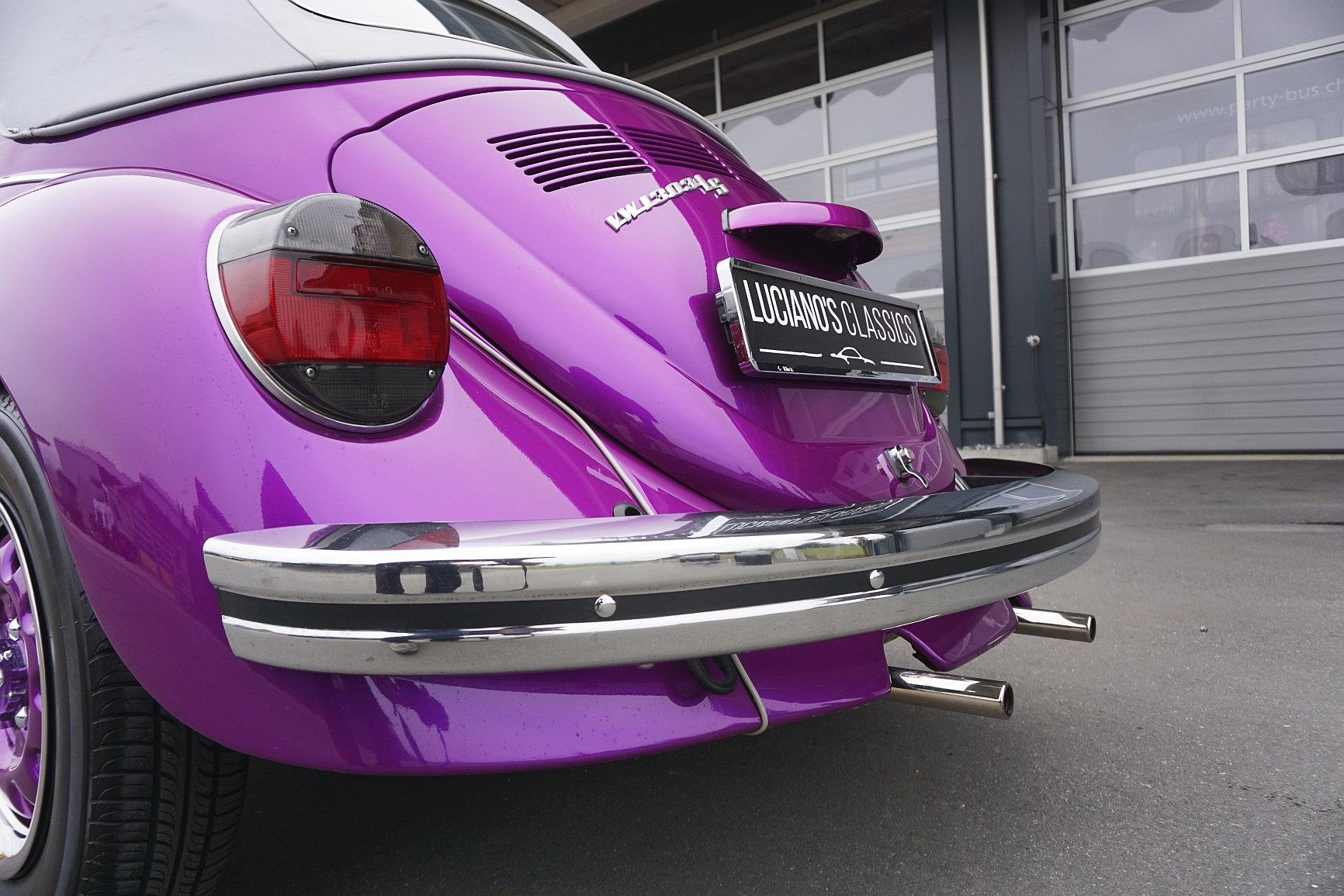
From then on, things went uphill. The car was constantly improved and the heating system was replaced as early as 1951, although this did not have too great an impact. In 1953, the pretzel window with the metal center bar was replaced by a larger rear window and from 1955 there were two exhaust pipes. The initially tiny rear lights gave way to ever larger versions, right up to the maxi versions in the Beetle 1303 from 1972 - known as „elephant feet“. The indicators went on a journey with the model years: Initially, indicators appeared in the B-pillar, later the indicators were located on the fenders and from 1974 they were found in the bumper.
The power output increased from 25 hp at the beginning to 50 hp in the course of history. On February 17, 1972, the Beetle with the serial number 15 007 034 was built, replacing the production record of the Ford T-model. However, this record did not last long and was soon overtaken by the new and very popular VW Golf.
The last Beetle built in Germany rolled off the production line in Emden in January 1978. From then on, there was only the Volkswagen from abroad, the Mexico Beetle, which was also exported directly to Europe until 1985. The only exception was the Cabriolet introduced in 1949, which was built by Karmann in Osnabrück until January 1980.
Good to know: A detailed concept of the Beetle was designed by Béla Barényi as early as 1925, which was disputed by the Porsche company for a long time. The company credited company founder Ferdinand Porsche as the designer. It was not until a court ruling in 1953 that Barényi was able to assert his authorship.
Details
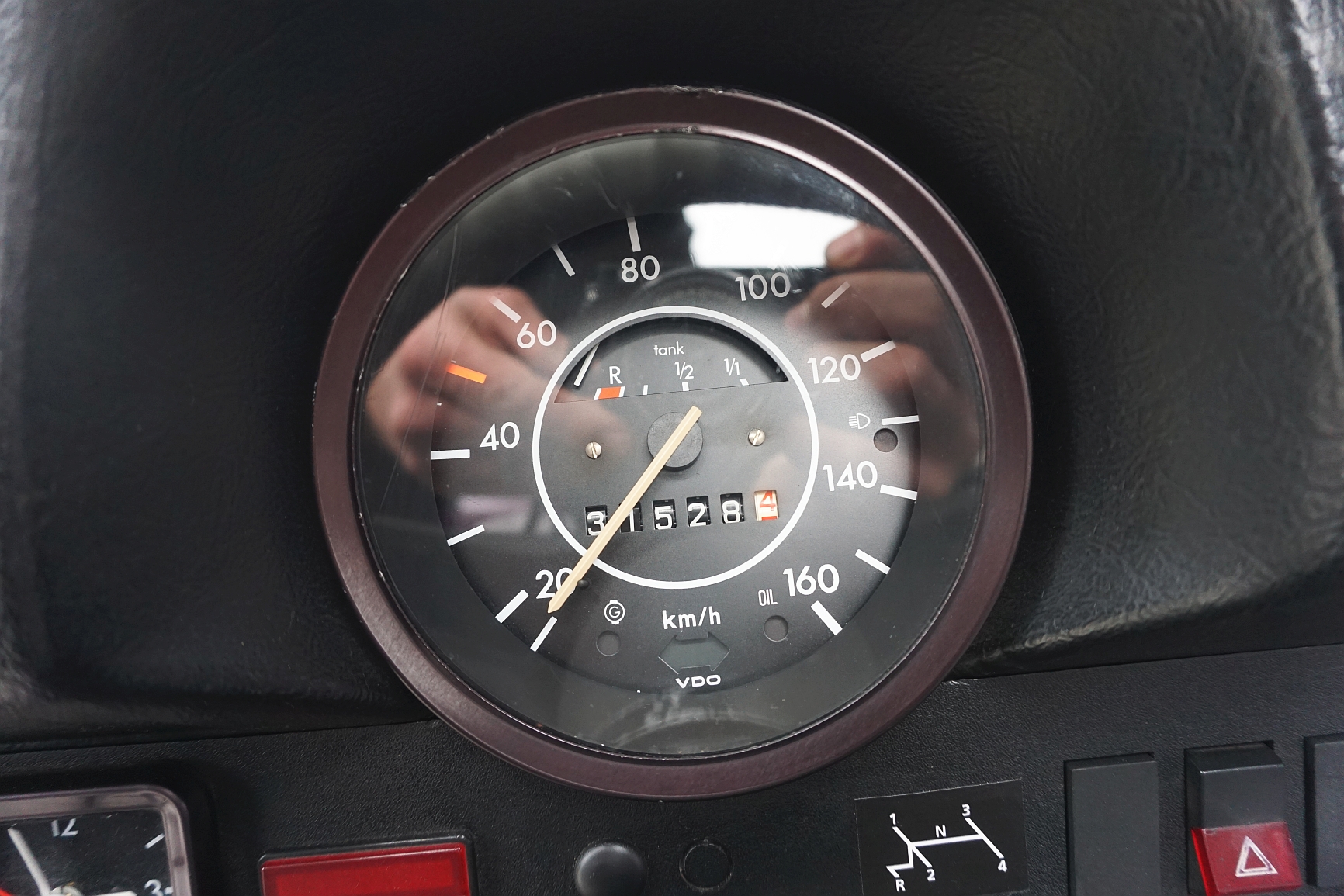
- 31’528 km (read off), 8’439 km since restoration
- 1. inv. 18.03.1975
- Veterans MFK 22.05.2017 (will be gladly presented fresh)
- 1,570 cc B4 engine
- 50 HP
- Type certificate X (DE)
- Master number 413.148.078
- Chassis 154 229 446 6
- Unladen weight 930 kg
- Payload 360 kg
not what you are looking for?
We will be happy to find your individual dream vehicle.
Simply make a non-binding inquiry and benefit from our network.