
Mazda RX-7 Turbo II
Description
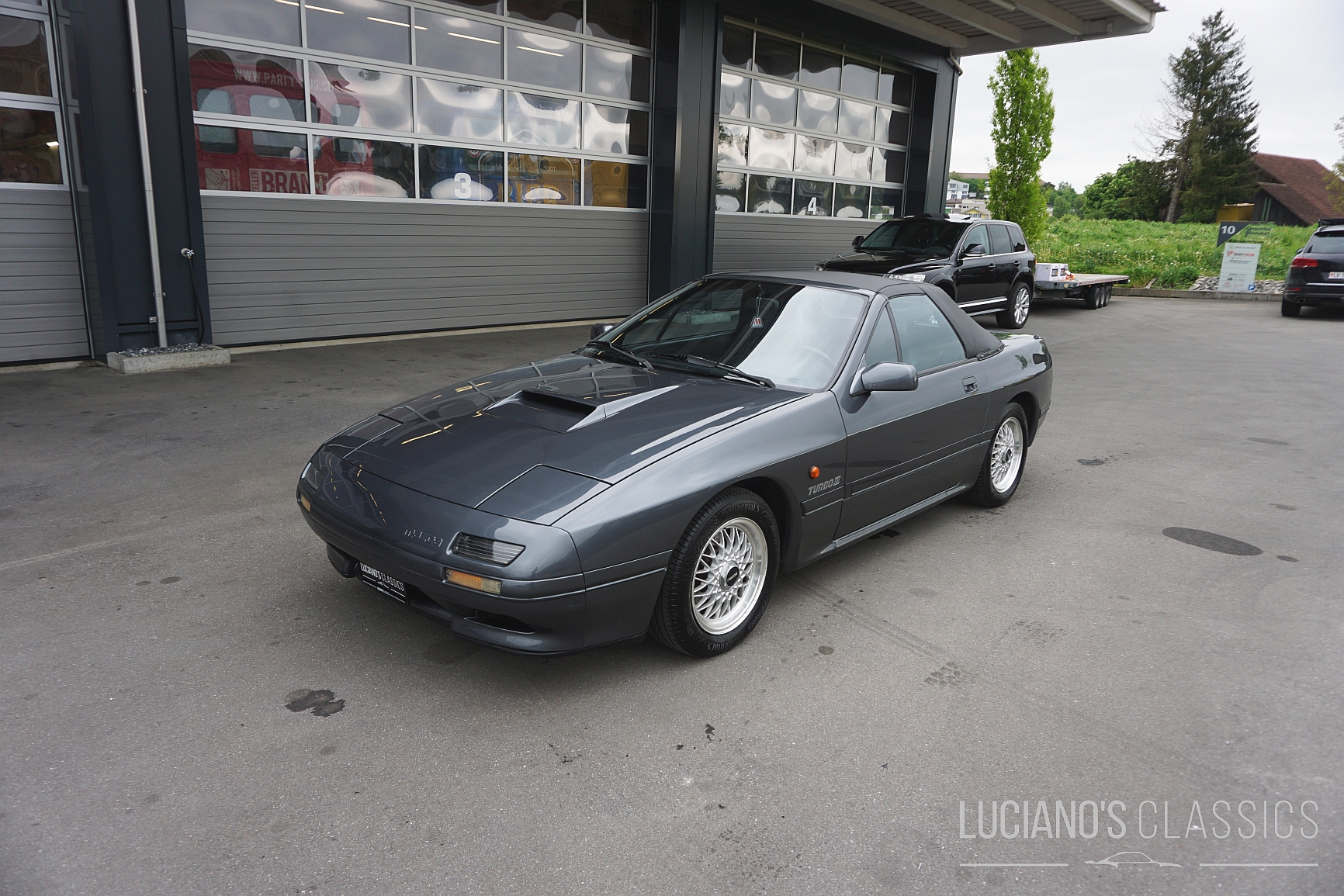
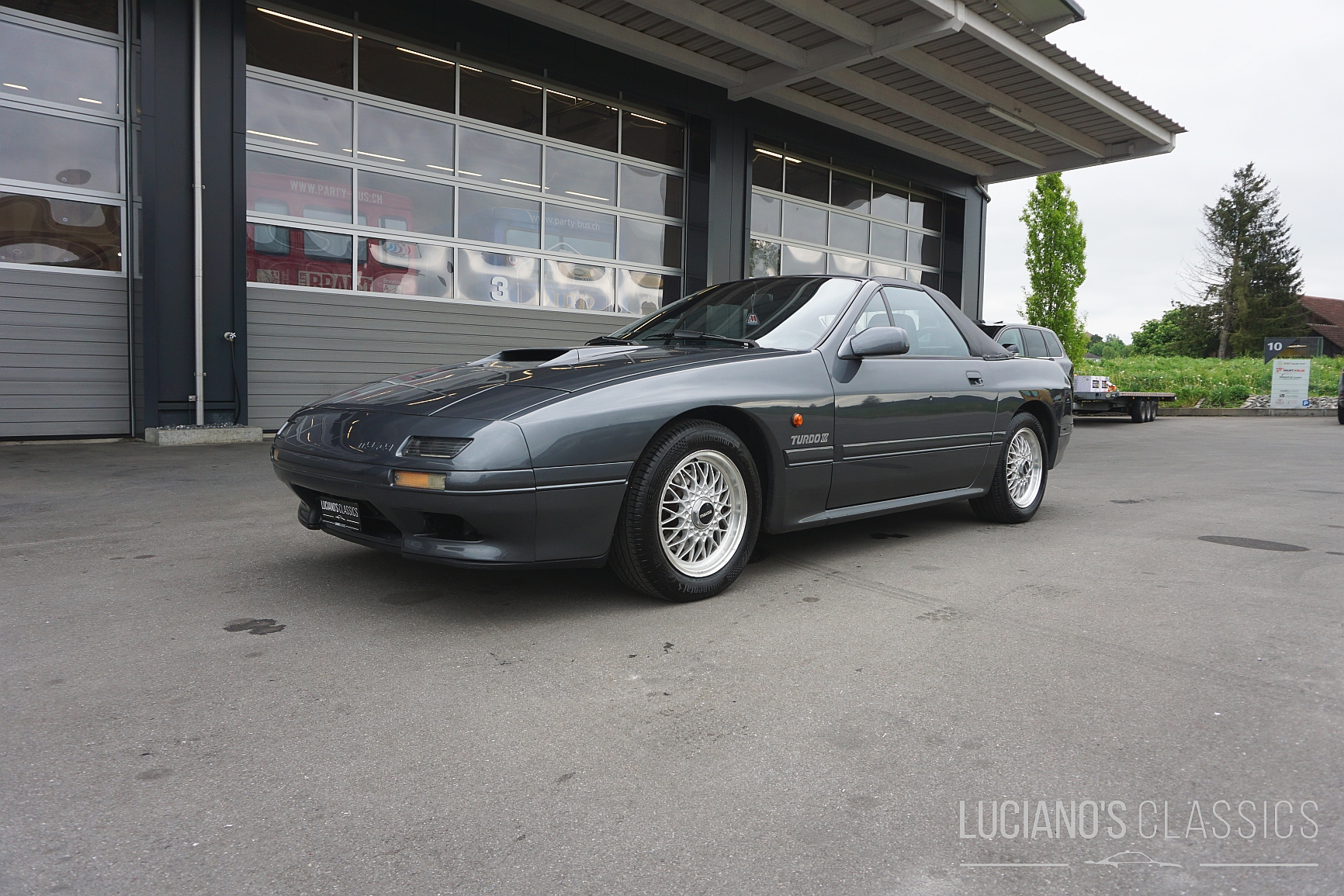
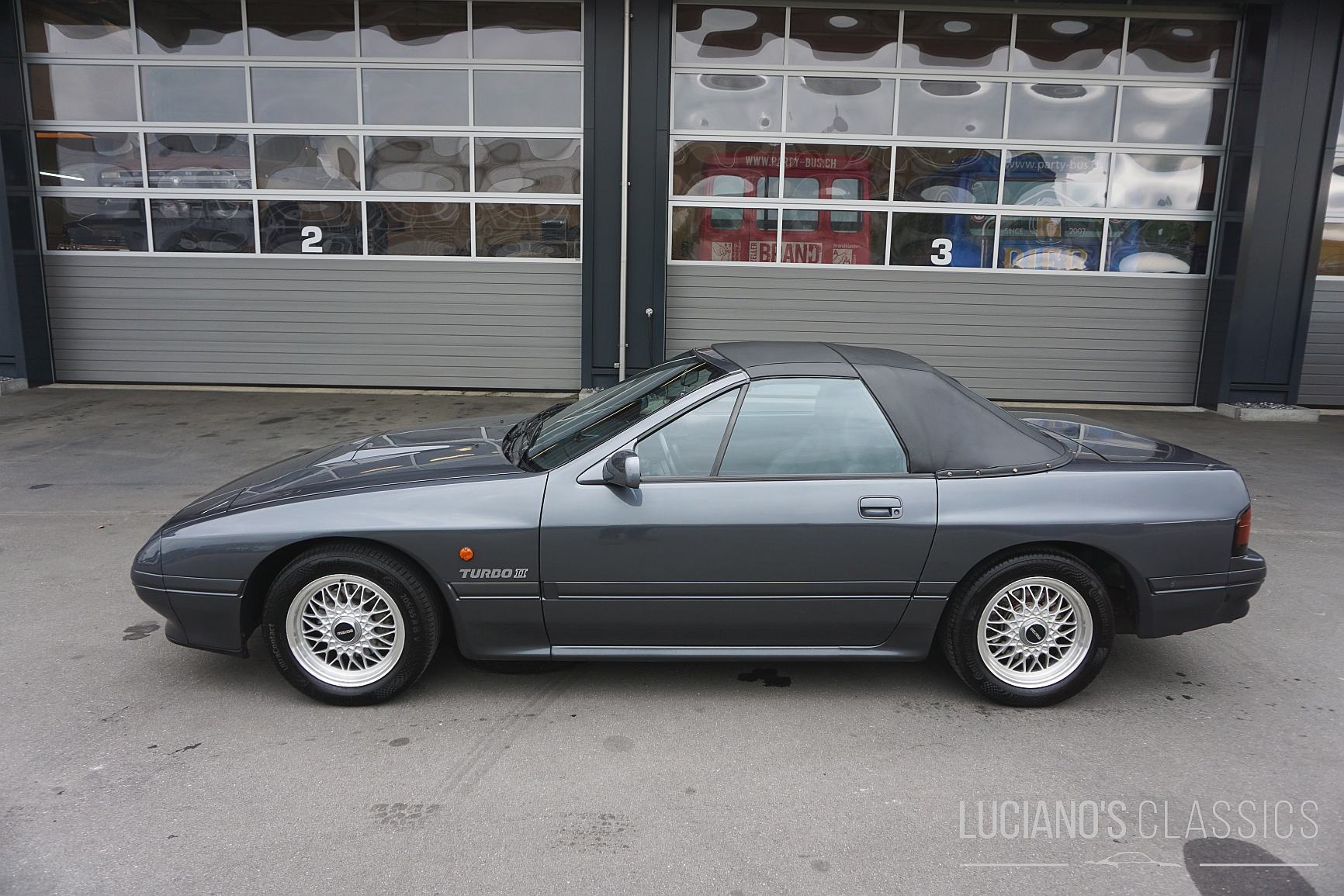
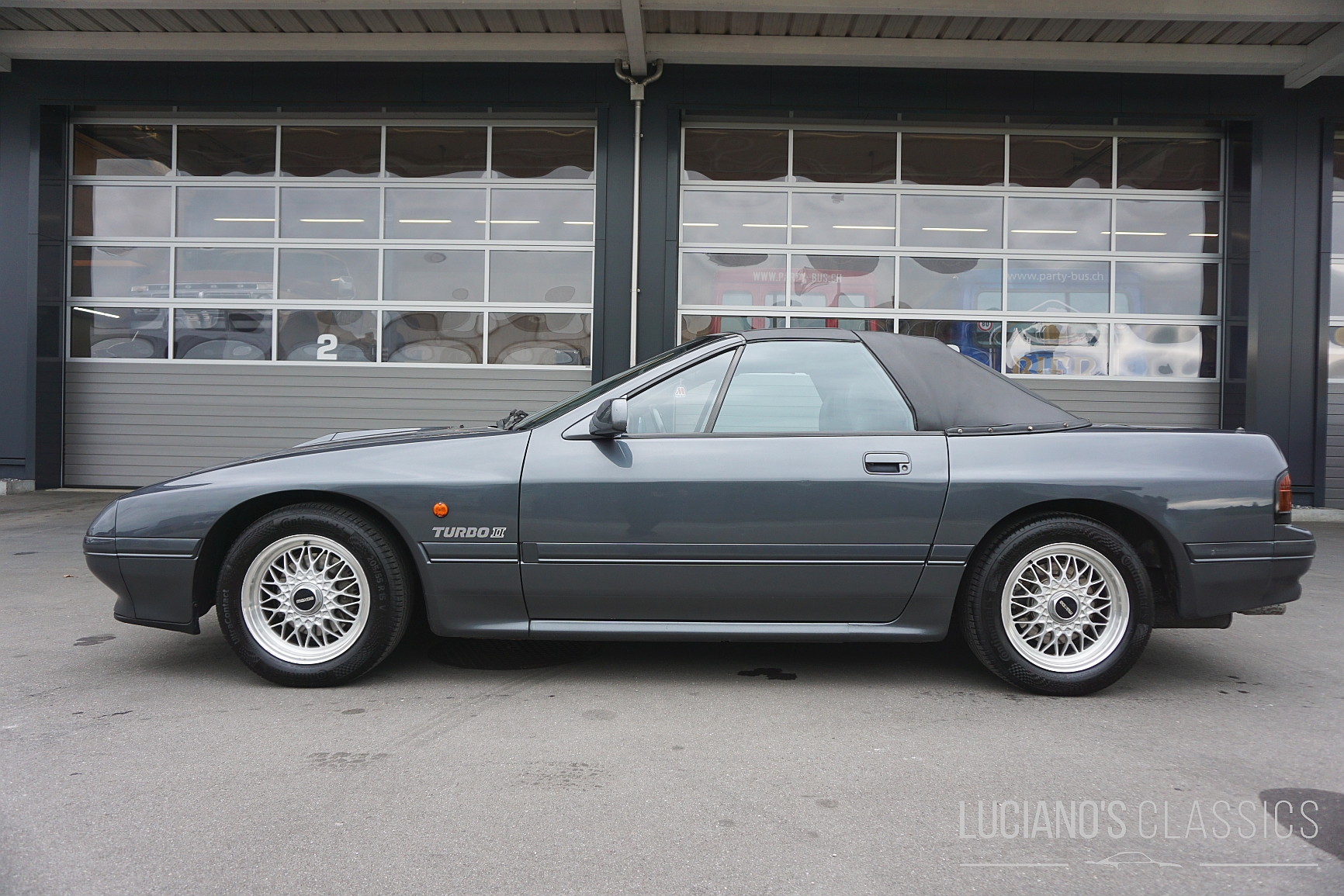
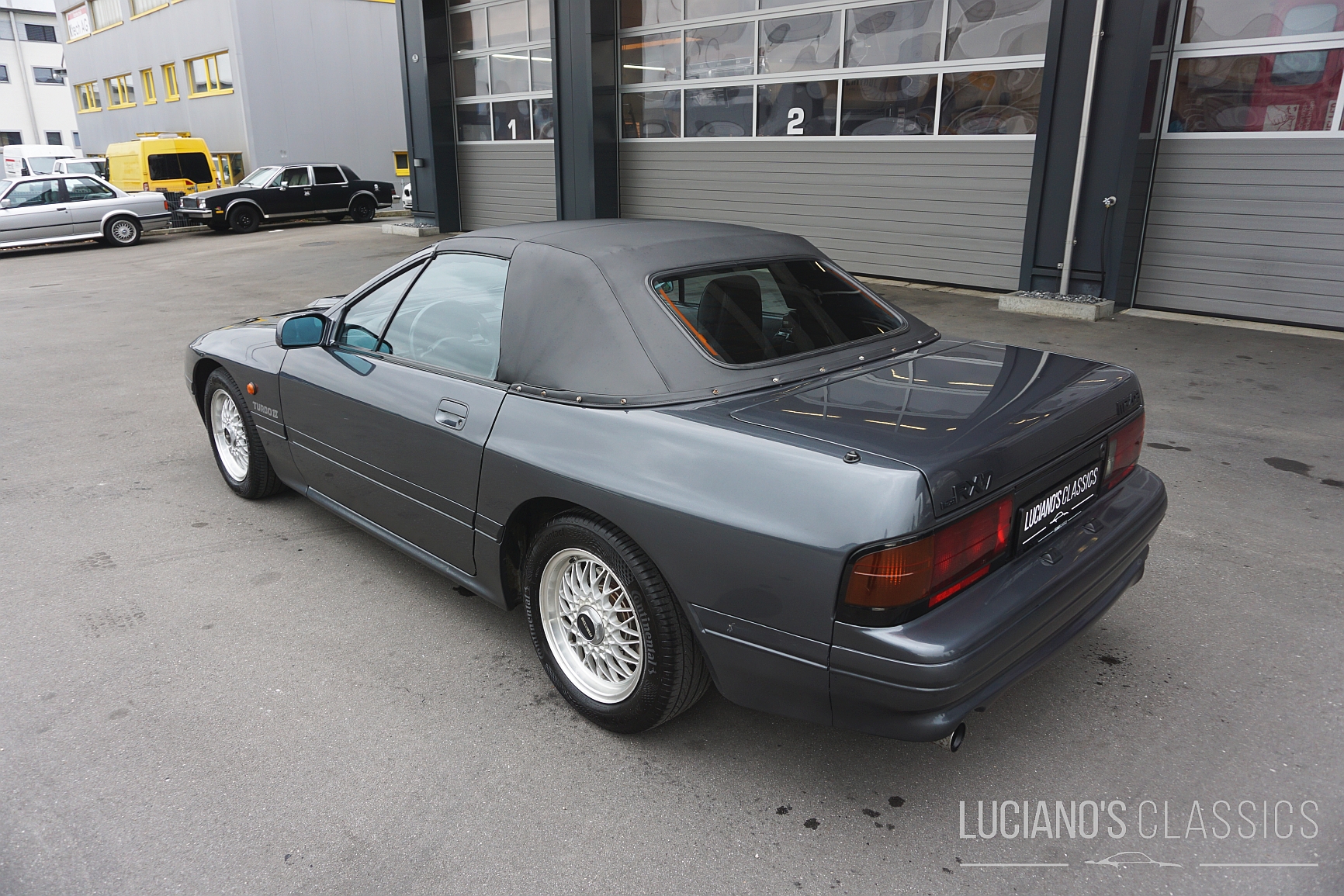
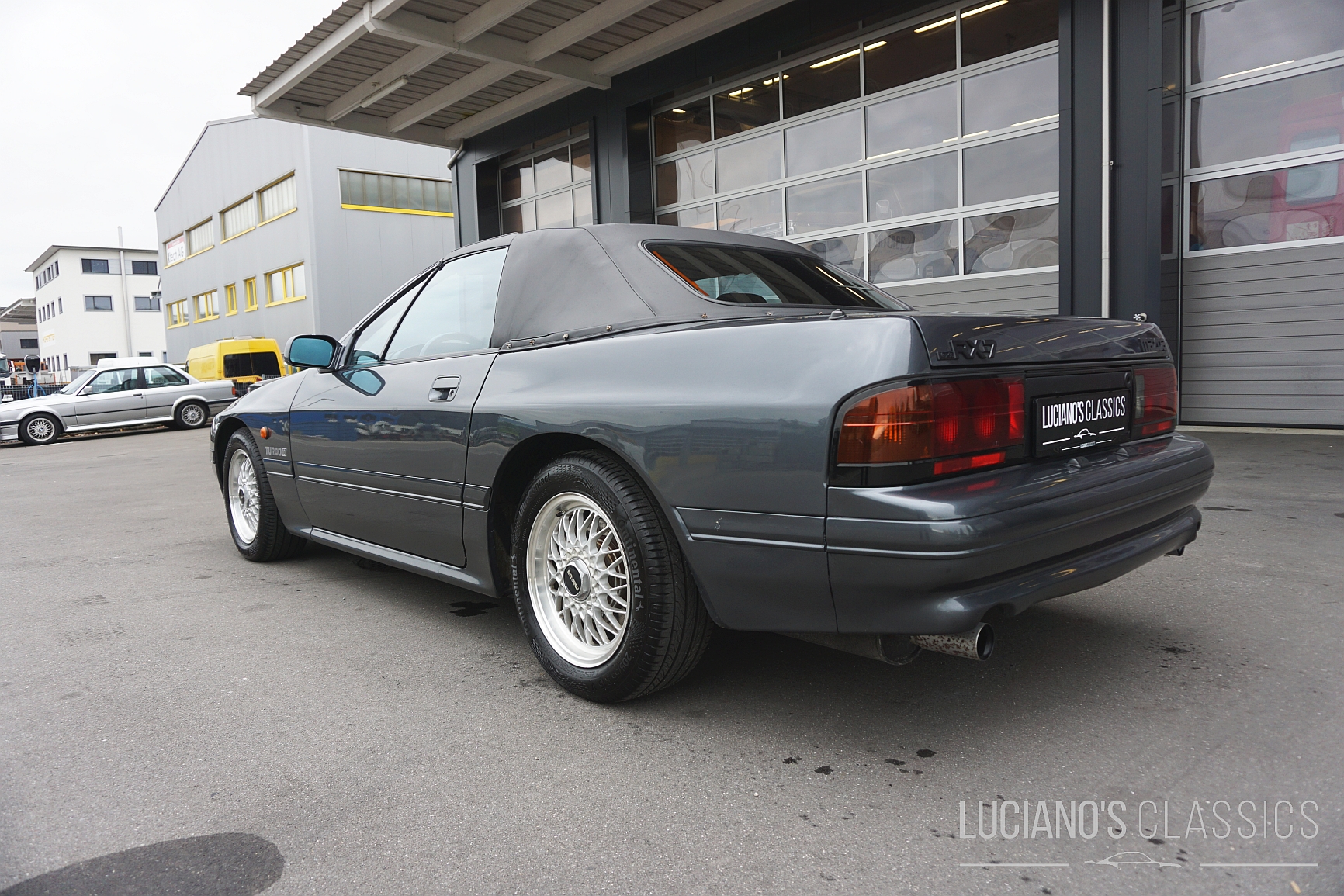
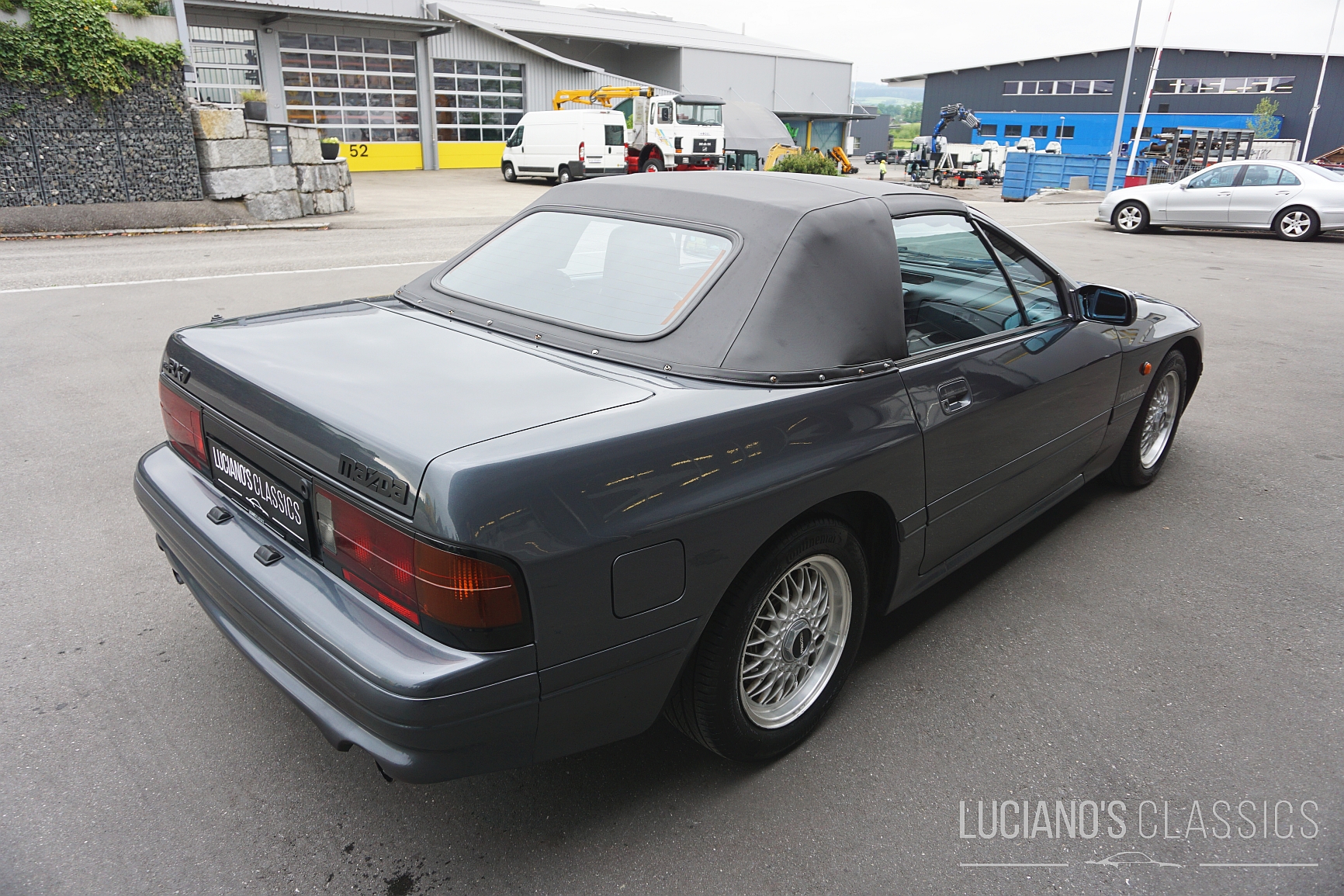
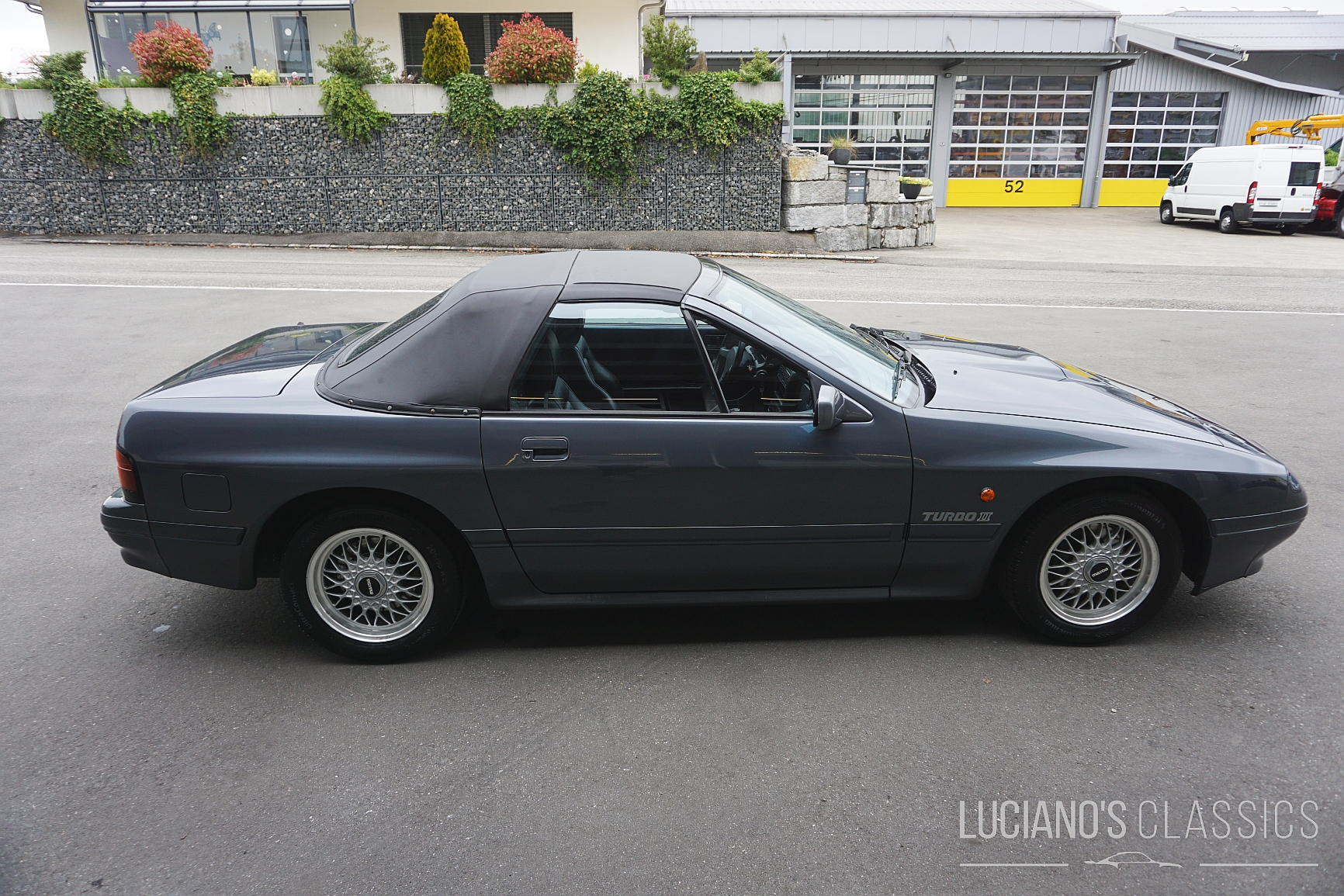
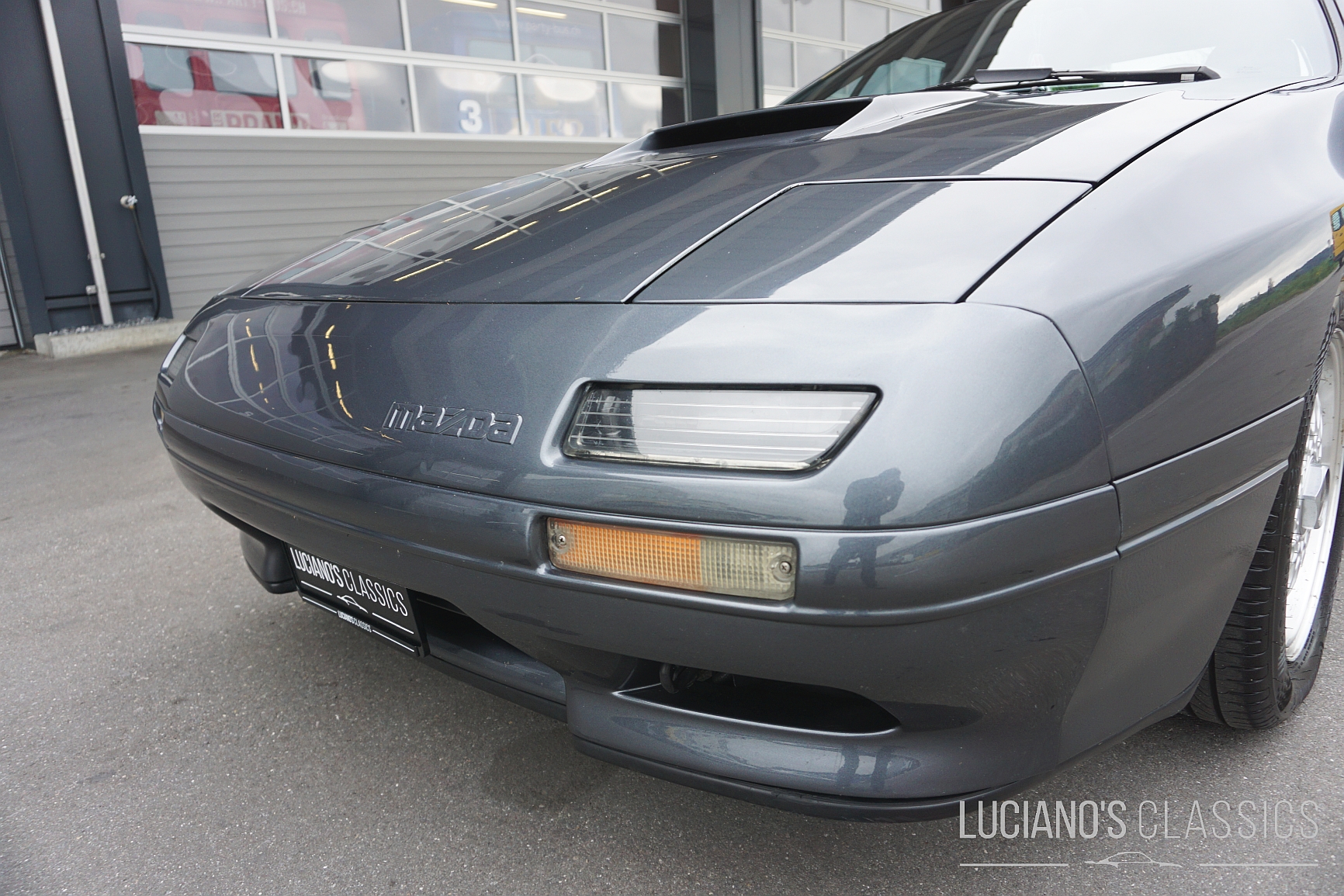
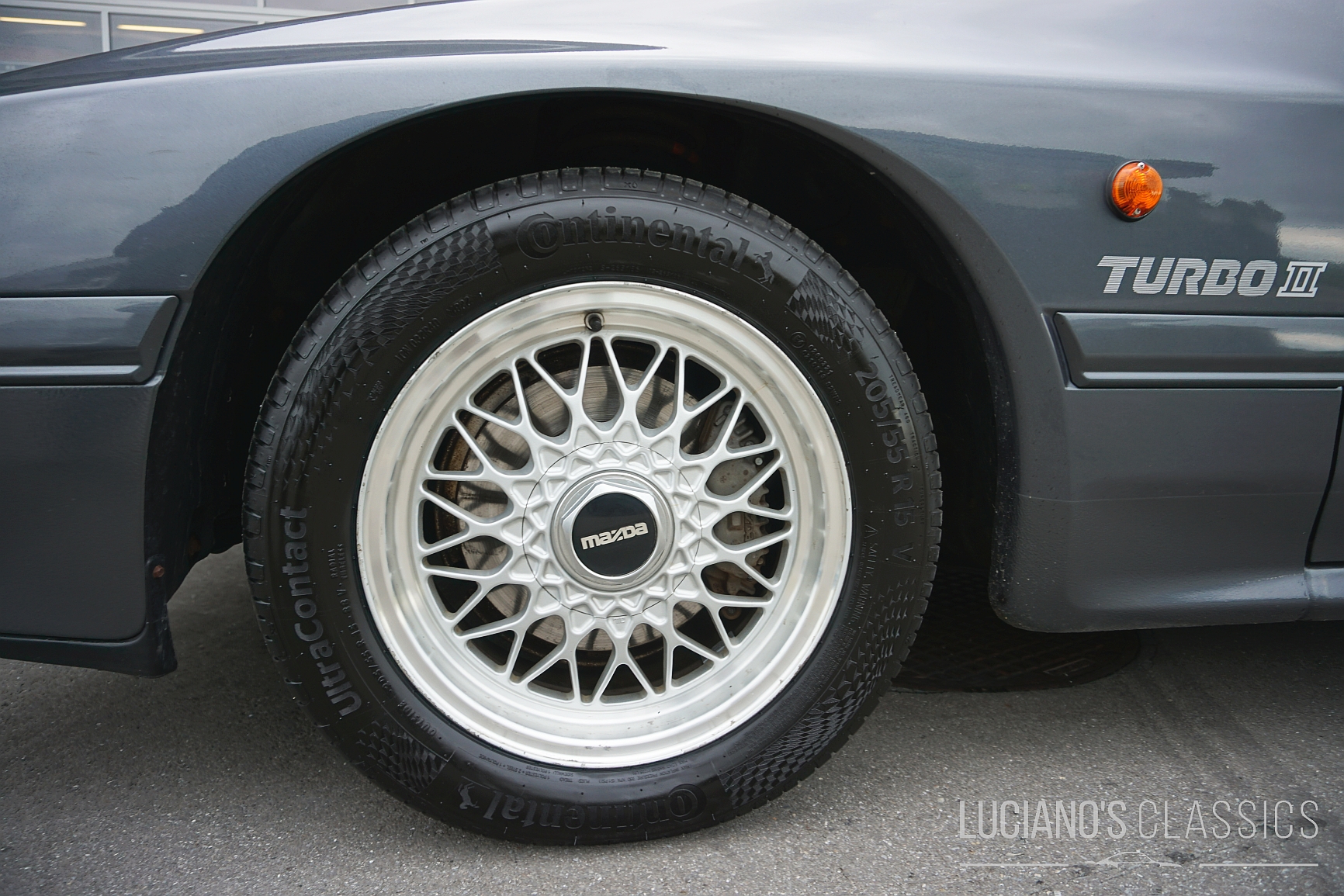
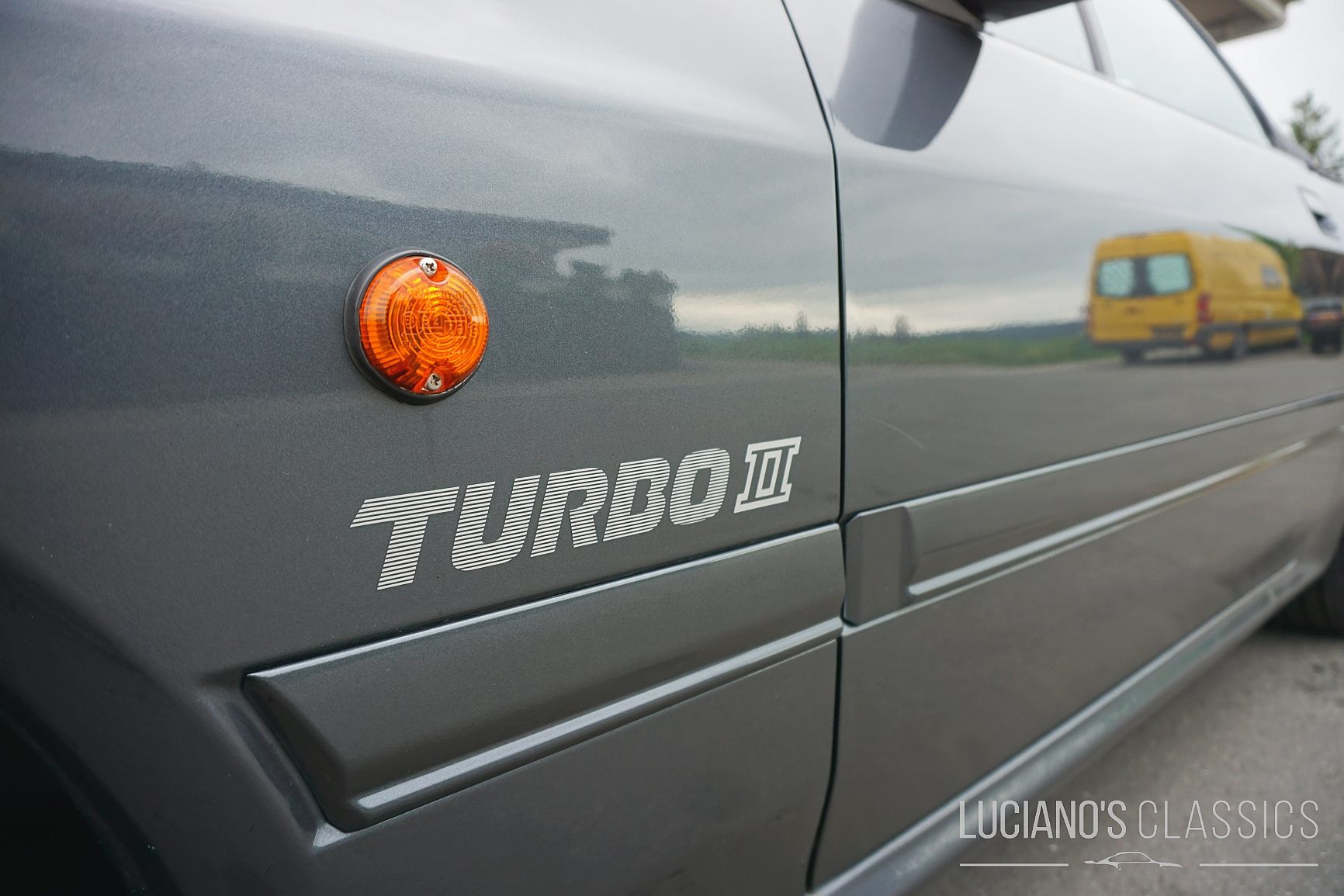
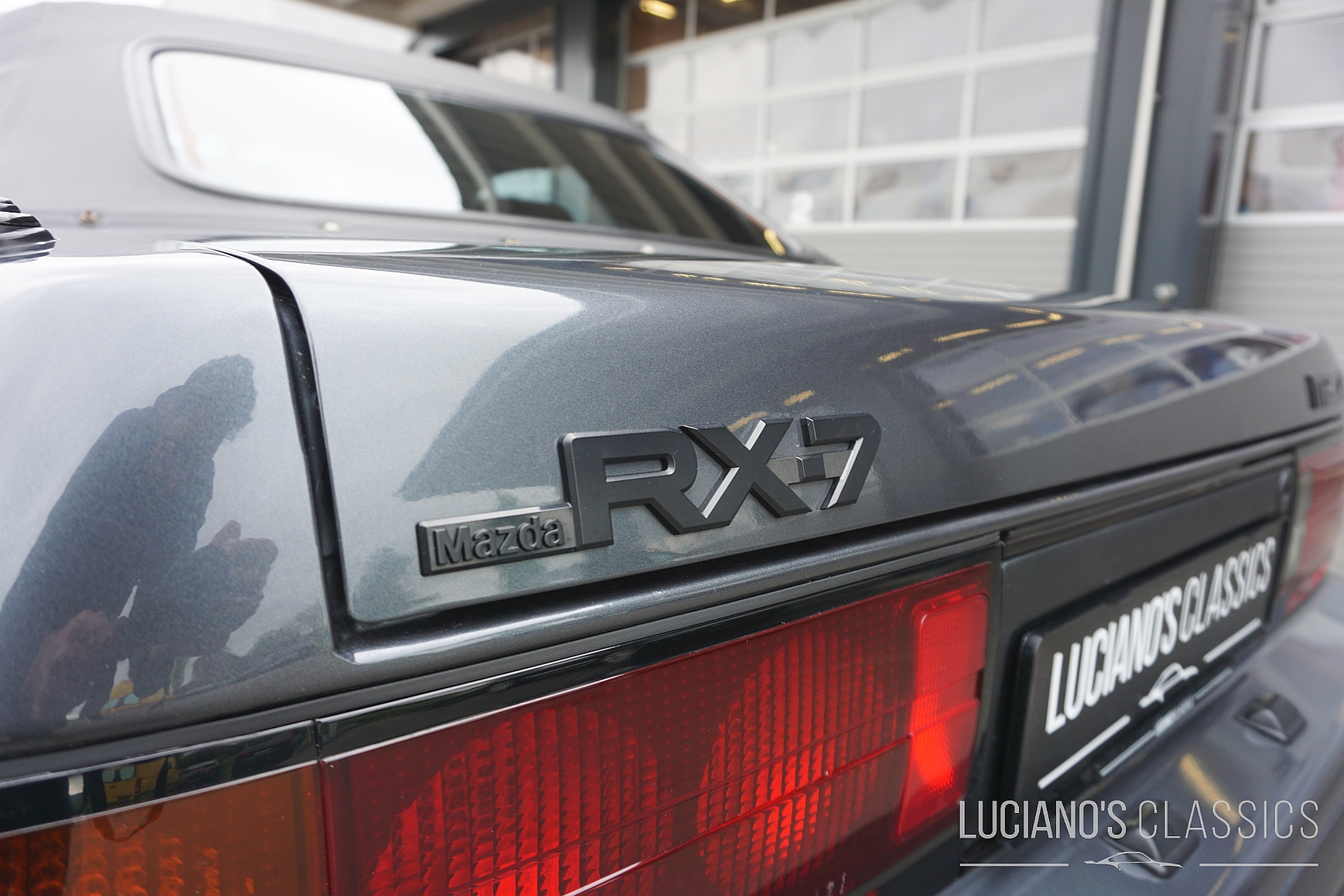
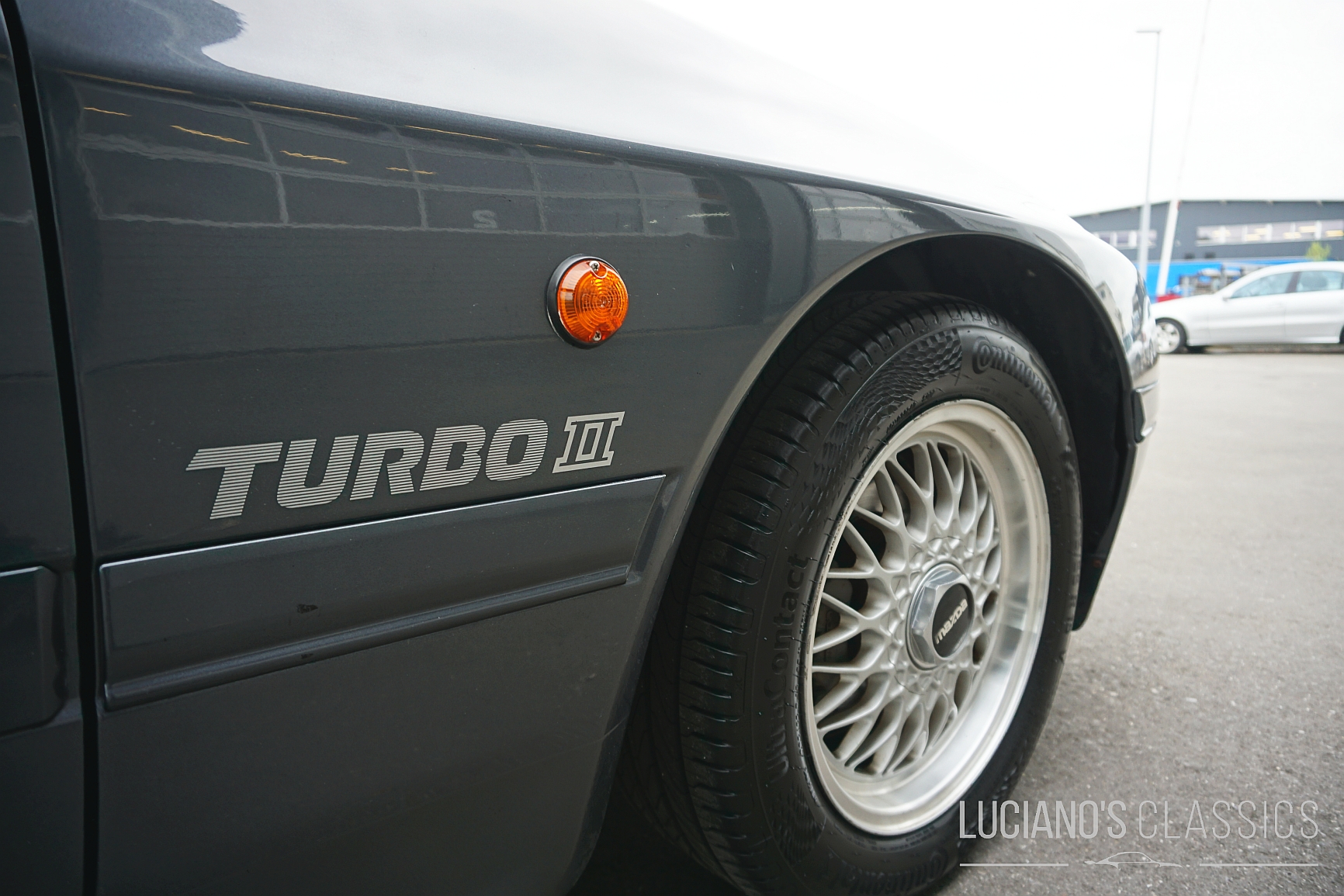
The Japanese build reliable cars. And Mazda proved in the early 80s: they can also build damn crazy ones. The 1992 Mazda RX-7 Turbo II (FC3S) is just that - a sports car with a Wankel engine, turbocharger and 80s charm that is rarer today than many a Ferrari.
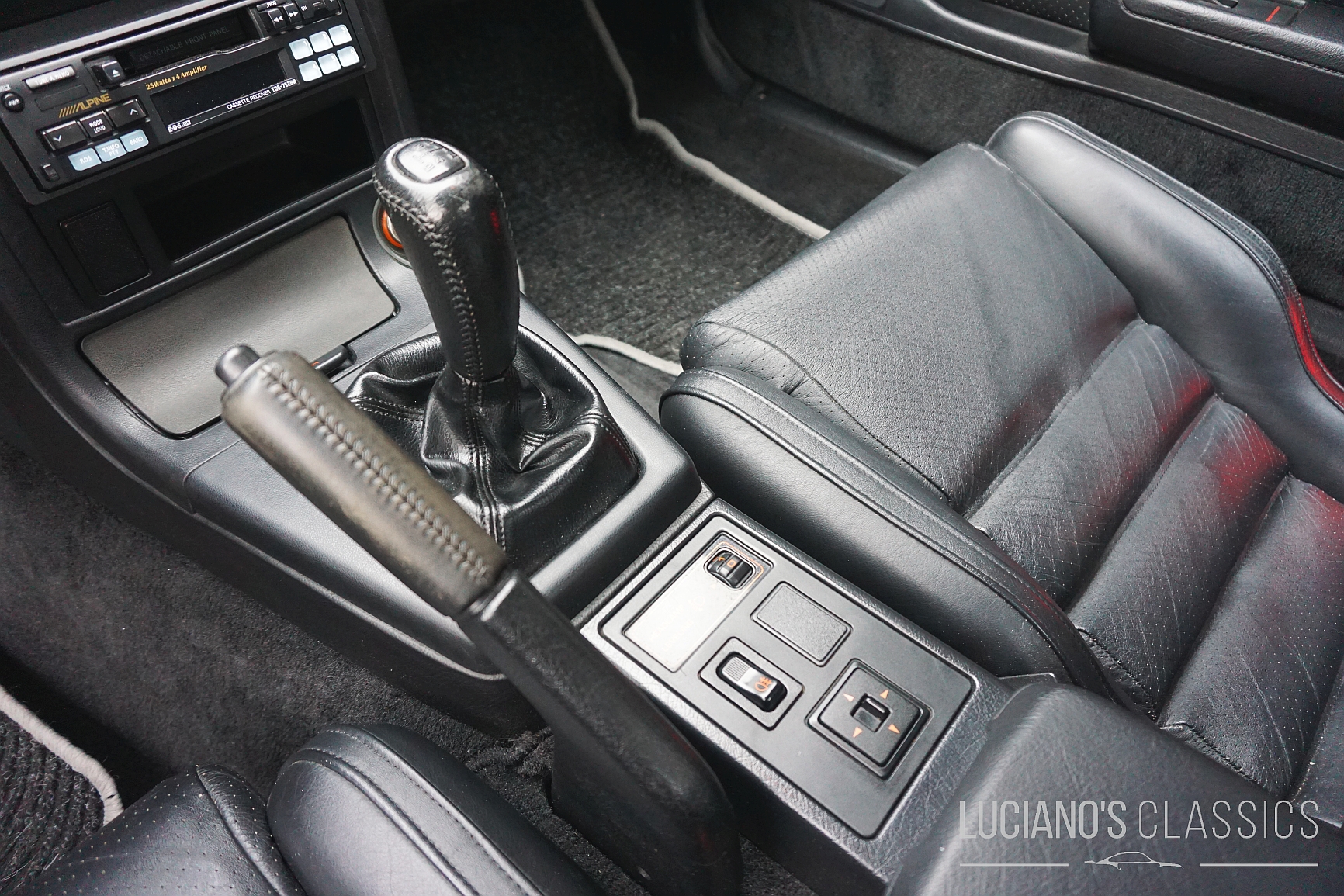
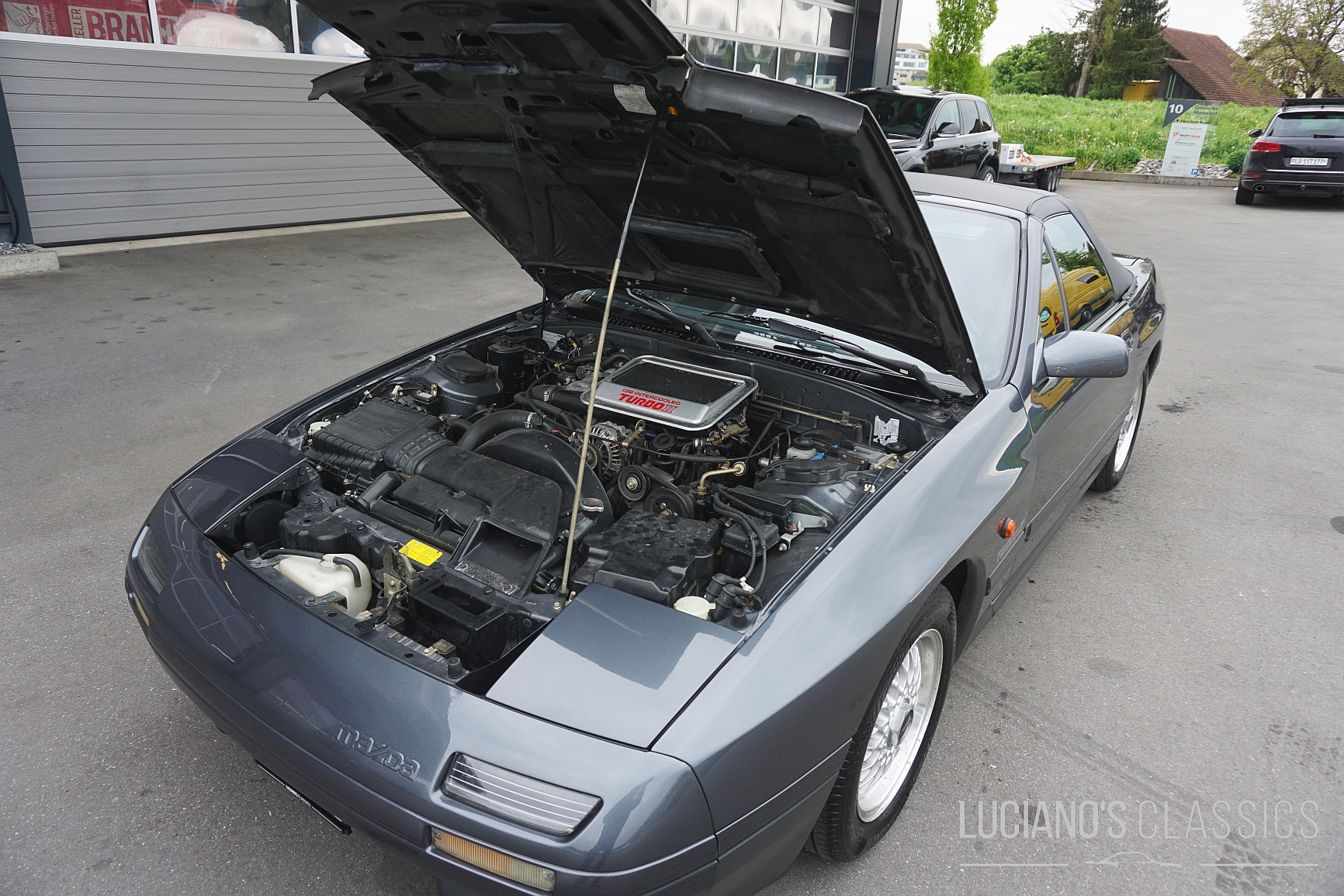
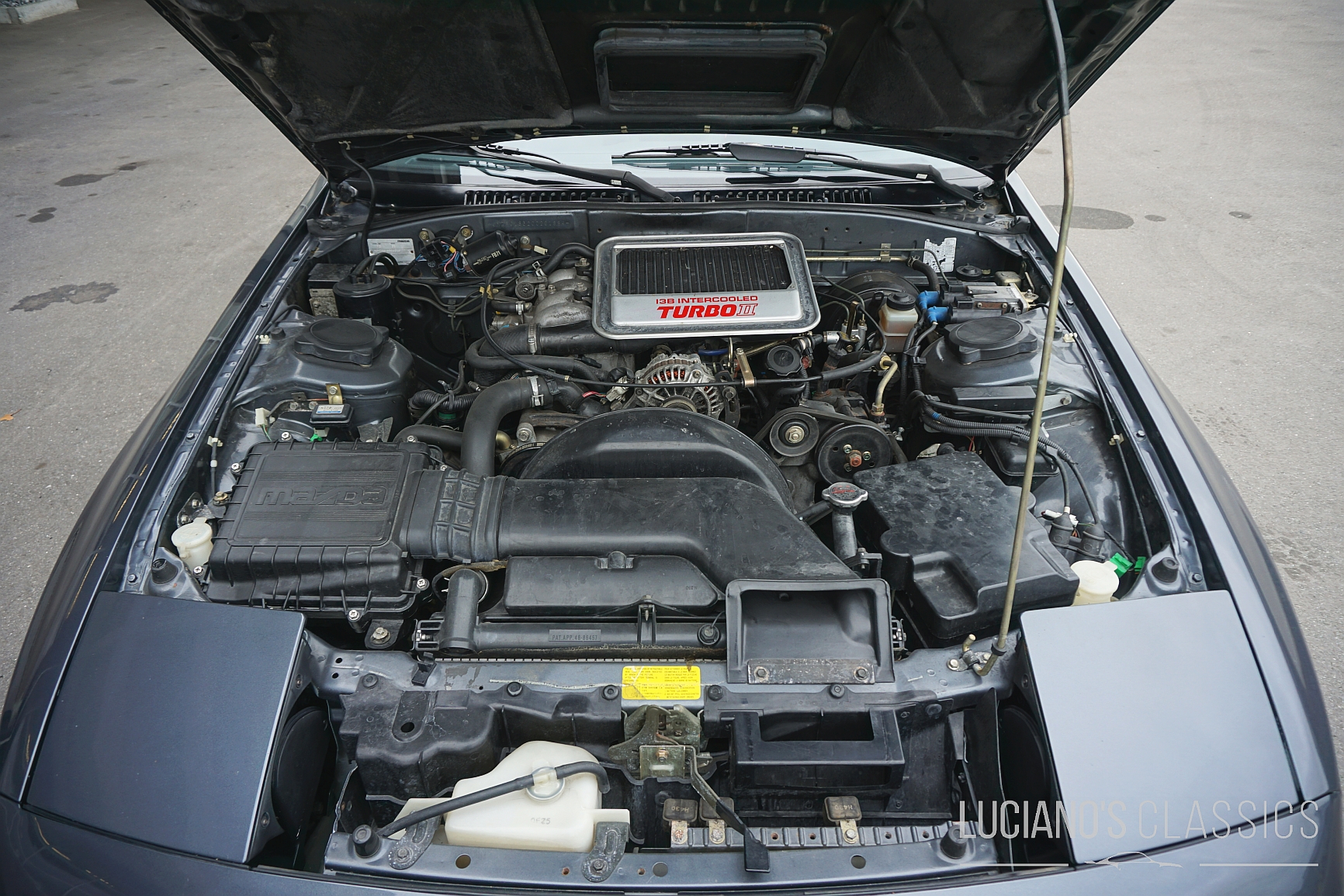
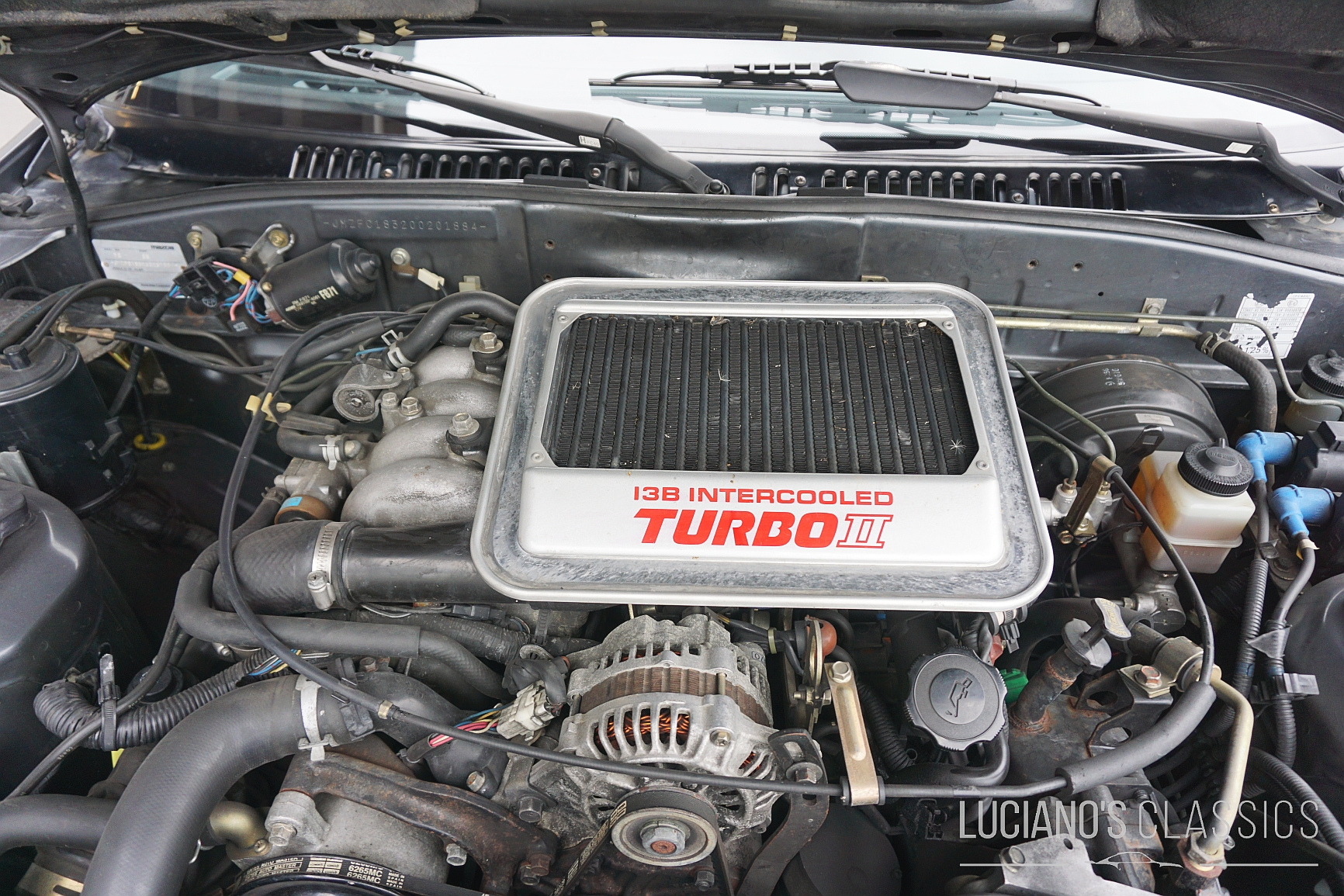
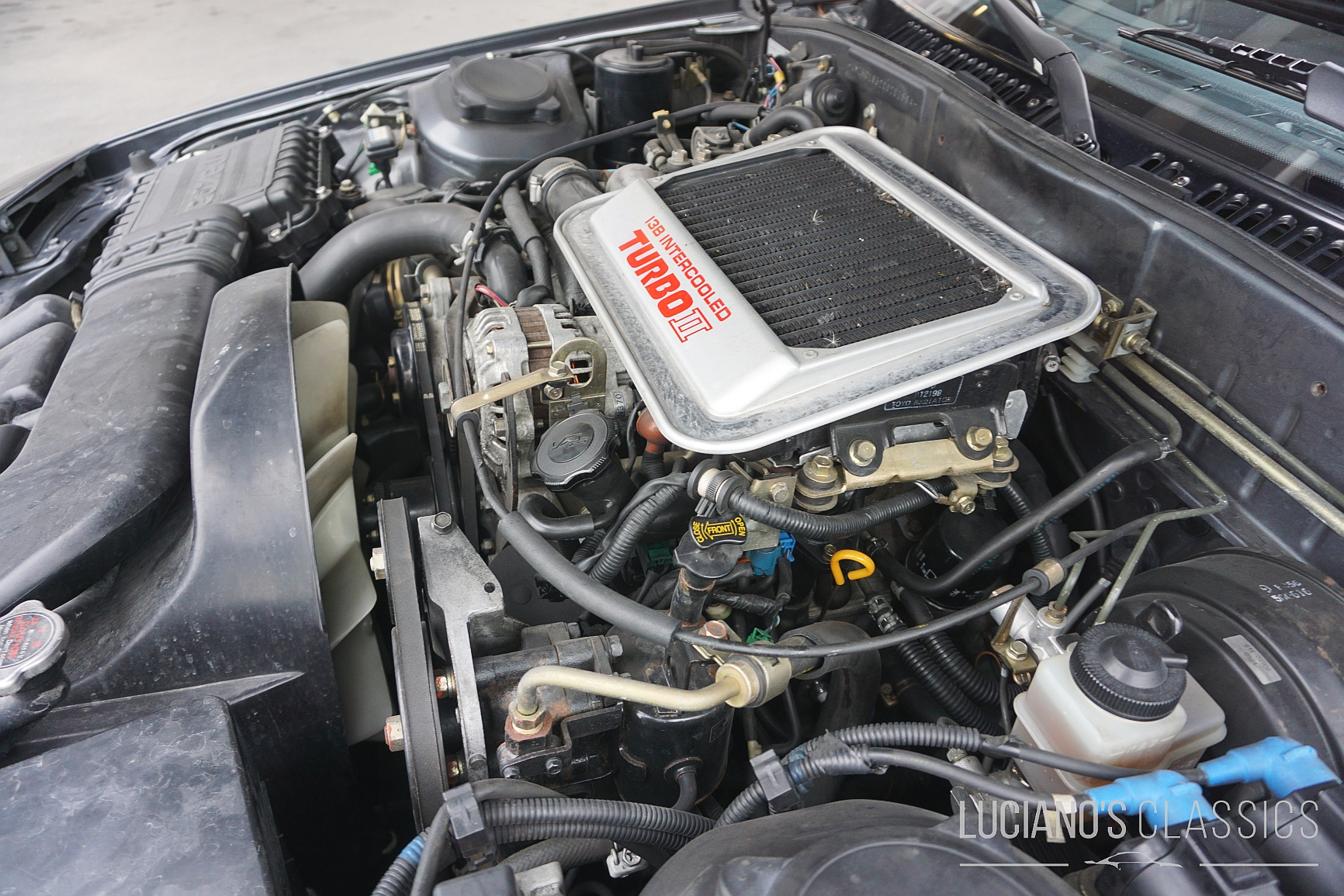
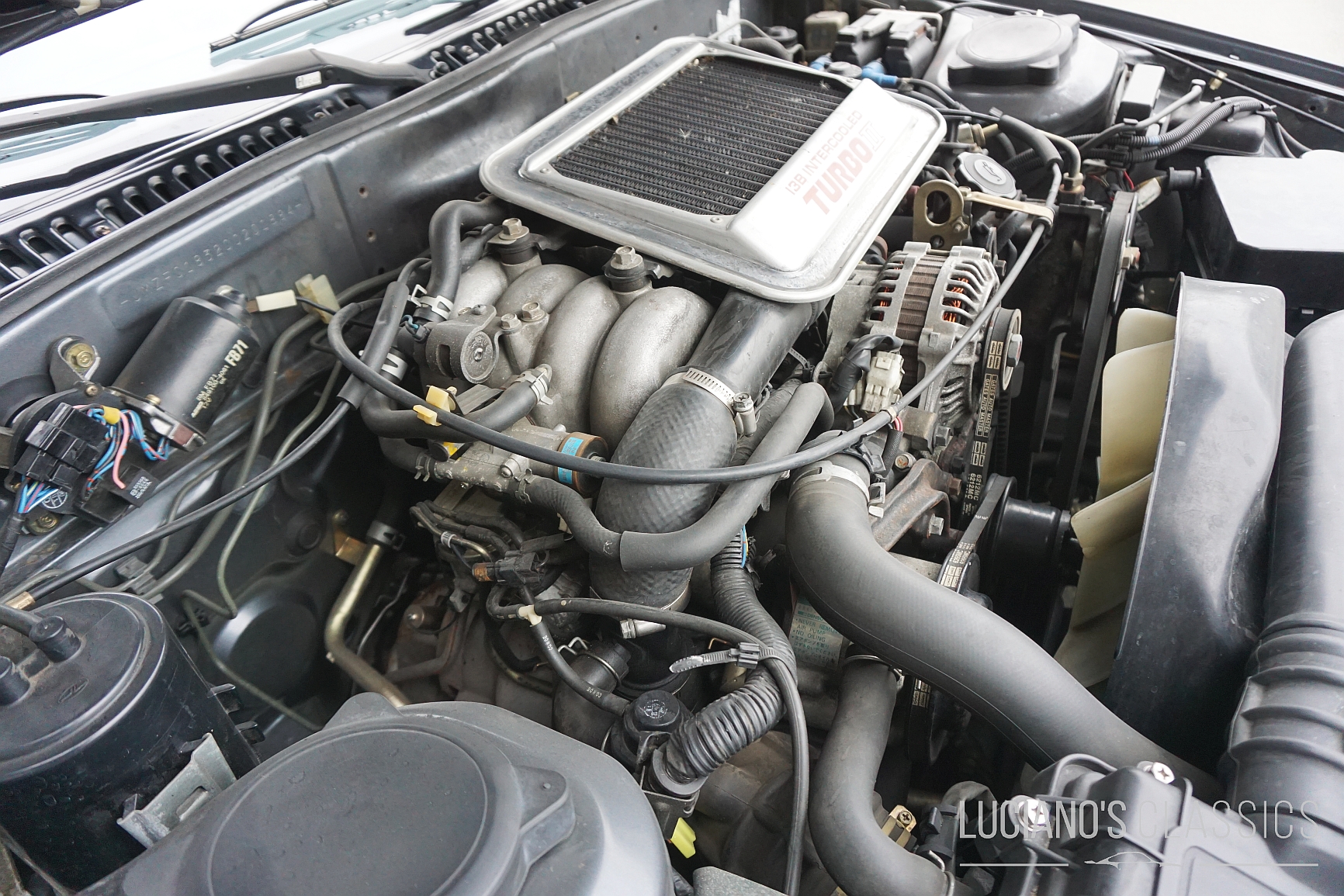
Under the hood is a 1.3 liter Wankel engine with two rotary pistons, called 13B-T - but what sounds harmless is anything but tame. Thanks to turbocharging, the lightweight delivers around 200 hp, which leaves a lasting impression on the rear axle - especially on the tires. Combined with a manual 5-speed gearbox, a balanced weight distribution of 50:50 and wonderfully direct handling, the RX-7 is a driving machine for connoisseurs and experts alike.
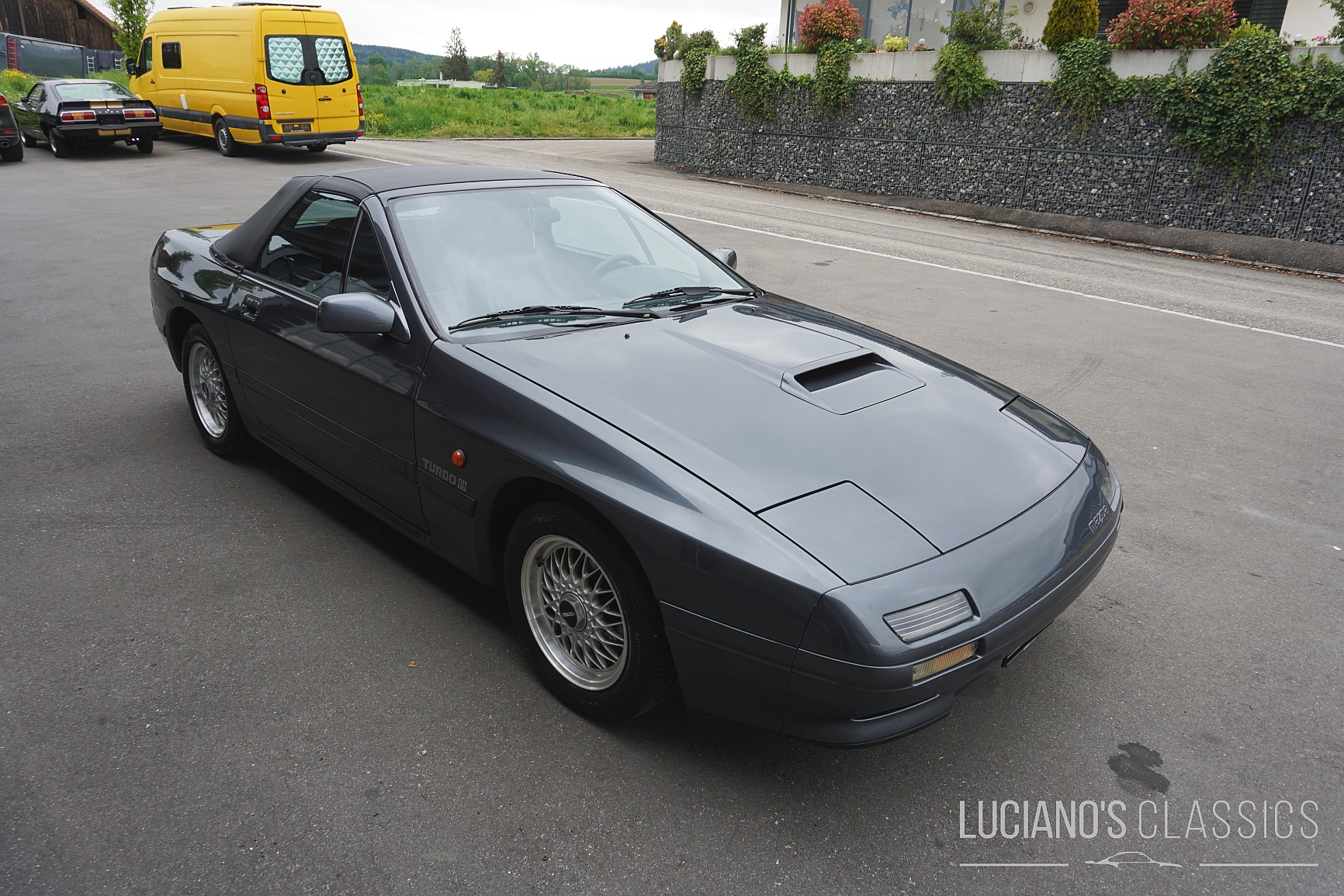
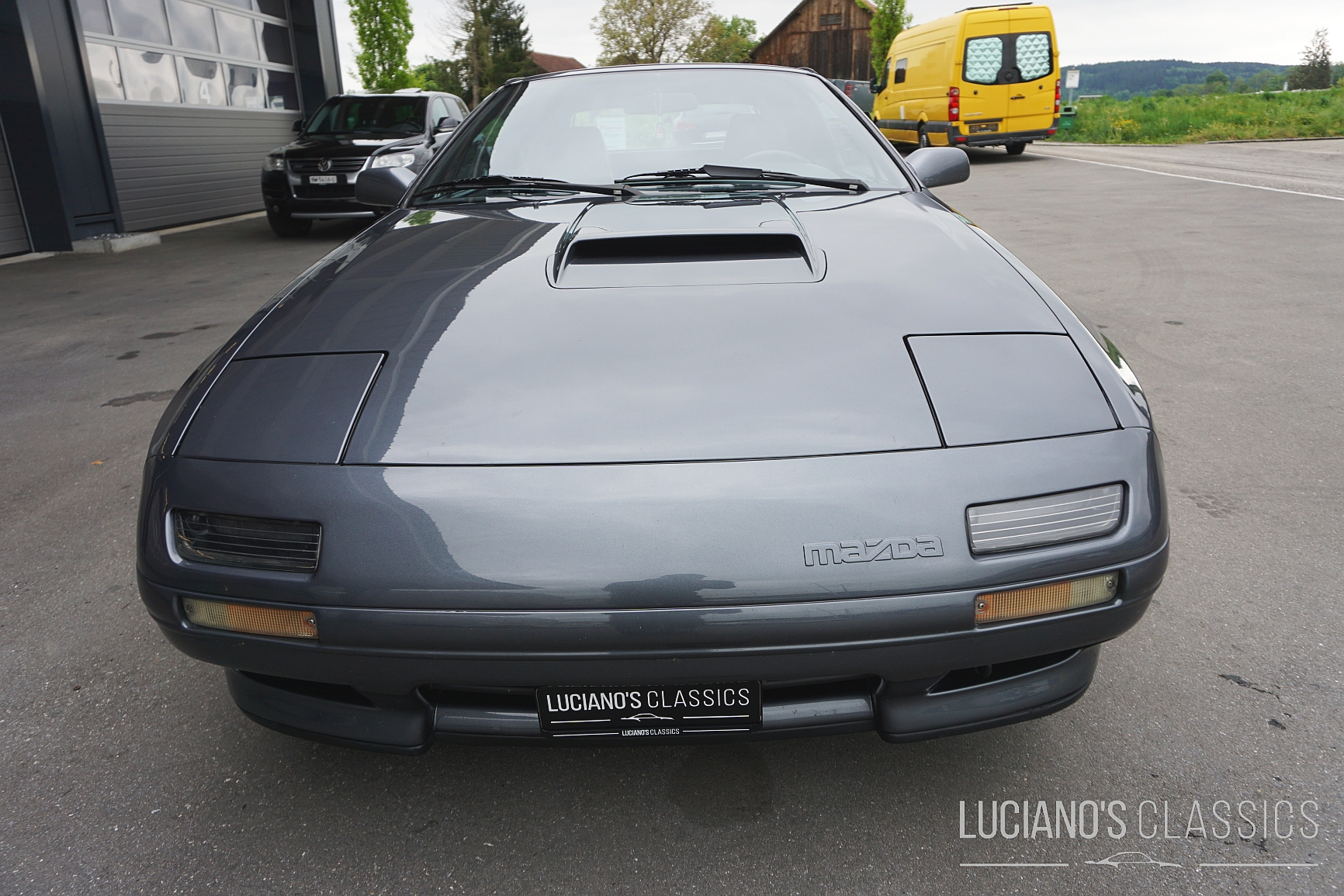
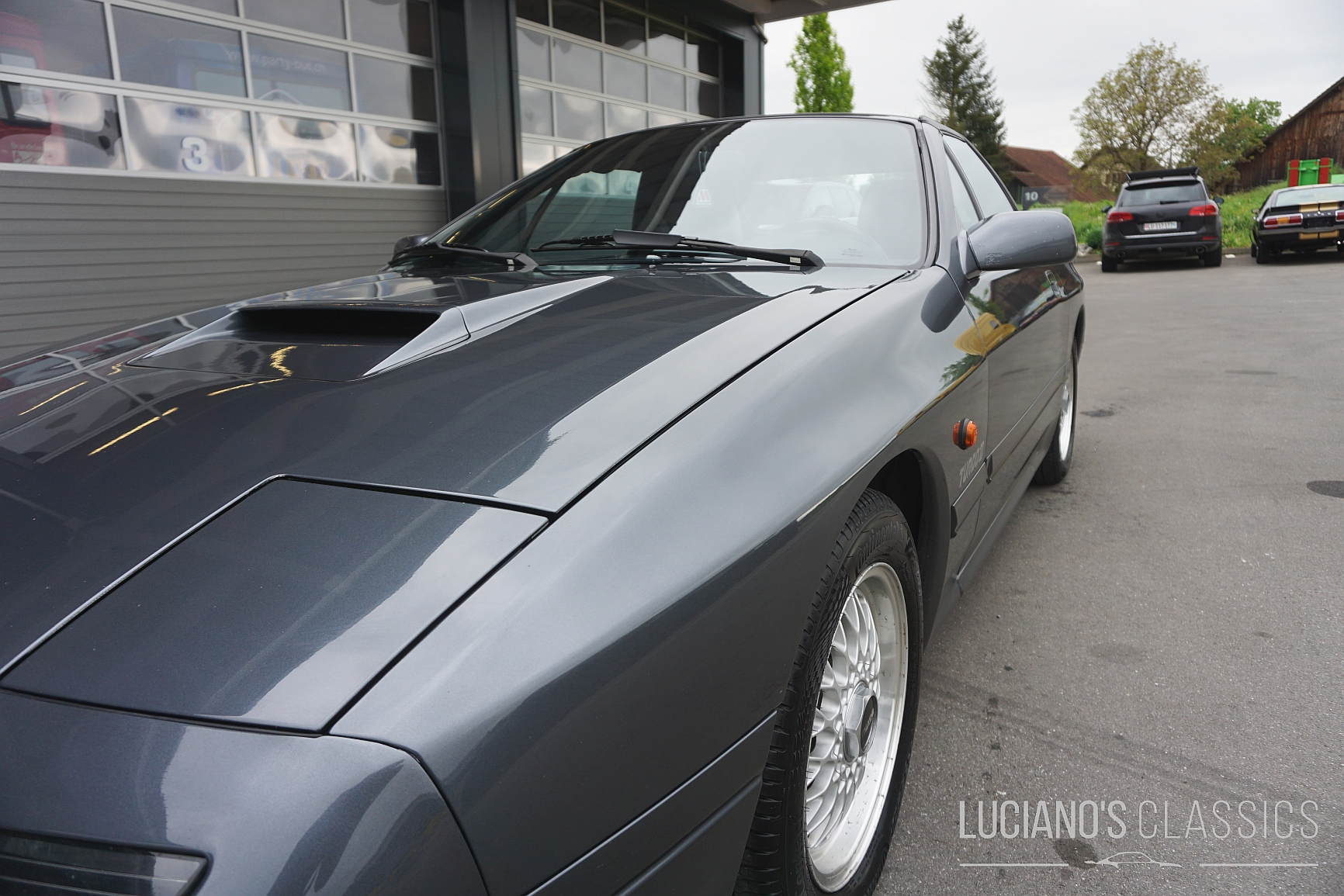
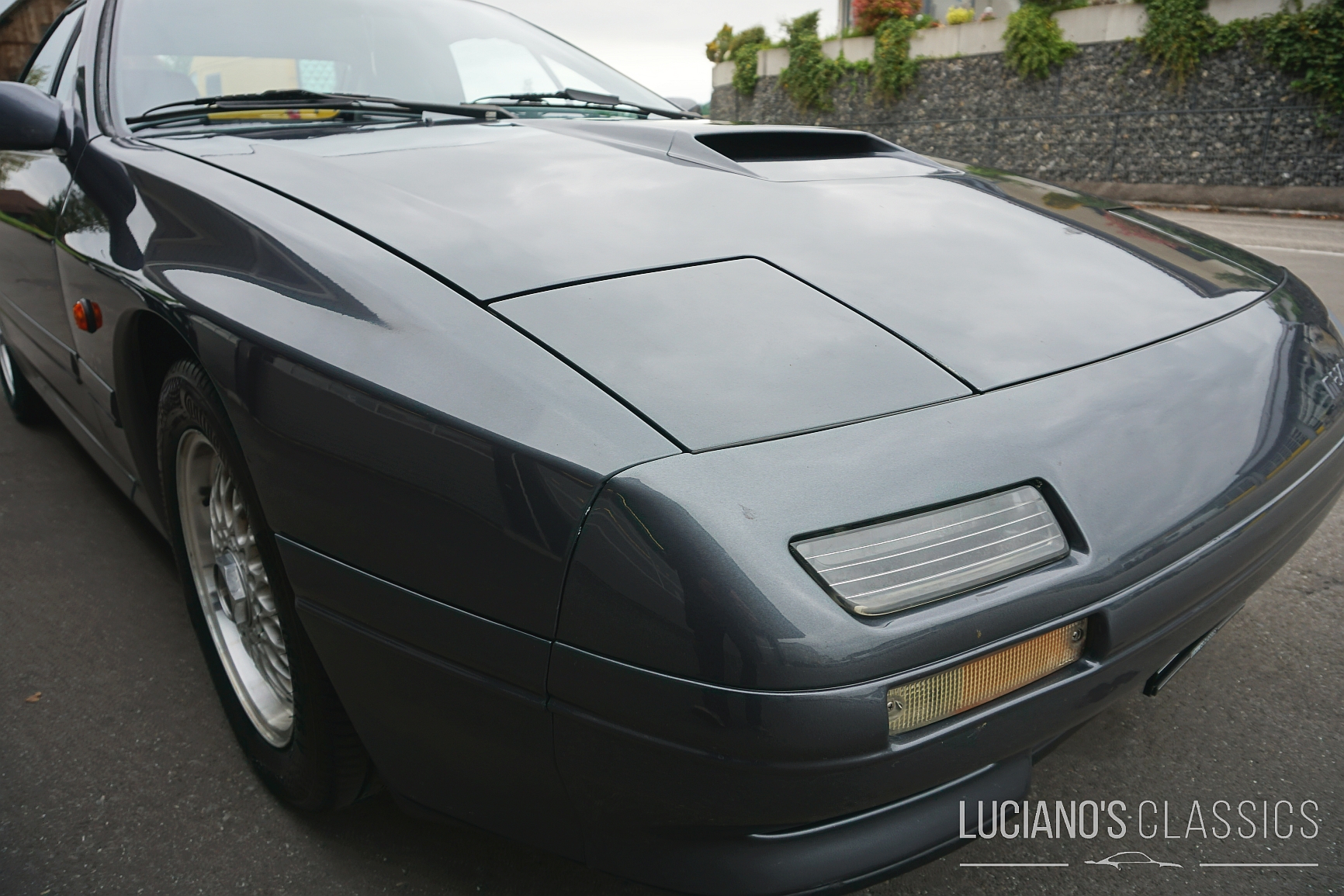
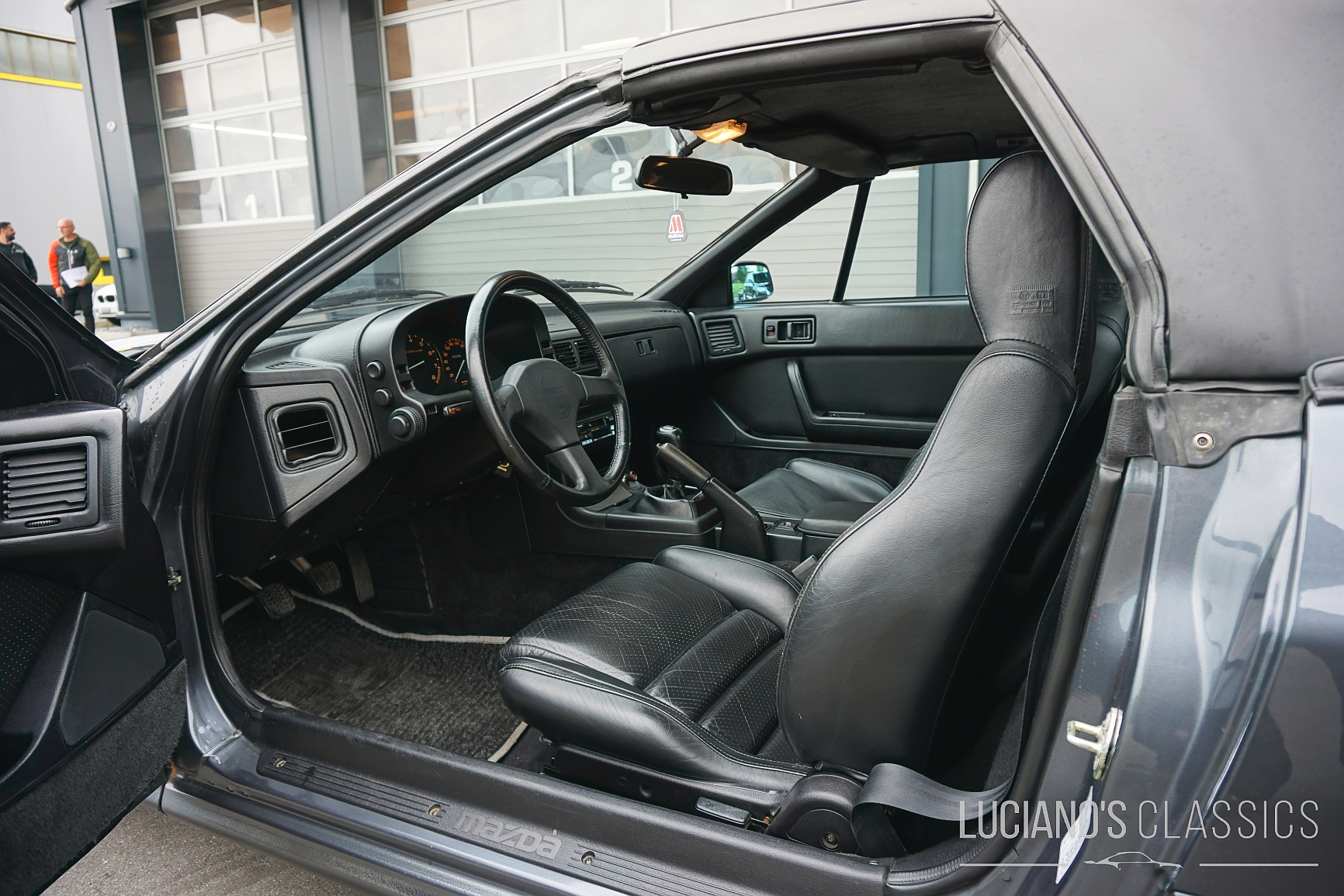
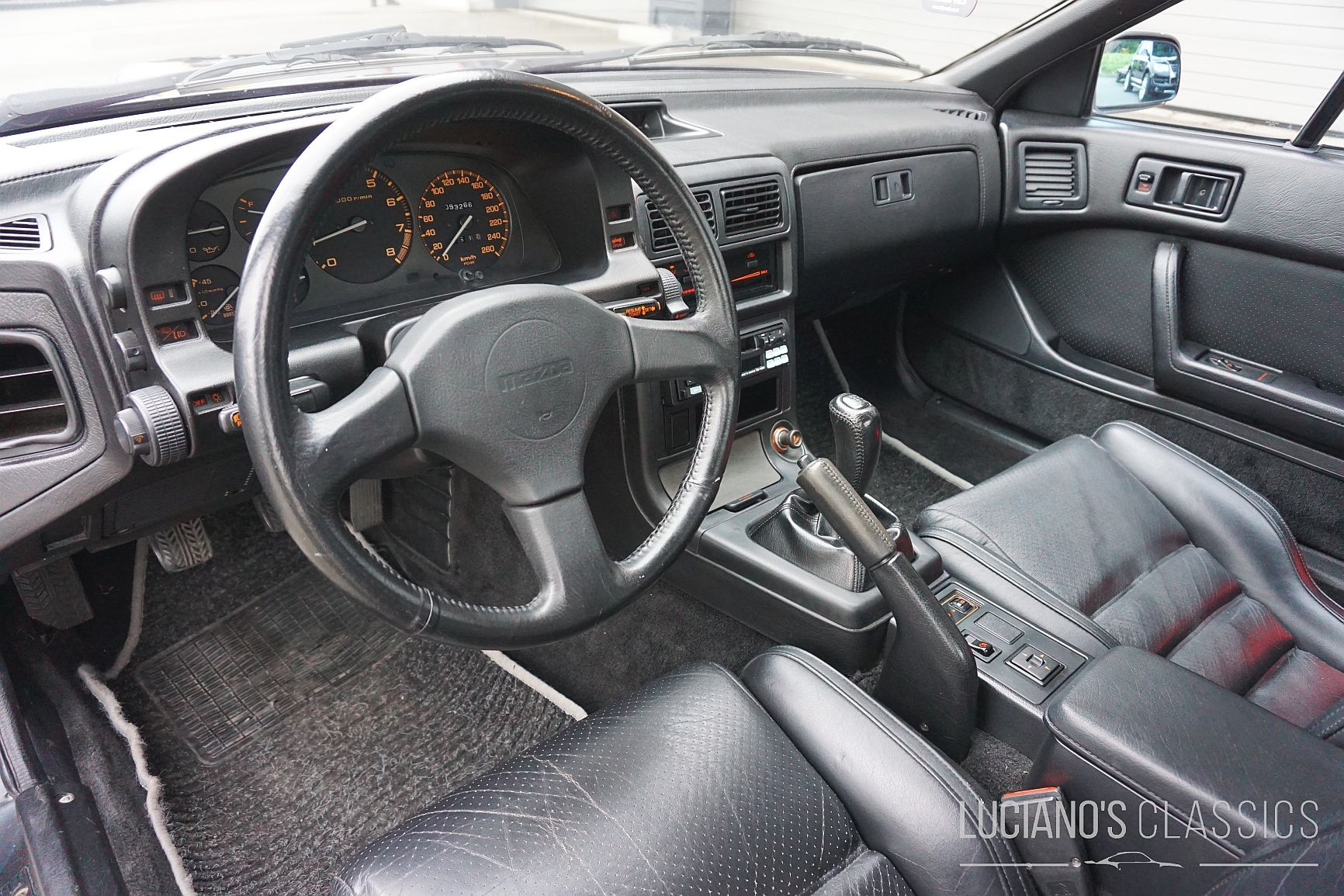
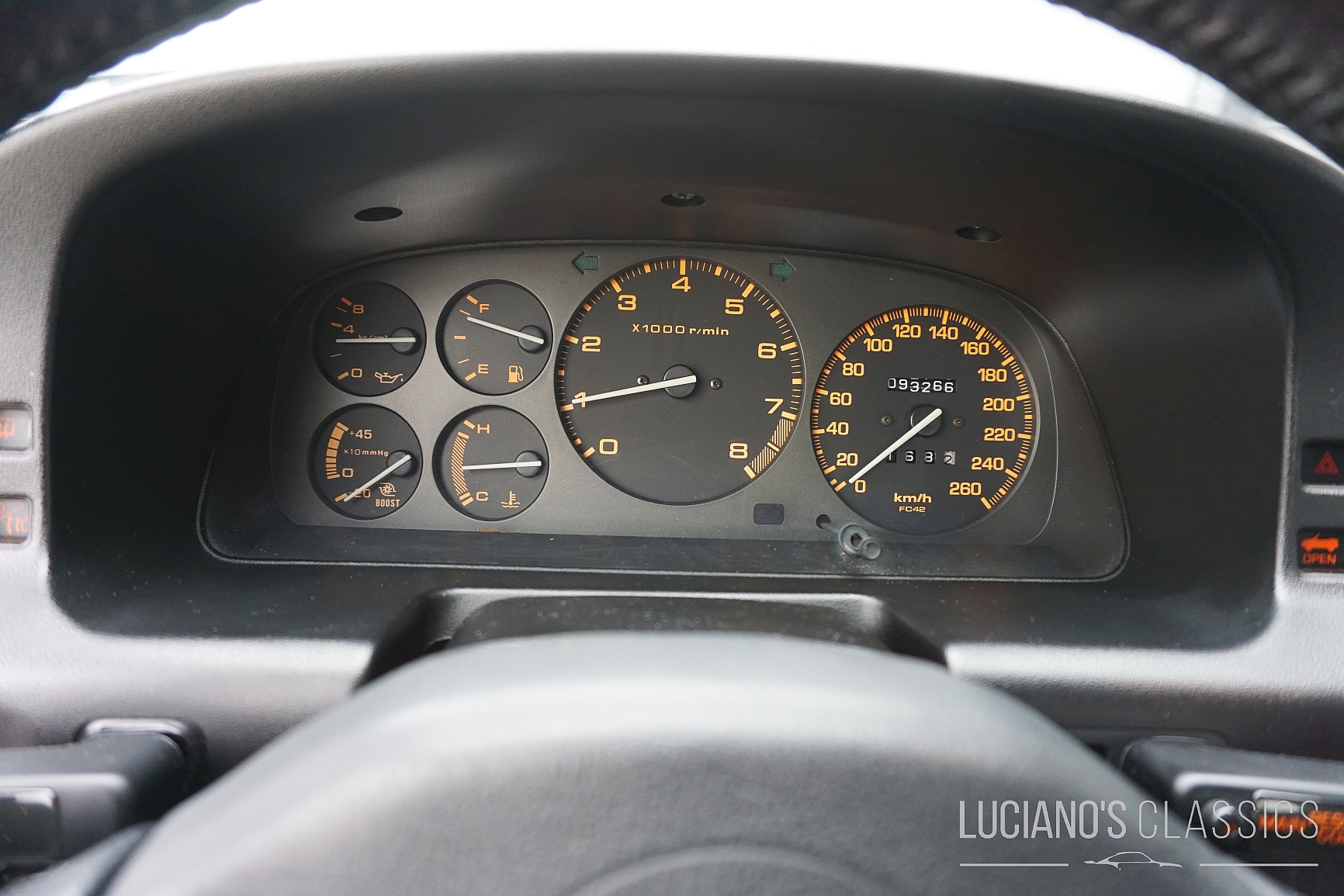
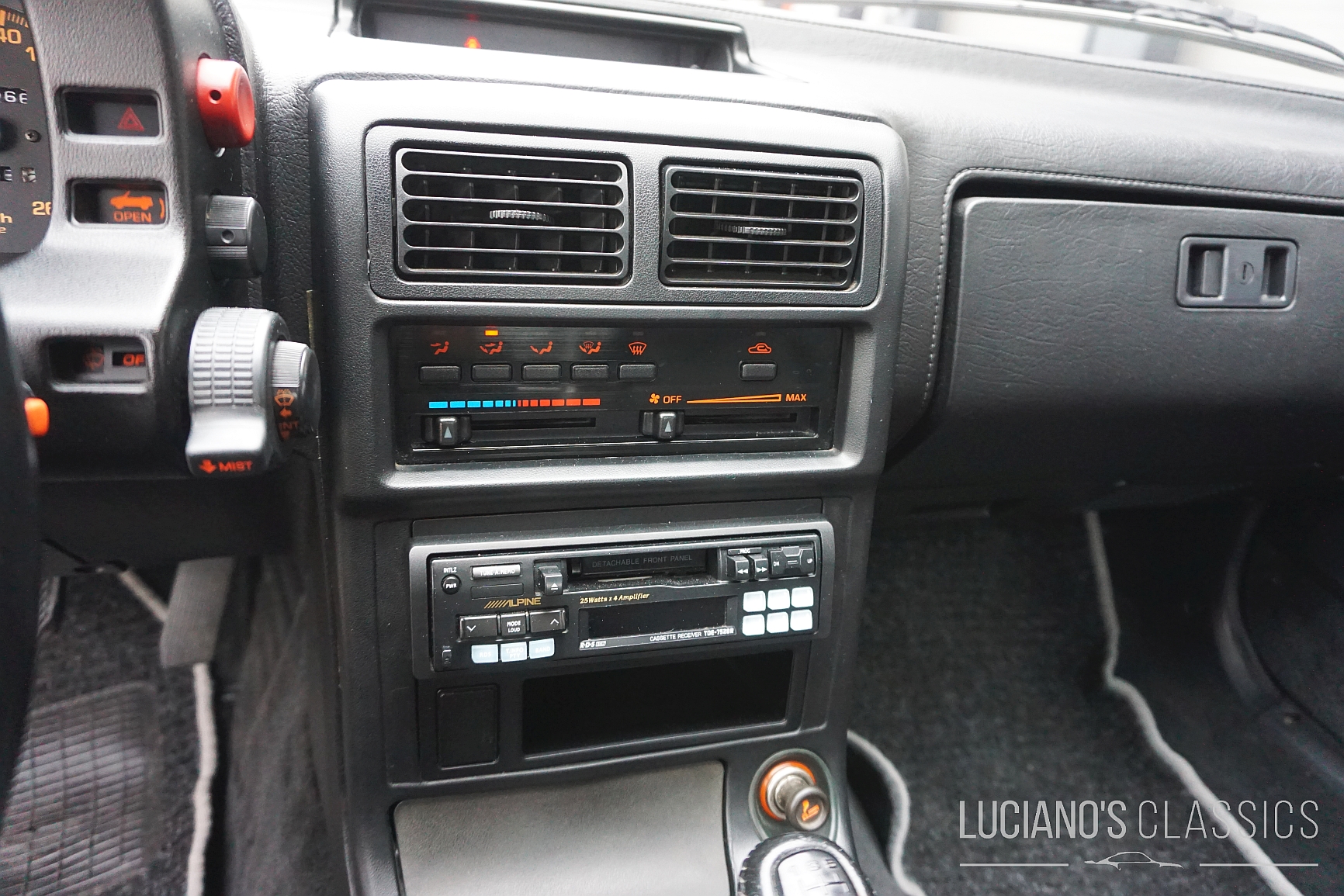
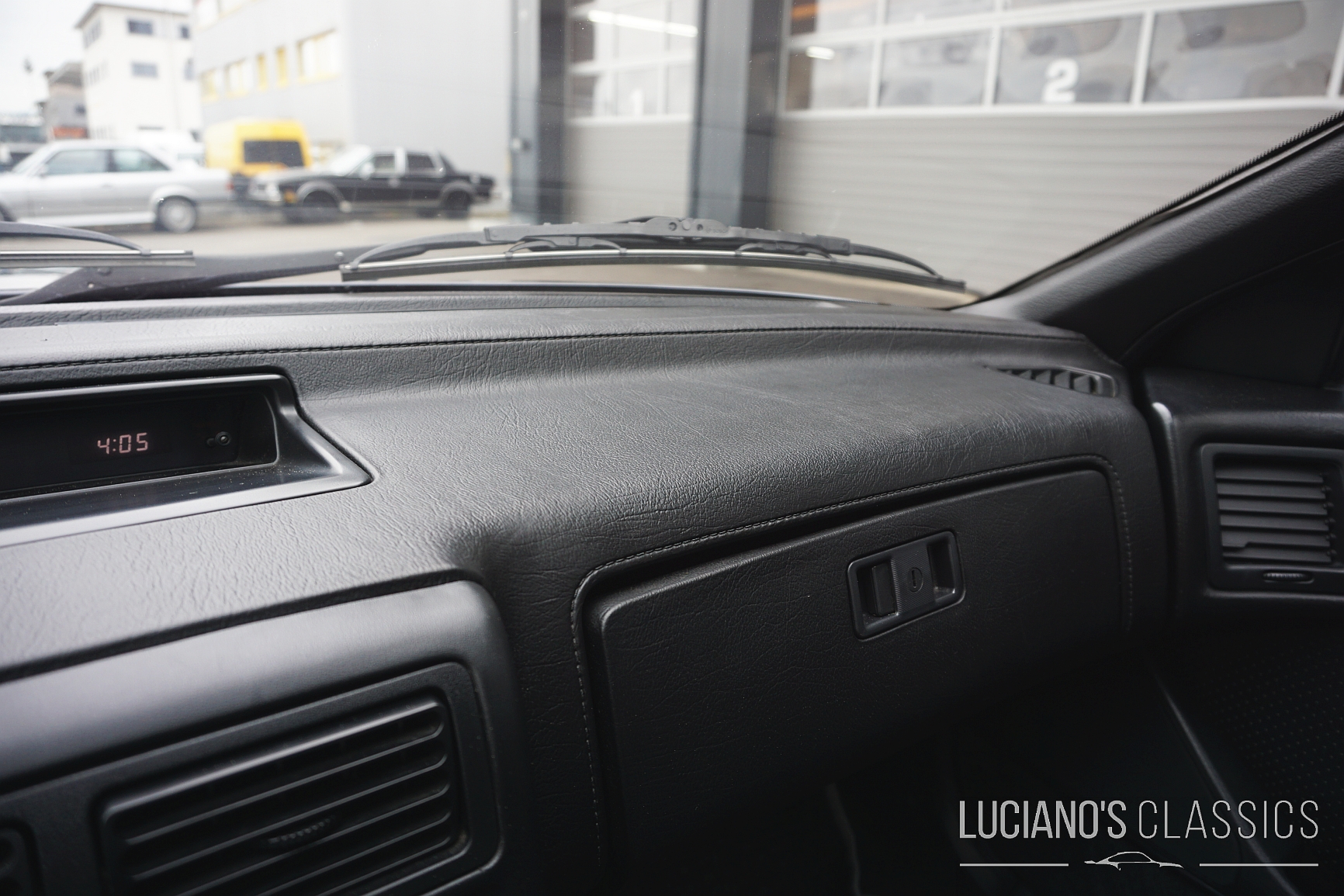
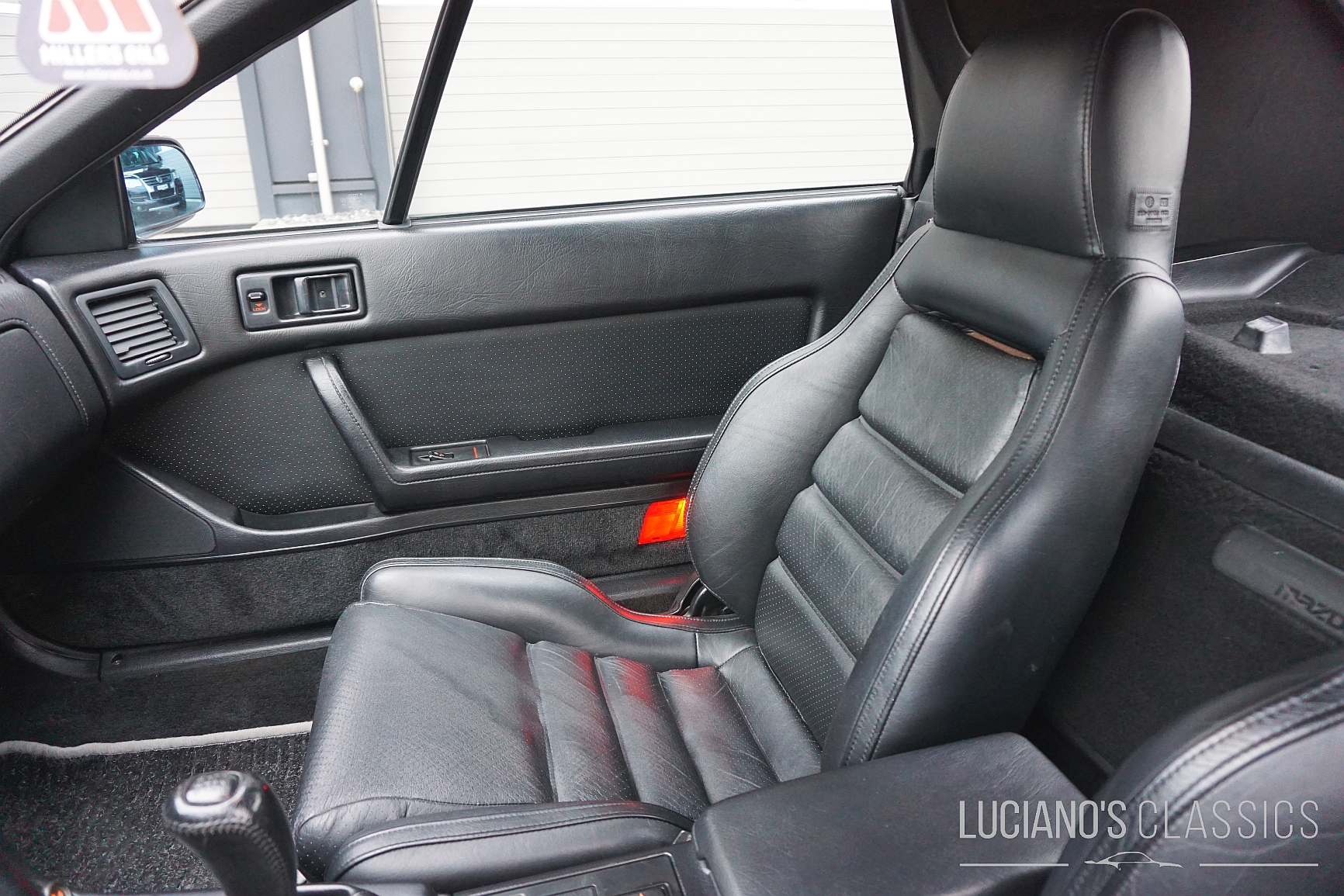
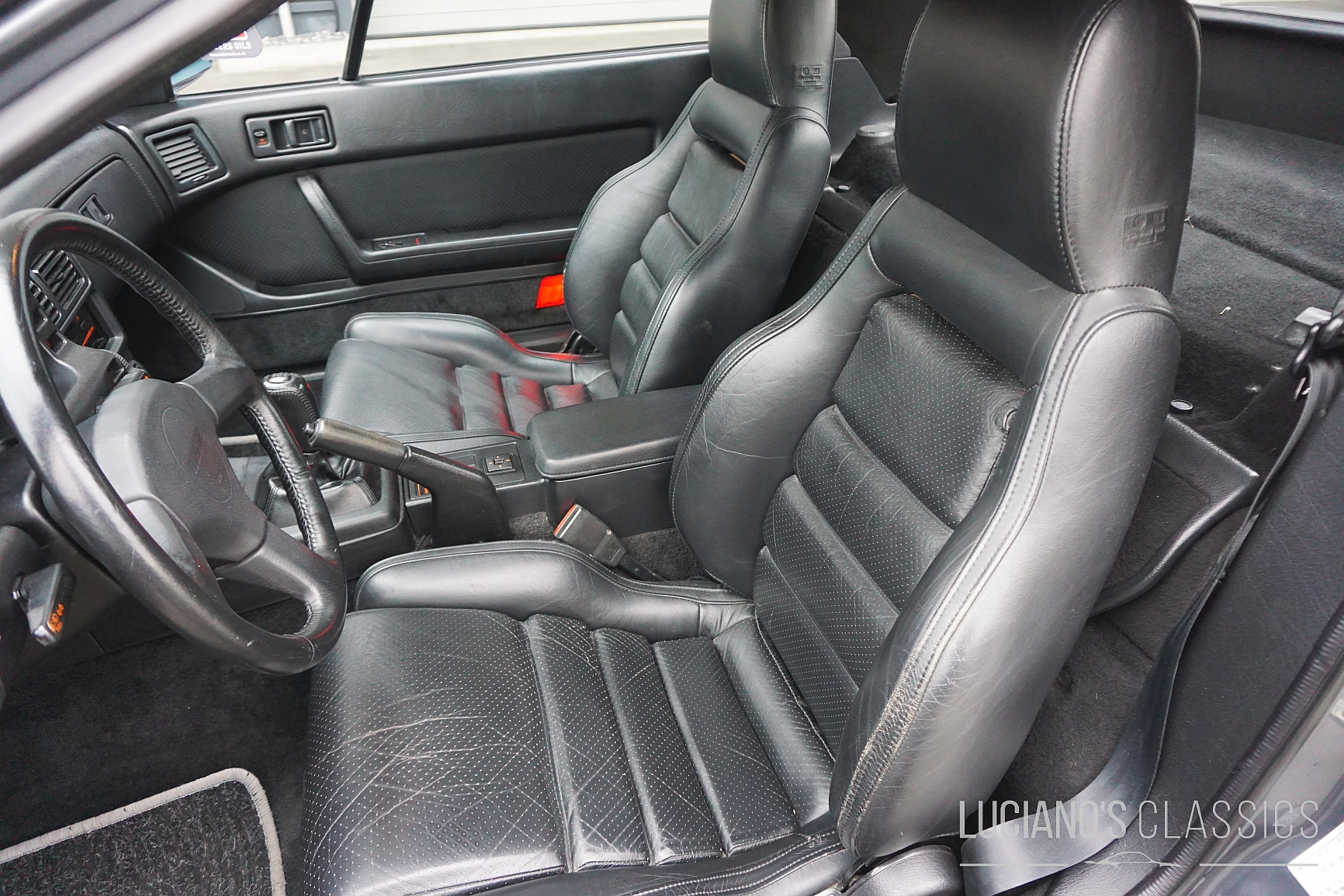
The design? Japanese neo-classicism: folding headlights, flat lines, sporty without show, with a cockpit like from a jet. Inside, you sit low, surrounded by the original fabric interior and digital displays that still proudly say “TURBO”.
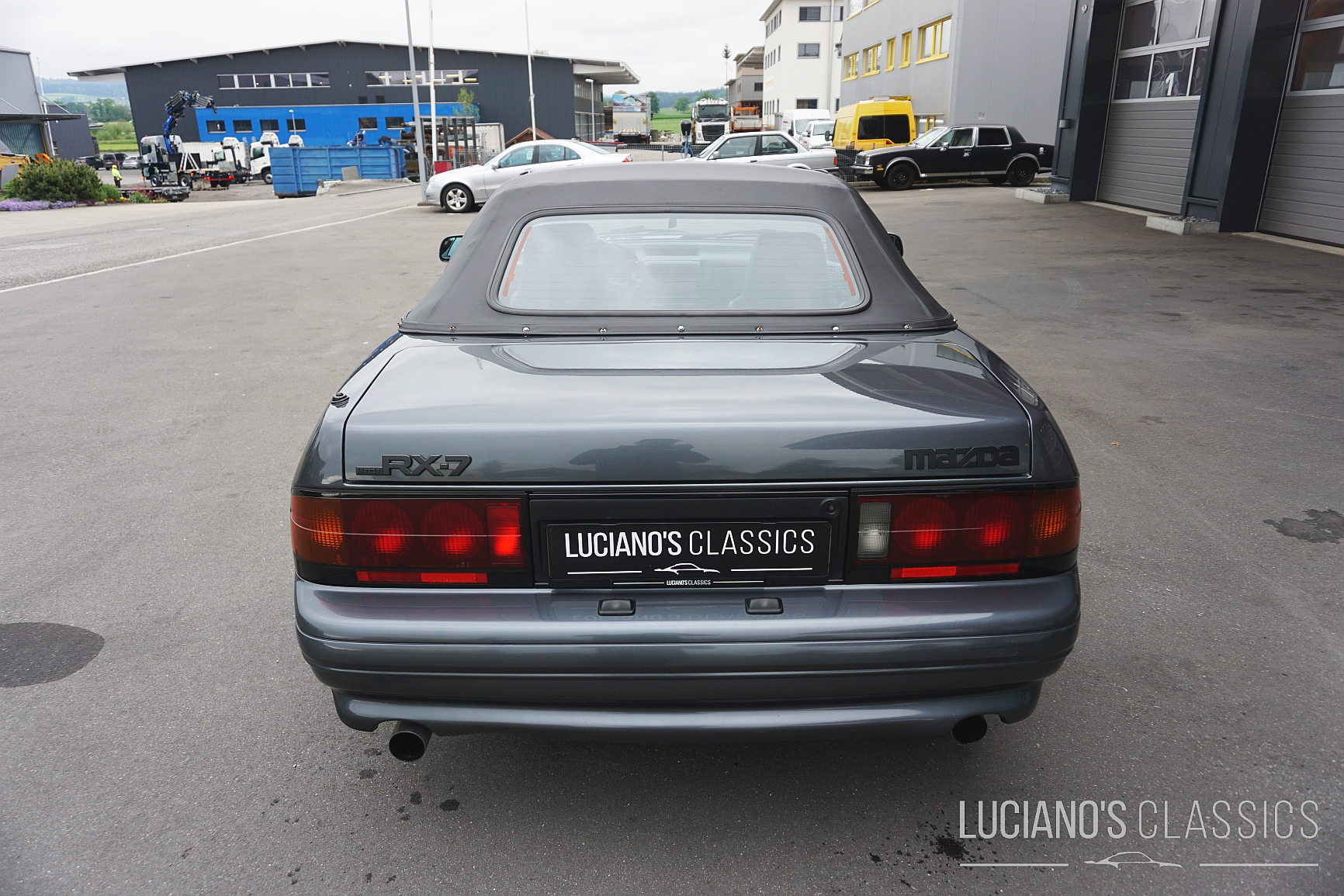
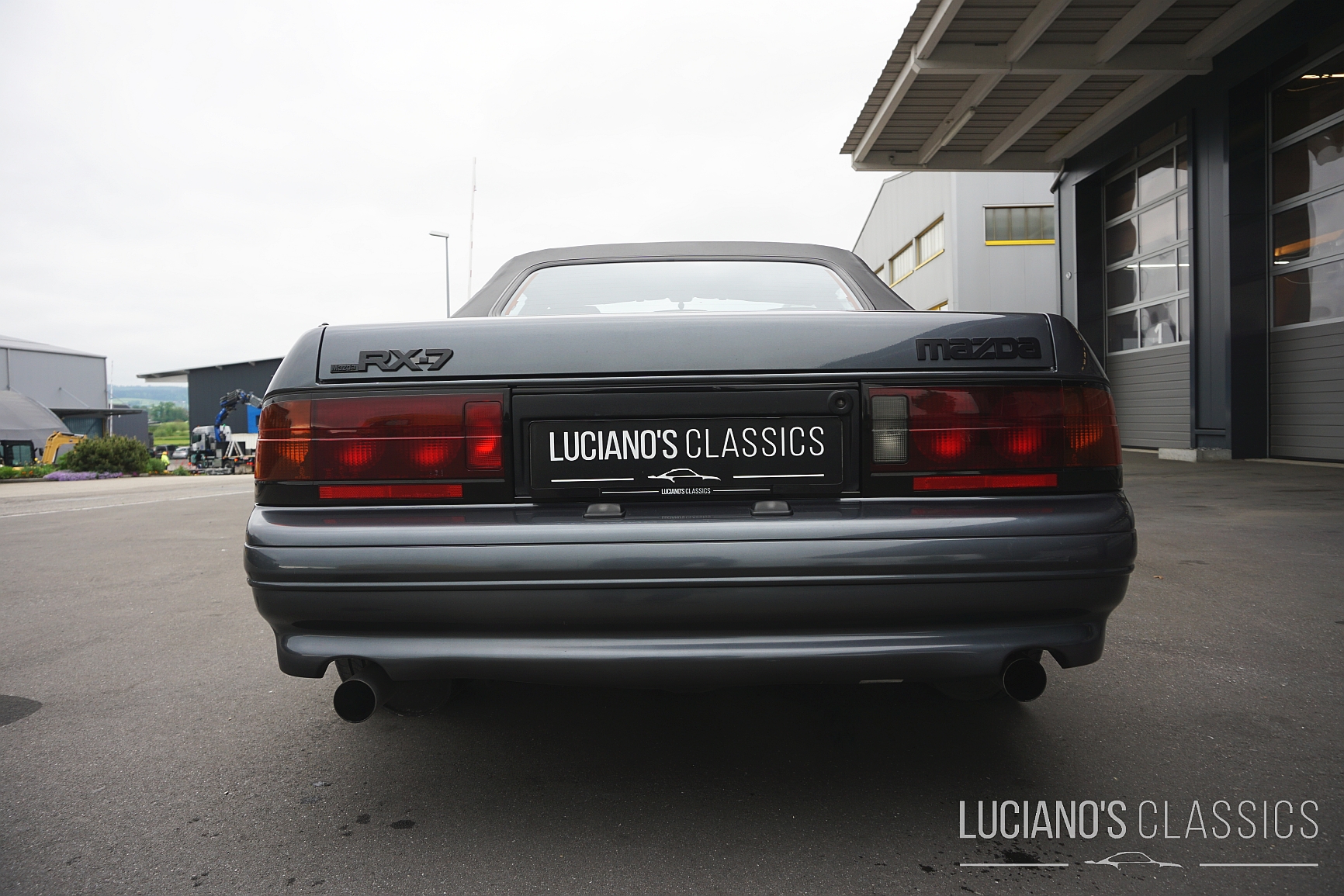
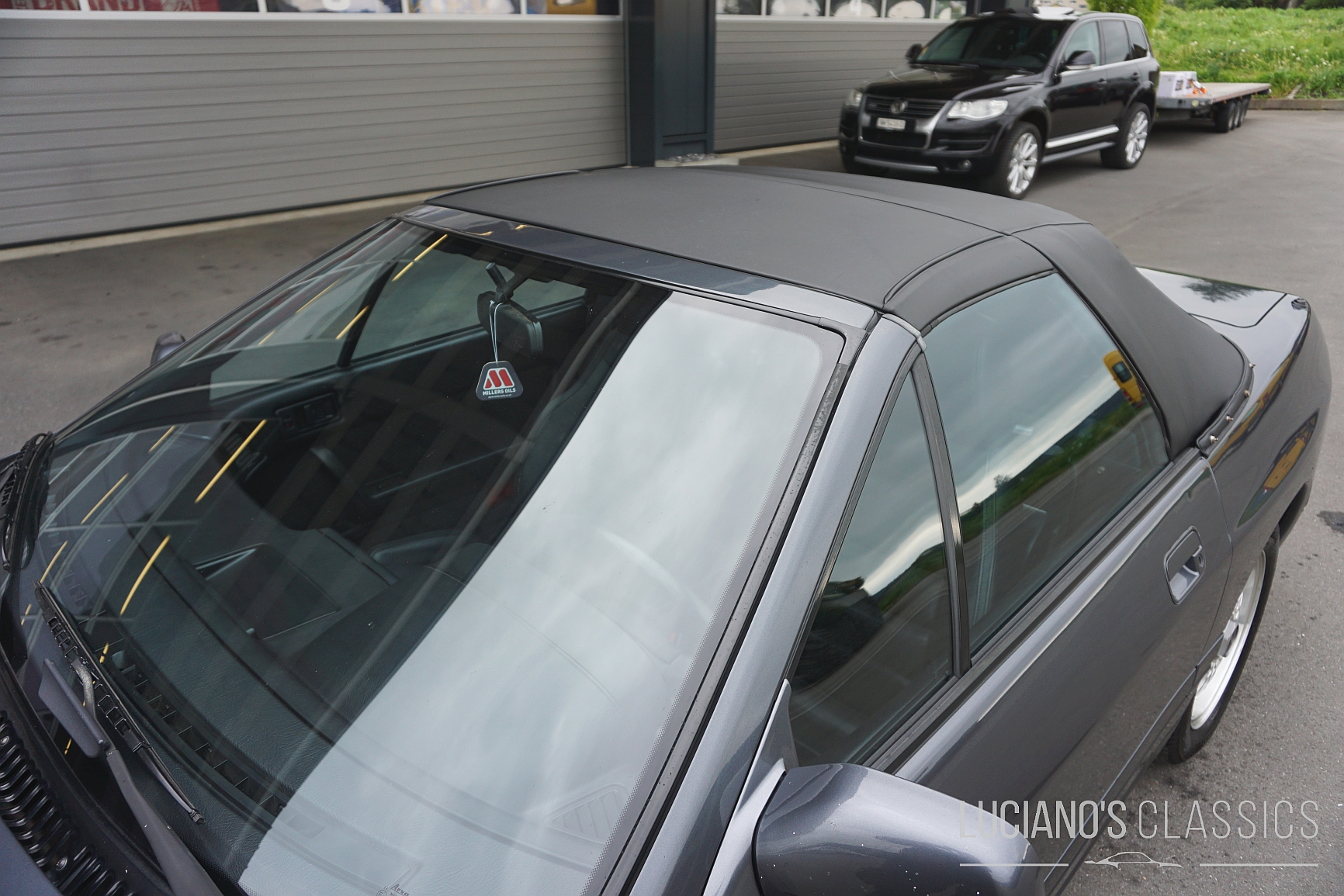
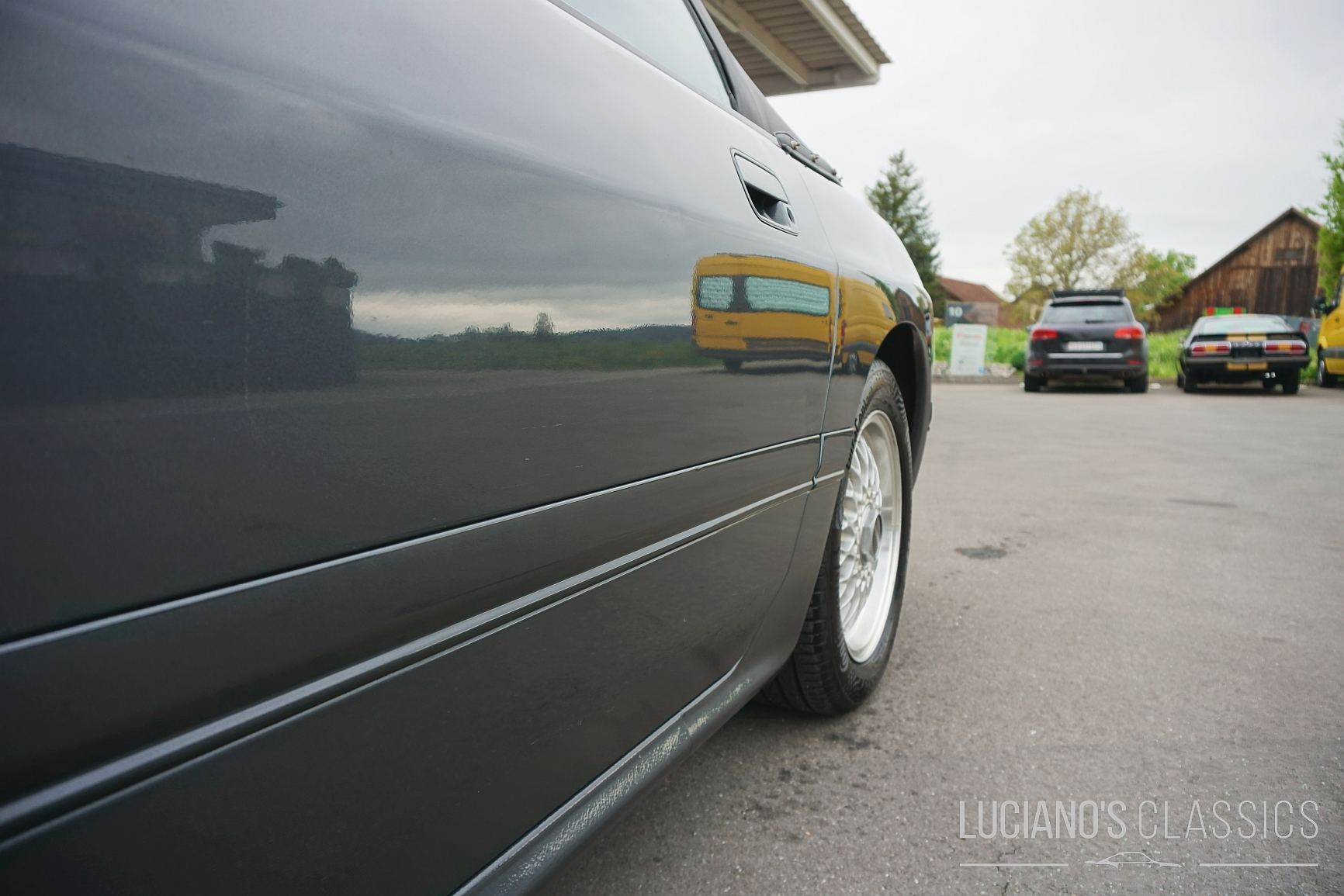
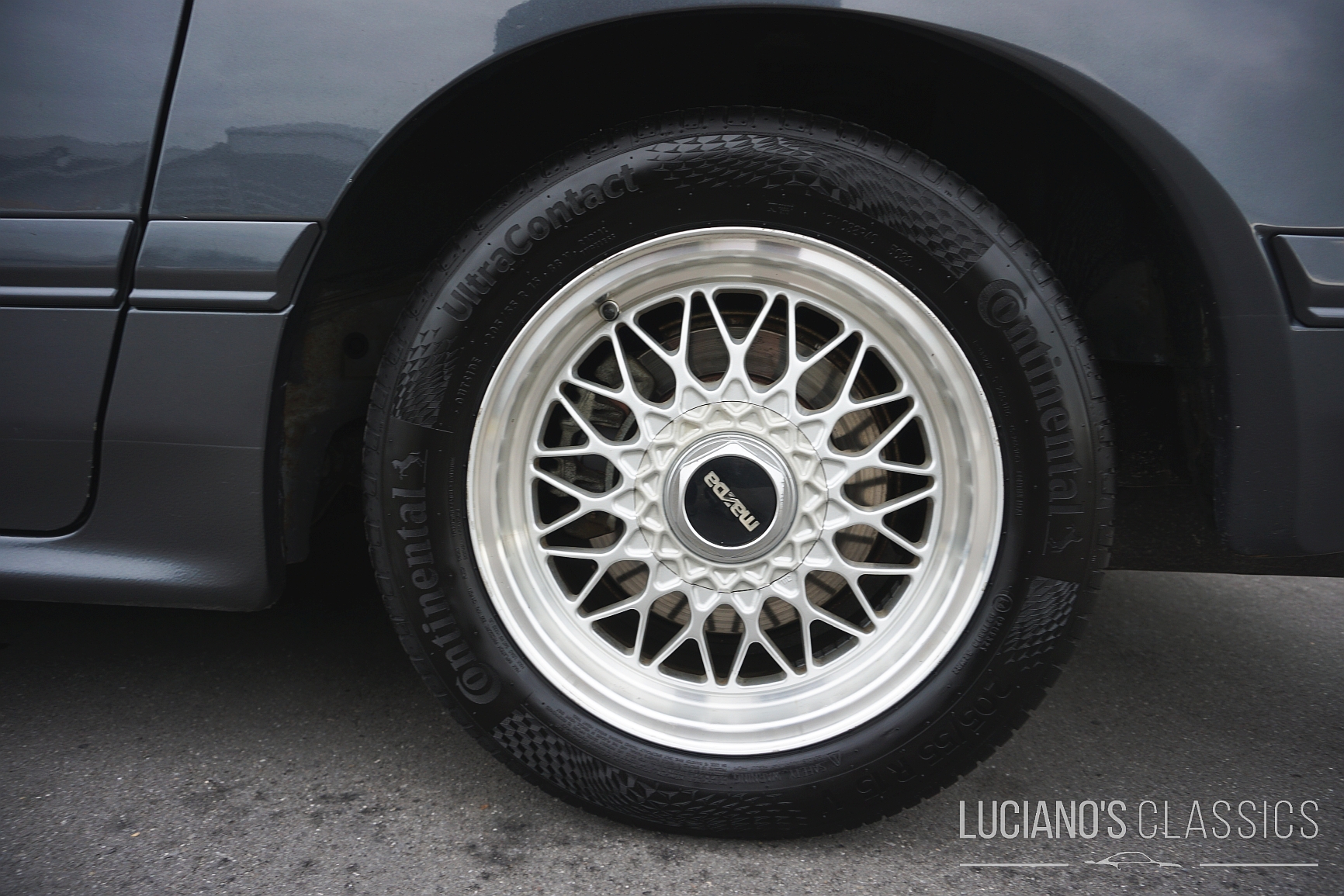
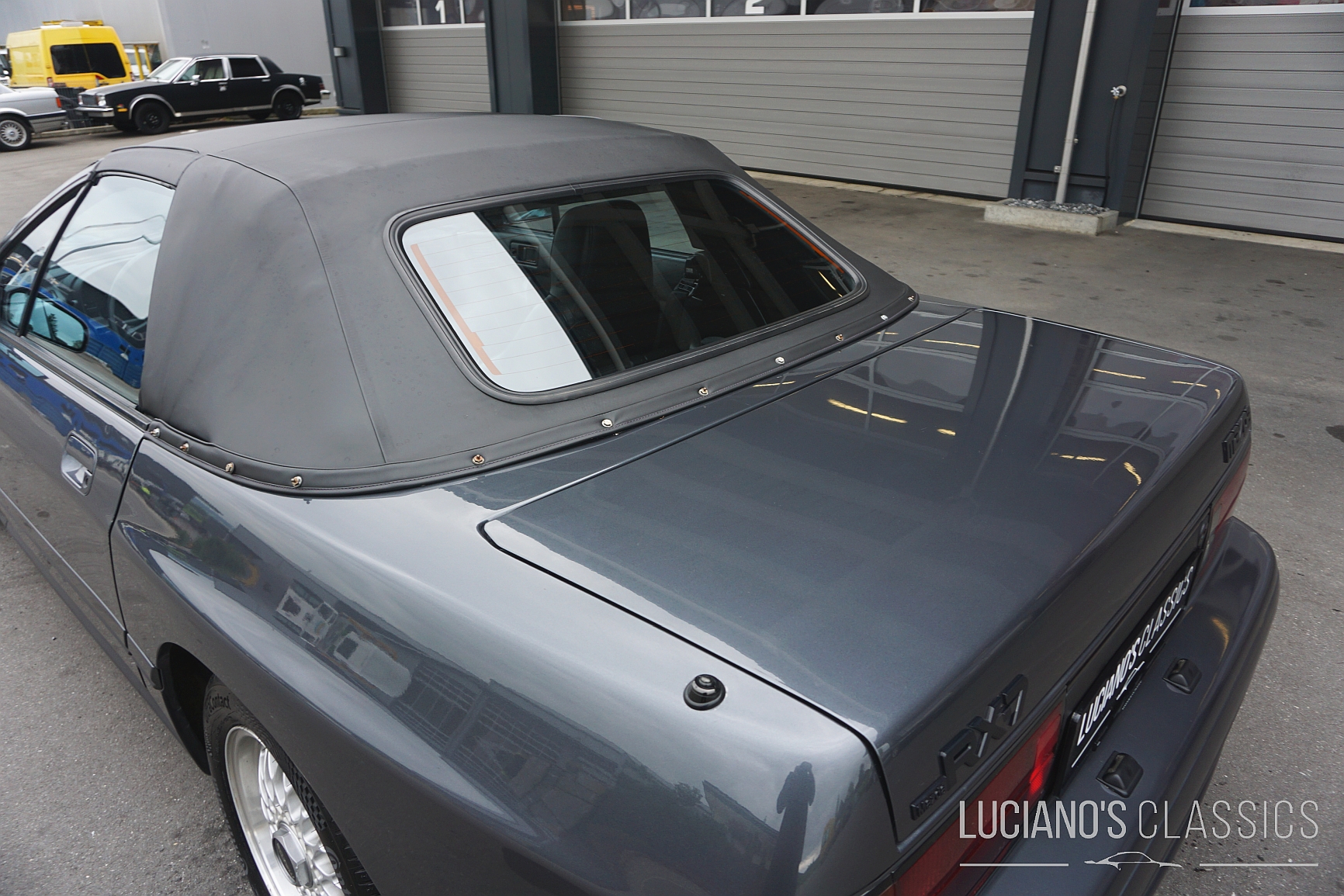
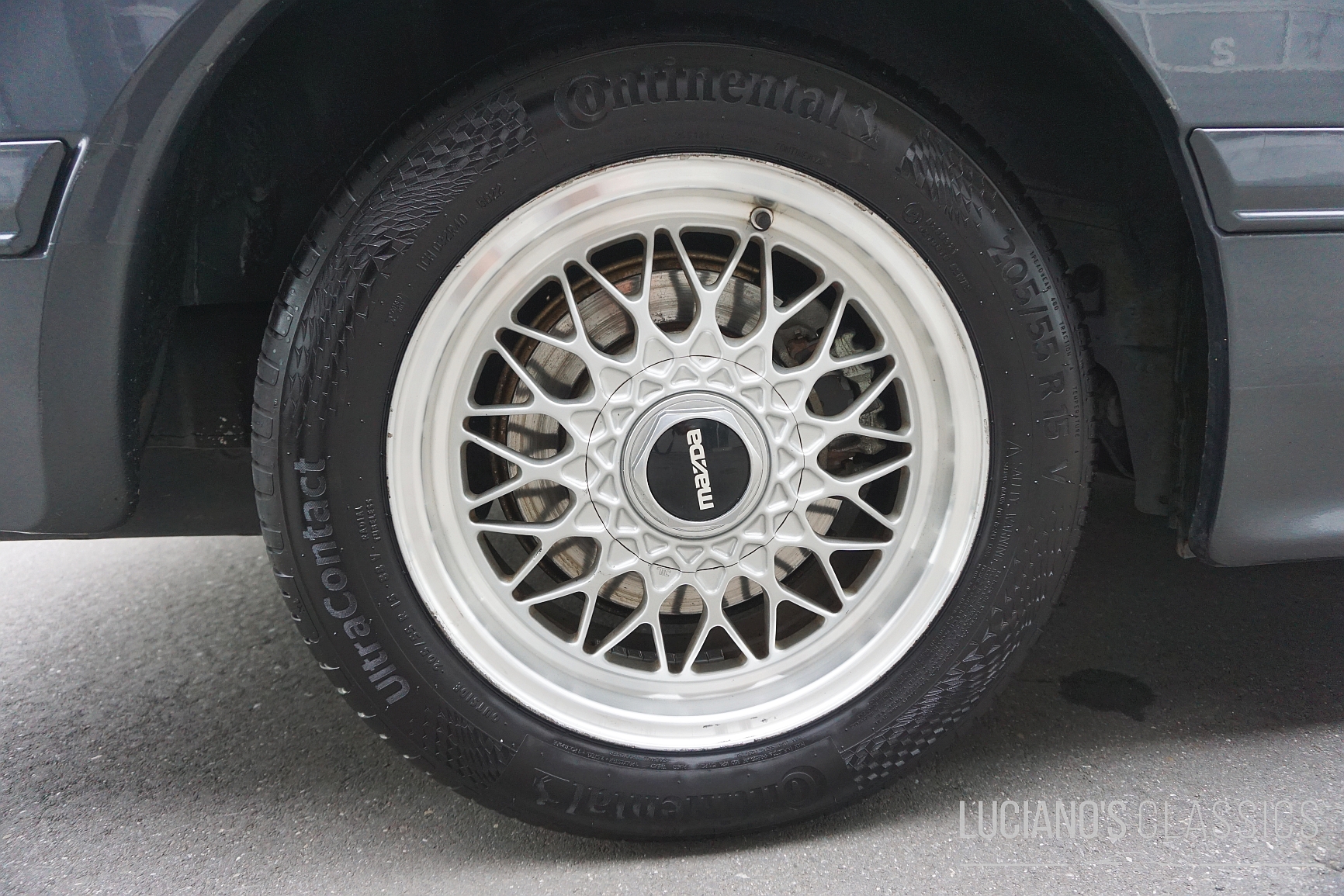
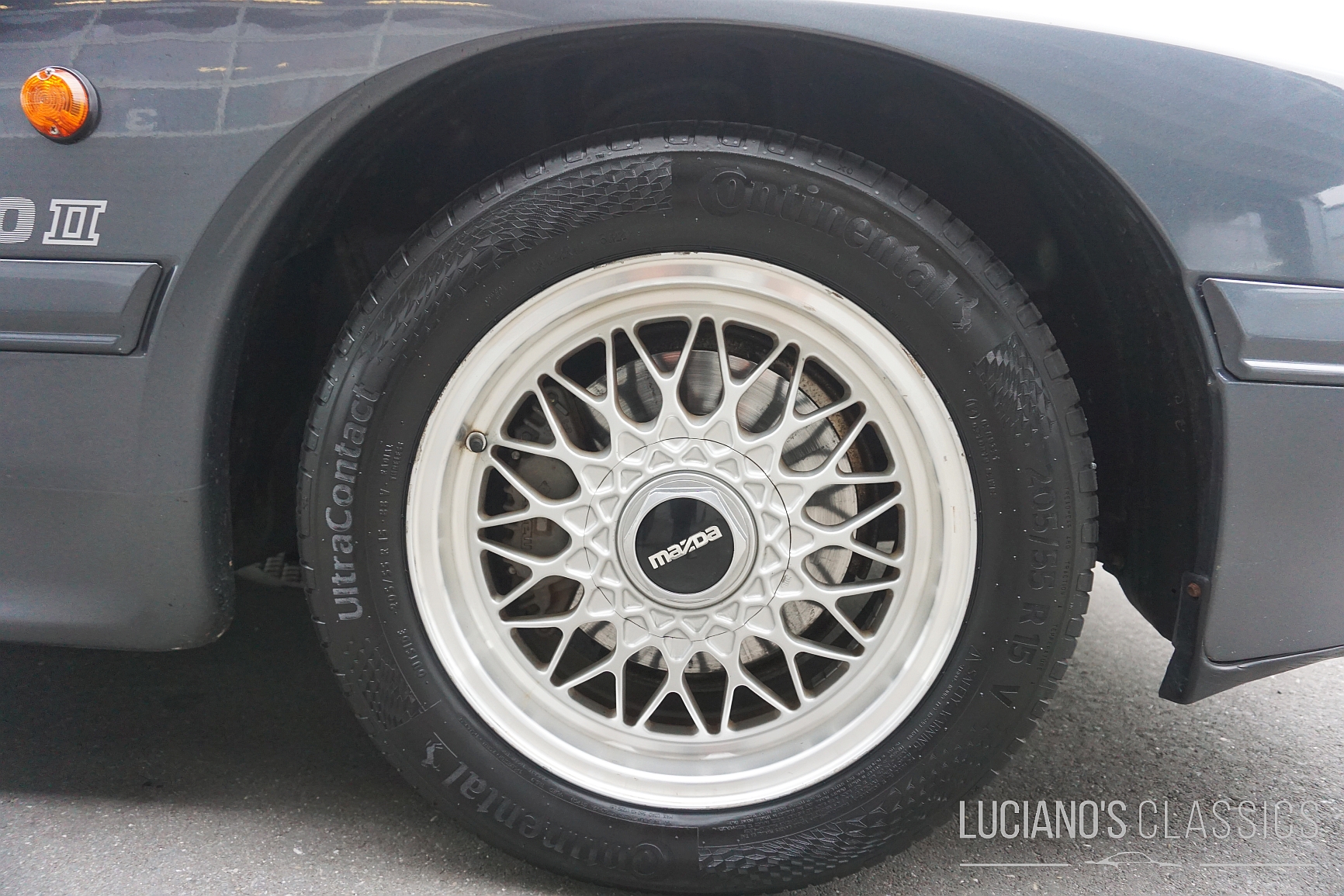
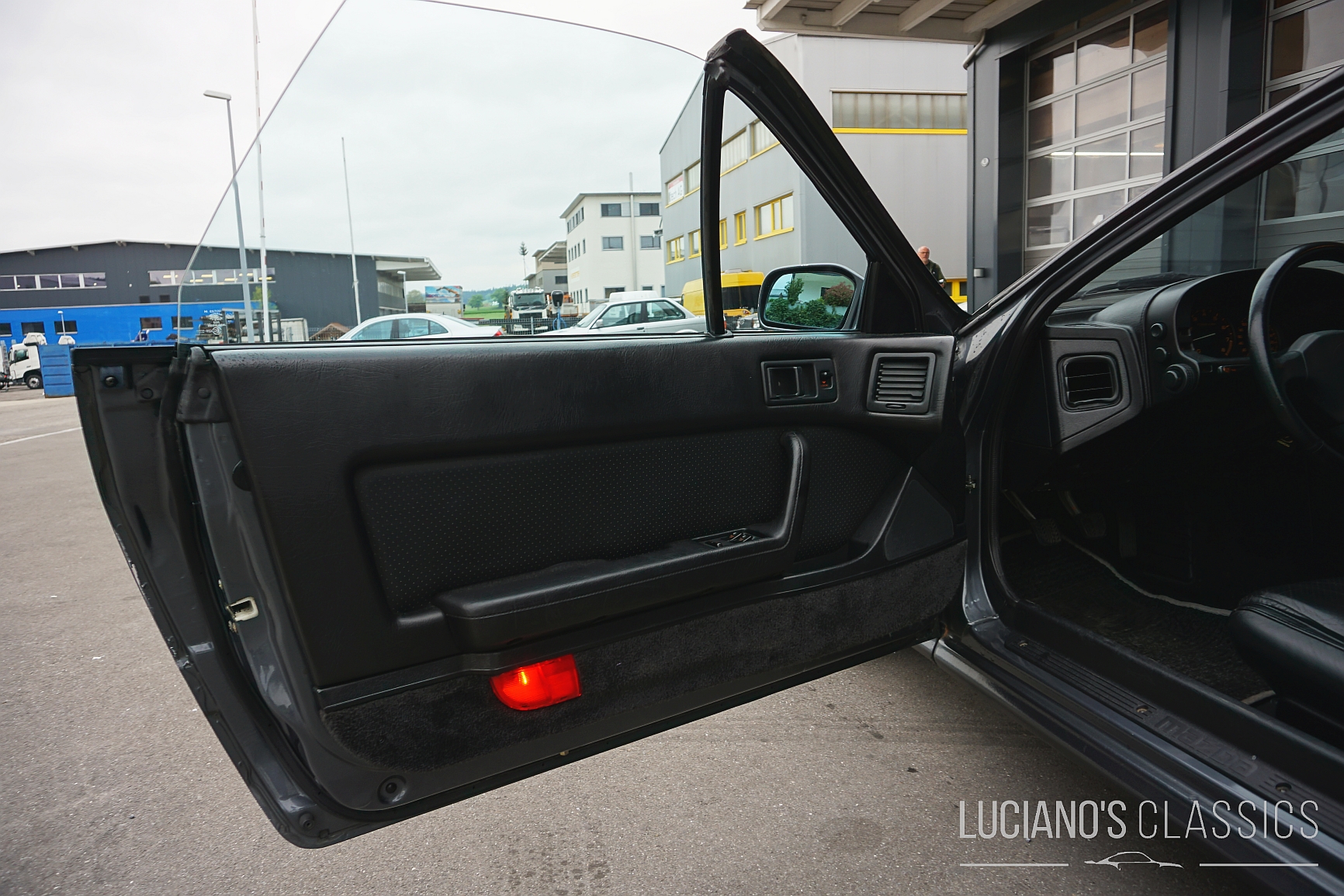
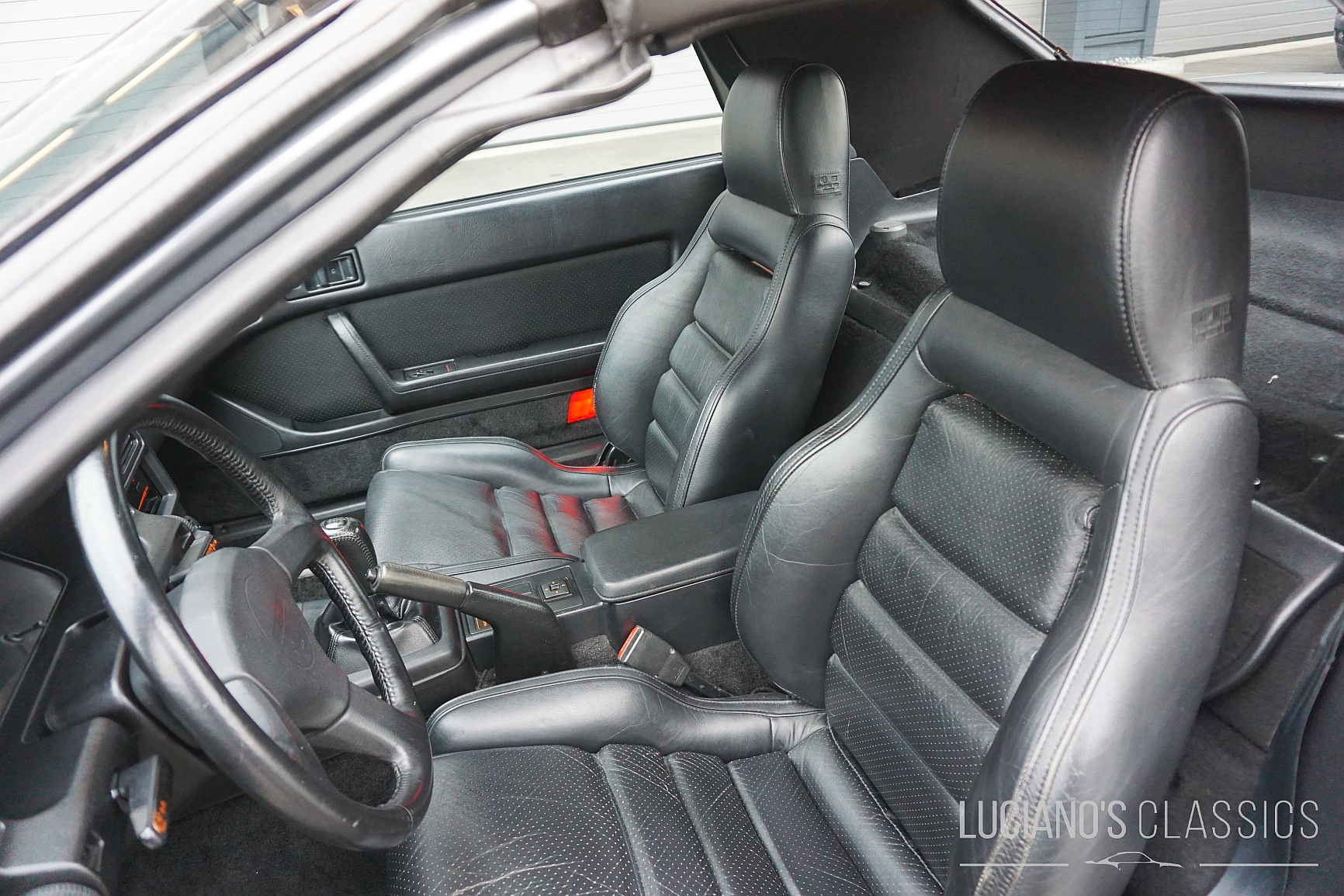
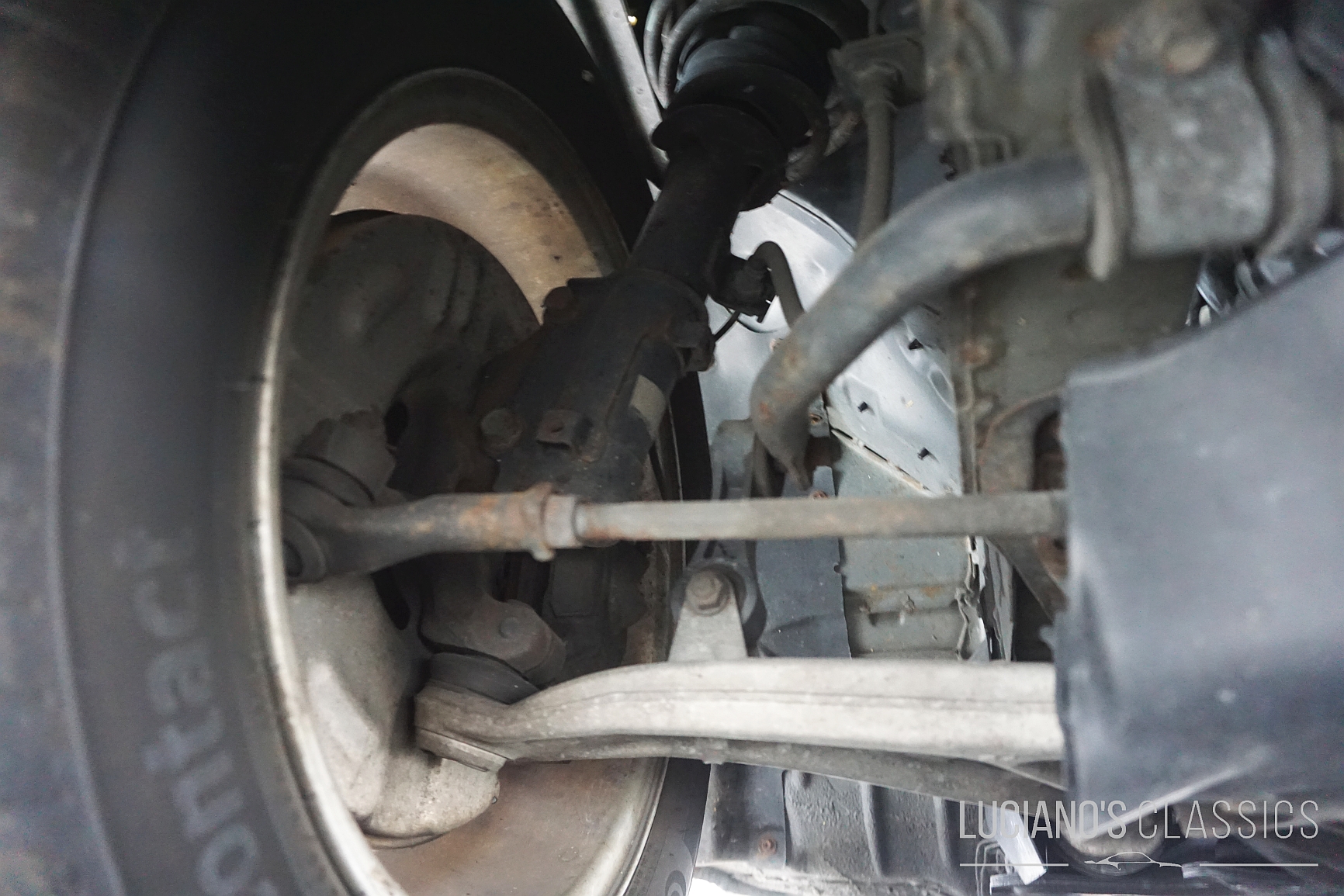
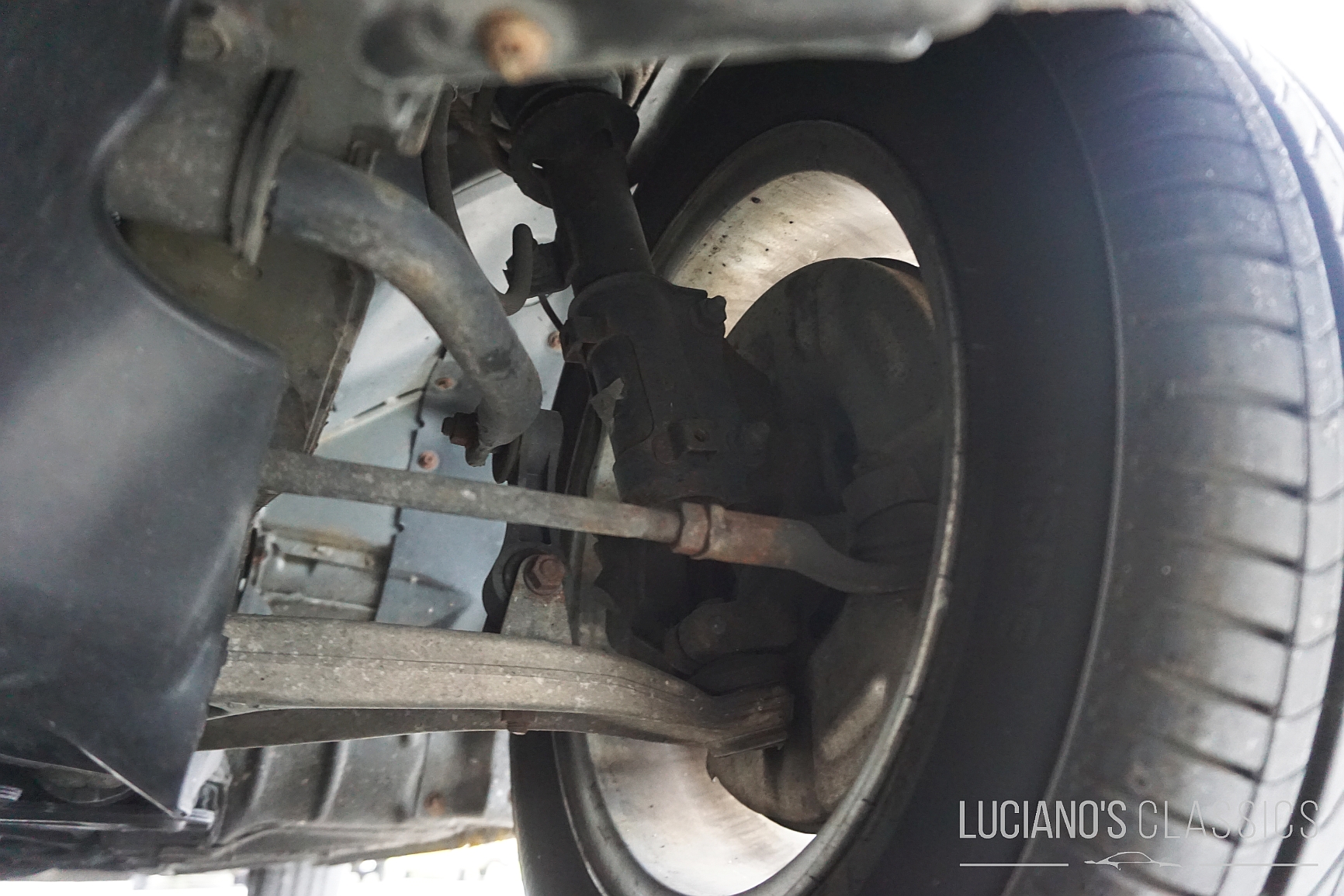
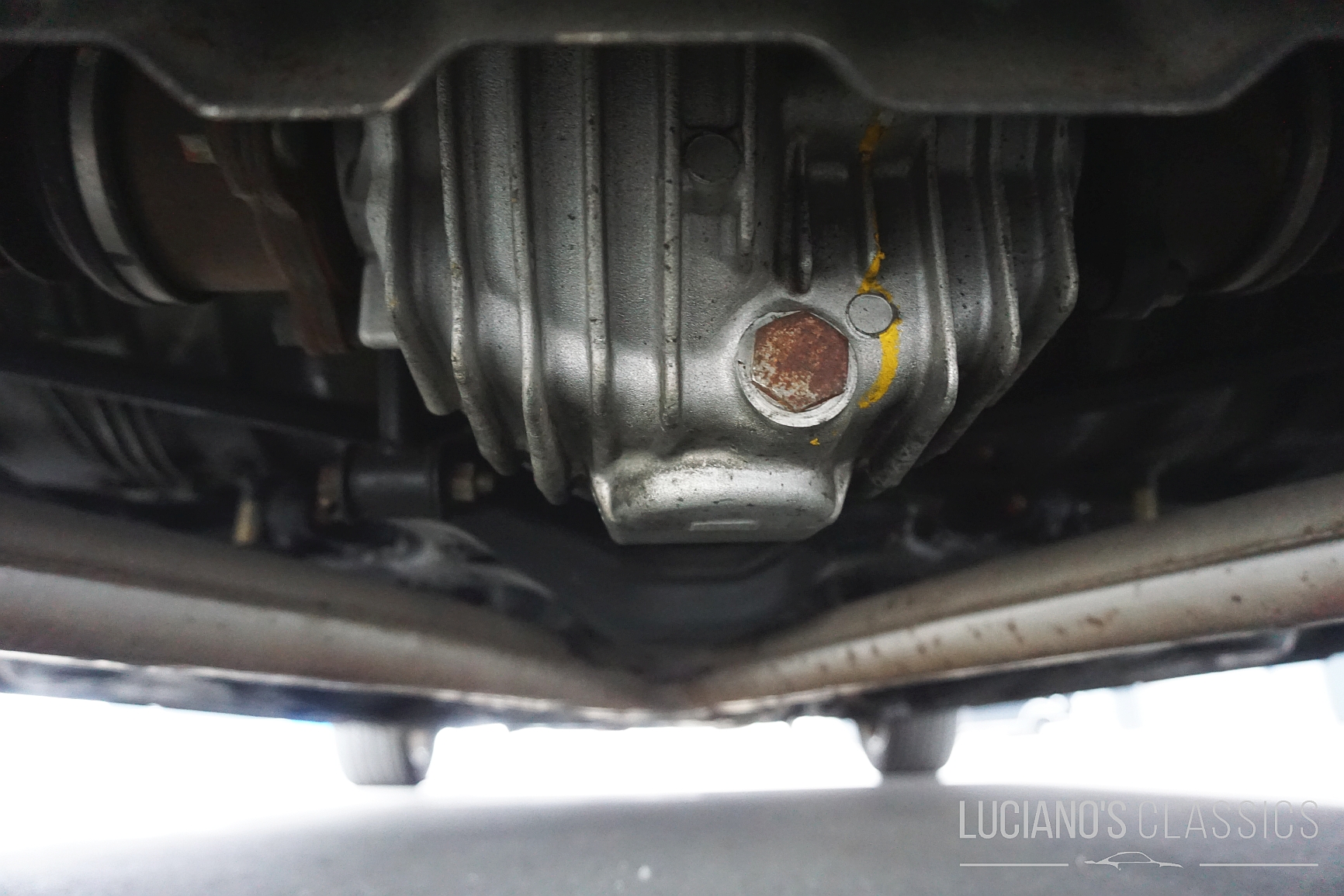
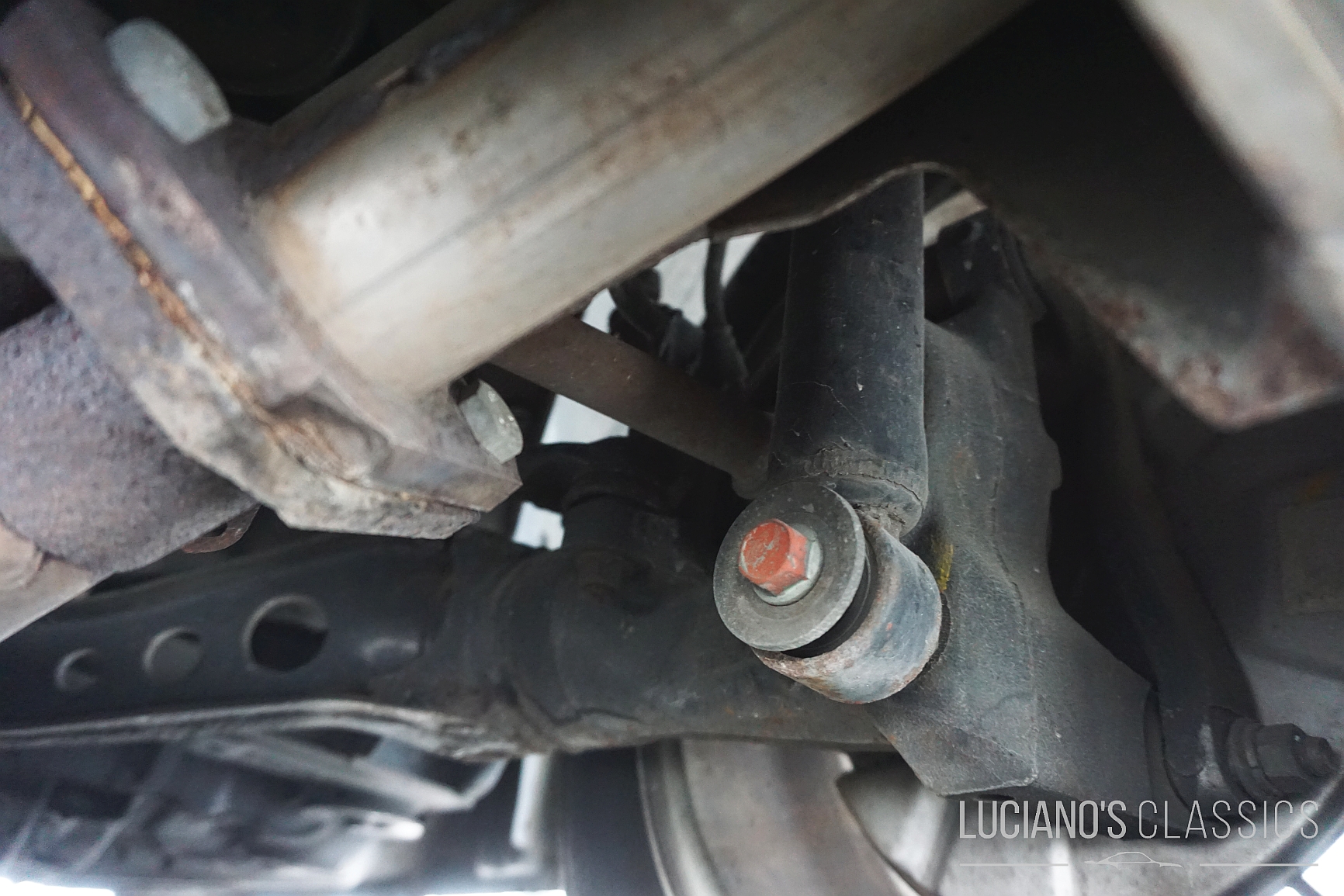
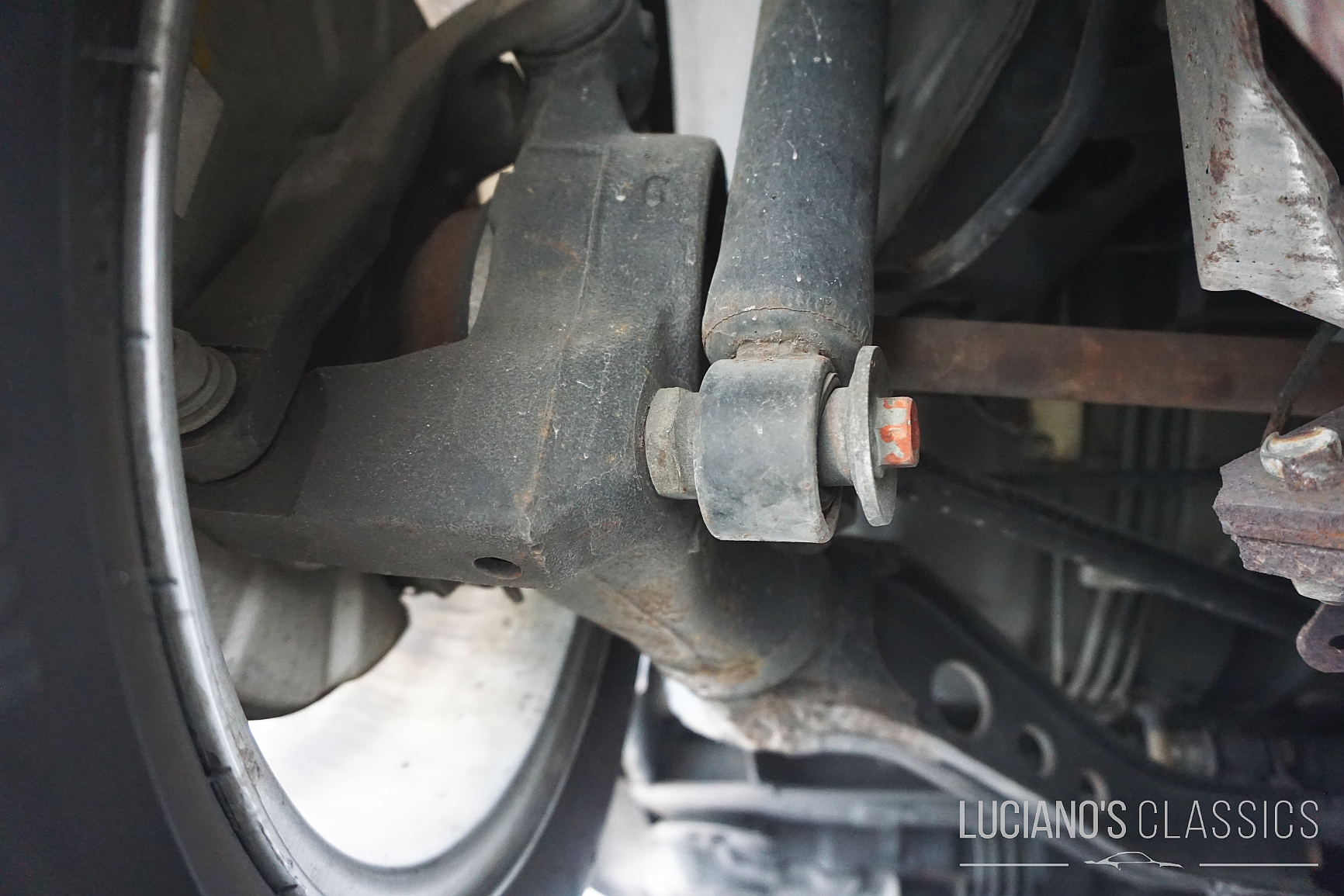
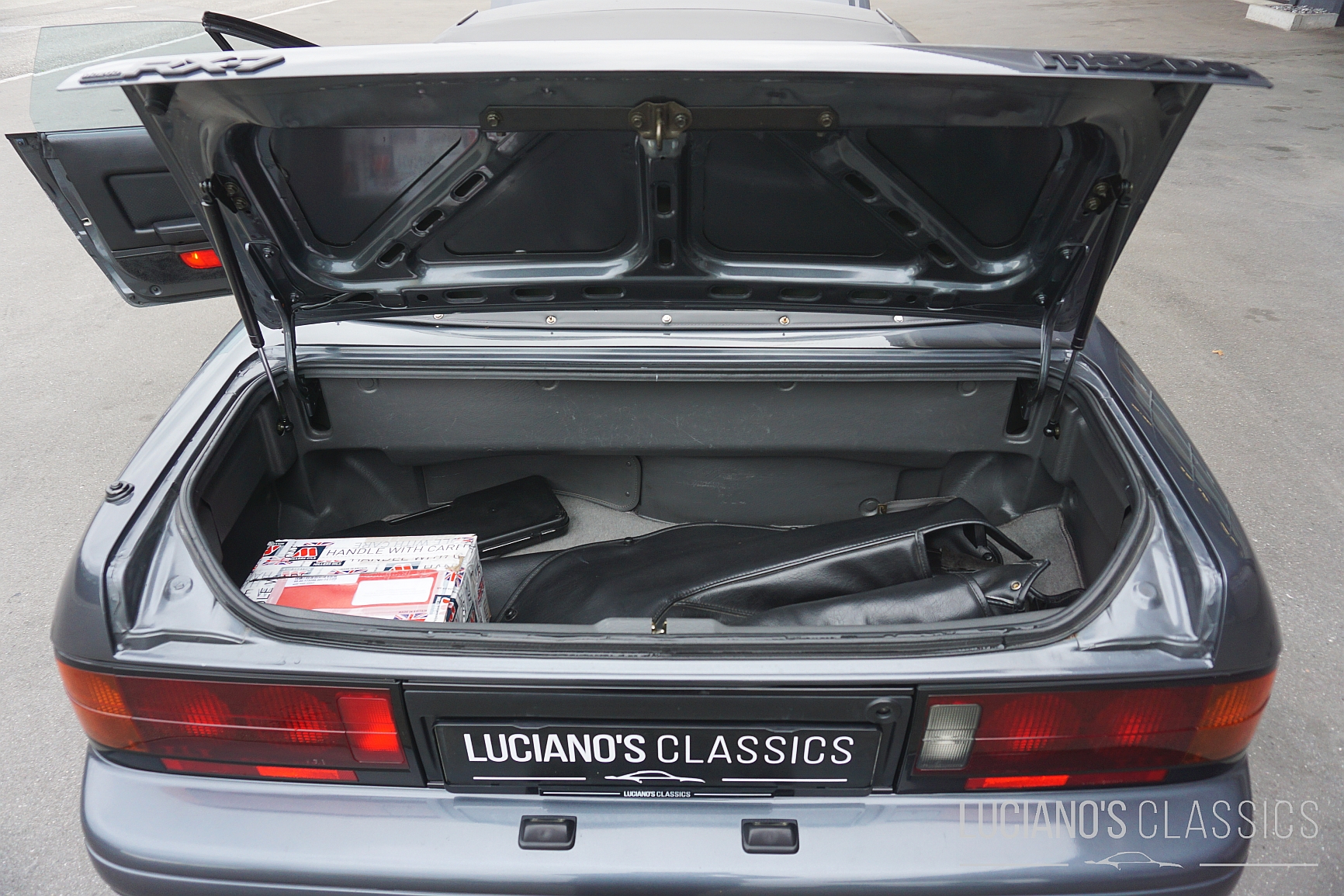
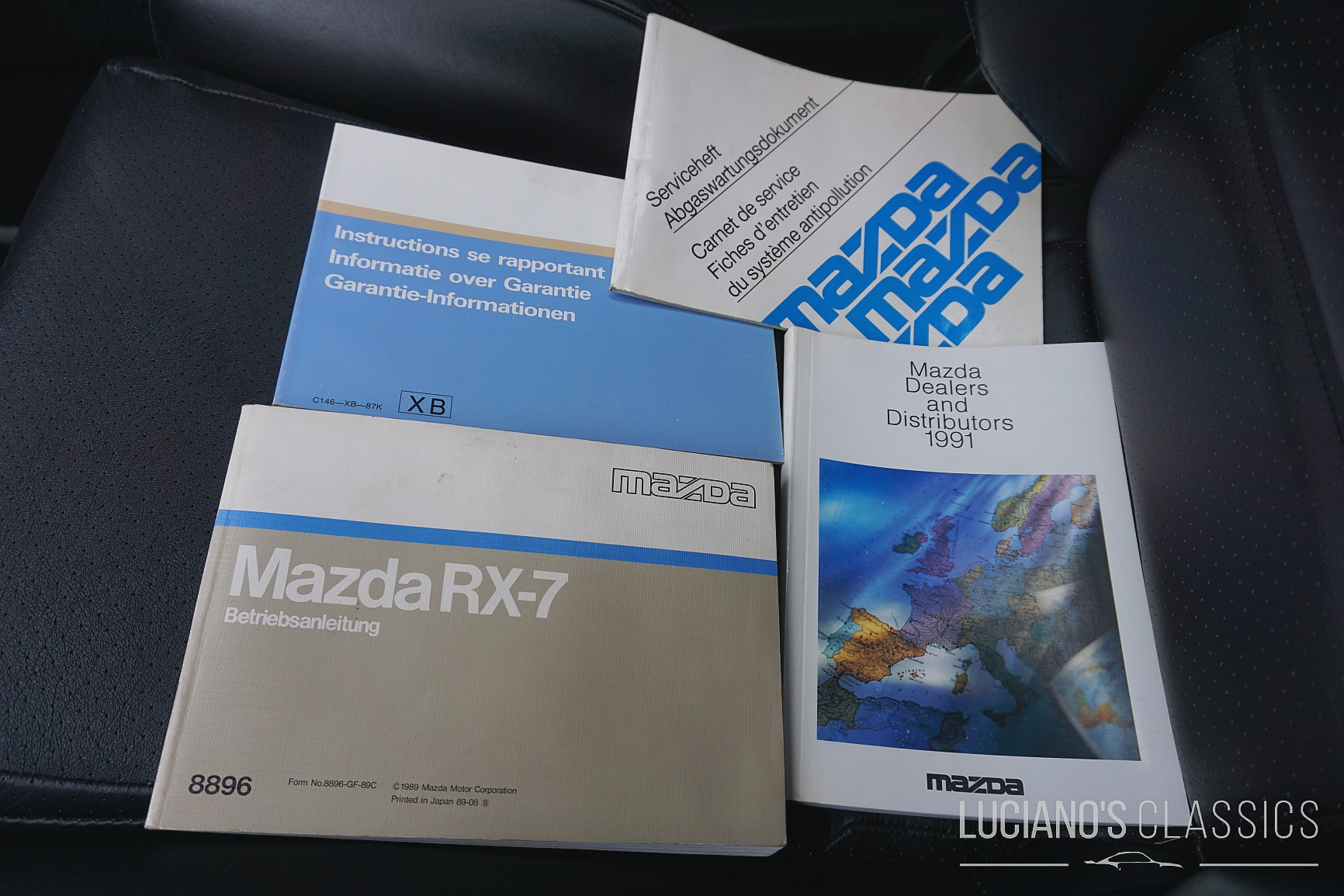
This RX-7 has been carefully maintained, comes with all original documents, is technically flawless, is in absolutely original condition and has what modern cars often lack: soul, sound and character.
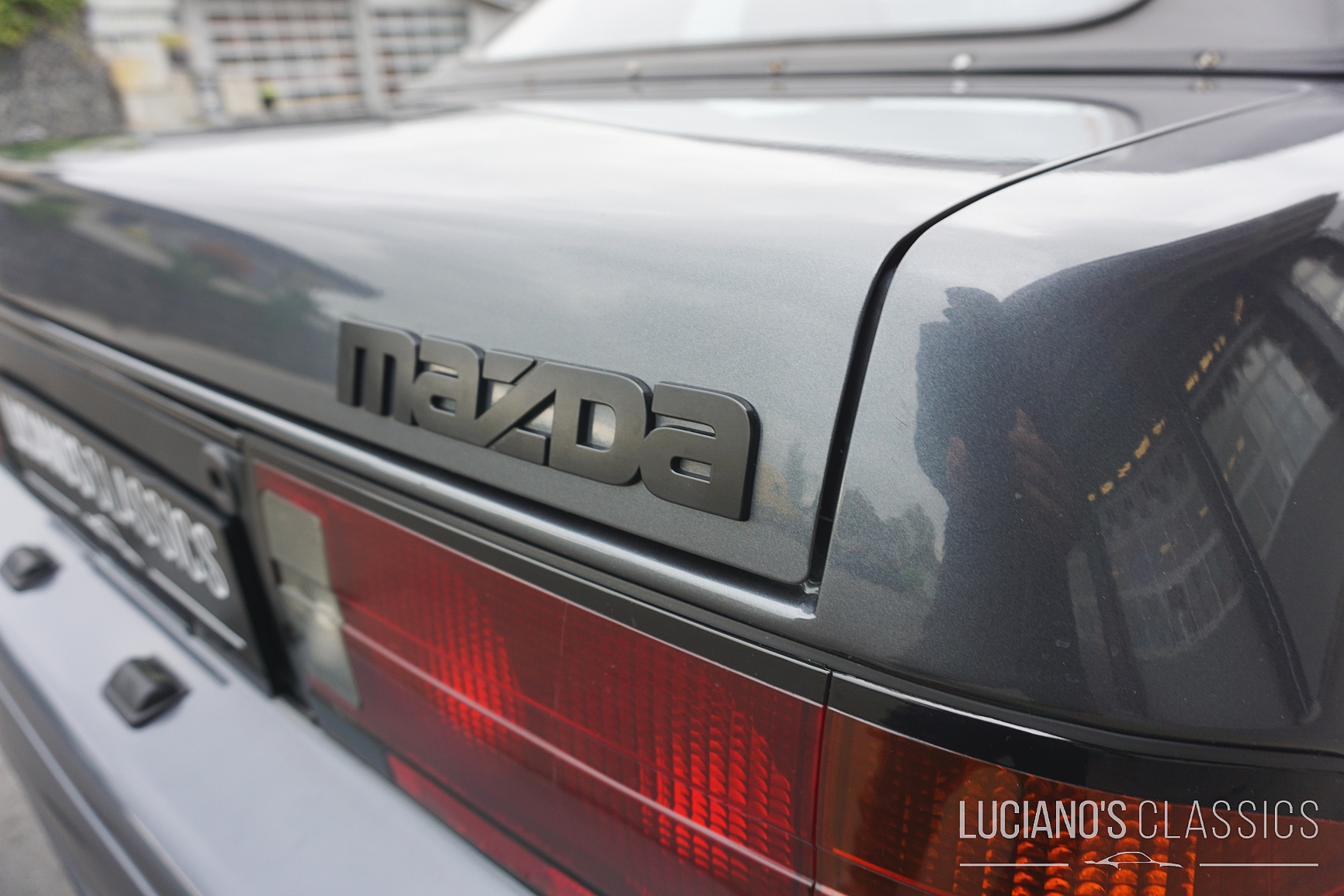
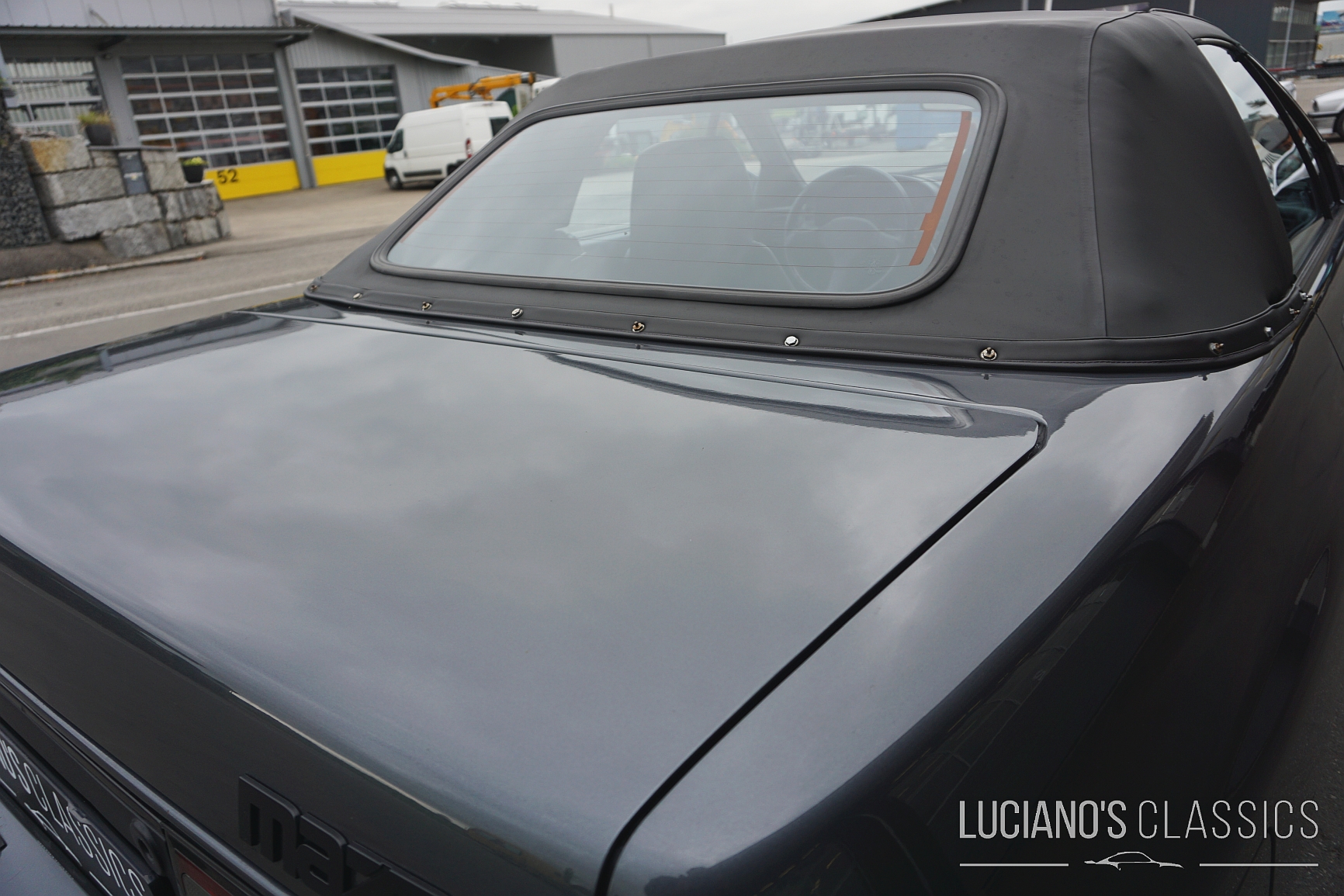
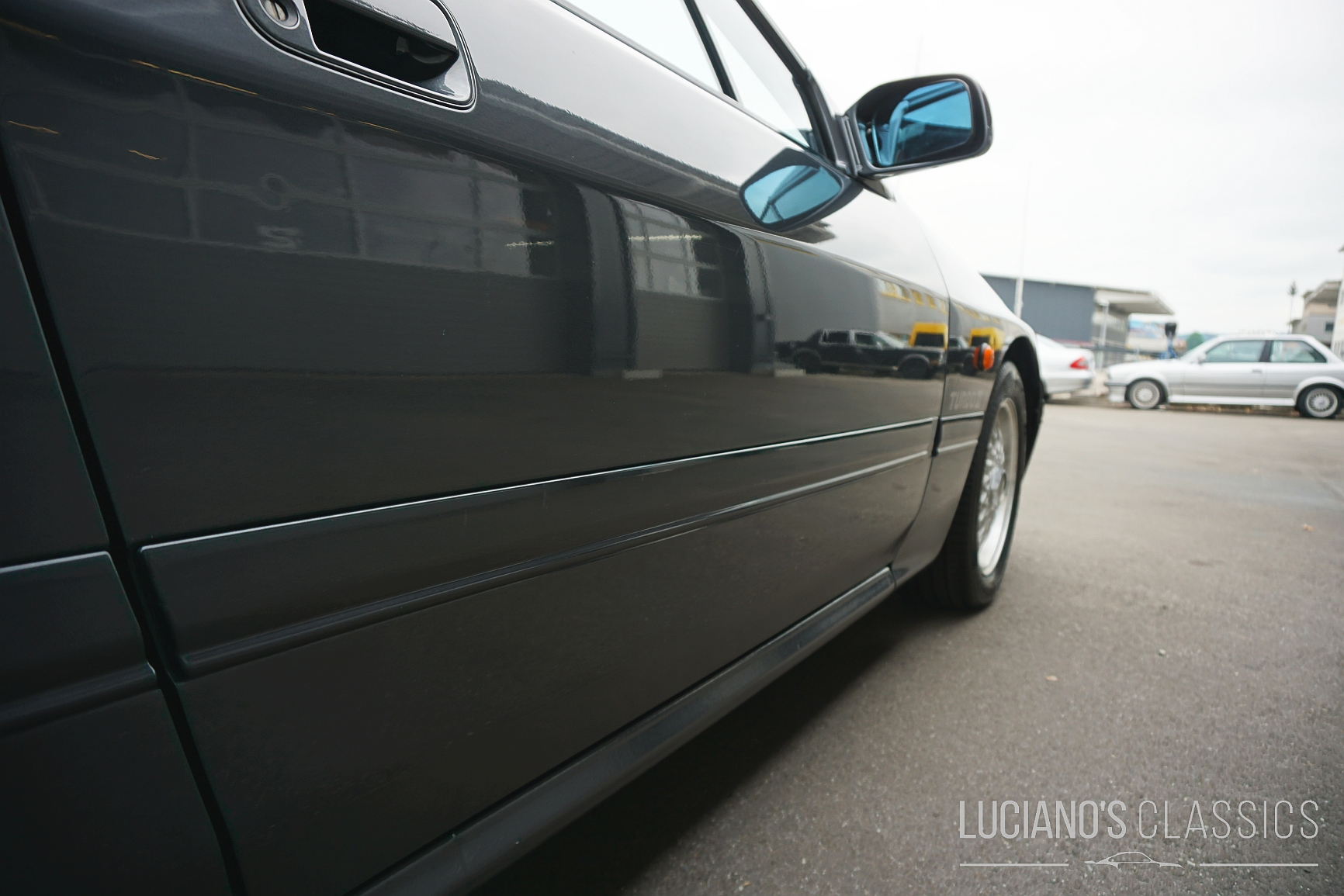
The special gray metallic paintwork, which was actually reserved for the Coupe, shows a few signs of wear in keeping with its age, but is not flaking off and has no patina. The interior is also in excellent condition.
A classic second car with plenty of JDM DNA that offers incredible driving pleasure on winding roads.
You can find a video of the RX-7 at the bottom of this page.
Selling price: 18'900 CHF
Model history
The second-generation Mazda RX-7 (internal code: FC3S) was produced from 1985 to 1992 and was the successor to the SA22C/FB. While the first generation was still heavily inspired by European sports car construction (namely the Lotus Elan), the design of the second RX-7 generation was increasingly based on contemporary Porsche models - especially the 944. This was no coincidence: Mazda wanted to be taken seriously internationally - both technically and visually.
However, the heart of the RX-7 remained unique: the Wankel engine, known internally as the 13B. In the Turbo II version, a single turbocharger with intercooling was used. Depending on the market and model year, the 1.3-liter rotary engine produced between 182 and 200 hp and was coupled with a 5-speed manual gearbox. Particularly noteworthy: the low vehicle weight of 1,250 kg on average, the perfect axle load distribution of 50:50 and the optional adaptive suspension system (Auto Adjusting Suspension).
With the Turbo II variant, Mazda launched a sportier top-of-the-range model in 1987 that specifically challenged European sports coupés. The FC3S version was praised for its balance and neutral handling - even at high speeds. The steering was precise, the brakes powerful and the turbo engine offered a torquey, if not linear, power delivery.
The body was modern: Folding headlights, clean lines, low center of gravity. The interior combined futuristic digital displays with classic sports car values. In terms of equipment, the RX-7 was often ahead of its time: ABS, limited slip differential, electrically adjustable dampers and even a CD player were available depending on the model.
Behind the development was Kenichi Yamamoto, legendary Mazda engineer and father of the Wankel engine at Mazda. Under his aegis, the RX-7 became an icon - and a symbol of Mazda's courage to swim against the technical mainstream.
Today, the RX-7 Turbo II is a sought-after classic car. Above all, original vehicles in good condition are rare - many have been tinkered with, burned or exported. The FC3S is a milestone in JDM culture and a bridge between analog feeling and technical tinkering.
Details
- 93’300 km
- 1. inv. 04/15/1992
- MFK 22.05.2024
- 1,308 cc Wankel engine
- 200 HP
- Type certificate 1M1033
- Master number 330.724.729
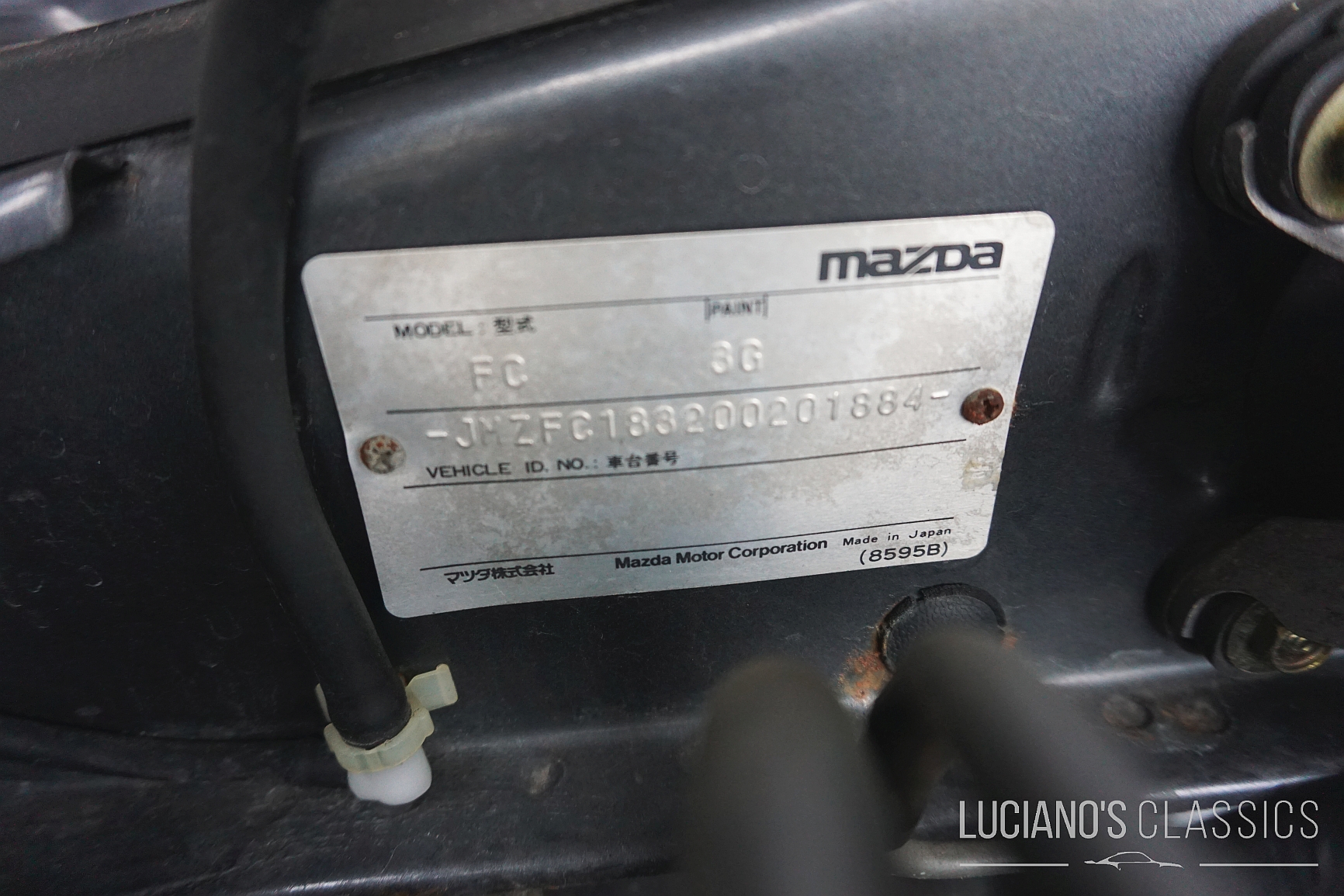
- Chassis JMZ FC1 832 002 018 84
- Unladen weight 1,300 kg
not what you are looking for?
We will be happy to find your individual dream vehicle.
Simply make a non-binding inquiry and benefit from our network.