
Abarth 850 T.C. Nürburgring
Description
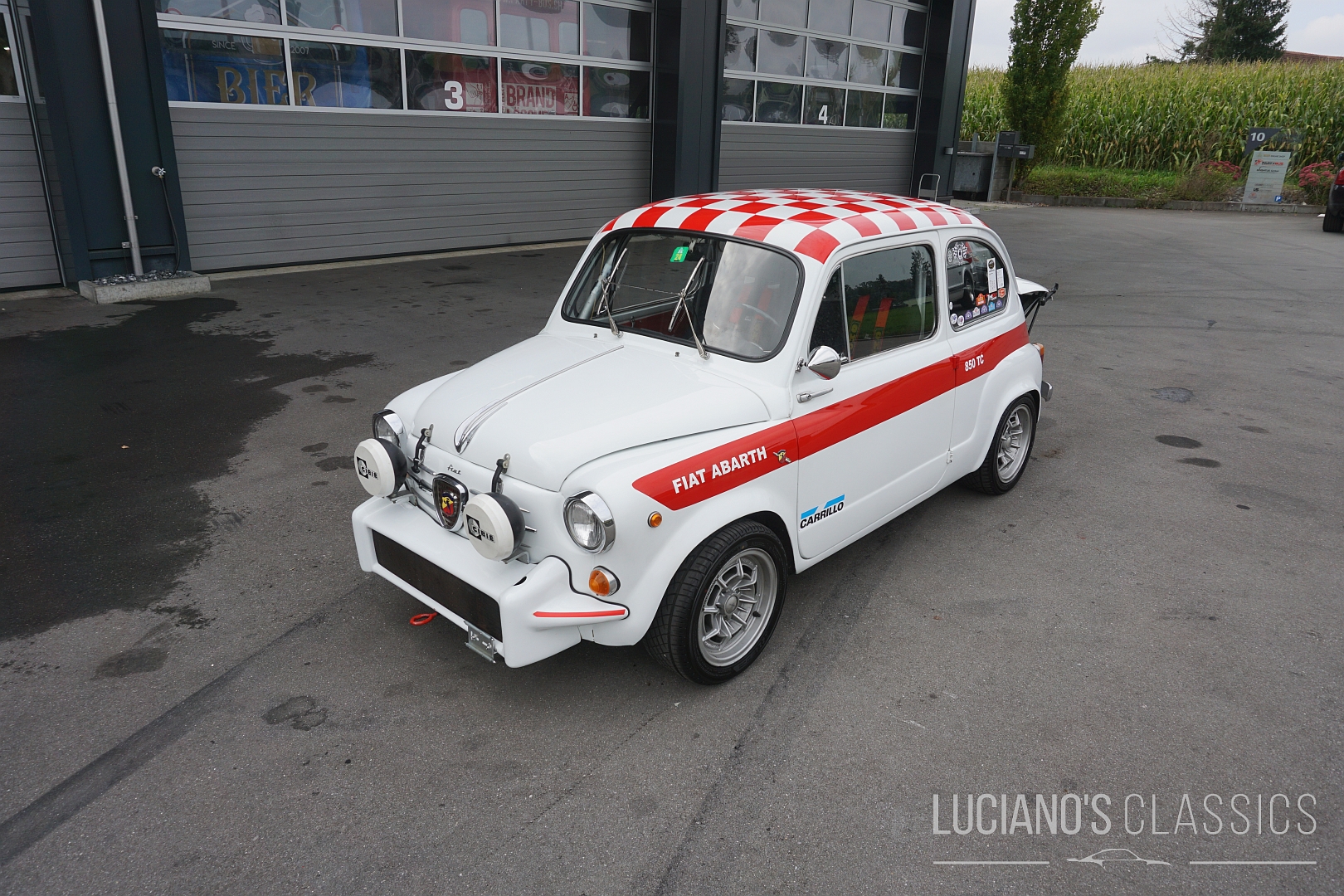
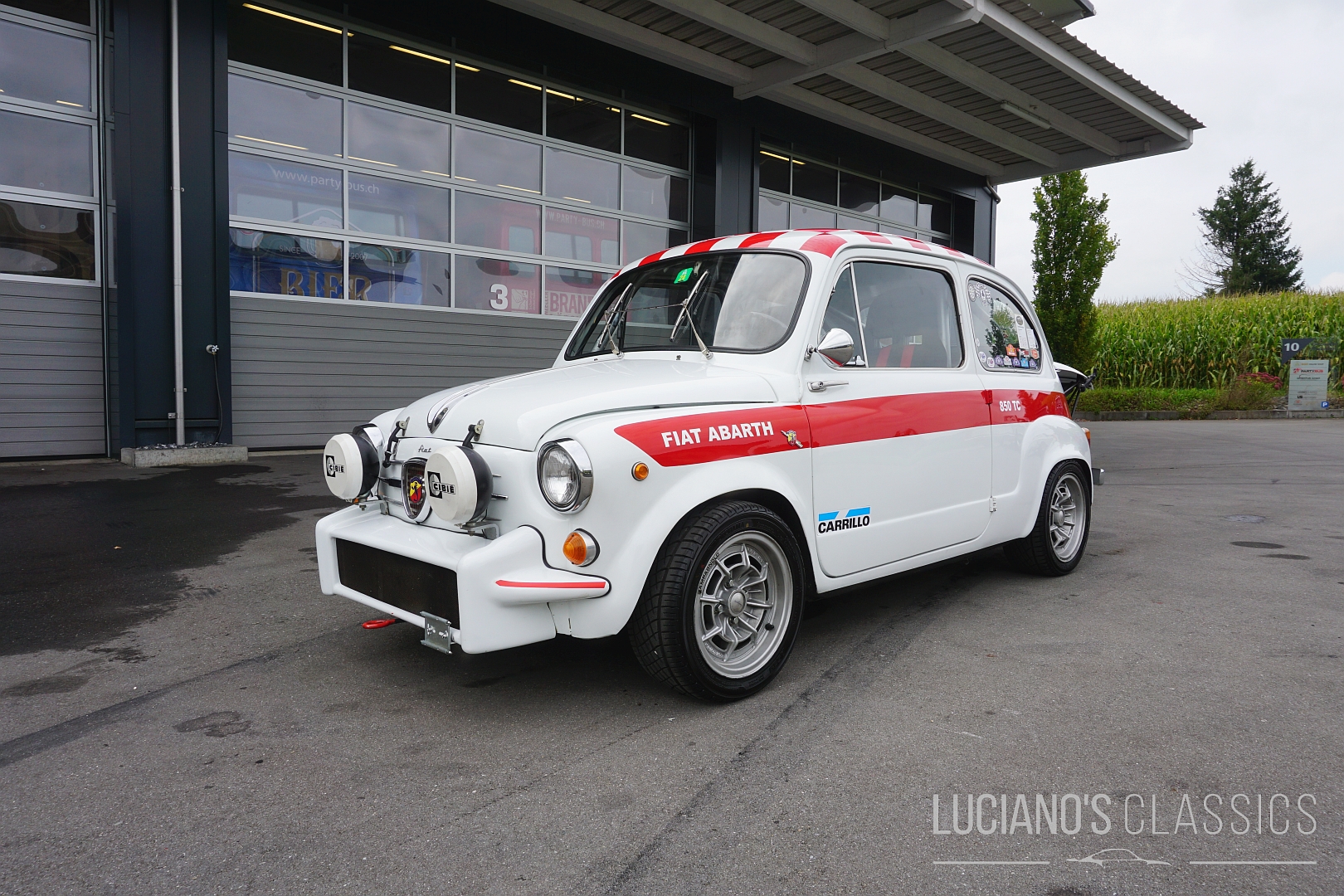
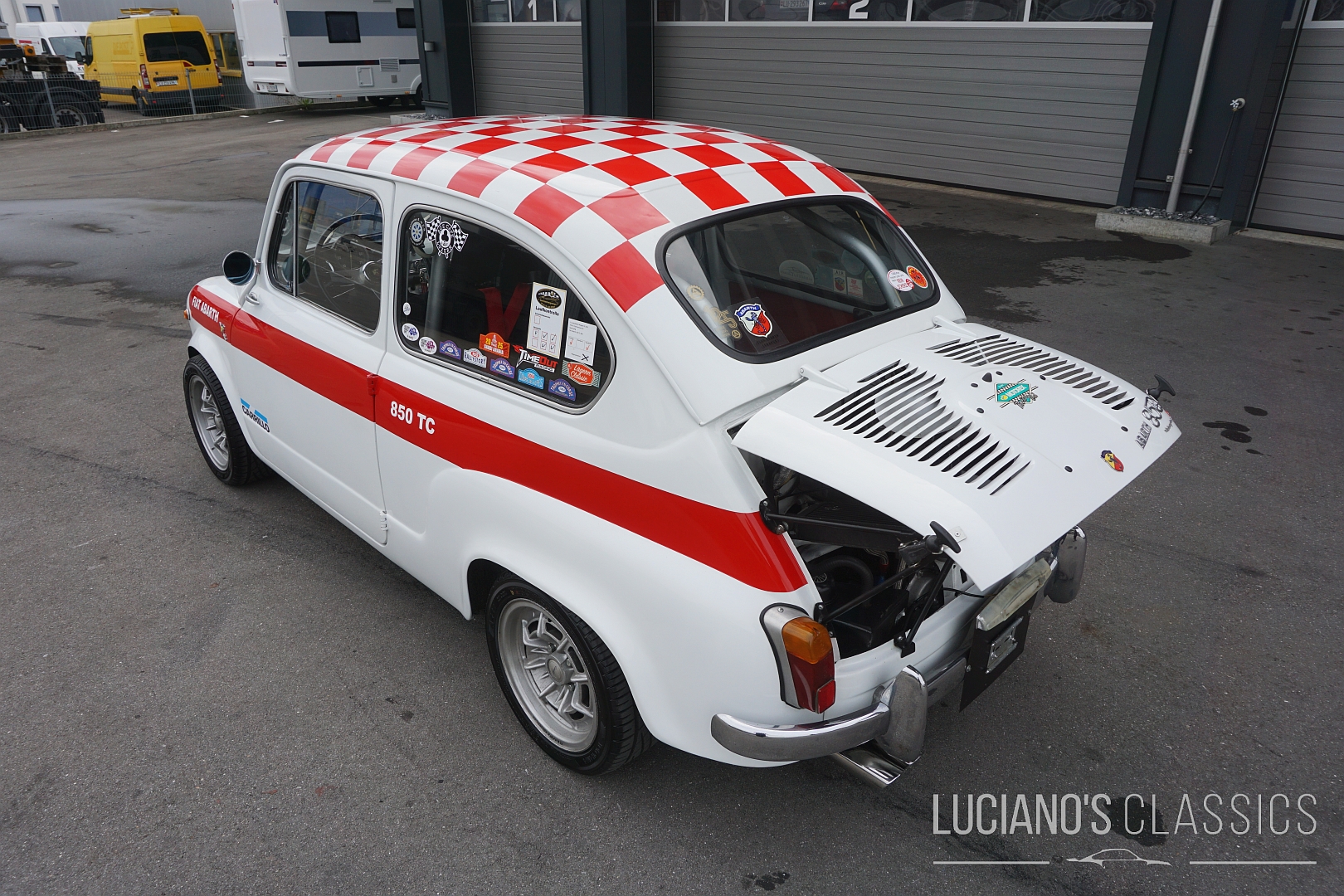
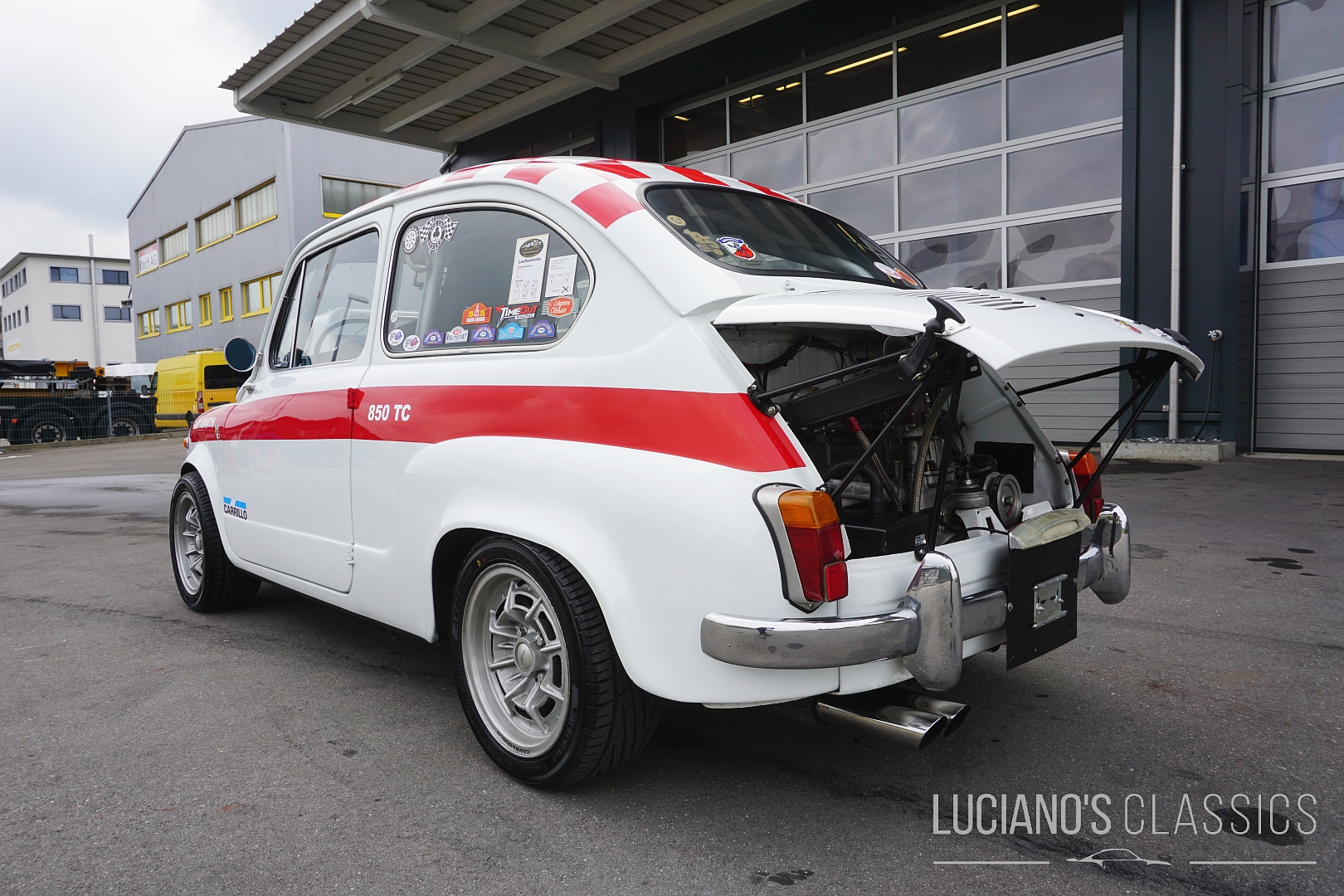
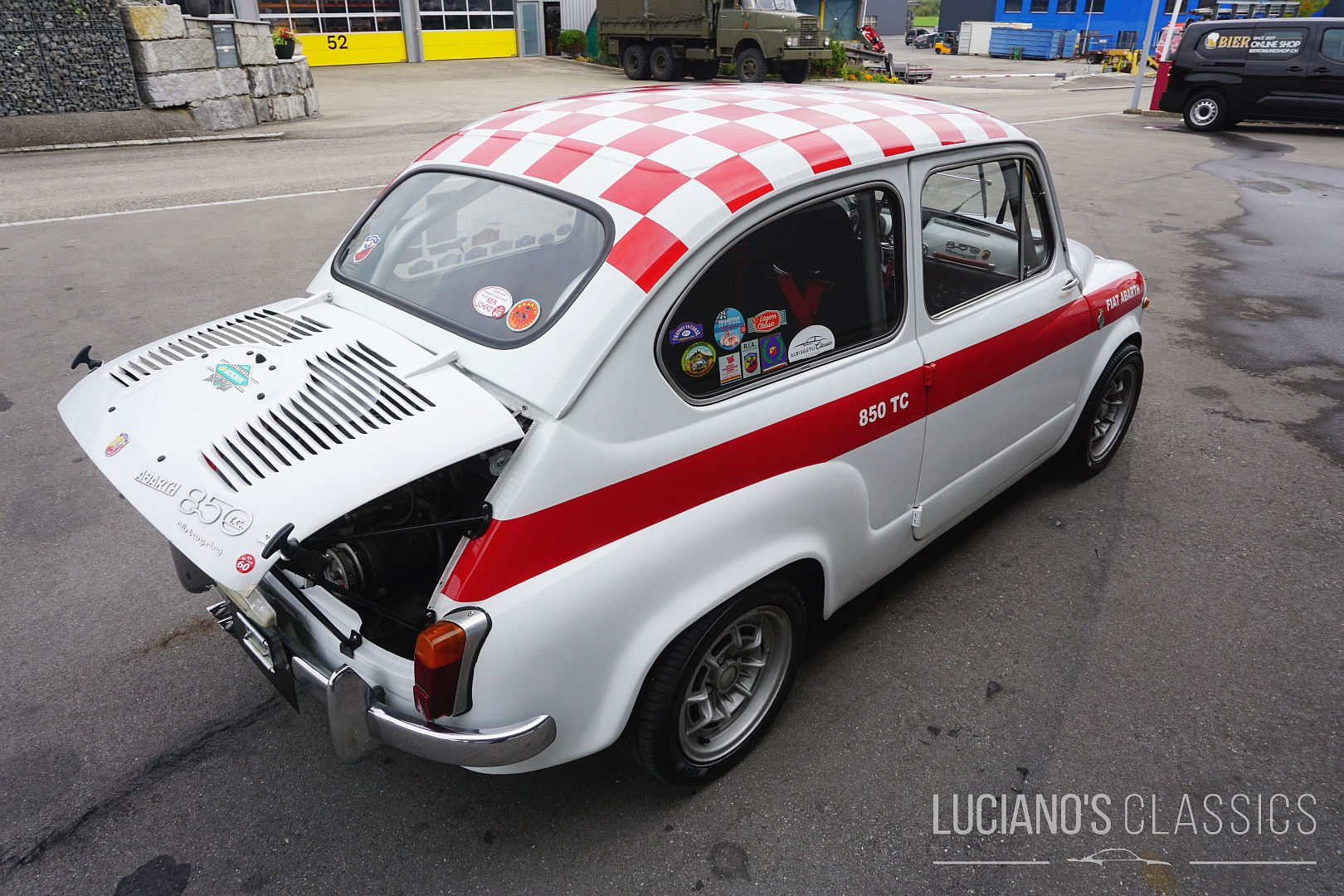
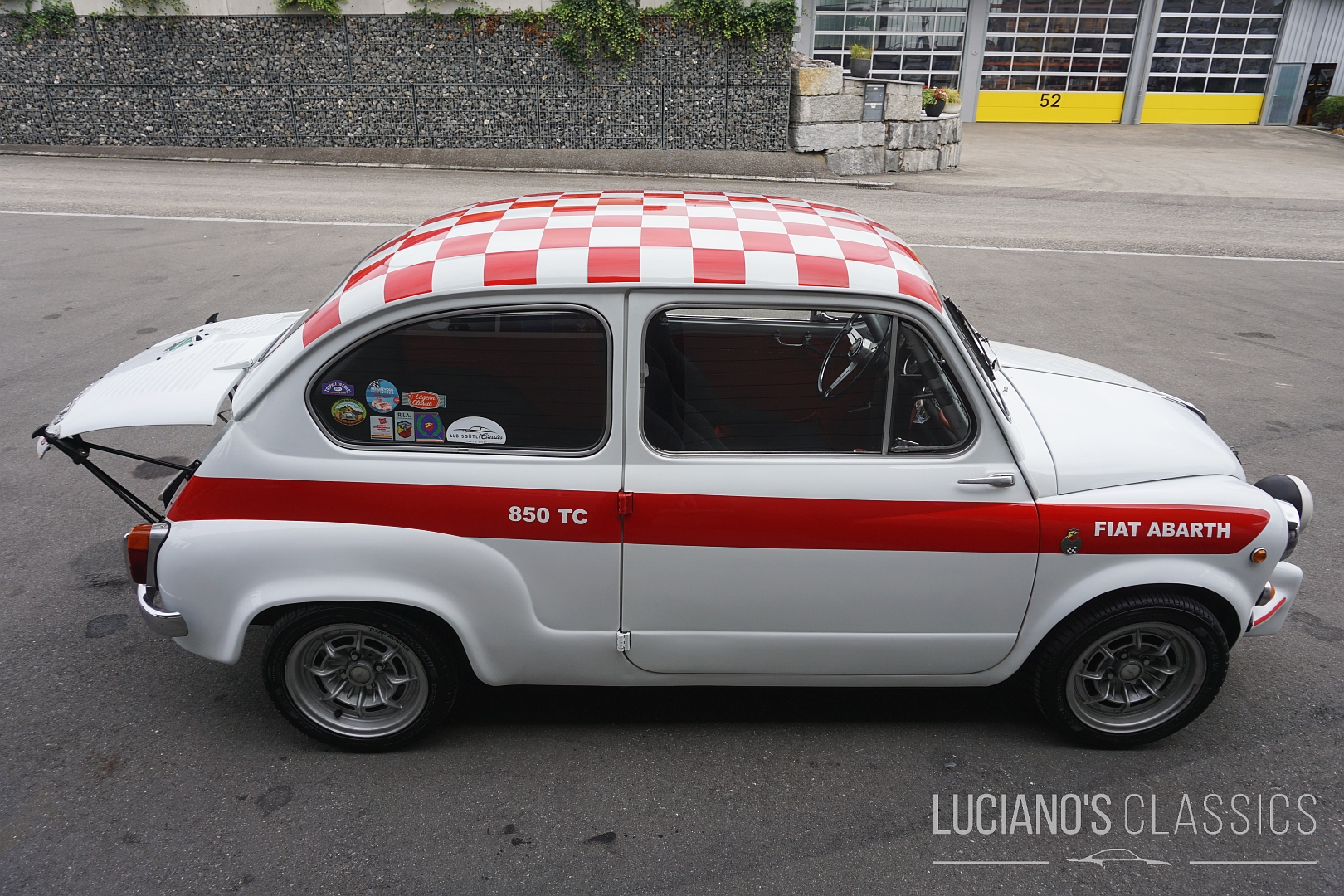
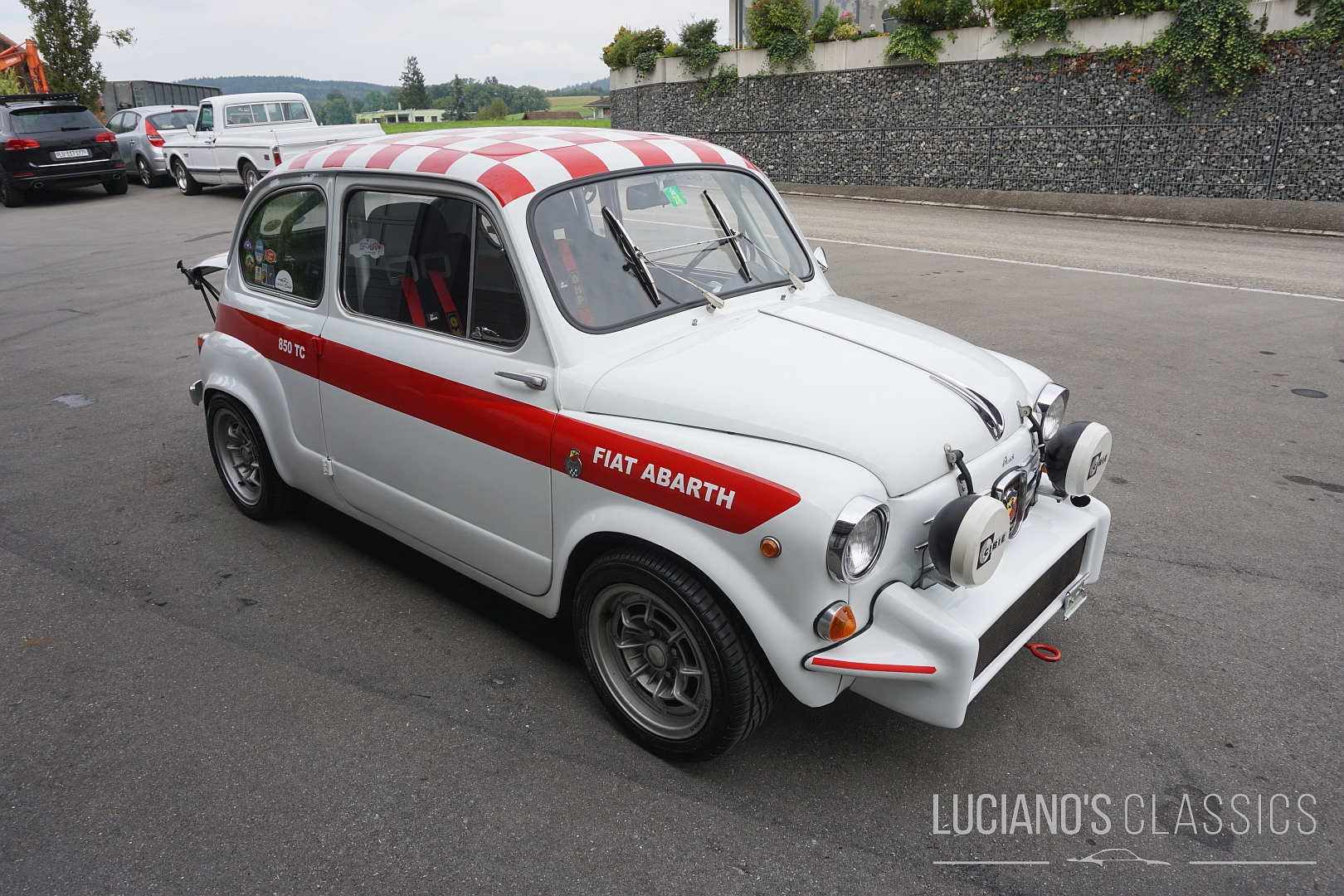
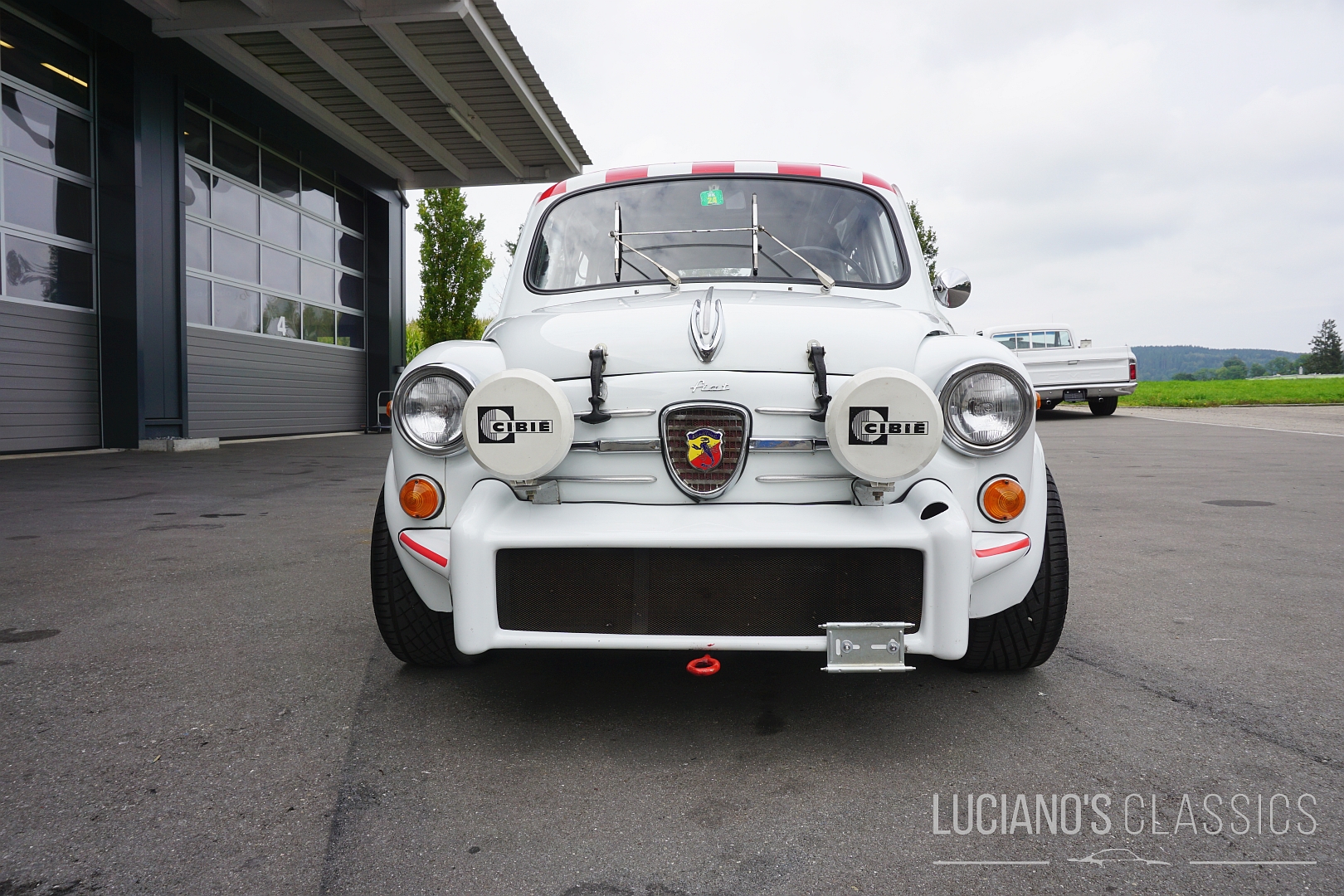
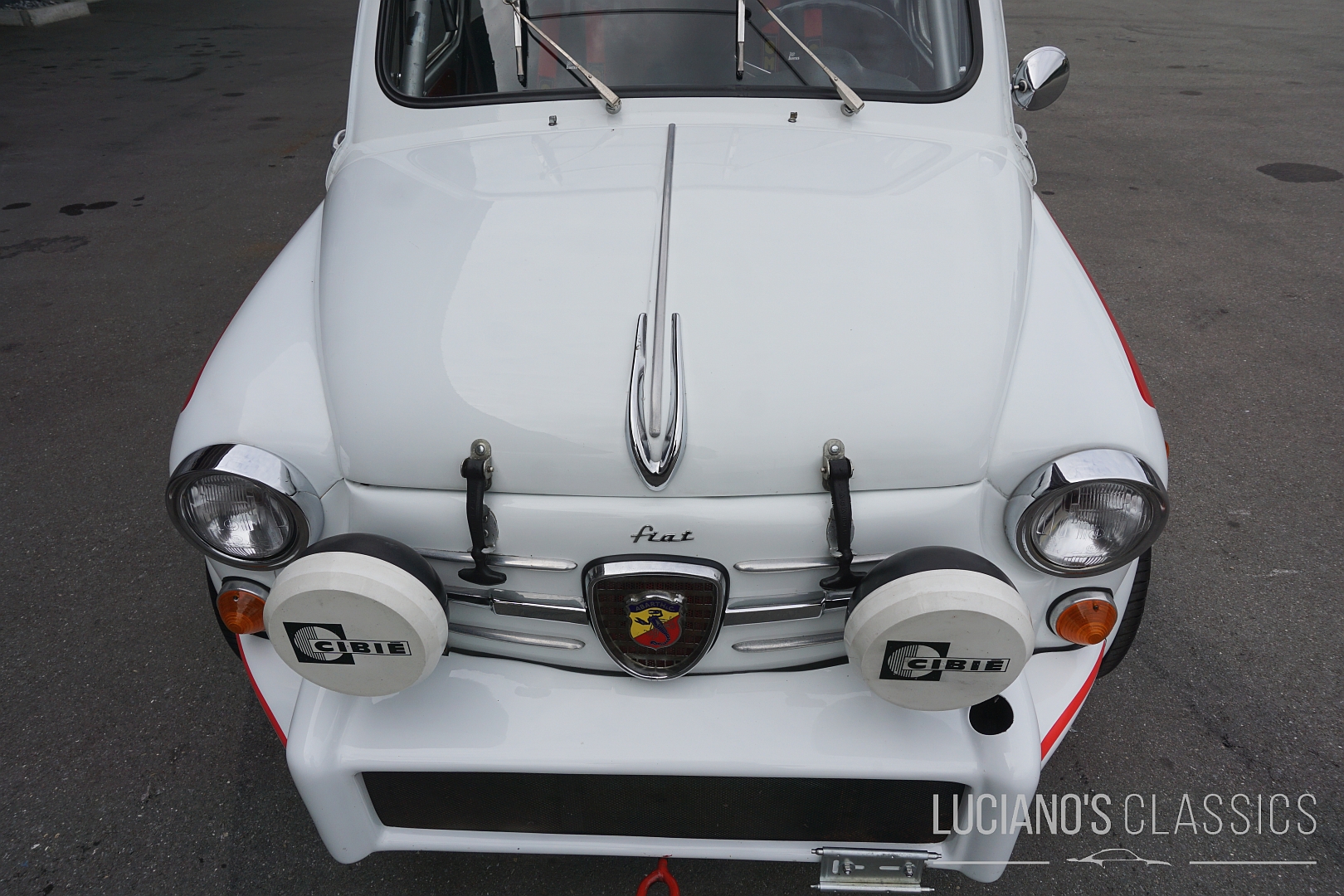
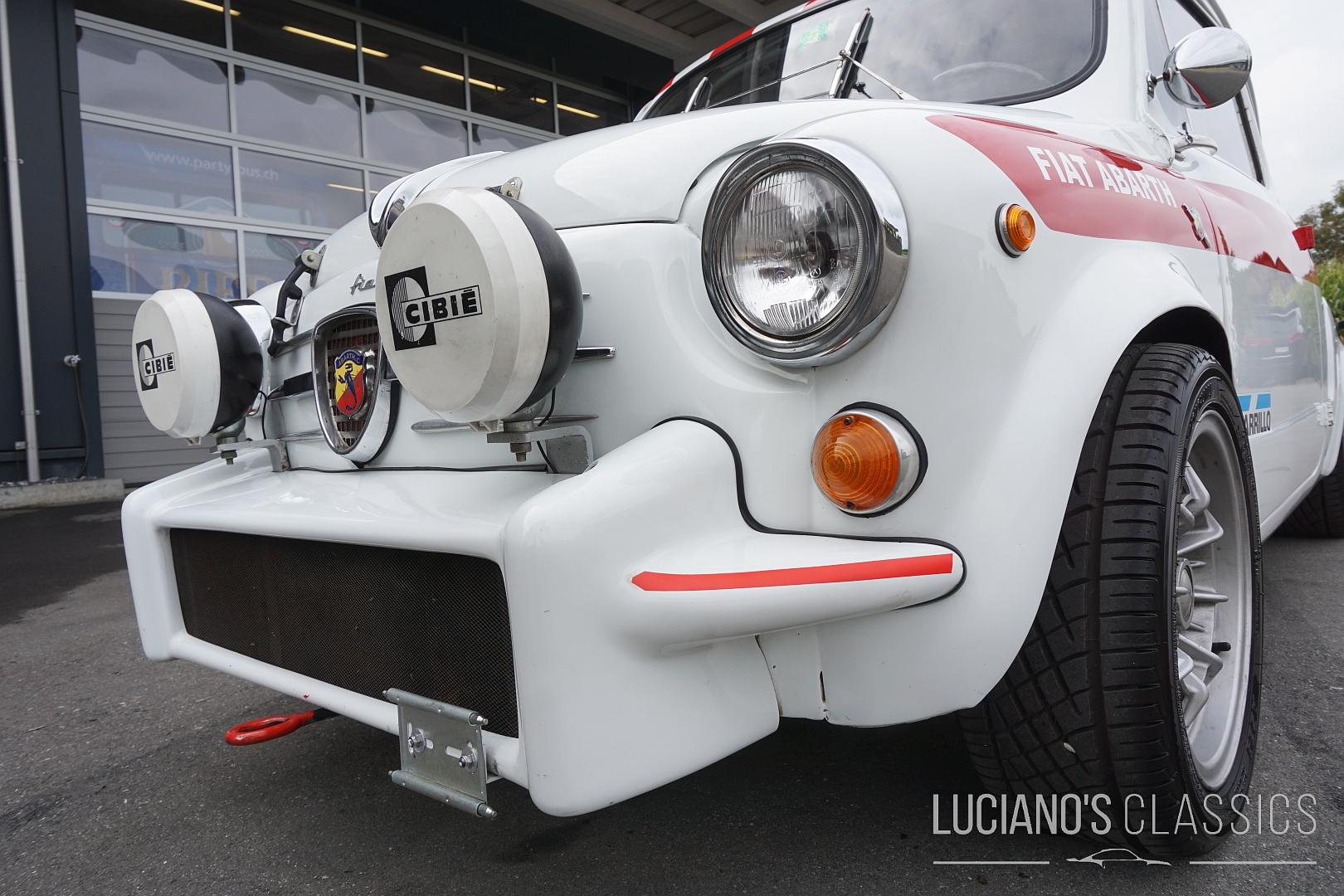
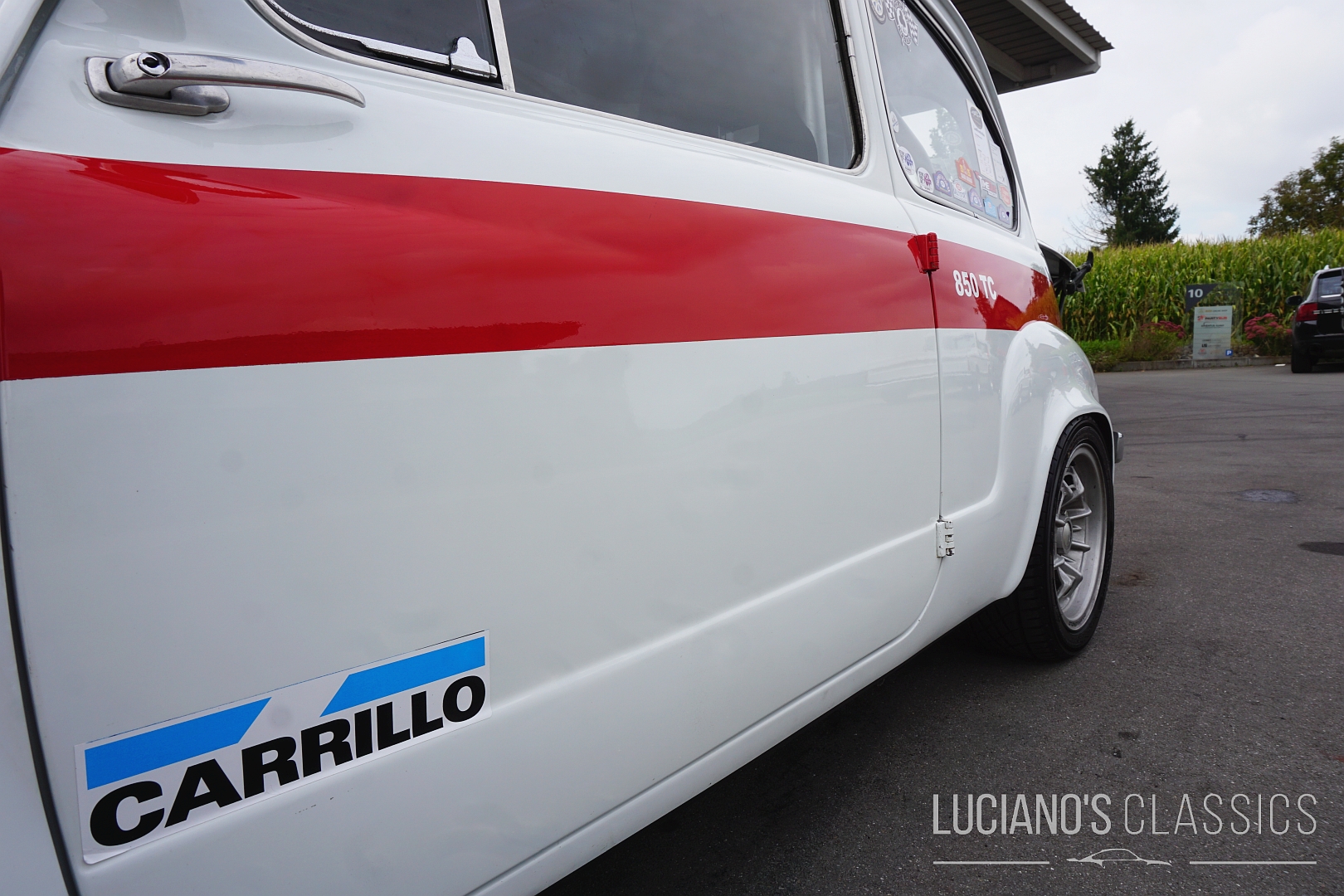
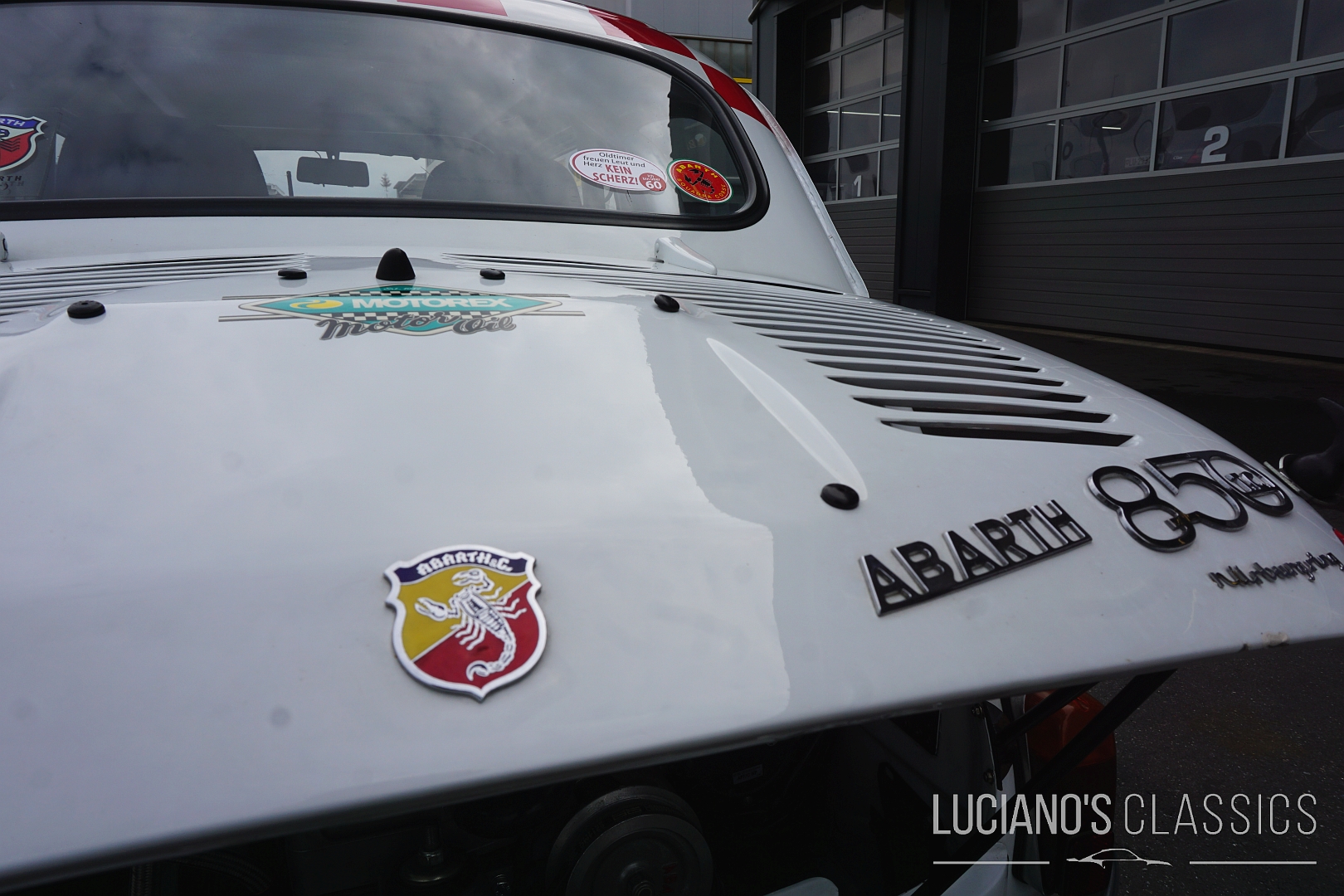
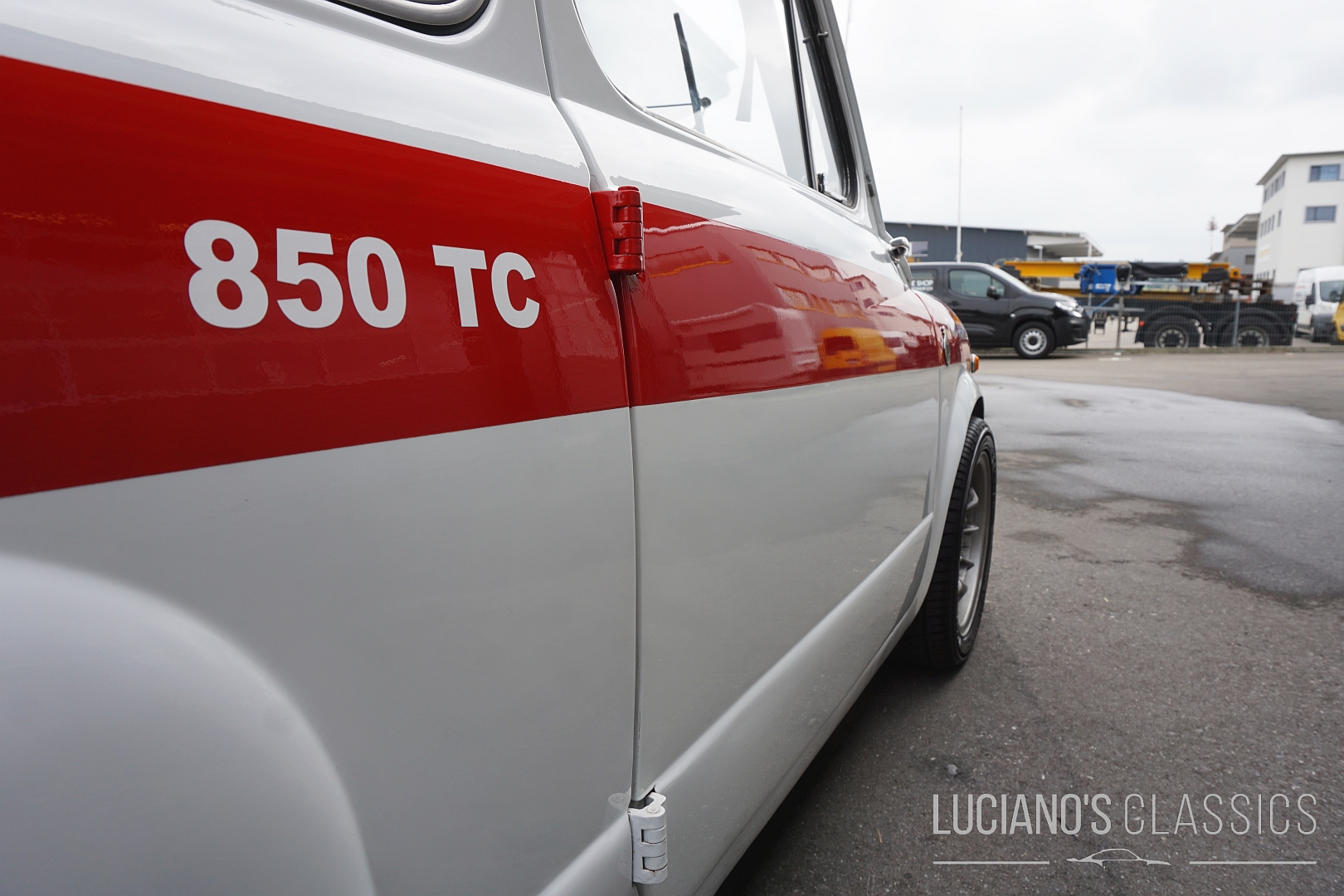
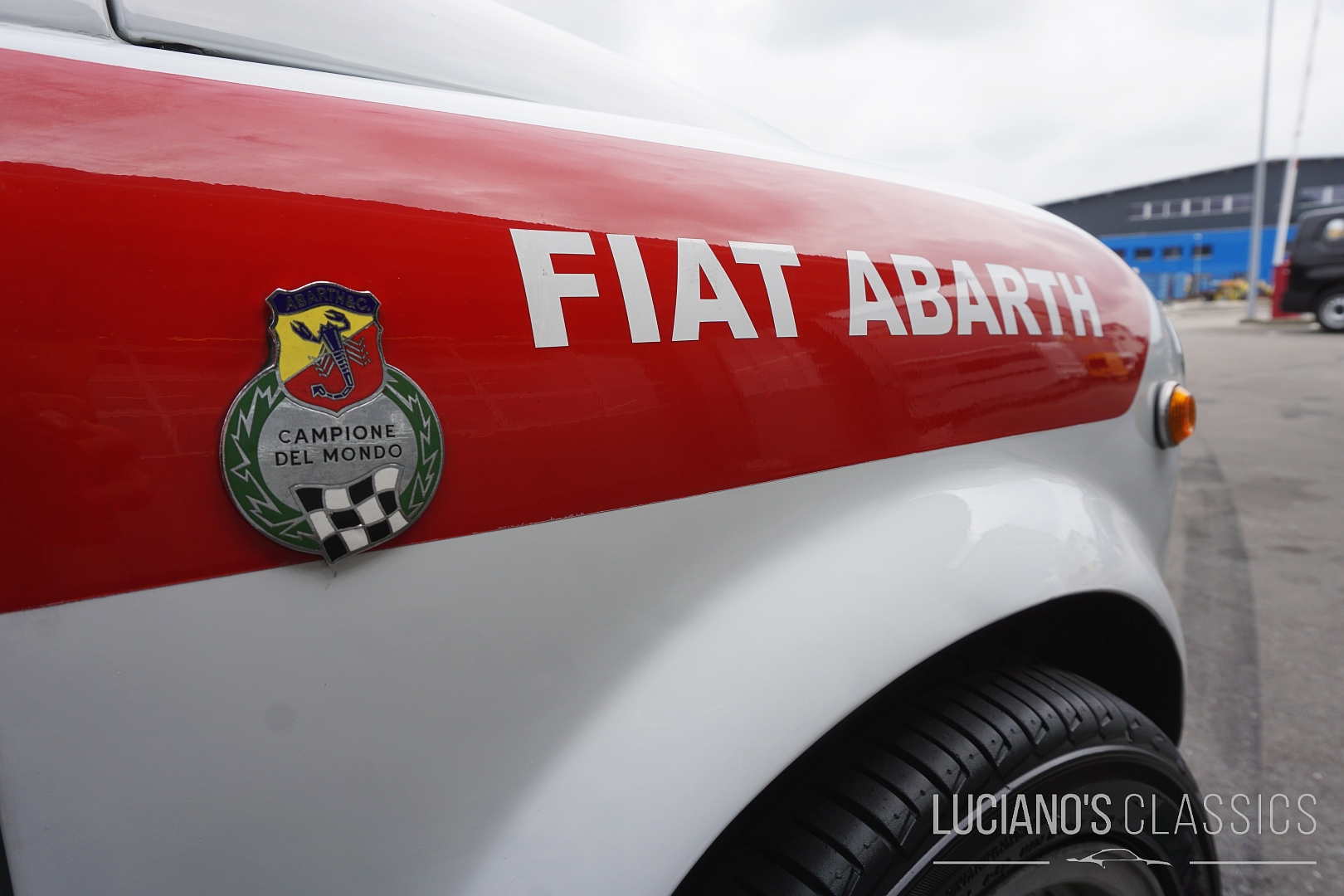
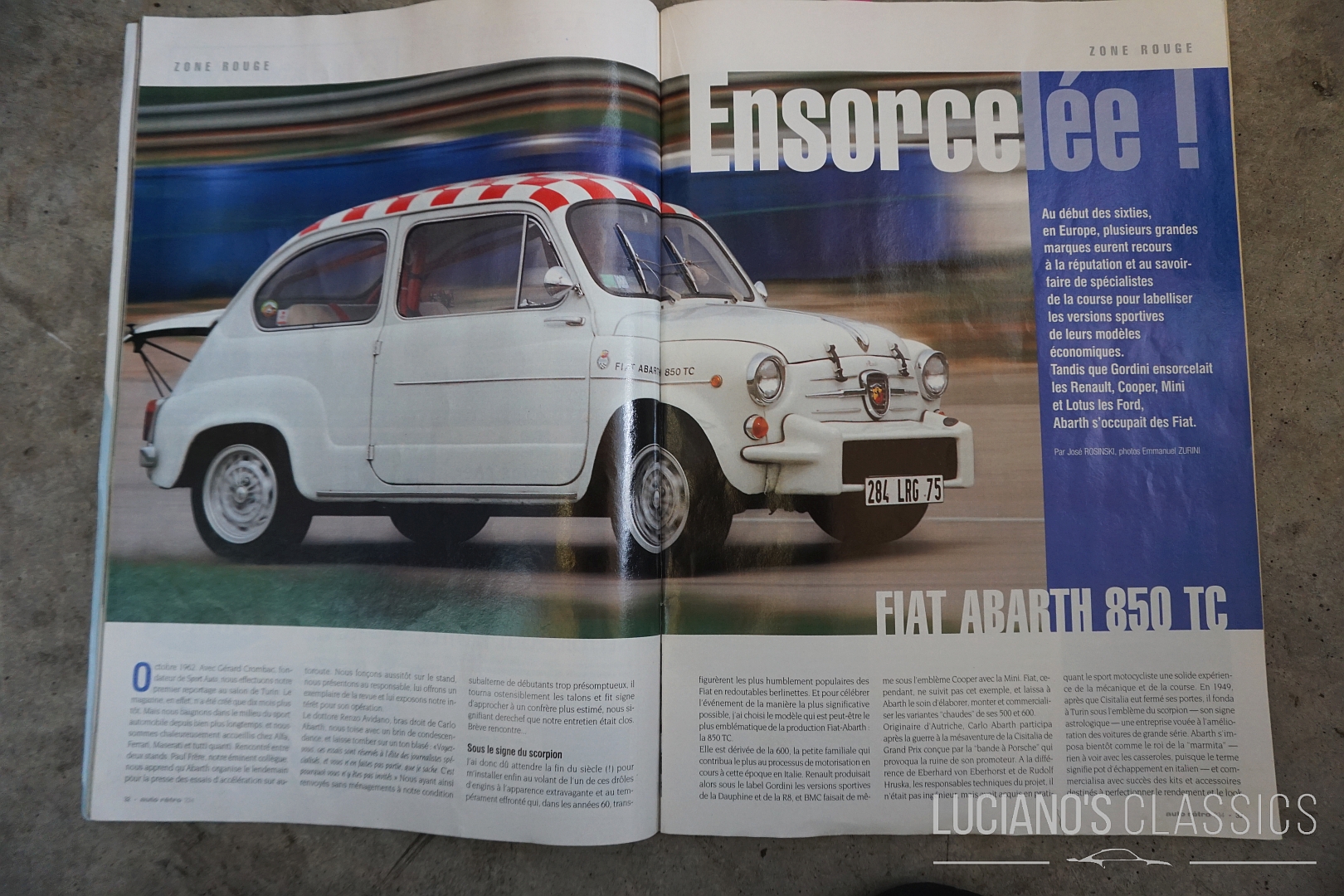
This original 1964 Abarth 850 T.C. Nürburgring is pure motorsport history on four tiny wheels. Based on the Fiat 600, Carlo Abarth created a racing dwarf that caused quite a stir on European circuits in the 1960s.
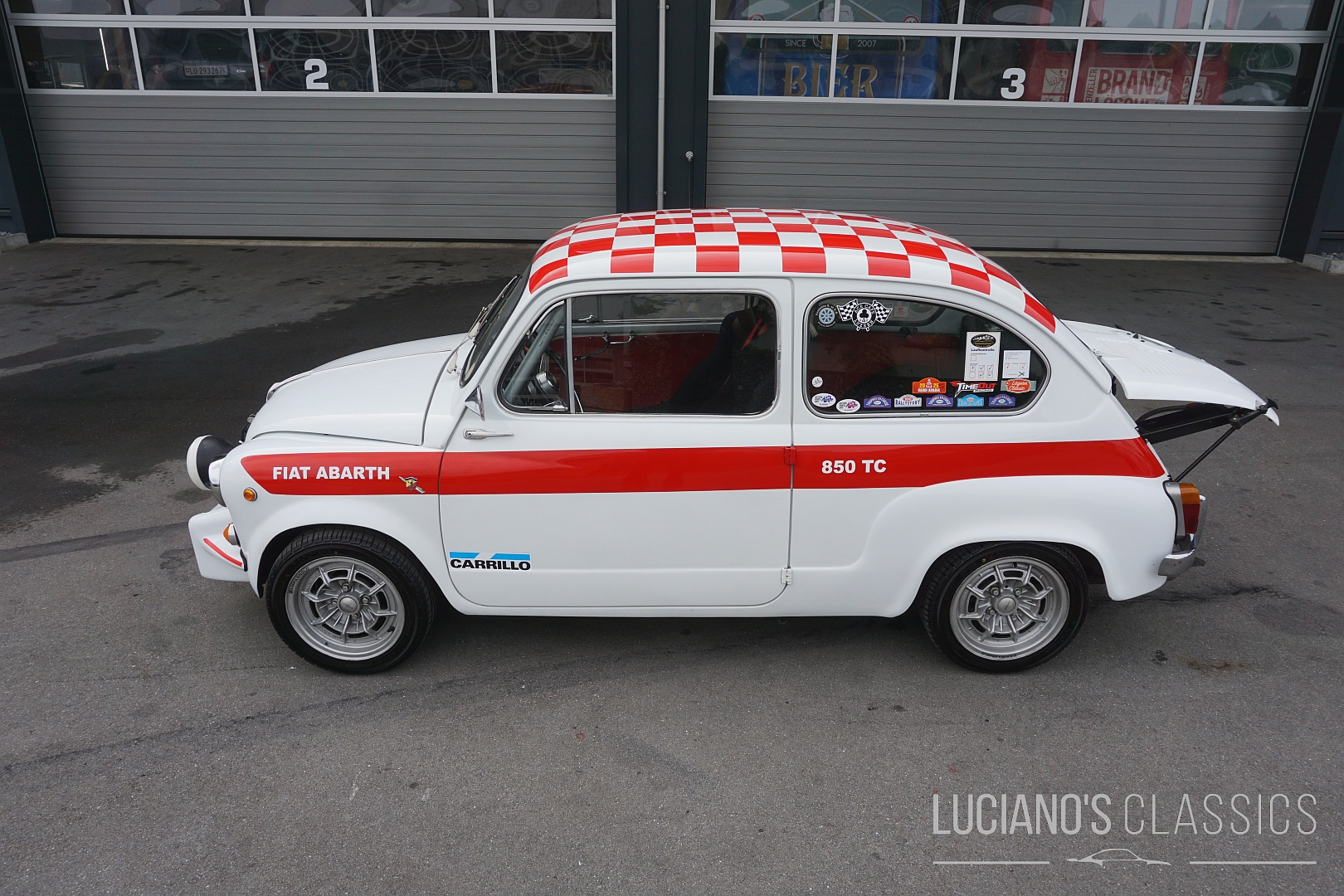
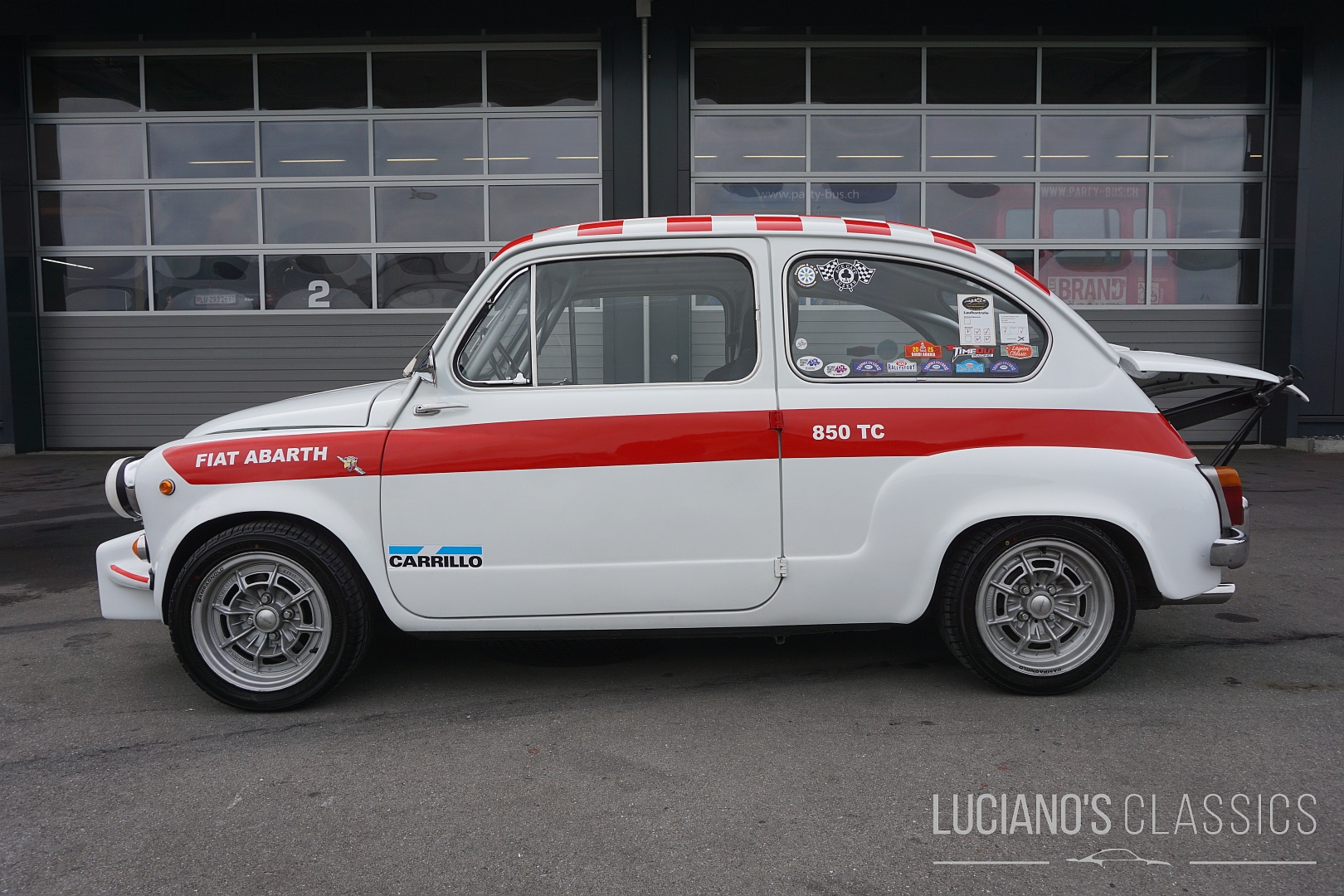
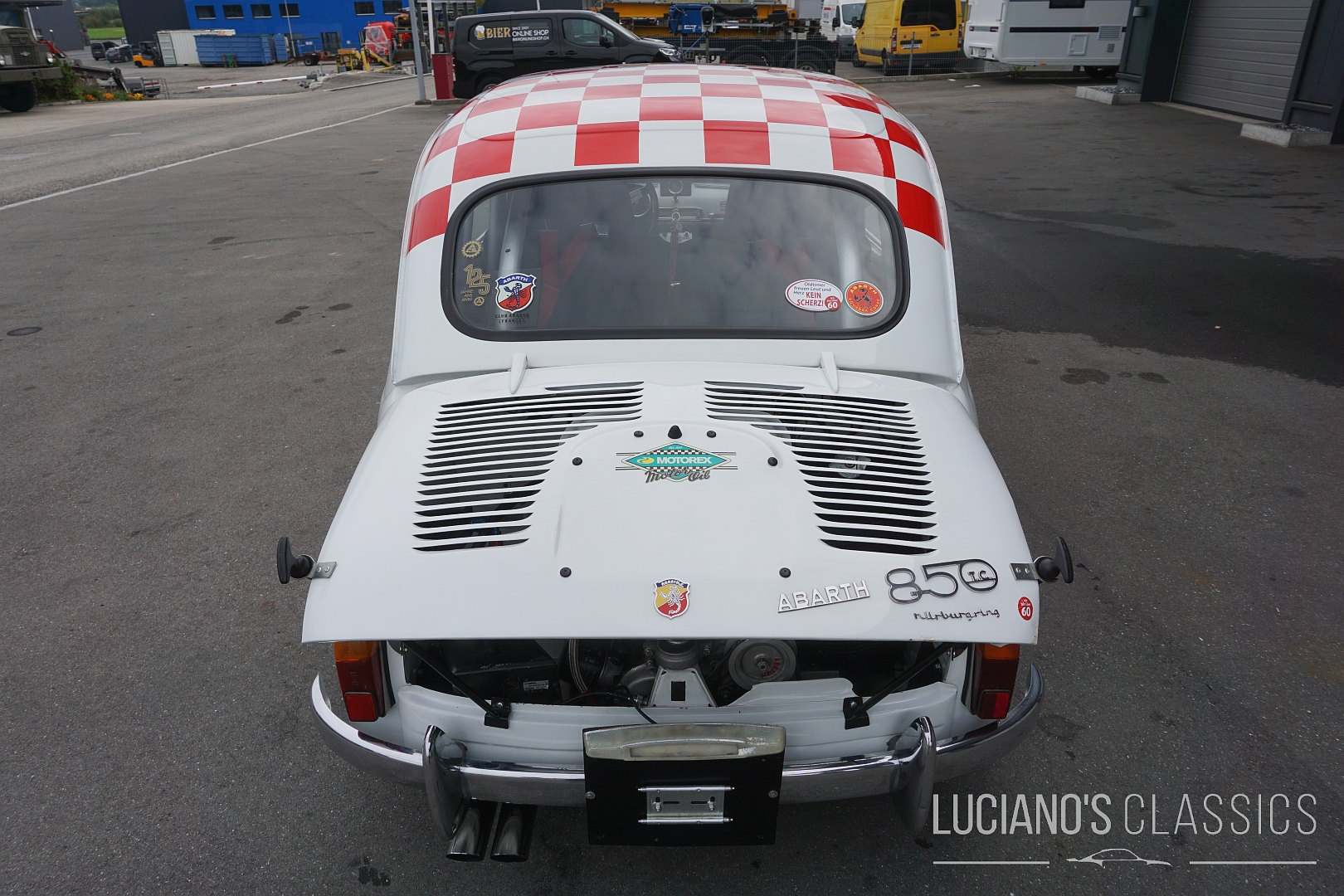
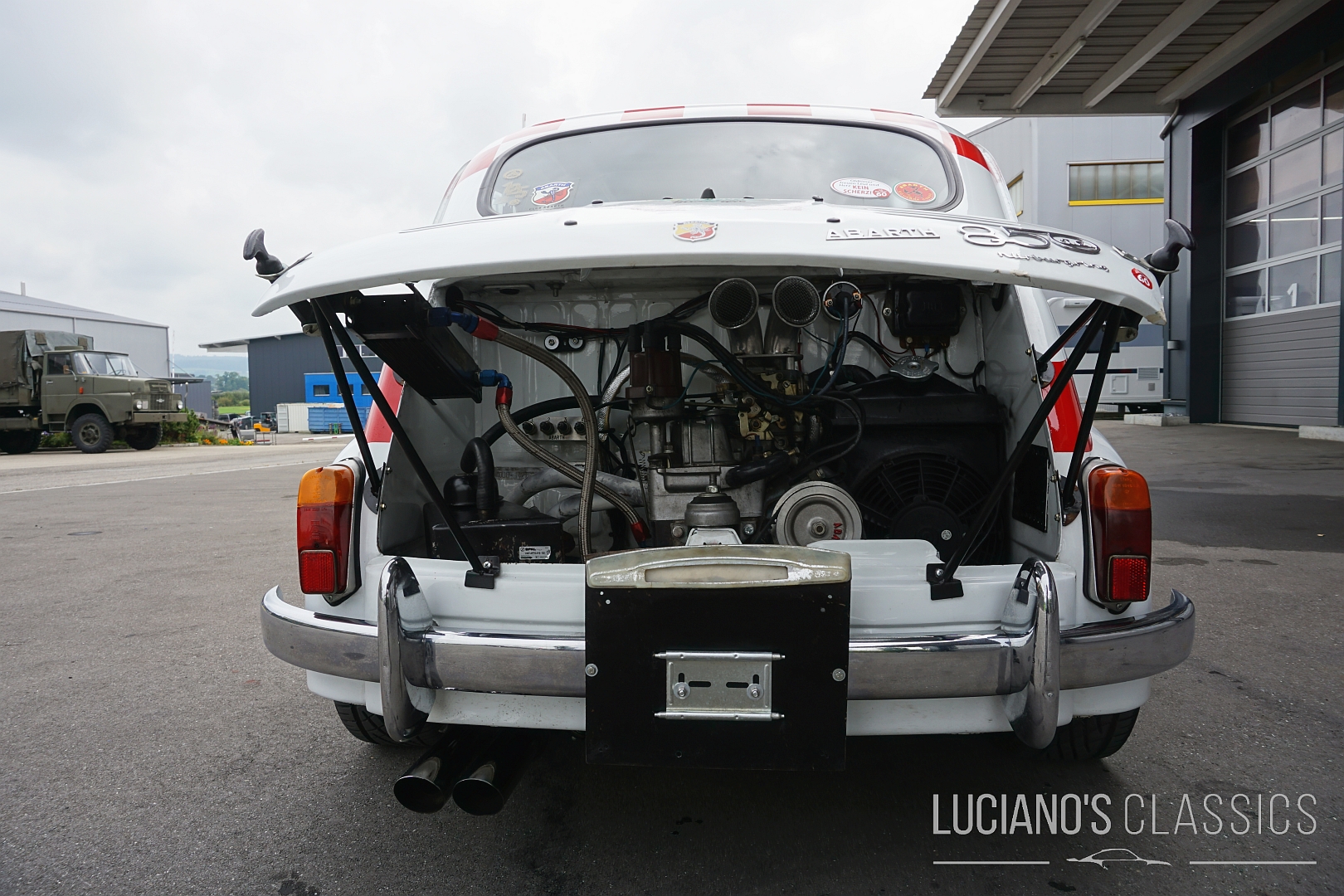
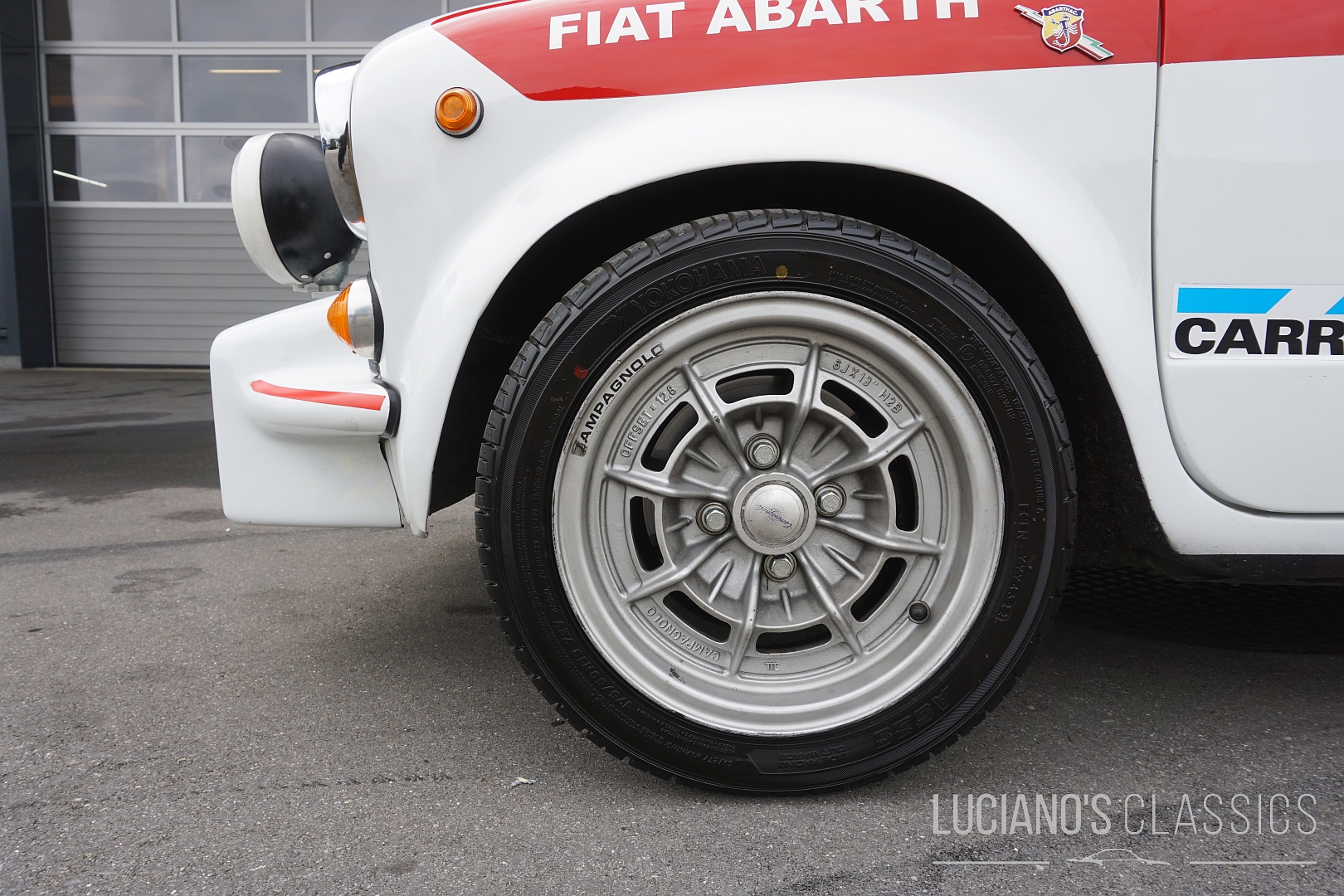
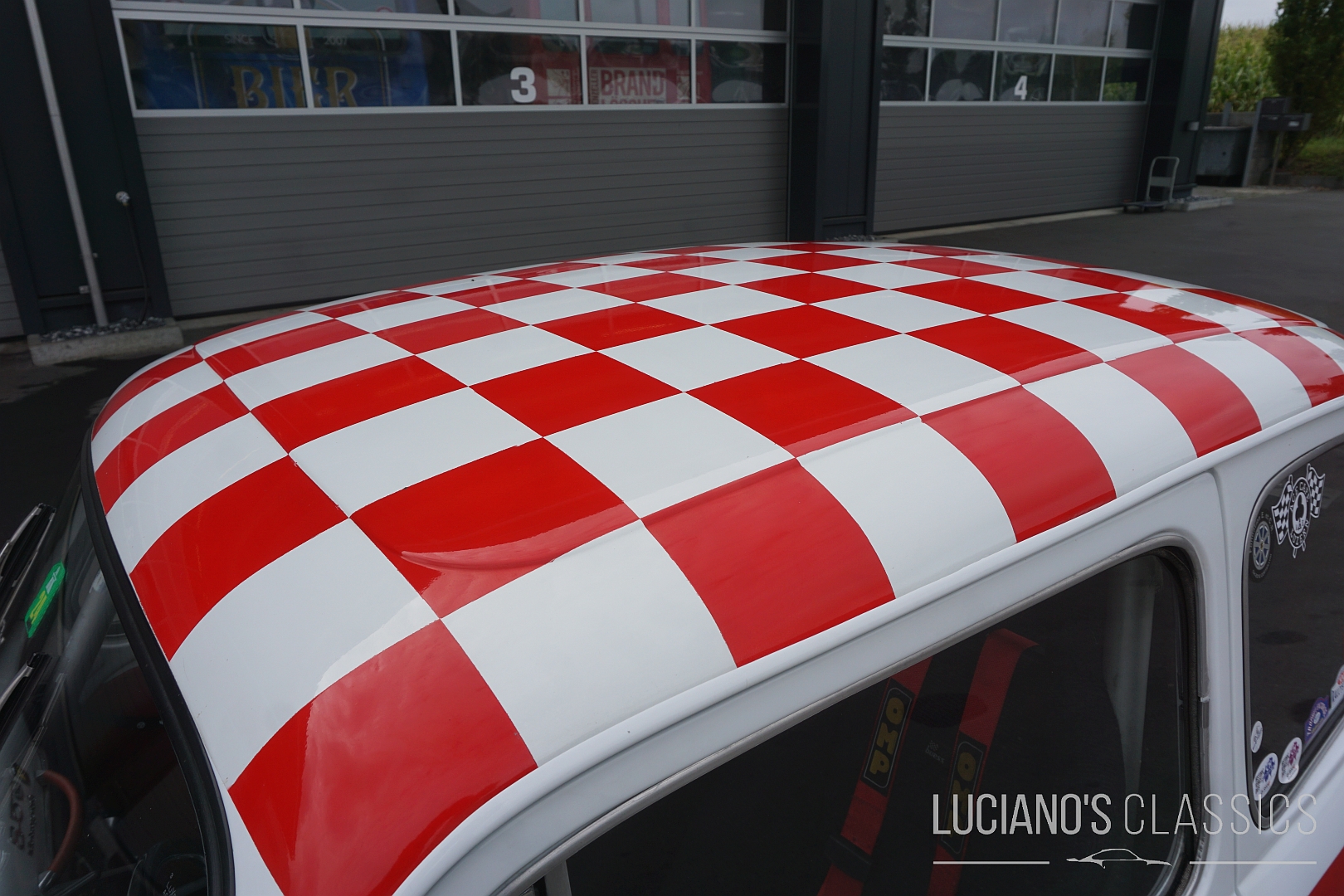
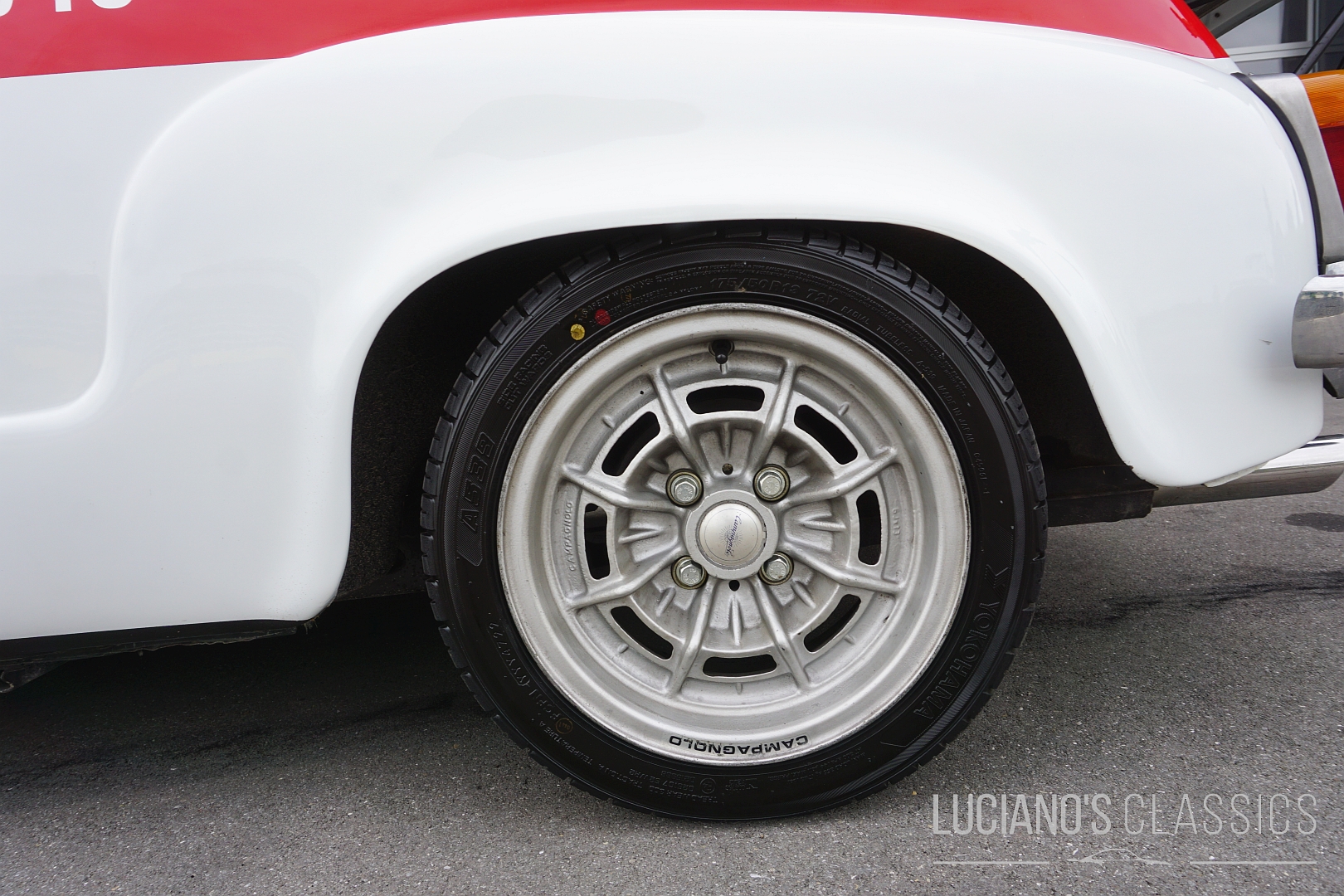
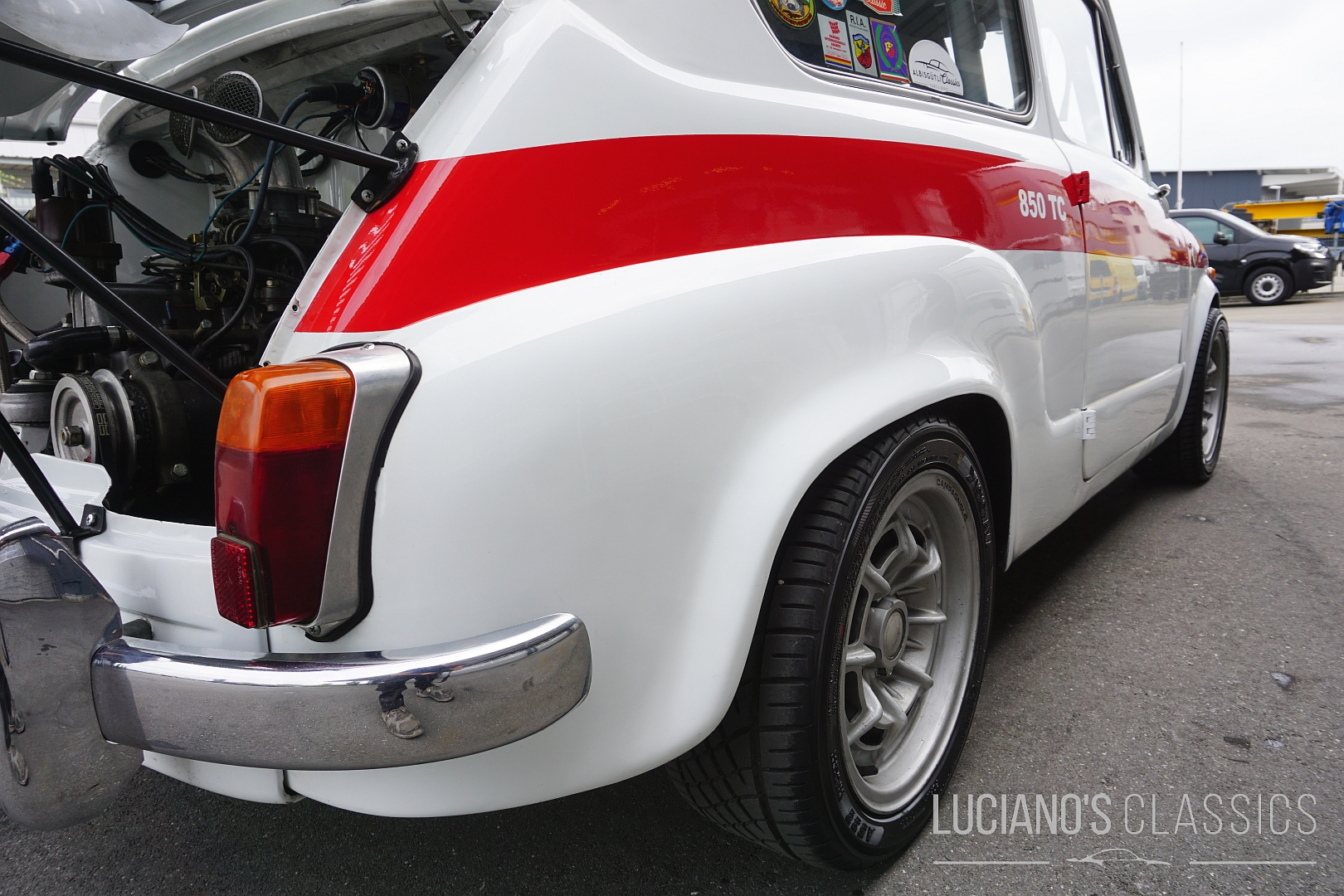
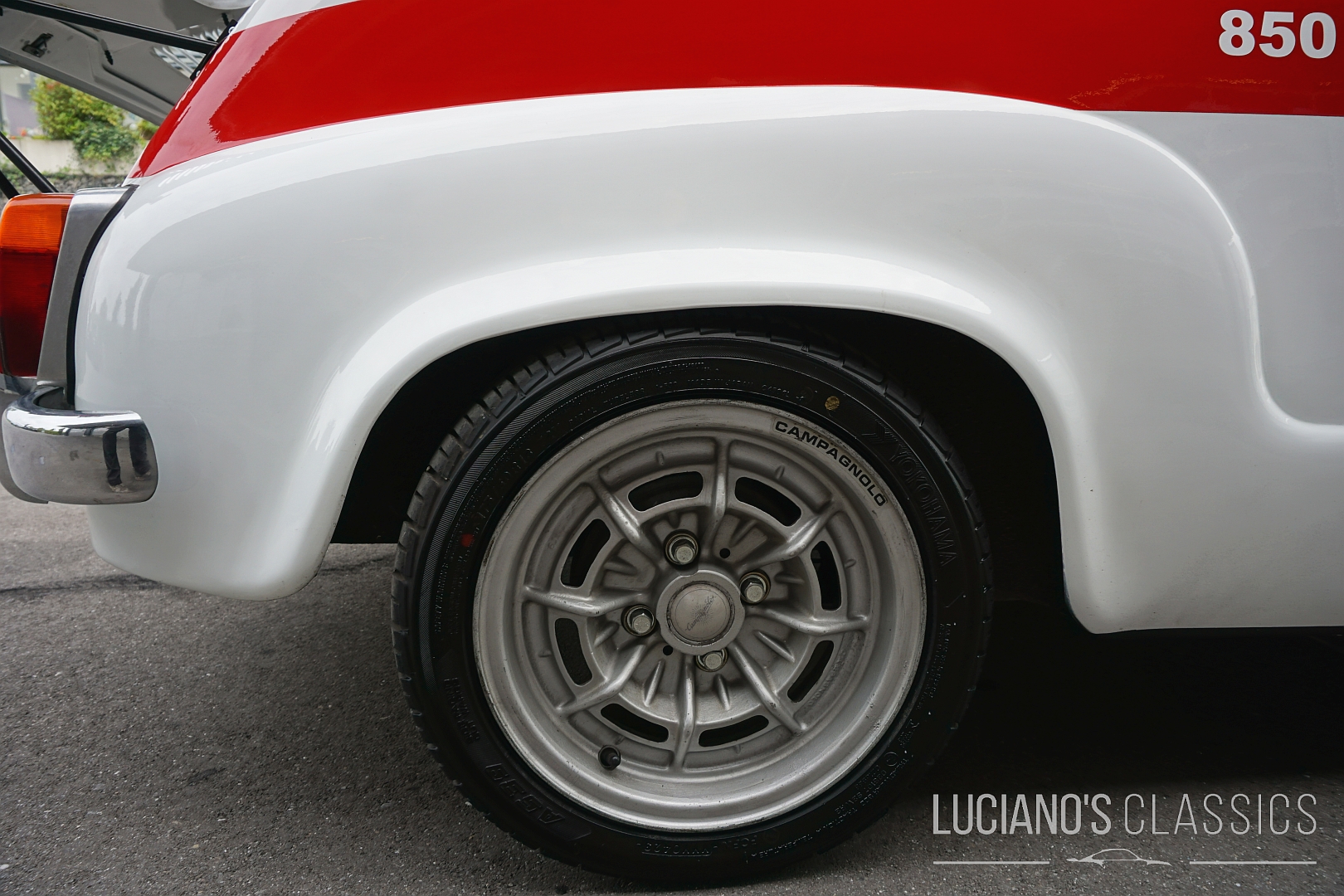
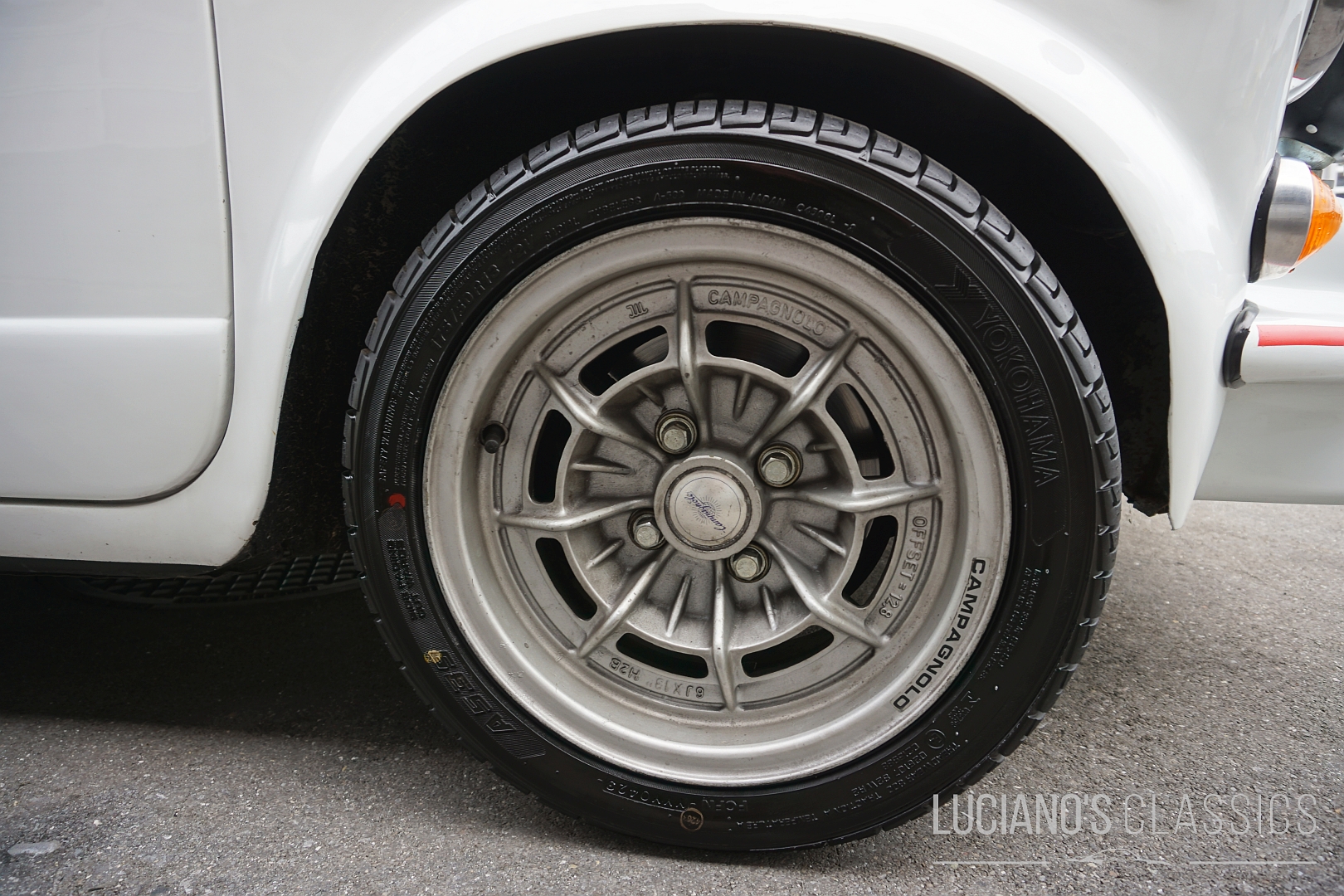
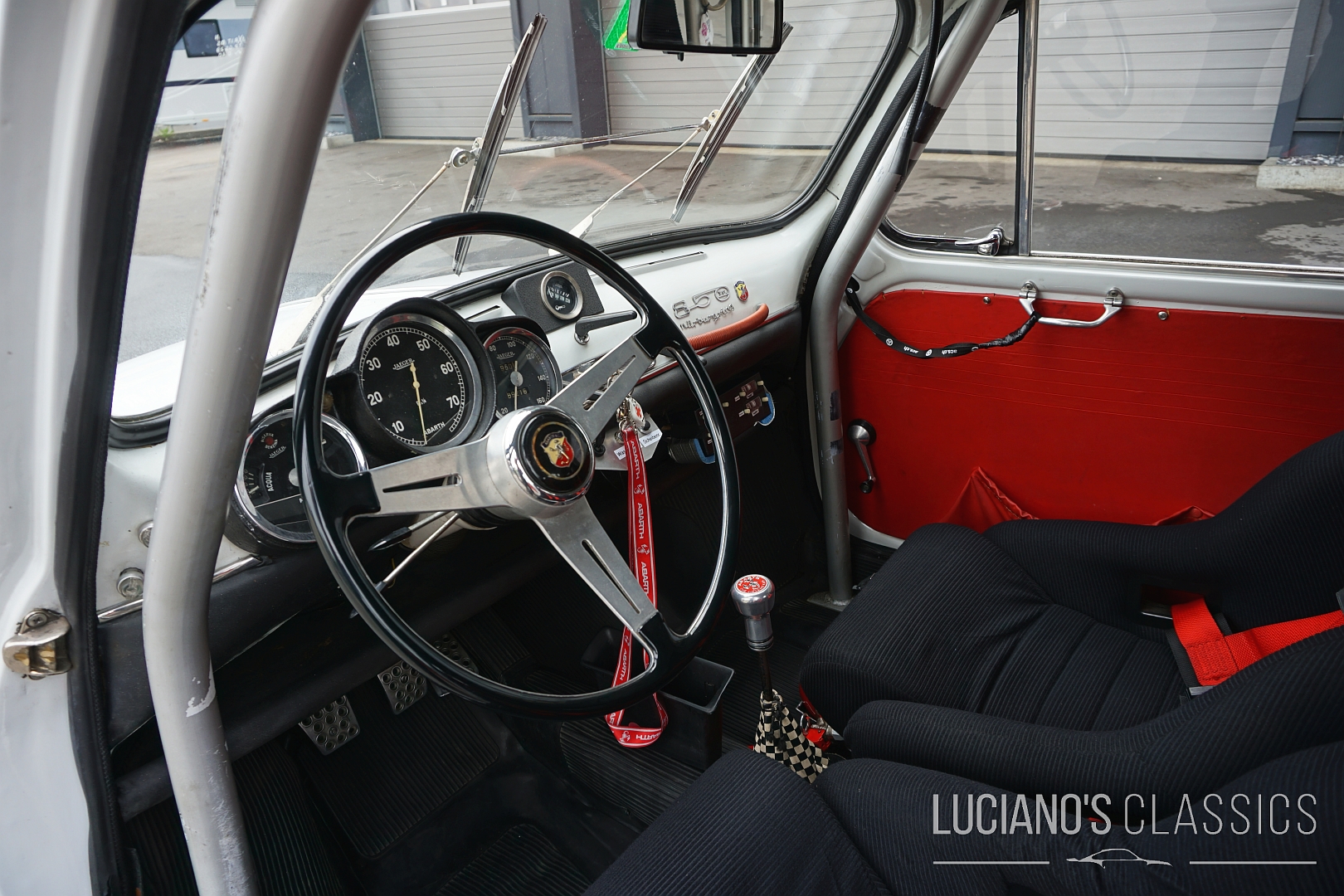
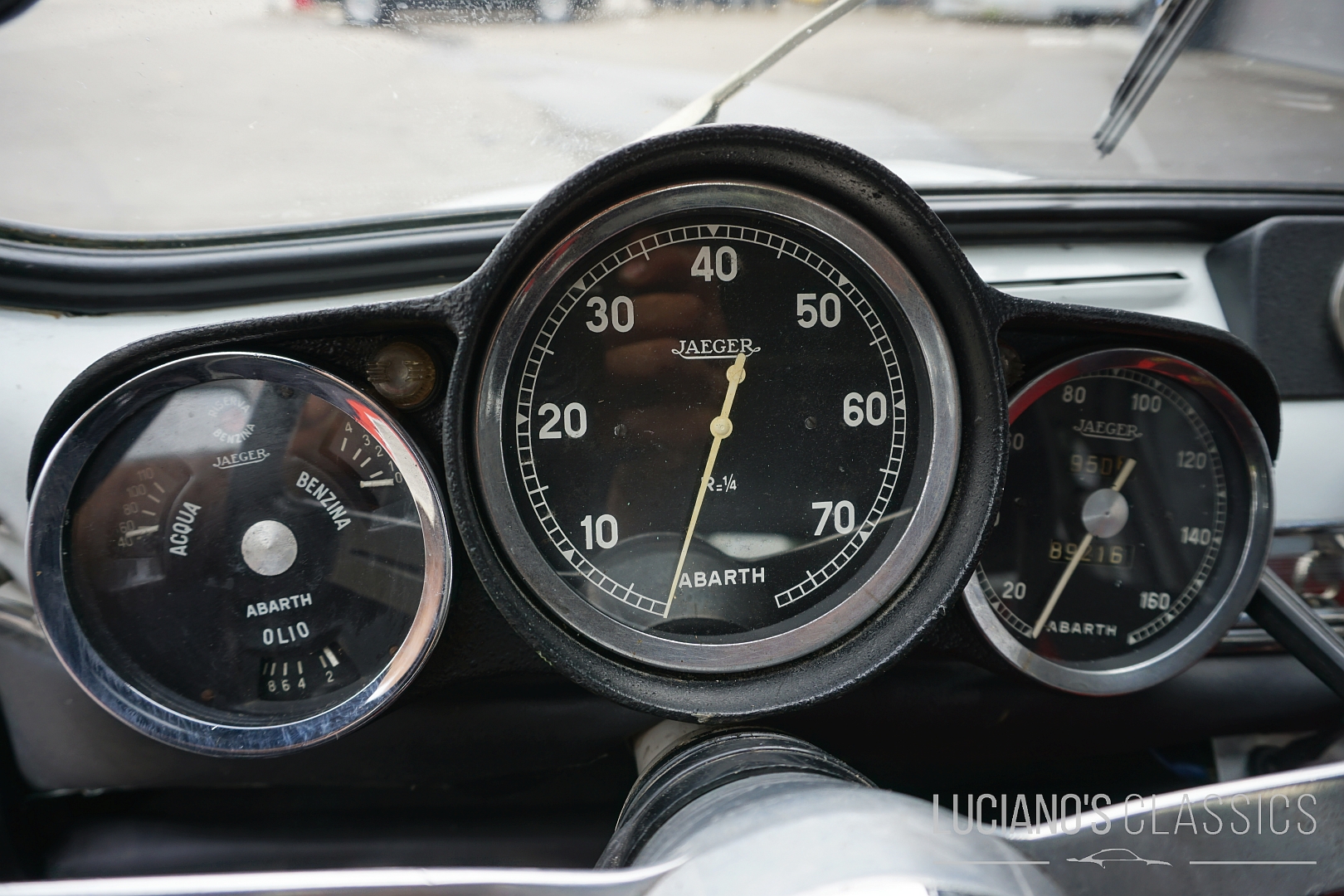
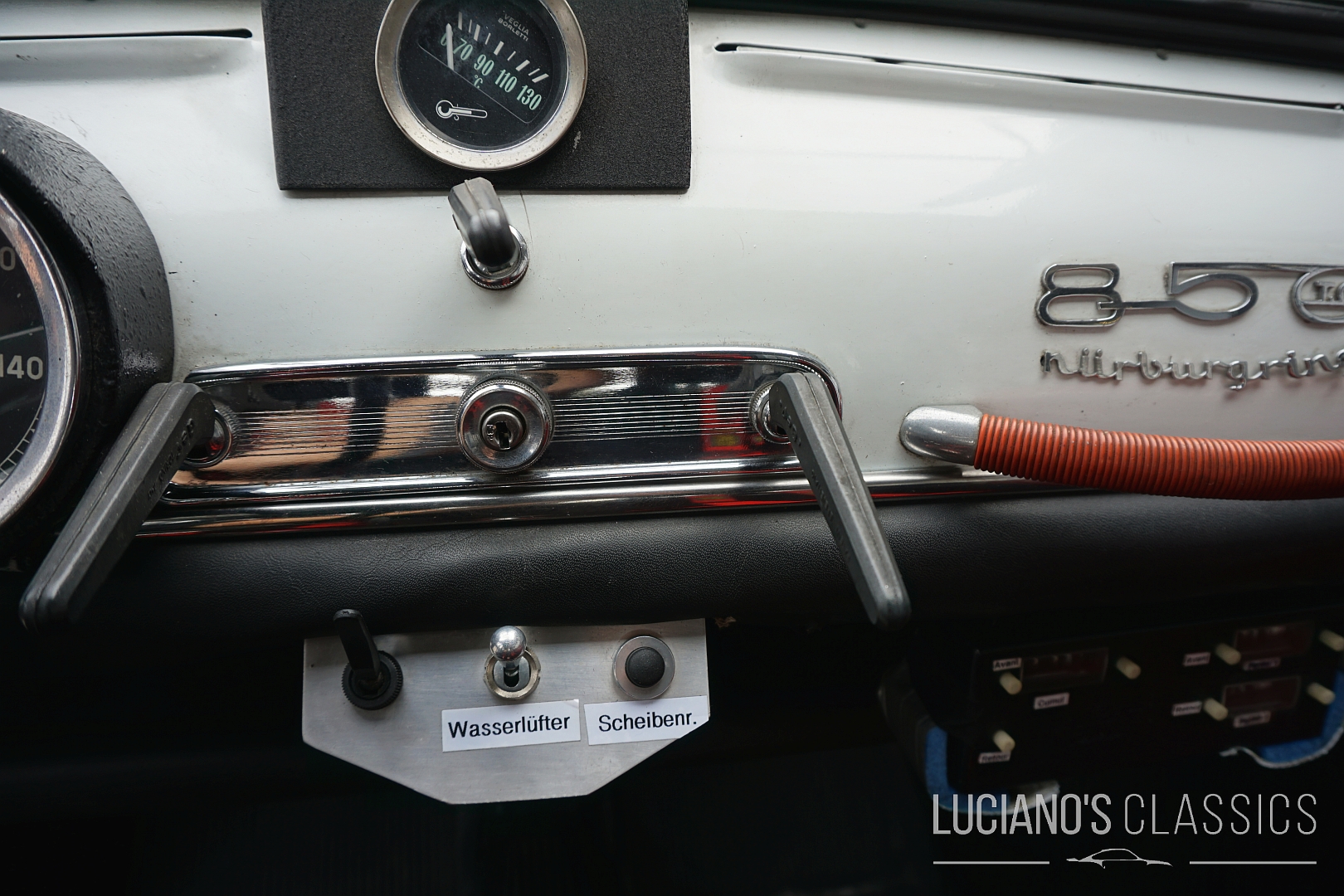
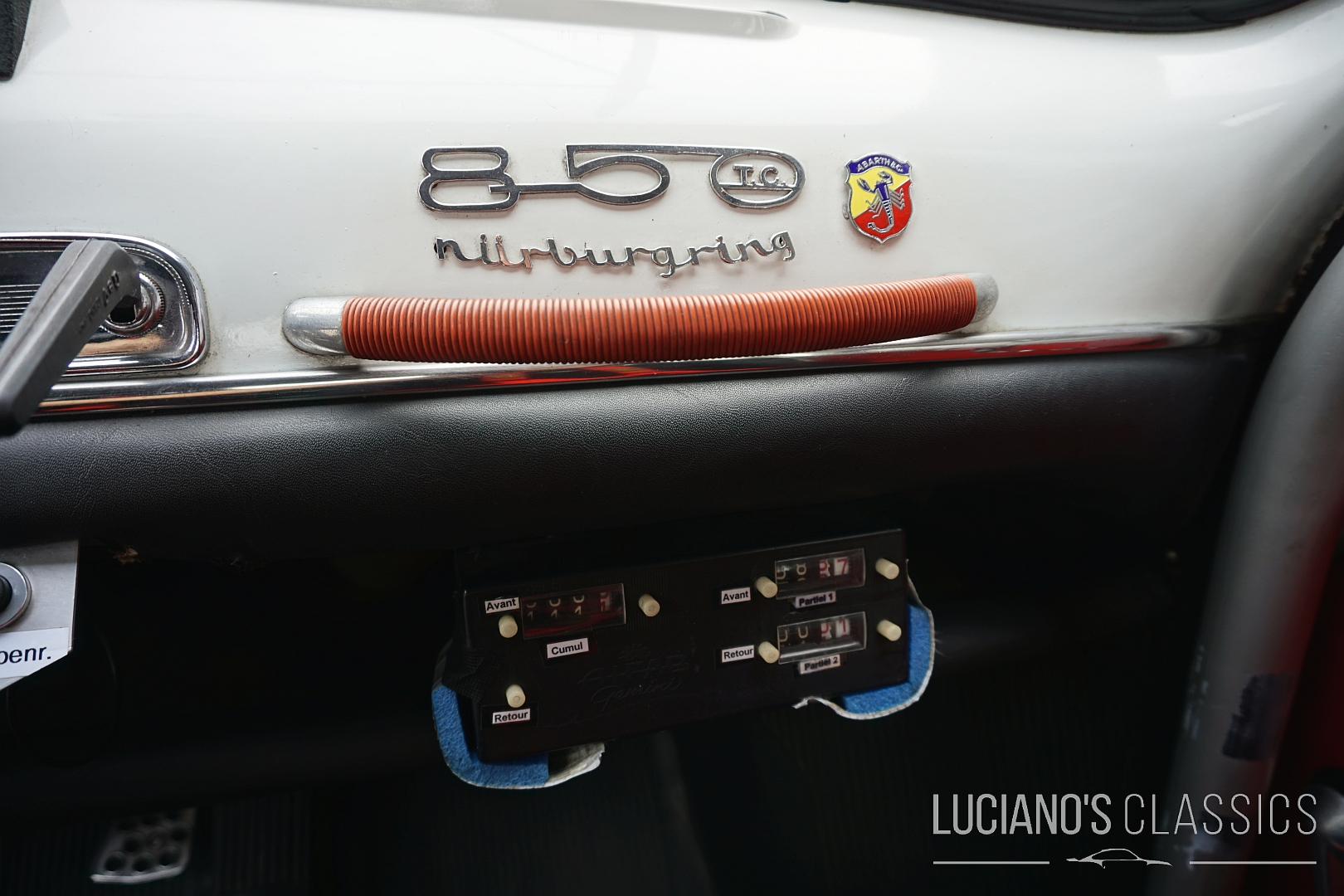
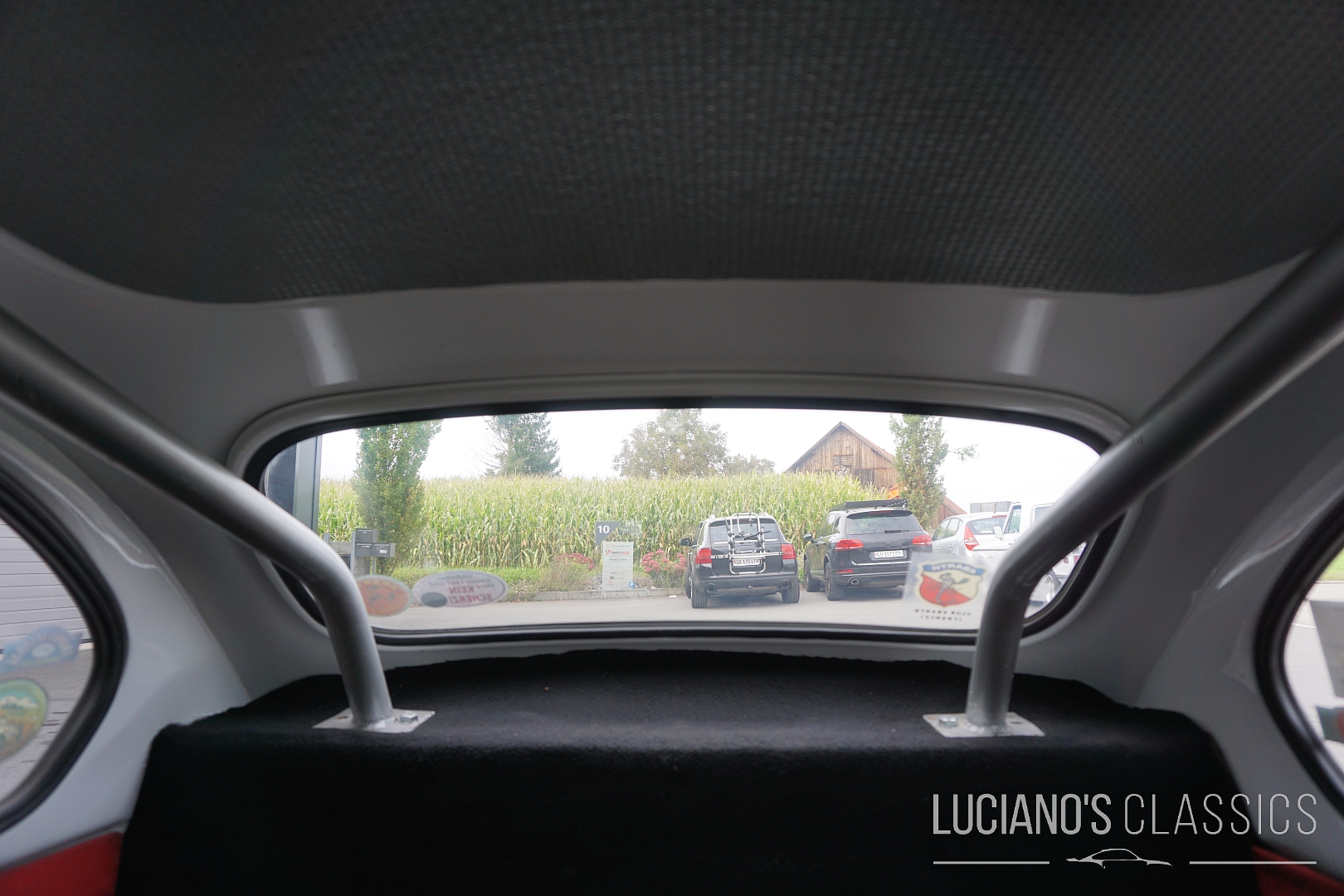
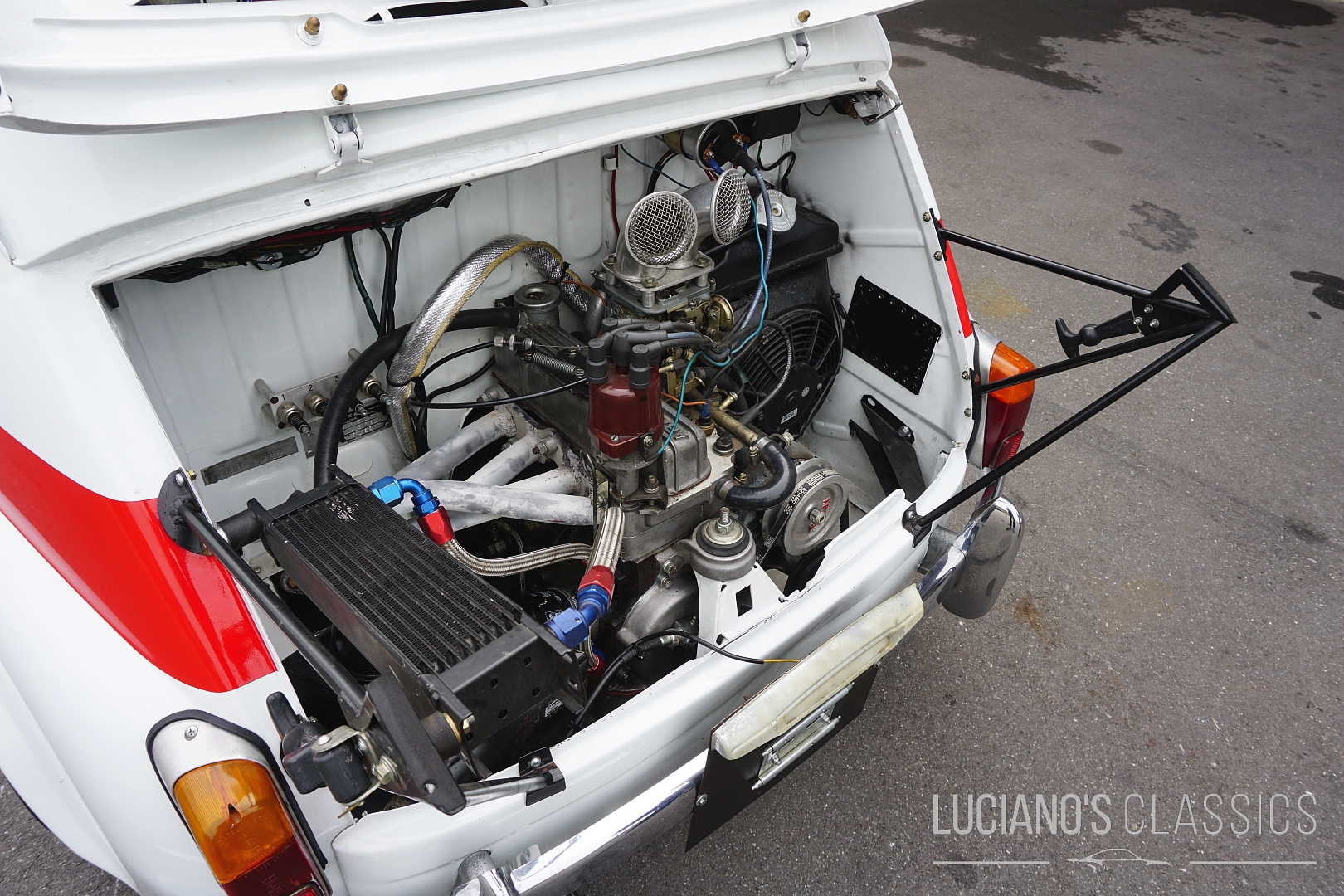
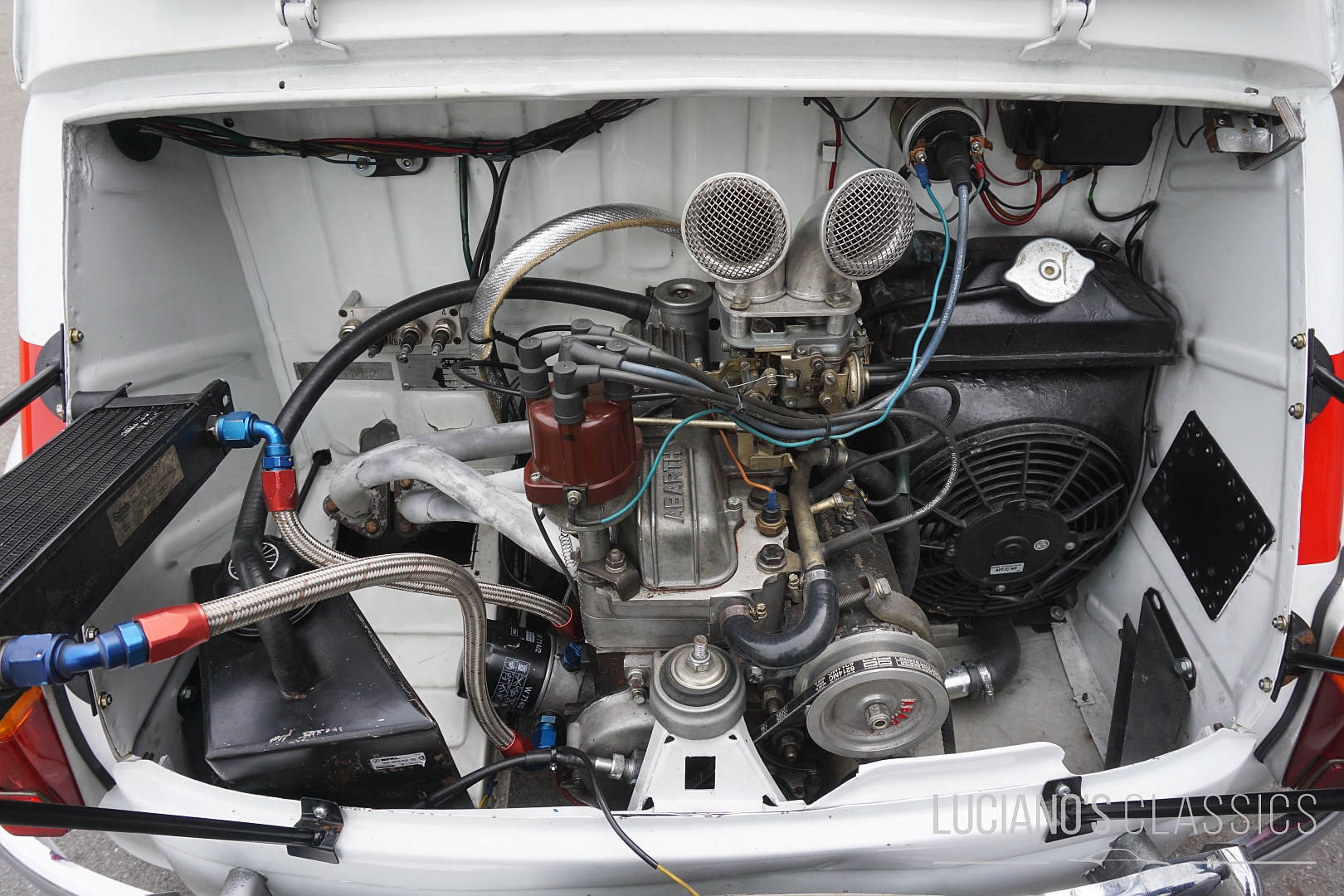
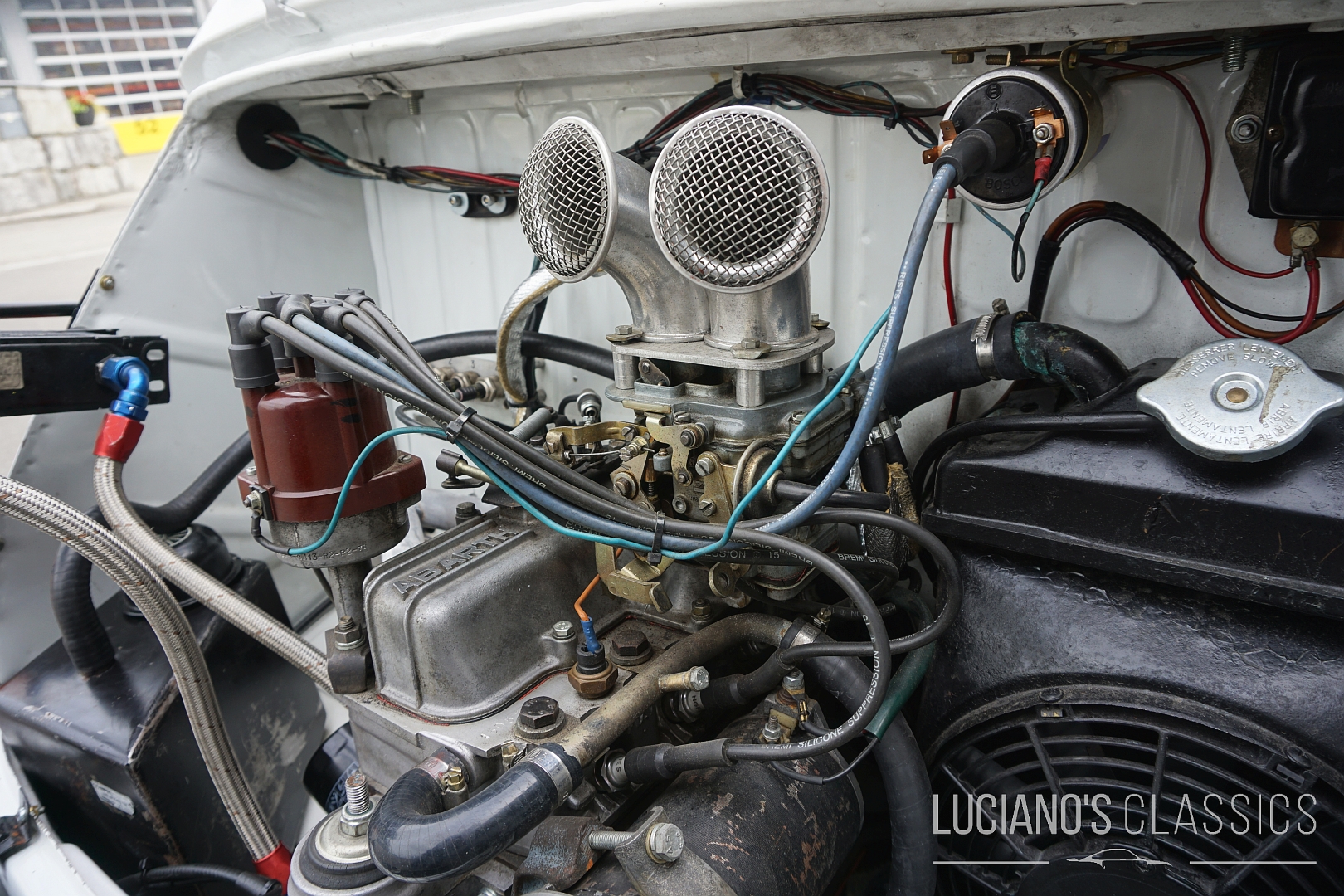
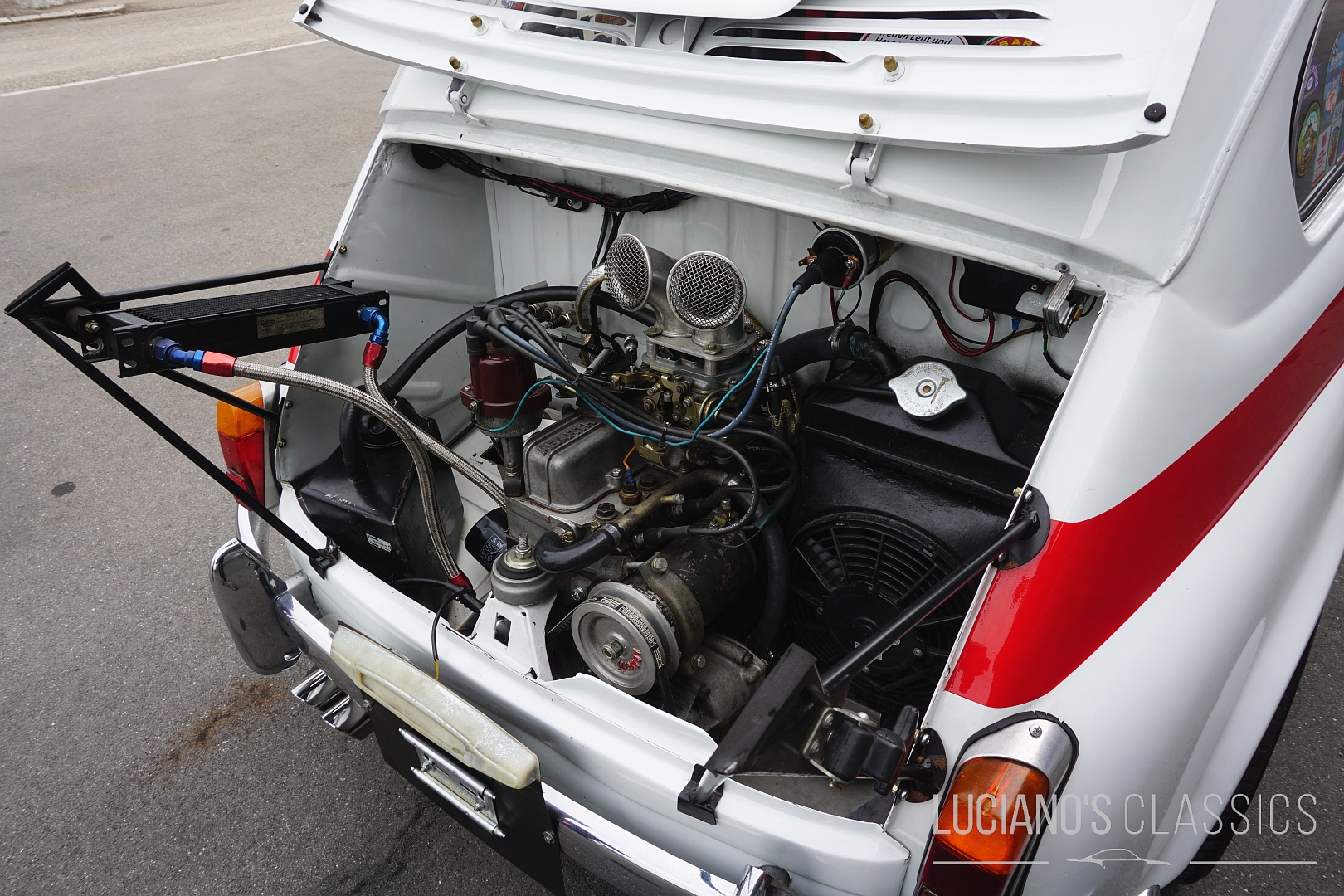
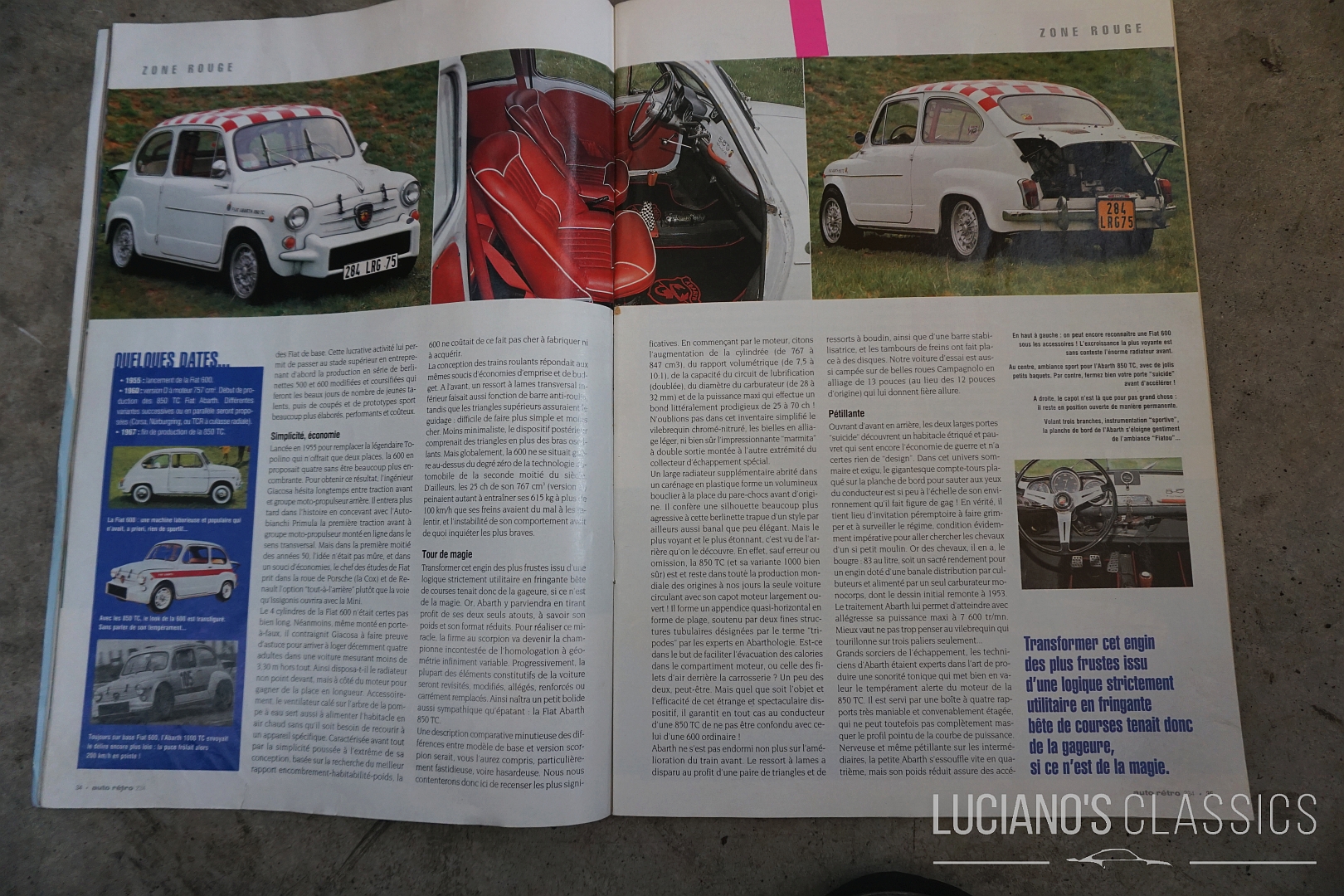
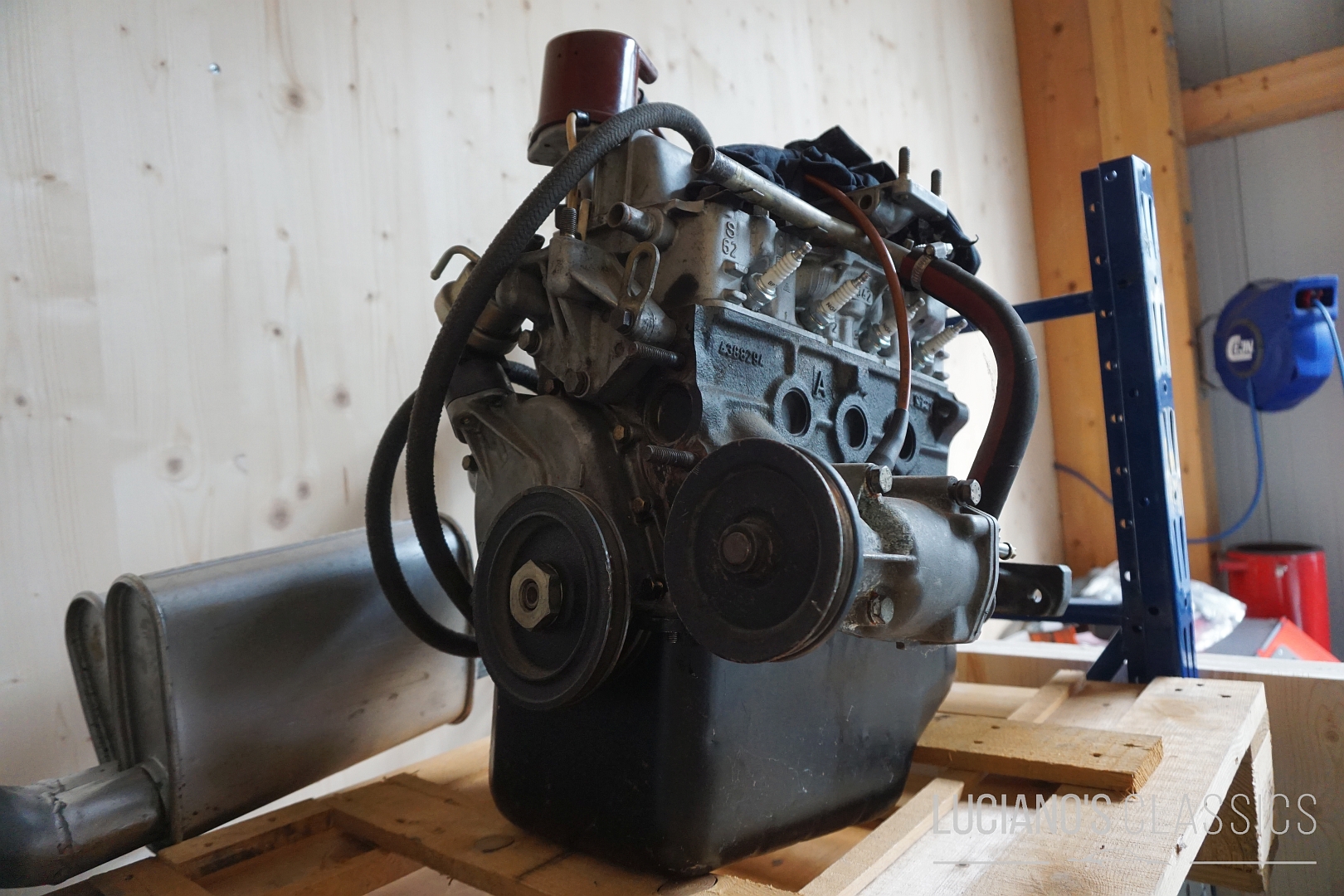
With its 847 cc four-cylinder engine, twin carburetors and various Abarth tuning measures, it delivers over 50 hp at a weight of only around 600 kg. This ensures impressive driving performance and an immediate, analog driving experience. The characteristic open tailgate ensures better cooling and aerodynamics. The wide rims, the sporty interior with additional instruments, the additional engine and the original parts - every detail breathes Abarth DNA.
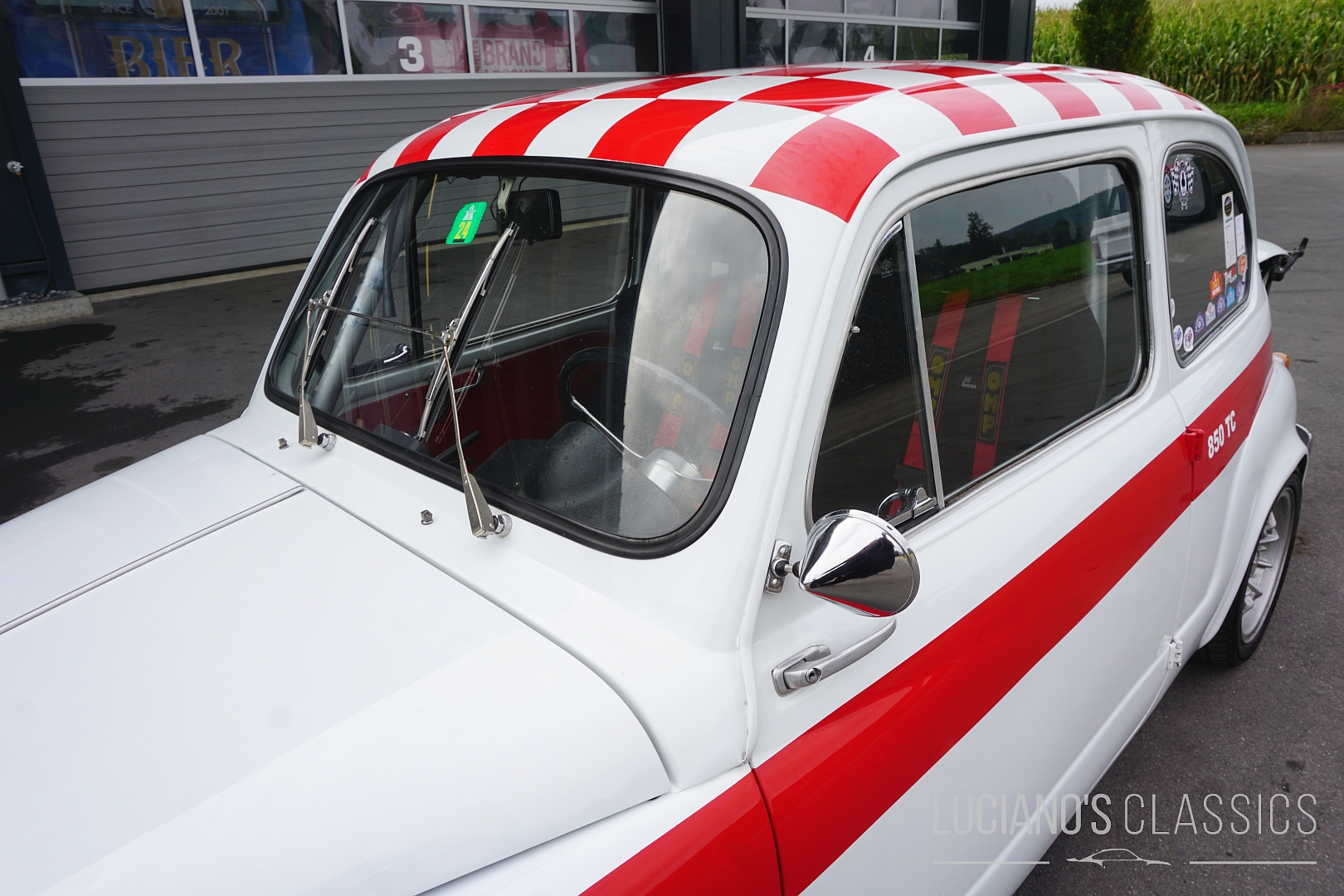
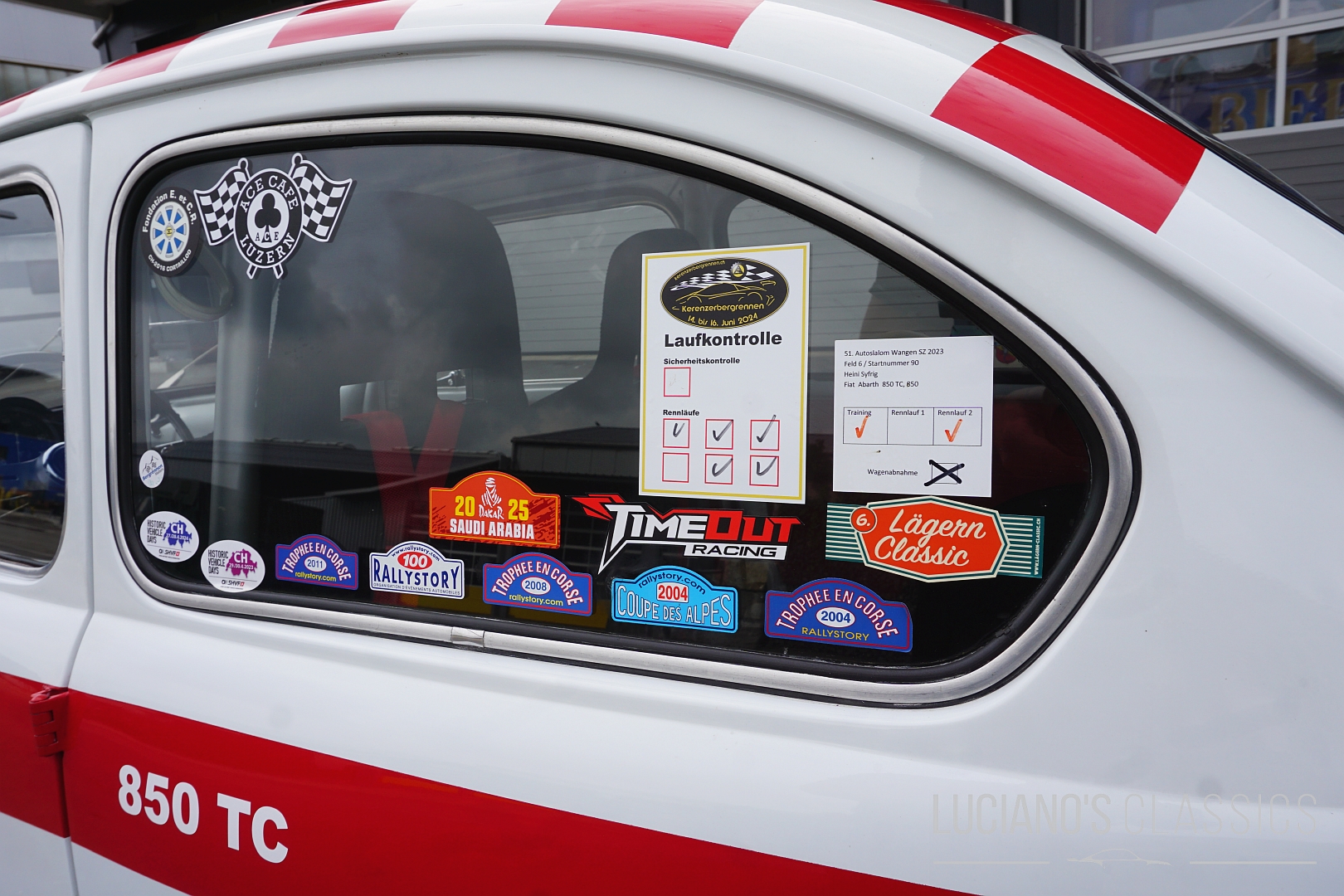
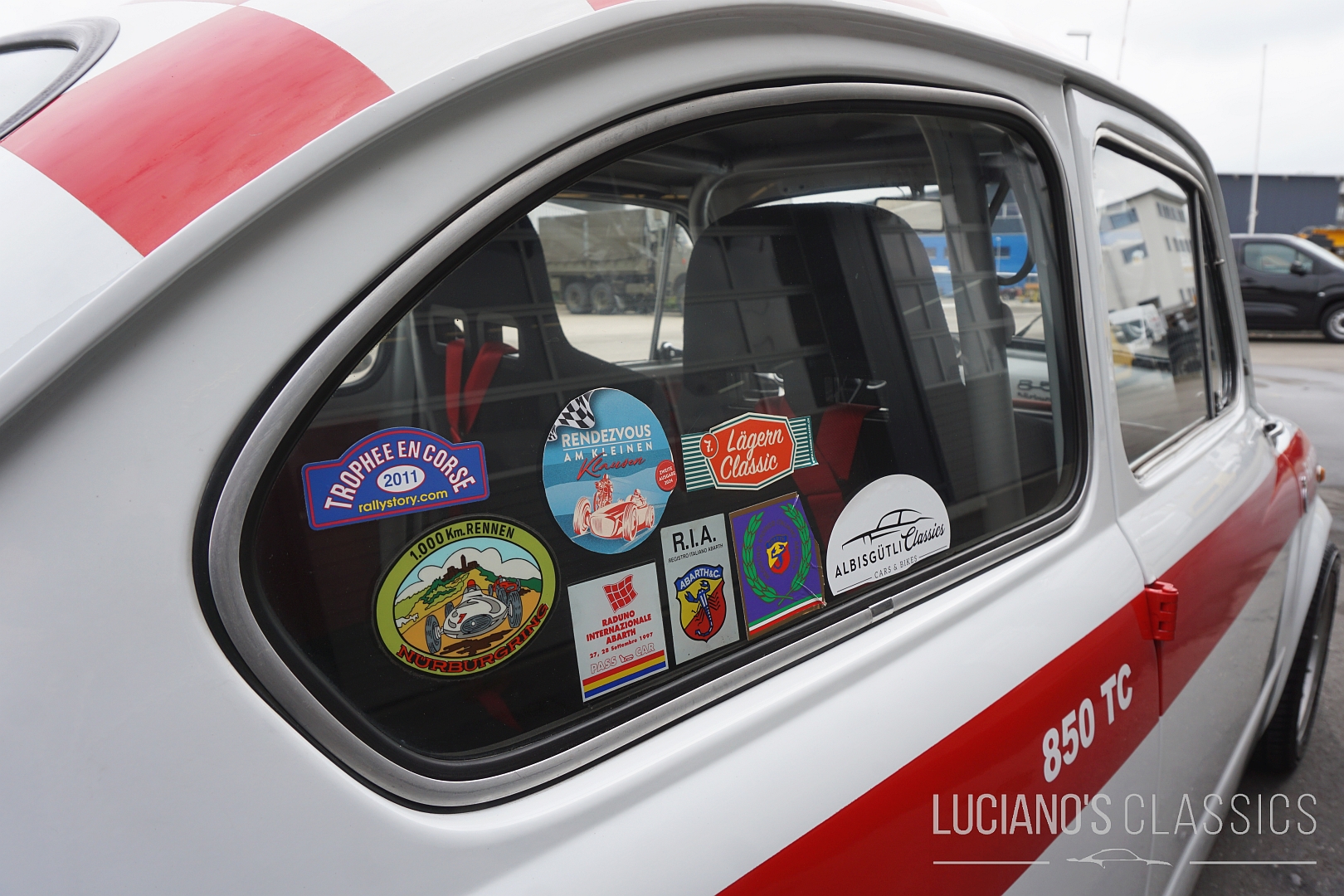
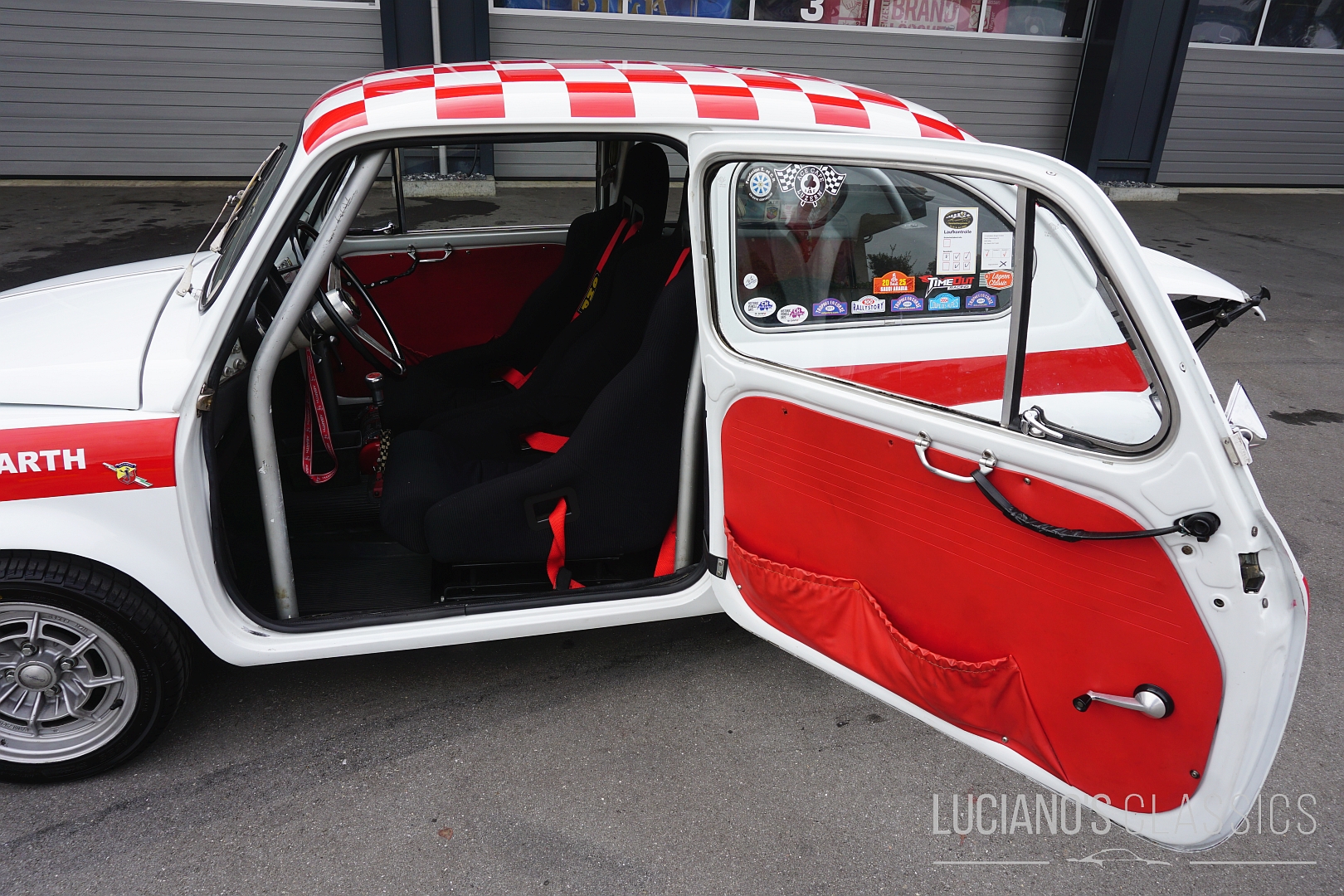
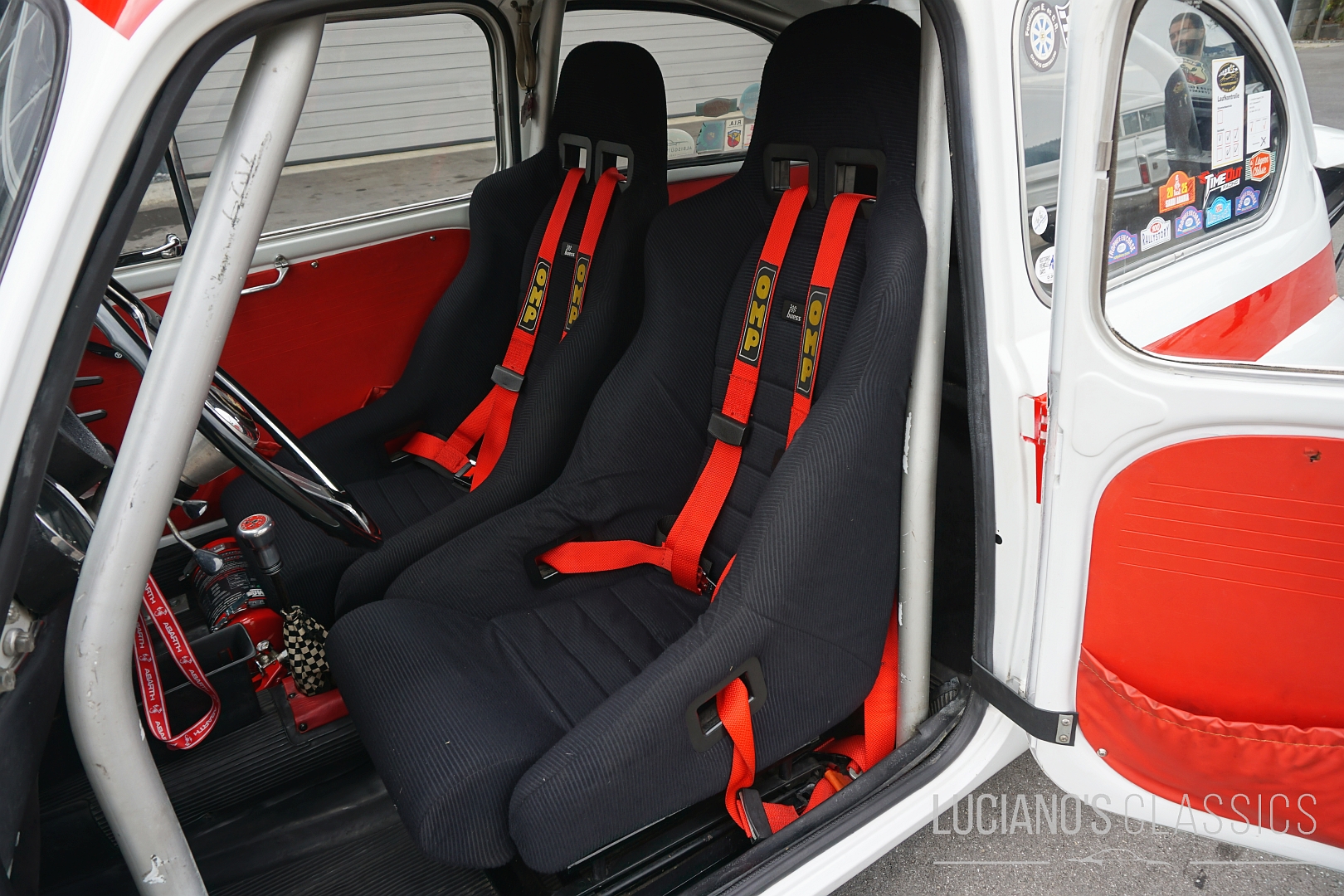
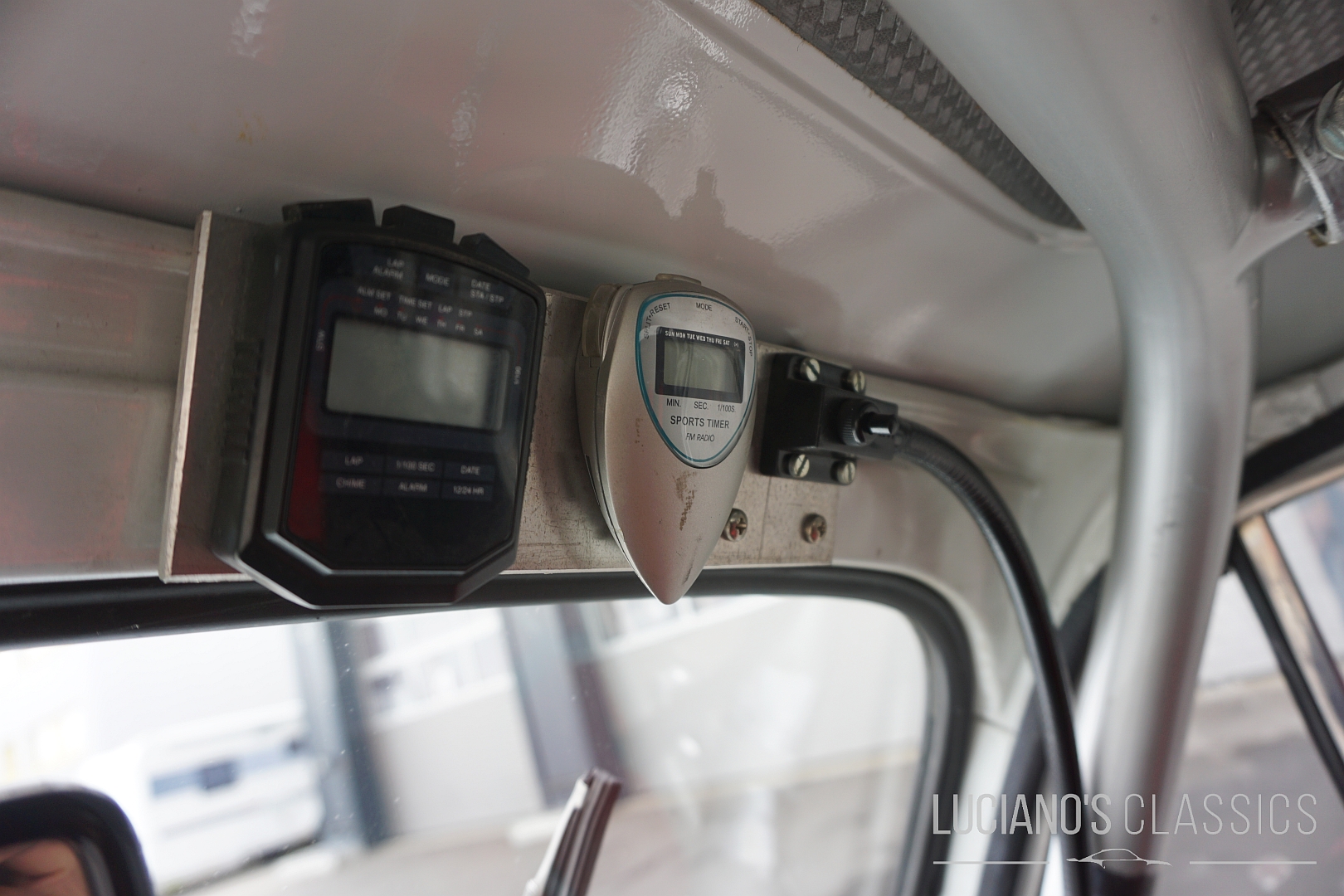
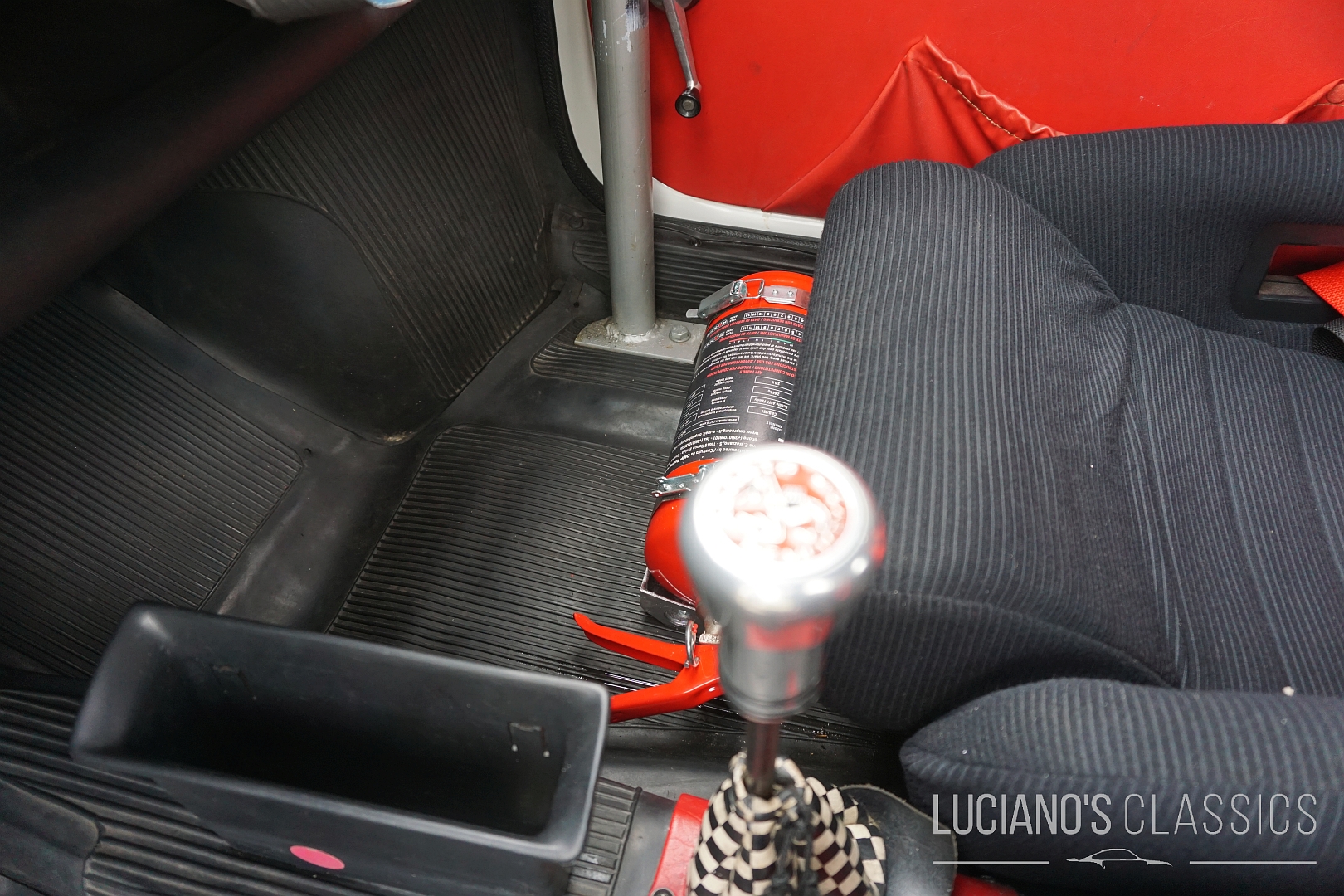
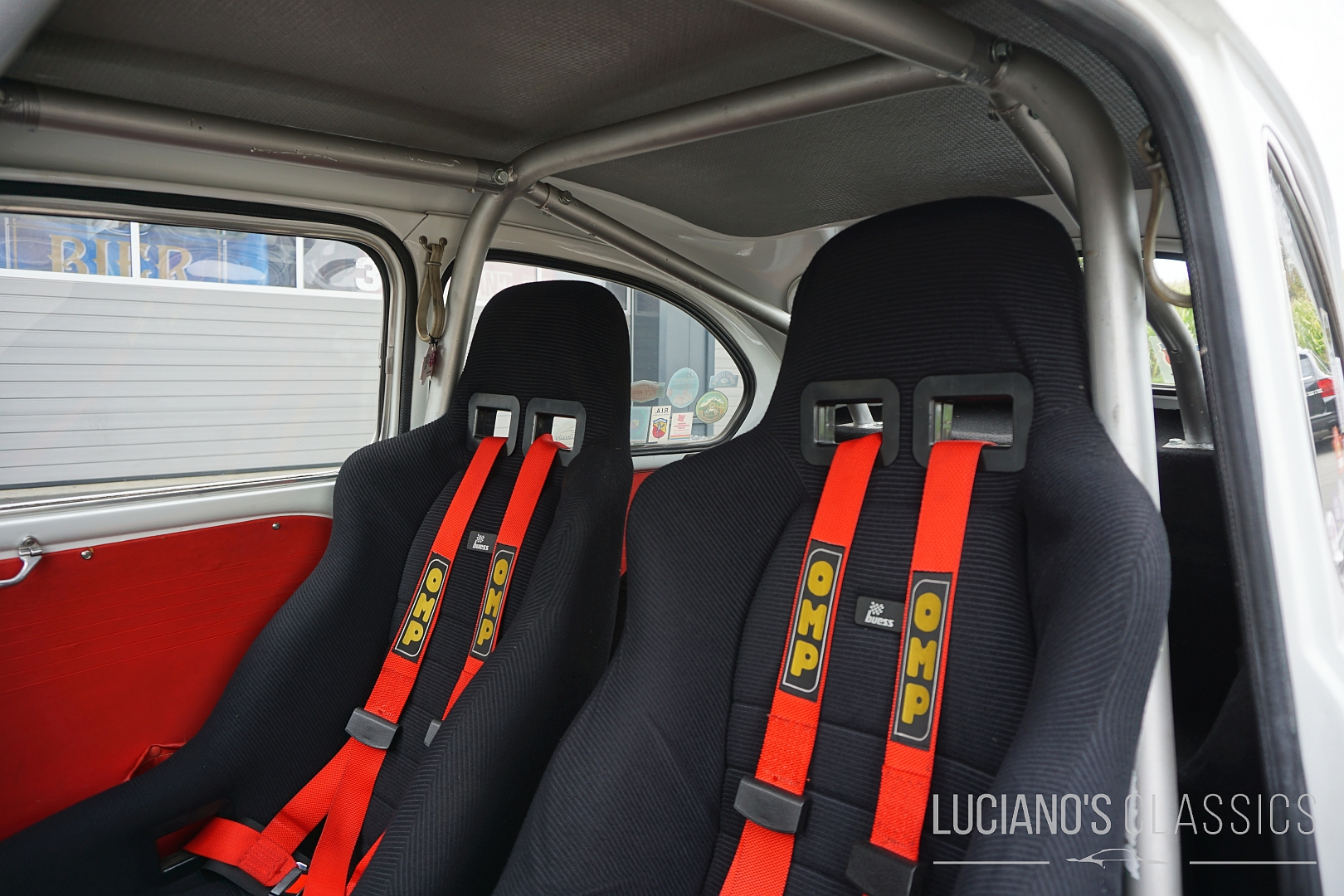
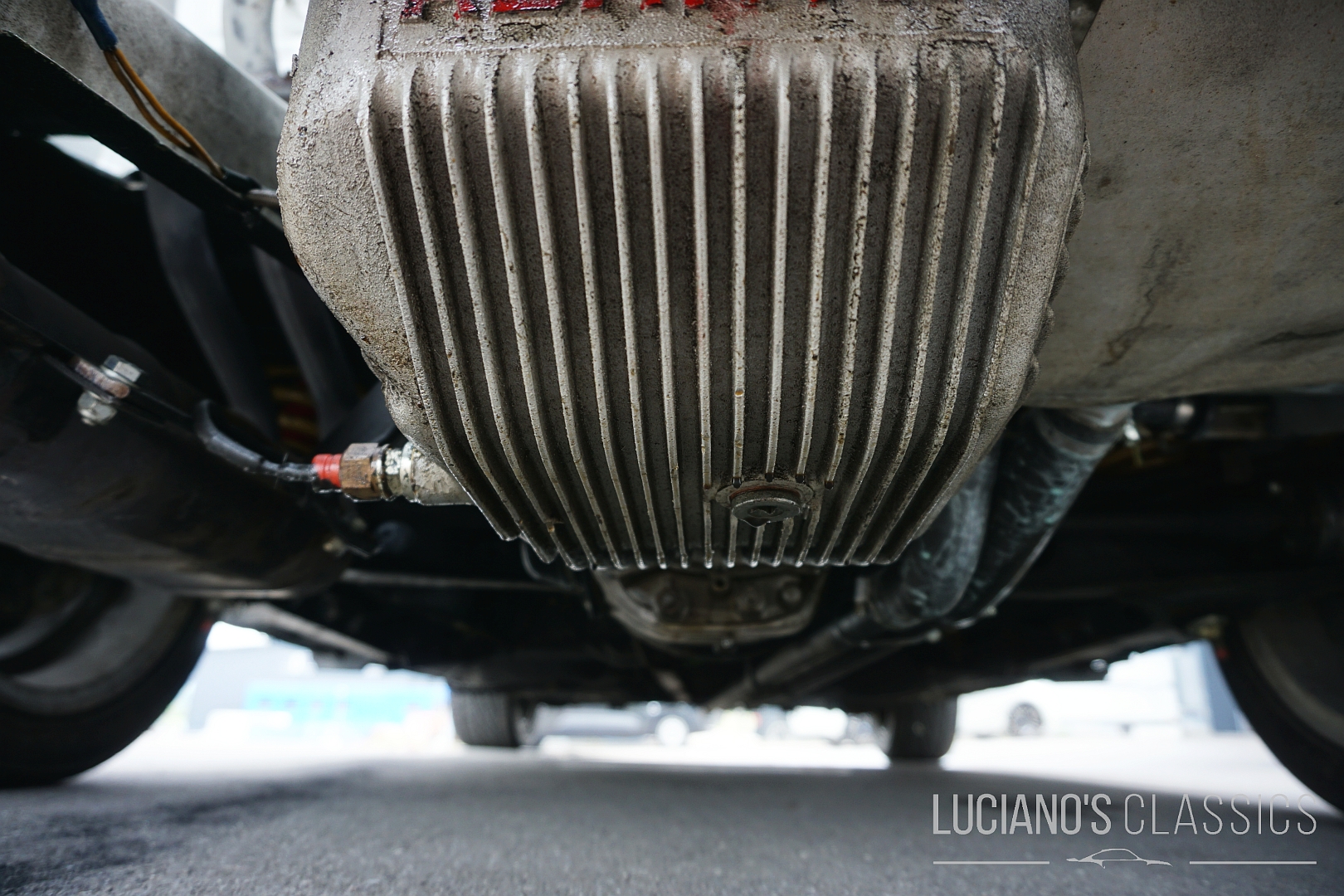
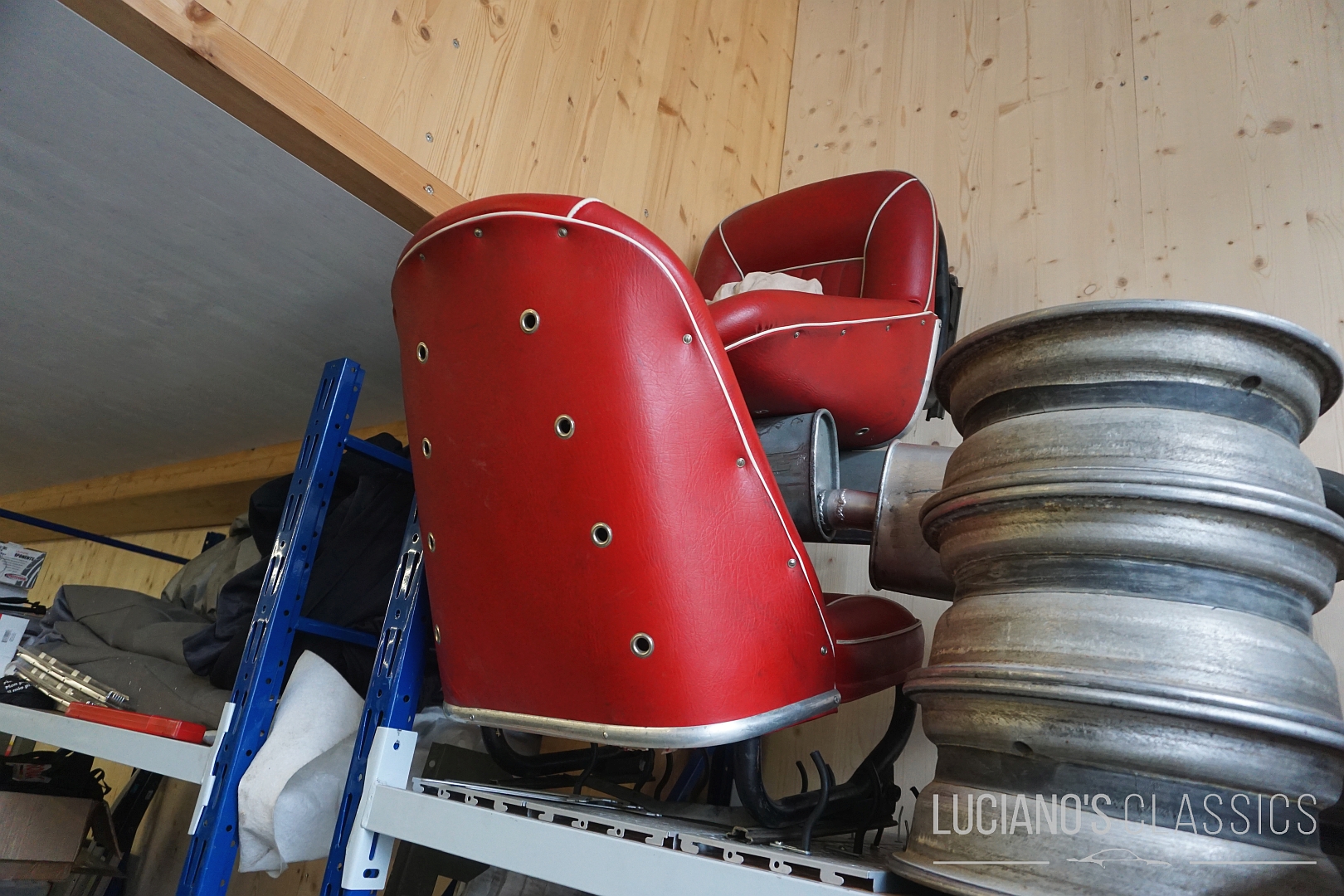
The condition of the exterior and interior is surprisingly good, as this Abarth was also used for racing. More modern bucket seats, an additional oil cooler and various timepieces were installed. The original bucket seats, the original Abarth steering wheel and the original engine are included with the car.
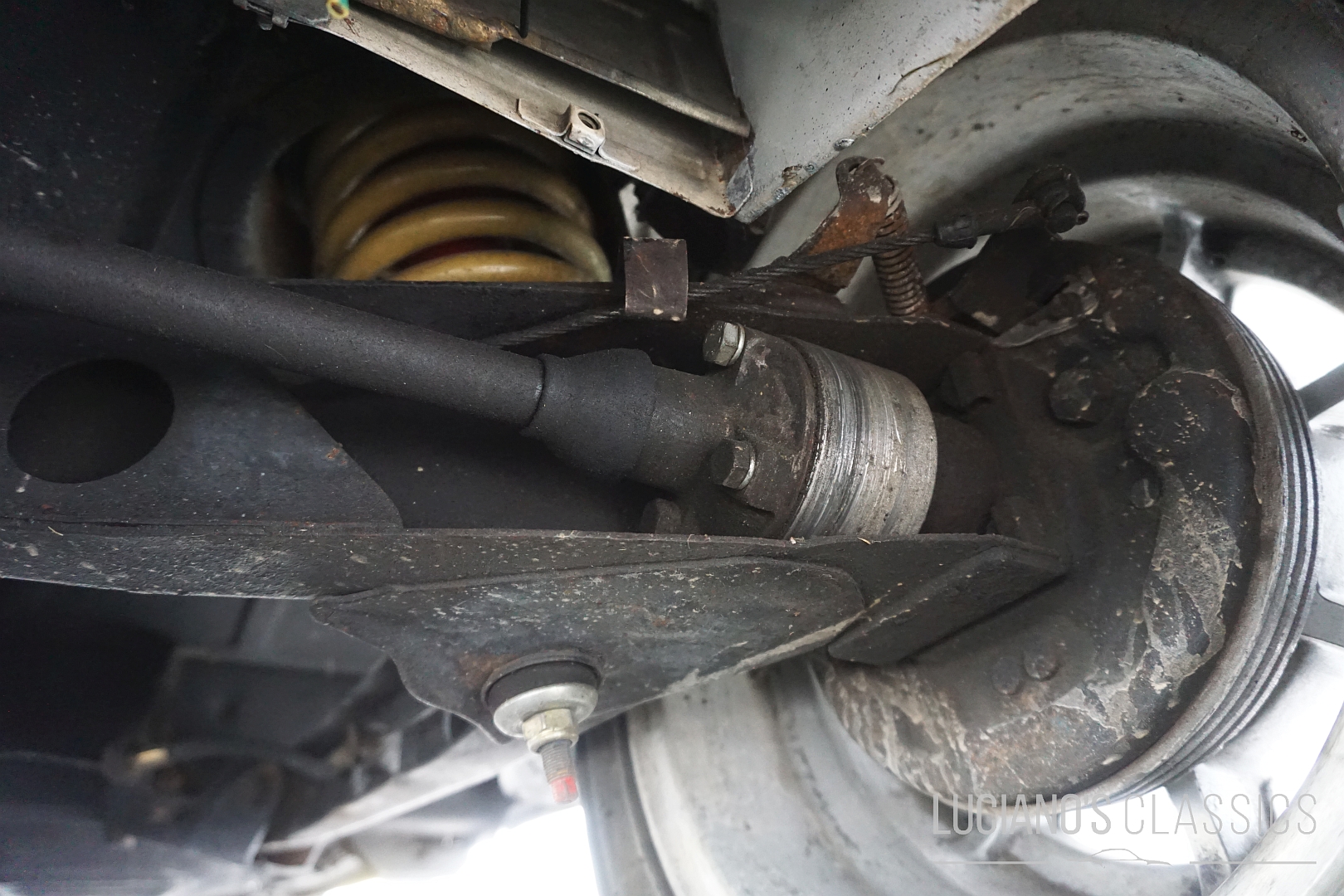
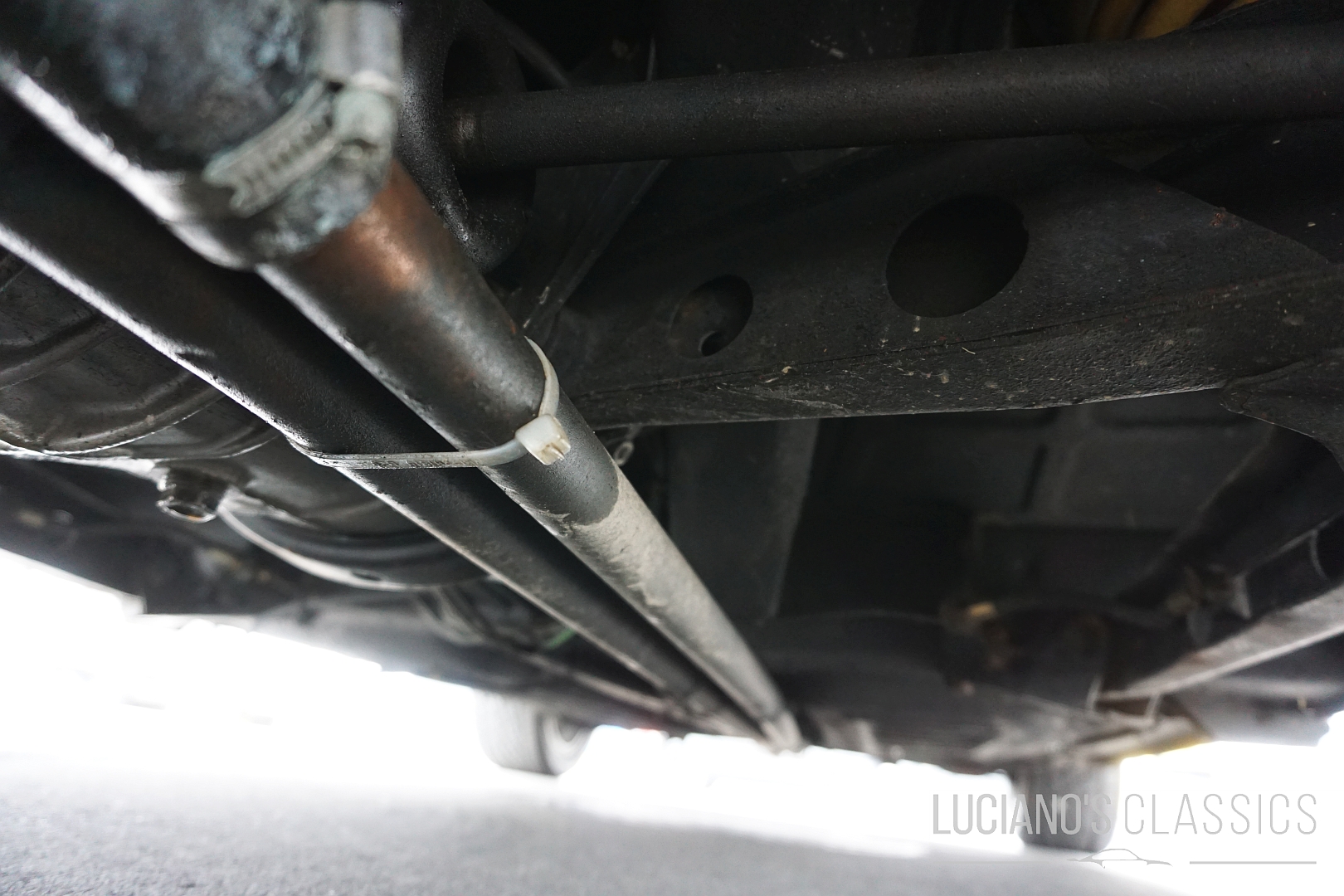
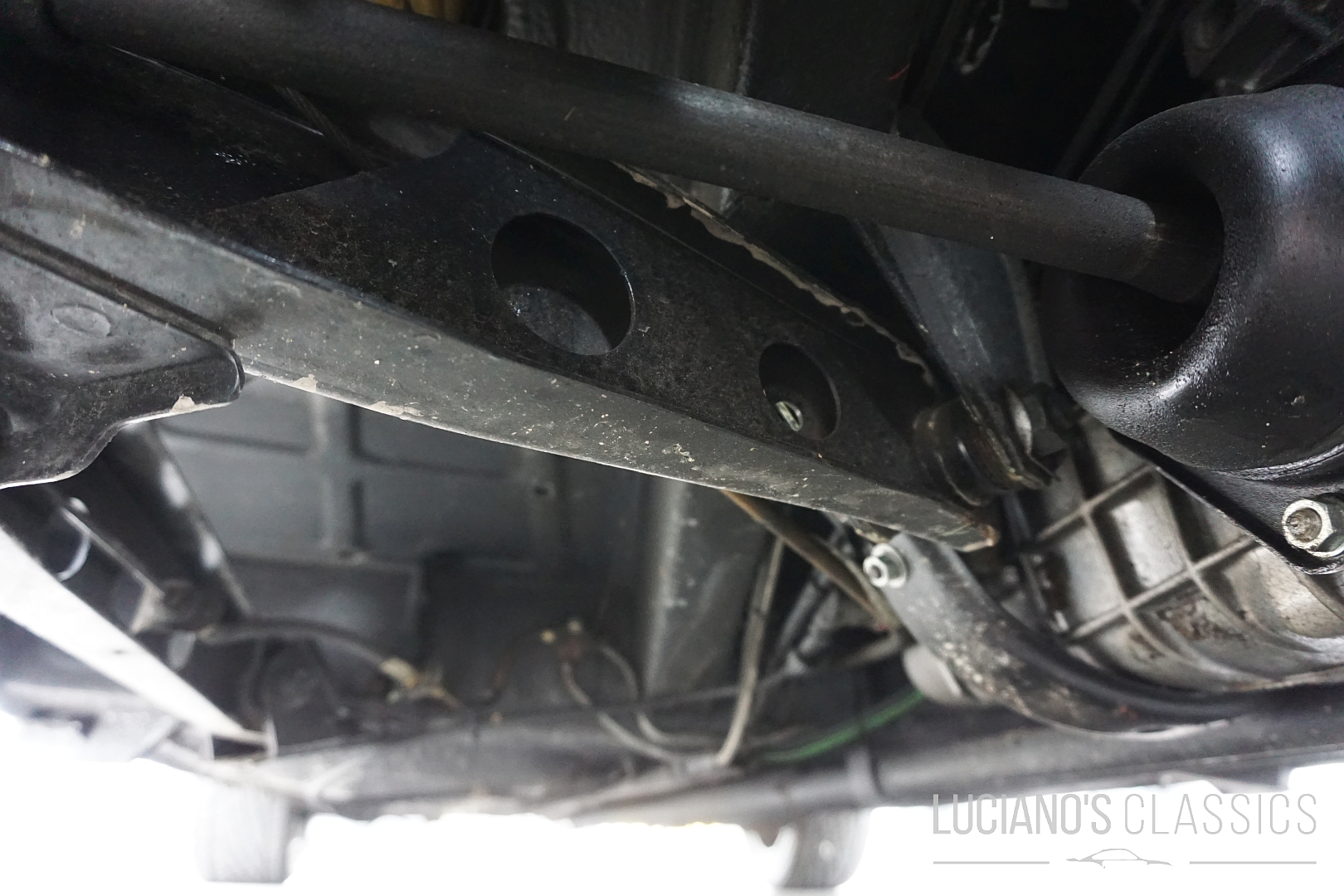
Technically, the car is in top shape. The brakes are powerful, the engine revs willingly into unfamiliar spheres and the gears slip intuitively into position.
Getting in is surprisingly easy thanks to the rear-opening doors and the seating position is suitably stiff, narrow but comfortable for a racing car. All controls are within easy reach and the ride in the racing dwarf is never boring. High revs should not be avoided, as the fun only starts at around 5,000 rpm. The resulting background noise goes right through your body and will delight even the best-hidden body cell.
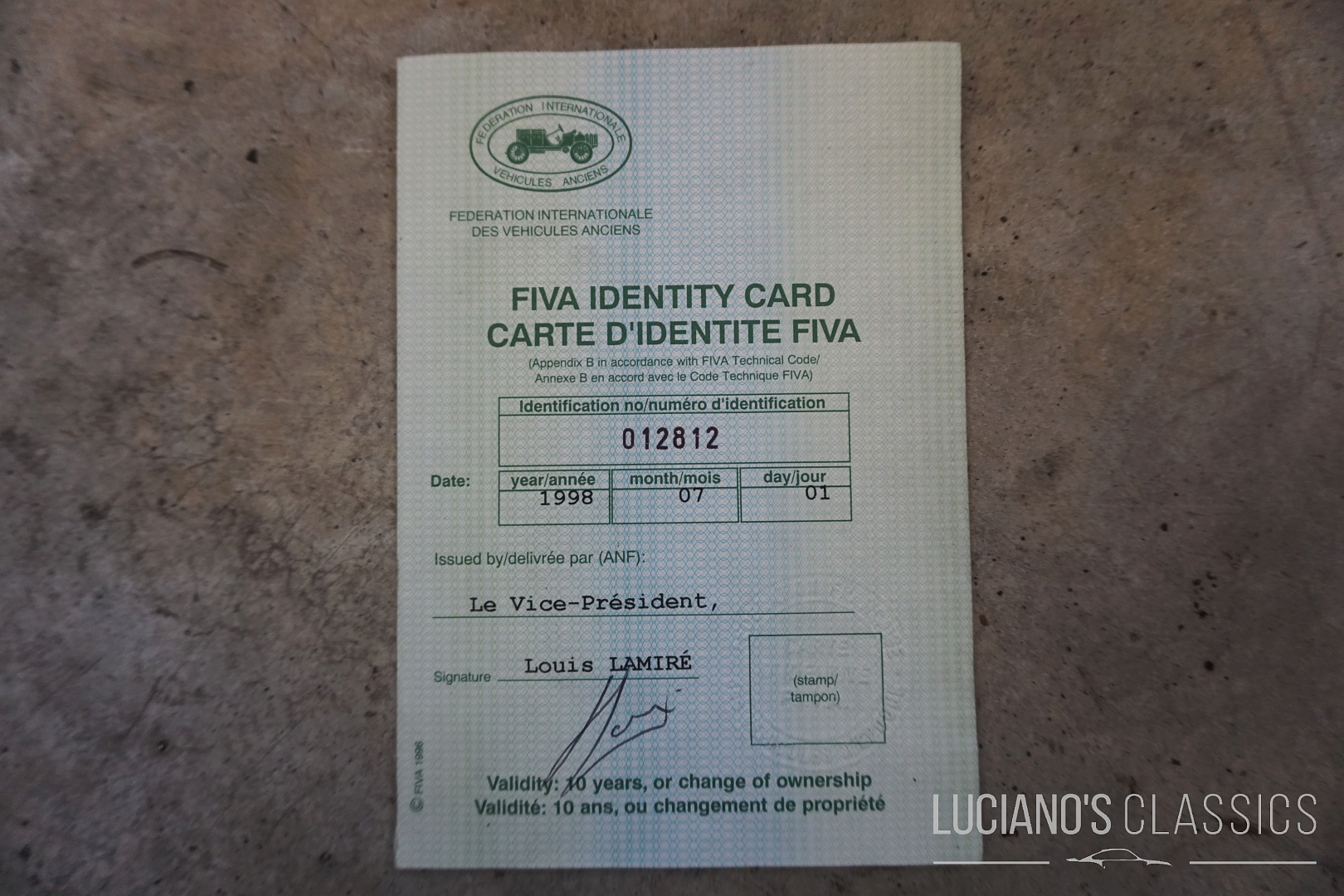
A genuine collector's car, ready to drive and historically valuable - not just a classic, but a piece of Italian racing culture. Including original parts, FIVA passport, invoices and documents - and of course Swiss veteran registration.
You can find a video about the Abarth at the bottom of this page.
Sales price: CHF 59,000
Model history
In 1955, Fiat began production of the Fiat 600 in Turin - a small car that coped well with the narrow streets of Italy and could more or less comfortably transport a family of four.
Carlo Abarth saw potential in the little Fiat and took the car under his wing. He installed an improved and enlarged 750cc engine in the car, which more than doubled its power. Thanks to its low weight, a serious racing car was born that could hold its own on winding roads.
Demand was high and Carlo was unable to build all the vehicles himself, which is why he offered retrofit kits that owners and workshops could use to convert the standard vehicles.
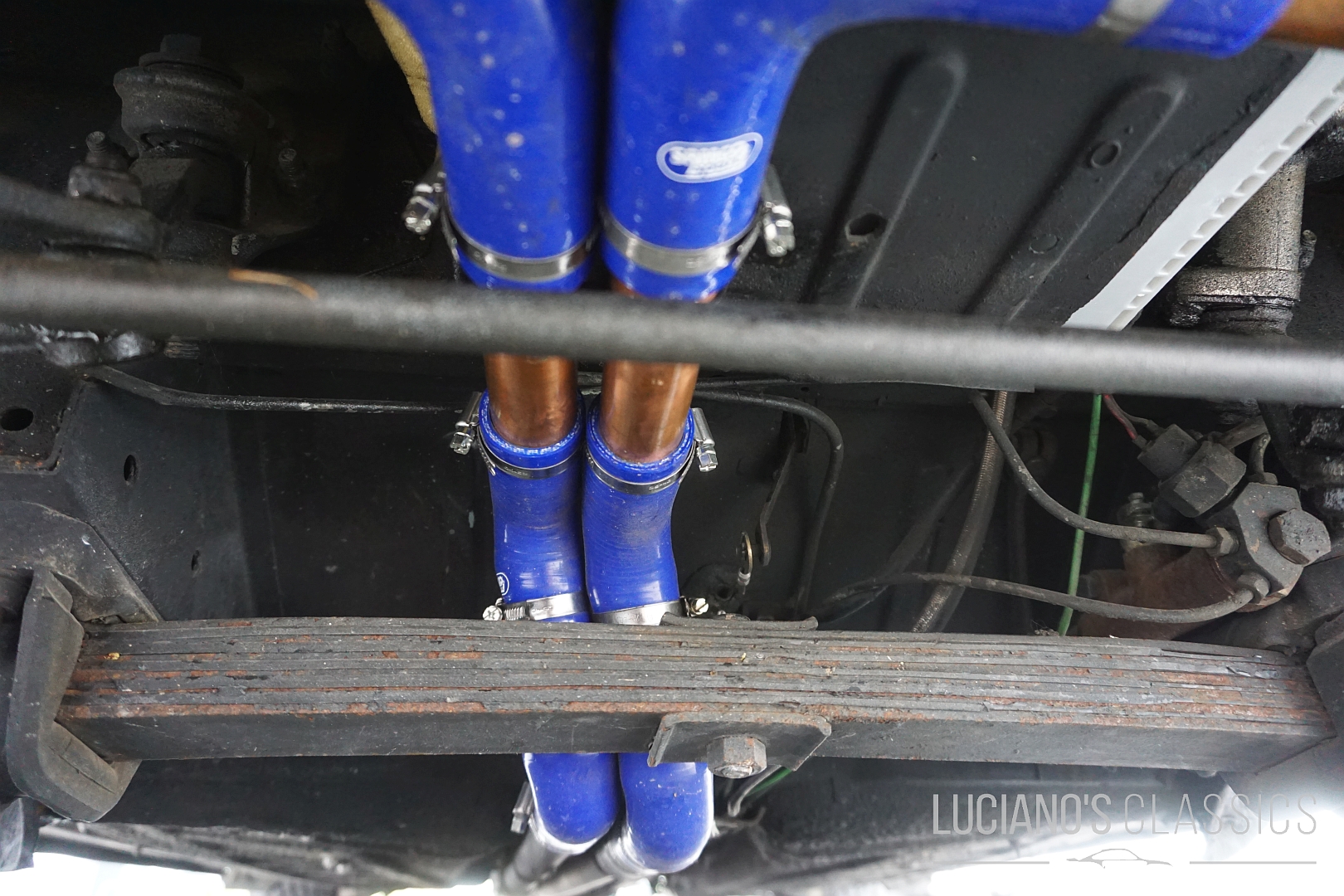
In 1960, the Fiat 600D came onto the market with more power and displacement. Carlo Abarth also took on the new model and installed an 850 engine with high compression, a new camshaft, twin carburetors, improved cooling and improved exhaust - combined, of course, with a familiar Abarth exhaust system.
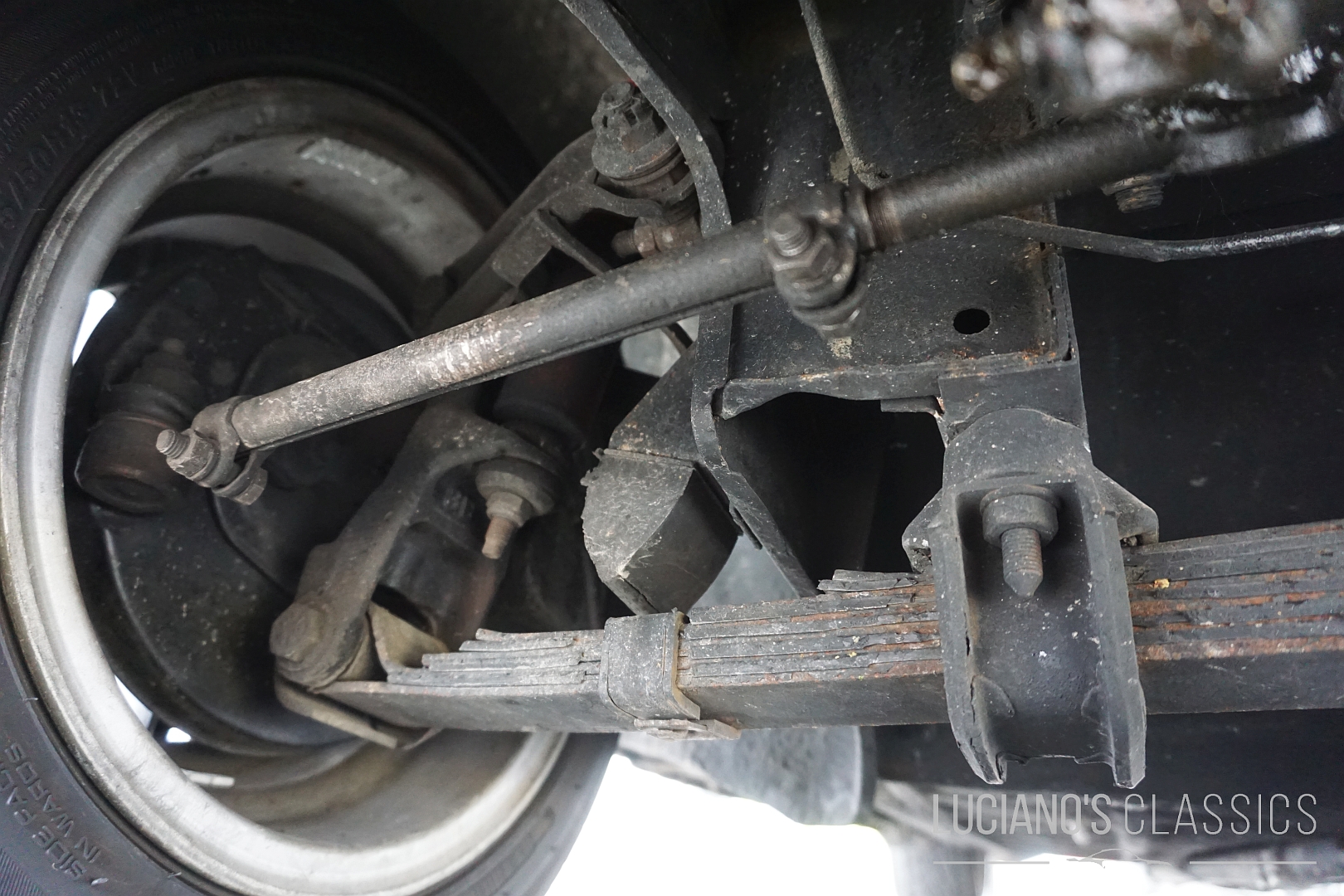
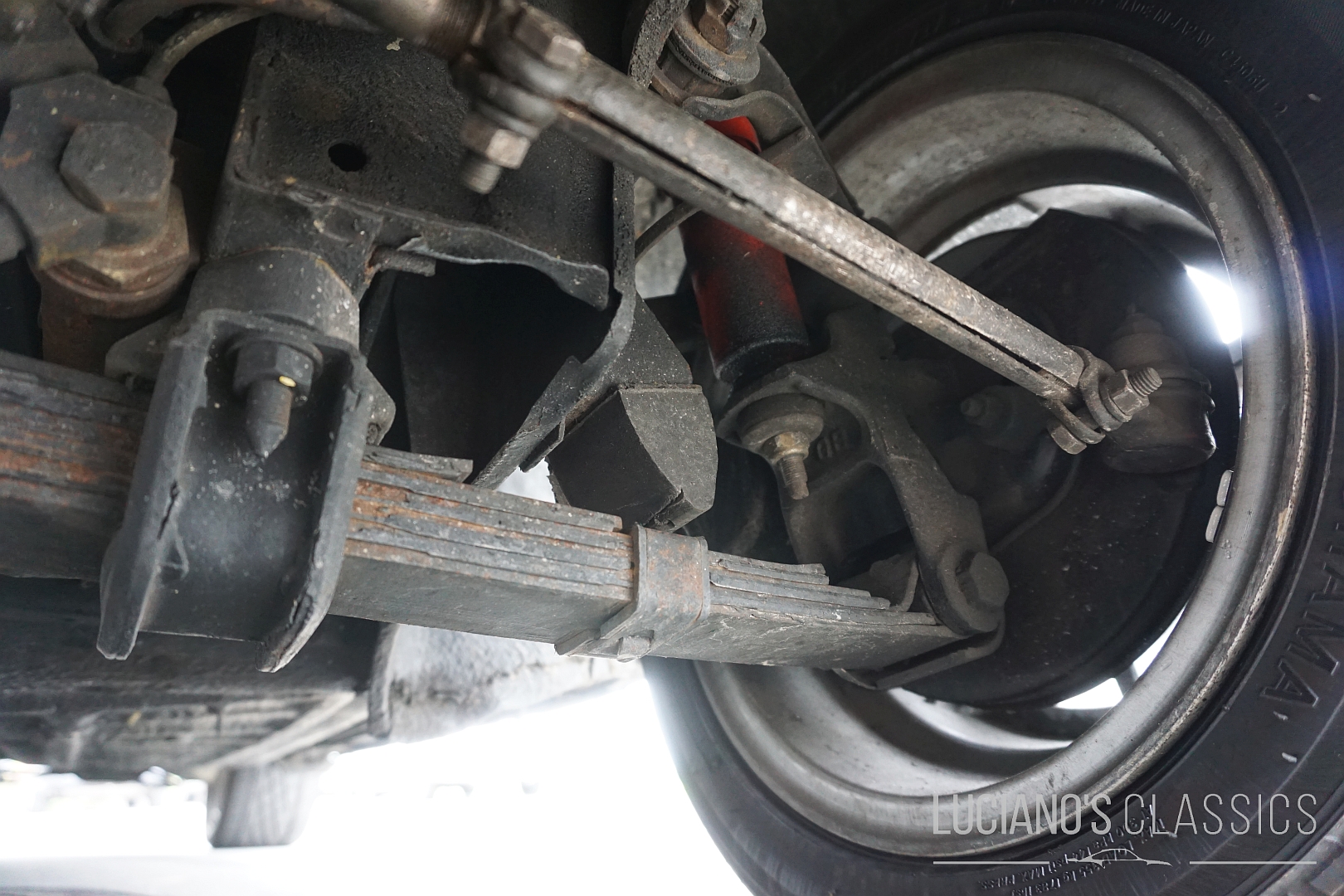
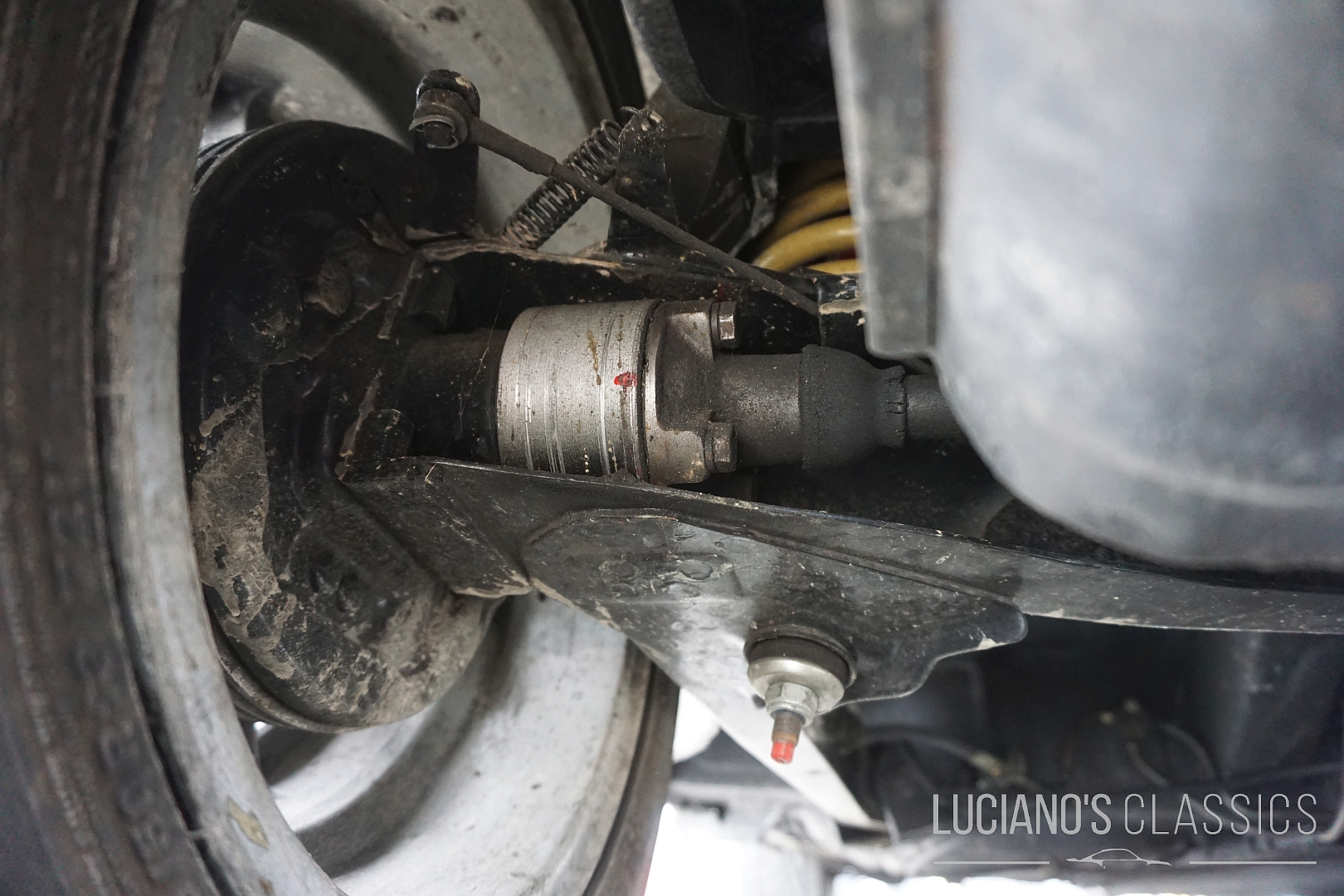
Abarth also optimized its vehicles in terms of chassis technology by fitting different springs, using more powerful disc brakes and ensuring better engine cooling and more efficient aerodynamics with the raised boot lid.
An almost unbeatable lightweight was born and was called the Abarth 850 T.C. The T.C. stood for Turismo Competizione.
The aim was to participate in the touring car championships, for which a model had to achieve a circulation of at least 1,000 identical units. At the end of 1961, Abarth confirmed the required figures, although it is not known for certain today whether these were actually achieved.
With around 52 hp and a weight of around 600 kg, the 850 T.C. reached over 160 km/h and quickly became the benchmark in small-volume touring car racing. In addition to numerous national and European titles, the 850 T.C. took first place in the one-make championship a whopping seven times, whereby it had to outperform significantly stronger opponents.
In 1963, an 850 T.C. with 55 hp won the race at the Nürburgring and was adorned with the additional designation “Nürburgring”.
There were even faster versions, called SS and Corsa, which were intended as pure racing cars and, thanks to even higher compression, tickled over 90 hp out of the small engines.
Details
- 90’000 km
- 1. inv. 12/31/1964
- Veterans MFK 29.08.2023
- 847 cc R4 engine
- 55 HP
- Type certificate X
- Master number 315.757.976
- Chassis XXXXXXX
- Unladen weight 680 kg
- Payload 270 kg
not what you are looking for?
We will be happy to find your individual dream vehicle.
Simply make a non-binding inquiry and benefit from our network.