
Harley-Davidson FXWG Bobber
Description
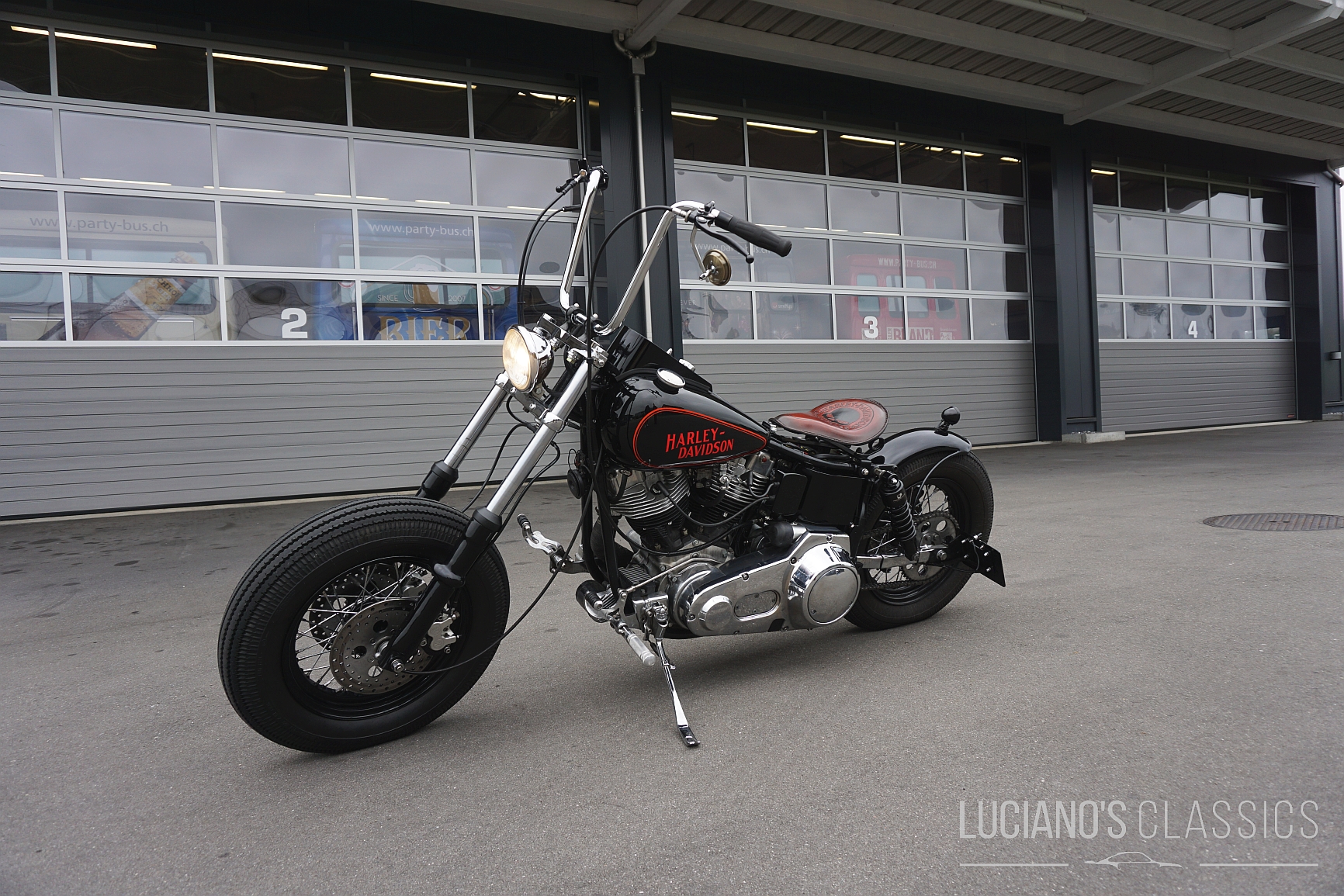
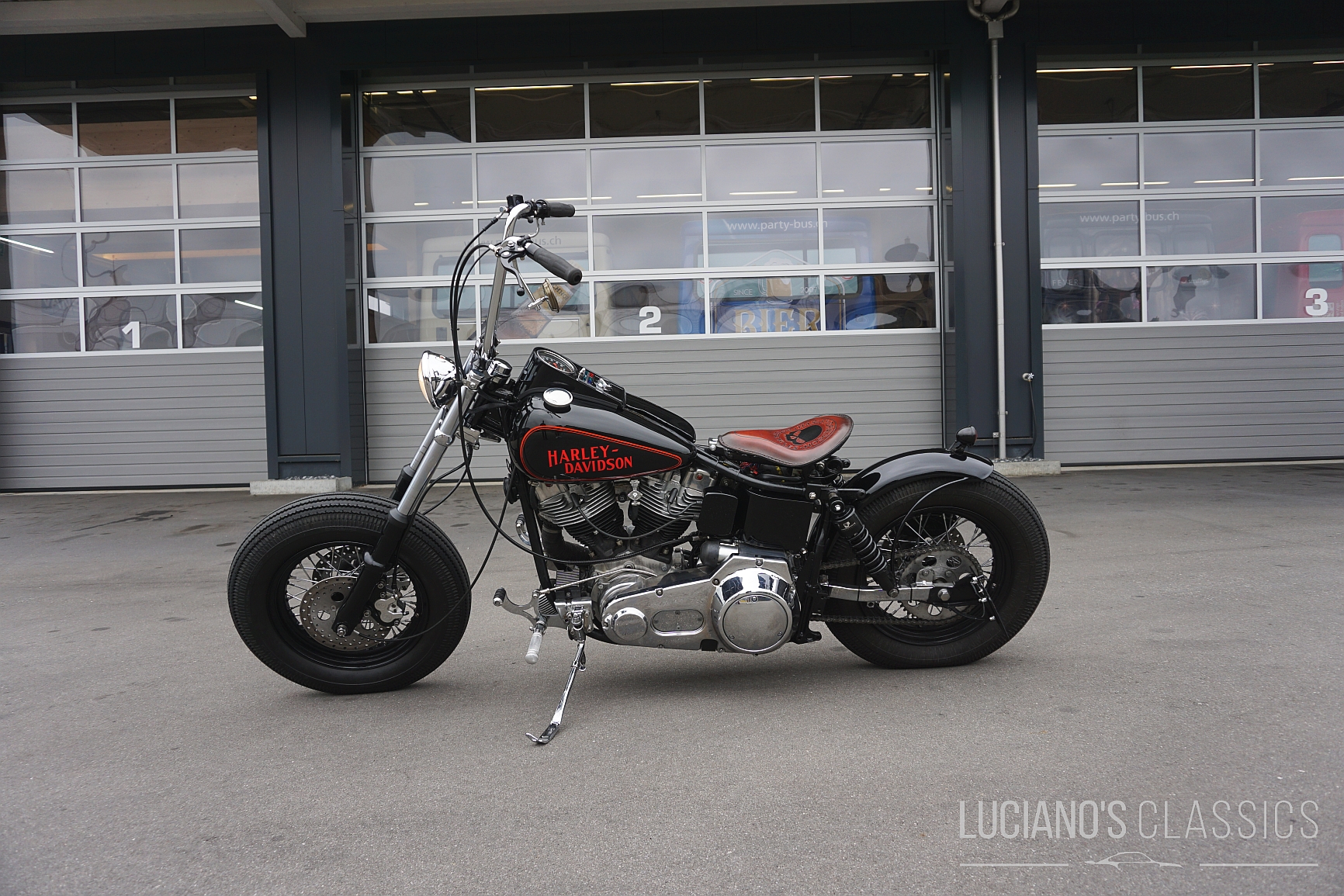
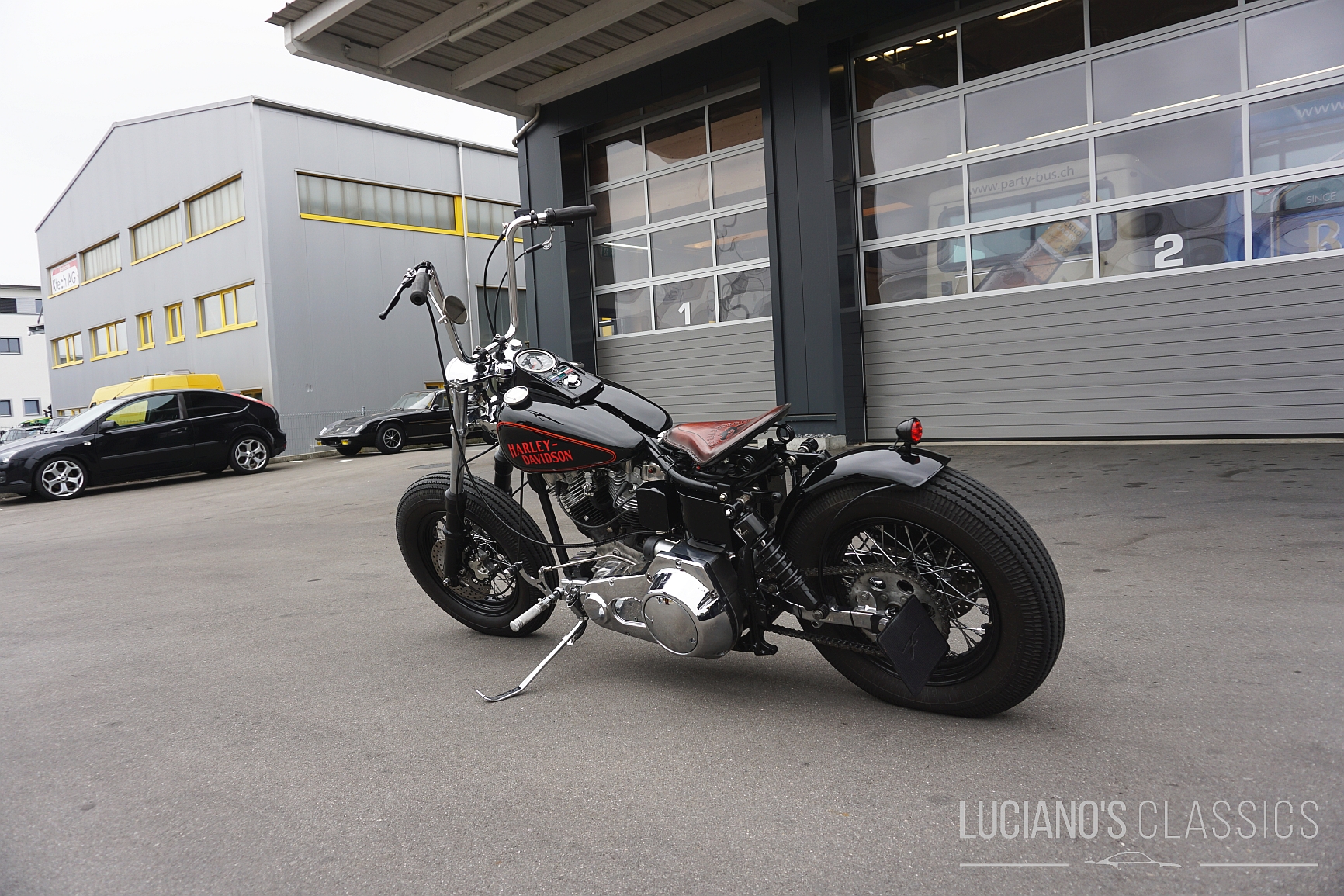
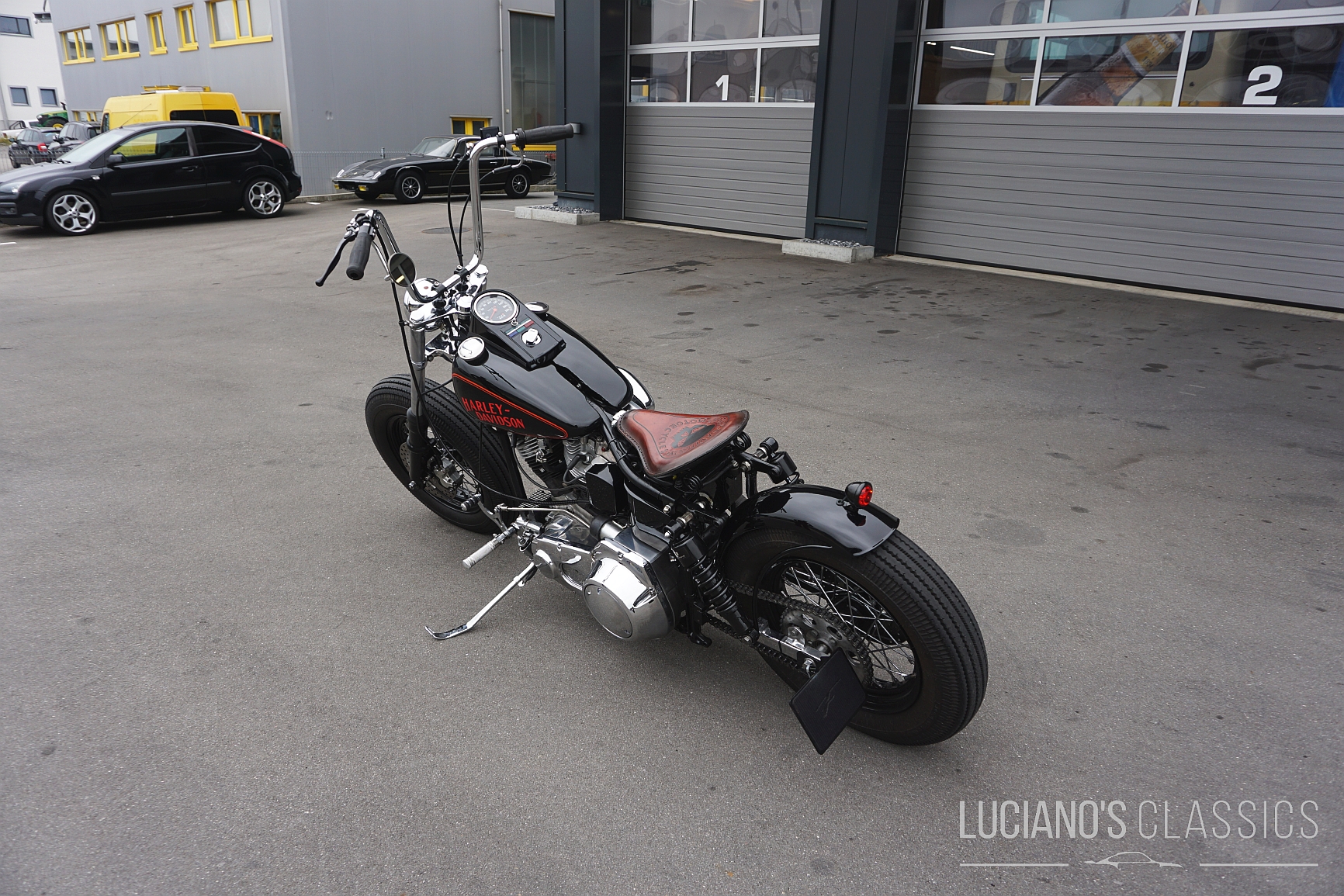
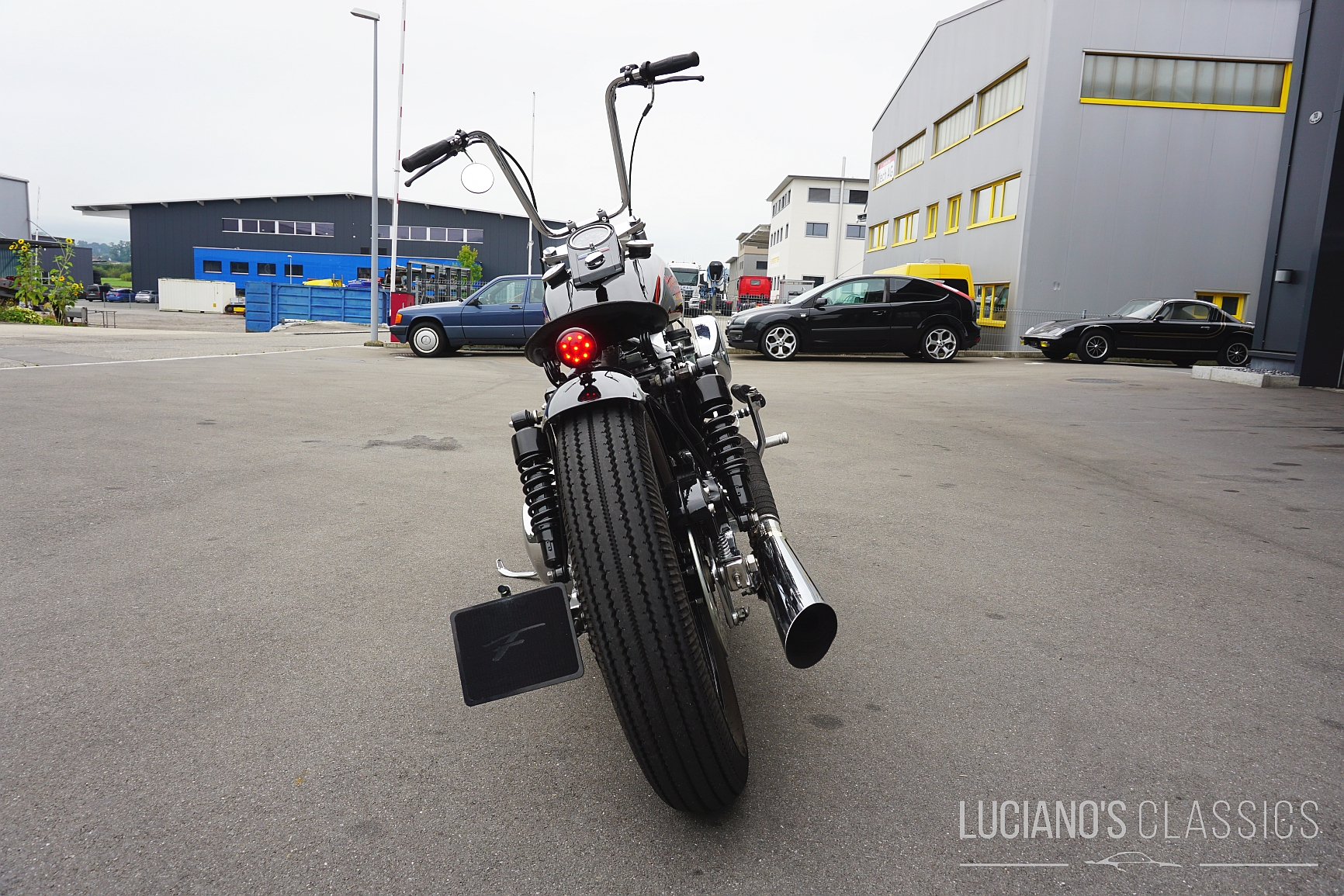
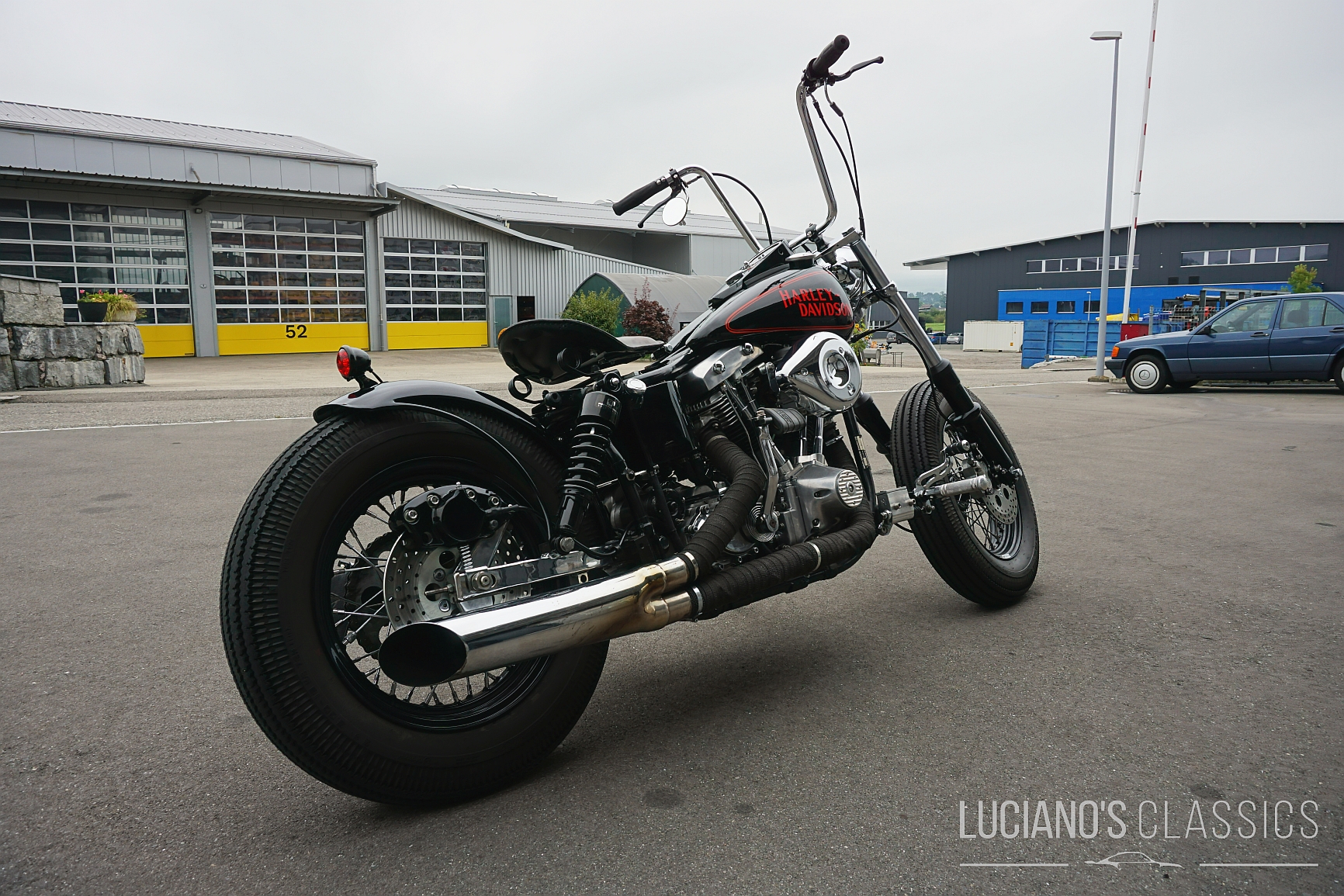
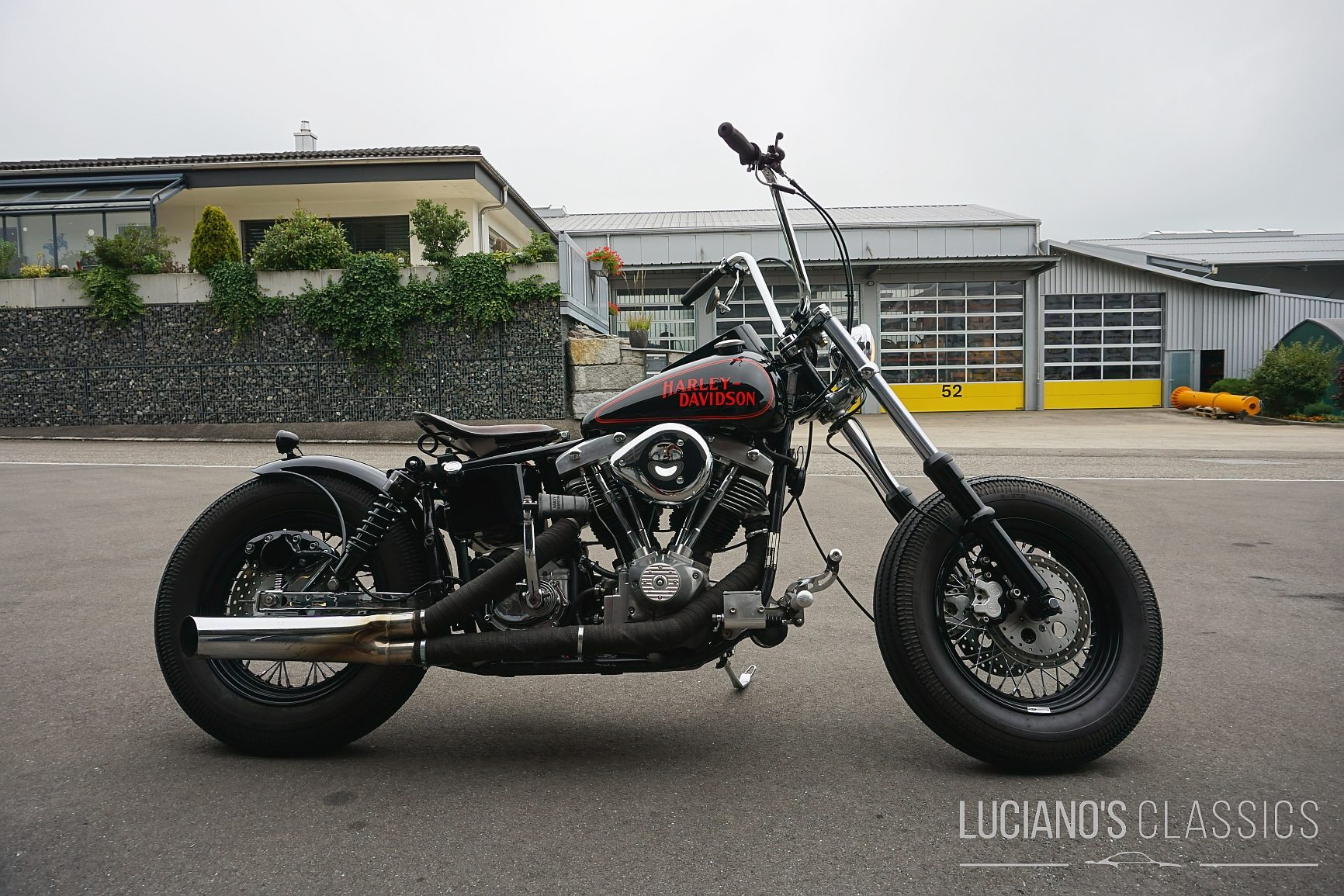
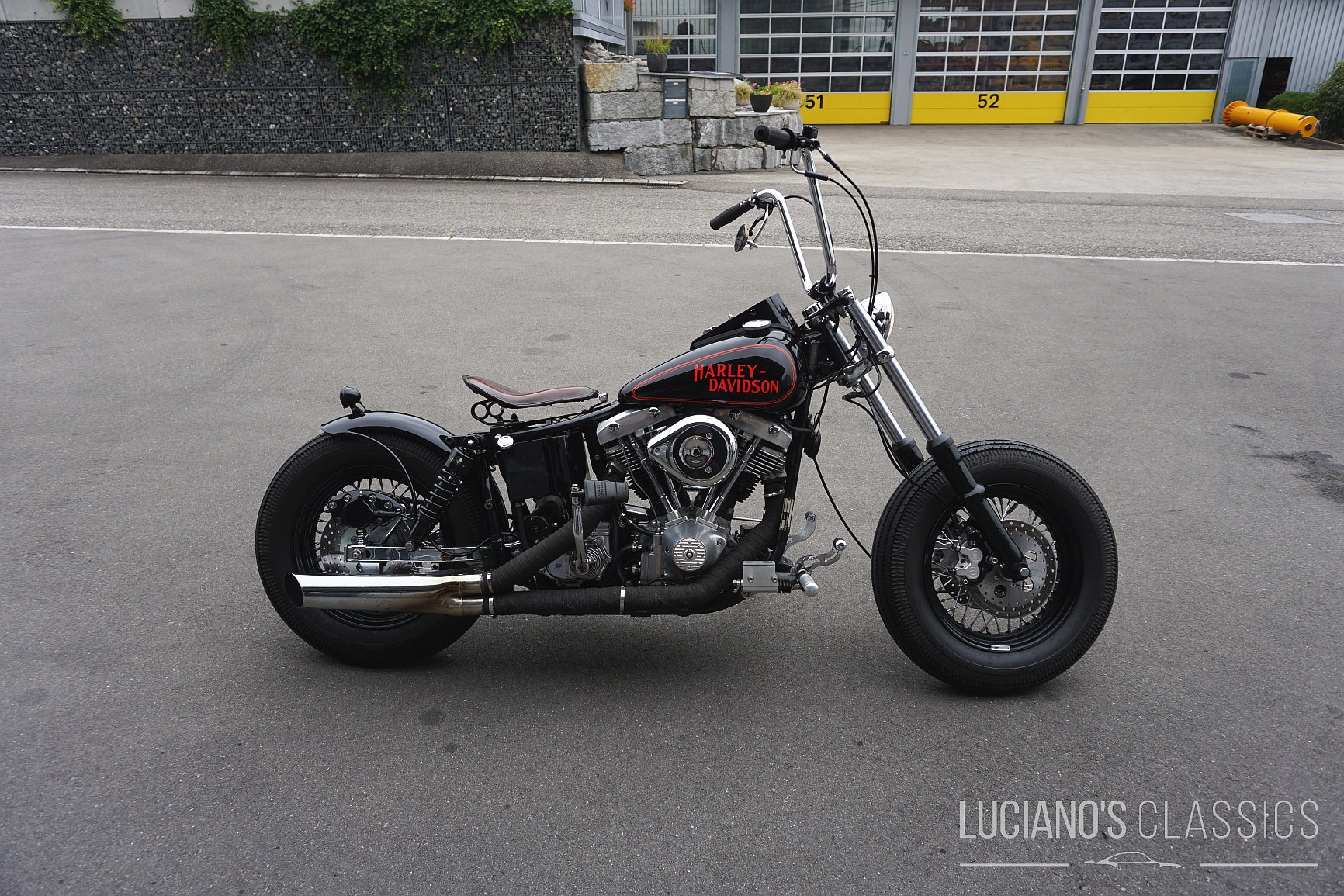
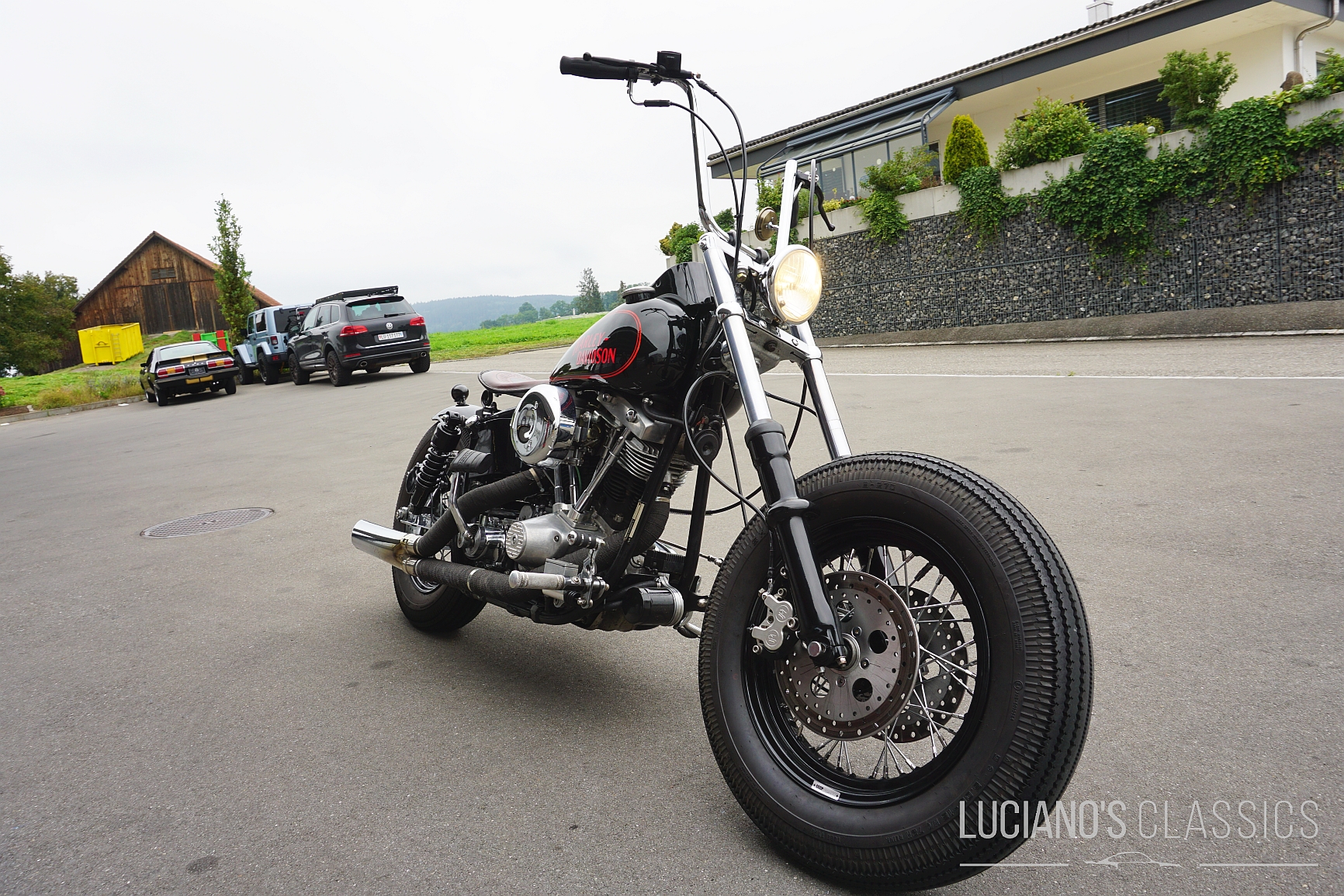
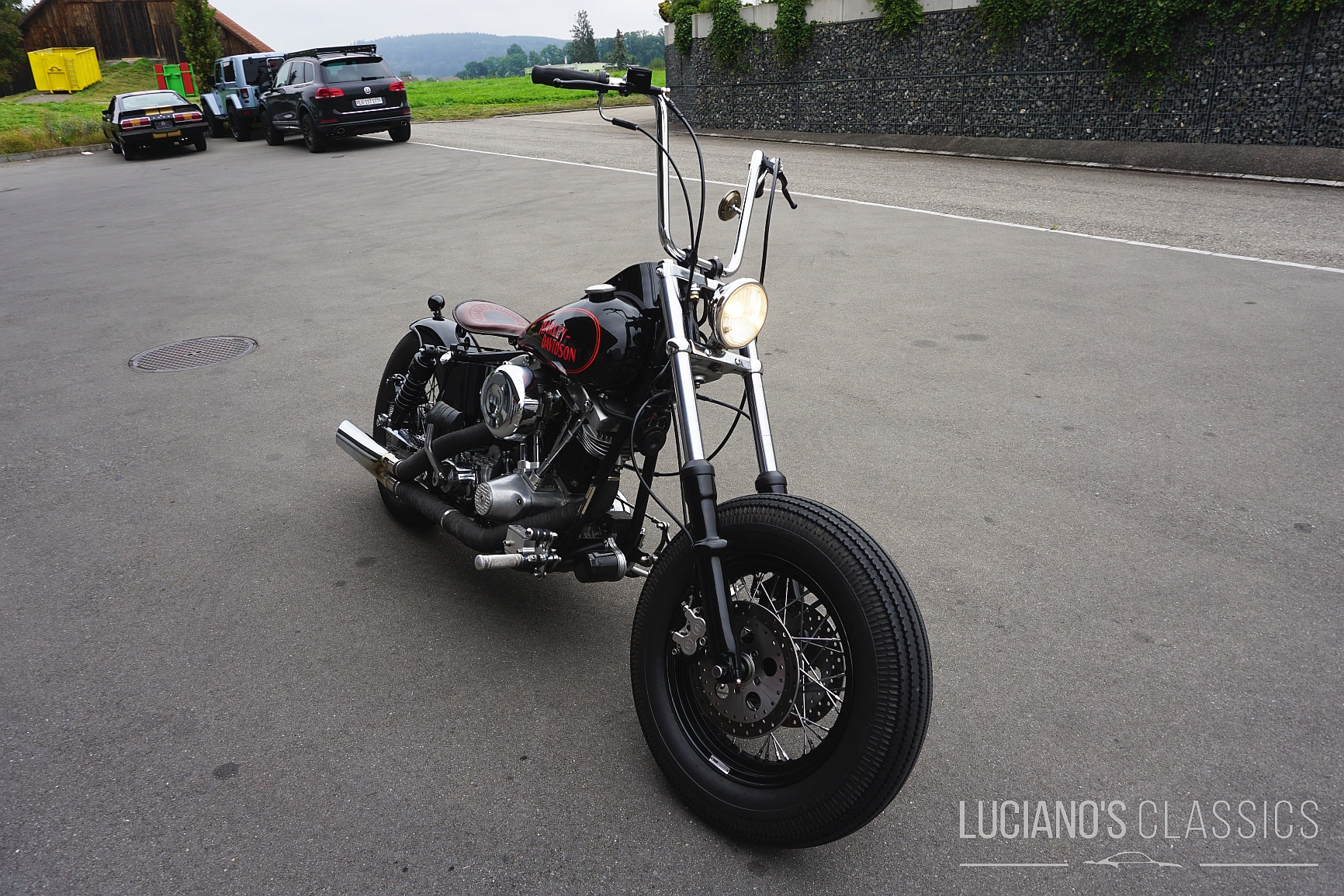
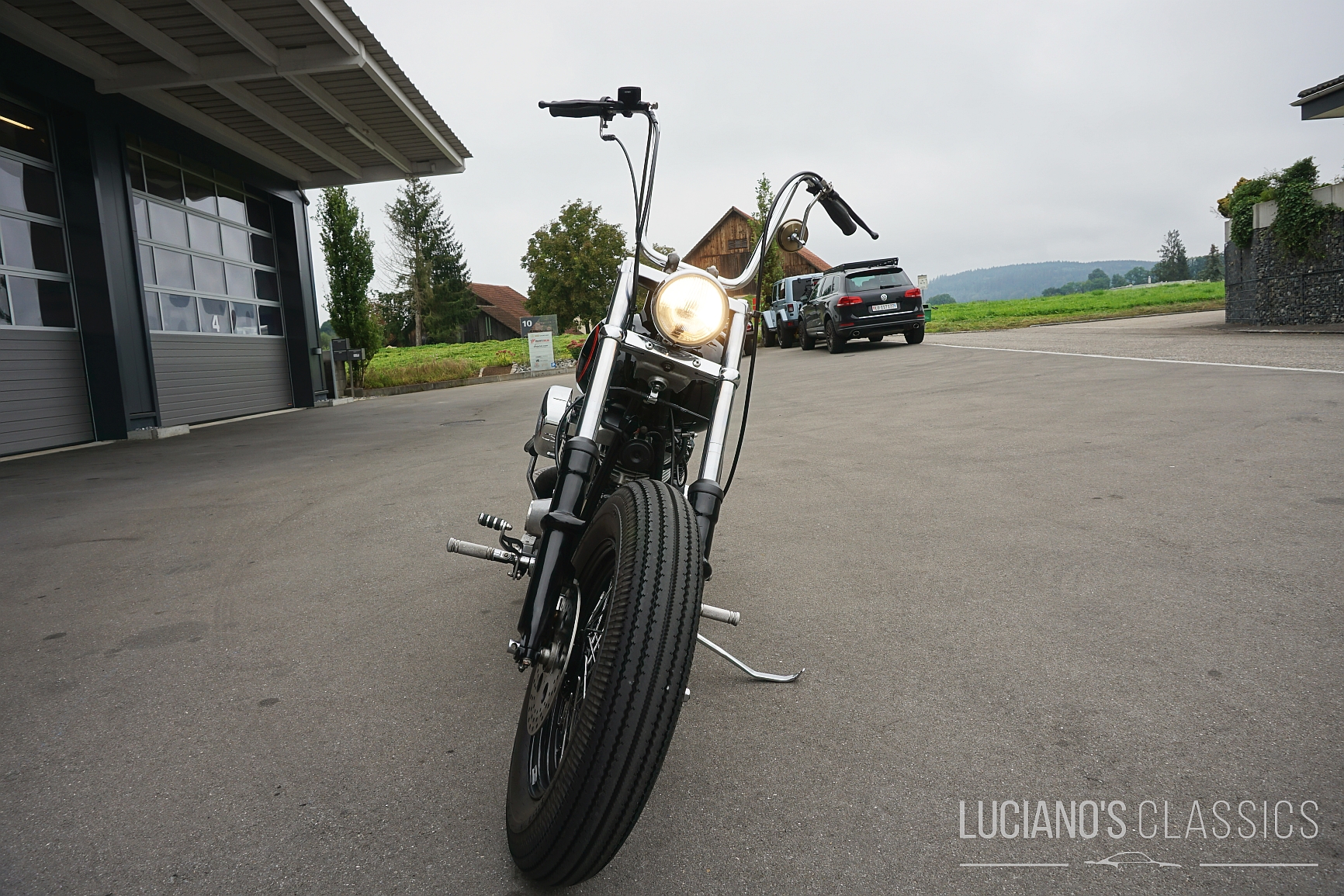
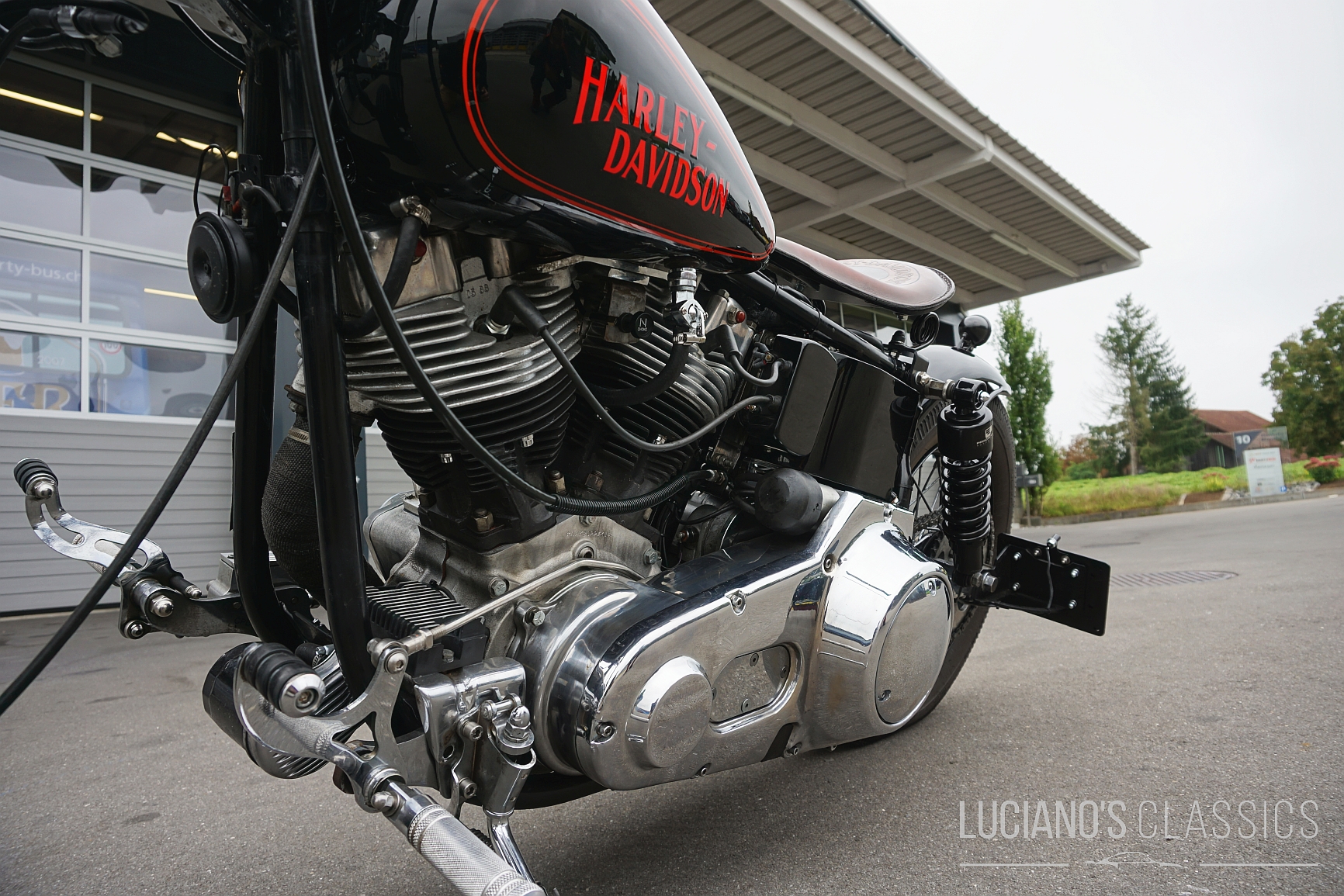
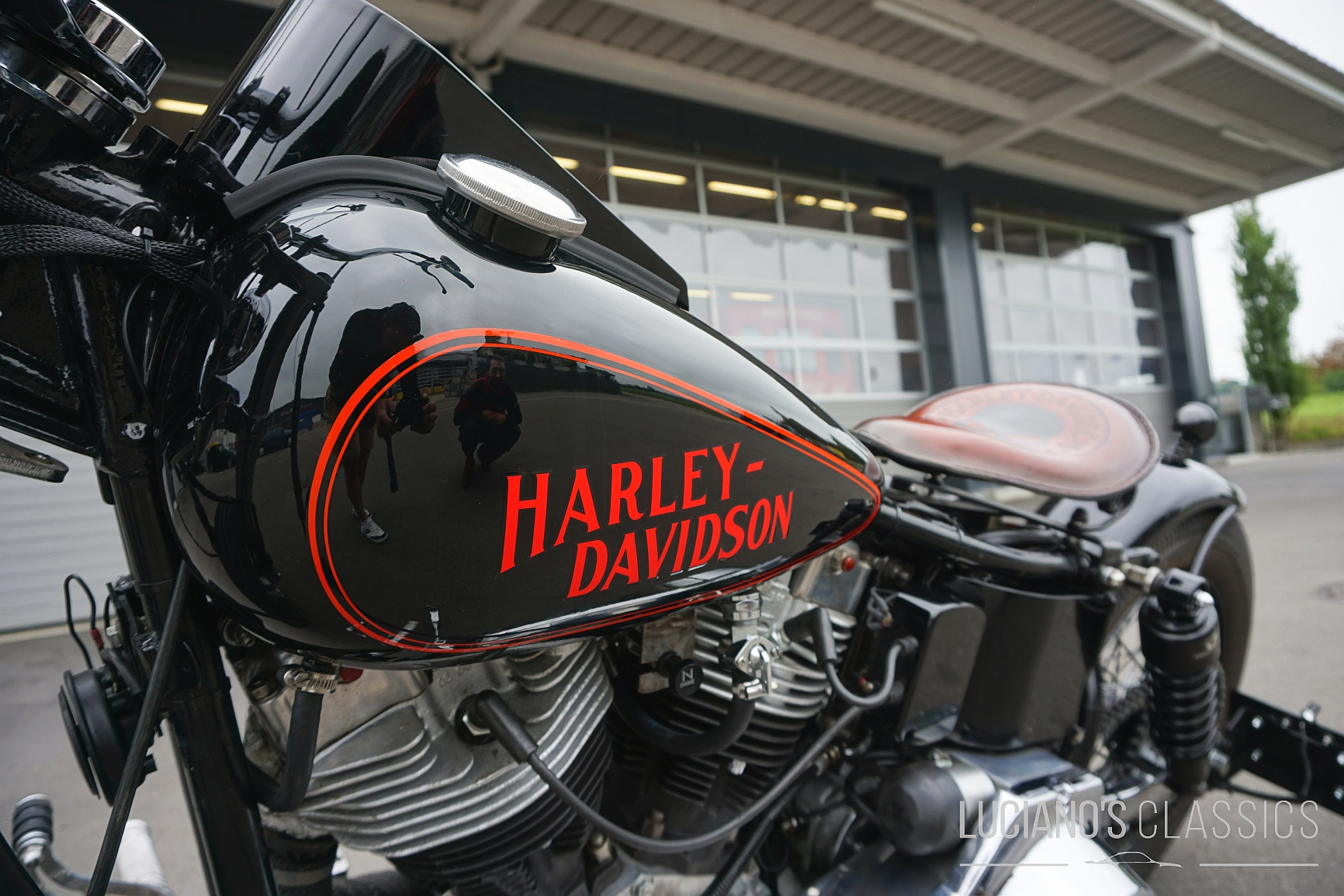
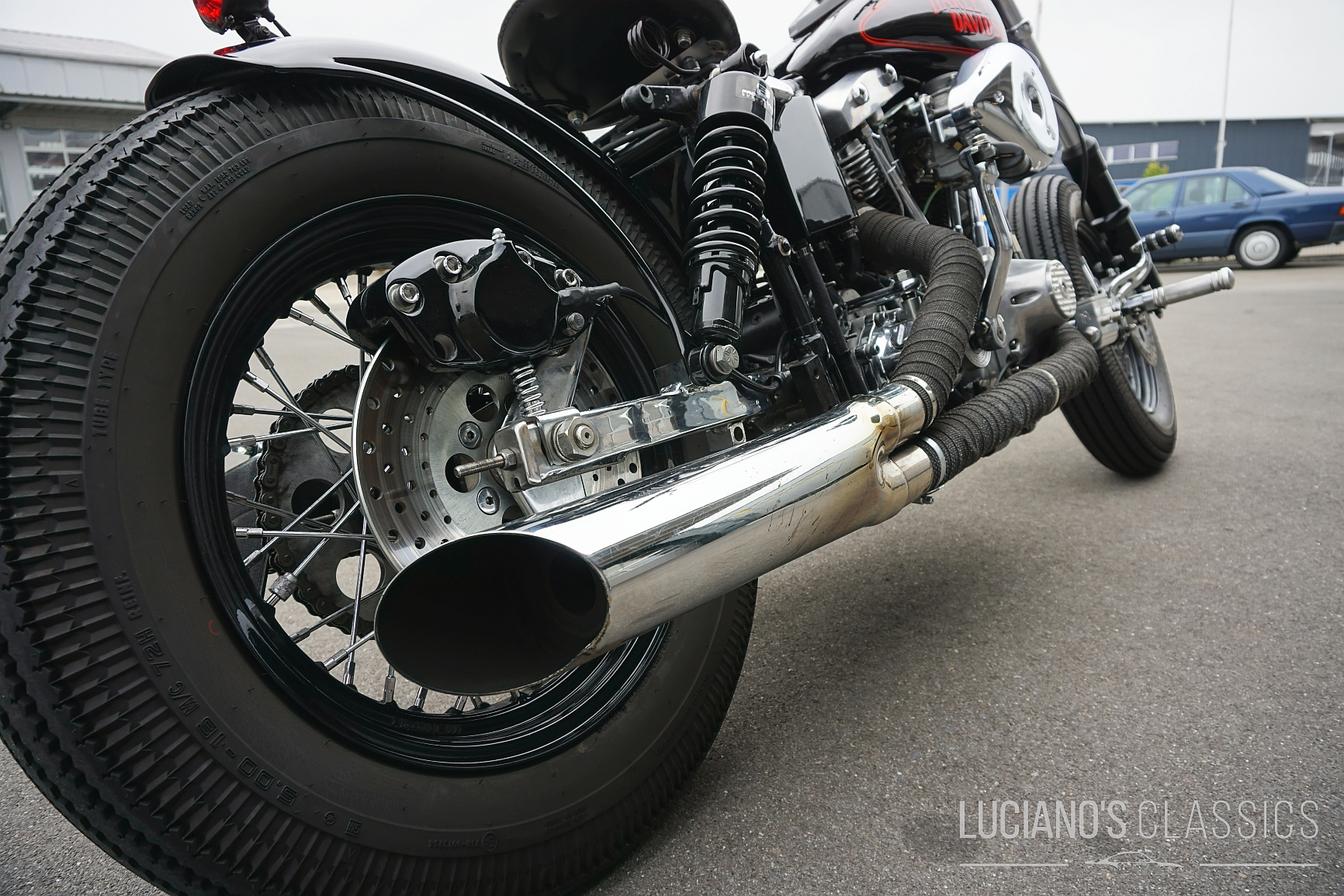
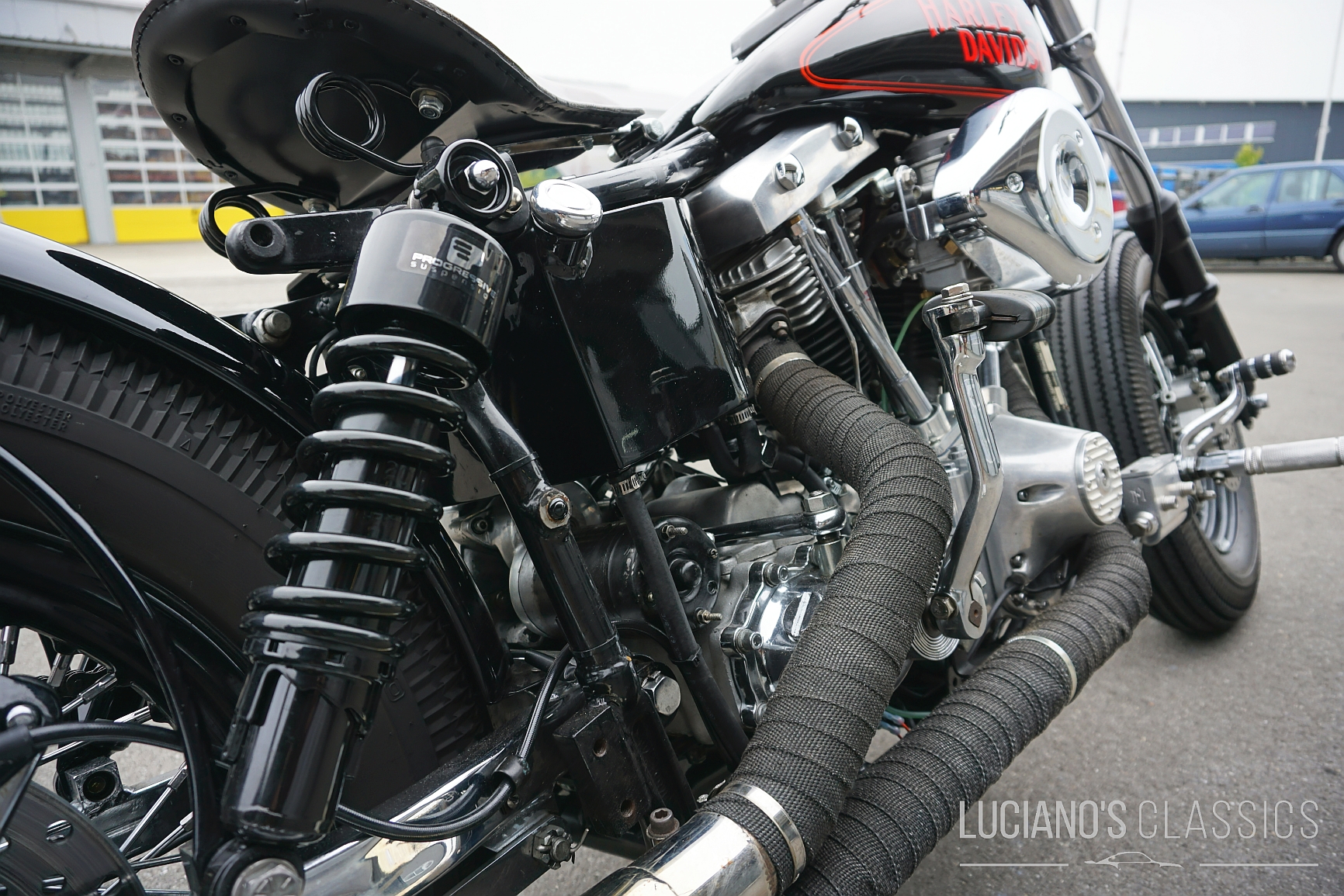
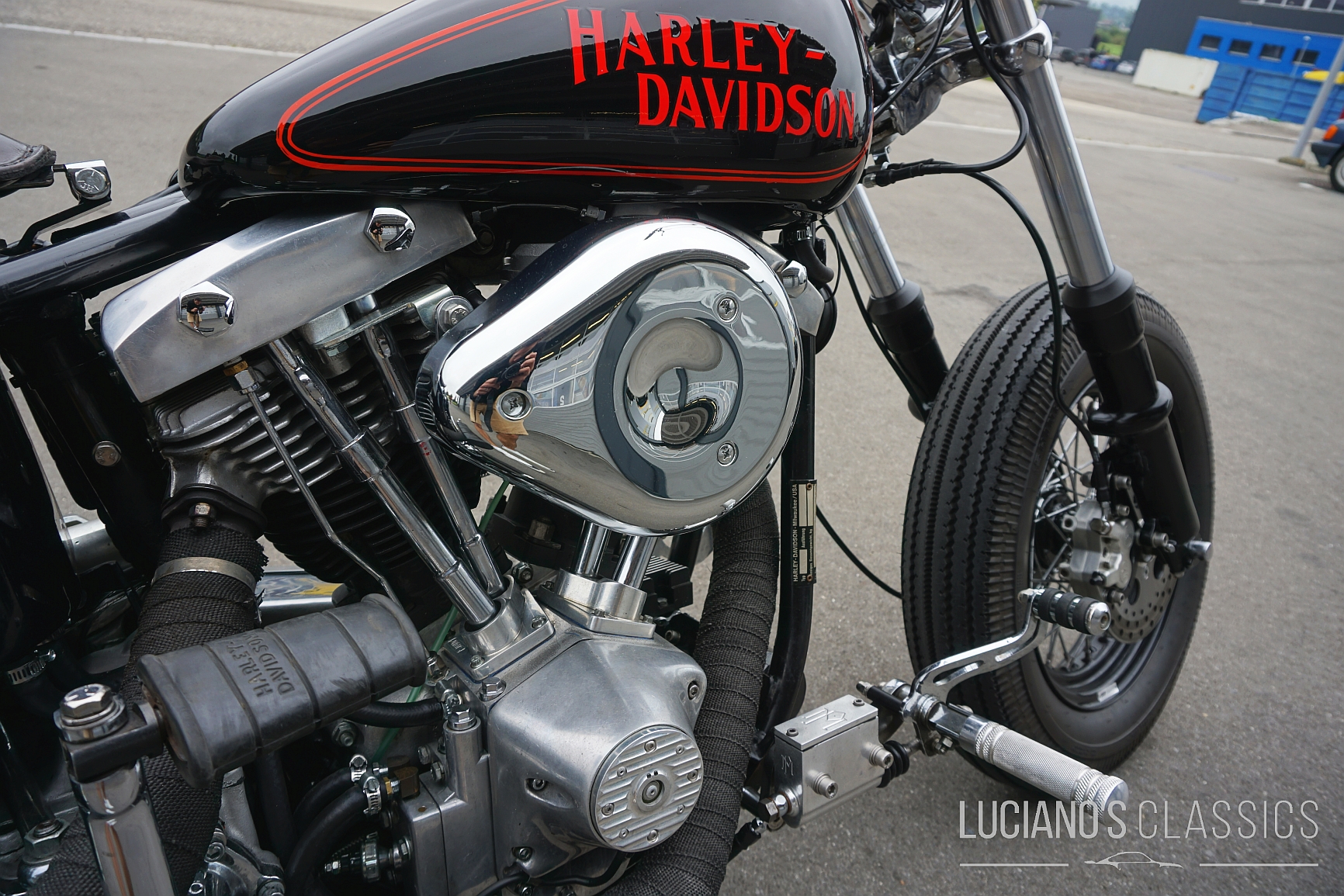
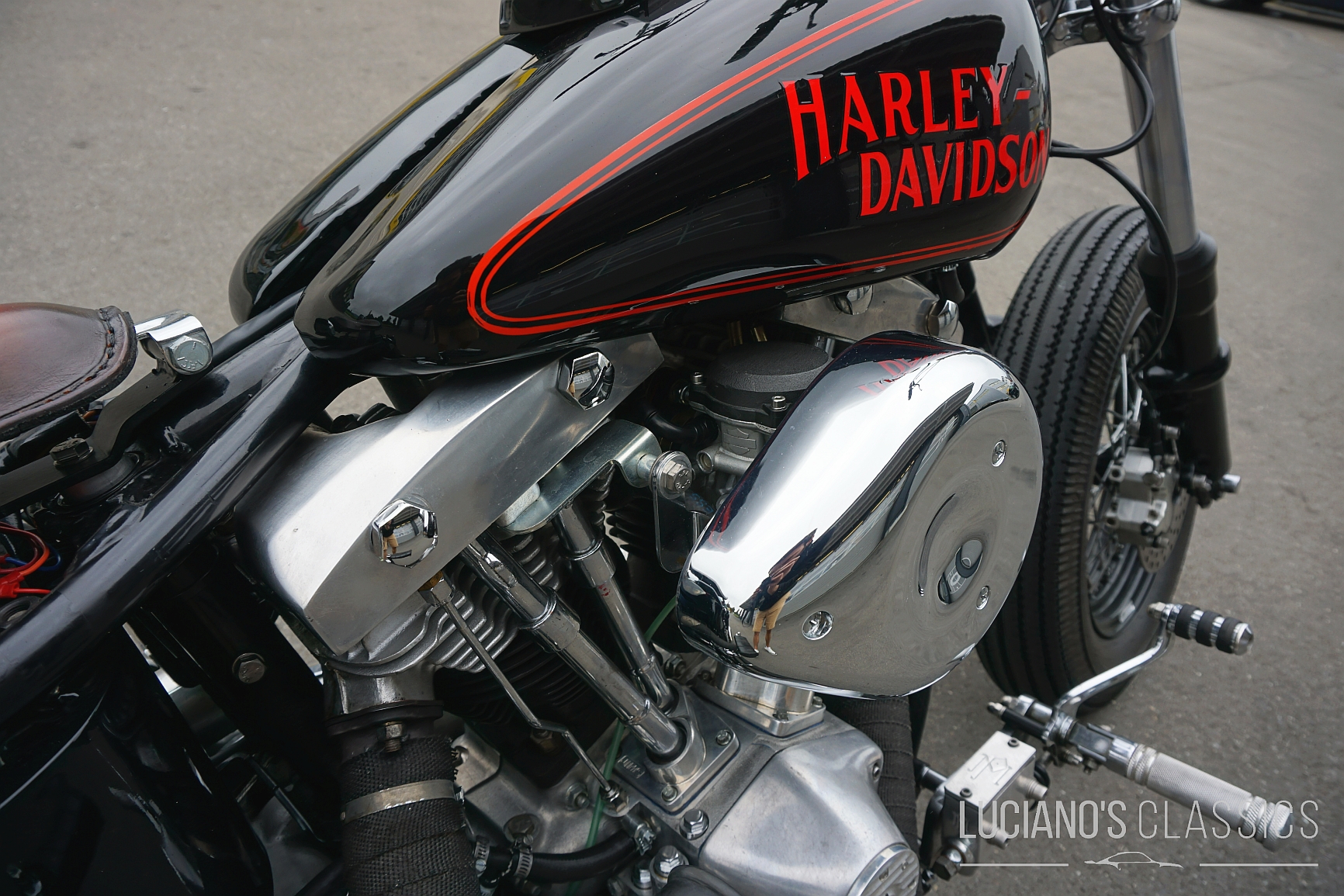
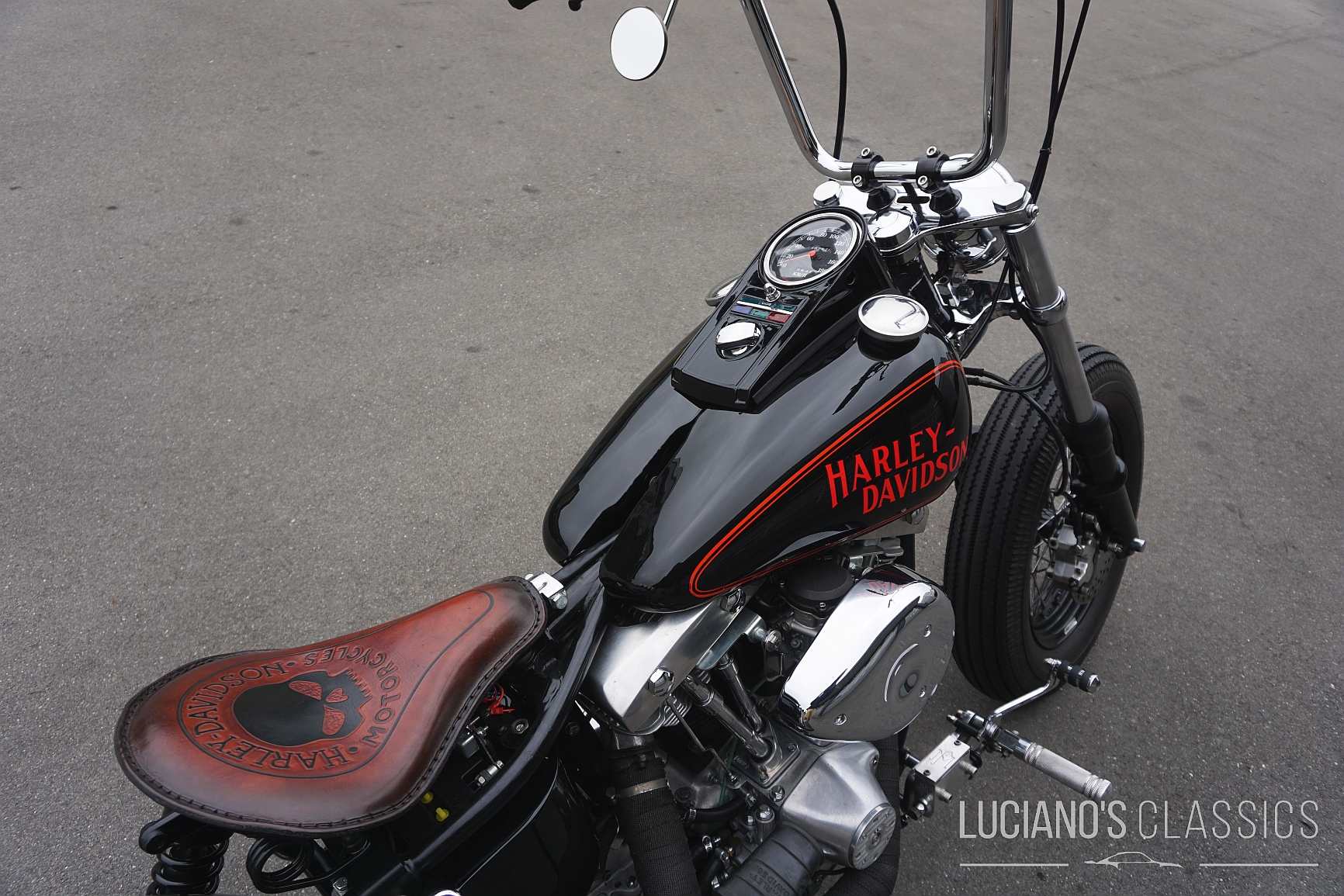
This chic Harley-Davidson Wide Glide in bobber style is looking for a new rider who enjoys the young 1340 Shovelhead engine. The bike was brought to Switzerland over 30 years ago and has been ridden regularly and maintained accordingly.
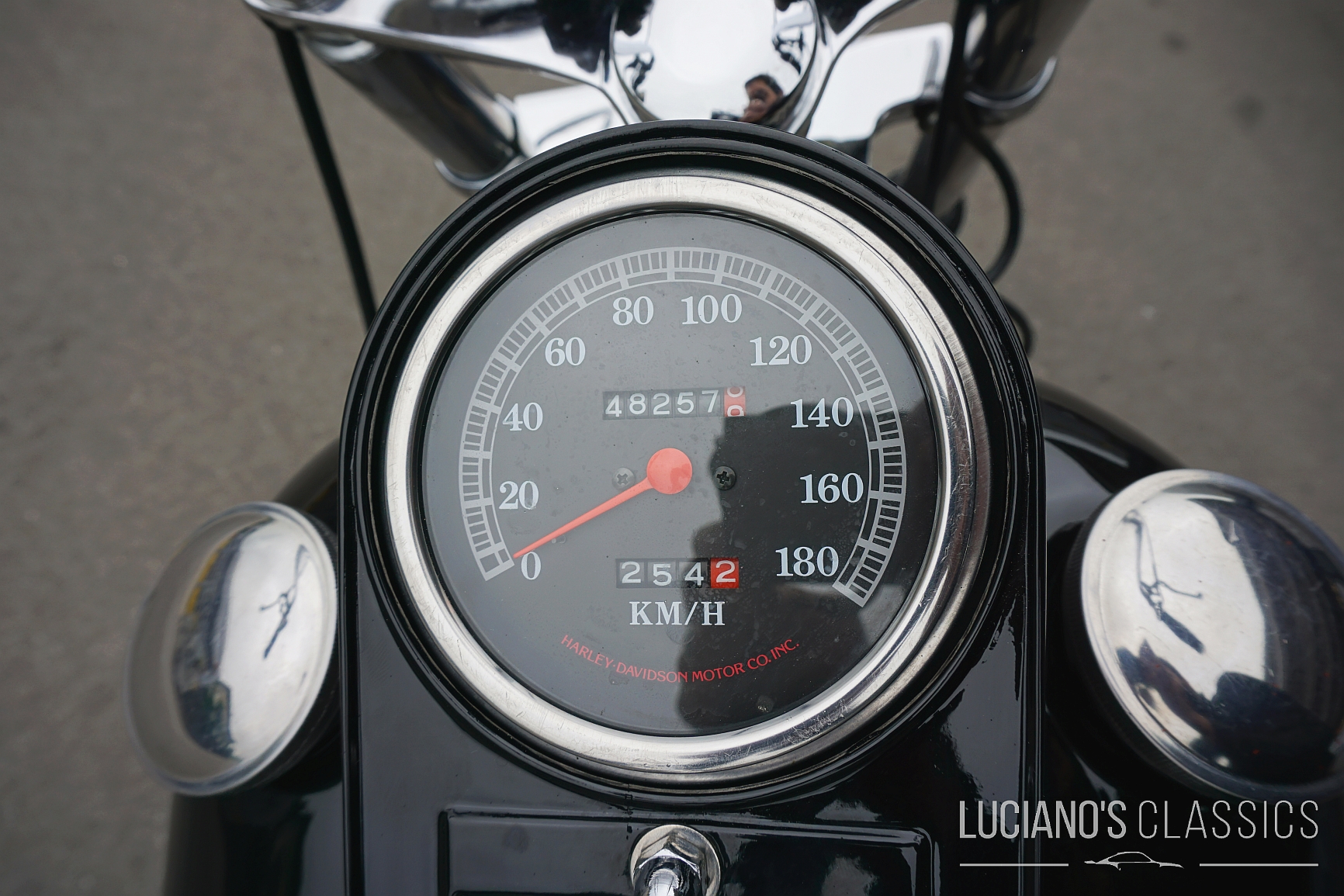
In 2022, the machine fell into capable hands and was extensively rebuilt, converted, and overhauled as a hobby over two years. At the time of the engine overhaul, the engine had 47,500 km and has since been ridden less than 1,300 km. According to the enclosed invoices, the work cost over CHF 15,000 plus countless hours of labor. The surviving frame matches the engine number, and all modifications are registered. The Shovelhead will be sold freshly inspected.
The following conversions were carried out:
- Cylinder honed
- Andrews pistons, valves and camshaft
- Jim's hydraulic tappet
- New electrics
- Altmann ignition system
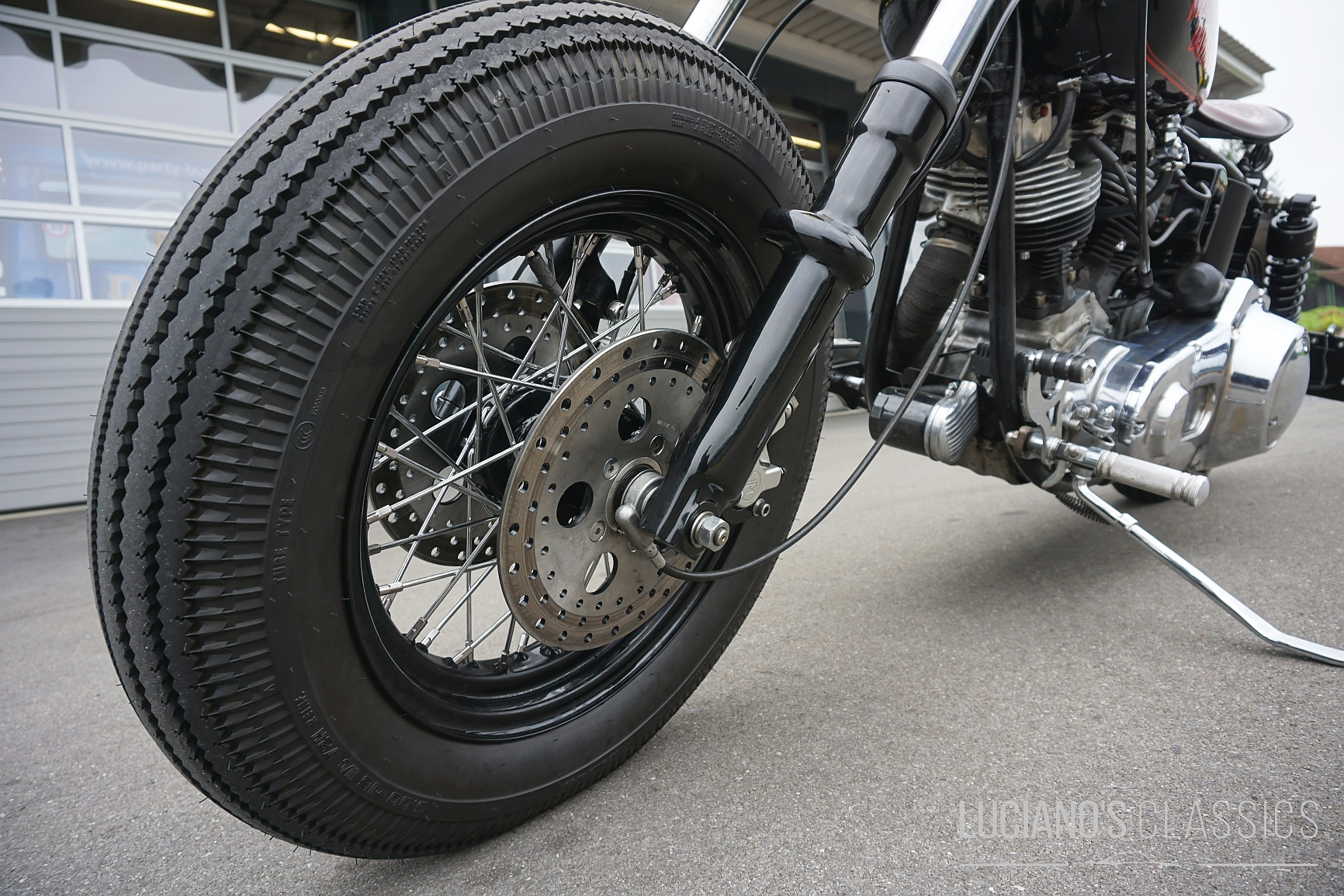
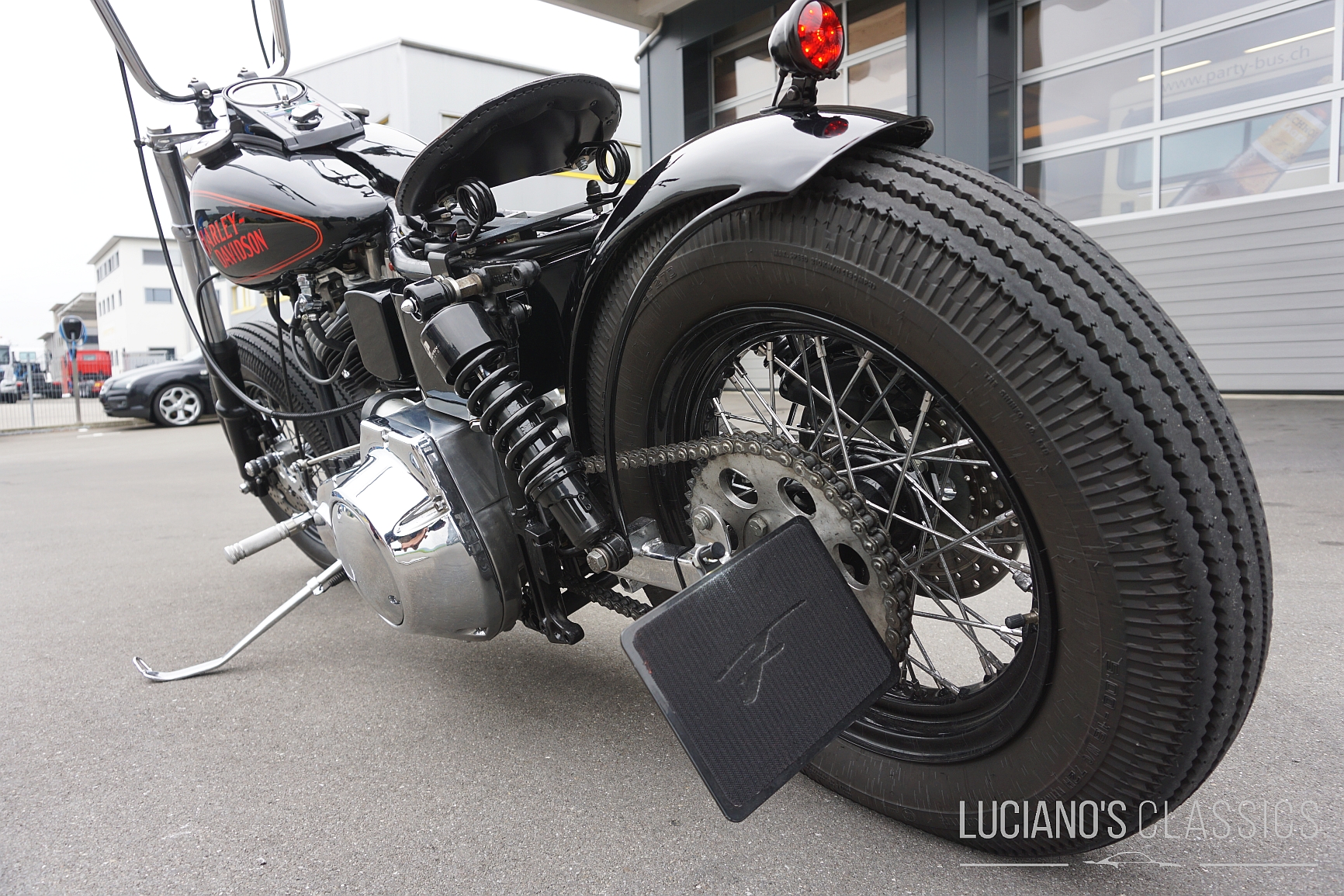
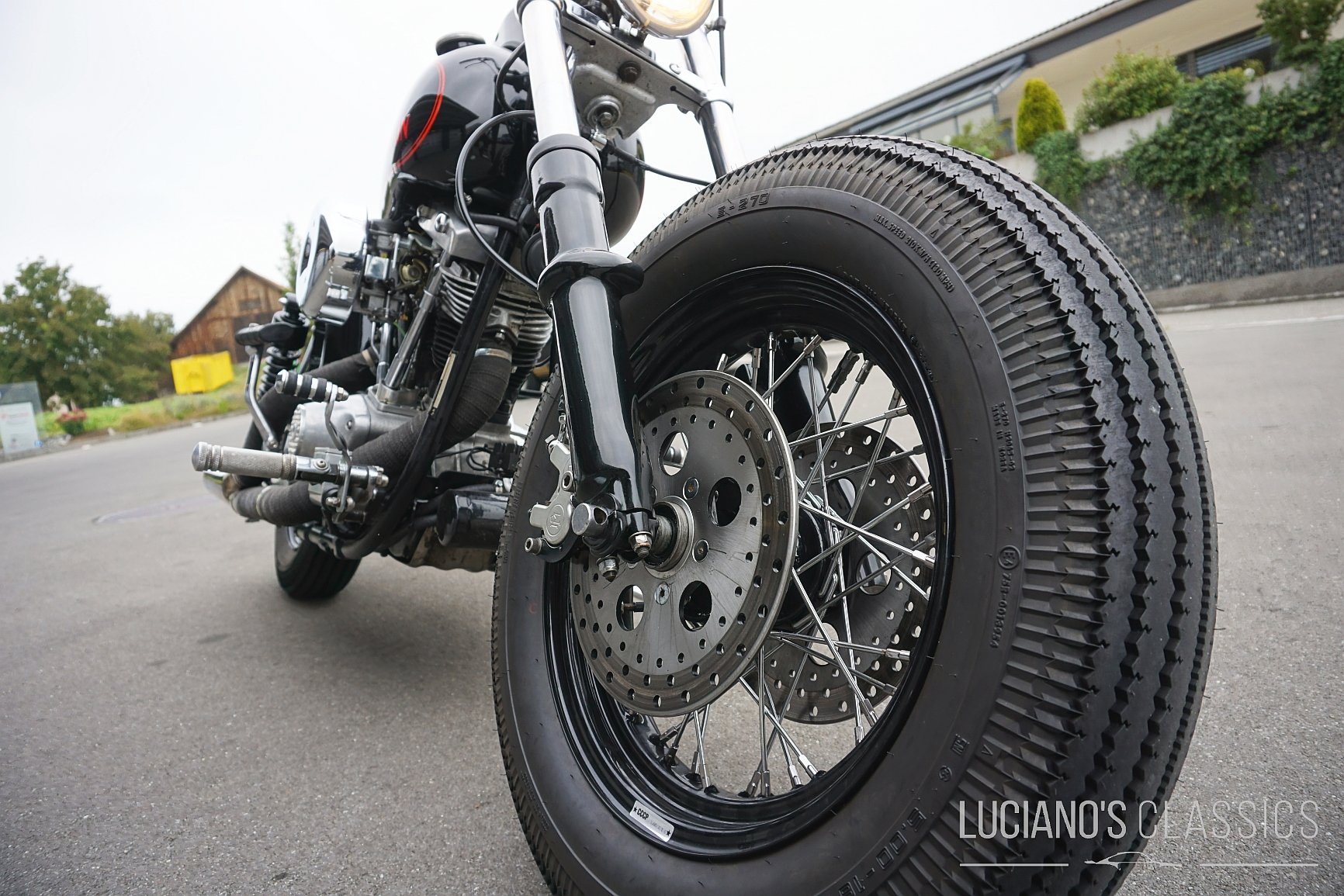
- Powder-coated wheels
- New spokes and wheel bearings
- Shinko Bobber tires
- Newly assembled fork
- Progressive 412 rear shock absorber
- Brakes front PM rear W&W (all brake lines, brake disks etc. replaced)
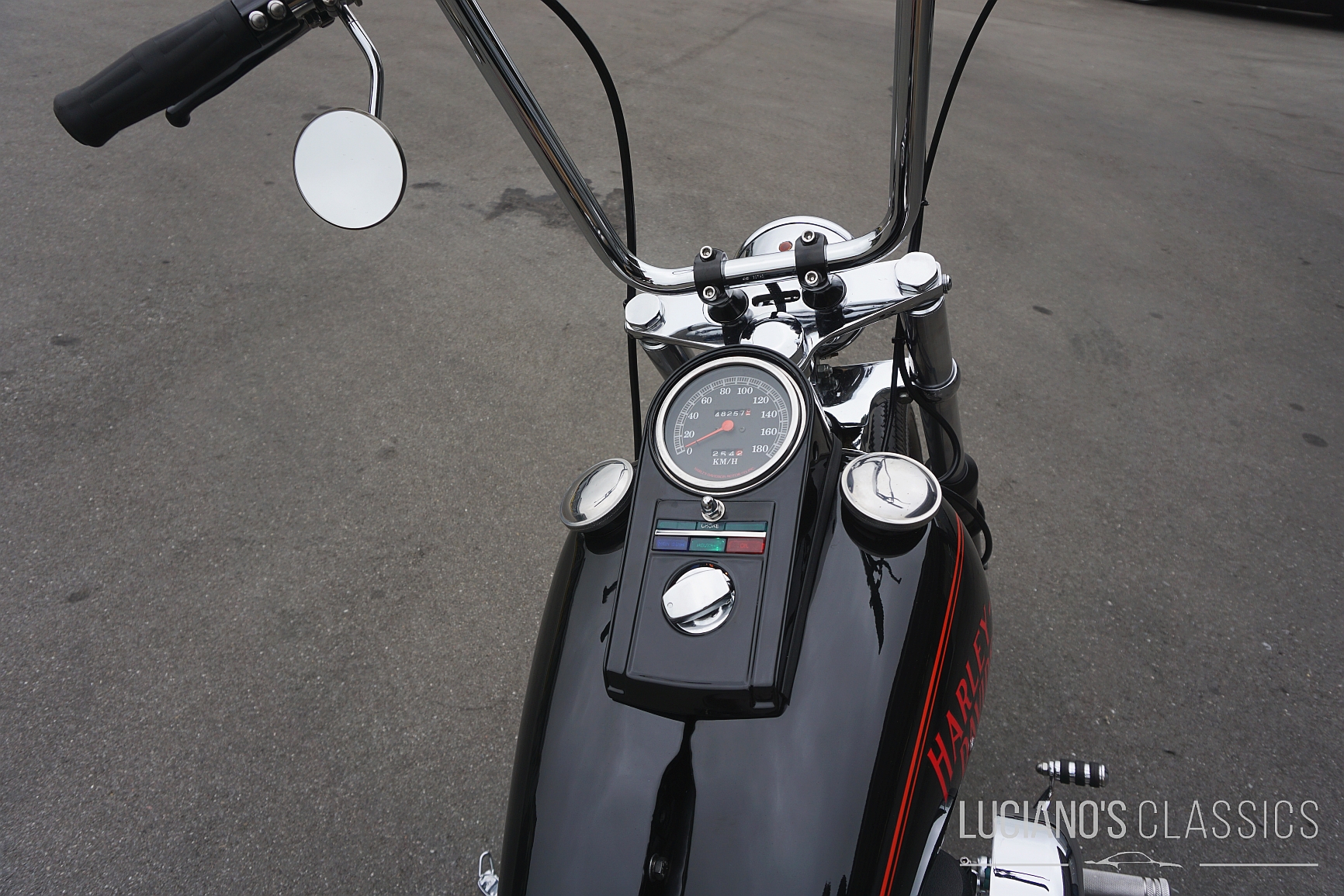
- Bates handlebars with Biltwell risers
- Kustom Tech handlebar fittings
- CV carburetor overhauled
- New oil tank incl. all pipes and filters
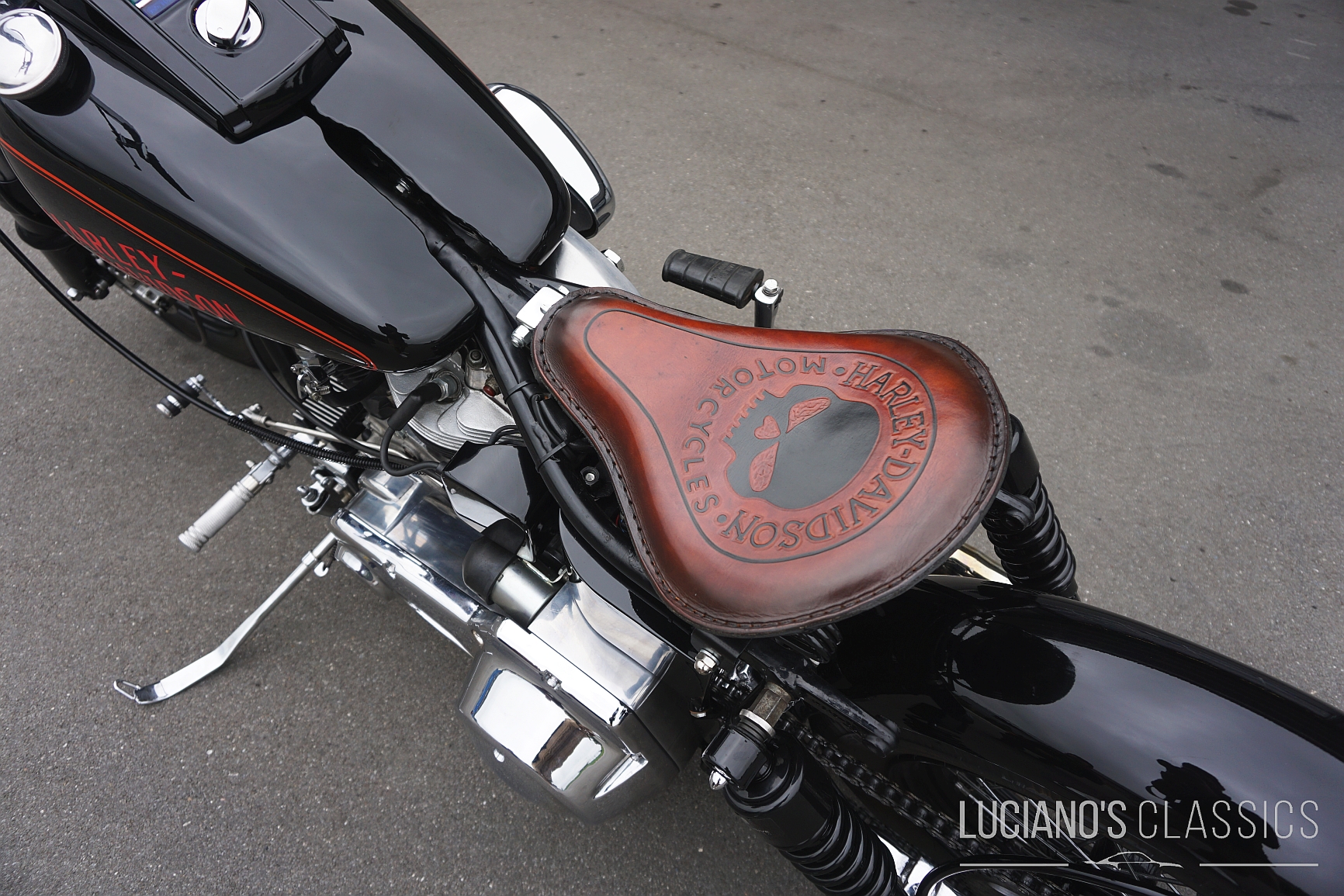
- Bobber saddle
- swinging rear fender
Sale on behalf of the customer, viewings only on request.
You can find a video about the Shovelhead at the very bottom of this page.
Selling price: 14'900 CHF
Model history
The history of Harley-Davidson and the Shovelhead engine is a fascinating journey through decades of innovation, challenge and cultural significance. The Shovelhead engine was introduced in 1966 and played a central role in the company's development until 1984.
In the 1960s, Harley-Davidson was under great pressure. The previous Panhead engine, which had been in production since 1948, could no longer keep up with the growing competition, particularly from Japanese manufacturers. In order to increase performance and modernize the design, Harley-Davidson launched the Shovelhead engine on the market. This was named after the characteristic valve covers, which were reminiscent of the shape of shovels. The new engine had a capacity of 74 cubic inches (1200 cm³) and, with 60 hp, offered a significant increase in power compared to the Panhead.
The Shovelhead engine was first used in the FL series, particularly in the Electra Glide model. These motorcycles were known for their comfort and touring ability, which made them very popular with long-distance riders. The engine offered improved combustion and a higher compression ratio, which increased efficiency and reliability. Nevertheless, the introduction of the Shovelhead engine was not without its problems. Many buyers criticized the initial lack of quality and the complicated maintenance.
In 1969, Harley-Davidson faced another challenge: the merger with the American Machine and Foundry Company (AMF). This brought much-needed capital, but led to problems in production and quality management. Under AMF, production was ramped up, often at the expense of manufacturing quality. The motorcycles, including the Shovelhead models, suffered from a lack of reliability and quality control, which damaged Harley-Davidson's reputation.
Despite these difficulties, the Shovelhead engine was continuously developed further. In 1978, the capacity was increased to 80 cubic inches (1340 cm³) to keep up with the competition. The FX series, starting with the FX Super Glide, combined the Shovelhead engine with a lighter frame and a sportier look to appeal to younger riders. These models struck a chord with the times and became classics.
In the 1970s, however, Harley-Davidson found itself in a deep crisis. Quality problems and tough competition from Japanese manufacturers led to a decline in sales figures and the loss of the market. The brand, once a symbol of freedom and adventure, seemed to be faltering.
In 1981, 13 senior executives, led by Vaughn Beals and Willie G. Davidson, decided to buy the company back from AMF. This management buyout marked the beginning of a new era. The new management introduced strict quality controls and invested in modernizing the production facilities. The aim was to rebuild the Harley-Davidson brand and return to its roots.
The Shovelhead engine, which was now technologically obsolete, was replaced by the new Evolution engine in 1984. The Evolution engine was a revolution for Harley-Davidson: it was more reliable, more powerful and easier to maintain than its predecessors. It began a rebirth of the brand that allowed Harley-Davidson to regain its reputation as an iconic American motorcycle manufacturer and get back on its feet financially.
Despite its problems, the Shovelhead engine remains an important chapter in the history of Harley-Davidson. It was at the heart of many legendary models and symbolizes a time of change and renewal. The introduction of the Evolution engine in 1984 marked the end of the Shovelhead era, but also the beginning of a new, successful phase for Harley-Davidson that continues to this day.
Details
- 48’300 km
- 1. inv. 01.09.1981
- MFK 20.06.2022
- 1,337 cc Shovelhead engine
- 65 HP
- Type certificate X
- Master number 400.428.165
- Chassis 1HD 1AH K14 BY02 2561
- Unladen weight 275 kg
- Payload 175 kg
not what you are looking for?
We will be happy to find your individual dream vehicle.
Simply make a non-binding inquiry and benefit from our network.