
Daimler 25 85
Description
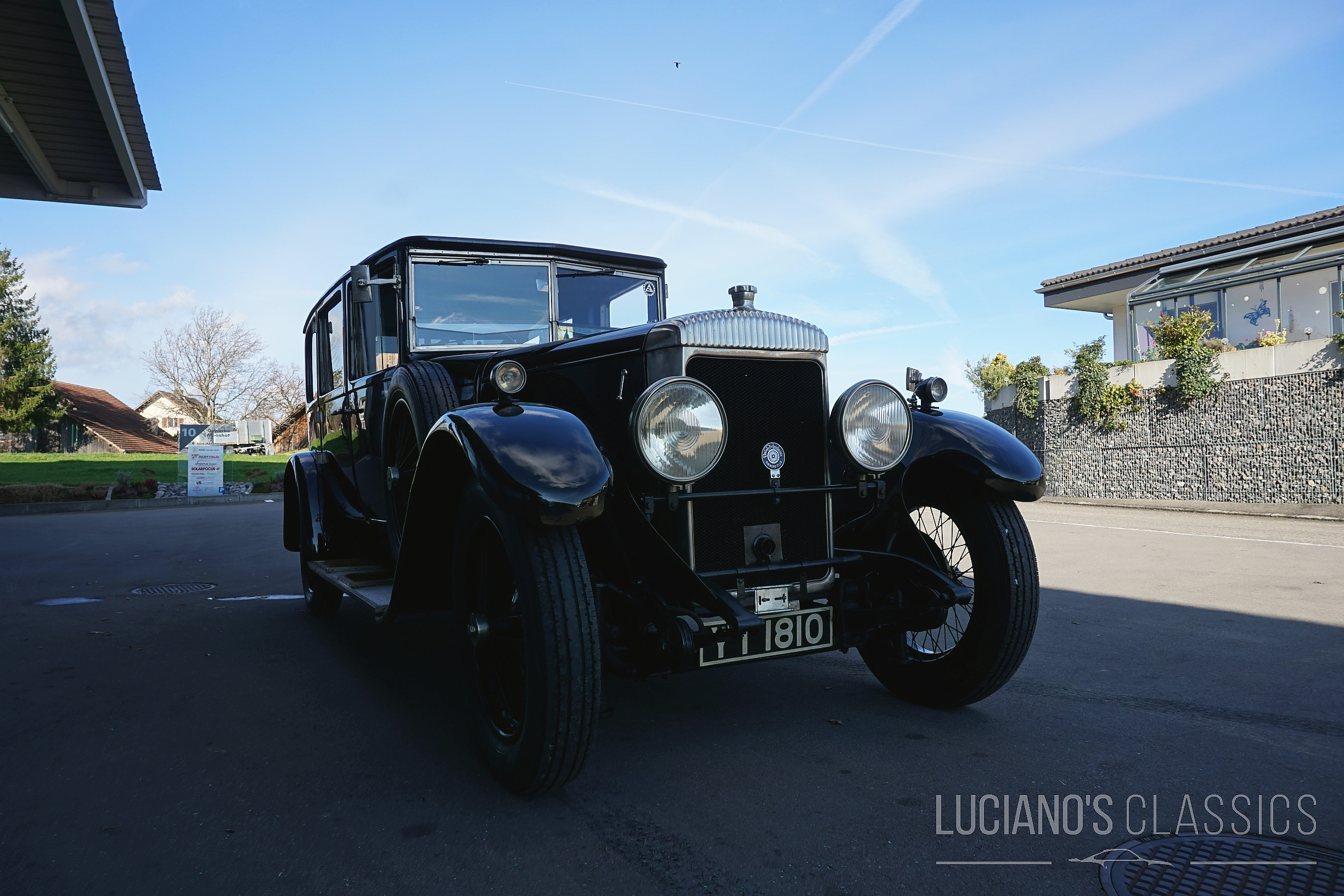
Daimler automobiles were famous for the quiet running of the Knight slide valve engines, the conservative appearance and the omnipresent noblesse of the large models. For decades, Daimler was purveyor to the court of the English royal families with its luxury cars.
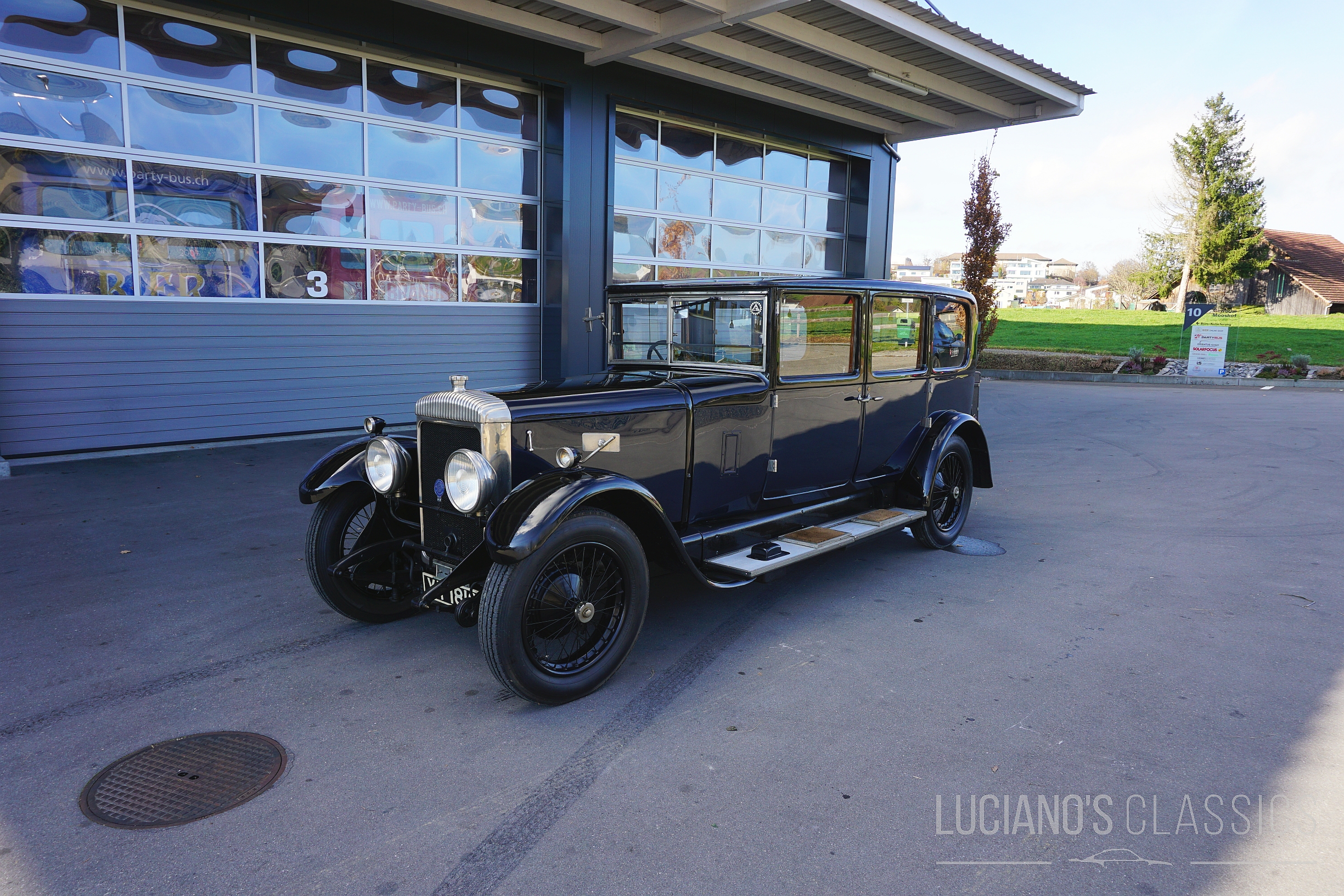
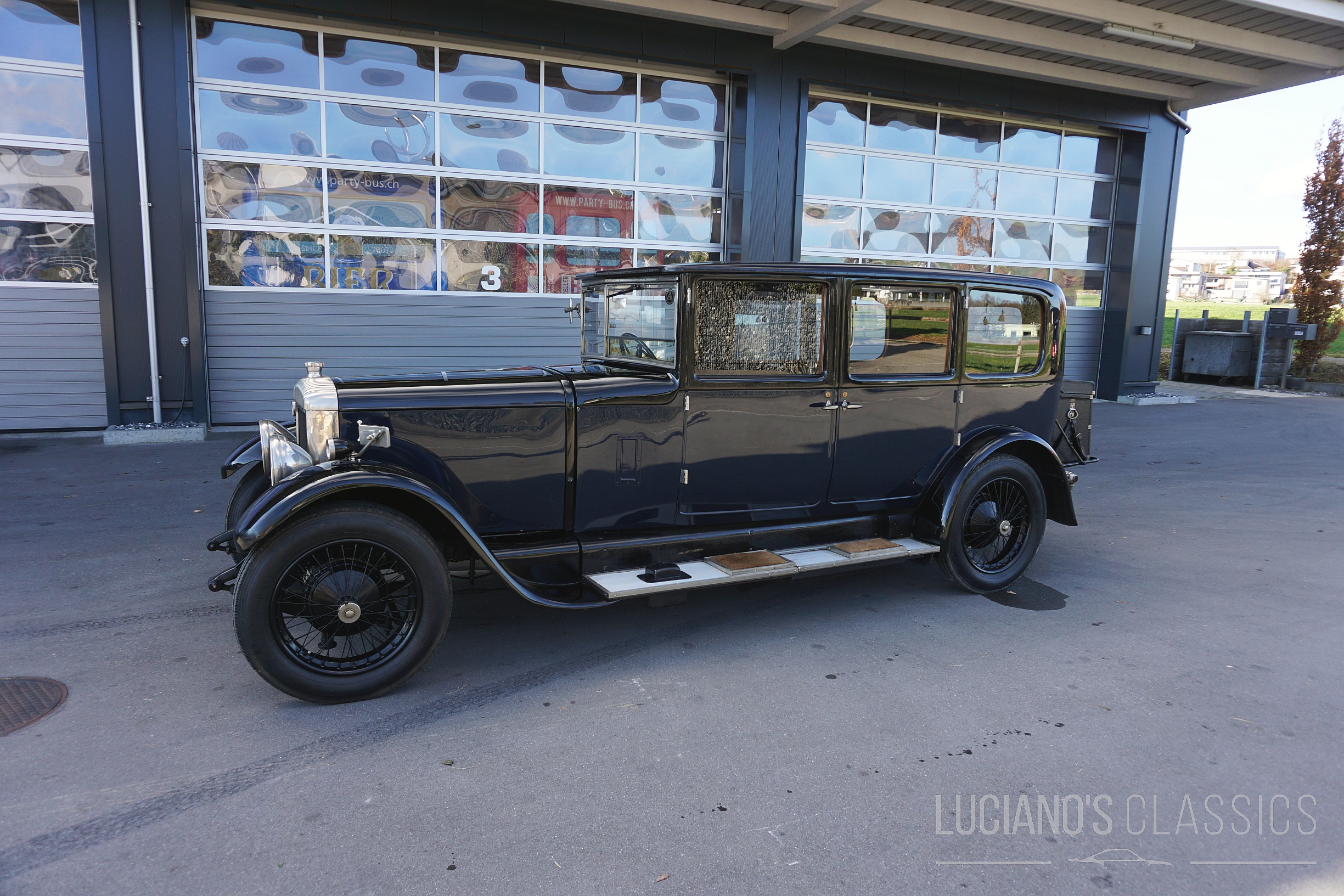
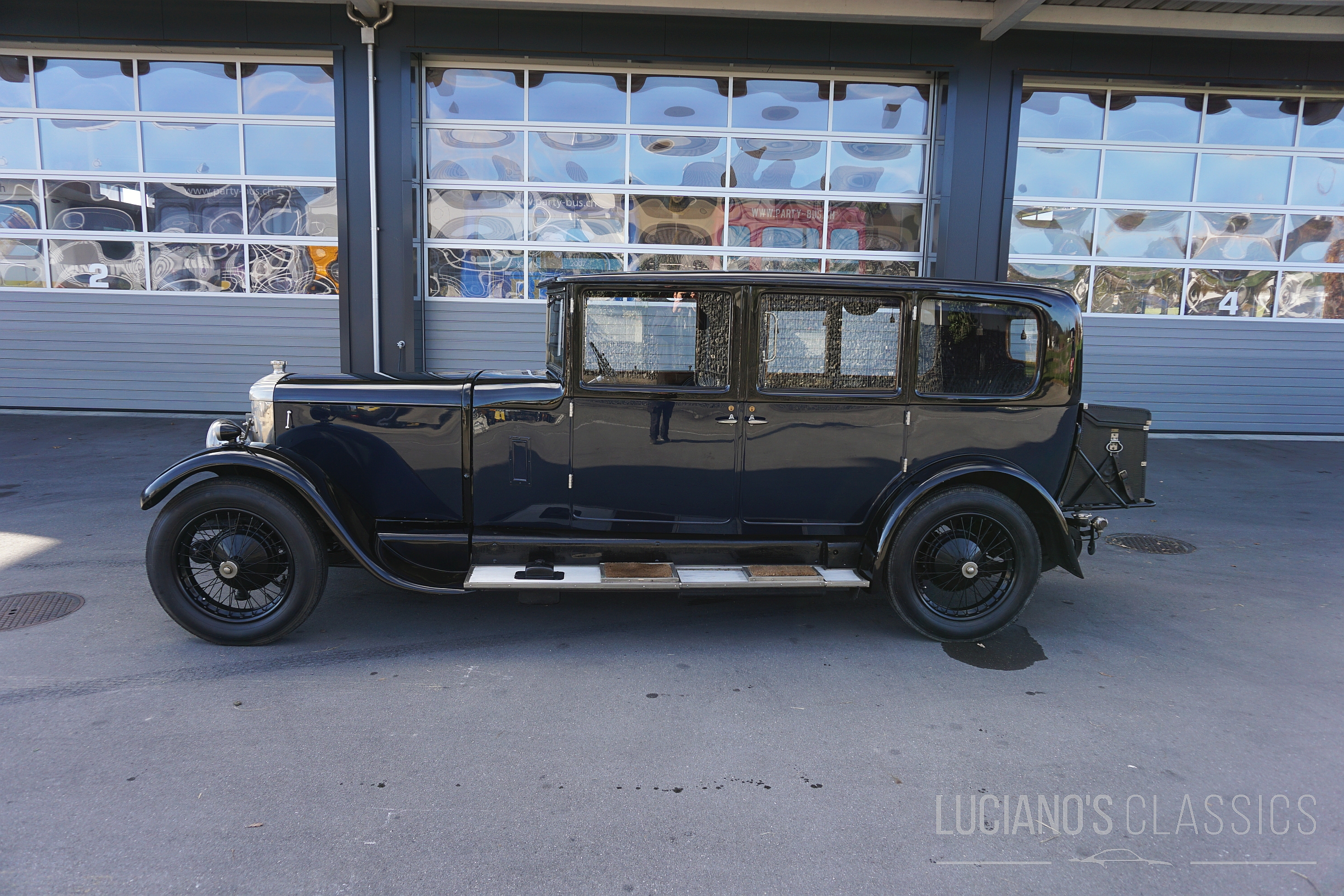
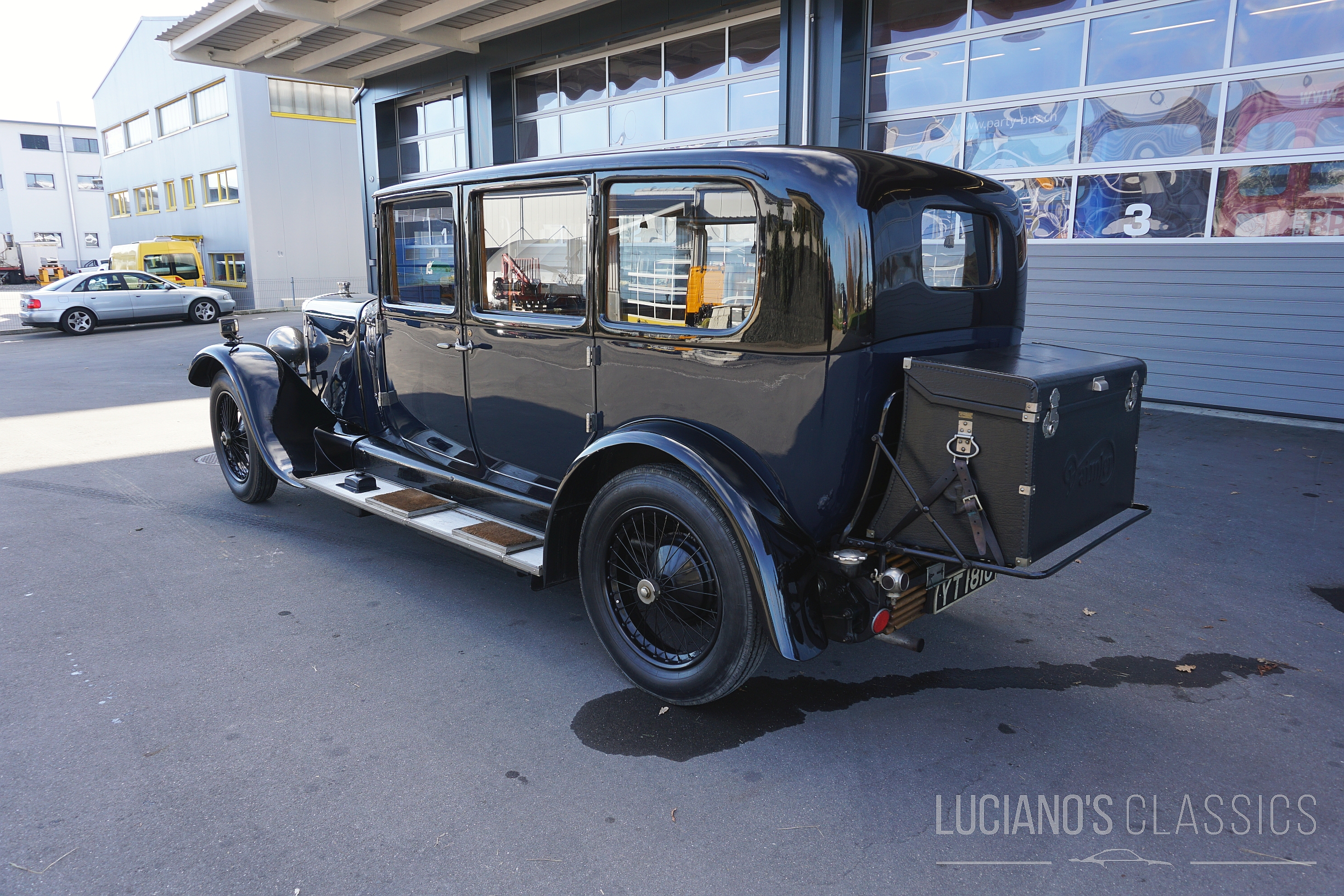
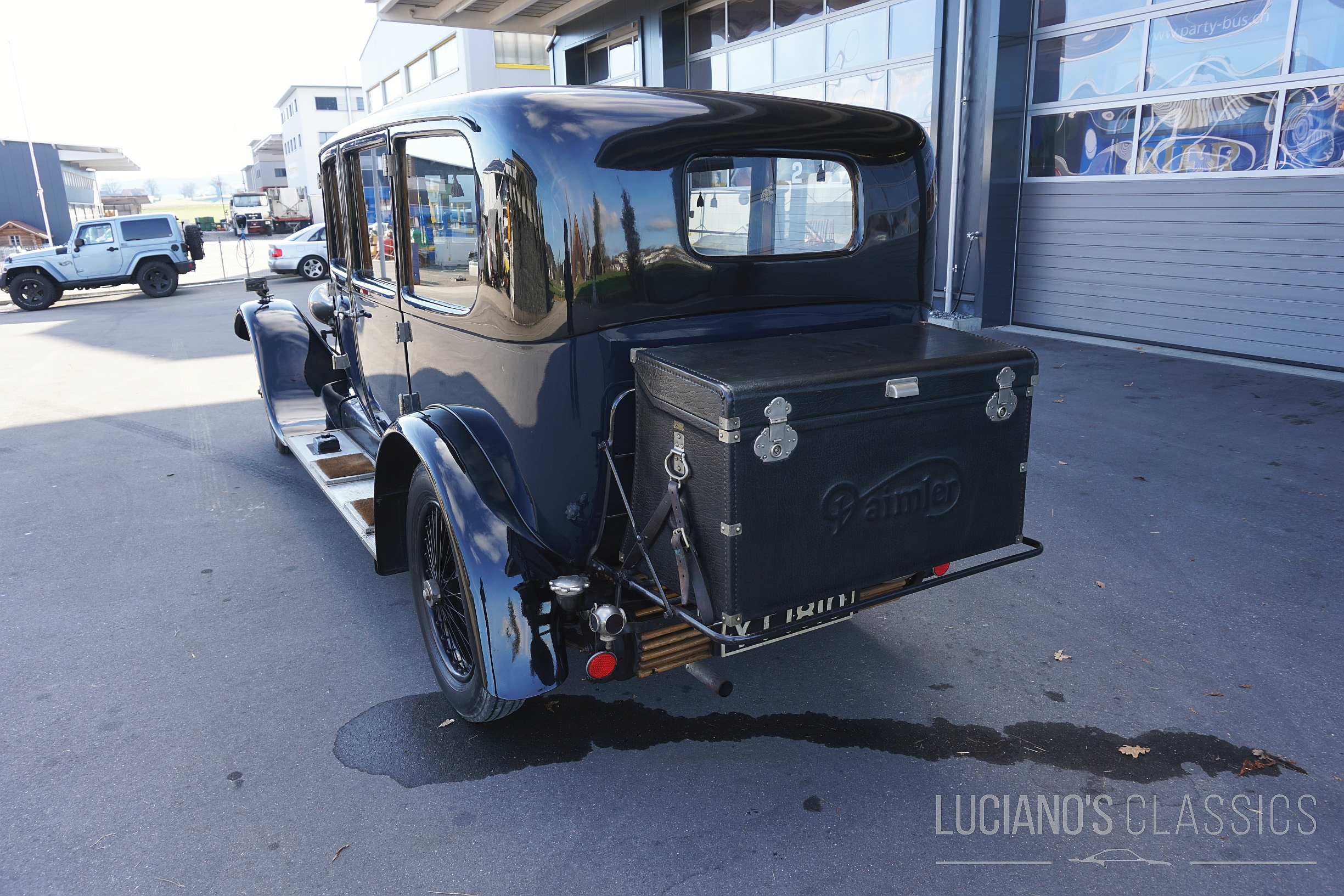
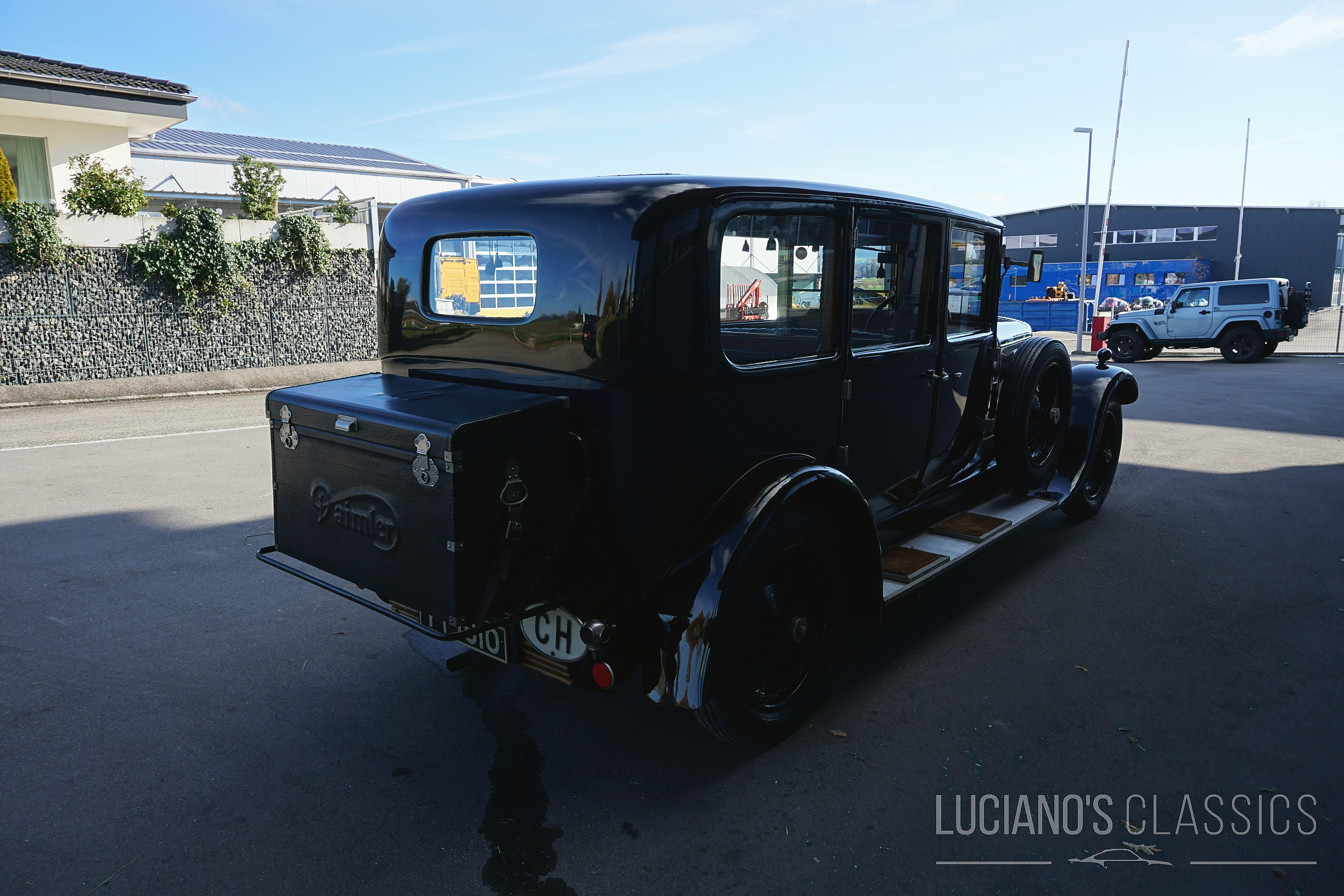
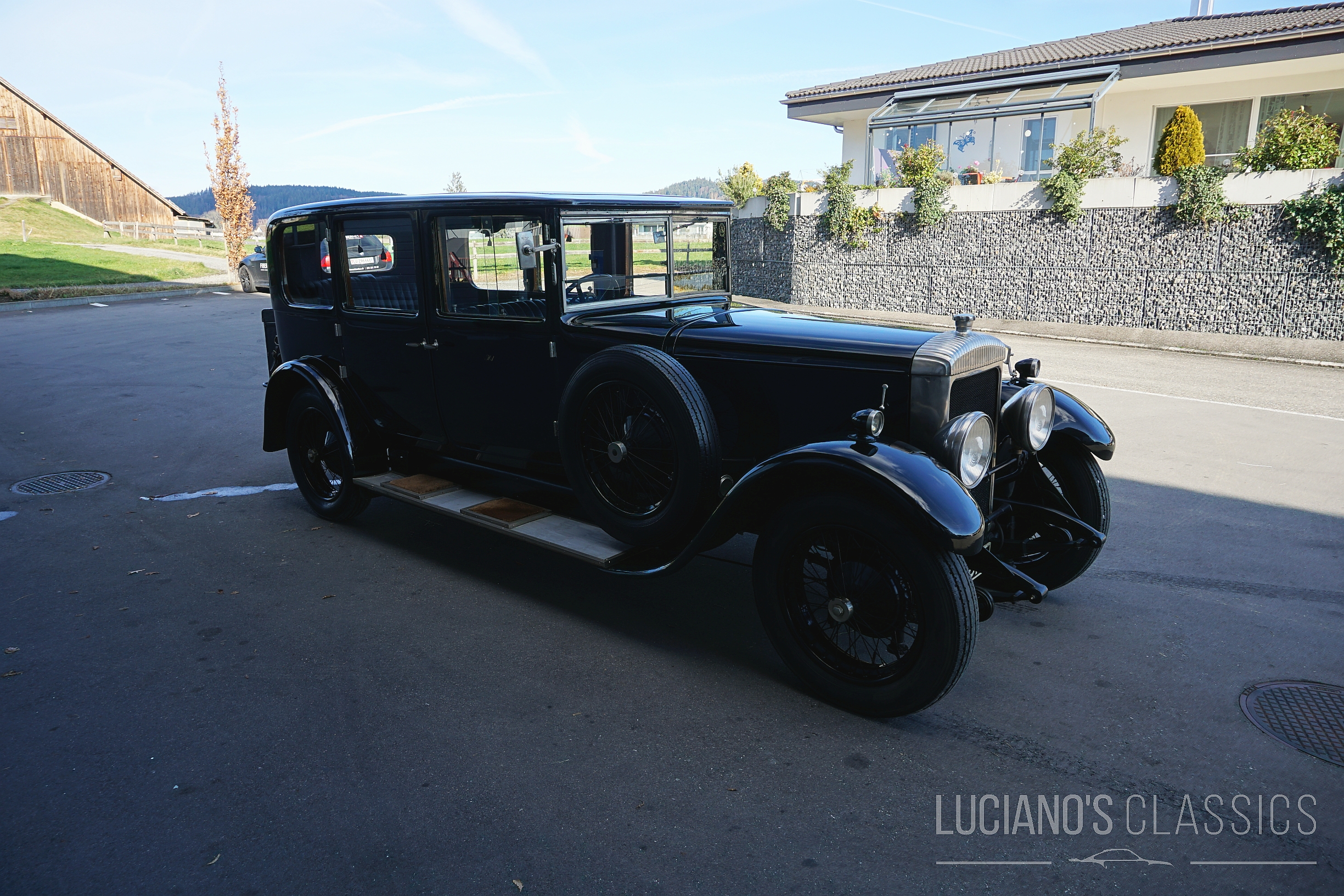
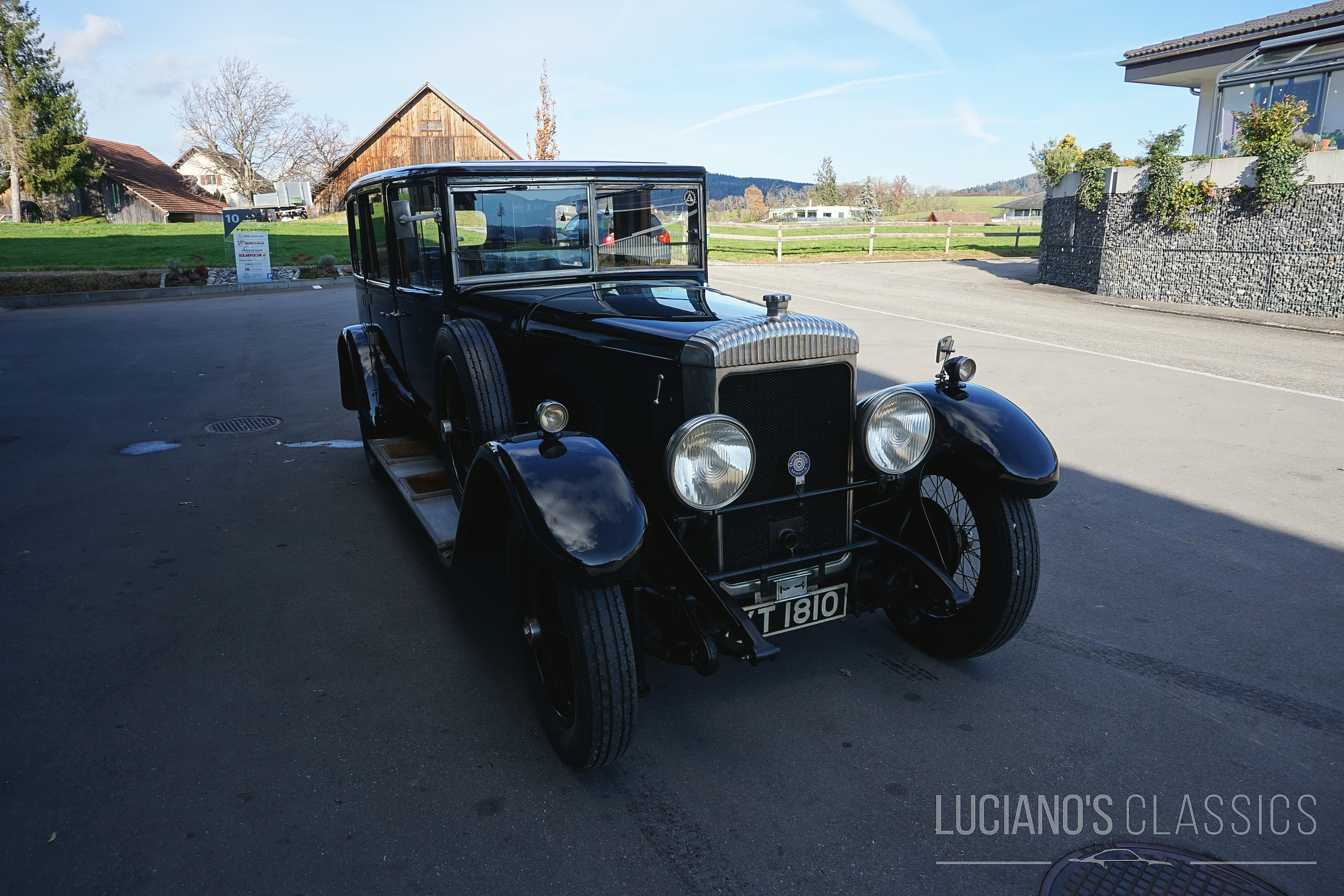
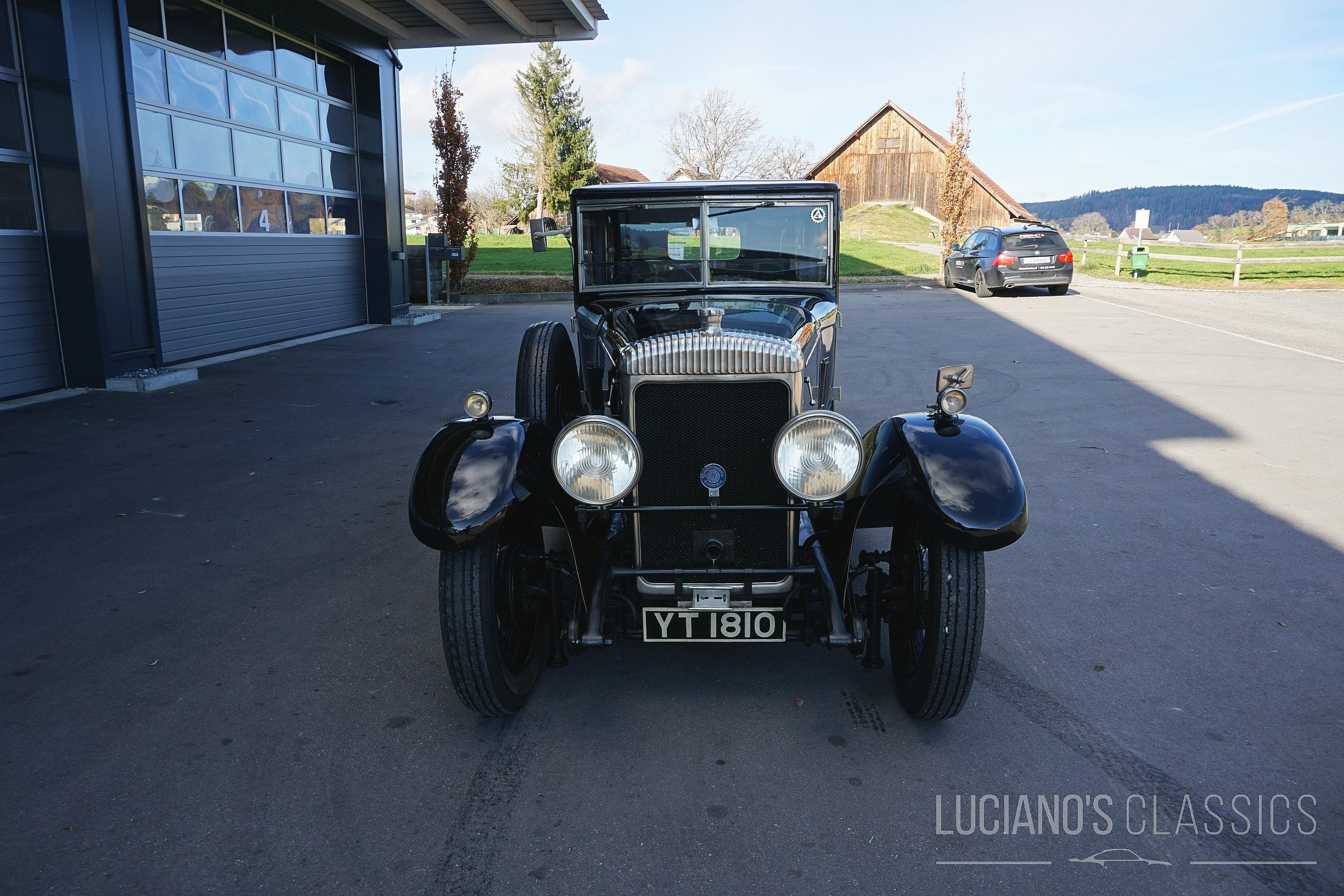
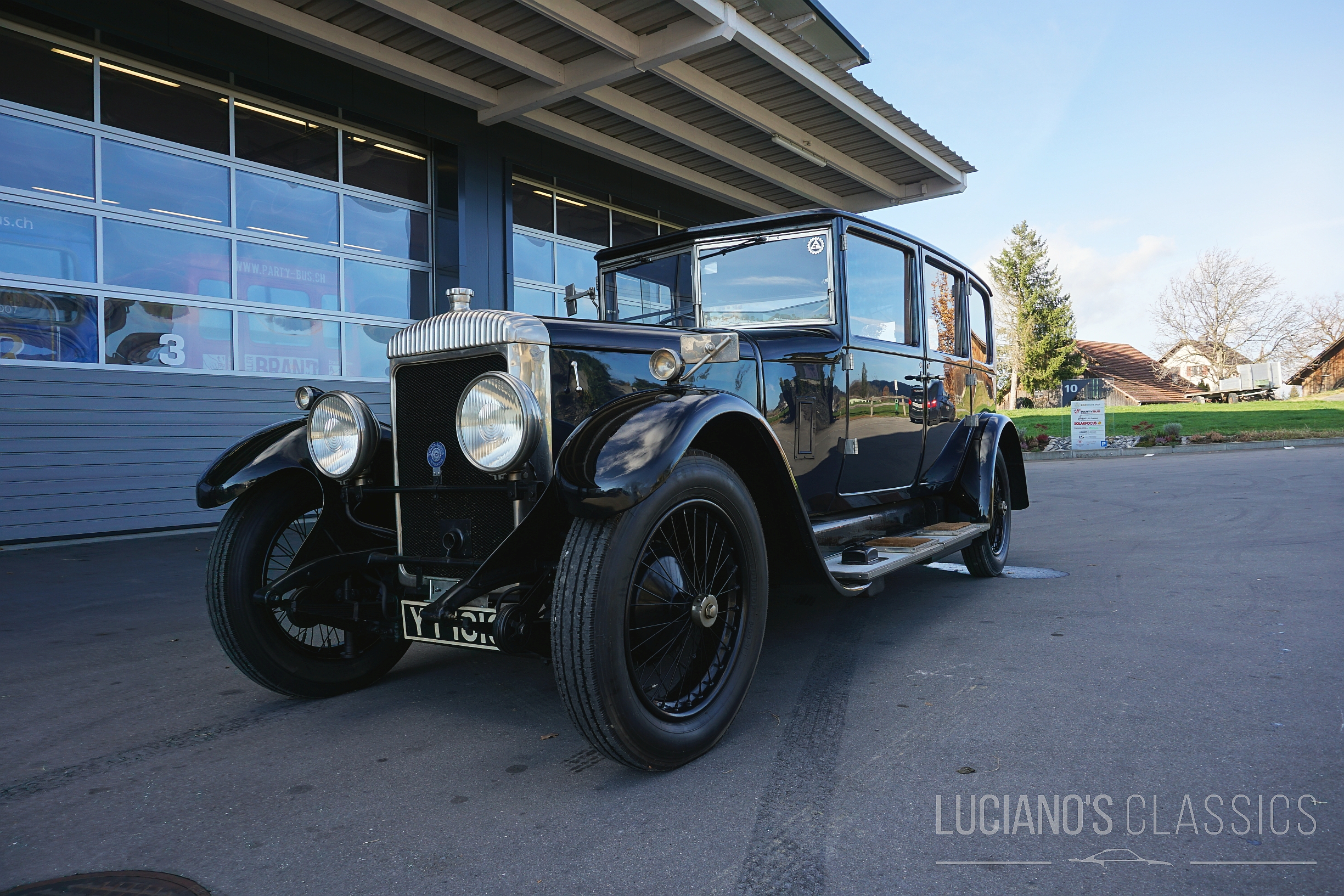
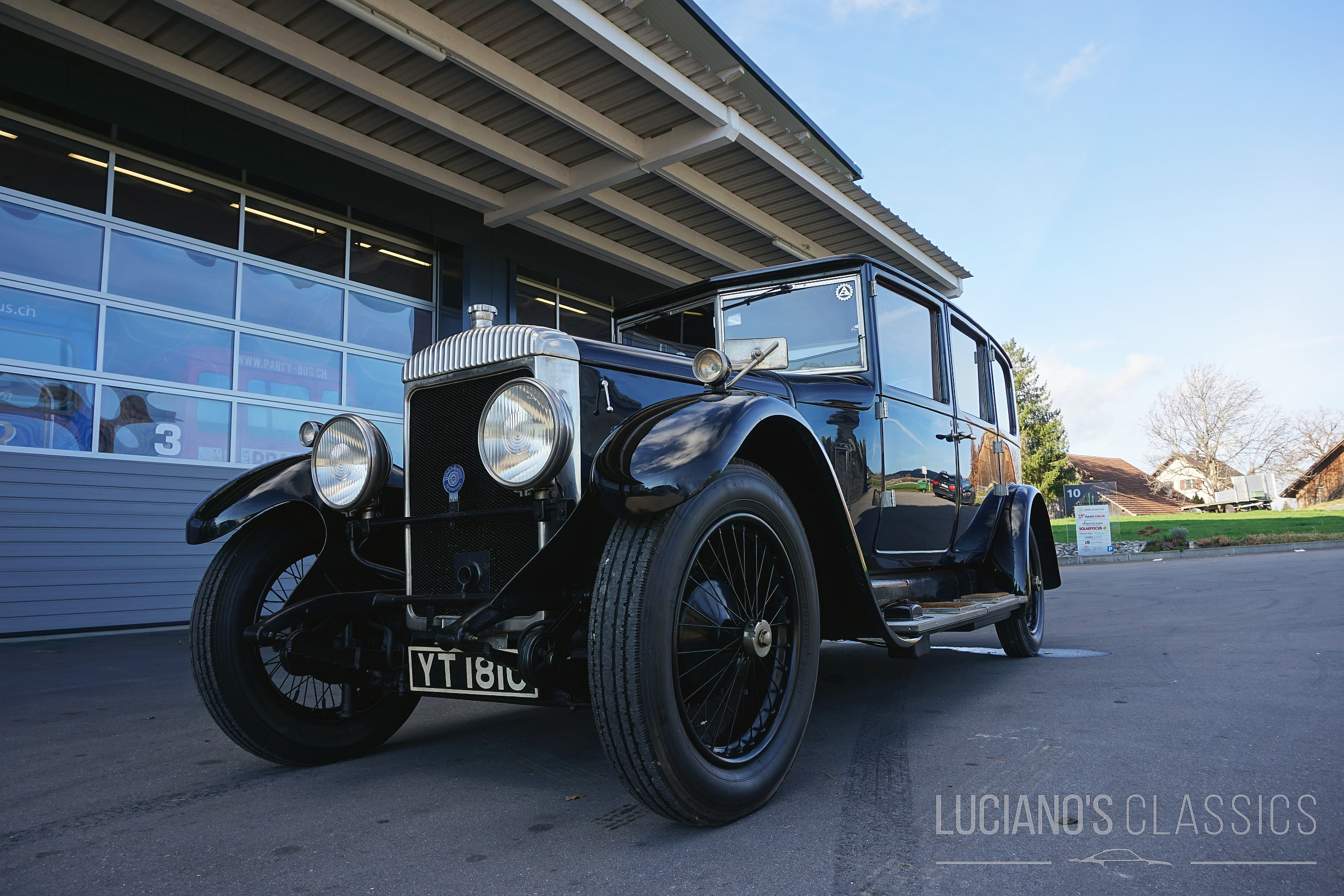
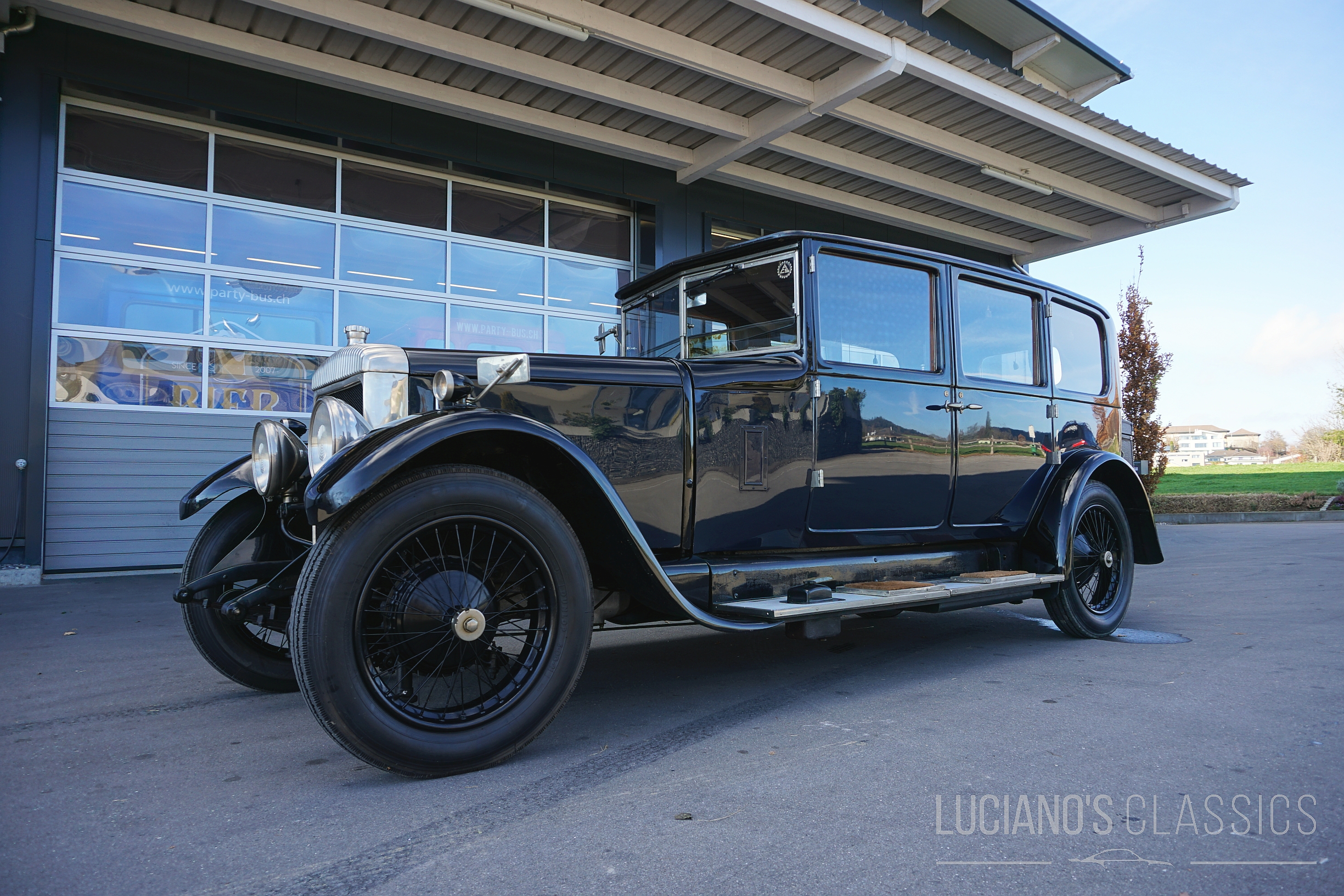
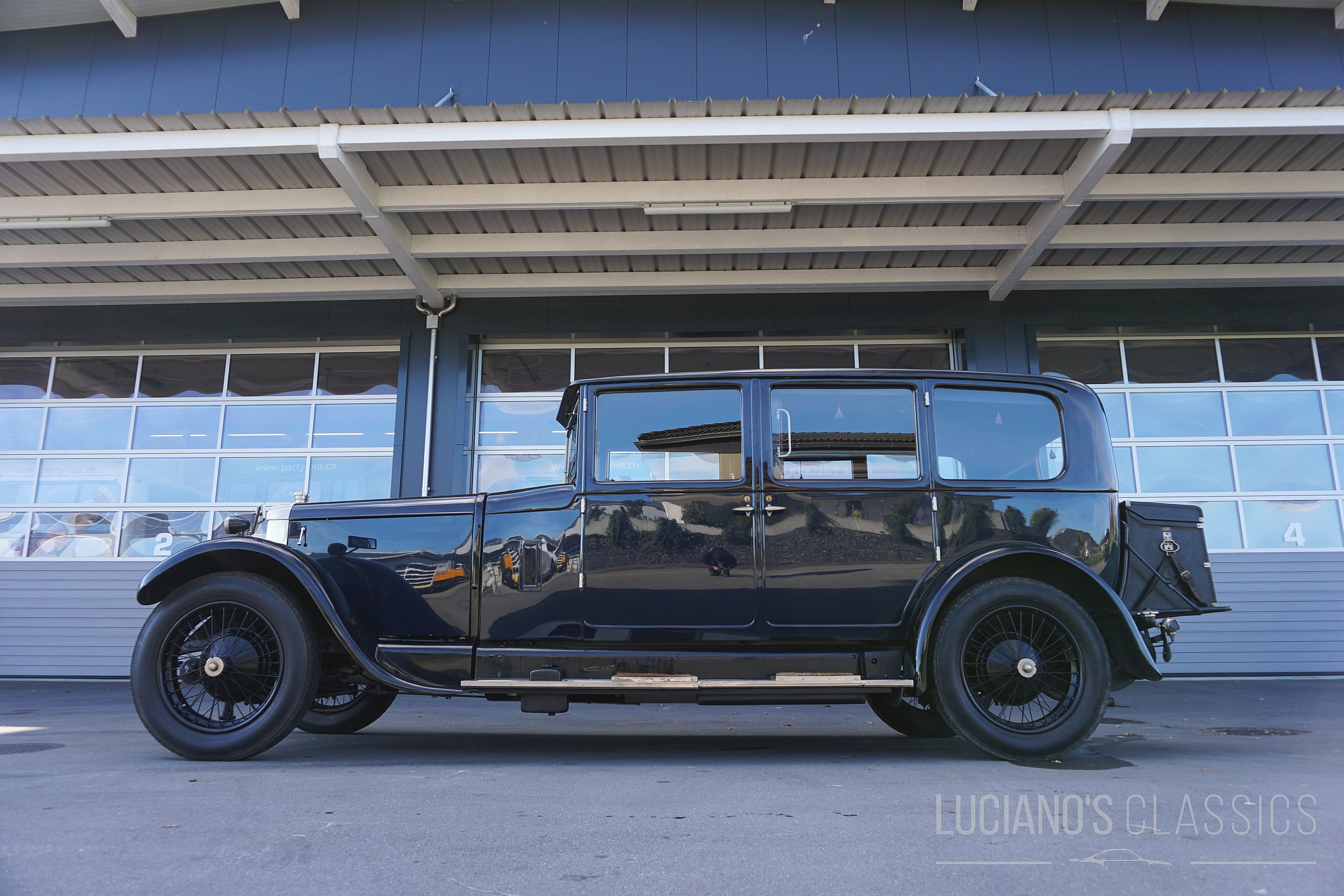
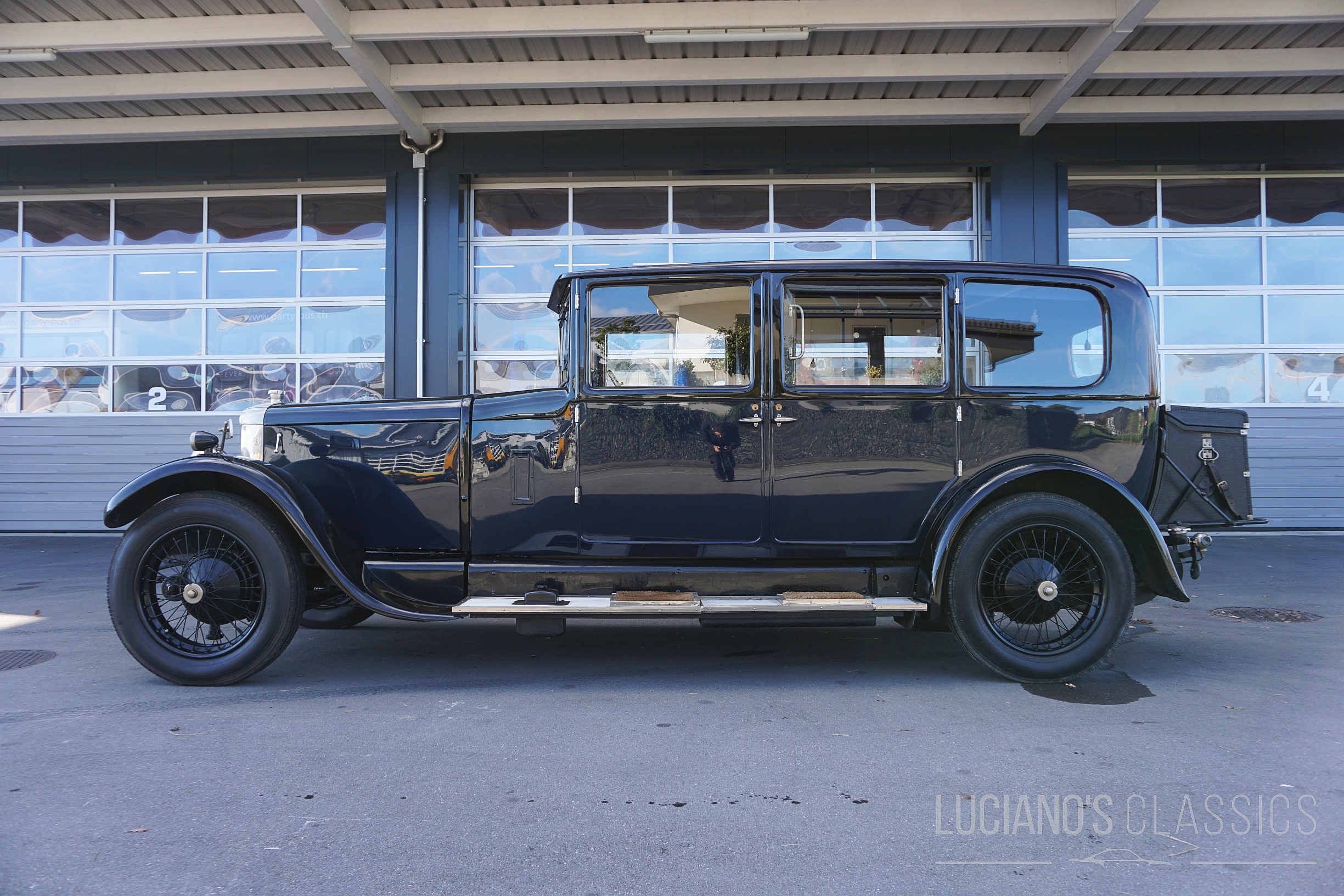
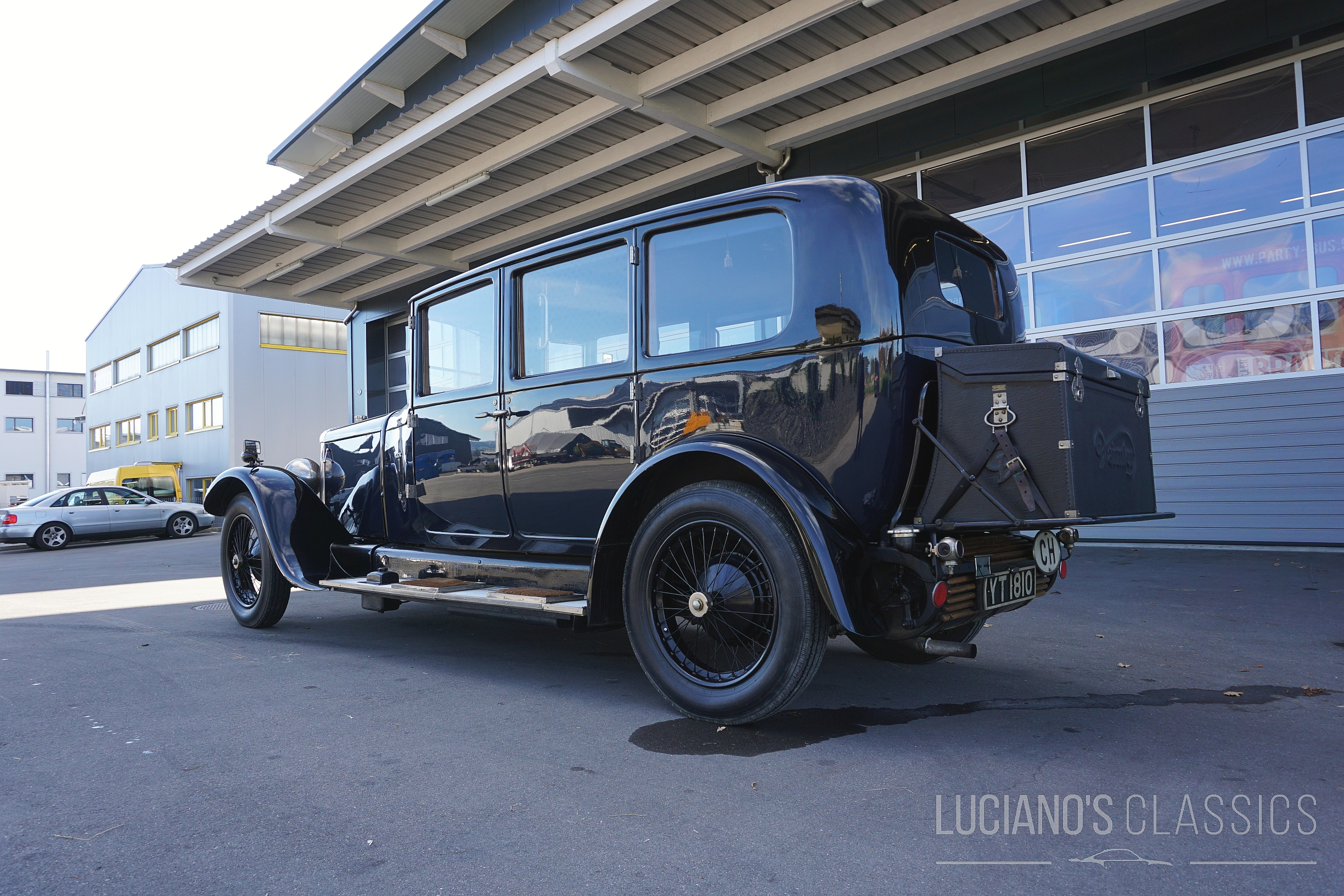
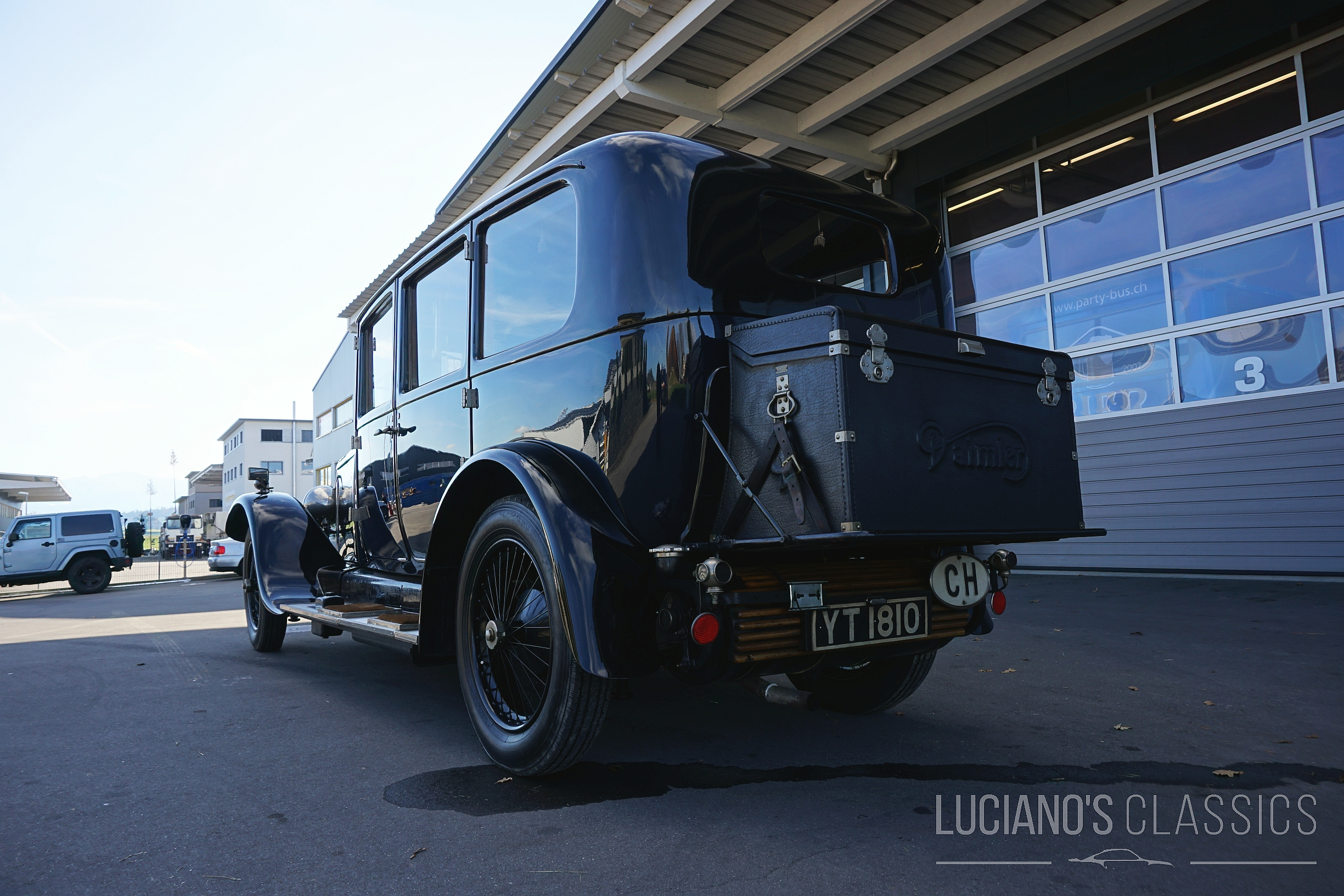
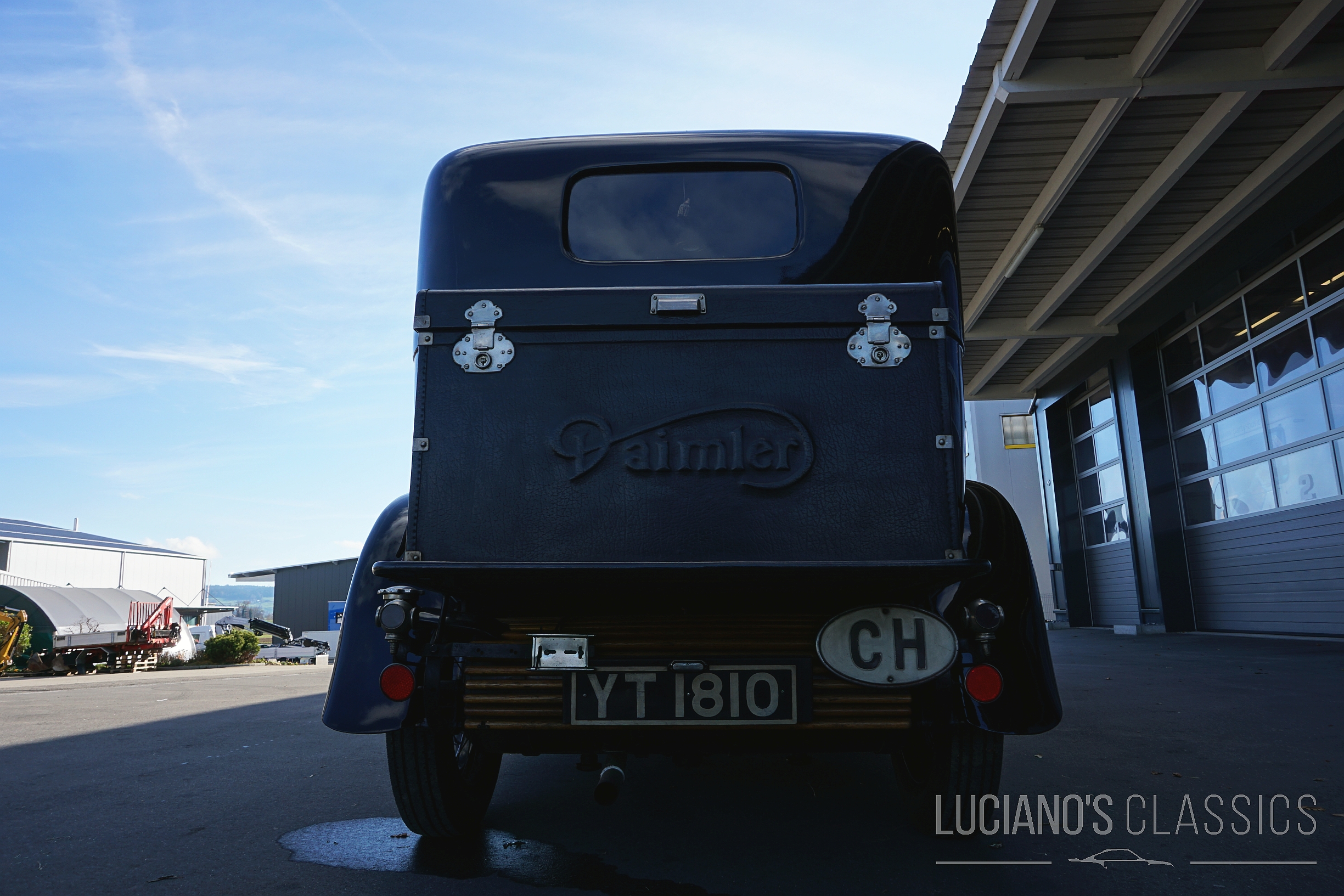
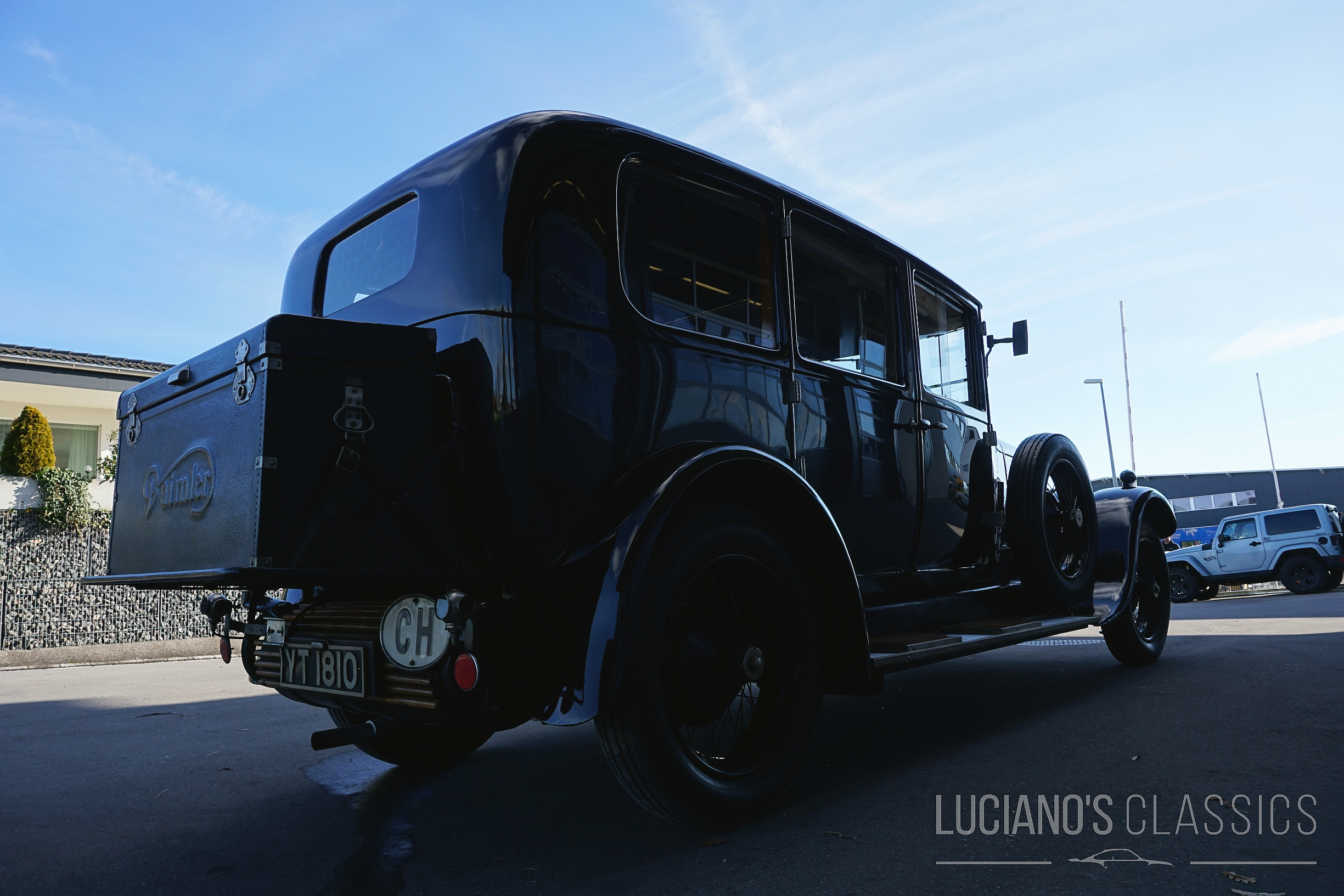
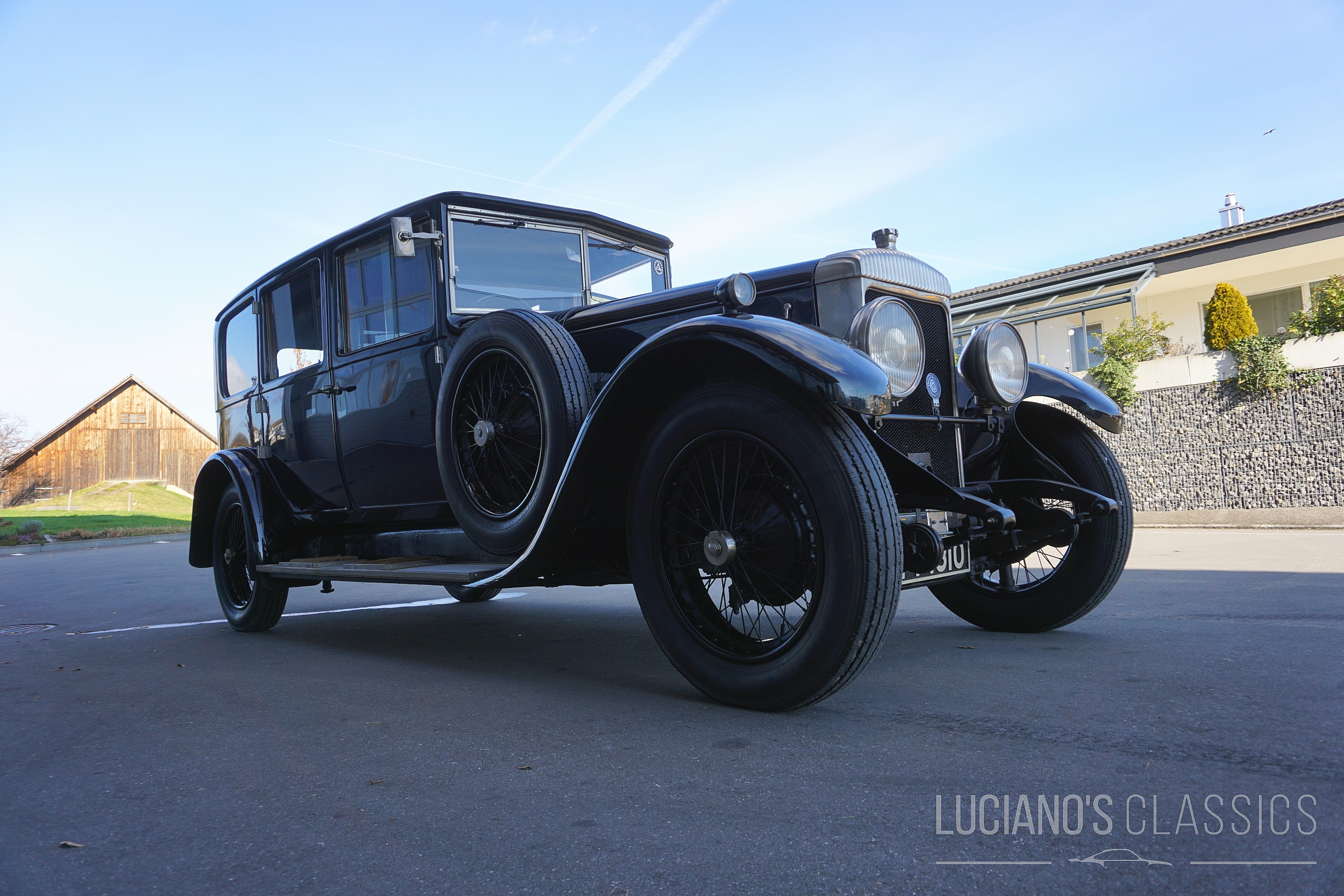
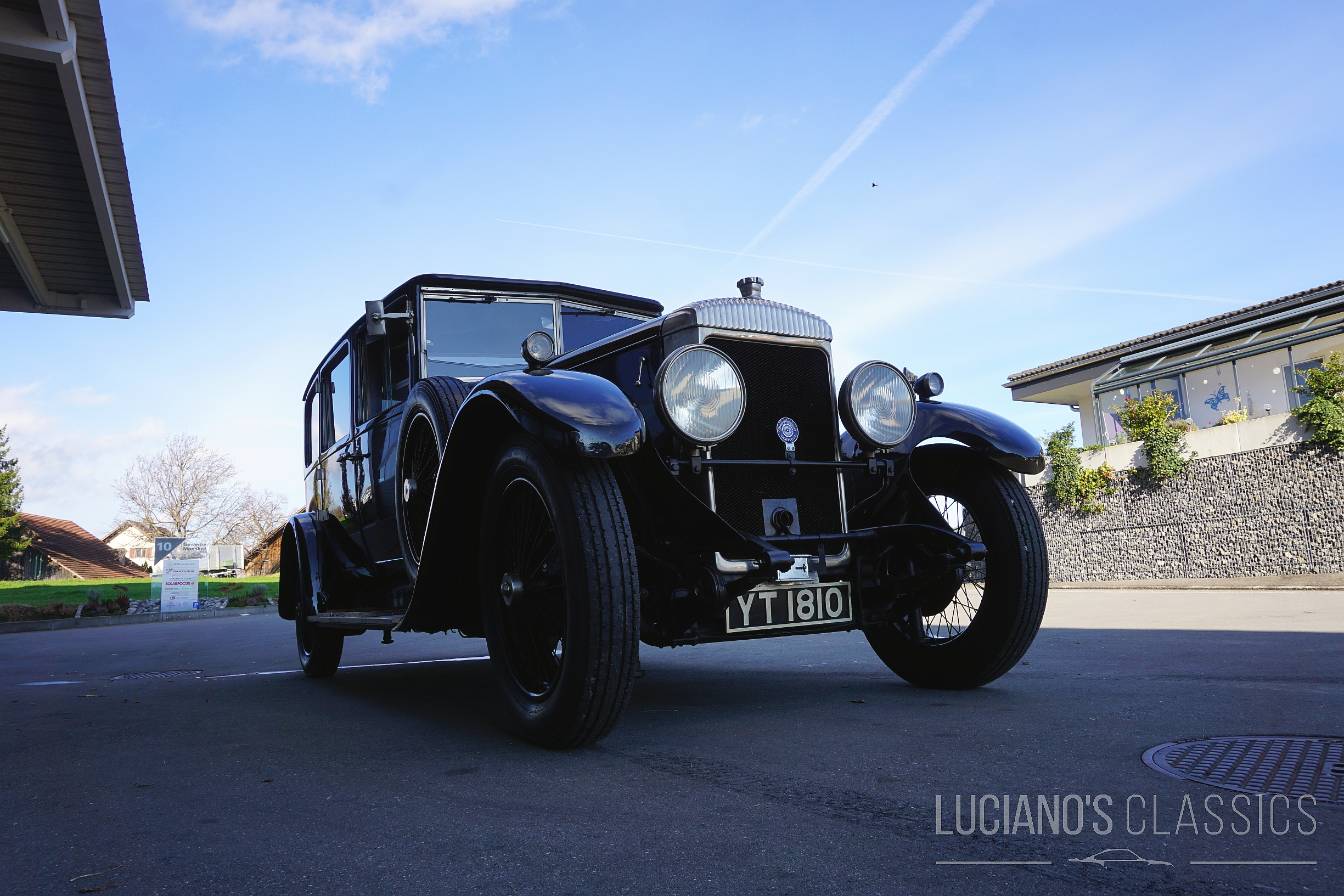
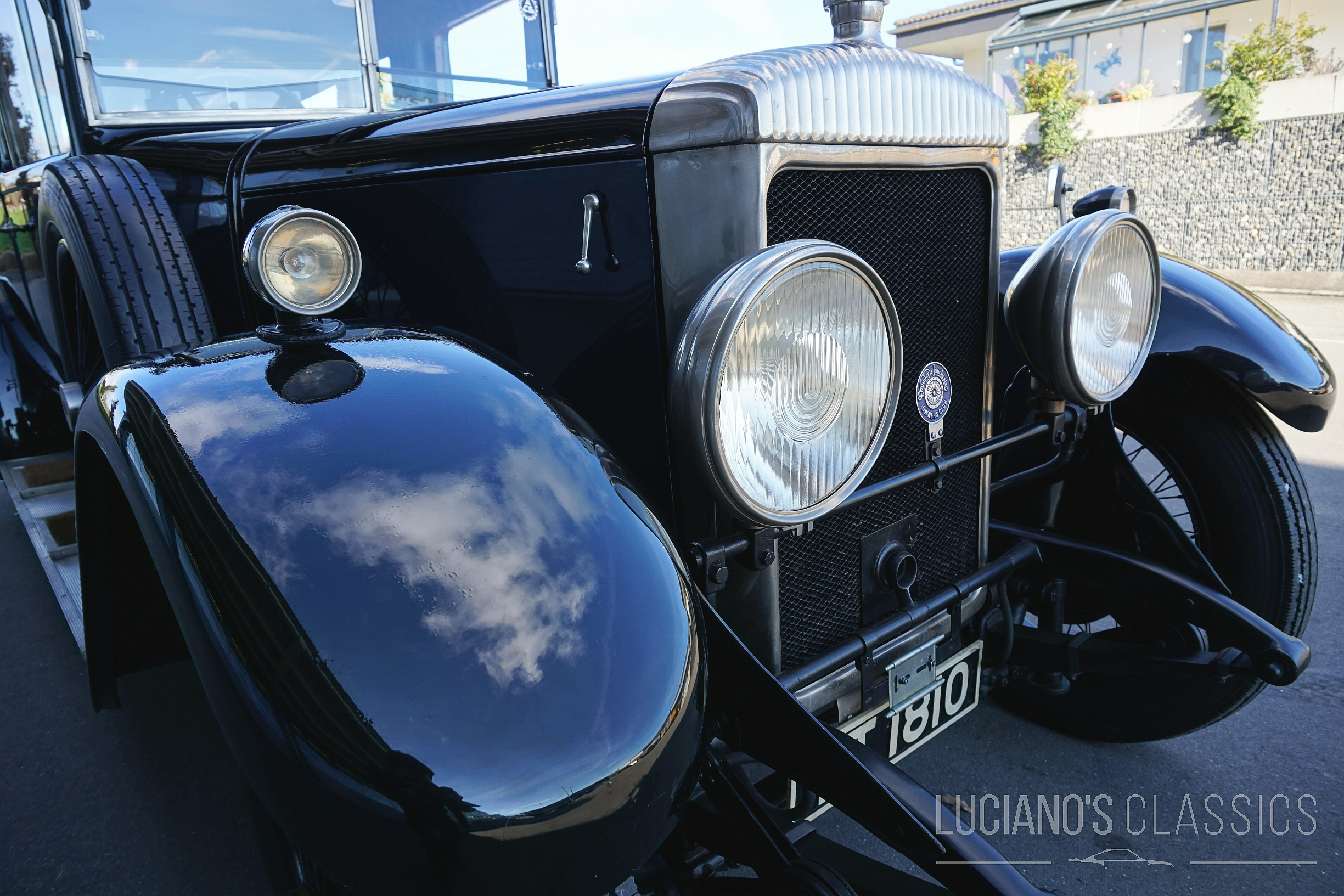
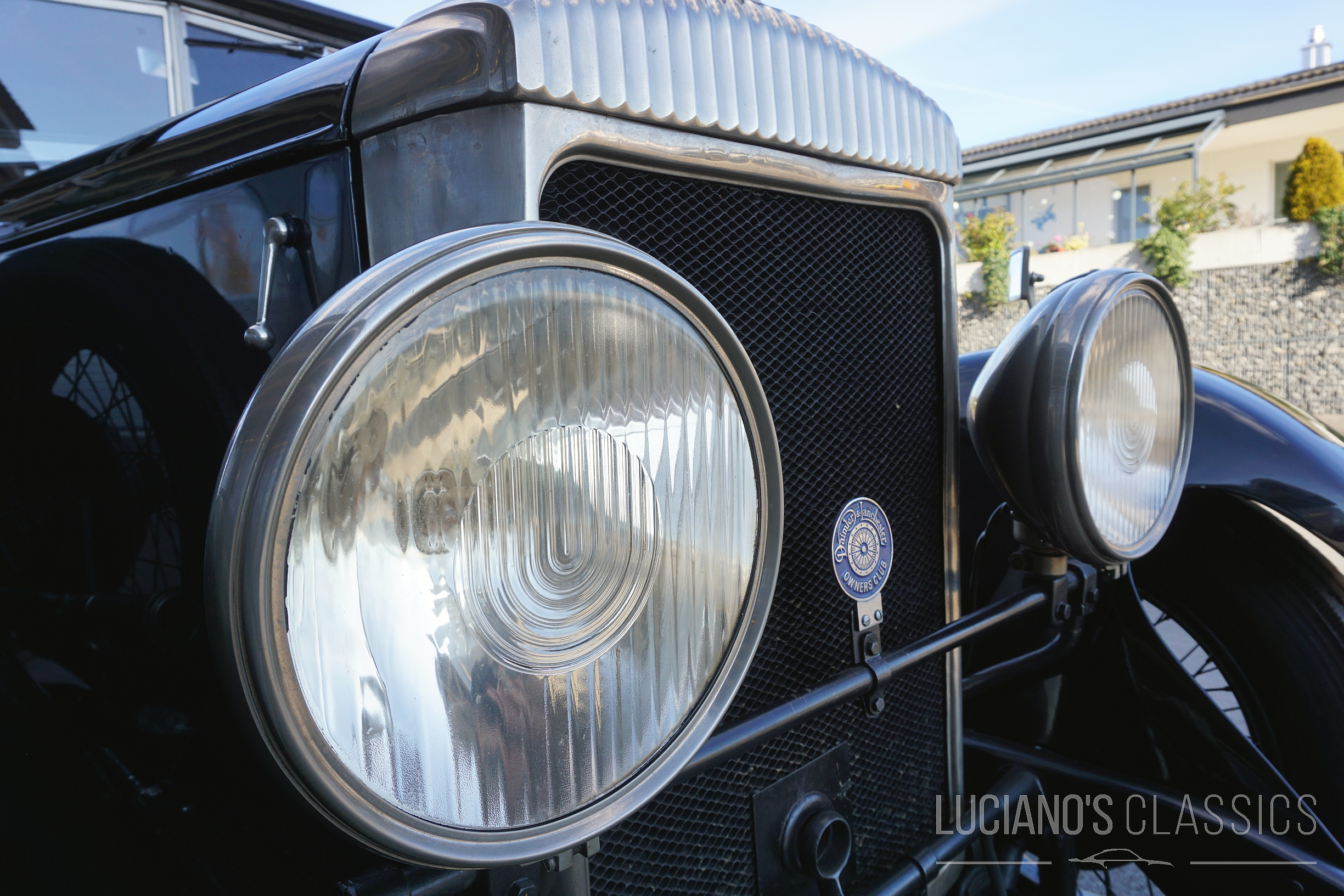
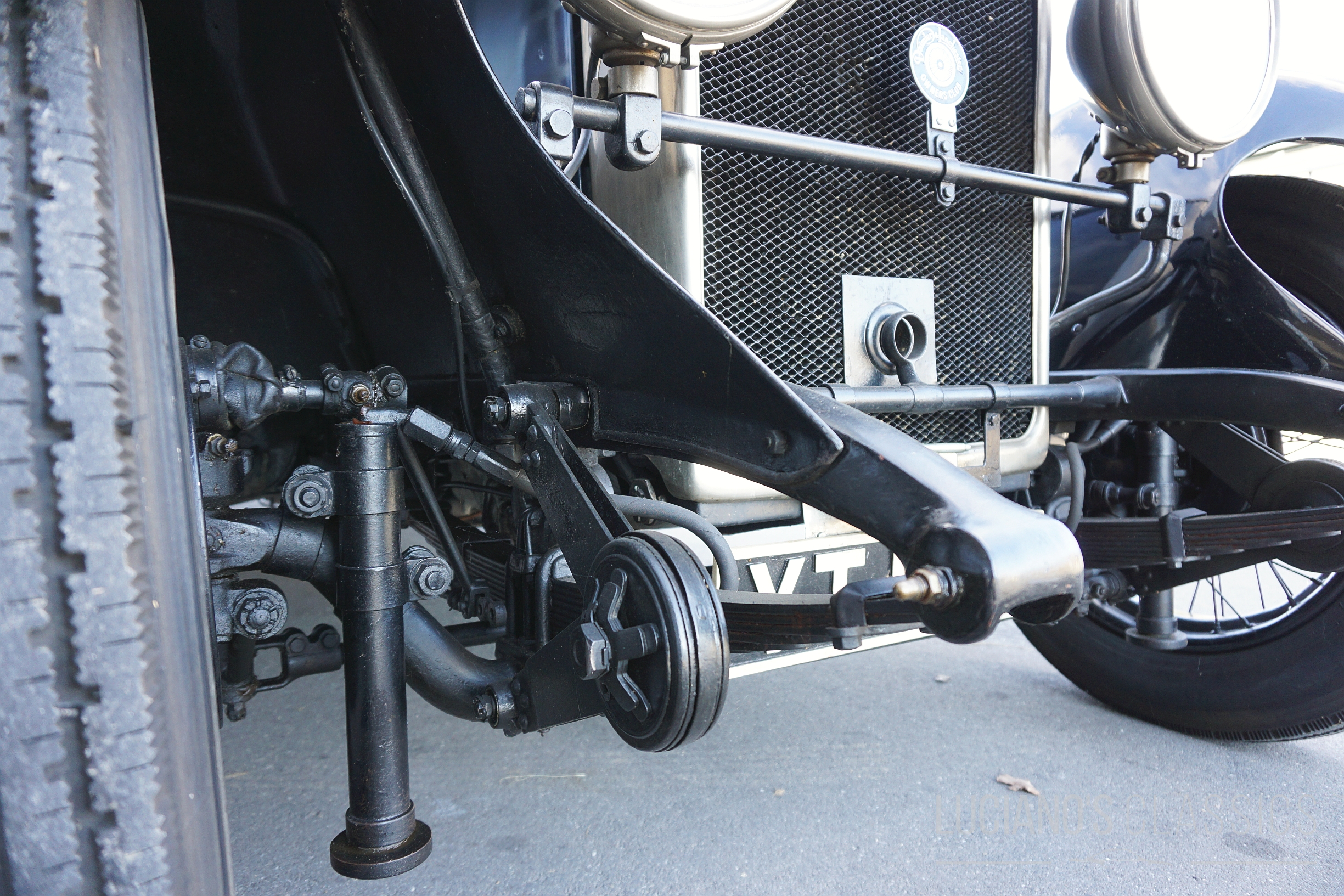
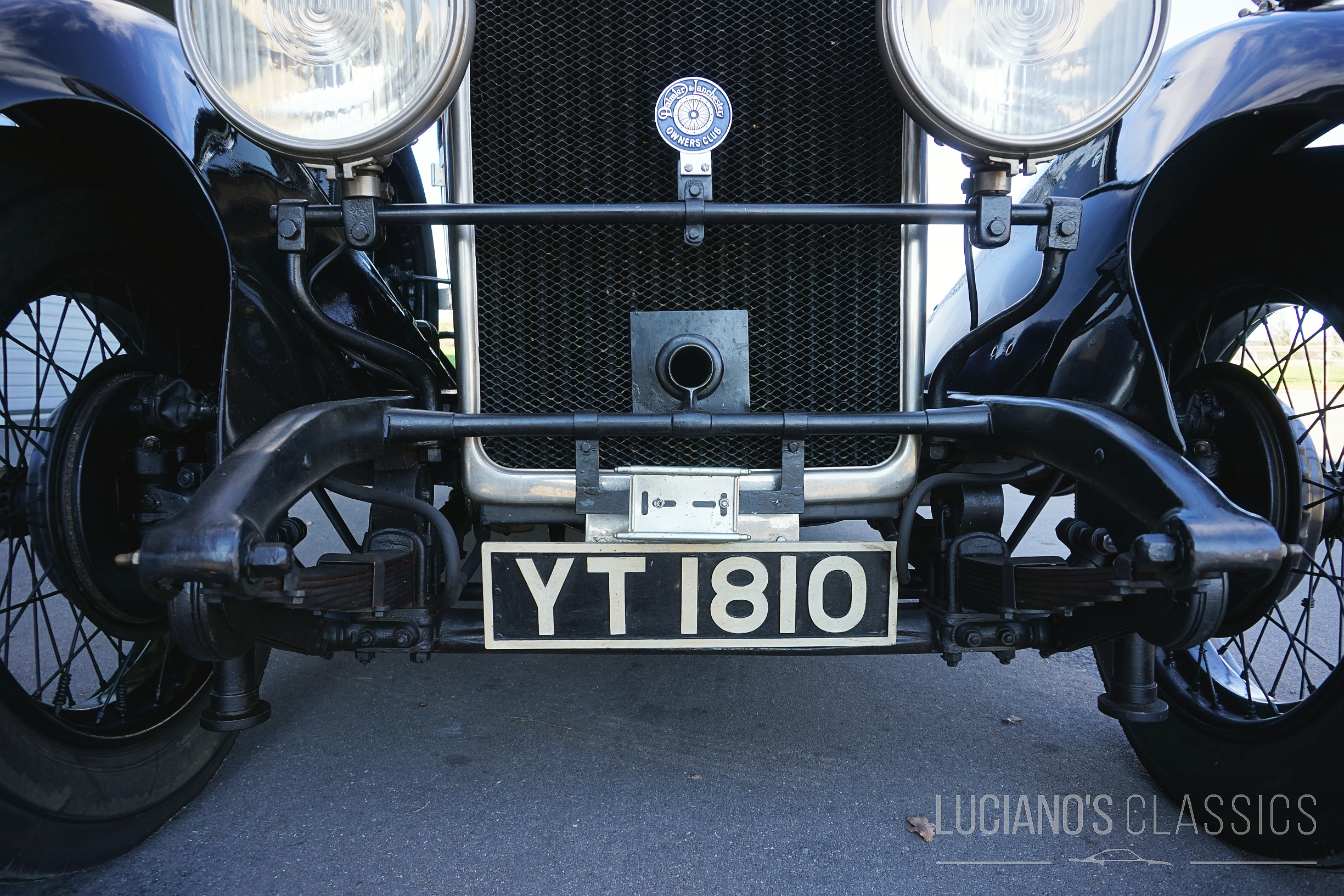
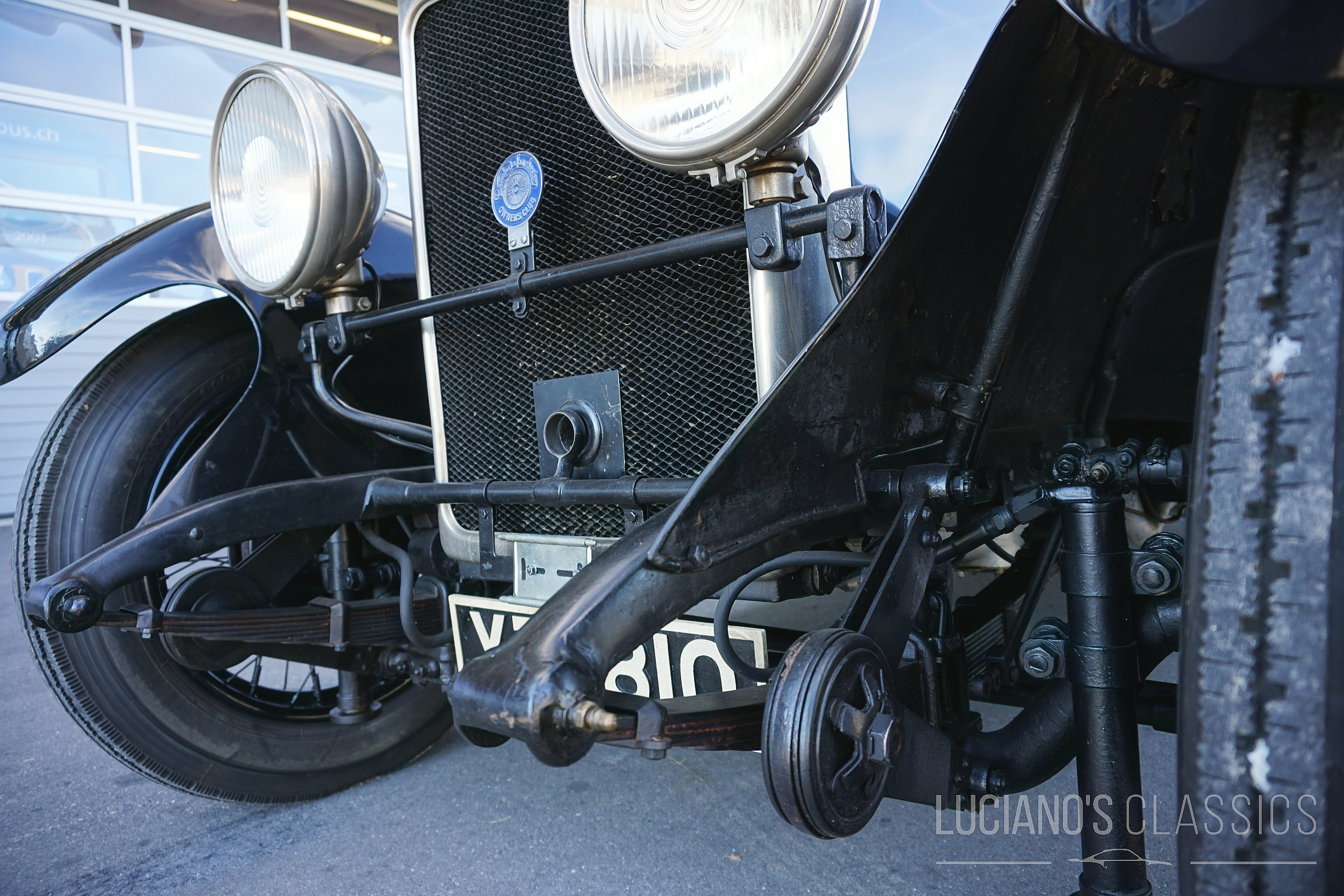
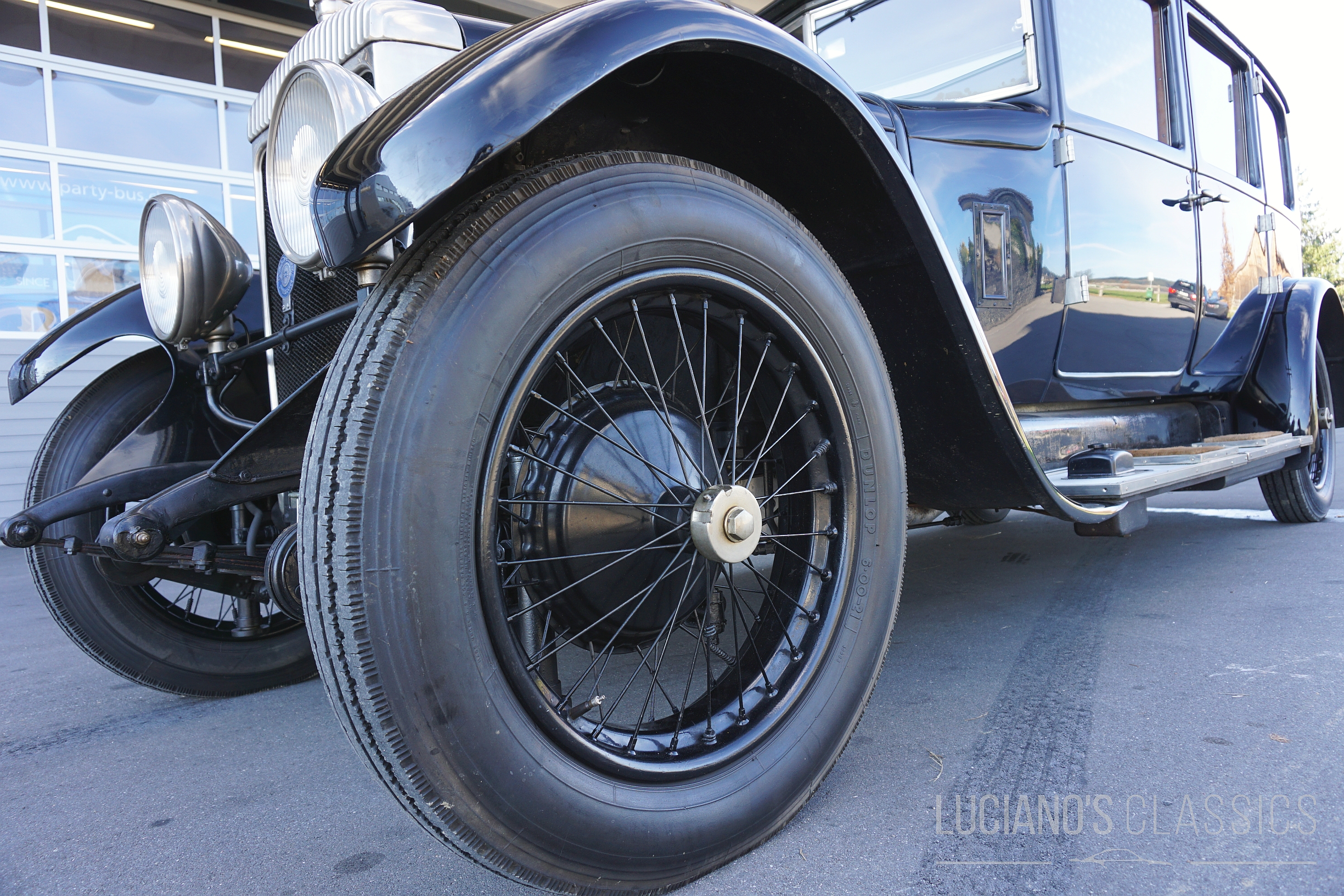
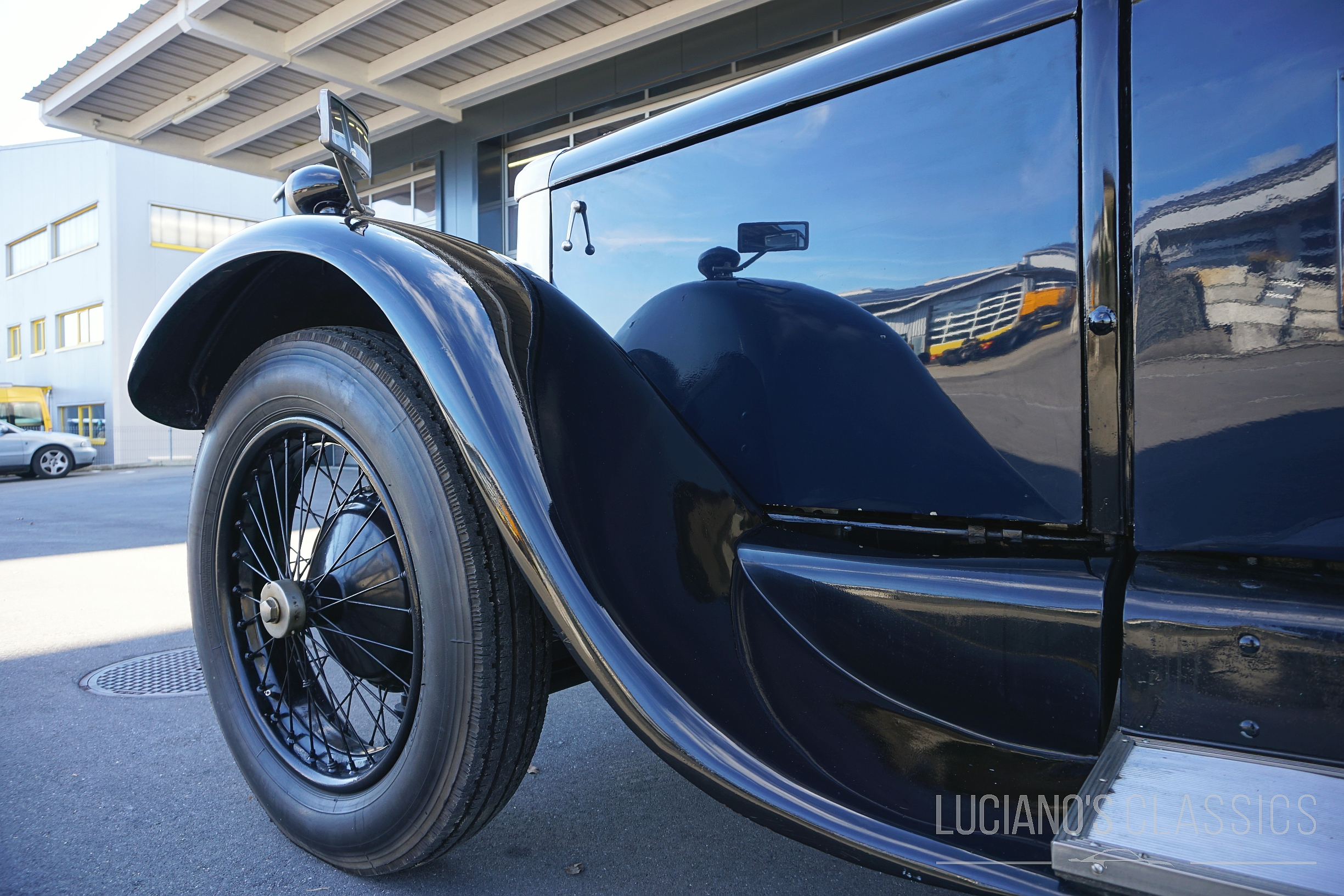
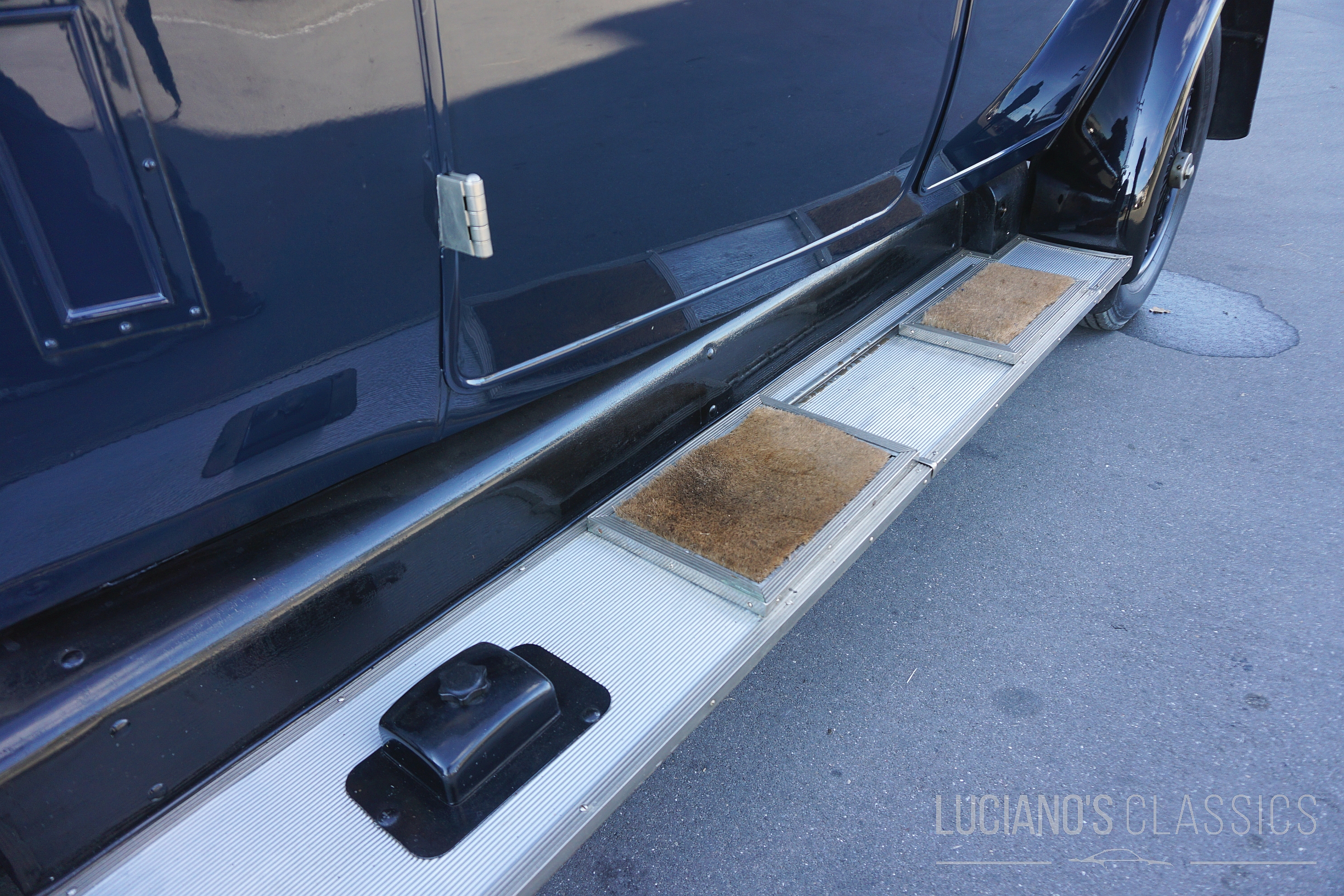
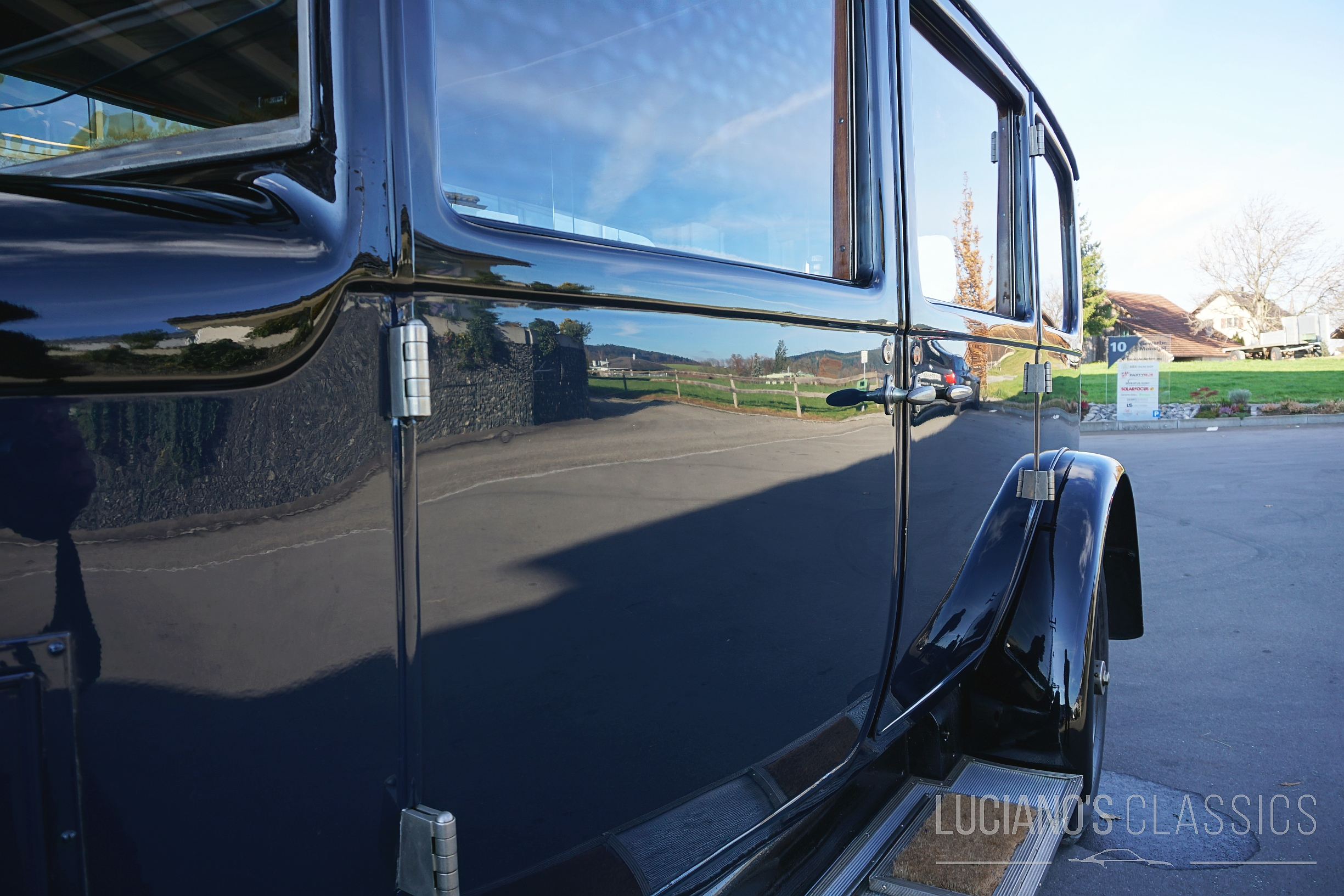
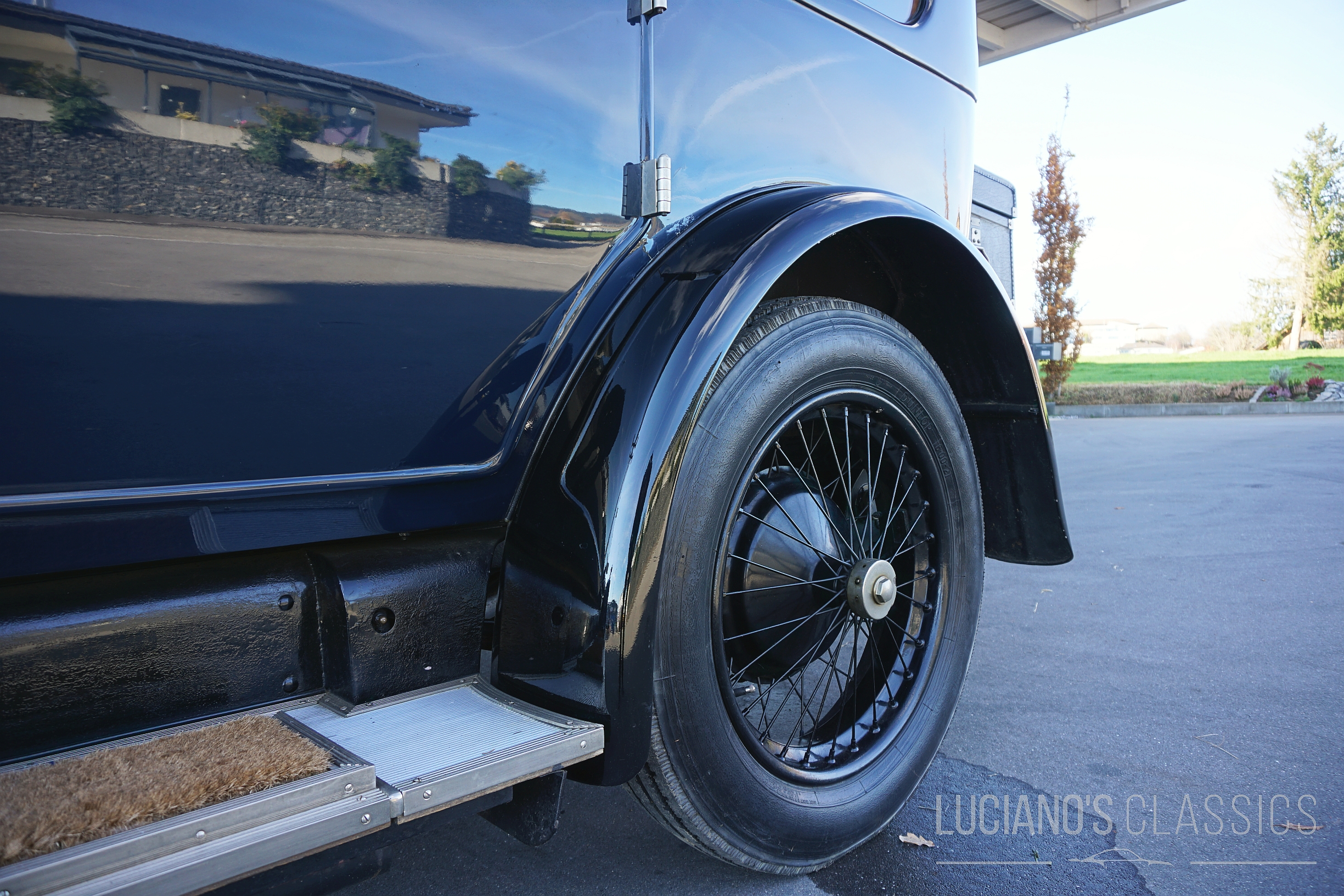
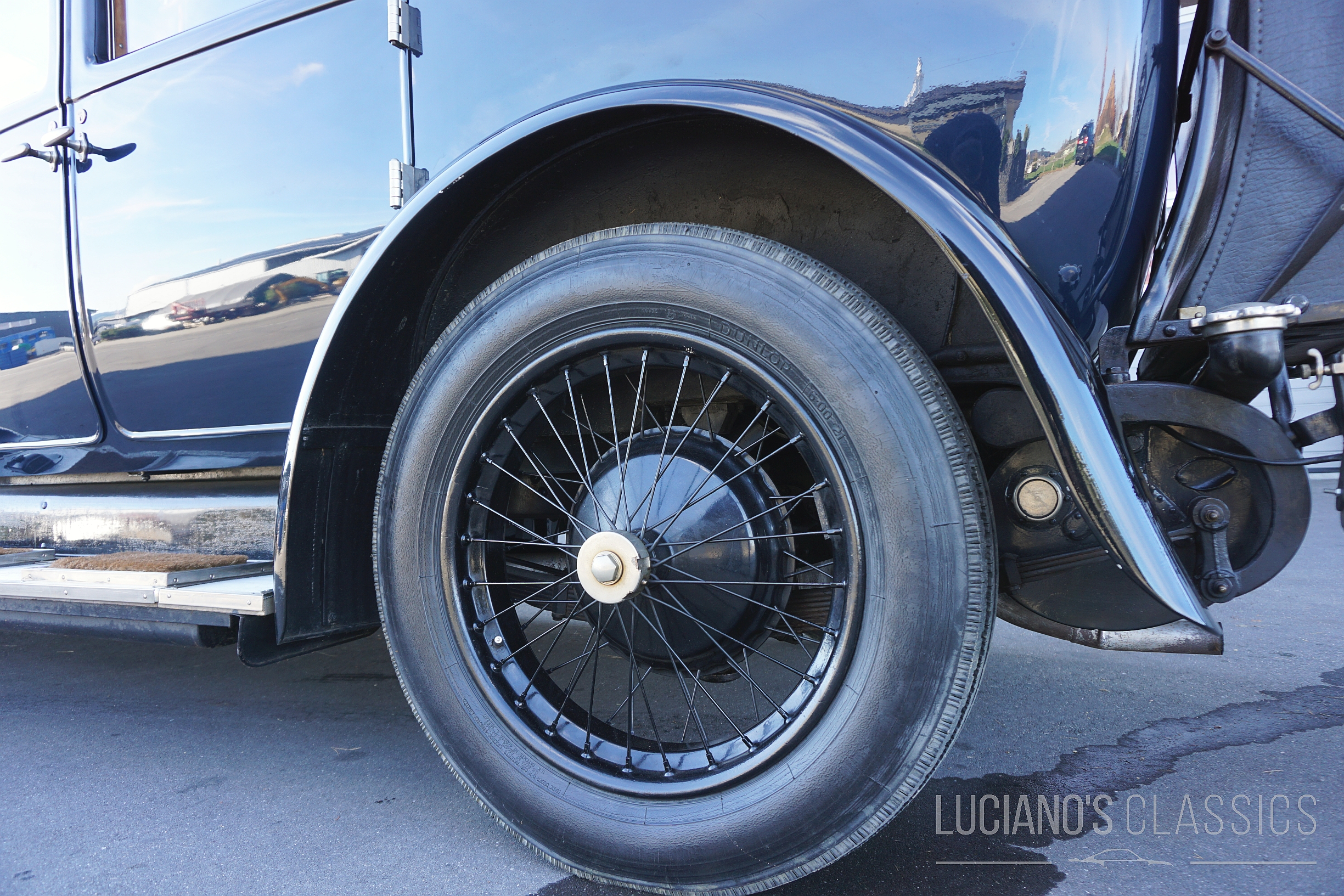
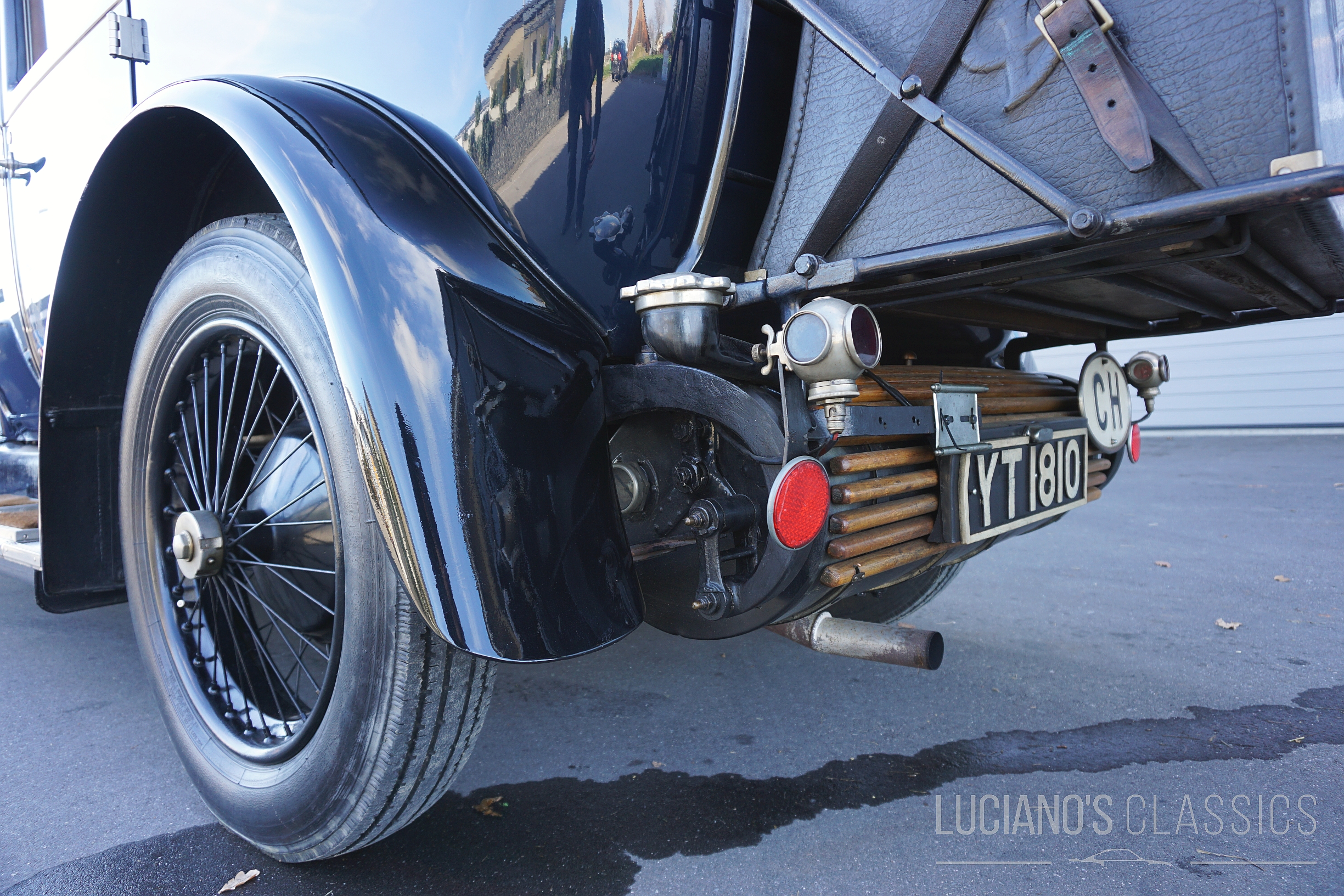
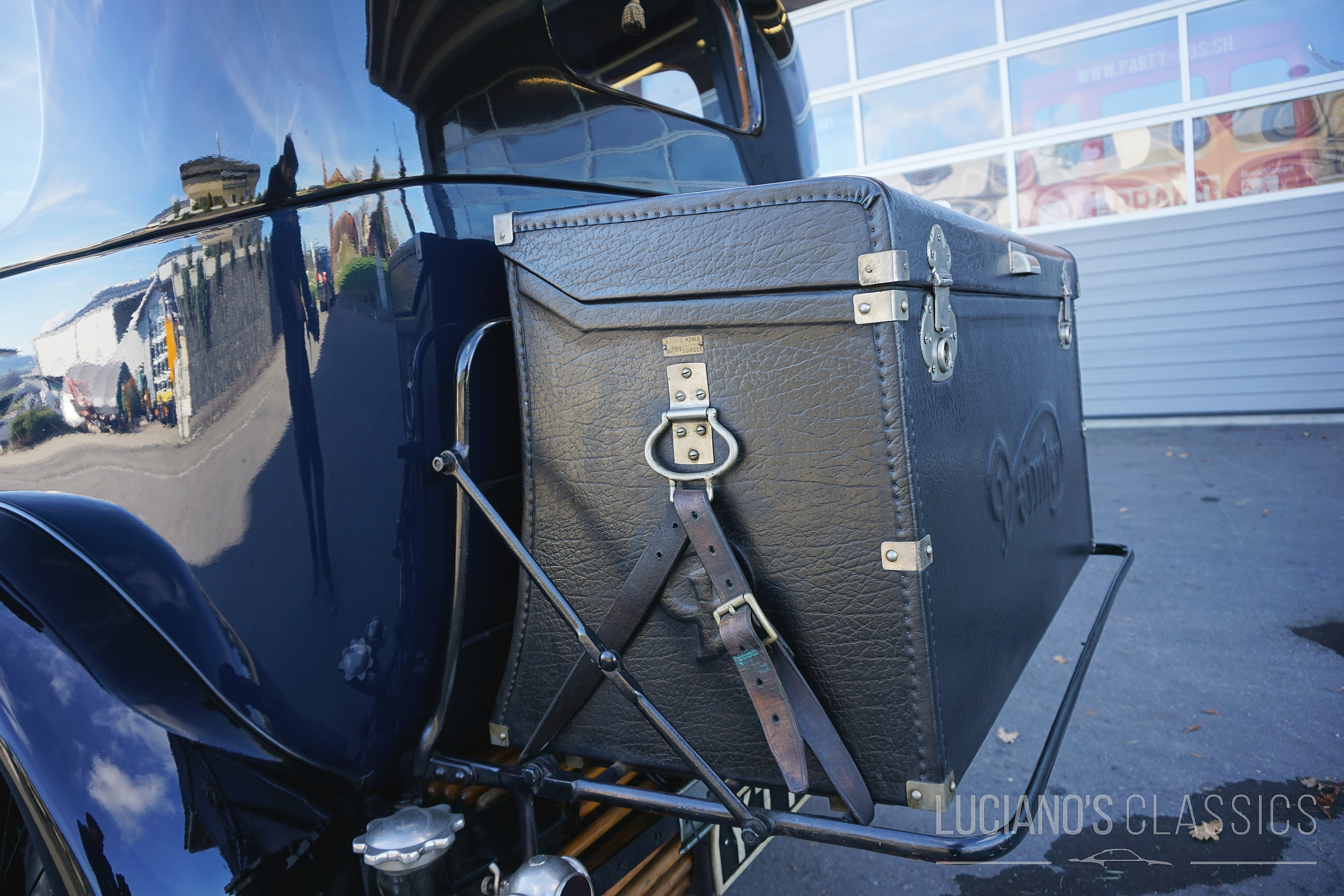
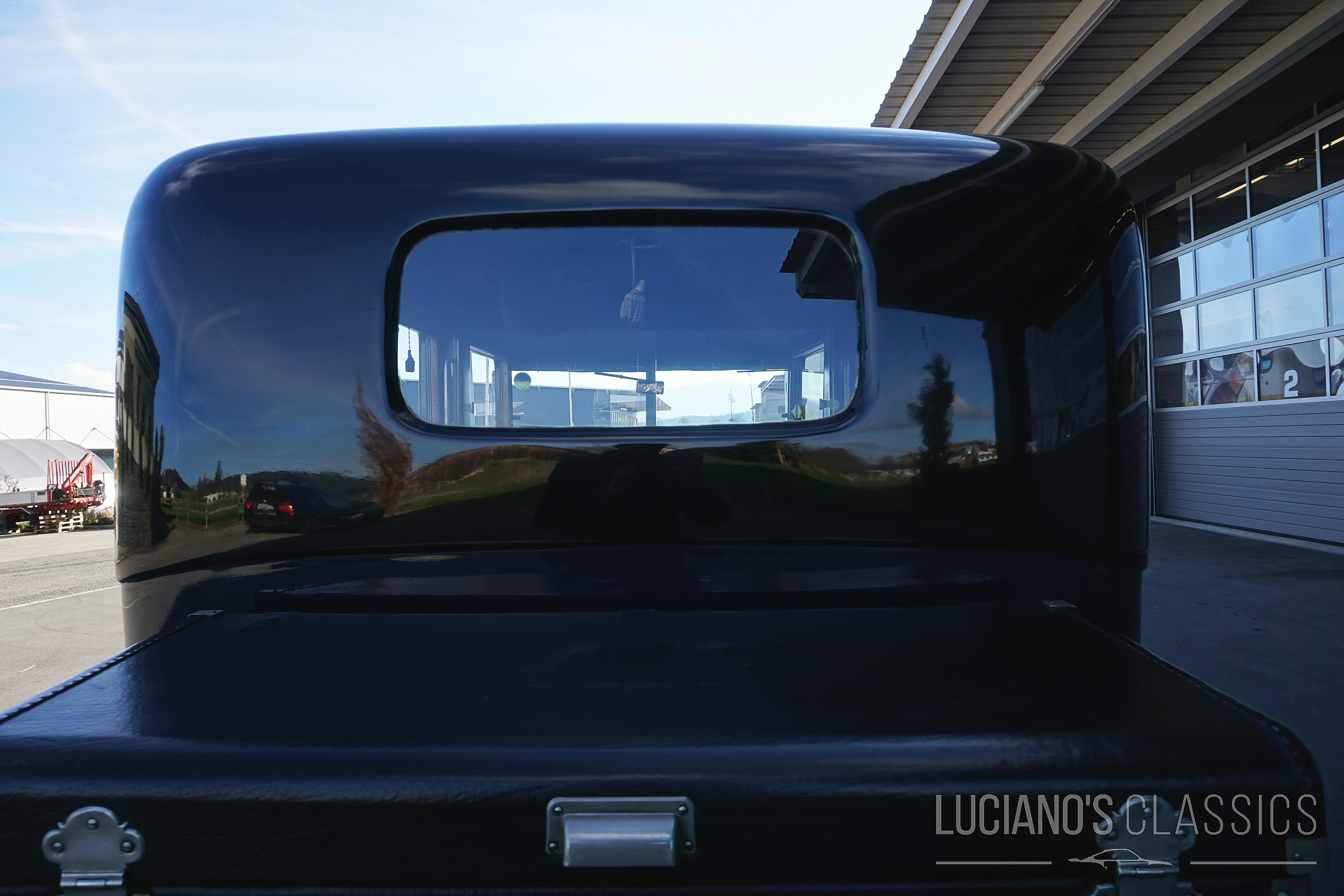
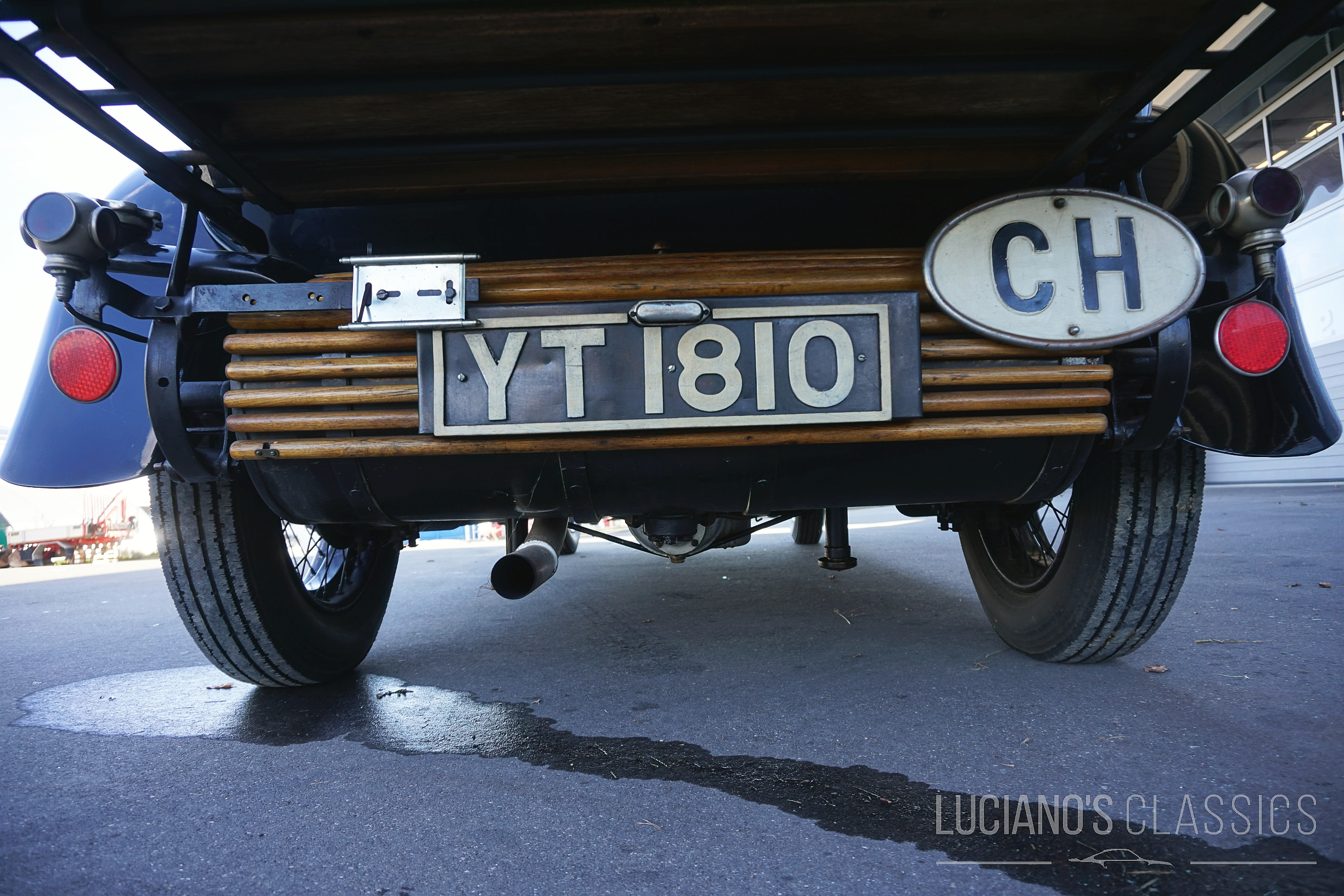
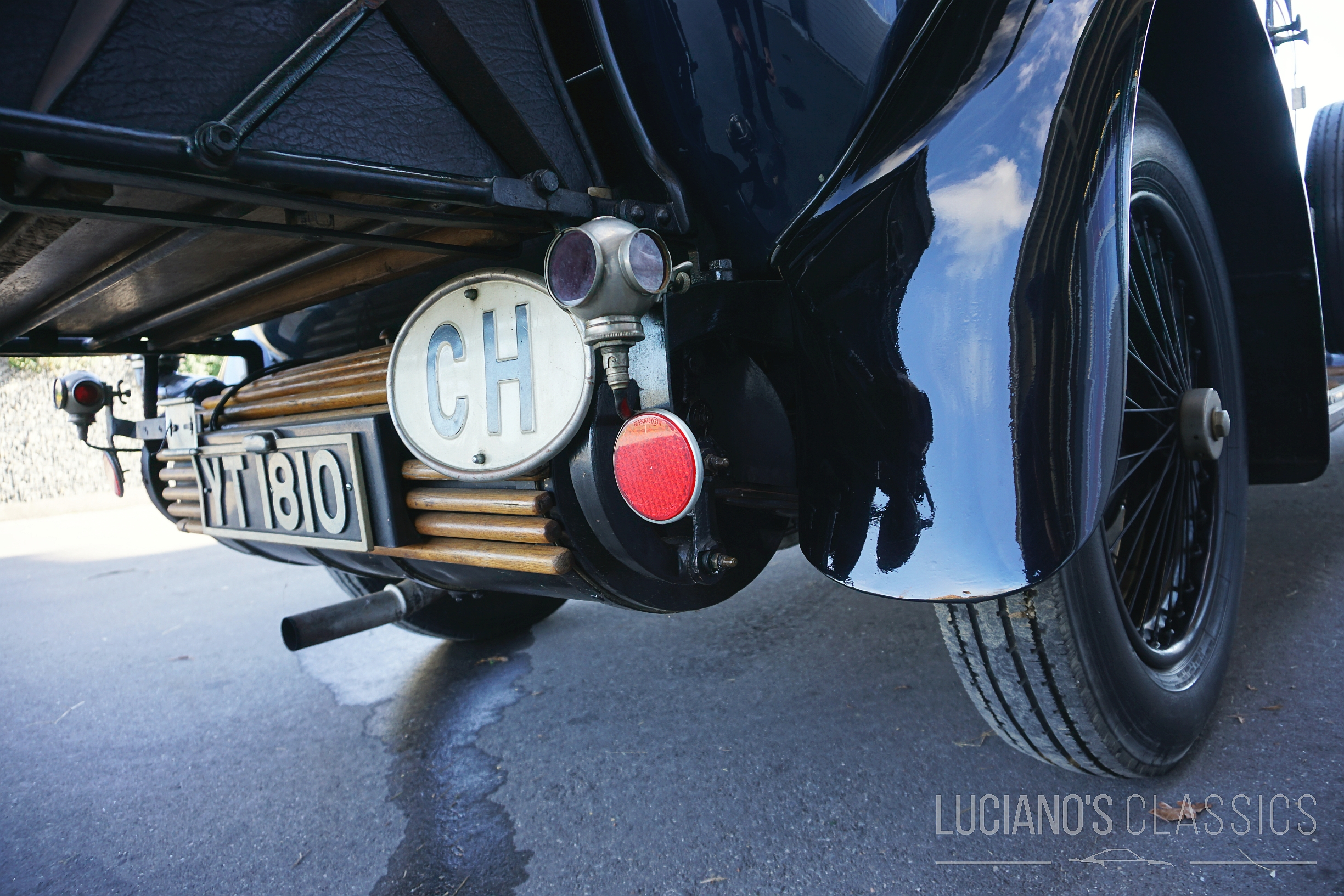
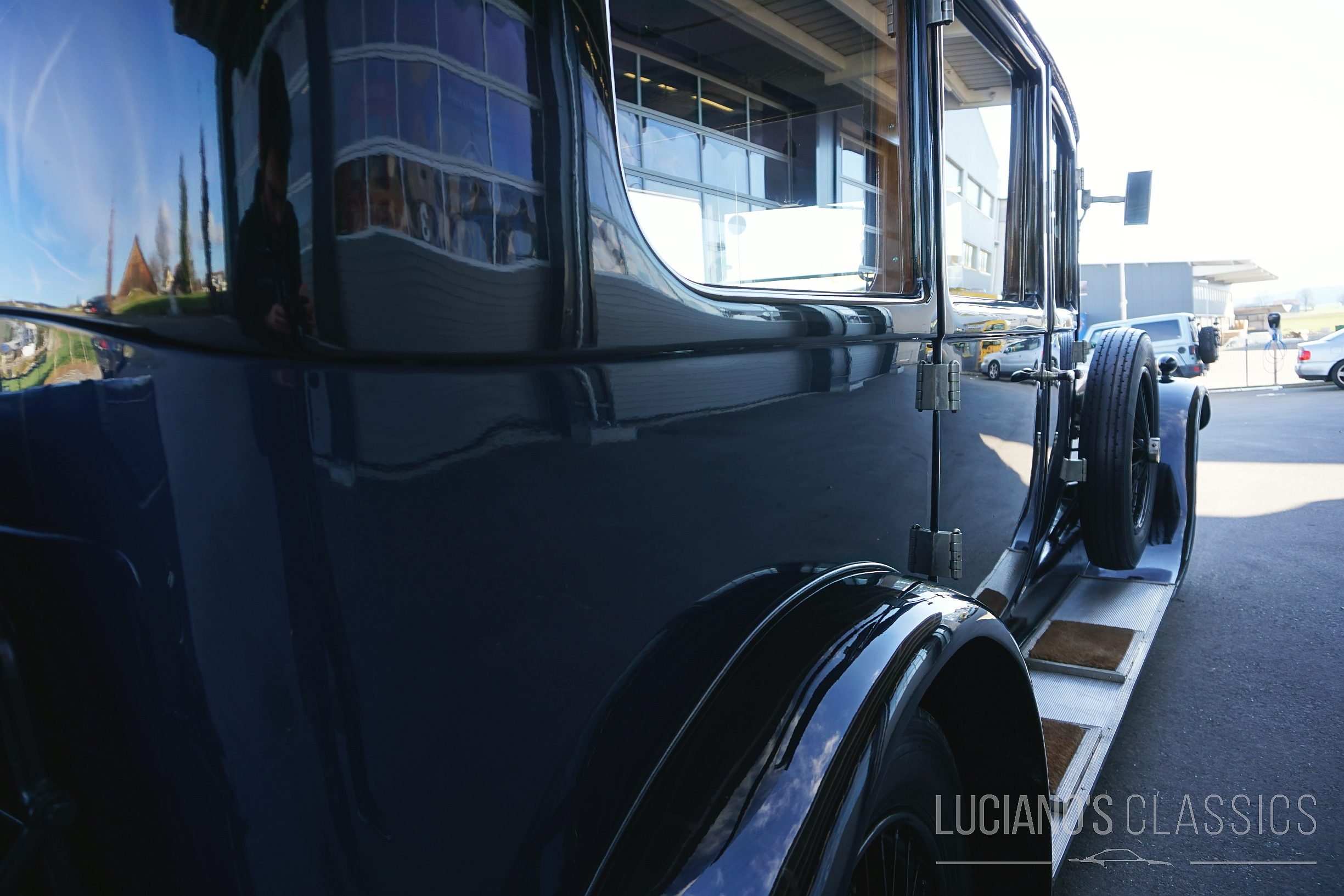
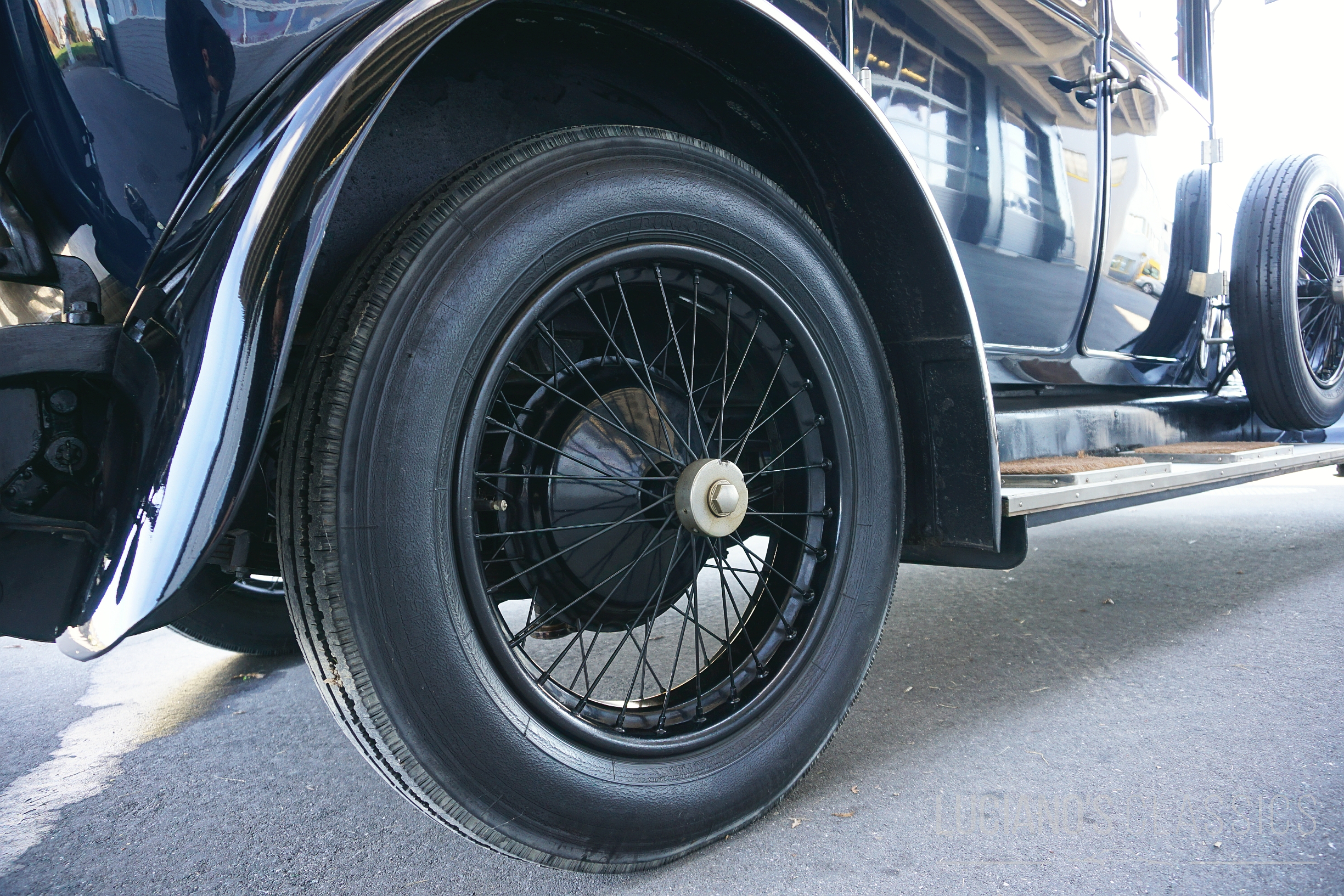
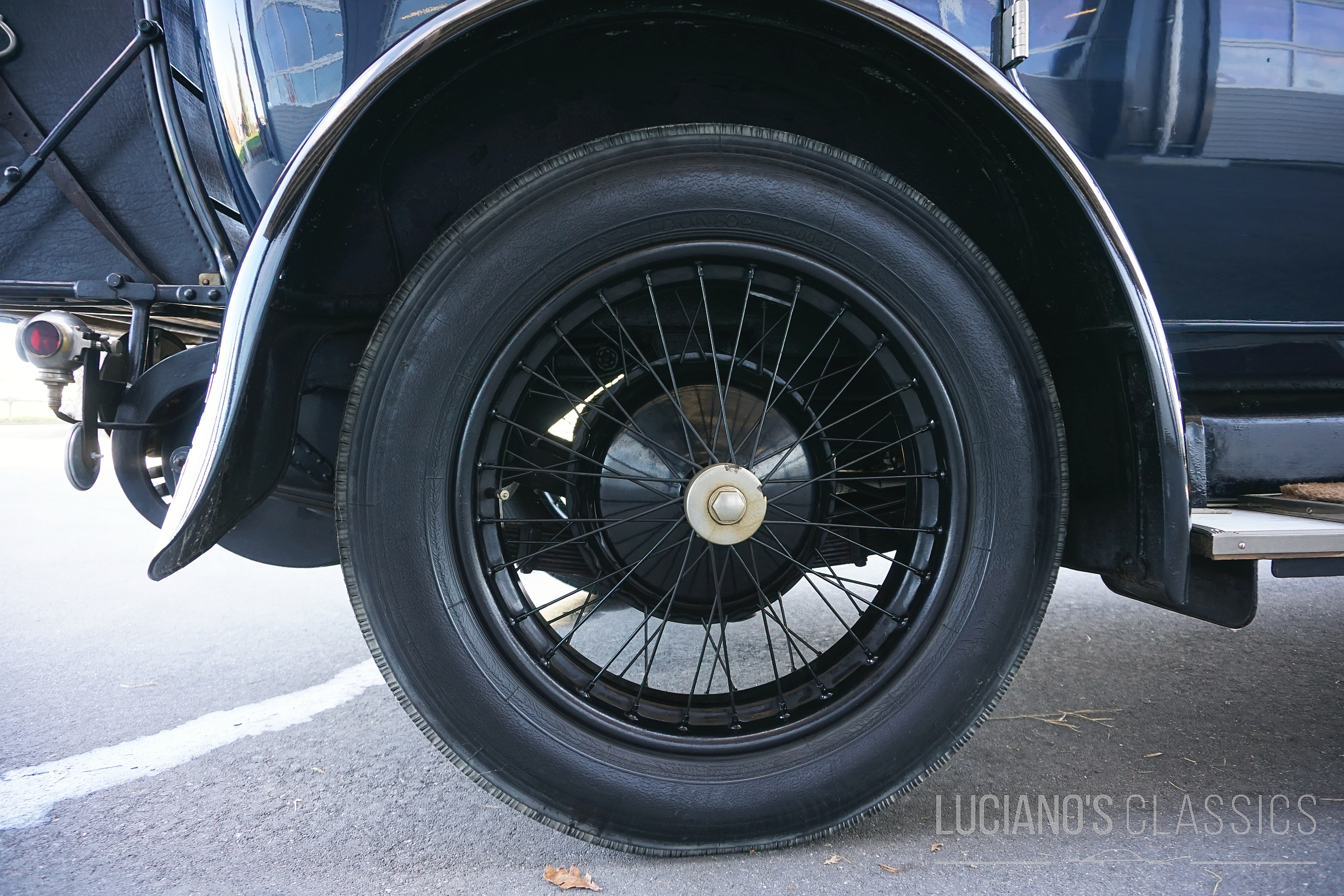
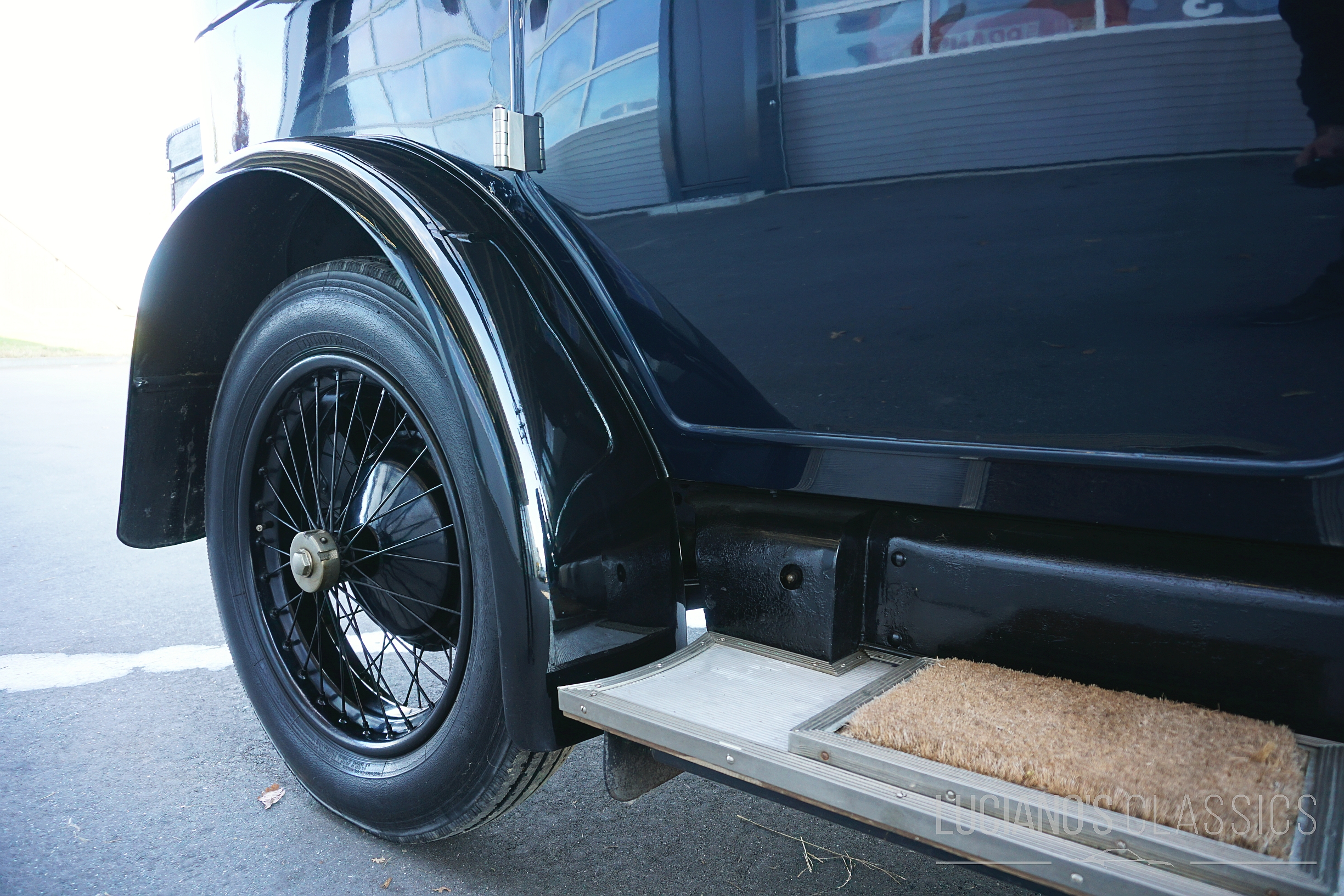
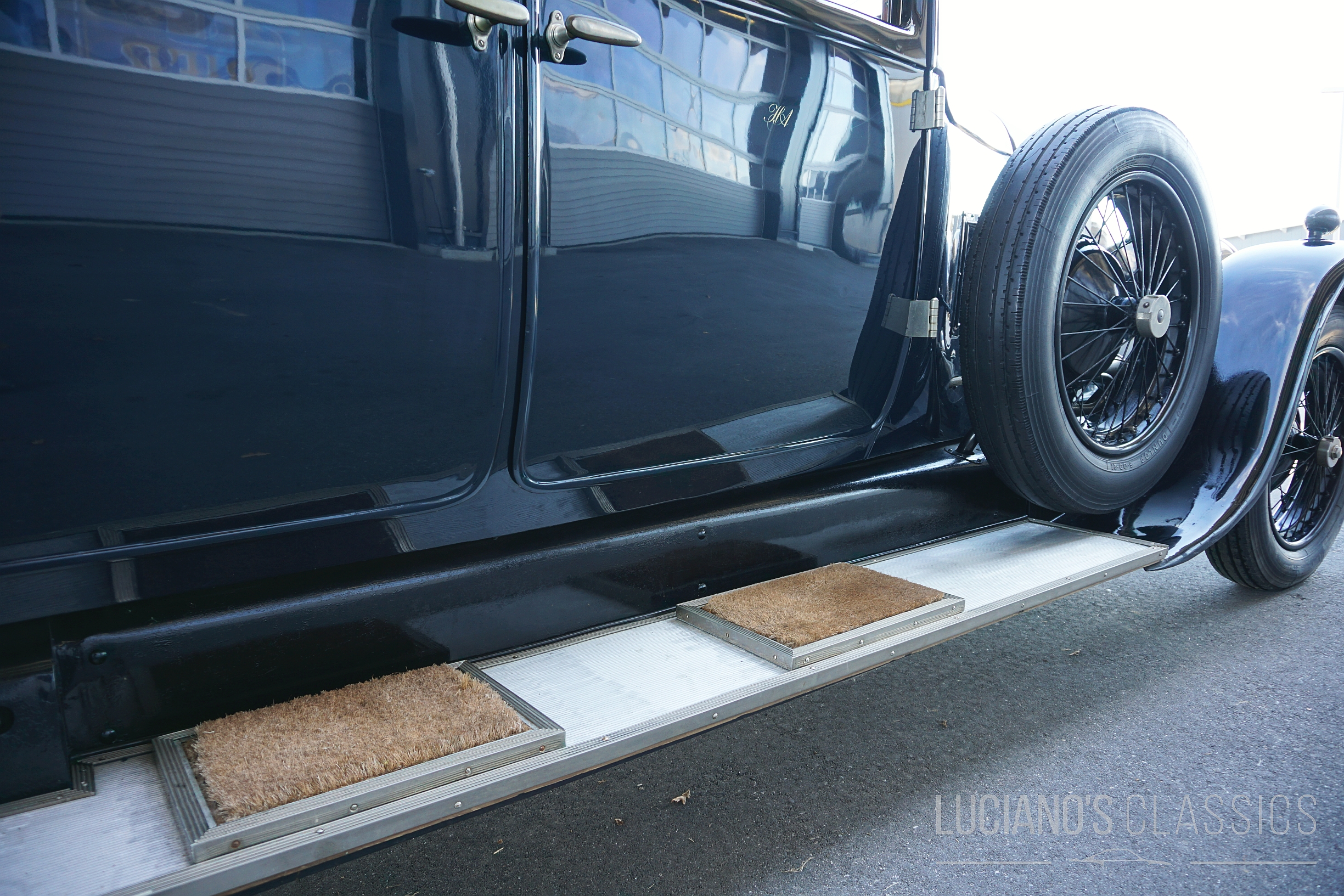
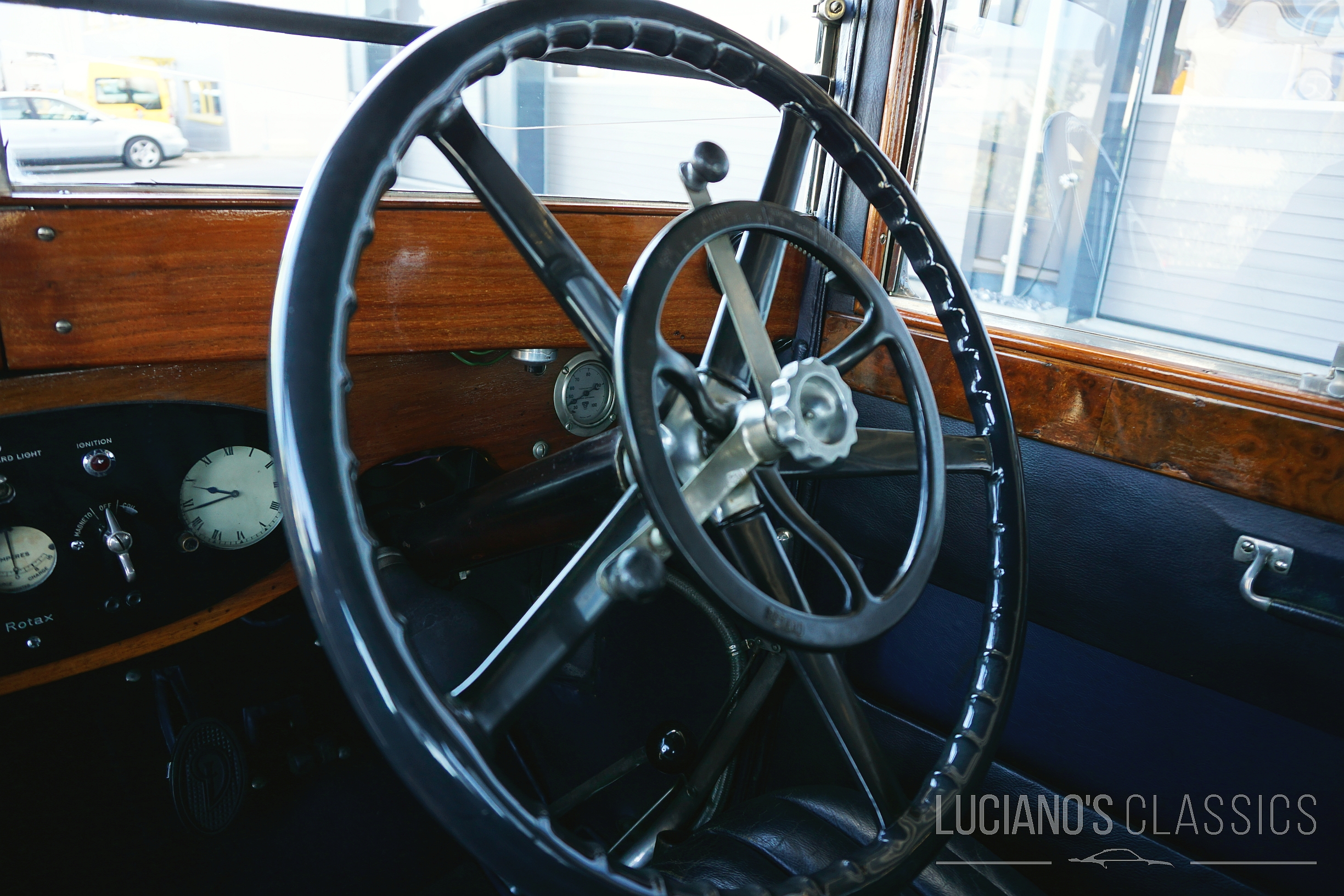
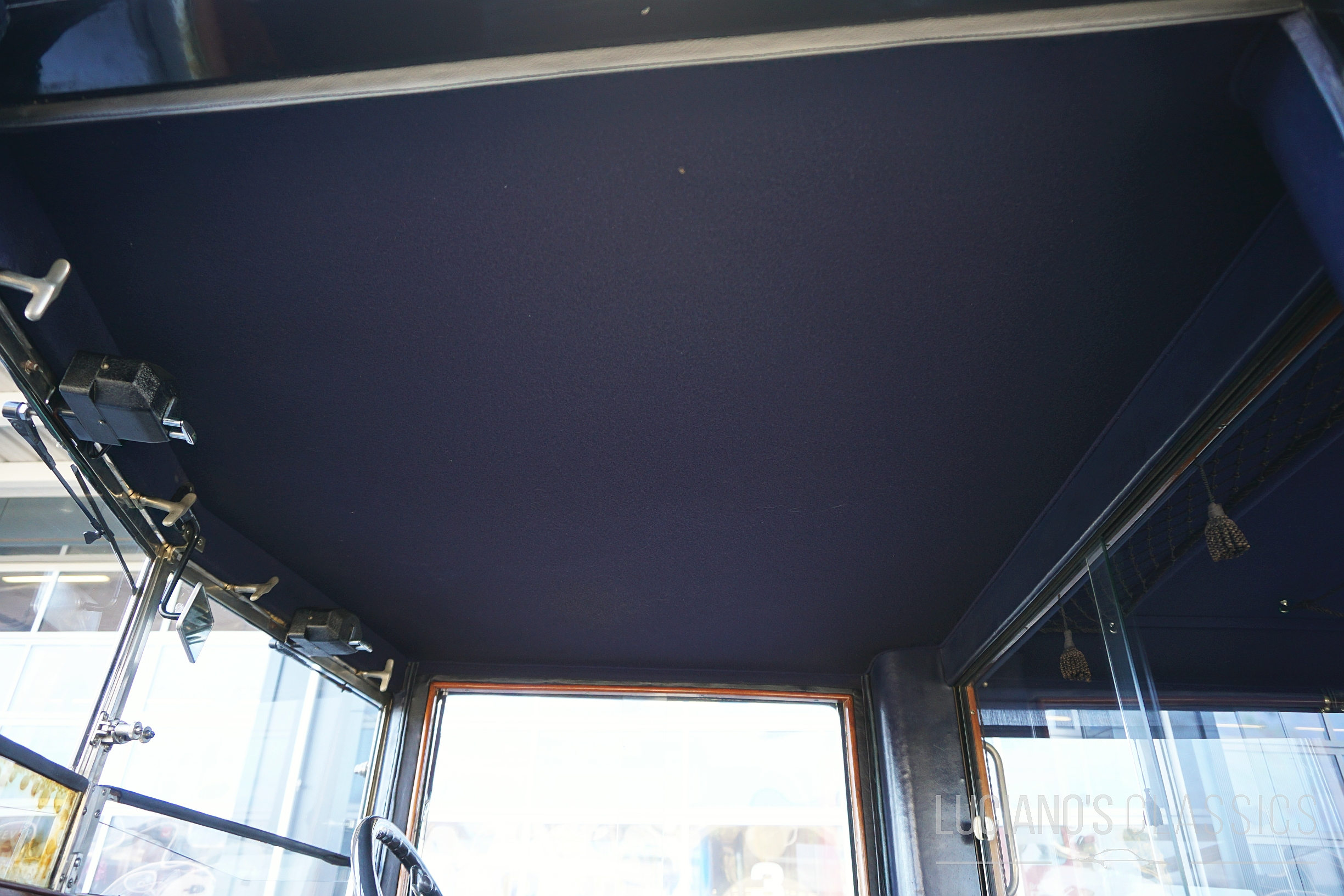
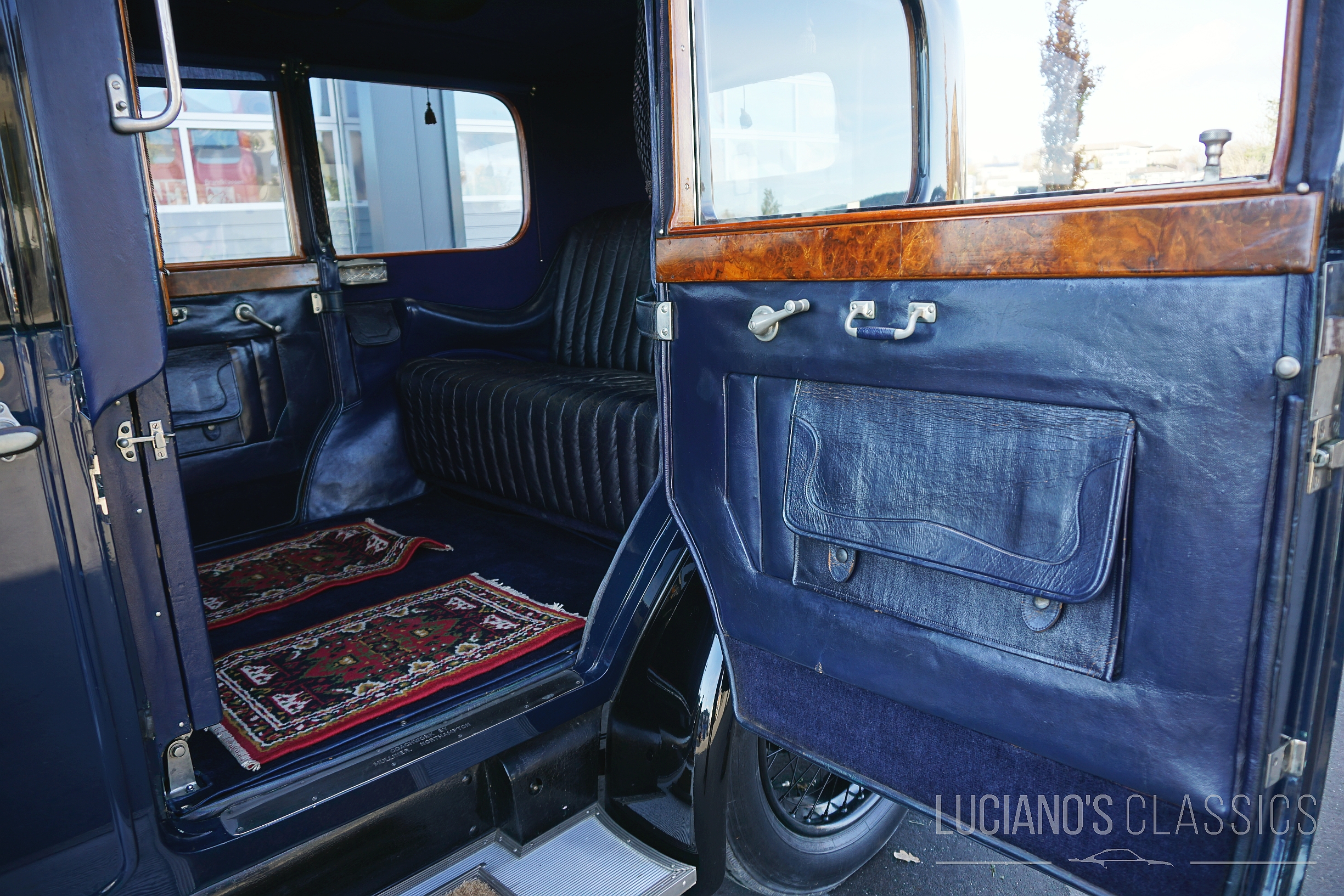
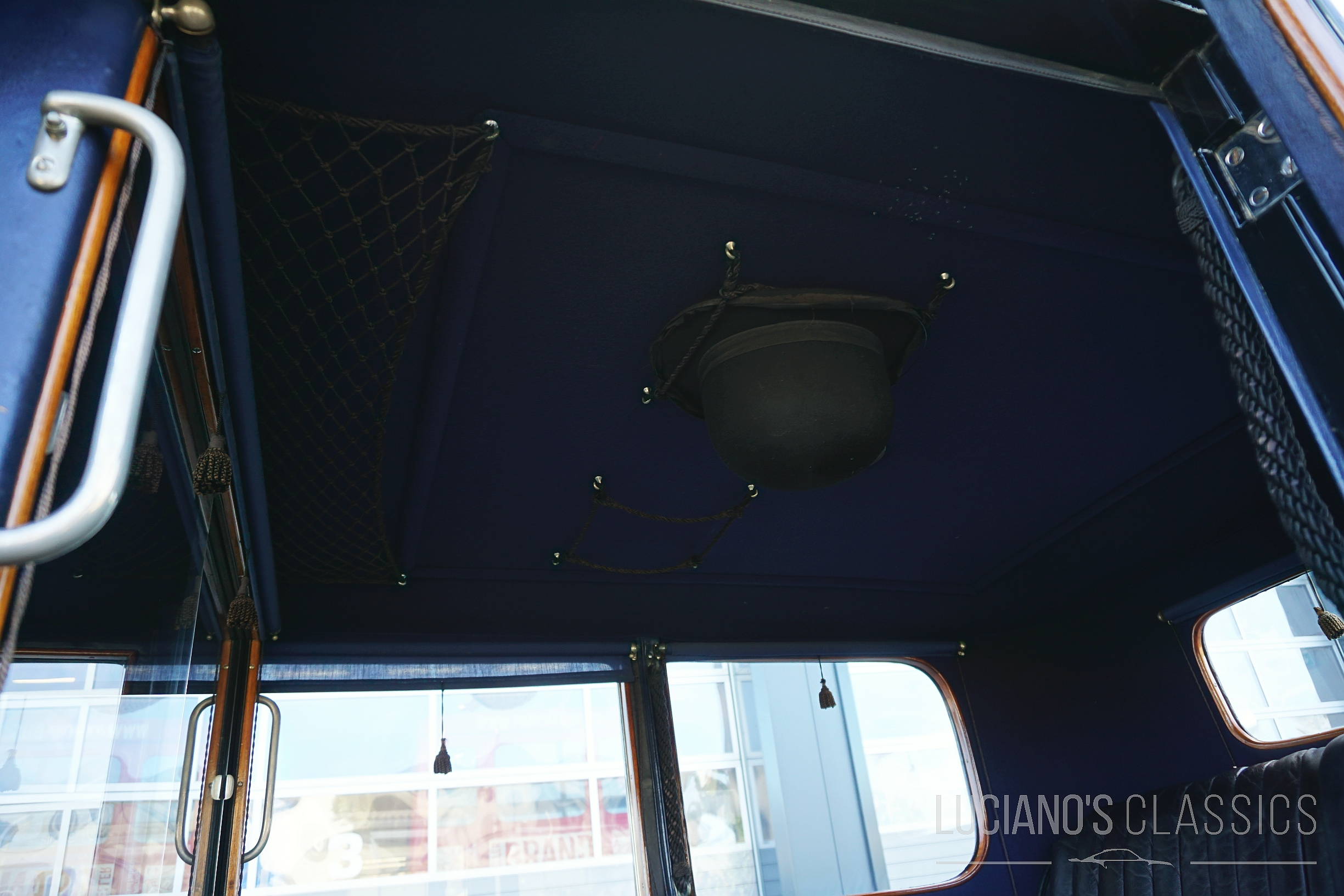
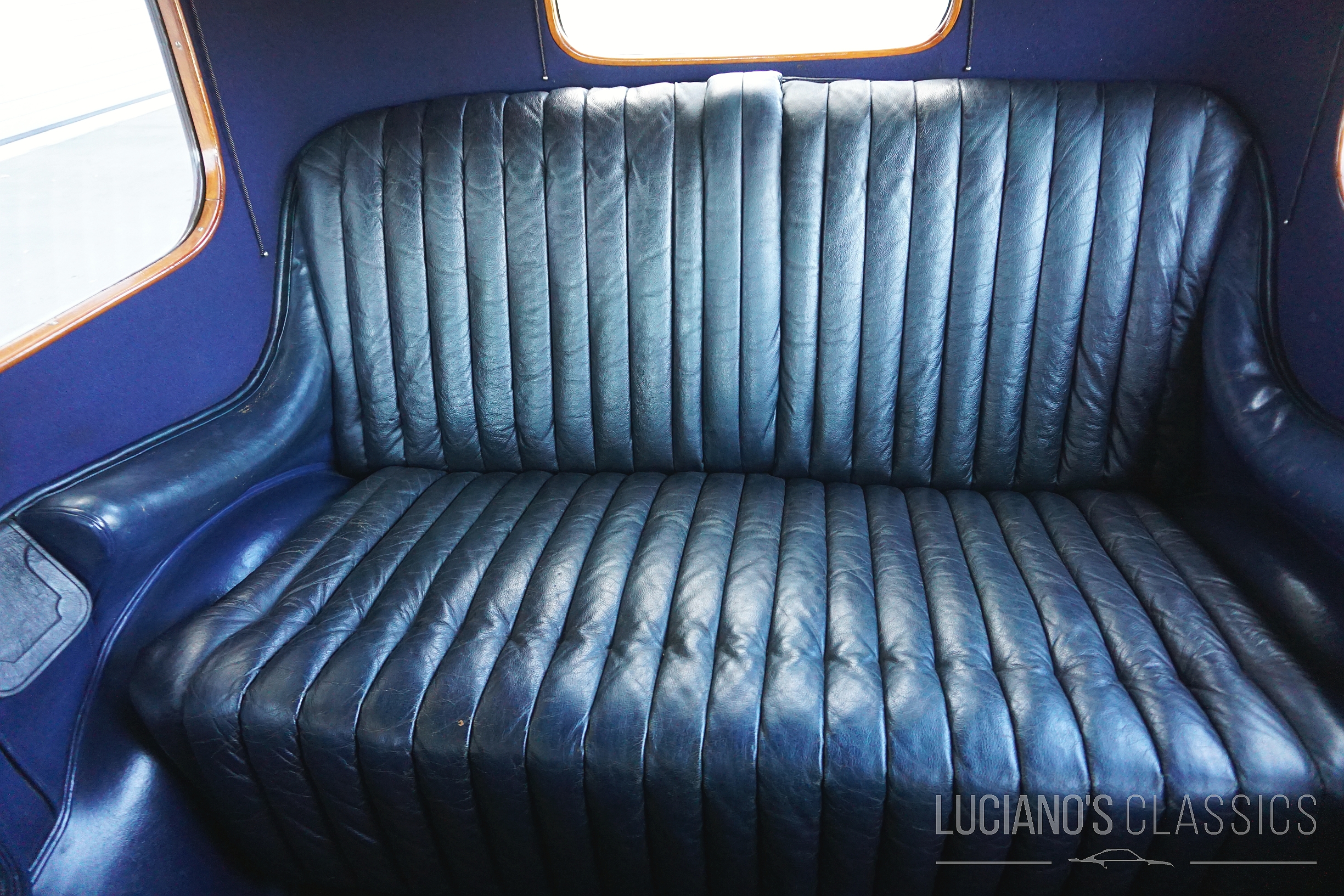
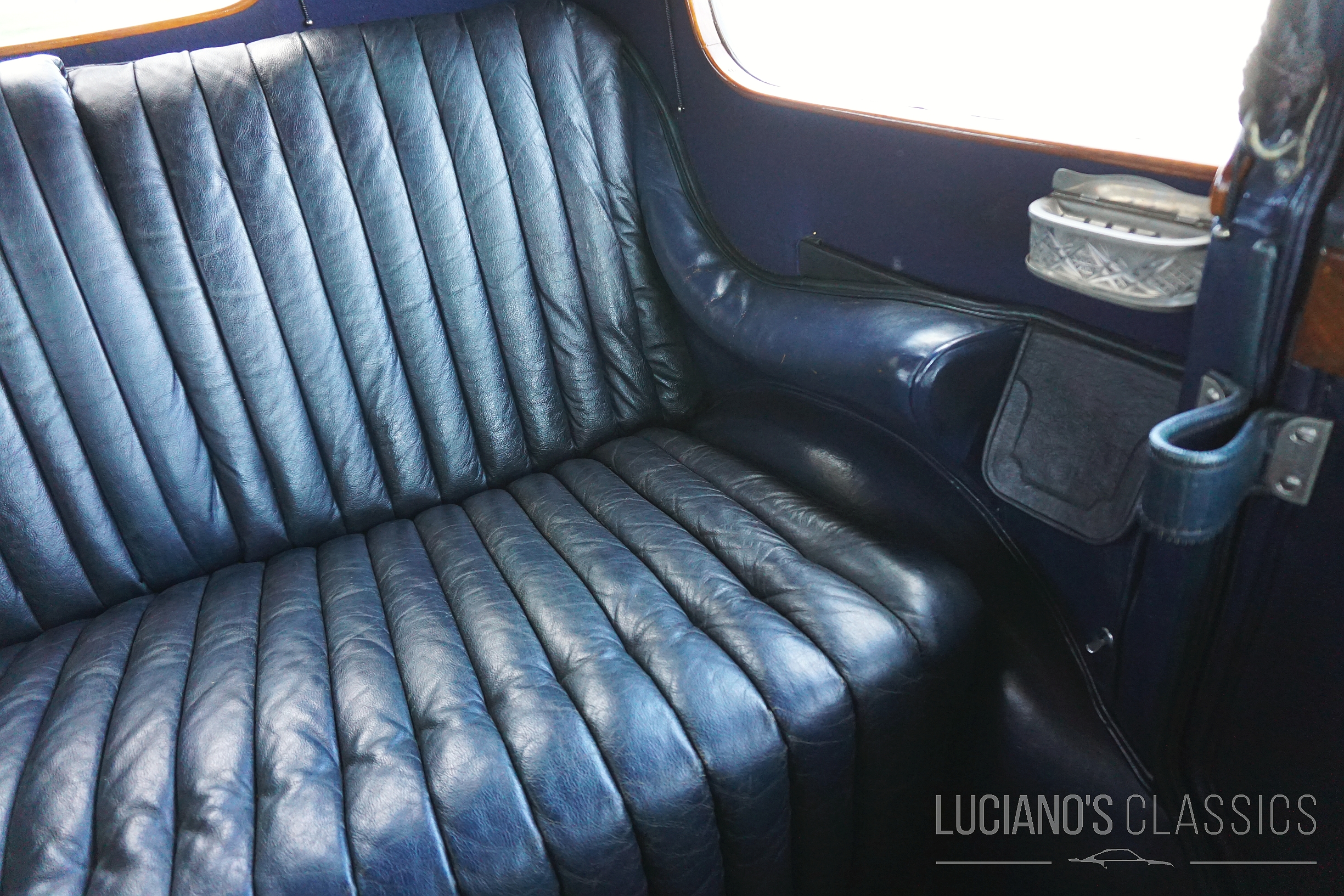
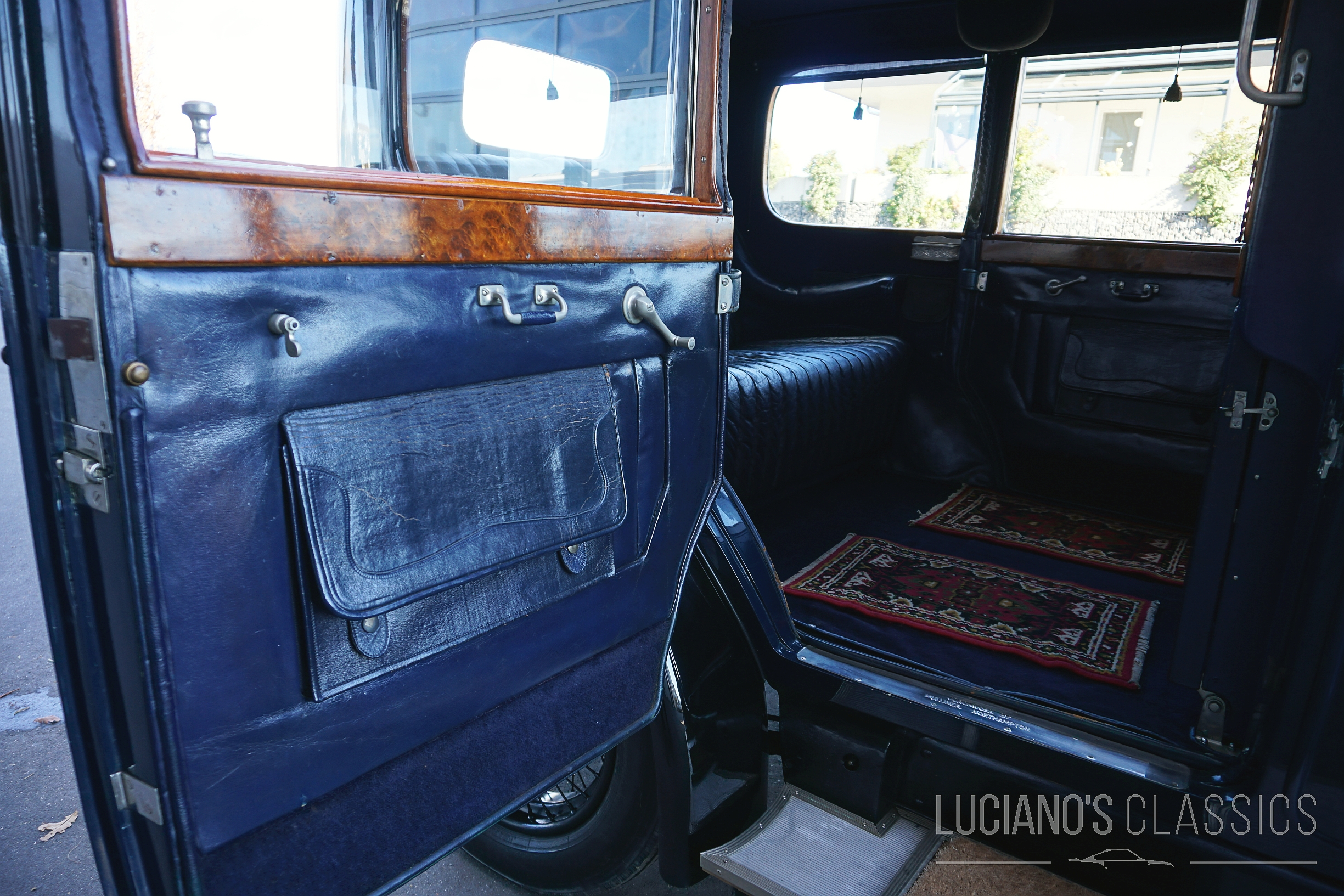
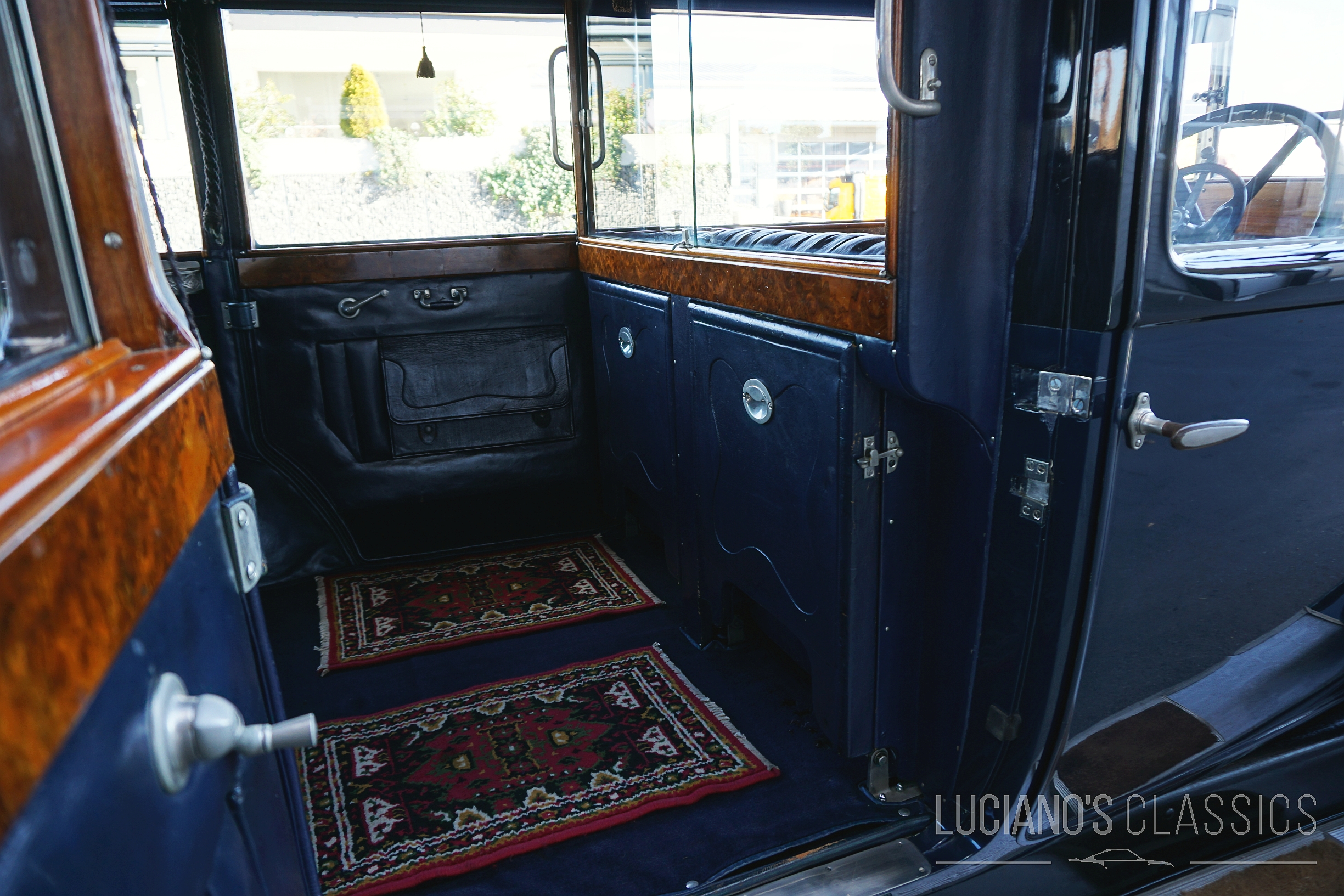
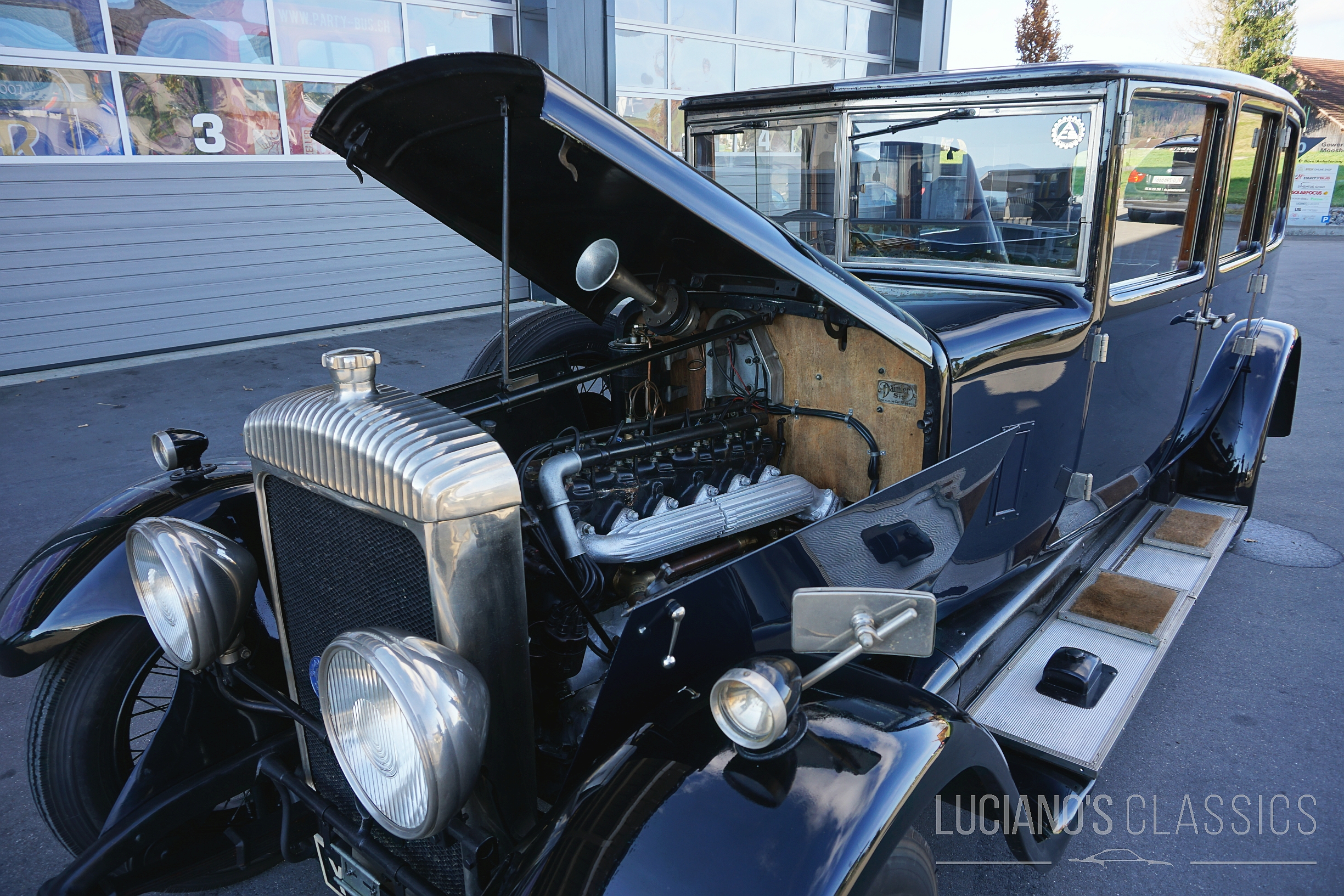
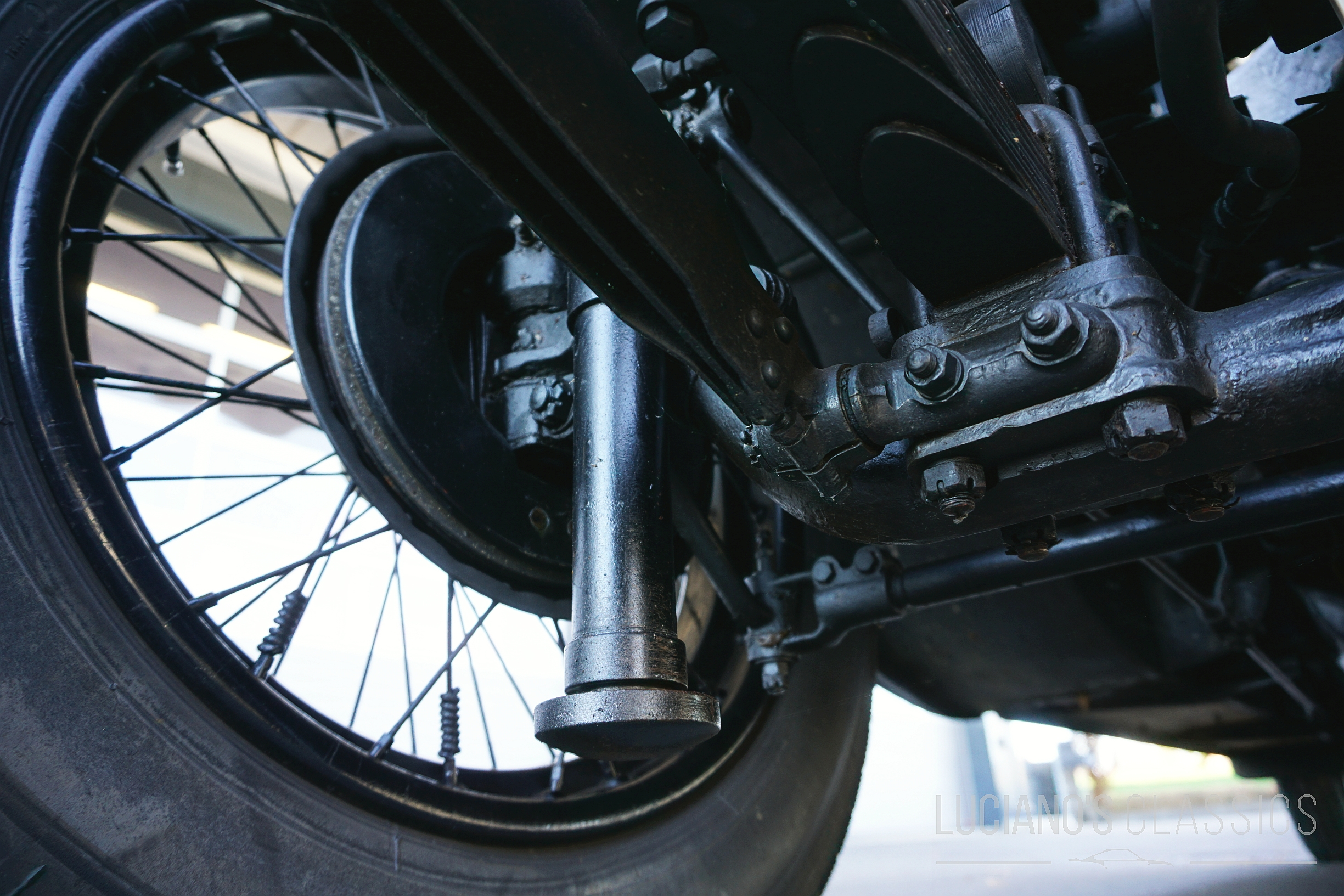
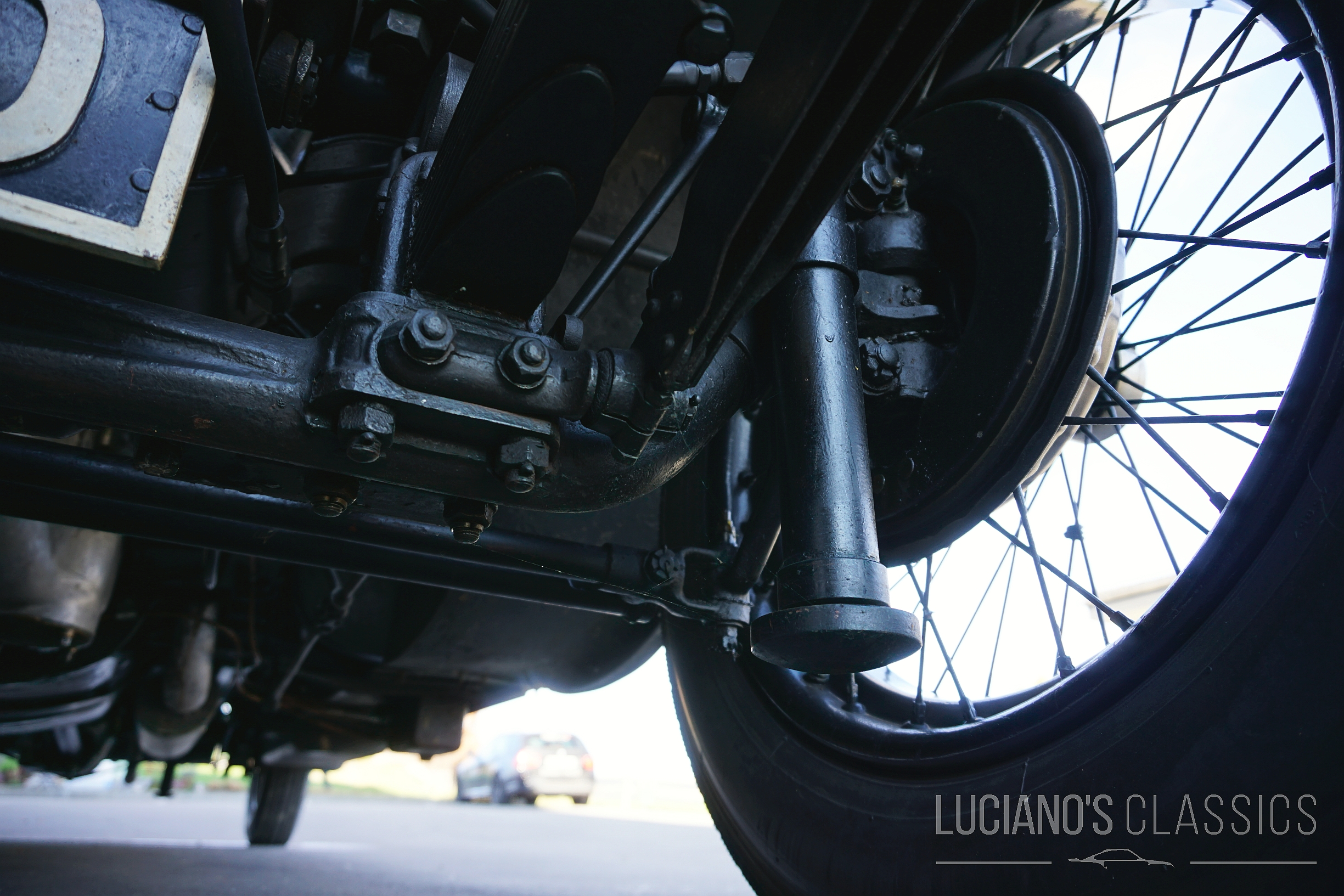
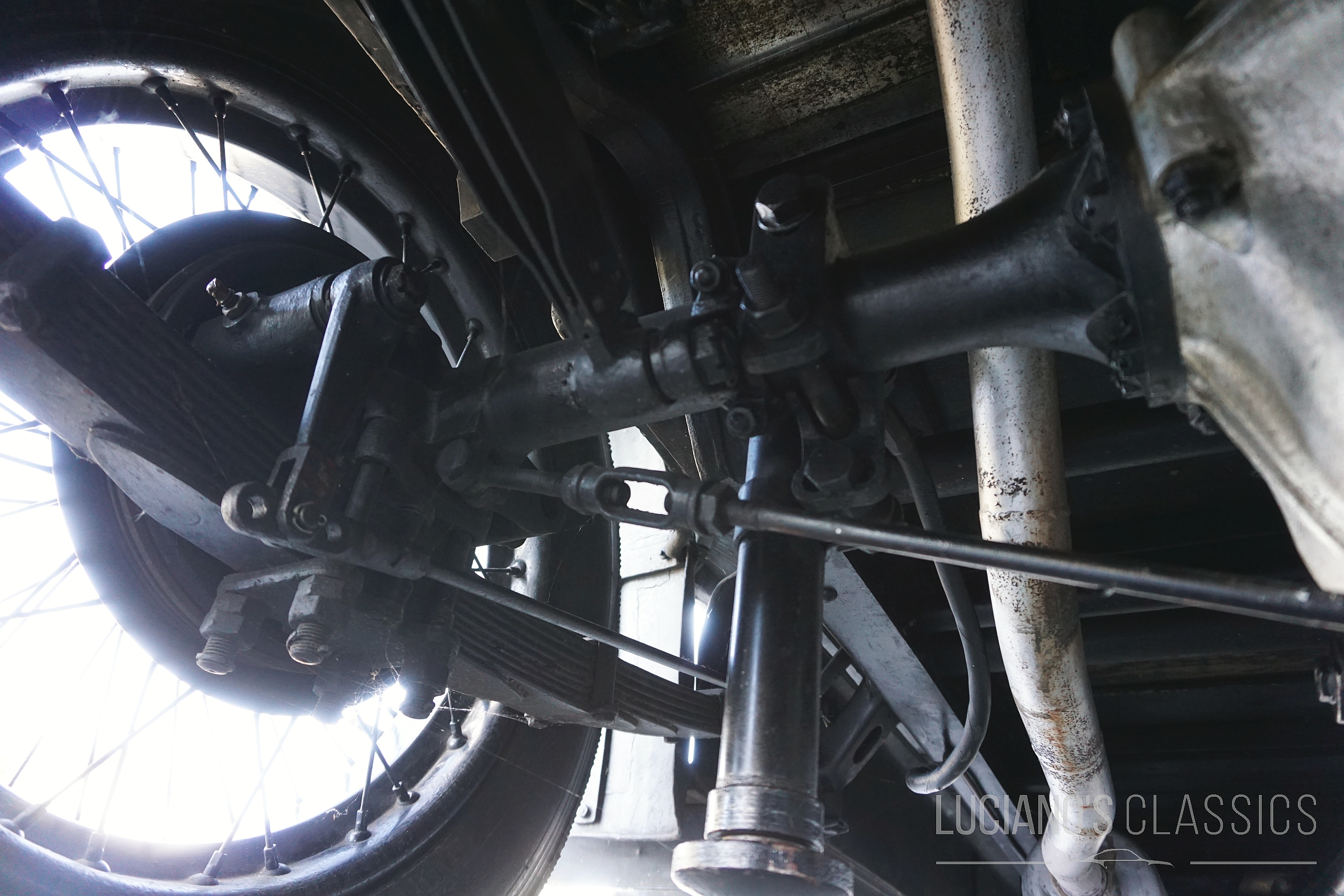
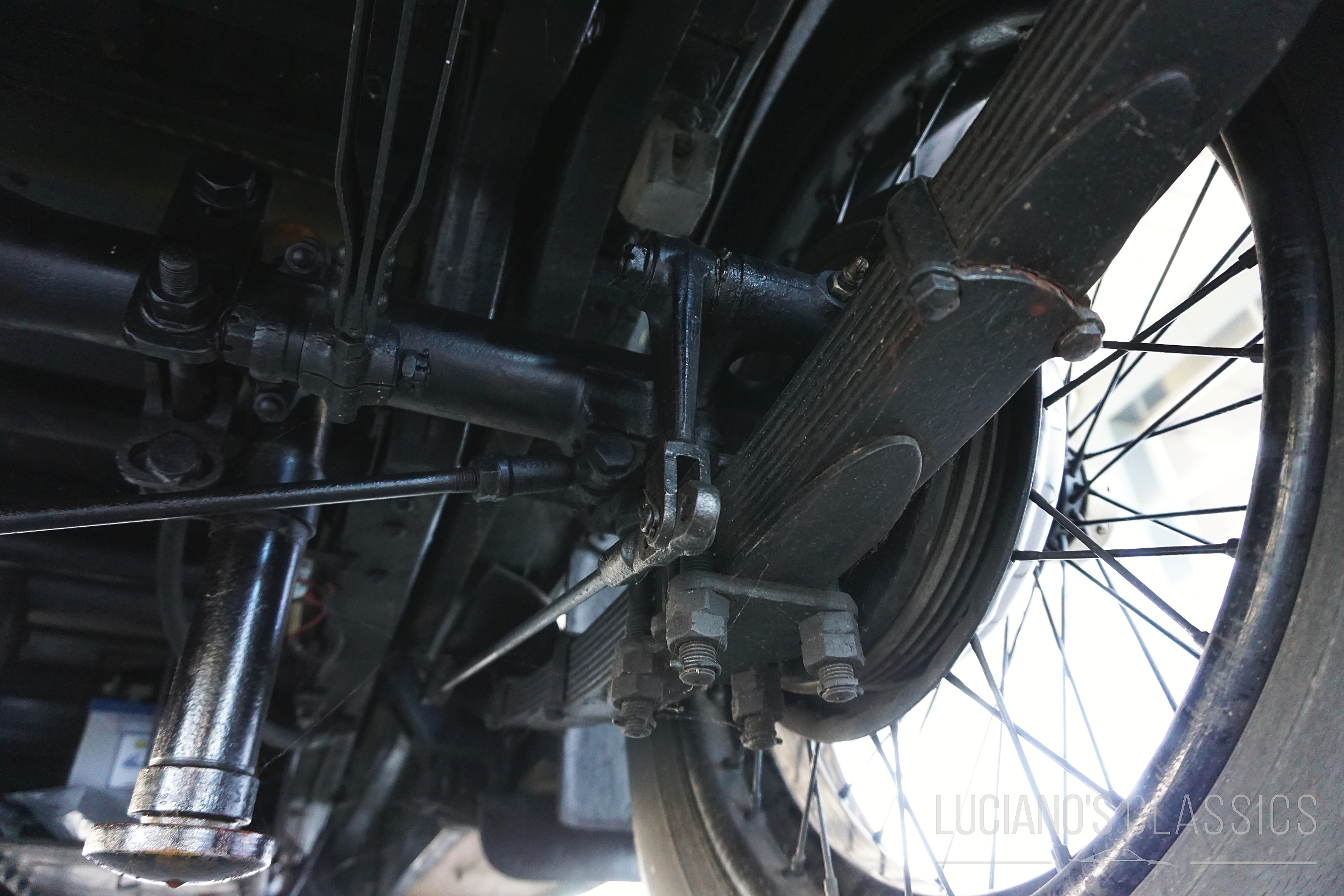
The elegant saloon with the classic, ribbed Daimler radiator is lavishly proportioned and the well-protecting mudguards, the wide running boards for easy entry and exit and the large spoked wheels, on each of which hydraulic jacks are permanently installed, are particularly noteworthy.
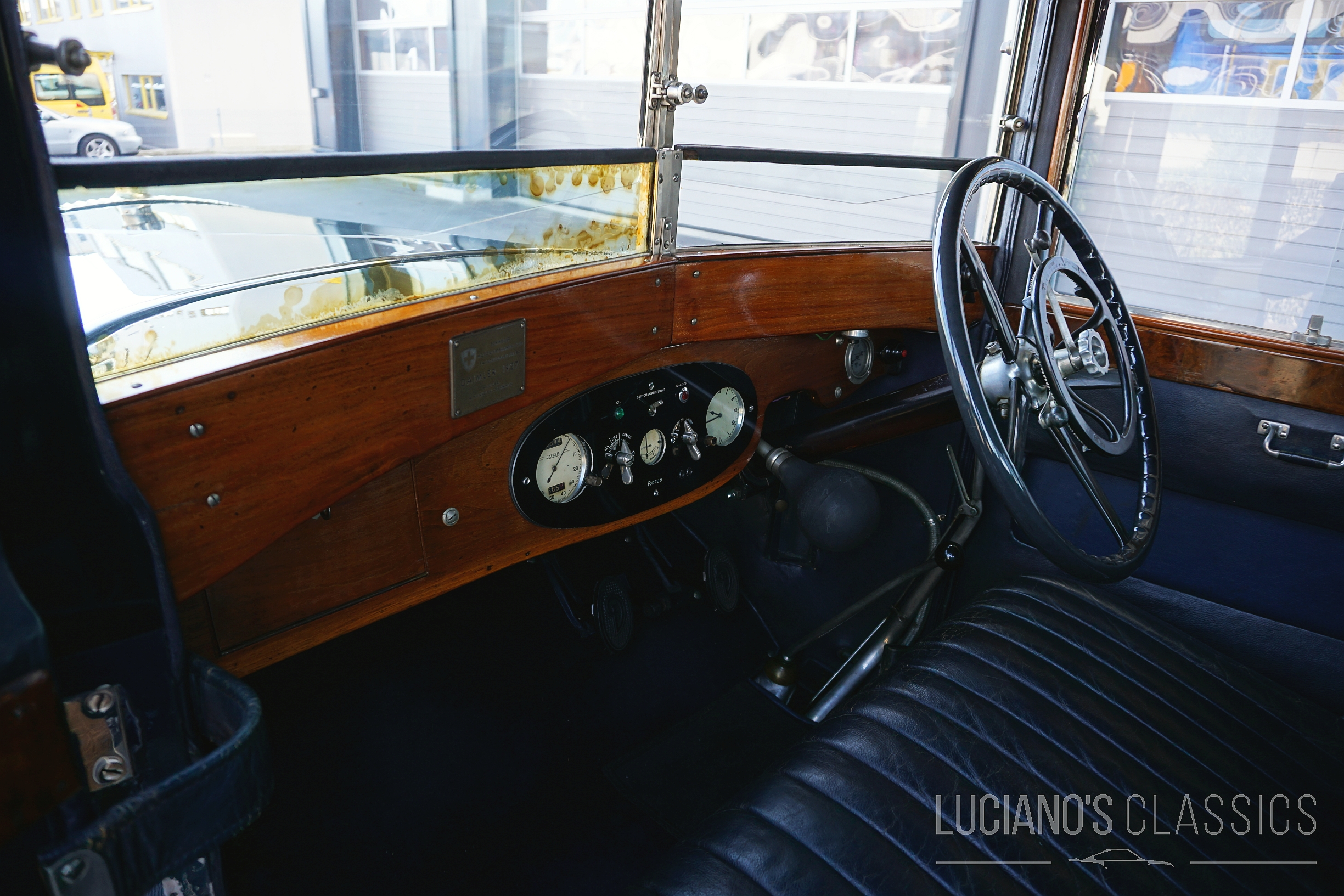
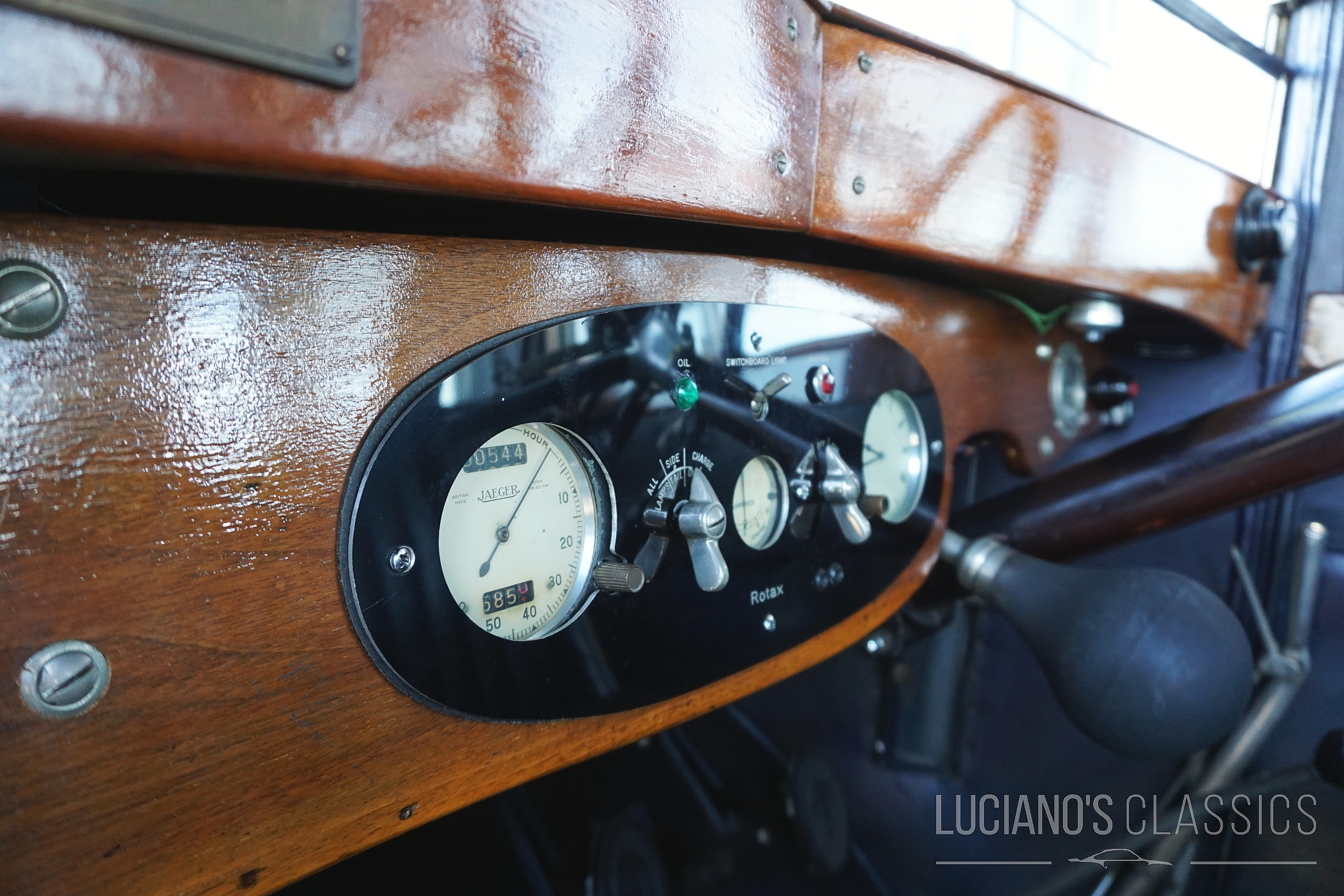
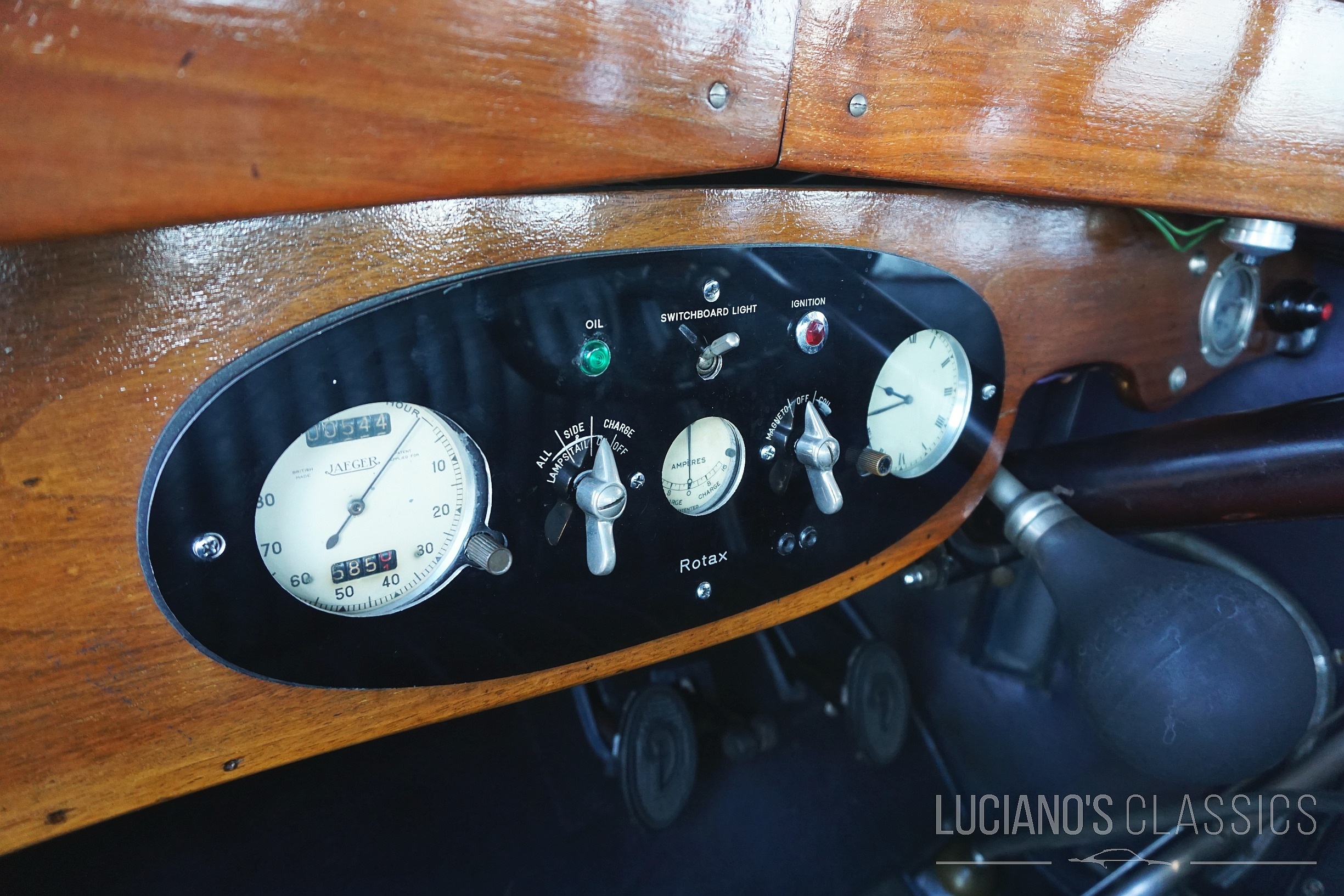
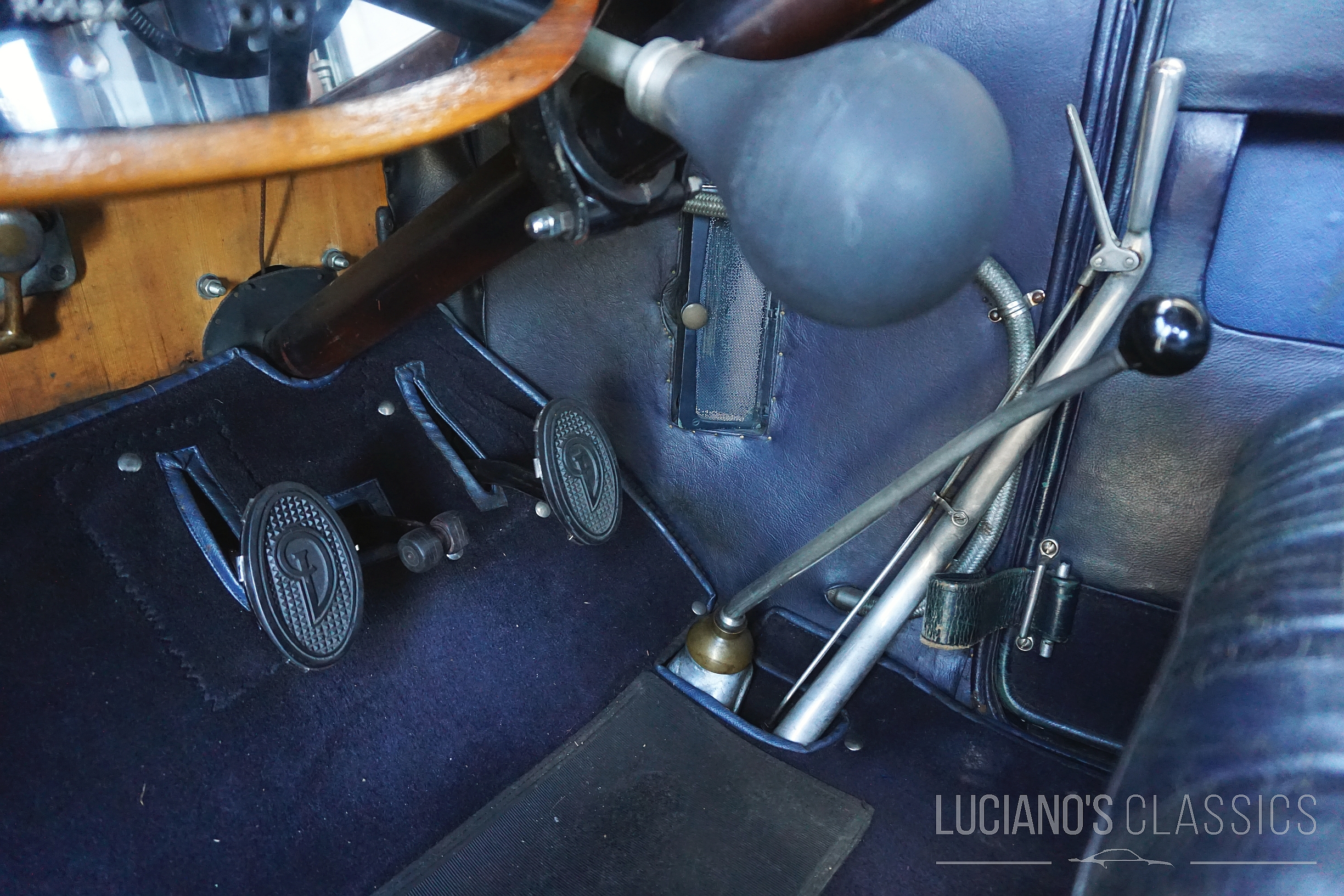
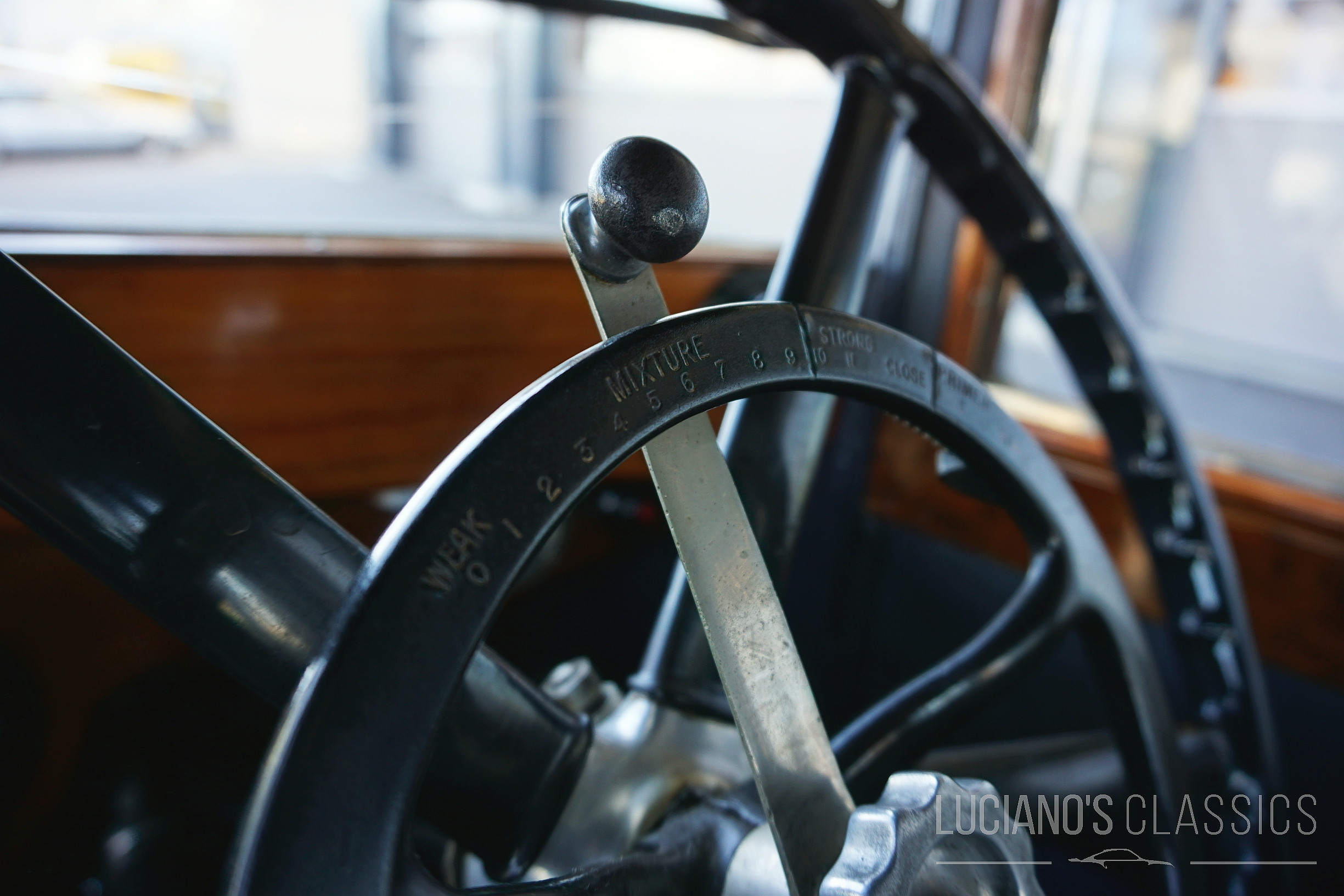
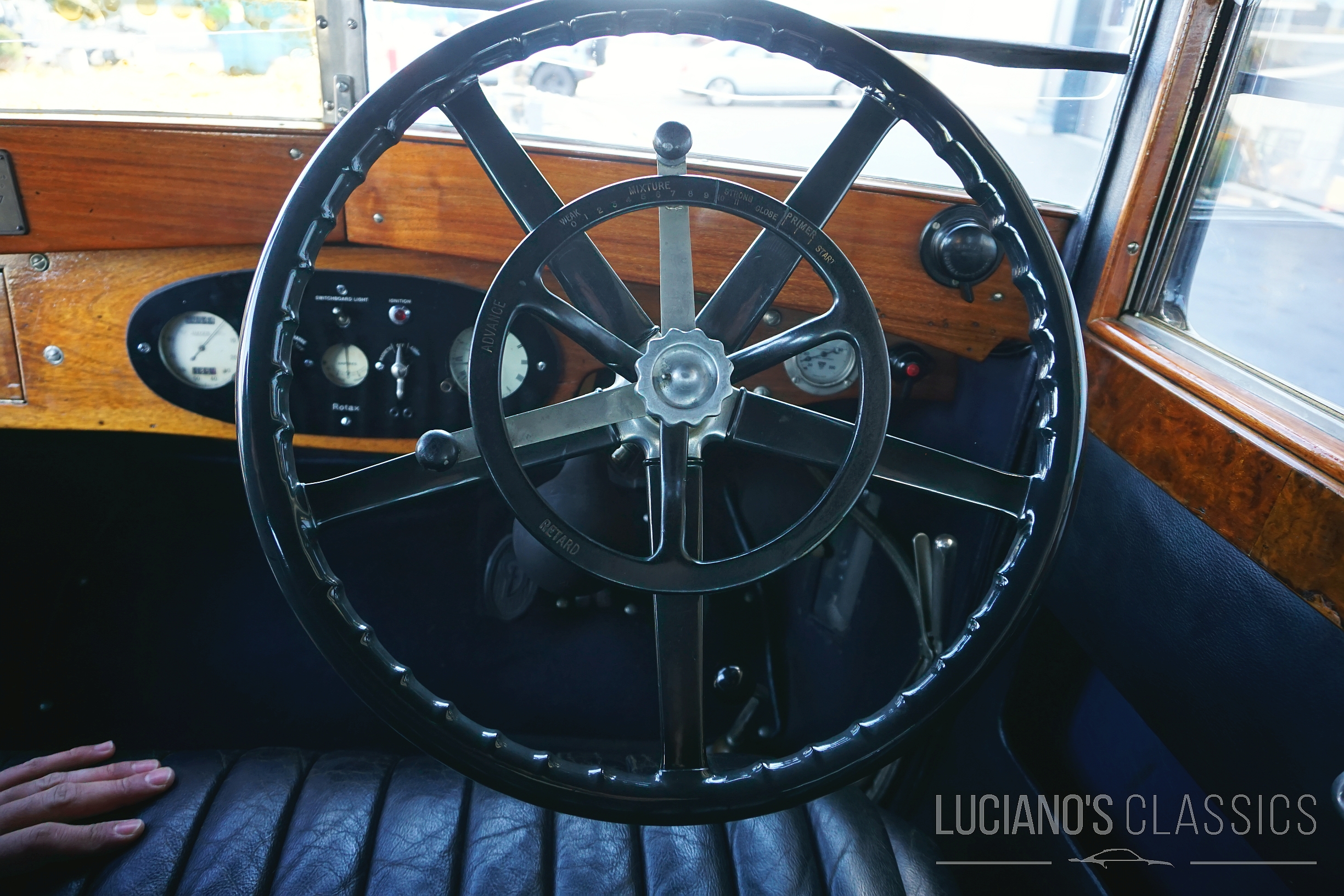
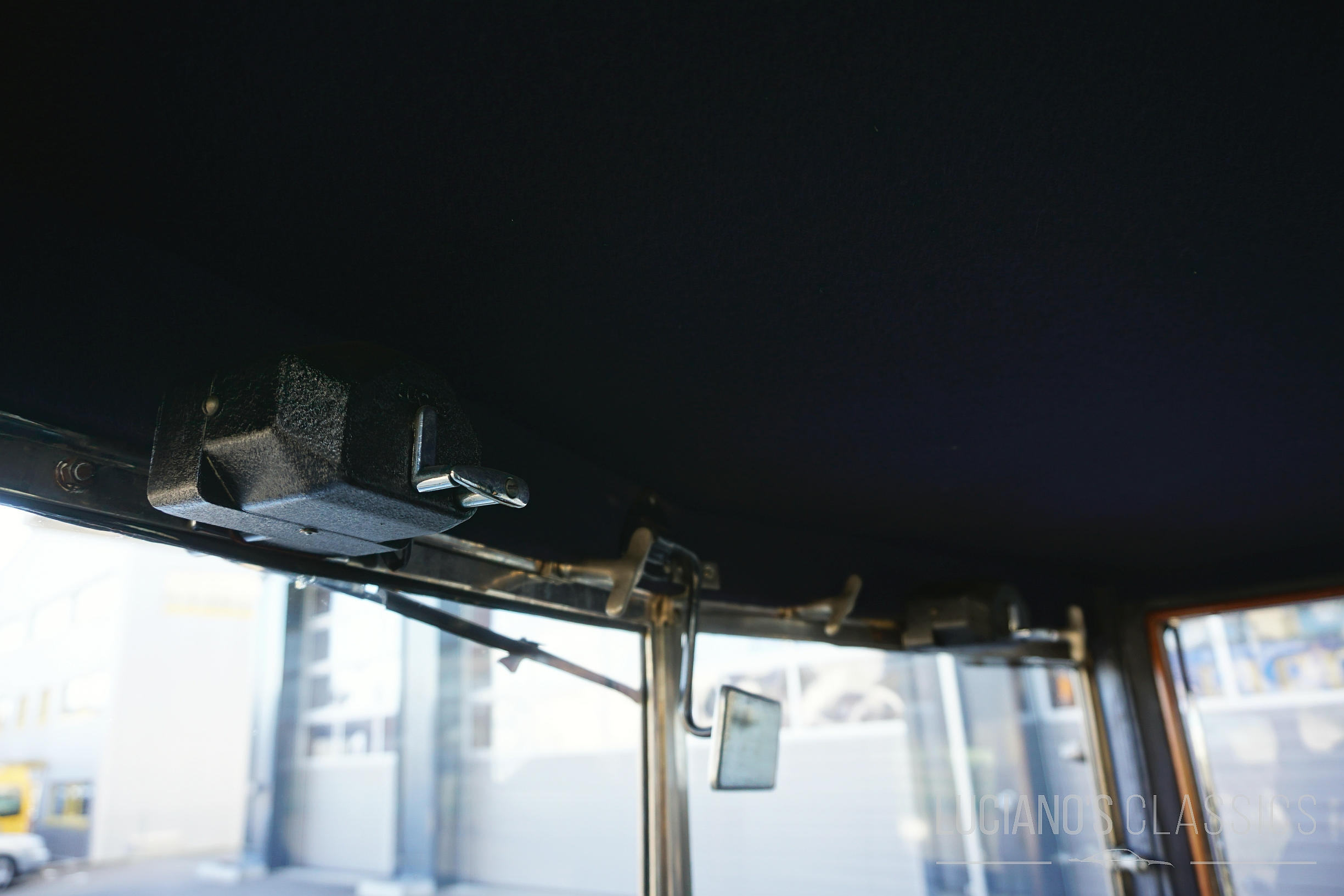
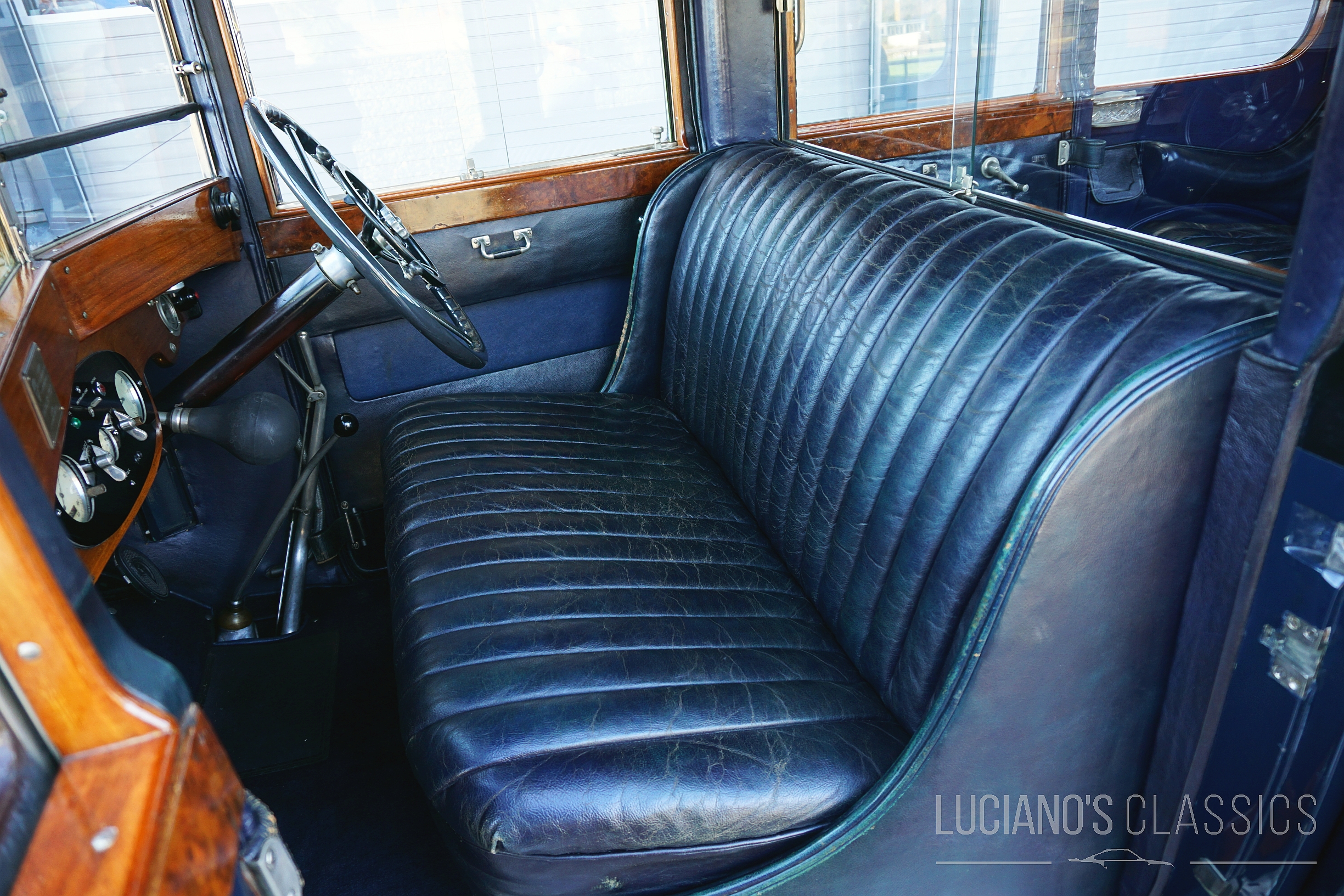
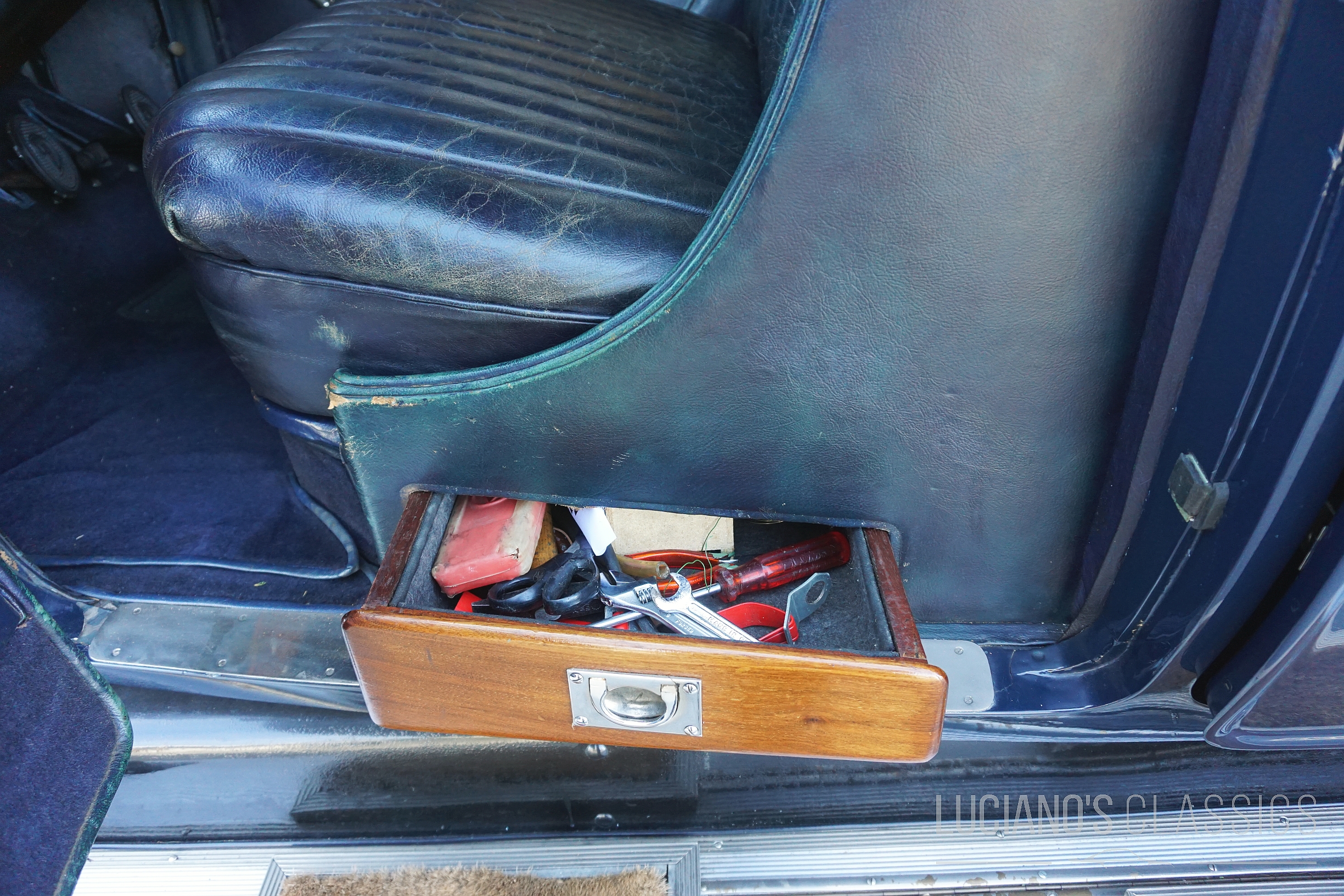
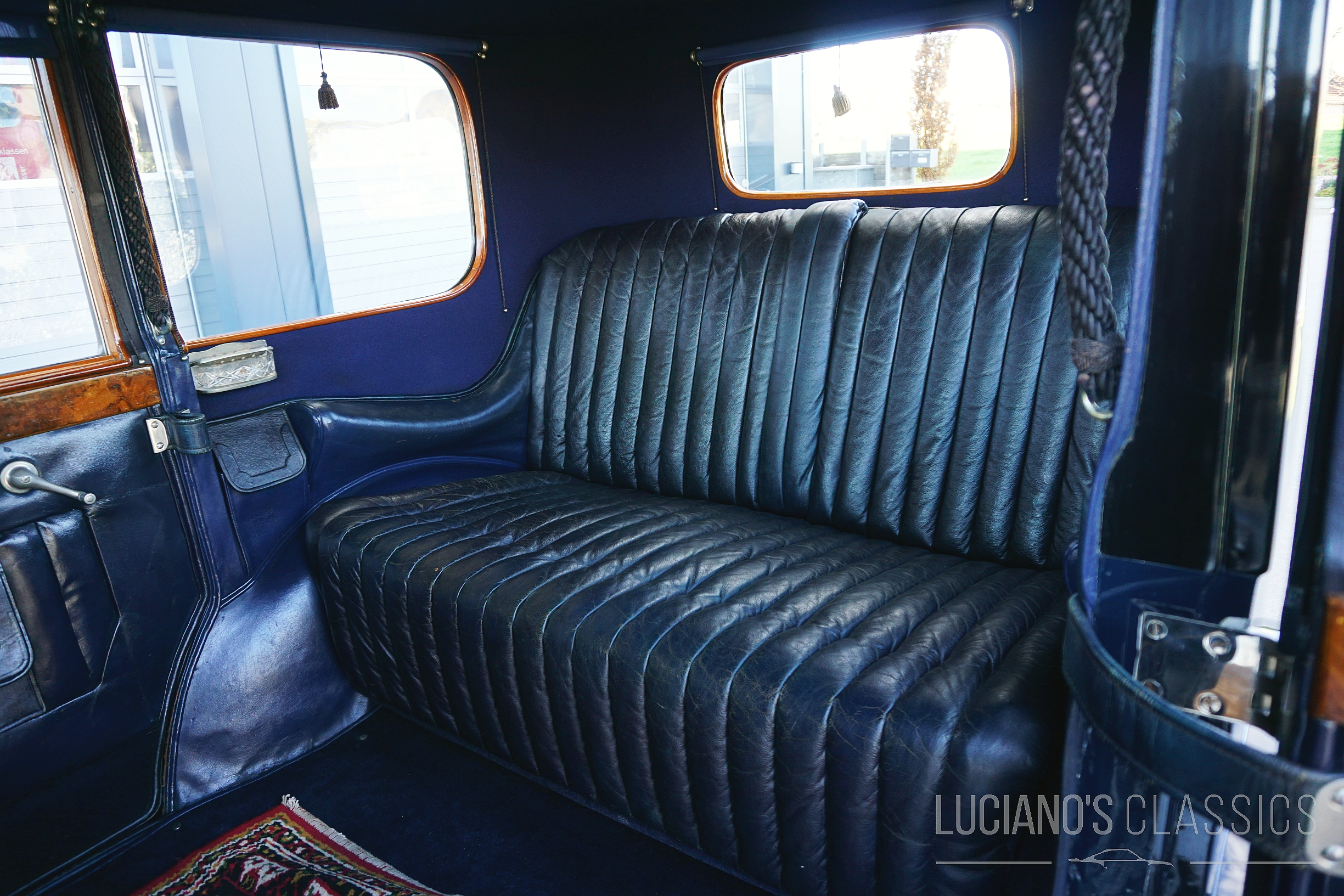
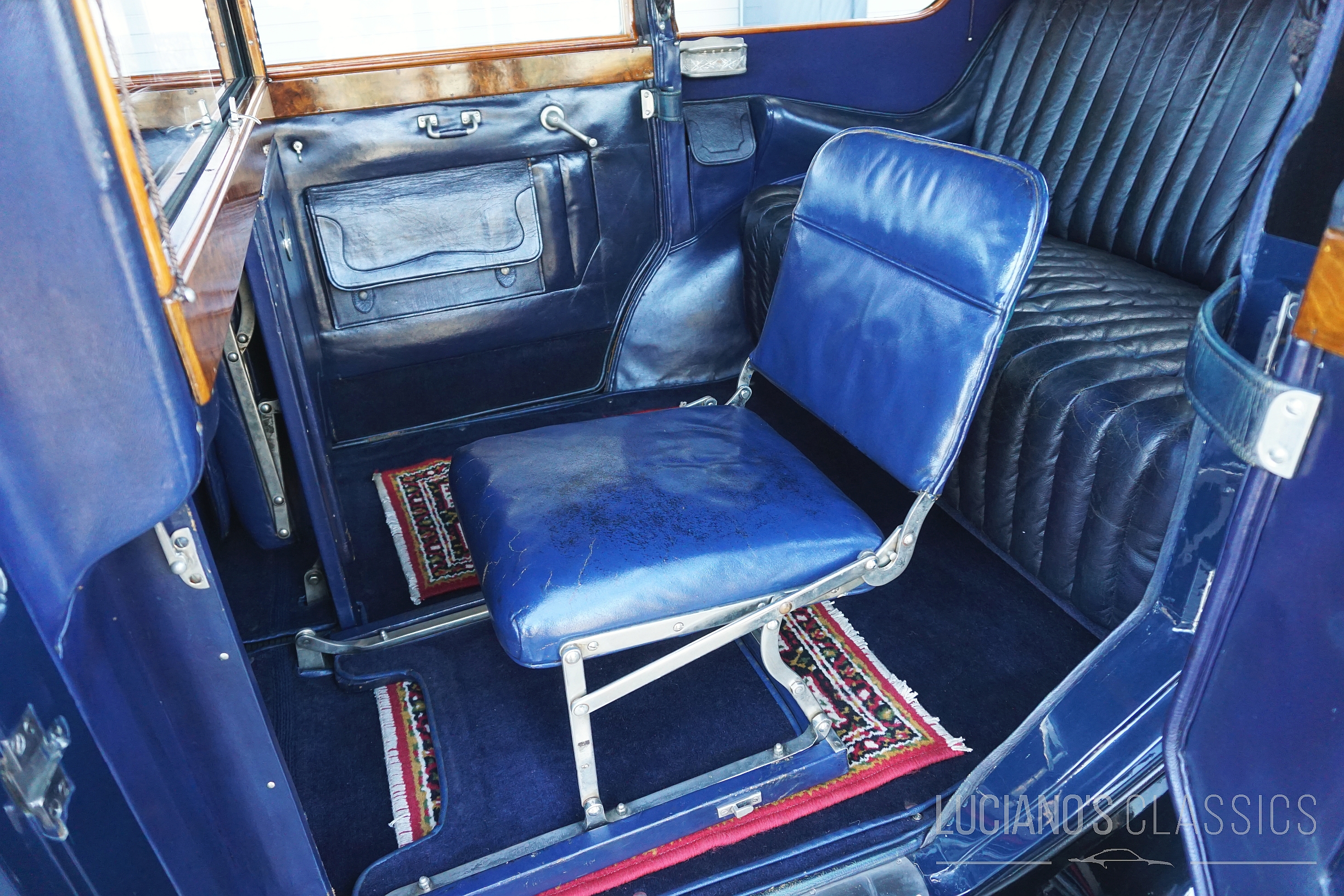
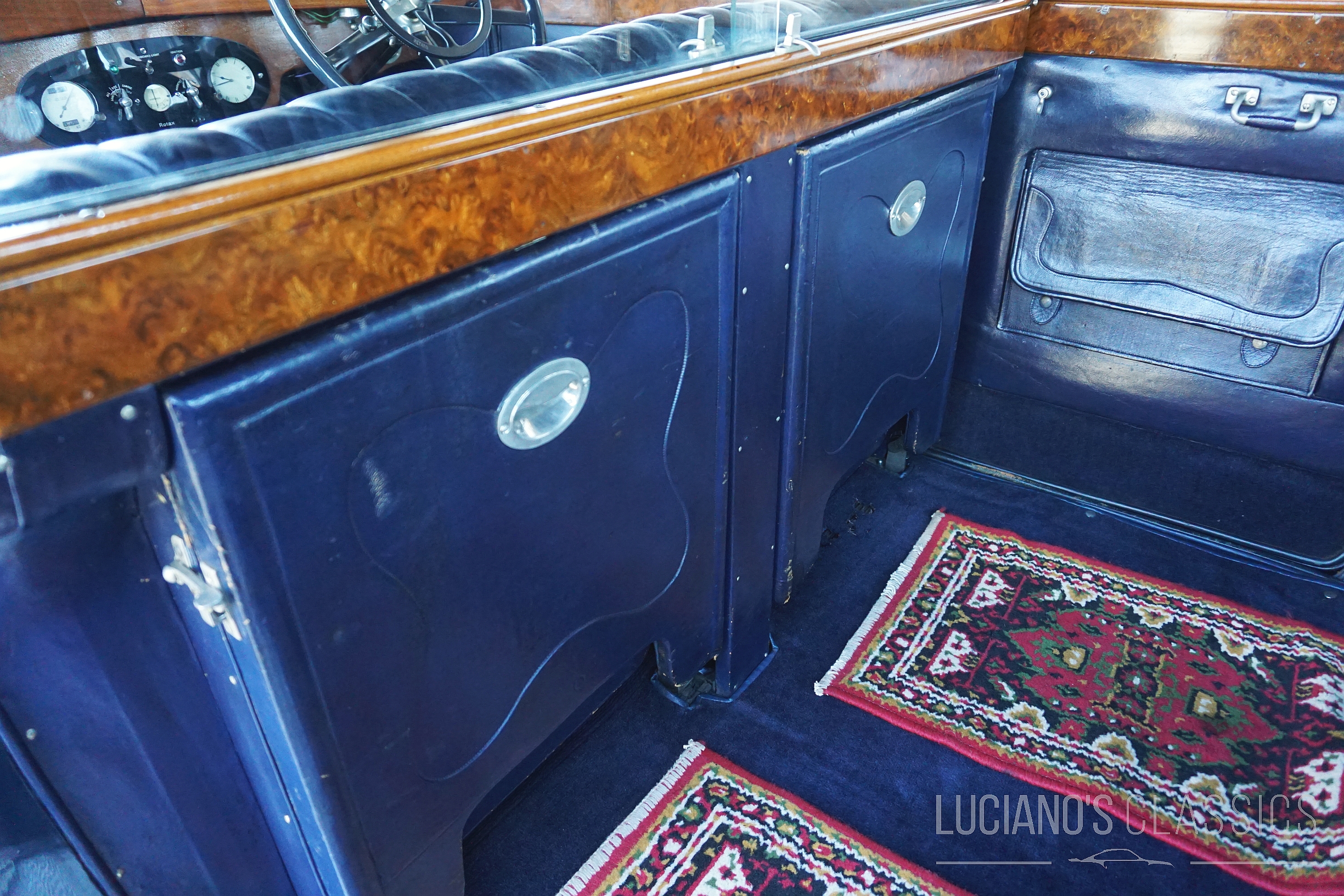
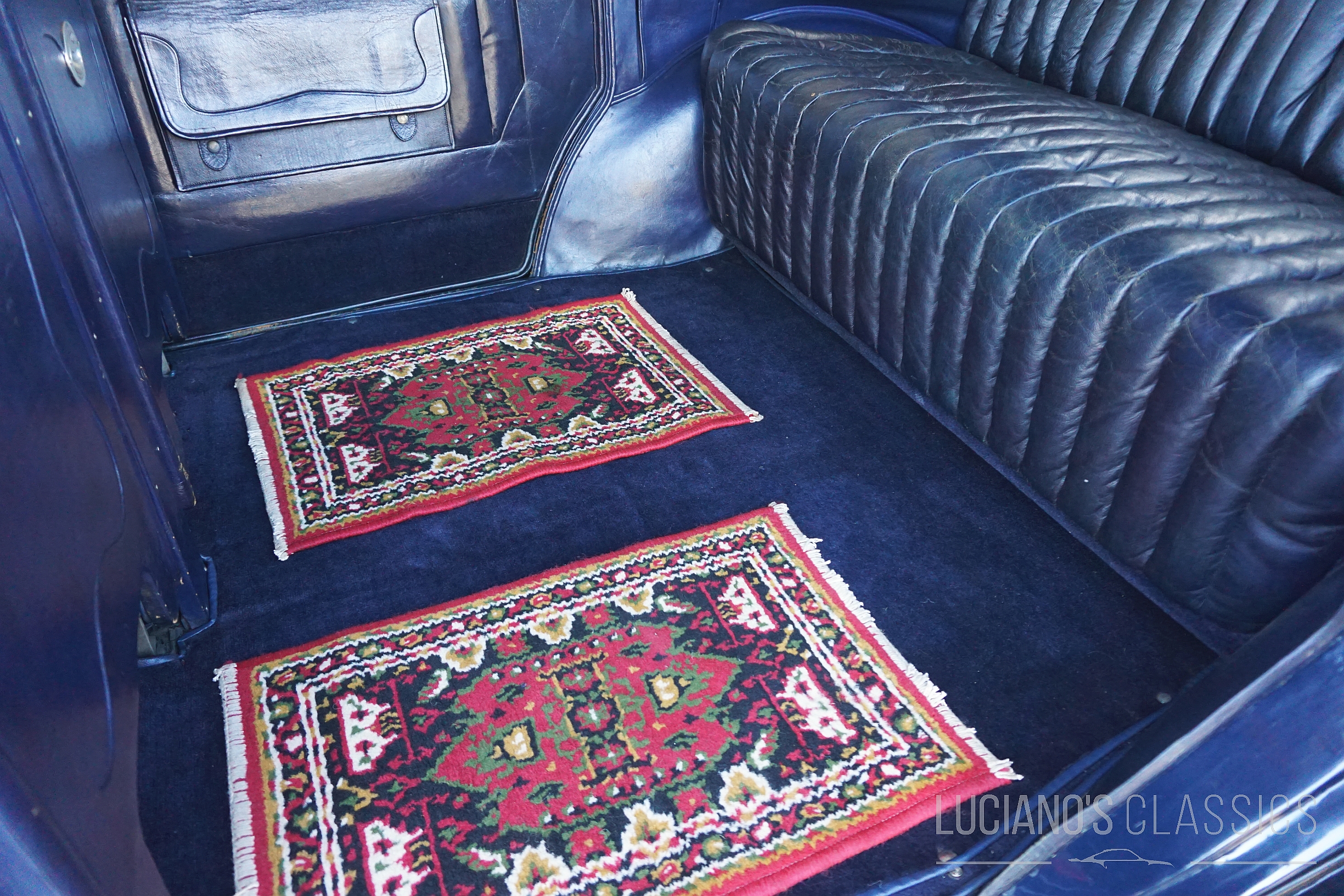
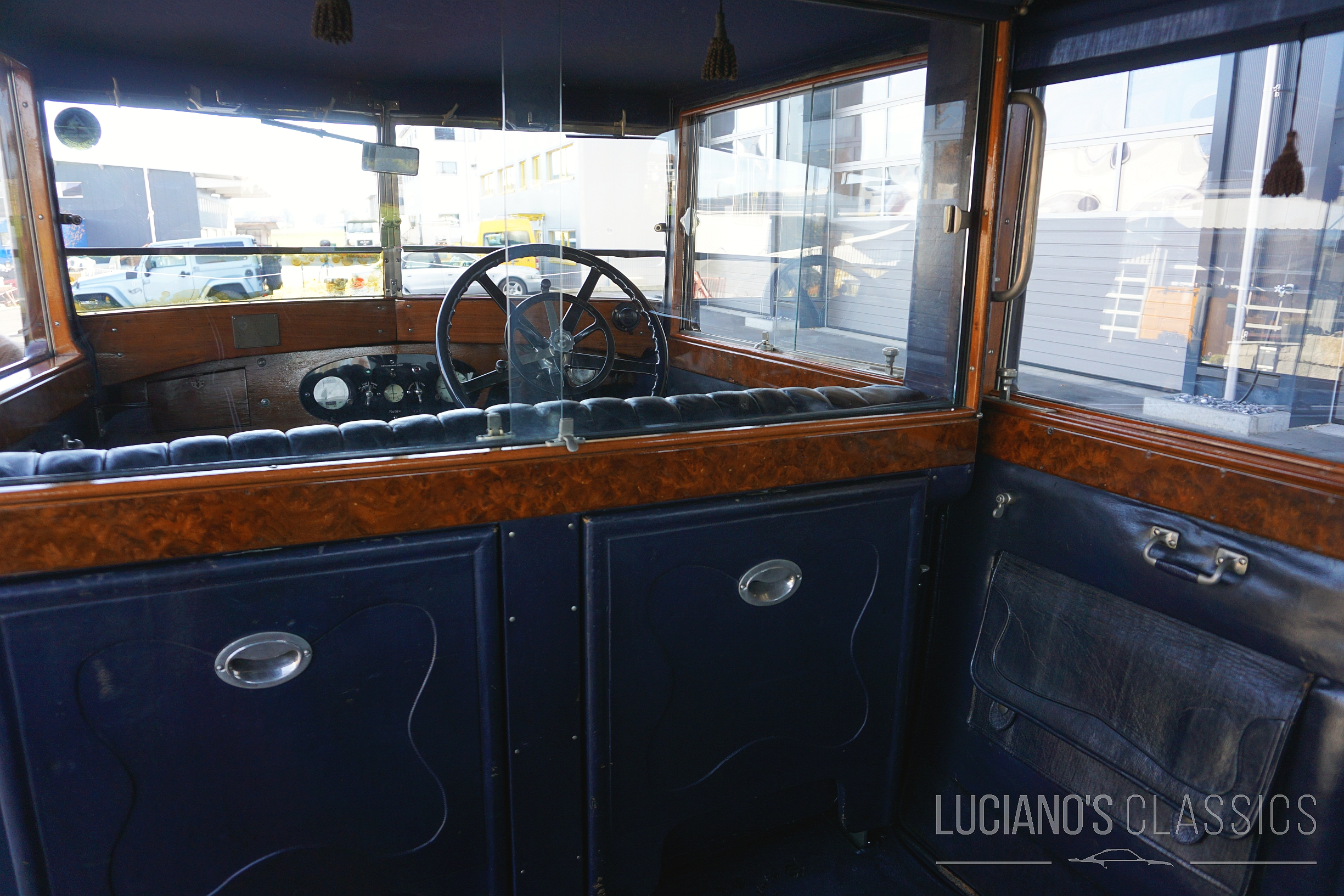
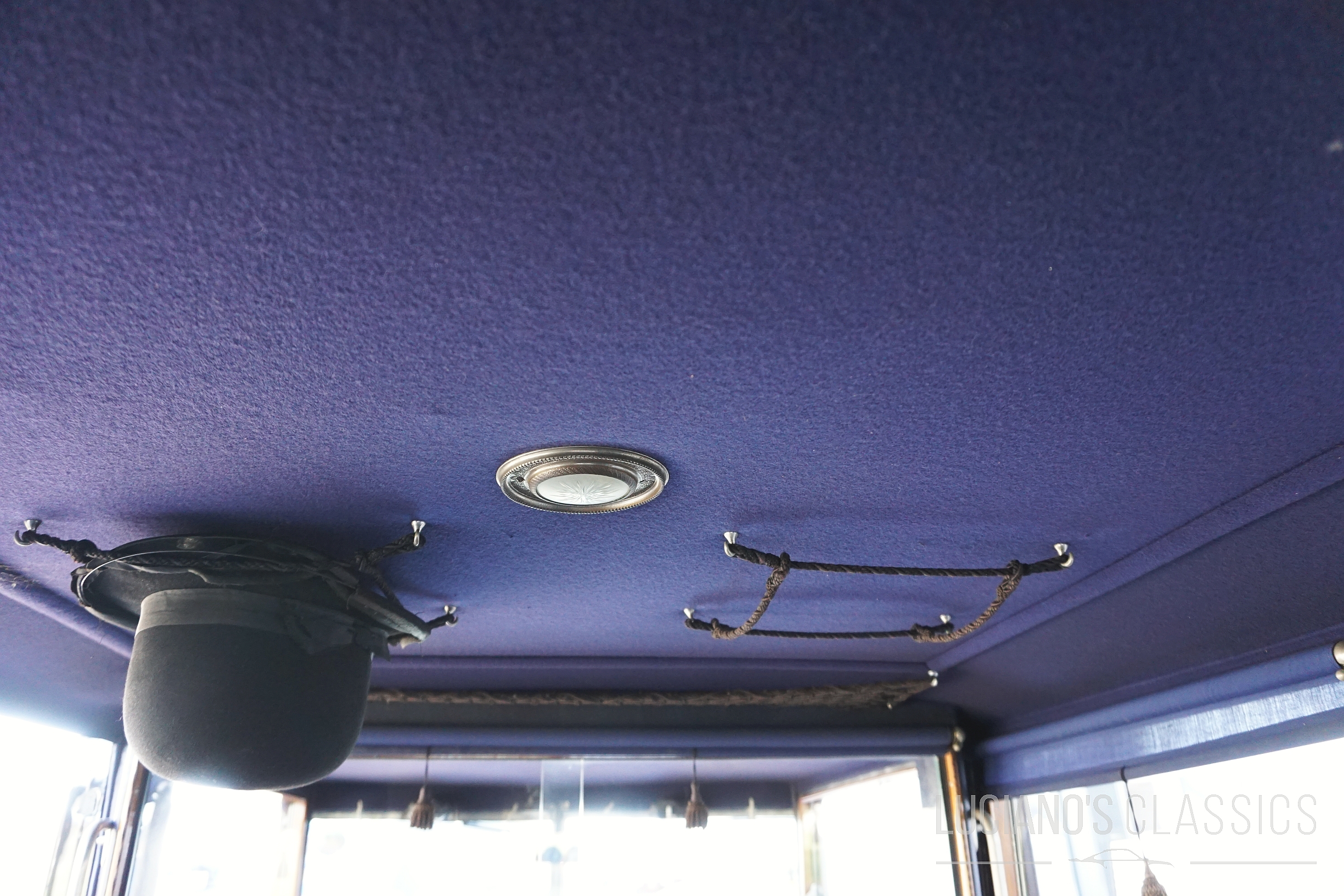
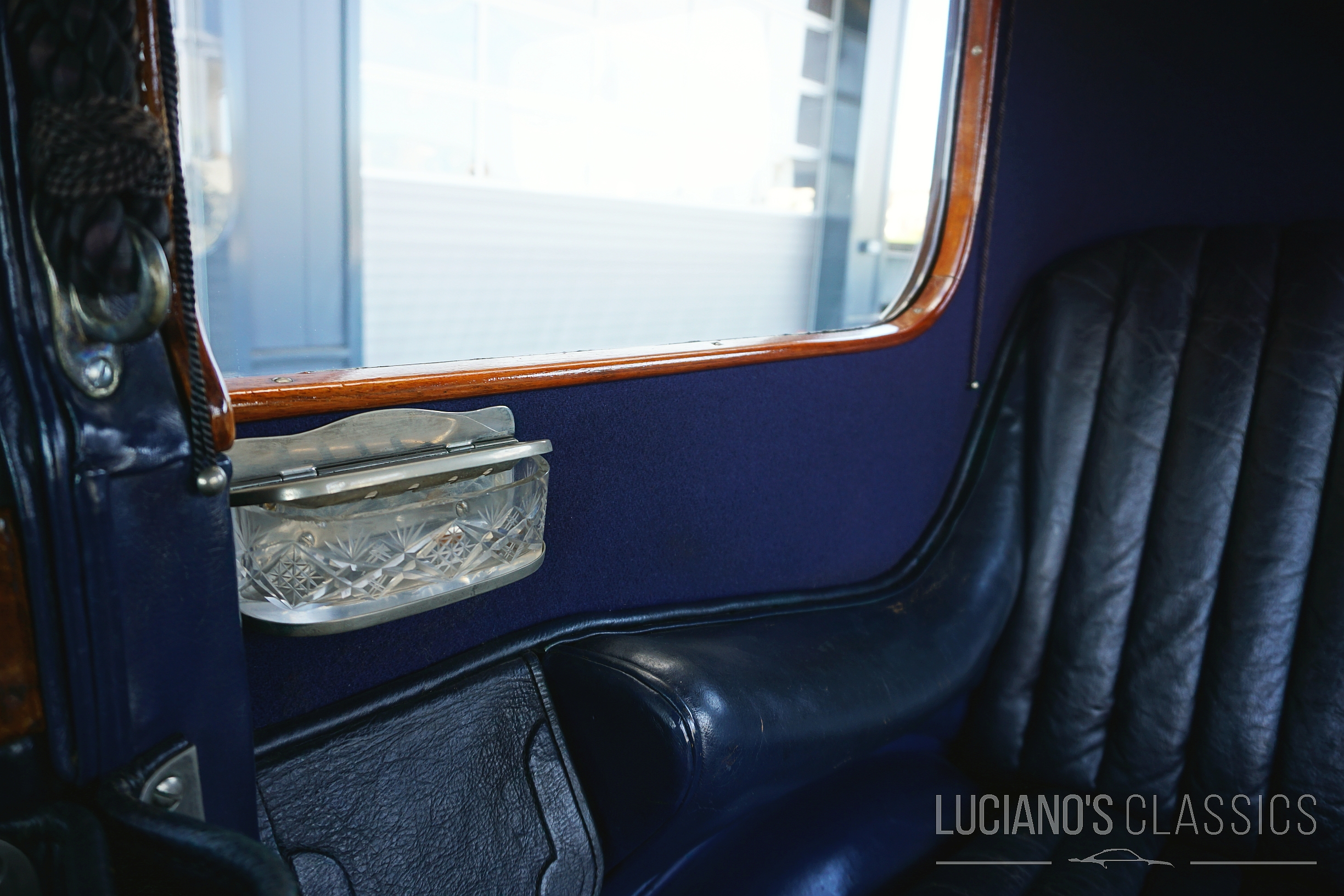
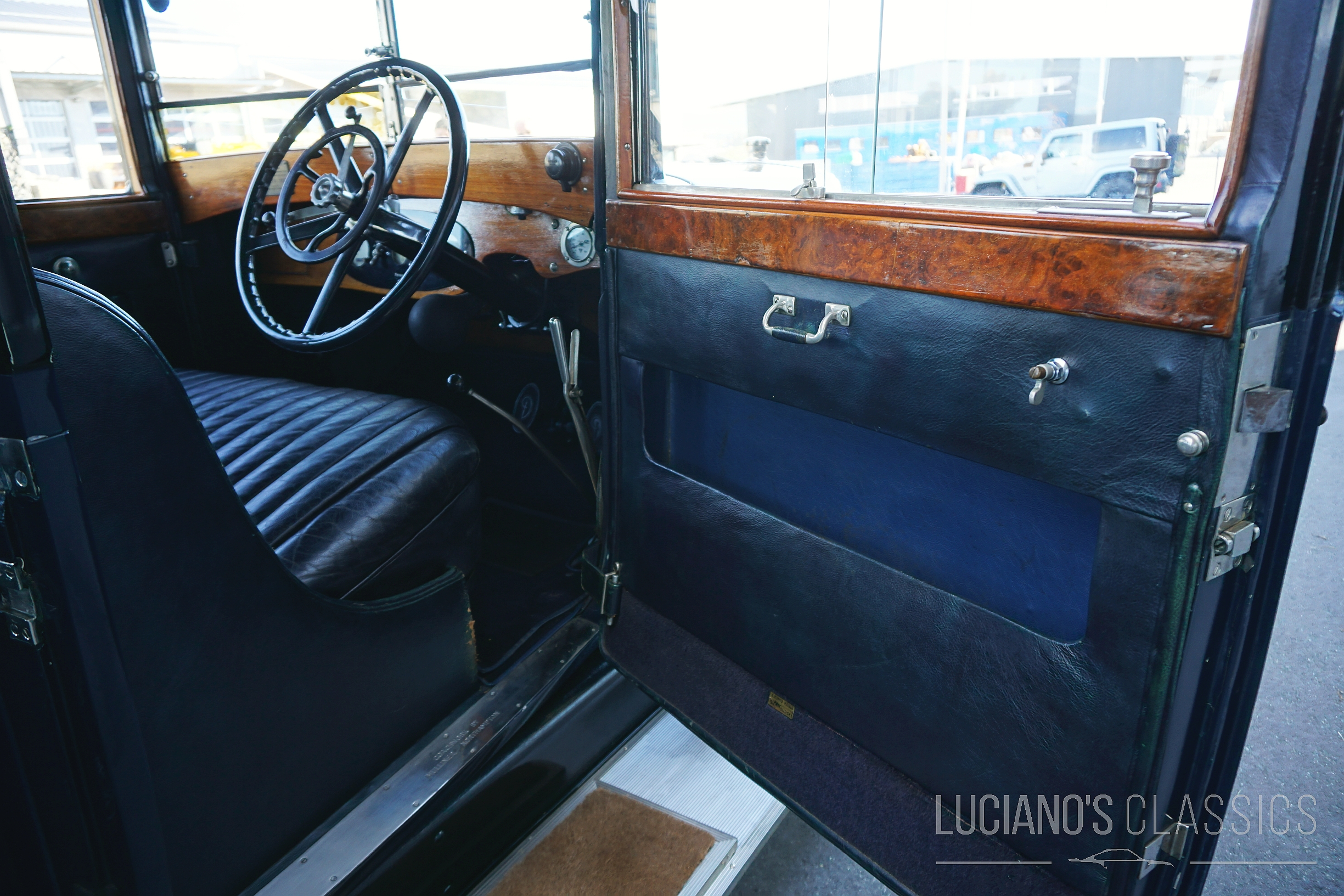
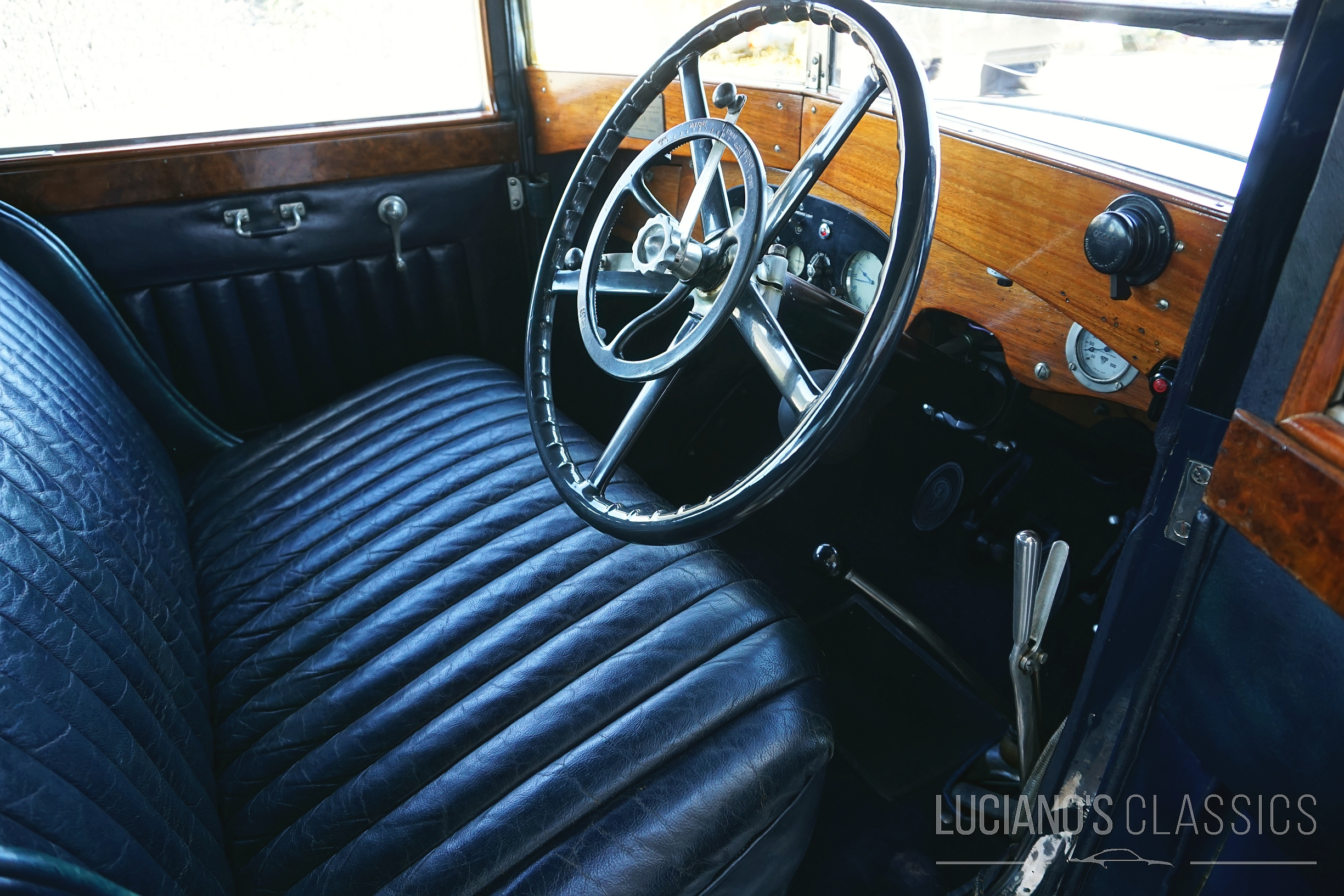
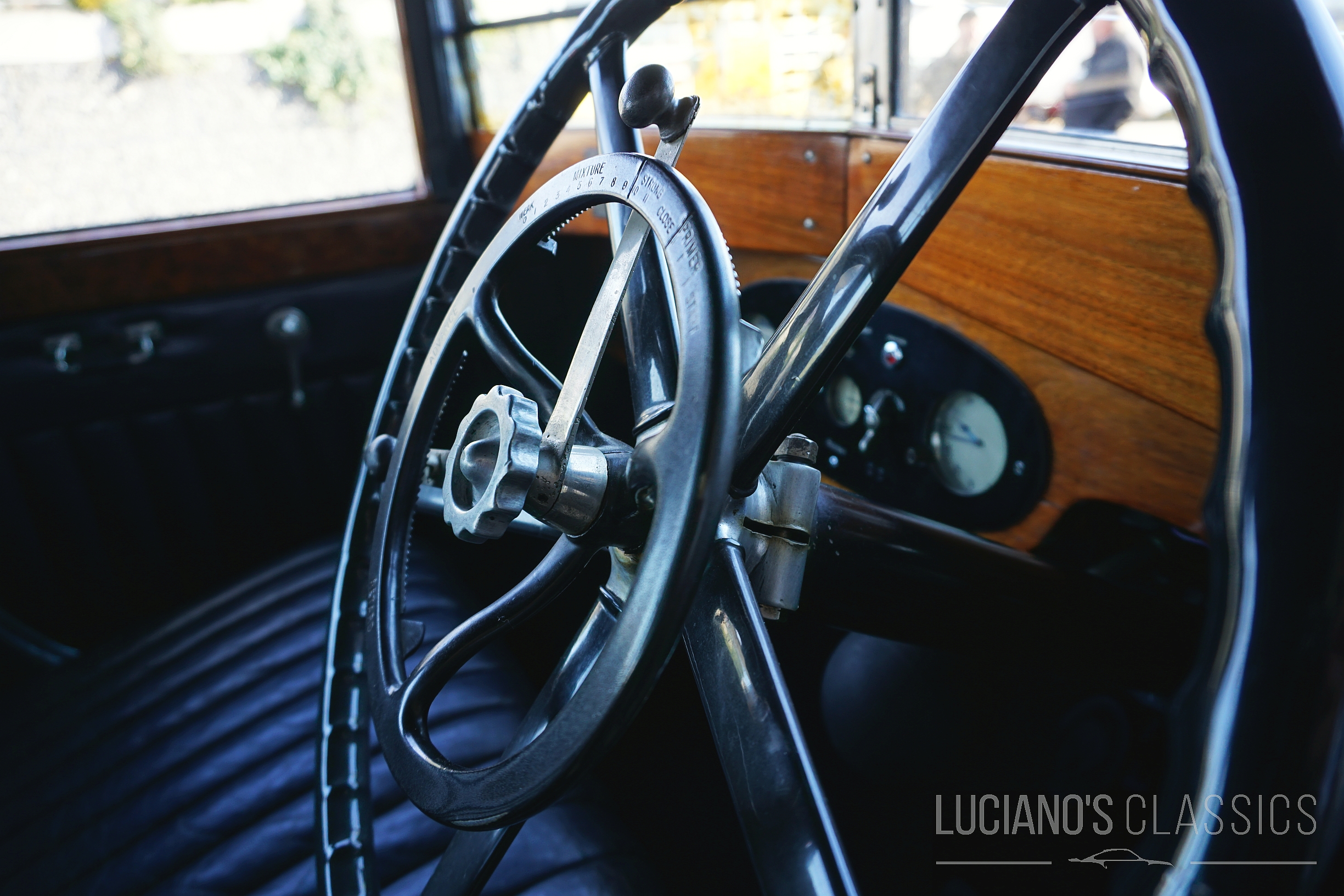
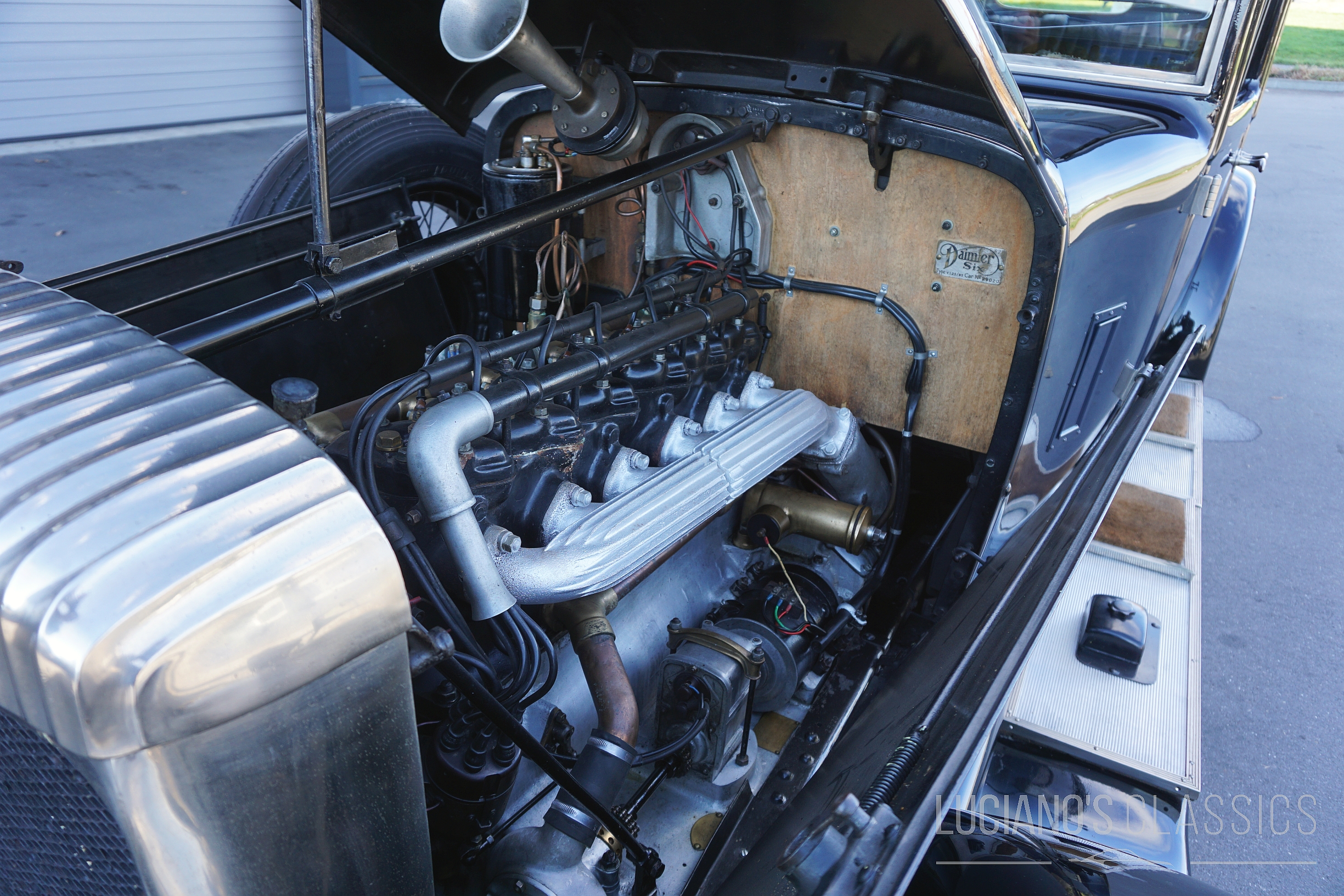
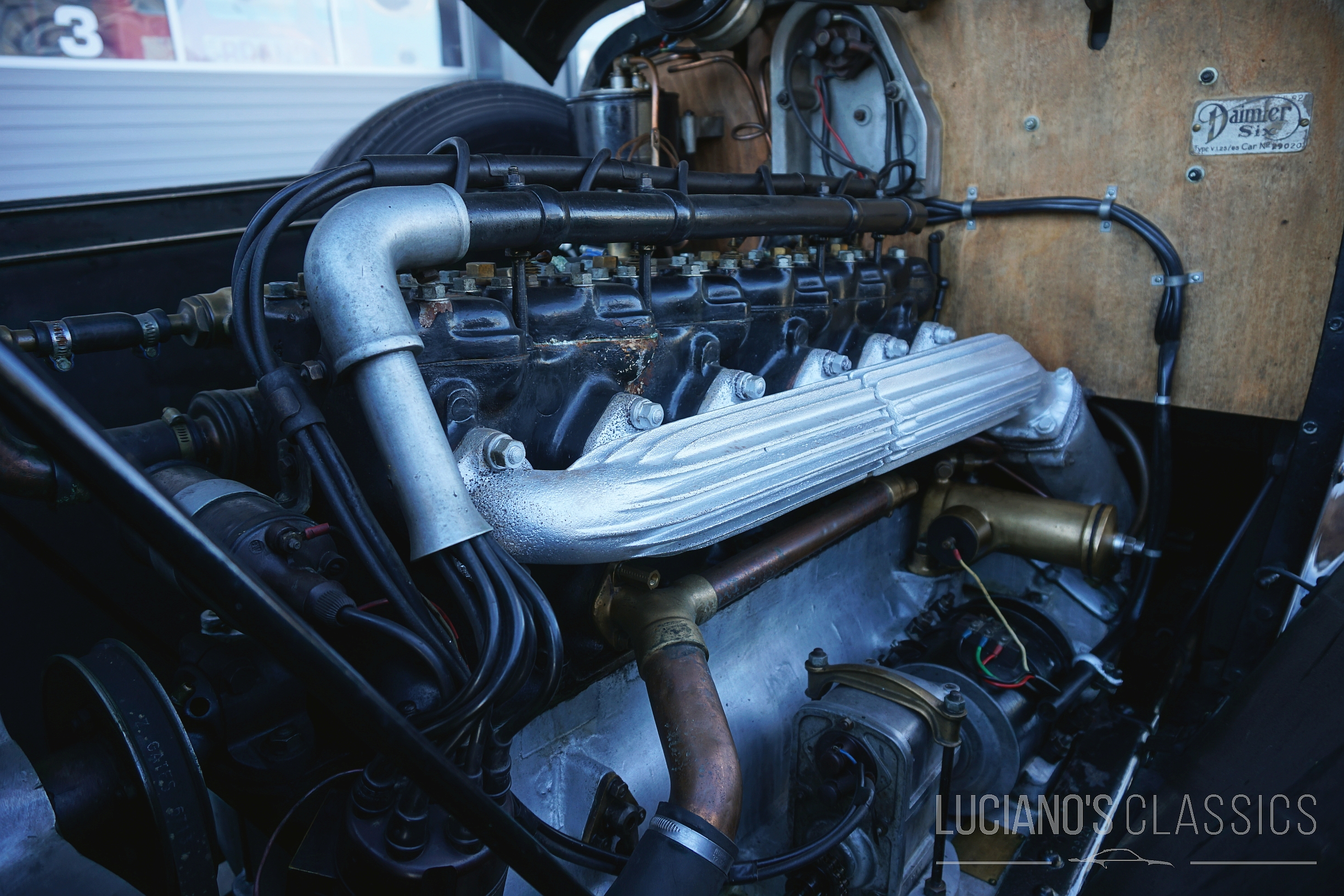
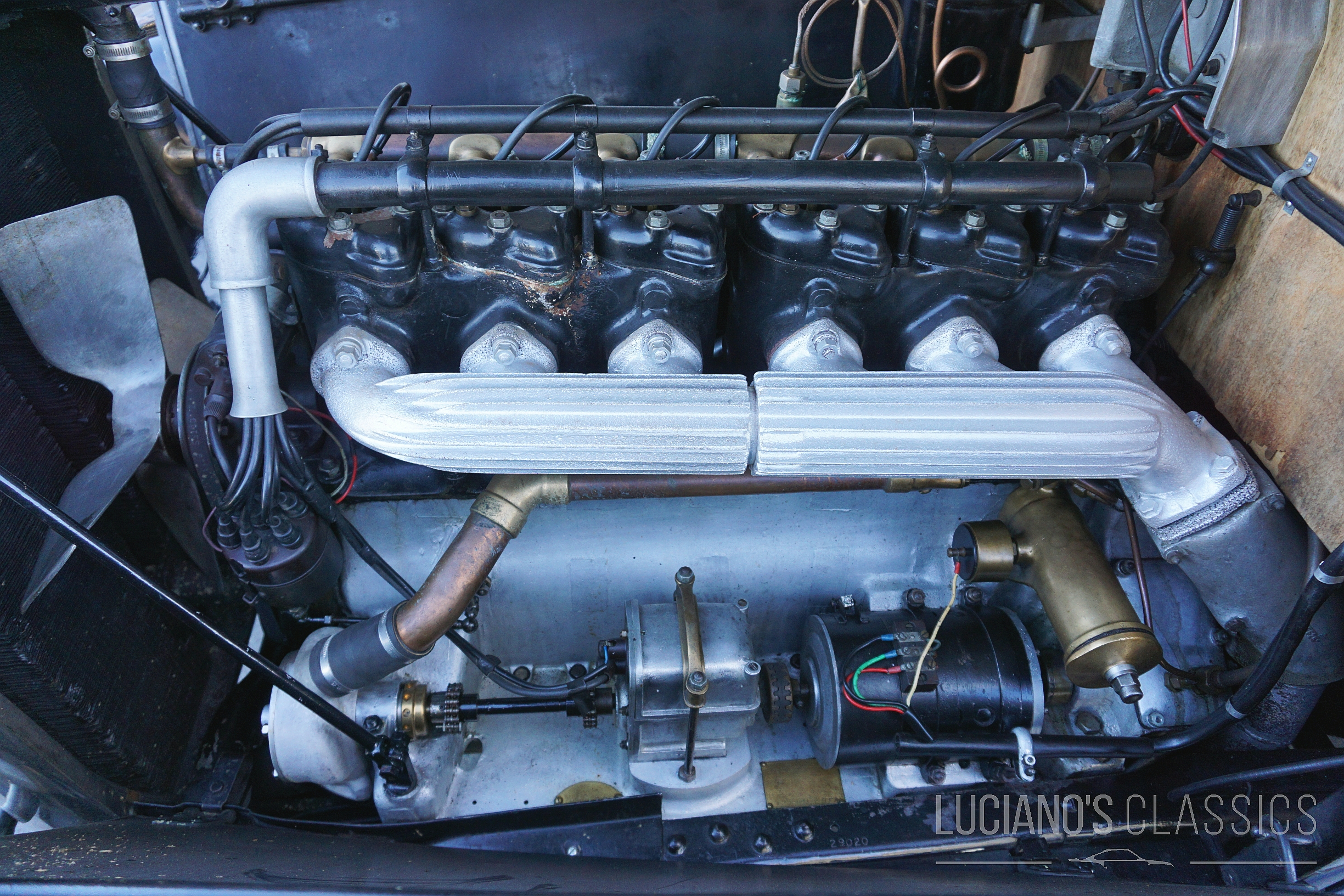
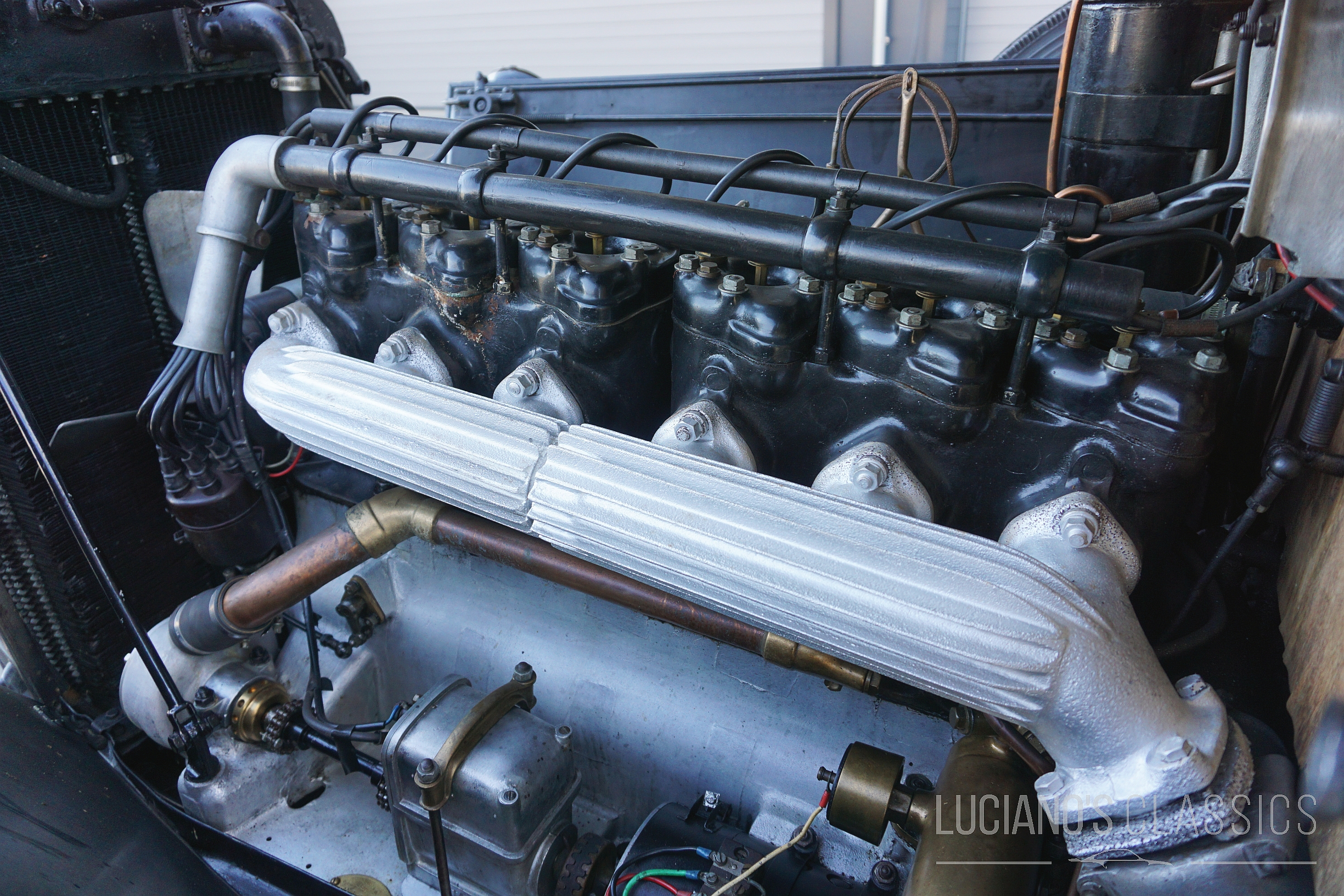
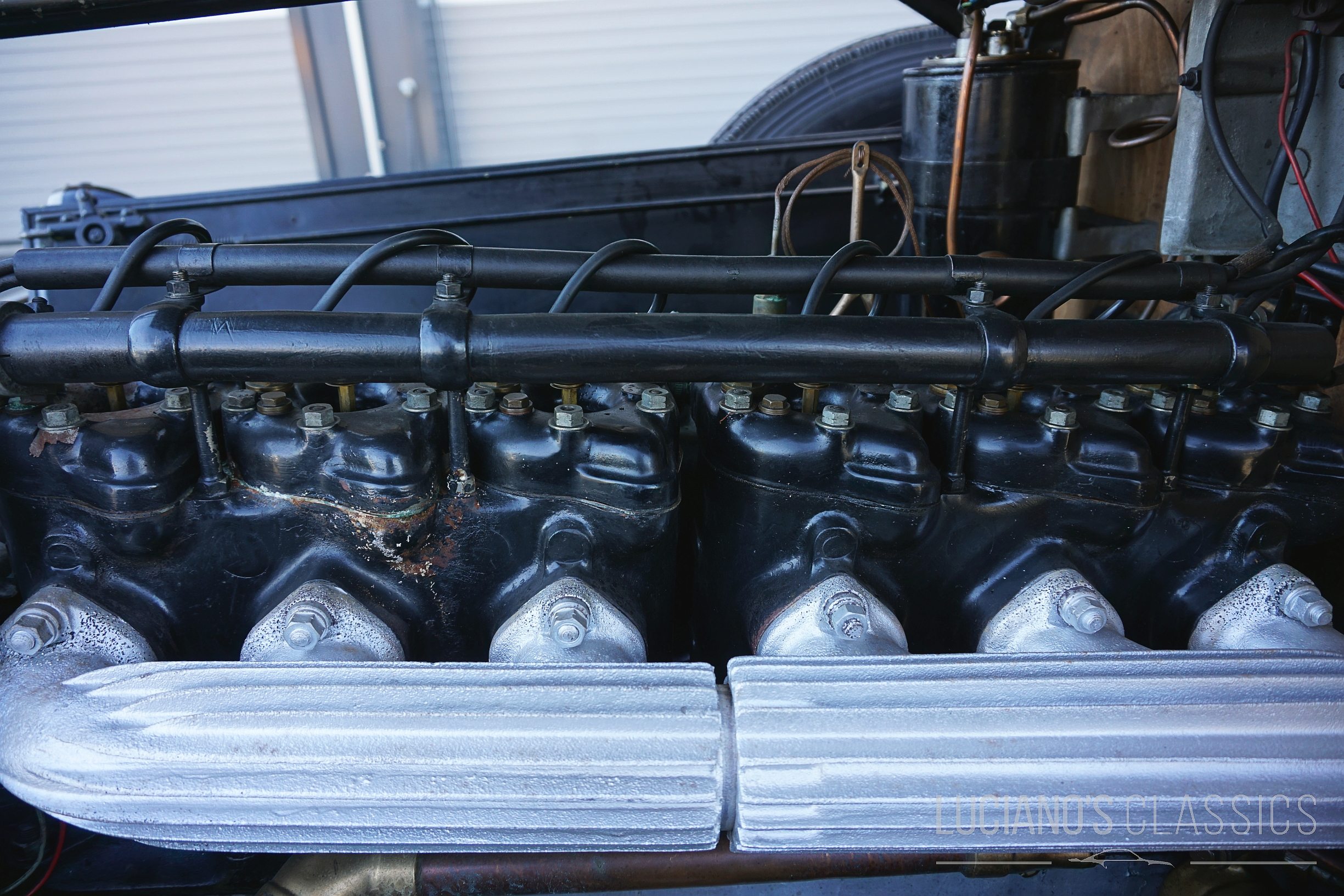
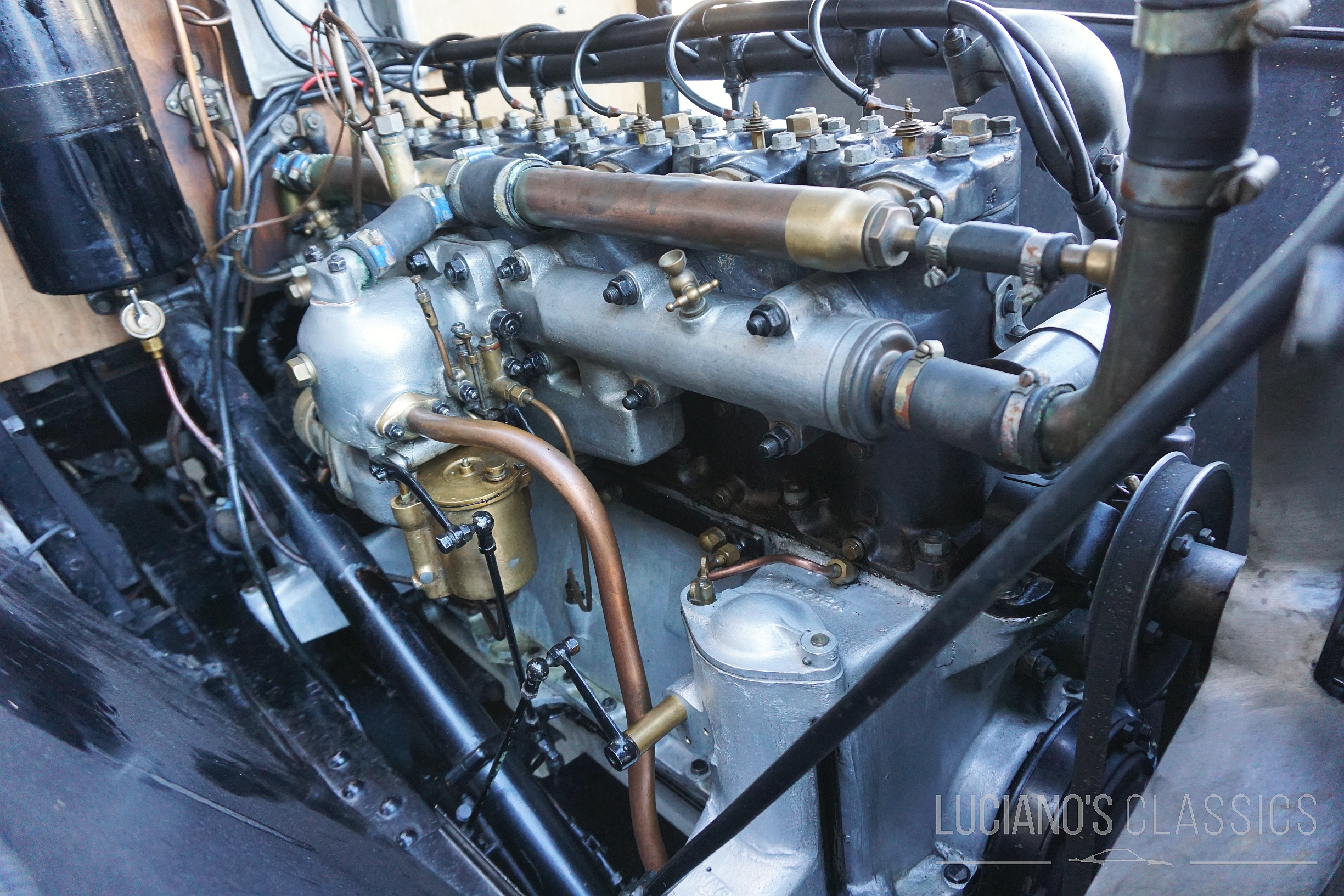
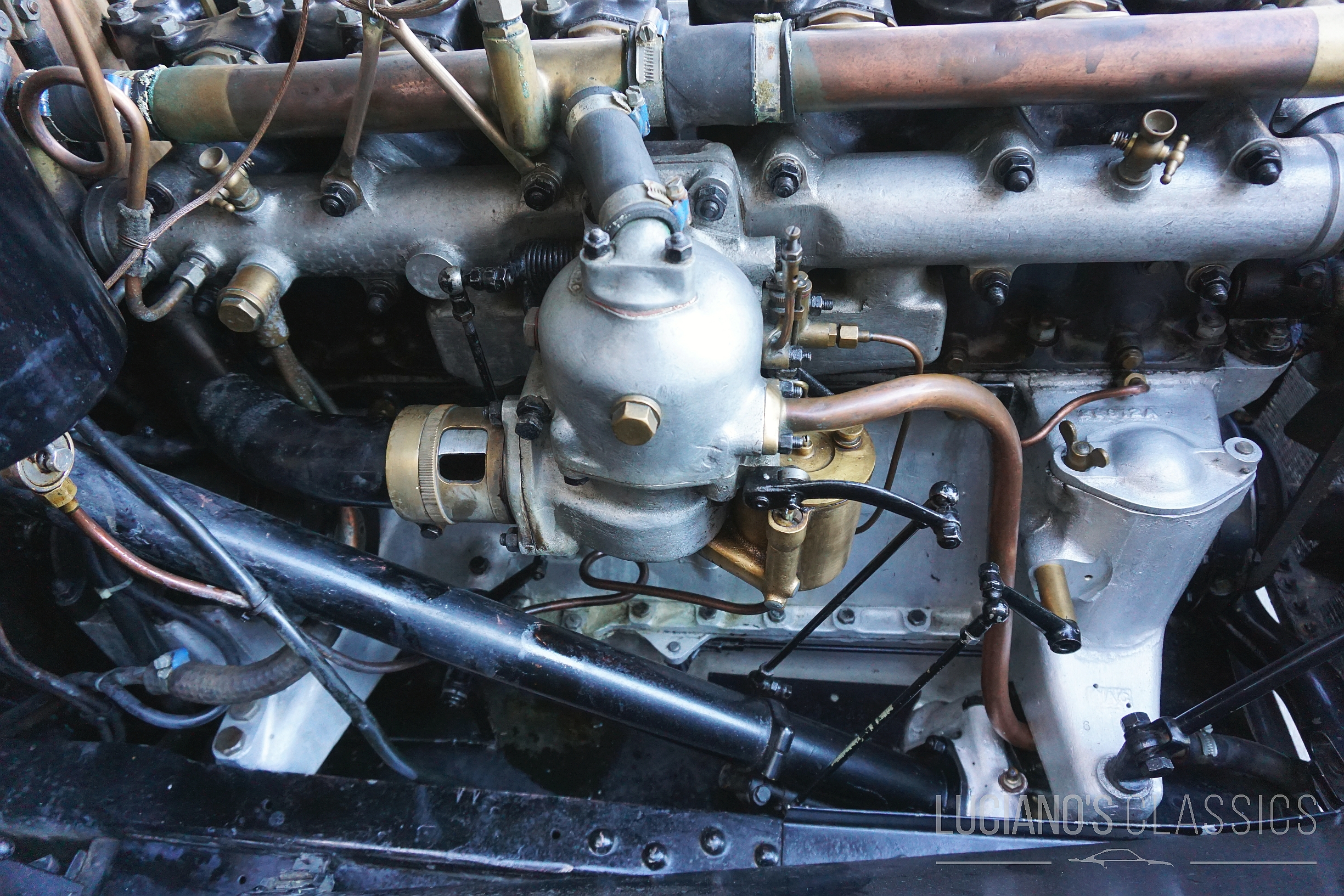
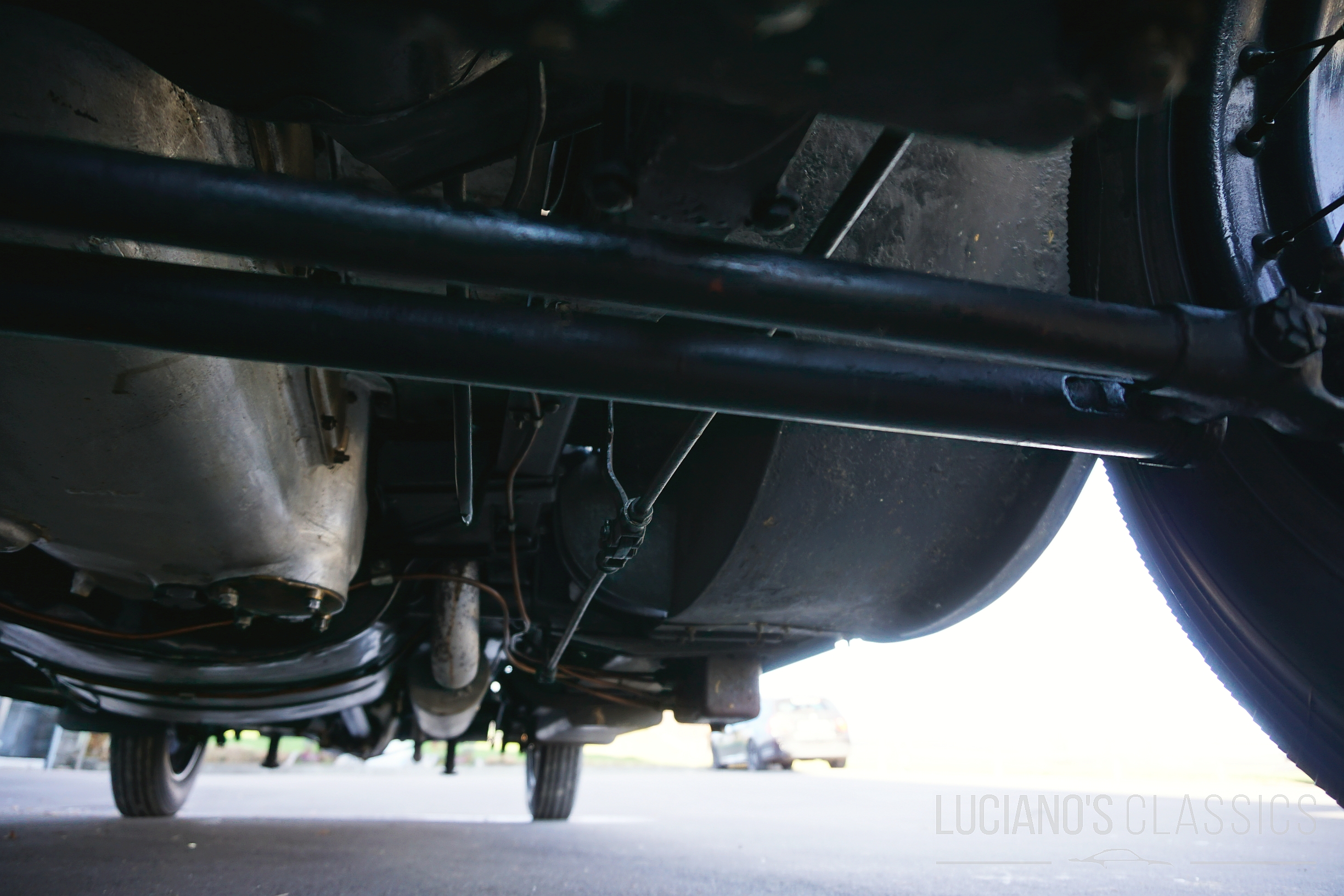
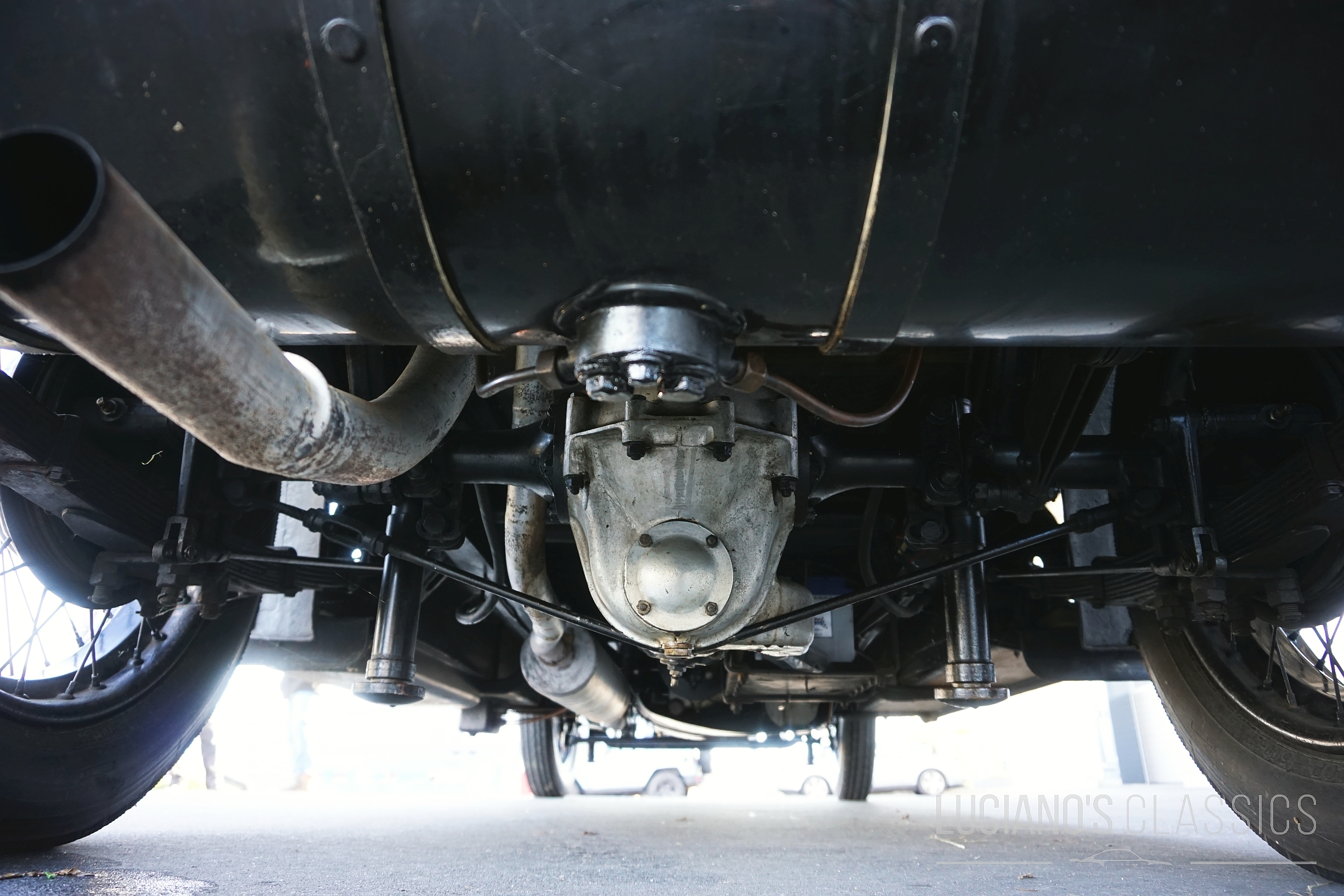
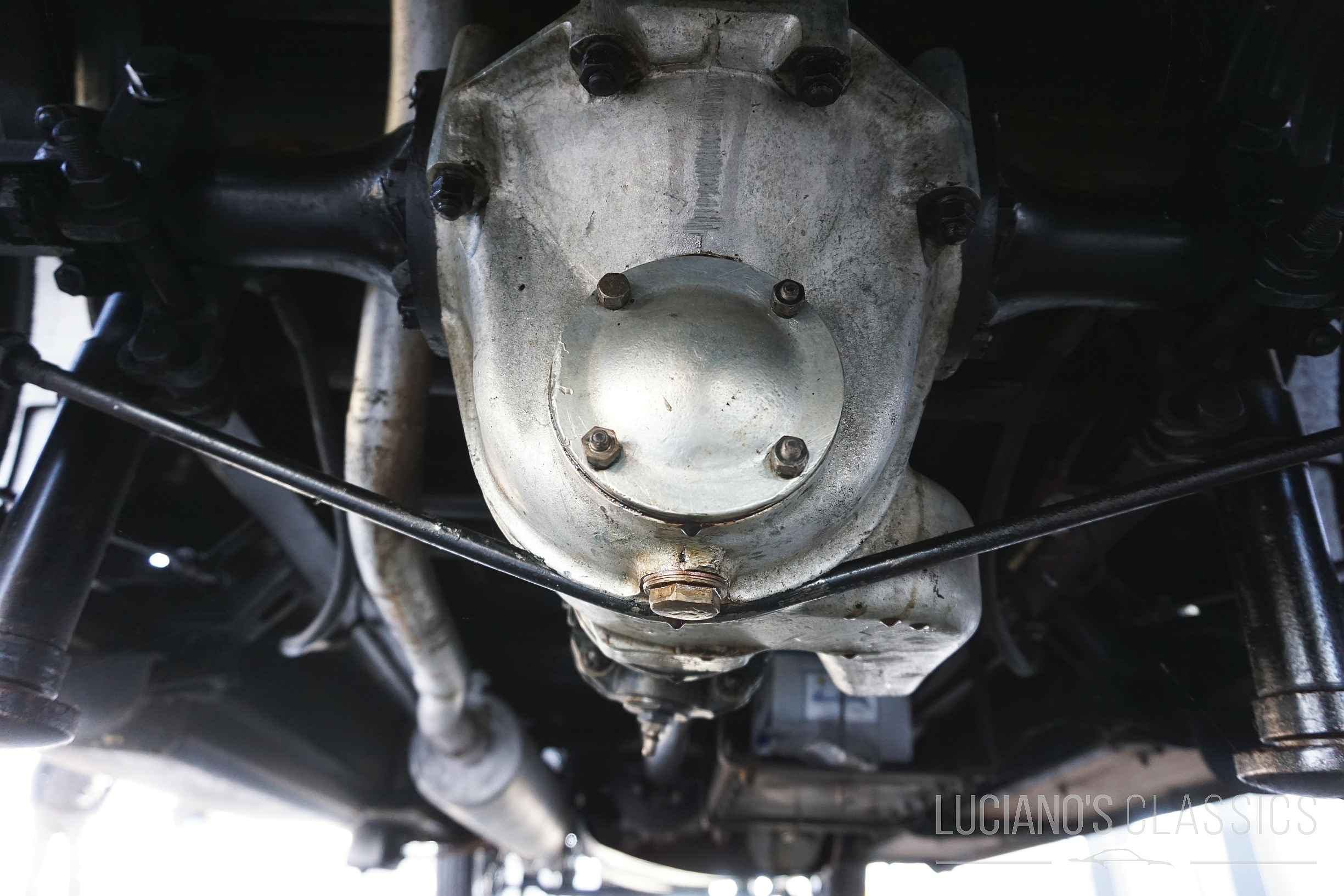
This ready to drive and test 27 Daimler 25/85 with six-cylinder Knight pusher engine is an all-round imposing appearance and presents itself in excellent condition. The reason for this is its history, as it has been in Swiss family ownership for 60 years:
It was supposed to be an English classic car, and anyone who wanted to buy a classic car in 1968 was looking at cars from the 1920s and early 1930s. 700 pounds was paid for the car - it was patinated and the windshield was broken and sealed with cardboard and newspaper.
At a cruising speed of 70 to 80 km/h, the machine was driven under its own power and in heavy rain from Bournemouth via Southampton - Le Havre to Basel, cleared through customs and then driven to central Switzerland for repair and restoration. An almost unthinkable undertaking today - in the past, people had a thicker skin.
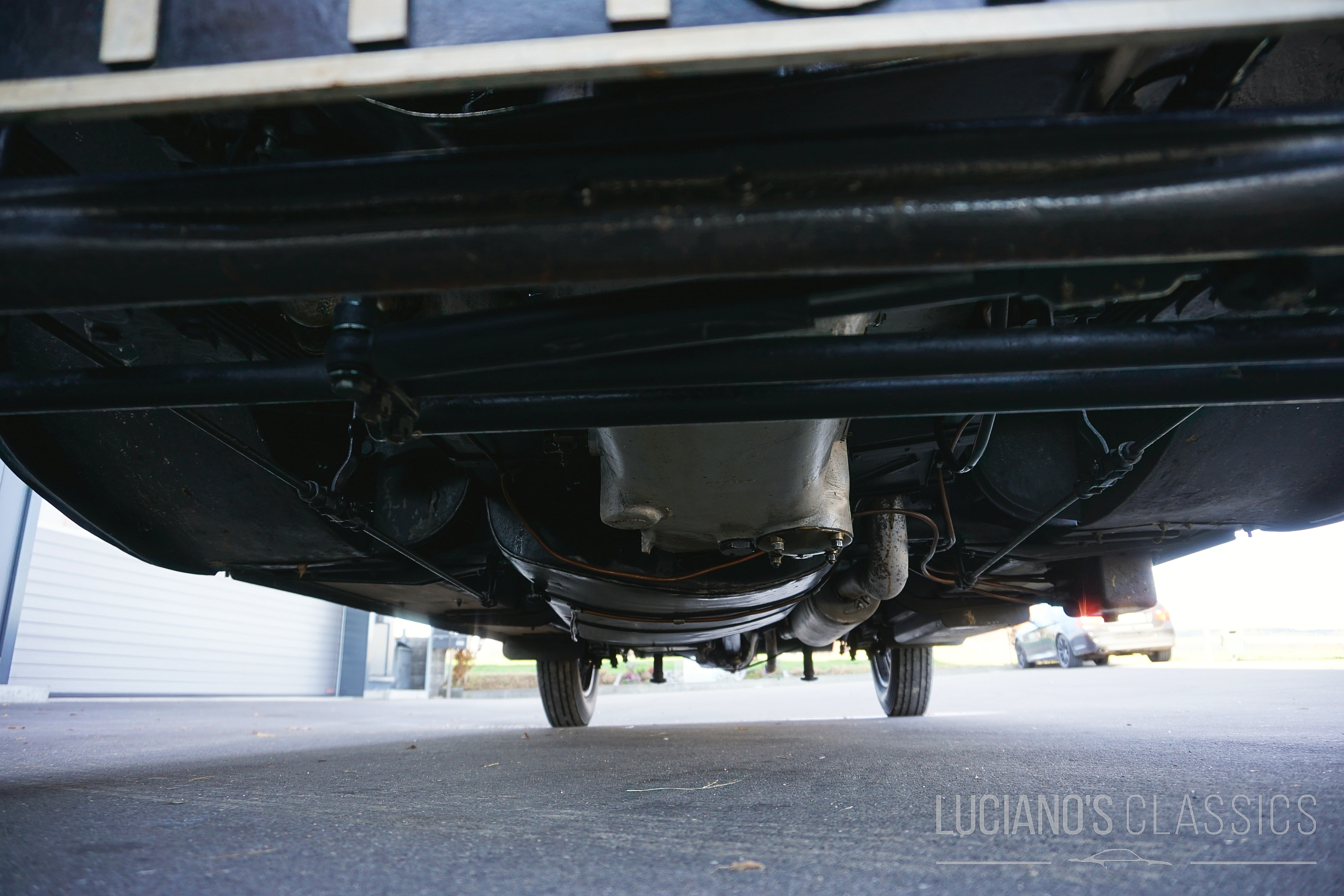
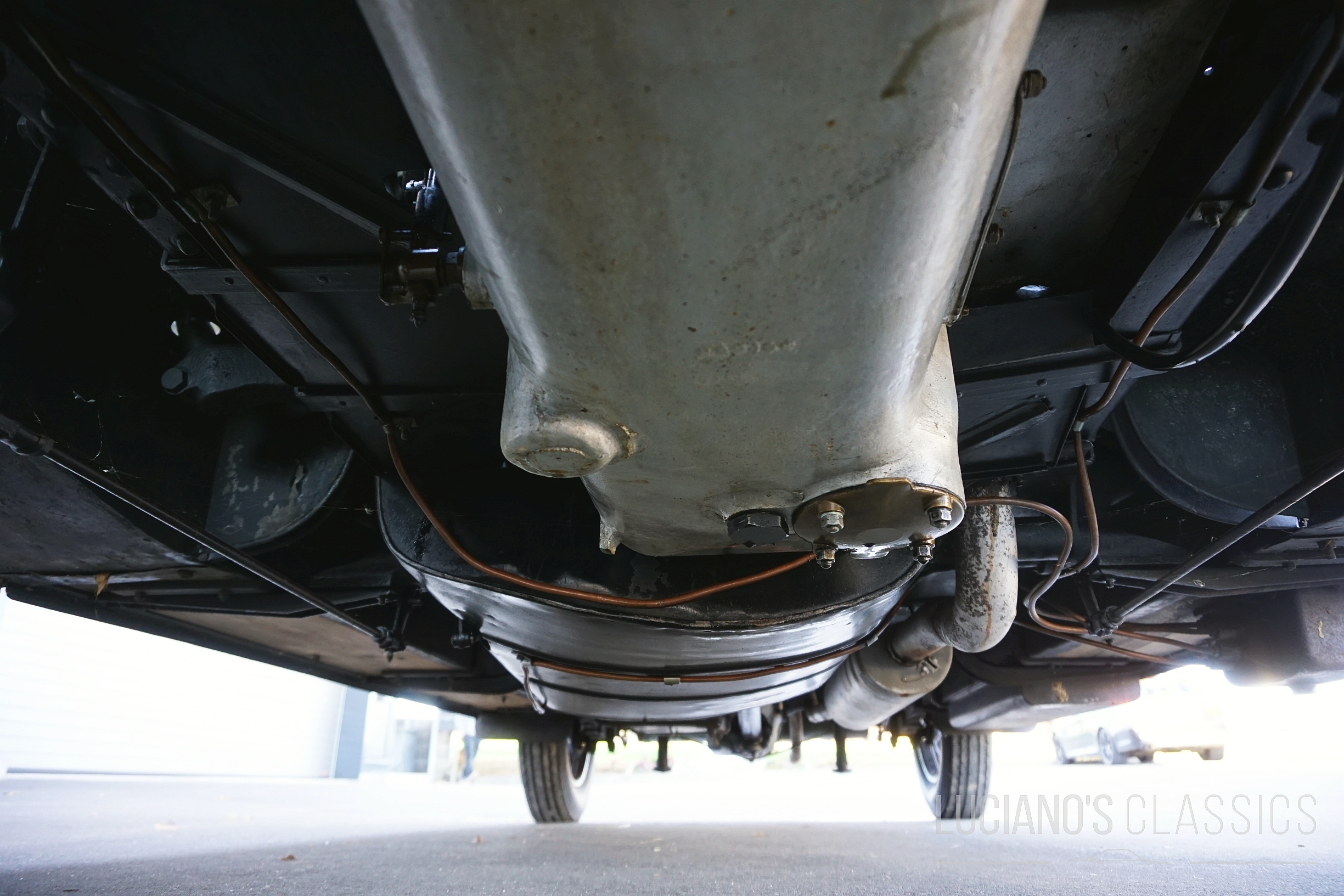
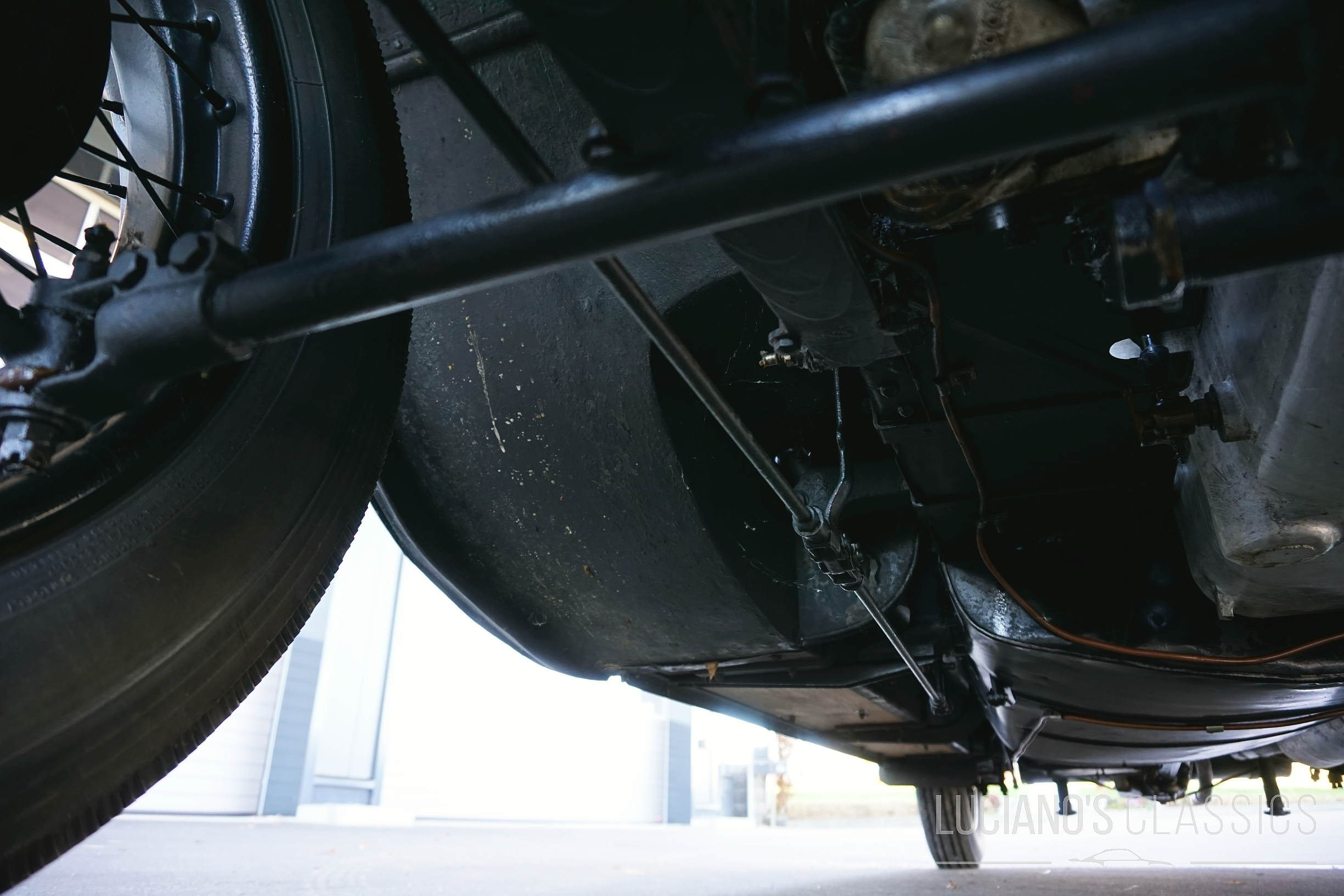
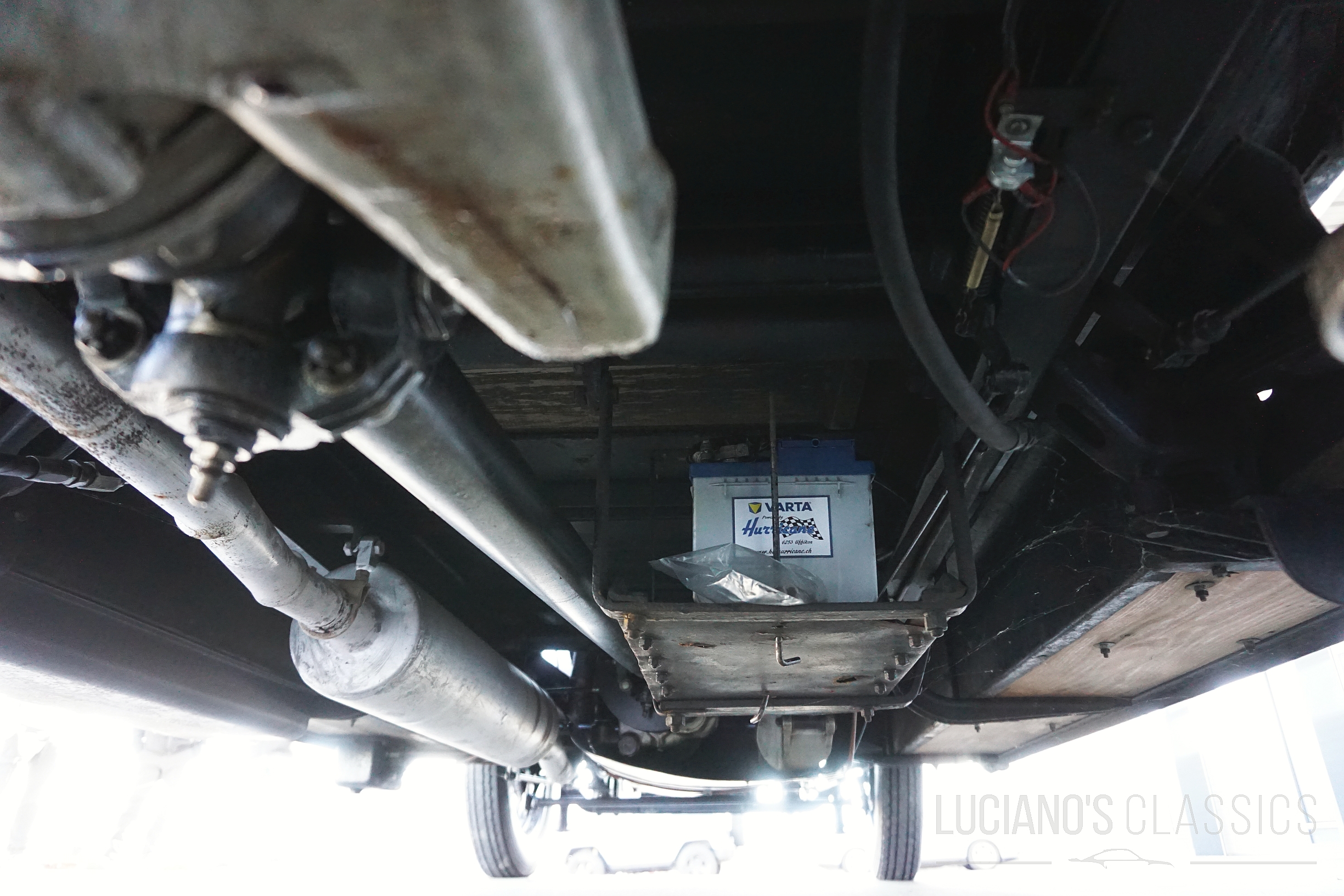
In collaboration with Garage Epper in Lucerne, the Daimler was restored for three years, with as much as possible being left in its original condition and overhauled. The light patina and thus the history of the car was to be retained and is still visible on the mudguards today.
The car was finished in 1971 and was driven regularly until recently. Wedding drives and rallies at home and abroad were the preferred events for driving this unique and antique classic car.
The lovingly maintained luxury limousine has served the family well and is now set to find equally great fans of the antique automobile under a different roof.
You can find a video of the luxurious classic at the bottom of this page.
This vehicle has already been sold.
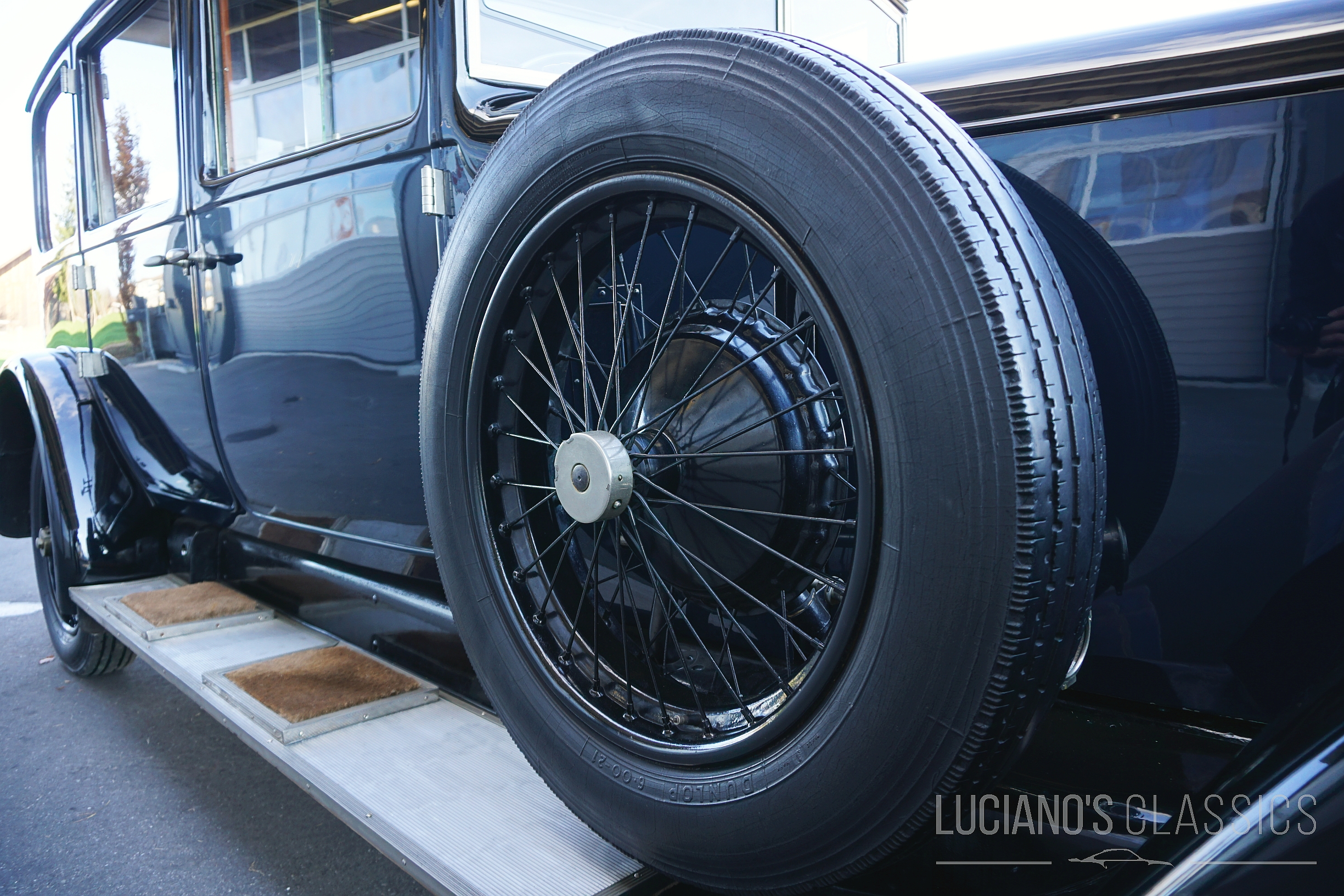
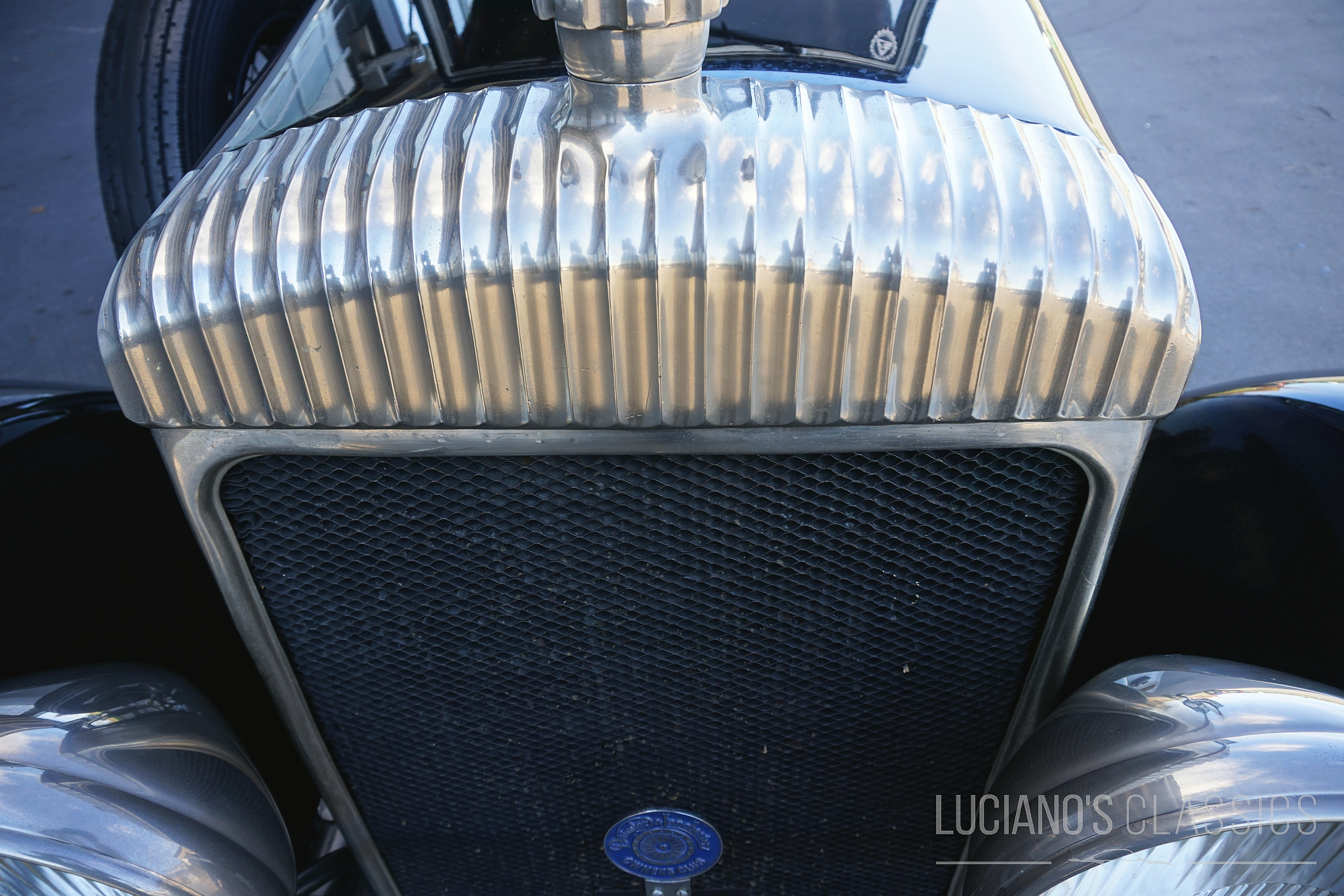
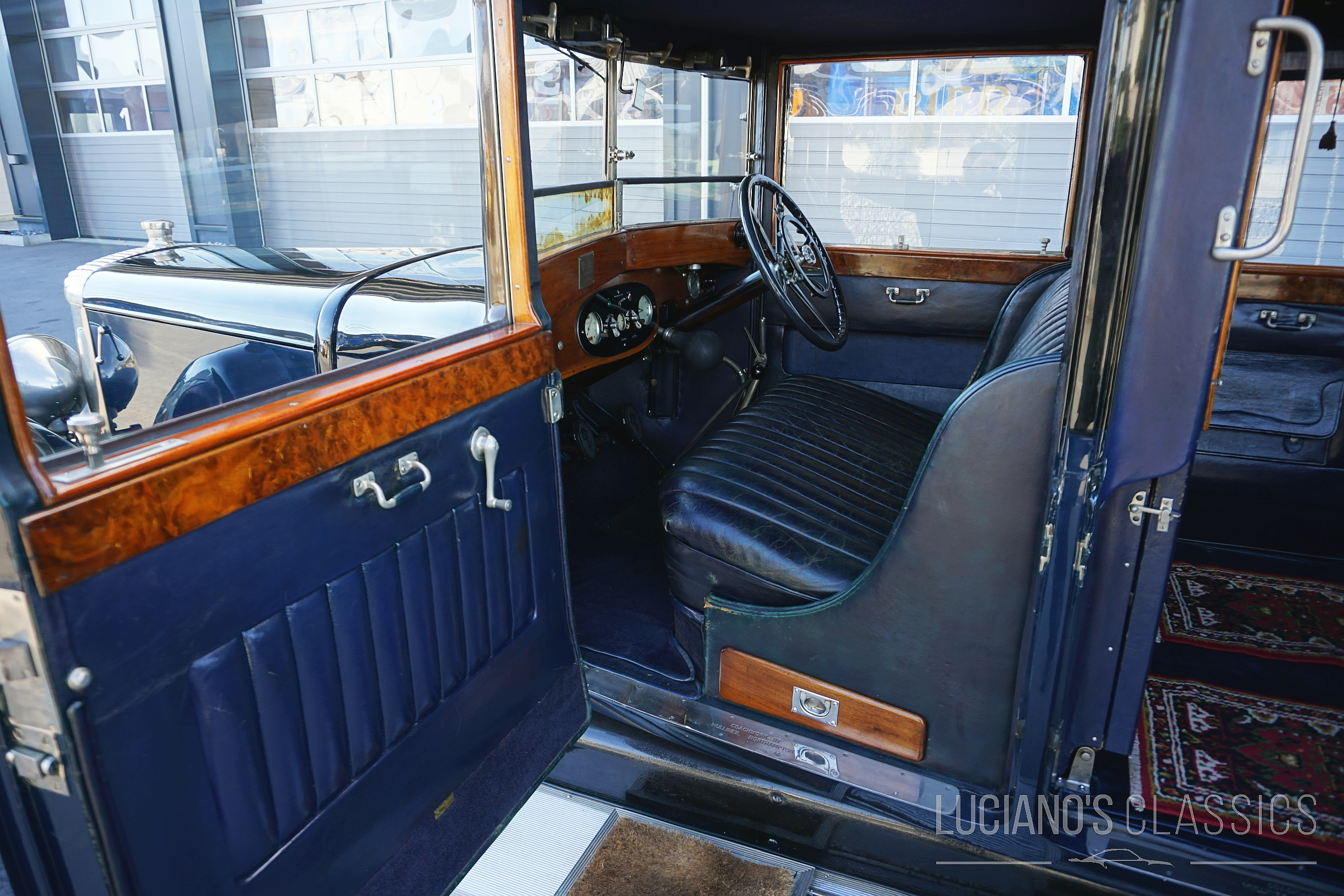
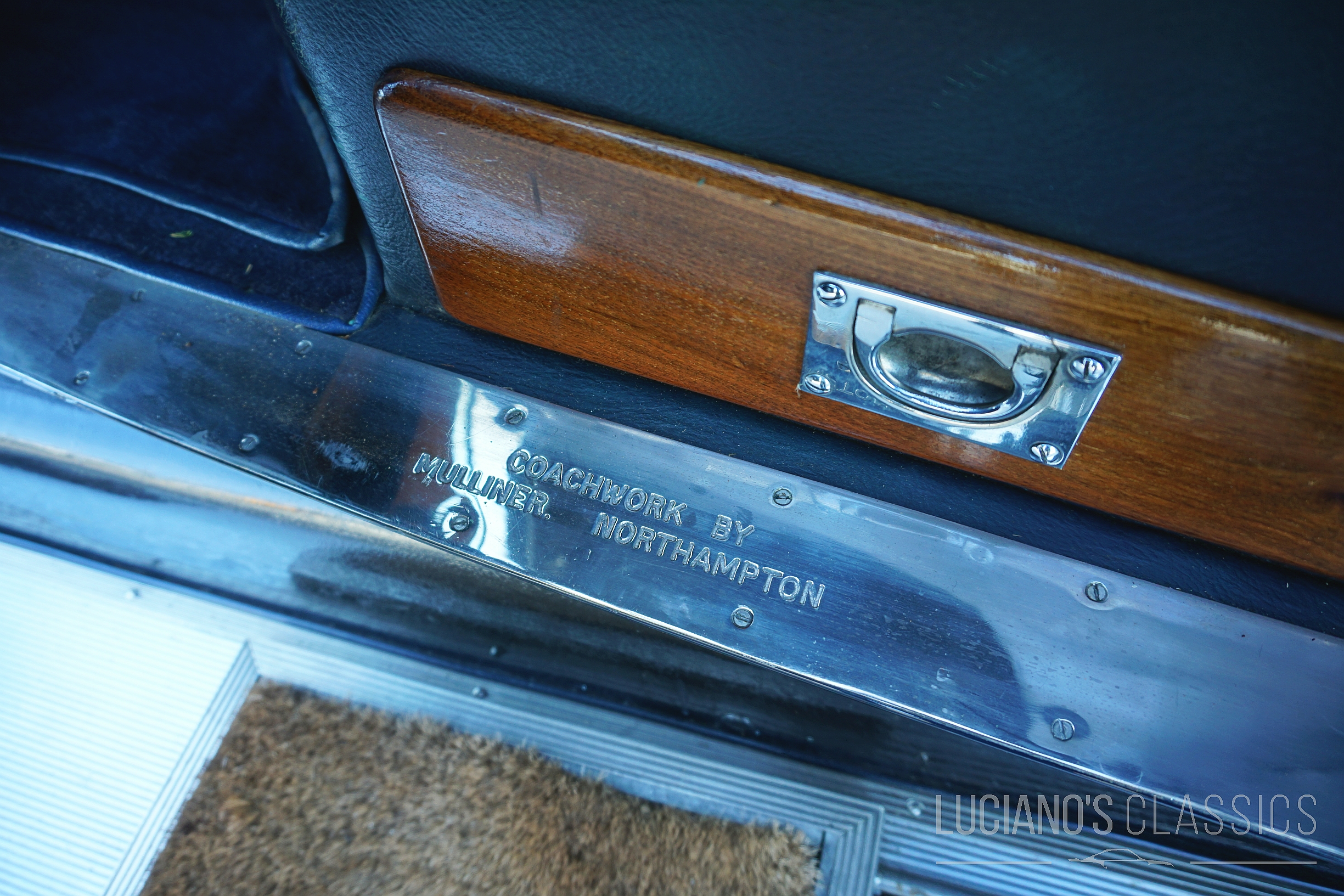
Model history
Henry M. Leland, American patriot and founder and former head of the Cadillac Motor Company, founded the company in 1917 at the age of 74.
In the early days of global motorization, there were two men who, despite all the adversities of that era, saw a great future in the automotive industry. They did everything in their power to make the new industry flourish in England. Harry J. Lawson imported vehicles, bought up patents and financed various projects, while Frederick Simms built cable cars and expanded his knowledge in every conceivable technical field.
Everything was to change in 1889 at an exhibition in Bremen, where Simms met Gottlieb Daimler. The two gentlemen hit it off and decided to exchange experiences on a regular basis. To this end, Simms acquired all patent rights to Daimler's designs for Great Britain. He did not have the necessary small change to import entire vehicles. For the time being, Simms concentrated on the engine business and so his first demonstrated vehicle in the form of a motorboat bubbled along the Thames at the end of May 1891.
It was difficult to gain a foothold in the automotive industry in England. Simms therefore turned to wealthy merchants and used their capital to found the «Daimler Motor Syndicate Limited» in 1893. His knowledge and enthusiasm did not go unrecognized, as it was not long before Simms was also elected to the Supervisory Board of Daimler Motoren-Gesellschaft in Stuttgart.
Thanks to a motivated committee of automotive visionaries, including Mrs. Evelyn Ellis, automobile designer John H. Knight and Harry J. Lawson, England's strict traffic laws were relaxed in 1896. The relaxation of regulations was the occasion for the named drive from London to Brighton, which is still held annually today as the «Emancipation Run» of antique motor vehicles.
Even before the law was changed, Ellis and Simms had brought a Panhard with a Daimler engine to England and also drove it to London. Together with three other French vehicles, this Panhard was shown at a small exhibition in Tunbridge in the same year.
Now other influential people began to take an interest in motor cars. Lawson and two other financial gurus, Martin D. Rucker and Ernest T. Hooley, approached Simms and offered him 25,000 pounds for his Daimler patents. Simms negotiated them down to 36,250 pounds sterling. Lawson immediately founded the ’British Motor Company Limited’.
On January 14, 1896, this company created a subsidiary which, with Gottlieb Daimler's consent, was named «Daimler Motor Company Limited». Daimler was given a directorship while Simms acted as a consulting engineer.
There was still no original Daimler on English soil. The first automobile of this brand was not to come over until December 1895. None other than the then King of England, Edward VII, took his first drive in this vehicle shortly afterwards, and in 1896 the Daimler Motor Company in Coventry began building production facilities for motor vehicles. In the summer of 1897, the first British-made Daimler left the plant.
The cars from Coventry sold well. From 1897 to 1903, there were vehicles with eleven different engine sizes, all two and four-cylinder. Machines with the well-known Knight slide valves were built as early as 1908.
In 1910, the Daimler company merged with the BSA Group, which was mainly active in the armaments sector, but also produced motorcycles and, to a lesser extent, automobiles. Additional sales, particularly in the commercial vehicle sector, were recorded during the First World War. After 1918, however, this ebbed away and hard times followed. It was not until 1923 that a new era began to emerge, when a small six-cylinder engine with a displacement of 1.6 liters was produced in Coventry and sold well.
The sensational twelve-cylinder engine with a displacement of 7.2 liters appeared in 1927. The „Double Six“ was one of 23 models with five different engines on the range that year. One of these was the 3.6 liter six-cylinder engine that can be found in this car.
Daimler had fully caught up again and played a leading role in the British passenger and commercial vehicle business. In 1931, when Bentley also joined Rolls-Royce, Daimler took over the long-established Lanchester Company. Cars of this famous brand always had a high prestige value; the brand was retained and existed until 1956. Both Daimler and Lanchester were regarded - before Rolls-Royce - as the finest things on wheels in England.
together with his son Wilfred, founded the Lincoln Motor Company. Named after Abraham Lincoln, the 16th President of the United States of America.
As an industrialist, Lincoln knew the ropes and received an advance of 10 million dollars from the government for his company to start producing aircraft engines (L8 and L12) as quickly as possible. By the end of the First World War, his 6,000 employees had produced around 17,000 engines.
At the end of the war, the advance had not yet been completely paid off and no further engines were needed at the time. The solution: cars.
The production halls were converted for the manufacture of luxury automobiles and the Lincoln Model L, which was launched in 1920, was to be the first to leave the factory. This again required more capital, reportedly 6.5 million dollars. No problem for Leland and within just 3.5 hours the share capital was liquid.
The vehicle was of the highest quality and equipped with a side-valve V8 engine. On the outside, however, the Lelands lagged somewhat behind the competition, which, together with a severe economic crisis and late deliveries, resulted in red figures. Hiring the respected coachbuilder Brunn & Company was supposed to solve the problems, but the sales figures were hardly salvageable.
On February 4, 1922, 3407 vehicles were sold instead of the planned 6000. In the face of fierce opposition from the Lelands, it was then decided to initiate insolvency proceedings and put the company up for sale. Due to its solid basis, the L shows model was built until 1930.
Henry Ford saved the company from insolvency in February 1922 and took it over for 8 million dollars. This was a personal triumph for Ford, as his Henry Ford Company had been restructured by Leland in 1902 as a result of financial difficulties. Ford then had to leave his own company, which was renamed Cadillac Motor Company shortly afterwards.
For a short time, Ford and Leland remained on the management board of the Lincoln Motor Company. When Henry Ford demanded the resignation of Wilfred Leland, they both left the company. Leland and Ford then entered into legal disputes over compensation to former investors and creditors.
The new management sold an impressive 5512 vehicles in the first 10 months after the takeover, i.e. by December 1922. Lincoln developed into a serious competitor in the luxury automobile market segment alongside major suppliers such as Packard, Pierce-Arrow, Peerless and Marmon. Henry Ford's son Edsel Ford played a major role in the brand's success as head of the company. Lincoln did not have its own body shop at this time, which is why it worked with the best coachbuilders in the USA with a keen sense of style and quality.
In his other function as head of the design department (of whose importance he first had to convince his father), Edsel Ford brought Eugene T. „Bob“ Gregorie to Ford as chief designer, who was thus also responsible for Lincoln's production vehicles and designed the first Mercury. Lincoln survived the economic crisis of the 1930s thanks to a reorientation. Edsel Ford had taken a liking to a radical design by John Tjaarda for a fast streamlined car with a rear engine in the upper middle class. Henry Ford did not allow himself to be tempted by such extravagances, but gave Edsel Ford and Gregorie a largely free hand. Although the competition at Chrysler had had bad experiences with market acceptance, Lincoln also opted for a self-supporting body. The car was powered by a V12 engine that had been designed in such a way that as many parts of the Ford V8 as possible could be used.
The result was the Lincoln-Zephyr, positioned below the K series produced at the same time in terms of price and size. The car outshone everything at the 1936 New York Auto Show, mainly due to its modern design, the V12 engine, which was free of teething troubles, and above all a competitive price. Its rivals were not Cadillac or Packard Twelve (that's what the K was for) but Auburn, LaSalle, Buick, Chrysler and Packard One-Twenty. For the Lincoln brand, it was a breakthrough that secured market dominance in the US luxury car segment.
In the years 43 to 45 no vehicles were produced and from 1946 the Zephyr was continued as the 76H series.
Details
- 106’000 km
- 1. inv. 01.01.1927
- fresh veteran MFK with FIVA passport
- 3573 cc R6 slide valve engine
- 4-speed manual transmission
- 85 HP
- Type certificate X
- Master number 081.581.575
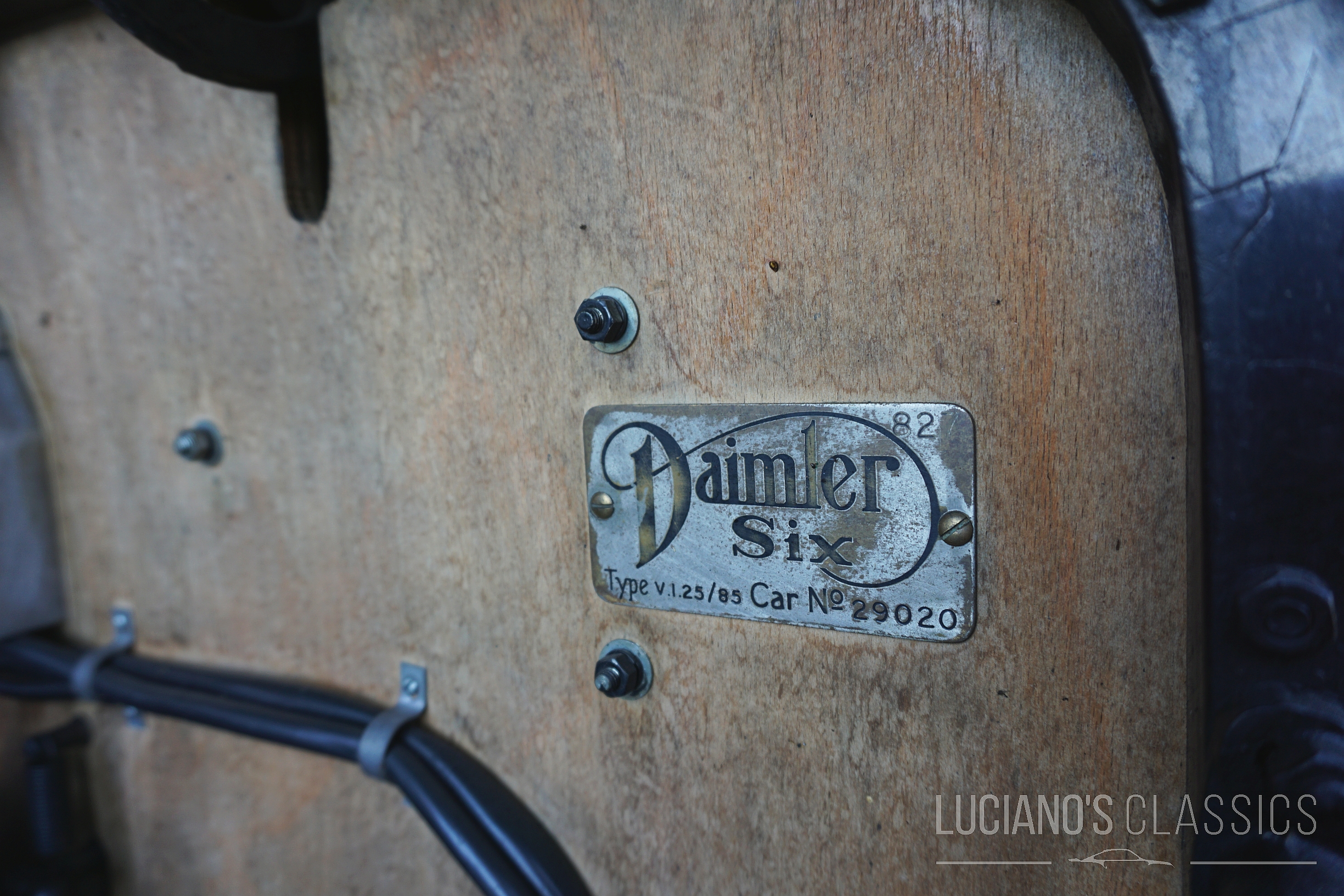
- Chassis 29020
- Unladen weight 2,100 kg
- Payload 500 kg
not what you are looking for?
We will be happy to find your individual dream vehicle.
Simply make a non-binding inquiry and benefit from our network.