
Chrysler Imperial Custom
Description
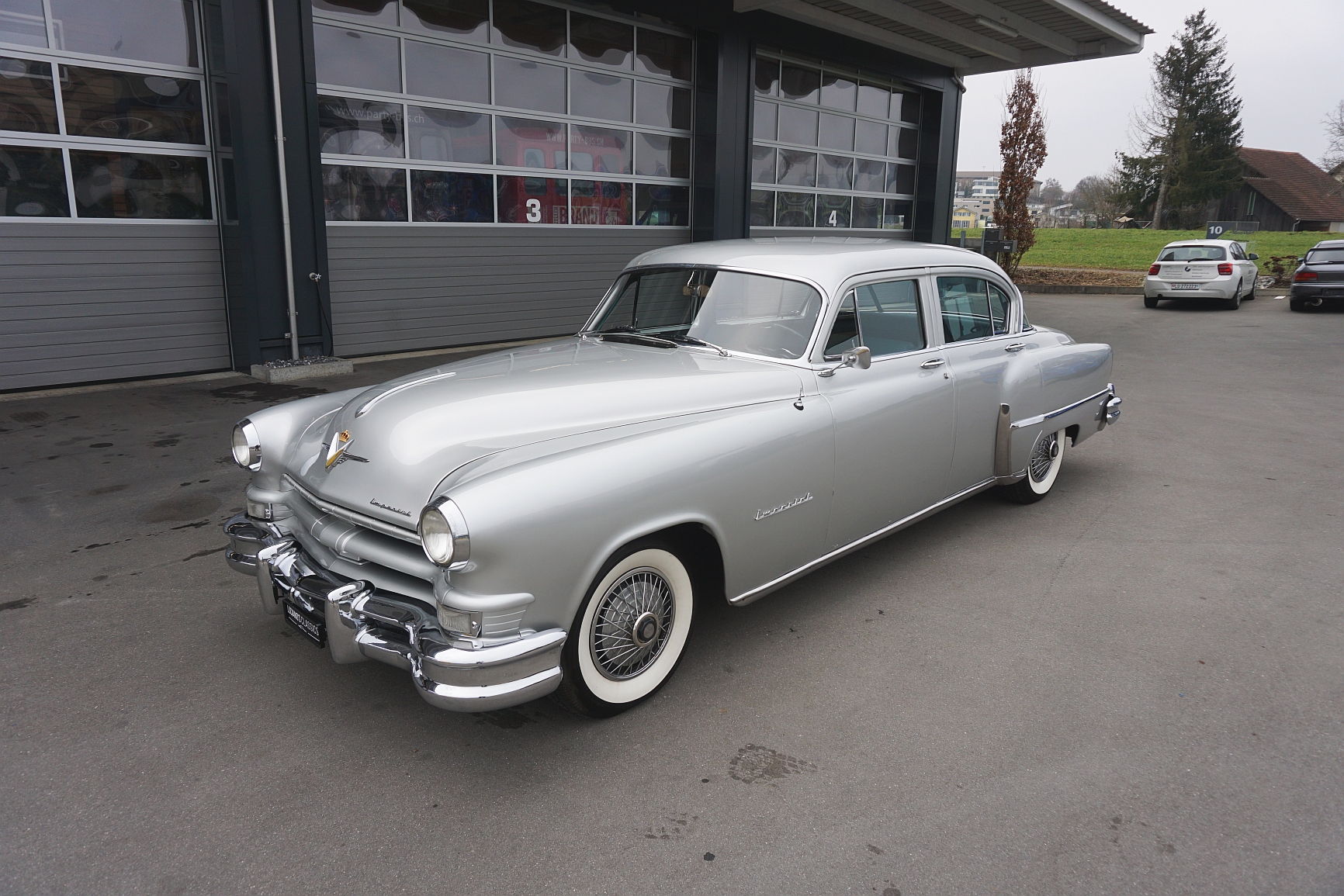
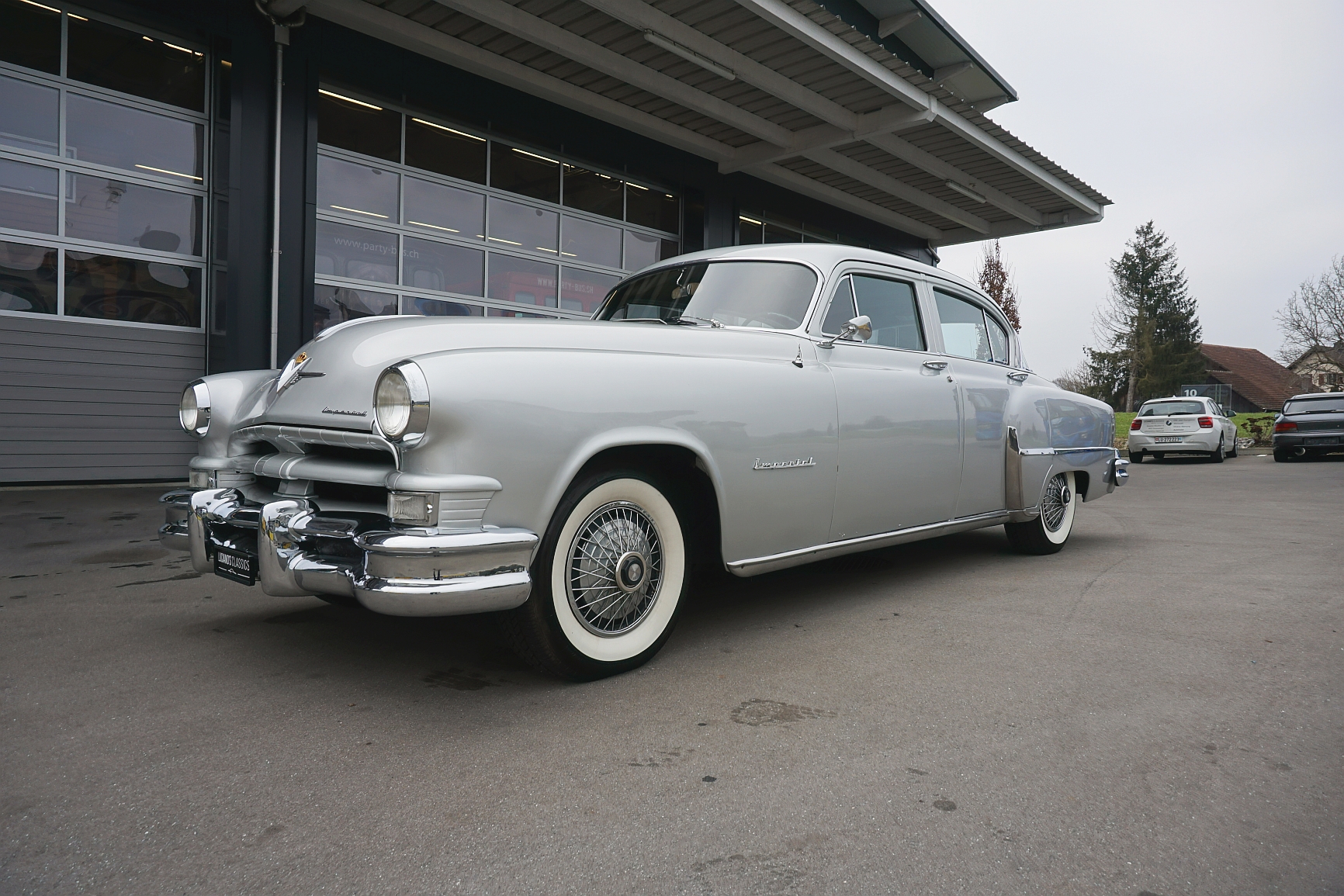
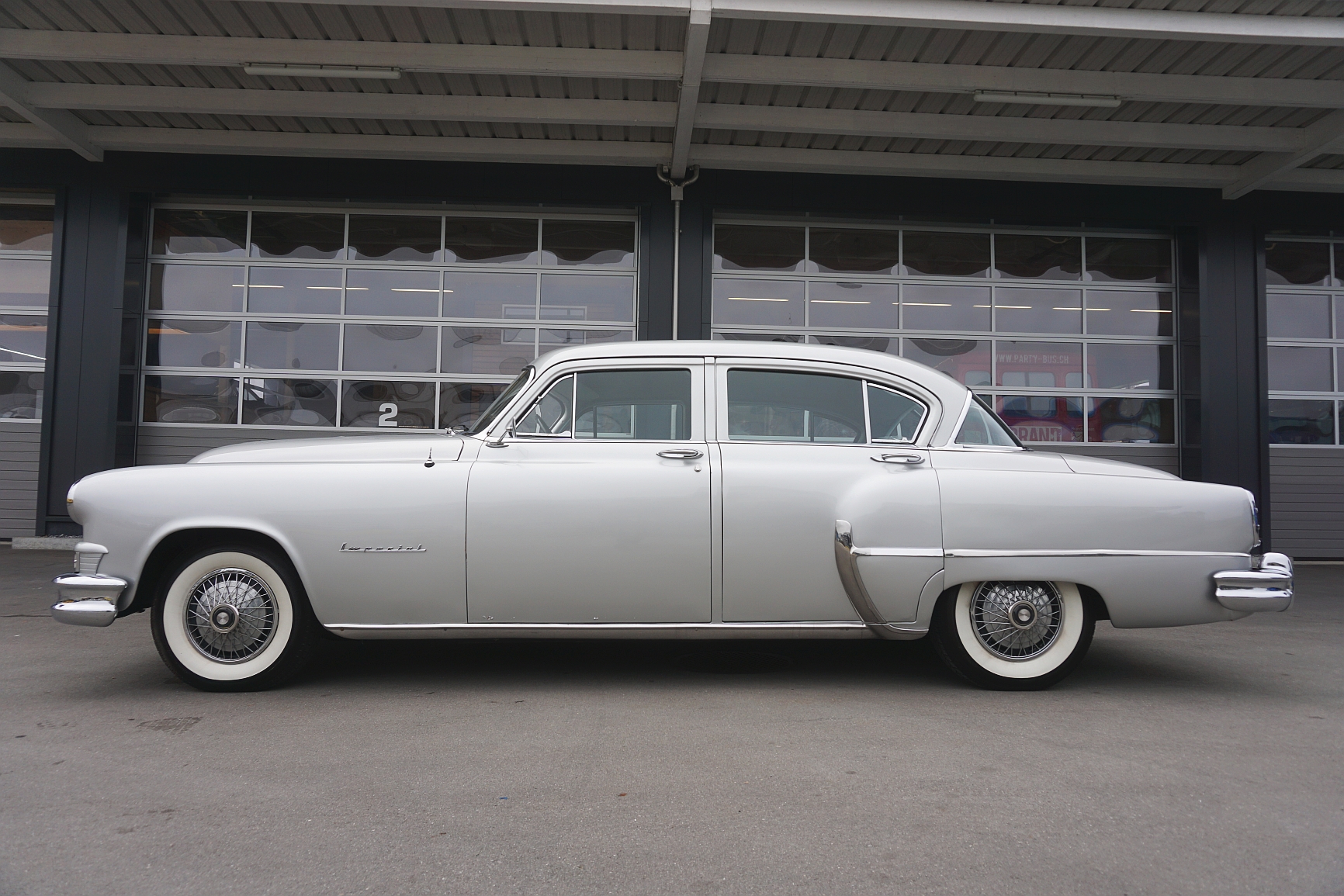
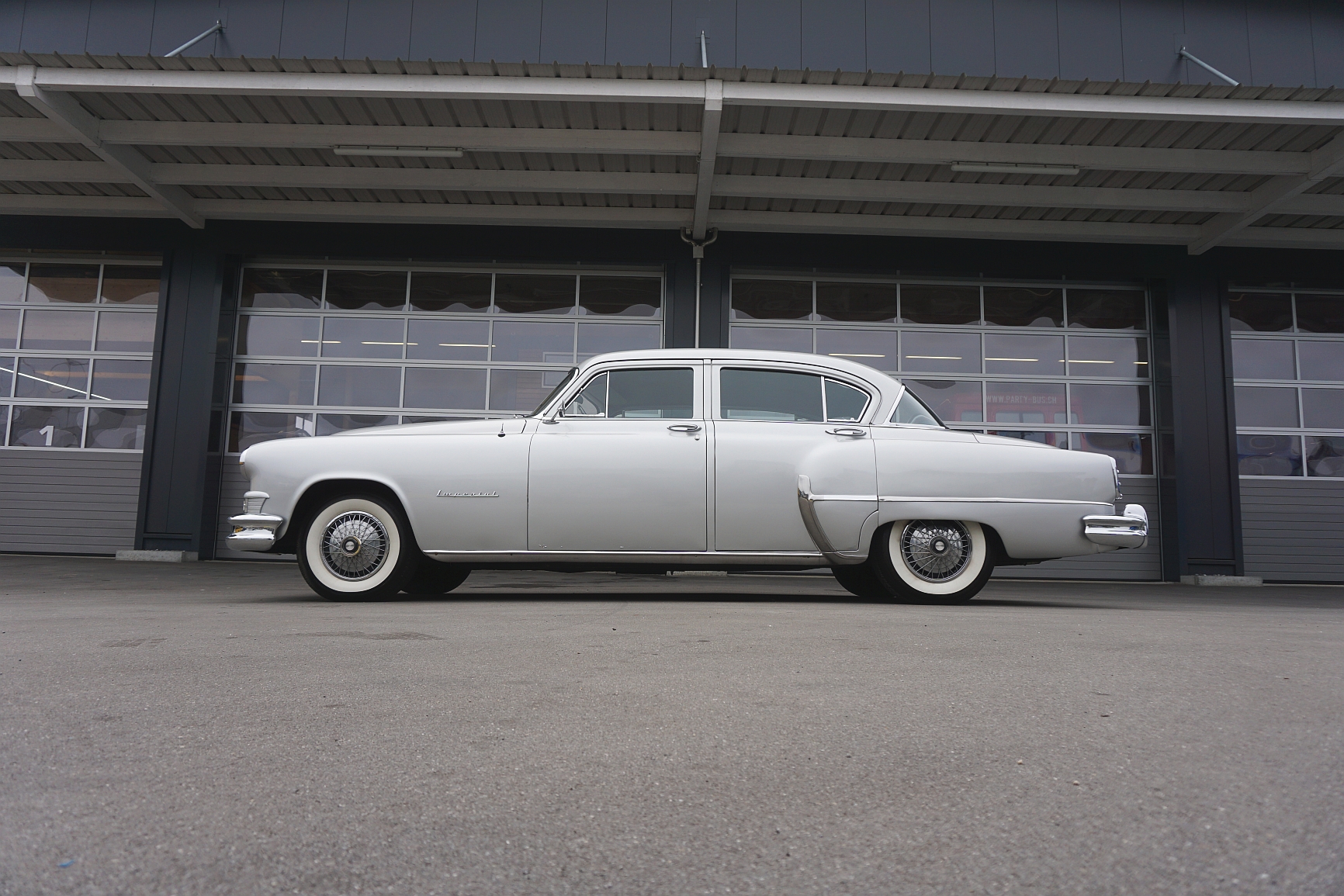
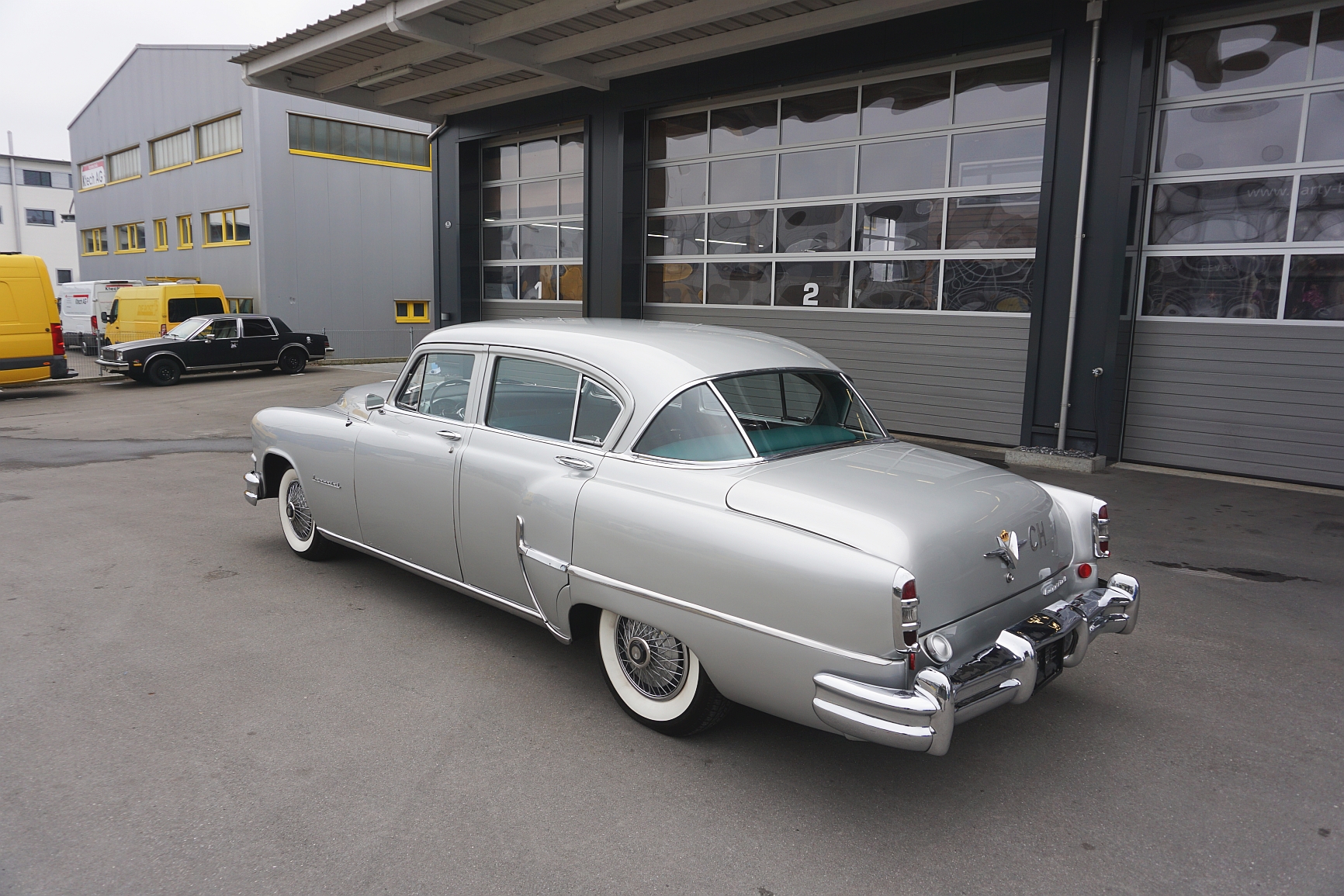
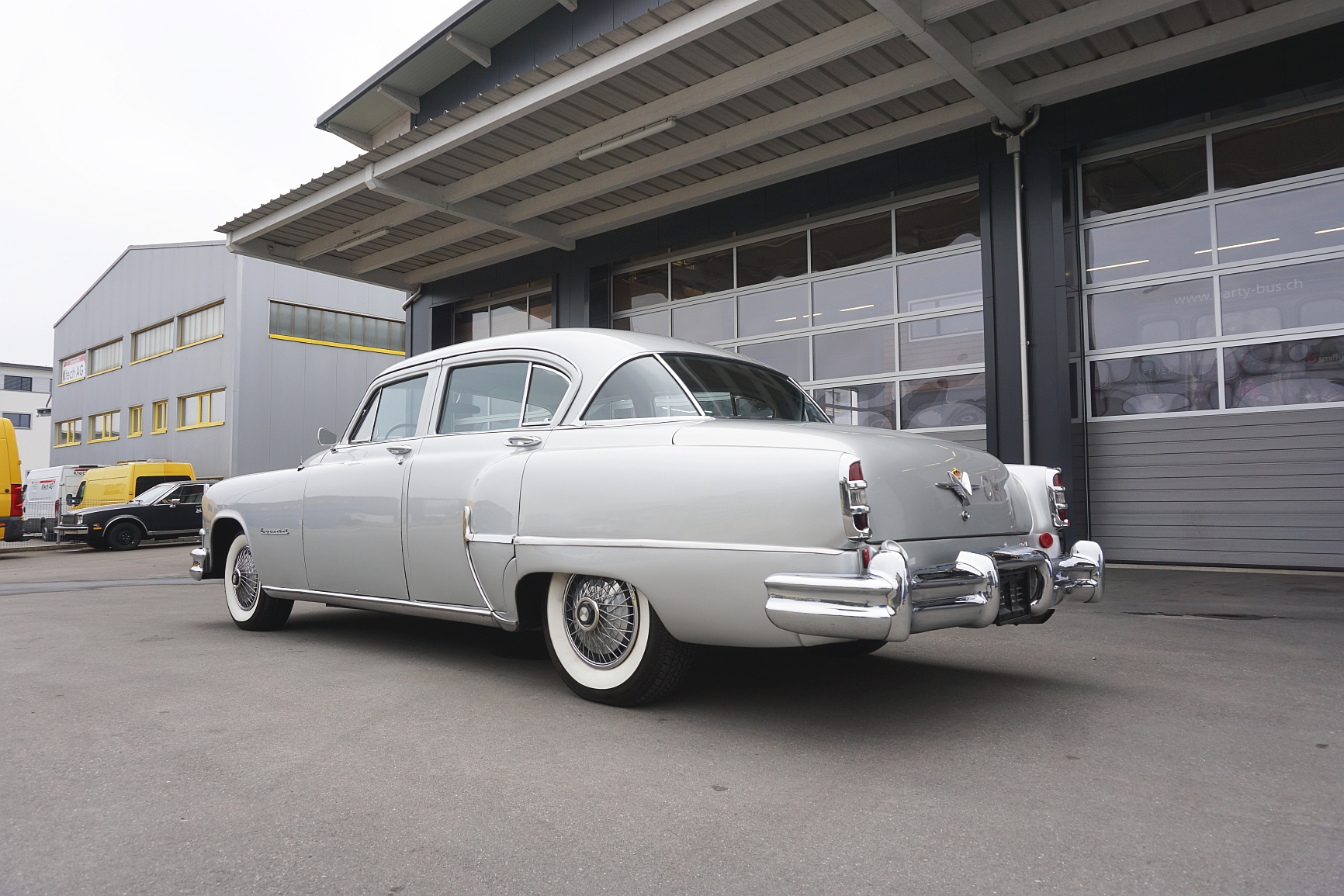
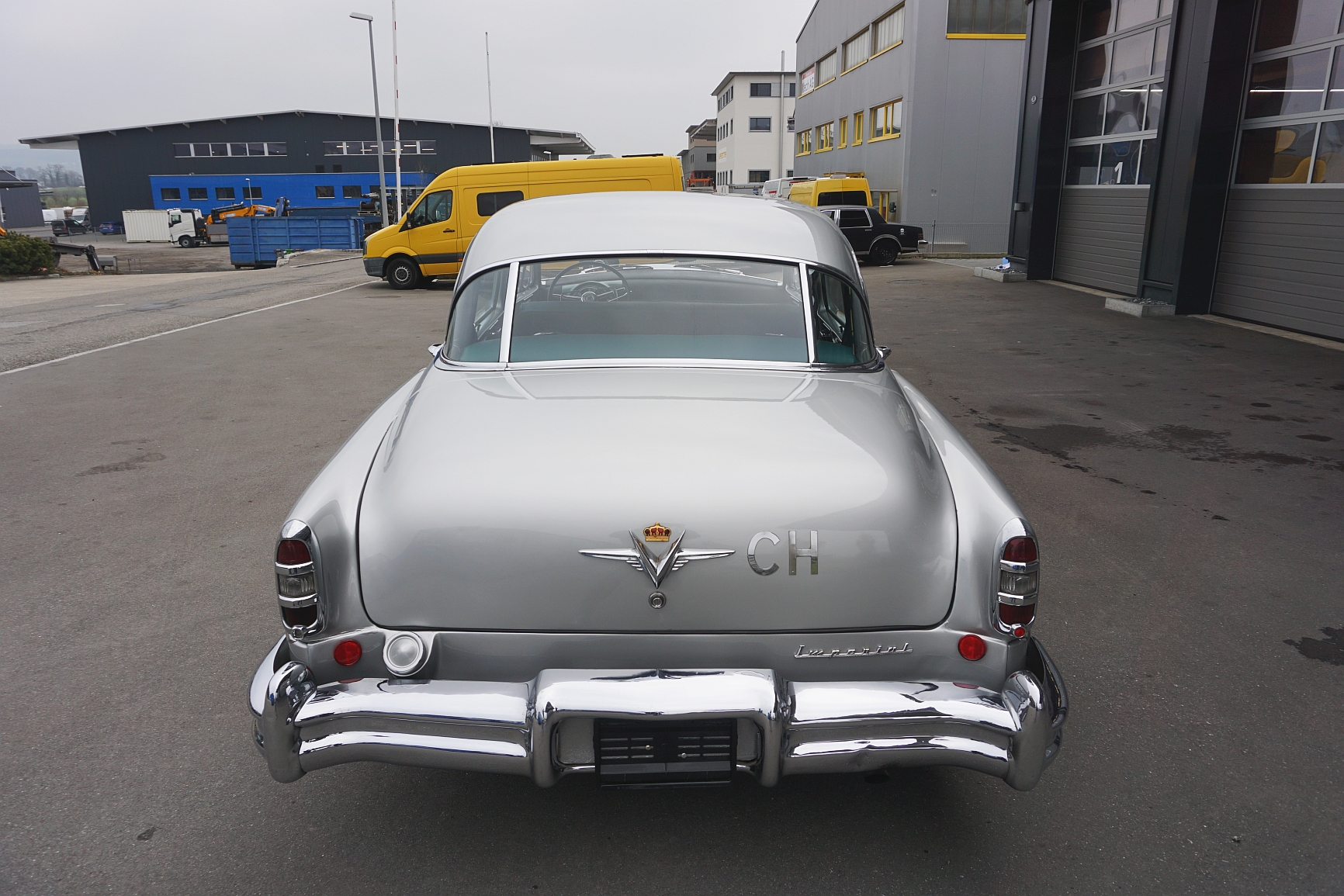
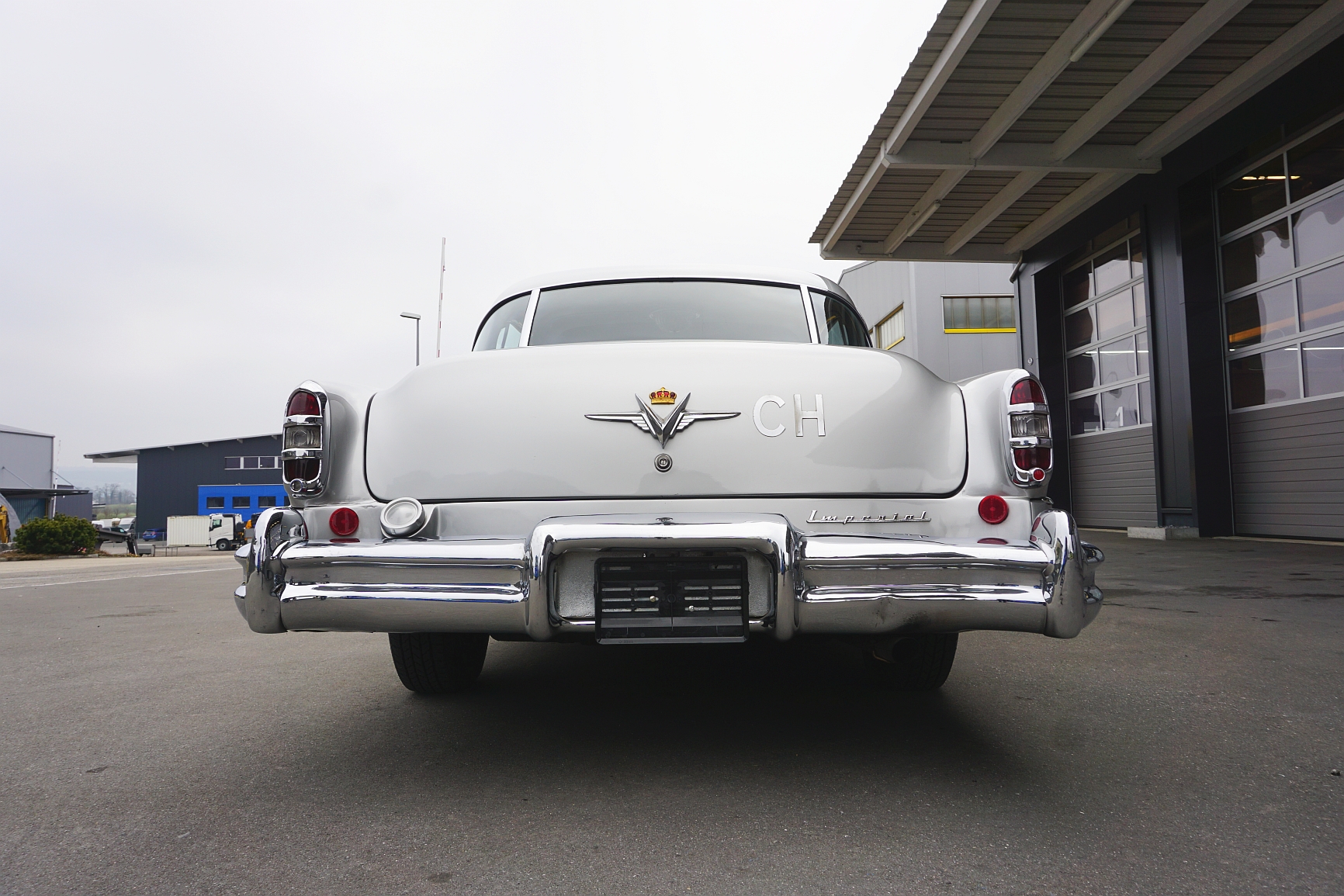
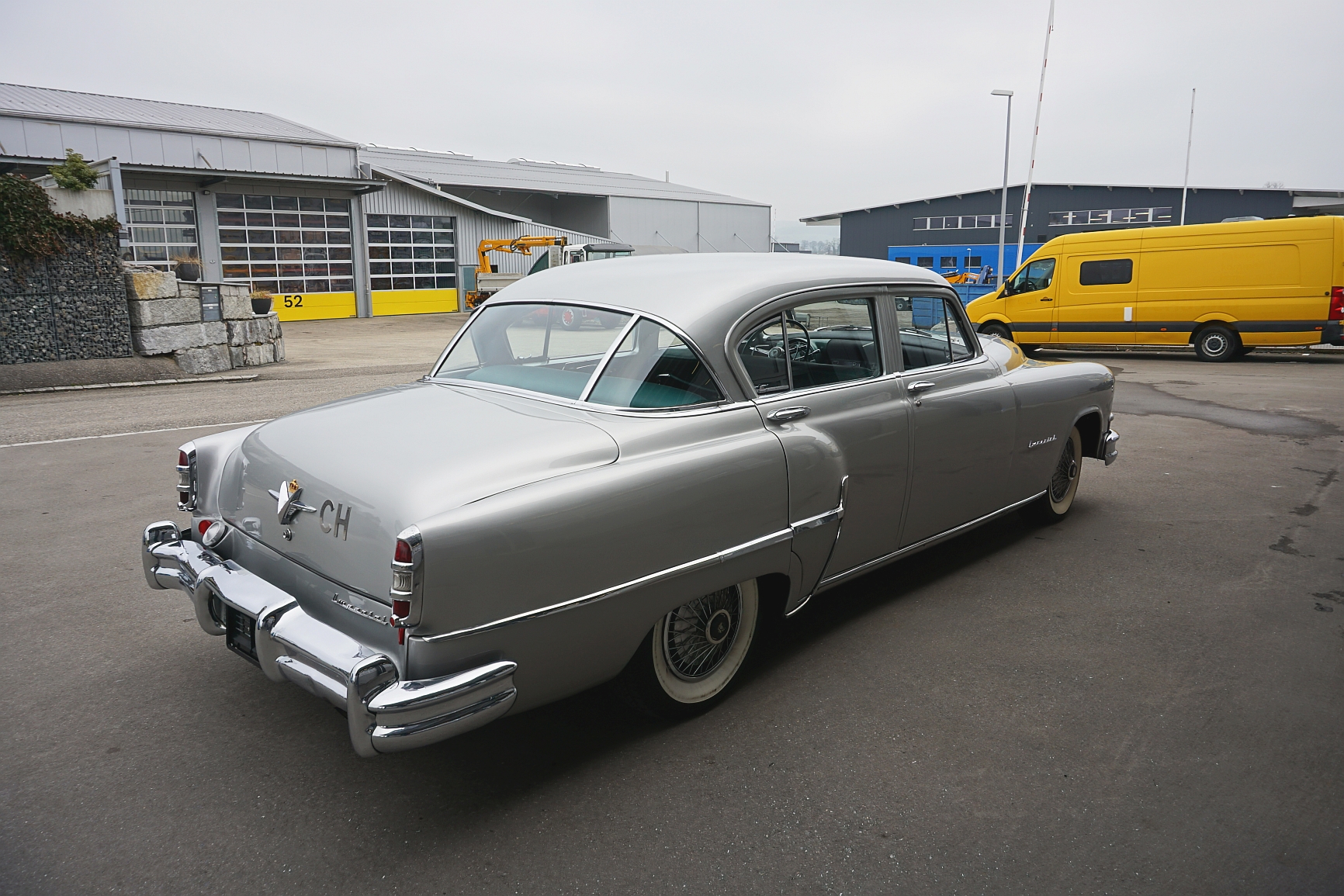
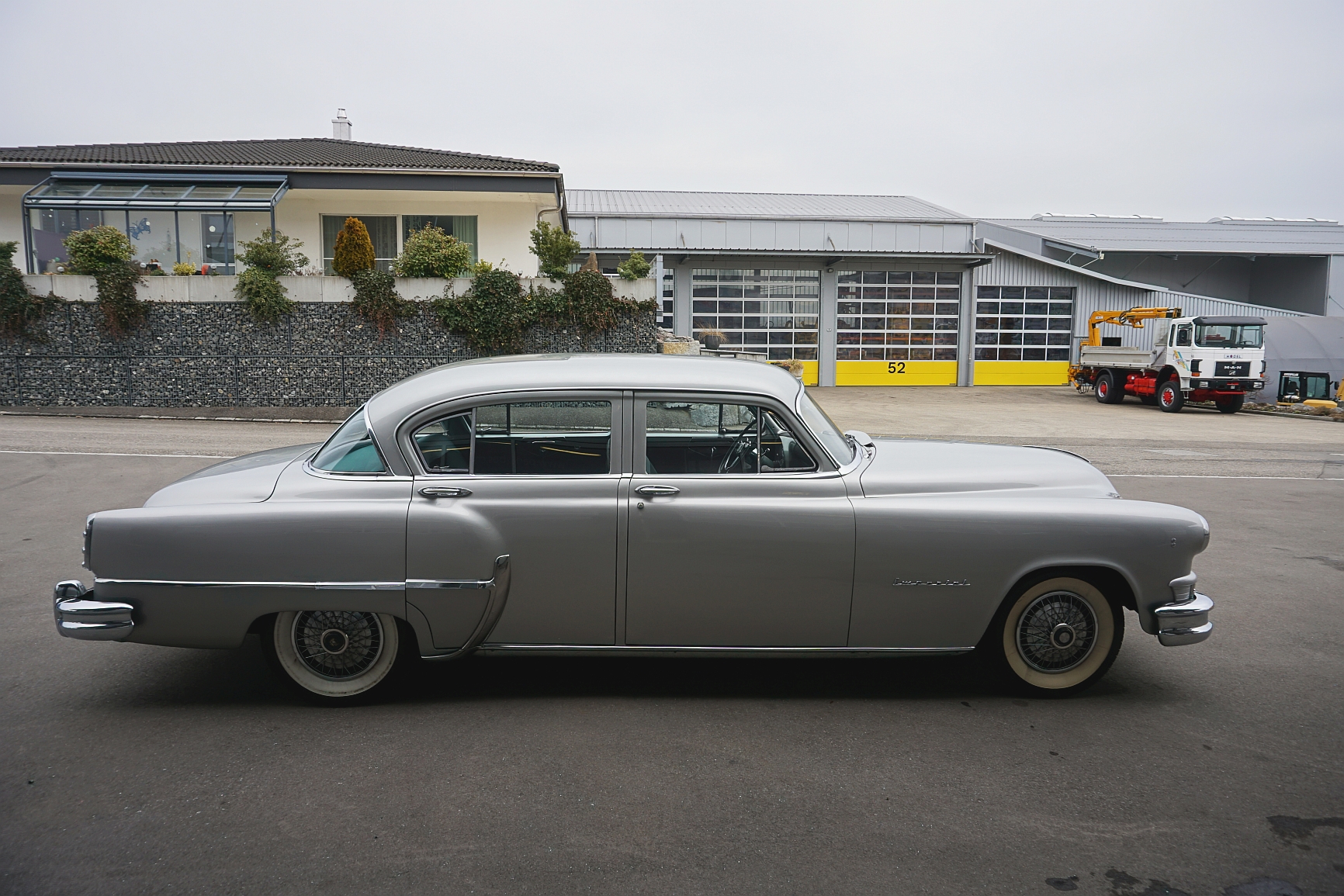
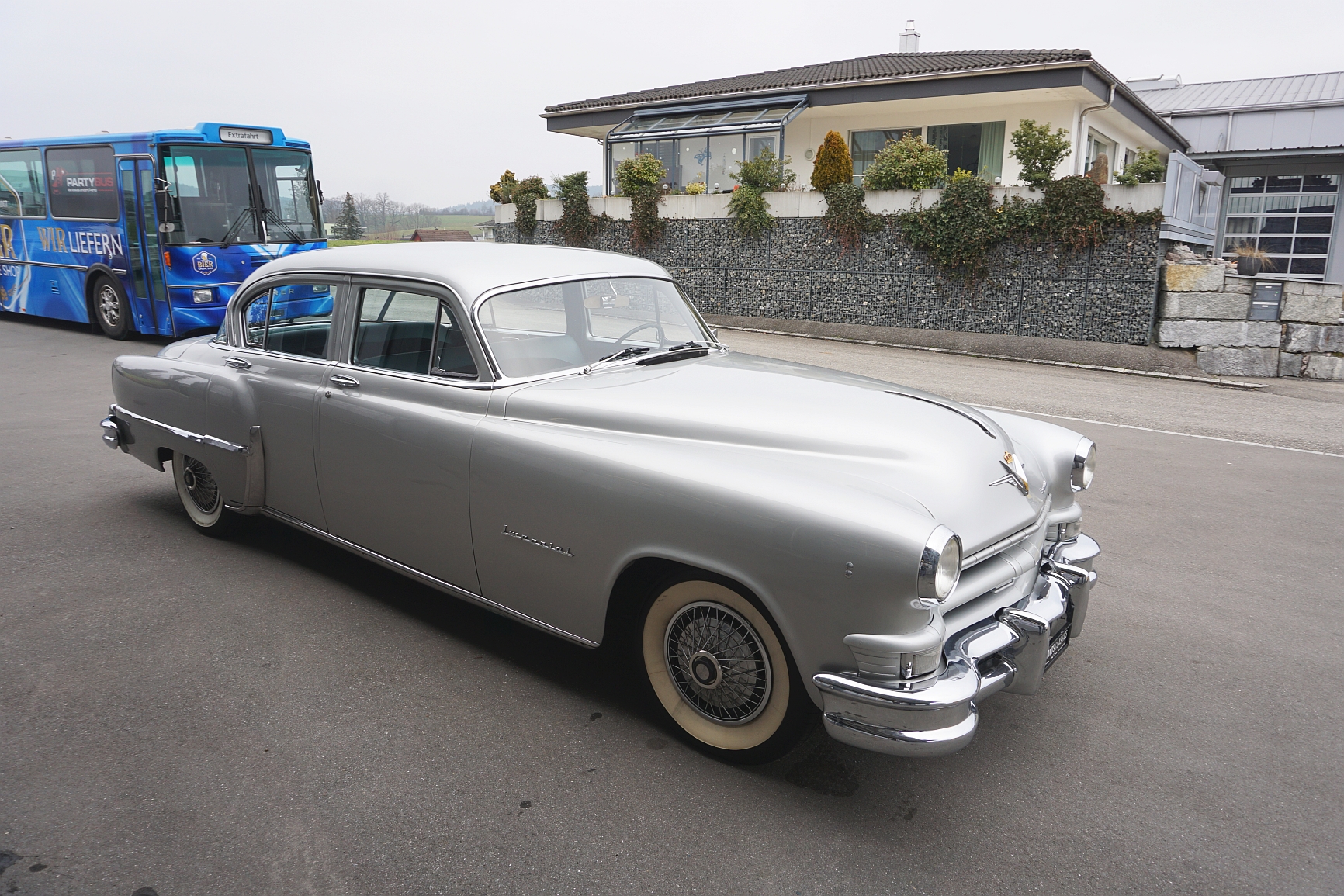
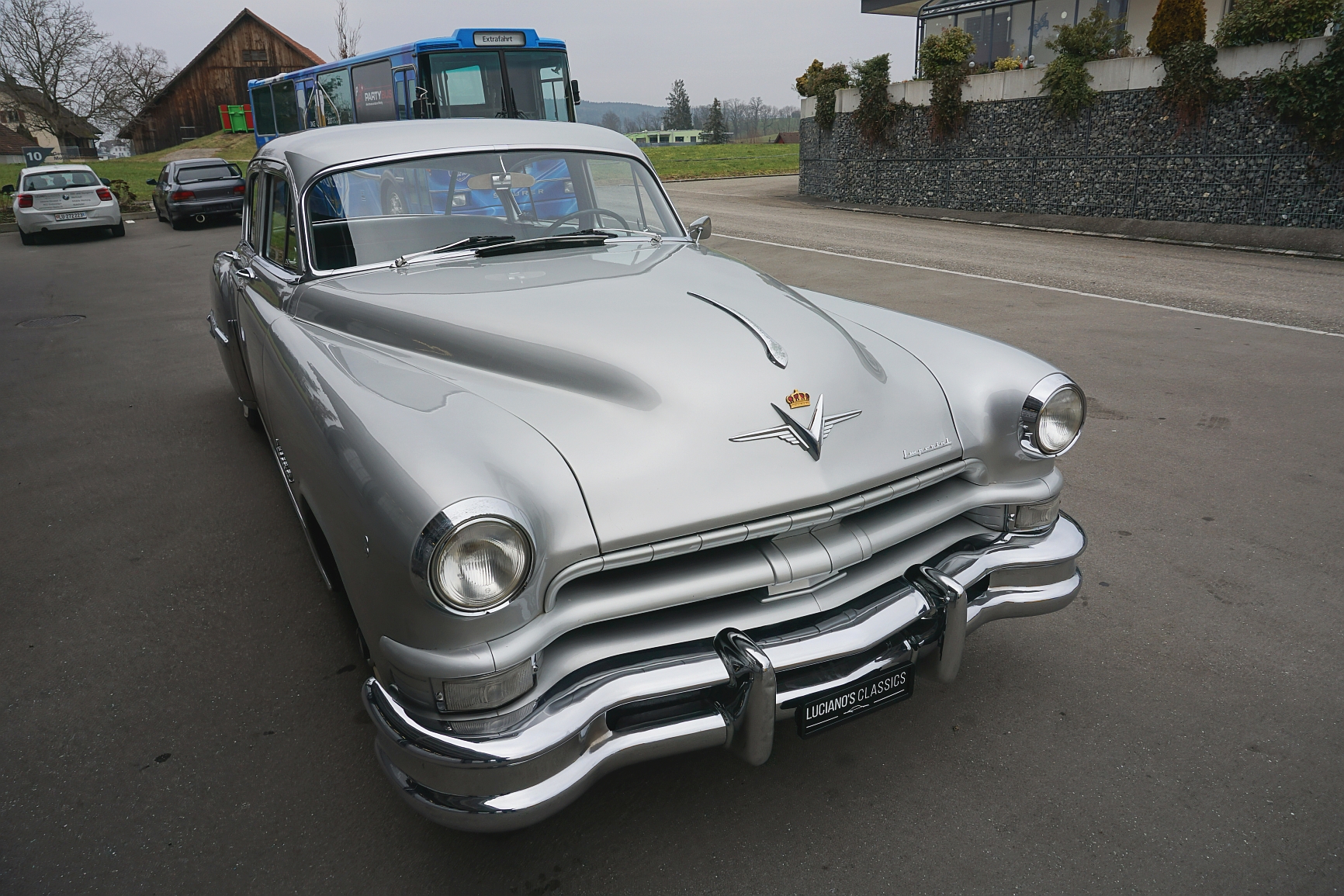
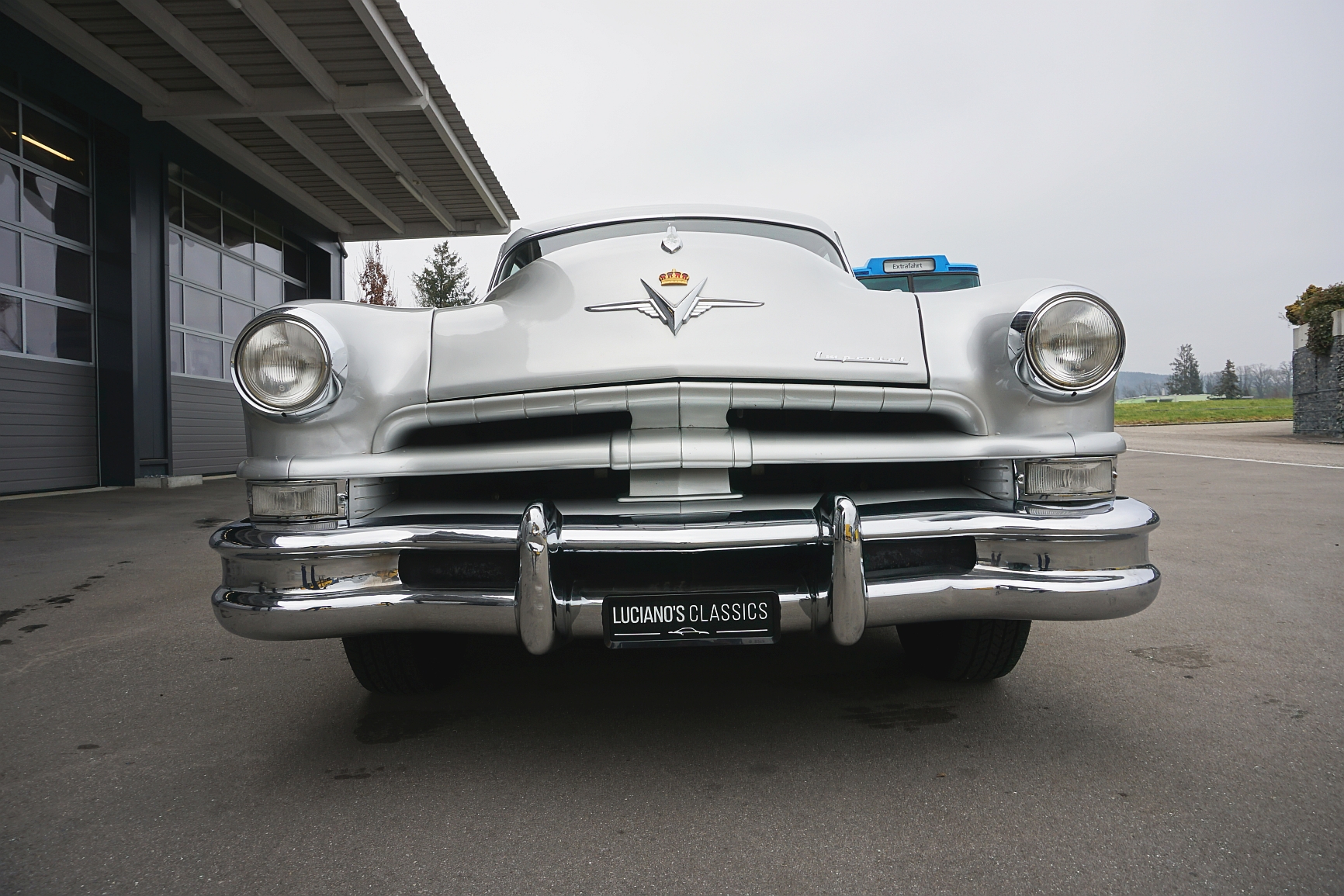
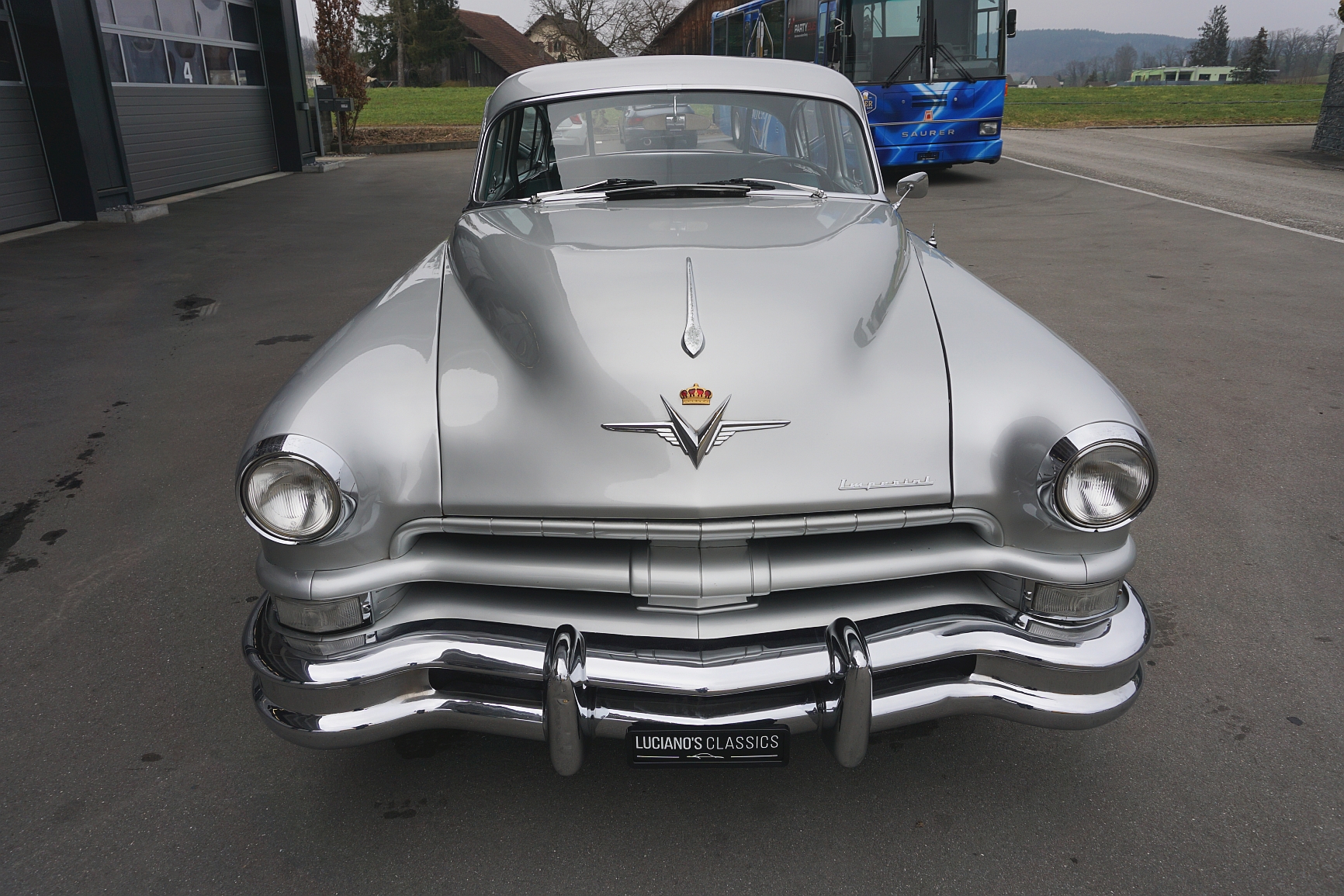
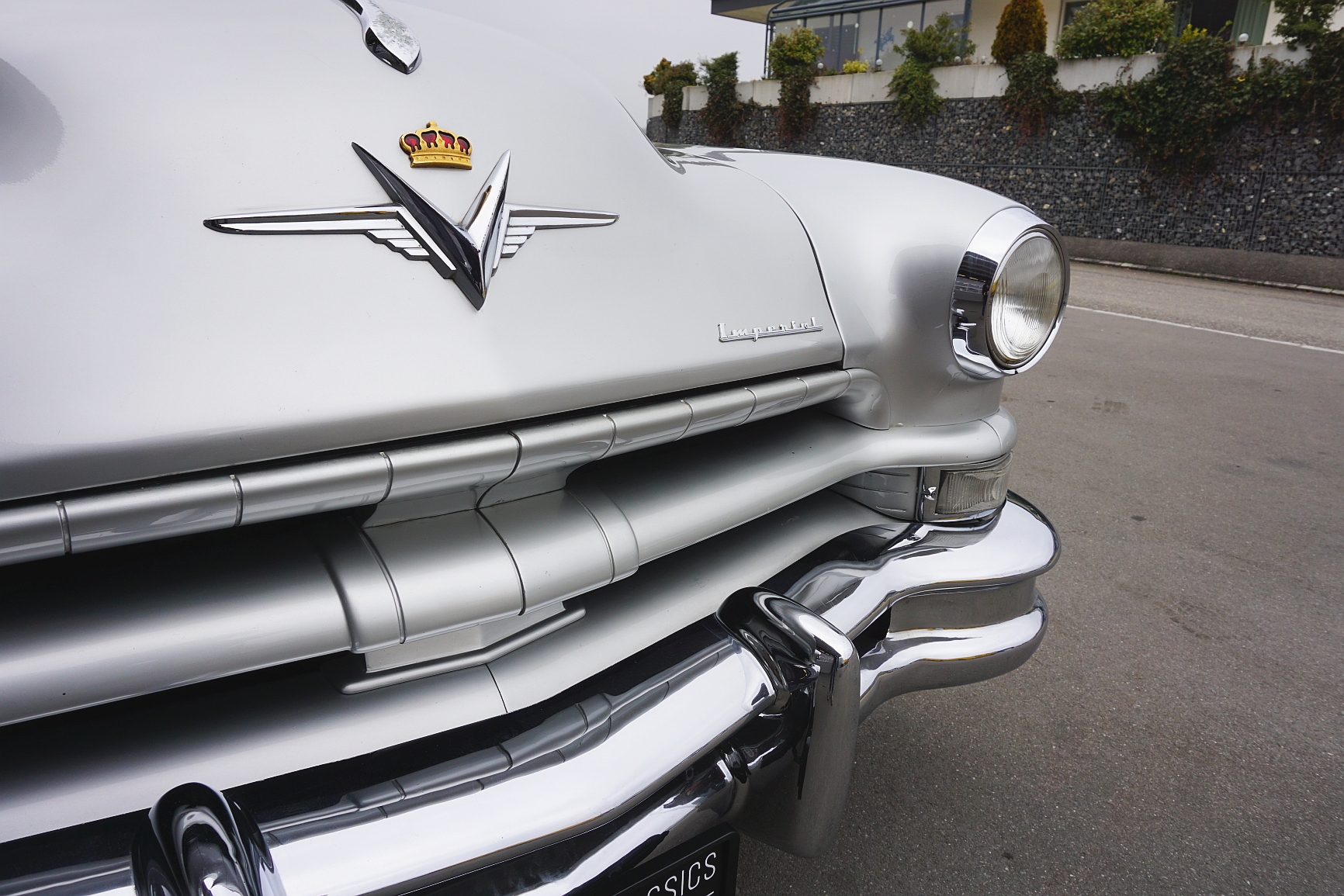
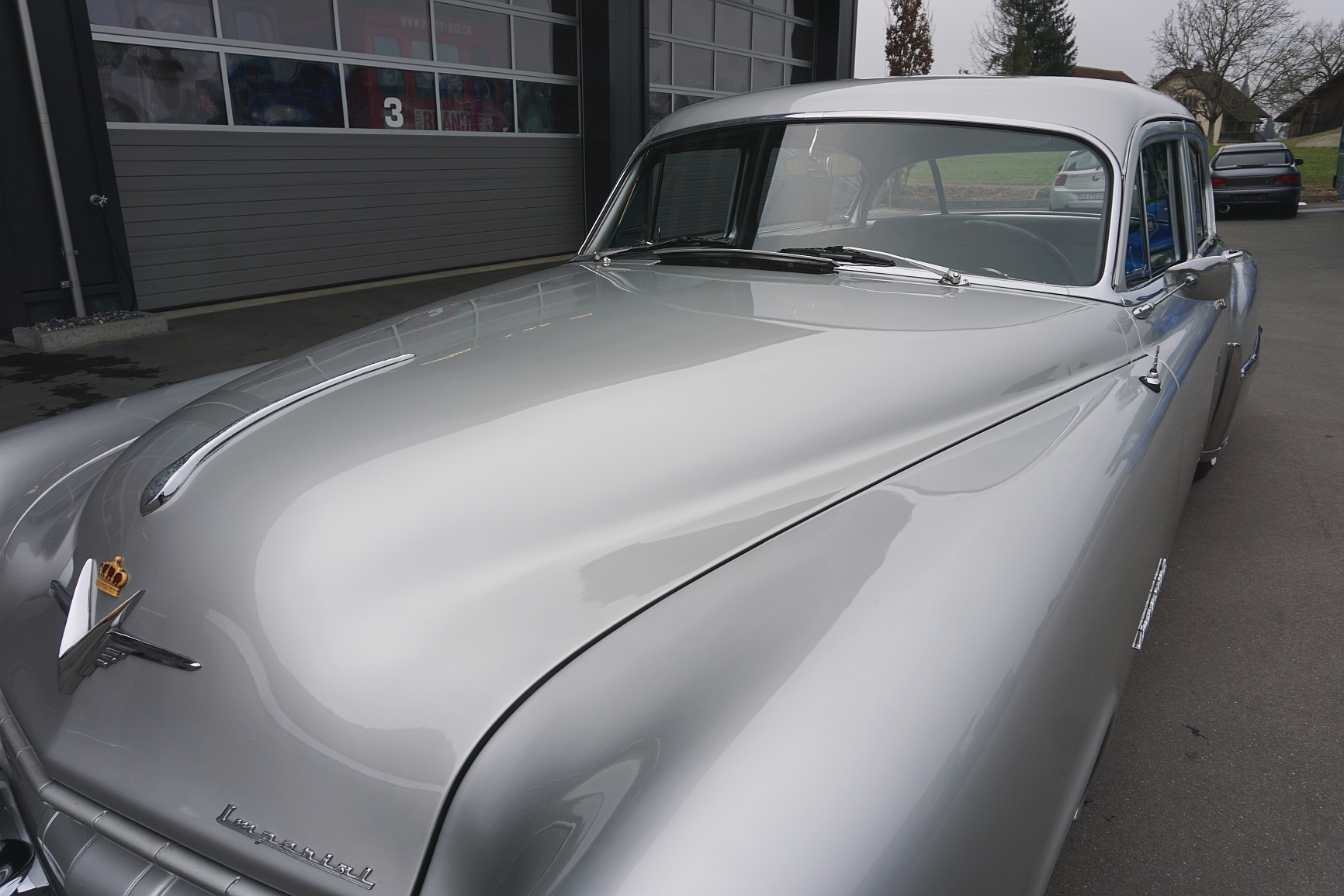
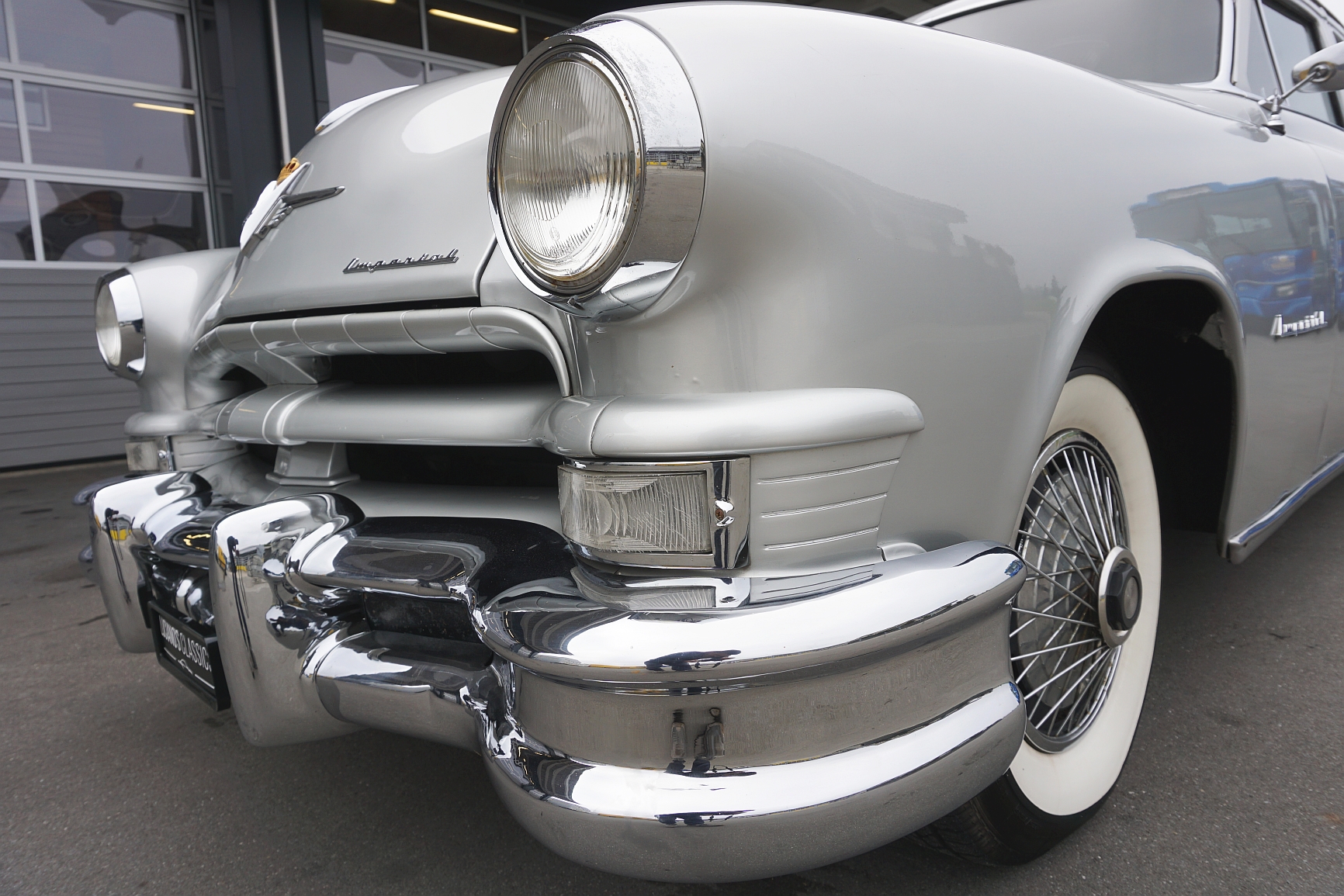
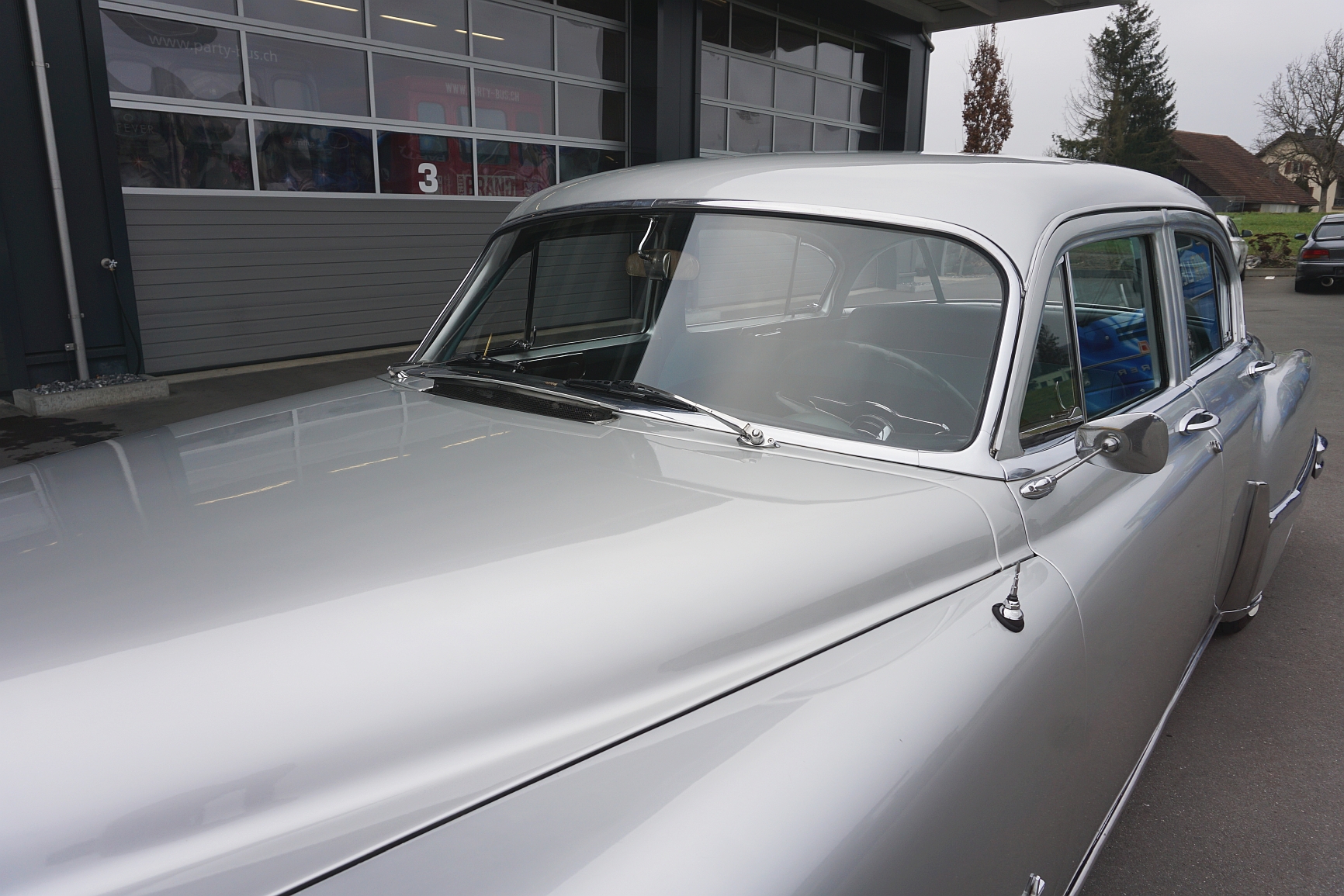
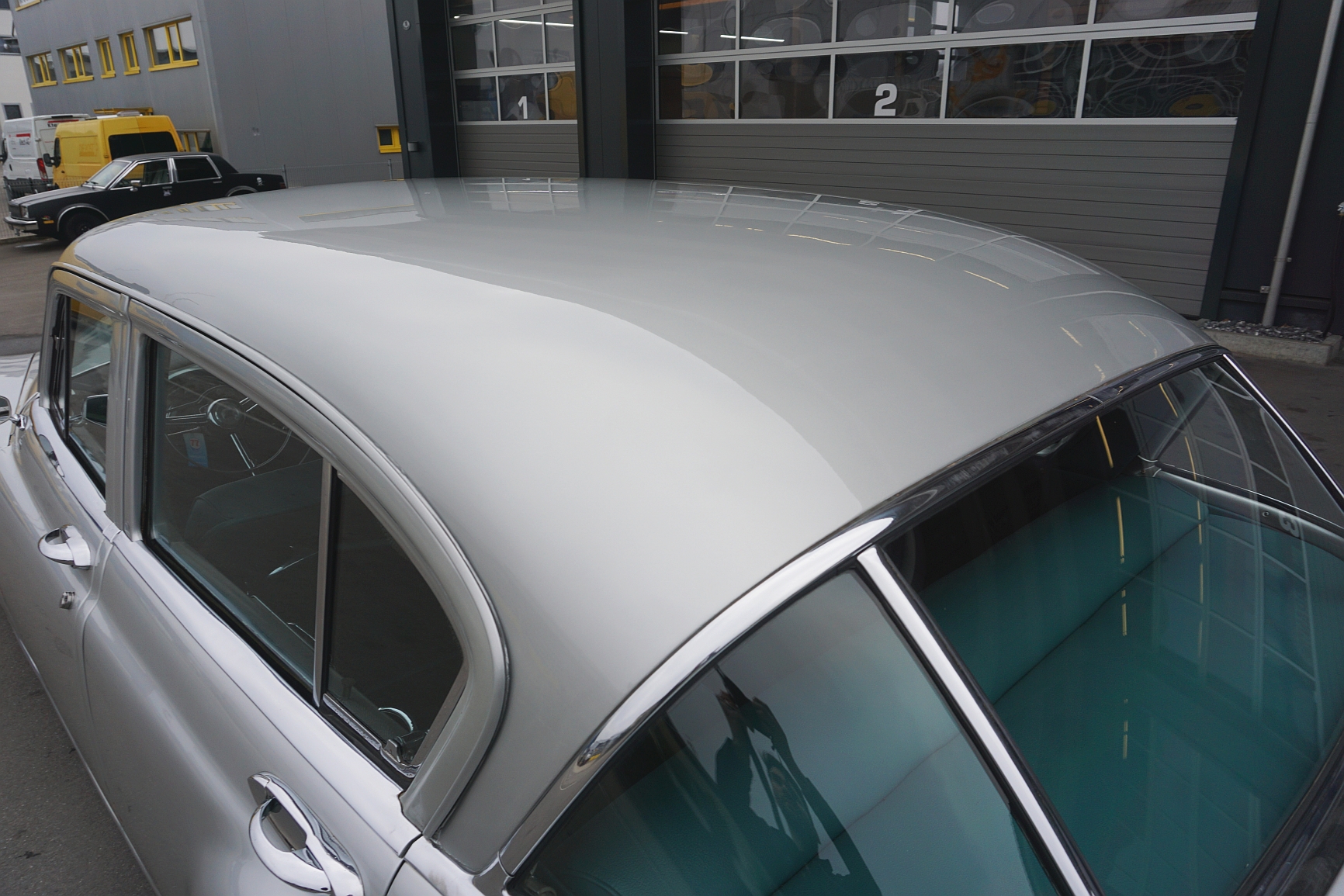
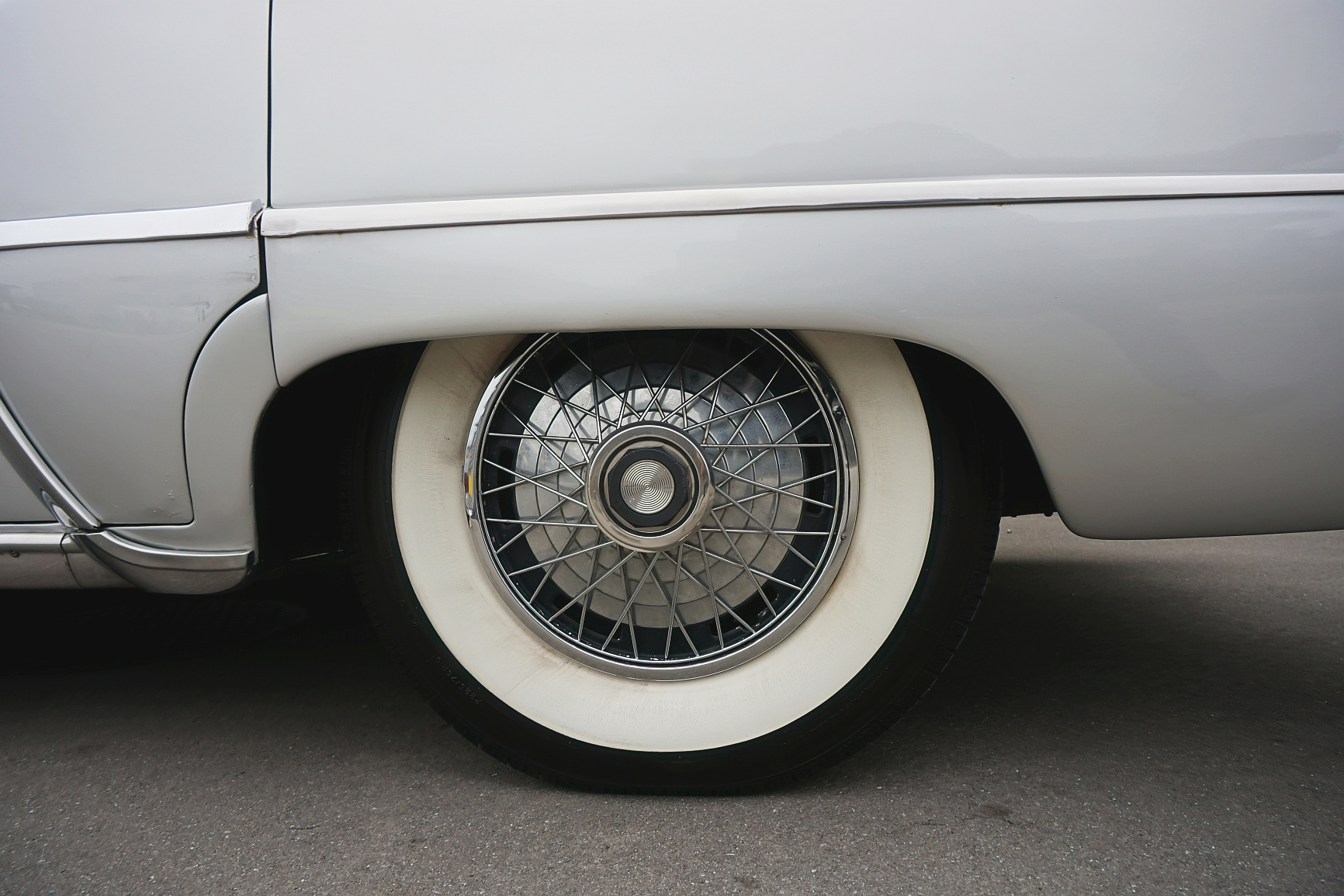
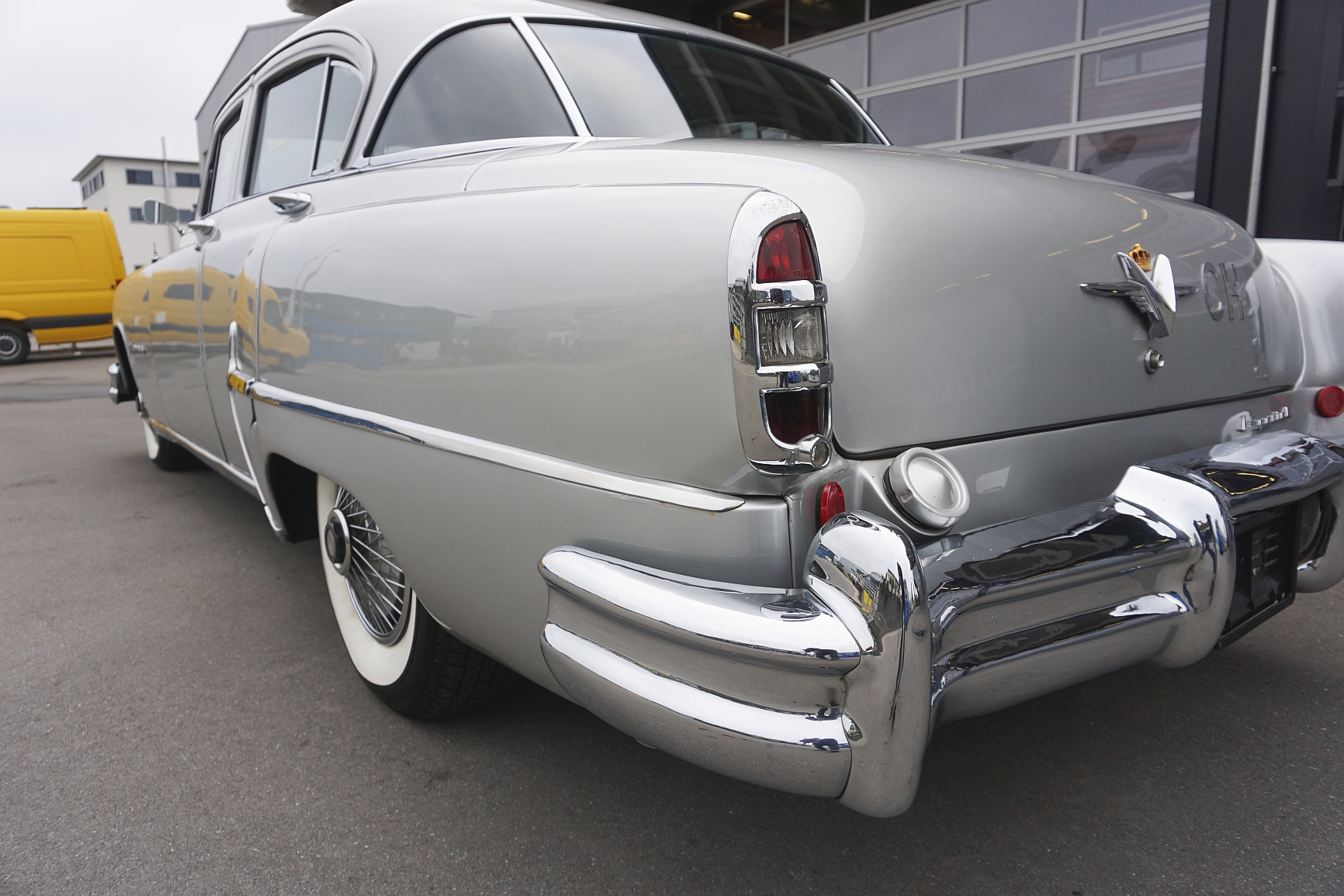
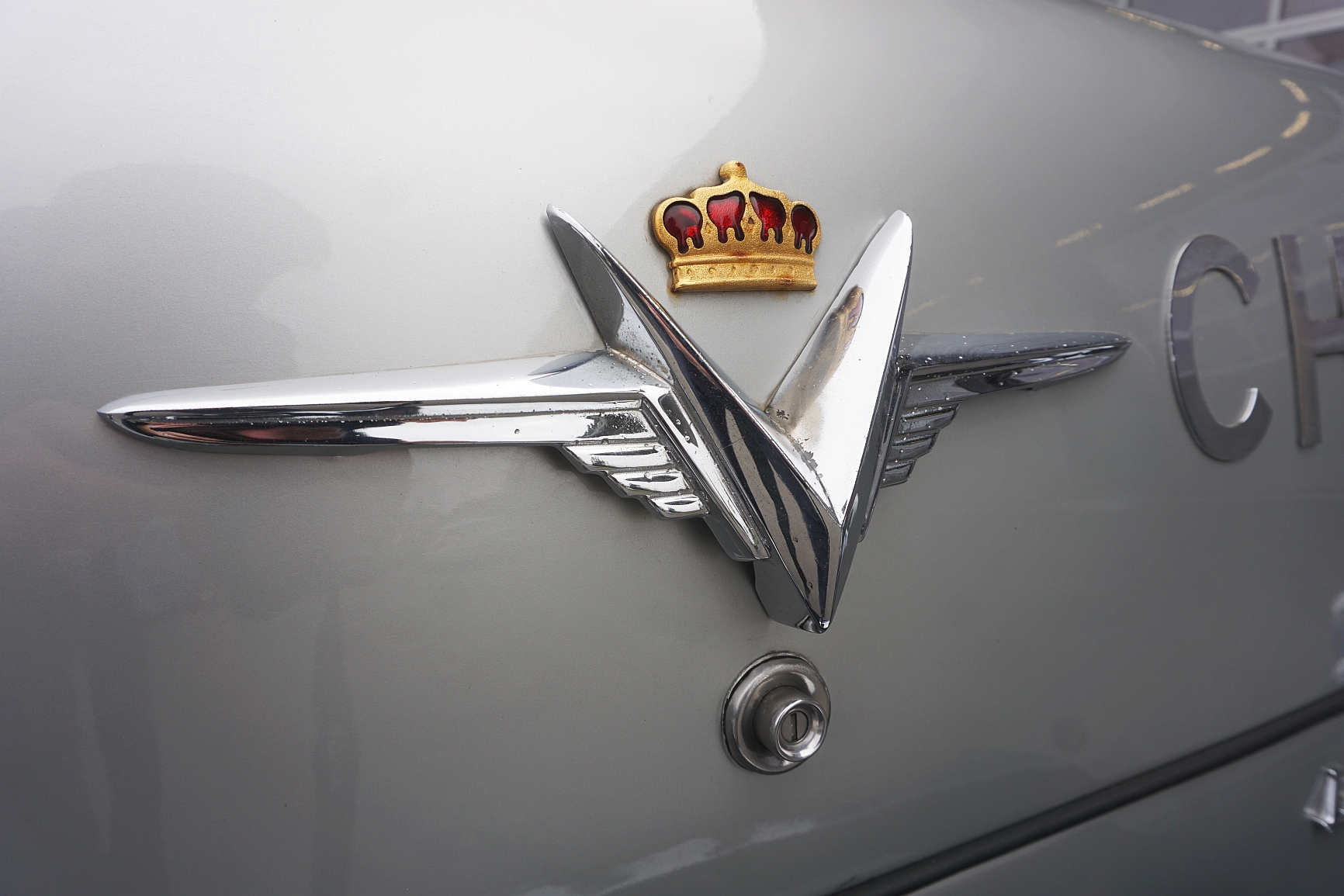
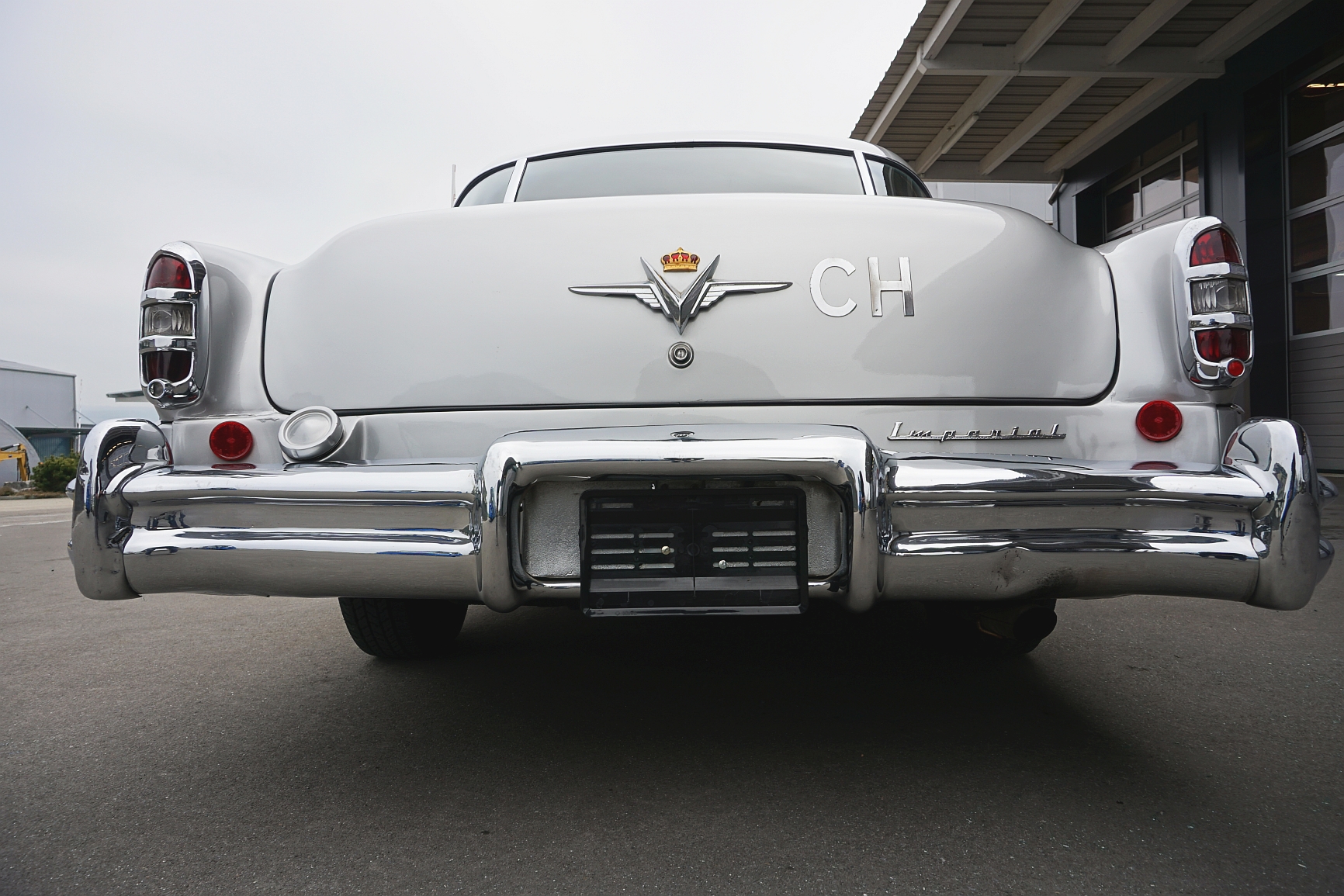
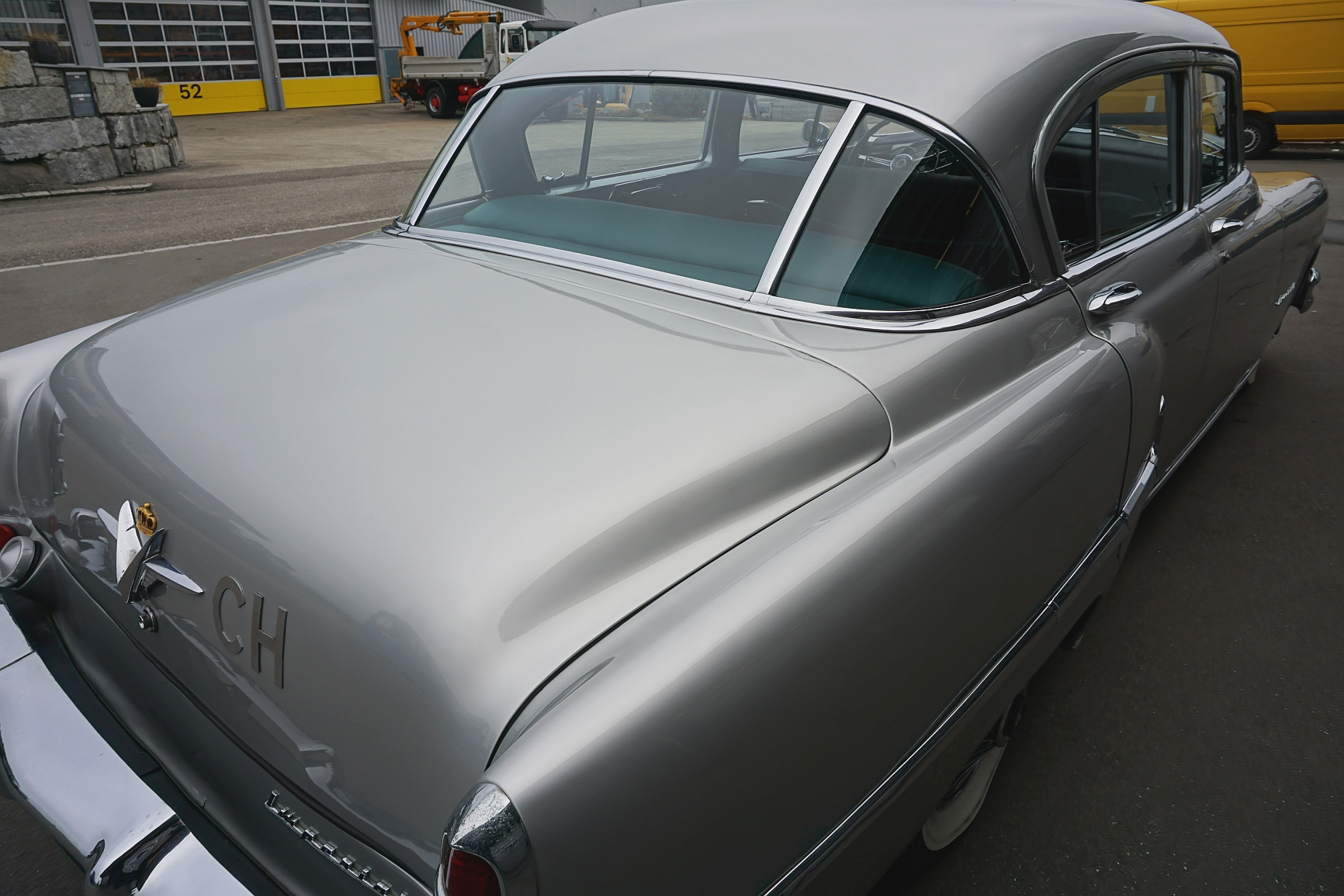
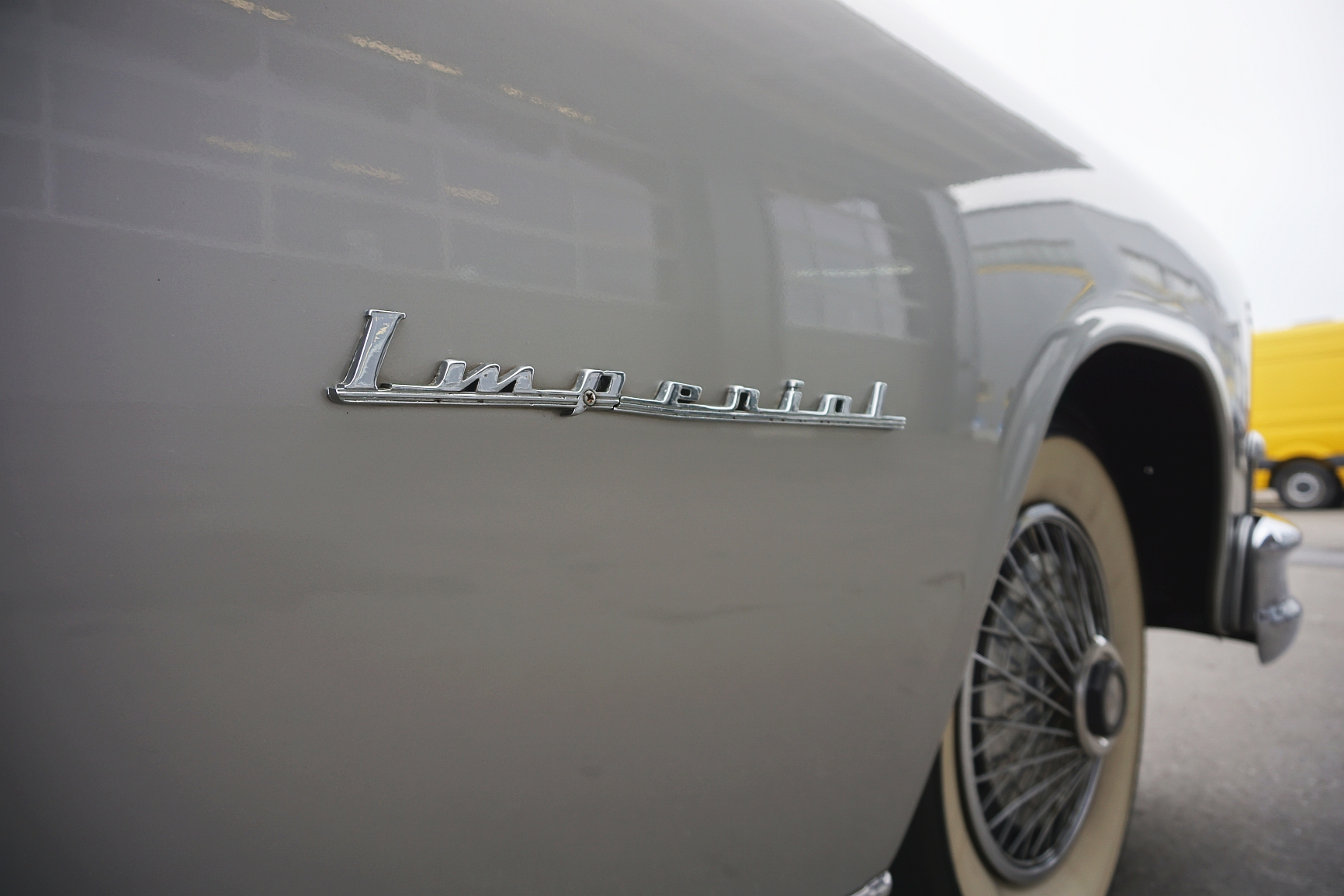
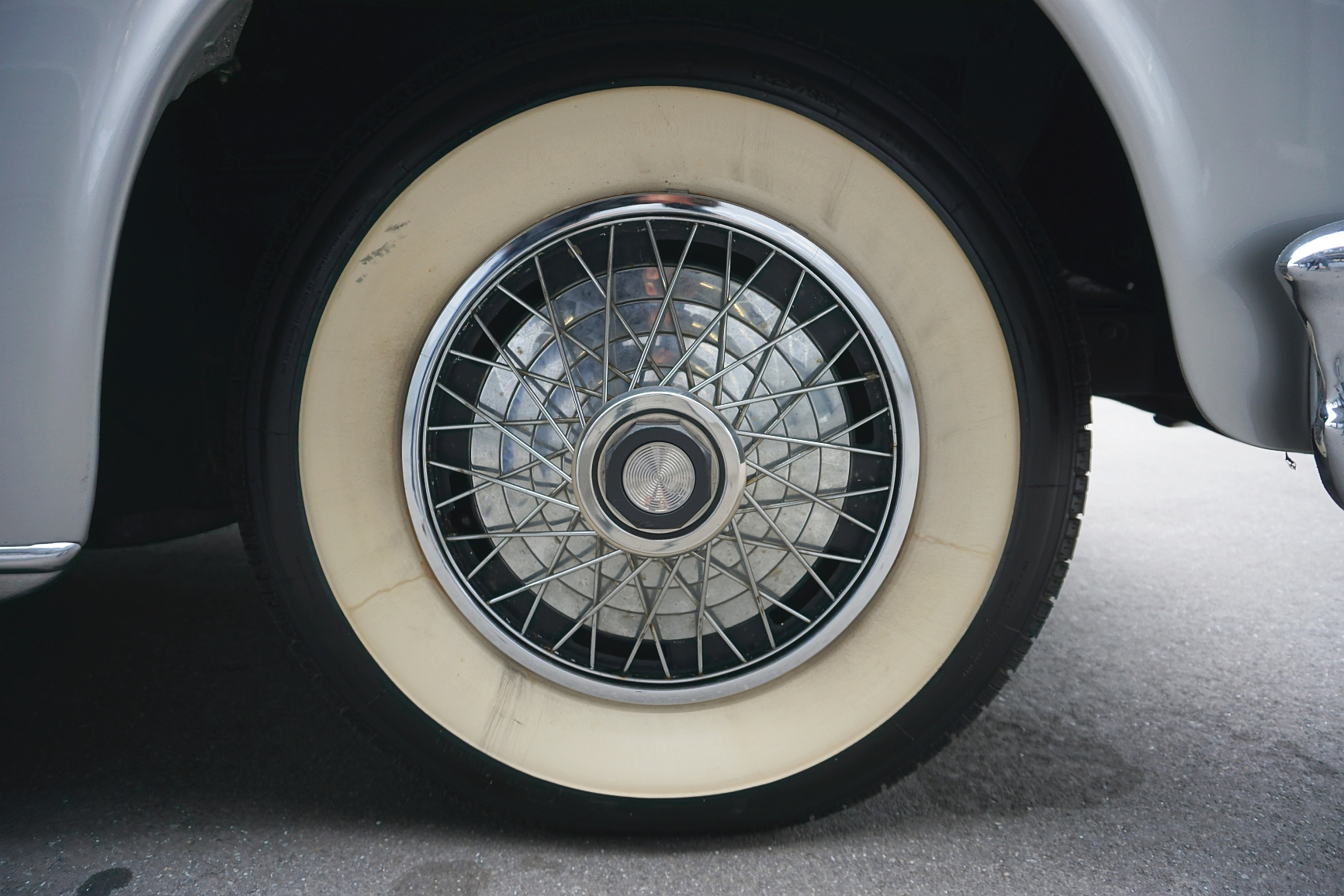
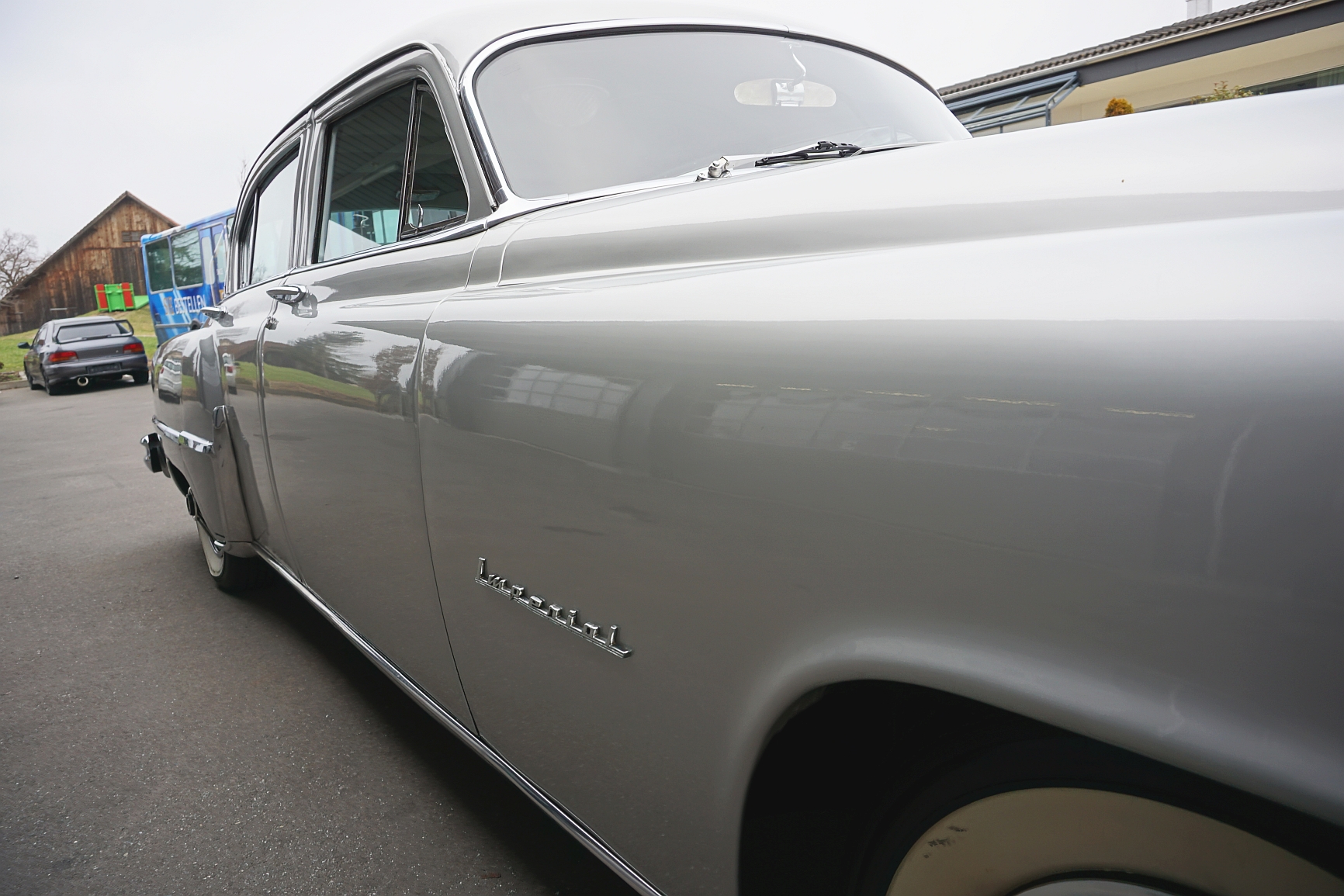
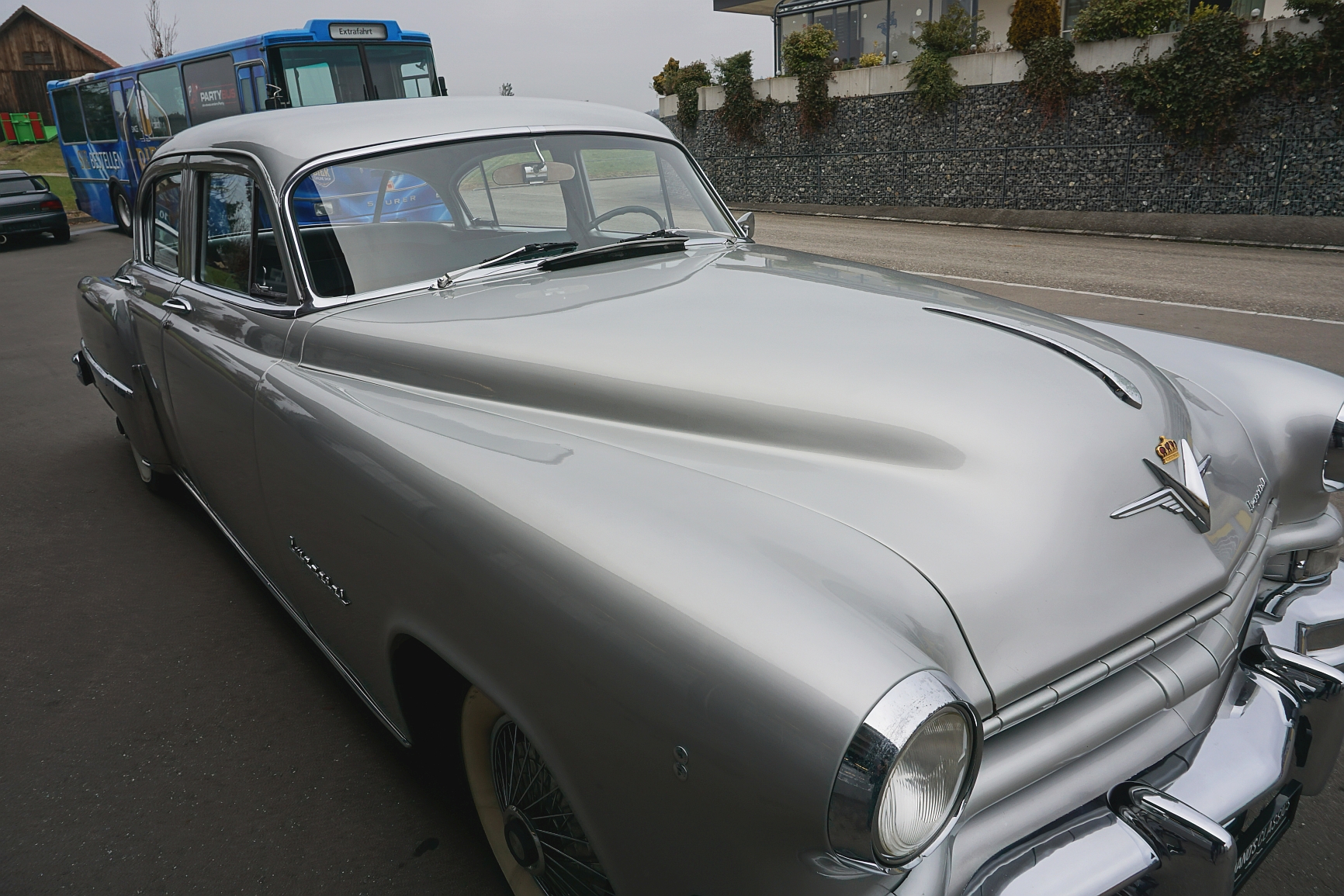
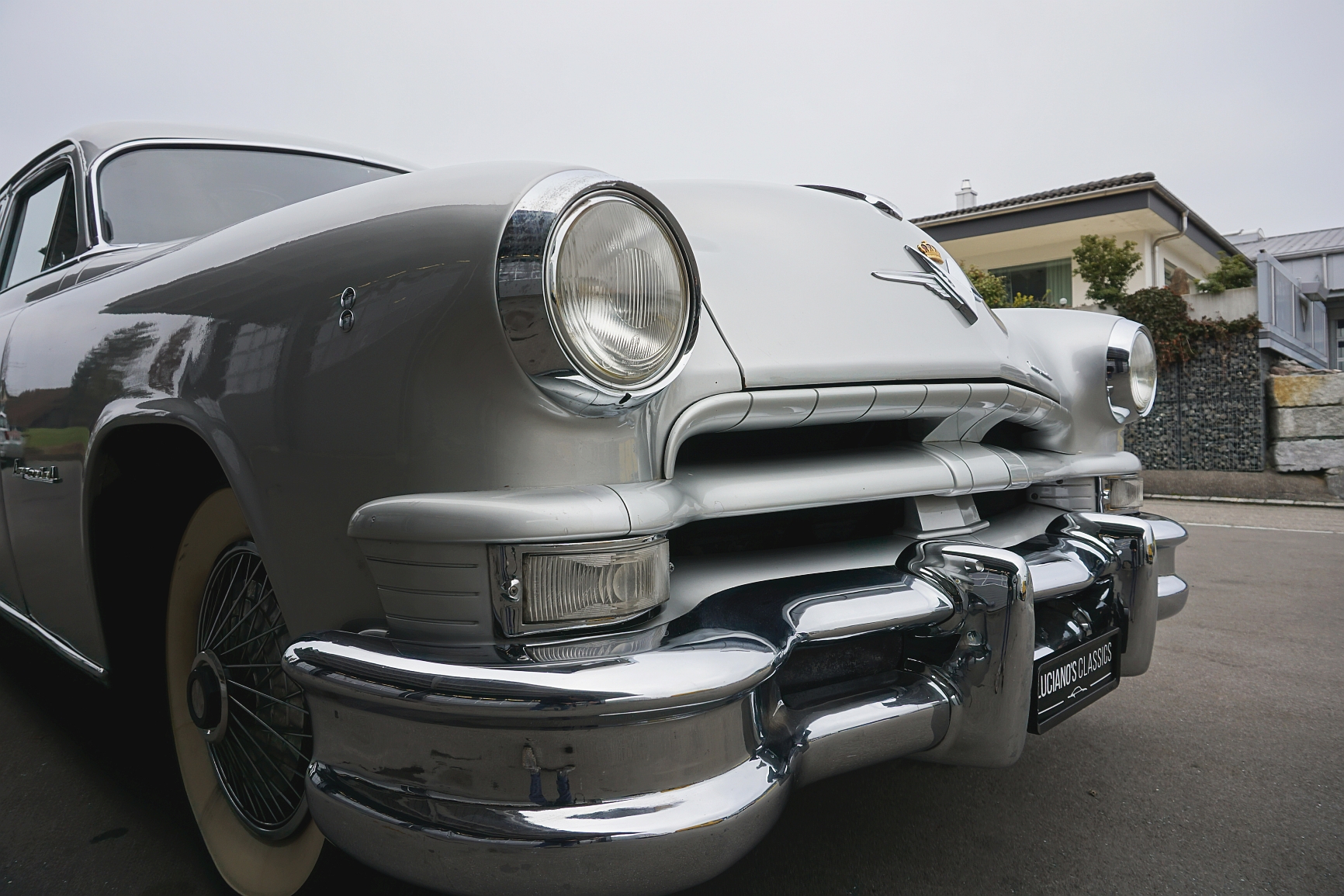
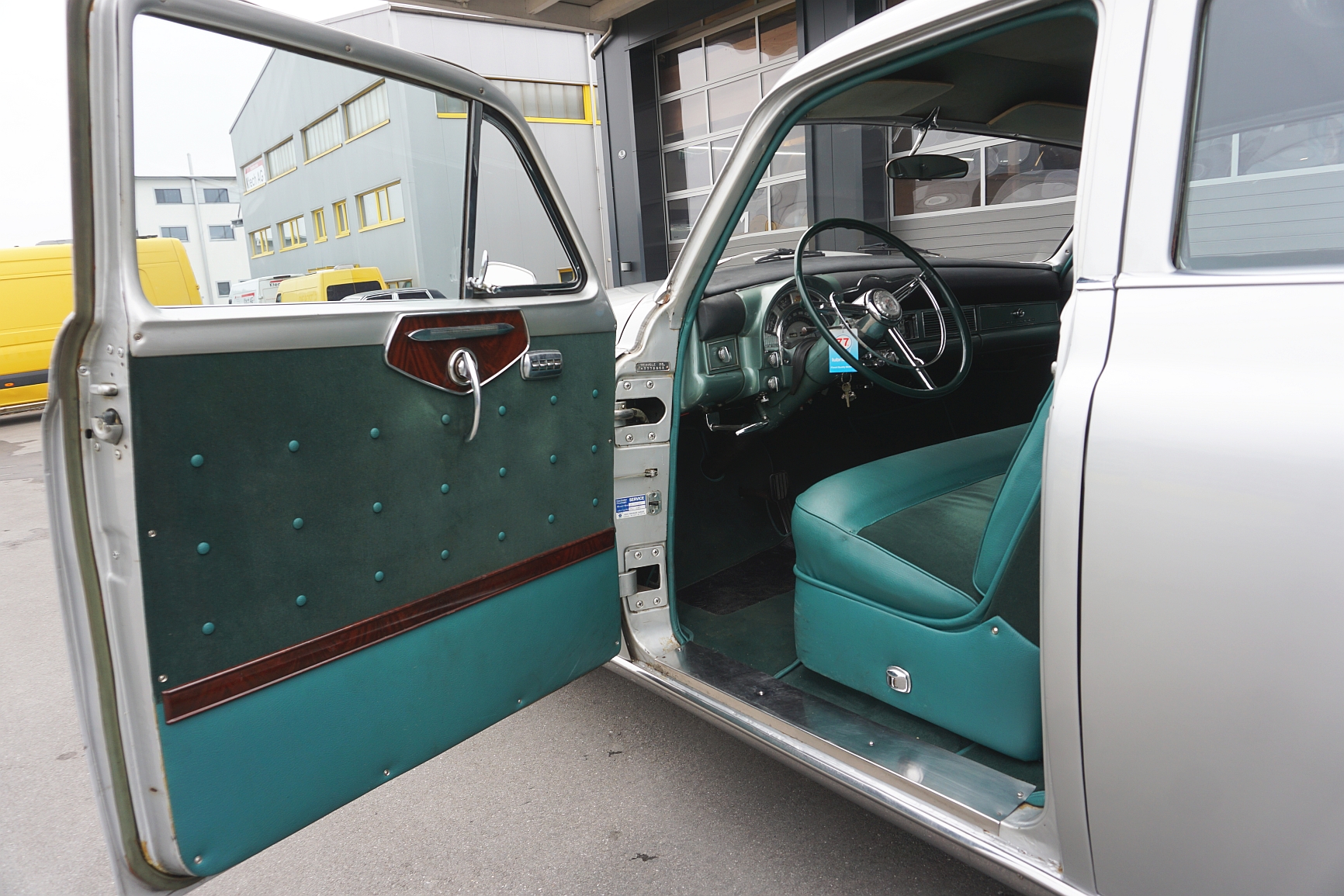
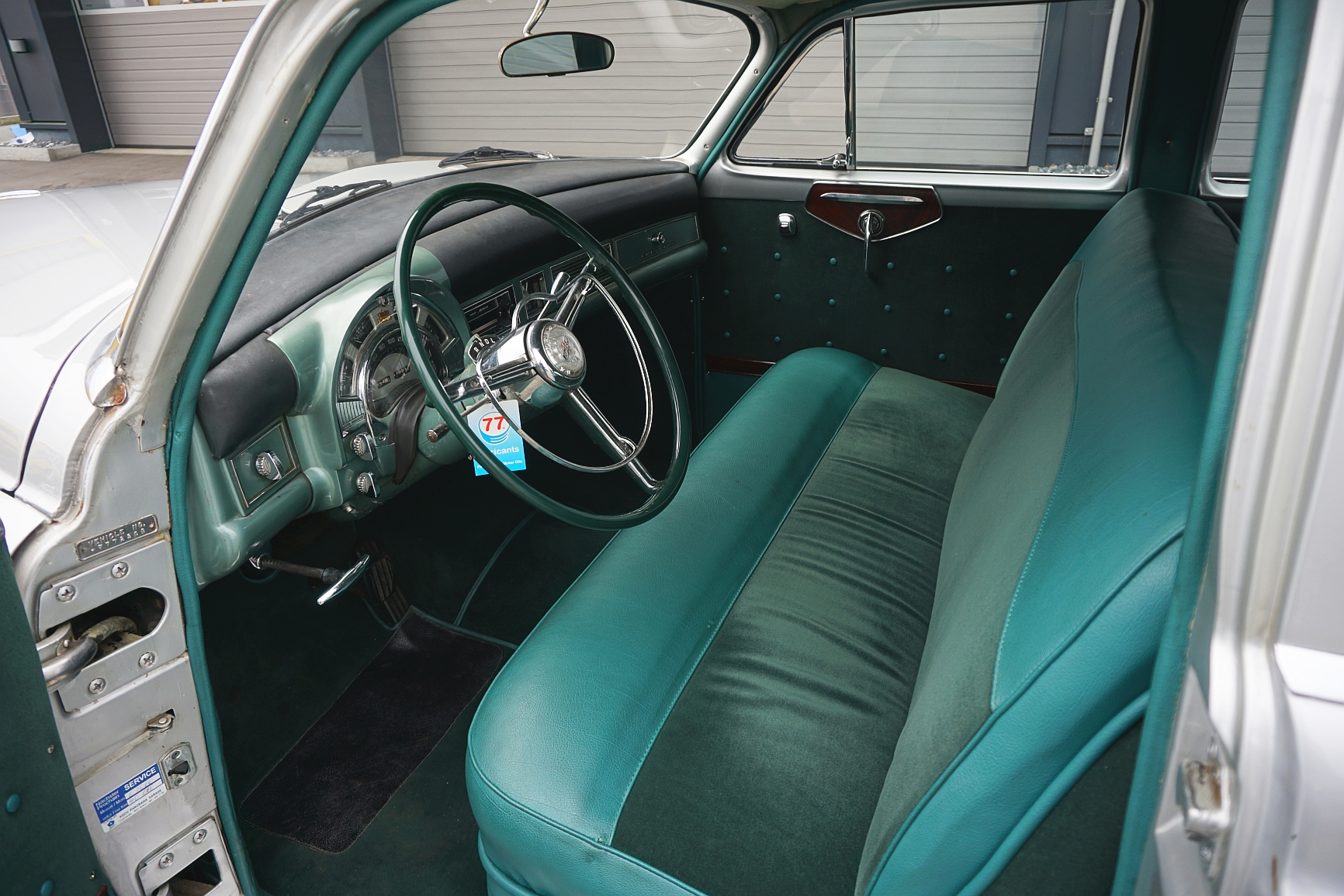
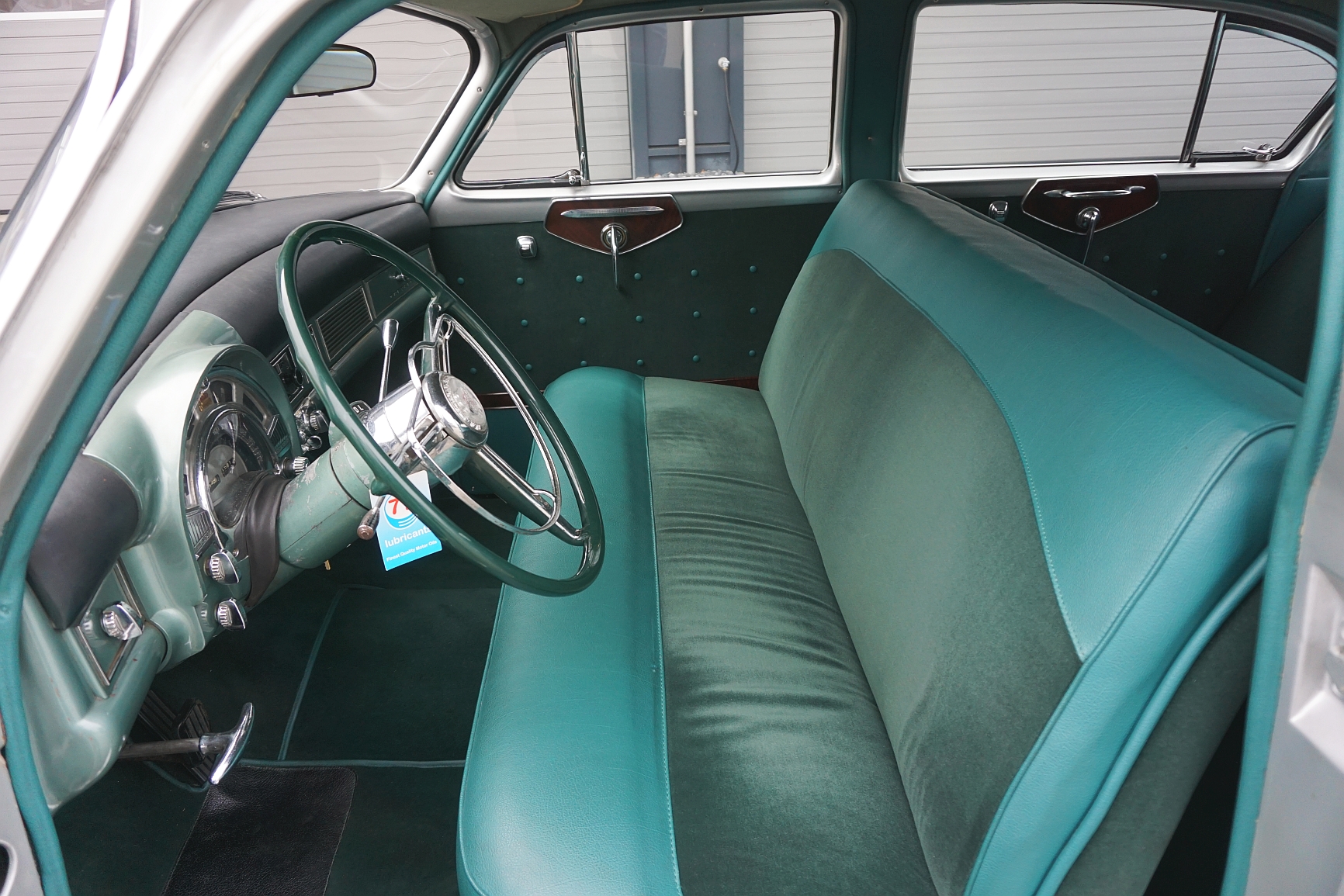
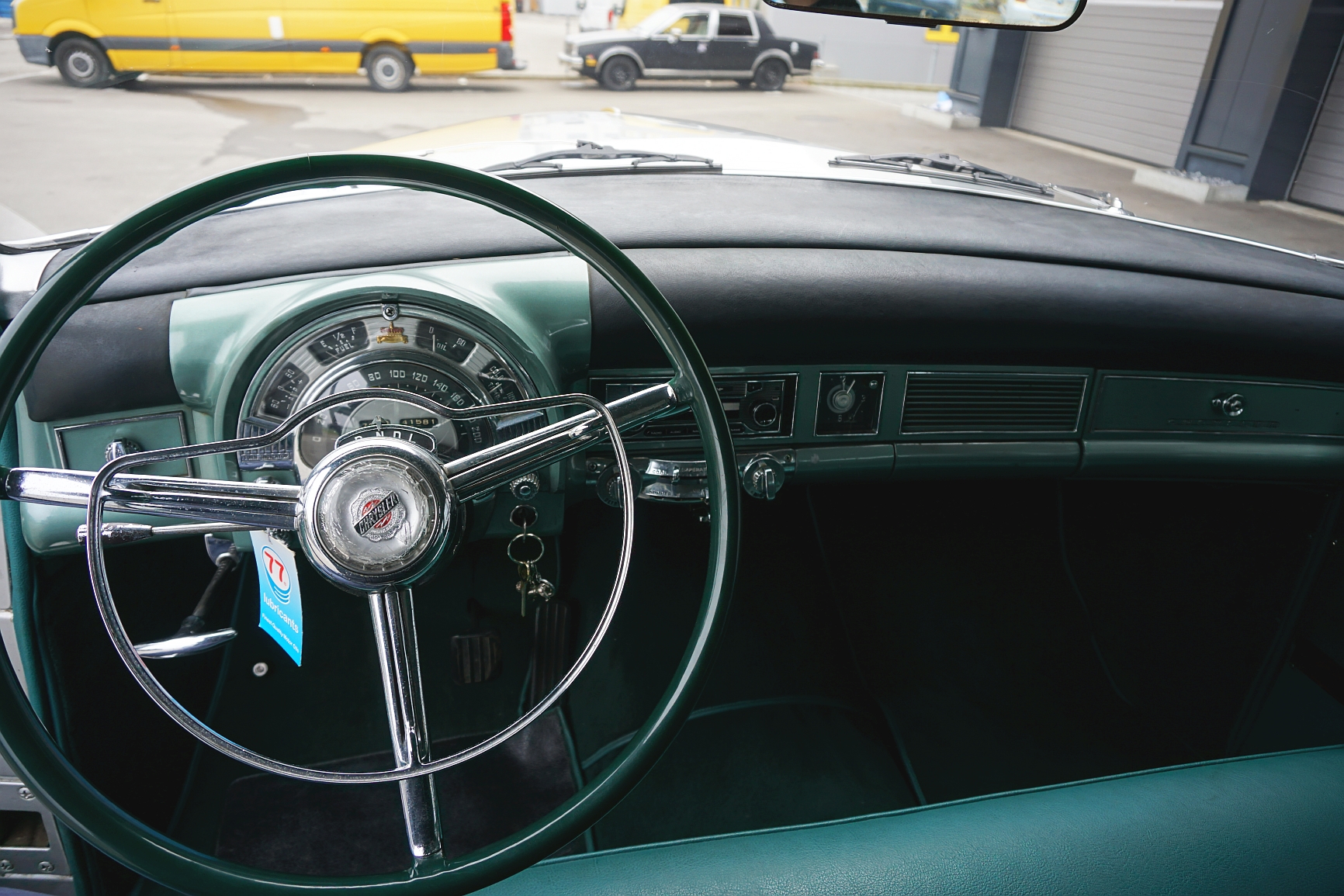
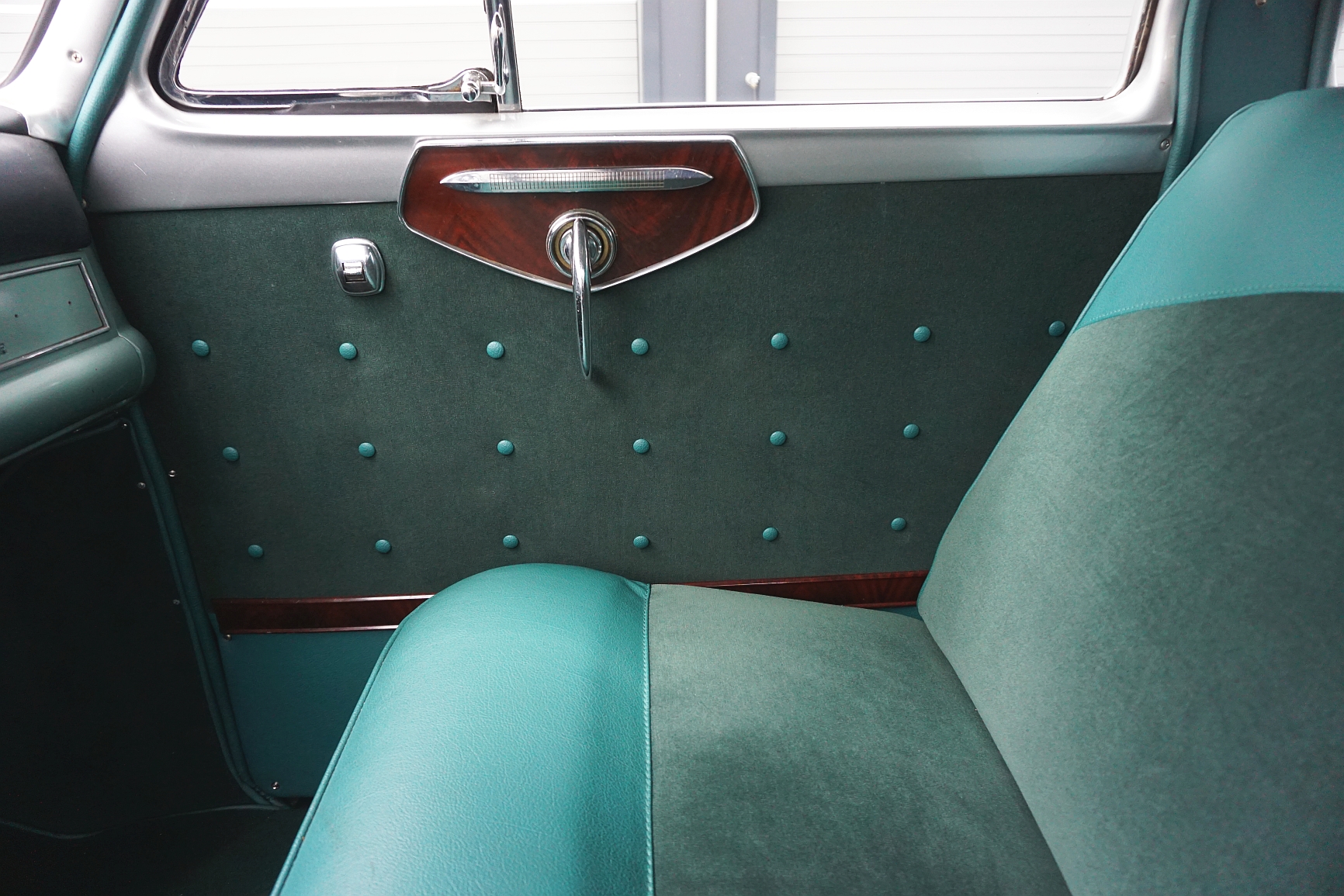
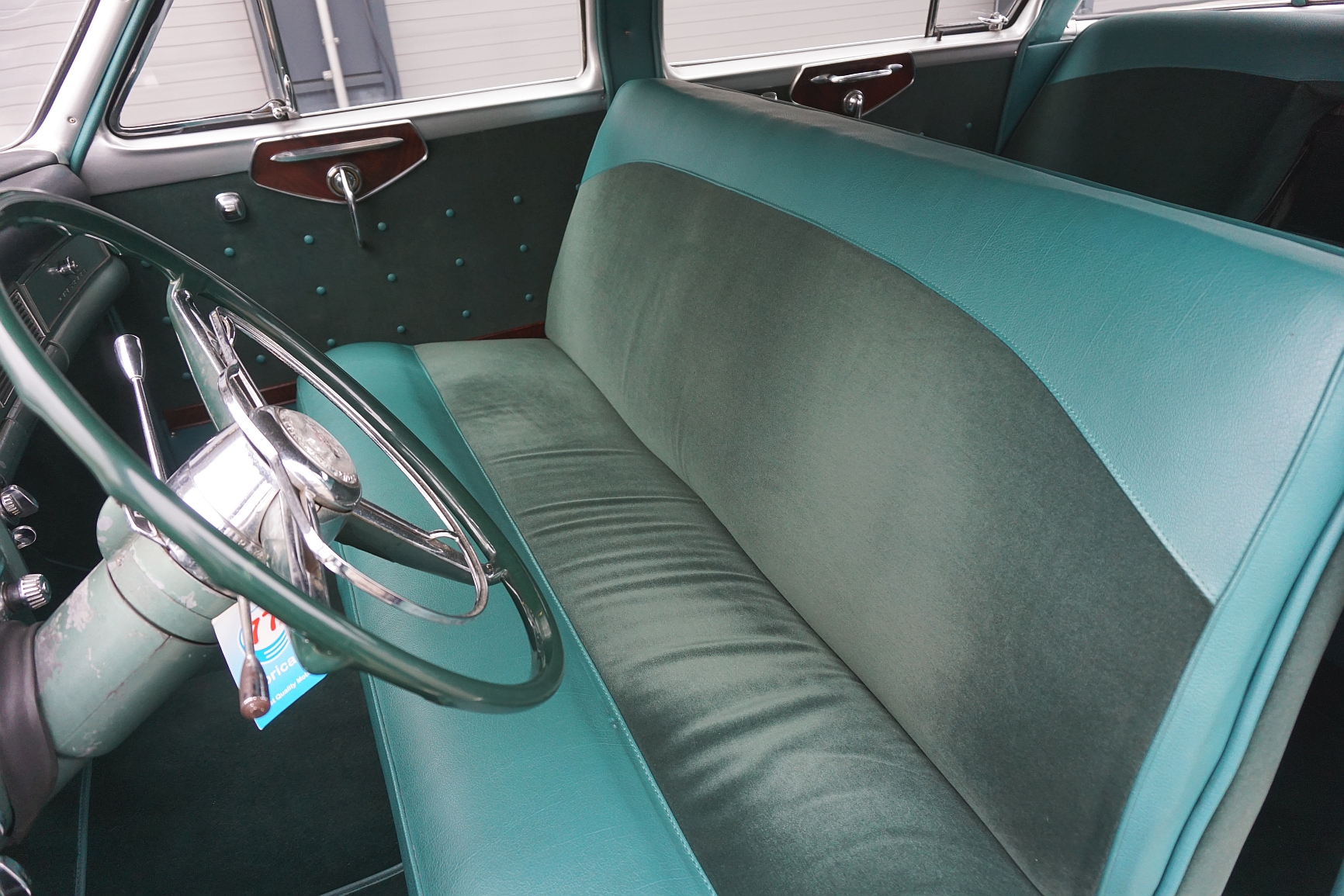
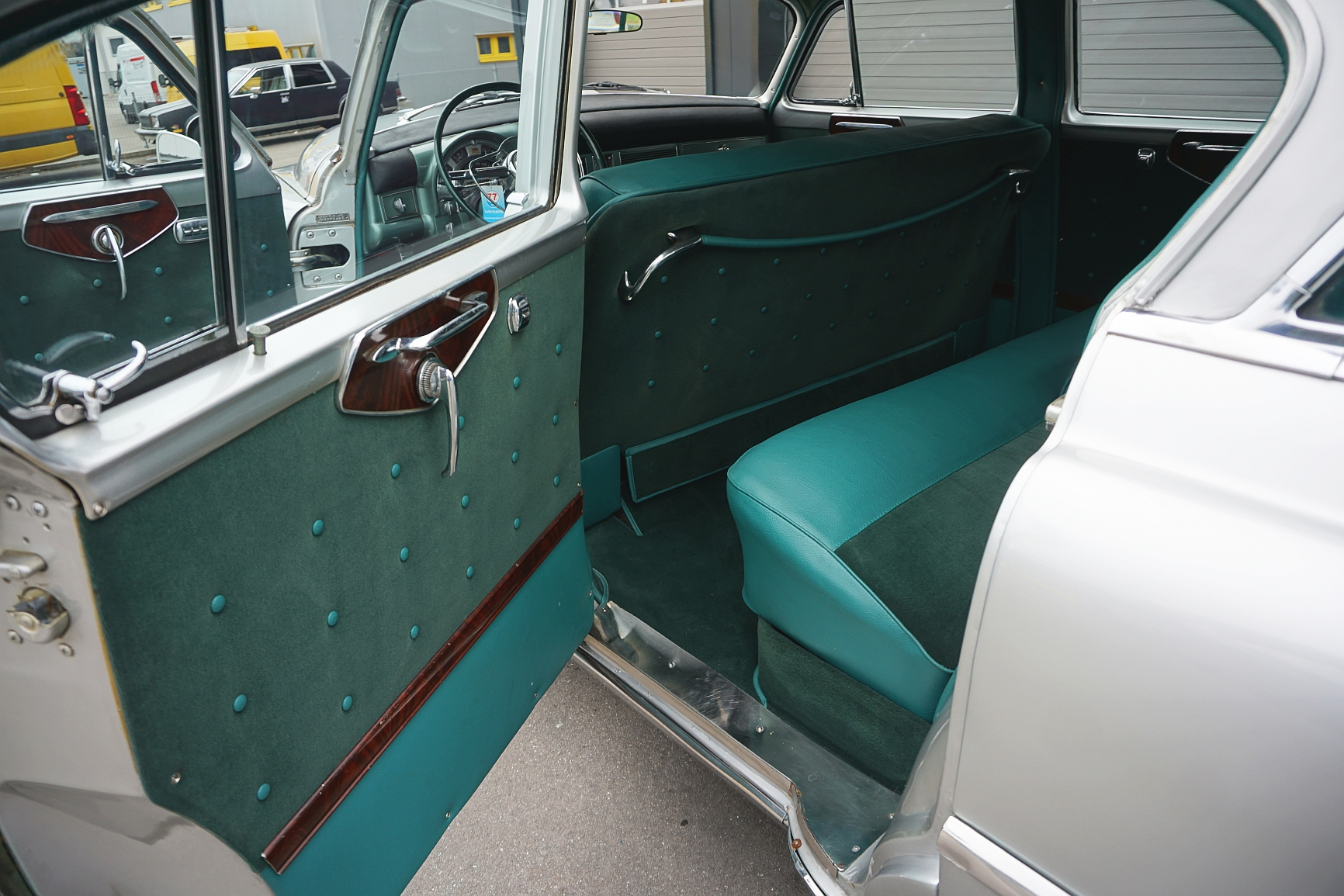
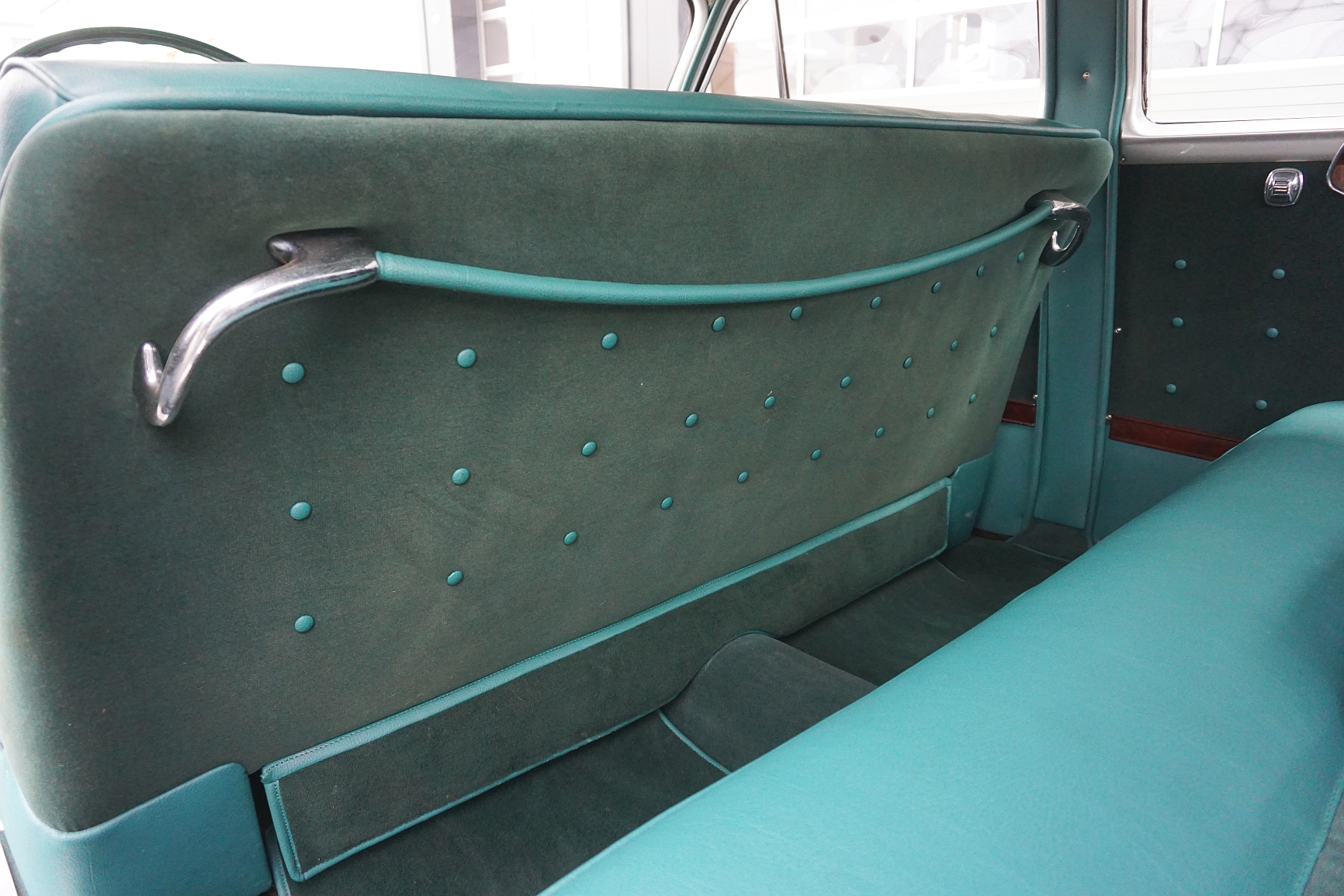
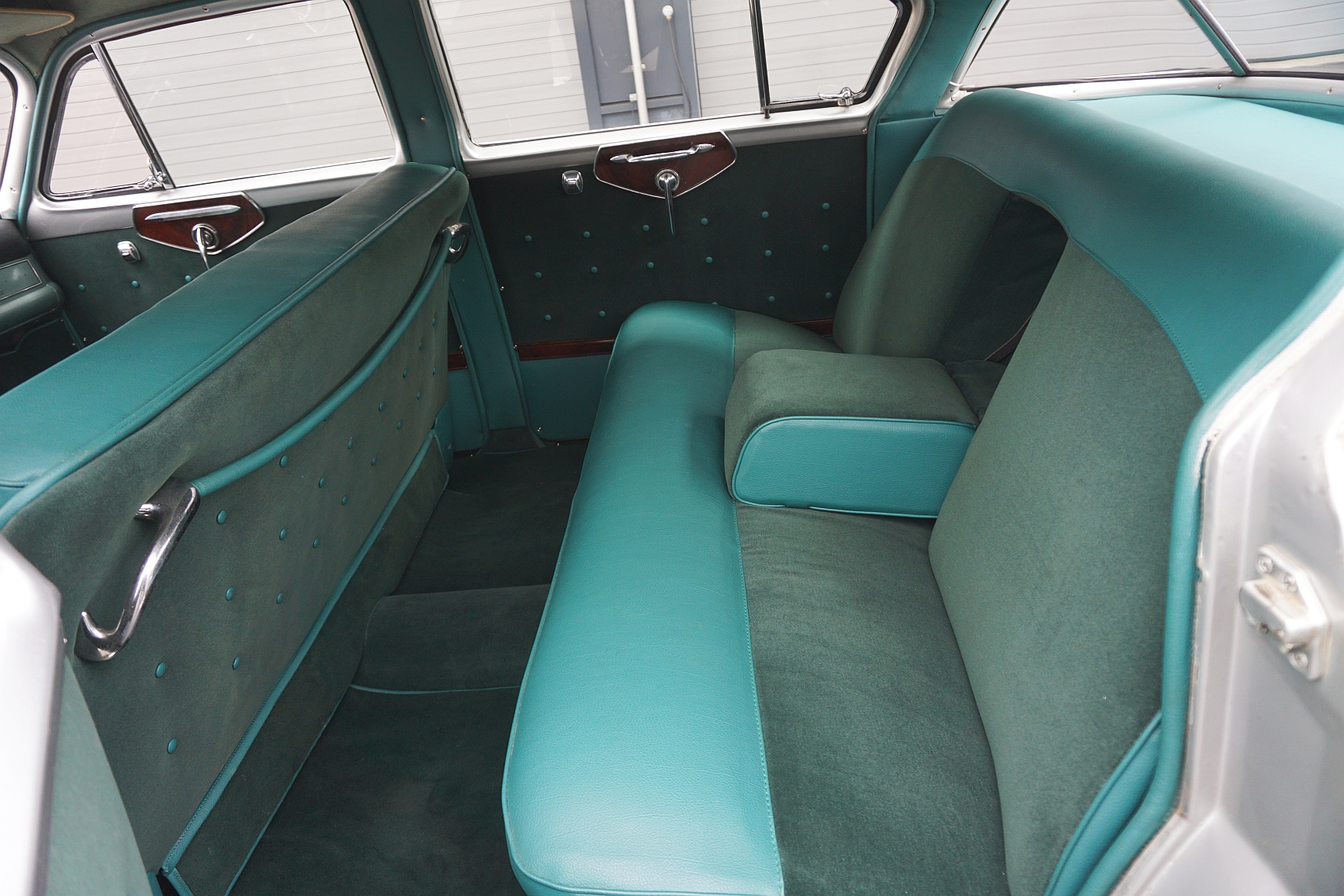
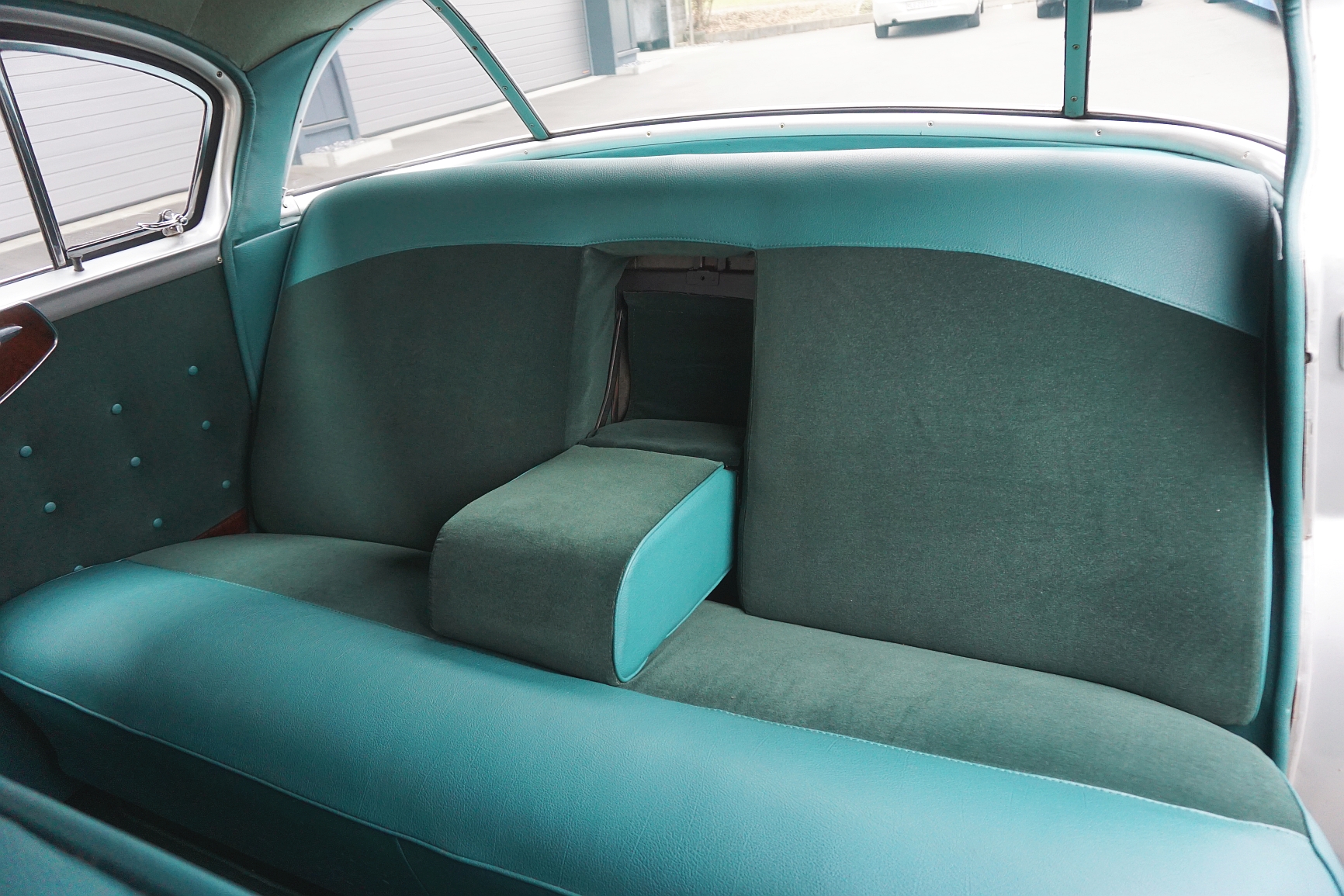
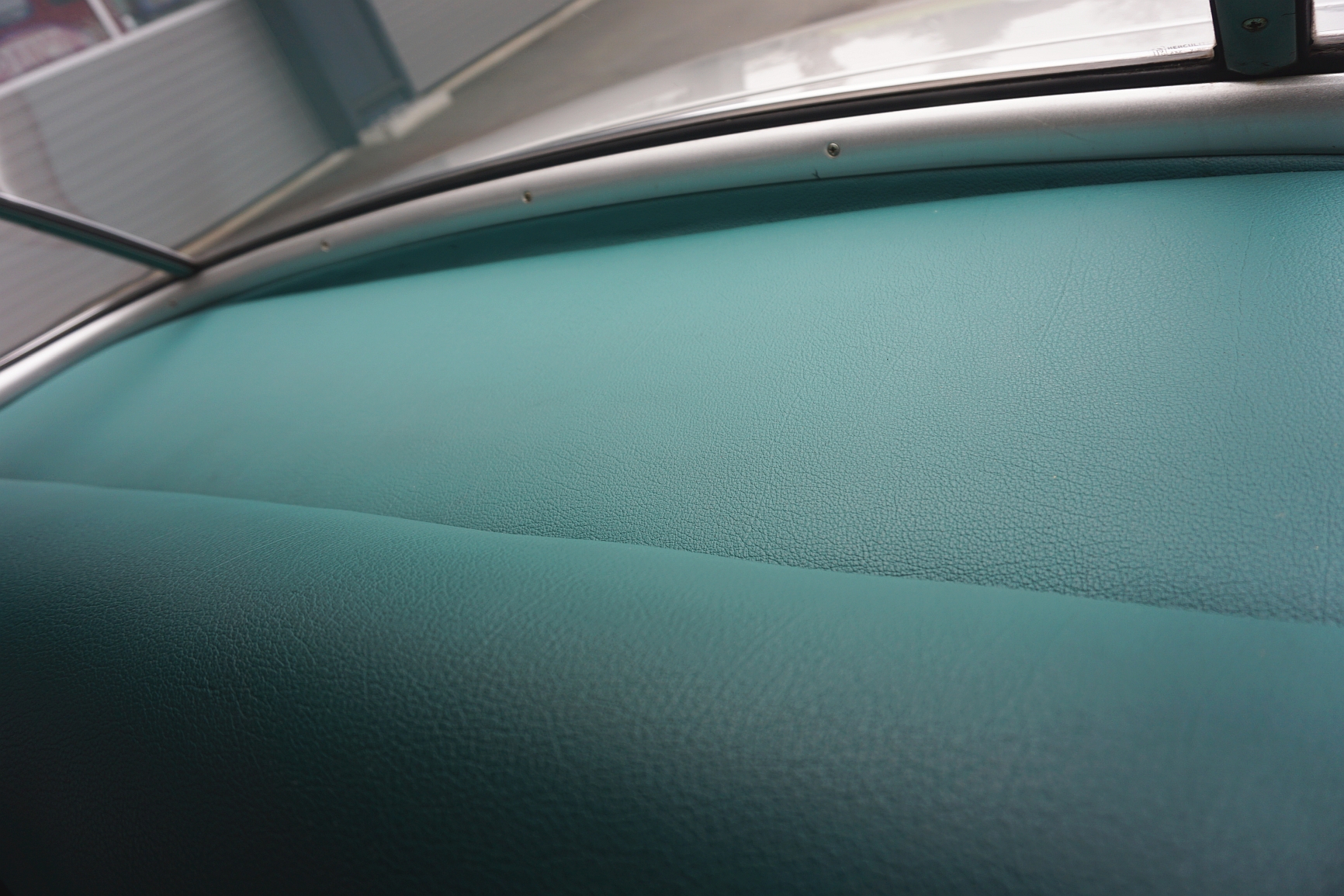
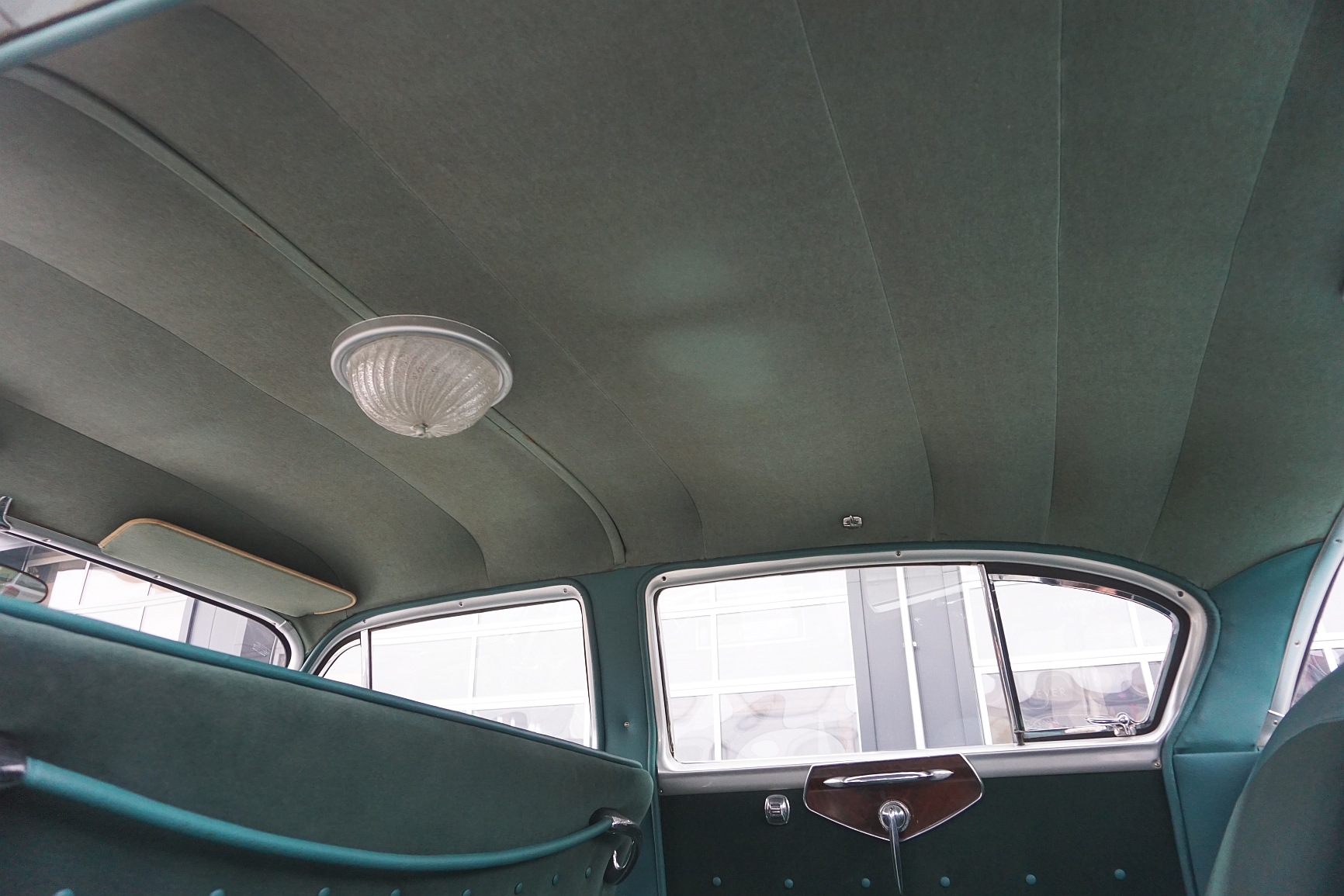
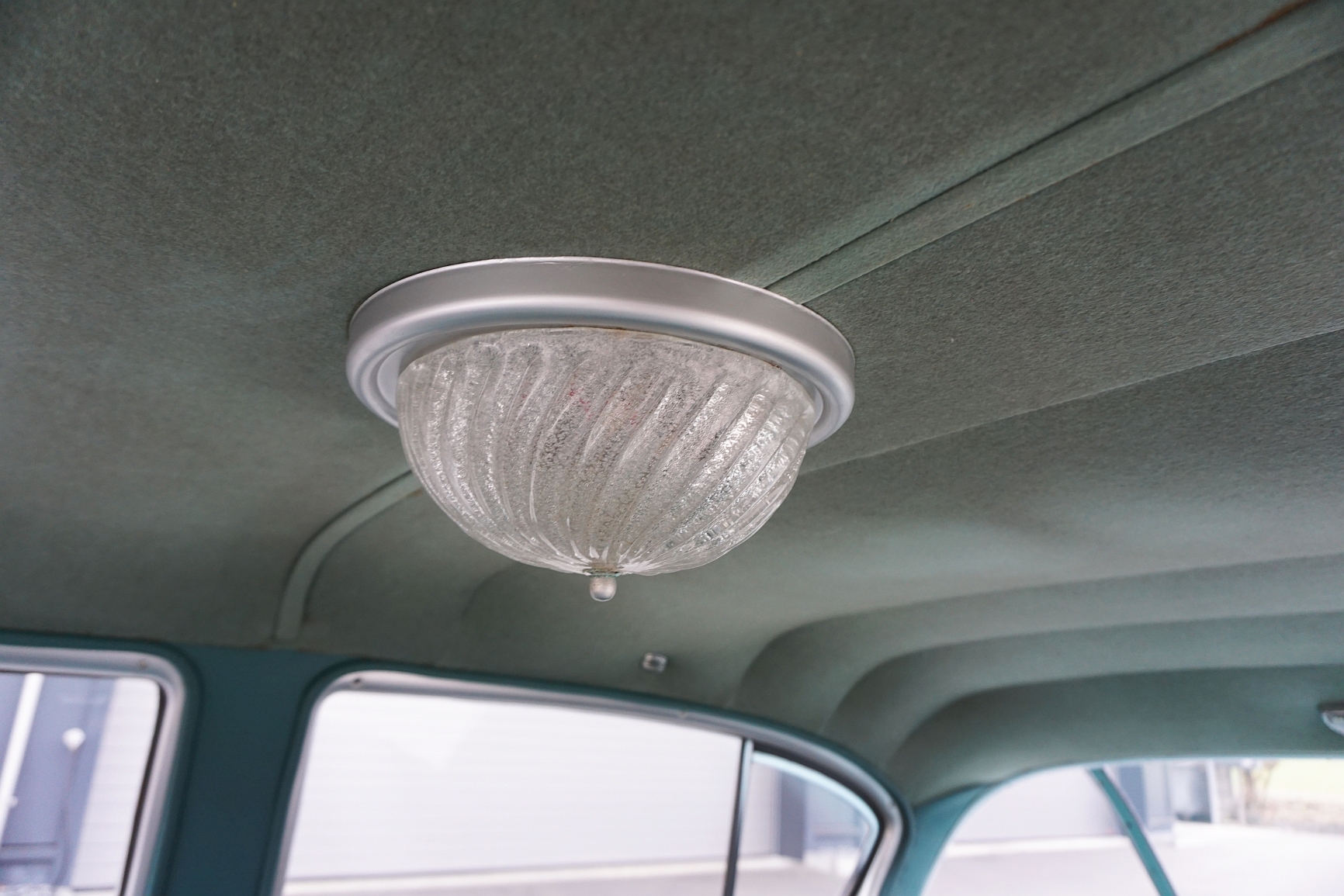
Luxury and nostalgia wherever you look: As soon as you get into the 53 Imperial, you feel like a king in a rolling palace. The luxury car thinks nothing of a simple journey from A to B and turns it into a journey for the senses.
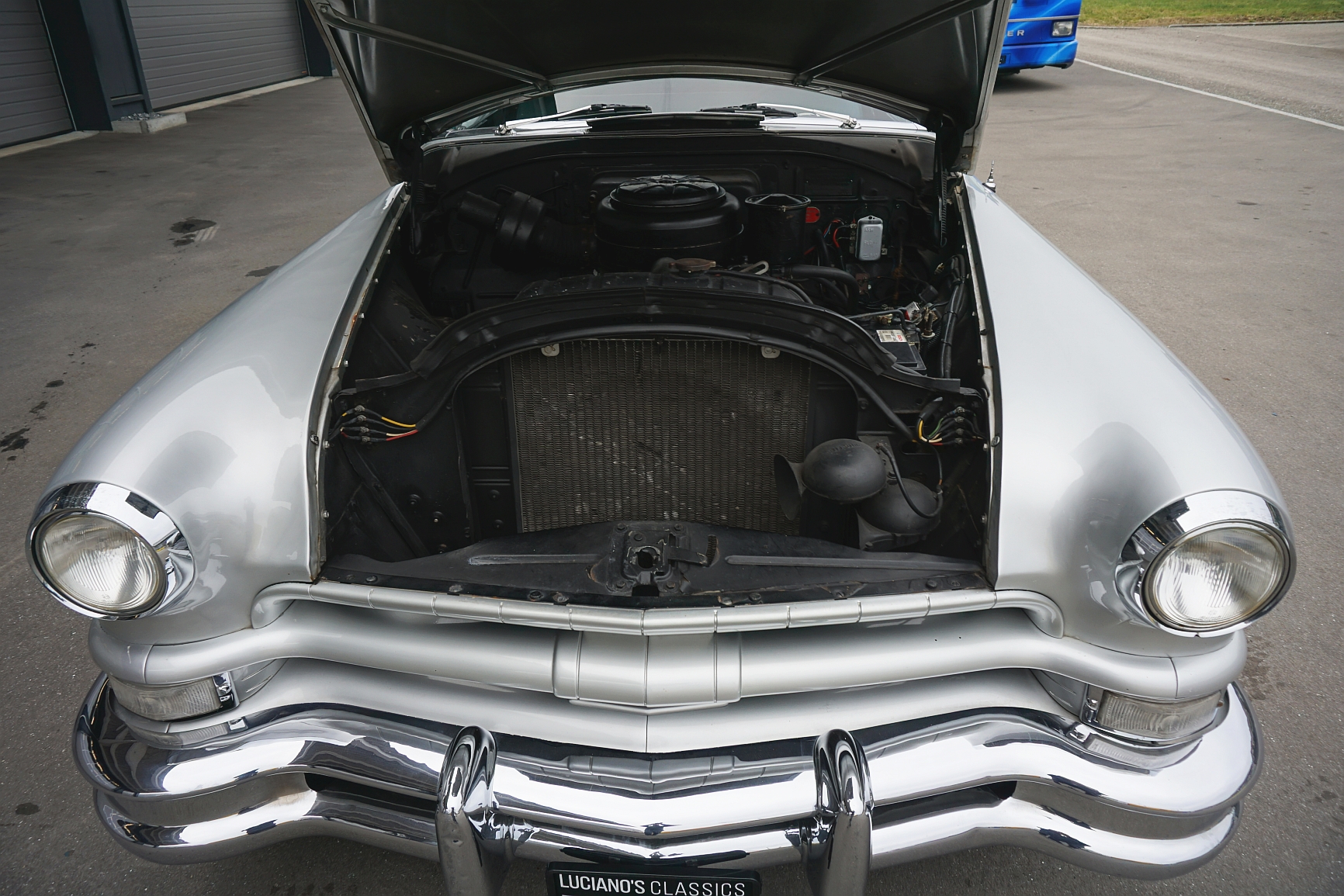
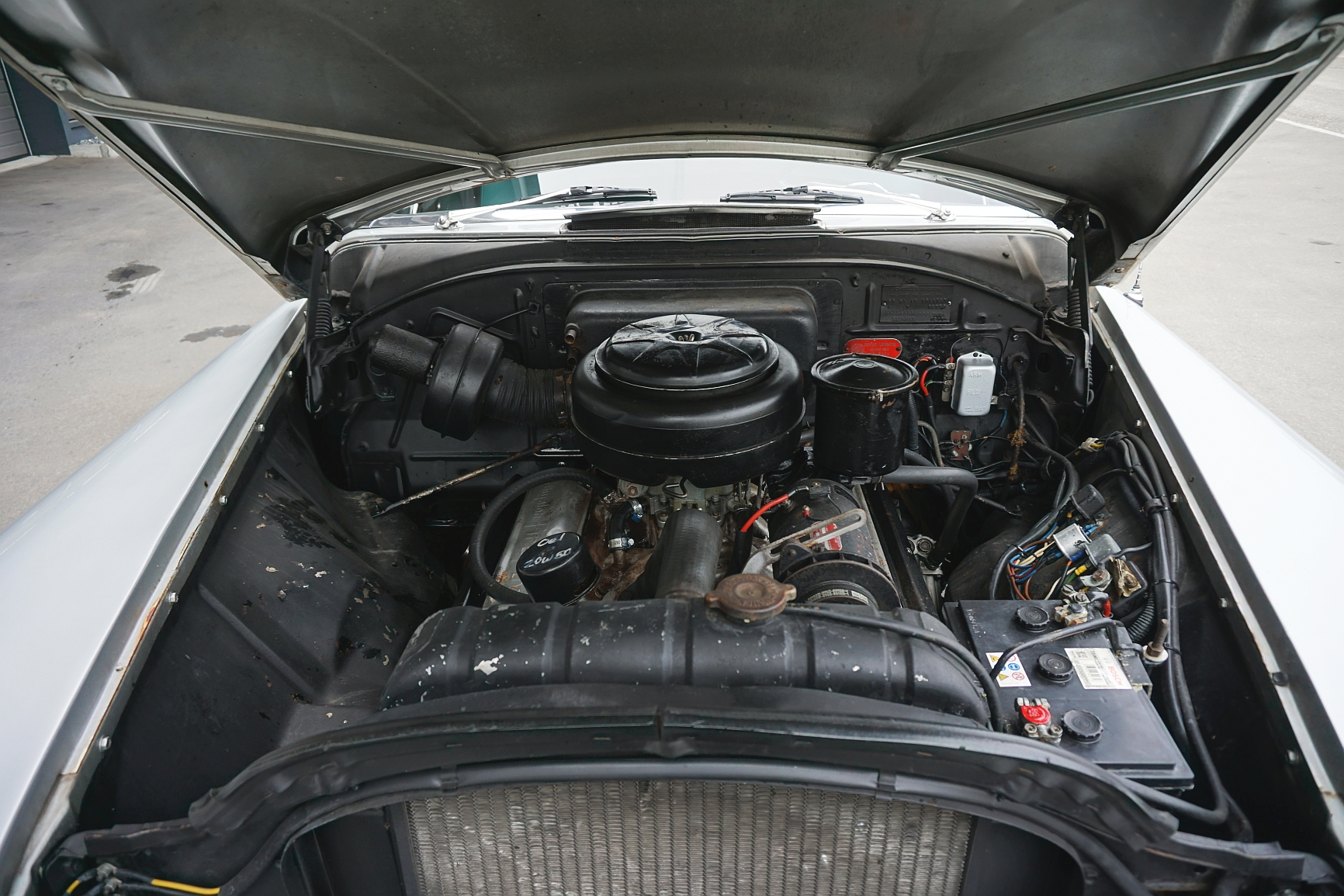
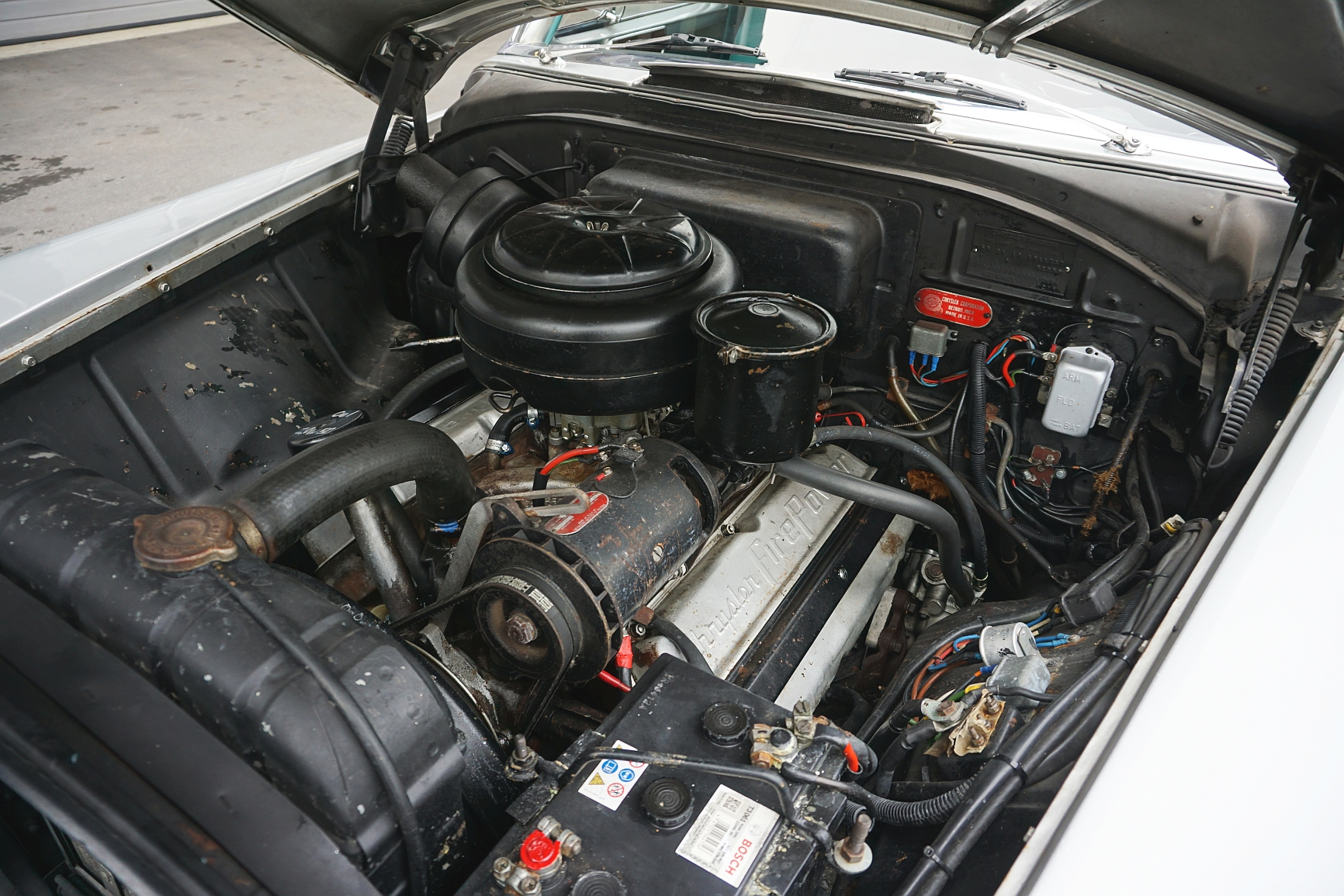
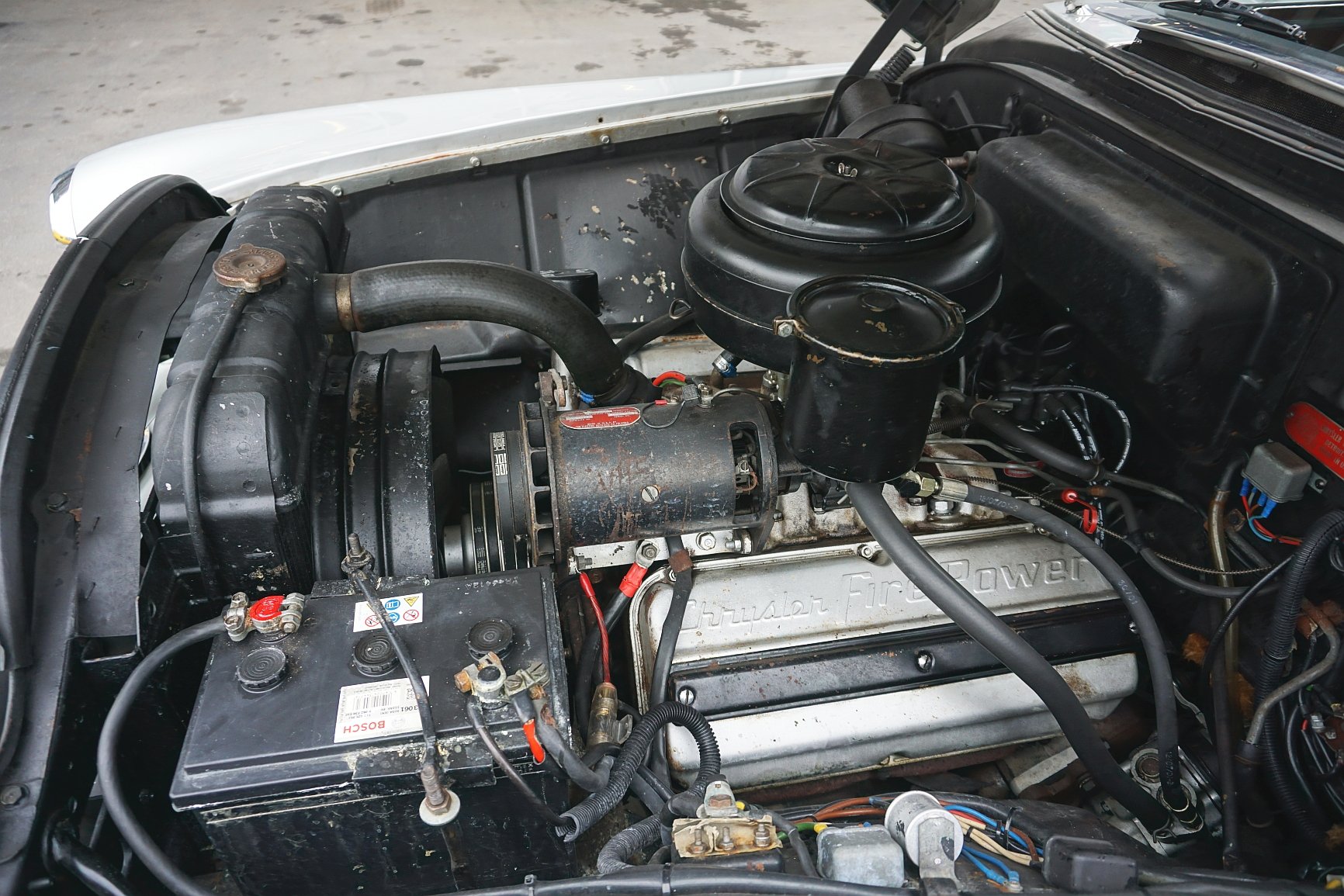
The excellently maintained 5.4-liter Hemi V8 purrs like a gentle tiger and, thanks to a good 180 hp, makes the road monument very pleasant to drive. Power is transmitted via a 4-speed automatic gearbox, which knows its job and performs without complaint.
The road holding is... well, let's say „characteristic“. The suspension is soft and so are the seats, giving you the feeling of floating on a cloud - ideal for an elegant country drive, less ideal for tight bends. This is exactly what is expected of a car of this class and time. After all, the imposing appearance quickly makes it clear that you are not sitting in an ordinary compact car.
The Imperial Custom was first registered in the canton of Lucerne in 1954 and has been in the same ownership for decades. The first owner was the Hotel Montana in Lucerne, which used the car to pick up guests. It has been very regularly maintained and has no technical problems whatsoever.
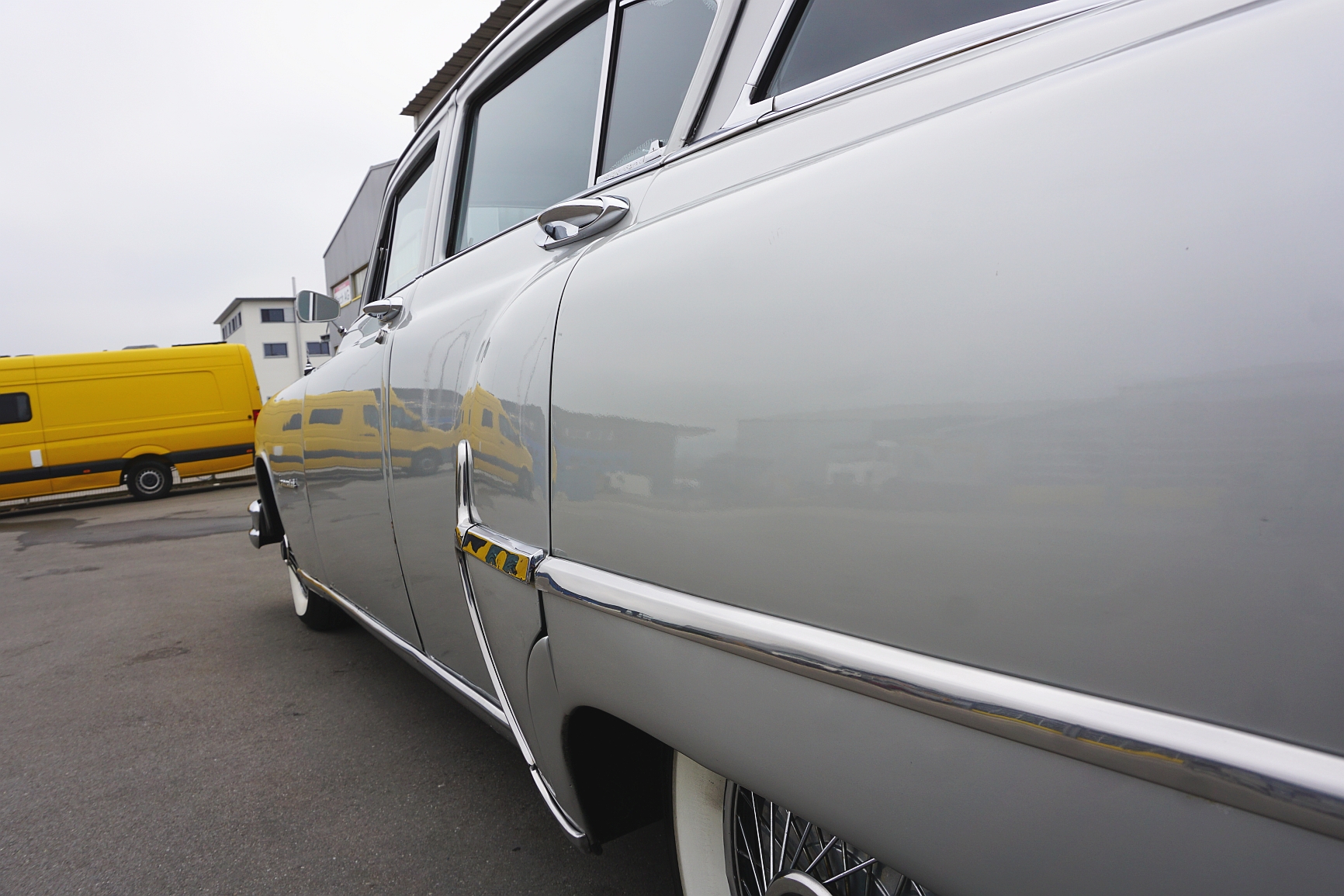
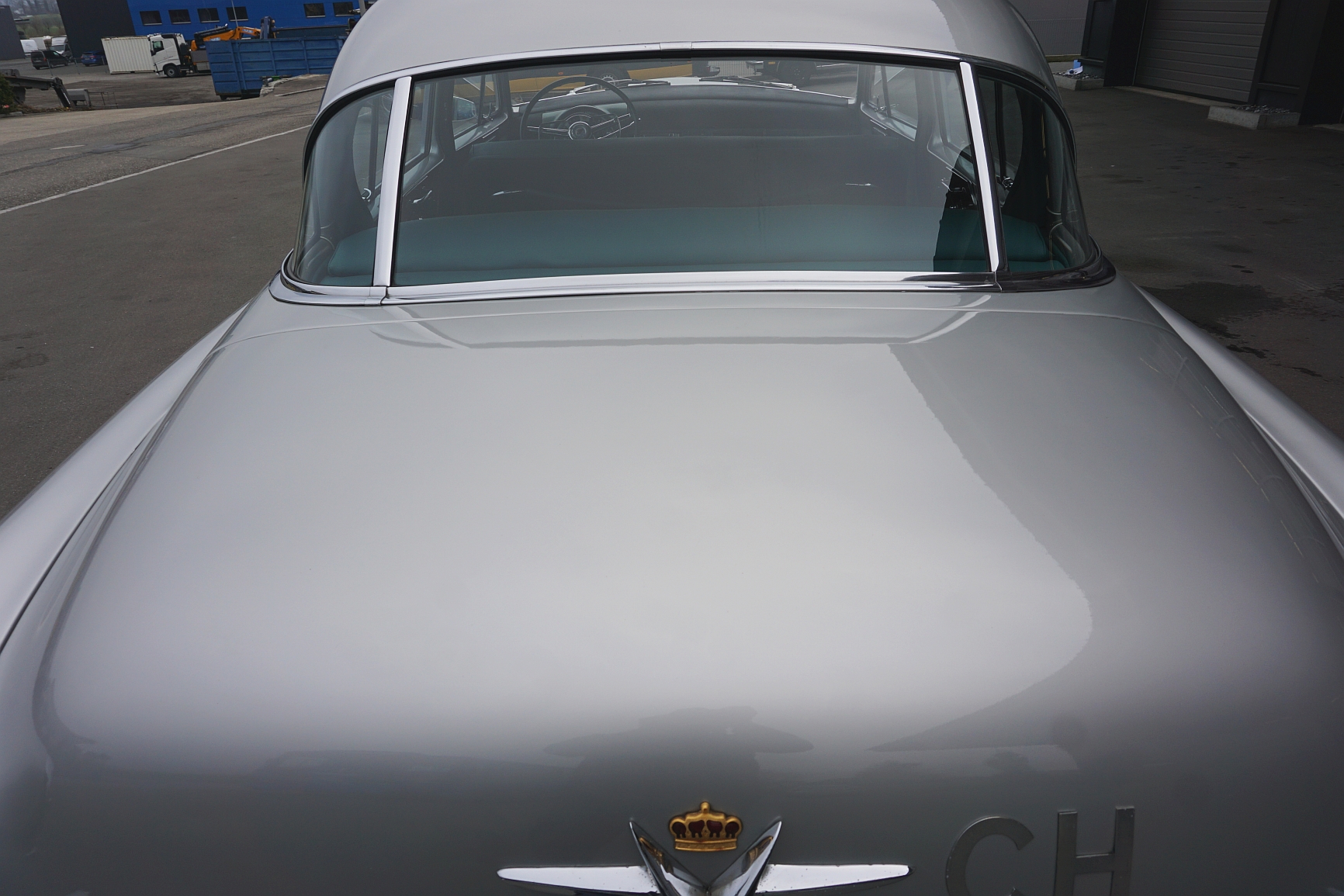
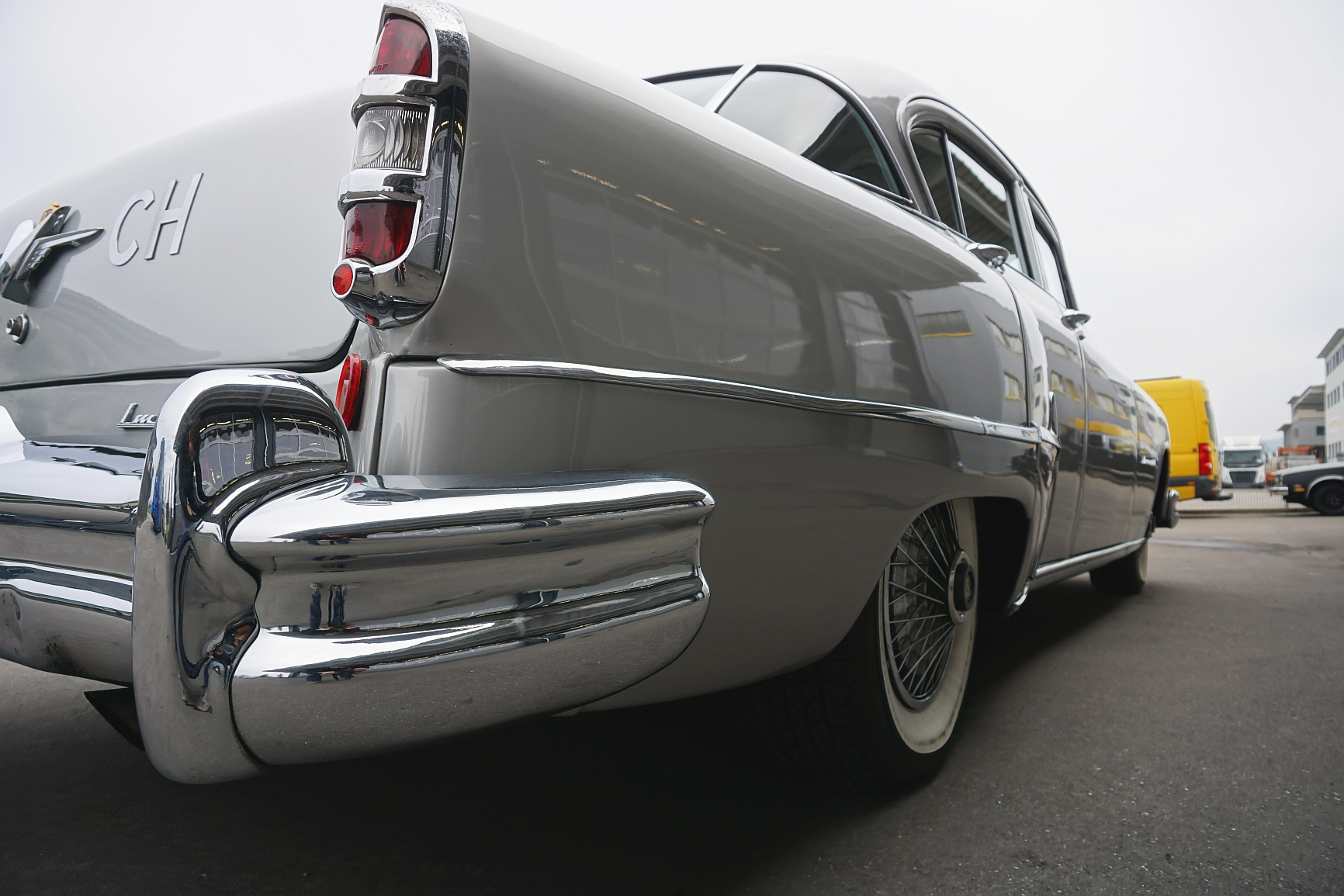
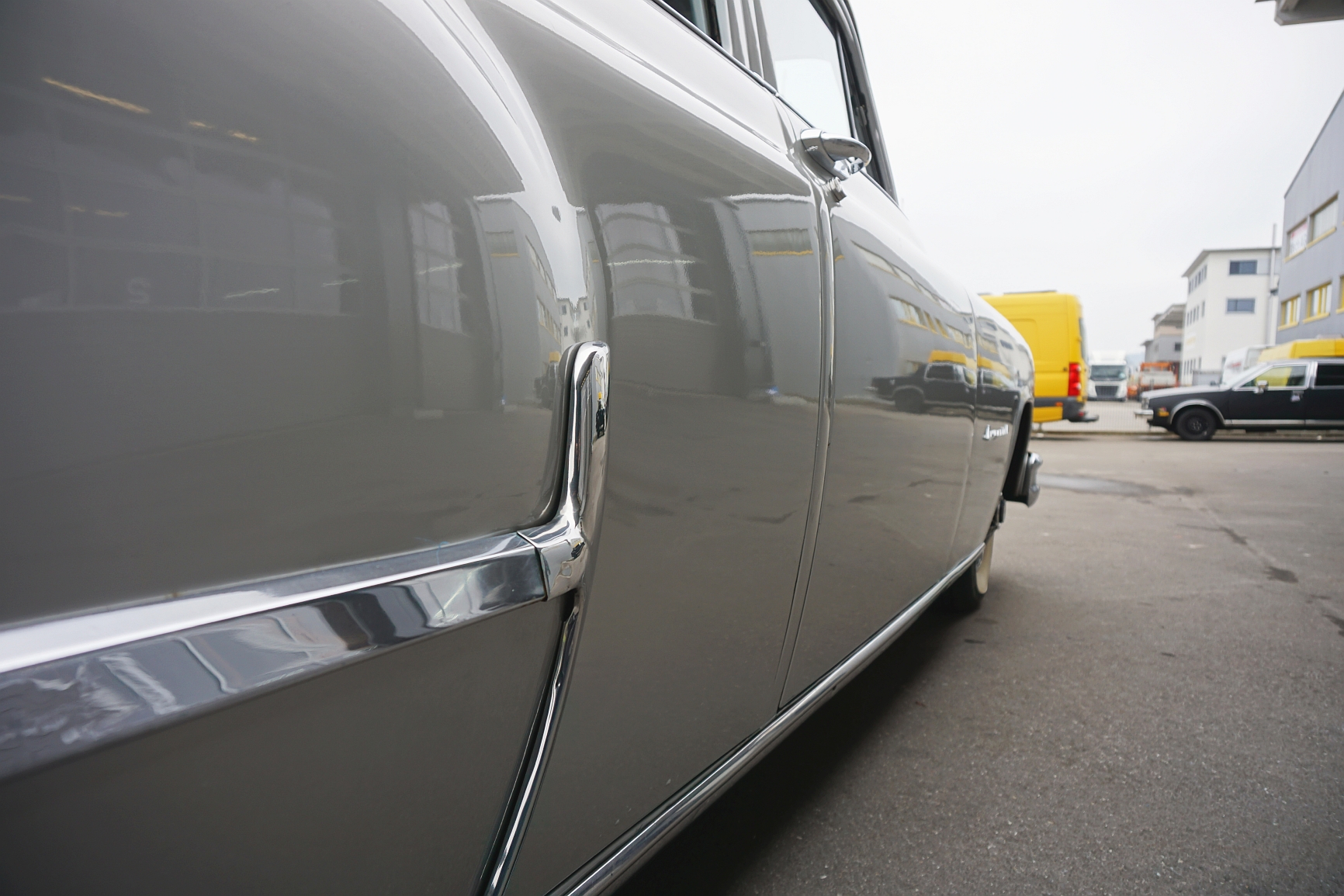
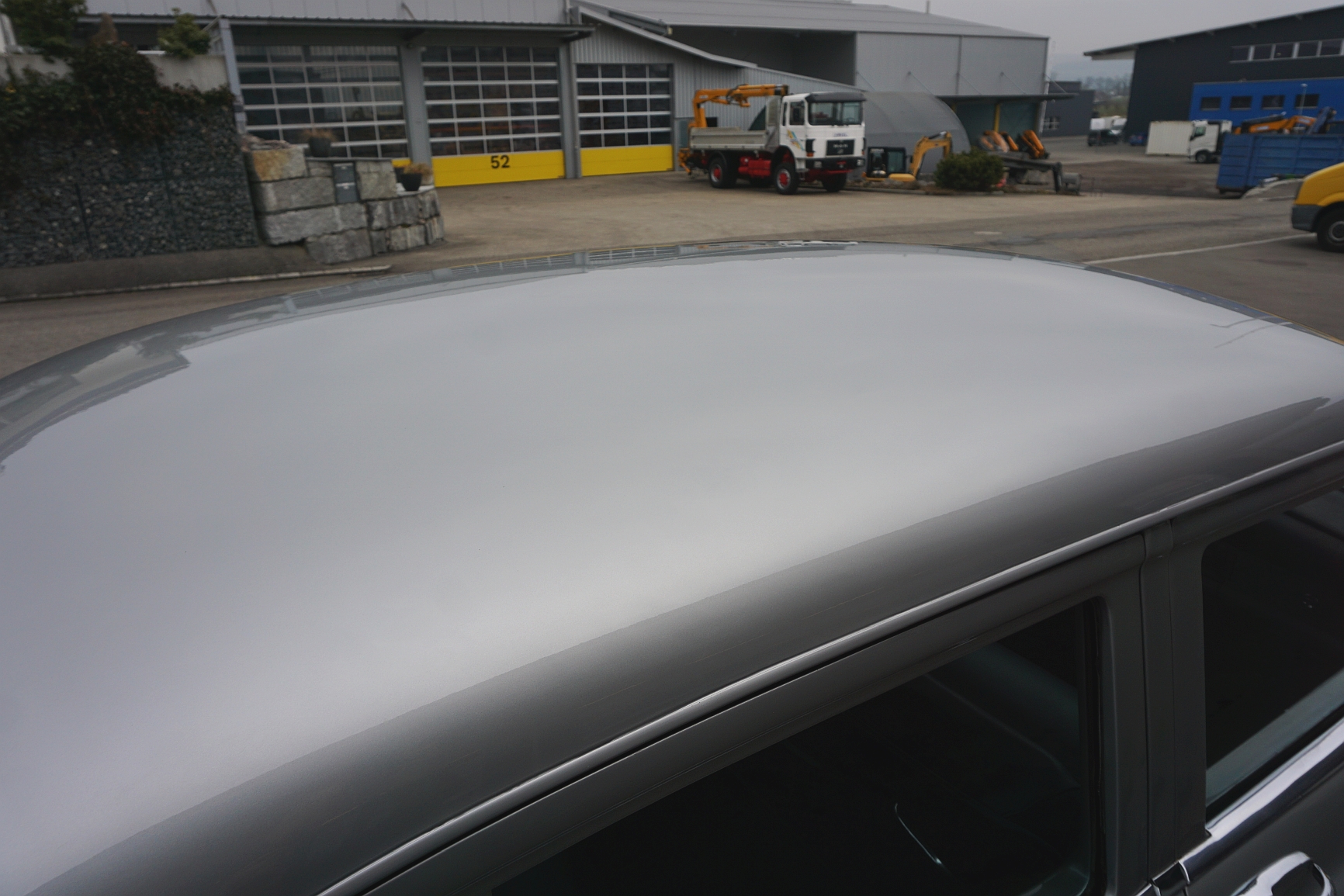
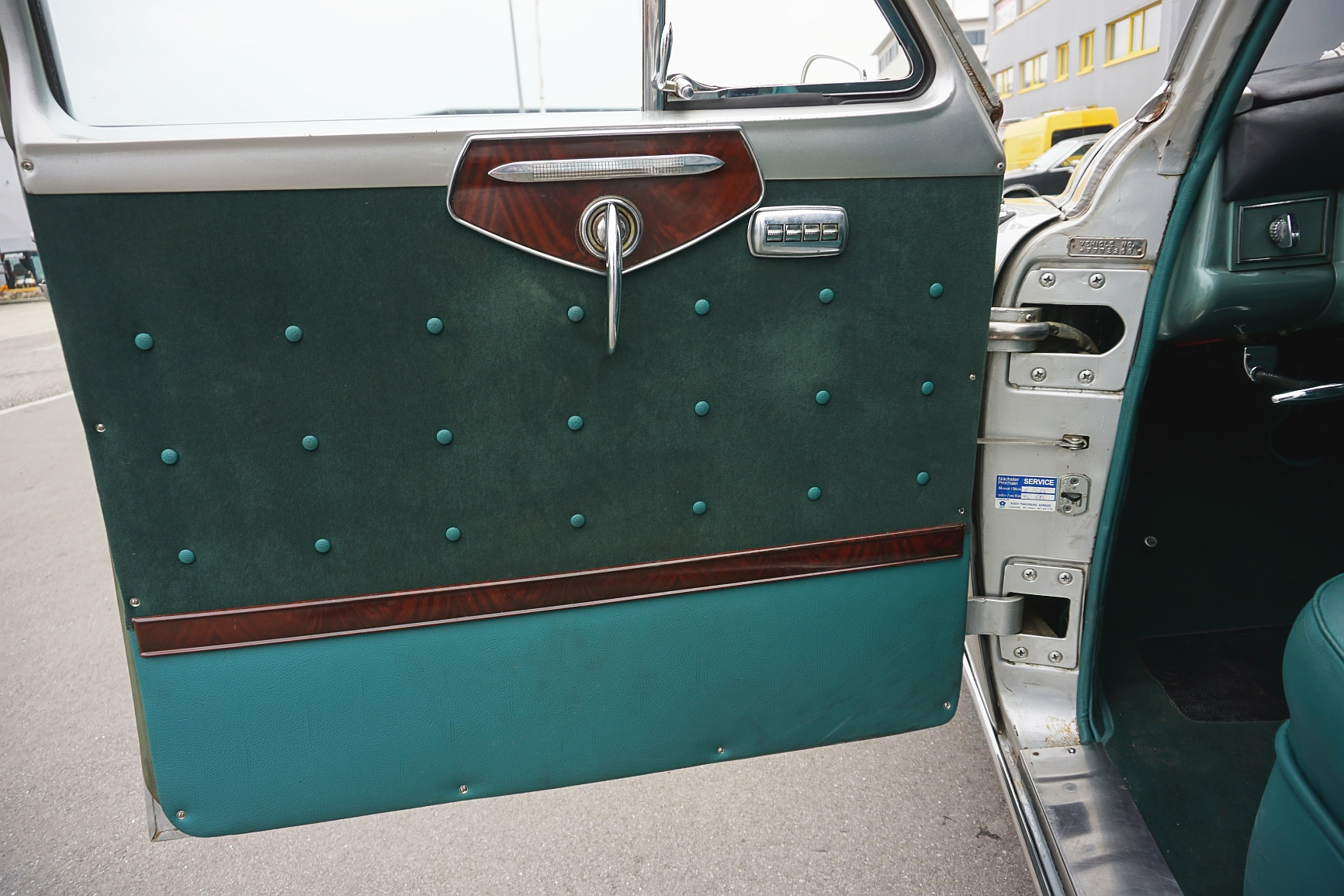
The paintwork is beautiful and rust has largely stayed away from the car. Shortcomings: there are rust bubbles on the underside of three of the four doors. This is probably because the water drains were blocked due to the cavity sealant being a little too thick. These can be removed by yourself or by us. A fresh veteran MFK is also possible.
All in all, the luxury oldie is a very well-maintained car that can be driven just as well. Ideal for weddings, leisurely country drives or simply to feel like the ruler of the asphalt.
You can find a video about the Imperial at the bottom of this page.
This vehicle has already been sold.
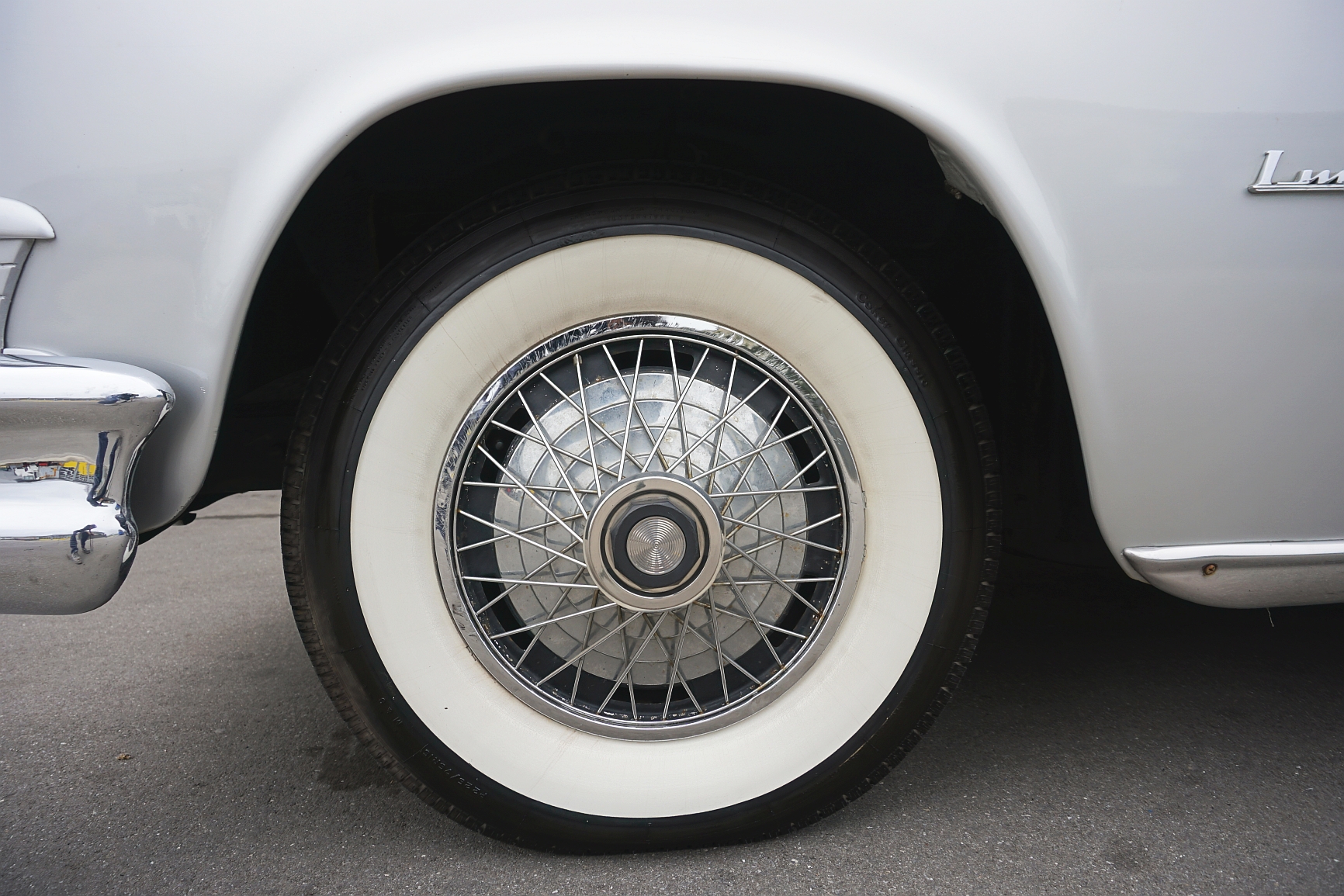
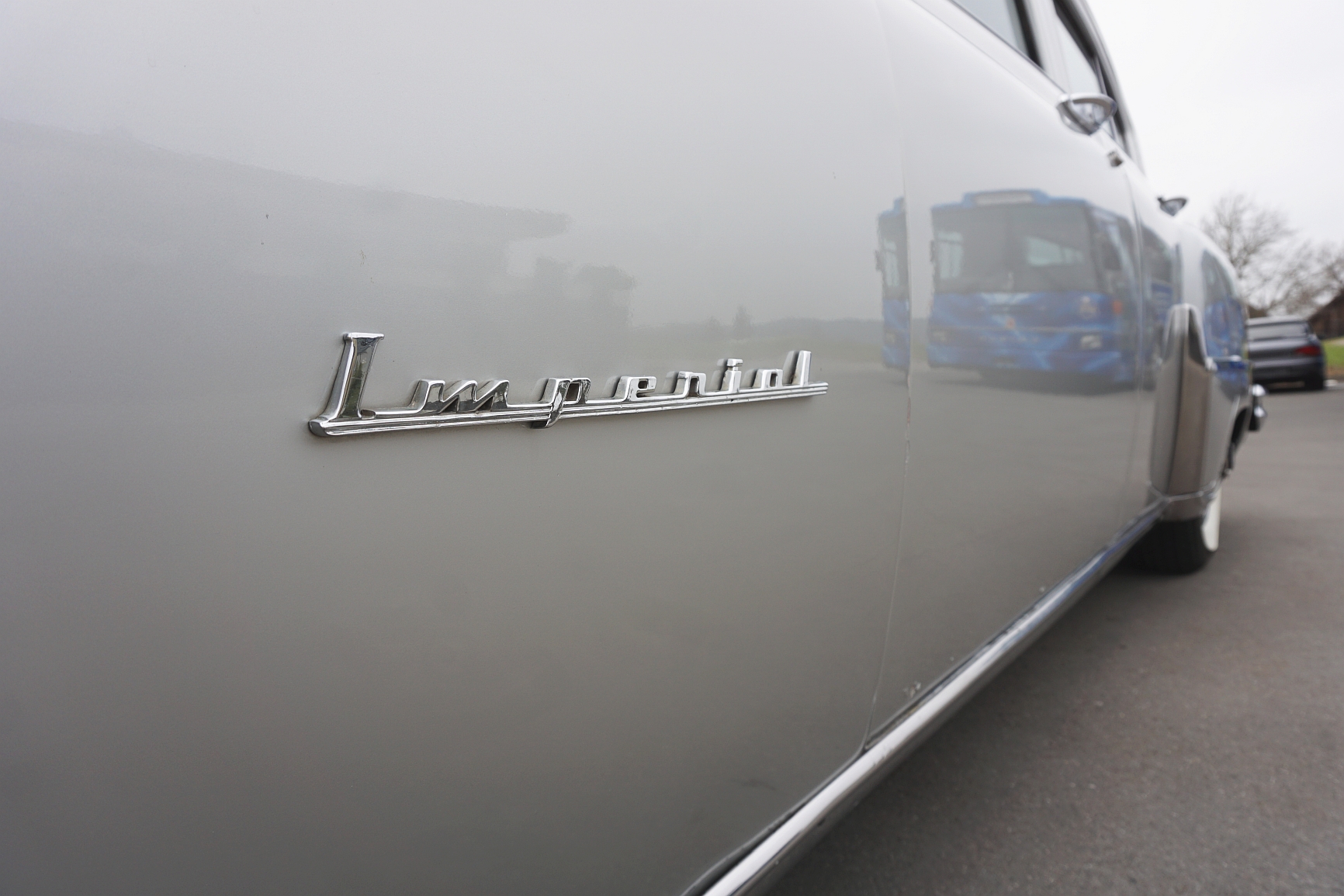
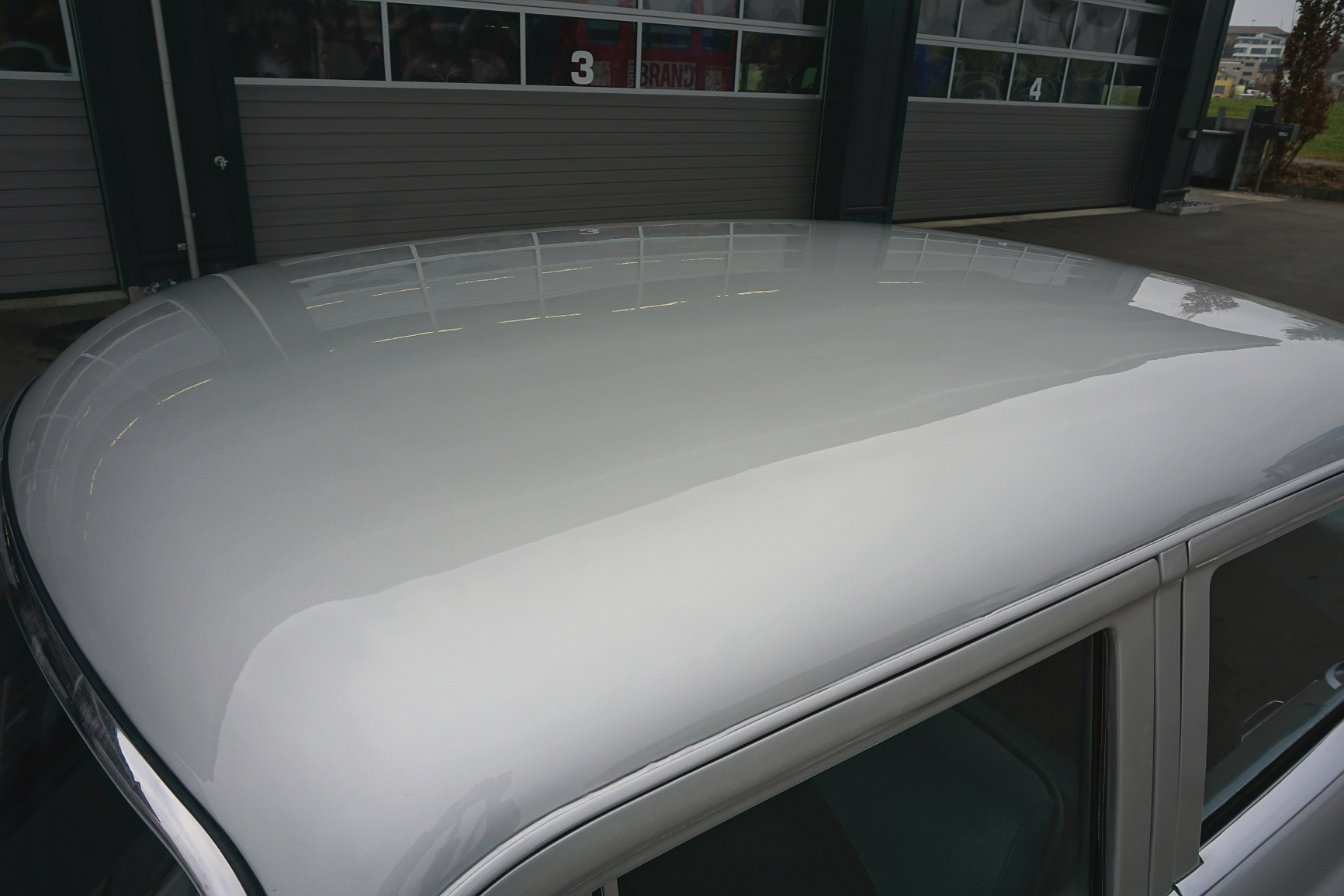
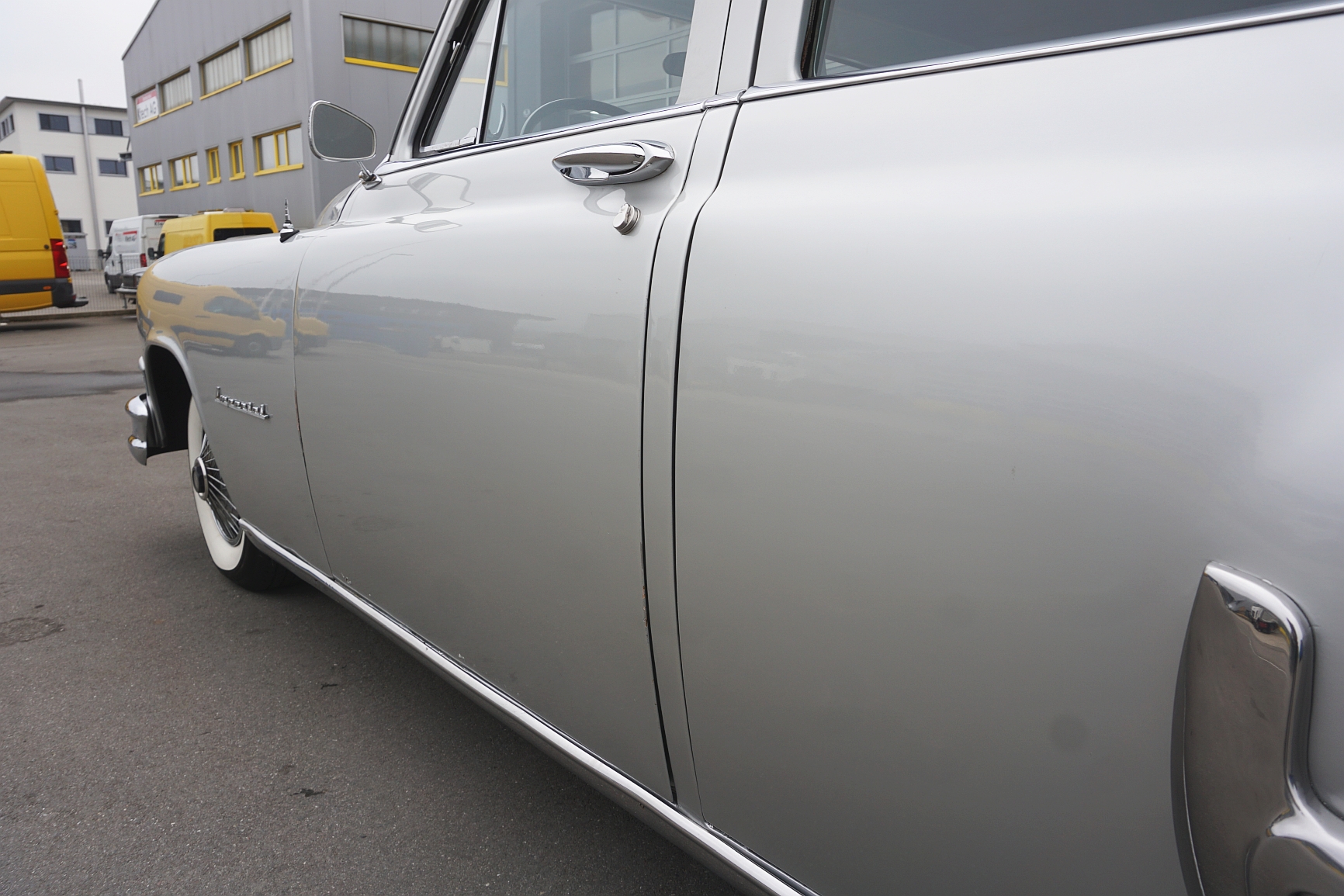
Model history
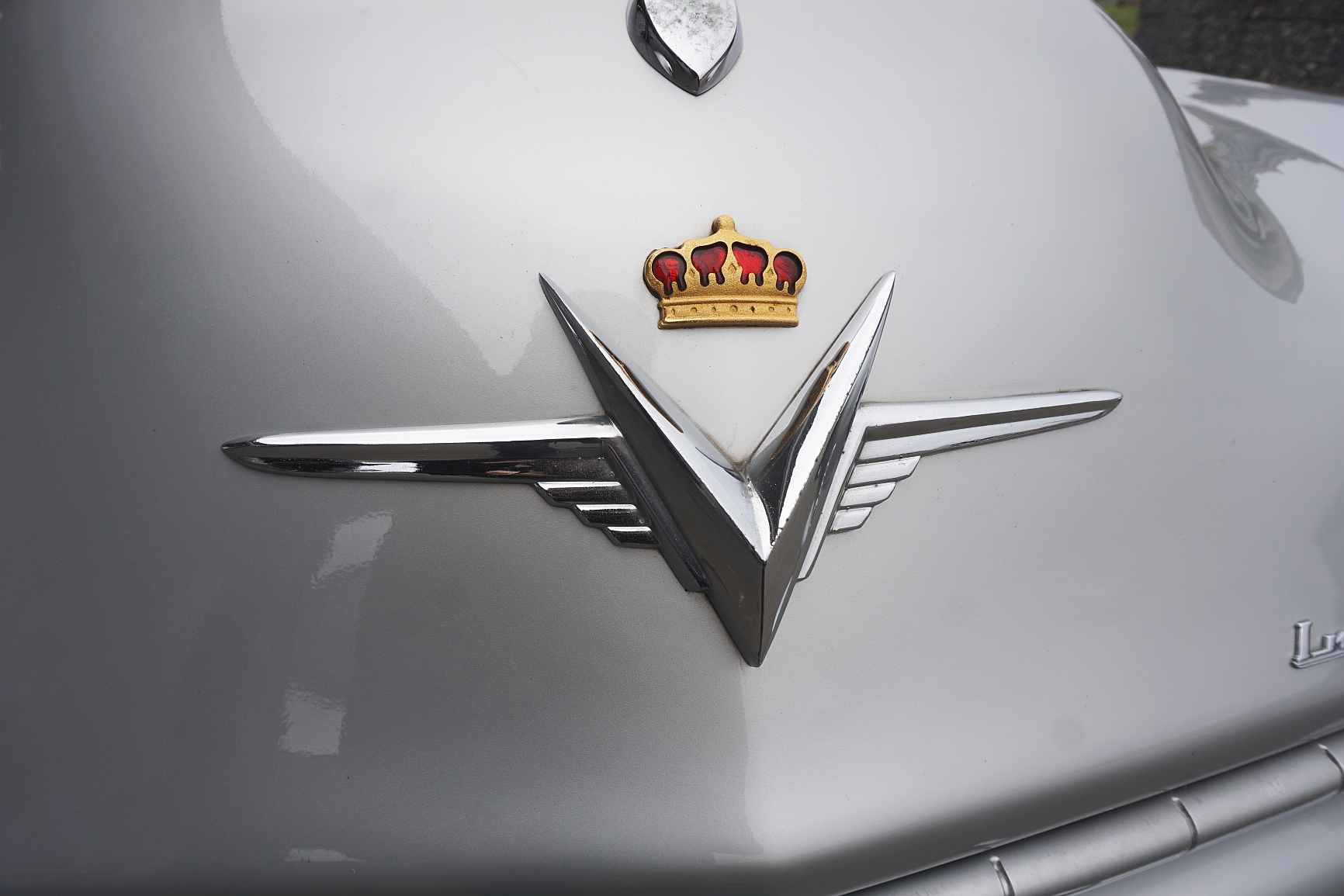
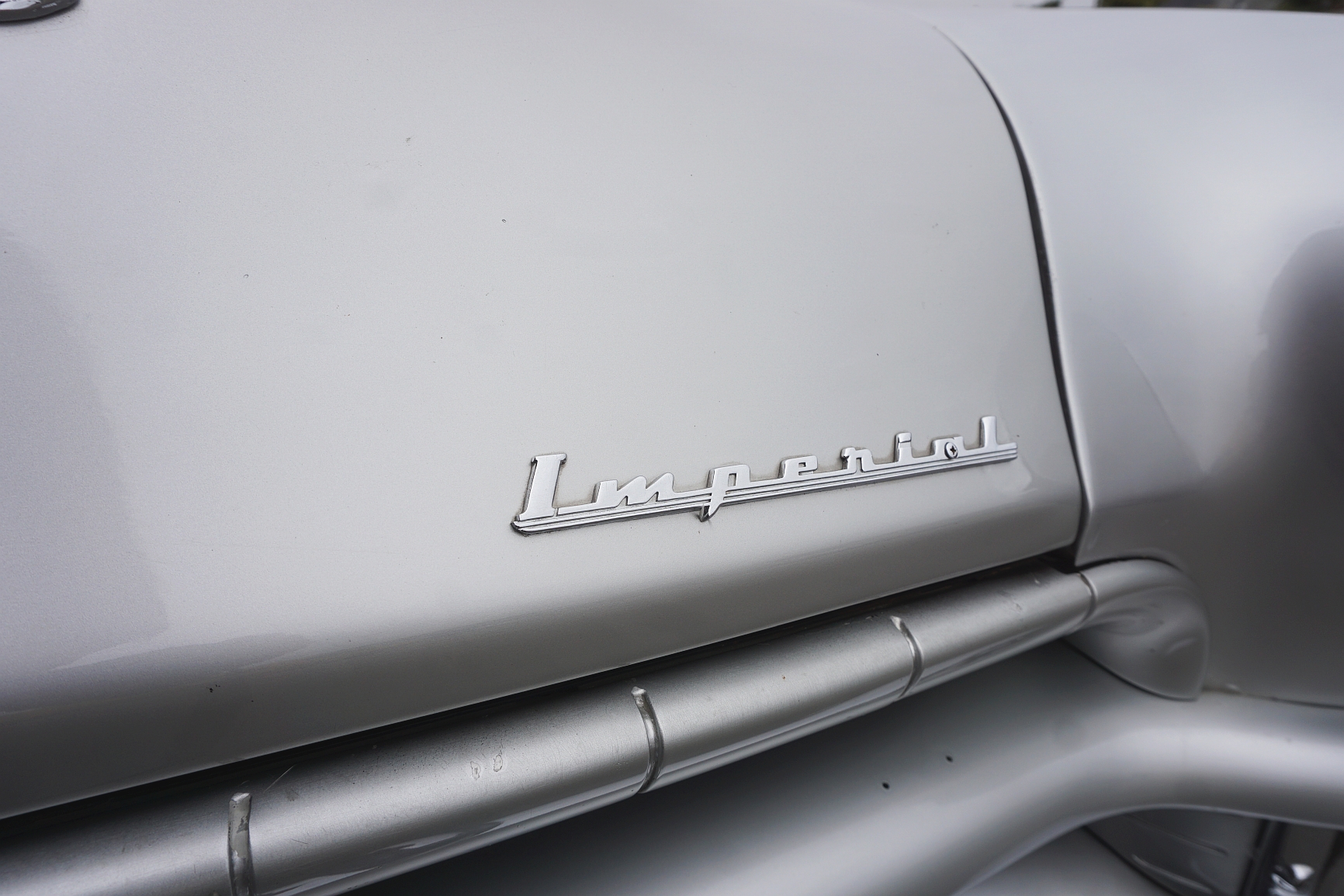
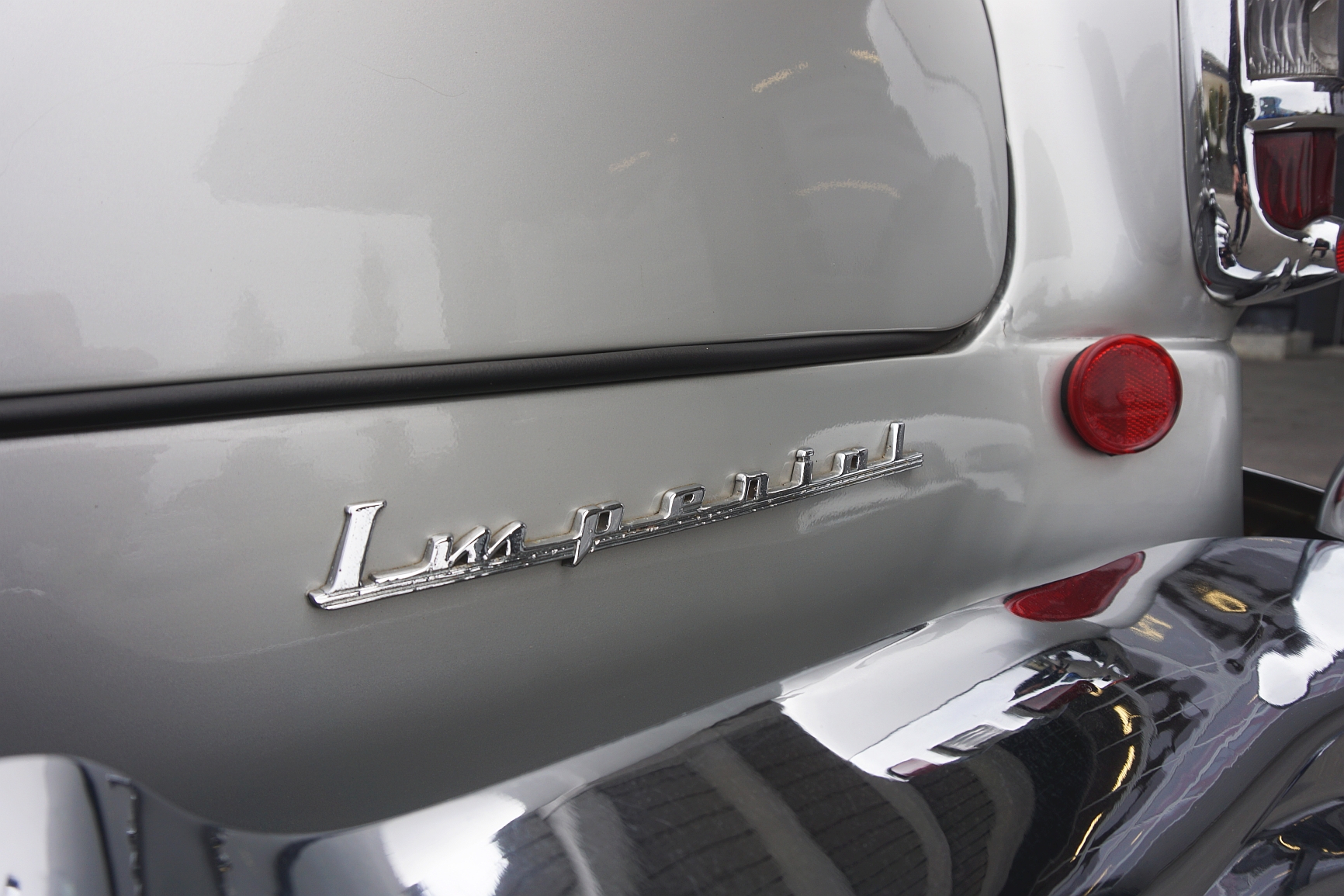
In 1949, the Imperial was completely redeveloped and marked the beginning of a two-pronged model policy in its fifth generation. There was the Imperial Custom and the Imperial Crown - both vehicles in the luxury segment, whereby the Crown always offered 8 seats and was significantly longer than the standard model. Interestingly, all Imperials and New Yorkers of the time wore the crown, which is why the vehicles are often advertised as Crowns but are not actually Crowns. The main distinguishing feature was a retractable partition window, as the Crown was intended as a chauffeur-driven vehicle.
The styling of the Imperial was modernized compared to its predecessor and was given a face more appropriate to the 1950s. The front fenders were very smooth and had no ball or pontoon type panels. The rear fenders retained their distinctive feature, as was common in the 1950s.
The post-war Imperial was developed under the direction of Virgil Exner, Chrysler's chief designer. Exner was known for his „forward look“ philosophy, which was characterized by a modern, dynamic design with strong lines and futuristic accents. He focused on aerodynamic shapes and emphasized the contours of the vehicle to create a sense of movement and progress.
The imposing size of the Imperial was a hallmark of the luxury class of the time. With a length of over 5 meters and a width of over 2 meters, the Imperial was a true „road monument“. The standard length Imperials had a wheelbase of 131.5 inches (the Crowns 144.5 inches) and seated six passengers when the model was introduced. The Imperial was essentially a very nice version of the Chrysler New Yorker. The exterior trim was the same (except for the emblems), but the Imperial was distinguished by its coach roof and upscale interior.
The fifth-generation Imperial introduced a number of technical advances over its predecessor, particularly in the transmission and braking systems. Two different transmissions were offered in this generation, a four-speed semi-automatic called Presto-Matic and, from 1954, a two-speed PowerFlite standard automatic. The Presto-Matic, which was available from 1946 to 1953, was particularly impressive with its electric overdrive, which worked in both low and high gear.
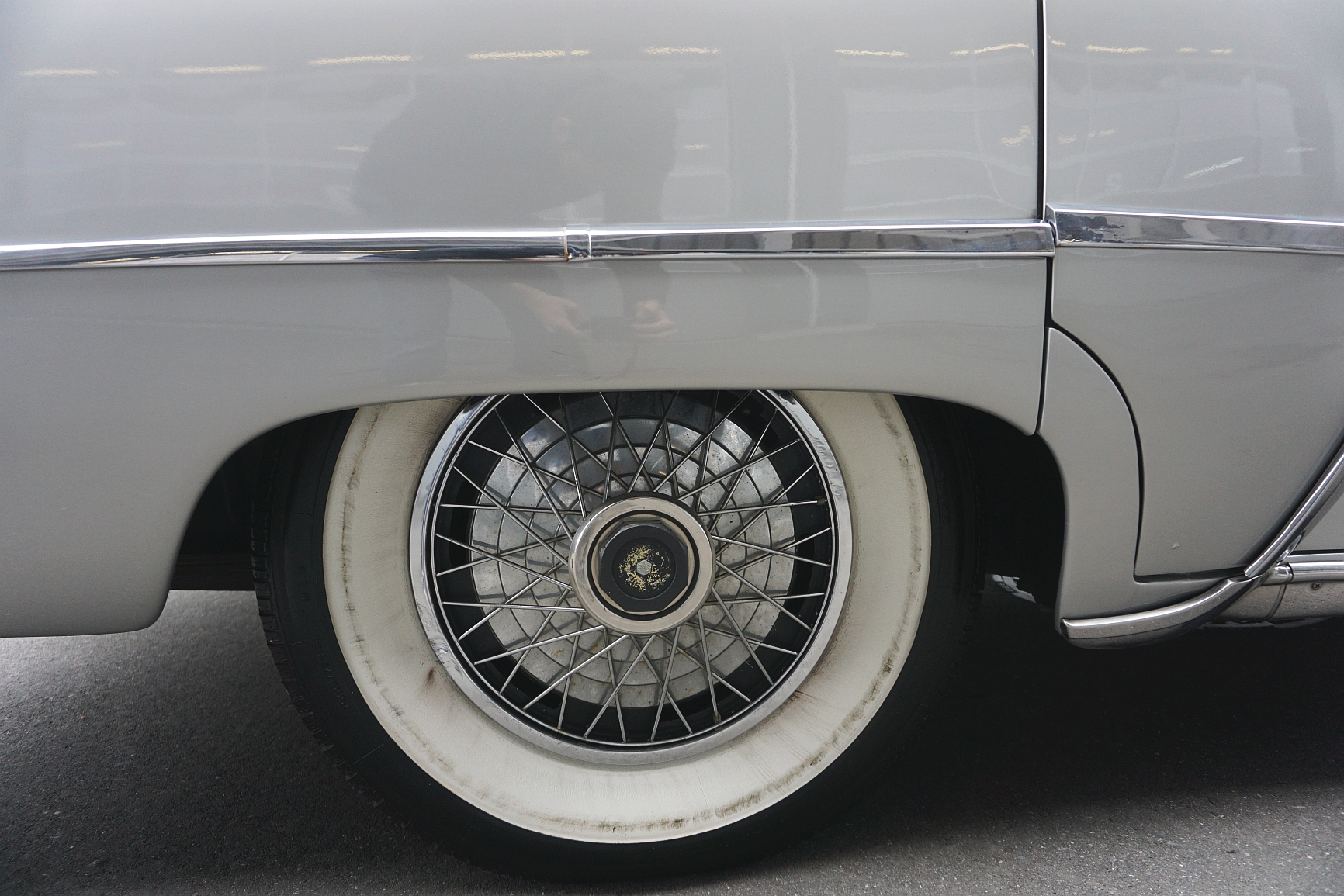
The brakes were controlled by a completely new four-wheel disc system developed by Chrysler and the Auto Specialties Manufacturing Company. When it was introduced in the Imperial Crown in 1949, it was the first production vehicle with disc brakes. The brakes did not work with calipers, but with twin discs that expanded and rubbed against the inside of the iron brake drum, which also served as the housing. The brakes worked with less pressure and were less susceptible to a loss of braking effect.
Among the key technicians and designers was Carl Breer, one of Chrysler's leading engineers, who contributed significantly to the development of the vehicle frame and chassis components. Breer was also a key member in the creation of the legendary Hemi V8 engine, which became a Chrysler trademark in later years.
The 1949 Imperials were powered by the old 5.3 liter Chrysler in-line engine, which was discontinued in 1950. Chrysler developed a Hemi engine for fighter planes during the Second World War and prepared smaller versions for use in vehicles from 1951. The first Hemi engines, which Chrysler offered both as in-line six-cylinder and V8 engines, were called FirePower. From 1951, a V8 engine was used in the Imperials for the first time, which had a slightly larger displacement of 5.4 liters than the previous year. The Imperials offered the largest FirePower engine available and produced an impressive 180 hp. Power steering, which Chrysler called Hydraglide, was also launched in 1951, another industry first in a production vehicle. It was fitted as standard in the Crown from the outset, and from 1952 also in the Imperial.
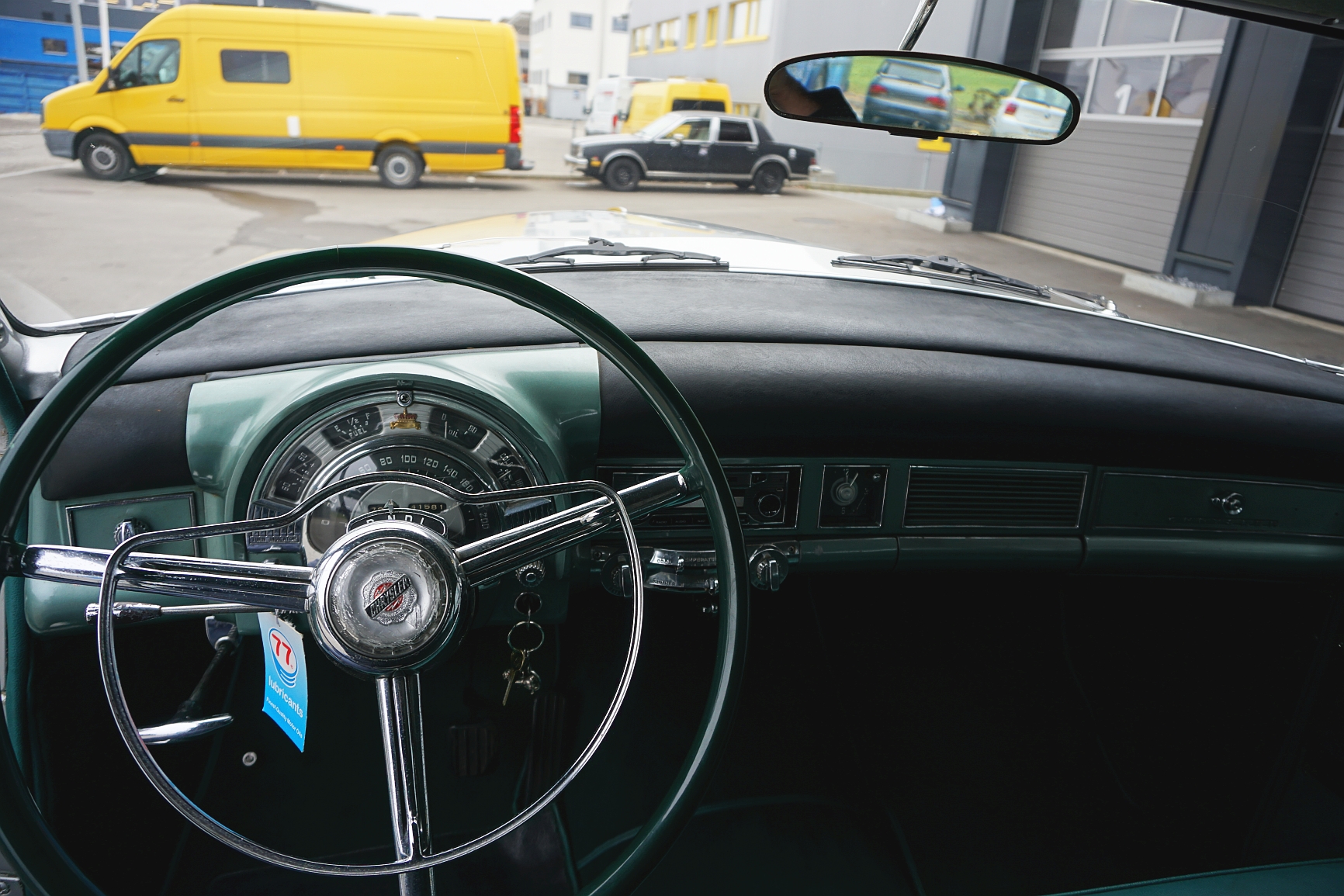
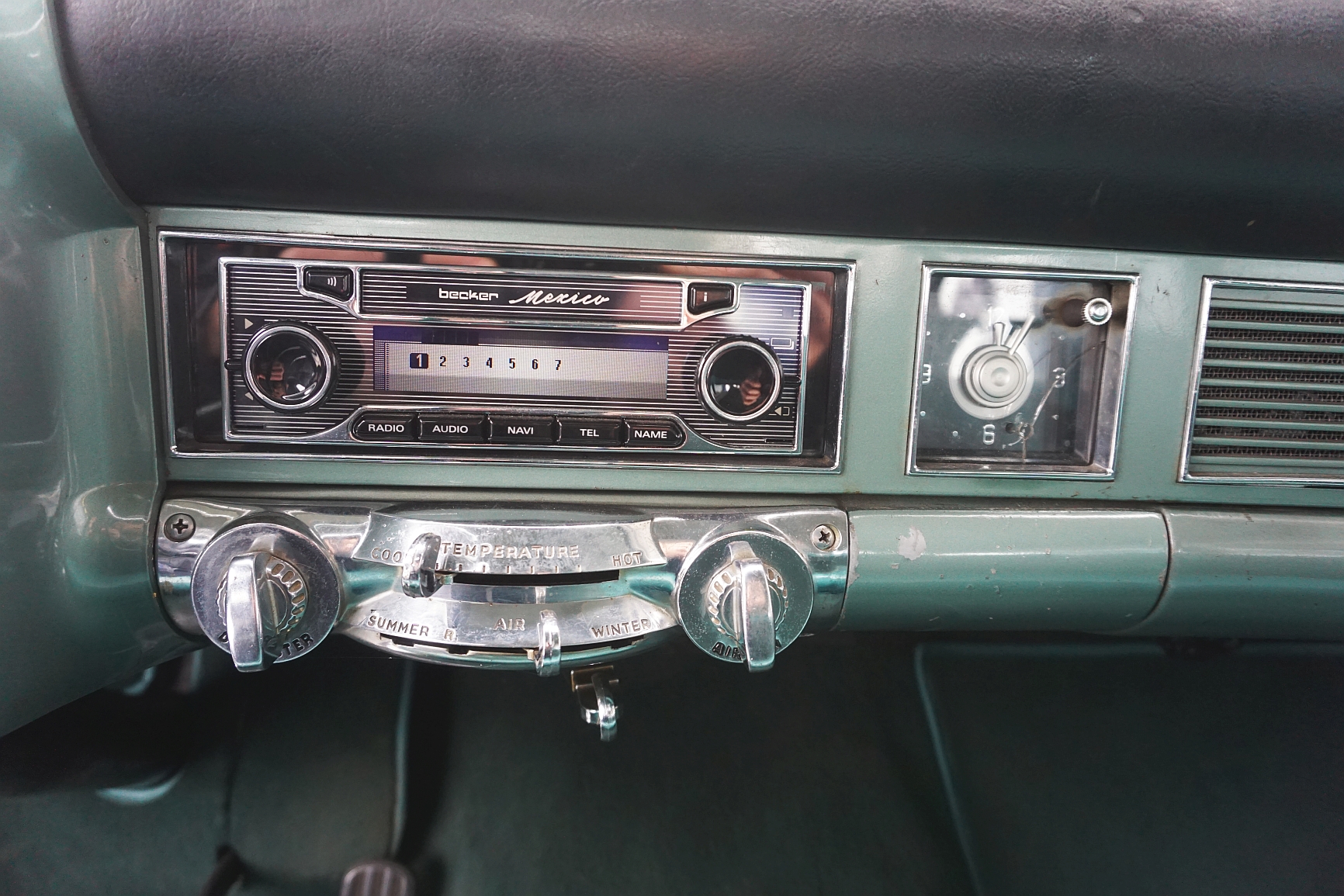
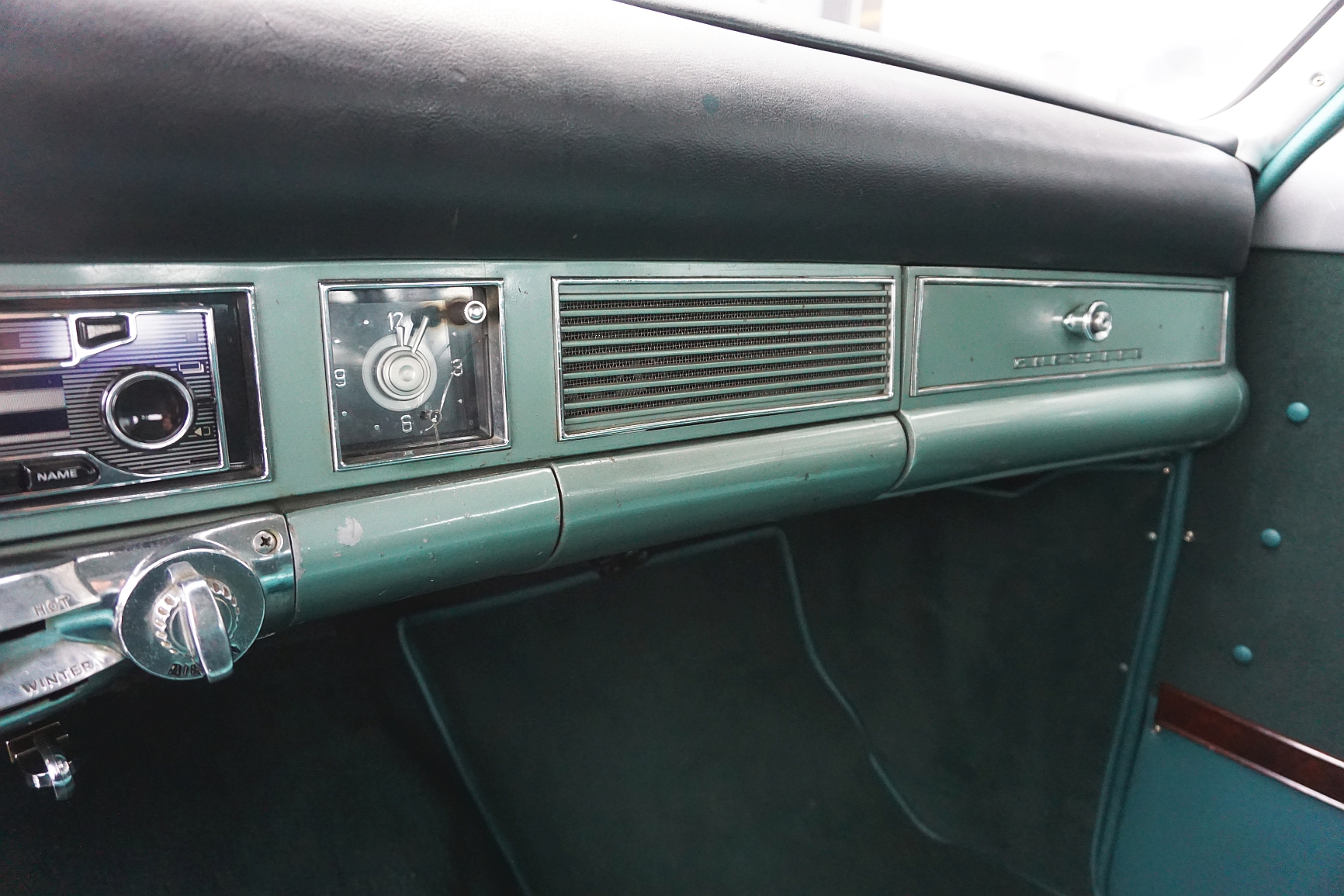
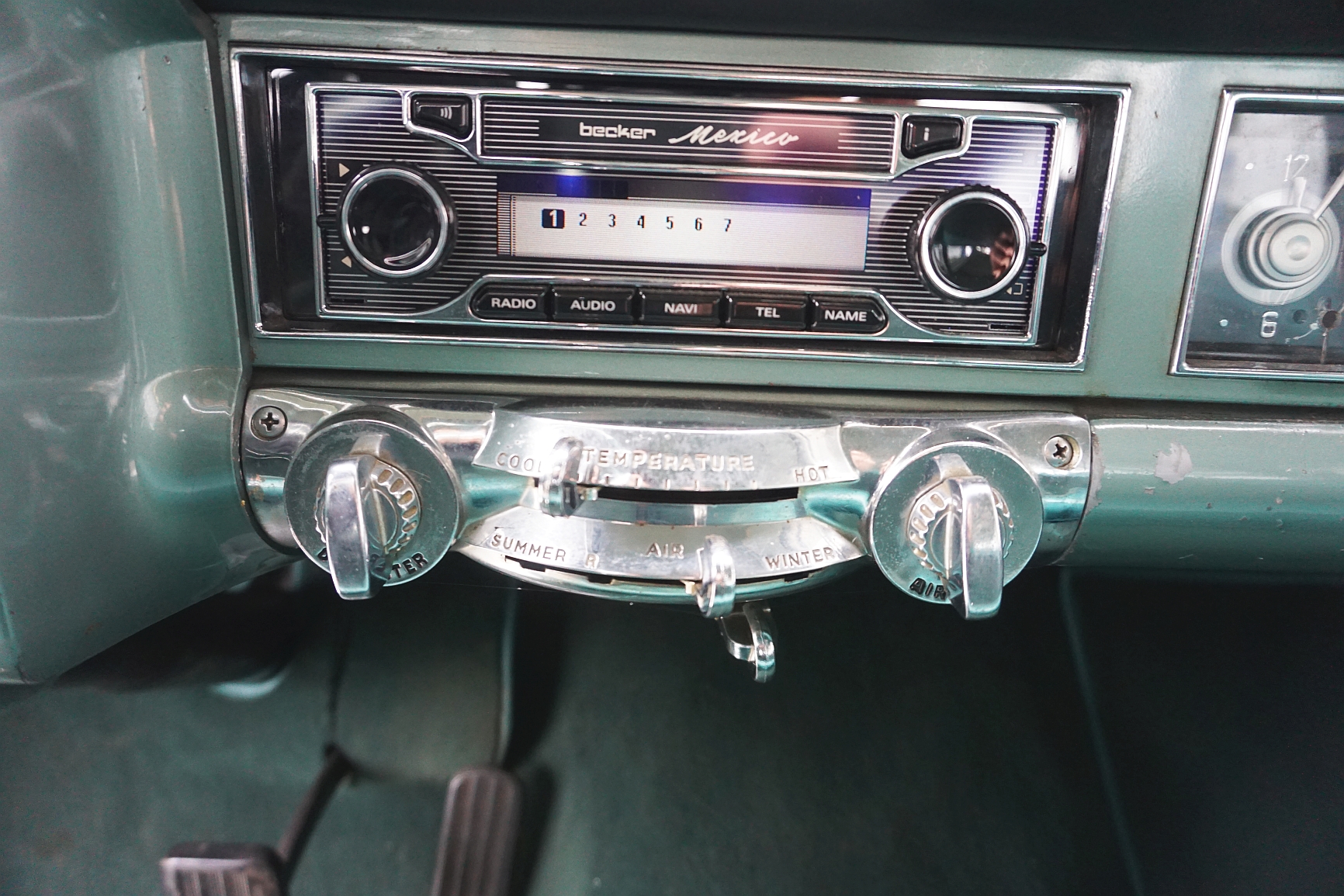
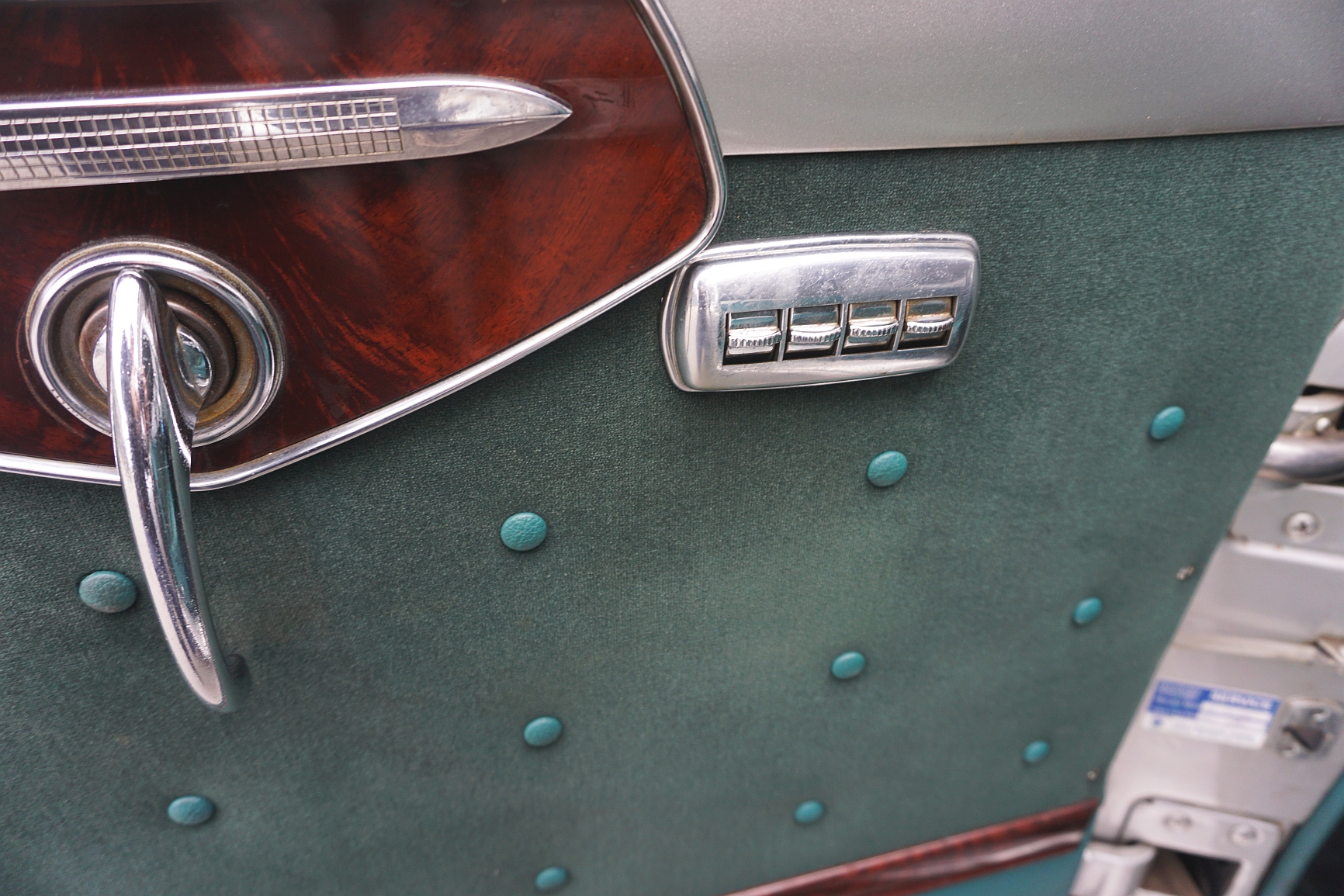
The short-wheelbase Imperial was renamed the Imperial Custom in 1953, and Chrysler continued to add to the list of standard Imperial Custom features. In 1953, it included front and rear armrests, a padded dashboard and power windows and brakes. The windshield was one-piece for the first time and Airtemp air conditioning was also offered. The Imperial was the first production vehicle in over a decade to have air conditioning.
Details
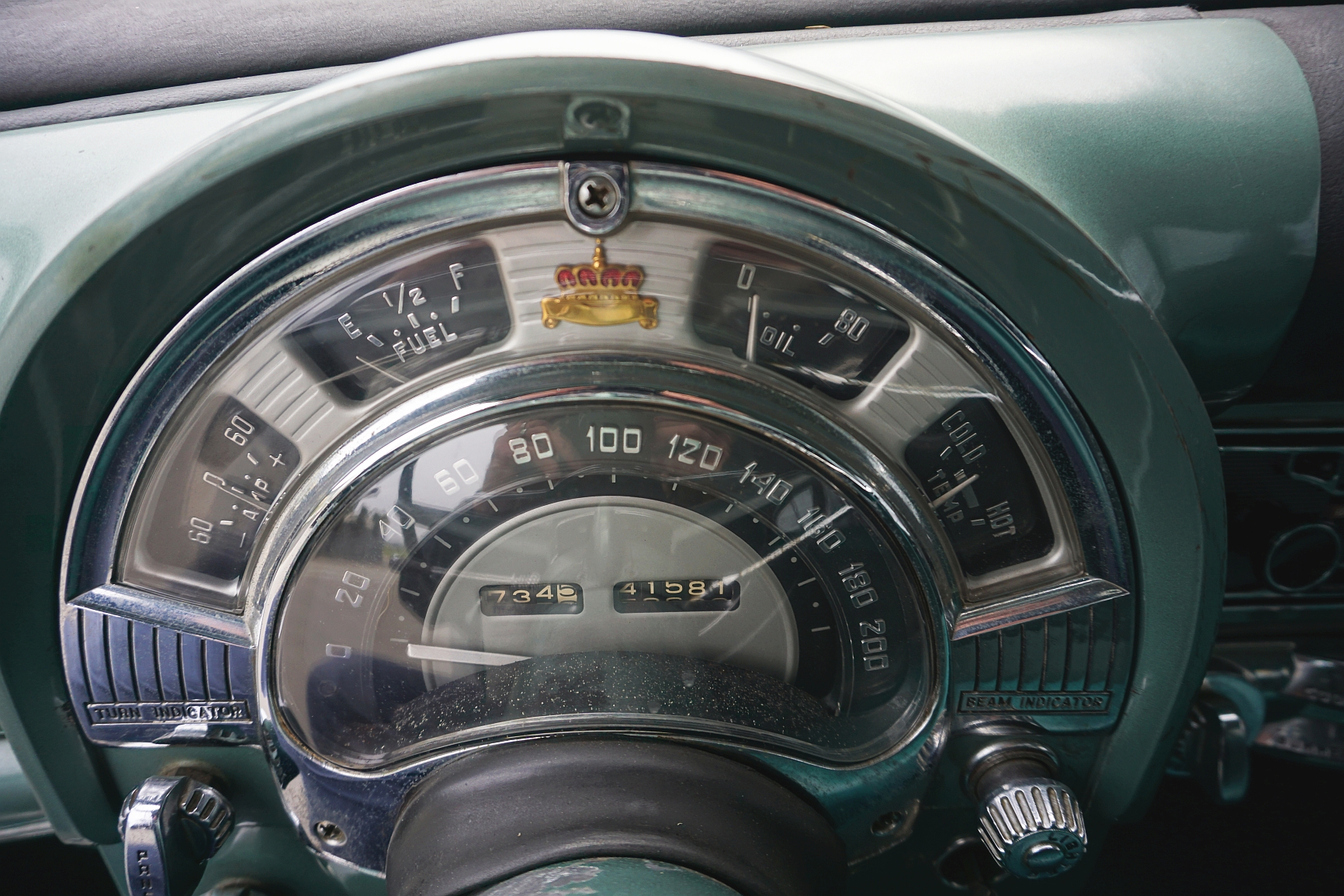
- 41’600 km
- 1. inv. 15.06.1954
- Veterans MFK 13.07.2022
- 5,424 cc Hemi V8 engine
- 182 HP
- Type certificate X
- Master number 020.119.160
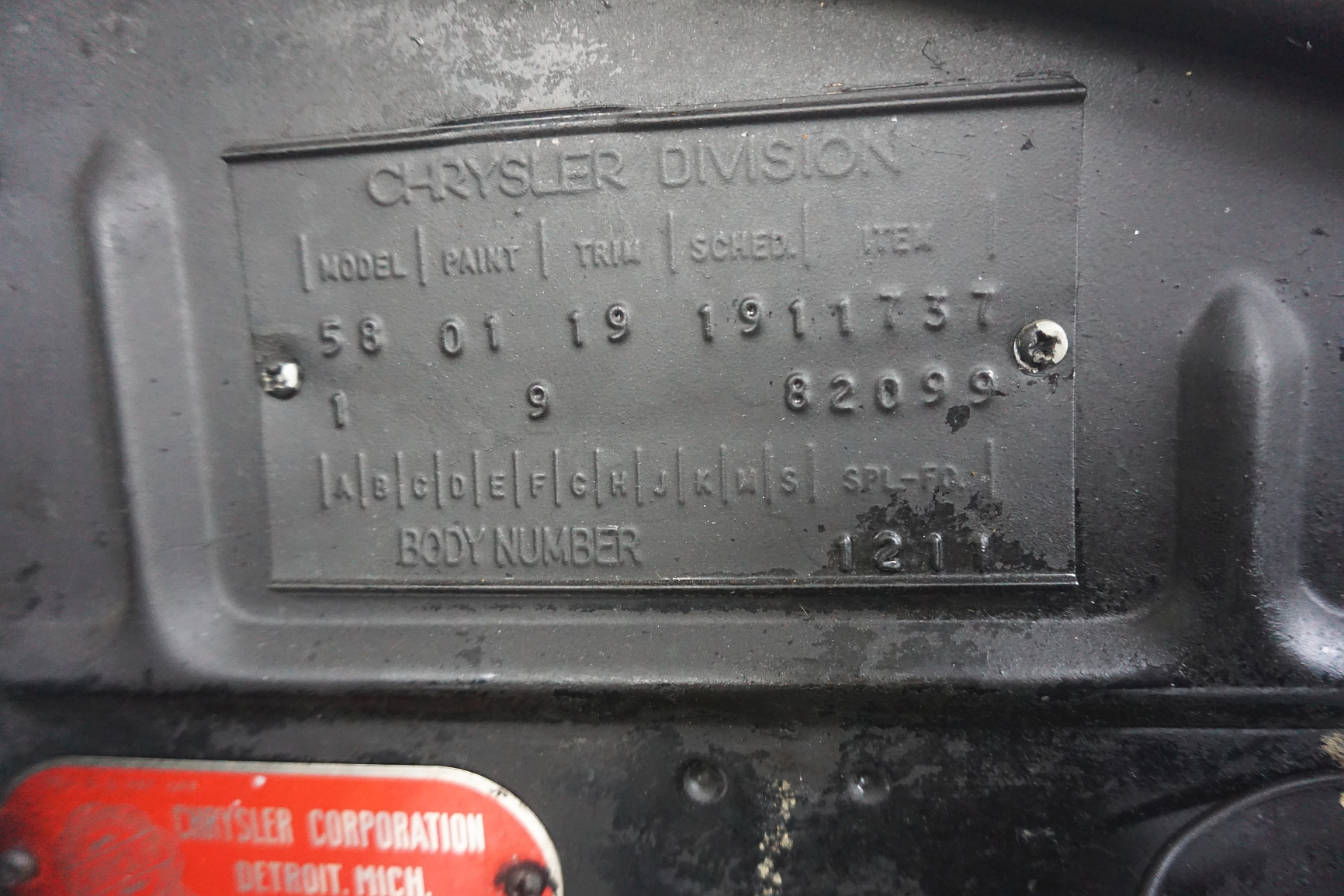
- Chassis 7772368
- Unladen weight 2030 kg
- Payload 490 kg
not what you are looking for?
We will be happy to find your individual dream vehicle.
Simply make a non-binding inquiry and benefit from our network.