
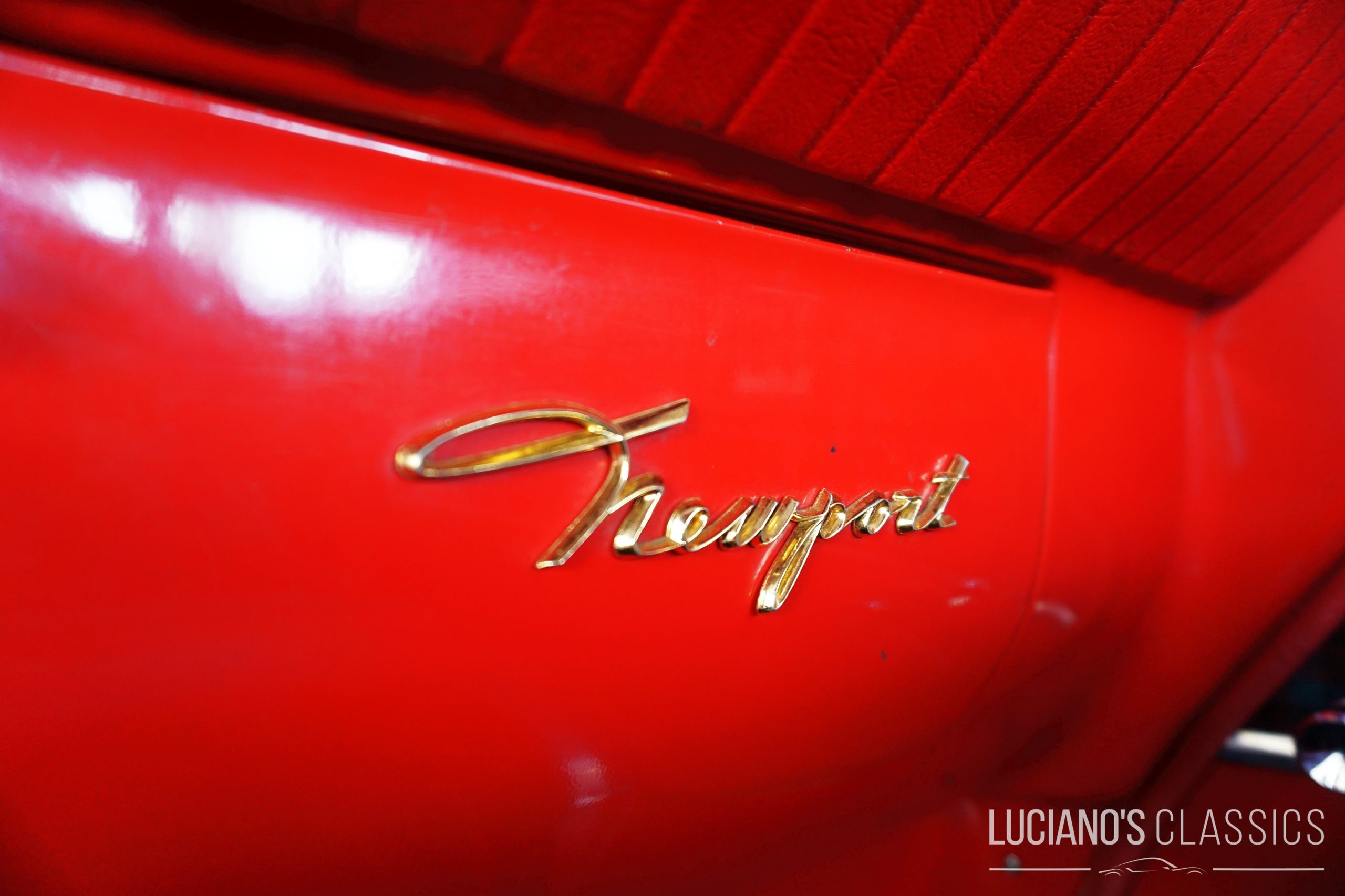
Chrysler Newport
Description
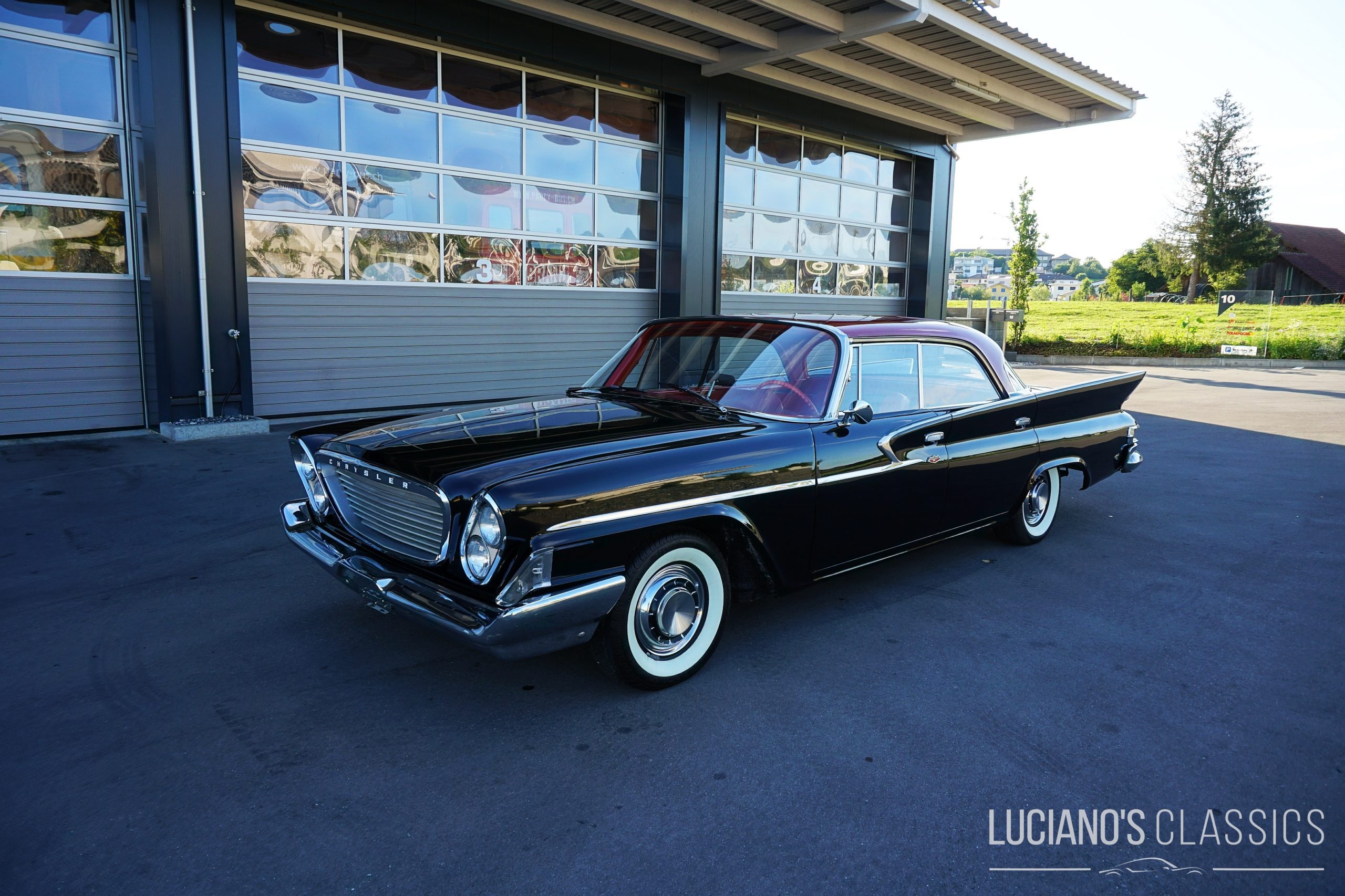
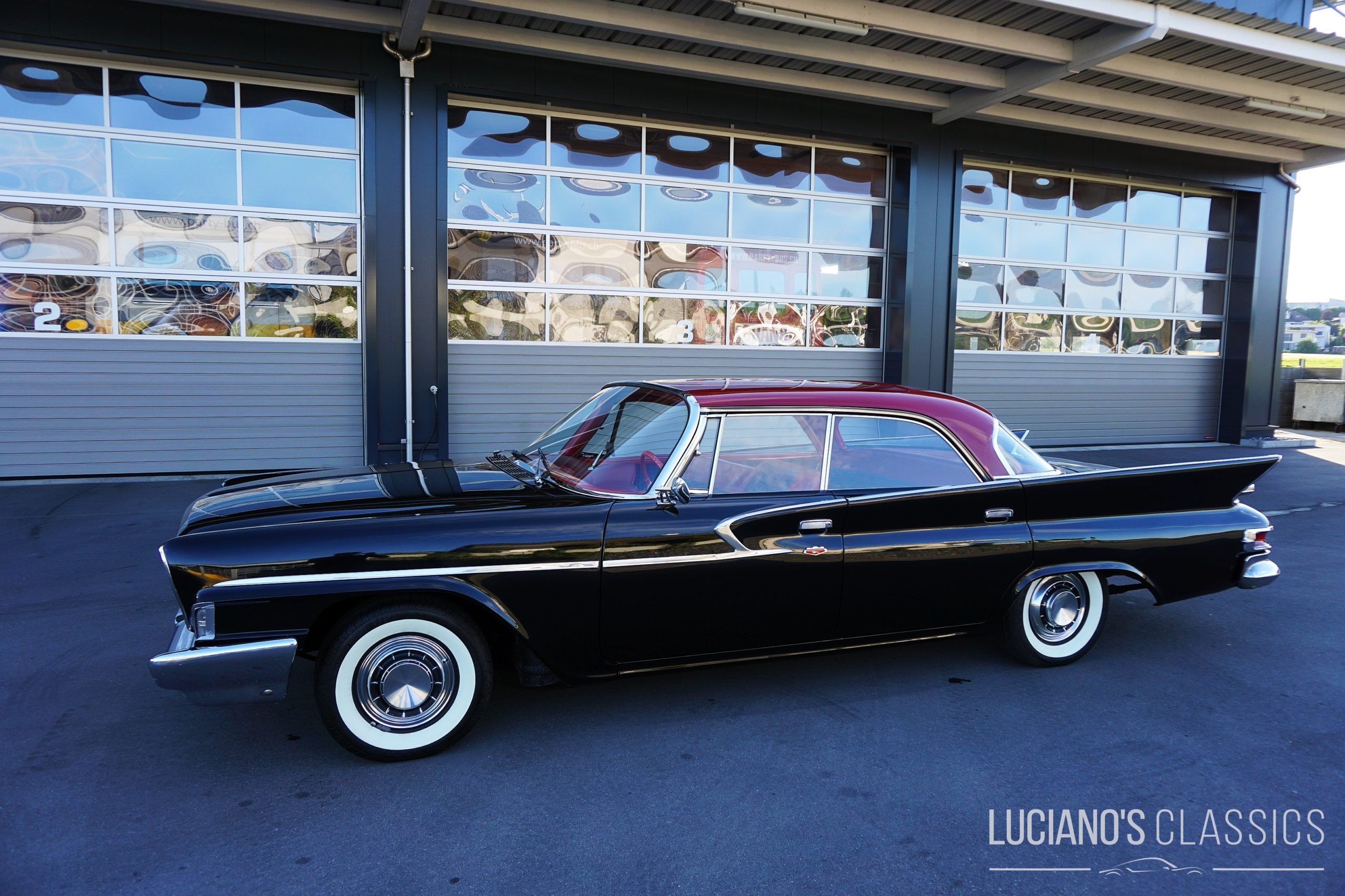
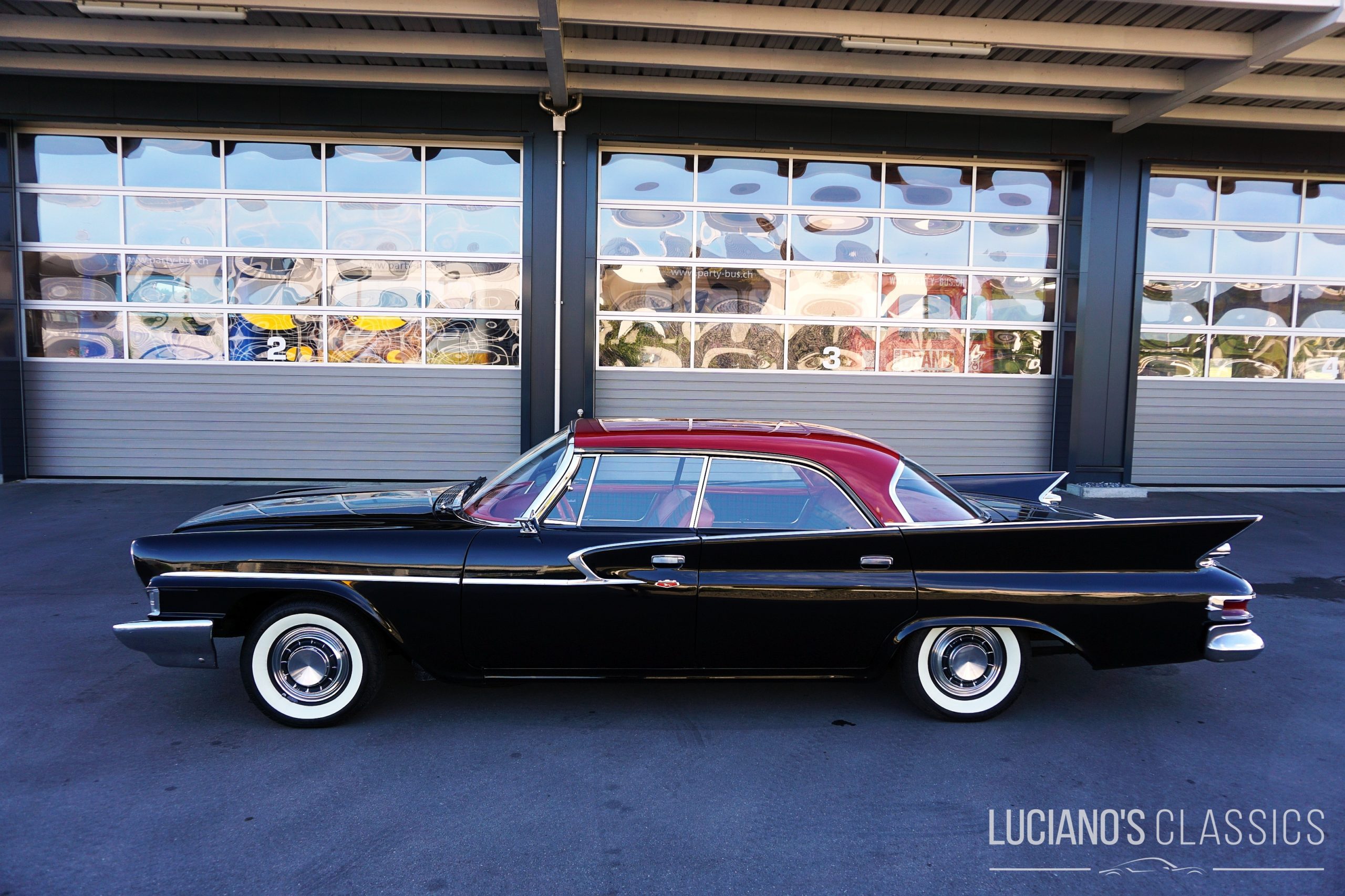
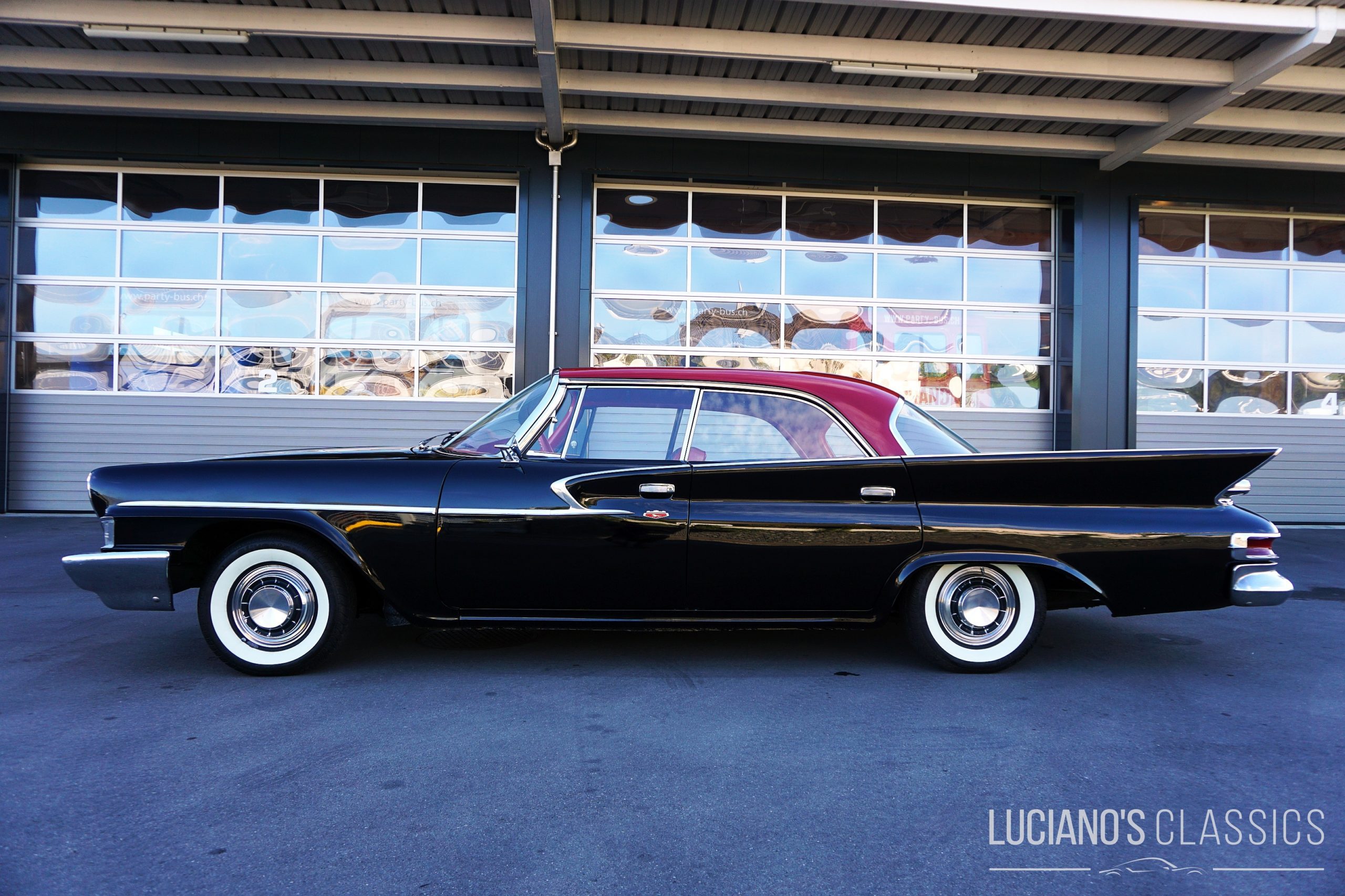
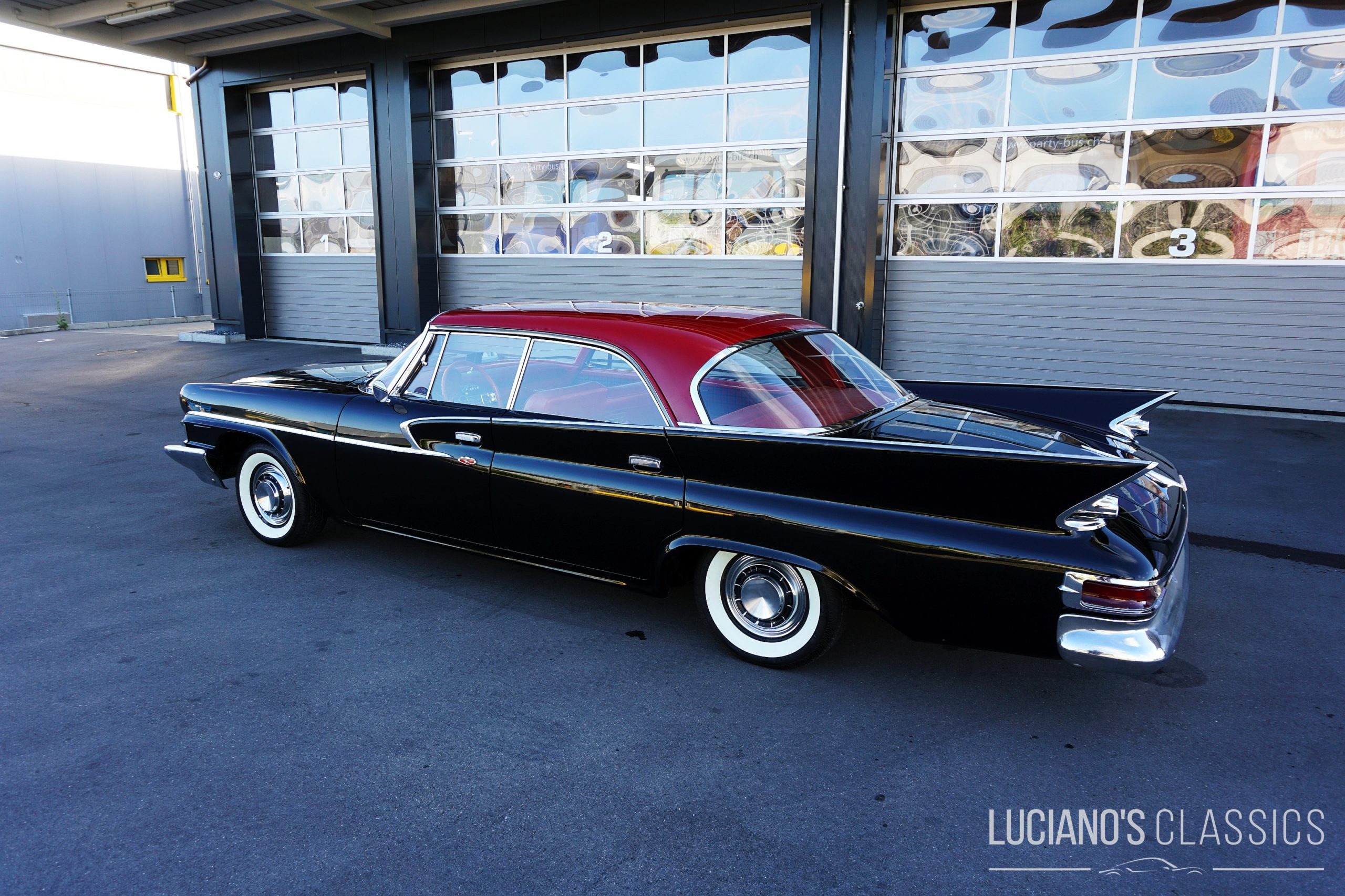
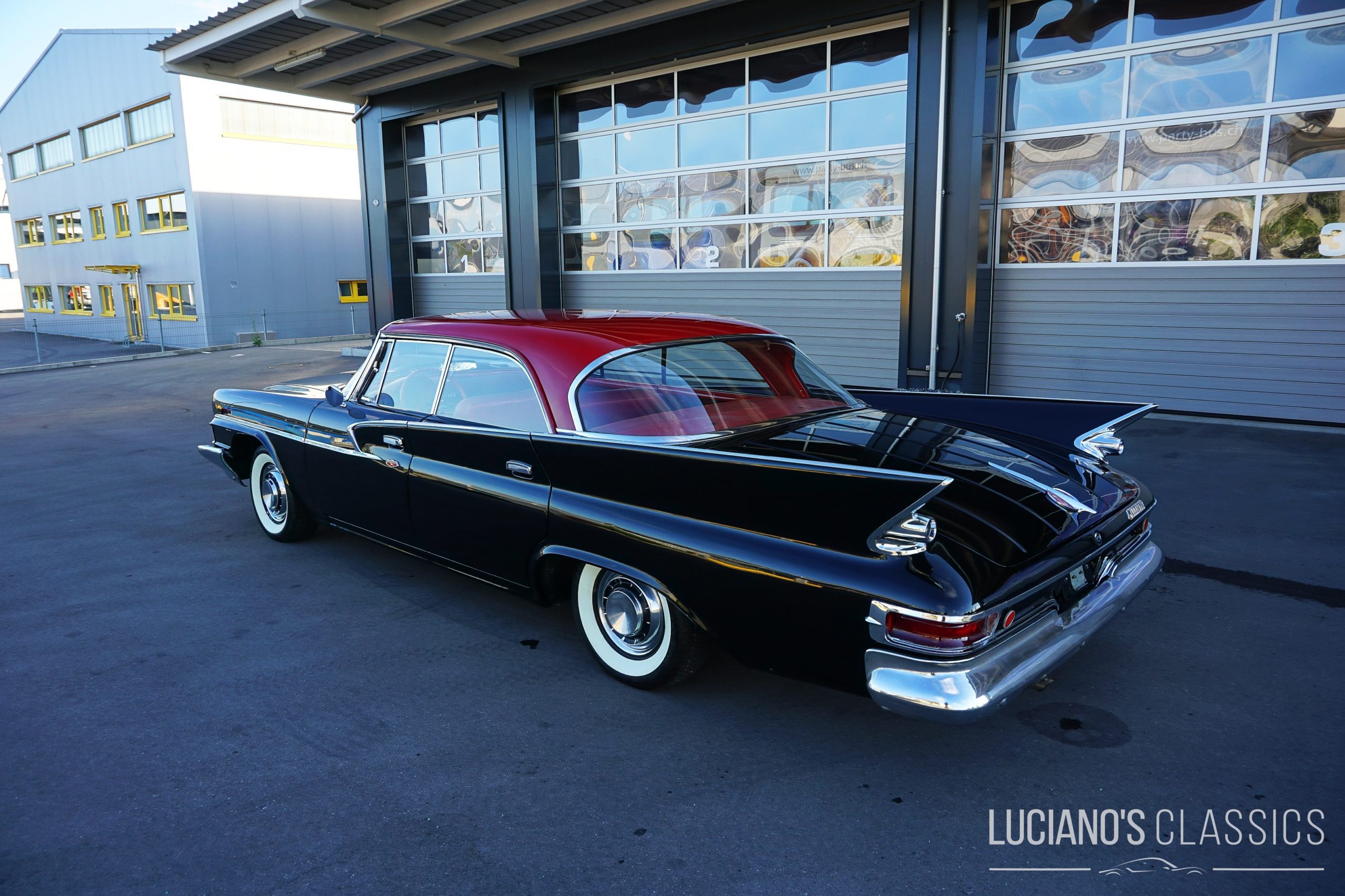
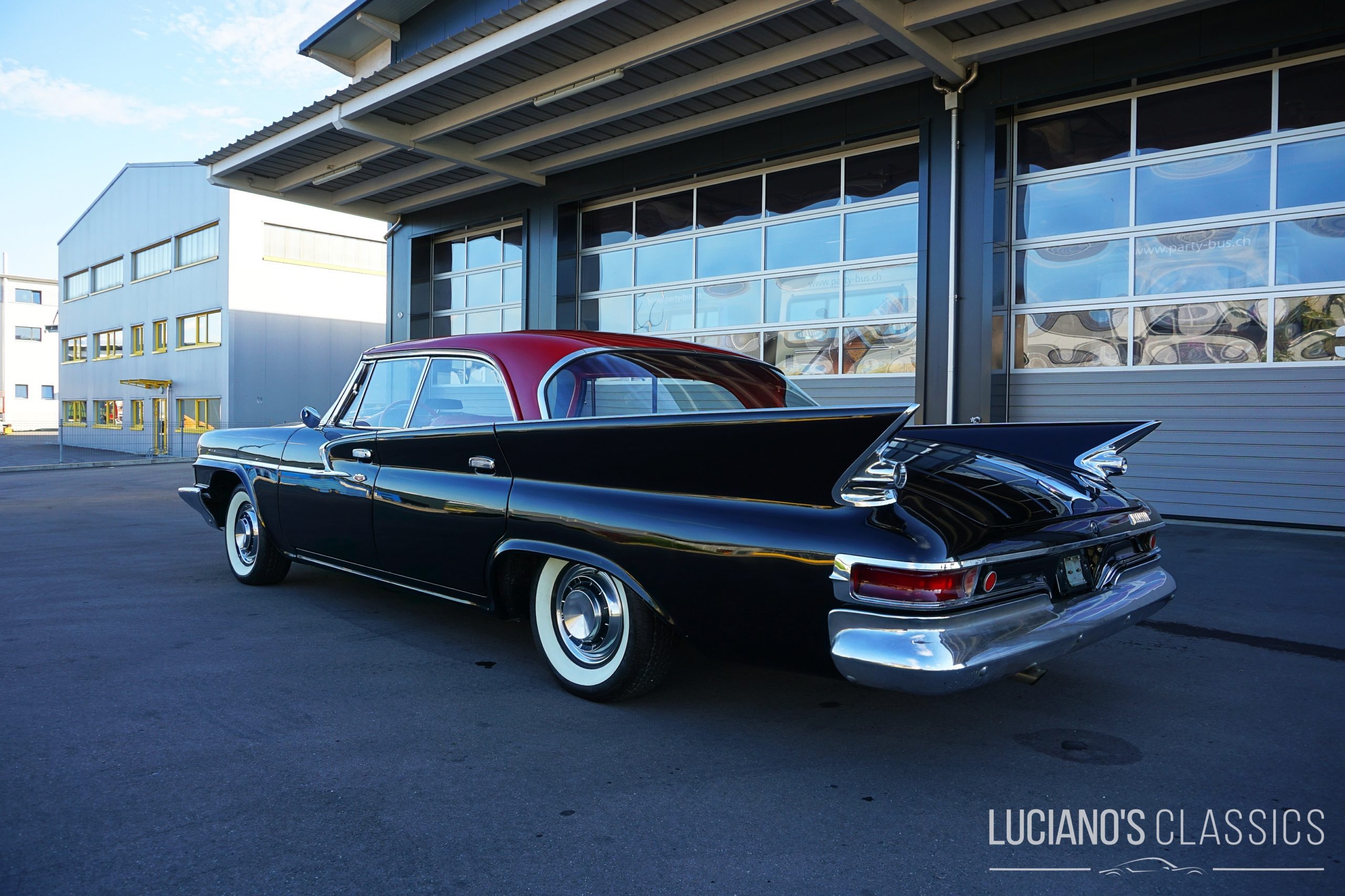
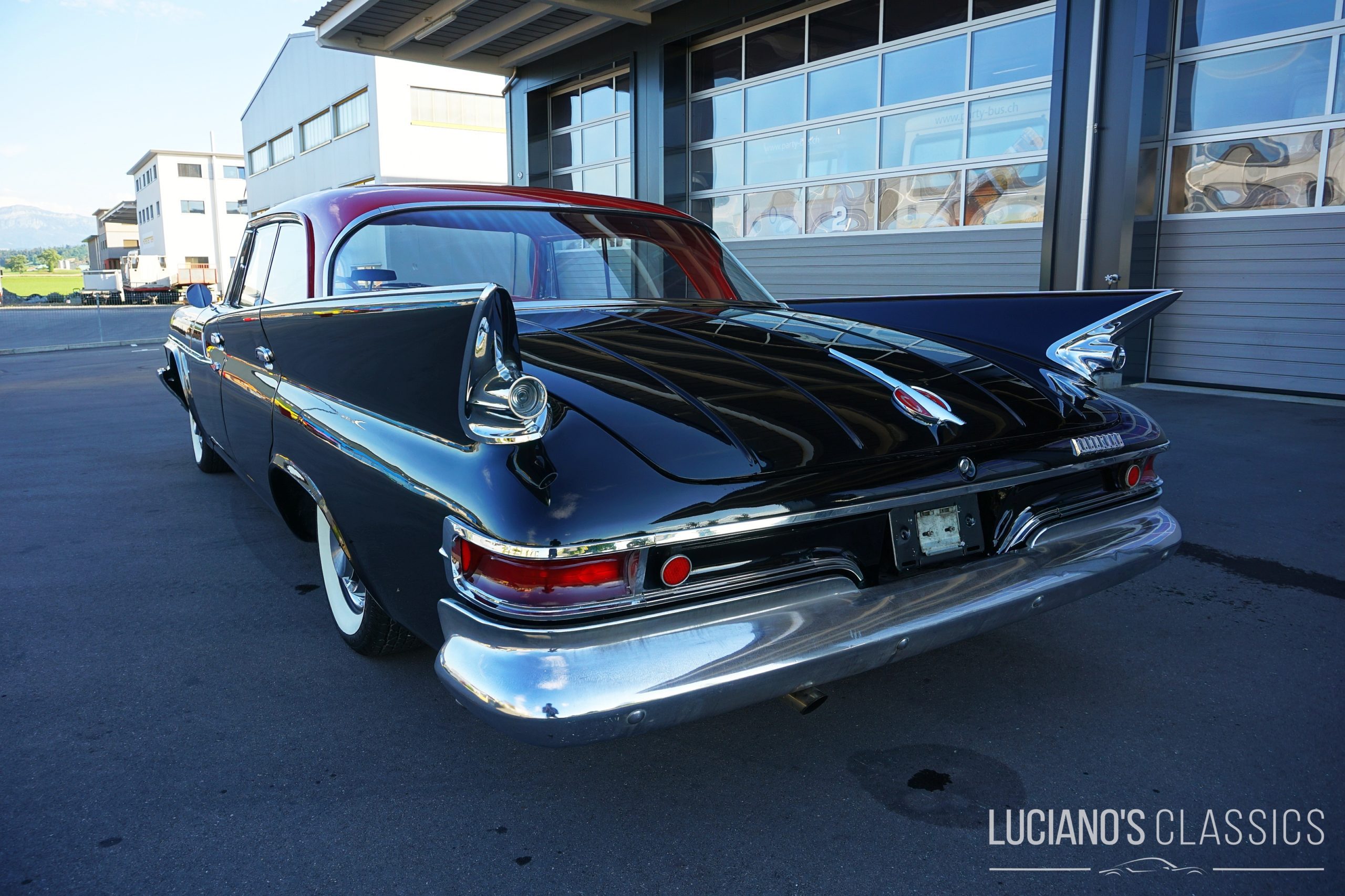
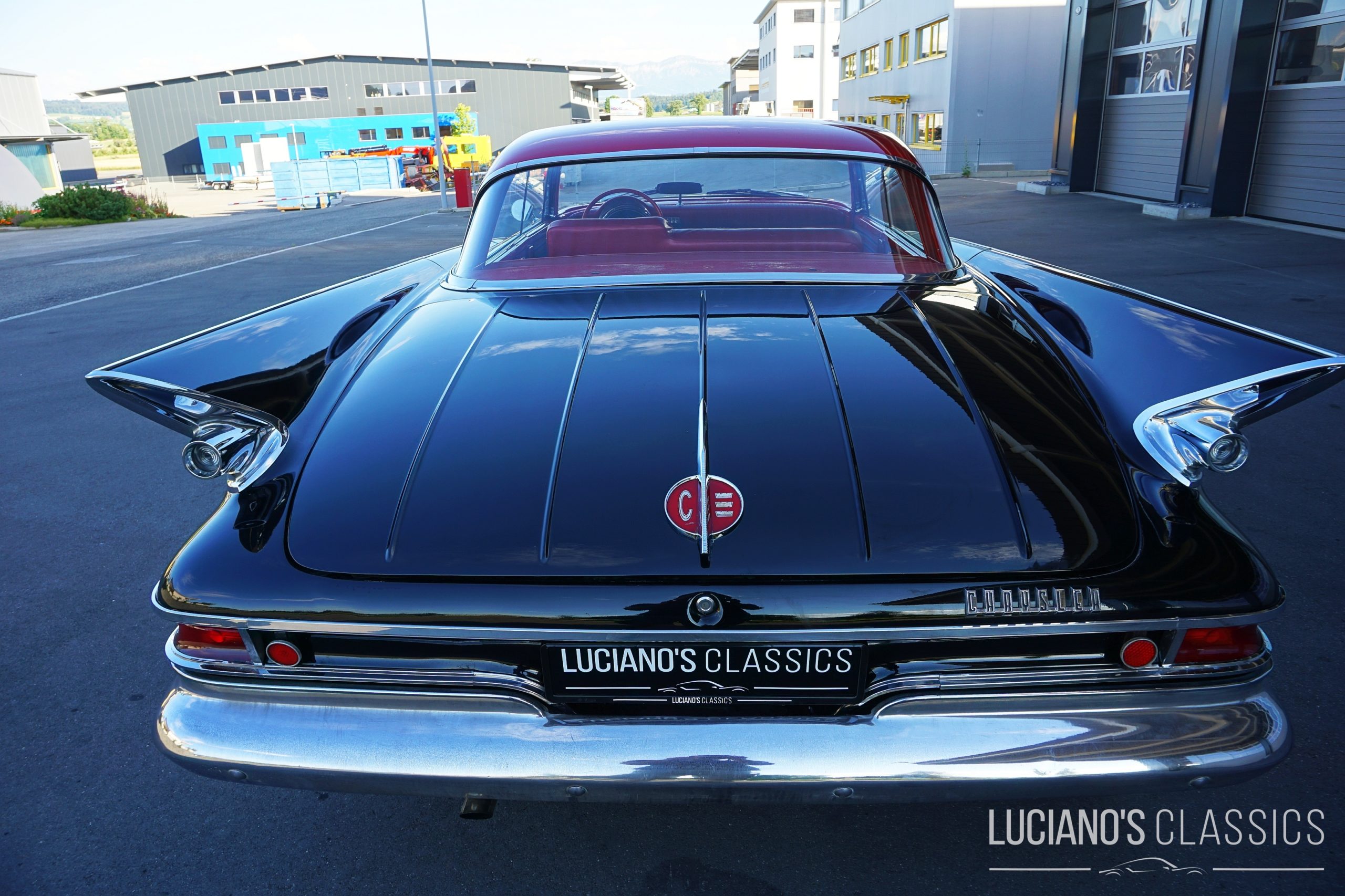
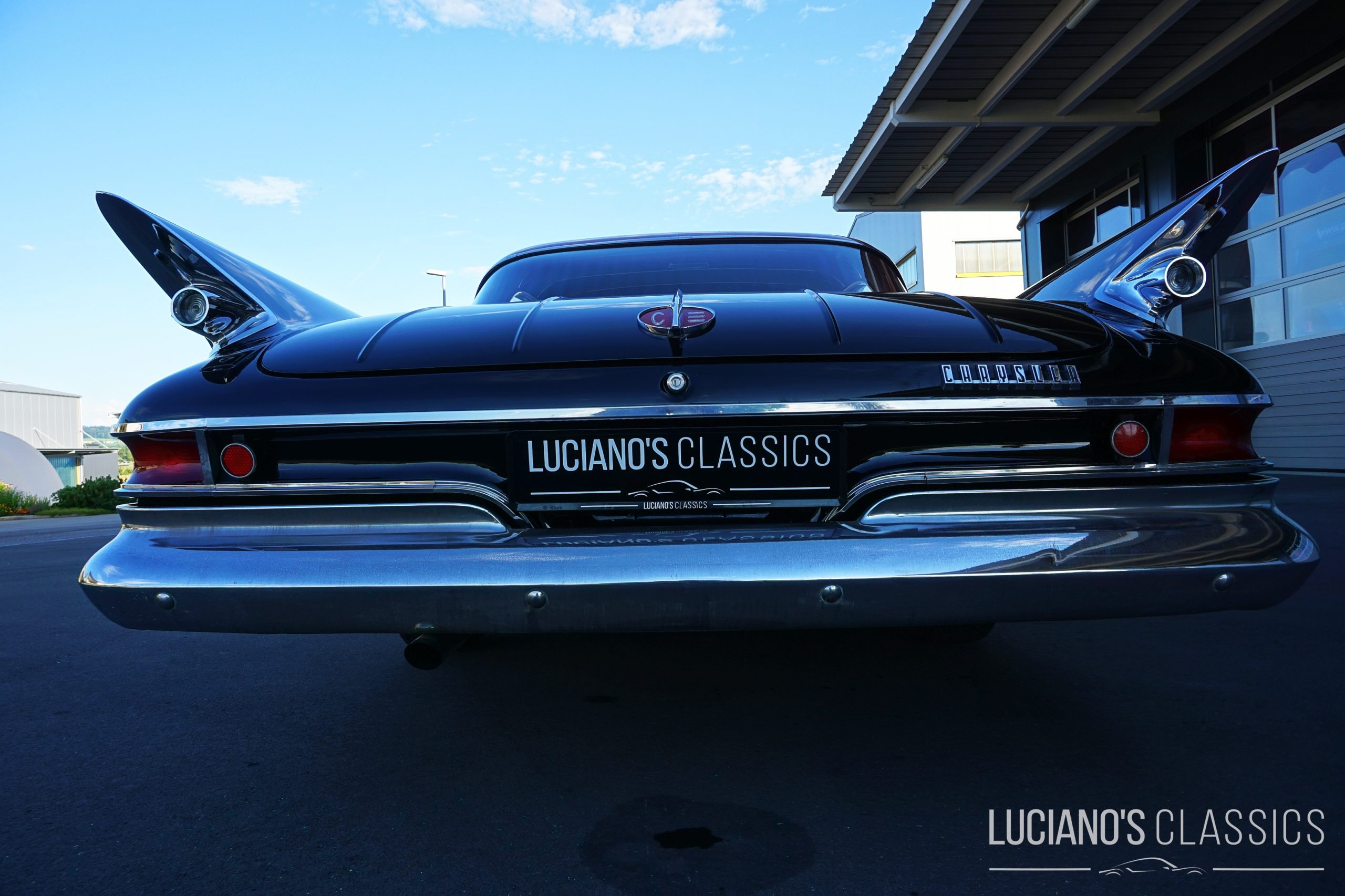
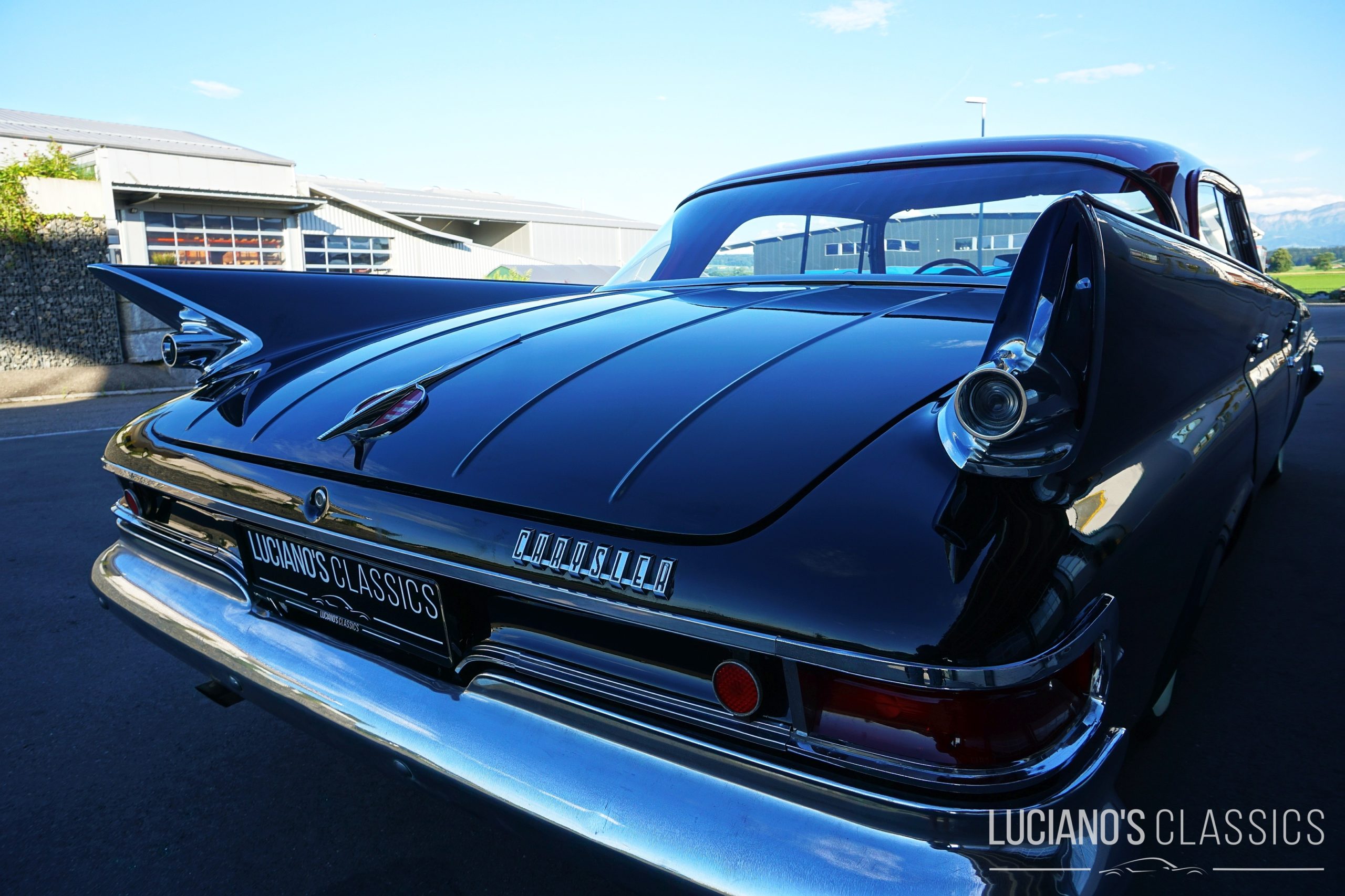
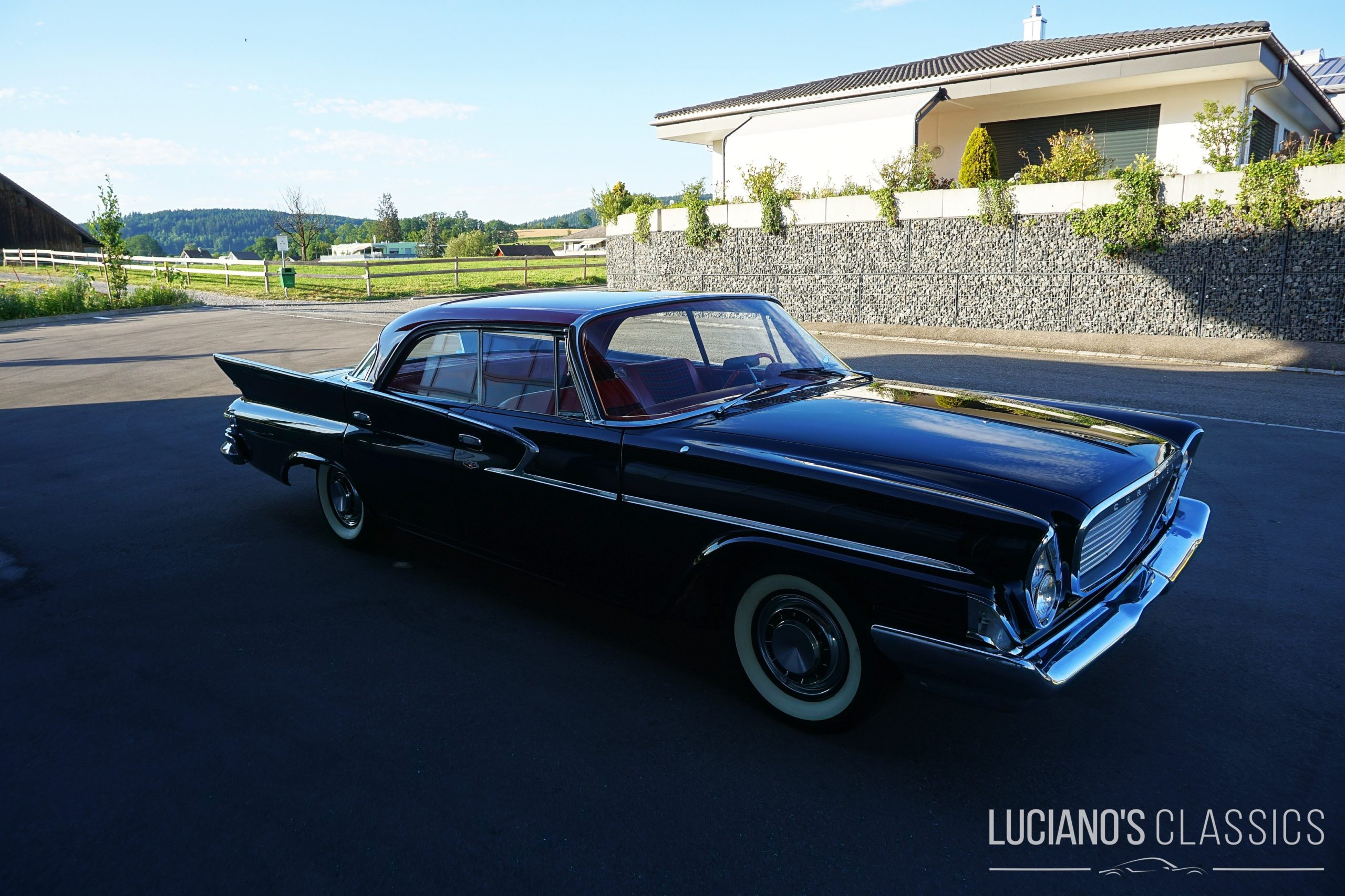
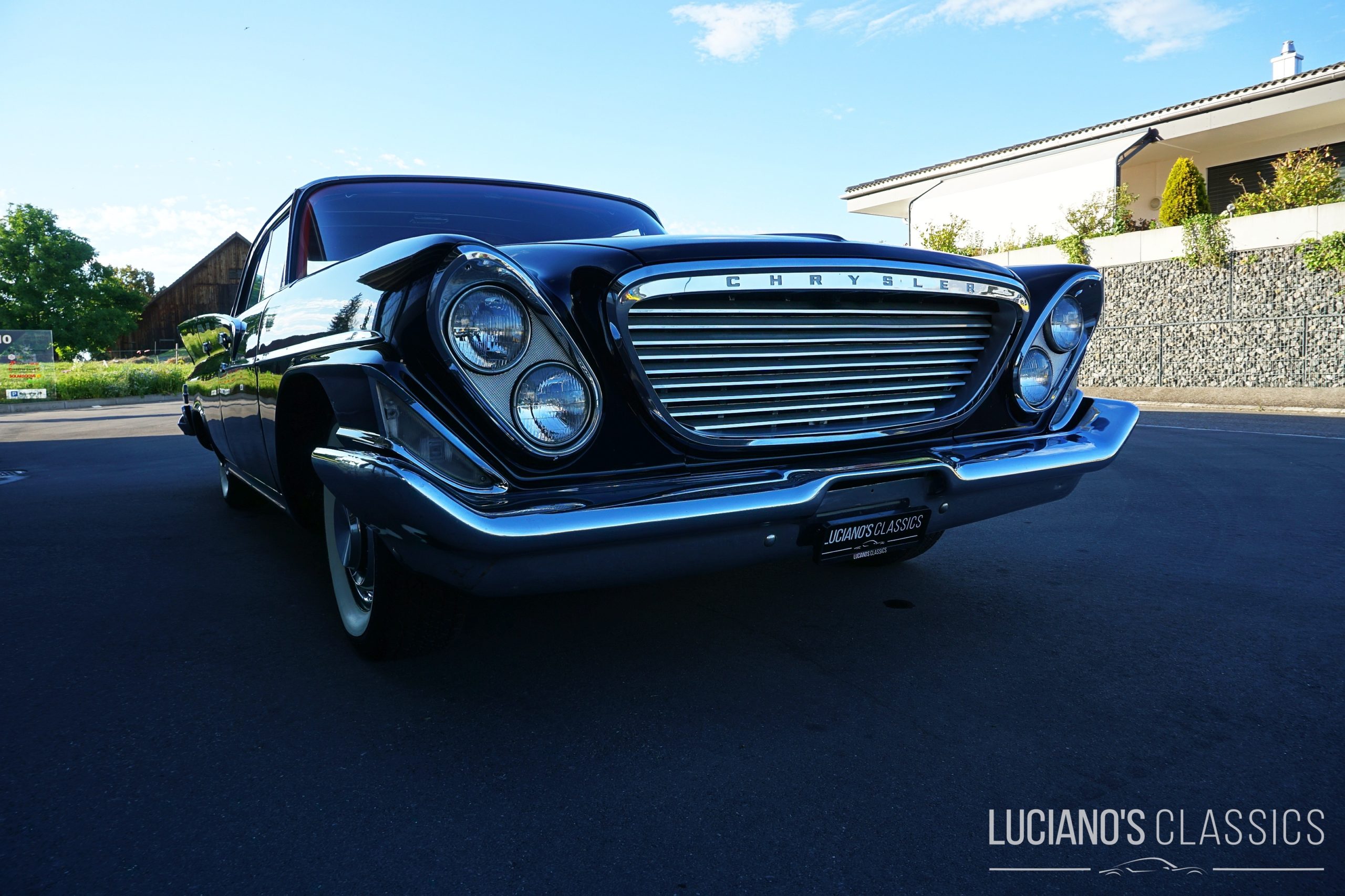
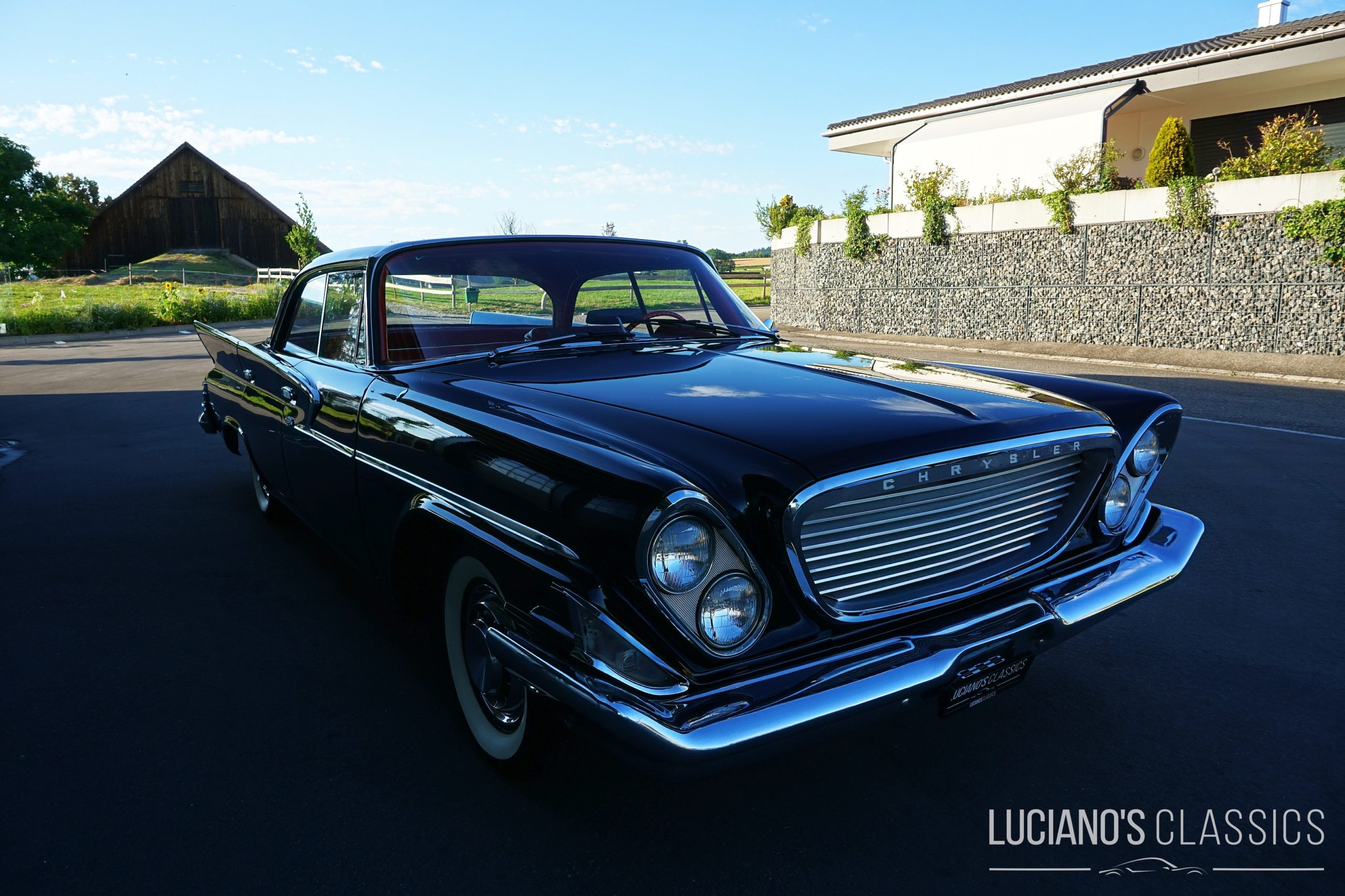
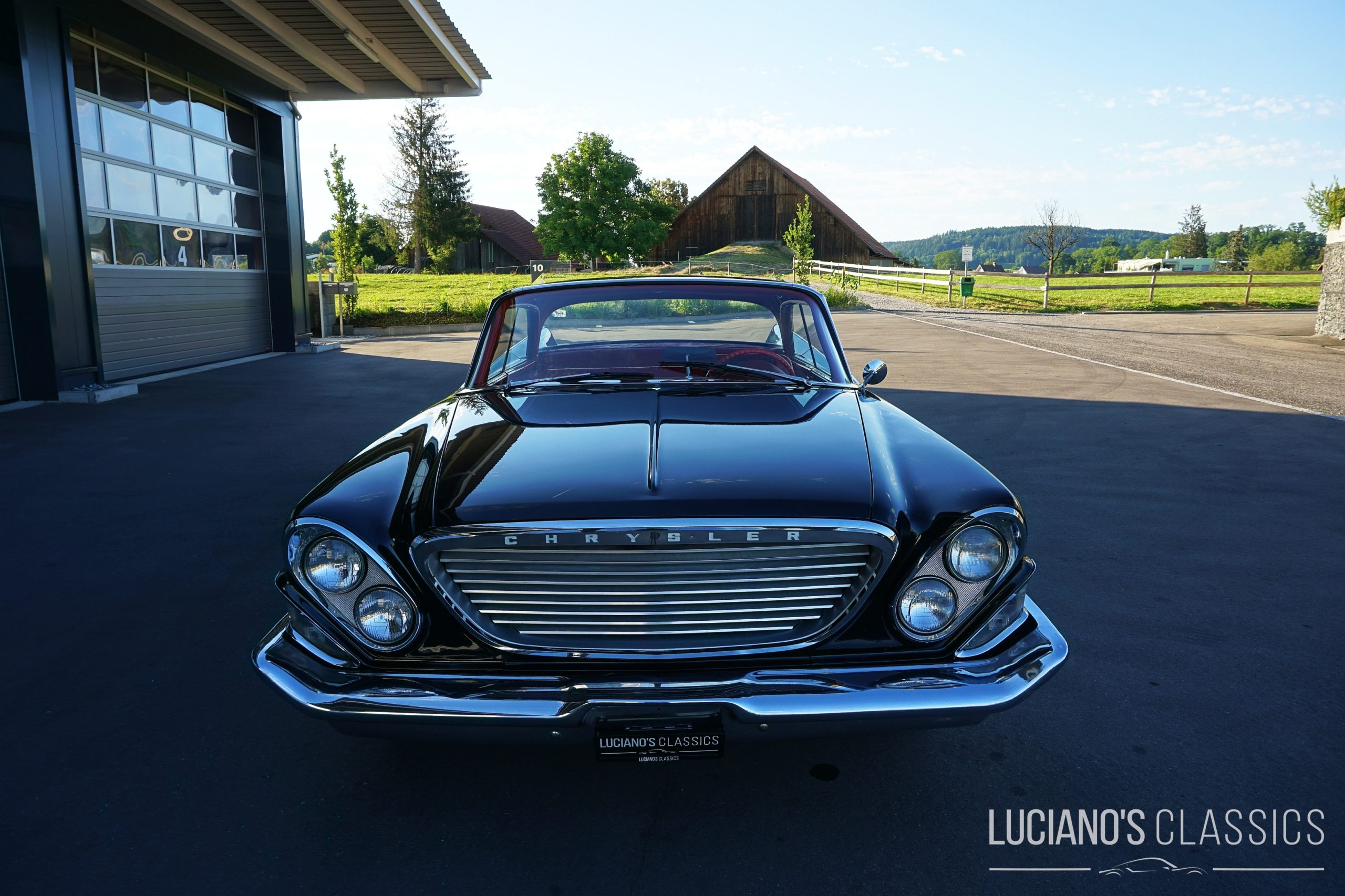
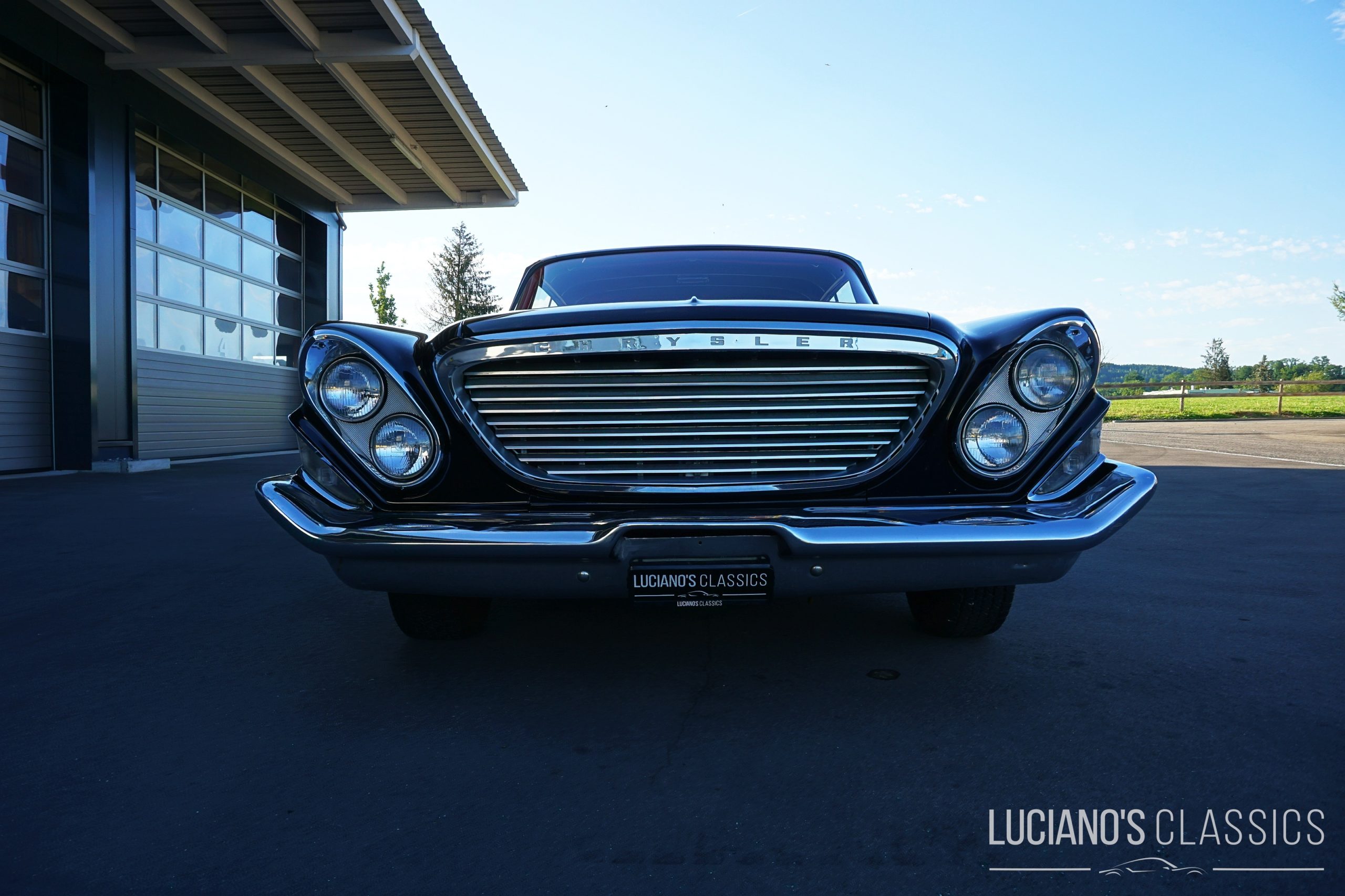
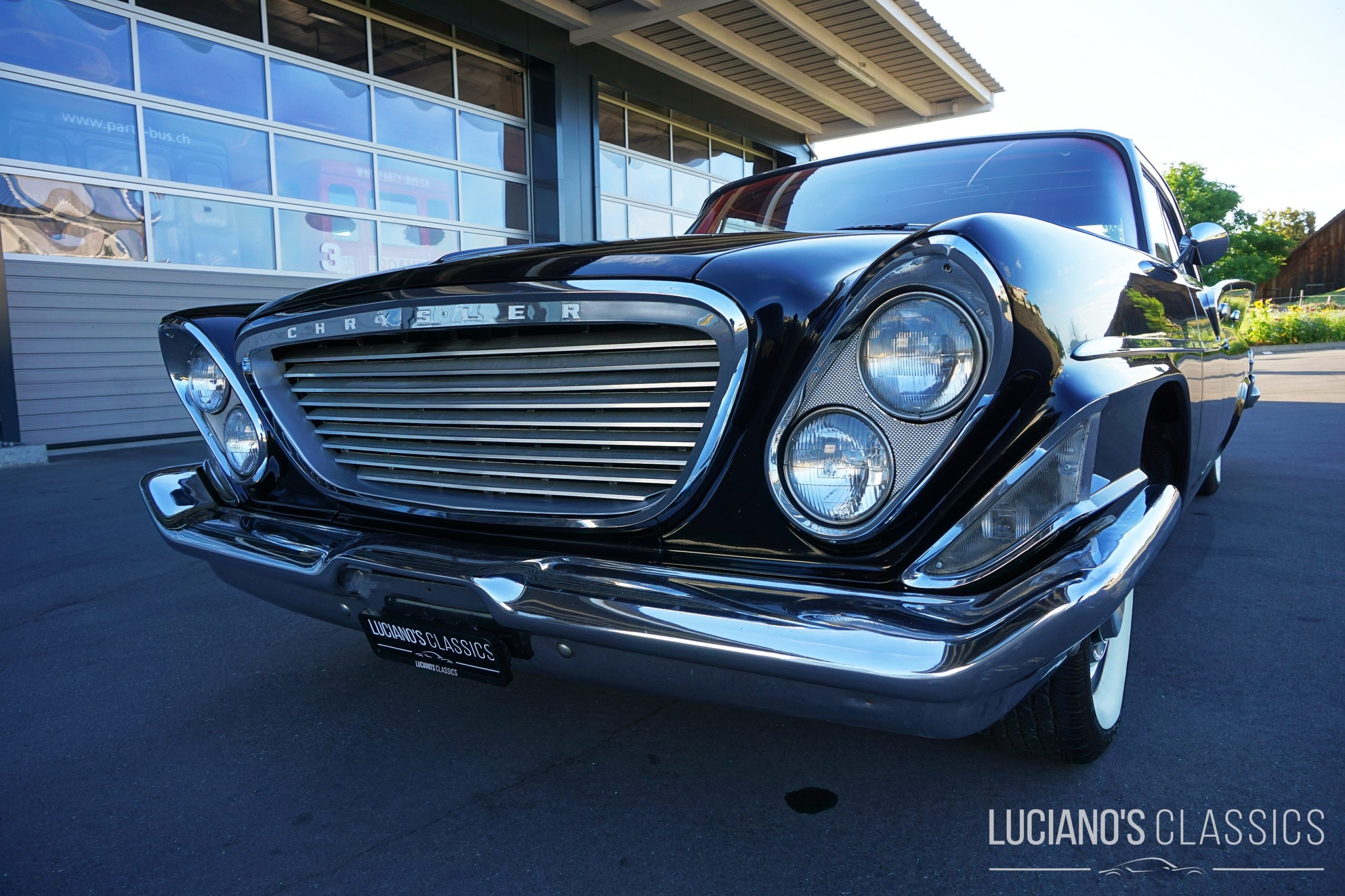
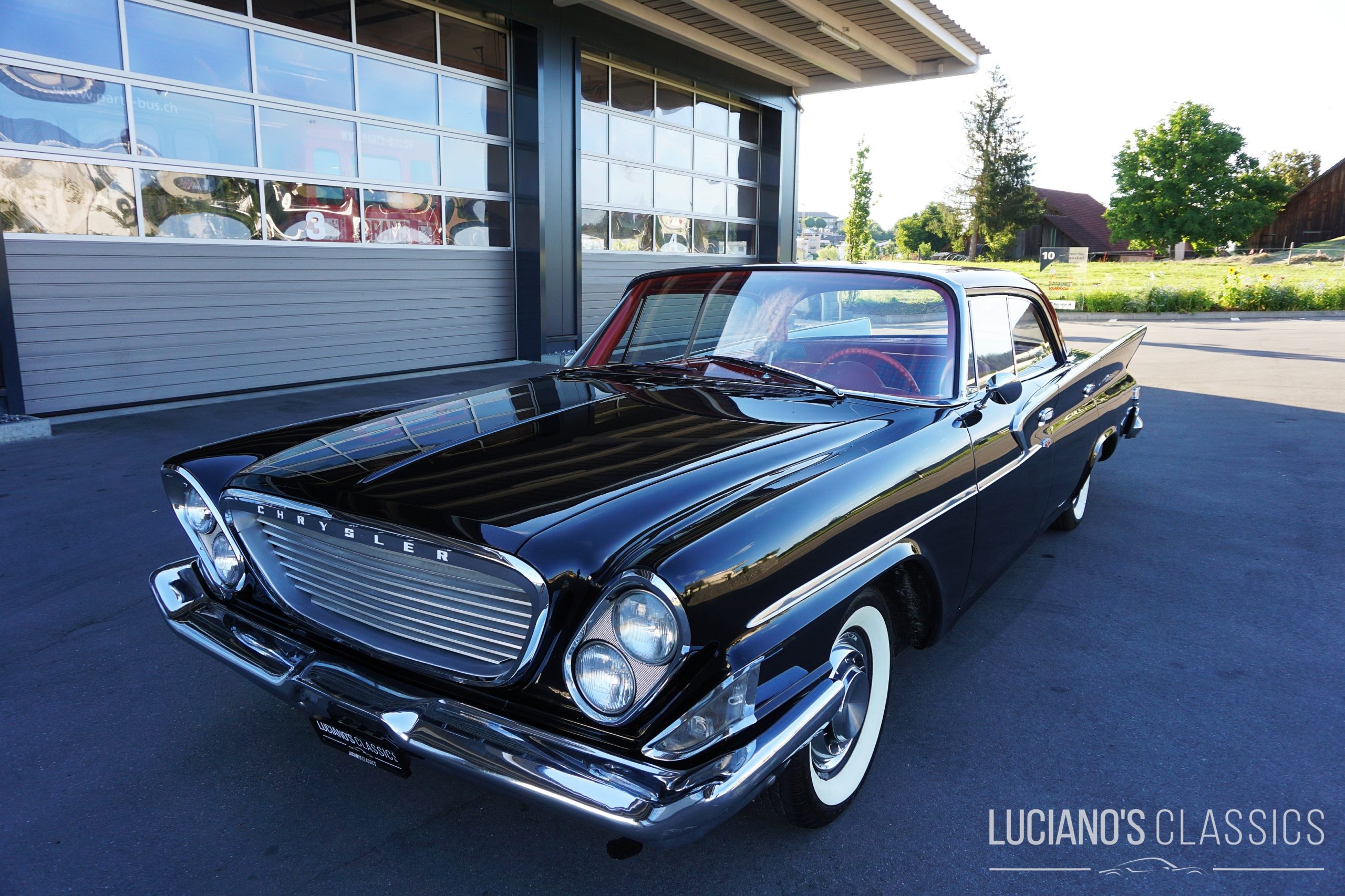
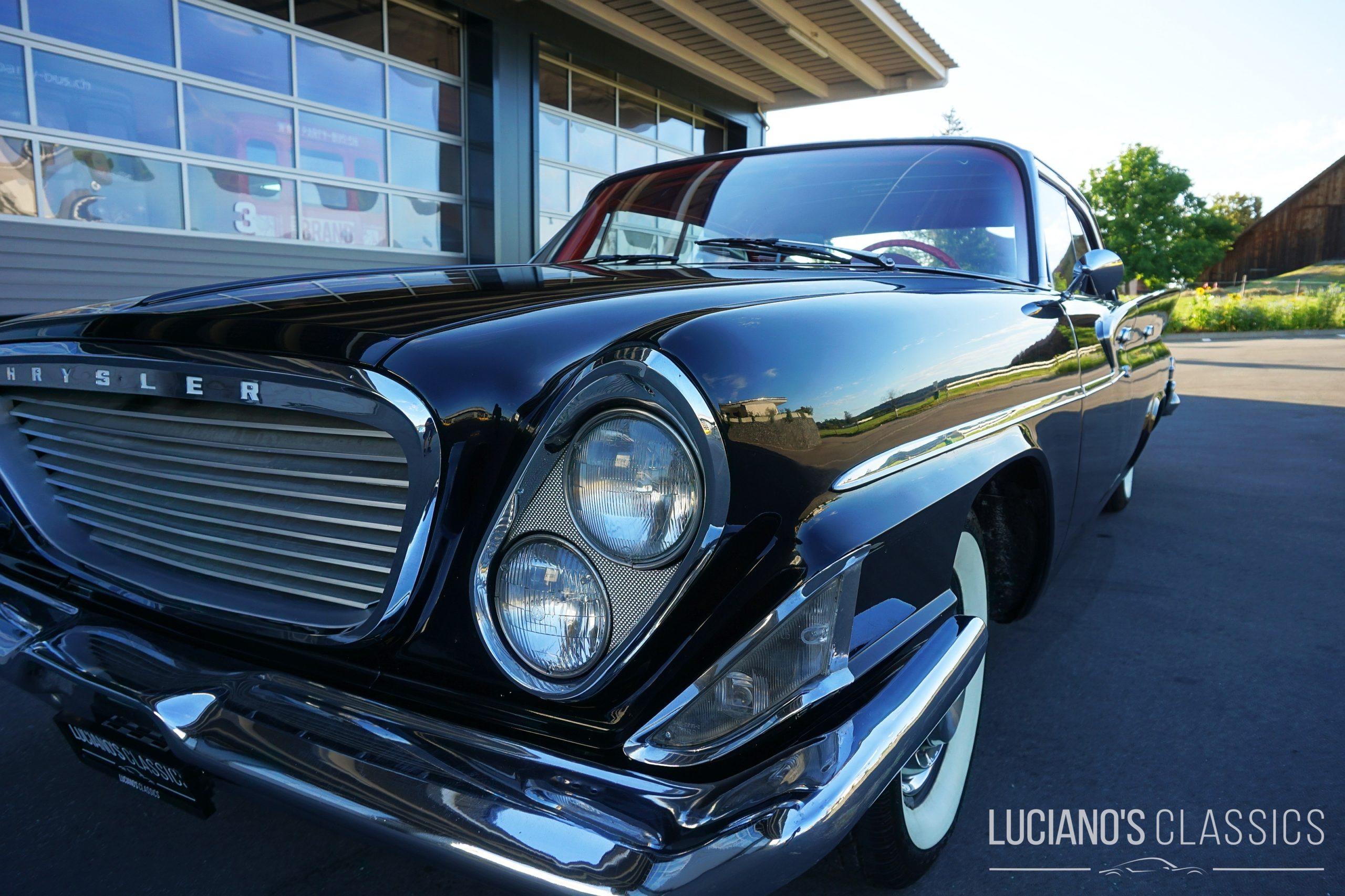
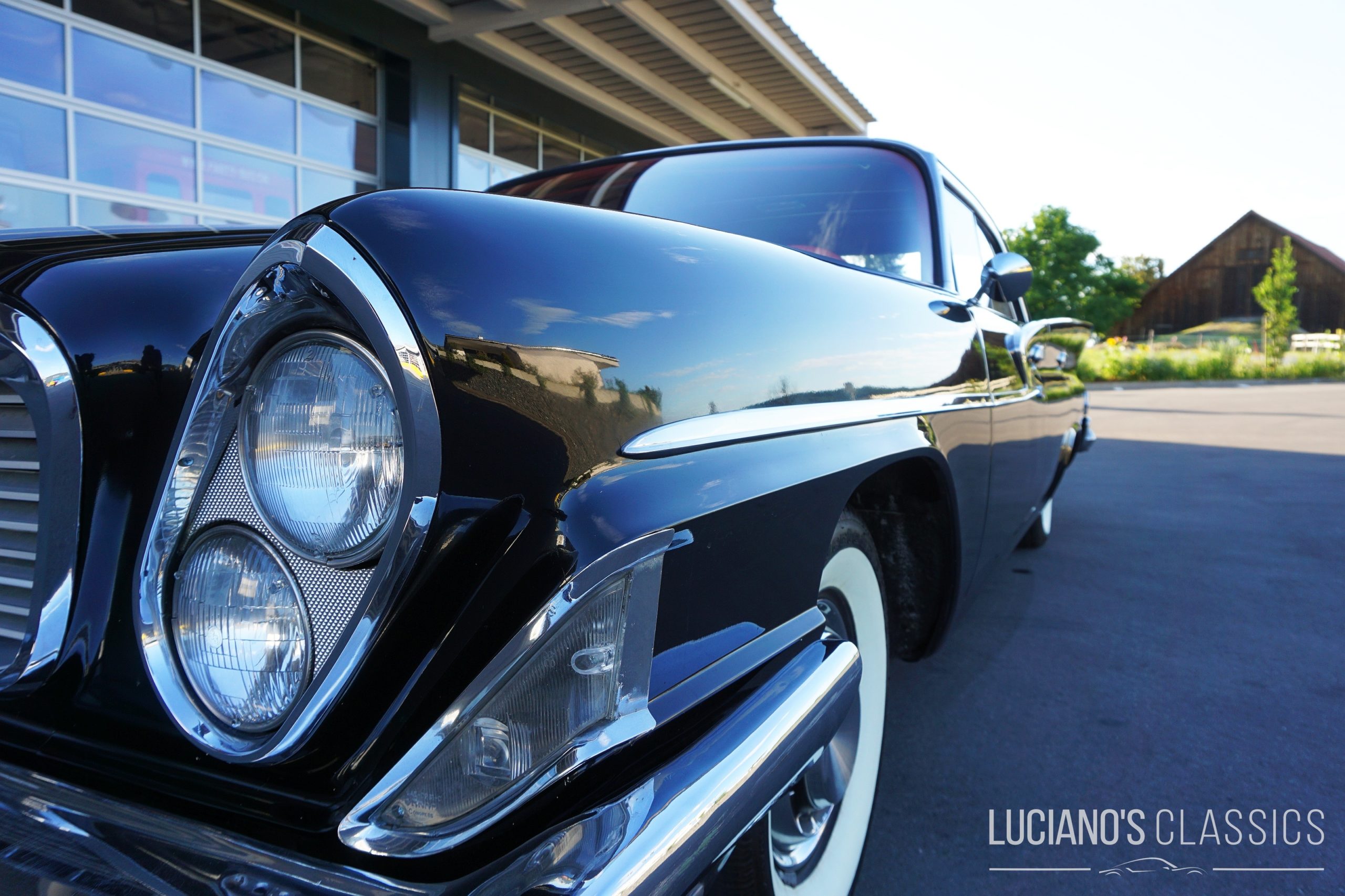
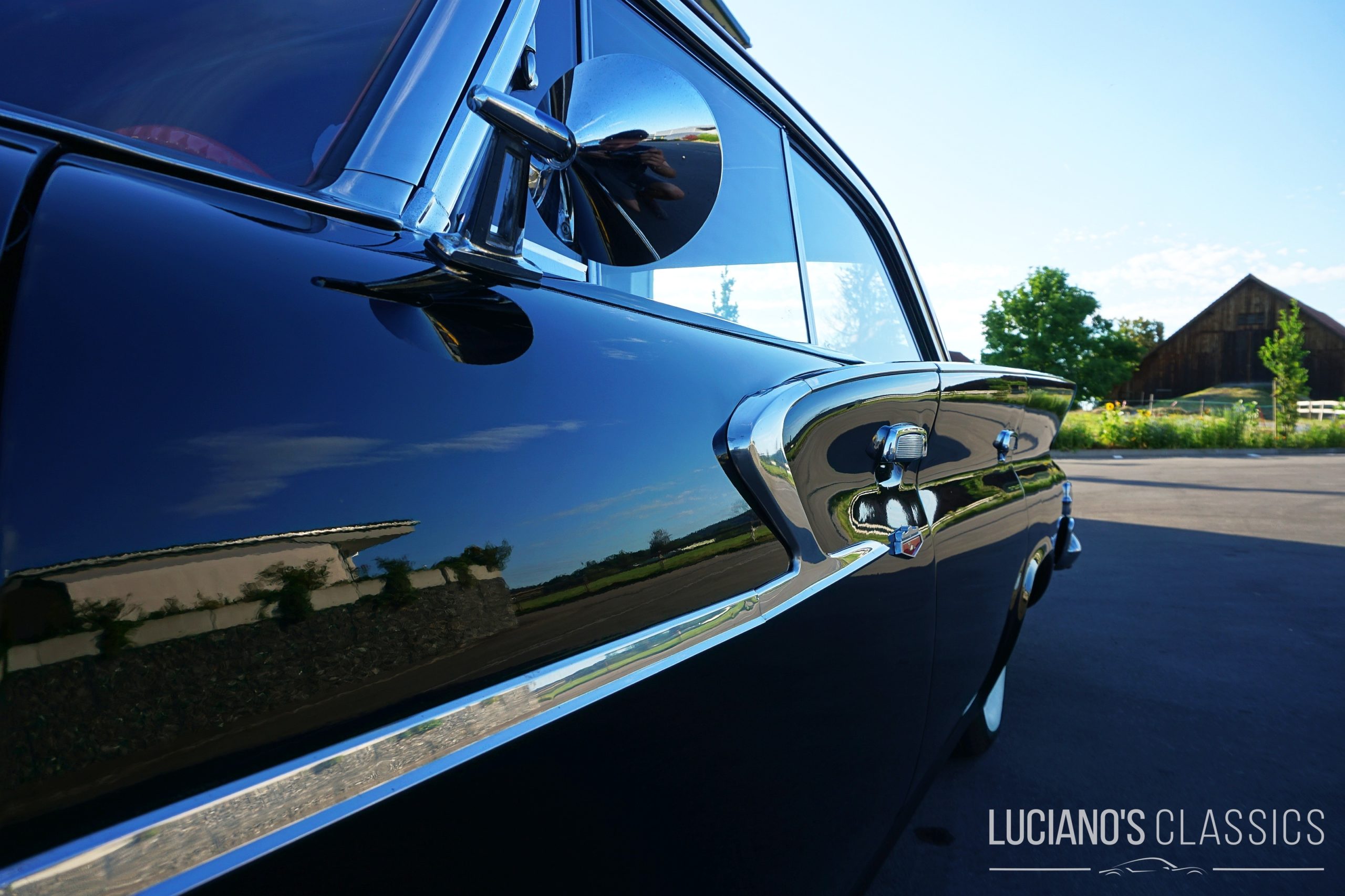
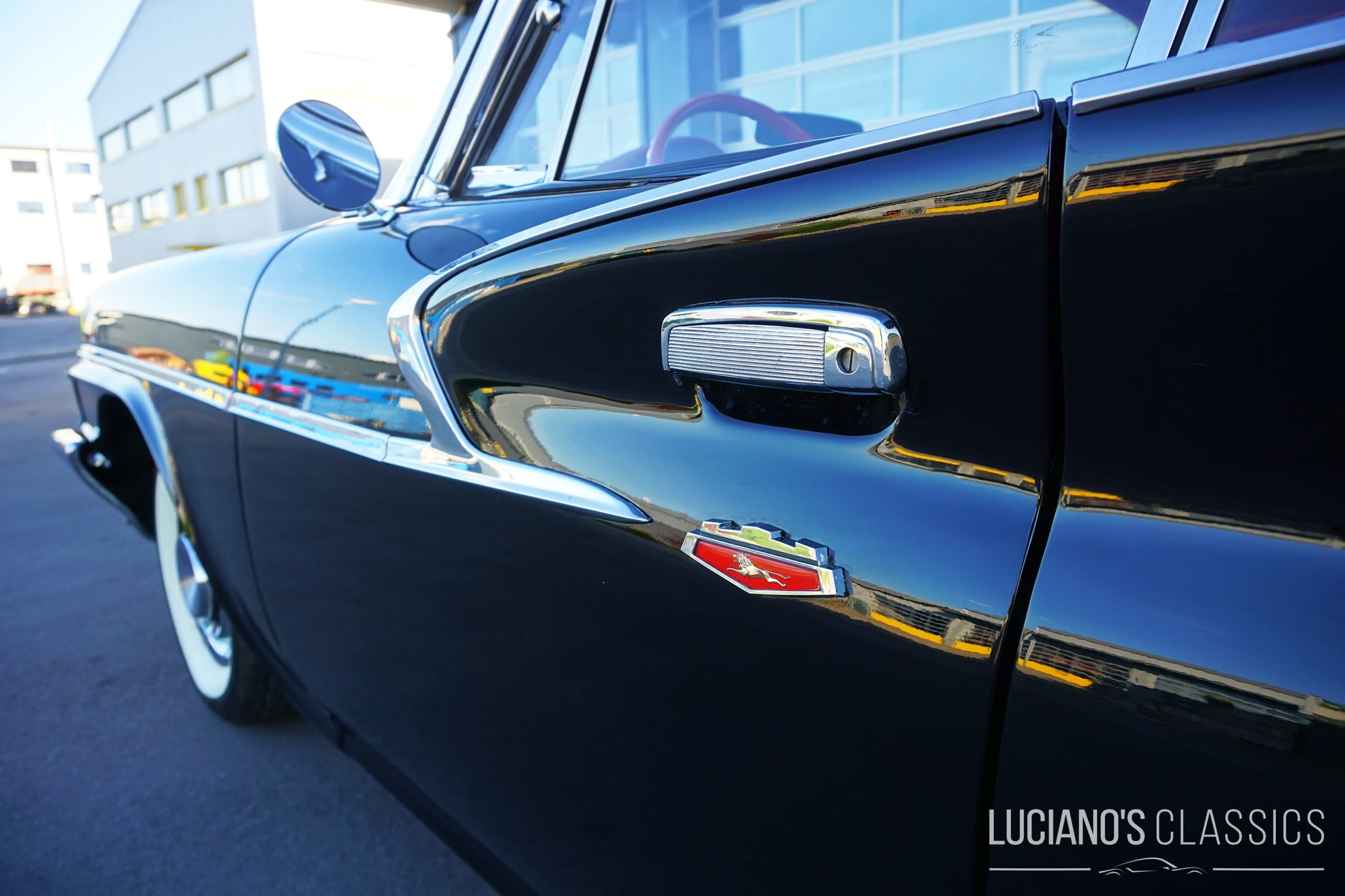
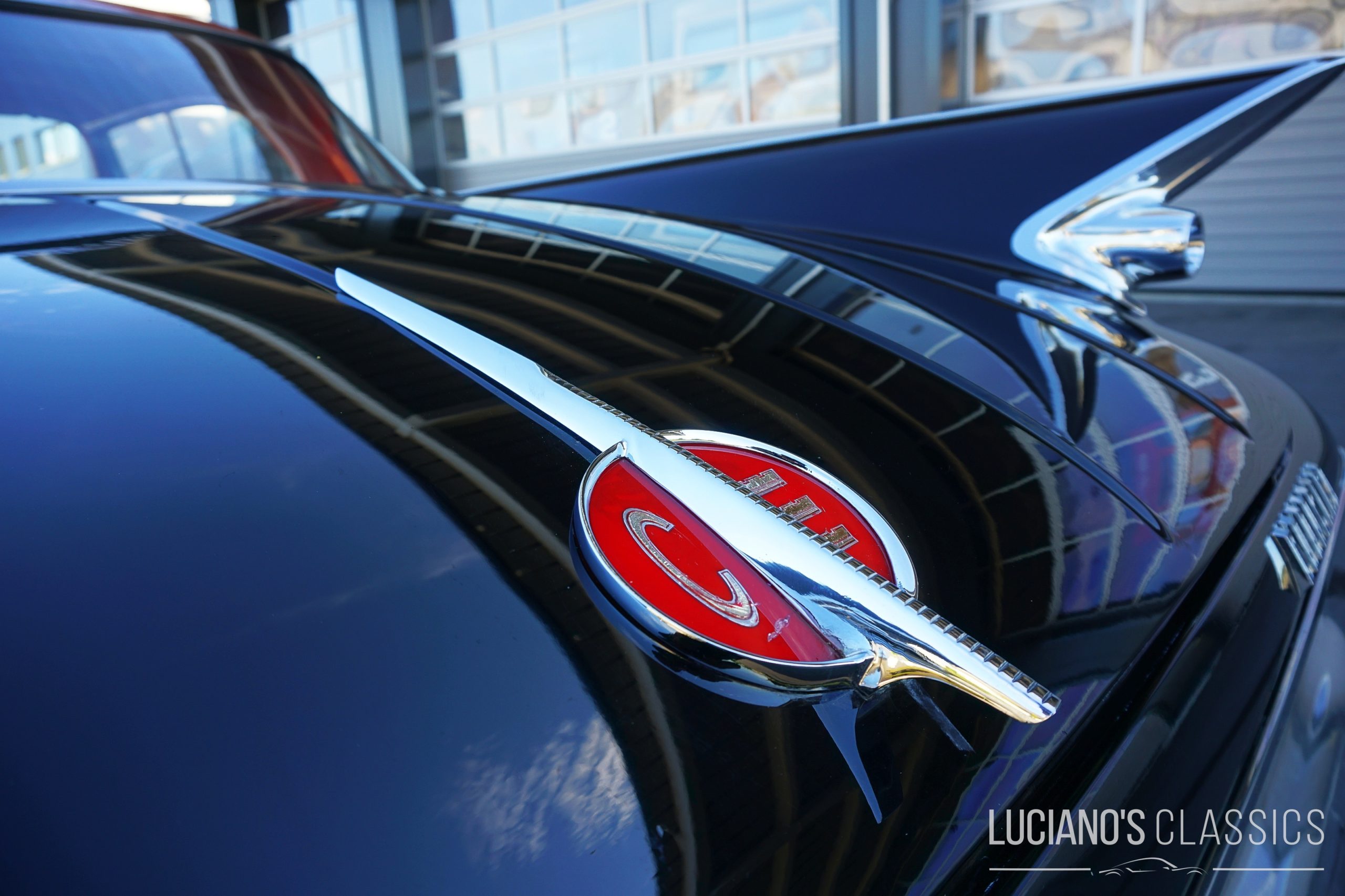
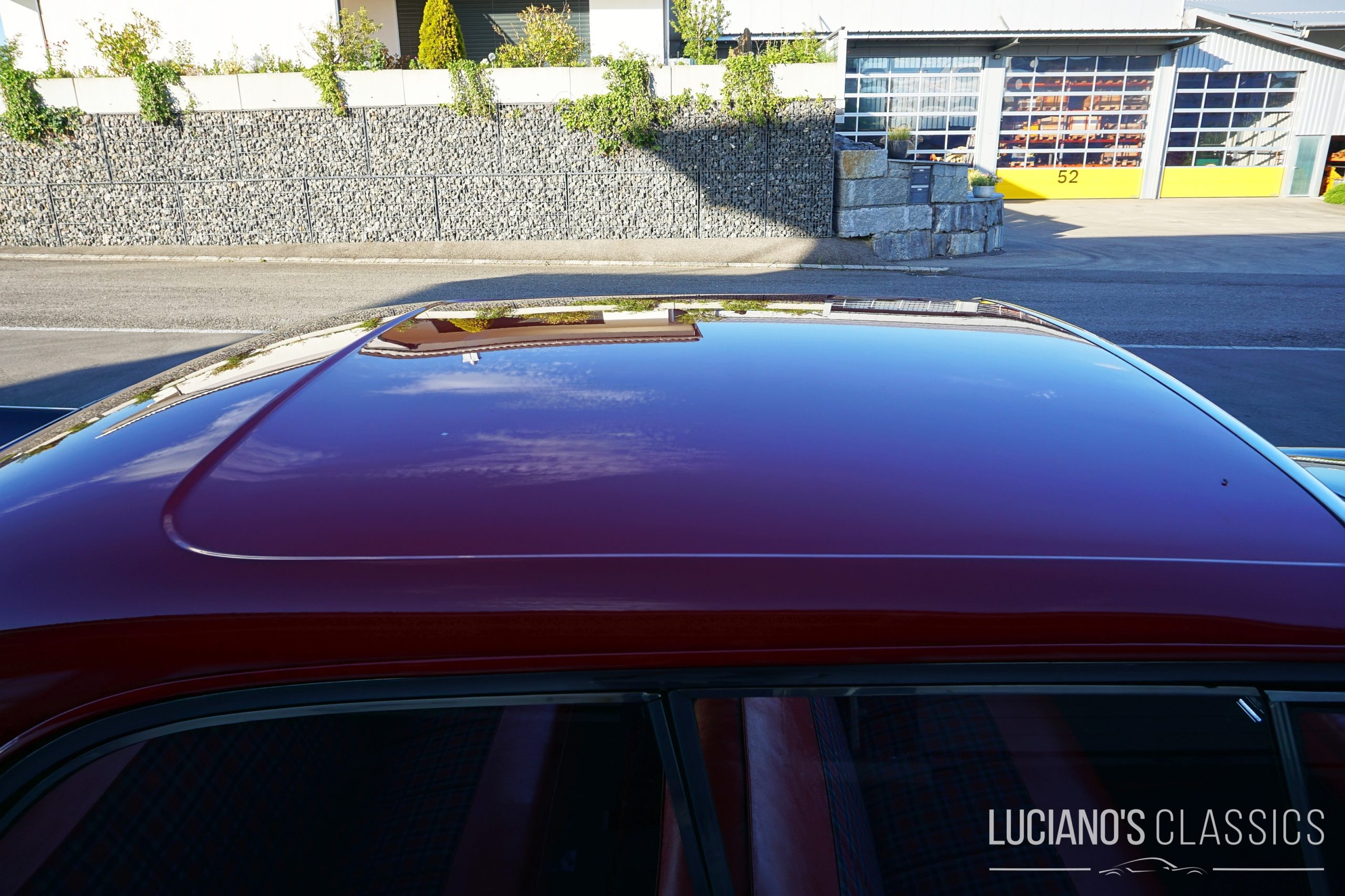
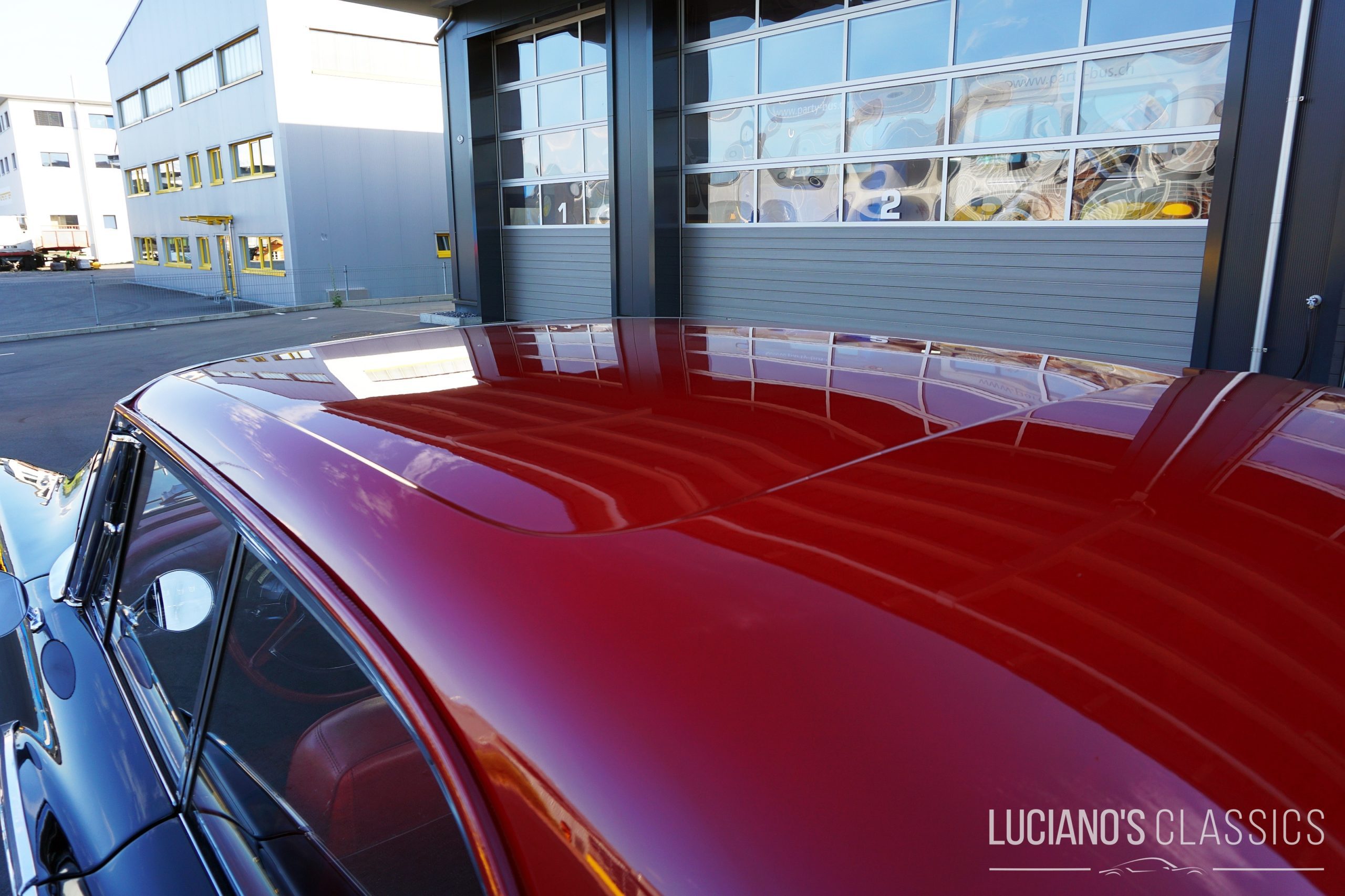
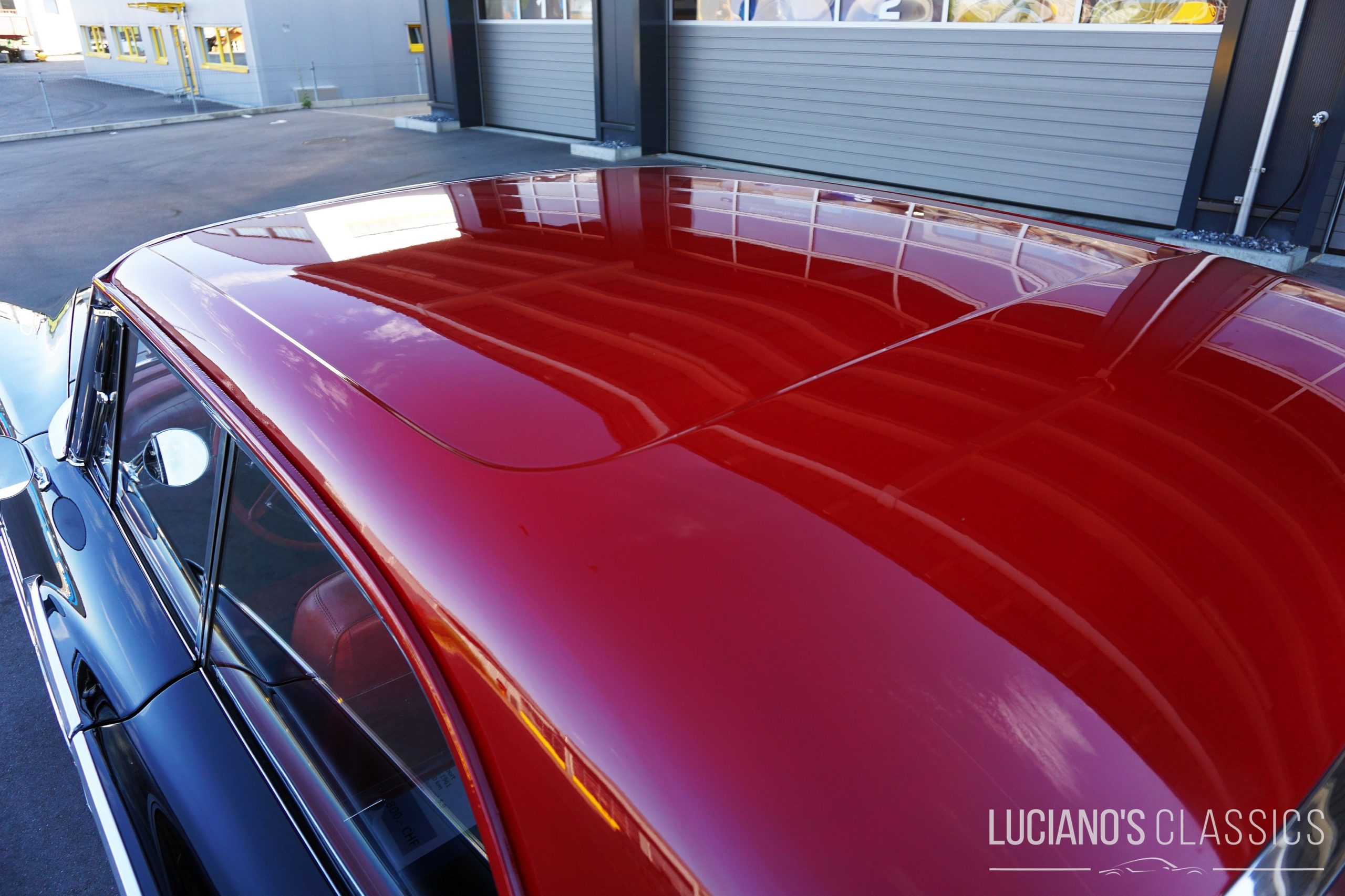
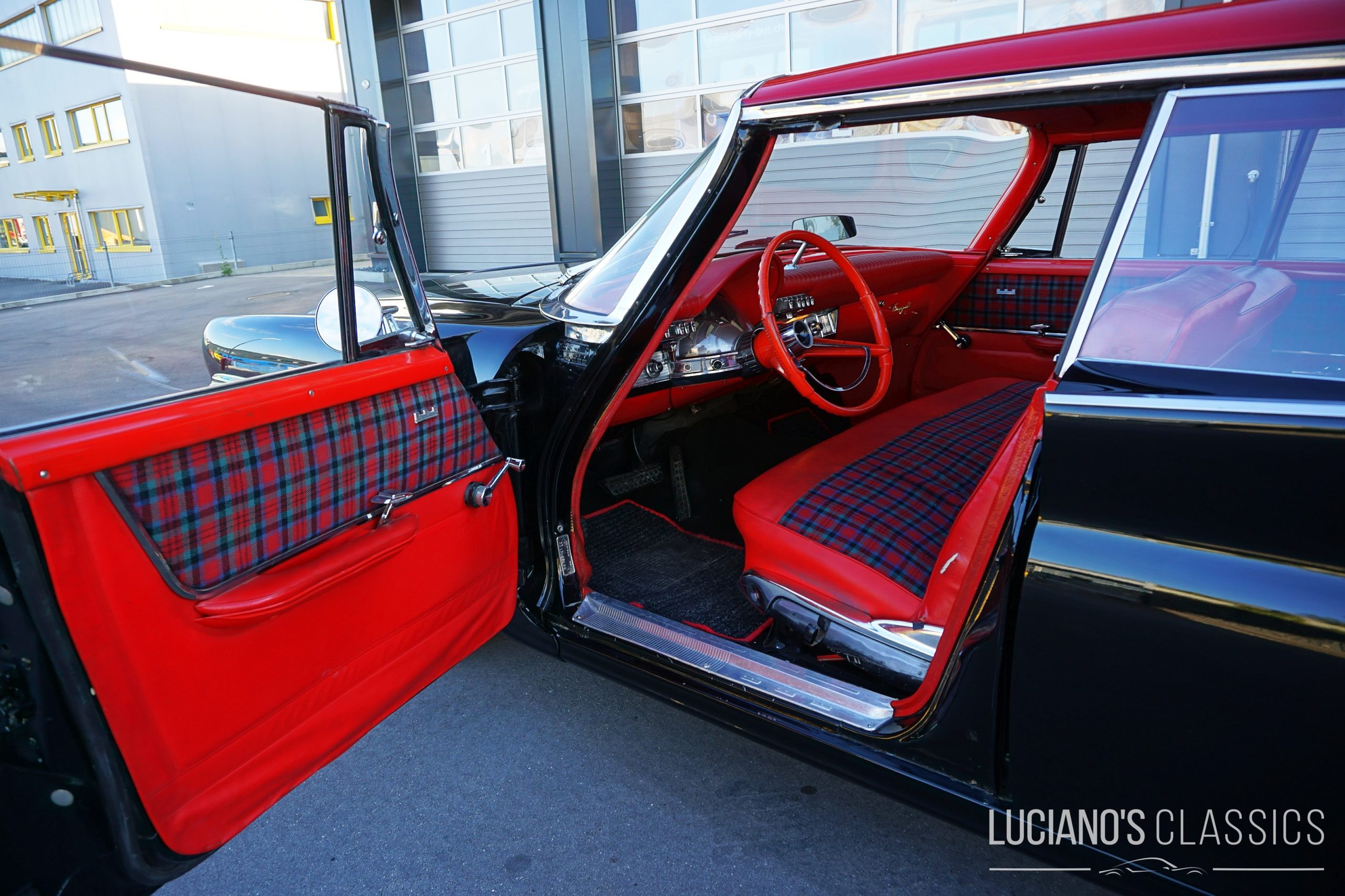
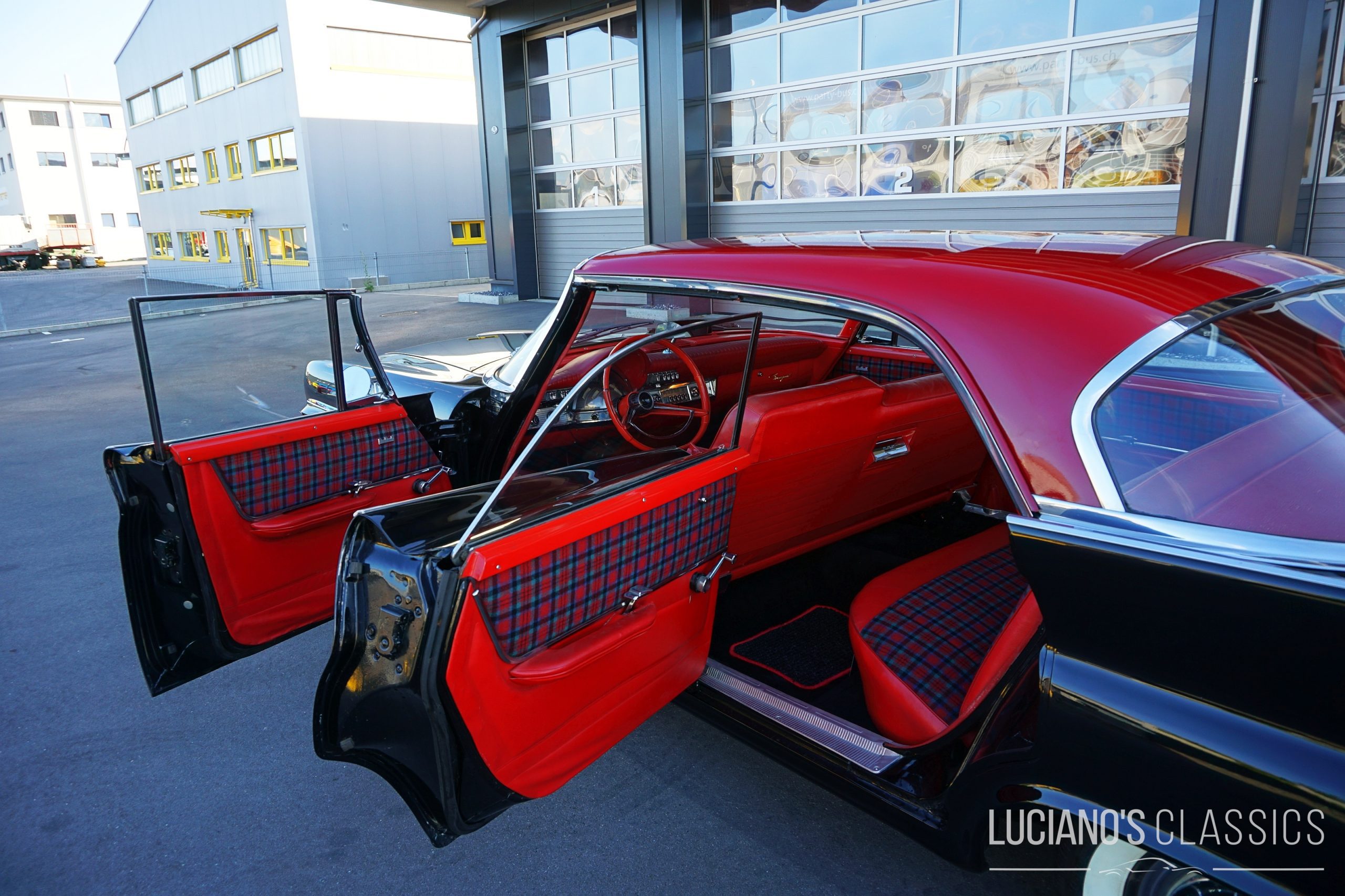
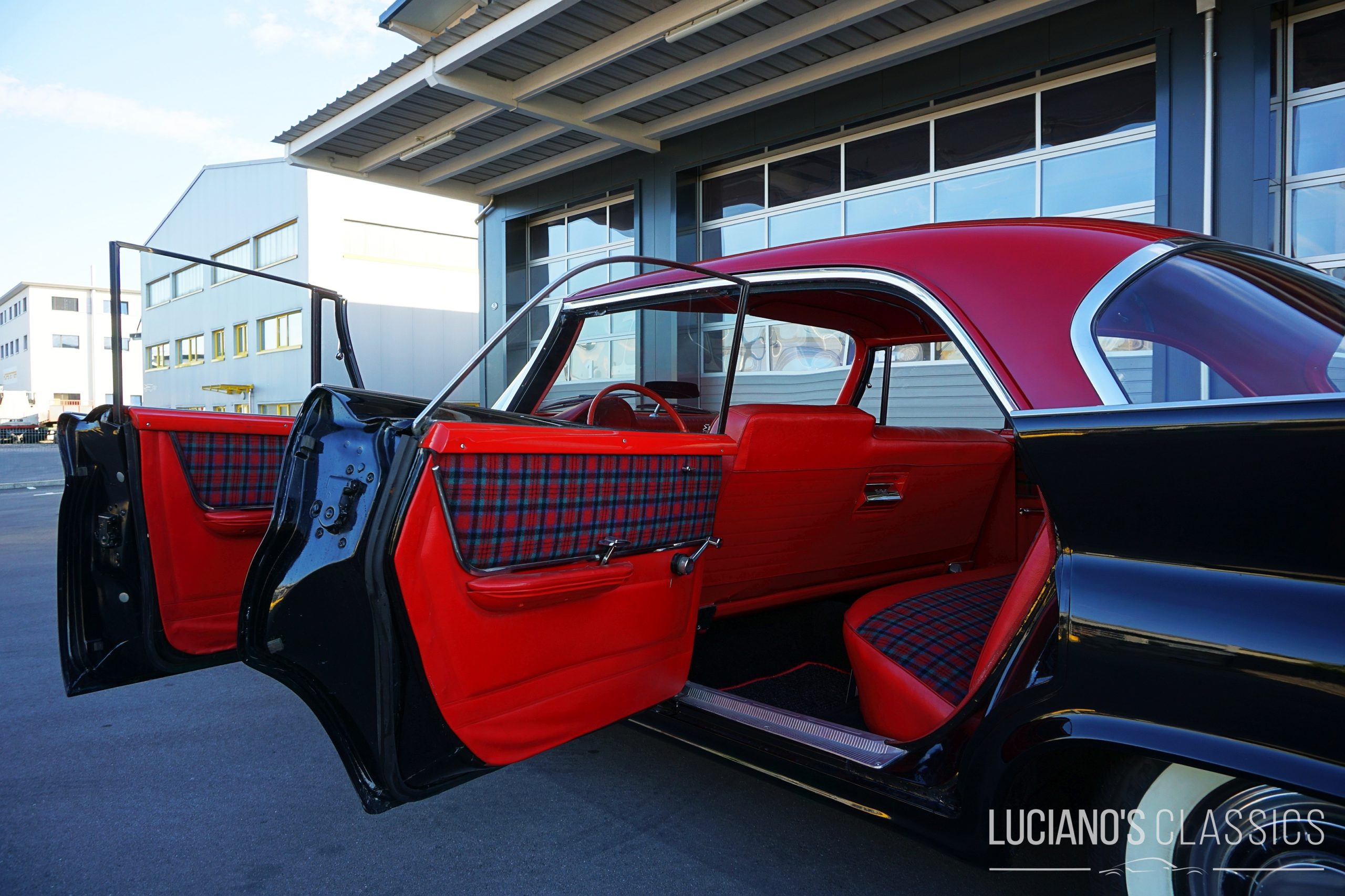
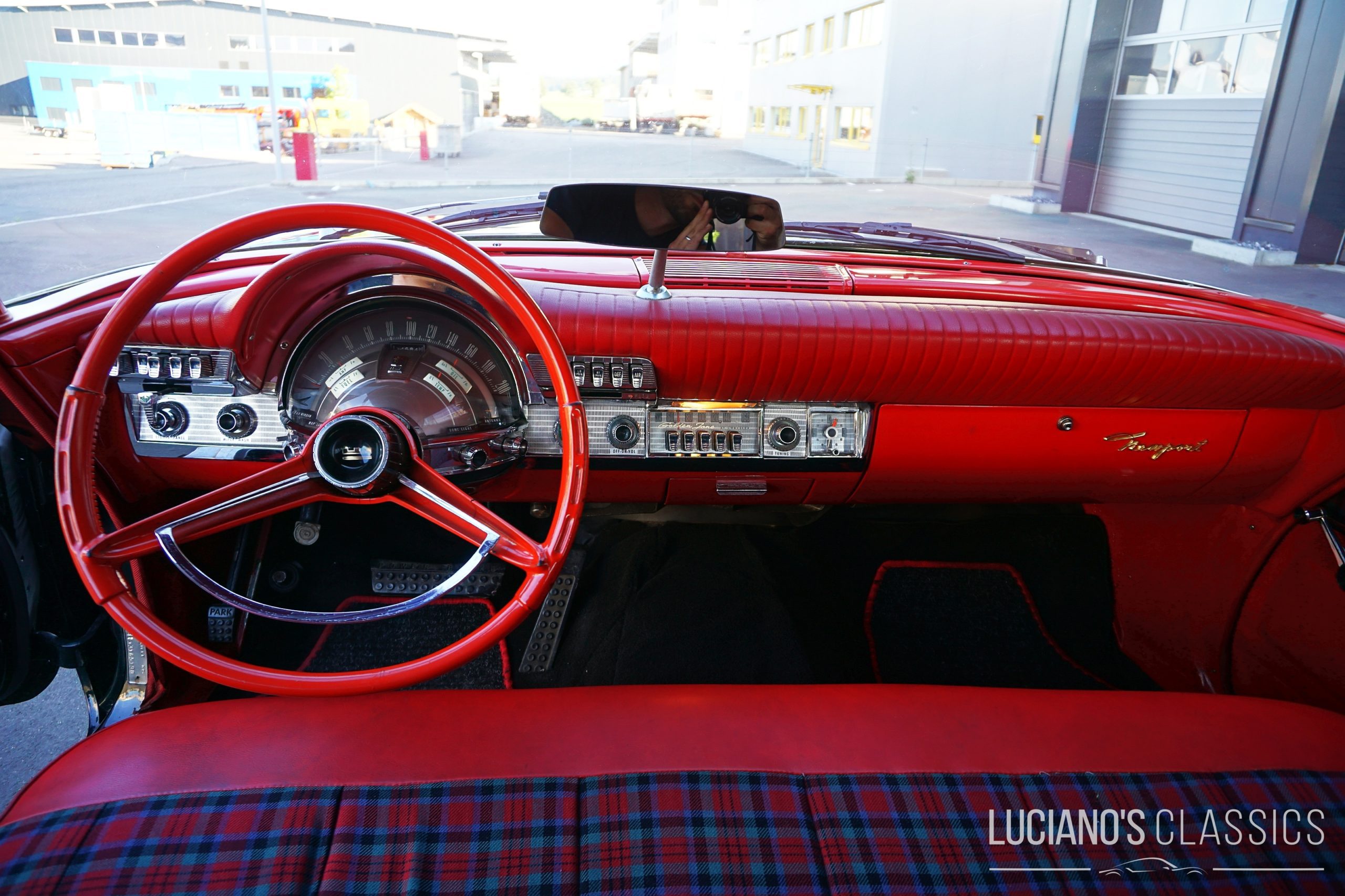
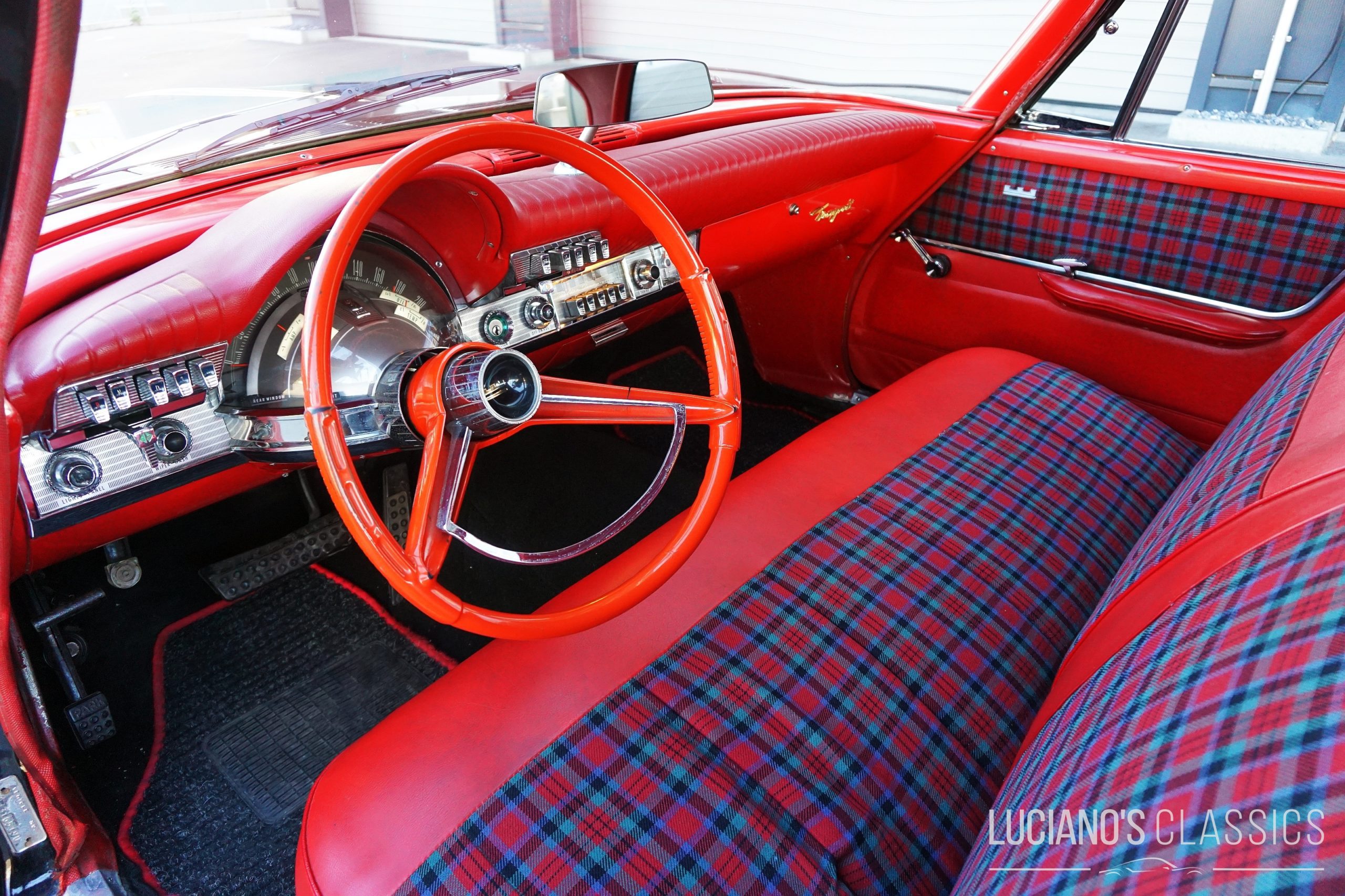
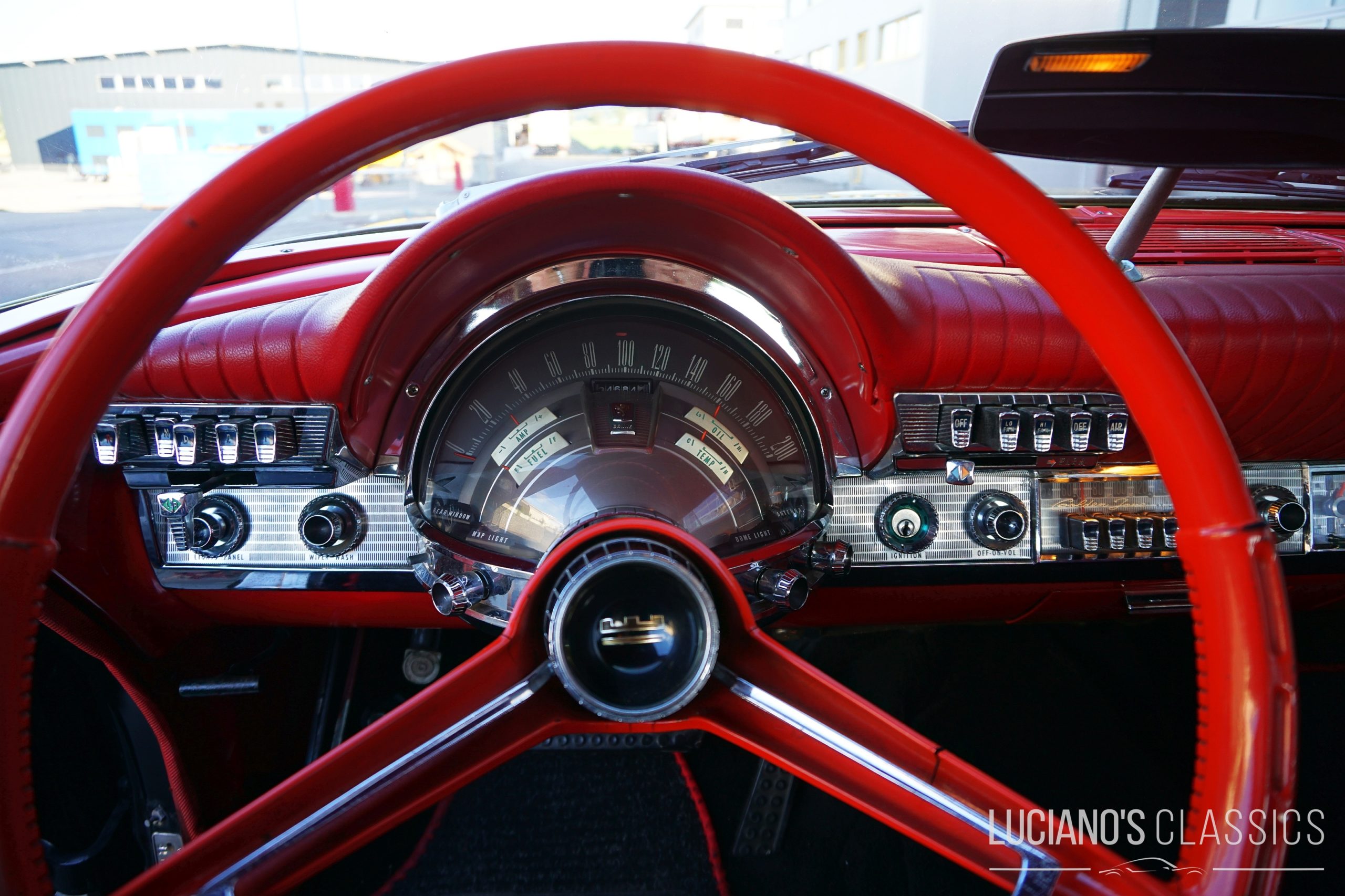
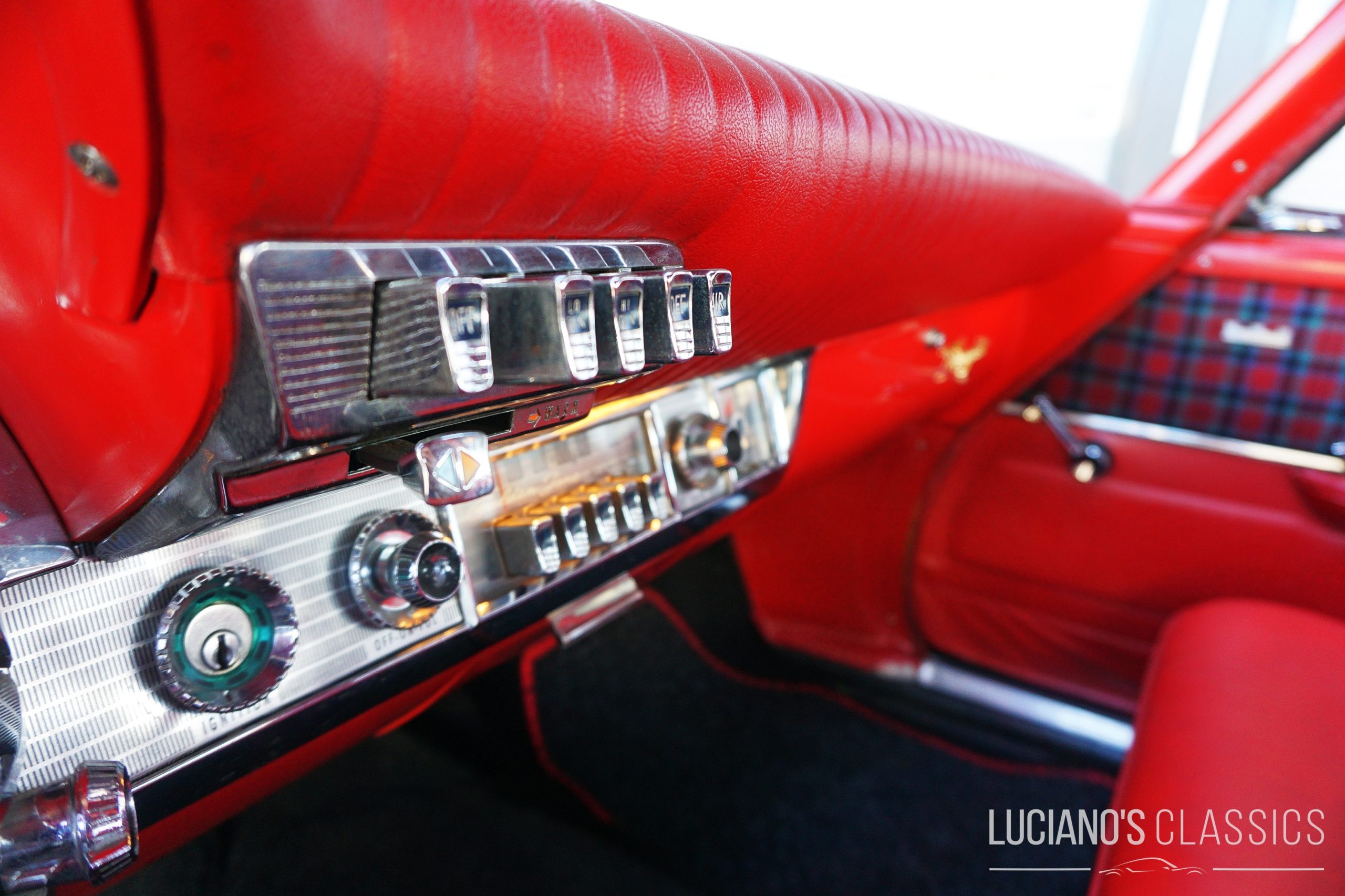
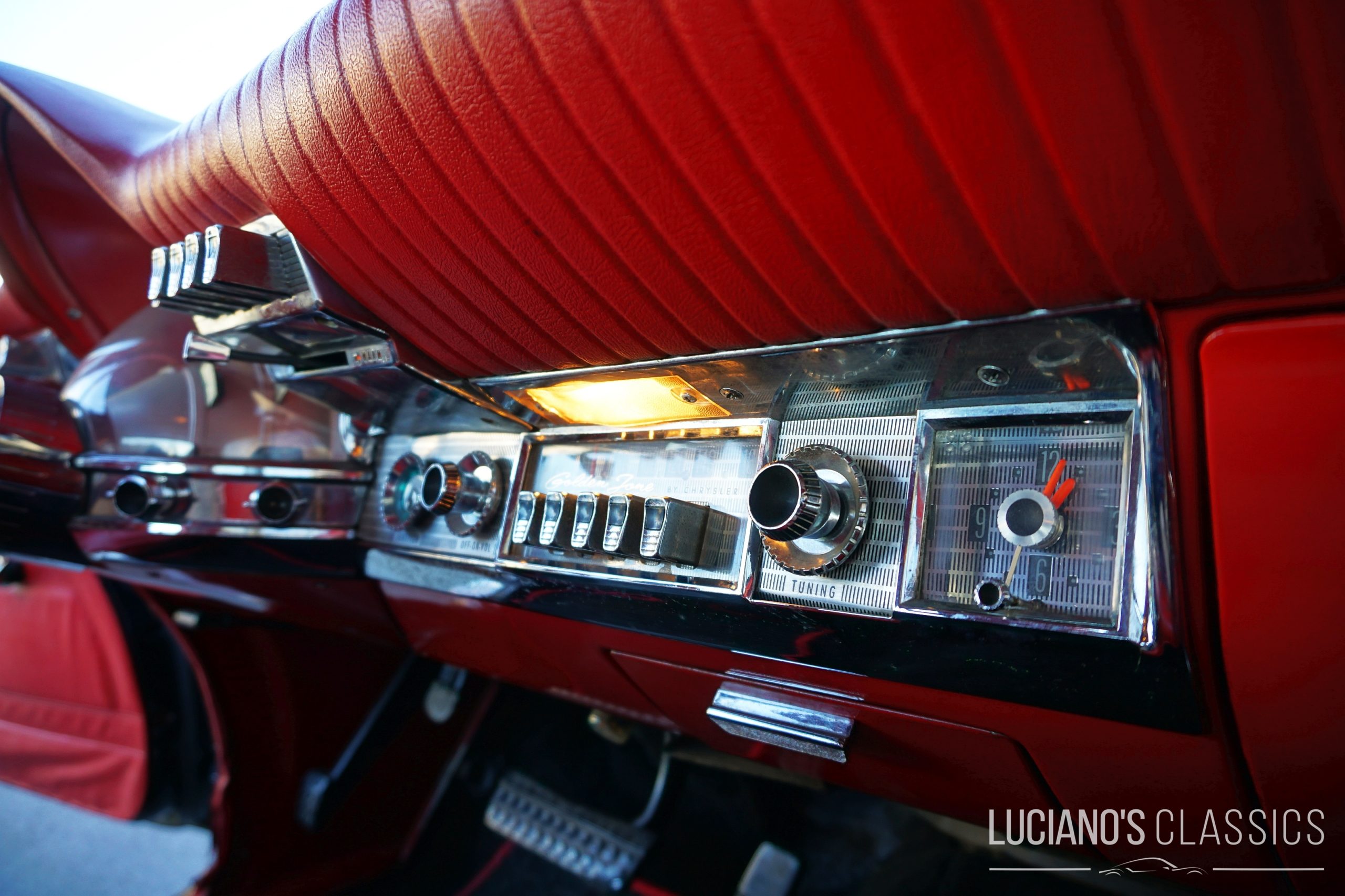
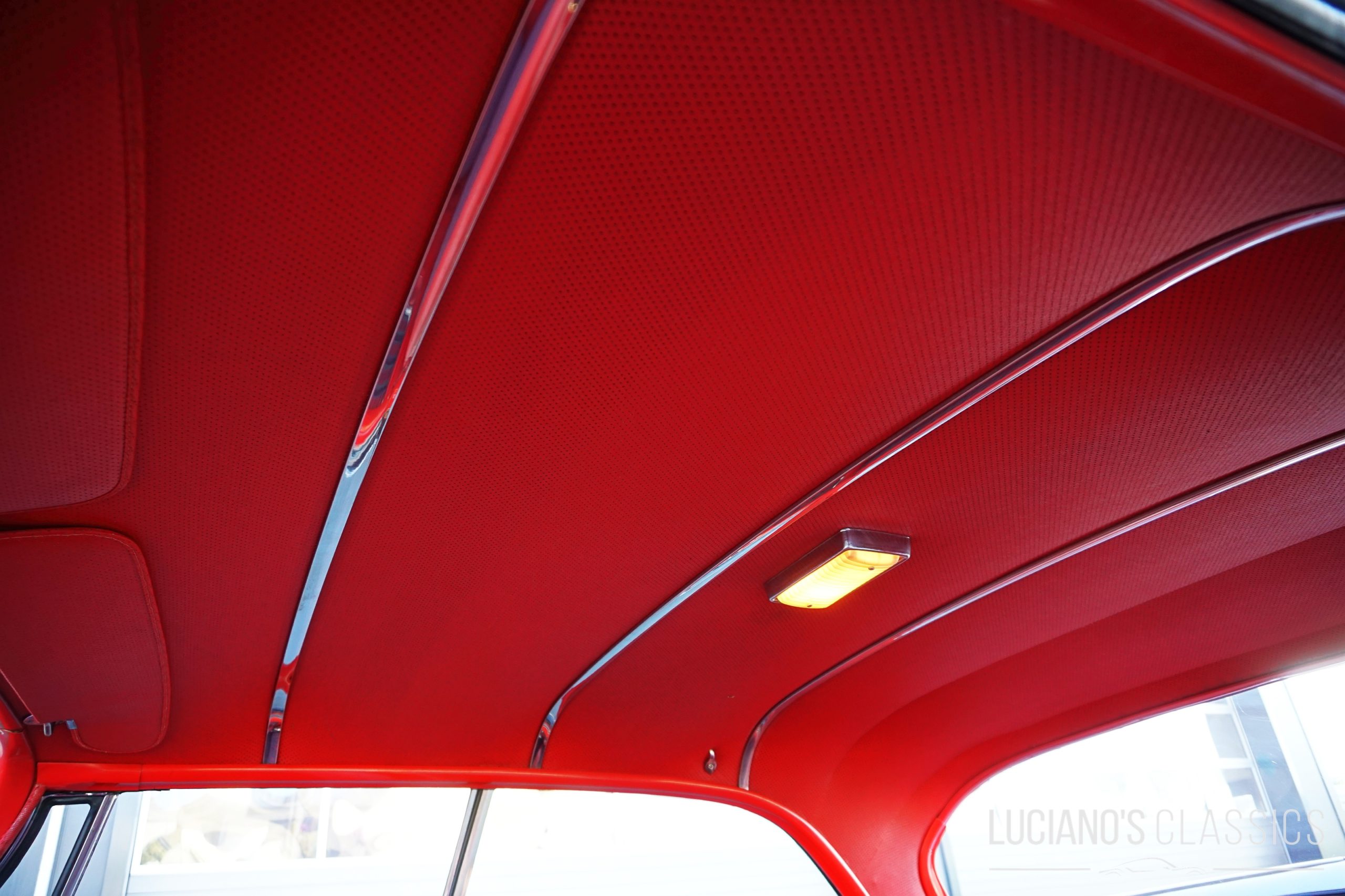
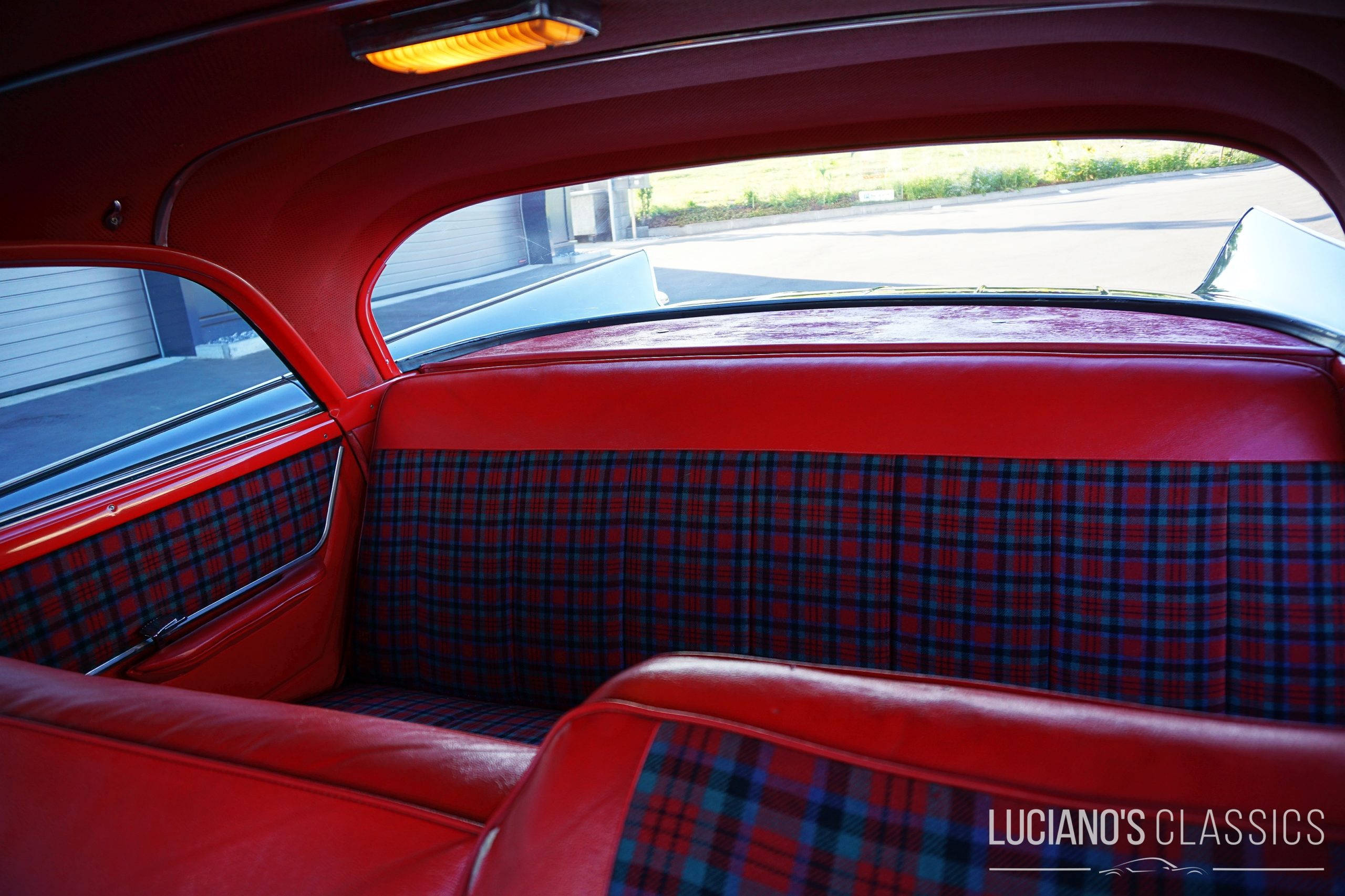
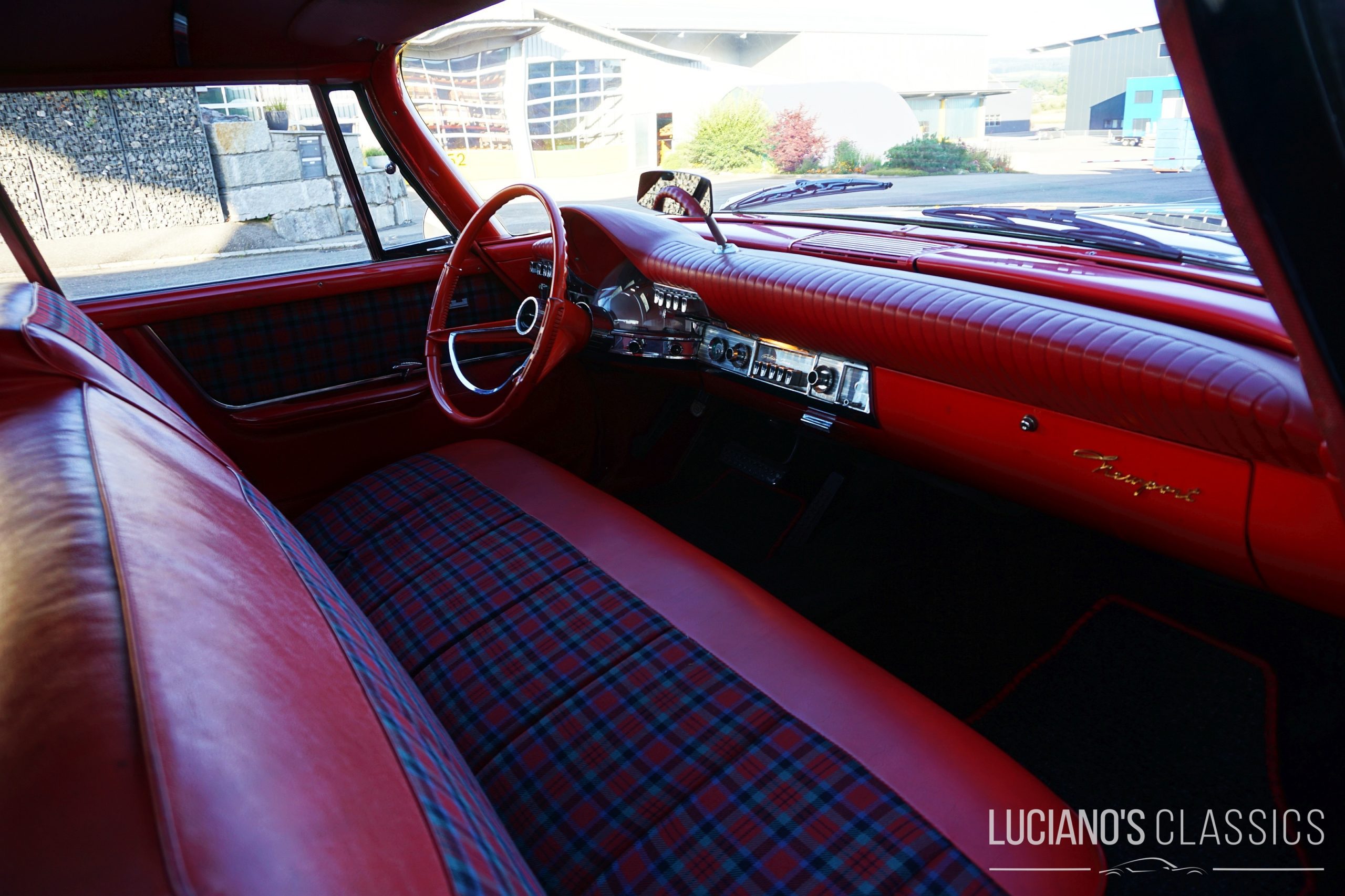
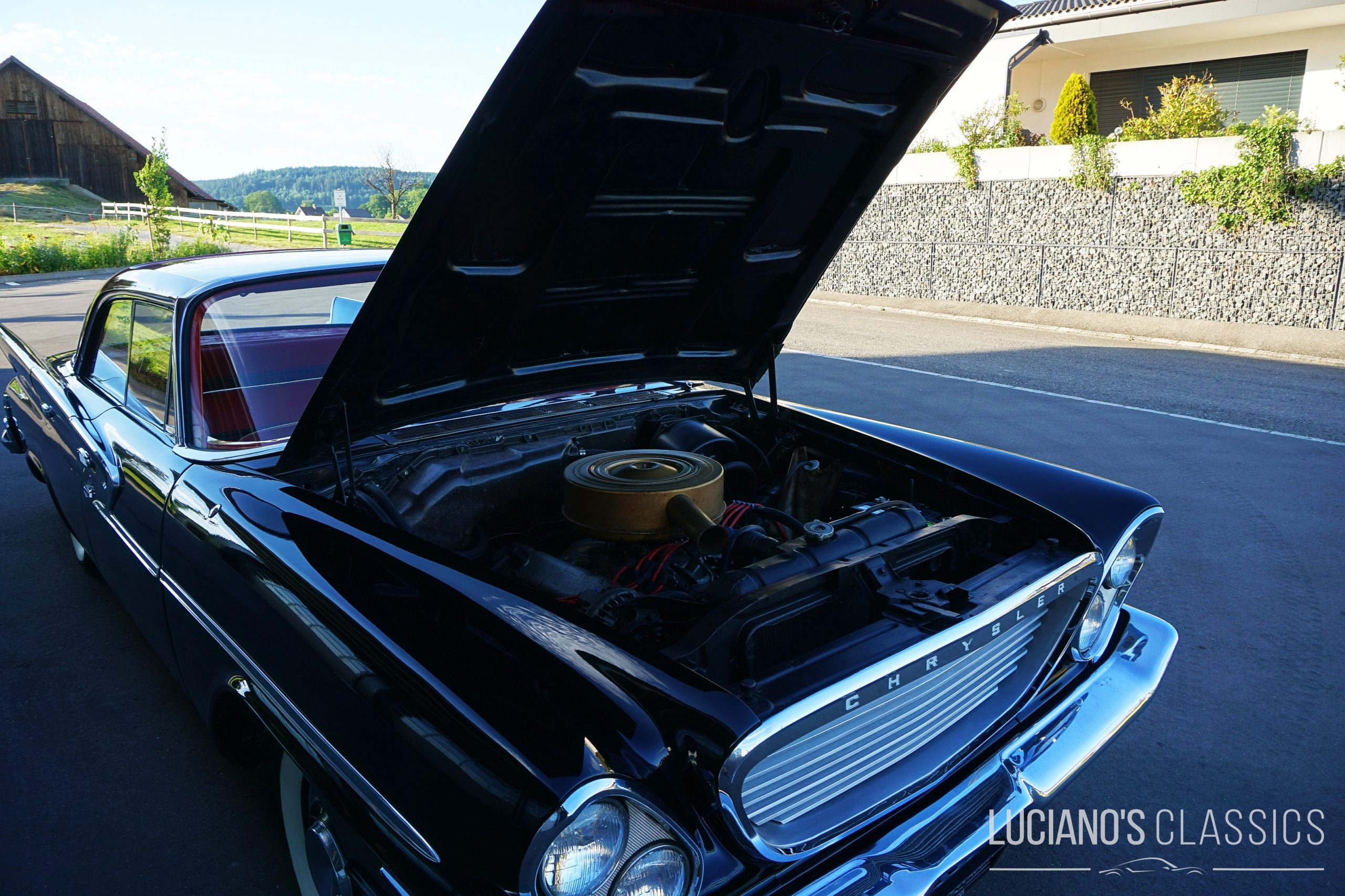
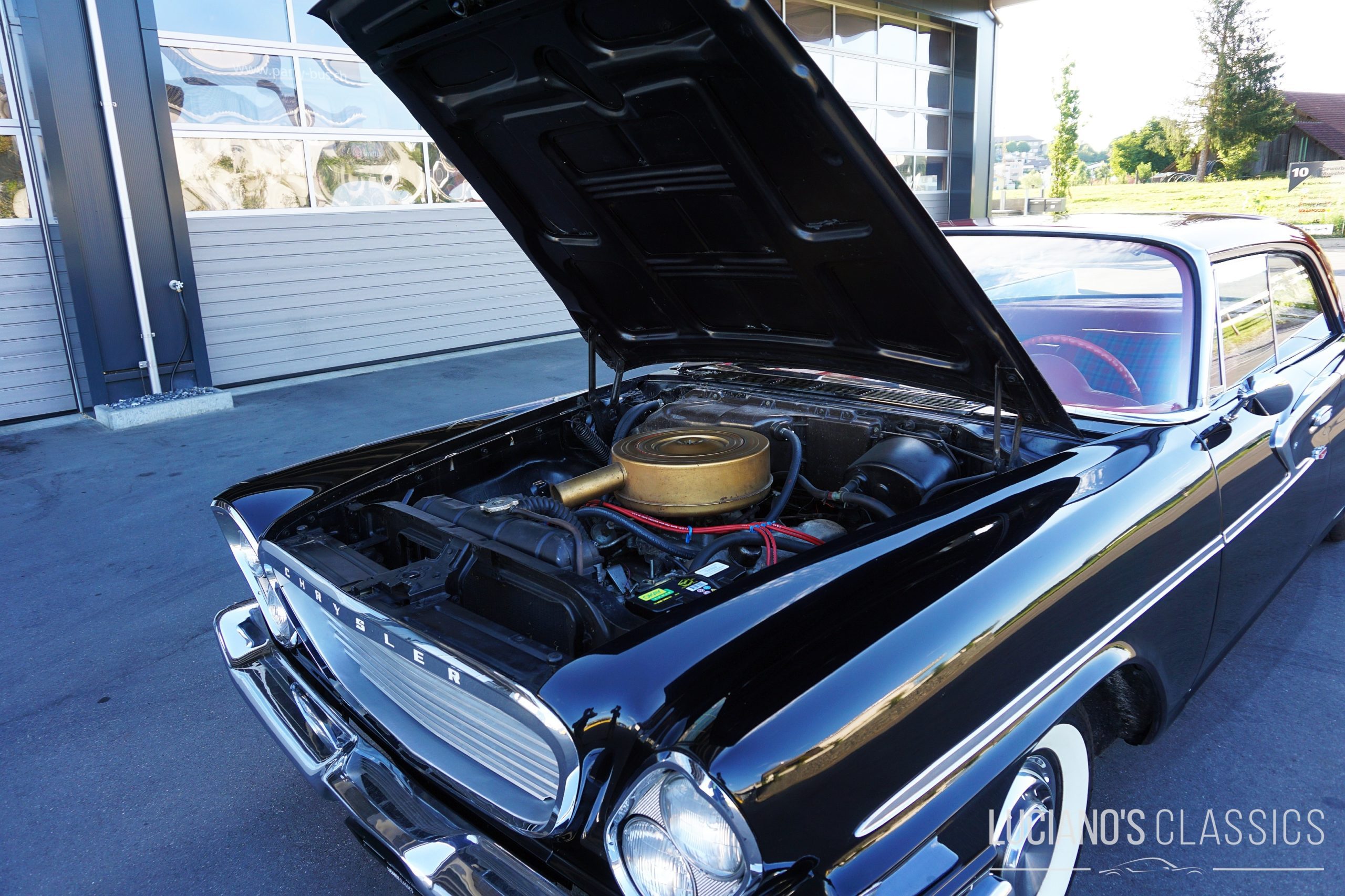
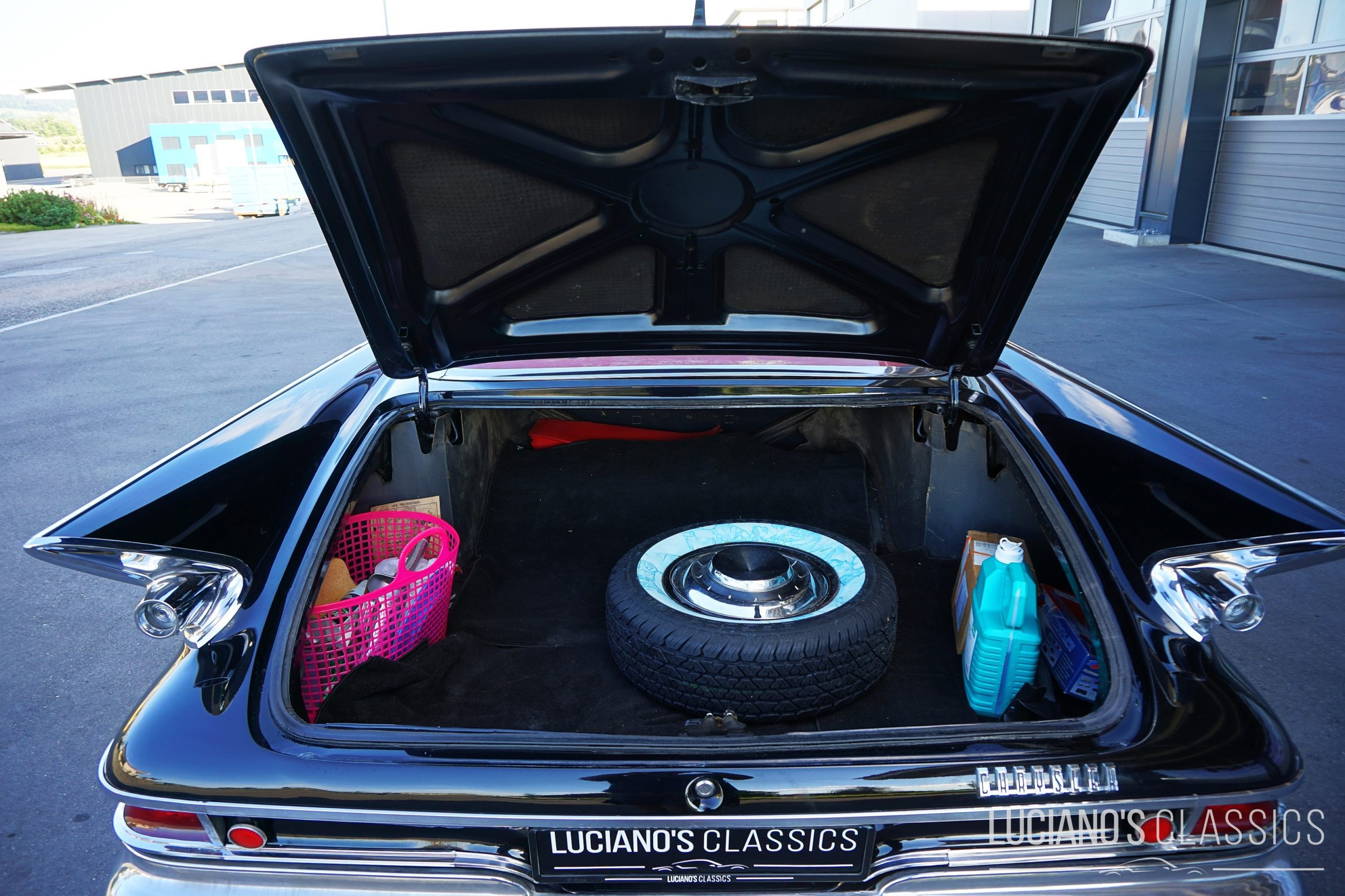
This example of a '61 Chrysler Newport comes as a sedan and is in very good condition. The paint is in top shape, showing only a few minor imperfections. The interior is also very well-maintained and, apart from the tear on the side of the driver's seat visible in the pictures, is practically faultless.
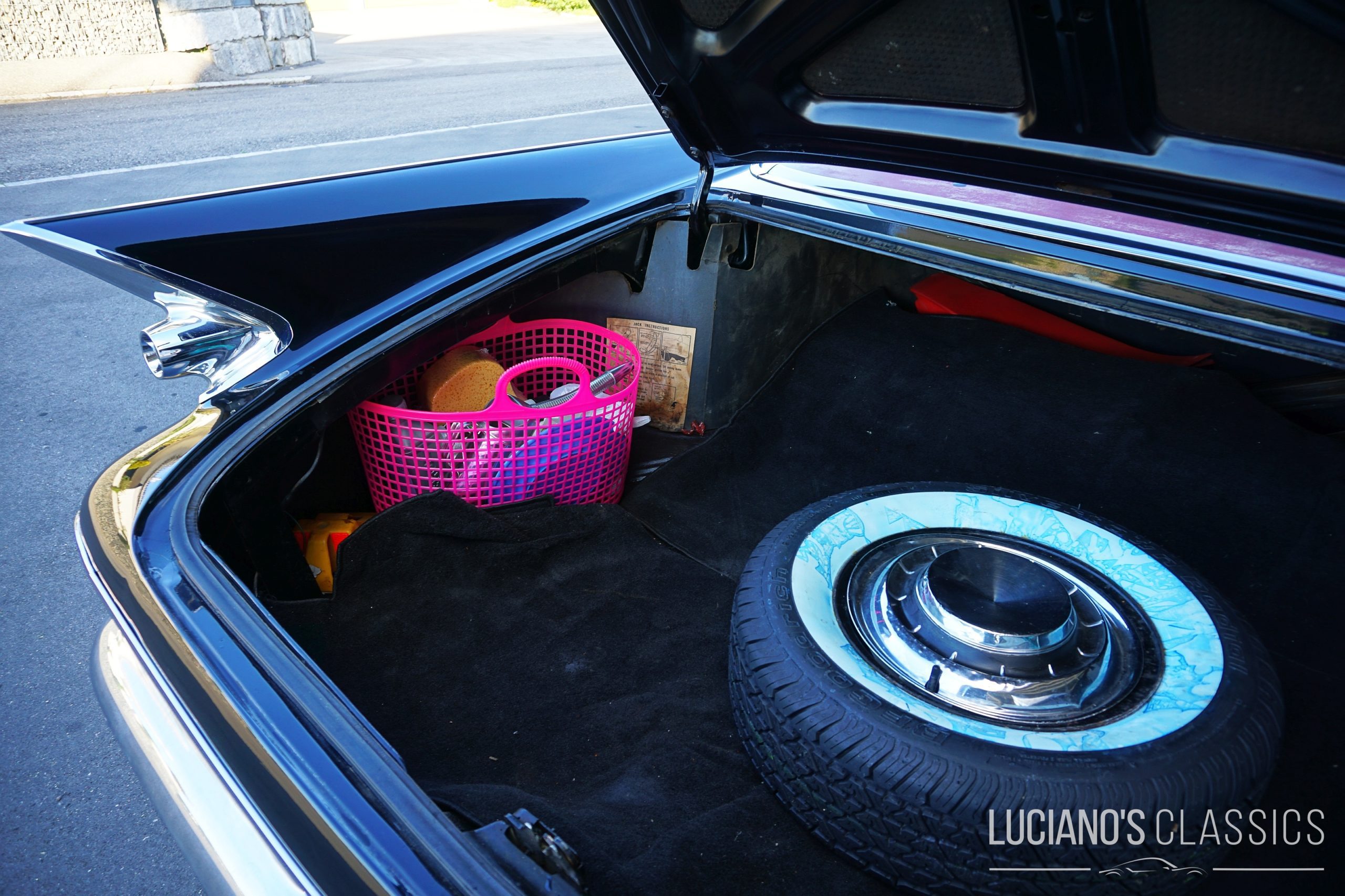
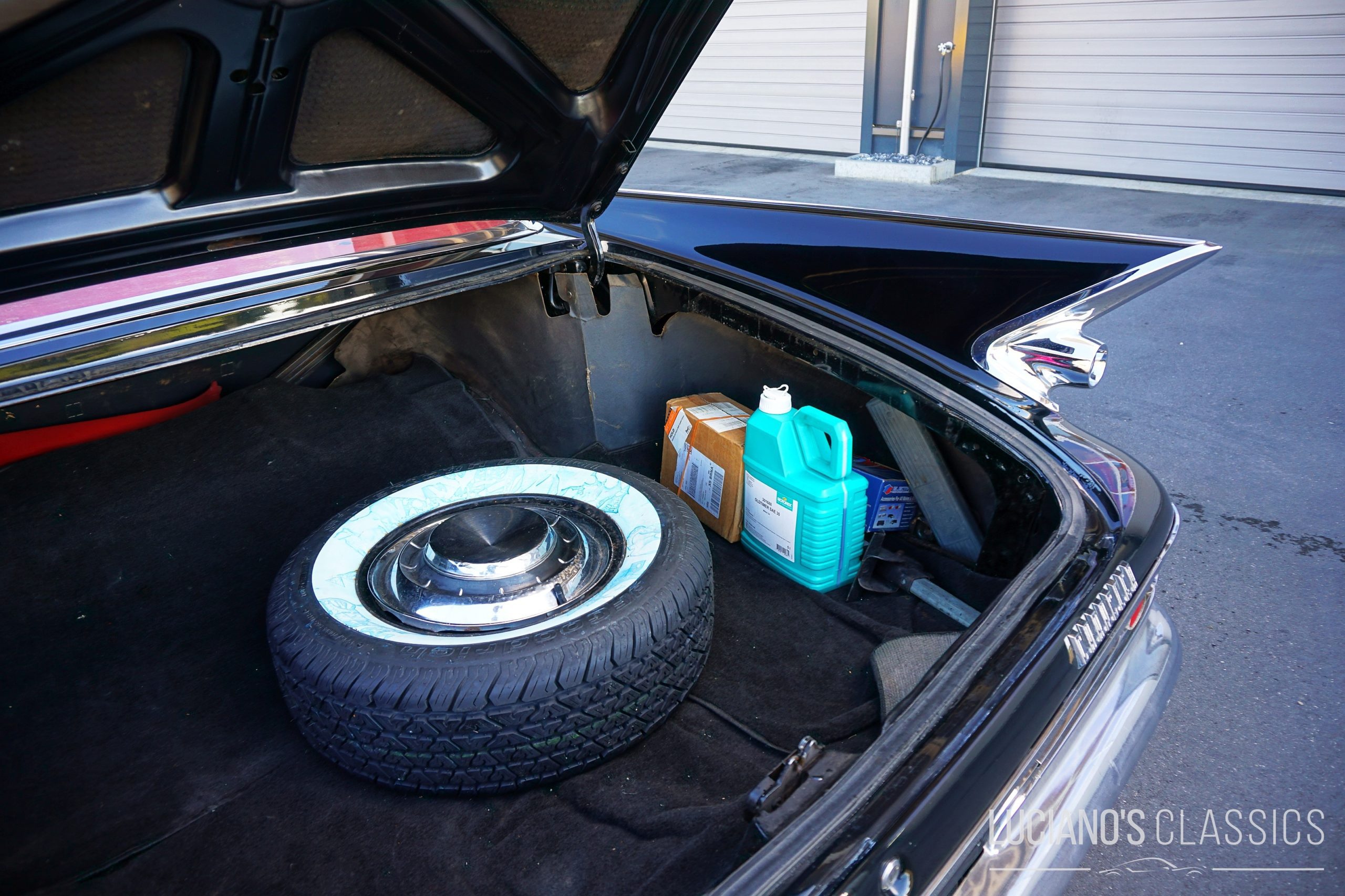
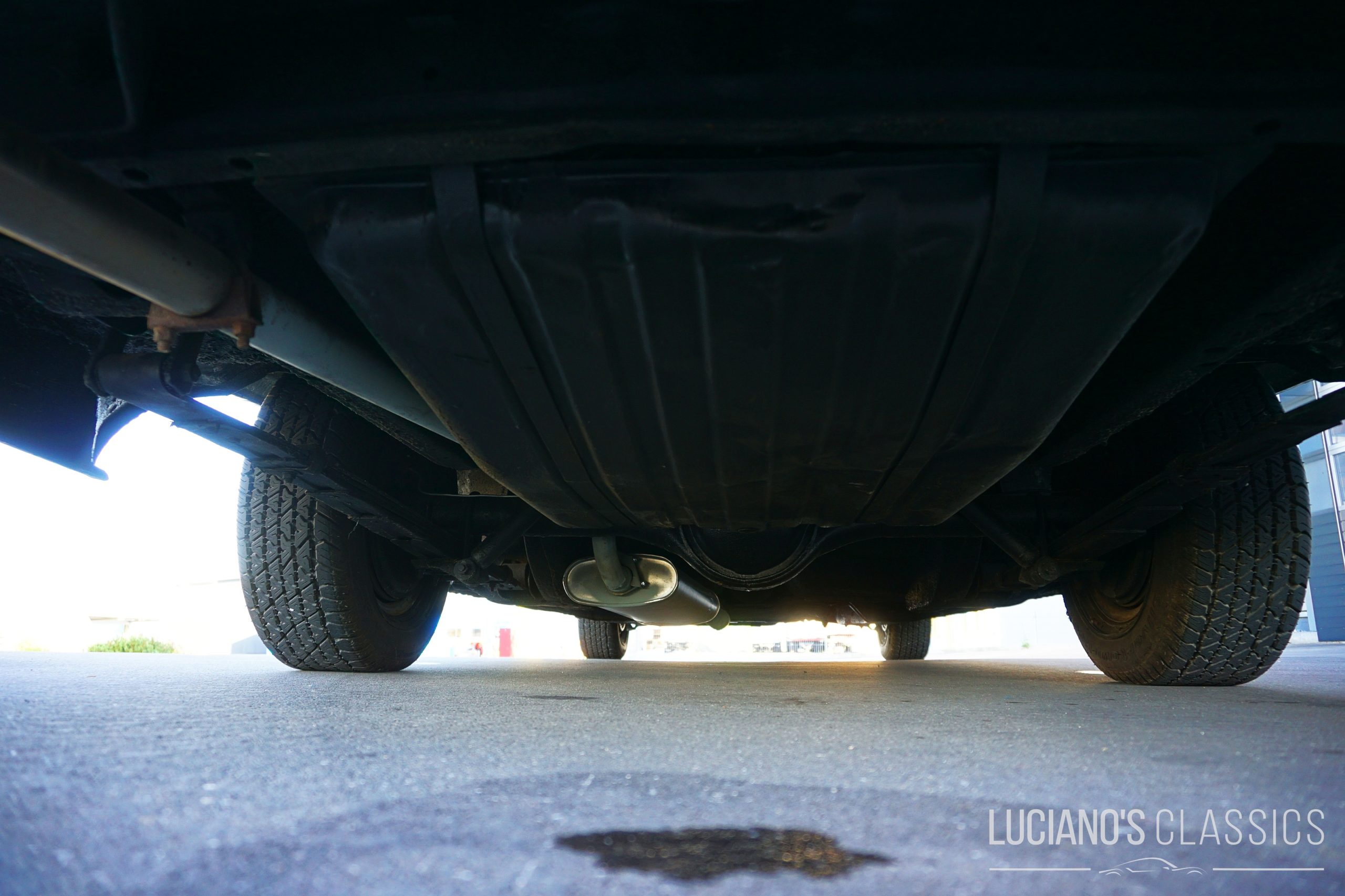
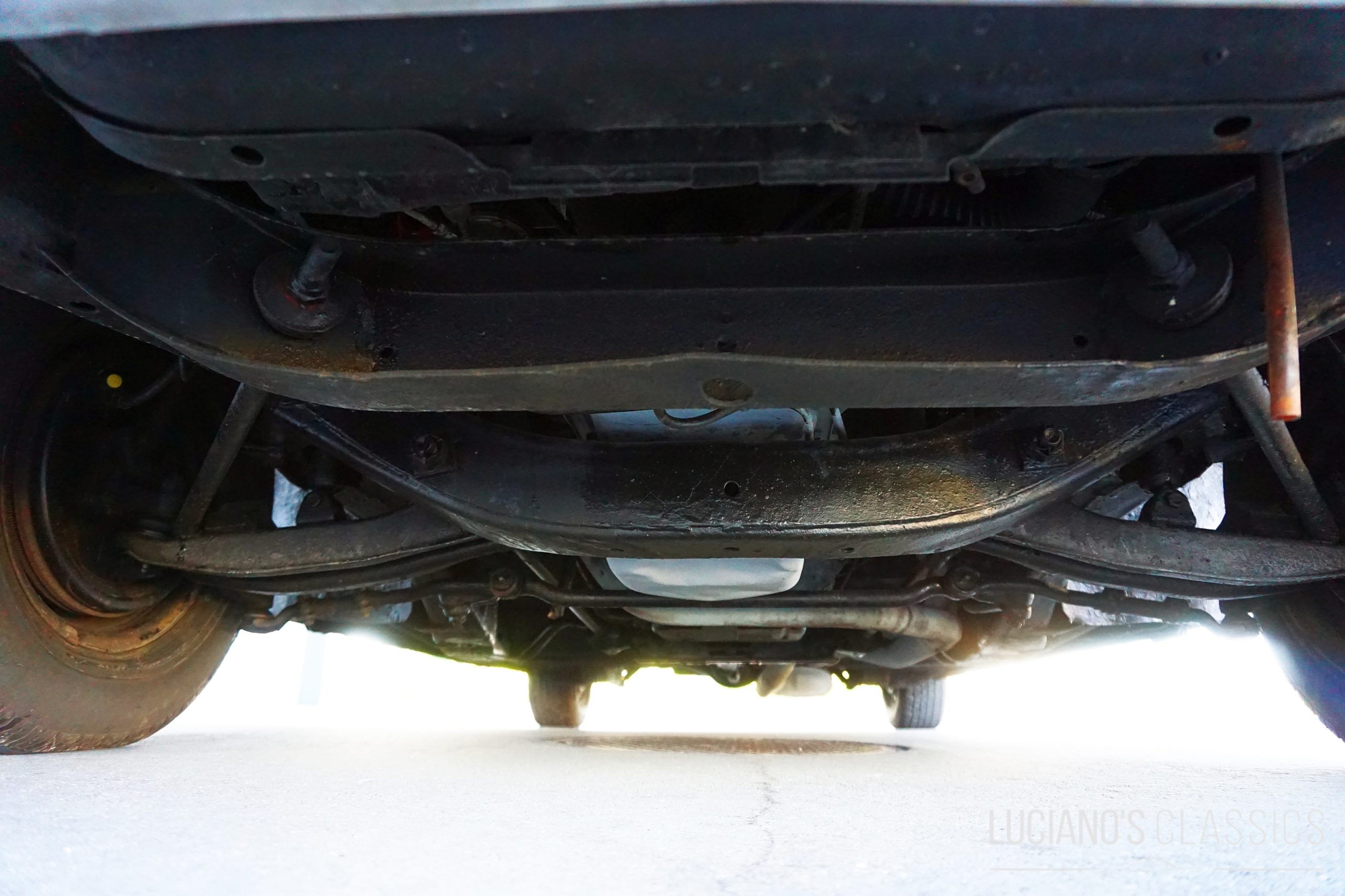
Under the carpets, there are a few small rust spots that can be easily removed with a little care. The underbody is solid, unwelded, and in very good condition – as expected for a veteran vehicle.
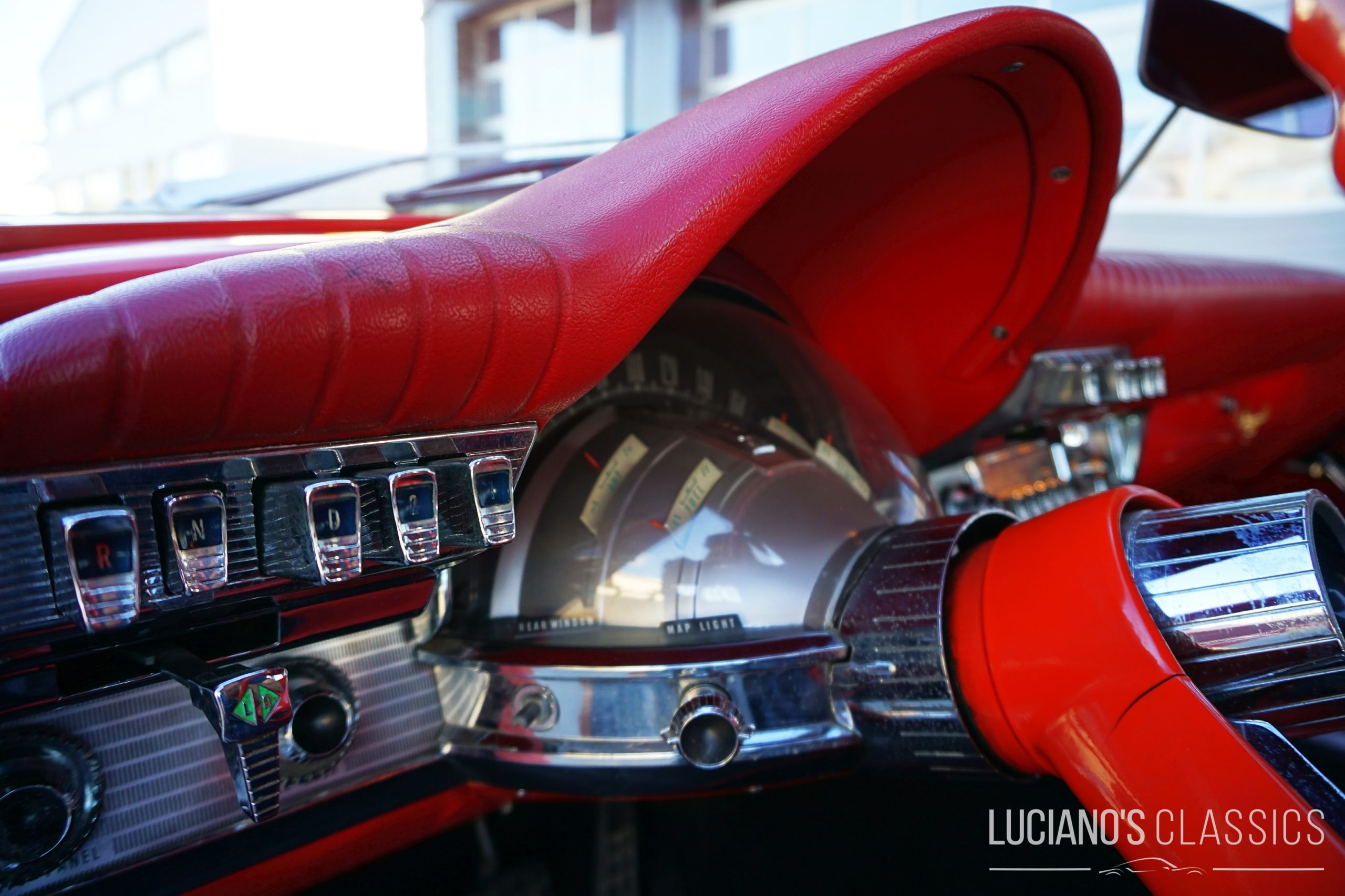
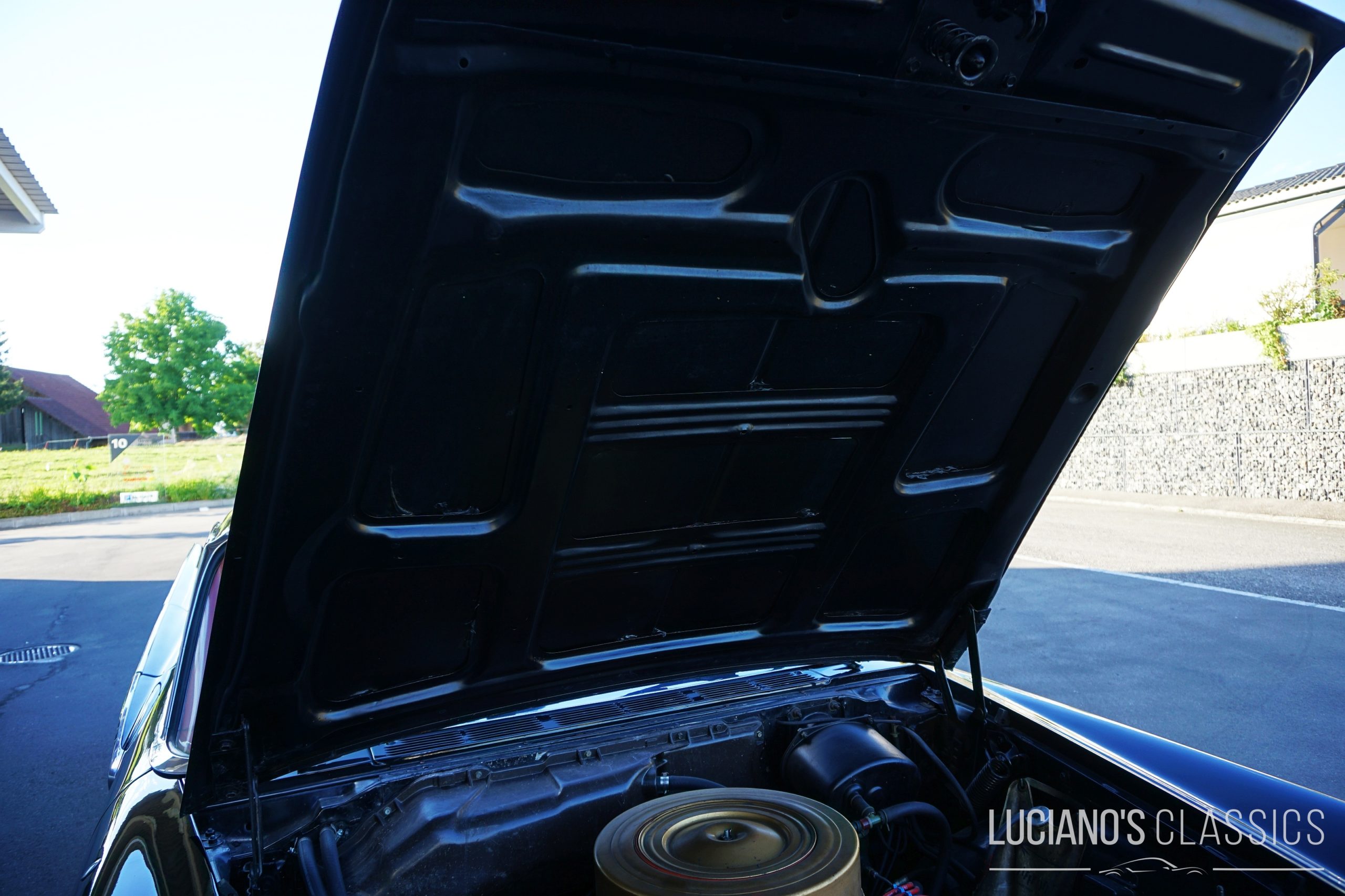
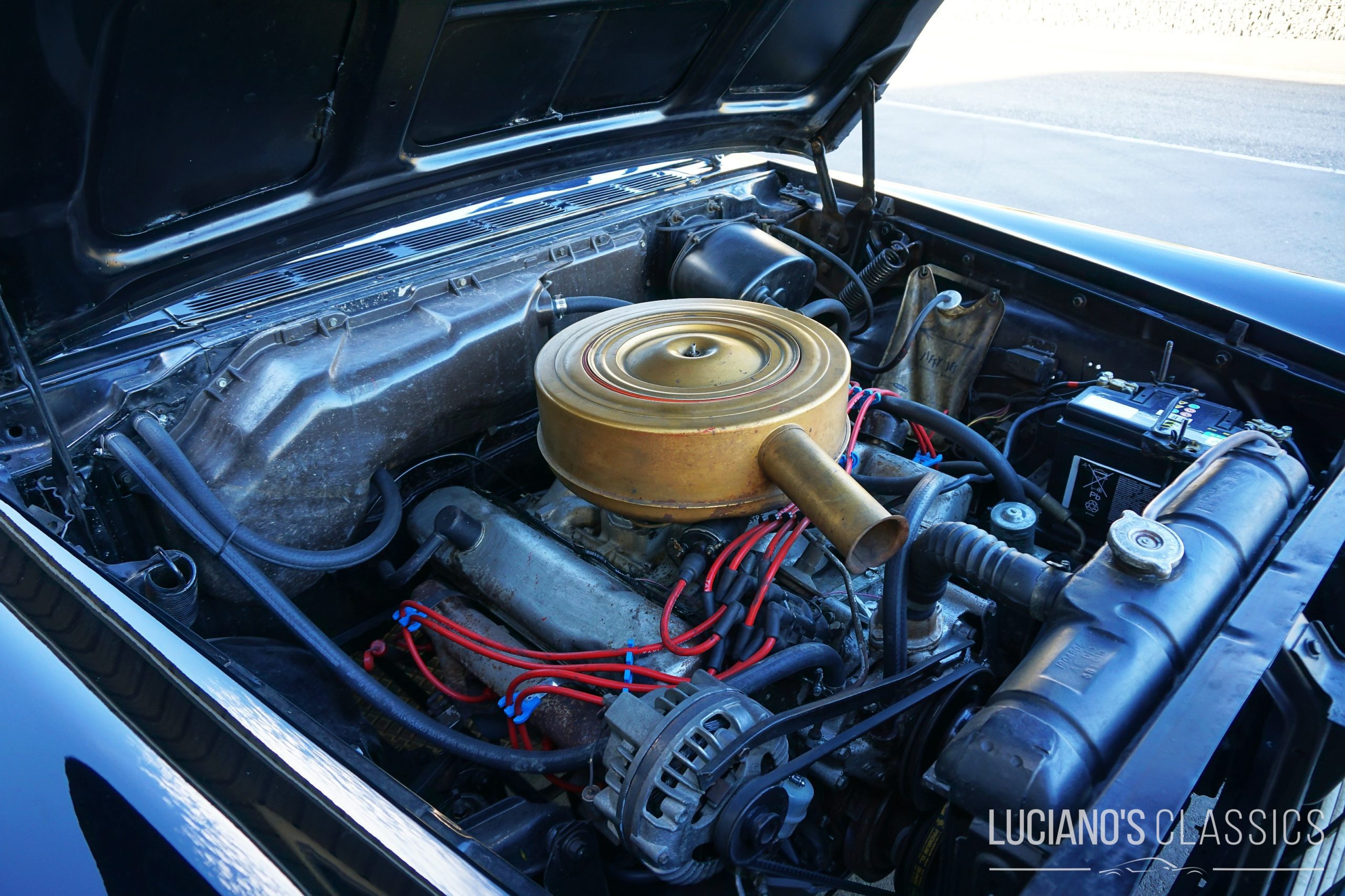
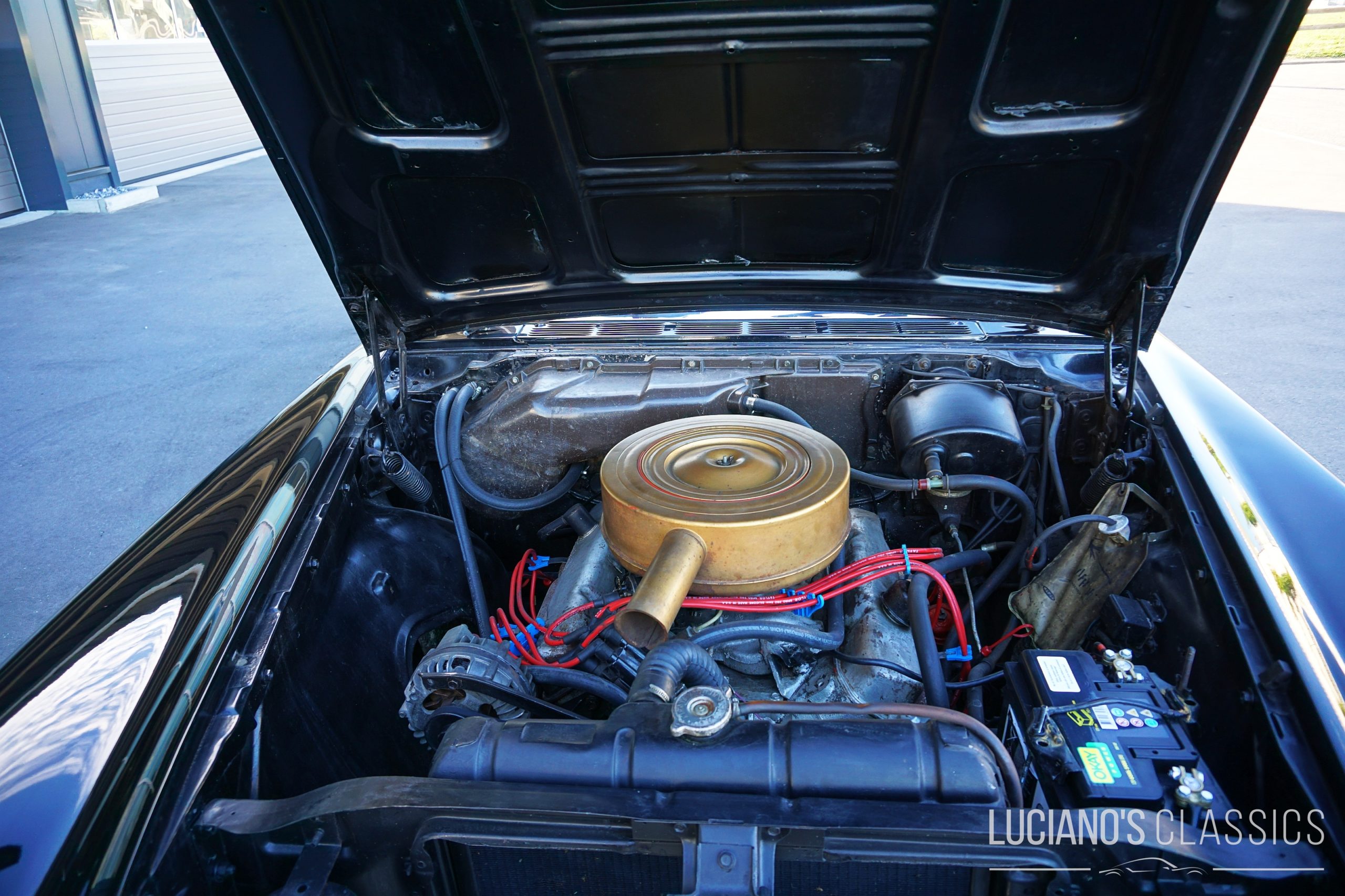
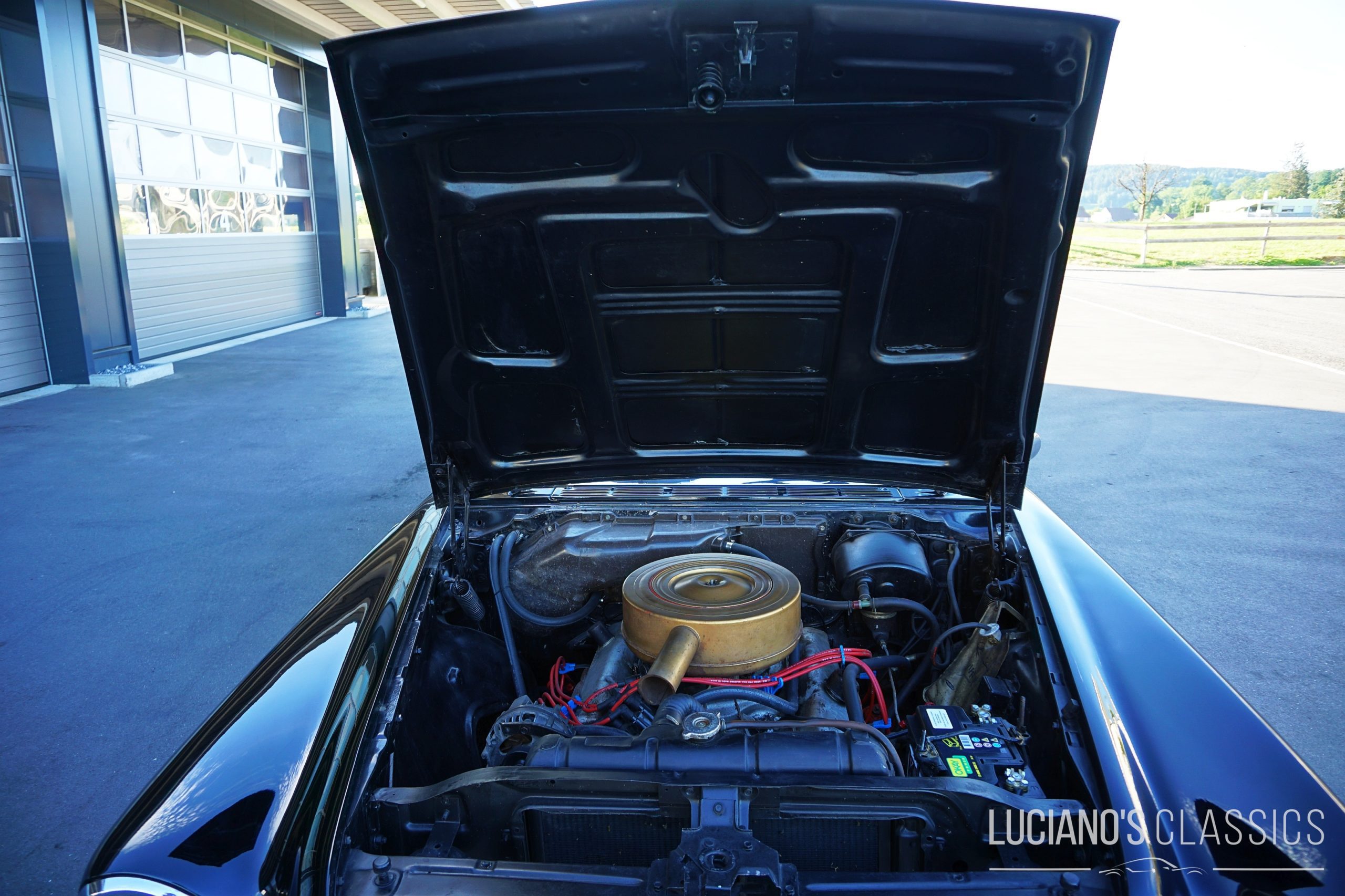
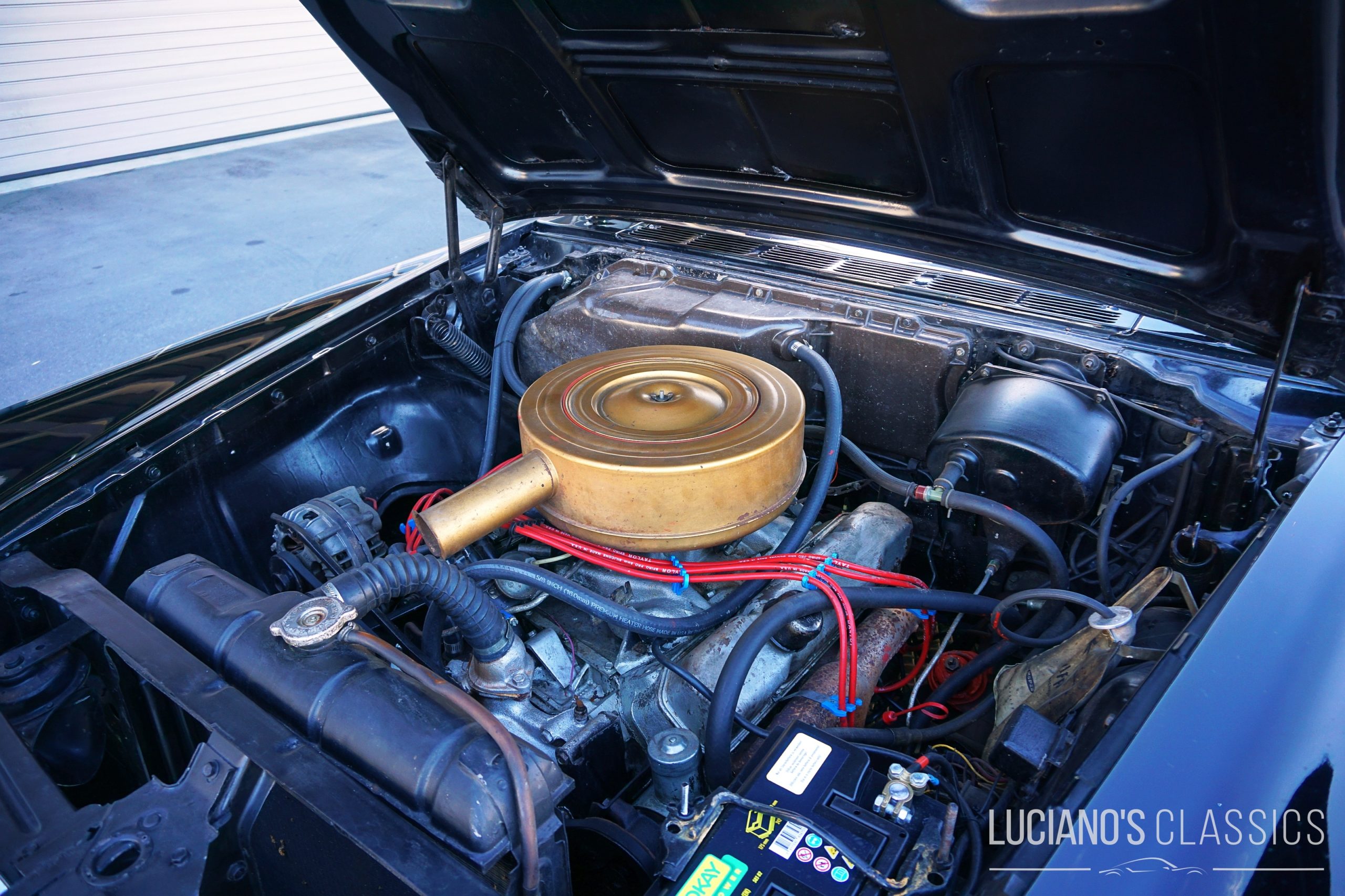
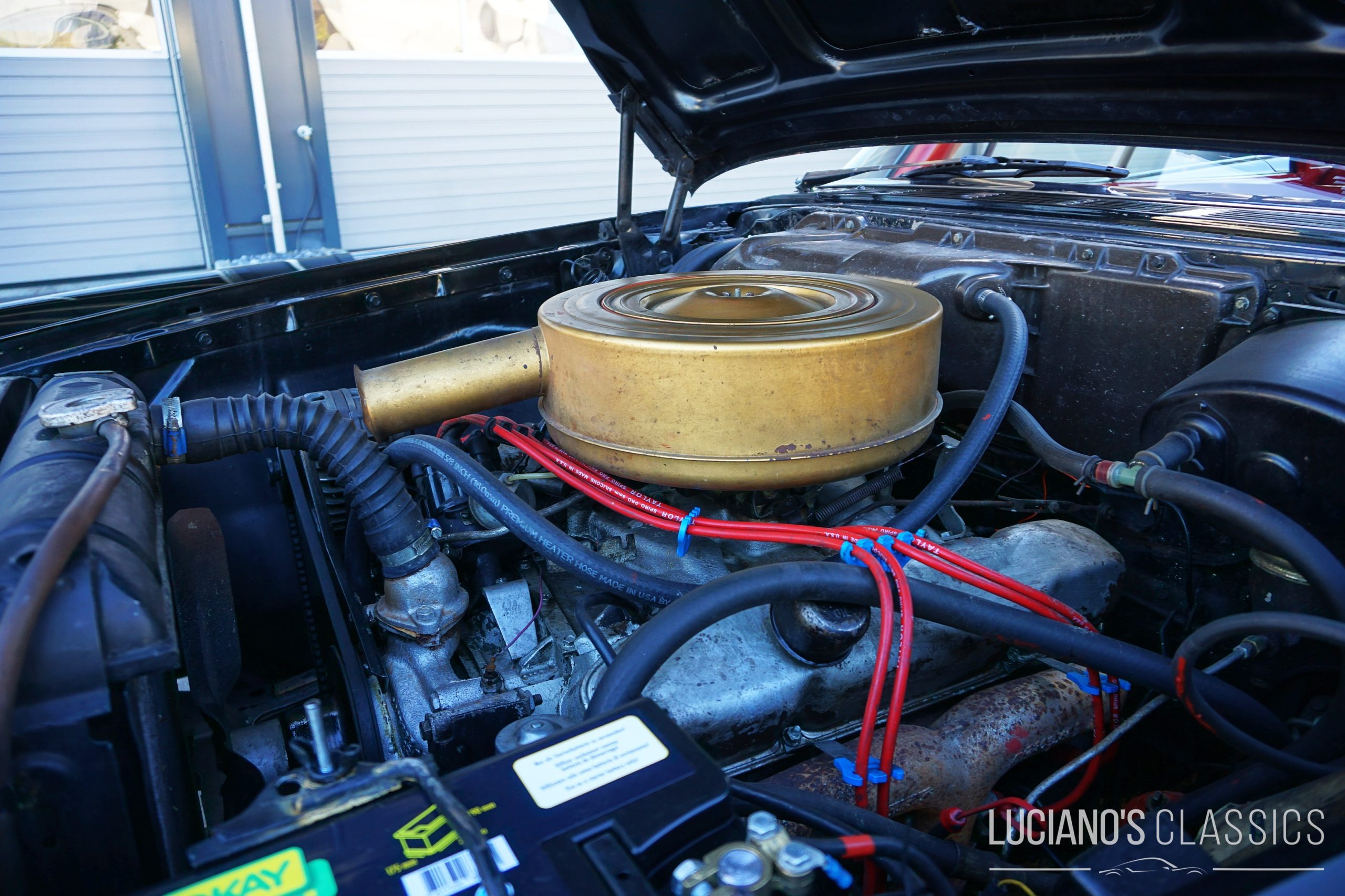
The V8 and the rarely installed pushbutton automatic transmission work perfectly and have matching numbers. Matching numbers, and everything still works as if it were new. The original radio is also still in its place and could be made to work or be converted. Its function was deliberately retired to allow the more modern version in the glove compartment to take over the technologically advanced audio stage. The «hall» can accommodate up to six listeners, and another two or three could easily fit in the trunk.
You can find a video about Newport at the very bottom of this page.
This vehicle has already been sold.
Model history
The first Newport, officially named the Chrysler Newport Phaeton, was built in 1940 and was purely a show car. Ralph Roberts designed the car and built it in collaboration with coachbuilder LeBaron, which belonged to the Briggs Manufacturing Company at the time. The concept was based on the extended chassis of the production model New Yorker. Together with the Thunderbolt prototype, developed at the same time, which had a hydraulically retractable metal roof, the Newport Phaeton was one of the first vehicles with retractable headlights. Chrysler Corporation adopted retractable headlights in 1942 for production models of the DeSoto brand, but abandoned the design element again after the end of World War II.
Only five or six Newport Phaeton models were built until 1941 – depending on the source of information. Mass production was never planned, nor were the cars ever available for general sale. Instead, the vehicles were given to special interested parties such as company founder Walter Chrysler and actress Lana Turner.
One of the vehicles served as the pace car in the 1941 Indianapolis 500-mile race. That was the only year in the event's history that a stock model was not allowed to perform this duty.
From 1950 to 1956, Chrysler used the name Newport as an additional designation for the more expensive two-door hardtop coupes of various model lines. In 1956, a four-door sedan with the designation Newport also appeared in the Windsor and New Yorker model lines, signifying the top trim level of the models.
With the introduction of Virgil Exner's Forward Look design for the 1957 model year, the Newport designation was dropped from all of the group's brands. For the 1961 model year, the Newport name reappeared in the Chrysler brand's lineup, now designating a distinct model series for the first time. The occasion for reintroducing the name was a restructuring of Chrysler's model range. For the mid-range series, Chrysler dropped the previous Saratoga name and called it Windsor from then on. The less expensive Chrysler series was then named Newport.
Technically and stylistically, the Newport largely corresponded to the Chrysler Windsor. Like its sister model, the Newport rested on a chassis with a 3,099 mm wheelbase. Only Chrysler's top model, the New Yorker, was longer, with a wheelbase 10 cm longer. The Newport was powered by a 5,916 cm³ V8 that produced 265 hp. The Newport series included a two-door coupe, a two-door convertible, a four-door sedan, and the station wagon designated Town & Country with six or nine seats.
The first independent Newport generation includes the model years 1961 to 1964. During this time, Chrysler made hardly any technical modifications, but the body design changed in detail from year to year. The stylistic development of the Newport corresponded to that of the more expensive sister models.
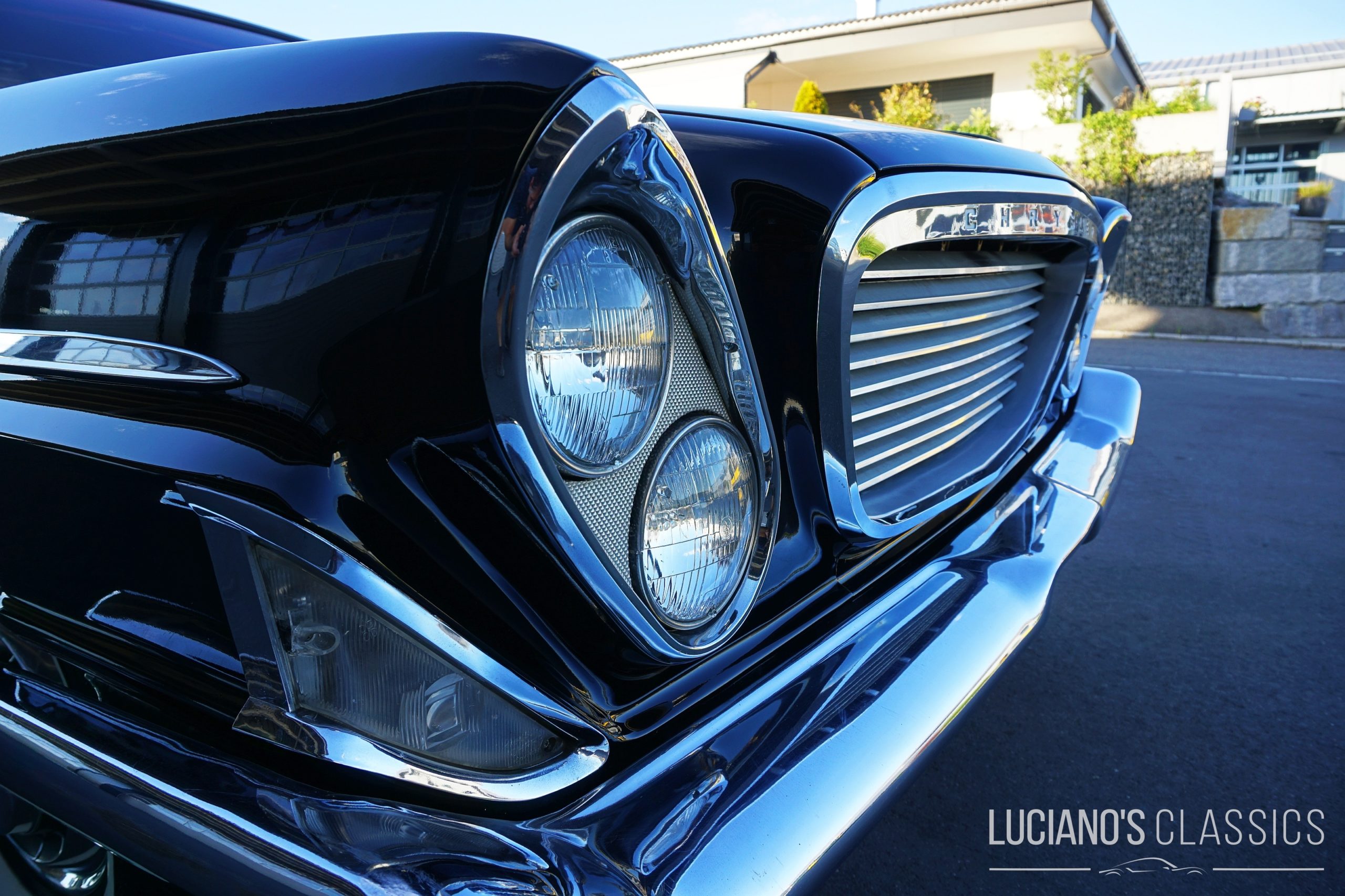
In the 1961 model year, the Newport – like the Windsor and the New Yorker – featured a trapezoidal grille and angled dual headlights. With these, Chrysler adopted the so-called Chinese Eyes, a theme developed by Norwegian designer Vilhelm Koren in 1959 for the Park Ward version of the Bentley S2 Continental. The tail fins were designed to be extremely pointed, which Ralph Nader believed posed significant risks of injury.
In 1962, the Newport lost its tail fins while its front remained unchanged. Due to the absence of tail fins, the Newport – like Chrysler's sister models – was mocked as a „plucked chicken.“ Compared to the previous year, sales of the Newport models increased by almost 50 percent. However, this improvement cannot solely be attributed to the change in rear design, but also to the fact that the company had recently discontinued the similarly priced DeSoto brand.
Details
- Matching Numbers
– Intact pushbutton automatic
– 5.9 Liter V8
– 265 hp
35,000 km
- CH vehicle
Beautiful color combination
– Well-maintained paint
First registration 07/11/1961
Veterans' MFK 07/13/2021
- 6 seats
– Chassis 811 316 519 0
– Serial number 12,707,800
Vehicle registration 3302
– Unladen weight 1920 kg
- Payload 420 kg
not what you are looking for?
We will be happy to find your individual dream vehicle.
Simply make a non-binding inquiry and benefit from our network.