
Volvo PV 544
Description
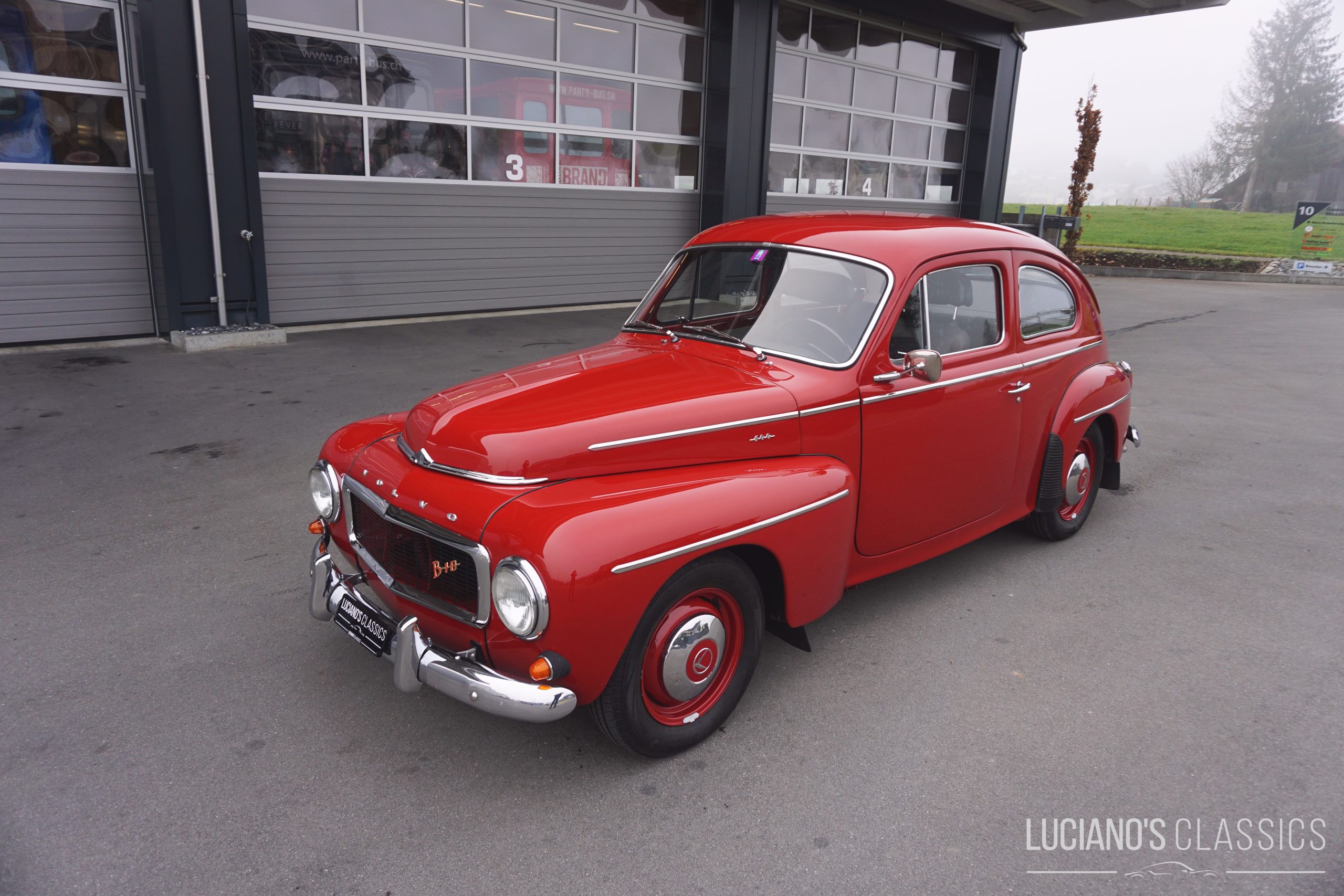
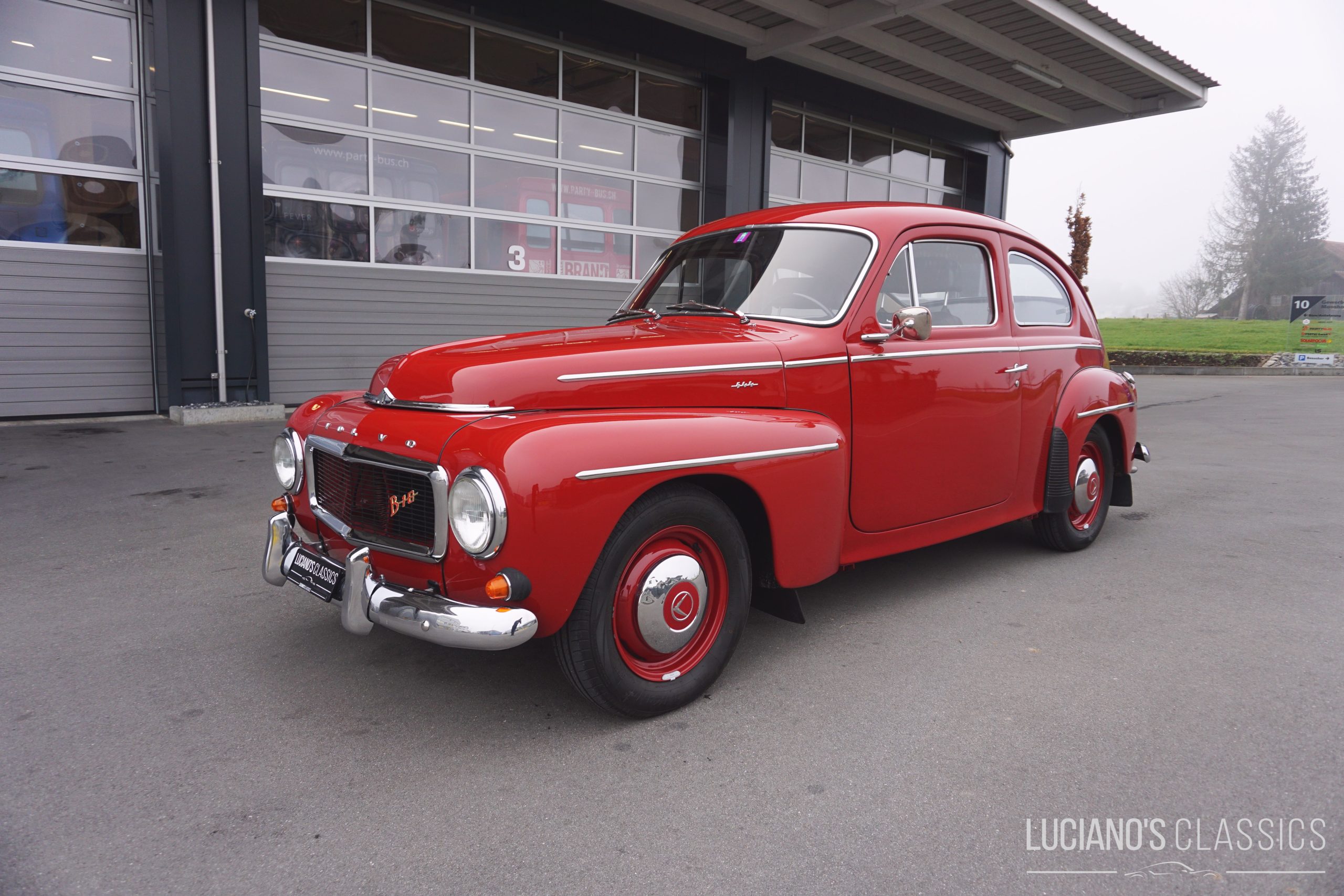
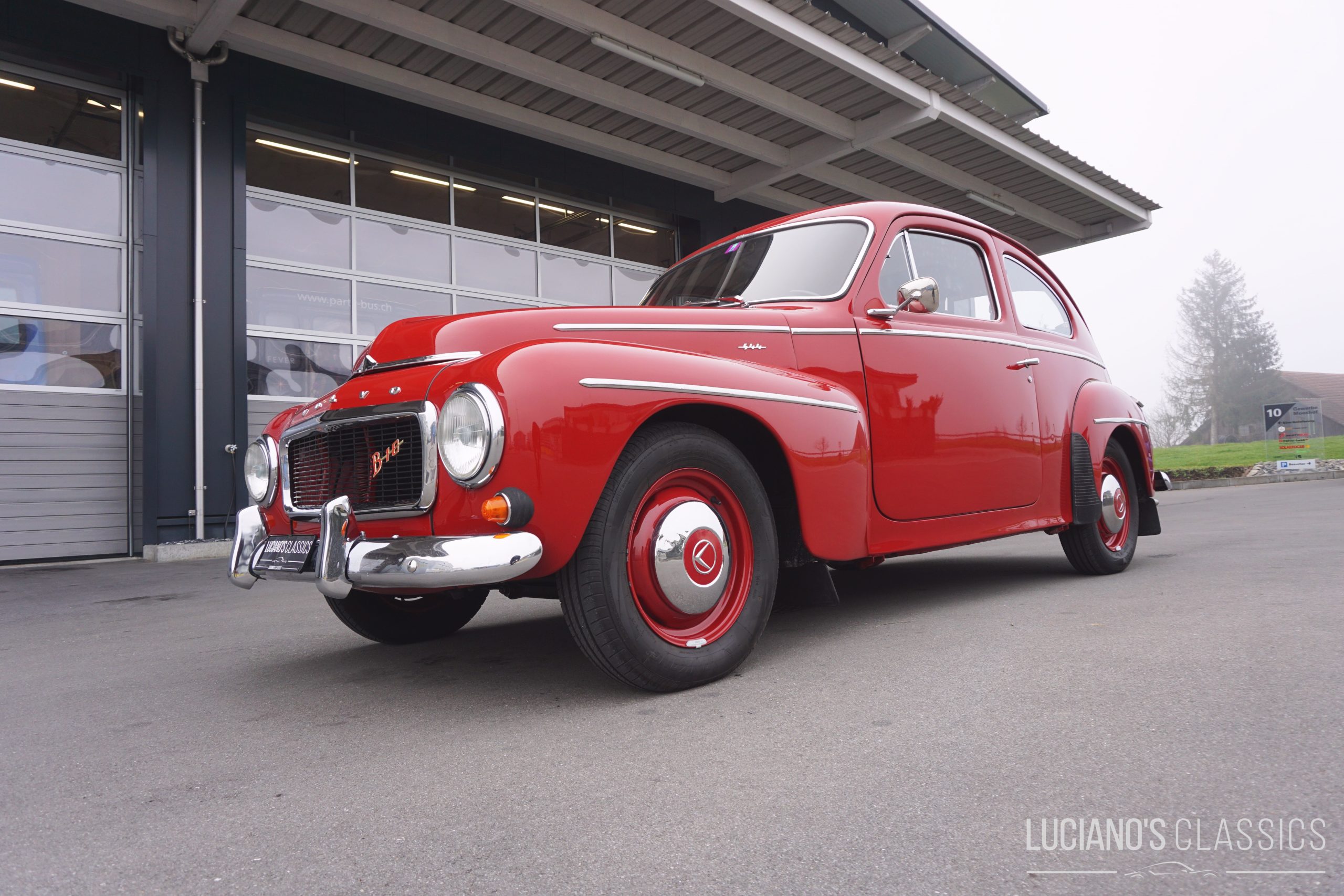
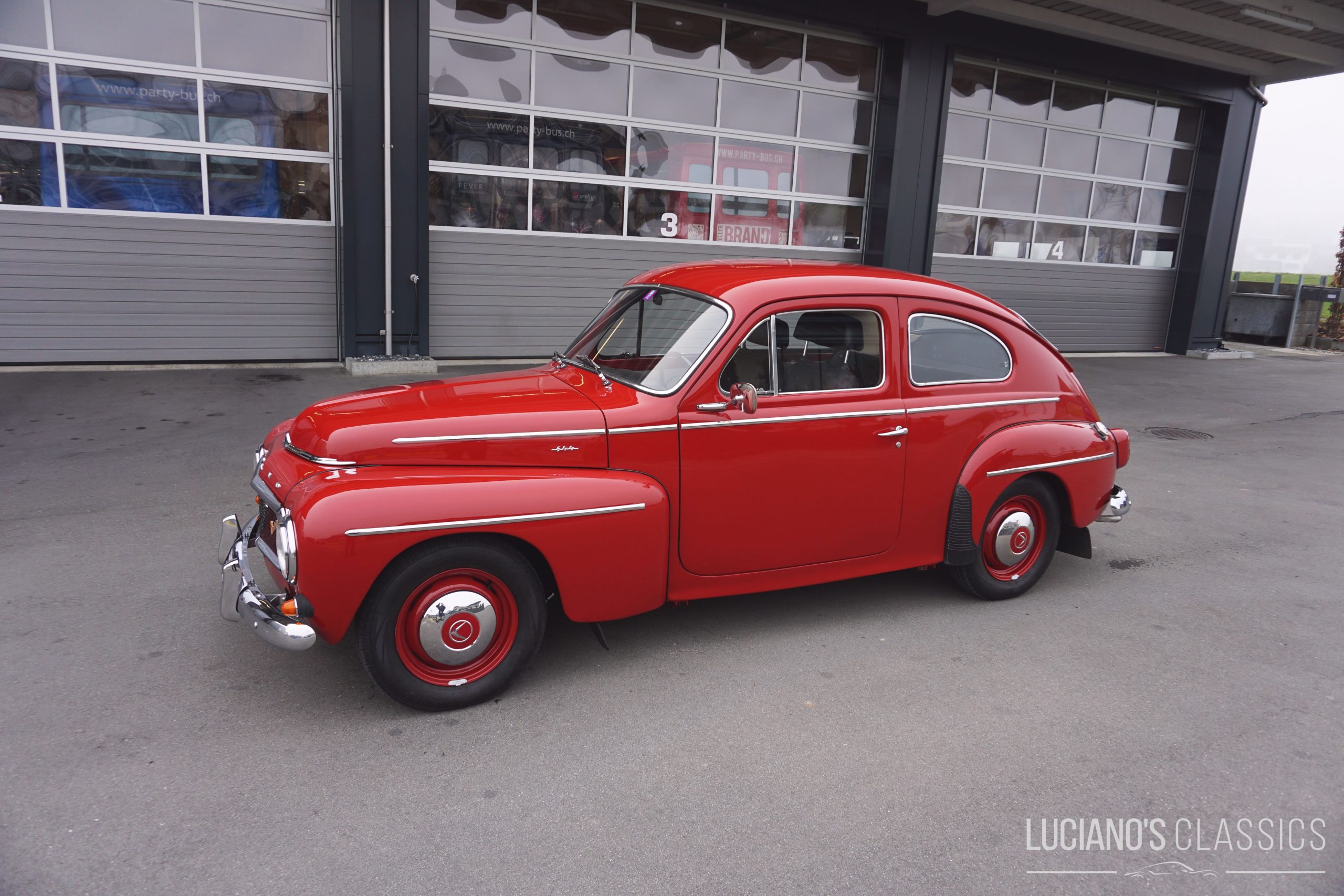
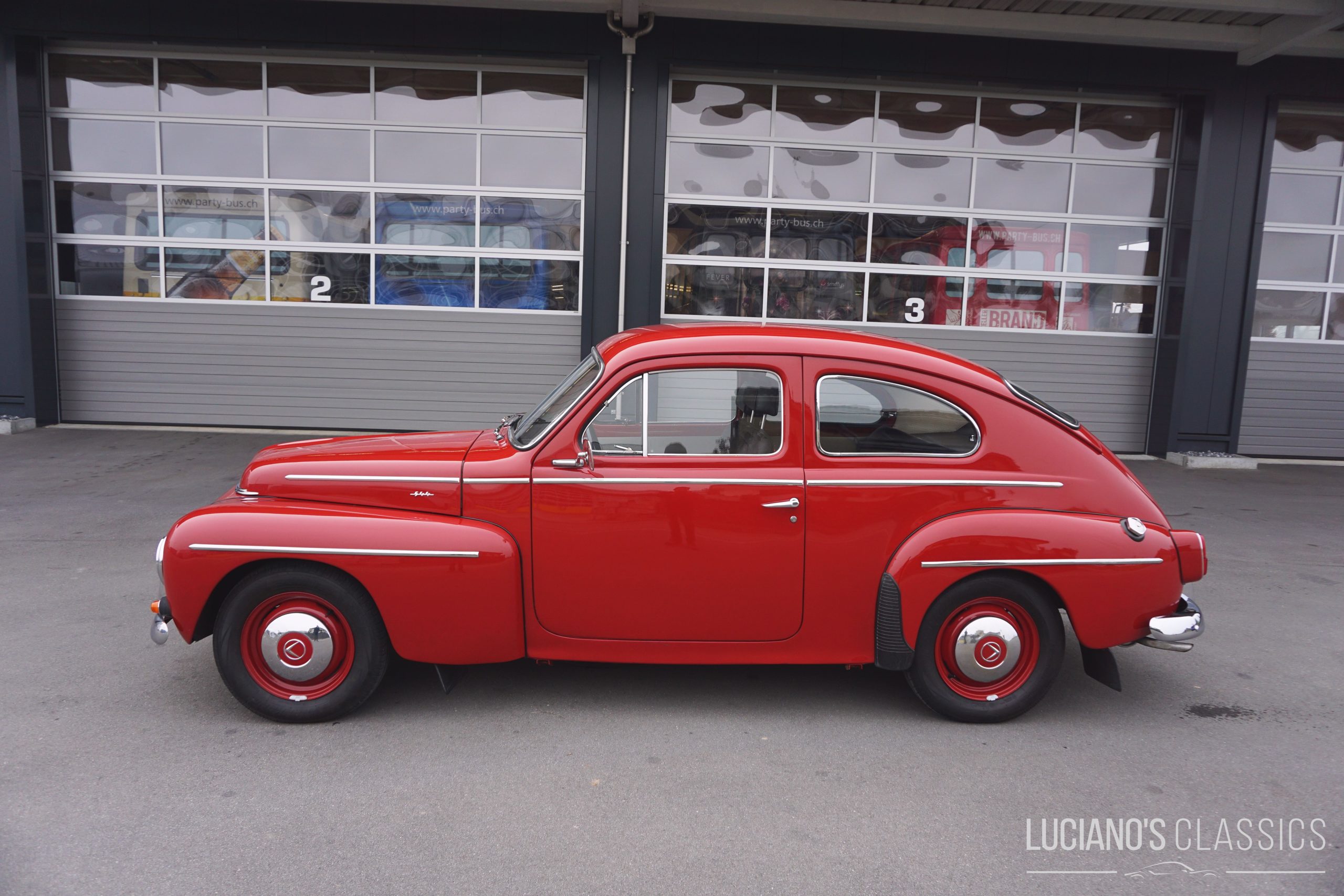
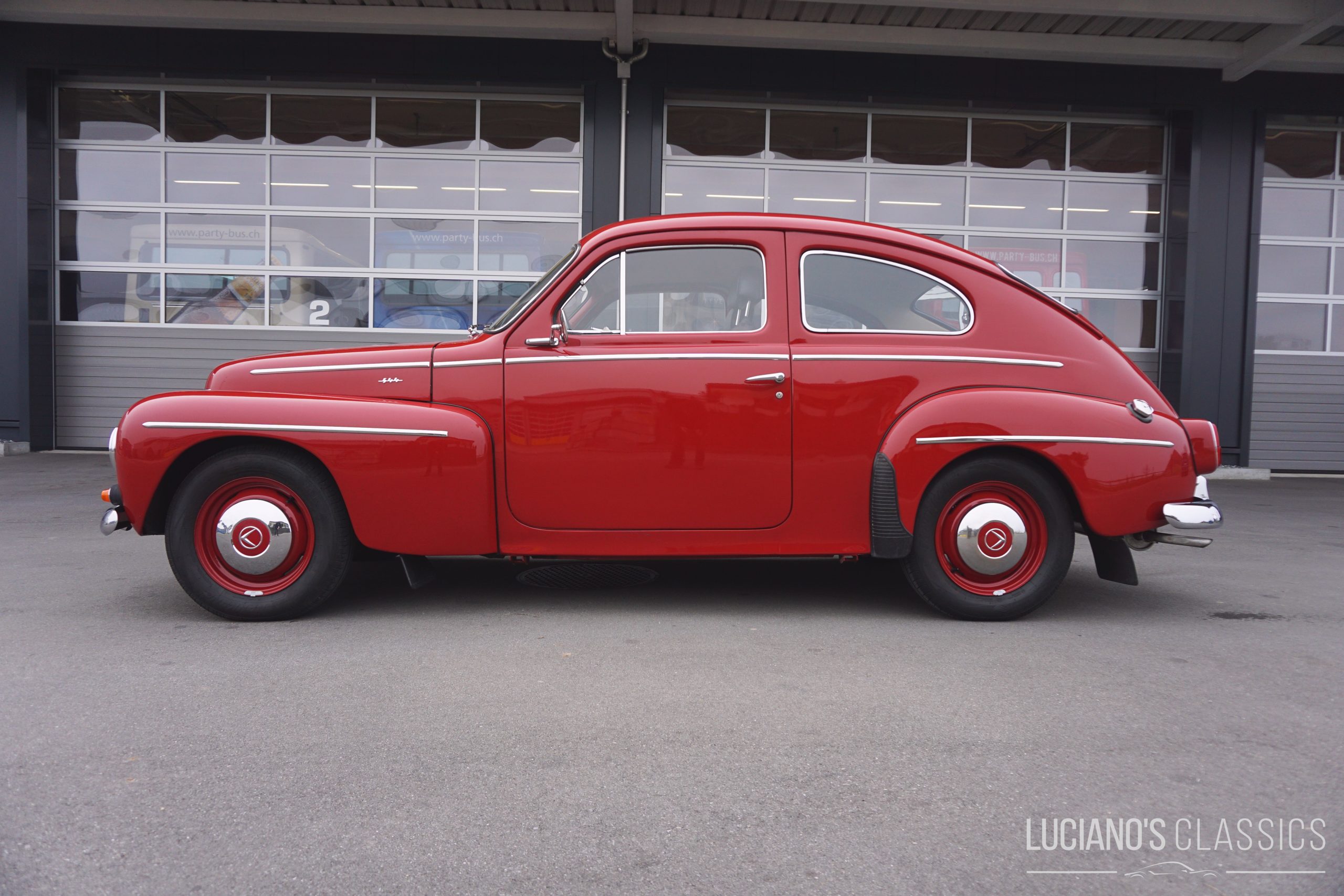
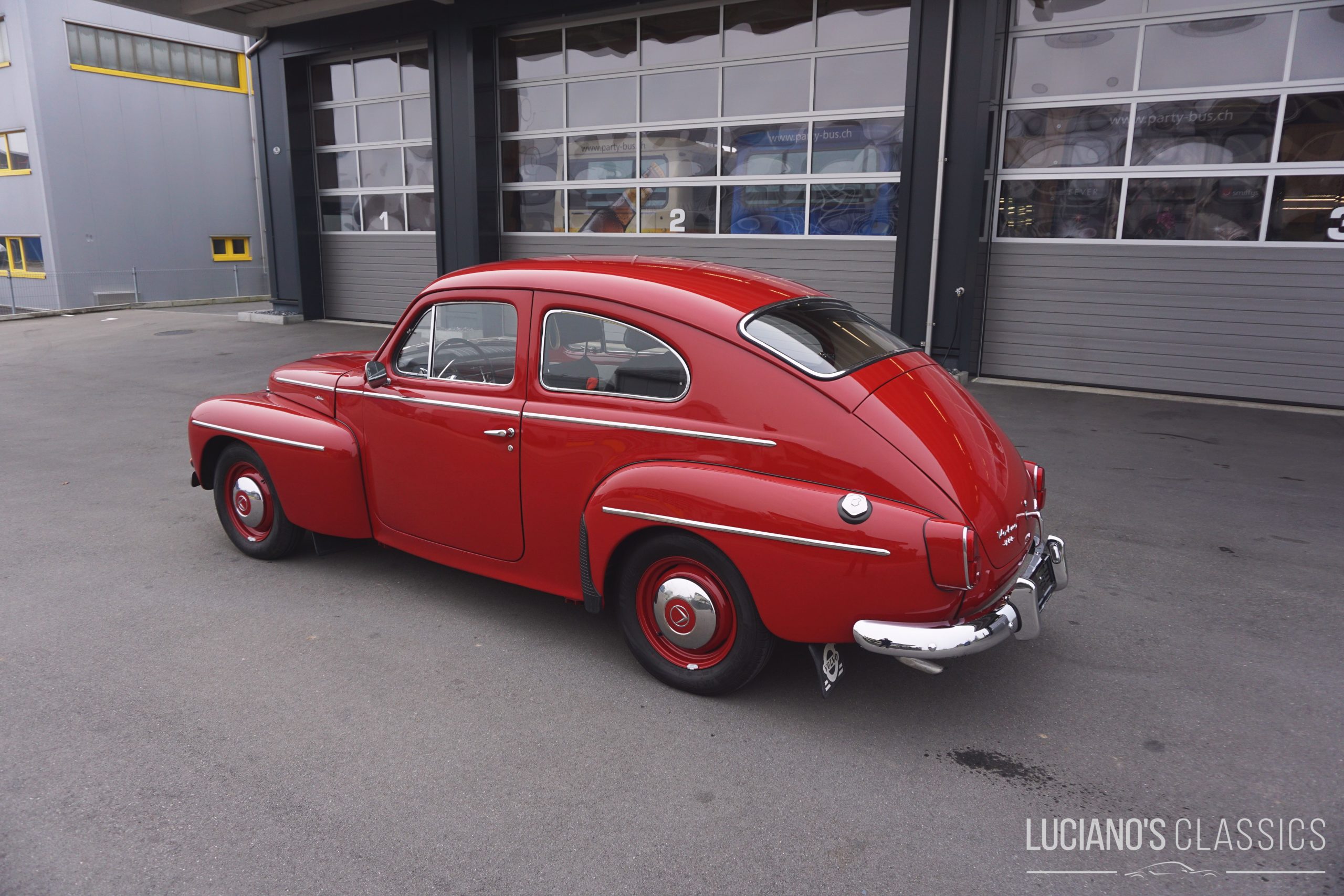
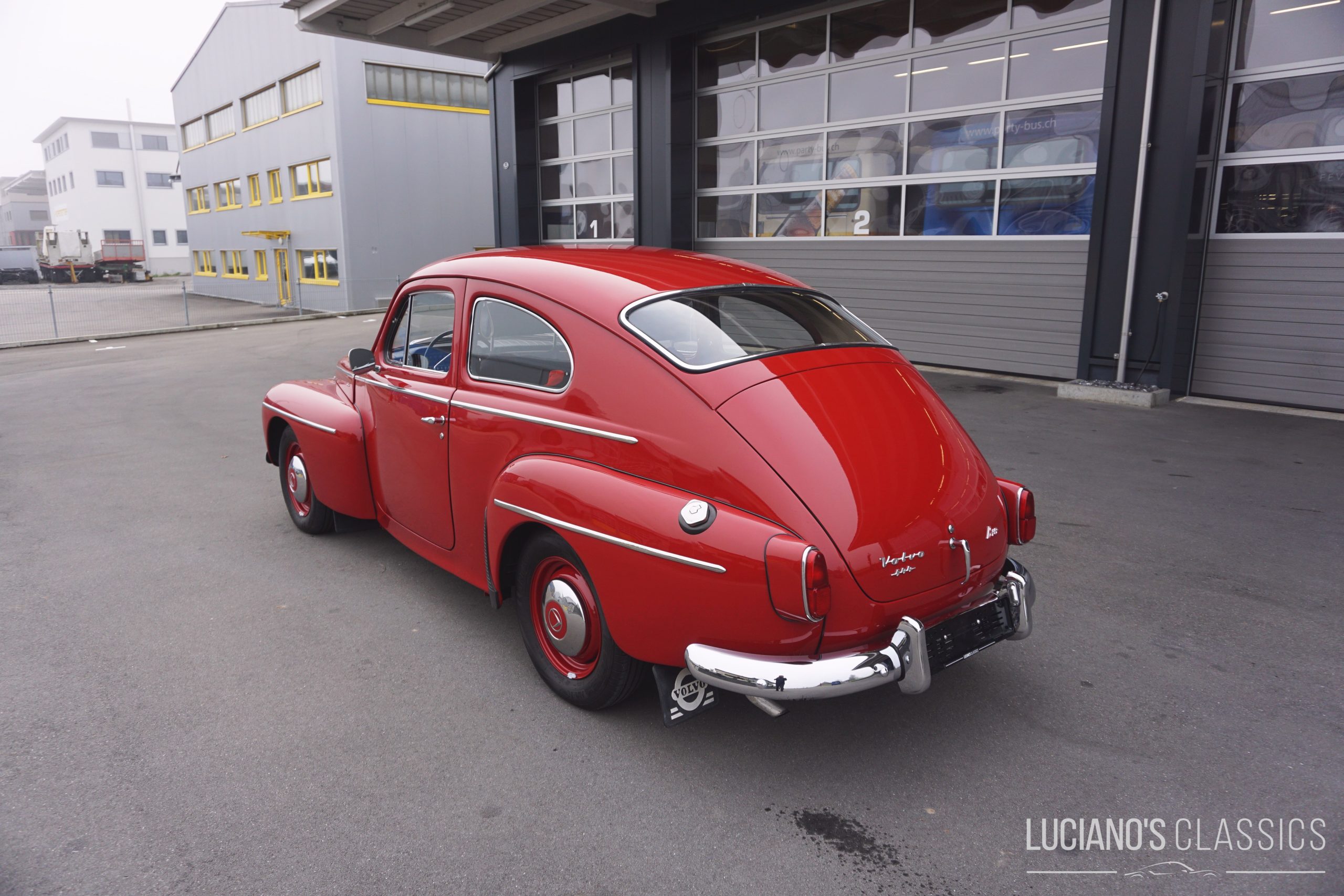
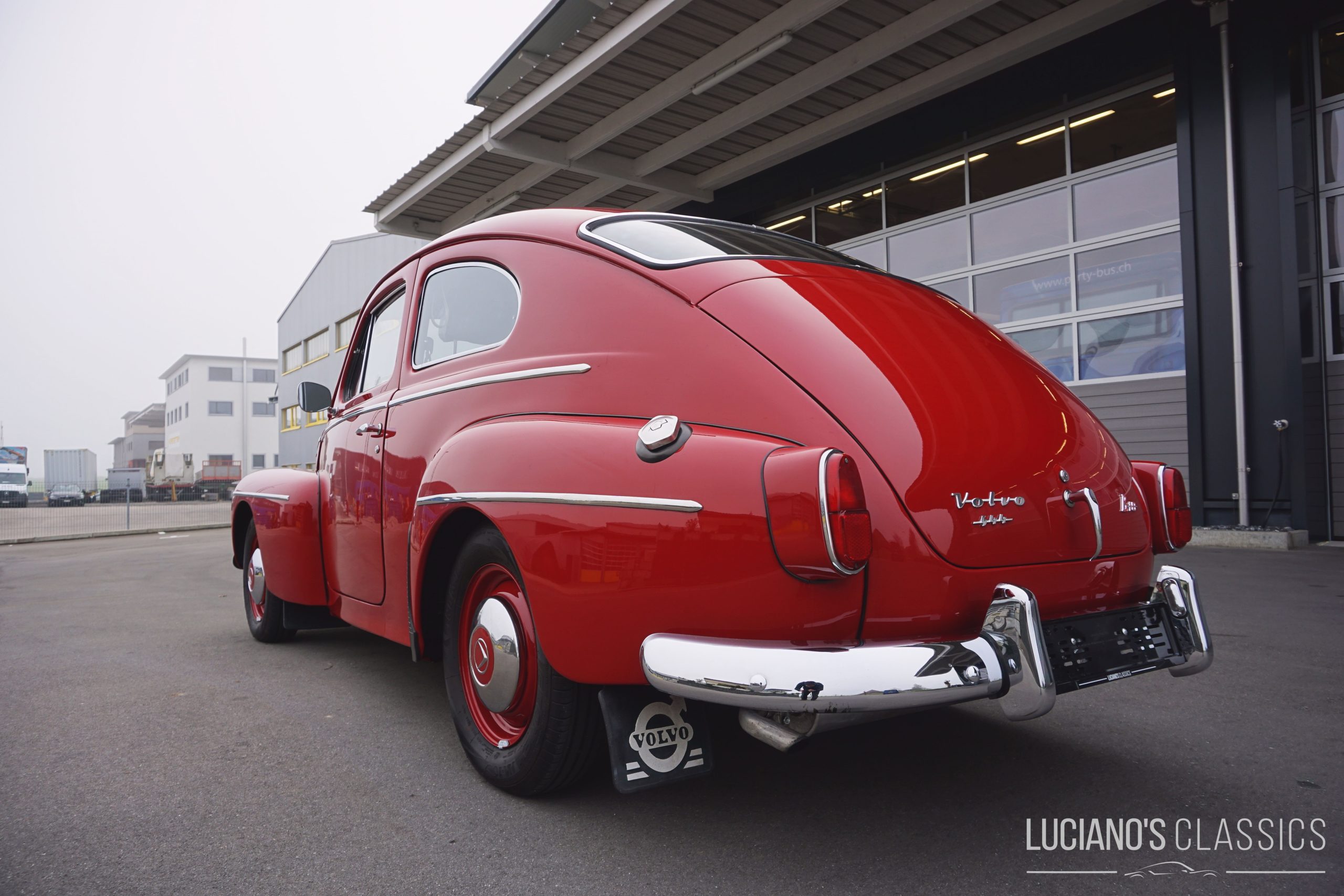
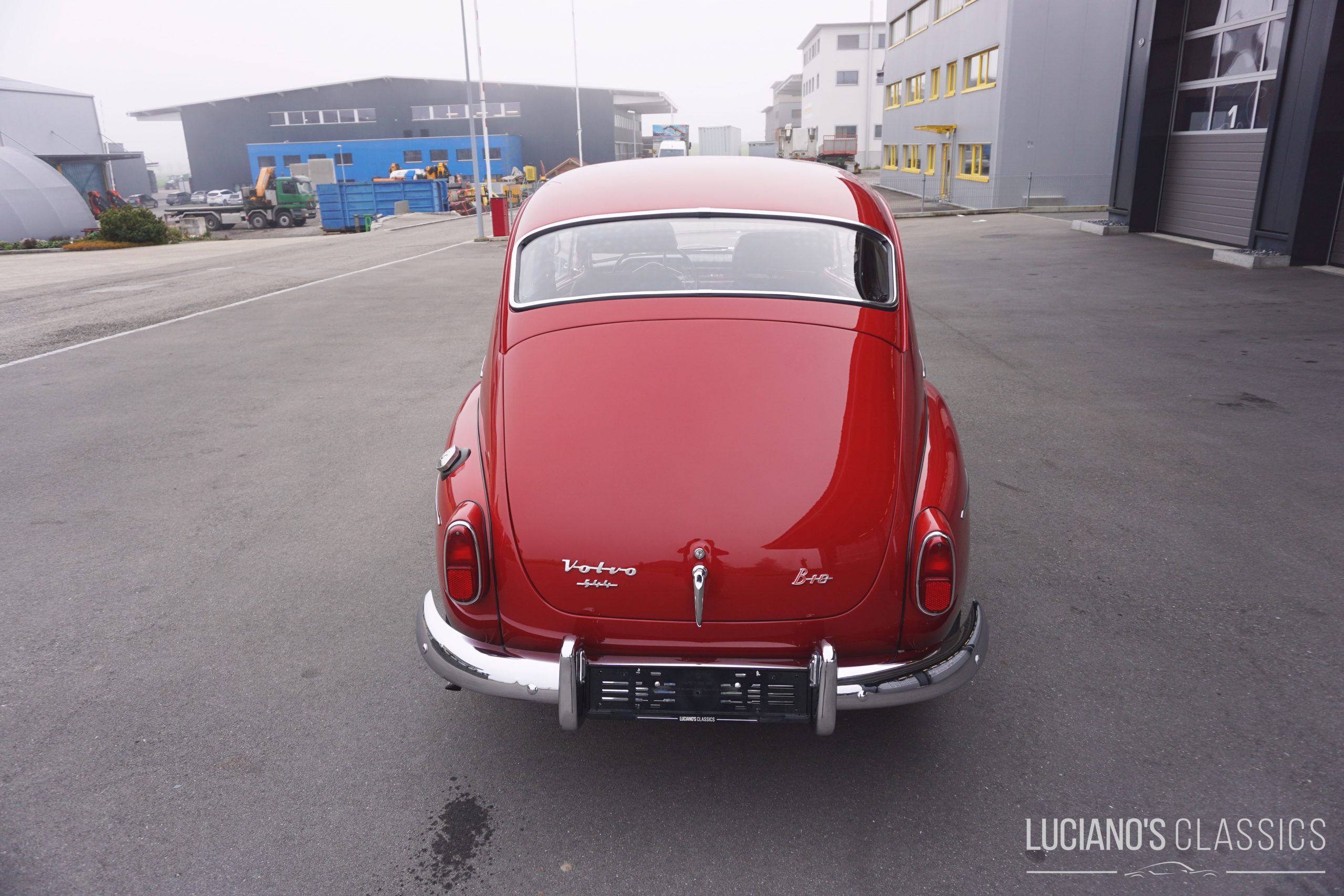
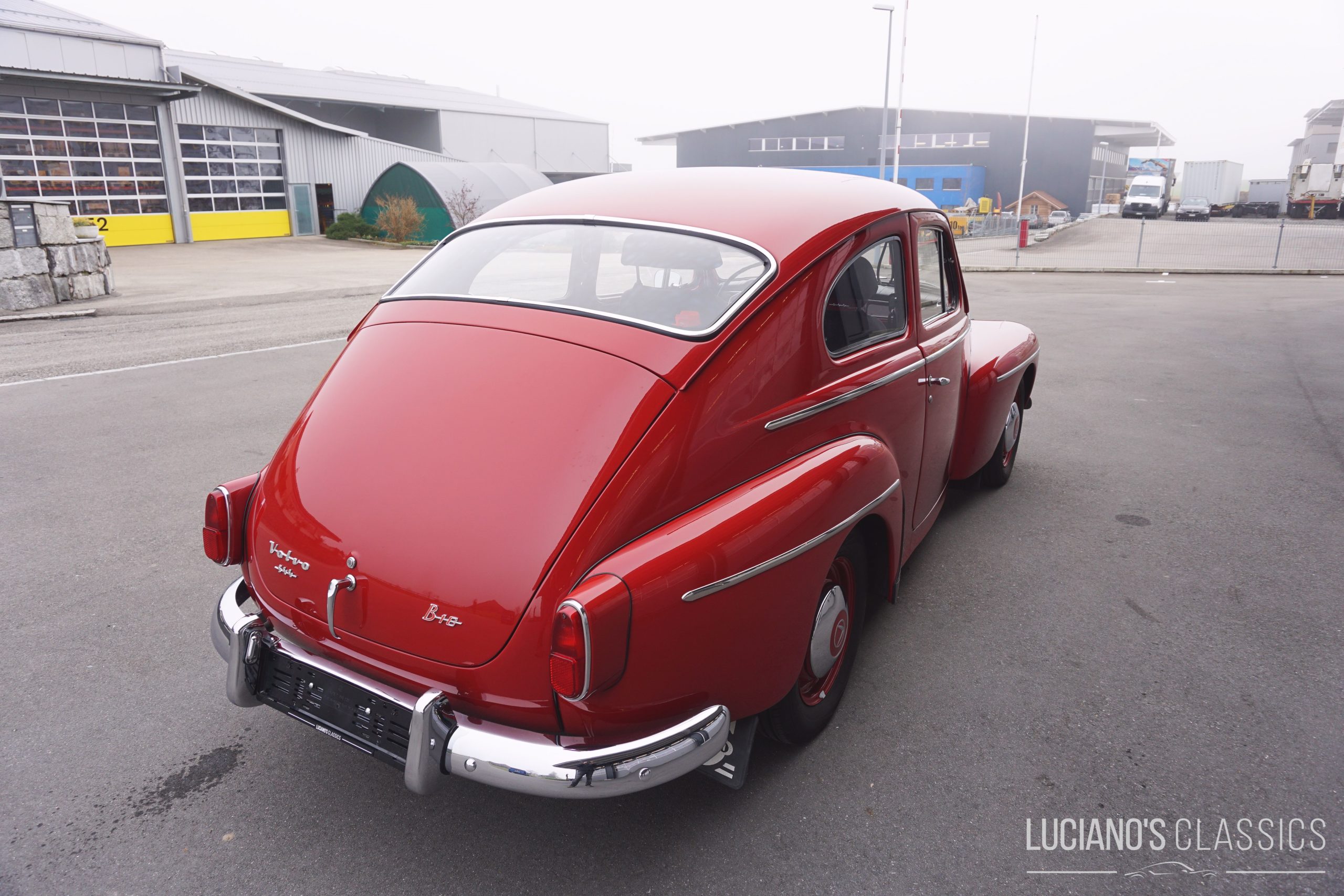
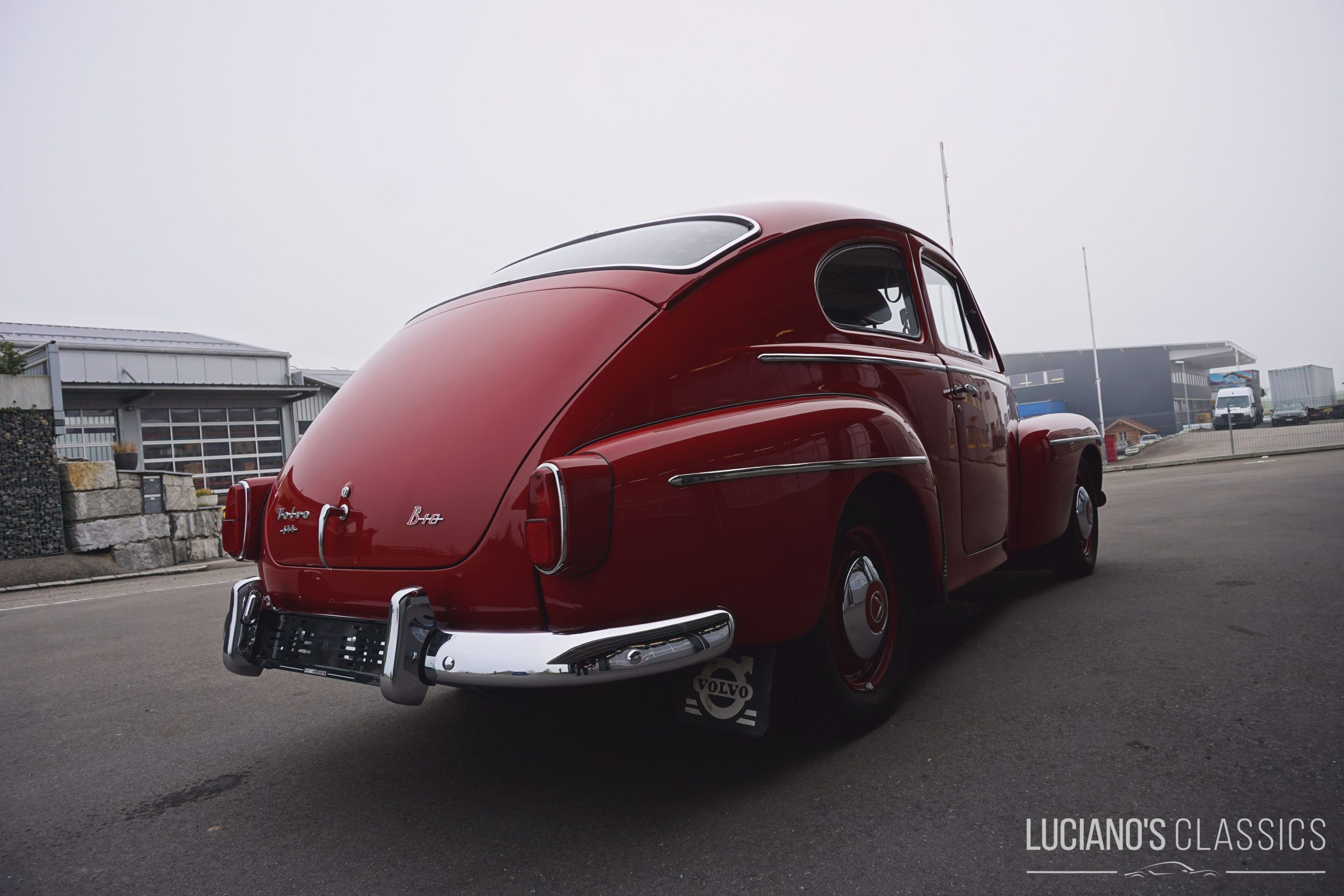
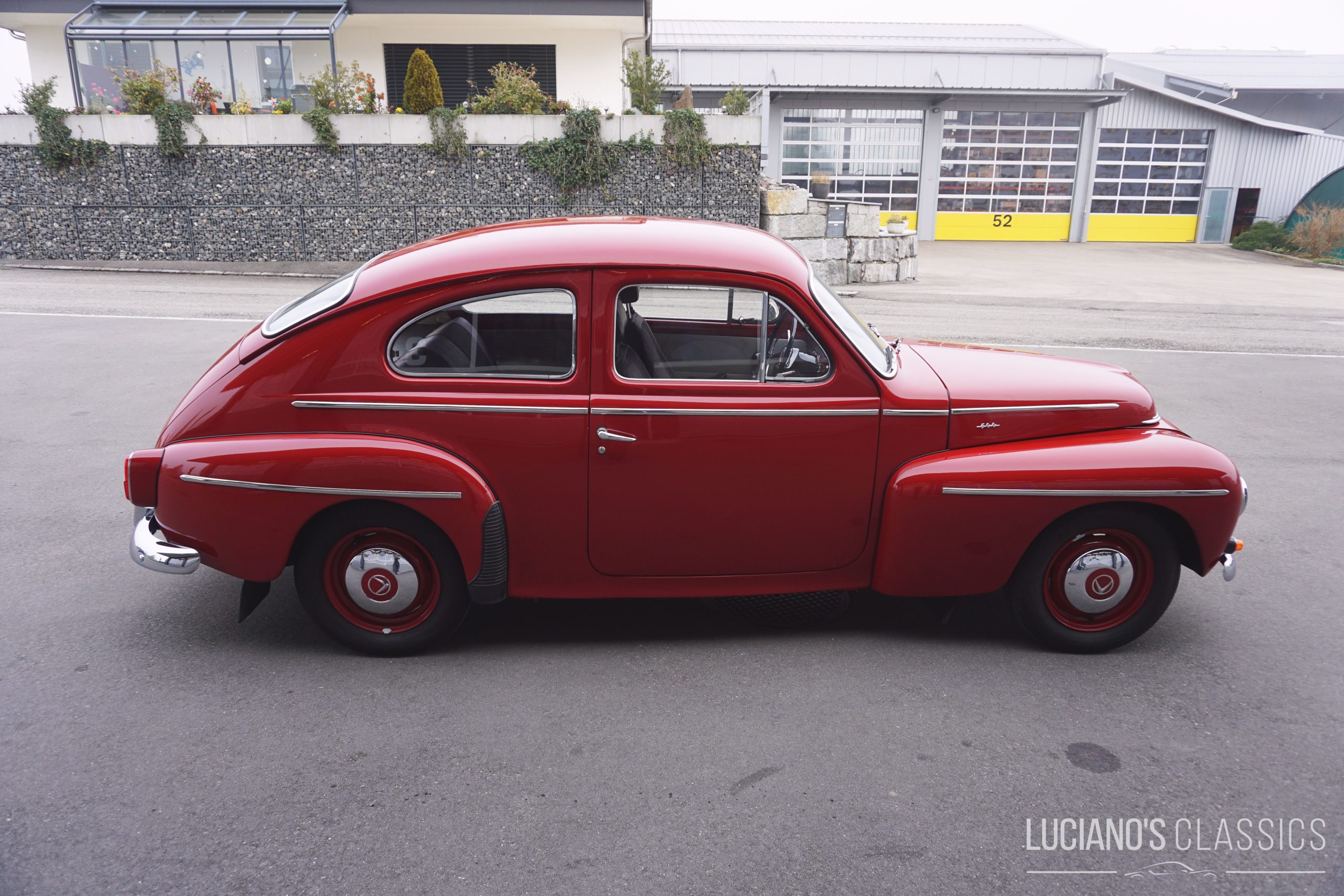
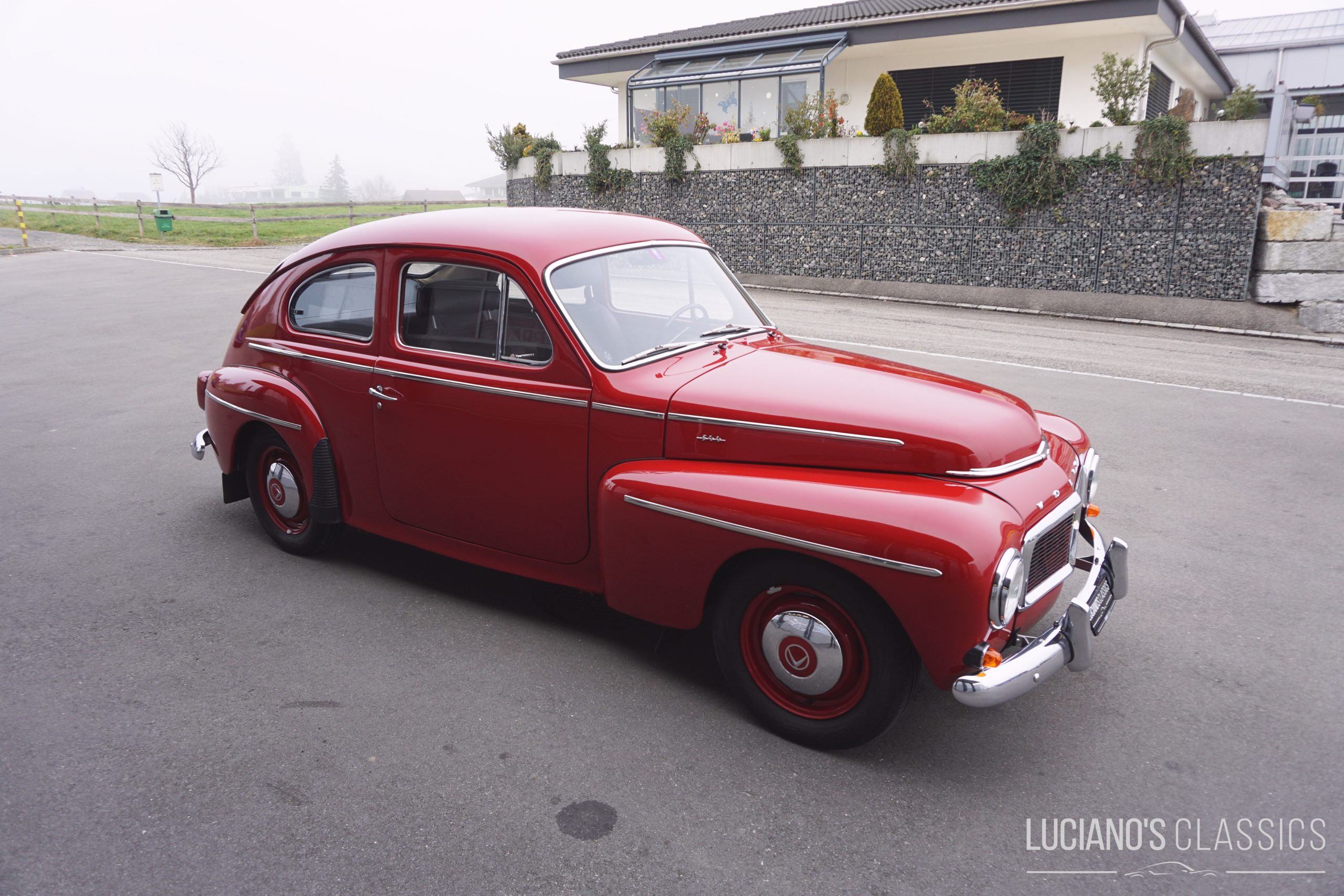
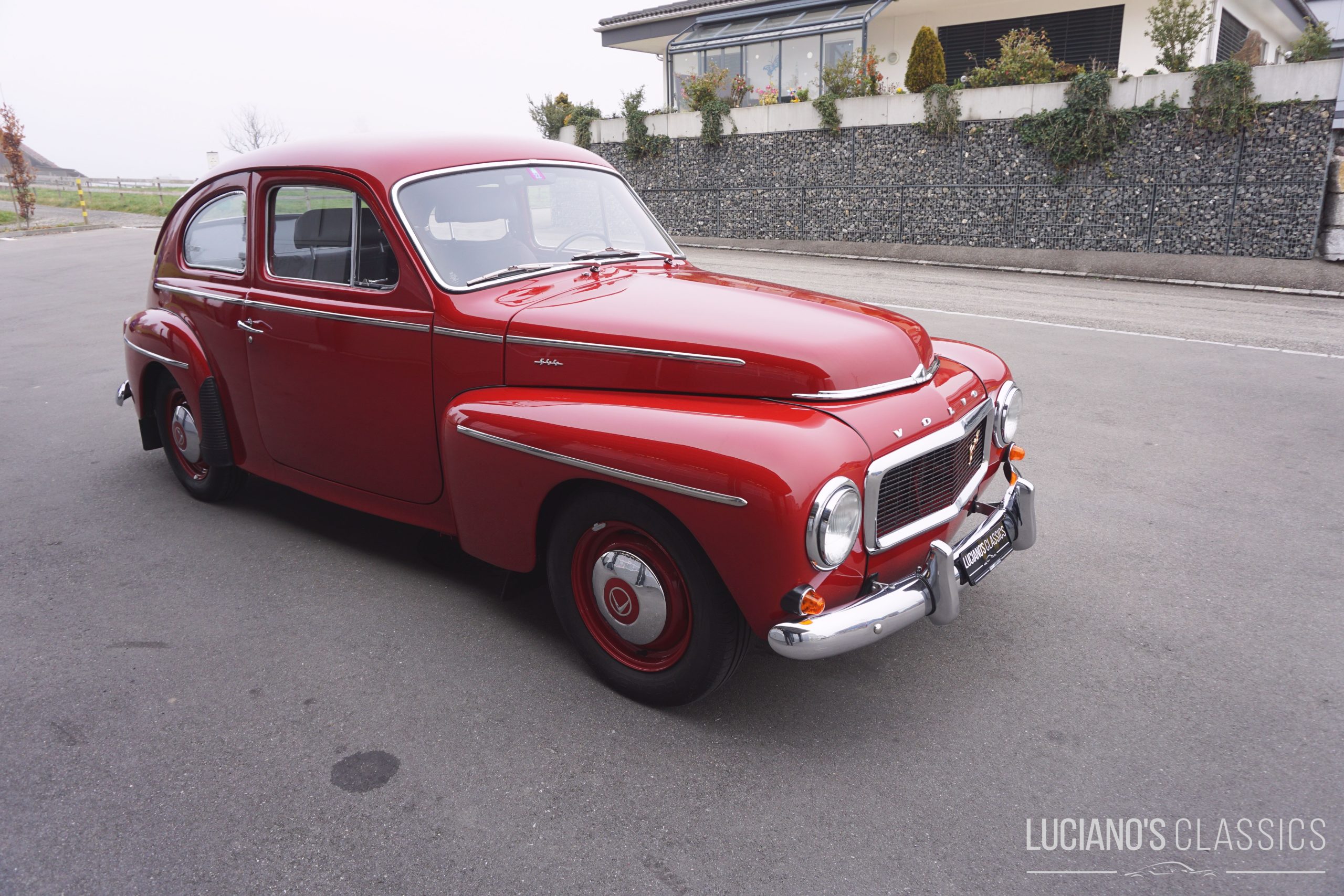
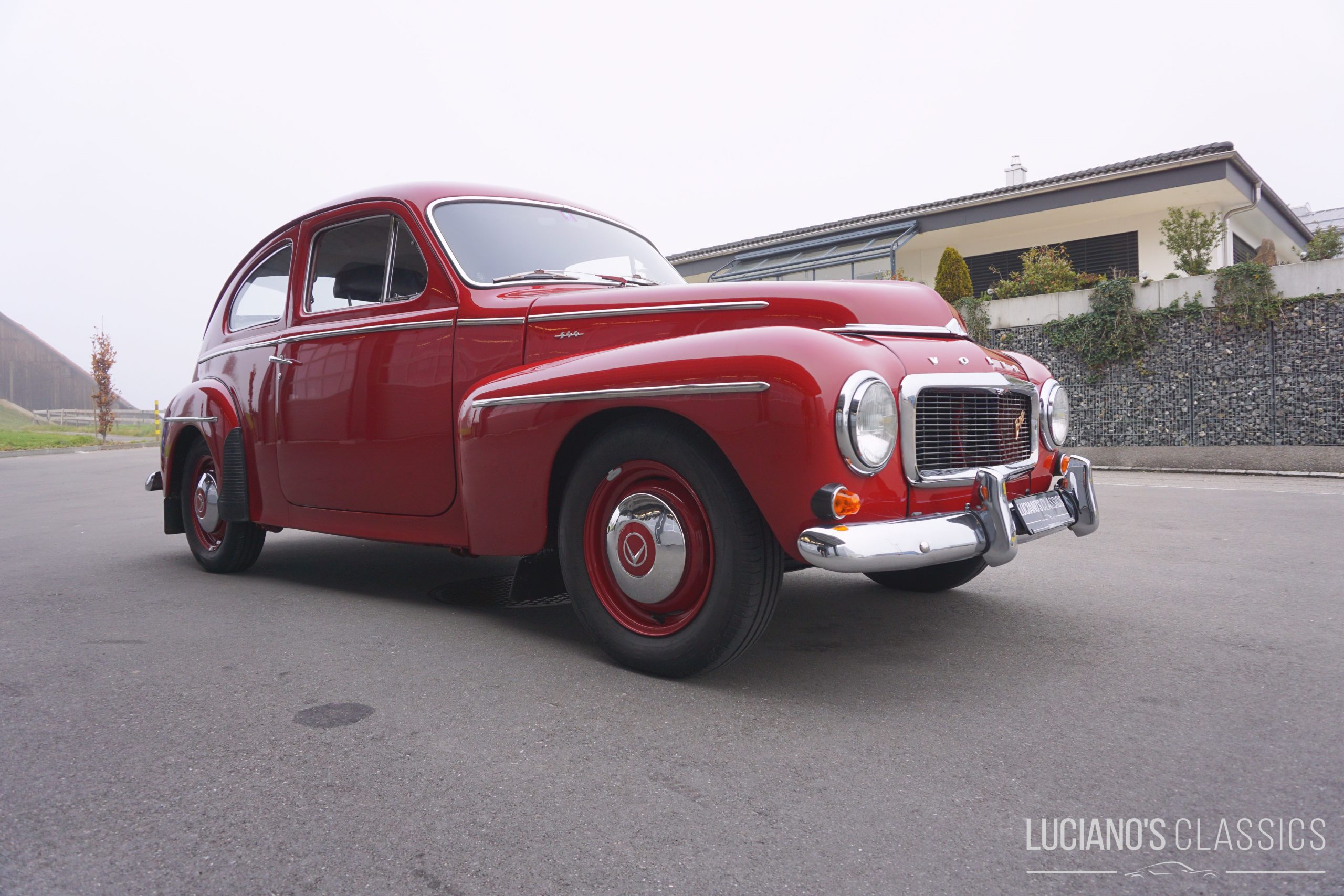
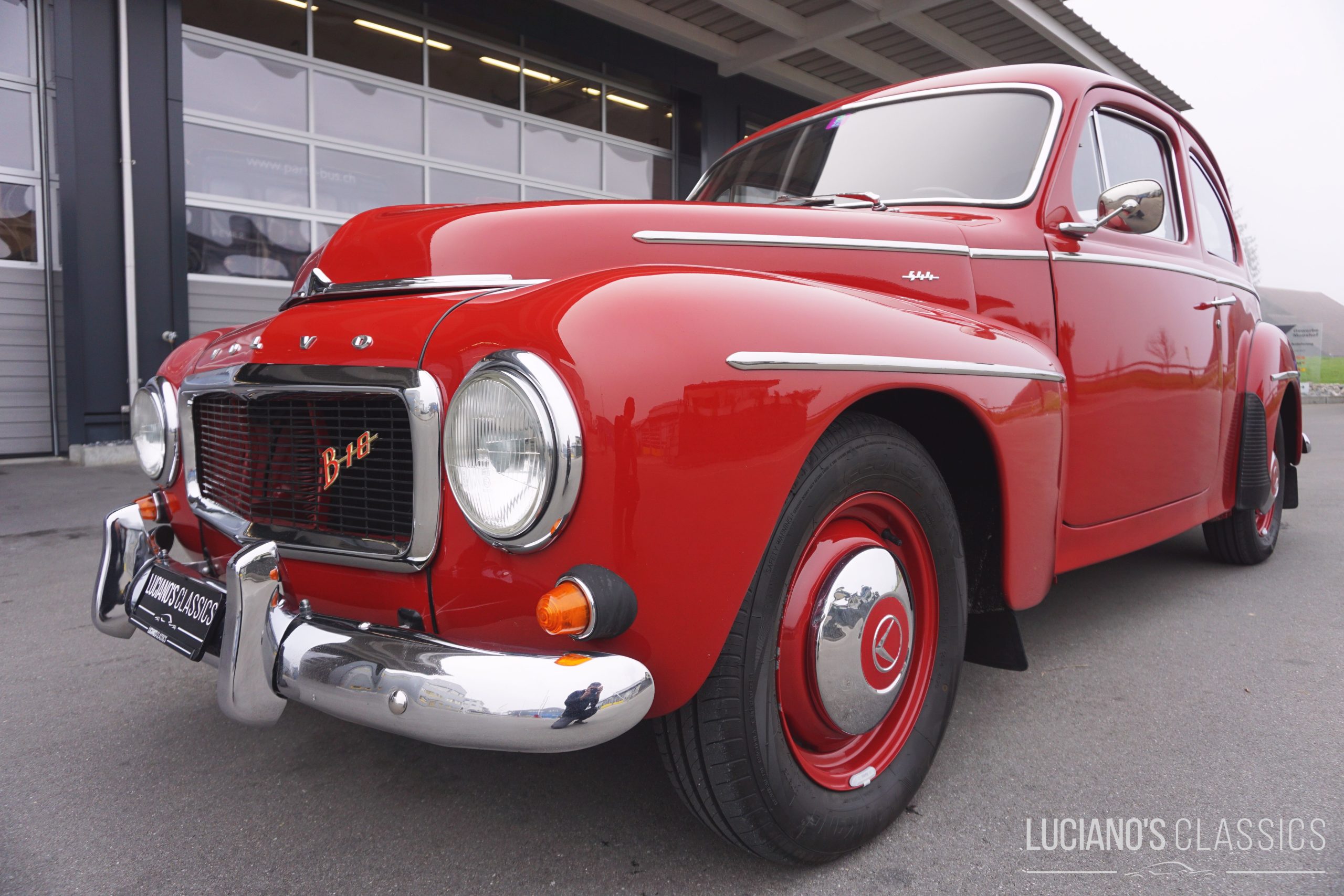
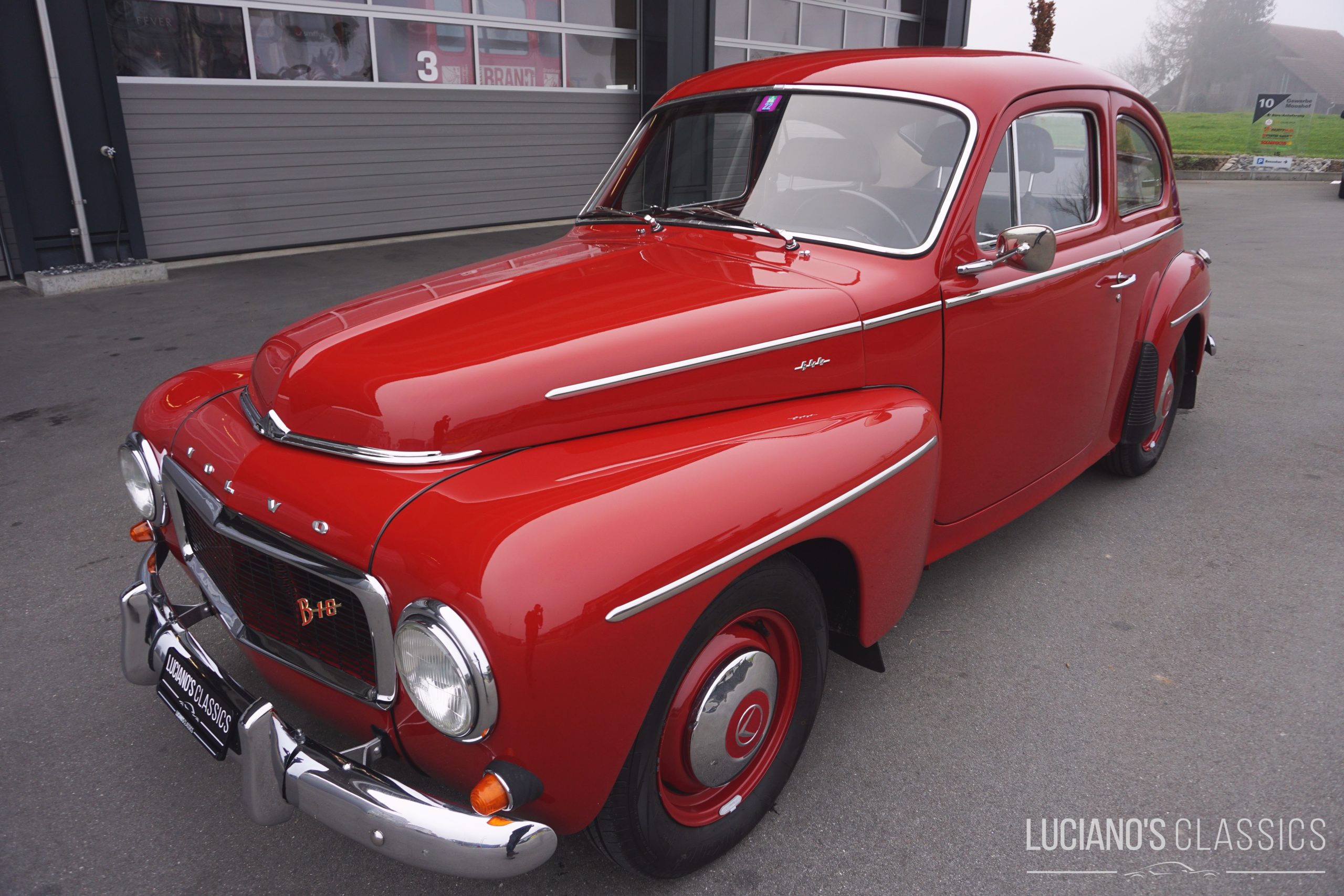
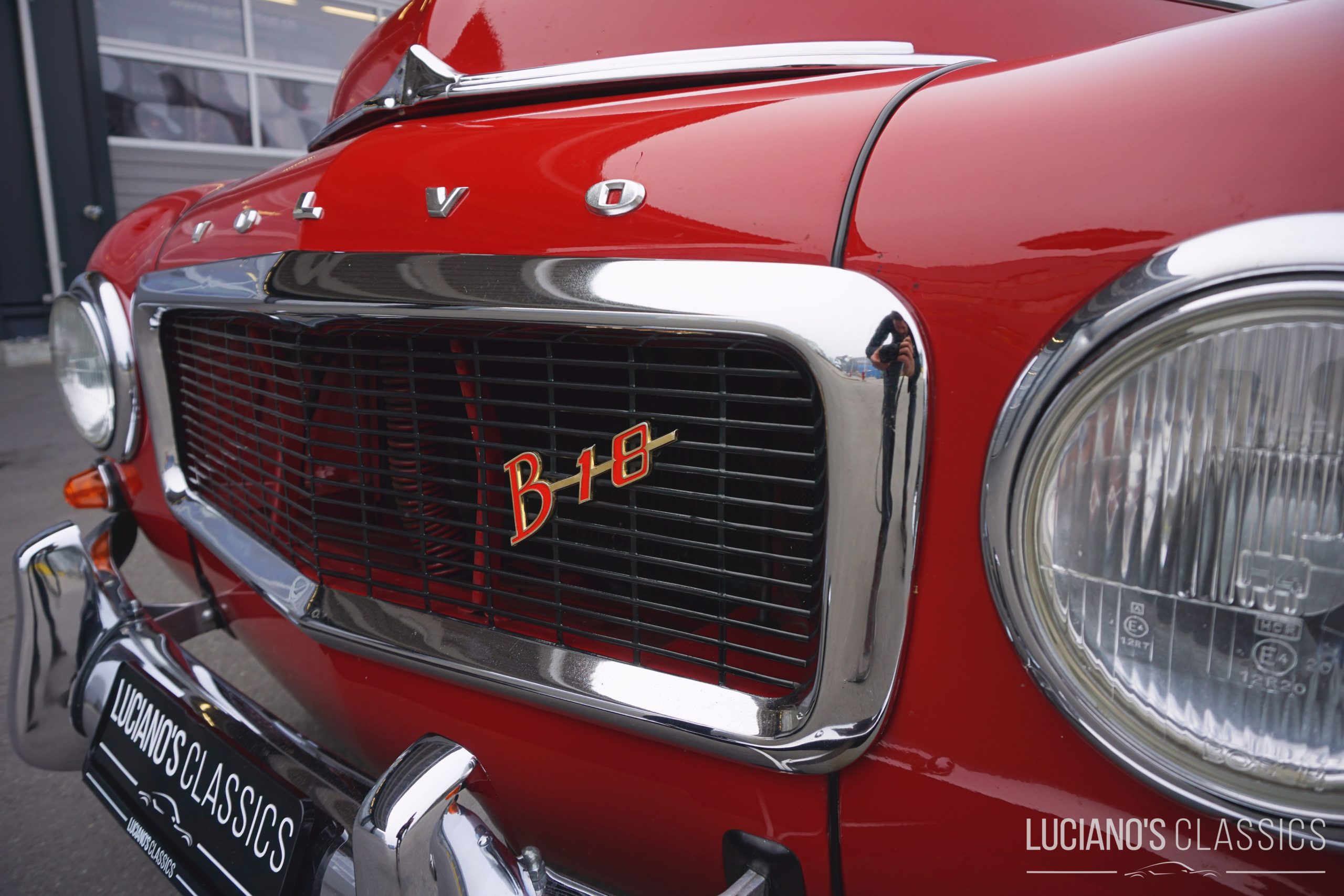
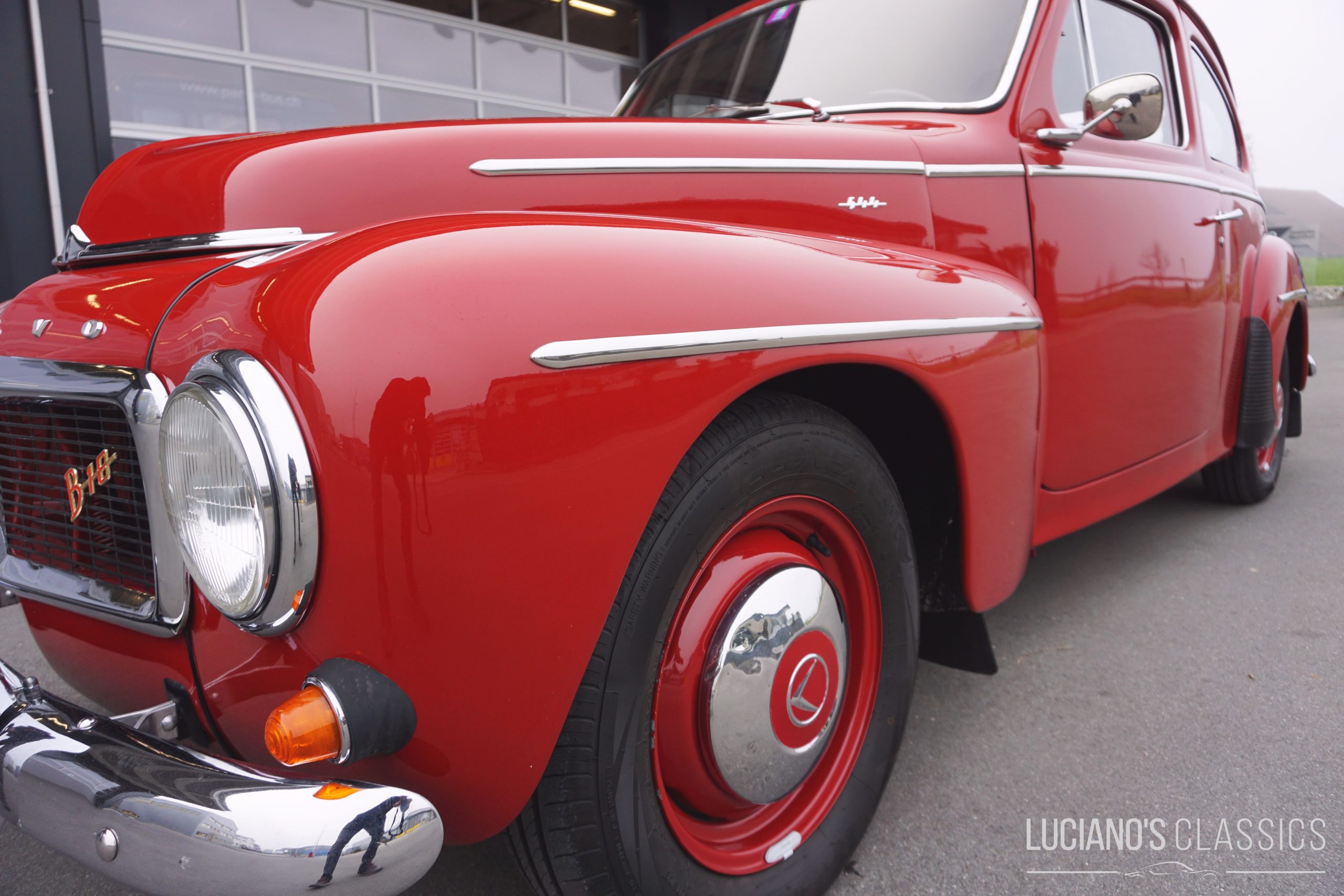
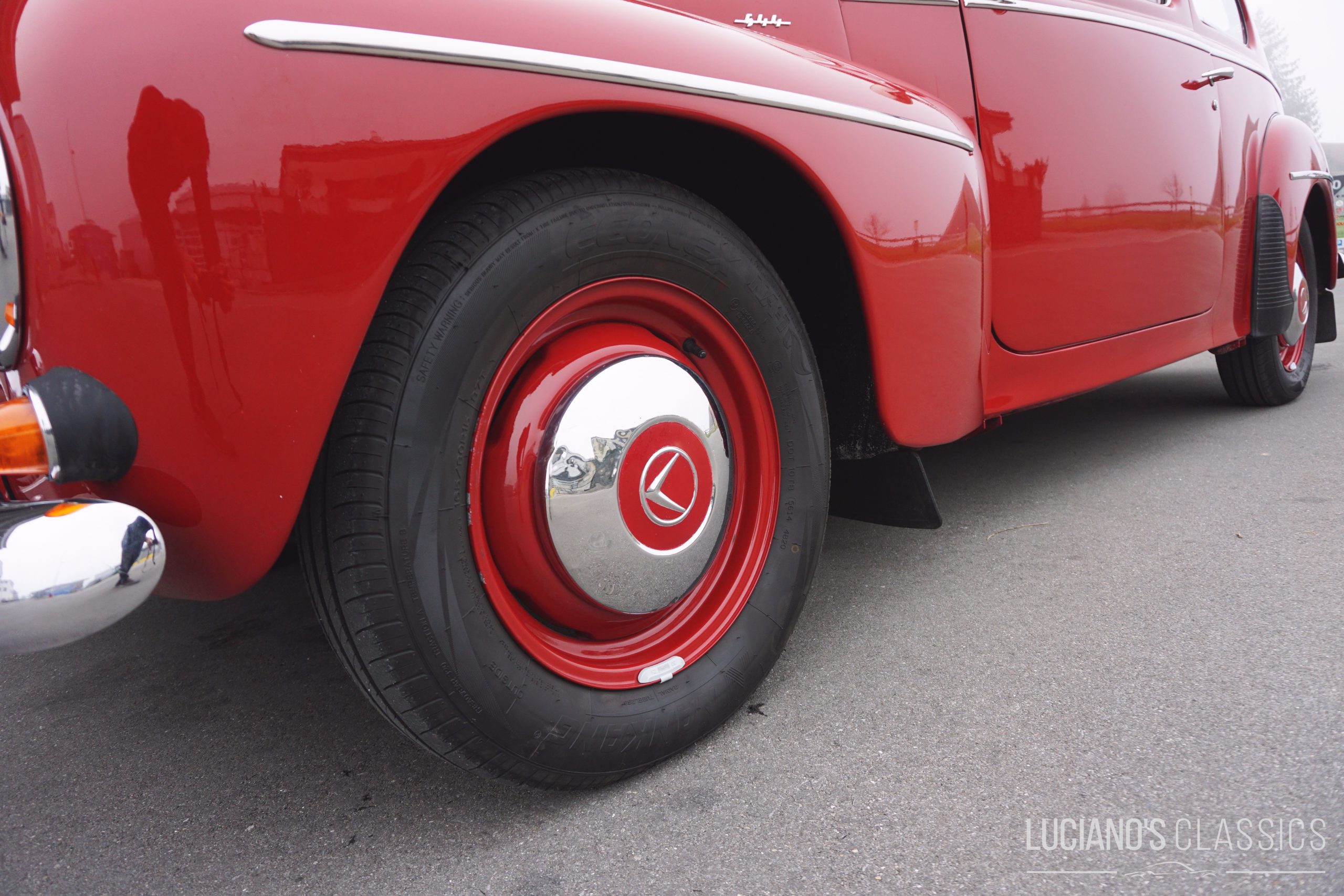
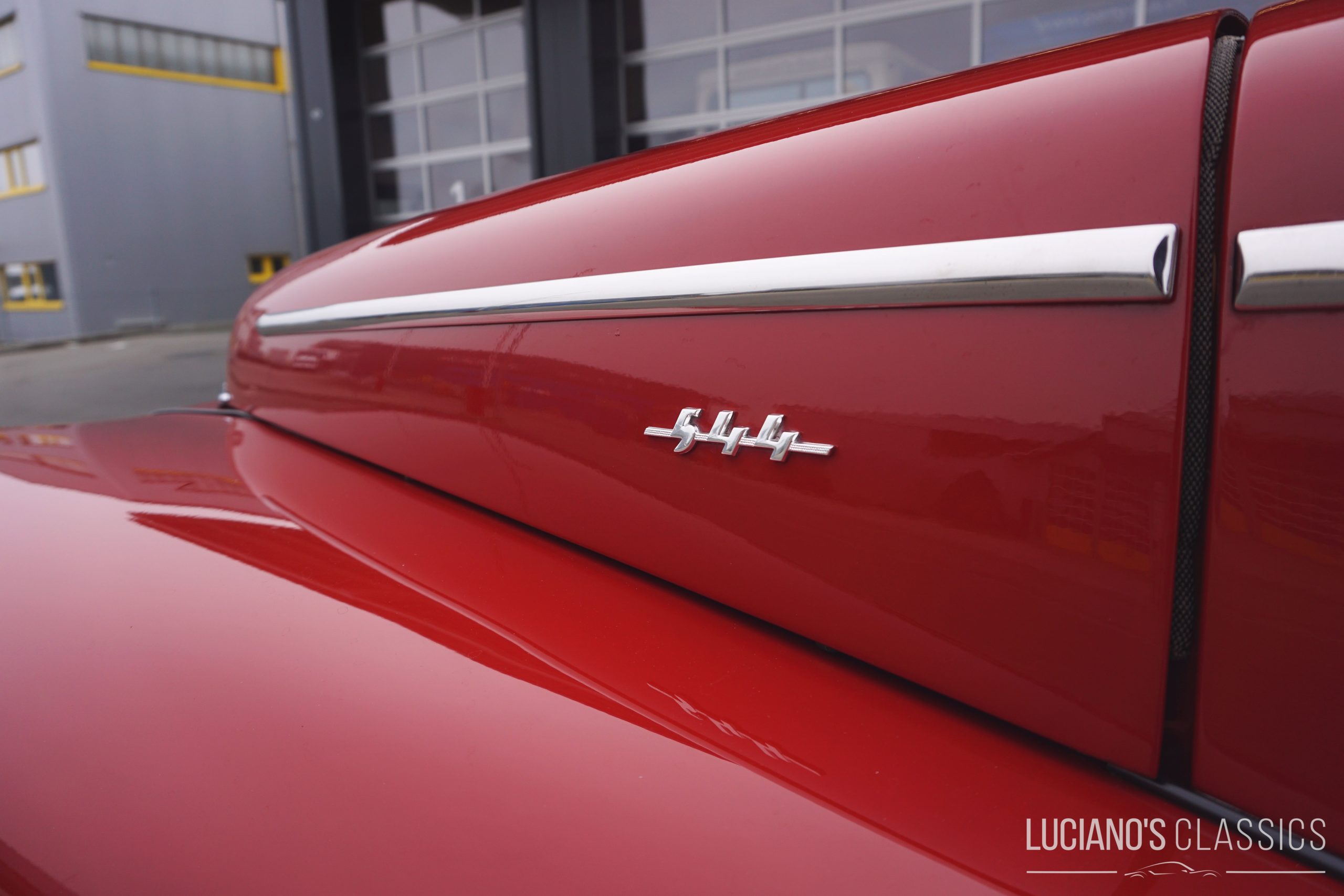
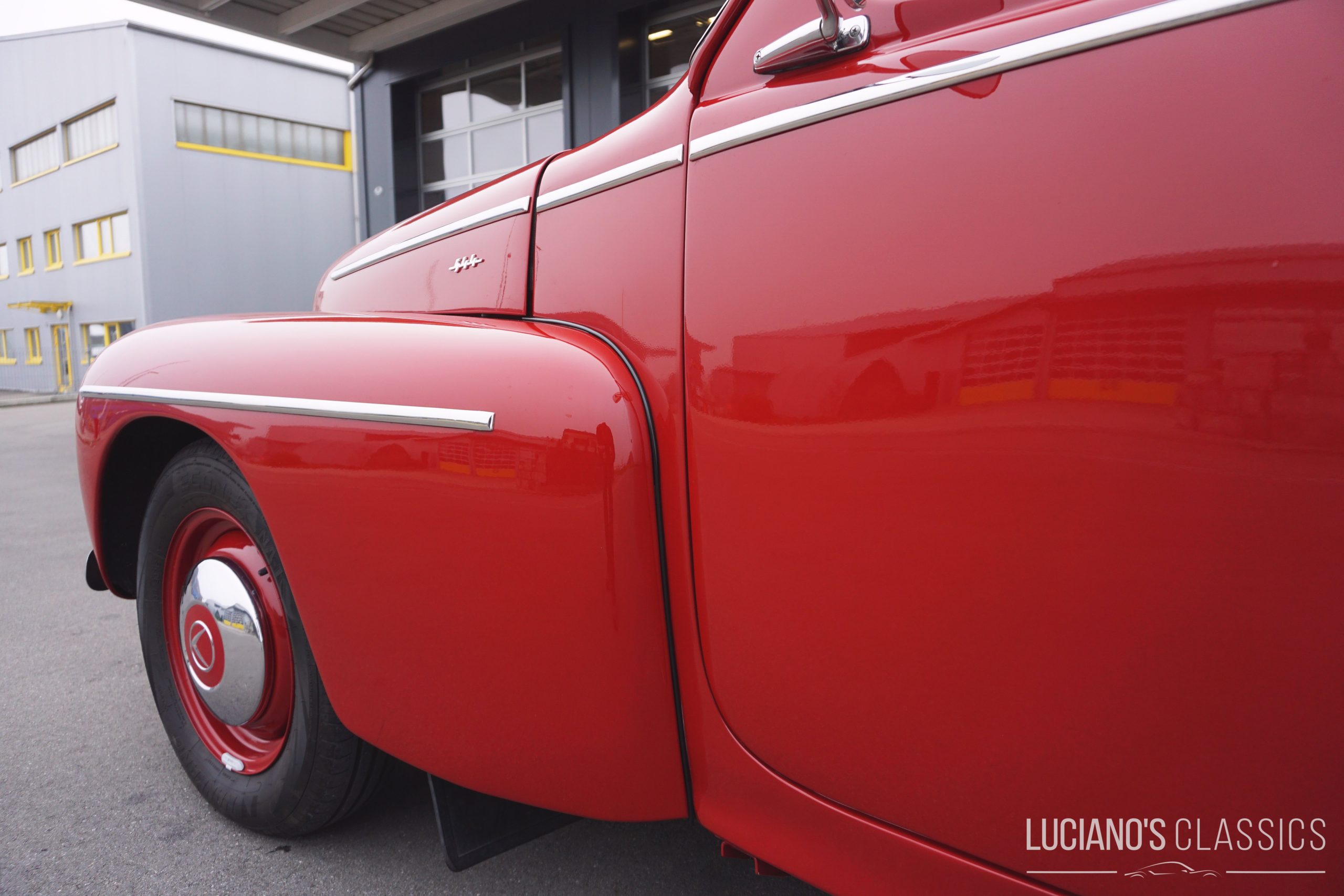
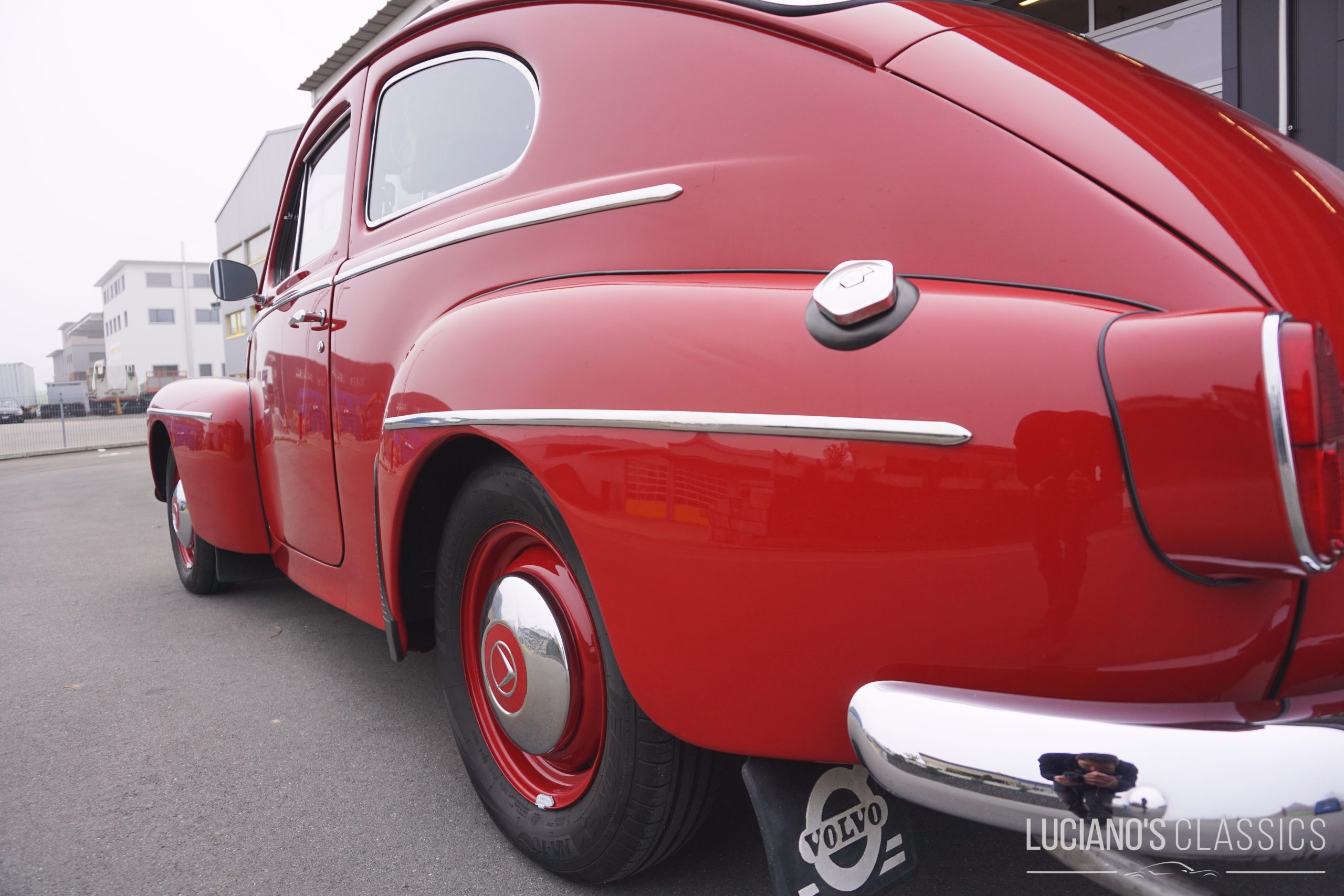
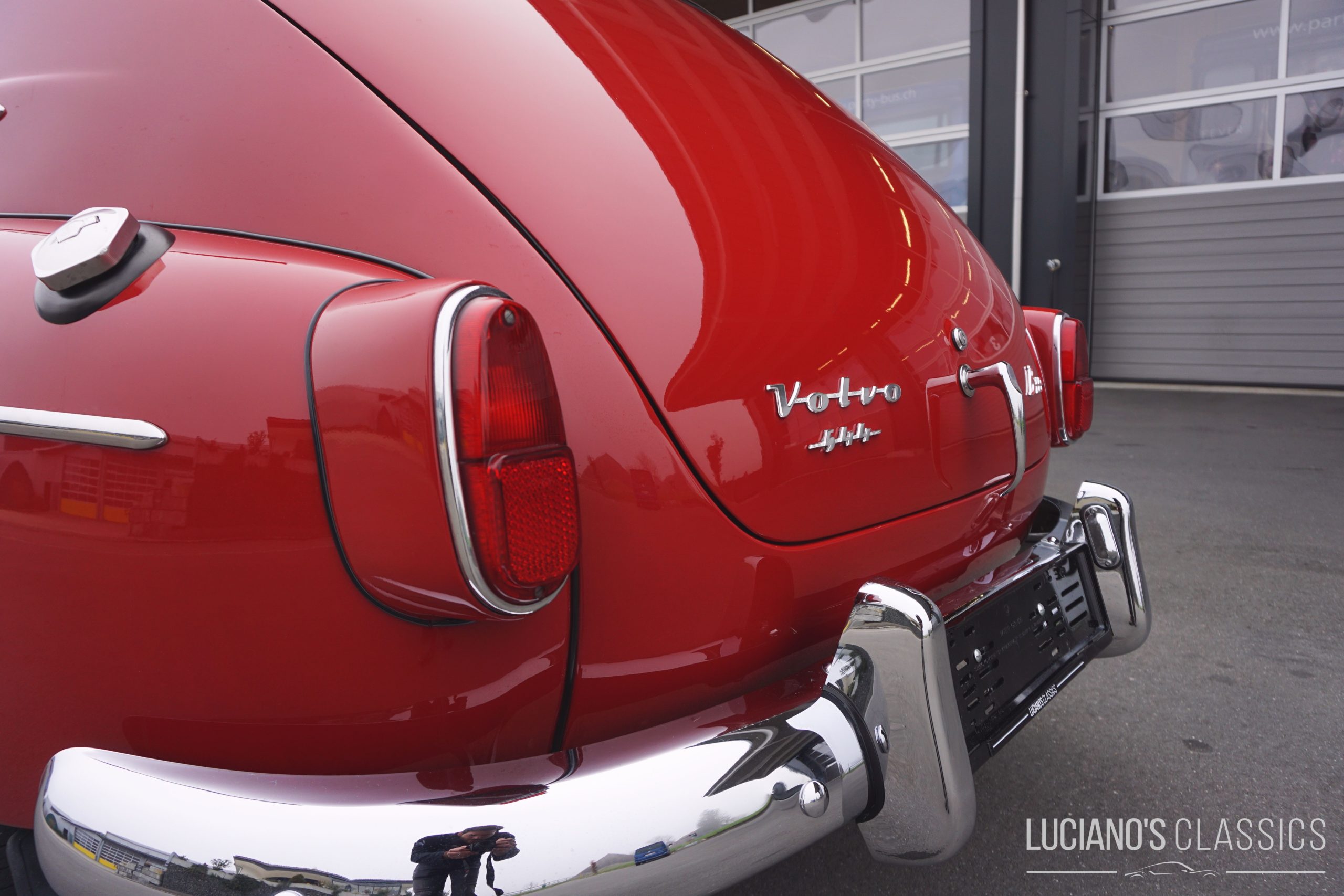
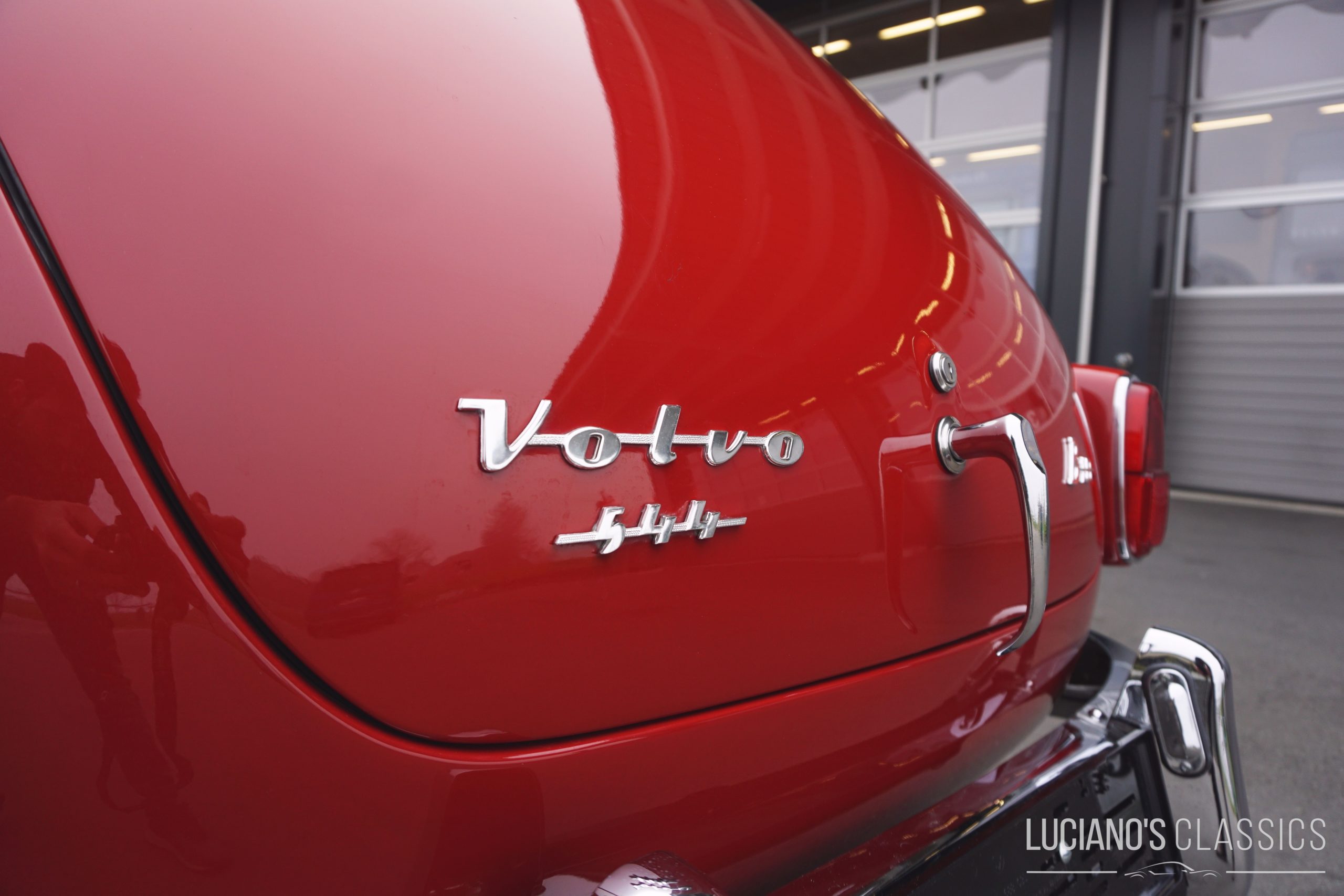
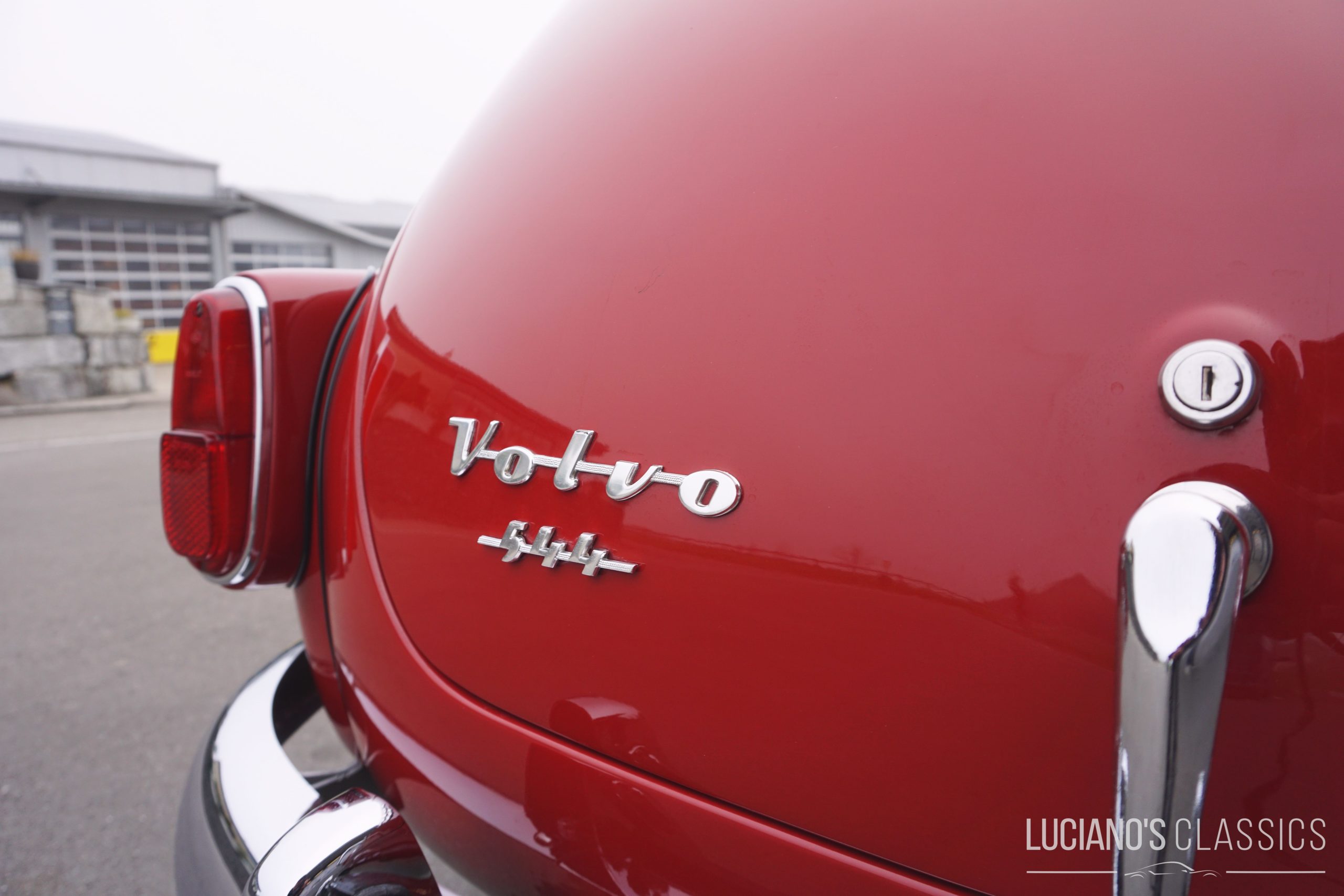
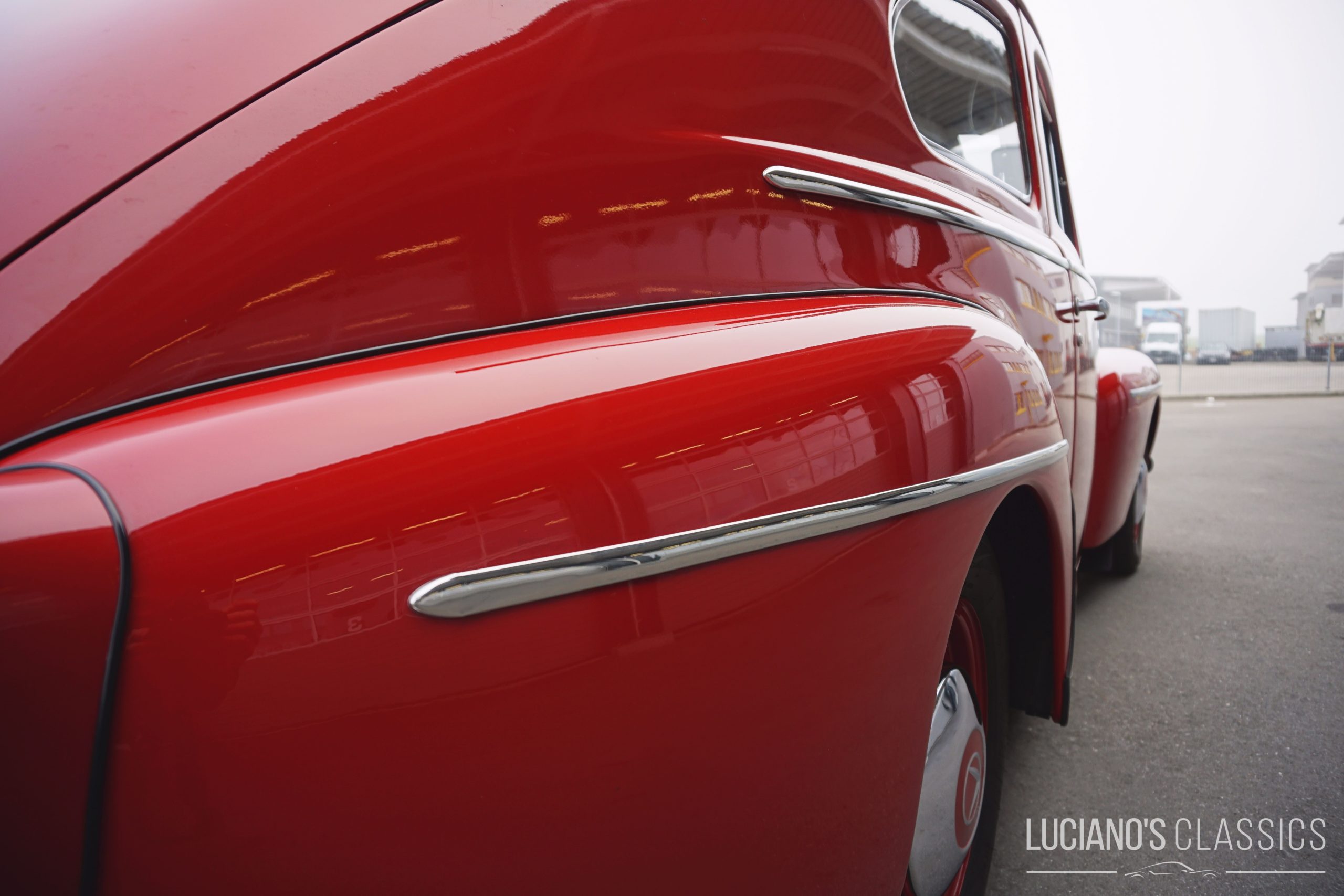
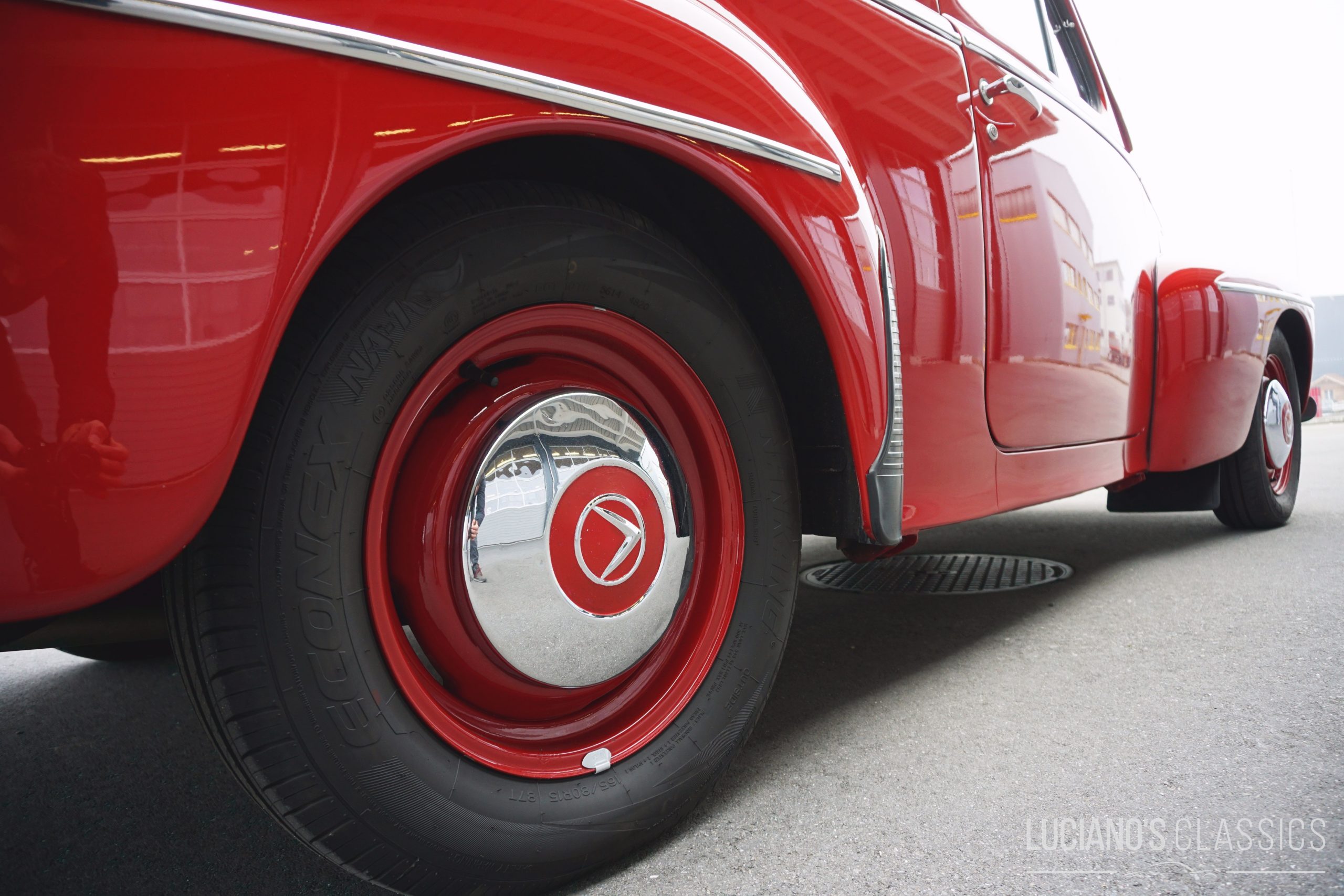
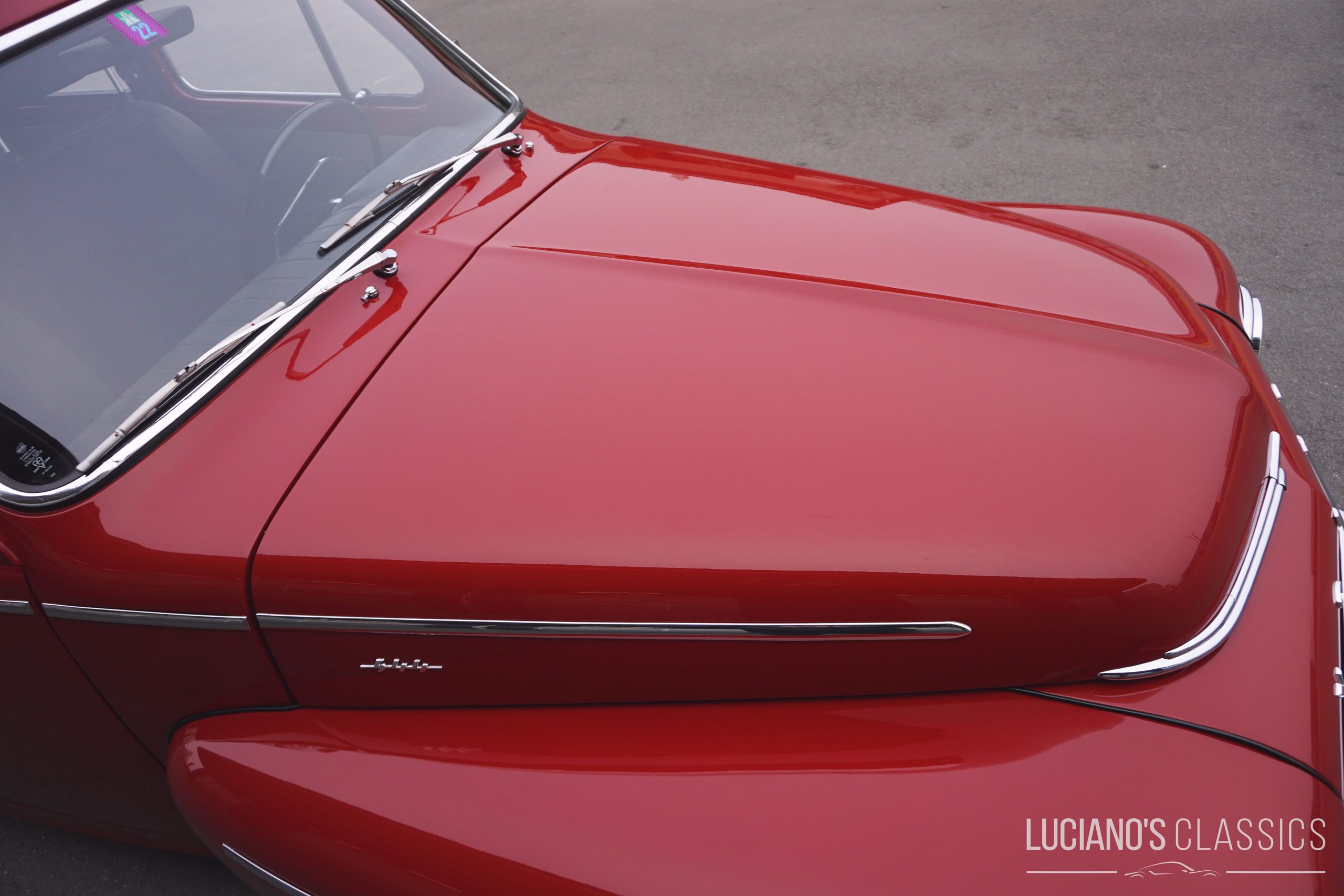
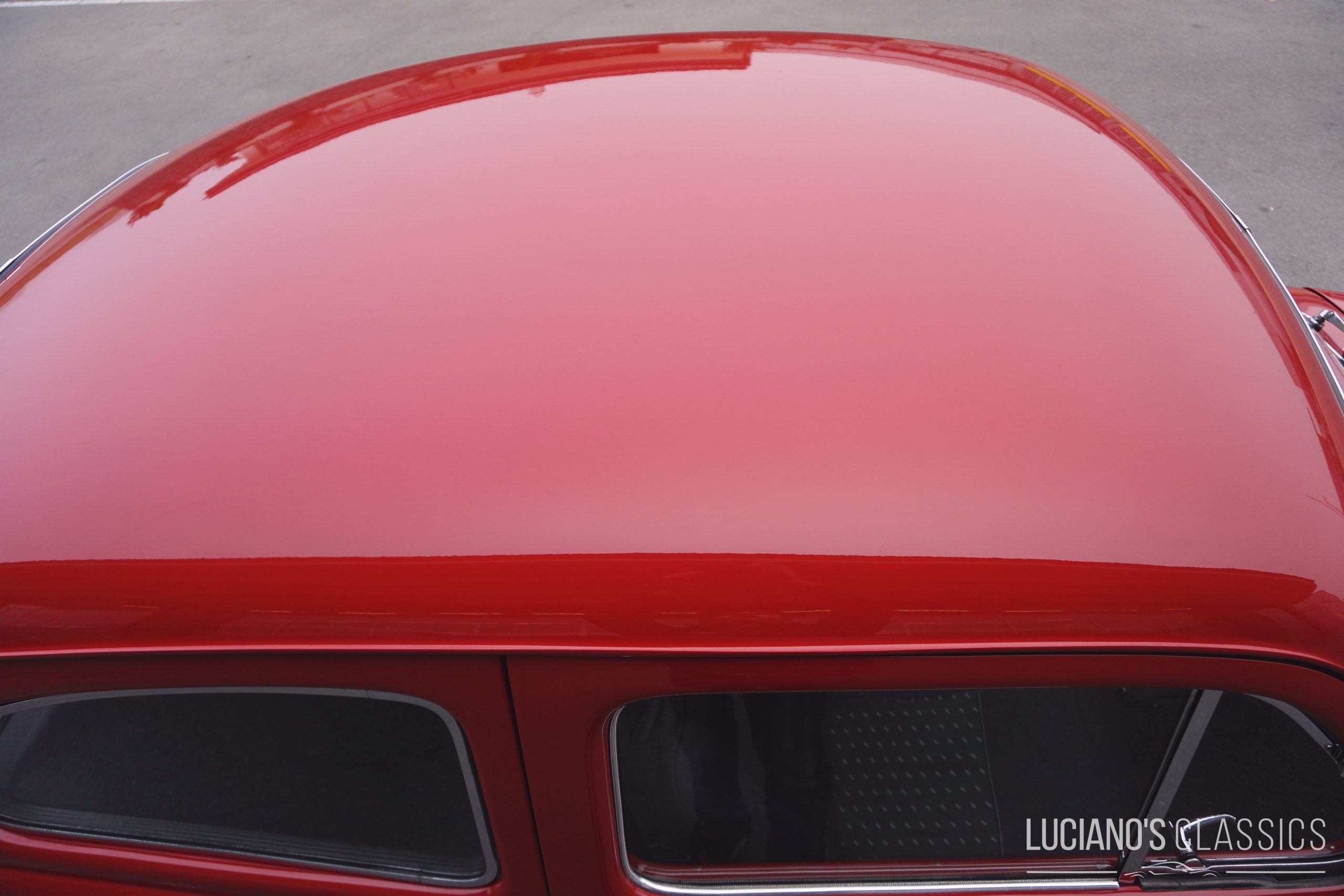
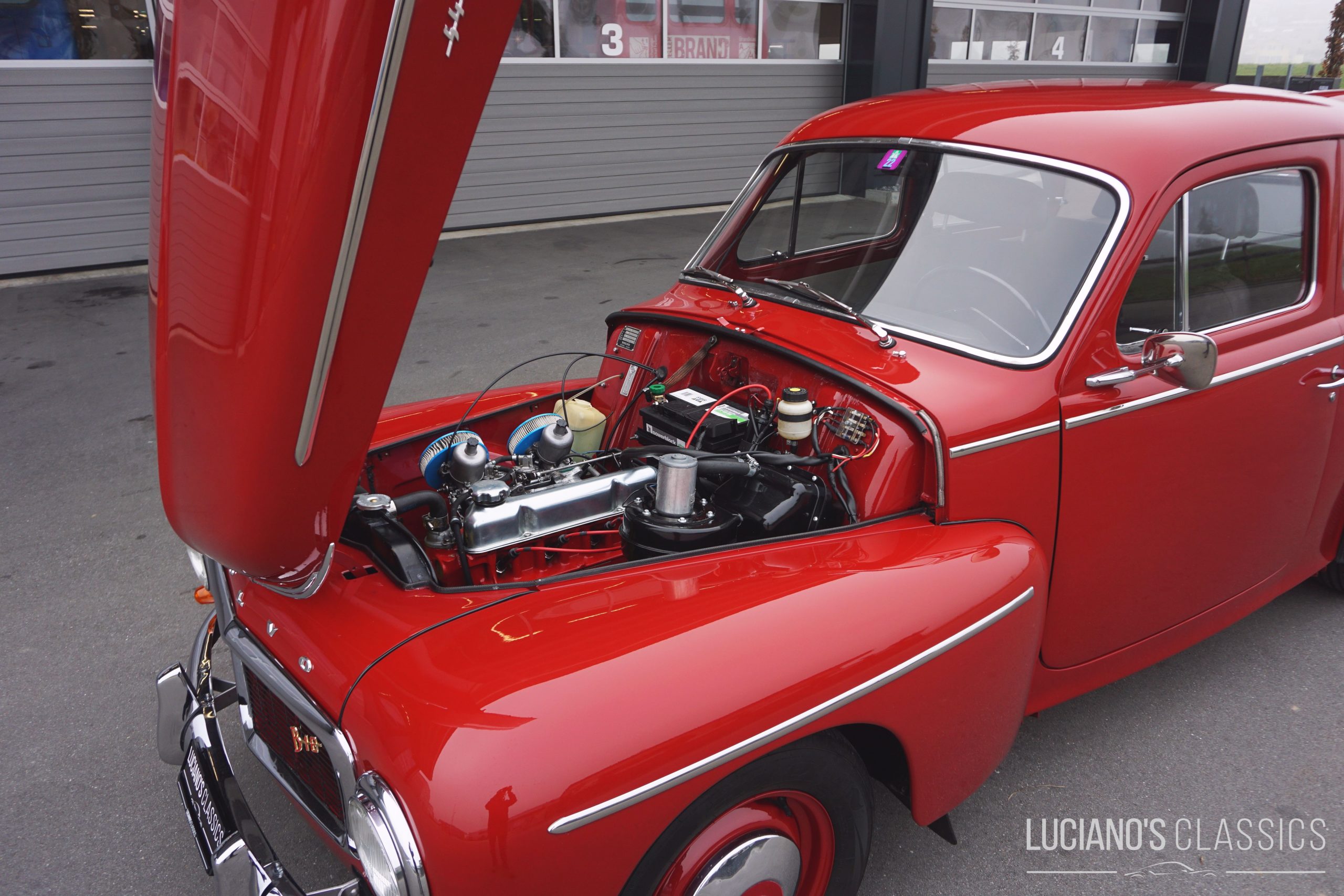
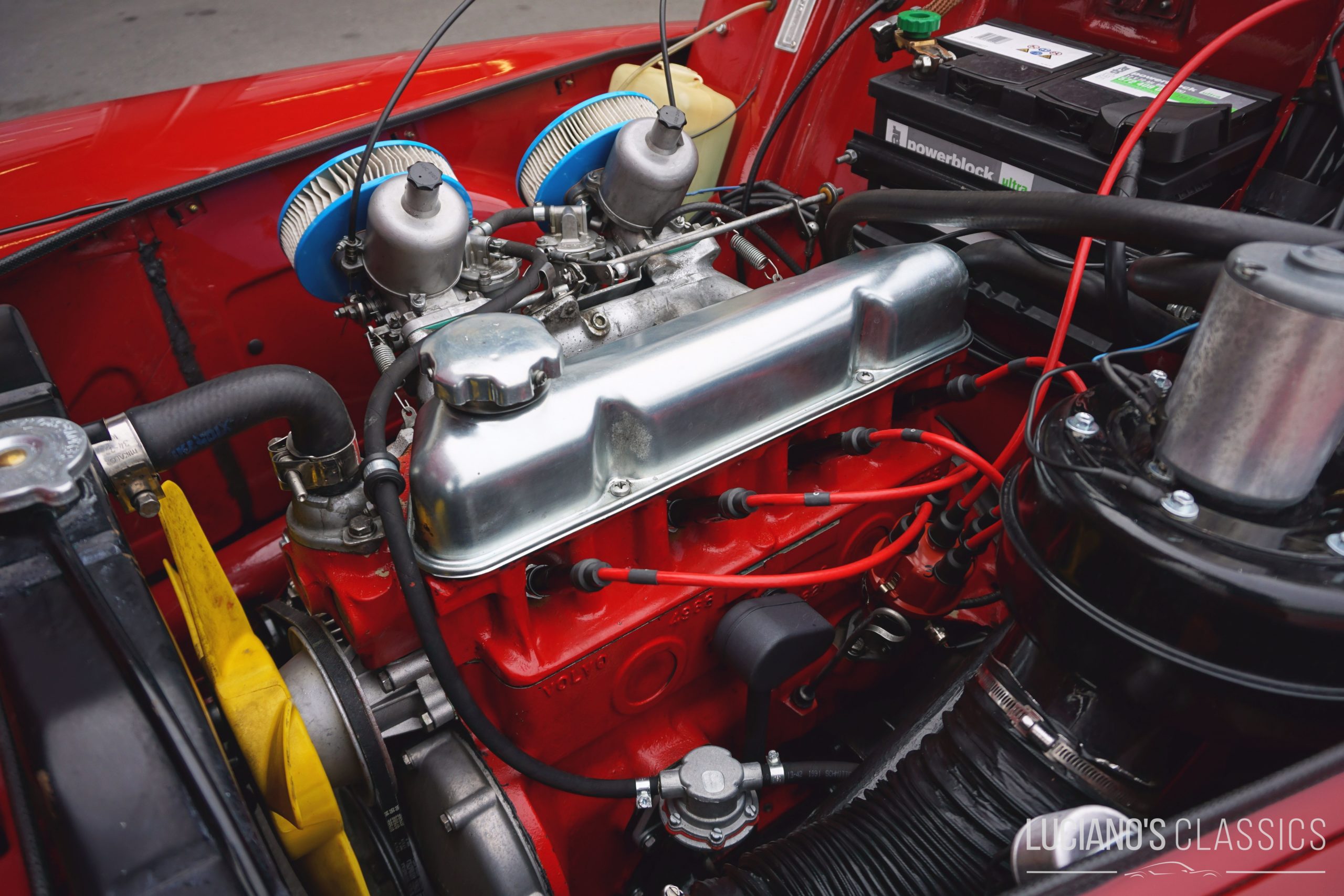
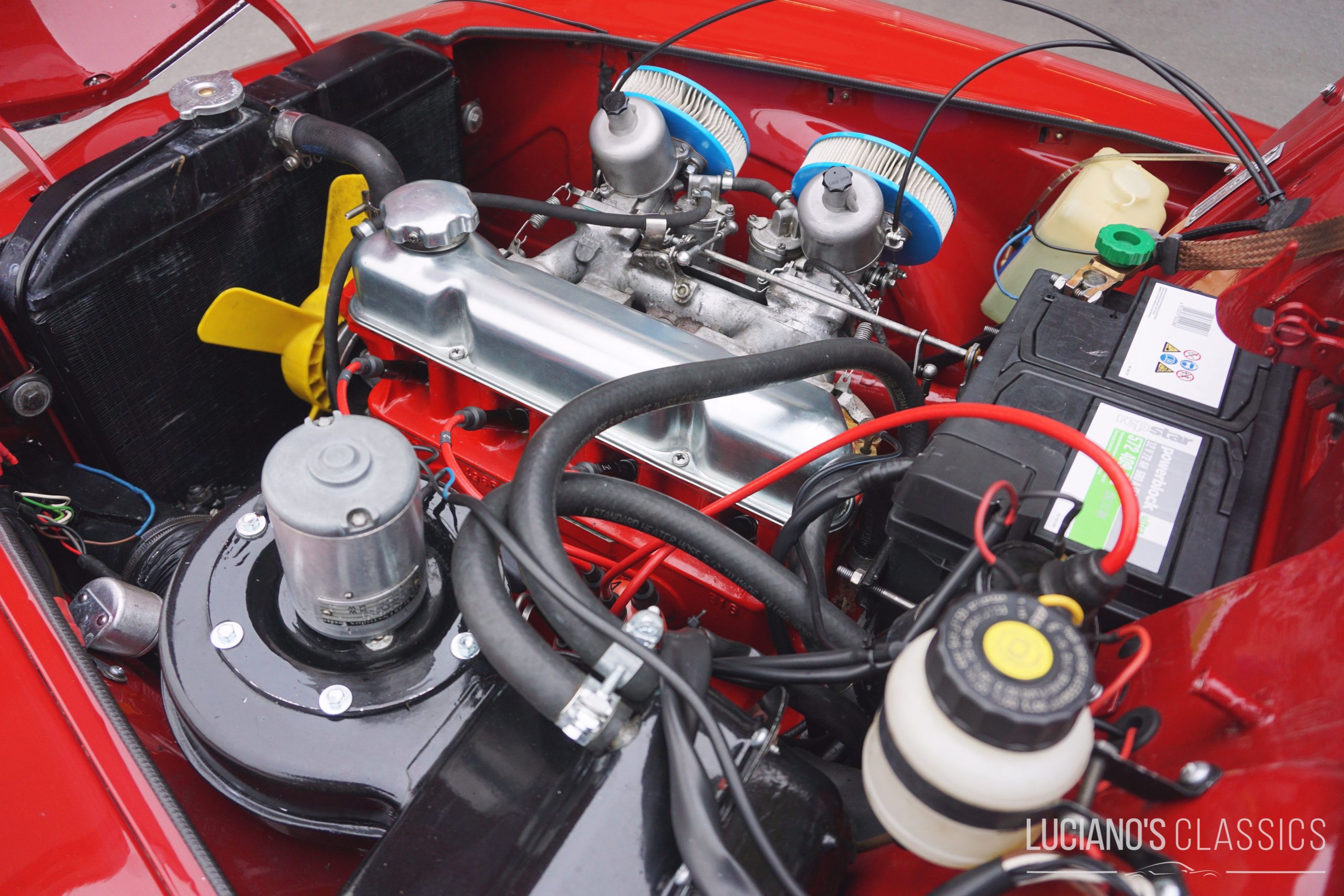
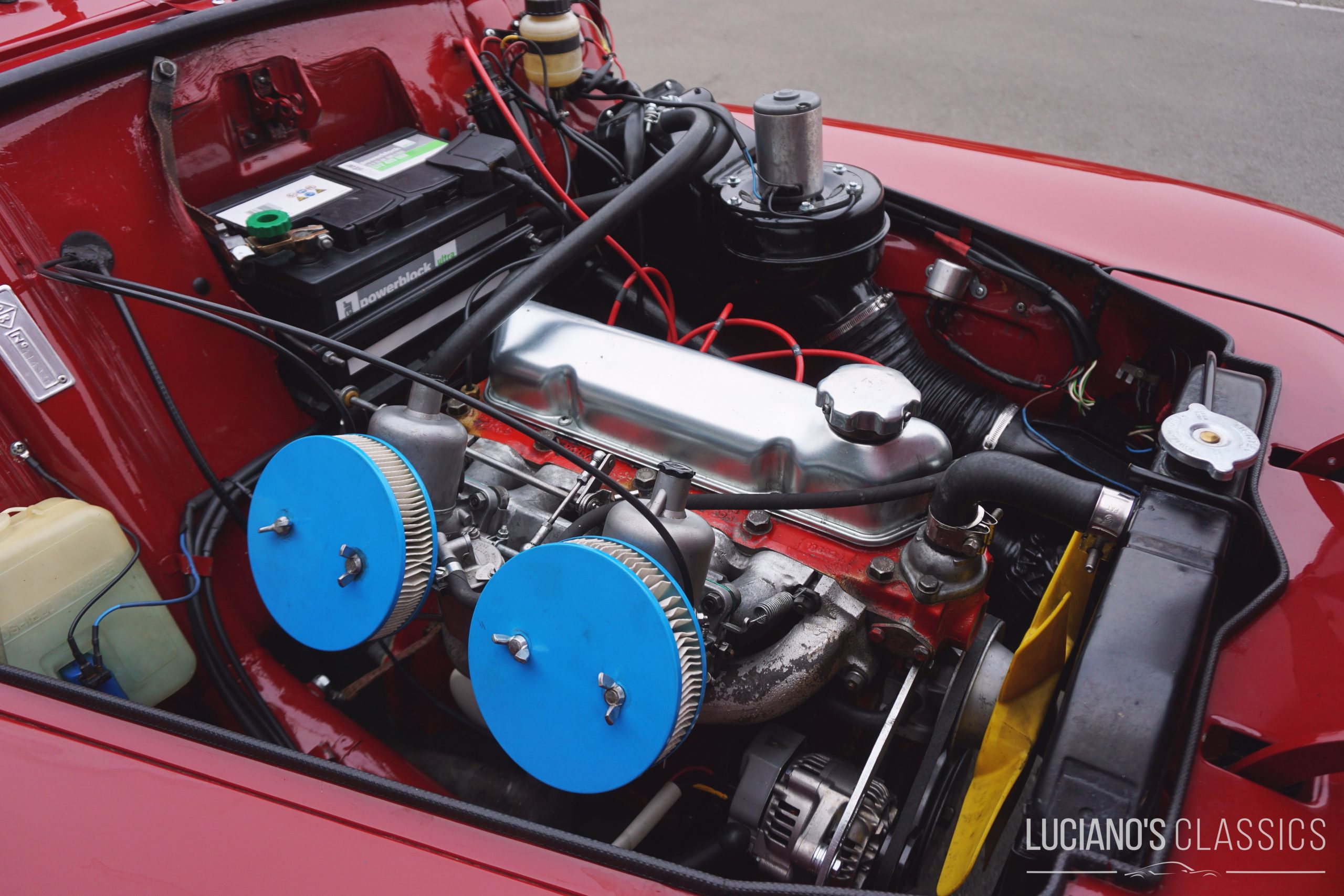
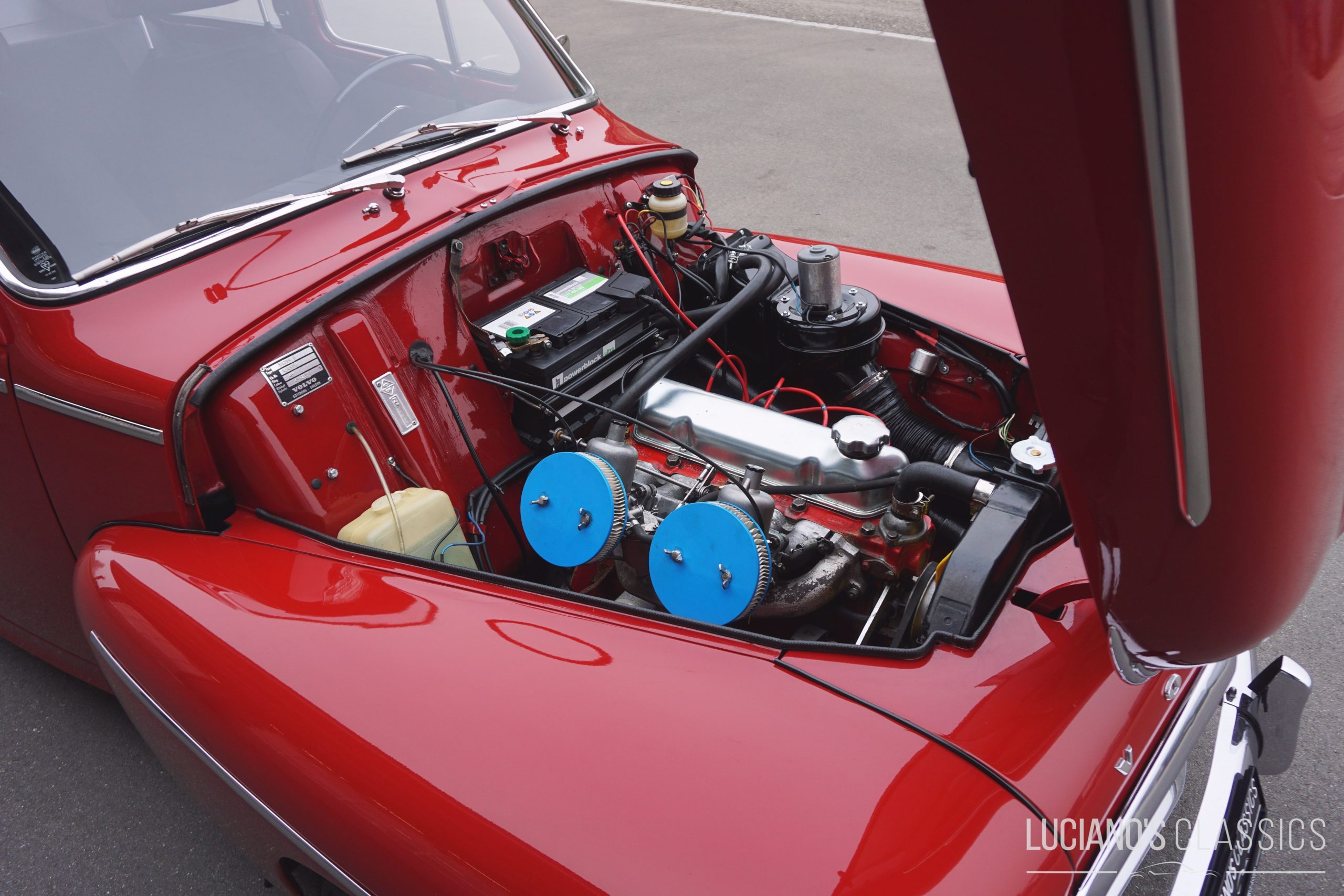
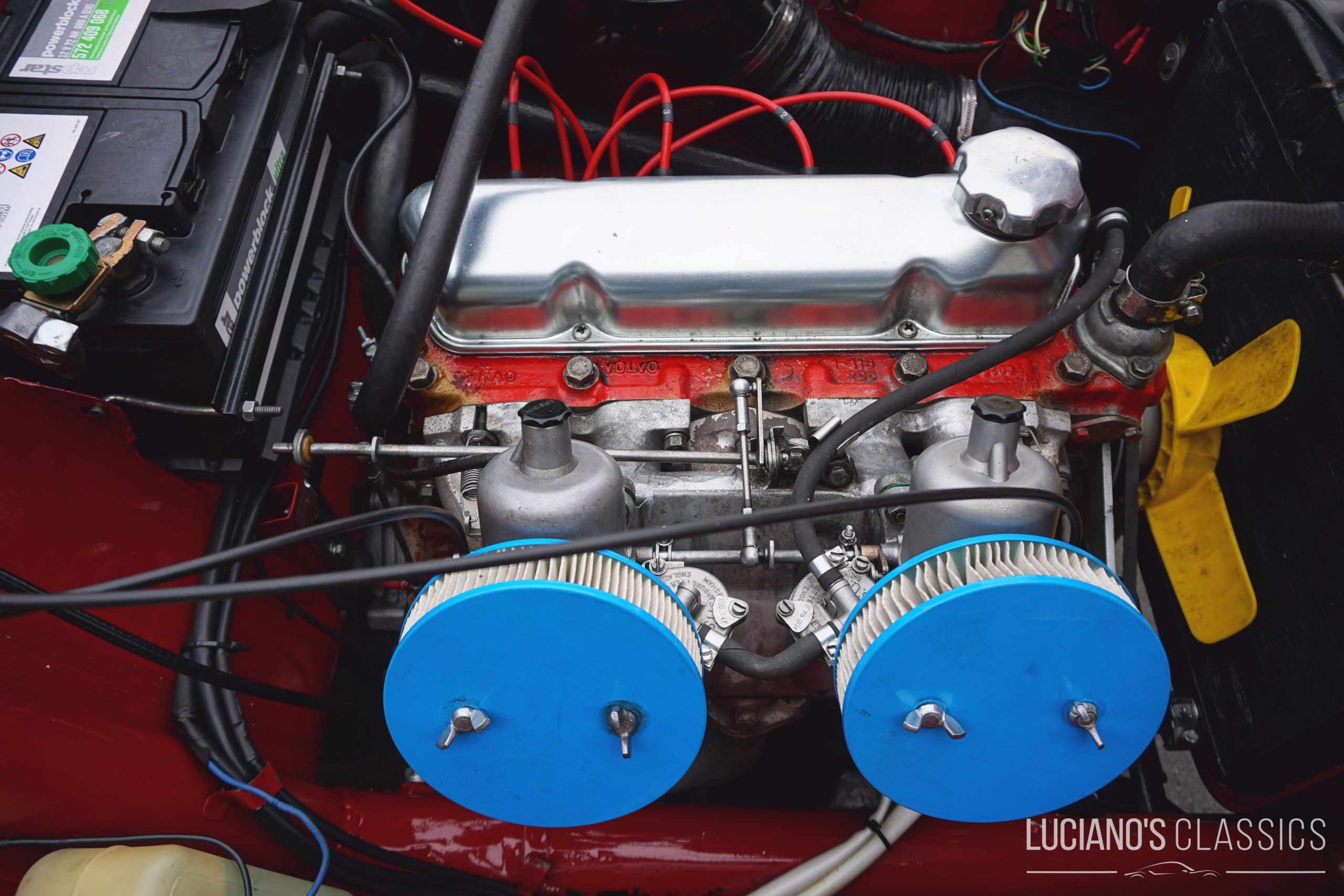
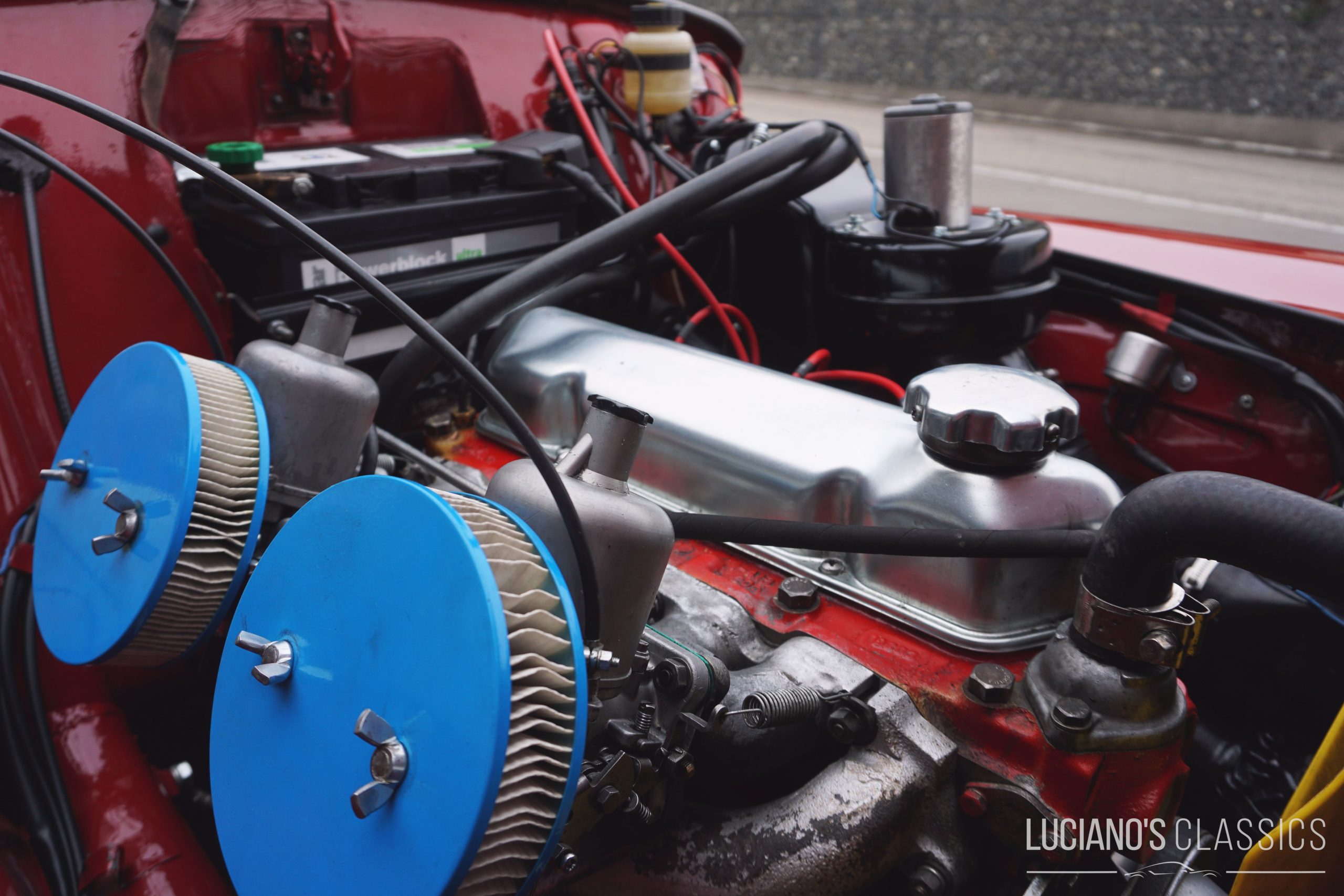
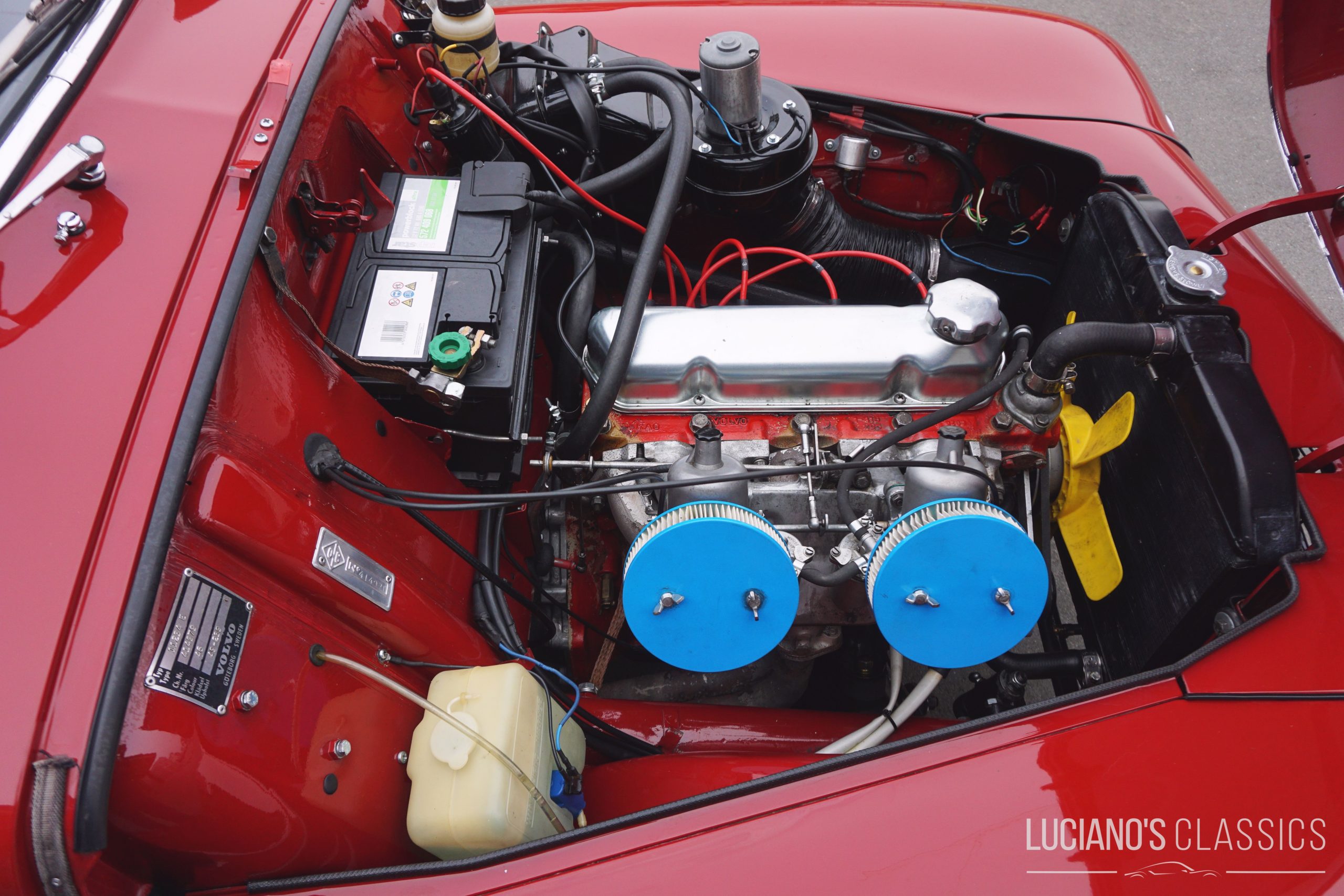
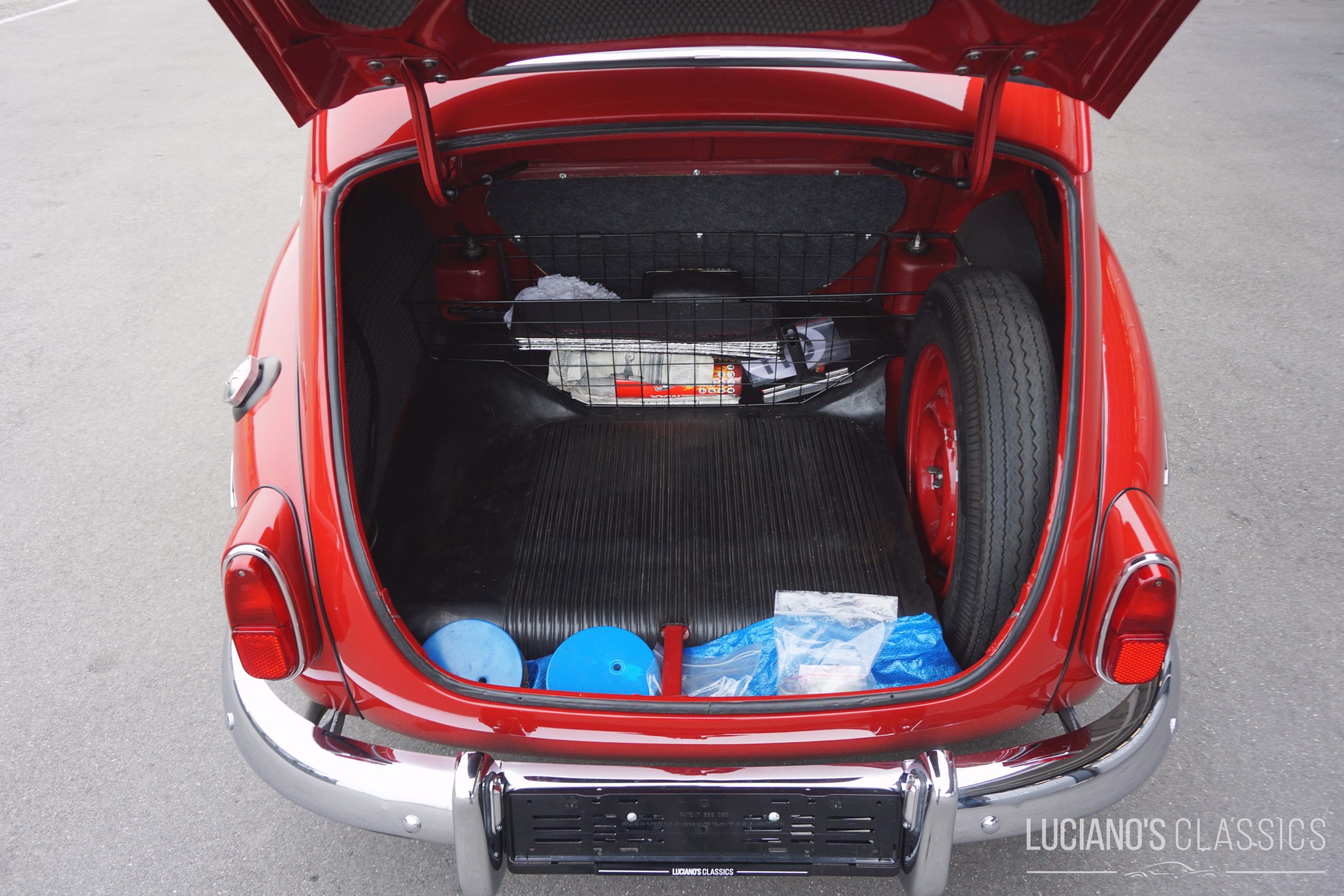
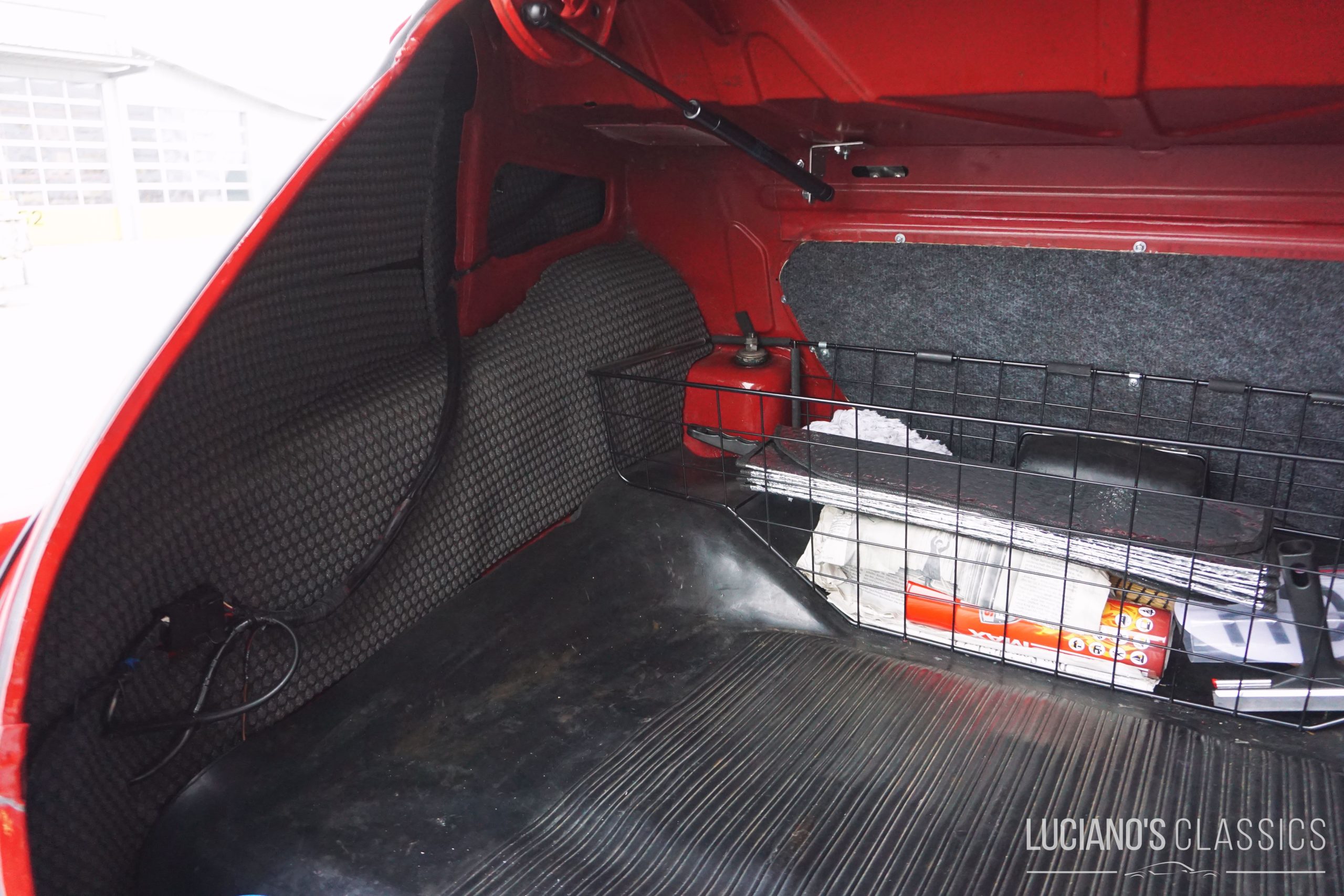
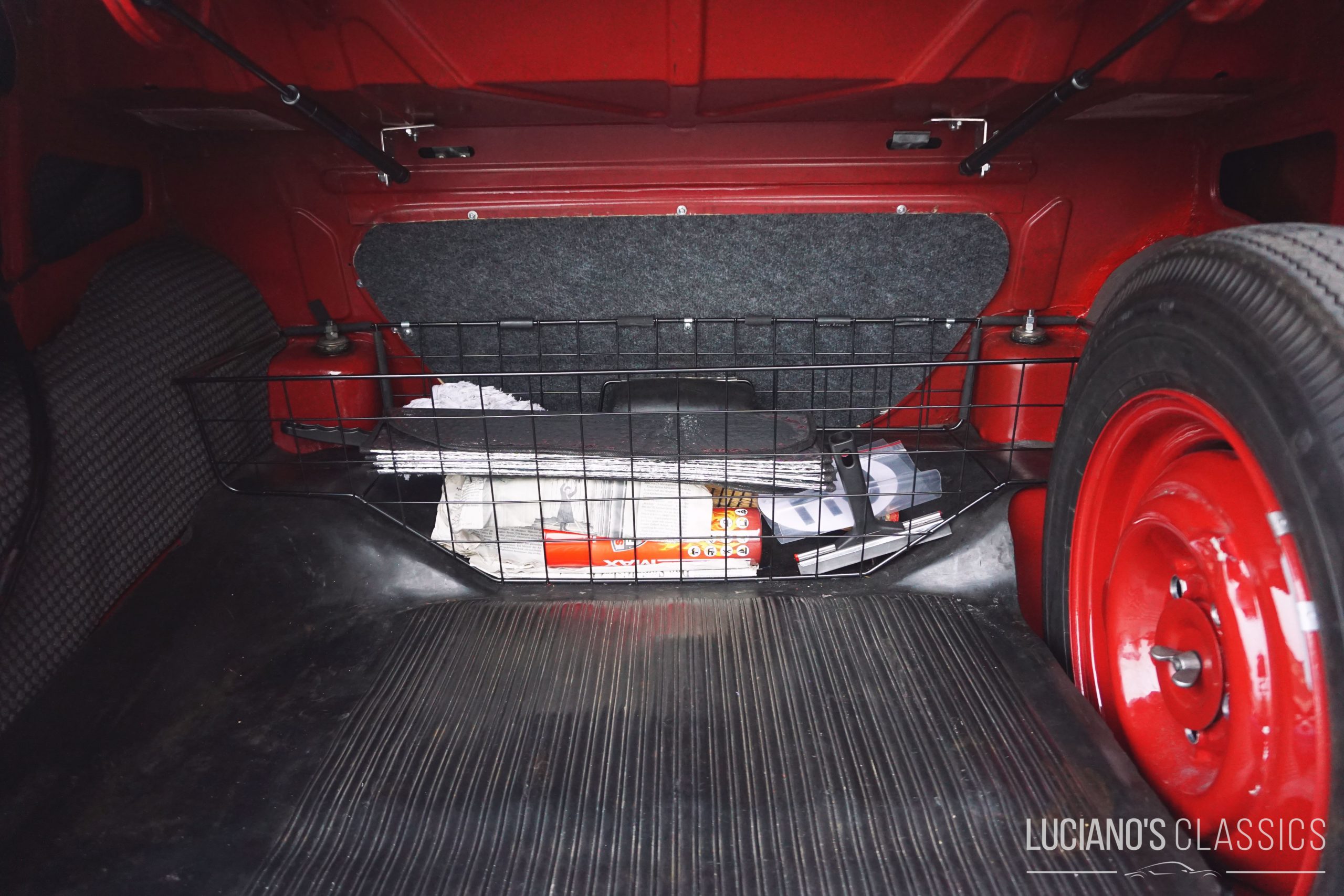
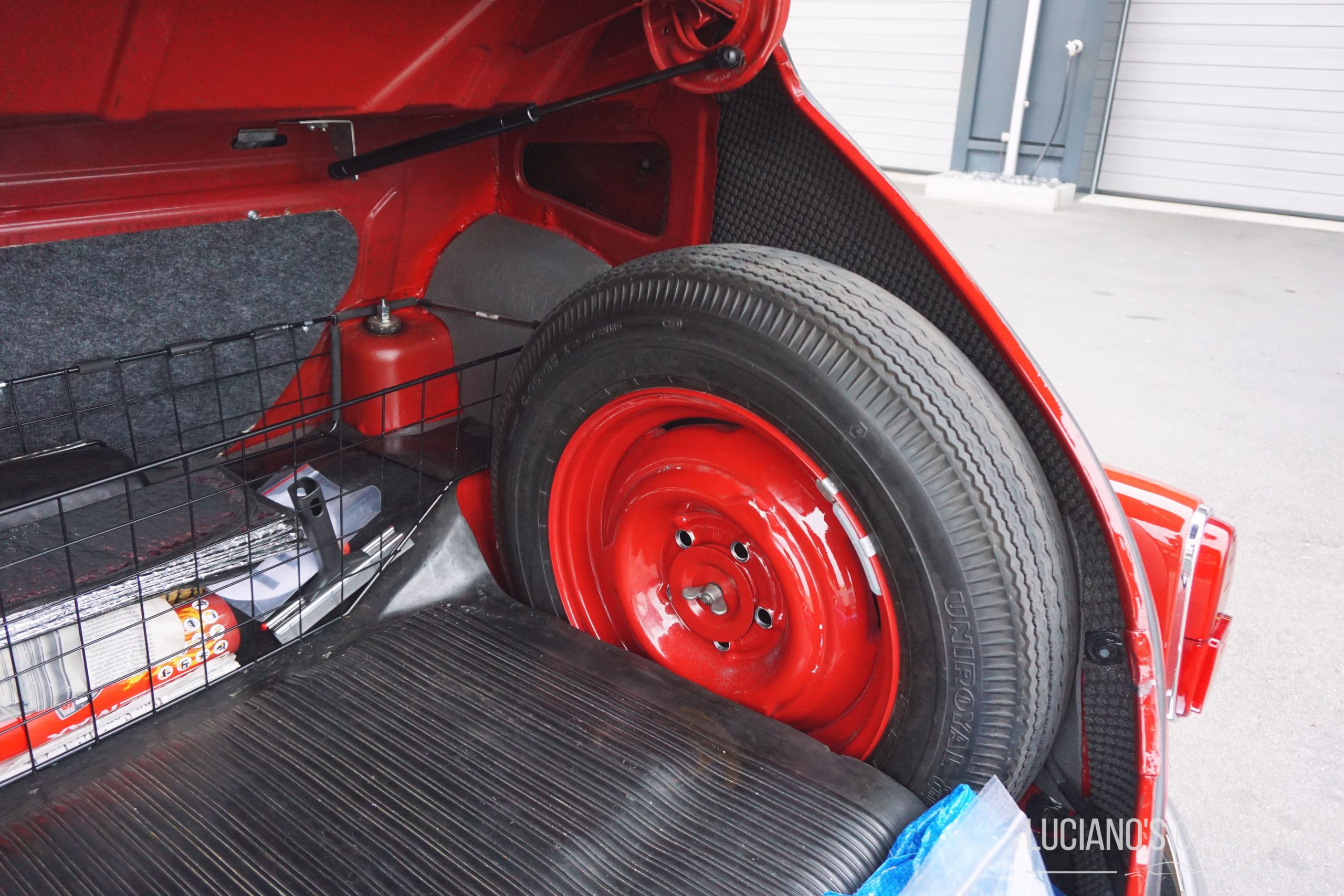
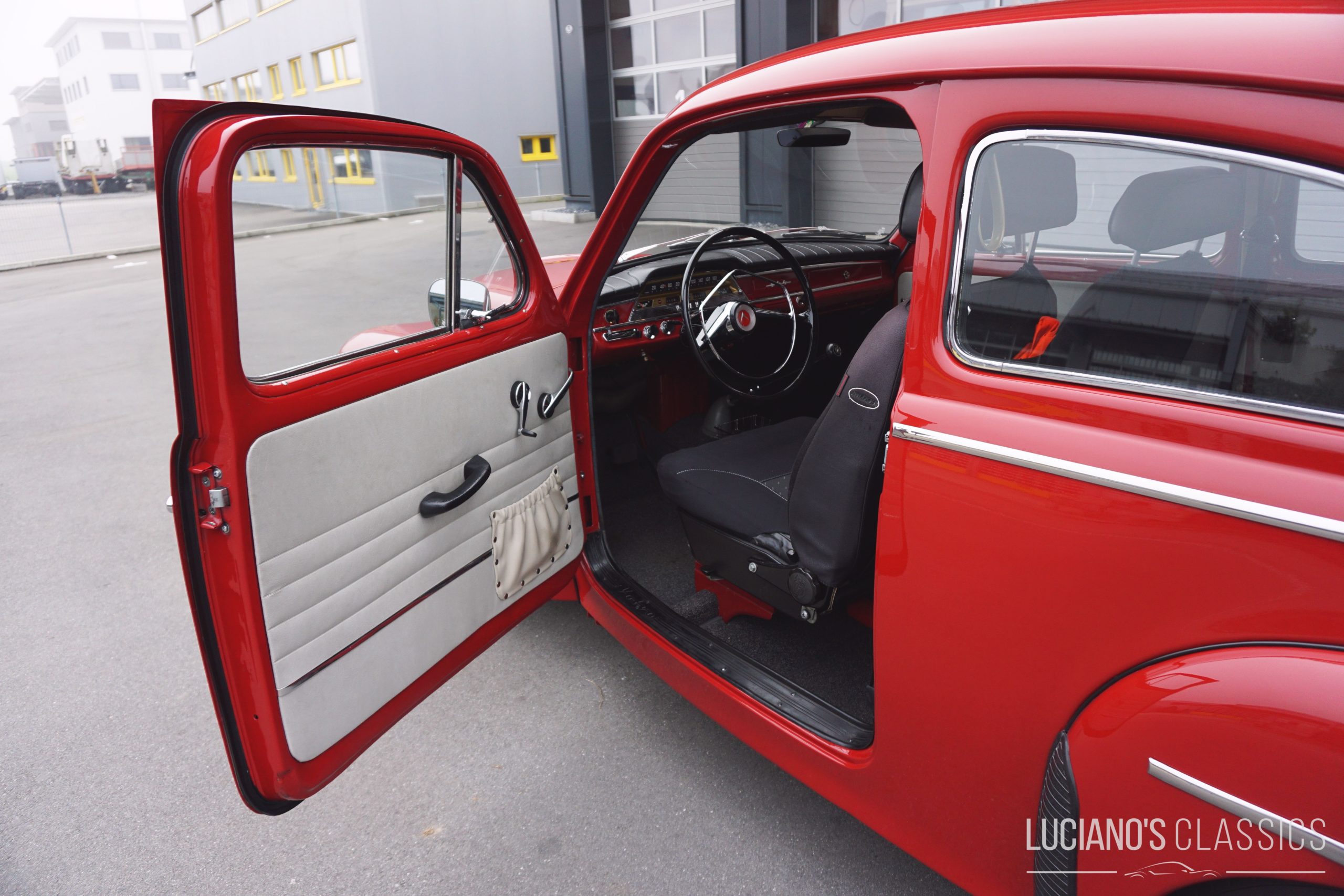
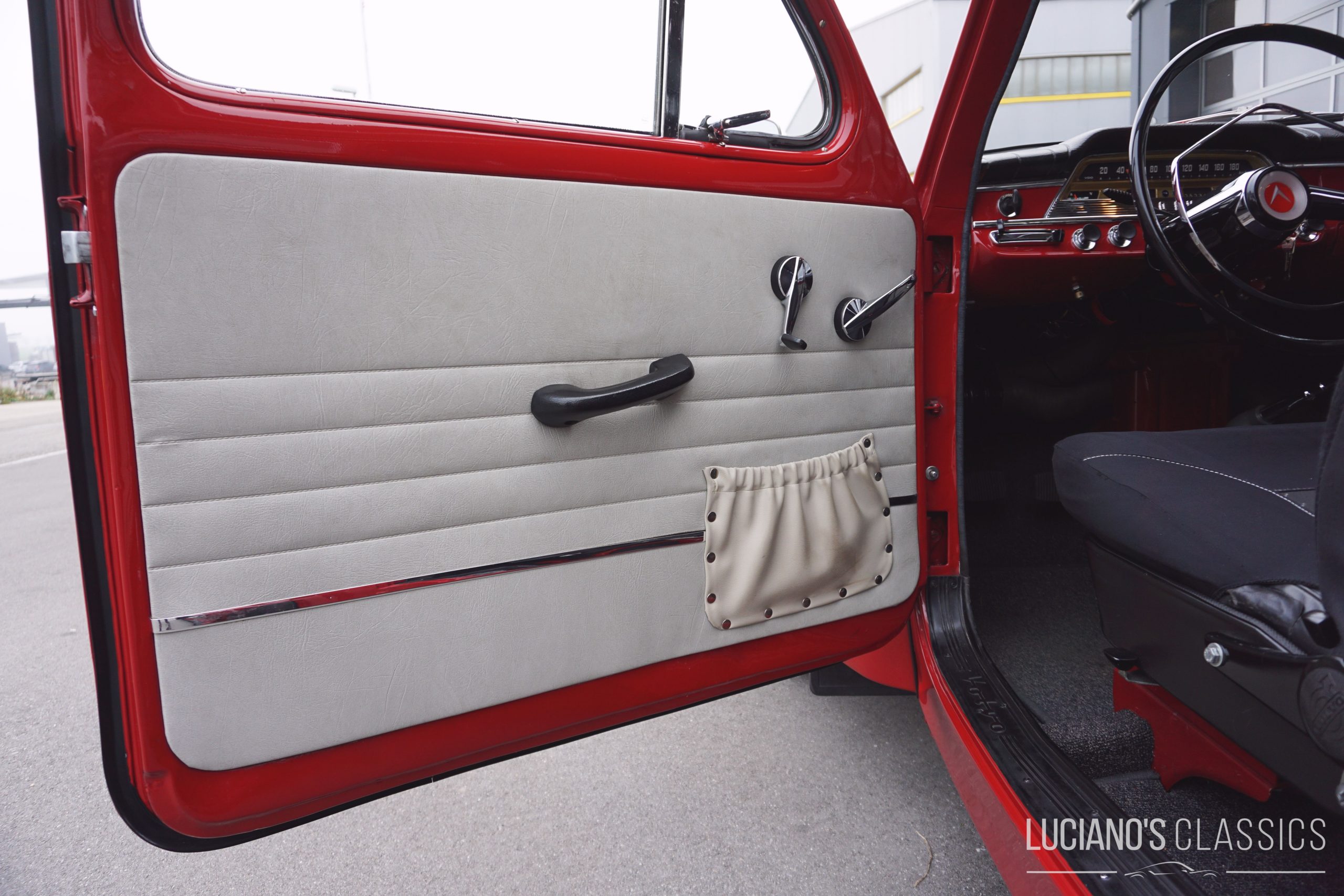
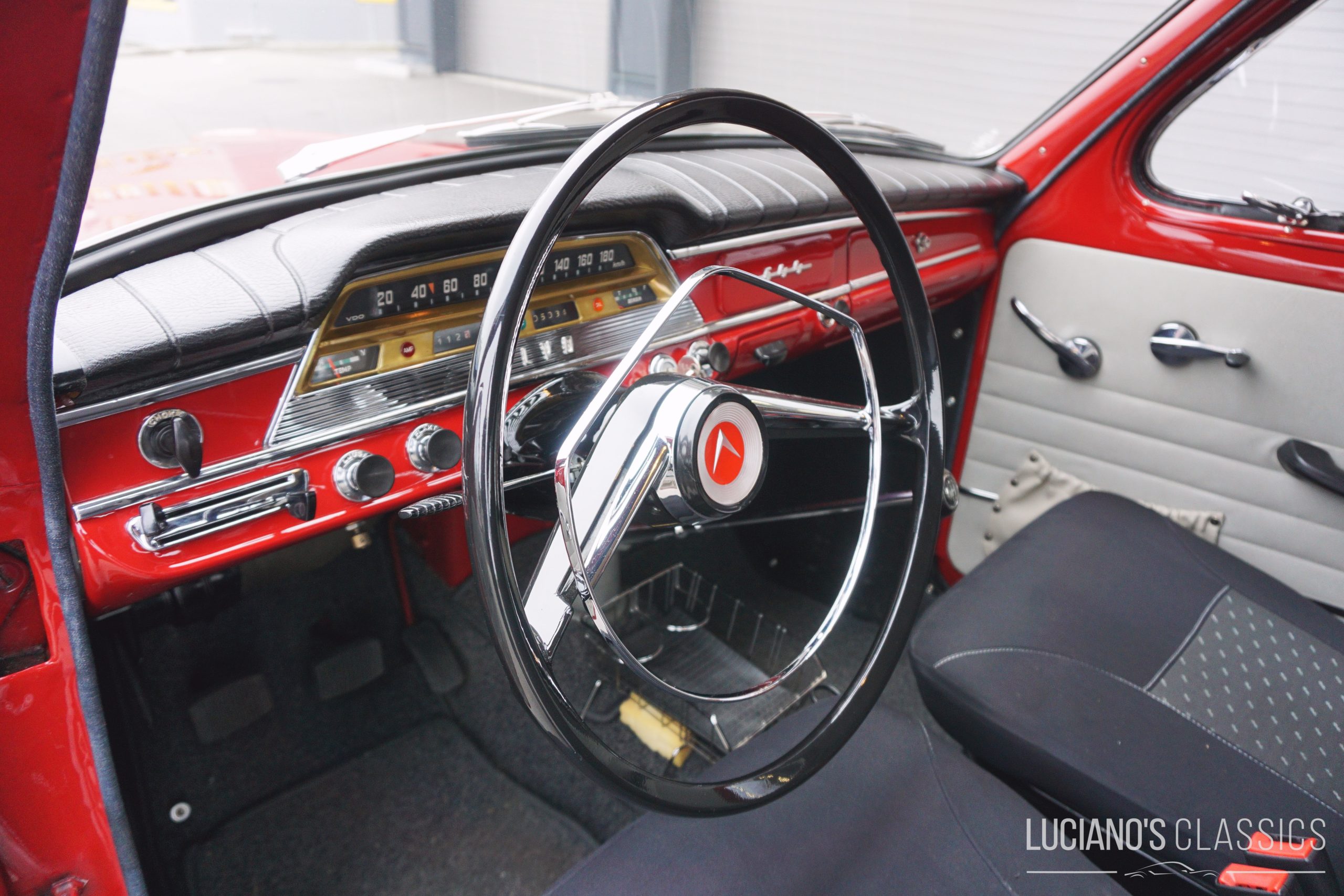
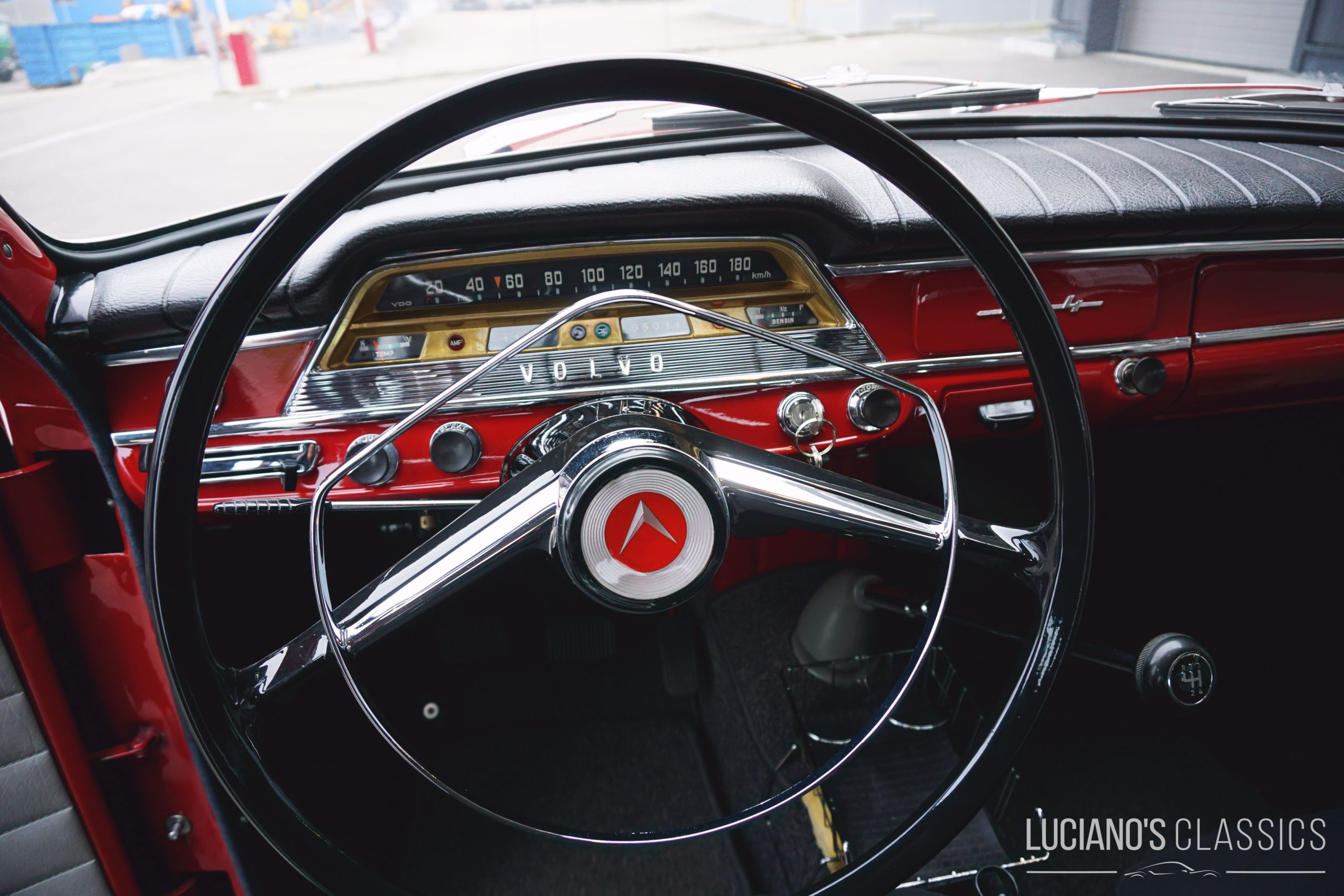
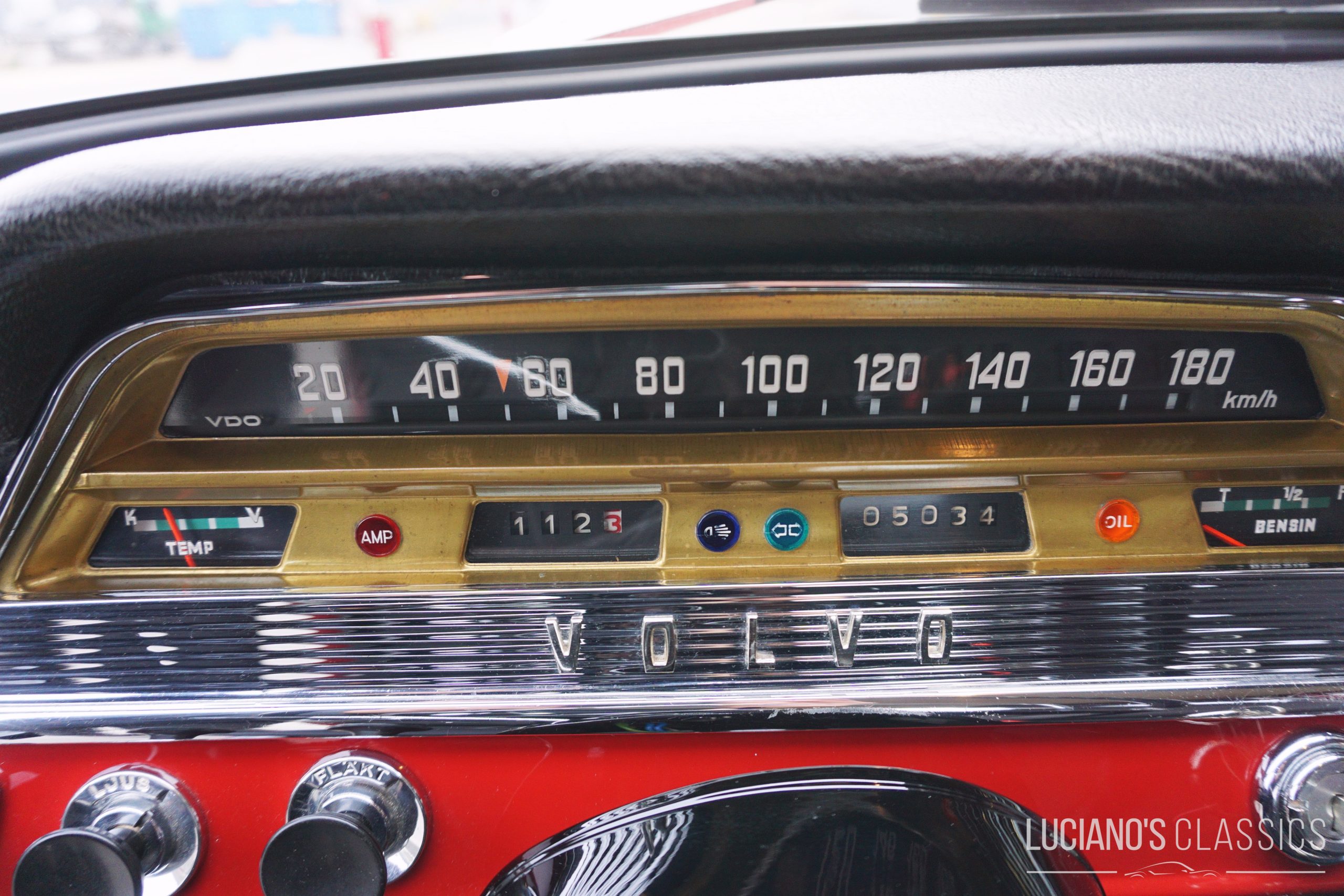
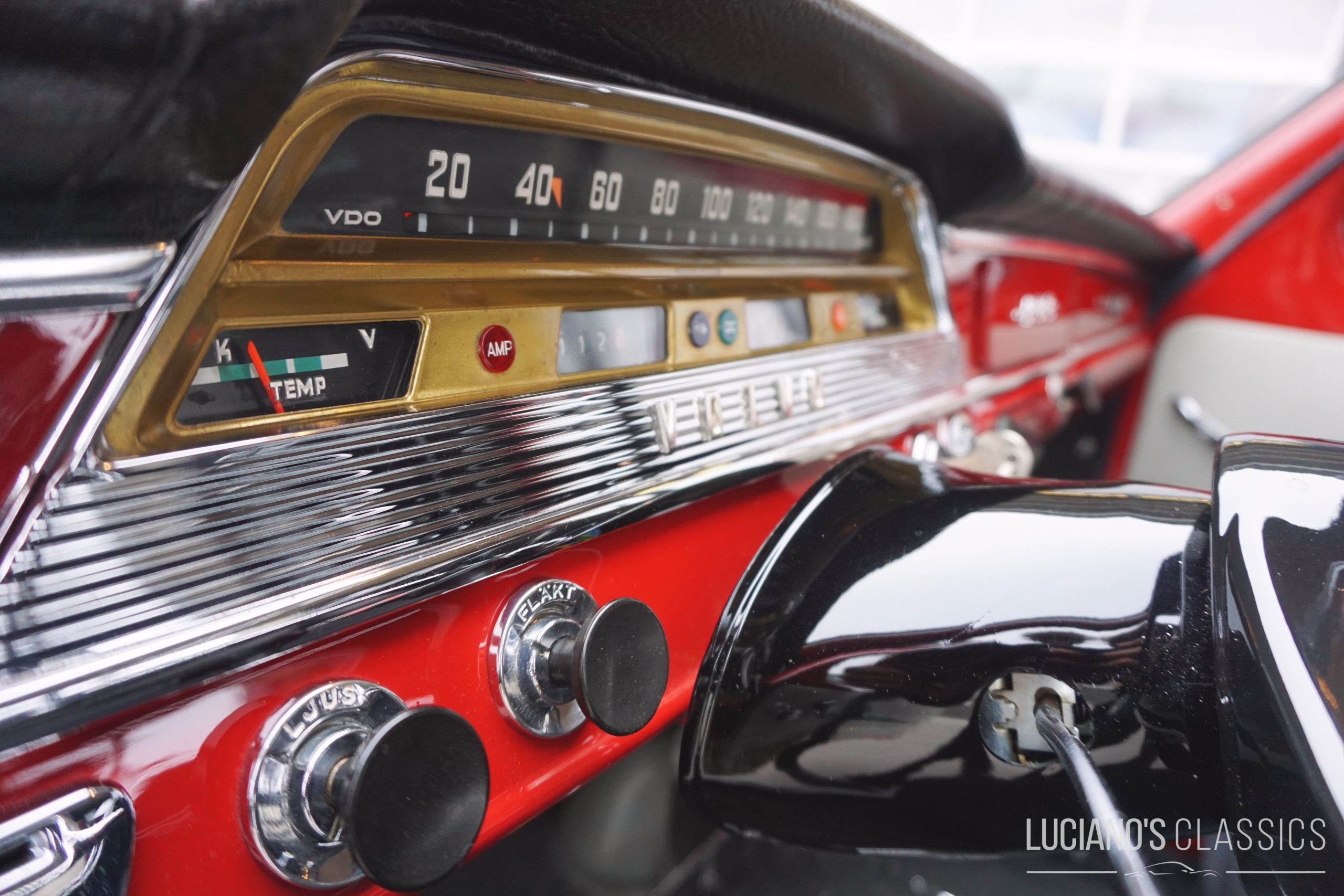
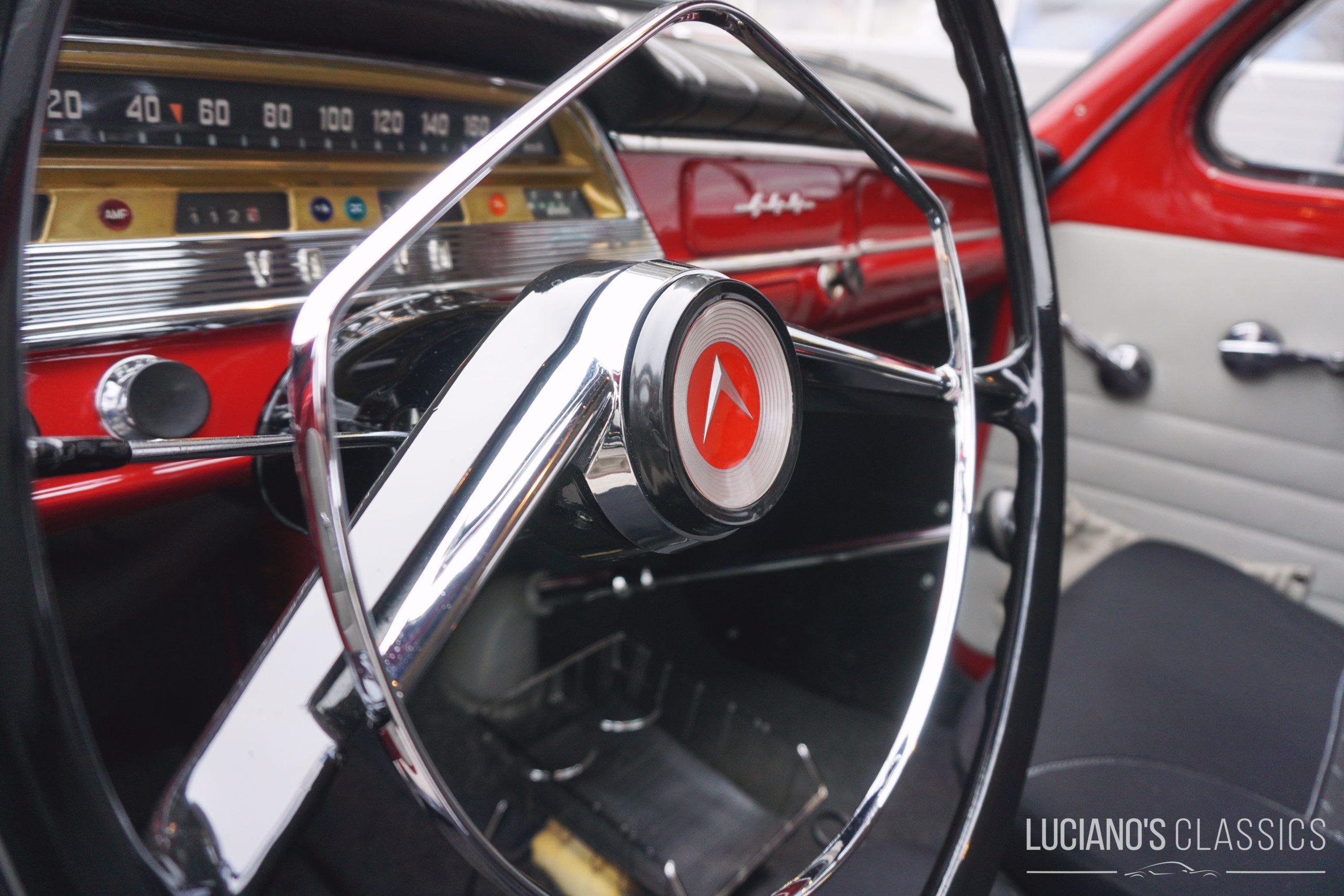
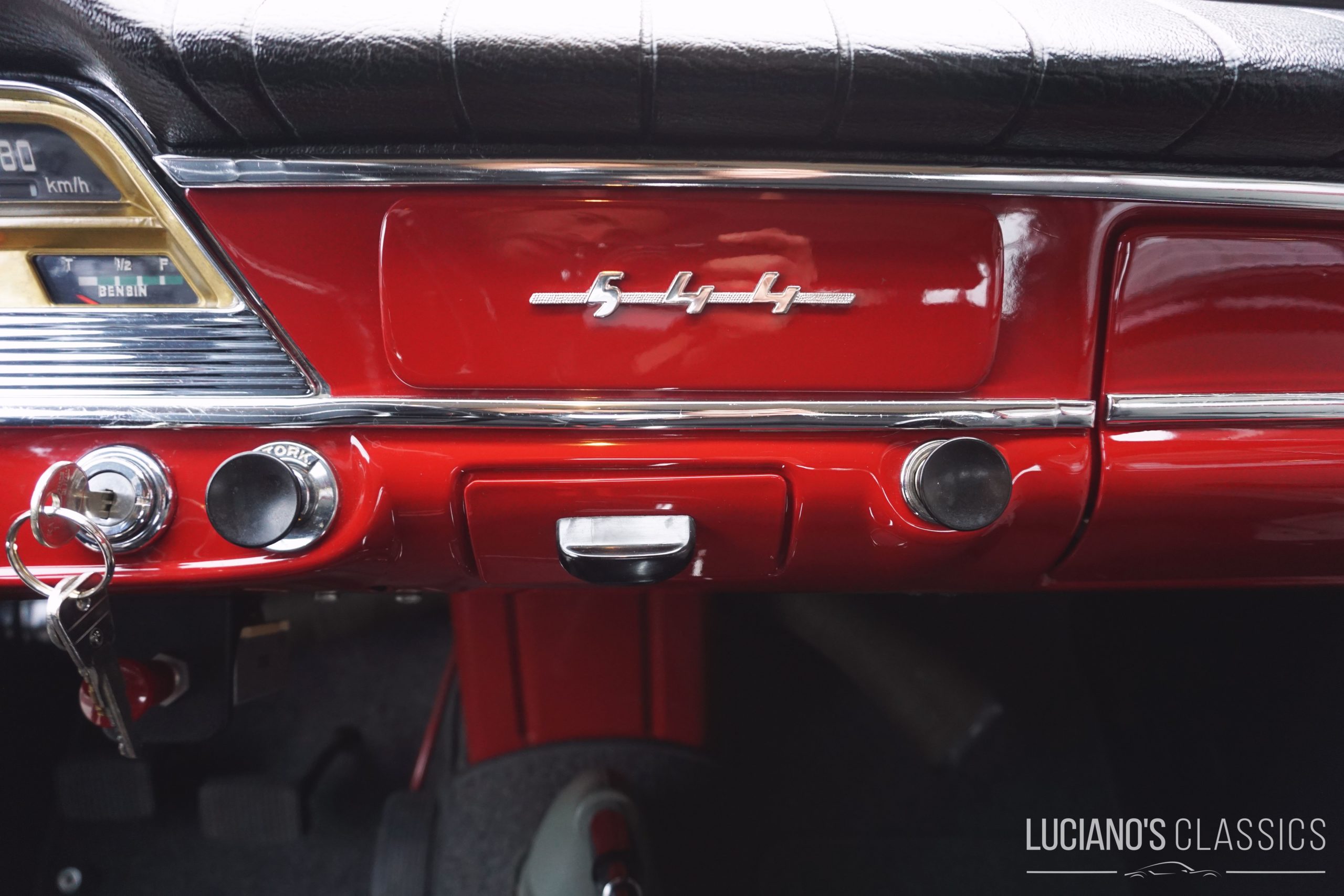
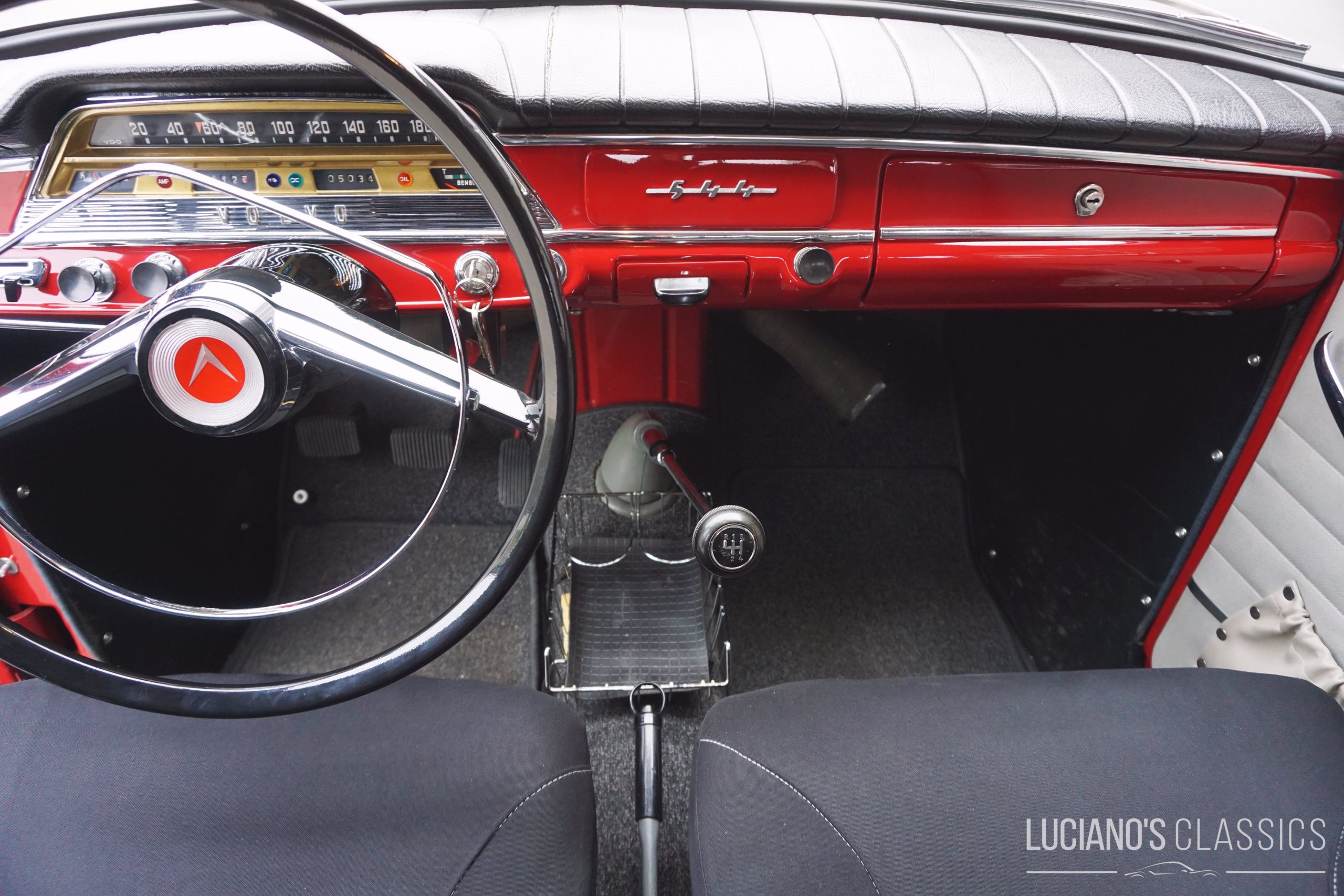
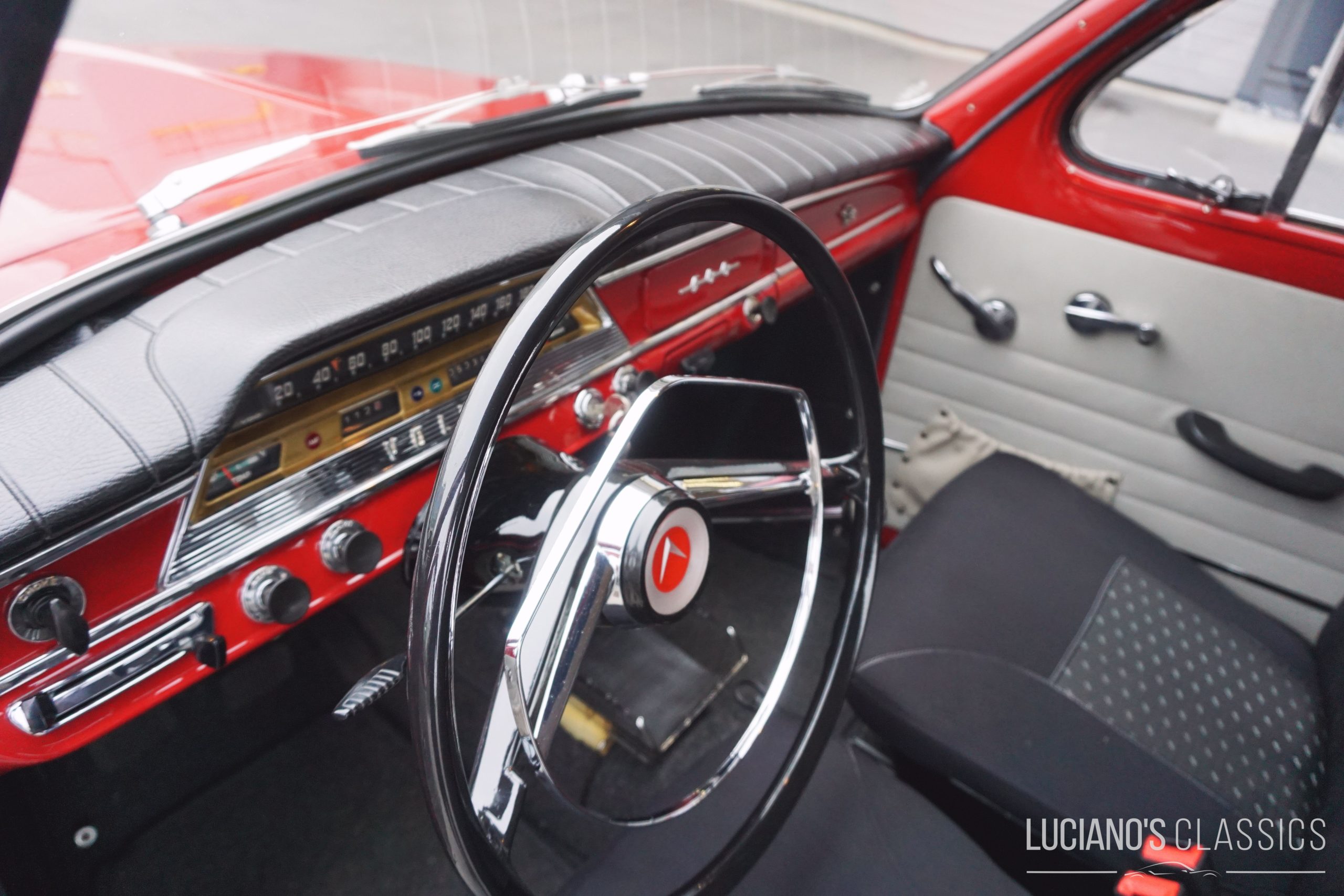
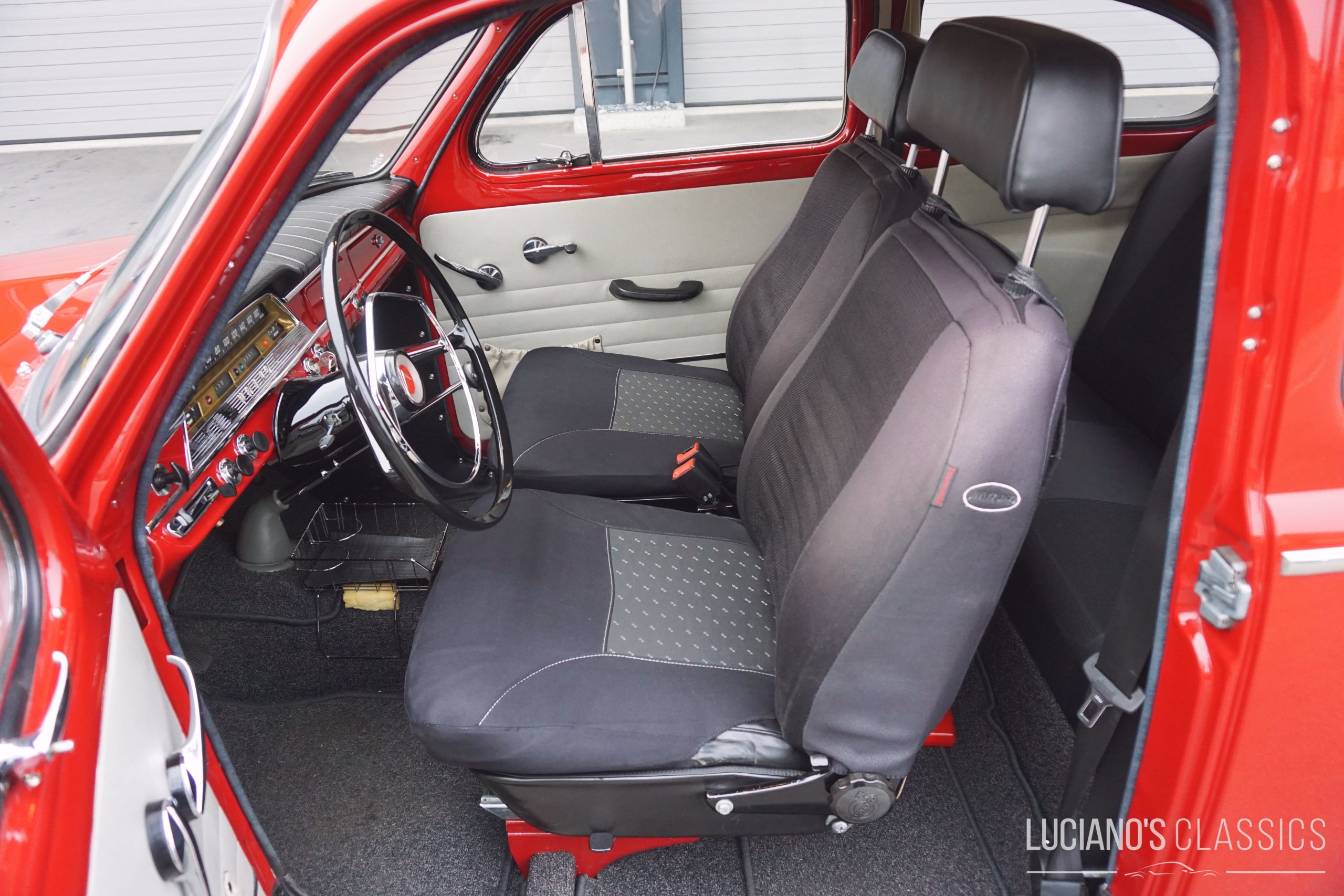
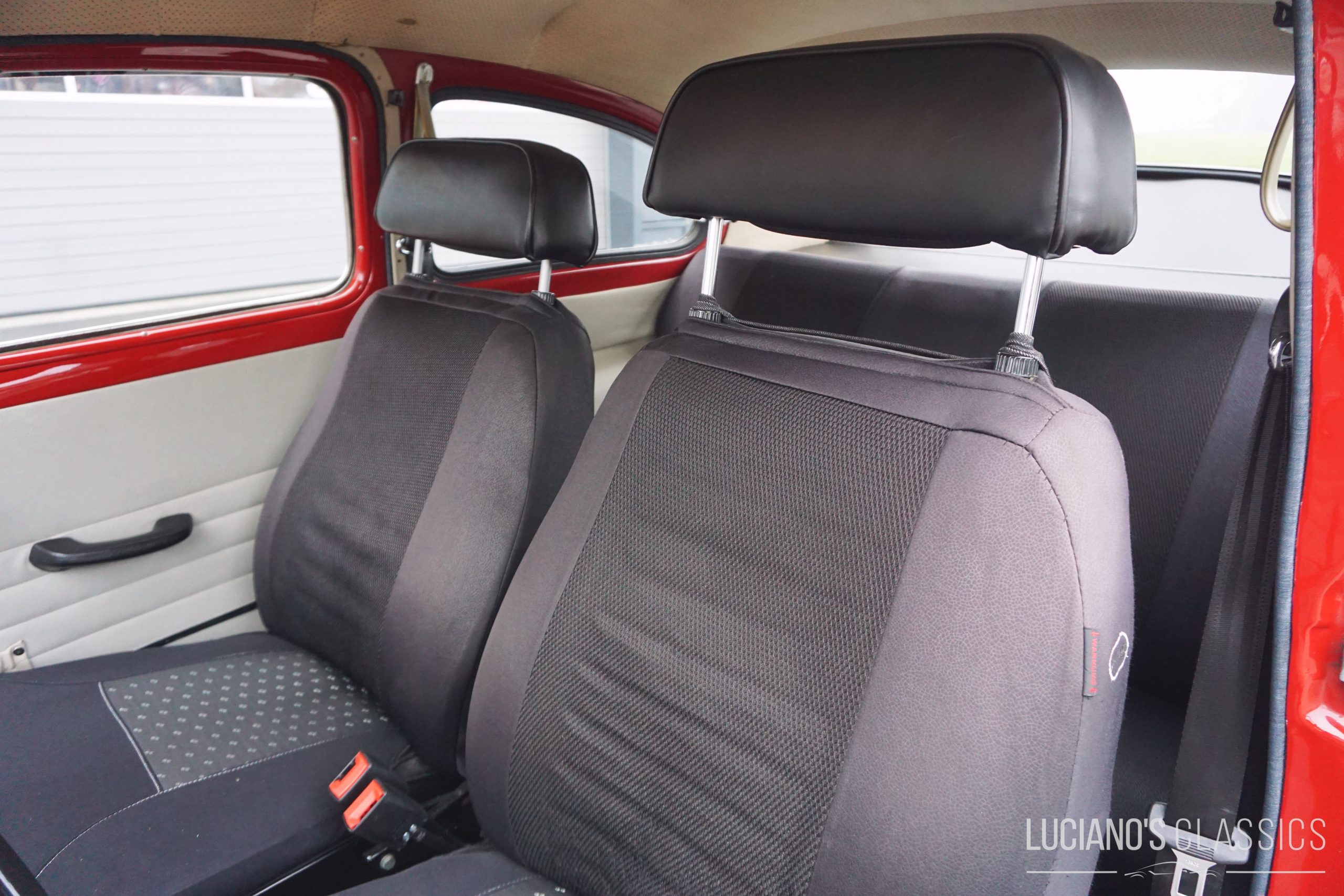
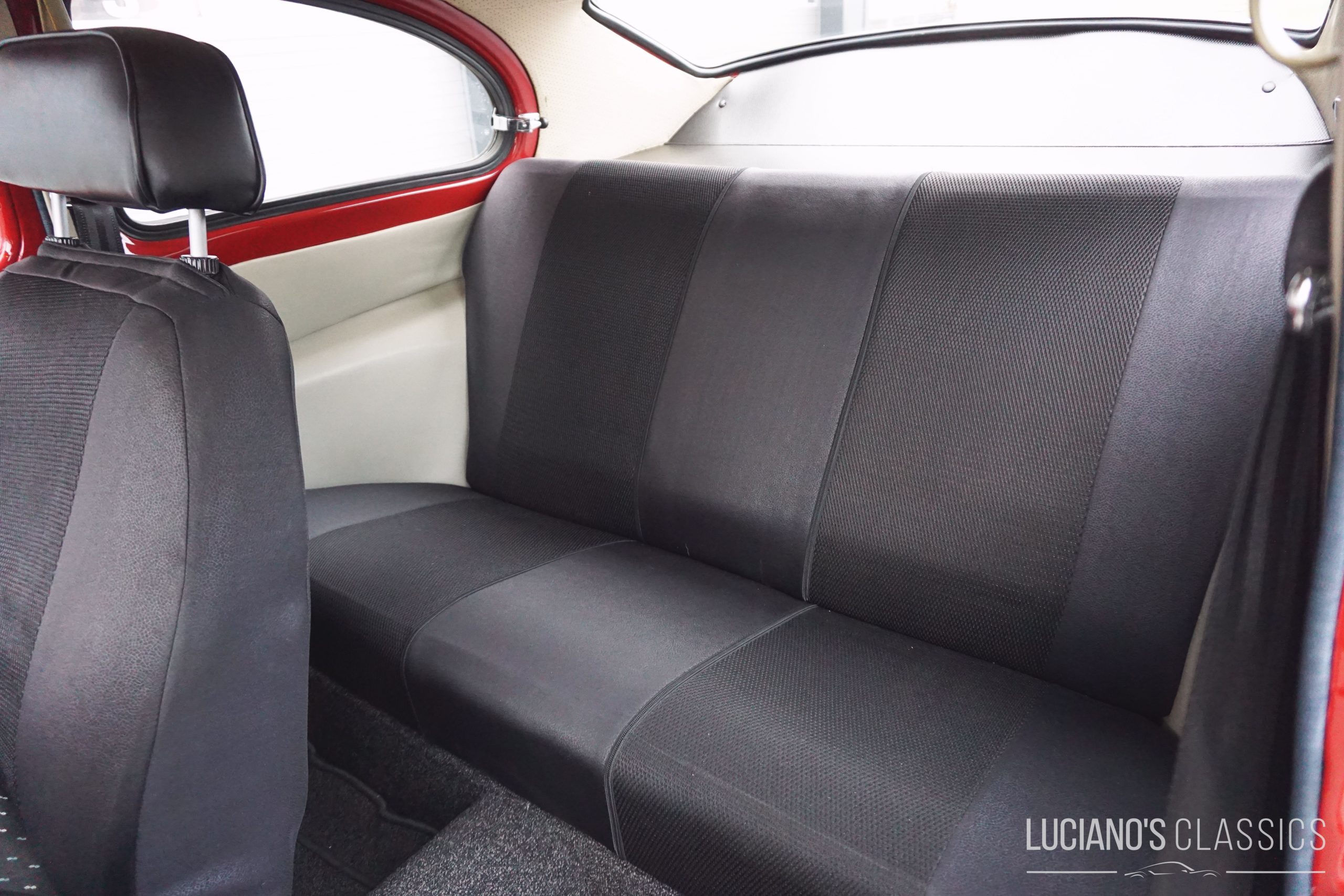
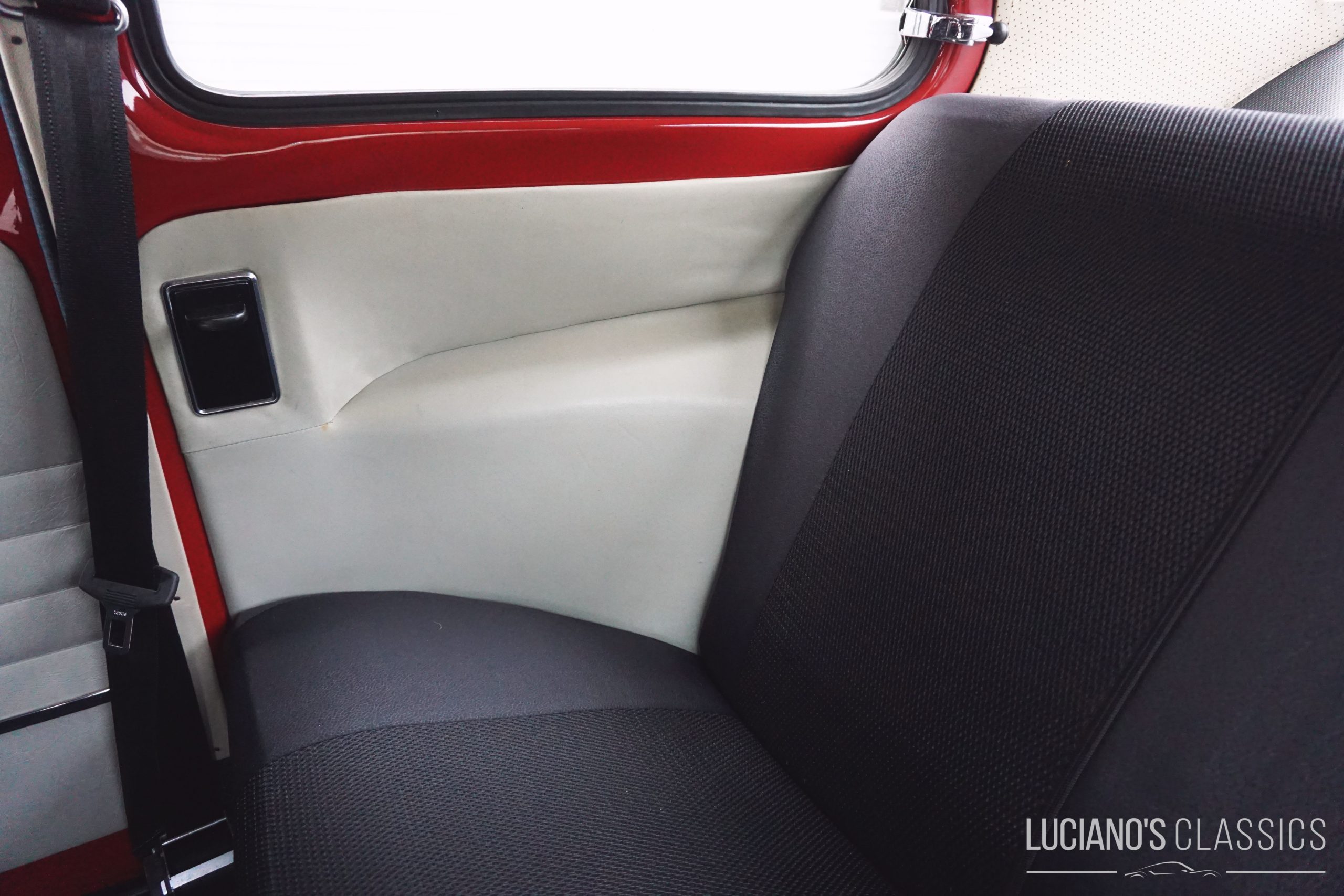
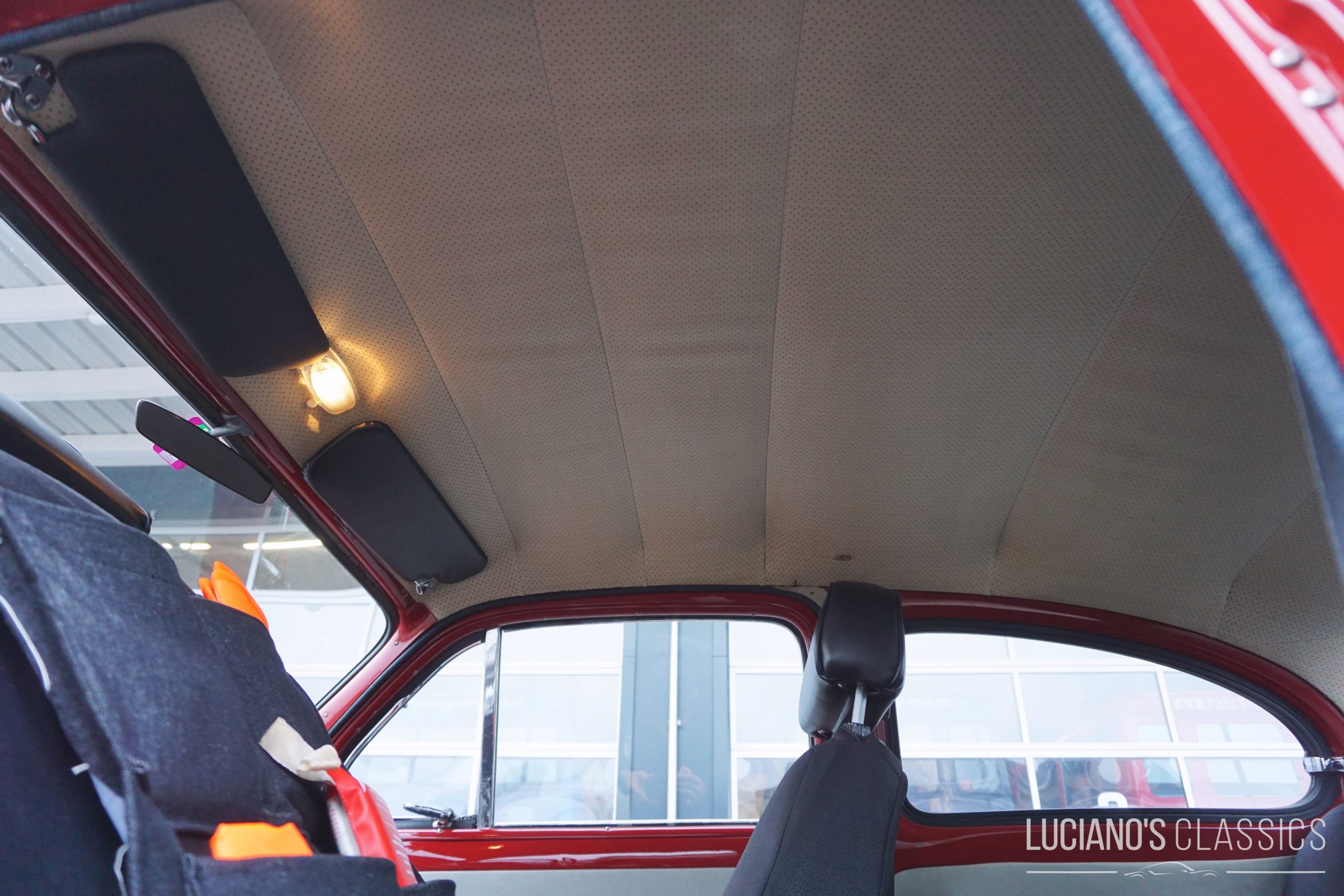
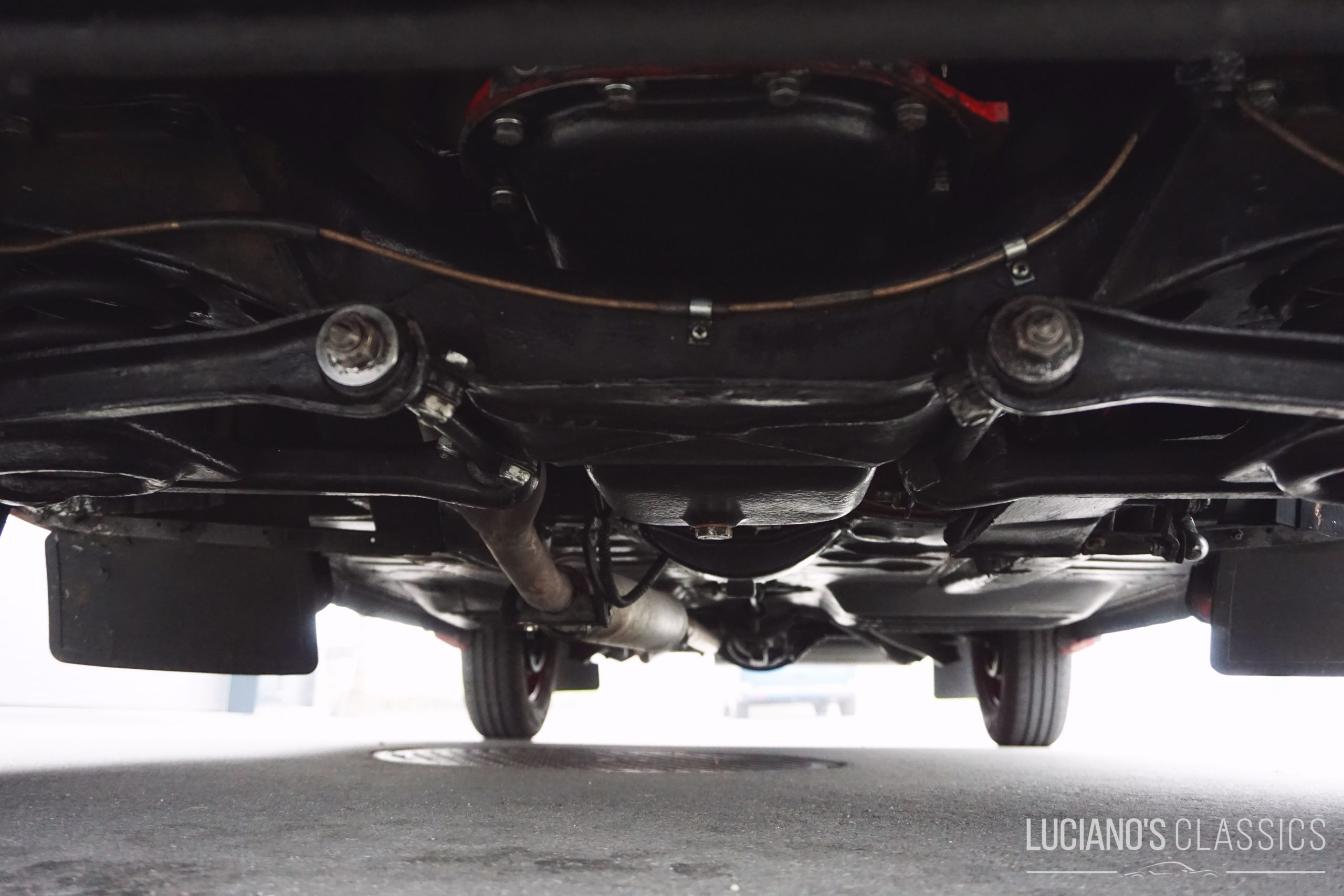
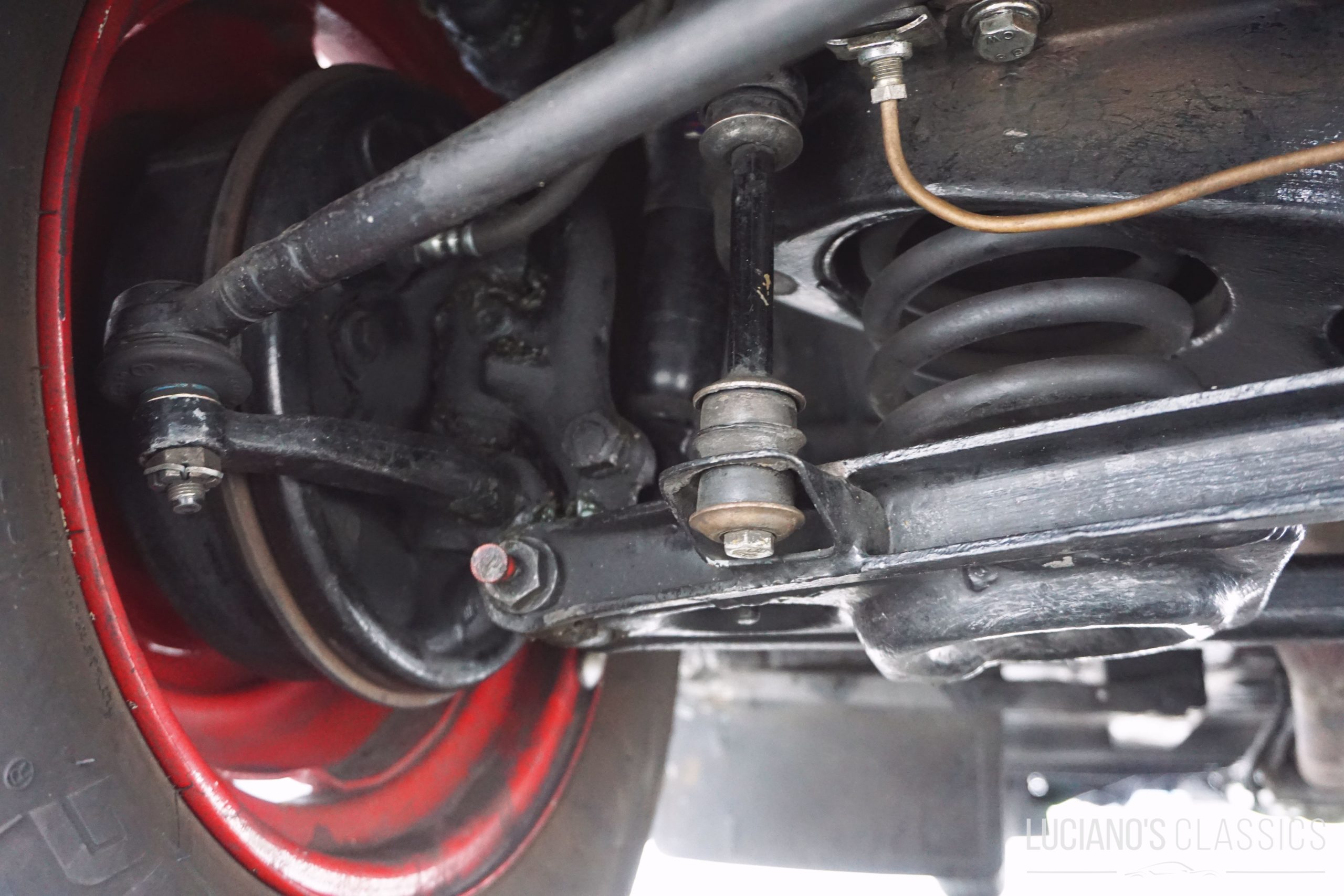
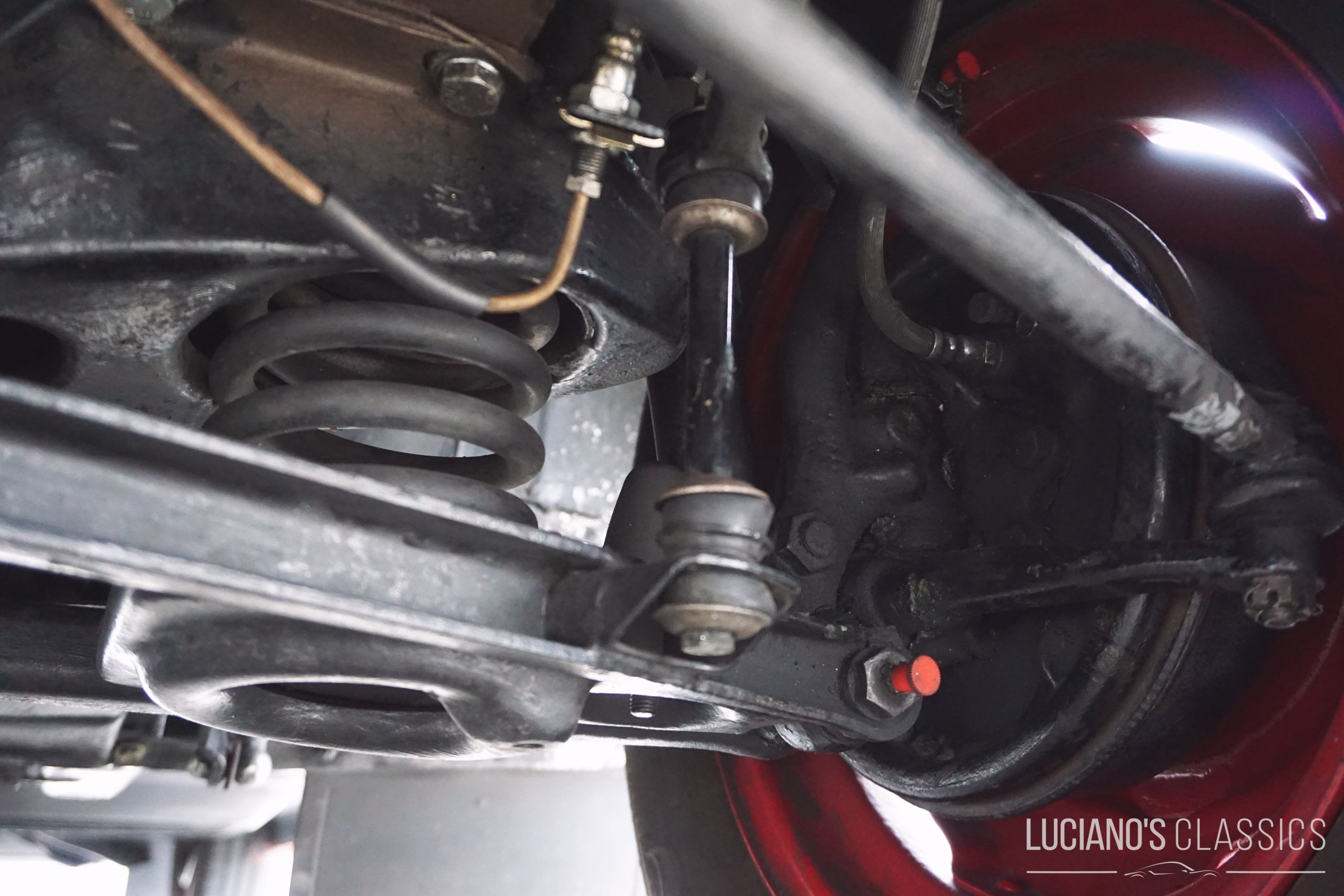
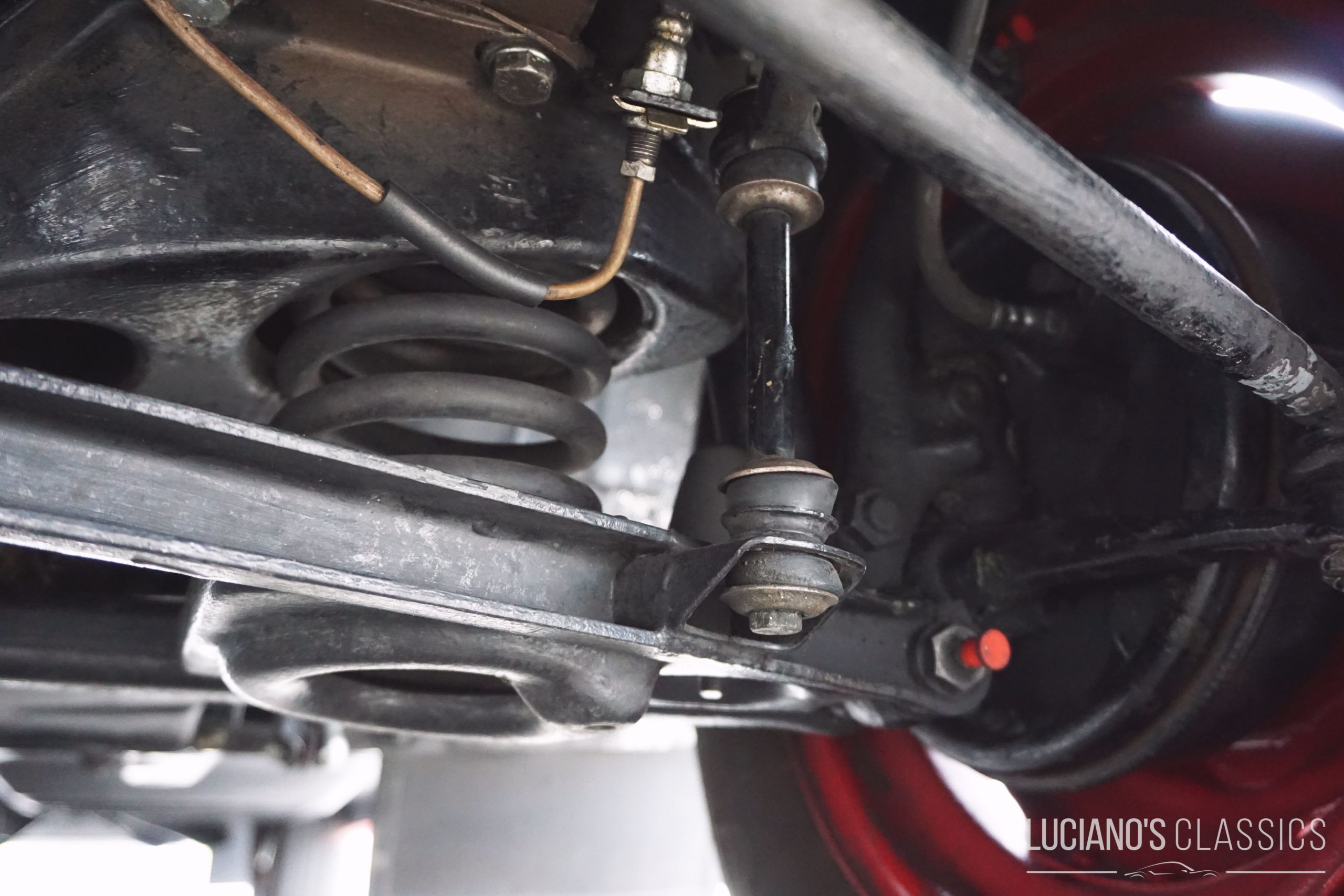
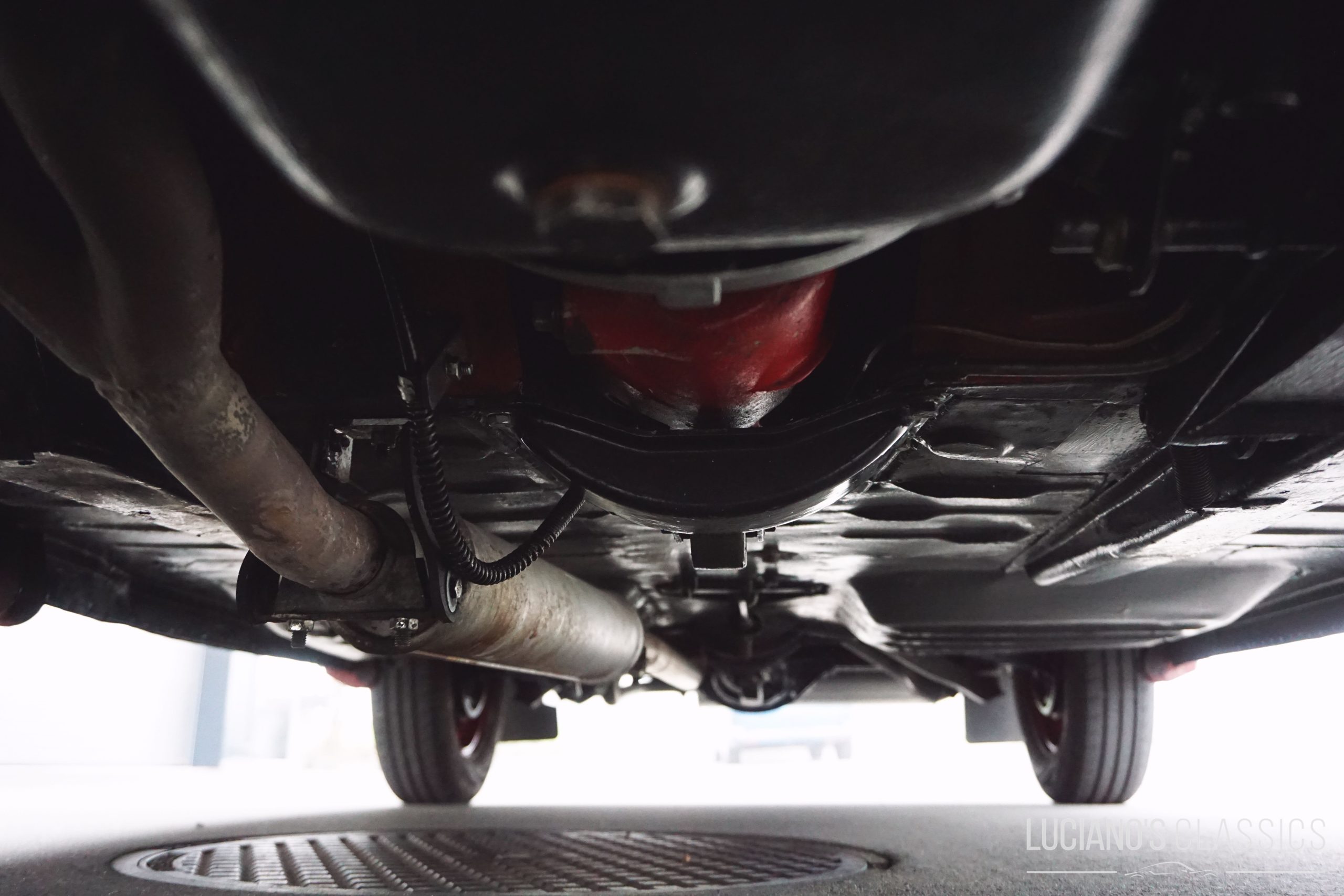
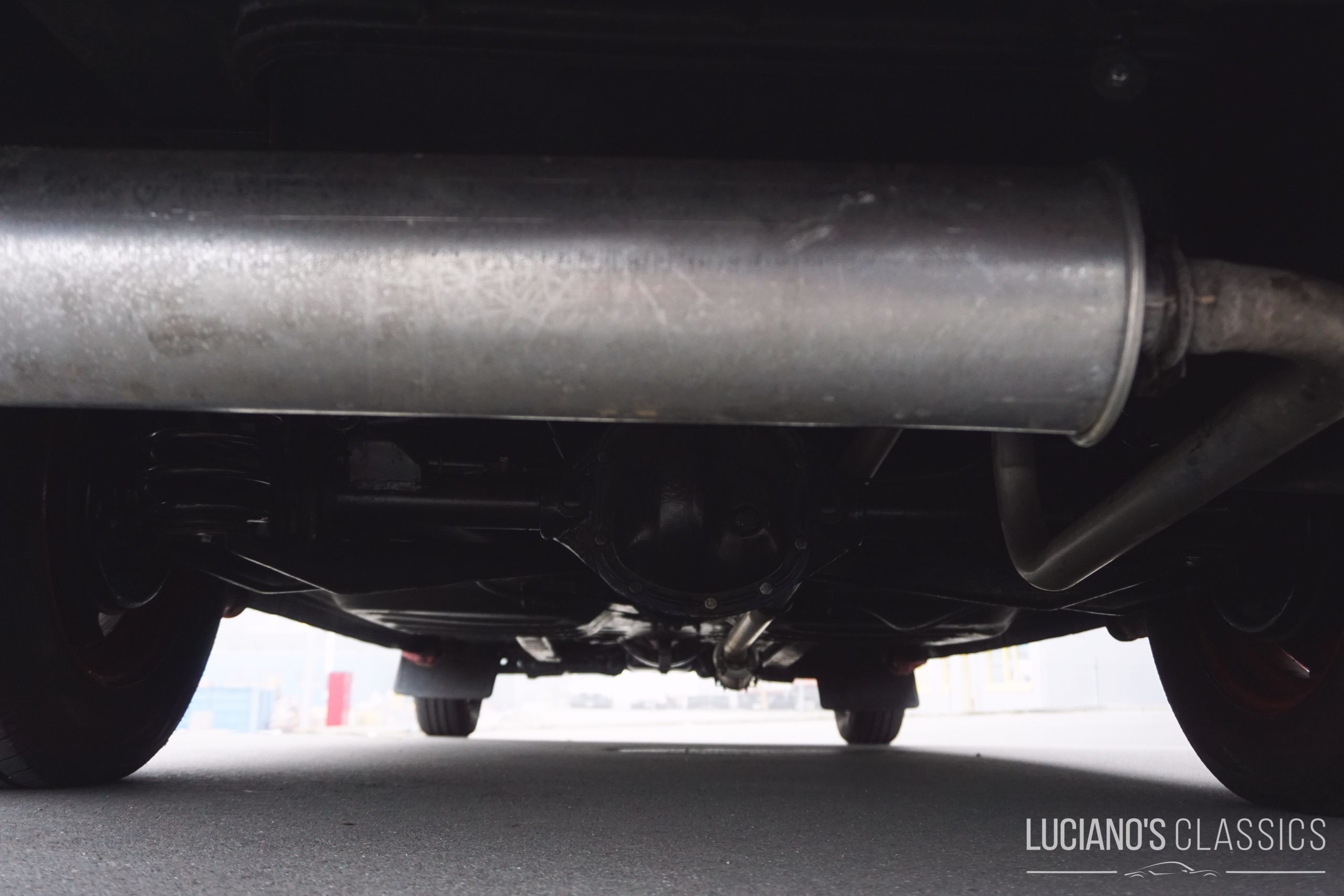
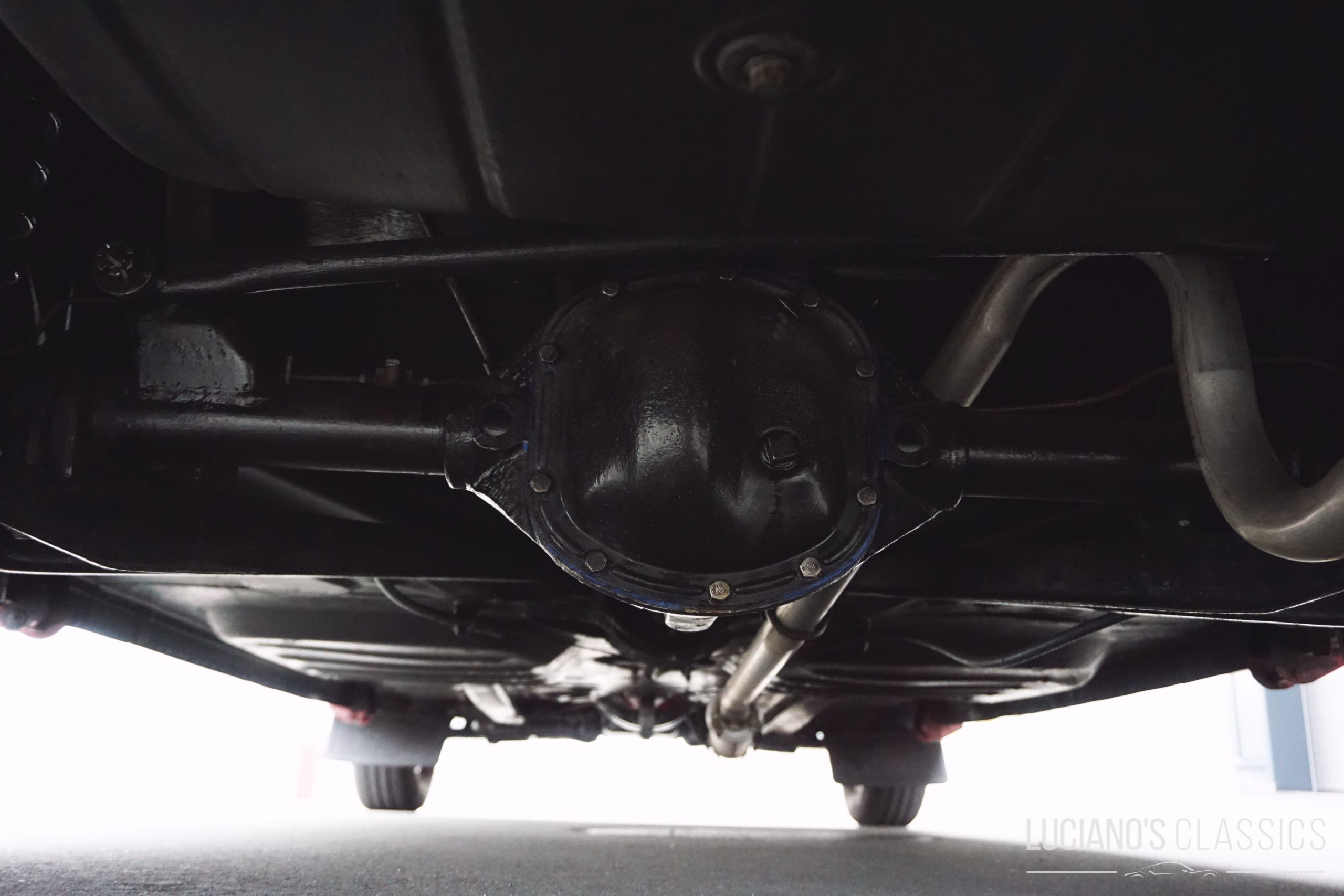
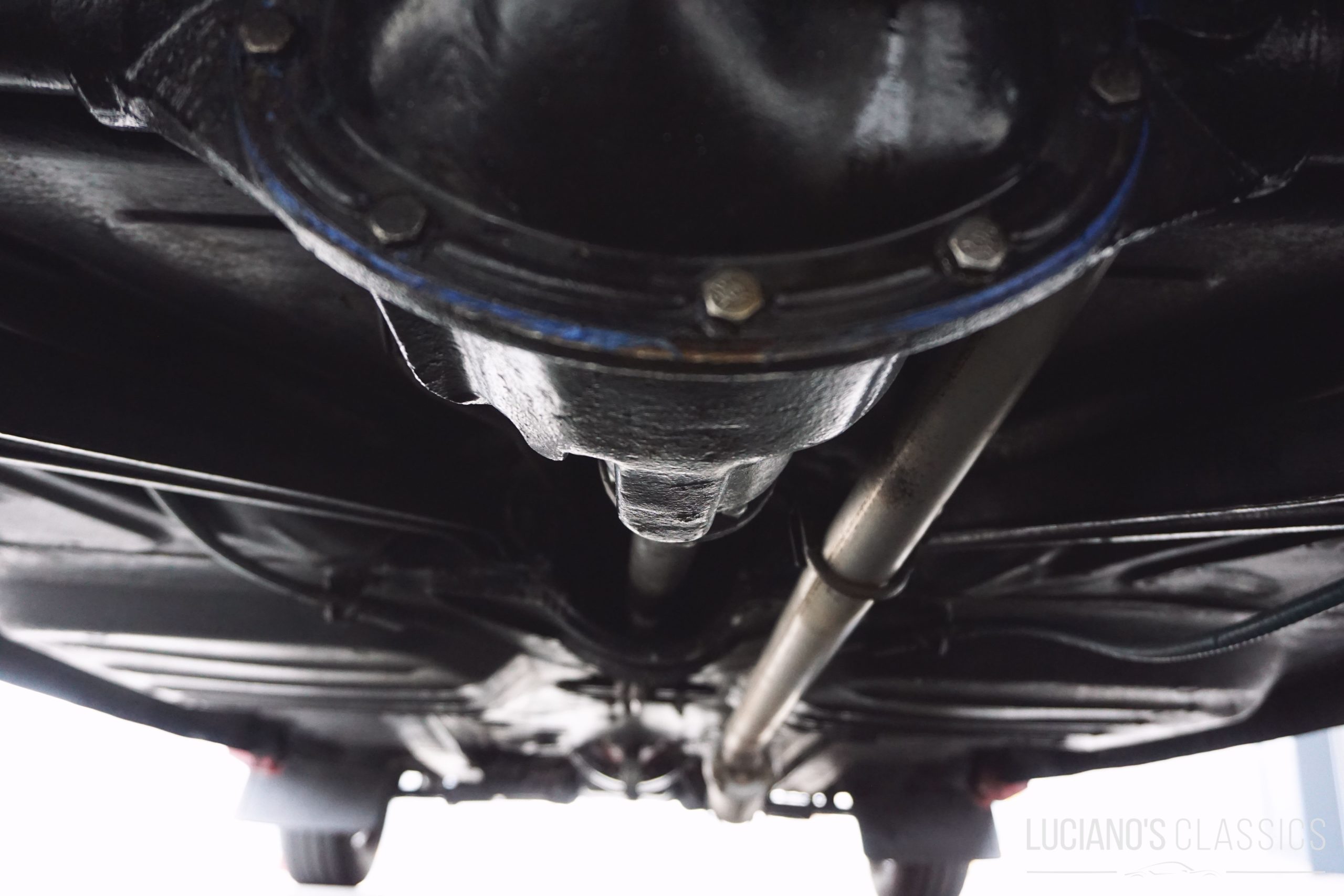
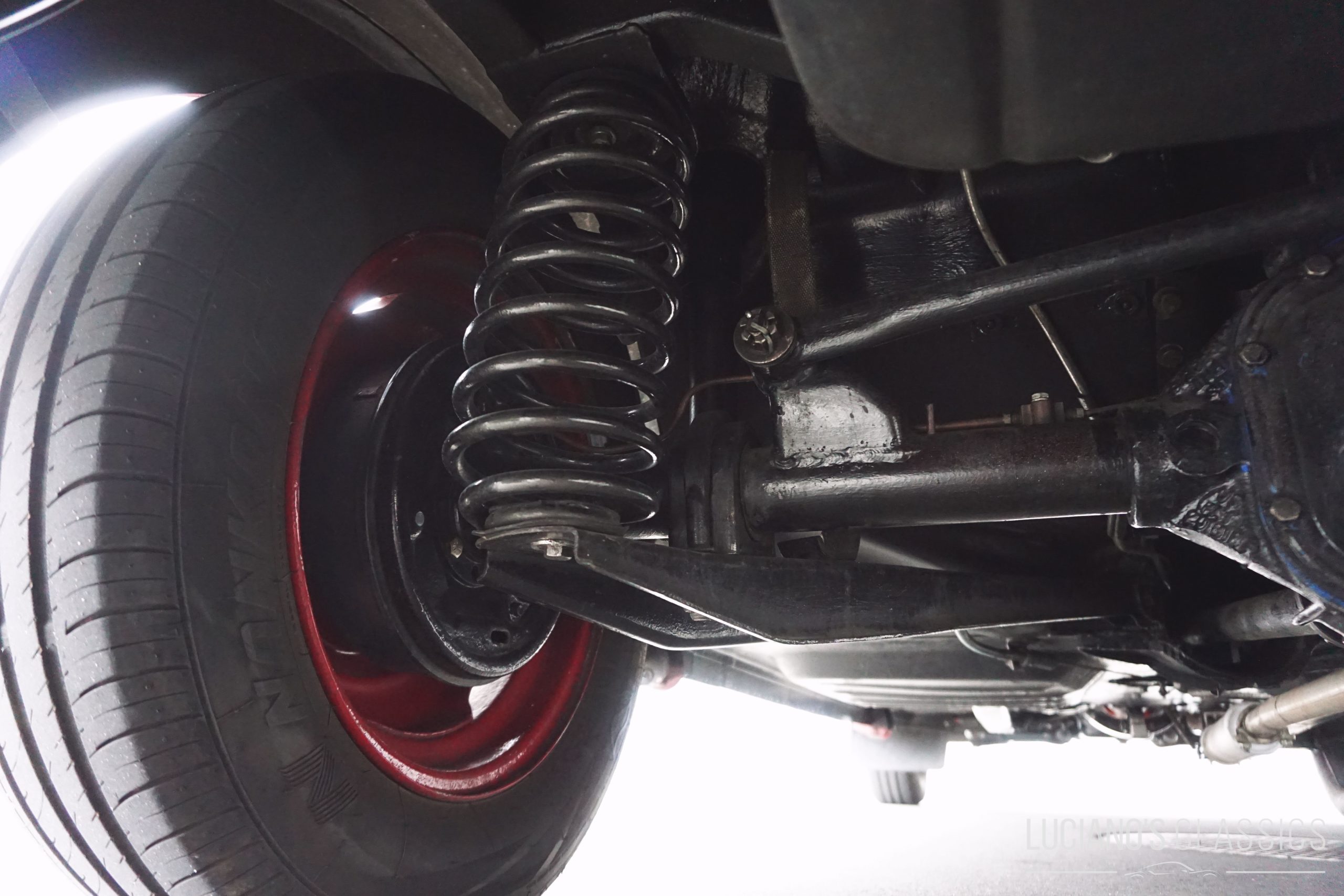
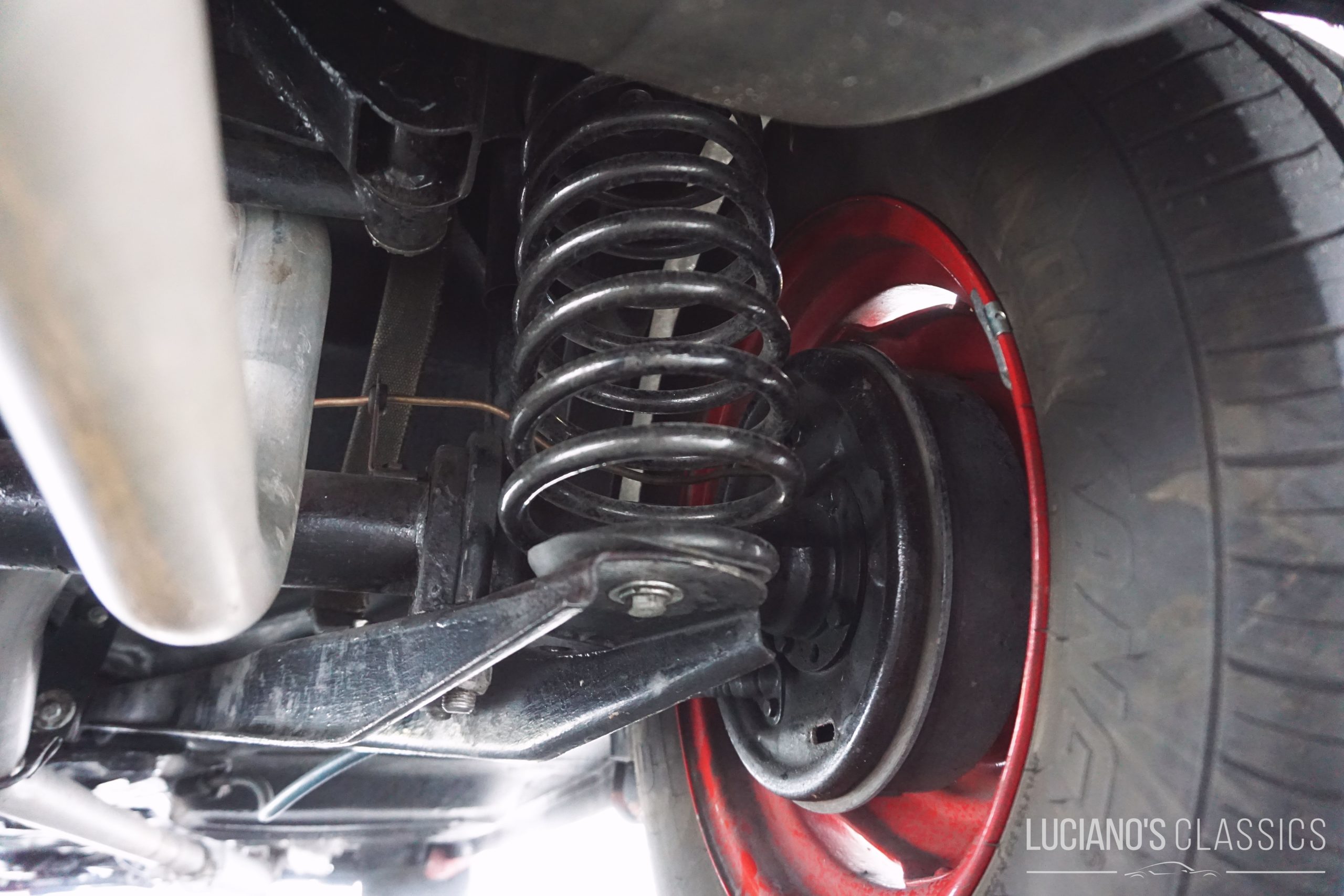
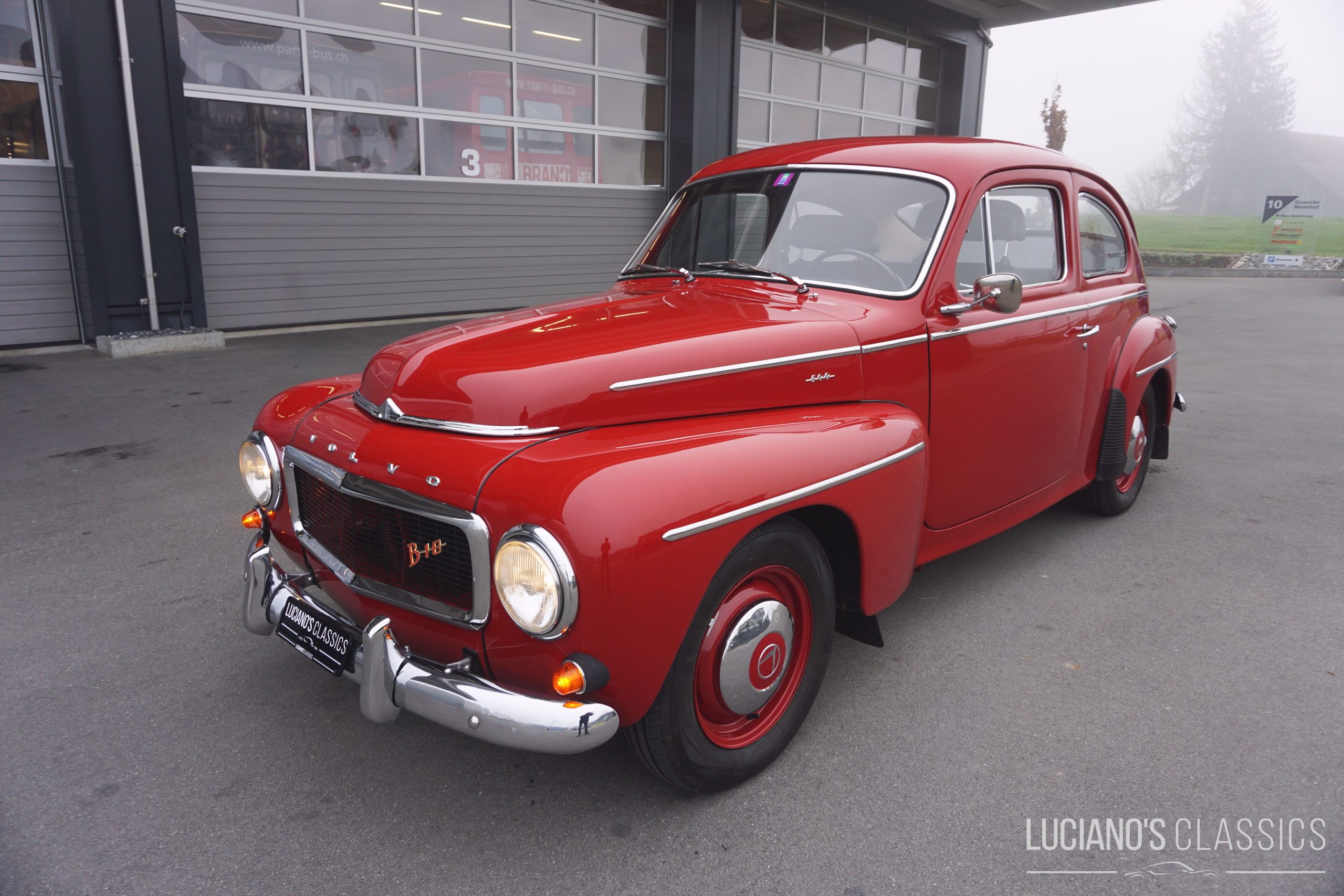
This 1964 Volvo PV 544 comes from many years of ownership and over these 17 years it has been completely dismantled, overhauled and completely rebuilt - including inner fenders. The condition inside, outside and underneath is excellent and the car runs perfectly. The black leather of the seats is in good condition, but due to the heat in summer, fabric covers were put over them. The old Swede left the MFK as a veteran in December 2022, leaving the inspectors with an astonished look on their faces.
The car comes with a whole box full of spare parts such as air filters, seals, hoses, bulbs, trim strips, belts and much more.
You can find a video of the Humpback Volvo at the bottom of this page.
This vehicle has already been sold.
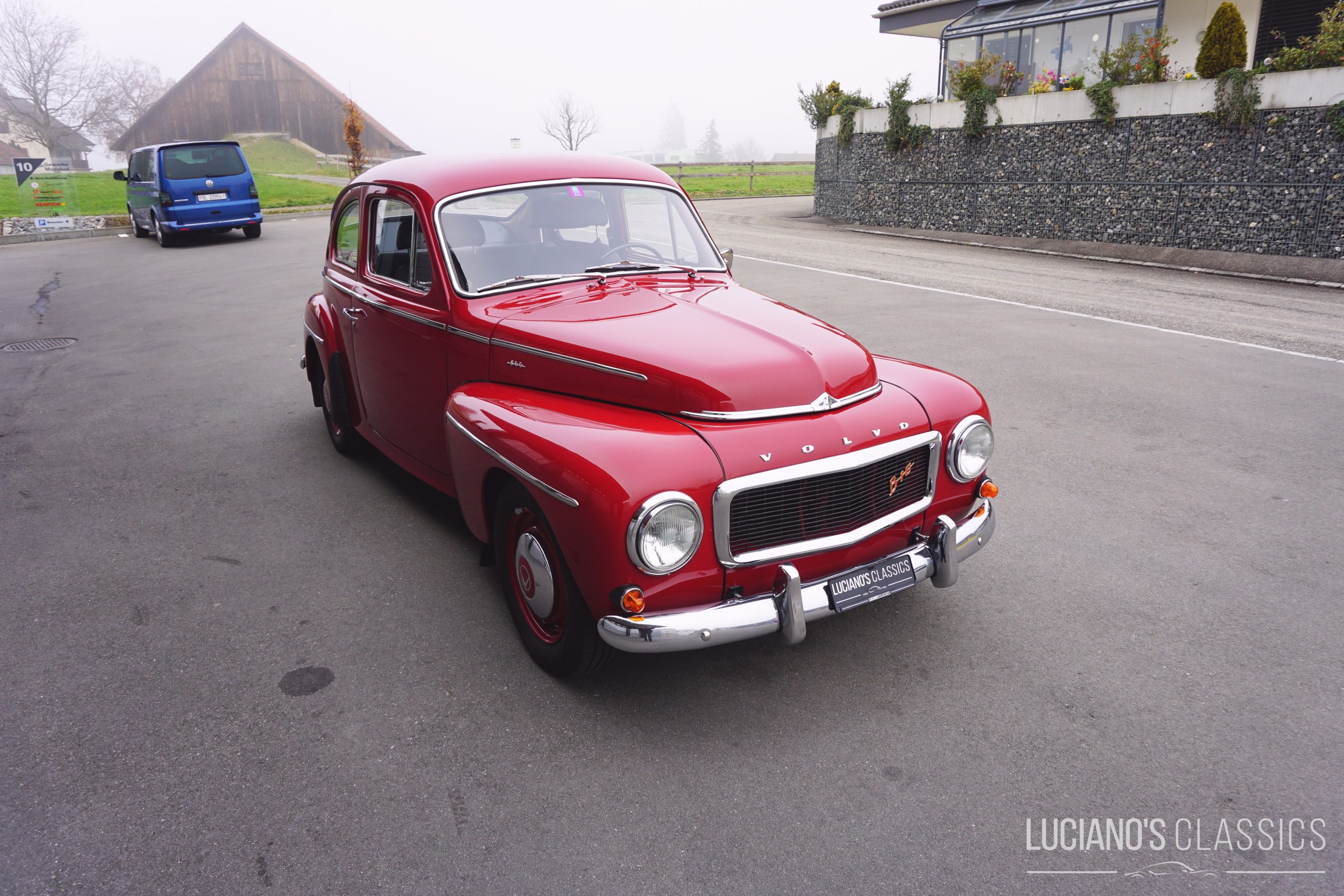
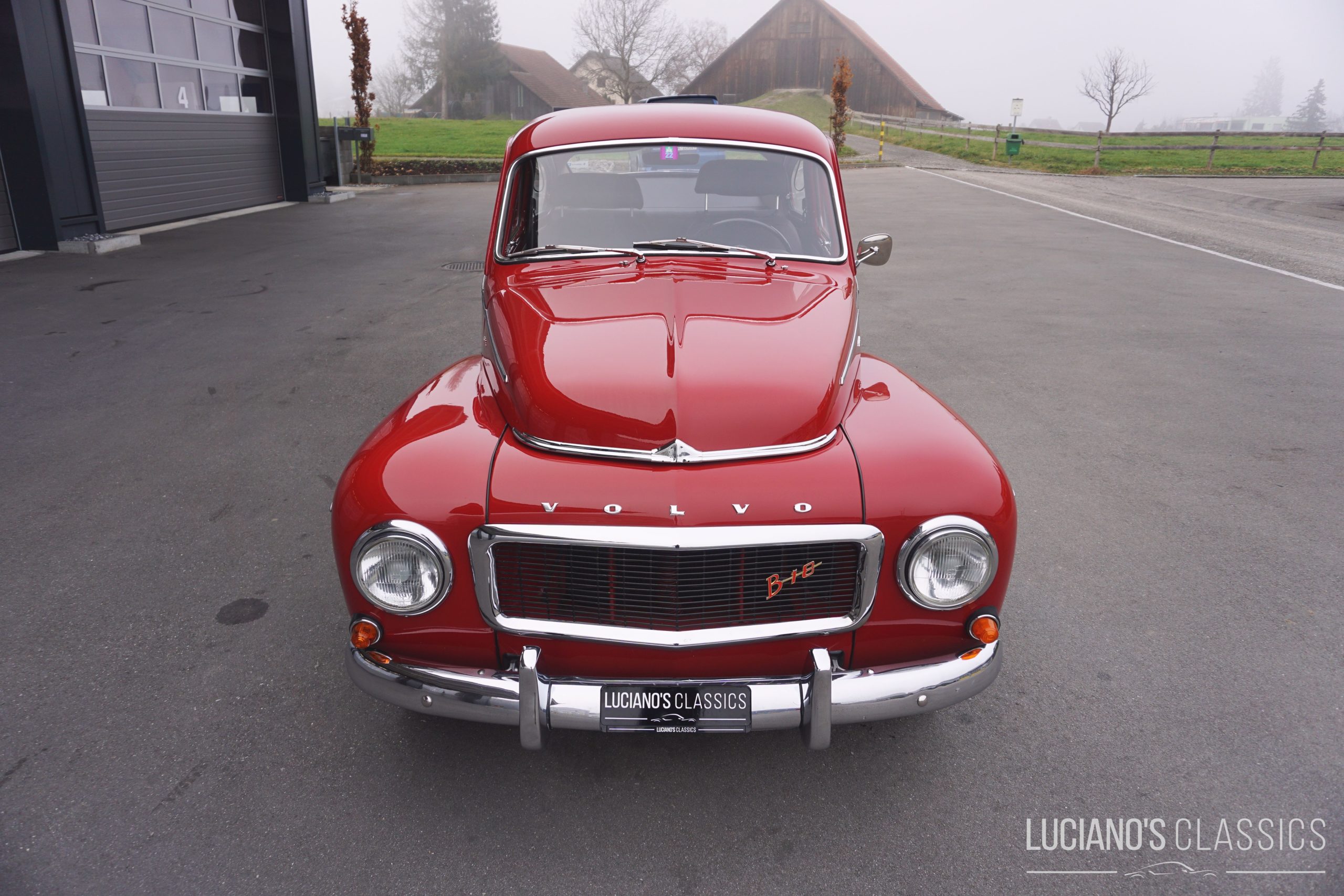
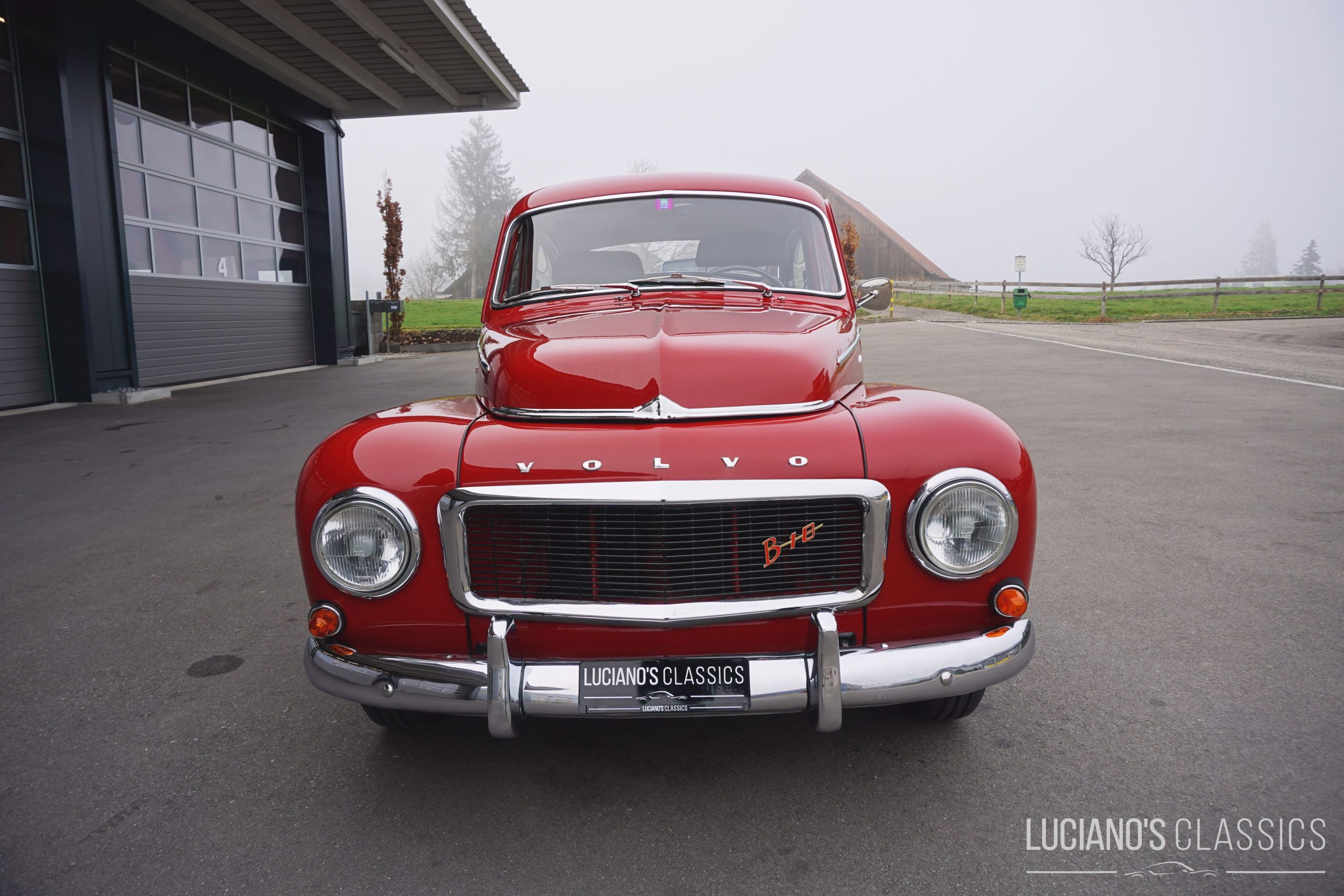
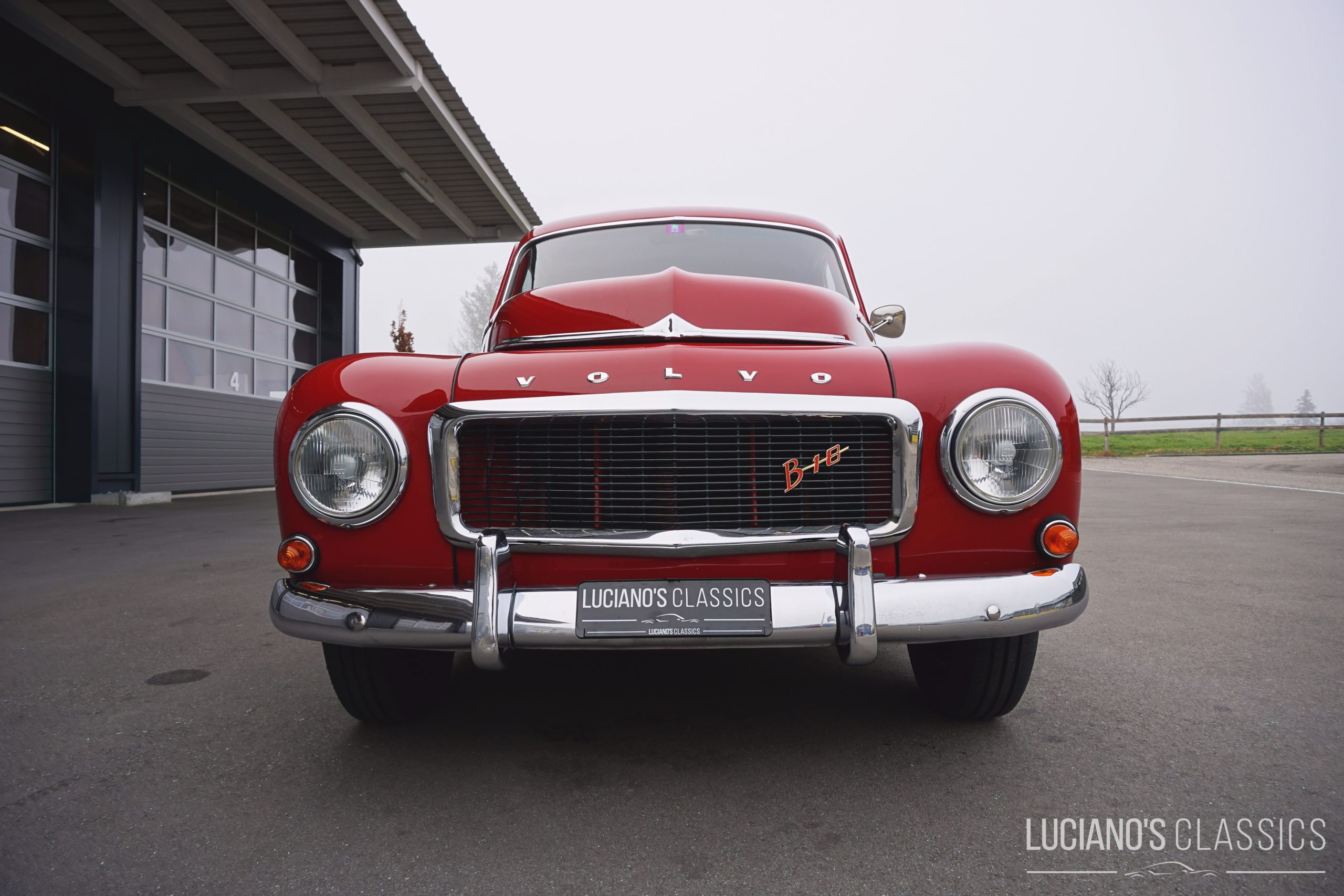
Model history
The PV 544 - a classic car since day one and yet a true pioneer in the history of the automobile.
In the 1950s, Volvo was still a small Gothenburg car manufacturer with ambitious plans. They wanted to expand and impress North America in particular with new safety concepts. In order to not only master the strict safety regulations, but also to set new standards, Volvo recruited the aircraft engineer Nils Bohlin, who was responsible for the development of ejection seats in aircraft construction at Saab.
At the time, cars had no restraint systems installed at all; only airplanes sometimes had two-point seat belts. Volvo's two-door fastback was the first production car in the world to be fitted with the life-saving safety concept as standard. Almost at the same time, the system also found its way into the Amazon.
To this day, the three-point seat belt is one of the most important safety features in vehicles and, thanks to Volvo, has changed the history of the automobile forever. Volvo had patented the ingenious concept of the three-point safety belt, but released the patent for use by all manufacturers shortly after it was registered.
As with many beginnings, there were also concerns here. Being strapped into a car was an idea that did not sit well with everyone. Volvo allayed concerns with spectacular actions and stunts in which vehicles were suspended from belts and stunt drivers emerged unscathed from wrecked cars after causing accidents.
However, the Humpback did not achieve cult status thanks to its pioneering safety concept, but rather due to its 30s/40s shape, the non-integrated mudguards and the amazing driving characteristics. The Humpback Volvo impressed across the board as a family sports car and was also extremely reliable, as astronomical mileages were soon to prove.
PV stands for «Personvagn» - a translation is hardly necessary. The PV 544 was introduced in 1958 and is the successor to the PV 444, which was introduced in 1944. Although the Amazon had already been available with a modern pontoon body for two years, the 544 remained true to the lines and design of the 444 - but now with five instead of four seats.
The car was a bestseller and particularly popular in the USA. Interestingly, this was precisely the time when the well-known US manufacturers were competing with luxury cruisers weighing several tons and the most luxurious tail fins in history. The Humpback was practical, pretty, reliable and, thanks to the 85 hp «America engine», also lively and capable of speeds of up to 160 km/h. With a weight of less than a ton, the Volvo caused a sensation on race tracks and on the highway. Many a V8 BMW had to make way for the Swede.
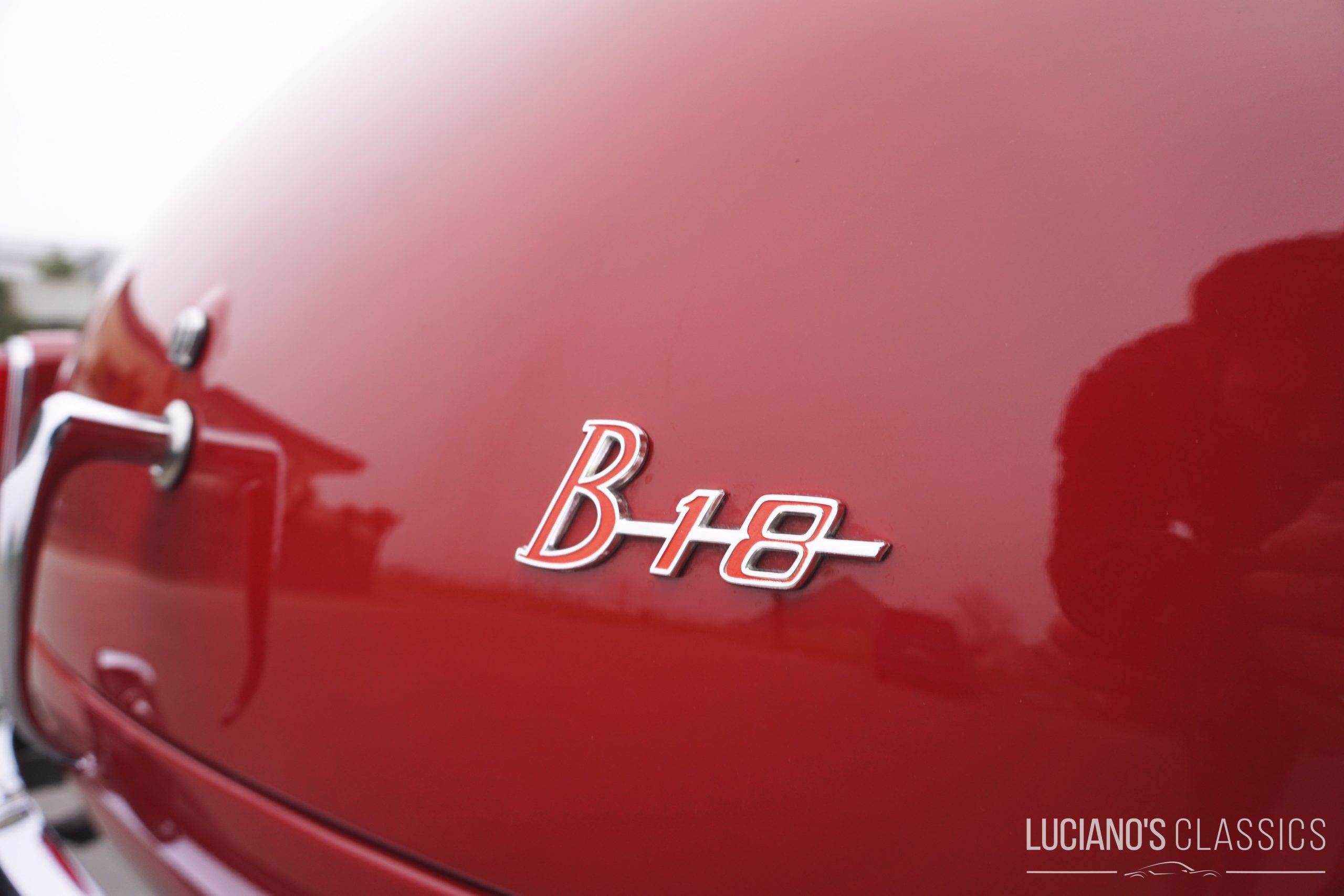
From 1961, the 1.8 liter four-cylinder engine was installed, which provided even more driving pleasure and better lap times with 95 hp. The frugal humpback was at home in the elements and regularly asserted itself on the world's rally tracks. The PV 544's motorsport career was crowned in 1965 with a victory in one of the toughest rallies in the world, the East African Safari Rally. In the same year, the last PV 544 rolled off the production line, leaving production capacity to the new Volvo 140.
Details
- 5’000 km
- 1. inv. 01.07.1964
- MFK 05.12.2022
- 1,780 cc R4 engine
- 95 HP
- Type certificate 4051
- Master number 017.589.430
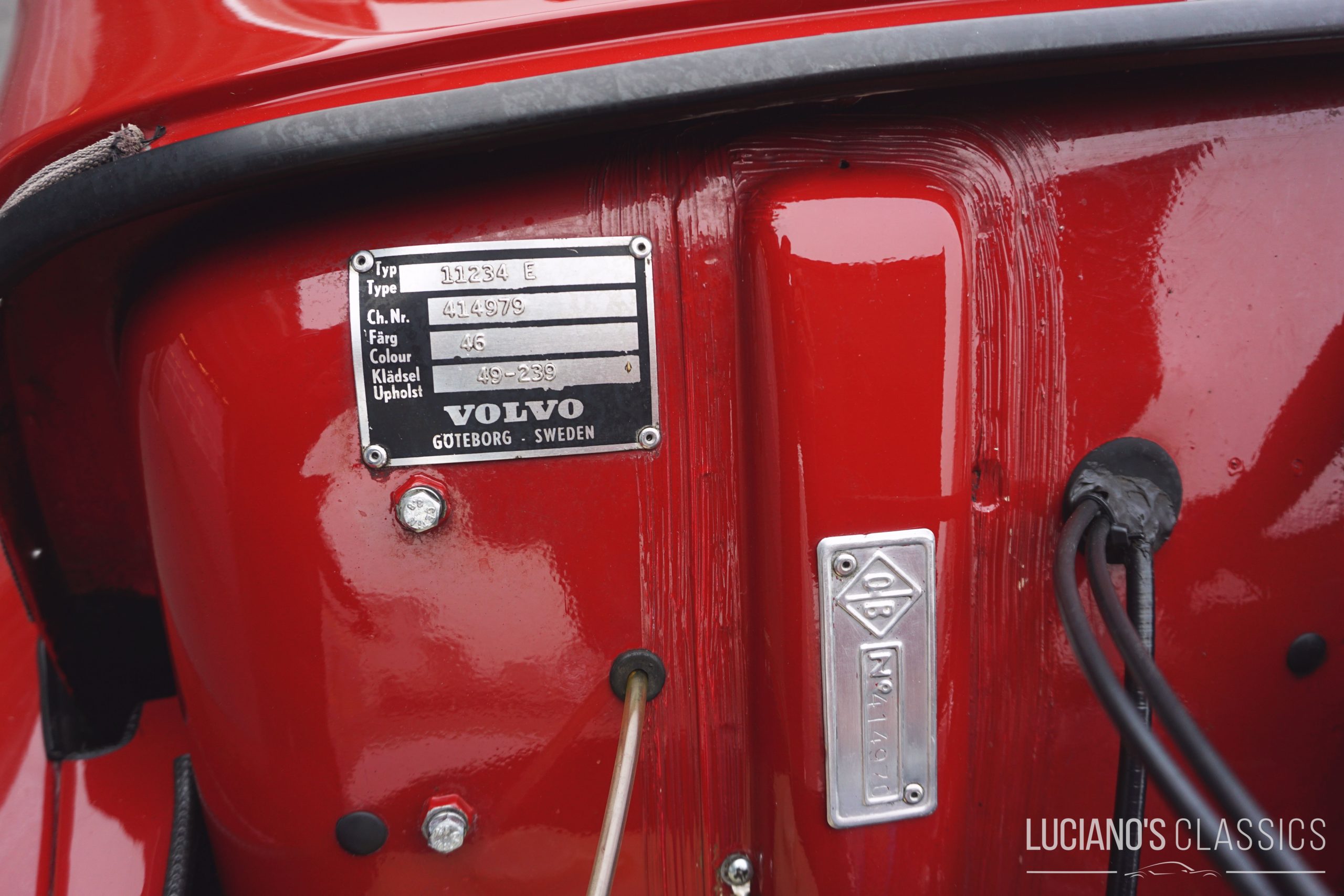
- Chassis 414 979
- Unladen weight 990 kg
- Payload 460 kg
not what you are looking for?
We will be happy to find your individual dream vehicle.
Simply make a non-binding inquiry and benefit from our network.