
Chevrolet SuperNova
Description
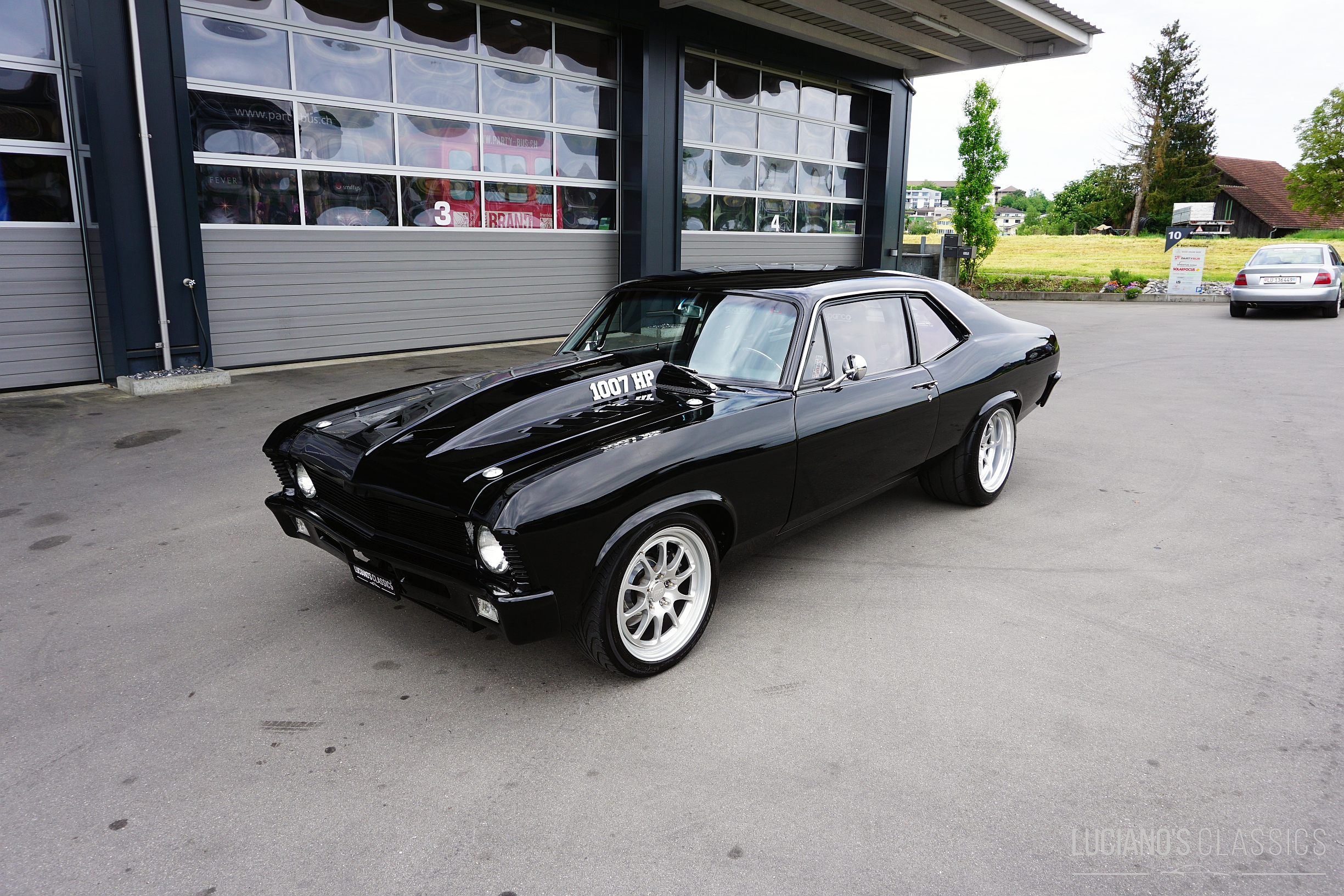
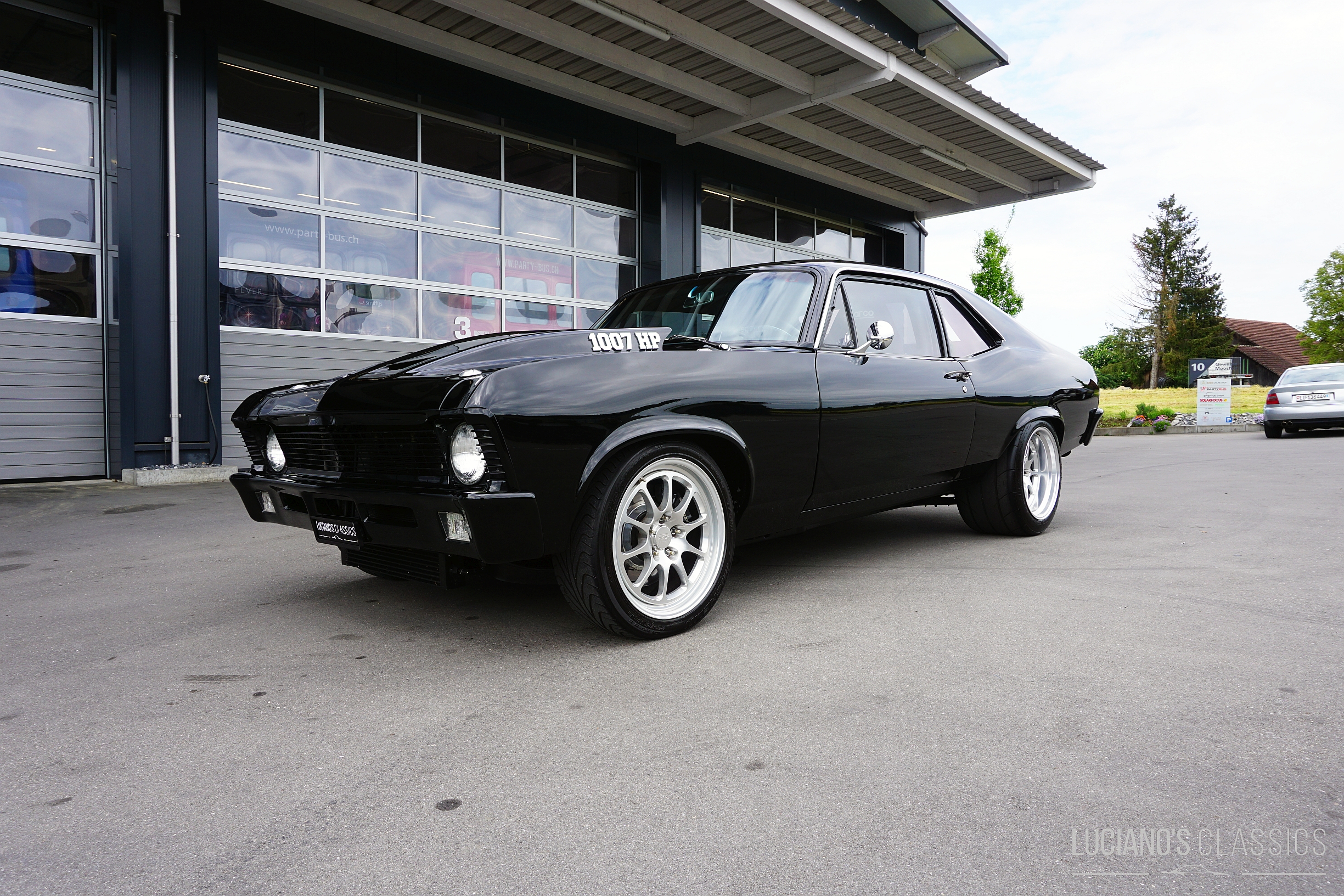
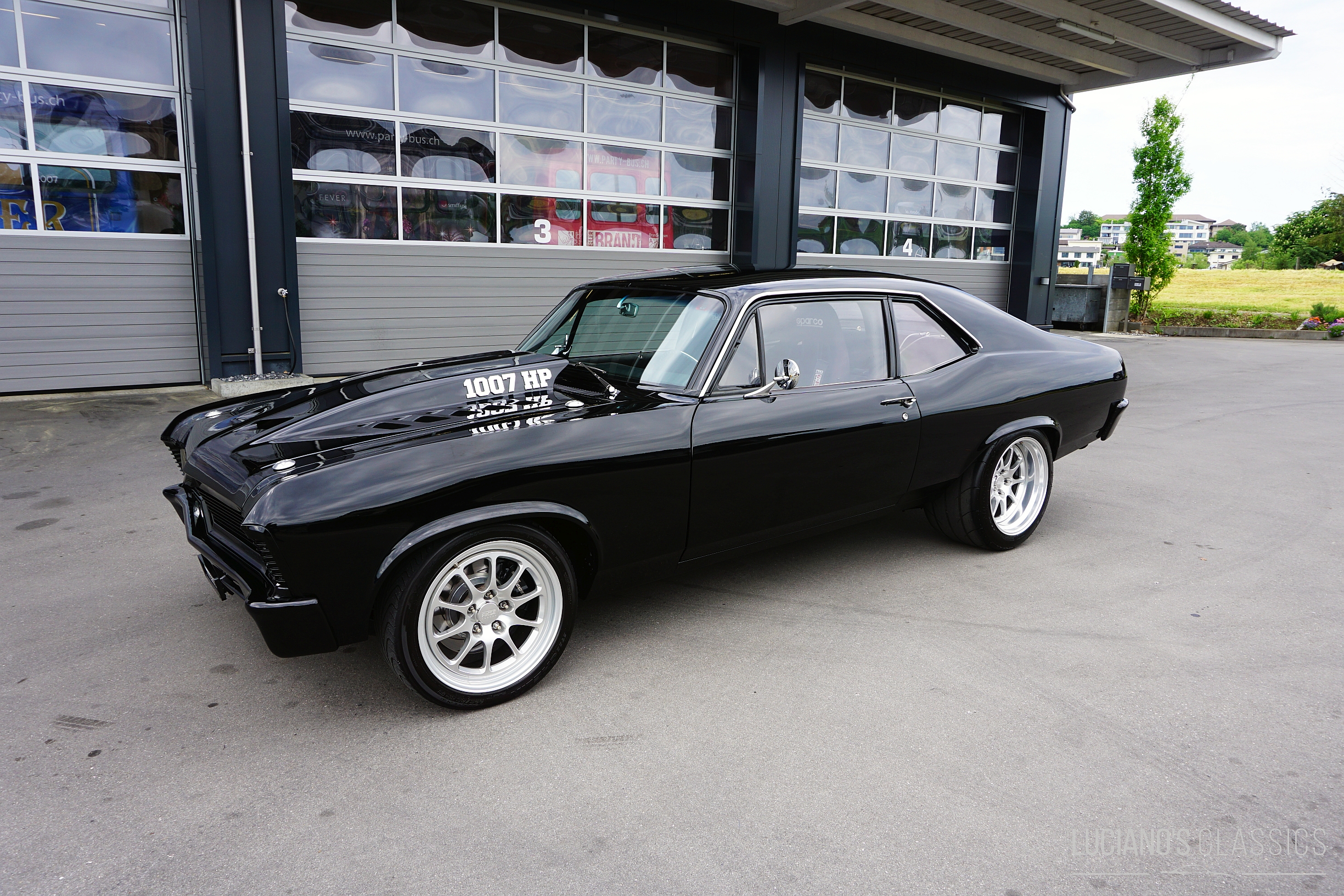
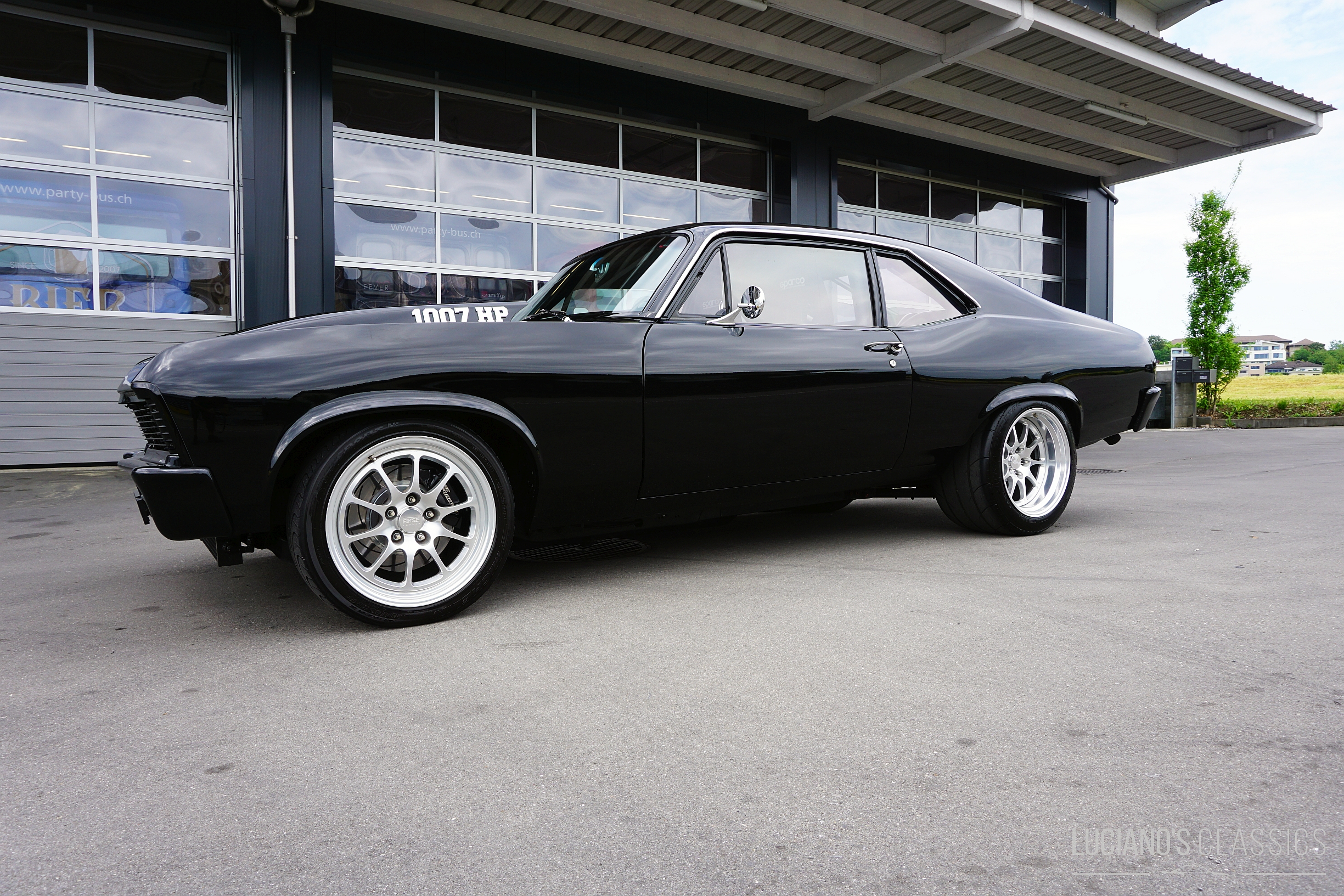
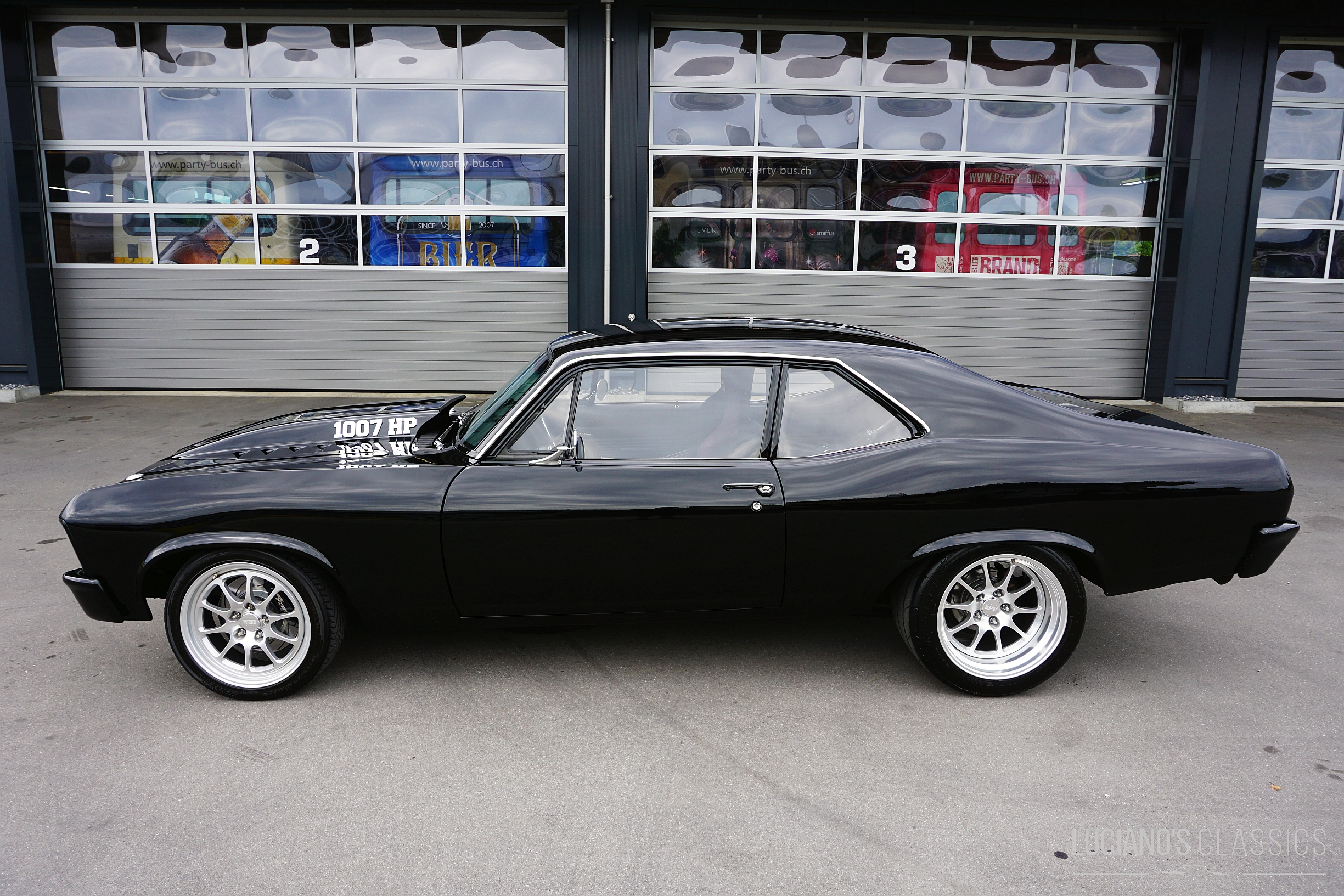
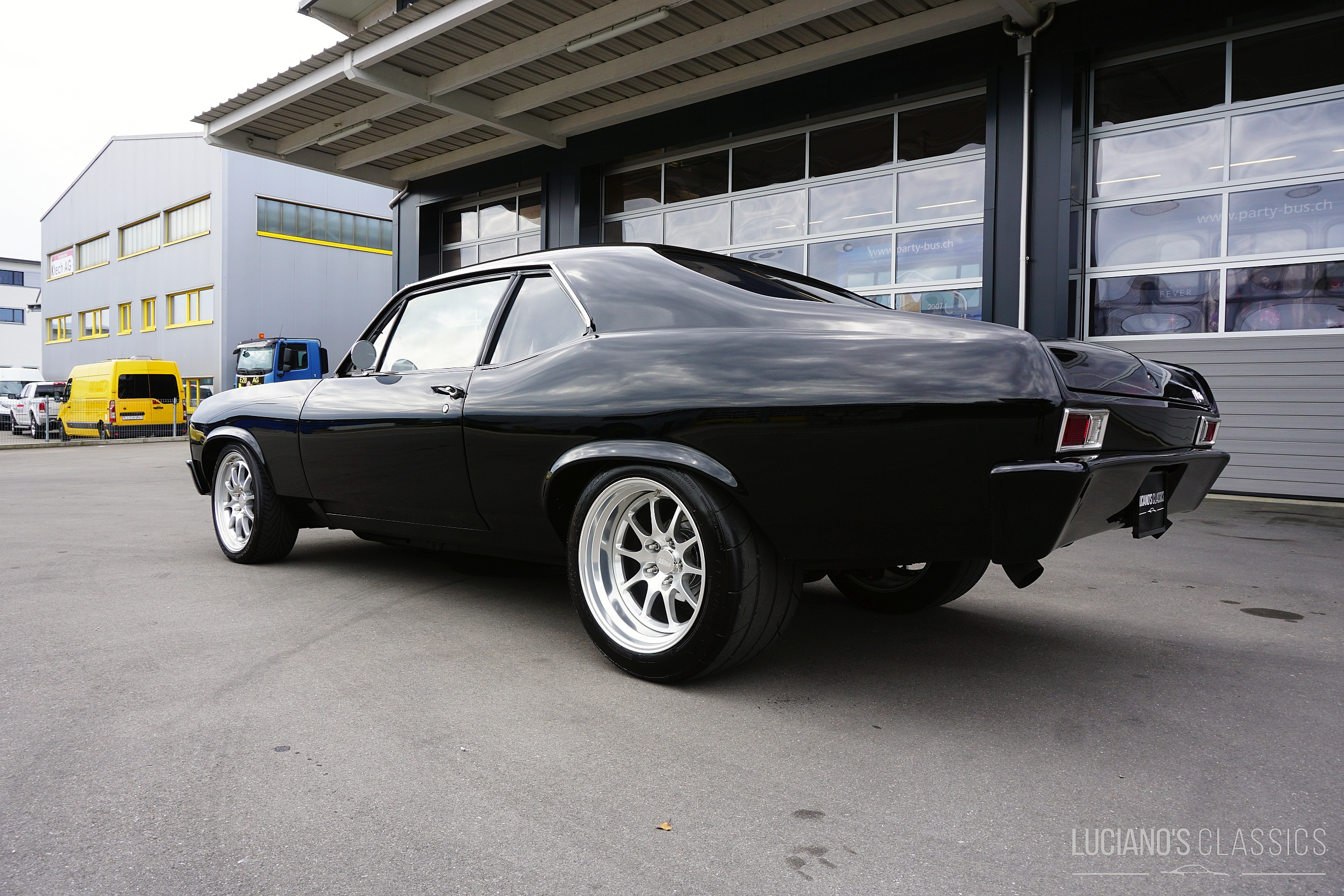
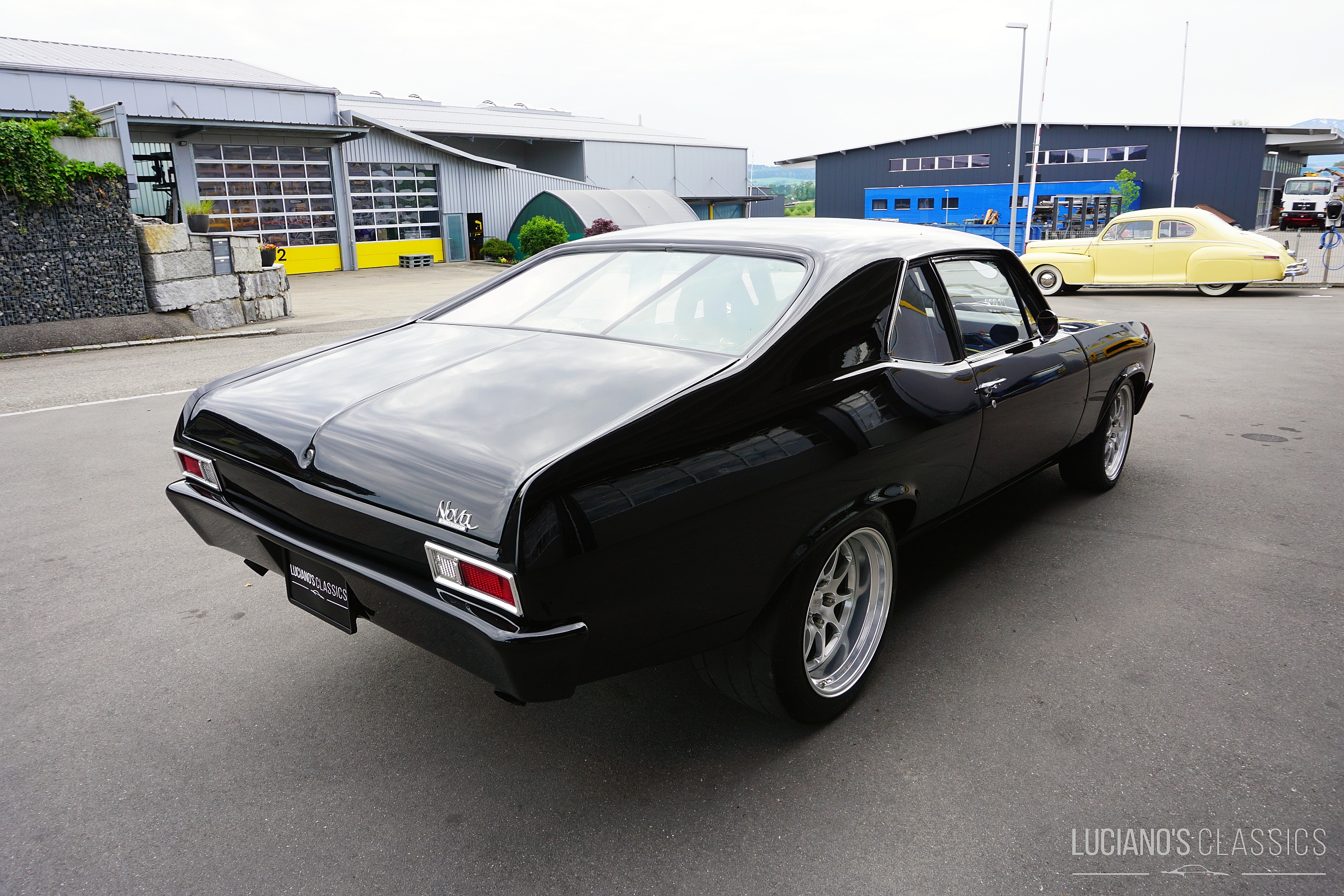
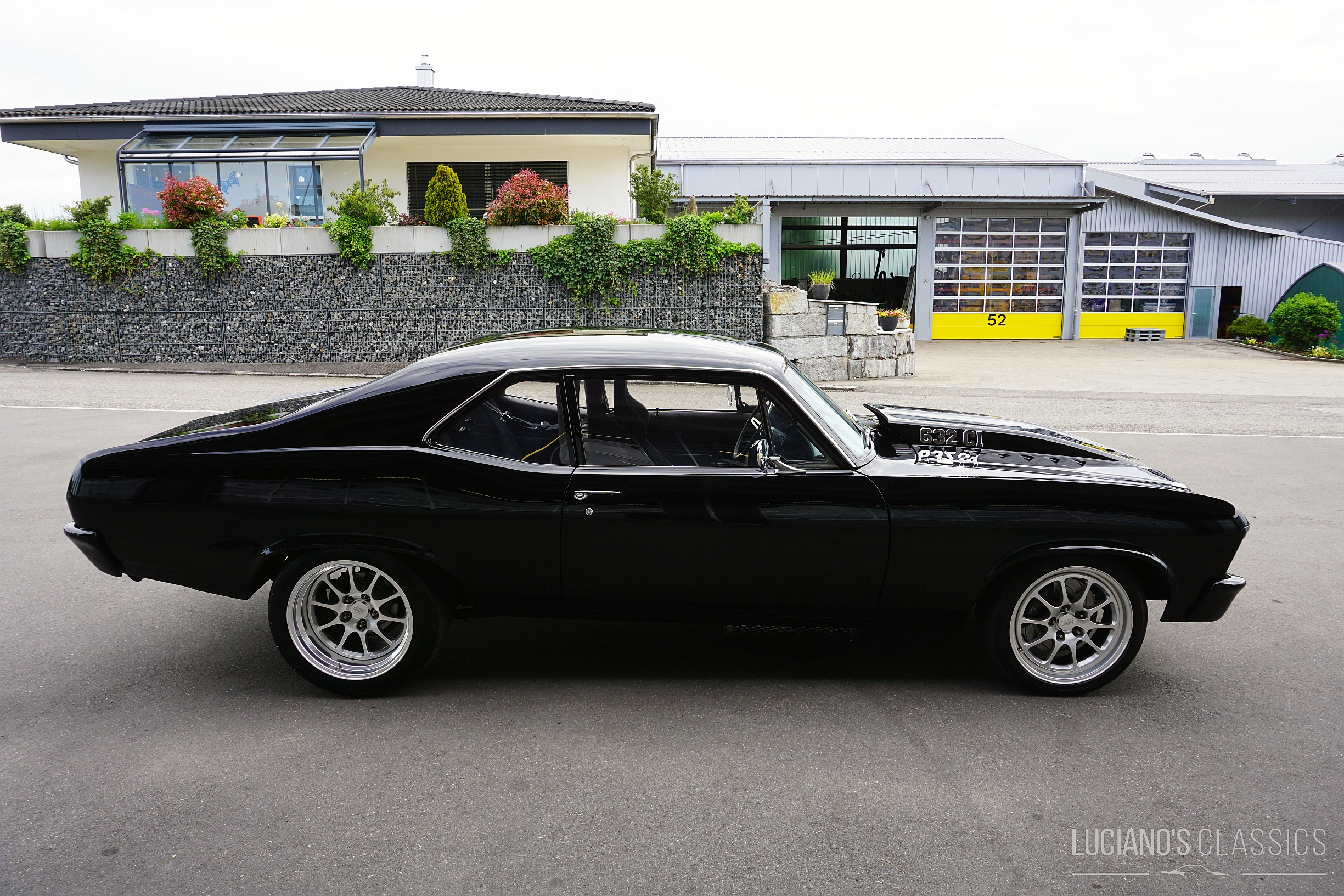
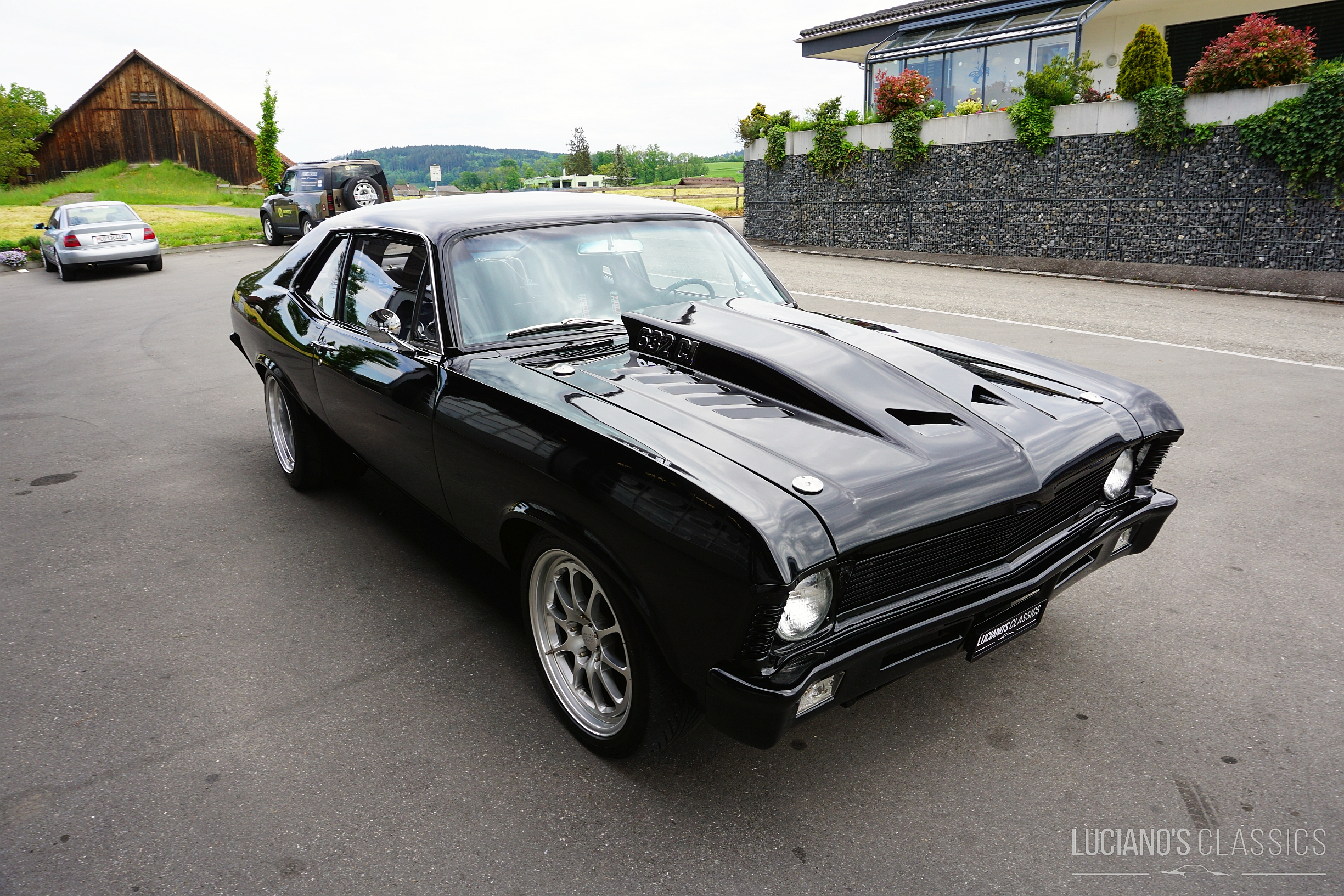
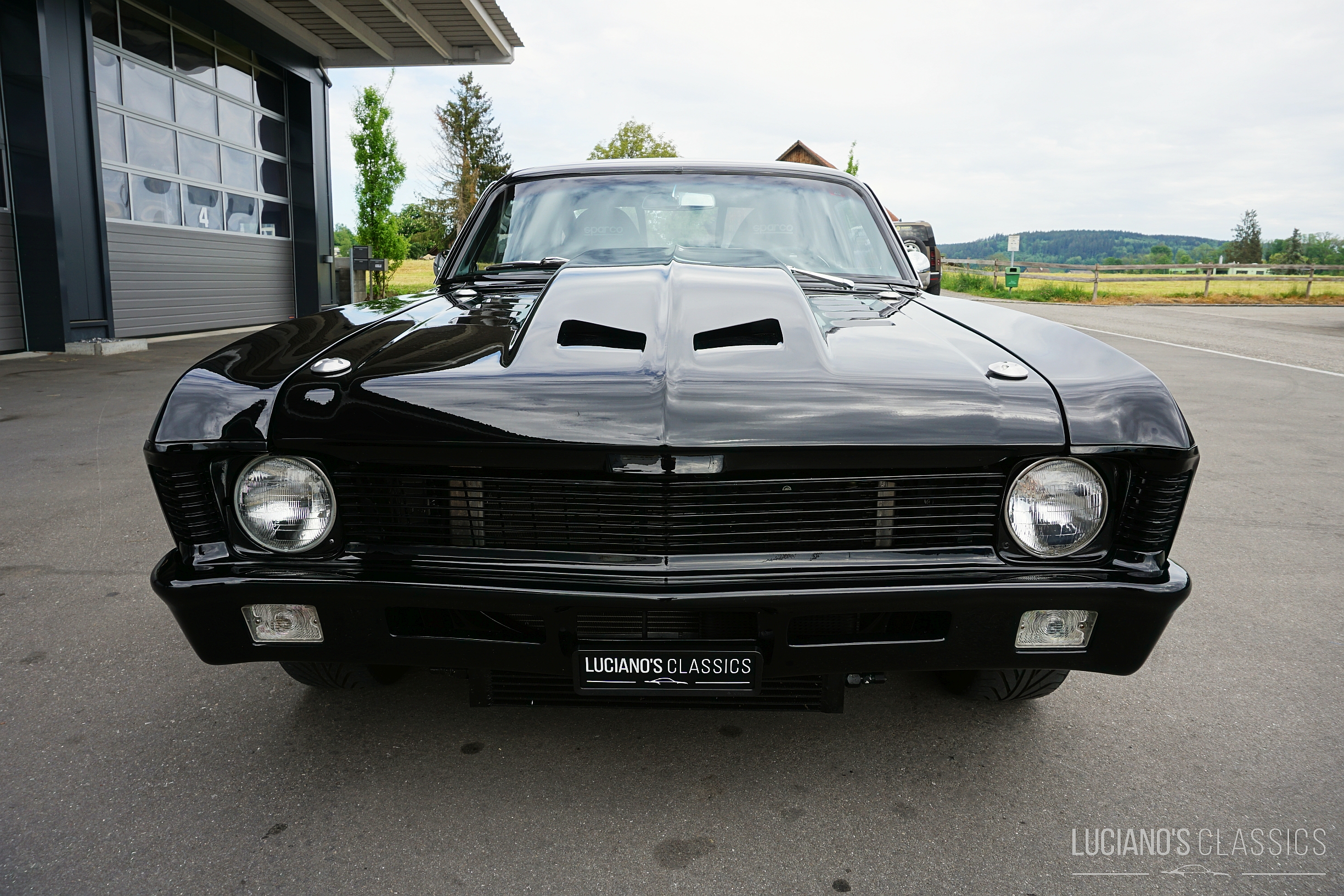
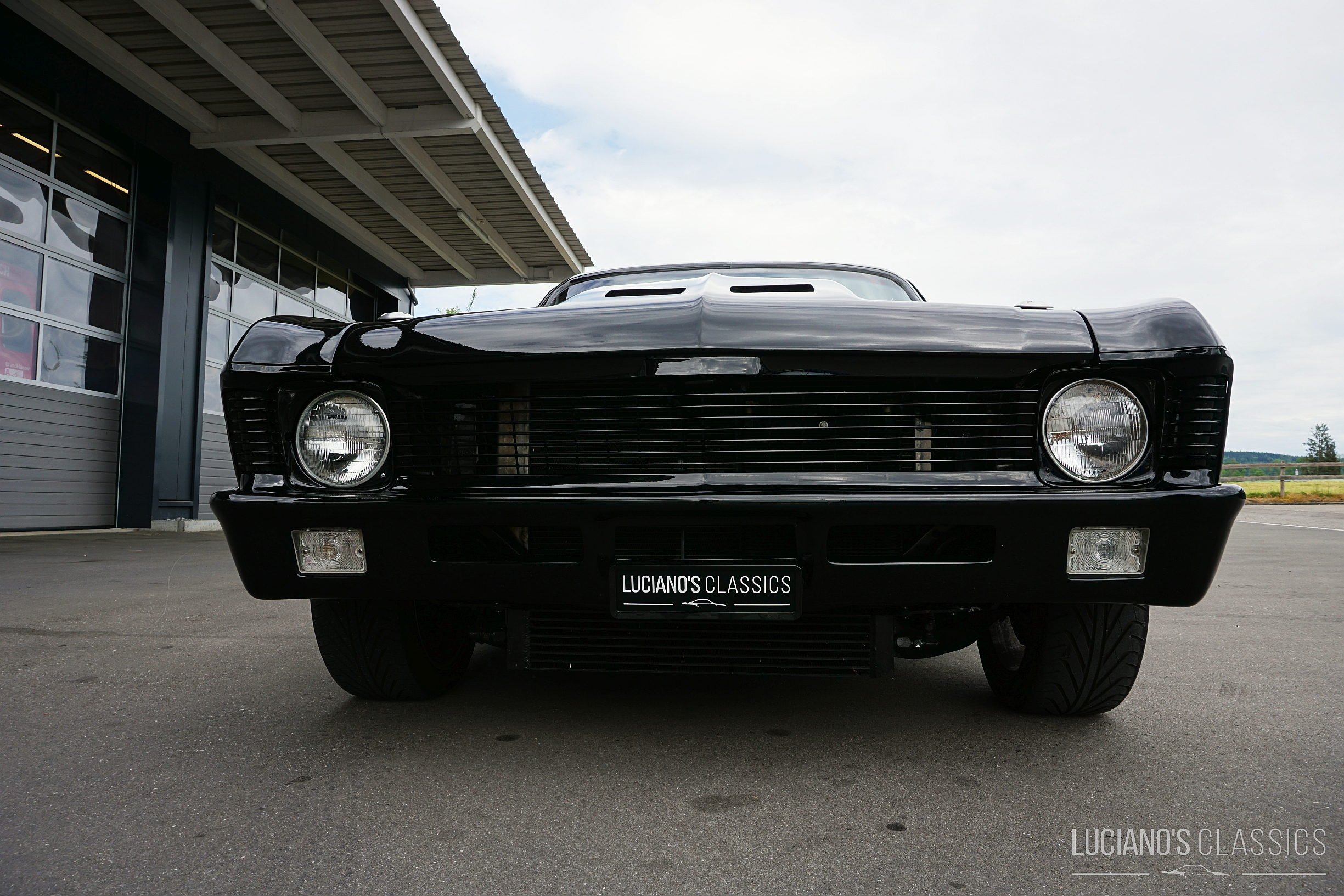
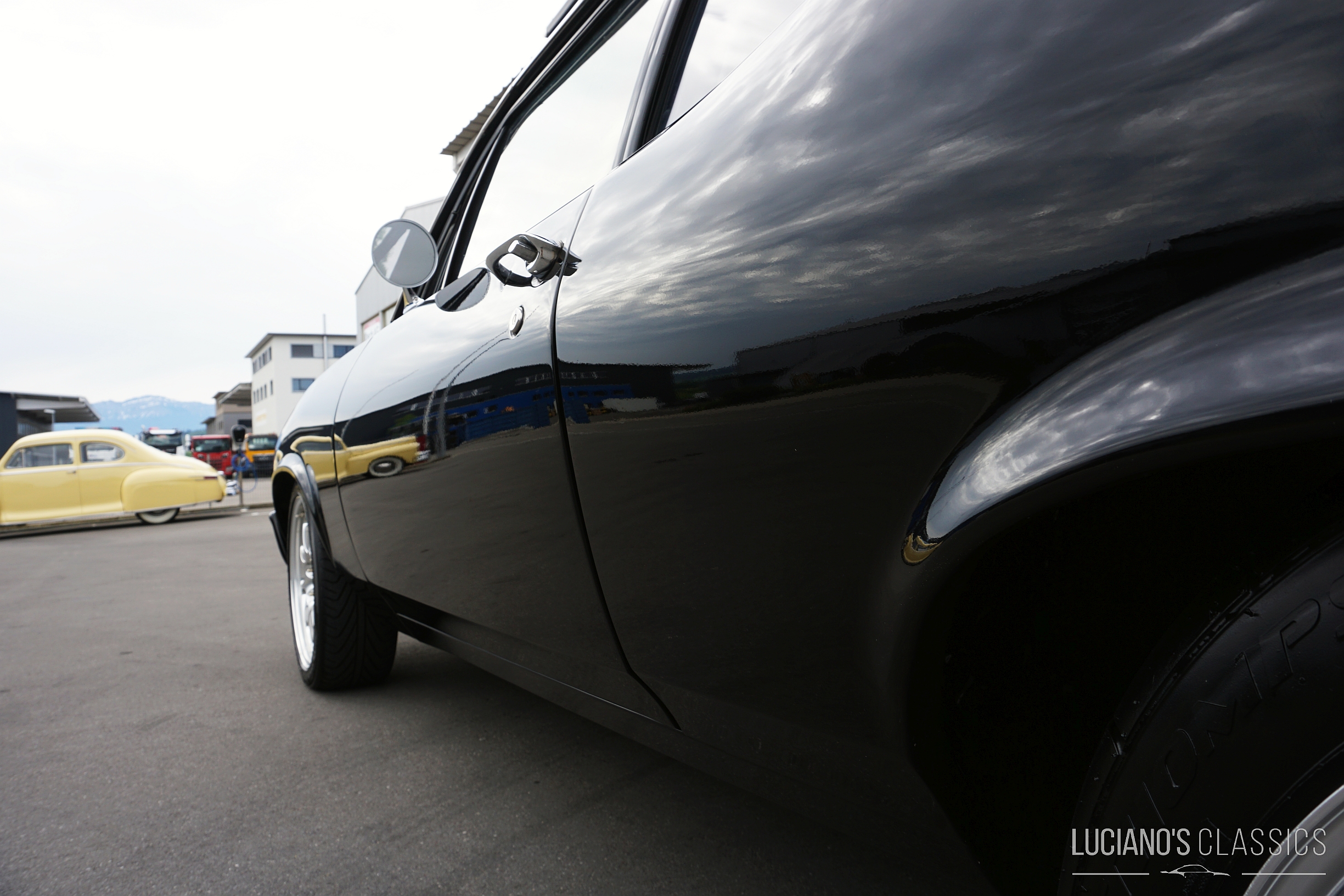
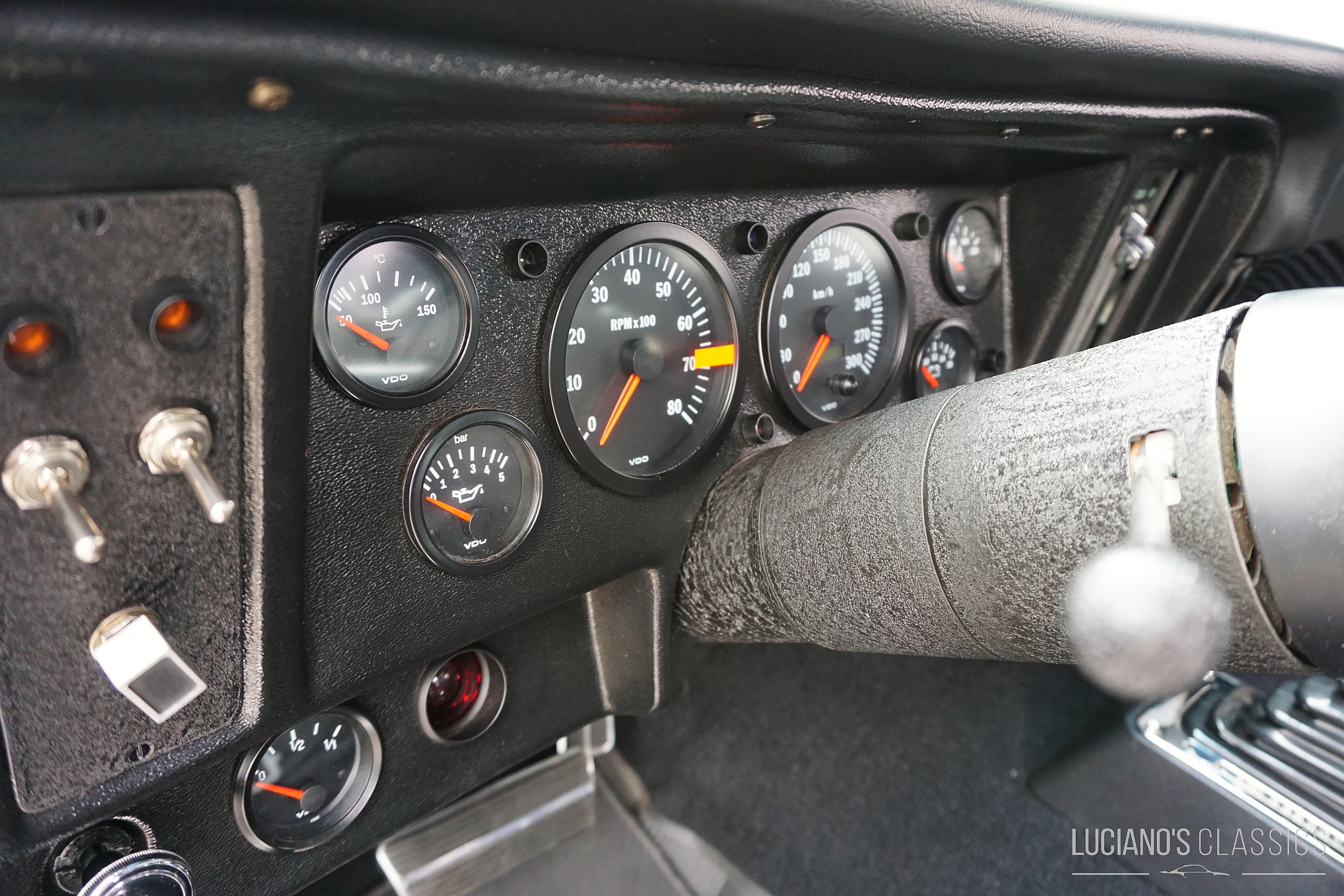
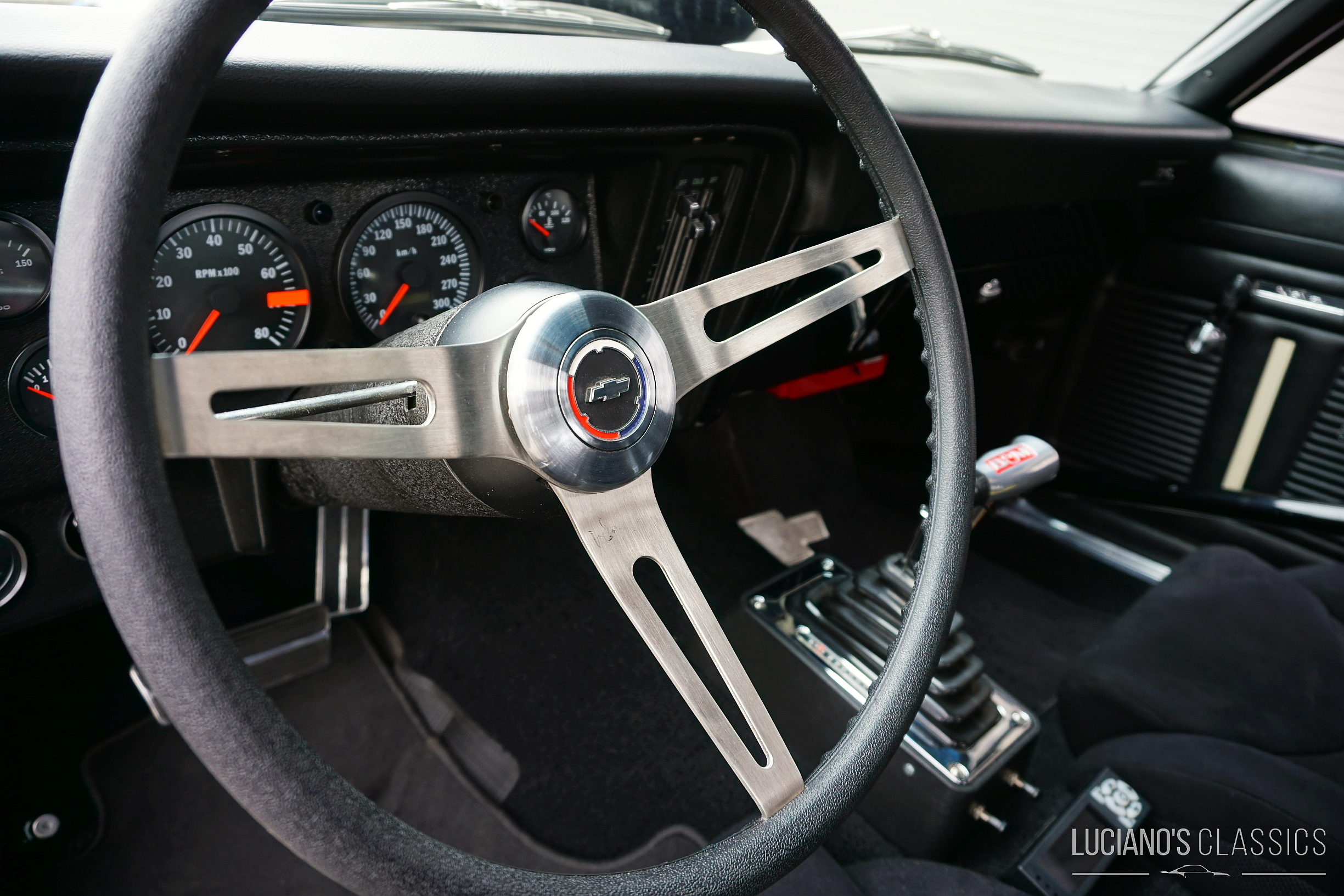
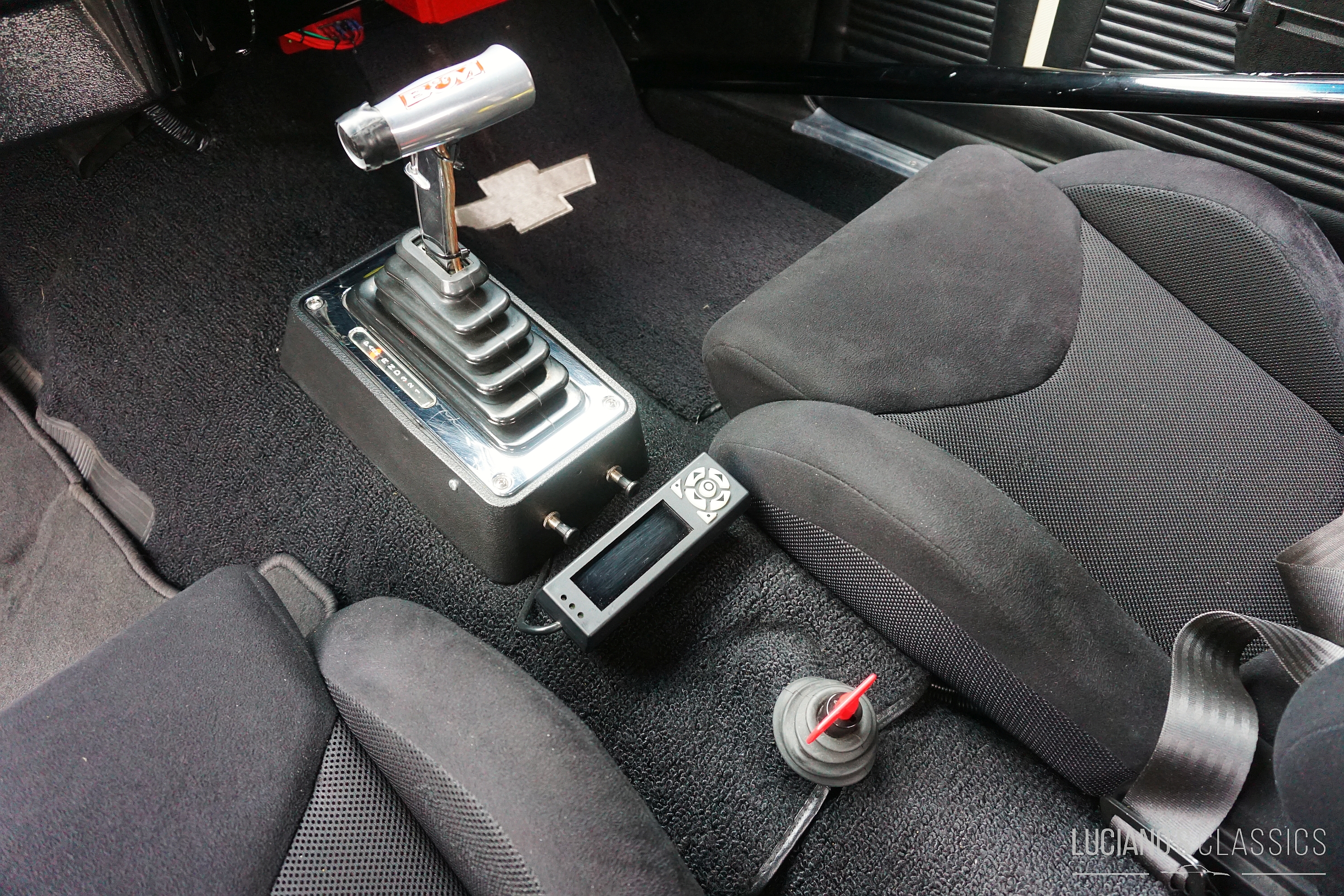
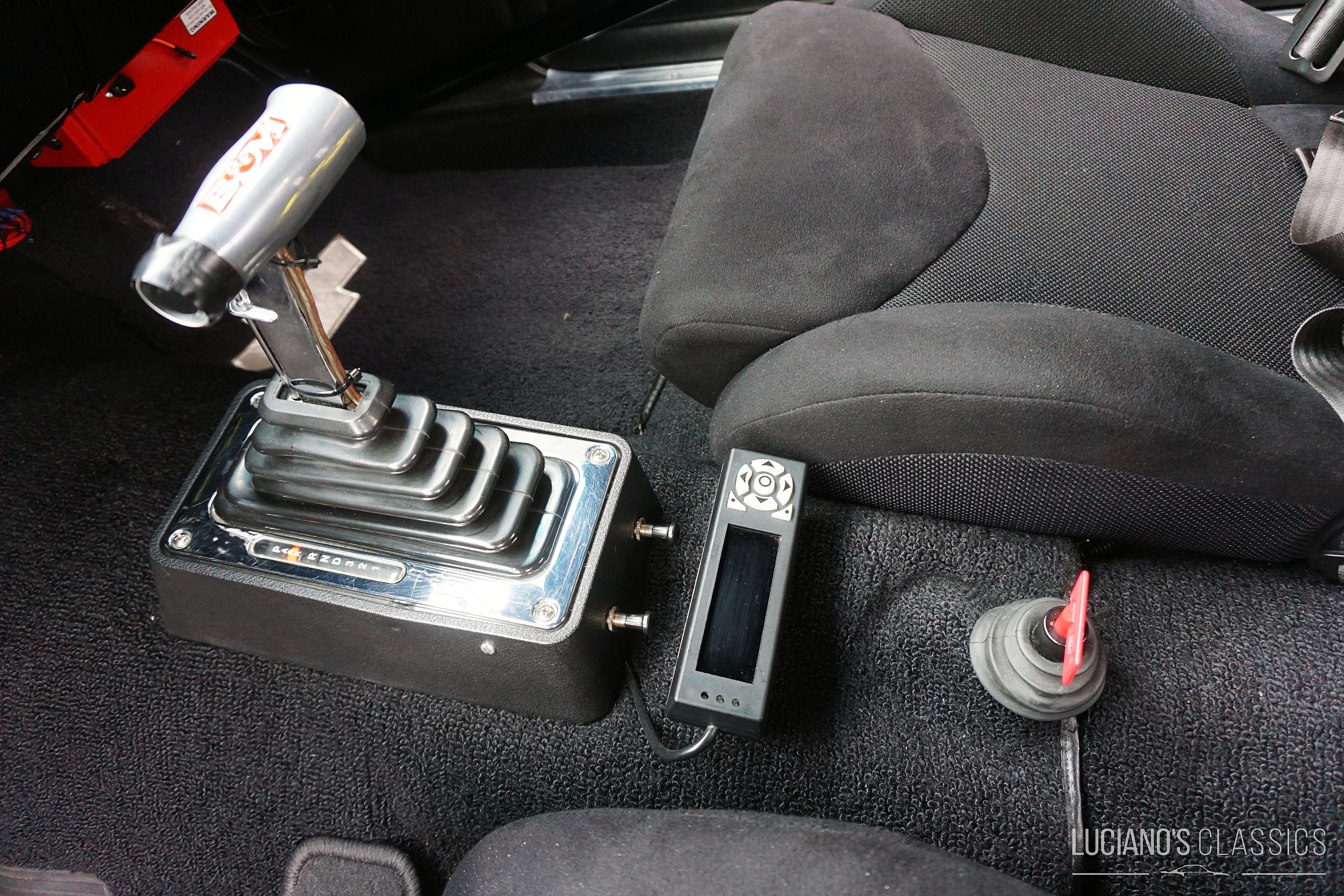
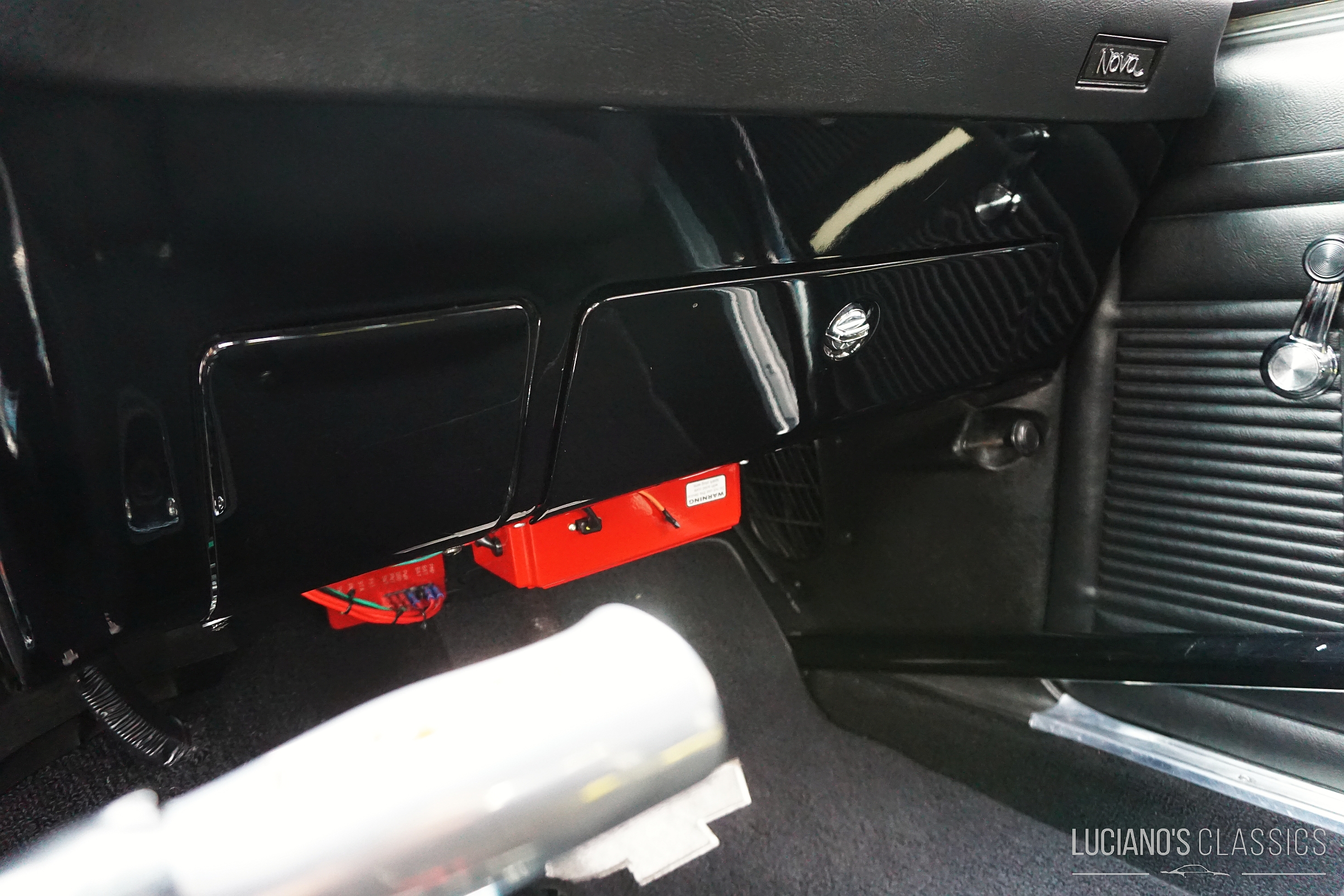
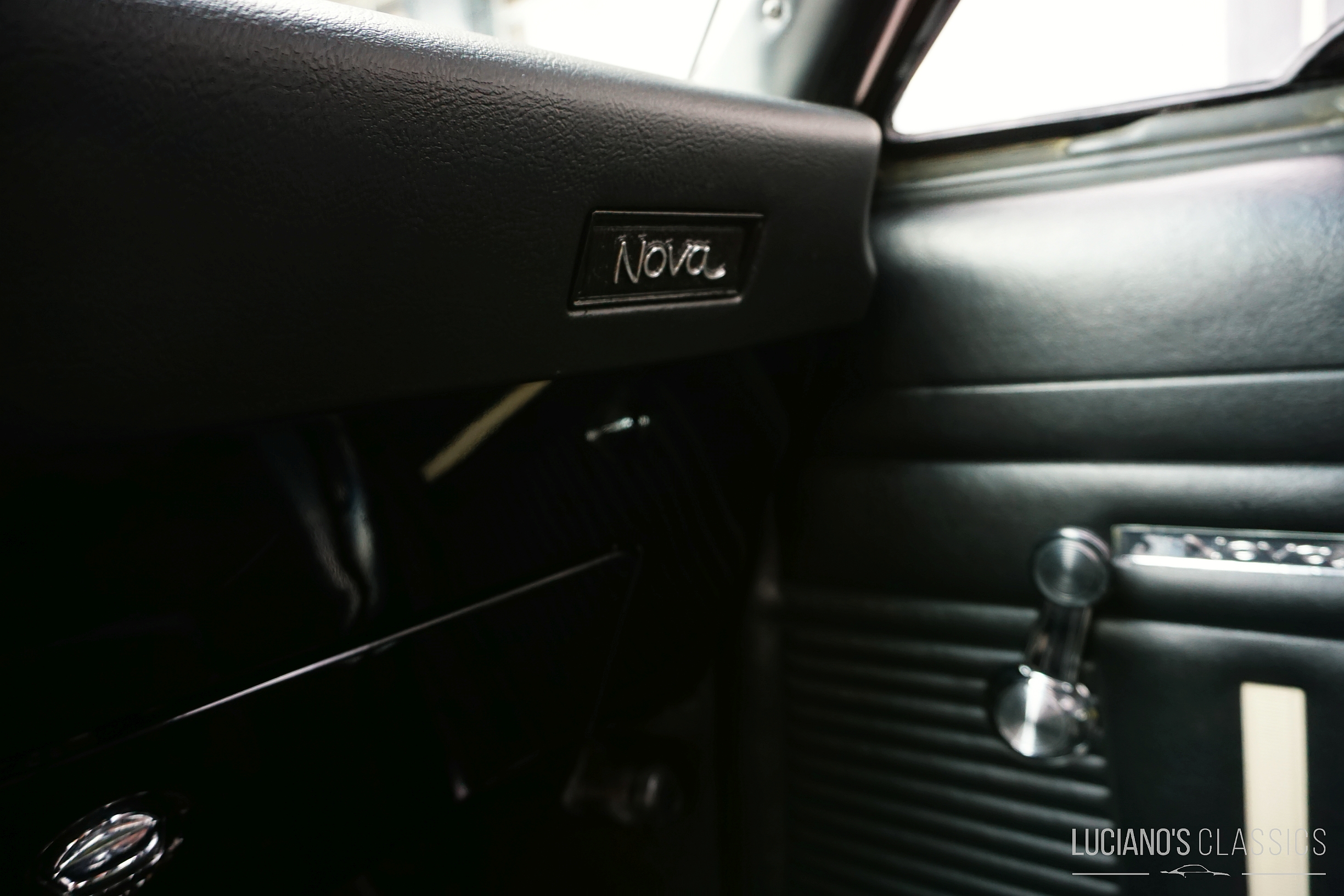
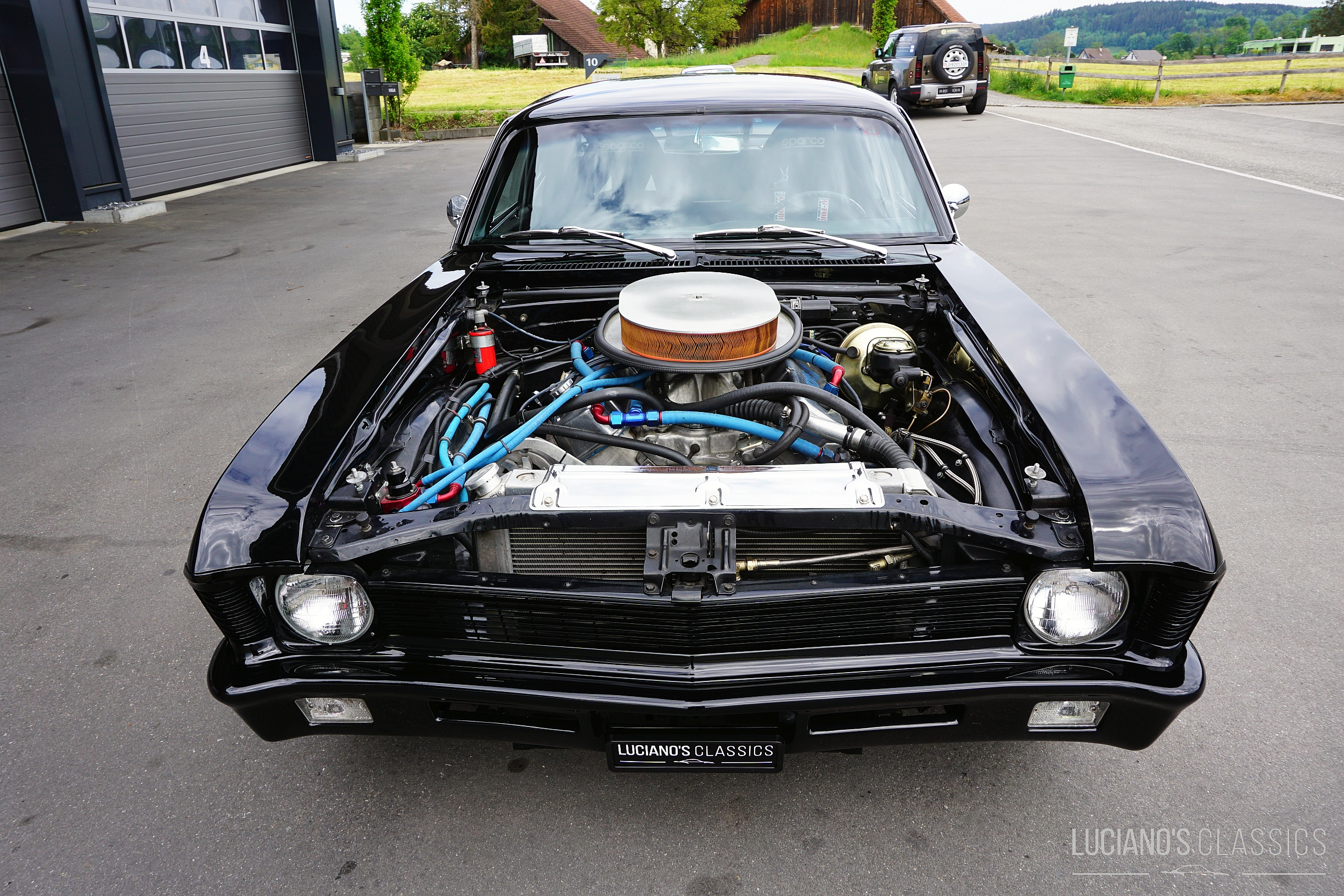
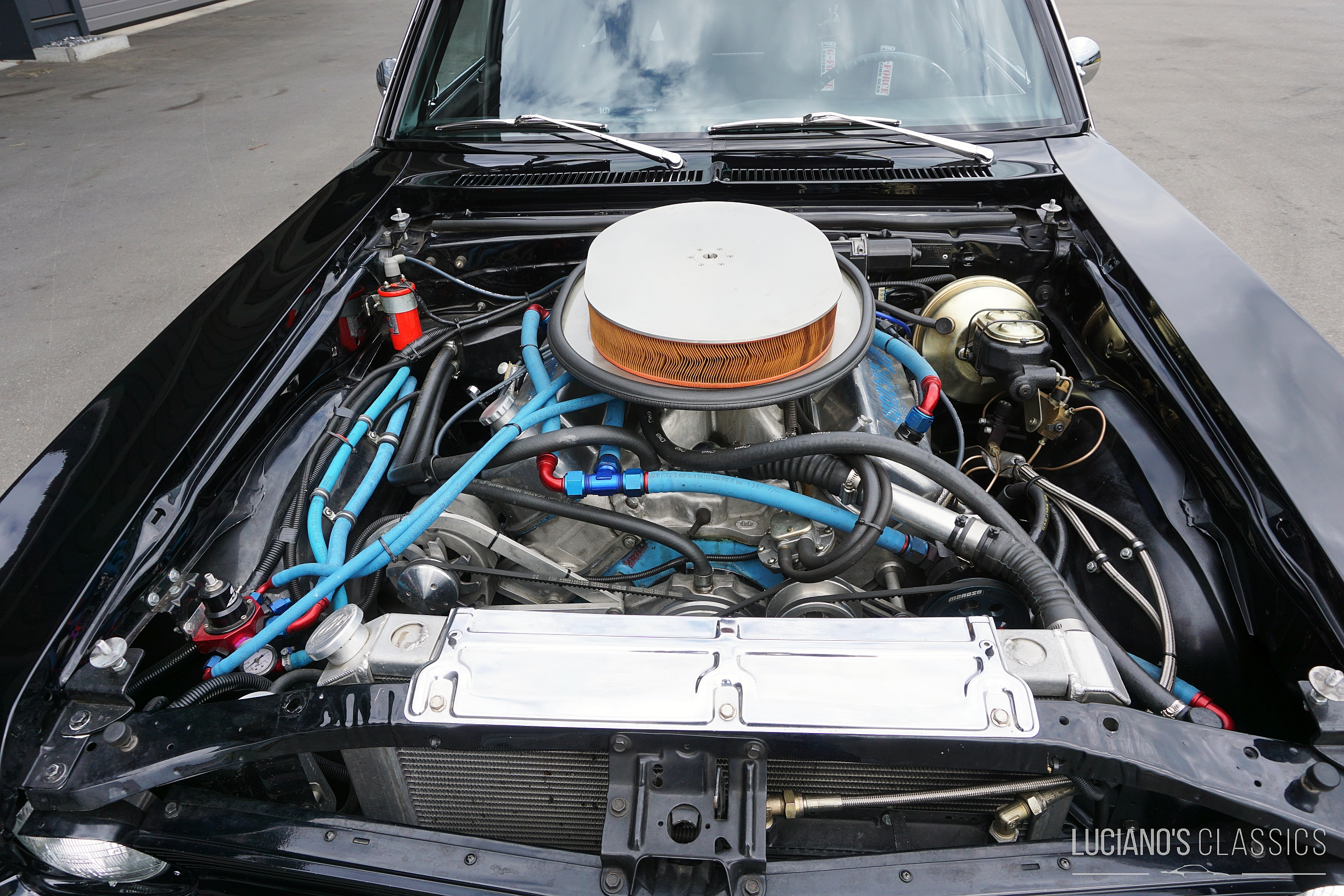
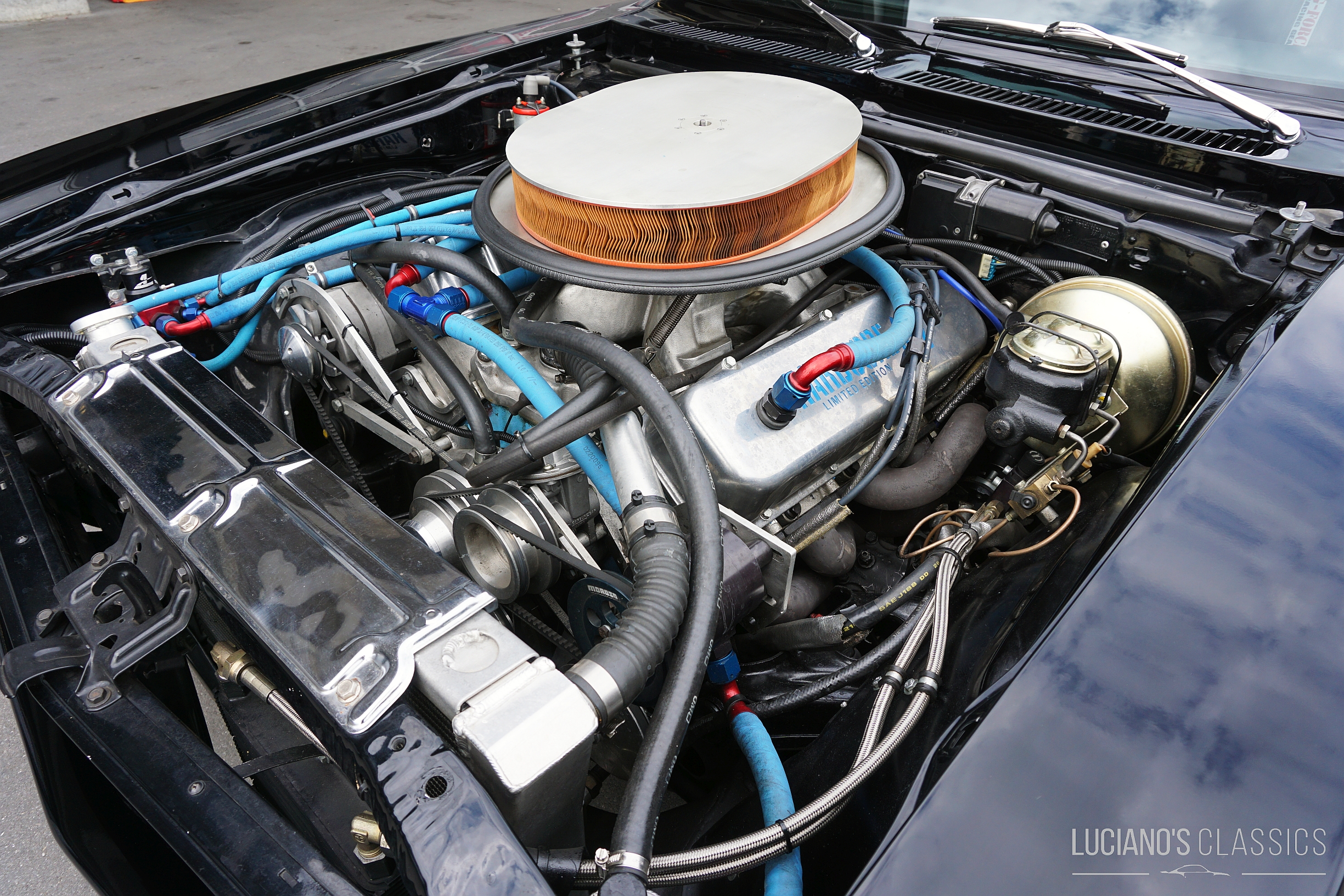
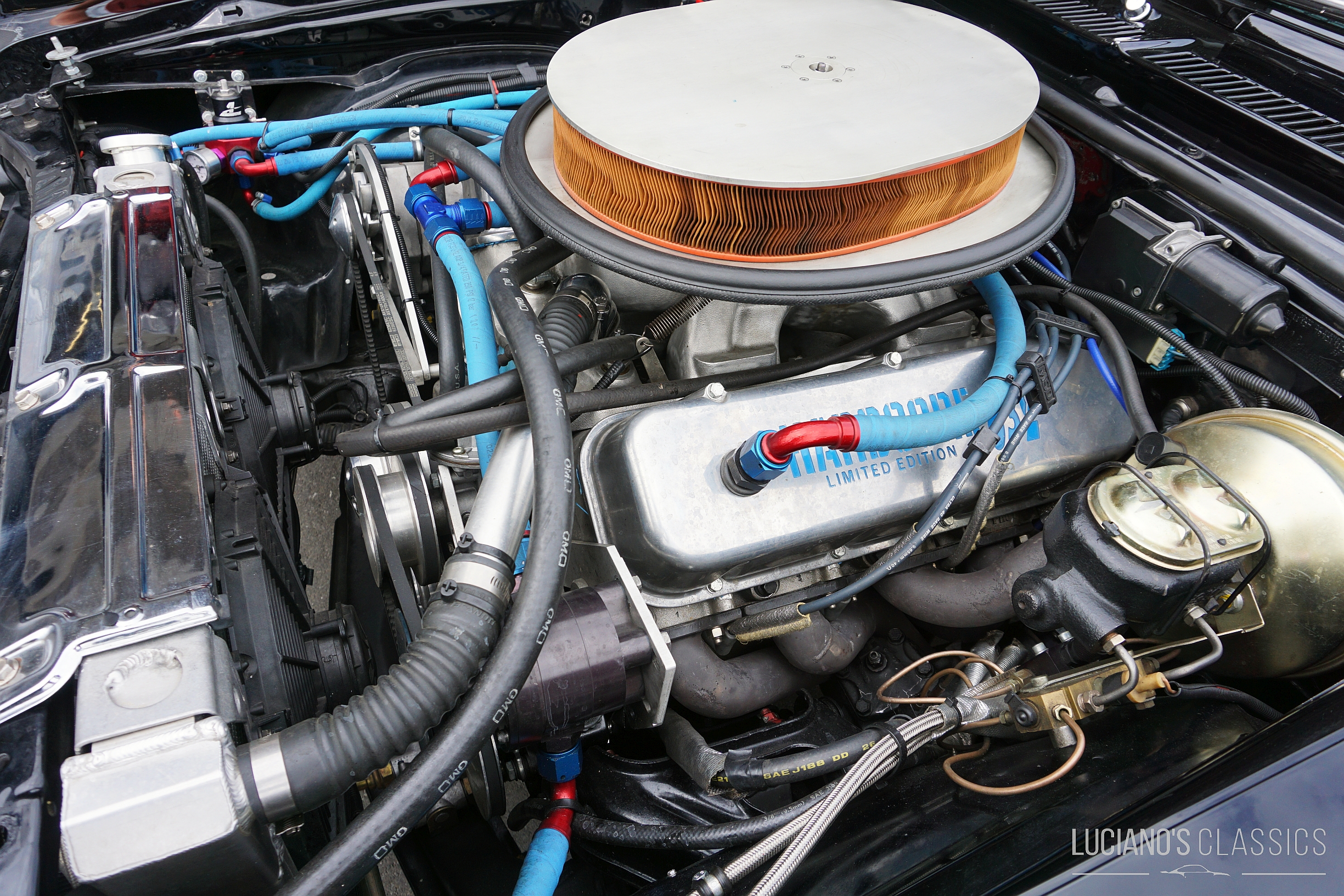
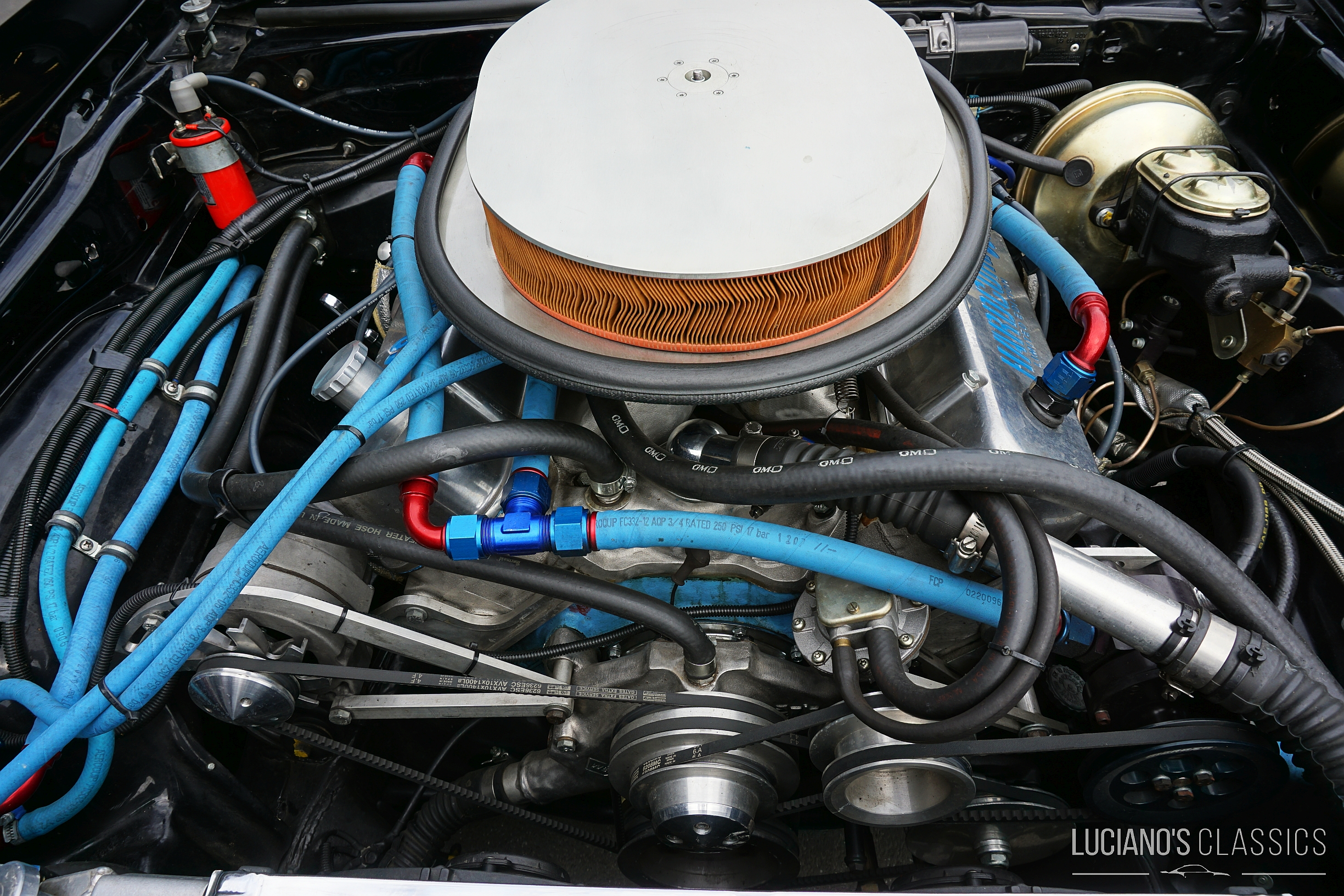
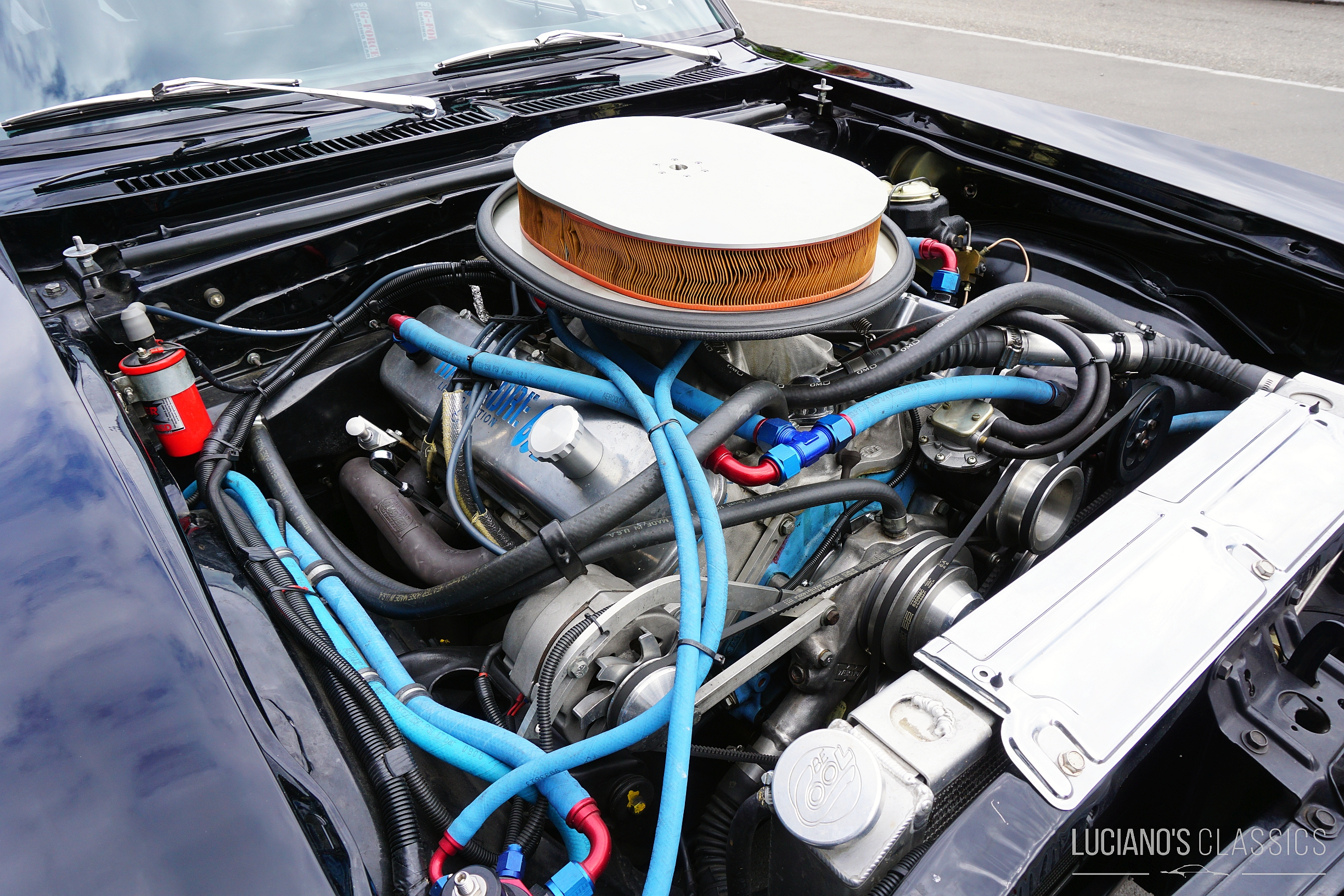
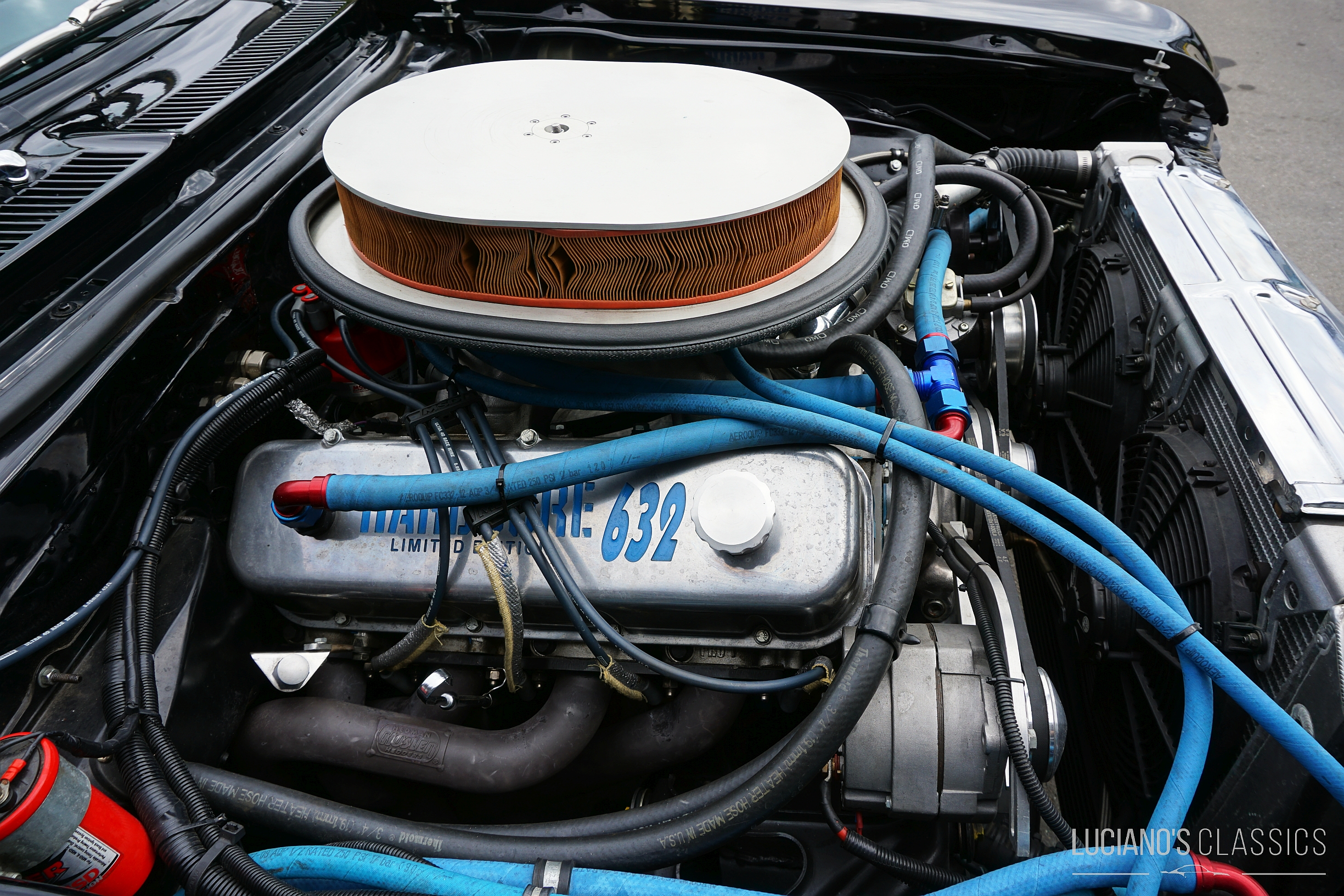
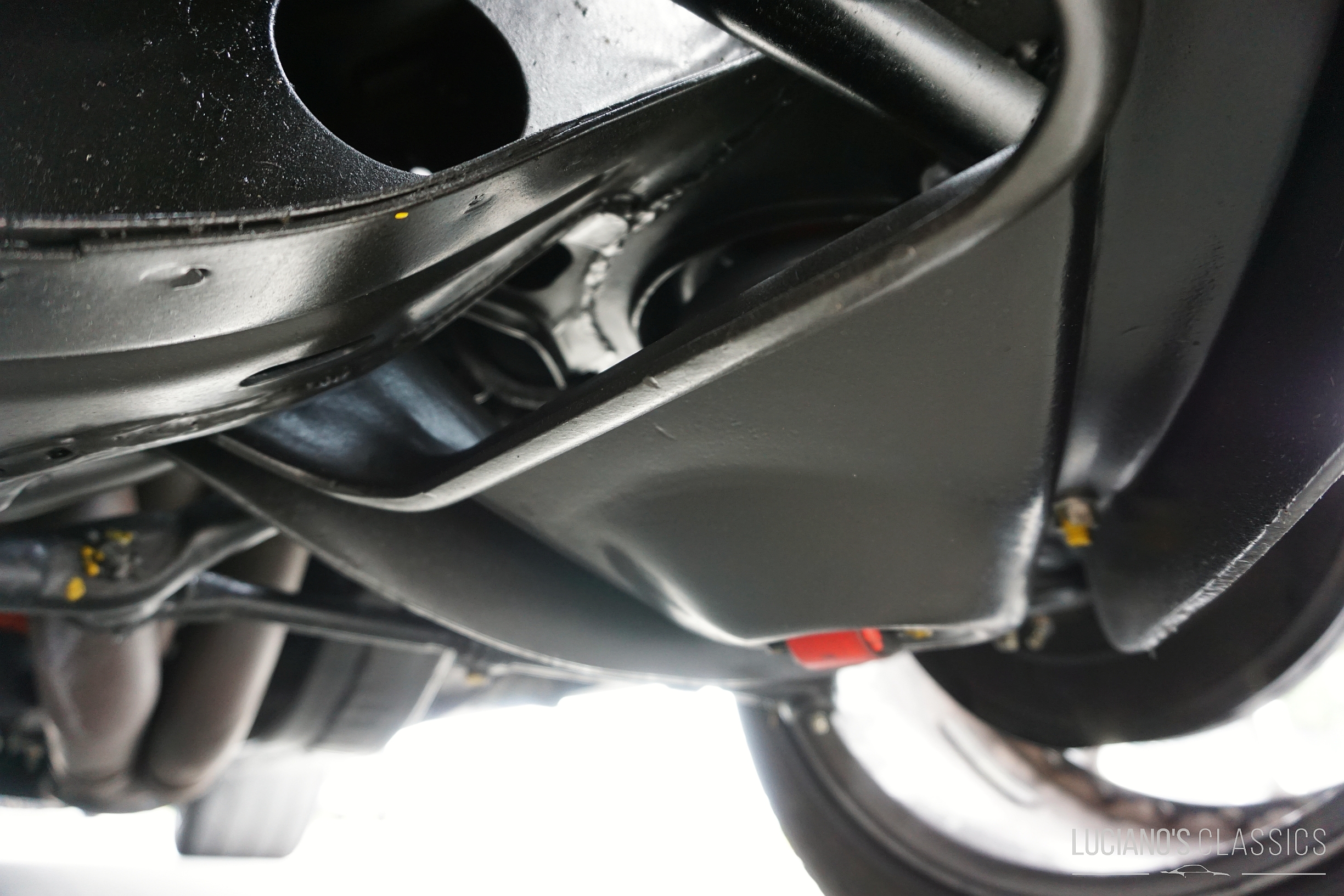
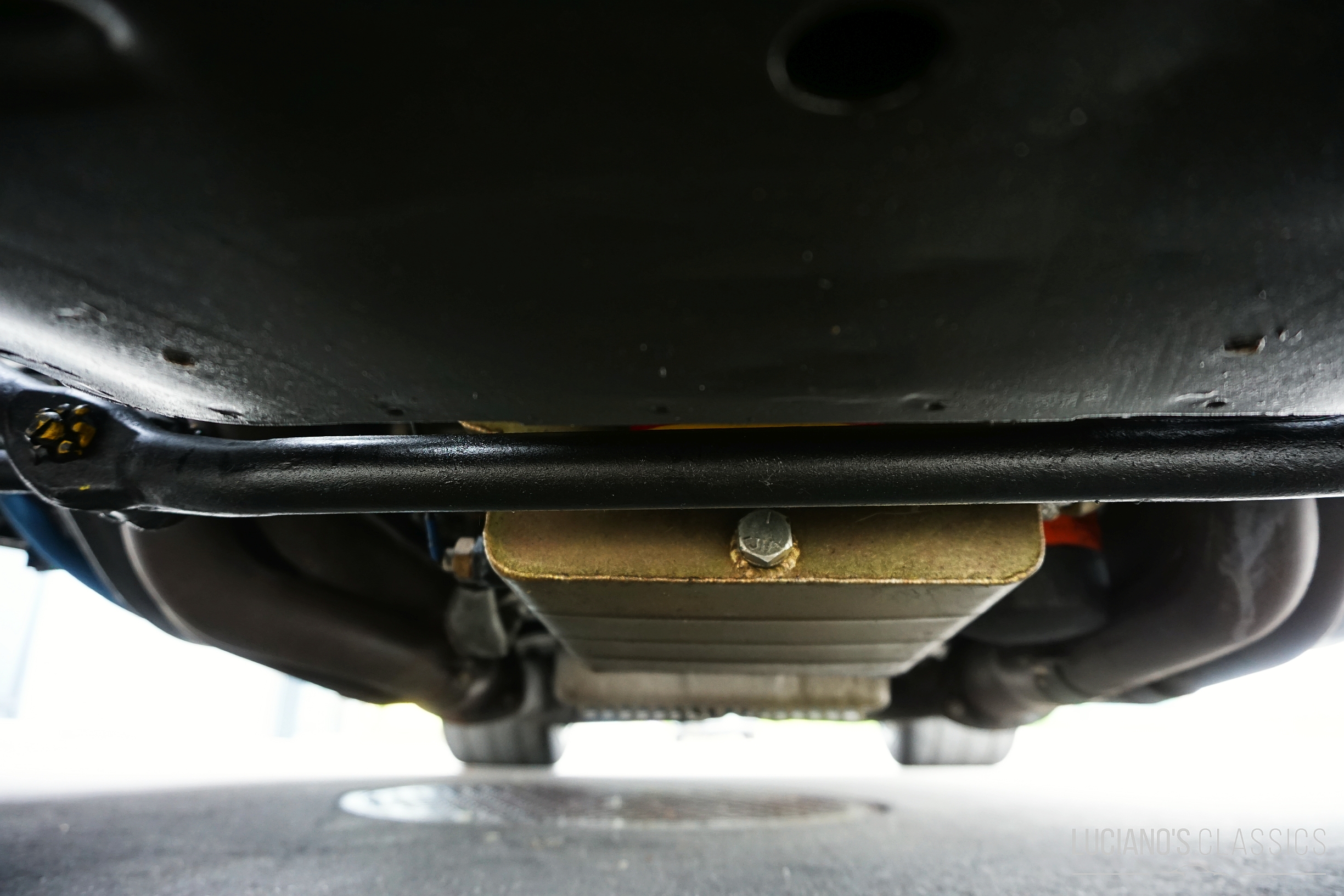
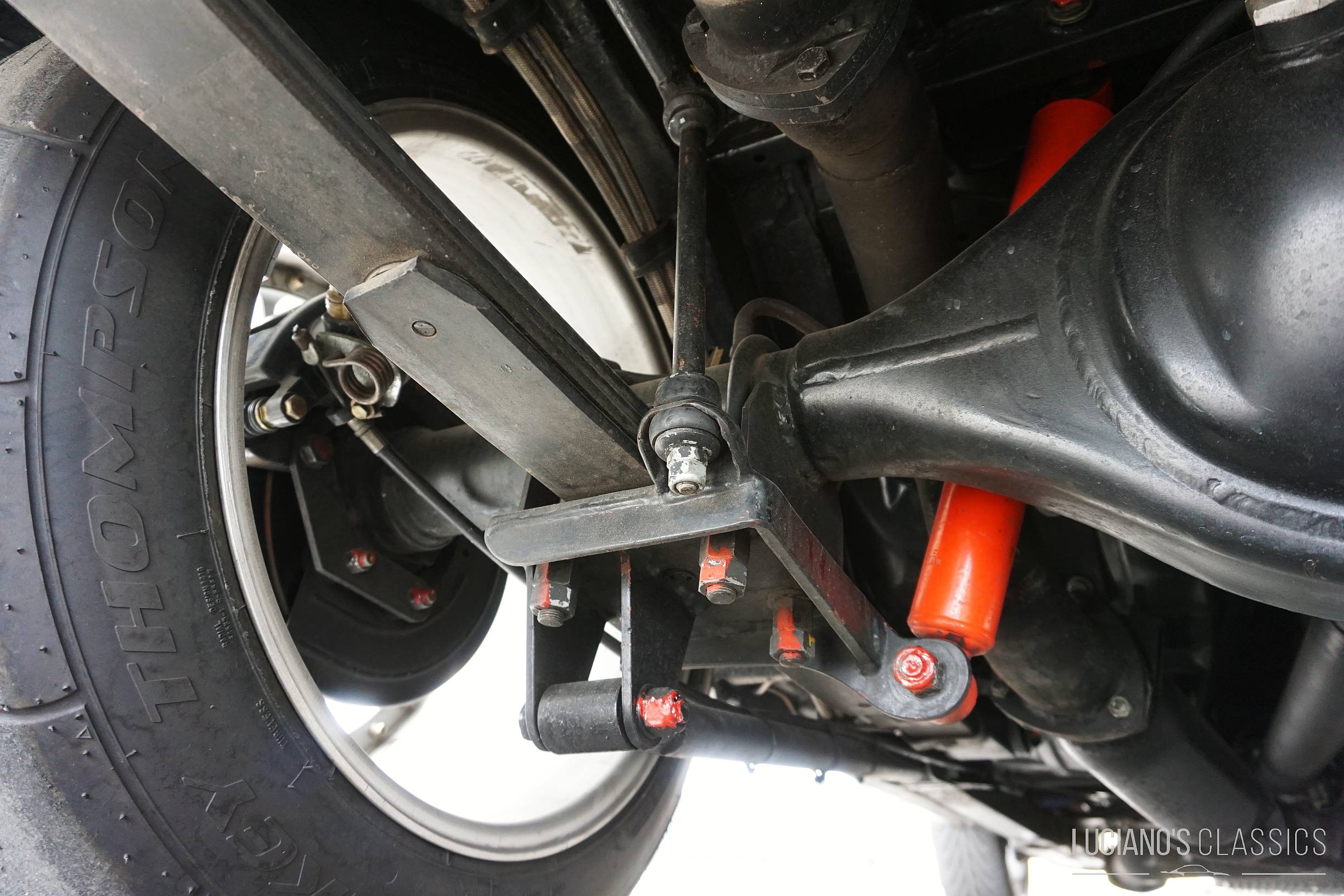
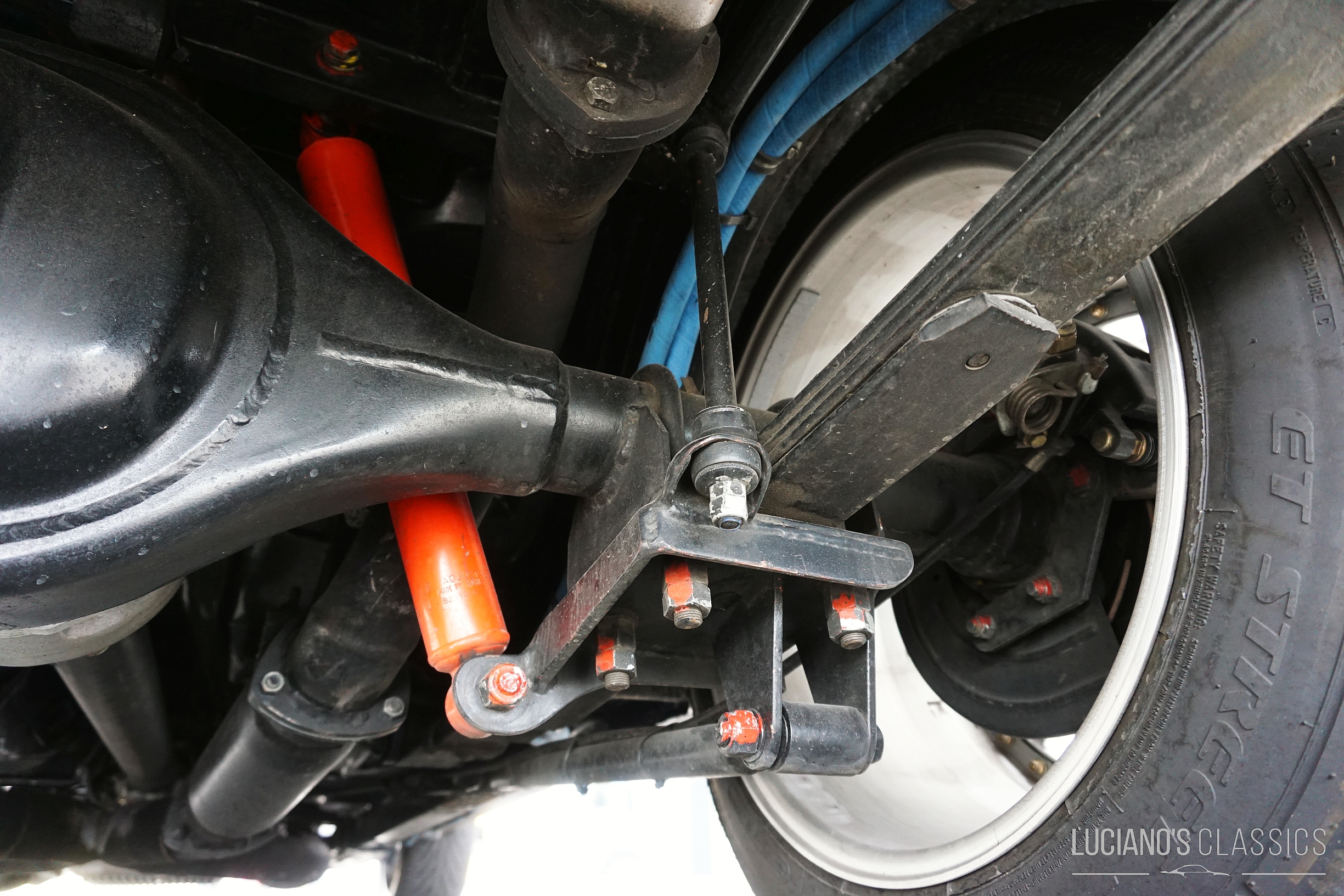
The Nova was bought in Texas in 2004 and imported to Switzerland. At that time, it still had a 350 V8 and the body was completely rusted in places, according to the seller «absolutely no rust anywhere». Where there was no rust, there was putty and after a party held on the roof of the Nova, among other things, it was dented accordingly. Nevertheless, the Nova project was tackled. The car was dismantled, sandblasted and completely rebuilt. And by rebuilt, we really mean rebuilt to 100%. The car was reinforced all round and the pedals were moved to the left, as the engine chosen was a huge V8 built by Bill Mitchell Hardcore Racing Products. The unit is called the Merlin Limited Edition Hardcore 632 and the number refers to the displacement of 632 cubic inches - 10.36 liters.
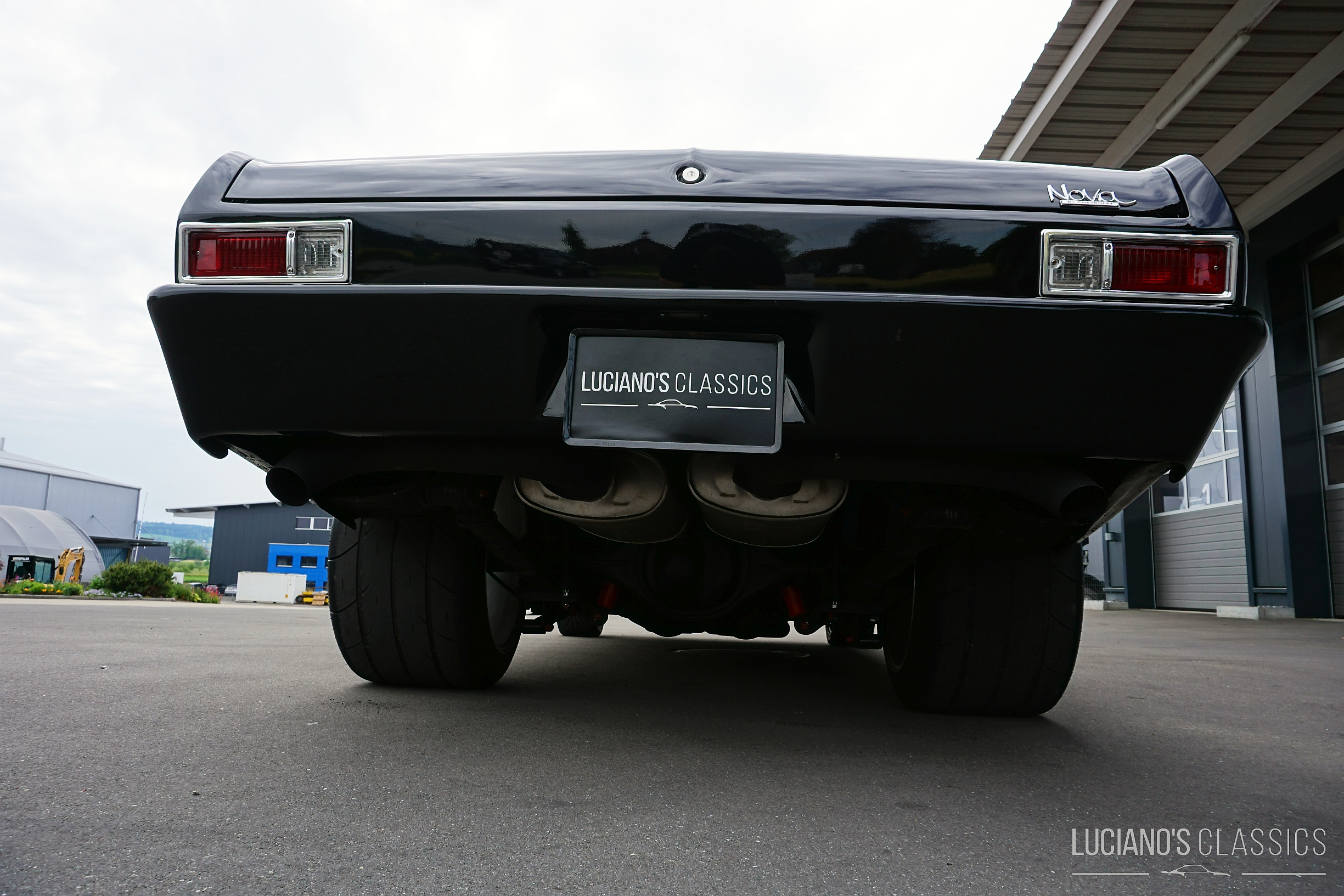
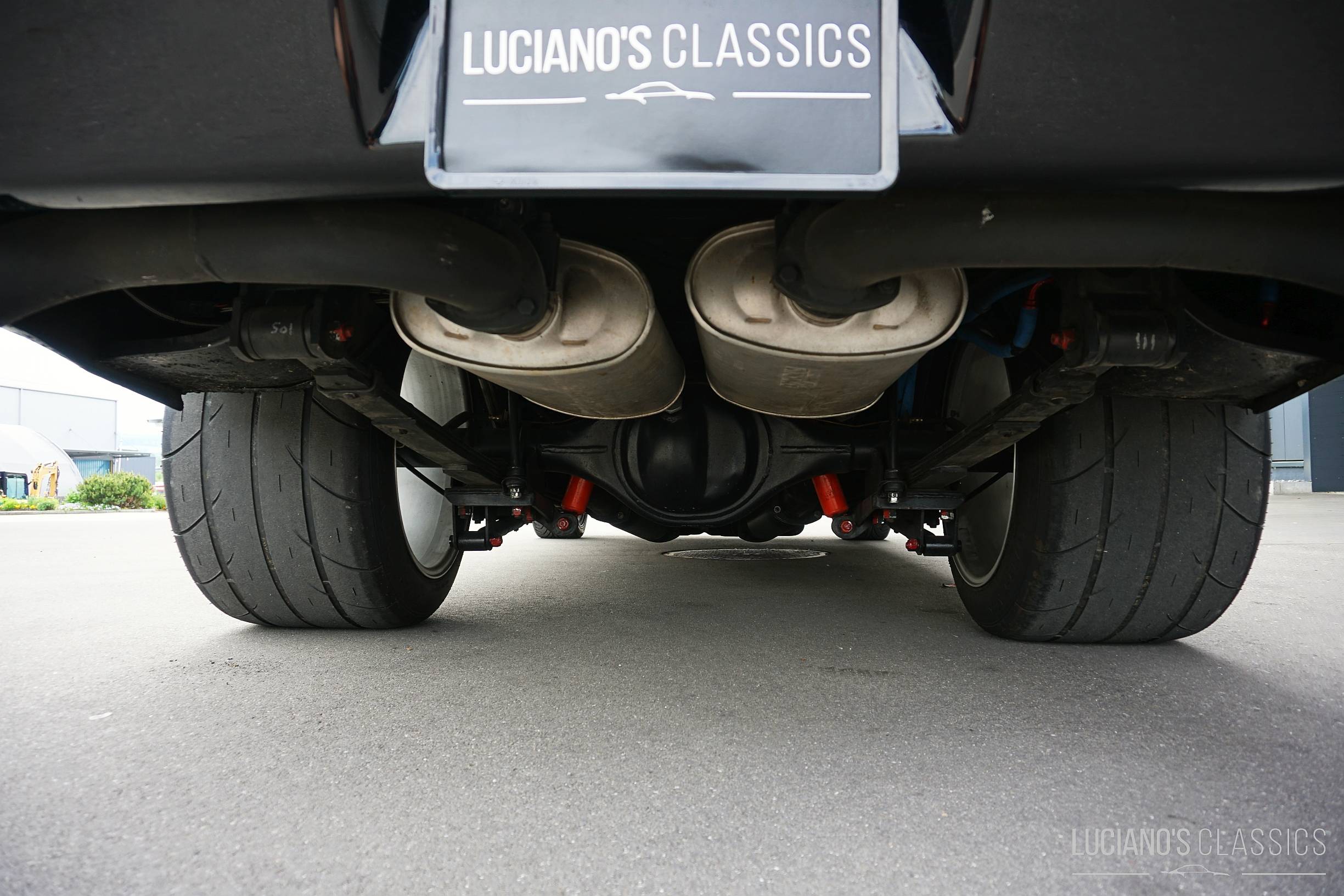
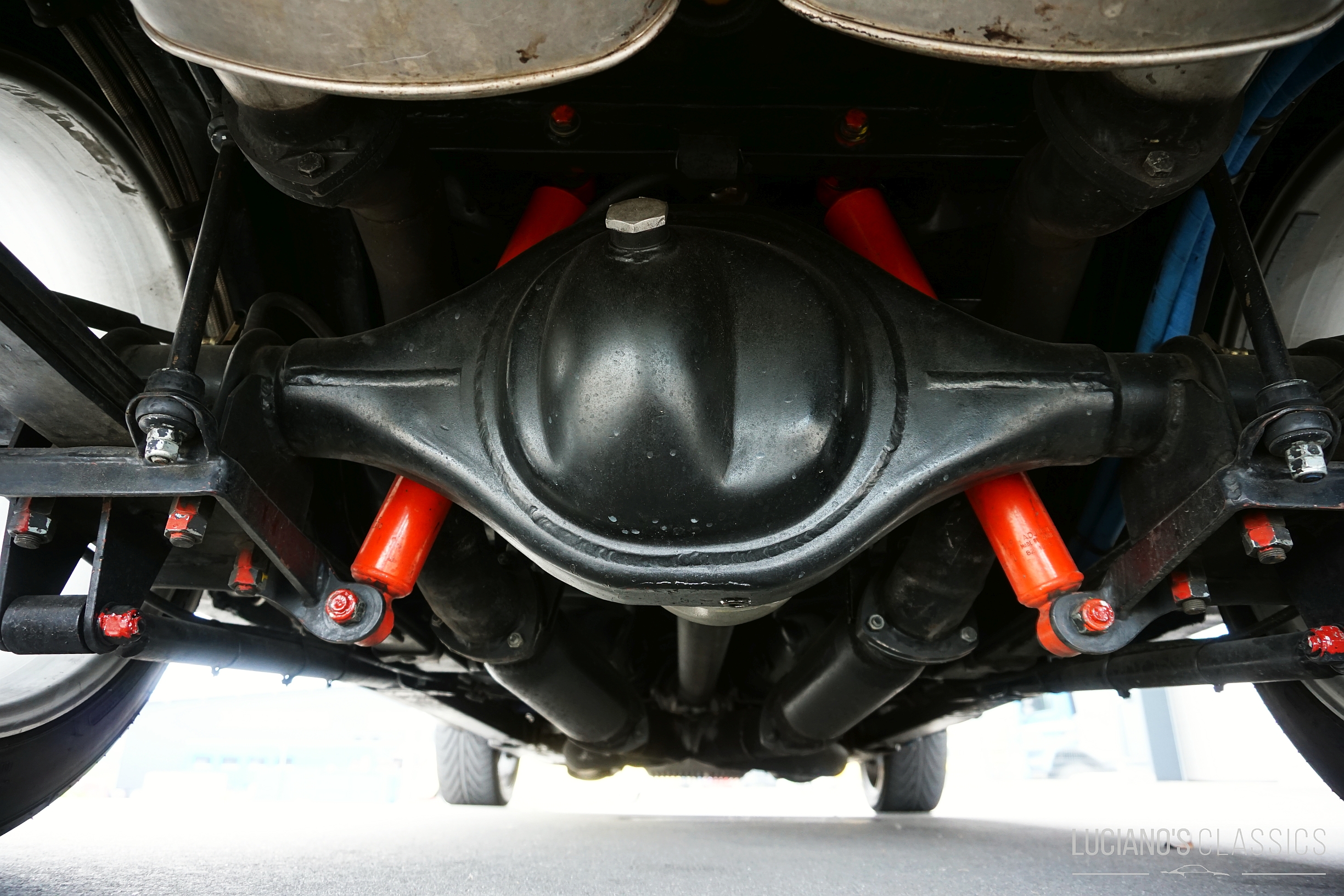
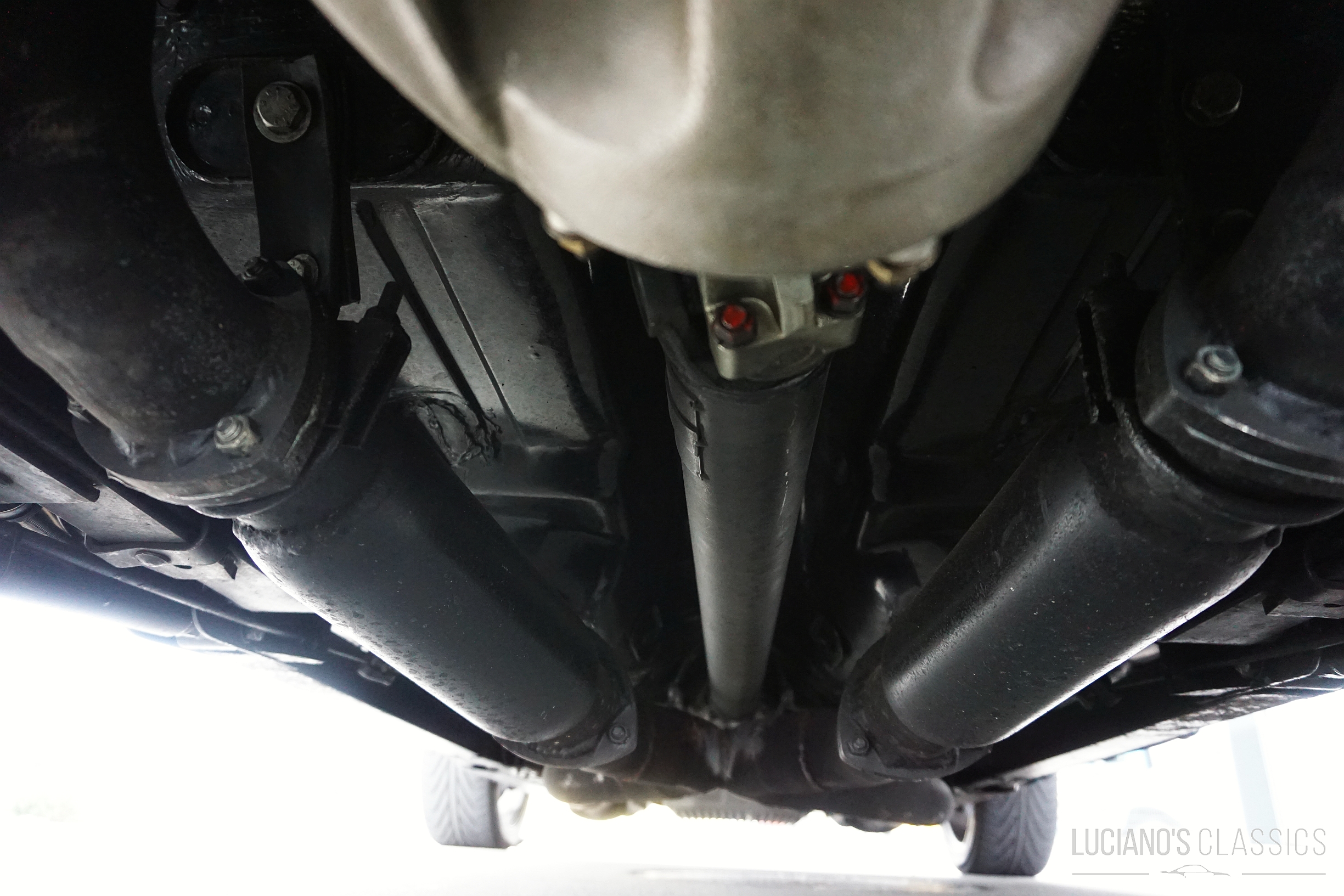
Forged pistons, forged crankshaft, a compression ratio of 10.4 to 1, 1050 carburetor, torque values in the four-digit range and almost 800 hp are a few keywords that describe the engine quite well and are completely sufficient for the normal madman. Fortunately, this does not apply to the builder of this street-legal monster. The engine was further refined and the car took part in several meetings and races, winning some of them. Depending on the race, the machine was fitted with either a 2-speed Powerglide gearbox or the currently installed 4L80E 4-speed gearbox, as well as various rear axles in 3.75 and 4.10 ratios. Currently and for the road, a Ford 9-inch rear axle with a ratio of 3.25 is fitted, which harmonizes very well with the electronically adjustable 4-speed gearbox.
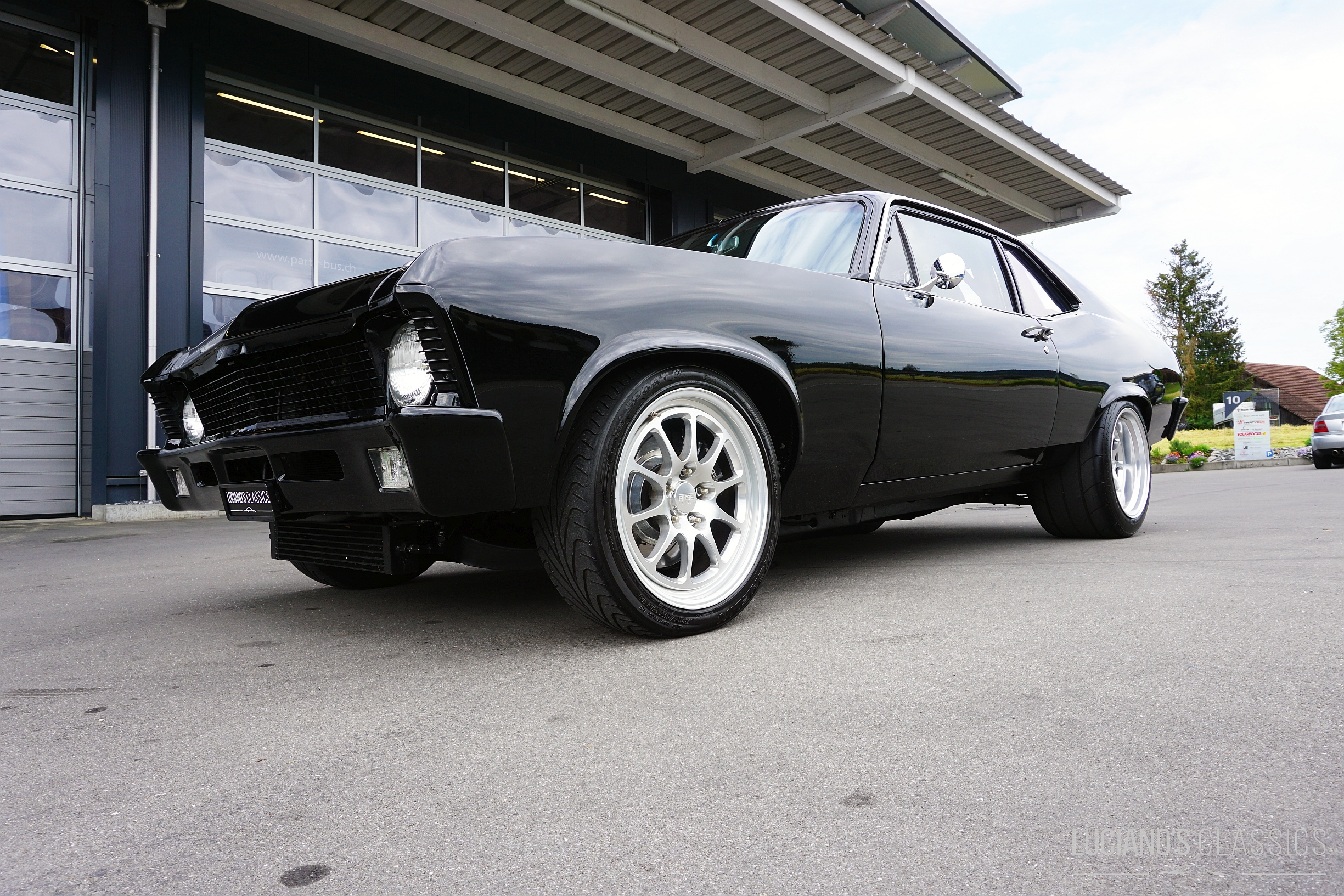
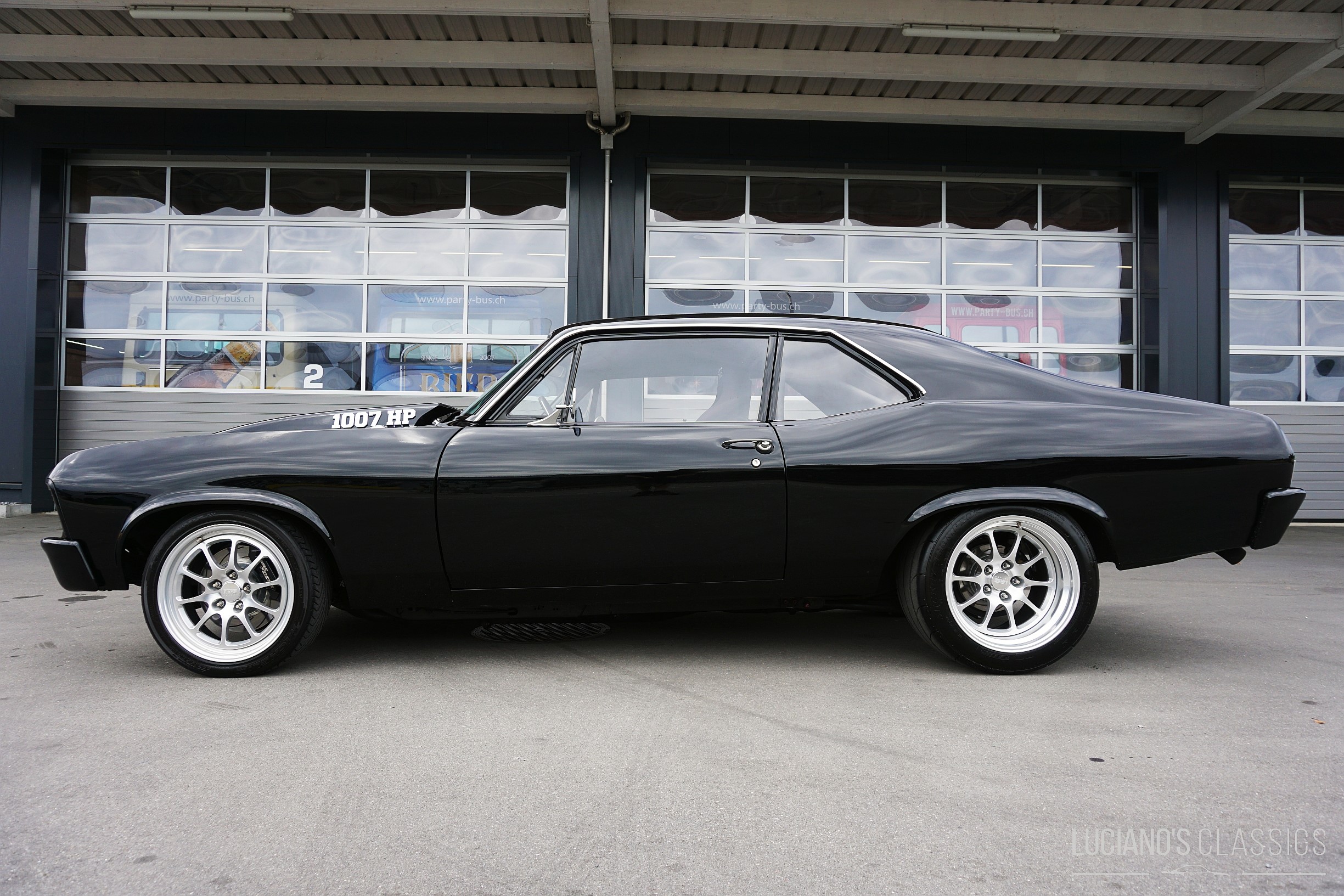
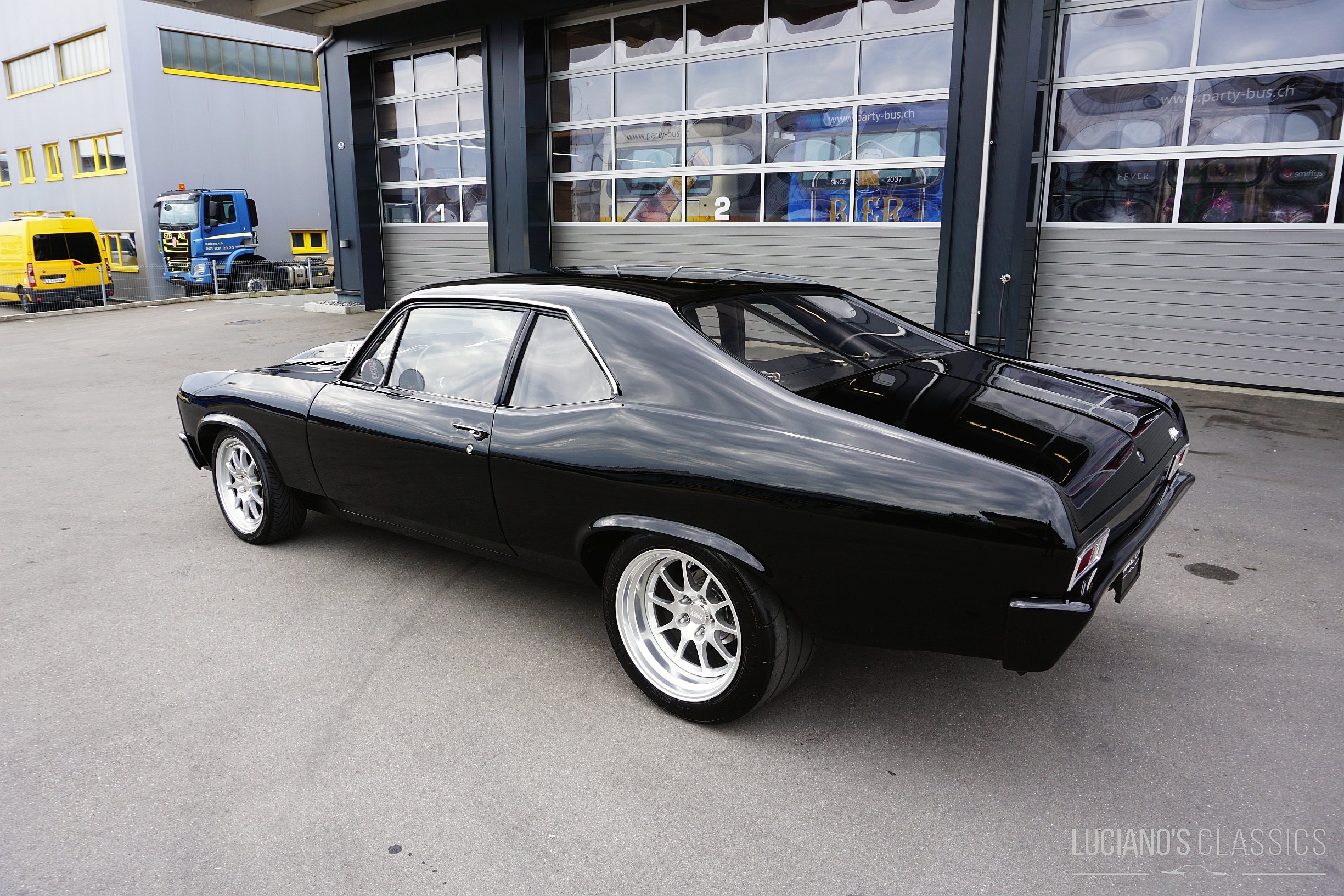
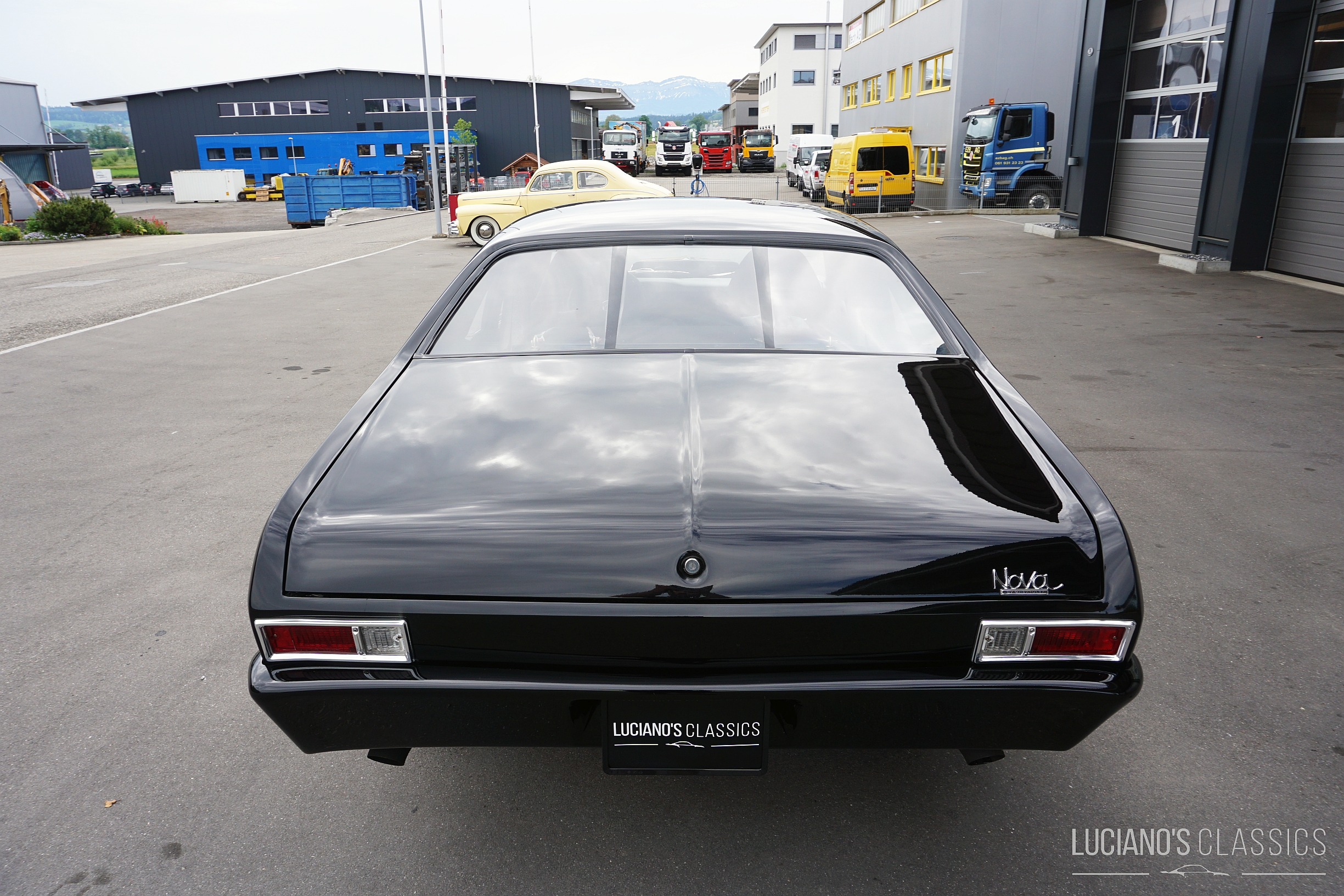
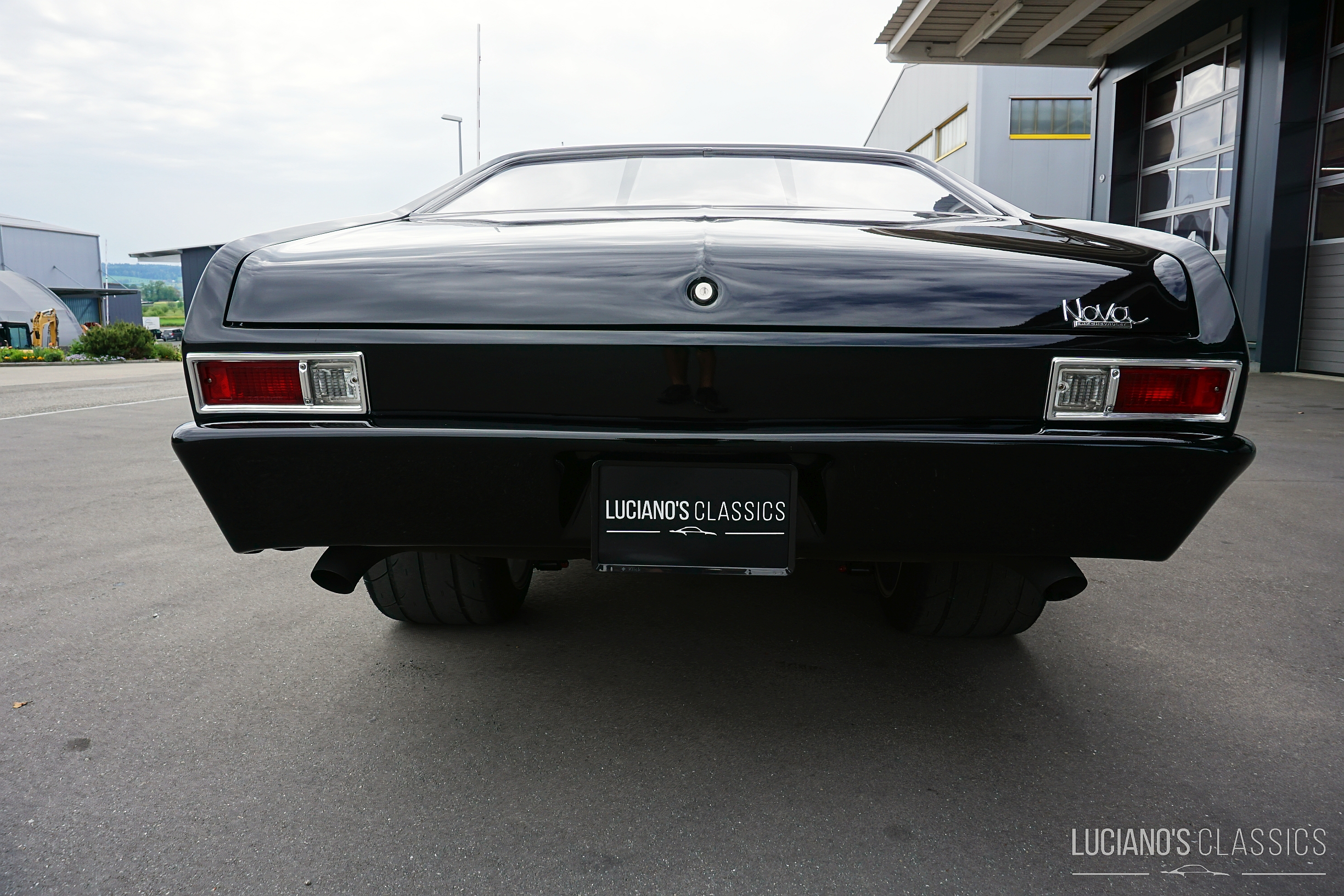
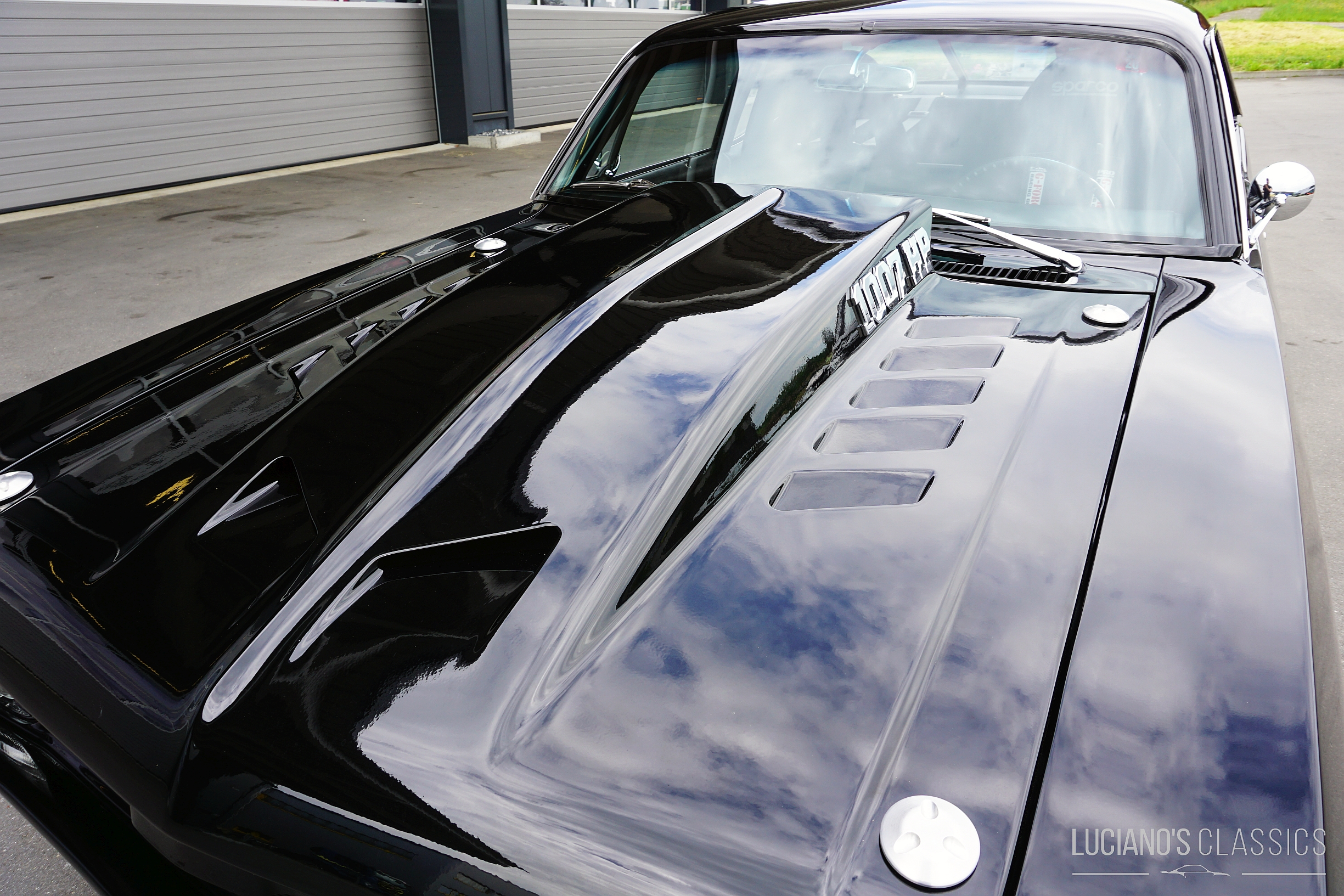
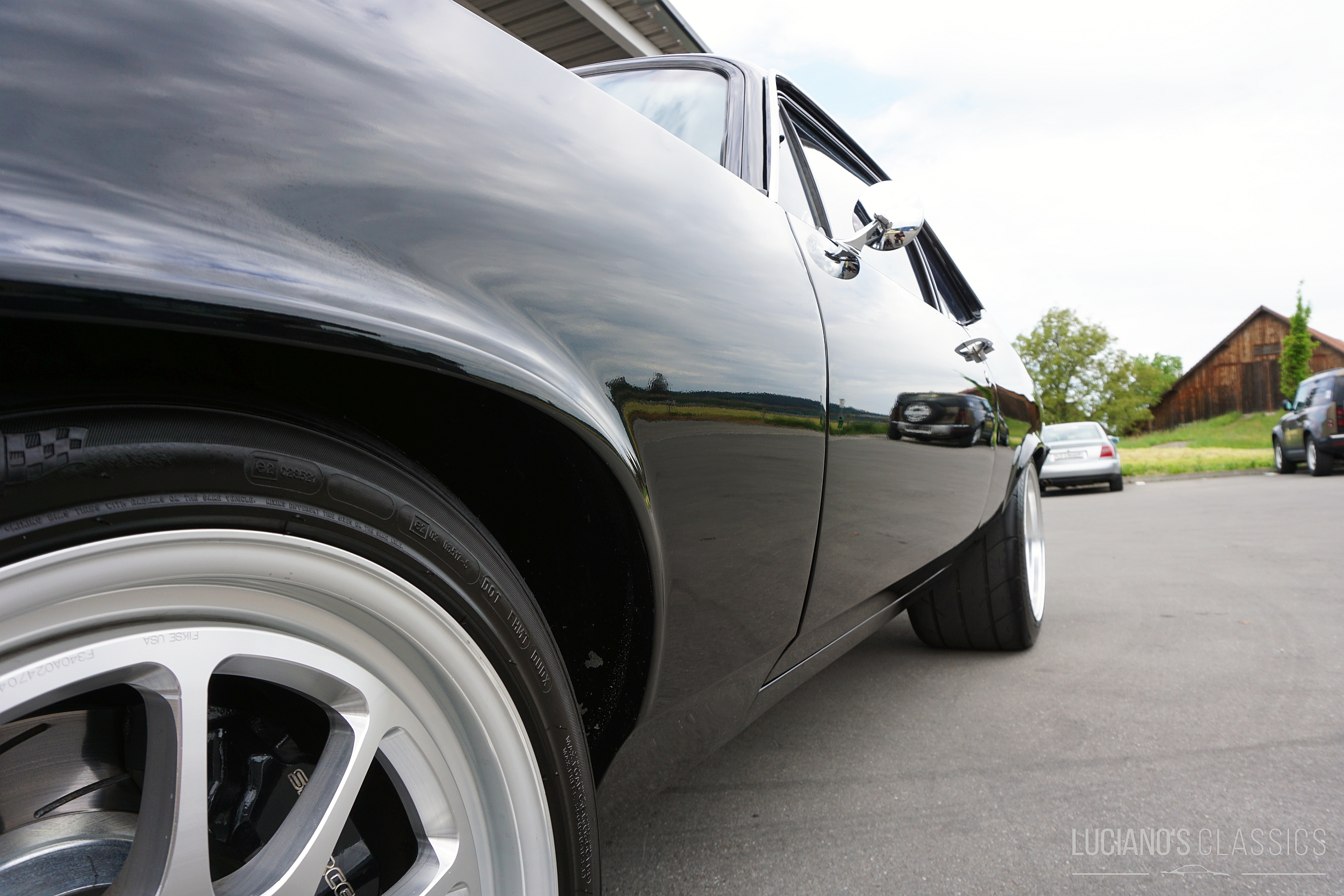
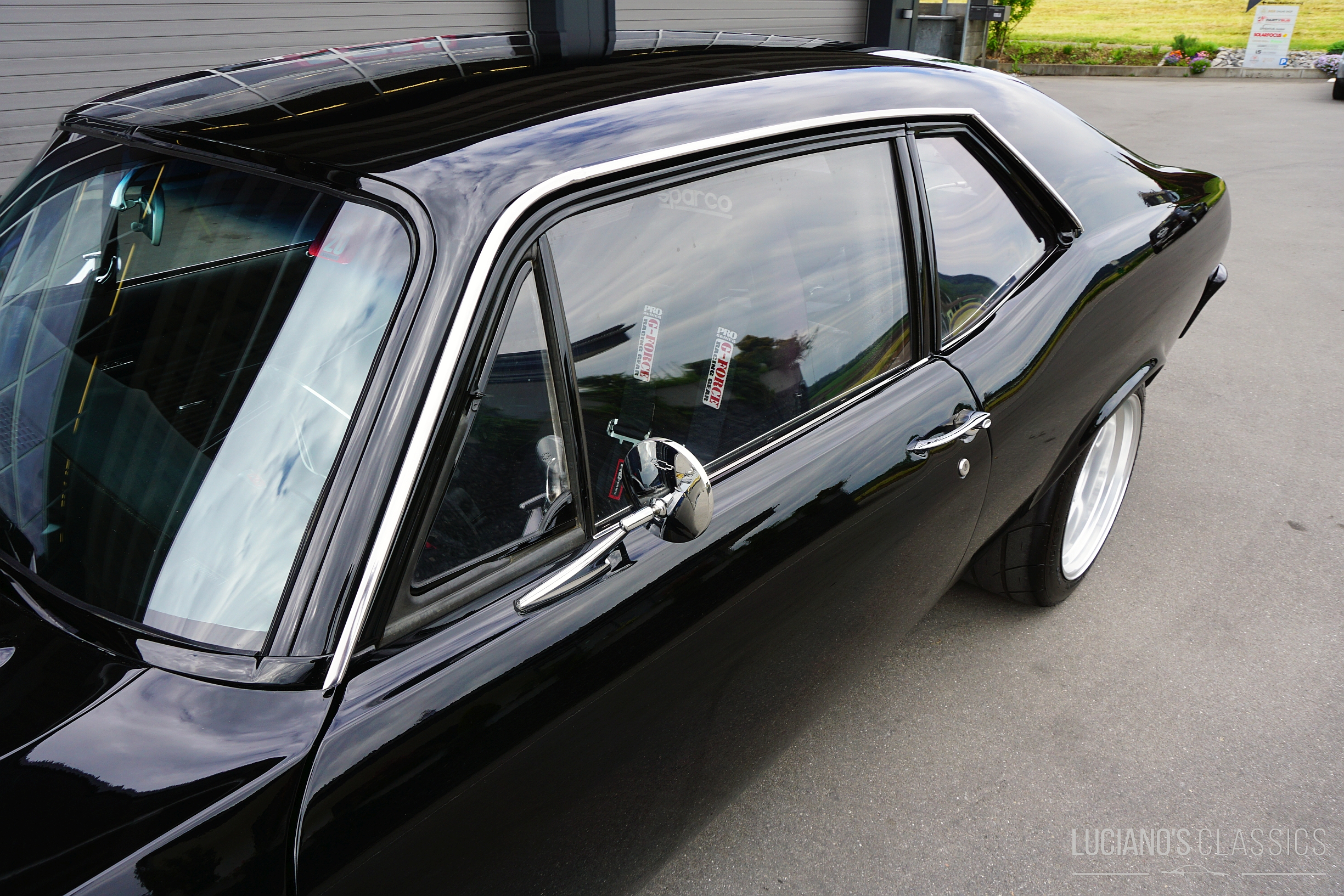
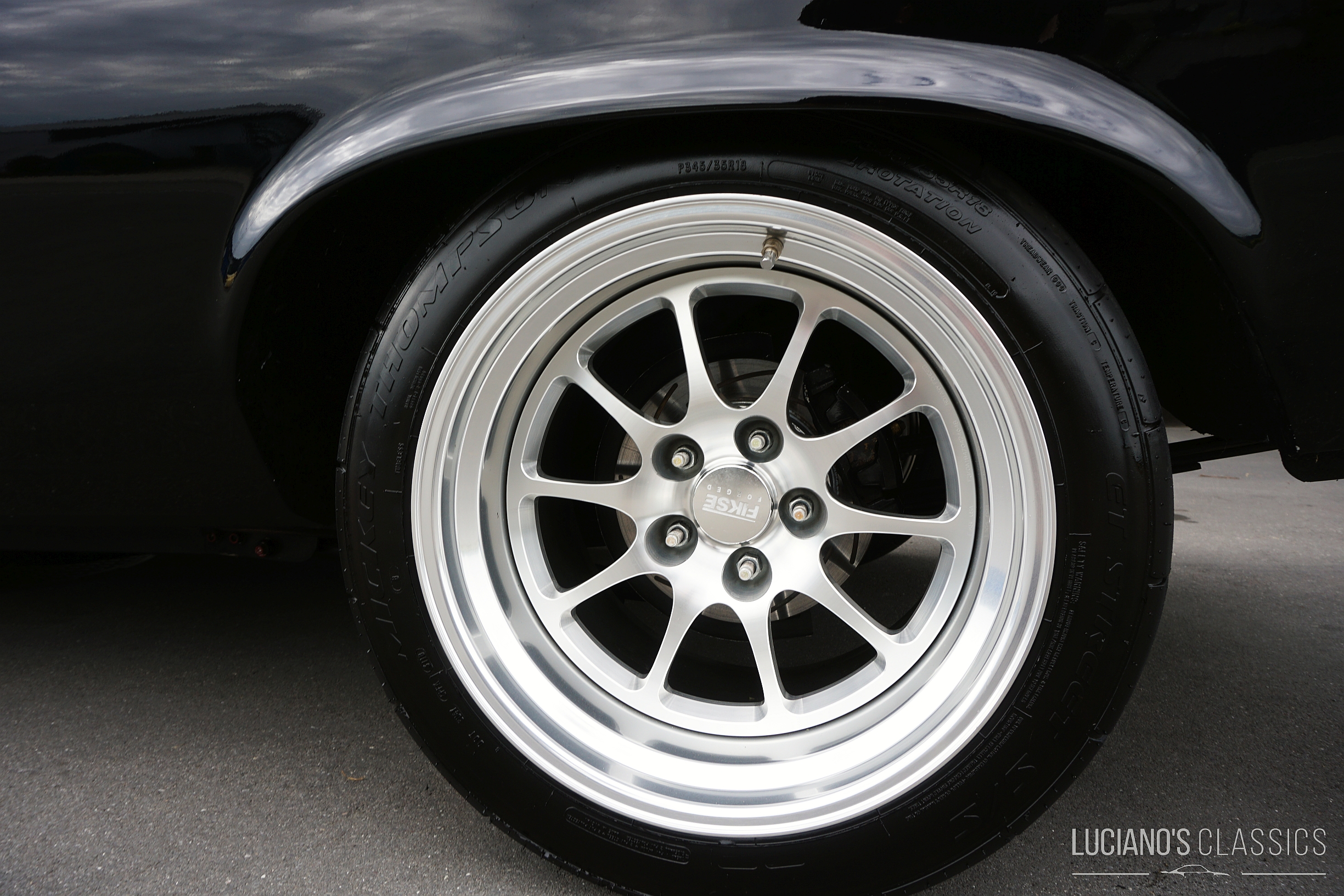
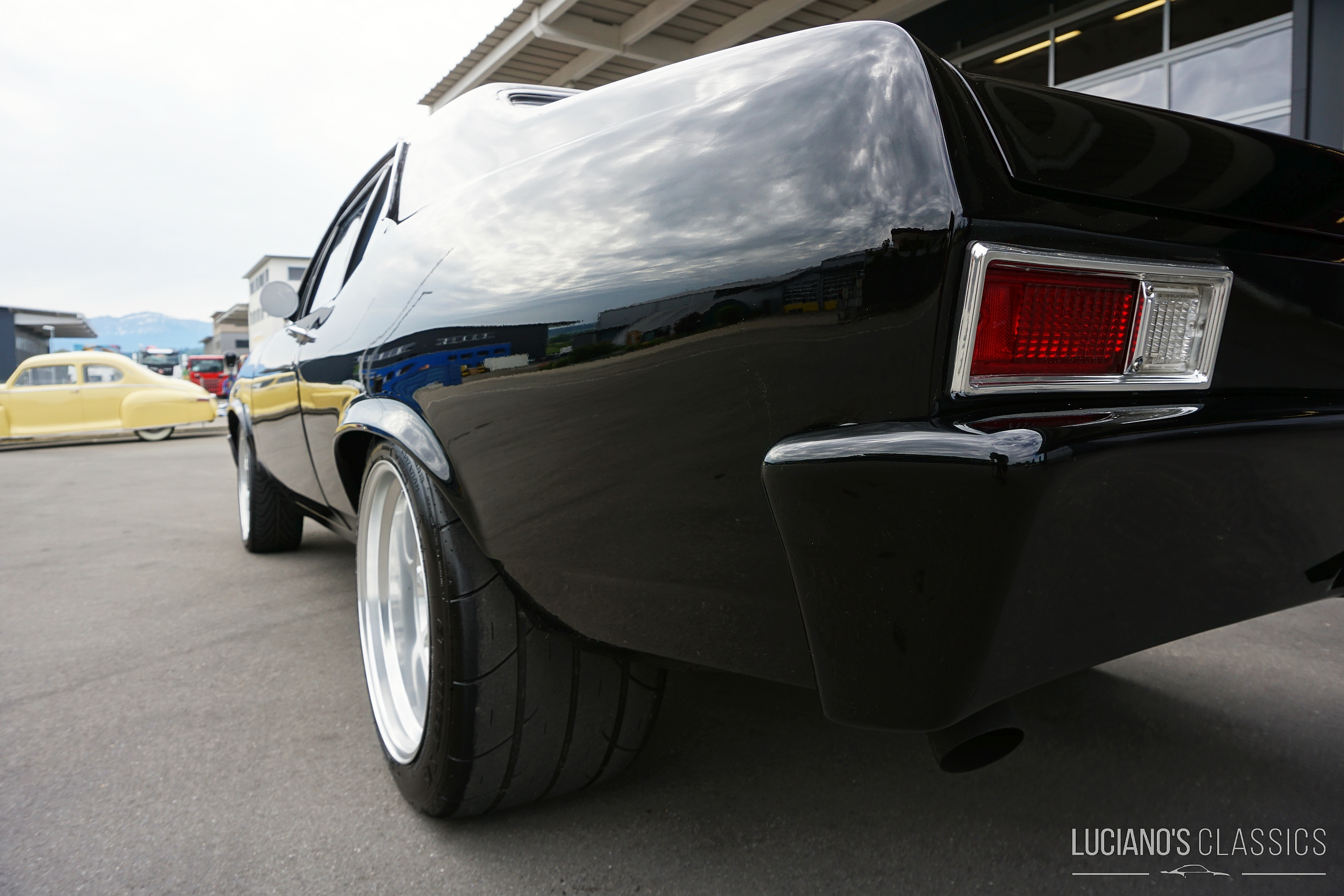
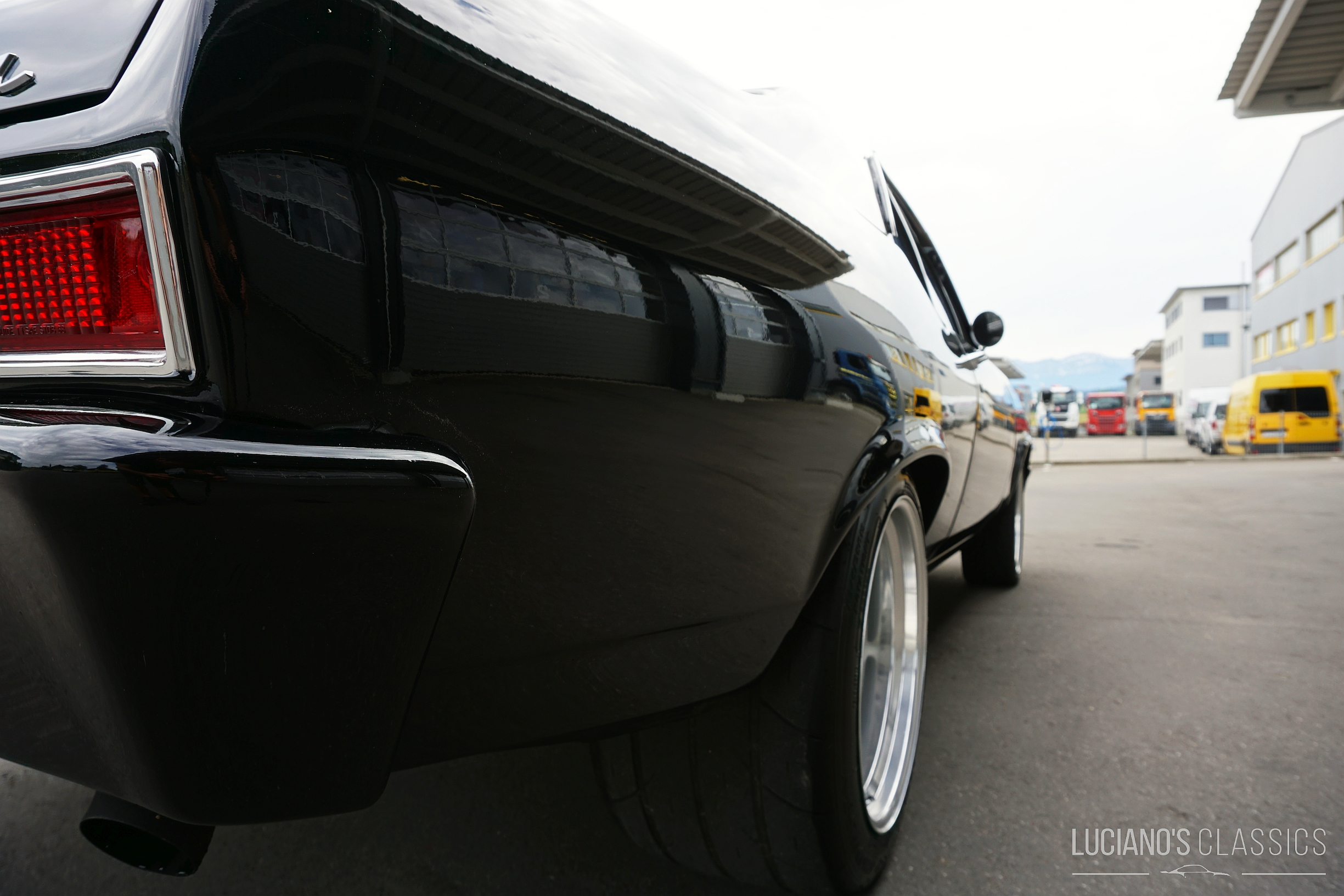
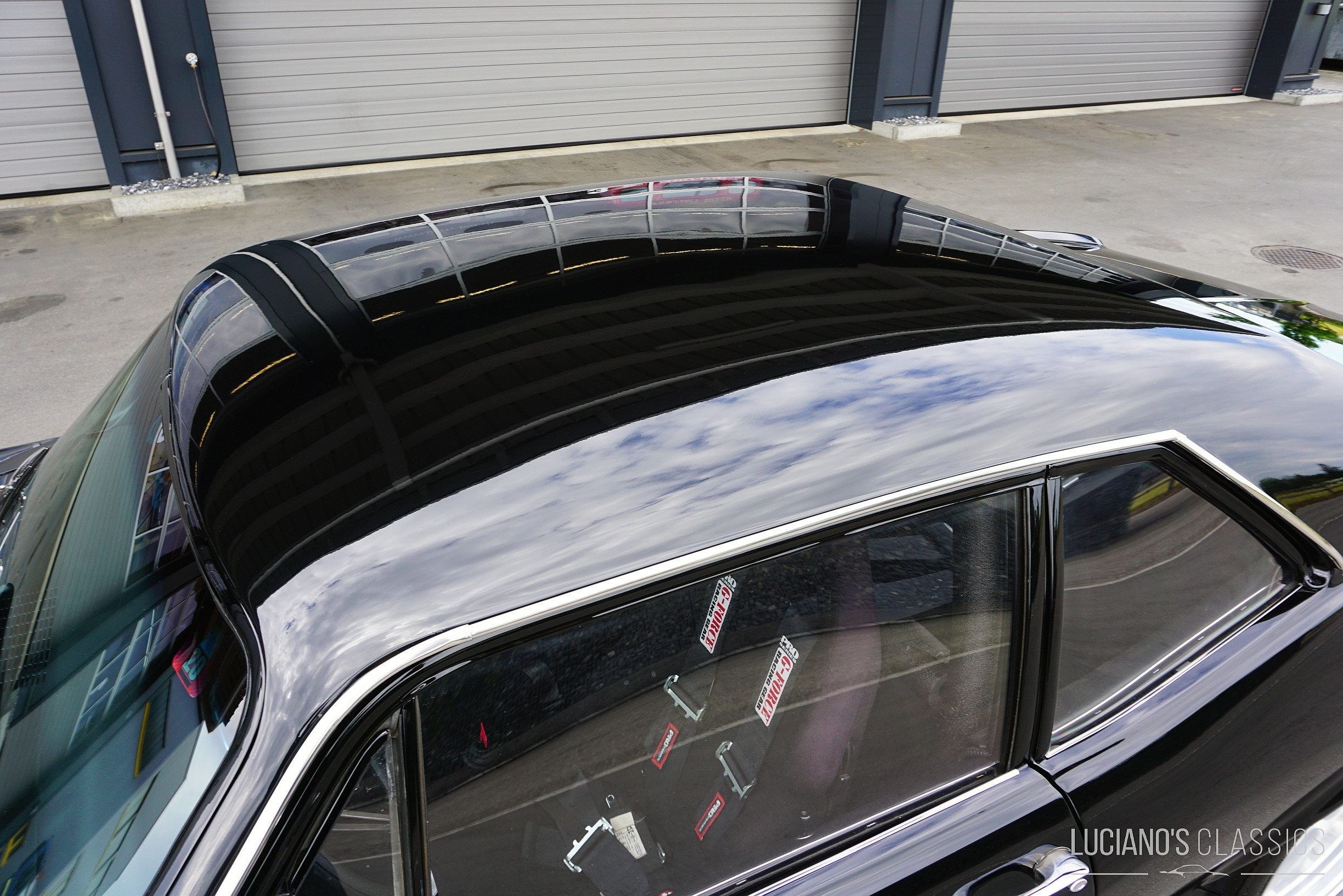
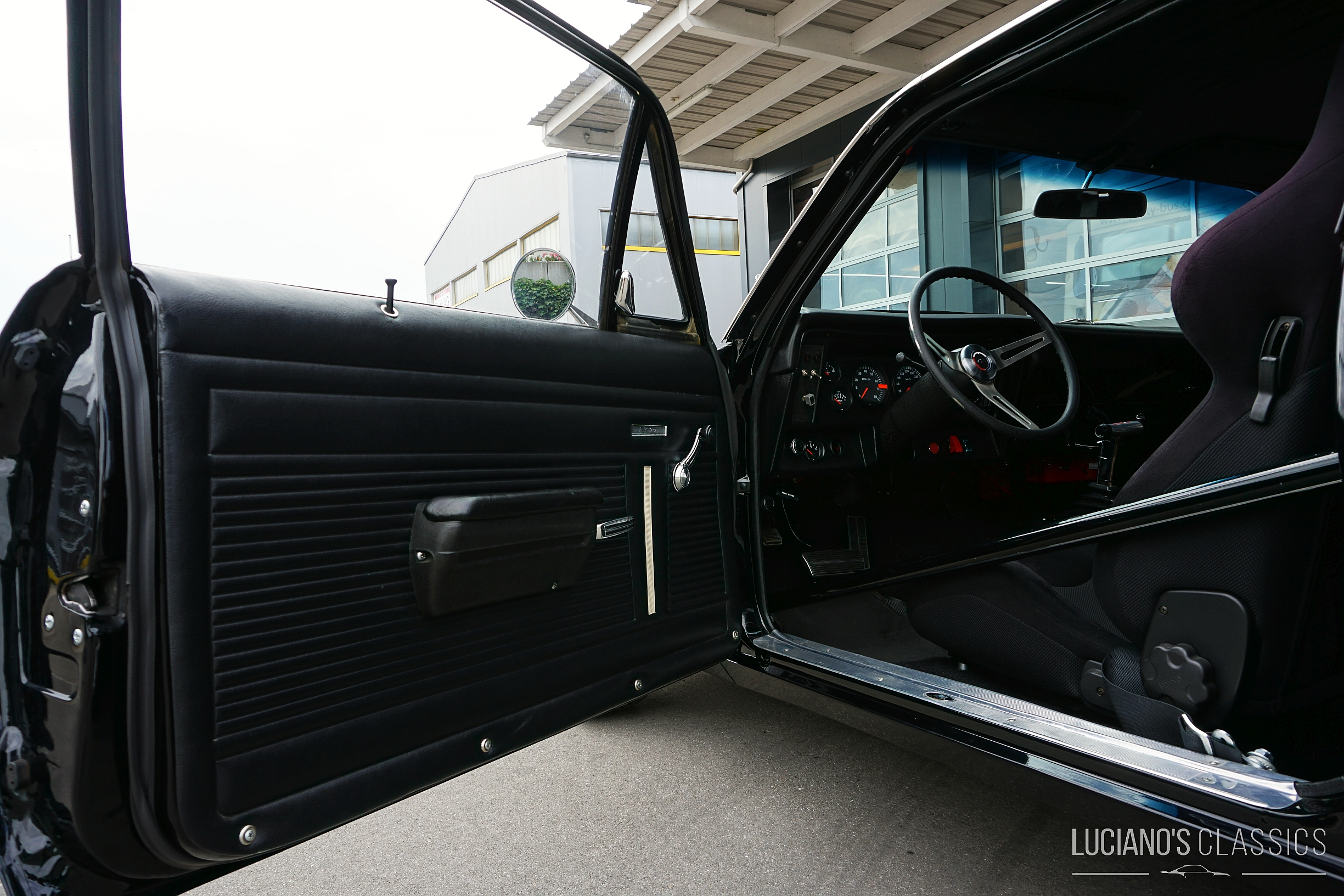
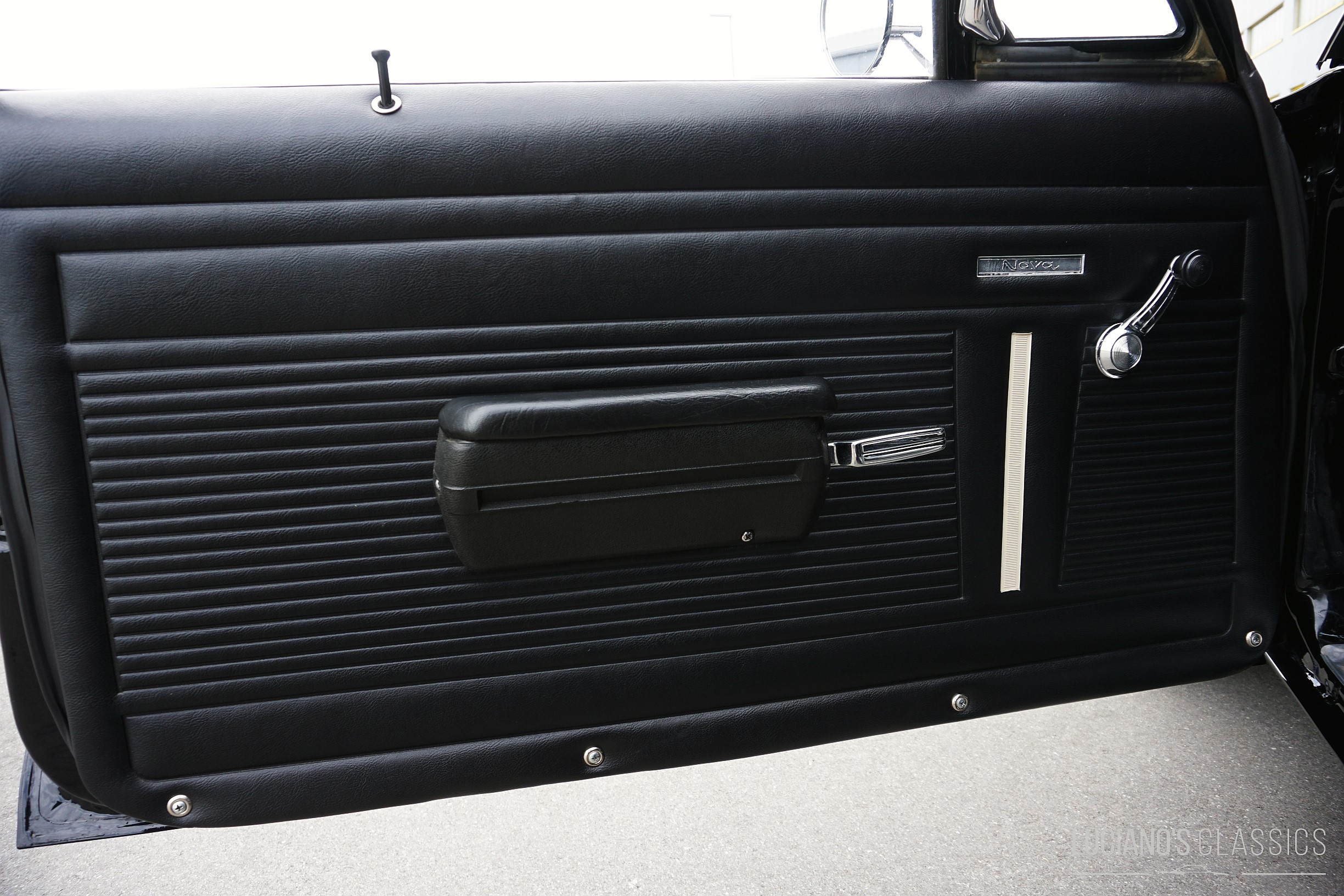
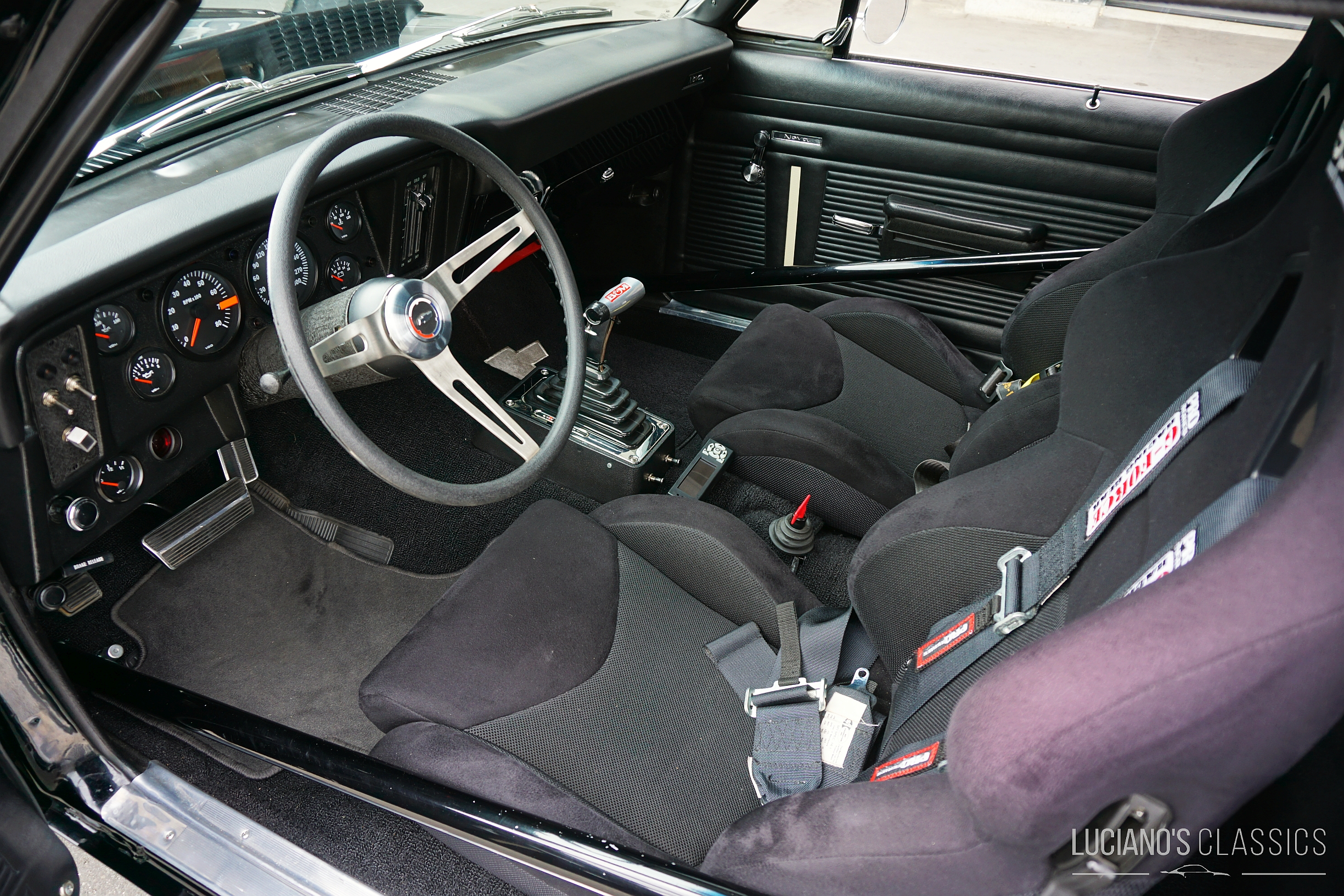
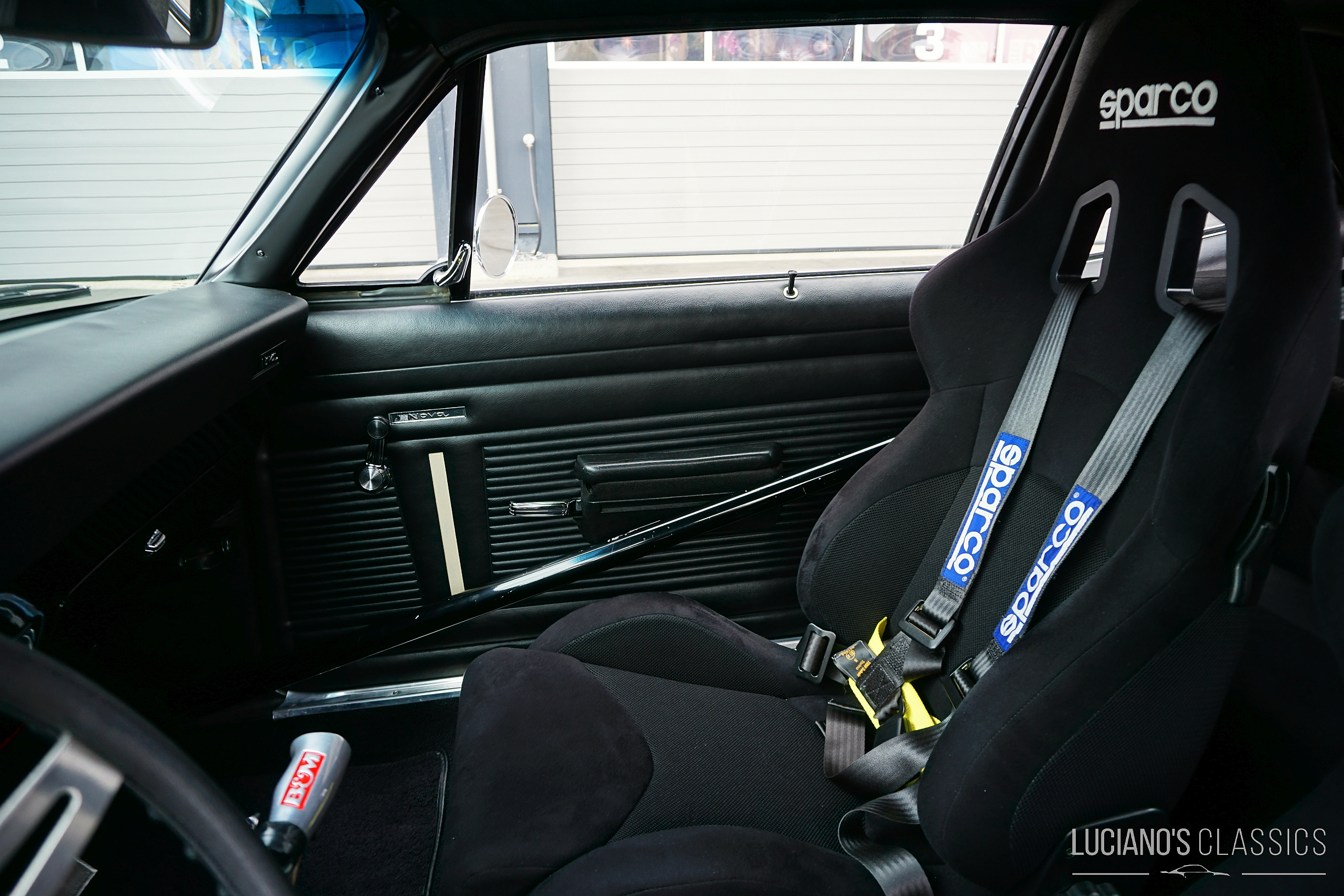
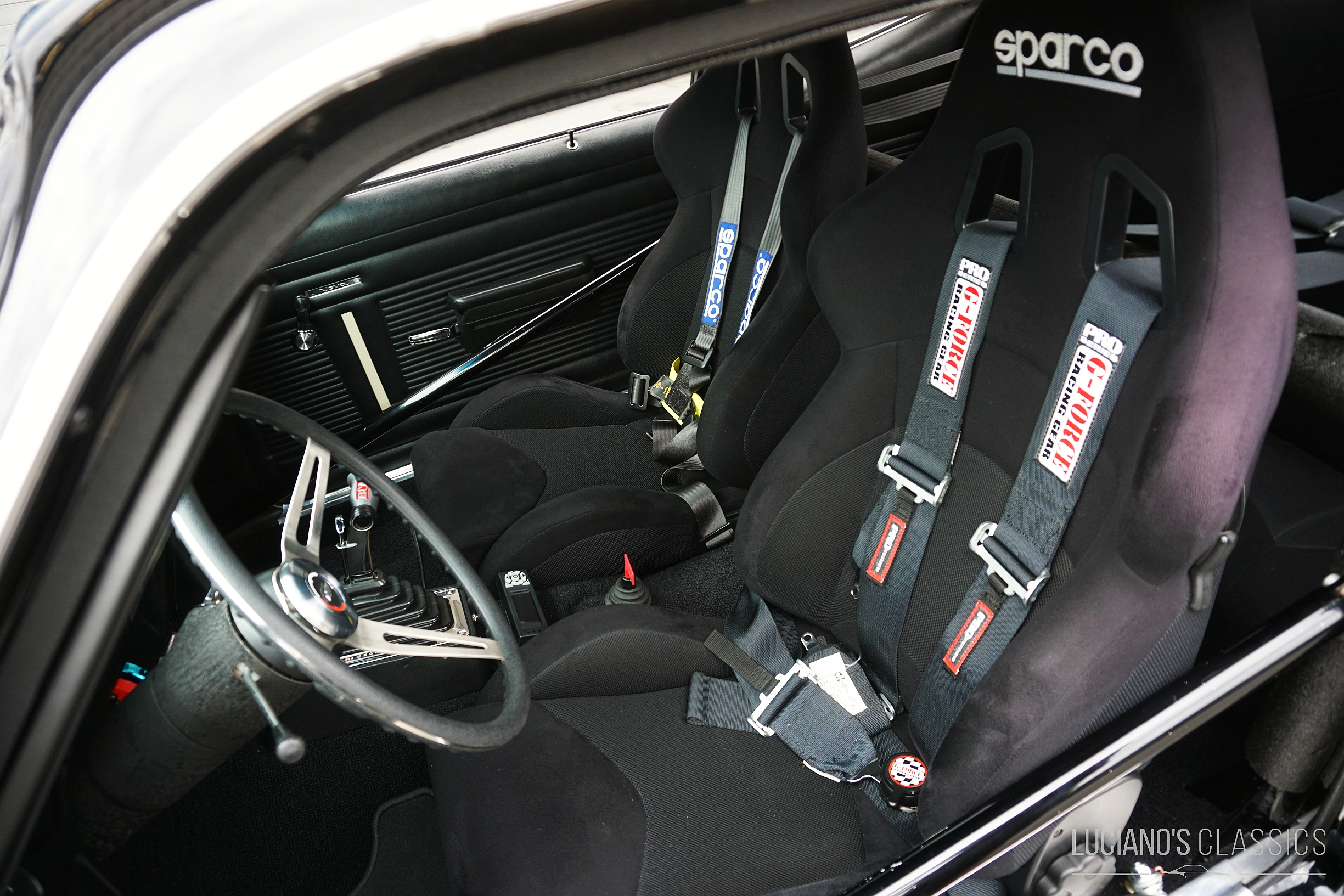
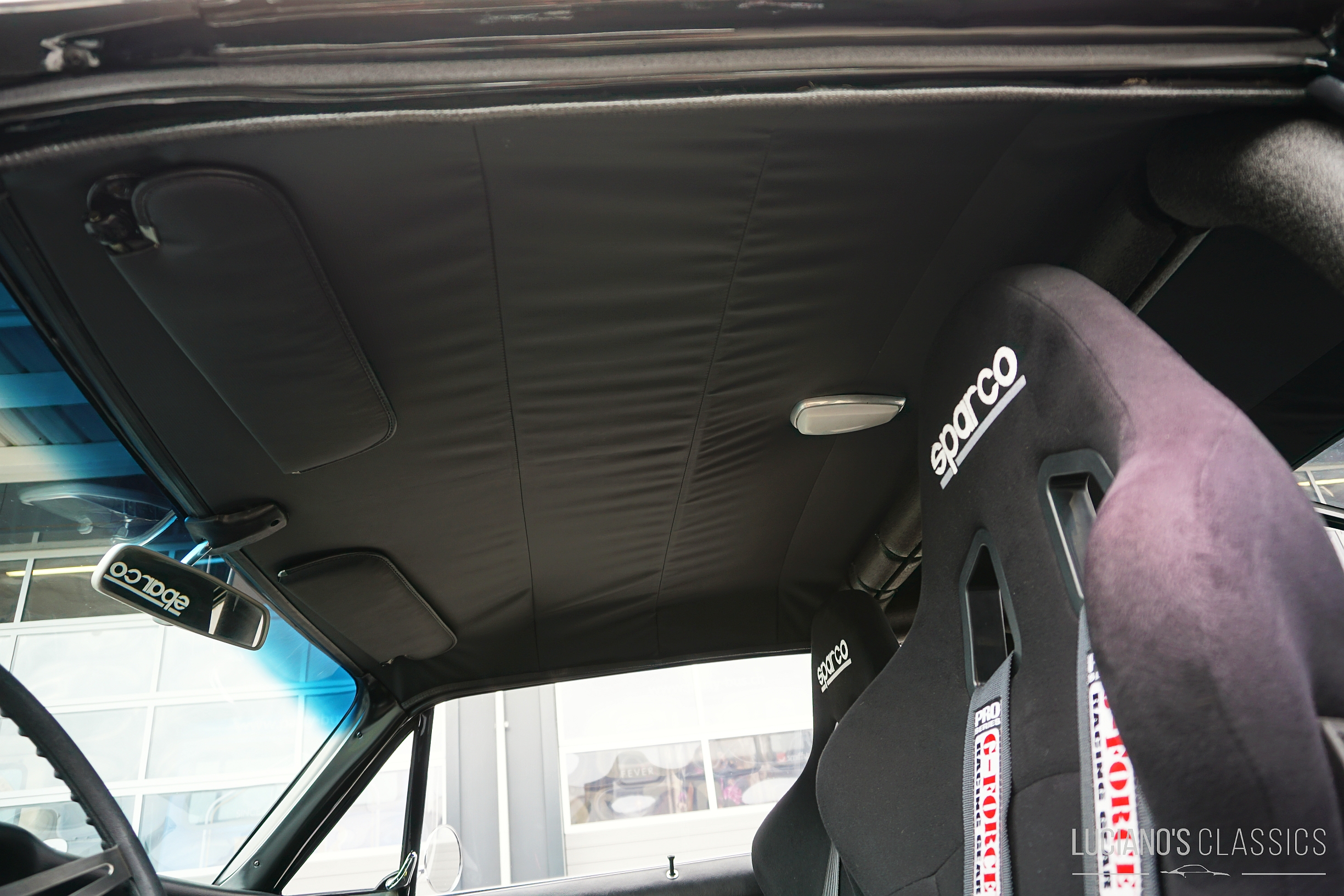
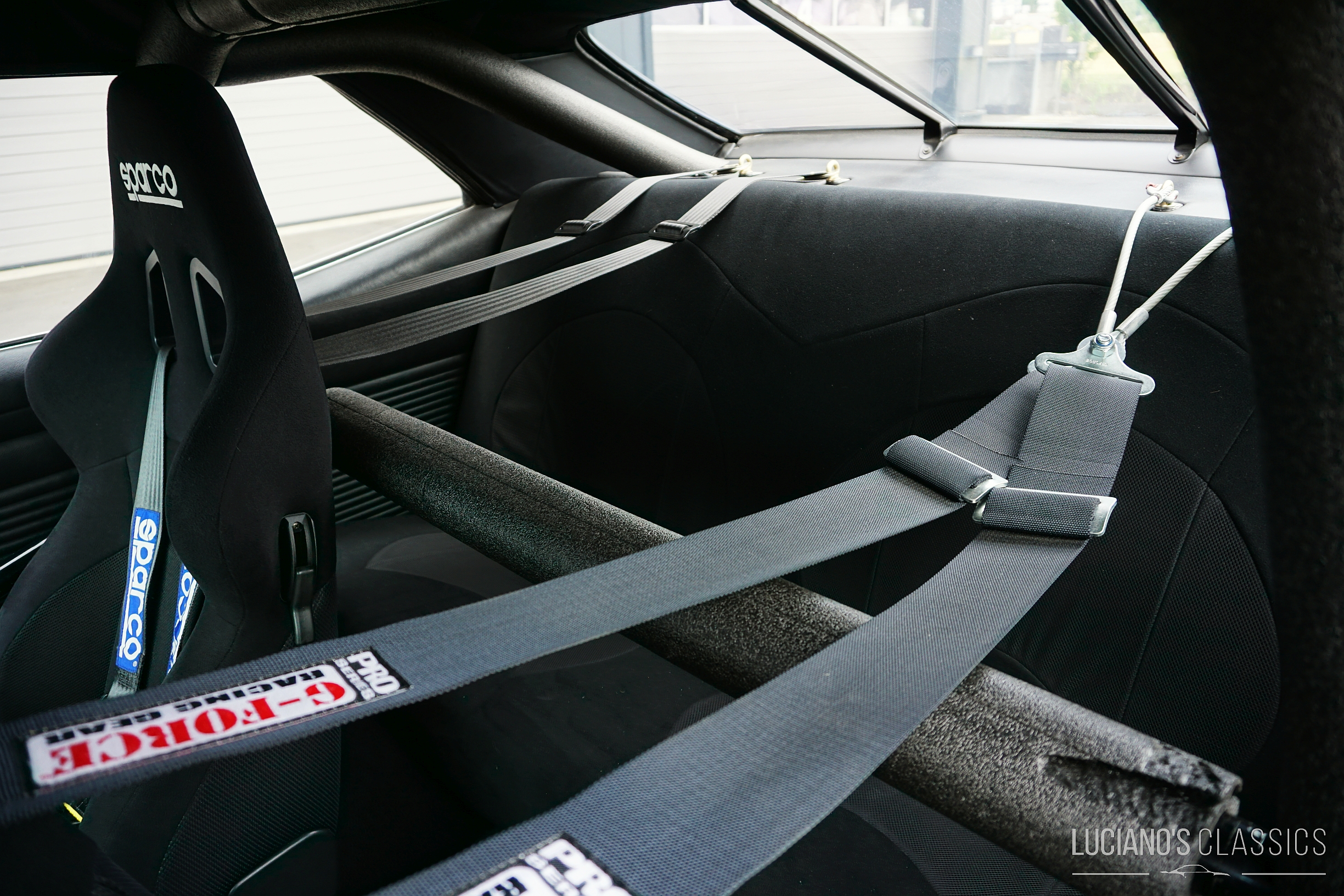
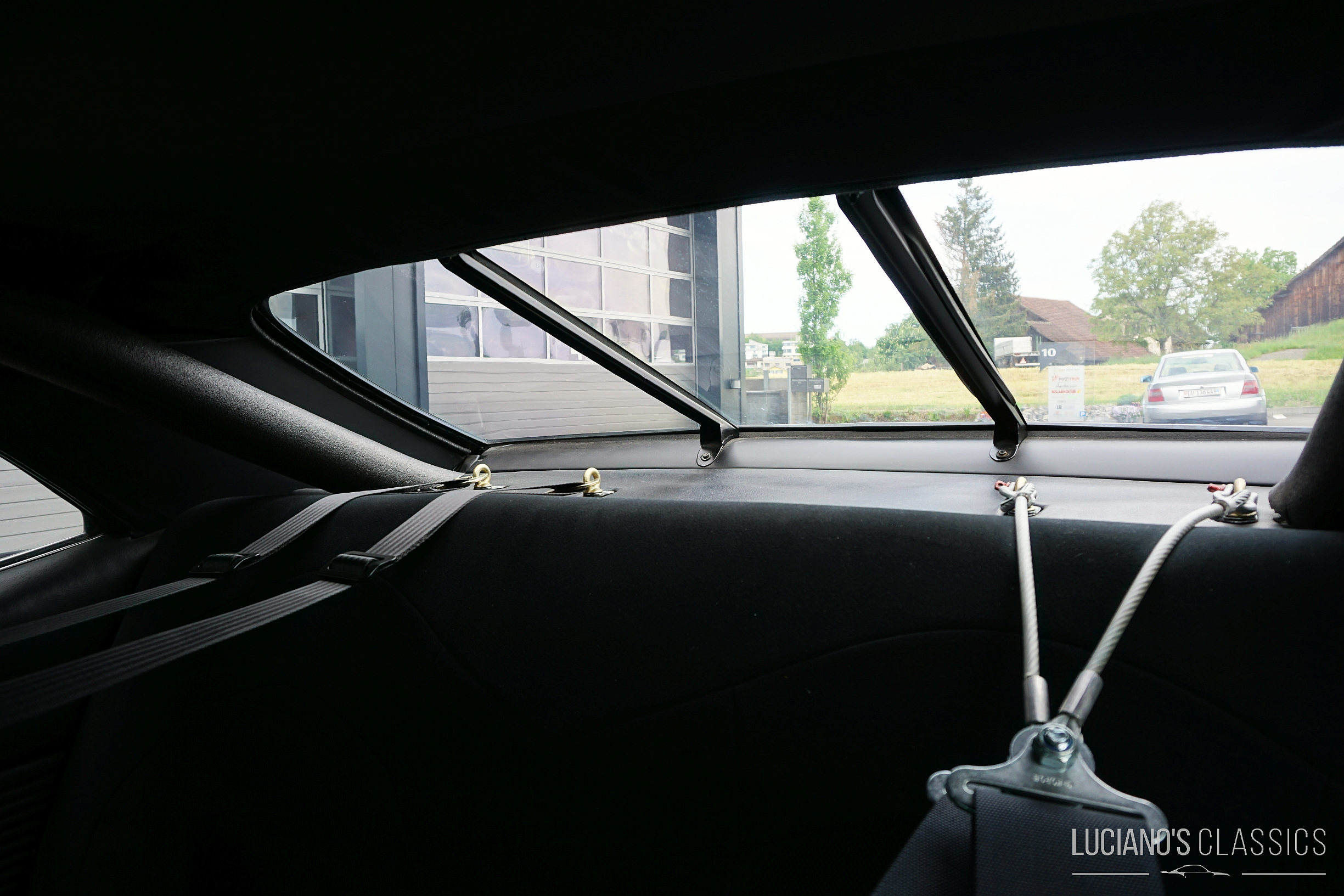
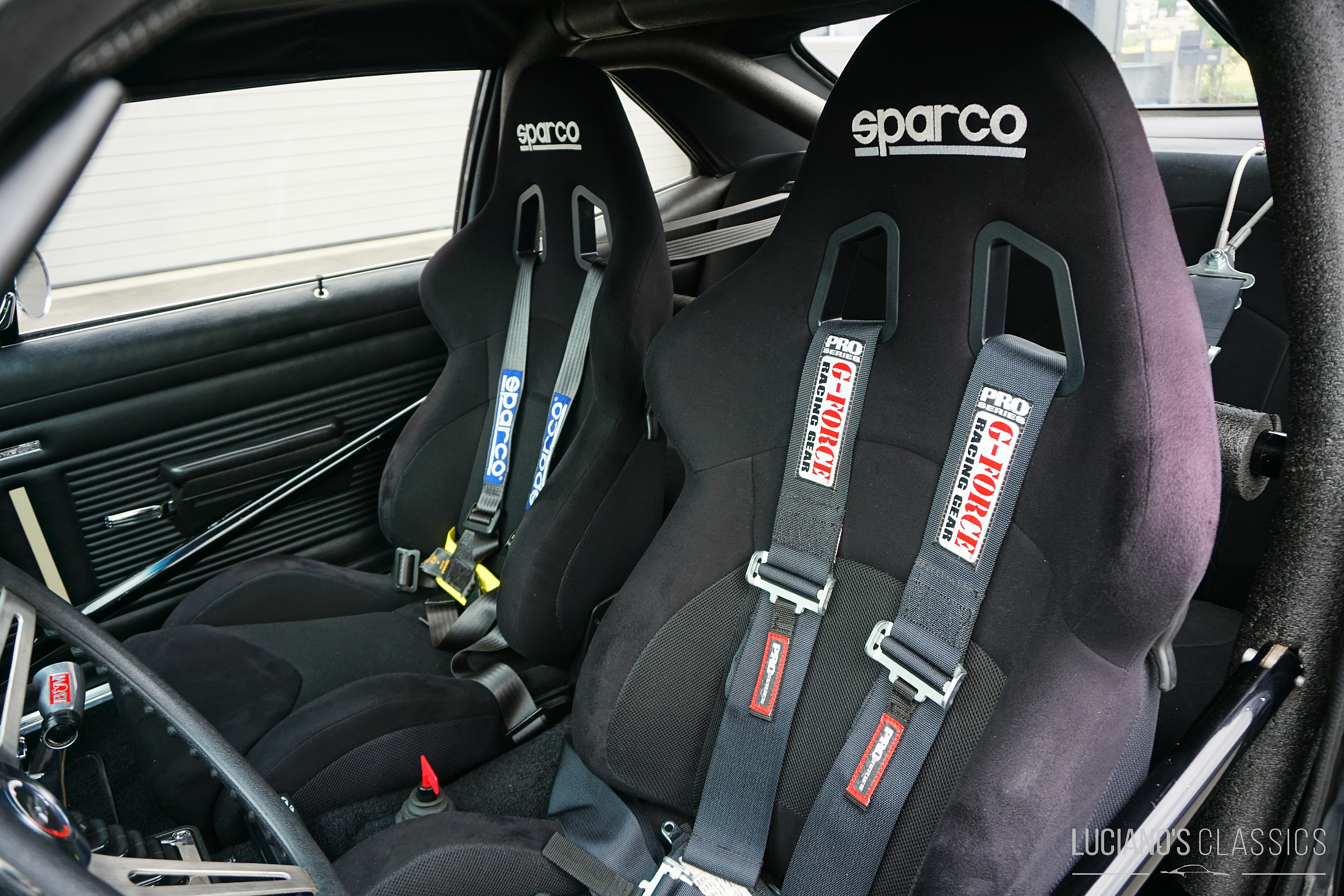
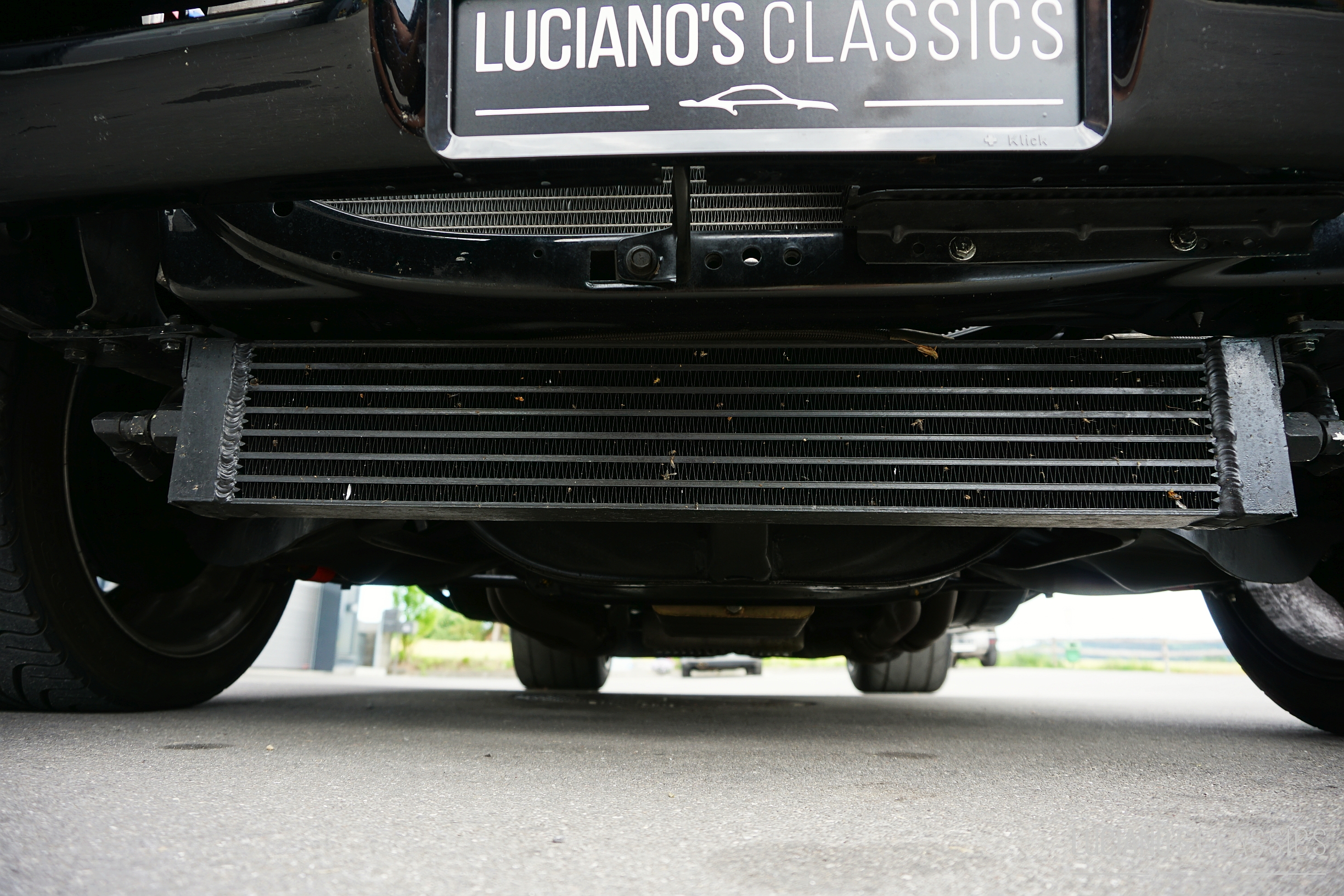
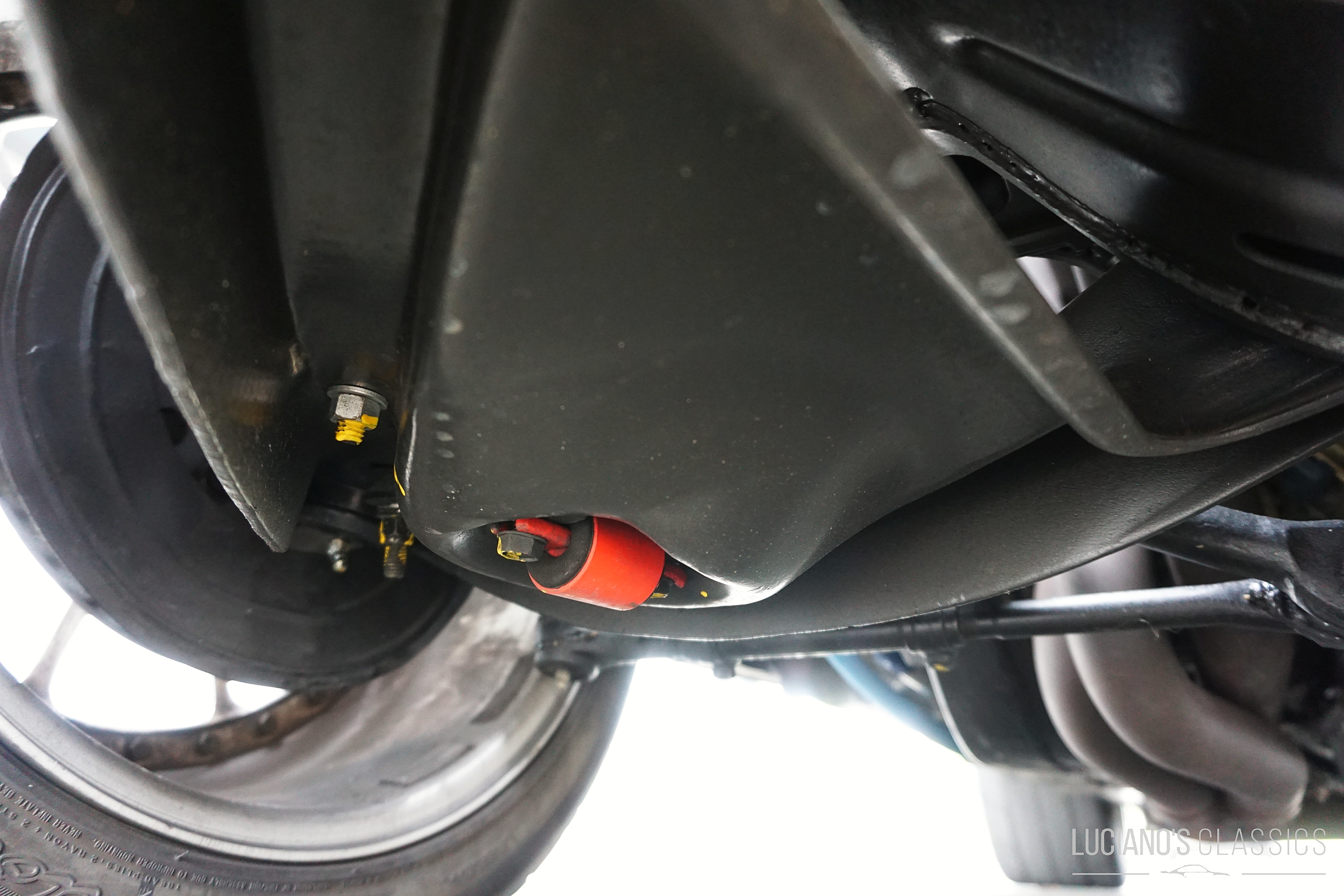
As the first 632 has left drag racing for V8 heaven, a second 632 fresh from hell can now be found in the Nova, which is currently being carefully tuned and reliably sends 1007 hp via the transmission to the thick rear axle. This in turn transmits power and torque to the monstrous 345 rubber, which tries to convert as much of it as possible into forward motion. In typical American fashion, the four-digit horsepower figure was measured directly at the engine, i.e. without any power-reducing attachments. The frame was tapered inwards at the rear to provide sufficient space for the monster flaps. Otherwise, fender flares would have massively disfigured the beautiful car. Lightweight Plexiglas windows and various plastic parts as well as lightweight bucket seats ensure a reasonable weight on the track.
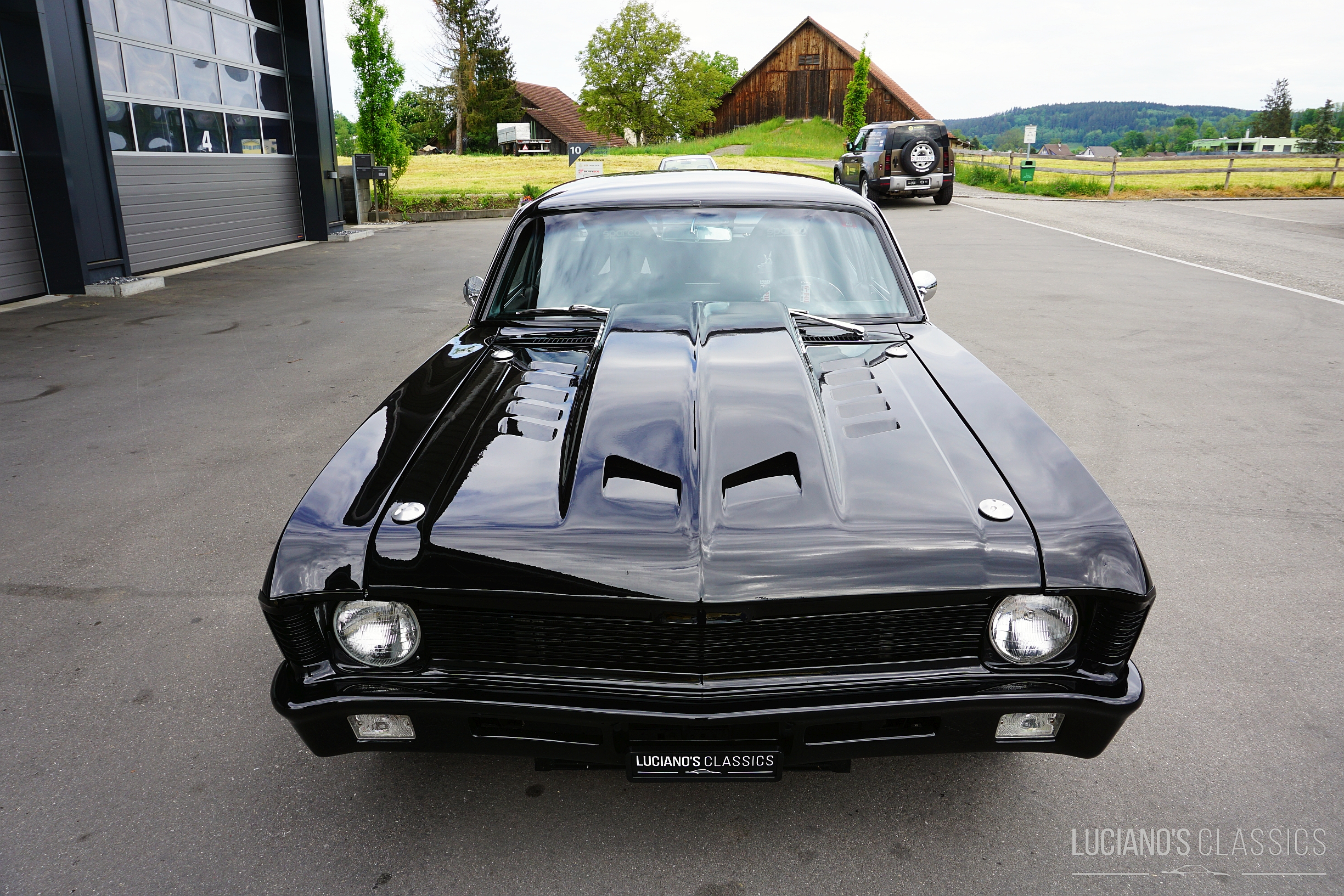
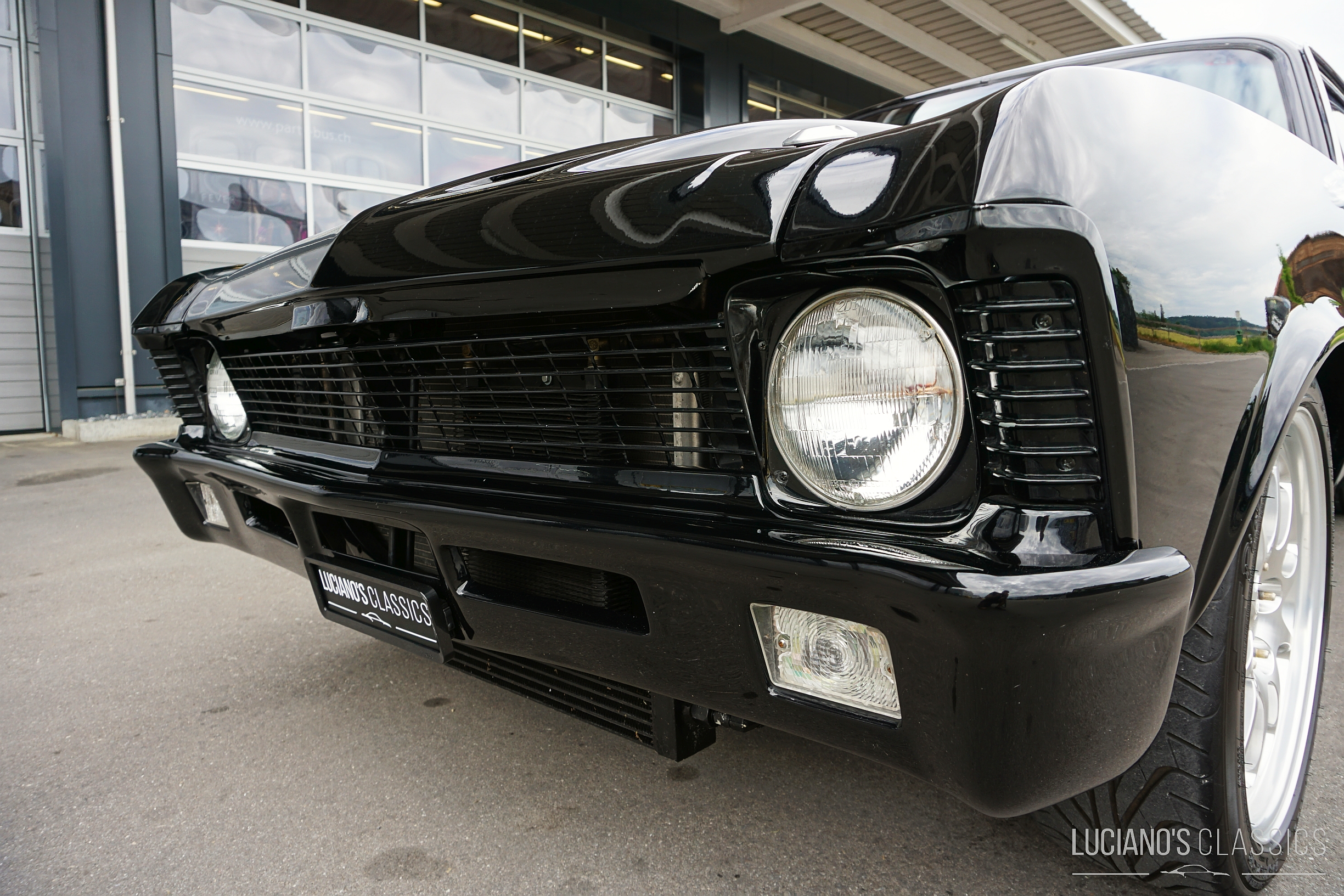
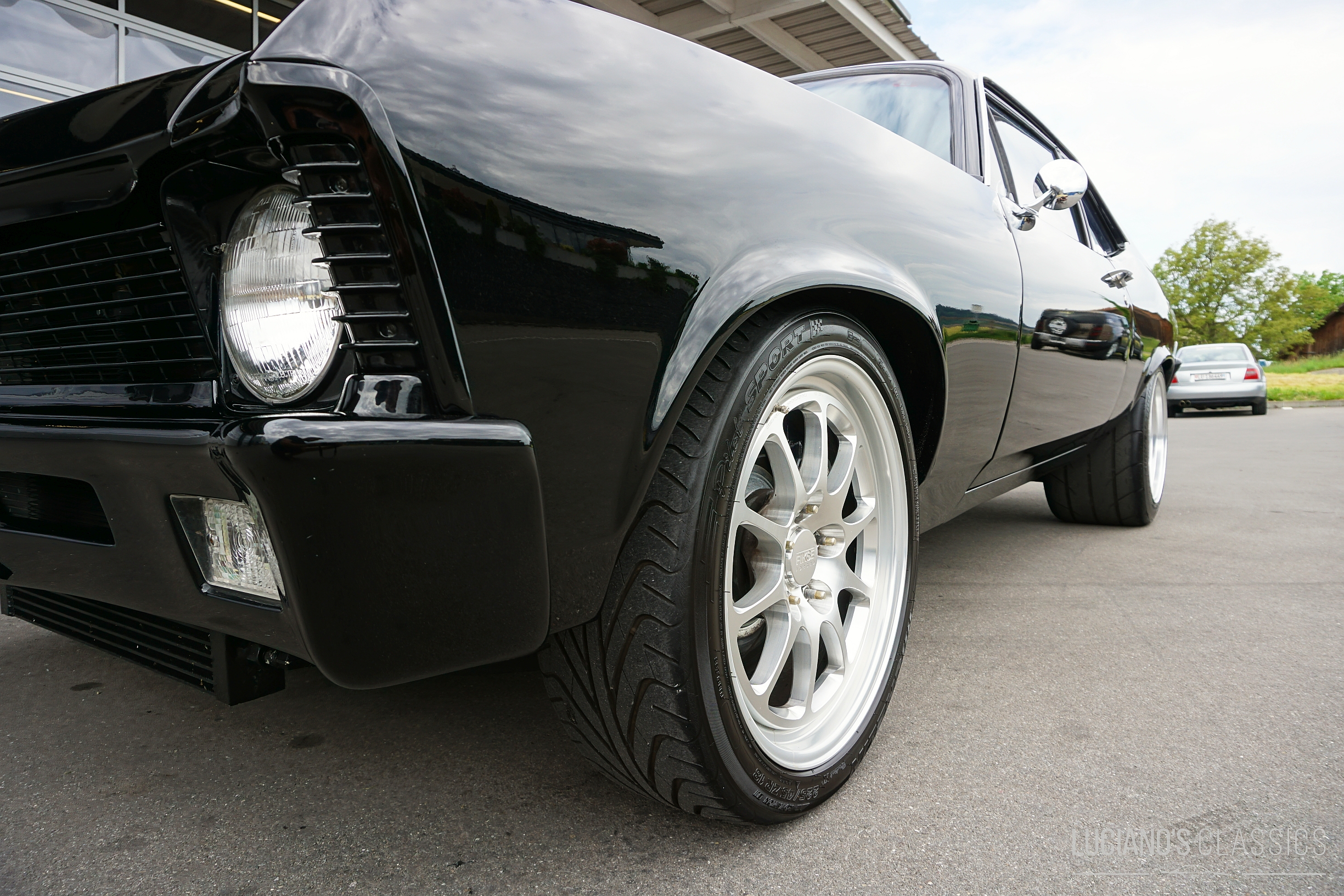
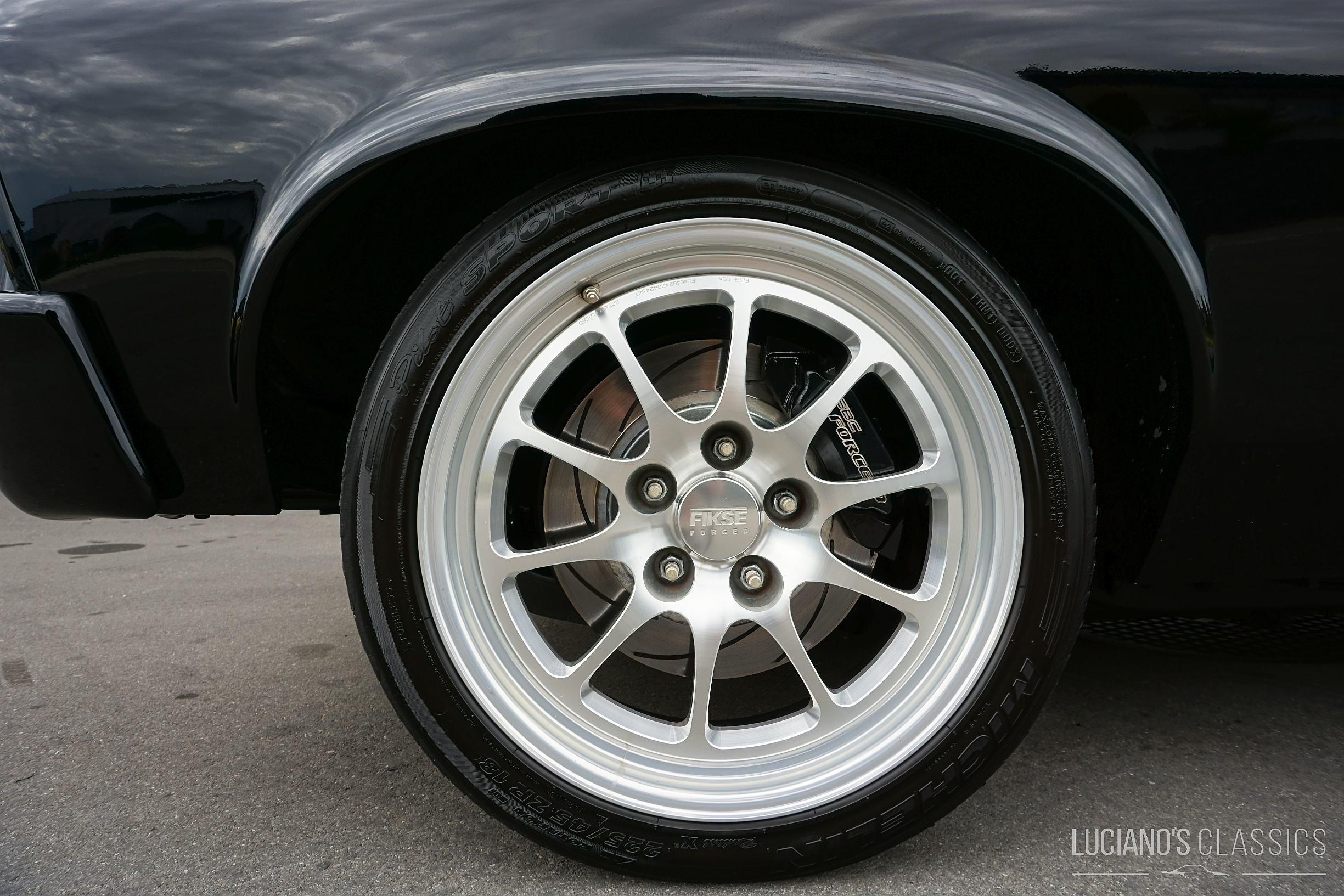
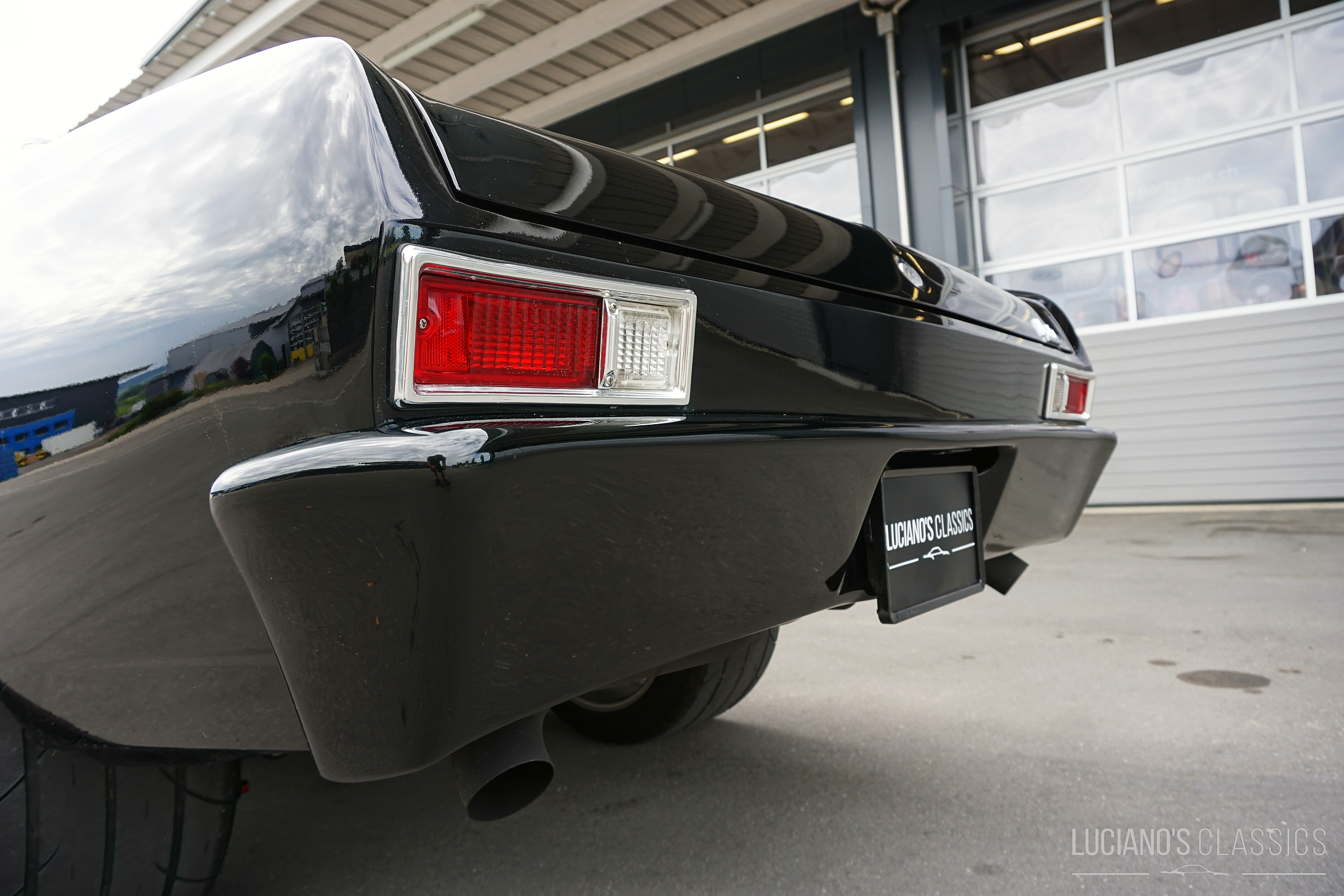
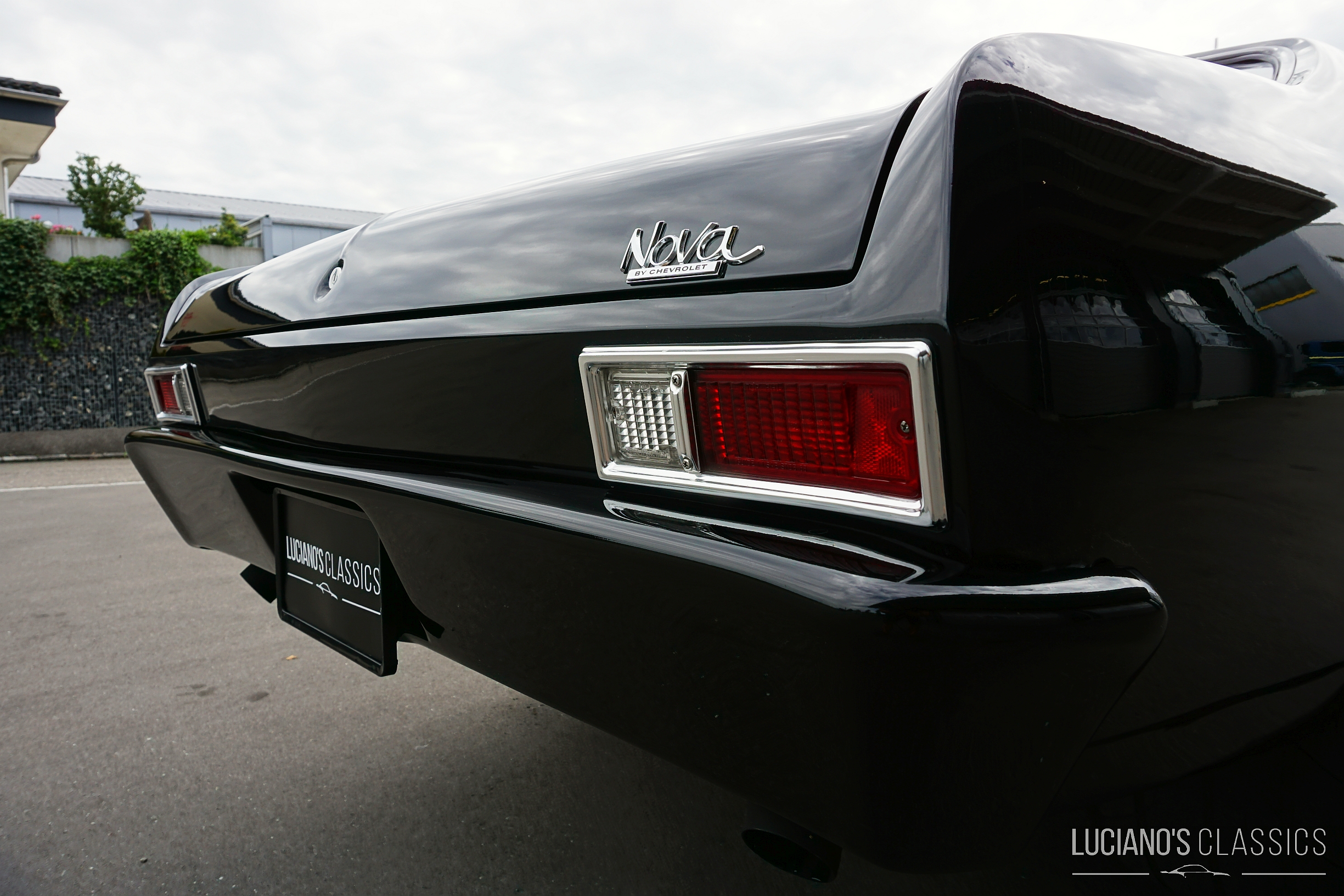
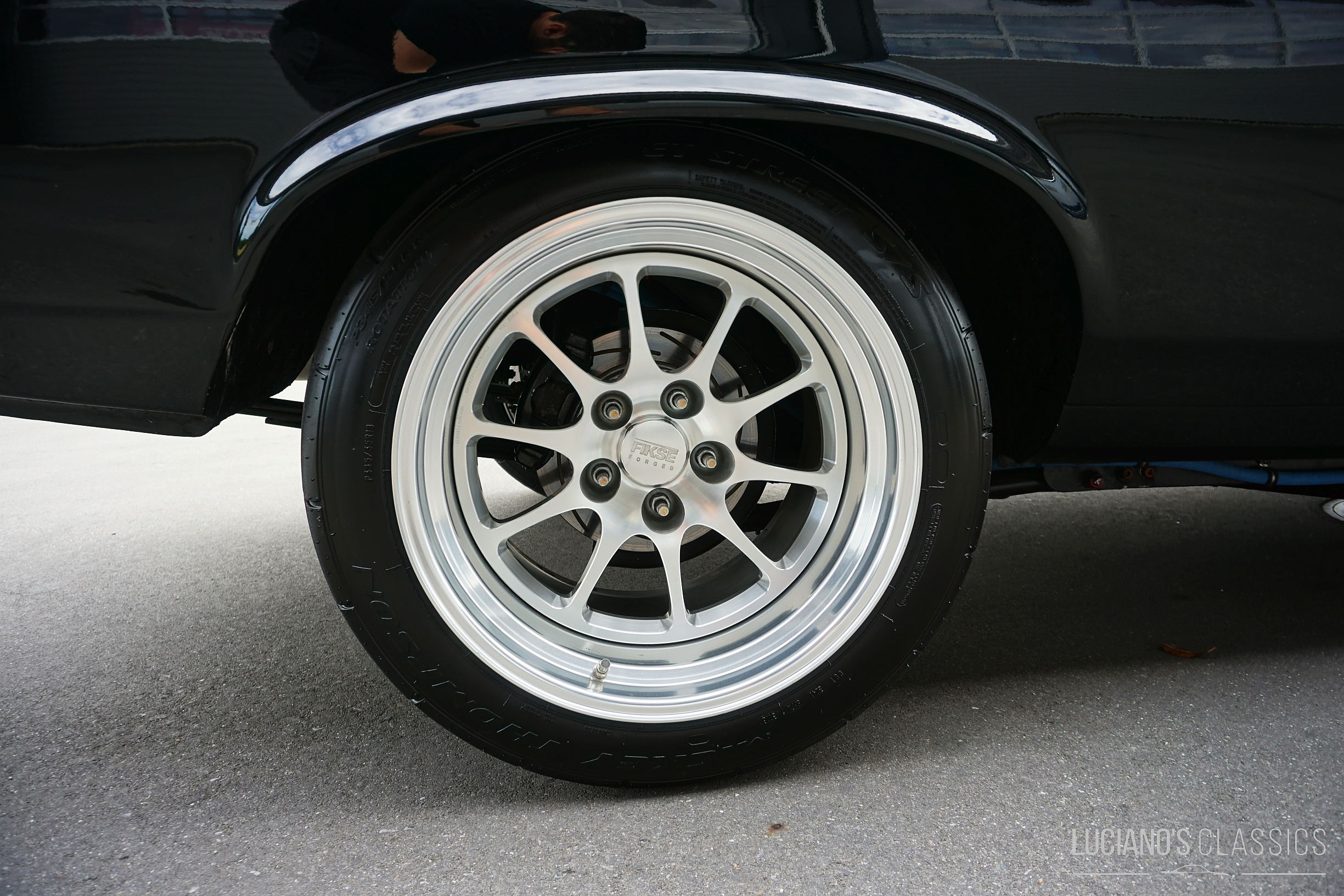
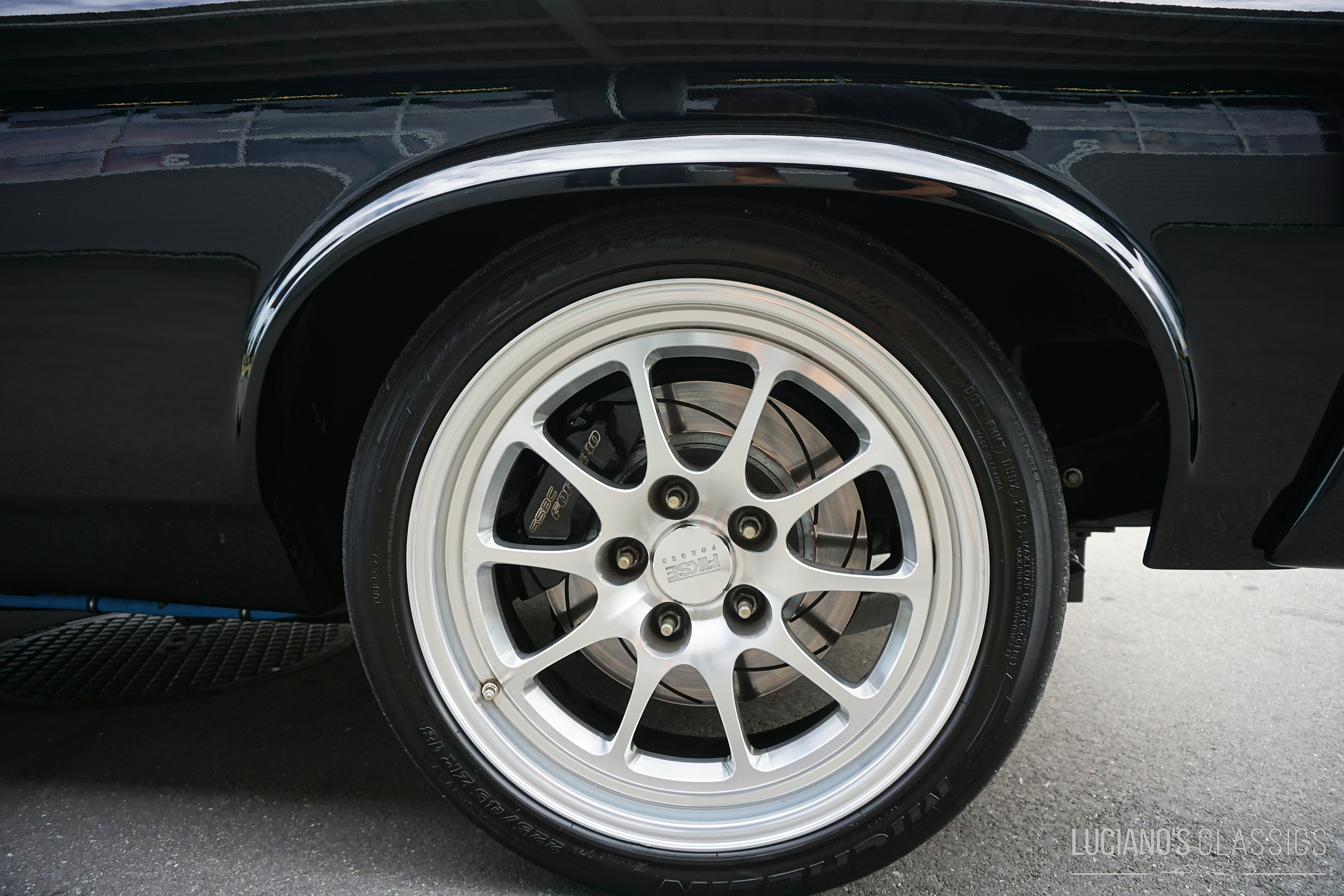
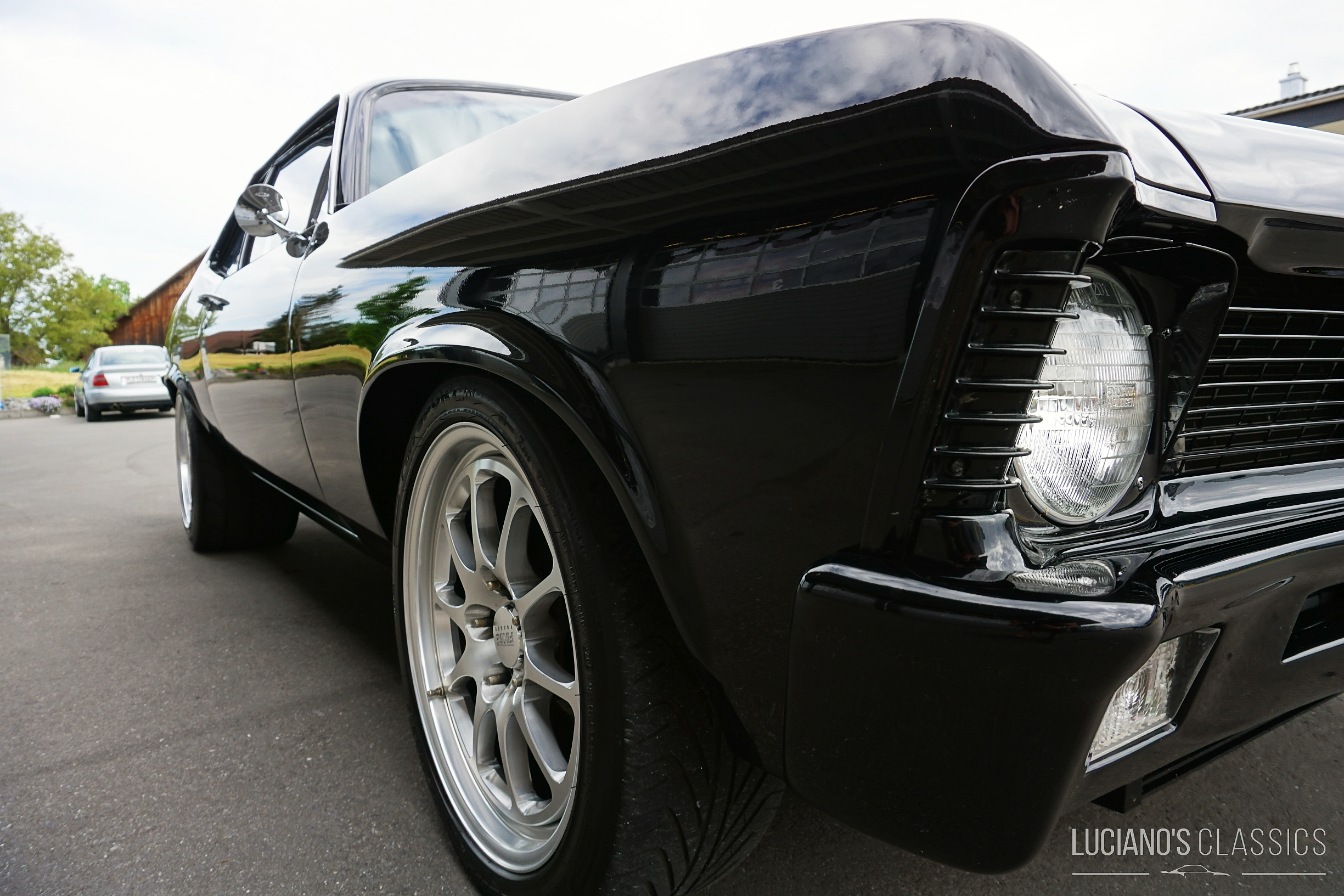
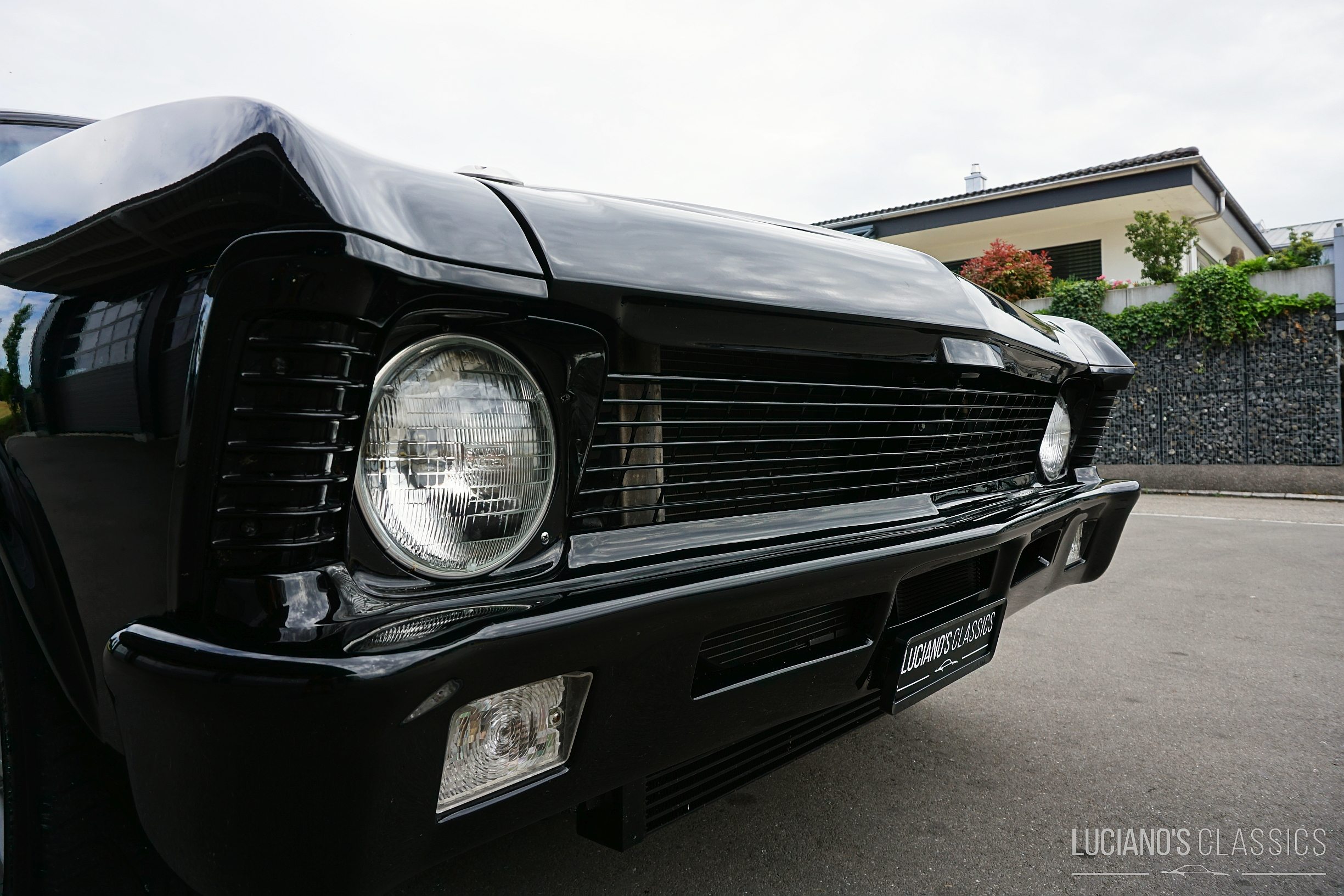
The design of the Super Nova was also important to the builder. Accordingly, the position lights were removed and the chrome parts were painted in the color of the car. In addition, chic three-piece FIKSE wheels (4 rims for the rear axle) were added for the road and two different hoods, both painted black but each with different air intakes. All the accessories, consisting of several sets of road and racing wheels (drag racing), various exhaust systems and countless other small items and documents, fill even a small garage and are naturally part of the car.
The documents and invoices take up two decent-sized federal folders and the expert reports also stretch the folder for the MFK to the limit. A list of all modifications and installed parts would unfortunately go beyond the scope of this text. The car was first inspected in 2006 and has been inspected every two years since then. The infernal machine can be sold fresh from the MFK on request and for an additional charge.
You can find a video of the Chevy Nova at the bottom of this page.
Sales price: CHF 180,000
Model history
The Chevrolet Nova, originally known as the Chevy II, had a successful and influential career in Chevrolet's history, going through six generations before it was retired. The Nova met consumer demand and proved to be a popular car for decades.
An urban myth claimed that the Nova didn't sell well in Spanish-speaking countries because of its name (Nova is similar to the Spanish phrase „no va“, which literally means „can't go“) - a legend that has been proven false. By and large, the Nova was a staple of the Chevy lineup, offering drivers everywhere a reliable small car option.
THE BEGINNINGS OF THE CHEVY NOVA
At the time, Chevrolet was falling behind and needed a small, functional vehicle to compete with the small cars of the day, such as the highly successful Ford Falcon. The Chevy Corvair was not the success Chevrolet hoped it would be, so the Nova was an attempt to create something durable and reliable.
FIRST GENERATION - 1962-1965
The first Nova rolled off the production line simply under the name Chevy II - a simple name for a simple car. Smaller than most Chevy vehicles, but larger than the Corvair, the new Chevy II was available as a four-door sedan, convertible, station wagon or two-door coupe. The Chevy II Nova 400 was the sportiest variant with a 120 hp six-cylinder engine. The car offered a smooth ride in a sensible version that appealed to many people.
In 1963, the Super Sport RPO Z03 package was introduced to the world, which was combined with the Chevy II Nova 400. This package placed more emphasis on design than performance. The new trim, the additional bucket seats, the new gadgets and the improved steering wheel lifted the small car visually into the realm of sportiness, but its performance remained behind.
In 1964, Chevrolet introduced a new 283 cubic inch V8 engine for the Nova, which increased the power output to 195 and later to 220 hp. This increase in power gave the Nova the label „muscle car“ and enabled it to accelerate to 100 in 11.3 seconds.
Despite the performance upgrades and numerous options, Nova sales declined after the introduction of the all-new Chevelle, Chevy's version of a performance-oriented muscle car.
In 1965, Chevrolet increased the Nova's output to 250 hp and 300 hp with the 327 V8. .
SECOND GENERATION - 1966-1967
Of all the generations of the Chevy Nova, the era from 1966 to 1967 is probably the shortest, but it also produced a new and faster vehicle. The second generation hardly differed visually from the first, apart from minor equipment features, sheet metal adjustments and performance upgrades. A new 327 engine turned the Nova into a 350 hp vehicle.
THIRD GENERATION - 1968-1972
In the third generation, which began in 1968, the Chevy II Nova was completely redesigned. The Nova now closely resembled the Chevelle thanks to semi-fastback styling and a 111-inch wheelbase. The Nova SS, equipped with a 350cc V8 as standard, was very similar to the Camaro and also brought similar performance to the road.
The L34 and L78 models further elevated the Nova as a true muscle car, with the L78 producing a whopping 375 hp. These two models were relatively rare and were only produced and sold in small numbers.
The most powerful model of this generation was the Yenko Nova. It had a 427 V8 and 425 hp. The Yenko Nova was and is extremely rare, with fewer than 40 examples being produced.
1969 - THE NOVA IS BORN
In 1969, the Chevy Nova replaced the Chevy II as the sole name for Chevrolet's prized small car. From then on, only the name Chevy Nova was used, sometimes appearing as just „Nova“ in brochures and magazines.
In the following years, the engines in particular were changed without improving performance, which led to a slight decline in Nova sales. After the performance increases at the beginning of the second generation, the horsepower gains gradually diminished.
The Clean Air Act of 1970 also cracked down on performance-oriented cars, prompting Chevy to throttle back its gas-guzzling, roaring engines. The automaker discontinued its higher-performance models and began developing a new strategy for the fourth-generation Chevy Nova.
Details
- 16’000 km
- 1. inv. 01.01.1969
- MFK 17.06.2020
- 10,356 cc V8 engine
- 1007 HP, estimated 800 hp in installed condition
- Type certificate x
- Master number 401.202.500
- Chassis 113 279 W37 193 4
- Unladen weight 1,400 kg
not what you are looking for?
We will be happy to find your individual dream vehicle.
Simply make a non-binding inquiry and benefit from our network.