
Pontiac GTO
Description
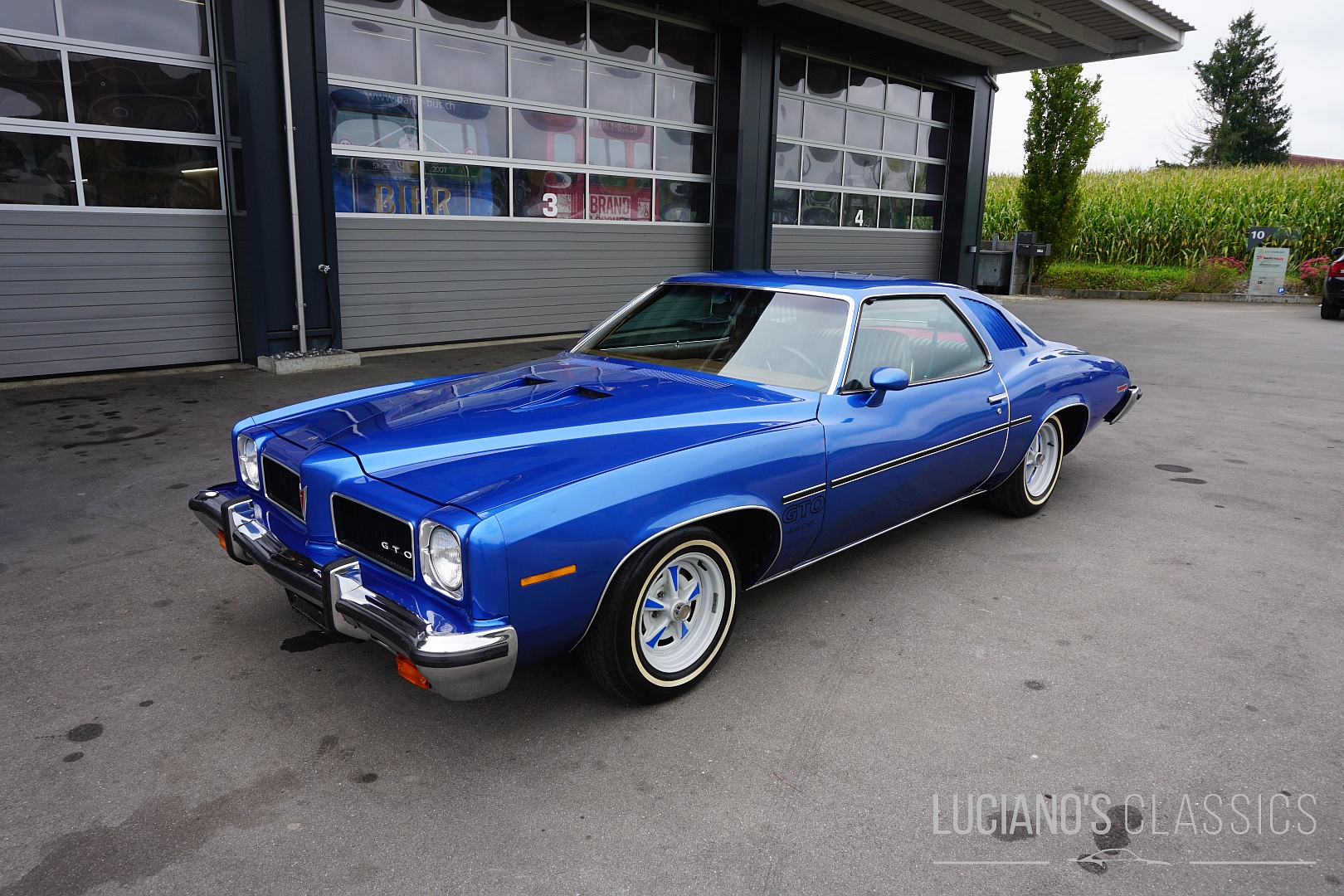
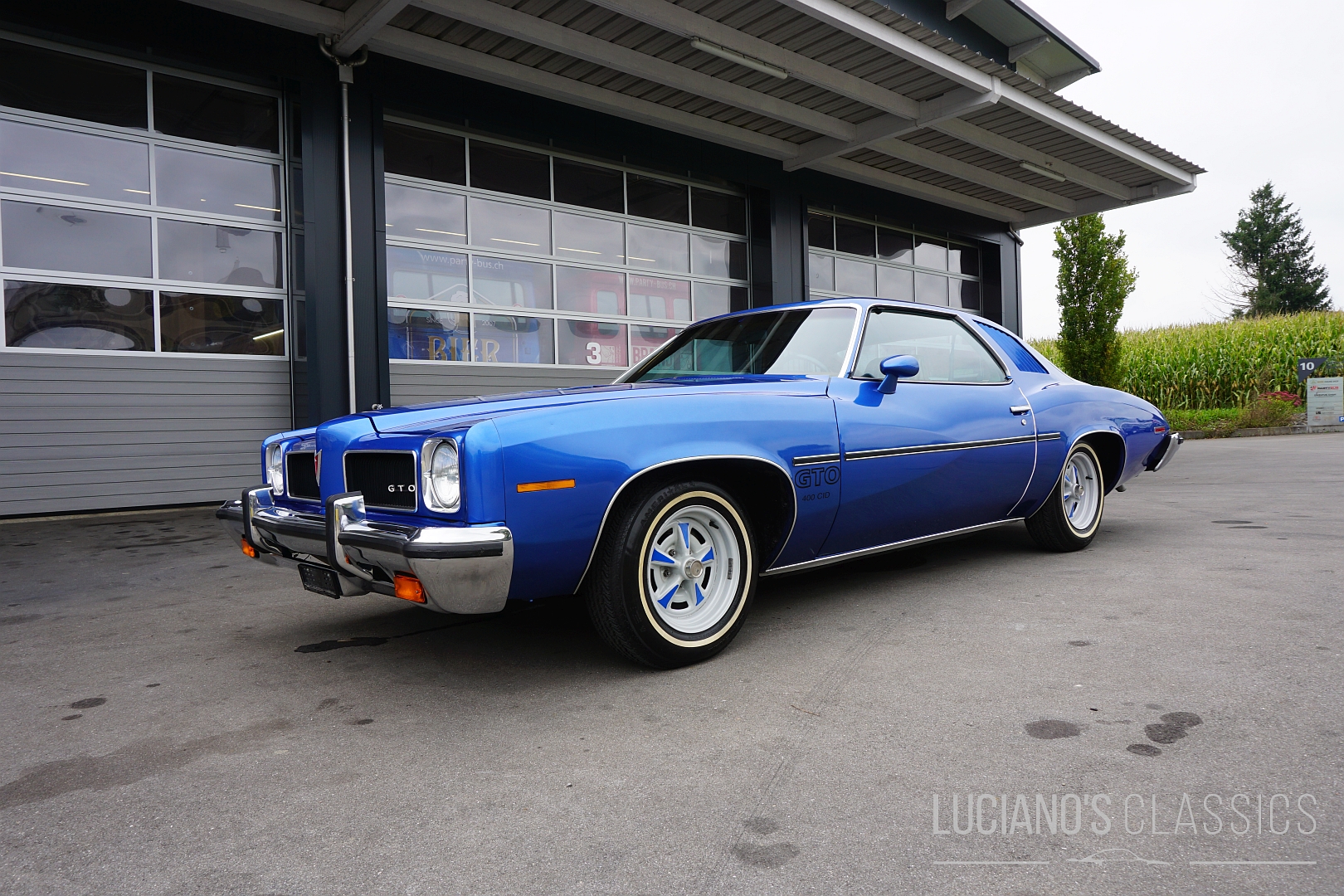
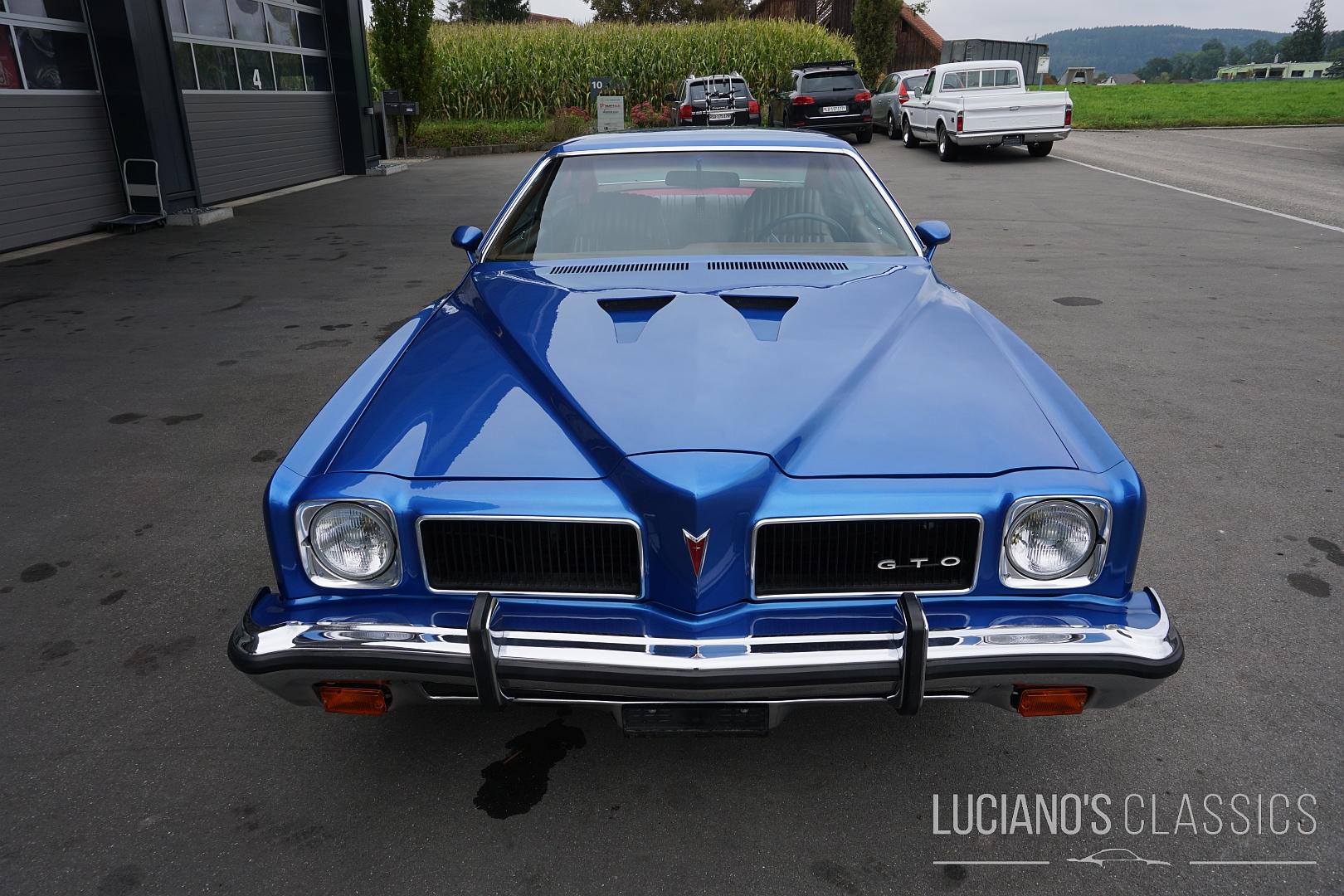
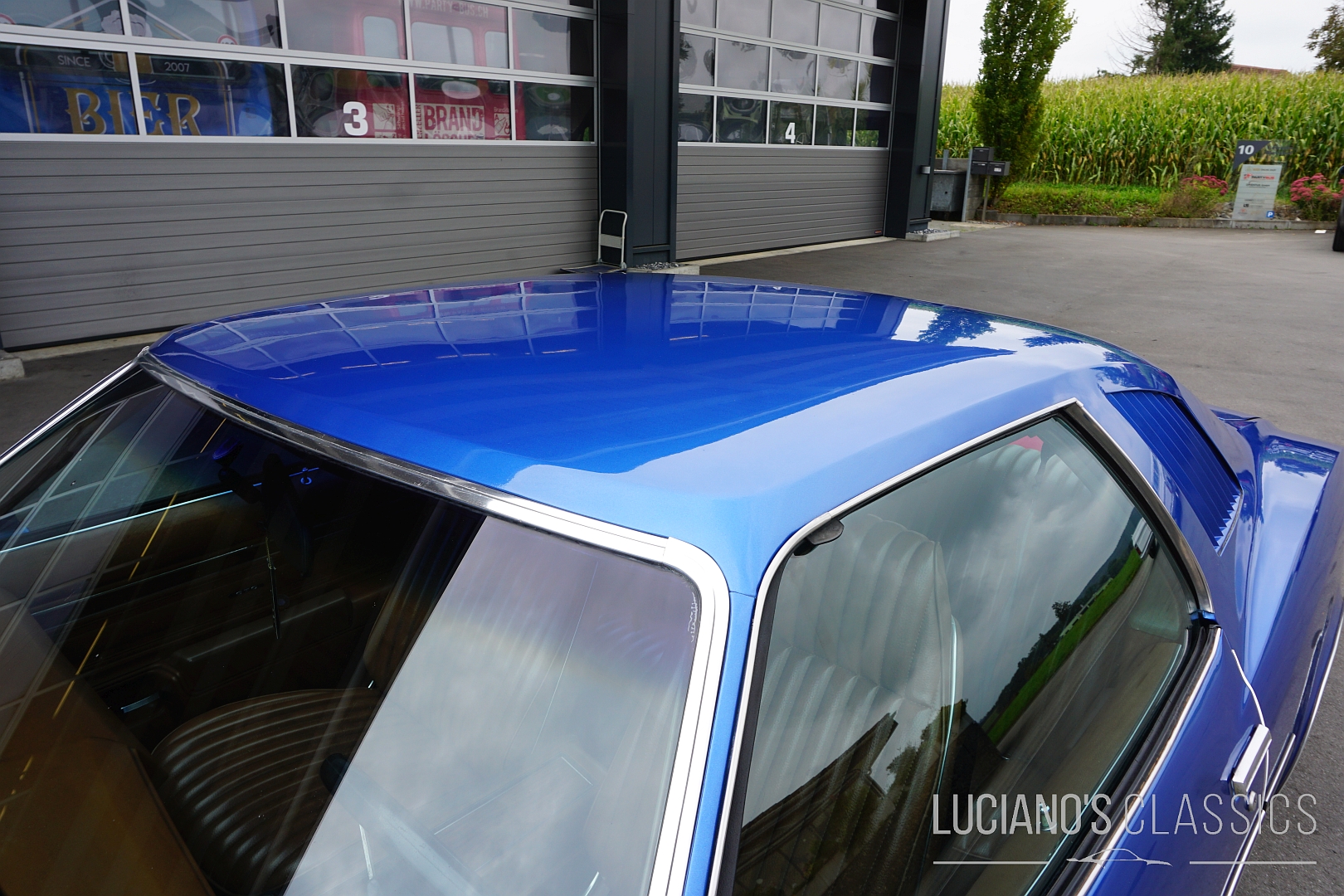
The '73 Pontiac GTO marks the end of an era. It was one of the last genuine GTOs before the oil crisis and new regulations clipped the wings of American muscle cars.
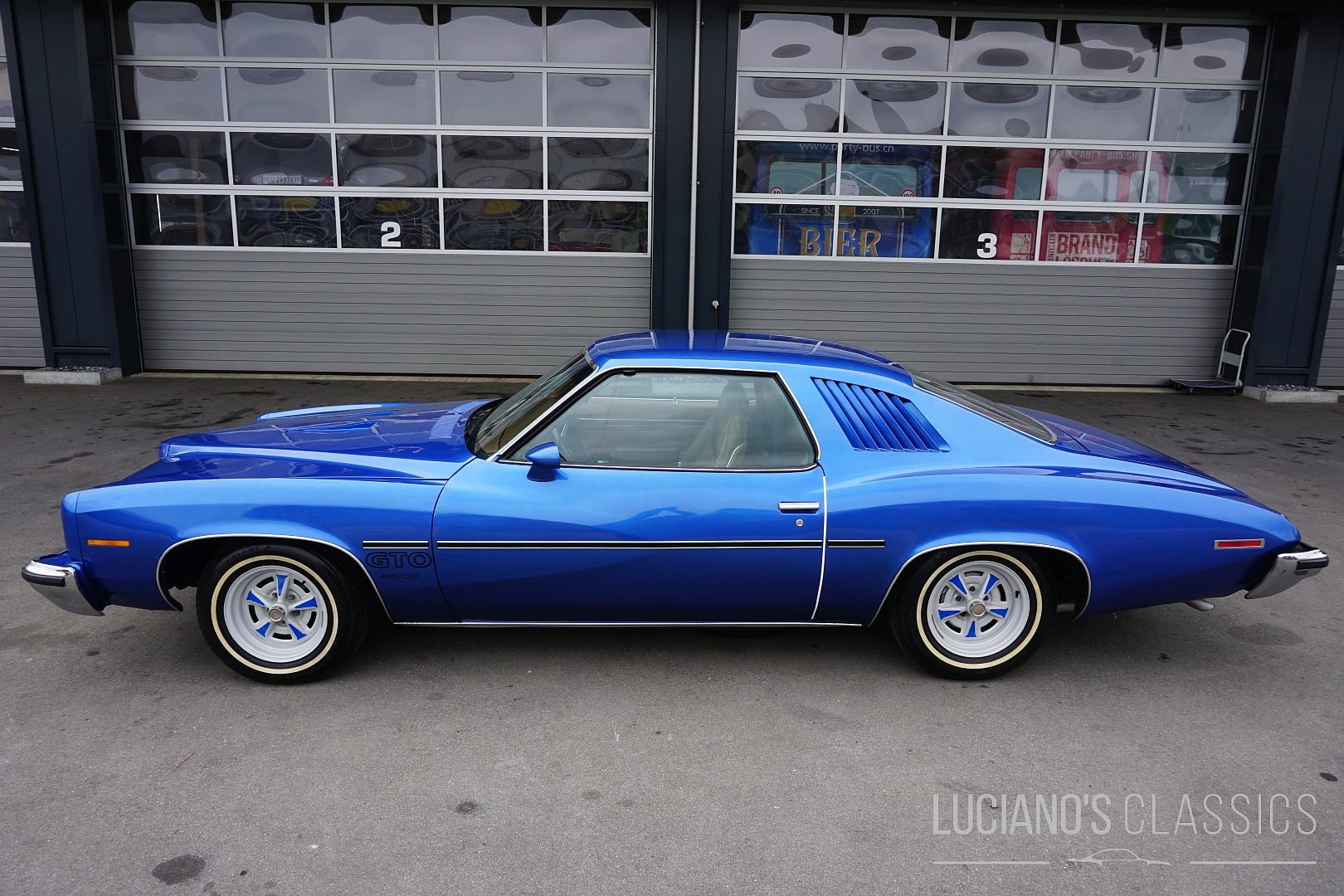
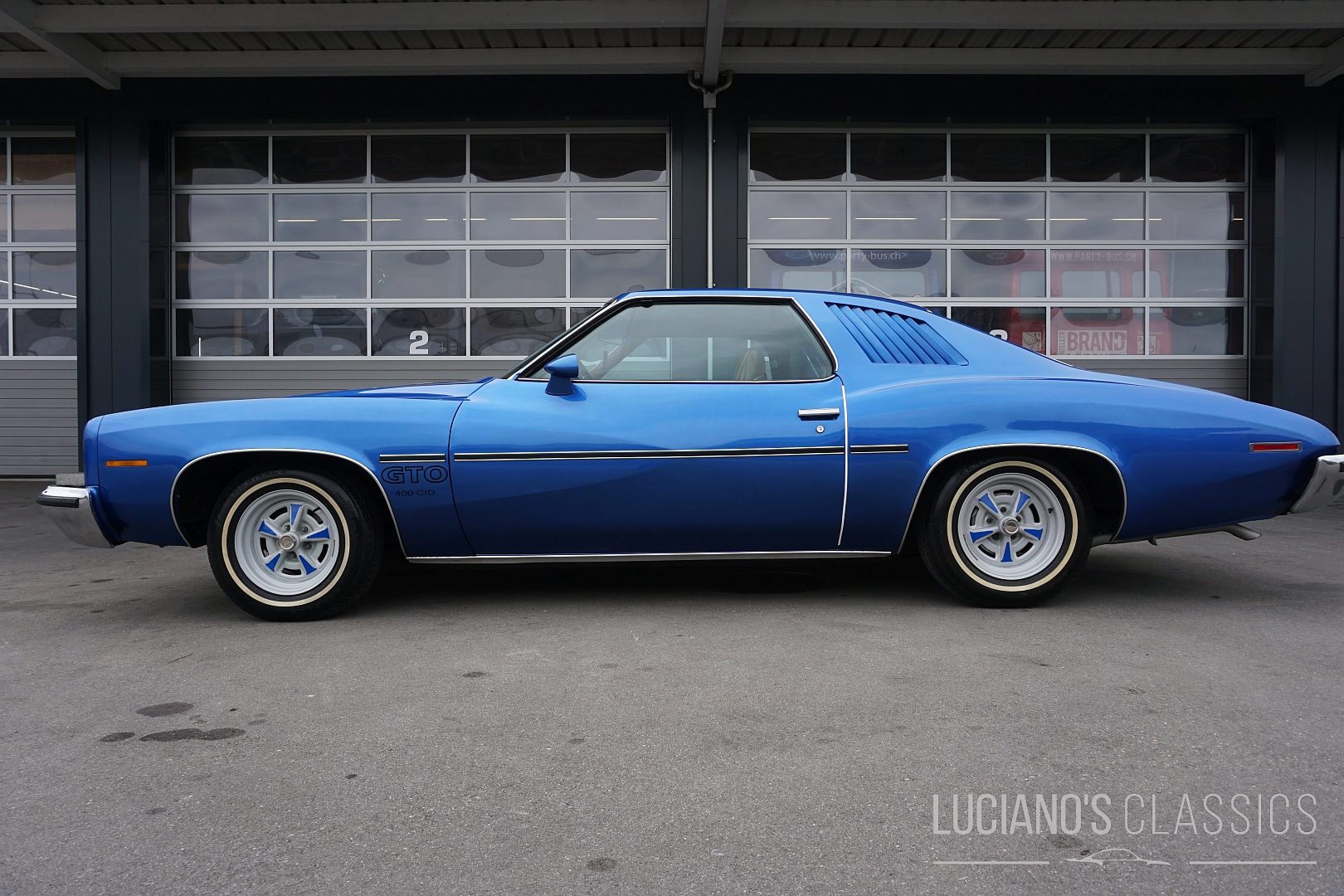
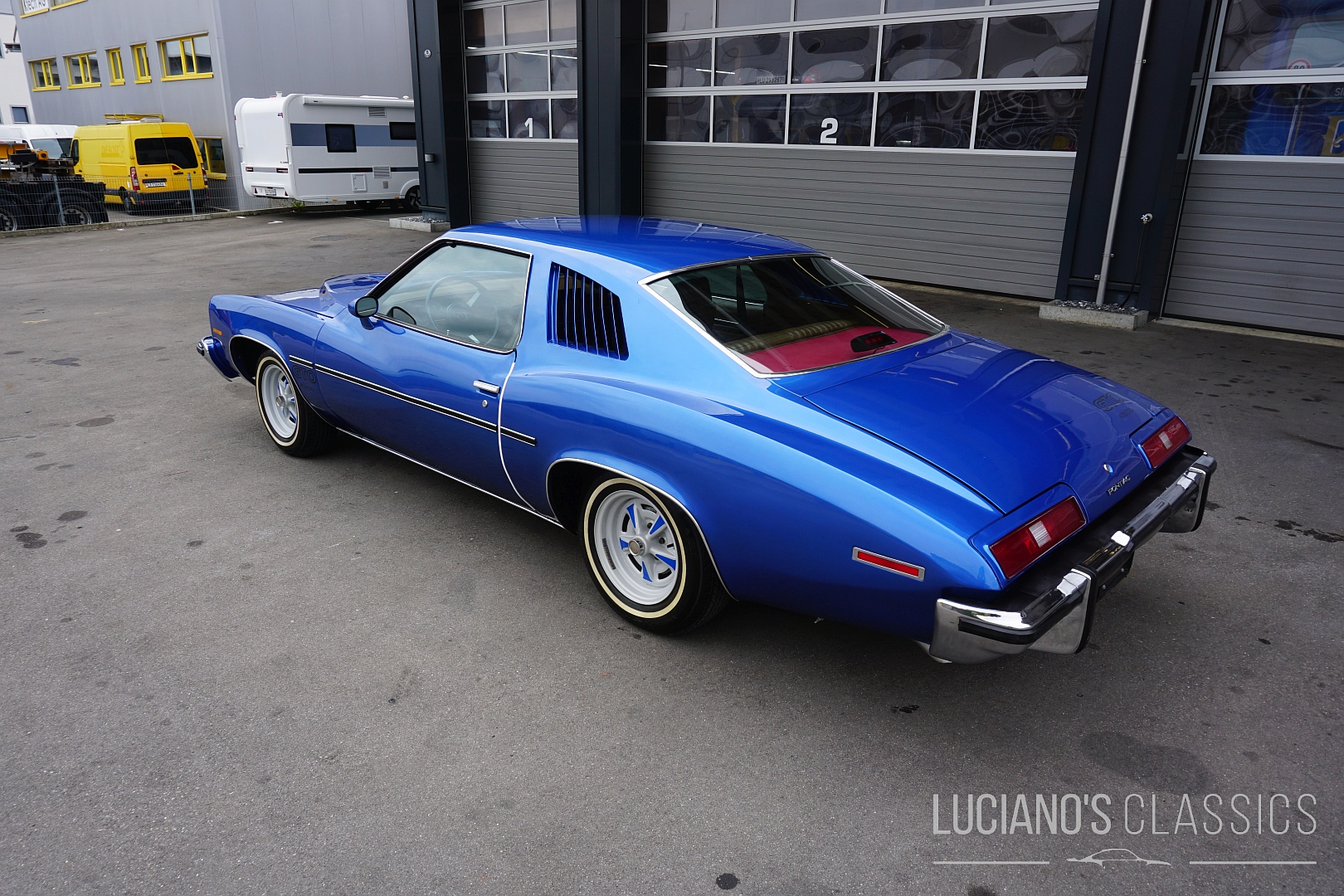
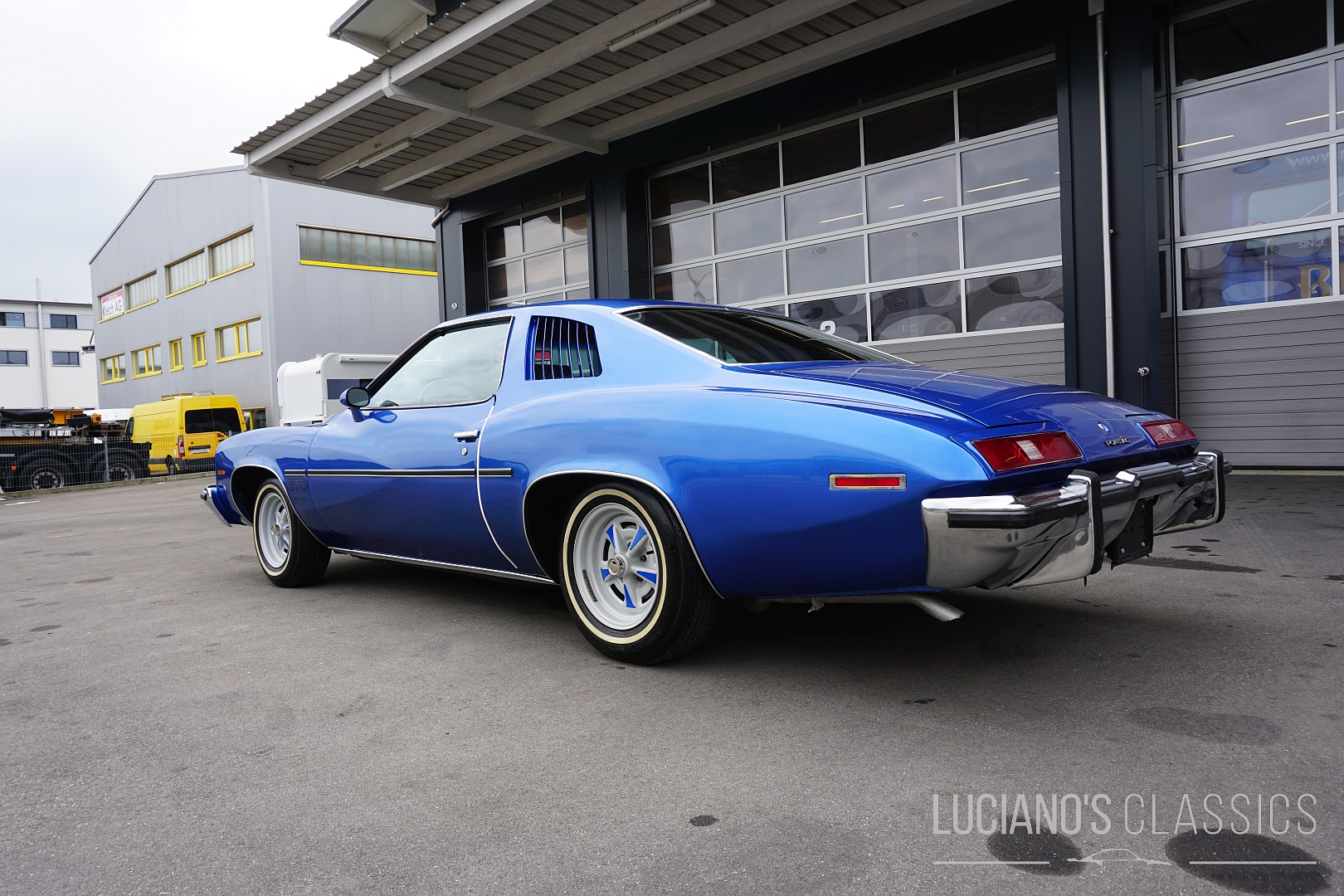
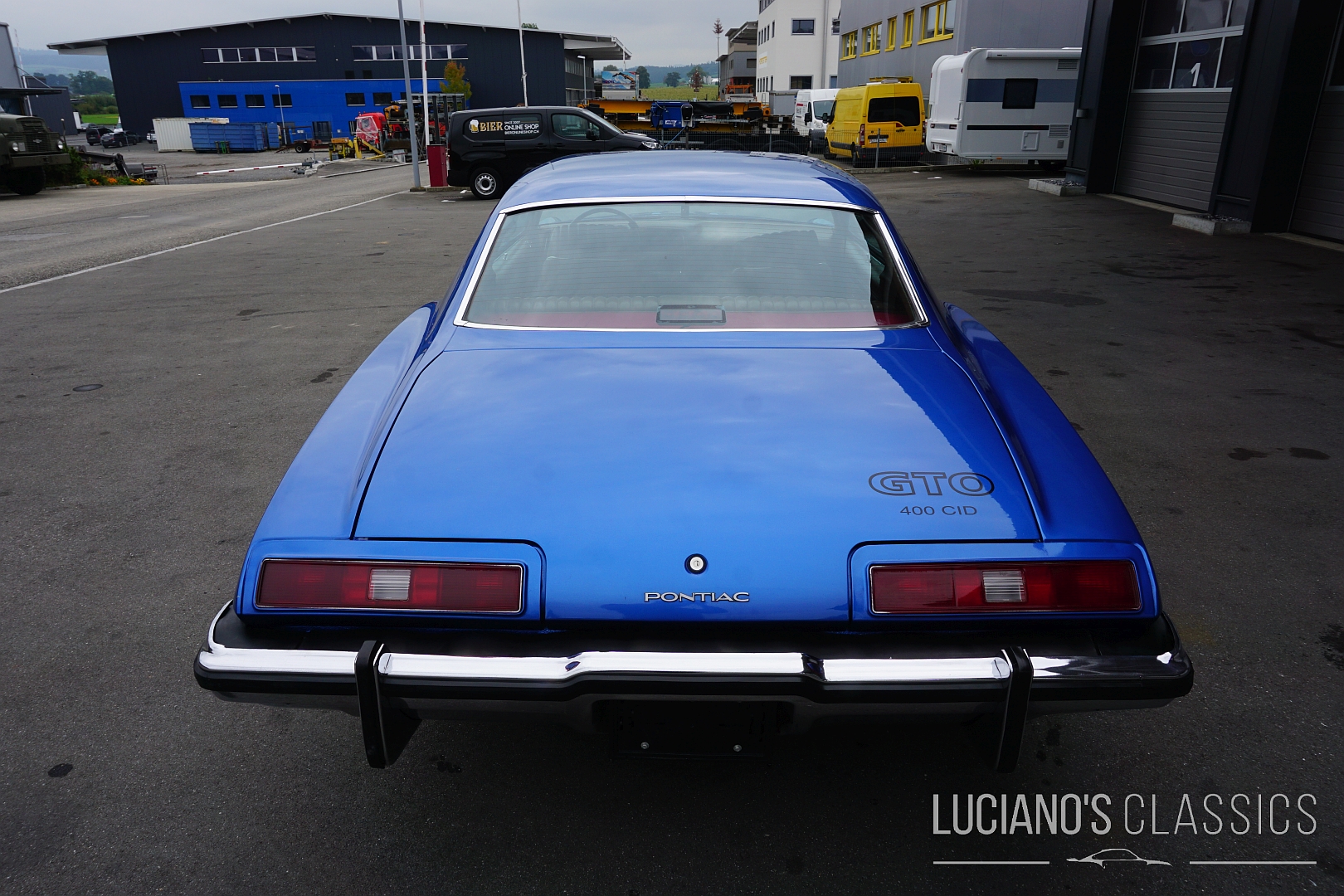
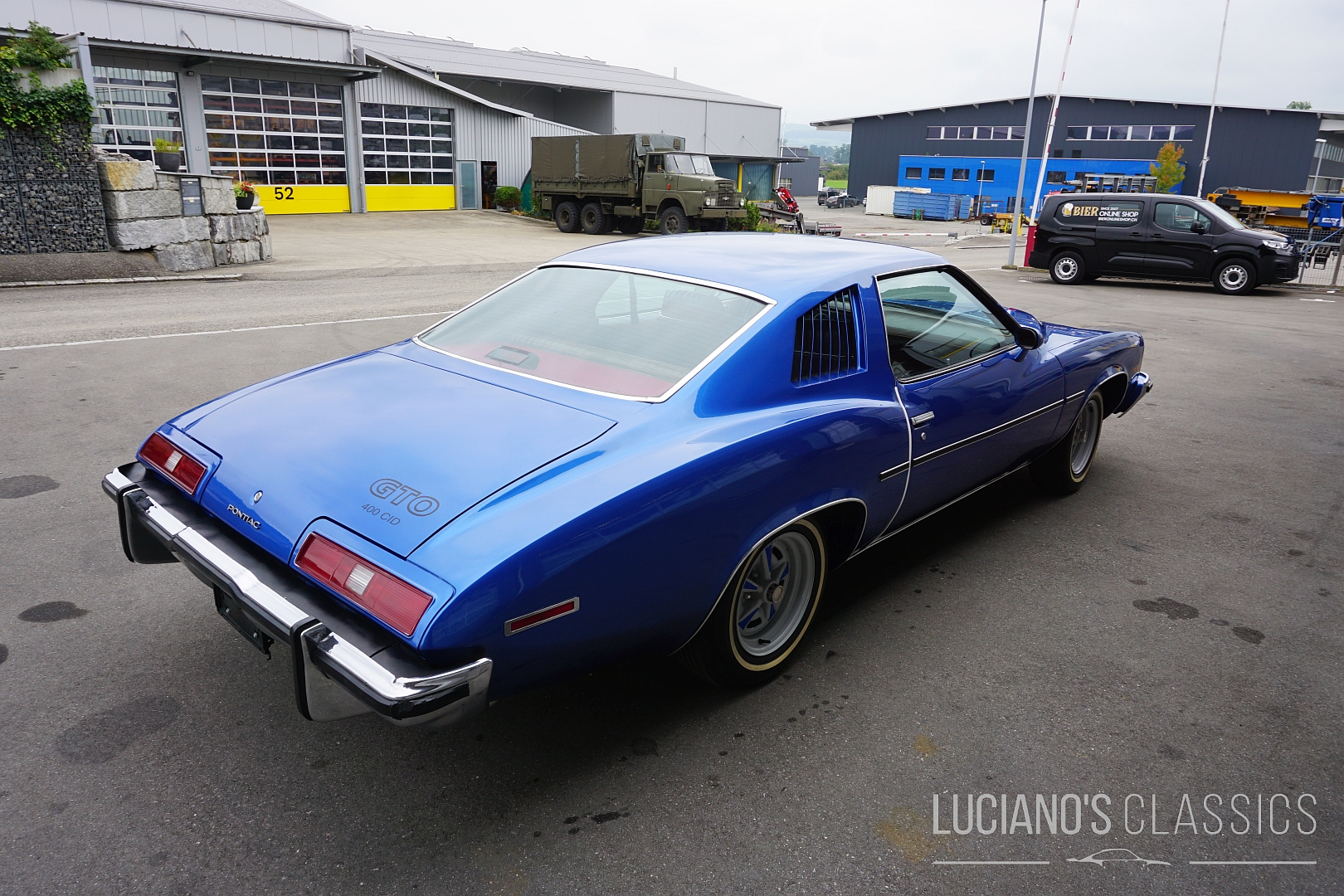
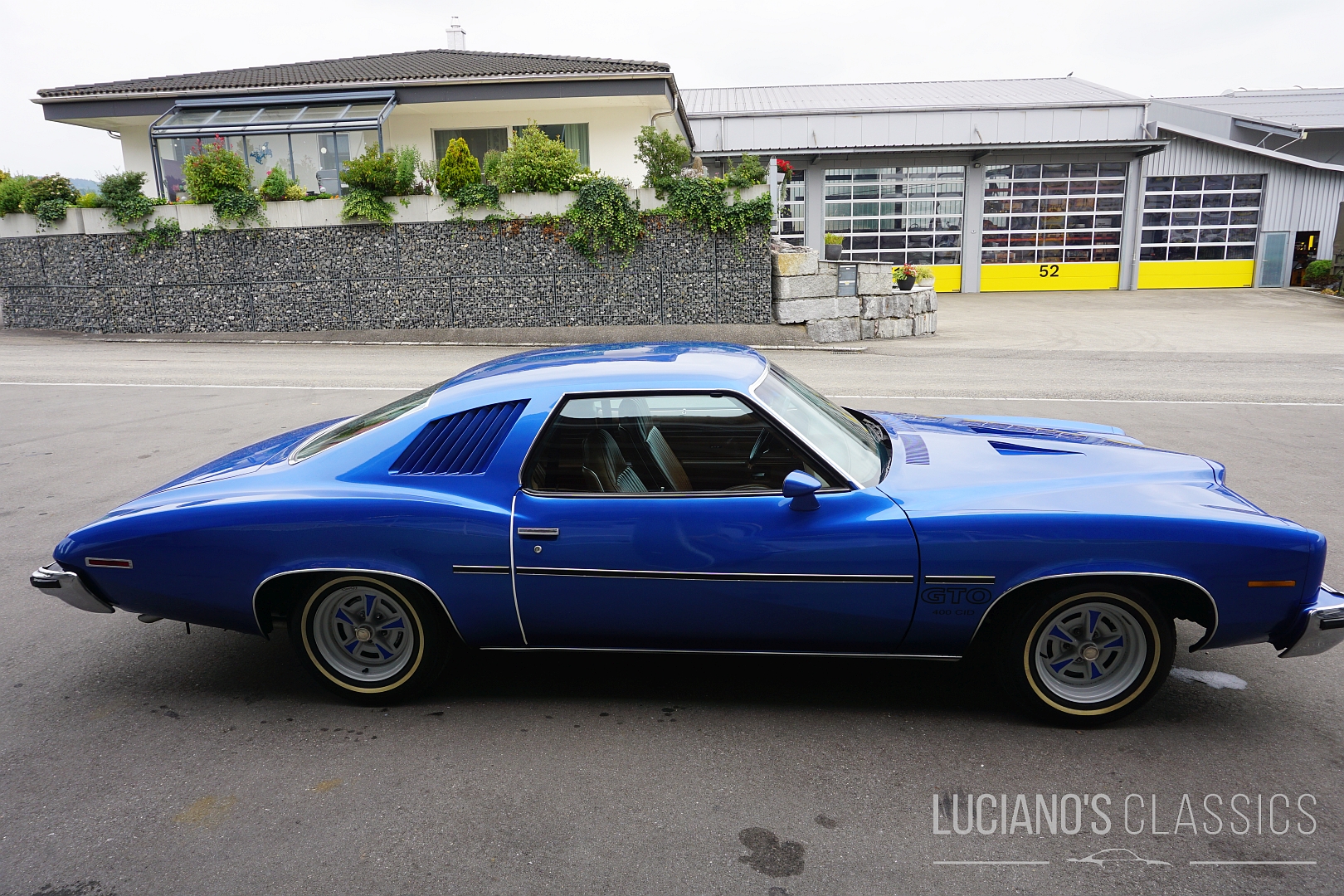
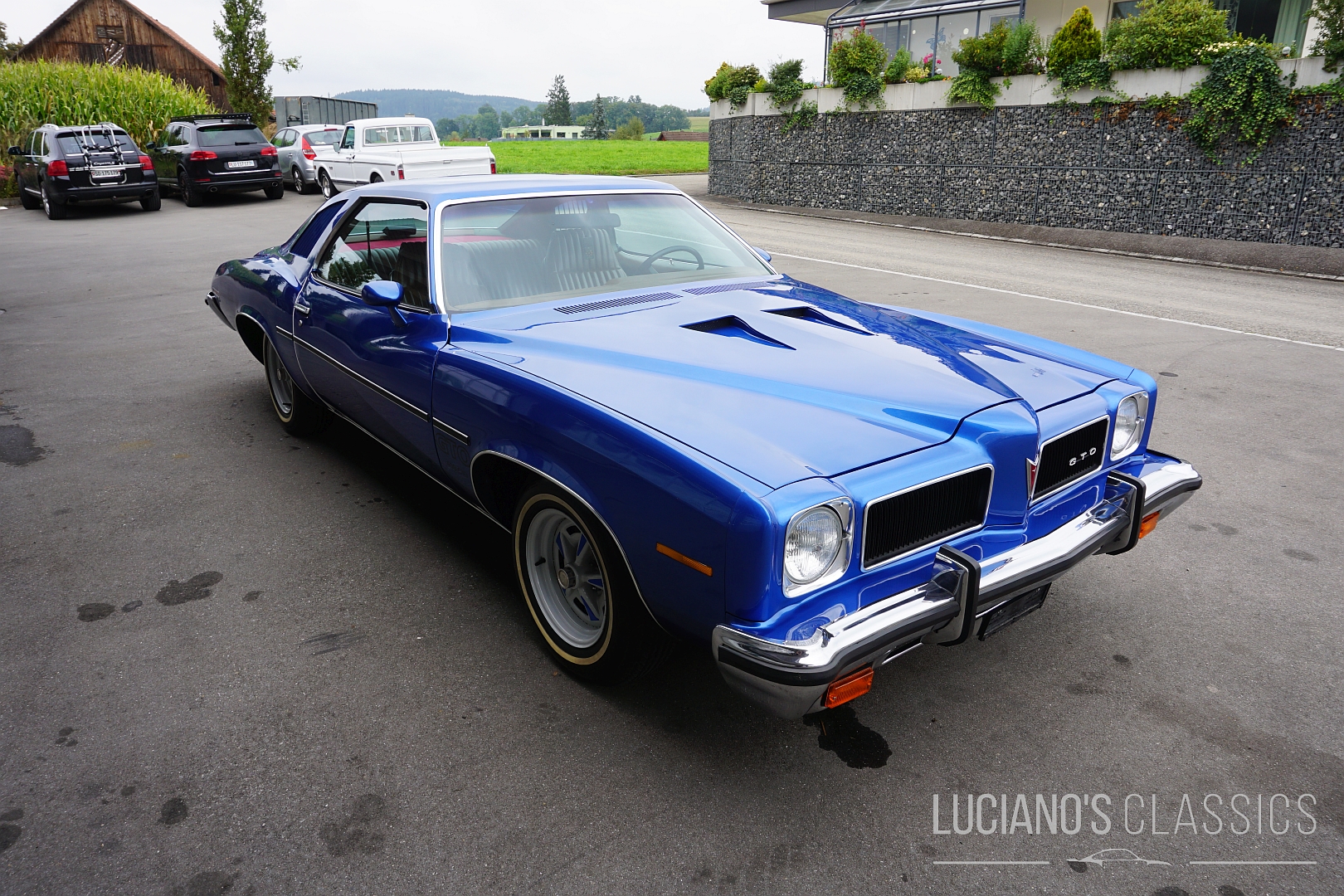
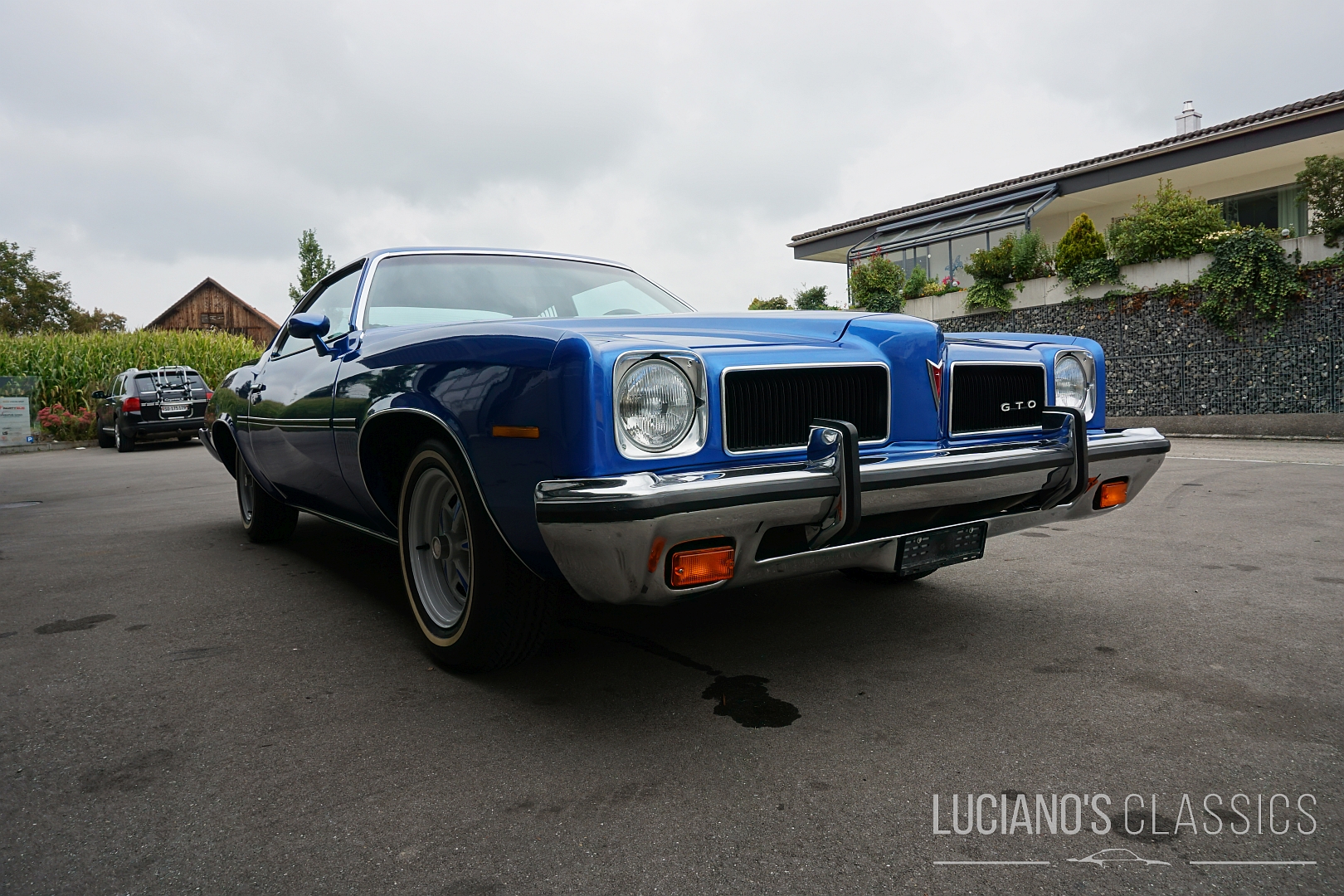
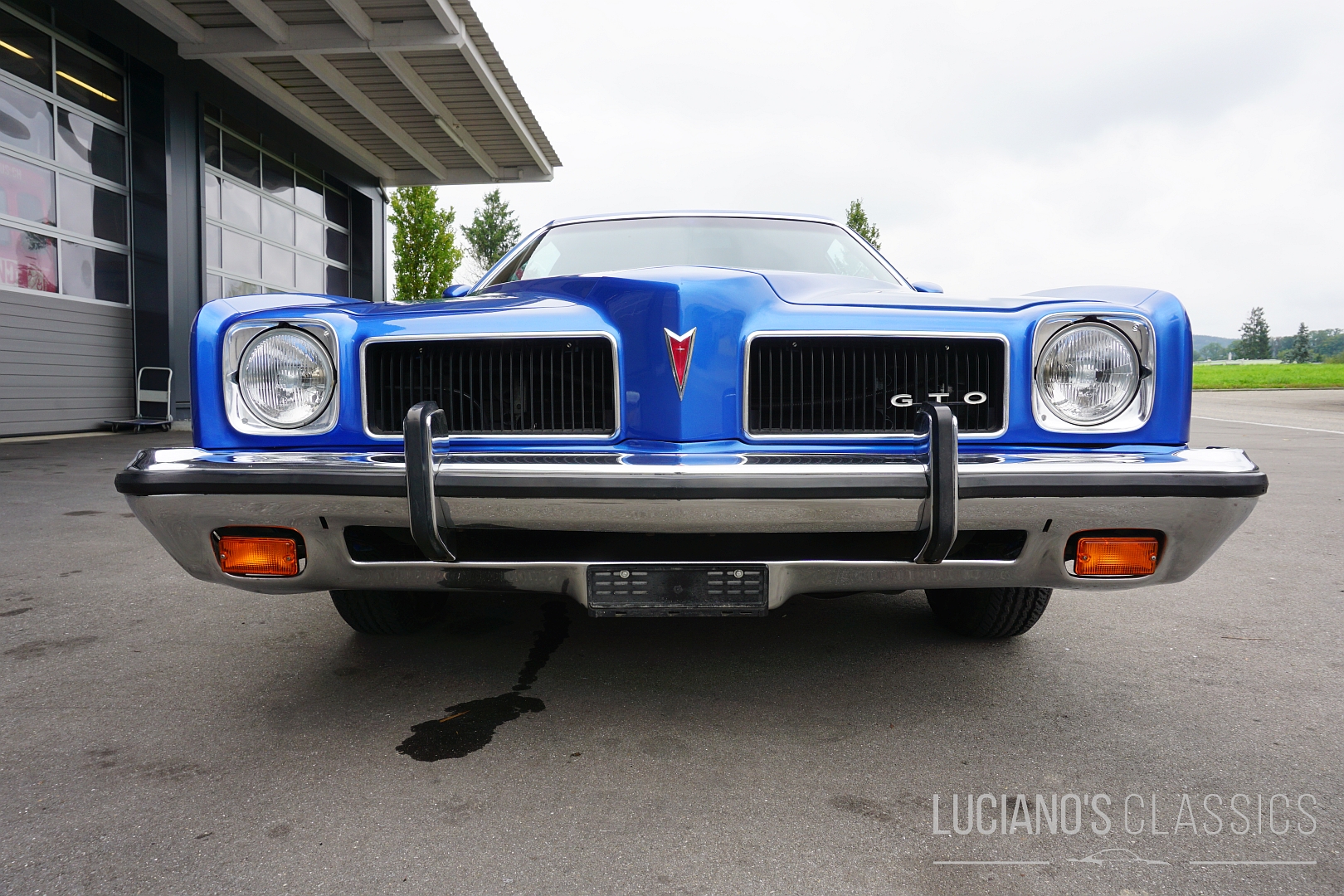
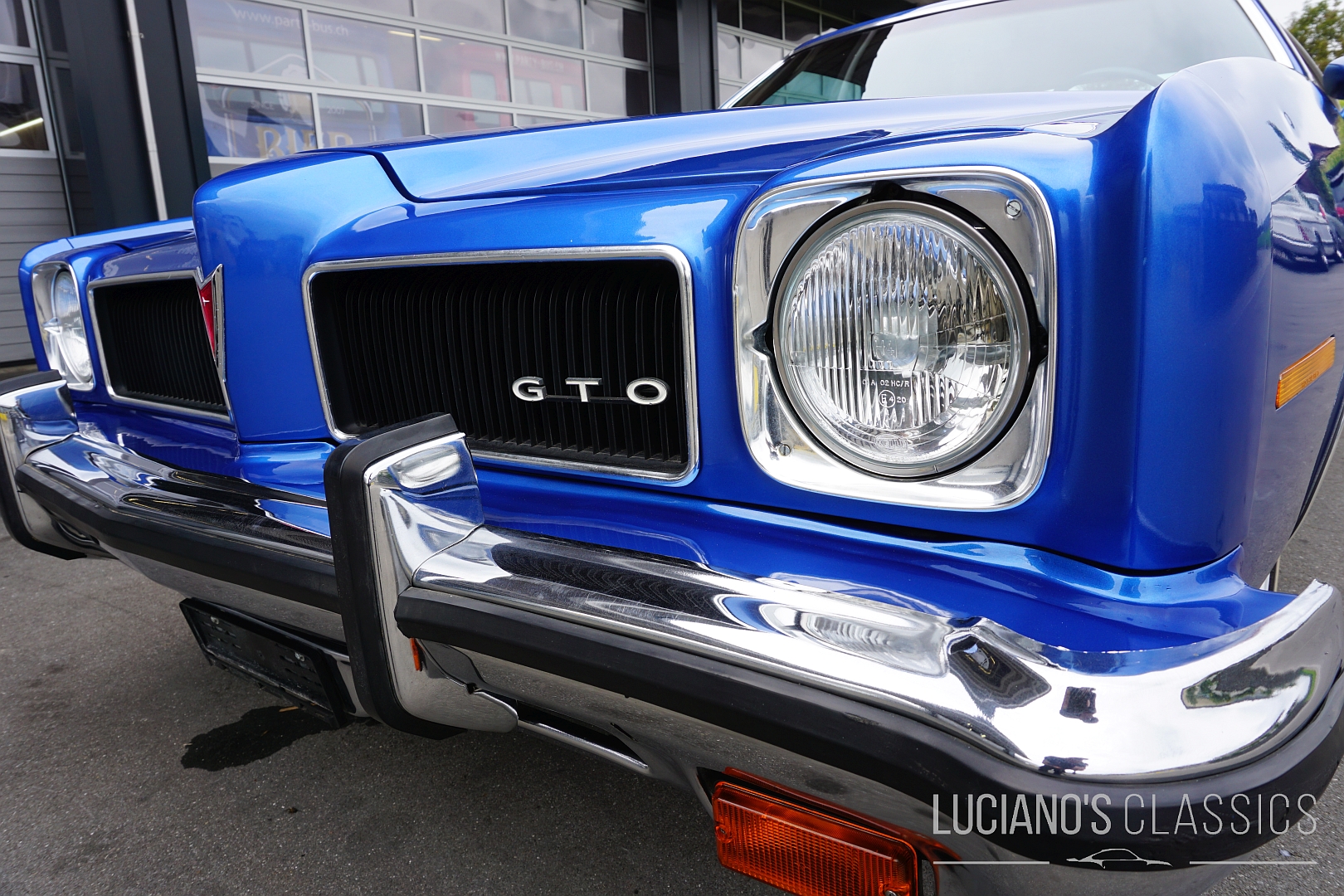
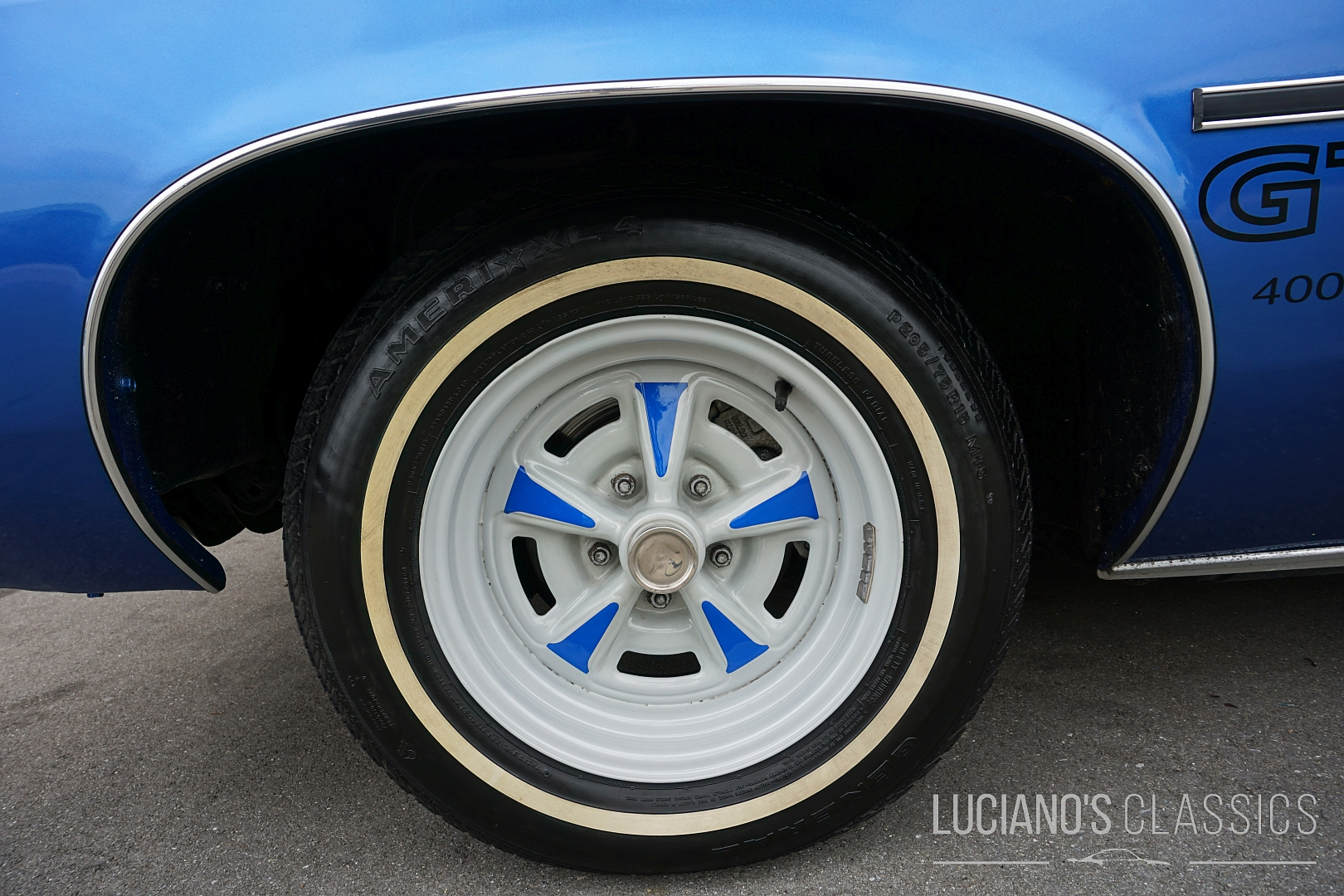
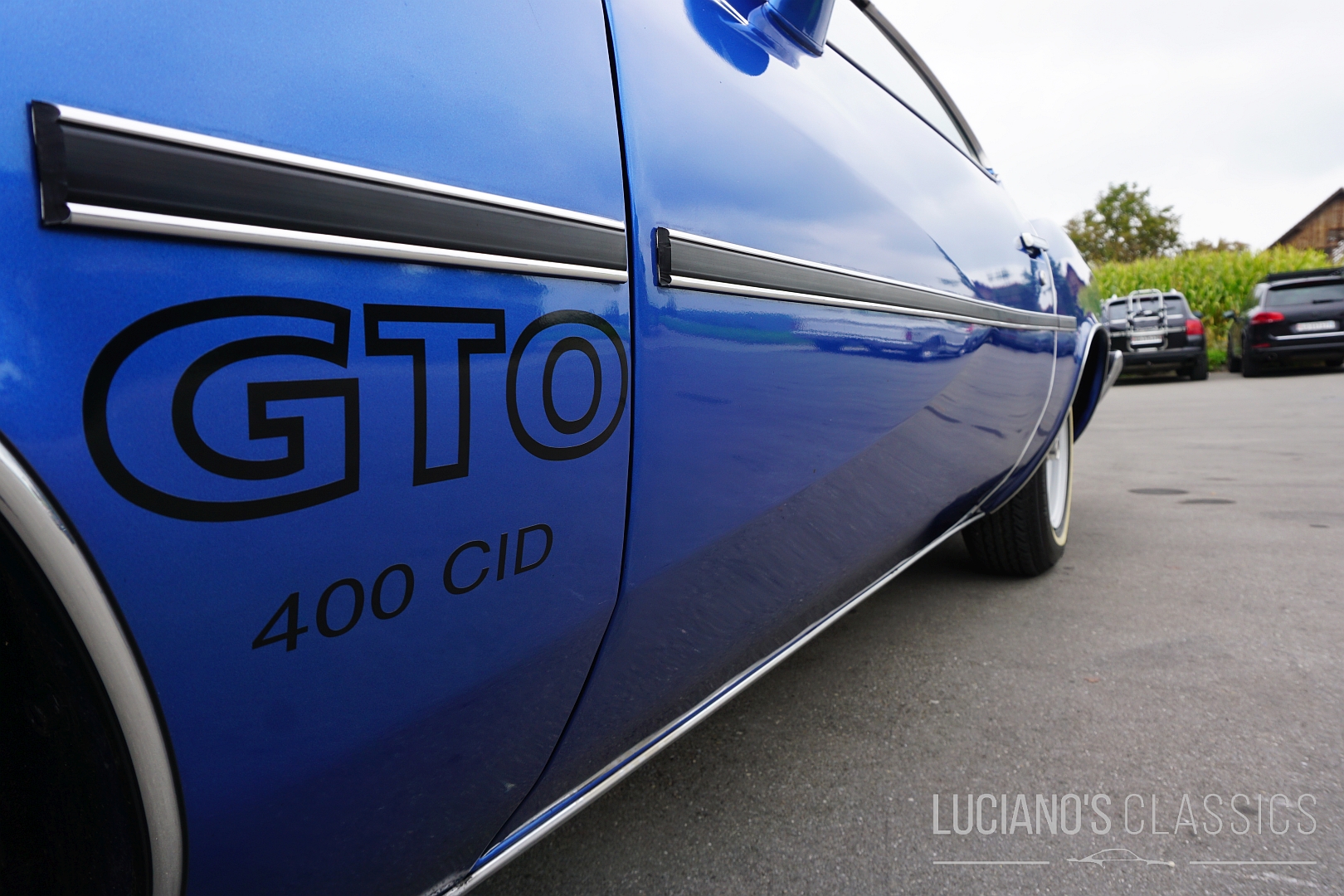
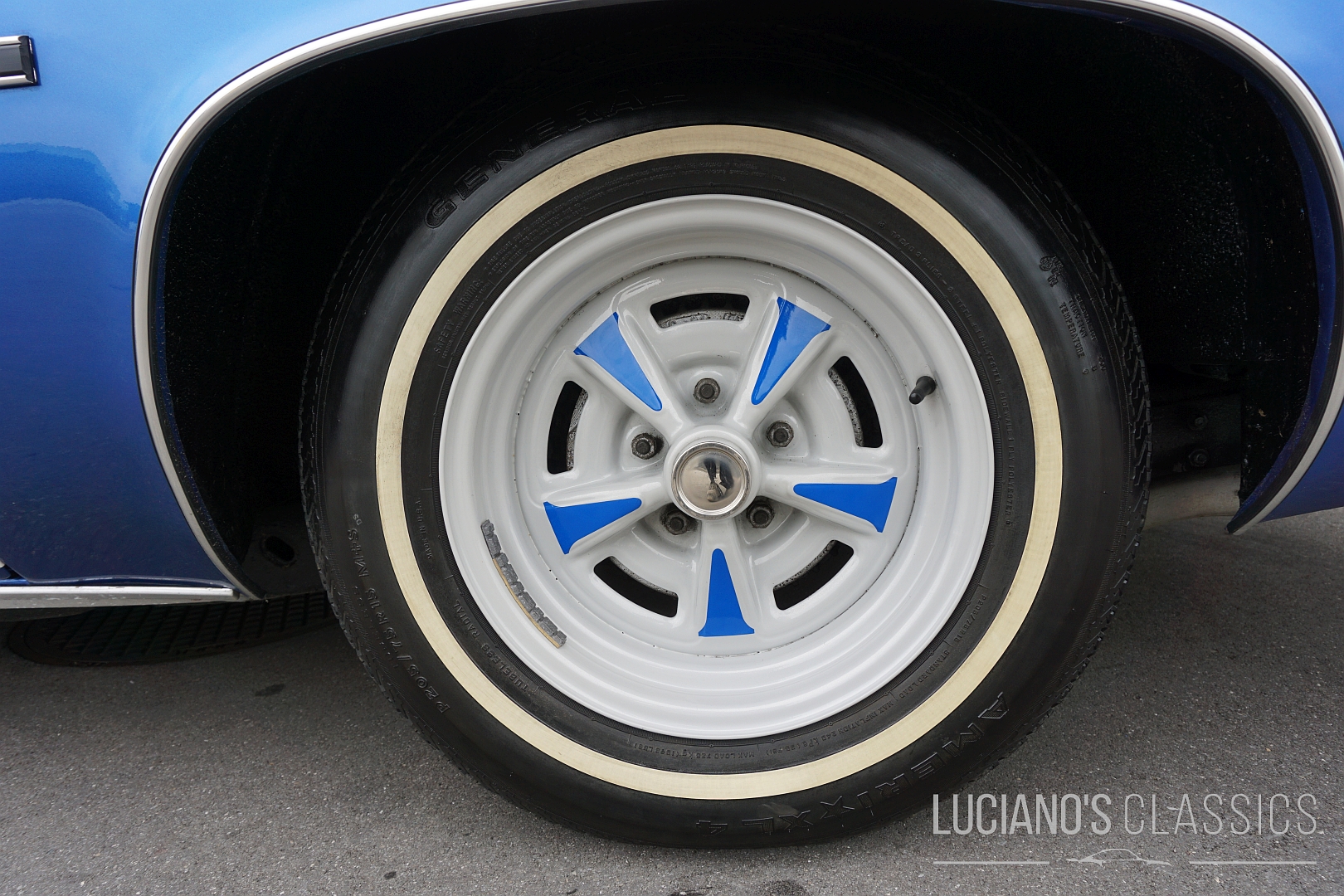
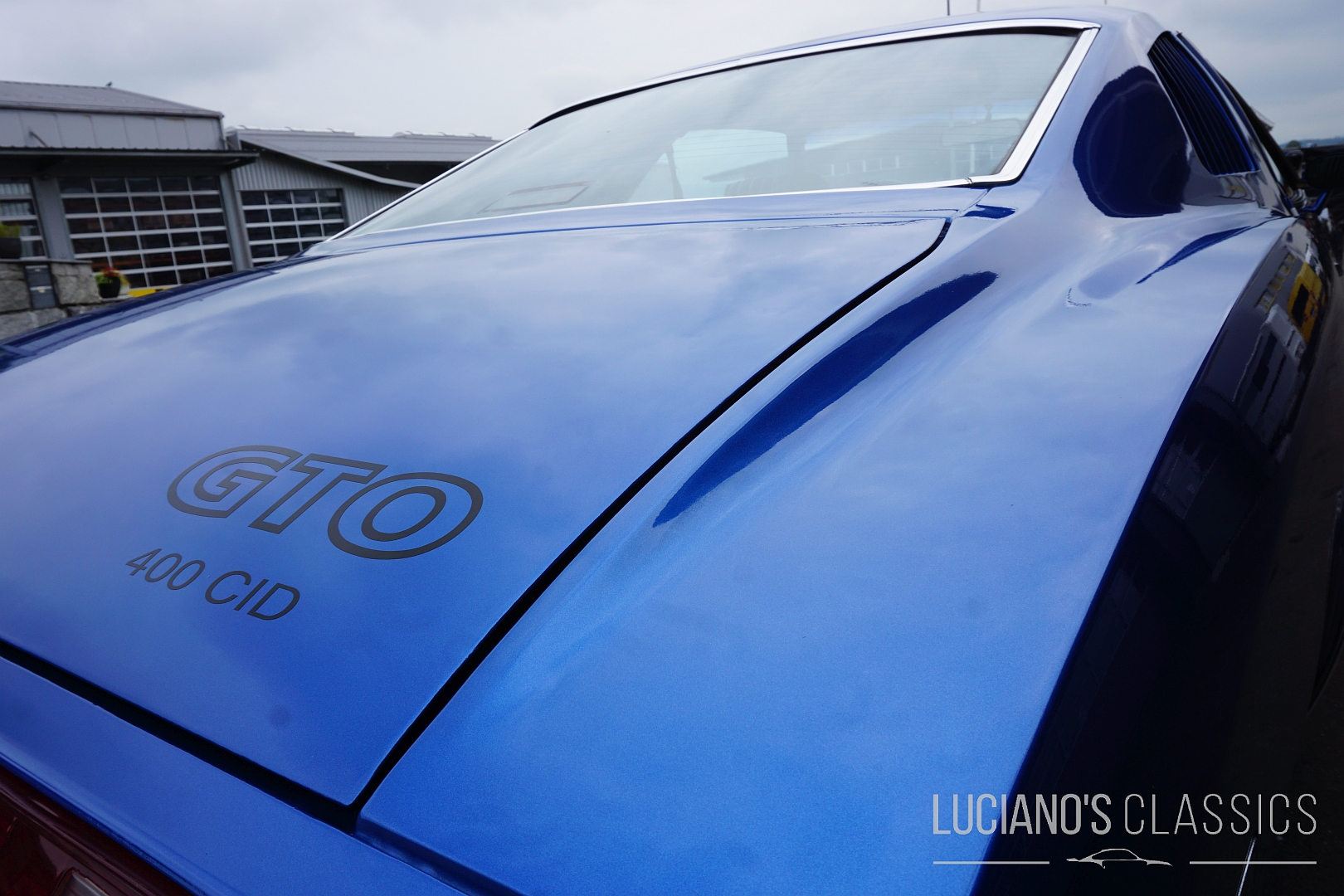
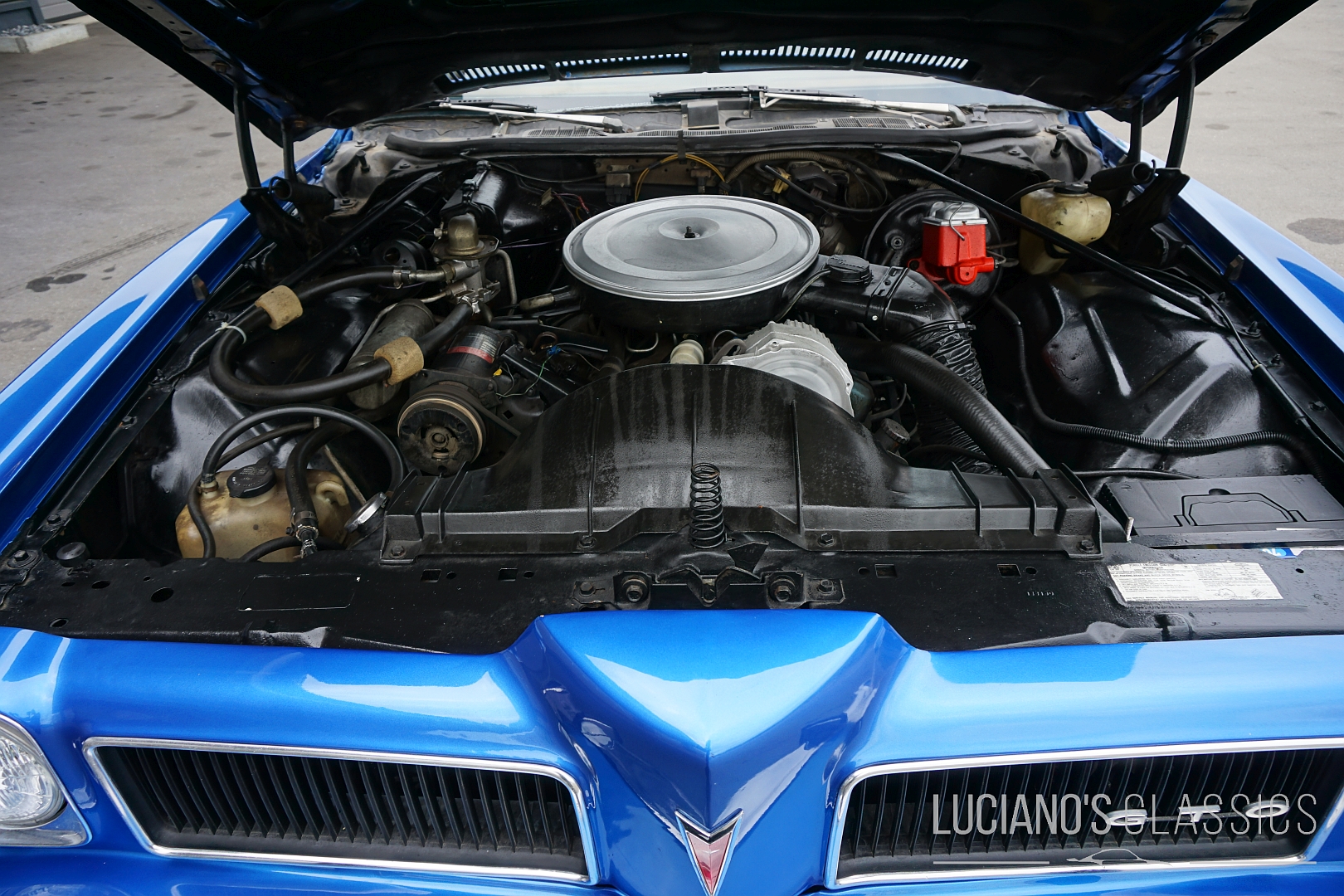
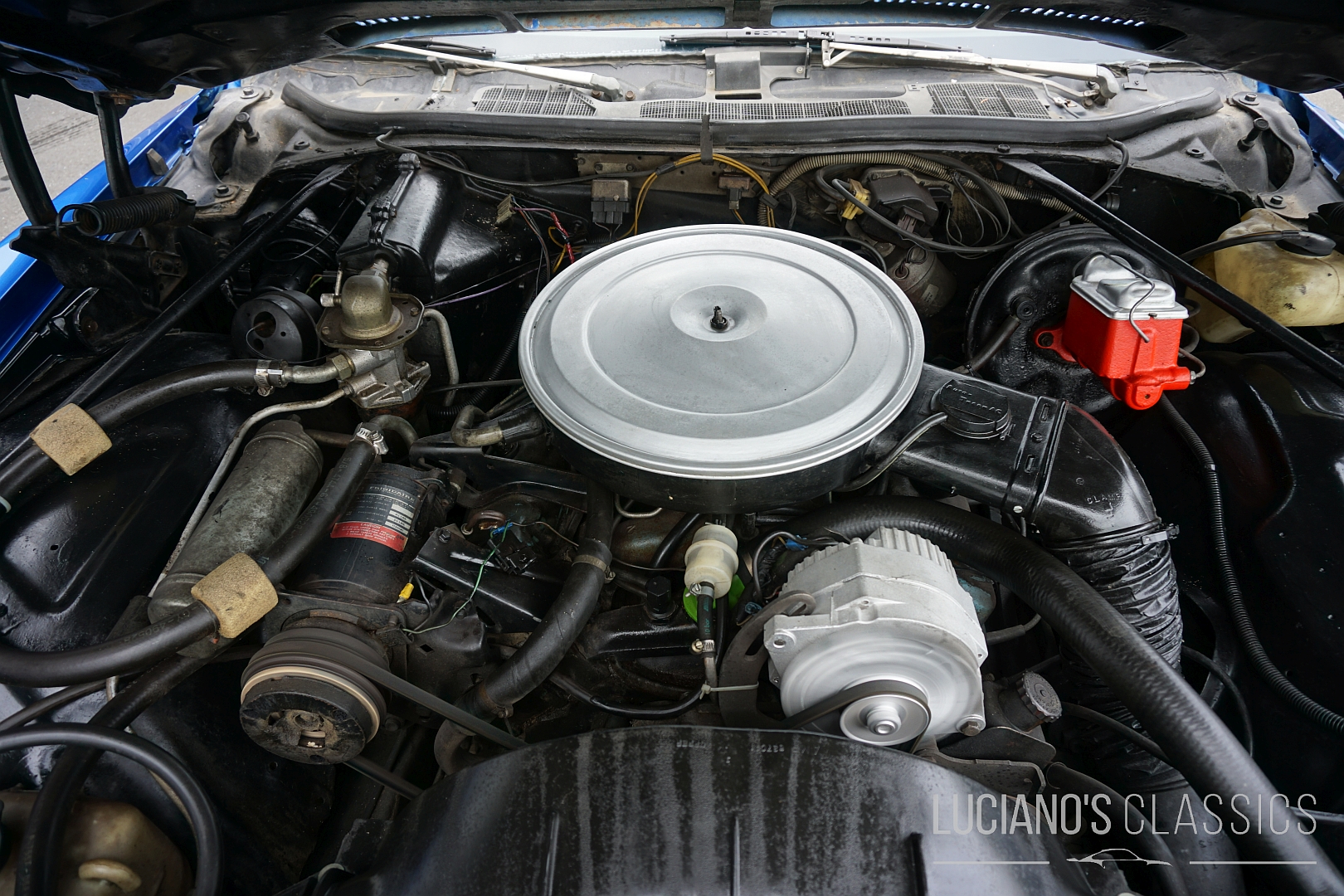
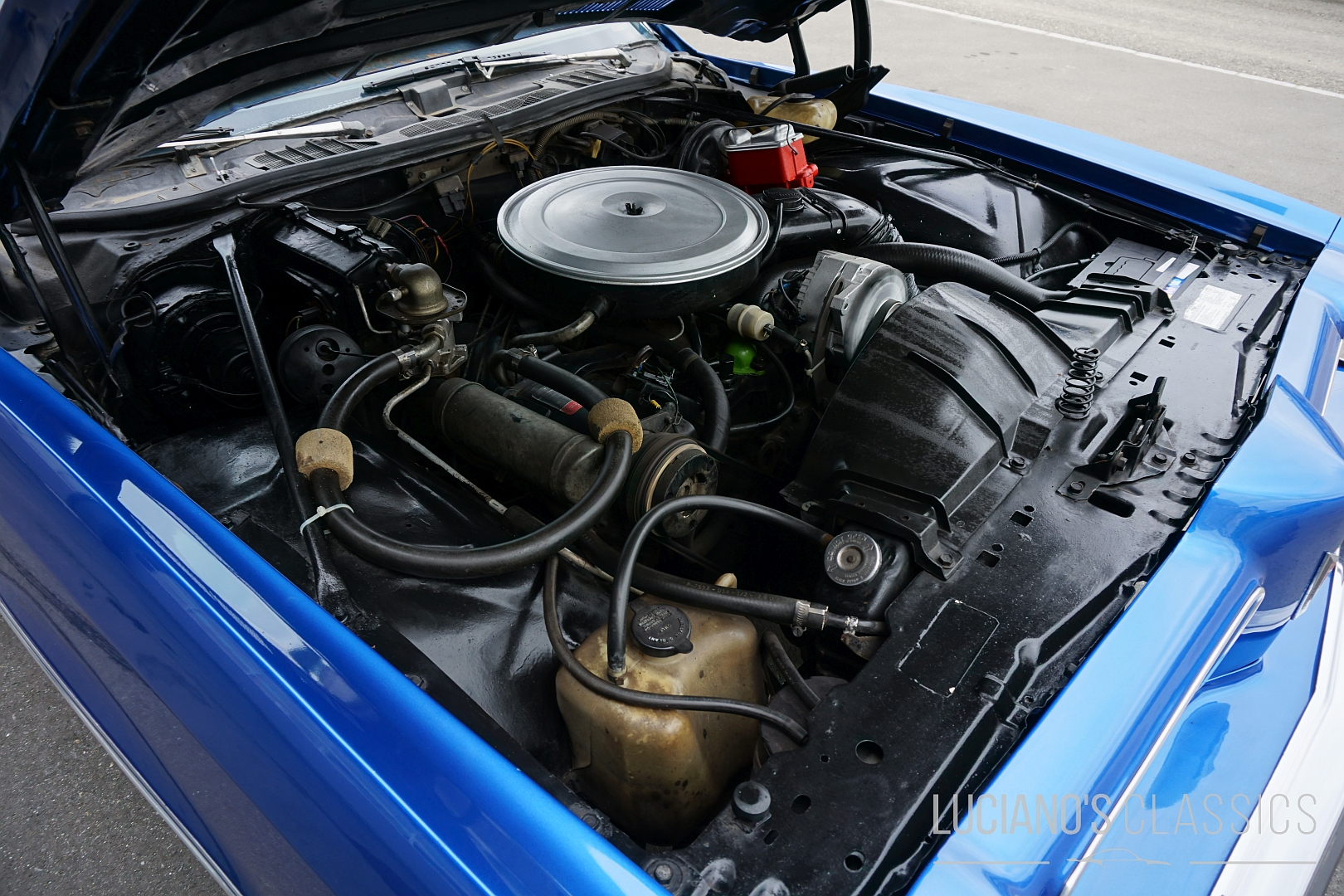
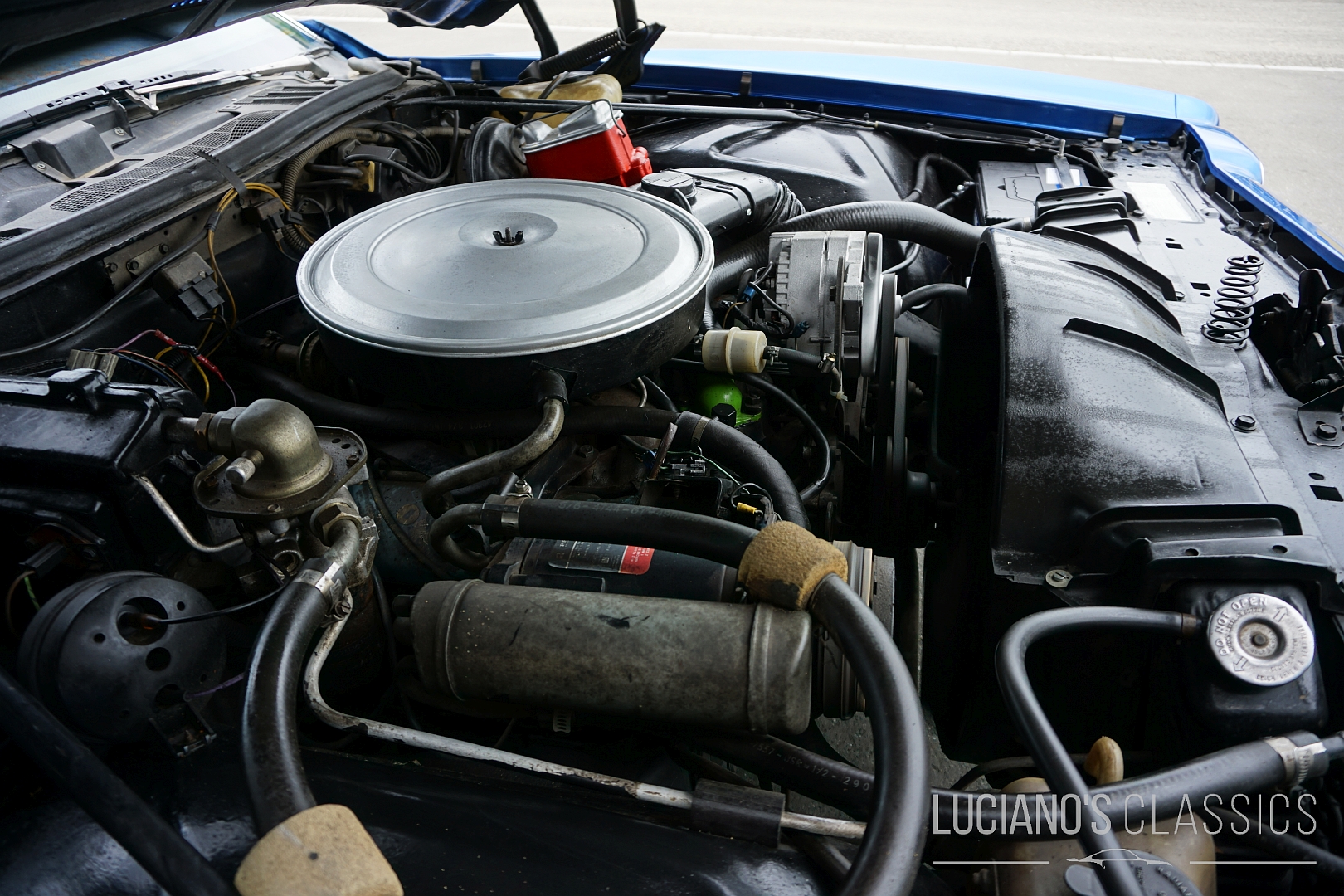
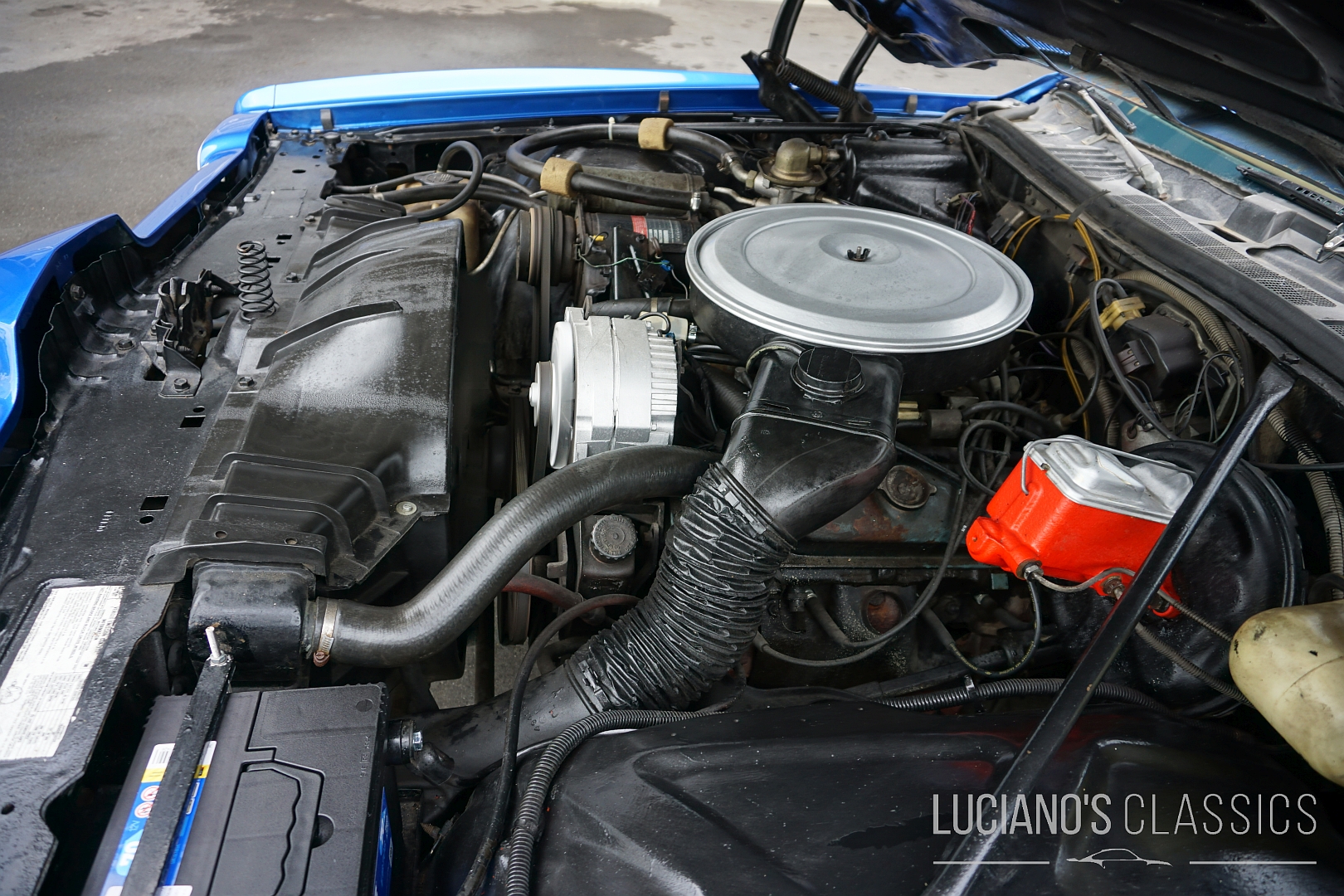
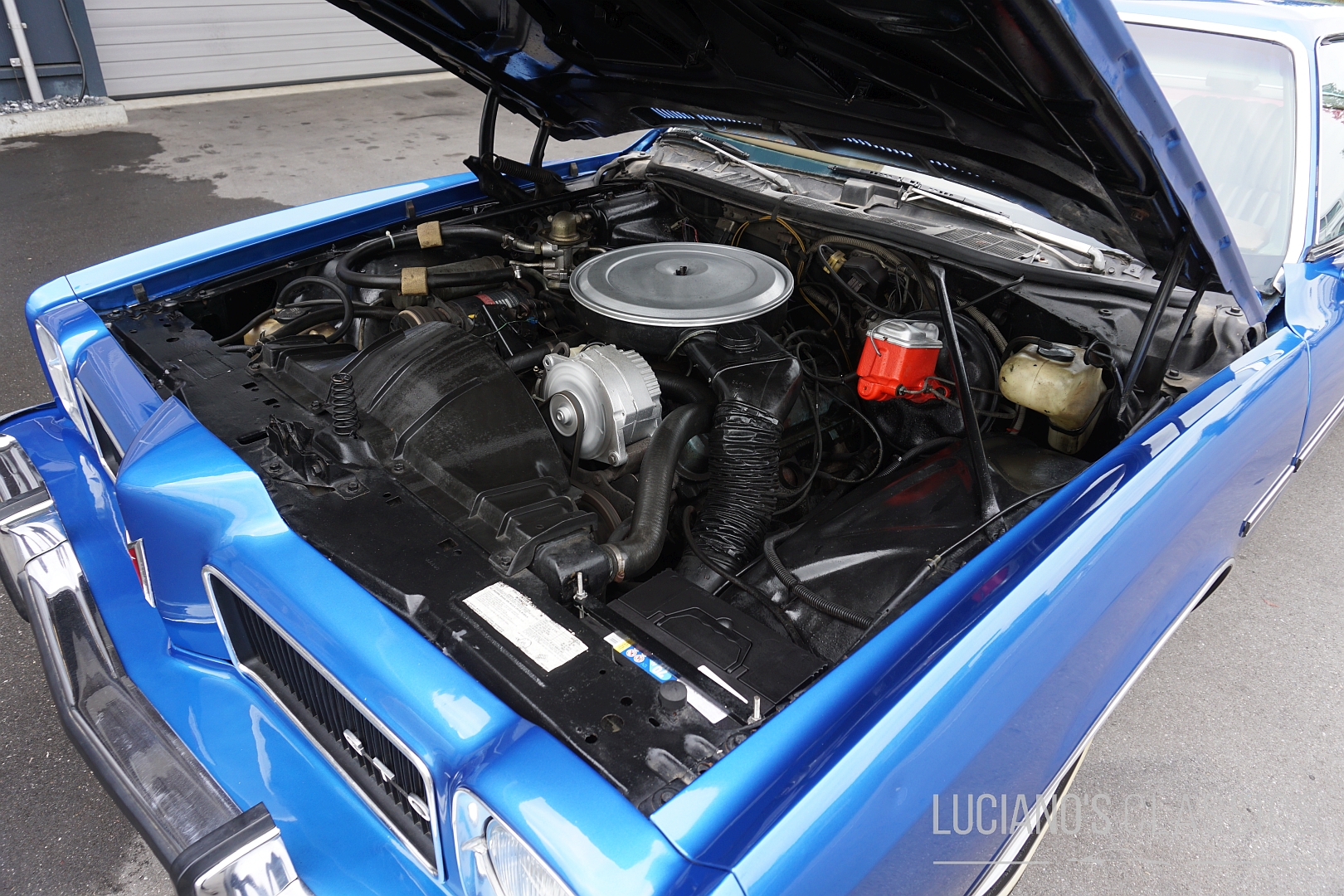
The beautifully curved Collonade bodywork, launched by GM in 1973, provides the perfect blend of luxury and sport. Under the hood is the legendary 400 cubic inch Pontiac V8, which produces 230 hp in this model year and provides plenty of torque. The power is transferred to the road via a set of original GTO Rally II rims.
Despite many upgrades compared to the older muscle cars, the driving experience remains authentically American - smooth when cruising, untamed when you give it the spurs.
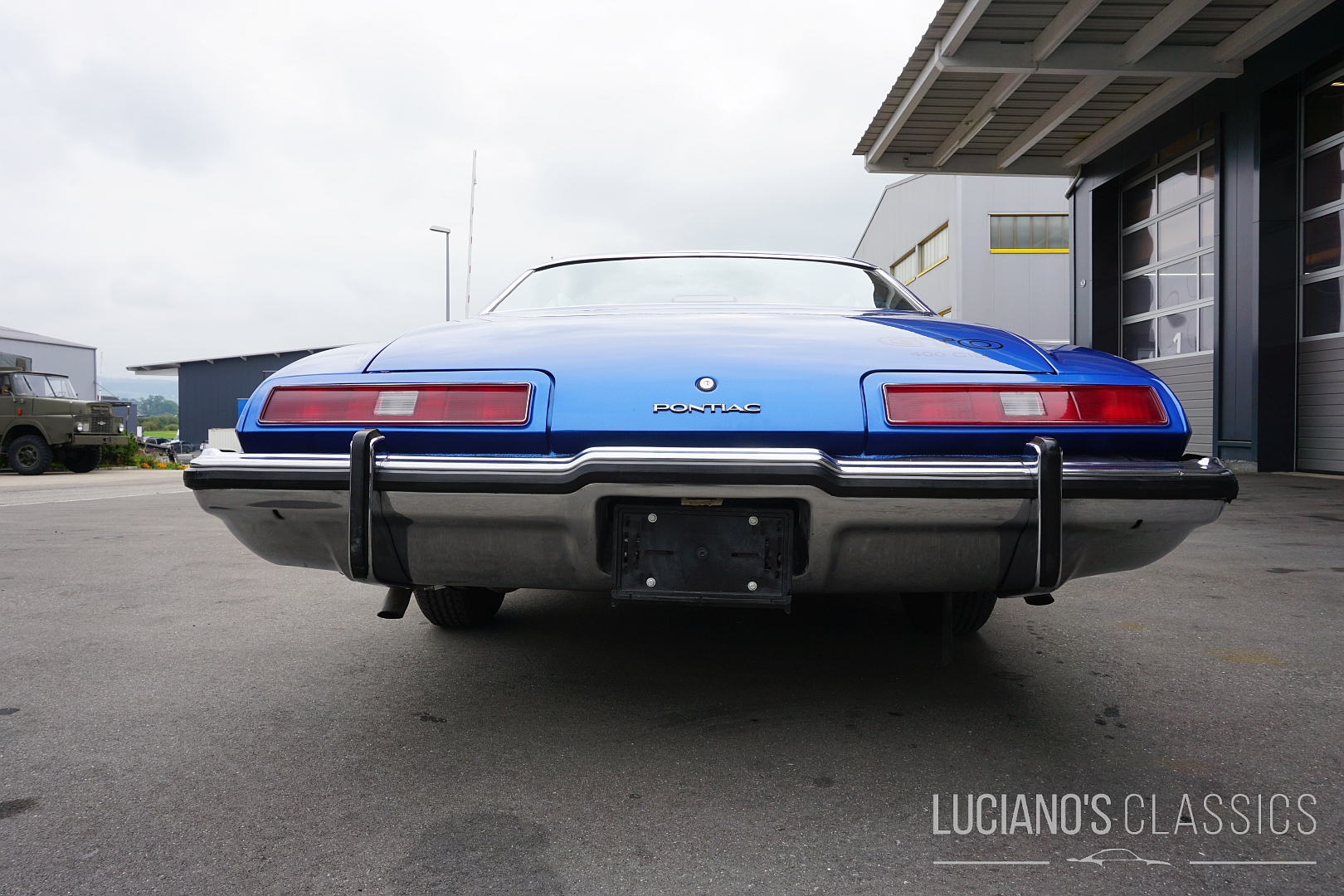
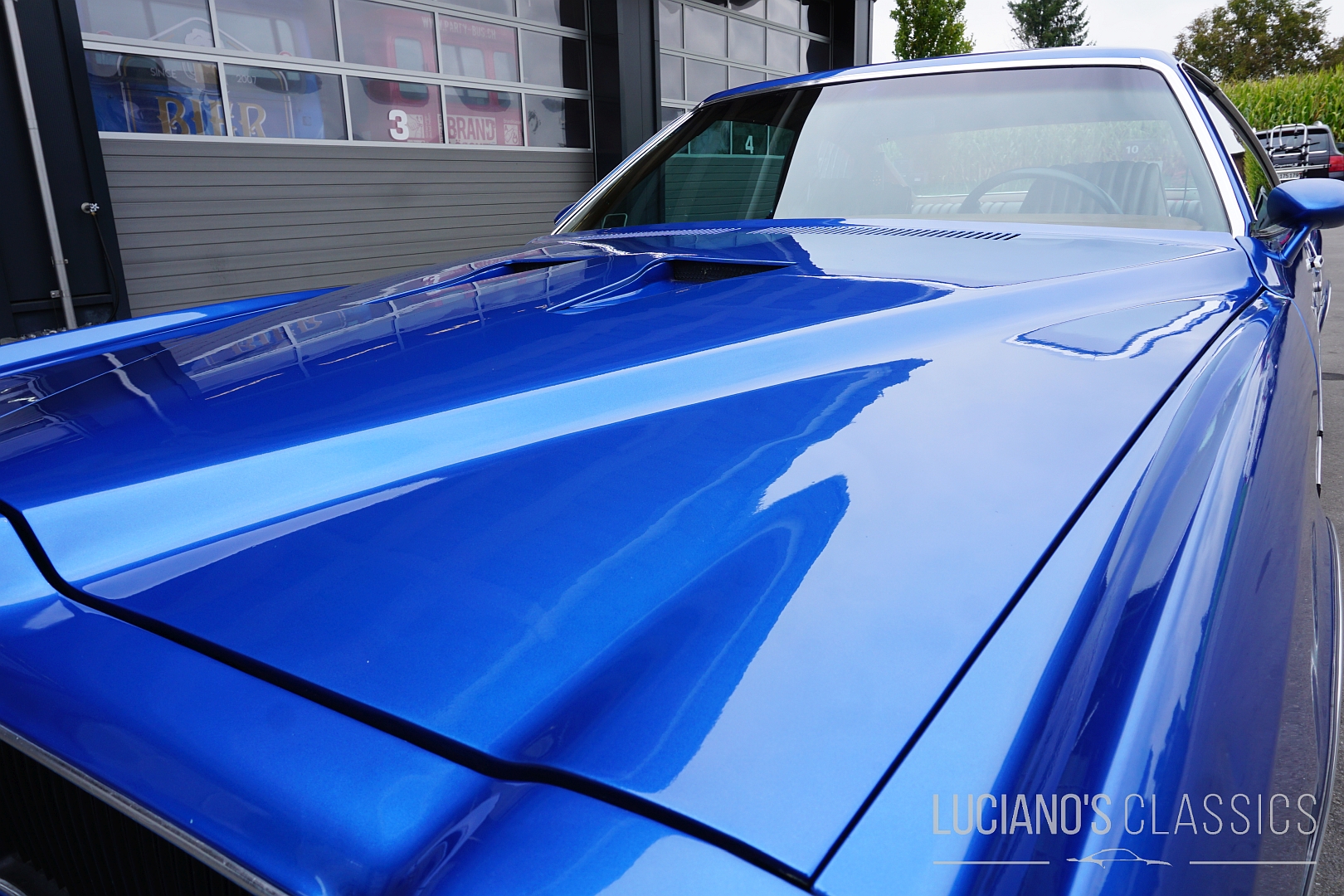
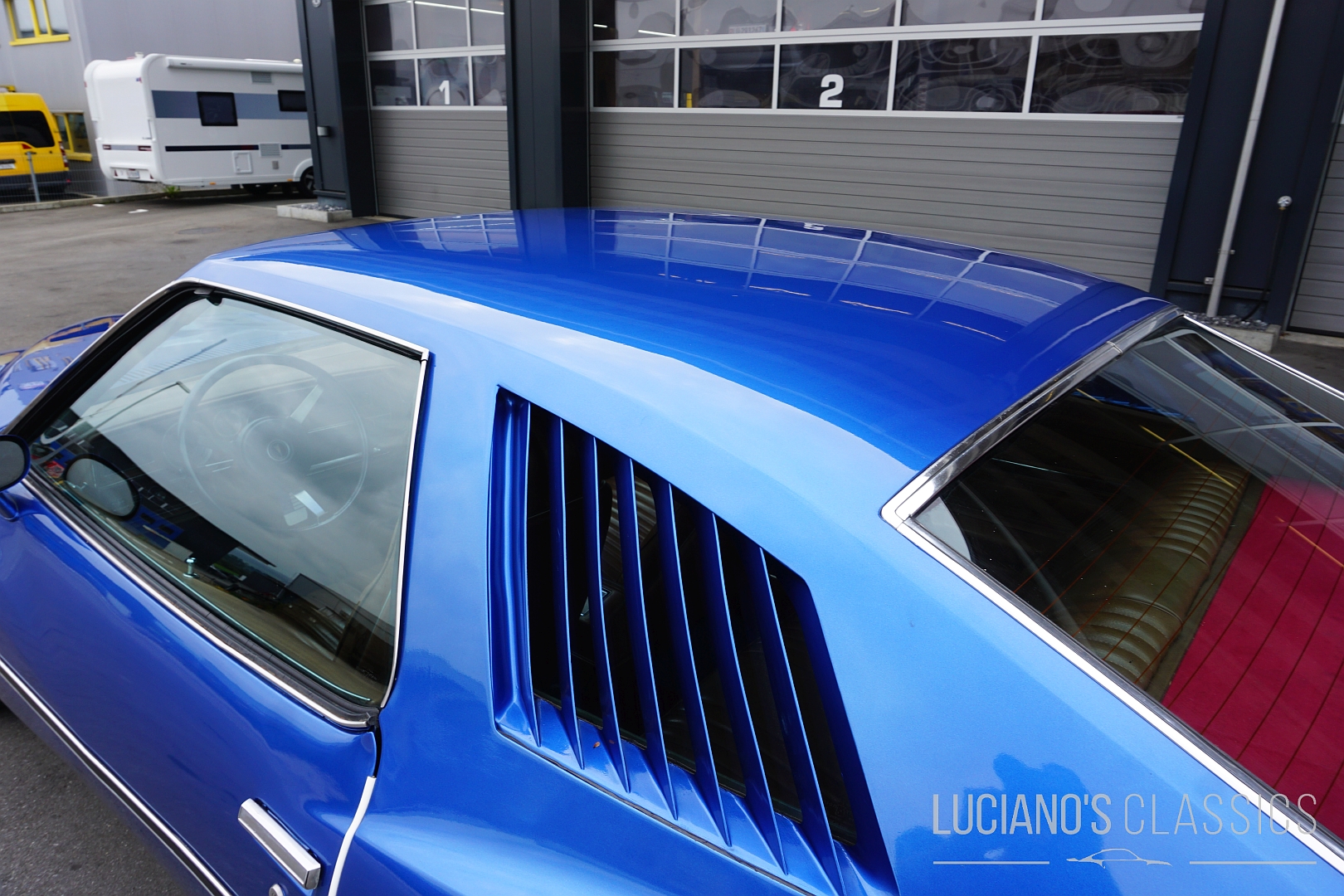
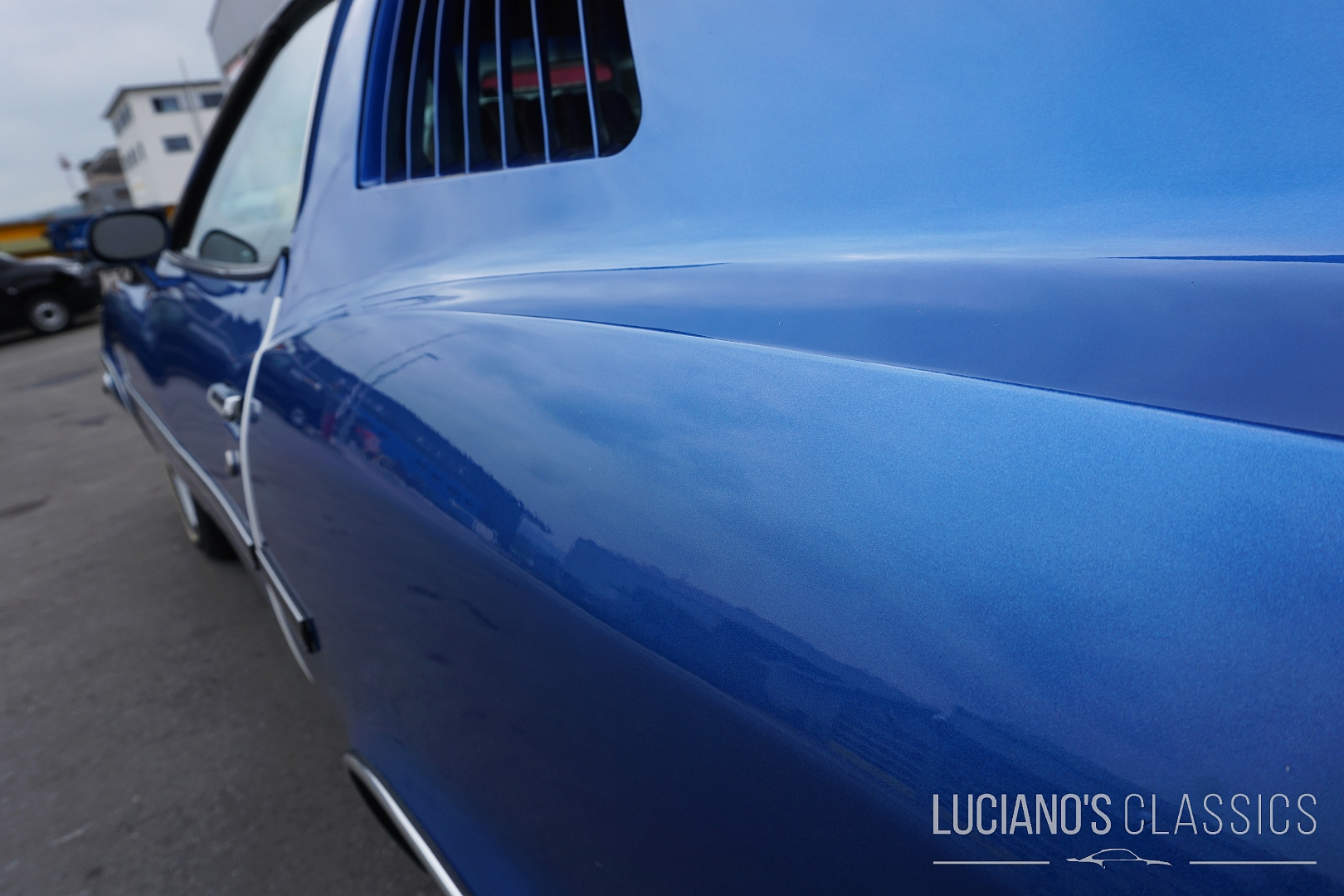
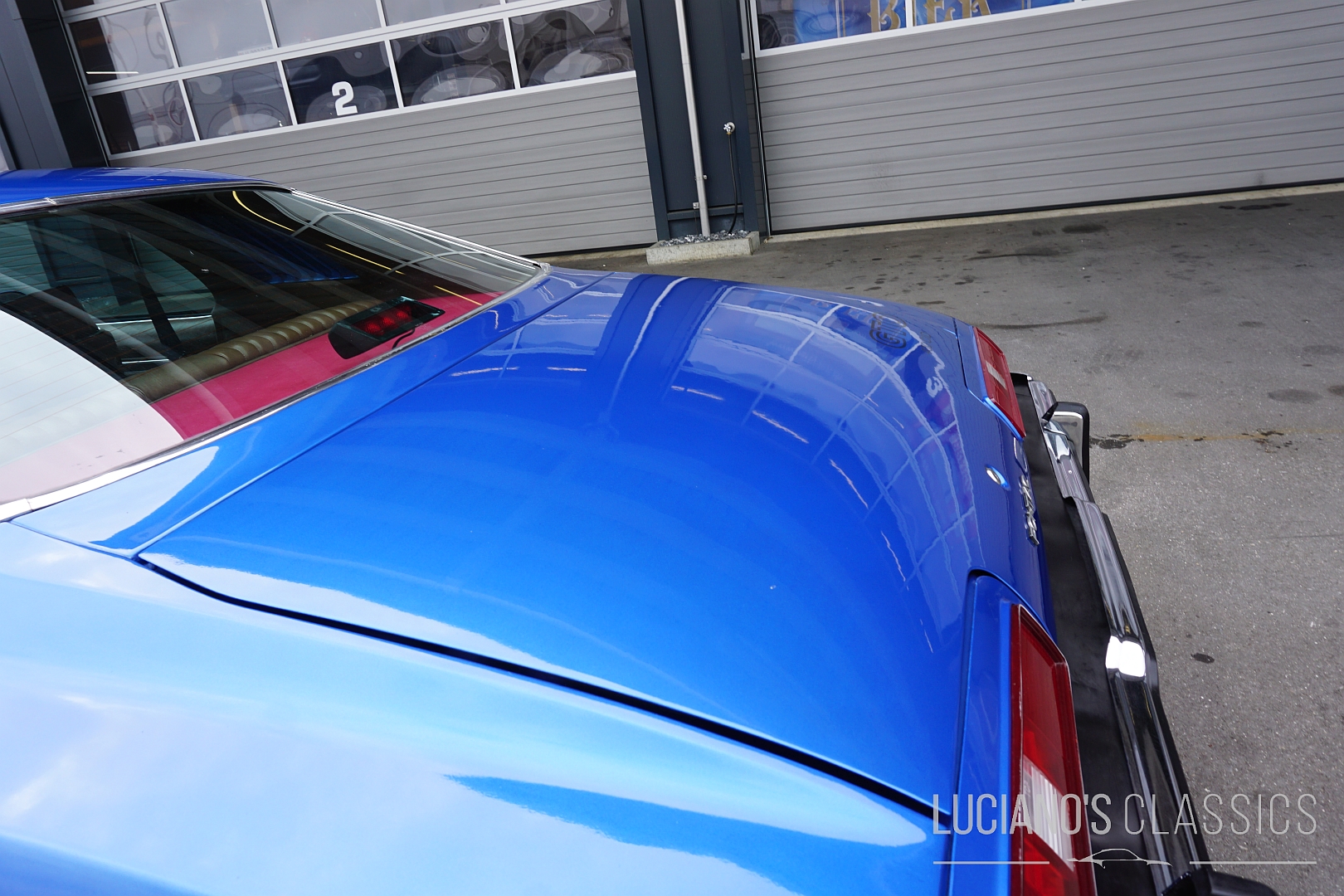
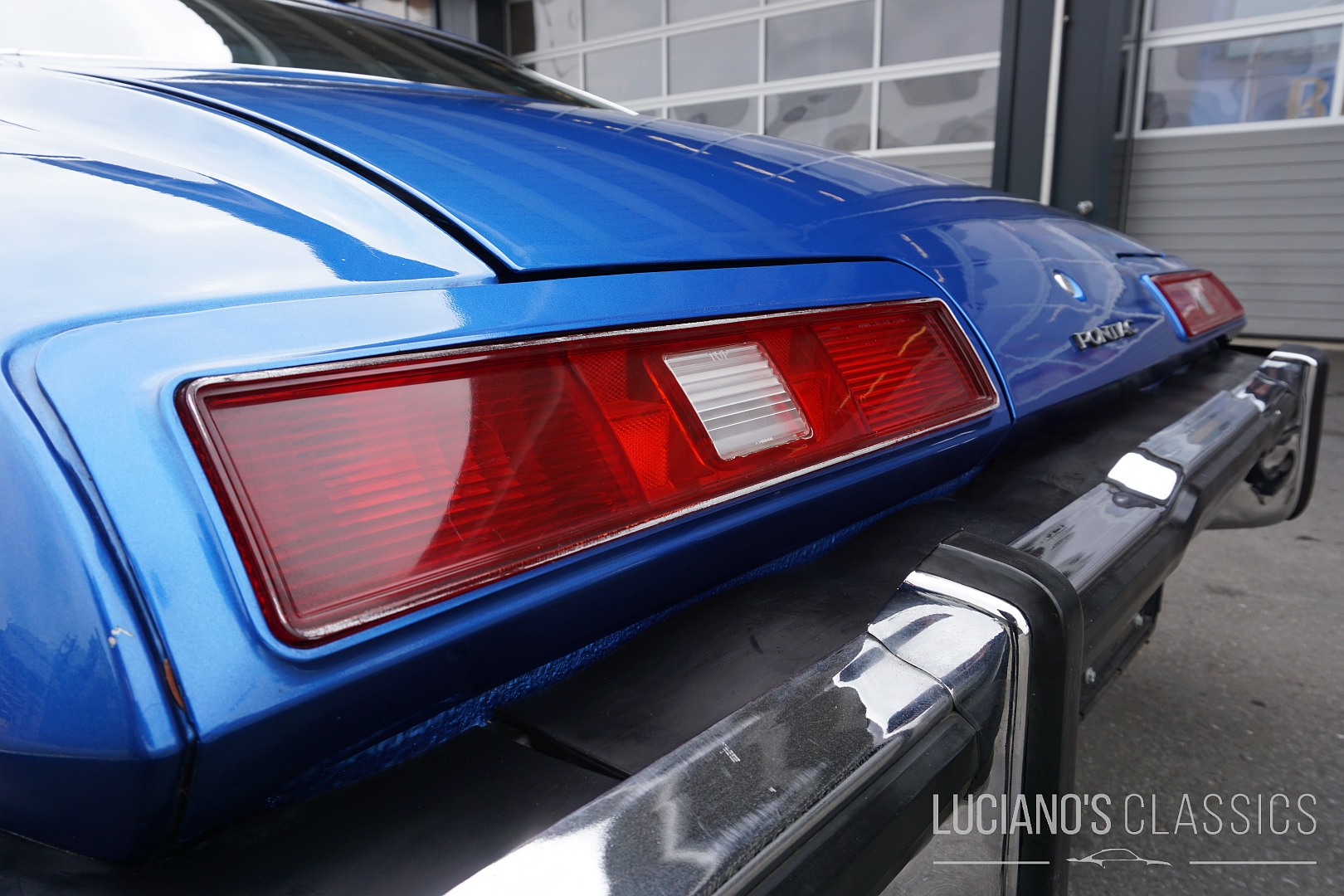
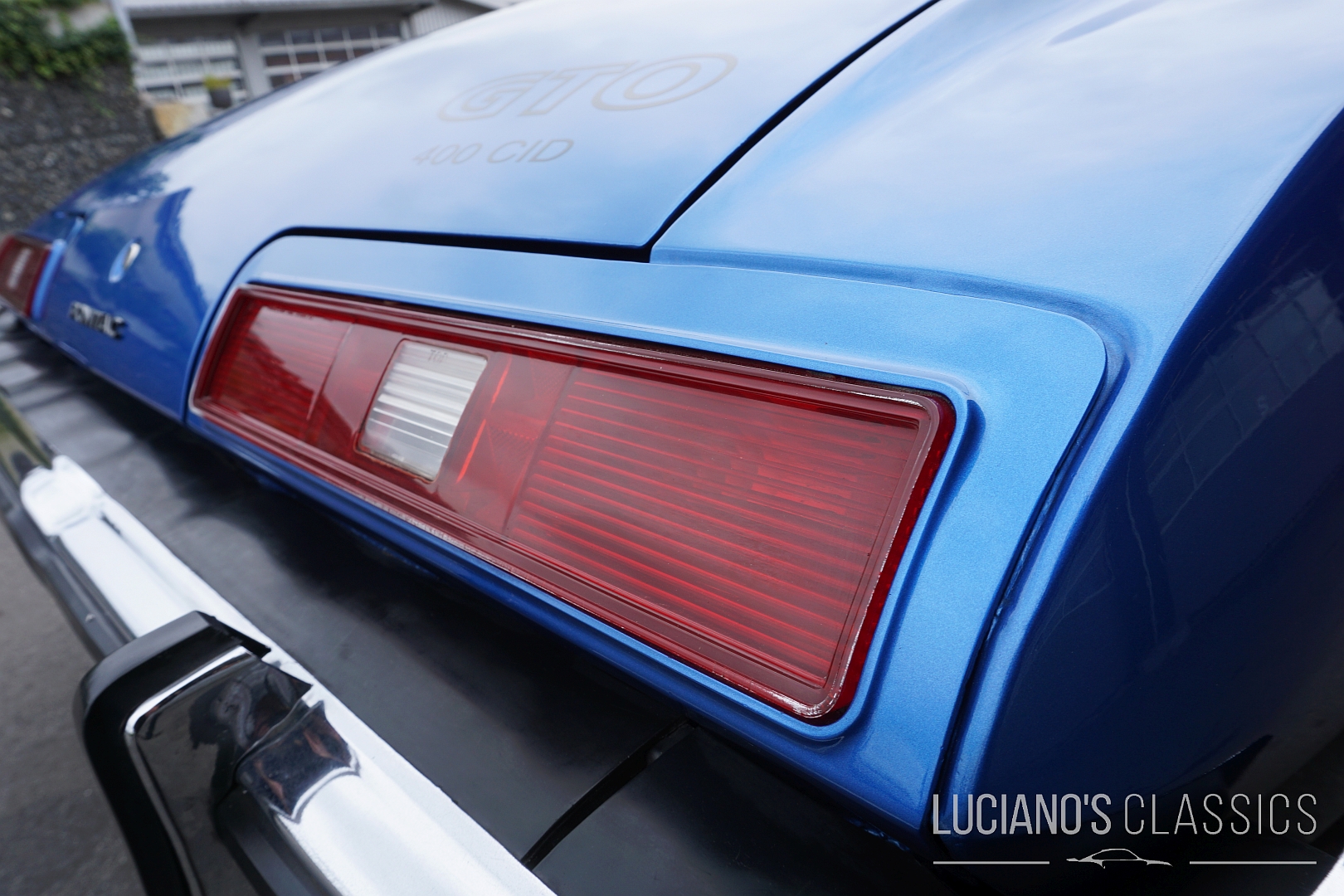
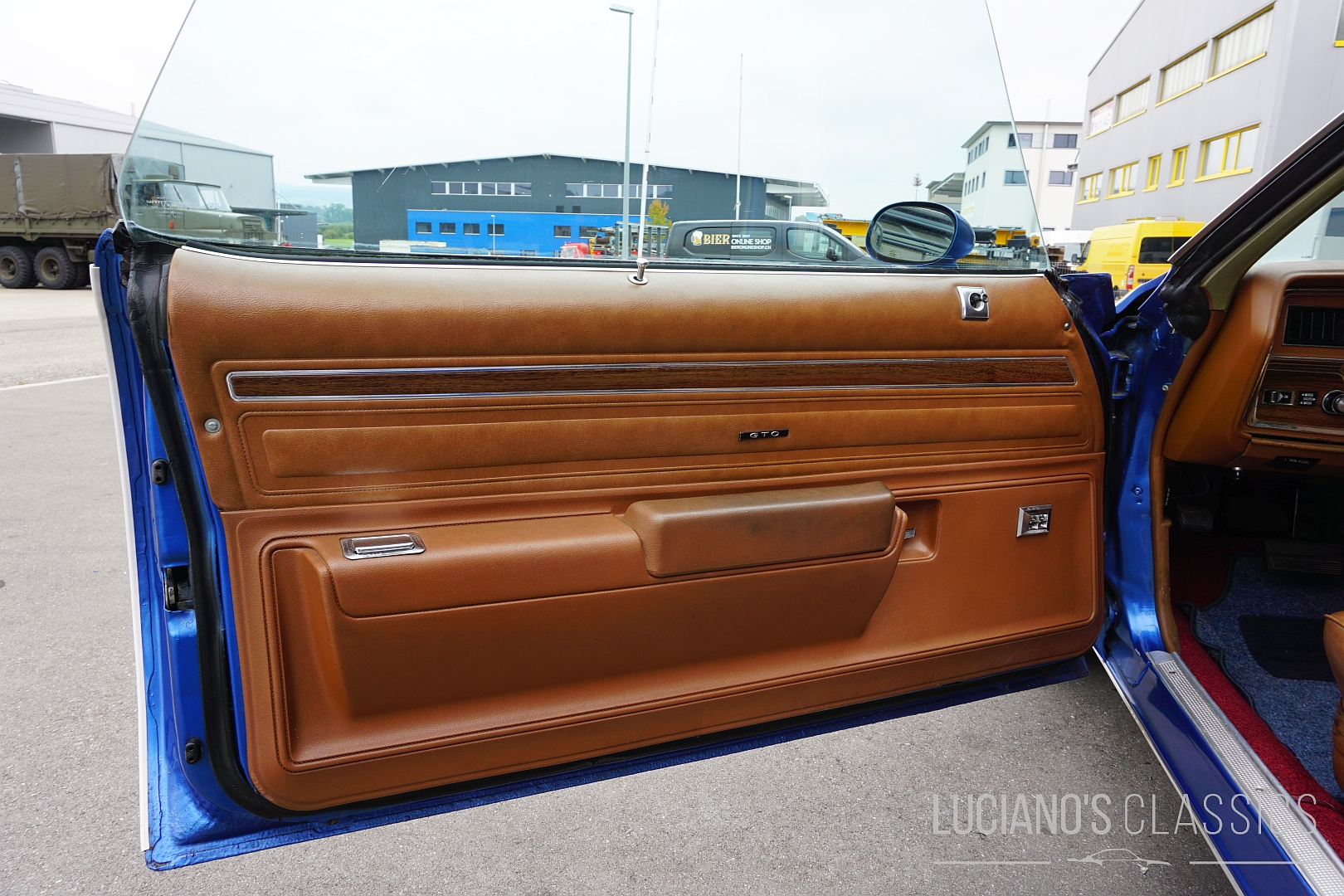
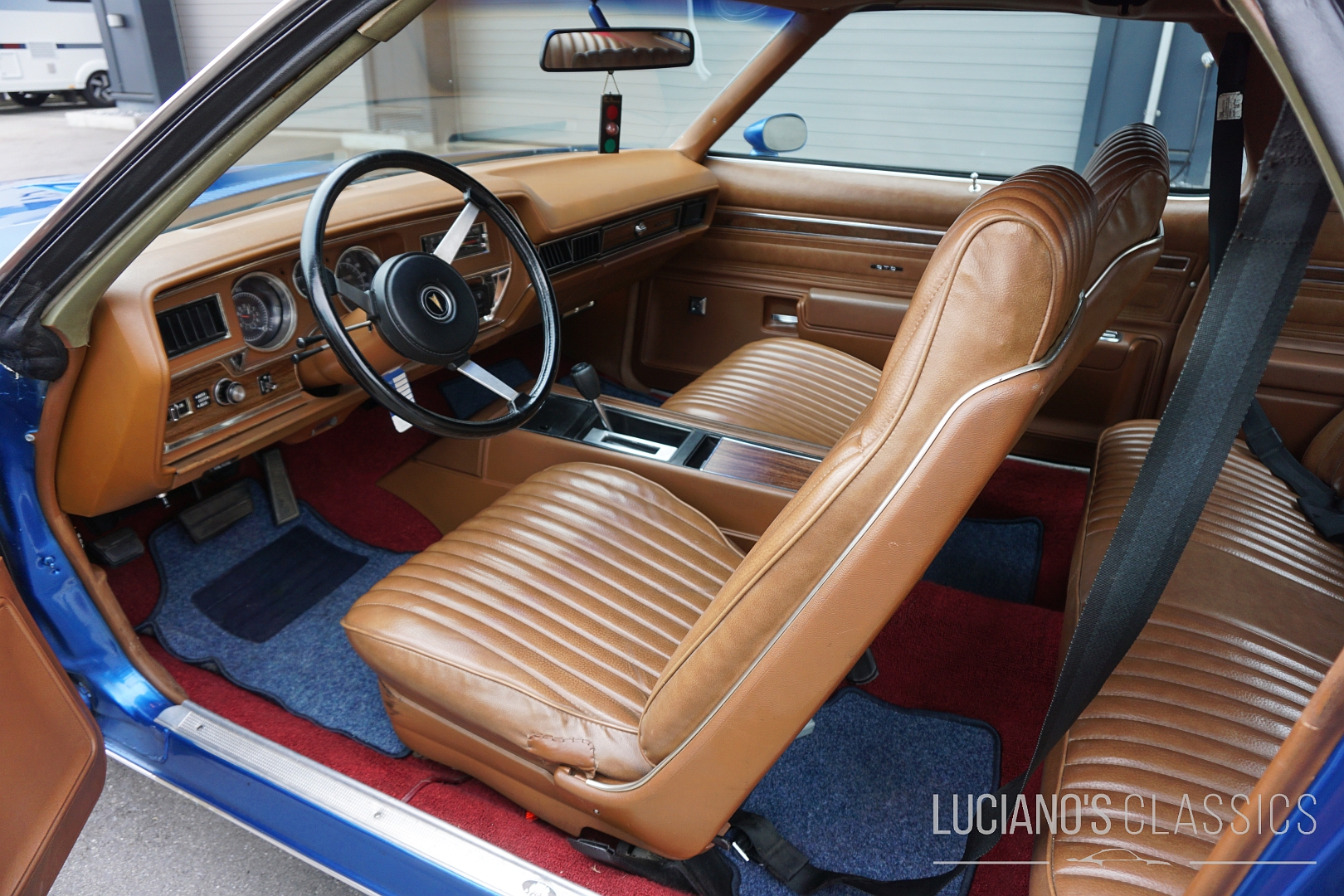
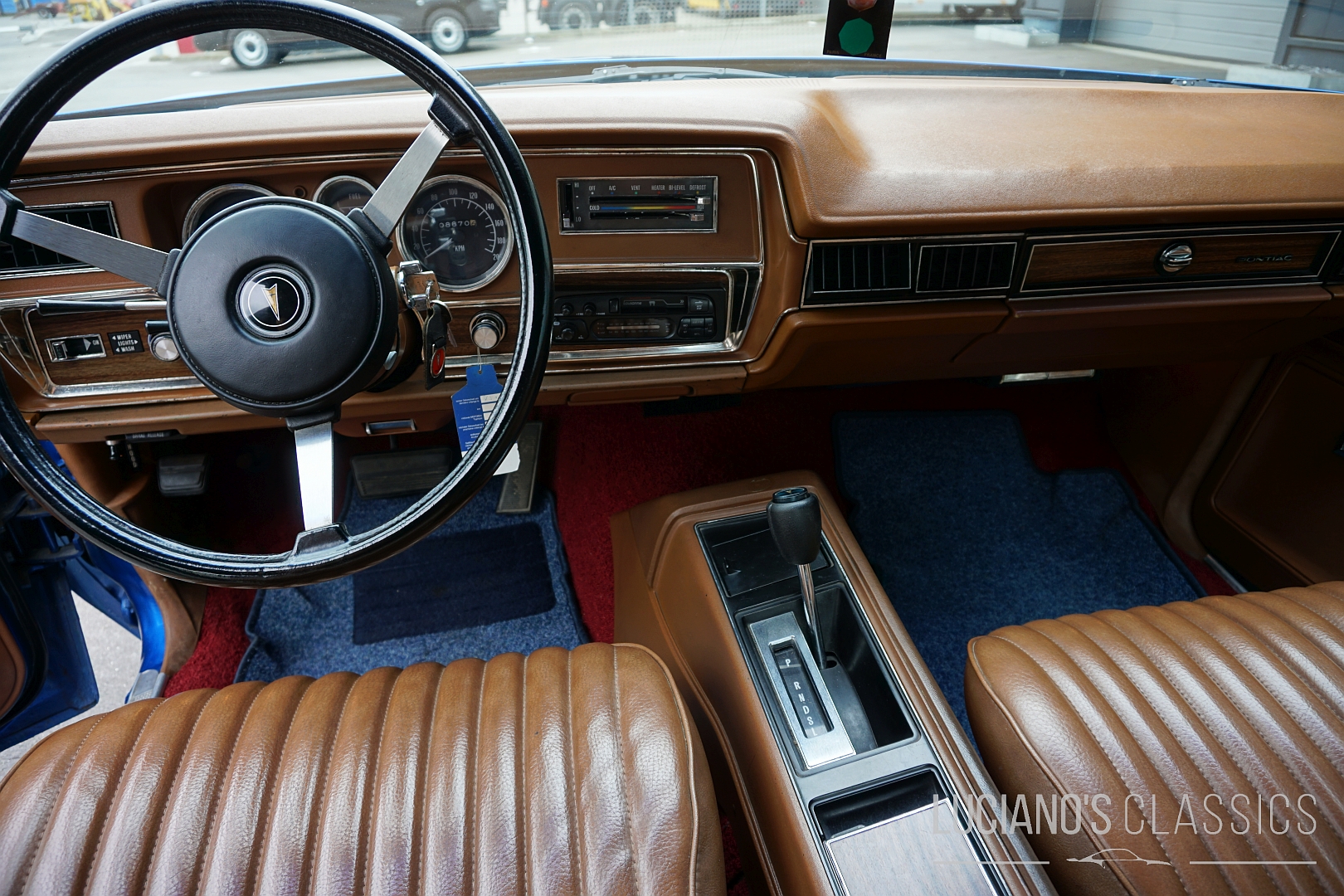
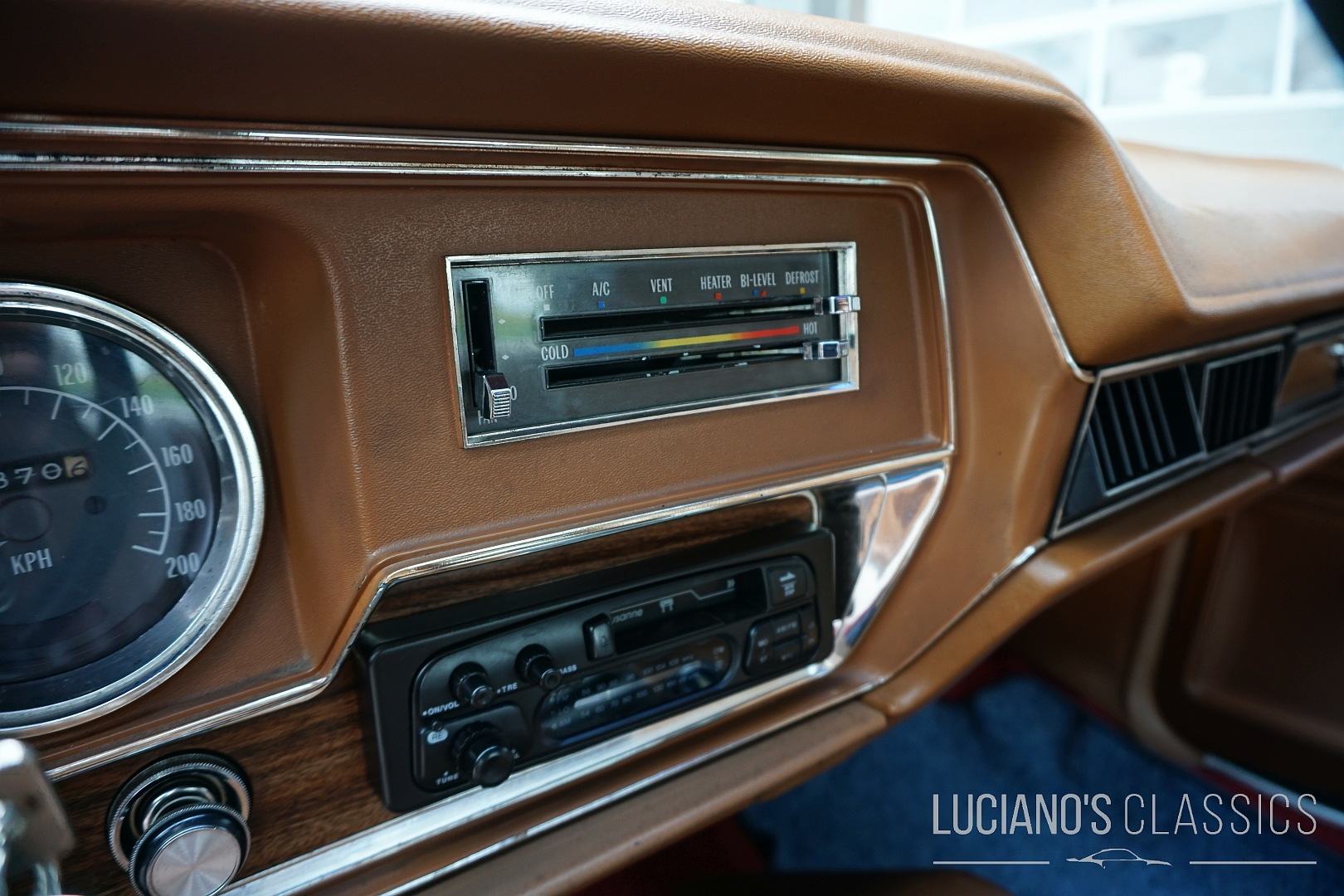
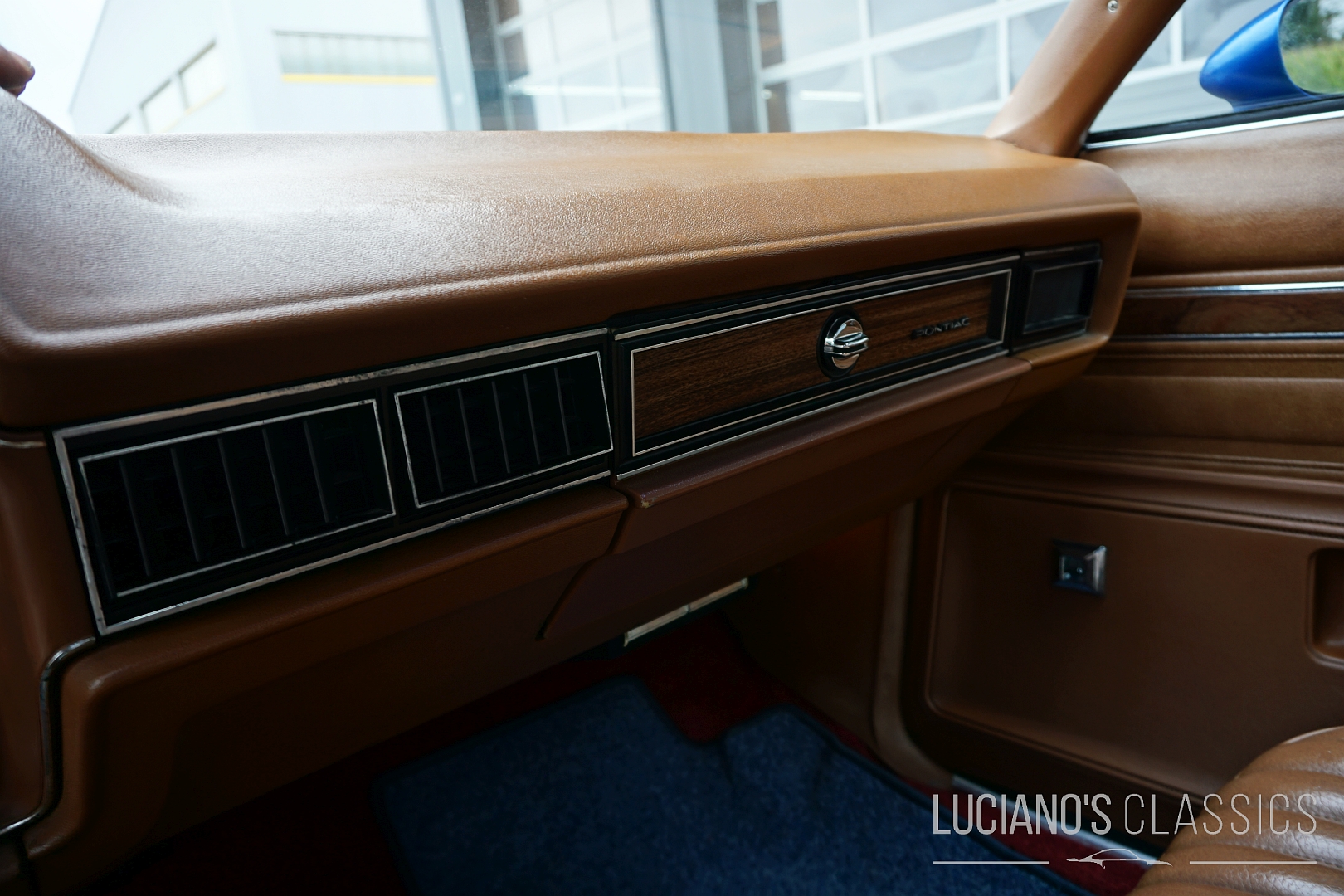
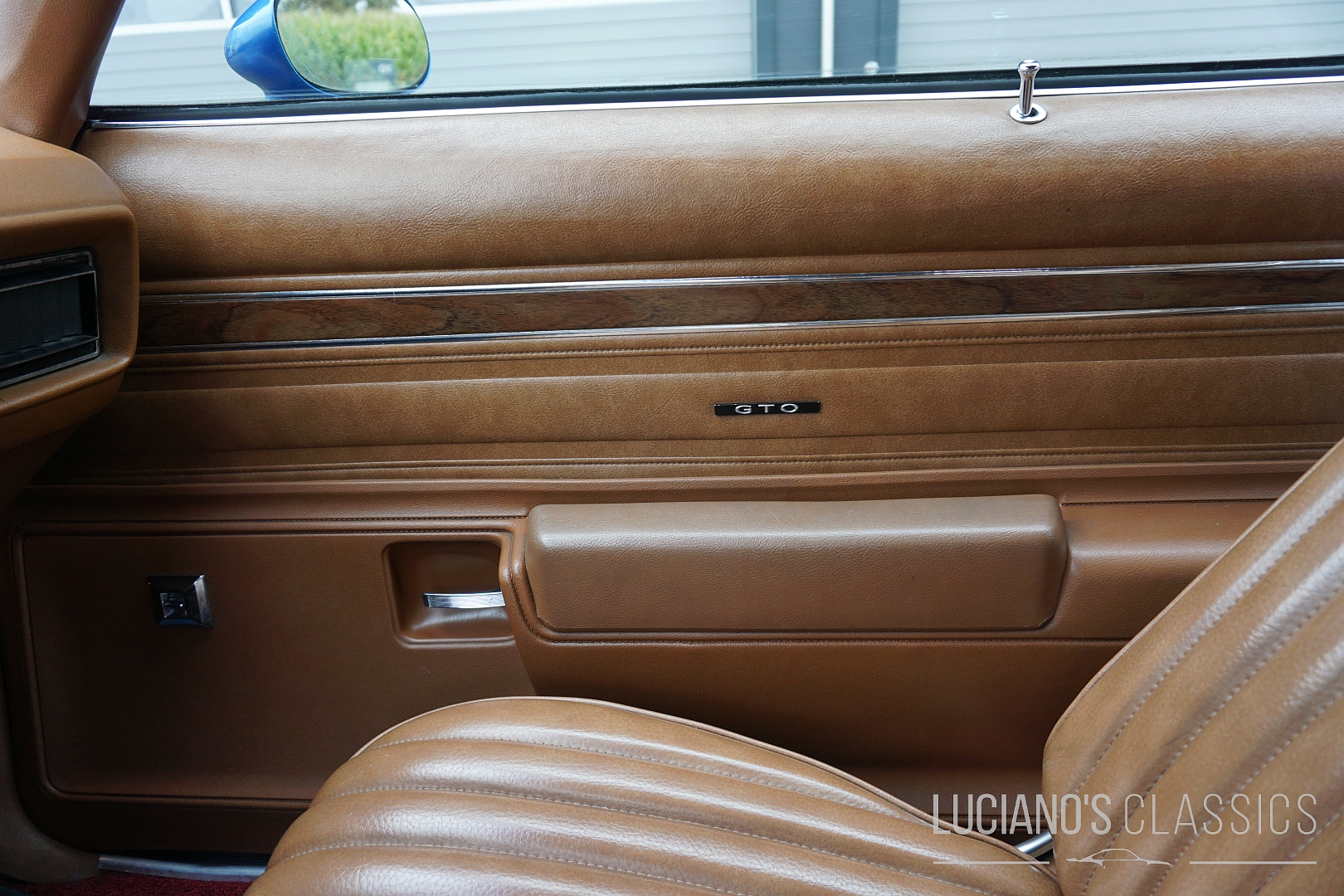
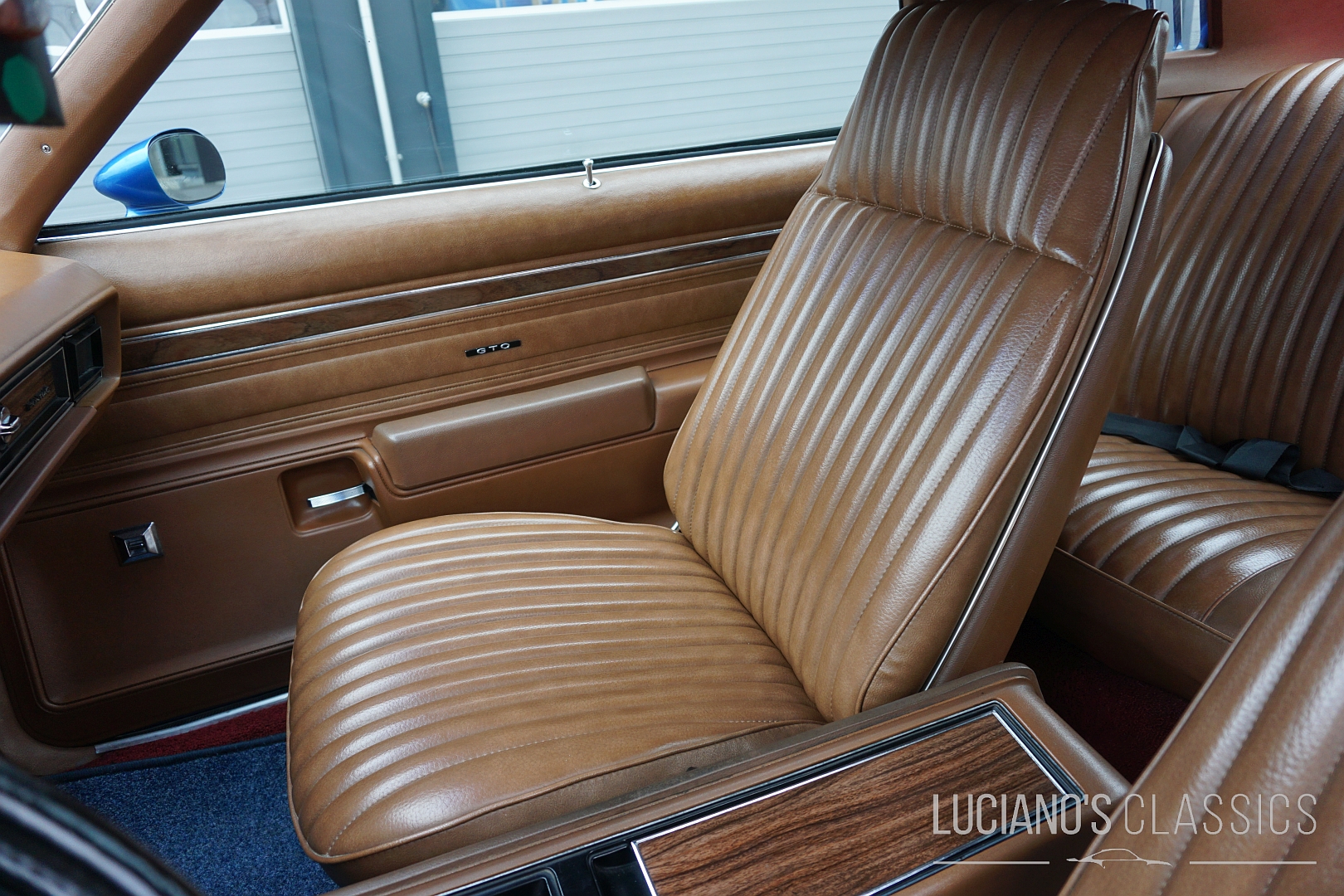
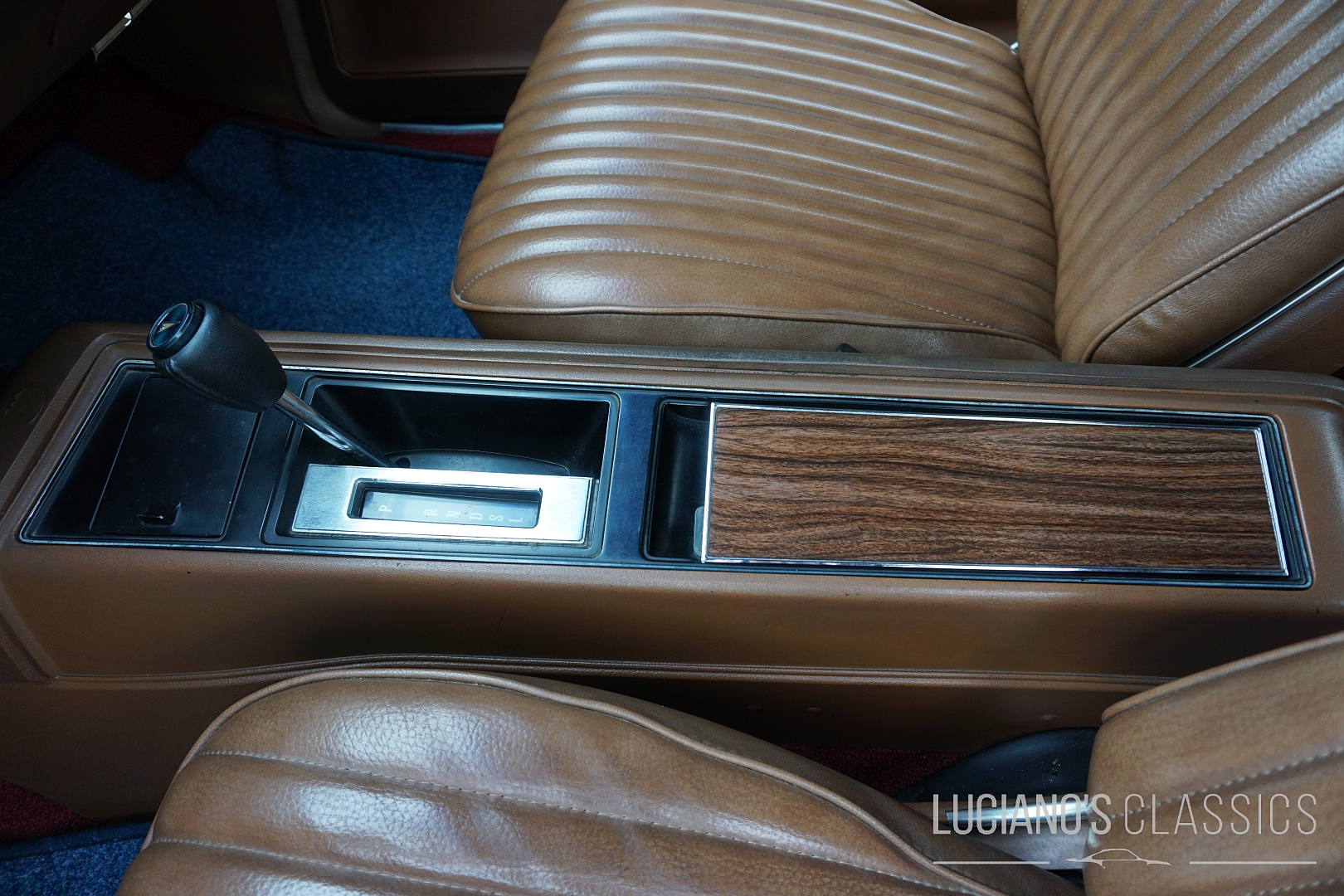
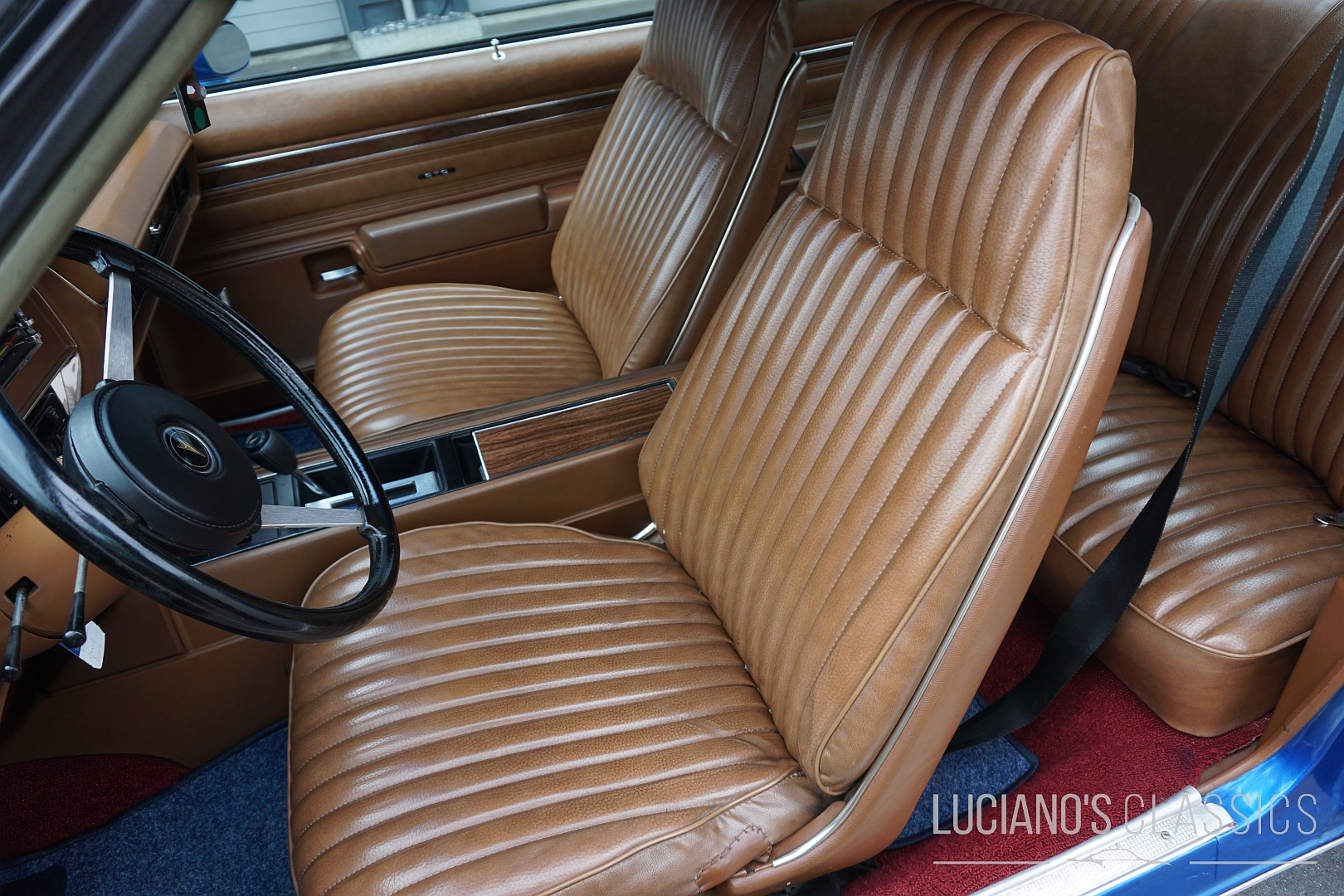
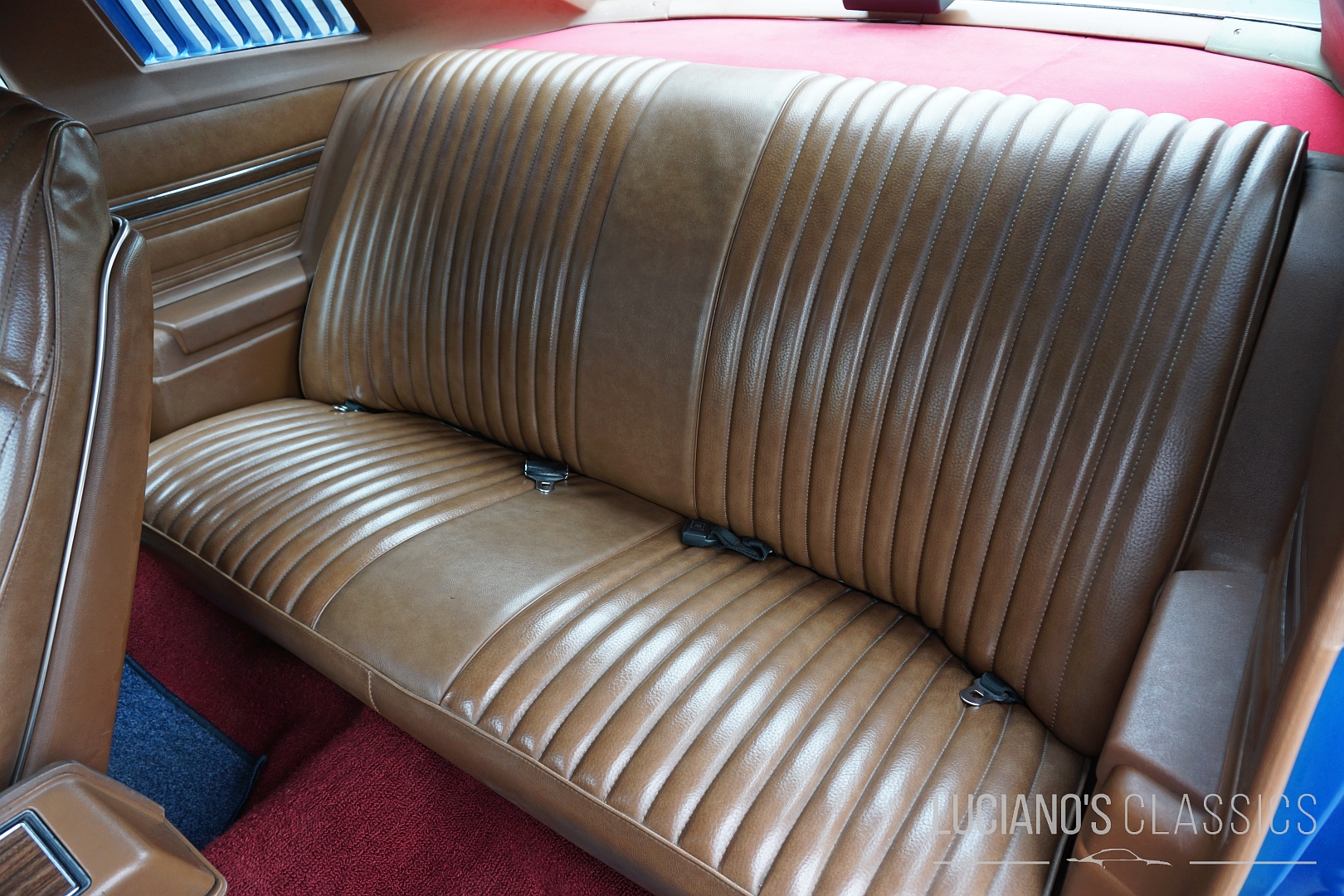
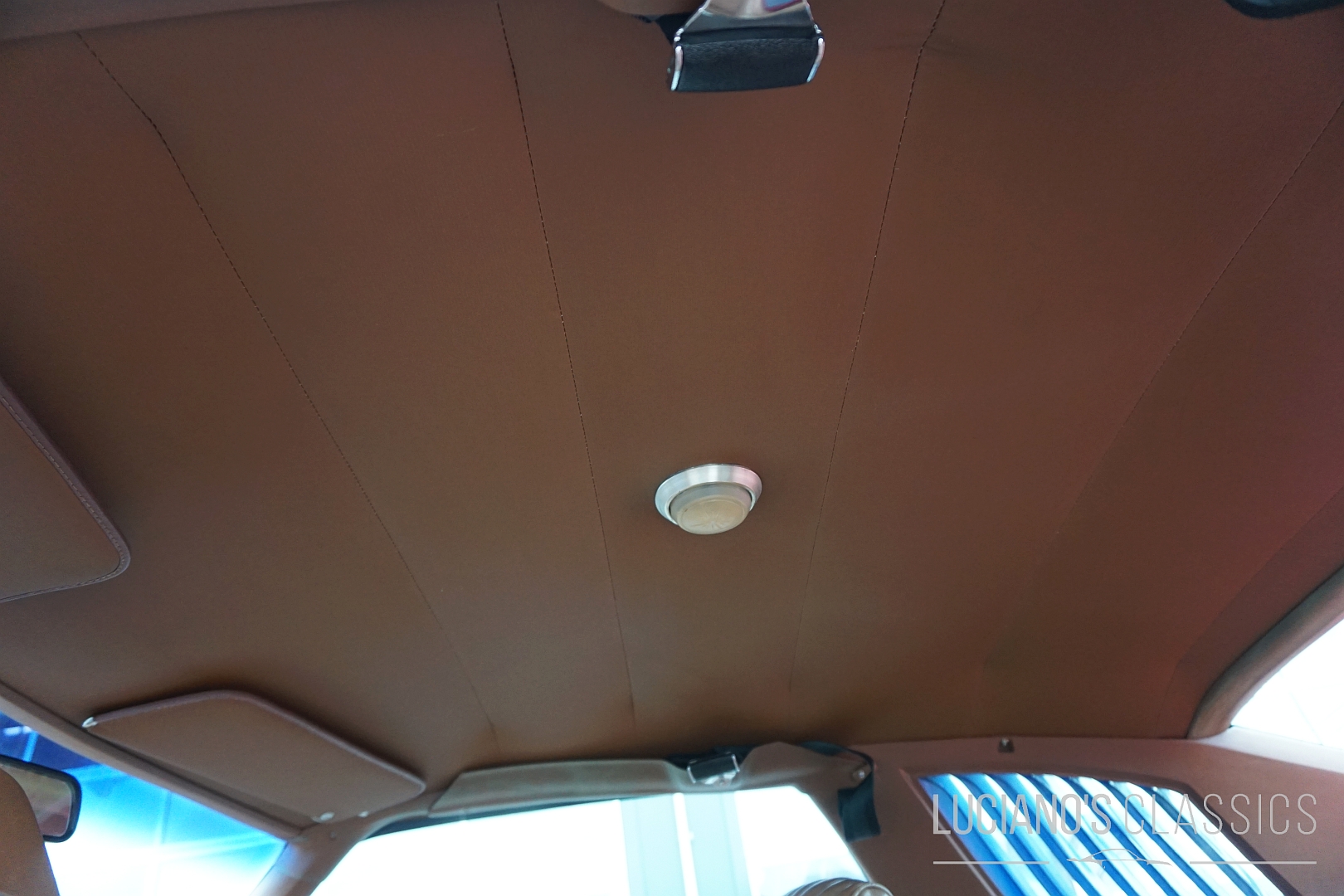
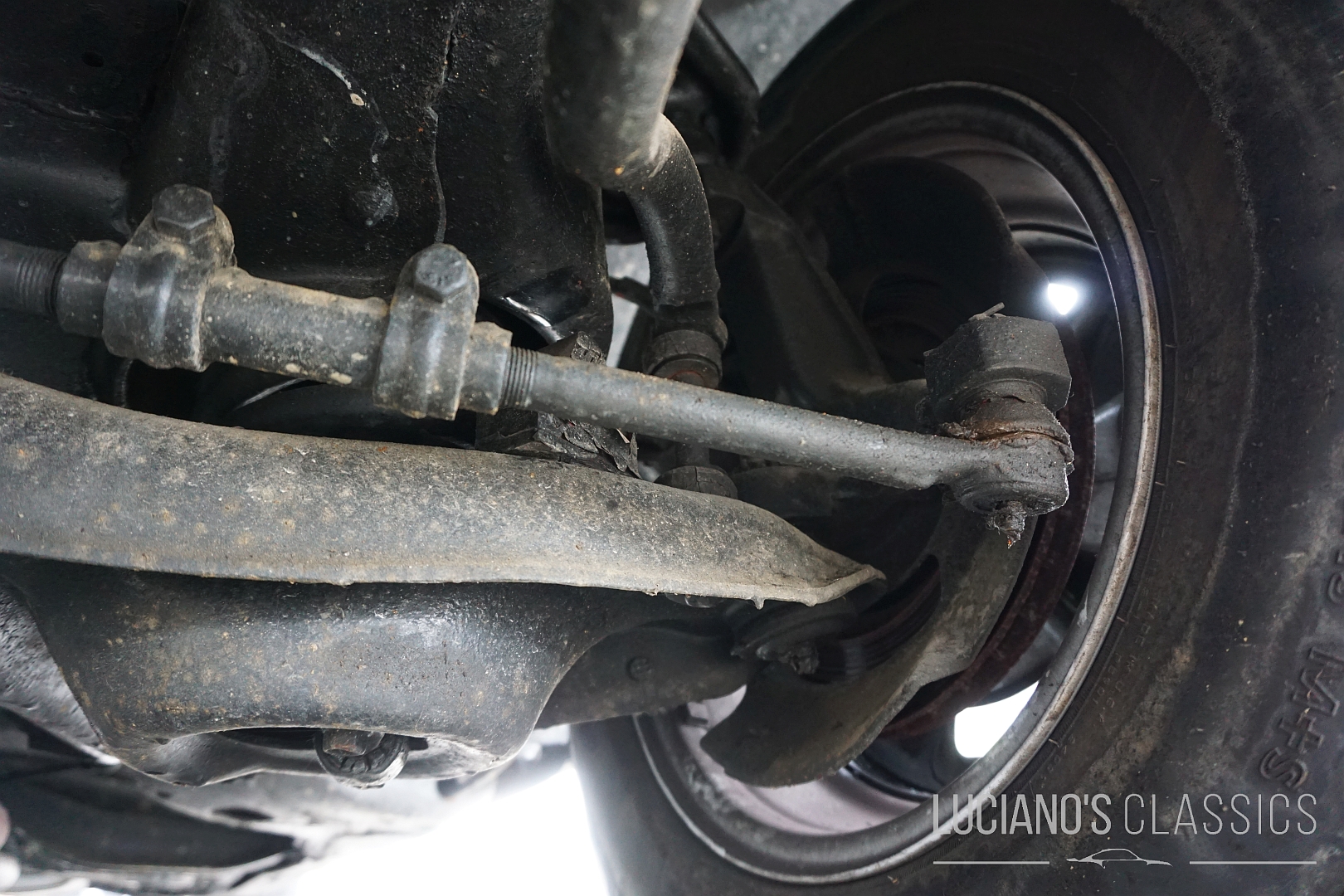
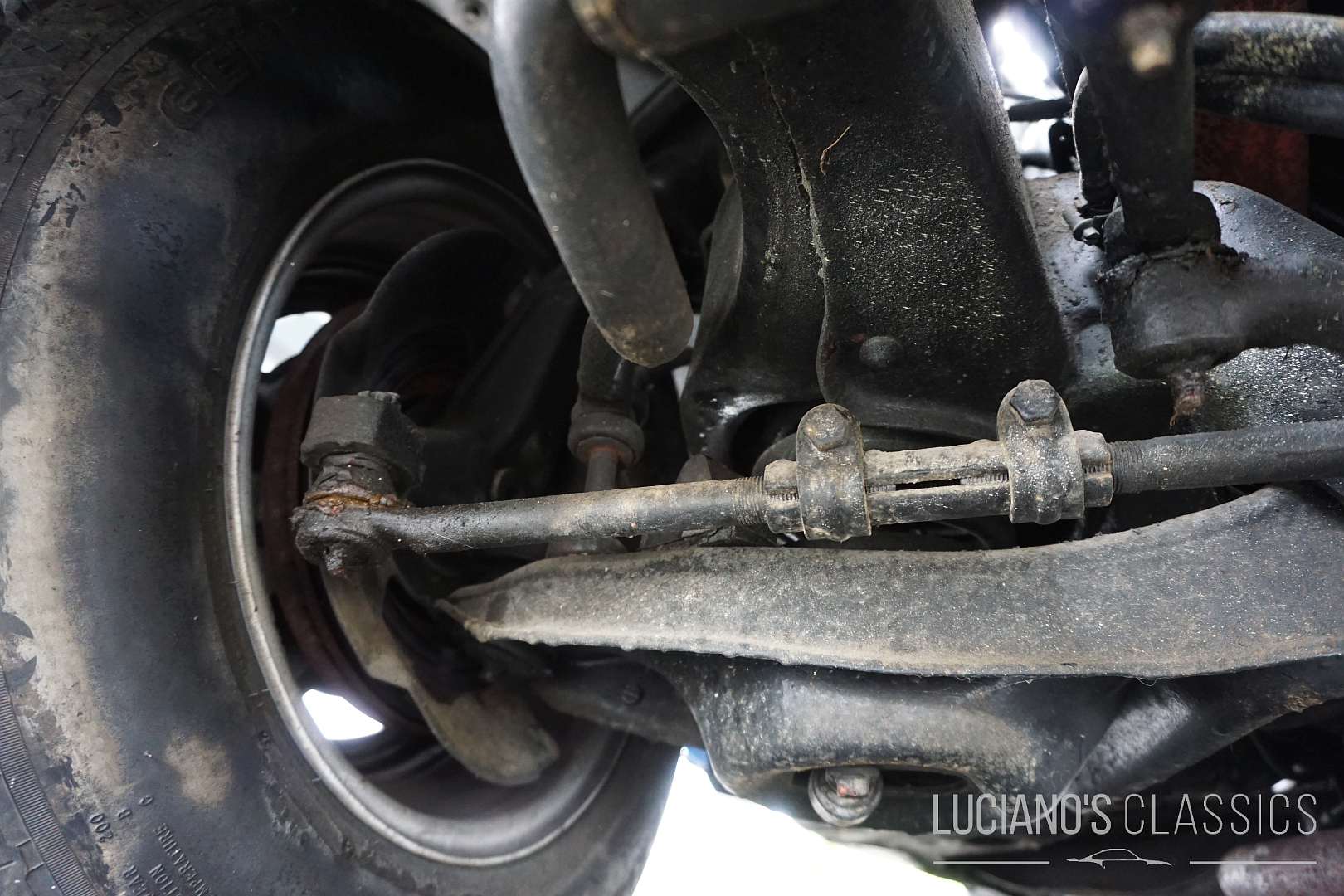
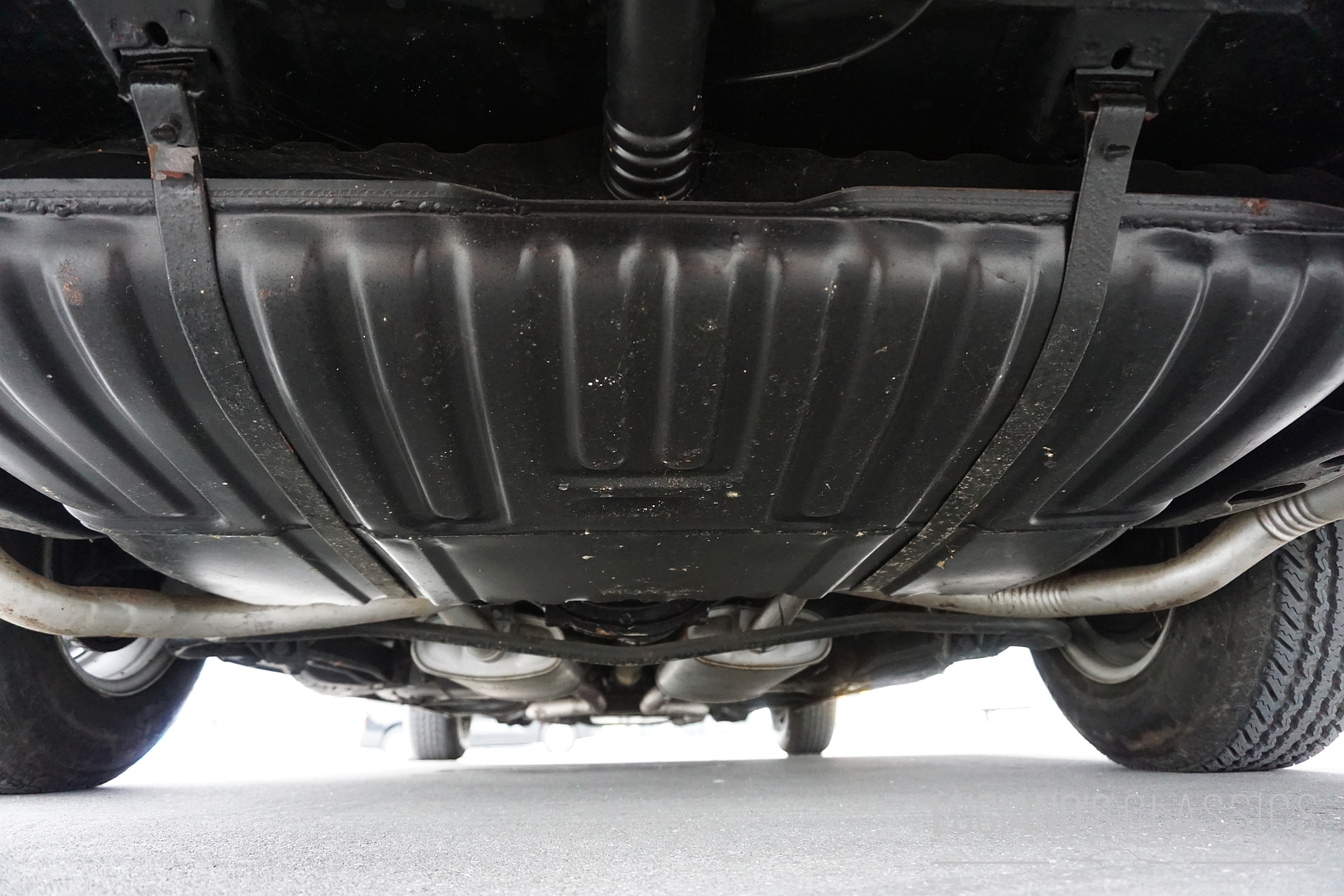
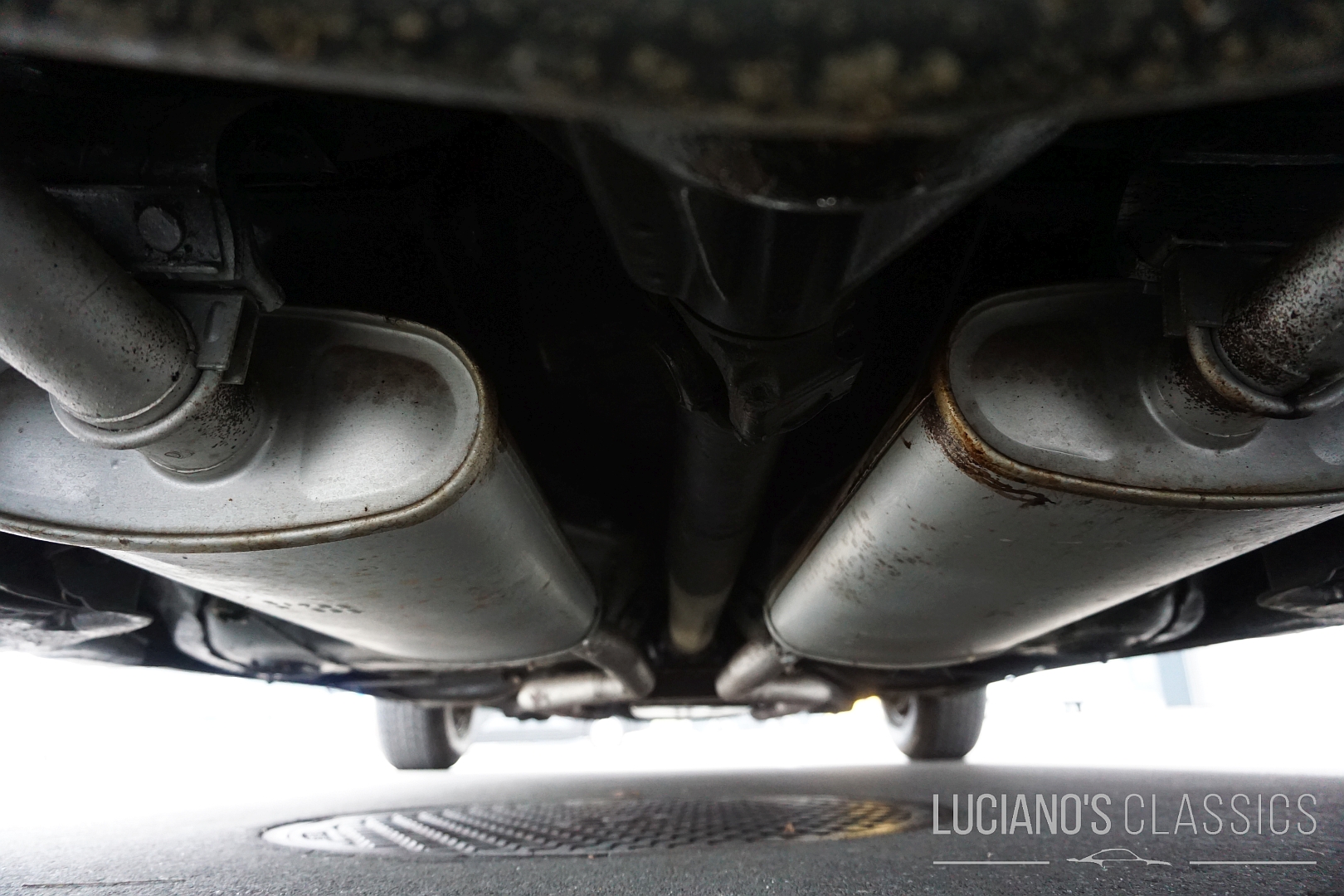
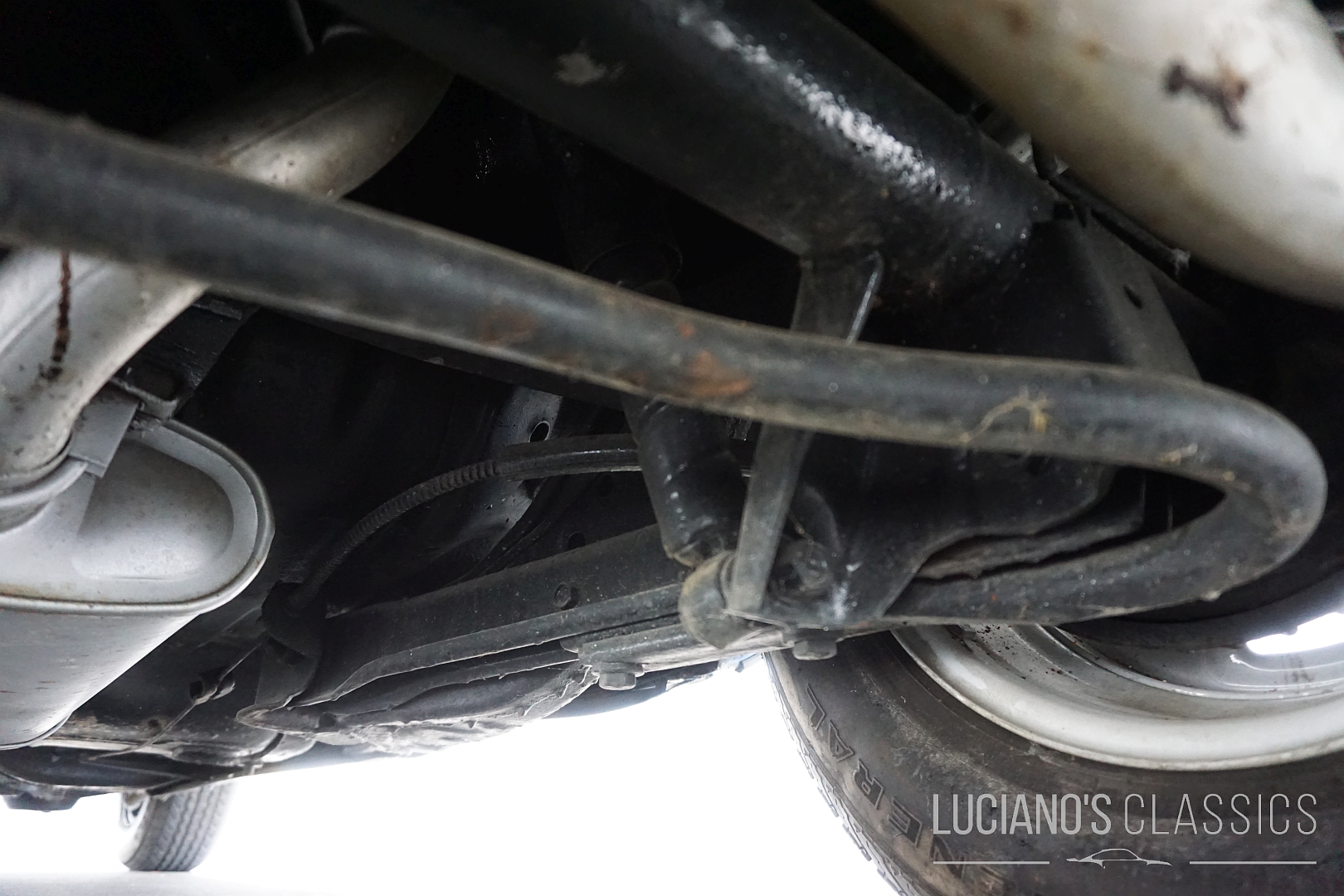
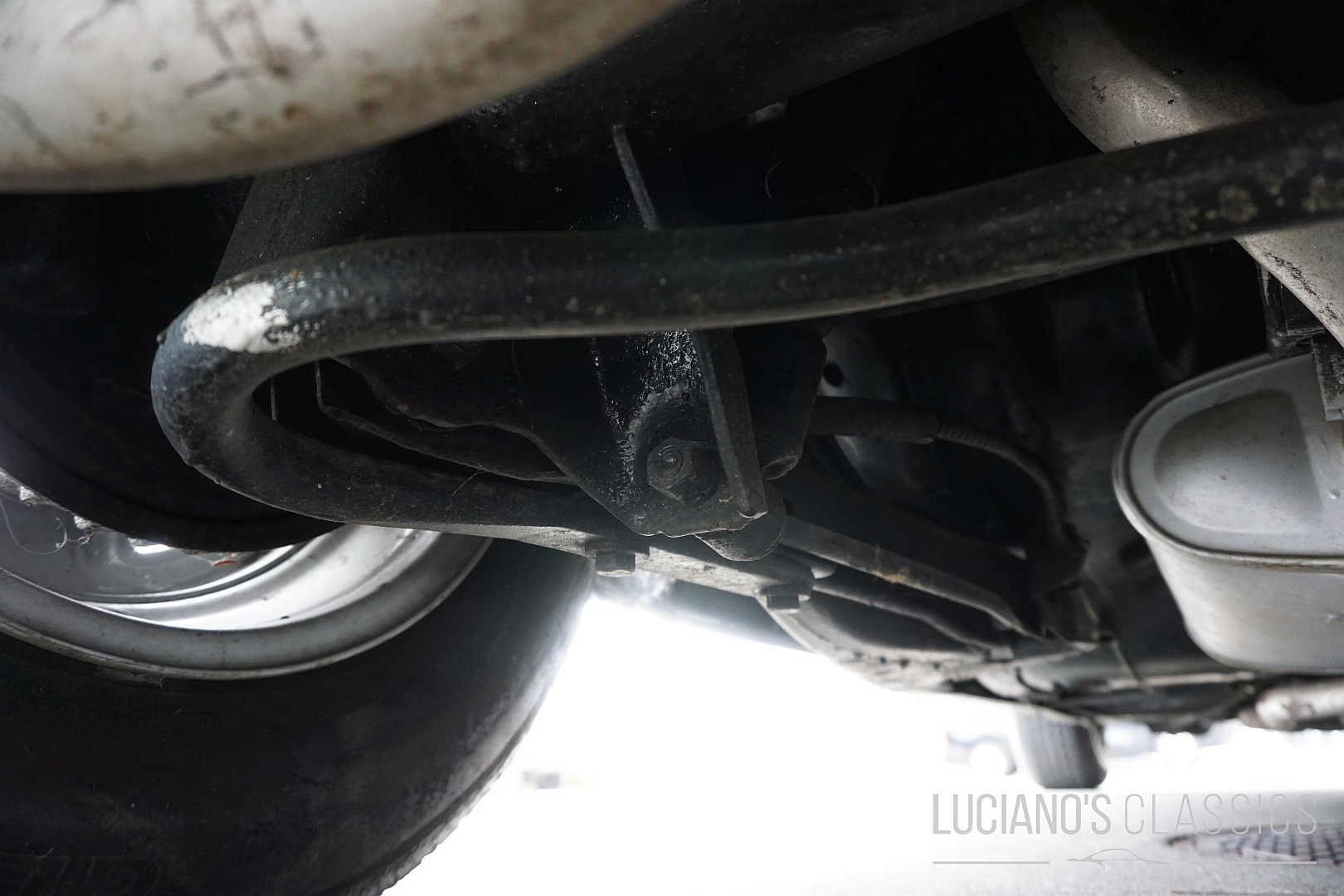
This Pontiac GTO is in very good technical and visual condition. The original interior is well maintained, the chassis, brakes and engine run smoothly and the automatic transmission shifts cleanly. The strong blue exterior has so far successfully resisted rust and, apart from a few inclusions, is also very beautiful.
A GTO like this has become rare - a worthy representative of the last true muscle car generation before the downsizing era began. Perfect for lovers of American icons who appreciate power, character and classic lines.
You can find a video about the GTO at the bottom of this page.
This vehicle has already been sold.

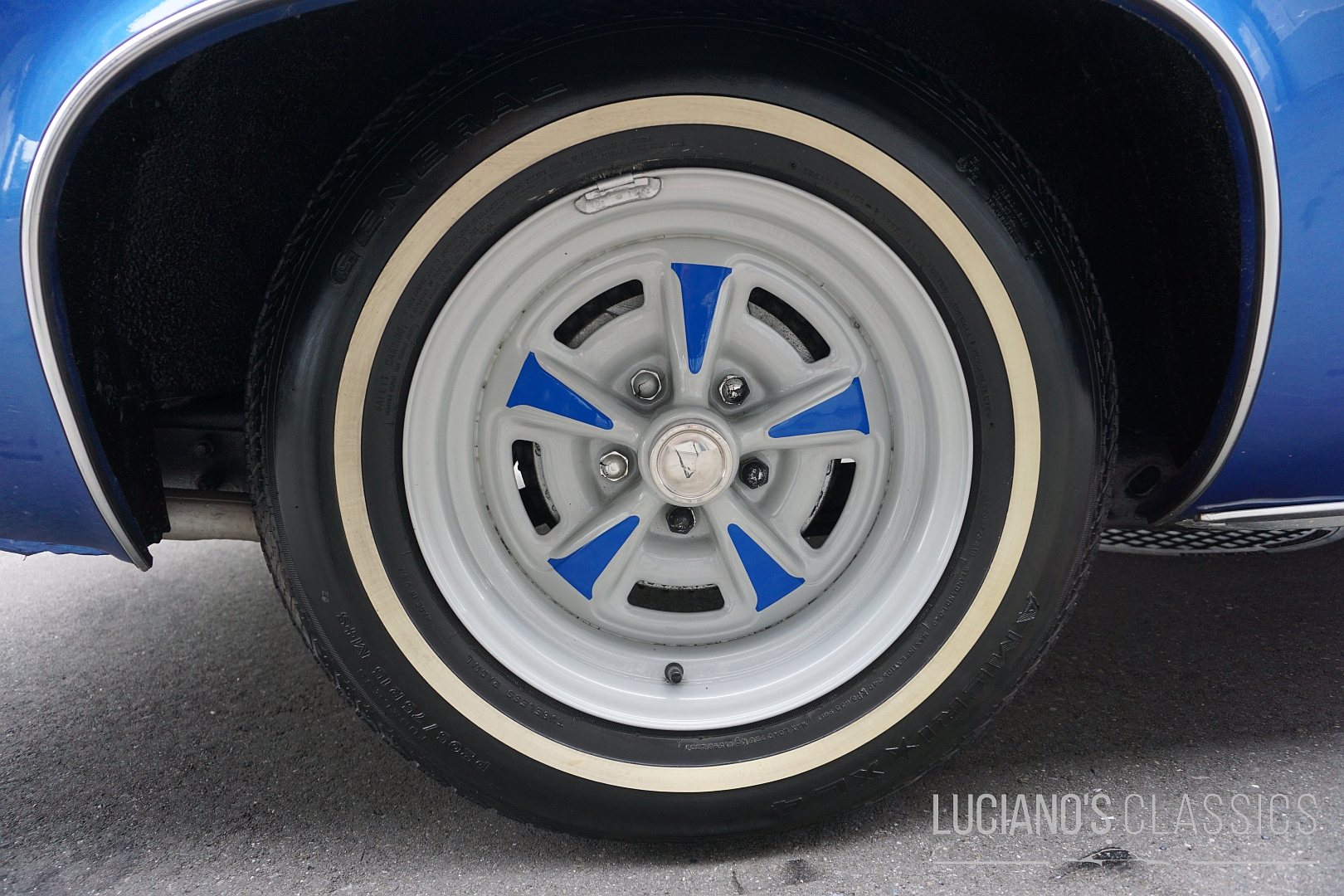
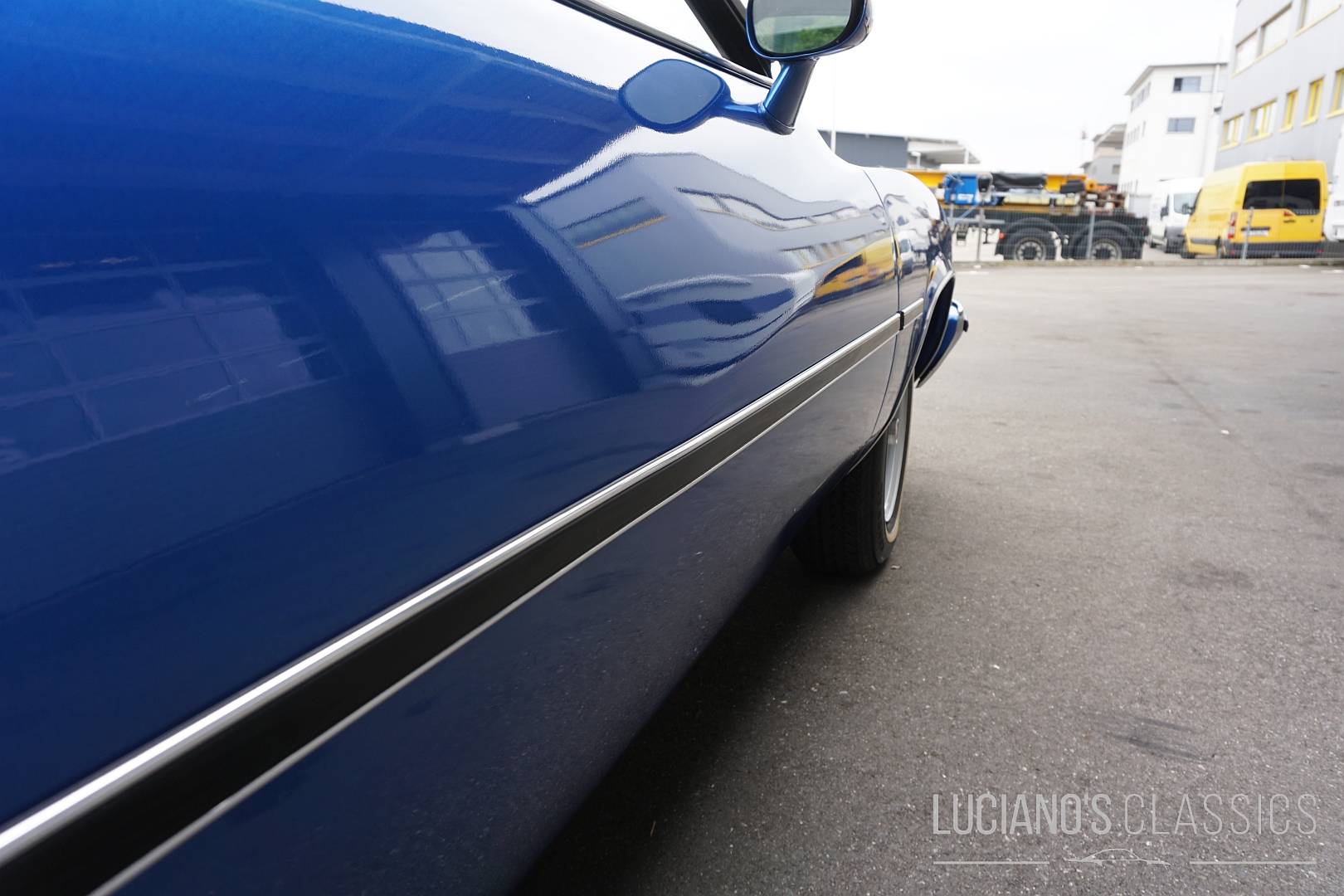
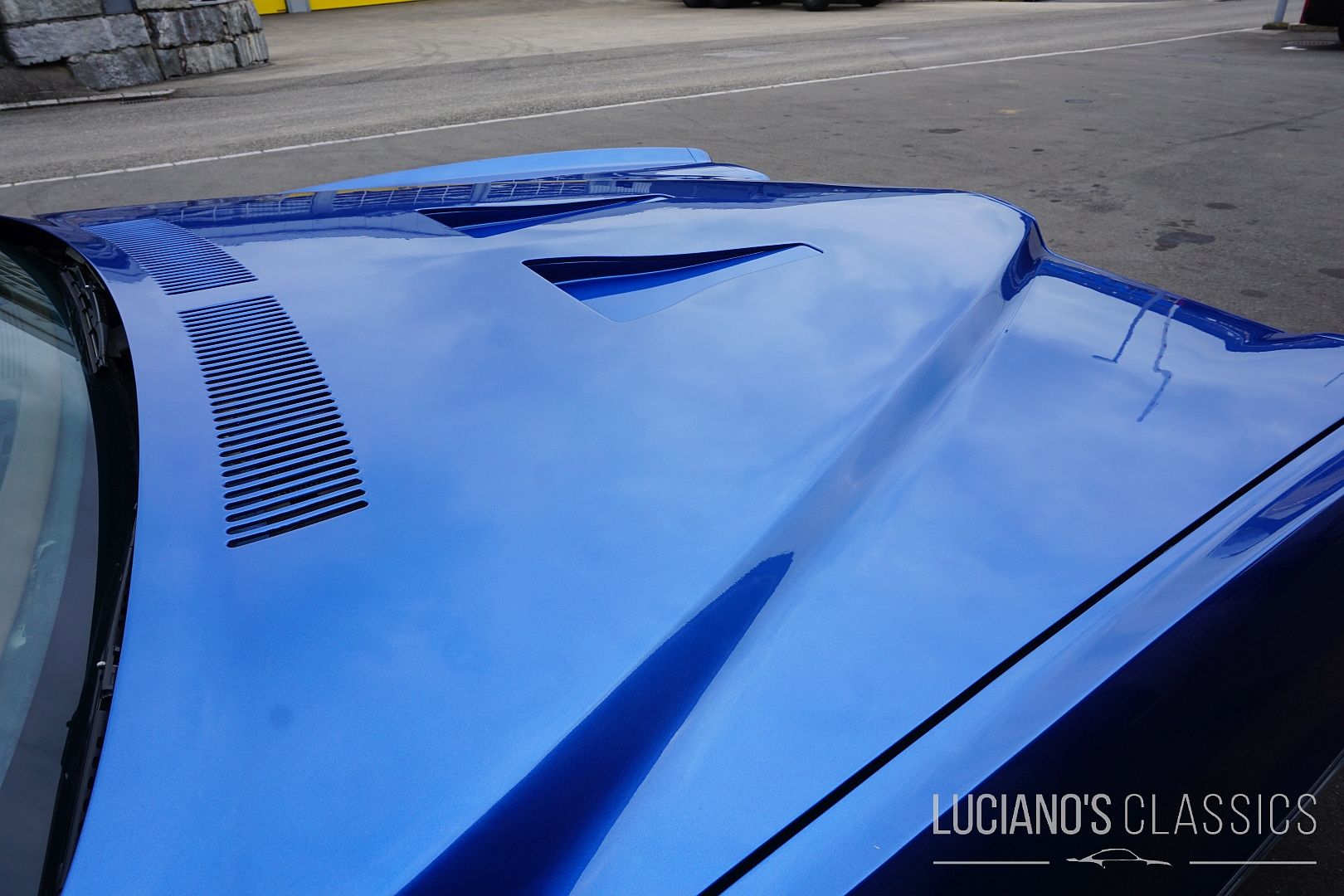
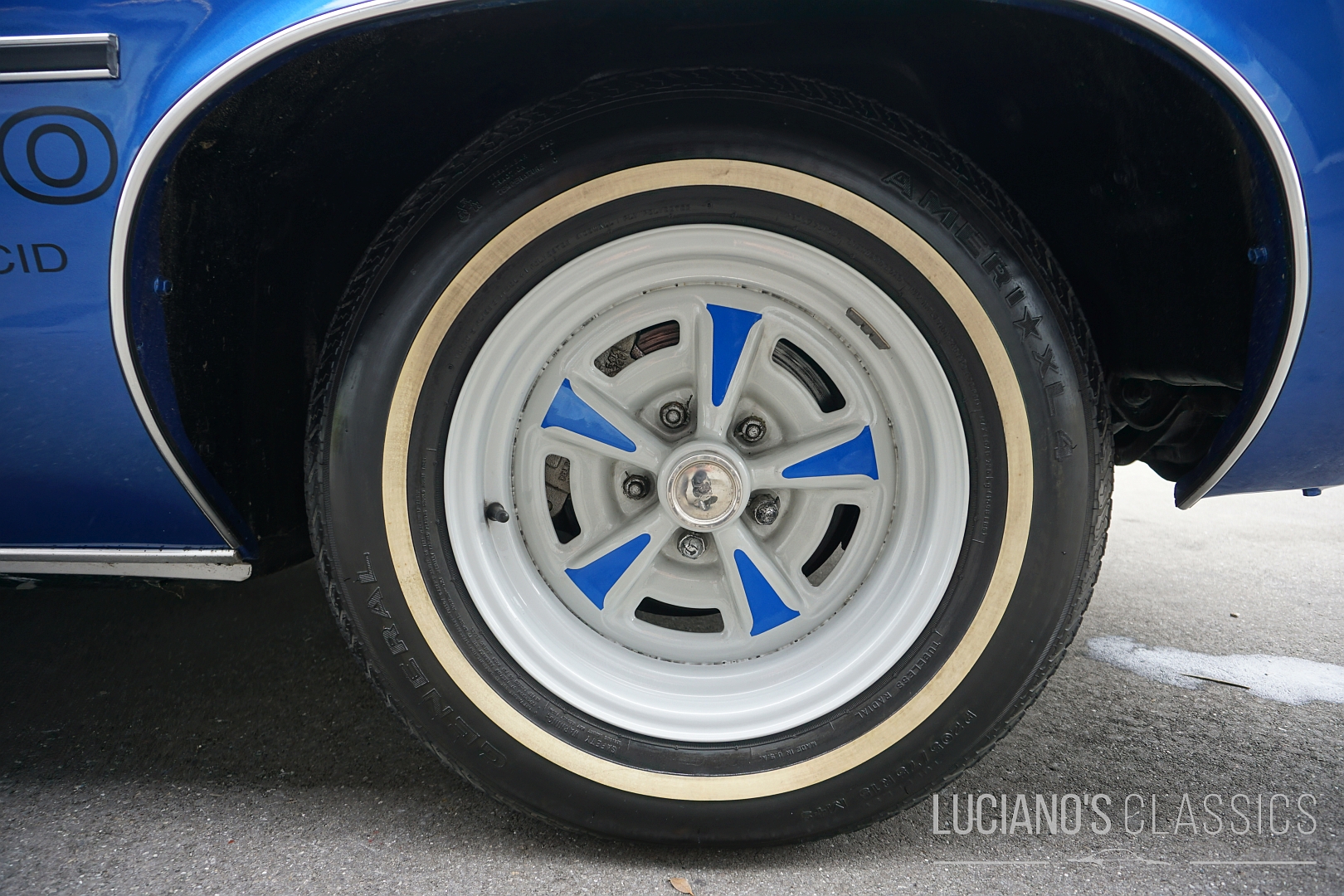
Model history
Muscle car fans owe a huge debt of gratitude to Pontiac, GM's premium brand that set itself apart from entry-level Chevrolet, for creating the muscle car segment from virtually nothing in 1964. For his role in the development of the GTO - an affordable mid-size car with a larger 389ci V8 engine from the full-size Pontiacs - Chief Engineer John Z. DeLorean was promoted to head of the Pontiac division in 1965. After a fantastic start in 1964 with 32,450 vehicles built, the GTO's popularity peaked in 1966 with 96,946 units produced. When a revised mid-range A-body was introduced in 1968, sales figures recovered again and 87,684 vehicles were sold. Nevertheless, by 1972, the last year of the GM A-body platform, sales of the GTO had fallen to just 5,807 vehicles.
By 1970, DeLorean's success at the helm of Pontiac was rewarded with a promotion to head GM's Chevrolet division, but the timing coincided with the performance decline that would characterize the 1970s. DeLorean's successor, F. James McDonald, was the polar opposite of DeLorean and focused his efforts - first at Pontiac in 1970, then at Chevrolet beginning in 1972 - on consolidating and streamlining GM's production. By this time, the focus on performance at Pontiac had shifted to the Firebird, and there seemed little motivation to revive the GTO's waning popularity.
When GM's new Colonnade platform was launched in 1973, the GTO appeared in a beautiful new body that was artfully different from its Colonnade siblings Chevy, Buick and Oldsmobile. Designed in a time just before the OPEC oil embargo and many draconian regulations that would soon restrict muscle cars, GM's Colonnade platform promised much for a new generation of performance cars. Many improvements were built in from the start, from larger engine compartments for big-block V8 engines to stiffer frames, radial tires, disc brakes and optimized suspensions. Still, all of GM's Colonnade models suffered from 5-mph bumpers and wheezy, smog-ridden engines.
By 1972, sales of the GTO had plummeted so much that it was no longer offered as a standalone Pontiac model, but as a trim level of the LeMans. Entering 1973 with the new Colonnade platform, the GTO continued to struggle, with sales again dropping from 5,807 units (1972) to just 4,806 (1973). Ironically, the futuristically styled Grand Am - designed by Bill Collins, deputy chief engineer, and John Seaton, chassis engineer - was also on Pontiac's agenda. It had taken on the new role of a European-oriented luxury performance coupe and, with the Super Duty 455ci V-8, became an upper-class muscle car for gentlemen. More importantly, the Grand Am cannibalized GTO sales, as it was also built on the same Colonnade platform and shared much of its design and virtually its entire powertrain with the GTO.
In comparison, the 1973 LeMans GTO was more of a throwback to its early muscle car beginnings, as it was a modest performance upgrade over the base LeMans coupe (D37) or the LeMans sports coupe (F37). Although the once feared 250 hp 455ci was still available for the GTO in 1973, only 544 buyers were found for it. The remaining vehicles were equipped with the 230 hp RPO-L78 4bbl 400ci V-8. Transmission choices included a standard Muncie three-speed manual, an optional Turbo 400 automatic or the rare Muncie four-speed manual.
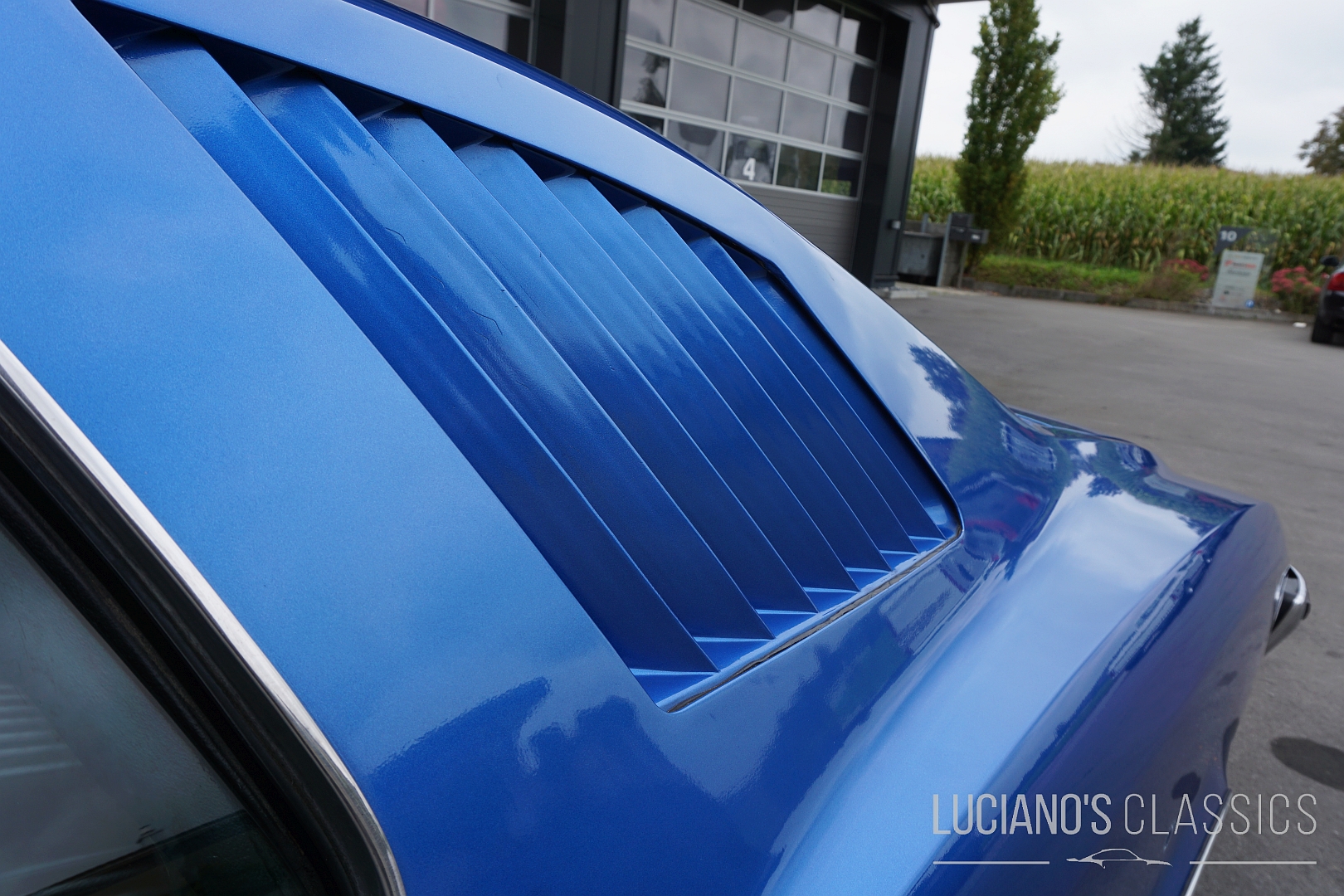
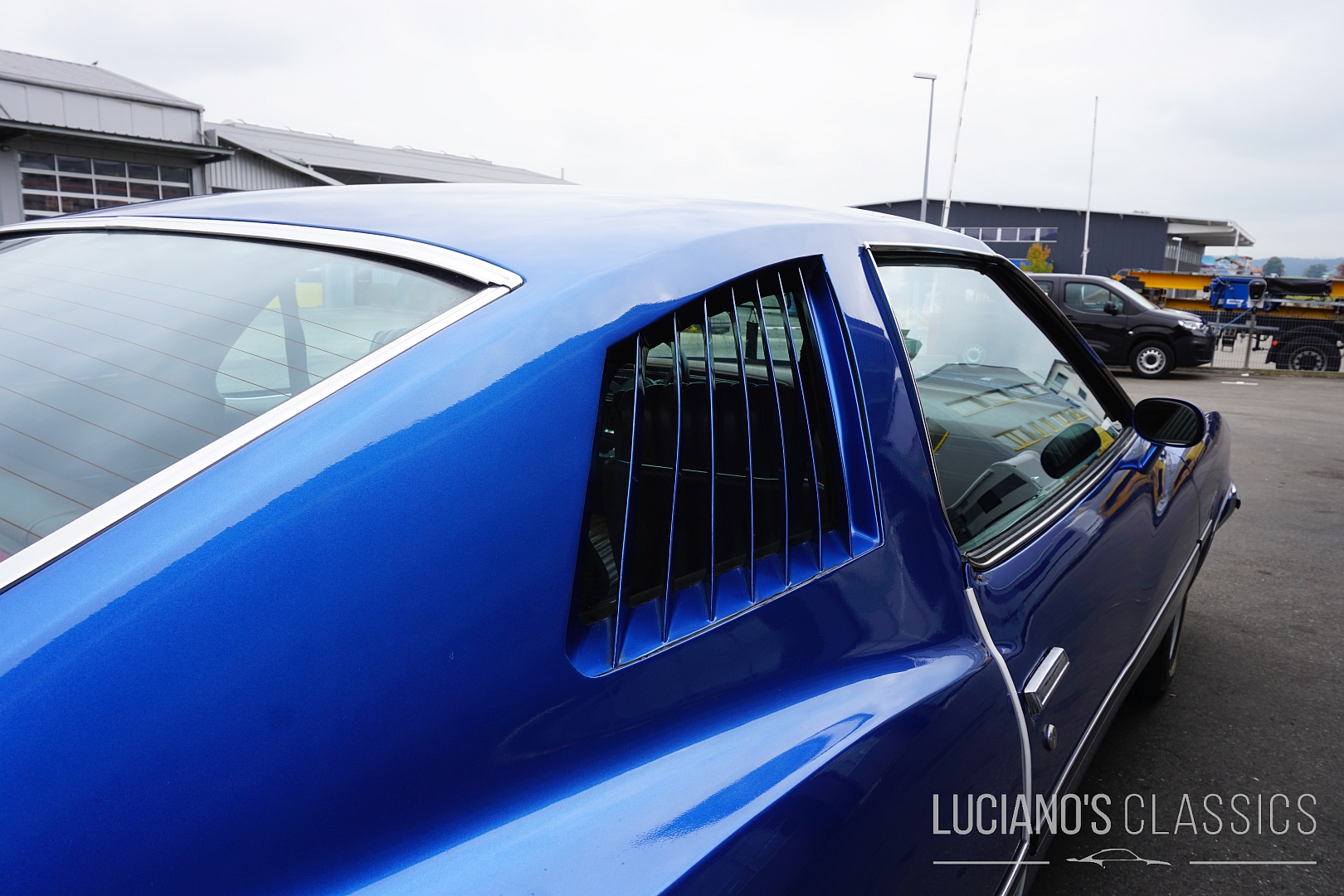
Visually, there were hardly any differences between the GTOs, which were based on the D37 LeMans Coupé and the F37 LeMans Sport Coupé, but a clear distinguishing feature is the louvre trim on the side windows of the F37 Sport Coupé.
Details
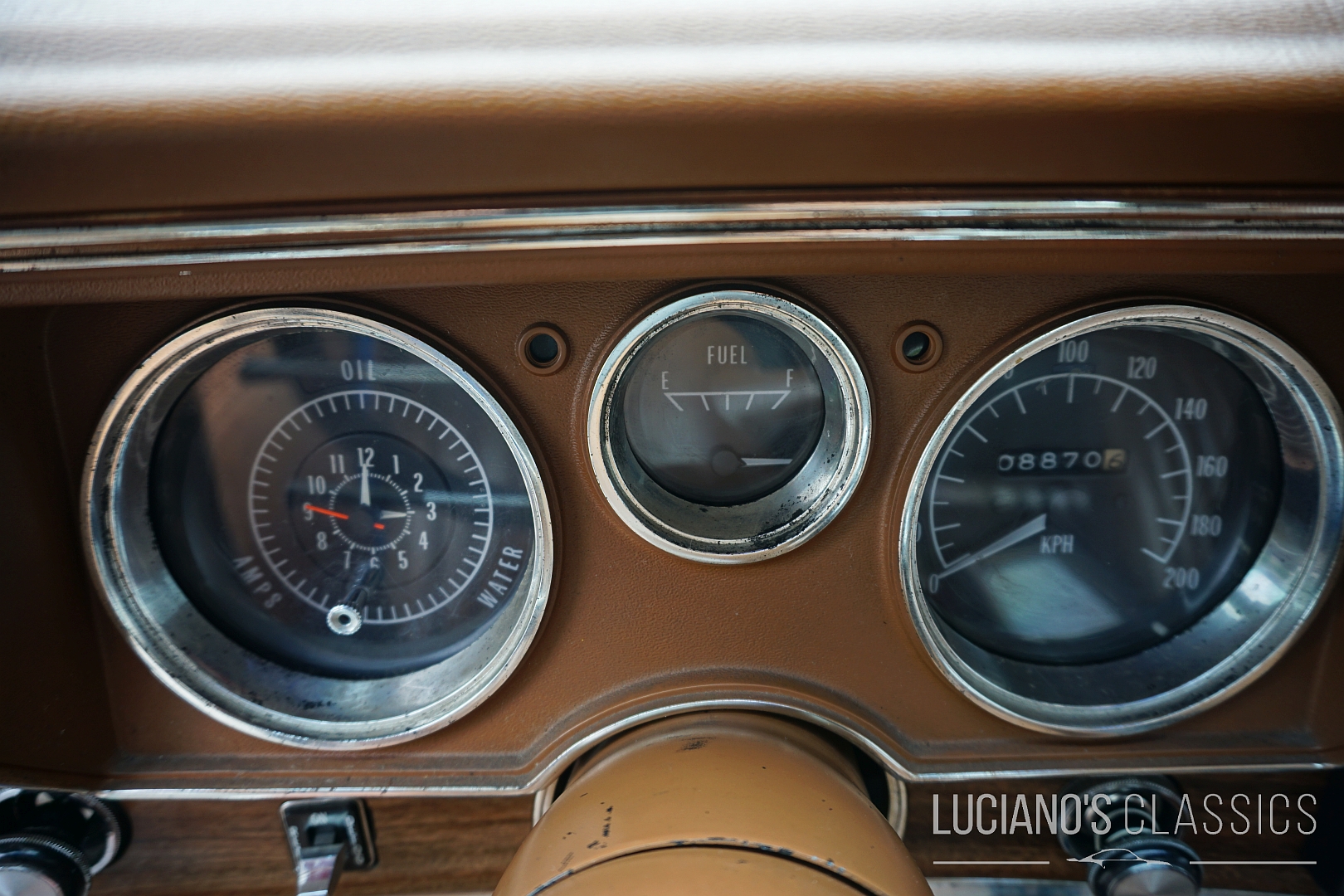
- 108’870 km
- 1. inv. 23.05.1973
- Veteran MFK on sale
- 6,558 cc V8 engine
- 230 HP
- Type certificate SC0000
- Master number 048.001.166
- Chassis 2F37T3P325033
- Unladen weight 1900 kg
- Payload 350 kg
not what you are looking for?
We will be happy to find your individual dream vehicle.
Simply make a non-binding inquiry and benefit from our network.