
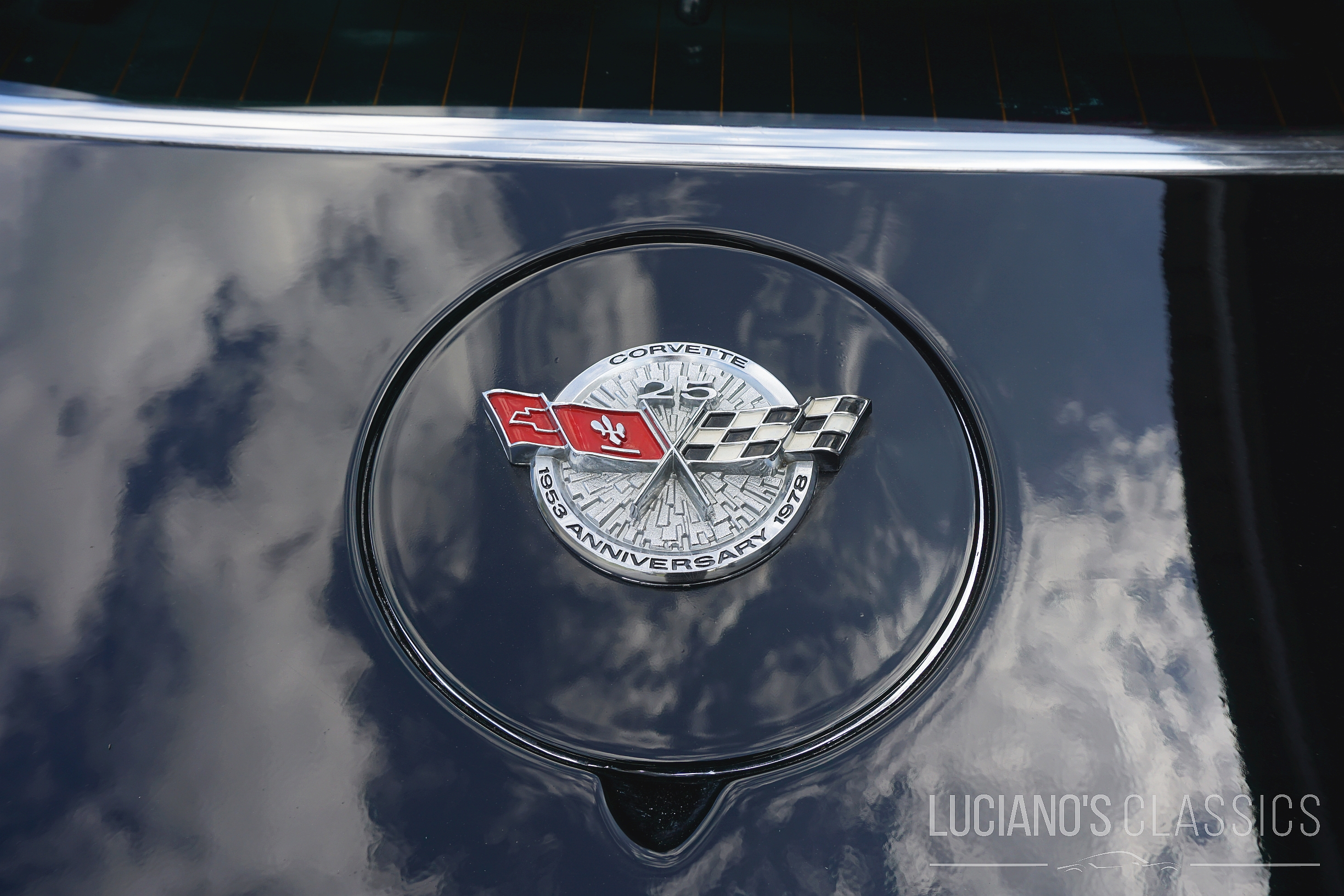
Chevrolet Corvette C3 "anniversary Edition"
Description
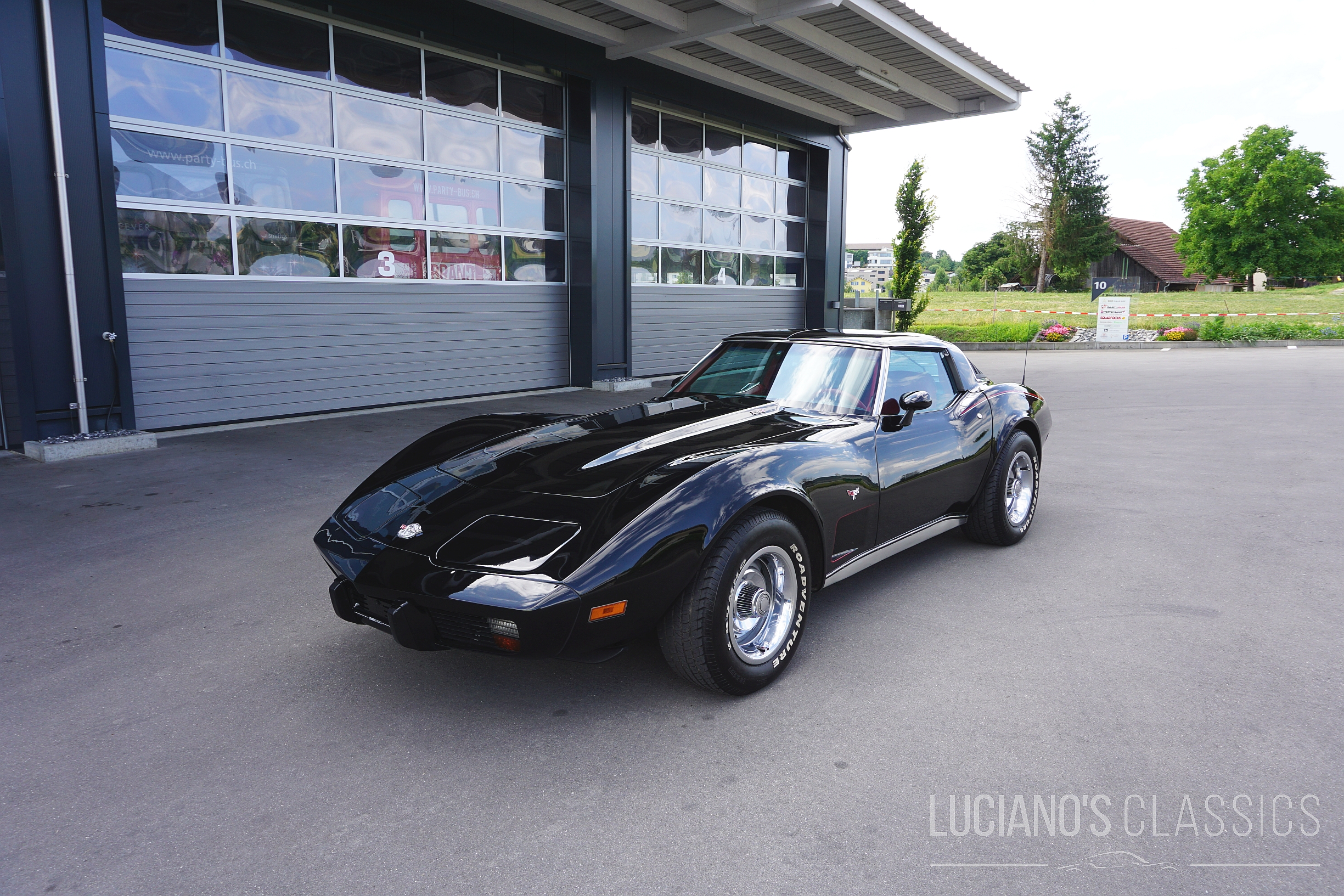
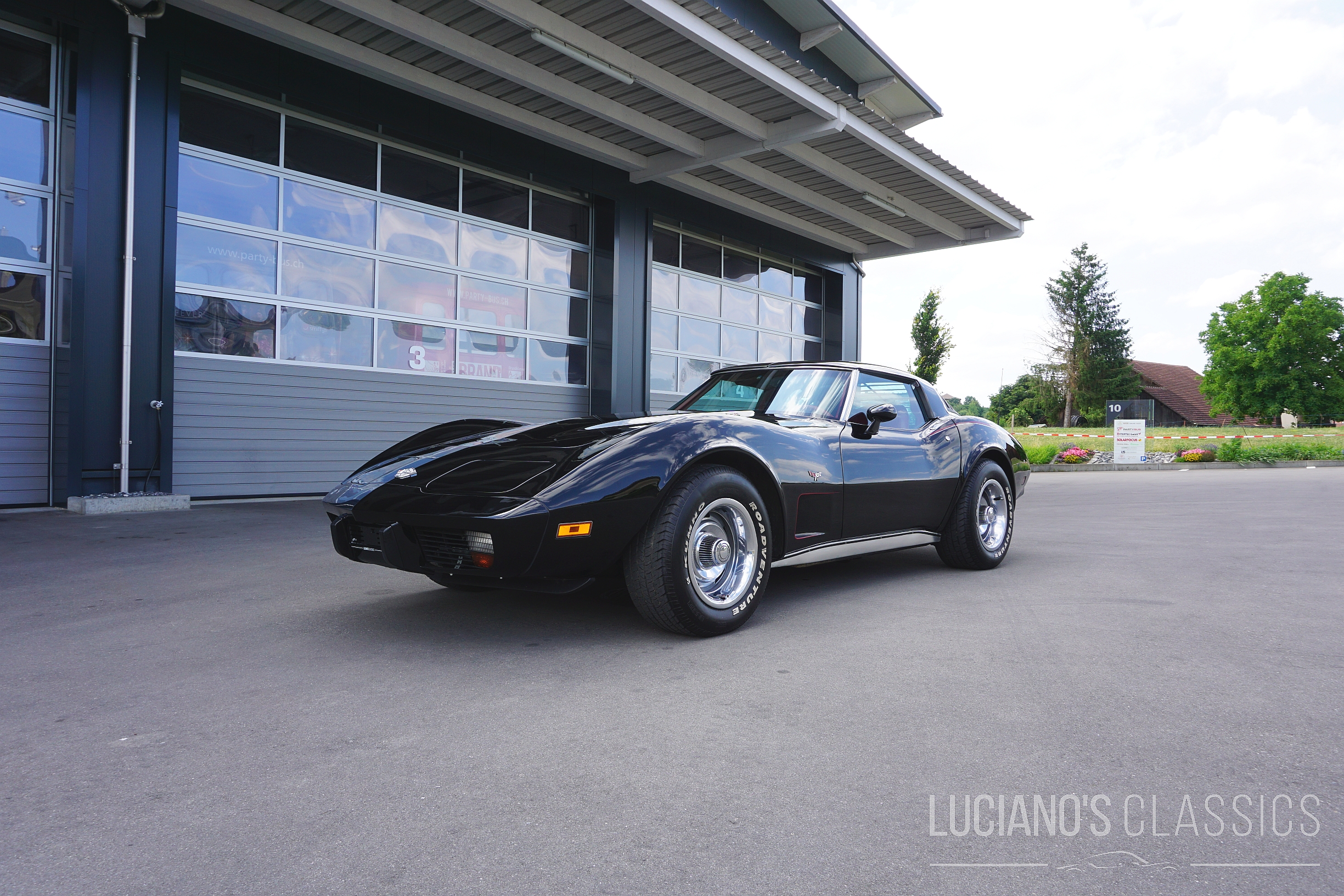
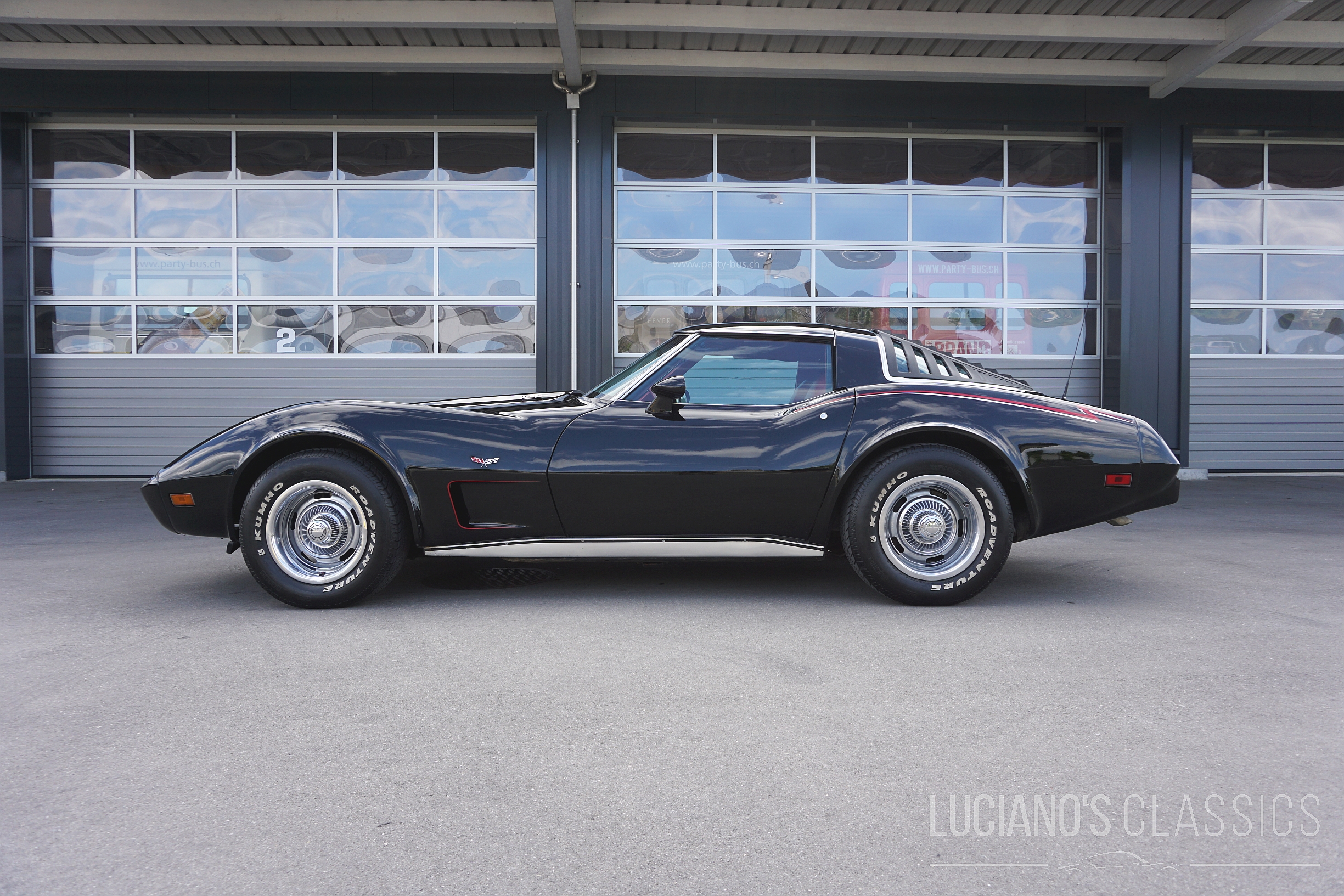
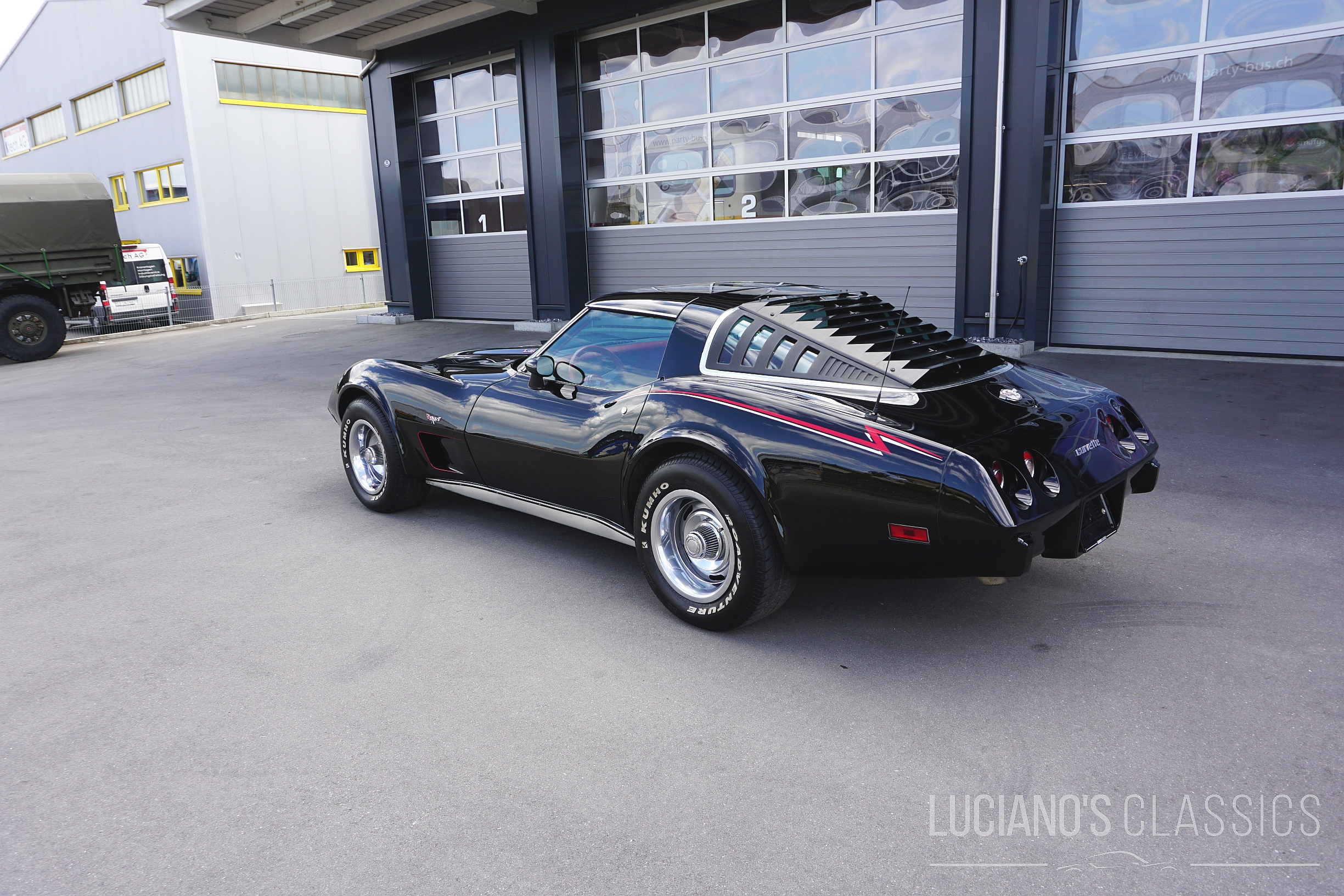
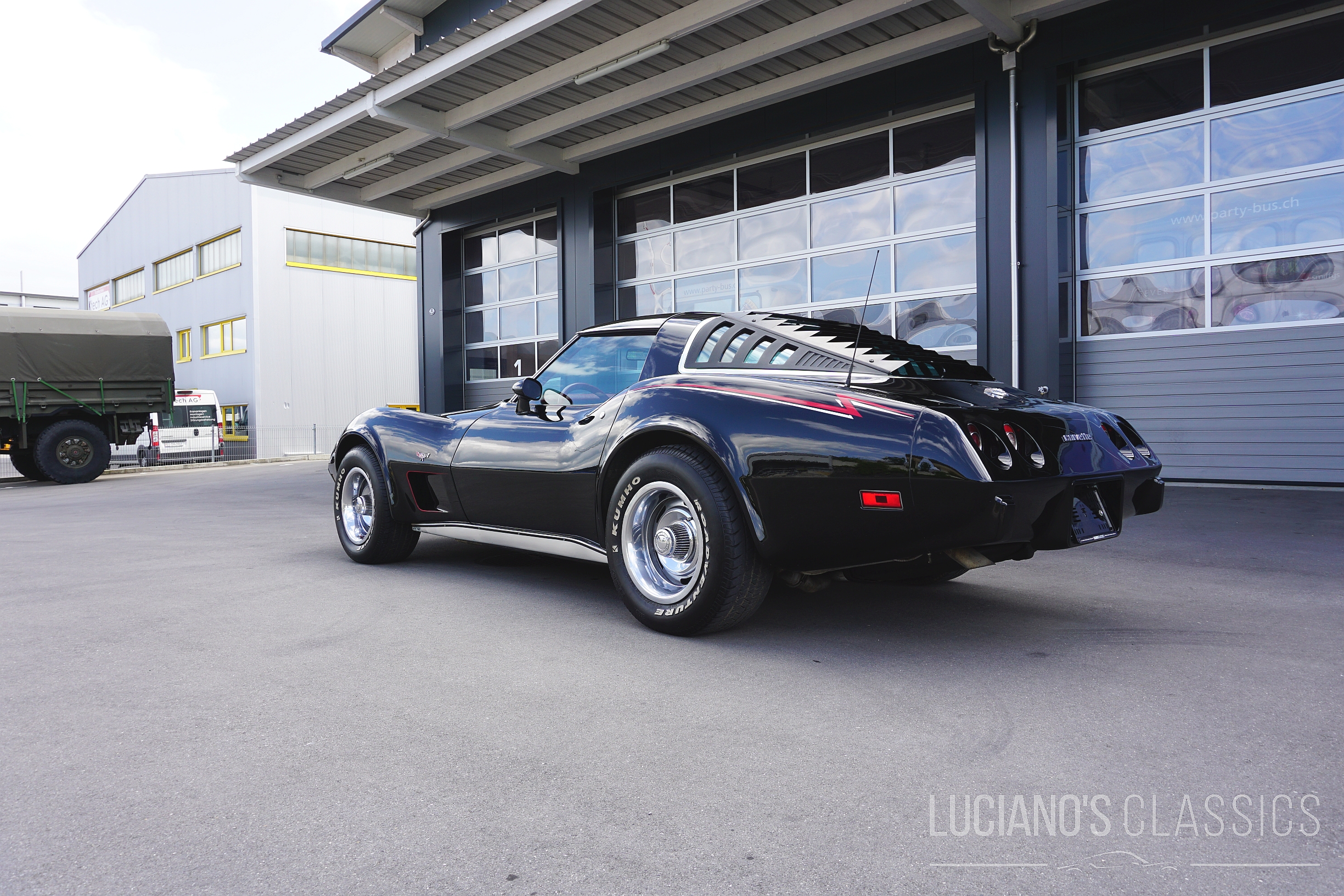
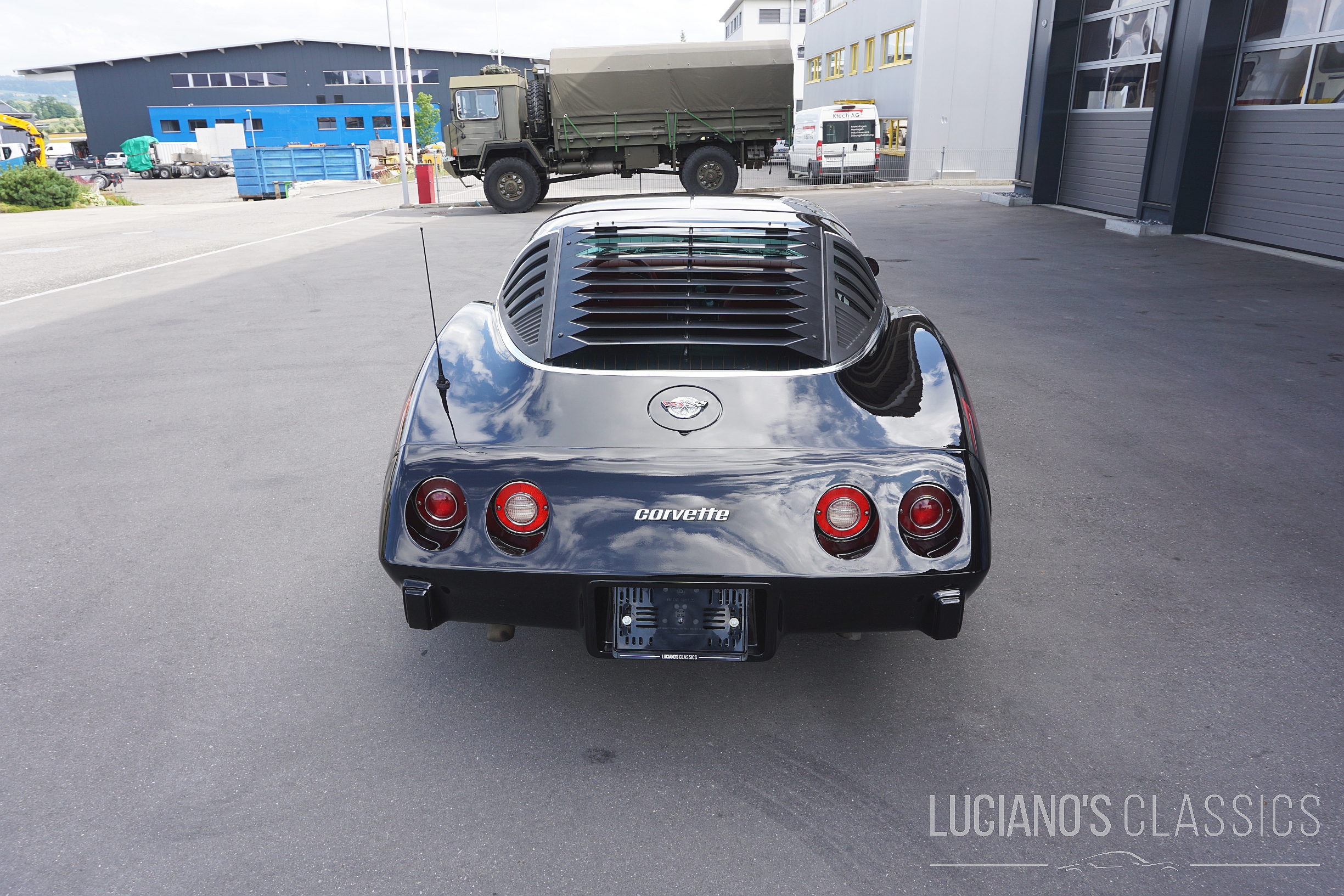
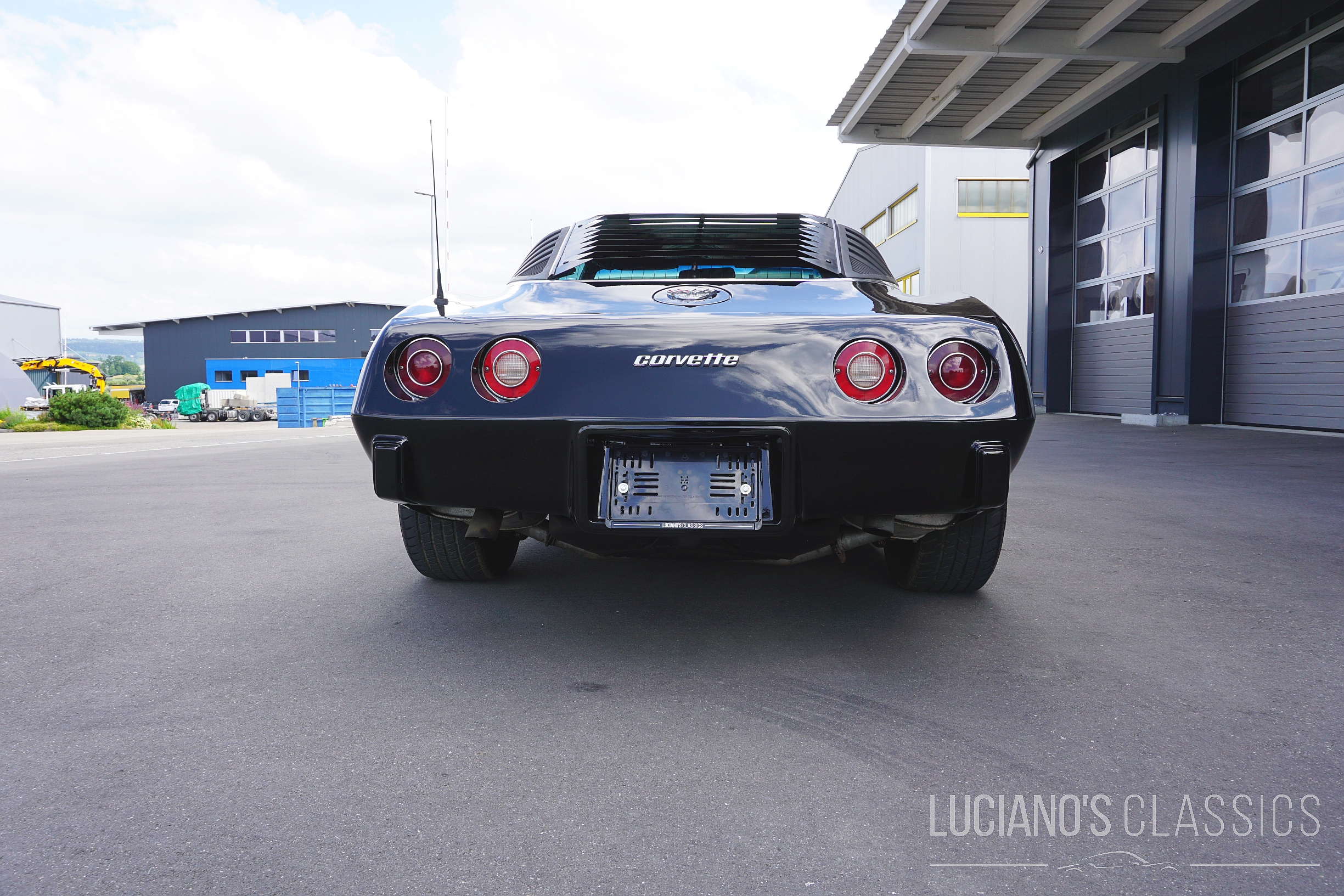
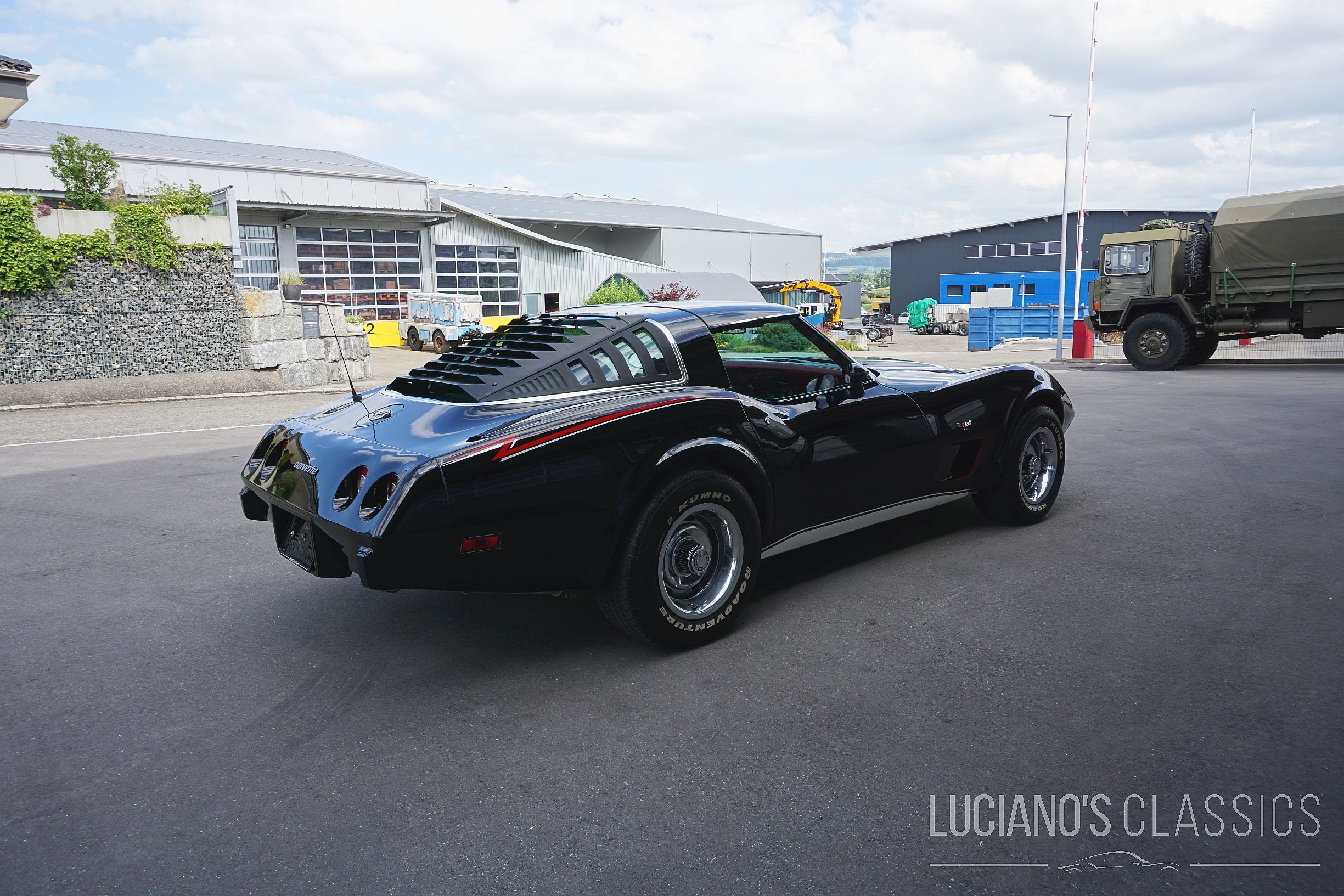
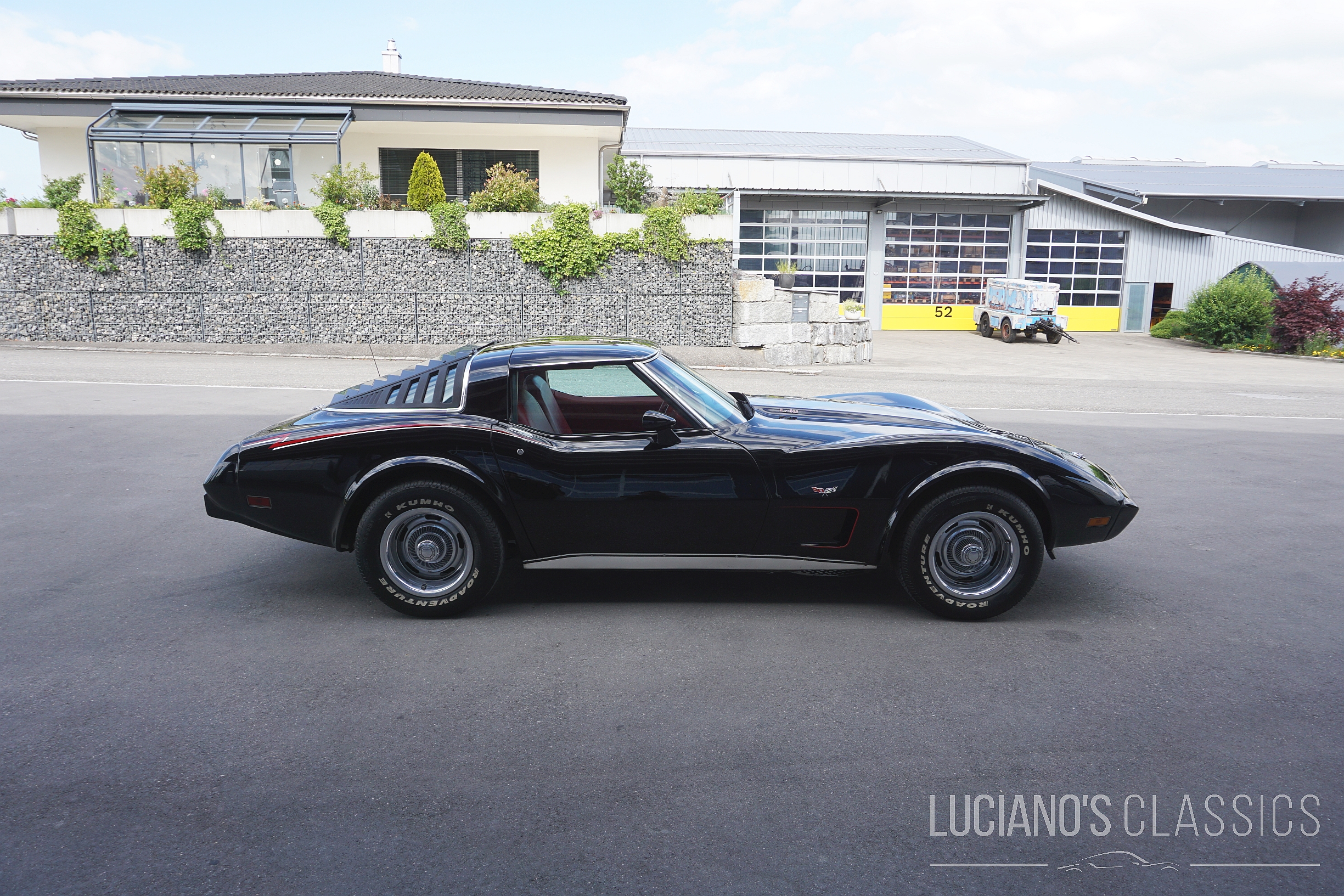
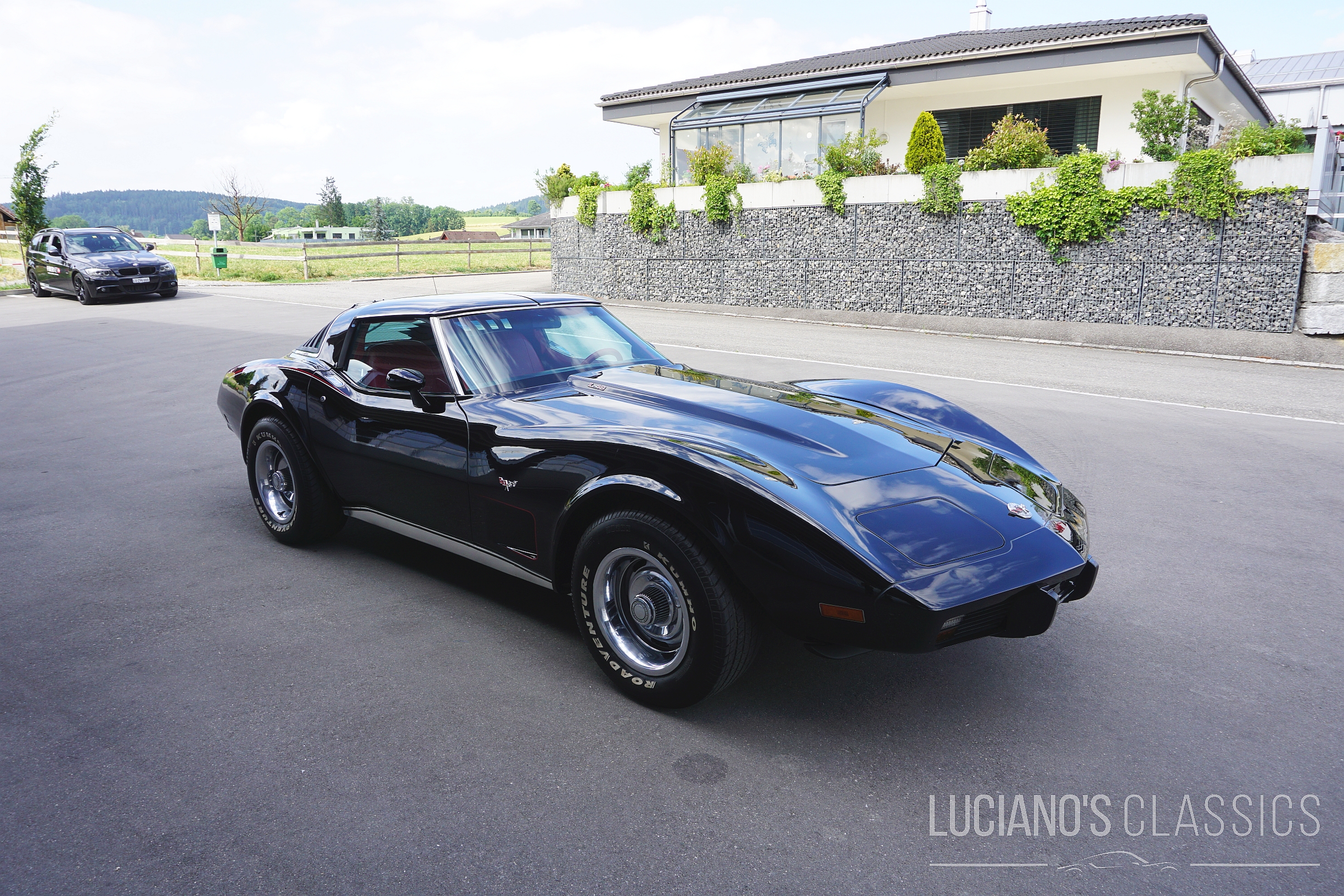
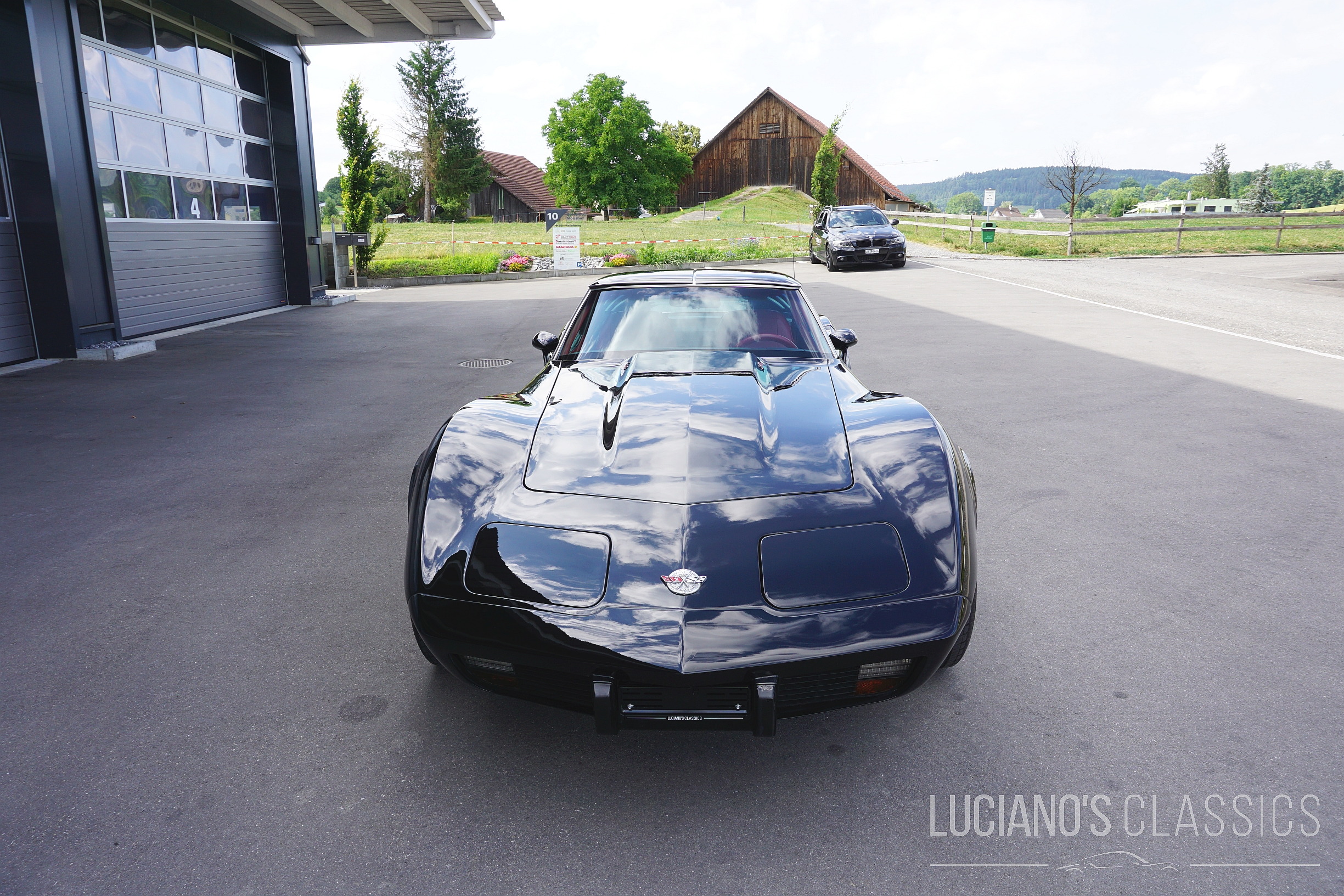
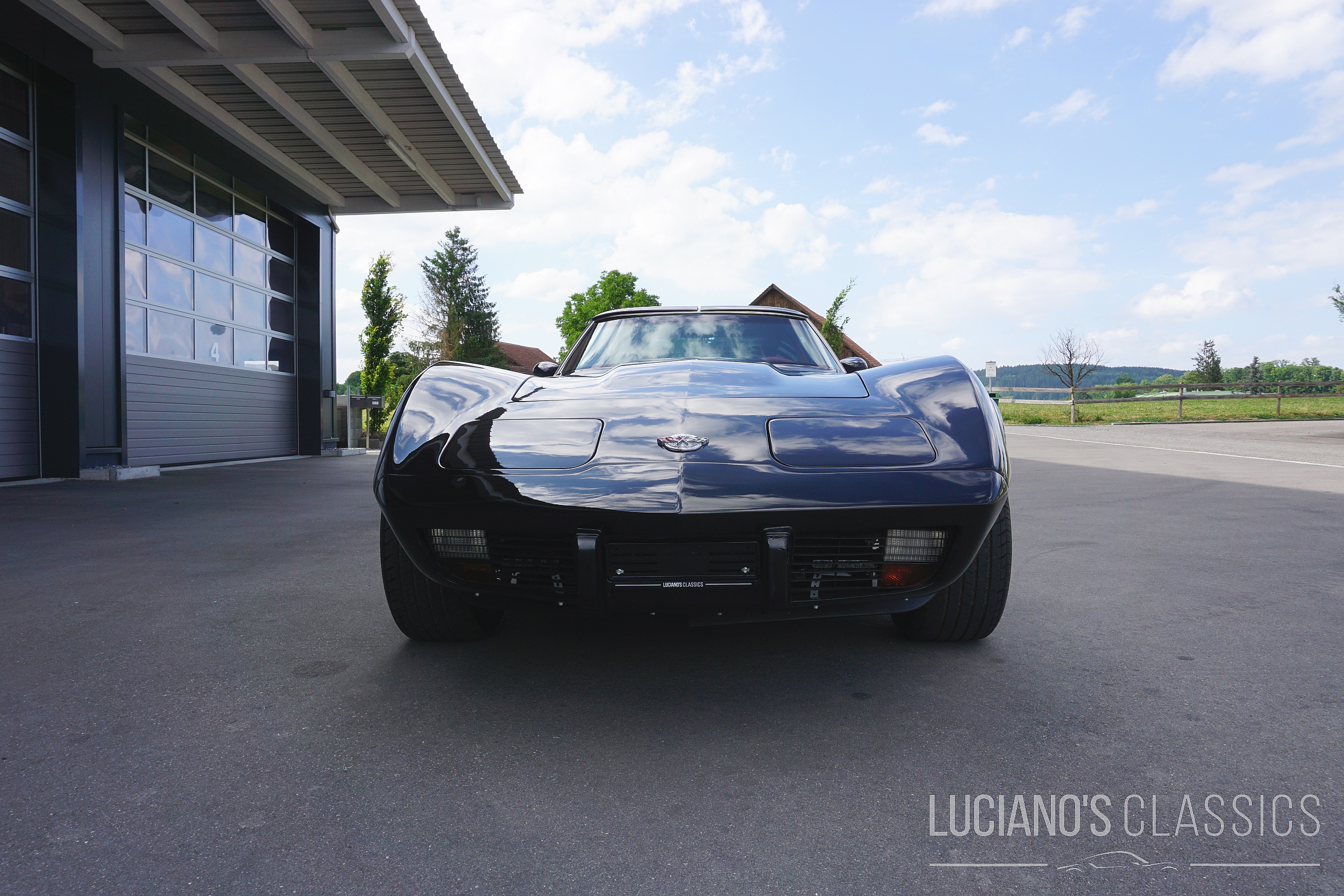
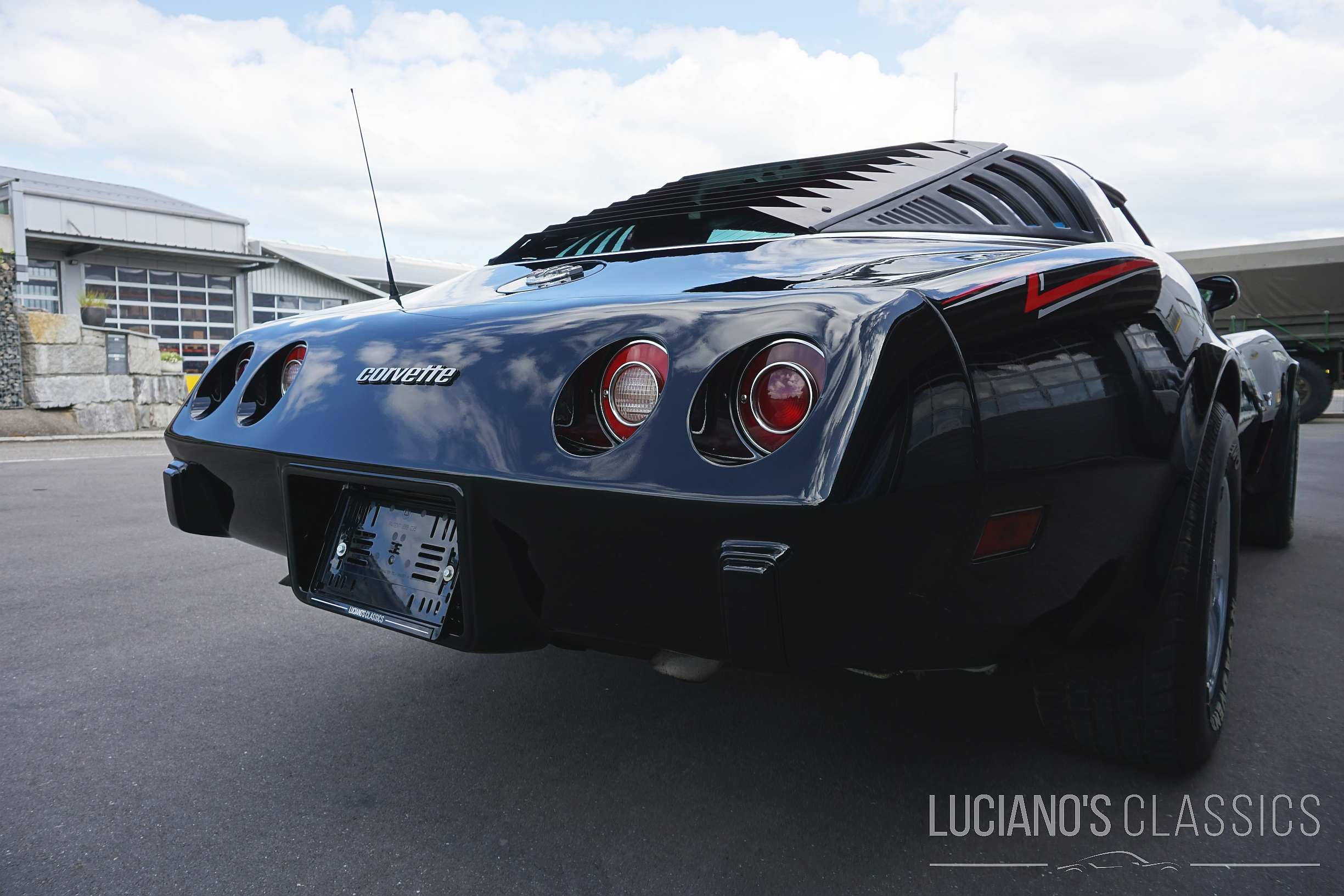
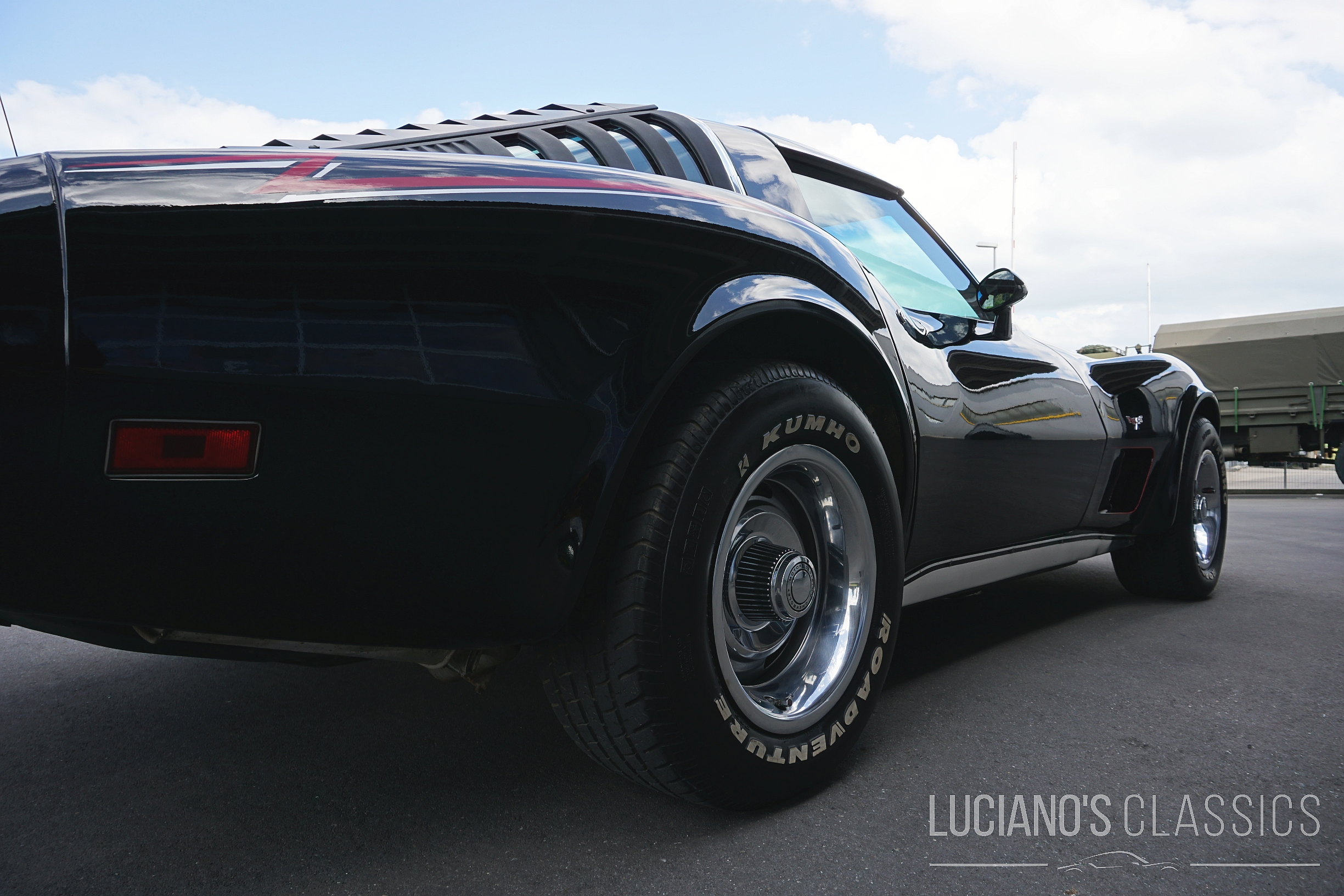
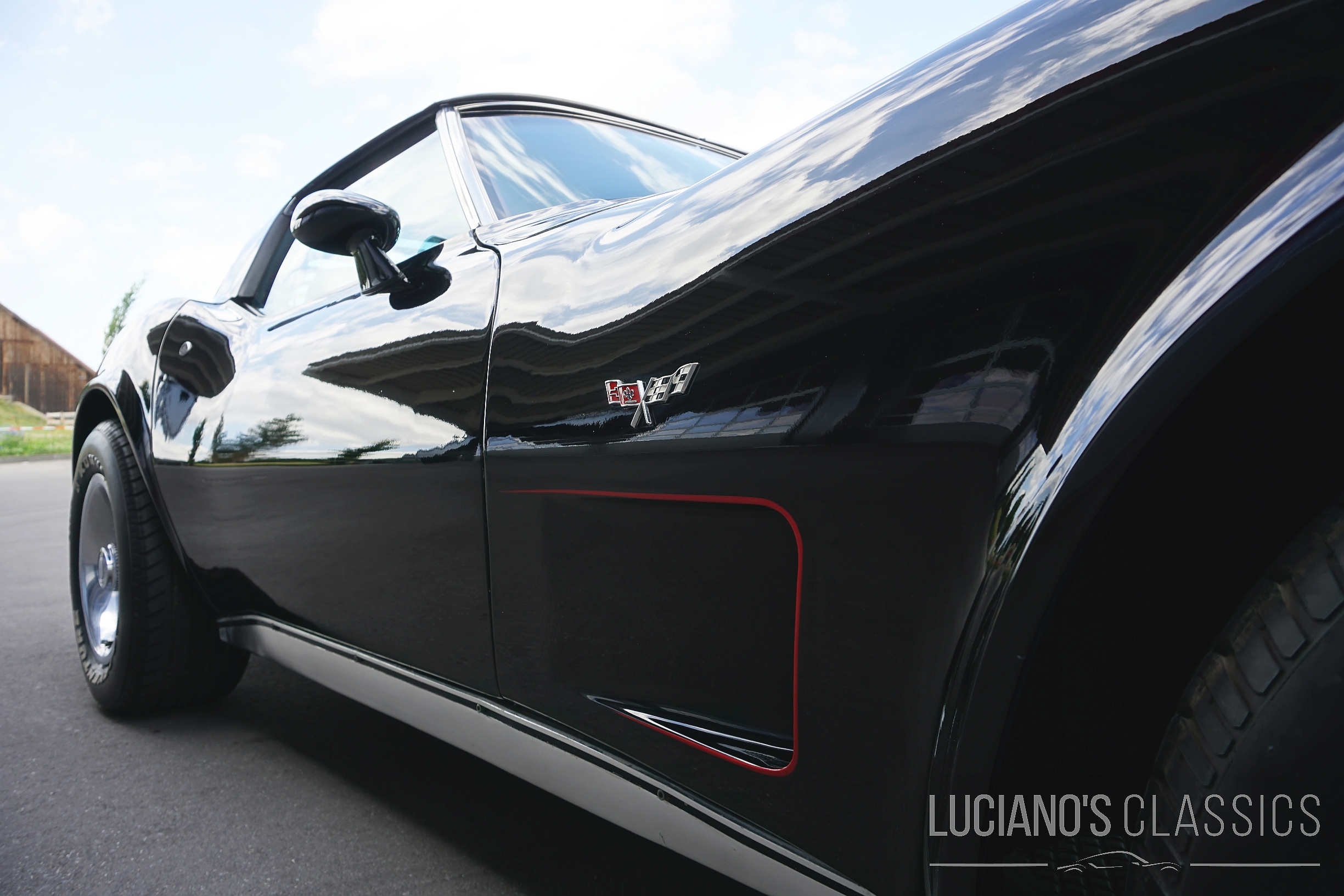
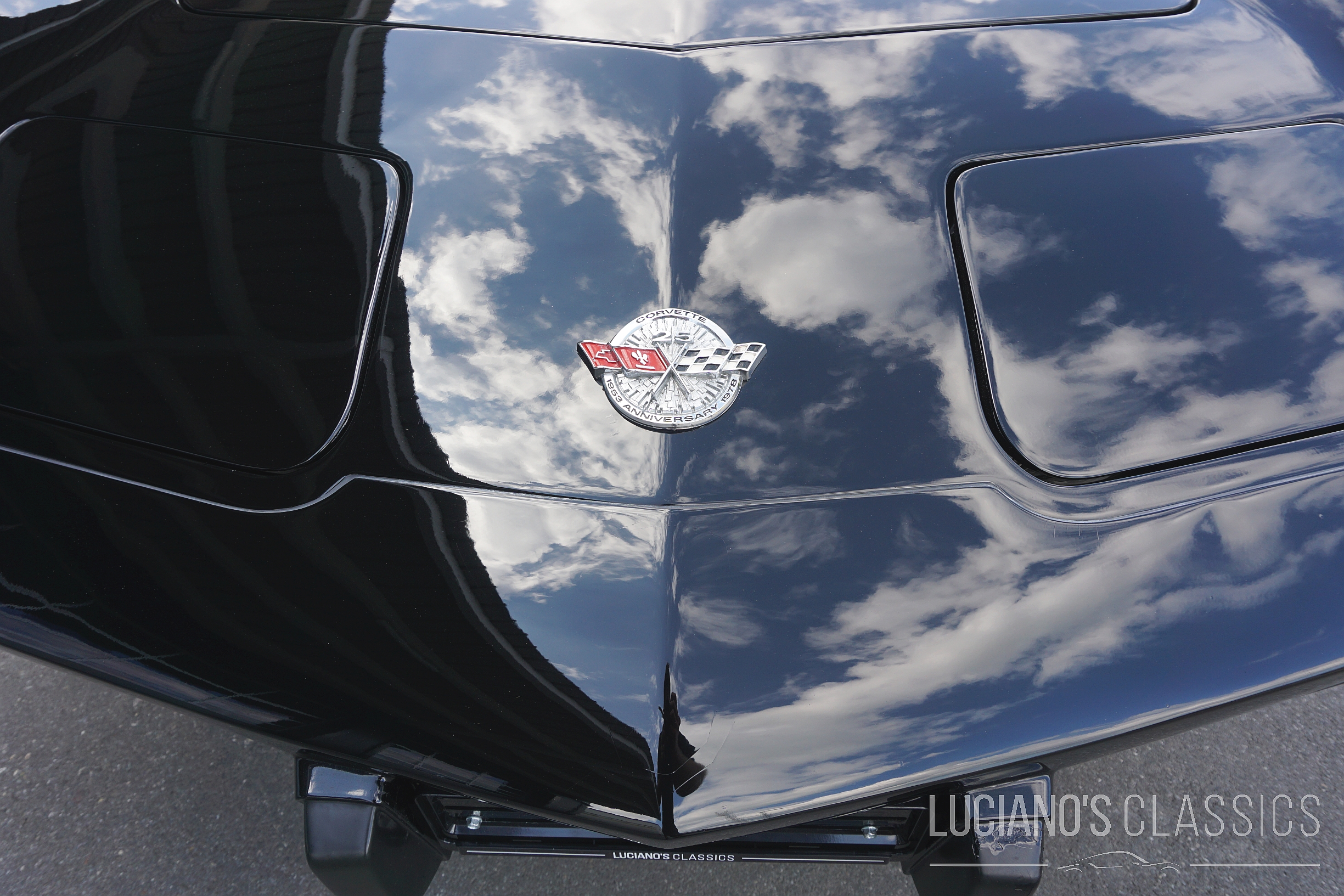
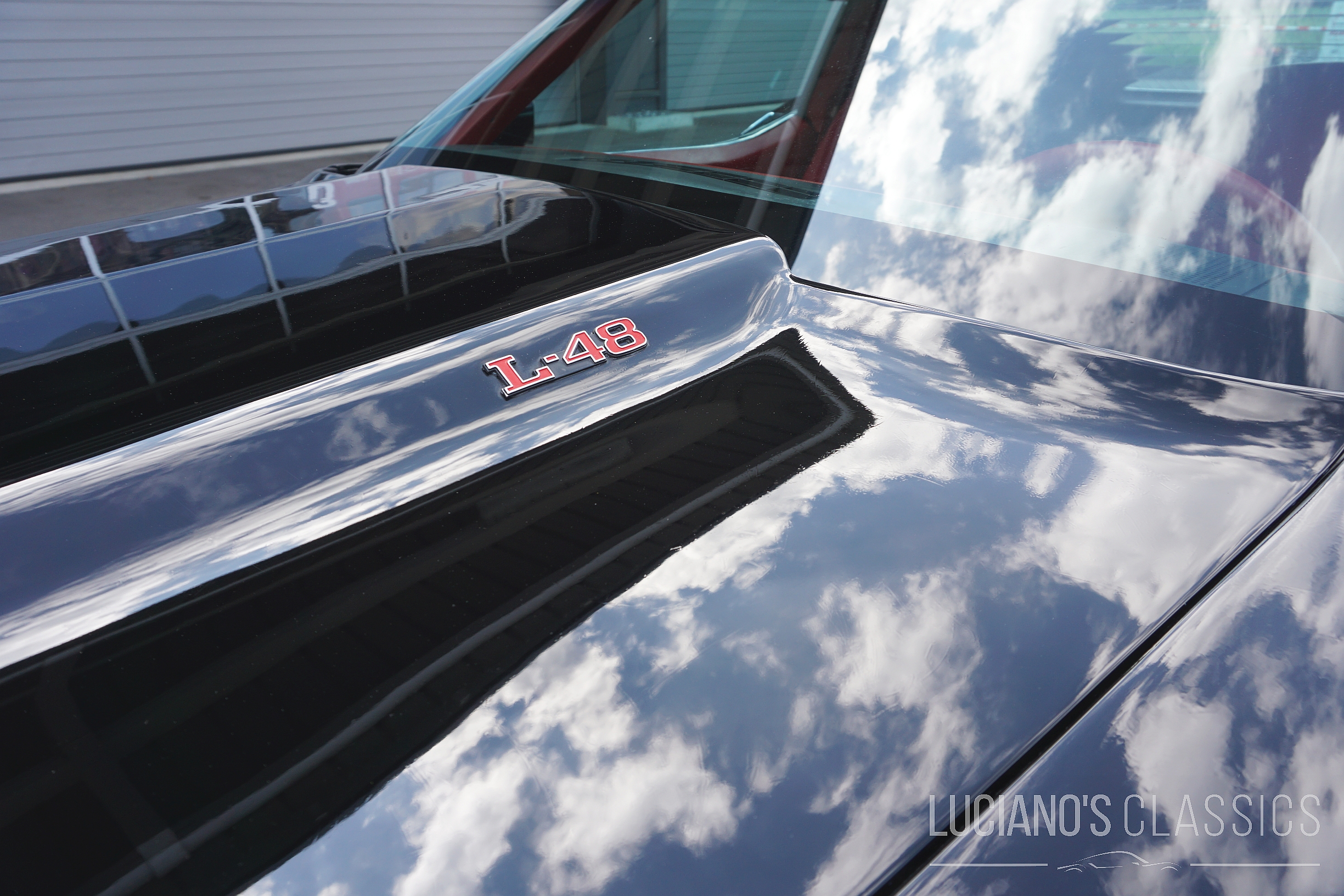
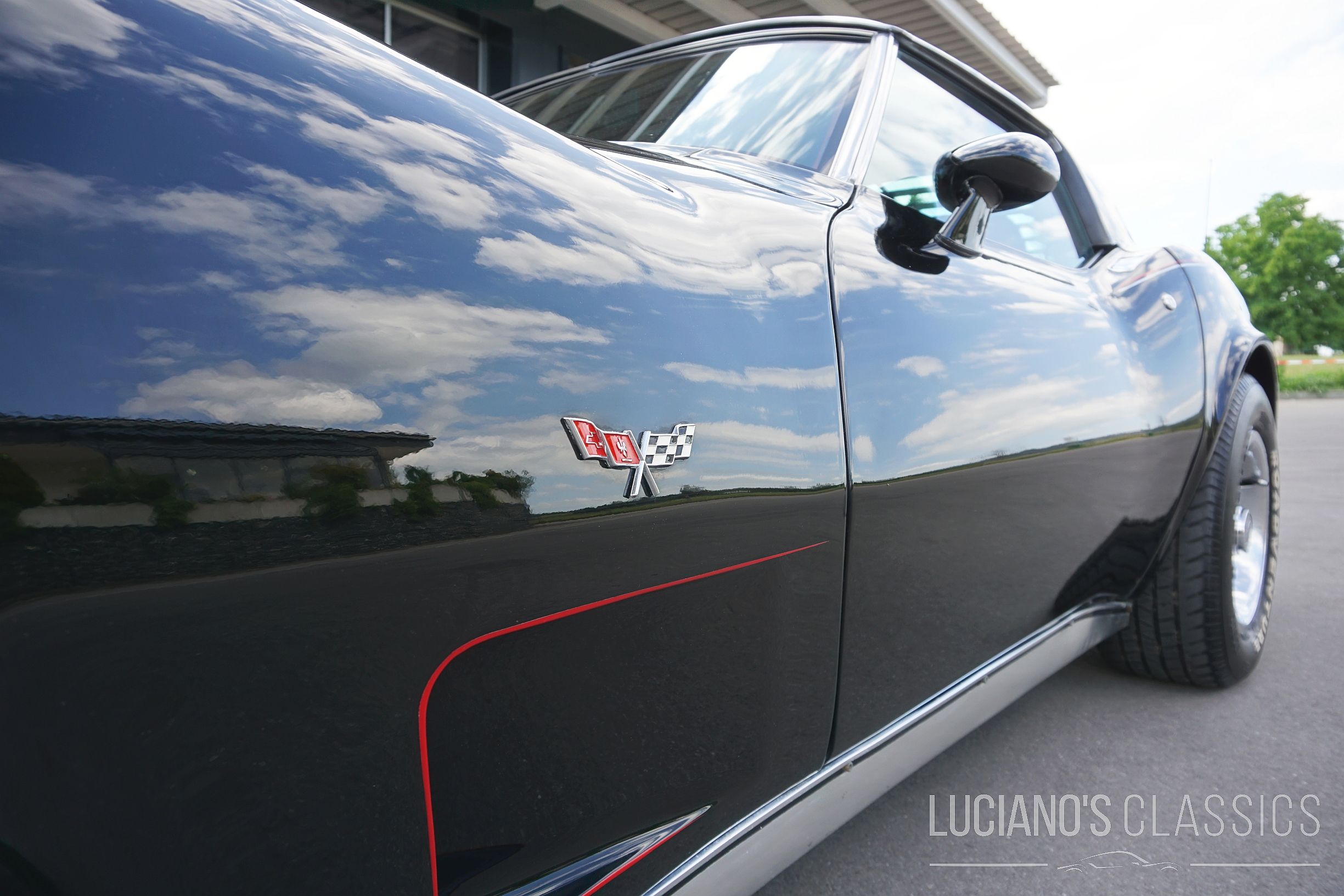
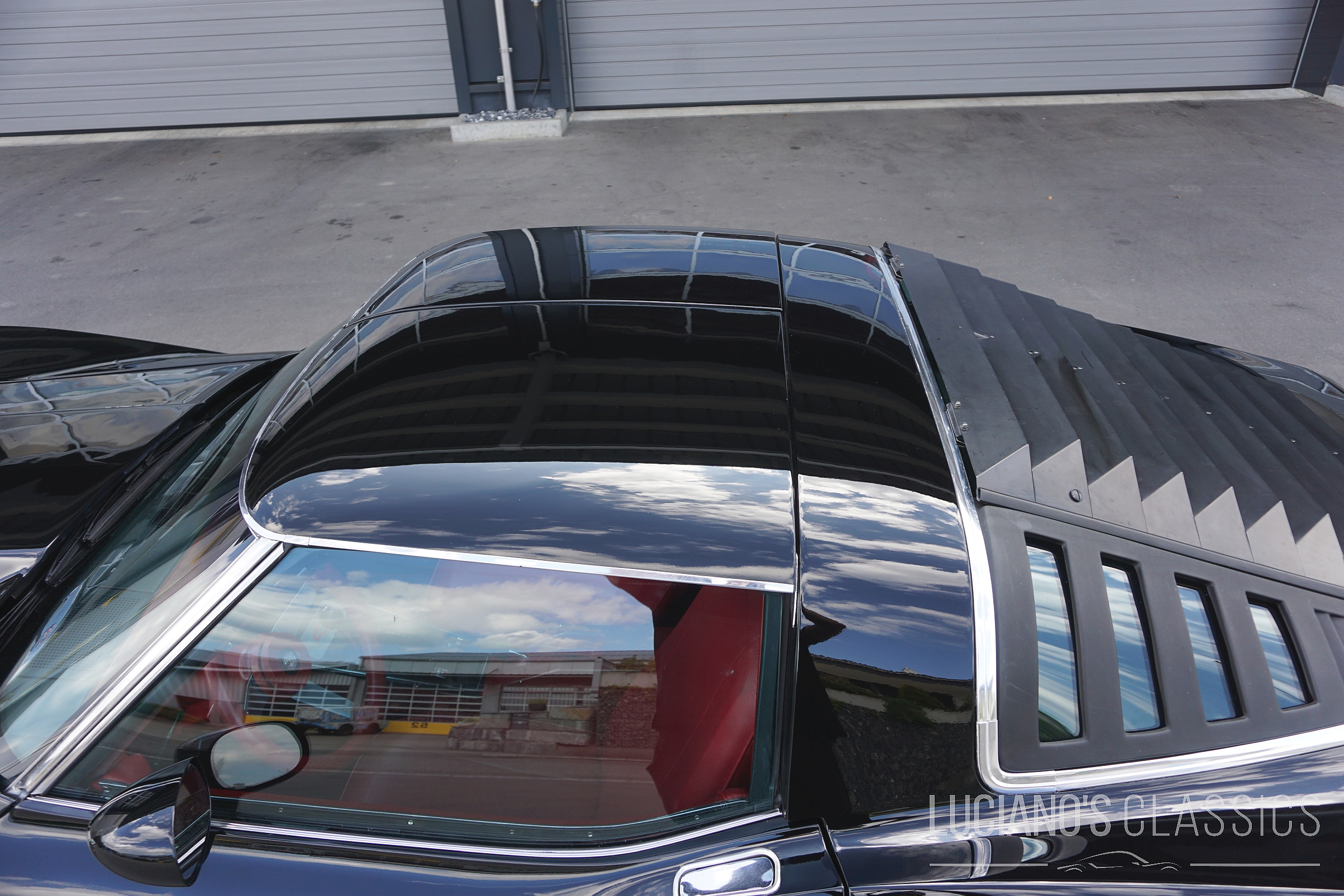
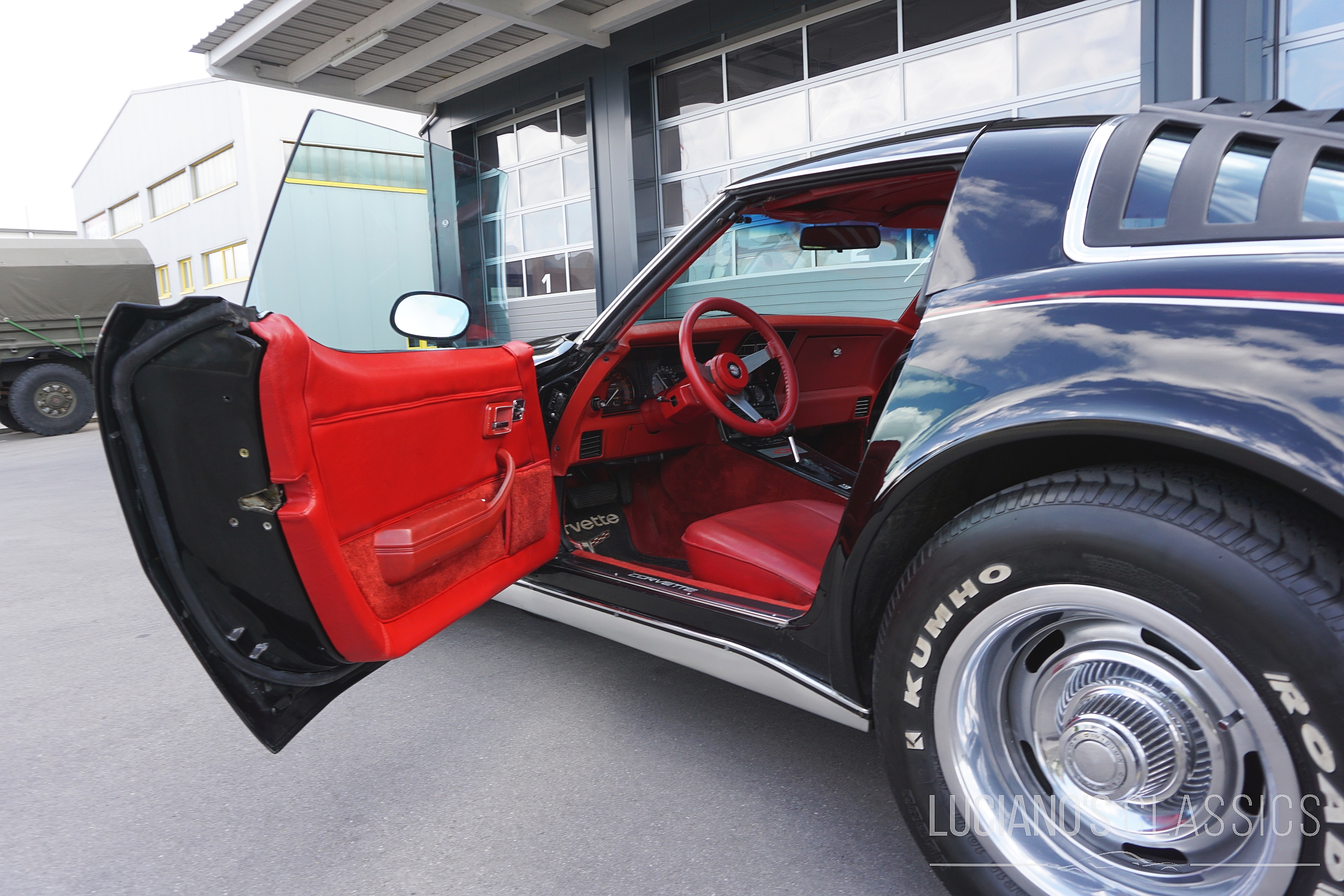
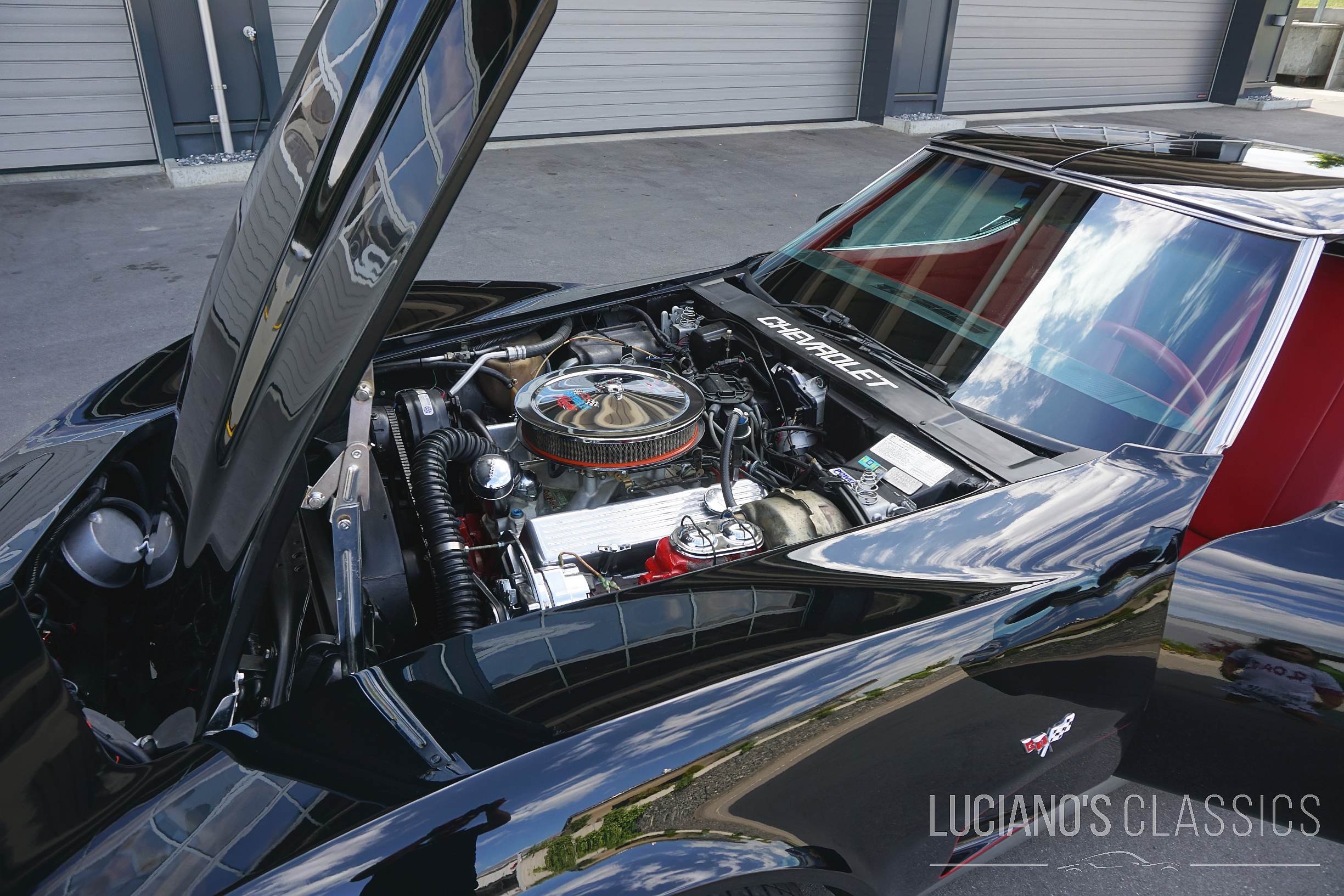
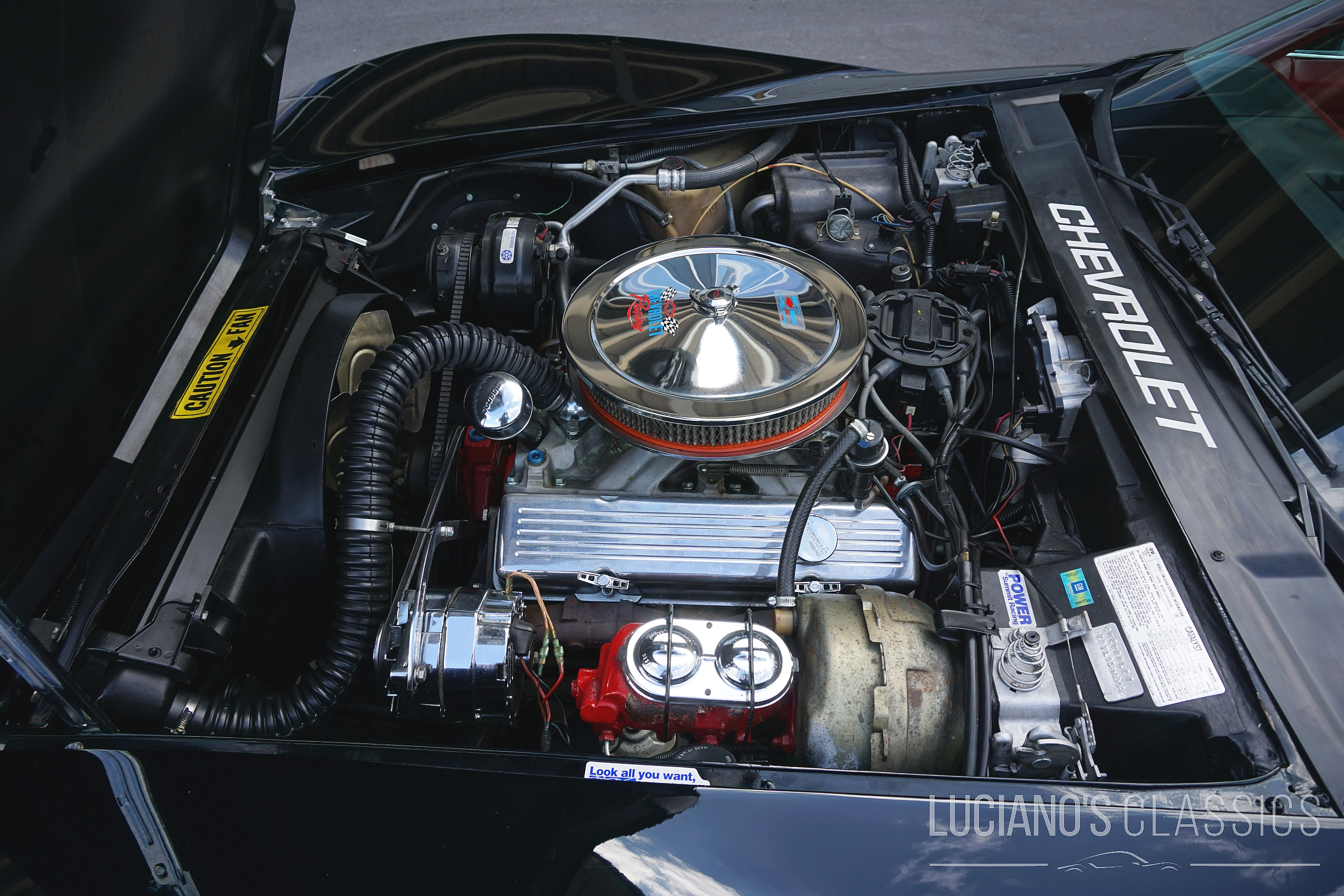
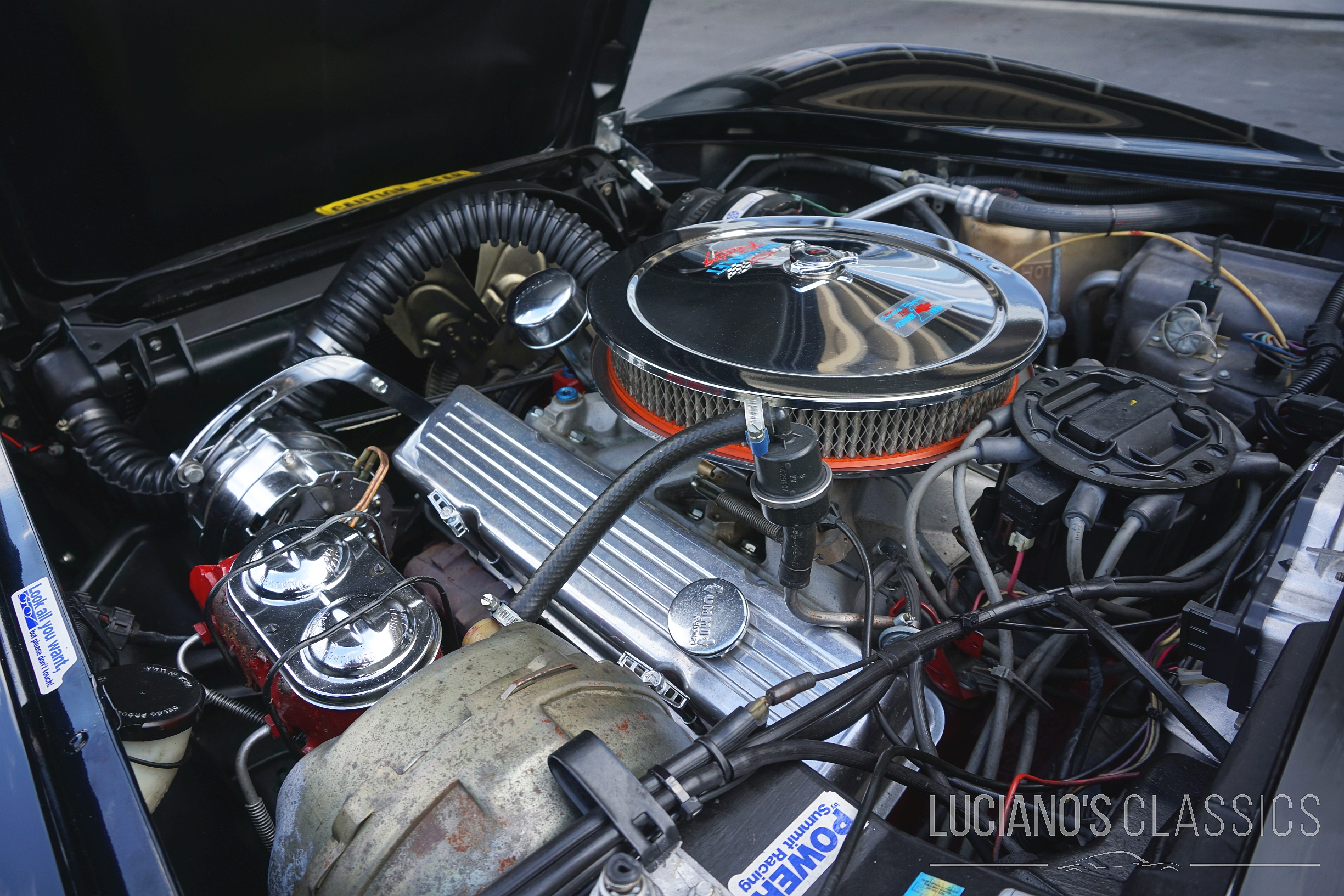
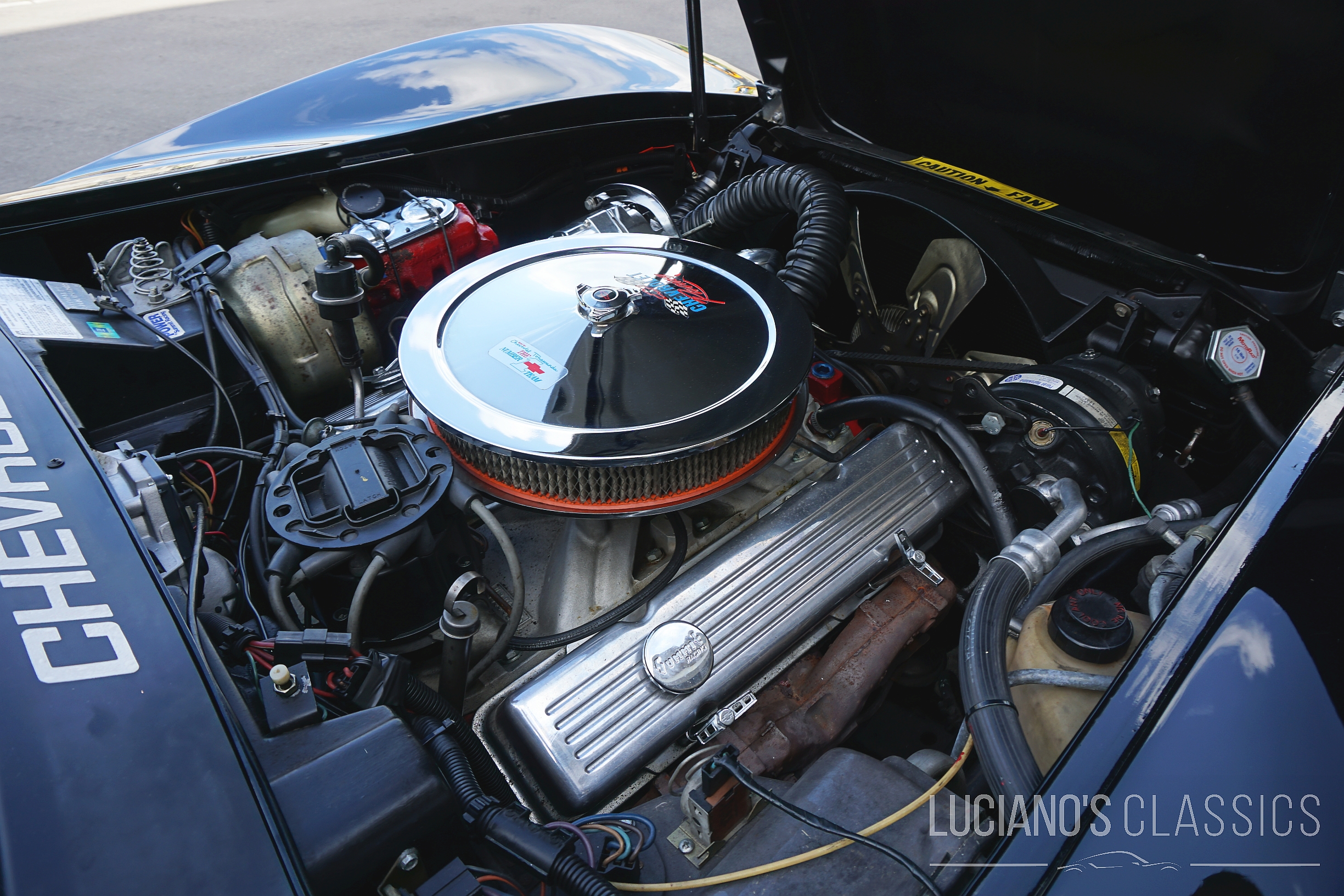
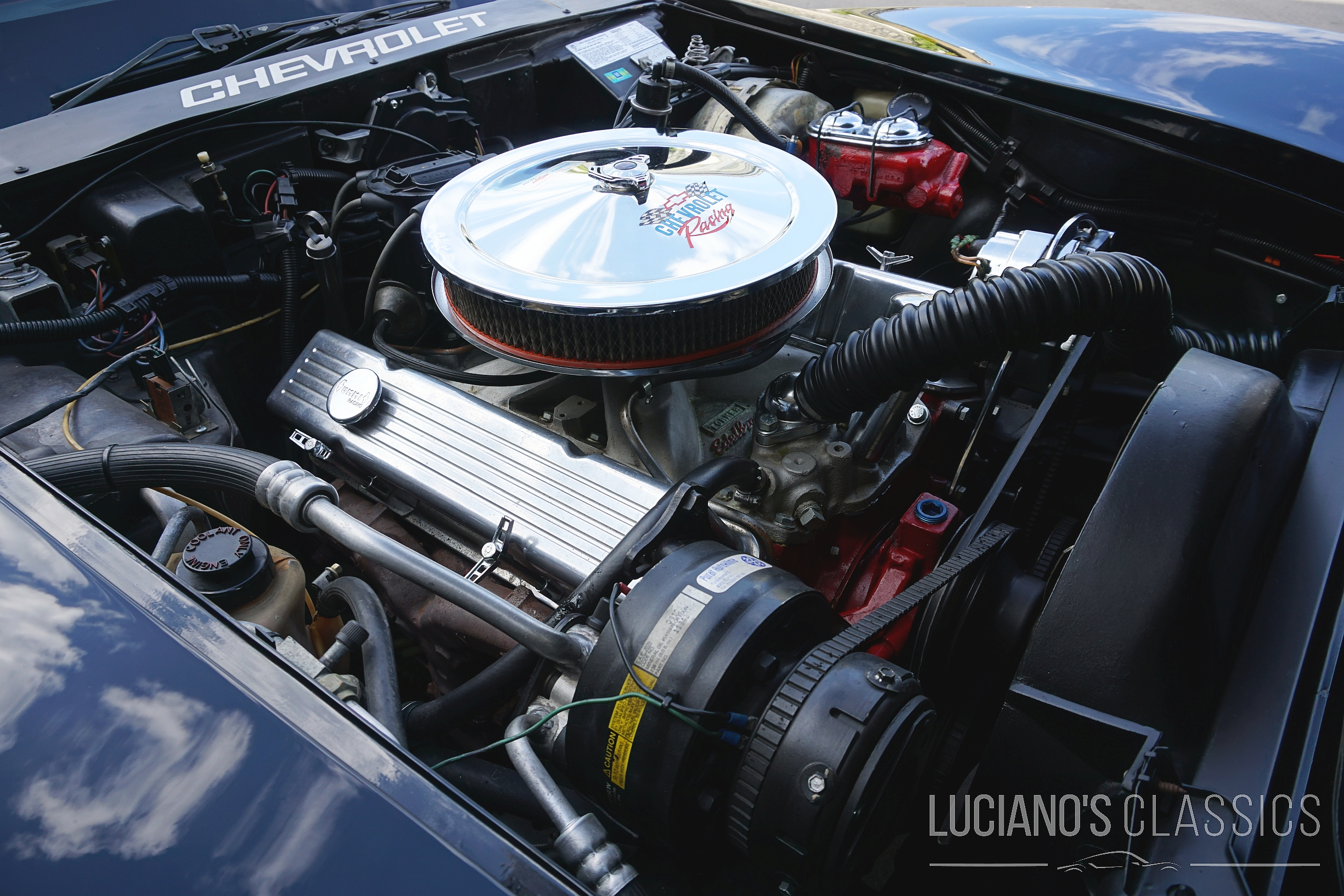
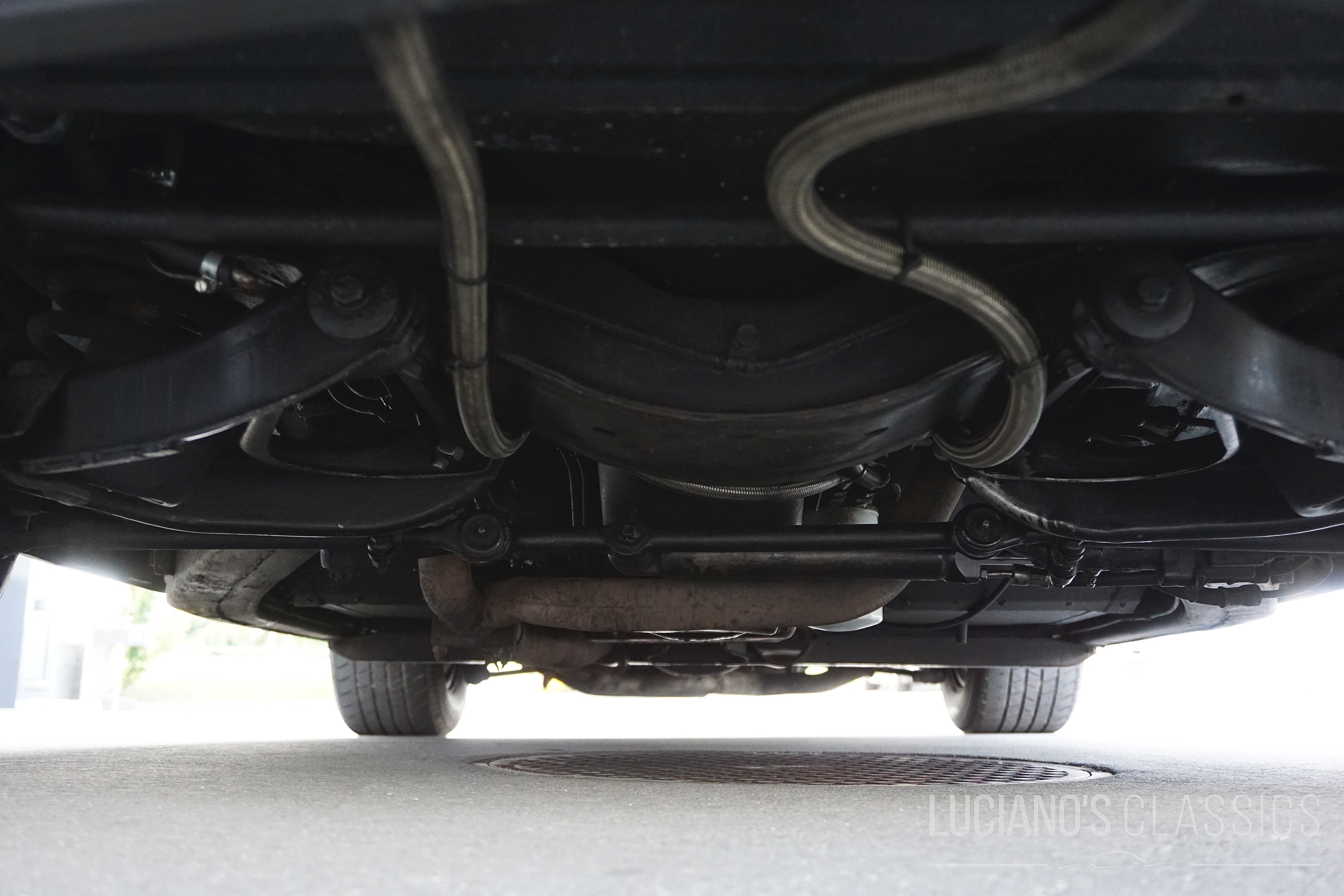
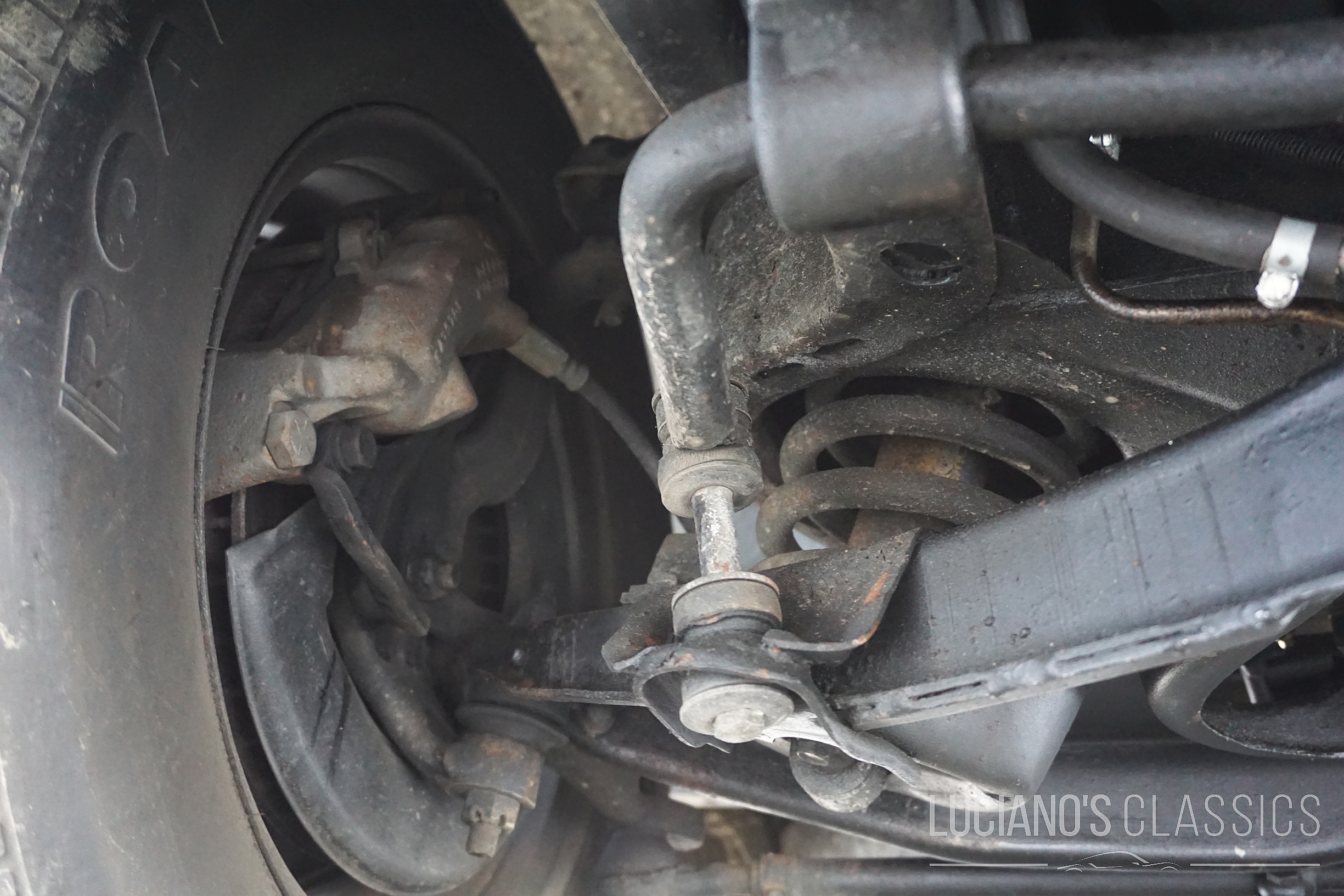
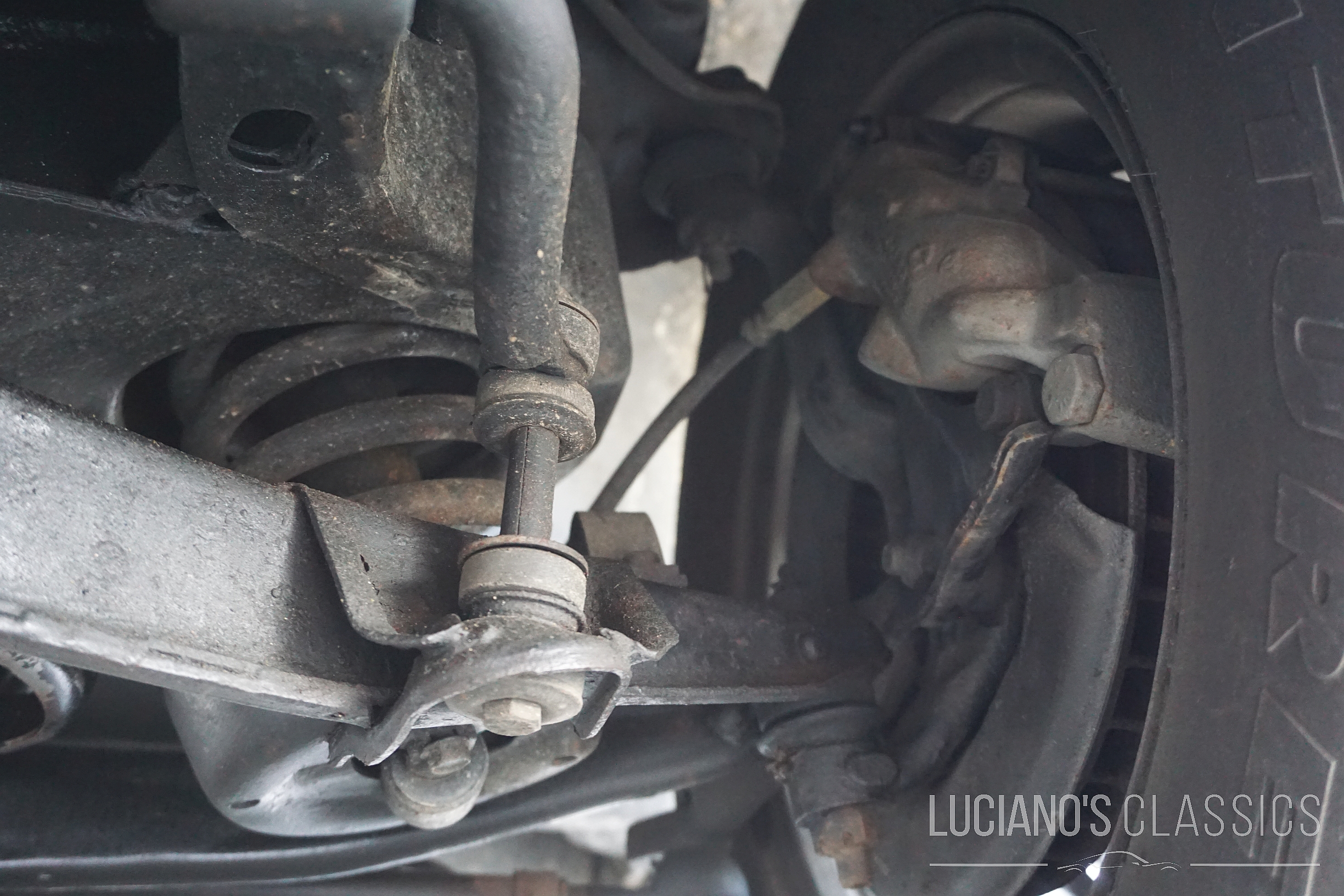
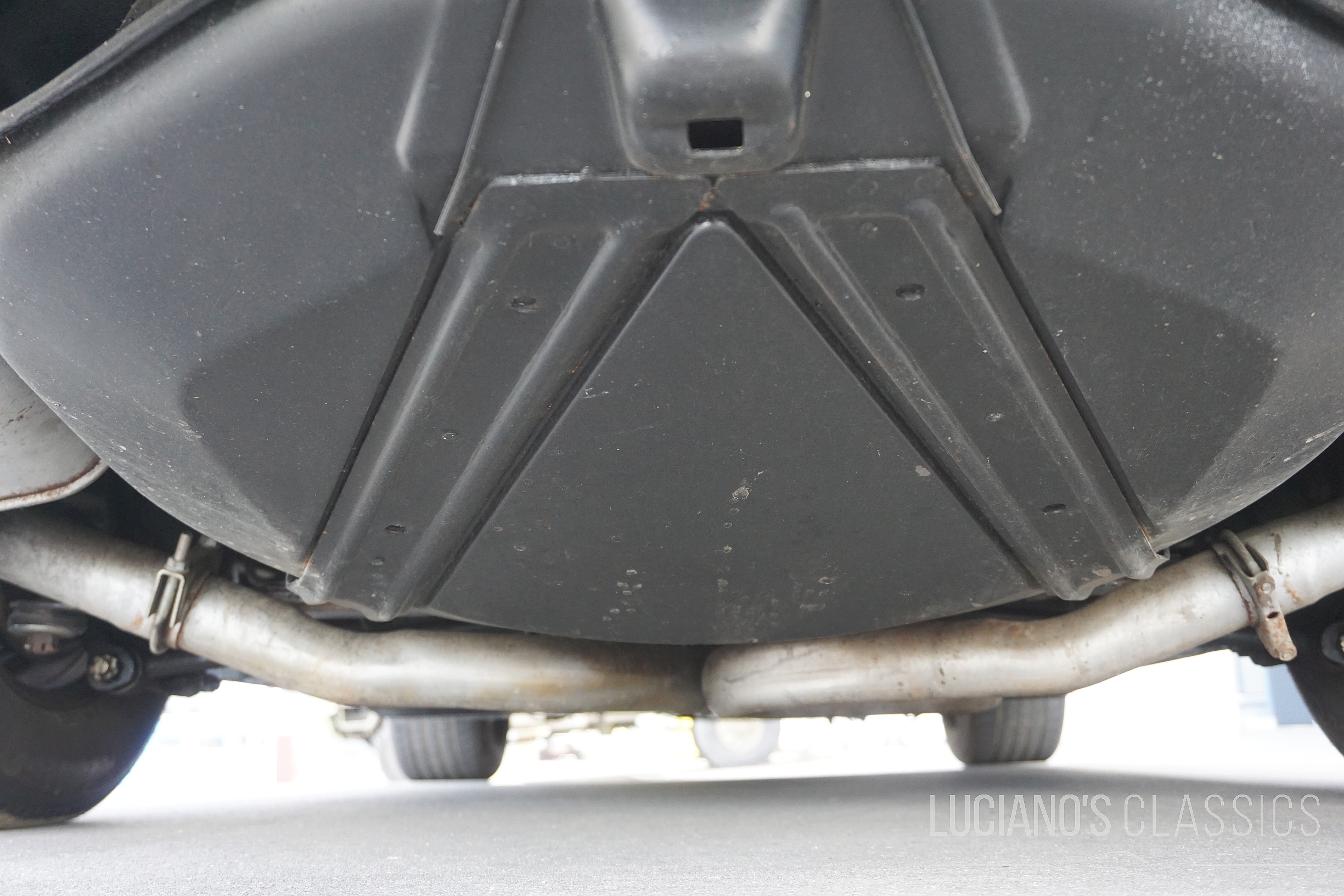
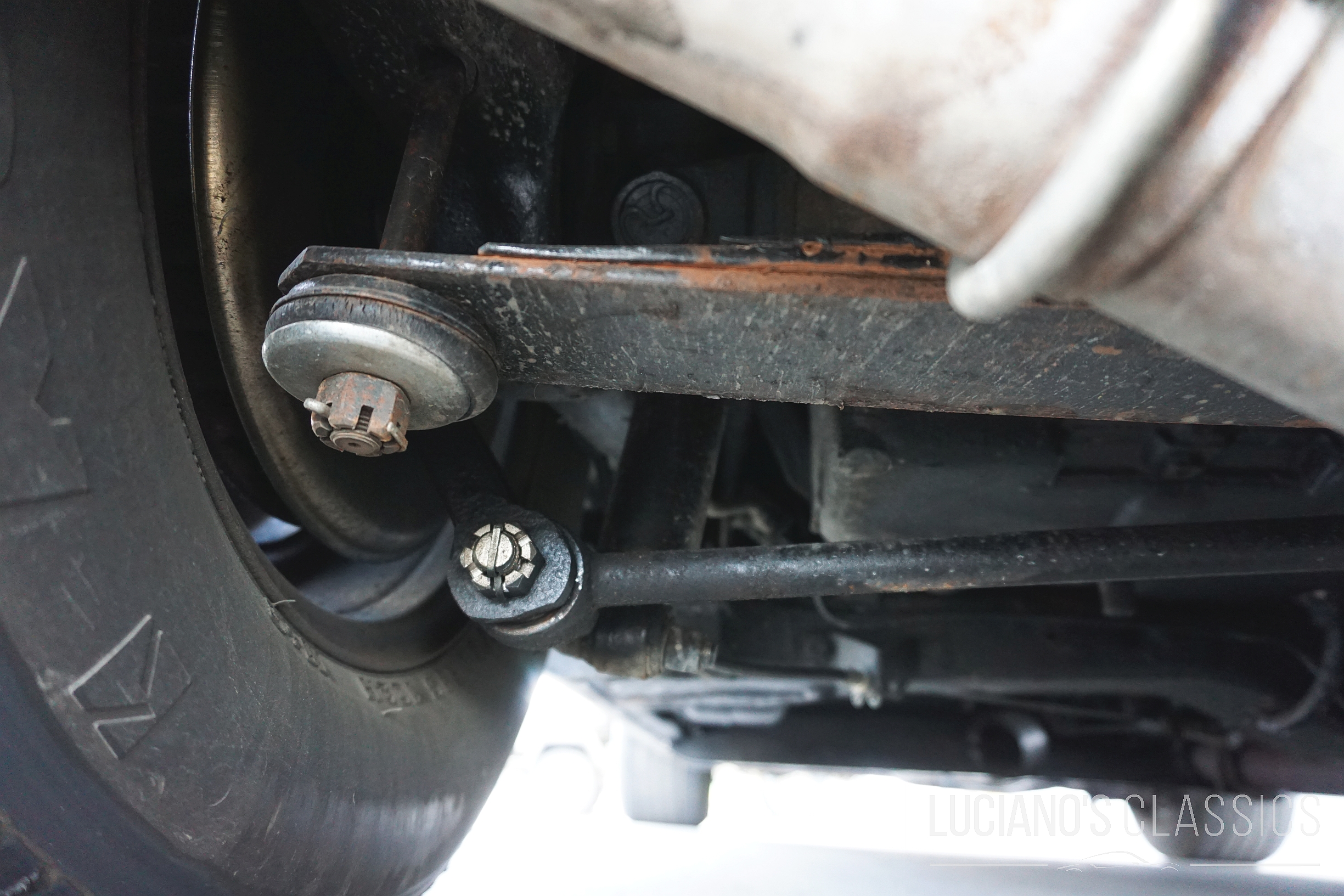
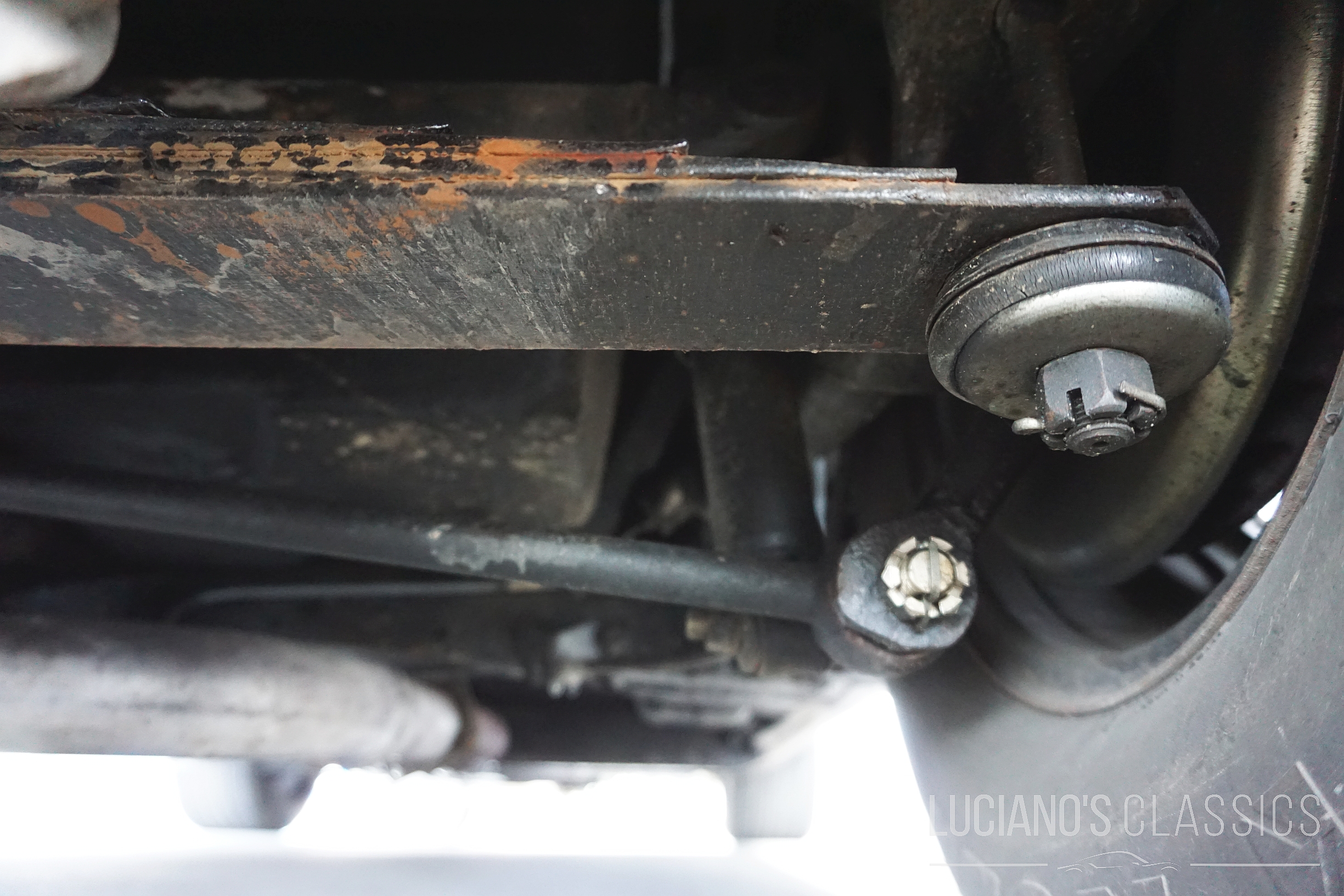
This C3 «25th Anniversary Edition» has shed its two-tone dress and now presents itself in a completely black painted GRP dress. The paintwork is not perfect, but it is even and free of scratches and dents. The veteran-approved car is also very attractive under the hood and the underbody looks just as good. The engine starts immediately and pulls the low weight forward surprisingly quickly, while the automatic shifts smoothly through the gears. In addition to the Corvette's color and sleek Coke-bottle shape, the rear louvers add a sporty look. Should this not suit the taste of the new owner, it can be easily removed without leaving a trace.
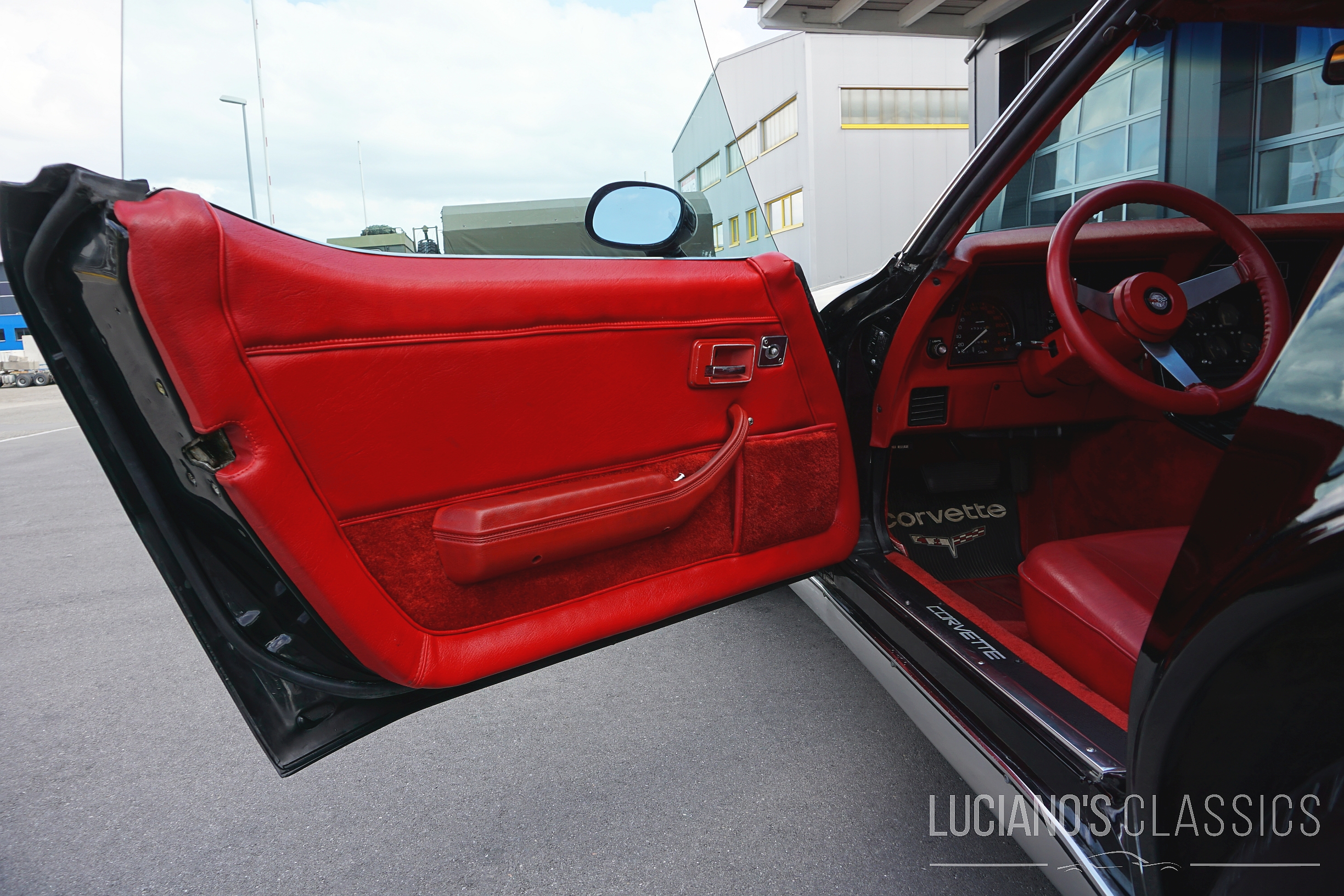
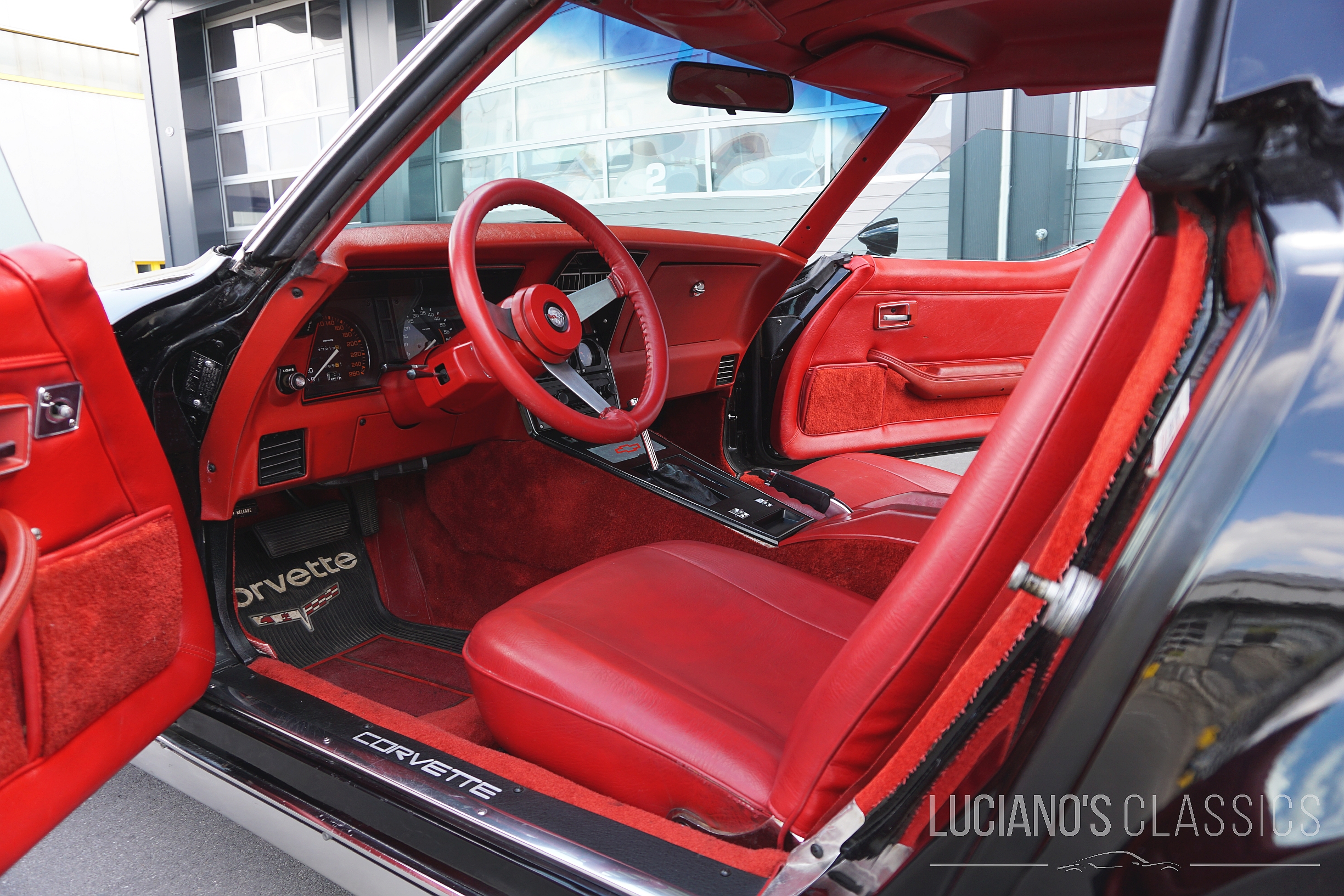
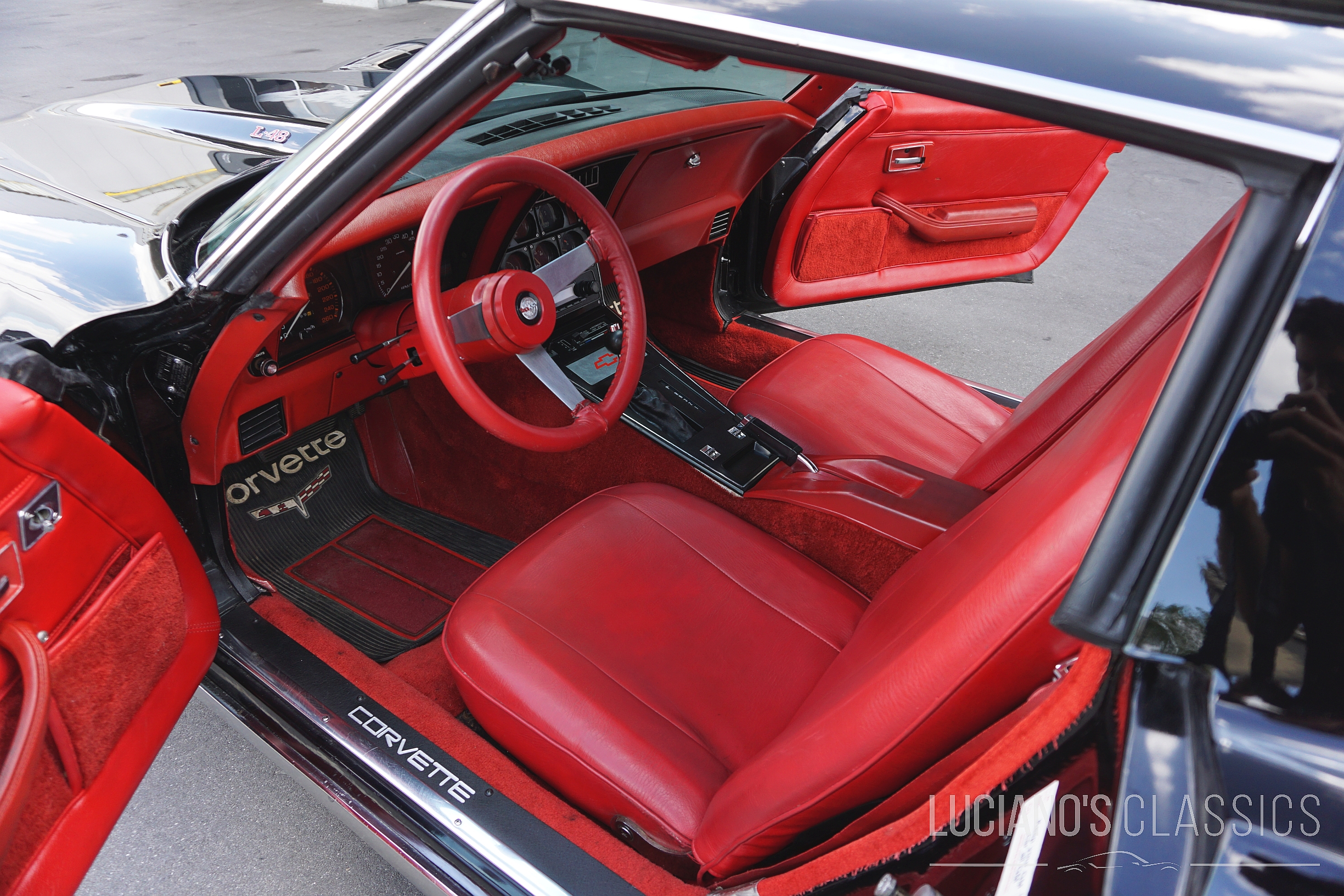
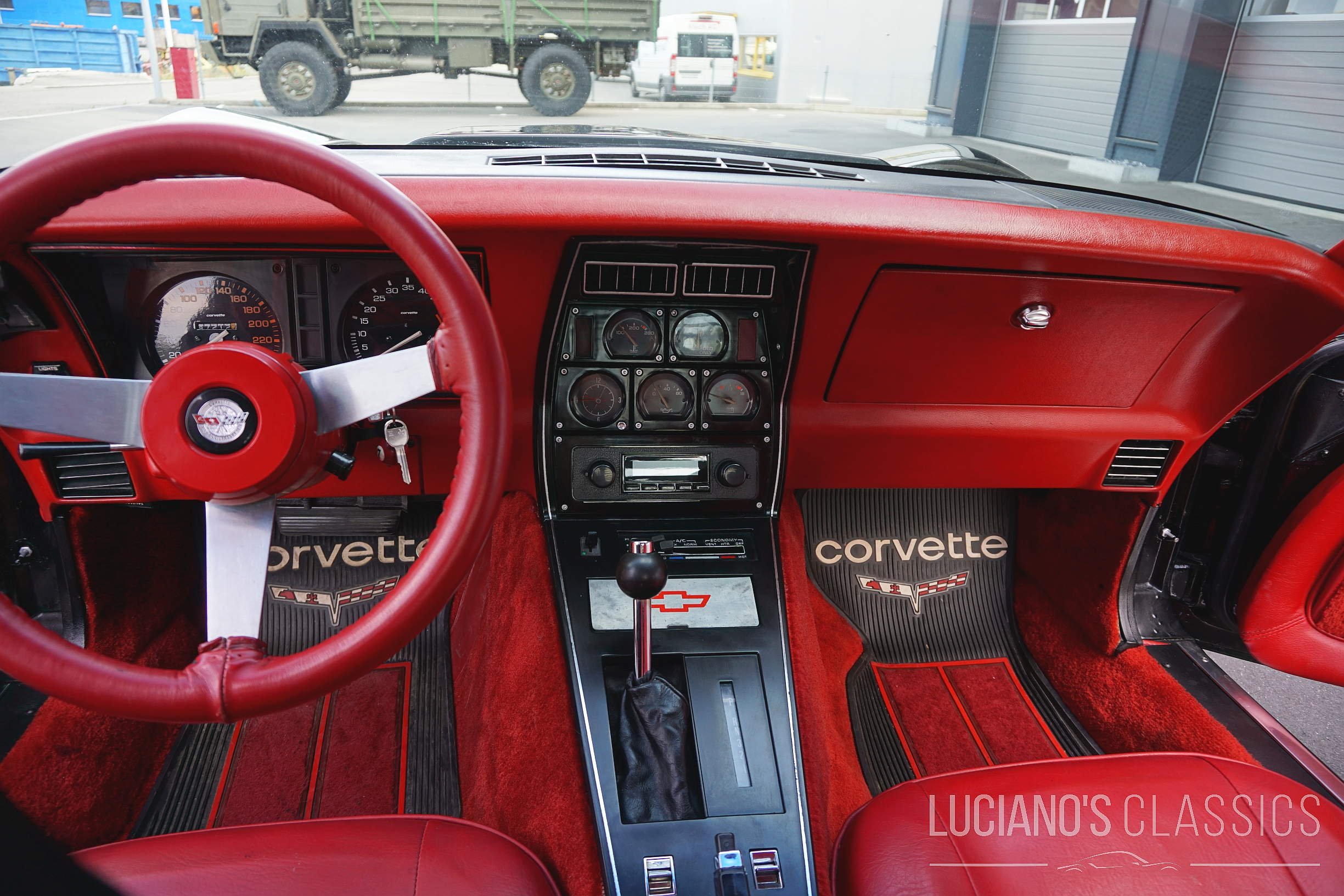
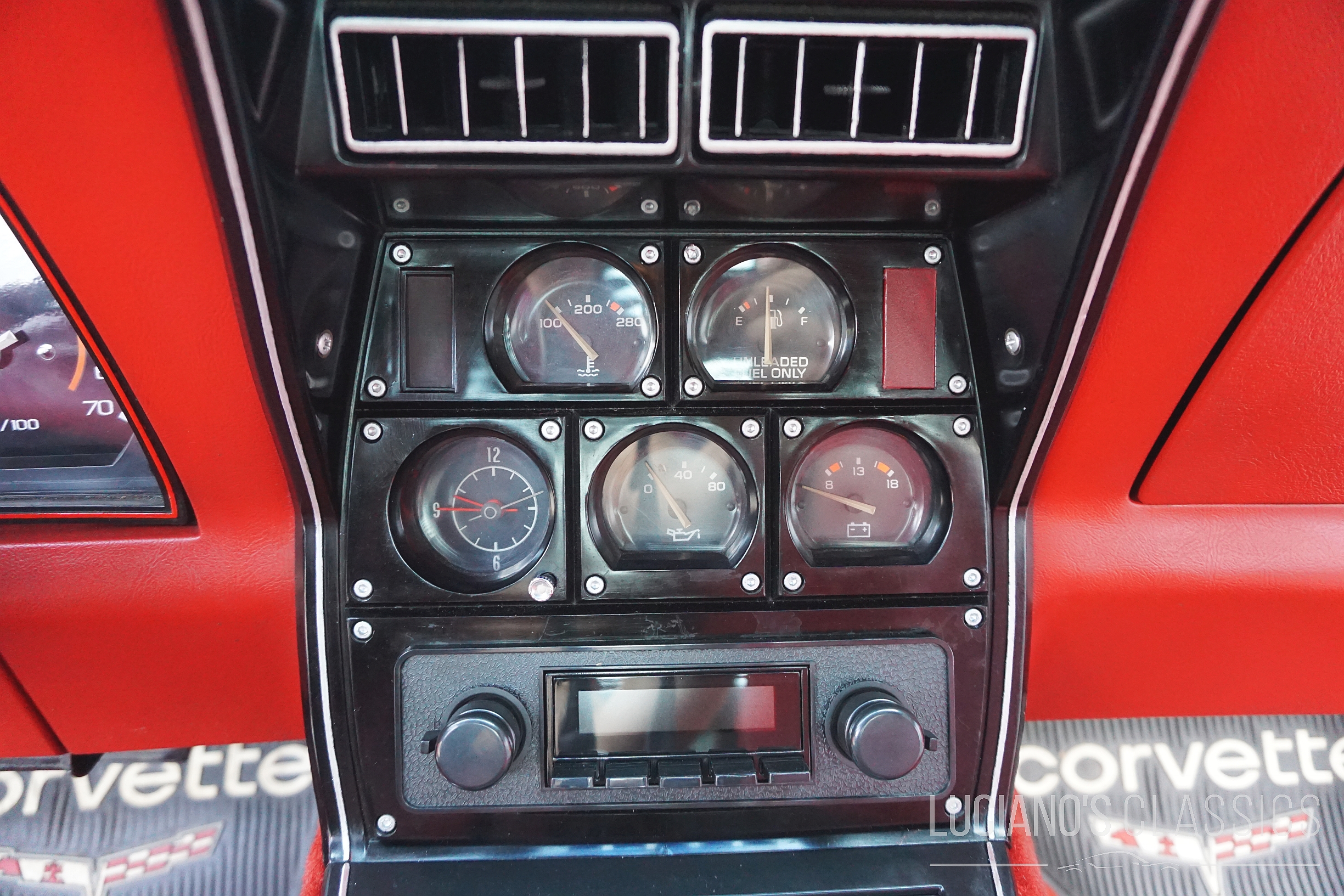
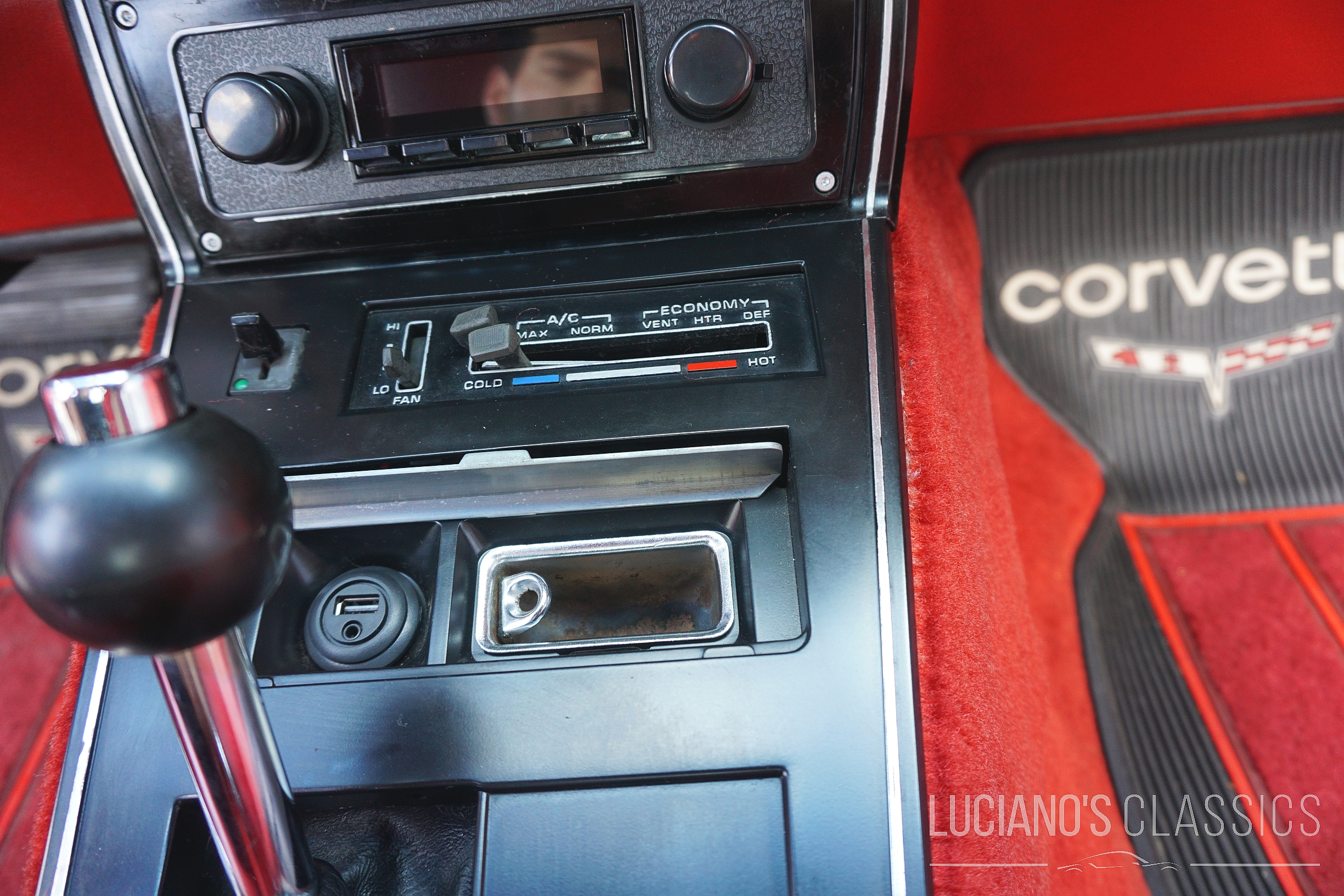
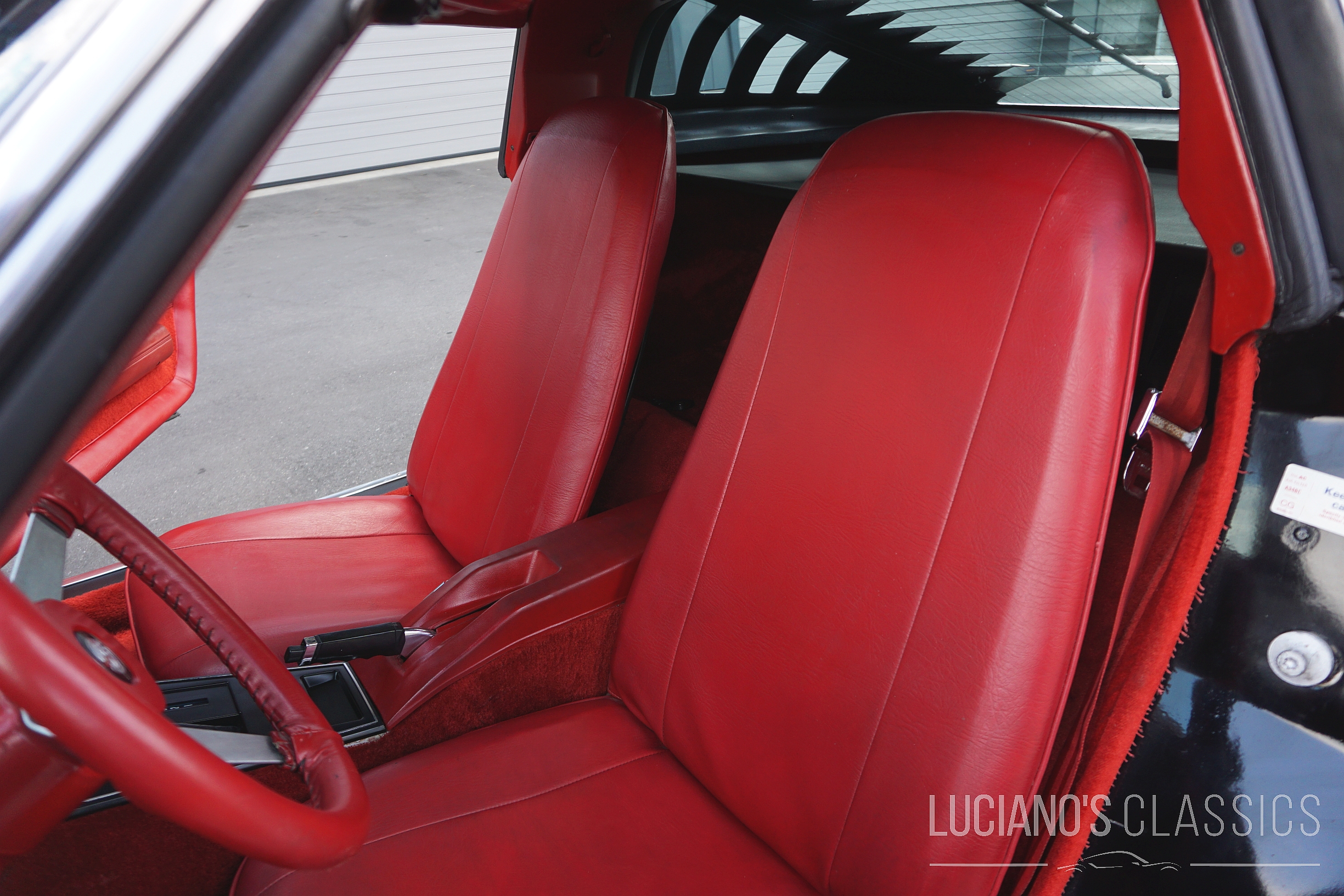
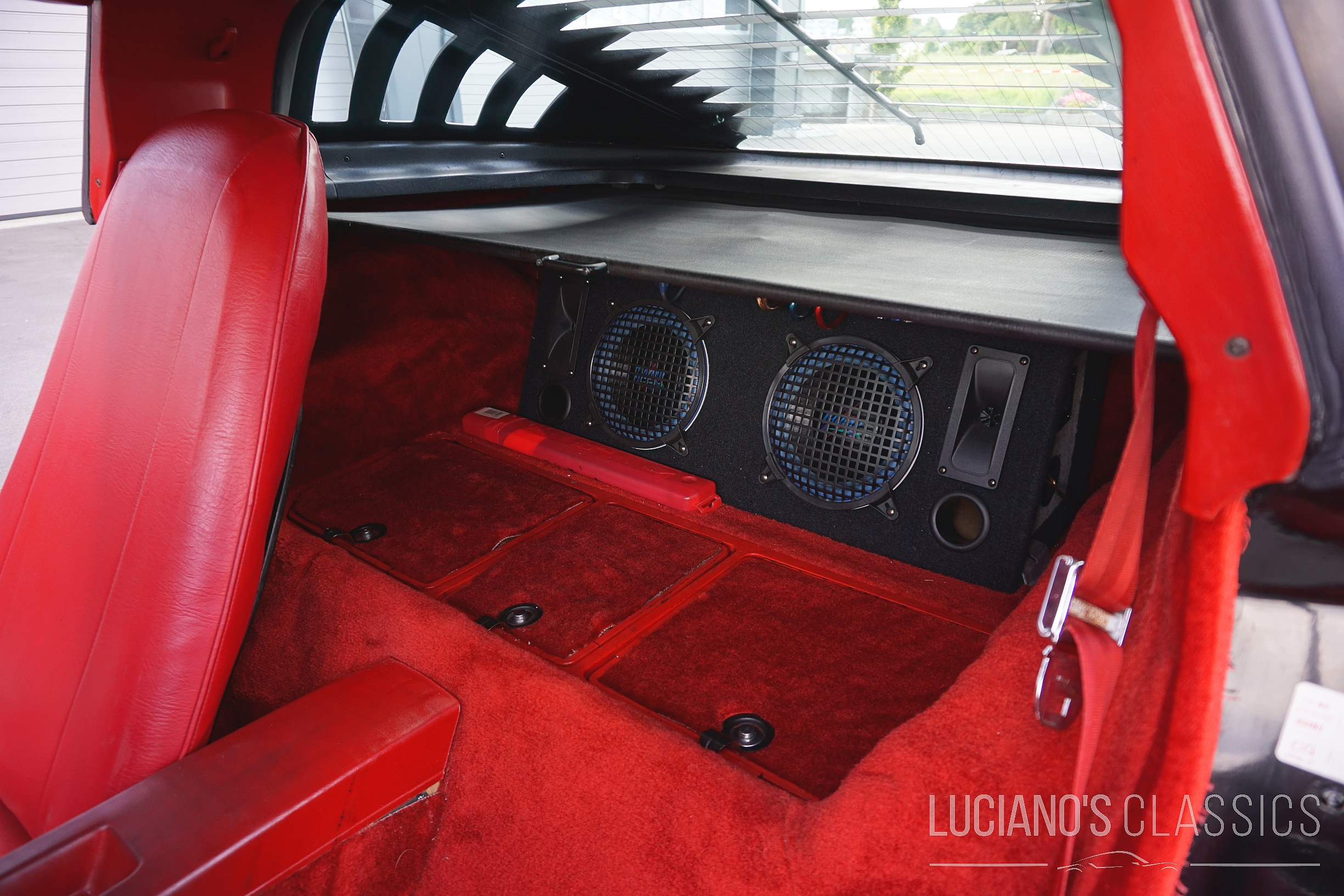
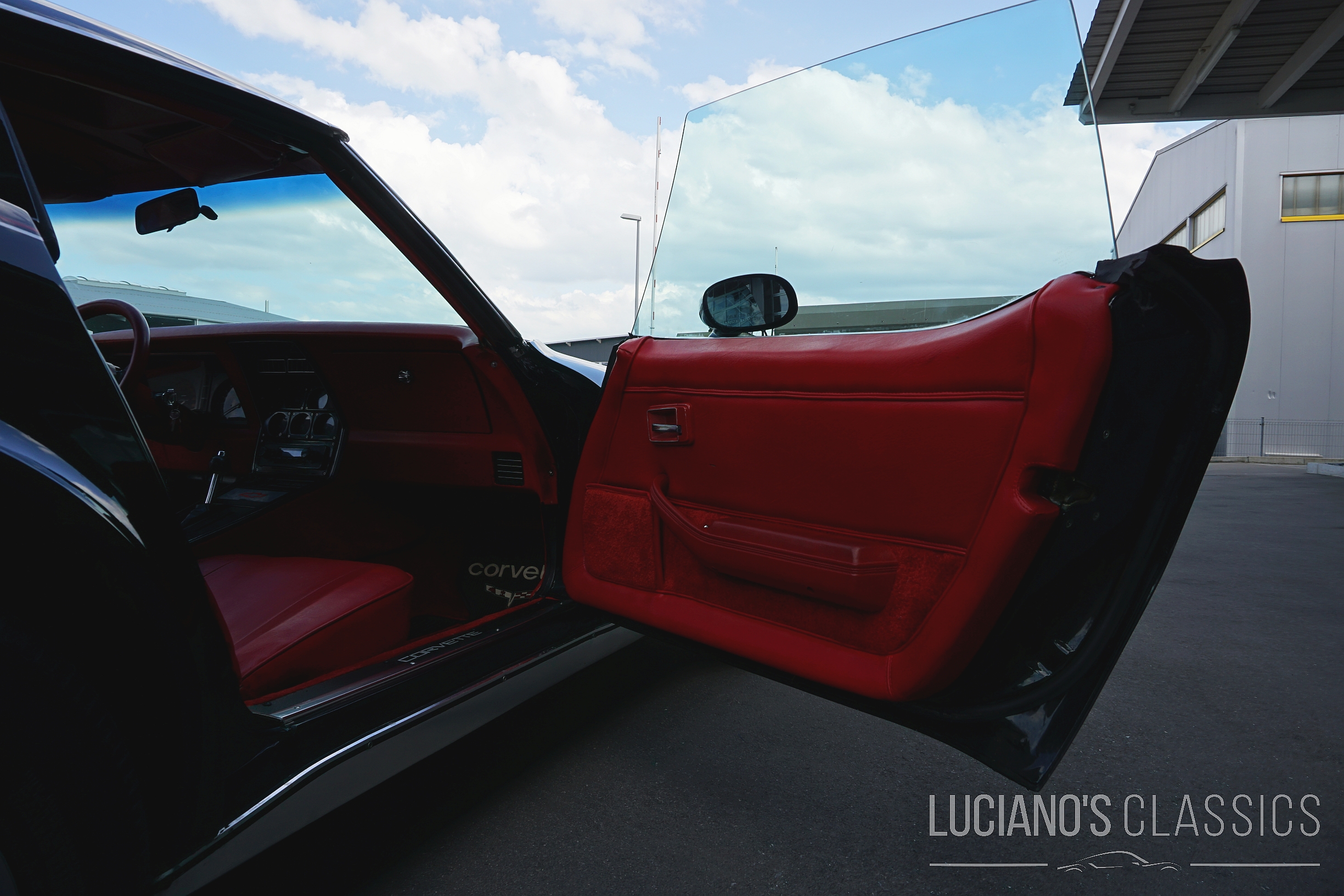
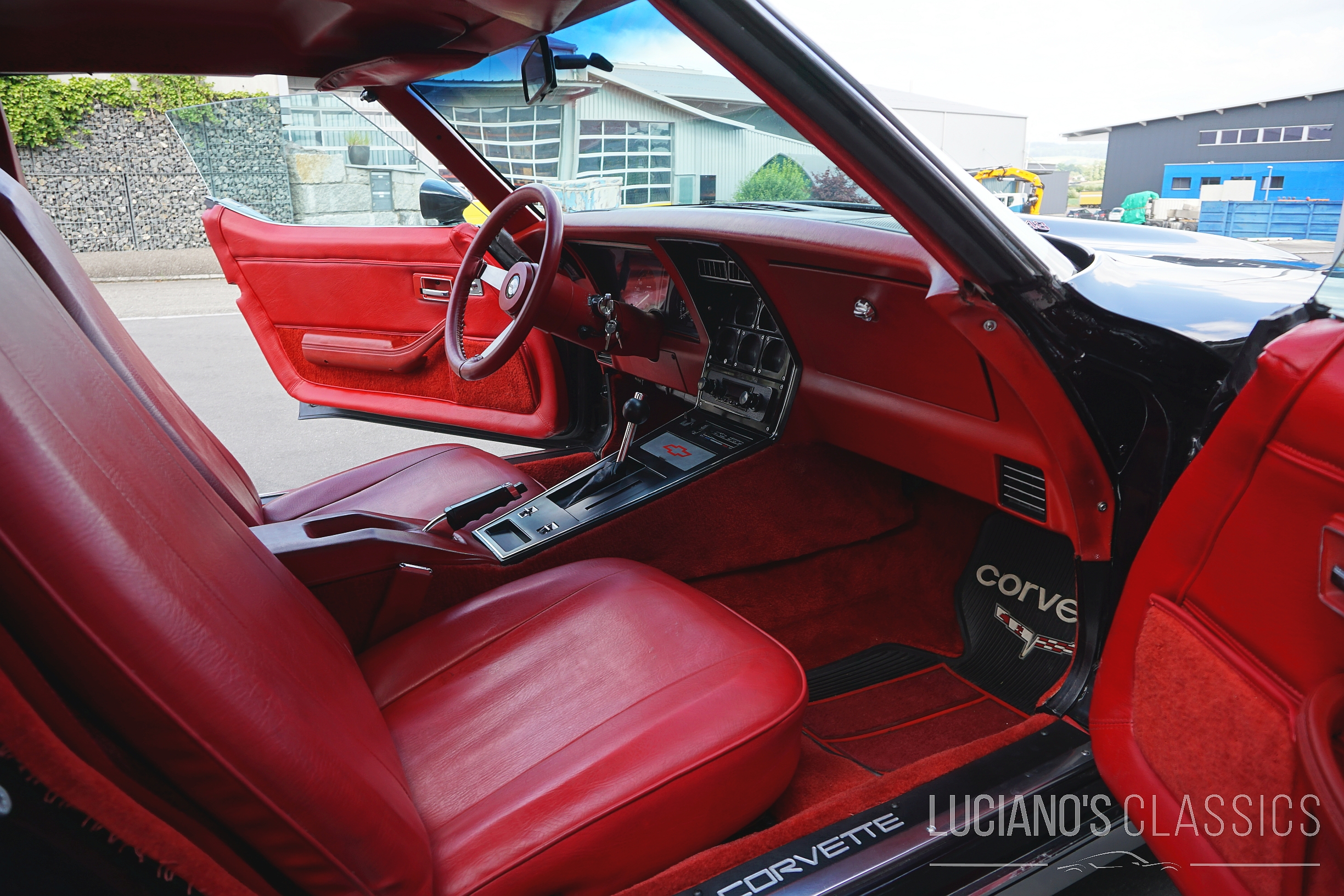
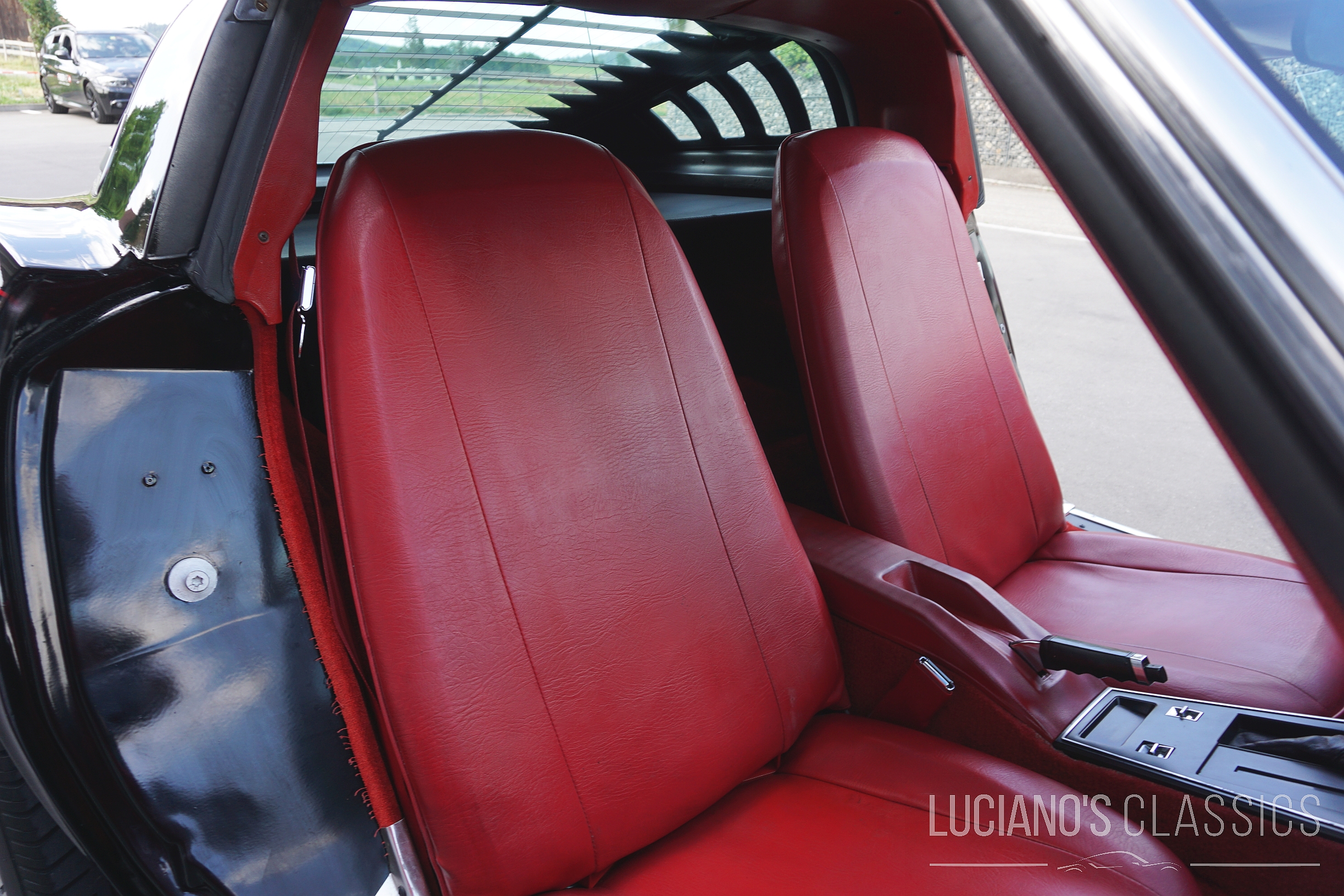
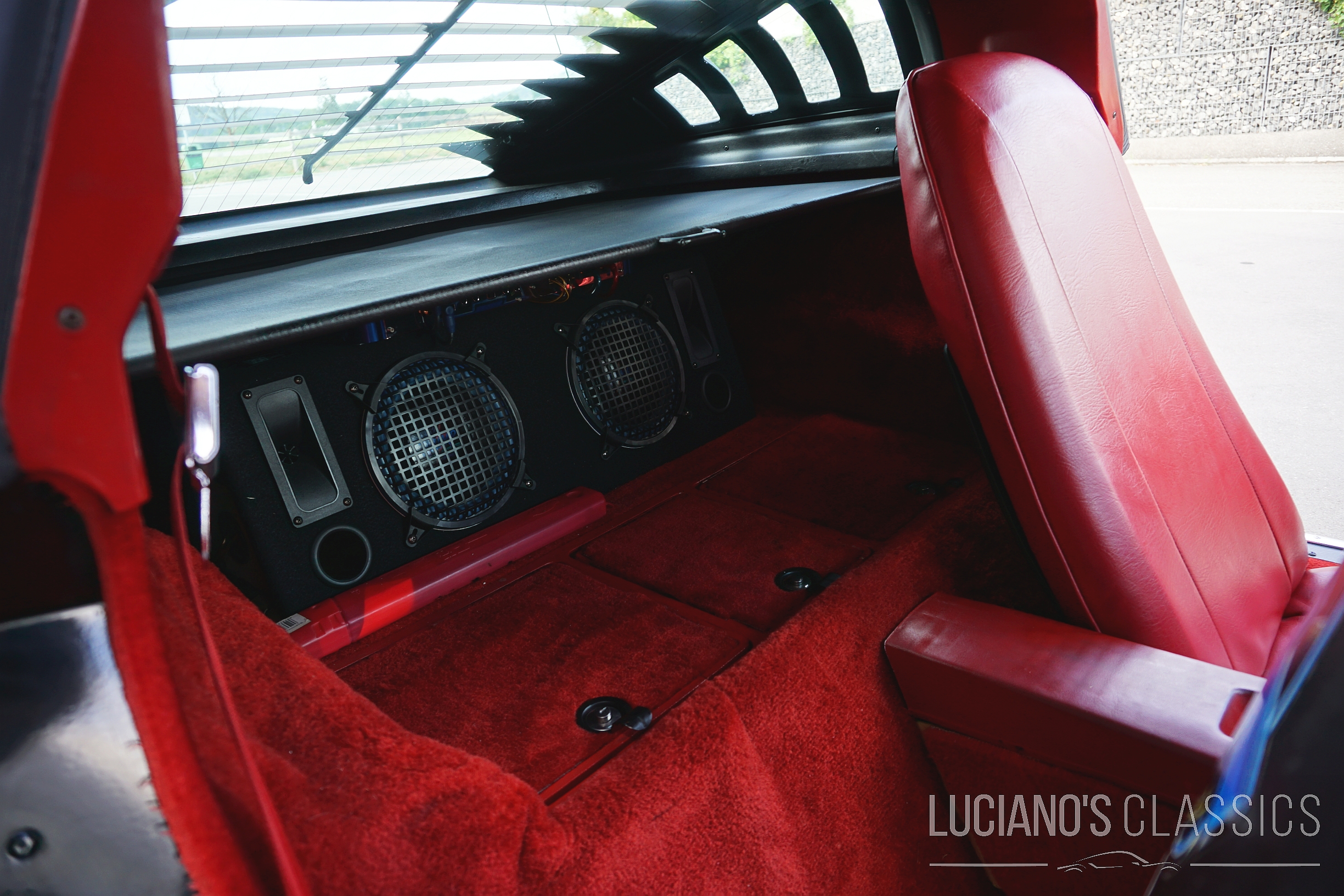
The well-kept interior impresses with its rich red color and an amazing sound system, which can also be completely removed if desired. This is fed by a new, visually matching retro sound car radio, which has DAB+, Bluetooth, AUX, USB and a hands-free system. The USB port is well hidden where the «Zigi lighter» used to be, making it easier to charge the cell phone or feed the navigation system. The lighting has been further modernized, which enables driving with closed pop-up headlights thanks to concealed LED daytime running lights.
You can find a video of the anniversary Corvette at the bottom of this page.
This vehicle has already been sold.
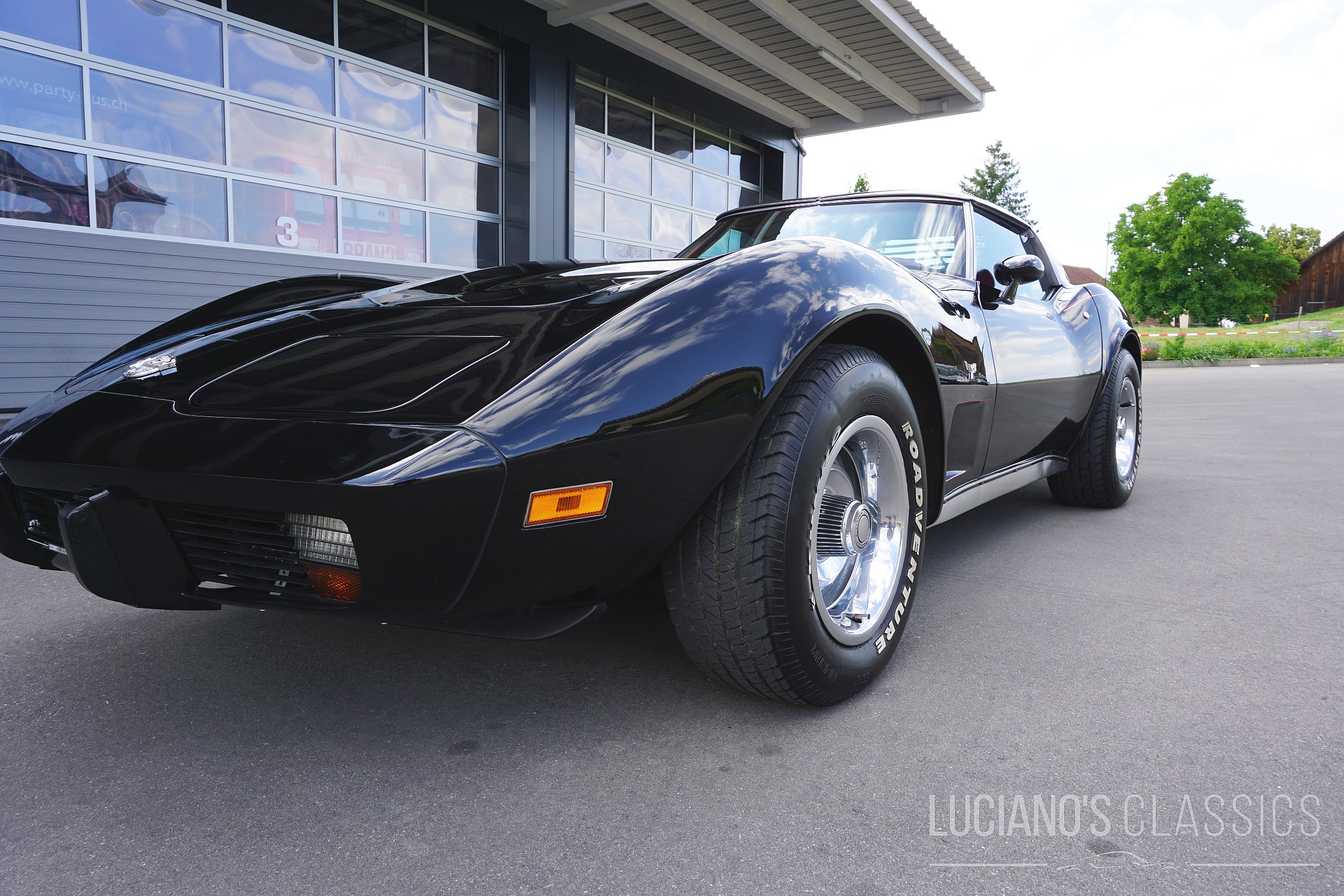
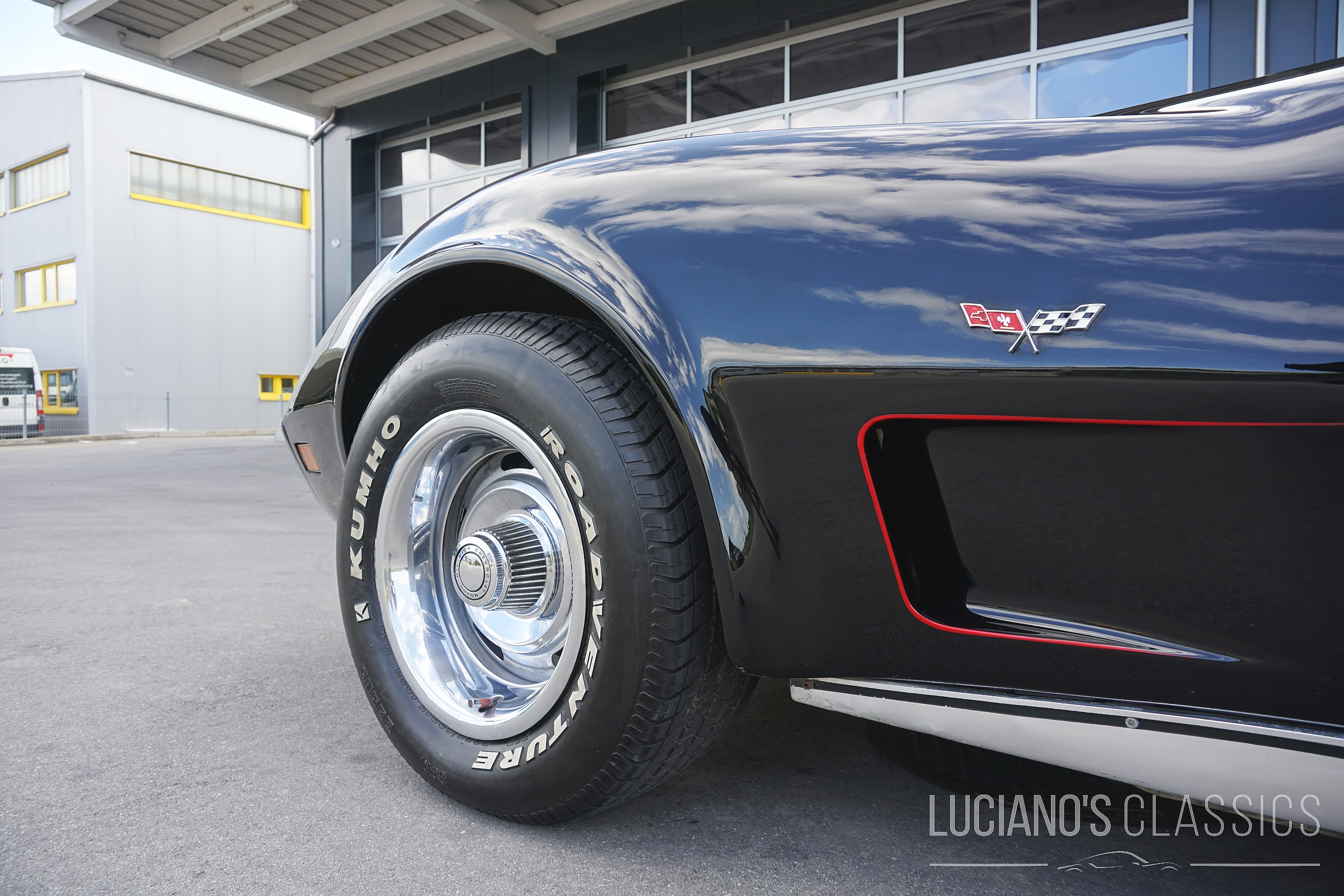
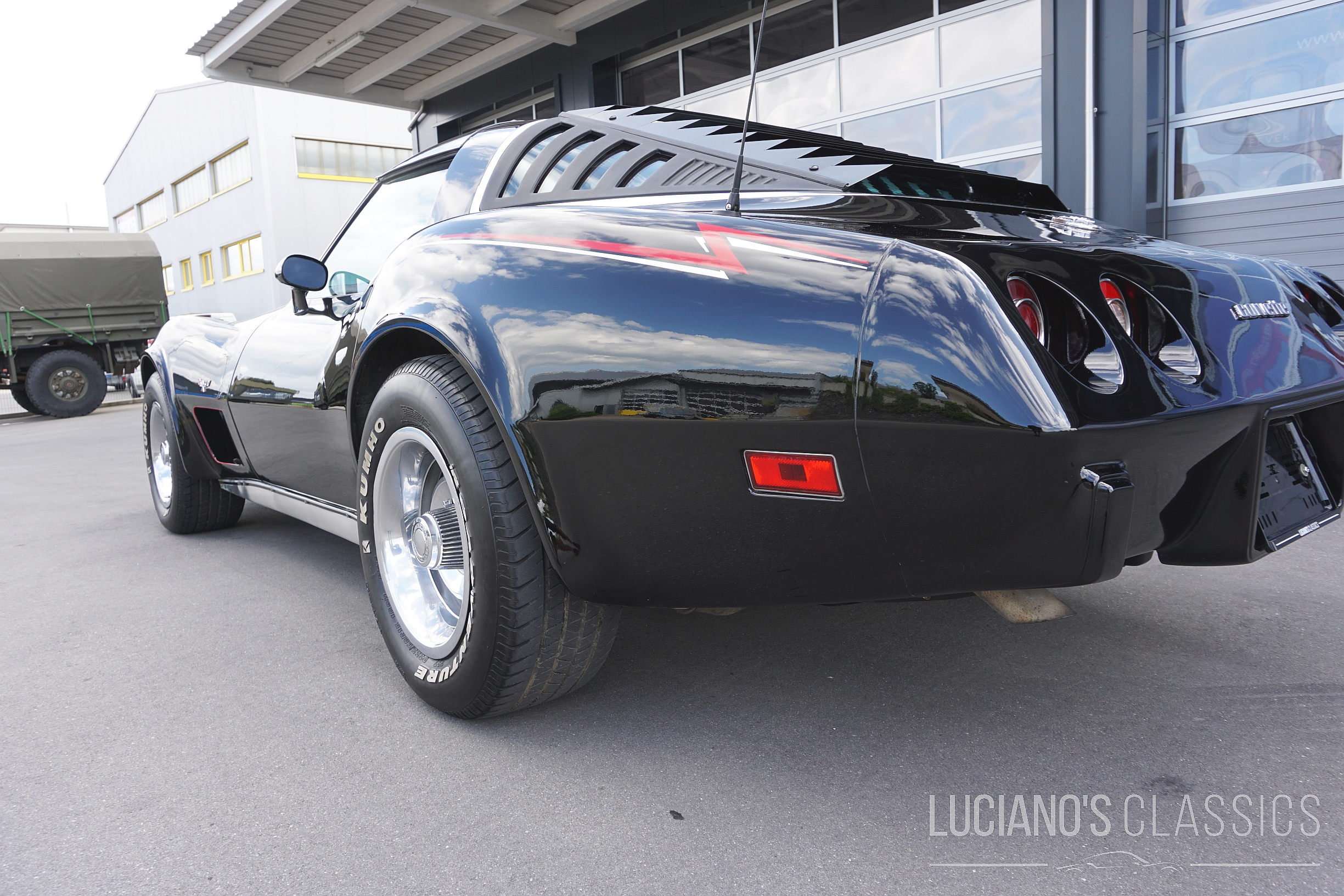
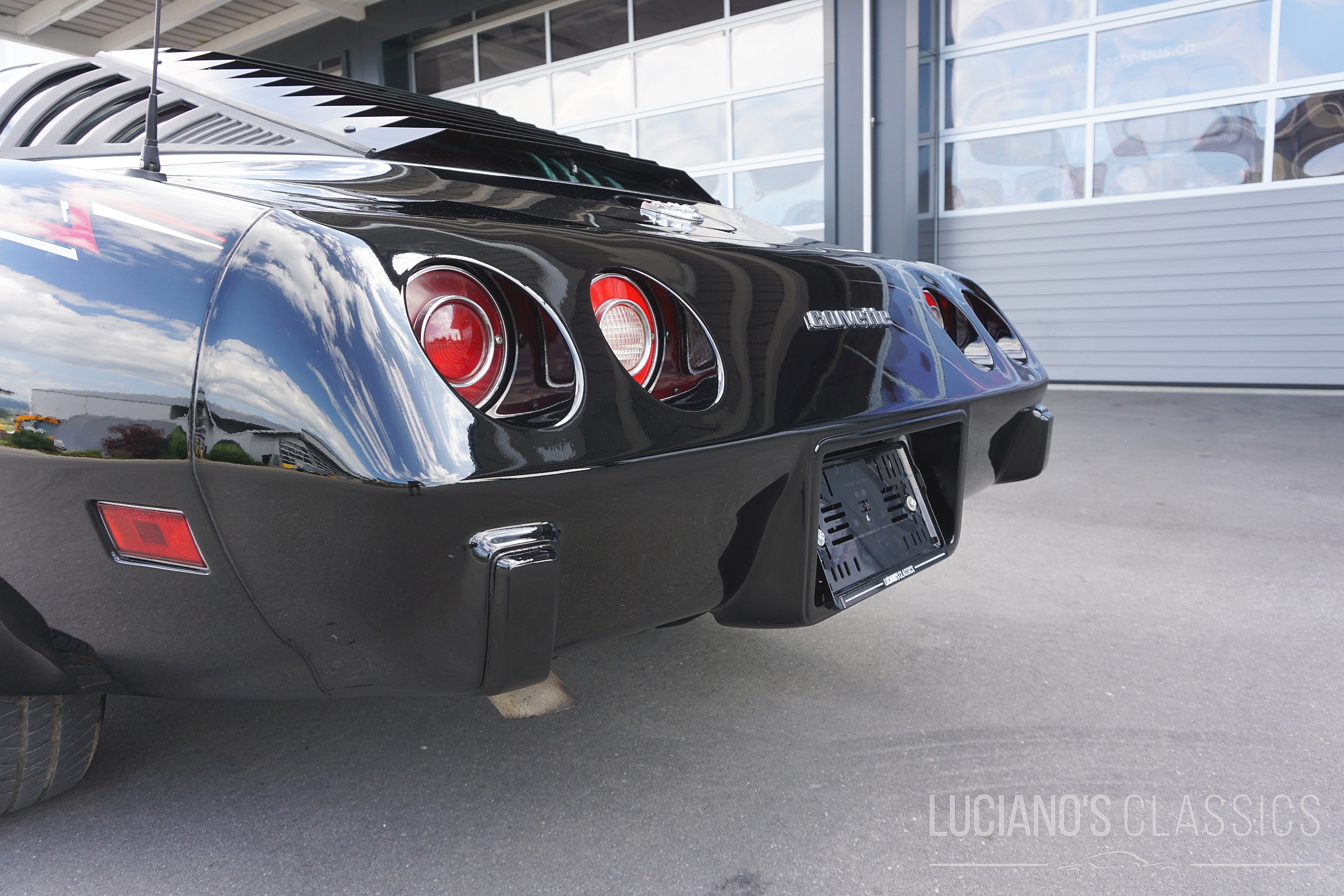
Model history
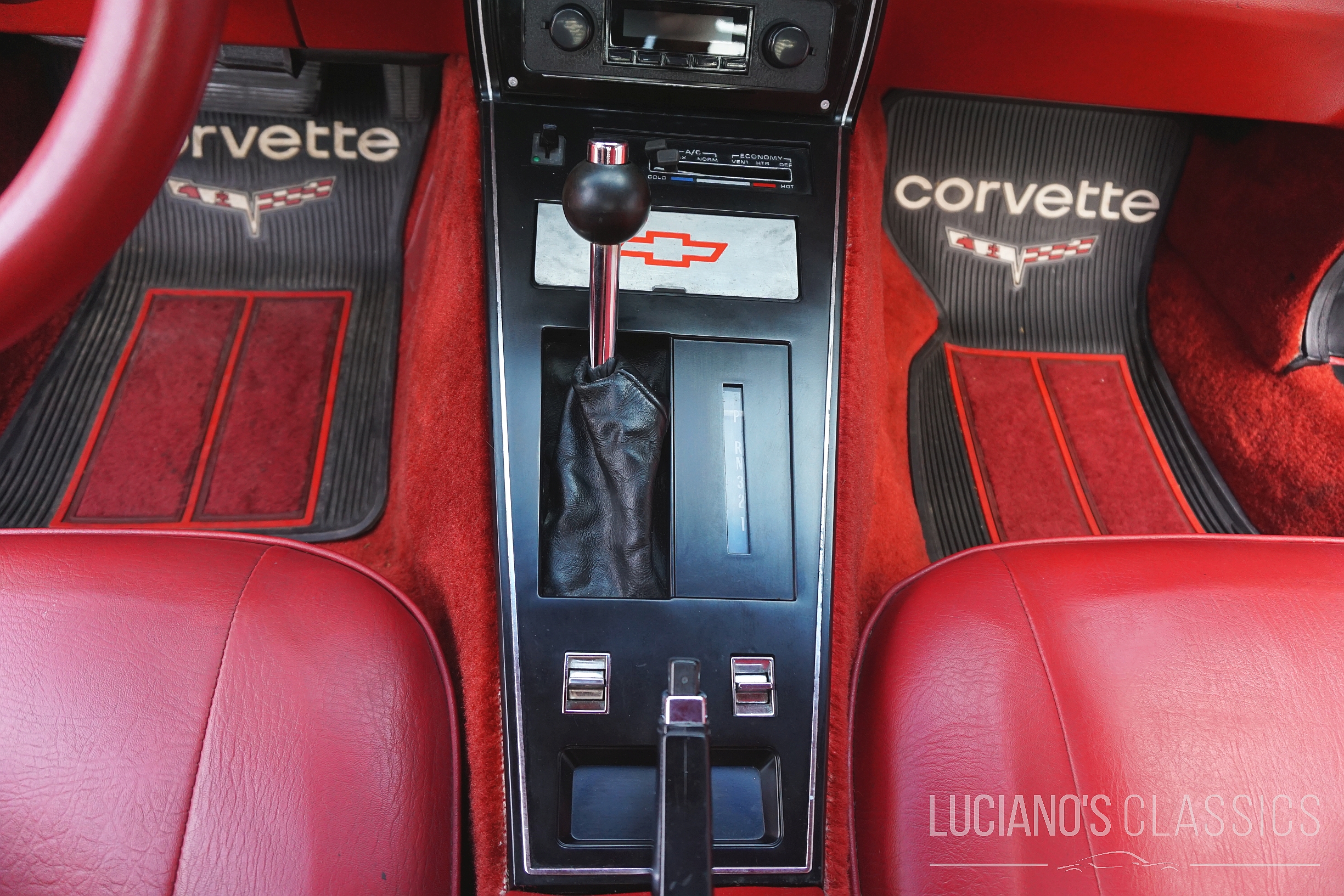
The C3, later called the «Coke-Bottle Corvette» because of its shape, was introduced in 1967 and was a completely new design inside and out. Some parts of the chassis and the wheelbase were taken over from the C2, whereby the 2-speed Powerglide transmission was replaced by the 3-speed automatic transmission called «Turbo Hydra-Matic». From then on, the hidden headlights were opened and closed by vacuum and no longer electrically. The coupes were equipped with a removable roof, known as a T-top, and a removable rear window. The first C3 model year was powered by a 327 V8, which sent an impressive 300 hp to the rear axle.
One year later, the engine capacity was increased to 350 ci and various minor improvements were made. For example, there was now a steering wheel lock, 8-inch rims and a washer system for the headlights.
In 1970, the design was tweaked a little. The C3 suffered from stone chips that damaged the curved fenders. To counteract this, side skirts were integrated into the body from then on. The side air vents were now arranged horizontally and the tailpipes of the exhaust system were designed to be square instead of round. The interior has also been refreshed. Thanks to new seats, even tall sports car drivers had room and there was optional deluxe equipment with leather seats, wooden inserts in the center console and on the doors and a special carpet.
In the engine range, the popular 454 big block with 460 hp and the 350 LT1 with 370 hp were included in the sales brochure from 1970.
There were hardly any changes to the vehicle in the following year. The engines lost some power and the parking lights were now yellow and no longer clear. The engines' loss of power was due to the plan to feed them with less octane-rich gasoline in the future and to equip the exhaust systems with catalytic converters.
The 72 model also came onto the market with inconspicuous changes. It was the last year with the chrome bumper, the large front grille, the fender air vents and the removable rear window.
In 1973, the front had to be redesigned to meet the 5 mph standard. The car should be able to roll into an obstacle at 5 mph without sustaining any damage. The hood was an eye-catching innovation and the now built-in cold air intake was also functional. The interior was elaborately insulated and the doors were fitted with an extra steel tube to provide additional protection for the occupants. The Corvette was now delivered with belted tires.
One year later, the big block was removed from the range and from 1975 onwards only Corvettes with catalytic converters were available. Cooling at low speeds and the seat belts were optimized.
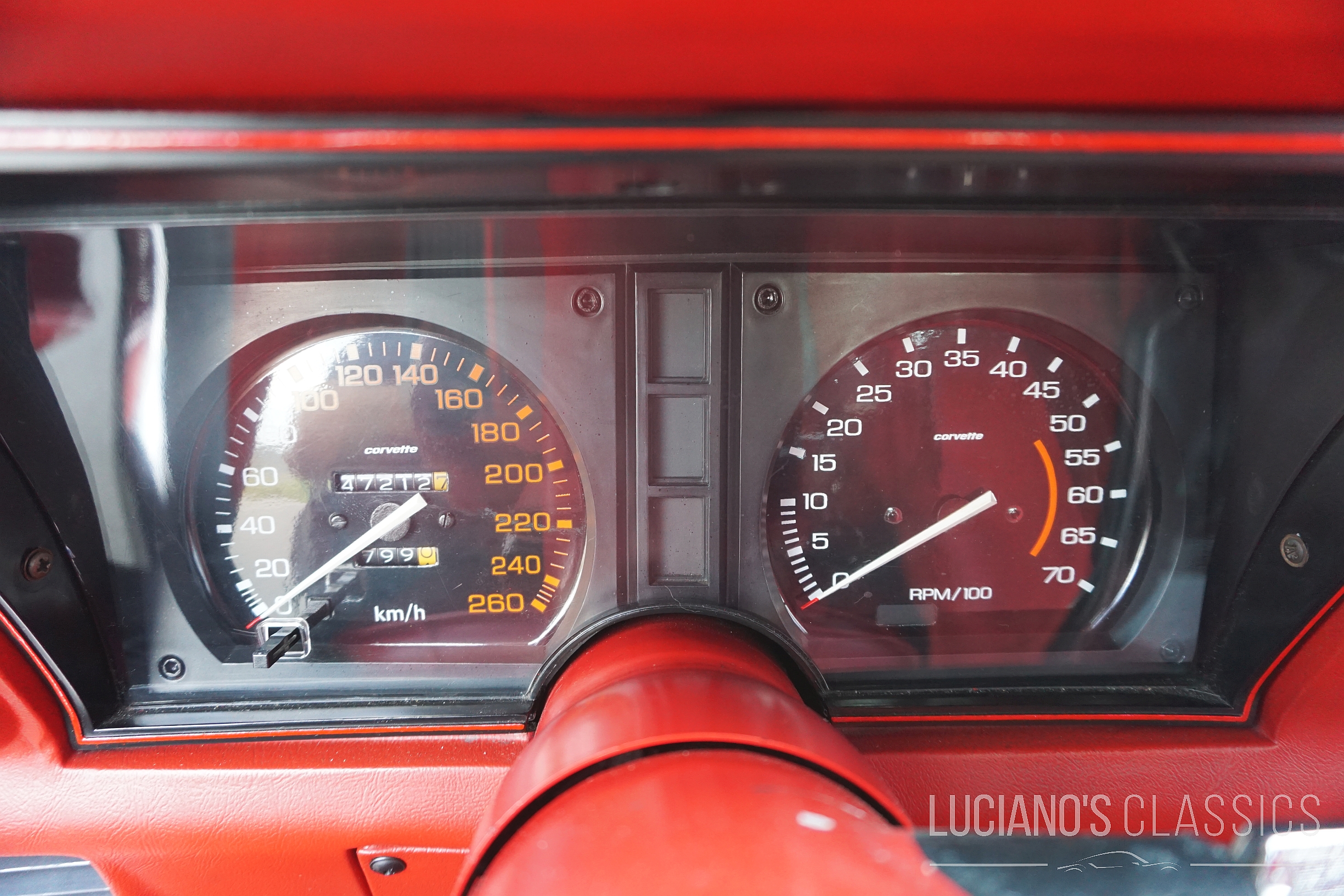
The last Corvette C3 Convertible was built in July 1975. In addition to the standard catalytic converters, the «High Energy Ignition» and an electronic speedometer were now also installed. The 205 hp 350 L82 was the only engine on offer that year apart from the standard 350 with 165 hp.
In 1976, the air intake for the carburettor was optimized and moved to the front. The interior now proudly featured a new sports steering wheel. From 1977, leather seats were part of the standard equipment and seats with integrated headrests followed in 1979. The engines, standard L48 and optional L82, received a 5 hp boost thanks to the modified exhaust system.
Details
- 76’000 km (read off)
- 1. inv. 01.07.1978
- Veterans MFK 21.09.2022
- 5,730 cc V8 engine
- 190 HP
- Type certificate X
- Master number 315.323.319
- Chassis 1Z8 7L8 S40 363 3
- Unladen weight 1,520 kg
- Payload 380 kg
not what you are looking for?
We will be happy to find your individual dream vehicle.
Simply make a non-binding inquiry and benefit from our network.