
Jeep Cherokee Chief
Description
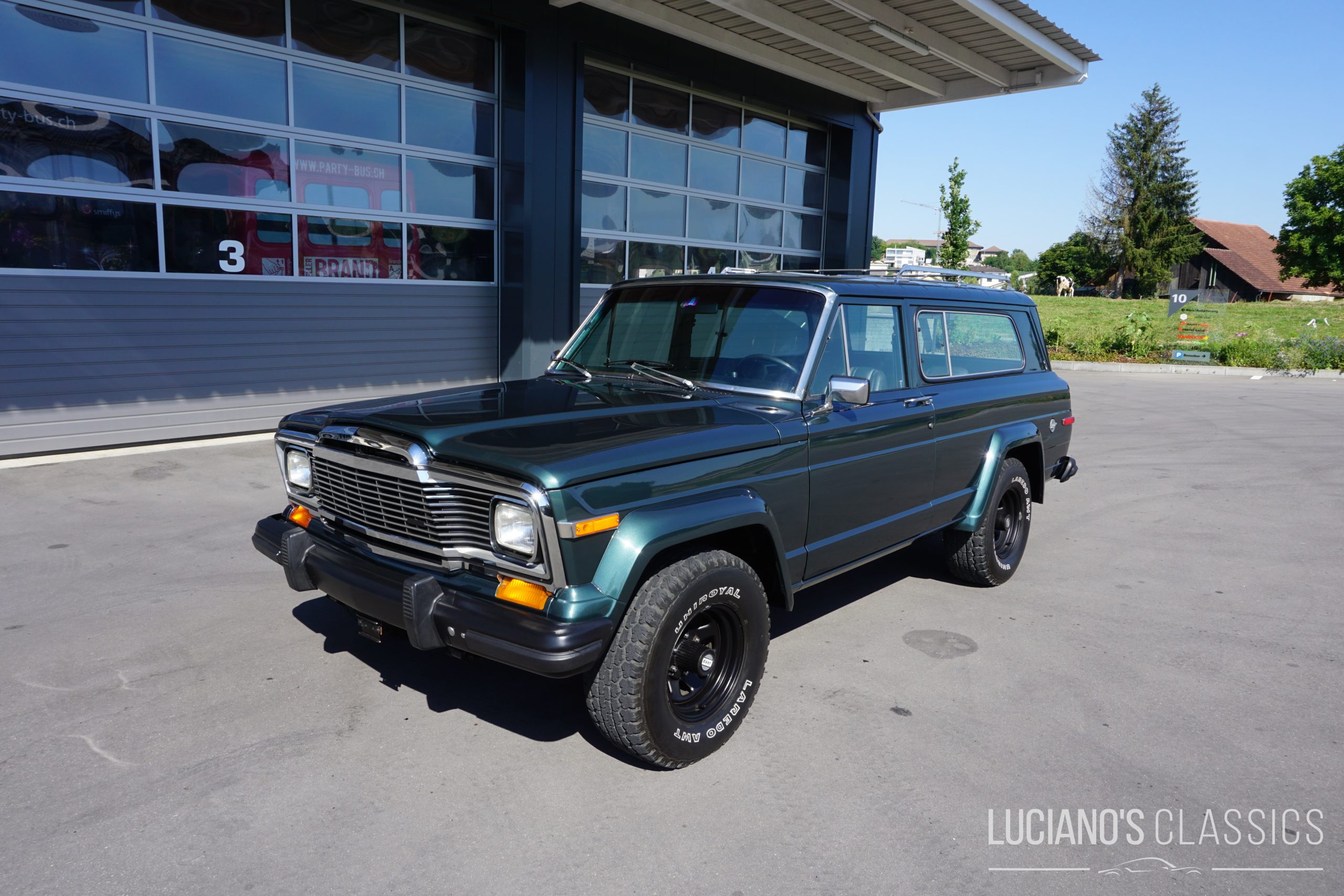
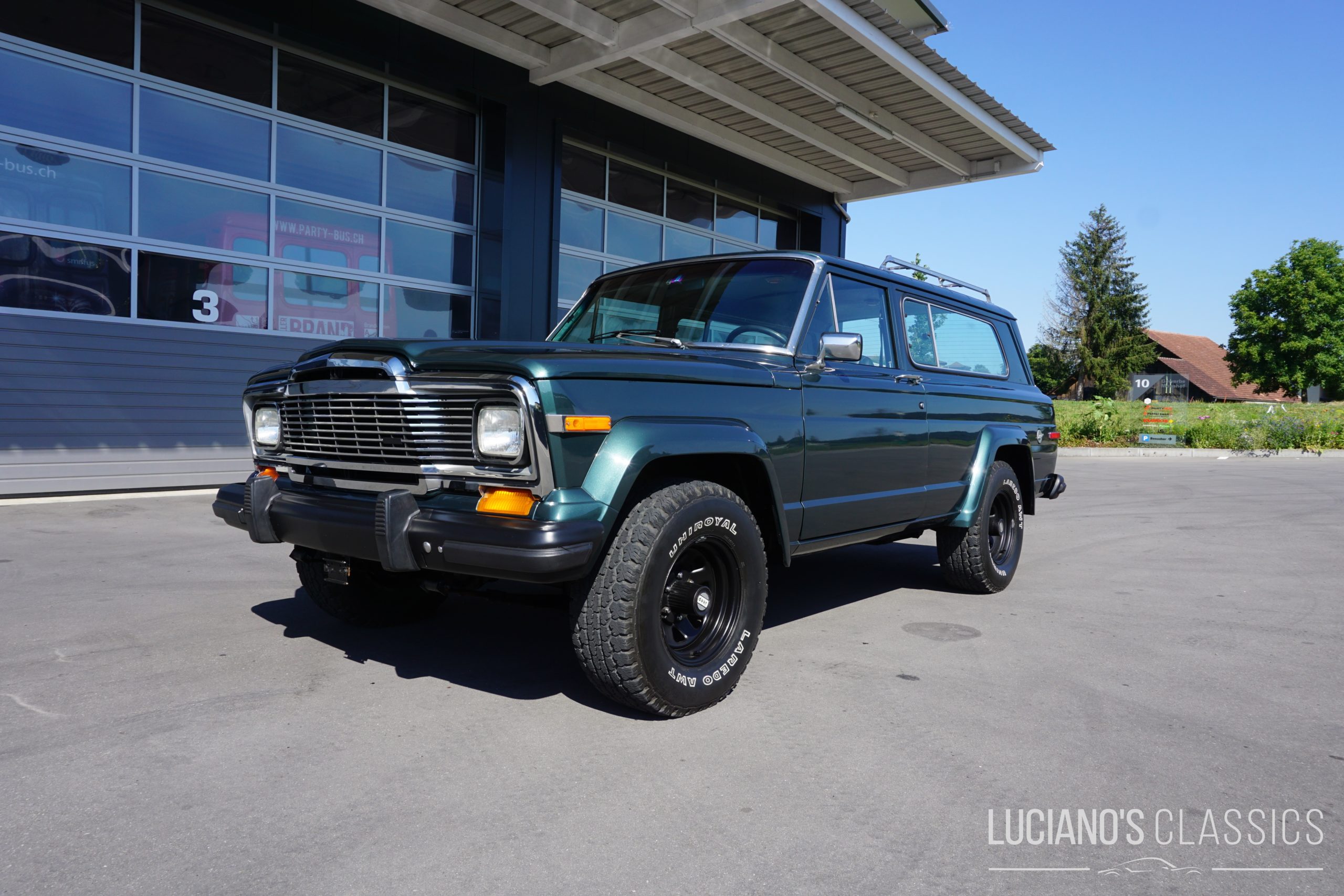
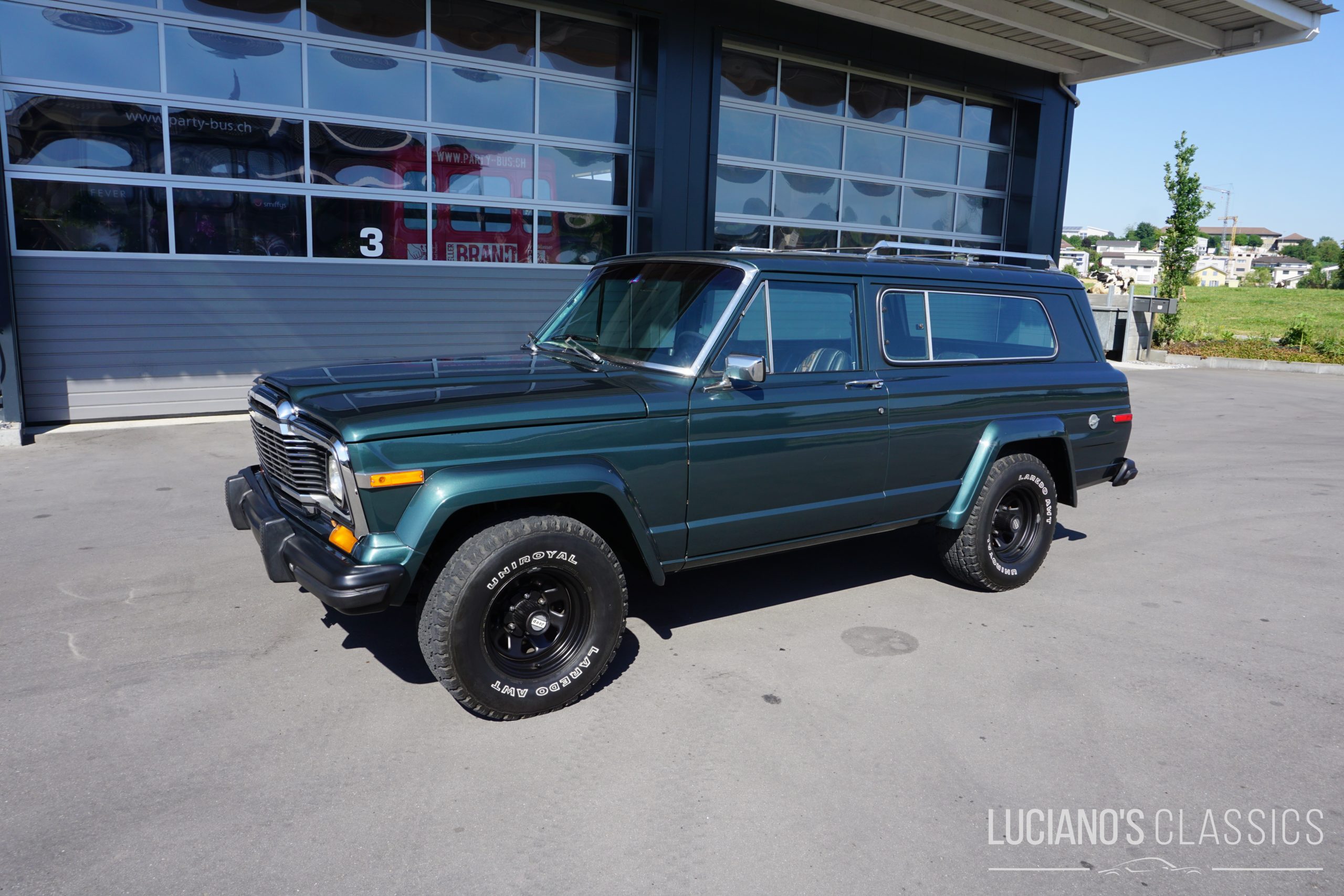
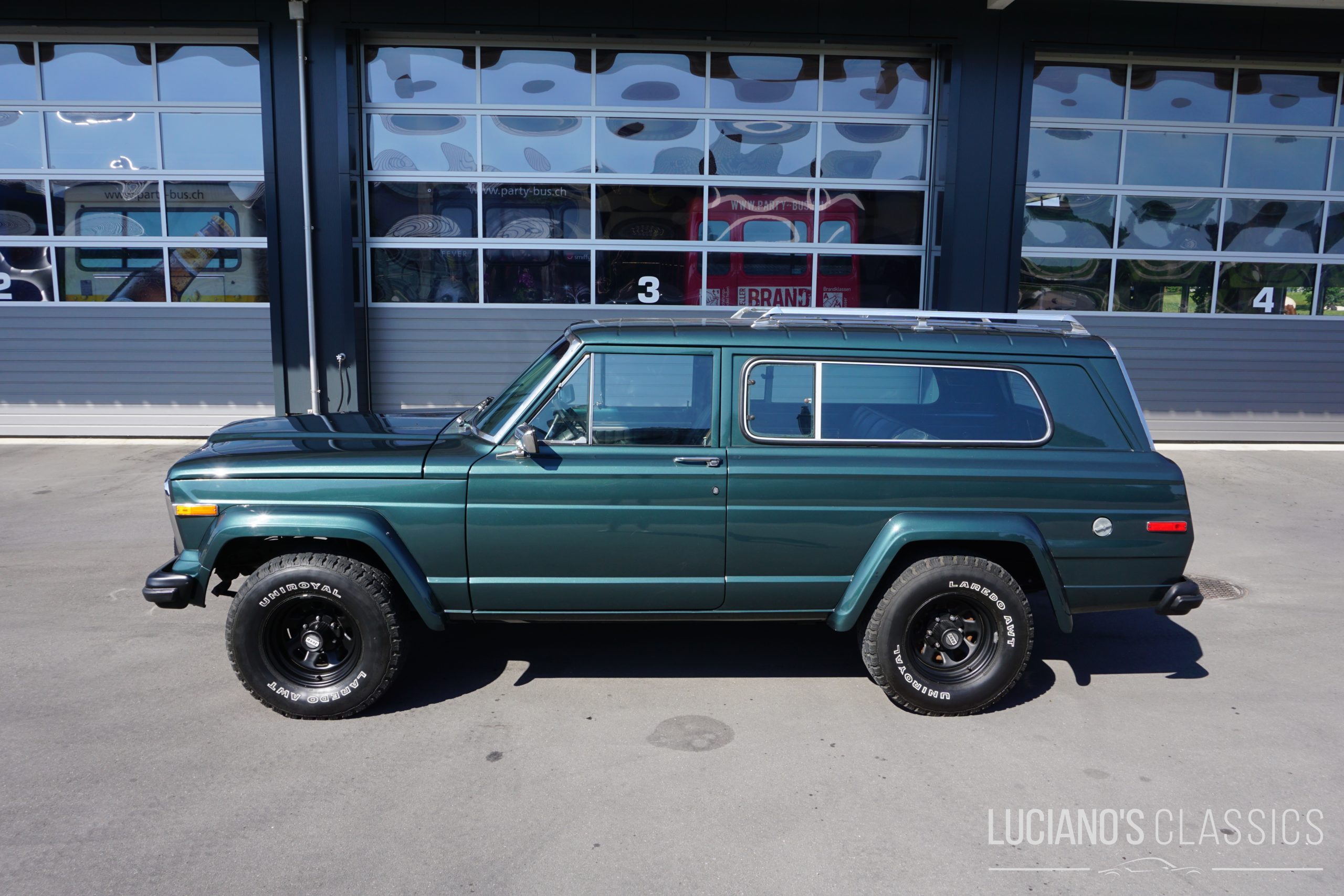
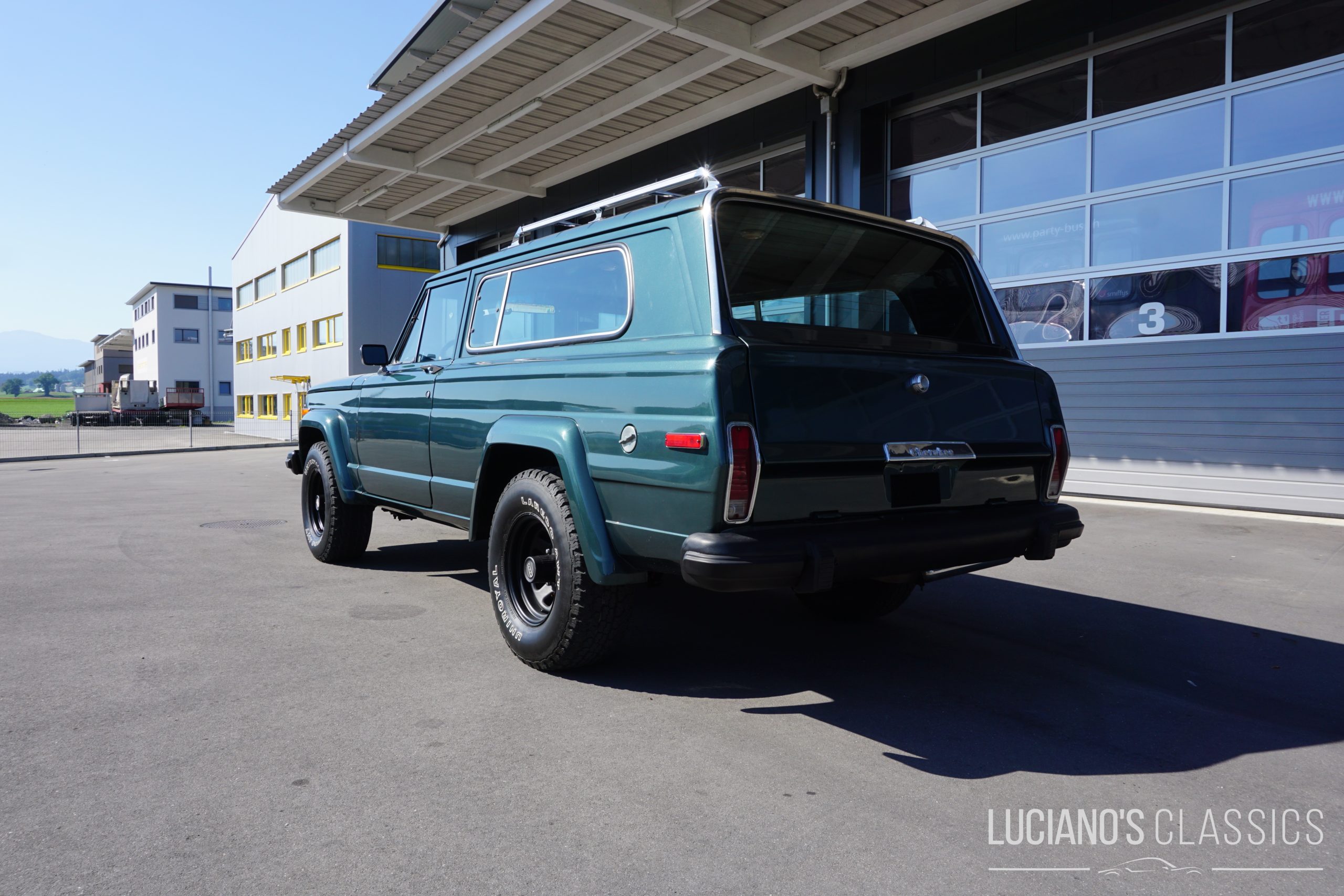
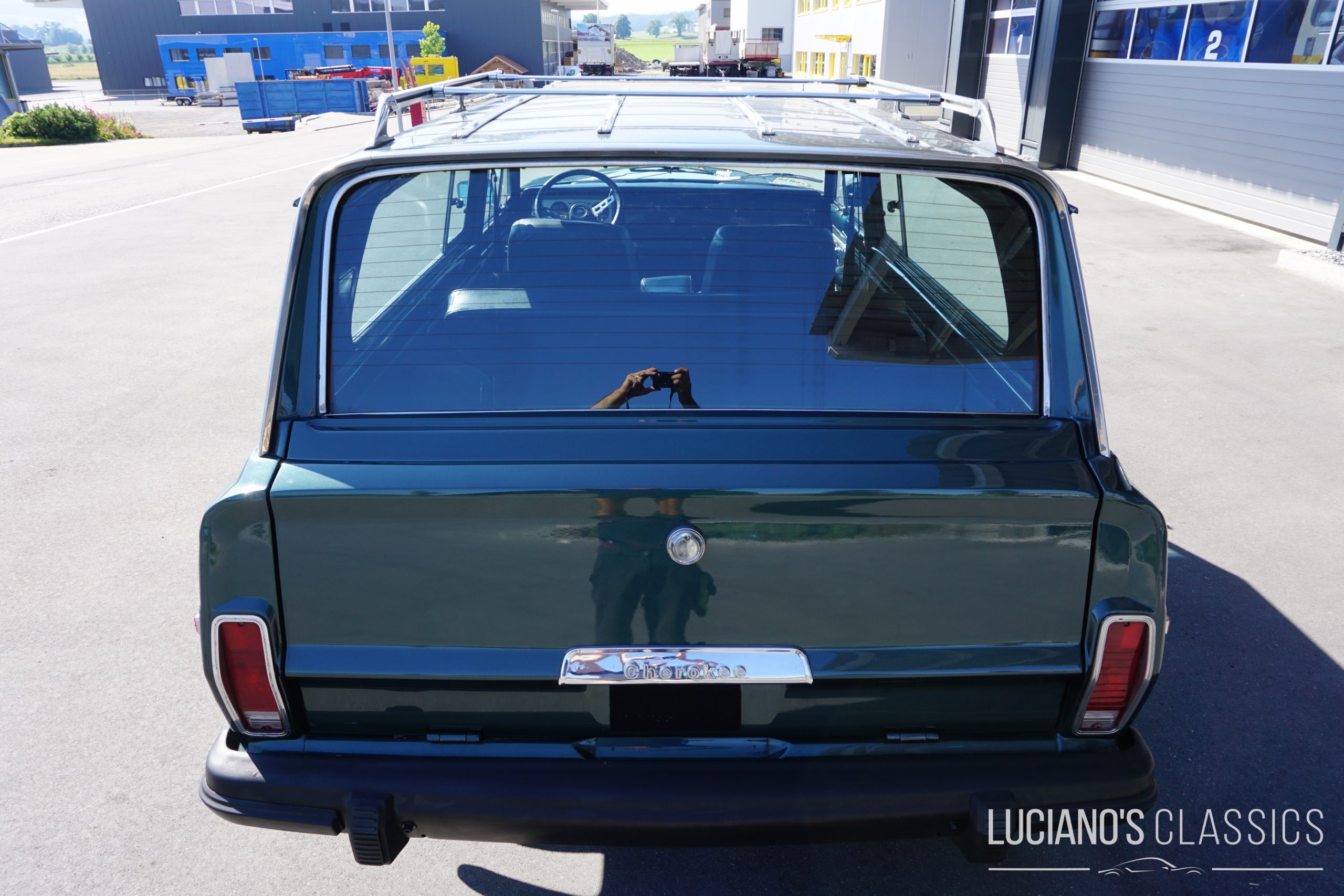
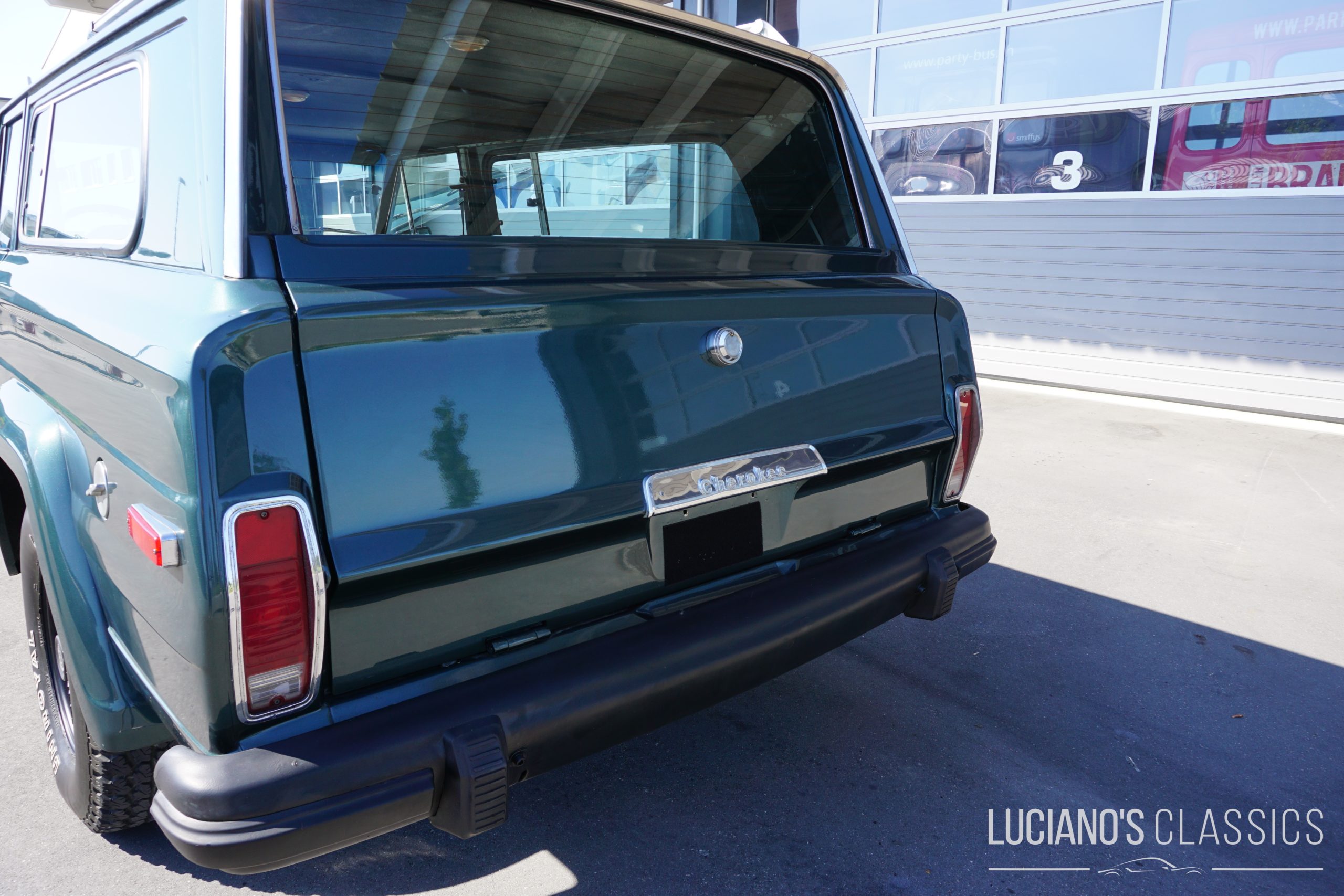
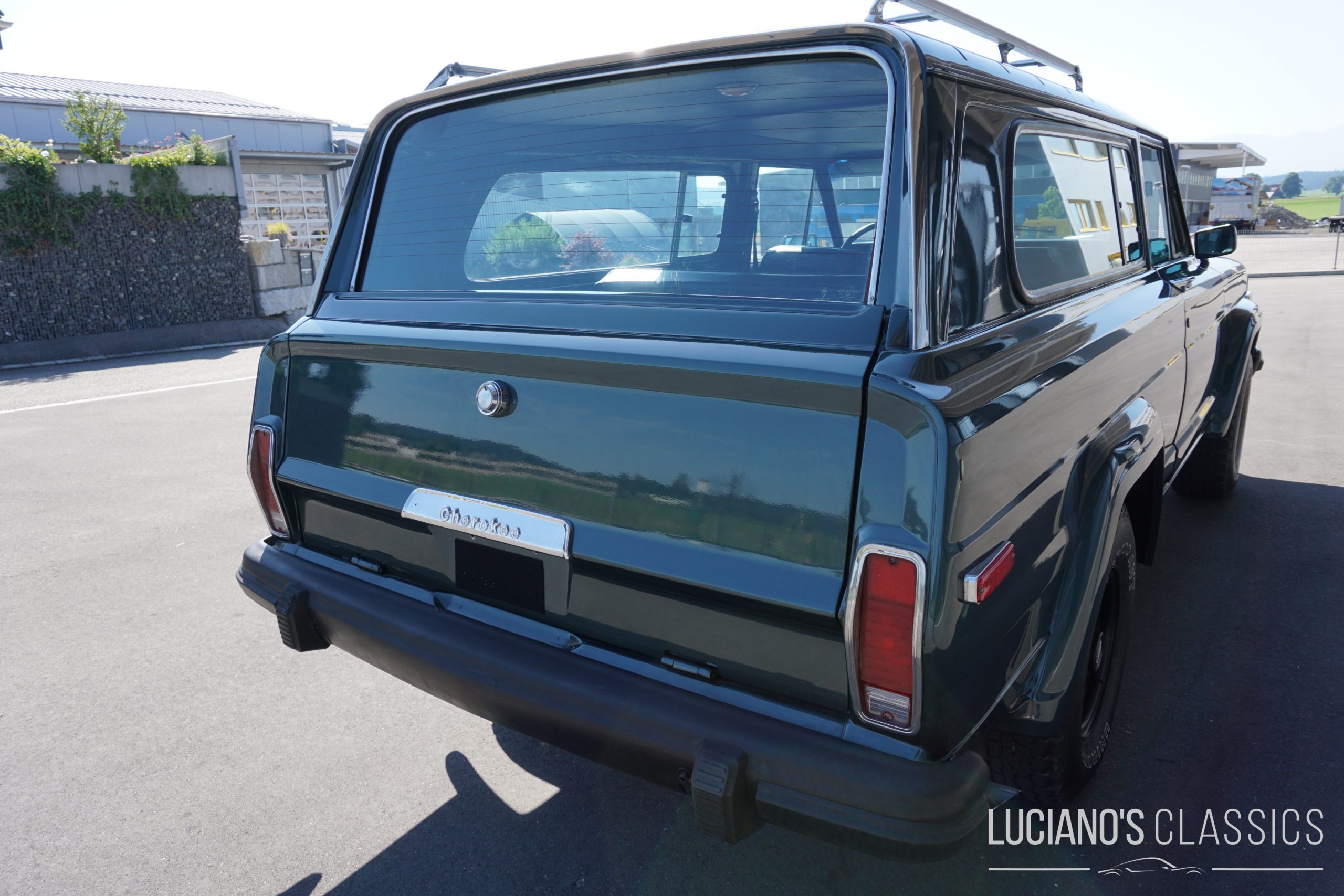
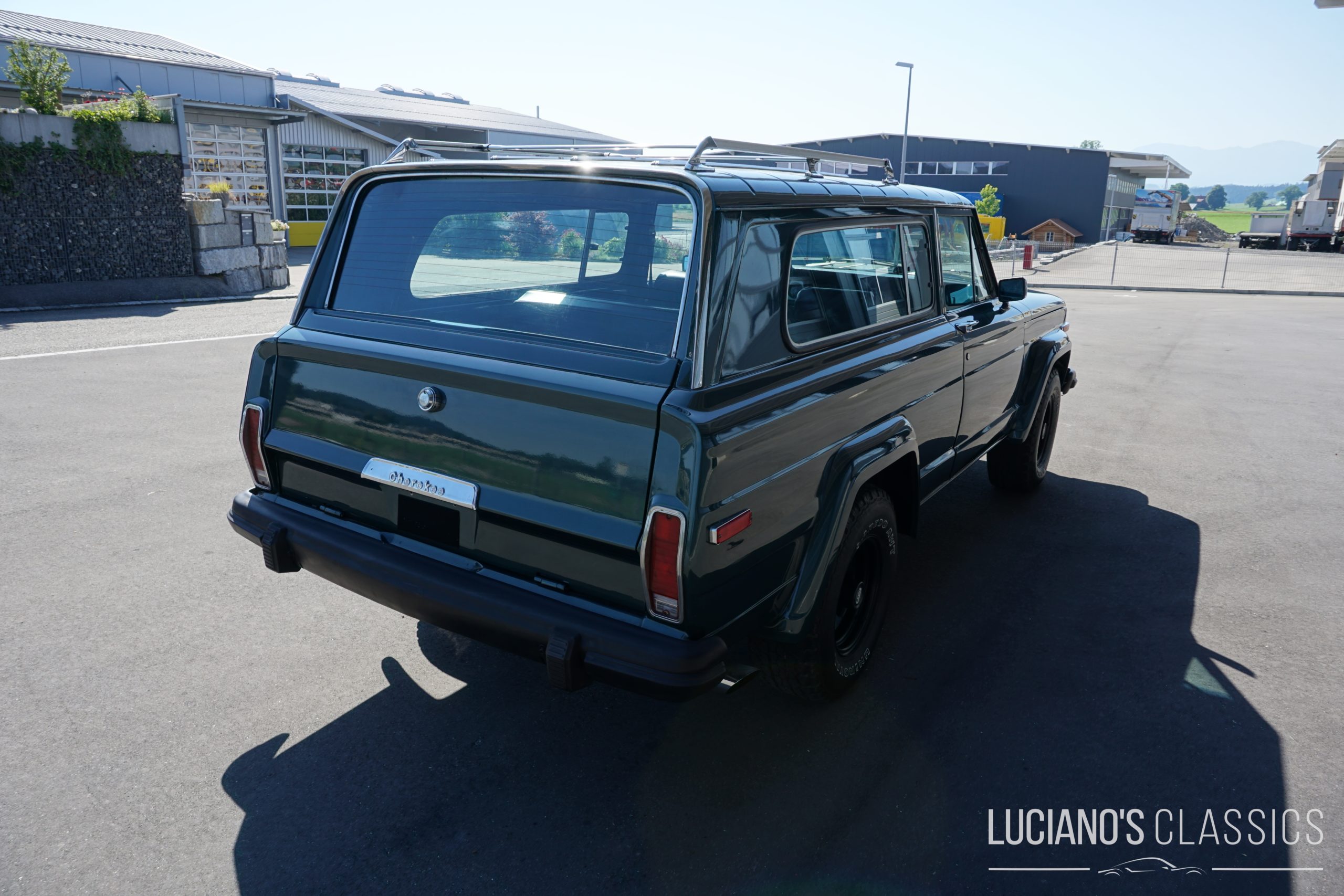
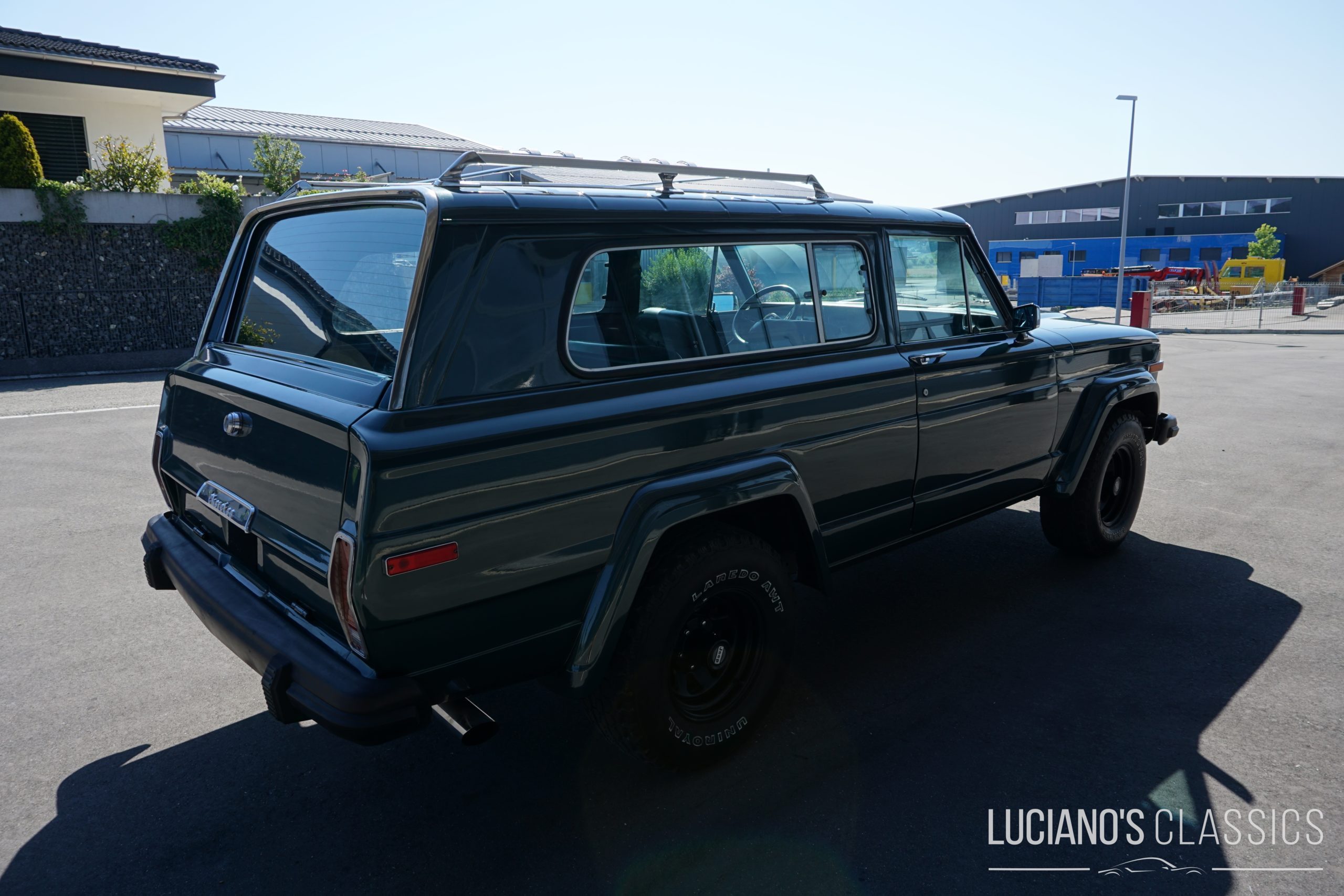
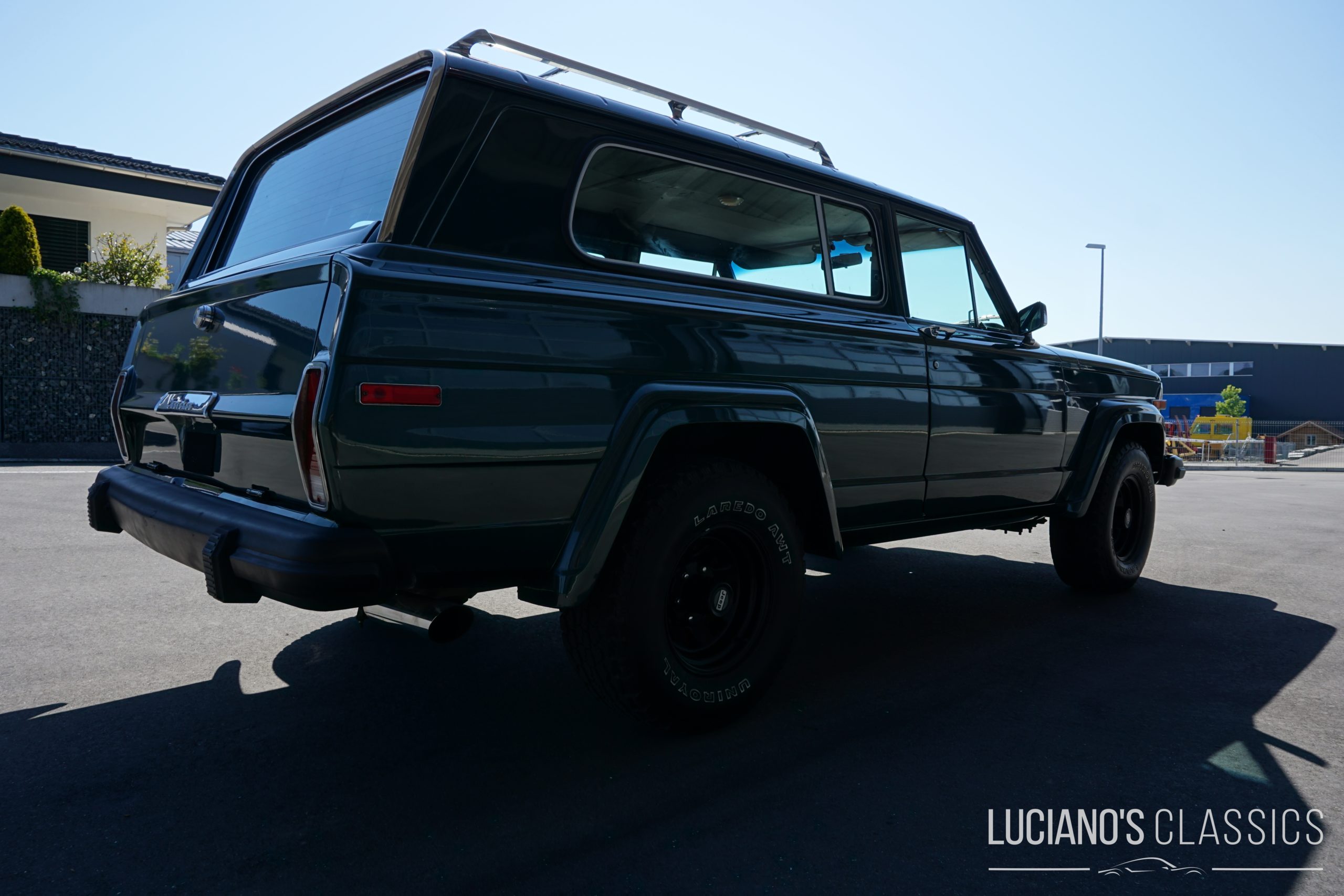
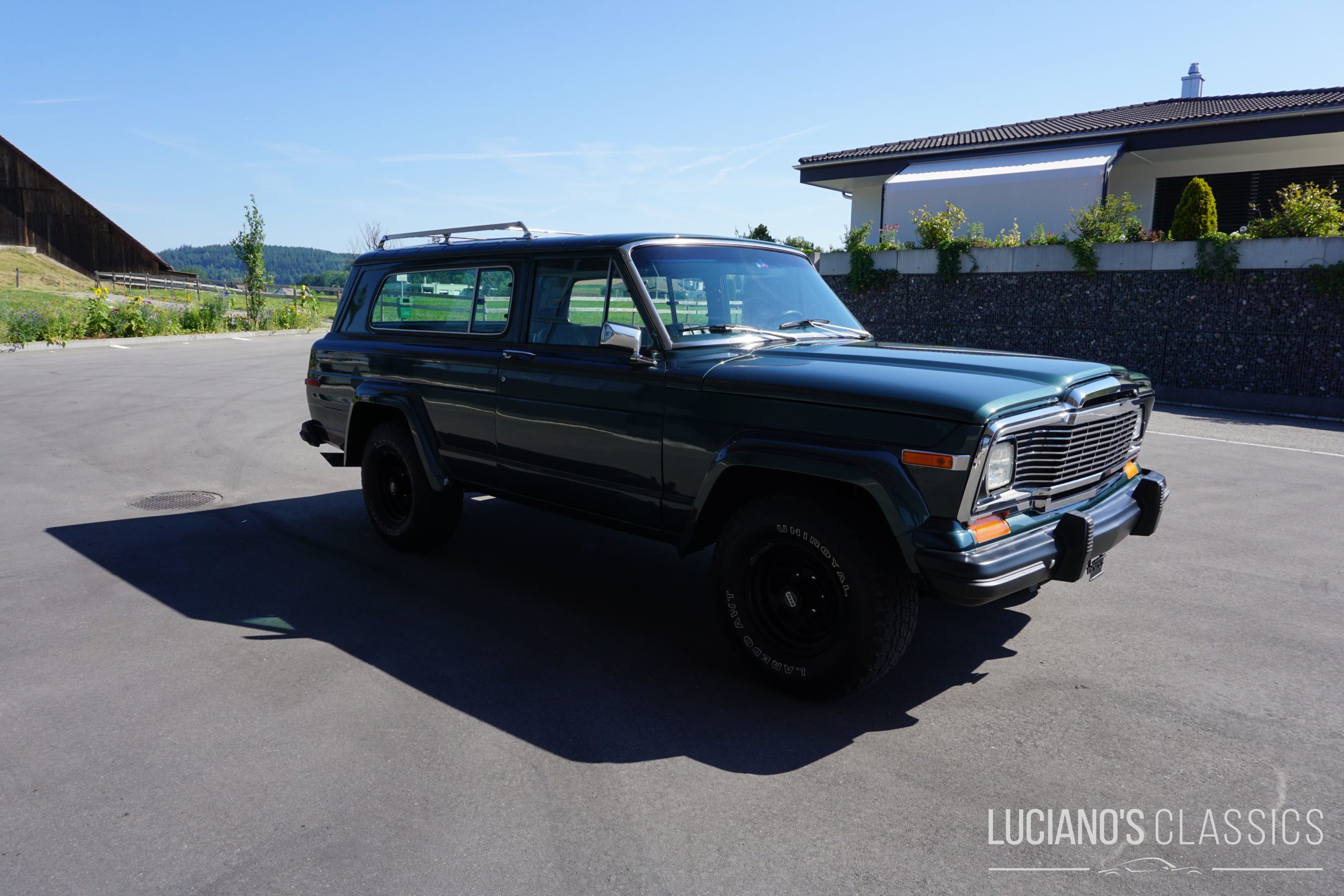
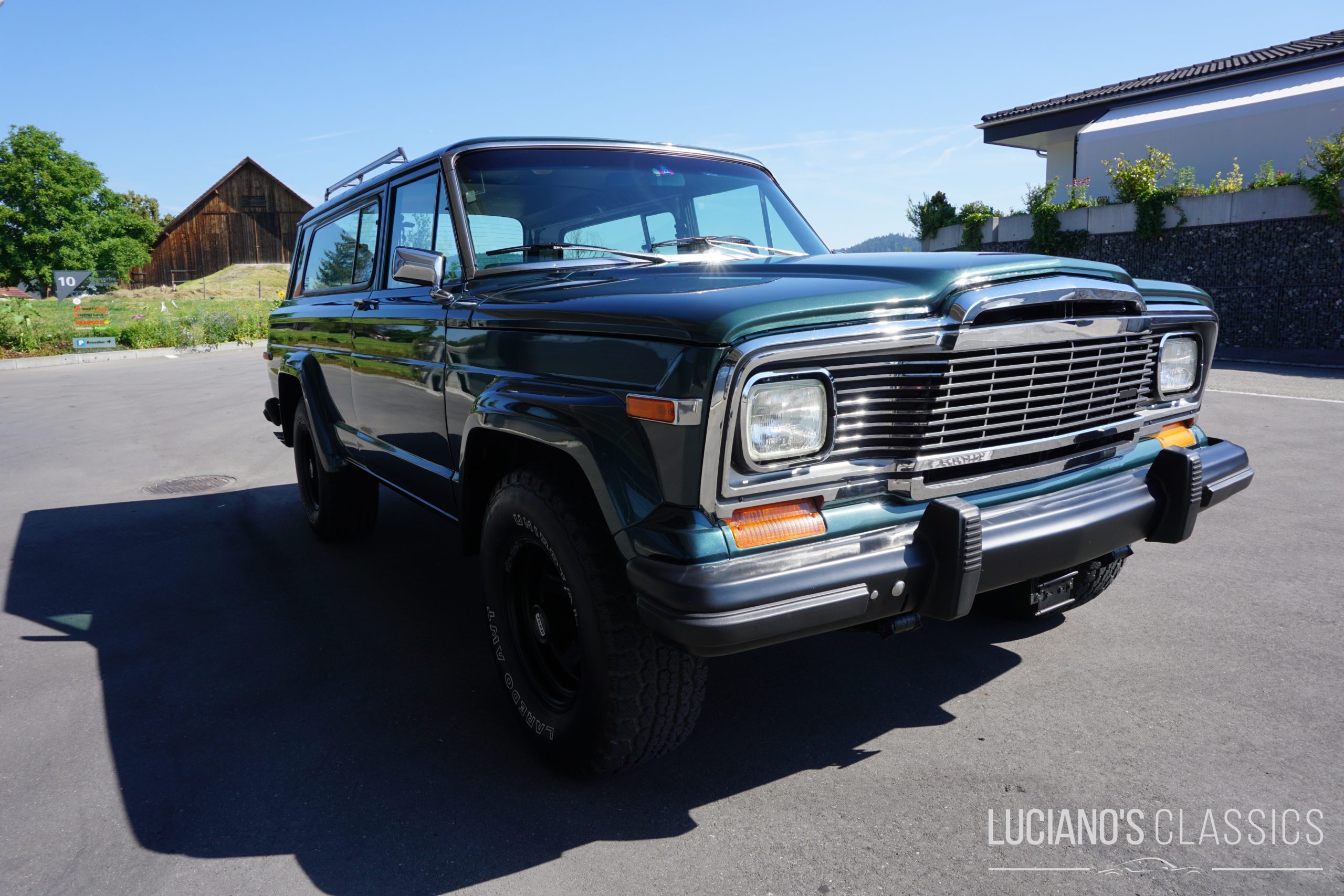
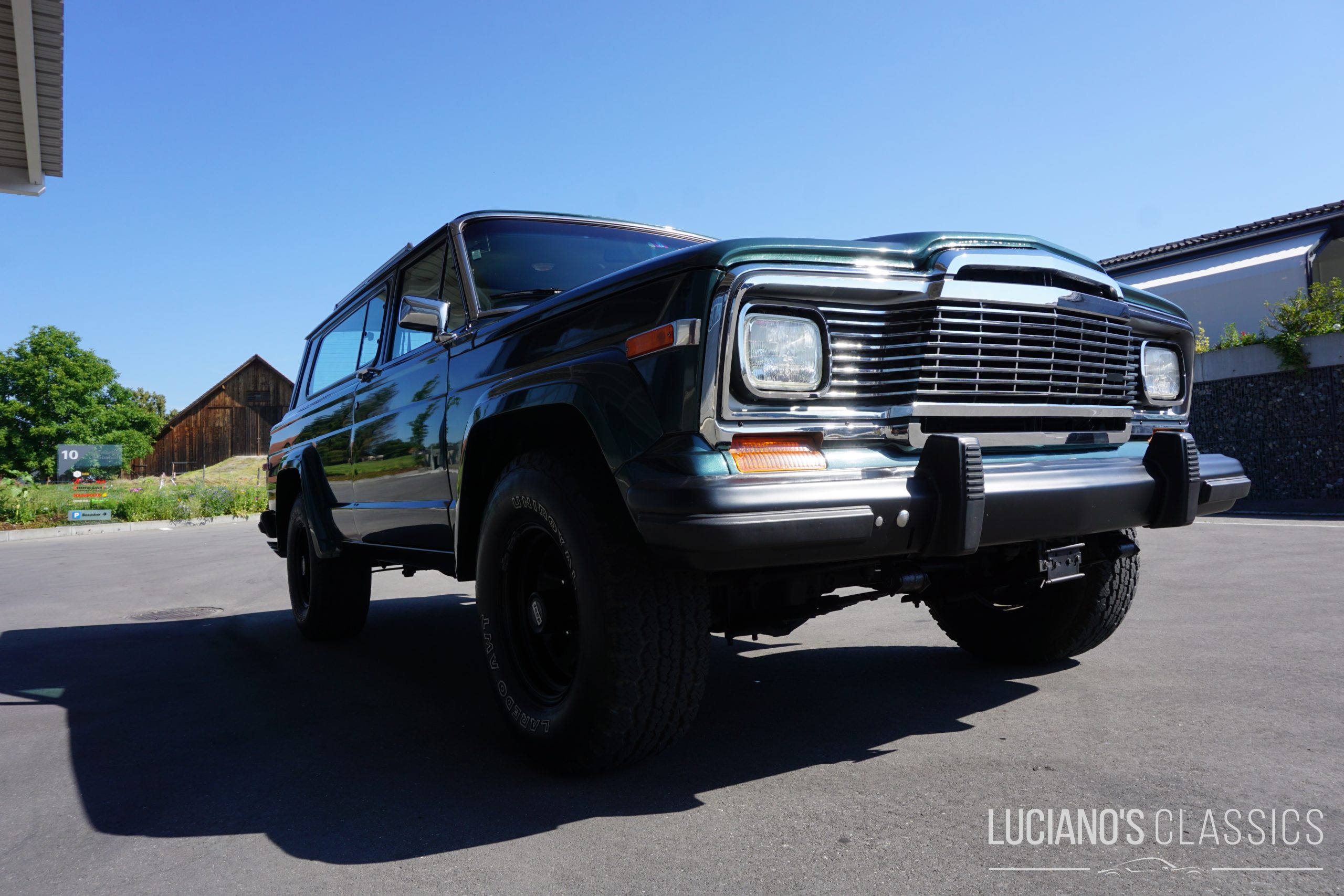
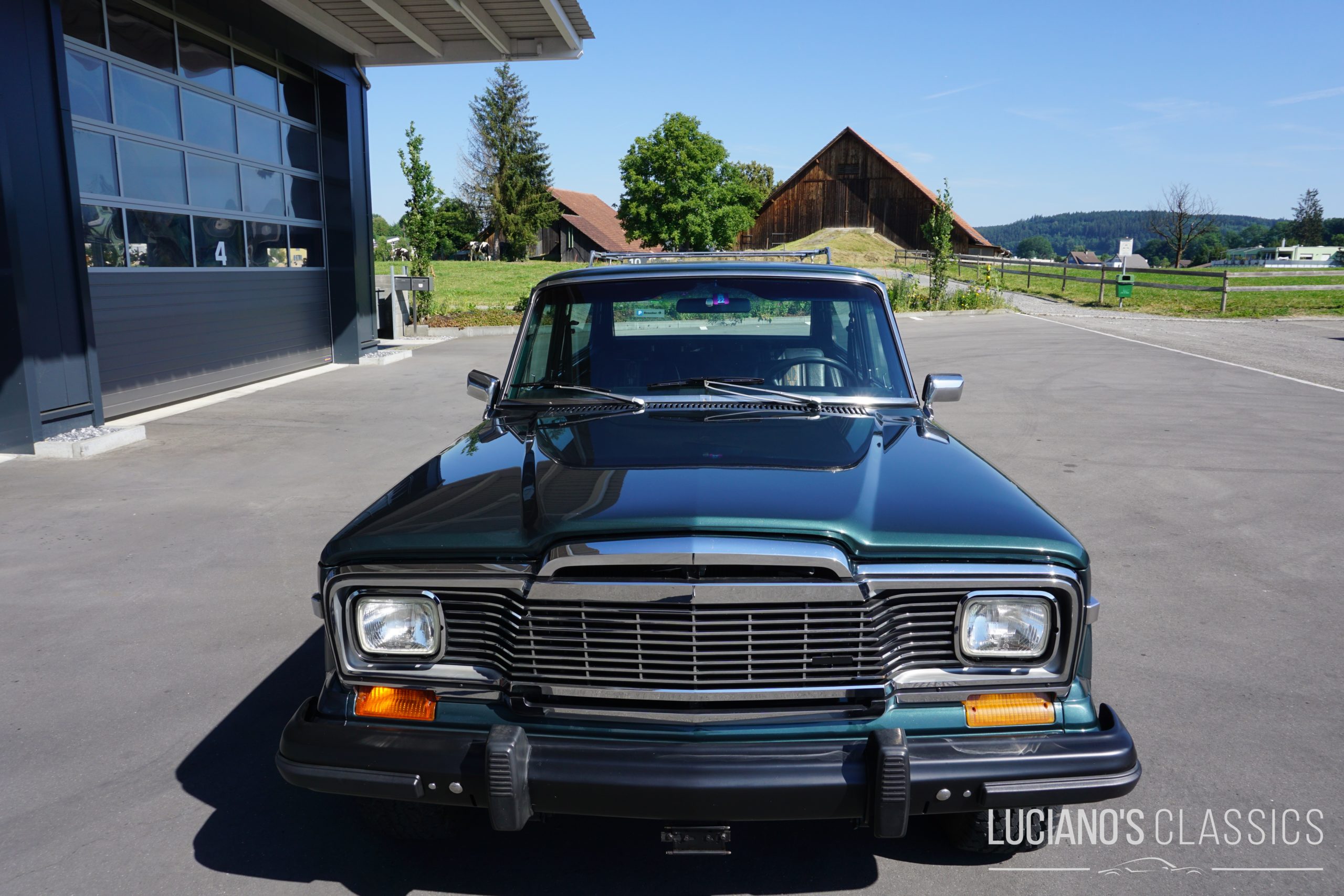
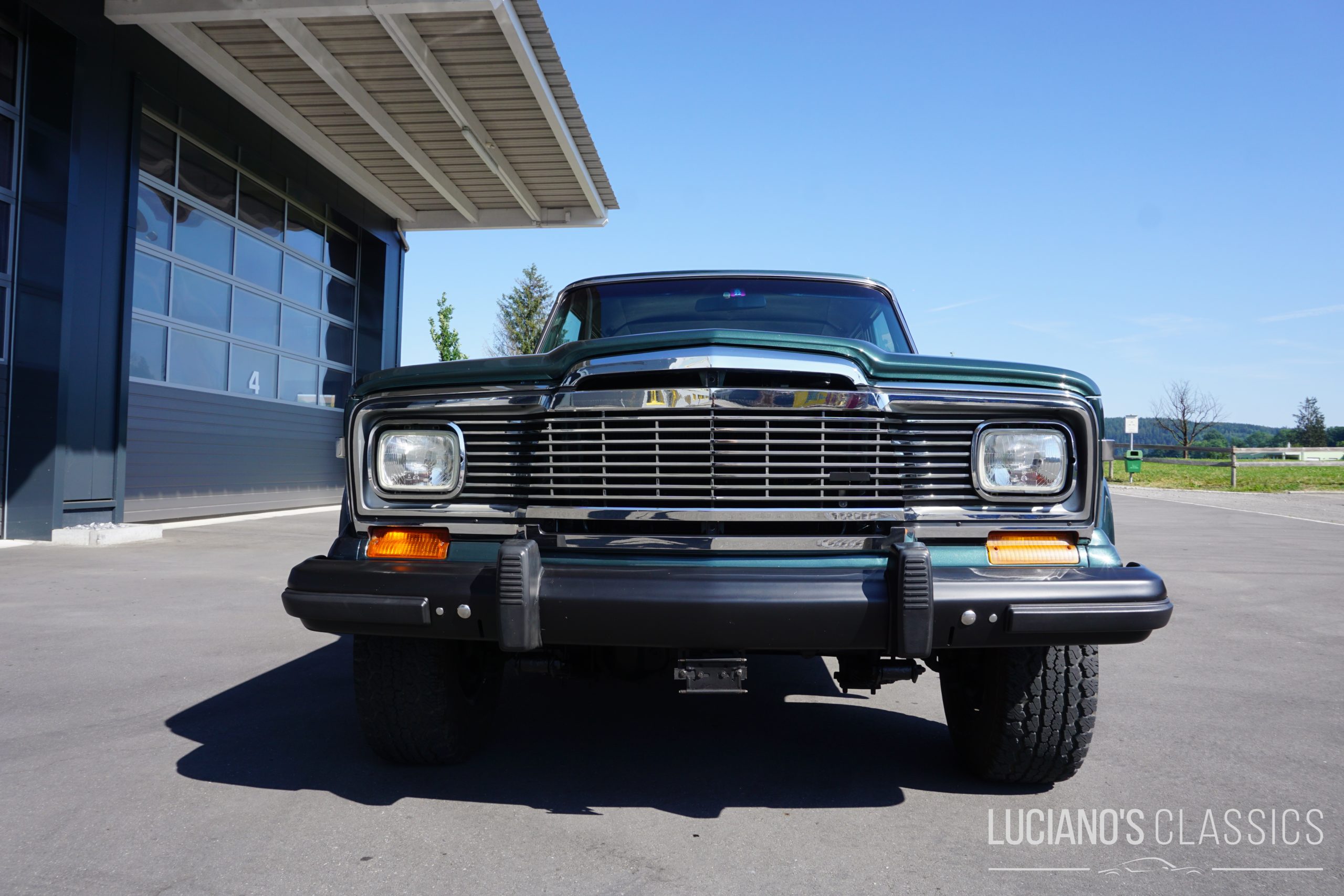
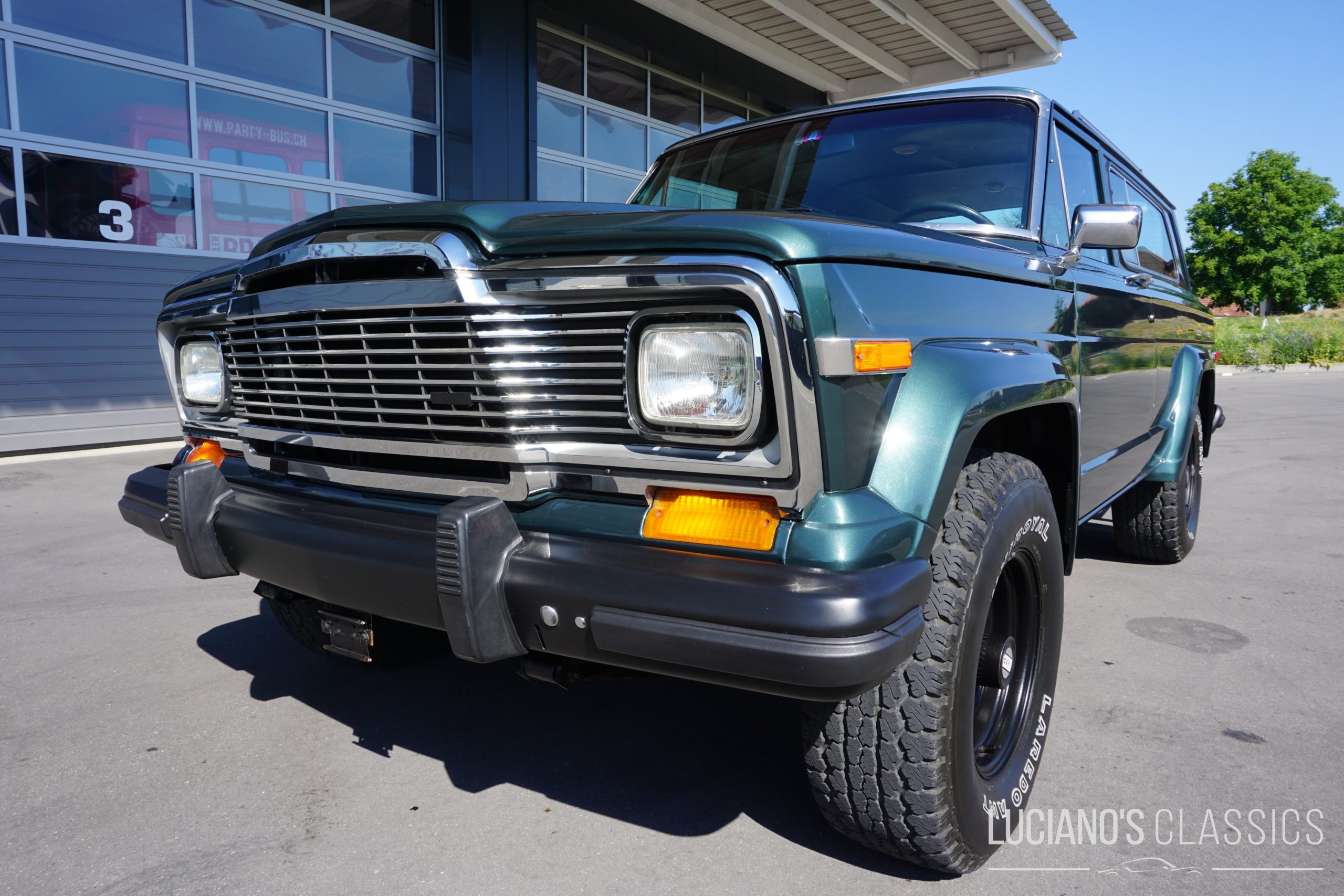
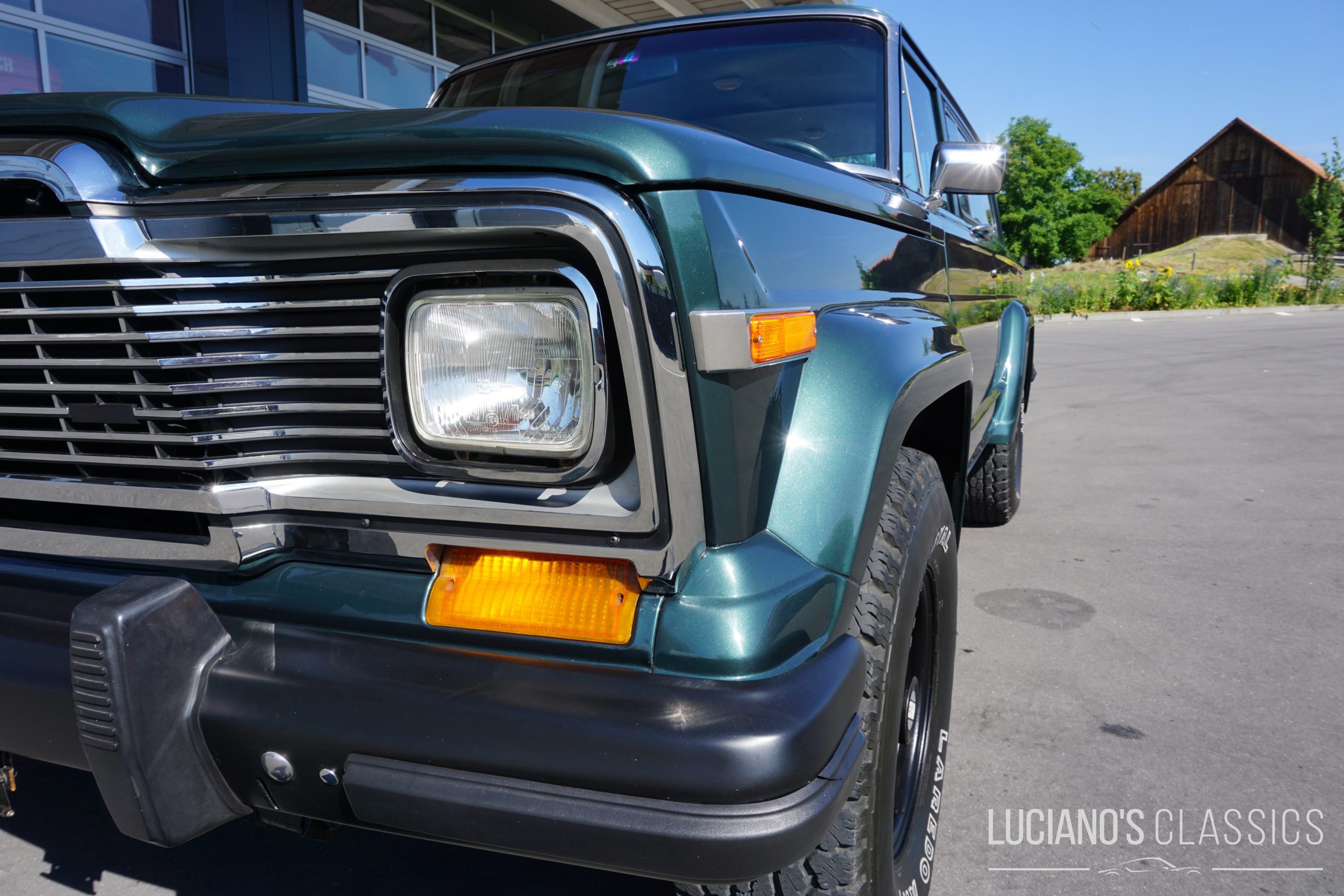
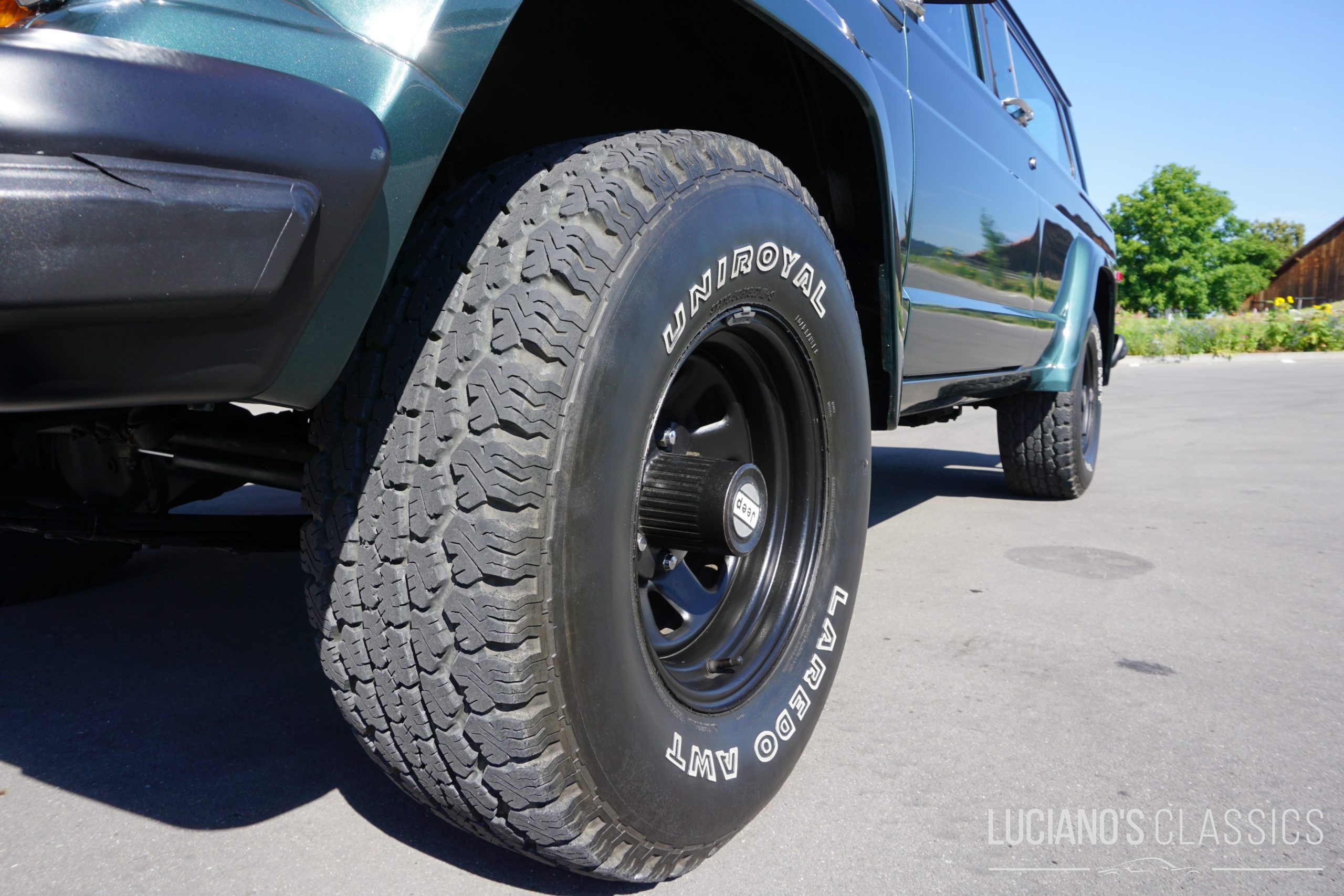
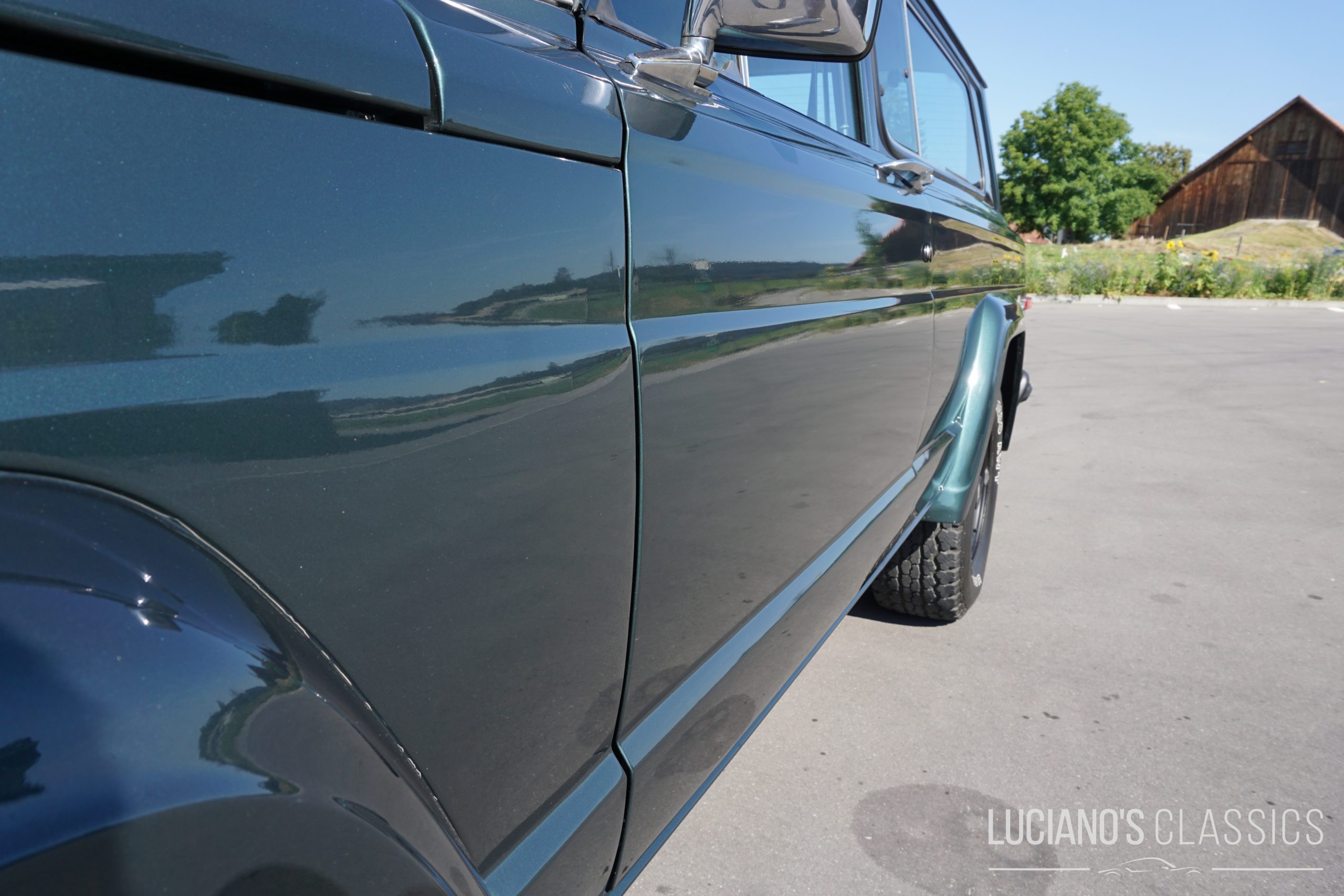
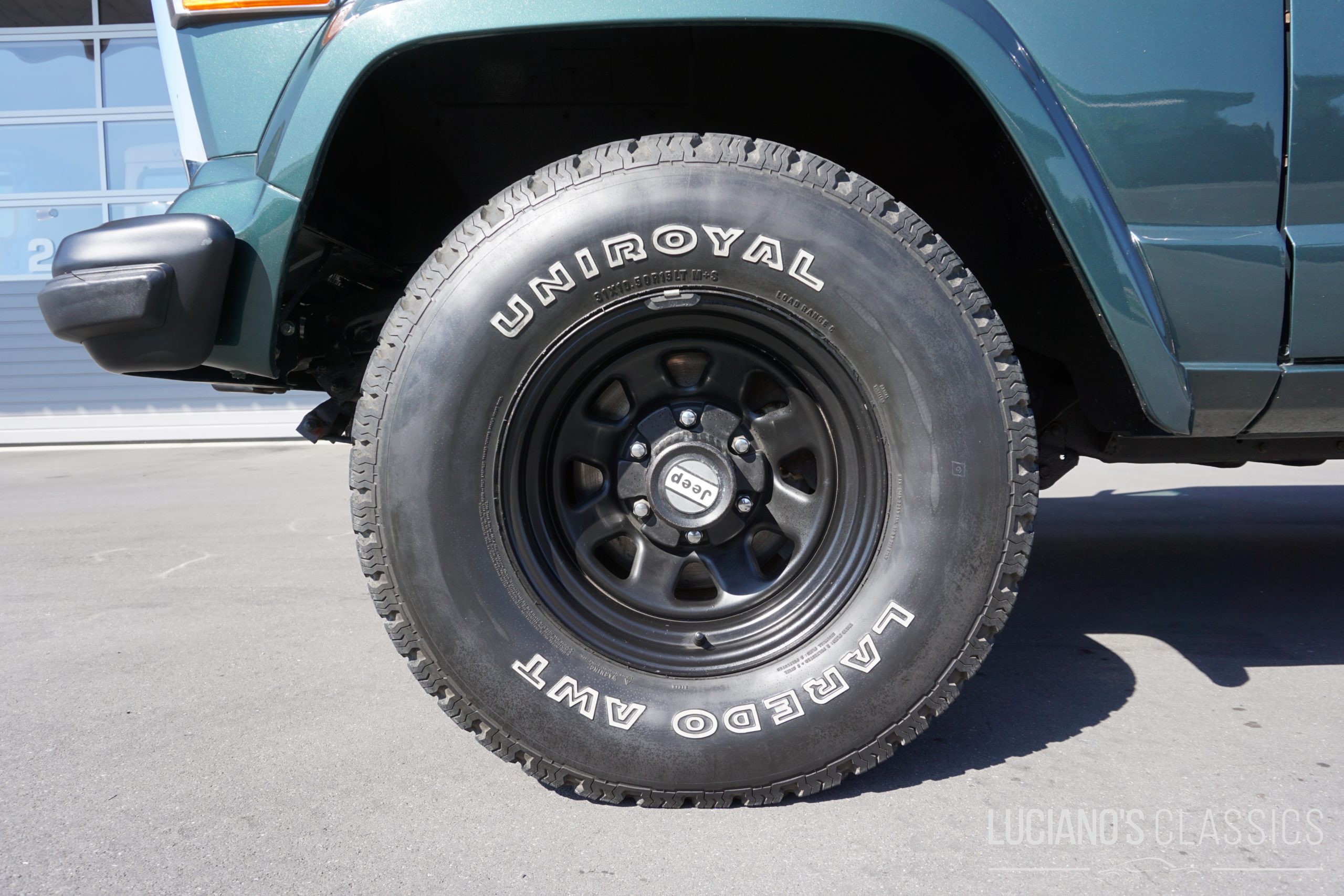
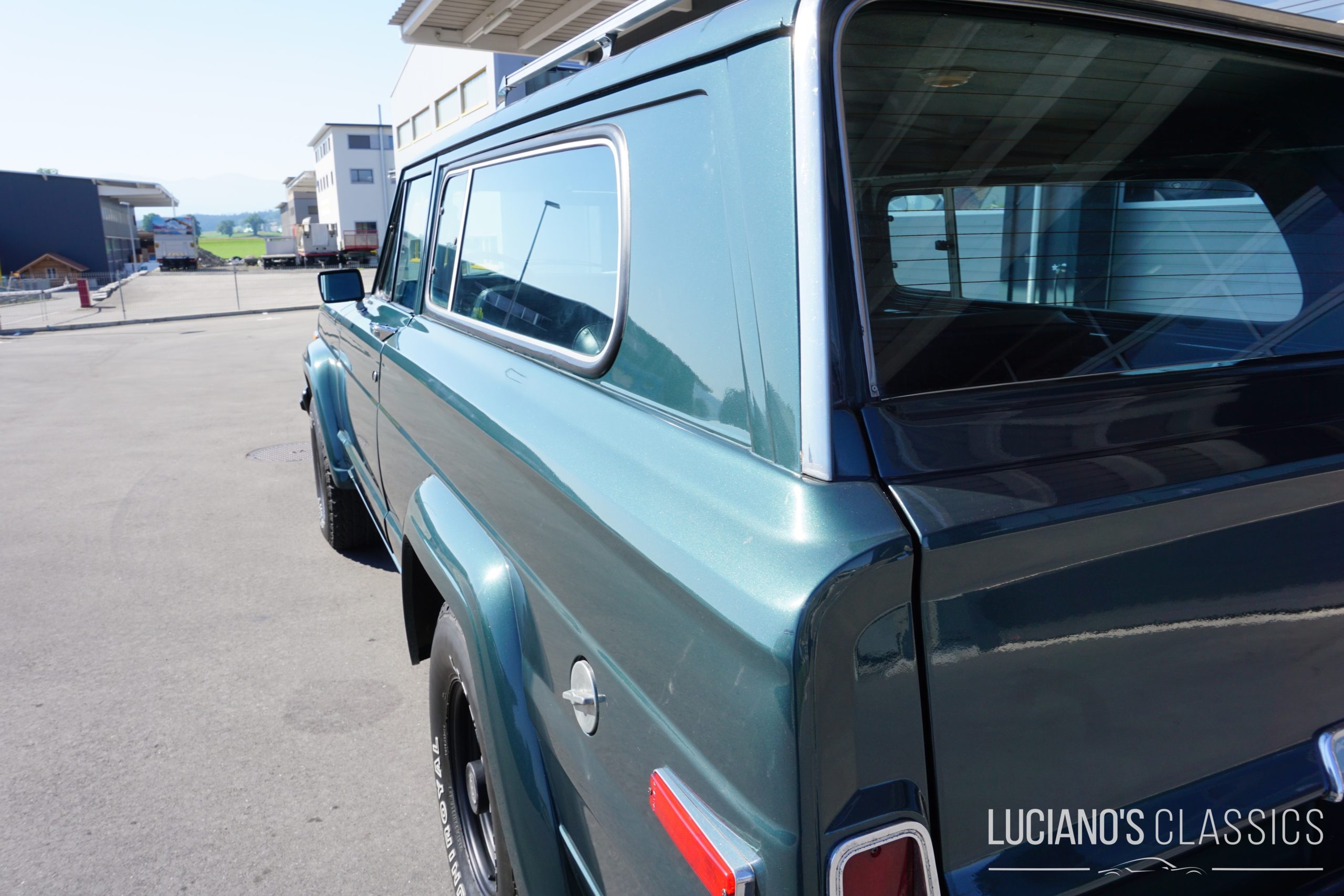
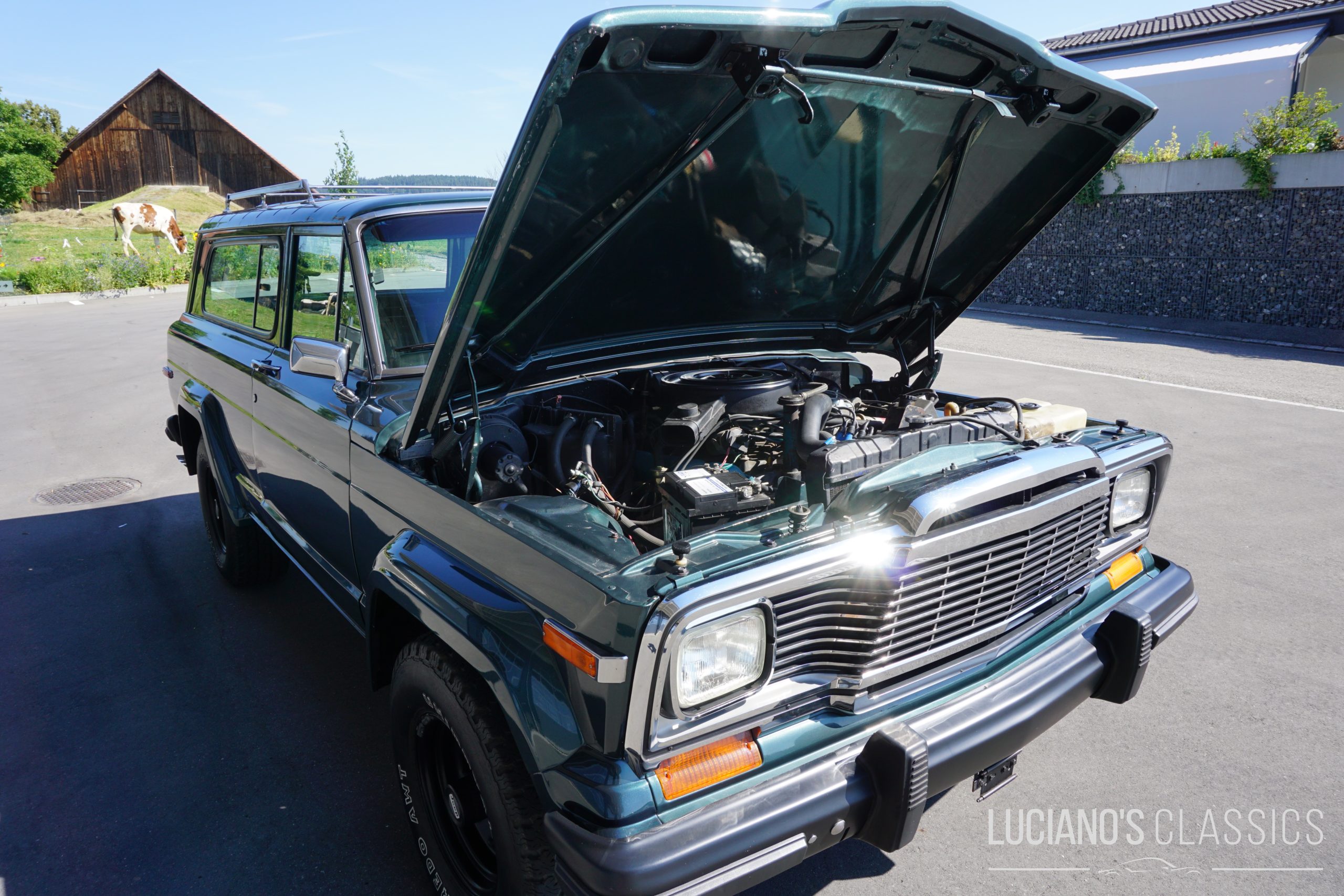
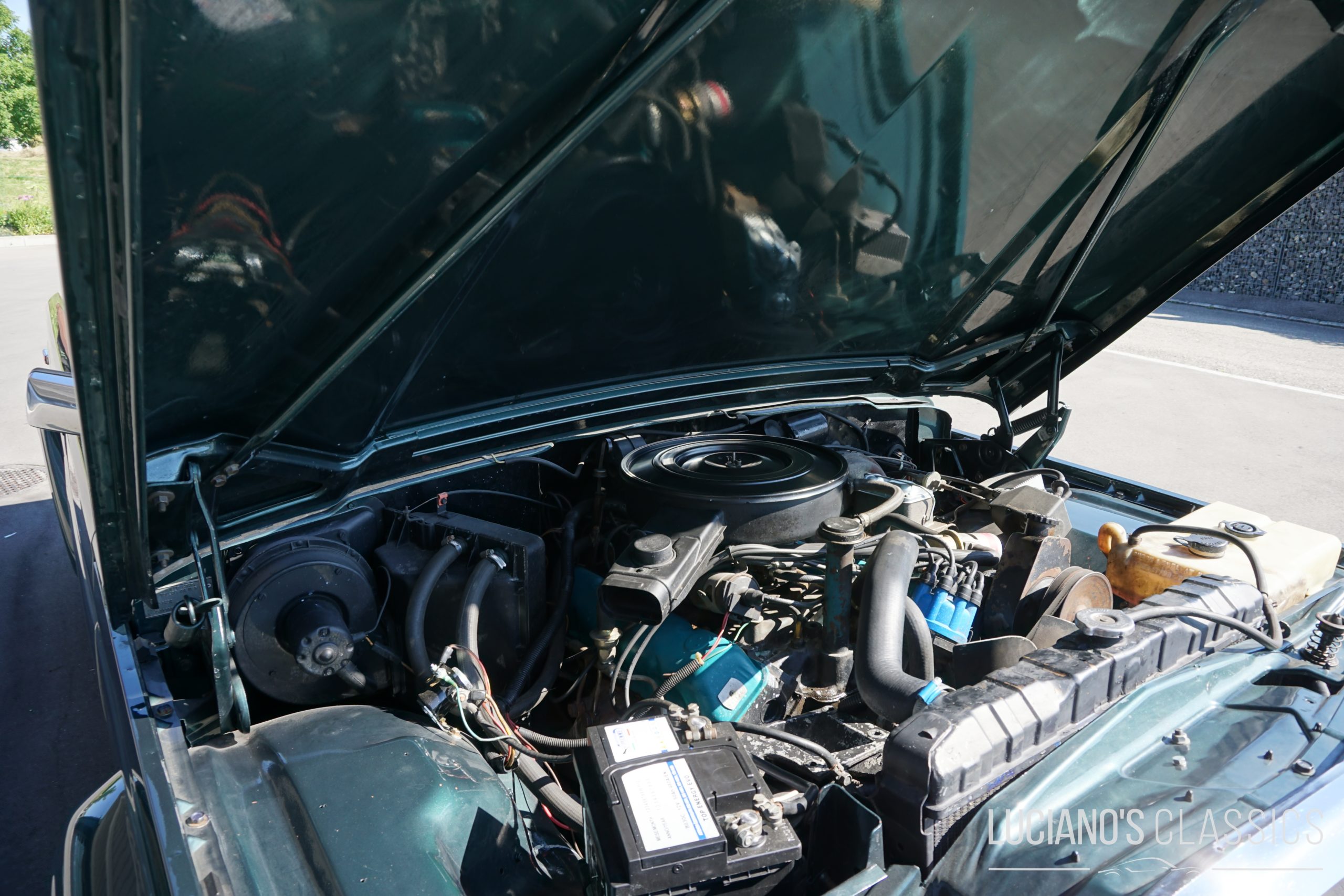
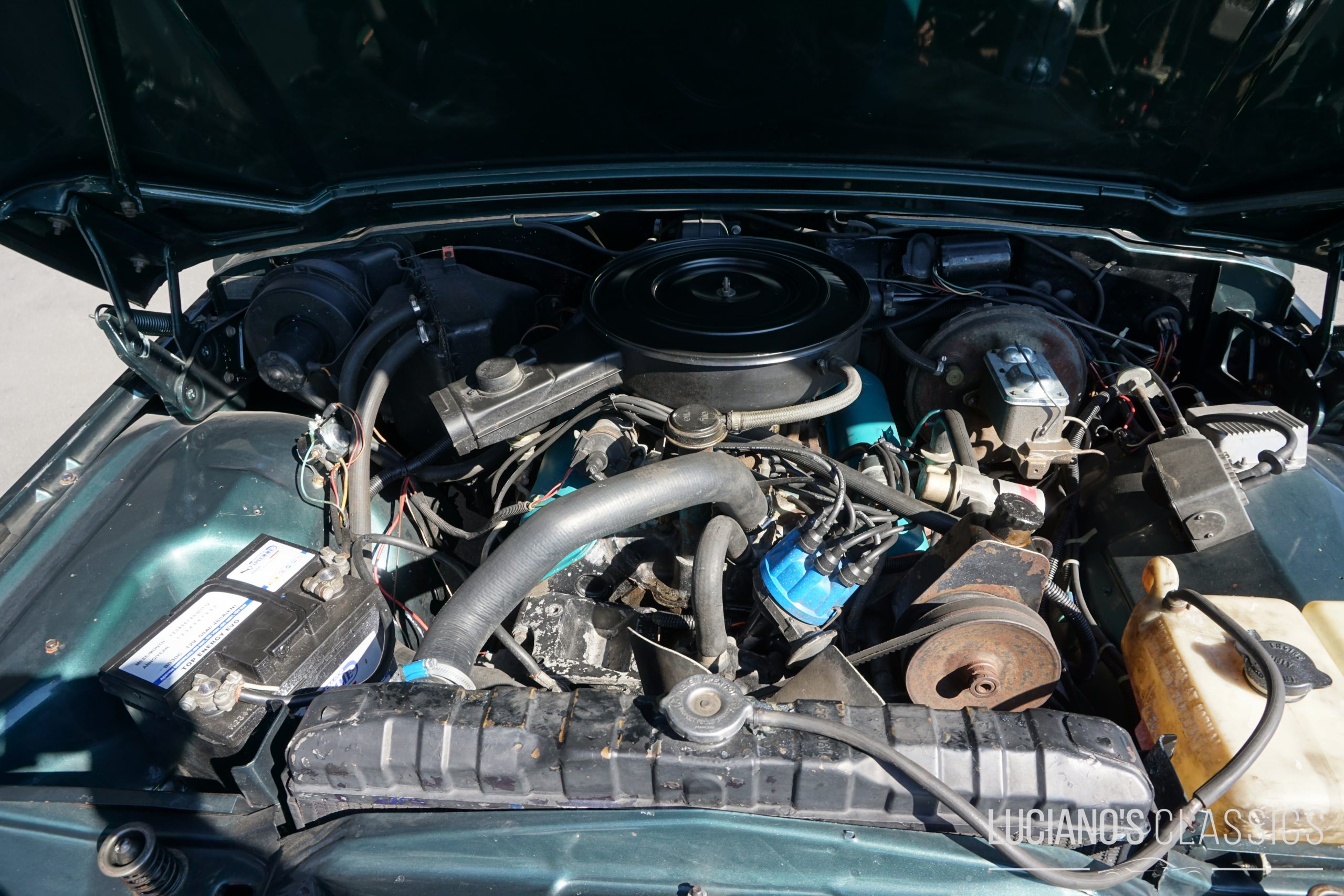
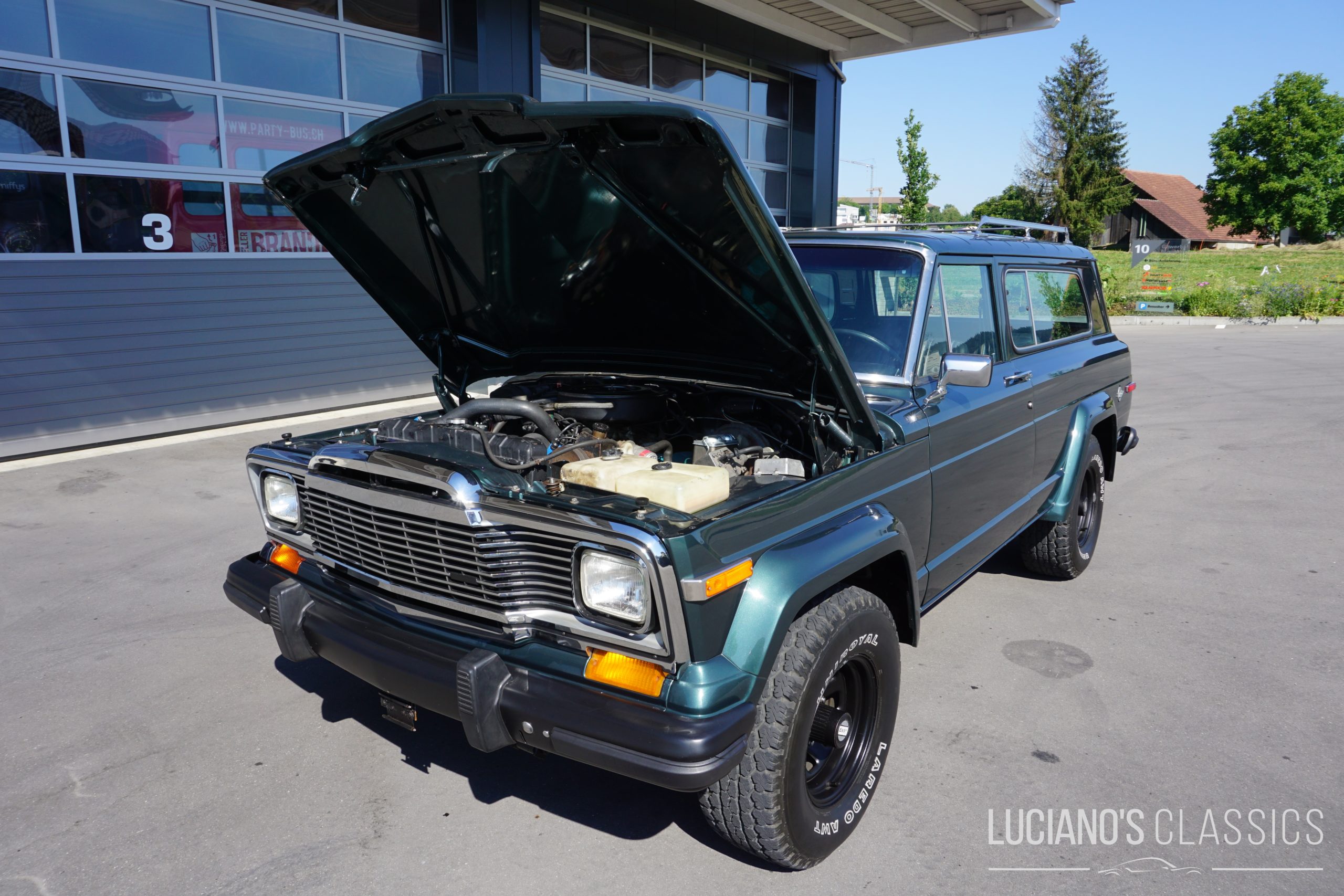
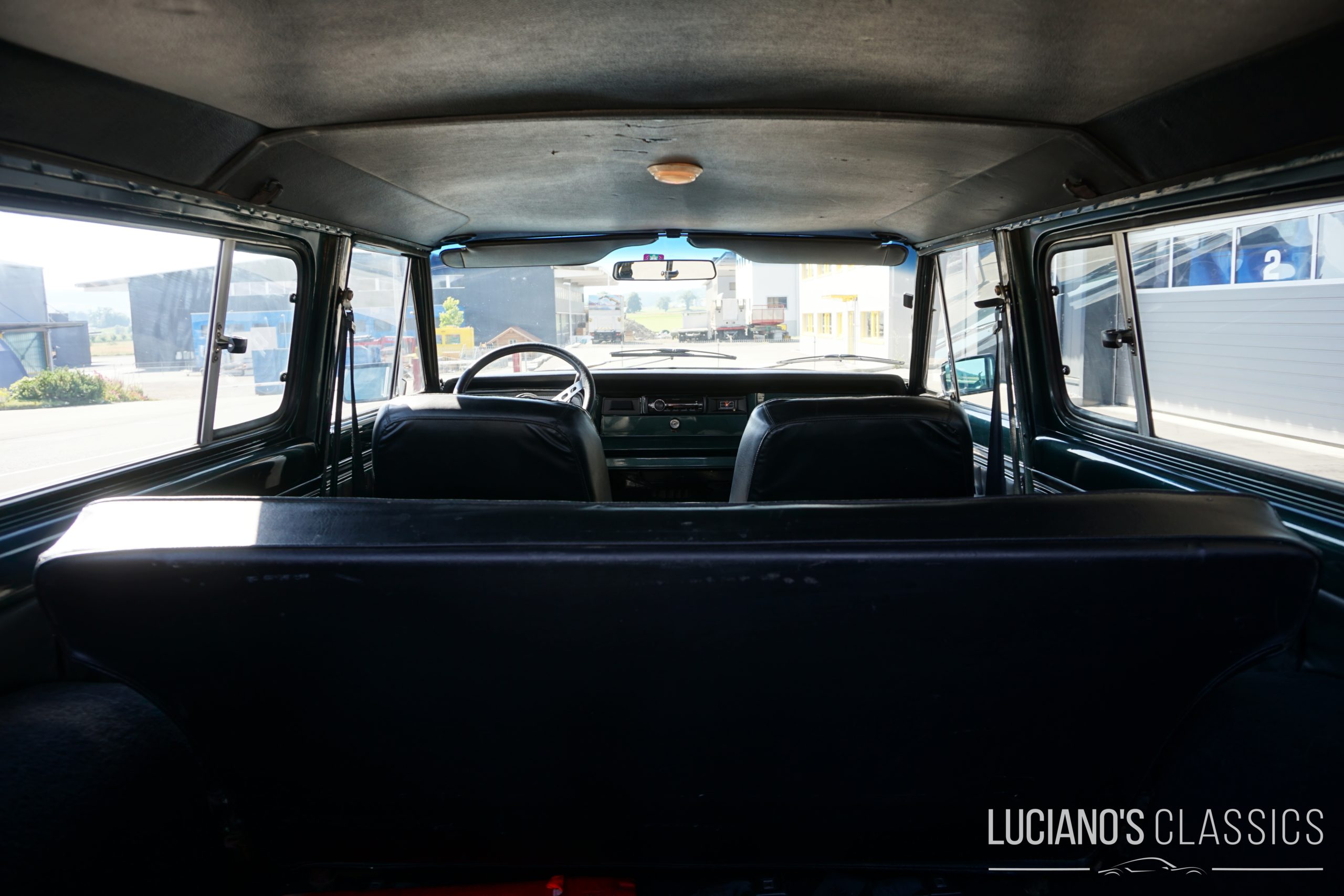
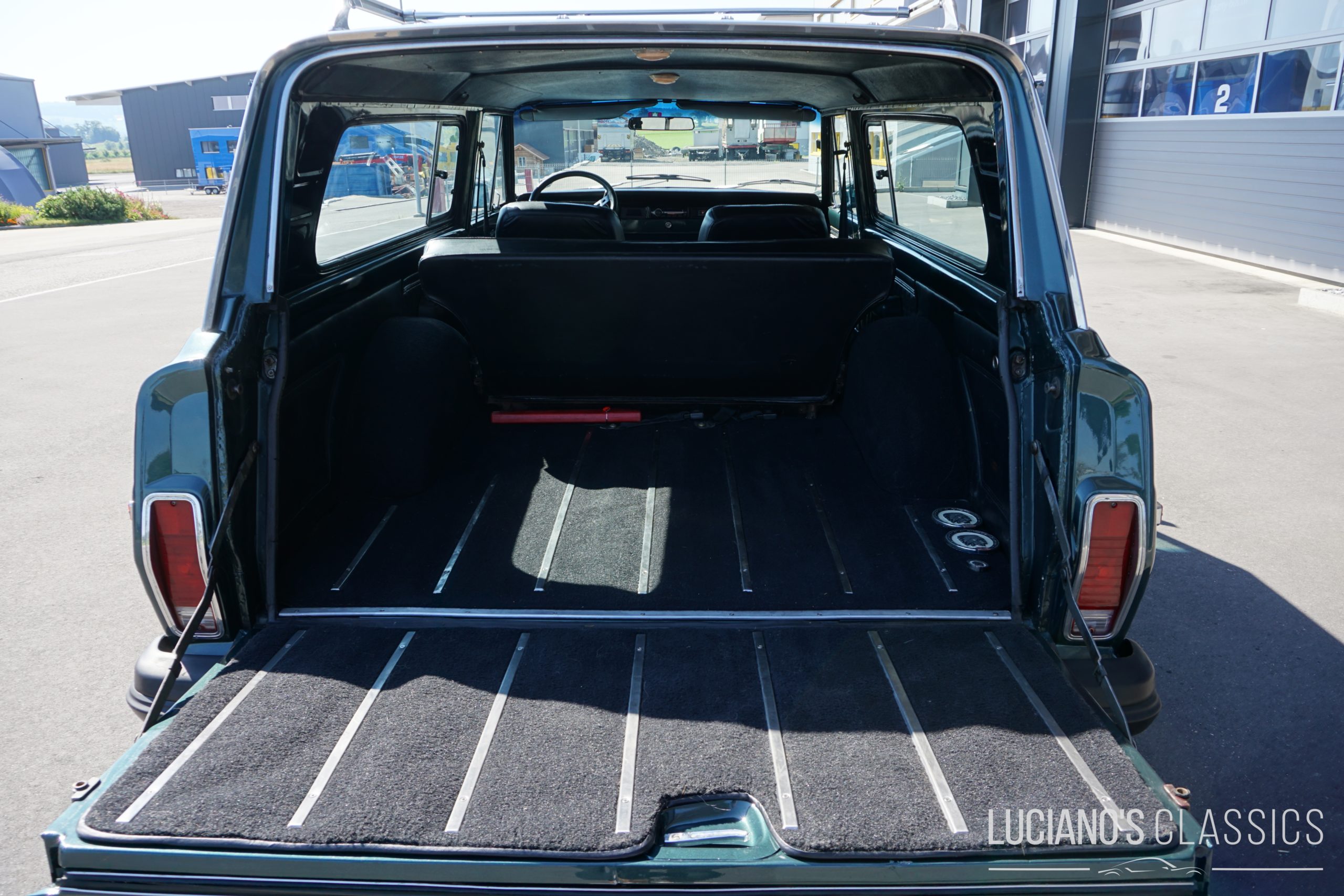
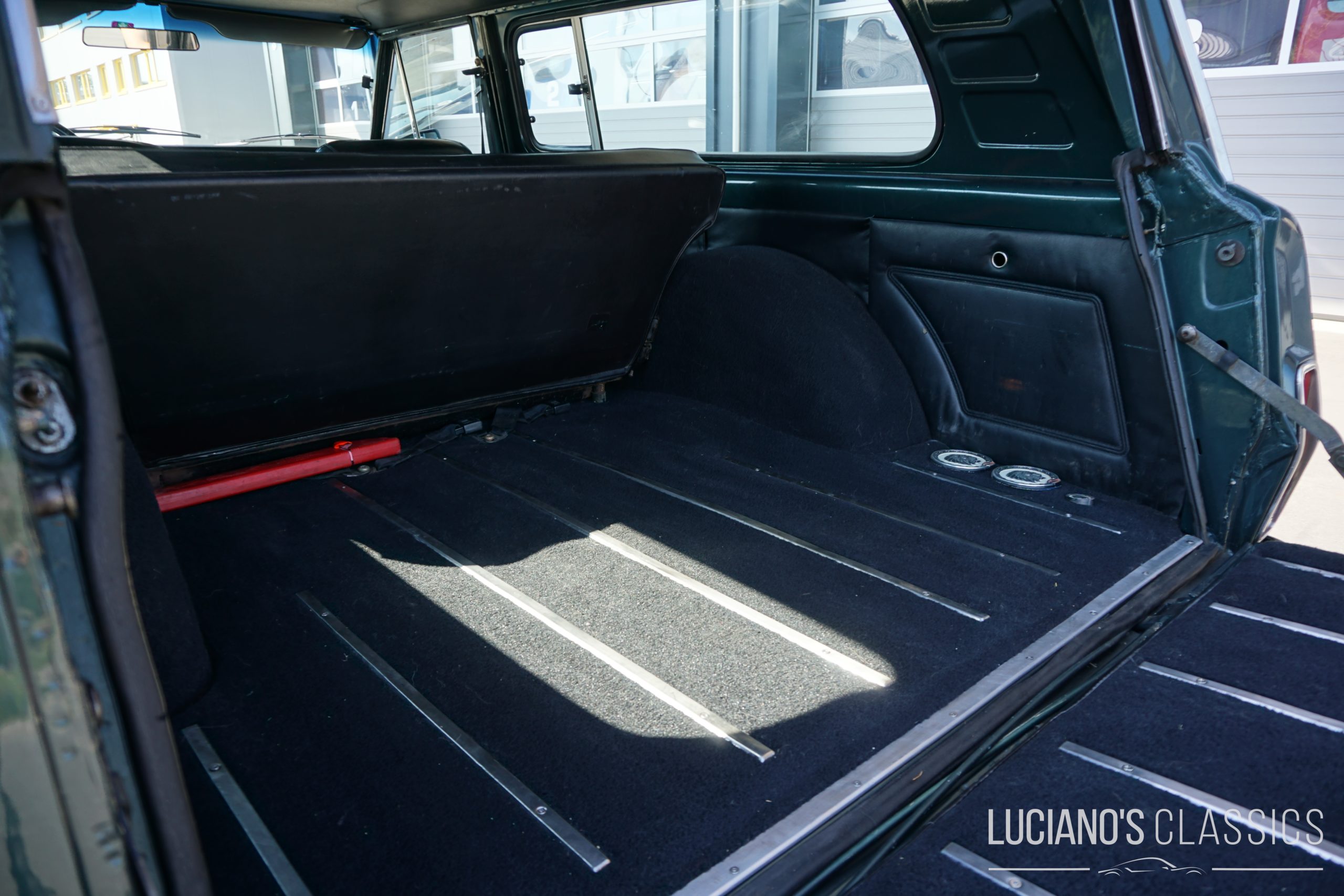
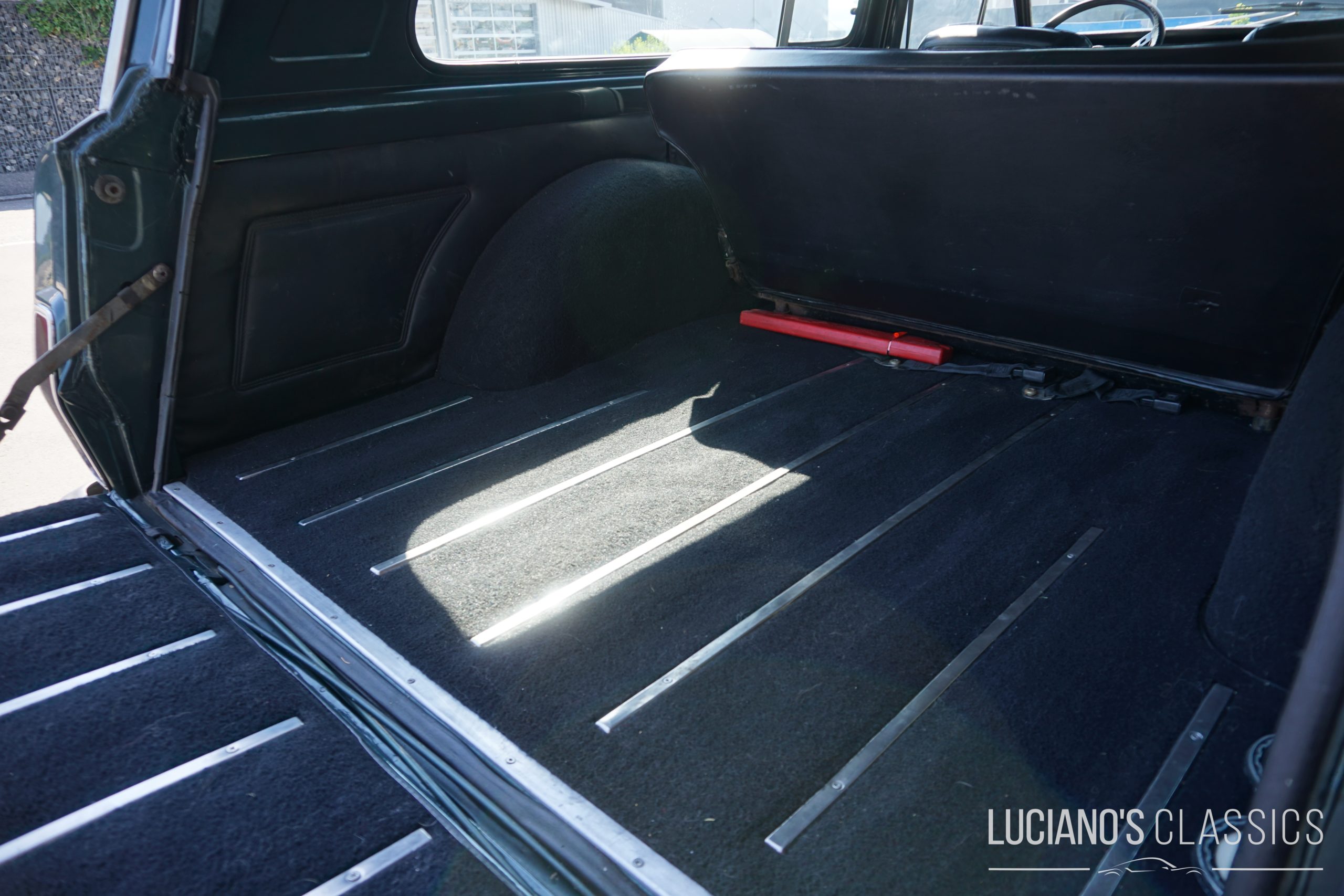
This 1979 Jeep Cherokee Chief is a healthy mix of luxury, sports and off-road vehicle. The paintwork is in very good condition, the 5.9 liter V8 pushes the beast powerfully and the sound makes pretty much every modern SUV look old. Paired with a buttery smooth automatic gearbox, this machine leaves little to be desired. Whether cruising, transporting family and goods, off-roading or, for the proles among us, showing off at the station, this first-series Cherokee always cuts a fine figure.
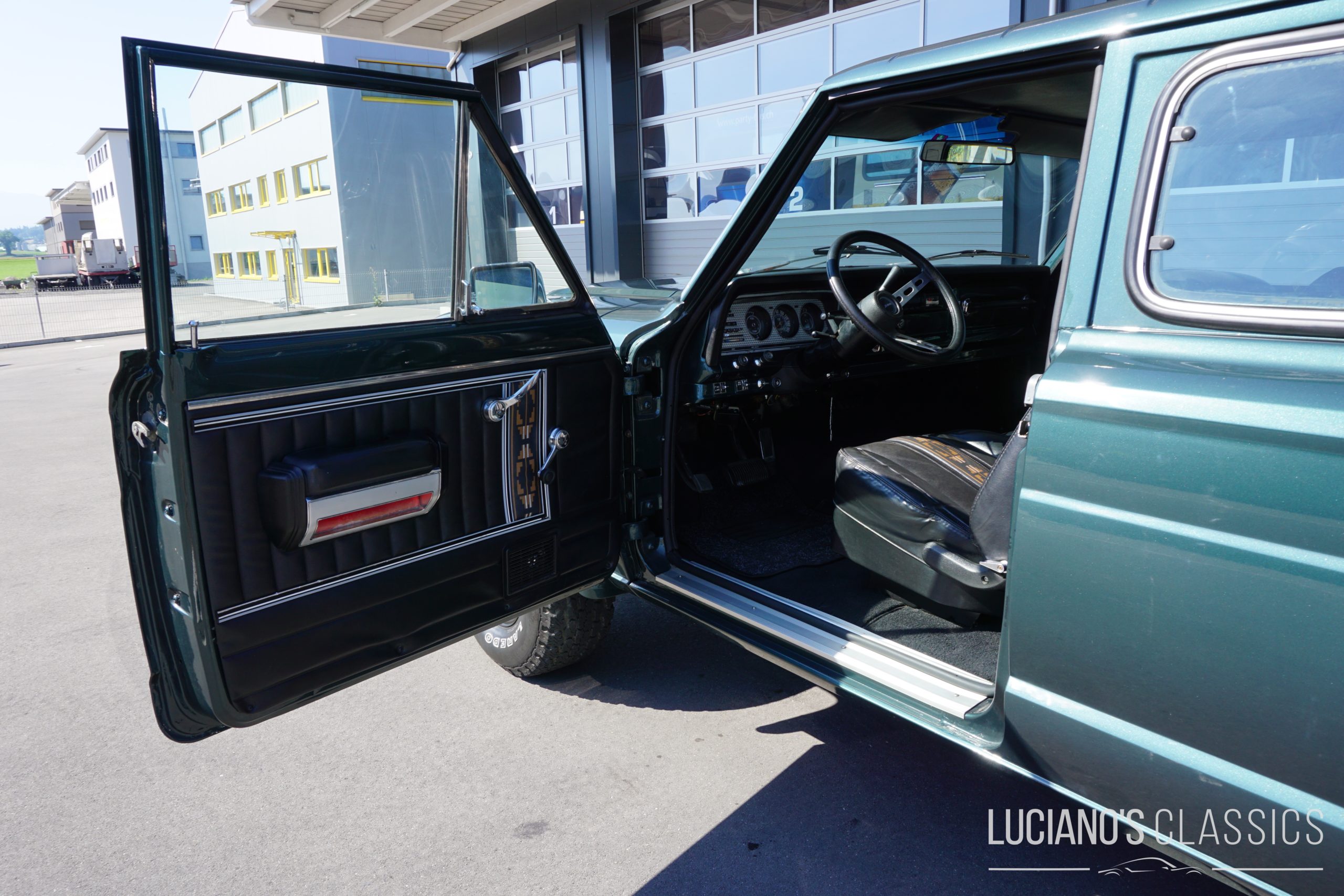
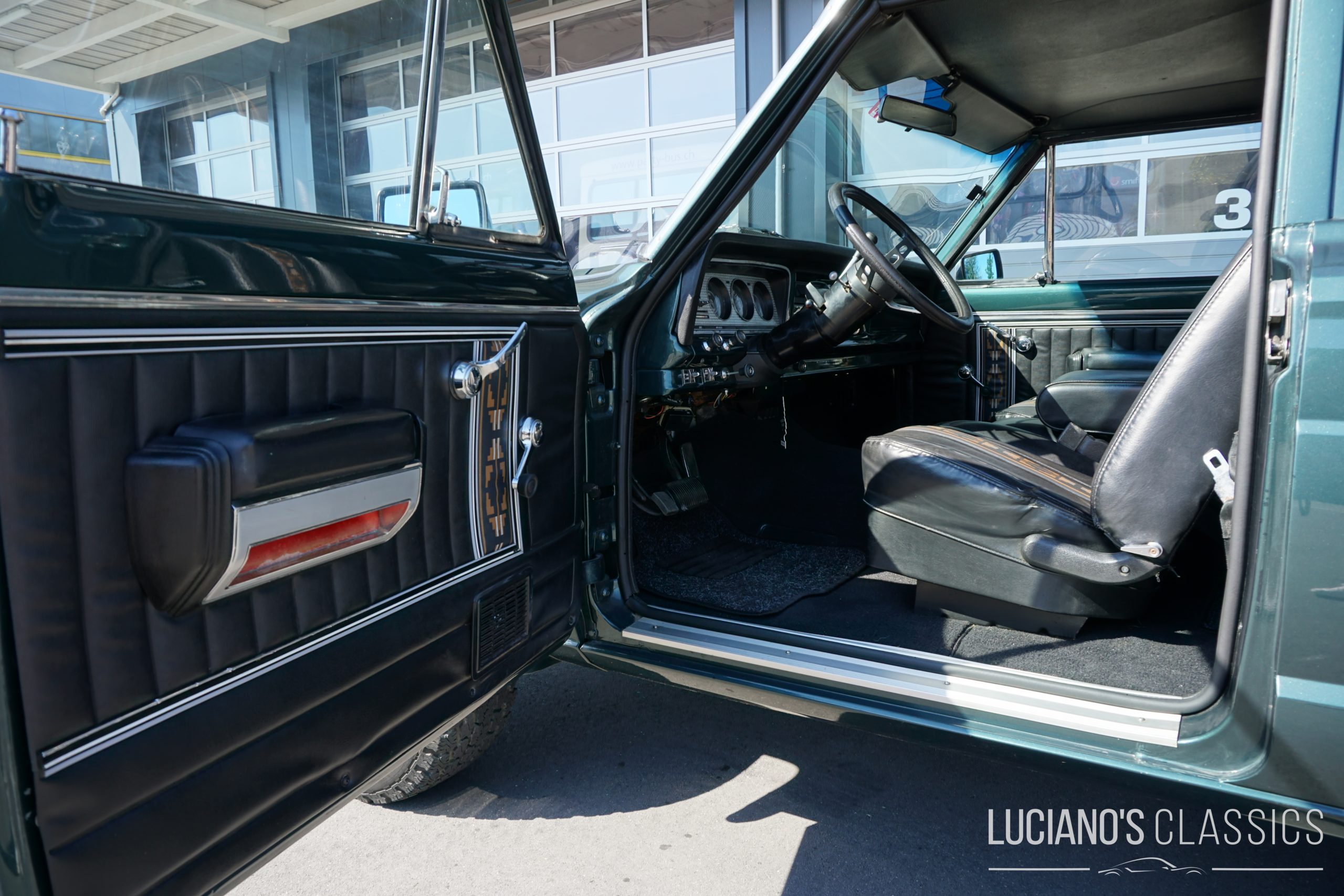
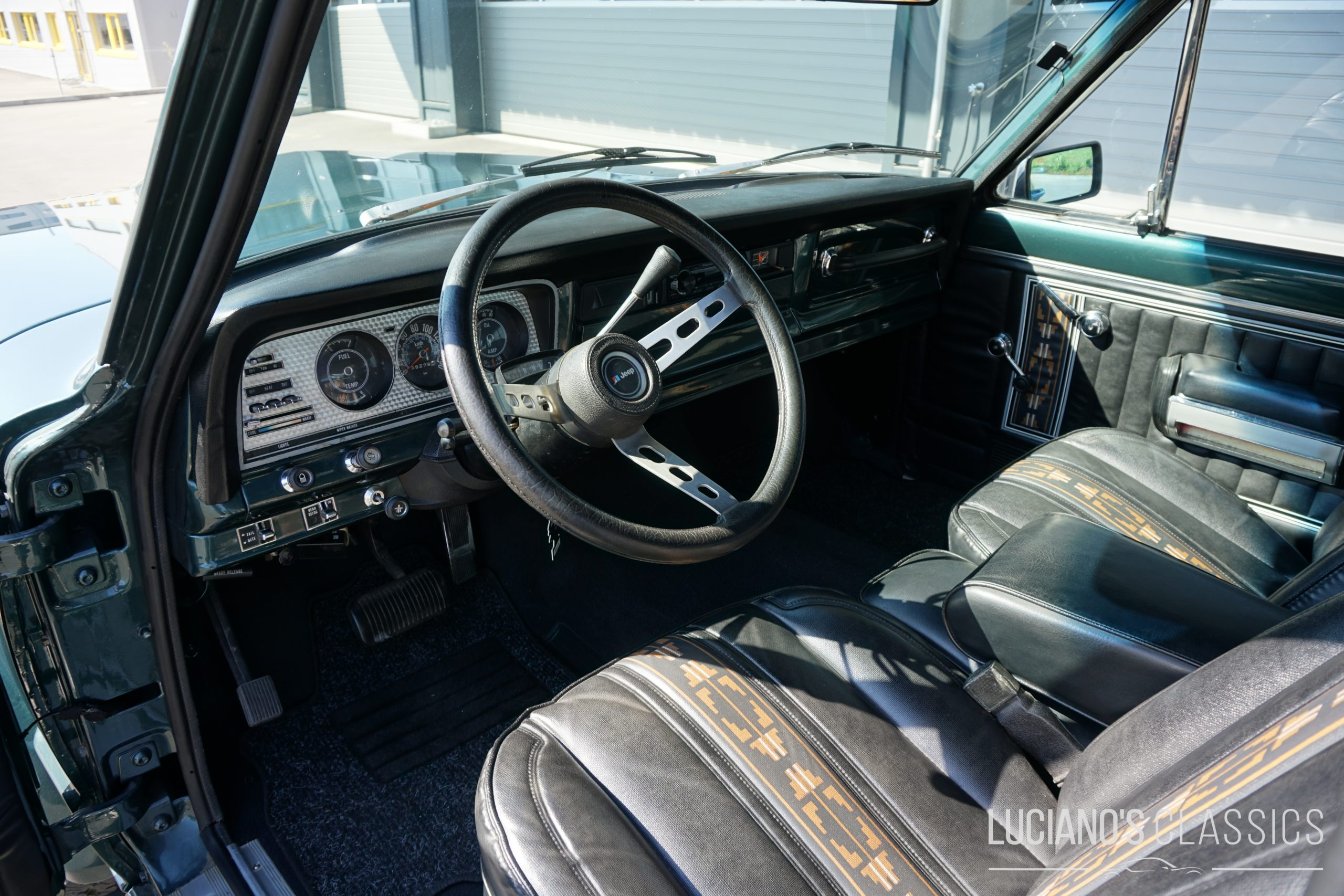
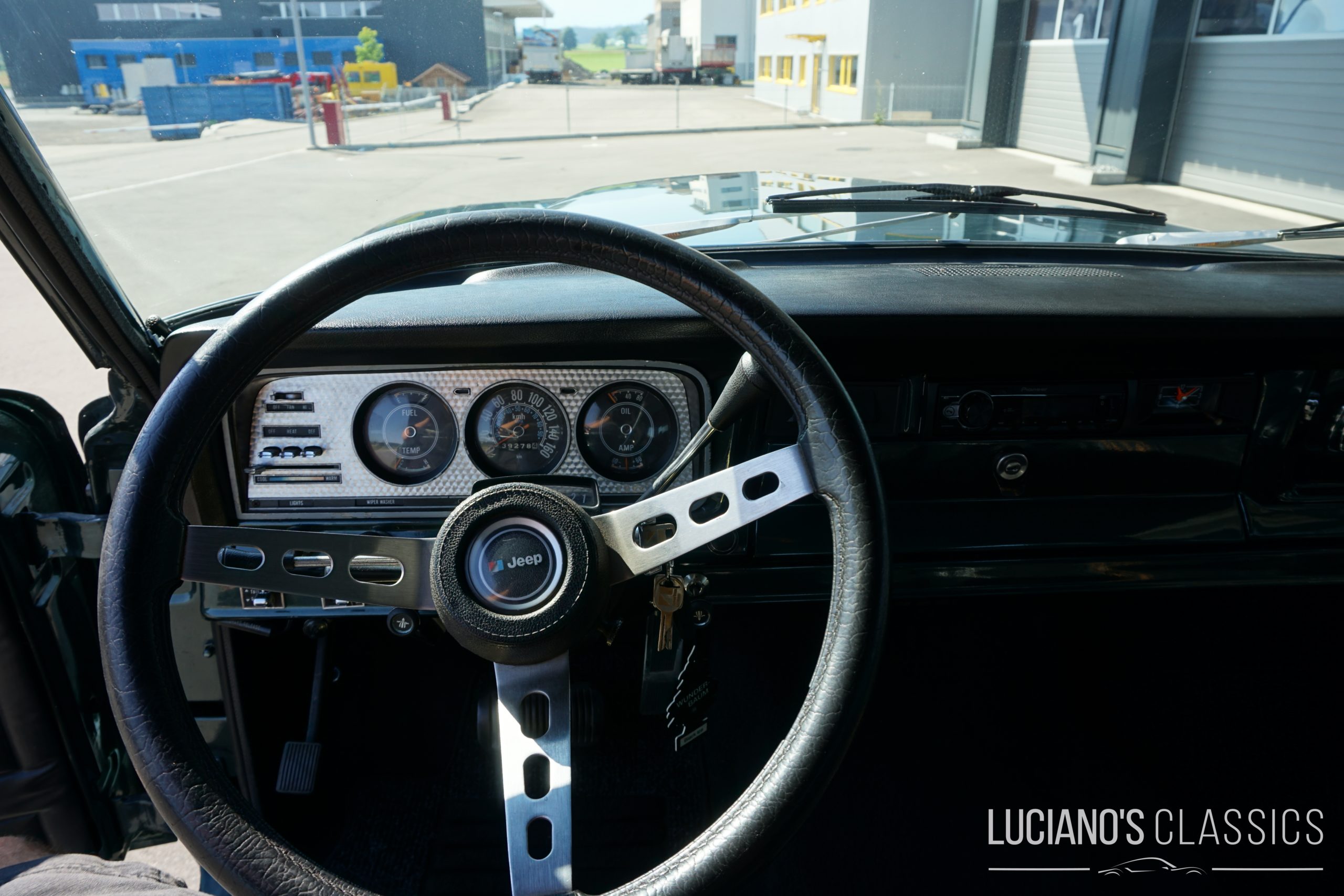
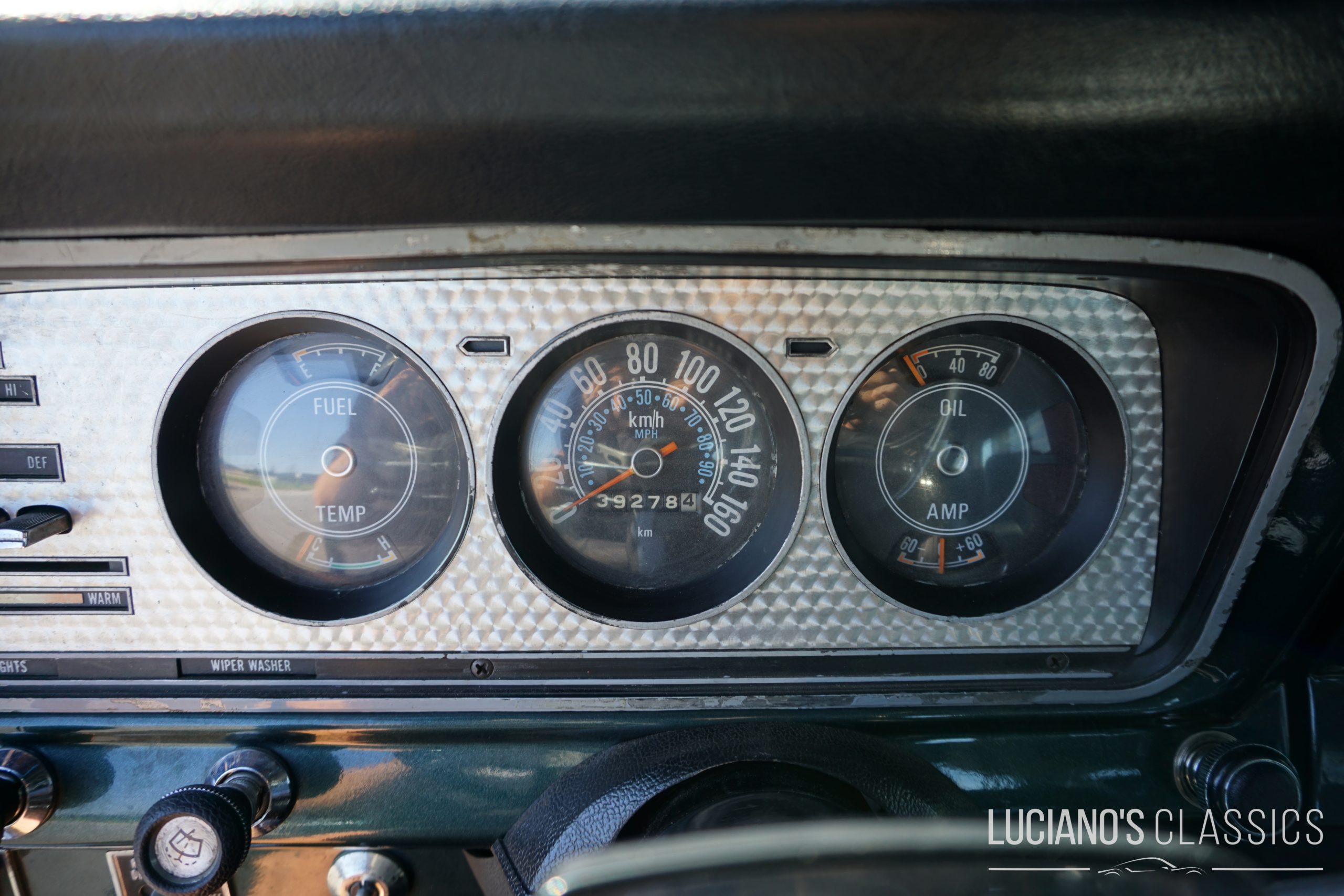
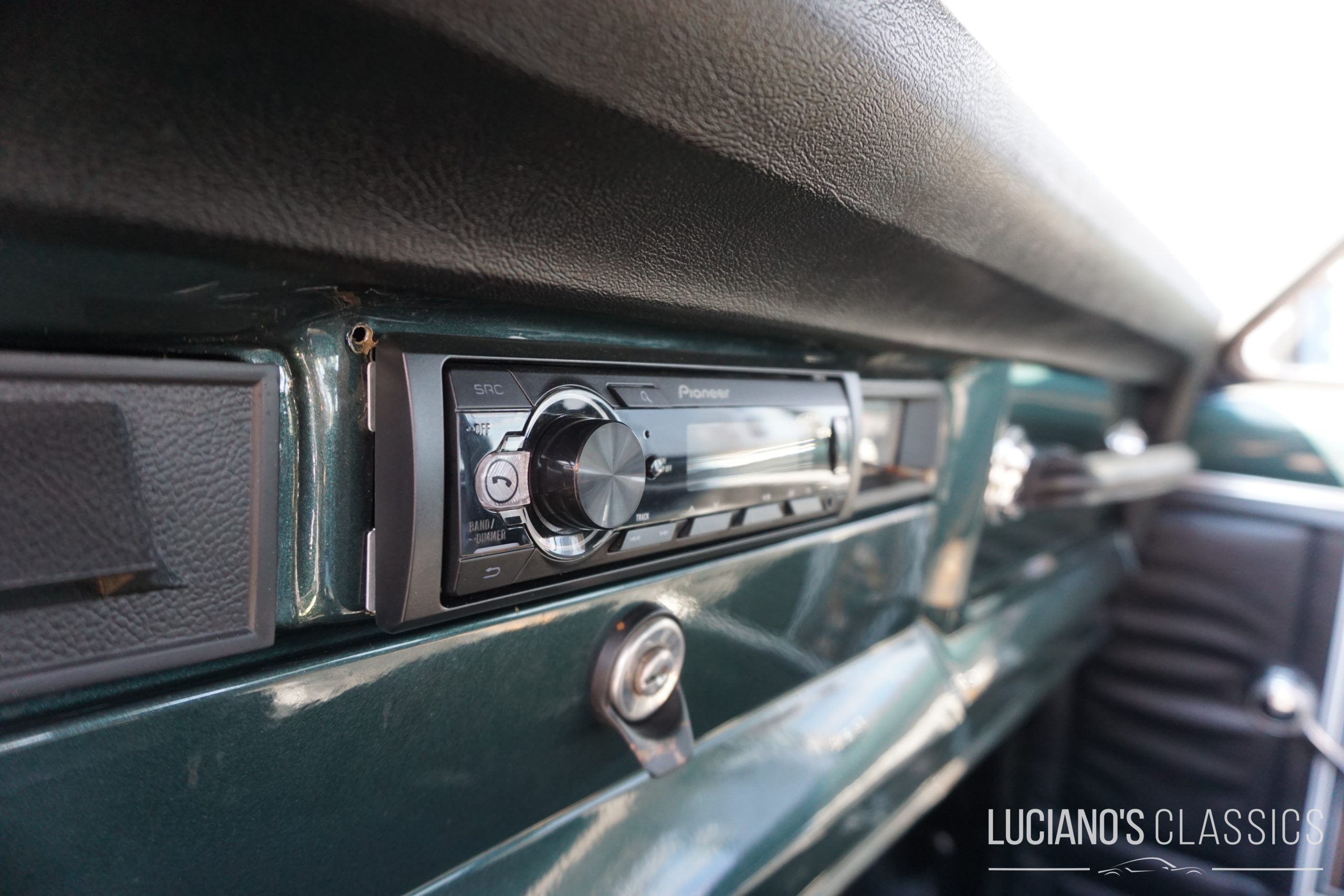
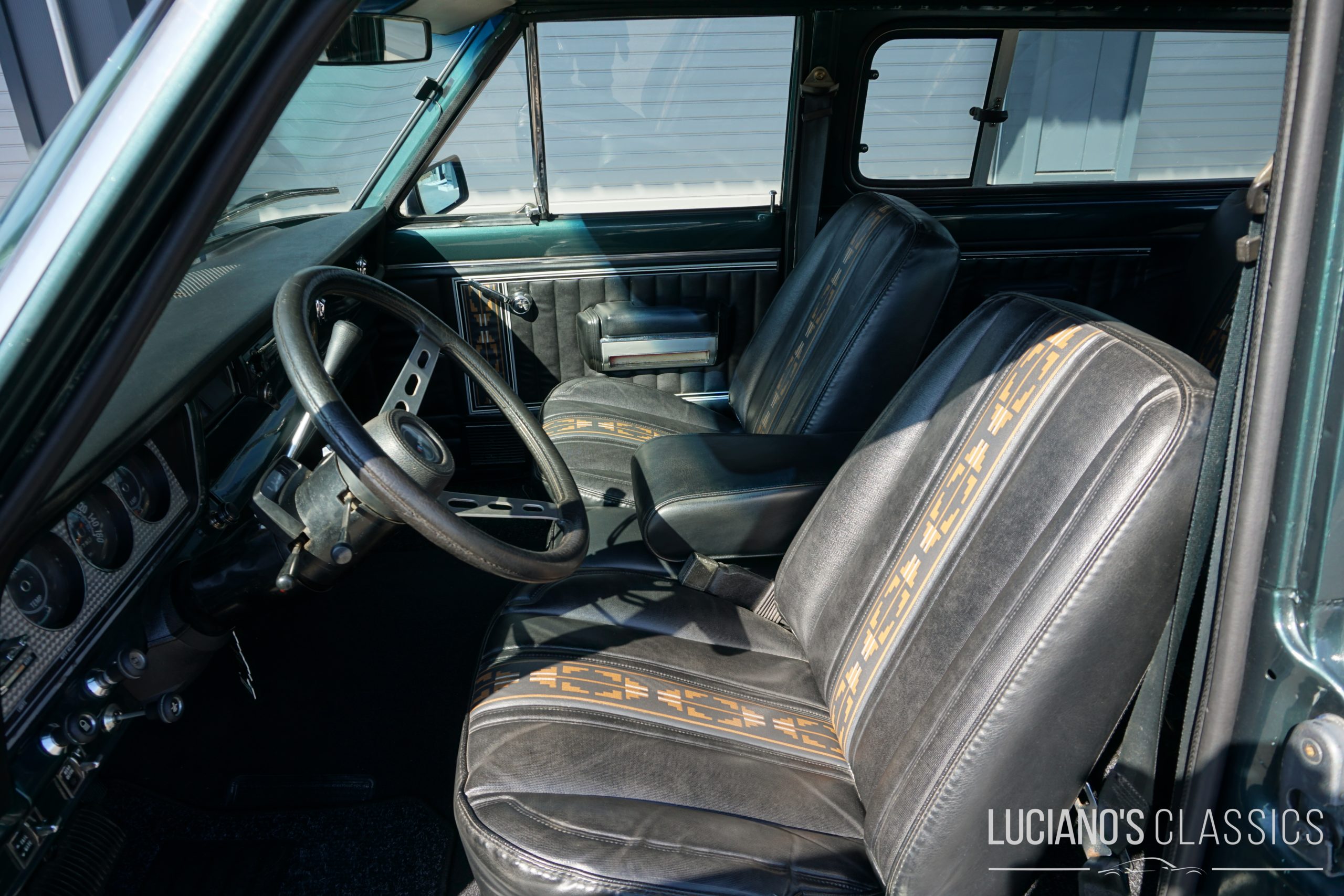
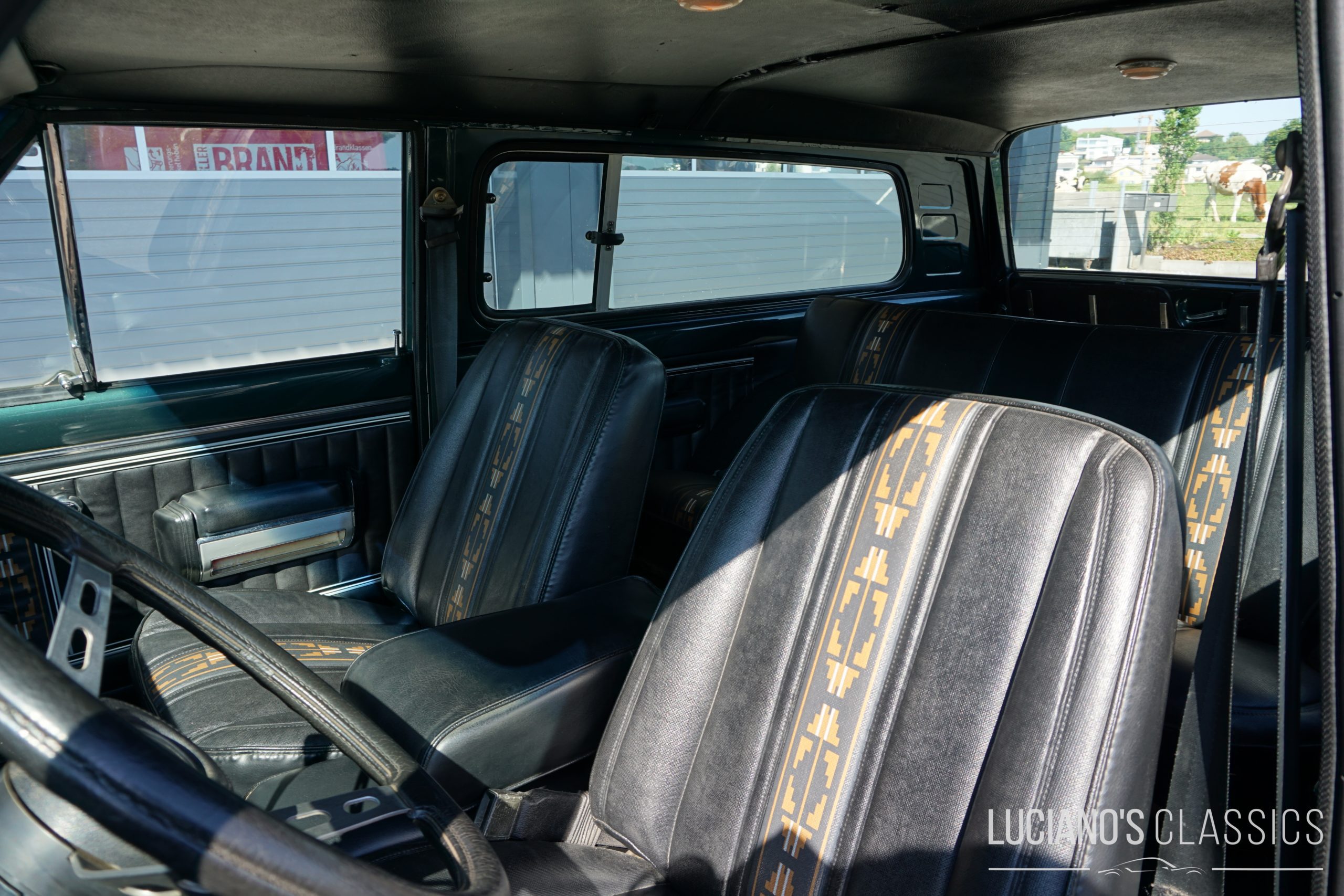
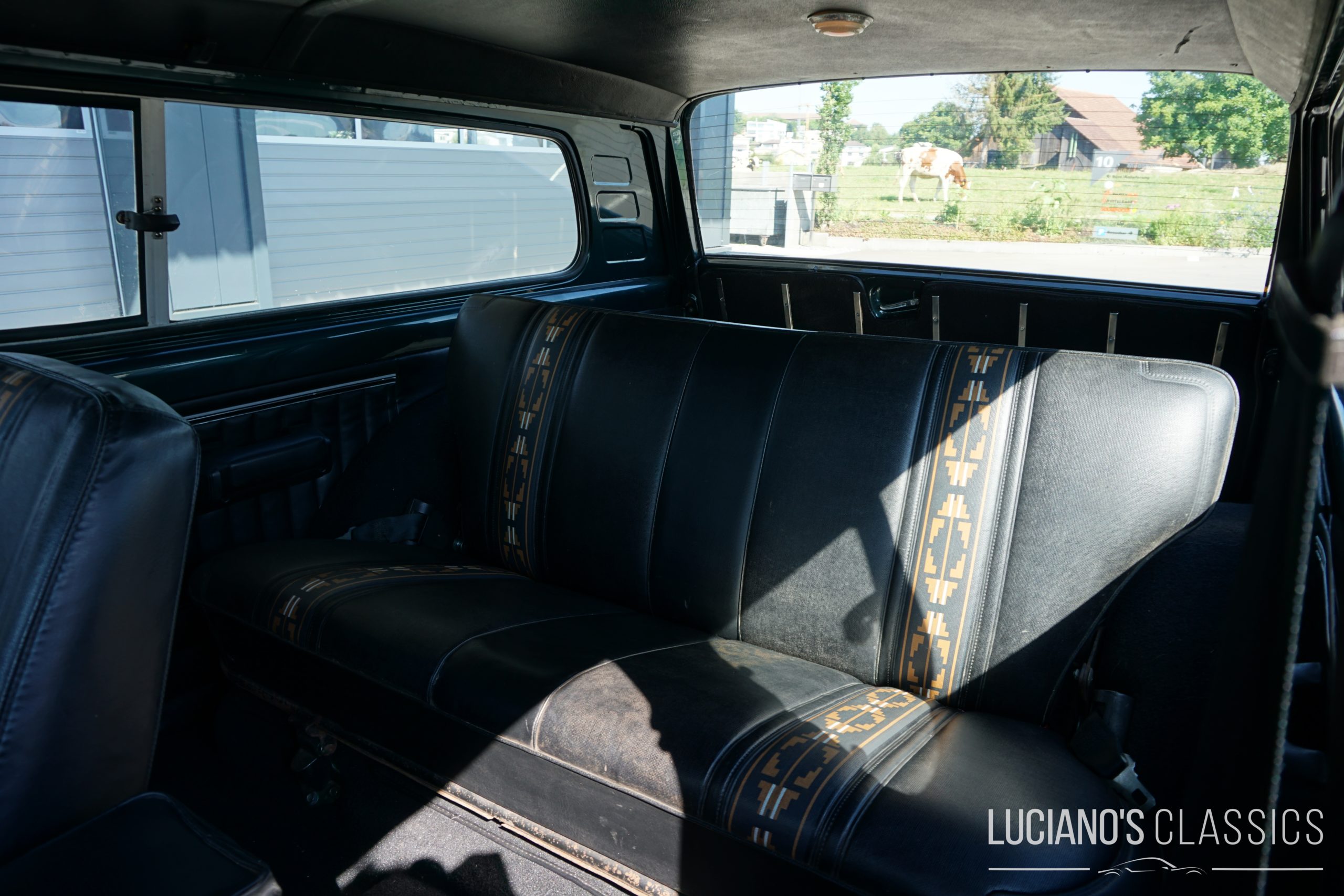
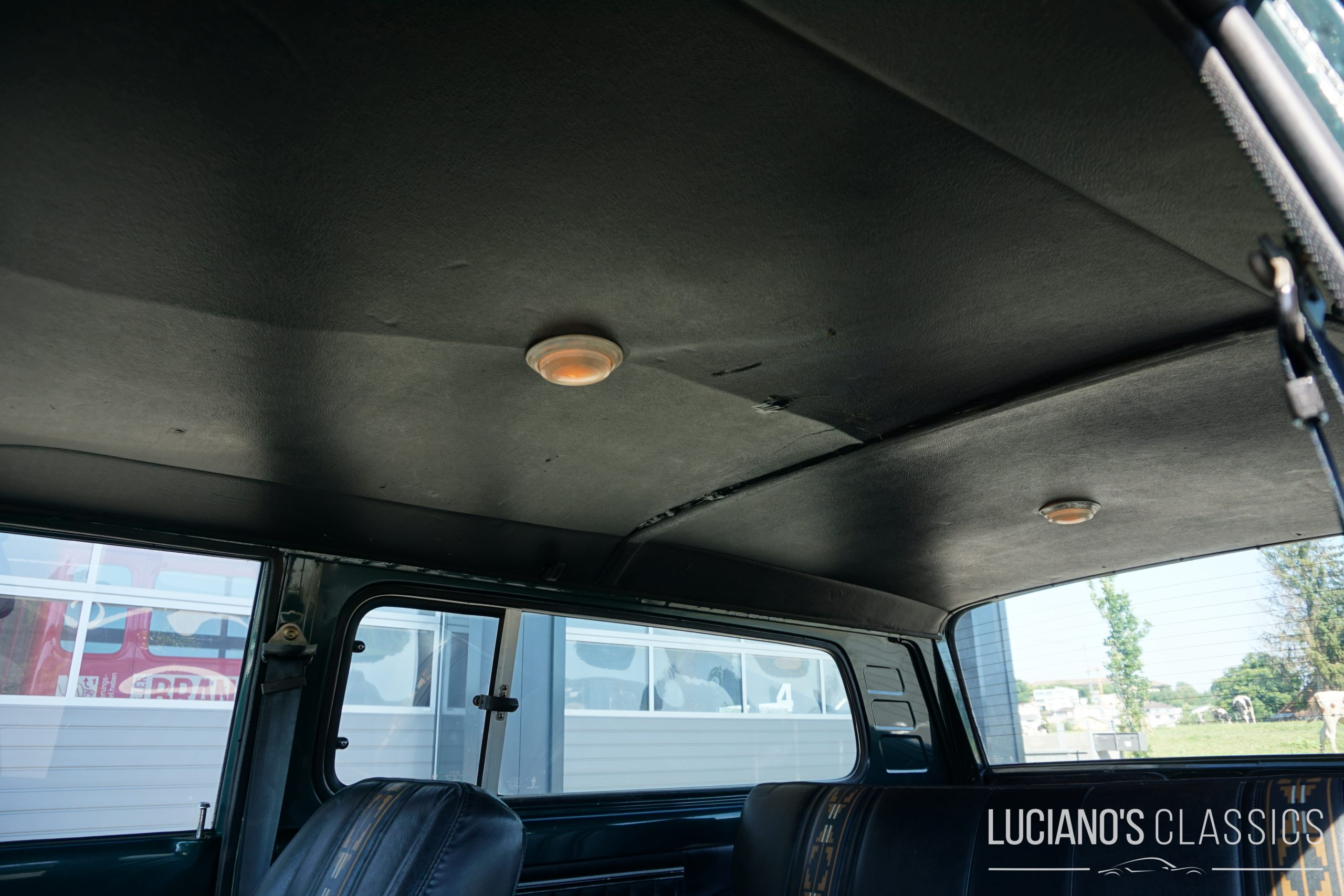
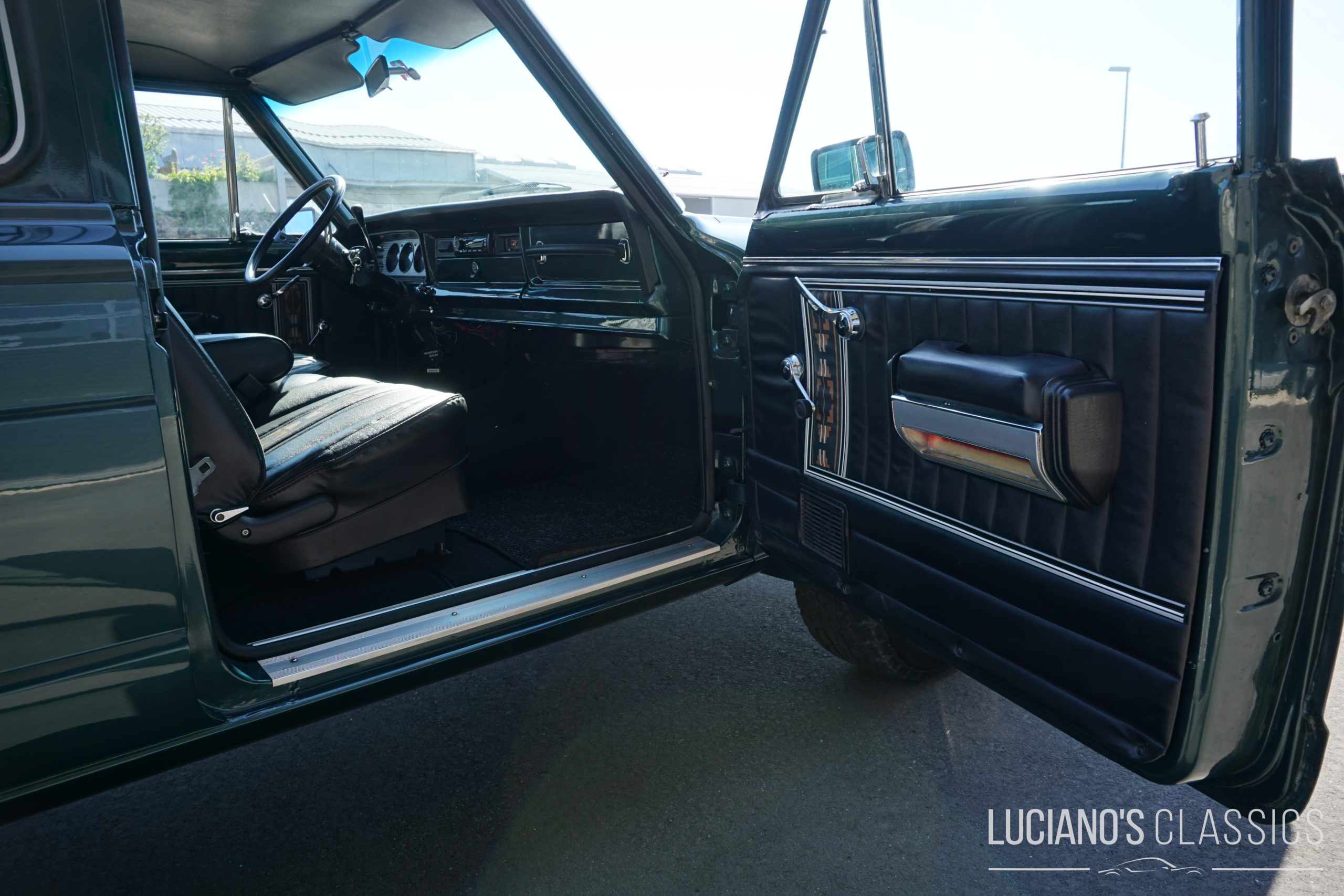
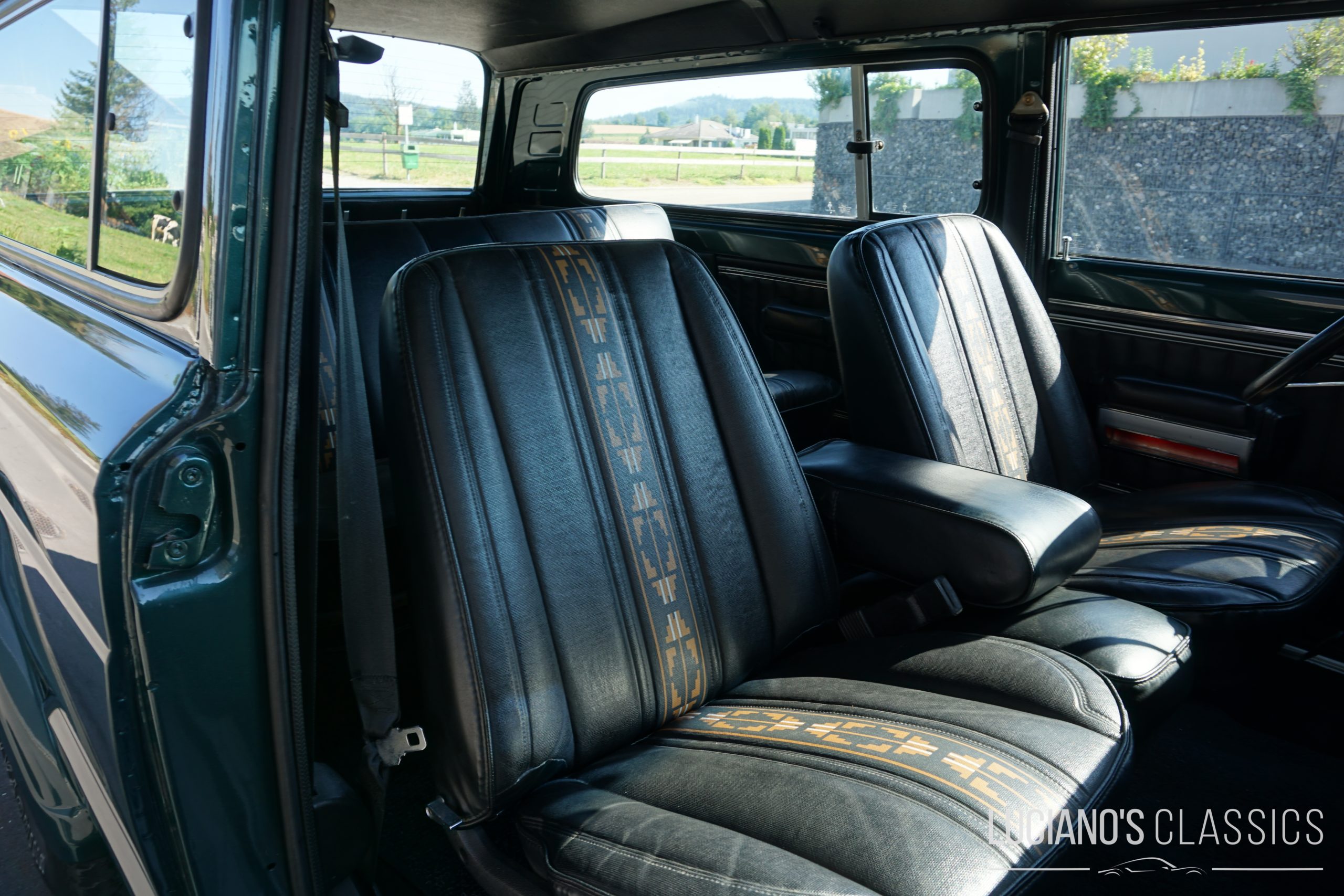
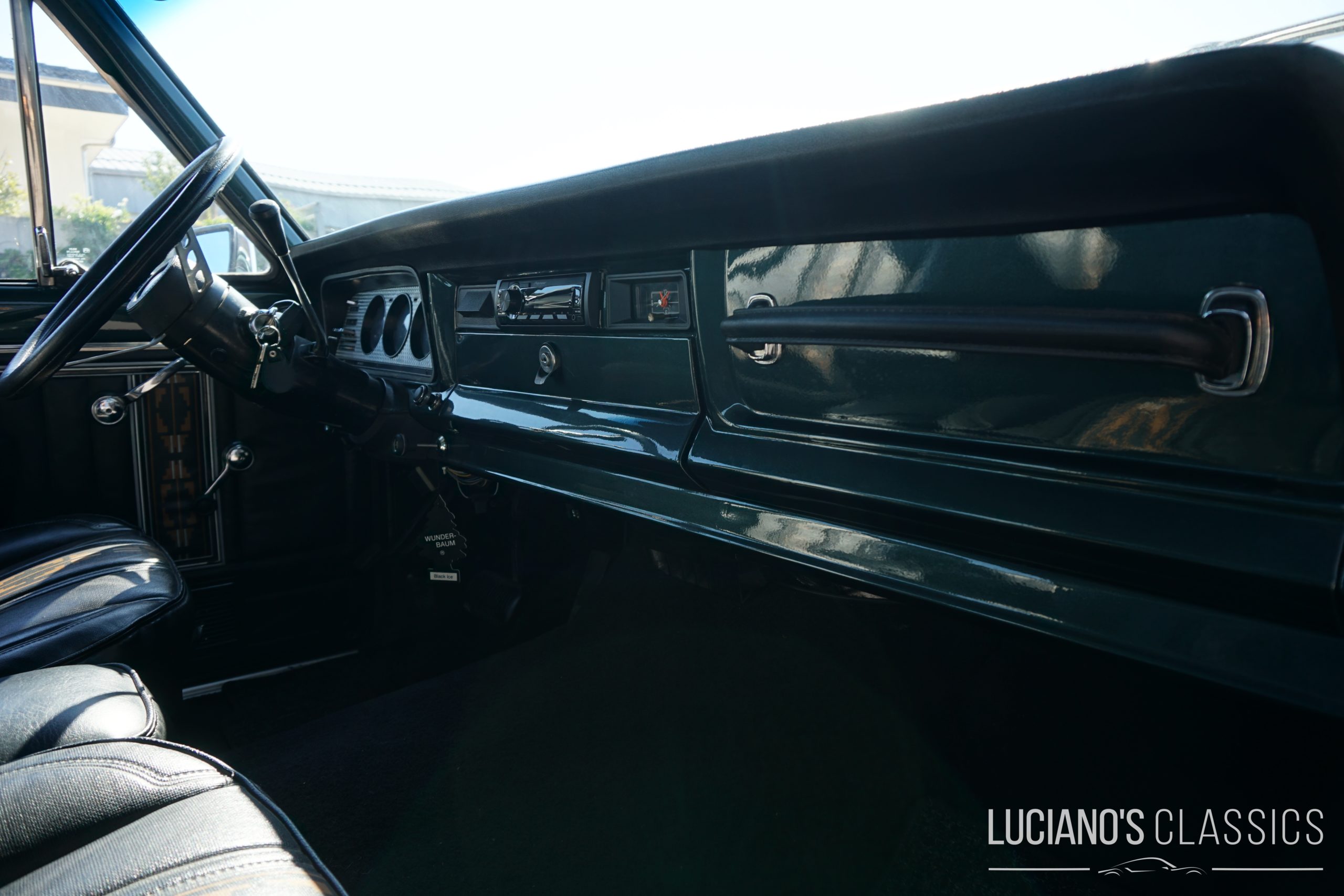
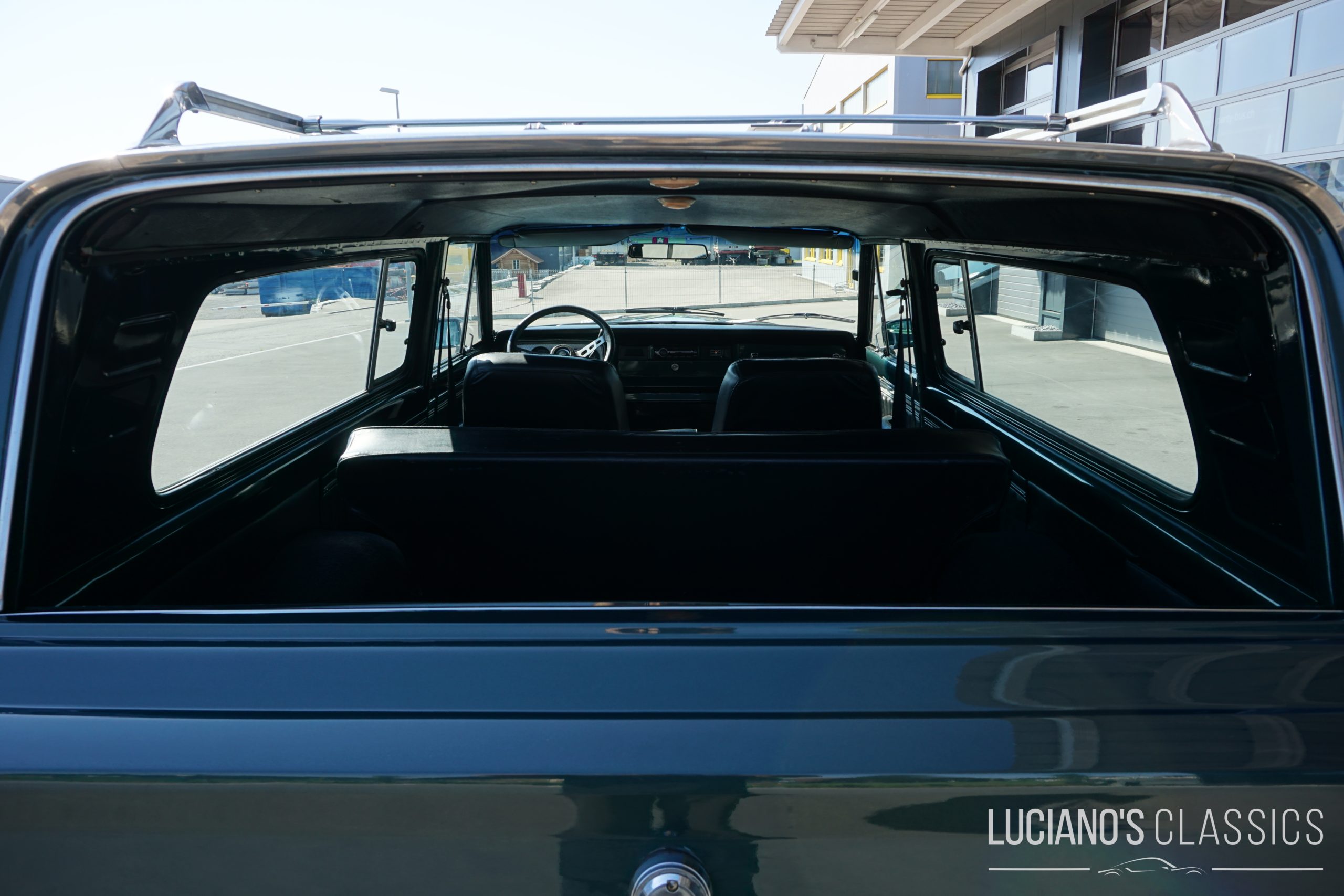
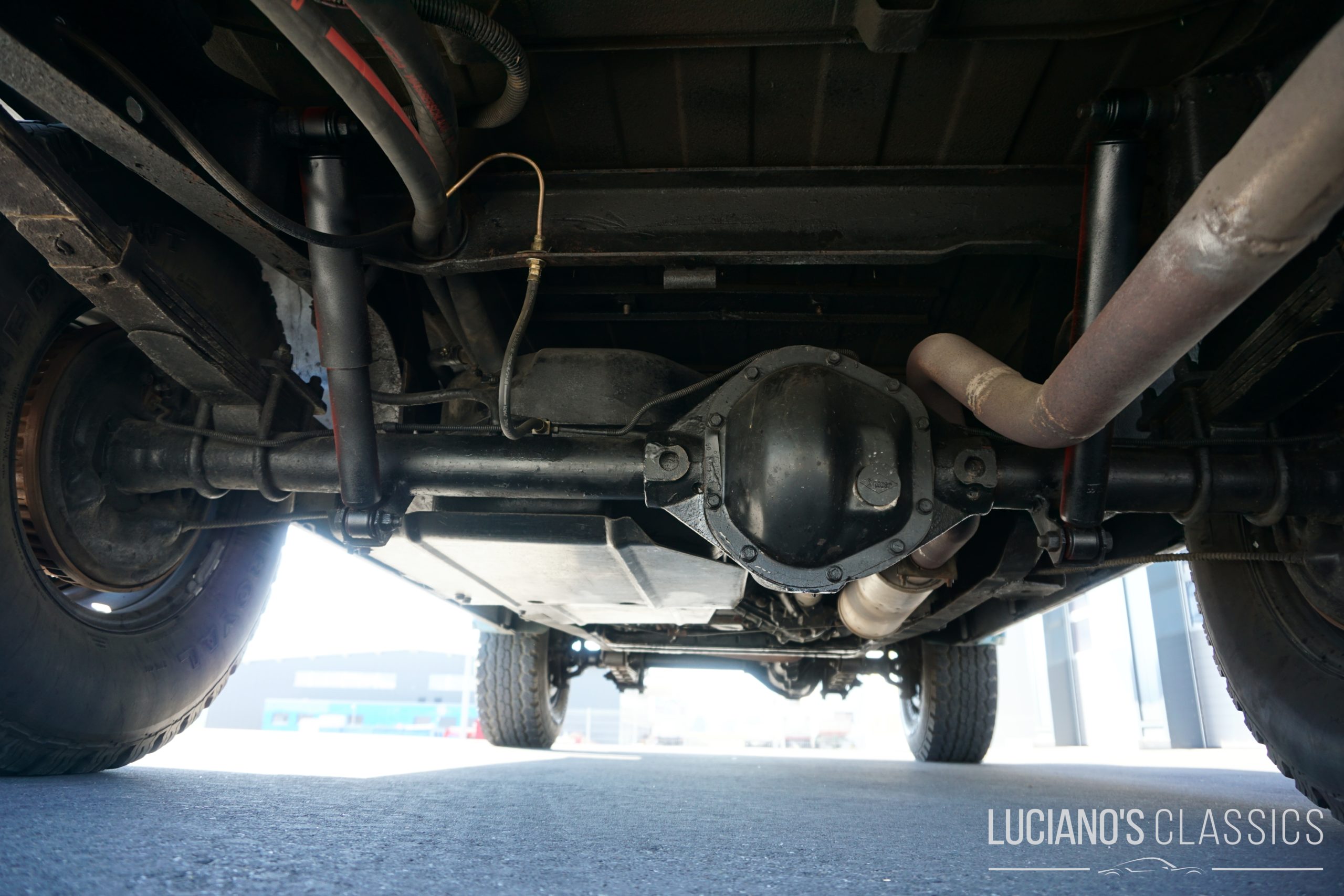
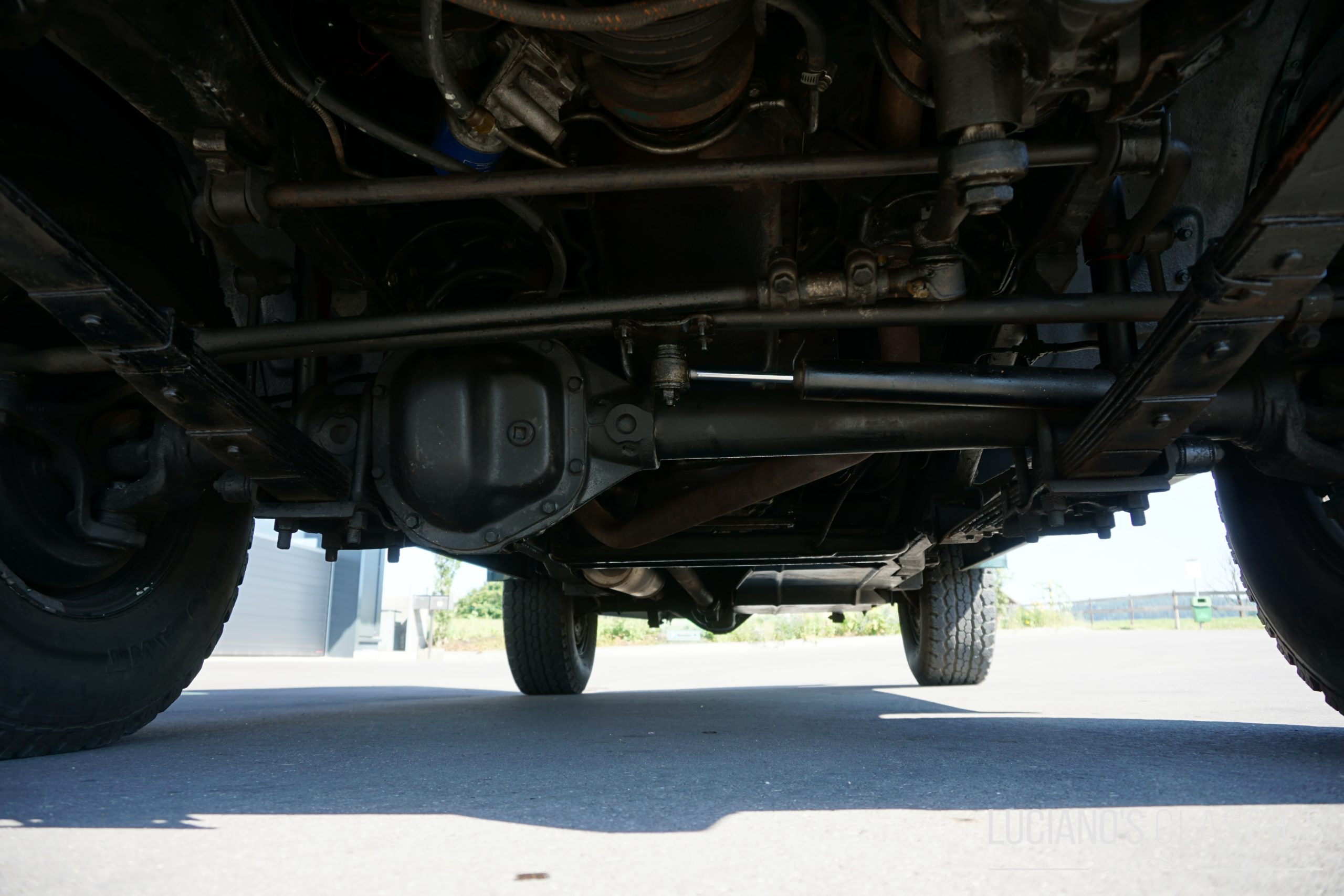
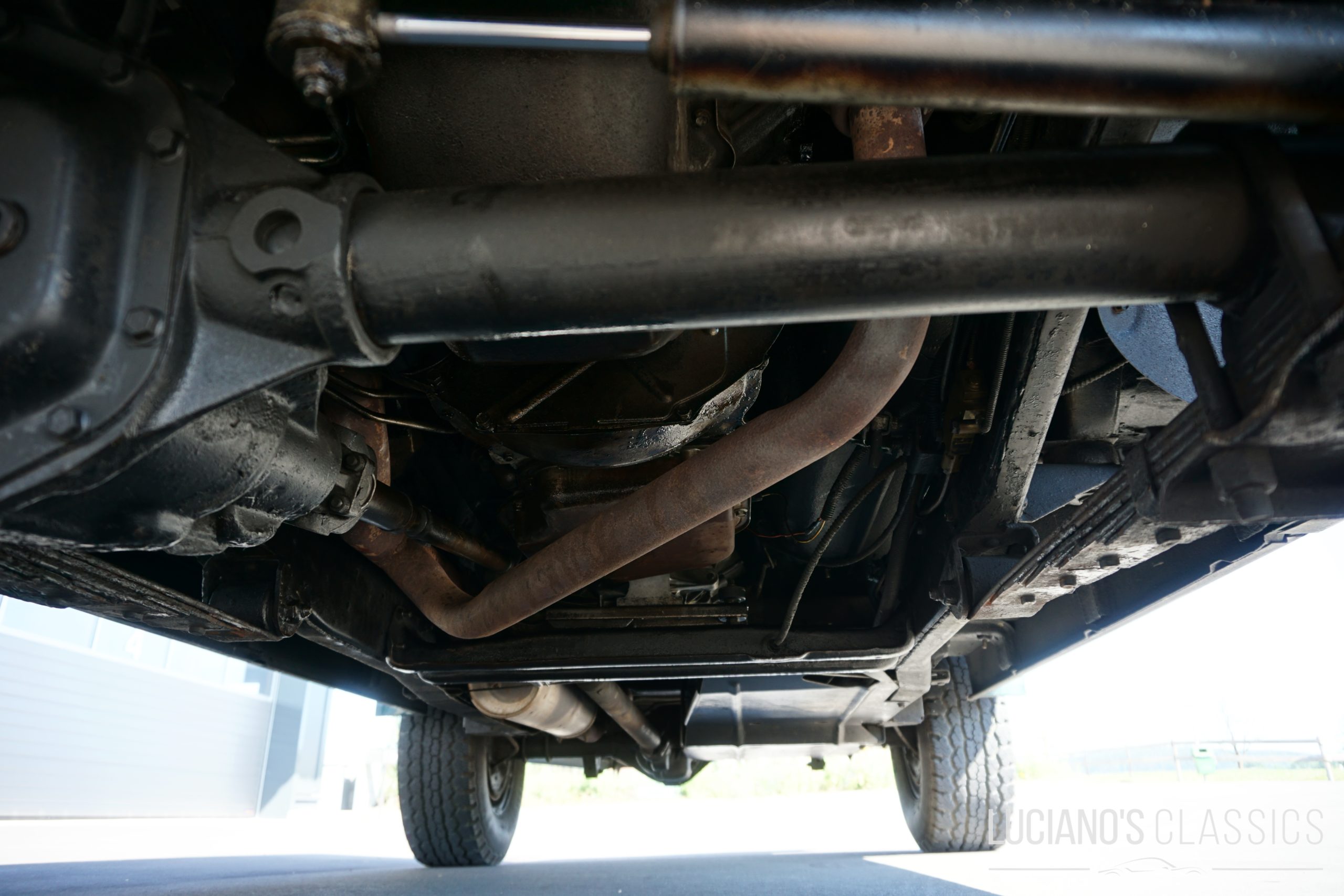
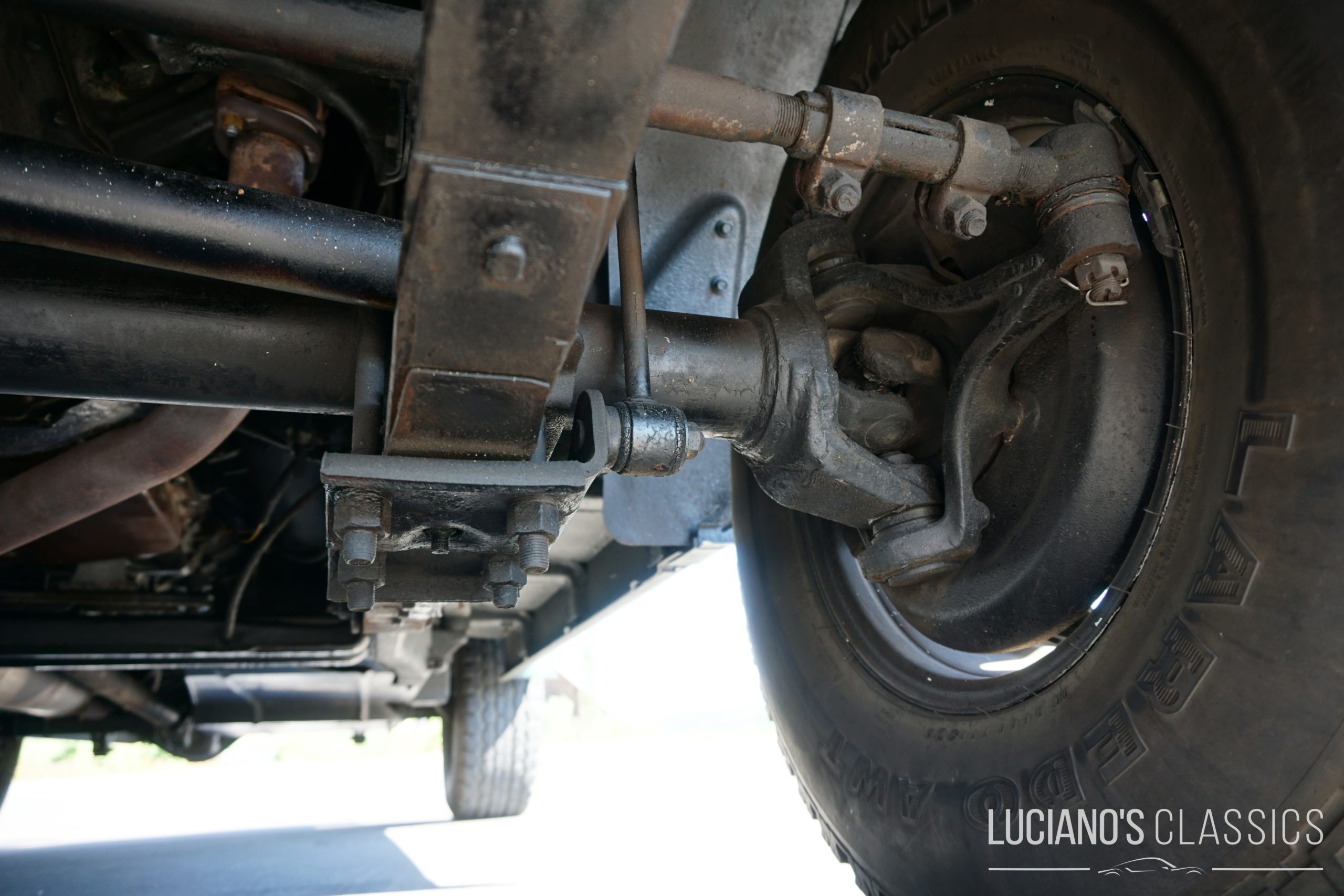
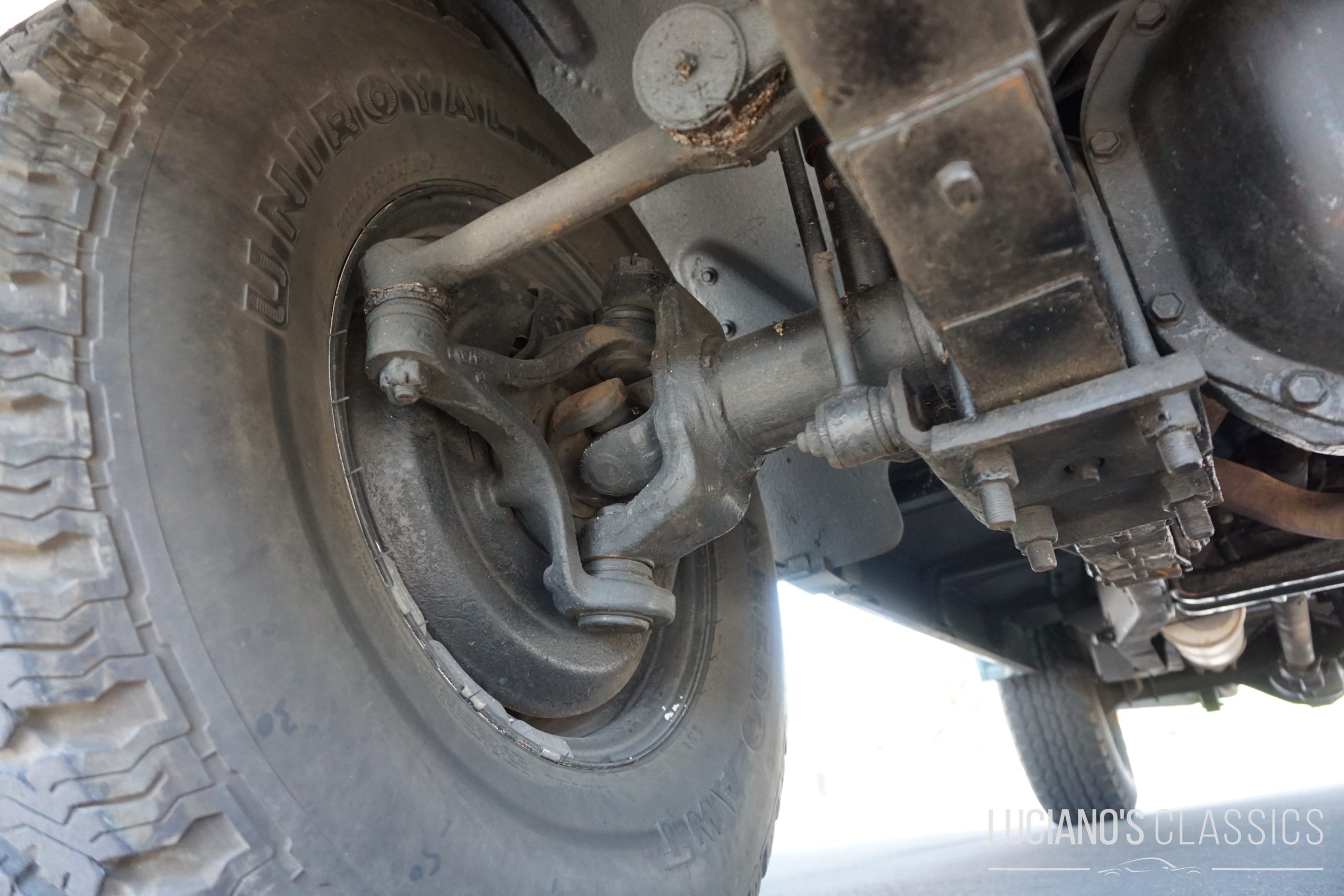
The car was inspected as a veteran at the end of 2018 and attracts with less than 40,000 kilometers driven. Underneath, everything is clean and in a very well-kept condition. The interior also impresses with its original interior and comparatively harmless signs of wear for a vehicle over 40 years old. The old radio has had its day and made way for a modern DAB radio. A visually more suitable retro model can be installed on request.
You can find a video about the Chief at the bottom of this page.
This vehicle has already been sold.
Model history
The Jeep success story began in 1940 and with it the history of all off-road vehicles and SUVs that characterize the streetscape today. The history of Jeep, and with it the history of all off-road vehicles and SUVs, began - completely unintentionally - when neither even existed. In July 1940, the U.S. military informed American car manufacturers of the need for a light reconnaissance vehicle. 135 manufacturers were notified to apply for the lucrative government contract. The specifications included the following:
- At least 275 kilograms payload
- Wheelbase under 190 centimeters
- Height under 91 centimeters
- Smooth running from four to 80 km/h
- rectangular body
- All-wheel drive with gear reduction
- Folding windshield
- three individual seats
- Maximum weight of 590 kilograms
- Maximum track width 119 centimeters
The manufacturers Willys-Overland, American Bantam Car Manufacturing Company and the Ford Motor Company had the capacity and the know-how and set to work. The prototypes were developed in record time in the same year and all three companies were commissioned to build 70 sample vehicles for comparative testing.
In November 1940, the 70 vehicles each were tested at the Camp Holabird proving ground in Maryland. All three manufacturers were unable to build their vehicles under 590 kg, which is why the army increased the permissible limit for the second round of tests.
In March 1941, new orders were distributed and the three car manufacturers were each allowed to build 1500 modified versions of their prototypes for the decisive field tests.
Chief engineer Karl Probst and his team built the Model 40 BRC (1940 Bantam Reconaissance Car), Ford produced the Model GP (government contract „P“), called «Pygmies», and Delmar G. „Barney“ Roos and his team produced the Willys Quad.
Willys won the race and was awarded the government contract. The other vehicles were mainly shipped to Great Britain and Russia.
The Willys Quad gradually matured into the Willys MA and later the MB. For the people, the car was simply THE «Jeep».
It is still unclear where the name comes from. Some assume that the word comes from the slurring of the abbreviation GP, either from Ford's model or from the abbreviation for «General Purpose». More likely is the derivation from «Eugene the Jeep», a dog-like mythical creature from the Popeye comic series, which has the ability to appear anywhere in the world, walk through walls and help Popeye out of trouble. The term found its way into the dictionary and simply means an off-road vehicle.
Willys built 368,000 vehicles for the US Army and secured the Jeep naming rights. Willys was still working on civilian versions of the promising Jeep during the war.
The company, now called Willys Motors, took a major step forward in 1962 with the launch of the Jeep Wagoneer. This vehicle combined the comfort of a passenger car with the utility of an off-road vehicle. The SUV was born and, for the first time, a four-wheel drive vehicle with automatic transmission and independent front suspension was delivered.
In 1963, the Willys Motor Company became the Kaiser Jeep Corporation and in 1964, more luxury was added to the model range. The Super Wagoneer now stood alongside the basic model and boasted a range of luxury attributes: Air conditioning, power steering, vinyl roof, V8 and automatic transmission. This model was also intended to give prestige buyers a taste for an off-road vehicle.
From 1970 the company AMC, the American Motors Corporation, was behind the brand and under its leadership the Jeep Cherokee first appeared in dealer showrooms in 1974 as a two-door version of the Wagoneer.
The model was also designed to appeal to younger customers and was equipped with a sports steering wheel, bucket seats and sporty accents to this end. The updates were very well received and various awards were followed by astonishing sales figures.
Details
- 5893 cc V8
- 129 HP
- CH first registration 29.10.1979
- Veterans MFK 19.10.2018
- 5 seats
- Original condition
- 39’300 km
- Chassis J9A 17N N12 9986
- Master number 087.205.502
- Type certificate 0442 43
- Unladen weight 2000 kg
- Payload 730 kg
not what you are looking for?
We will be happy to find your individual dream vehicle.
Simply make a non-binding inquiry and benefit from our network.