
DeLorean DMC-12
Description
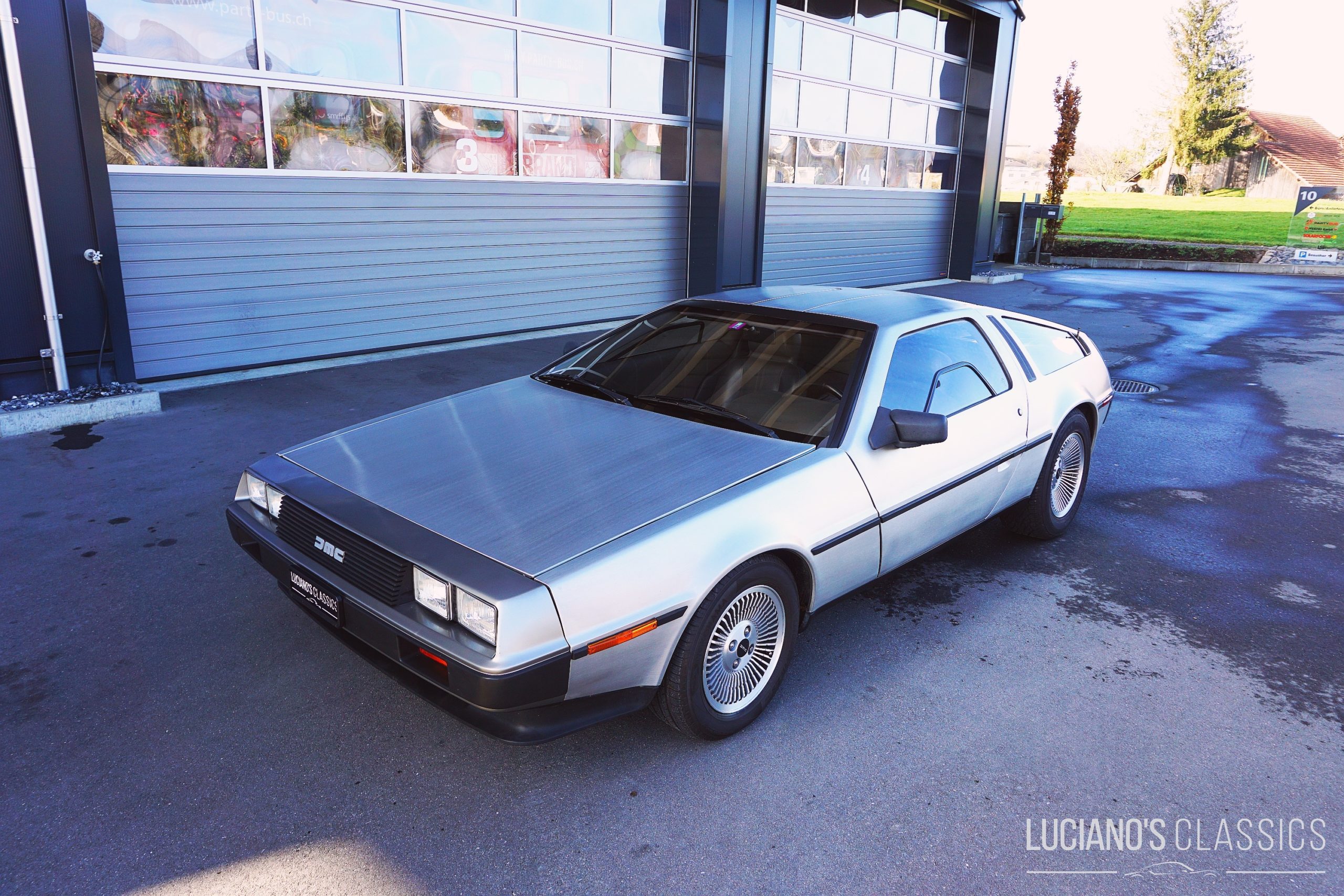
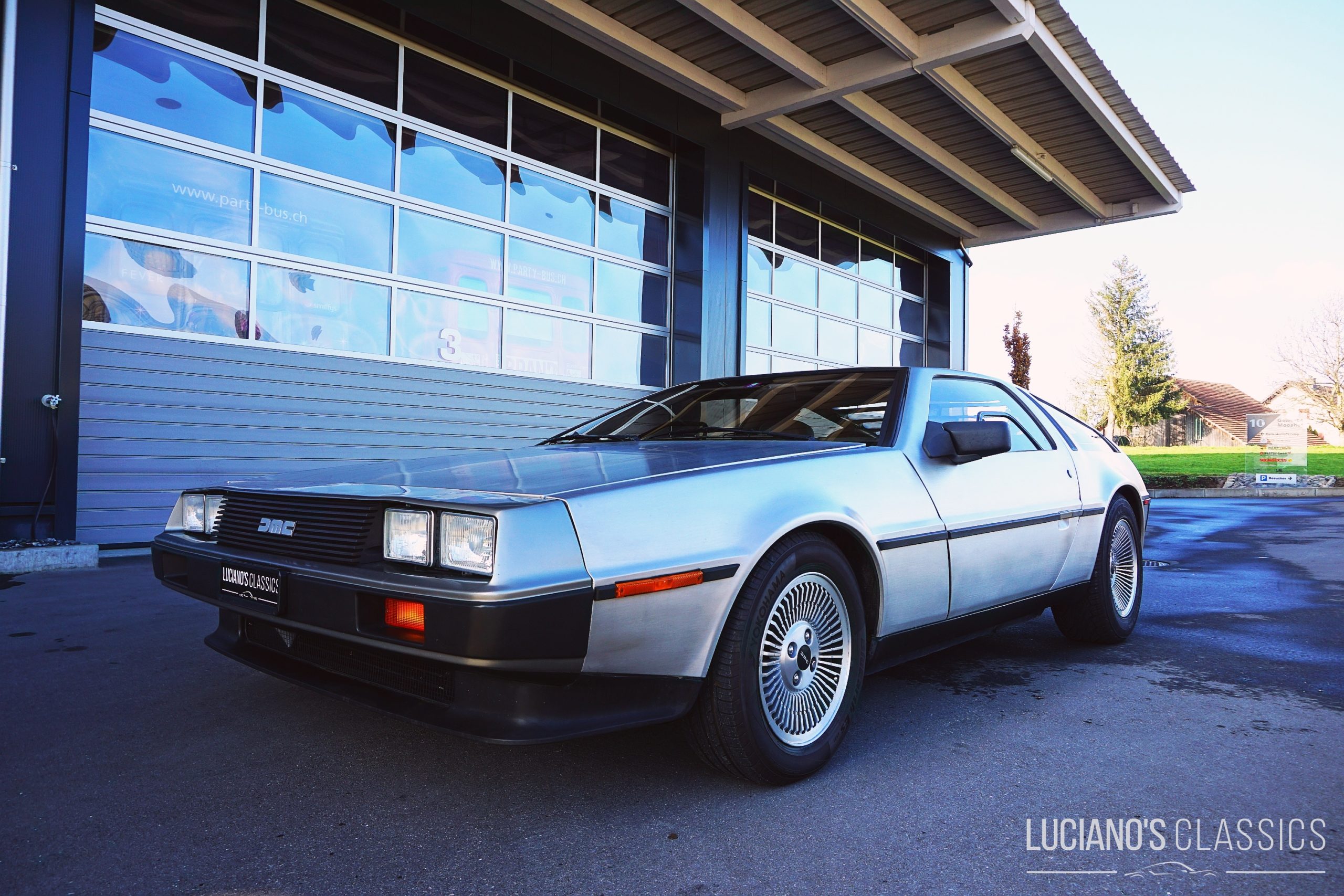
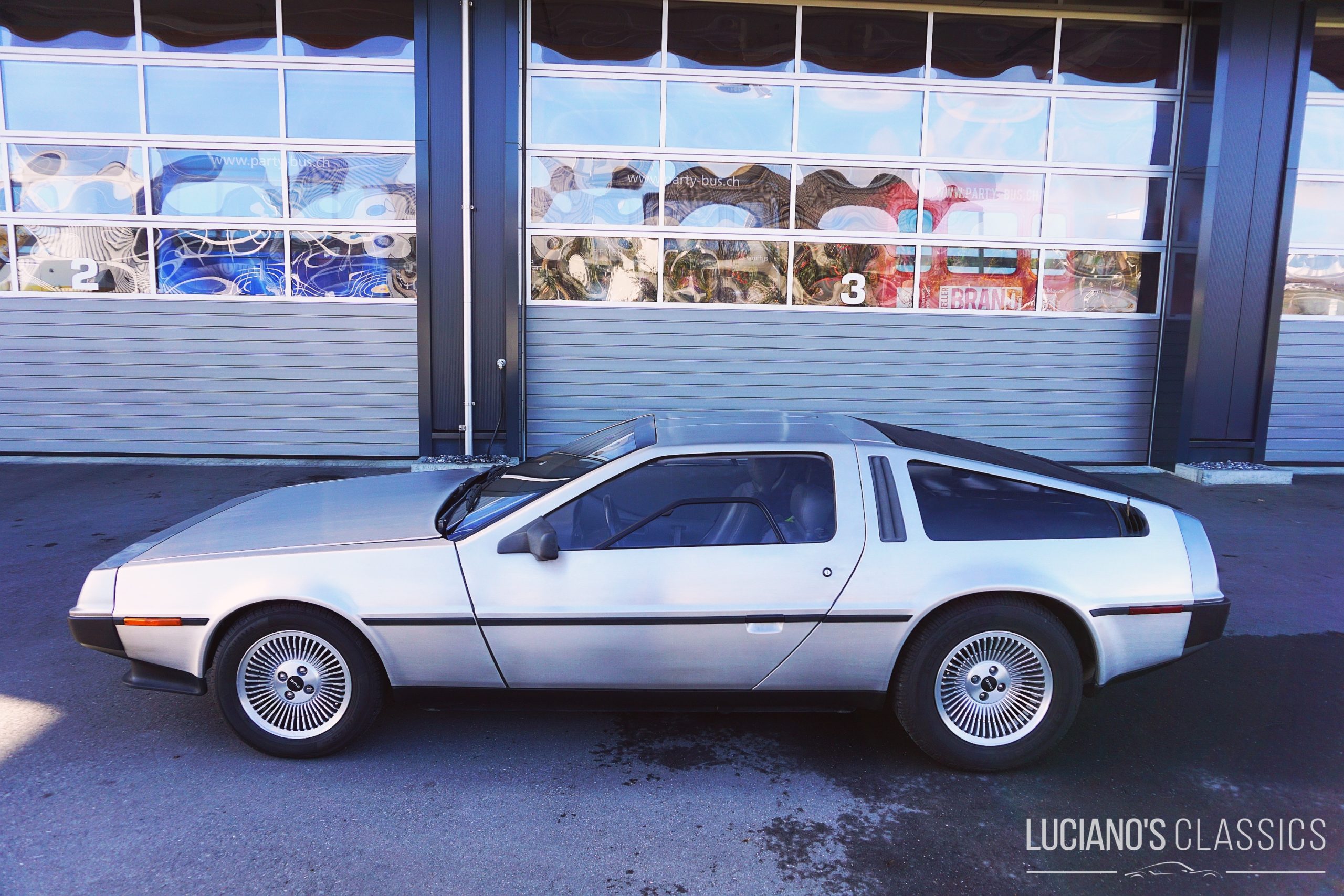
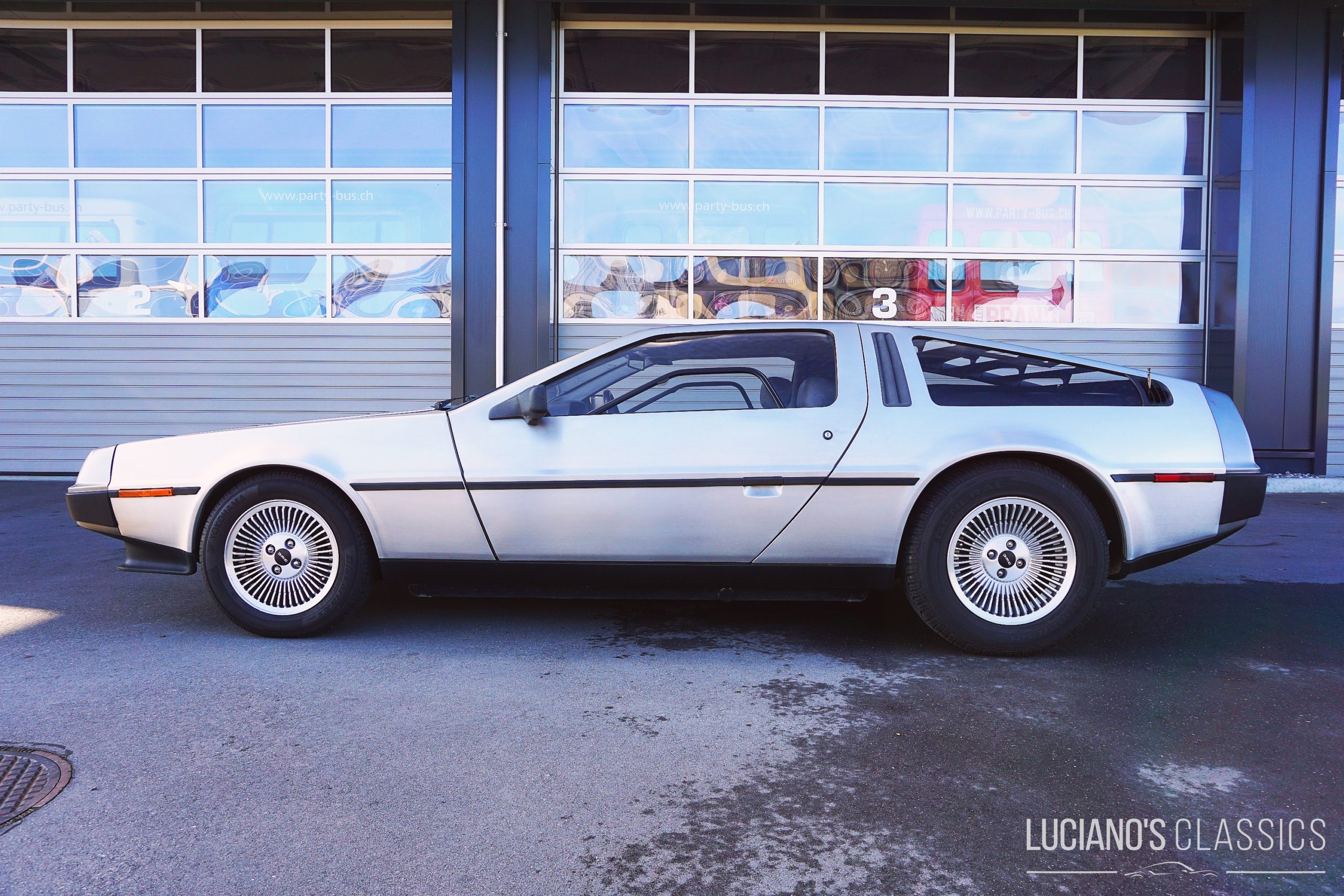
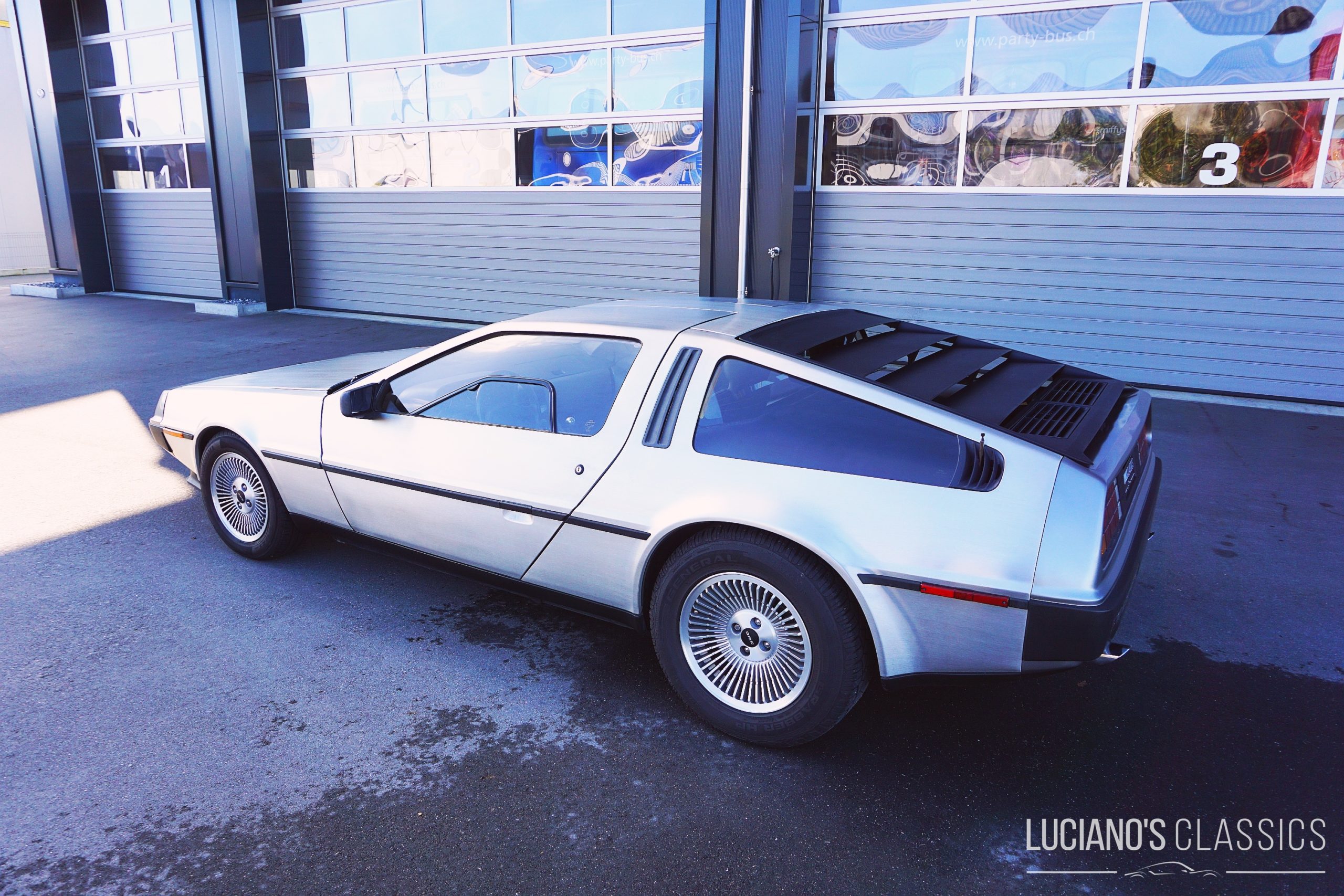
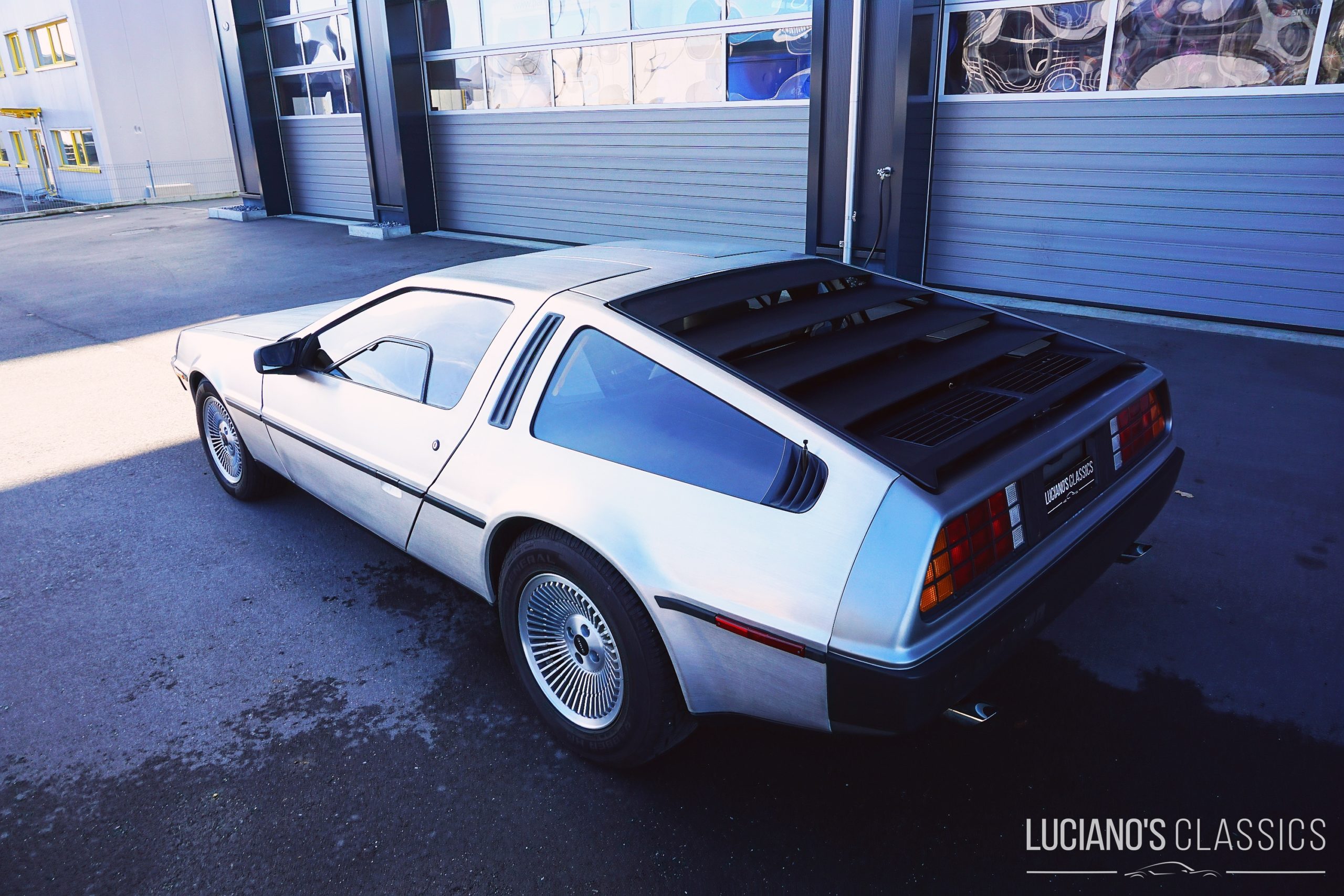
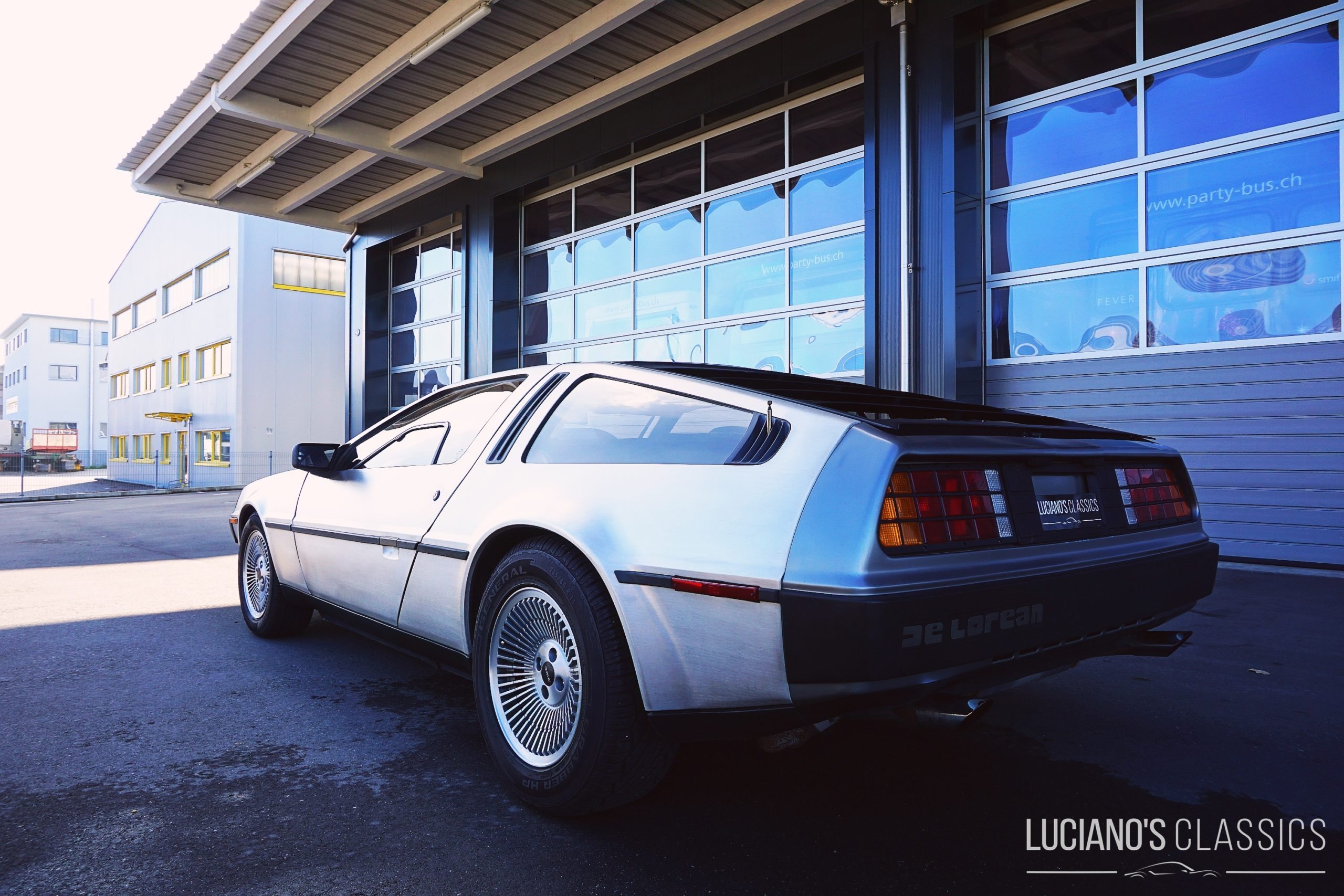
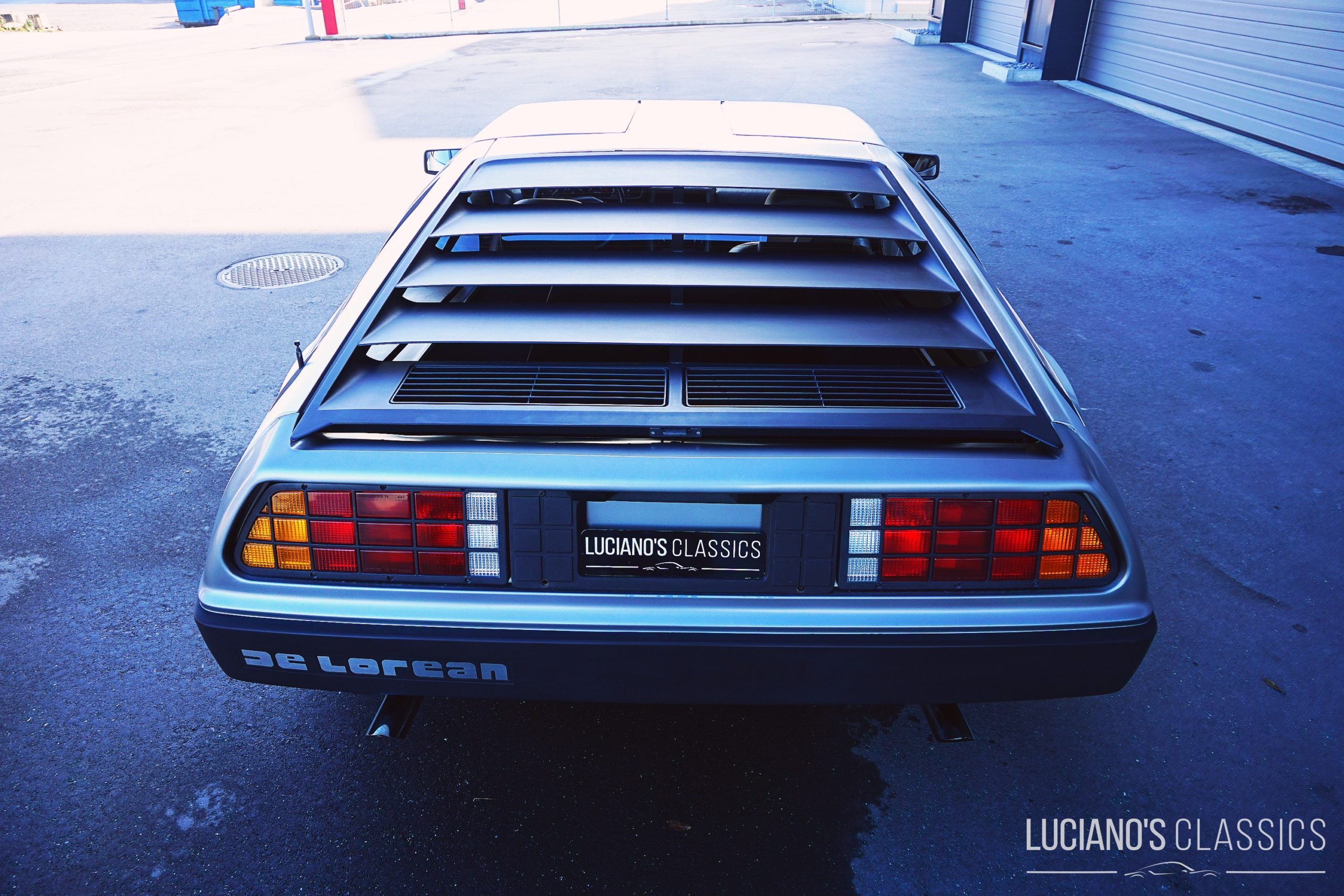
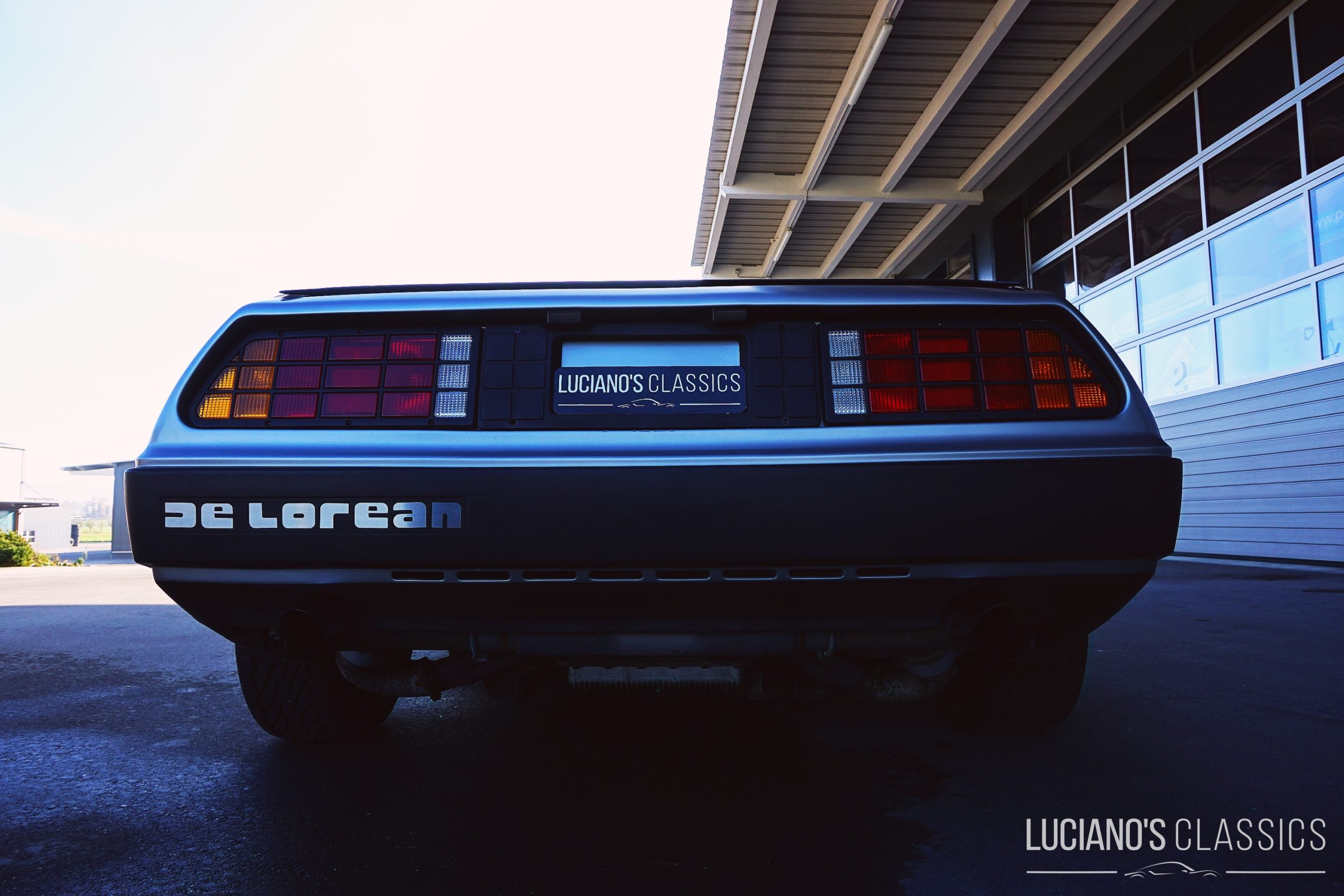
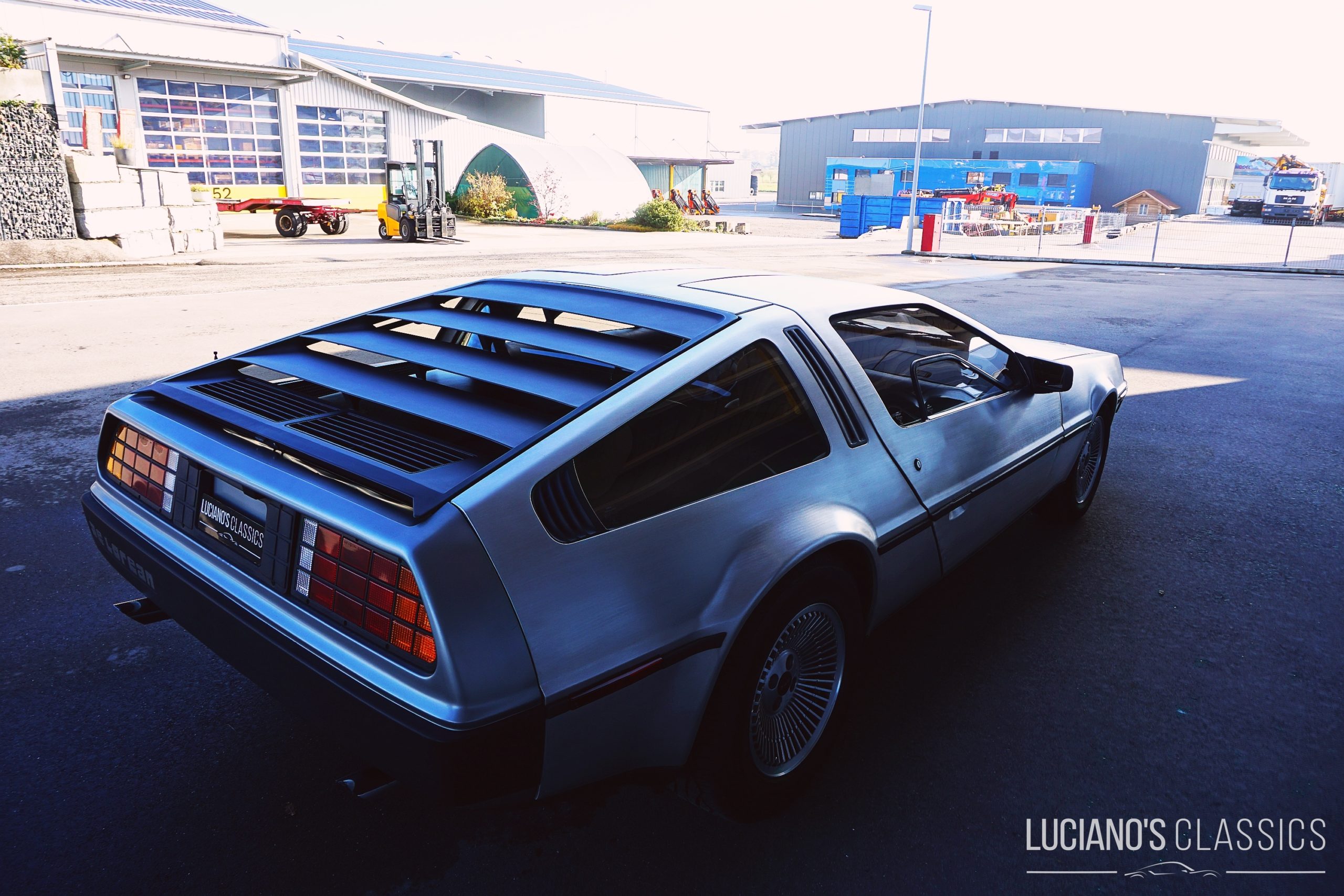
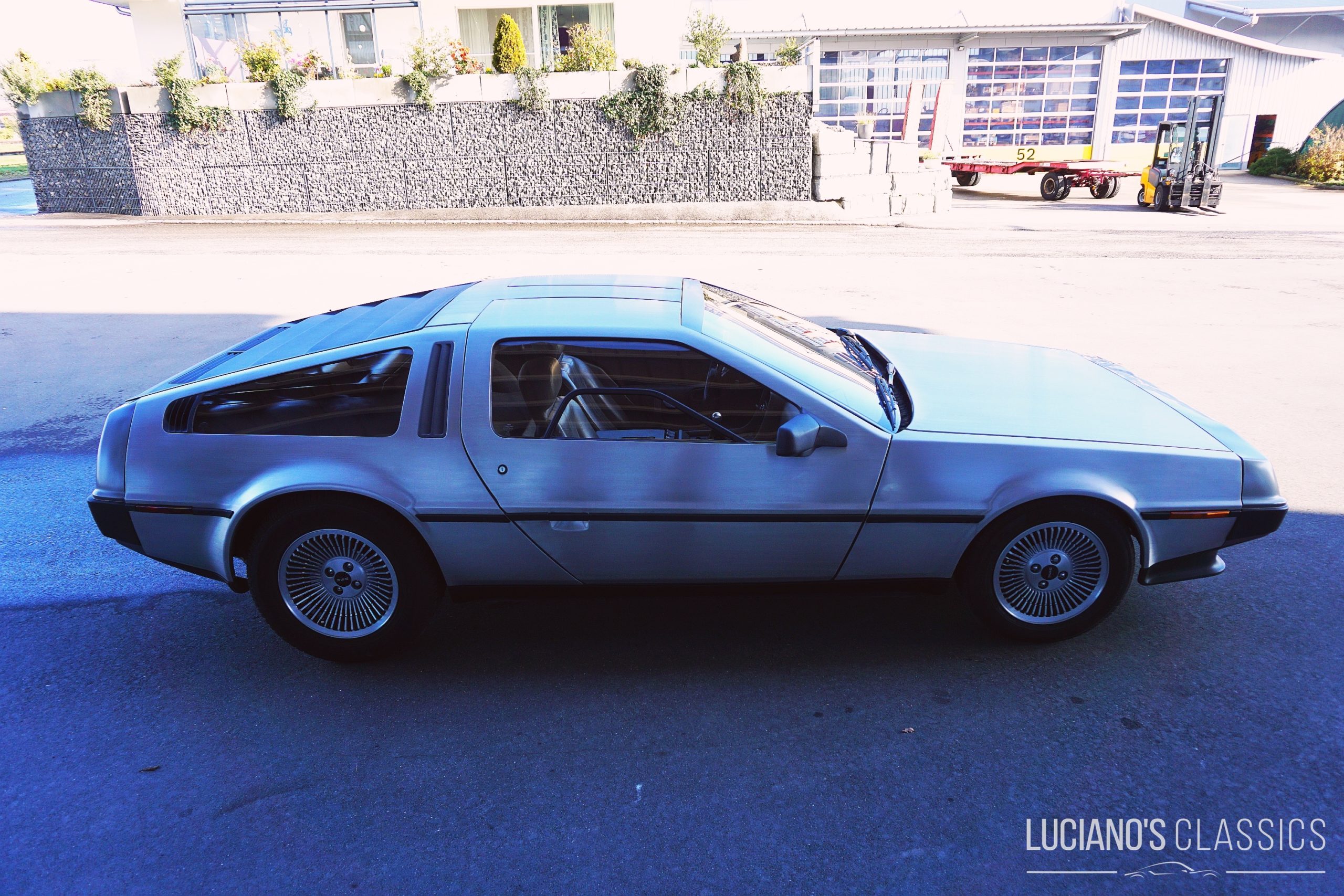
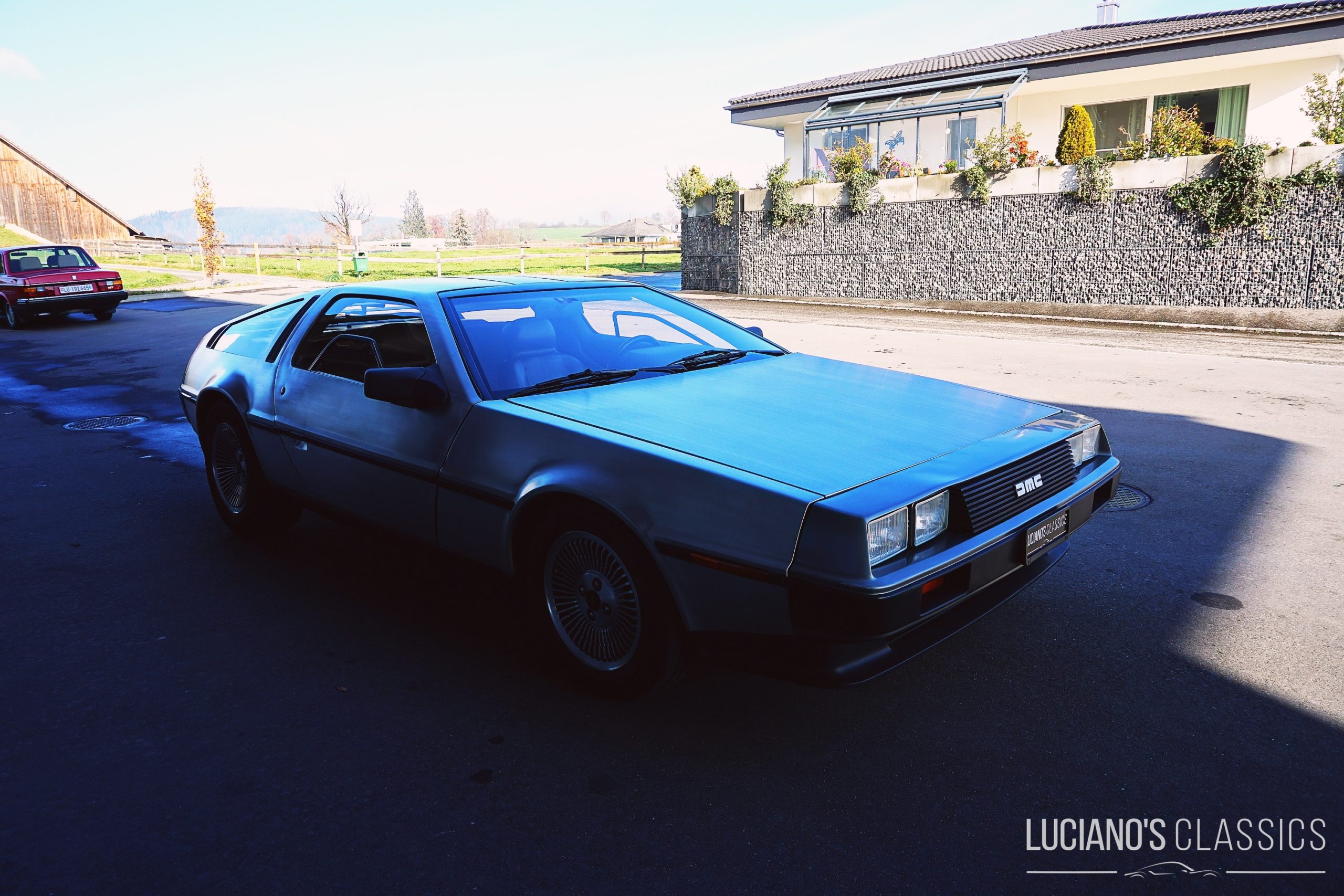
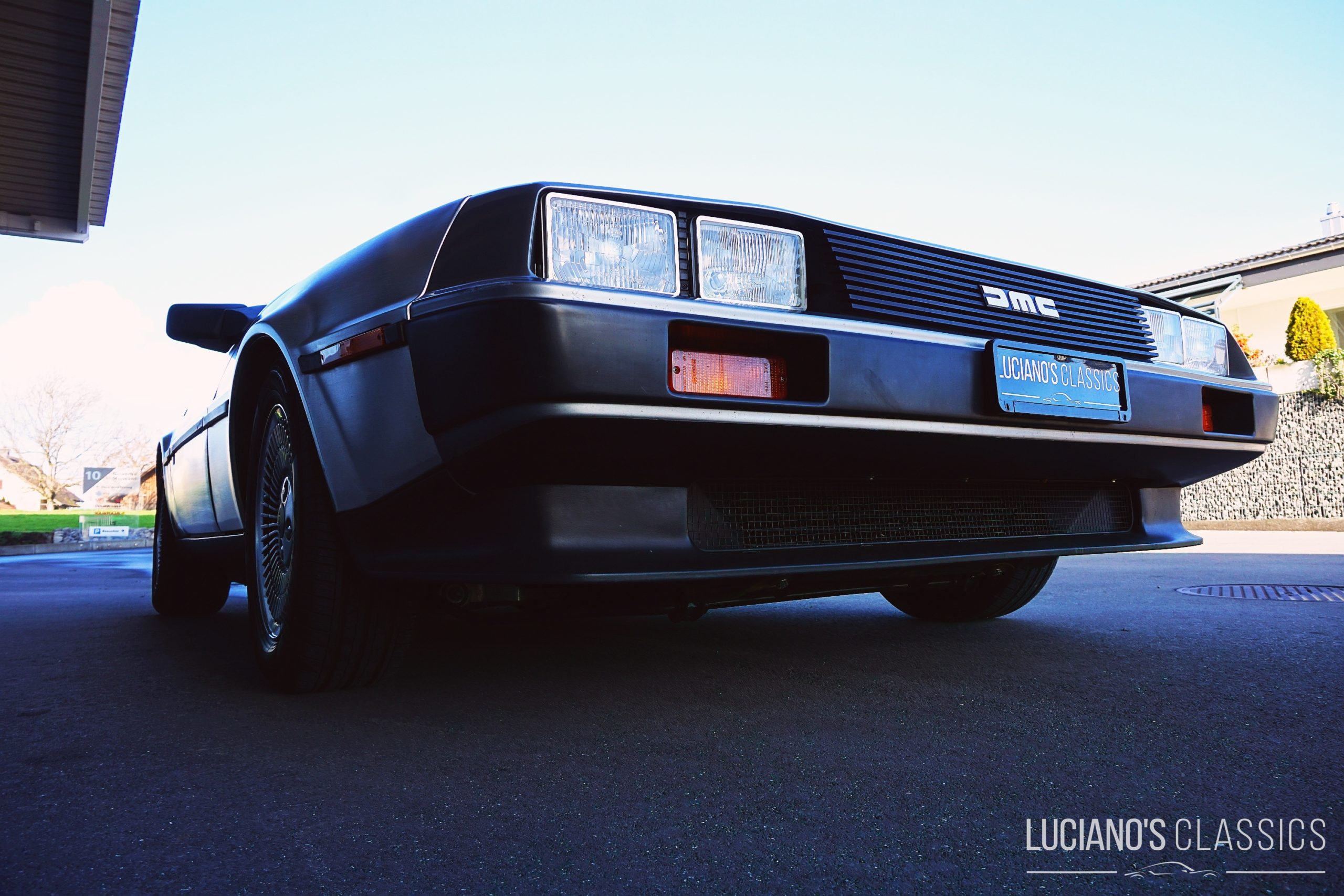
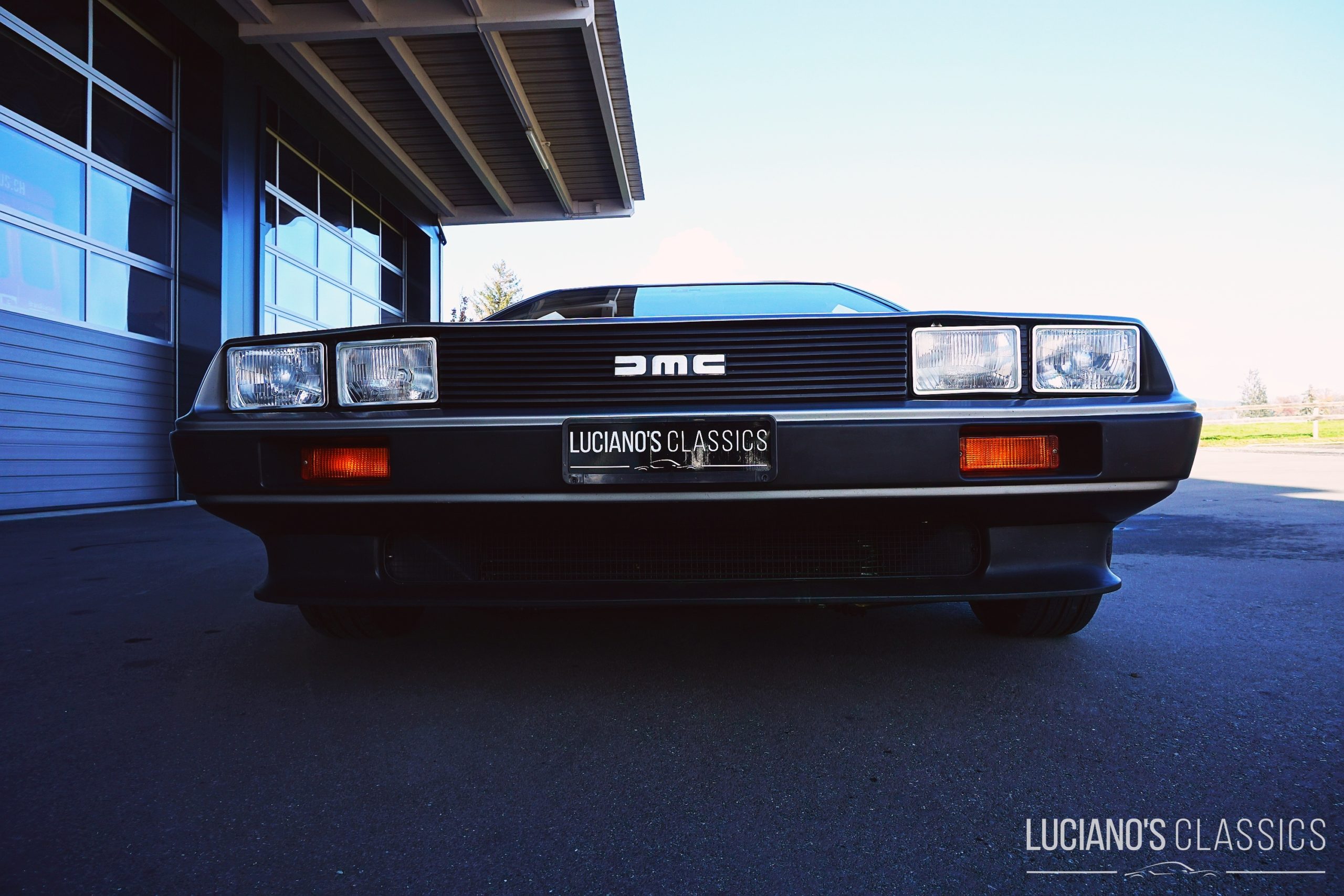
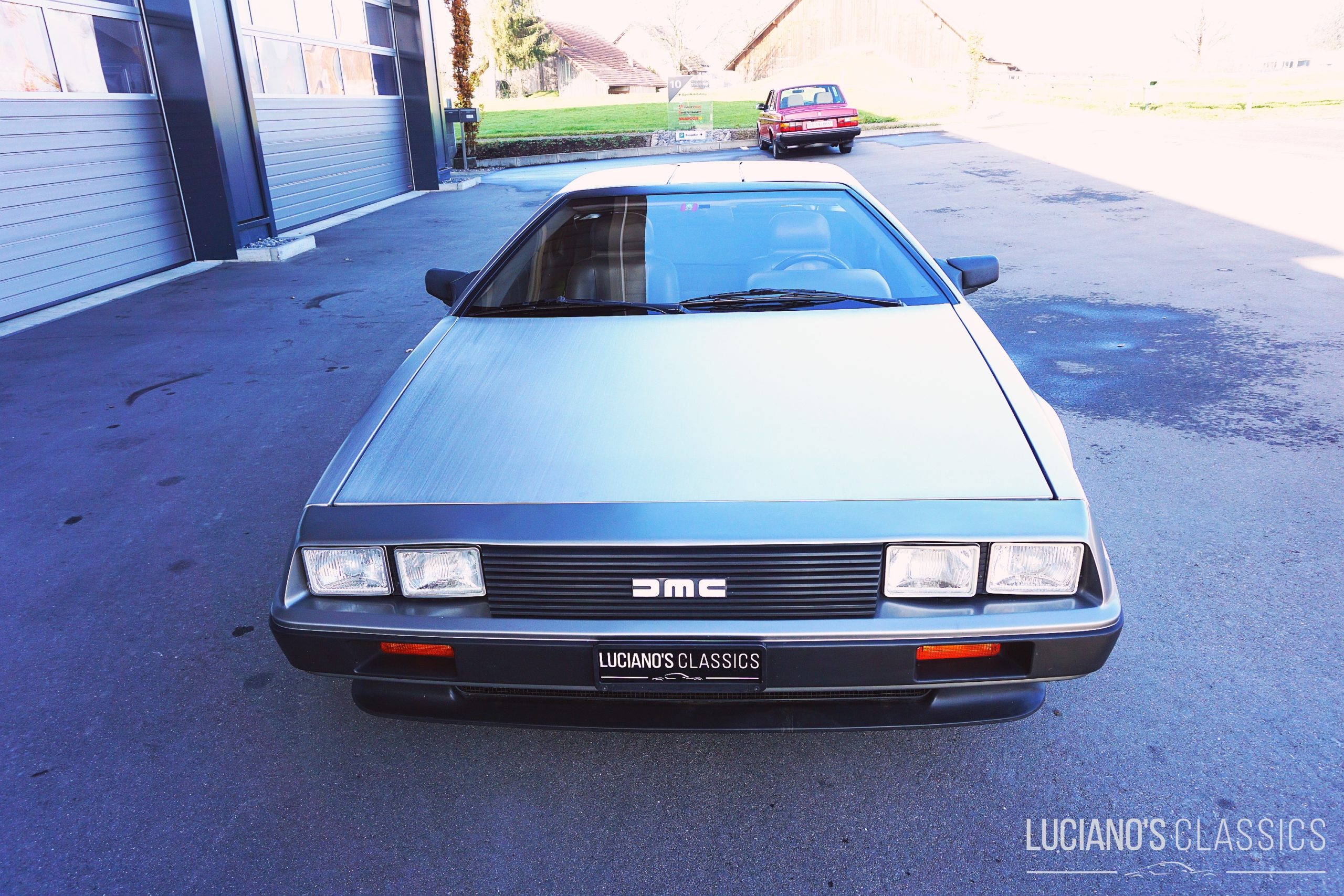
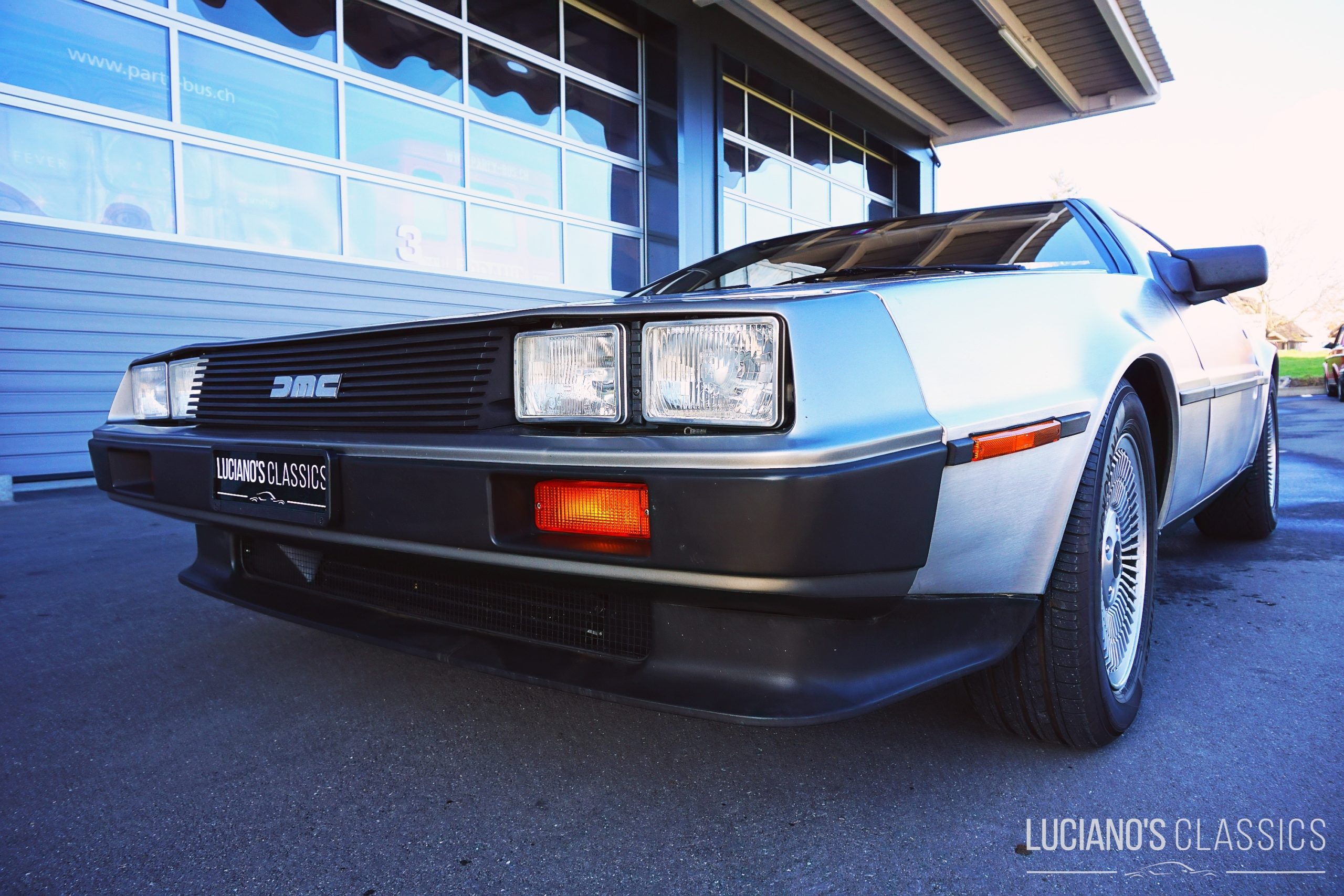
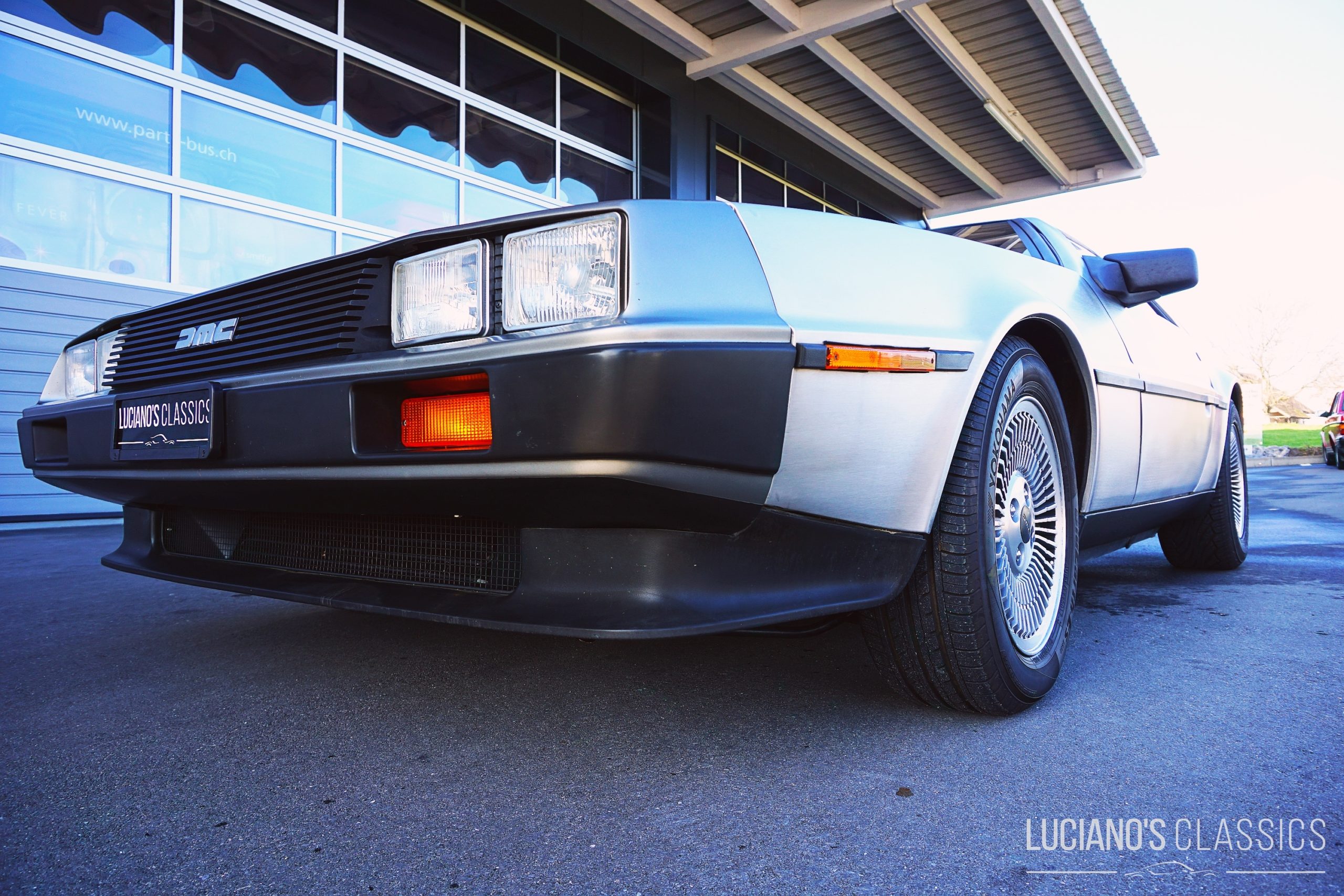
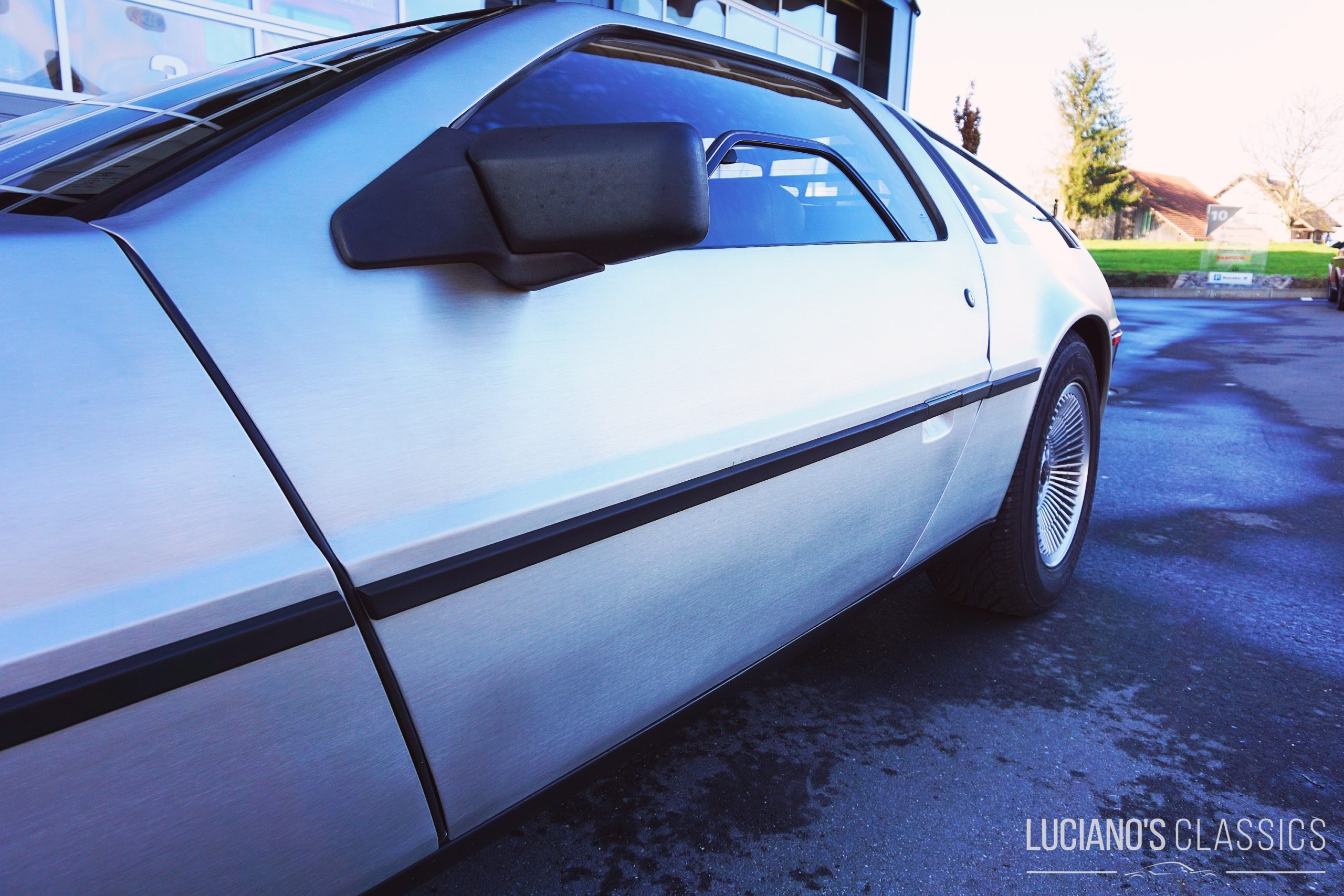
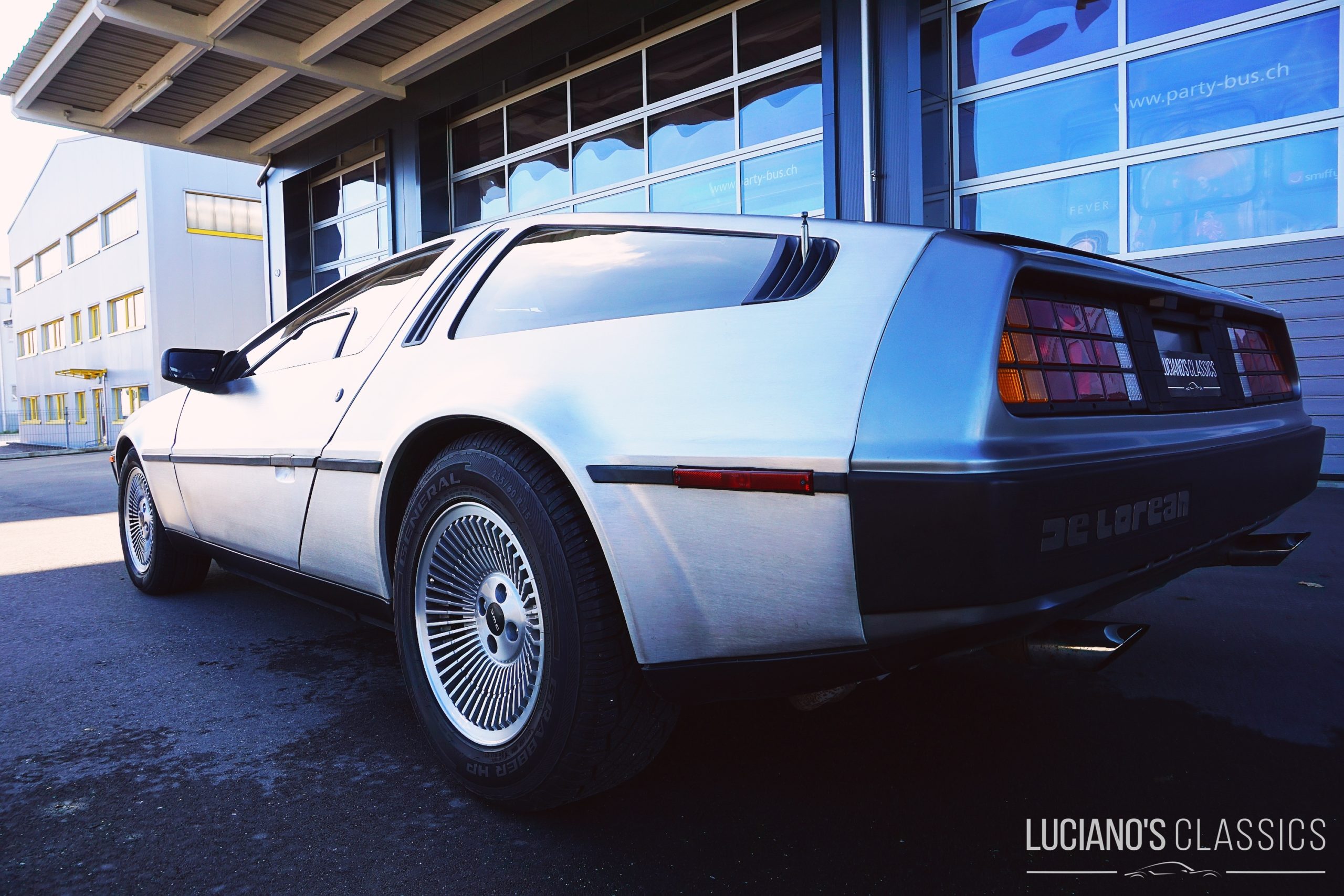
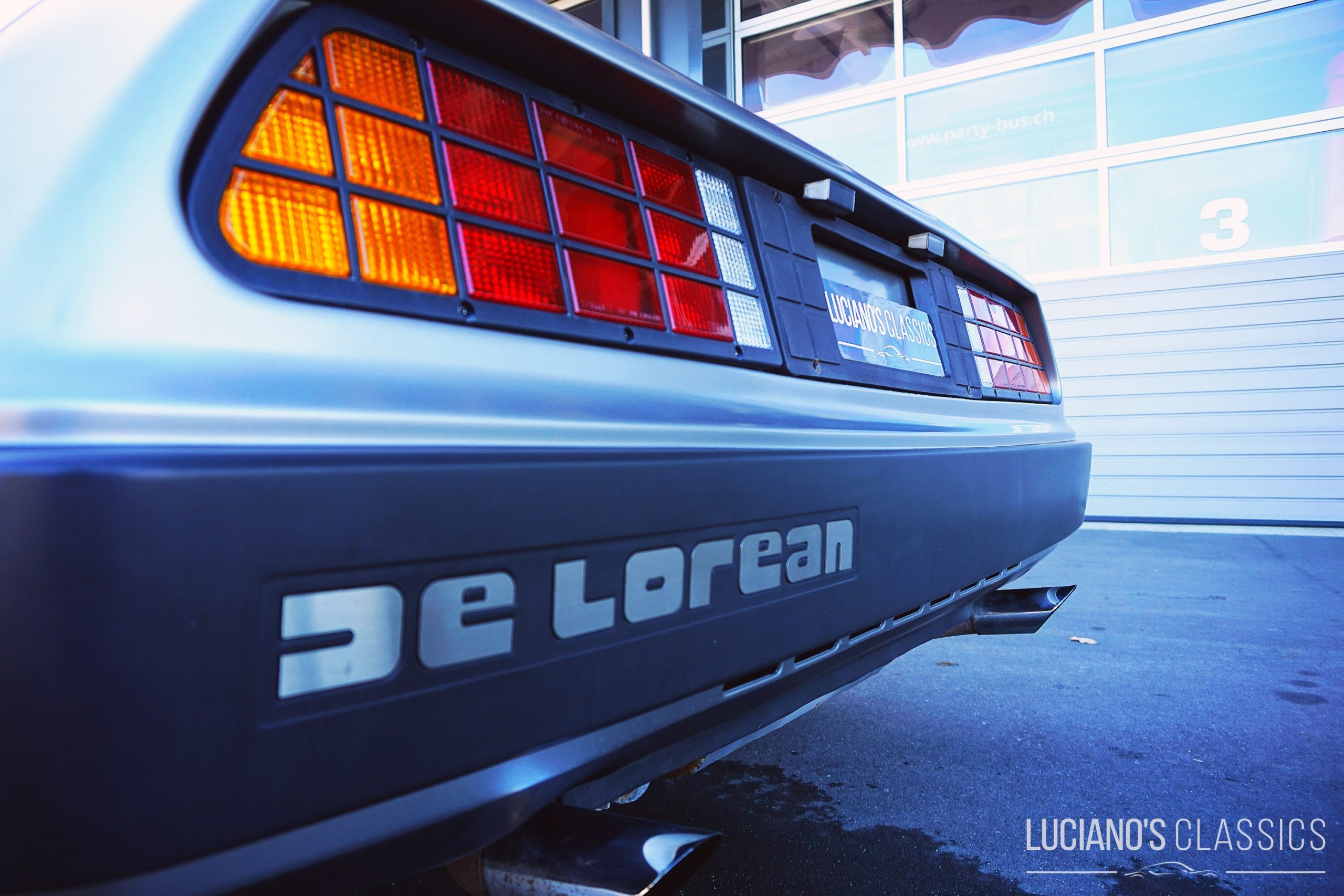
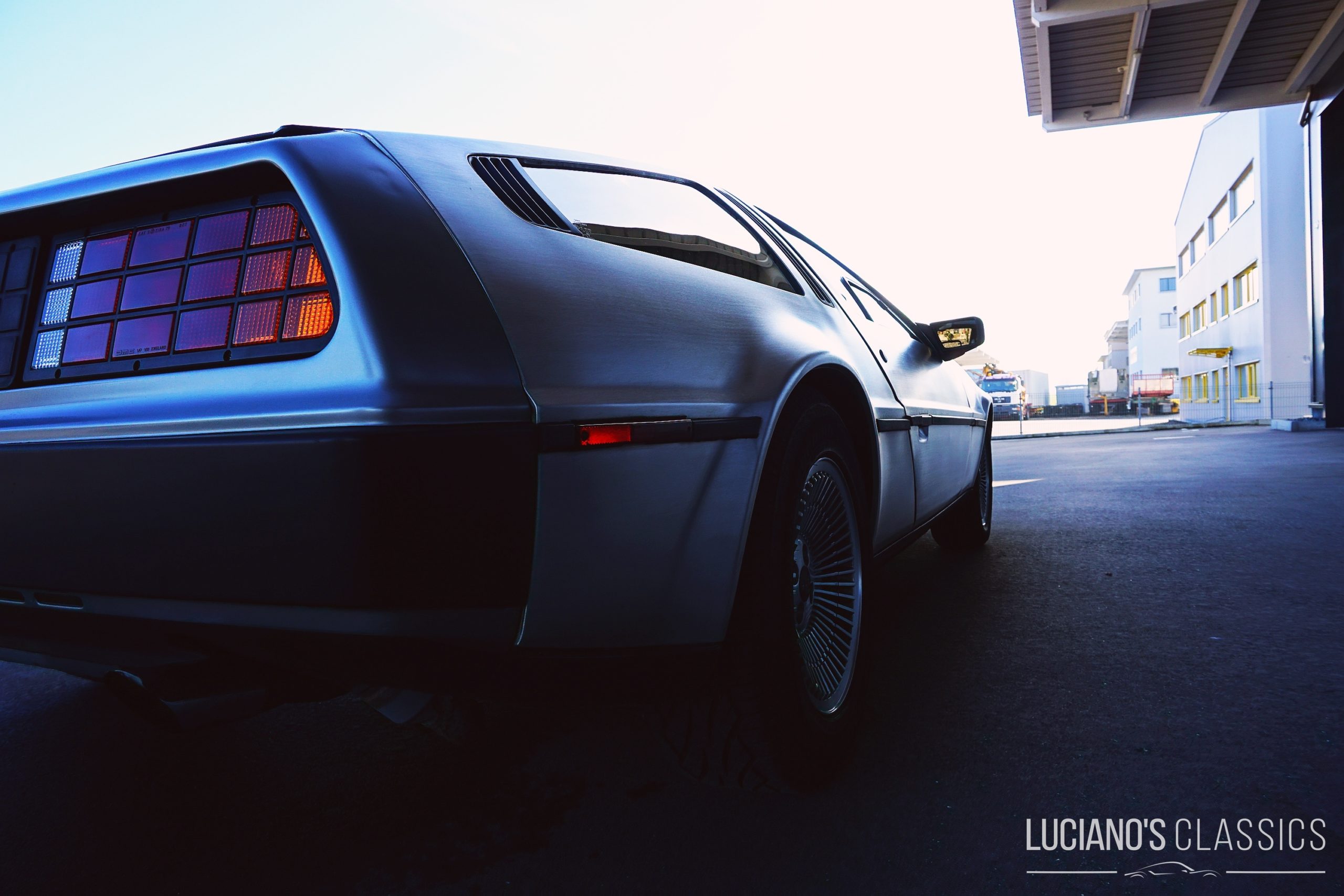
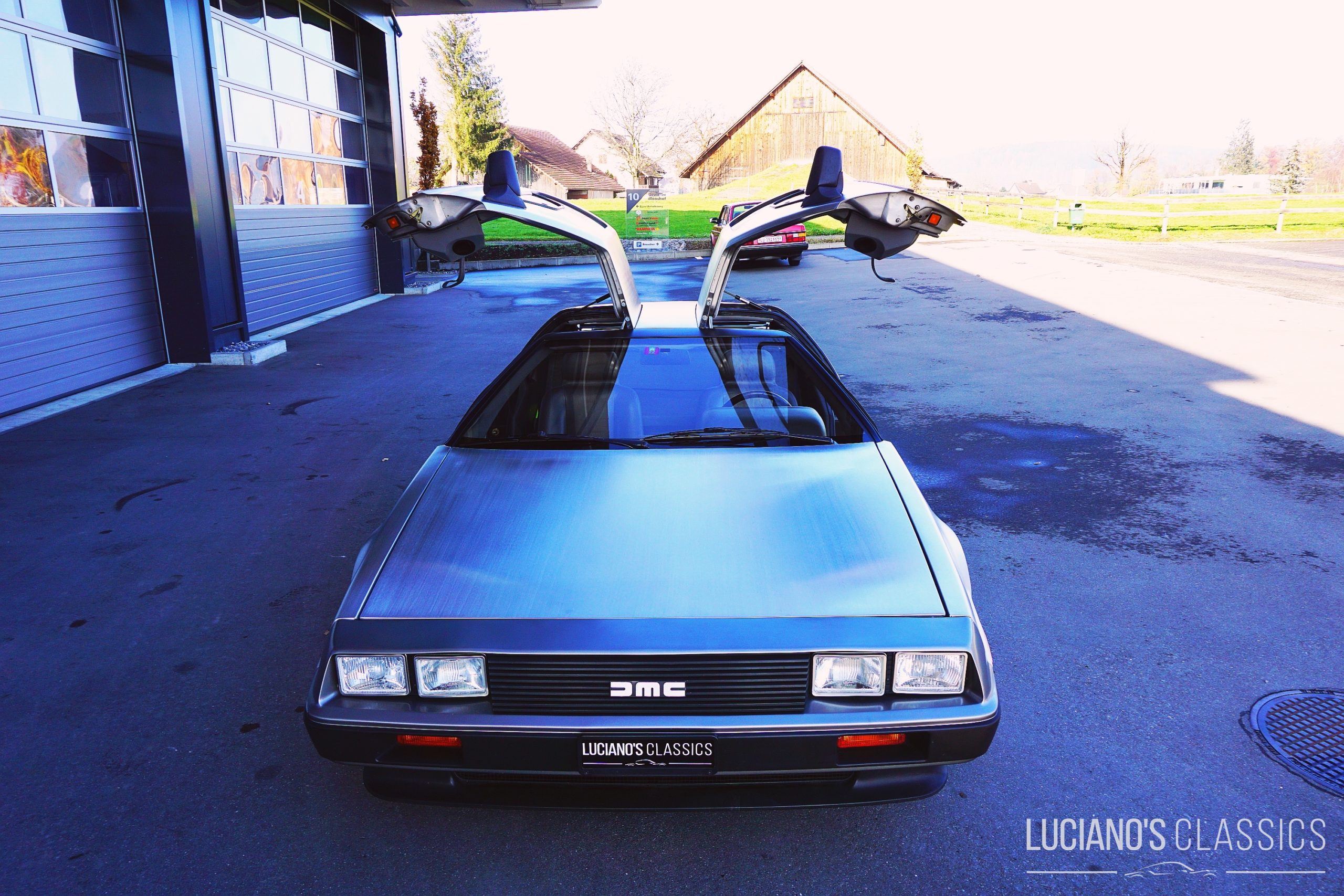
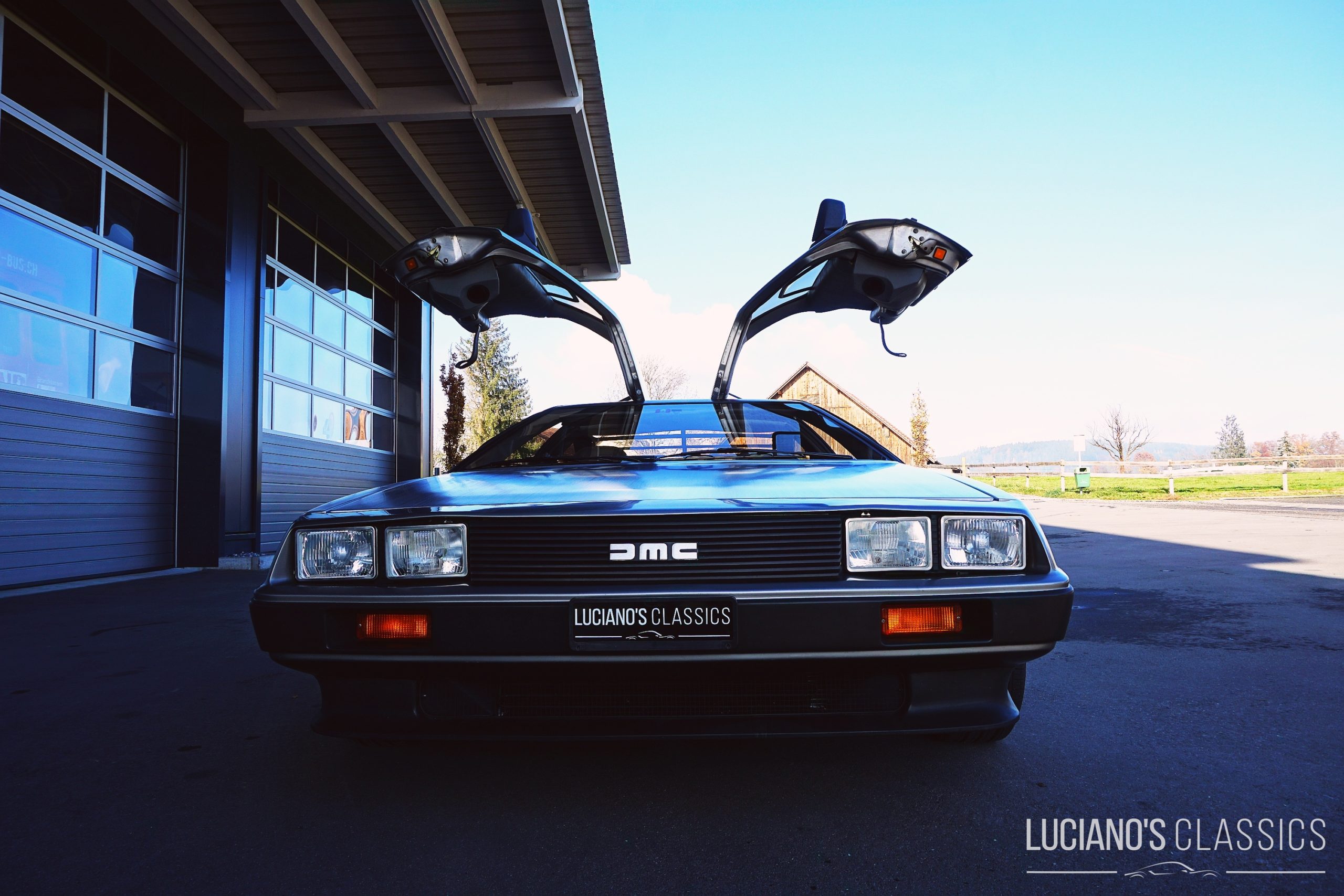
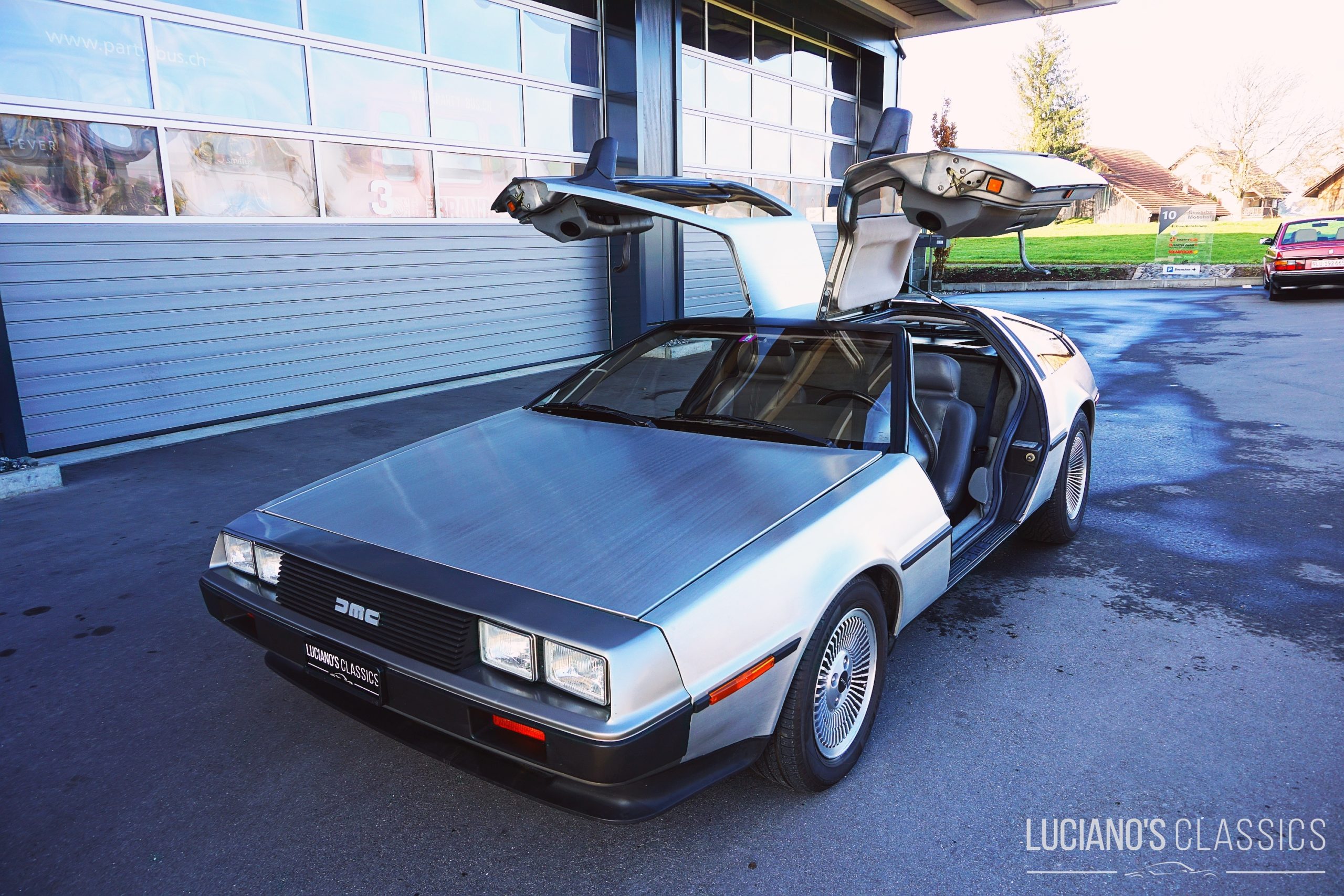
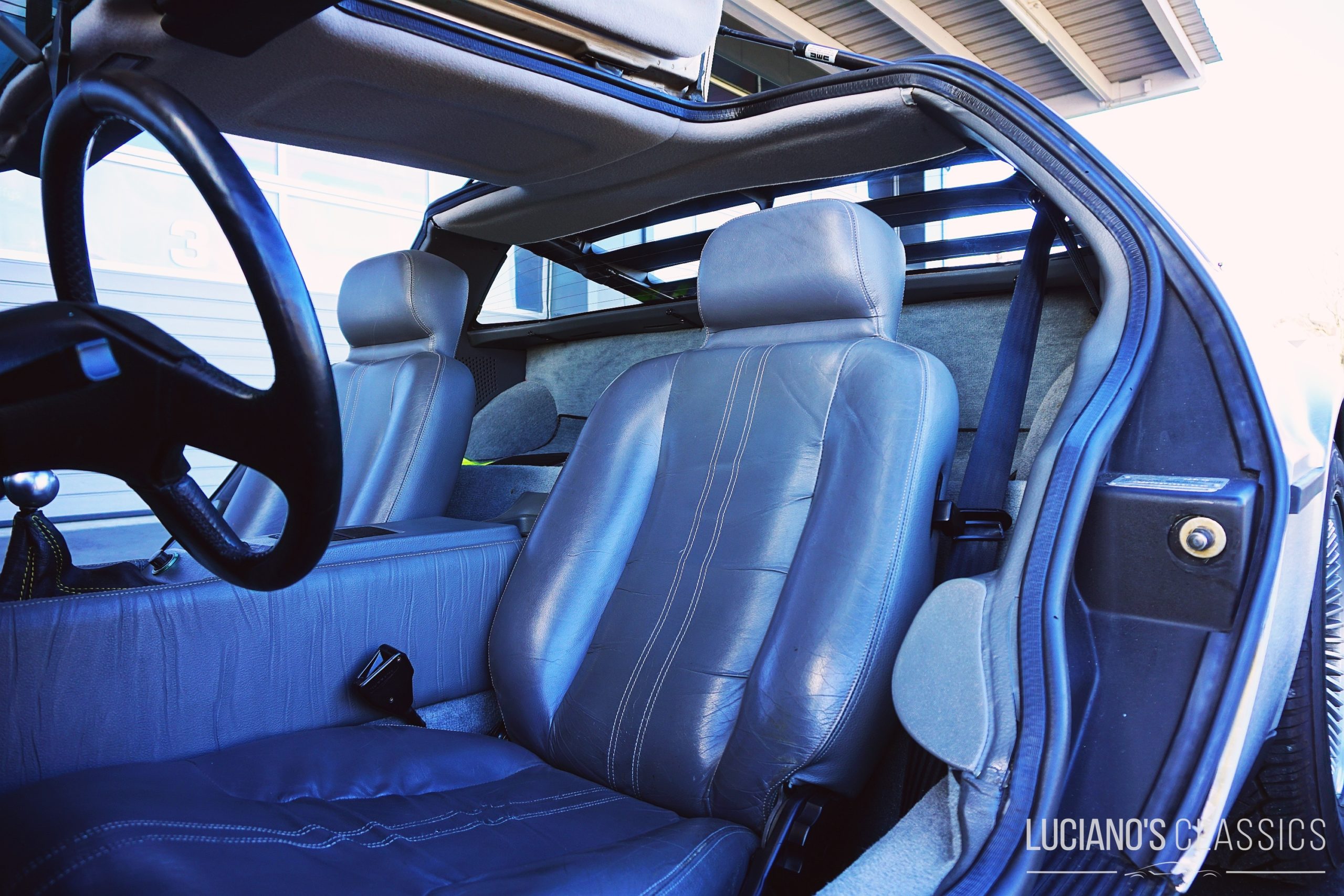
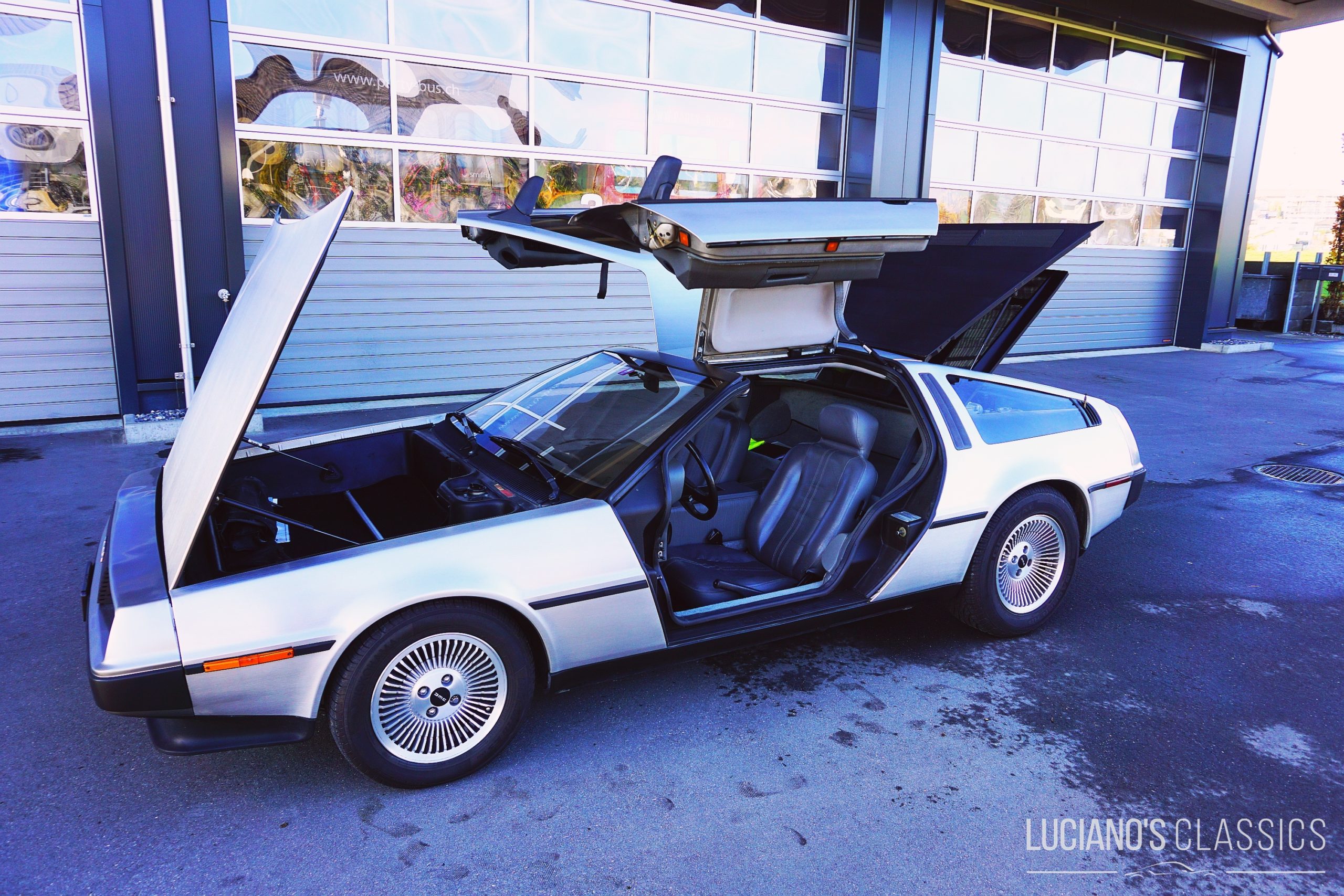
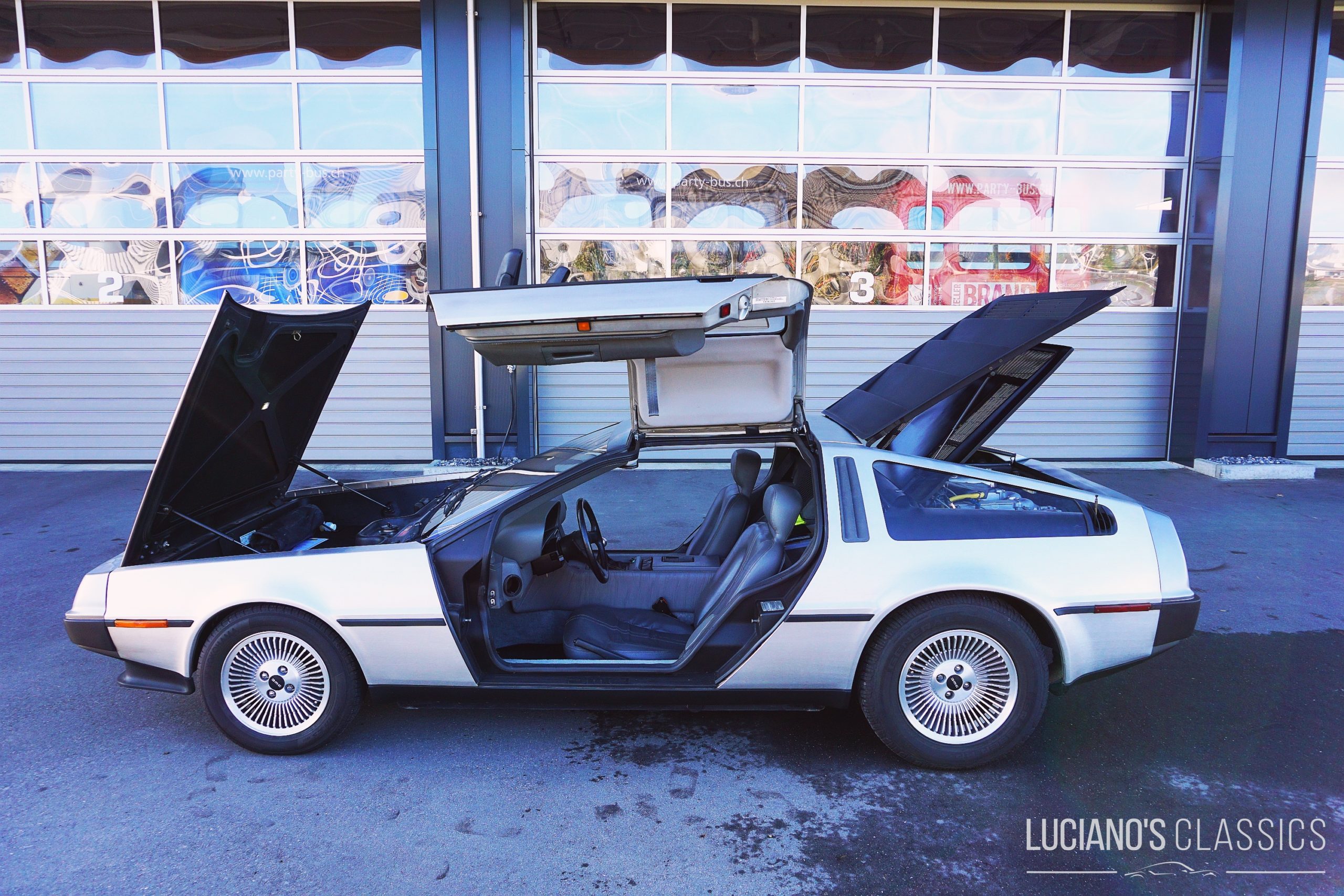
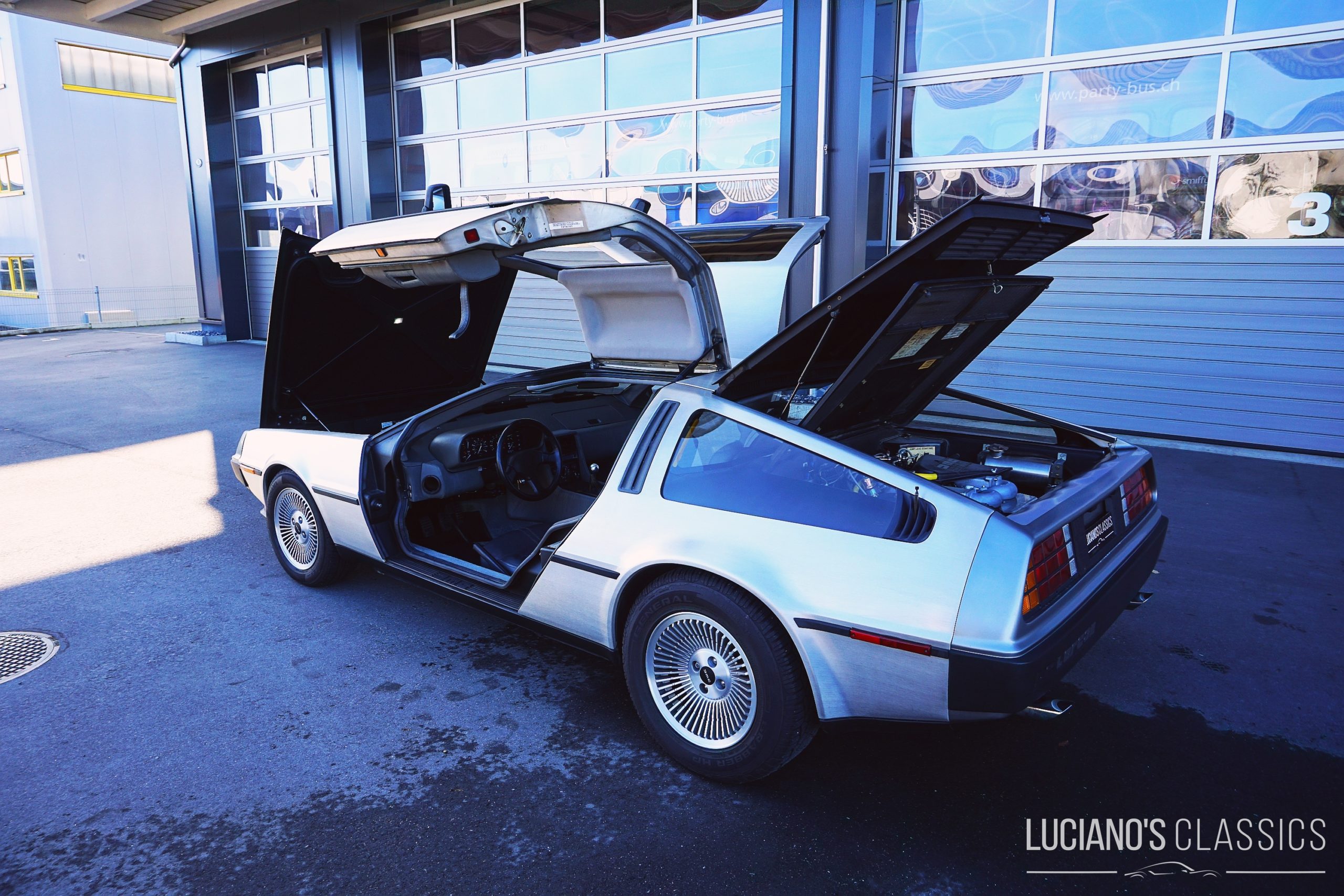
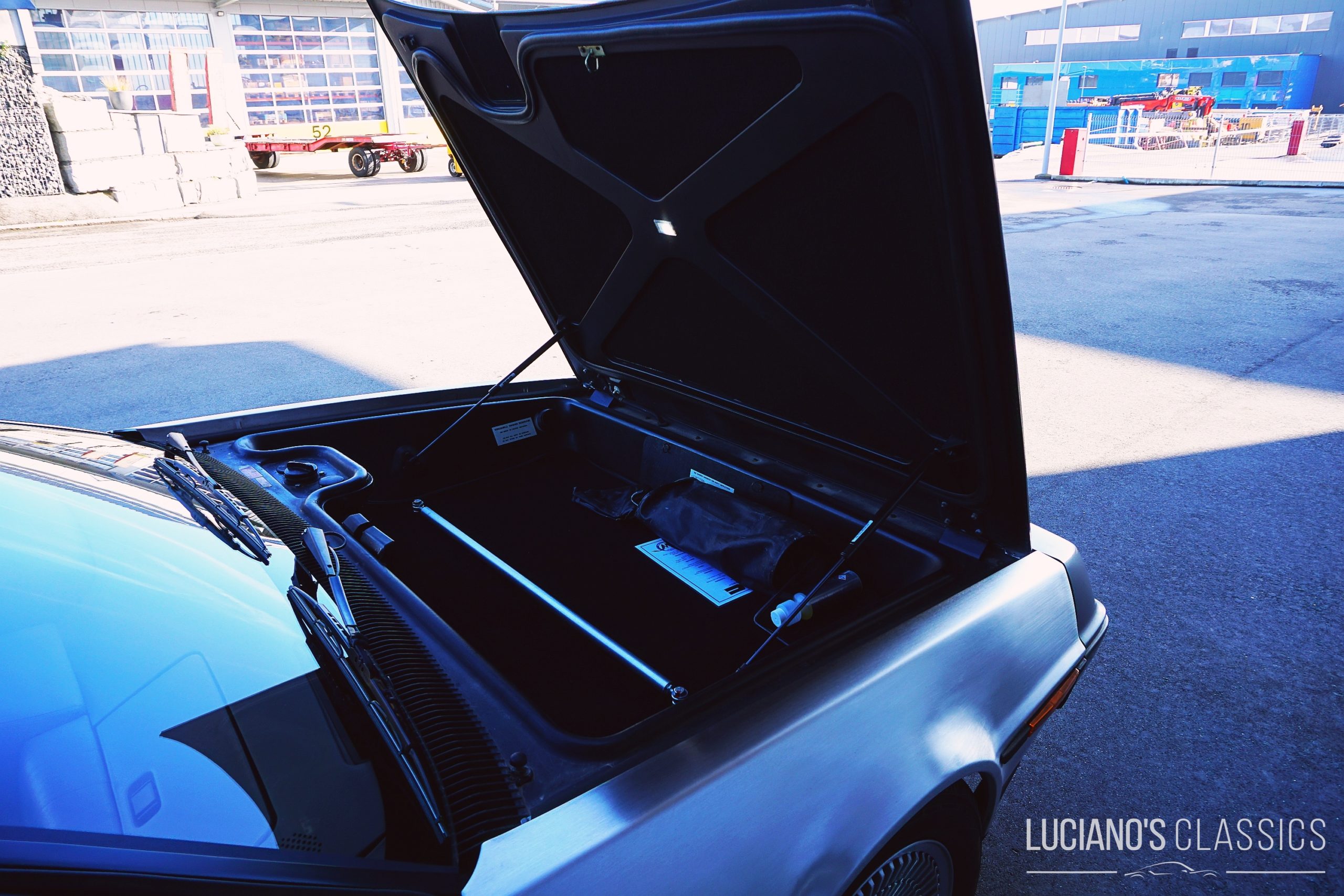
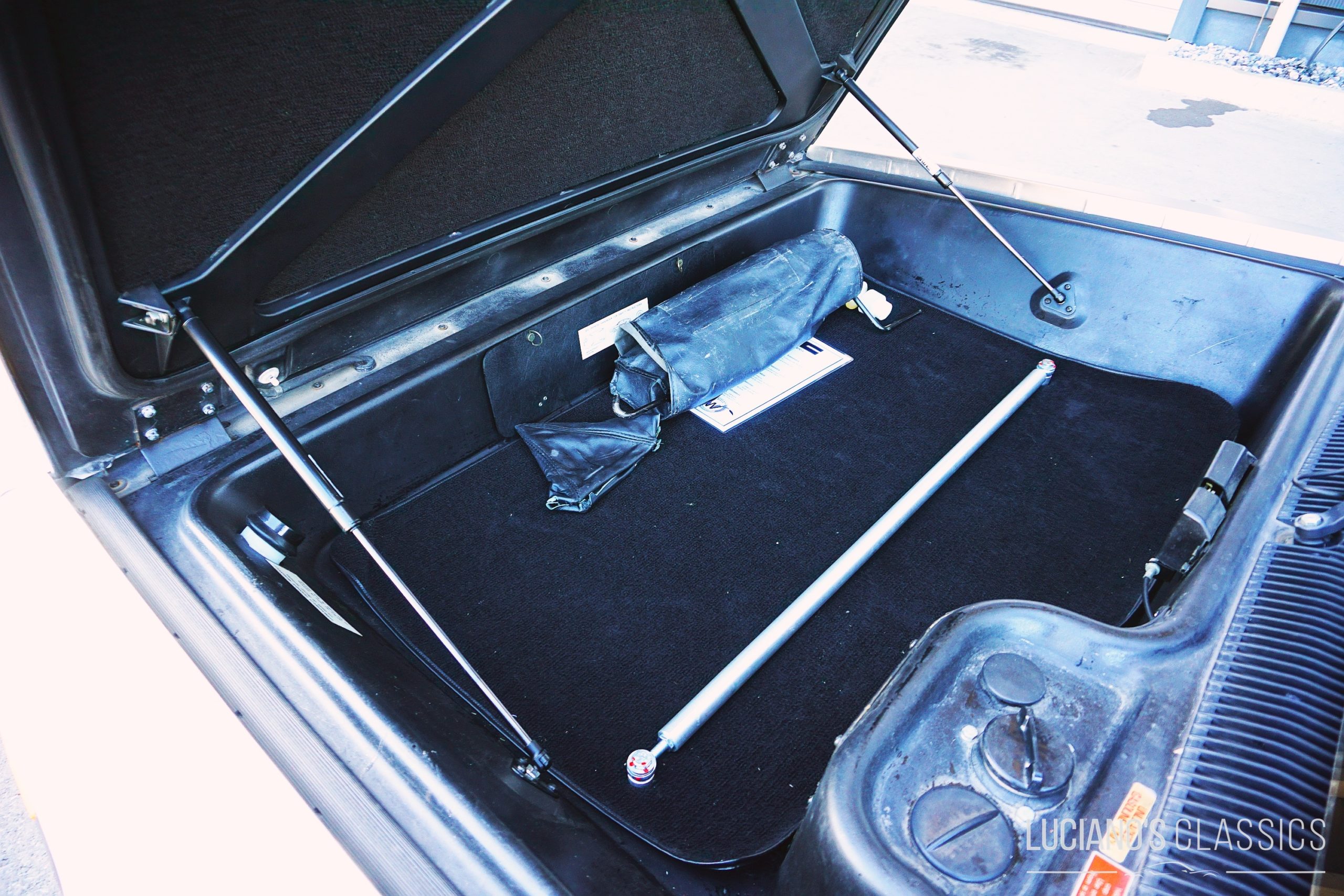
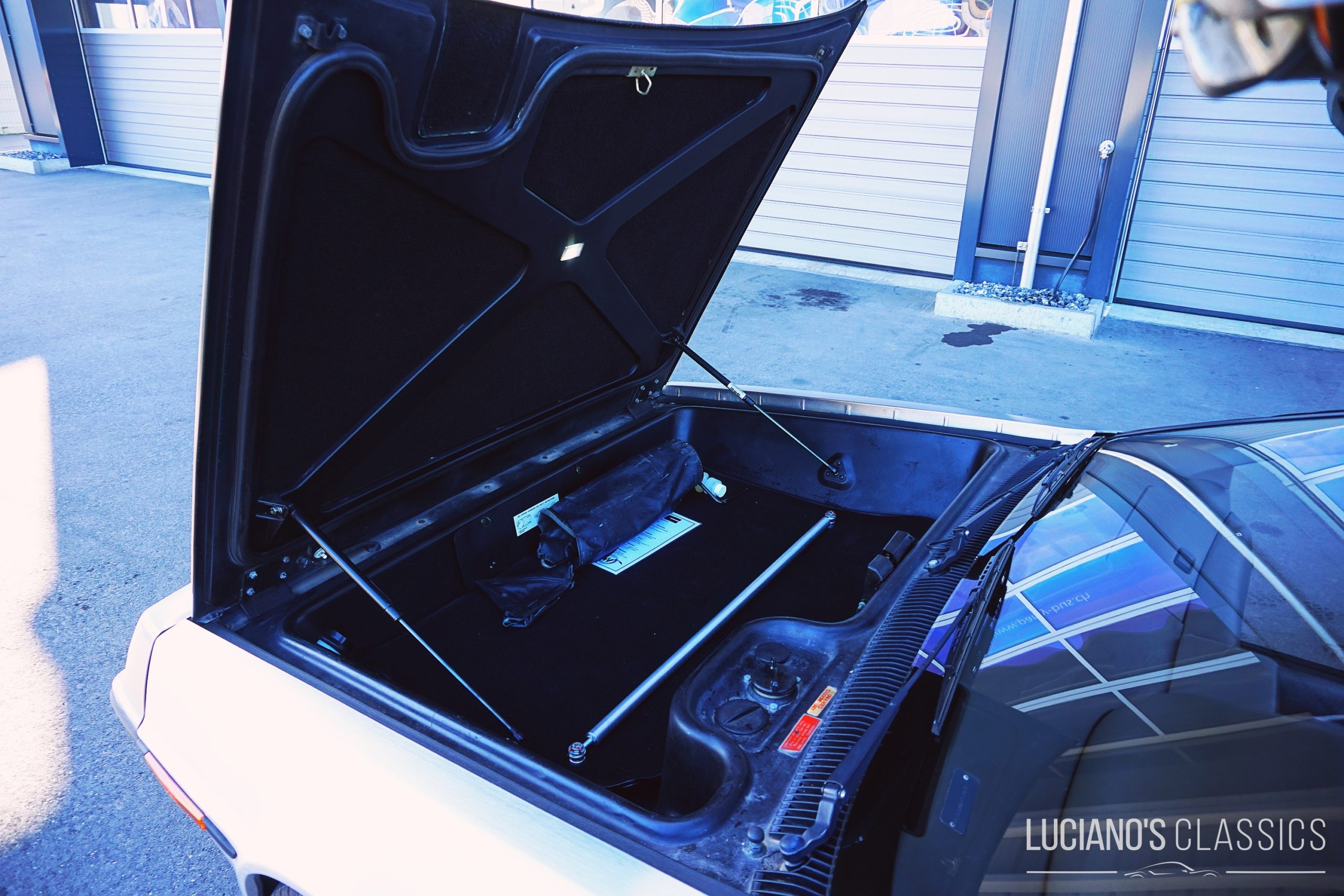
This example is one of the few without the X-shape on the hood. It is also one of the last to roll off the production line and therefore not as disastrously finished as the early models.
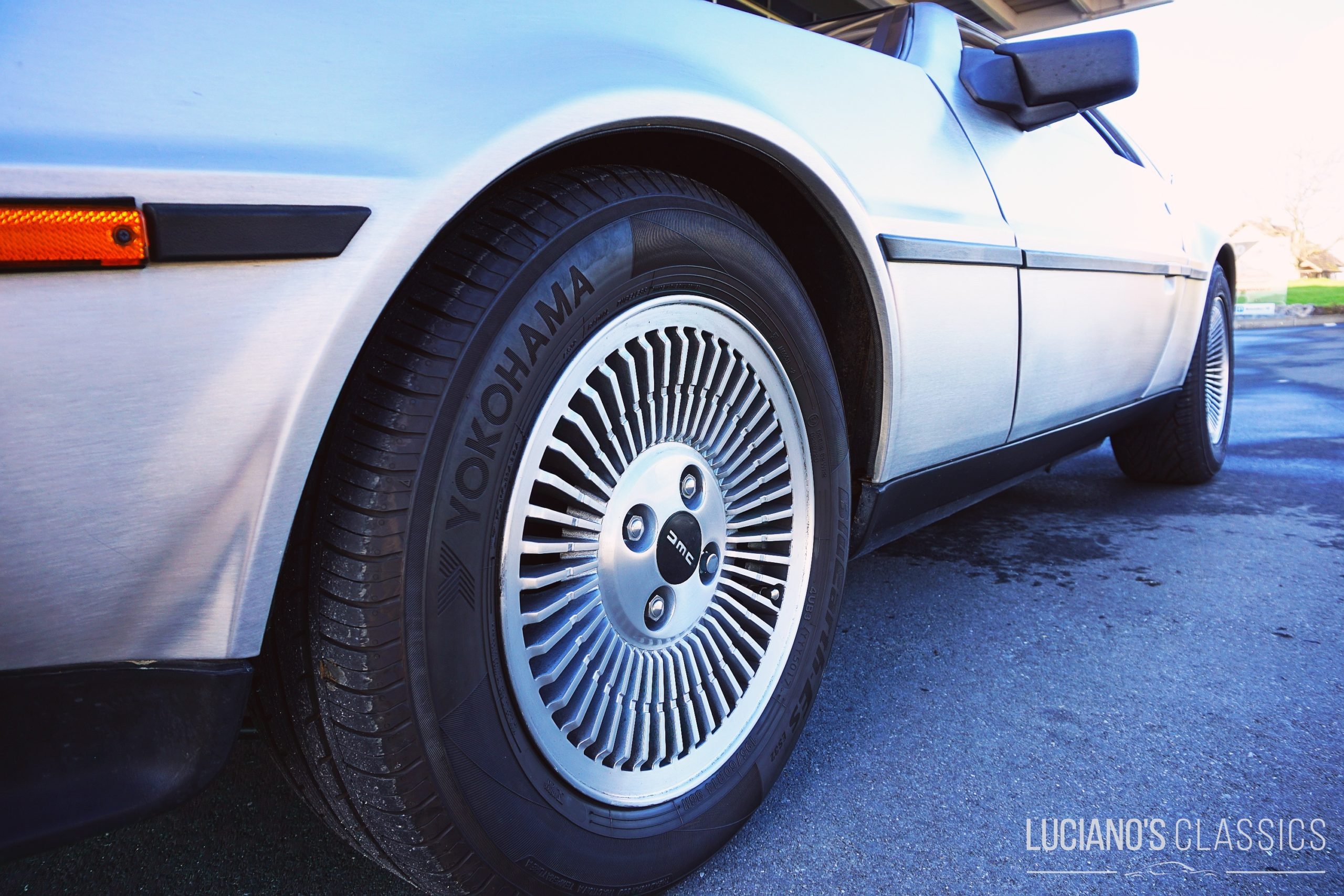
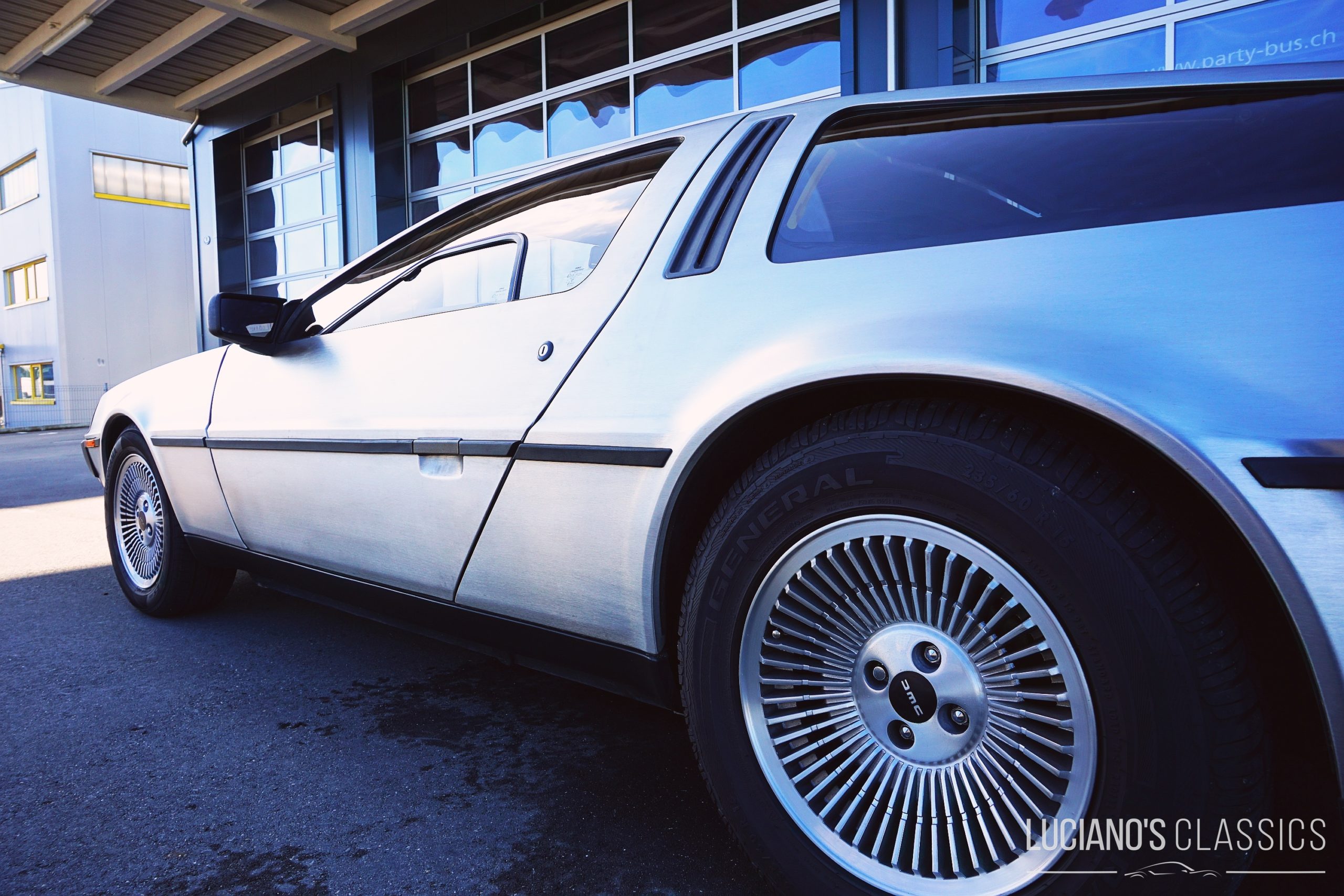
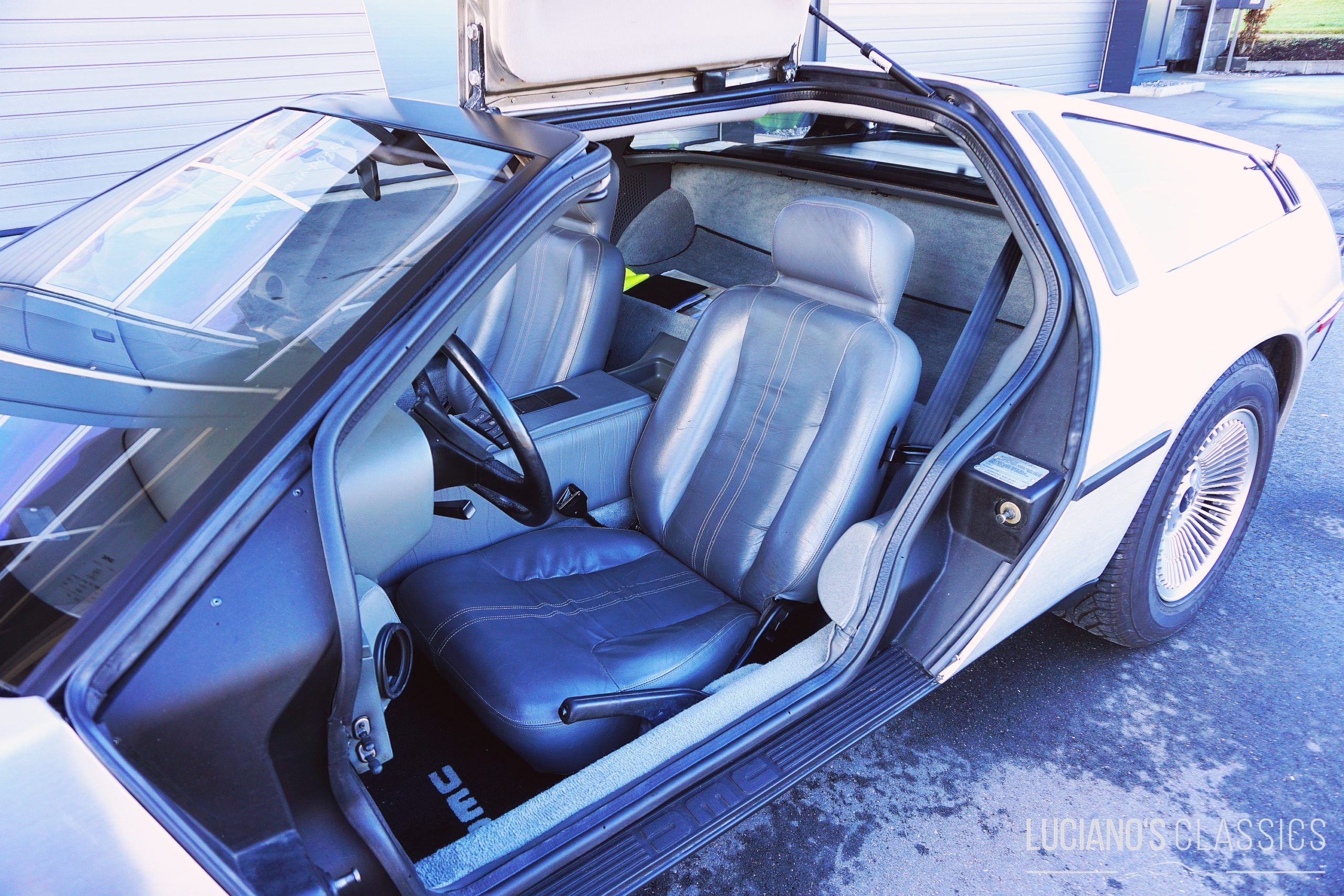
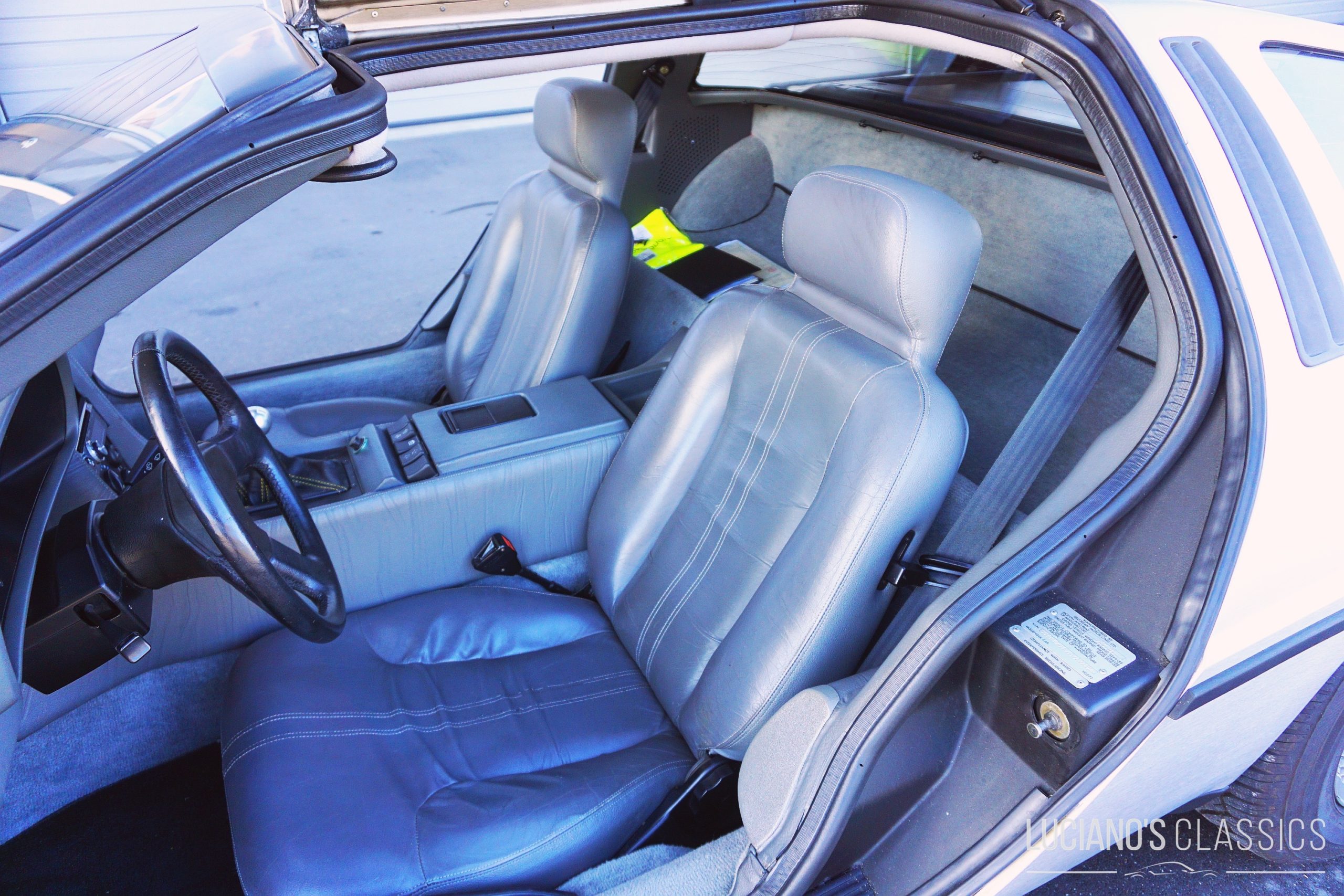
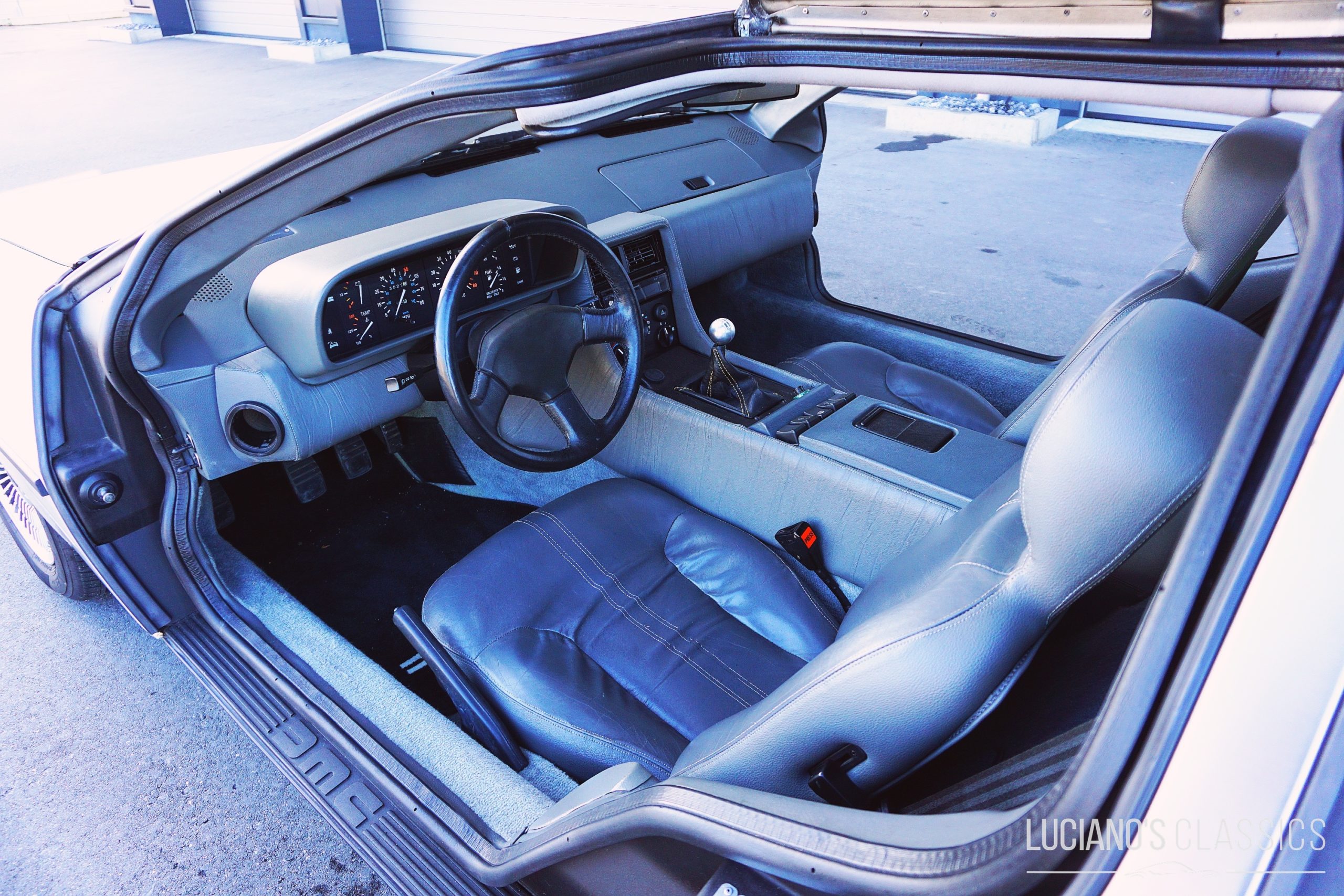
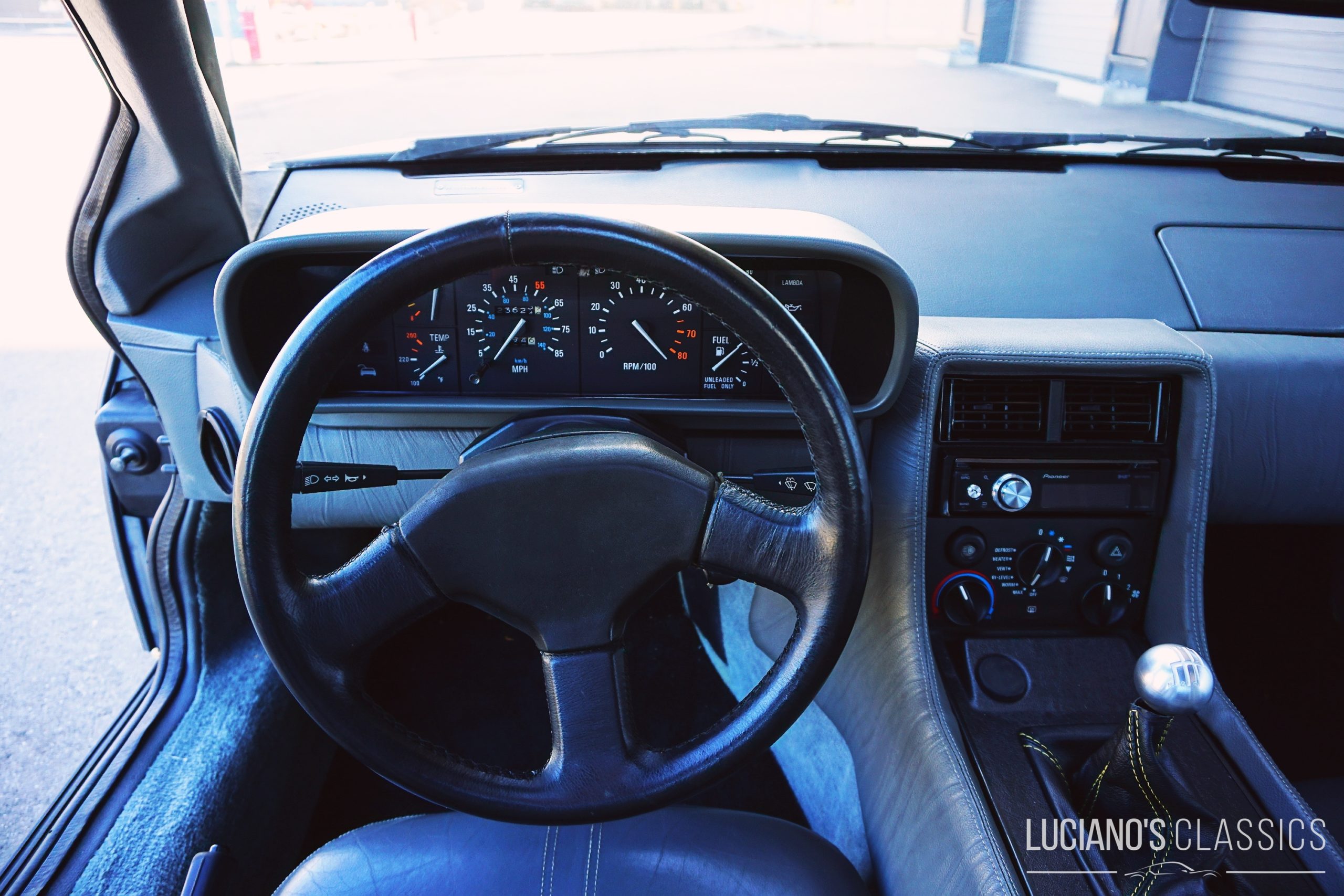
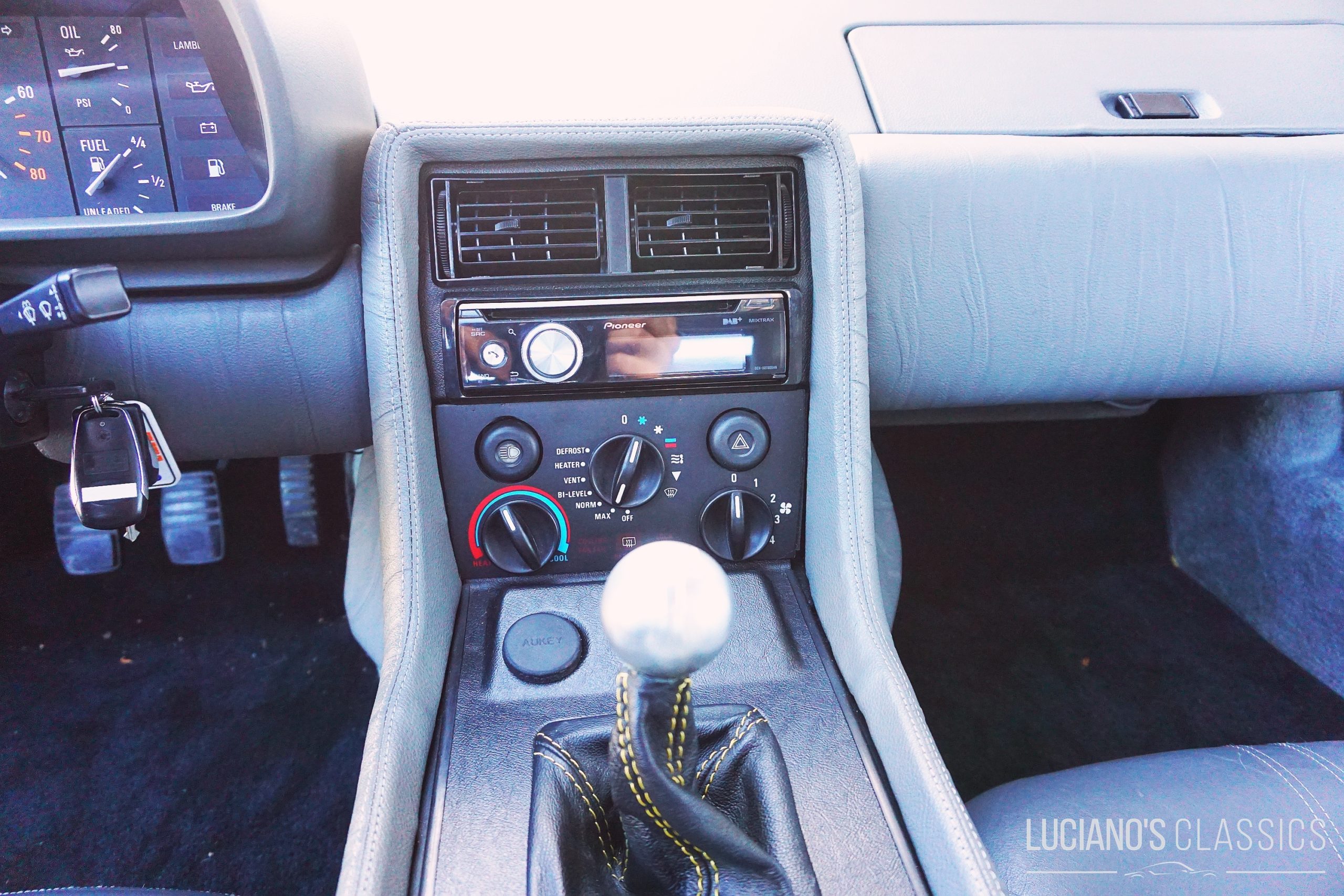
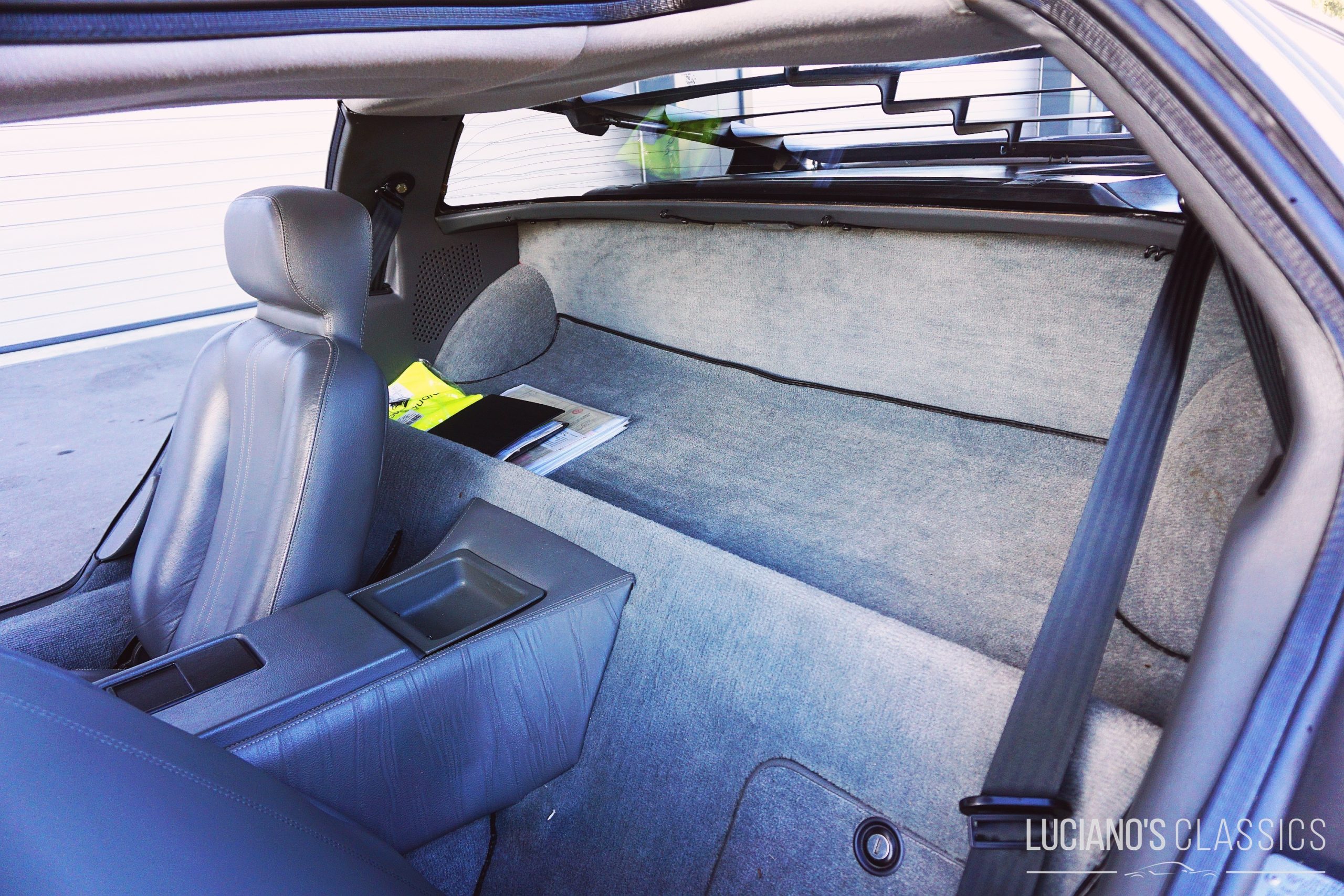
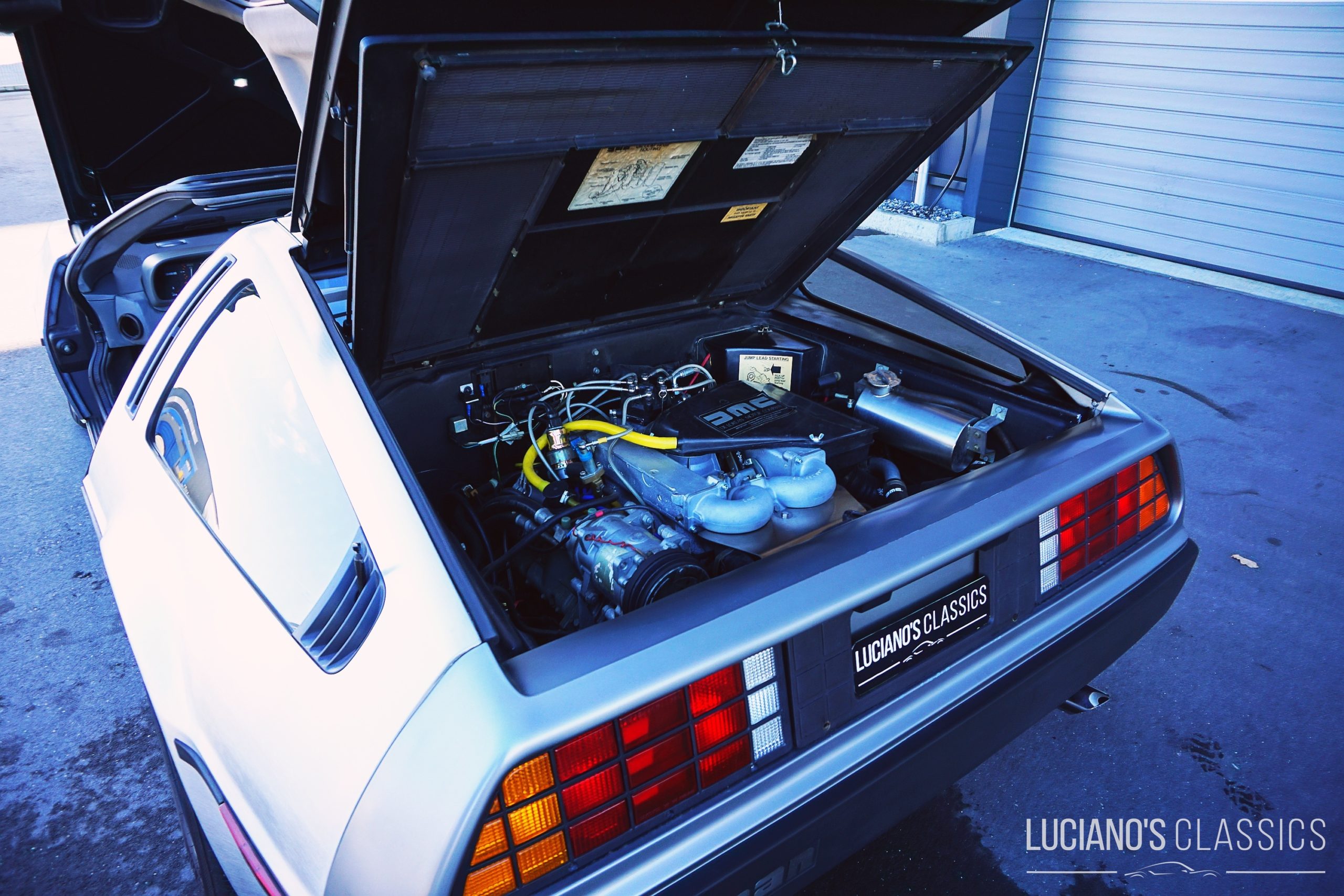
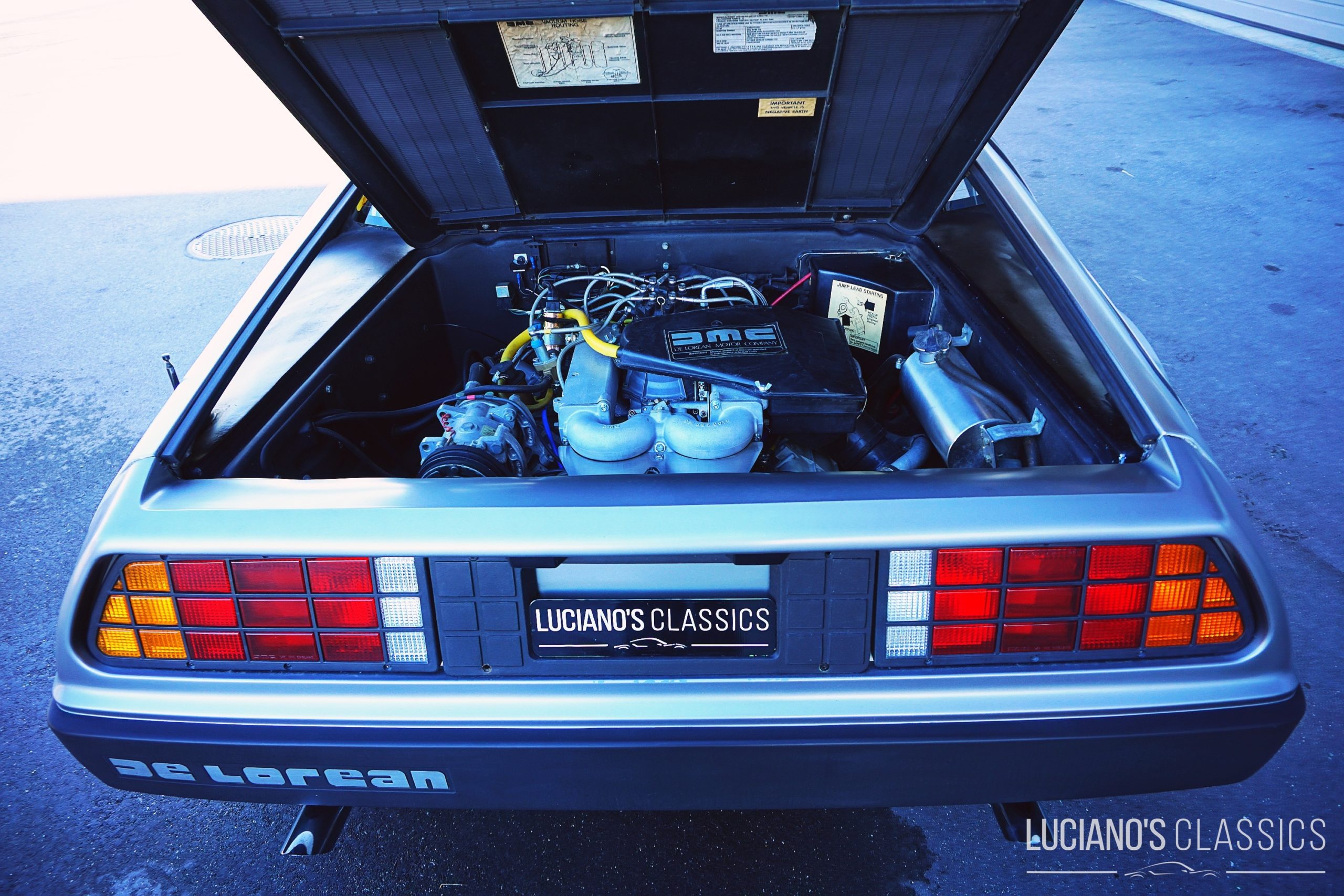
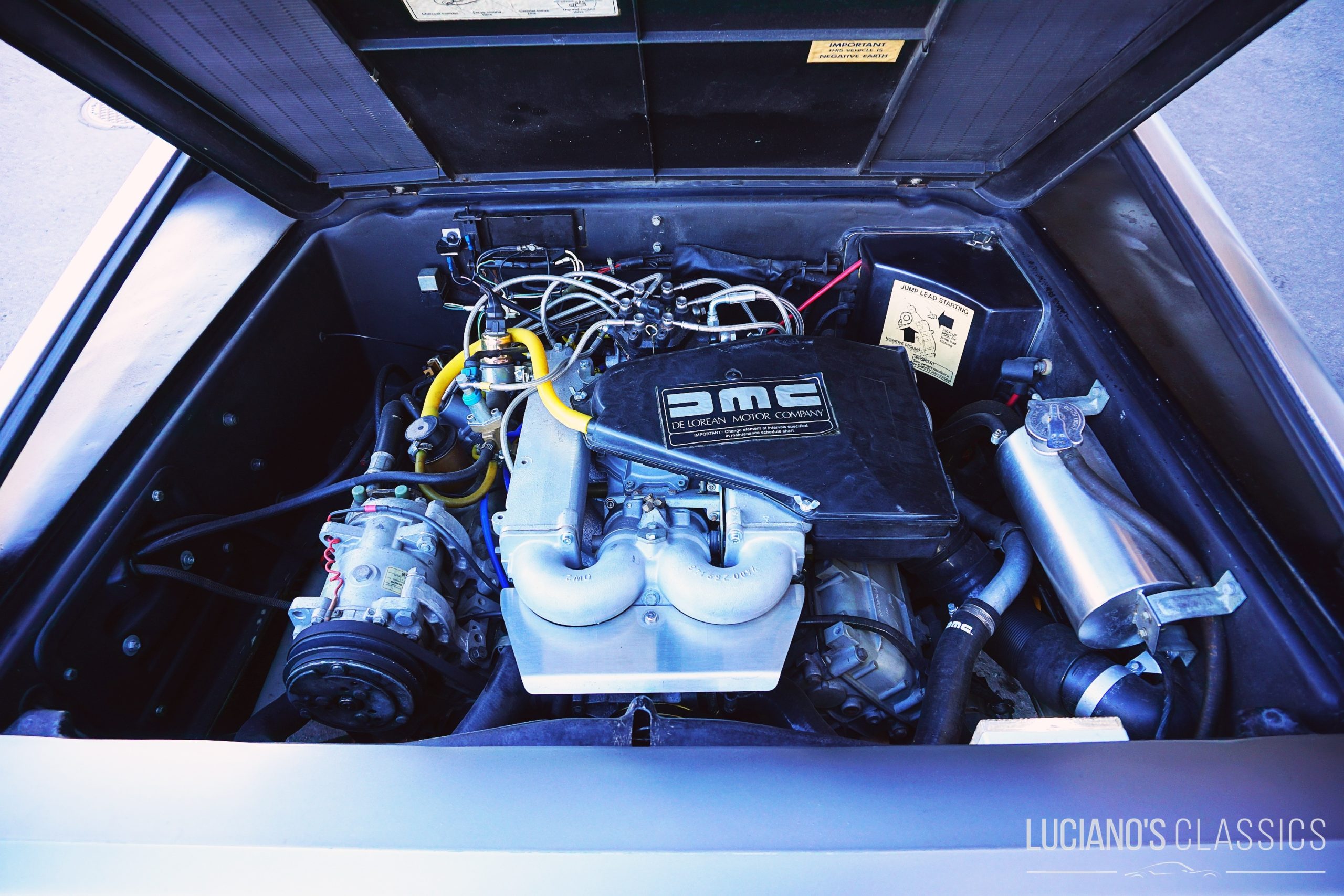
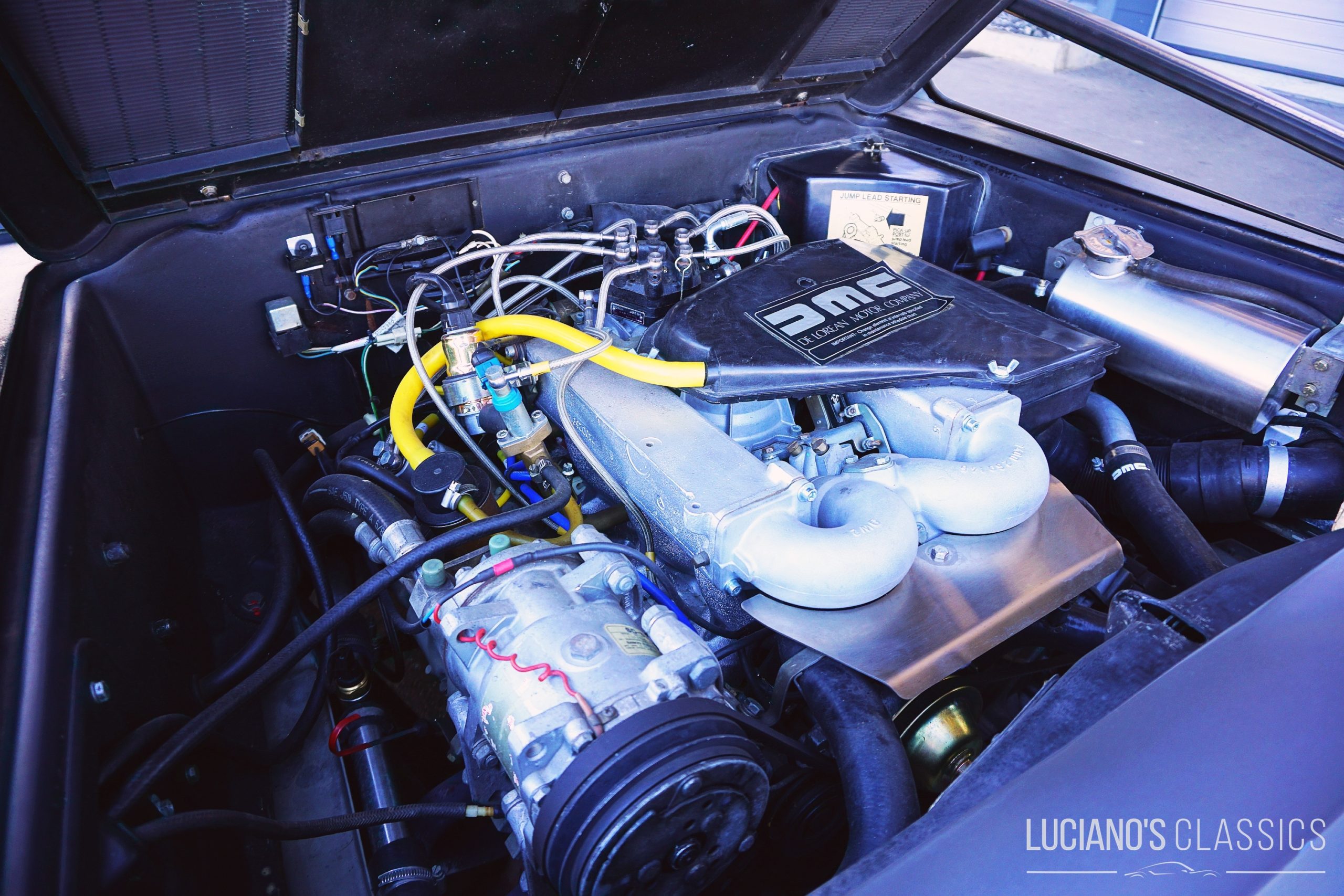
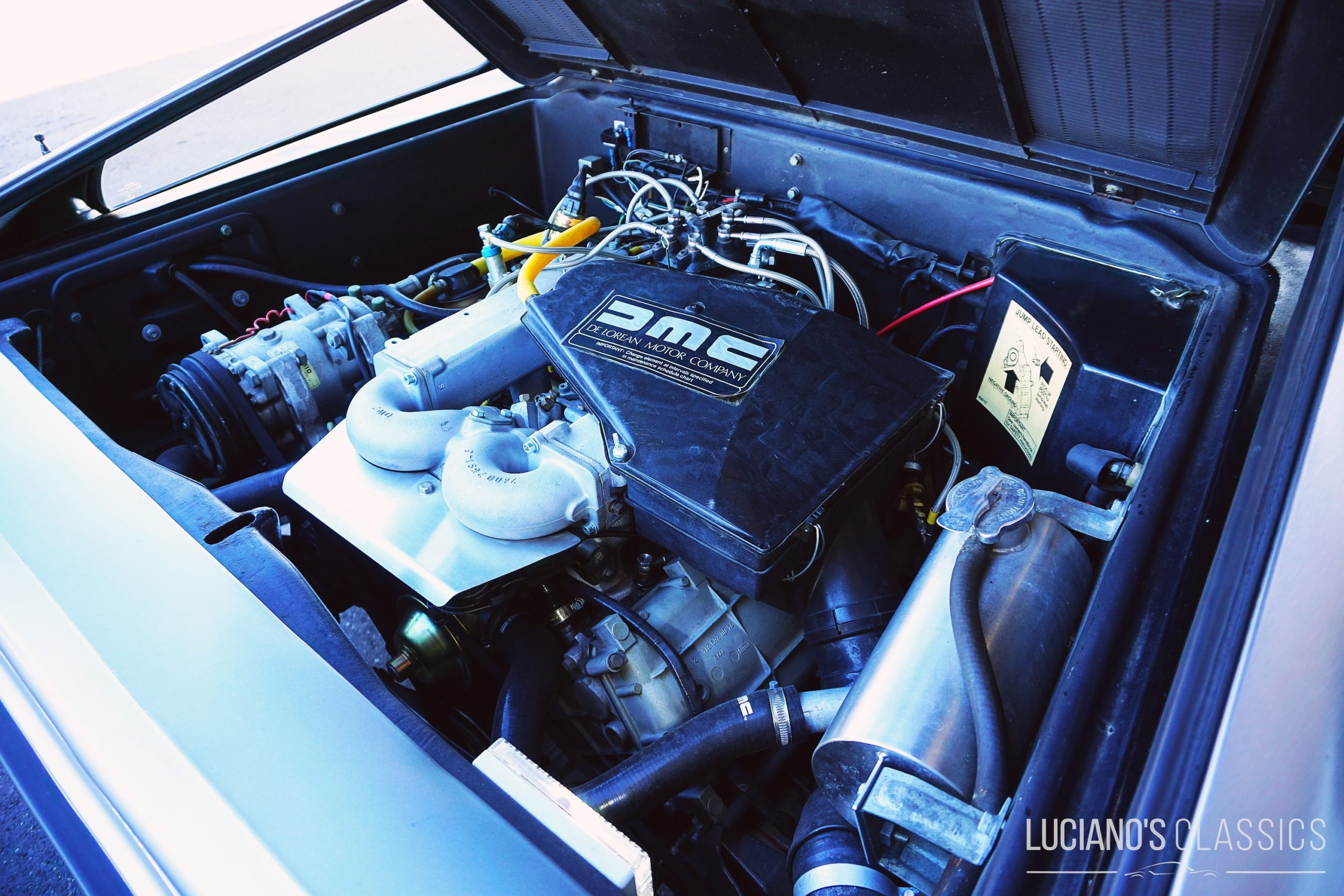
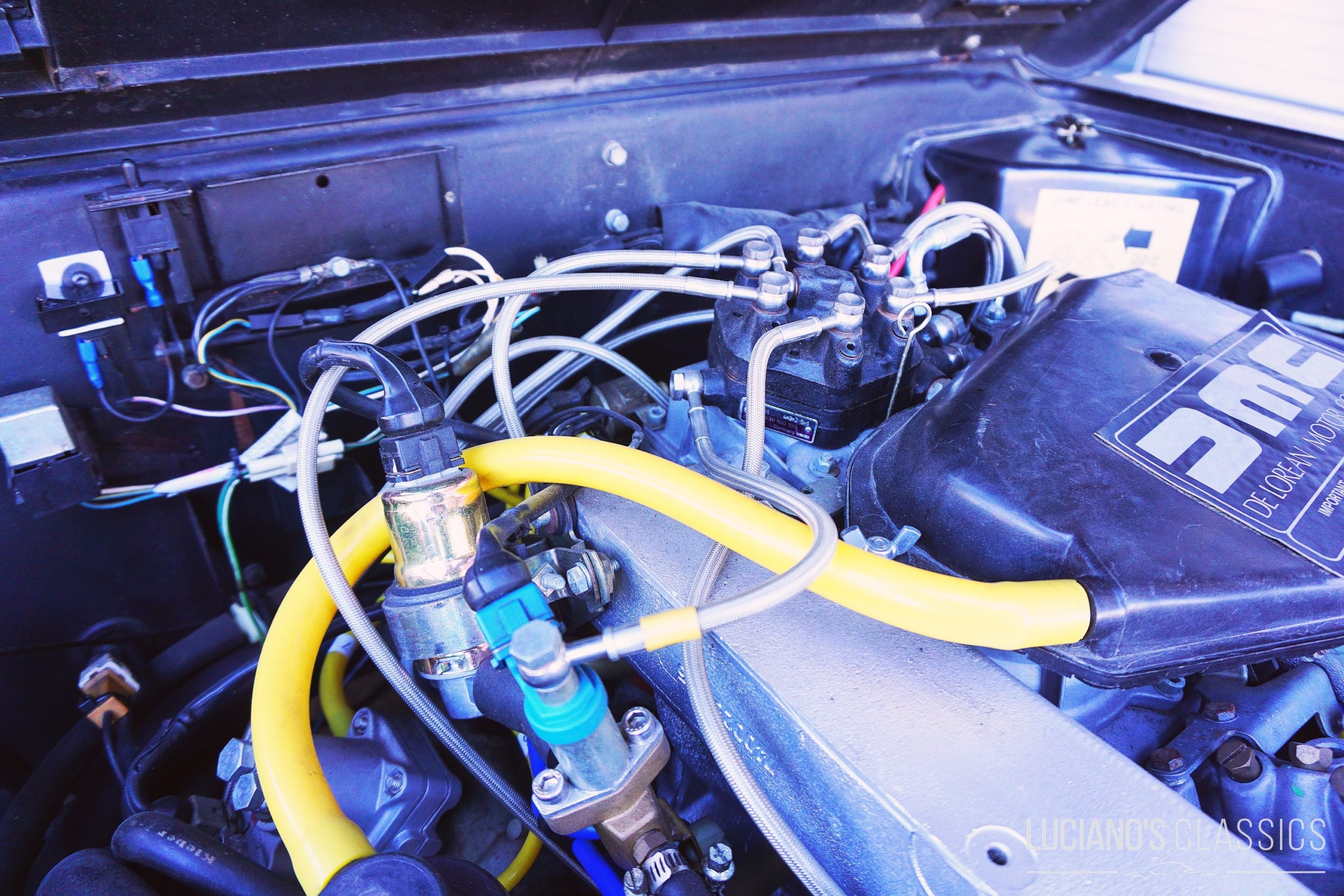
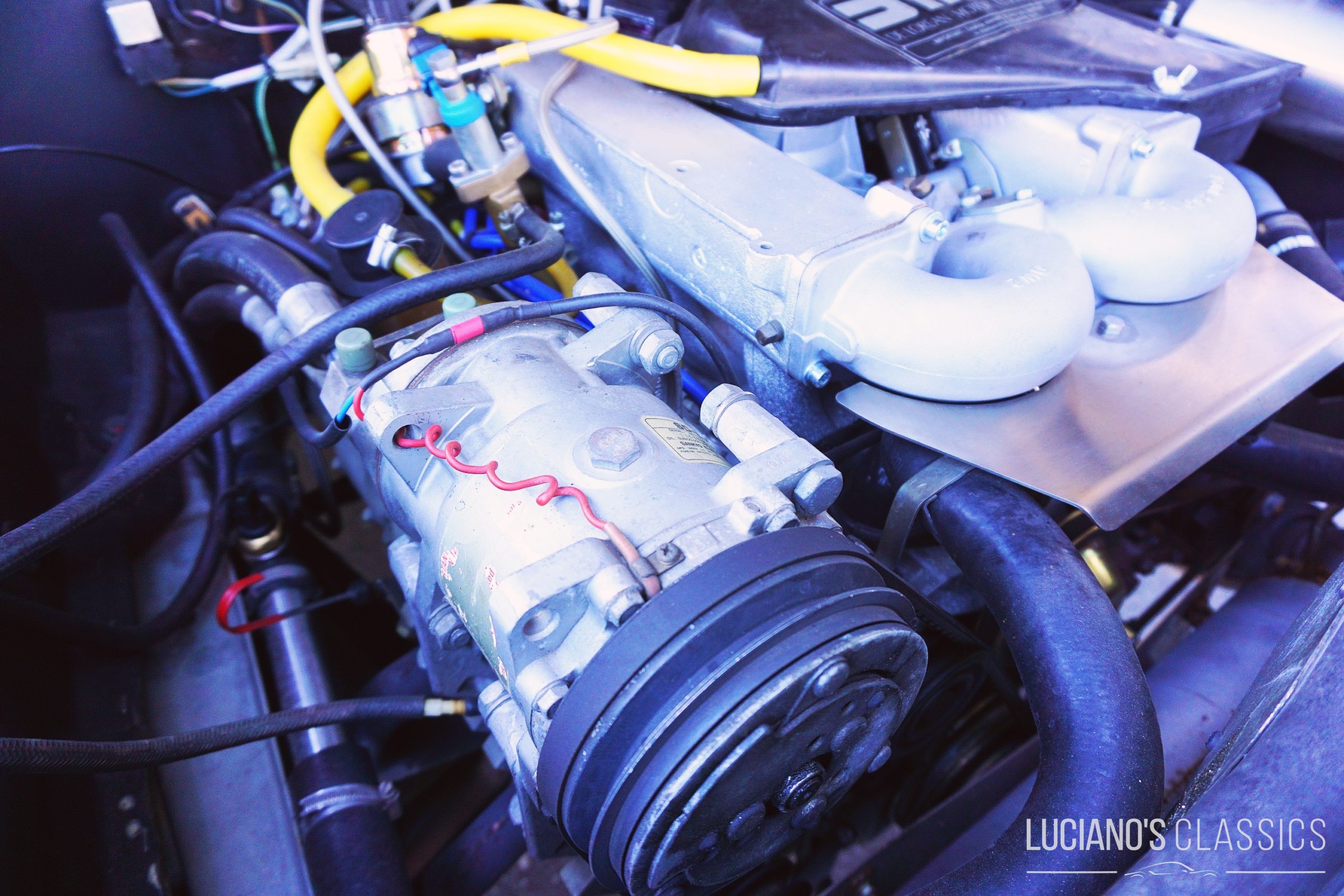
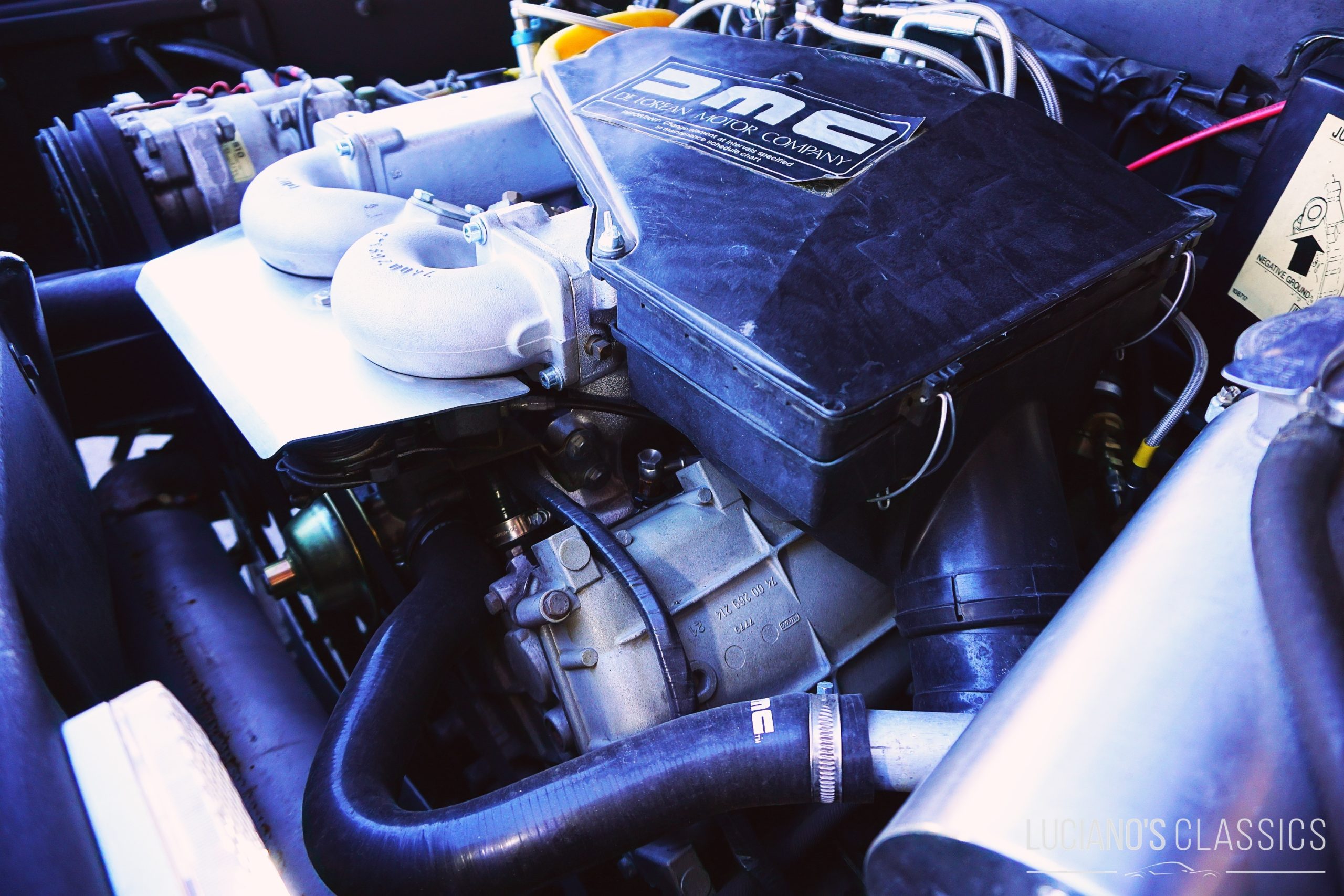
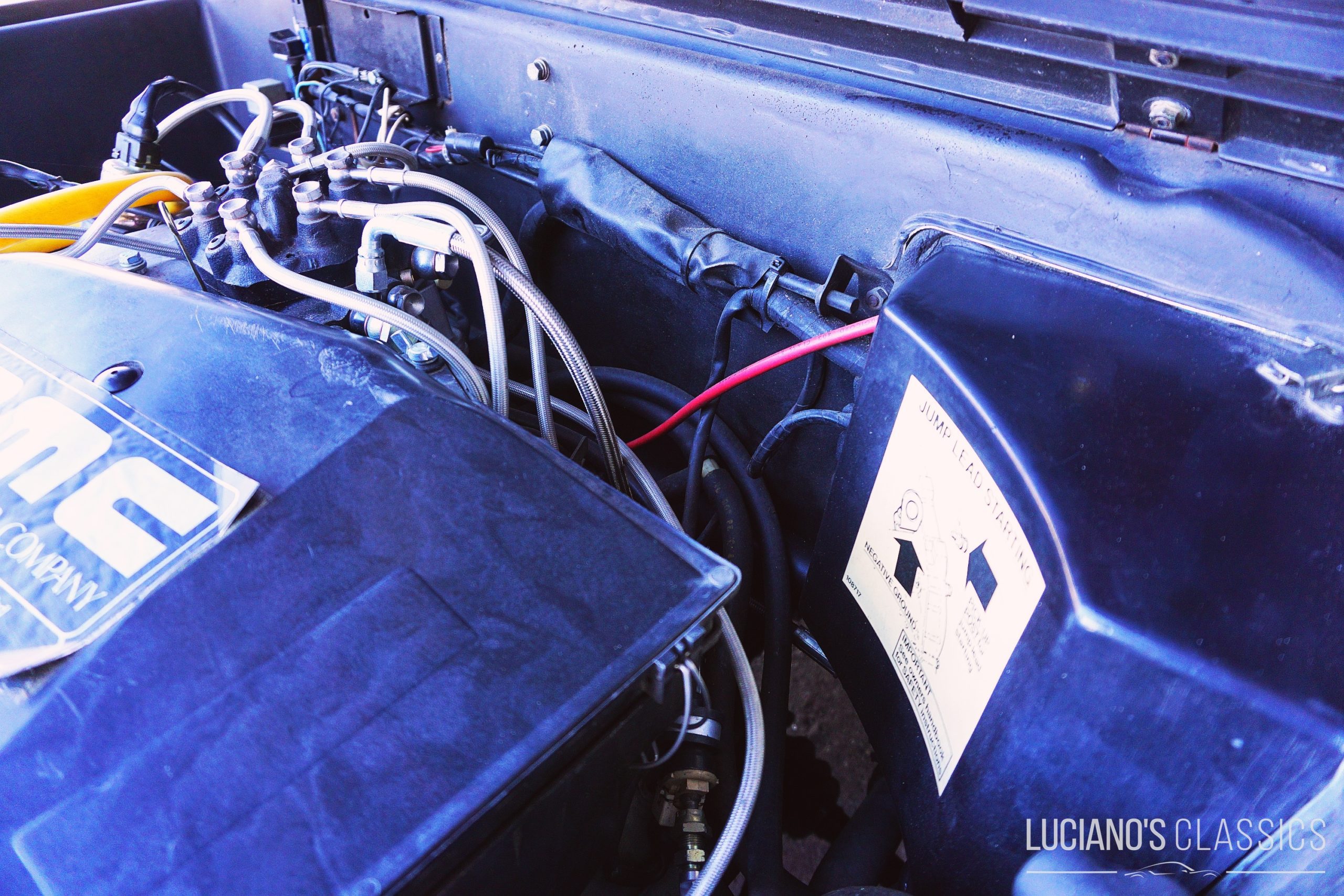
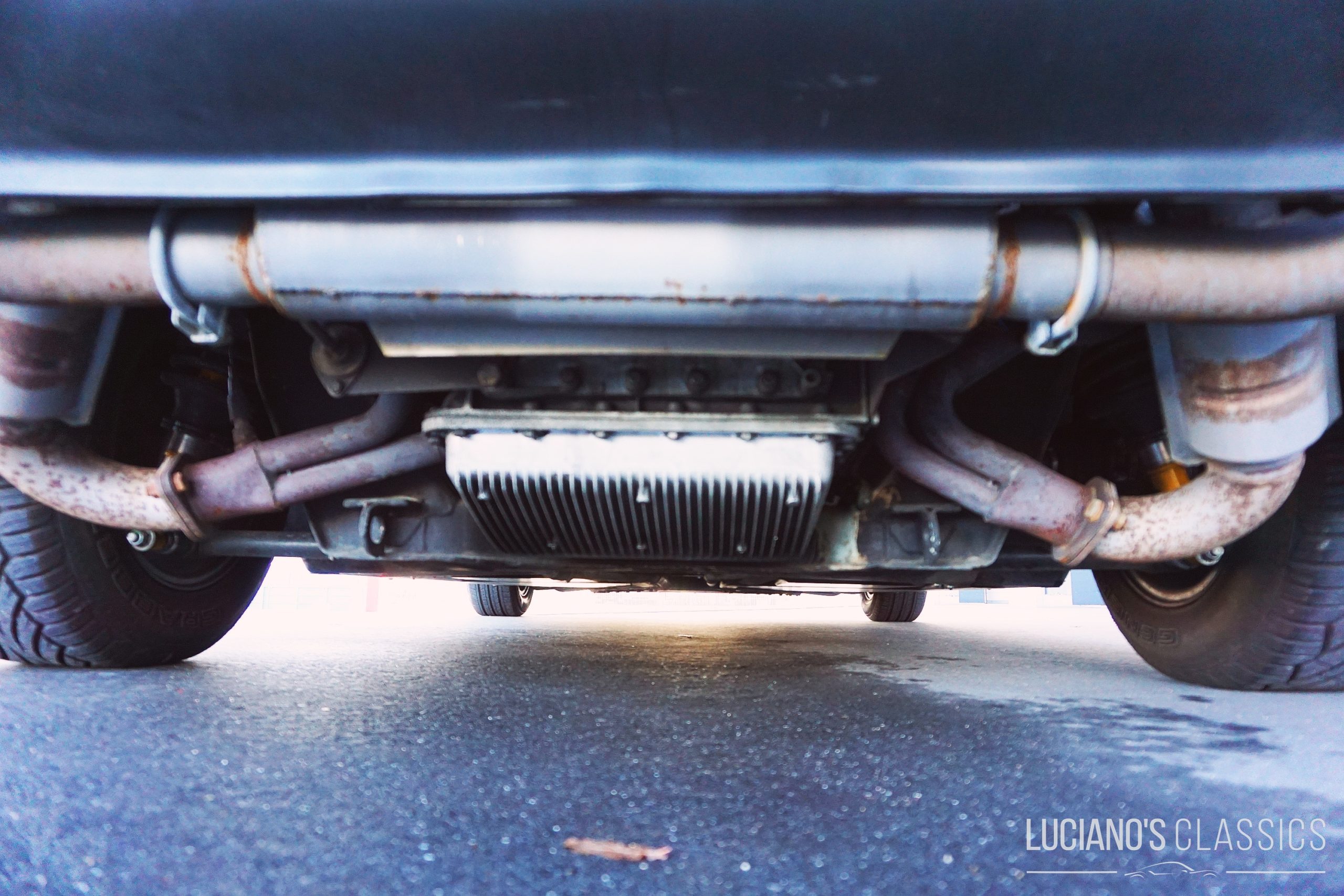
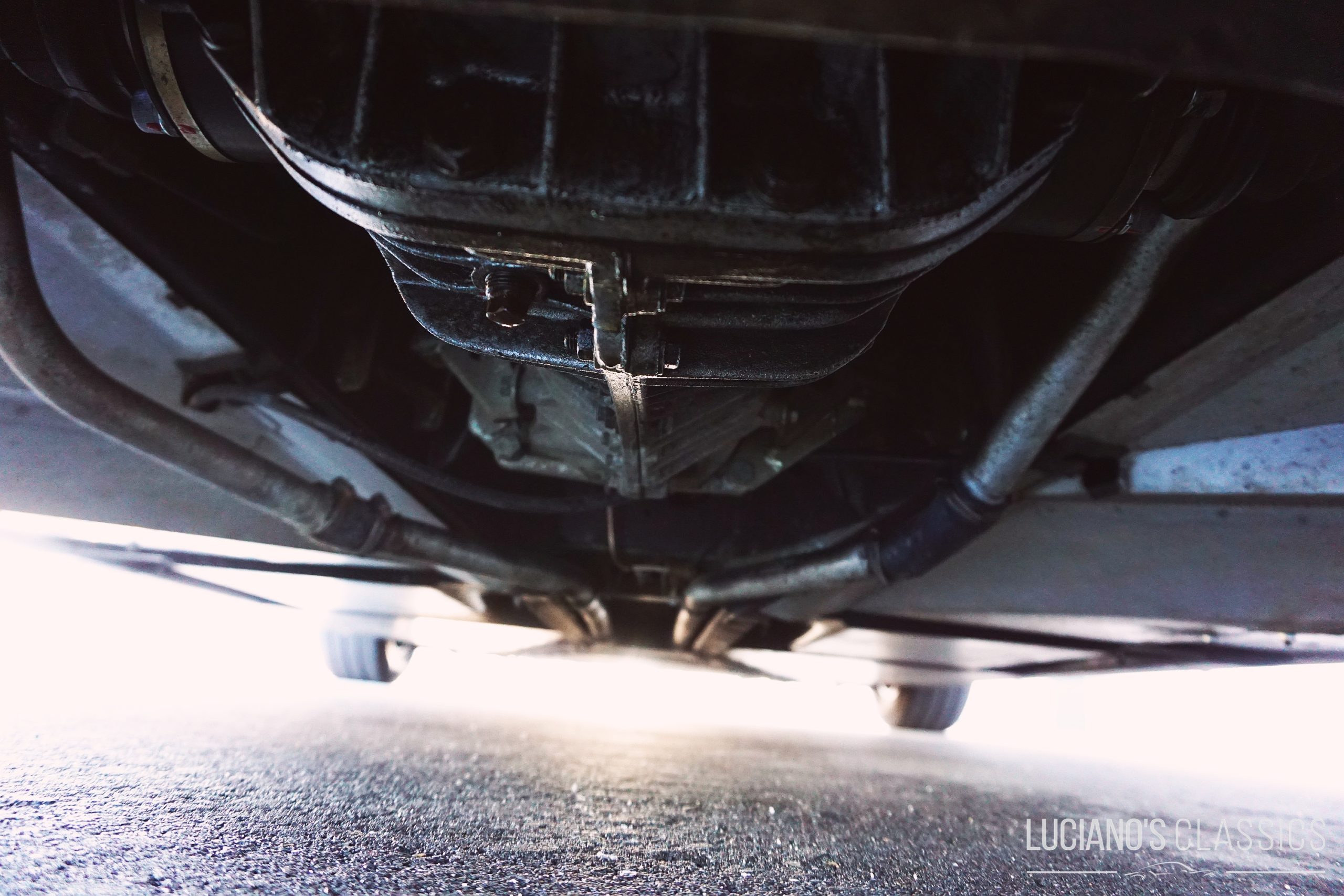
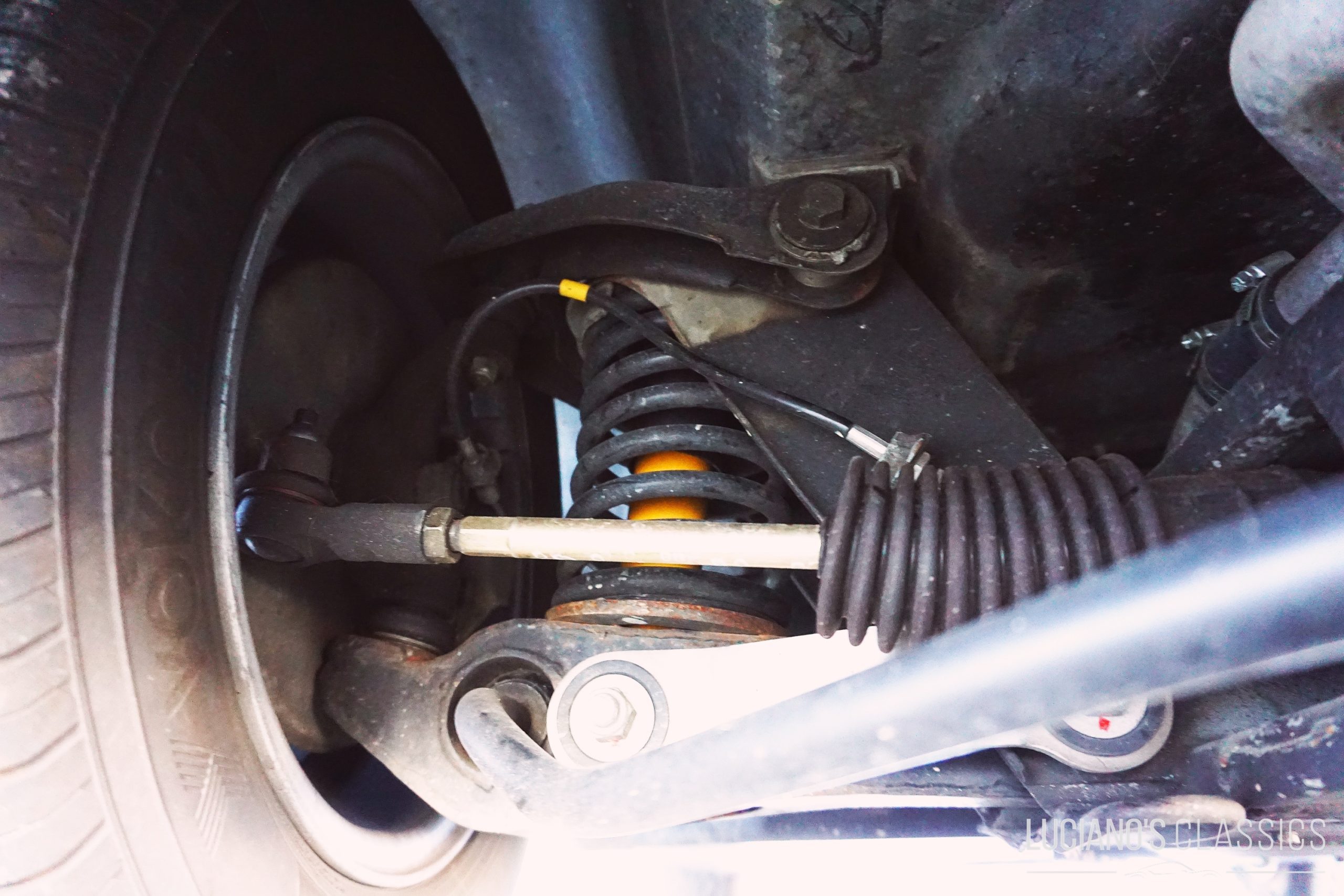
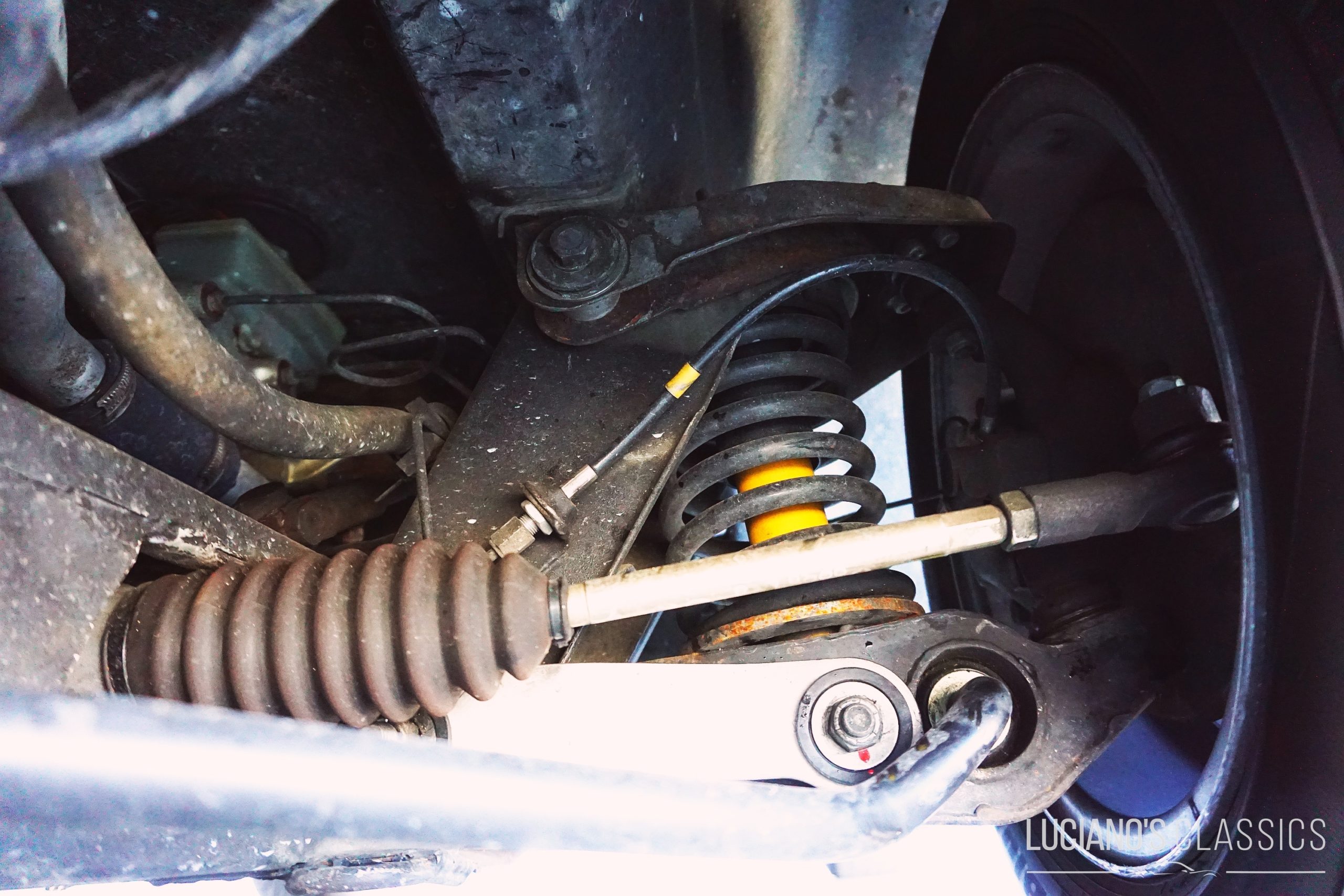
The Stage 2 upgrade comes from DMC and was installed during a complete overhaul by an official DMC workshop. As a result, the car now has over 170 hp instead of just 132 hp. Technically, the car has been completely overhauled and all problematic parts found in the DMC forums have been replaced. Corrosion-resistant Inconel alloy bolts were fitted to the wishbones. The carpets and seat leather are original and the car is rust-free. The bulbs have been replaced with LEDs all round and all valves, hoses and sensors have been replaced - including those under the injection system.
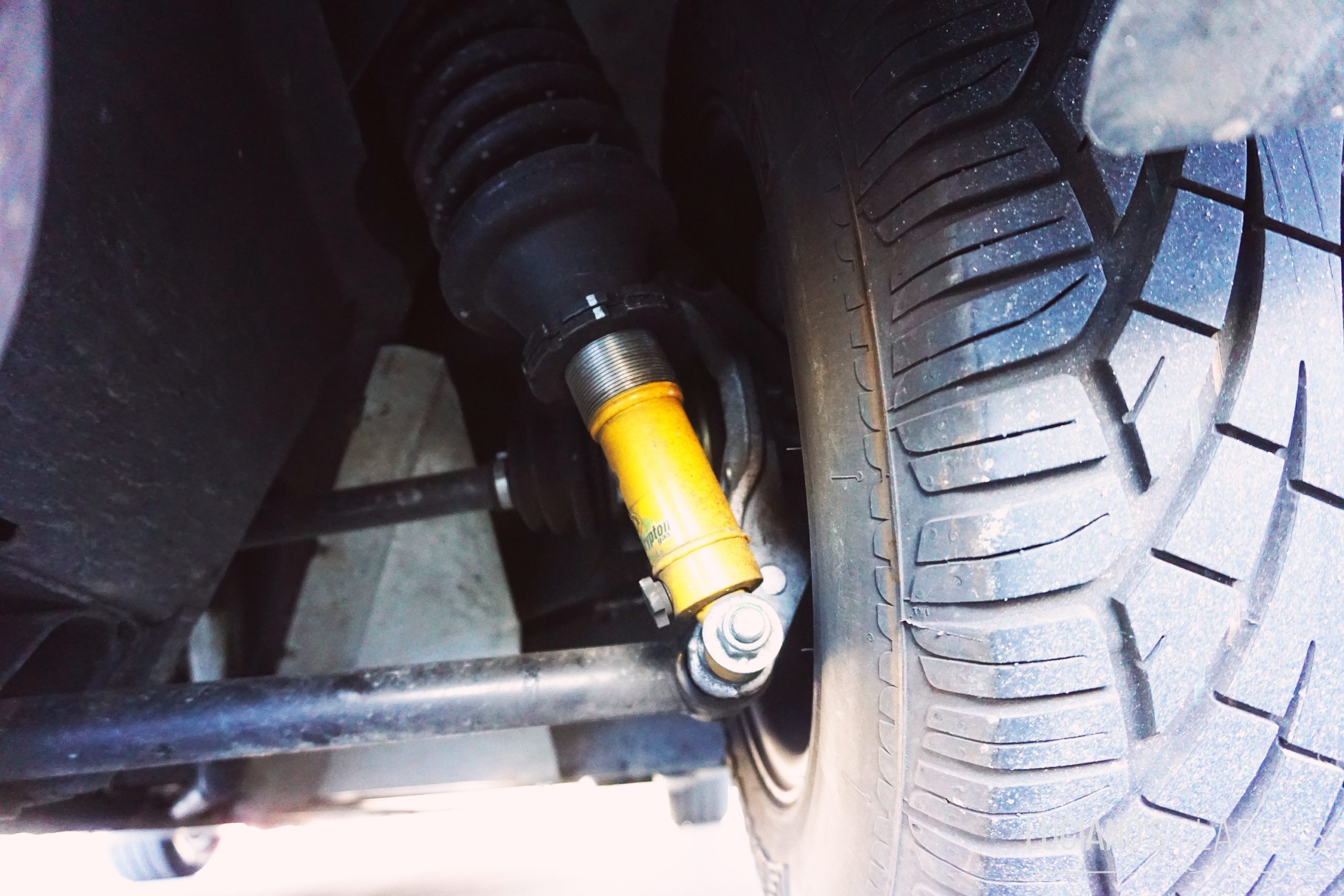
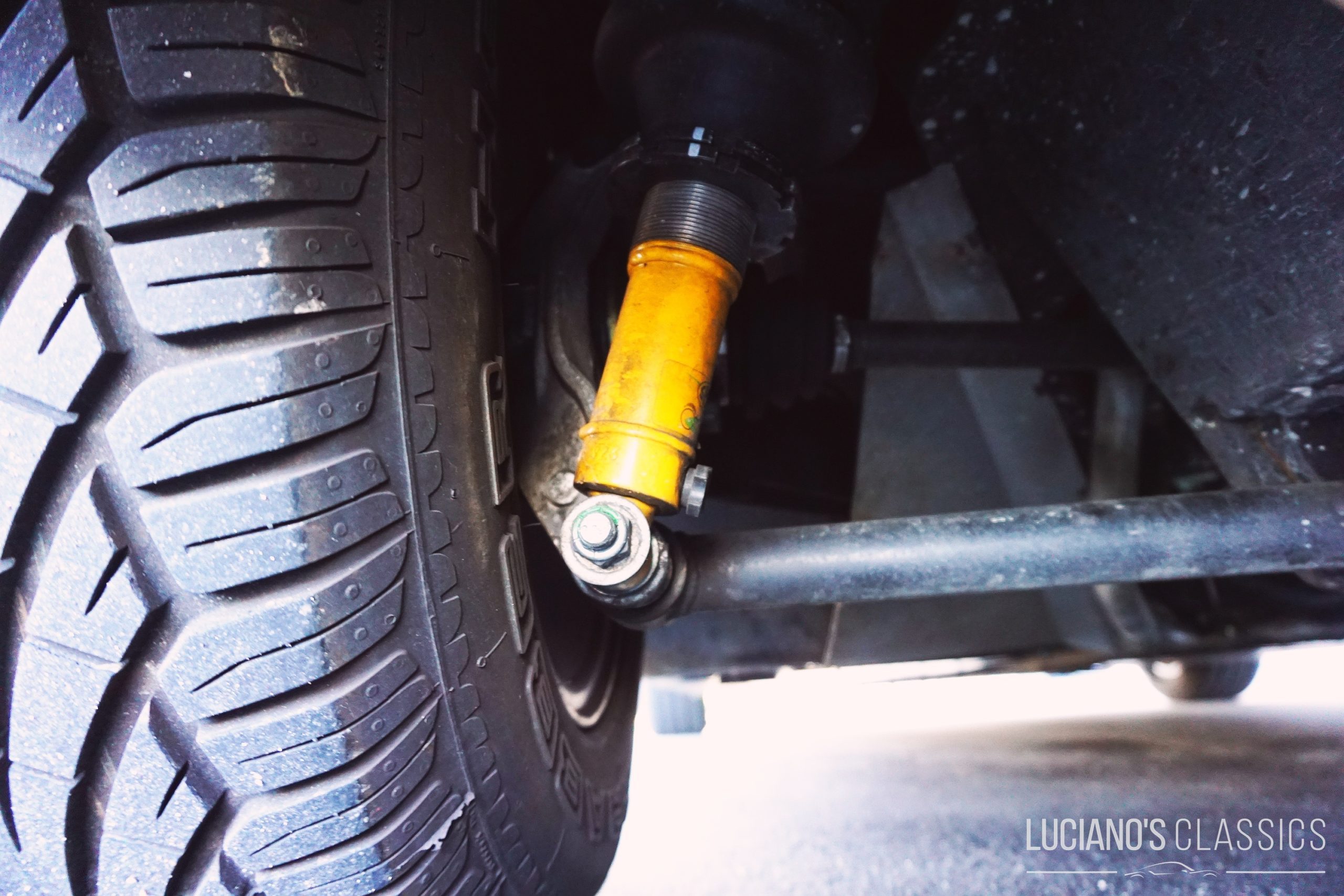
All bushes have been replaced with polyurethane bushes, the wishbone mounts are made of stainless steel, the suspension has been adapted and adjustable Spaax shock absorbers have been fitted.
The work on the car in Switzerland cost over CHF 40,000 and there is definitely no DeLorean here that comes close to the handling of this example. The upgrade is registered and the car comes with original documents such as the delivery contract from DeLorean to the first US dealer and the US title. The service history including invoices is also available.
You can find a video of the legendary DeLorean at the bottom of this page.
This vehicle has already been sold.
Model history
Hardly any other vehicle has such an eventful history as the DMC-12. John Zachary DeLorean was a rising star in the automotive world in the mid-1950s. Before joining General Motors in 1956, he worked as head of the research and development department at the Packard Motor Company. By 1961 he was chief engineer at Pontiac and just four years later he was in charge of the entire Pontiac division. In 1969 he was promoted to head of Chevrolet and in the same year he became a member of the board and vice president of all car and truck production at General Motors.
An amazing career. But DeLorean wants to go even higher: he wants to build an unrivaled sports car and lend it his name. It should not be unrivaled in terms of driving characteristics and performance, but in terms of safety and sustainability. It is to be an “ethical” car.
A small, low-consumption engine is to be installed and to ensure that the car still passes as a sports car, weight has to be saved. To this end, a lightweight GRP body is to be fitted with a rustproof and durable stainless steel outer skin. Additional airbags are to be installed for safety.
The concept was well received, because due to the oil boycott by the Arab states and the high fatal accident figures at the beginning of the 1970s, America longed for a safe and fuel-efficient vehicle.
In 1975, the DeLorean Motor Company (DMC) was founded and in the same year, one of the greatest designers in automotive history, Giorgio Giugiaro, delivered the drawing for the first and last production DeLorean in history to date - the DMC-12. Like the concept, the design was also very well received and before even one car had left the as yet non-existent factory, 20,000 orders had already been received.
The young company was dependent on investors in order to be able to implement the orders. US production would have been too expensive, so DeLorean set out to find a location abroad with the highest possible unemployment in the hope of receiving financial support from its government.
The choice fell on Northern Ireland. A war between Protestants and Catholics had been raging there for years and unemployment was extreme. A good starting point for DeLorean to negotiate. And he did negotiate. In fact, he negotiated very well.
In order to create 2,000 jobs, the British government is financing a factory in the north of Ireland, in Dunmurry to be precise, at almost 100%. DeLorean is allowed to produce there rent-free for the first three years and 94.5 percent of the share capital, 54 million pounds, will be made available for a subsequent IPO. And the best thing is that the generous Brits only acquire 5.5 percent of the votes.
The contract was signed on July 28, 1978 and DeLorean enthusiastically promised the British to start series production within 1.5 years.
At that time, the car was just a design with big promises and there was no sign of it being ready for series production. Support was needed and a few doors were knocked on. Porsche refused because of the excessively tight schedule and announced that a new vehicle would require five years of development. As series production was due to start in 1980, DeLorean looked around for other options.
Lotus was interested in a cooperation and so the British sports car manufacturer set to work on the Esprit model. The time pressure was enormous, which is why Lotus had to accept more and more compromises. The car became heavier, the planned fuel consumption had almost doubled and the advertised airbags from GM could not be delivered. It was also impossible to meet the promised sales price of 12,000 dollars.
Despite countless unresolved teething troubles, the DMC-12 must be built within the promised deadline, because the investors and the British government will not allow any further delay.
Production of the legendary DeLorean starts on schedule, but the quality of the first 400 vehicles is so poor that they are back on the doorstep shortly after delivery. In fact, the cars are so bad that they are not repaired but completely rebuilt.
The first vehicles suffered from dreadful gaps, which meant that the doors froze shut in winter because water collected in the door sills. The roof and windows often leaked and if the car overturned, the gullwing doors could not be opened. Visibility was poor, the engine was too weak and the DMC-12 often wouldn't start at all due to poor contacts on the fuse box. Sometimes this was also due to the fuel pumps failing. To get these problems under control, DMC's quality control department spent an additional 3,000 dollars per vehicle.
John DeLorean was a dazzling personality and indulged in luxury with the big spoon. At the end of 1981, snowstorms were the order of the day in the USA and, in combination with the growing recession, the American car trade came to a standstill. The situation was also tricky for DeLorean, but the founder did not even think about reducing his expenses. Some employees who reported directly to him are said to have received a monthly salary of up to 75,000 dollars and he also spent several hundred thousand dollars on art to decorate the office premises in New York. The company also paid for a lavish marketing campaign whose sole purpose was to promote DeLorean as a person to the public. The whole project is facing a financial abyss.
The problems within the company could not be swept under the carpet, even externally, and in order to create further confidence, DeLorean hired more employees and increased production from 50 to 80 units. The action had little effect, as there were already several hundred finished and unsold vehicles on the factory premises.
After the hard turn of the year, the company finally ran out of money at the beginning of 1982. Although the jobs were important, the British government ran out of patience and the money tap was turned off. 1,100 employees left the factory in January and three months later the remaining 2,300 employees were also made redundant.
DeLorean was desperate and suddenly the universe offered him a chance to get money in the form of a sting operation by the DEA. He was offered a cocaine deal and when DeLorean turned up to hand over the drugs in a secretly monitored hotel room in Los Angeles, he was arrested. The arrest was filmed and later a clip of DeLorean saying “This is better than gold!” with the coke in his hand was released to the press.
DeLorean is acquitted of all charges in court due to the DEA's actions, but the damage is irreparable. DMC filed for bankruptcy, the factory in Northern Ireland was closed down and everything that could be turned into money was sold. The British government allegedly had the presses sunk in the sea so that the DMC-12 could not be produced again elsewhere.
Today, the DMC-12 has overcome its weaknesses and John Zachary DeLorean has somehow achieved his goal. Thanks to the „Back to the Future“ film trilogy, the DMC-12 became world-famous. The name DeLorean and the associated vehicle went down in history and even today there are few vehicles that are as well-known as the DMC-12. DeLorean himself died in 2005 at the age of 80 in Summit, New Jersey.
Details
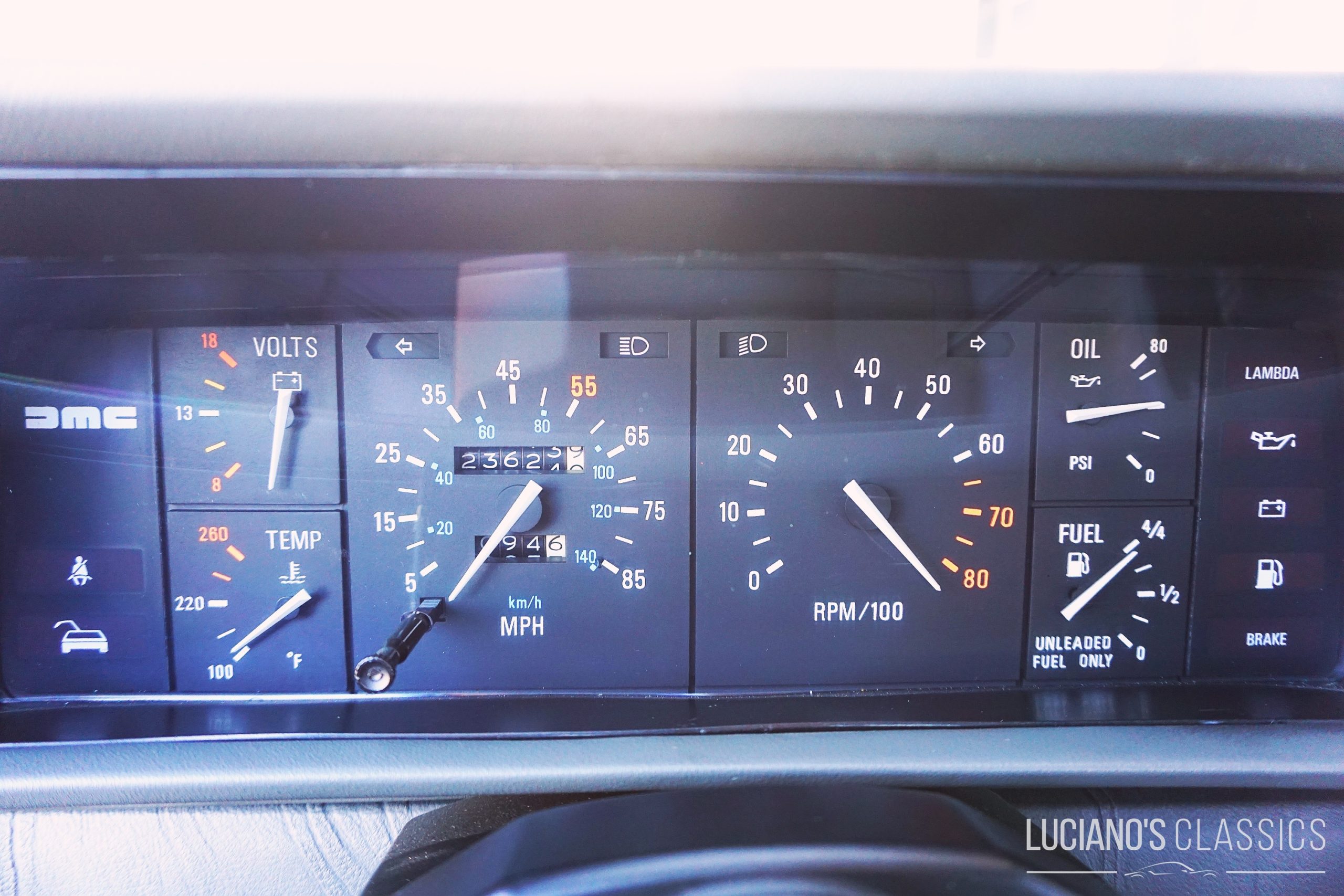
- 38’000 Km
- Hand switch
- 2849 cc V6
- 173 HP
- DMC Stage 2 Upgrade with measurement report
- Upgrade registered
- all known deficiencies in Switzerland improved
- stainless
- 1. inv. 06/30/1982
- MFK 12.02.2019
- Type certificate X
- Chassis SC EDT 26T 9CD 010 194
- Master number 313.869.120
- Original steering wheel and gear knob available
- 1245 kg unladen weight
- 305 kg payload
not what you are looking for?
We will be happy to find your individual dream vehicle.
Simply make a non-binding inquiry and benefit from our network.