
Porsche 928 S4 Strosek
Description
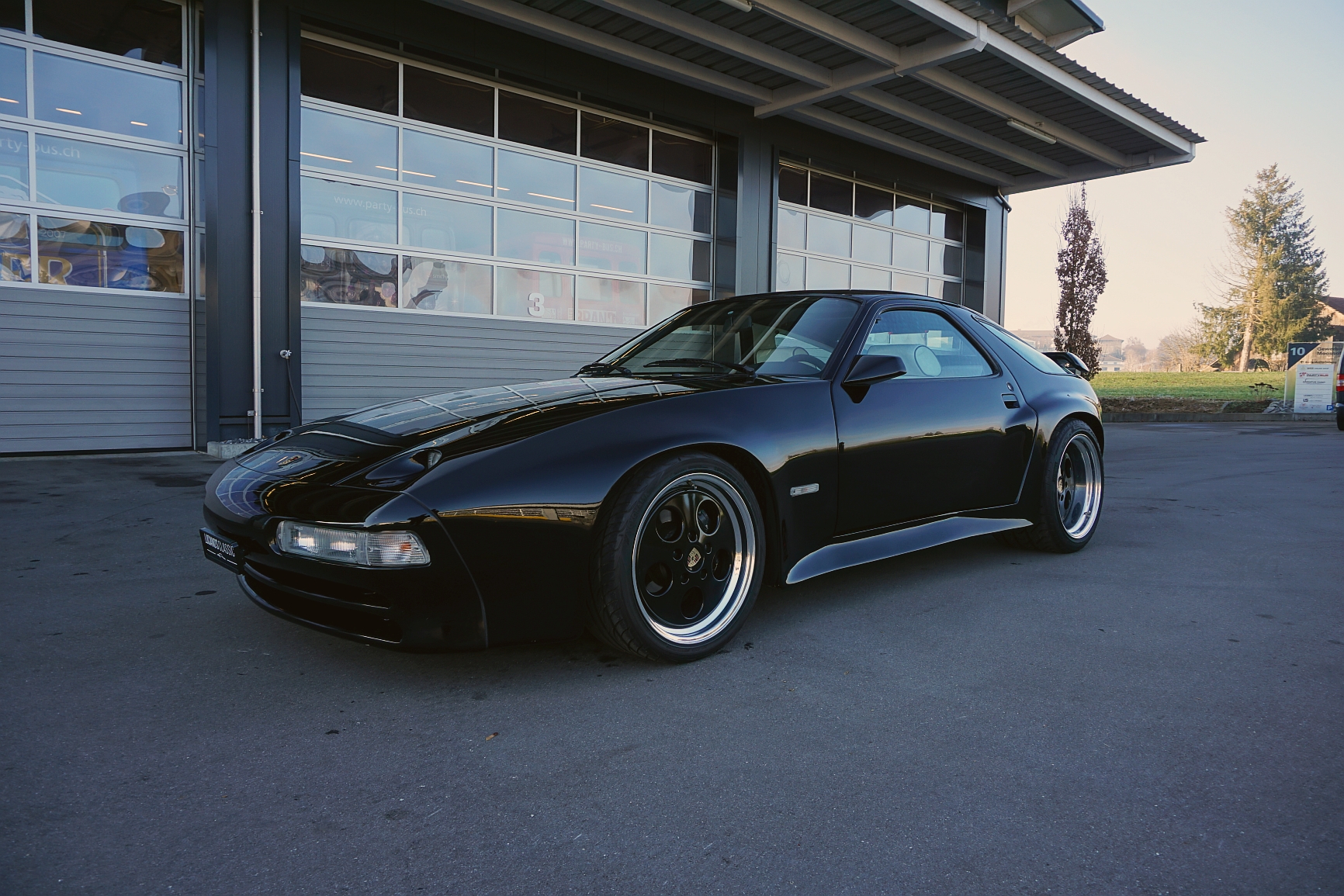
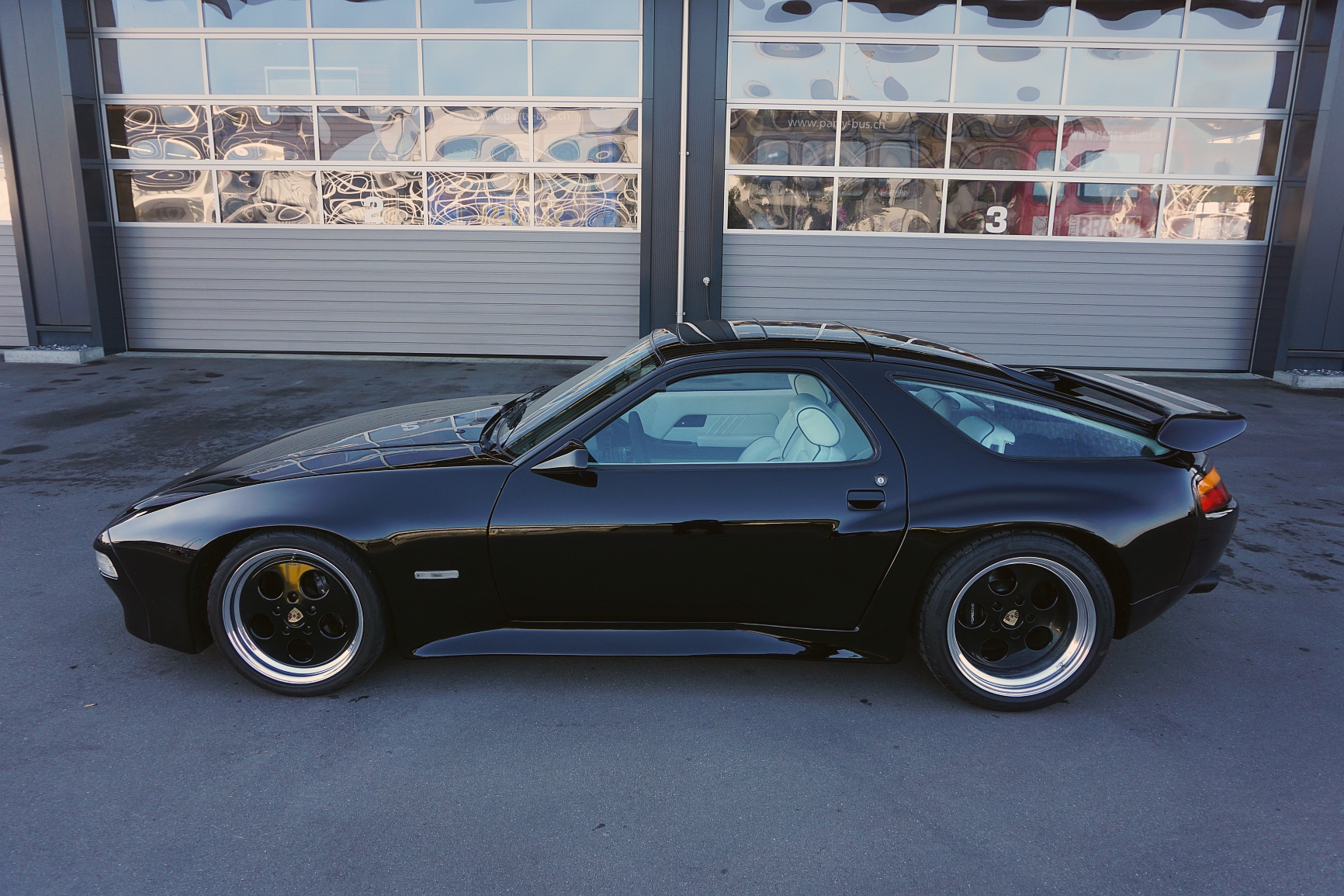
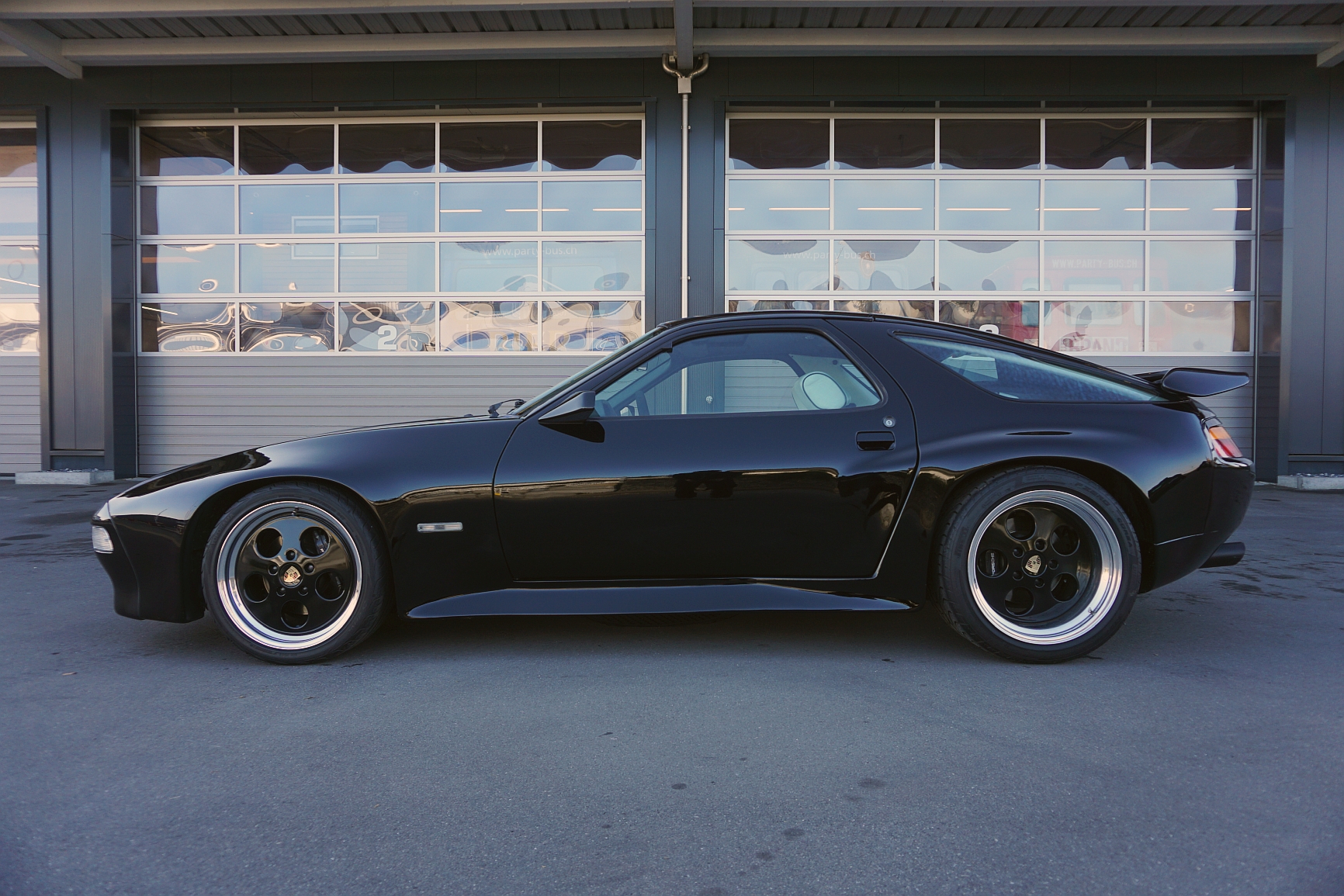
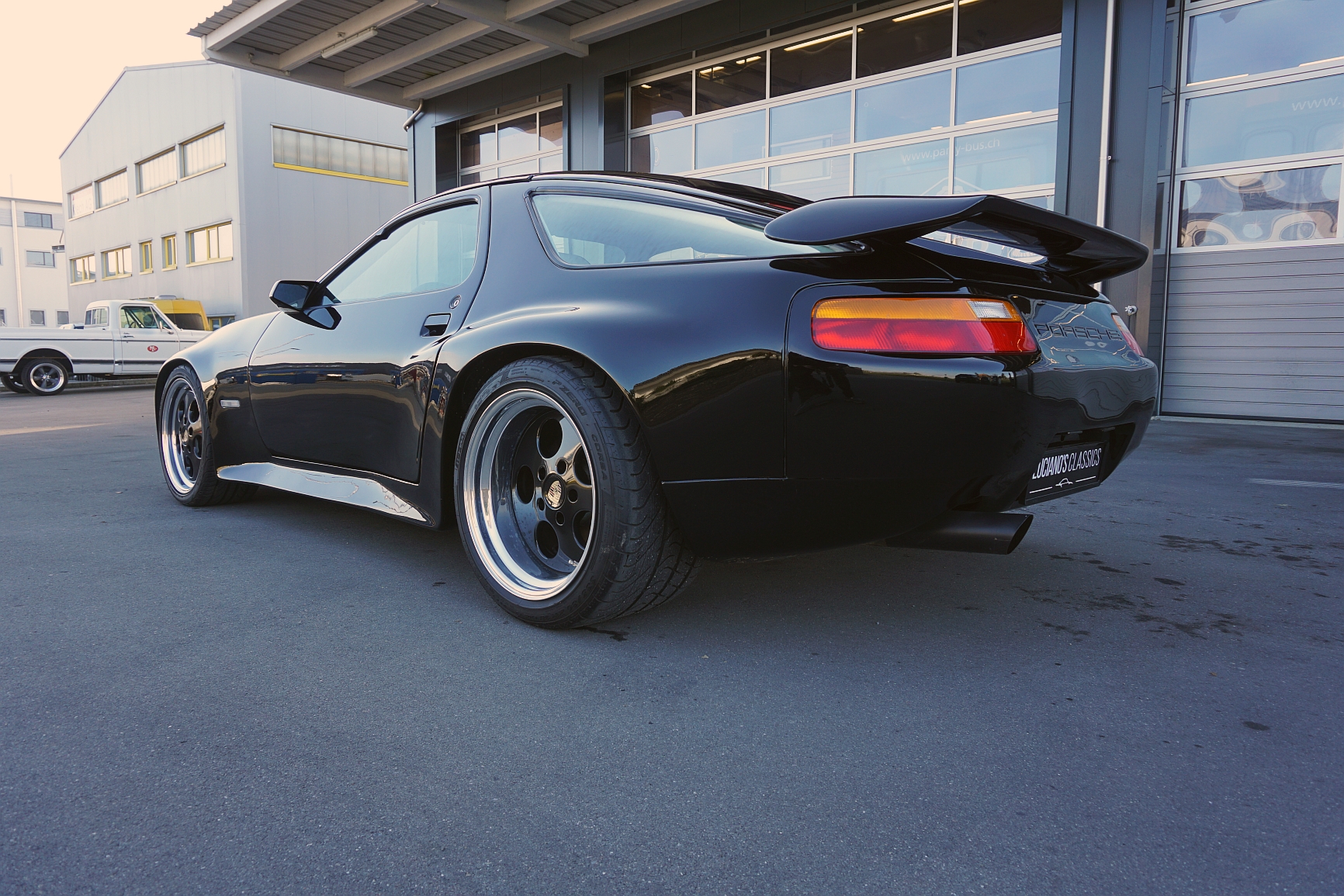
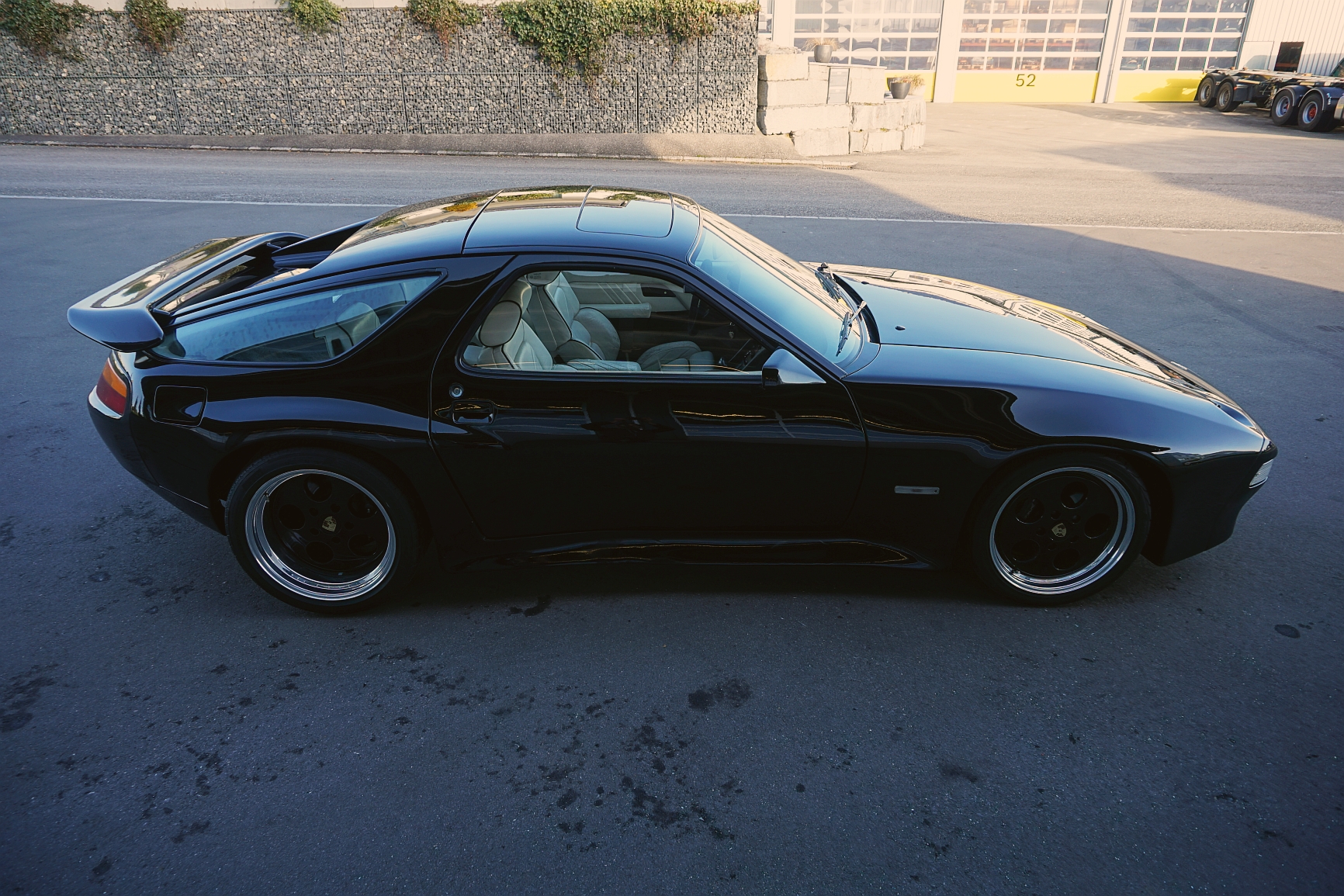
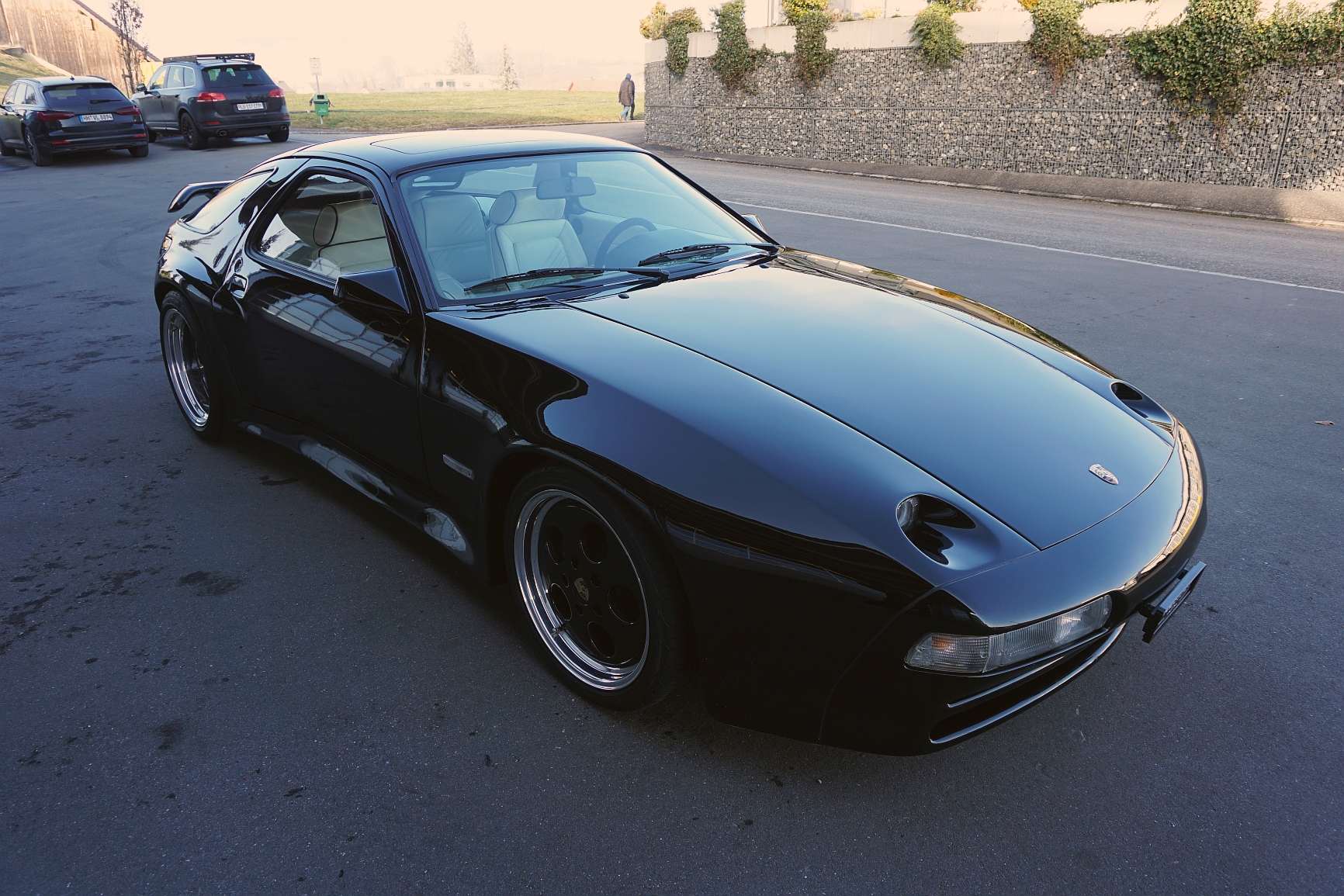
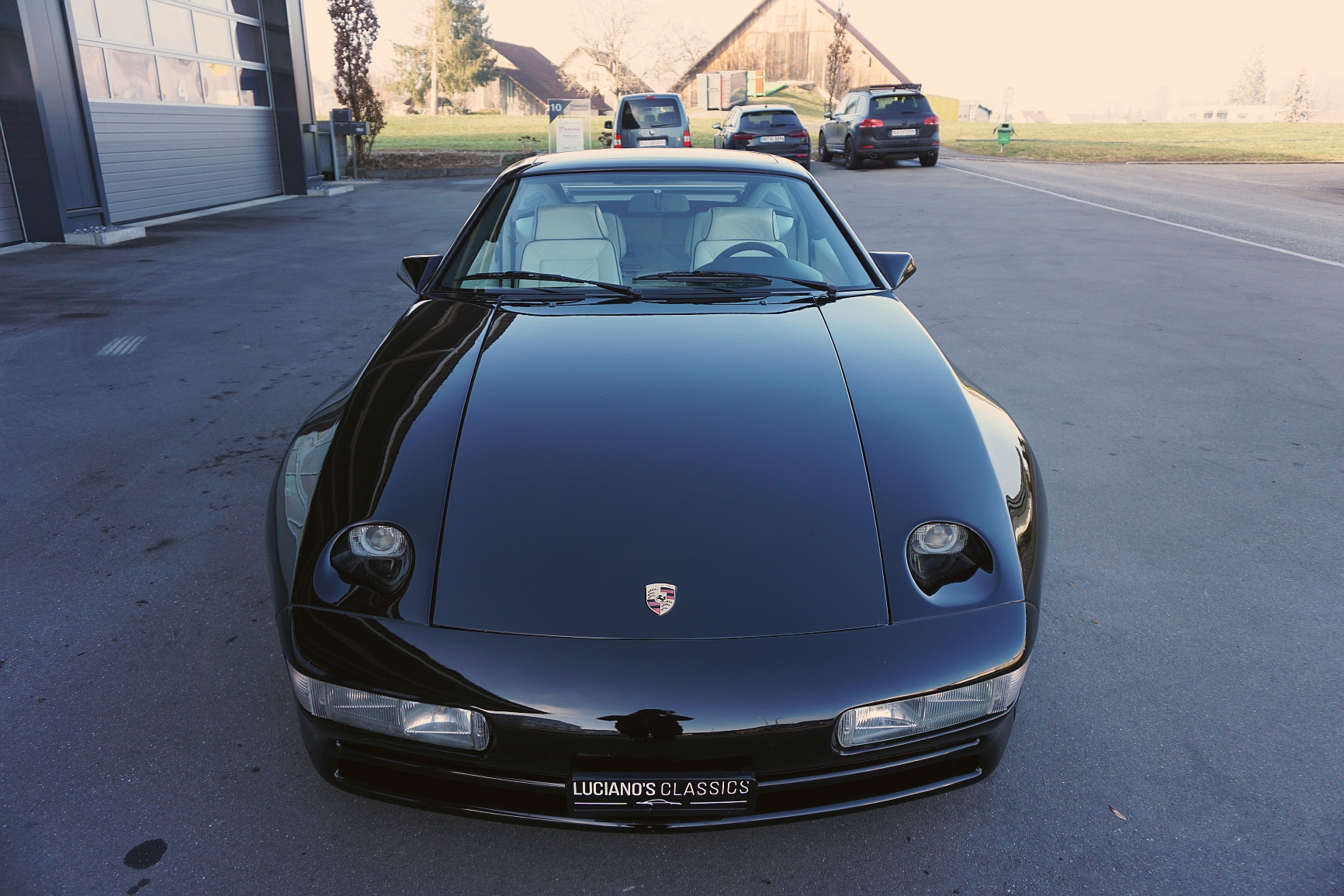
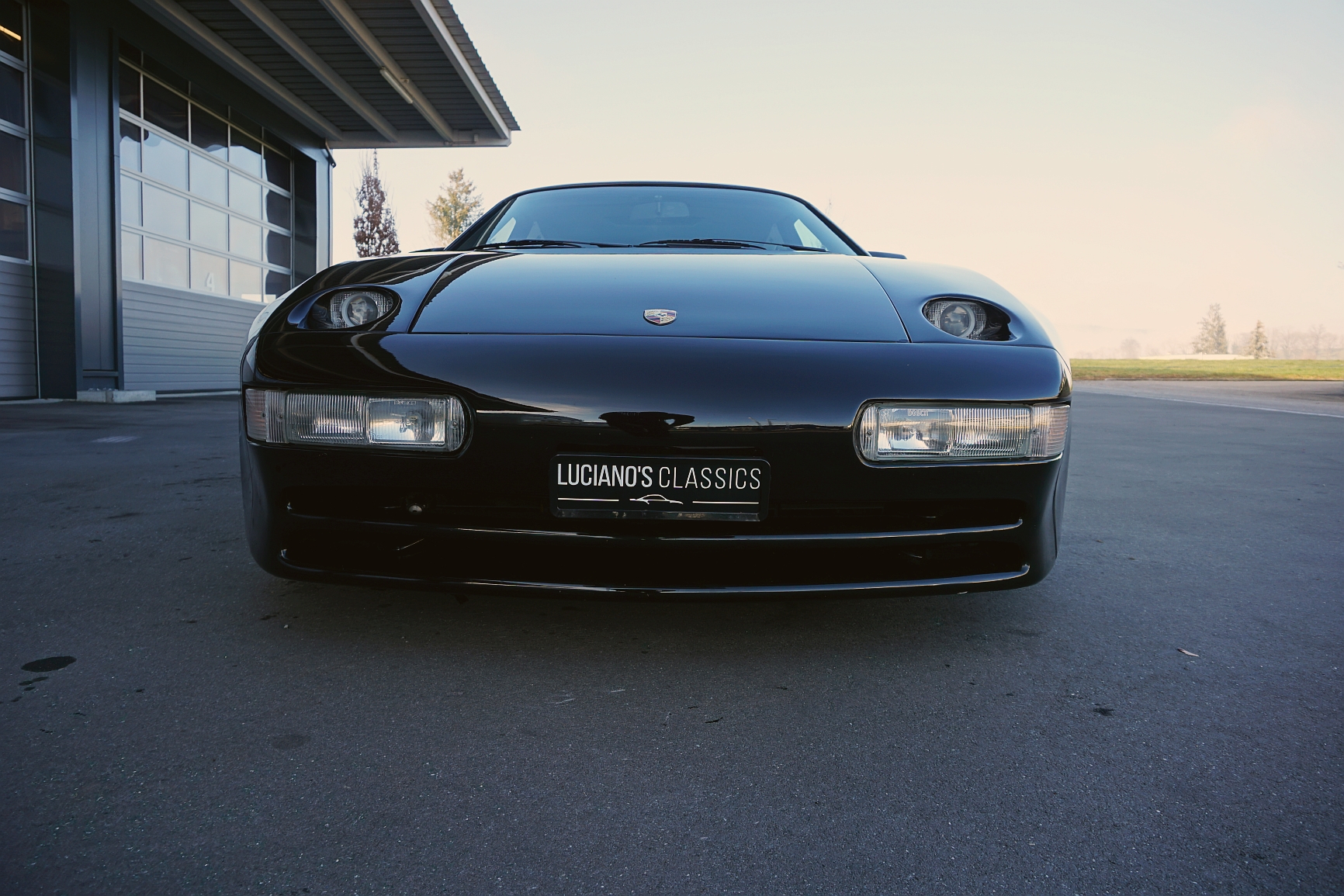
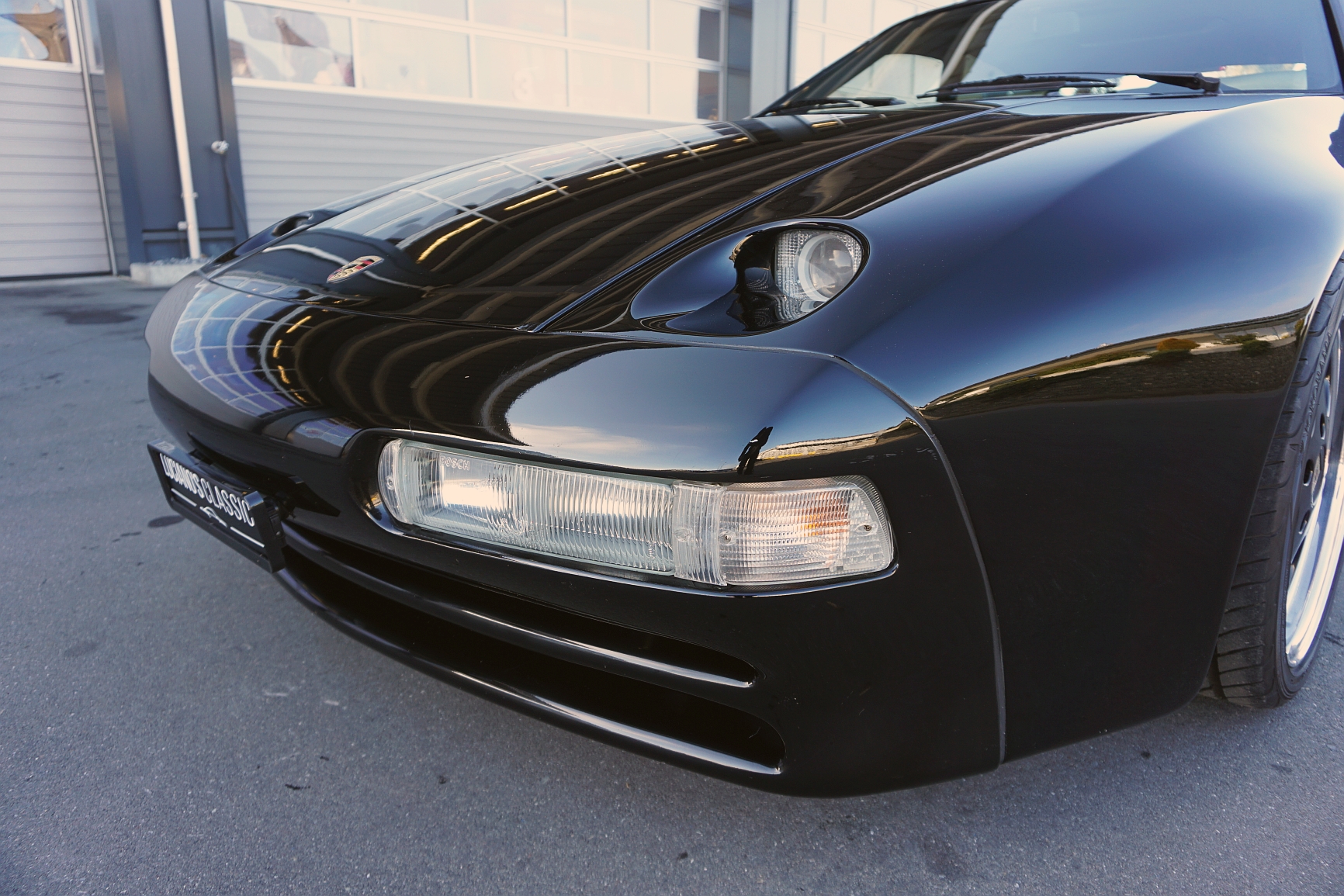
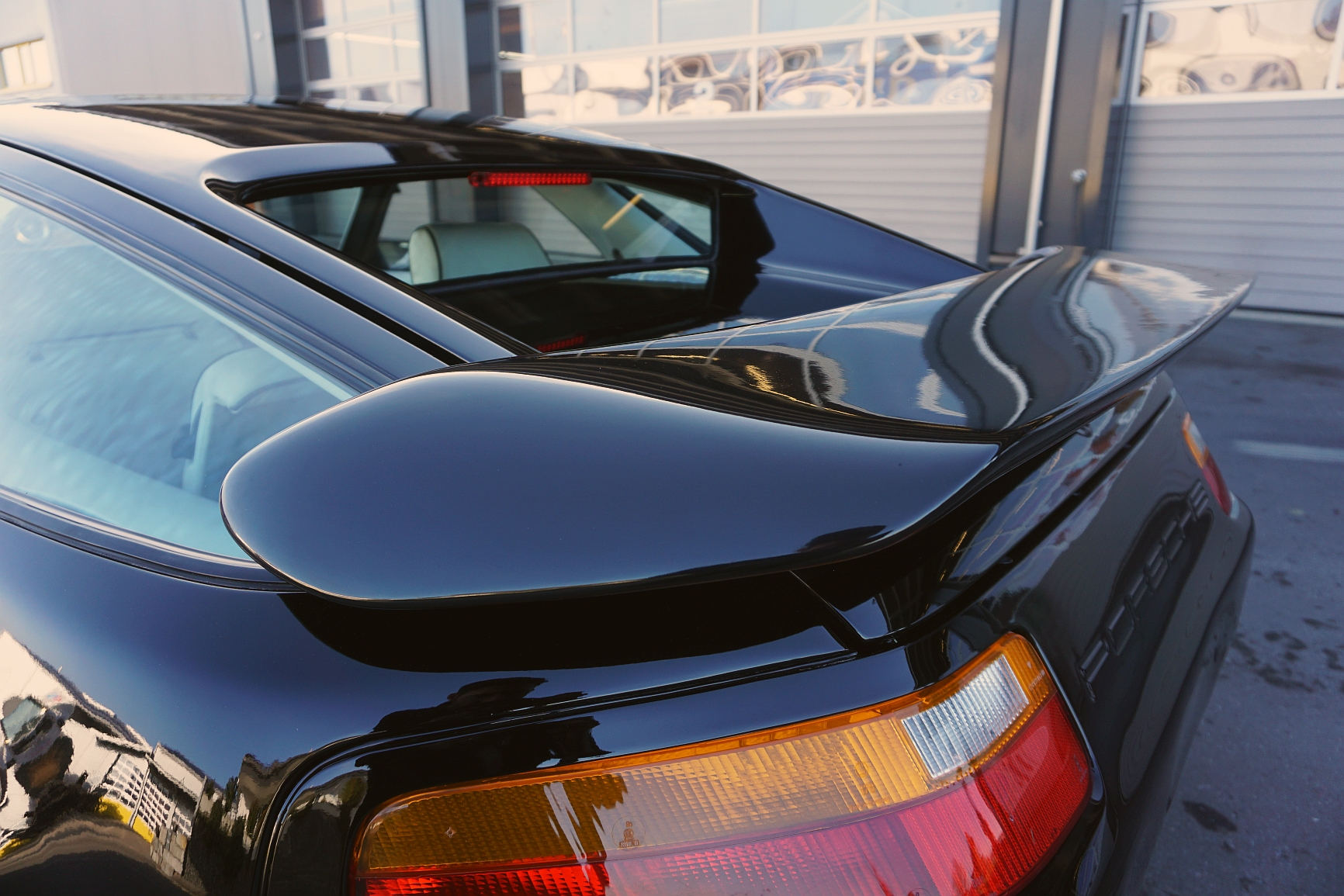
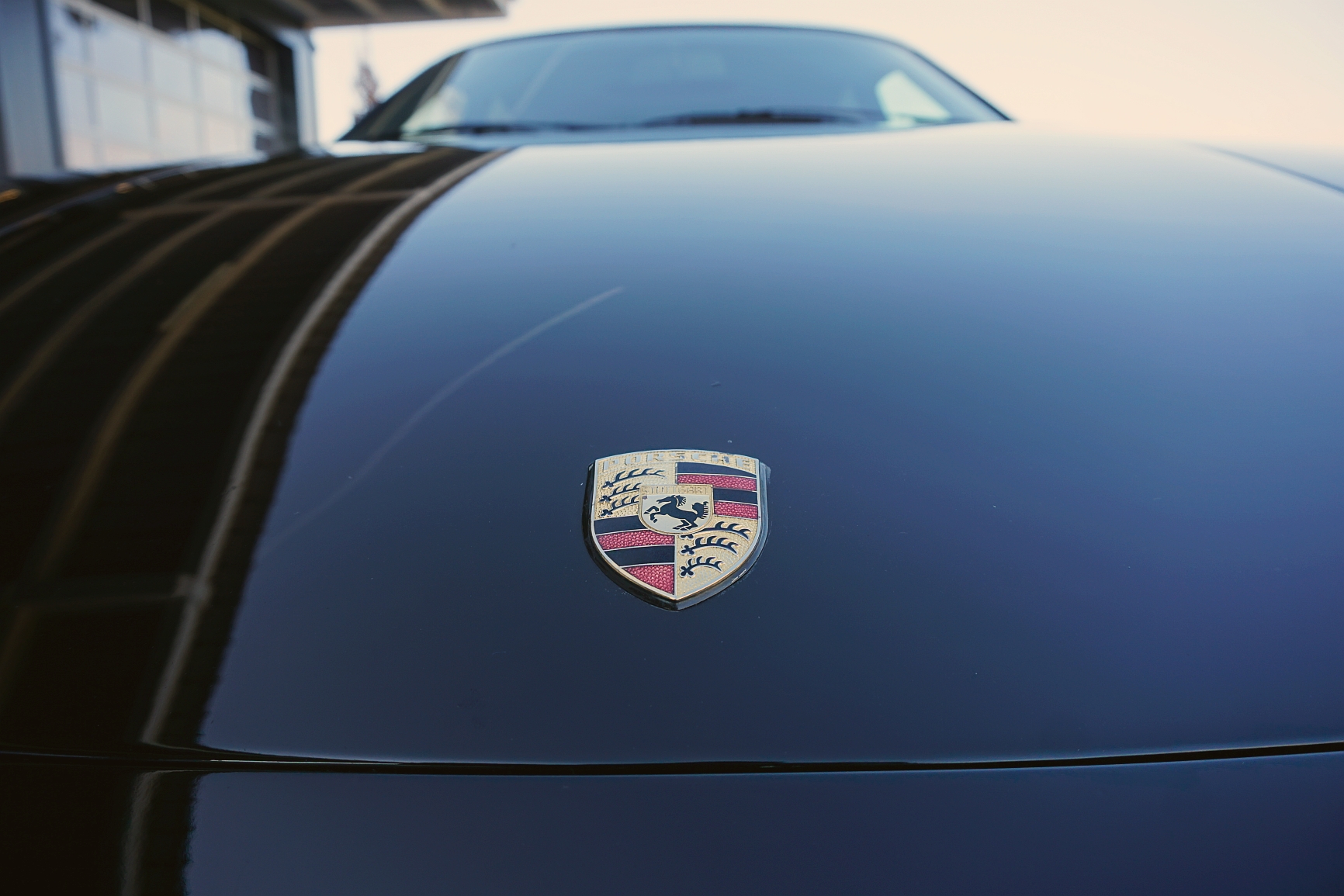
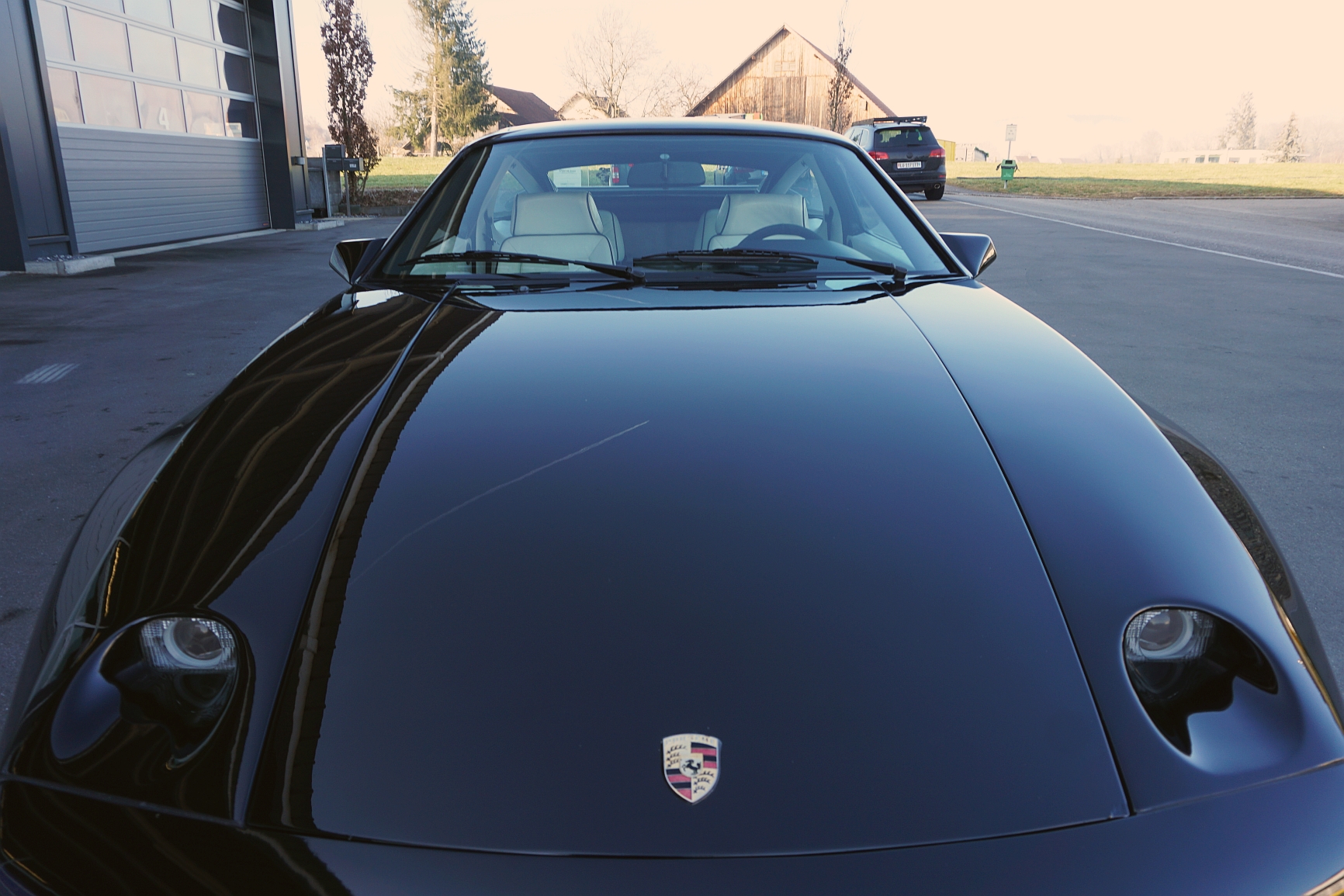
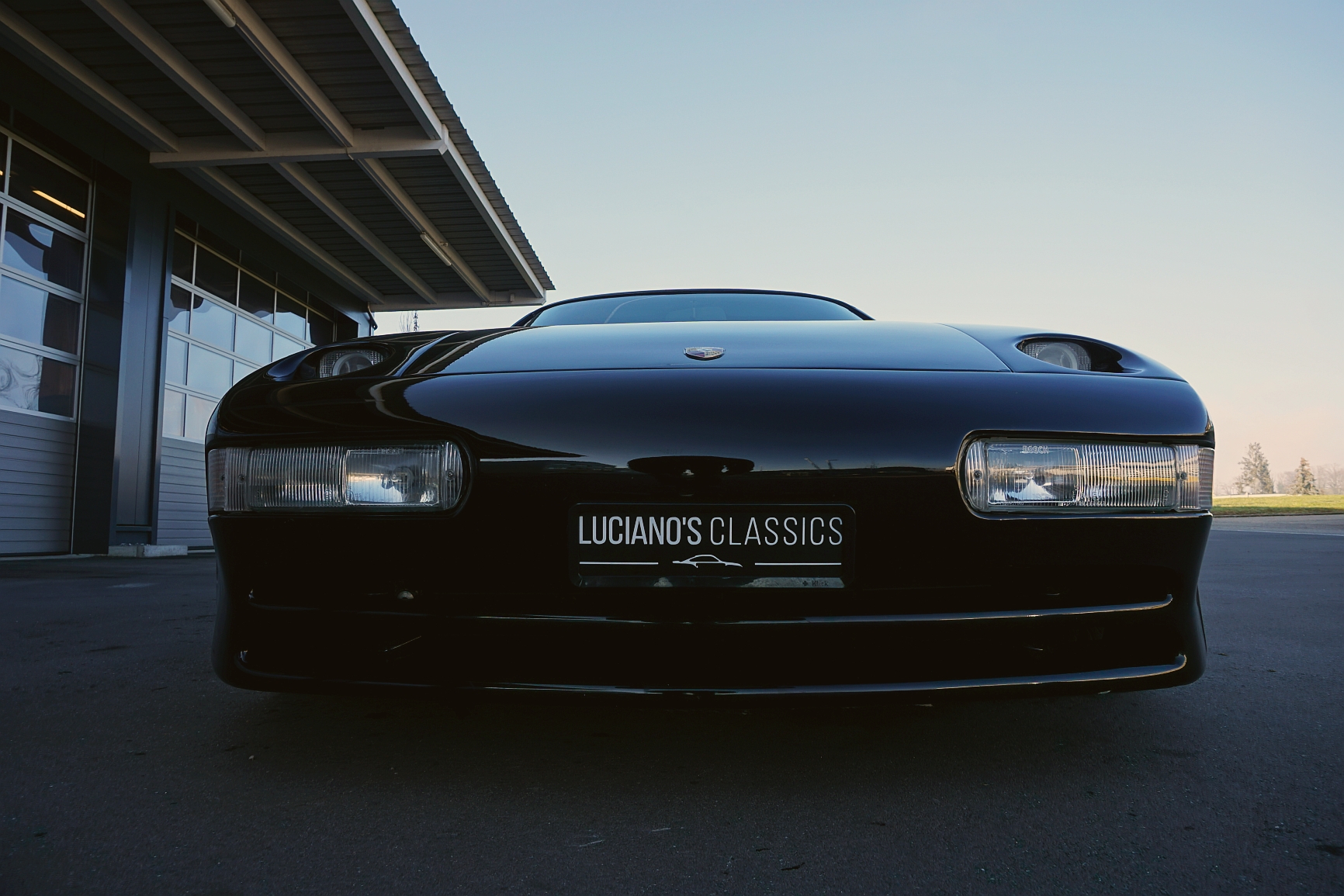
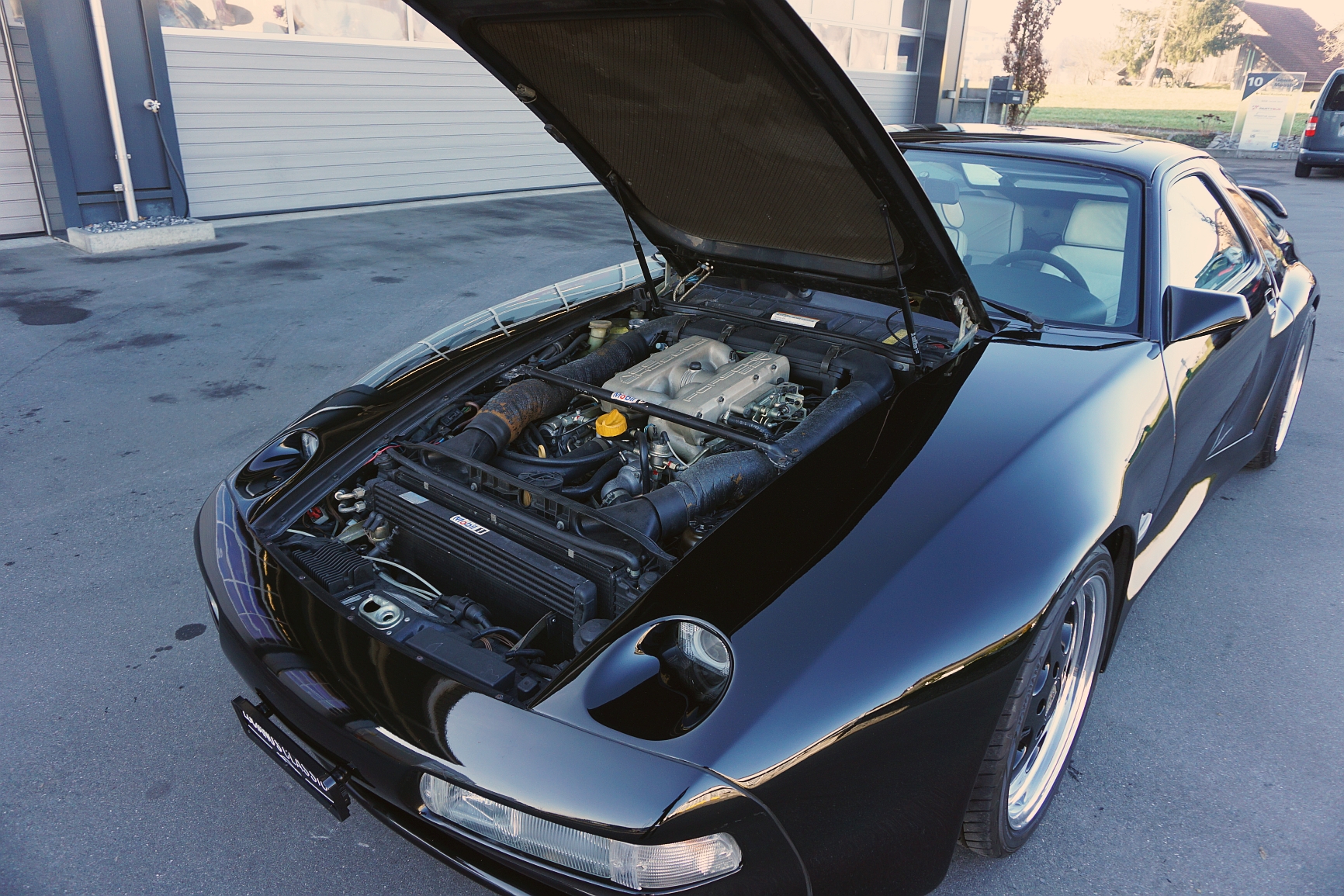
The Porsche 928 S4 Strosek is a true masterpiece on wheels – a car that presents both sportiness and elegance in a blend that few vehicles in this class can achieve. The S4, originally a technical highlight of the 80s, gets a good dose of extra spice here through Vittorio Strosek's tailor-made tuning art.
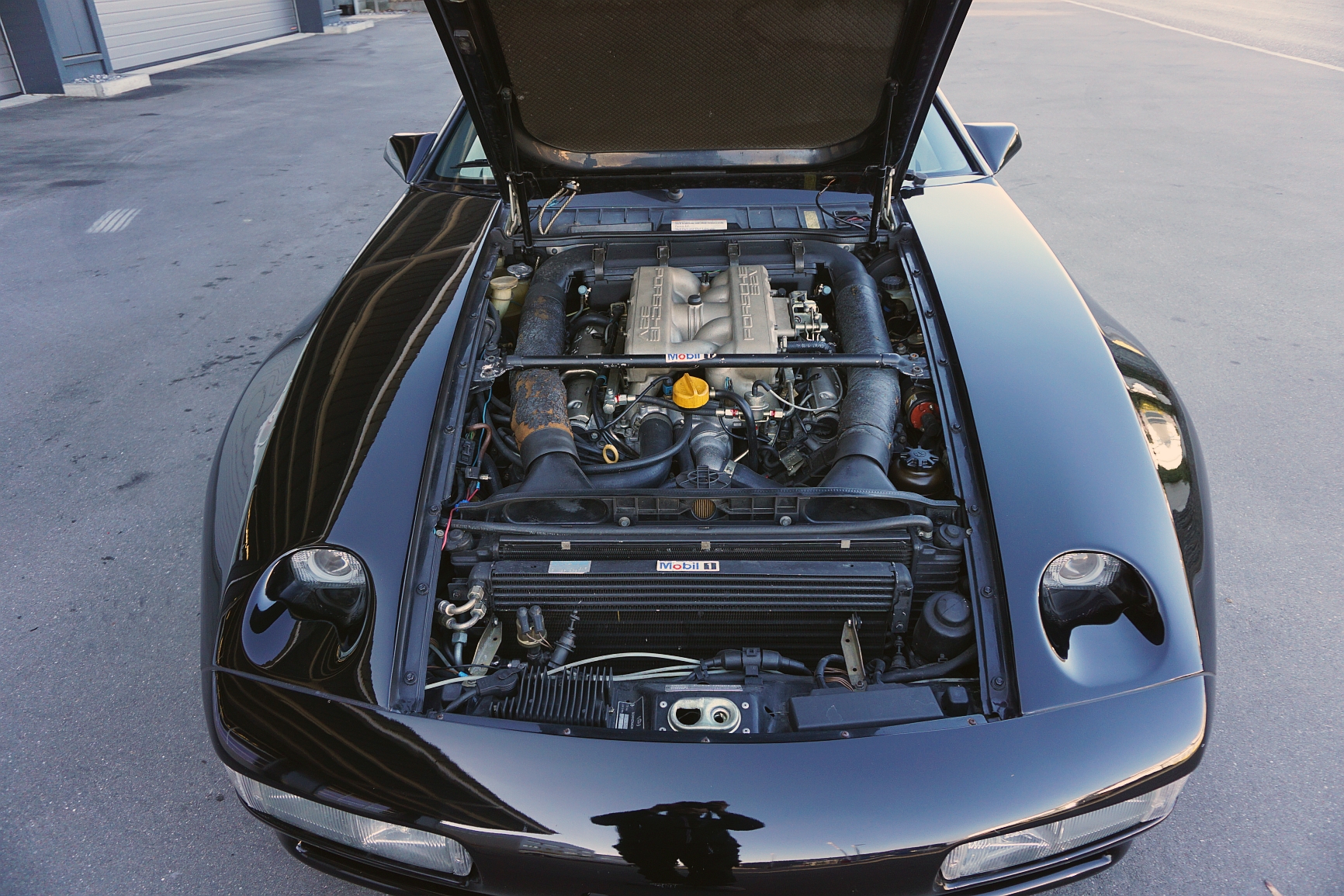
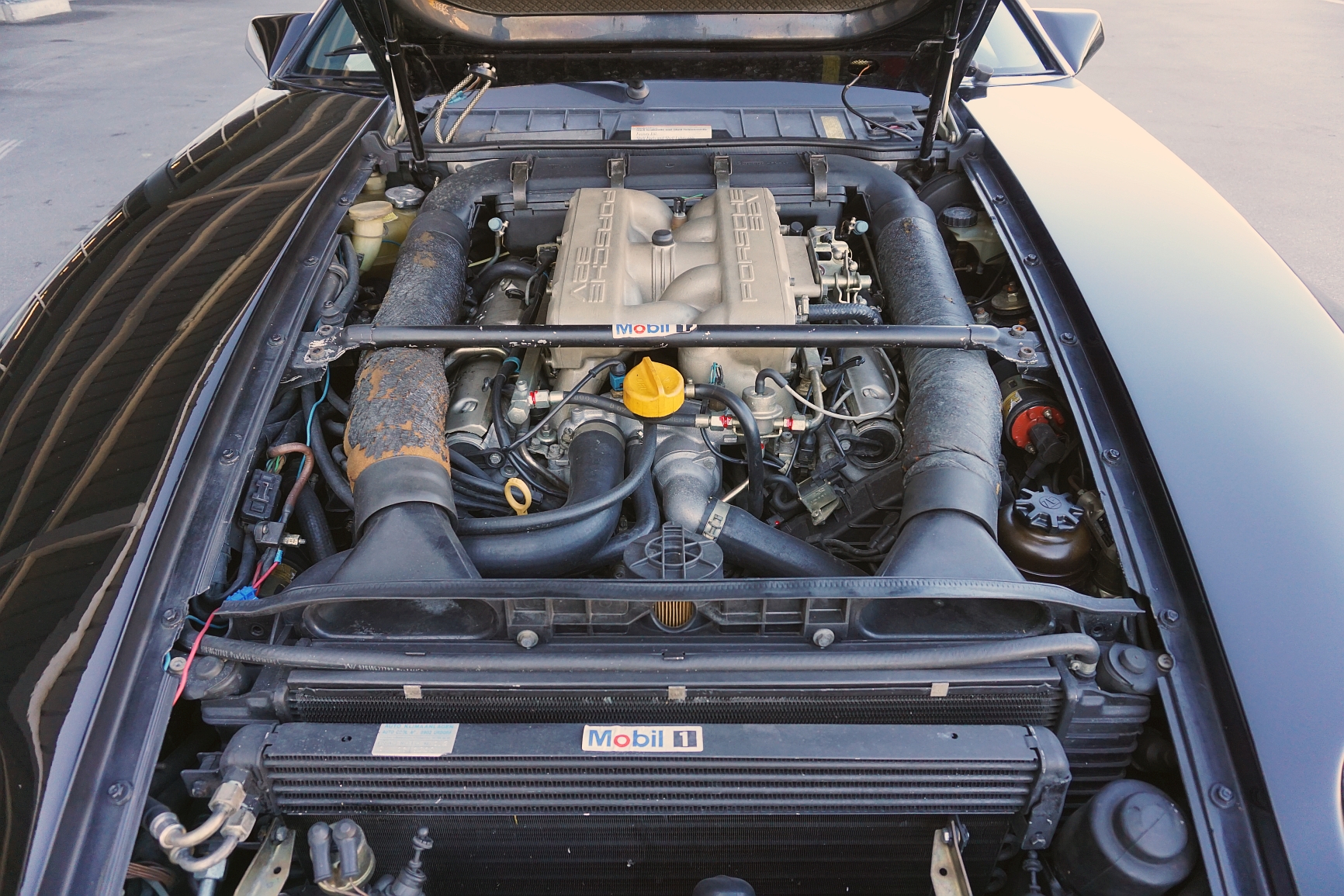
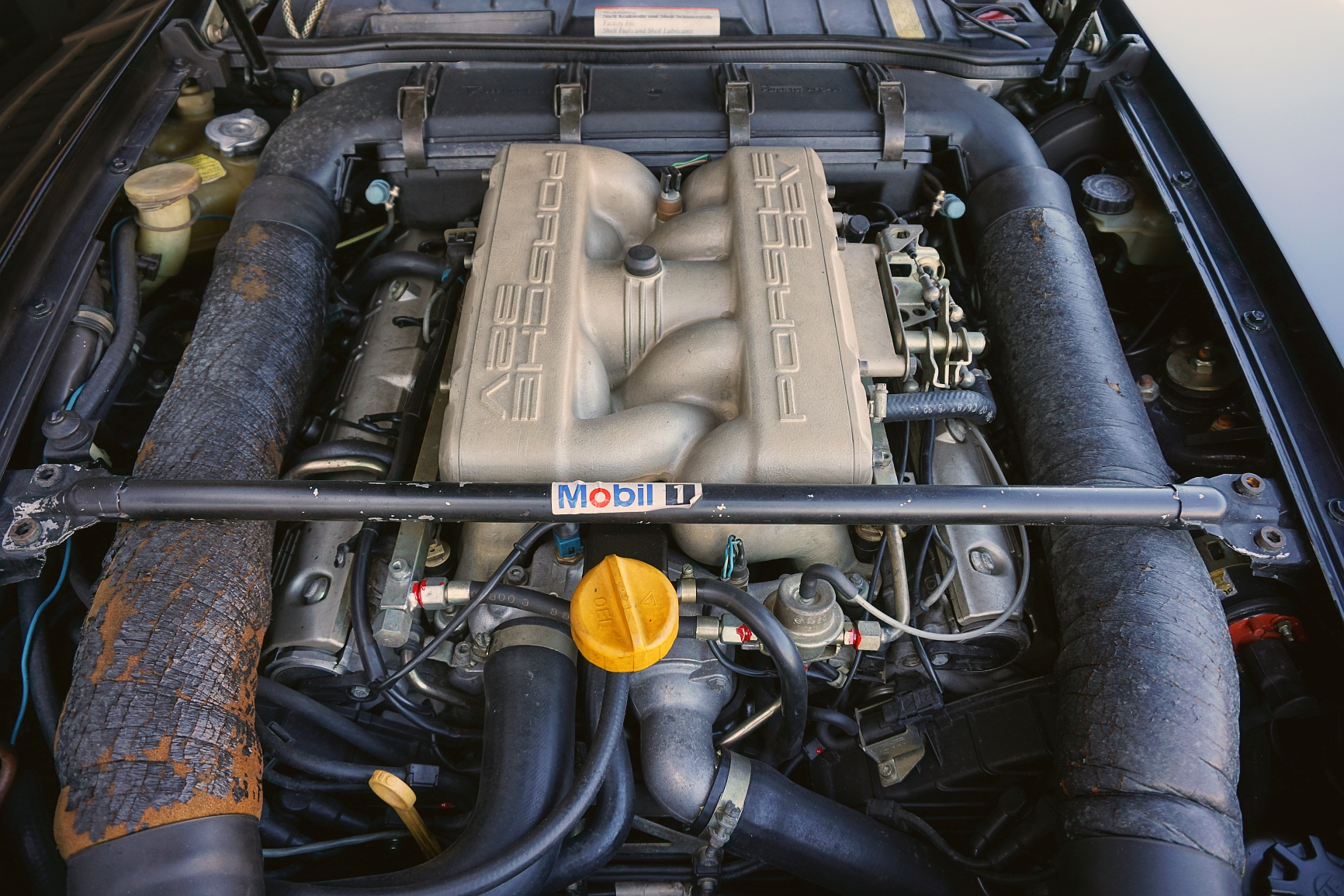
Under the hood beats Porsche's proven 5.0-liter V8, which in this version sends a whopping 320 hp to the rear wheels. The acceleration is impressive, and the driving stability at high speeds almost makes the driver forget that he is actually „only“ on the road - it feels more like being in an airplane cutting into the sky, even though the machine is literally glued to the road.
Although the 928 didn't manage to solidify its succession of the 911, after the engine upgrade in 1987, it was actually faster than the 250 kg lighter 911 Turbo. The Porsche ground missile only had to let the Testarossa, F40, and Countach overtake it.
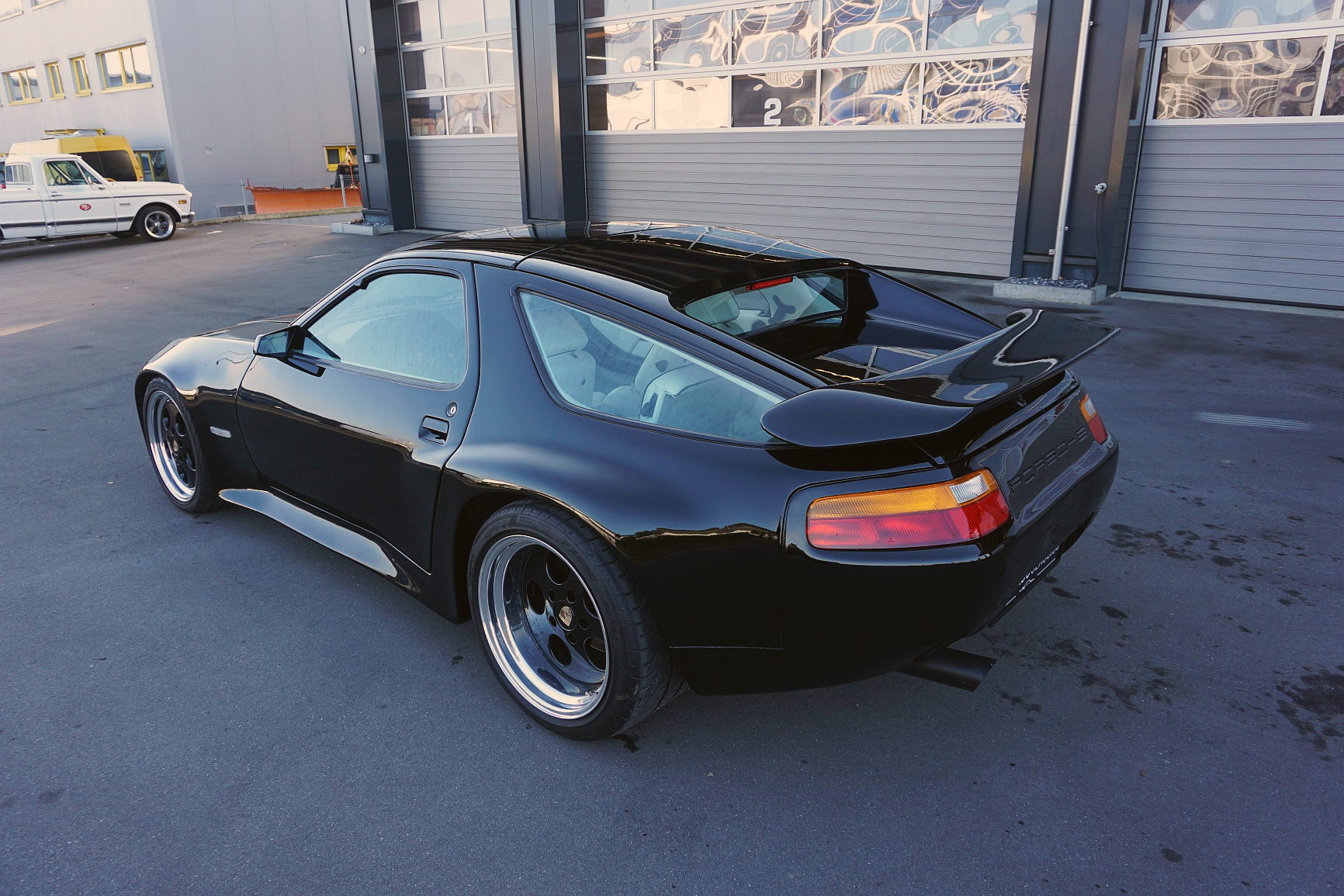
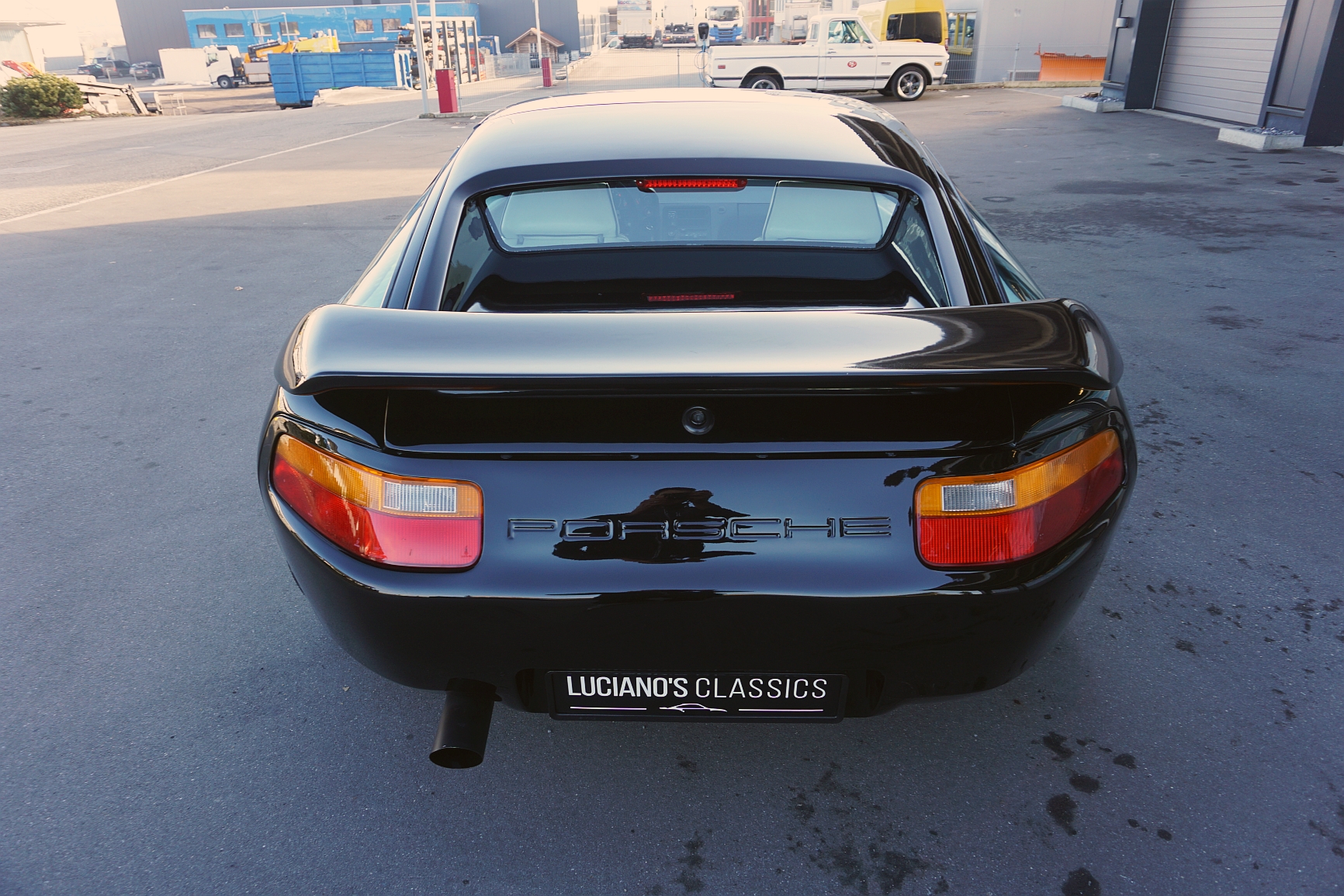
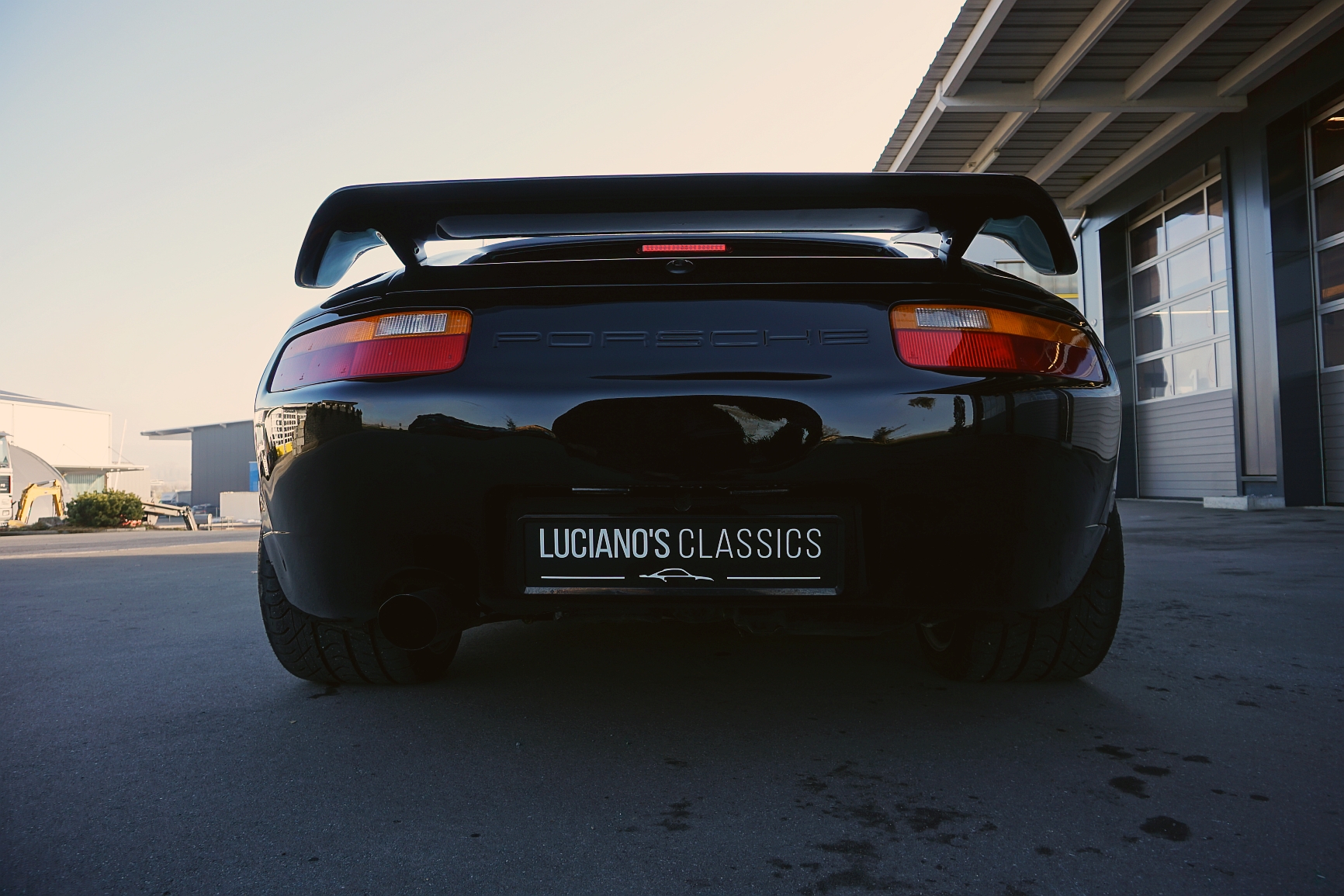
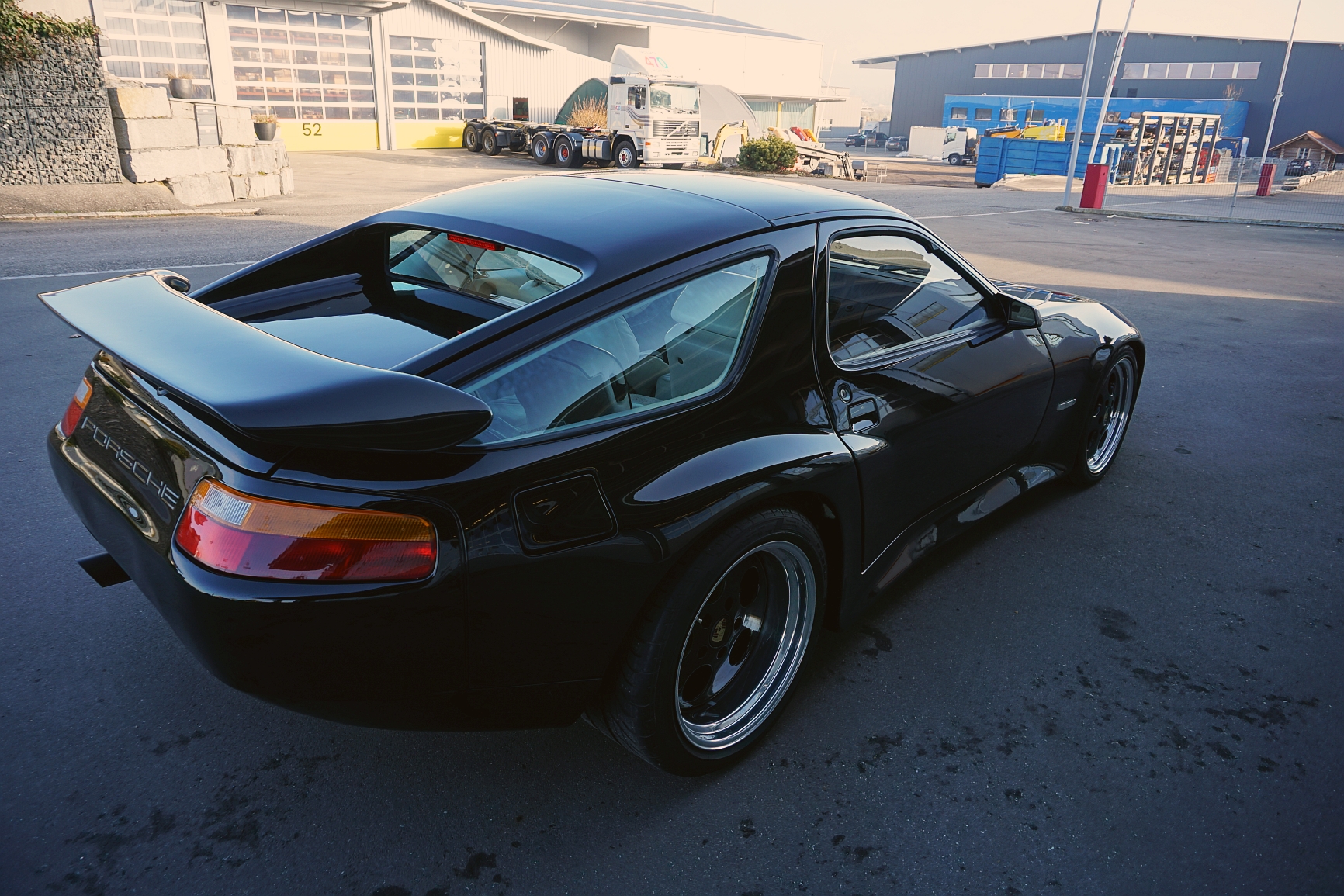
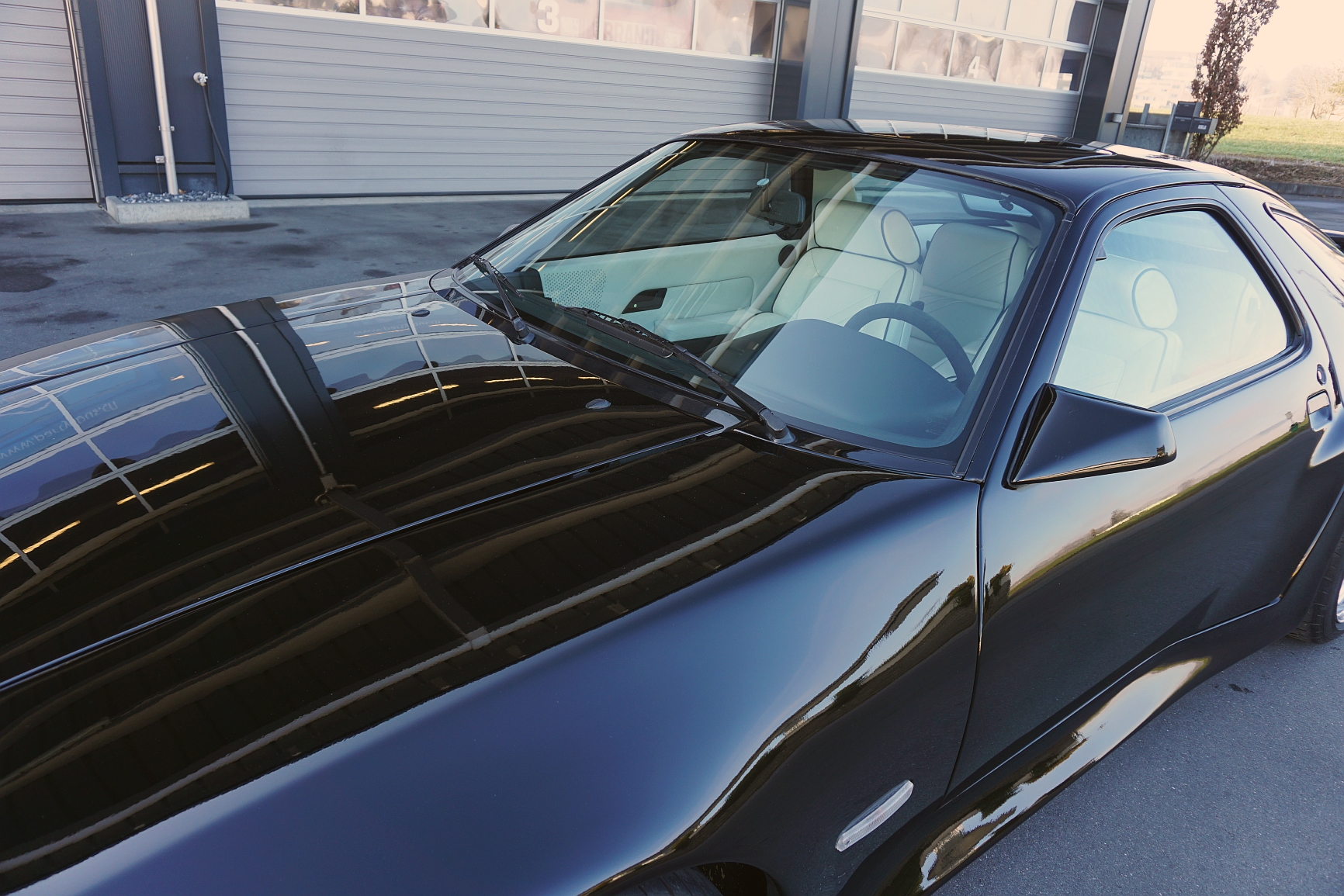
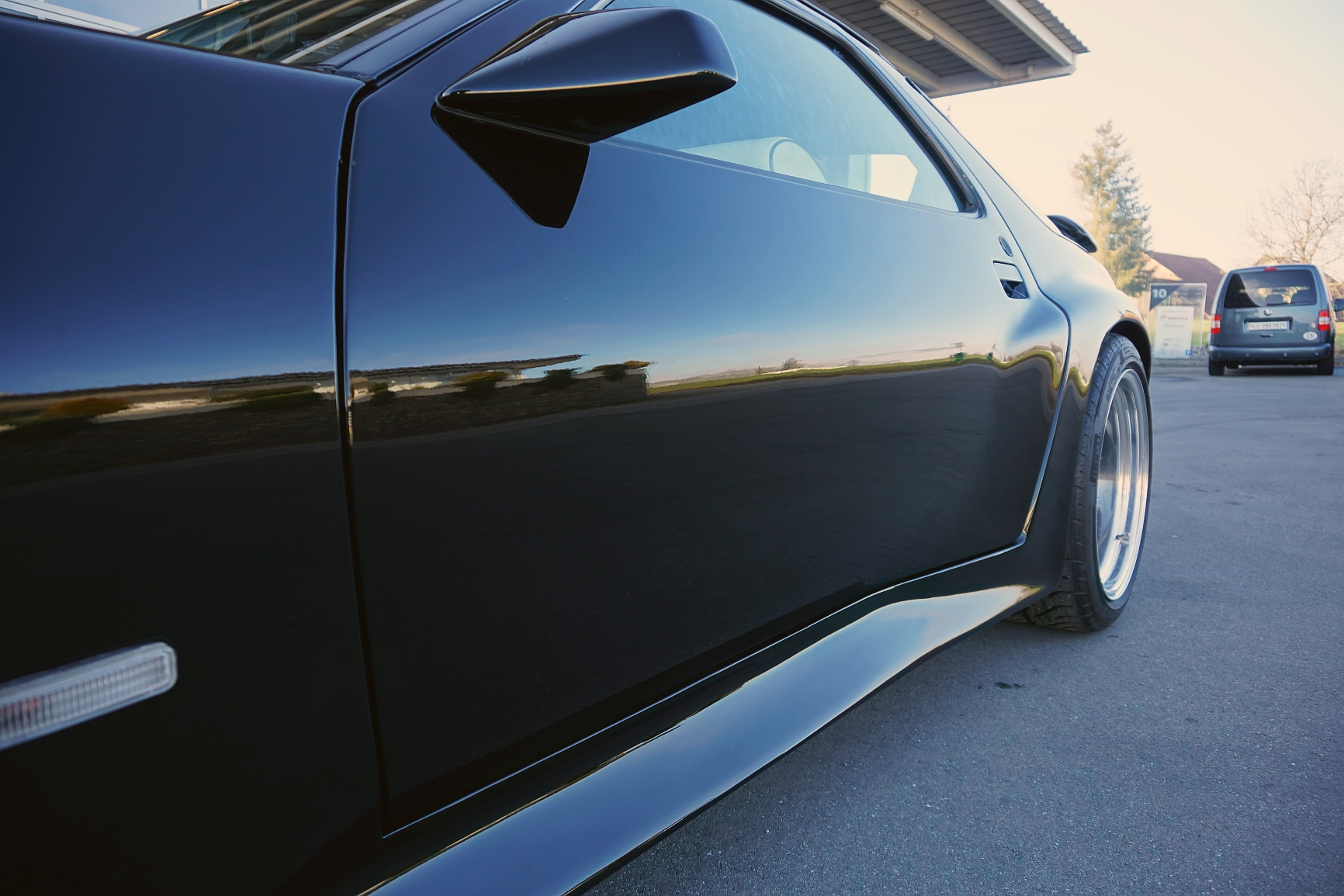
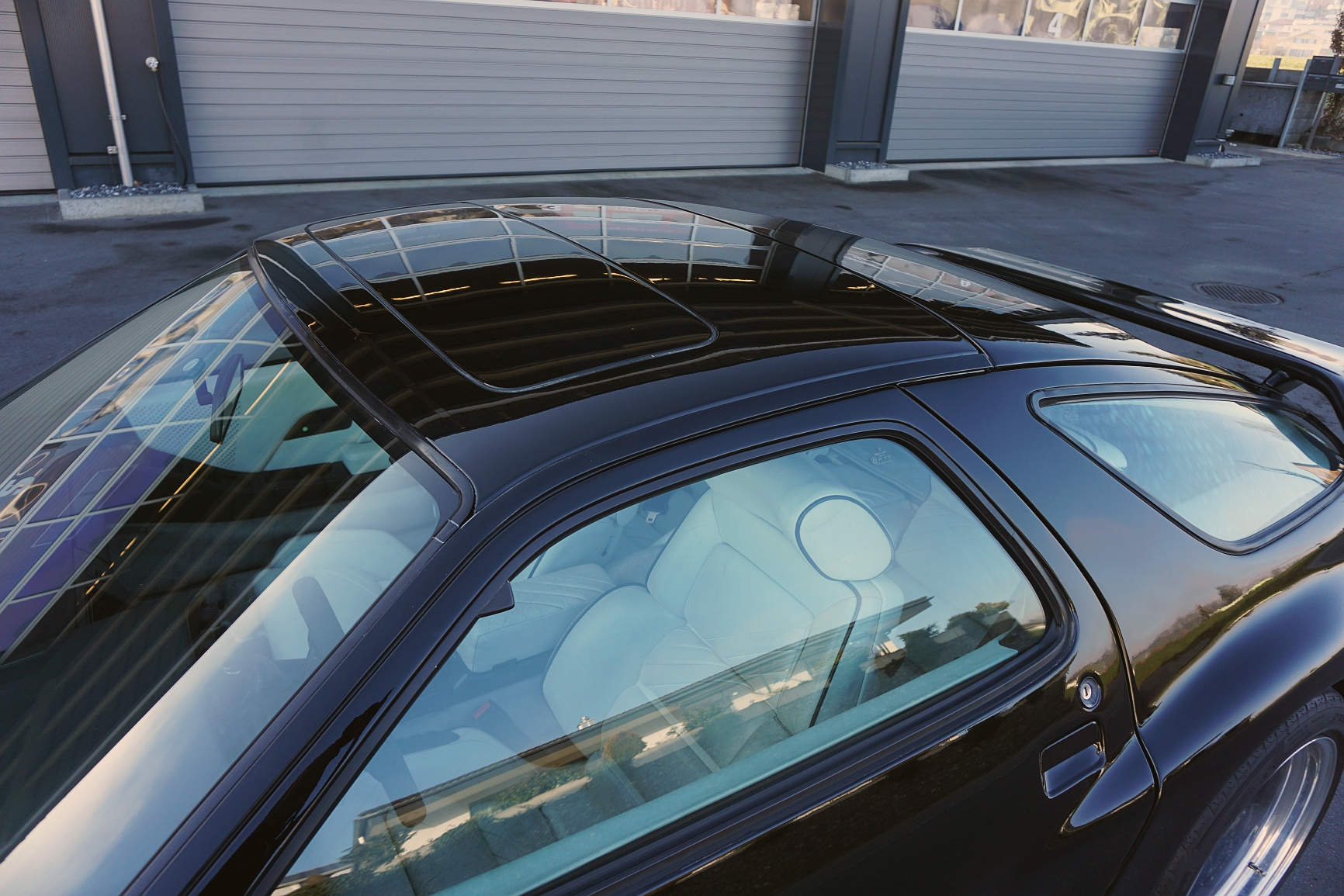
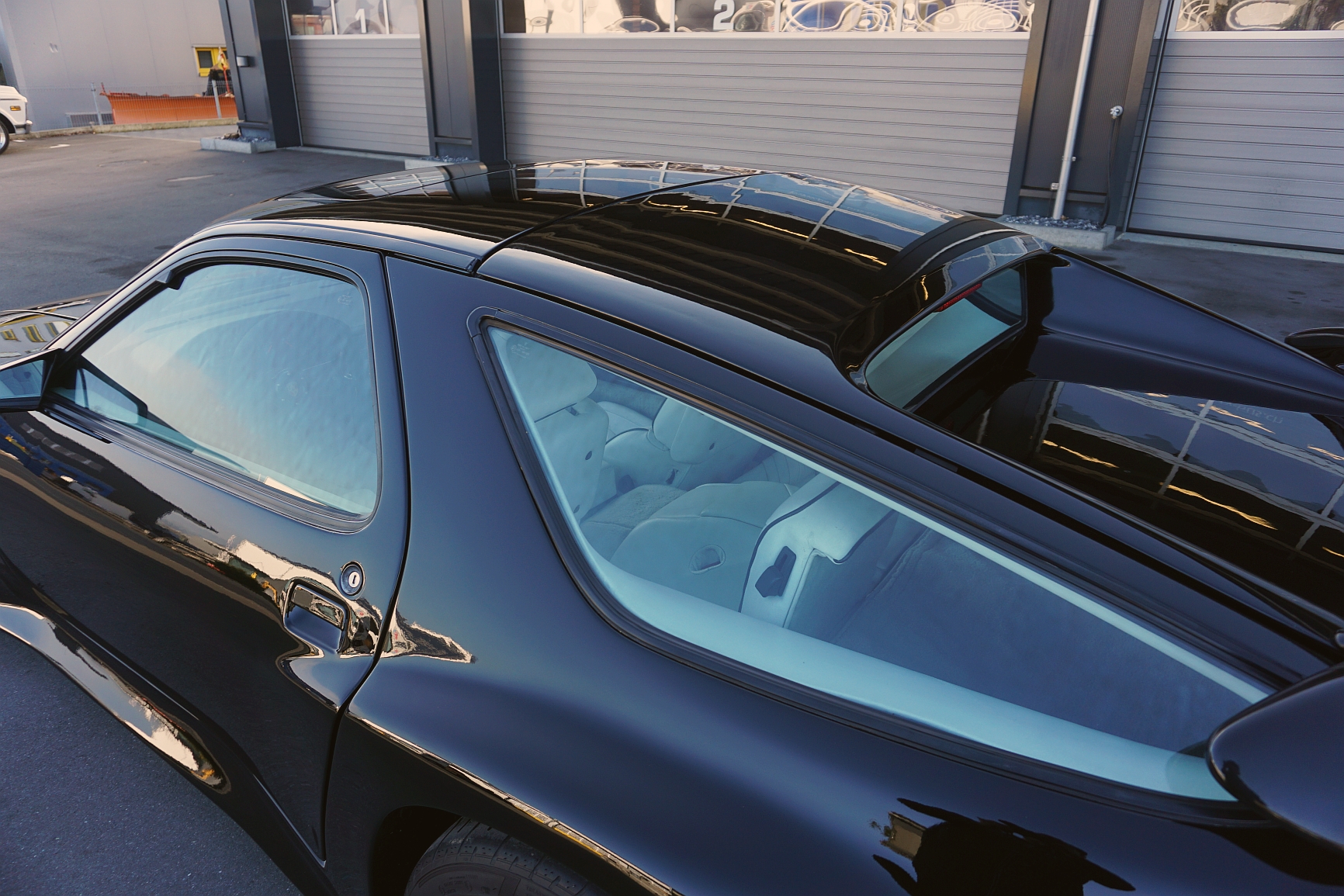
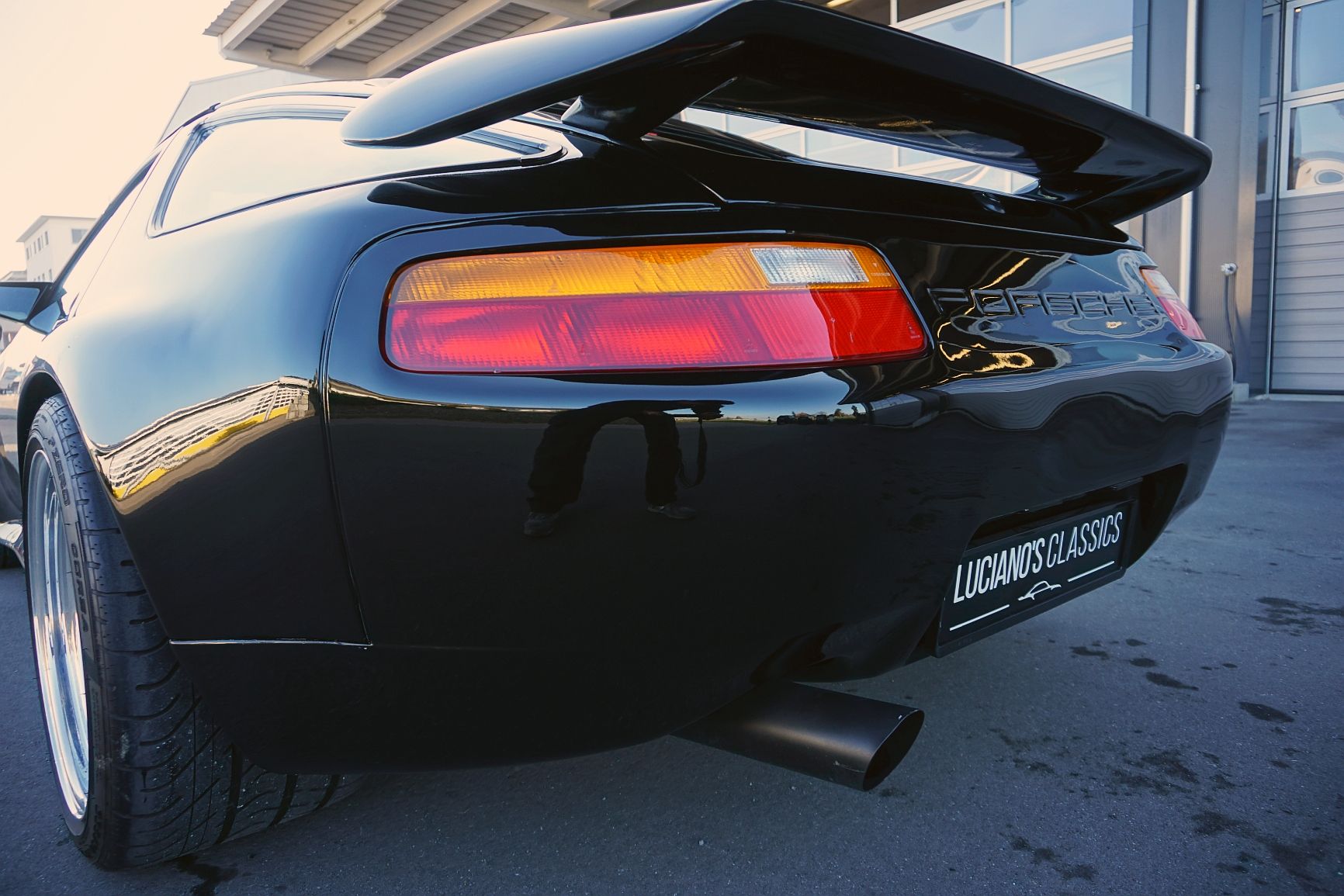
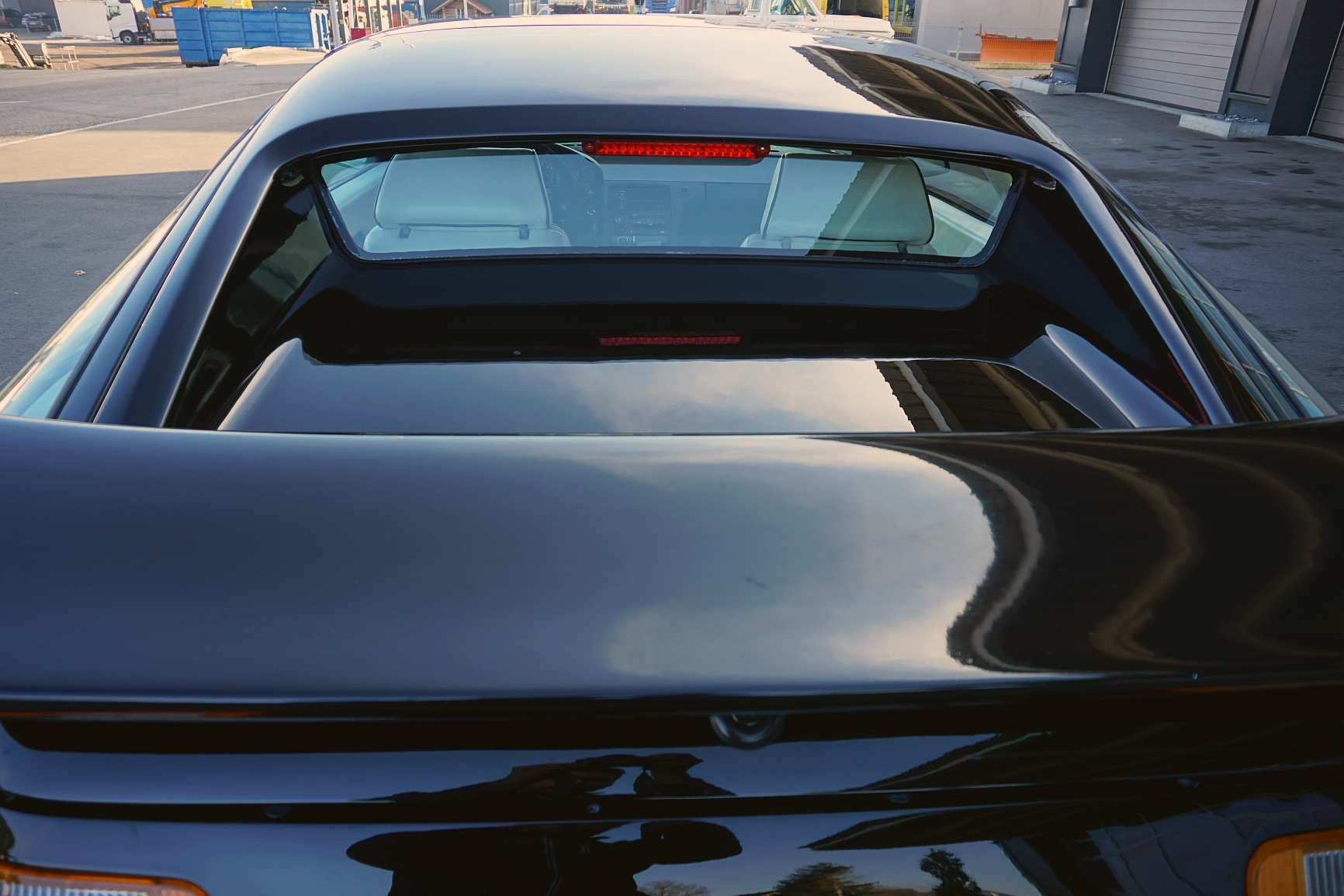
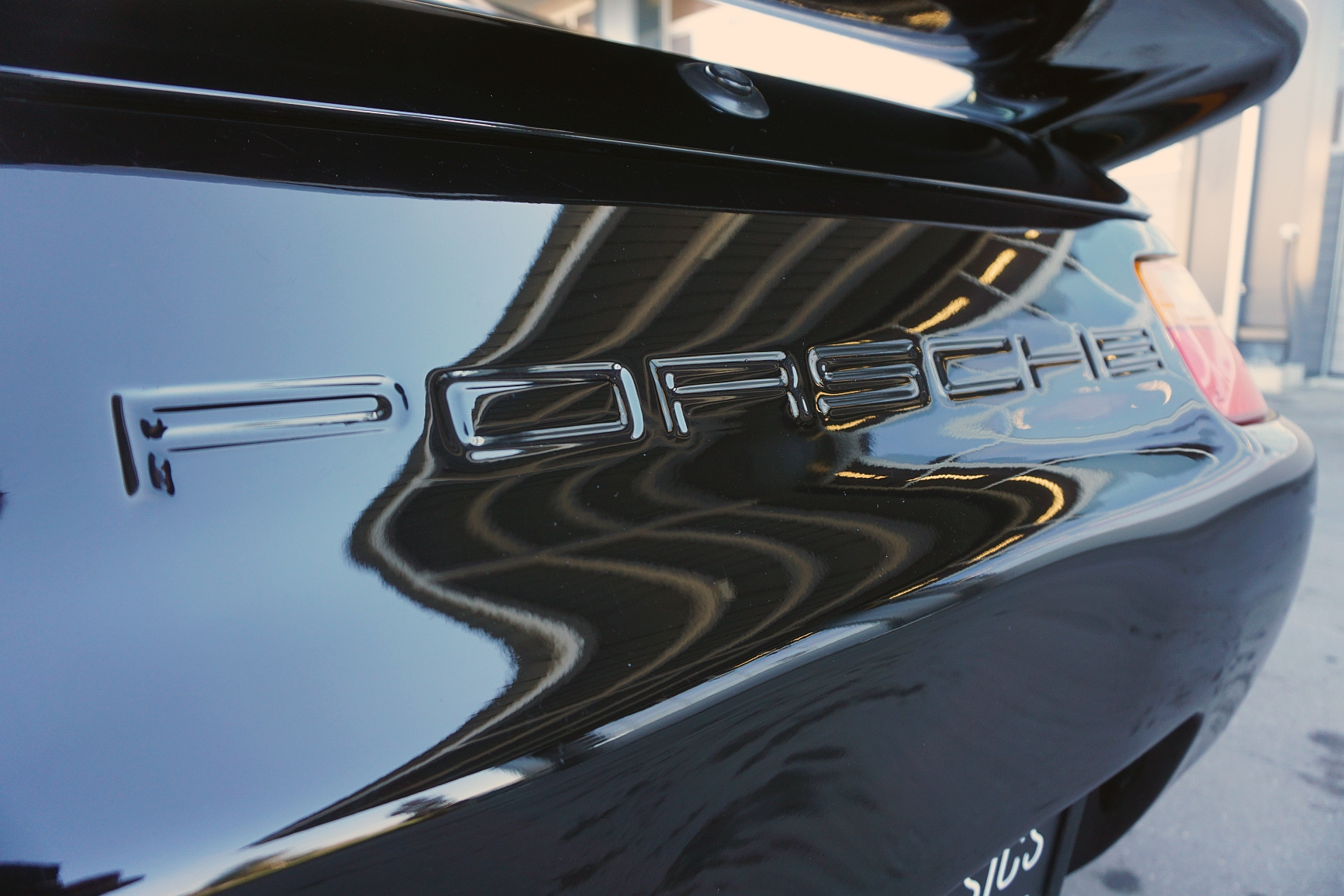
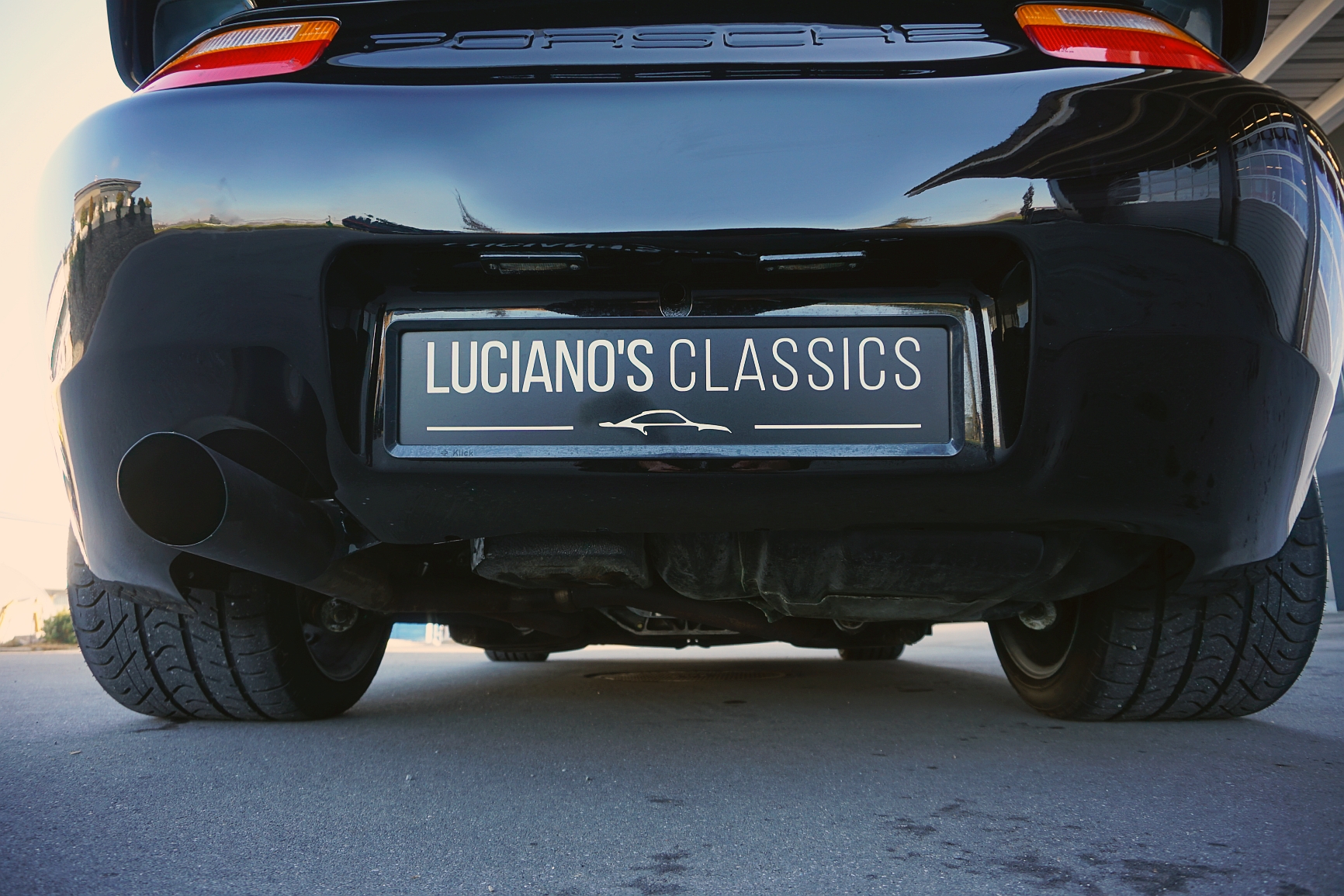
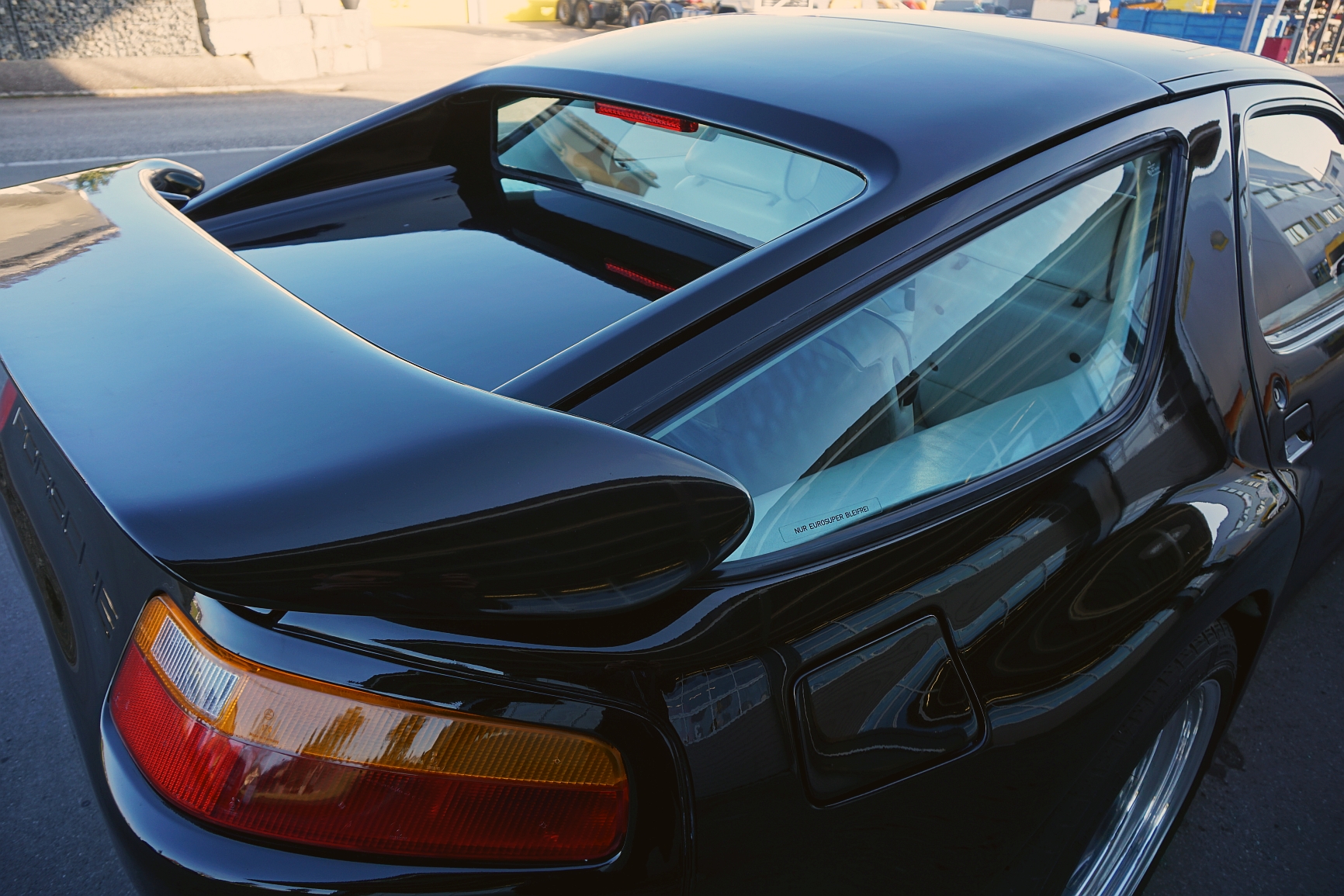
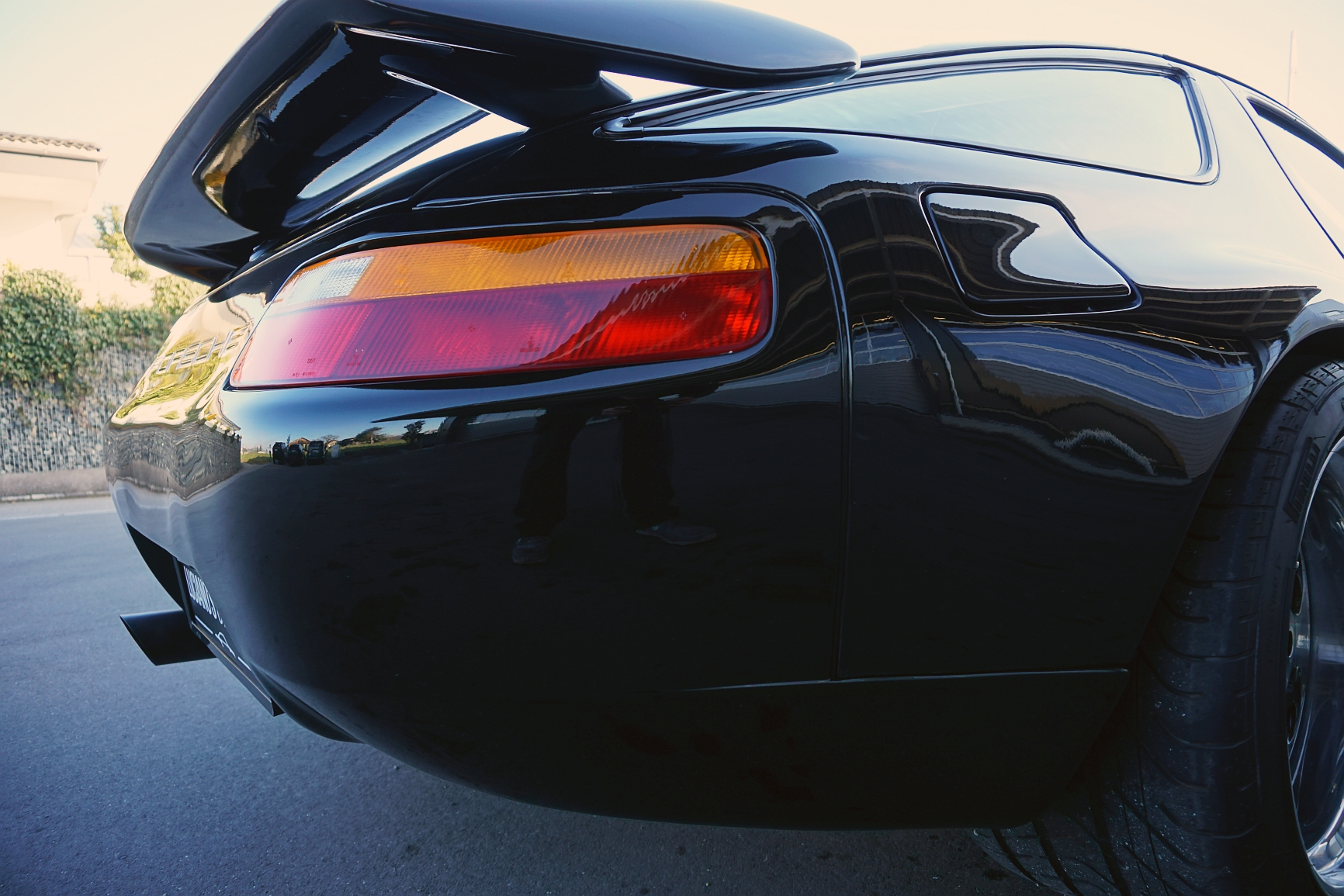
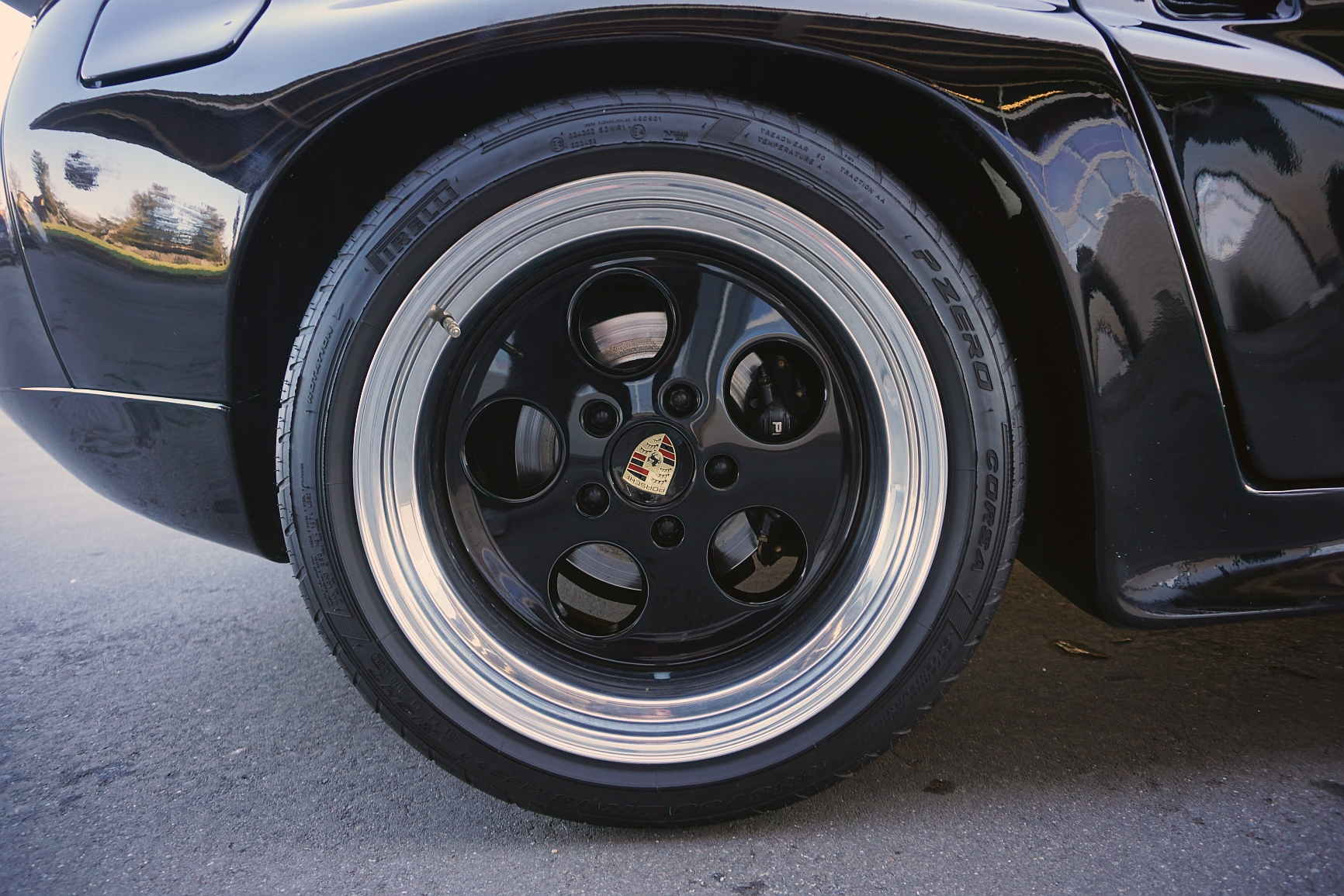
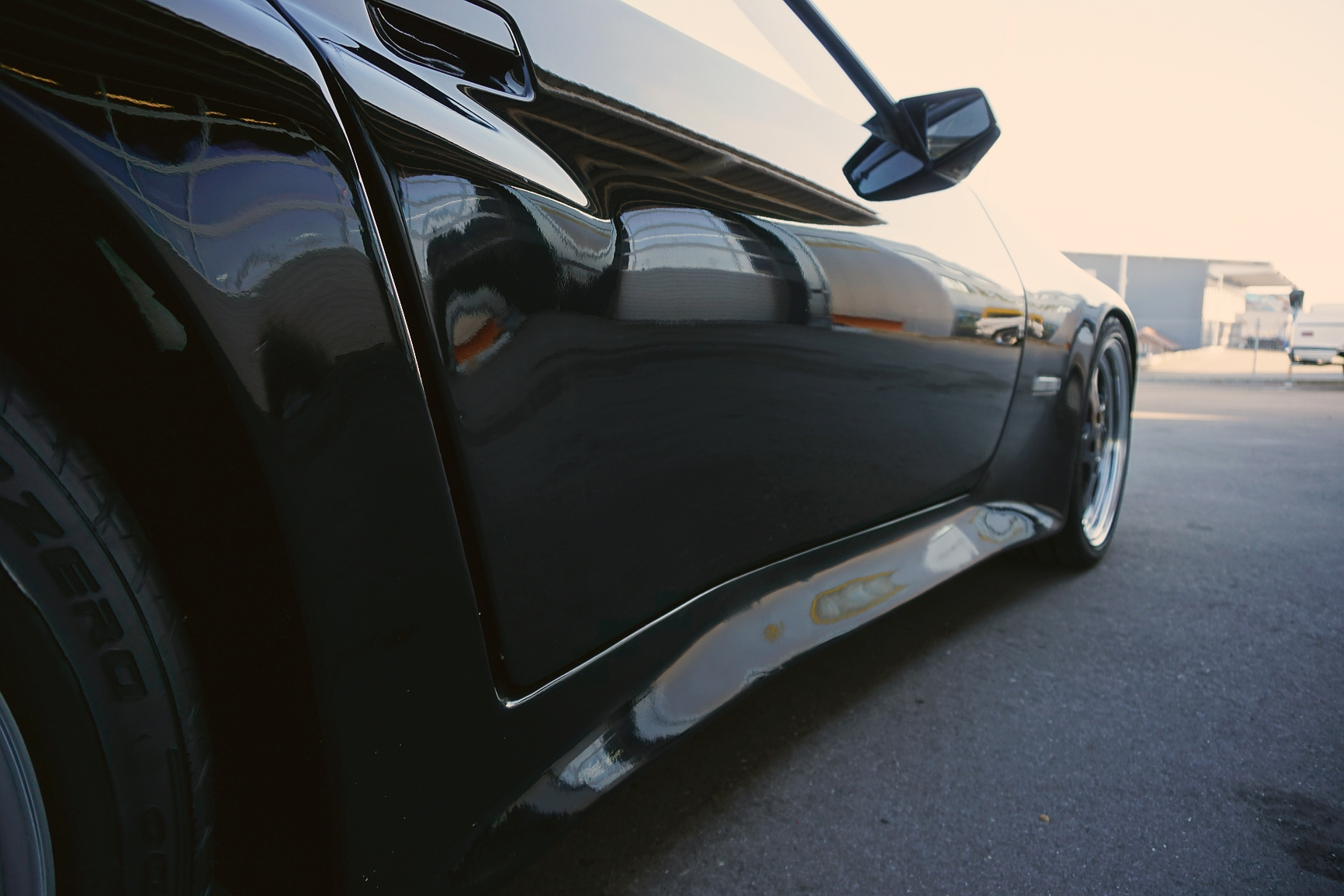
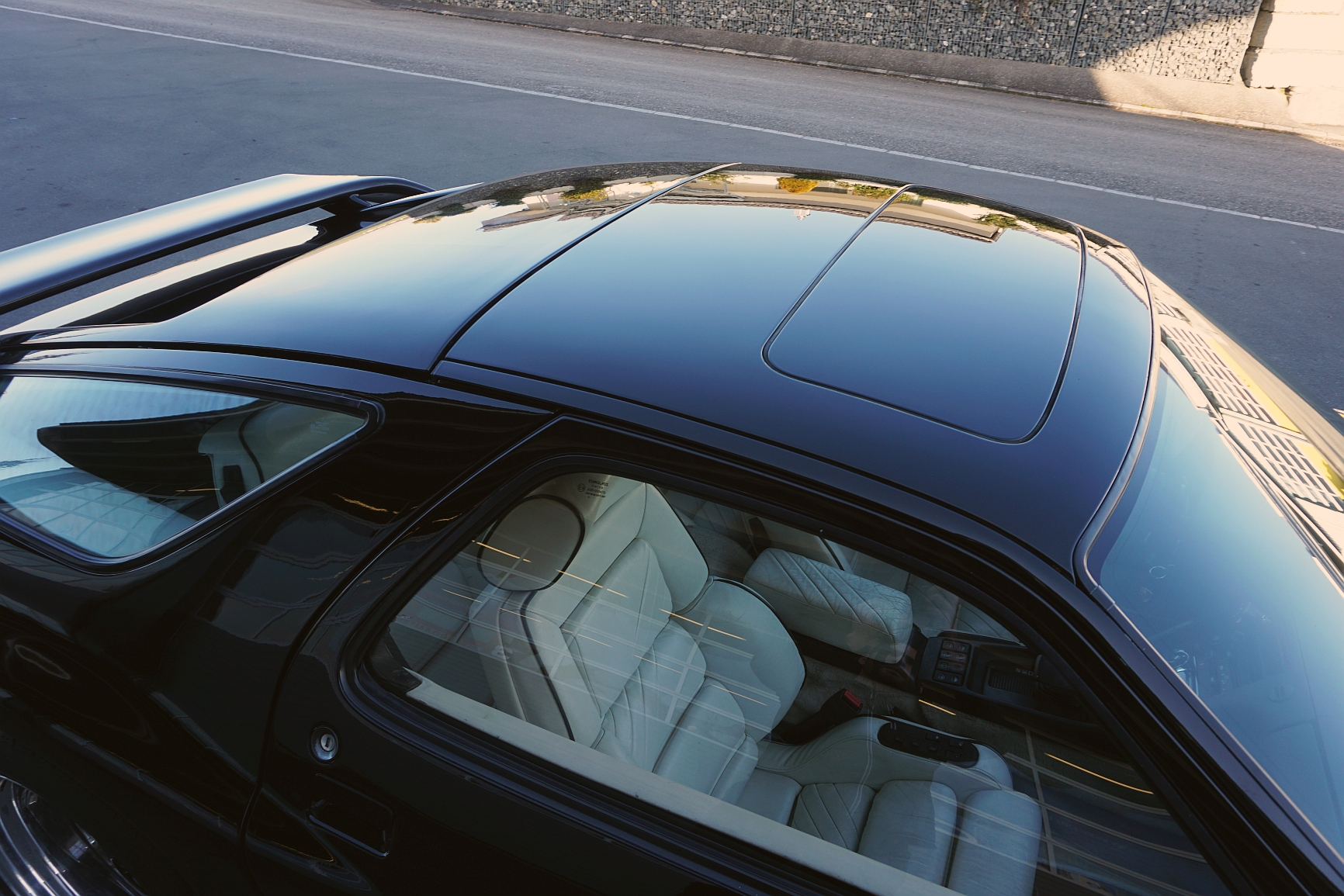
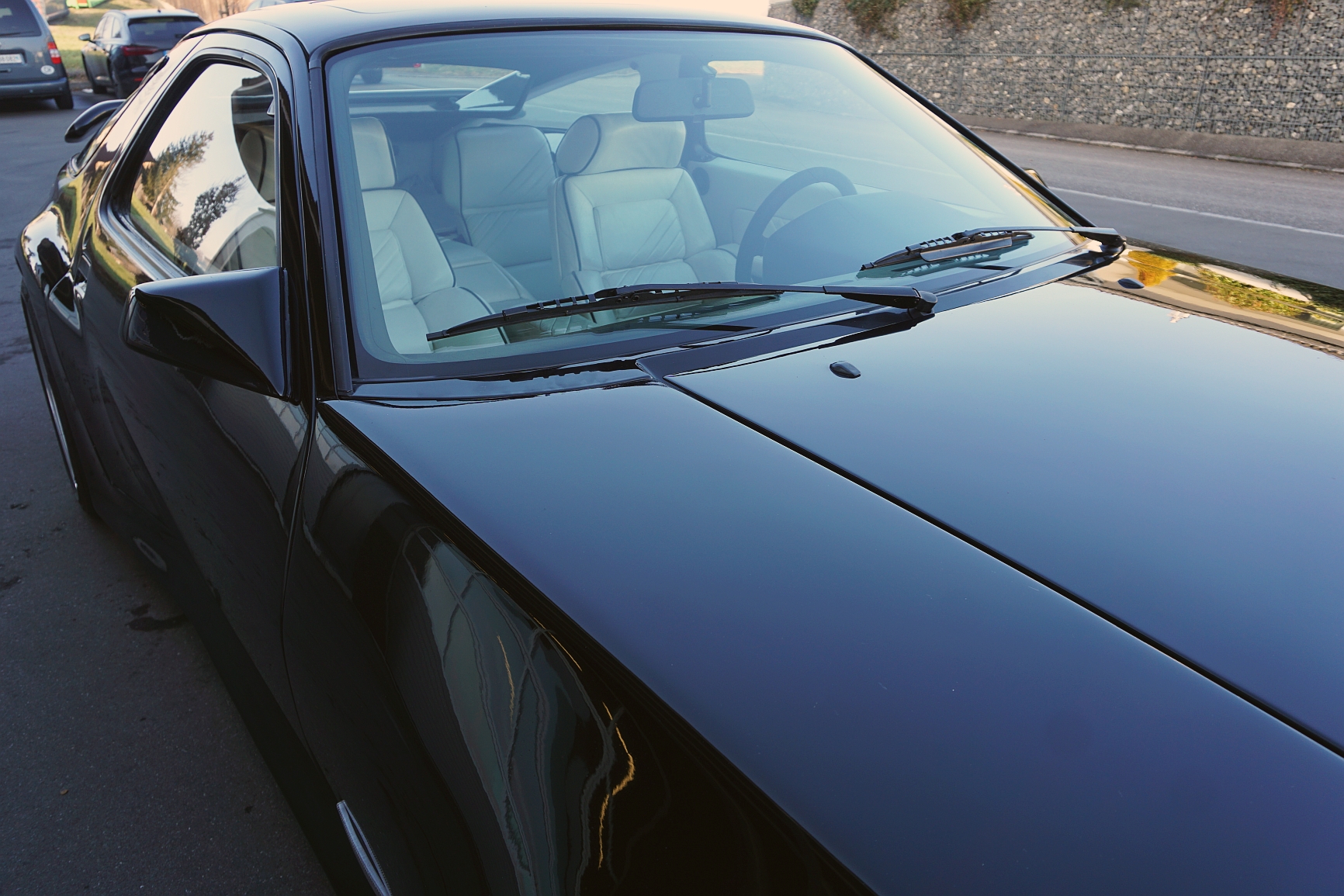
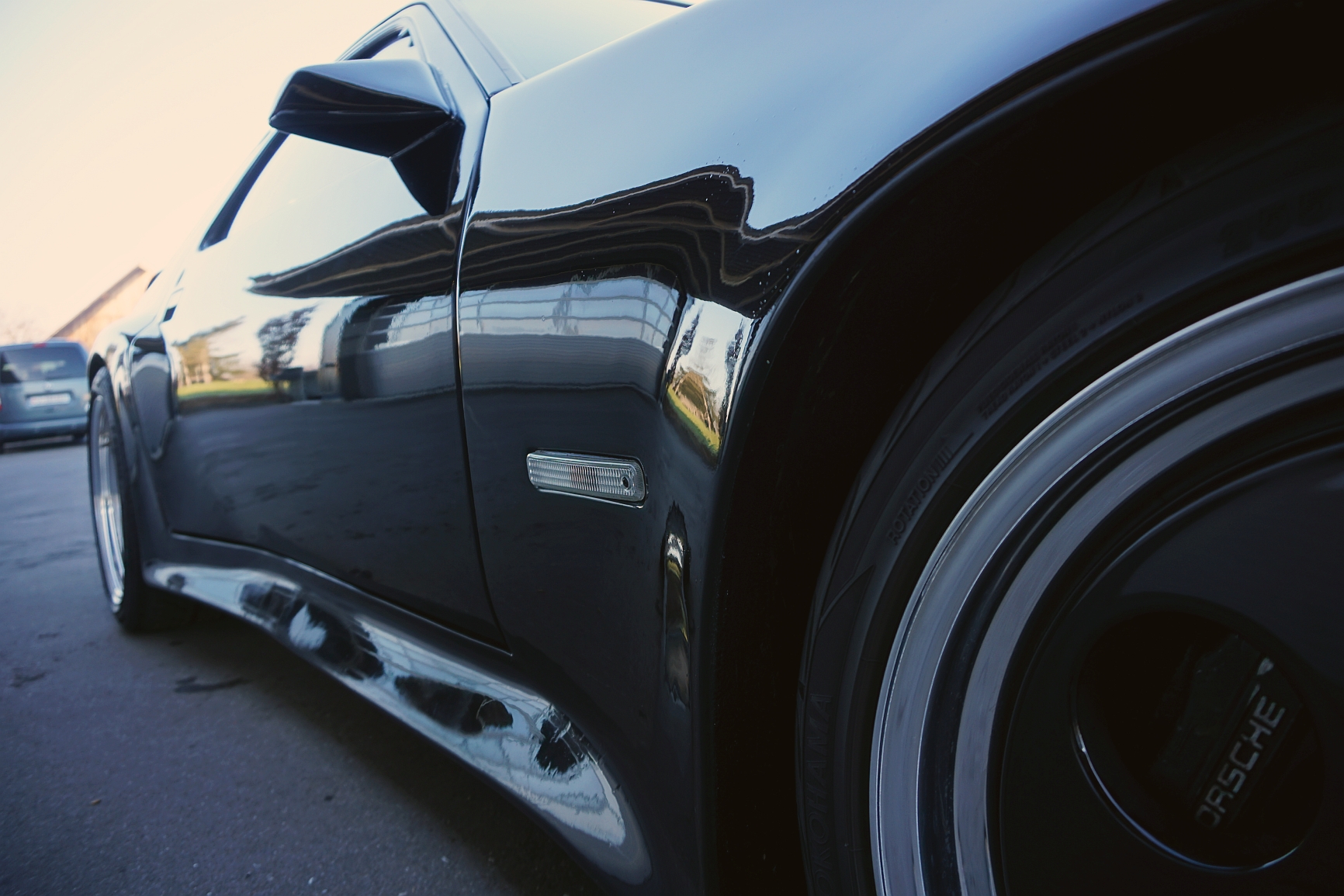
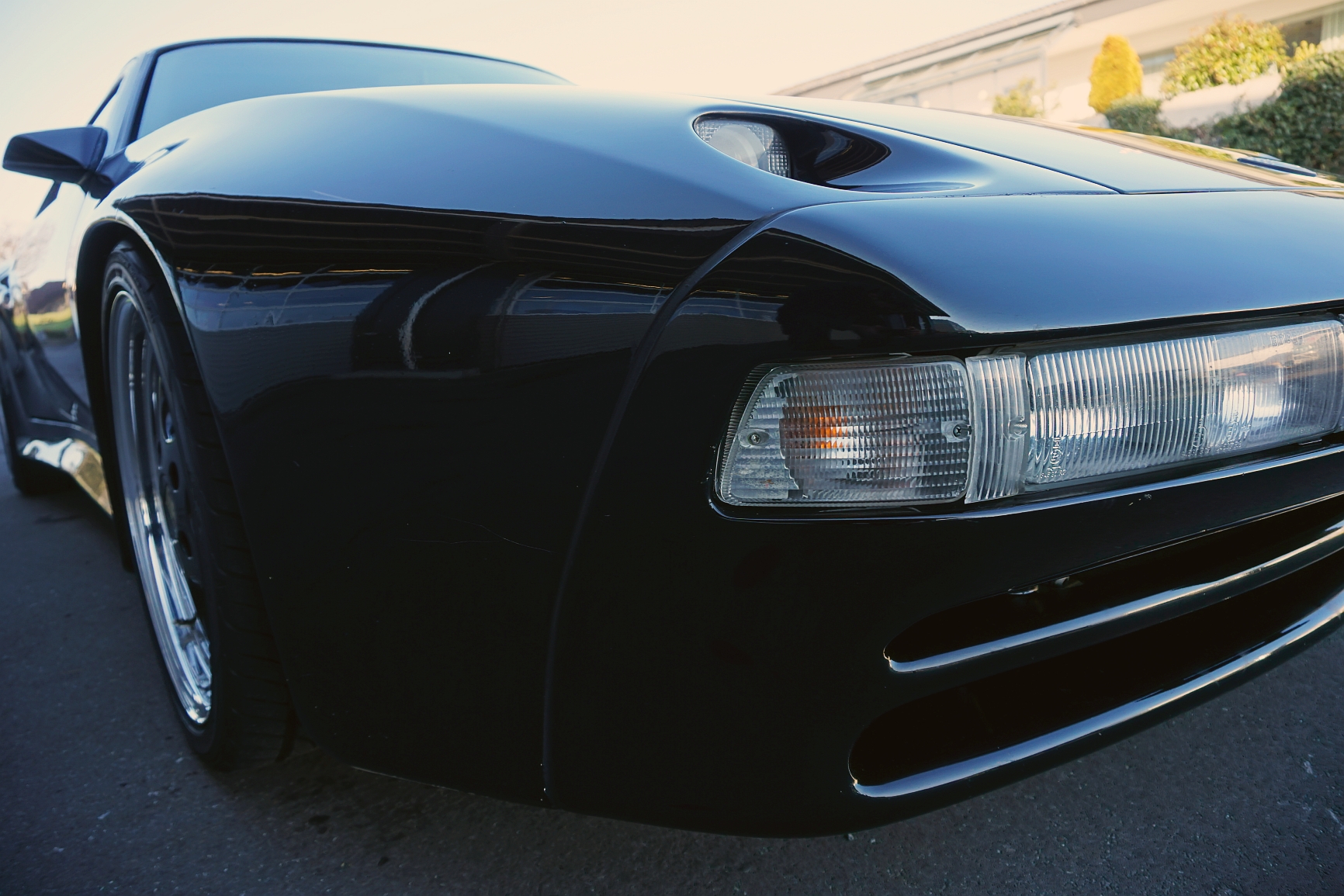
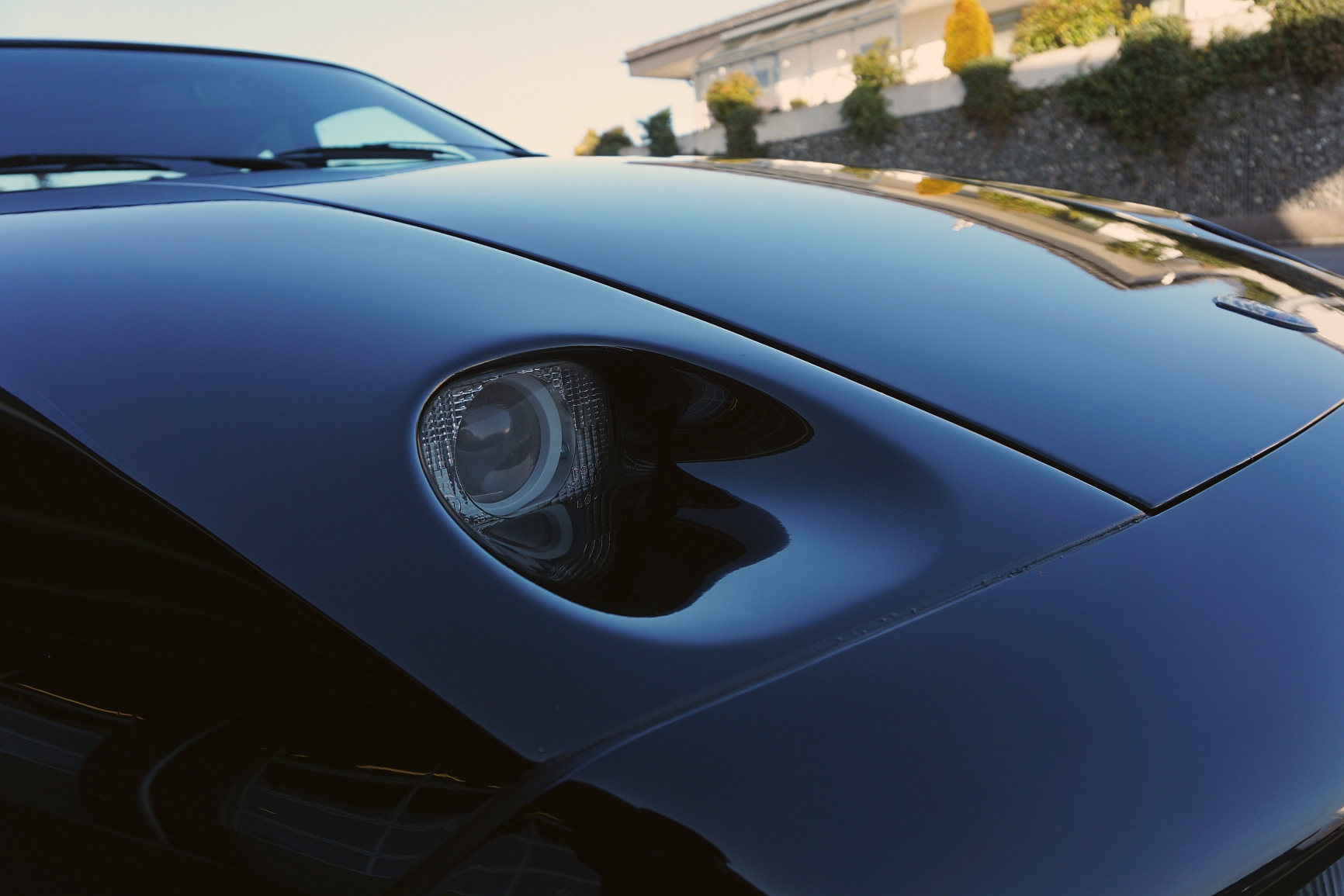
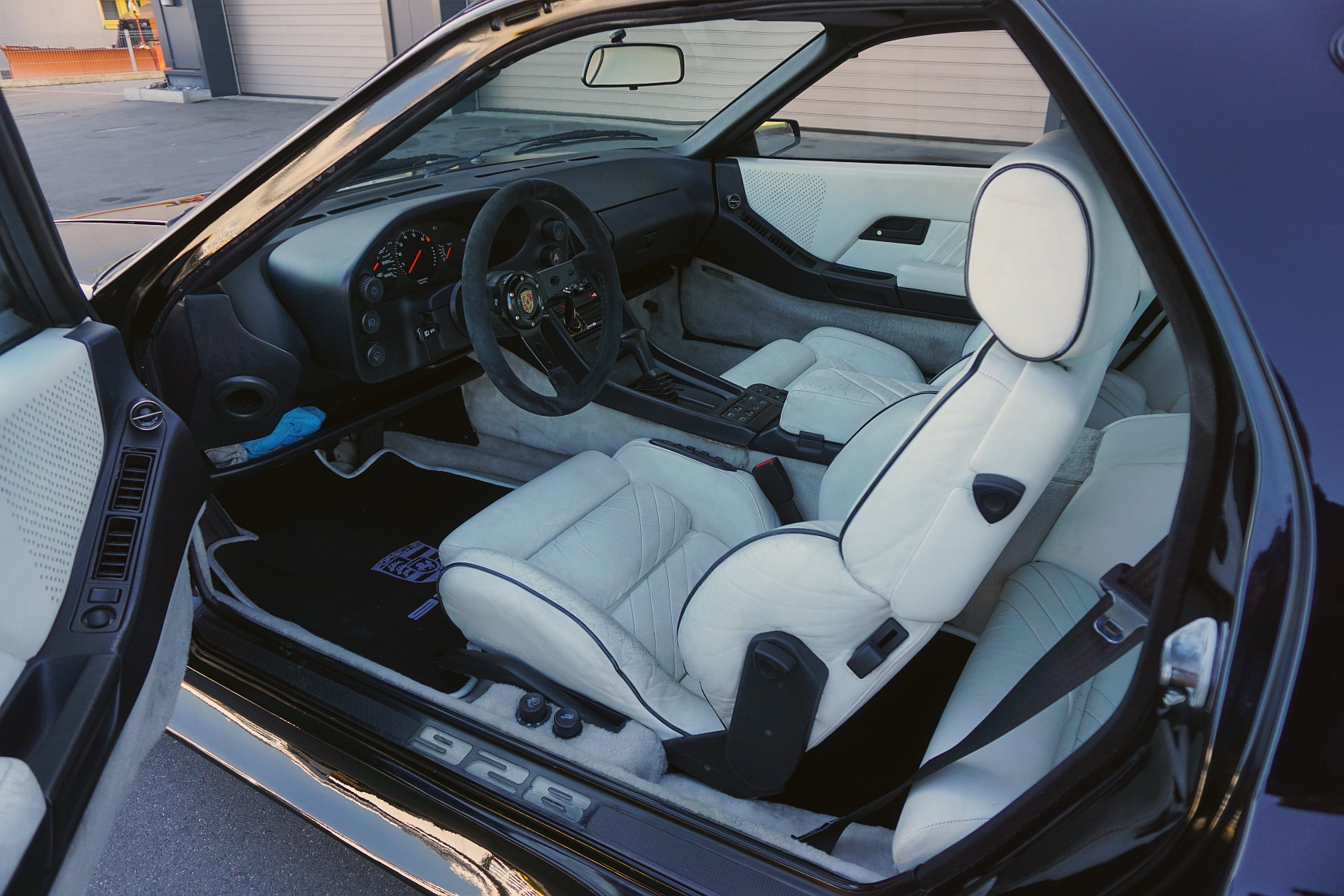
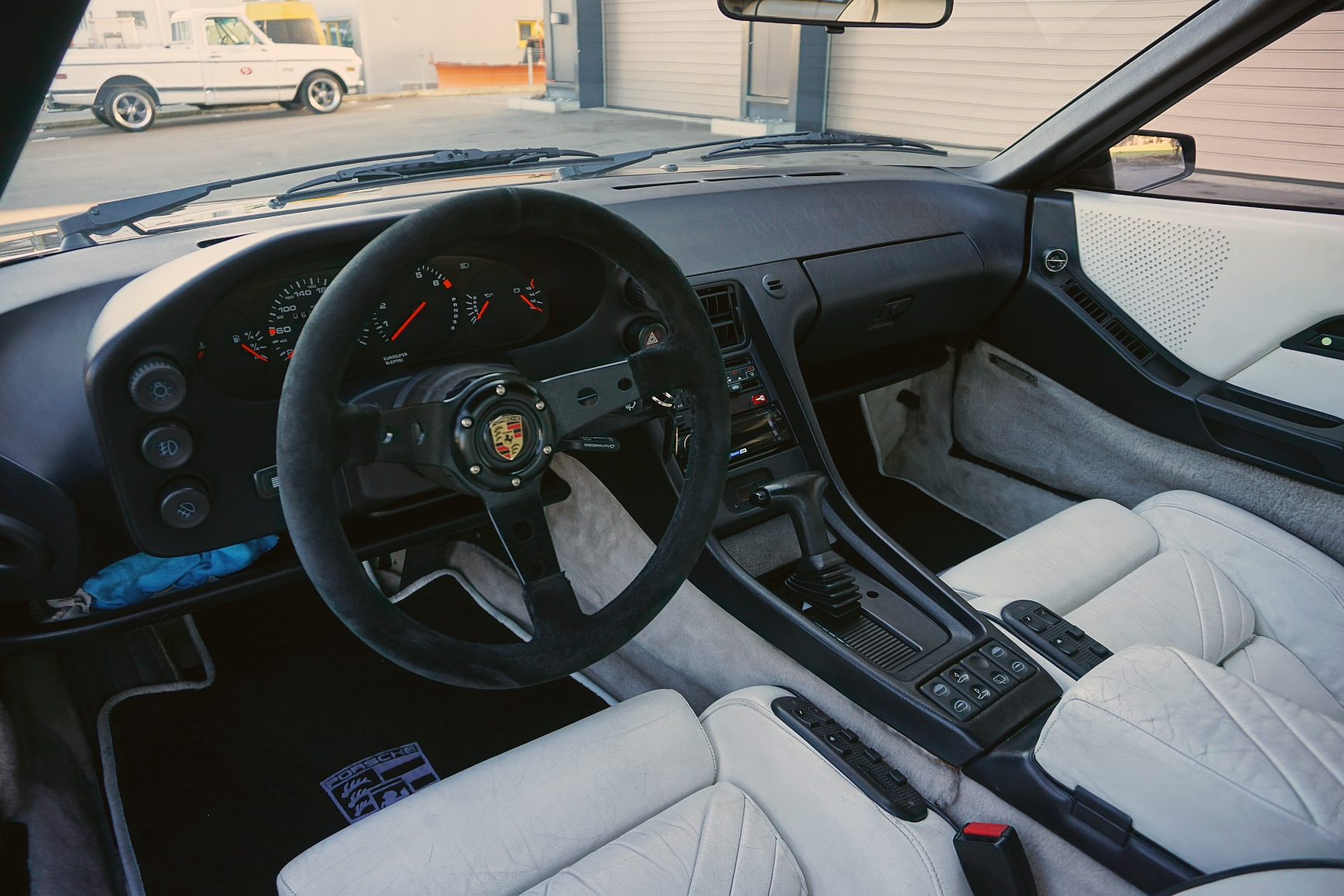
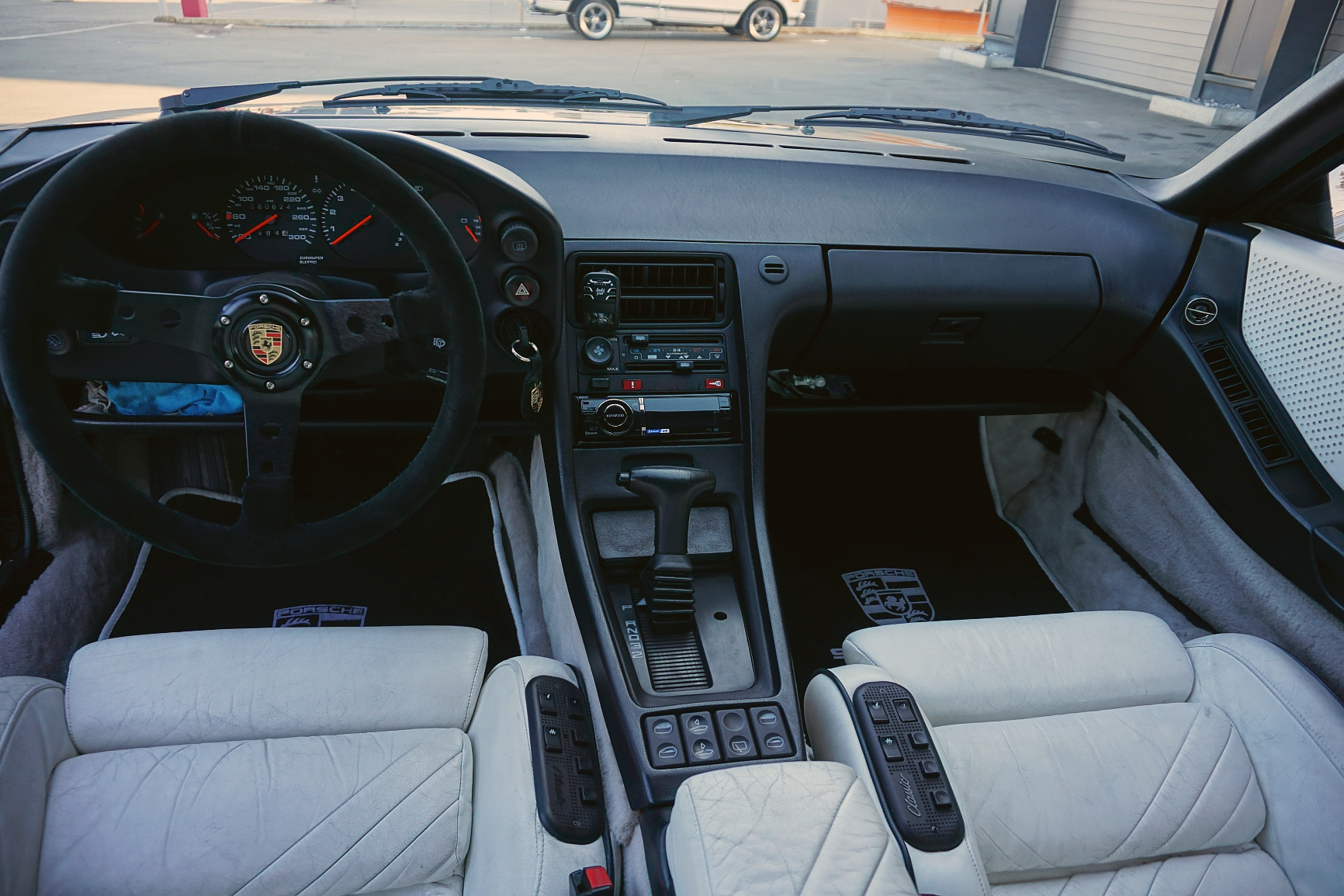
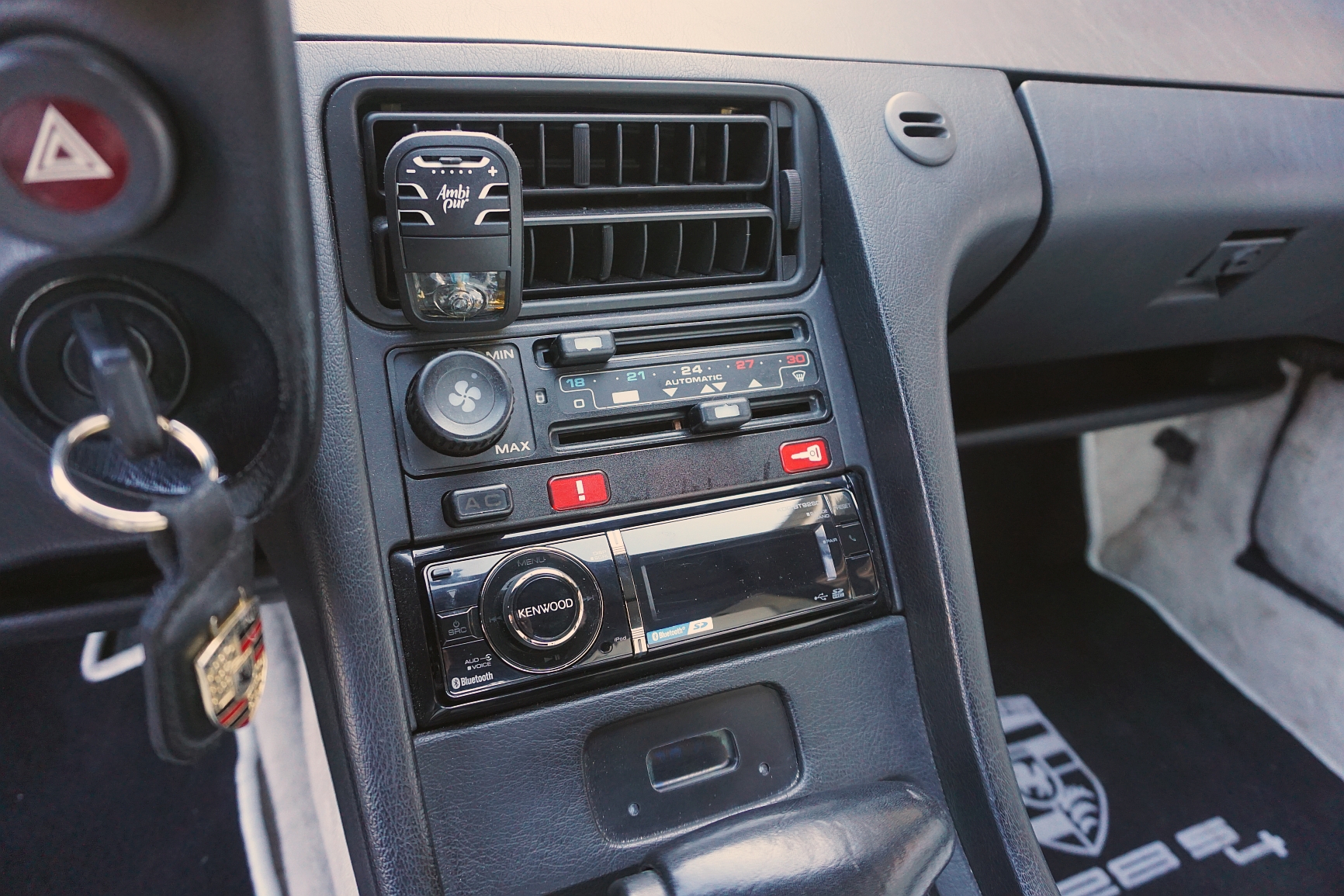
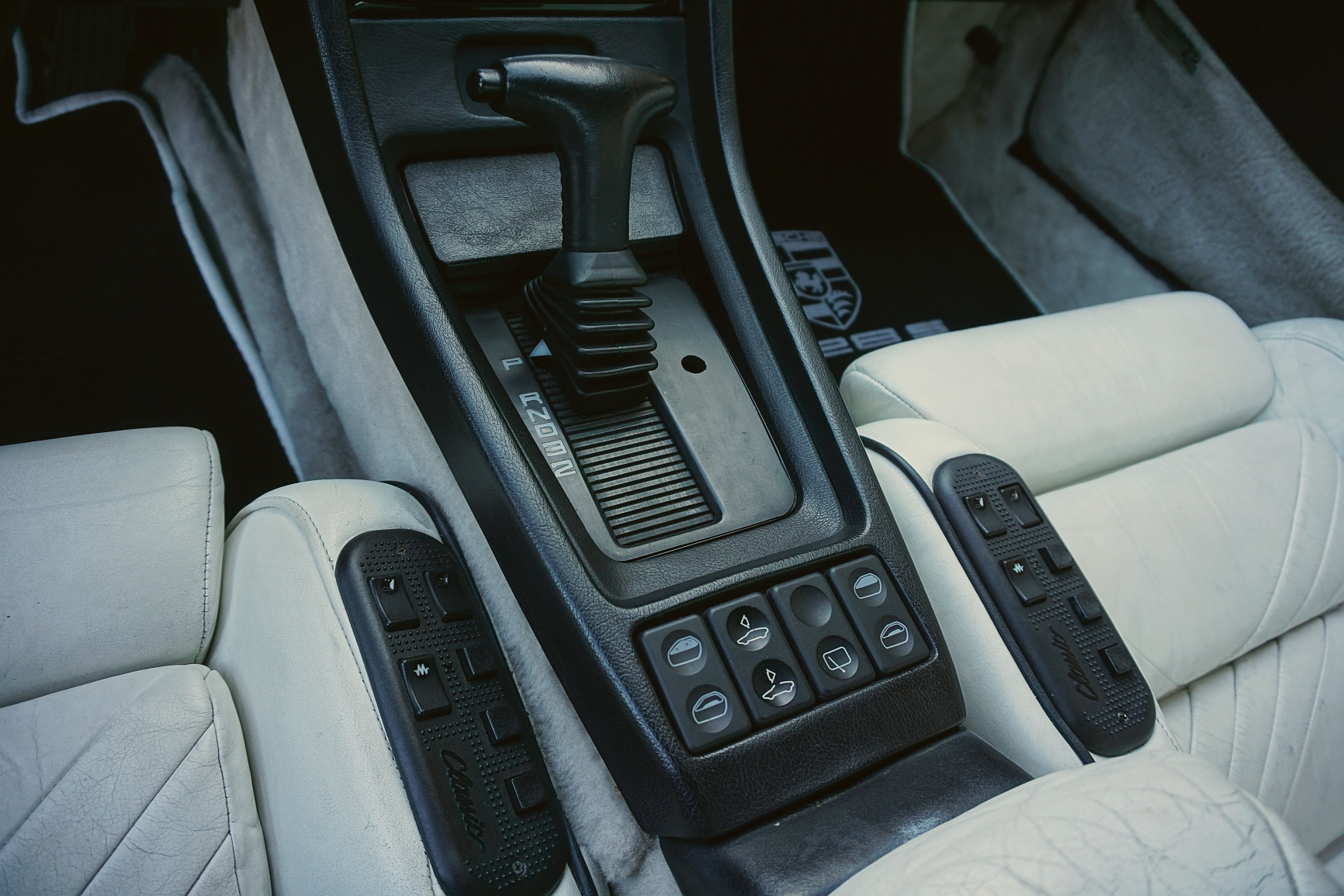
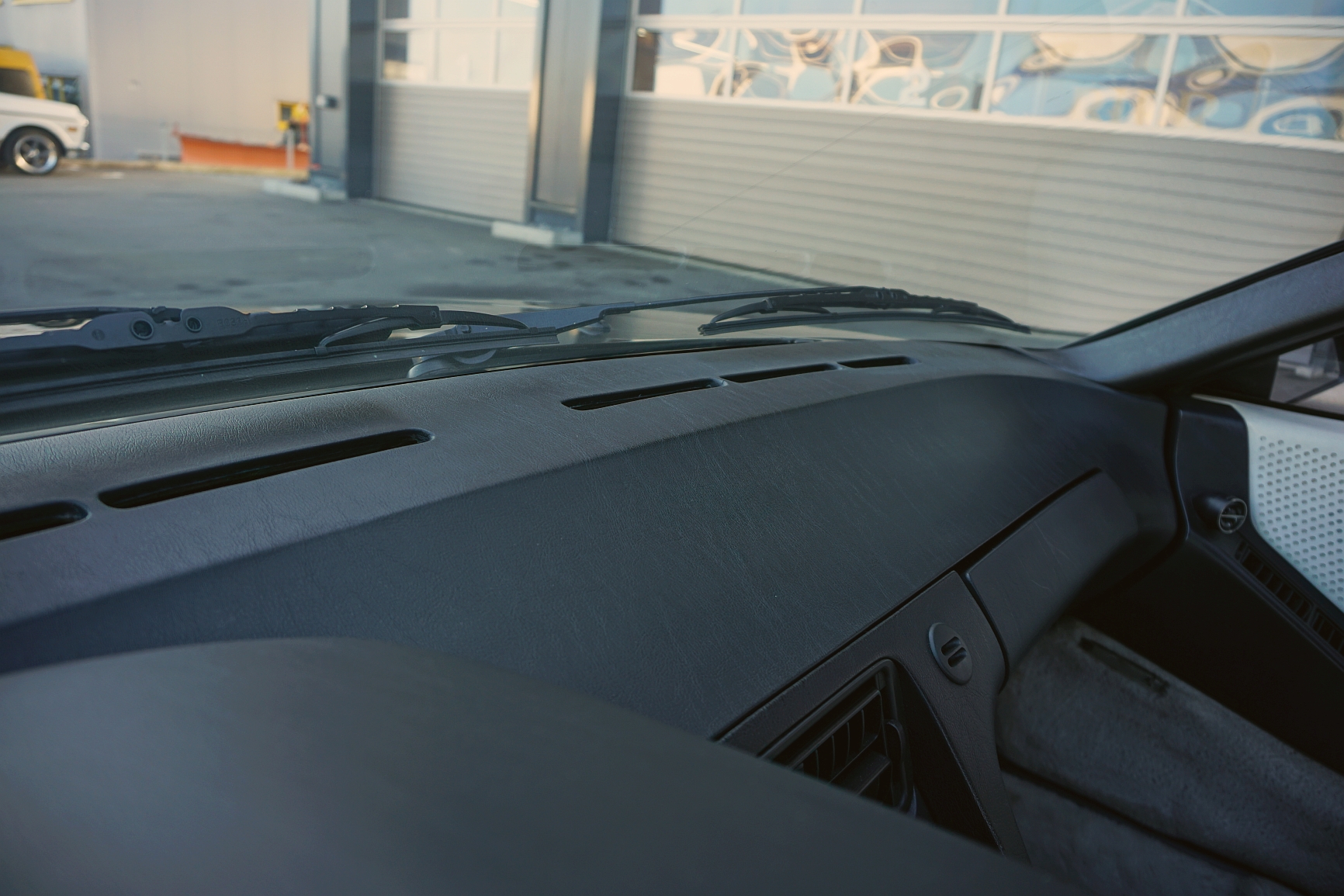
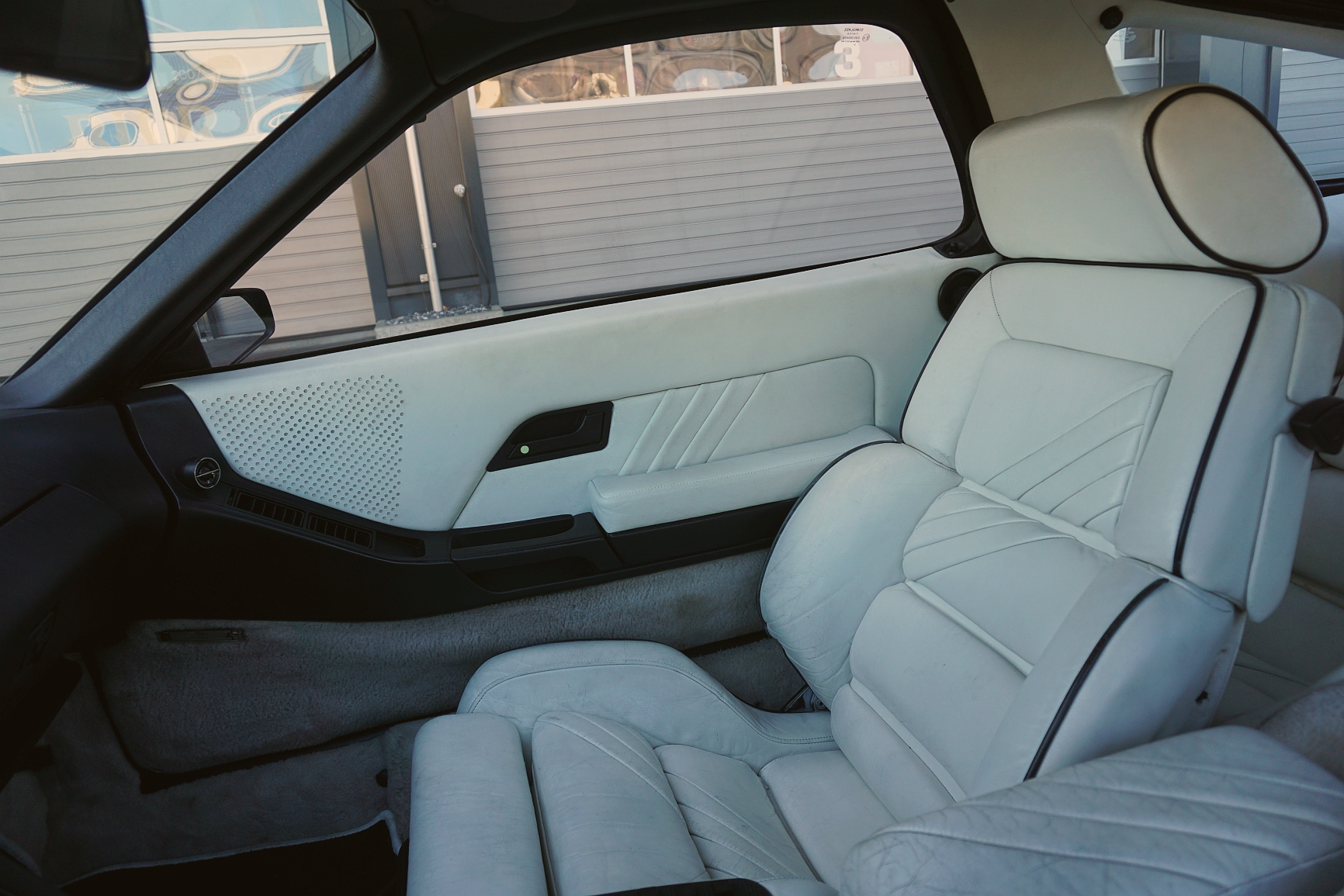
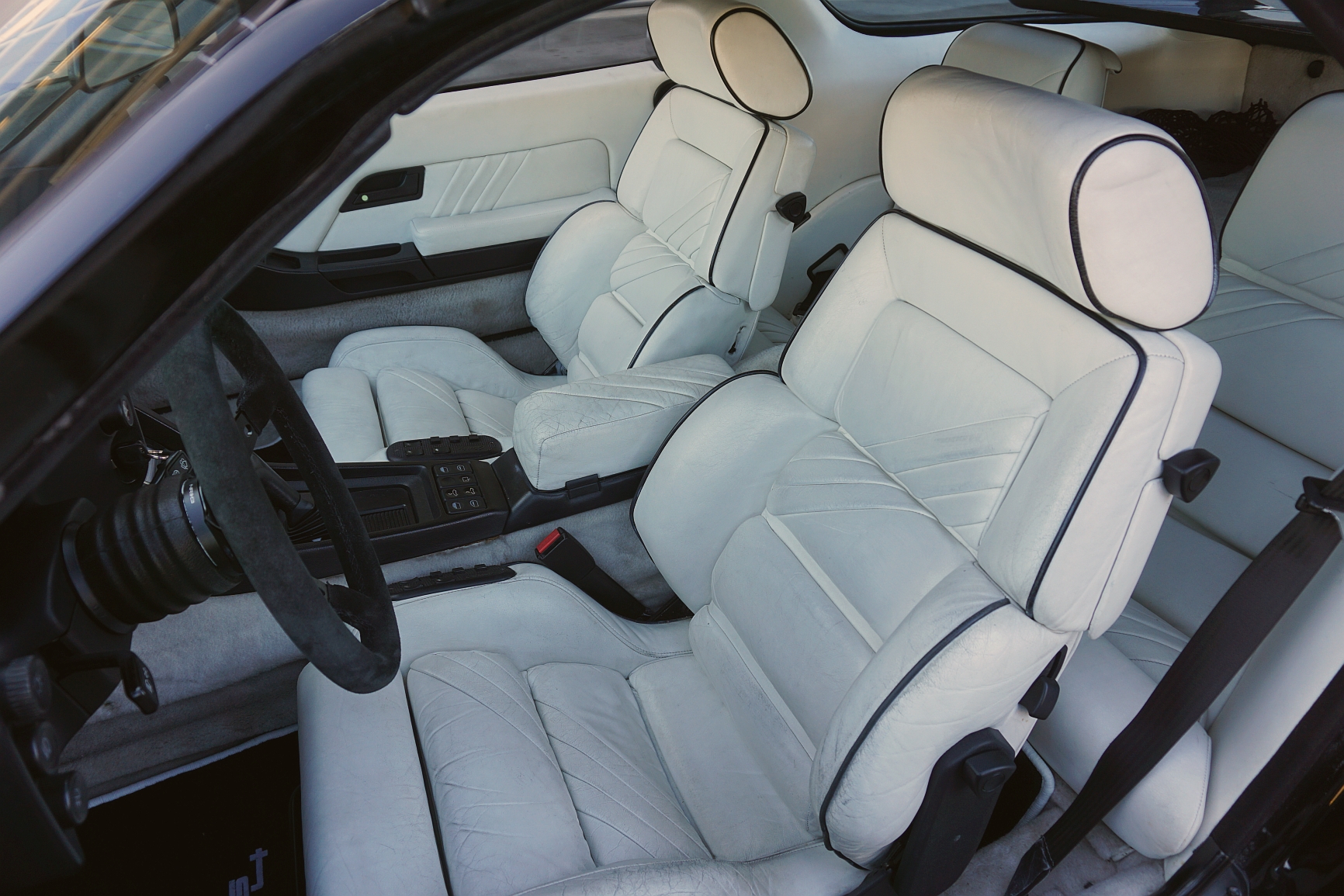
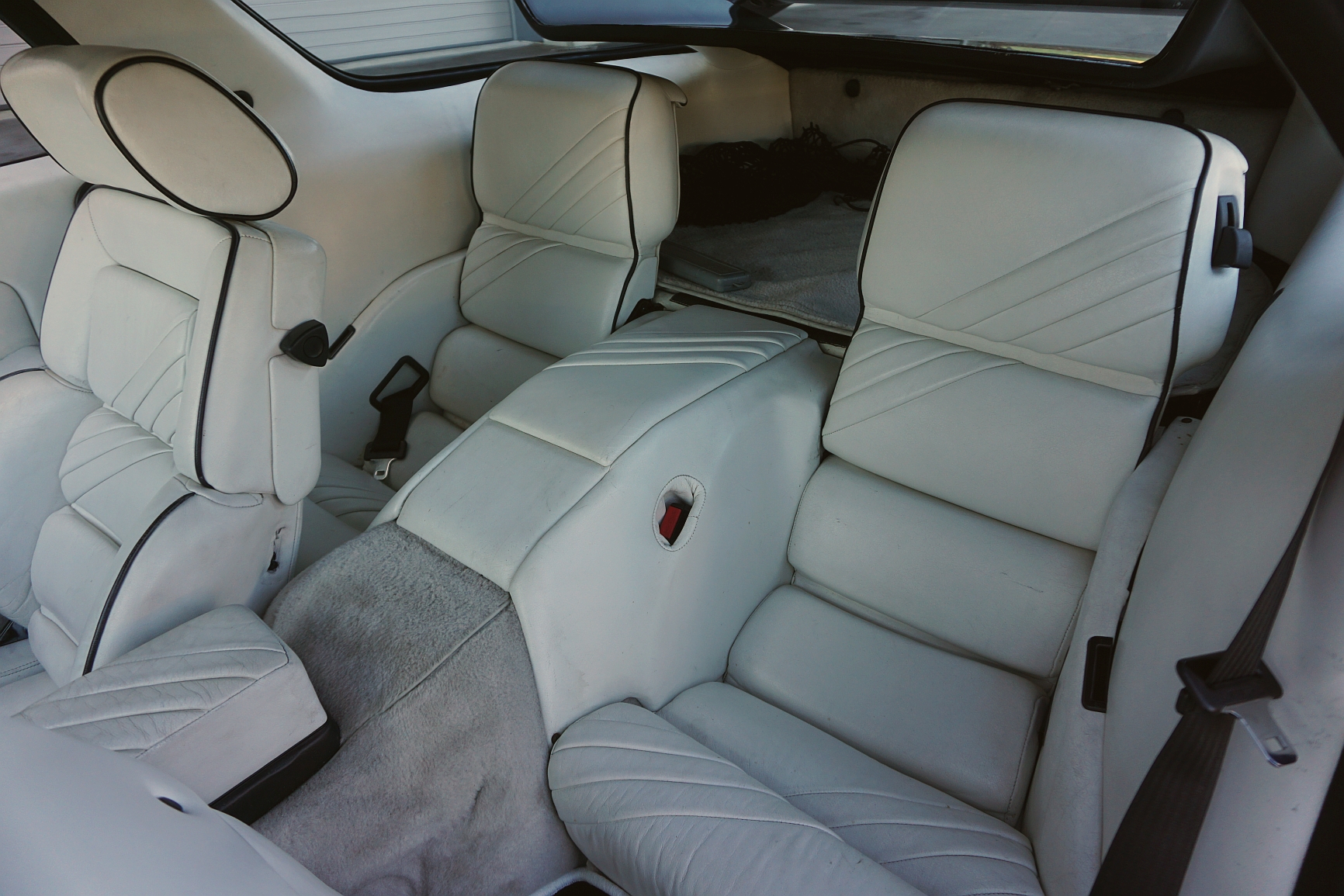
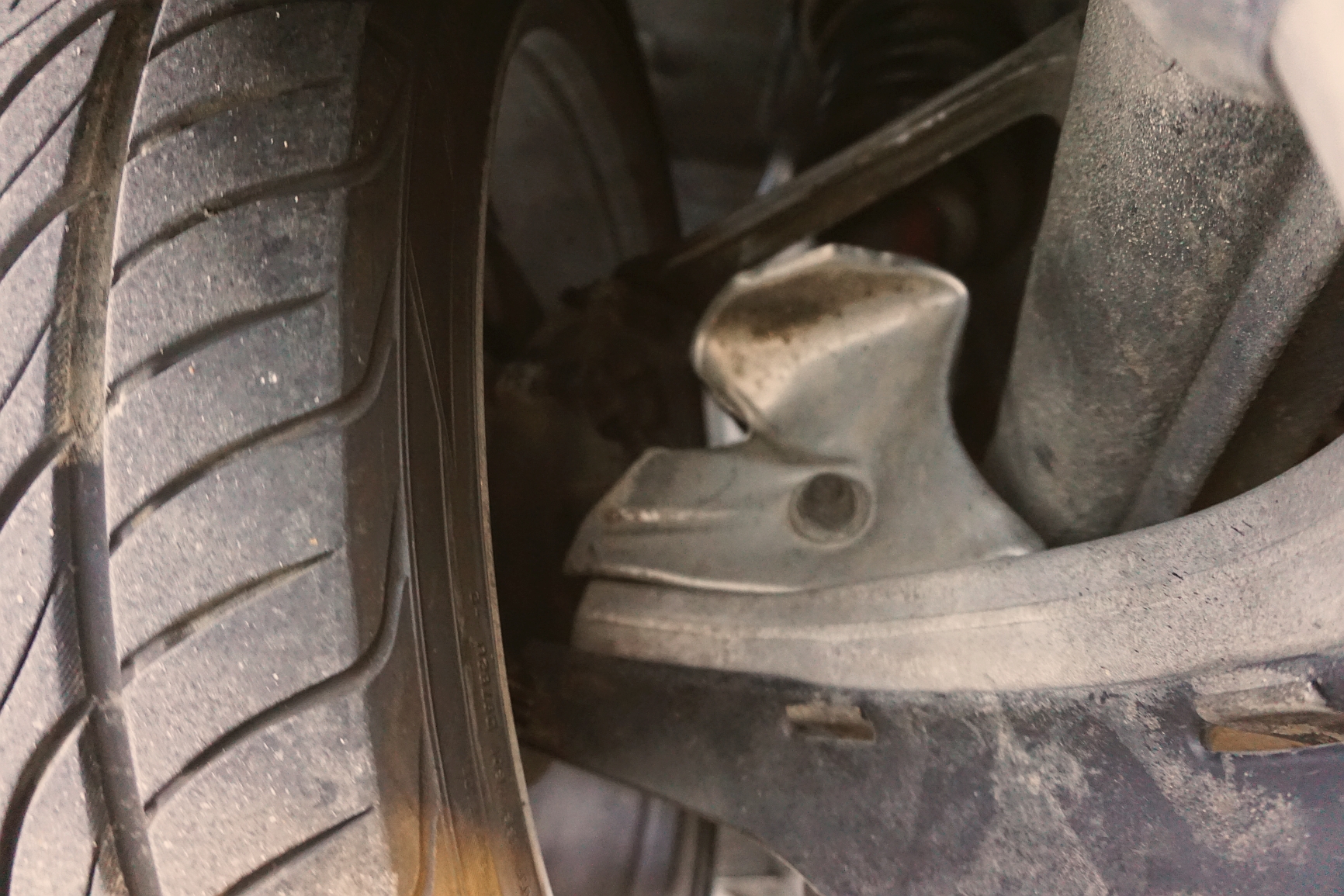
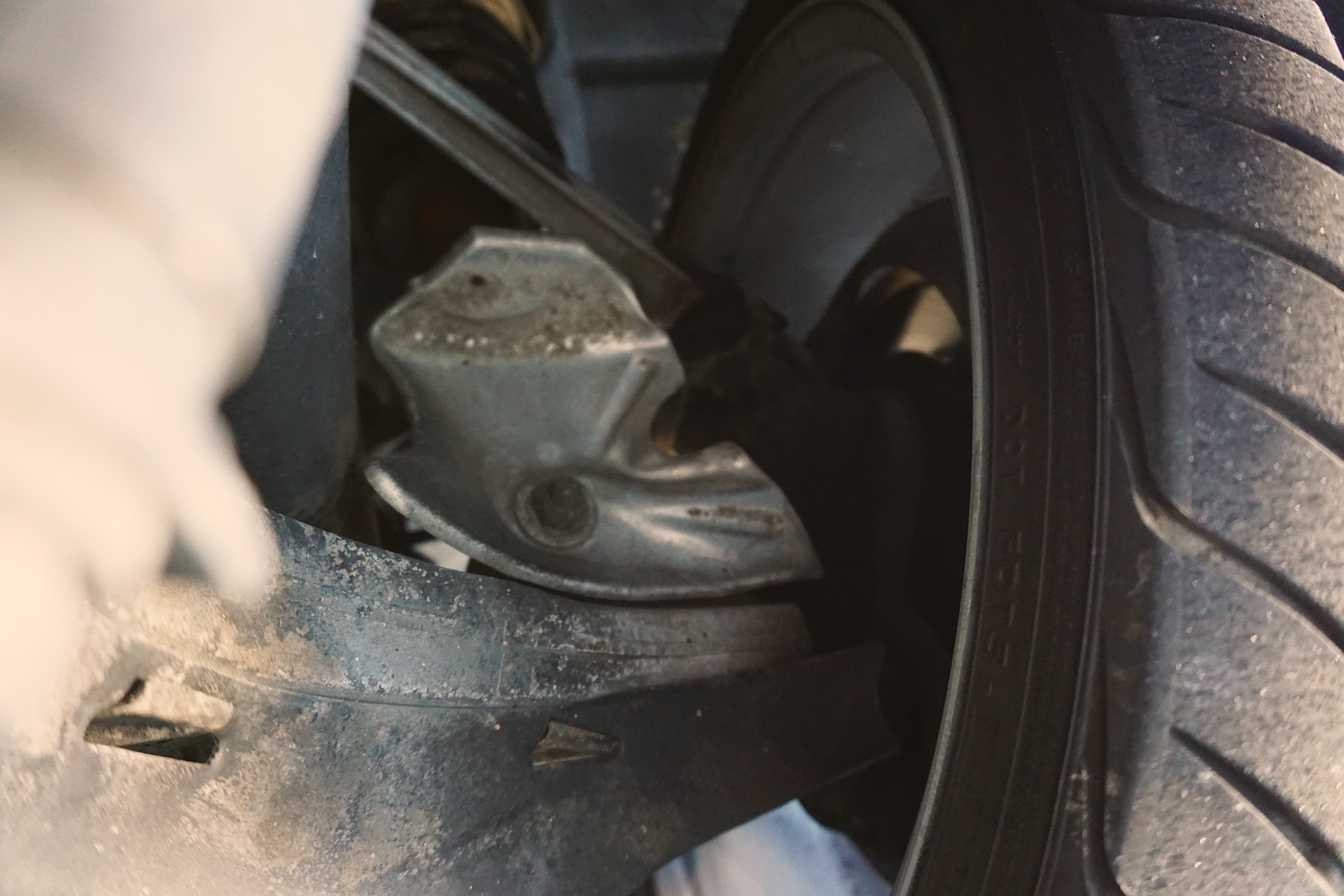
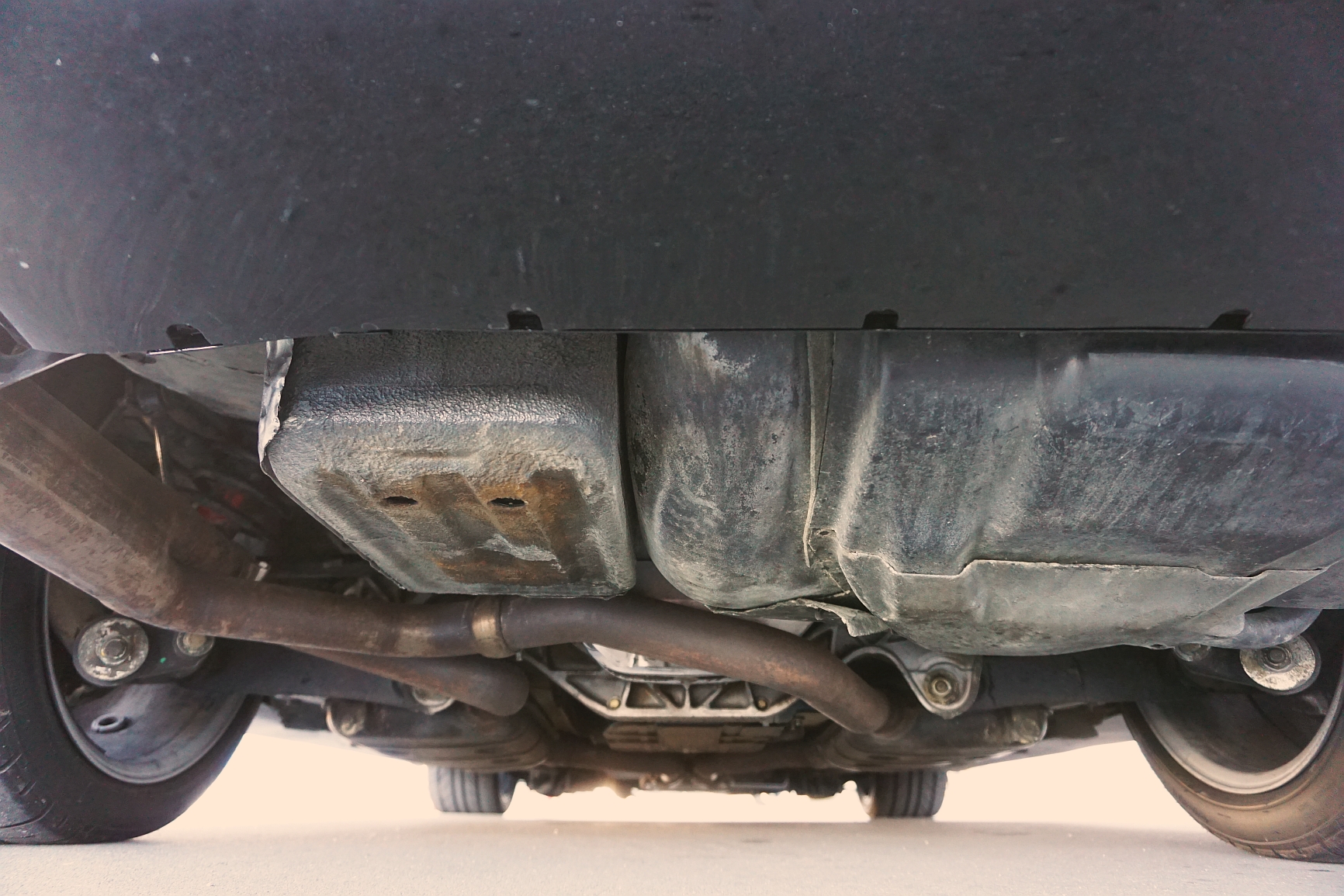
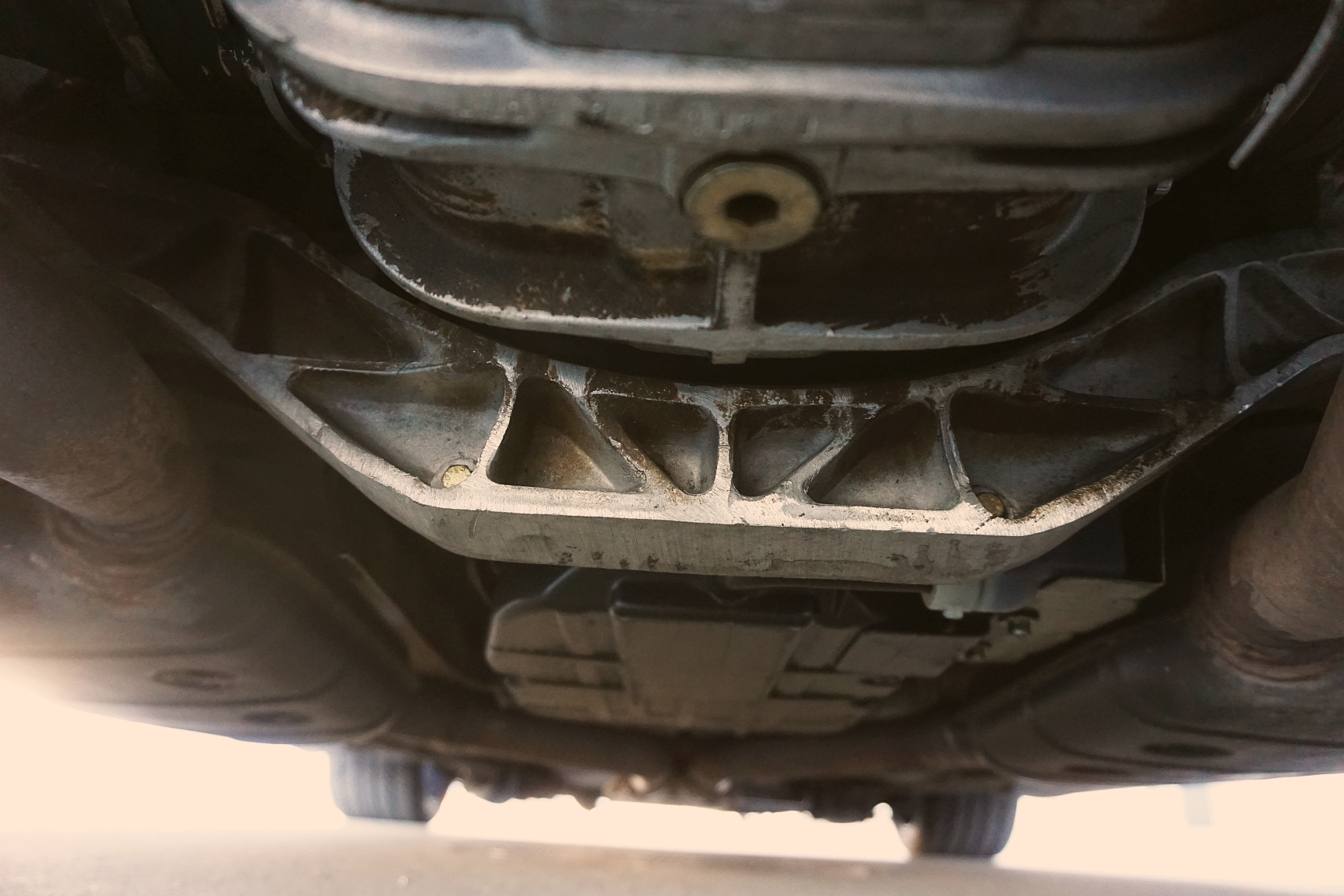
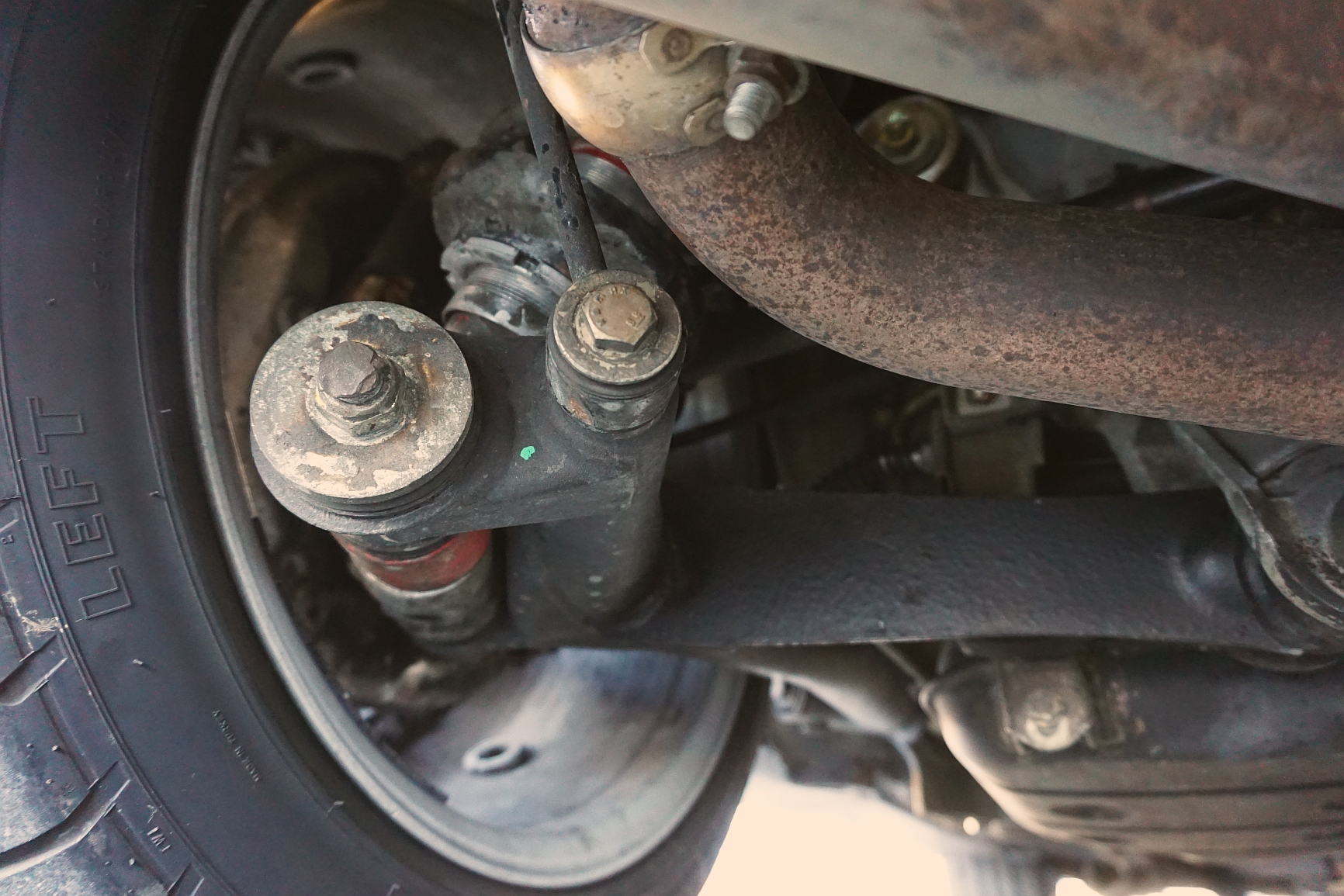
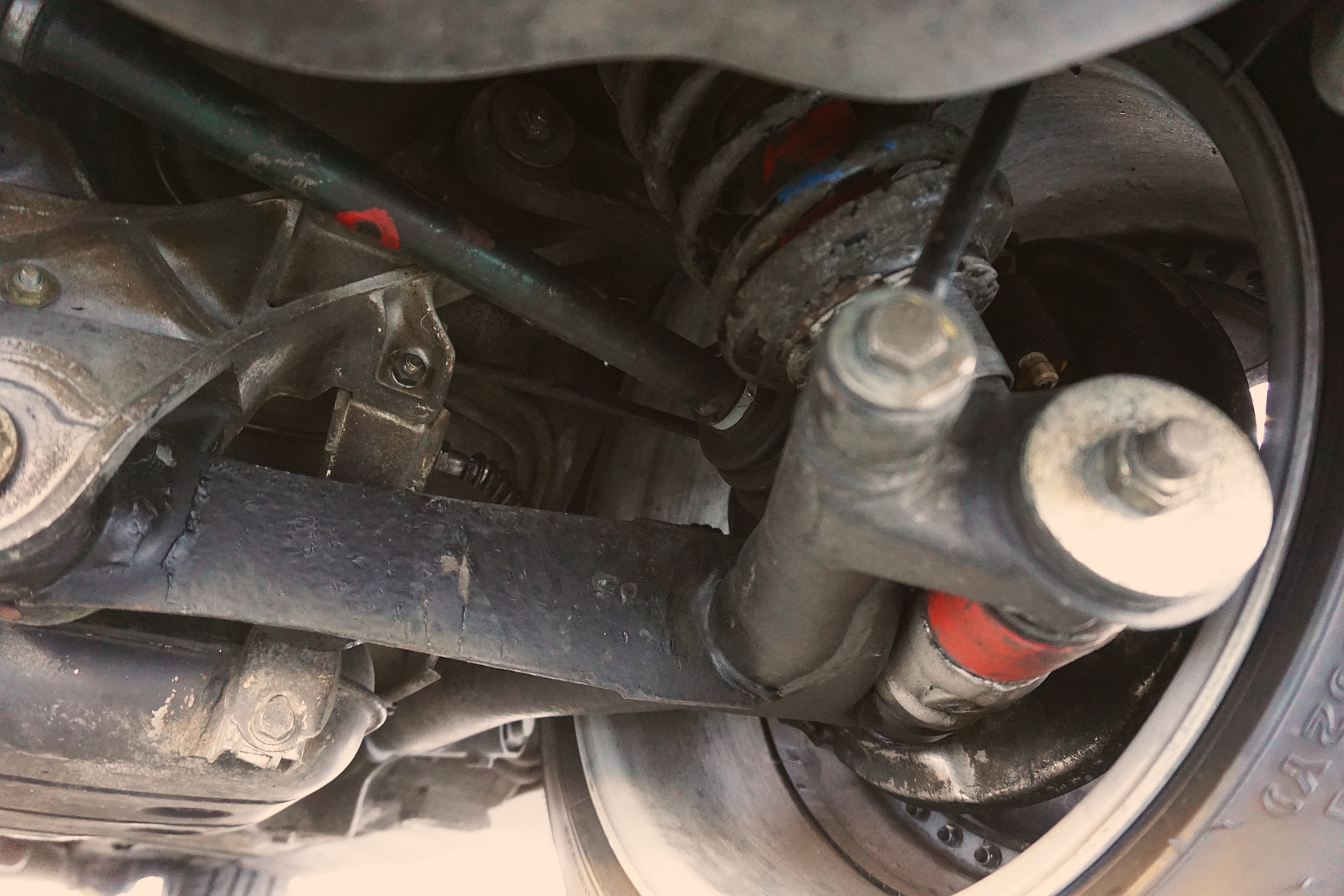
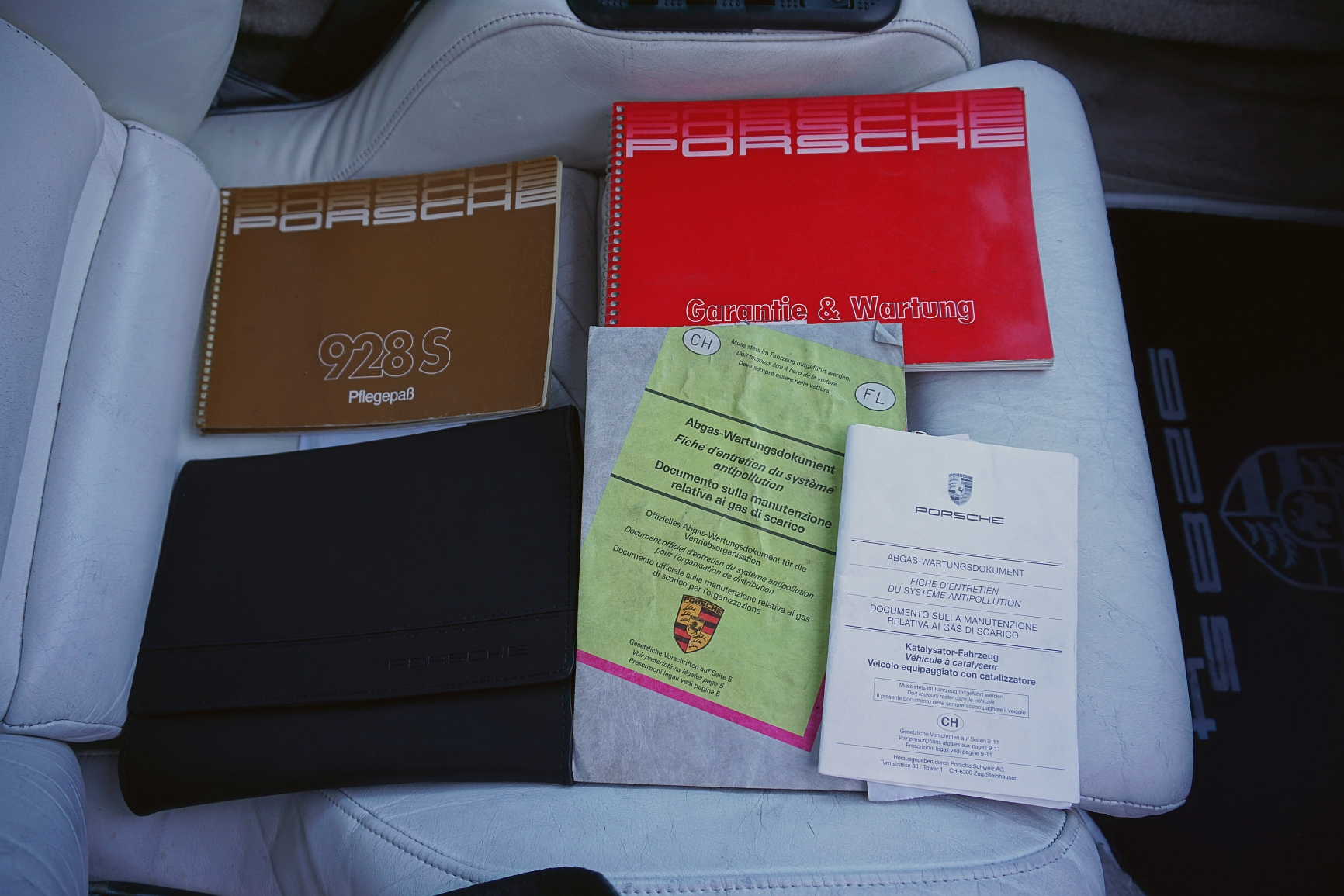
The black devil is in a well-kept original condition. Everything works as it should and the mechanical condition is excellent. Reconditioning would do wonders for the white interior, but that never bothered the previous owner. The outer skin shows hardly any signs of use, but a few deliberately preserved signs of ageing, which the painted GRP parts are known to bring with them.
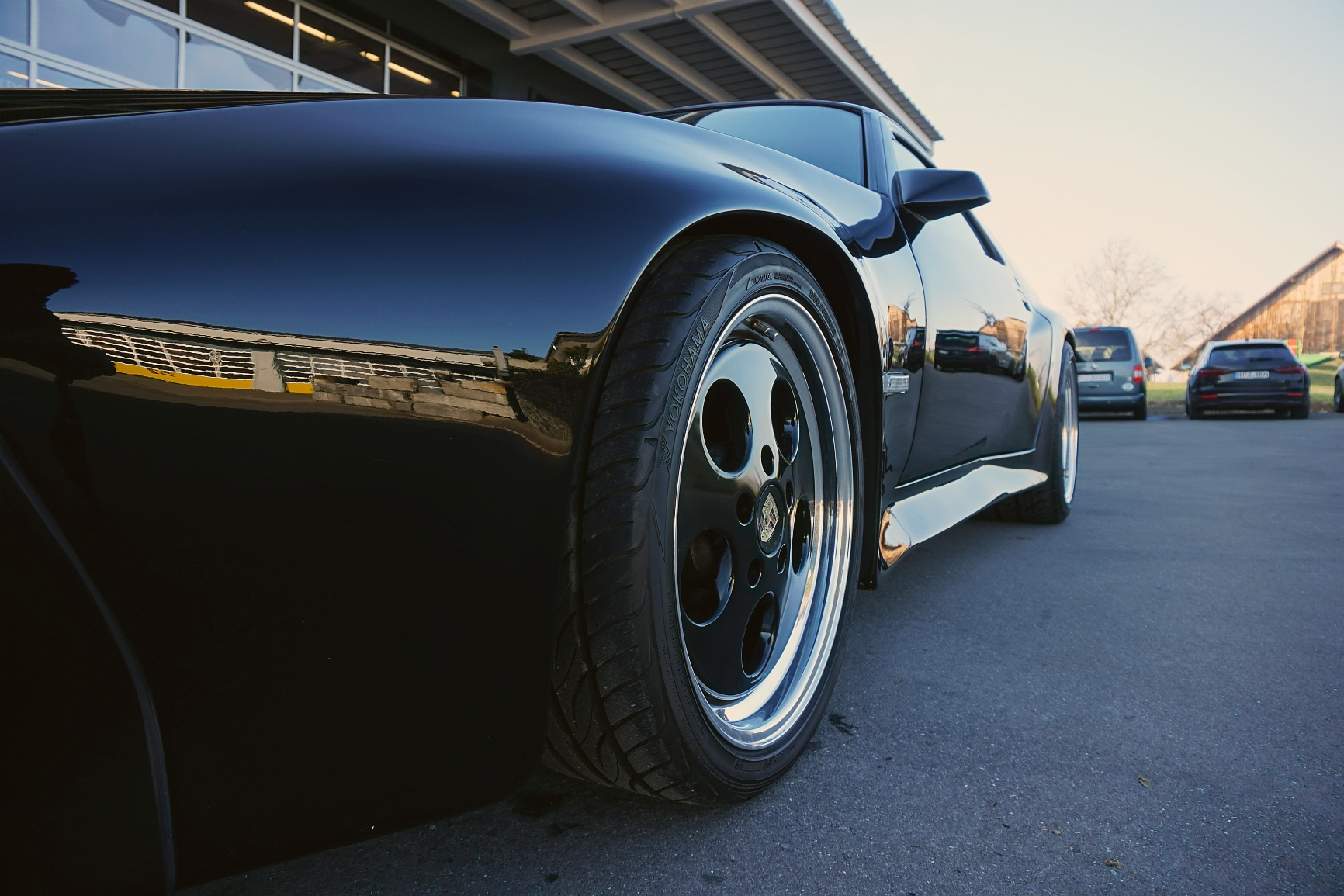
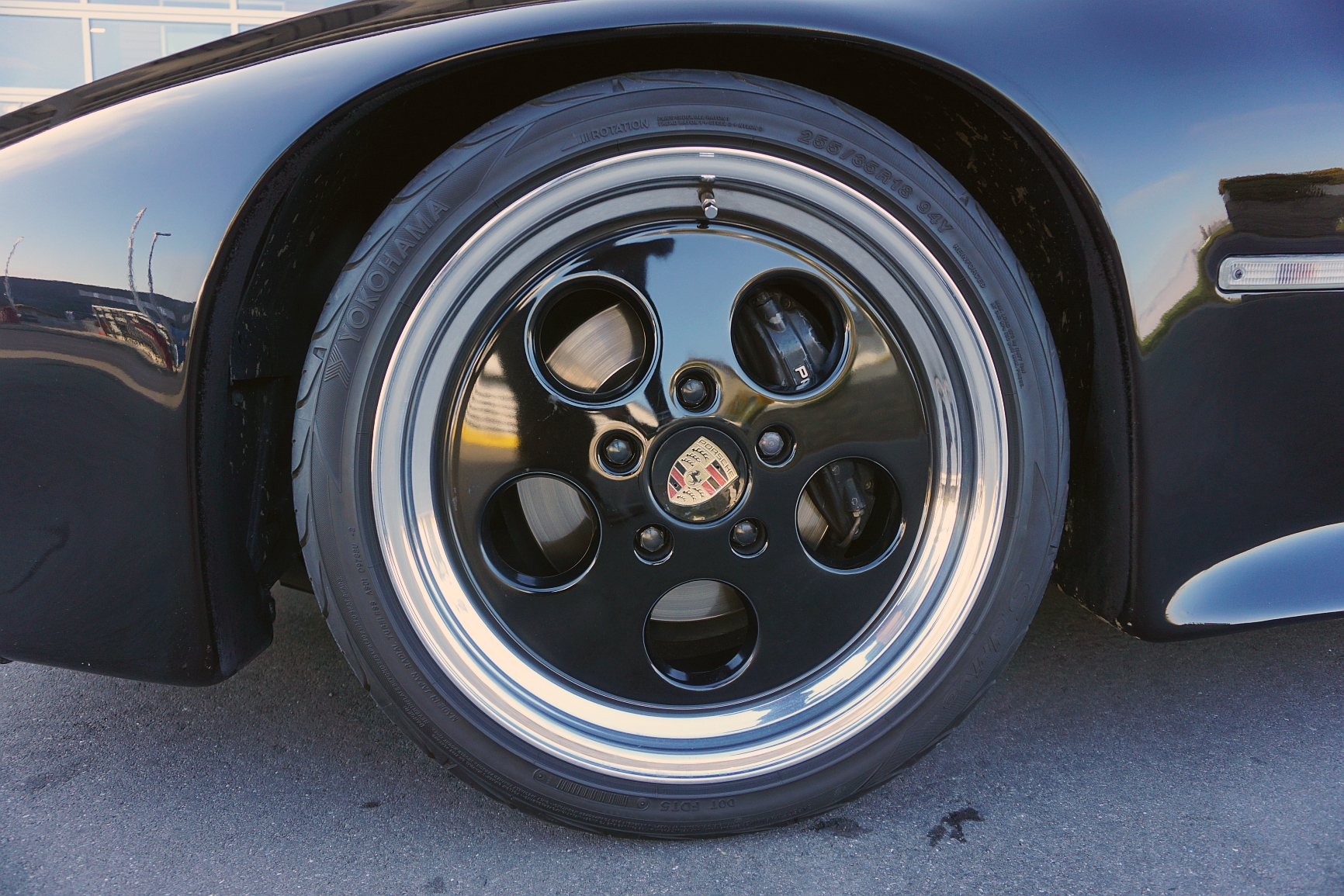
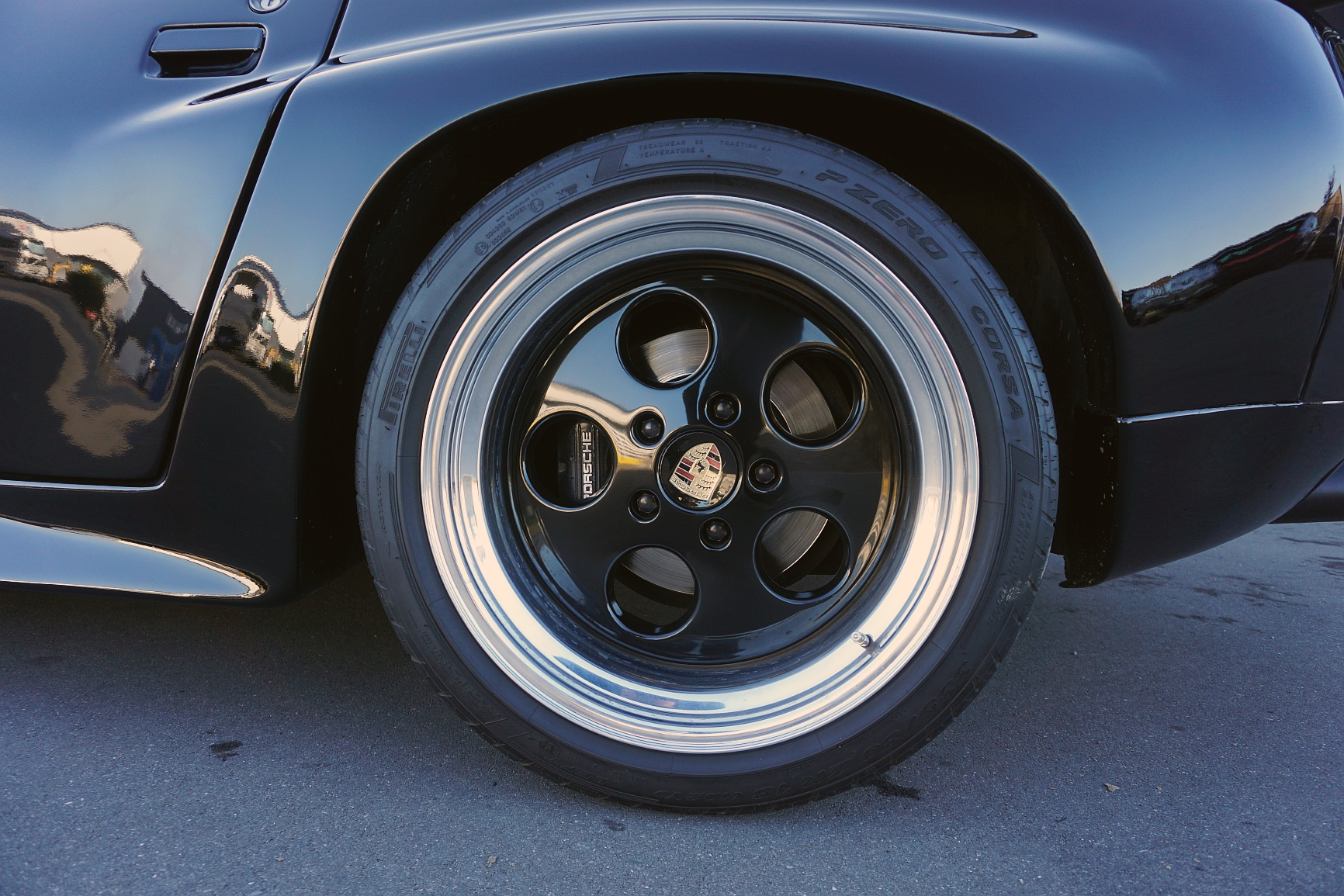
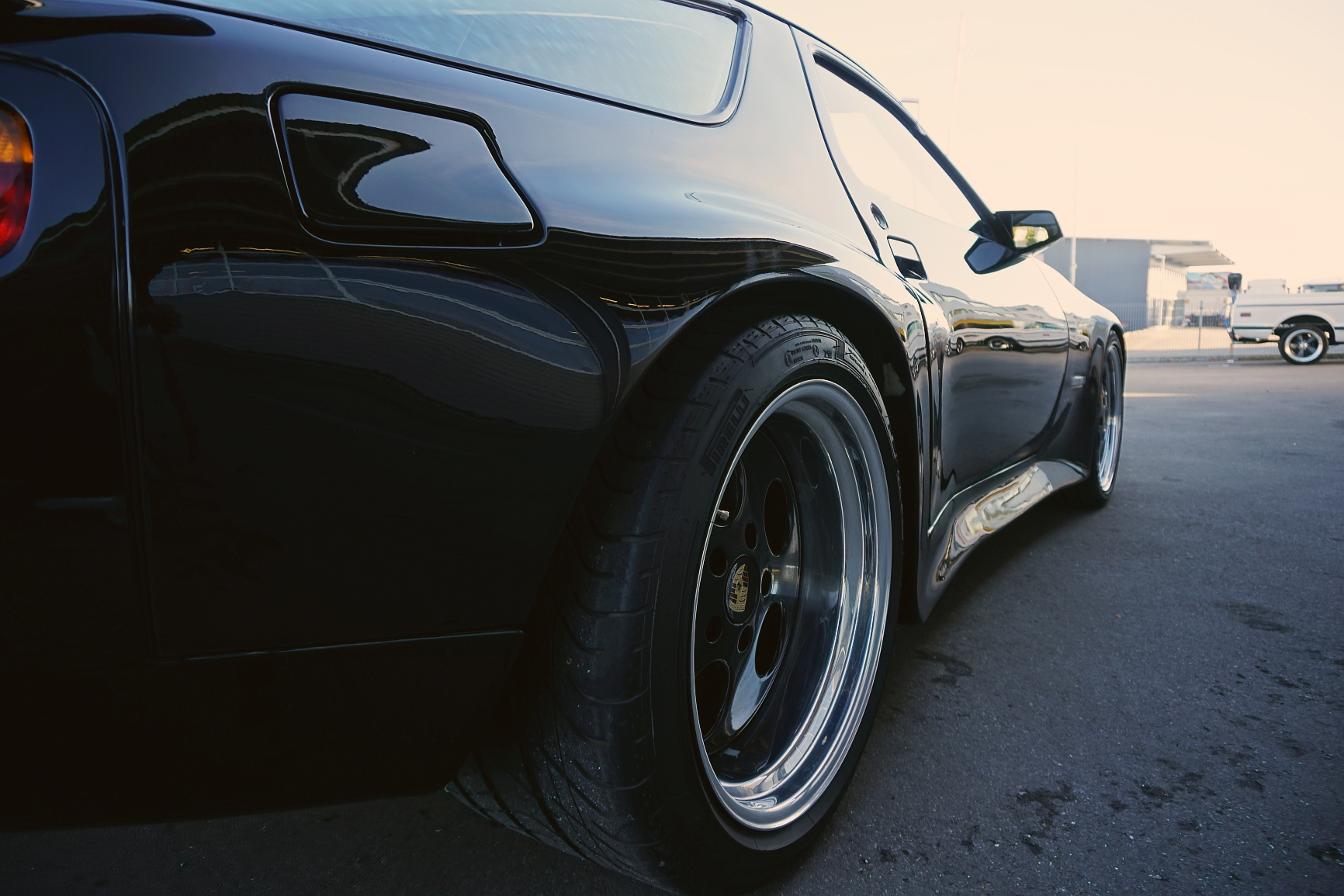
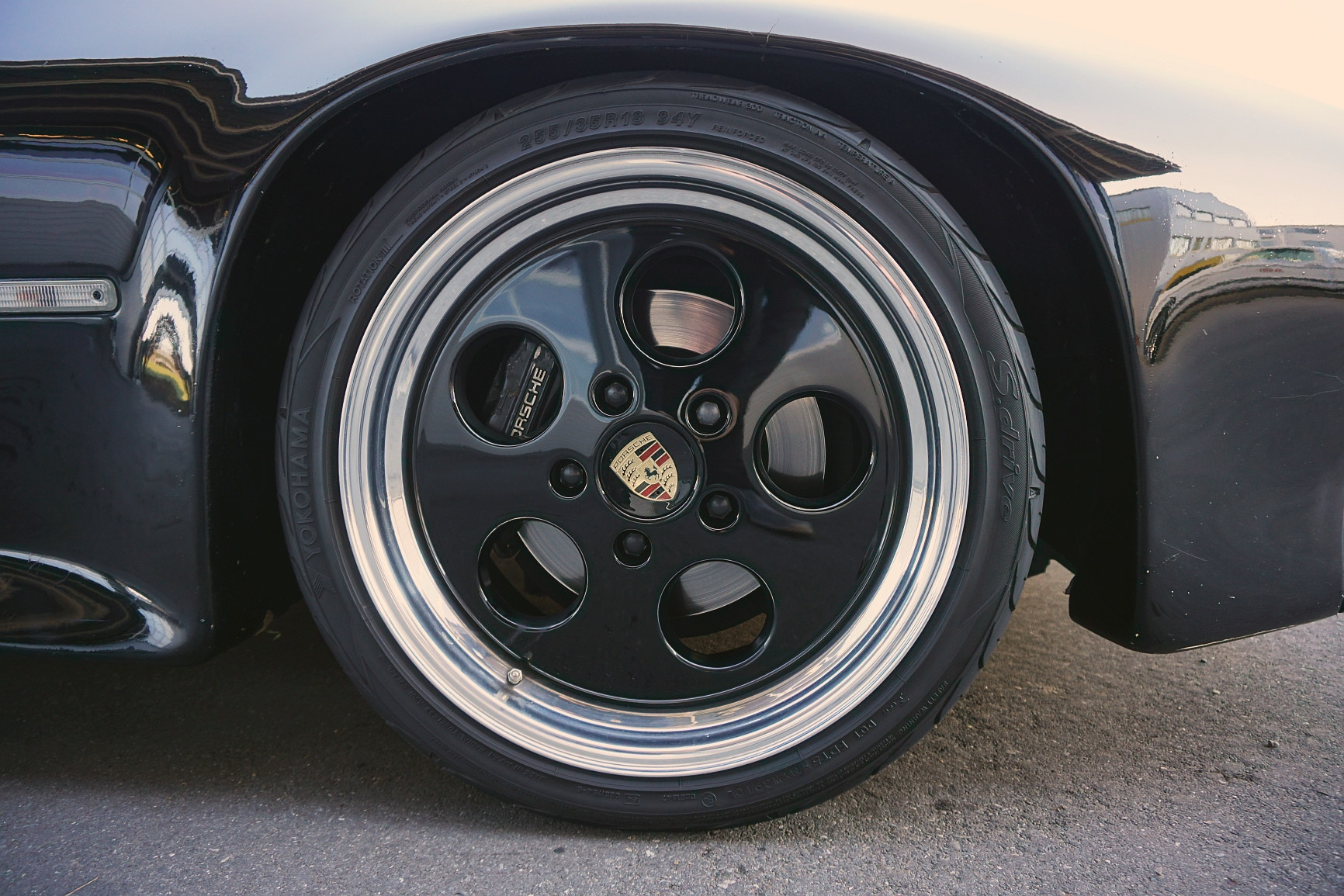
This Porsche 928 S4 Strosek offers an incomparable driving experience. The outstanding handling, the rich V8 sound and the typical Porsche quality always make you grin outrageously while driving and after getting out - especially when you look at the extremely wide rear end and the mighty 335 rubber. It had better be, because the machine cost well over CHF 200,000 37 years ago.
You'll find a video about the Strosek at the very bottom of this page.
This vehicle has already been sold.
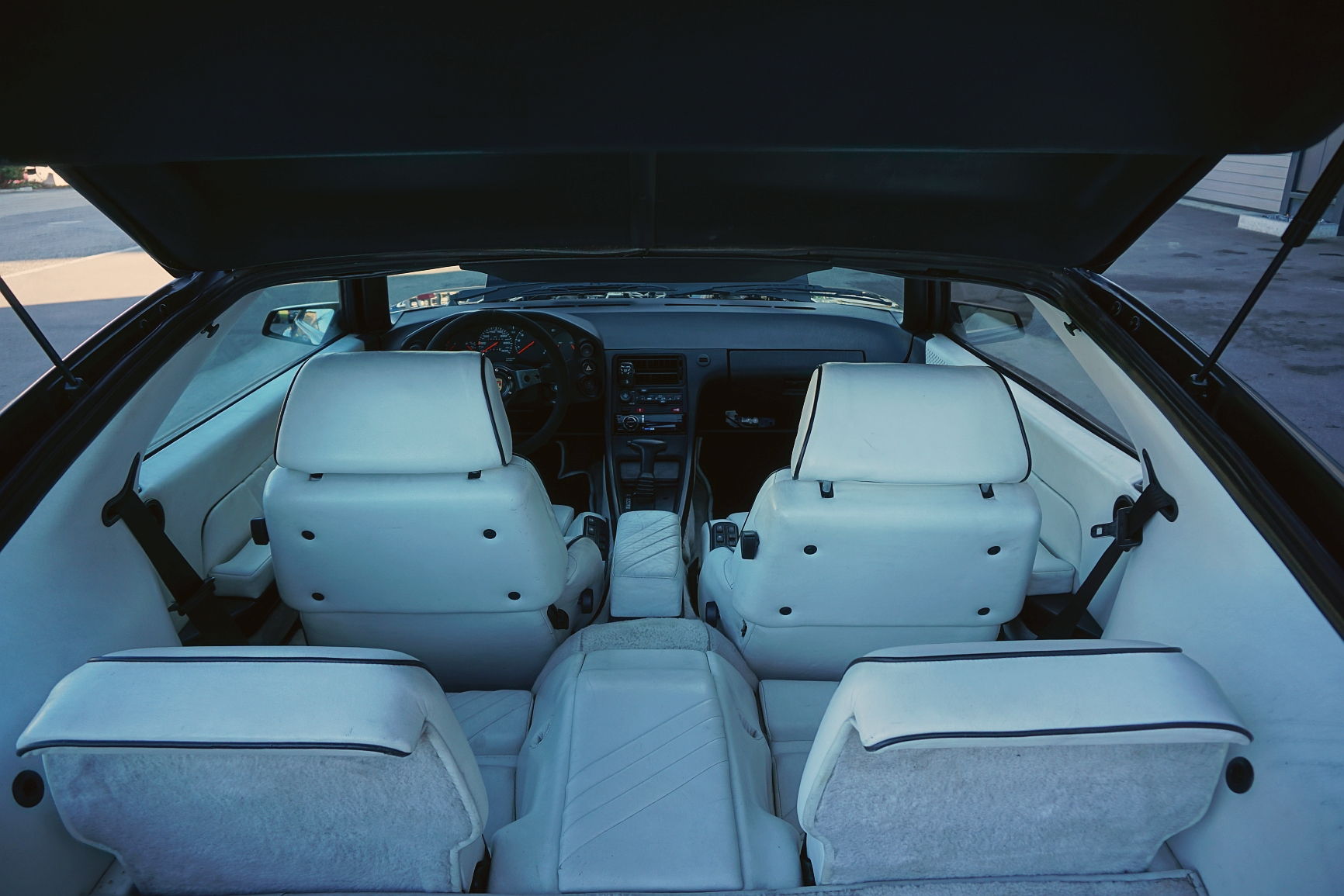
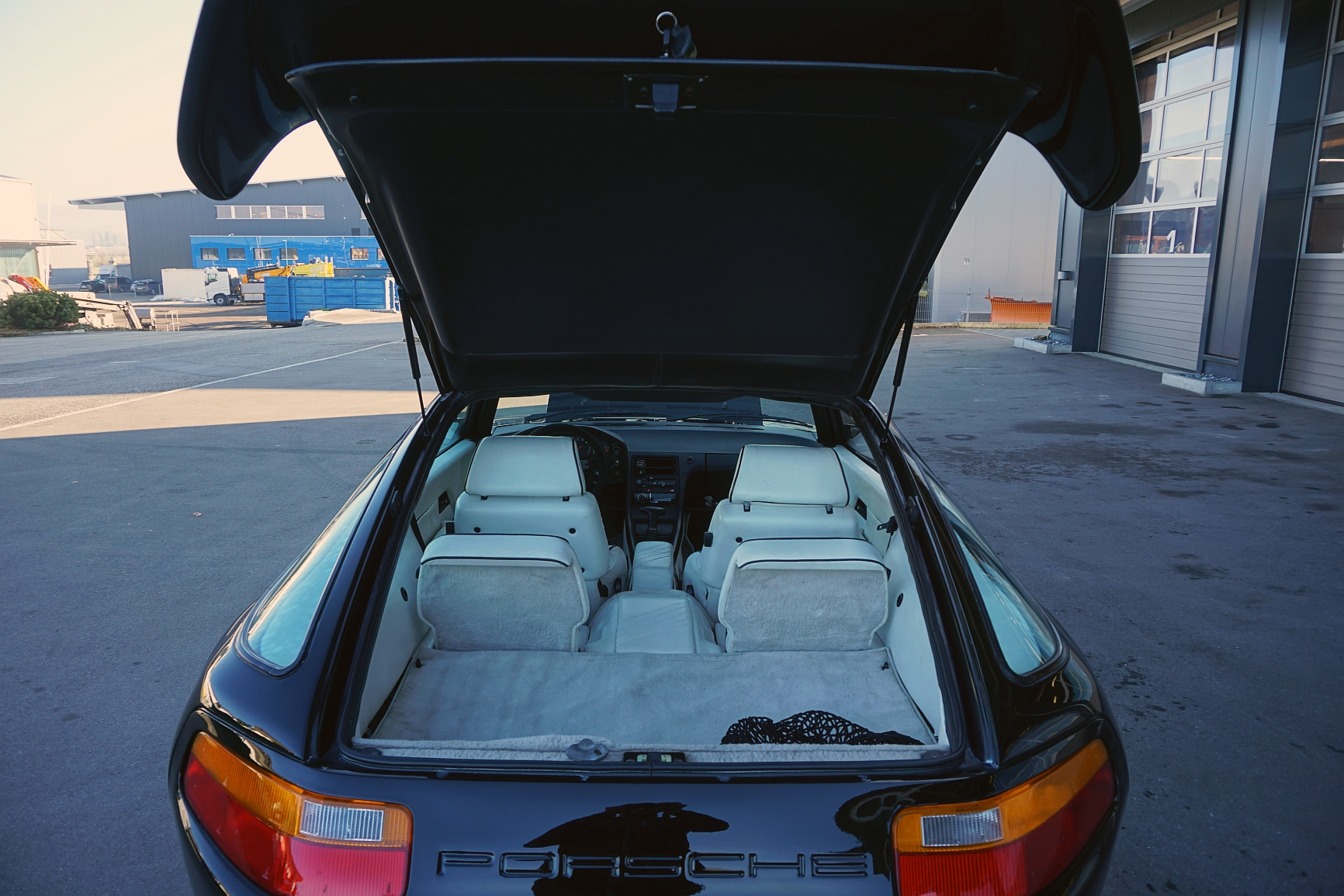
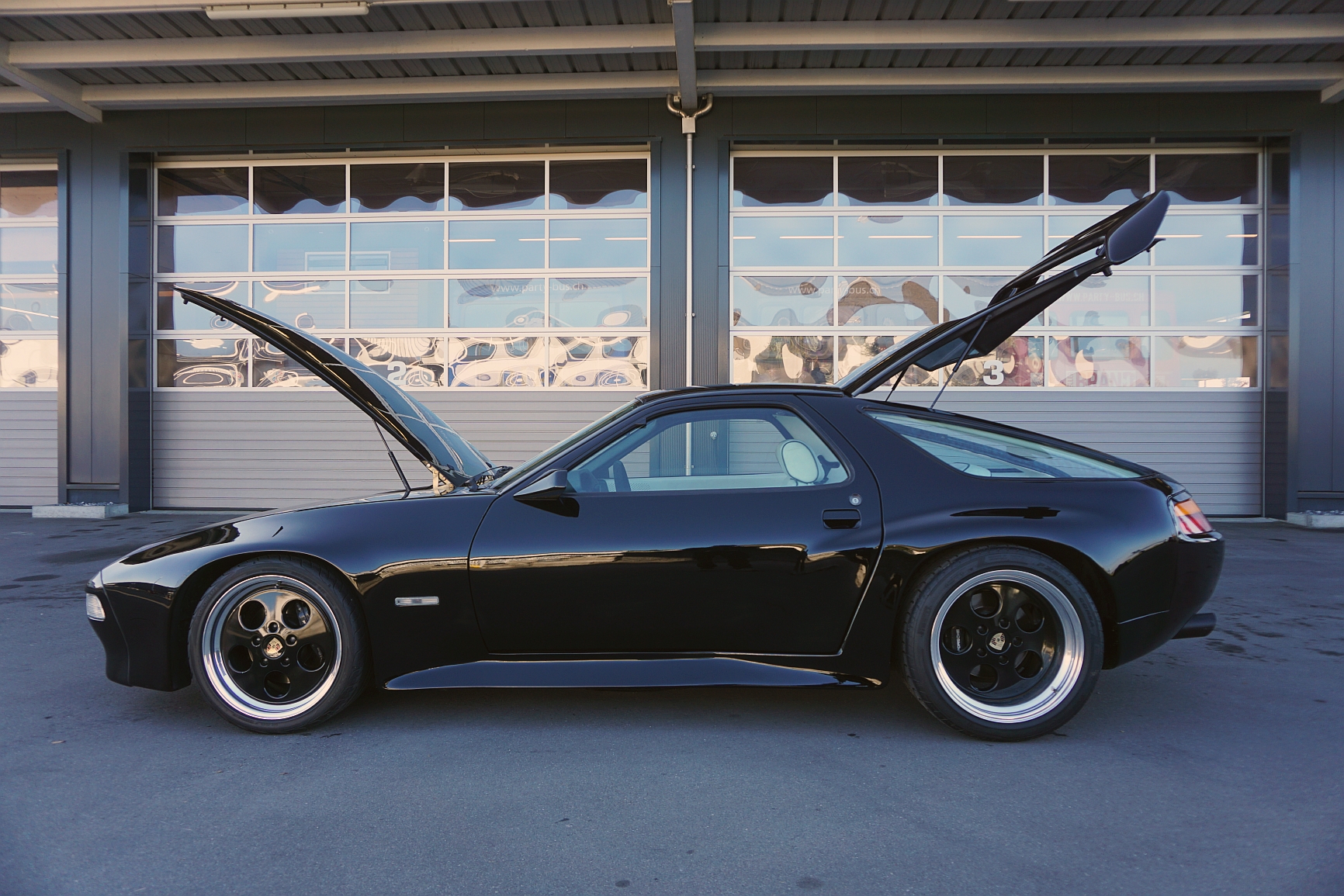
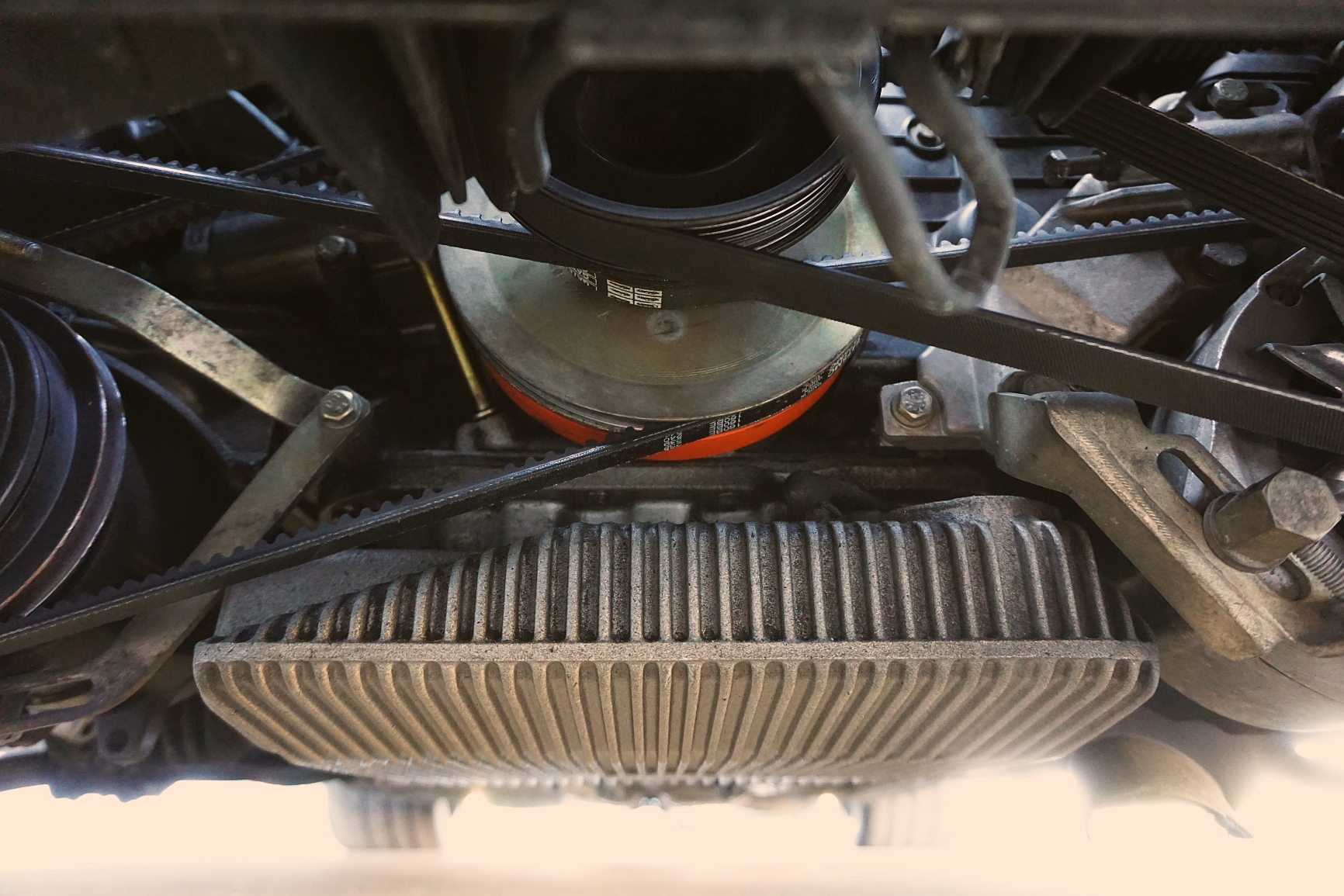
Model history
At the beginning of the 1970s, with the outbreak of the oil crisis, American environmental and safety standards were massively tightened. The Porsche 911, which accounted for over half of Porsche sales in the United States, came under pressure as a result. Ernst Fuhrmann, the new CEO of the Zuffenhausen-based company, considered replacing the 911 in the medium term and commissioned a study on a 2+2 coupé that would be competitive in the GT class. In contrast to the small 924, which was developed in parallel with the Volkswagen Group, the future Porsche 928 was to be a Porsche production 100%. The idea was to develop a 911 model that was improved in every respect with innovative technology and sports car performance, while at the same time offering a high level of comfort and safety.
The first studies for the future Porsche 928, codenamed «EA 425», were carried out in the summer of 1970 under the direction of Porsche's Head of Development Helmut Bott. On October 21, 1971, the specifications were drawn up and the project landed at the new Porsche Research and Development Center in Weissach, where chassis engineer Wolfhelm Gorissen, supported by Wolfgang Eyb and Helmut Flegl, drove the development forward. We owe the design to Anatole Lapine and the support of Wolfgang Möbius, who subjected the Porsche 928 to aerodynamic tests in the wind tunnel for the first time in February 1972, achieving an exceptional drag coefficient of 0.39. This figure was further undercut over the years. Development and testing of the new V8 engine began in January 1973 and the first prototype was ready for use in April 1974. The Porsche 928 was announced at a press conference on the Côte d'Azur in February 1977 and the car was presented to the public at the Geneva Motor Show in March 1977.
Even at the introduction of the Porsche 928, there was great enthusiasm surrounding the revolutionary car. The specialist press was also convinced and awarded it the prestigious title „European Car of the Year“ for 1978.
The self-supporting body was made of galvanized sheet steel, and some elements like the doors, engine covers, and fenders were made of aluminum. The 928 featured a longitudinally mounted engine, while the transmission and axle were placed at the rear for better weight distribution. This system, called „Transaxle,“ was already developed by Ferdinand Porsche for a Mercedes race car before the war. Under the hood was a very compact, water-cooled, 4.5-liter aluminum V8 engine. This was clearly intended to attract American customers. The rear axle was a new Weissach type and, thanks to its double-wishbone construction, significantly contributed to the excellent handling characteristics of the Porsche 928. The gears were shifted manually via a 5-speed manual transmission or optionally via a 3-speed automatic from Daimler-Benz. The car was stopped by four ventilated brake discs, which provided dual hydraulic braking.
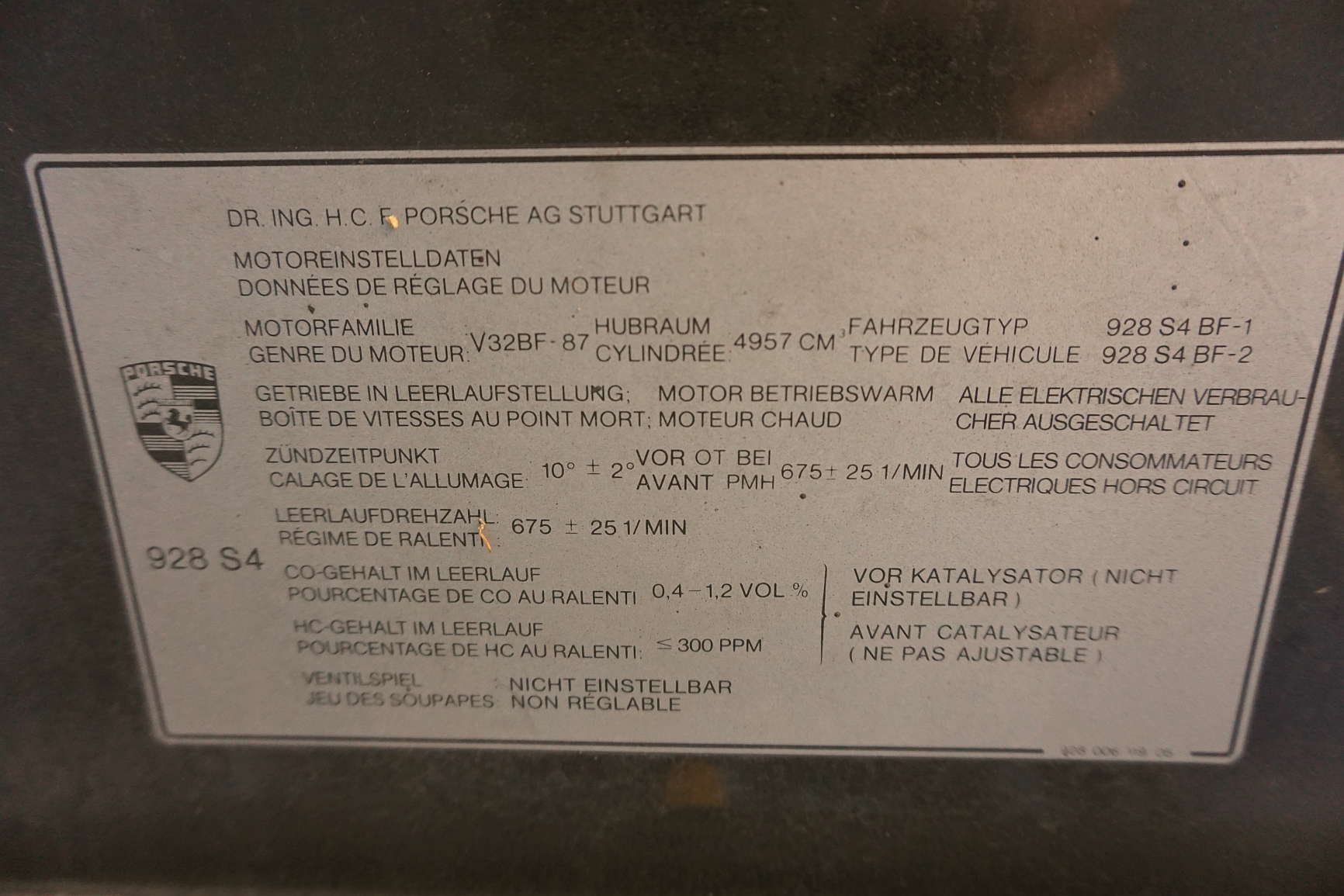
From 1979, the Porsche 928 was available in an S version, which had an additional front and rear spoiler on the outside. The displacement of the V8 engine was increased to 4,664 cc, which boosted output to 300 hp at 5,900 rpm. In 1983, the S2 version produced 10 hp more, and three years later, in the S4 version, the displacement was increased to 4,957 cc, resulting in 320 hp at 6,000 rpm. The same engine was found in the GT version from 1989, where it produced 330 hp at 6,200 rpm. In 1991, the GTS came with a new 5,397 cc V8 engine, which produced 350 hp at 5,700 rpm and enabled a top speed of 275 km/h. Between 1977 and 1995, 61,054 Porsche 928s were produced in all versions. Of the 928 version (1977-1982) 17,710 were produced, 39,009 of the S, S2 and S4 versions (1979-1991) and 4,335 of the GT and GTS versions (1989-1995).
STROSEK
In 1982, Vittorio Strosek founded the STROSEK Auto Design LLC in Utting am Ammersee. With this foundation, he set new standards in the automotive industry and established STROSEK as a synonym for the highest design and manufacturing quality.
The Porsche 928 Strosek catapulted the company into the ranks of the most renowned tuners worldwide, making the car an absolute rarity today. Fewer than 100 vehicles left the factory having been converted, and approximately three times as many conversion kits were sold to third parties or customers. The production numbers were no accident, as the Strosek beast cost over CHF 200,000 new in Switzerland.
In the automotive industry today, Vittorio Strosek still stands for outstanding craftsmanship and technical excellence. His development work includes aerodynamic studies, prototype construction and the production of special components. With projects such as the Porsche 928 and the design of gullwing doors for the Mercedes SLR, he has shown that he can offer innovative solutions for both series vehicles and exclusive models.
Details
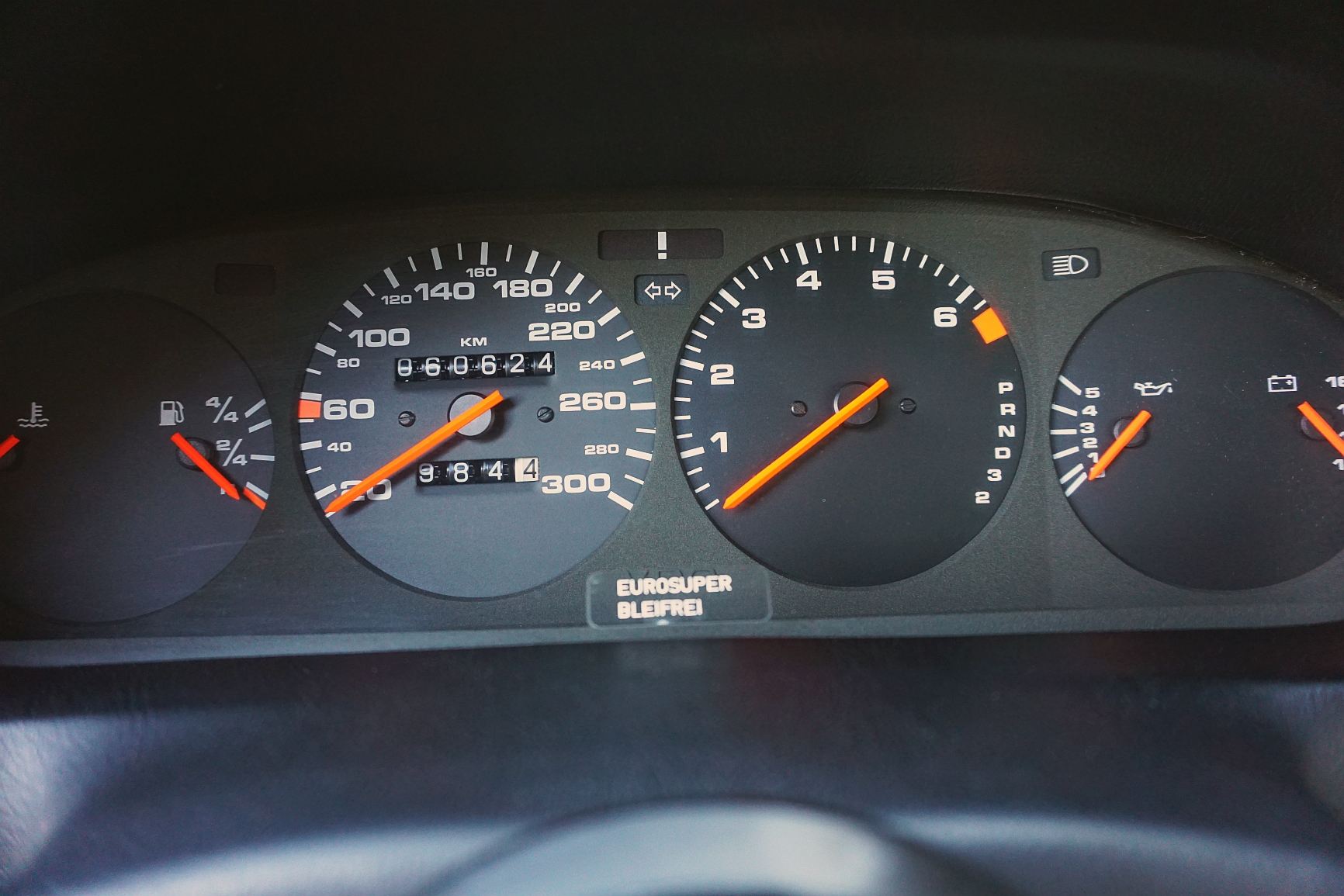
– 60,624 km
- 1. inv. 01.03.1988
– MFK 08/06/2020 (can be redone, veteran possible)
– 4,957 cc V8 engine
- 320 HP
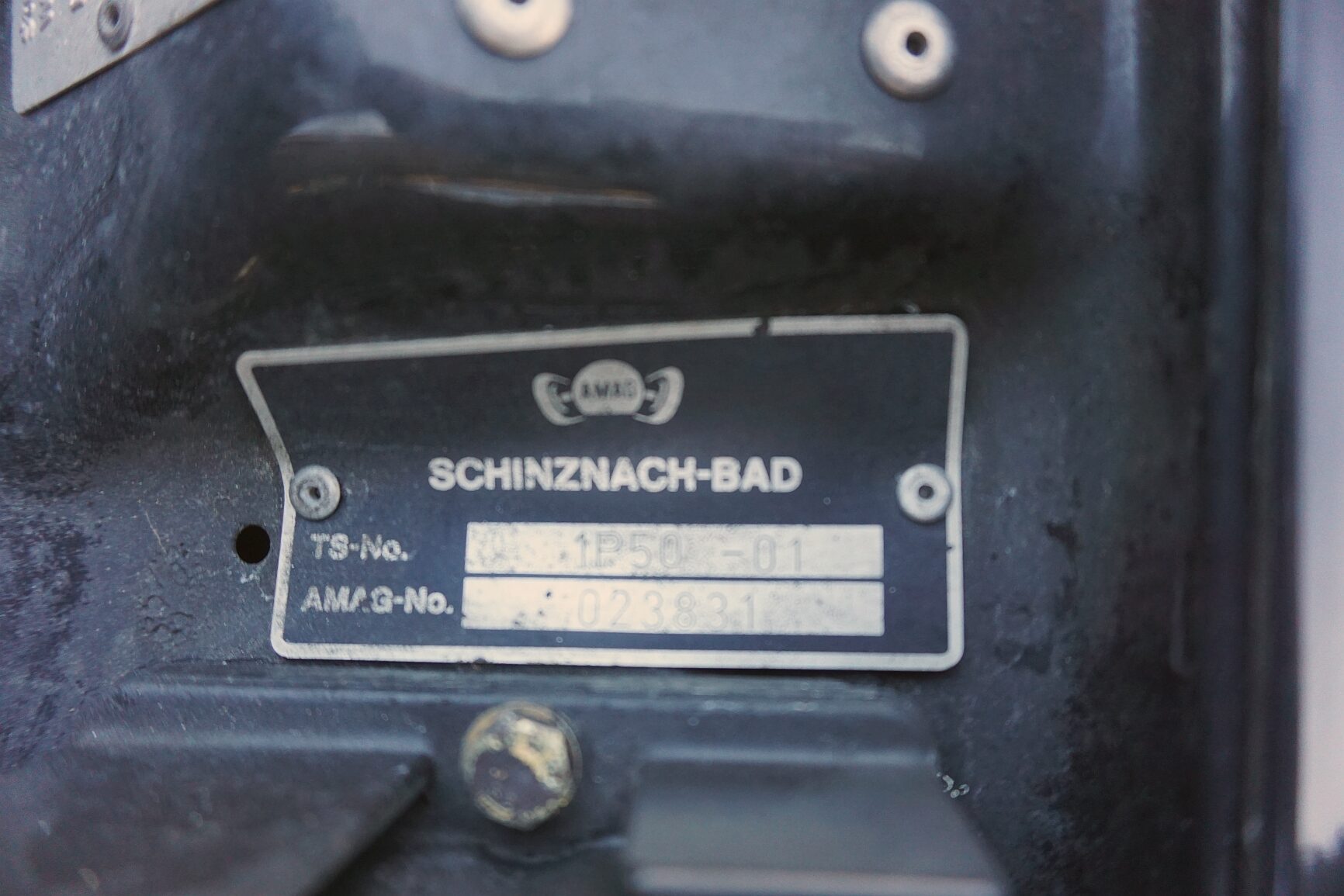
– Vehicle registration 1P5001
– Registration number 103.030.894
Chassis WP0 ZZZ 92Z JS84 0966
- Unladen weight 1,600 kg
- Payload 320 kg
not what you are looking for?
We will be happy to find your individual dream vehicle.
Simply make a non-binding inquiry and benefit from our network.