
BMW 316i E30
Description
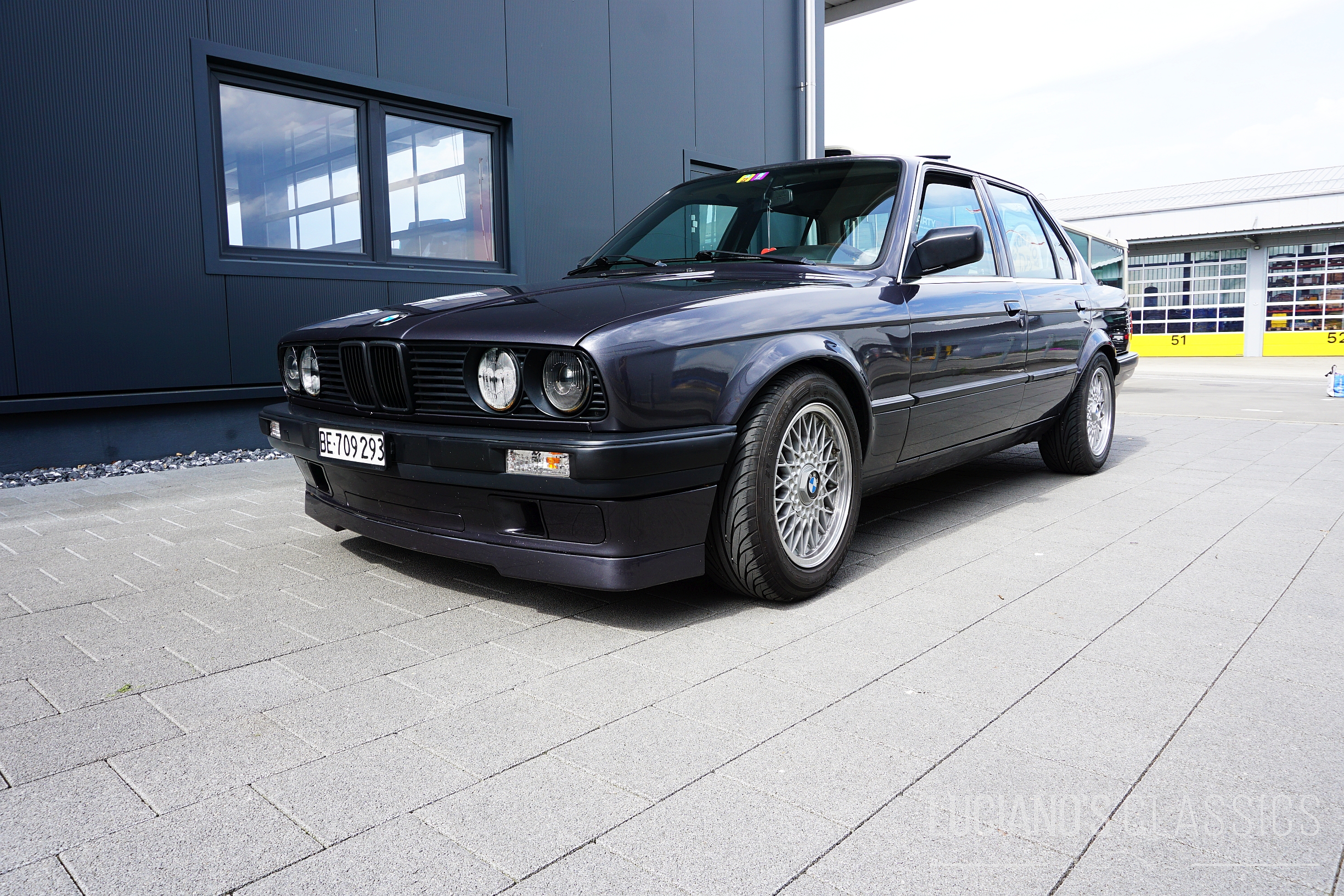
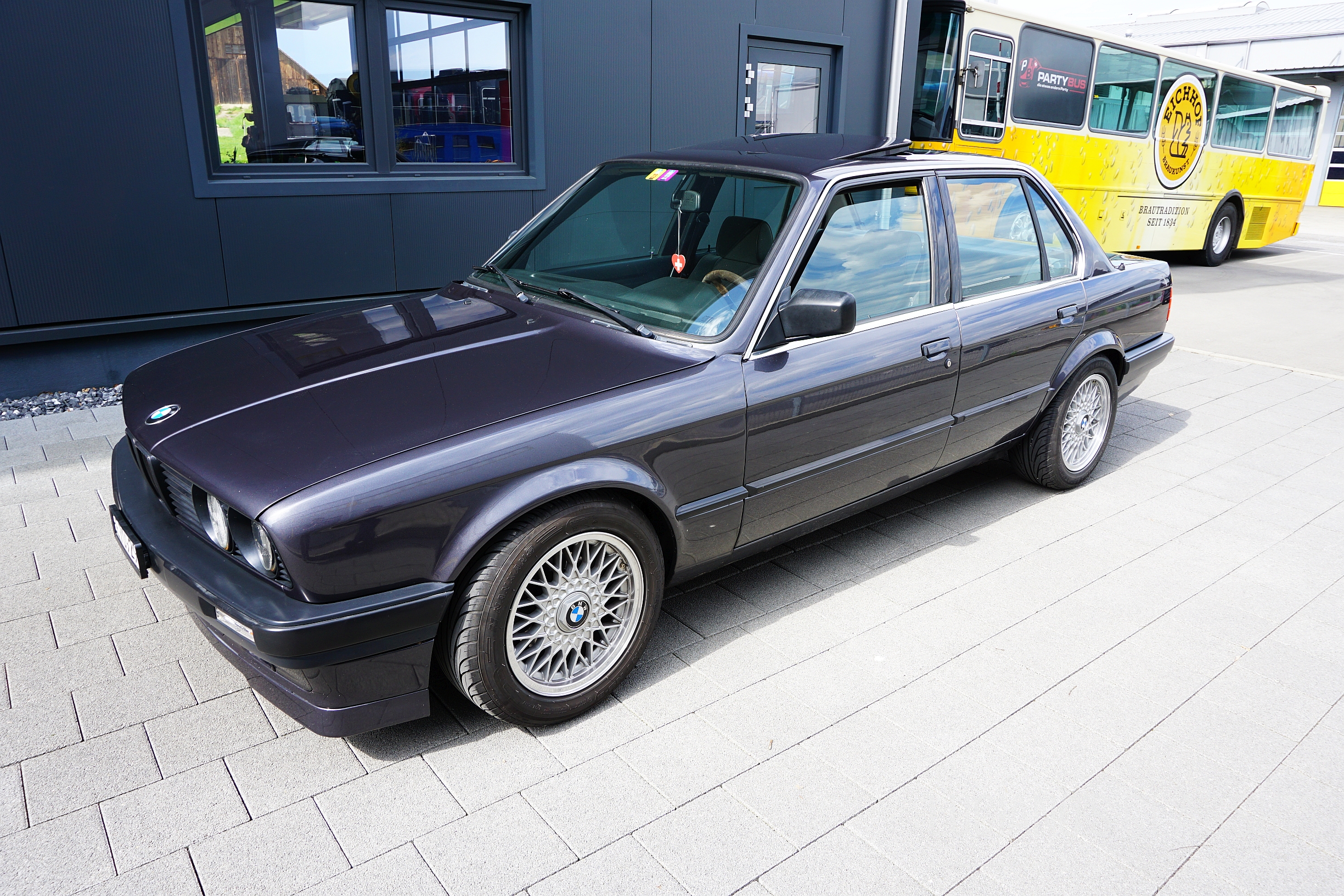
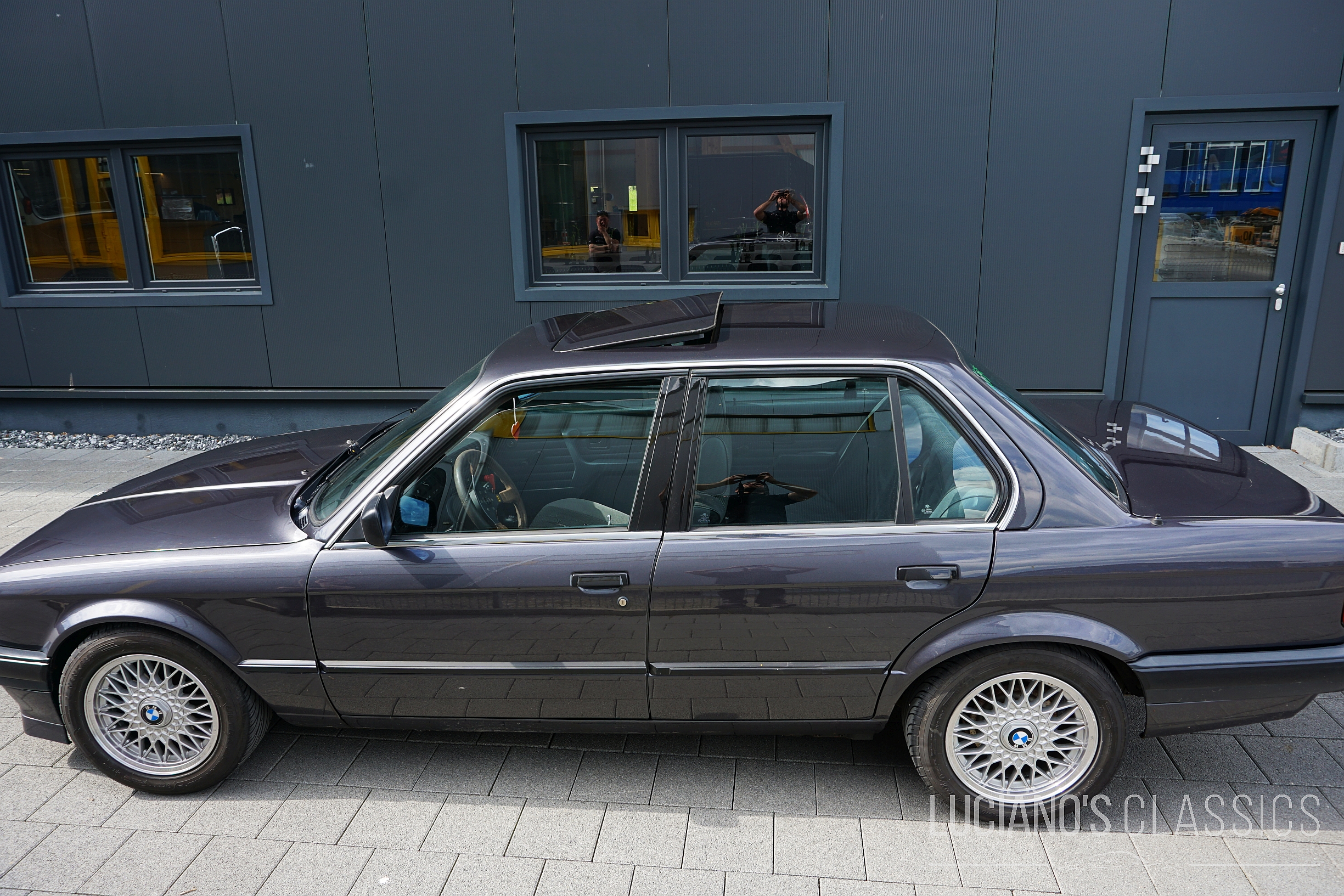
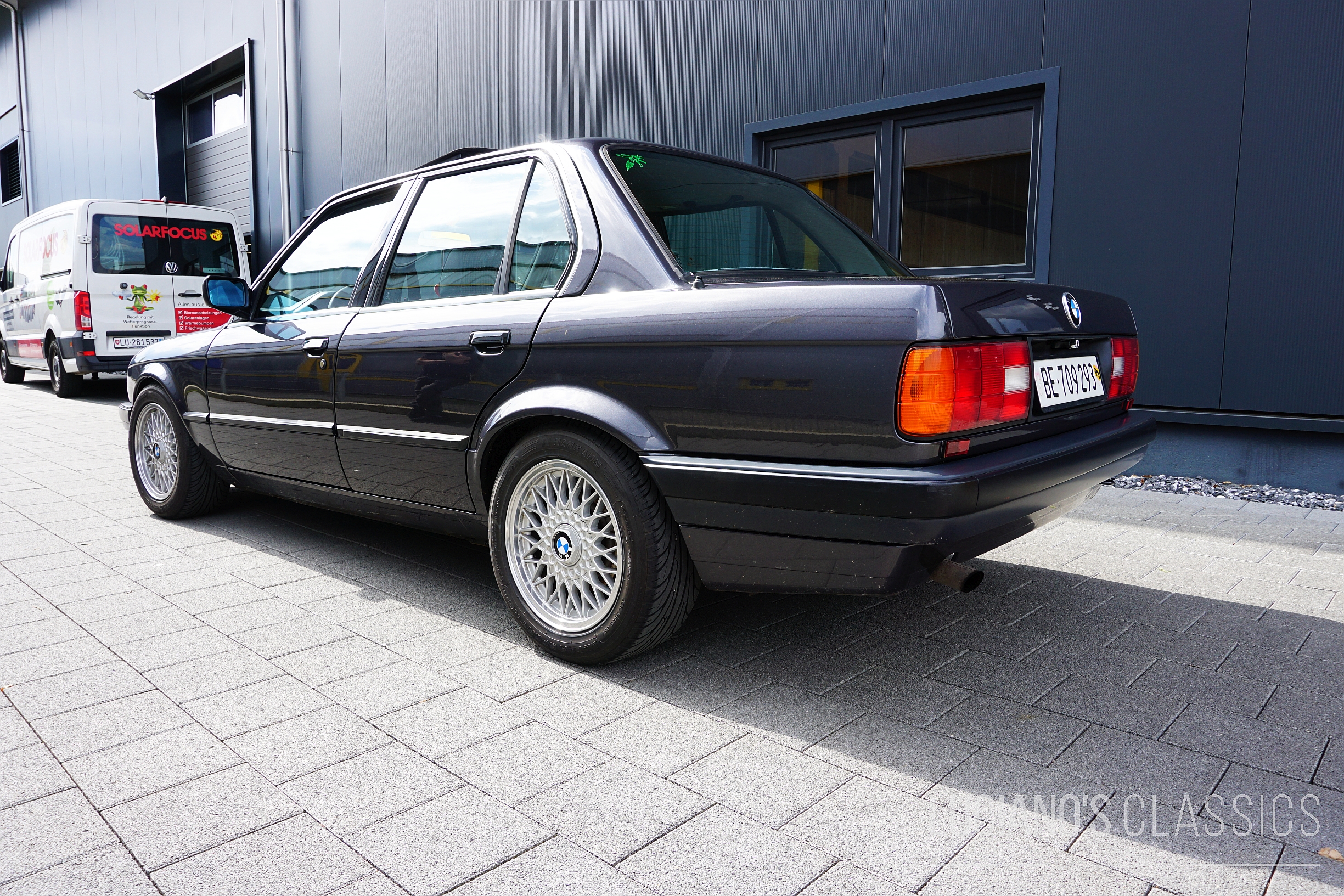
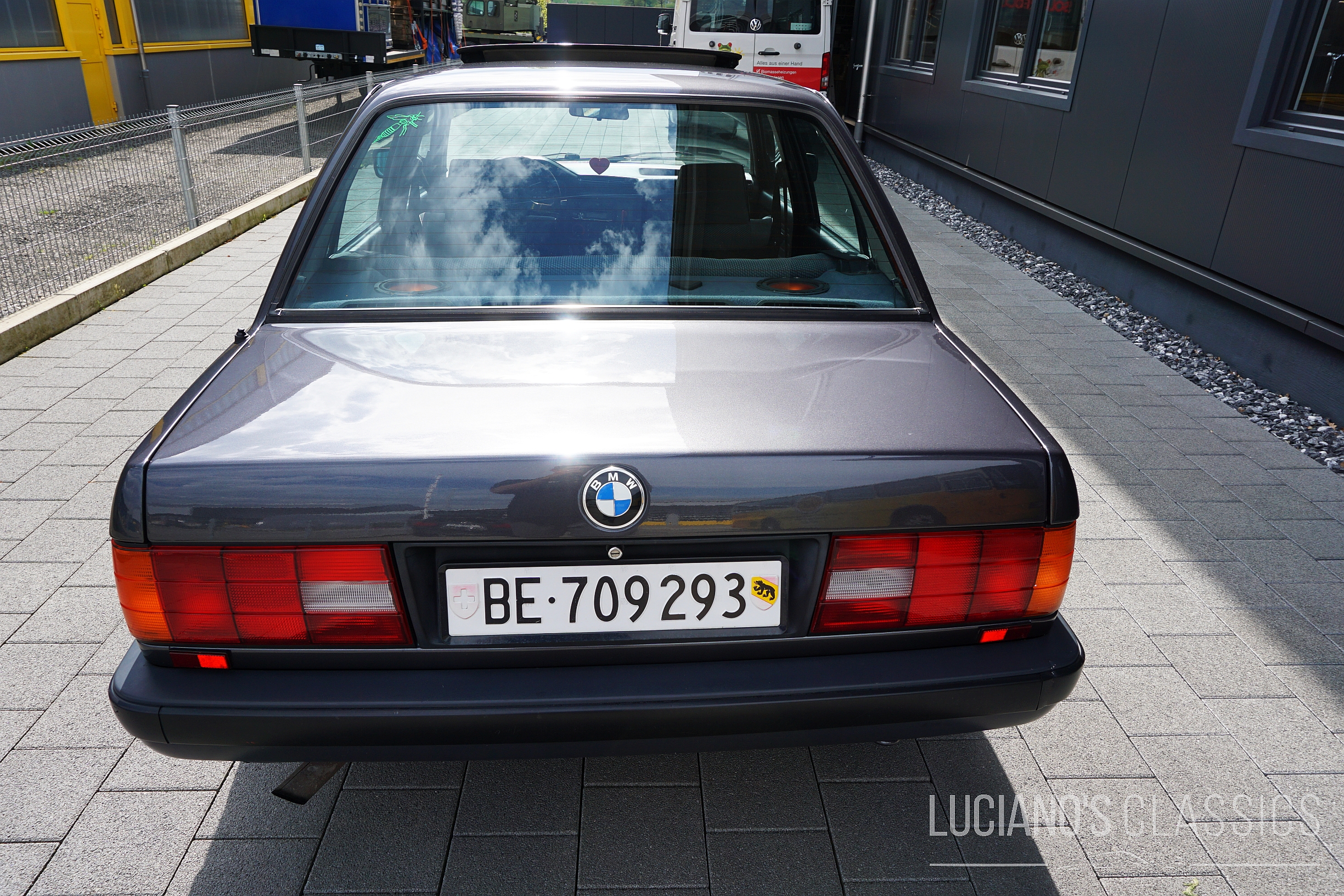
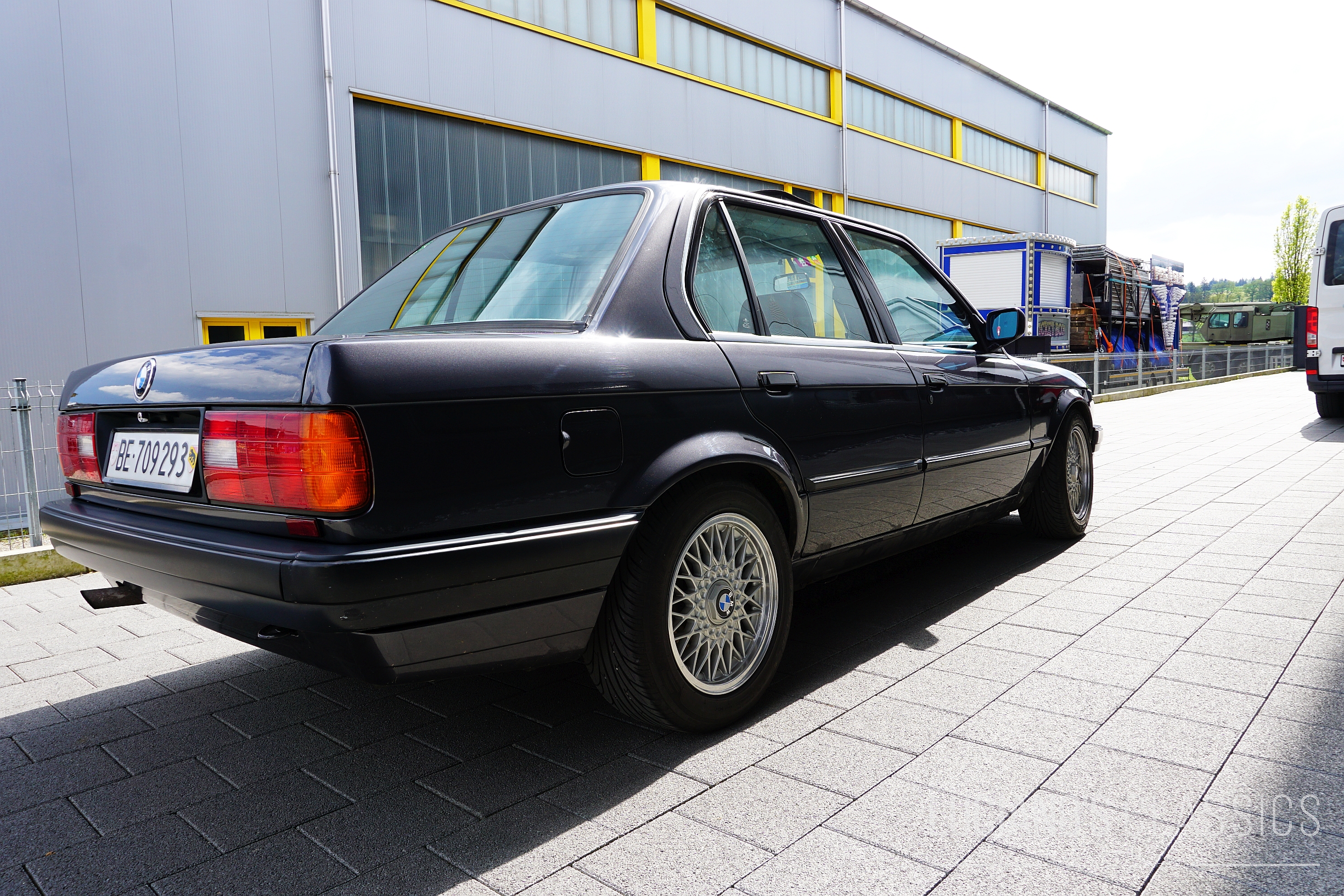
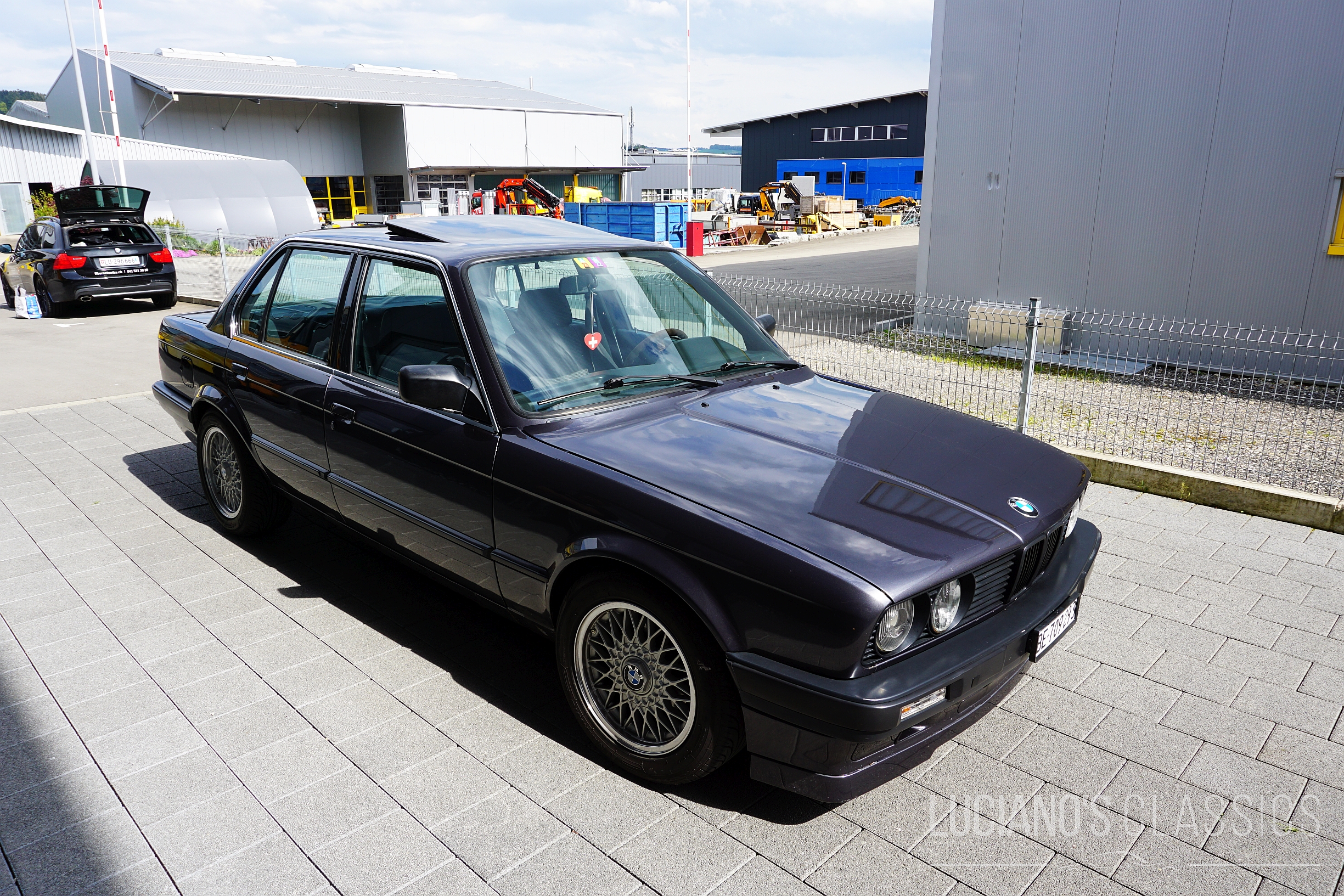
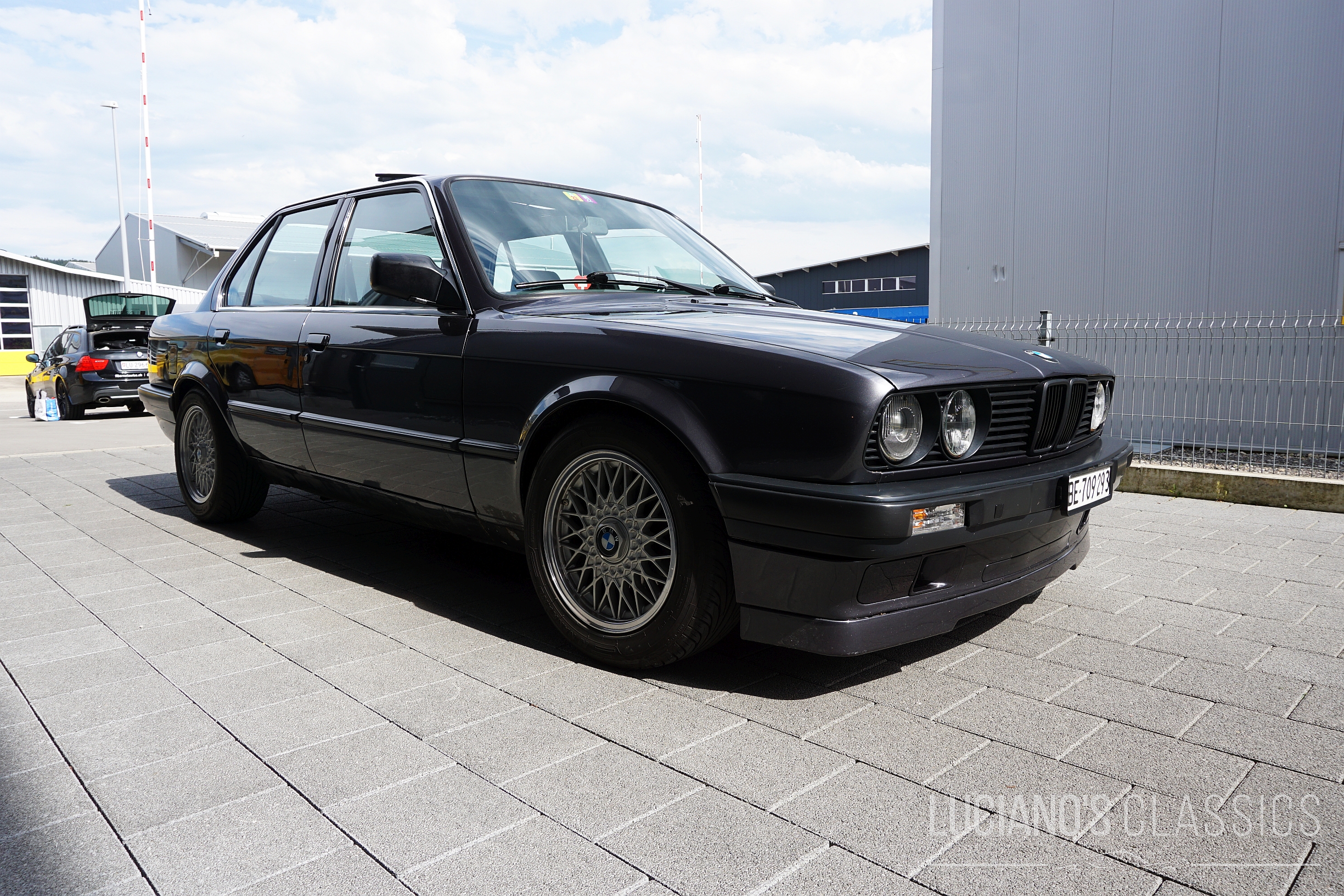
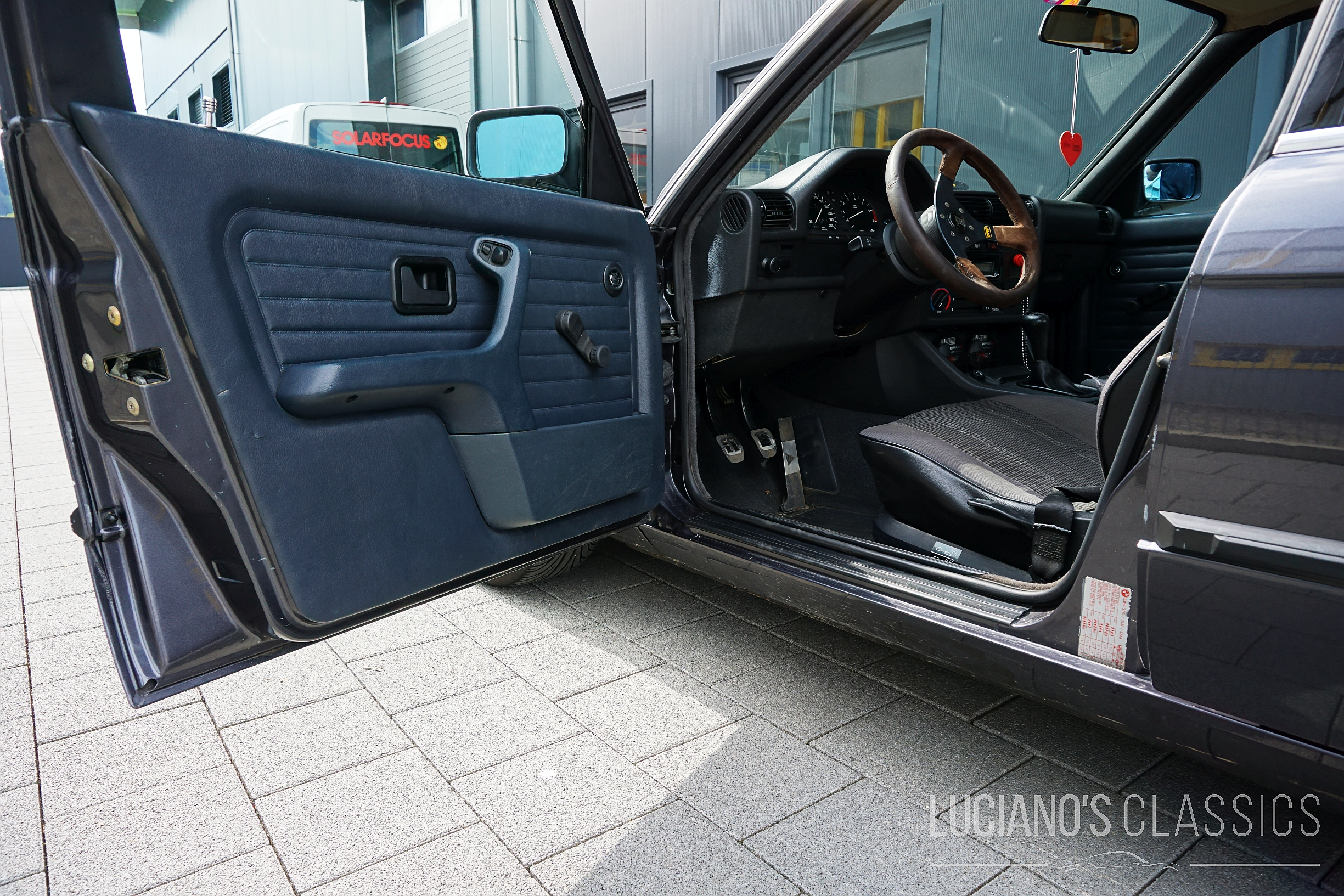
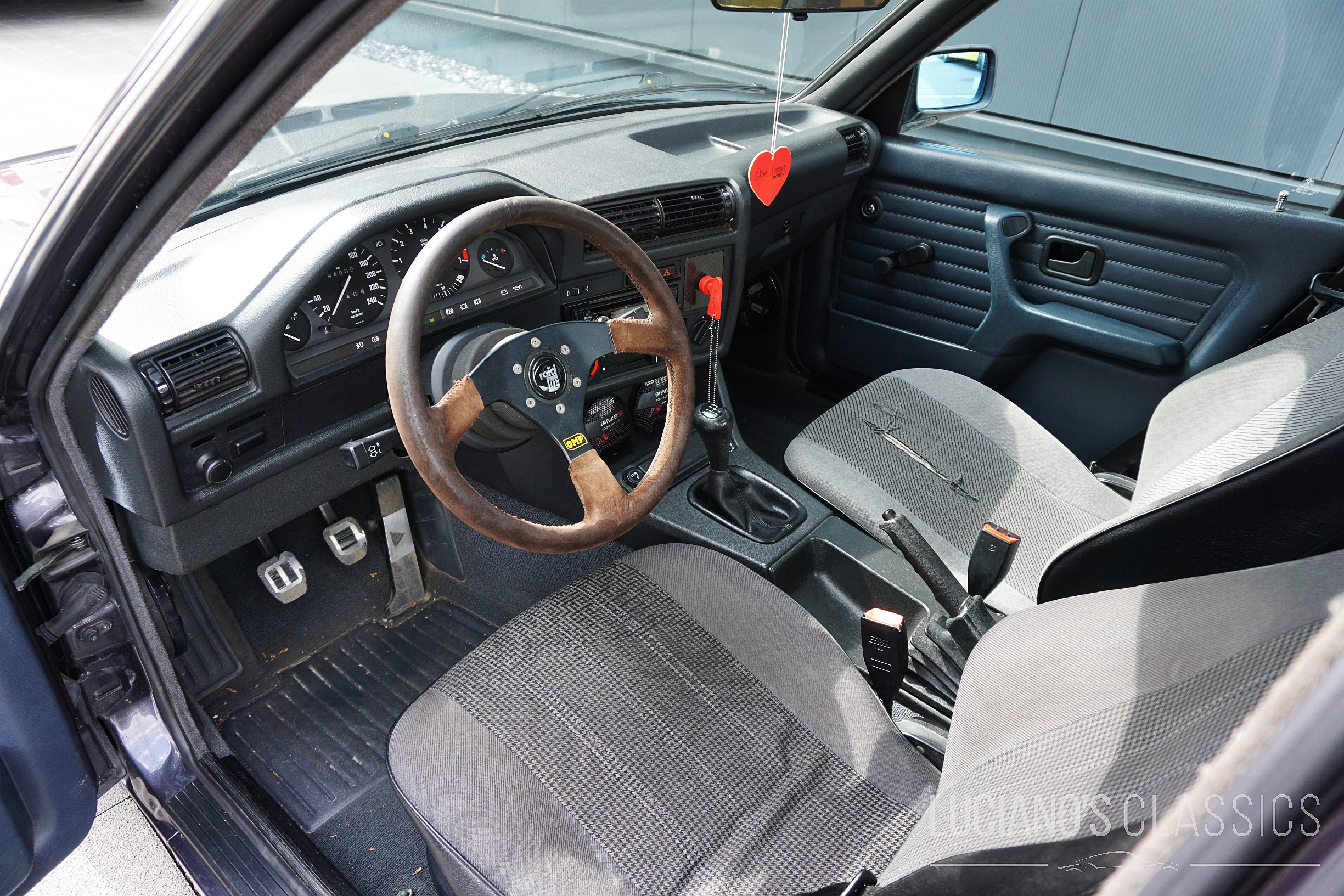
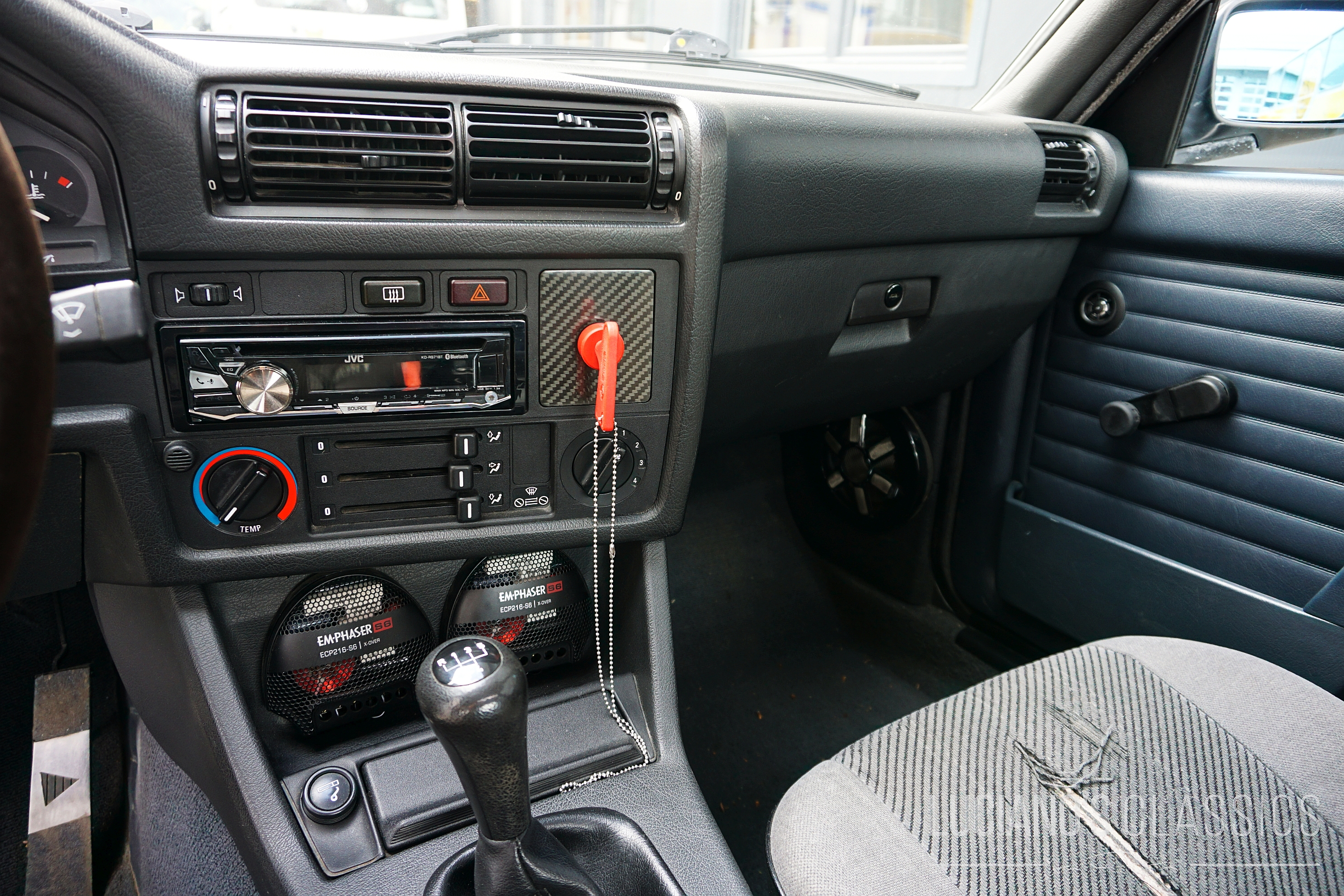
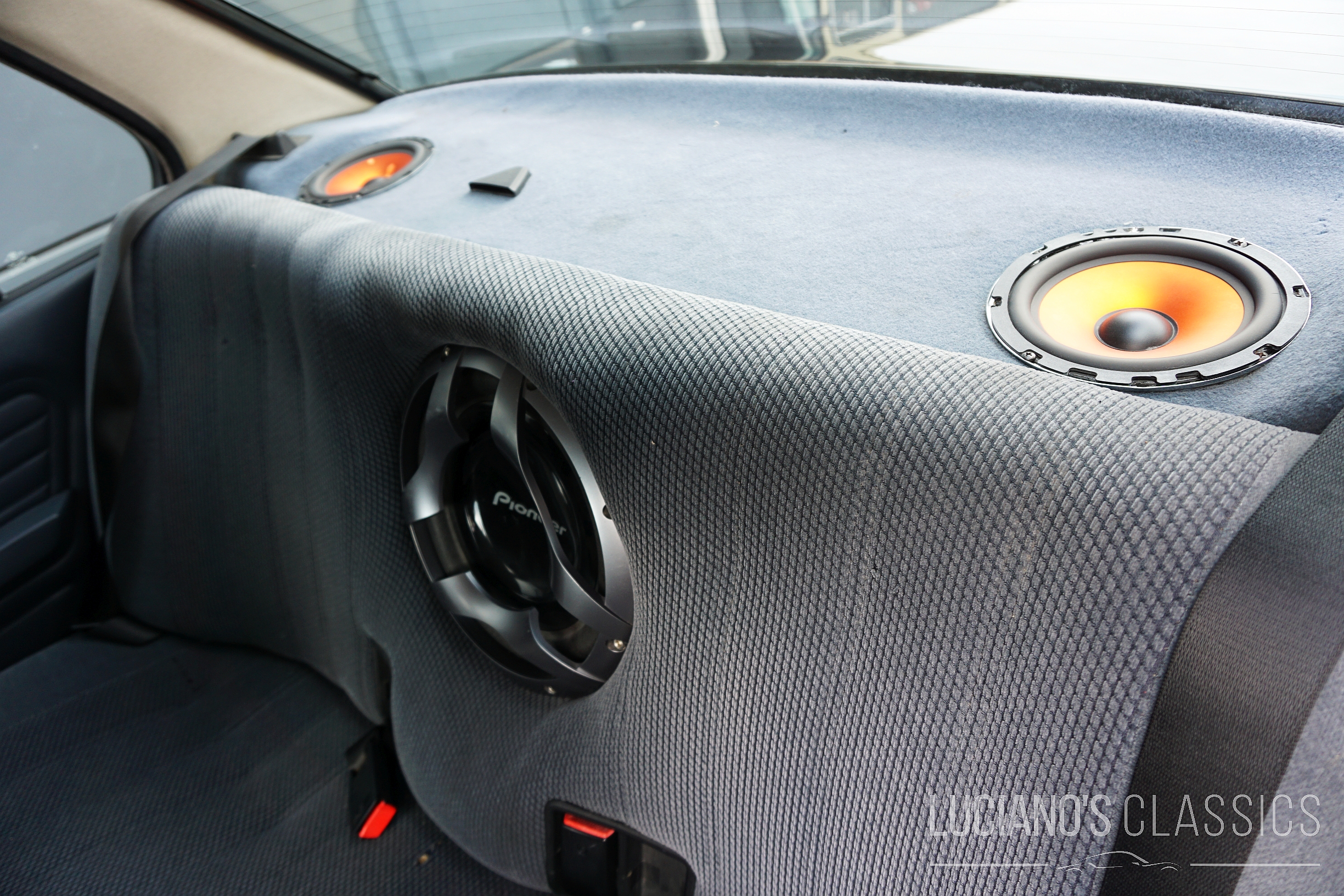
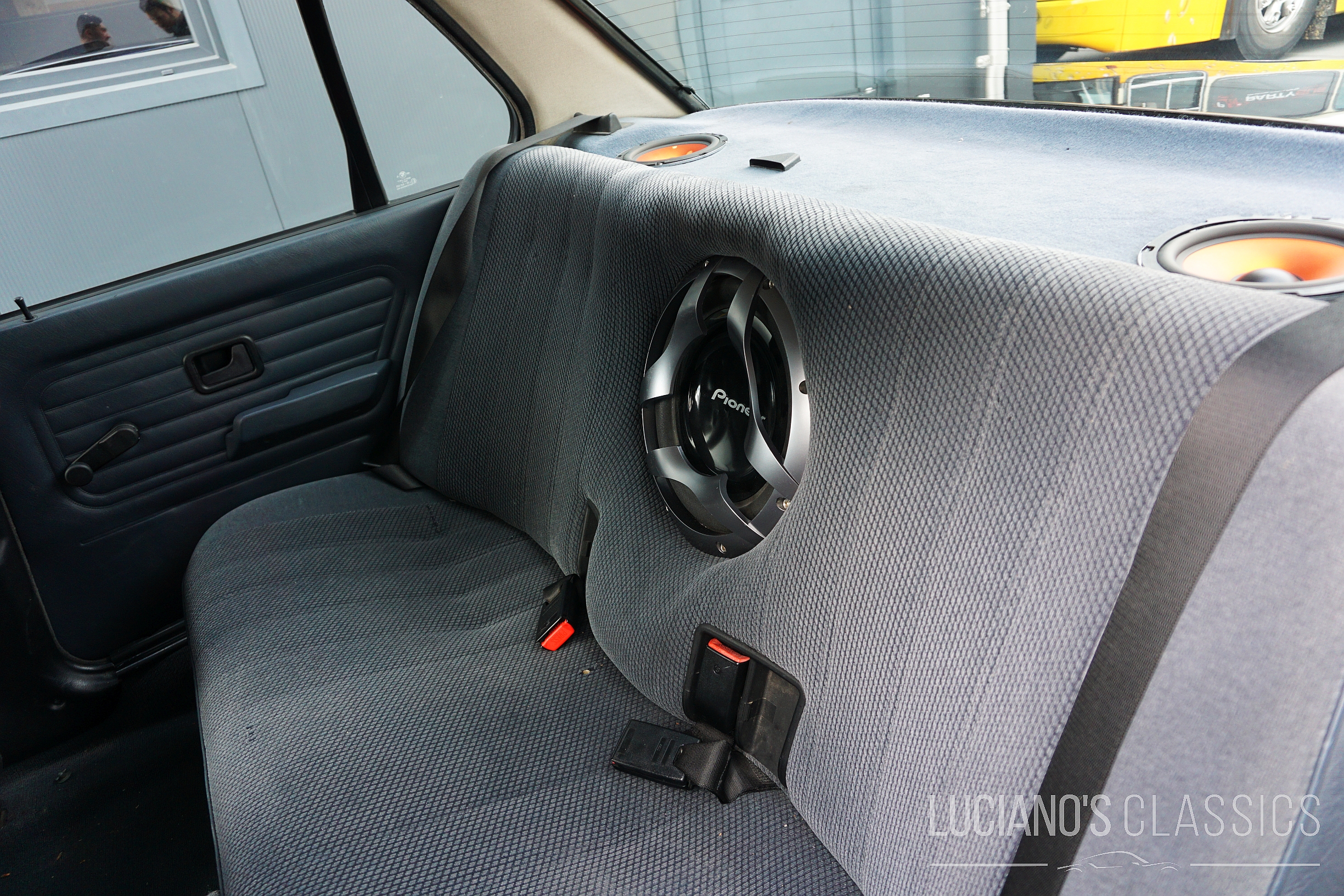
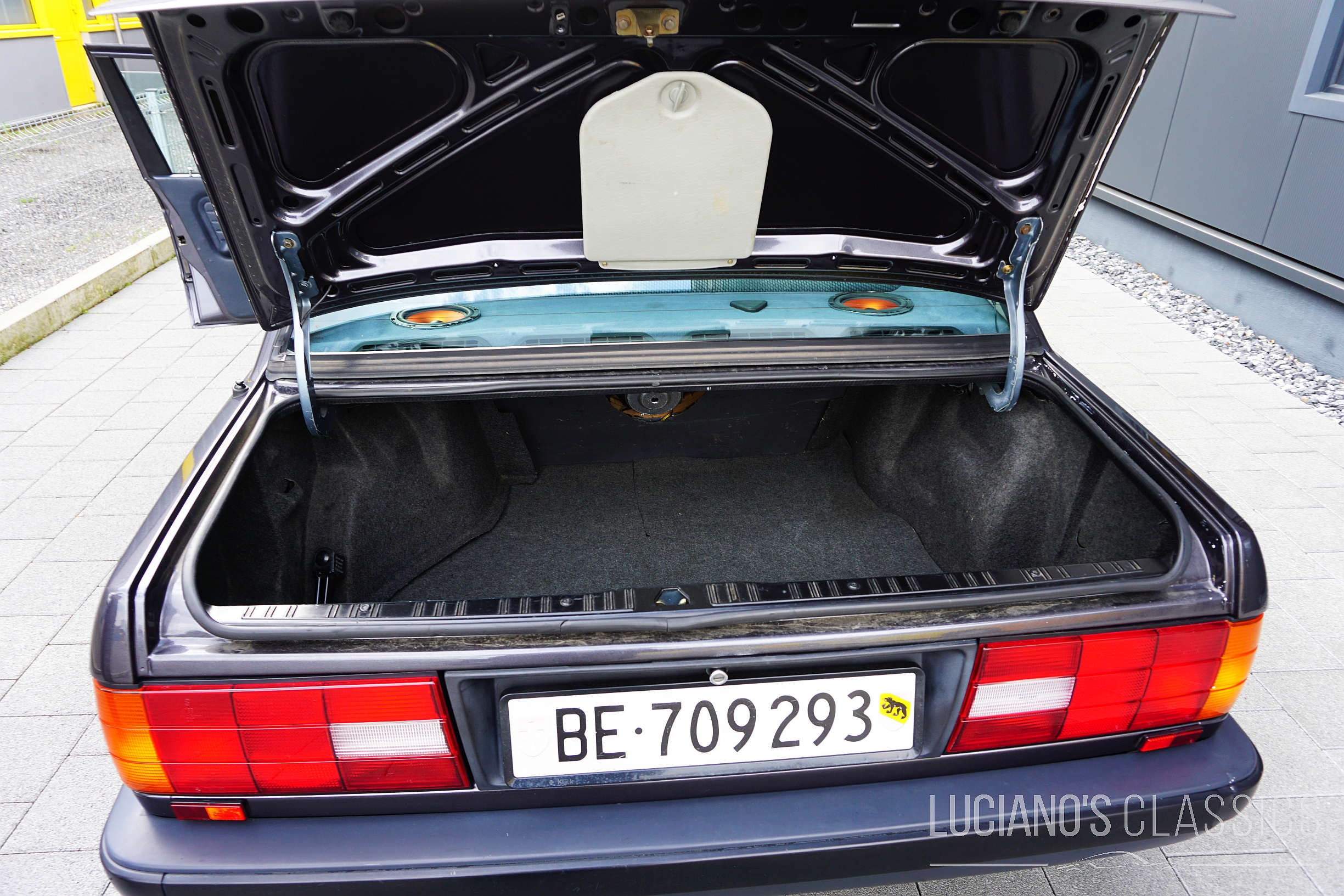
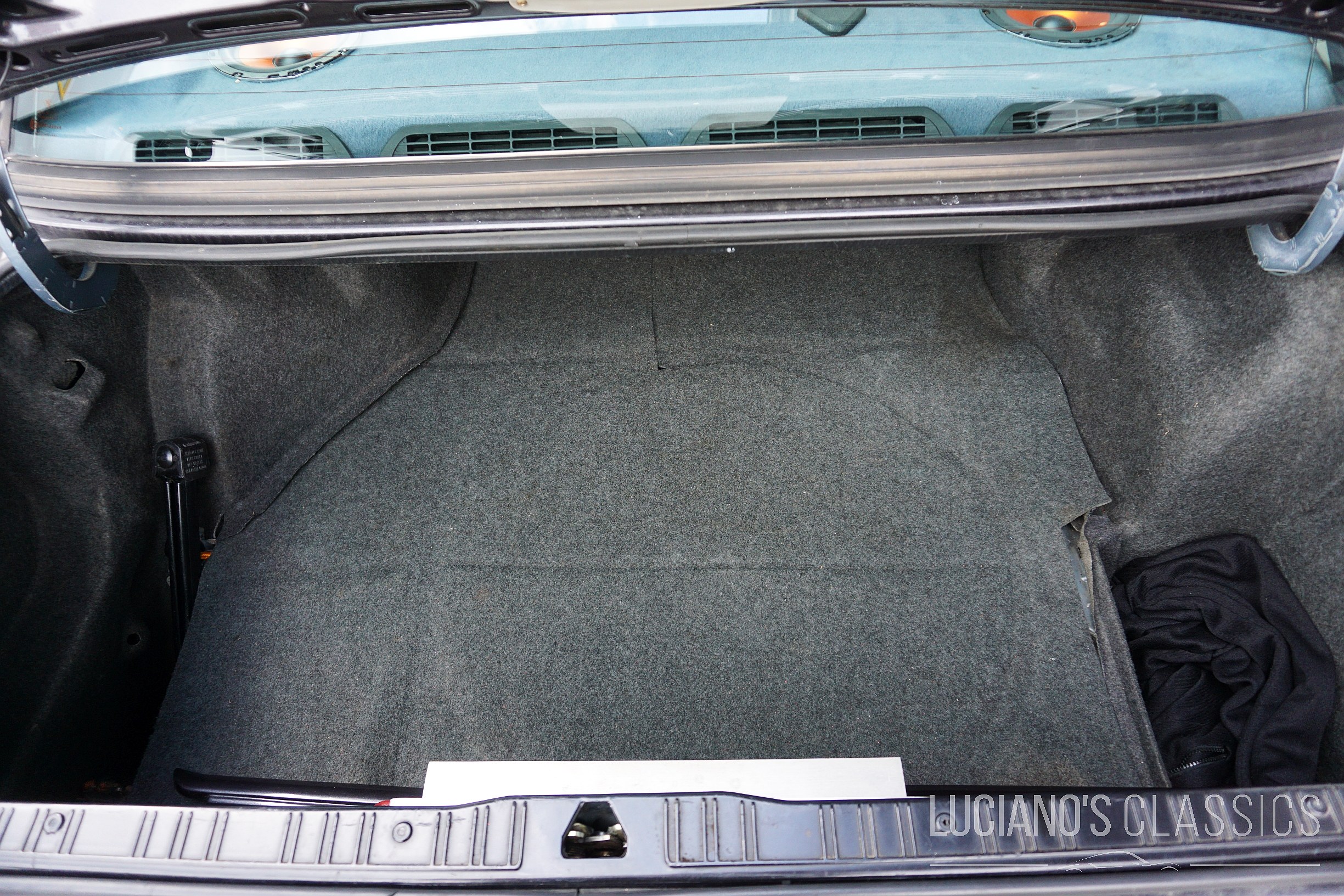
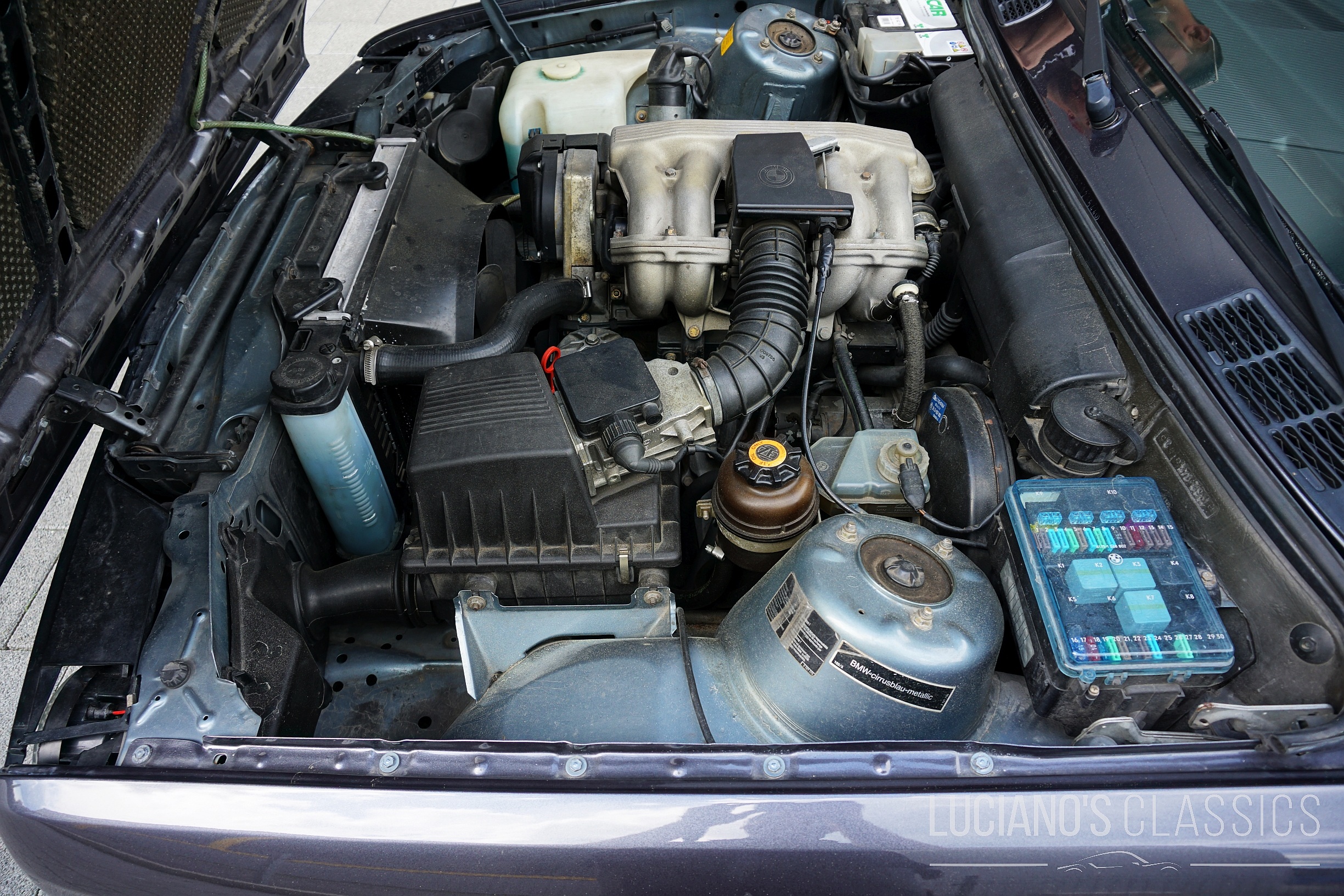
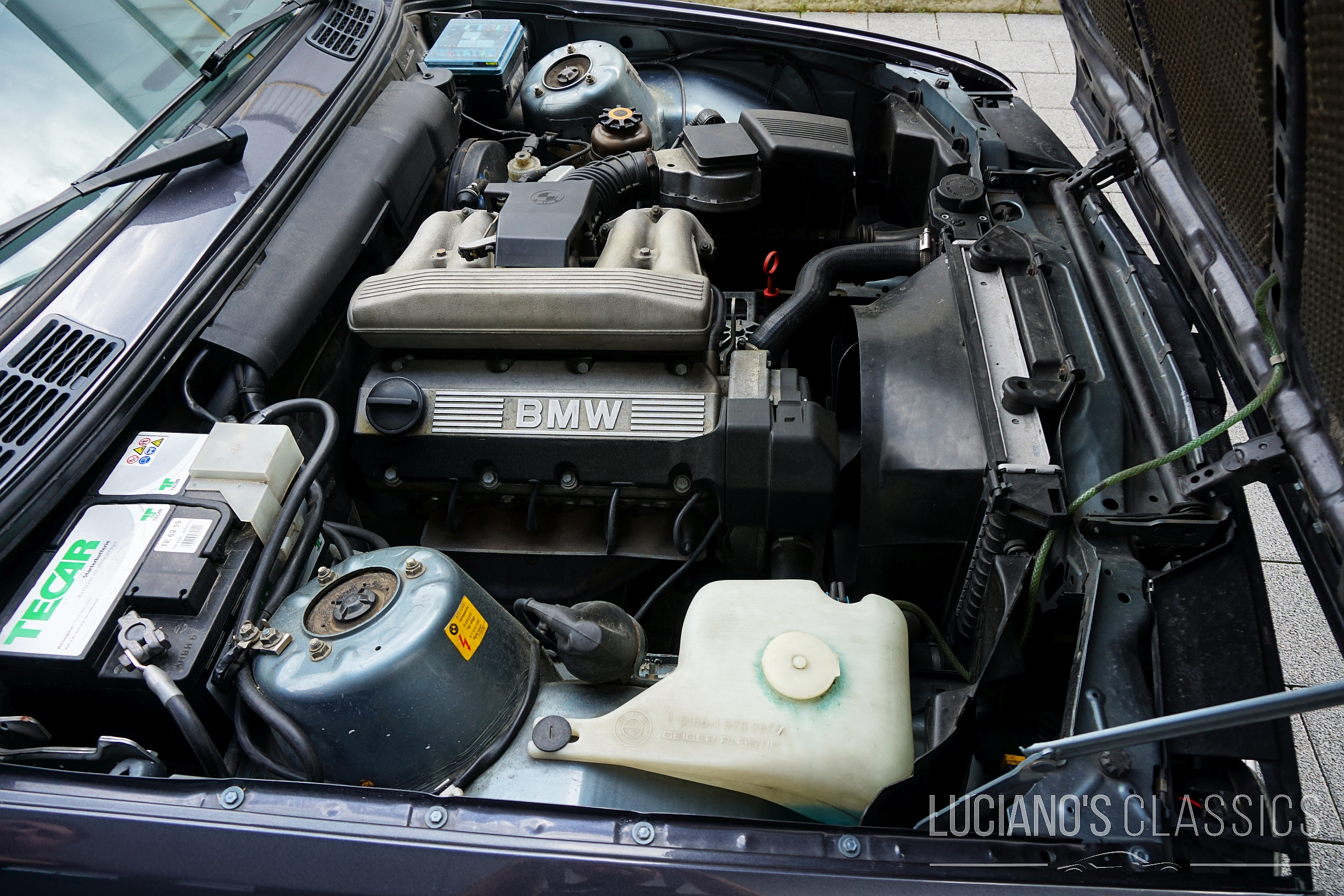
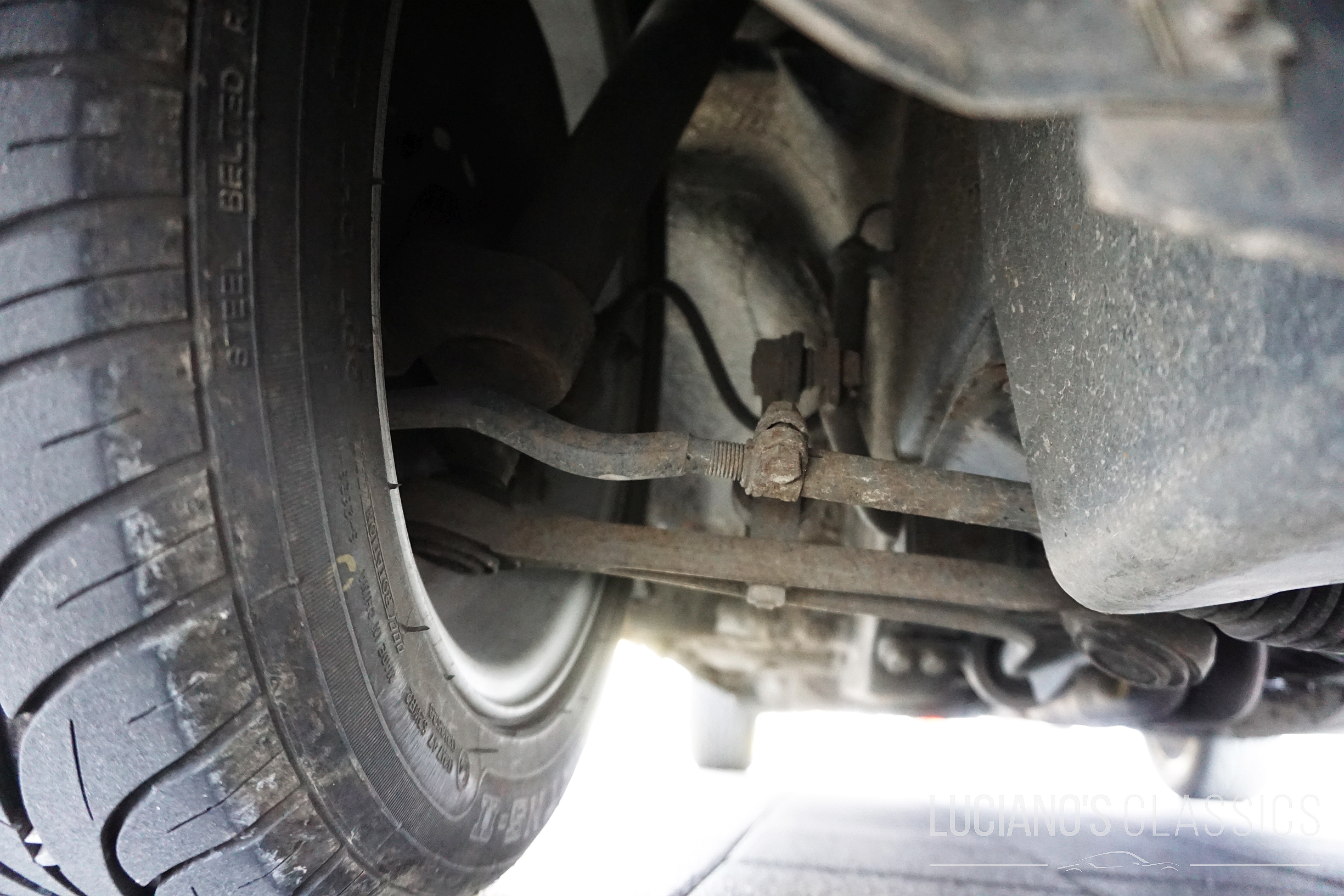
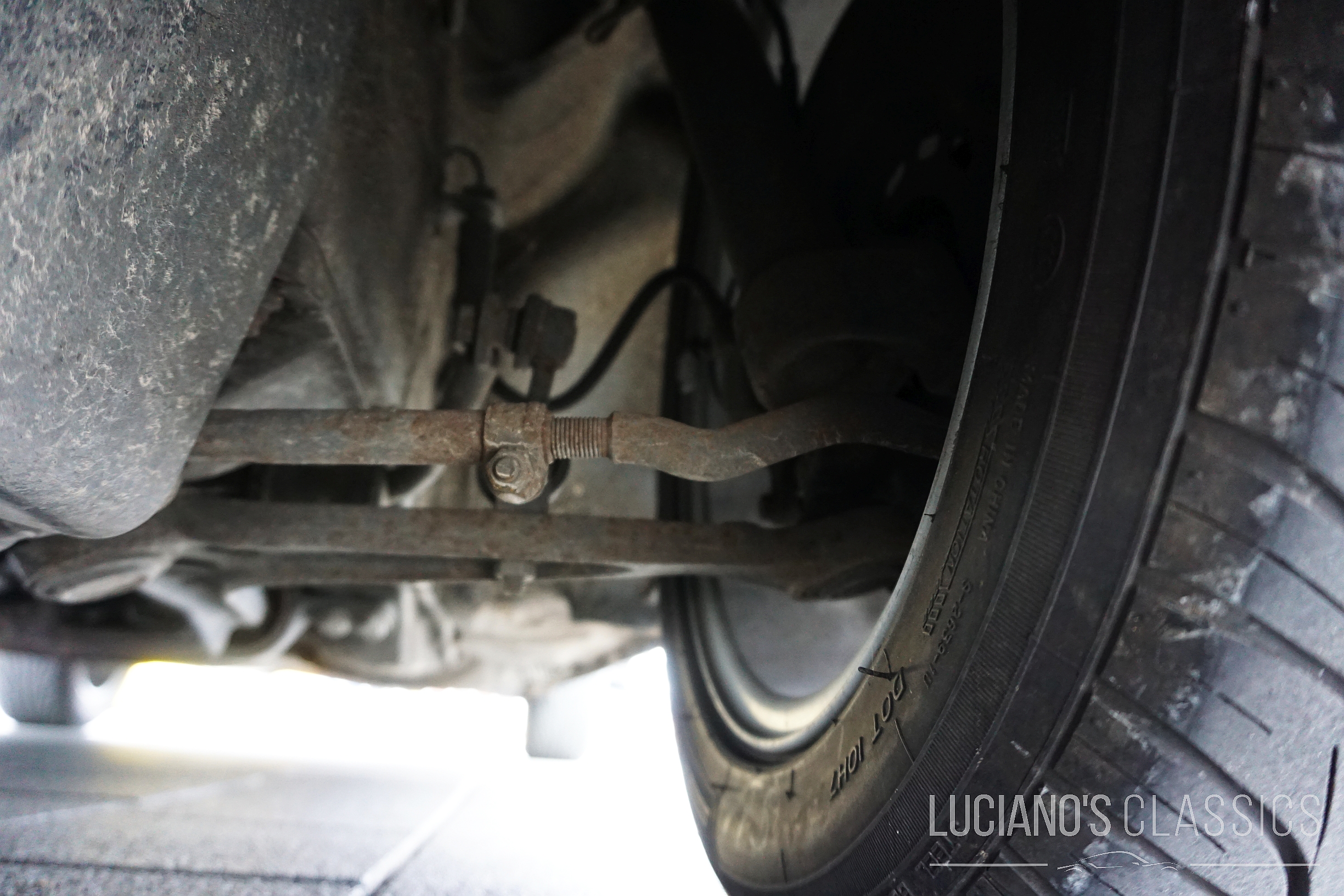
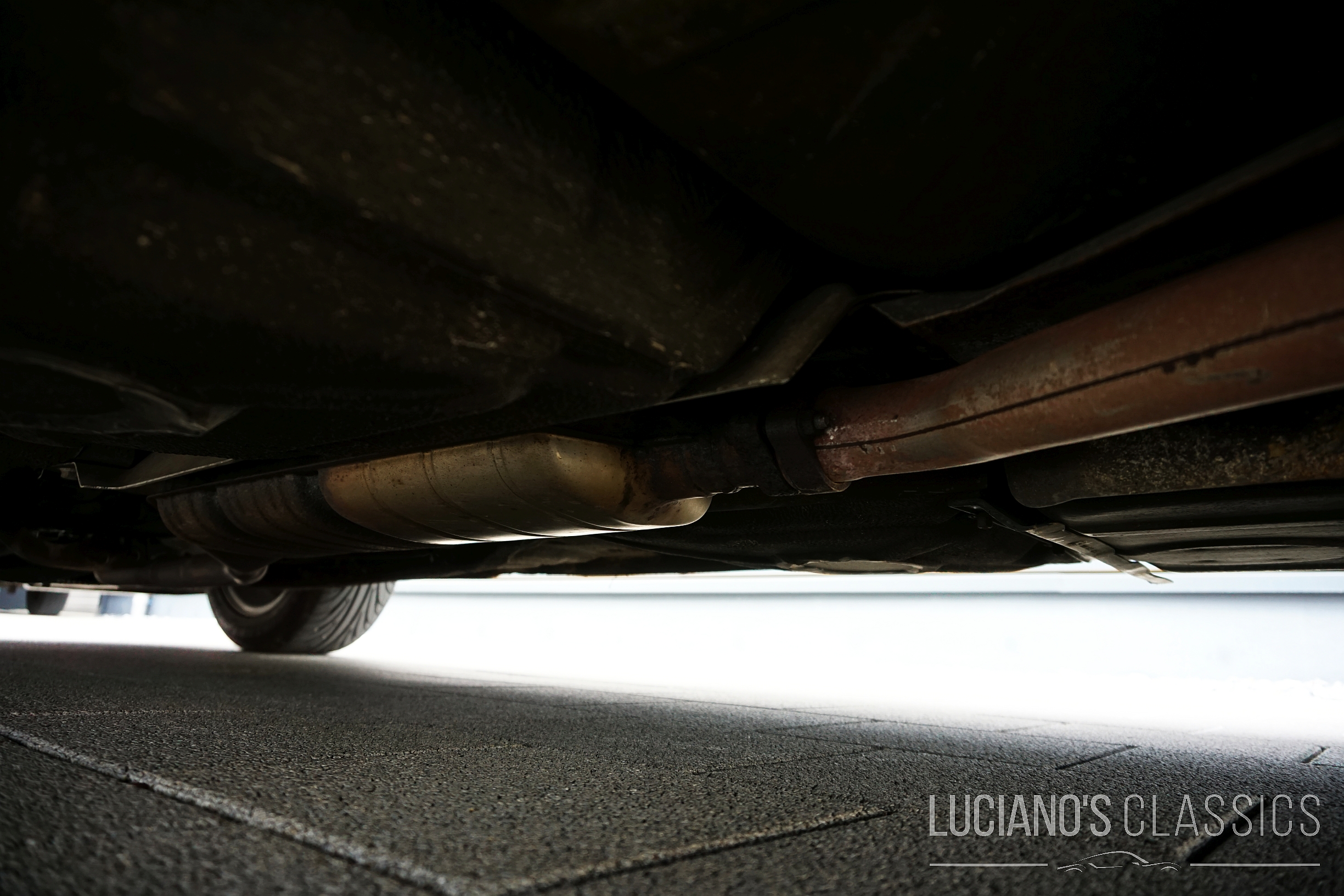
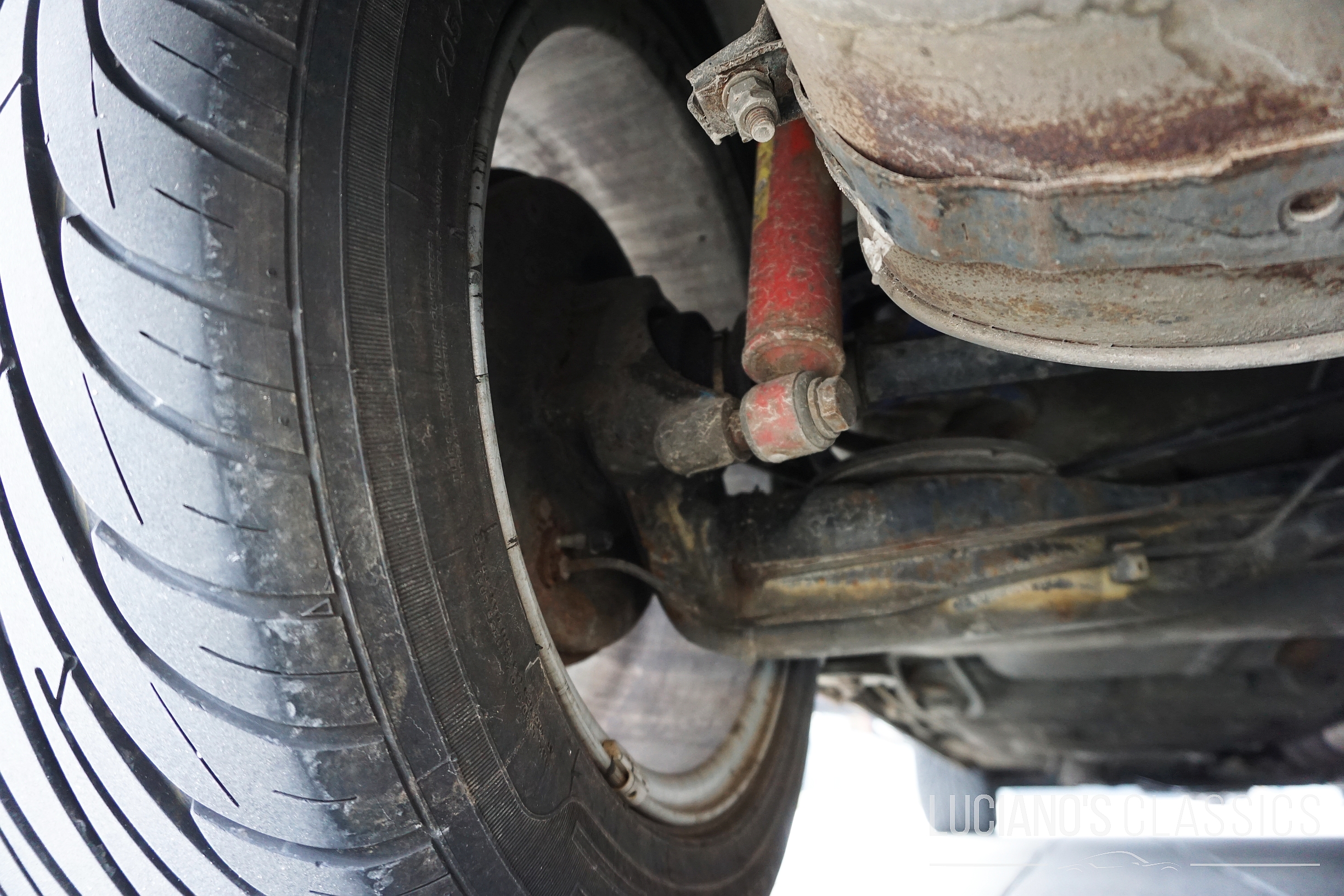
This E30 runs like clockwork and is a joy to drive with its brute audio system and classic looks. The car has been regularly serviced and the technical condition is correspondingly good. The exterior has been painted grey and the original color, which can still be found in the engine compartment, is Cirrus Blue Metallic.
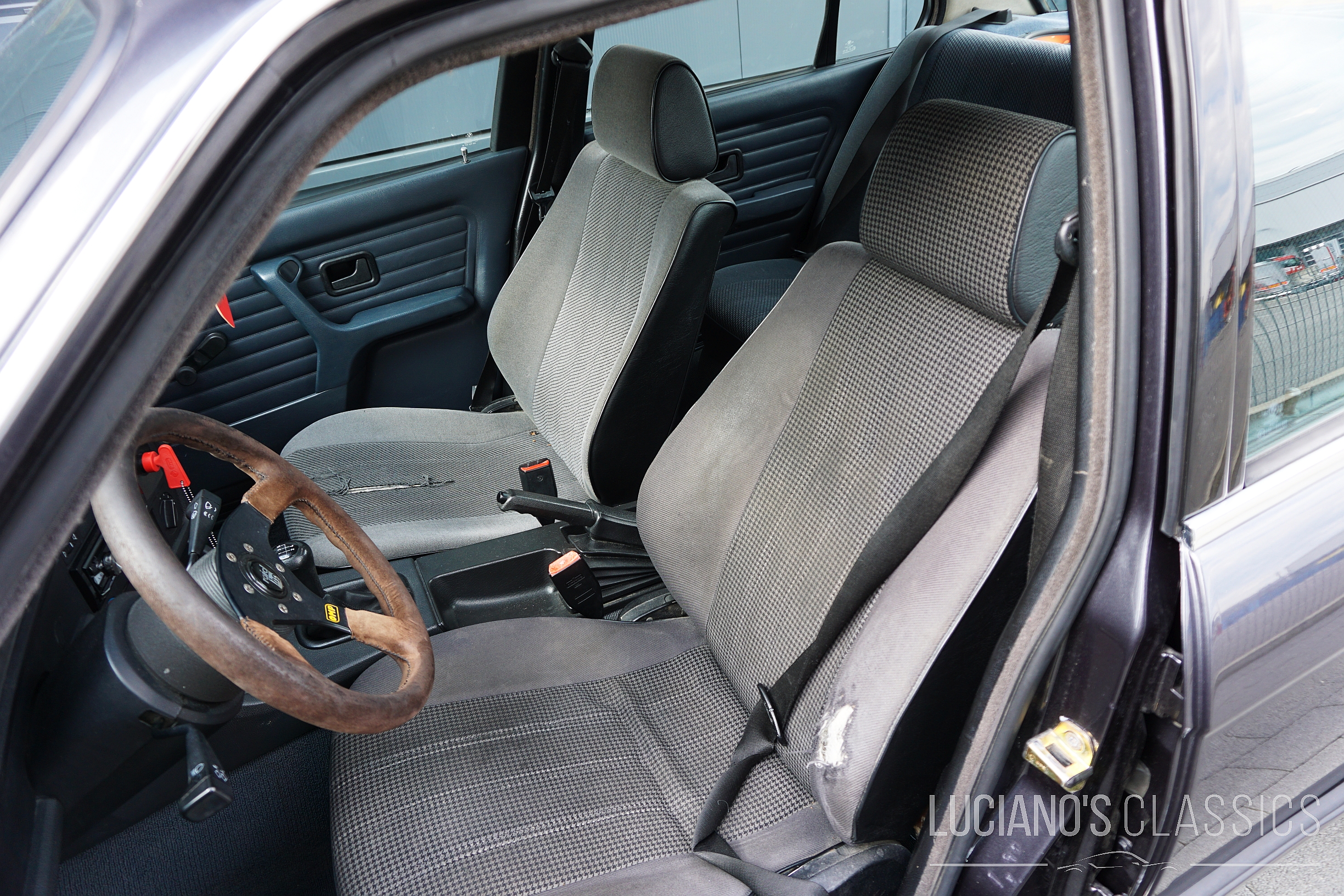
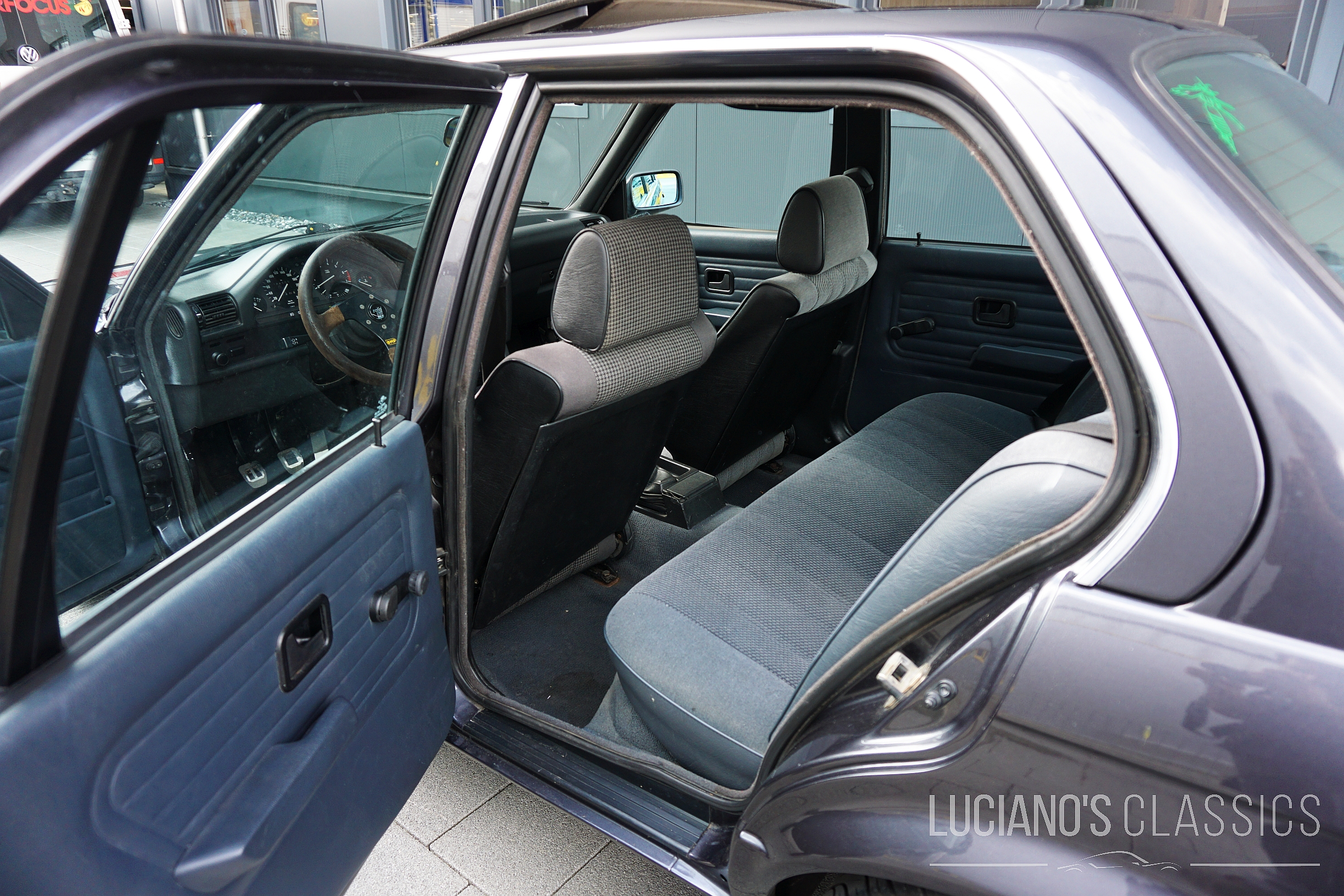
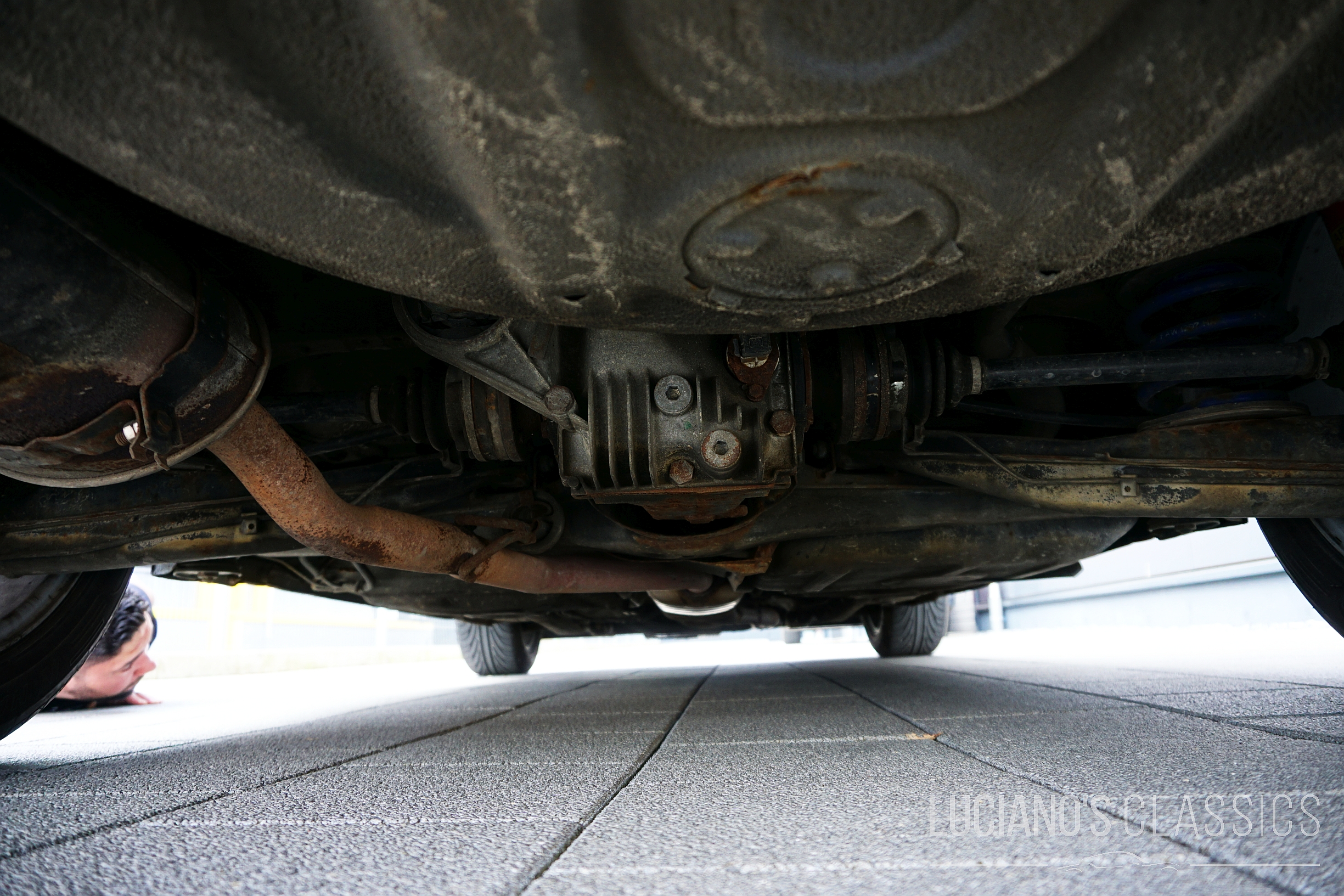
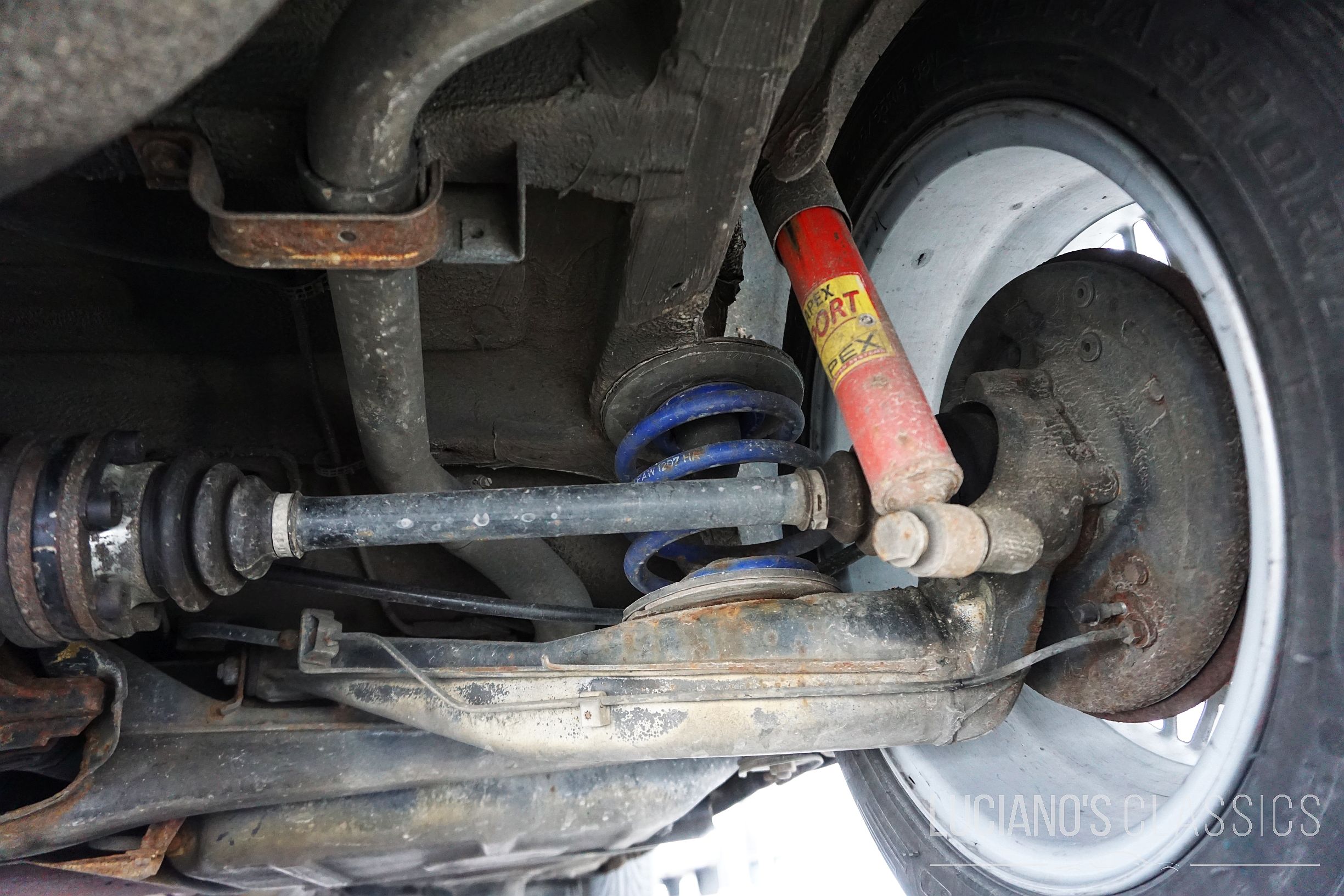
The overall condition is used and corresponds to the mileage. The seats are original and partially torn. This vintage car is very pleasant to drive and is also ideal as a daily.
This vehicle has already been sold.
Model history
The E30 series replaced the vehicles of the first E21 3-series in November 1982. The design of the first 3-series came from Paul Bracq and was further developed in the E30 under Claus Luthe. The exterior designer was Boyke Boyer. Production of the first two-door models began in December 1981, 320i from January 1982 and 316/318i from March 1982. The four-door saloons were produced from January 1983. The Touring estate was launched in 1987.
On the drive side, it initially remained with the engines known from the E21. With the 325e, a particularly high-torque and comparatively economical variant was introduced parallel to the BMW 525e E28. In addition, with the introduction of the 324d/324td, a diesel engine with or without turbocharger was also introduced in parallel to the BMW 524d/524td E28 for the first time in BMW's history. Encouraged by the success of the competition, in particular Audi with its quattro drive, BMW developed an all-wheel drive system, which was then also used for the first time in the company's history in the 325iX.
Externally, the four and six-cylinder models and models with a displacement of two liters or more could no longer be distinguished as clearly as the predecessor E21, as all E30s now had twin headlights as standard. The only, albeit not very noticeable, distinguishing feature was the different design of the rear silencer.
In the interior, the differences became greater, especially in the fabric upholstery. In contrast to the one-piece door panels covered entirely in artificial leather, six-cylinder models were given others with a fabric or velour insert. In comparison, the seat upholstery was more elaborate and of a slightly higher quality. The seat bolsters of the six-cylinder models were covered with smooth velour fabric and the seat center panels with textured fabric, while the four-cylinder models used simpler but also high-quality fabrics with a uniform pattern. In addition, the 6-cylinder models had a rev counter with a digital clock in the center console as well as the „Check-Control“ above the interior mirror as standard. This equipment feature was integrated into the headlining with an additional black panel and smaller black sun visors.
The BMW E30 was produced as a two- and four-door sedan until April 1991. Production of the convertible was ended in April 1993. The Touring remained on offer as the last variant of the E30 series until April 1994.
Details
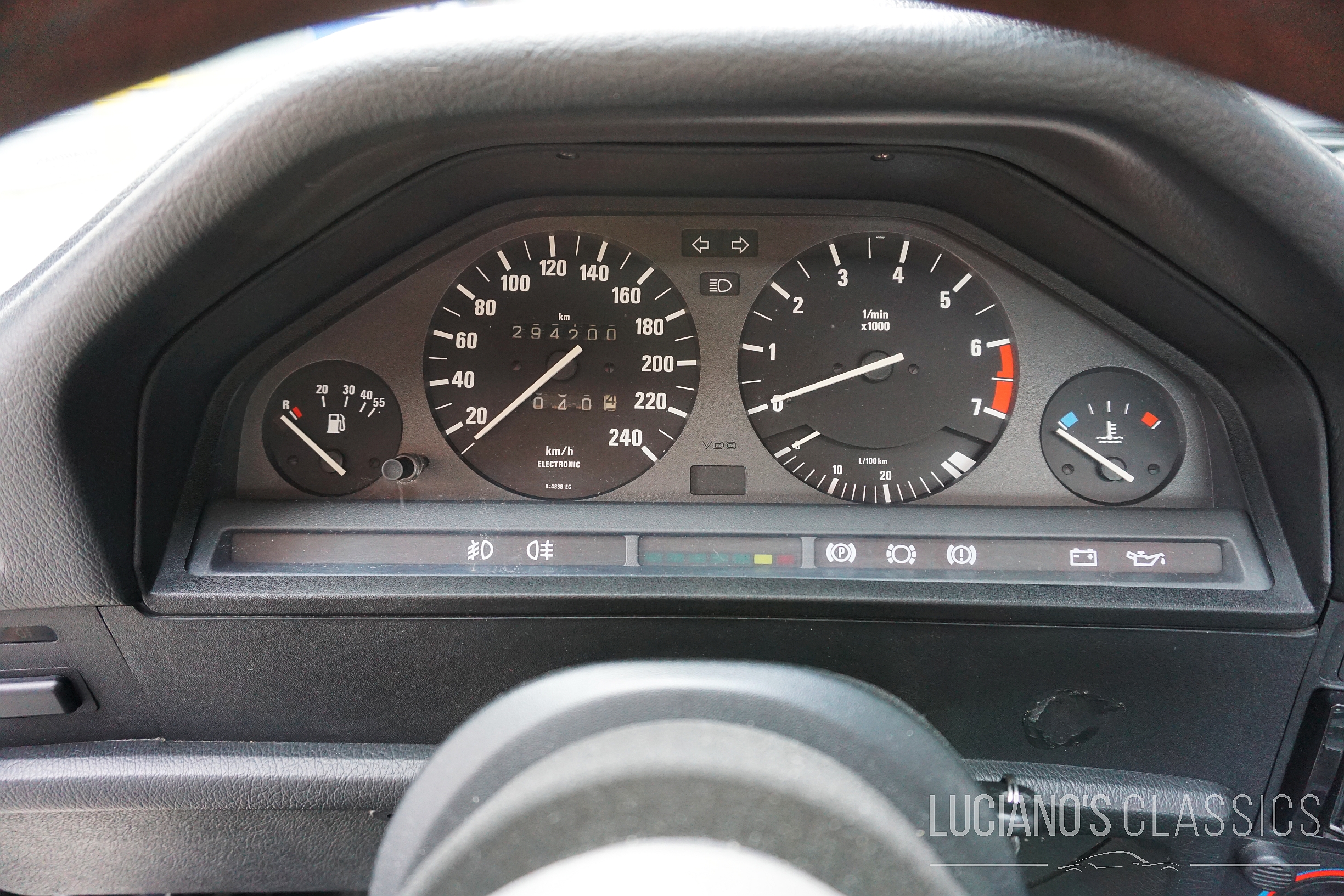
- 295,000 km
- 1. inv. 01.06.1989
- MFK 18.02.2022
- 1’595 ccm R4 engine
- 100 HP
- Type certificate 1B5037
- Master number 181.475.791
- Chassis WBAAC11070AB15219
- Unladen weight 1,110 kg
- Payload 435 kg
not what you are looking for?
We will be happy to find your individual dream vehicle.
Simply make a non-binding inquiry and benefit from our network.