
Mercedes-Benz 190E 2.3
Description
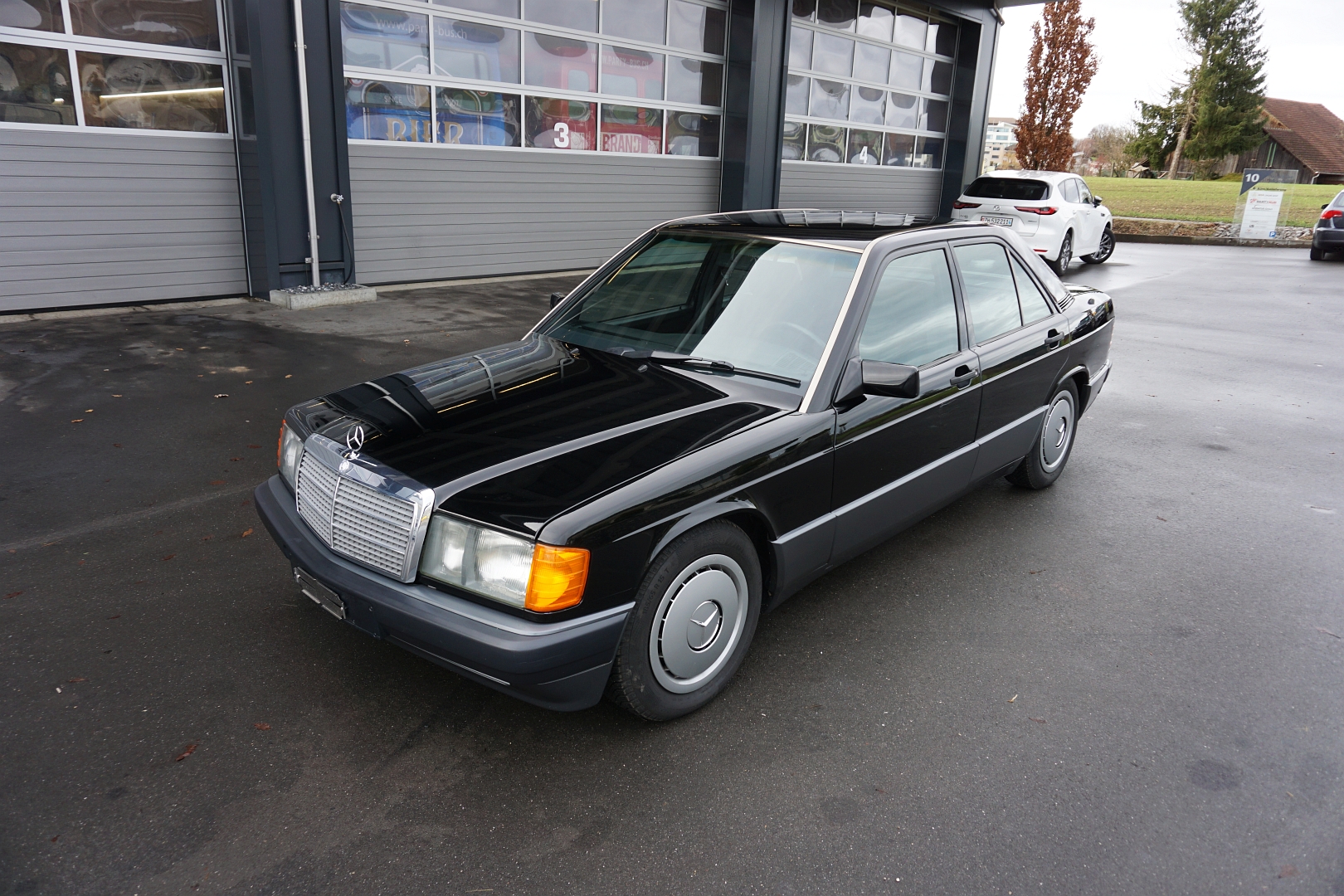
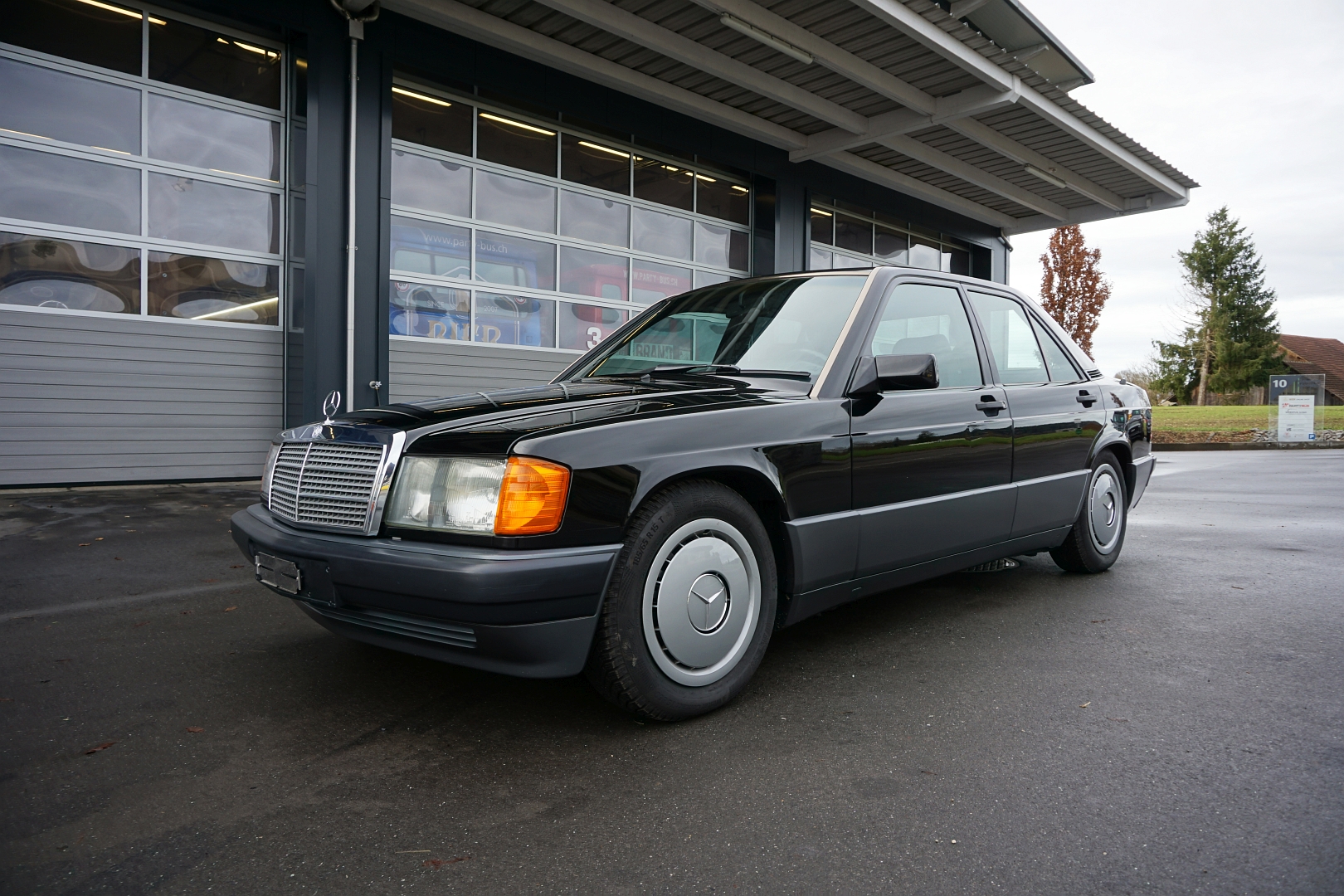
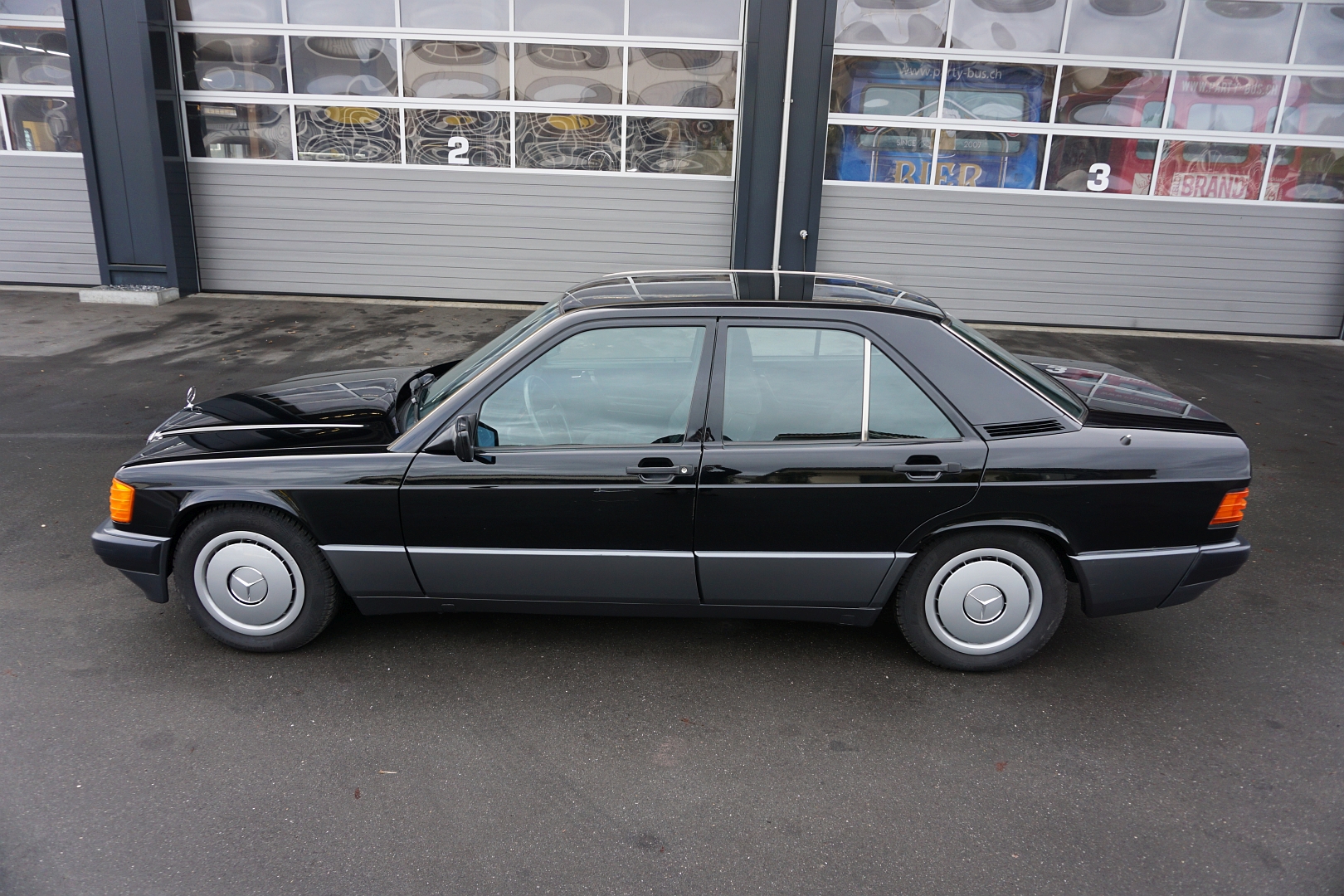
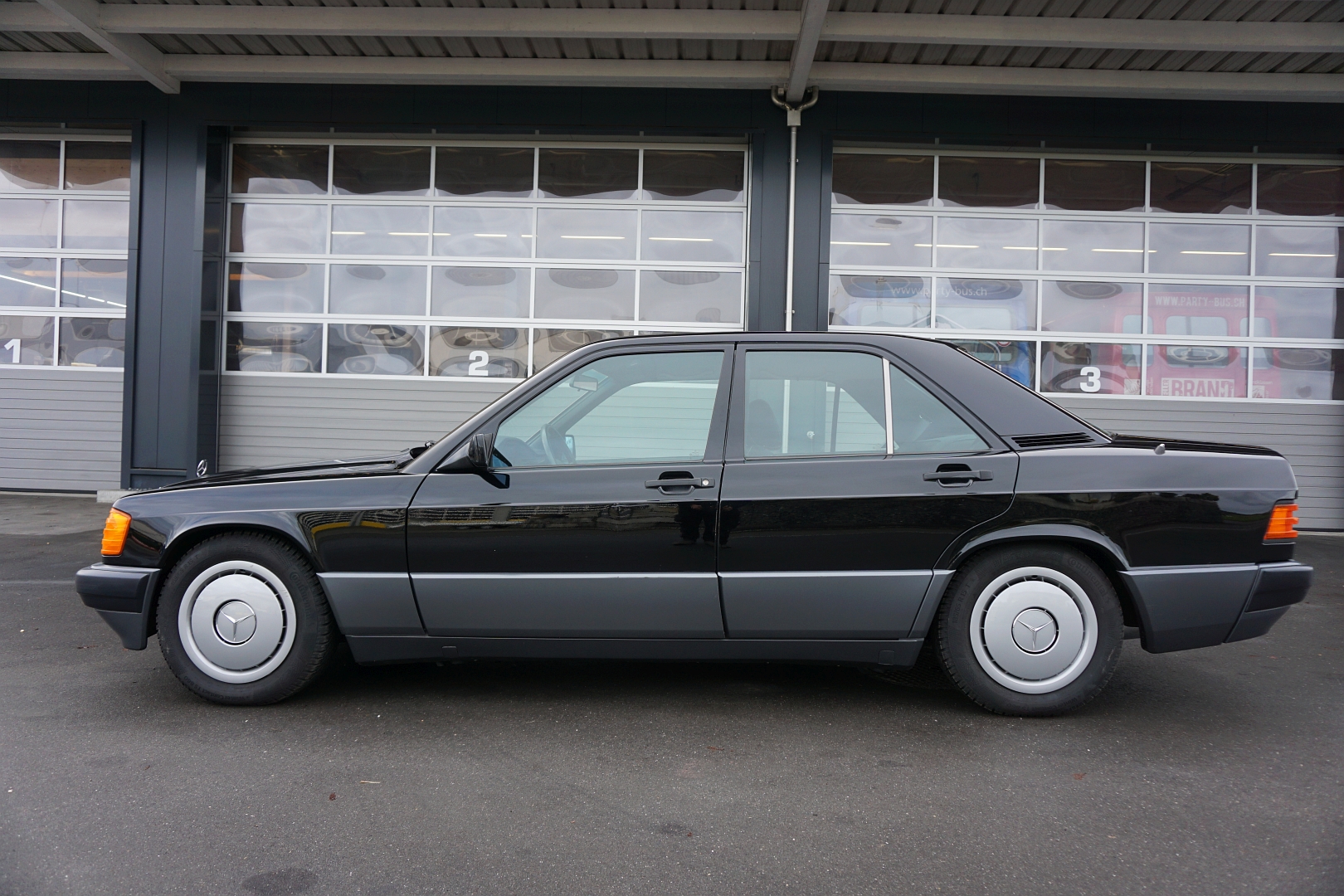
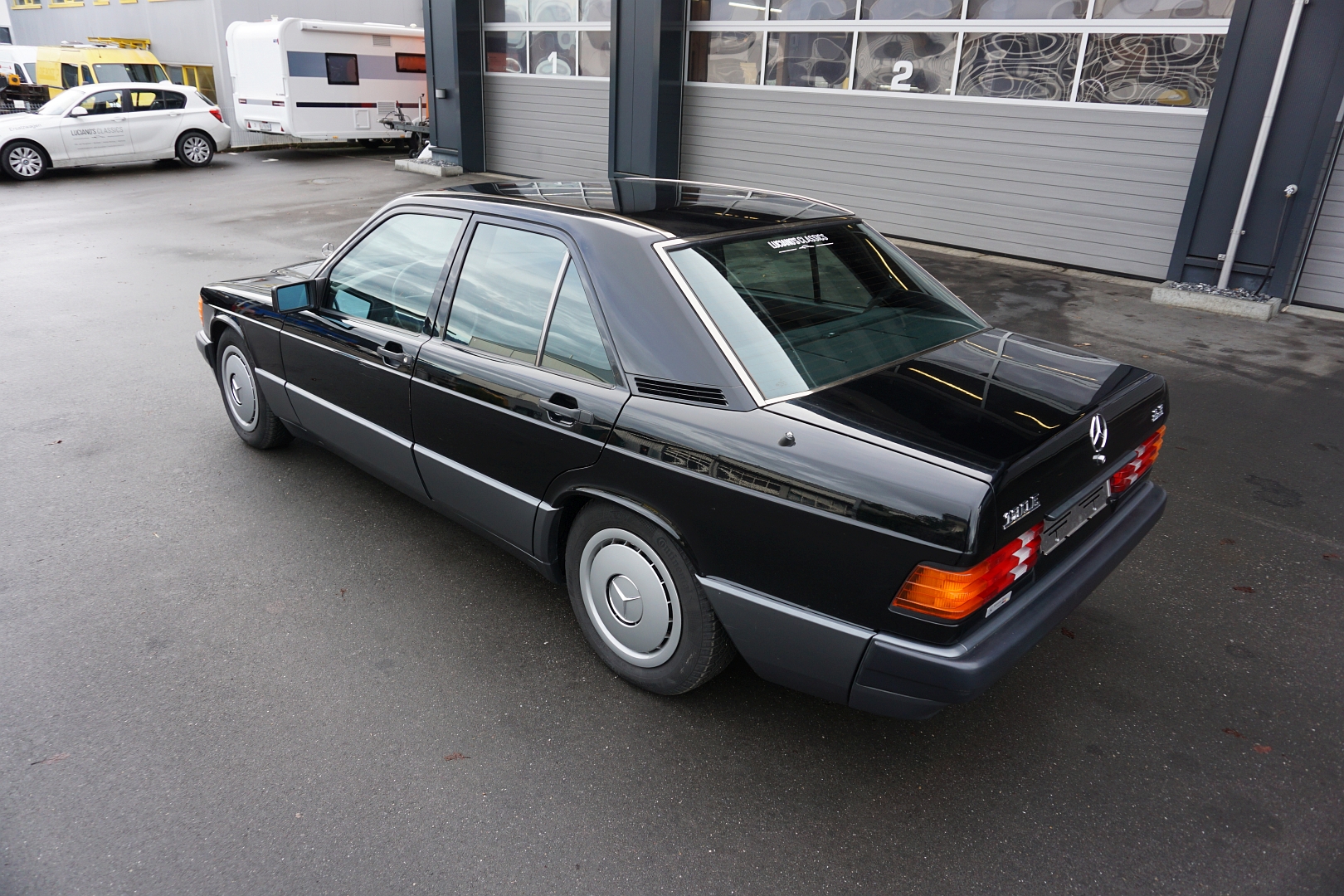
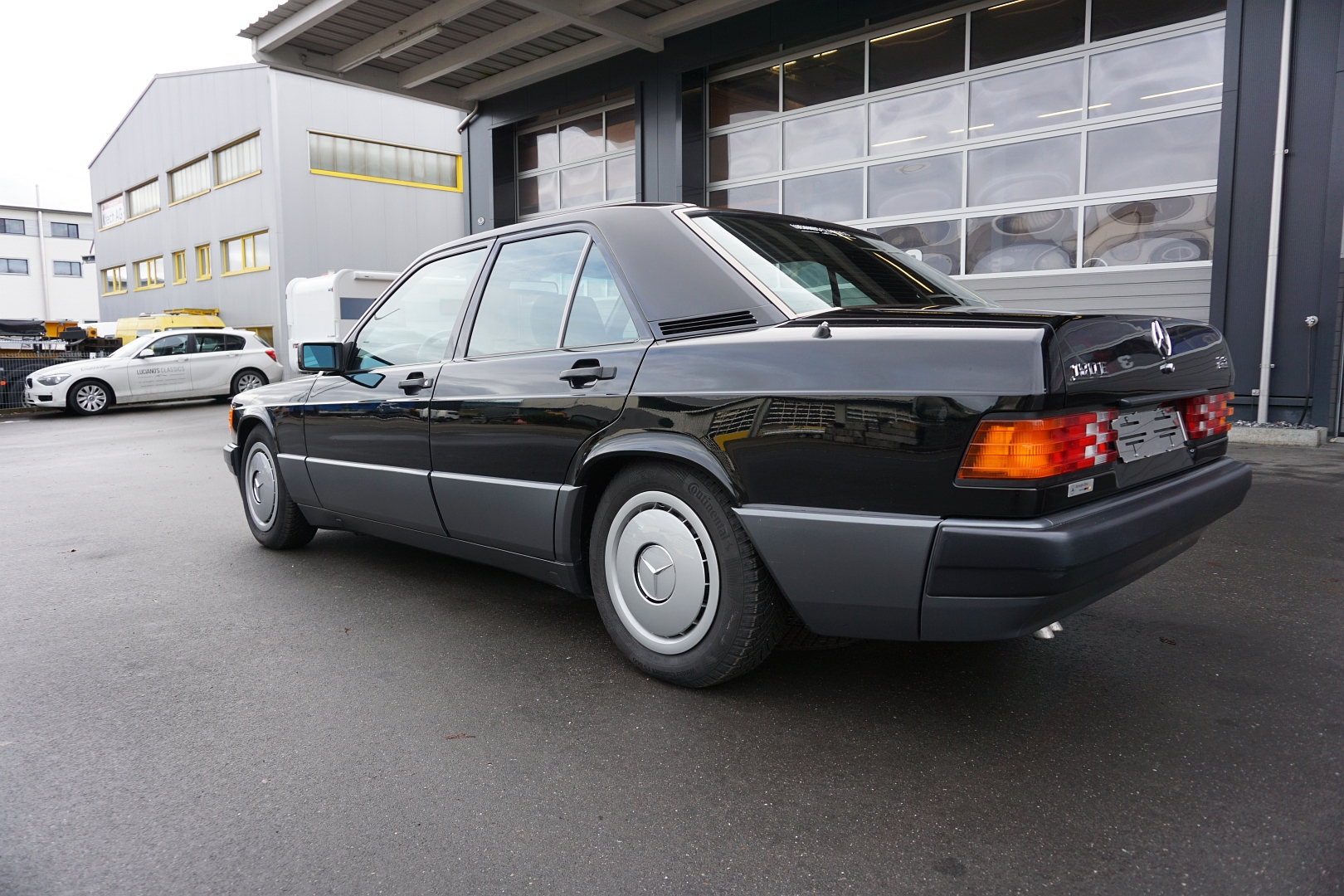
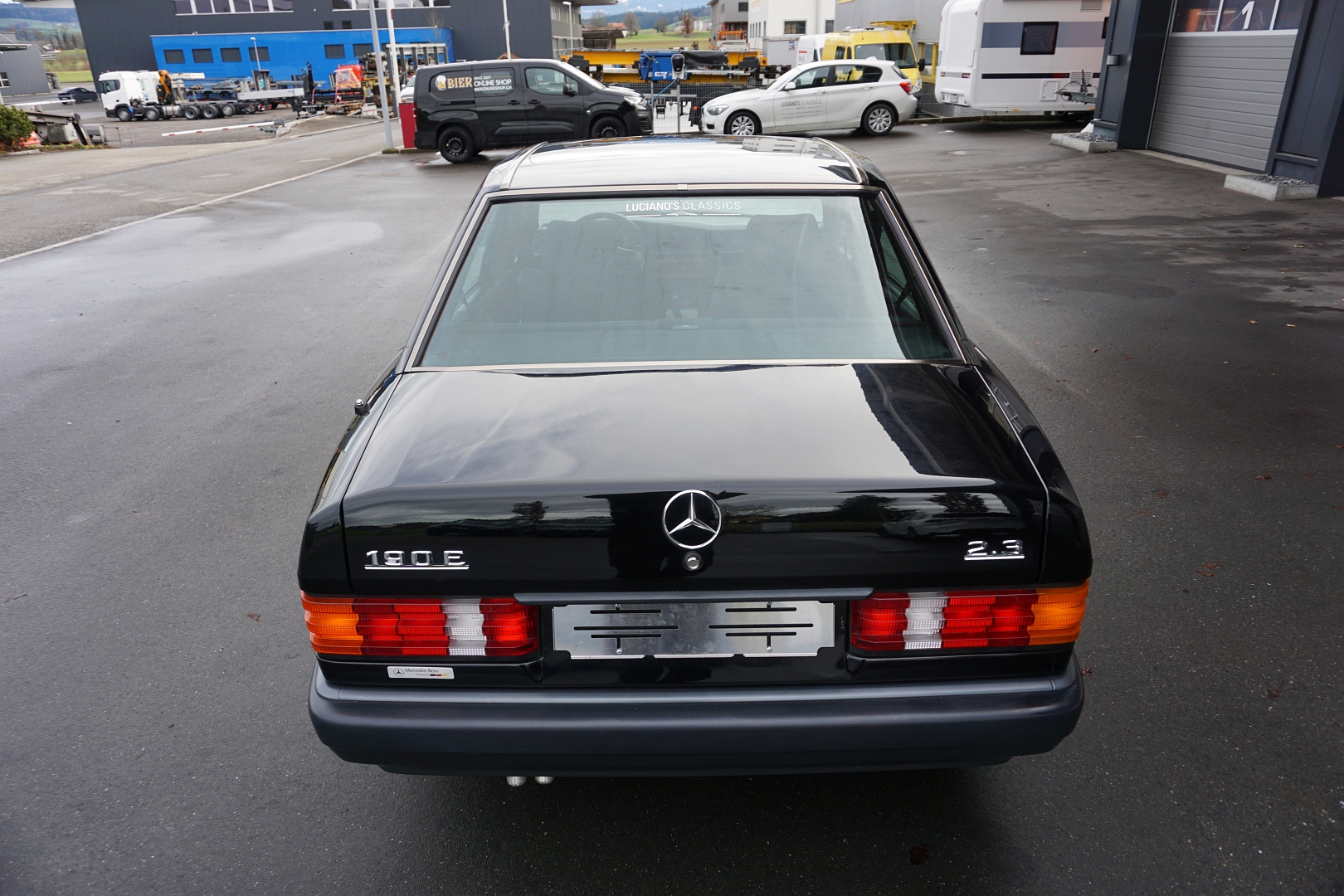
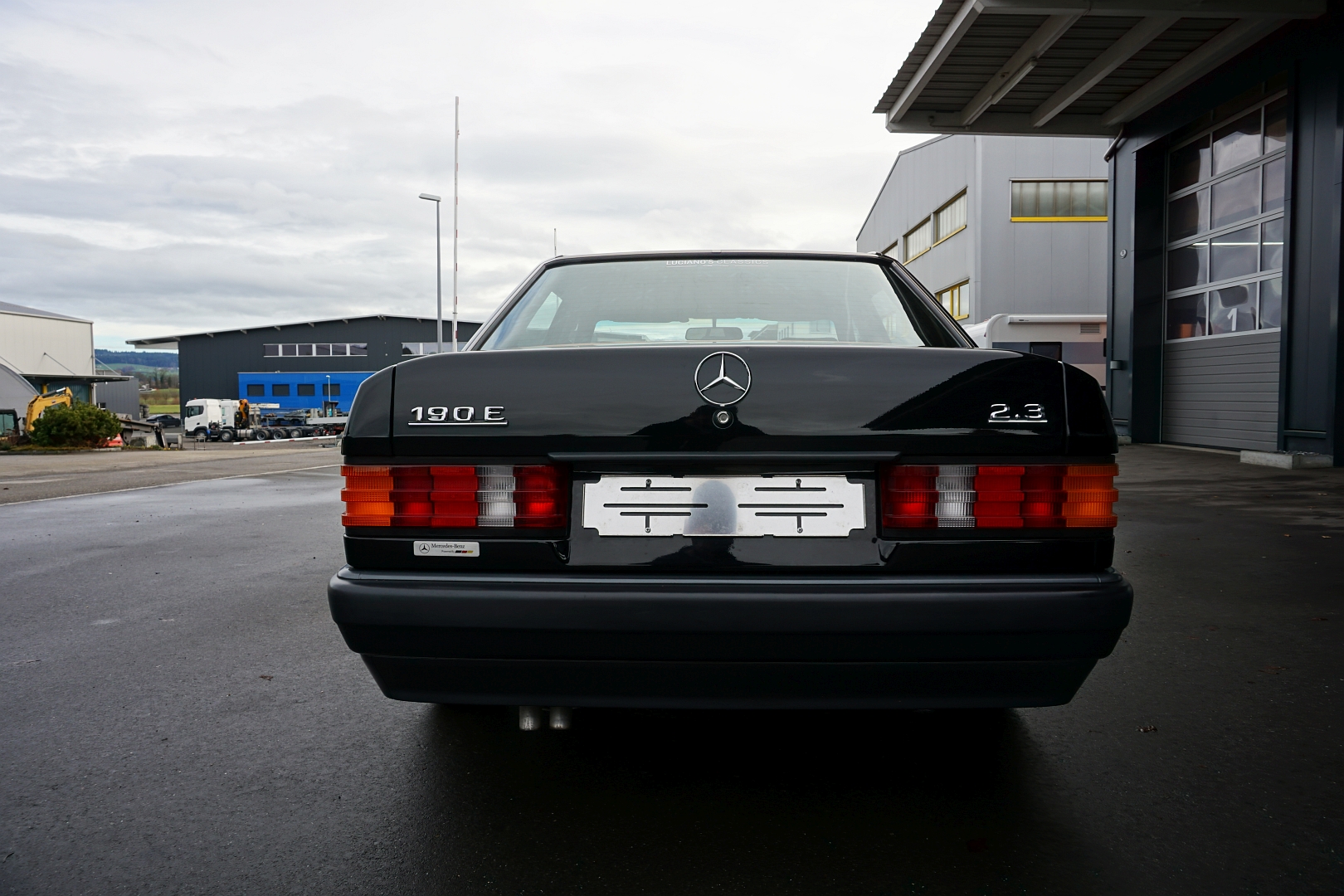
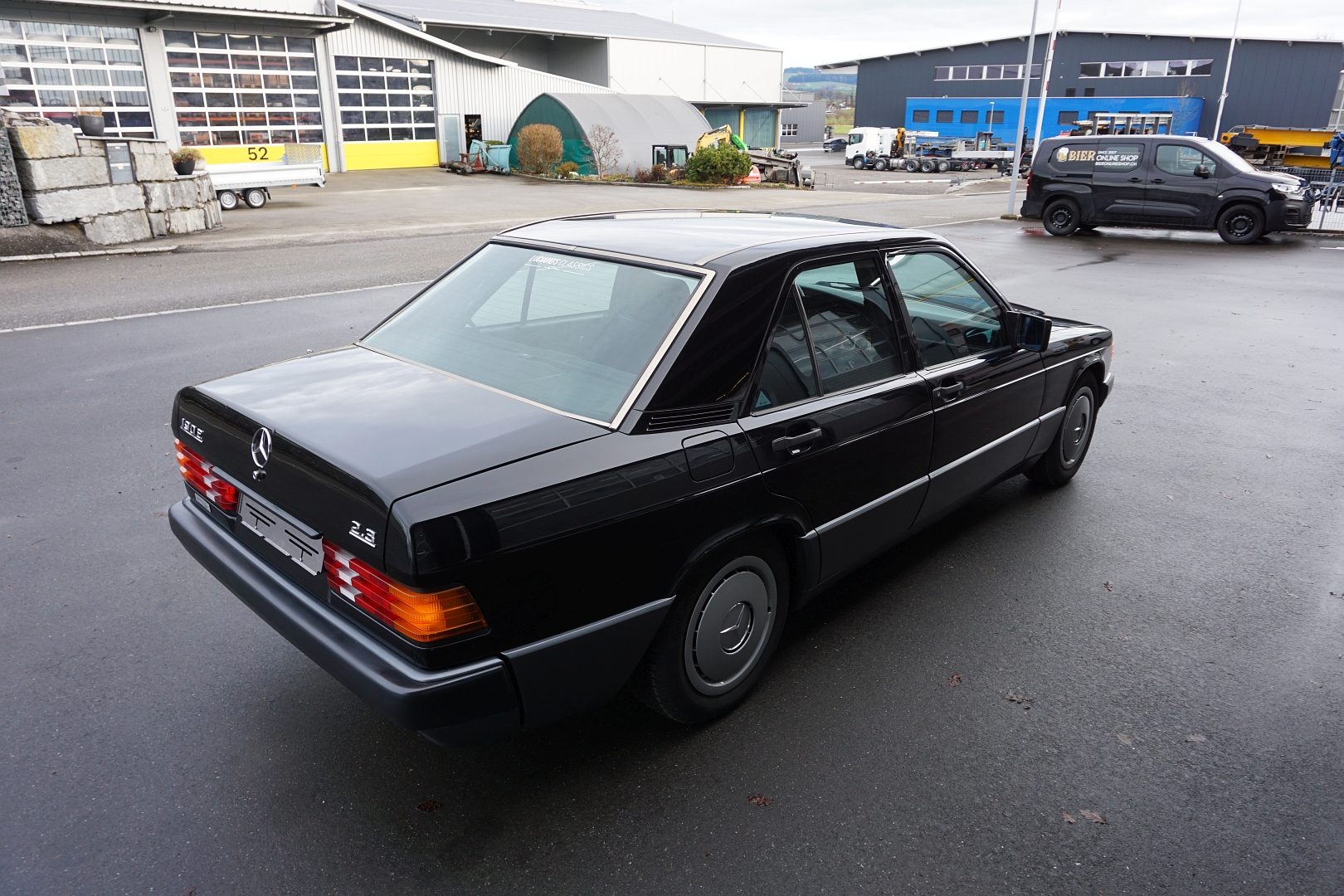
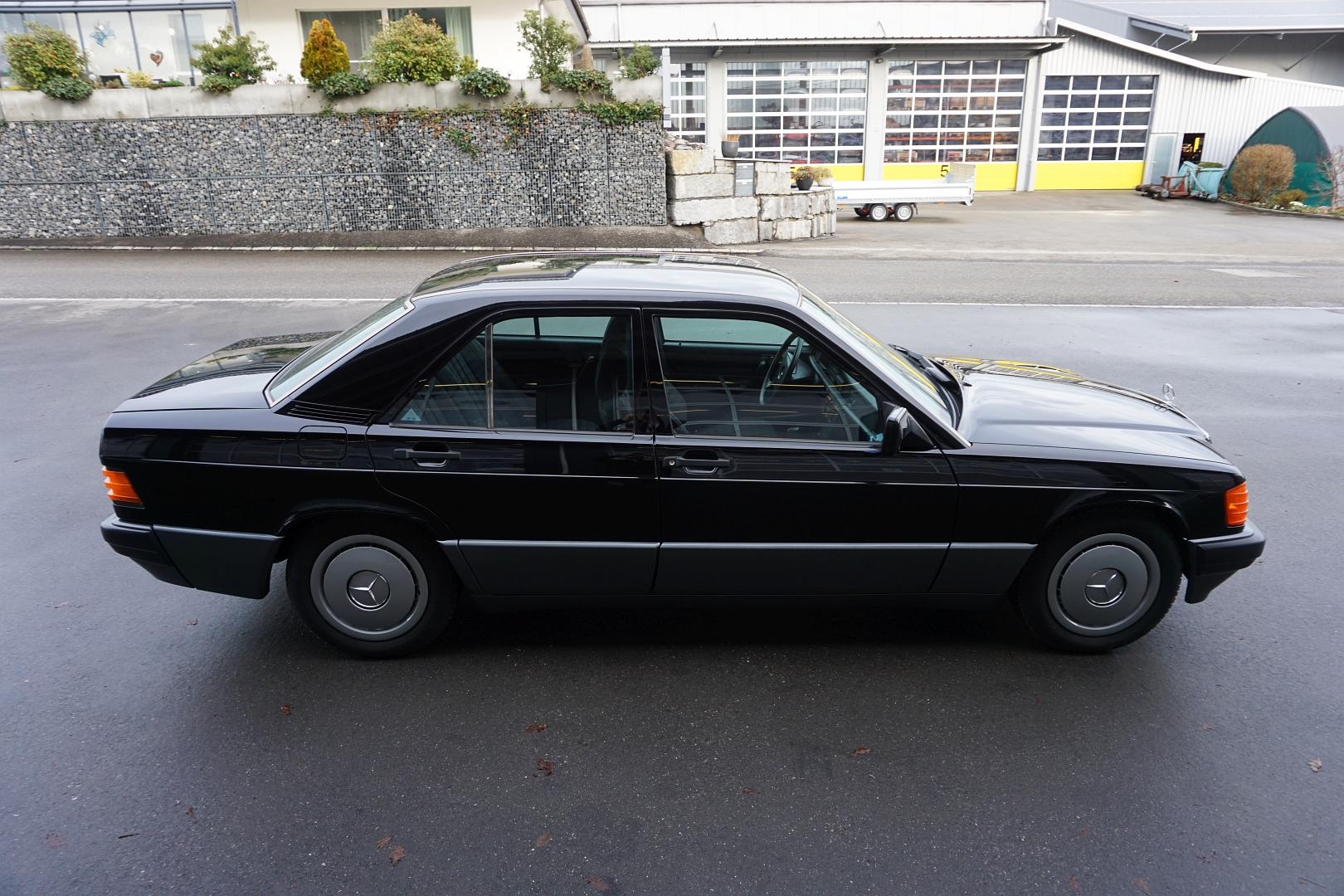
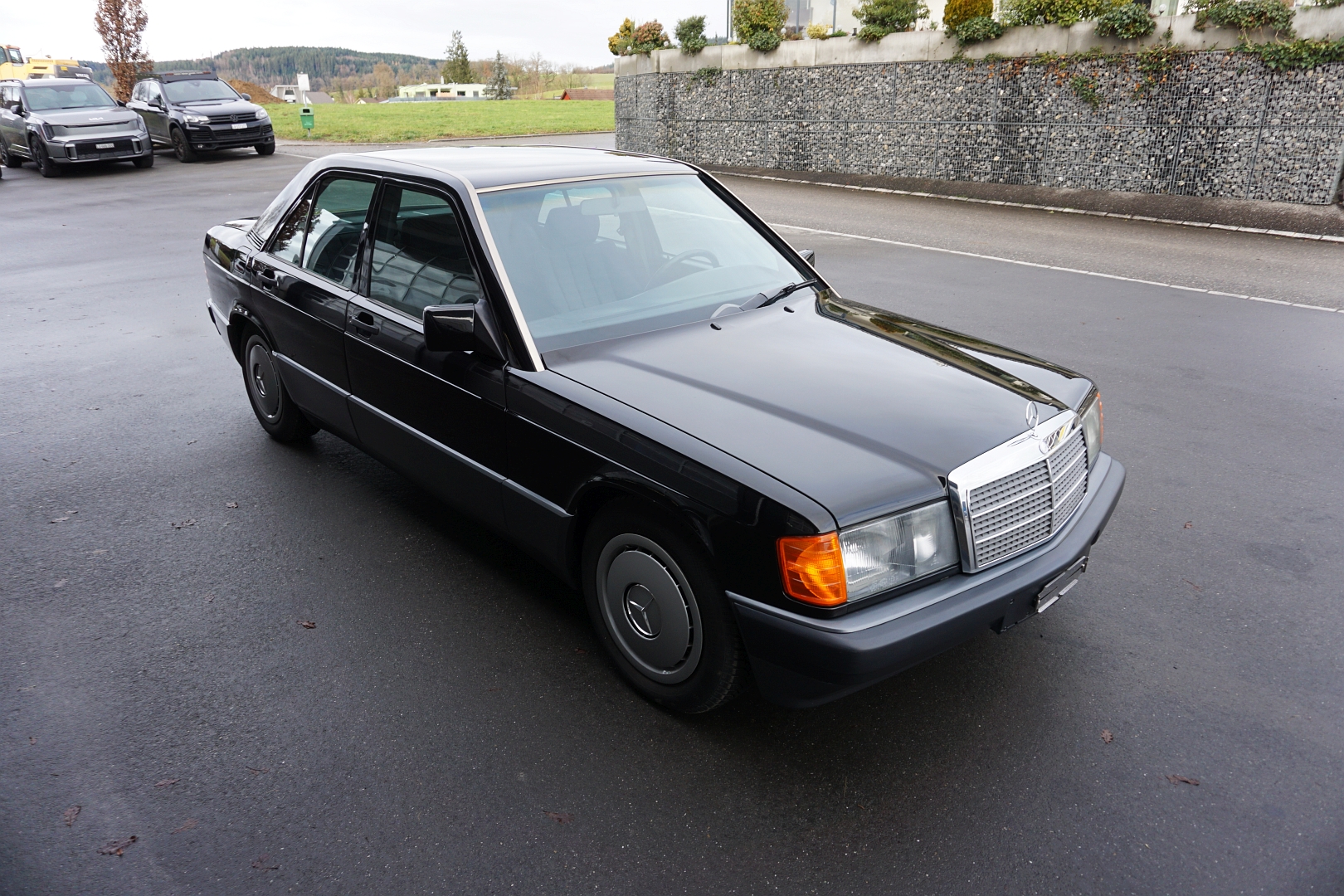
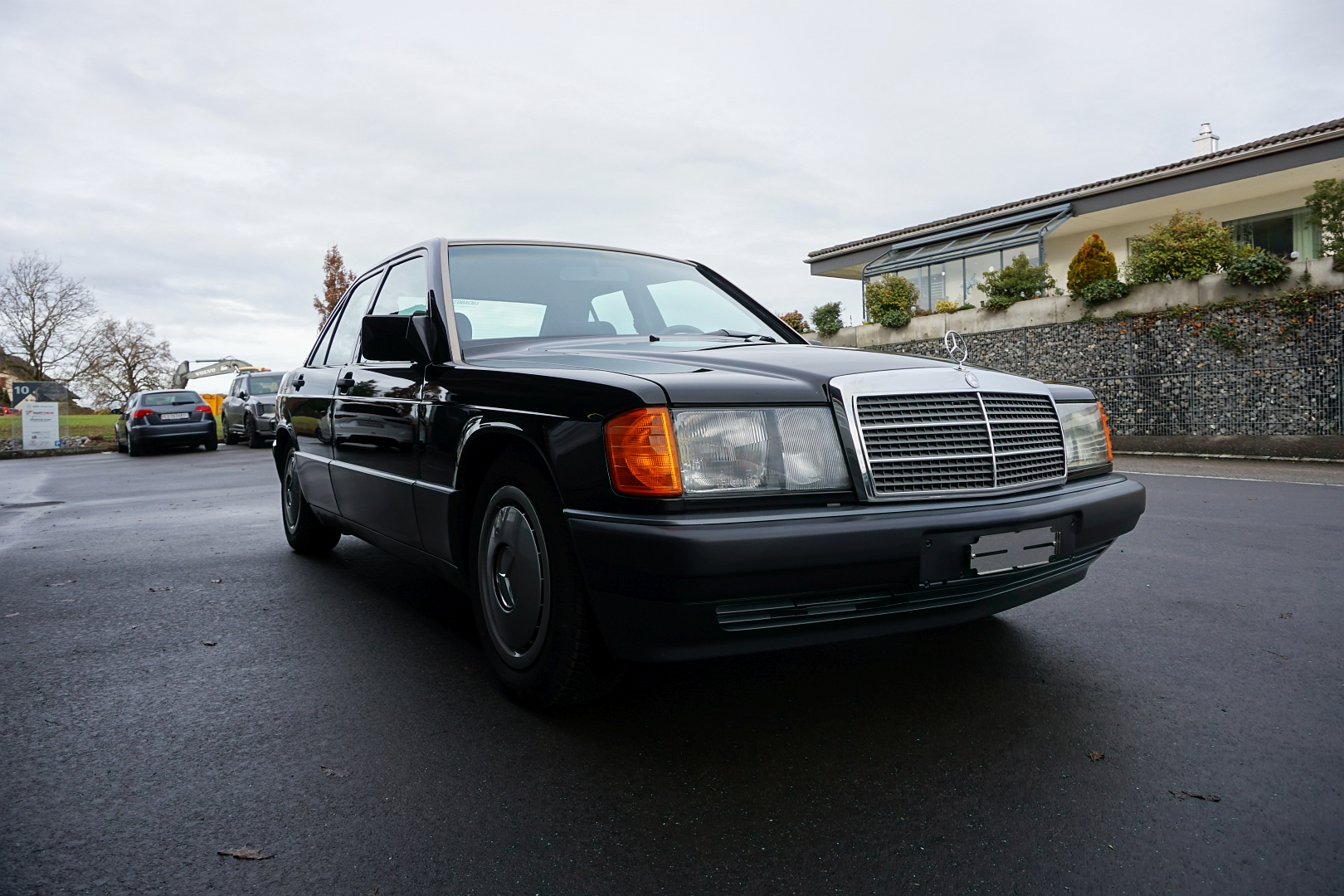
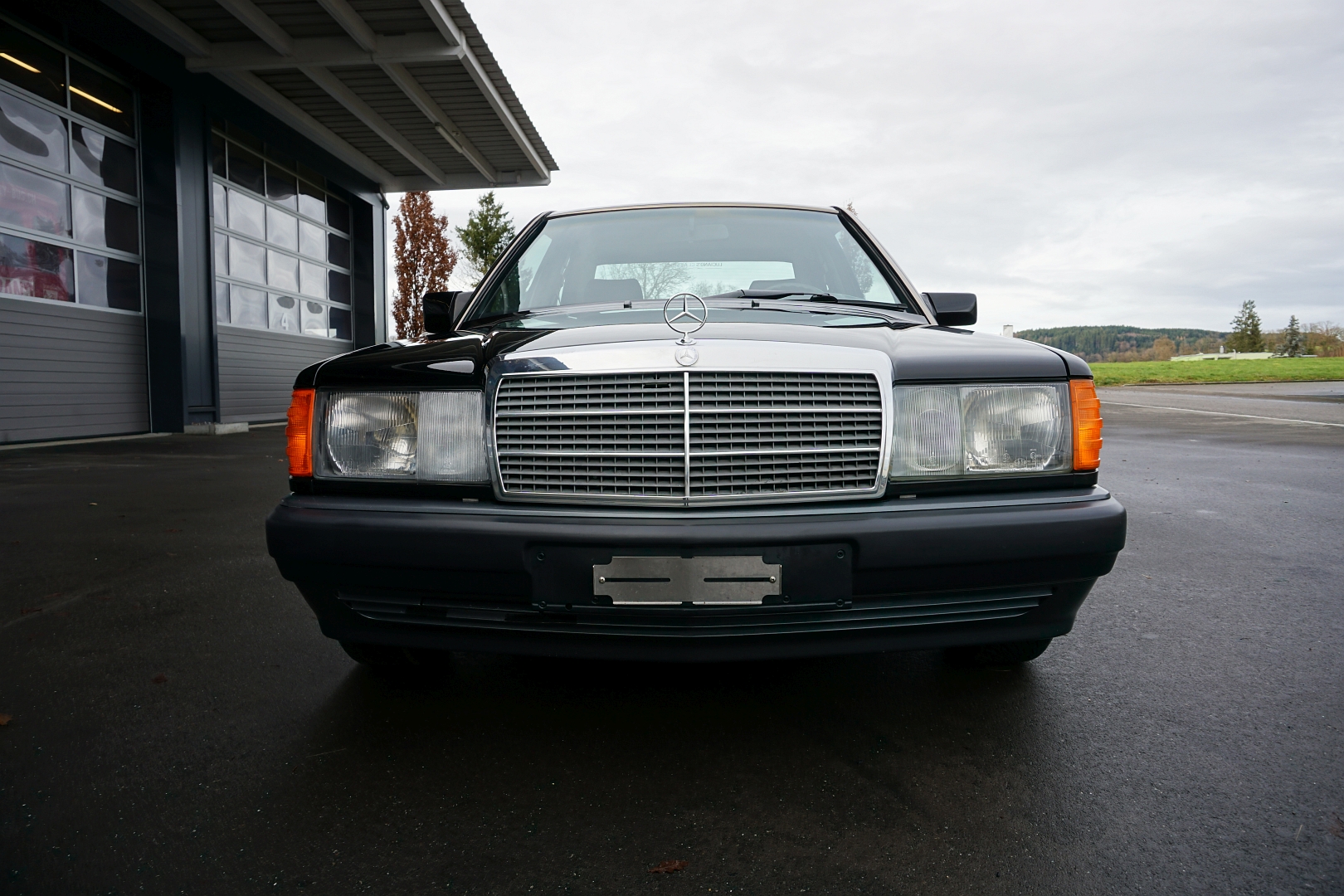
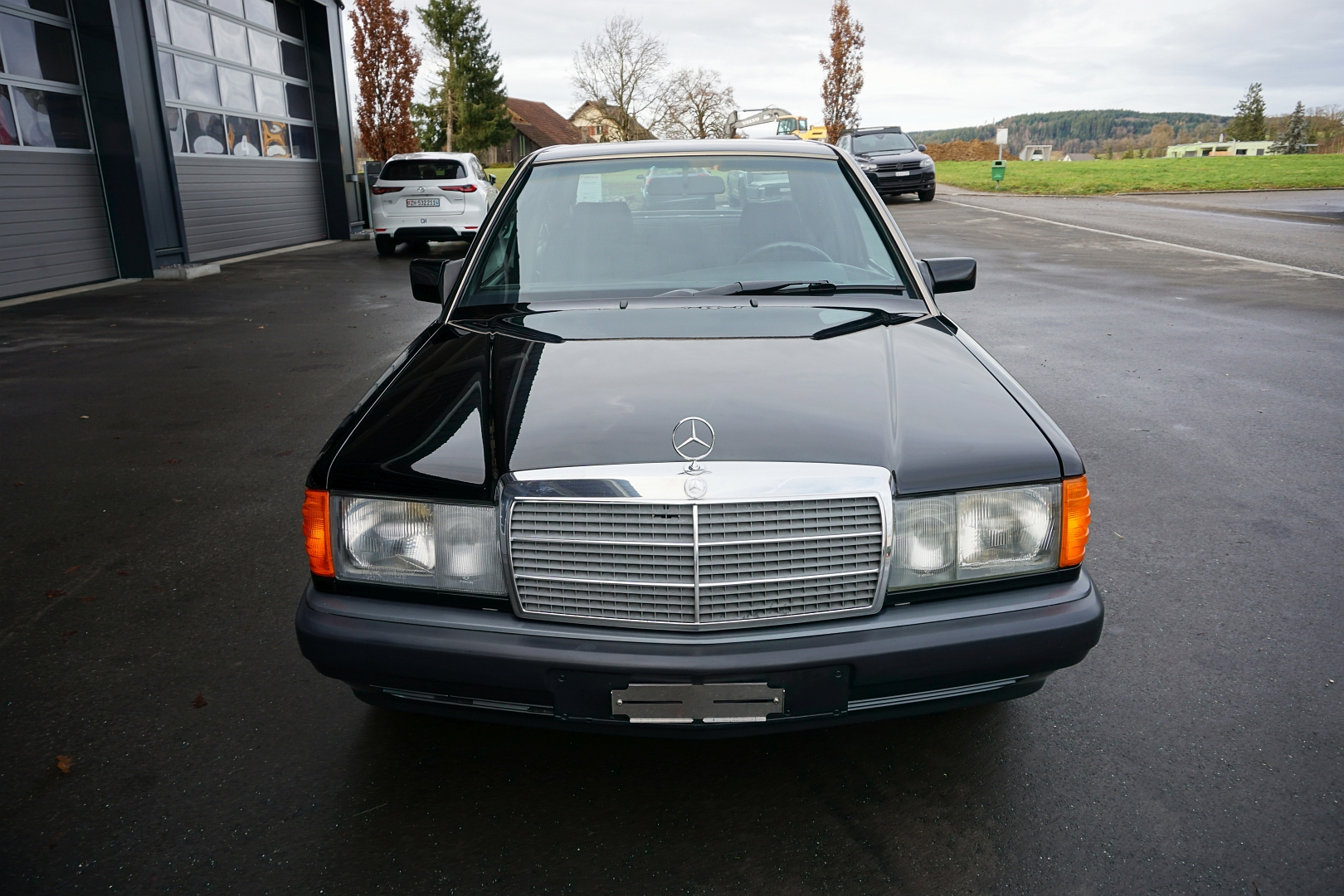
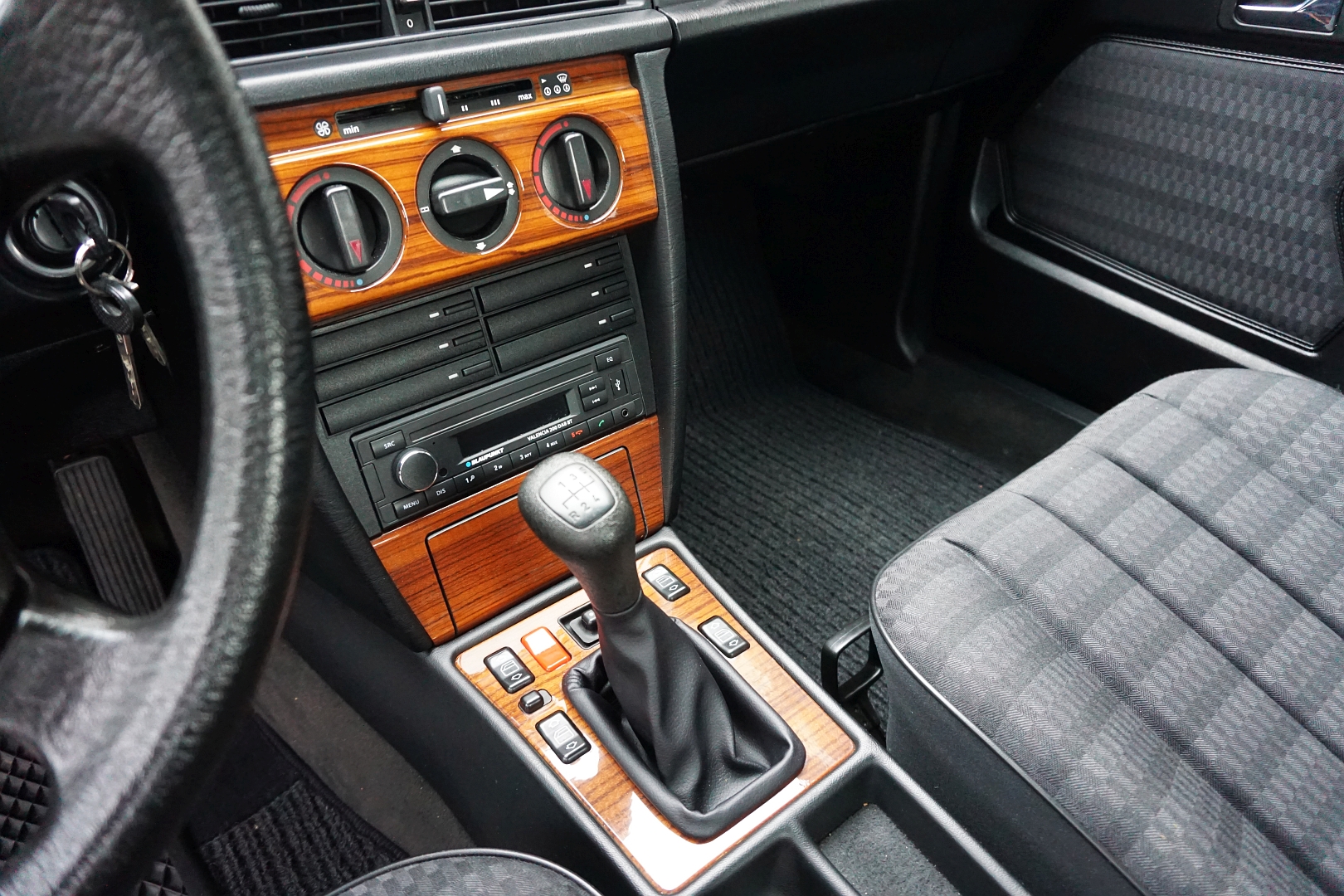
This 1991 Mercedes-Benz 190E 2.3 impressively demonstrates why the W201 has enjoyed a legendary reputation for decades: It combines robust engineering, pleasant everyday practicality and a driving experience that hardly any modern car can offer today. The 2.3-liter in-line four-cylinder engine runs cleanly, refined and powerful at the same time - and thanks to the optional 5-speed manual transmission, the power can be used precisely and directly. A true driver's Mercedes, the likes of which are no longer built.
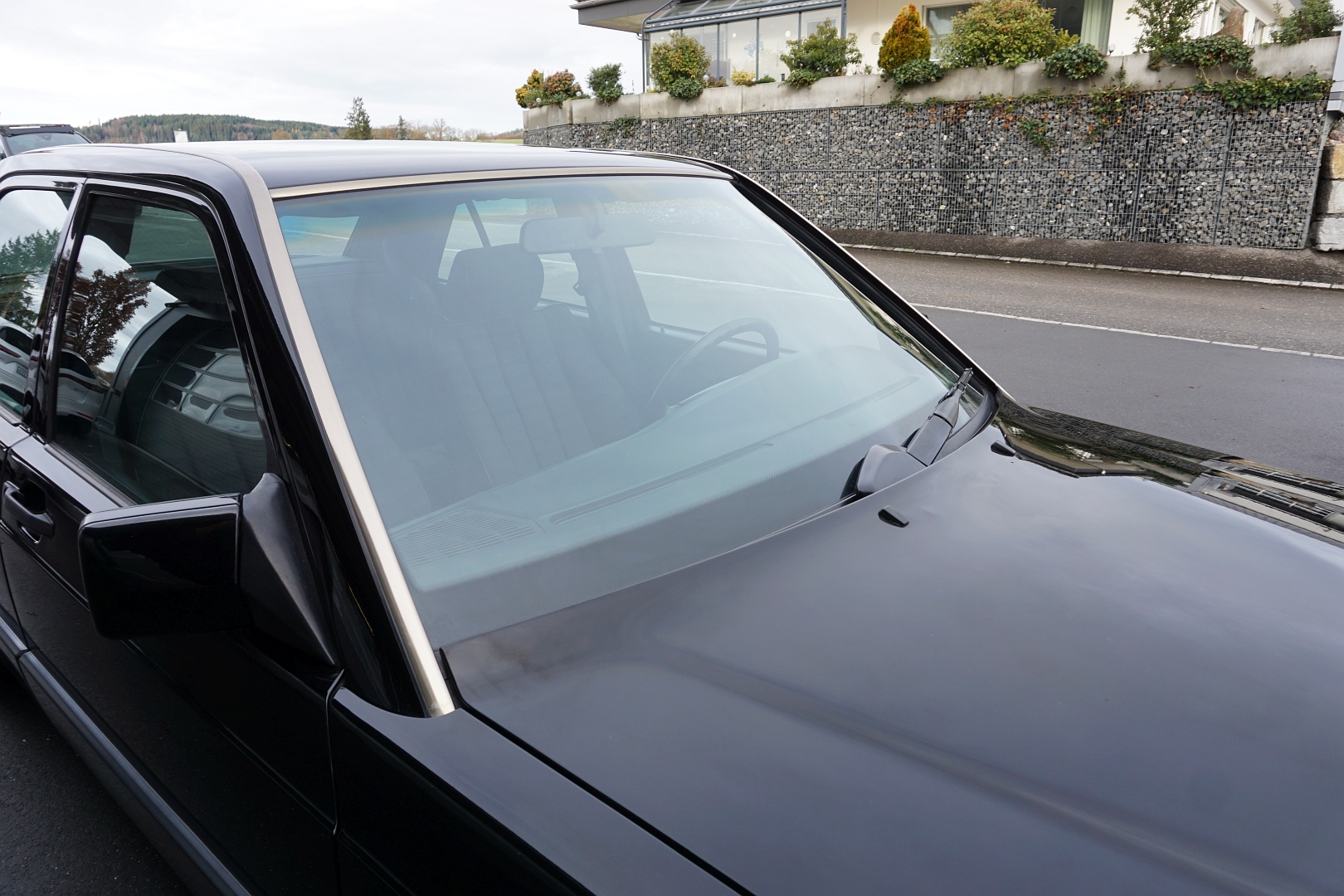
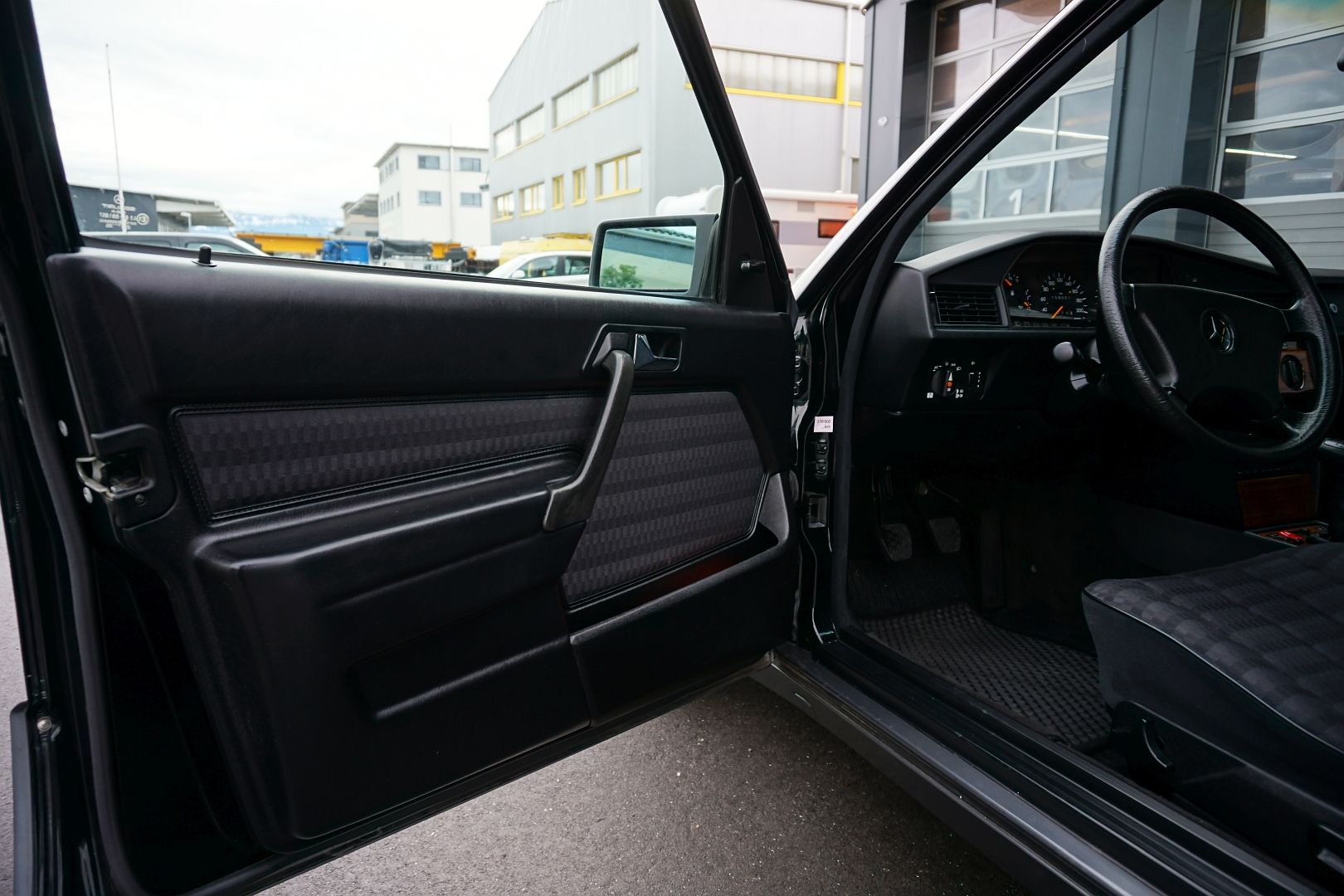
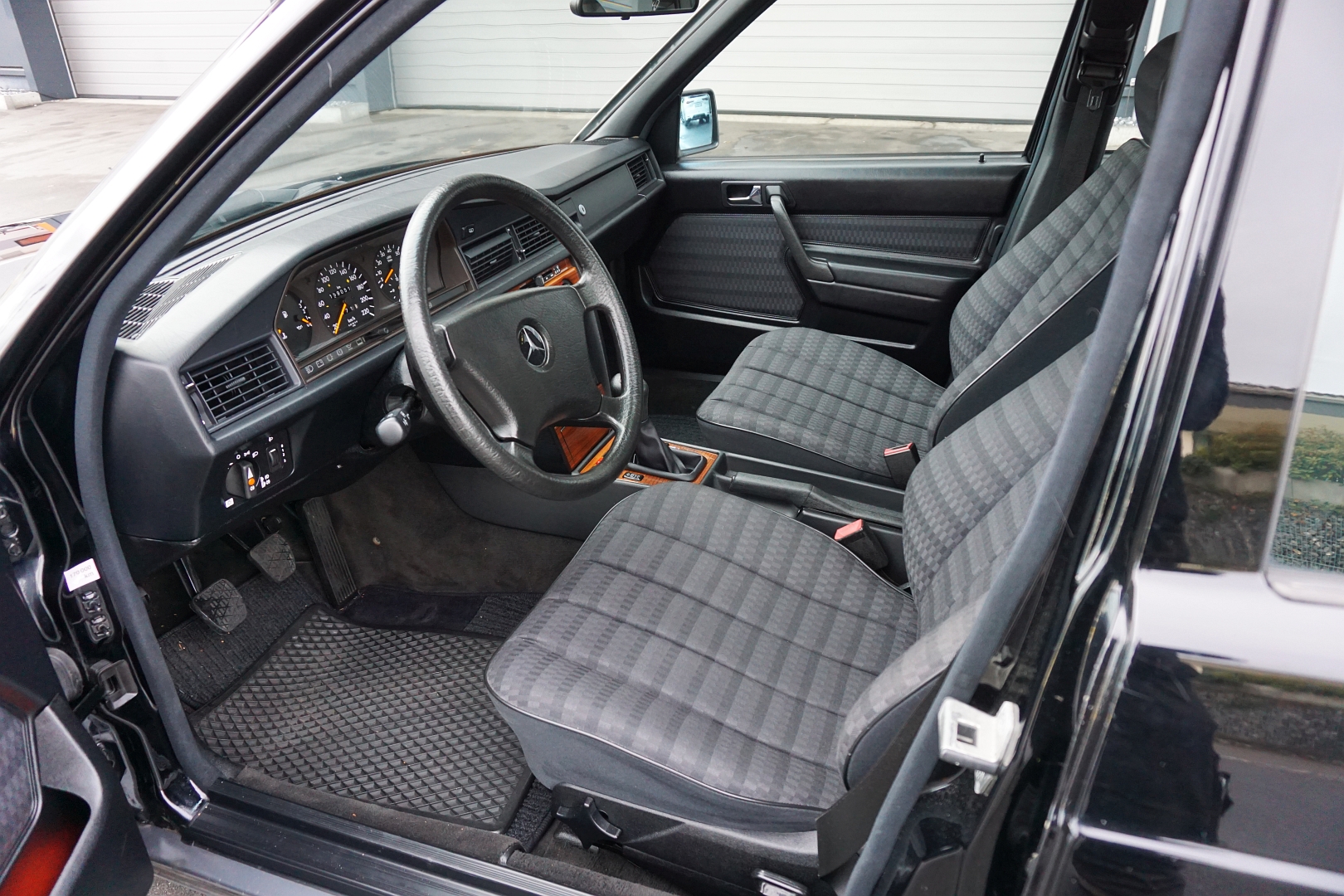
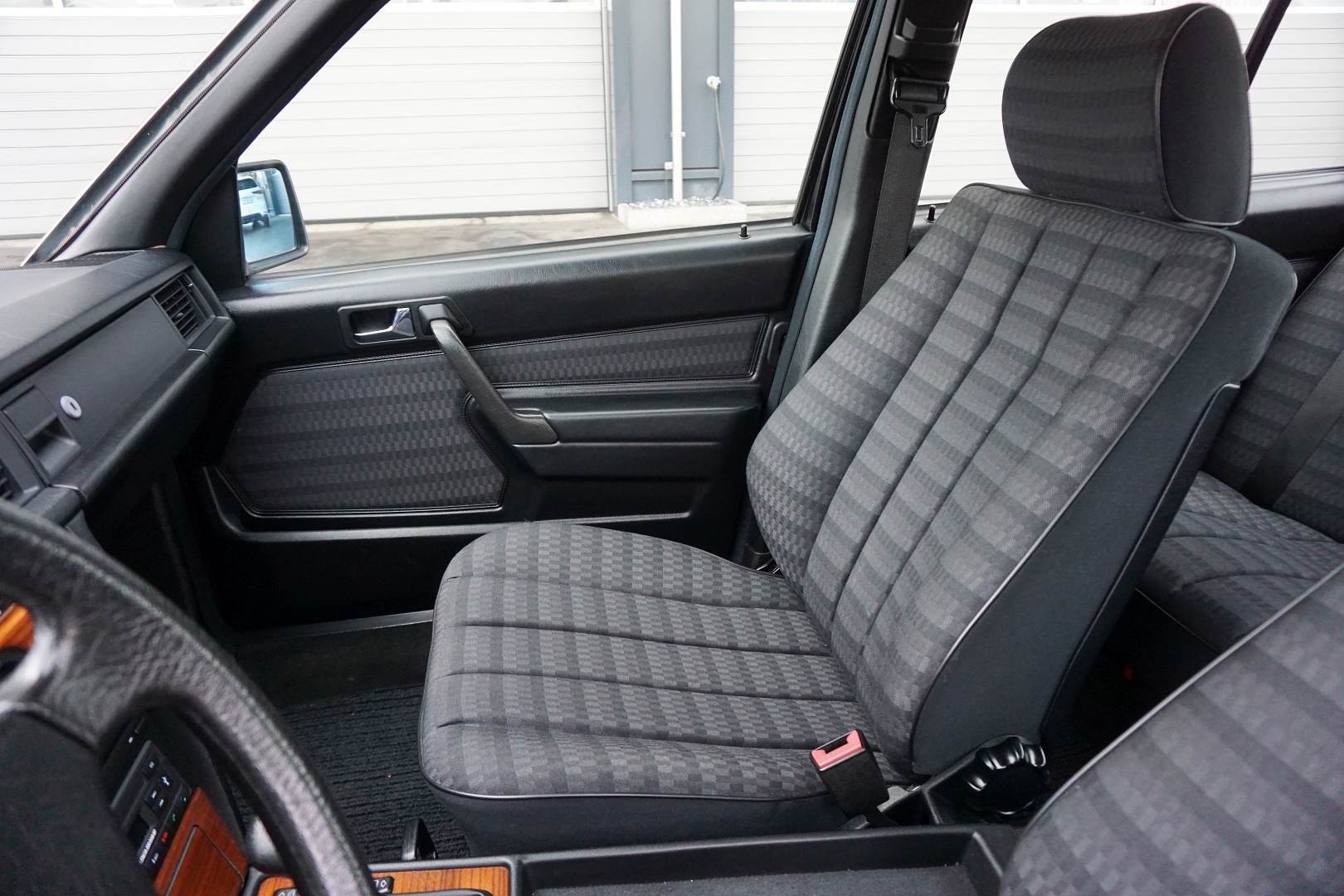
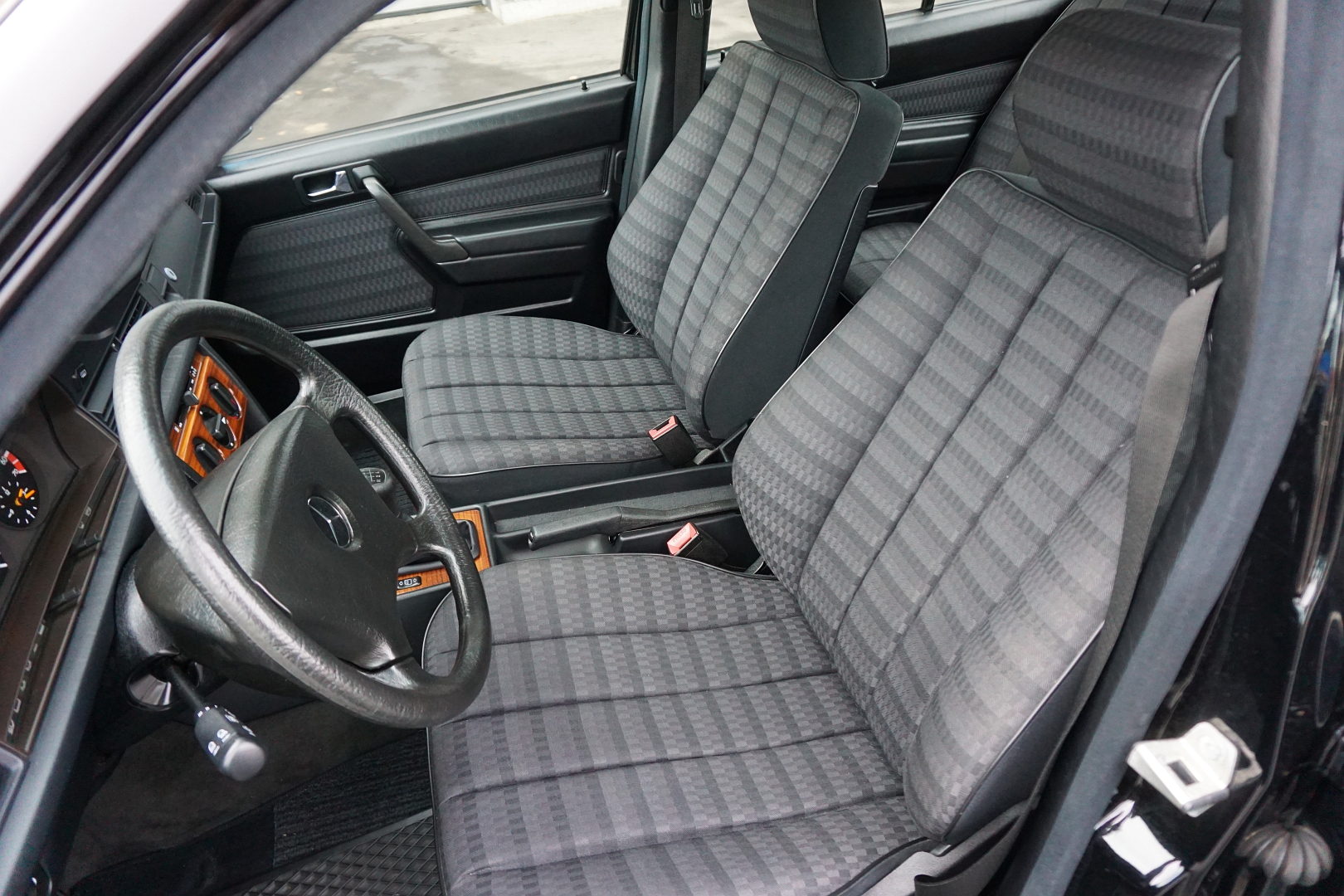
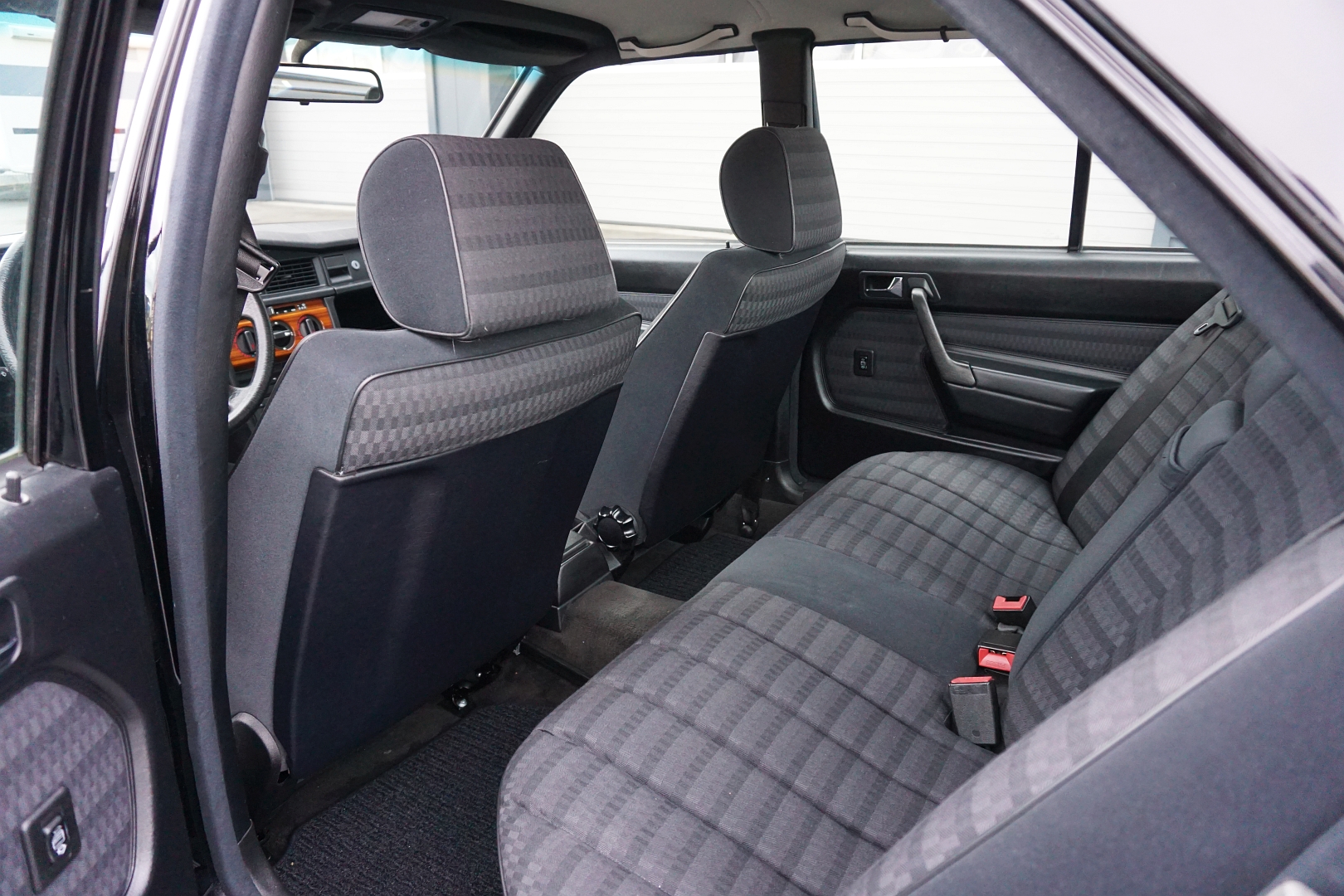
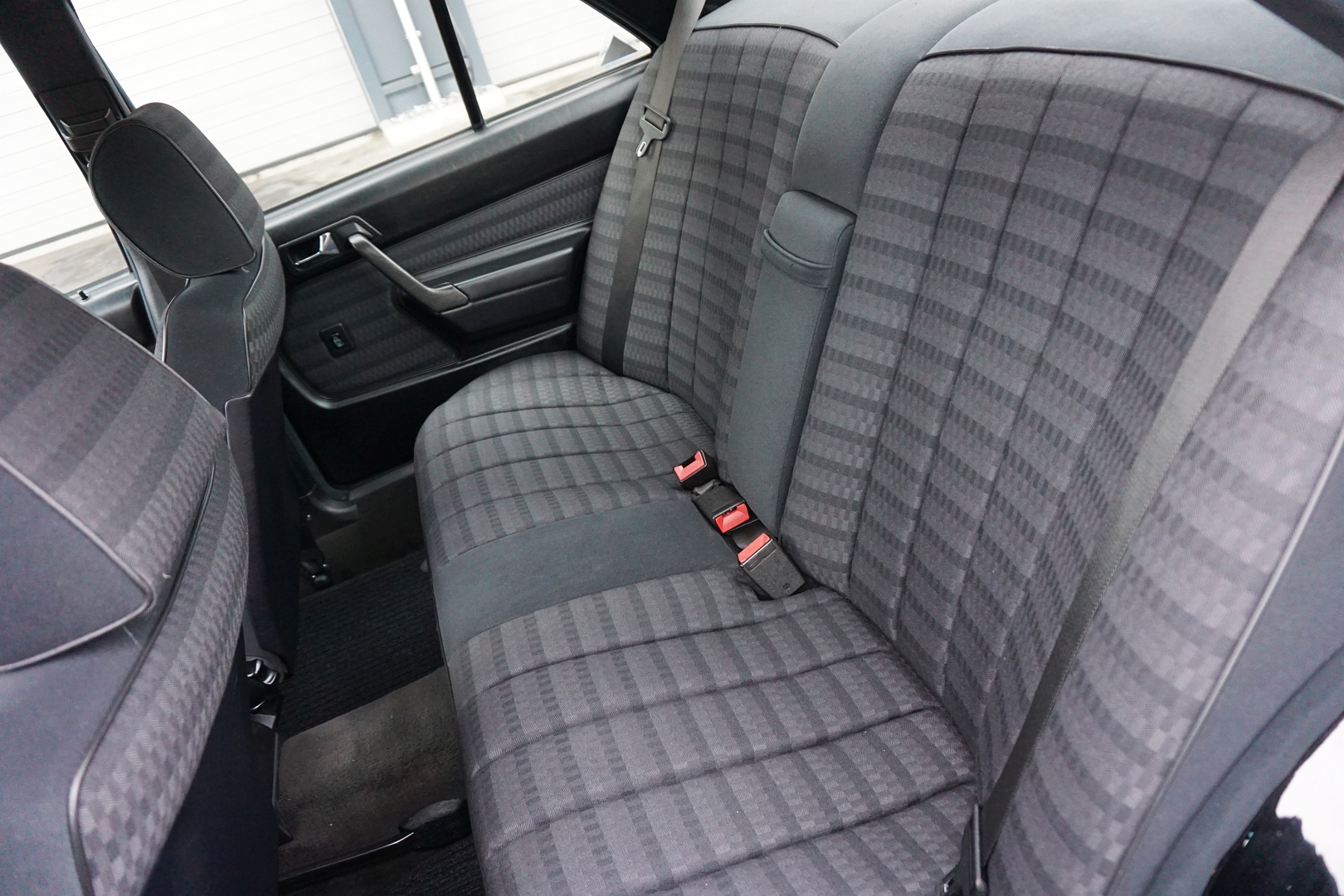
The car is technically solid, well-maintained and unadulterated. The steering is tight, the chassis shows the typical Mercedes stability and the brakes grip cleanly. Inside, the classic W201 cockpit awaits you: clear shapes, perfect ergonomics and durable materials with the charm of the early 90s.
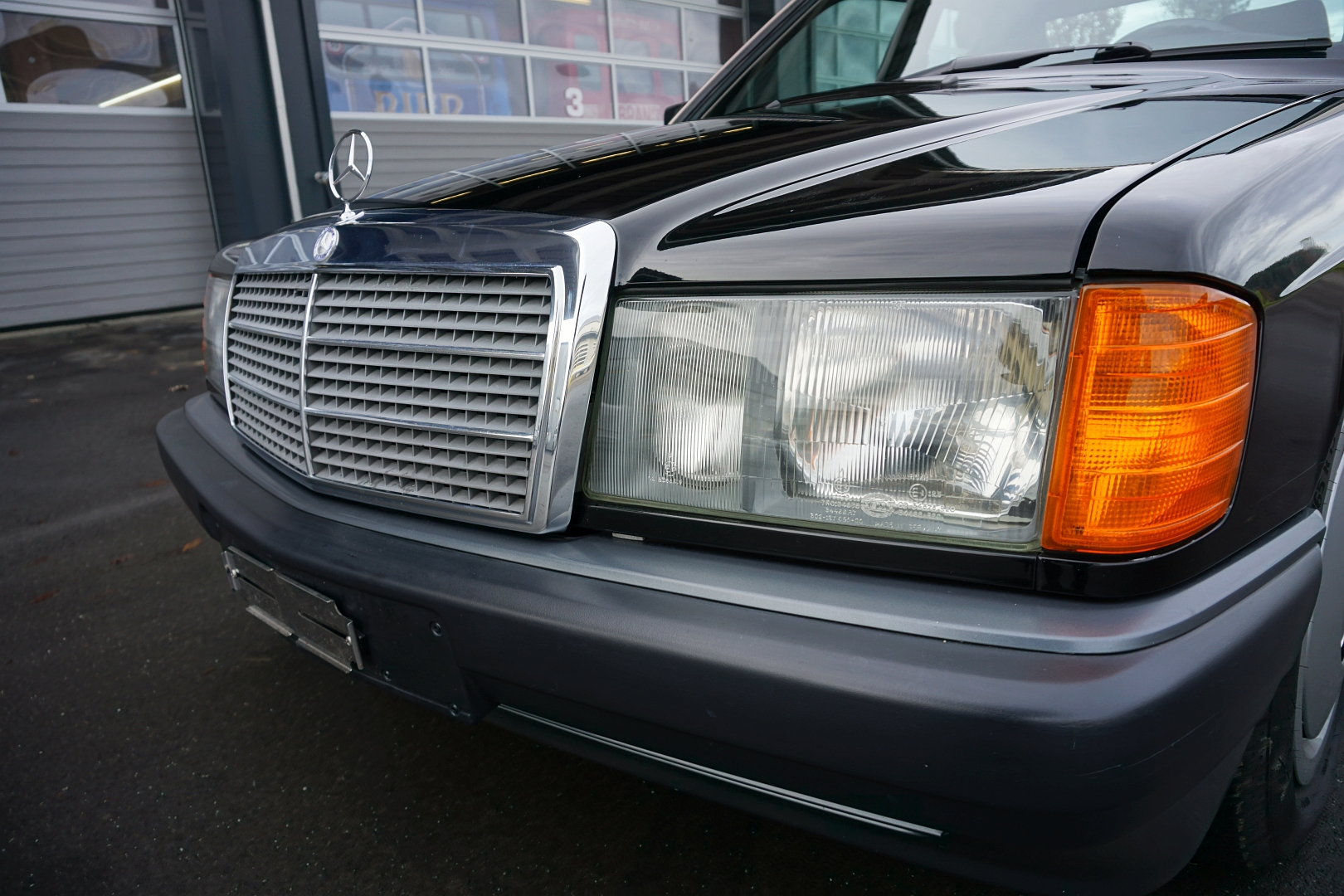
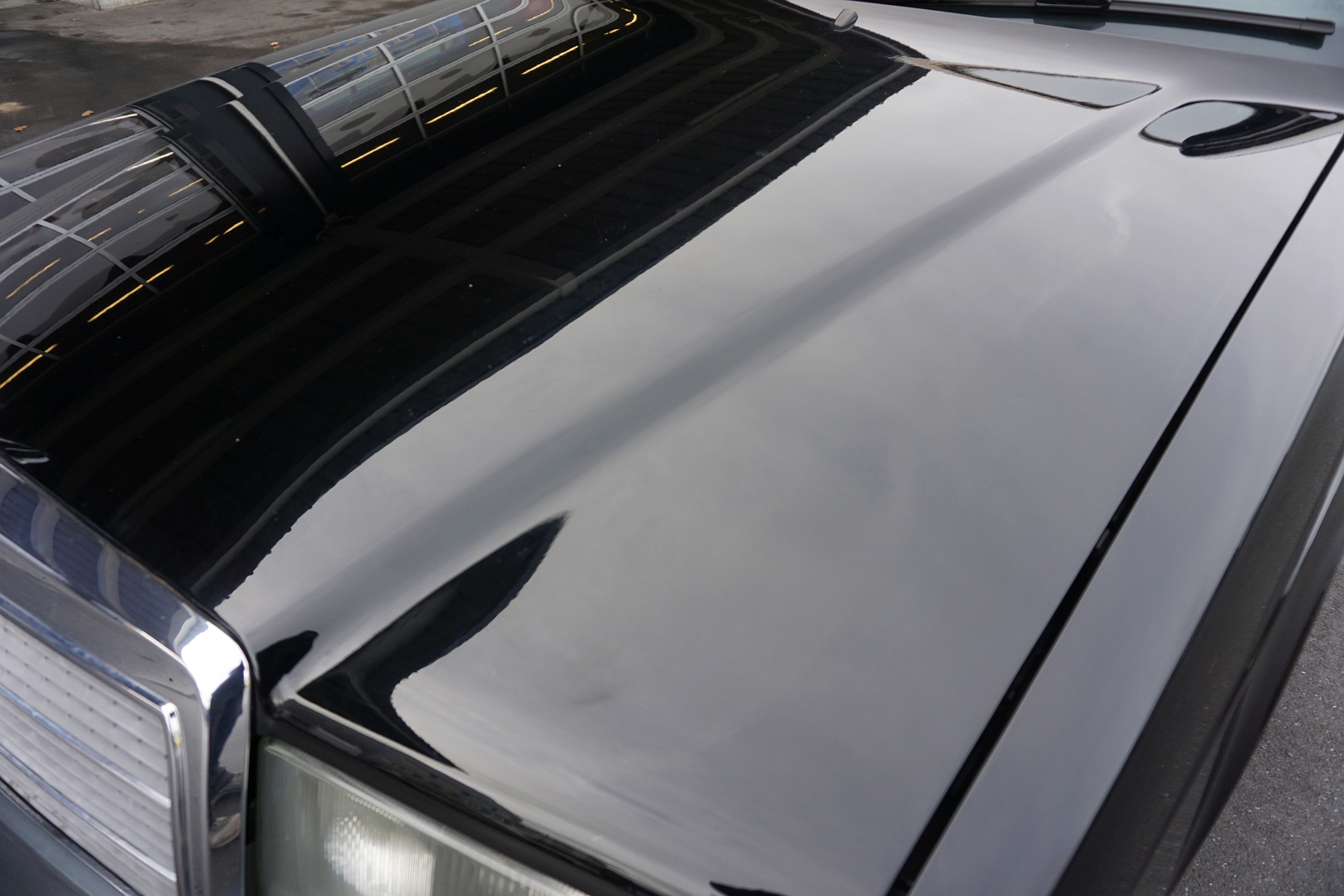
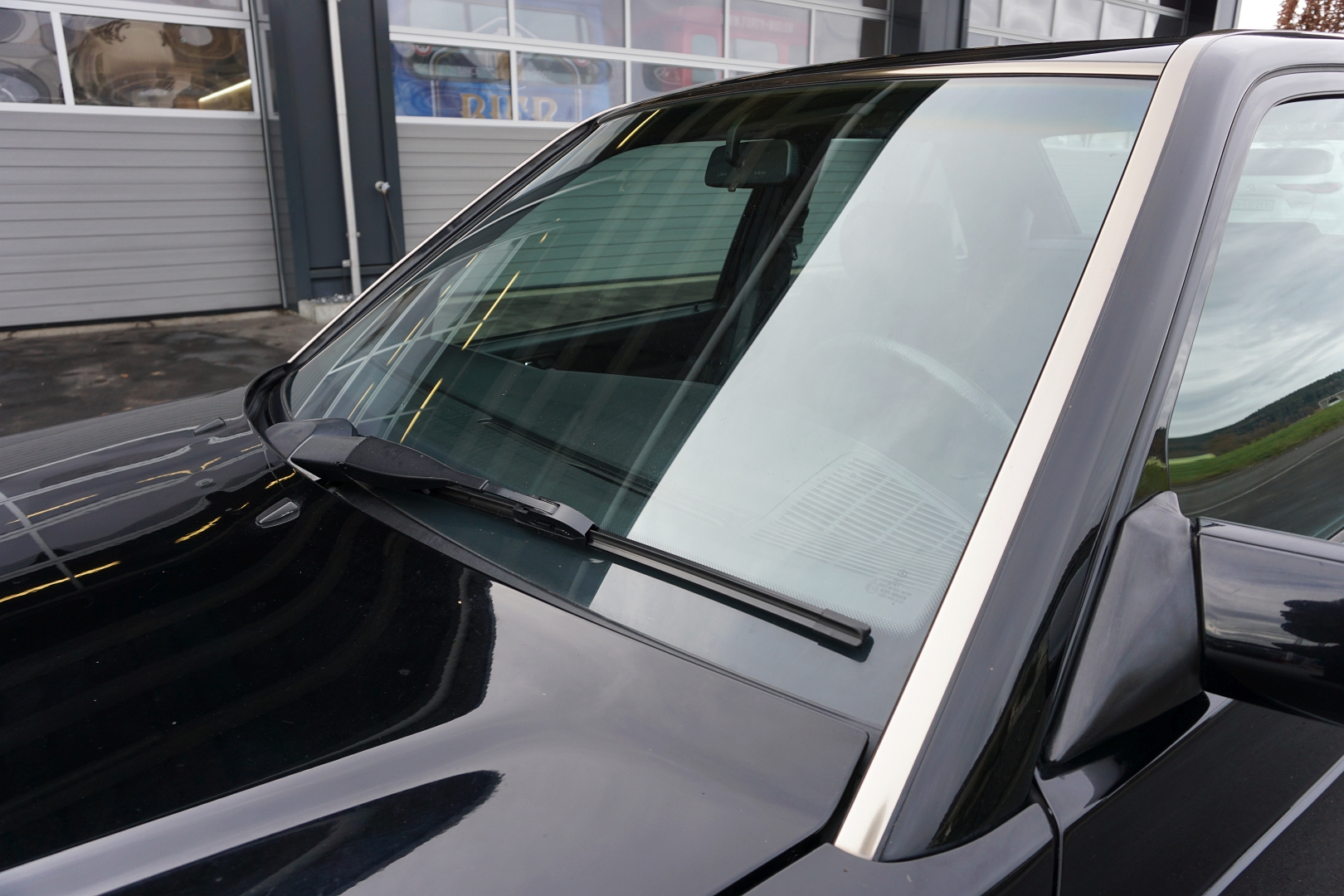
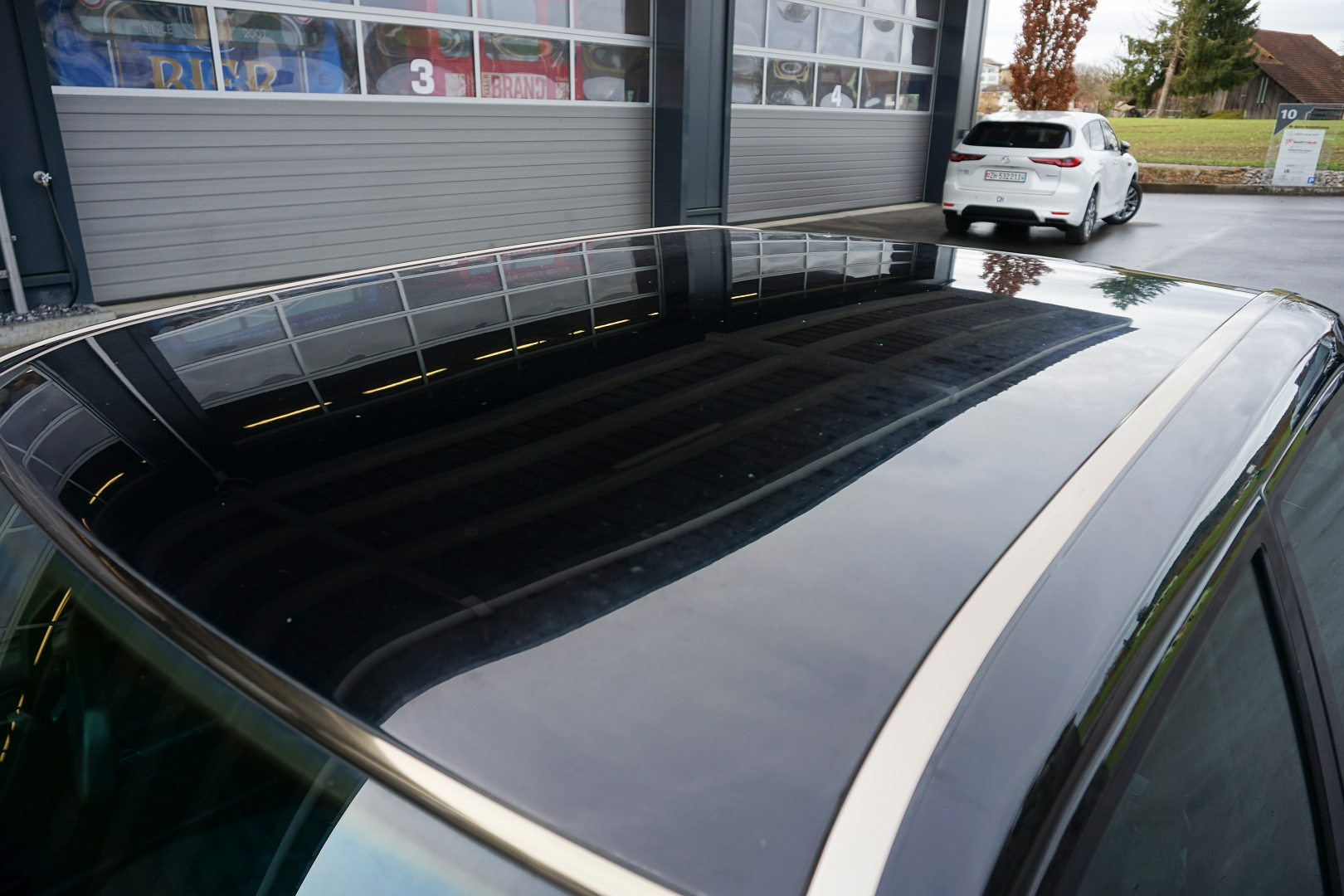
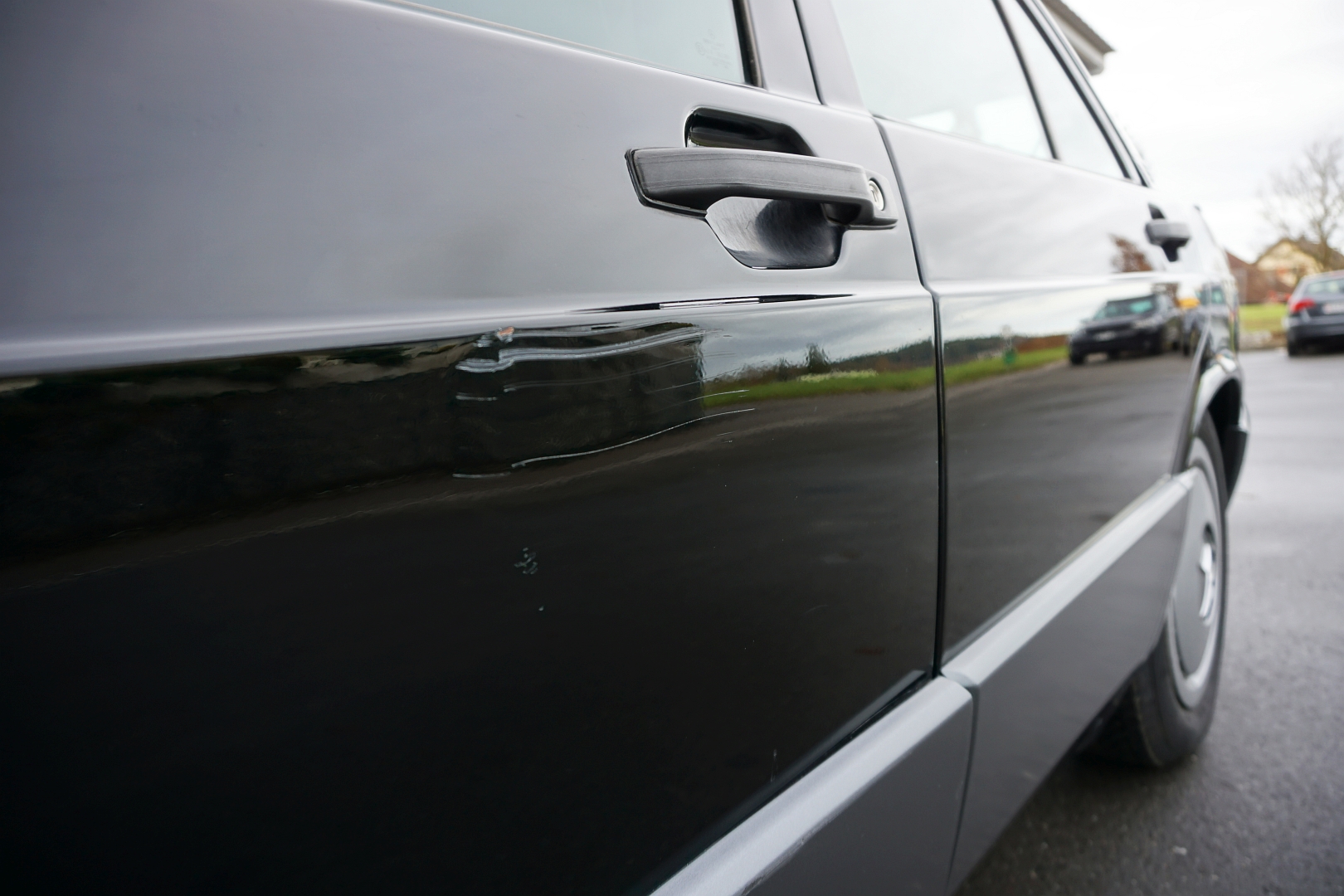
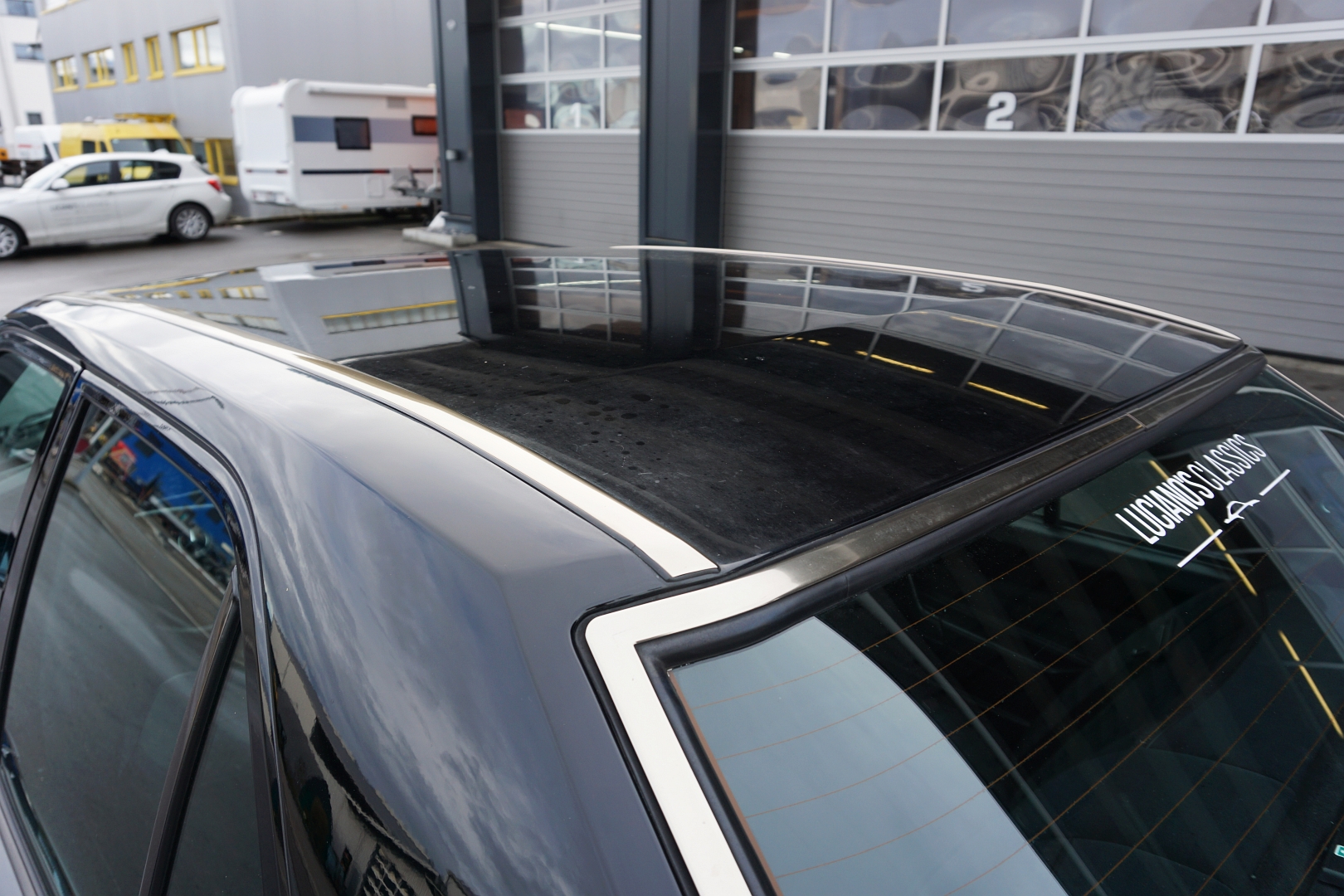
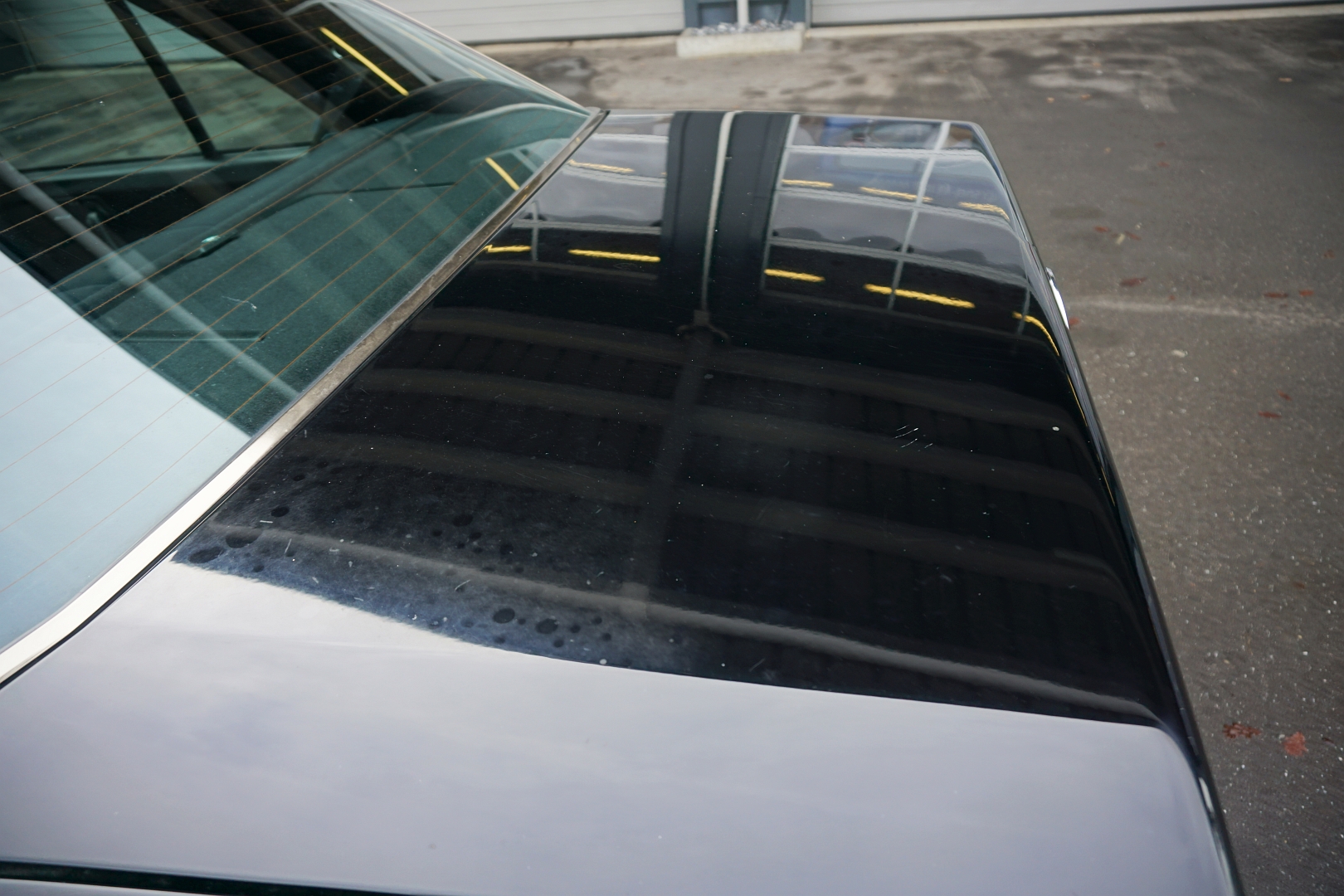
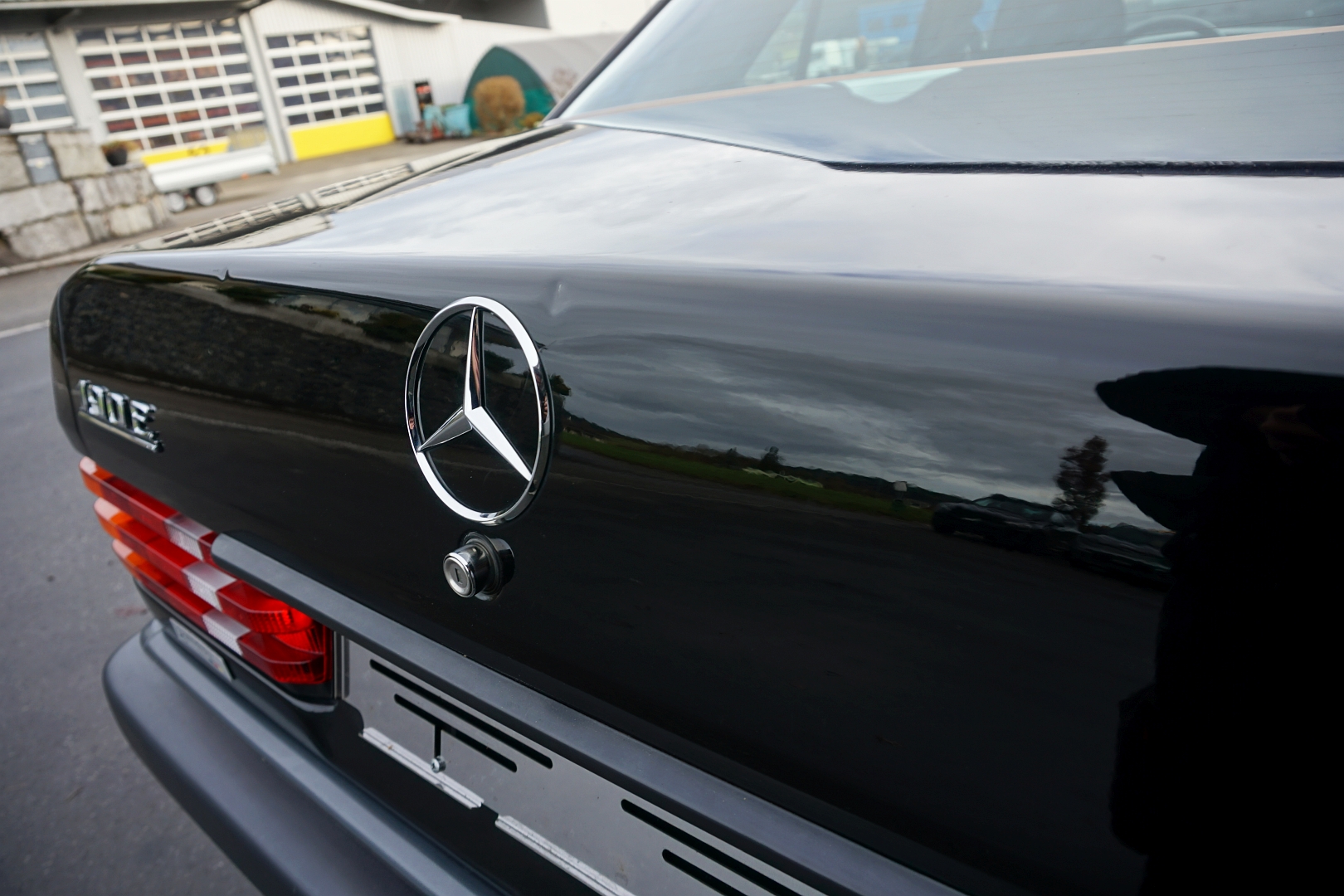
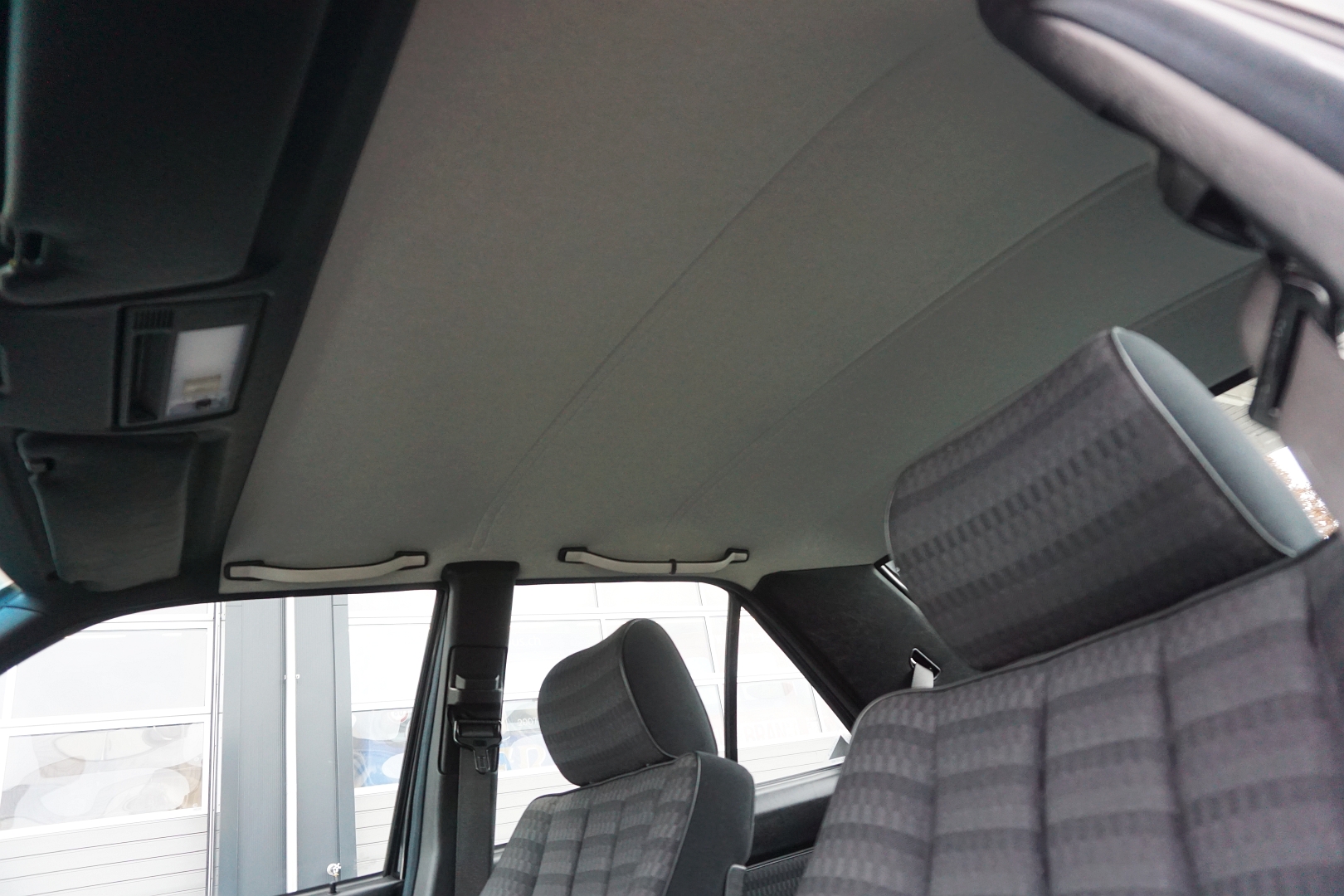
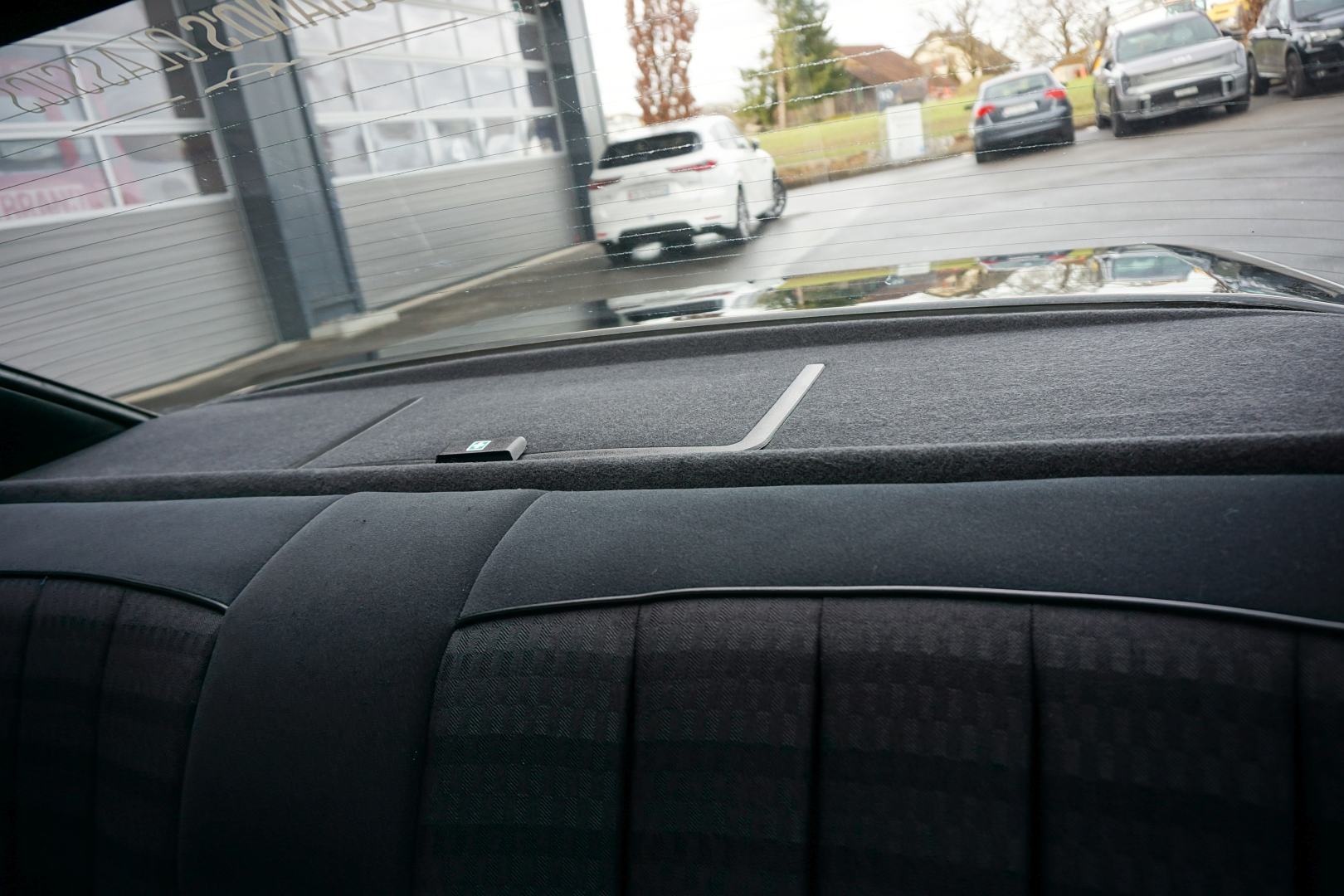
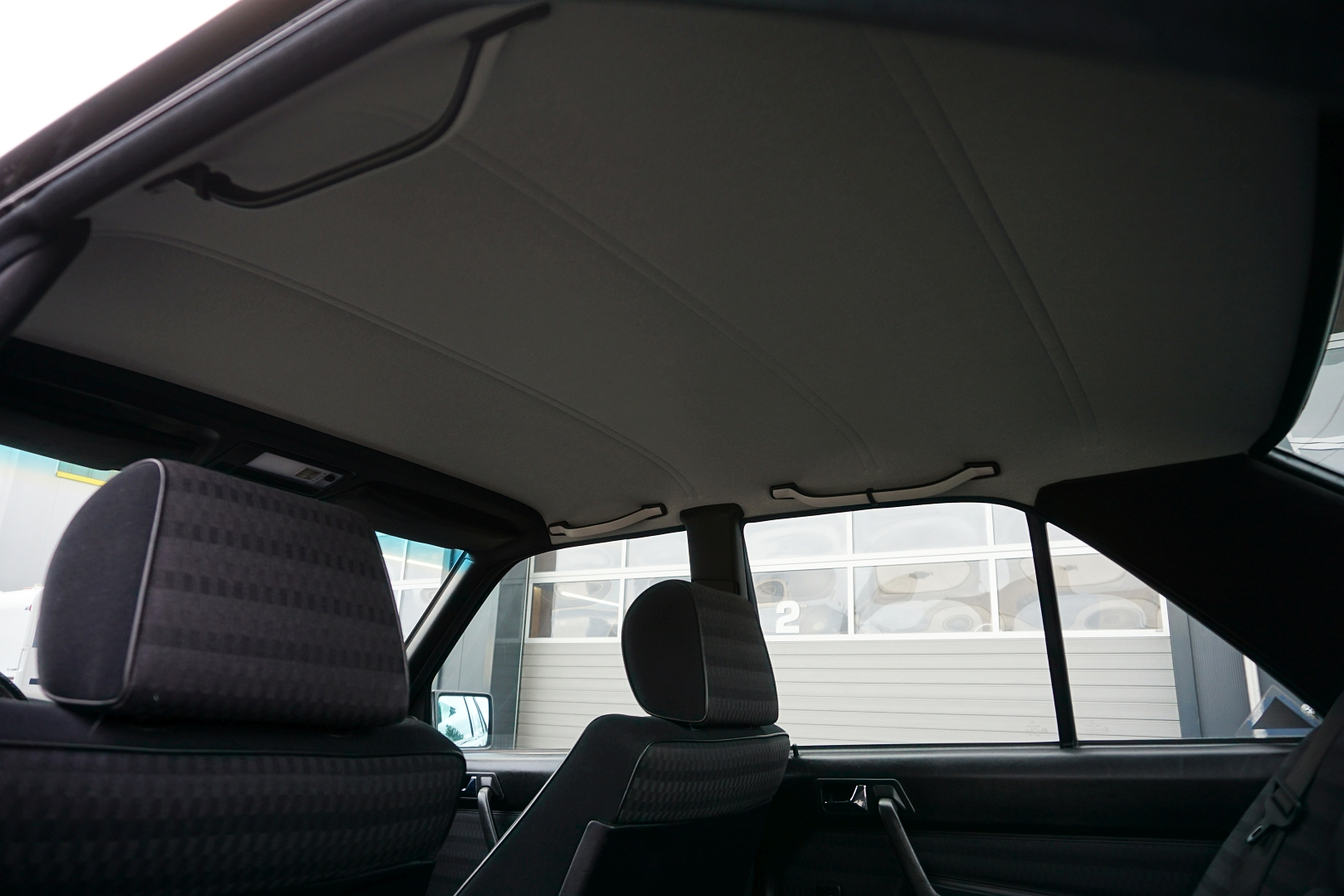
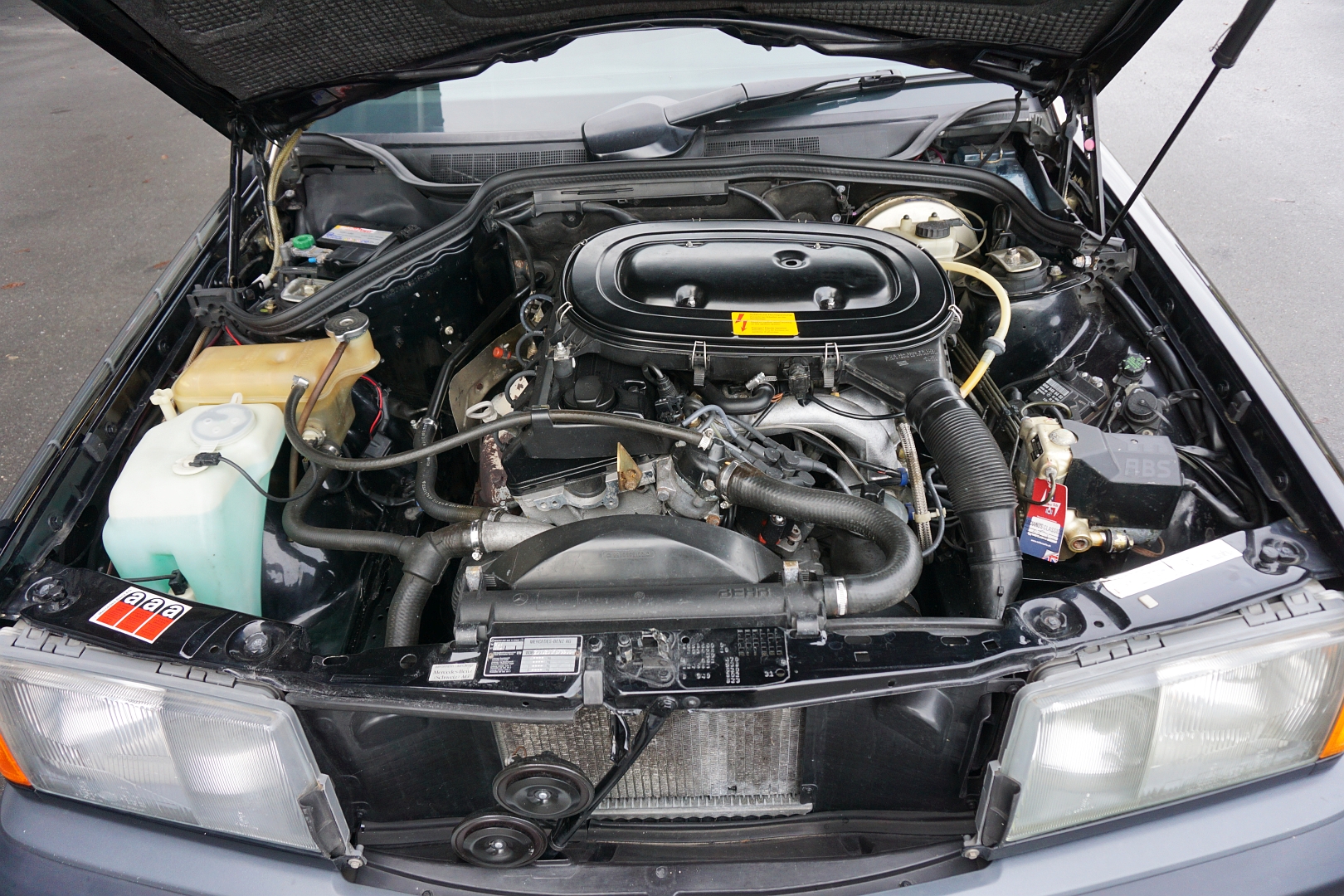
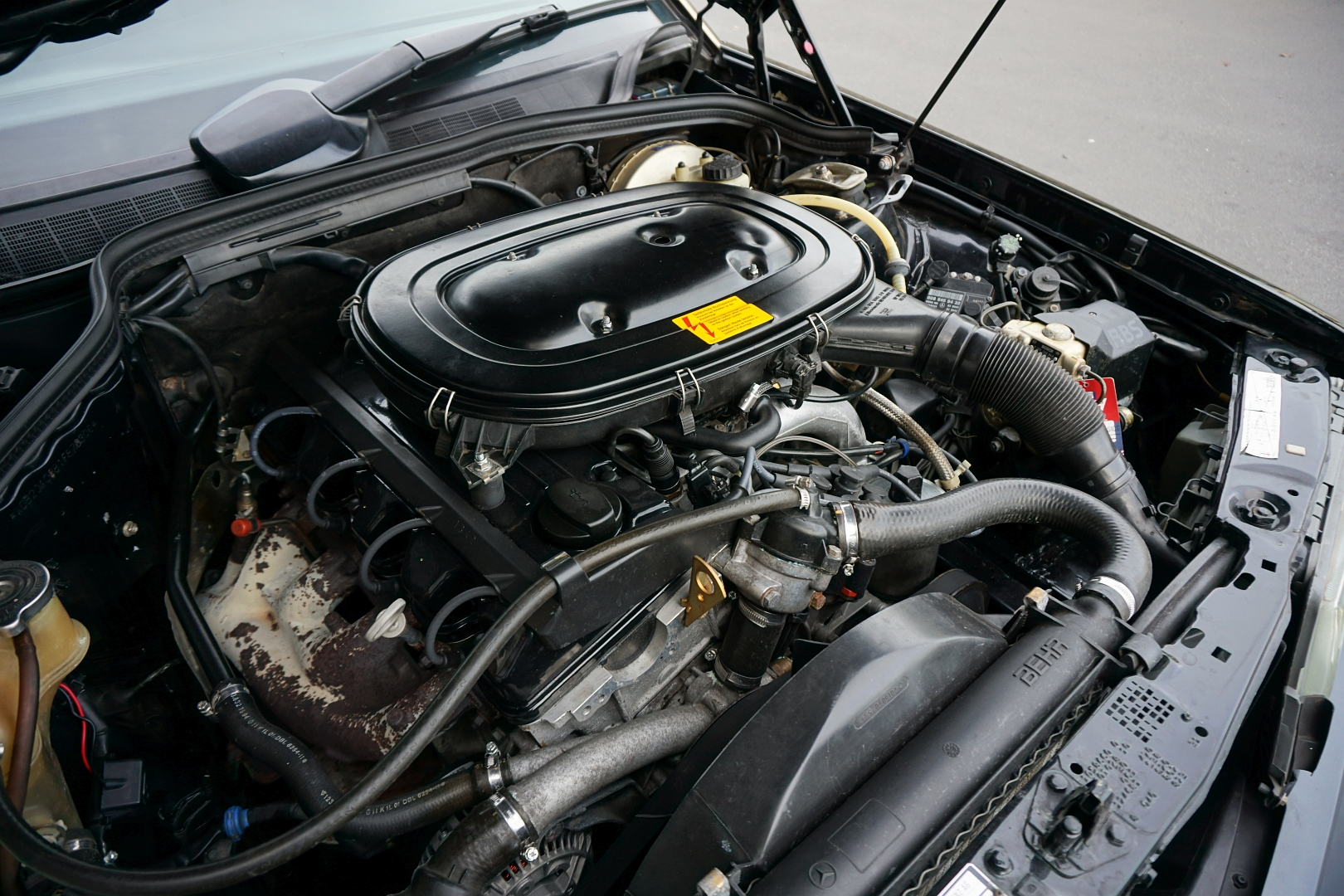
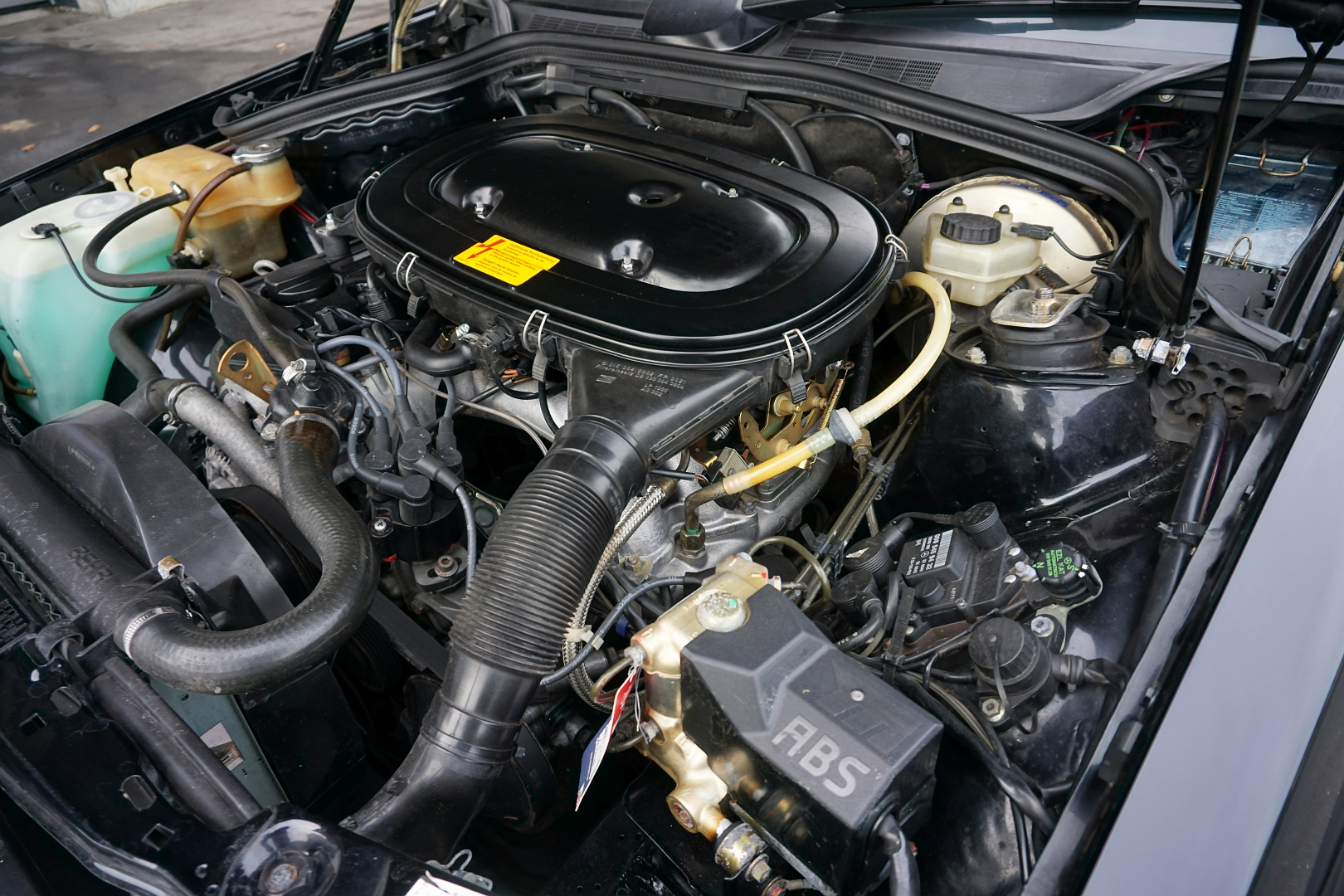
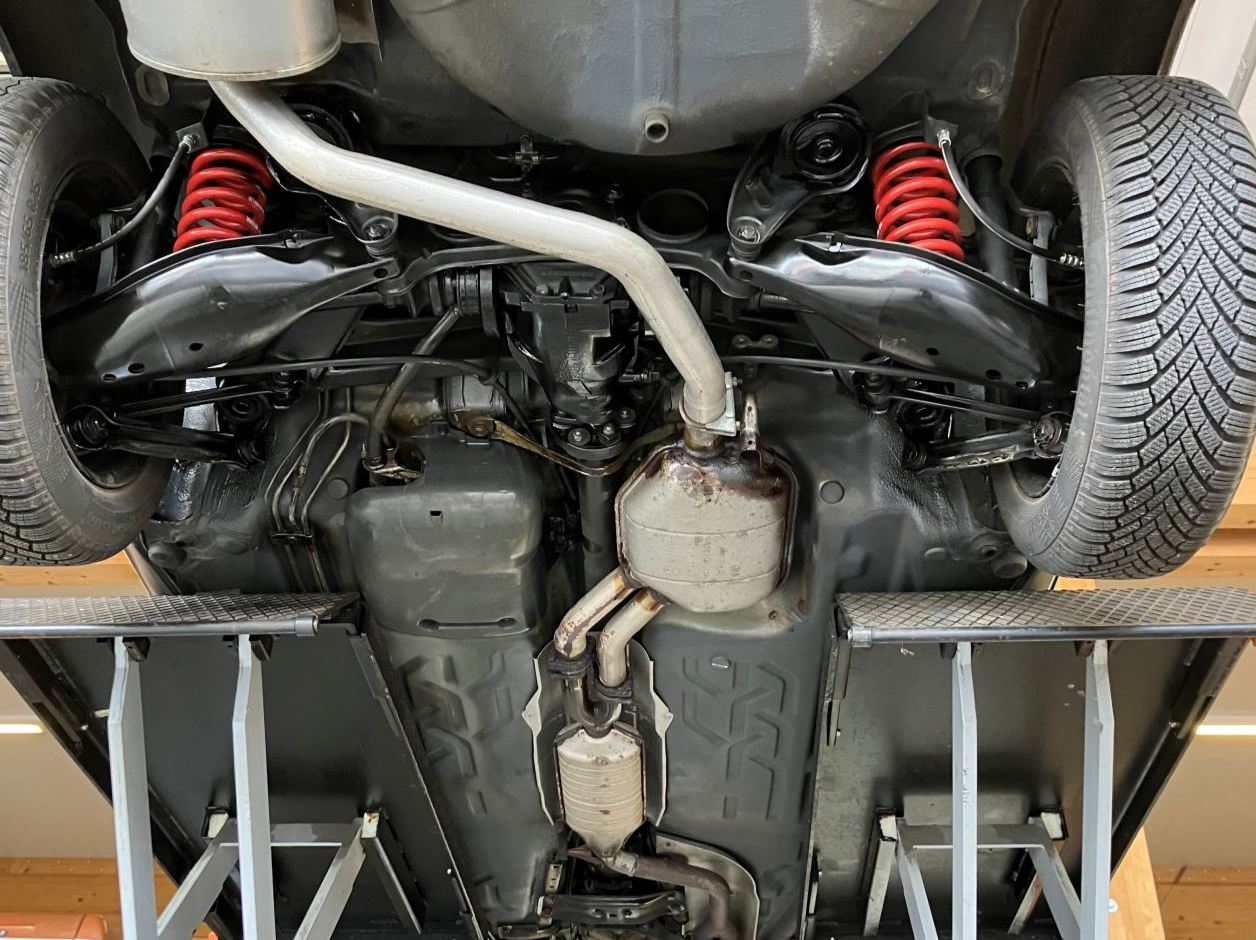
The original paintwork shows the usual patina, but the underbody (second last picture) and the engine compartment are very clean and the interior is excellently maintained. The last service in the full service booklet was in 2023, approx. 1,000 km ago, and included various seals, K&N lowering springs (original available), fuel pump and filter, battery, ignition cables, distributor and plugs as well as newly galvanized fuel lines.
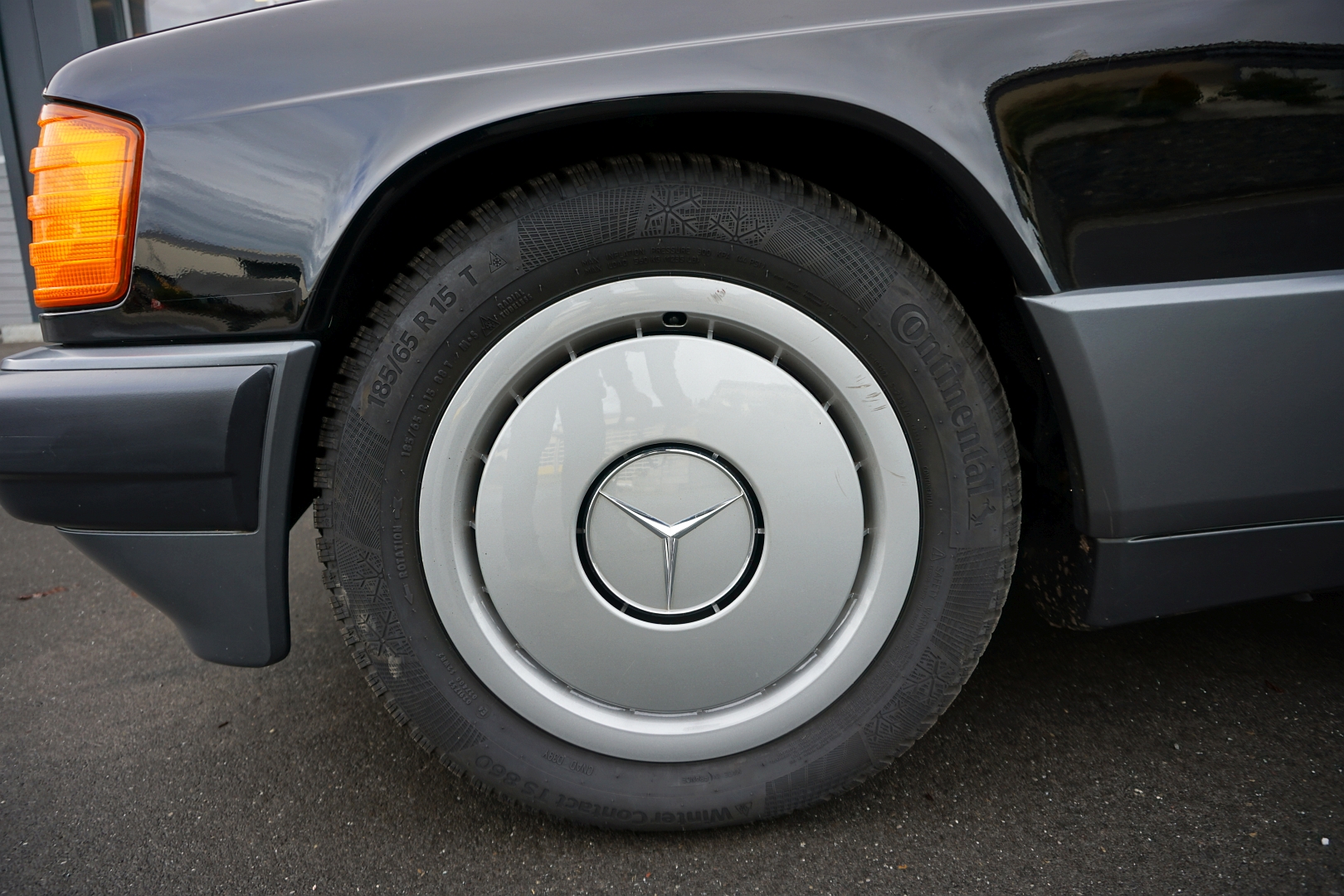
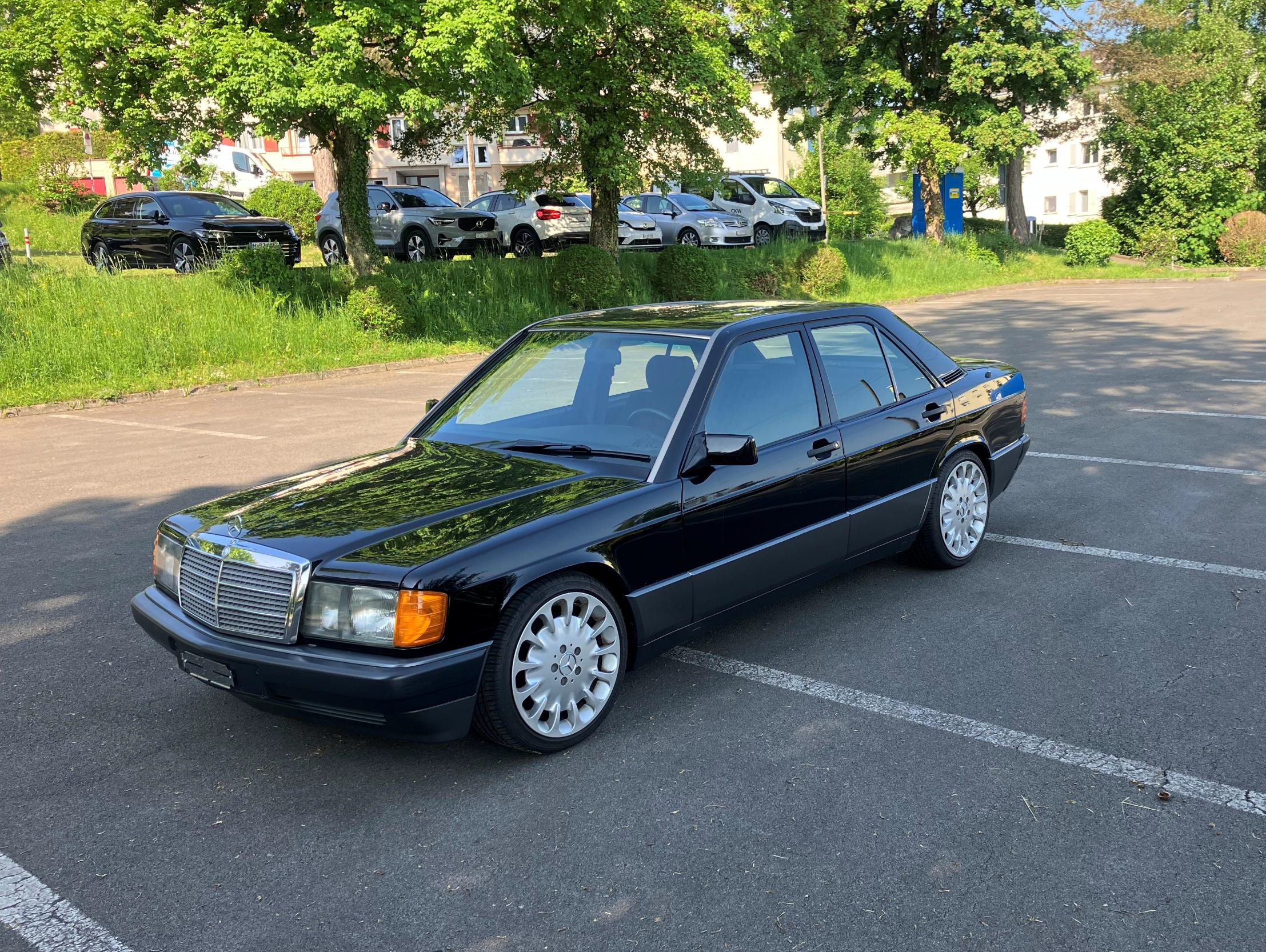
The Baby-Benz is equipped with original rims and winter tires as well as a set of Yilduz 17-inch rims (last picture) fitted with new summer tires. A perfectly matching Blaupunkt radio with DAB and Bluetooth provides the right sound inside.
Whether as a stylish daily or as a reliable companion for weekend trips: this 190E 2.3 delivers what its star promises. An honest, characterful Mercedes that is ready for many more kilometers.
This vehicle has already been sold.
Model history
When it was launched in December 1982, the mid-range saloon, internally known as the „compact class“, proudly presented itself with a clear wedge shape with fine light edges. We have Bruno Sacco to thank for the timeless, straightforward design. The “Baby-Benz” quickly became a success and a model for subsequent model generations, such as the C-Class.
In order to optimize economy, the Mercedes engineers worked on the aerodynamics on the one hand and on the body on the other. Thanks to high-strength sheet steel, the weight could be trimmed to just 1,180 kg without compromising on passive safety. The pioneering chassis with a space-arm rear axle was developed especially for the Type 190. In this design, each rear wheel is guided by five independent control arms, which ensures optimally controlled wheel guidance. At the front, a damper leg front axle with brake nodding support and triangular wishbones is used.
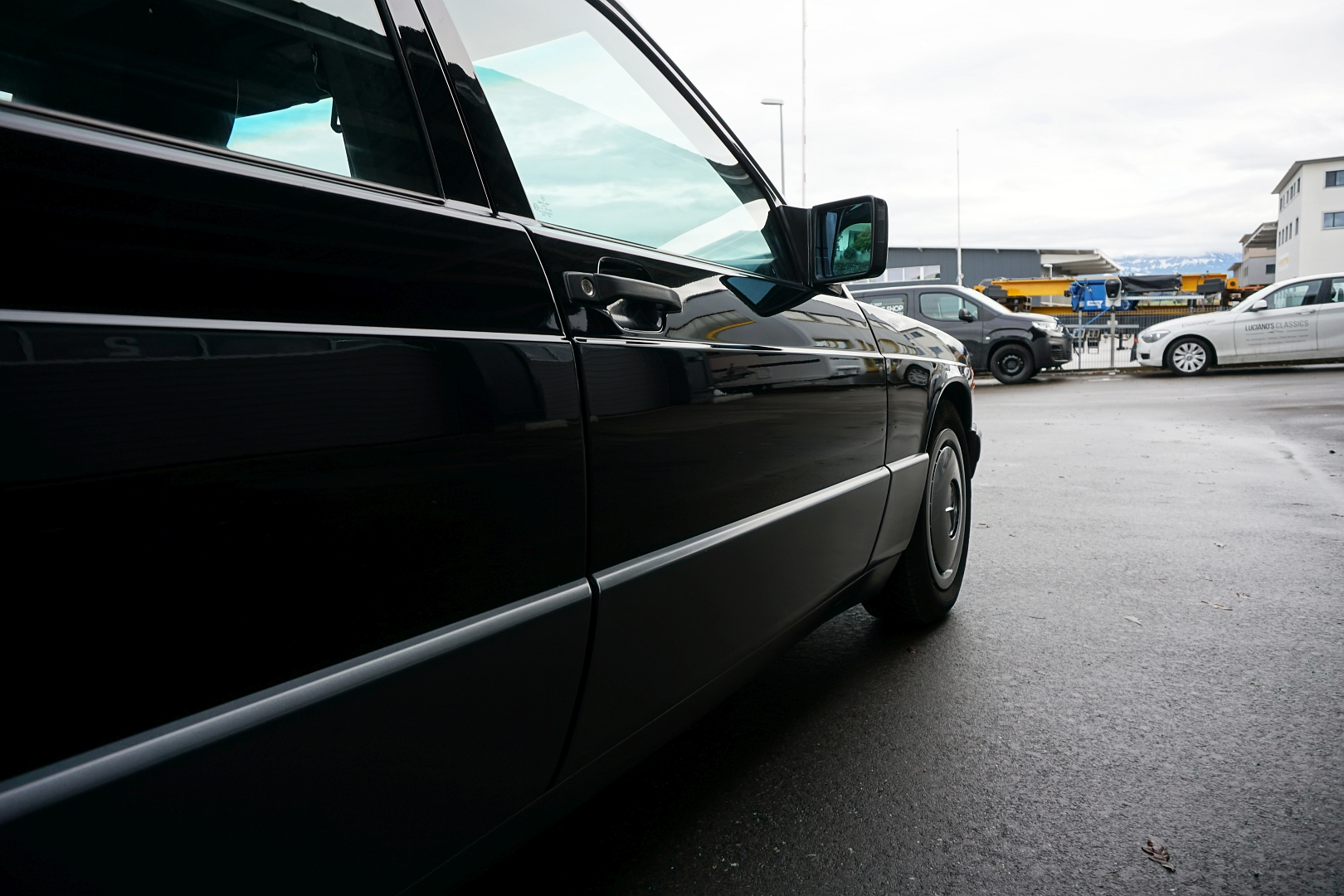
The Type 190 was built in Sindelfingen and Bremen. In March 1988, the millionth W 201 rolled off the production line in Bremen: the compact class had successfully established itself as the brand's third major model series. Mercedes-Benz thoroughly revised the 190 that year. Six years after the presentation of the first Type 190, the Stuttgart-based company presented the result of this model update for the compact class at the Paris Motor Show in September 1988. The focus was on the stylistic revision of the body and the redesign of the interior. The most striking distinguishing feature of the facelifted models were the side flank protection strips with integrated longitudinal sill panels, which could also be found in a similar form on the coupés of the 124 model series.
The front and rear aprons were pulled further down and fitted with more voluminous bumpers, which allowed greater energy absorption thanks to new carrier parts and modified impact absorbers. The new castle apron originally came from the 190 E 2.6 and now reduced lift at the front axle on all models. At the rear, on the other hand, the new apron optimized the air flow. The right-hand exterior mirror became part of the standard equipment with the facelift. The Type 190 was more spacious and comfortable for drivers and passengers thanks to a redesigned interior. Greater knee and headroom in the rear and improved front and rear seats also contributed to this.
In Sindelfingen, production of the Type 190 ended in February 1993, in Bremen the production line stopped in August. A total of 1,879,630 vehicles of this type were built. This underlines the great success of the compact class and is also proof of the success of the idea of extending the Mercedes-Benz brand's range downwards.
Details
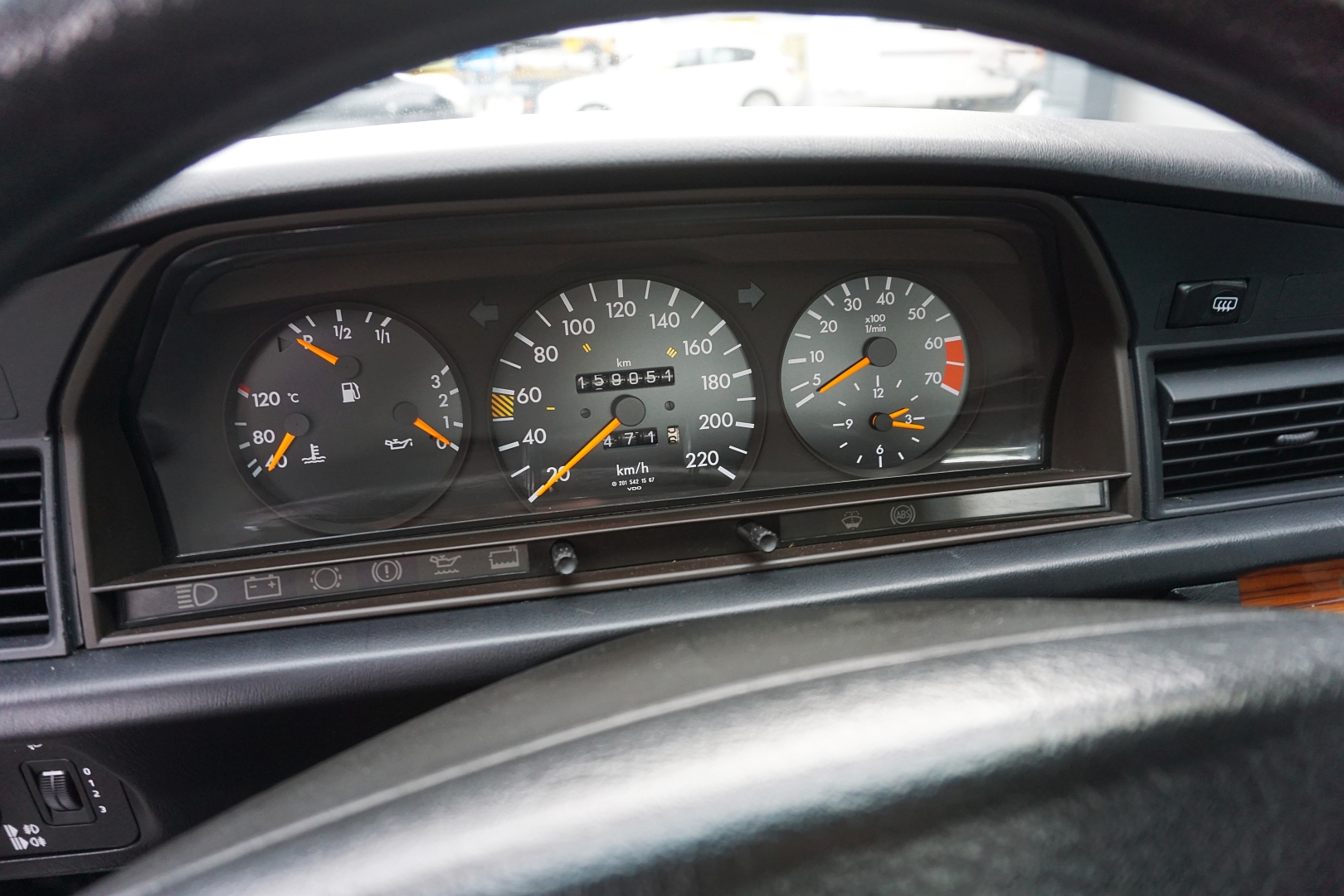
- 159’051 km
- 1. inv. 01.07.1991
- MFK 19.08.2025
- 2,297 cc R4 engine
– 136 hp
- Type certificate 1M2207
- Master number 181.954.462
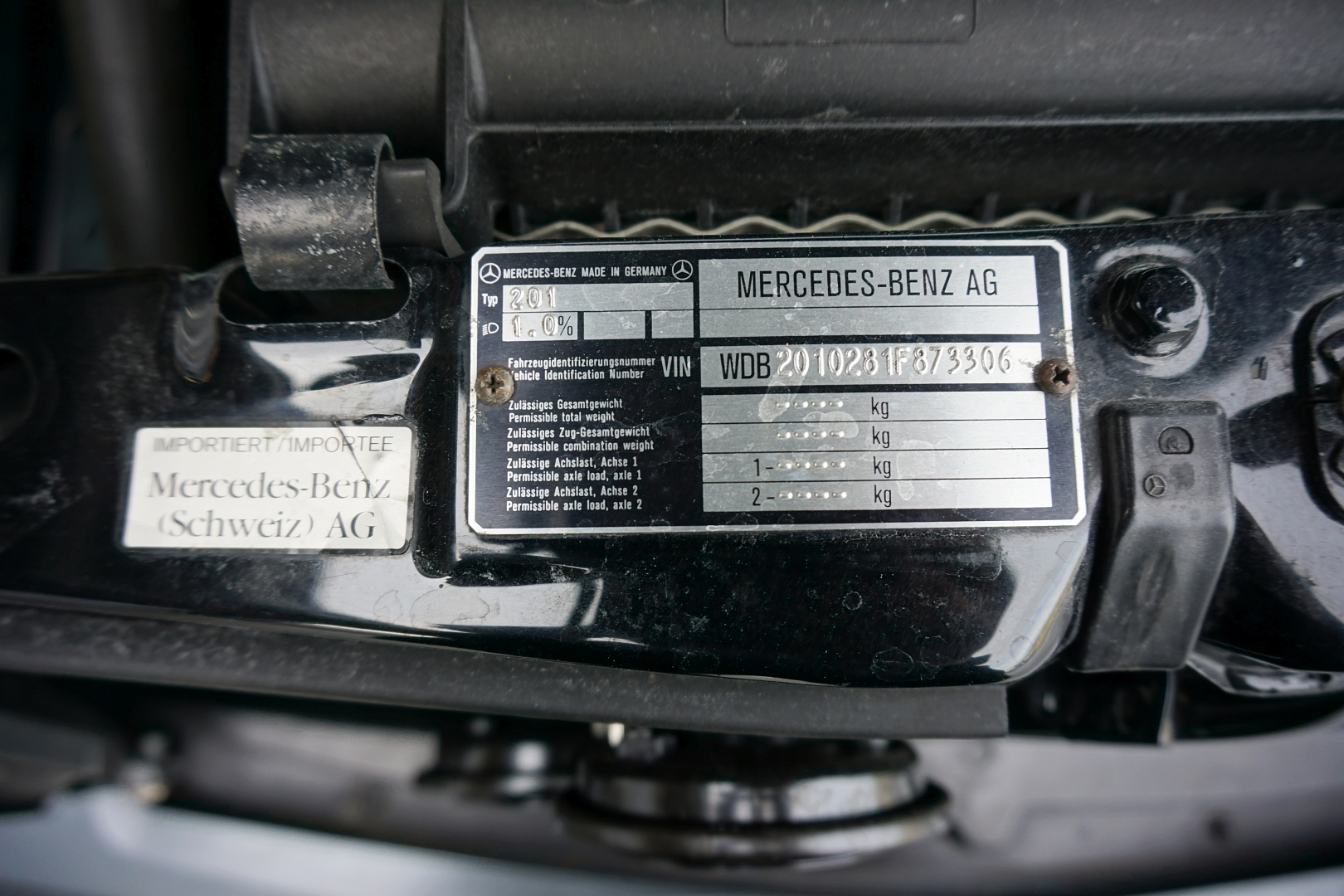
- Chassis WDB2010281F873306
- Unladen weight 1,300 kg
- Payload 420 kg
not what you are looking for?
We will be happy to find your individual dream vehicle.
Simply make a non-binding inquiry and benefit from our network.