
Mercedes-Benz 190E 2.3
Description
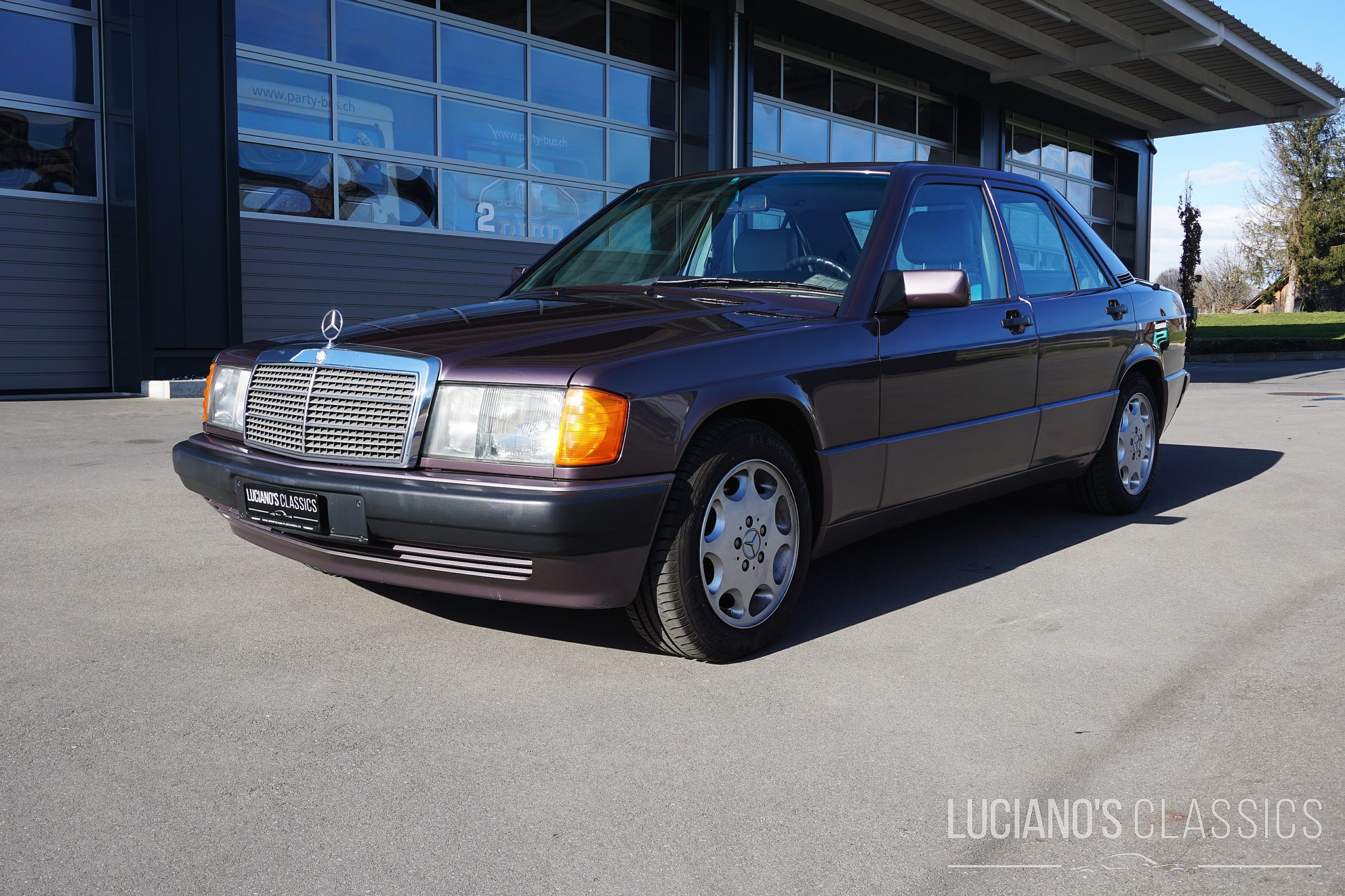
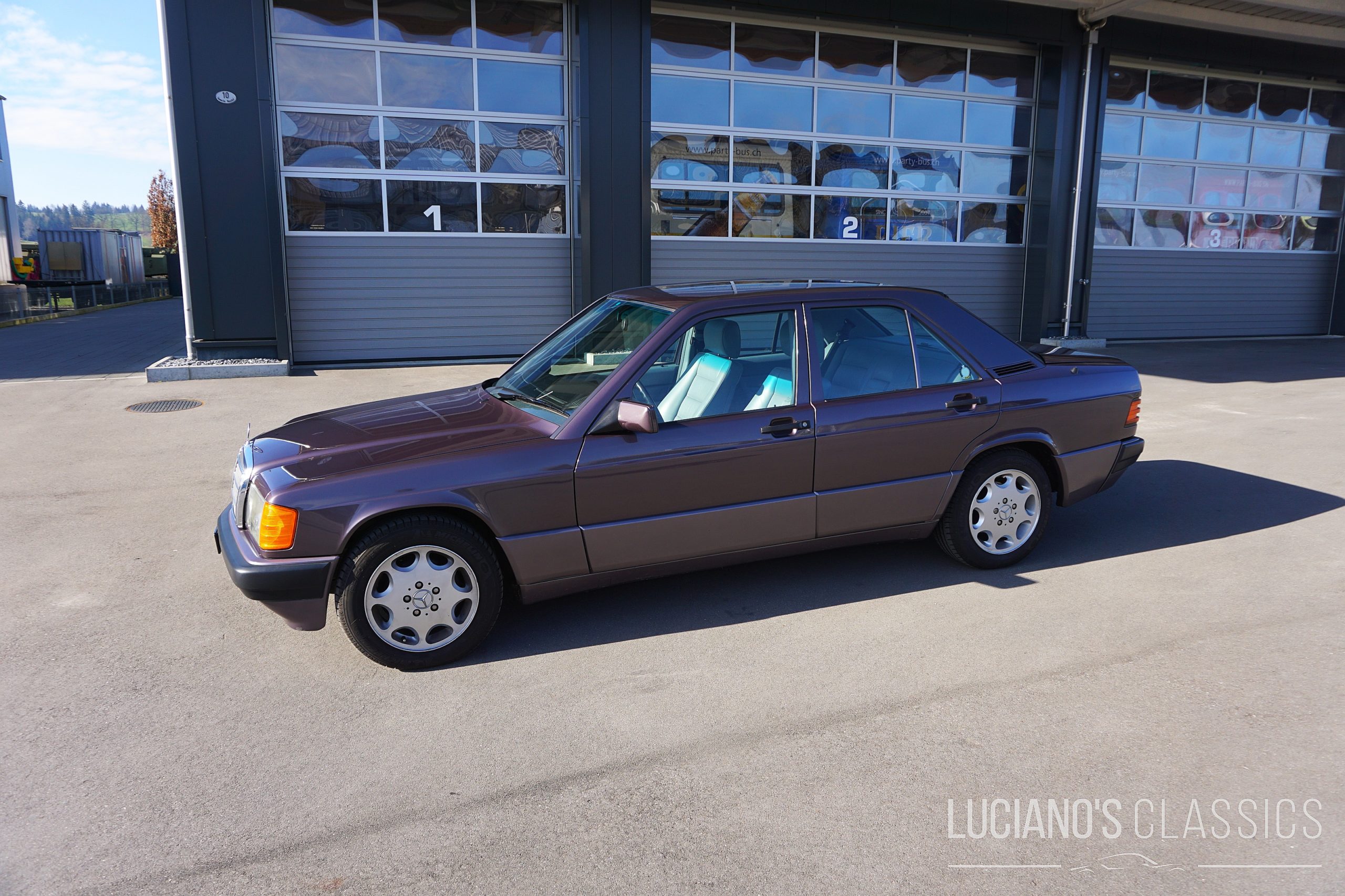
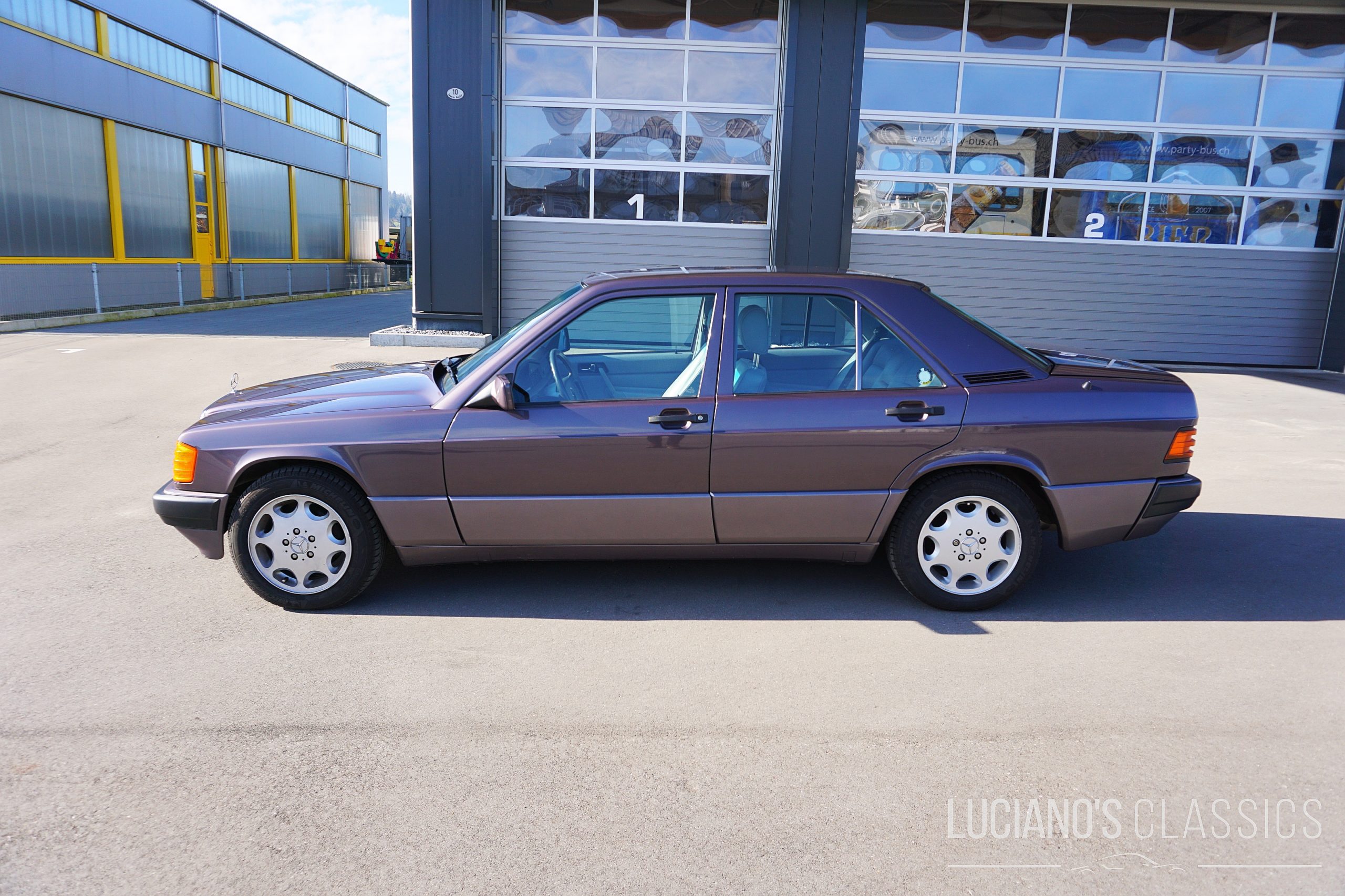
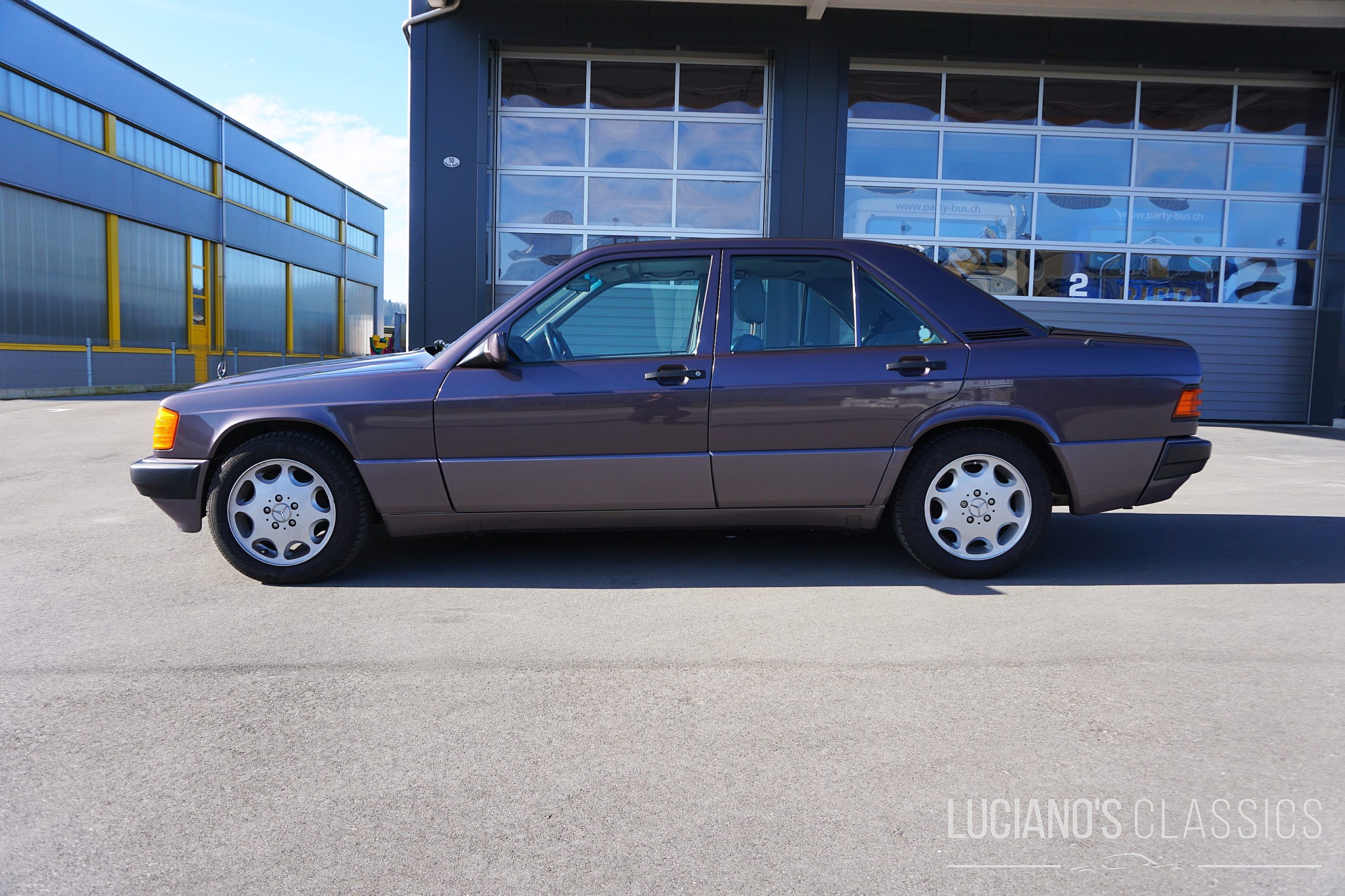
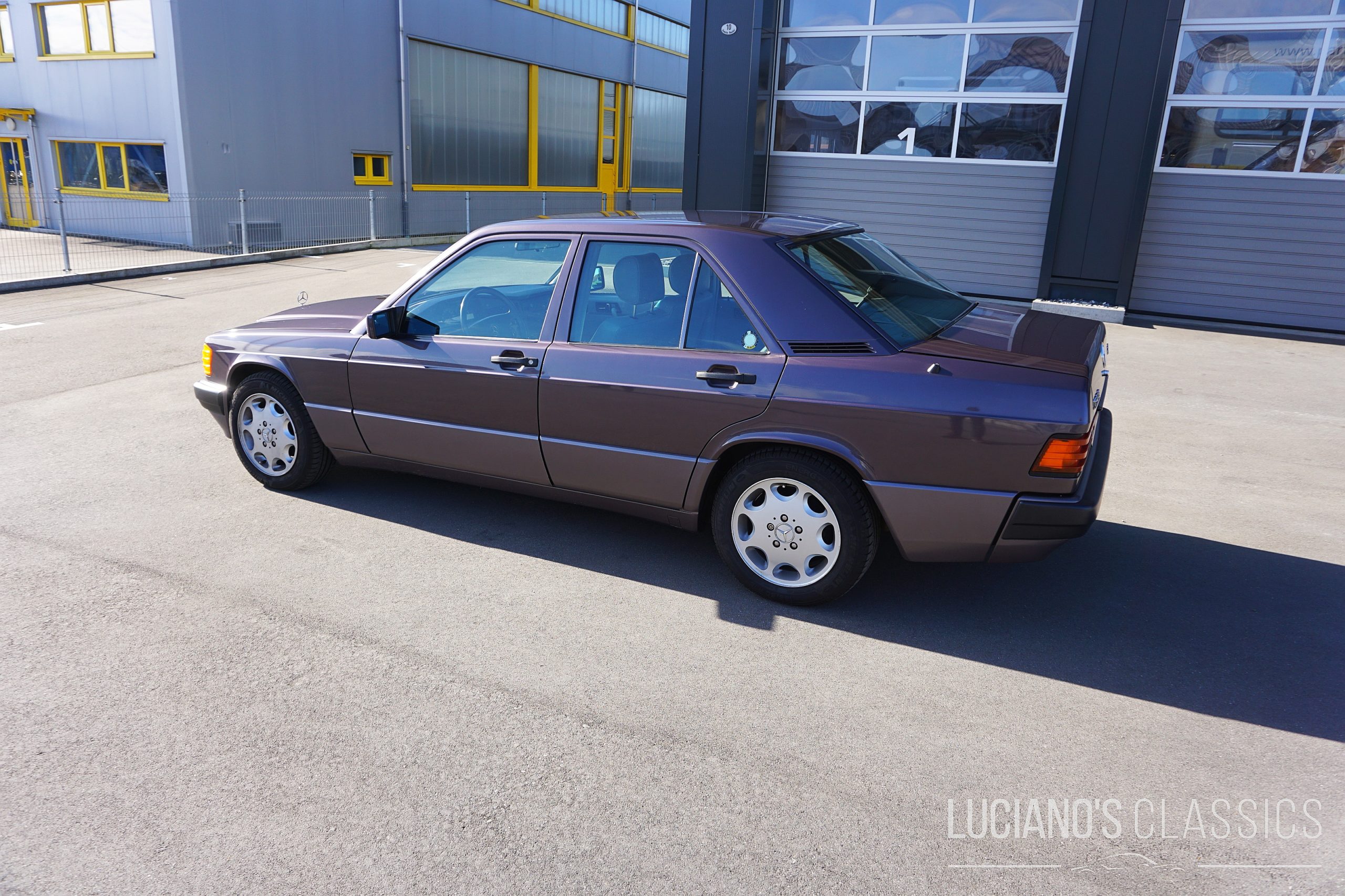
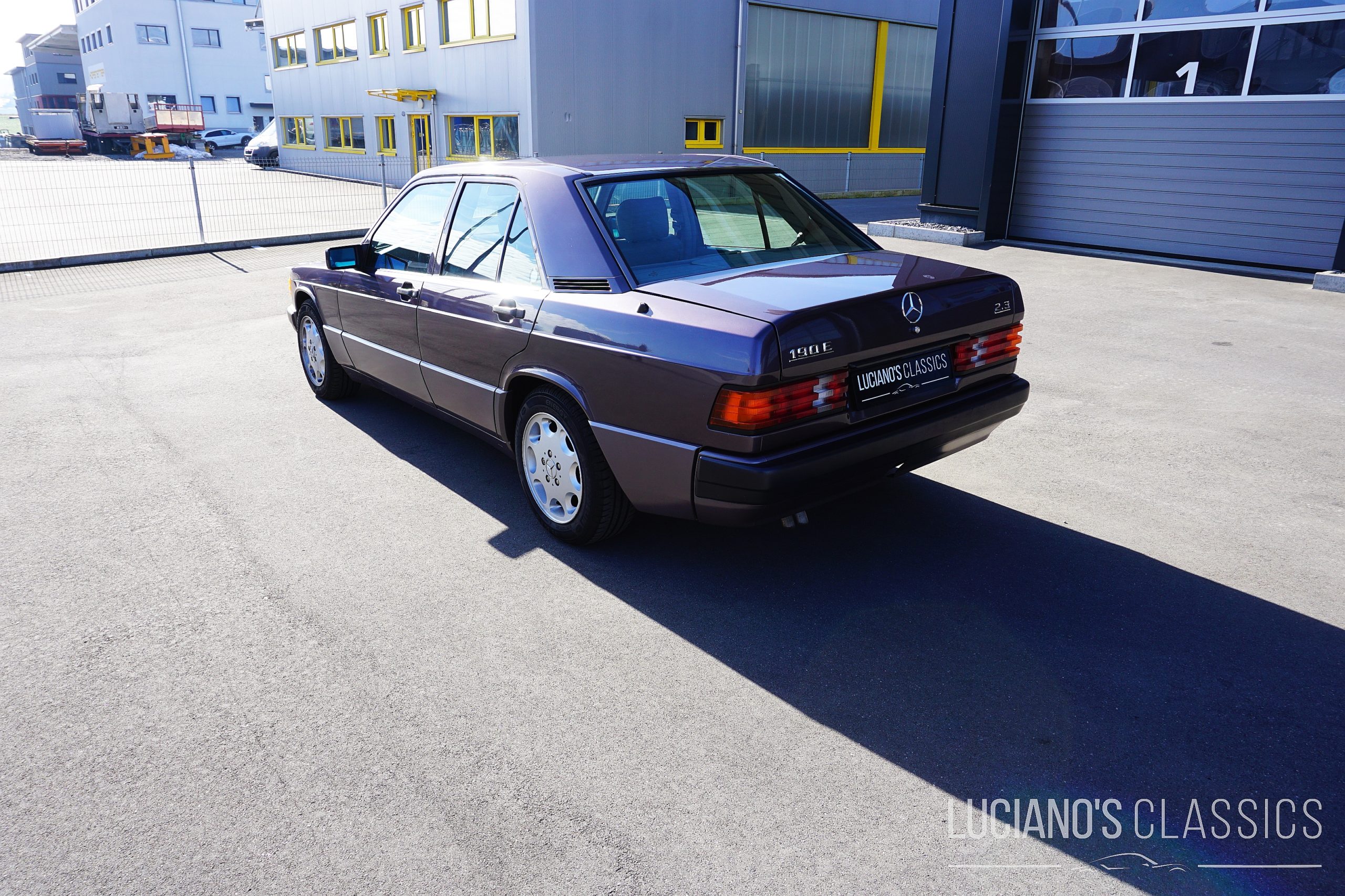
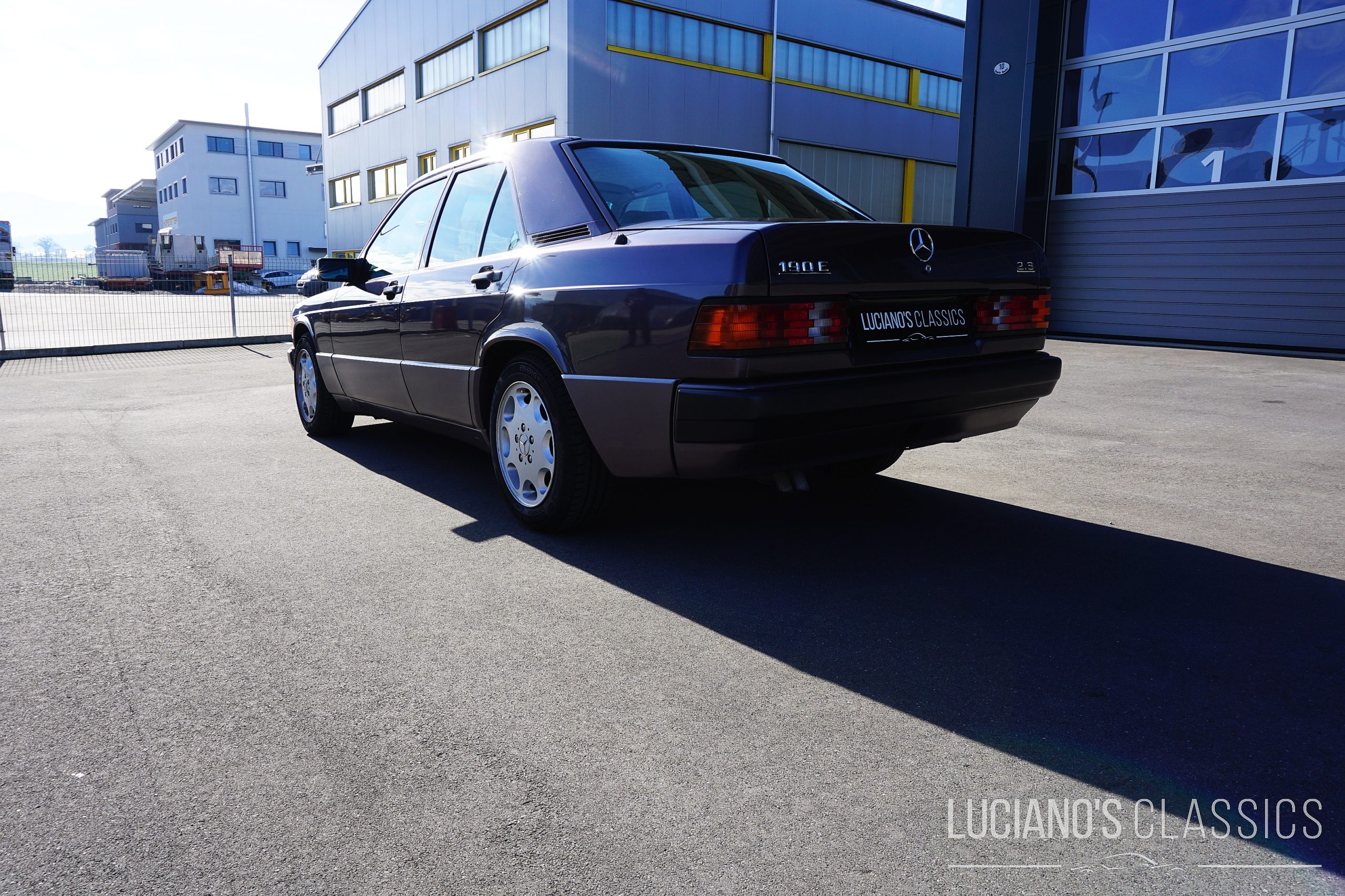
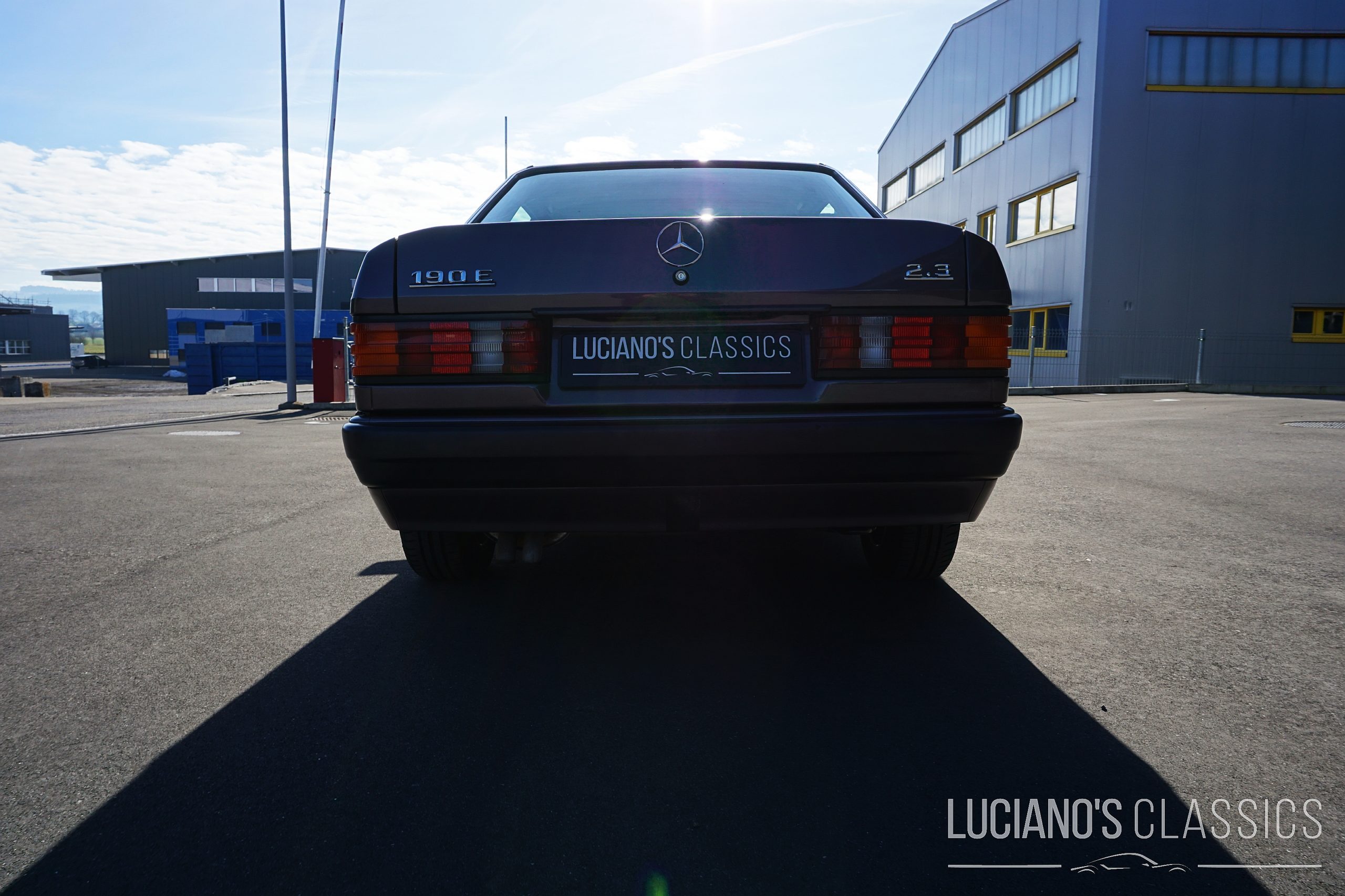
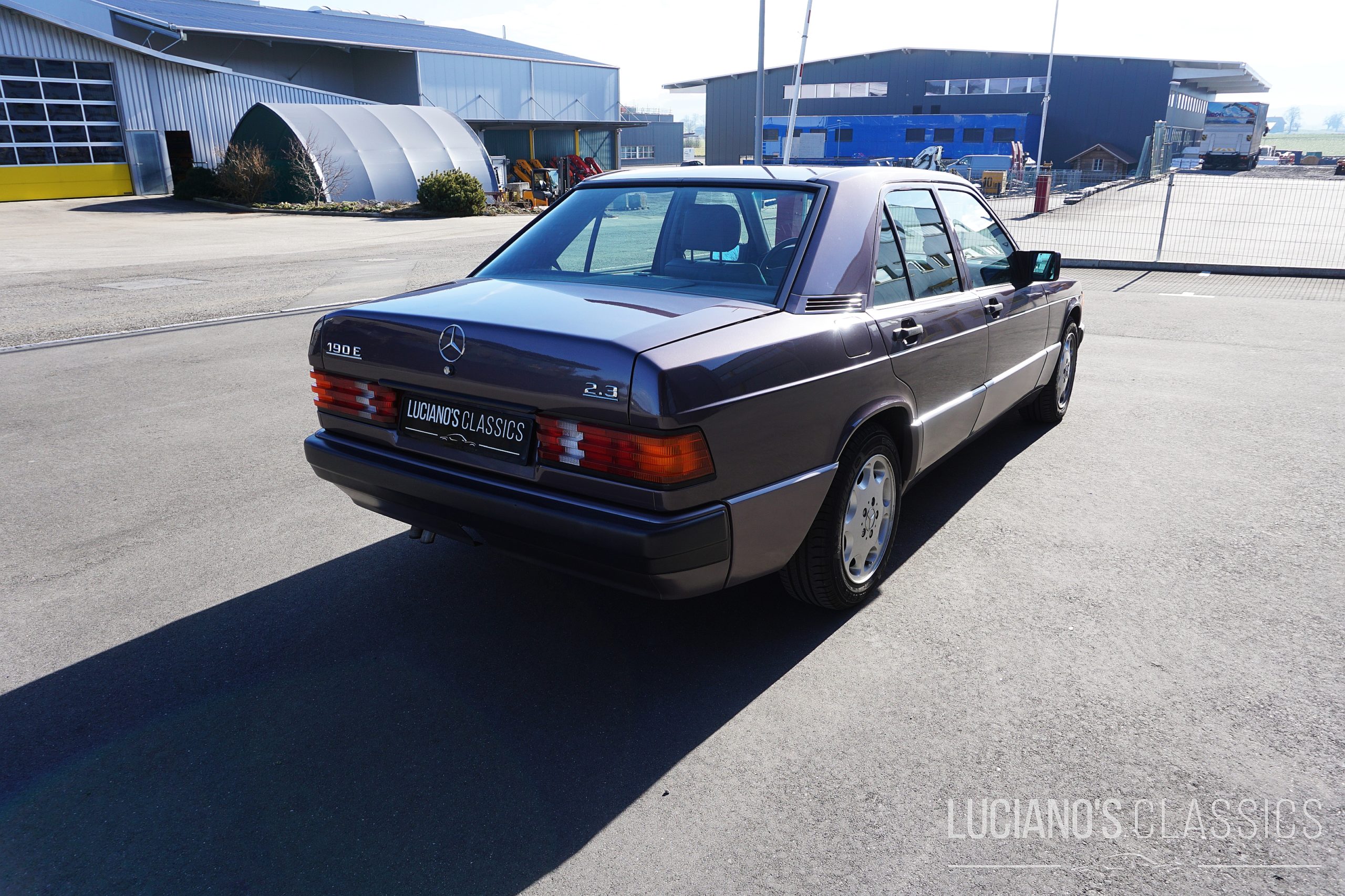
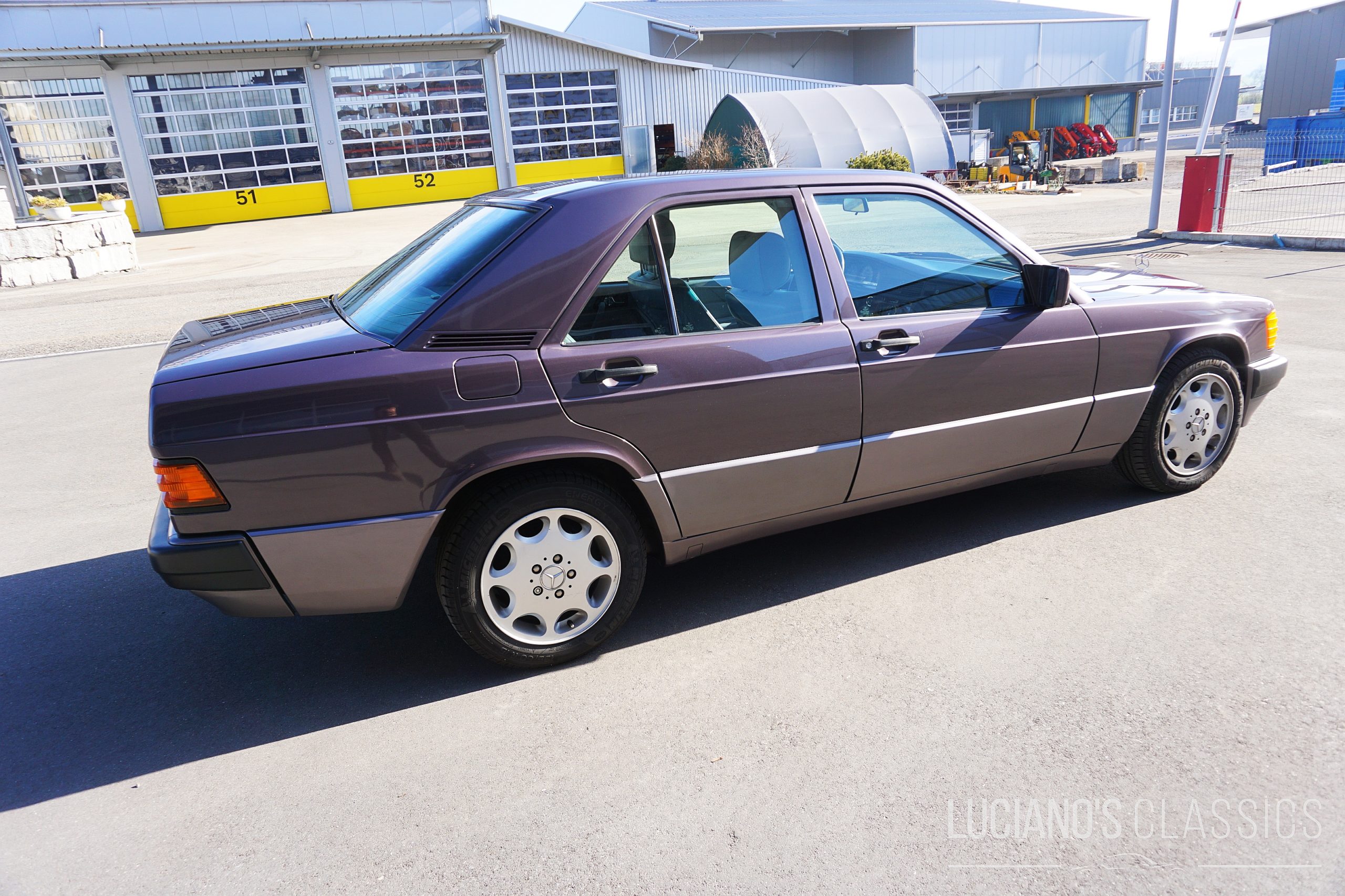
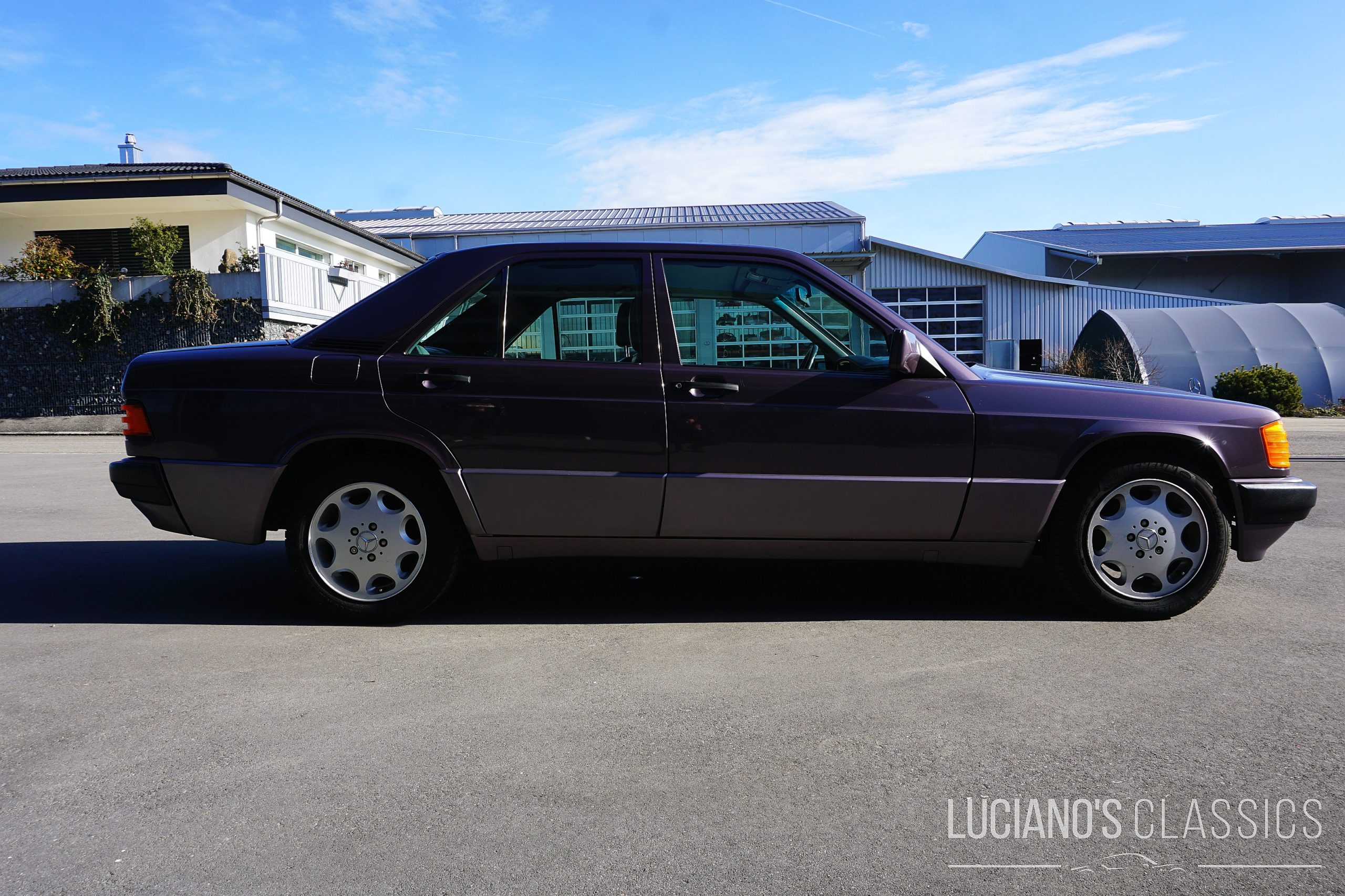
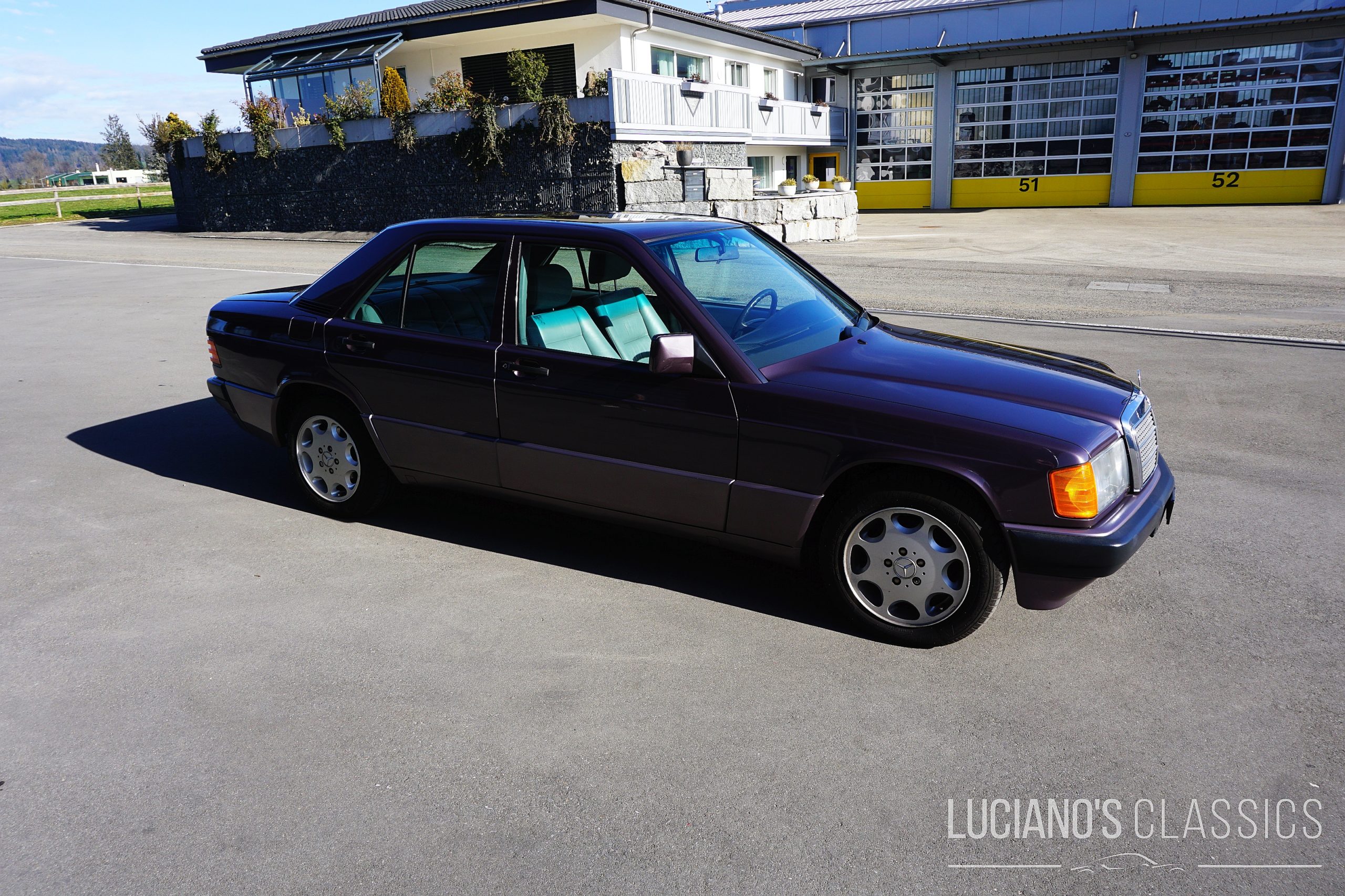
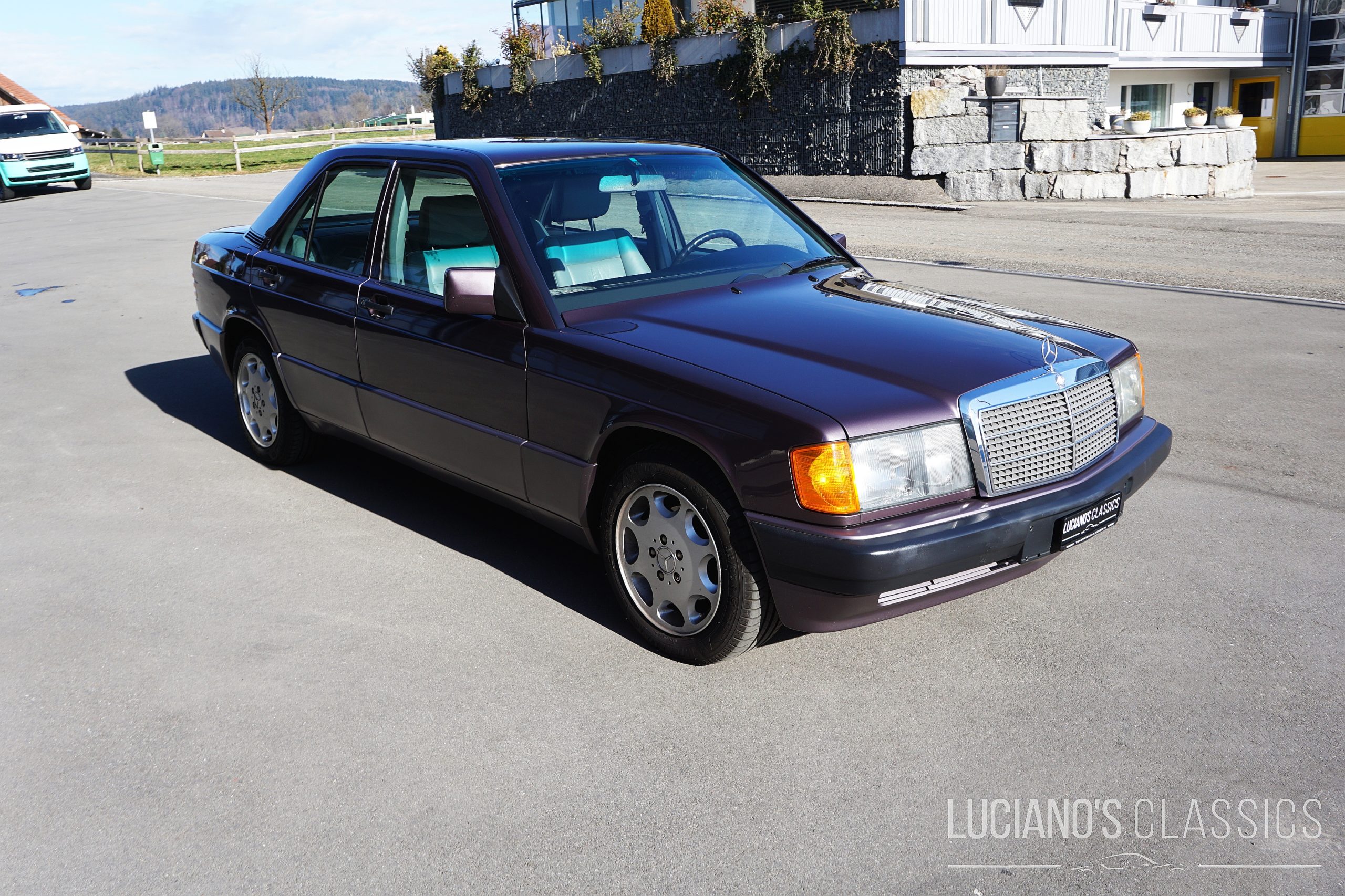
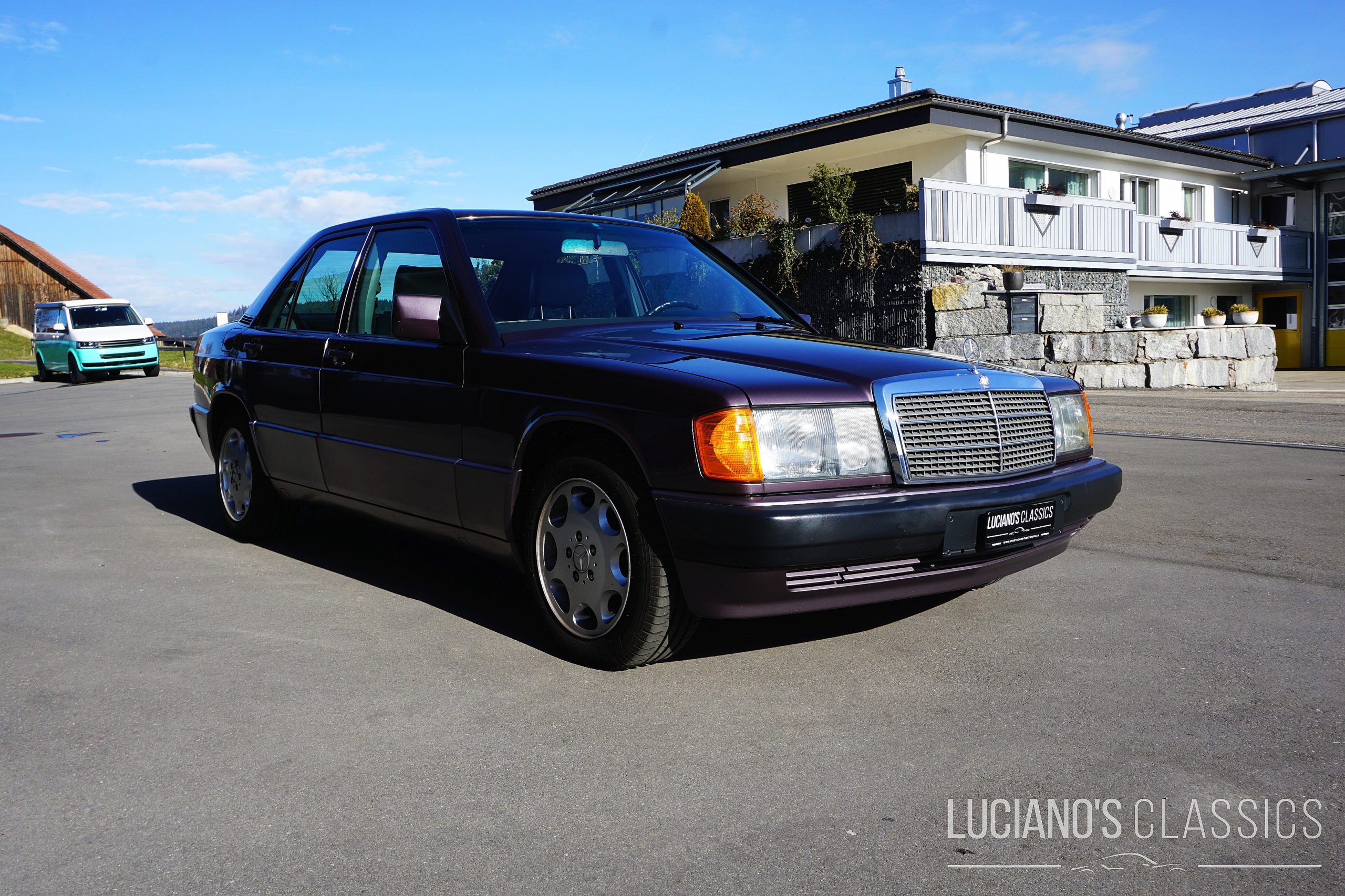
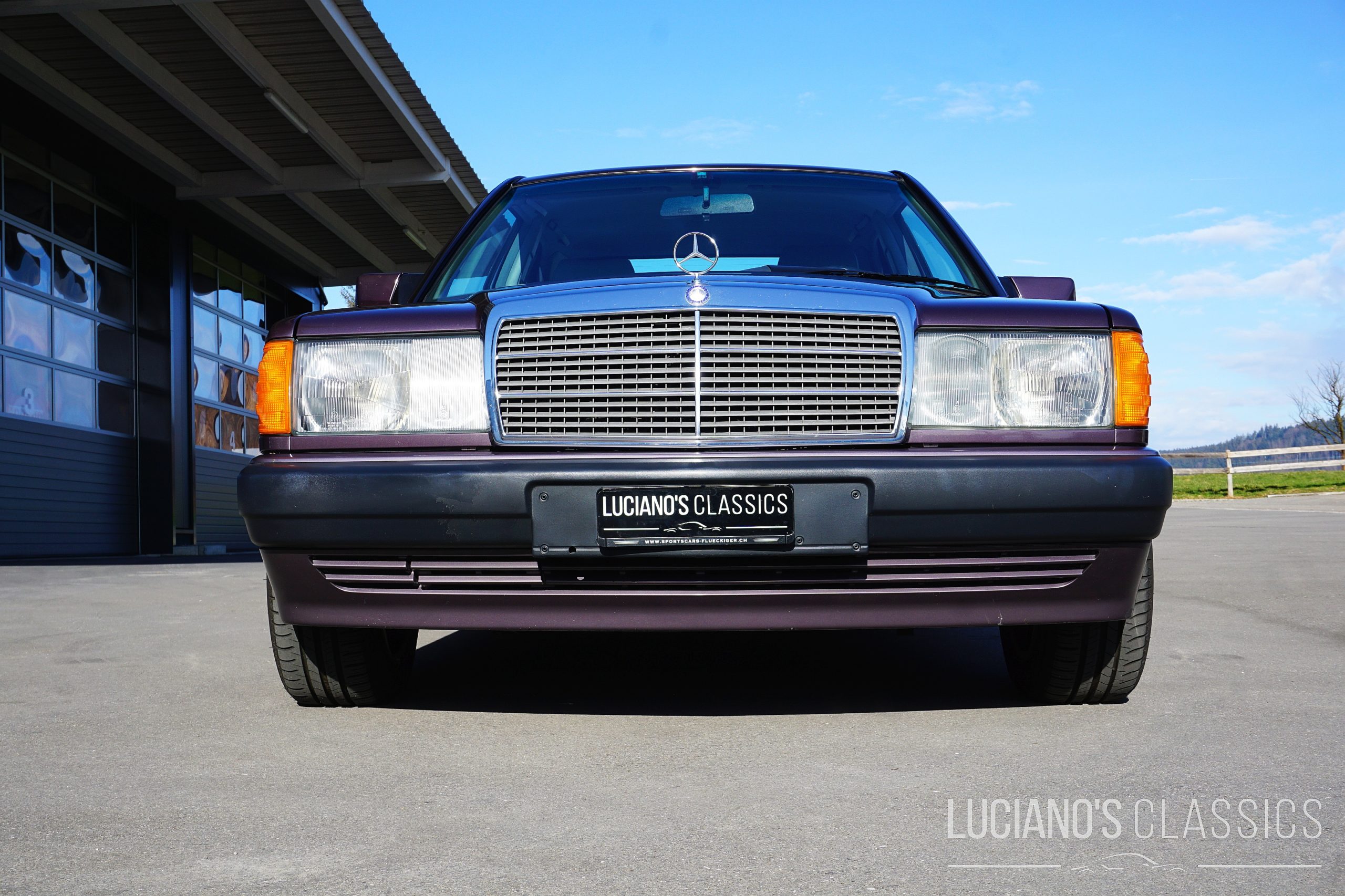
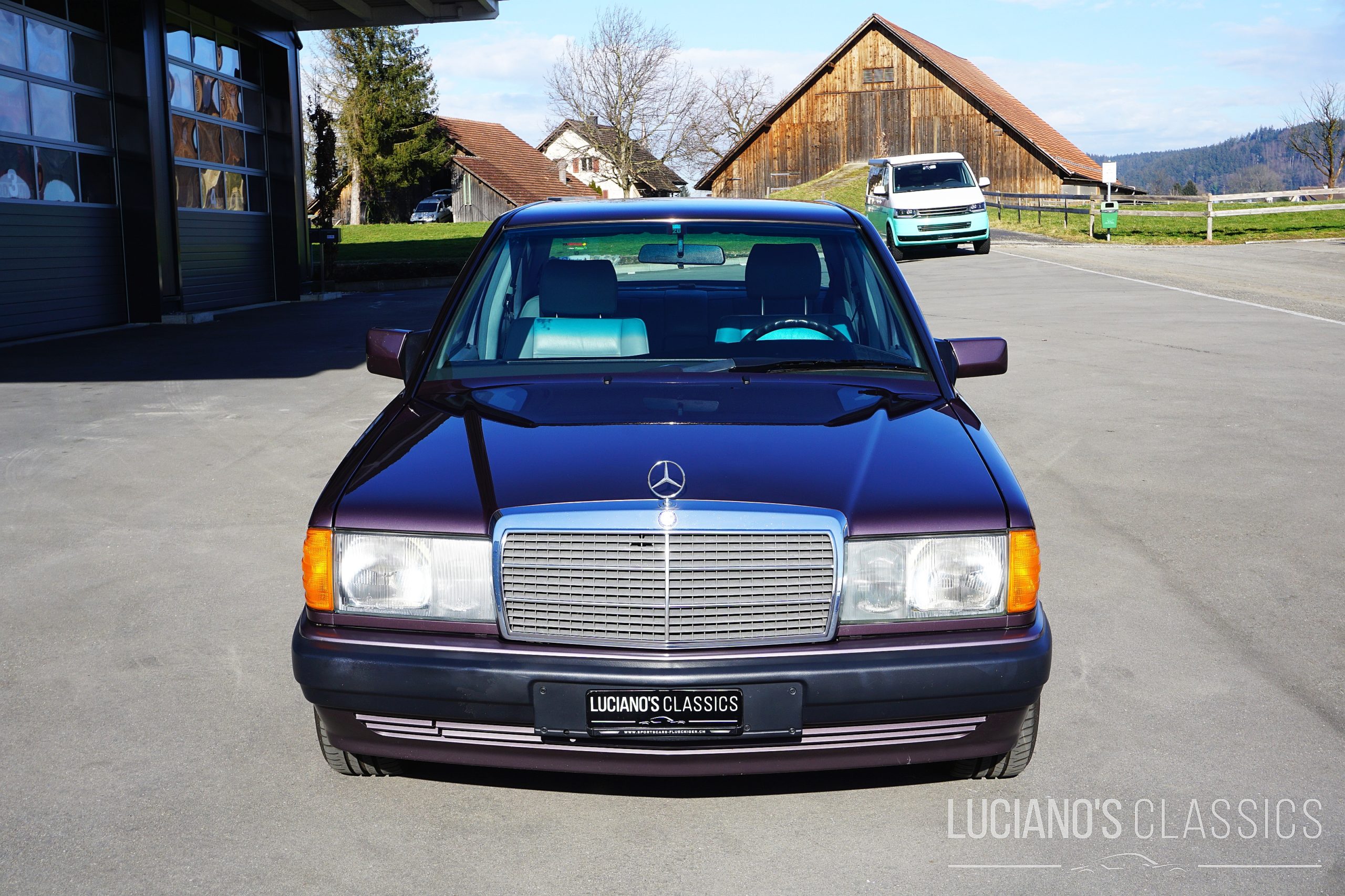
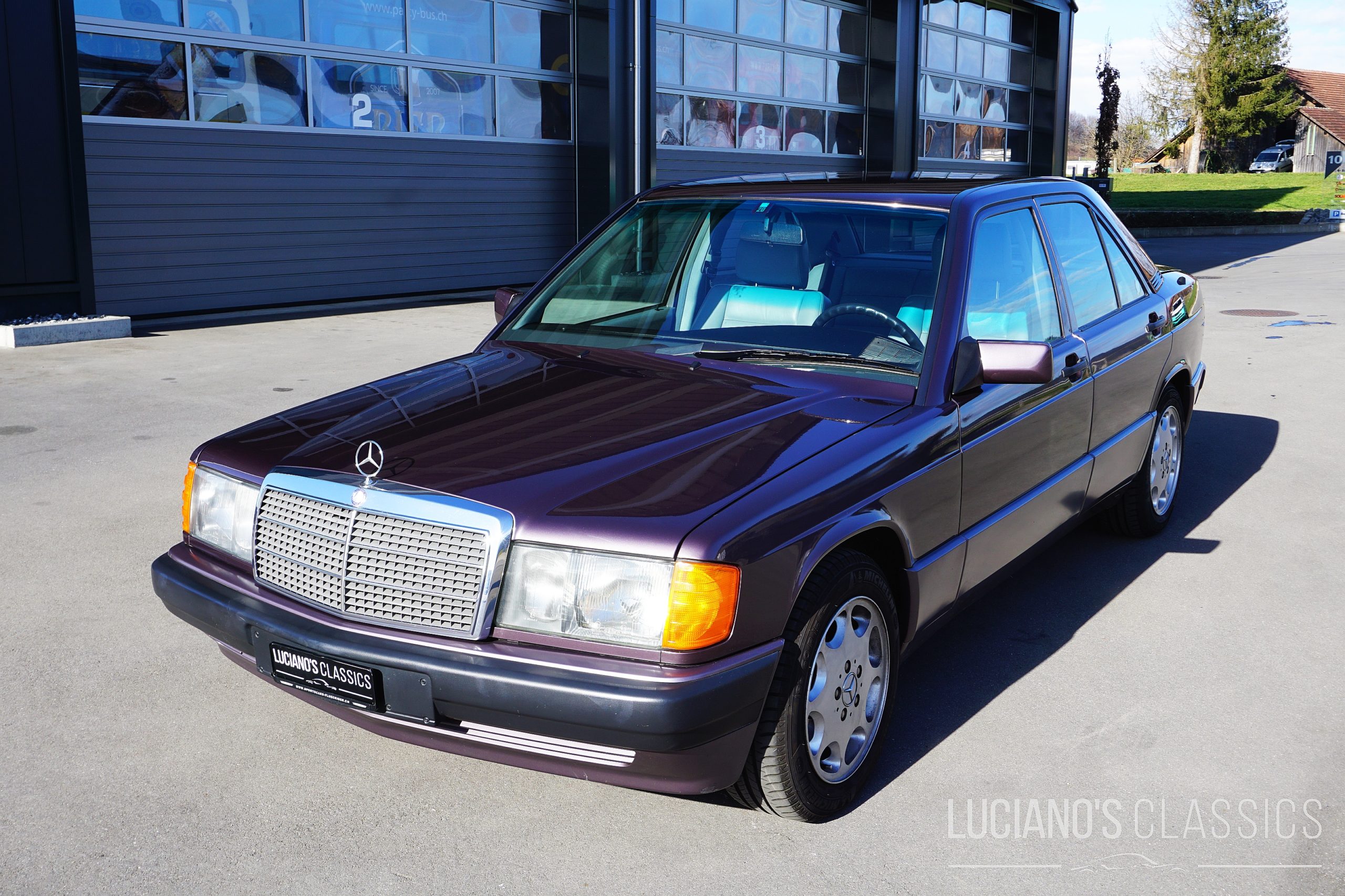
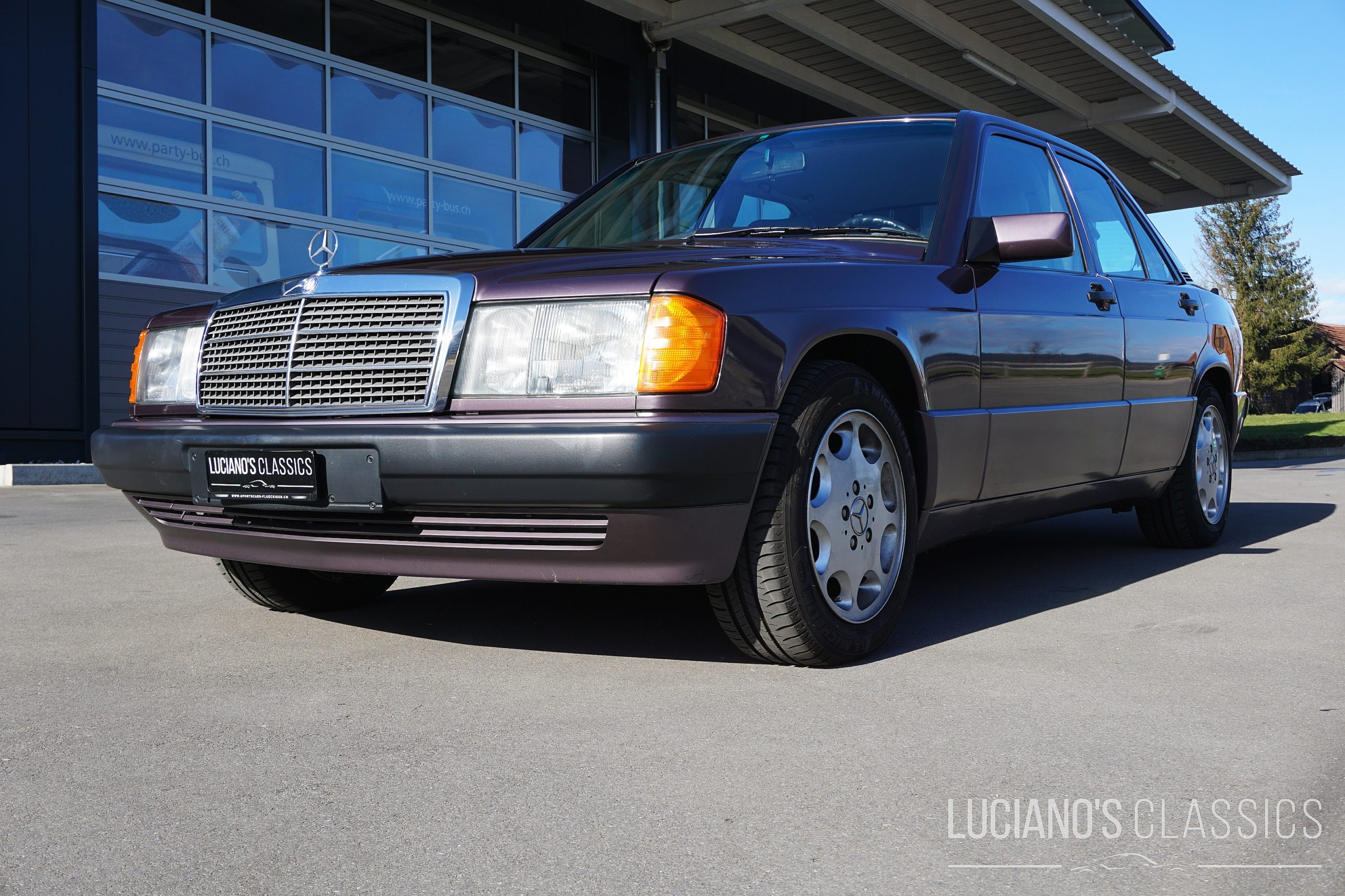
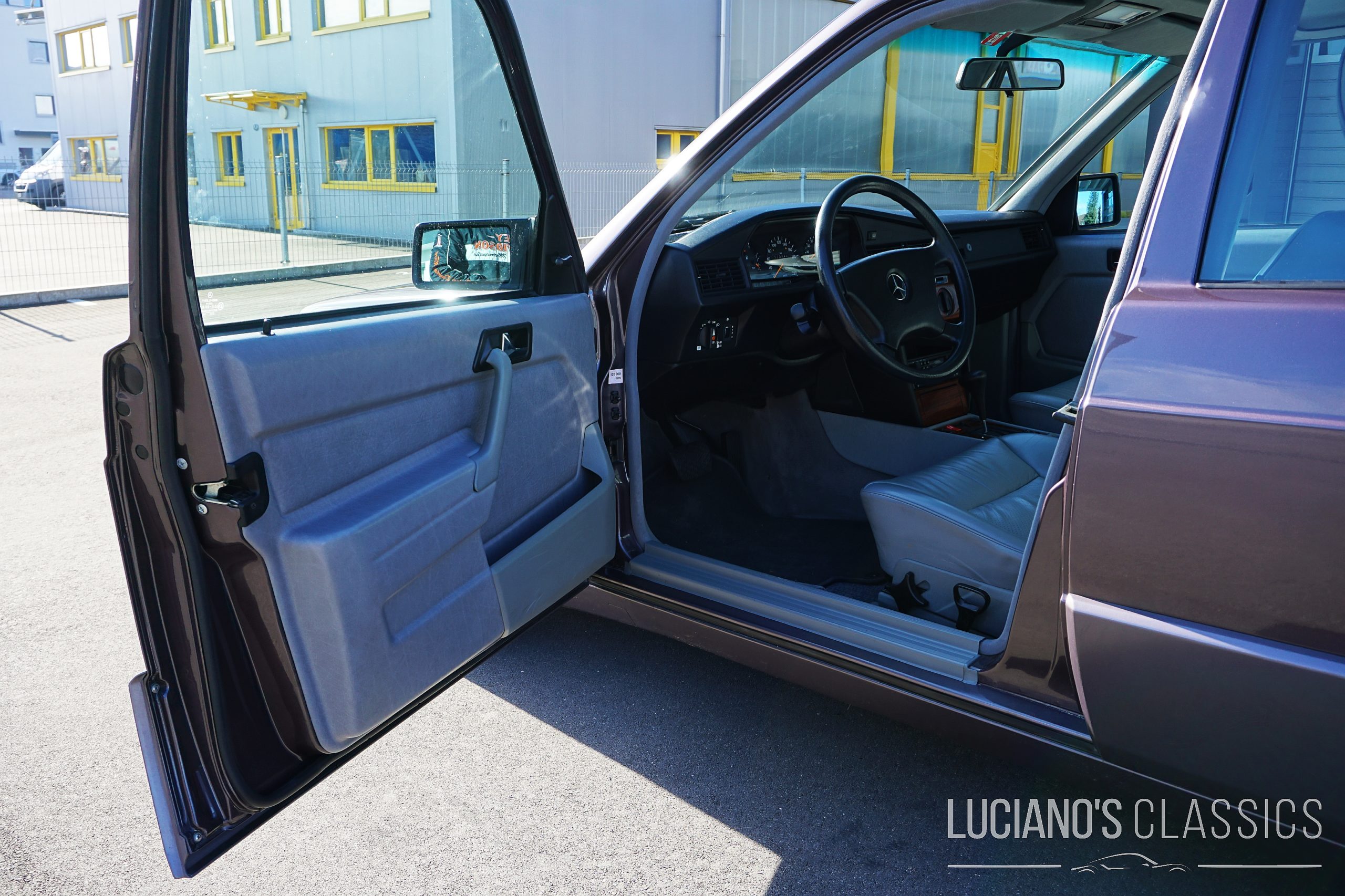
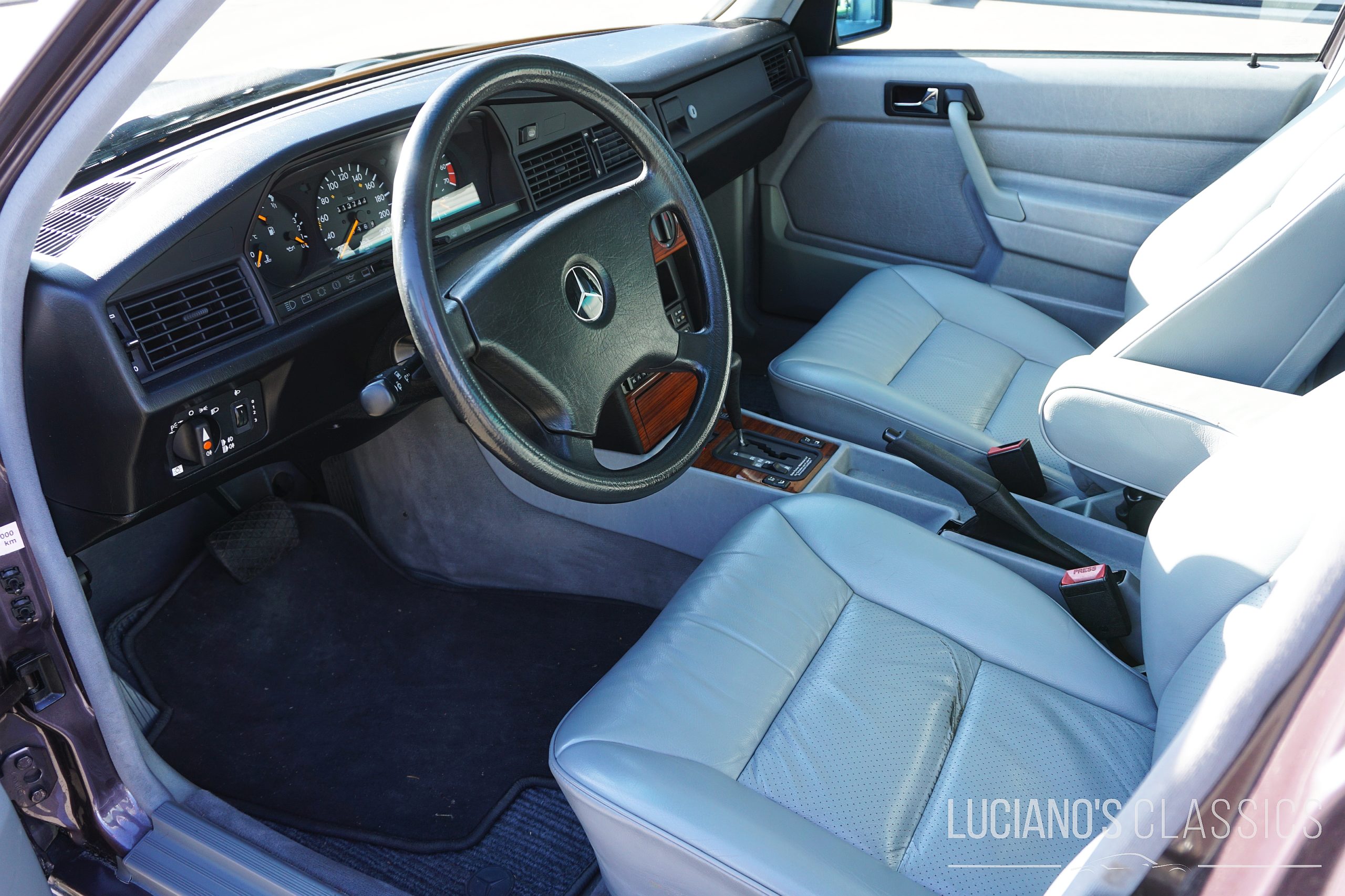
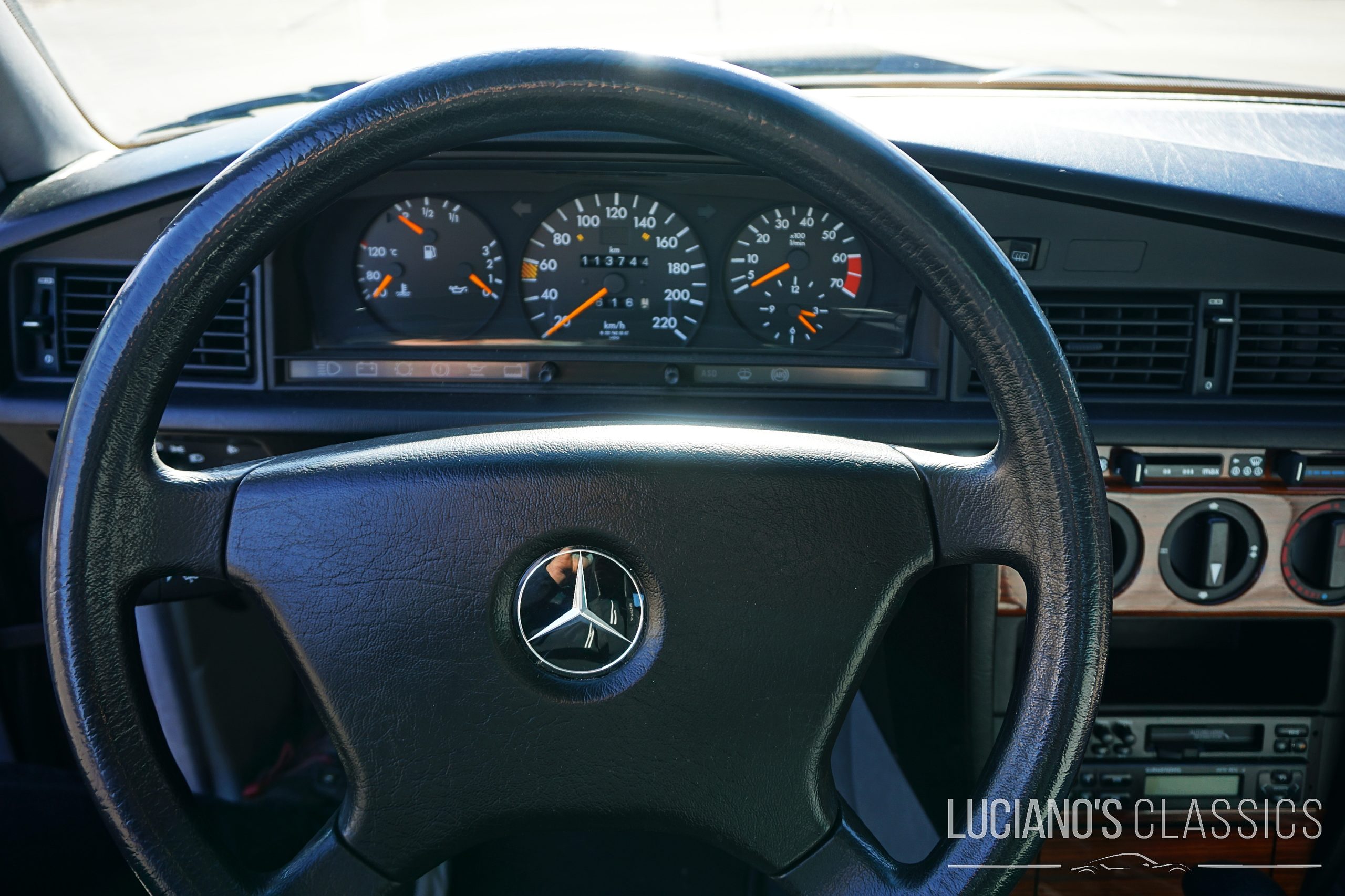
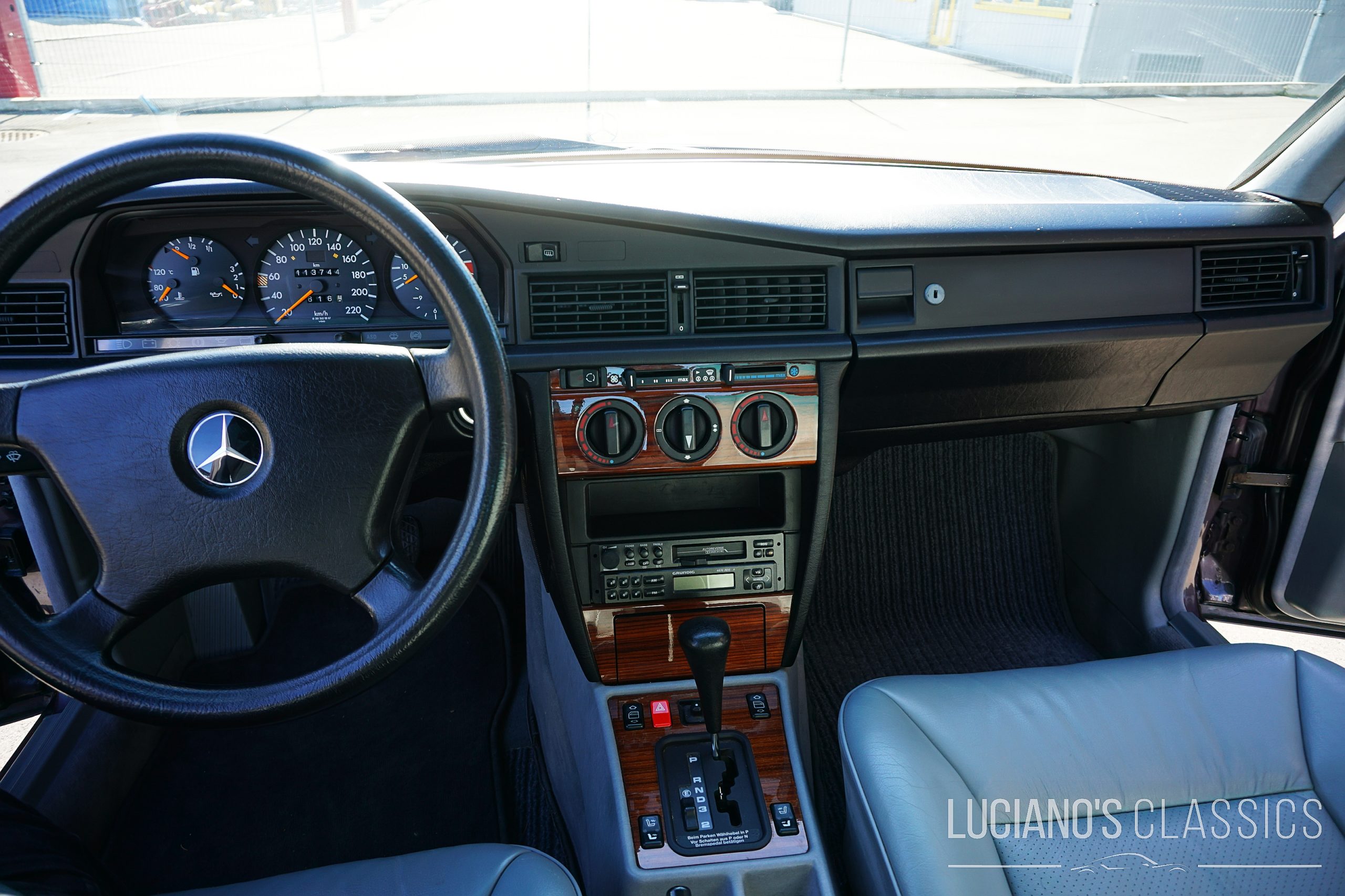
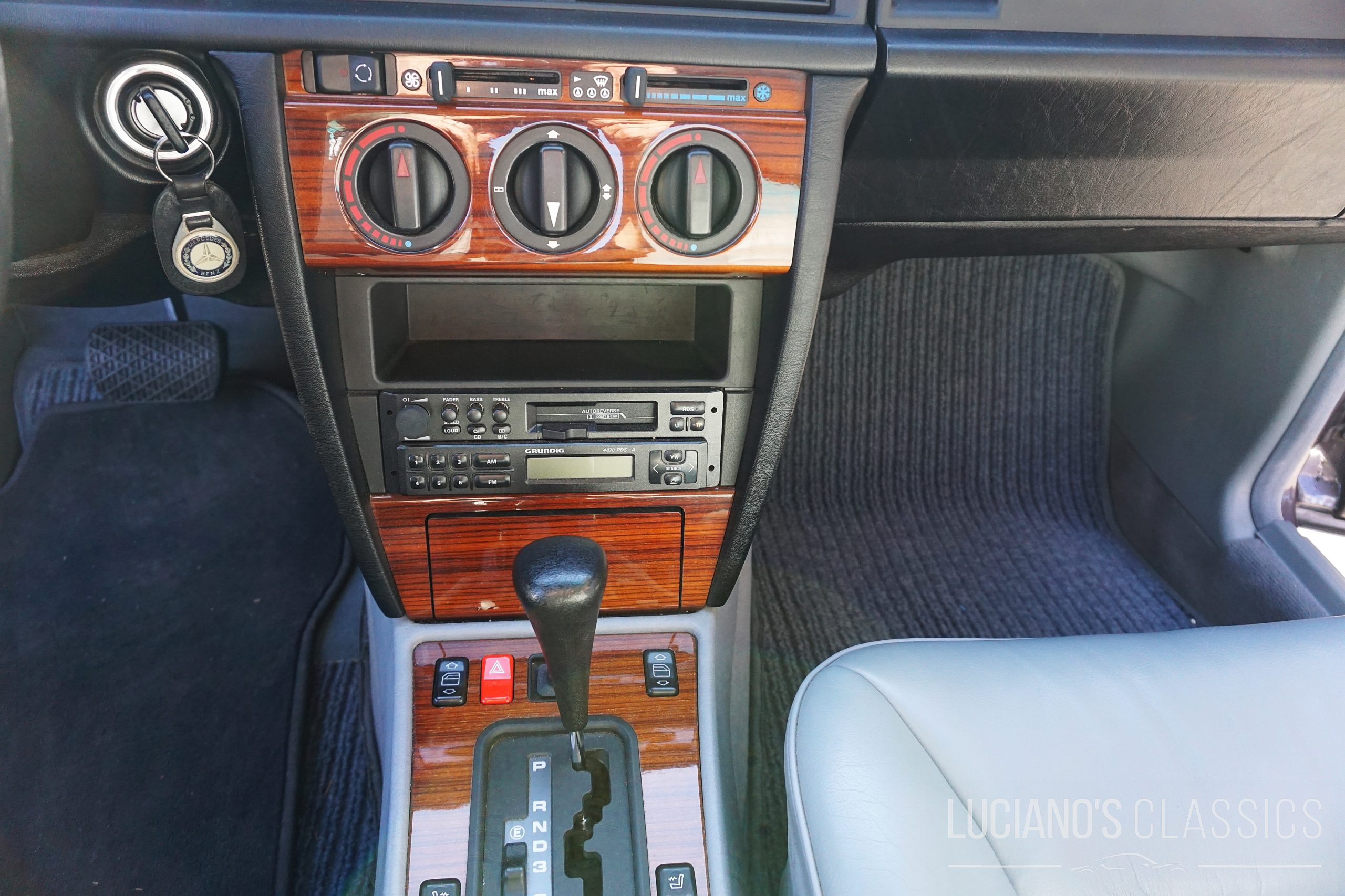
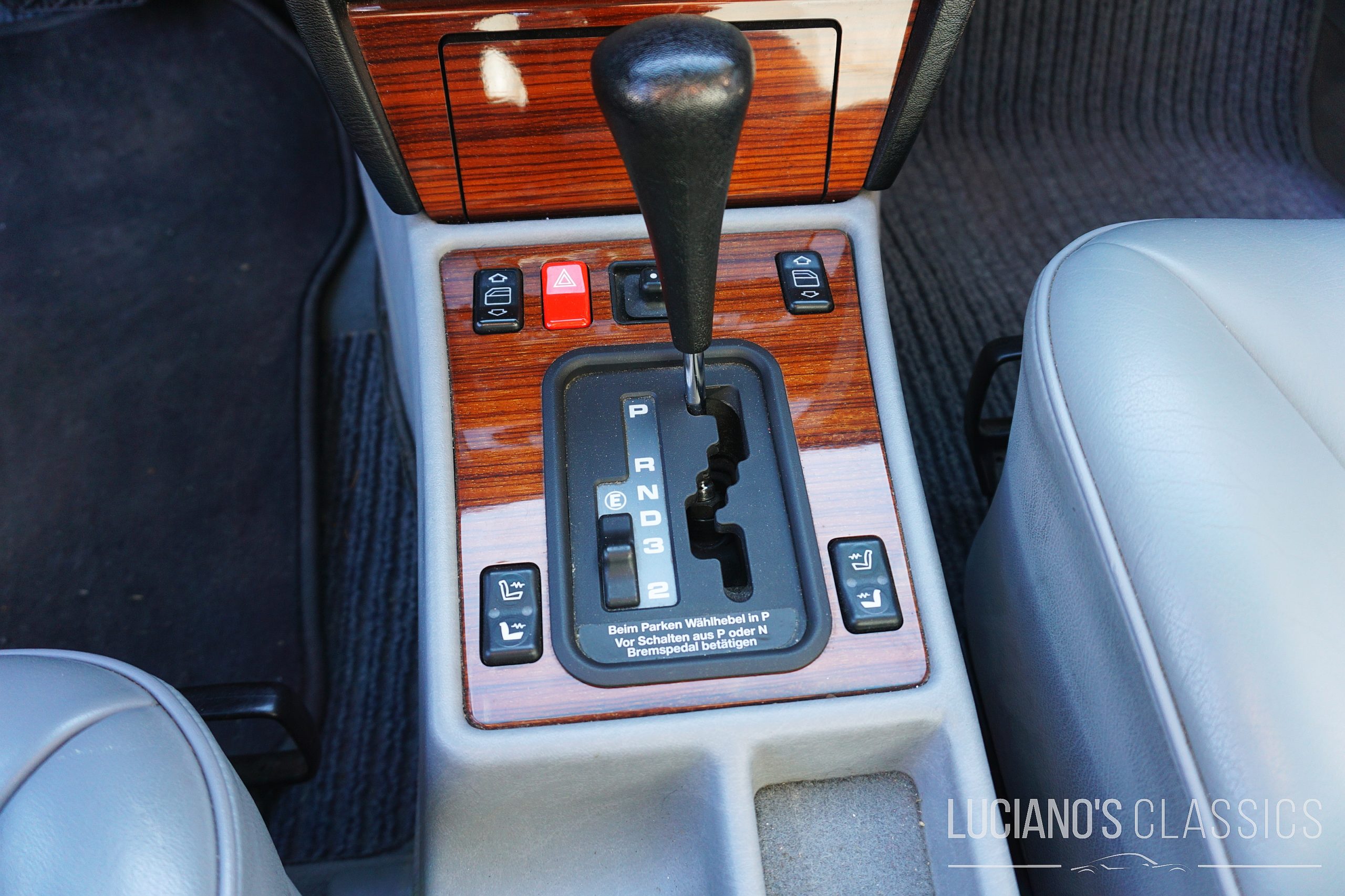
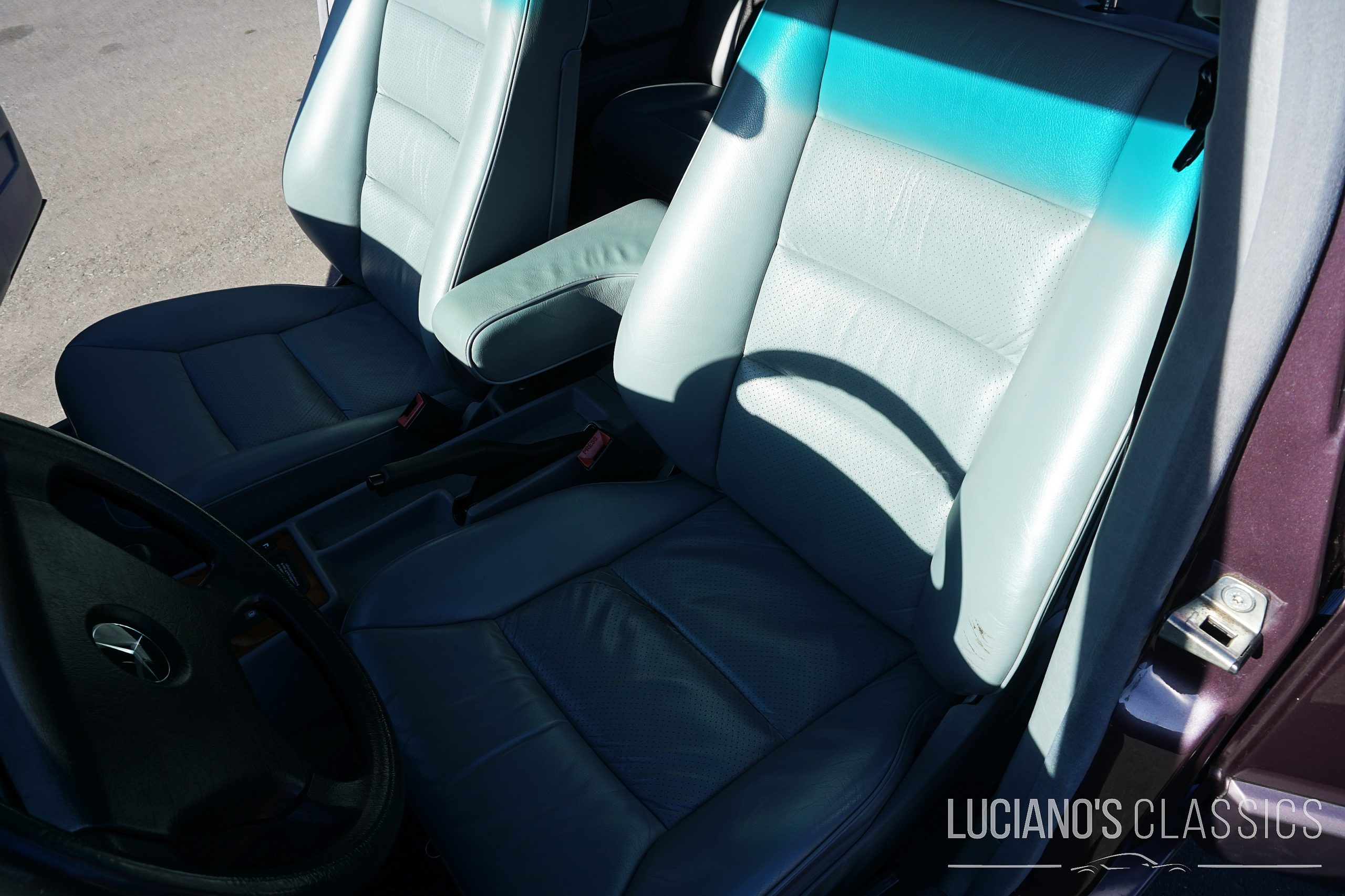
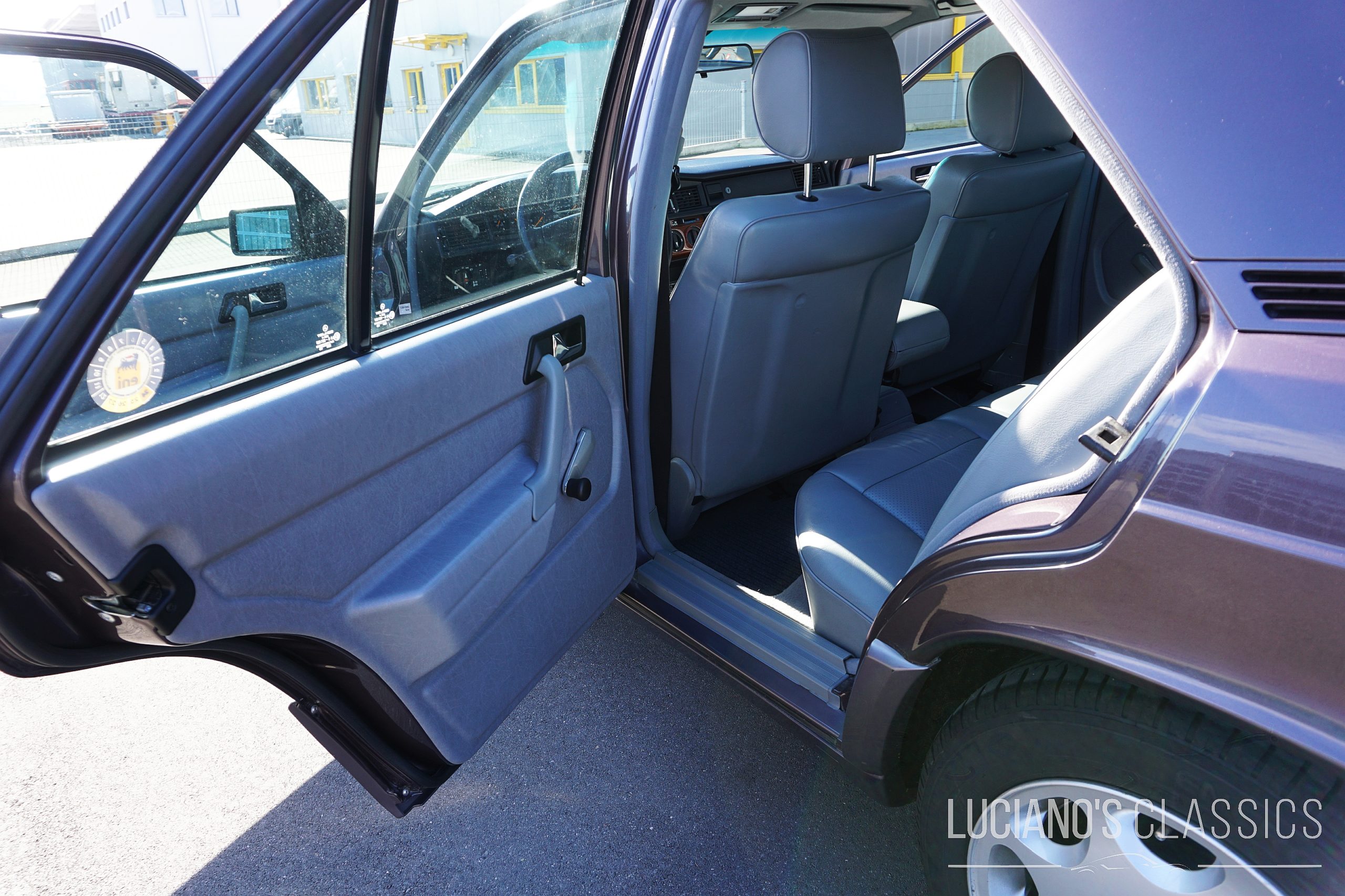
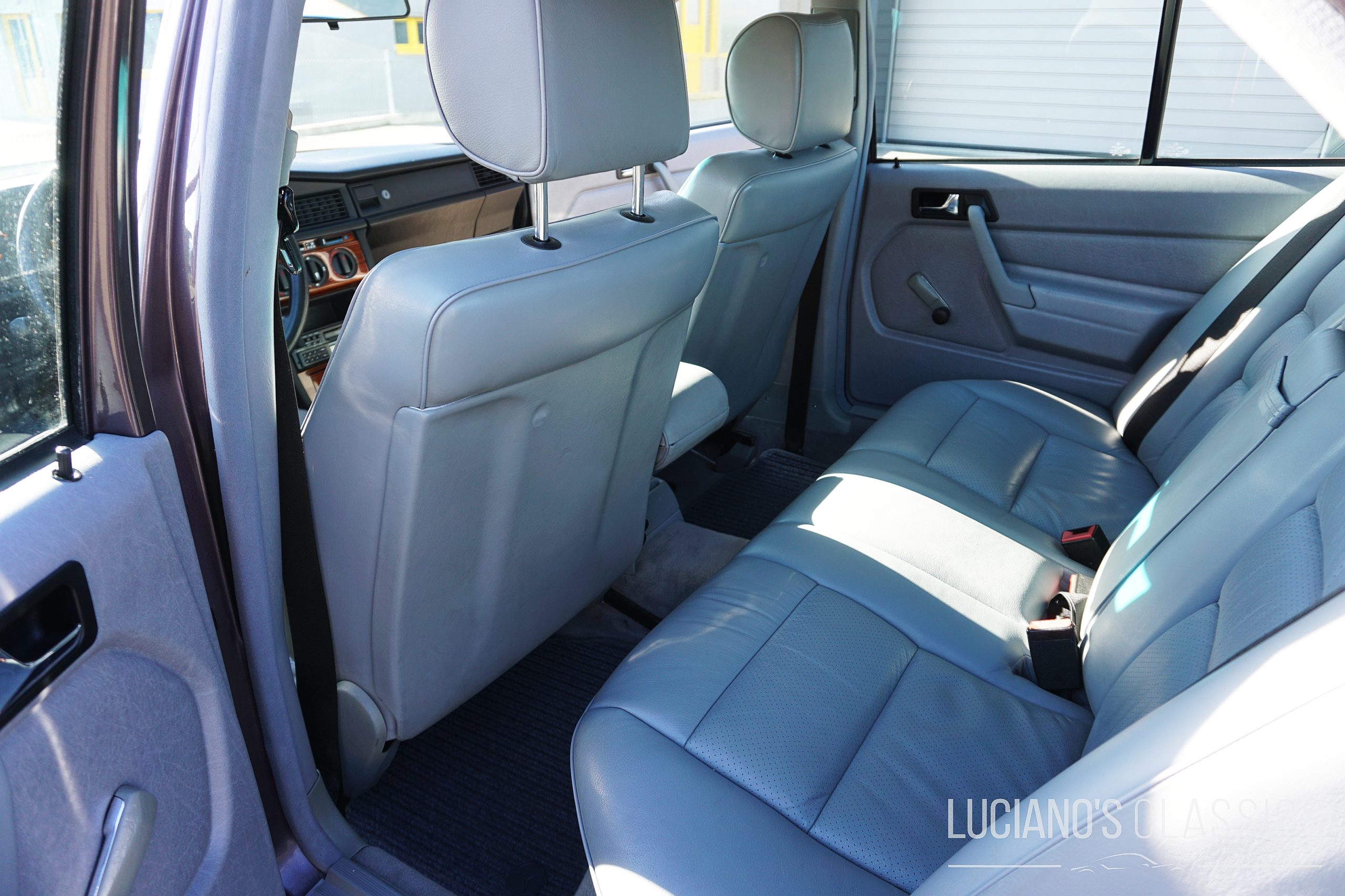
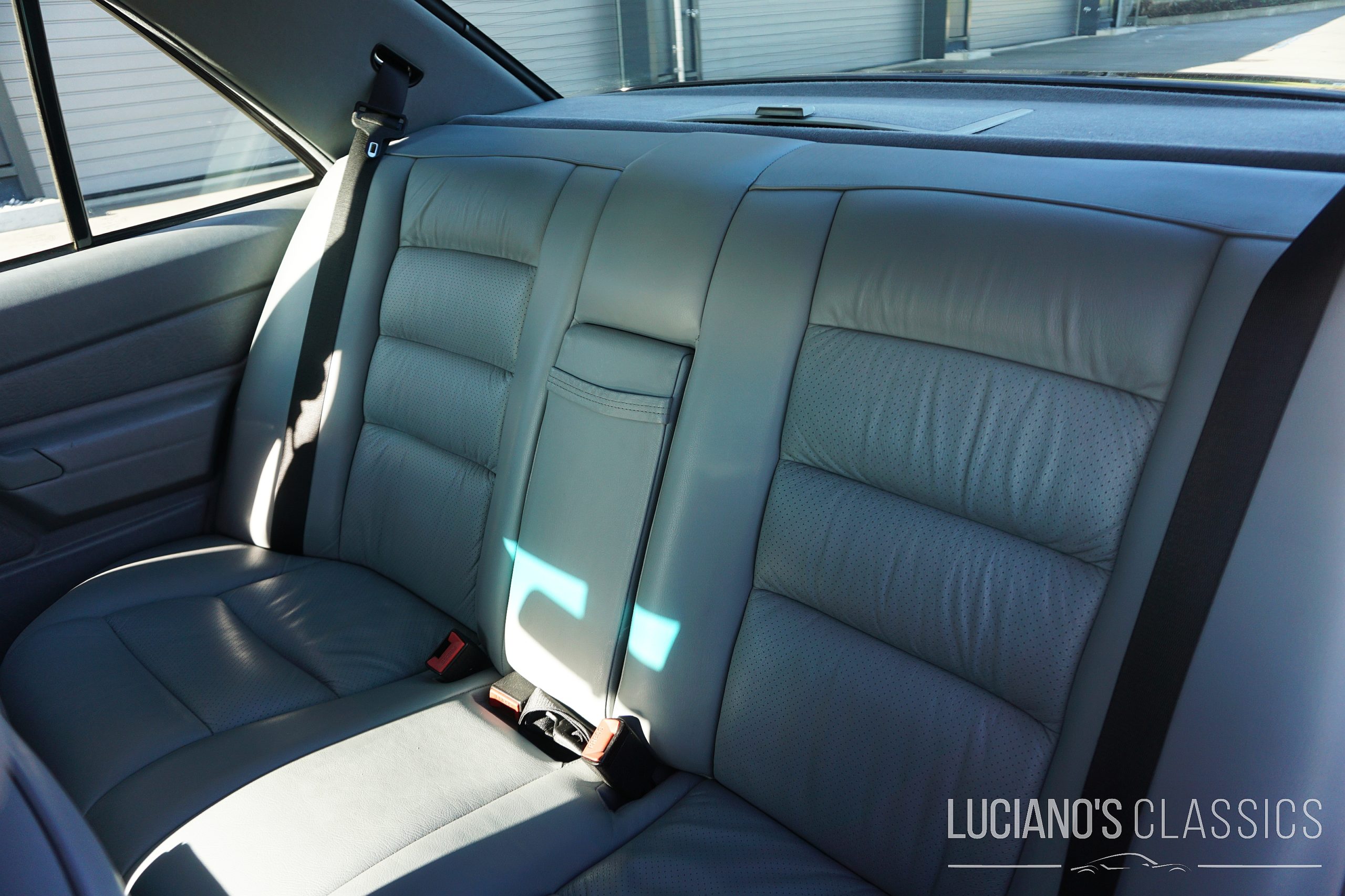
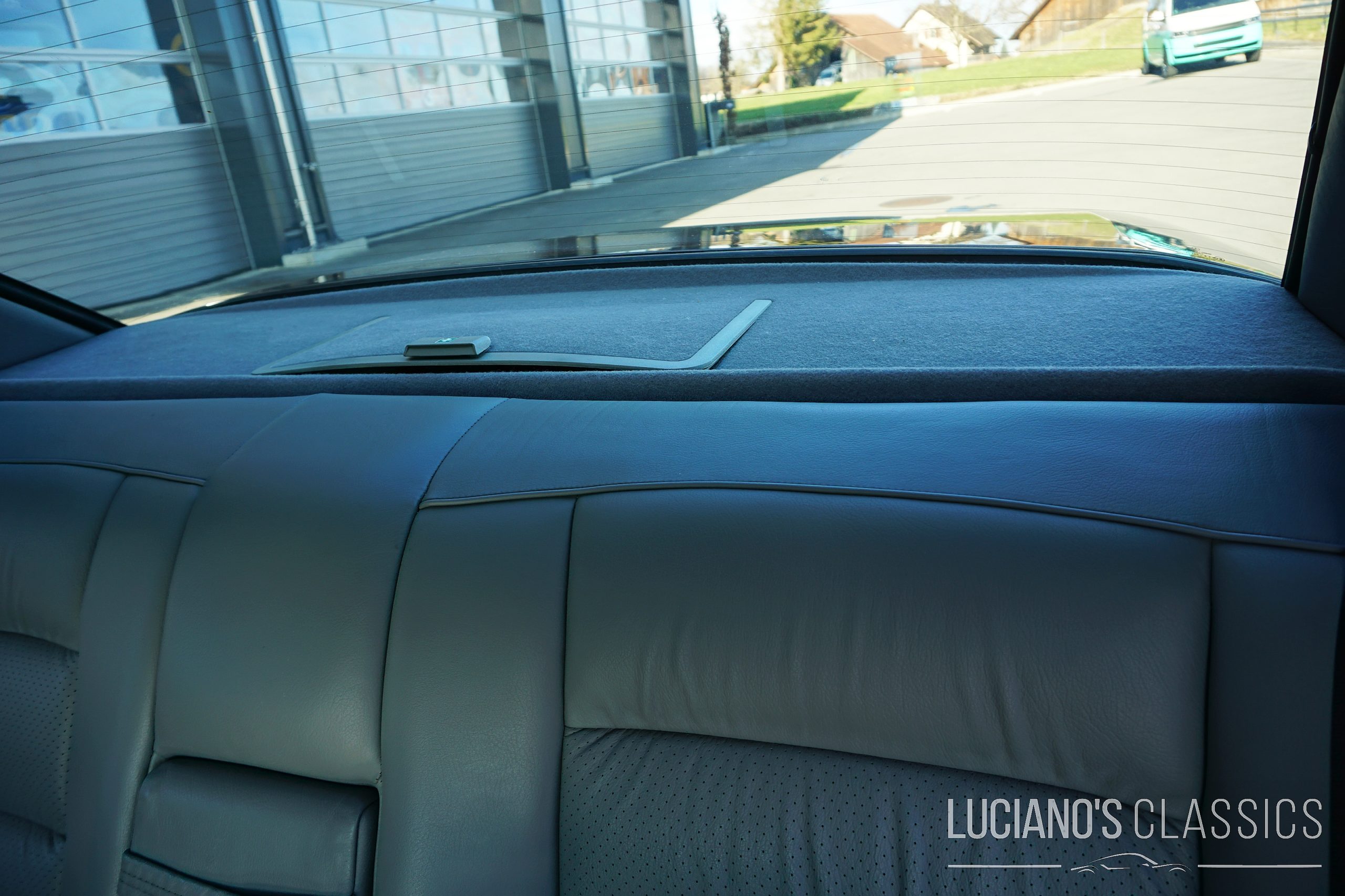
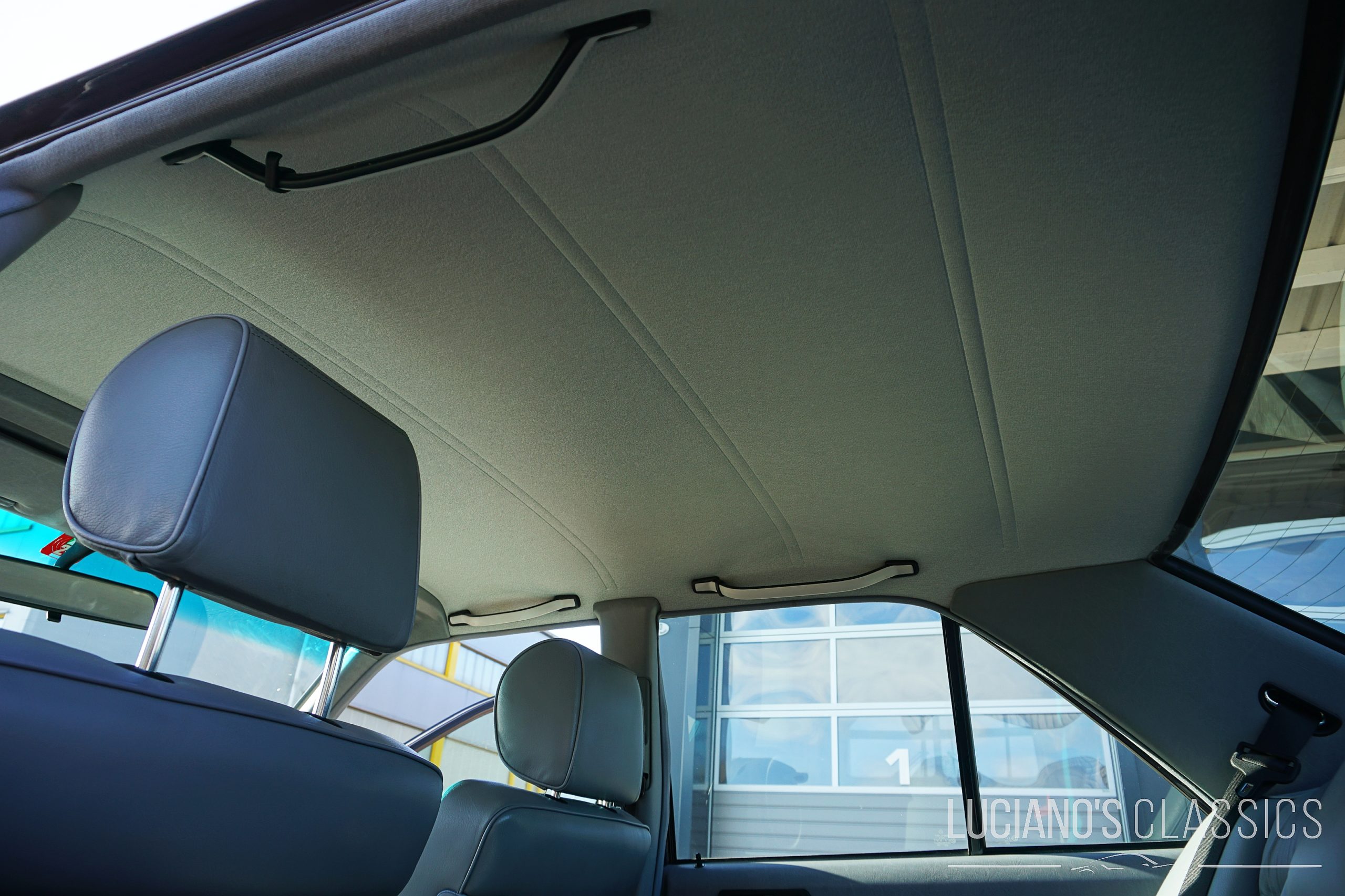
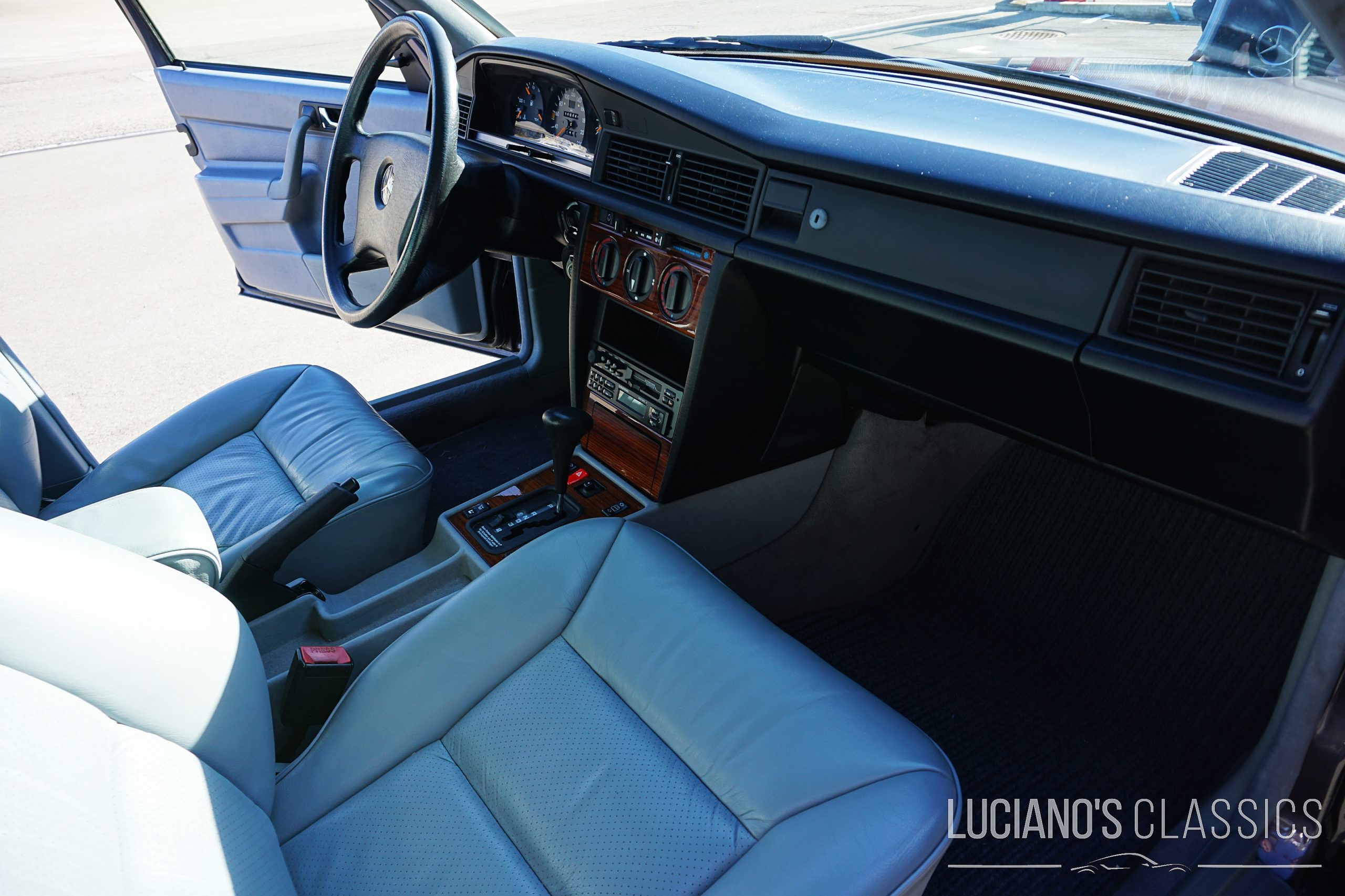
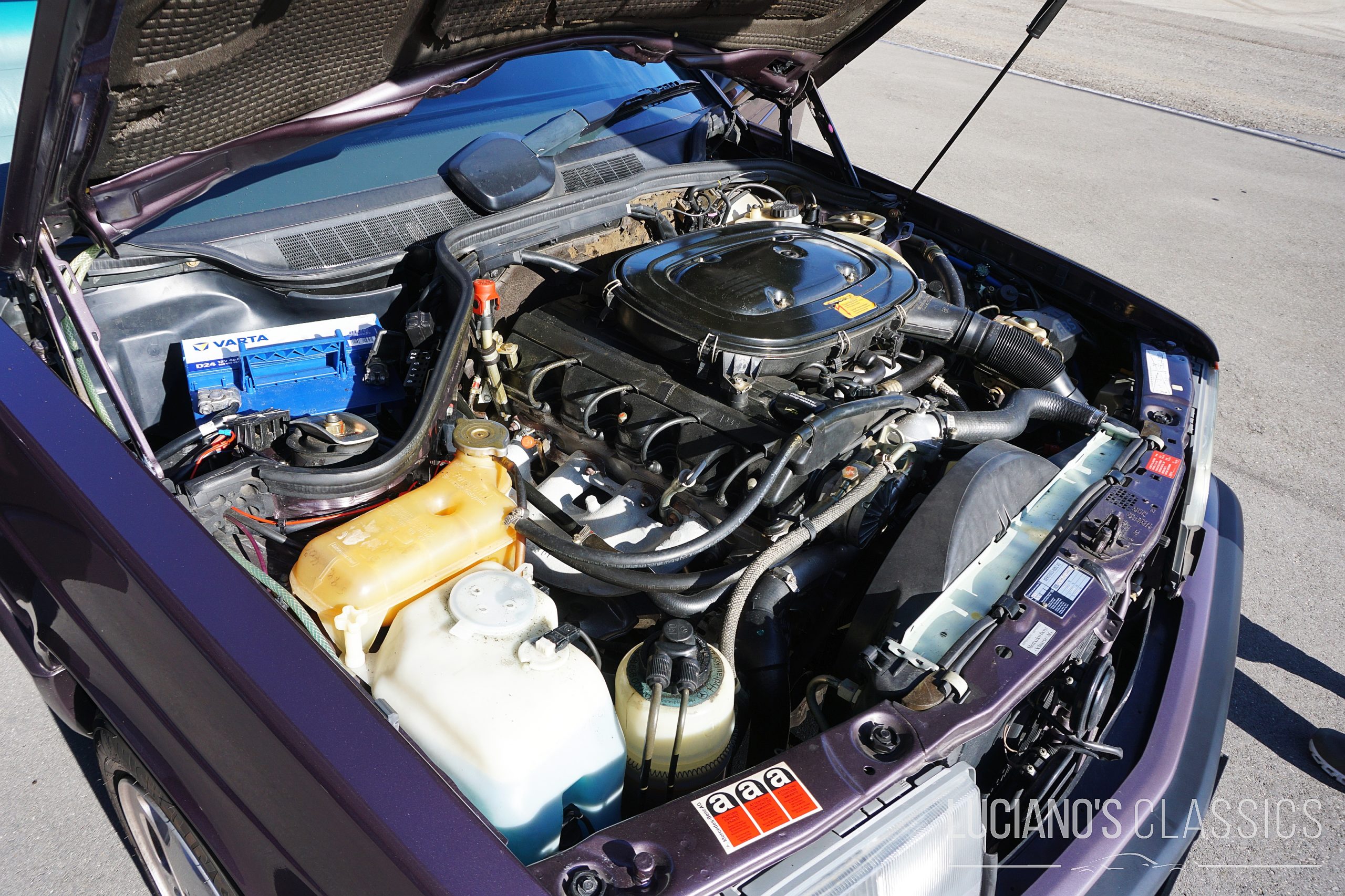
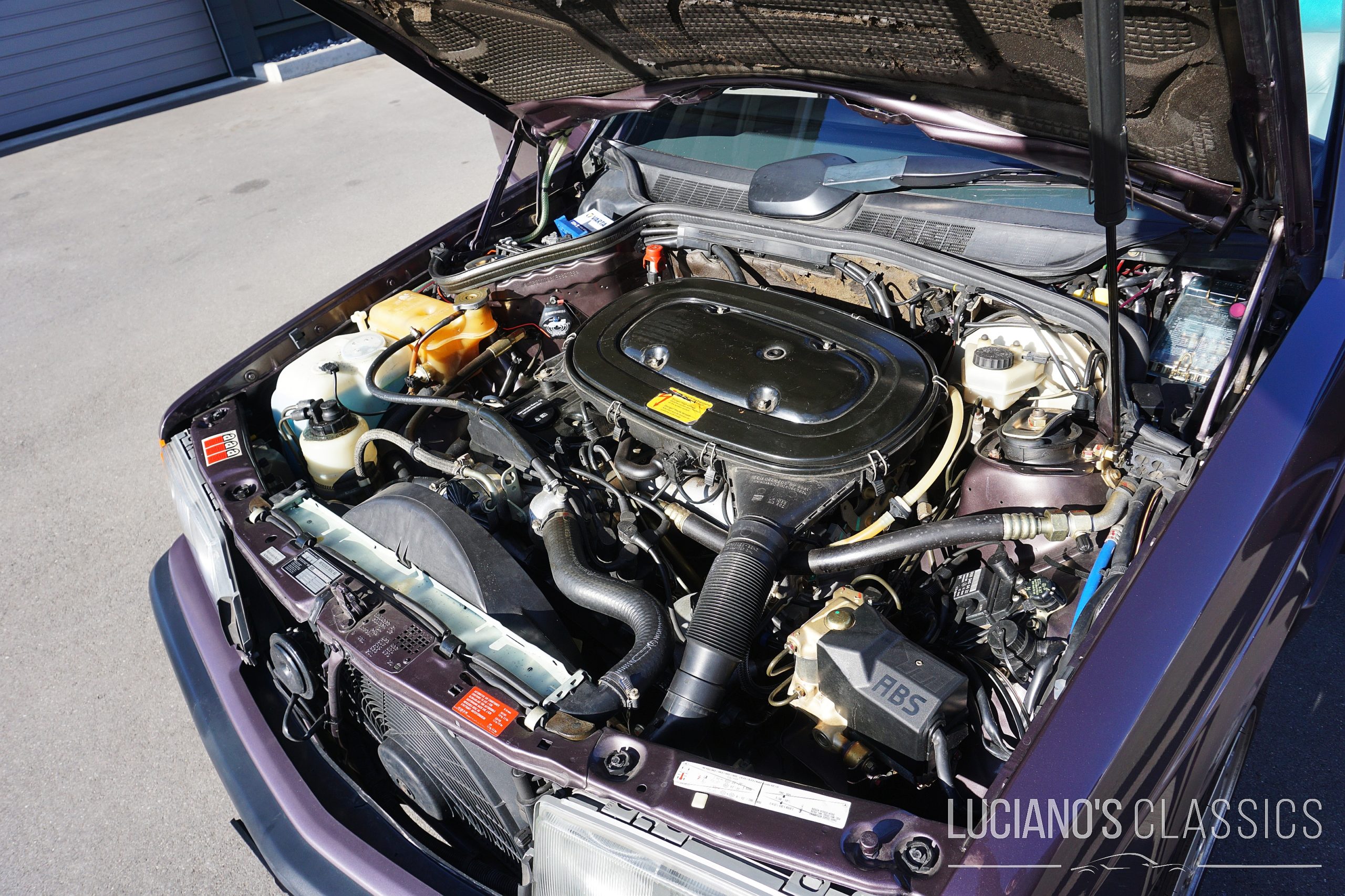
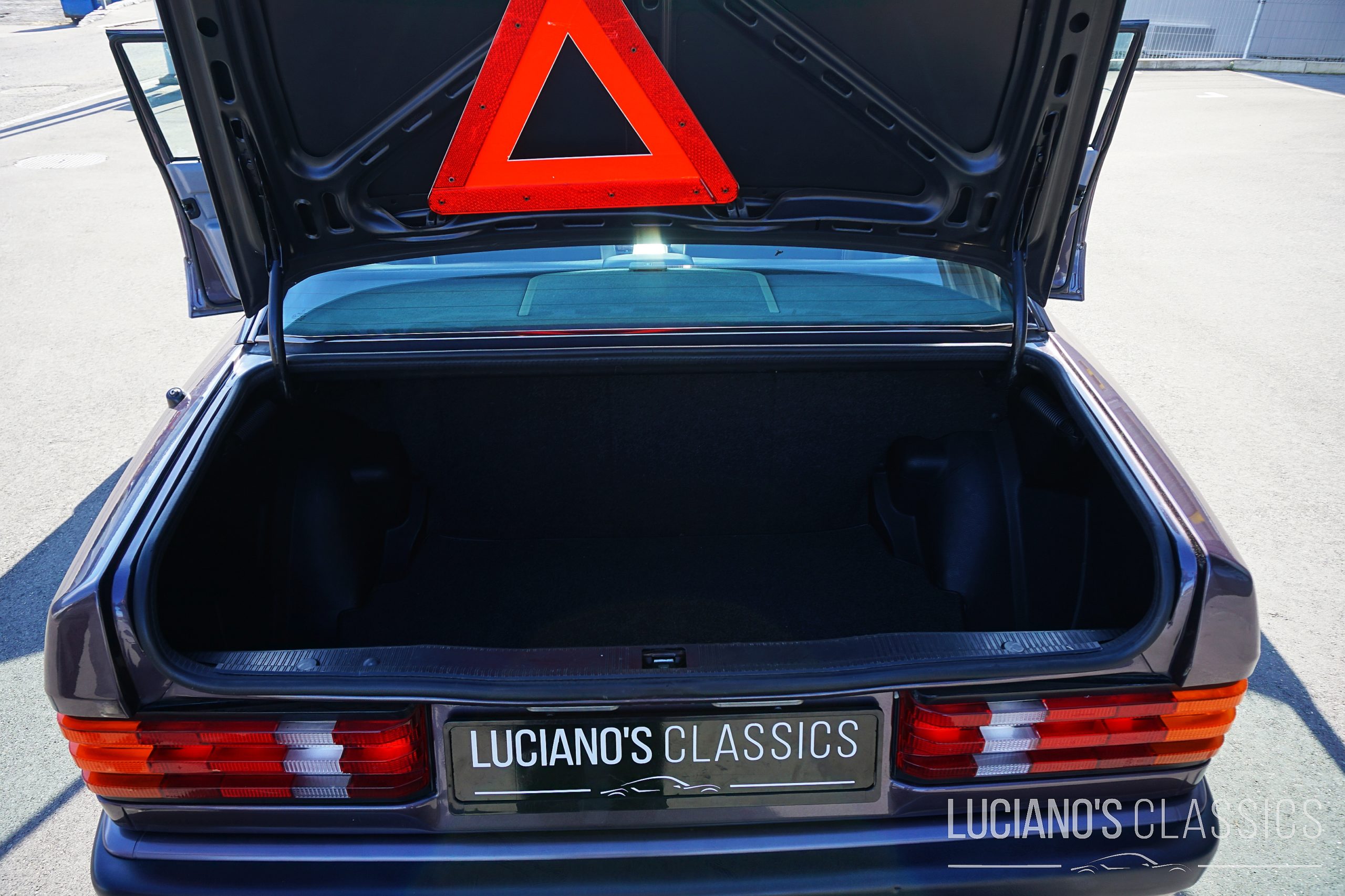
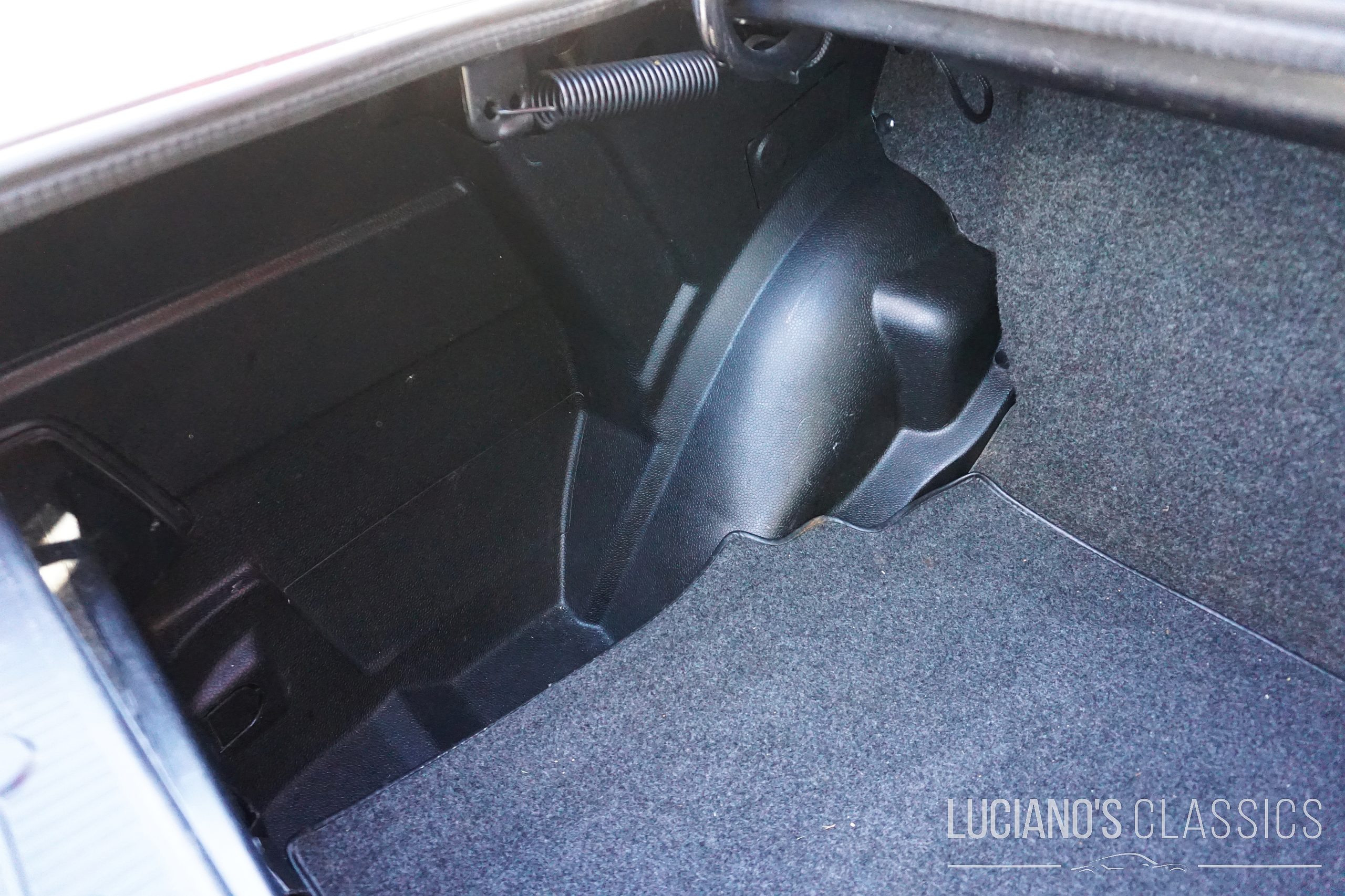
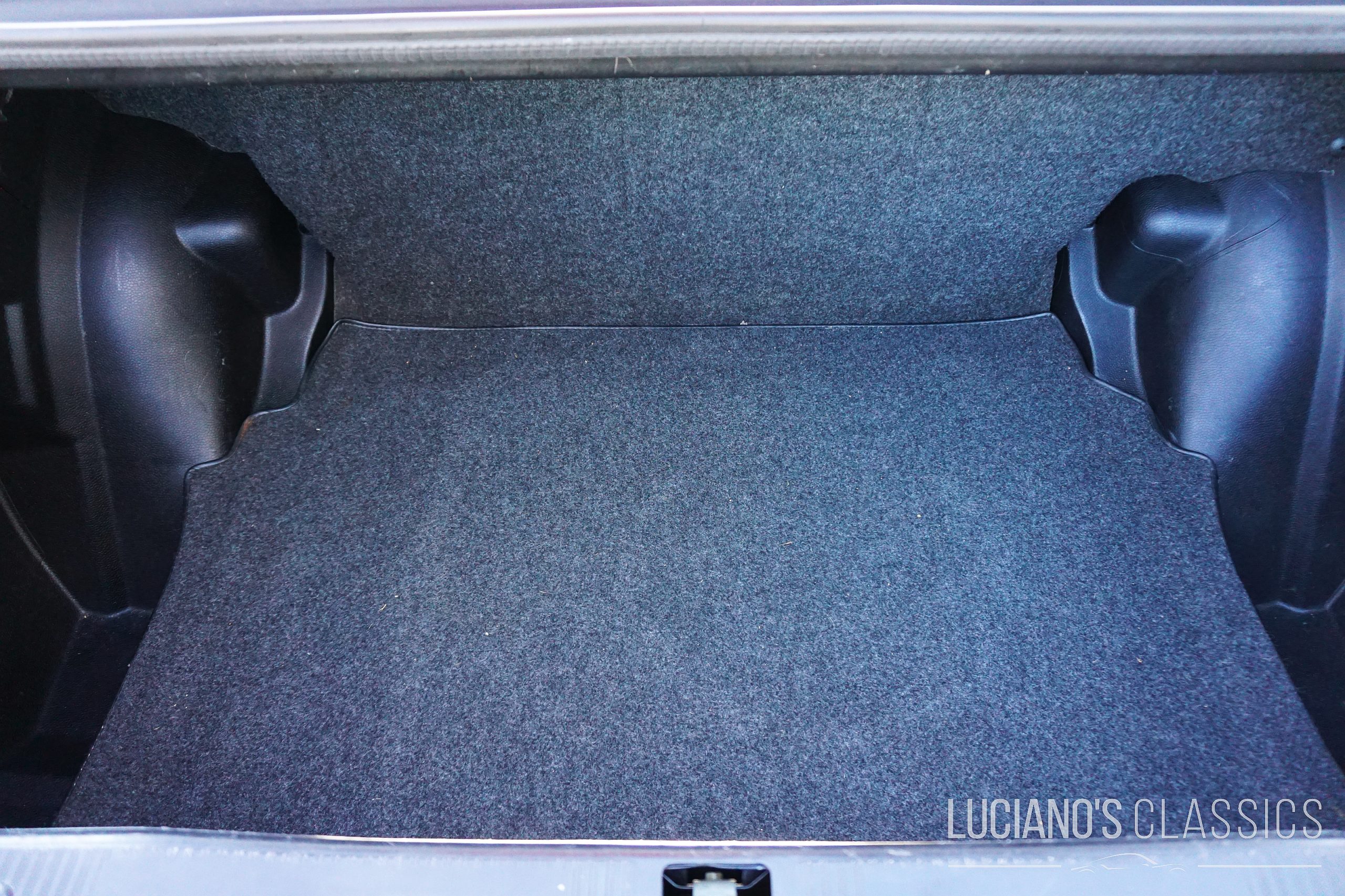
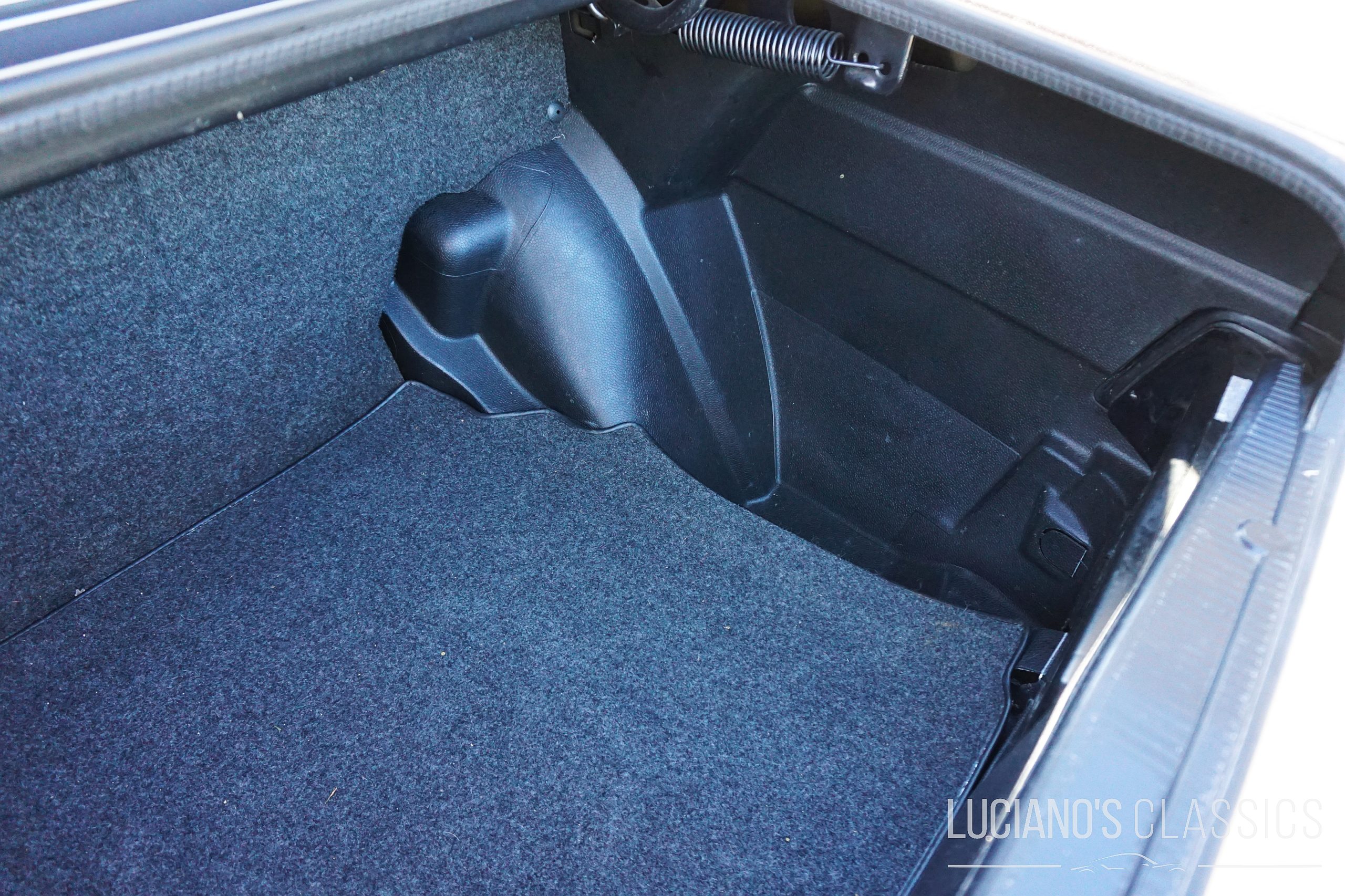
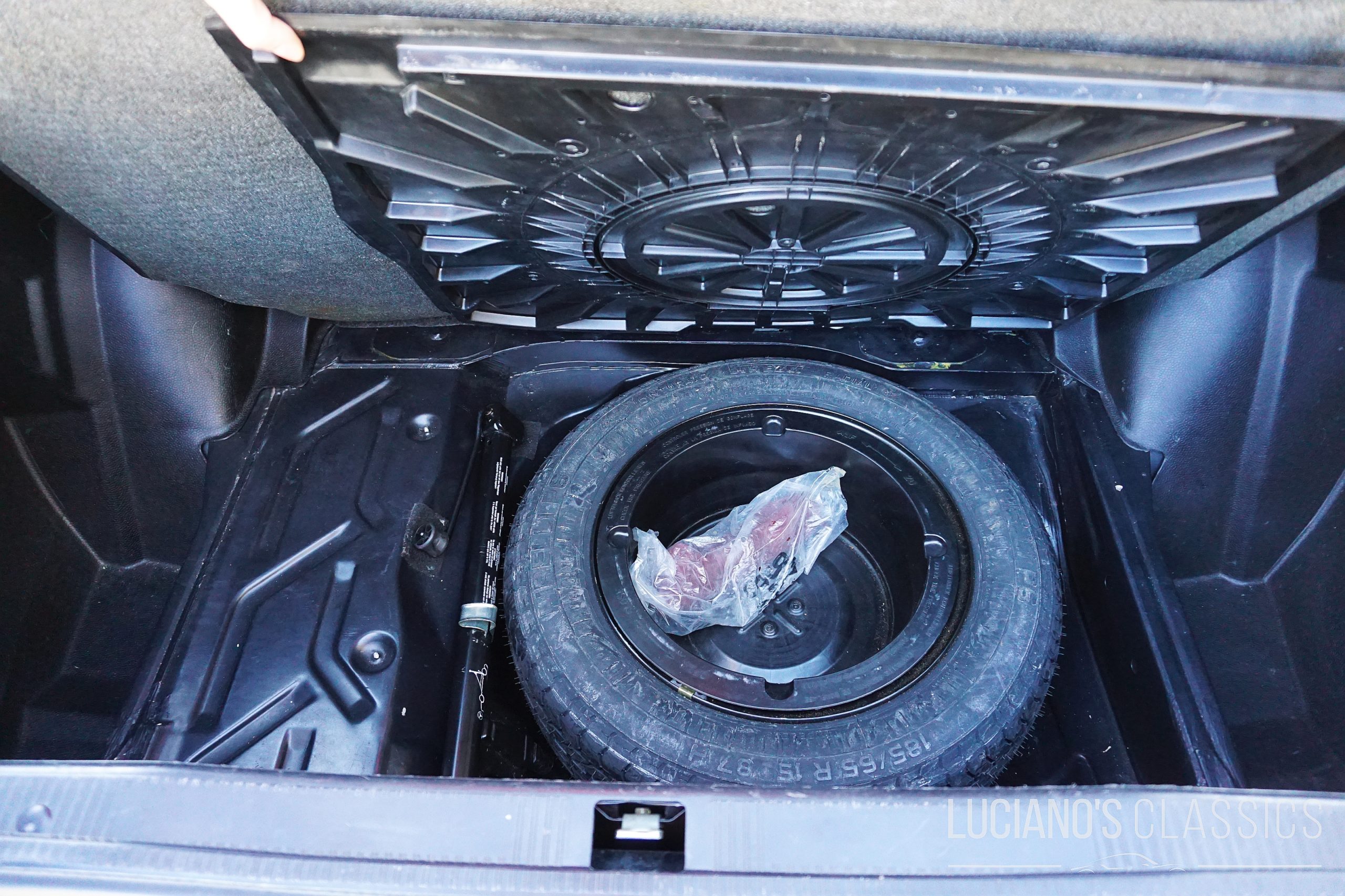
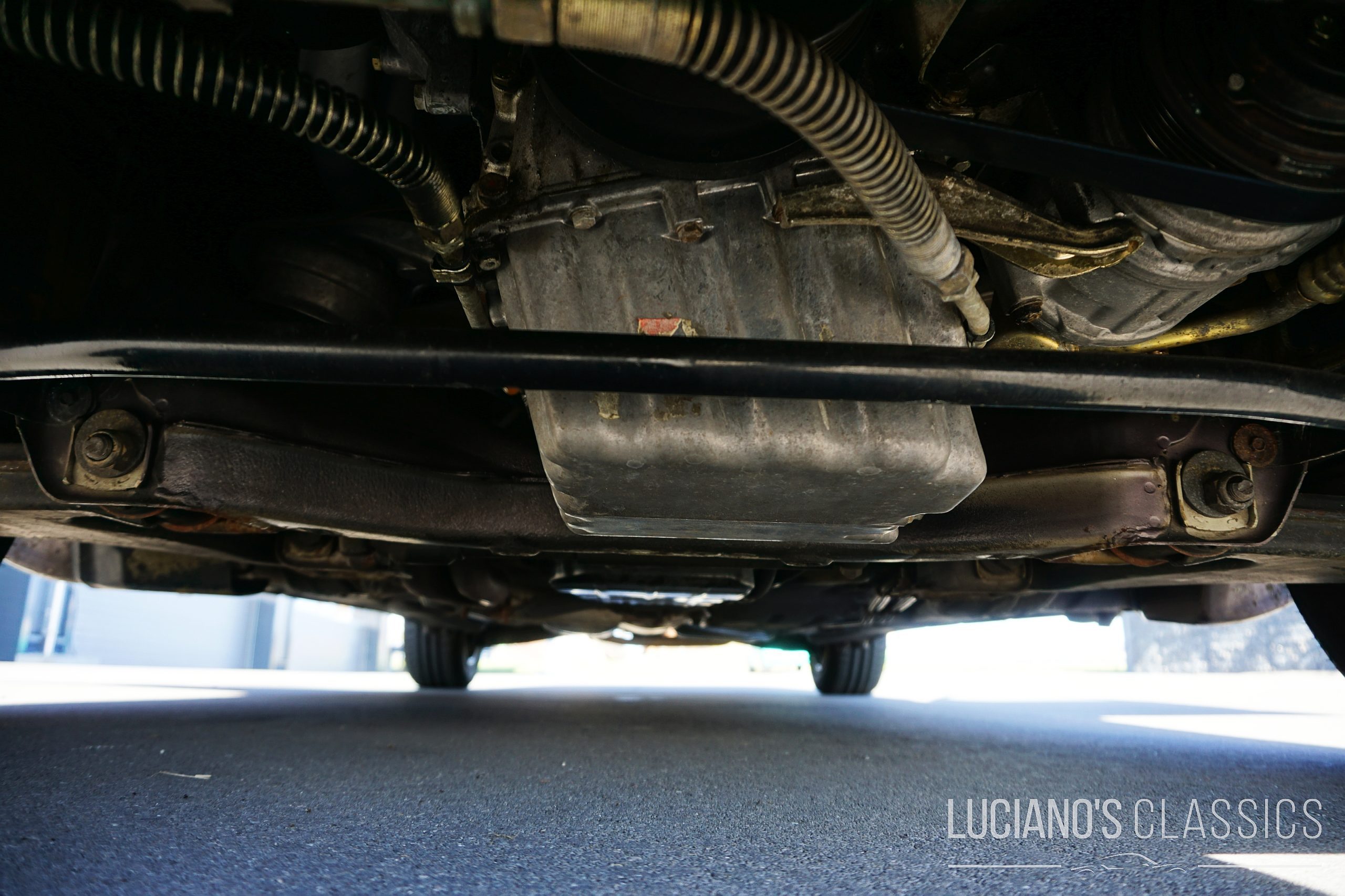
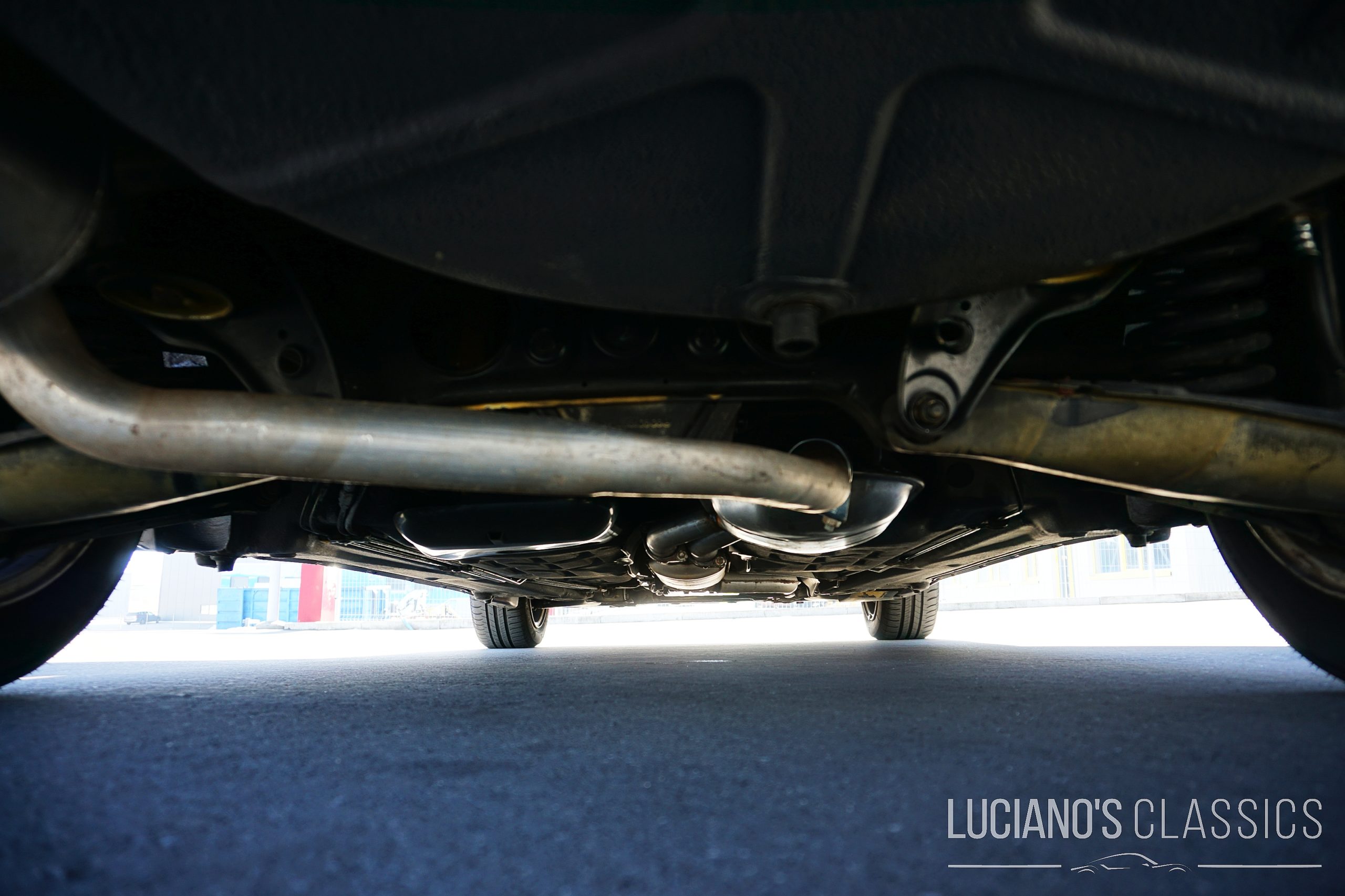
A baby Benz to fall in love with: This 1991 W201 is one of the best-preserved examples we have ever encountered. The original paintwork «Bornite» shows hardly any signs of wear and tear, and the interior and windows are also in almost delivery condition. The engine starts immediately and purrs contentedly, the transmission shifts as if it were the first day, all switches and buttons work, and so this original 190 Benz rolls gracefully and with its usual composure over today's asphalt.
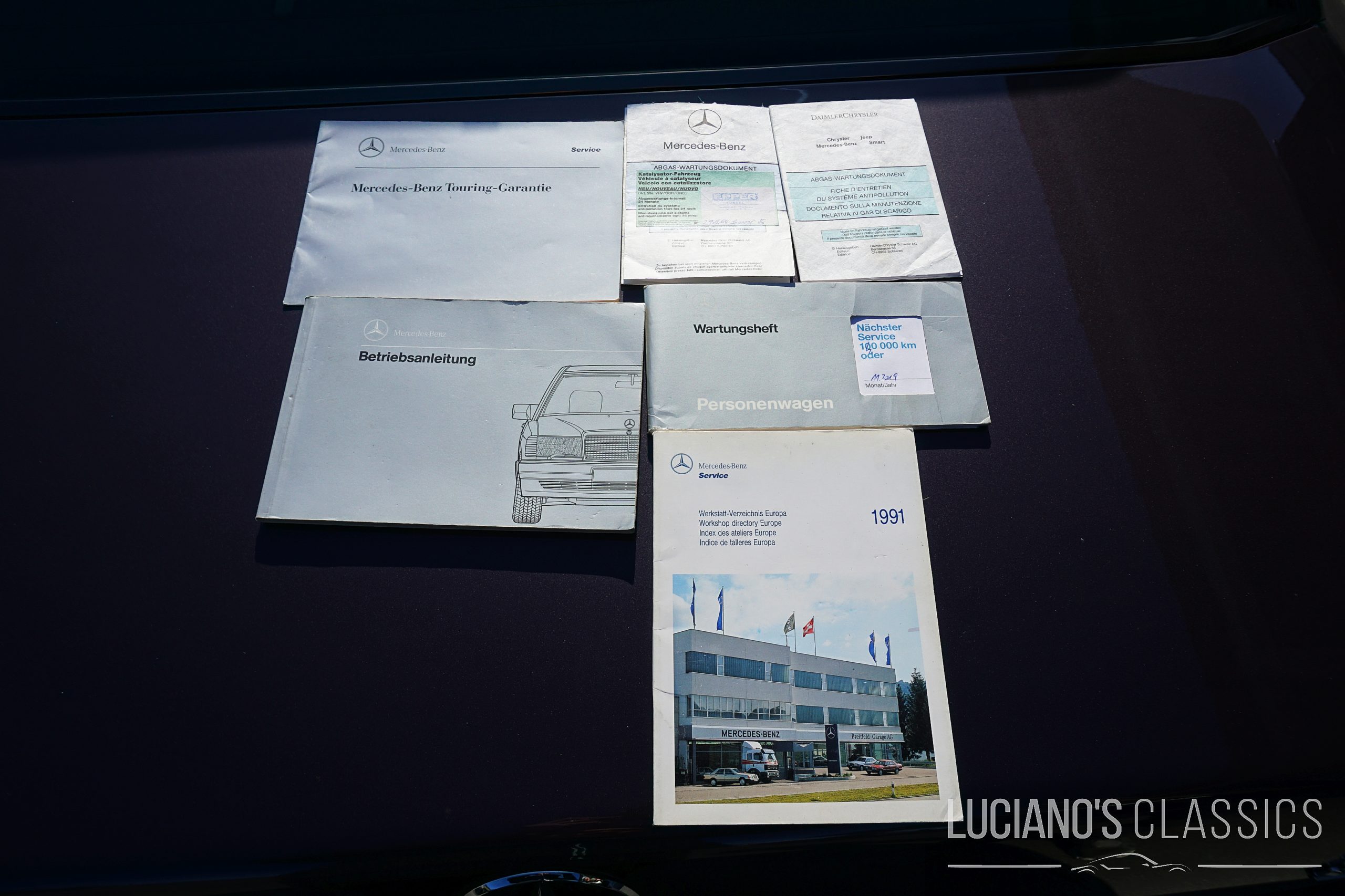
The car has already had a transmission flush, and the service booklet shows no gaps. The history is also fully traceable thanks to only two previous owners, both of whom used the car as a second vehicle. Having passed the veteran inspection, it now looks forward to its third owner, who will hopefully treat it with the same care and attention it has received over the last 31 years.
You can find a video of the bornite-colored Benz at the very bottom of this page.
This vehicle has already been sold.
Model history
At its launch in December 1982, the mid-range saloon, internally known as the „compact class“, proudly presented itself with a clear wedge shape with fine light edges. We have Bruno Sacco to thank for the timeless, straightforward design. The “Baby-Benz” quickly became a success and a model for subsequent model generations, such as the C-Class.
In order to optimize economy, the Mercedes engineers worked on the aerodynamics on the one hand and on the body on the other. Thanks to high-strength sheet steel, the weight could be trimmed to just 1,180 kg without compromising on passive safety. The trend-setting chassis with a space-arm rear axle was specially developed for the Type 190. In this design, each rear wheel is guided by five independent control arms, which ensures optimally controlled wheel guidance. At the front, a damper leg front axle with brake nodding support and triangular wishbones is used.
The Type 190 is built in Sindelfingen and Bremen. In March 1988, the millionth W 201 rolls off the production line in Bremen: the compact class has successfully established itself as the brand's third major model series. Mercedes-Benz thoroughly revised the 190 in this year. Six years after the presentation of the first Type 190, the Stuttgart-based company presented the result of this model update for the compact class at the Paris Motor Show in September 1988. The focus was on the stylistic revision of the body and the redesign of the interior. The most striking distinguishing feature of the facelifted models are the side flank protection strips with integrated longitudinal sill panels, which can also be found in a similar form on the coupés of the 124 model series.
The front and rear aprons are pulled further down and fitted with more voluminous bumpers, which allow greater energy absorption thanks to new support parts and modified impact absorbers. The new front apron originally comes from the 190 E 2.6 and now reduces lift at the front axle on all models. At the rear, on the other hand, the new apron optimizes the air flow. The right-hand exterior mirror becomes part of the standard equipment with the facelift. The Type 190 is more spacious and comfortable for drivers and passengers thanks to a redesigned interior. The increased knee and headroom in the rear and improved front and rear seats also contribute to this.
Production of the Type 190 ends in Sindelfingen in February 1993, and the production line in Bremen stops in August. A total of 1,879,630 vehicles of this type were built. This underlines the great success of the compact class and is also proof of the success of the idea of extending the Mercedes-Benz brand's range downwards.
Details
– 113,800 km
– 1. Inv. 07/26/1991
– Exterior paint «Bornite»
– MFK 08.15.2022 Veteran
– 2,297 cc inline-4 engine
– 136 hp
5-speed automatic
- Type certificate 1M2207
Chassis WDB 201 028 1F88 2738
Curb weight 1300 kg
- Payload 420 kg
not what you are looking for?
We will be happy to find your individual dream vehicle.
Simply make a non-binding inquiry and benefit from our network.