
Volvo 240 Classic
Description
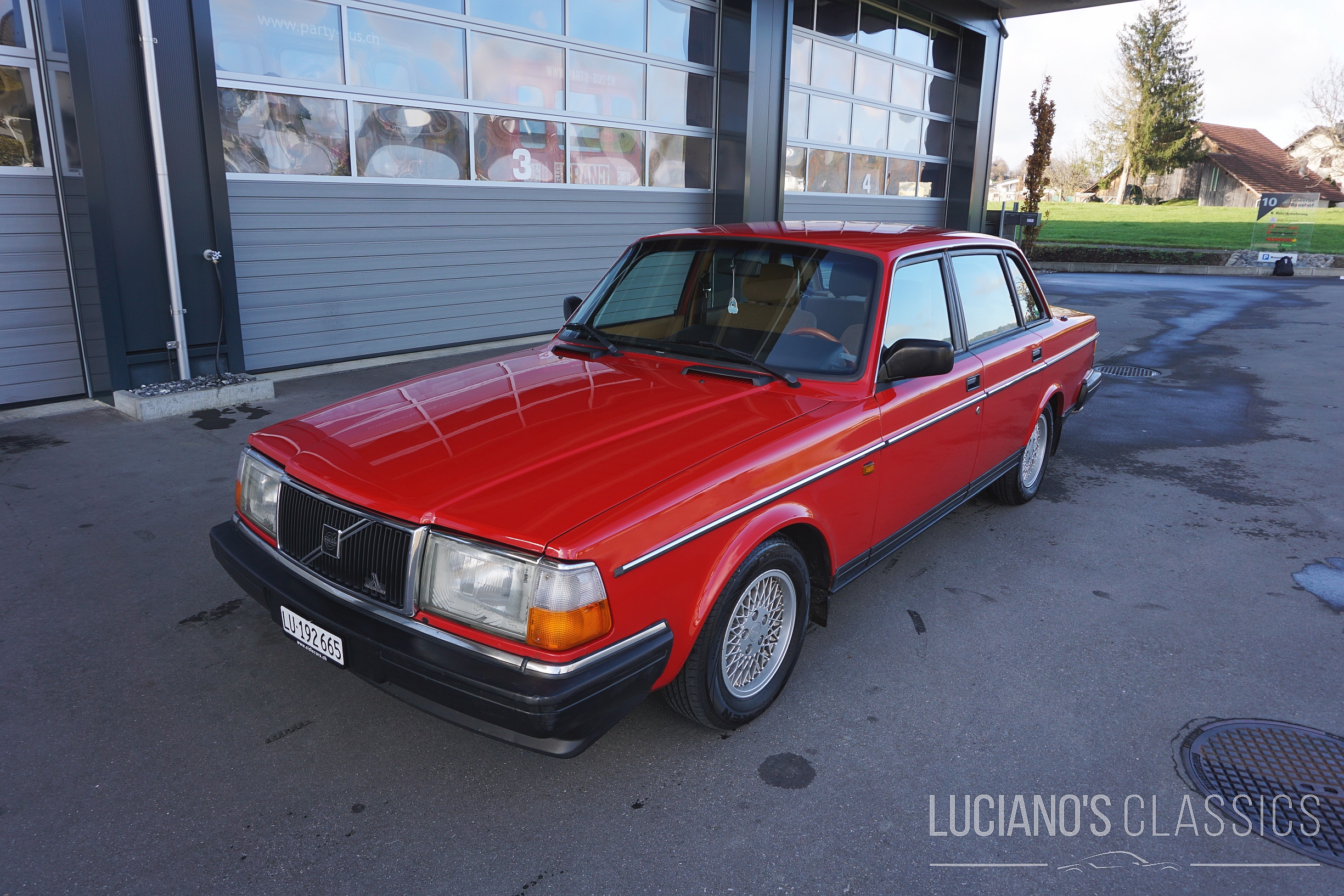
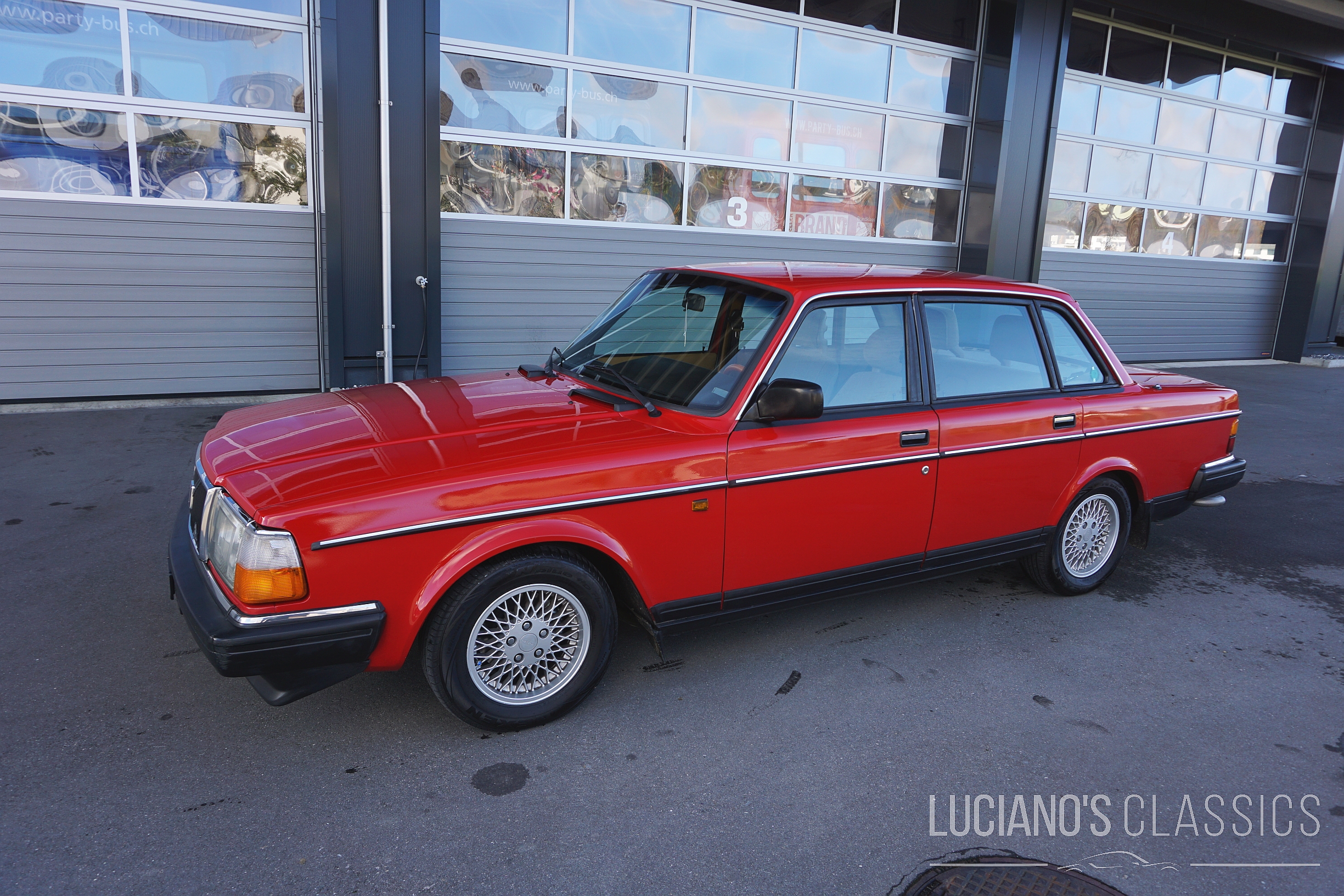
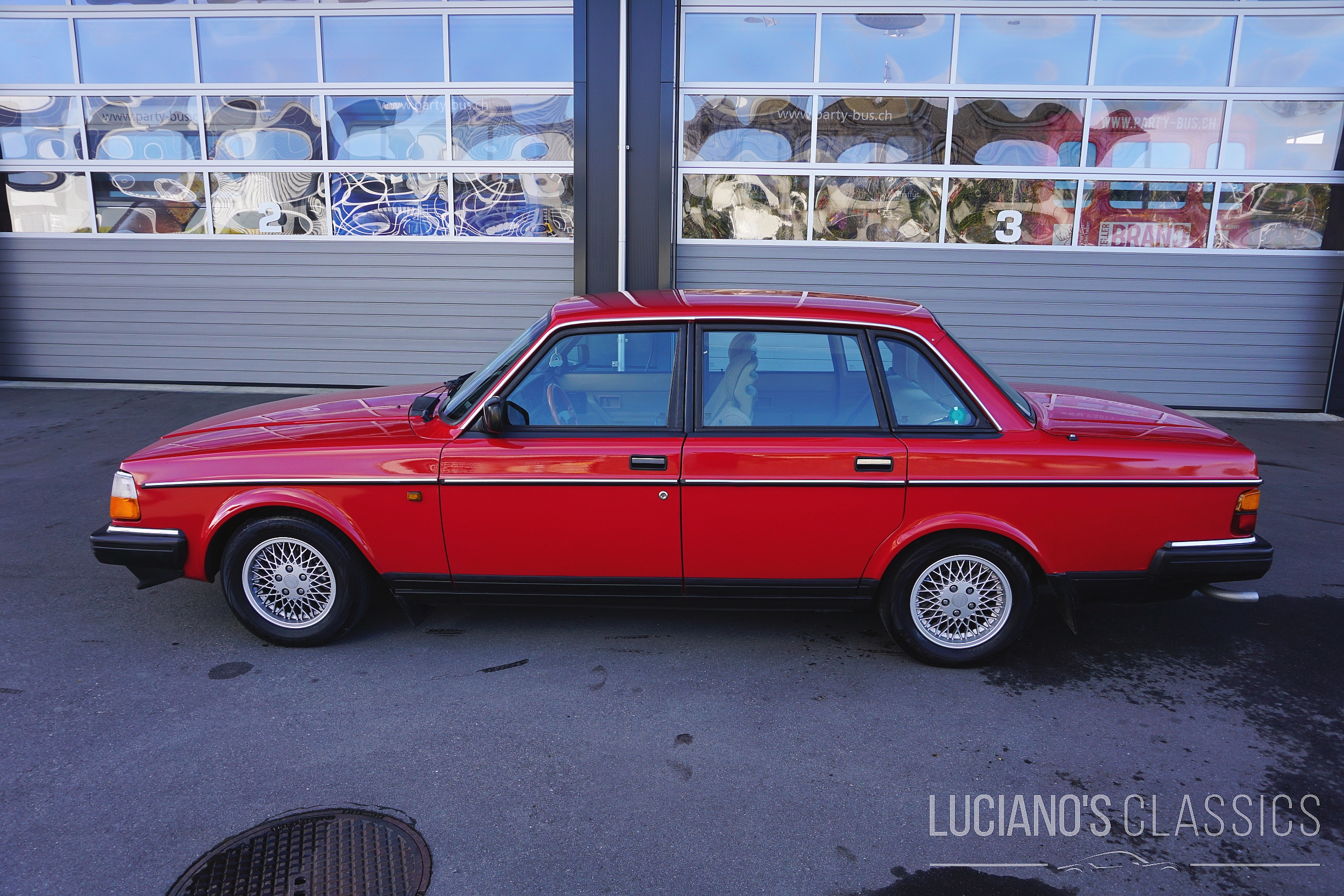
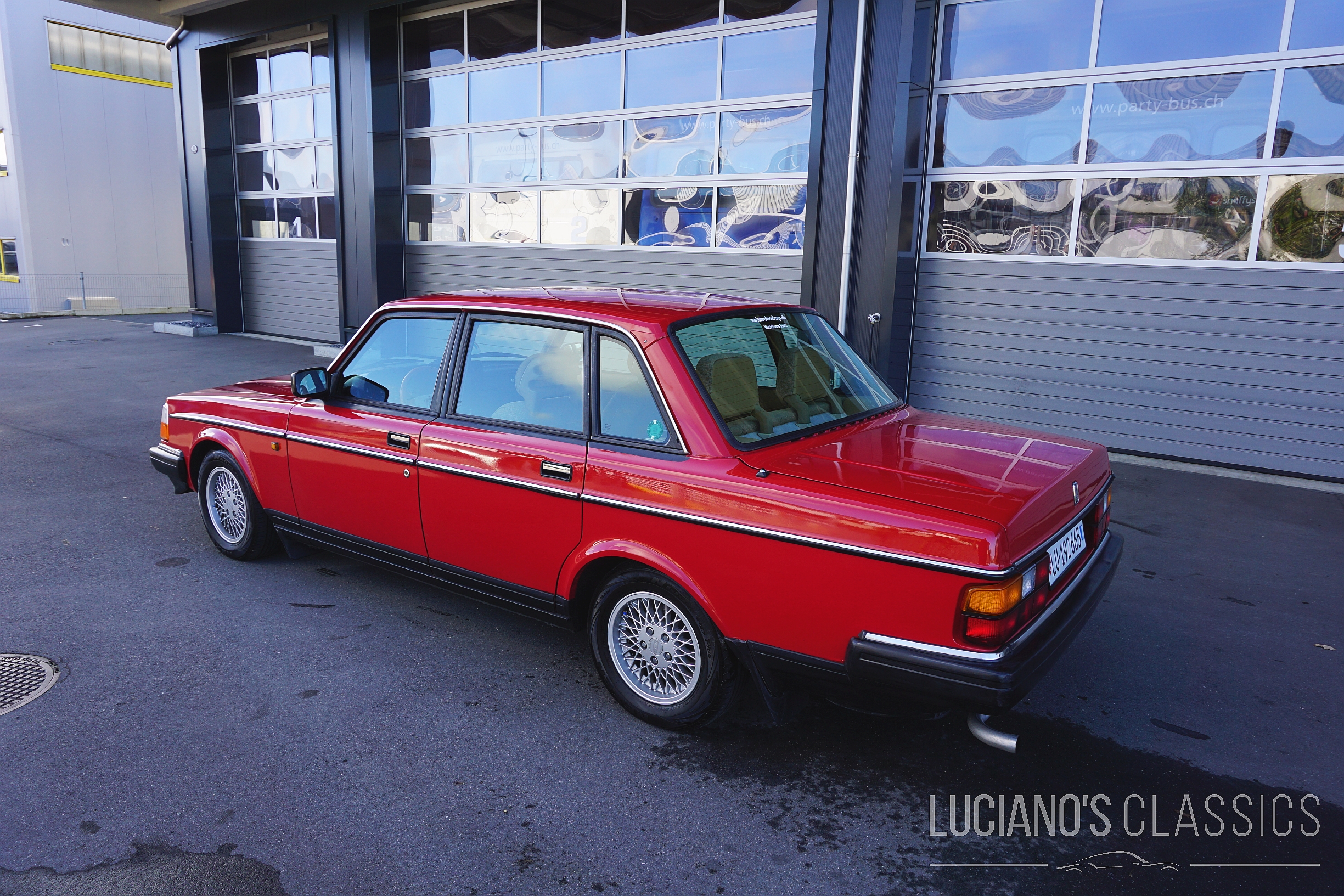
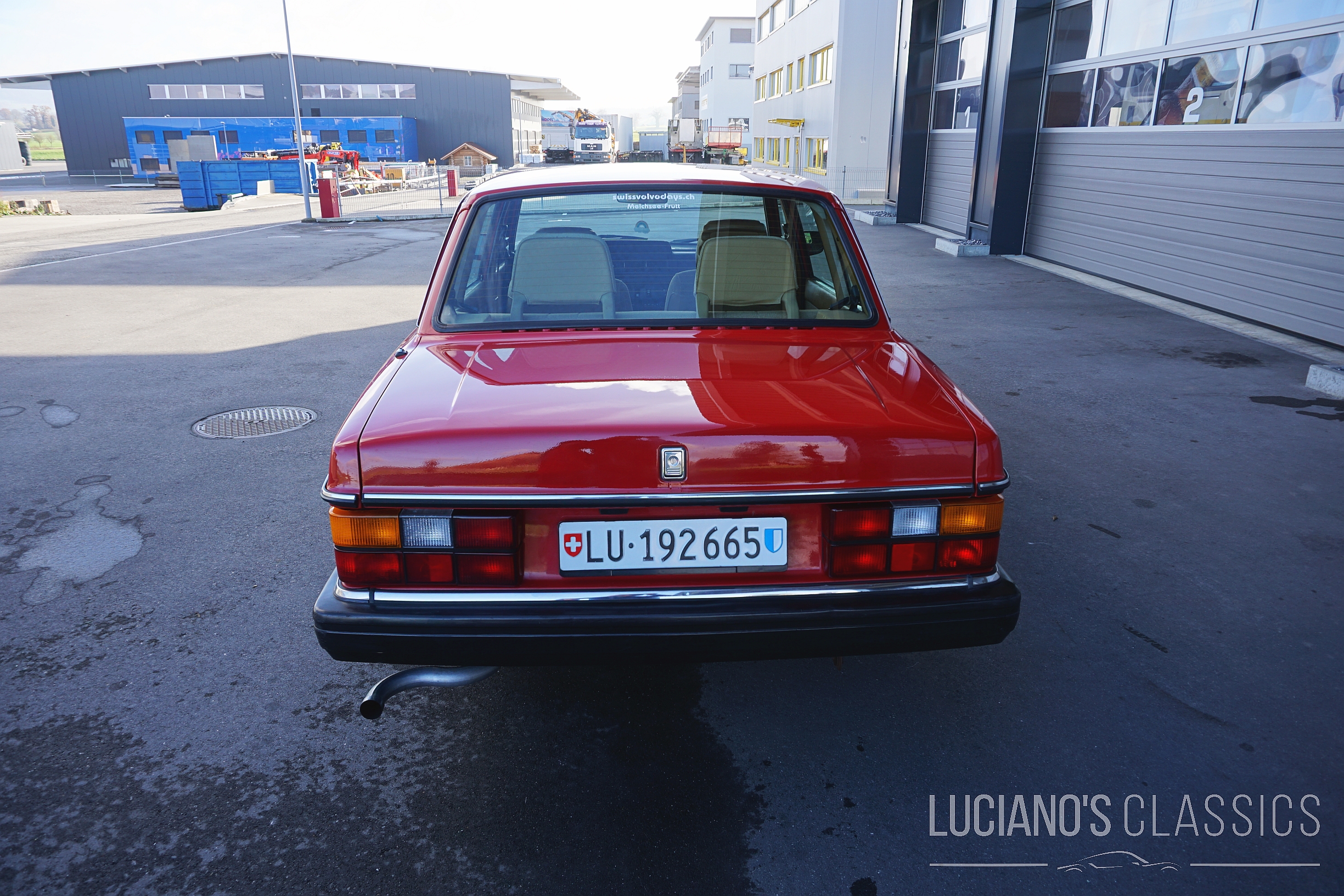
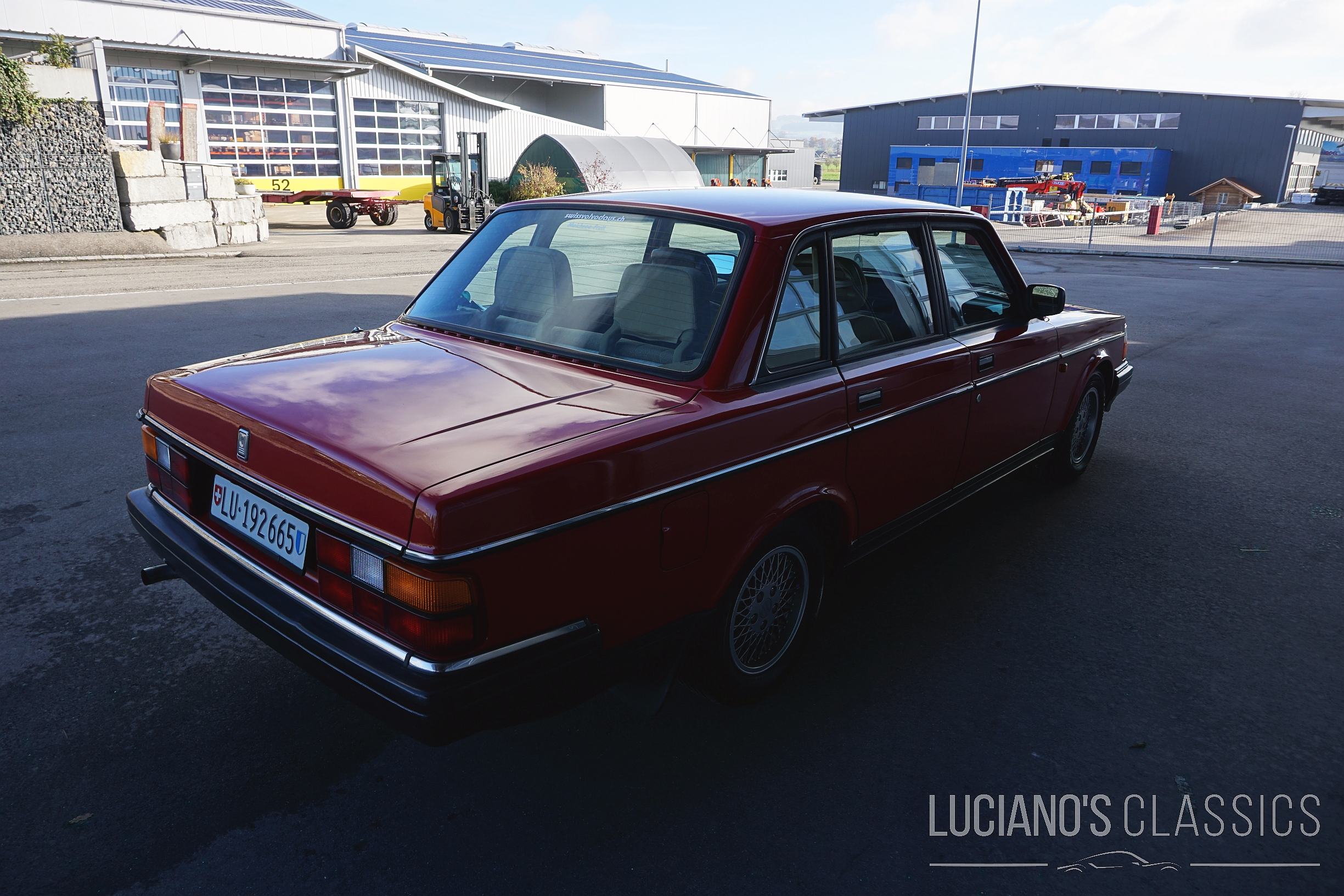
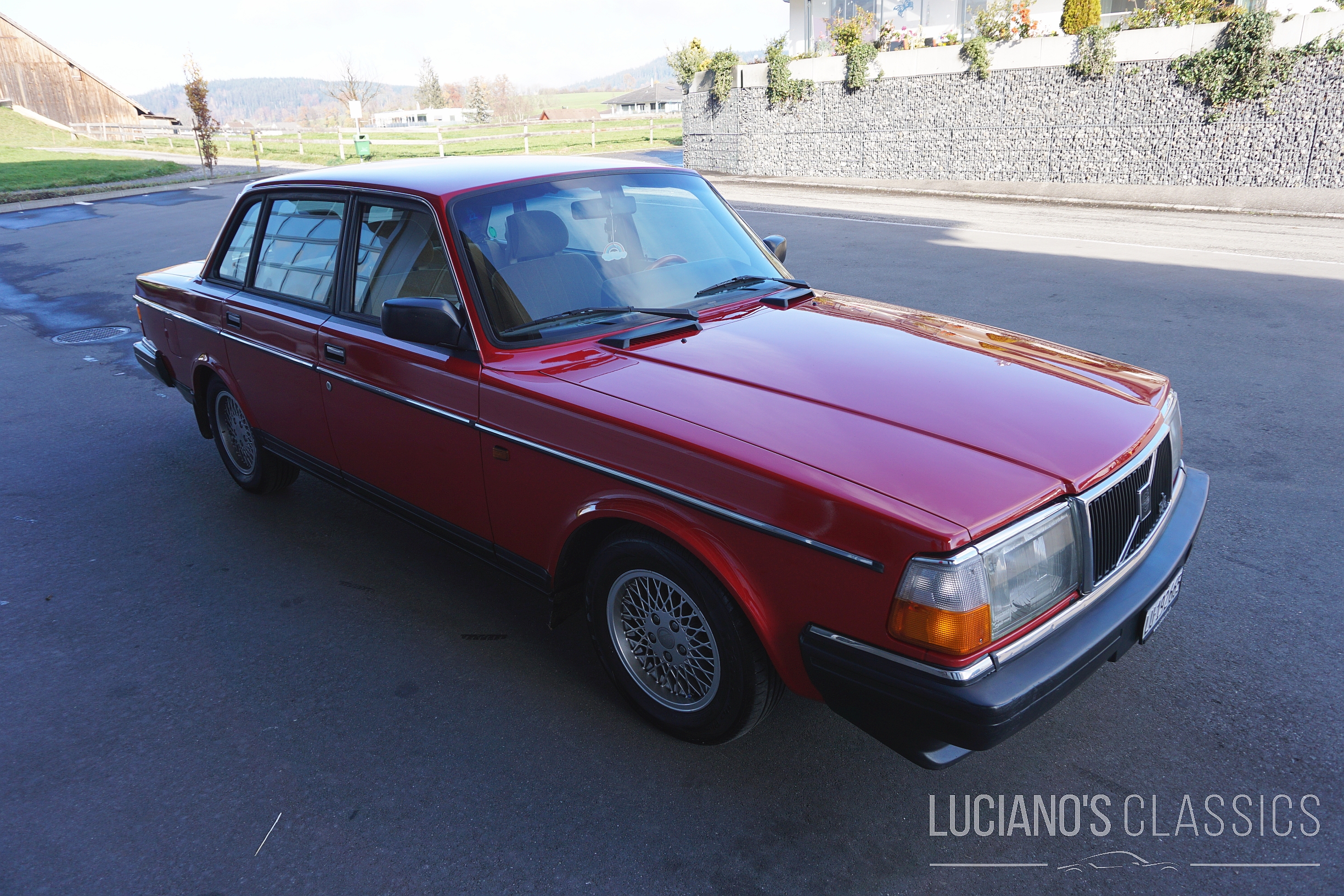
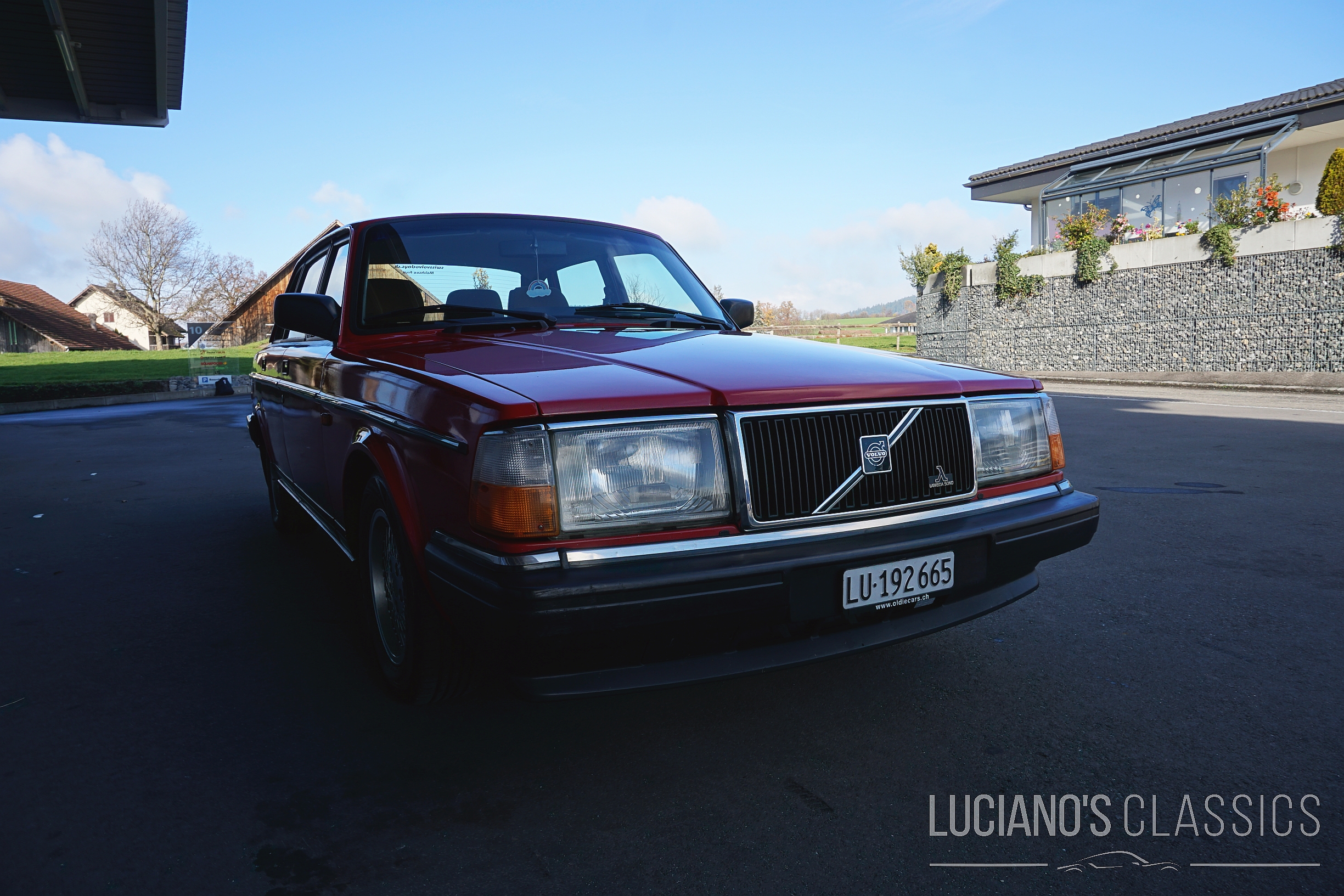
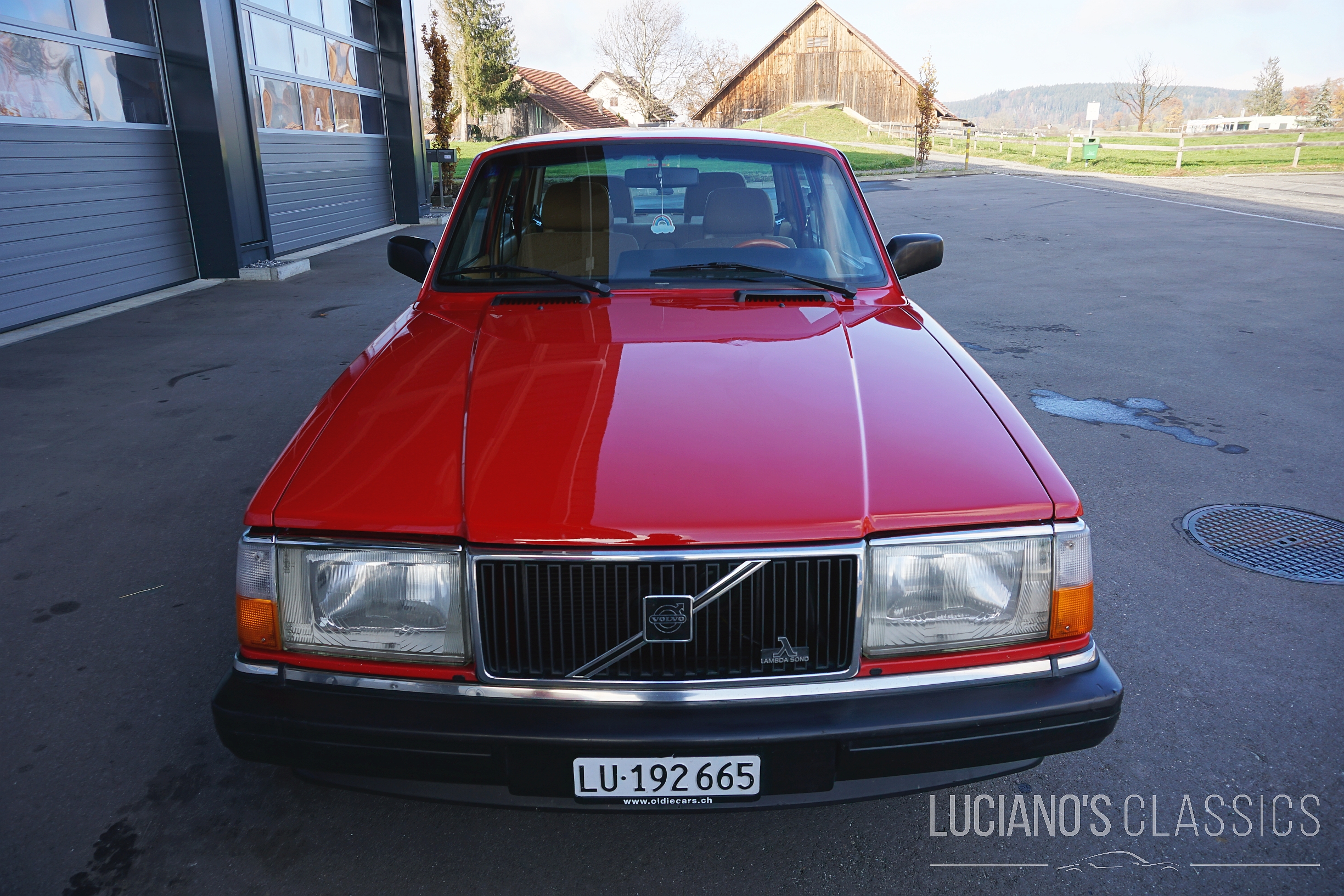
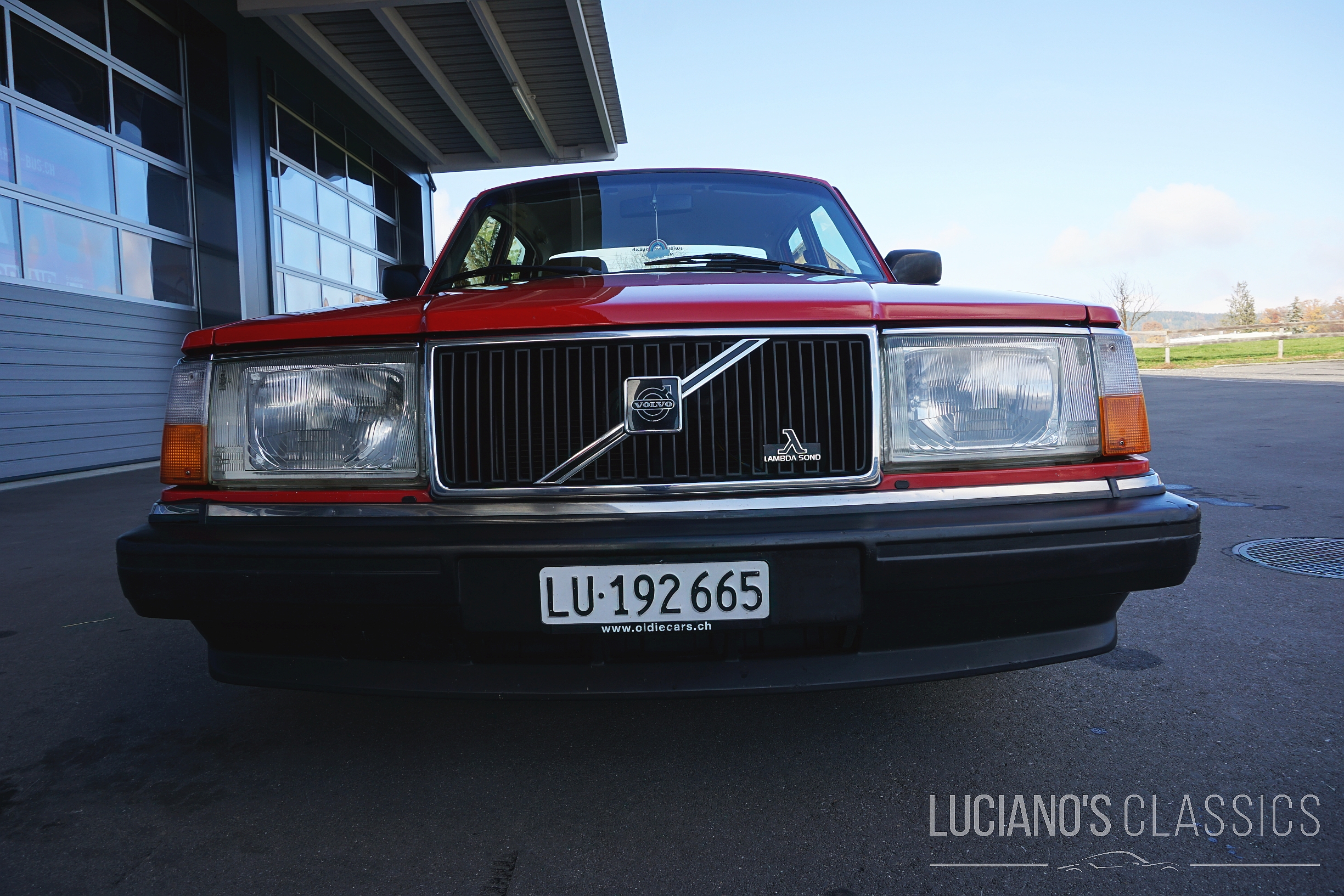
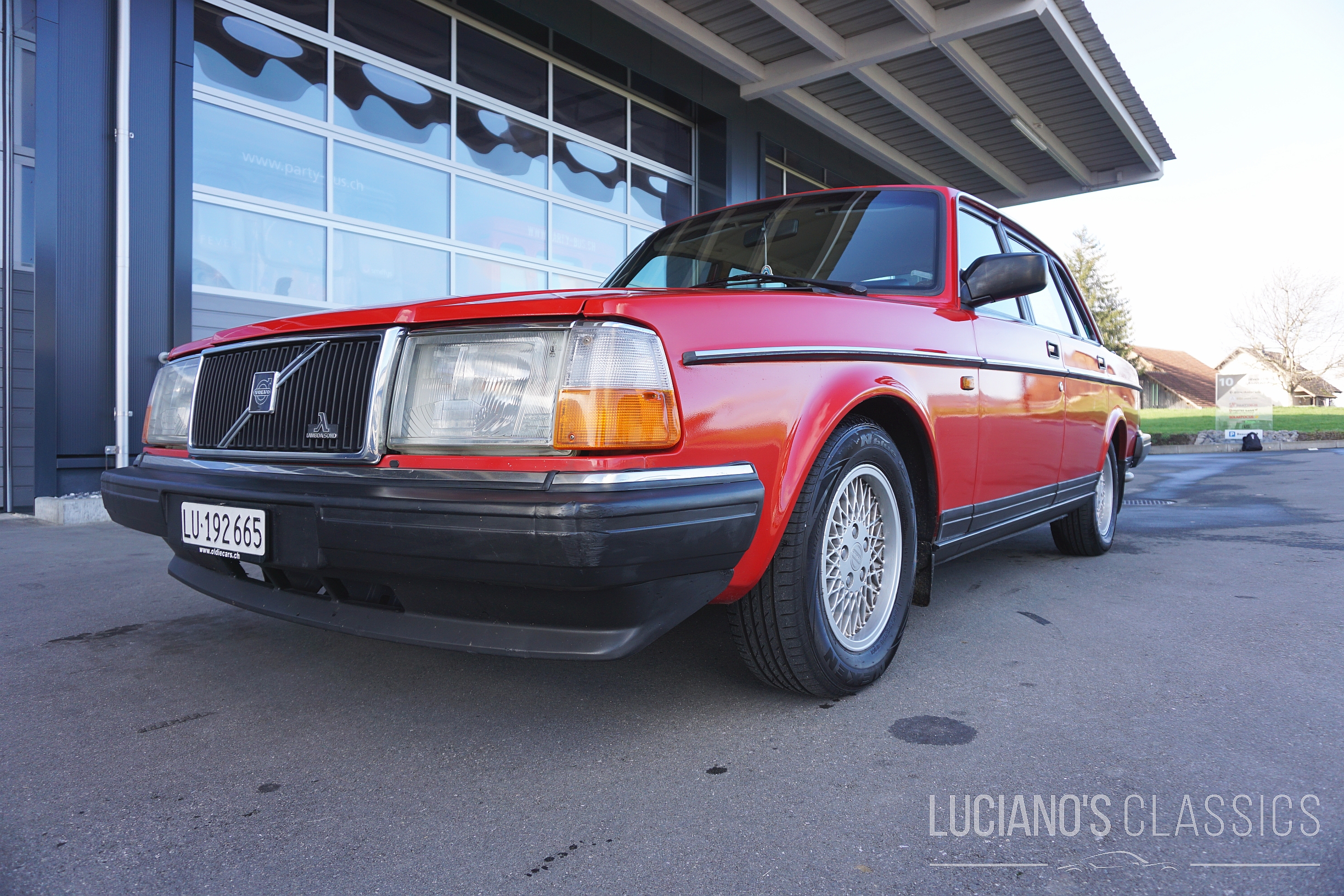
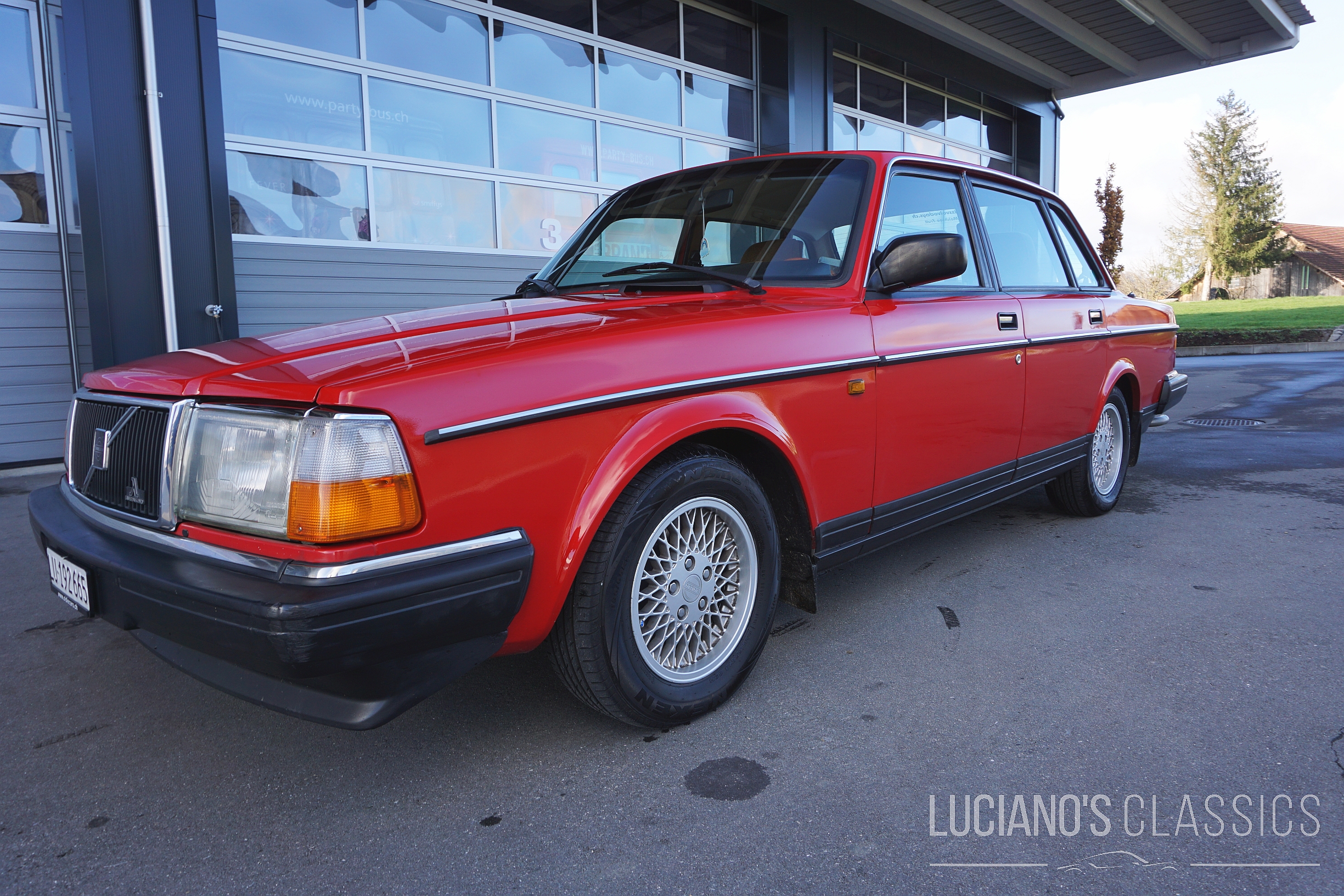
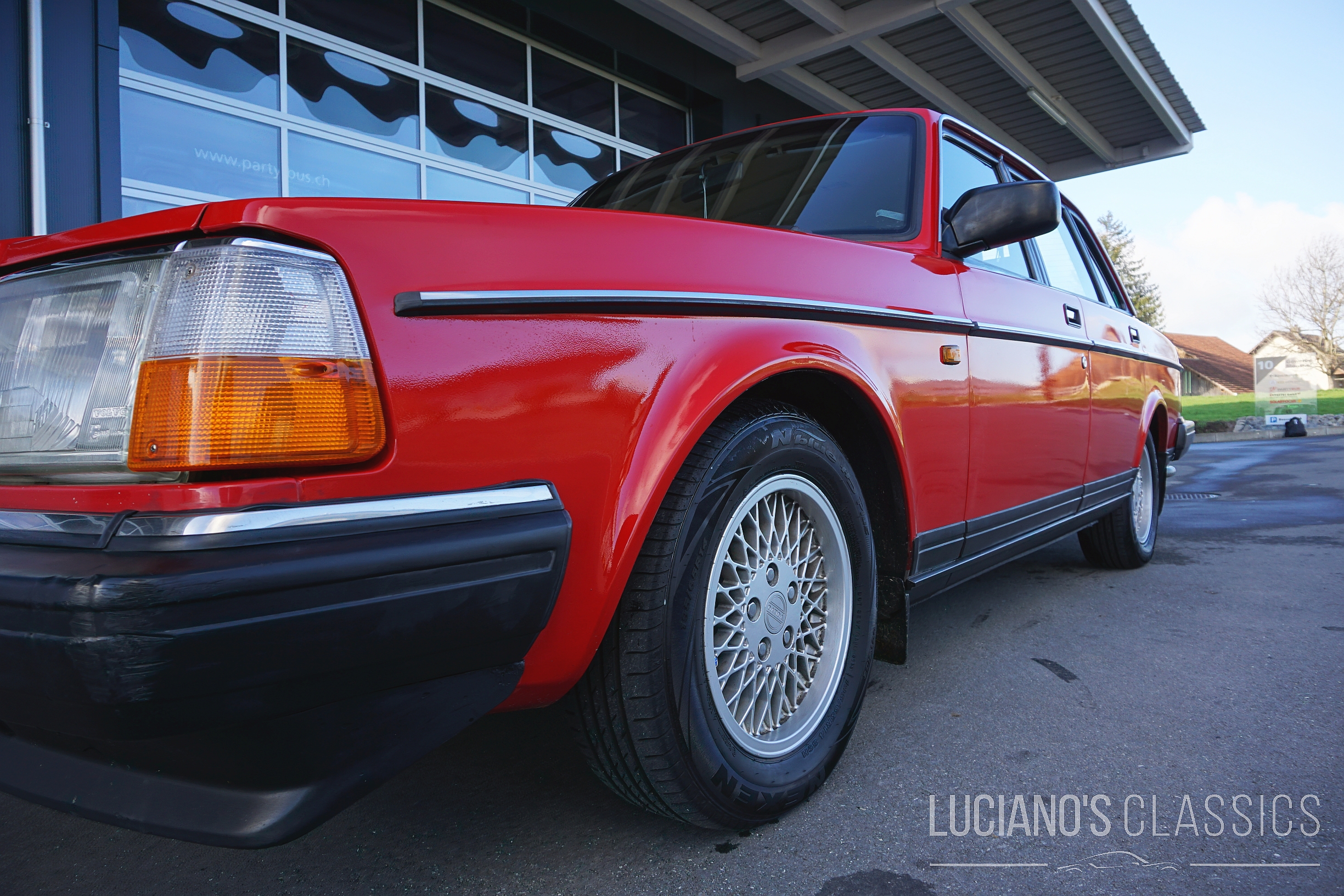
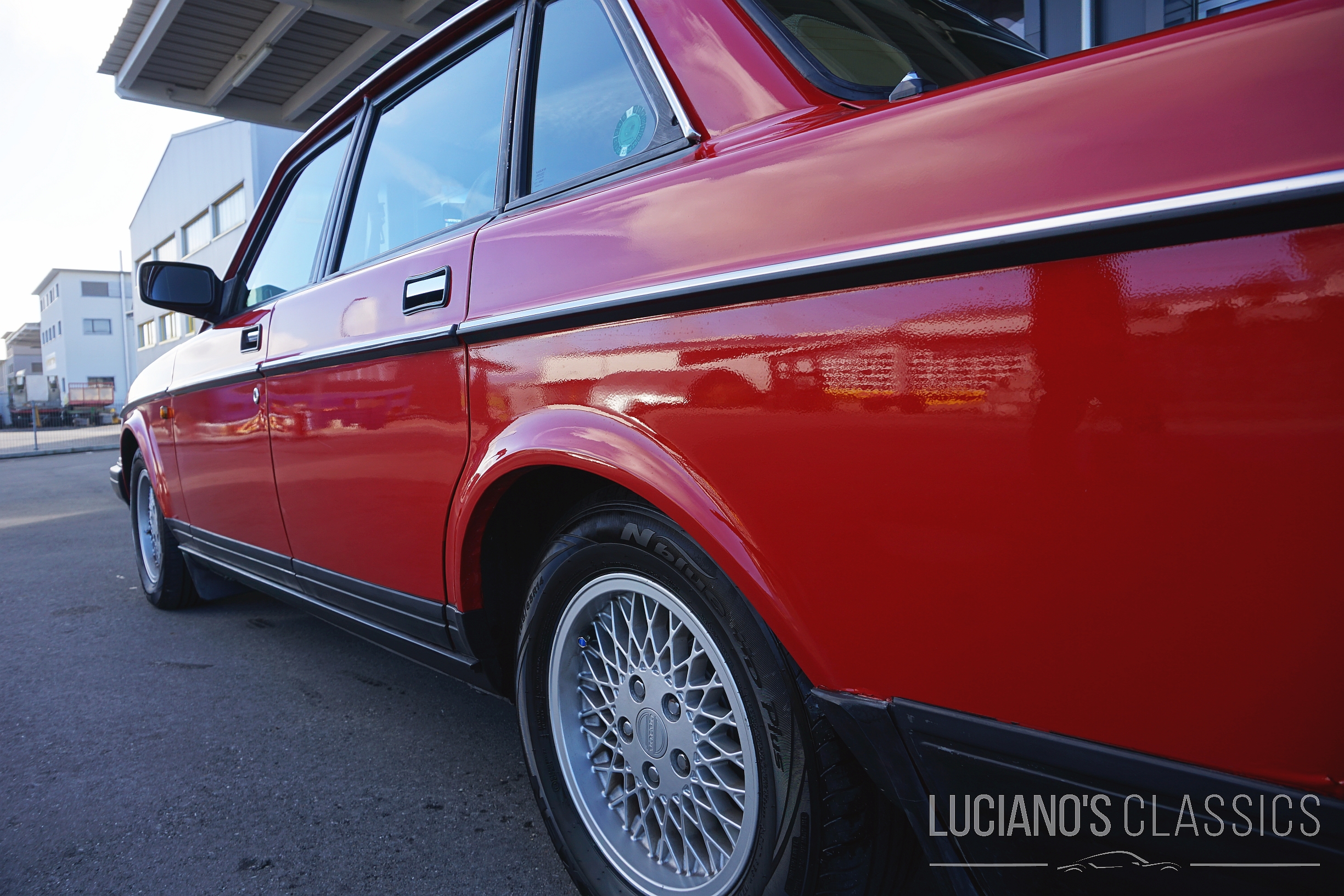
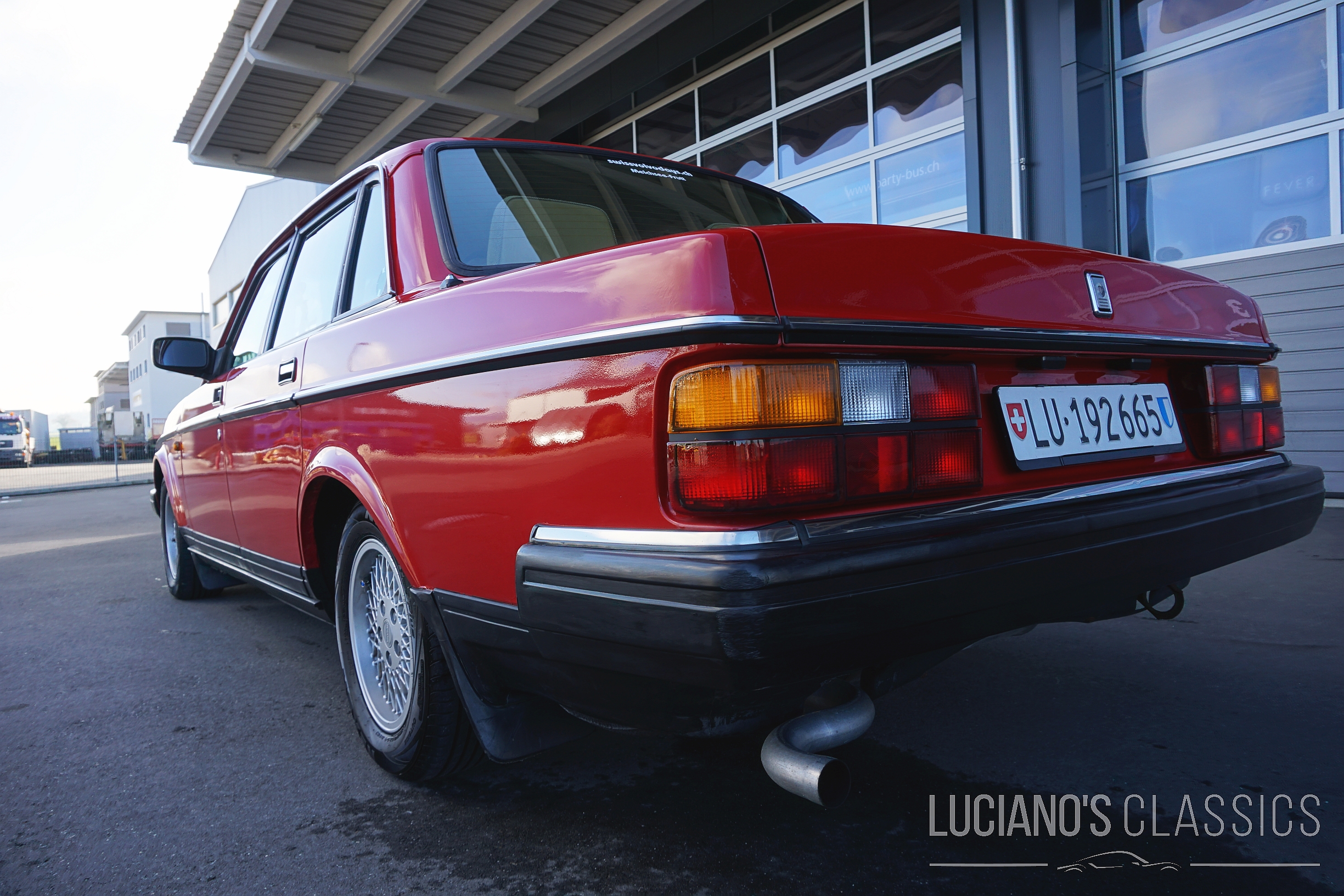
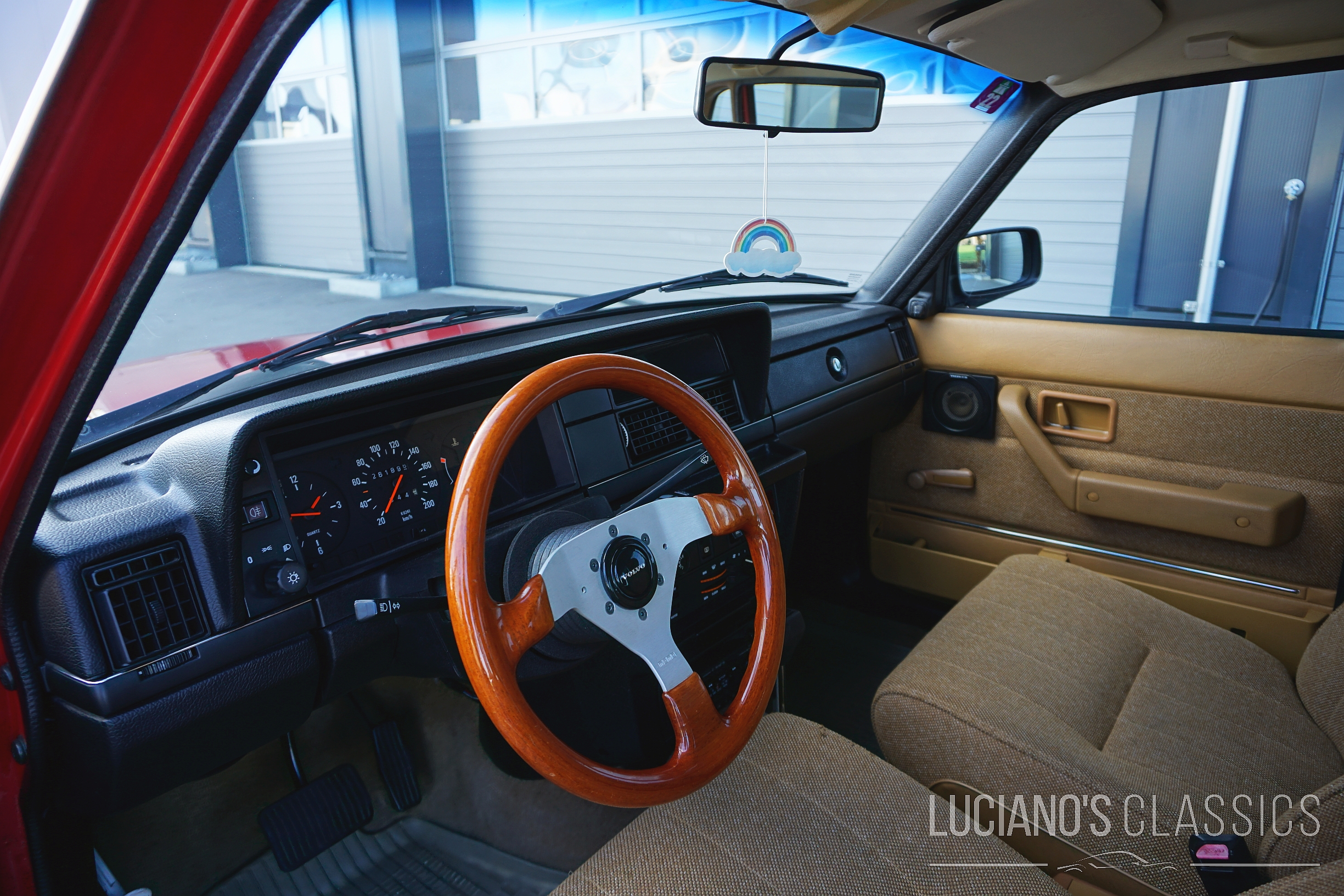
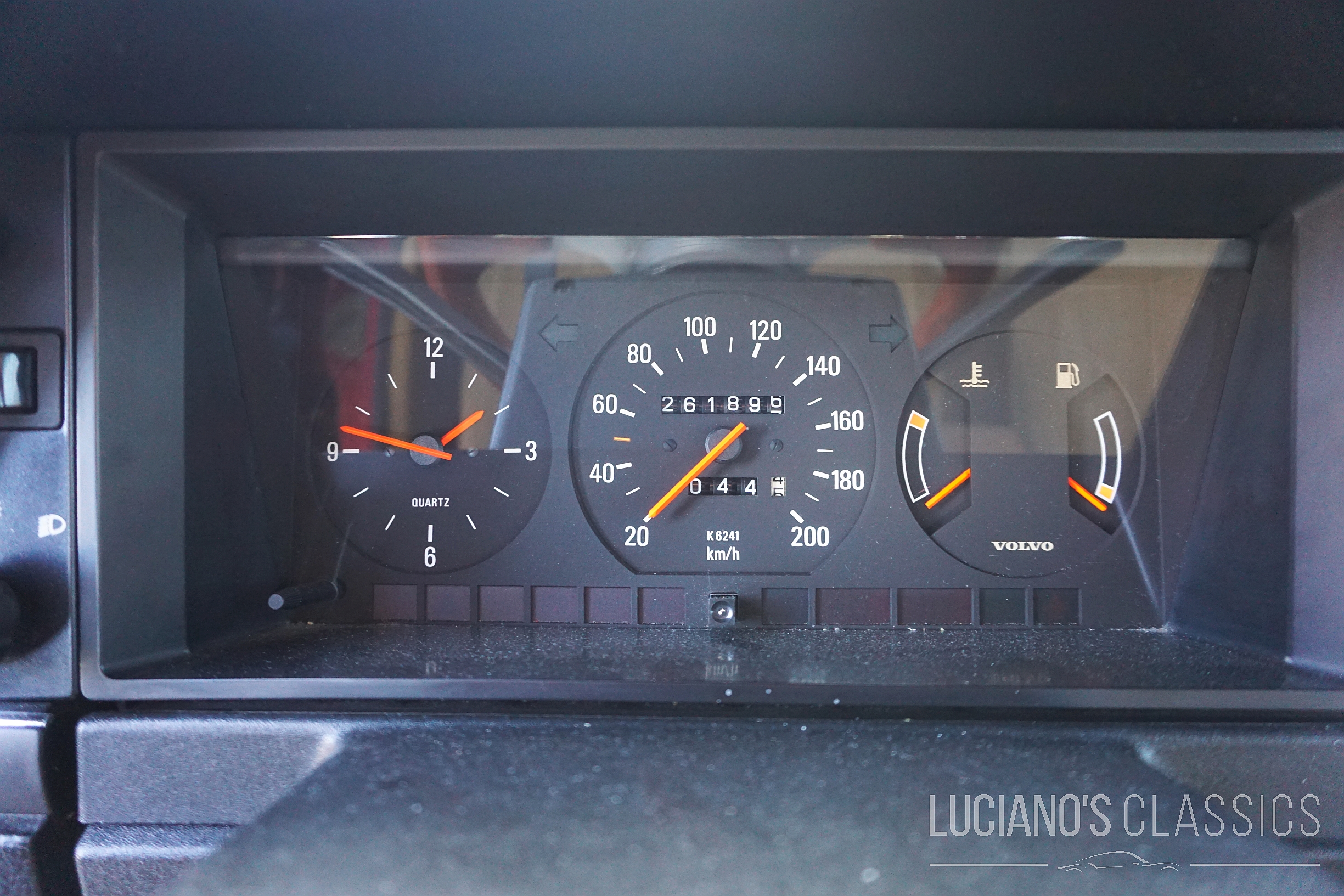
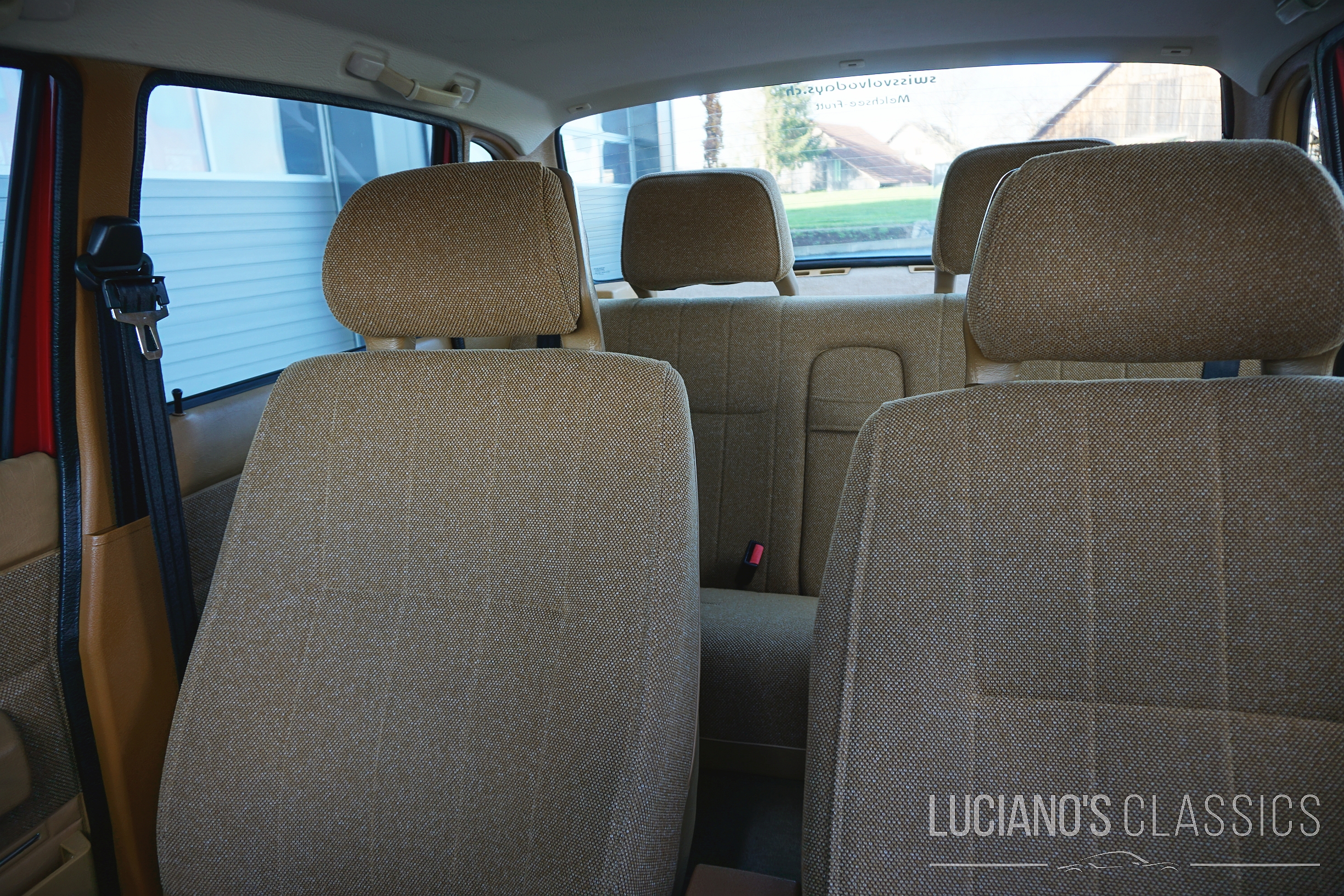
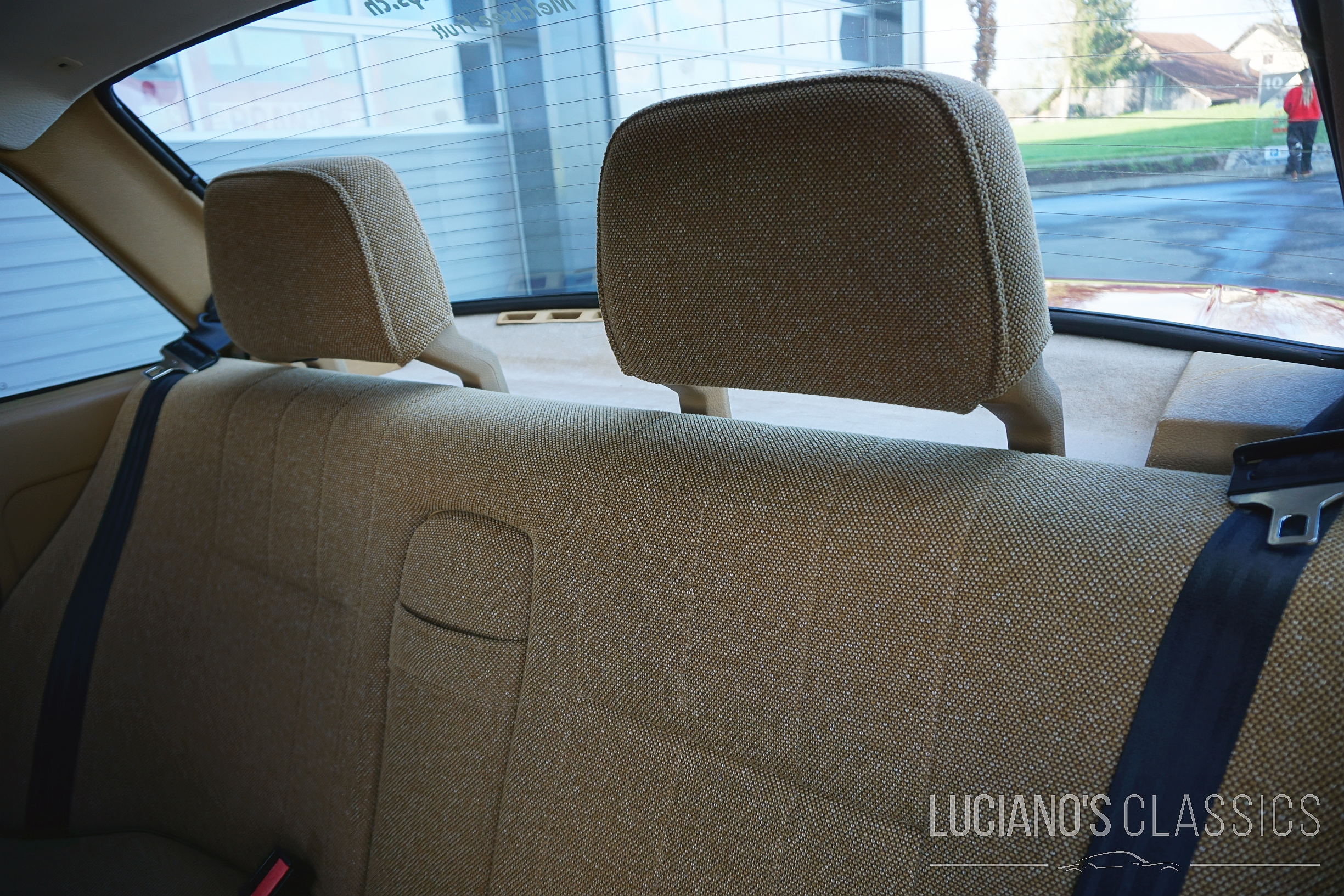
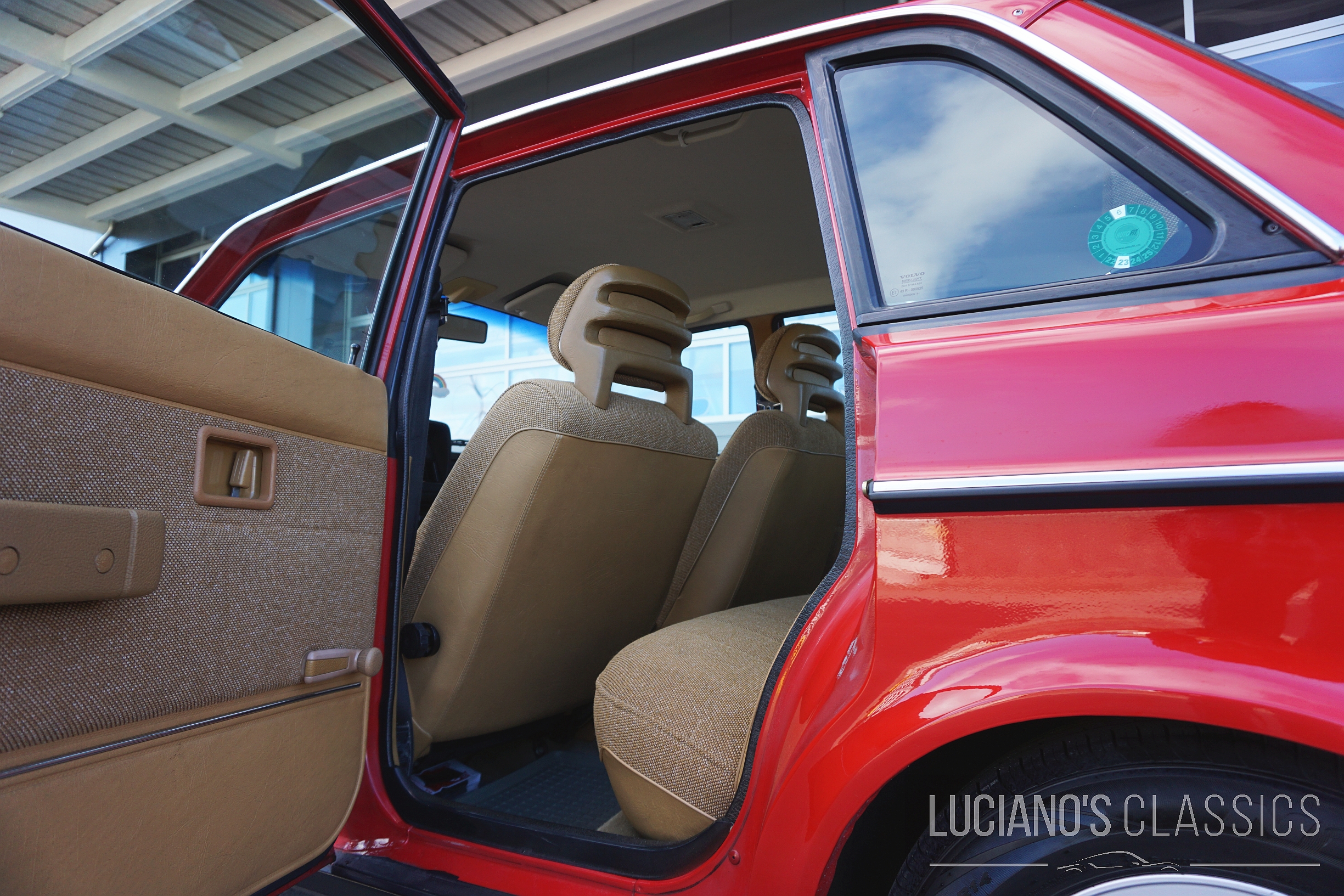
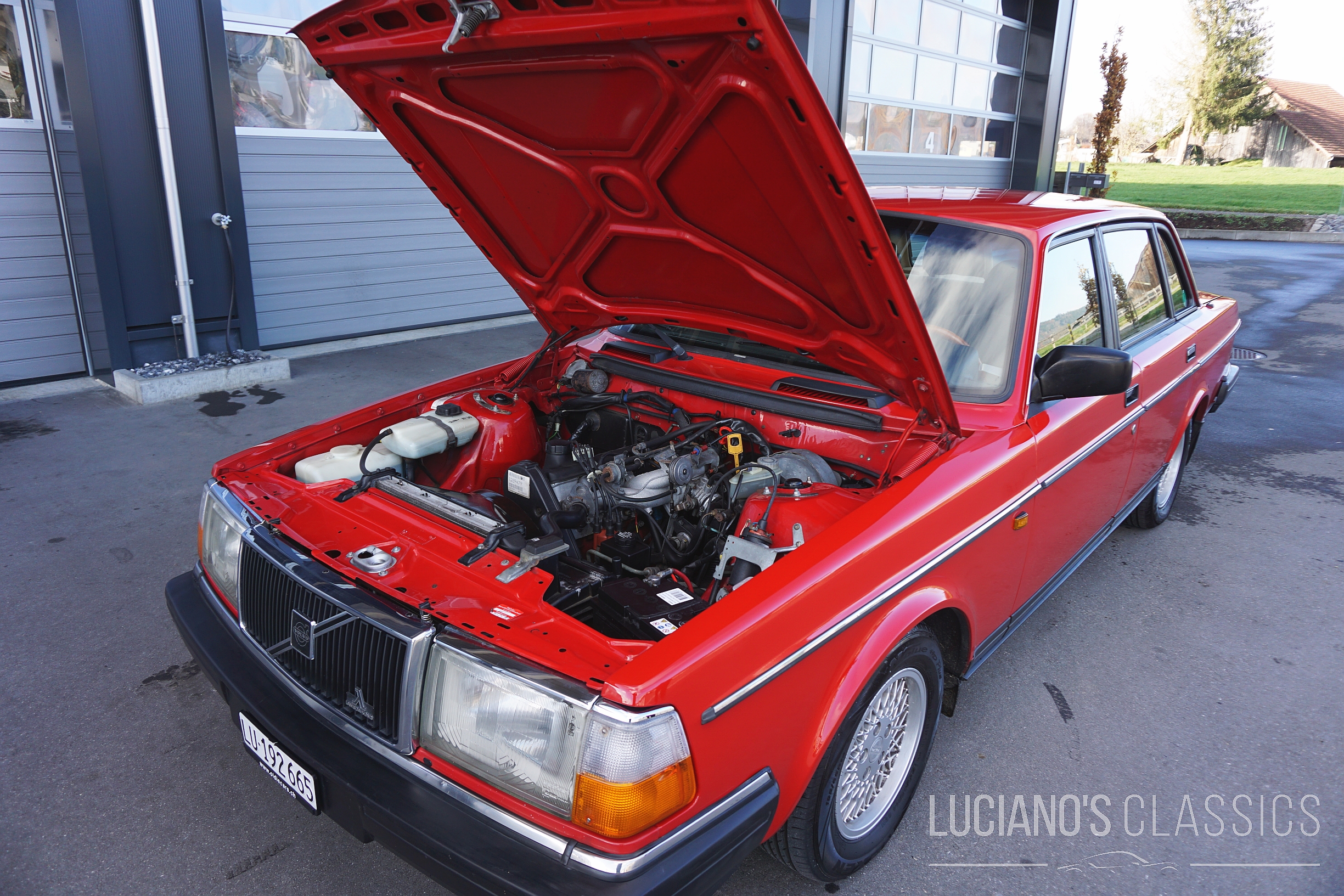
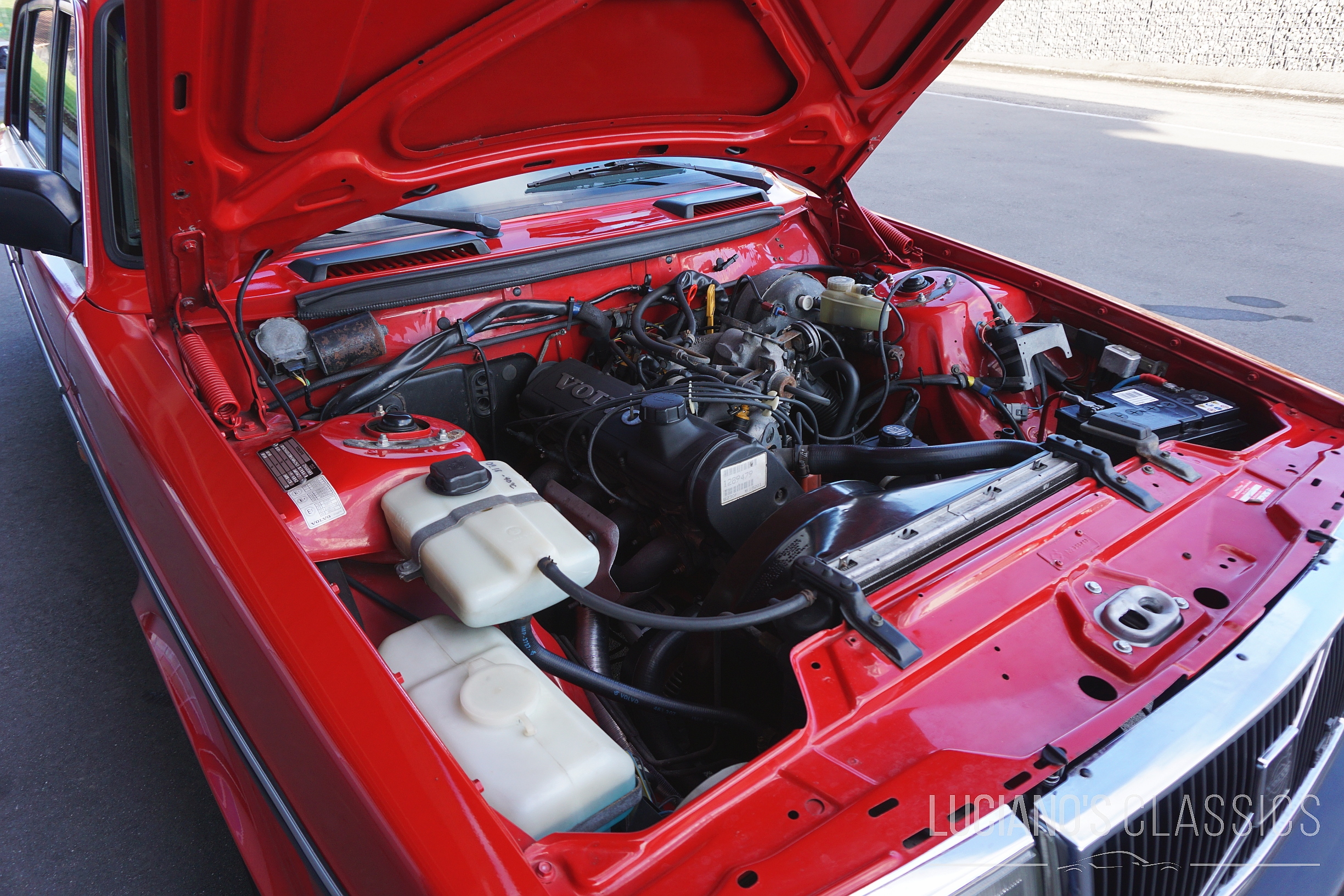
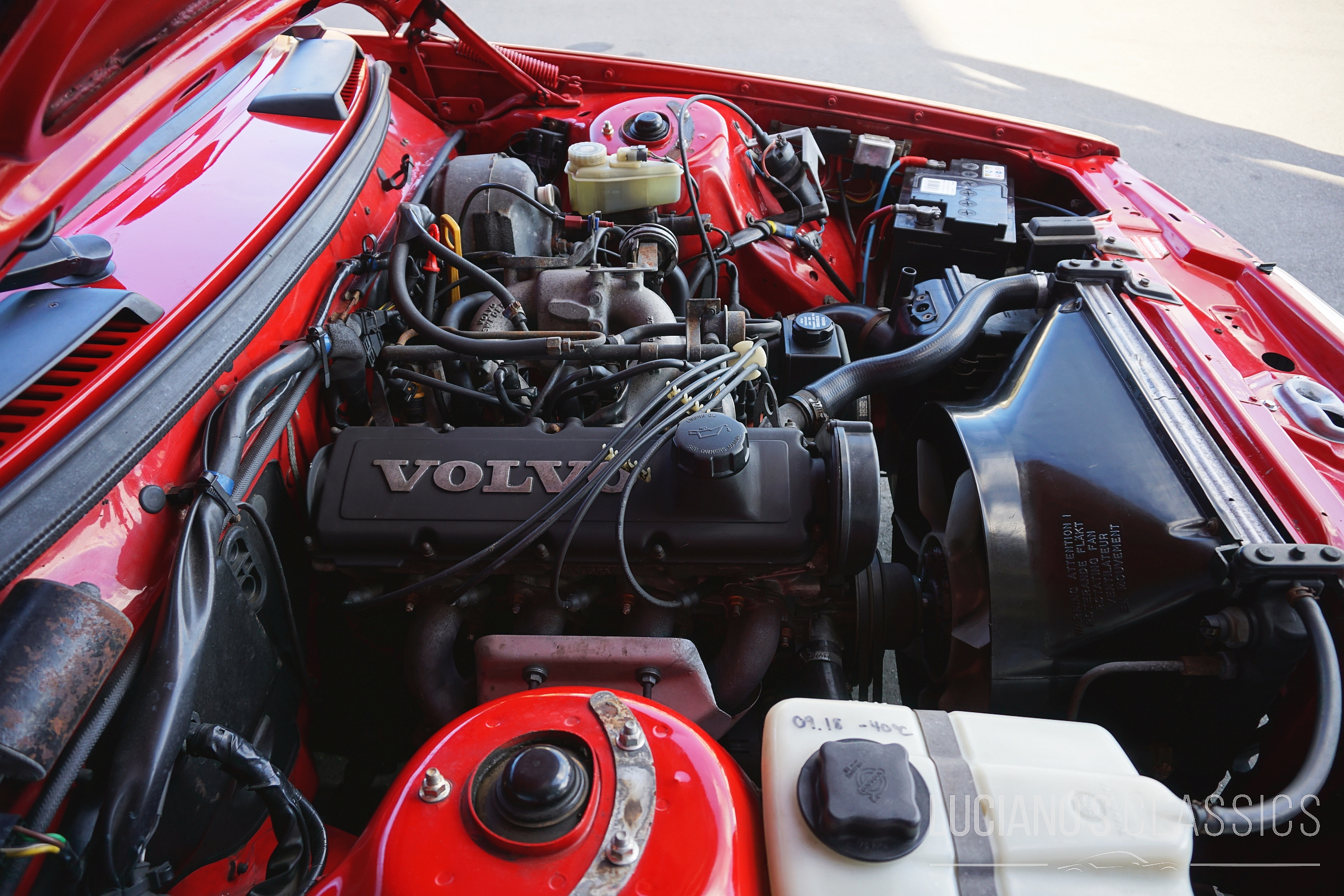
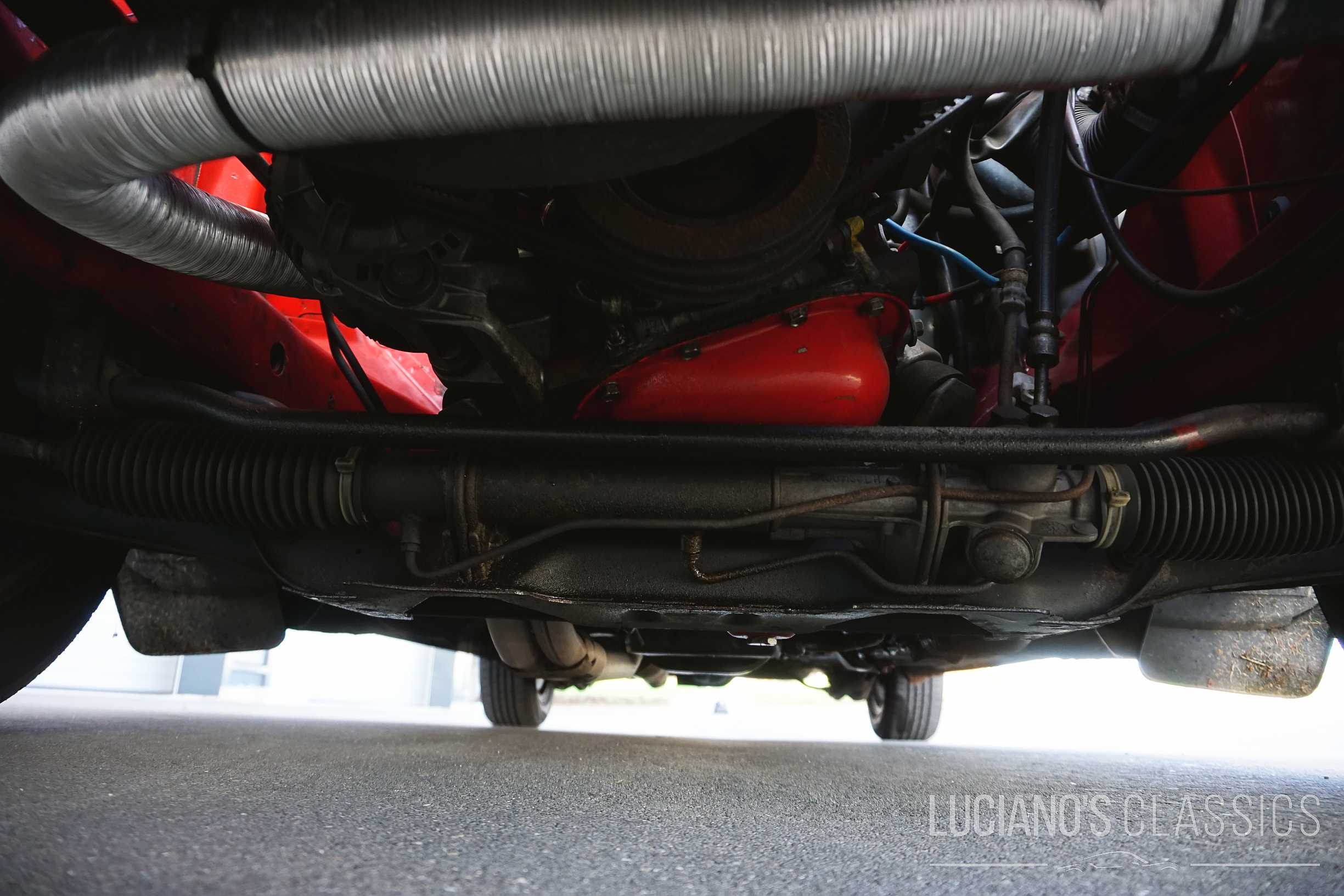
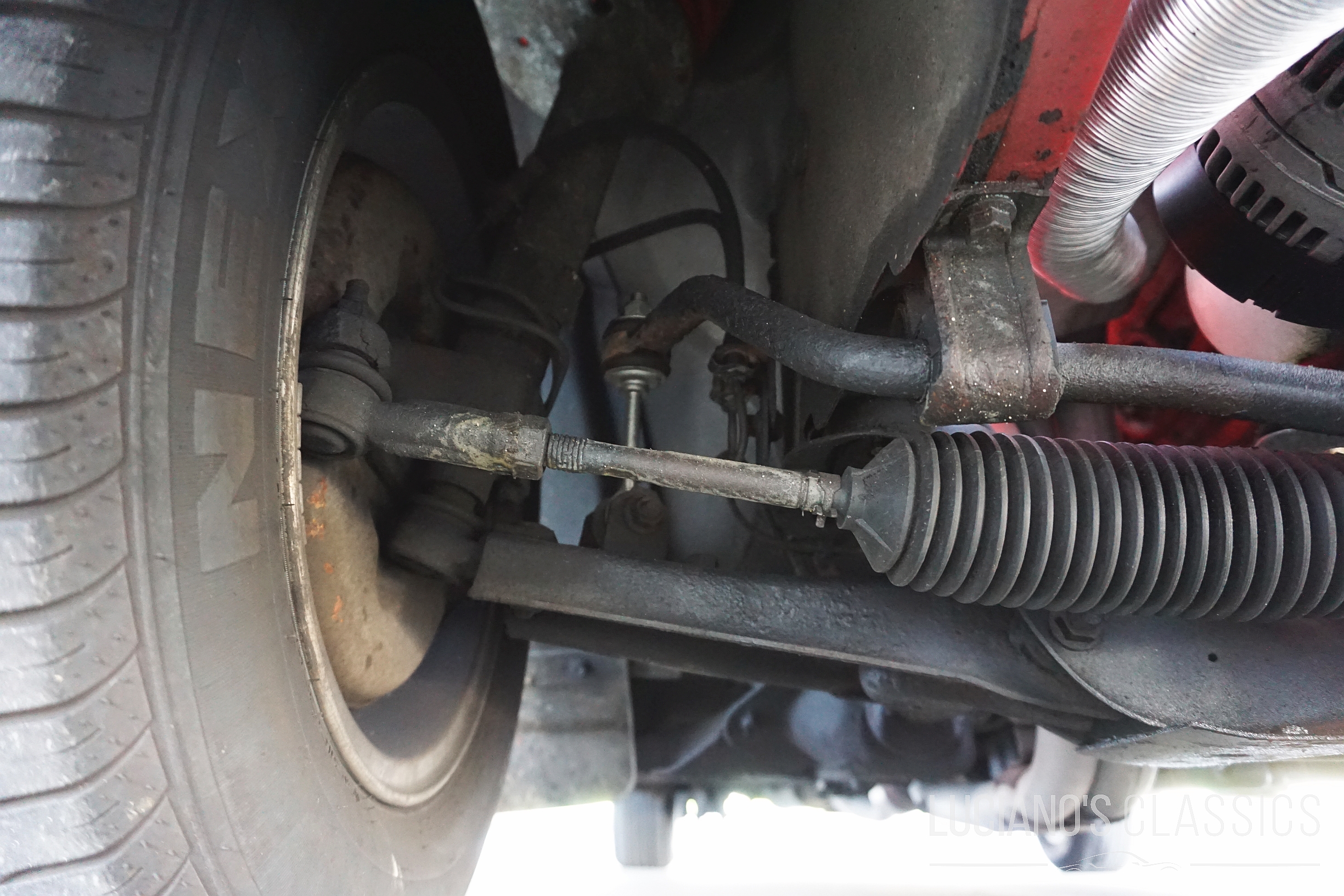
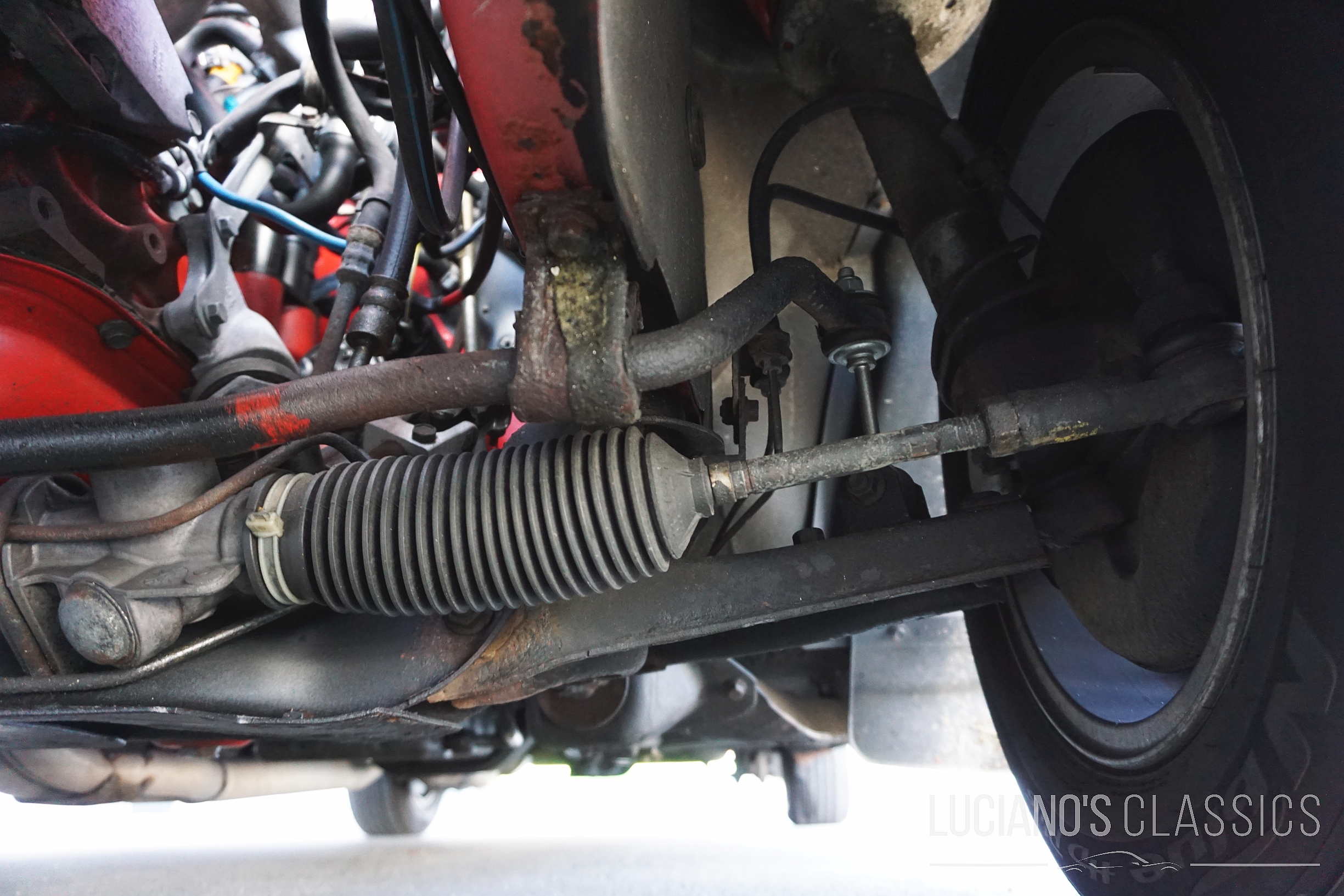
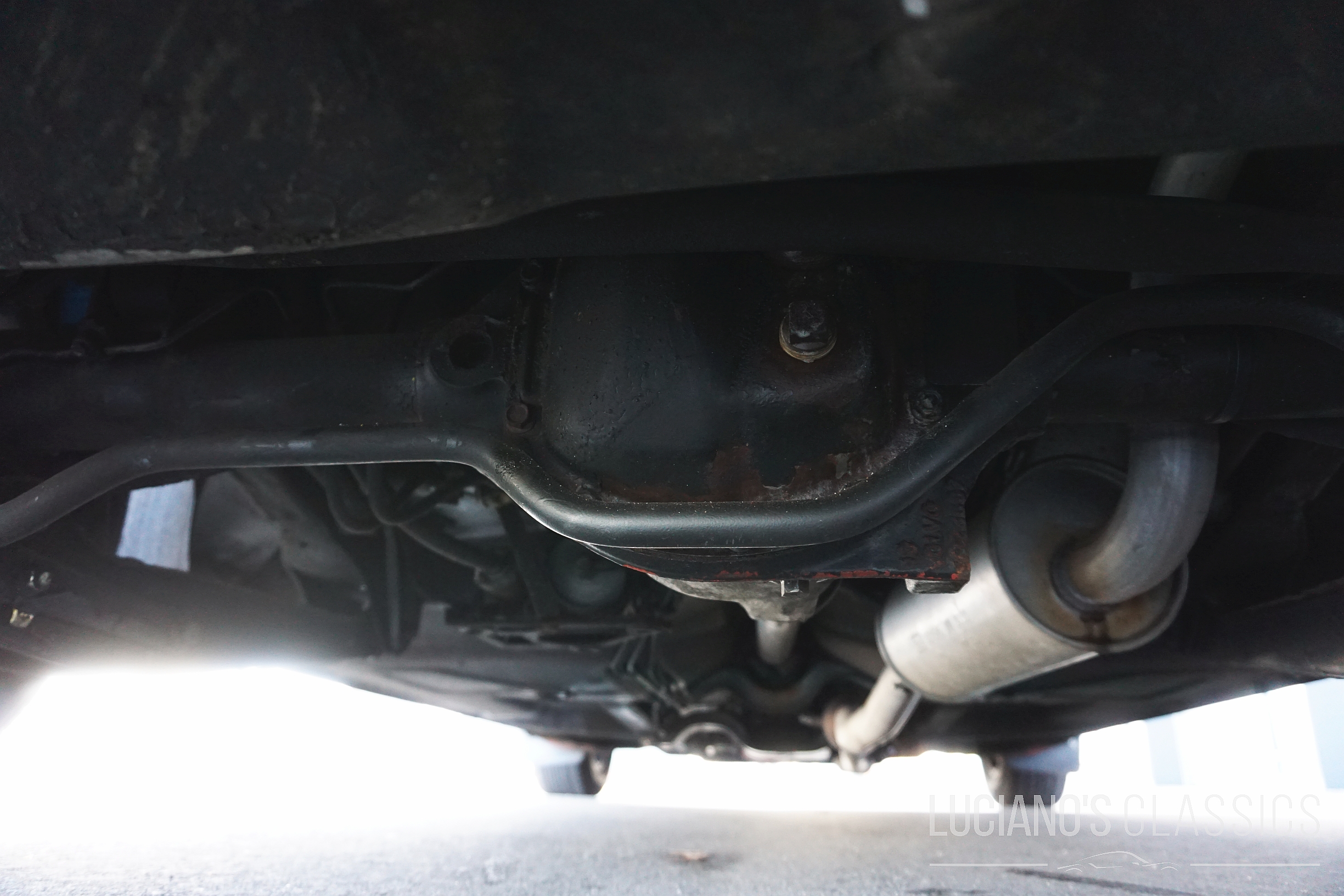
This 240 Classic is one of the last limousines to roll off the production line and the car is convincing through and through. The car comes with all original documents and has been fully serviced. The usual rust spots have been professionally removed (documentation available) and the car has only been driven in good weather since then and has been continuously optimized.
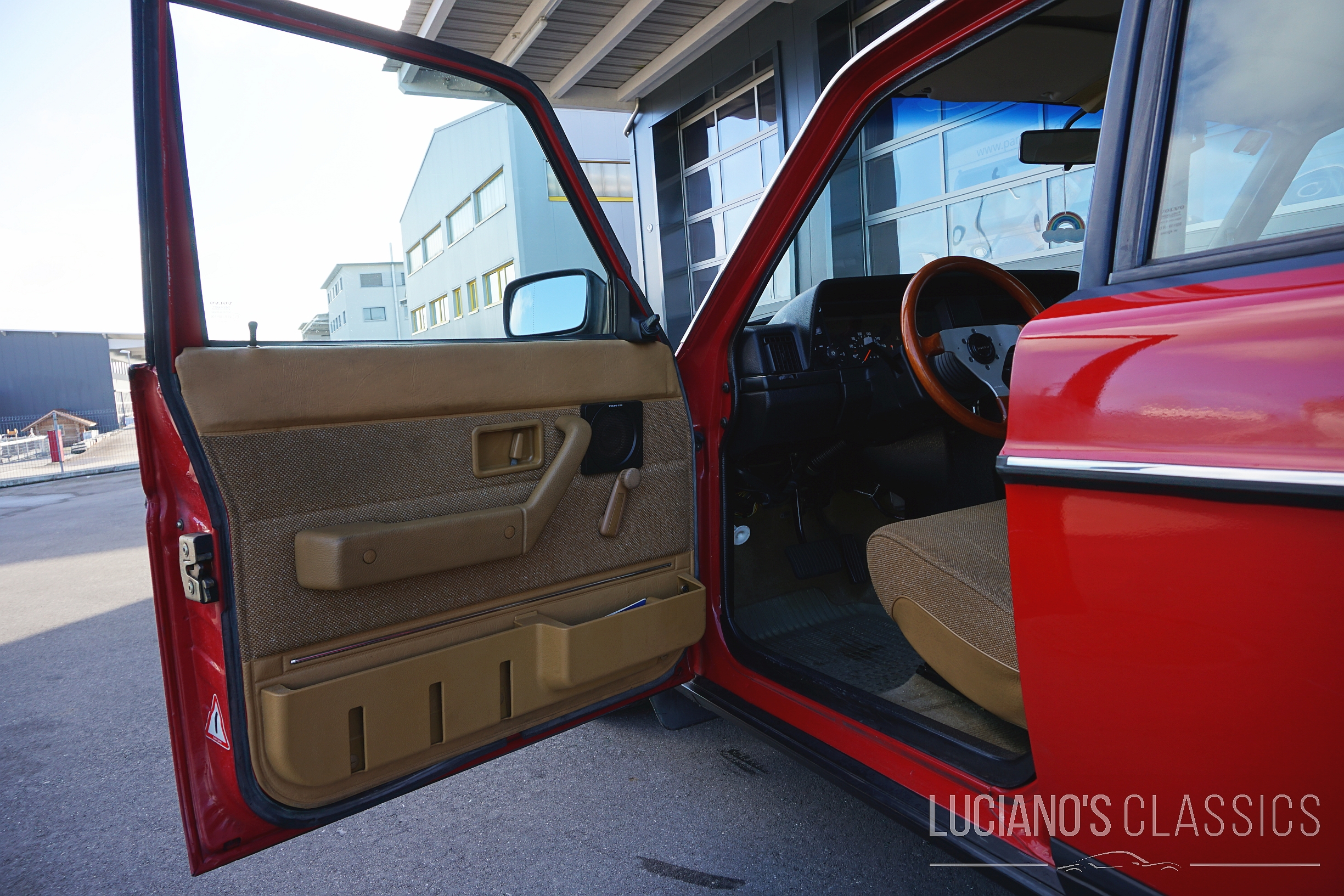
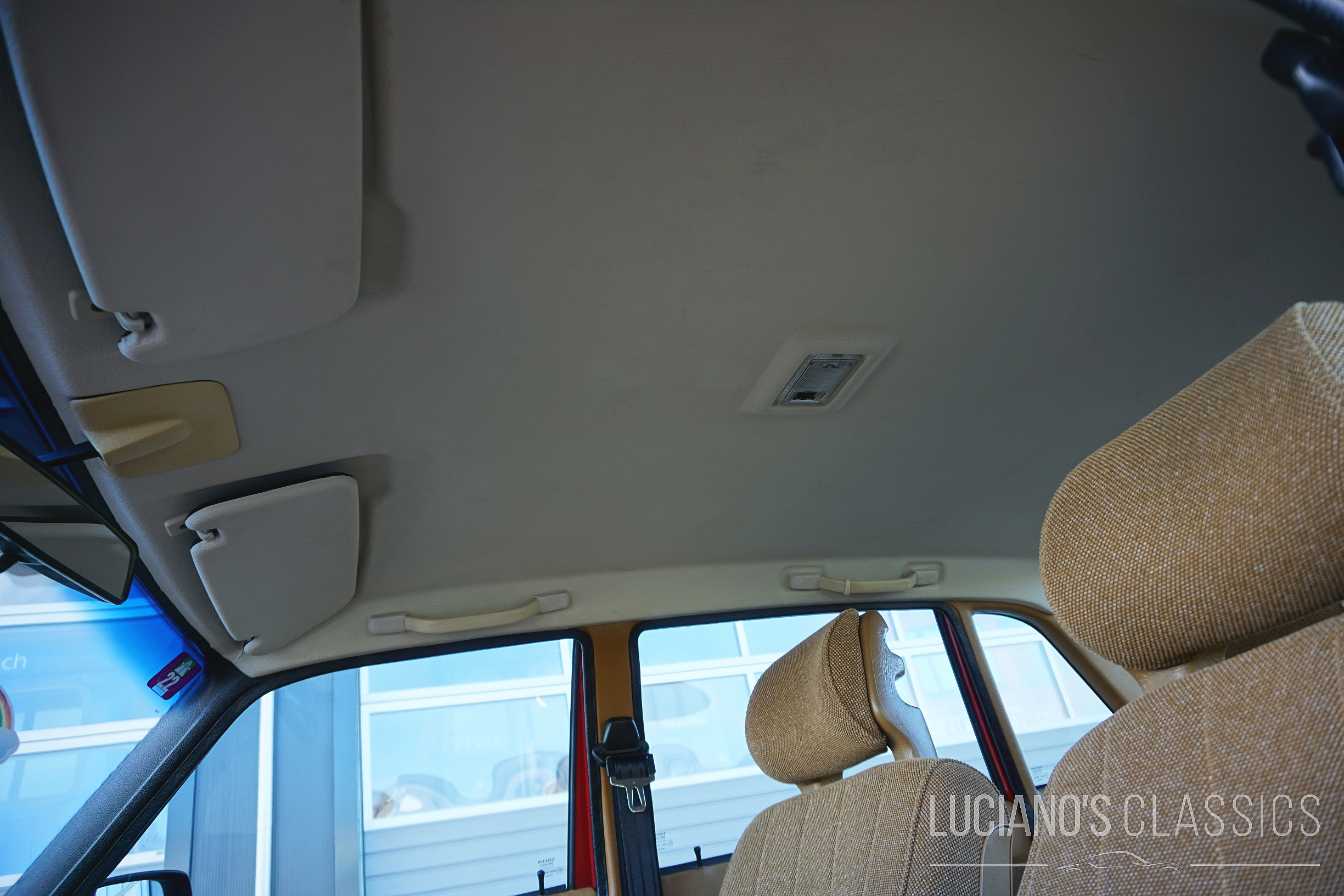
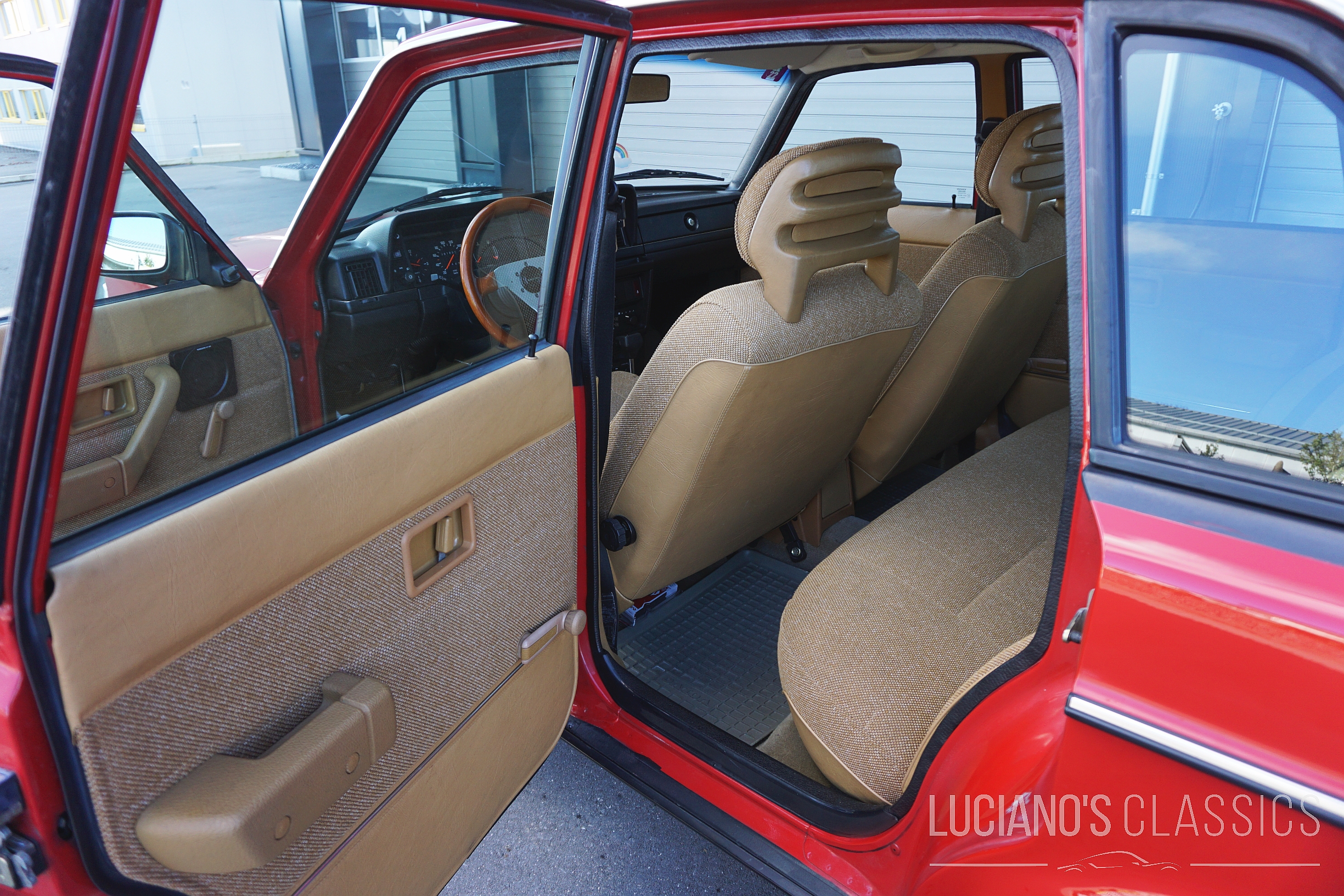
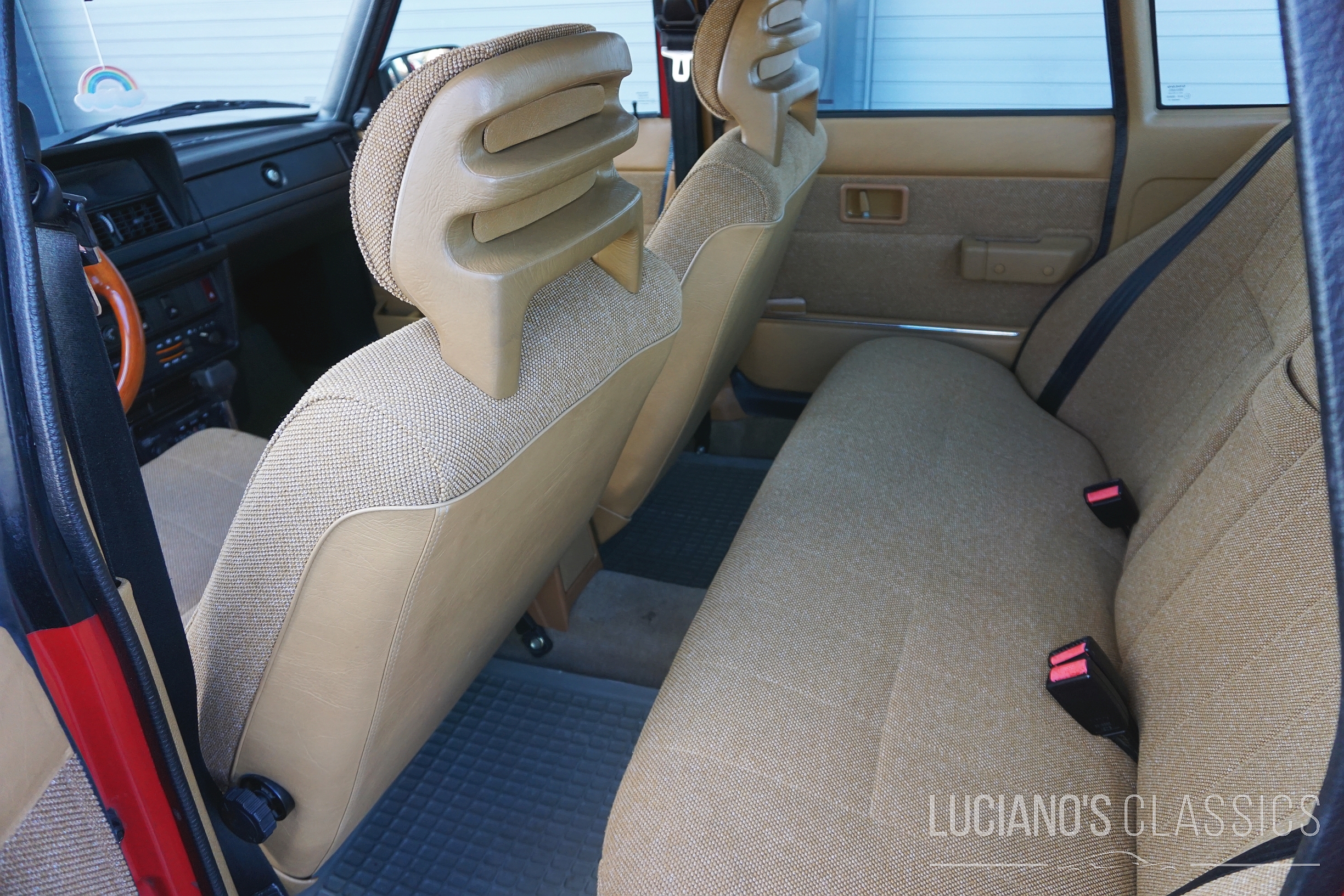
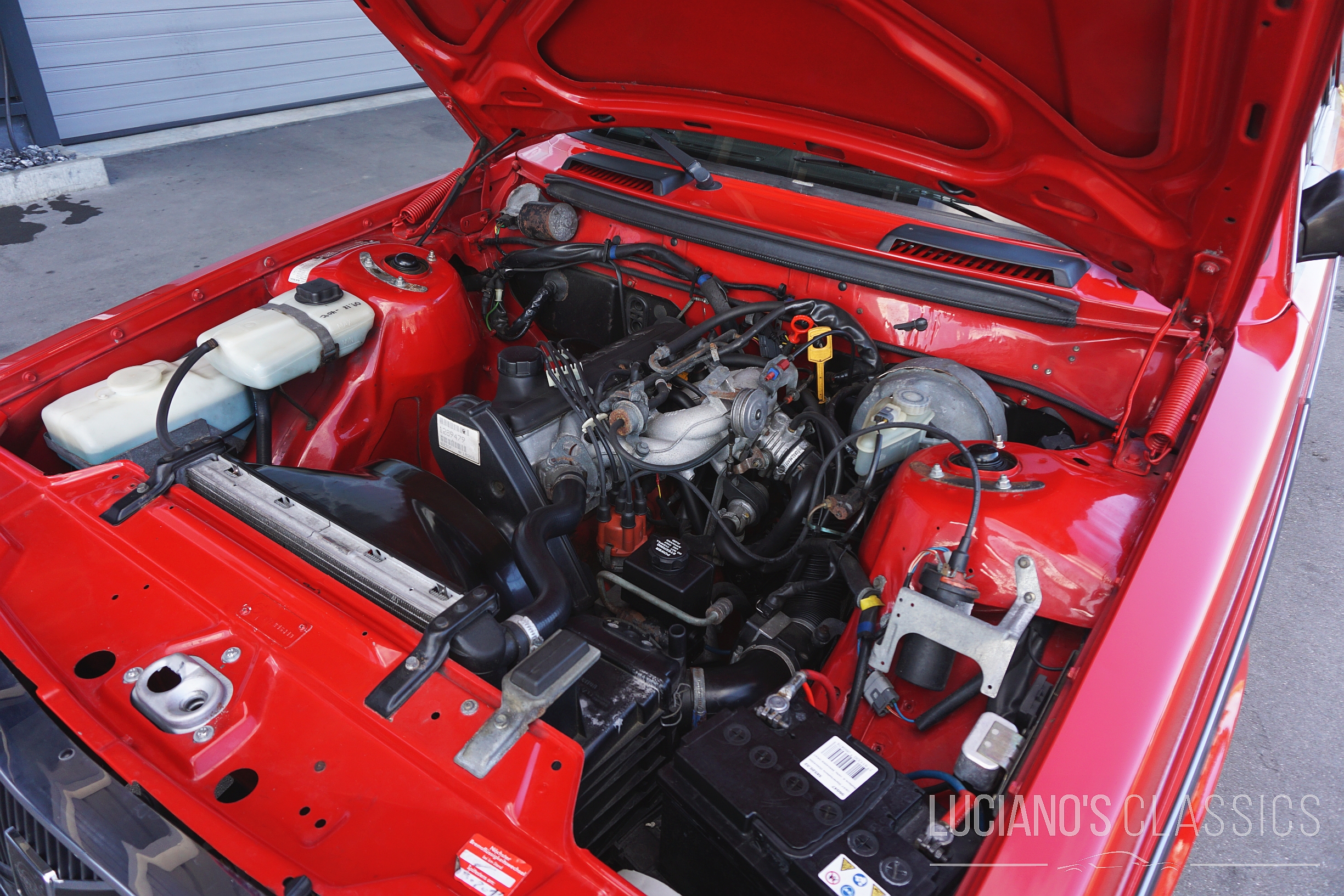
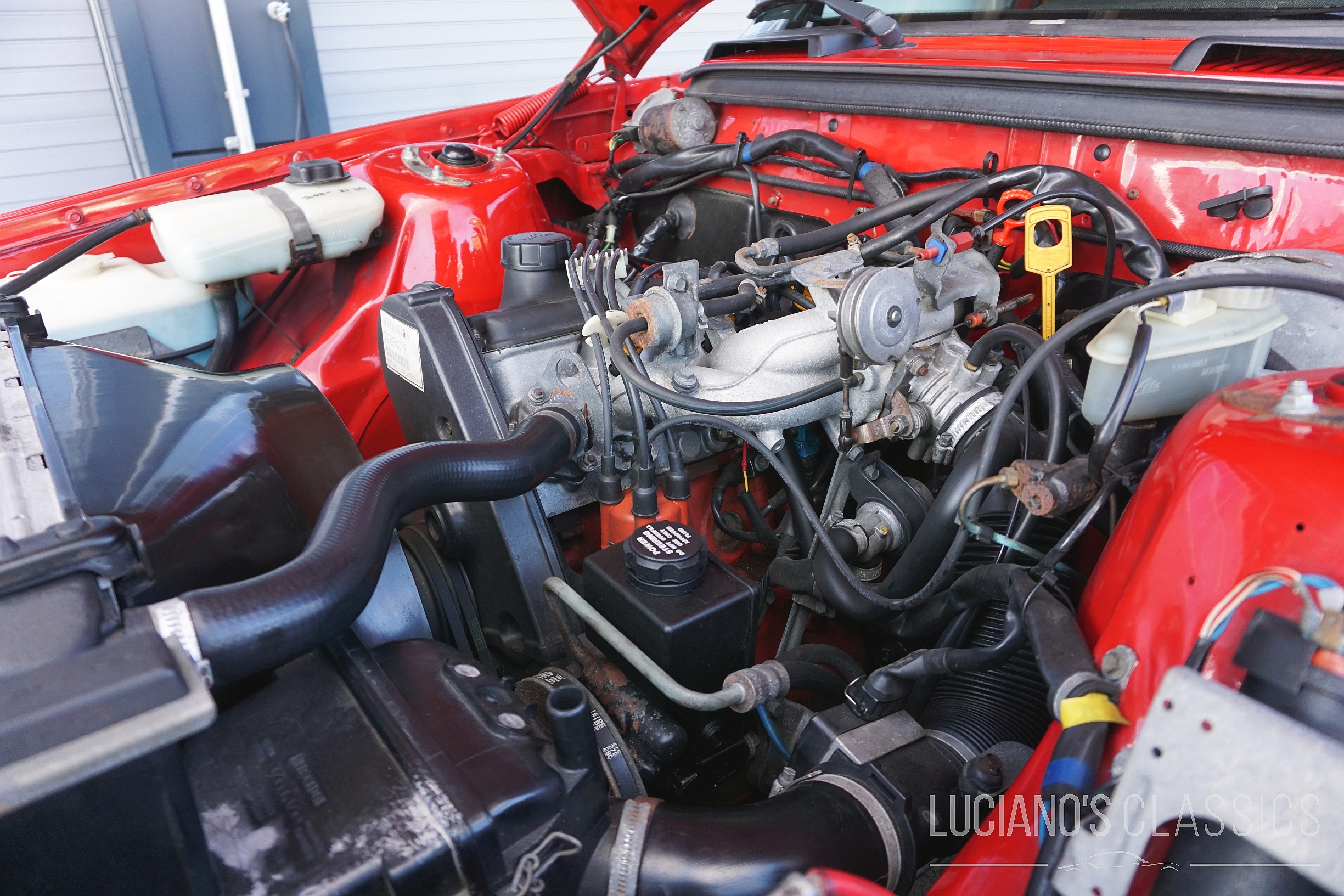
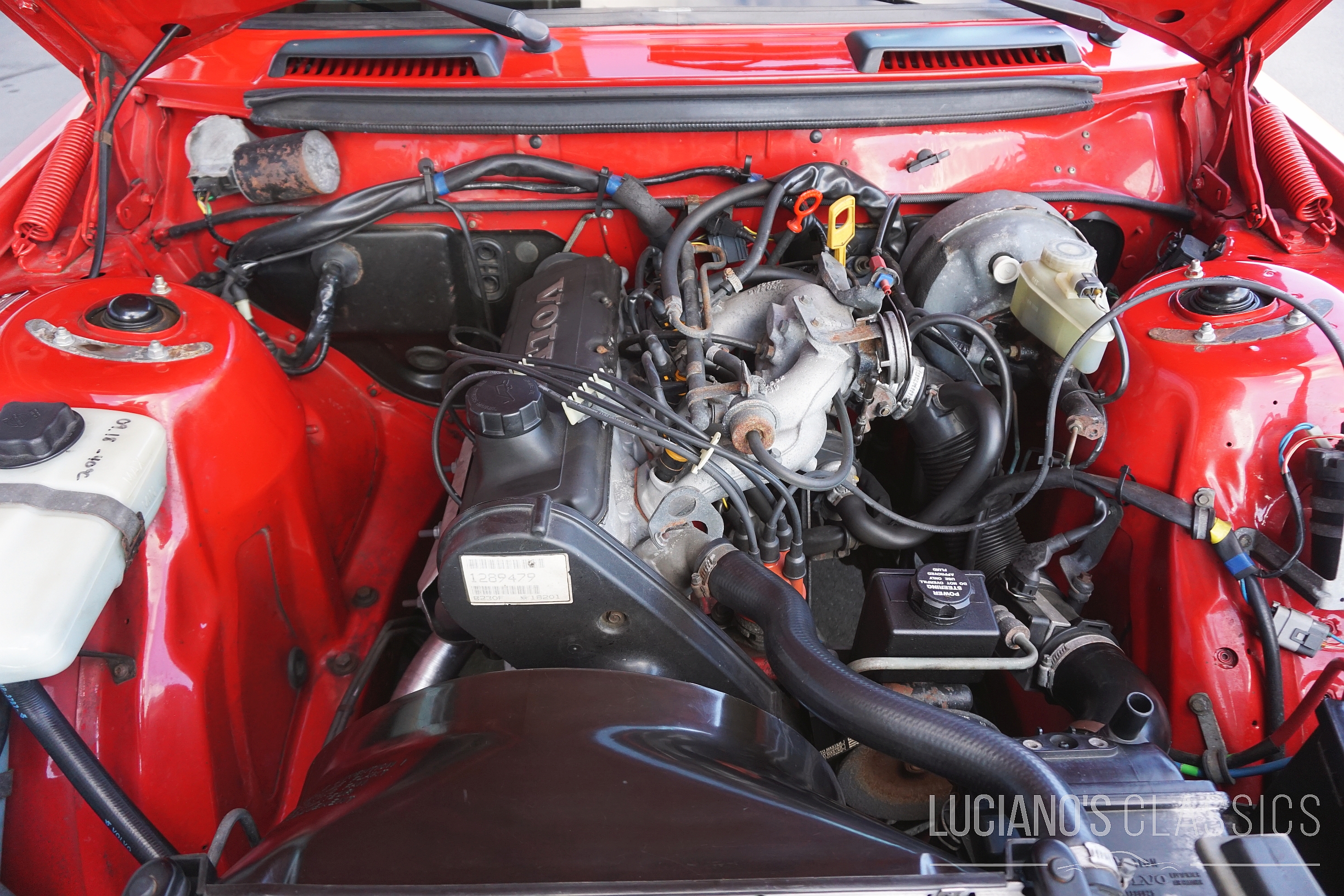
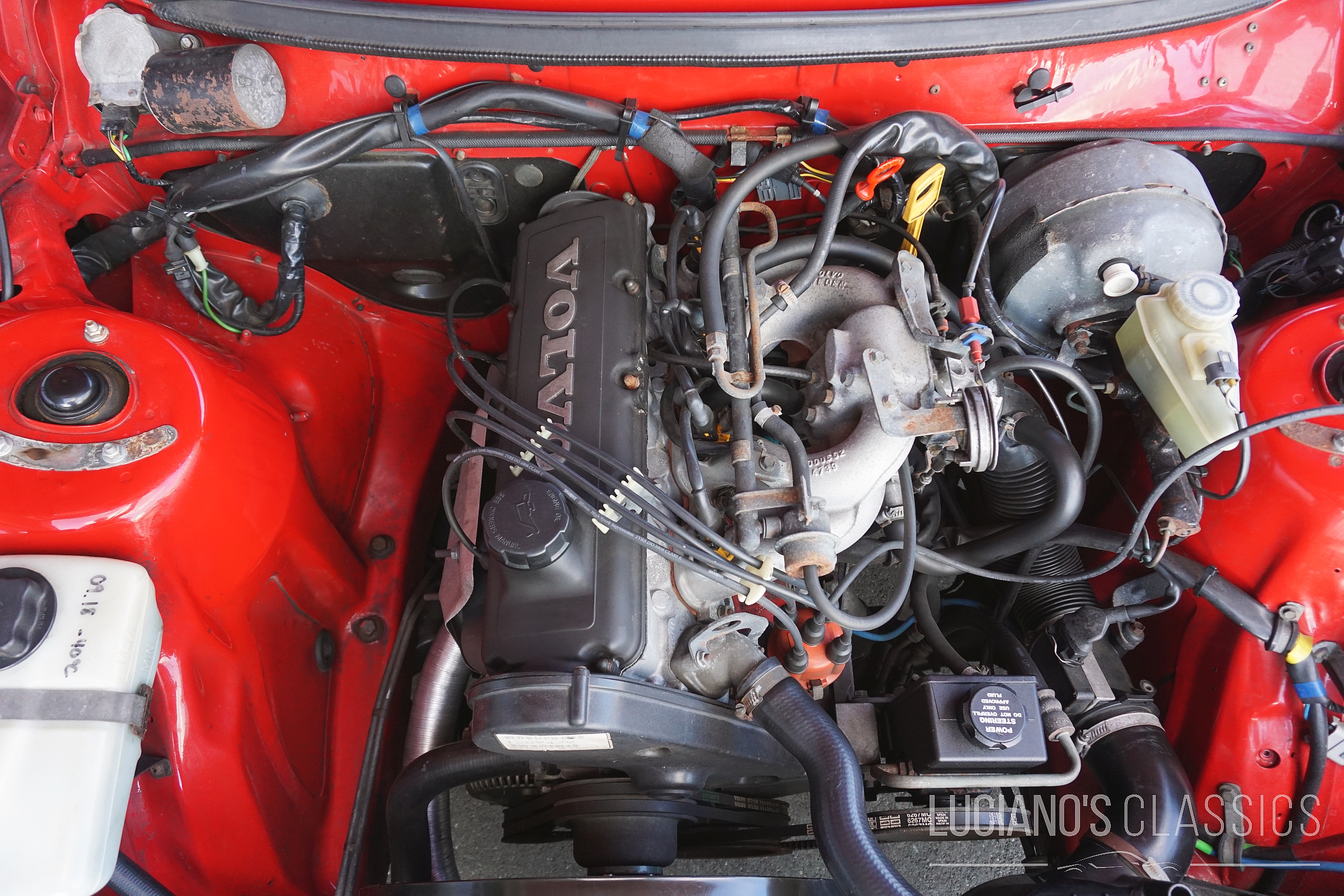
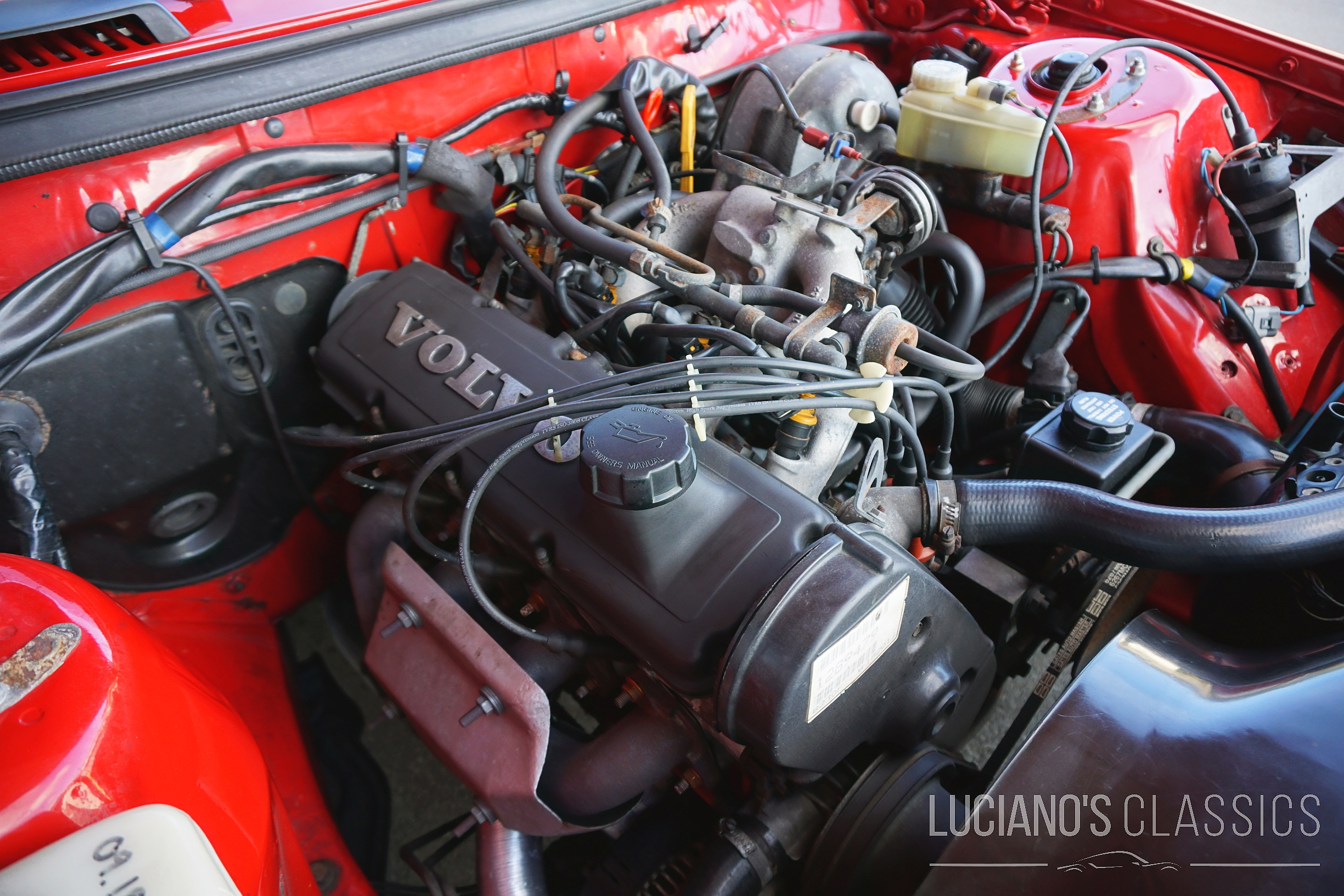
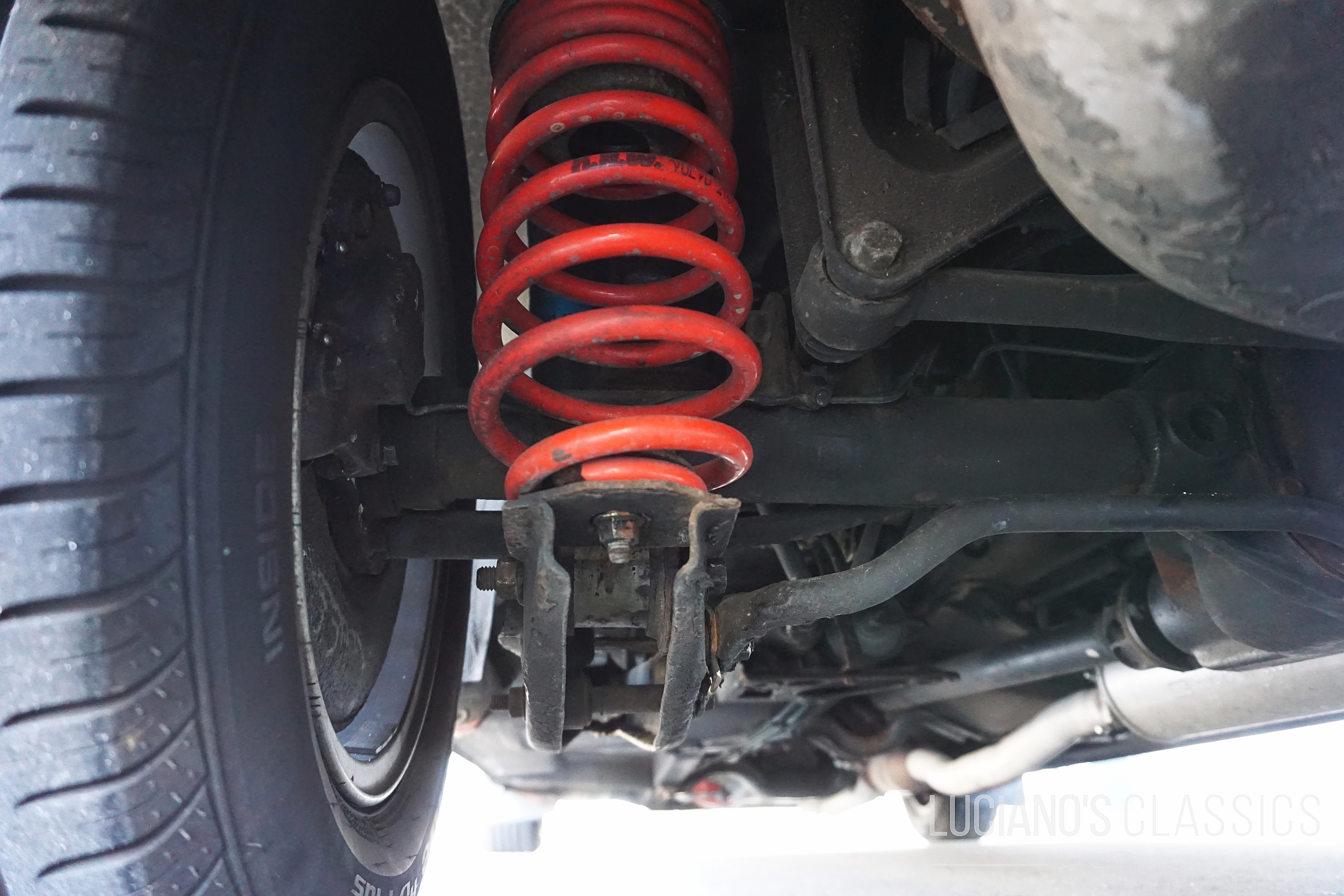
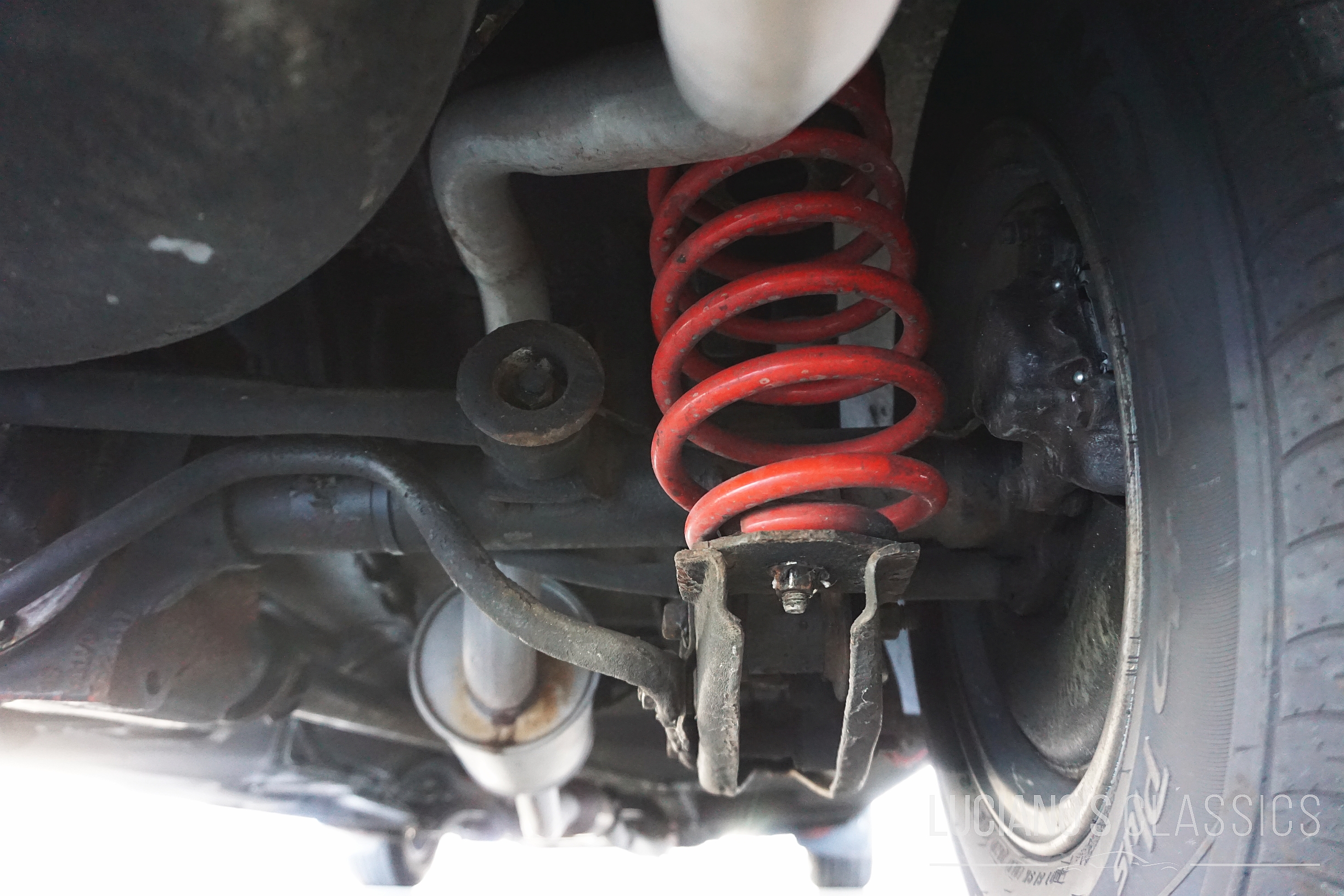
The engine was sealed, the exhaust system from the engine, including the manifold, is new and seals and rubbers were replaced all round. Various small parts and electronics in the interior were also professionally replaced and the driver's seat was reupholstered. The car is on registered KAW springs and is being sold with a set of original rims with old but unused winter tires in addition to the existing tires. A cover, various spare parts, a white set of indicators, the original steering wheel and the original springs are of course also included with the car. Optionally, an original roof rack can be purchased for CHF 200.
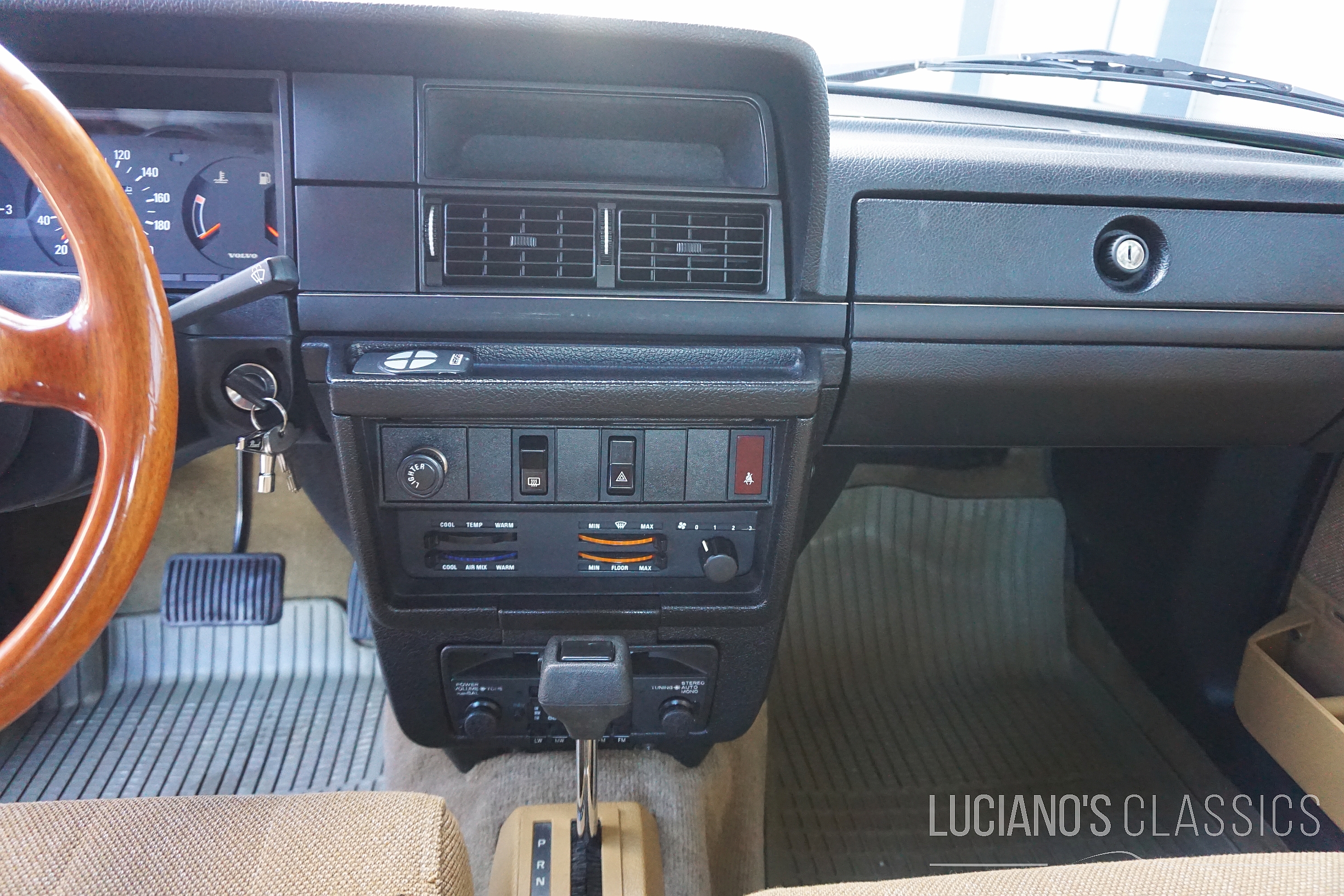
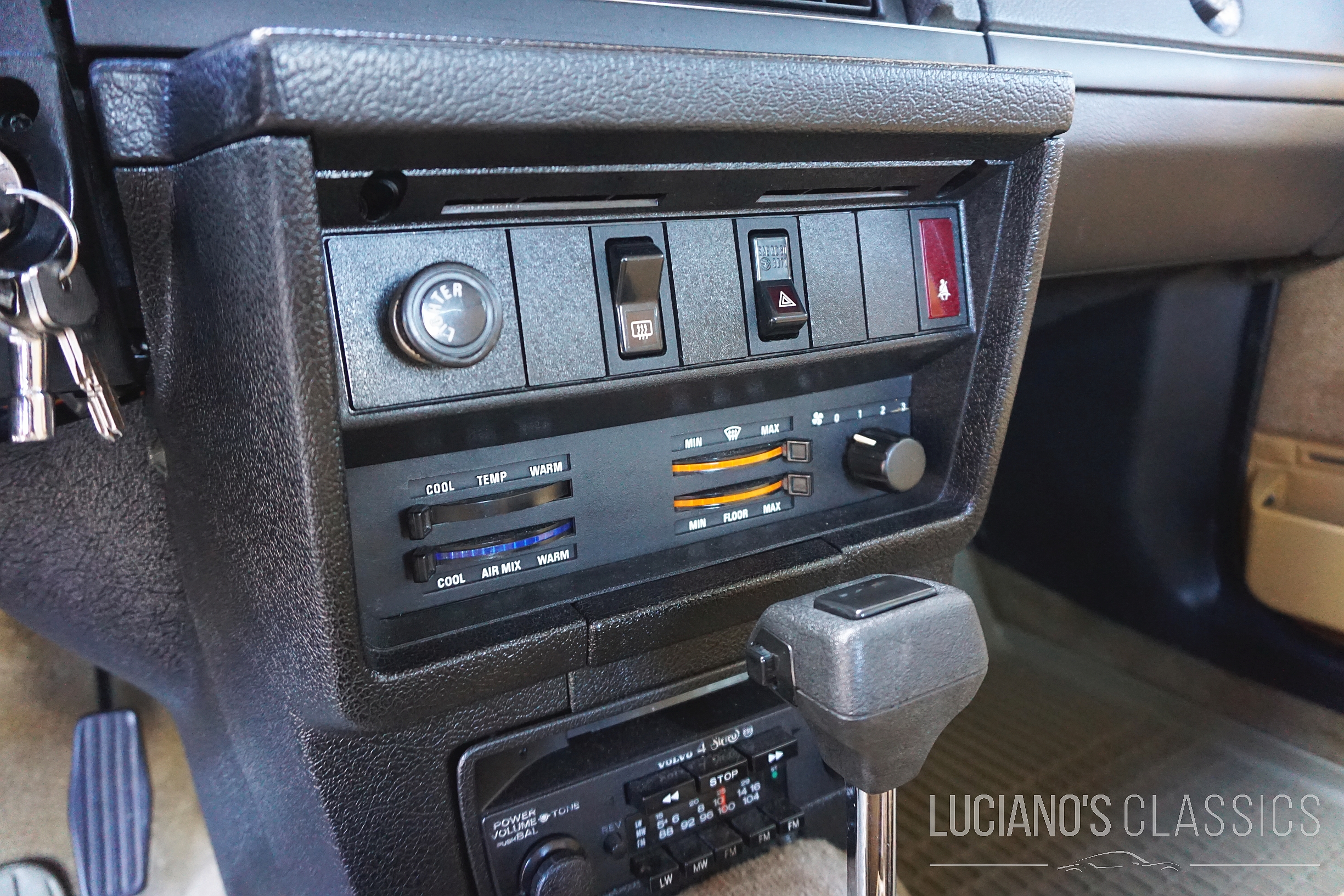
Inside and out, the car is in almost mint condition. The paintwork is very nice and only has an unsightly spot around the antenna outlet where the clear coat has peeled off a little.
You can find a video of the Volvo classic at the bottom of this page.
This vehicle has already been sold.
Model history
The Volvo 240 was a successful model and still serves today as a model for high-quality workmanship, reliability and safety - and all this without ever having made a big deal of it. The angular Swede was described by an English motoring journalist as follows:
„Looks like a tank, runs like a tank, is a tank!“. Translated, this means: „Looks like a tank, runs like a tank, is a tank!“
In our country, the car is appropriately called the Swedish Tank. The most successful Volvo model in history was launched on August 21, 1974 as a series in the upper middle class and as a safety pioneer in the automotive world. By 1993, the successor to the Volvo 140 had sold a whopping 1.9 million units.
The angular design and chunky bumpers ensured cult status even during production. The Volvos stood out so clearly from the competition in the crash tests of the 1970s that they served as the basis for later US safety regulations.
As with its predecessor, Volvo also offered the 240 with two or four doors. Further variants complemented the series to form an entire Swedish model family. In addition to the 260 as a more luxurious saloon version with a six-cylinder engine, the 245 estate became an instant bestseller.
A two-door coupé version followed in 1977 as the Volvo 262. The Italian design studio Bertone had developed the shape with the lowered roof and the luxurious interior and also produced the small edition.
In the fall of 1976, the 240 took on a pioneering role in reducing harmful emissions: the world's first sedans and station wagons with regulated three-way catalytic converters came from the Swedish company to California, where they significantly undercut the world's strictest emission values. In Germany, the brand was one of the first manufacturers to introduce the technology as standard in the 1986 model year.
The 240 was also always one step ahead of its competitors in terms of safety and technology thanks to continuous further development. With the help of VW, the 244 D6 was created in 1979. The car was the world's first passenger car with a straight-six diesel engine.
In 1981, history was made with the world's fastest estate car thanks to its powerful turbo. The Volvo 245 was often only seen from behind on the road and on the track, and the even faster saloon earned the nickname «Flying Brick« on Europe's racetracks.
The examples that are still in good shape today are coveted collector's items, reliable daylies and inexpensive classic cars all in one. The engines are virtually indestructible and mileages in excess of 500,000 kilometers are not uncommon. The spare parts situation is very good, especially as many parts are still available directly from Volvo and there is no shortage of parts in stock from the numerous third-party suppliers.
Details
- 262,000 km
- 1. inv. 01.04.1991
- MFK 17.05.2023
- Veteran possible
- 2315 cc R4 engine
- 115 HP
- Type certificate 1V50 53
- Master number 308.628.292
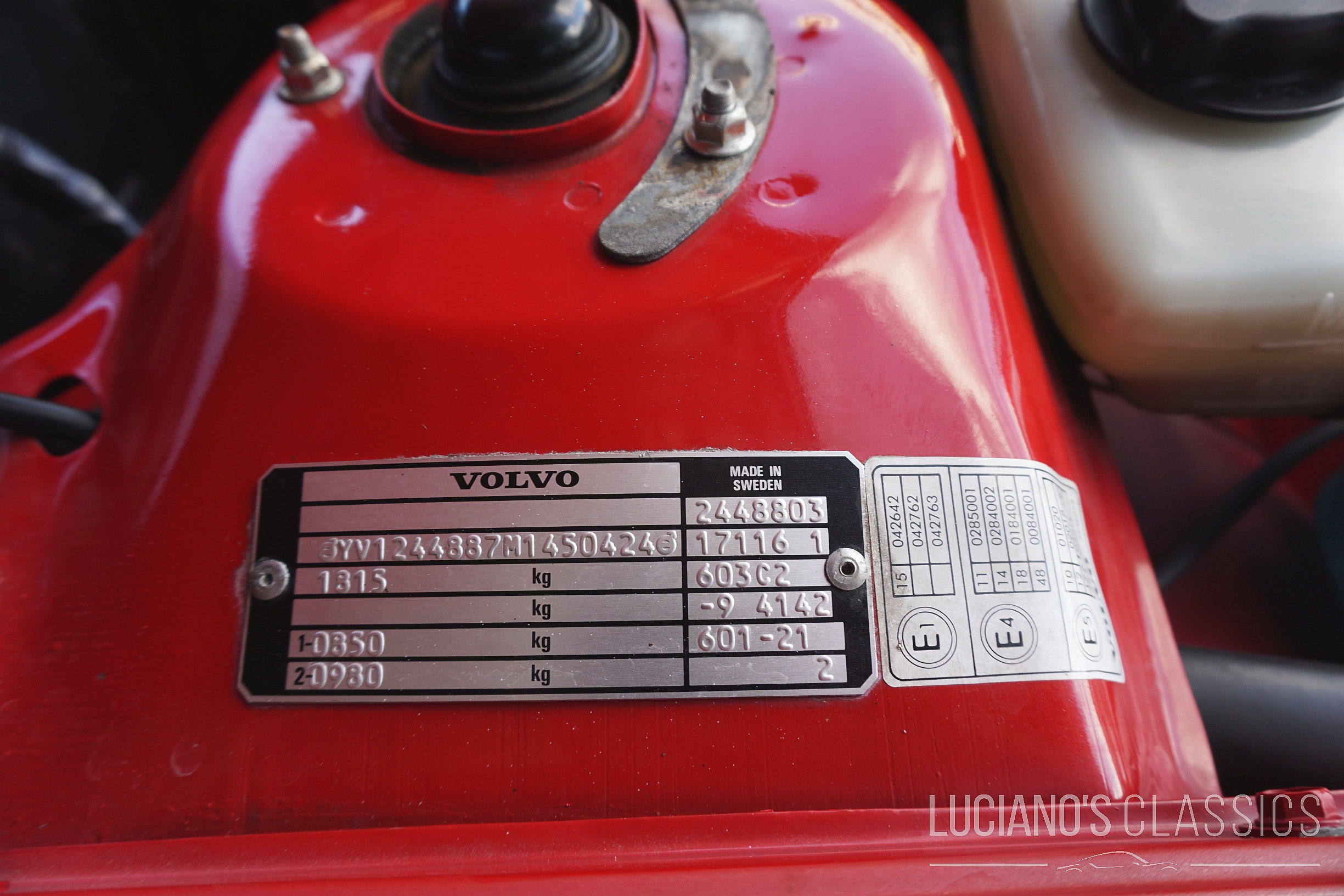
- Chassis YV1 244 887 M145 0424
- Unladen weight 1285 kg
- Payload 545 kg
- Roof load 100 kg
not what you are looking for?
We will be happy to find your individual dream vehicle.
Simply make a non-binding inquiry and benefit from our network.